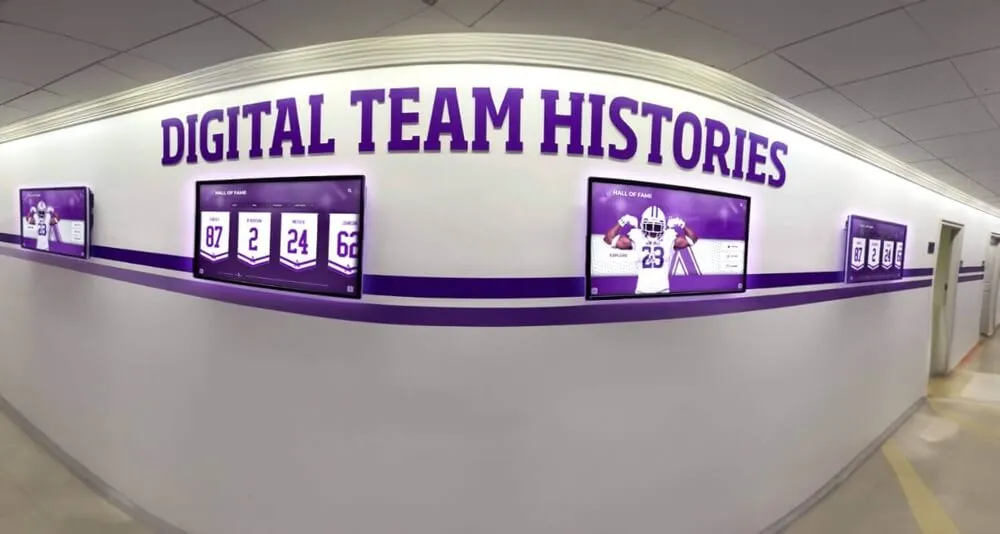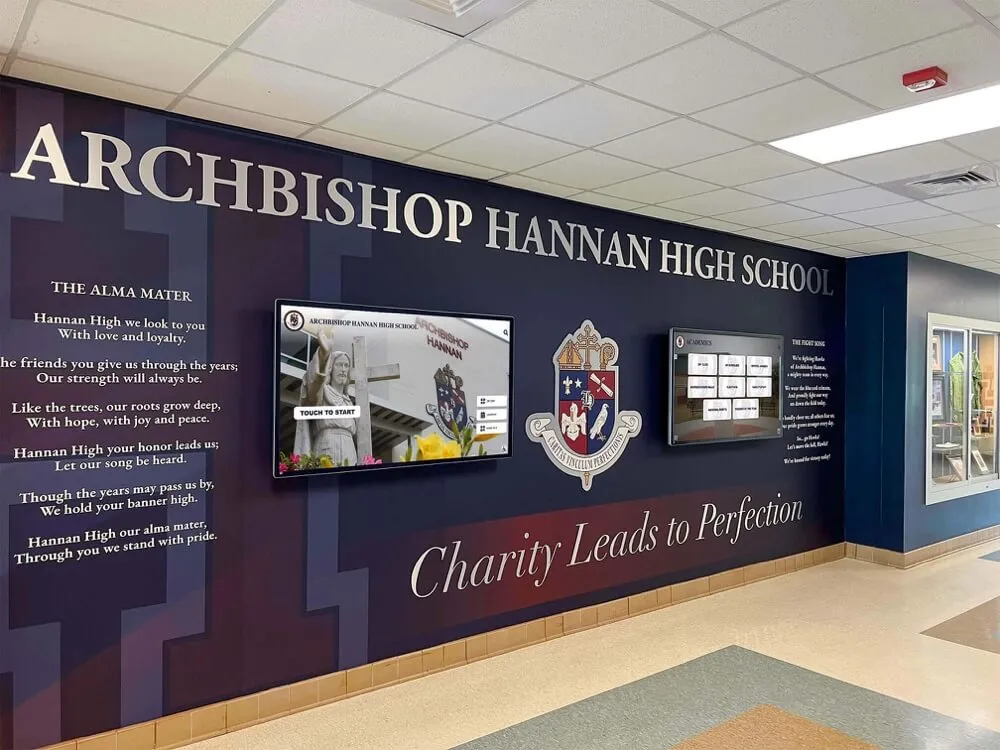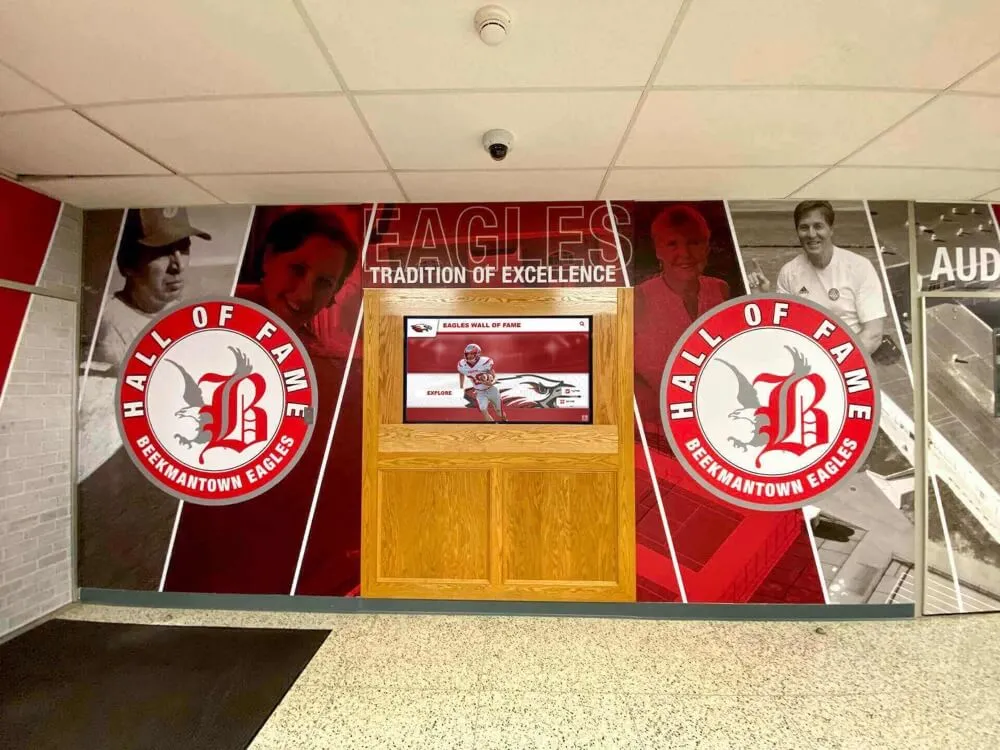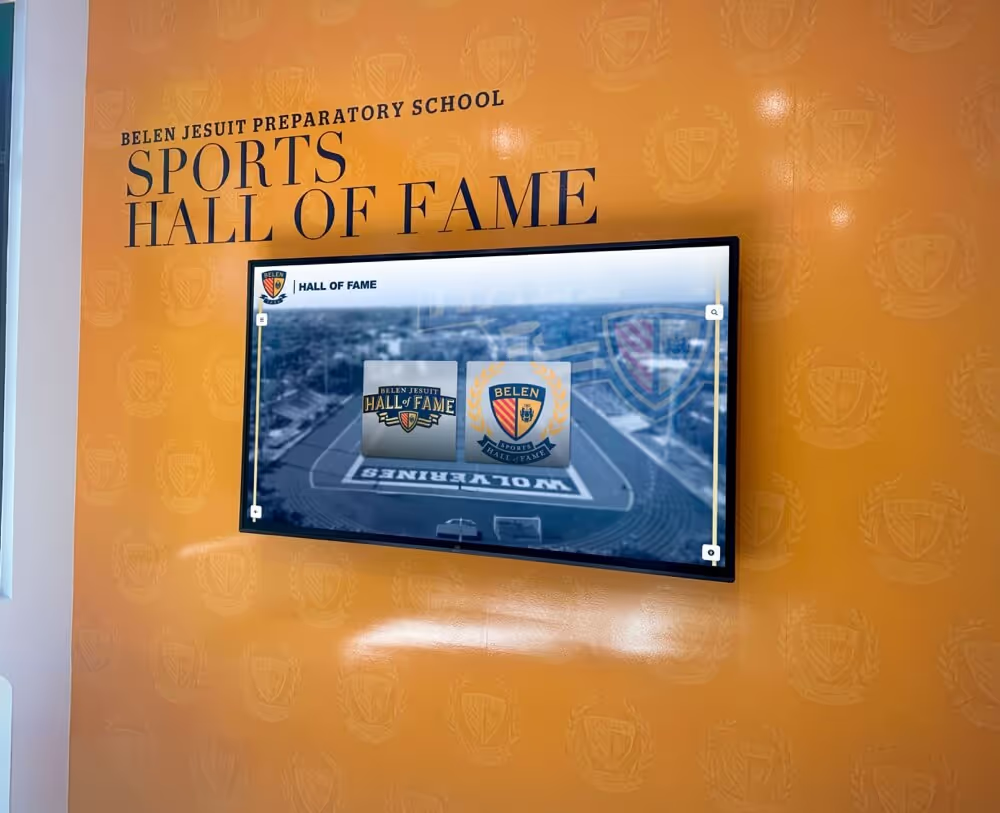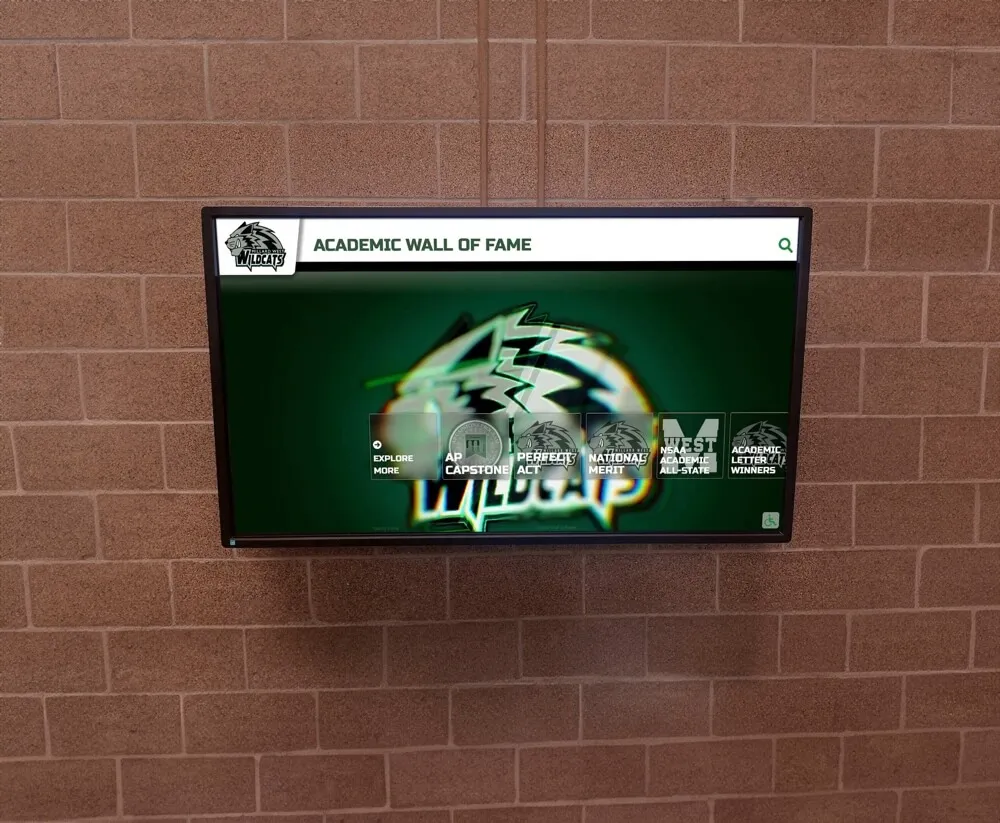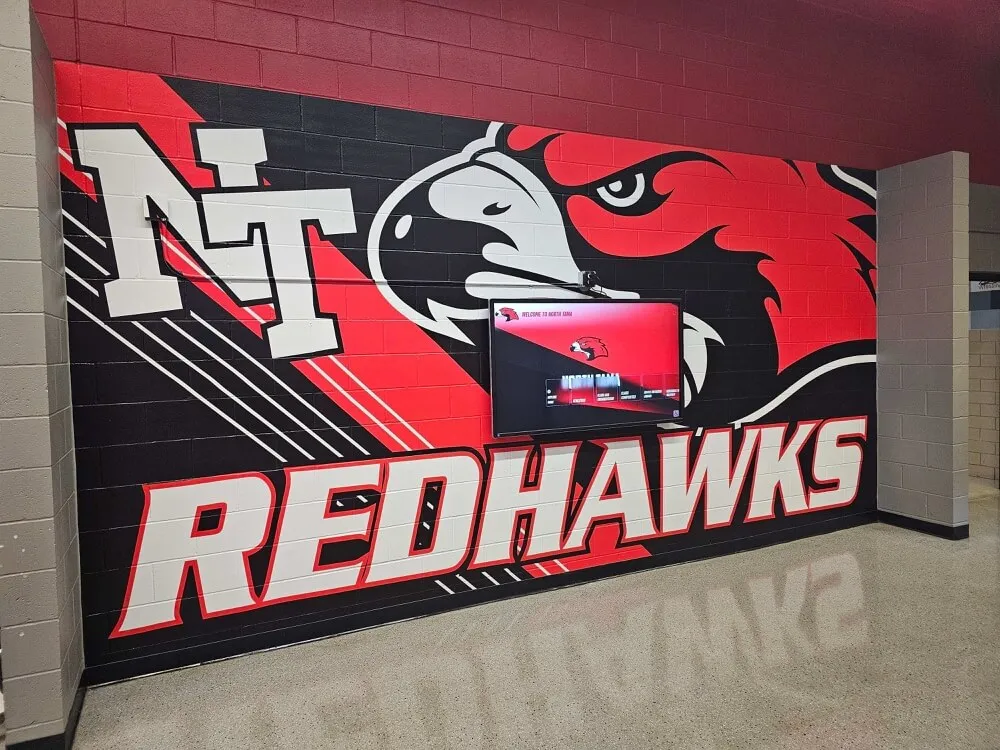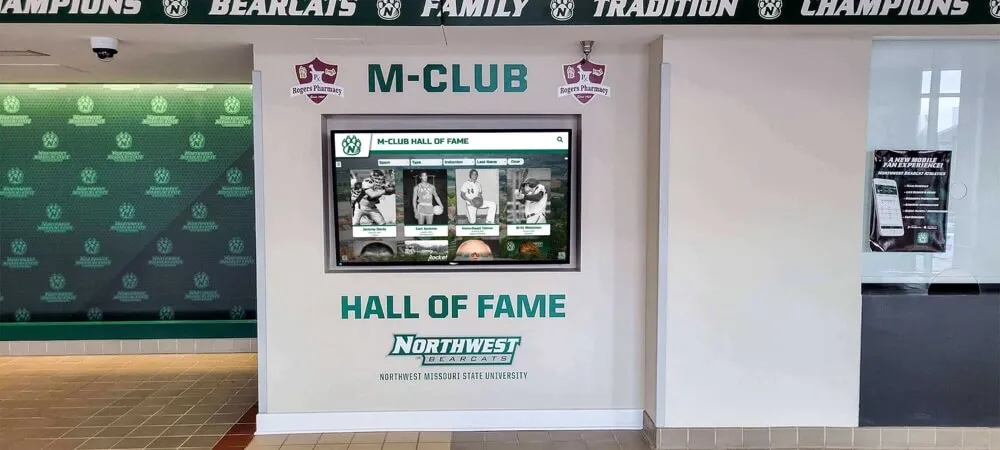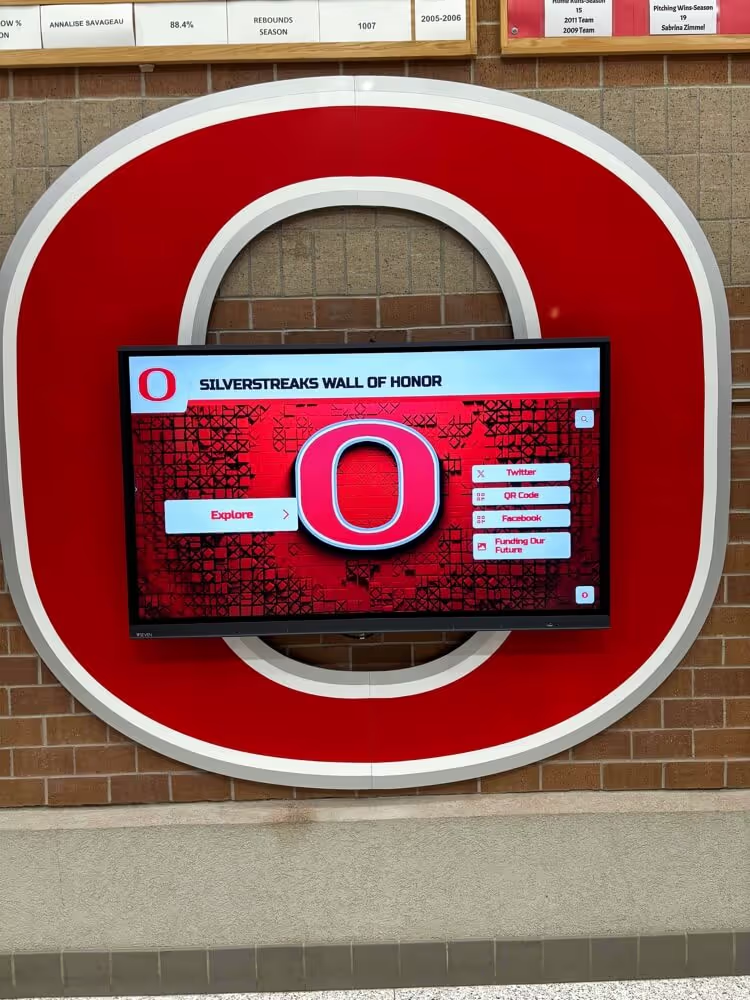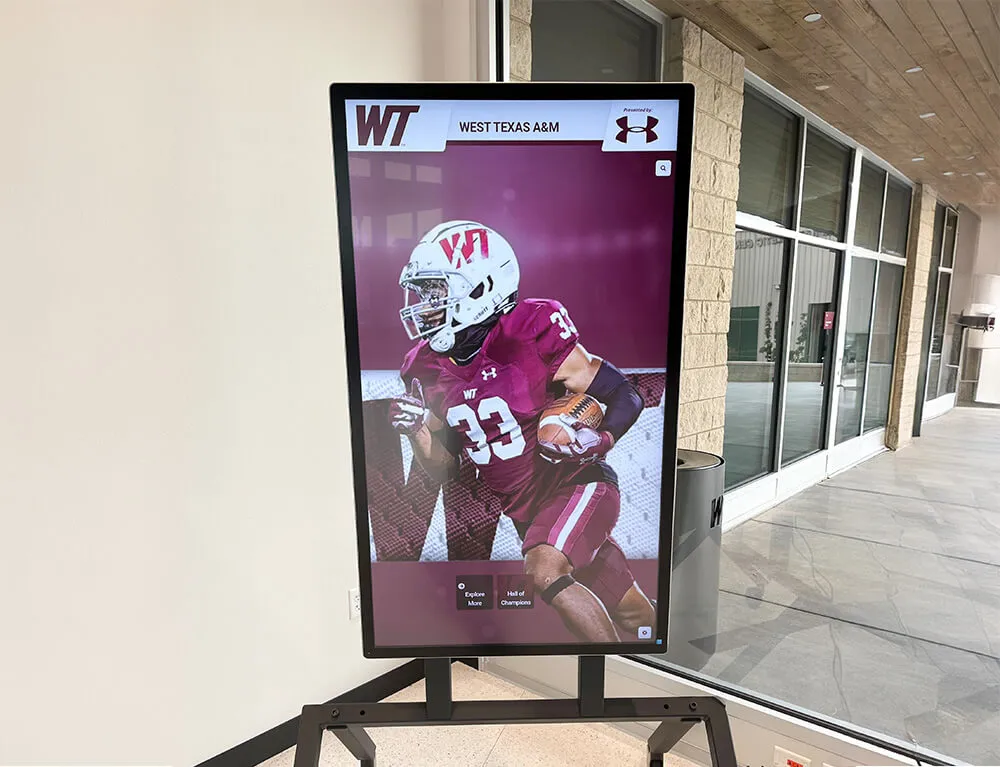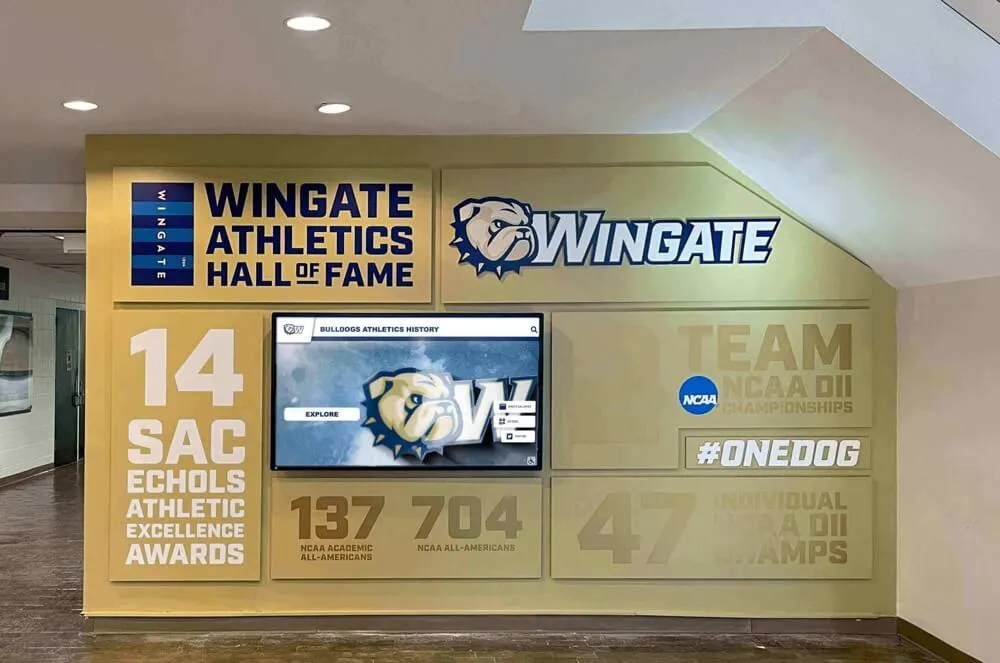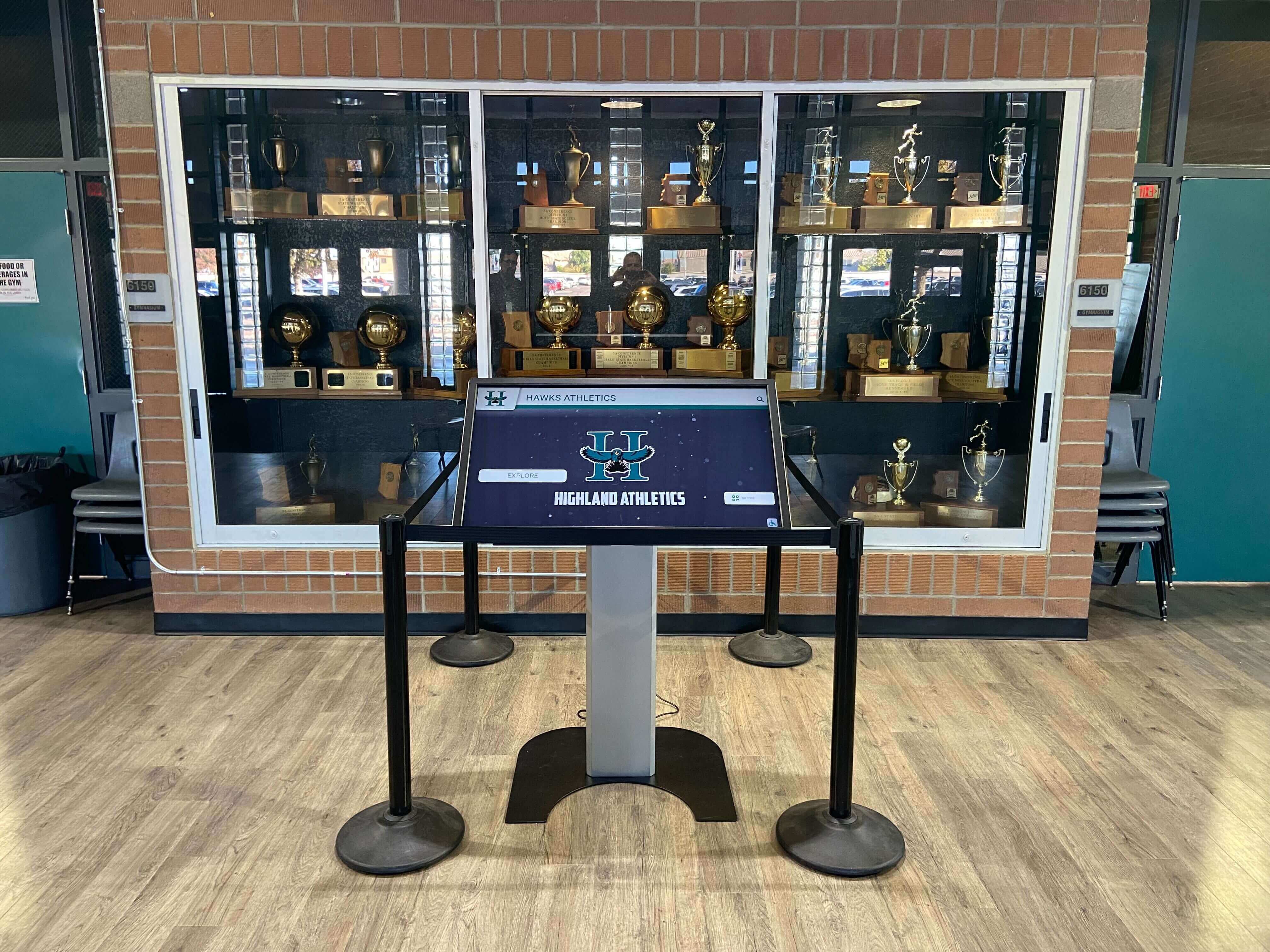




Hall of fame recognition has evolved beyond traditional plaques and trophy cases. Modern institutions need flexible, engaging tools that can showcase athletic achievements, honor donors, celebrate artistic accomplishments, and preserve historical narratives—all while managing space constraints and engaging digital-first audiences.
The challenge facing schools, universities, museums, and organizations centers on selecting recognition technology that serves diverse needs across departments. Athletic directors need systems displaying team records and individual honors. Development offices require donor recognition with giving level flexibility. Arts programs want portfolio-style displays for student and professional work. History departments need archival systems preserving institutional heritage through multimedia storytelling.
This comprehensive guide evaluates the 10 best hall of fame tools available, examining their strengths, limitations, and ideal use cases across athletic recognition, donor appreciation, arts showcases, and historical preservation. You’ll discover which platforms deliver comprehensive recognition capabilities, understand key feature differences, and identify the solution best matching your institution’s specific needs.
Institutions implementing specialized hall of fame tools report engagement increases of 300-500% compared to traditional static displays. Interactive touchscreen experiences encourage exploration, while cloud-based management enables instant updates maintaining fresh, current content that communities value and revisit regularly.

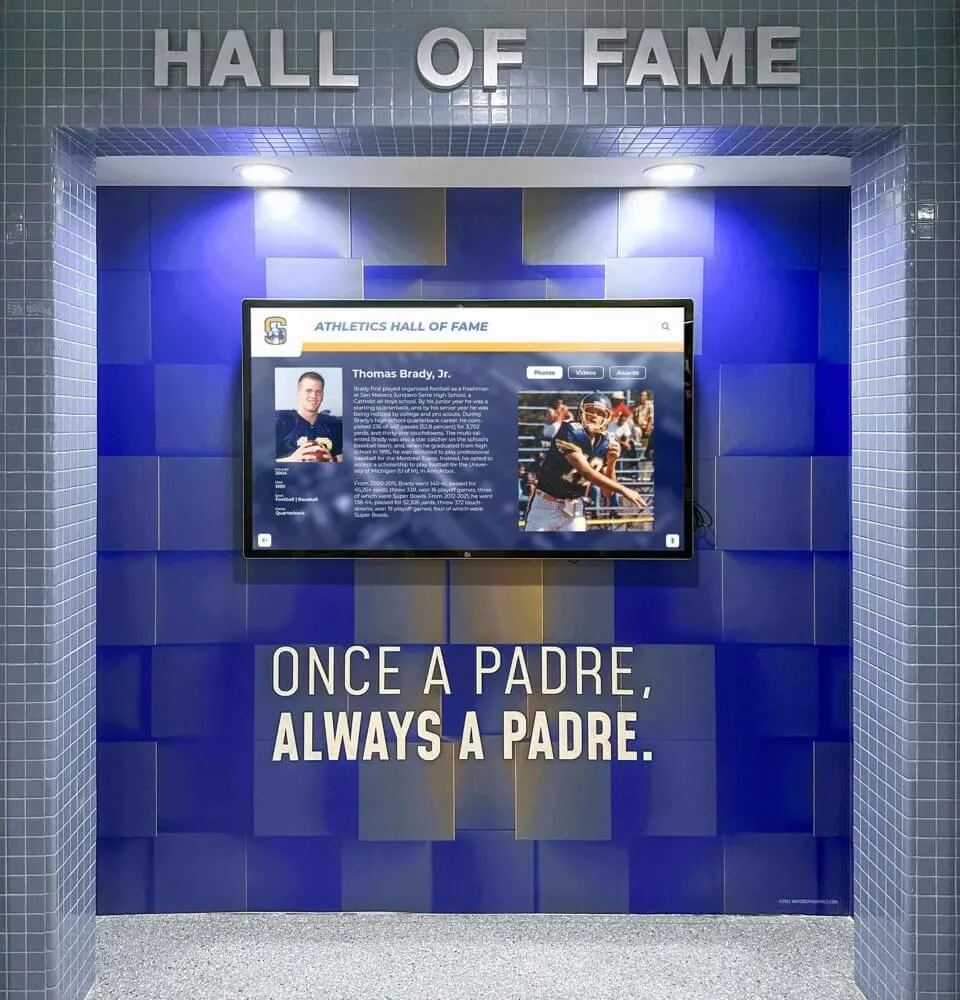
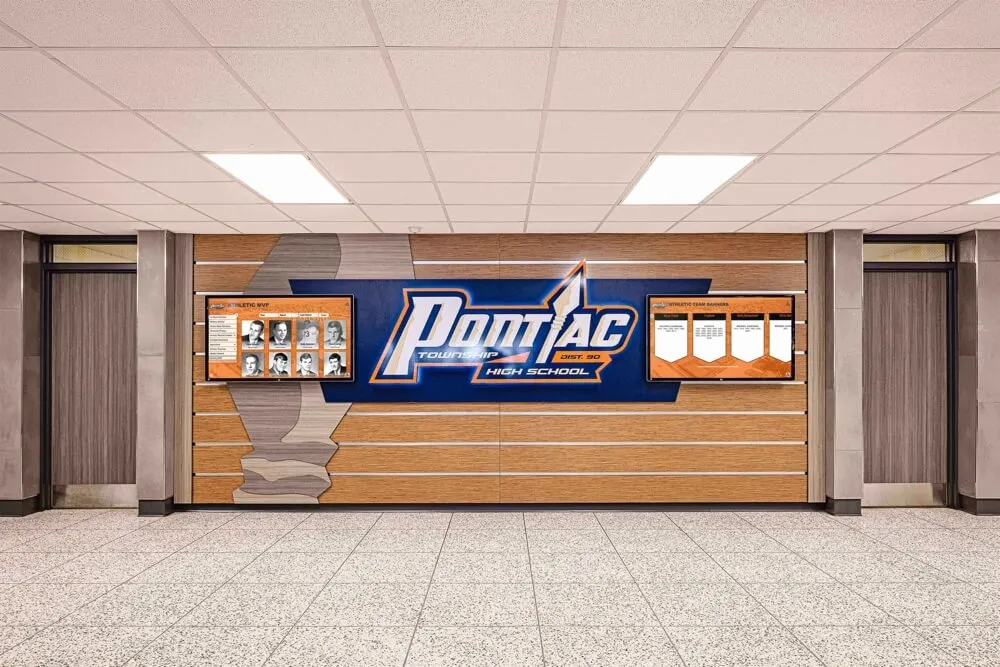
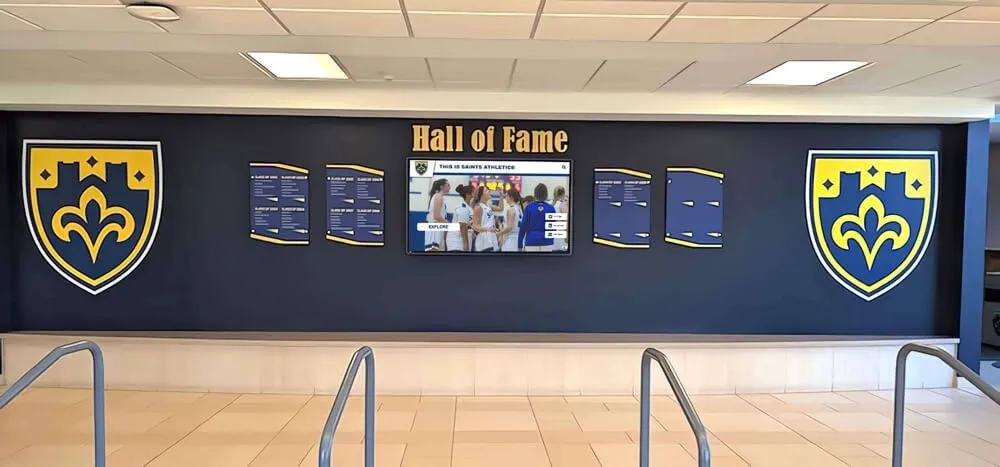
Modern touchscreen kiosks integrate with traditional trophy cases, providing unlimited digital recognition capacity alongside physical awards
What Makes an Effective Hall of Fame Tool
Before evaluating specific platforms, understanding essential capabilities helps institutions make informed decisions aligned with recognition goals.
Core Functionality Requirements
Unlimited Recognition Capacity
The best hall of fame tools eliminate physical space constraints, enabling institutions to recognize unlimited individuals, teams, and achievements without expansion projects or removing existing honorees to accommodate new inductees.
Multimedia Content Support
Comprehensive recognition extends beyond names and dates. Quality platforms support high-resolution photos, video highlights, biographical narratives, achievement statistics, and document archives creating rich profiles that genuinely celebrate accomplishments.
Intuitive Search and Navigation
Visitors should quickly locate specific individuals through search functionality, browse chronologically or by category, and discover related content through intelligent connections between athletes, teams, donors, and historical events.
Cloud-Based Management
Remote content management enables distributed teams to update recognition from any device without technical expertise or on-site access. Cloud platforms also ensure automatic backups, security updates, and accessibility from multiple locations.
Flexible Display Options
Recognition tools should support various screen sizes and orientations, multiple displays throughout facilities, wall-mounted installations, and freestanding kiosks adapting to architectural constraints and traffic patterns.
Critical Feature Considerations
Brand Customization
Platforms must accommodate institutional branding including custom color schemes, logo integration, typography reflecting brand identity, and layout flexibility ensuring recognition displays feel authentically connected to organizational identity rather than generic templates.
Privacy and Security Controls
Recognition often involves sensitive information. Quality platforms provide granular privacy controls for personal data, secure access management for content administrators, and compliance with relevant privacy regulations including FERPA for educational institutions.
Analytics and Engagement Tracking
Data-driven recognition improvement requires understanding usage patterns. Comprehensive analytics reveal most-viewed profiles, search behaviors, peak engagement times, and content gaps informing continuous enhancement.
Integration Capabilities
Hall of fame tools should integrate with existing institutional systems including alumni databases, advancement CRM platforms, student information systems, and content management systems streamlining workflows and reducing duplicate data entry.
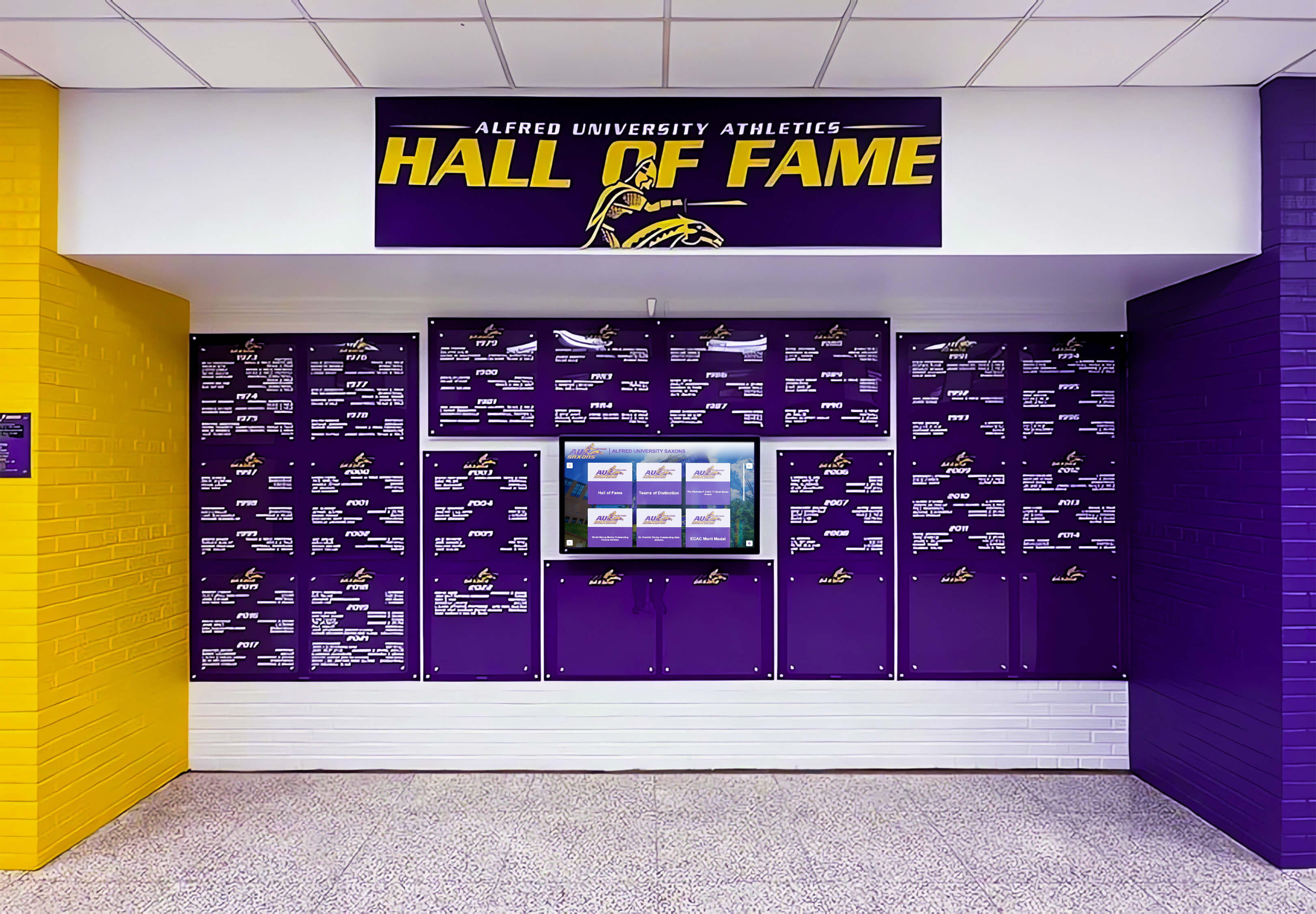
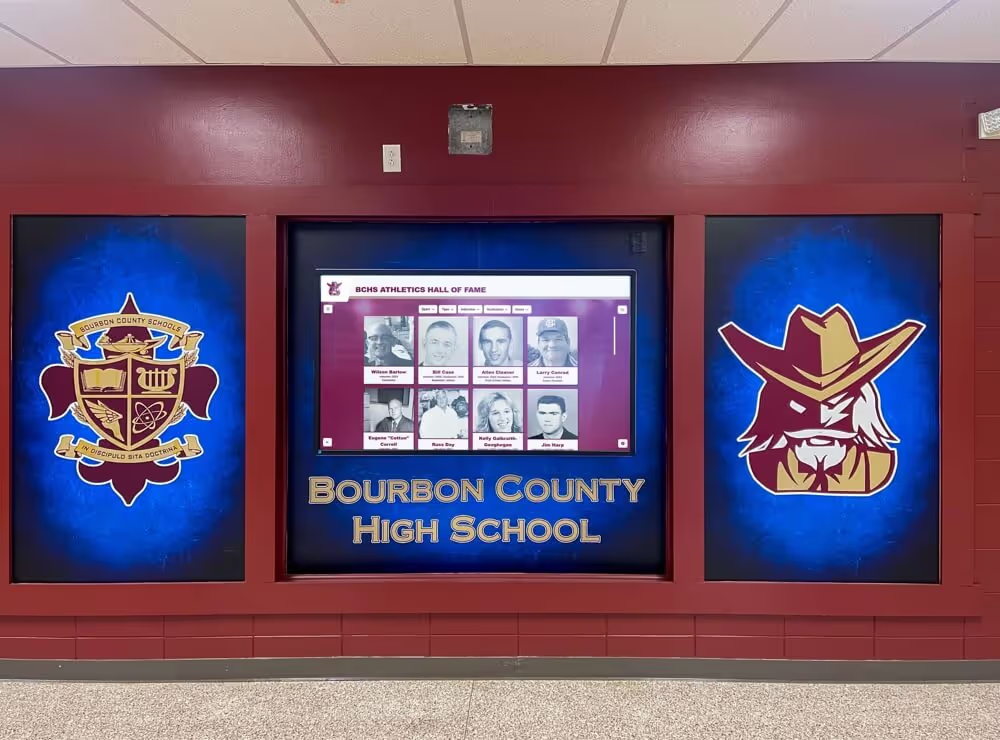
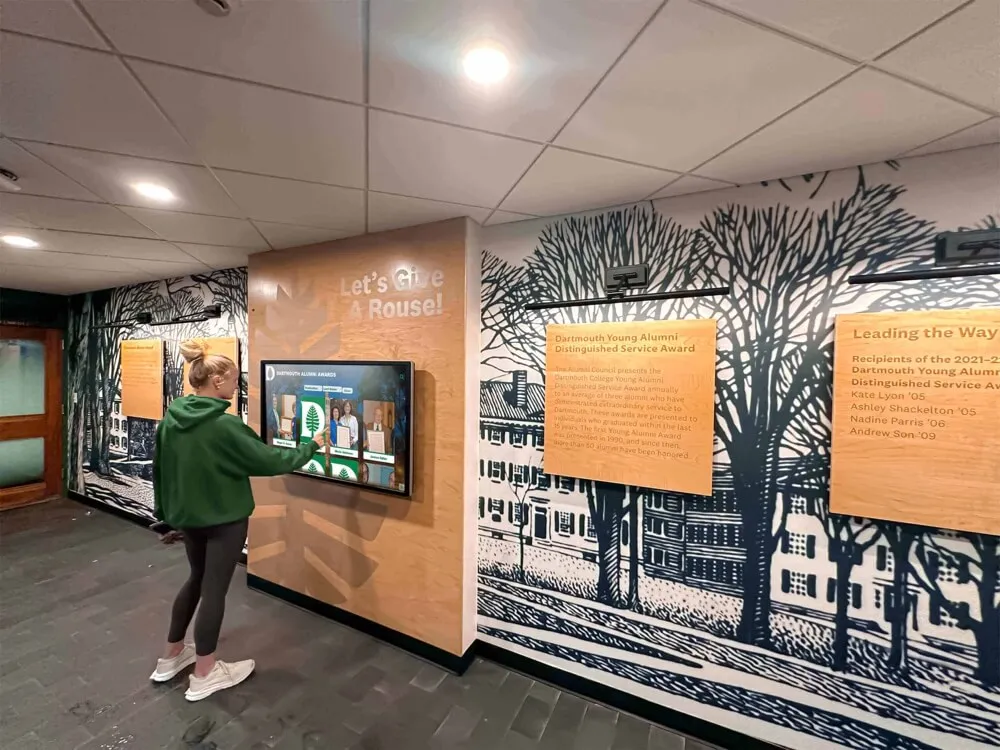
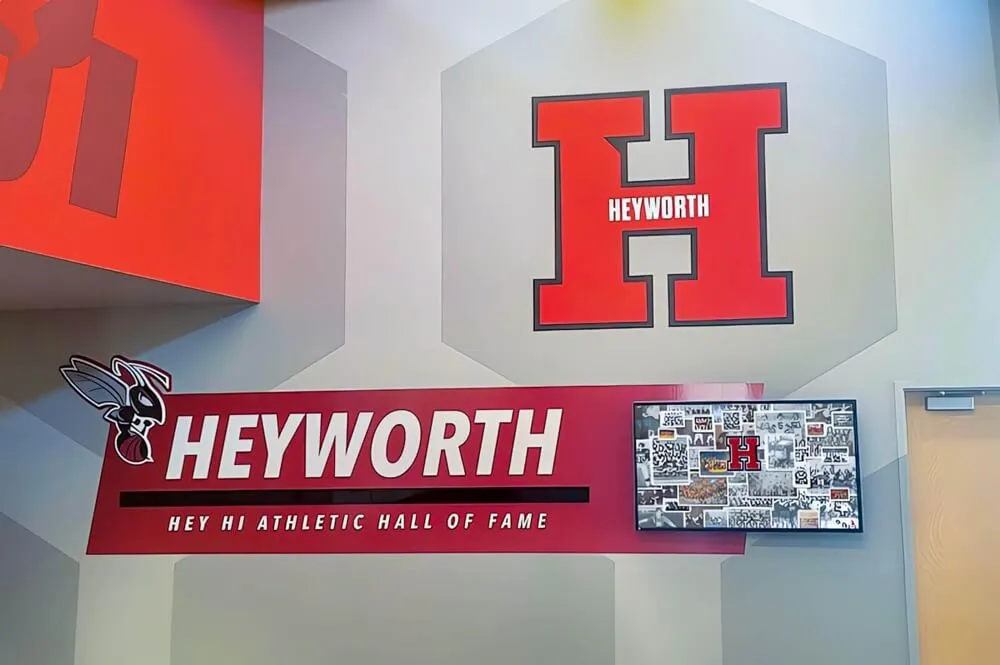
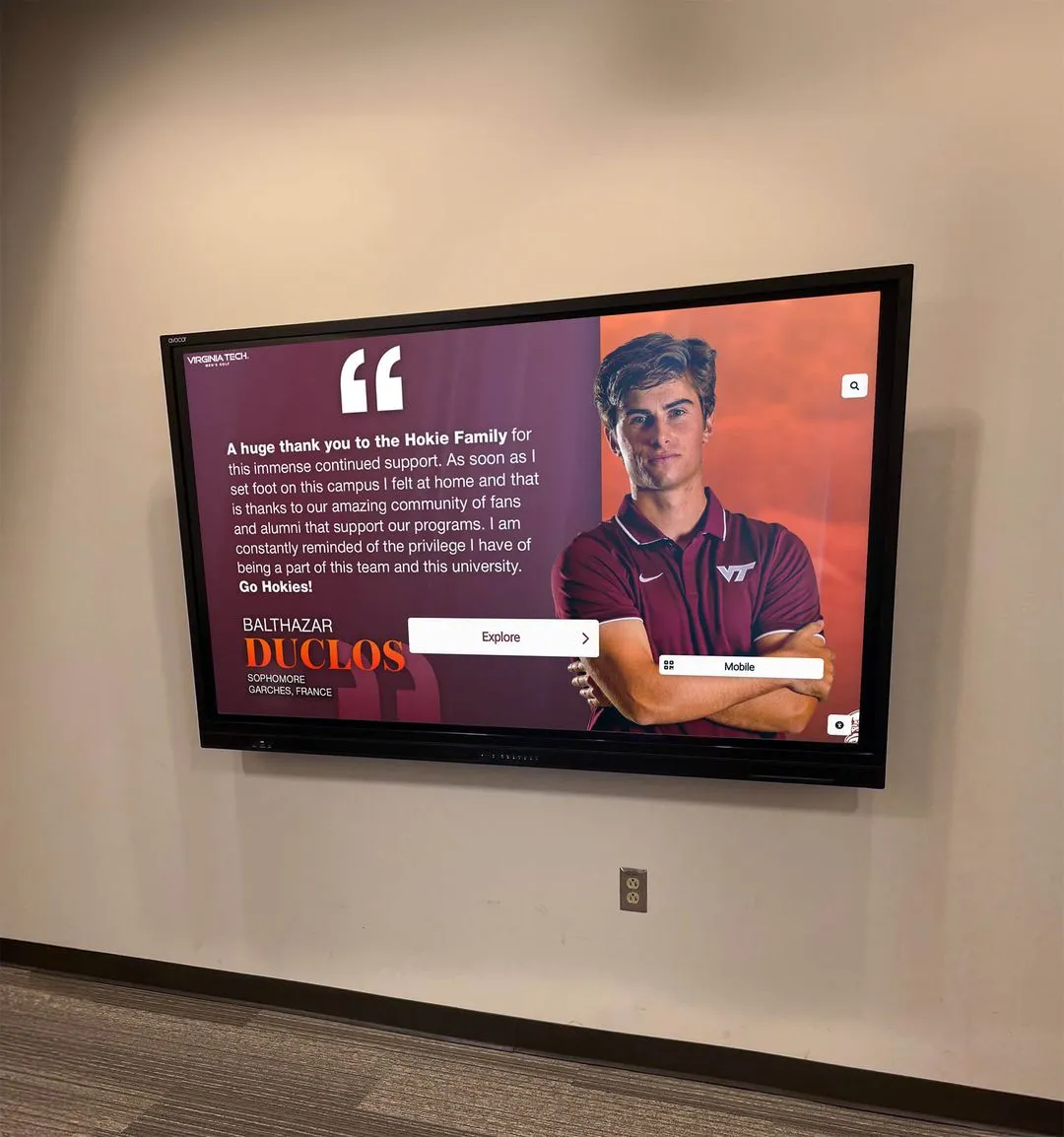
Brand-integrated displays incorporate institutional colors and design elements creating cohesive recognition experiences
The 10 Best Hall of Fame Tools Evaluated
This evaluation ranks tools based on feature comprehensiveness, ease of use, customization flexibility, and value across multiple recognition applications.
1. Rocket Alumni Solutions
Overall Rating: 9.5/10
Best For: Comprehensive institutional recognition across athletics, academics, donors, and history
Rocket Alumni Solutions delivers purpose-built digital hall of fame technology specifically designed for schools, universities, and organizations requiring sophisticated recognition across multiple categories. The platform combines commercial-grade touchscreen displays with cloud-based content management and specialized recognition software understanding unique institutional needs.
Key Strengths
The platform excels in several critical areas. Unlimited recognition capacity accommodates institutions with extensive honoree populations without artificial limits or tiered pricing based on profile counts. Comprehensive content management supports rich multimedia including photos, videos, documents, and biographical narratives with intuitive upload workflows requiring no technical expertise.
Sophisticated search and filtering enable visitors to quickly locate individuals by name, year, achievement category, or sport while intelligent content connections surface related honorees, teams, and achievements. Custom design services ensure displays authentically reflect institutional branding through color customization, typography selection, layout design, and graphical elements unique to each organization.
The platform specifically addresses donor recognition requirements with giving level differentiation, campaign-specific recognition, and privacy controls appropriate for philanthropic acknowledgment.
Multi-location support enables organizations with multiple facilities to deploy synchronized displays sharing centralized content while supporting location-specific customization. Web portals extend recognition accessibility beyond physical displays, enabling worldwide profile exploration through responsive websites optimized for all devices.
Comprehensive analytics track engagement including session duration, most-viewed profiles, search patterns, and time-based usage trends informing content strategy and demonstrating recognition program value to stakeholders.
Athletic Recognition Capabilities
Rocket Alumni Solutions provides specialized functionality for digital hall of fame athletic recognition including sport-specific templates, statistical record boards, team roster management, championship documentation, and coaching recognition supporting comprehensive athletic program celebration.
Arts and History Applications
The platform adapts effectively to arts recognition needs with portfolio-style galleries presenting student artwork, performing arts programs featuring video performances, and historical archives organizing content chronologically with rich contextual narratives preserving institutional heritage.
Pricing and Implementation
Rocket Alumni Solutions offers transparent pricing with complete systems including hardware, software, installation, and training typically ranging $12,000-18,000 depending on screen size and customization requirements. Ongoing software subscriptions include unlimited content updates, technical support, and platform enhancements.
Limitations
The platform represents significant initial investment compared to DIY solutions, though total cost of ownership often proves lower when accounting for professional design, reliable hardware, and comprehensive support. Organizations with minimal recognition needs or extremely limited budgets may find simpler solutions adequate for basic applications.
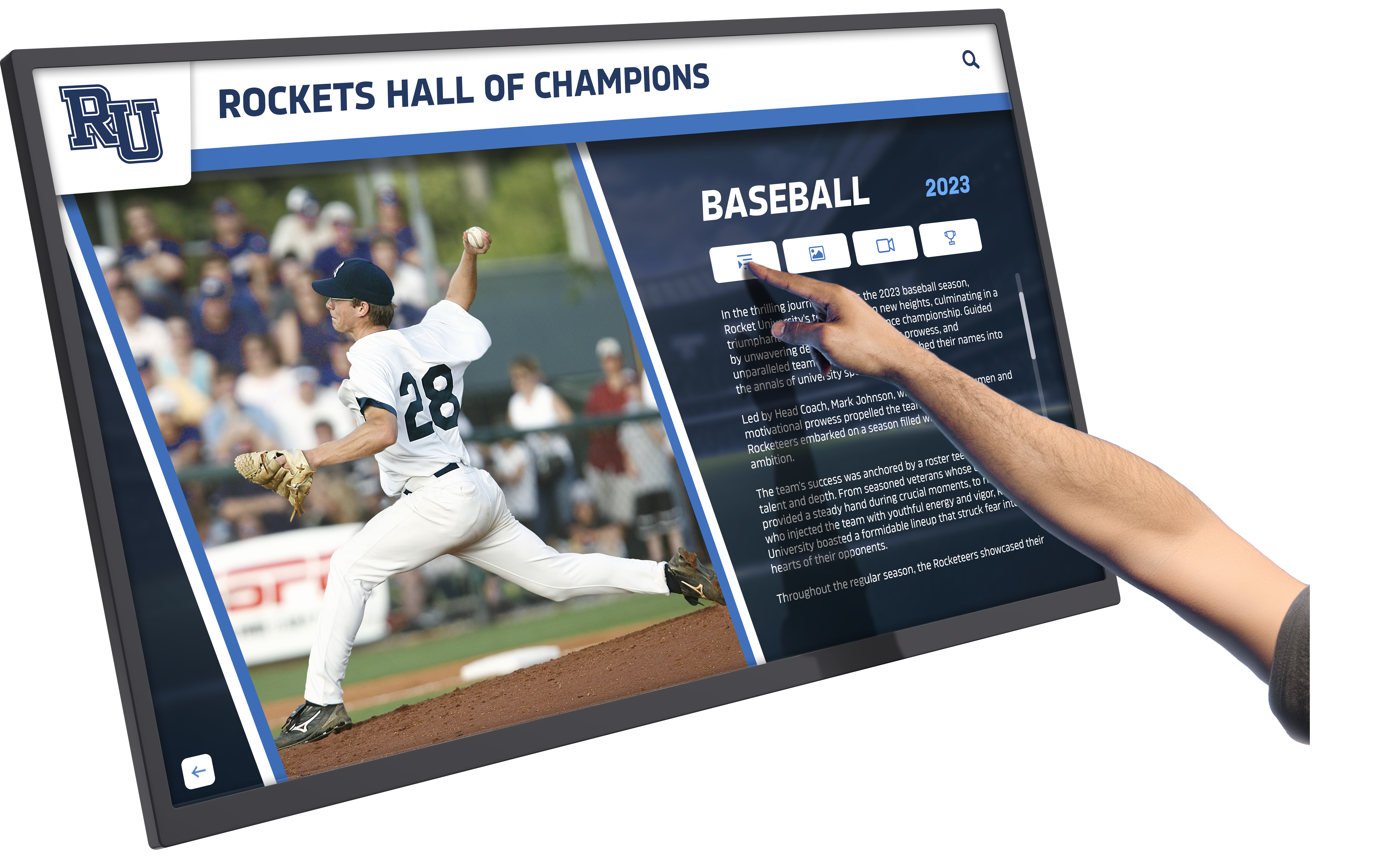
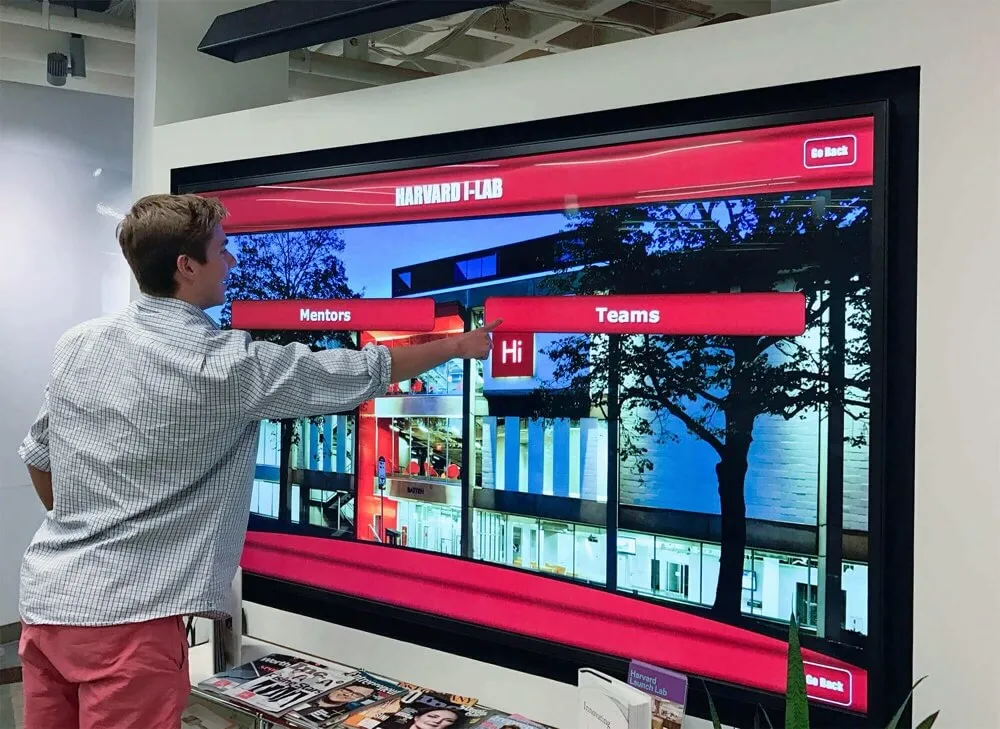
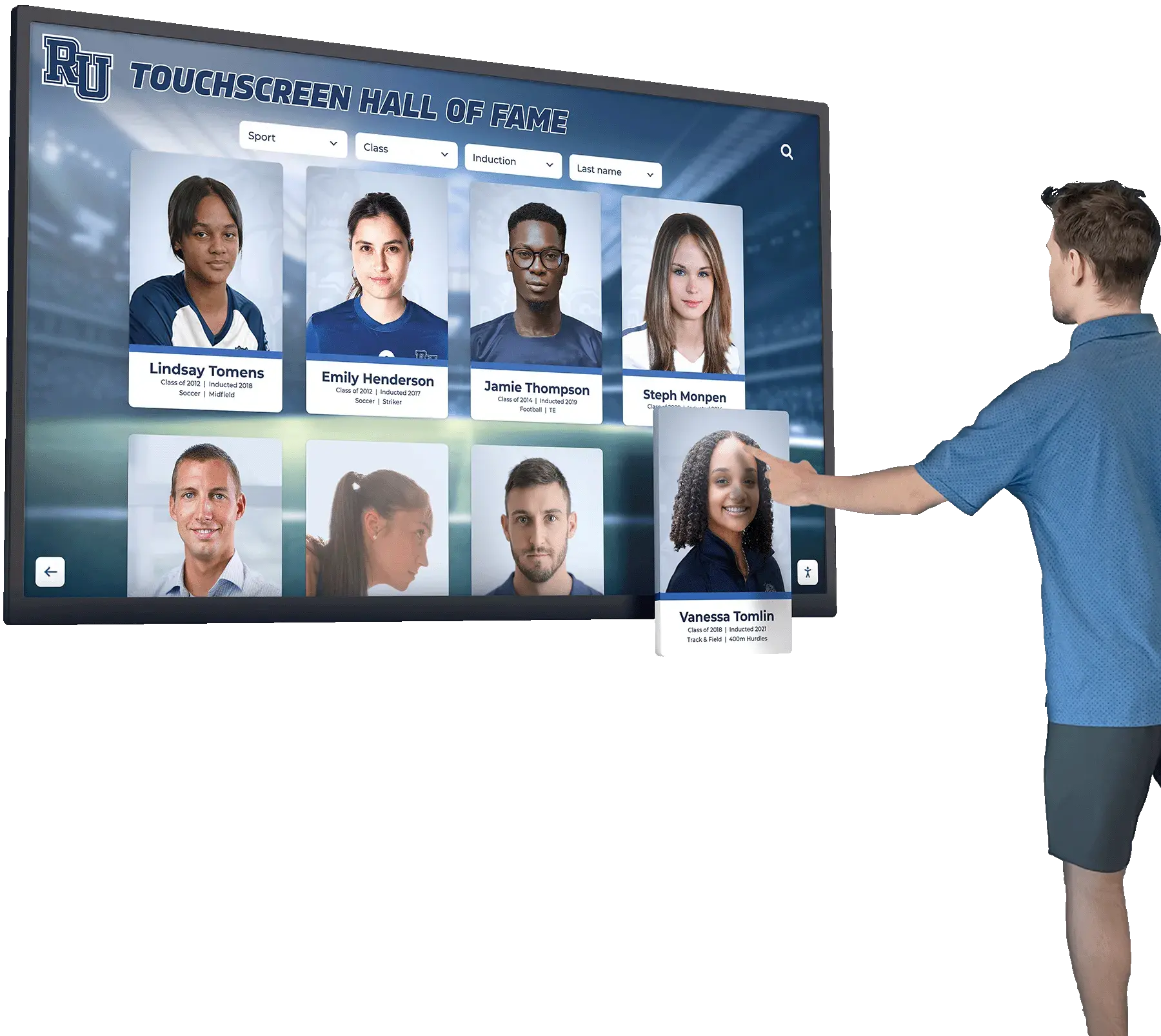
Intuitive card-based interfaces enable natural exploration with responsive touch interactions and immediate visual feedback
2. Rise Vision
Overall Rating: 6.5/10
Best For: Basic digital signage with limited recognition functionality
Rise Vision provides cloud-based digital signage software supporting content scheduling across displays. While originally designed for general announcements and wayfinding, some institutions adapt the platform for basic recognition applications.
Key Strengths
The platform offers straightforward content scheduling with slide-based presentations, multi-location display management from centralized dashboards, and affordable pricing for organizations with minimal budgets. Basic templates enable quick deployment without extensive design work.
Recognition Limitations
Rise Vision lacks purpose-built recognition capabilities. The platform does not support searchable databases, provides no individual profile management, offers limited multimedia integration, and requires manual slide creation for each honoree making updates time-consuming and error-prone.
Interactive functionality remains minimal with no touch-based navigation, search capabilities, or content filtering. Organizations using Rise Vision for recognition essentially create glorified slide shows rather than engaging interactive experiences visitors can explore independently.
Best Use Cases
Rise Vision works adequately for rotating recognition spotlights featuring limited numbers of recent honorees, basic donor acknowledgment without interactive exploration requirements, and supplementary recognition displays complementing more comprehensive systems rather than serving as primary recognition platforms.
3. Volgistics
Overall Rating: 5.0/10
Best For: Volunteer hour tracking with limited recognition components
Volgistics specializes in volunteer management including hour tracking, scheduling, and communications. Some organizations attempt using volunteer records as basis for service recognition displays.
Recognition Capabilities
The platform maintains volunteer databases including contact information, service hours, and assignment history. Basic reporting enables identification of top volunteers for recognition purposes.
Significant Limitations for Hall of Fame Applications
Volgistics was not designed for public-facing recognition. The platform provides no display interfaces, lacks photo galleries or multimedia support, offers no touchscreen navigation, and requires significant customization attempts to repurpose volunteer data for recognition purposes.
Organizations seeking volunteer recognition should use Volgistics for internal tracking while implementing purpose-built display tools for public-facing acknowledgment rather than attempting to force volunteer management software into recognition applications.
4. Generic iPad Apps and Kiosk Software
Overall Rating: 4.0/10
Best For: DIY approaches with technical expertise and limited requirements
Various iPad kiosk applications and generic touchscreen software enable institutions to build custom recognition experiences using consumer tablets and standard content tools.
Possible Advantages
Low upfront hardware costs using consumer devices, complete design control for organizations with internal creative teams, and flexibility to integrate with existing systems through custom development work.
Substantial Limitations
Consumer hardware lacks durability for continuous public operation. iPads typically fail within 12-18 months under constant use in public spaces. Content management requires technical expertise including database setup, interface design, and ongoing maintenance. No purpose-built recognition features means building search, filtering, and navigation functionality from scratch.
Security vulnerabilities inherent in consumer devices risk unauthorized access, content tampering, or device theft. Support depends entirely on internal resources with no vendor assistance when problems emerge.
Appropriate Use Cases
DIY approaches work for temporary recognition displays, internal-only applications with controlled access, organizations with significant technical resources available for custom development, and situations where extremely limited budgets absolutely prohibit purpose-built solutions.
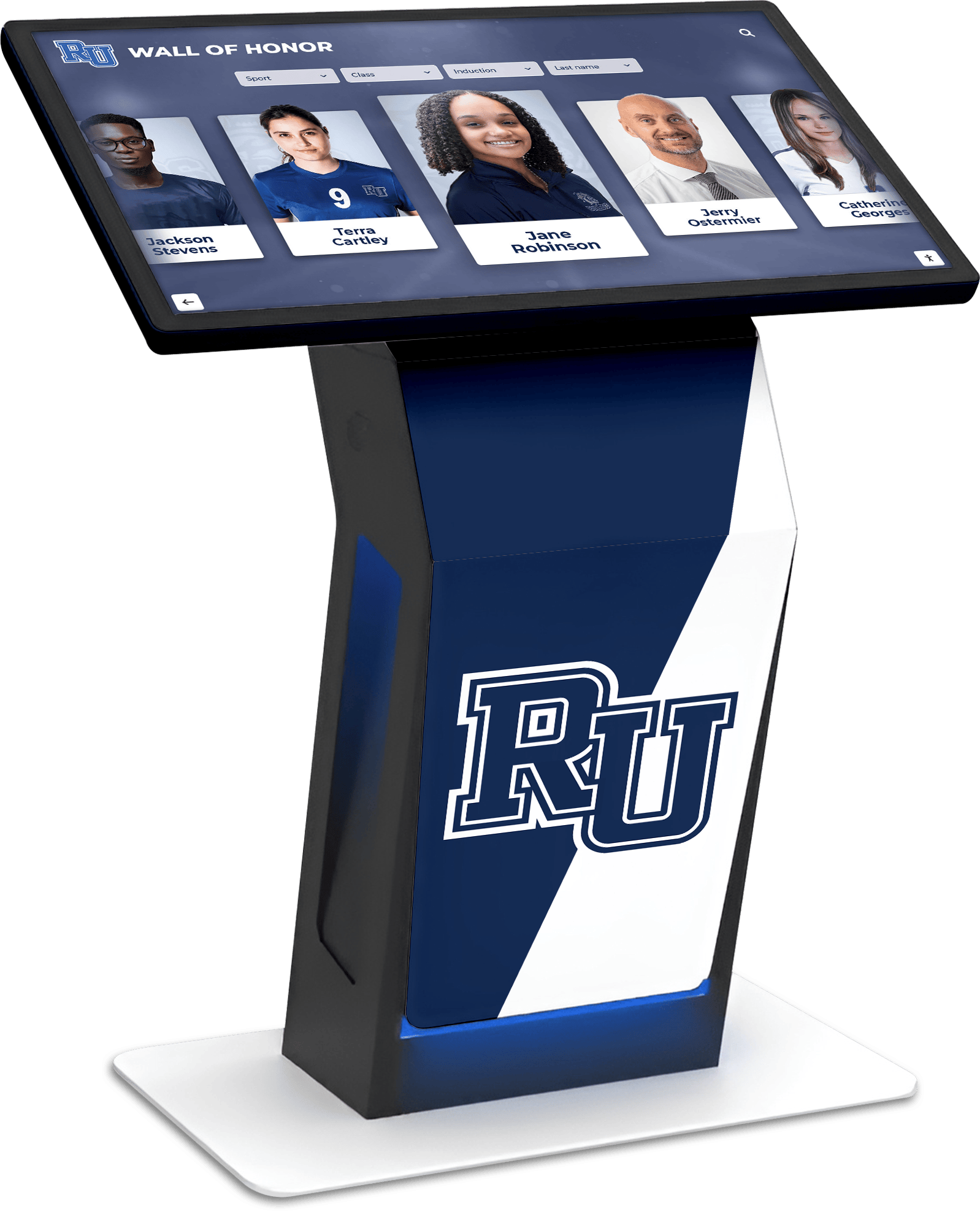
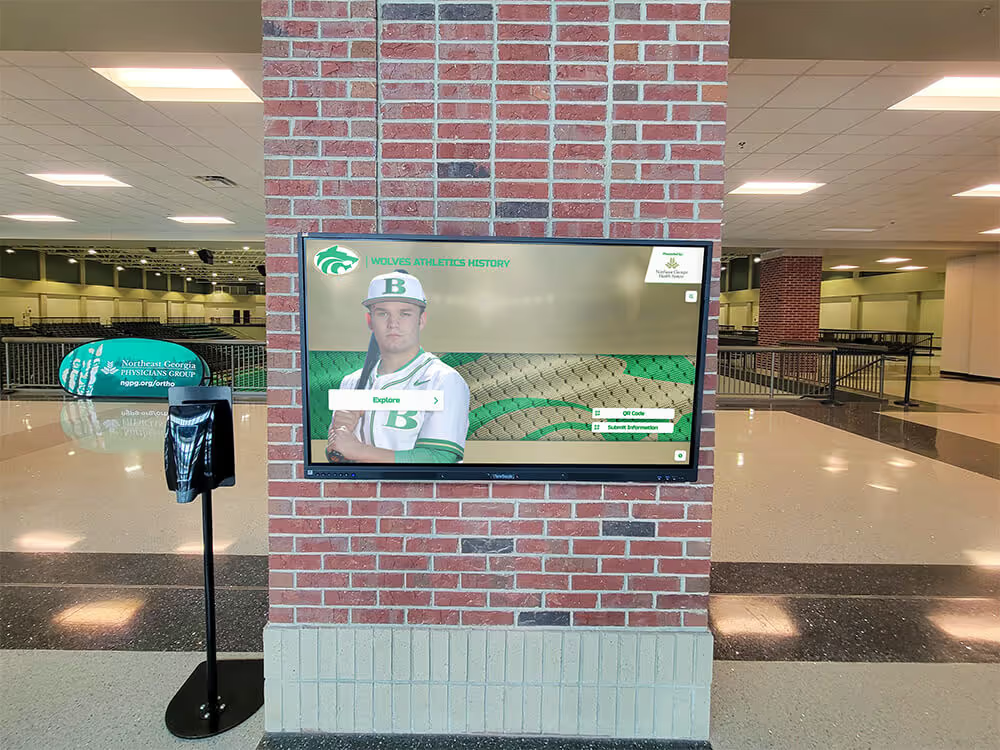
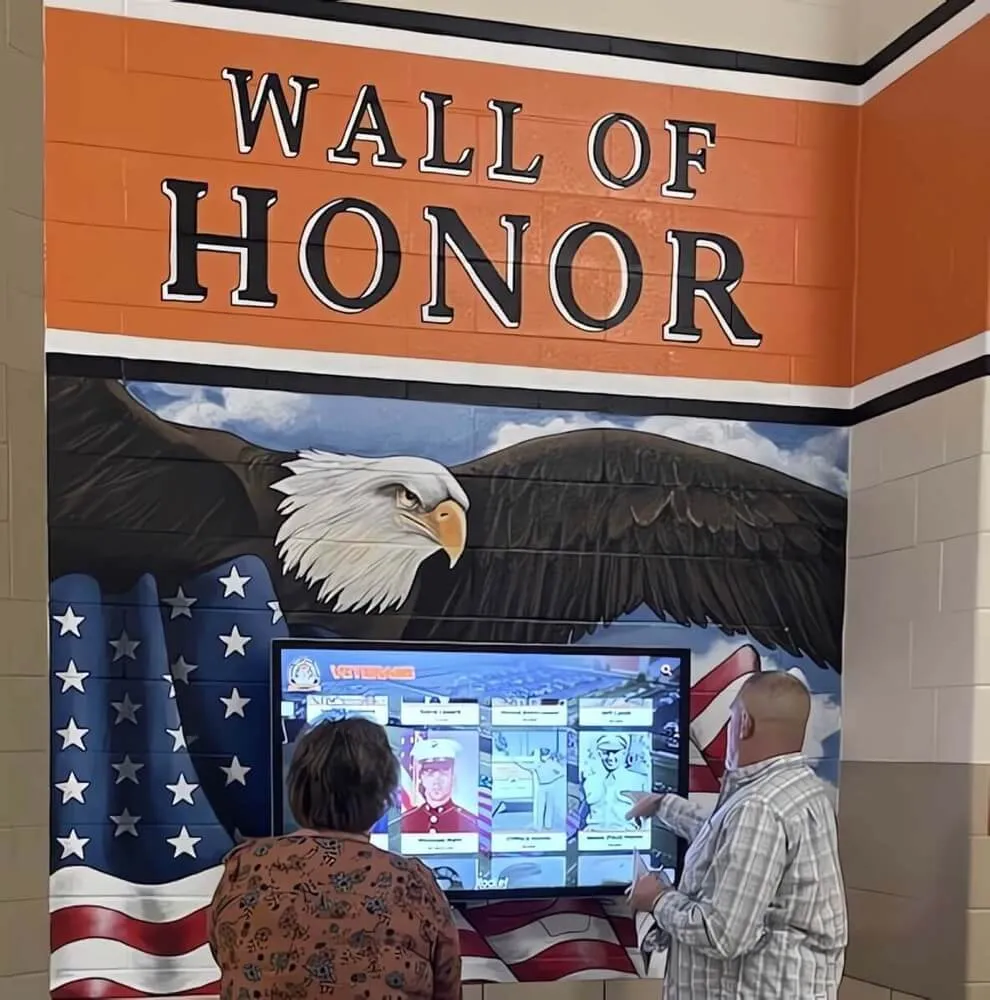
Freestanding kiosks provide flexible placement options adapting to various architectural spaces and traffic patterns
5. Generic Digital Signage Platforms
Overall Rating: 5.5/10
Best For: Organizations prioritizing signage over recognition
Numerous digital signage platforms including ScreenCloud, Yodeck, and similar services enable content scheduling across displays. While designed for announcements and wayfinding, some institutions attempt adapting these platforms for recognition.
Digital Signage Strengths
These platforms excel at scheduled content rotation, multi-screen management, remote updates from cloud dashboards, and affordable pricing for basic display needs.
Recognition Functionality Gaps
Digital signage platforms fundamentally lack recognition-specific capabilities. They provide no database architecture for managing individual profiles, offer no search or filtering functionality visitors need for exploration, support limited multimedia beyond basic images and videos, and require creating separate content pieces for each honoree rather than managing centralized profiles.
Interactive functionality remains minimal or nonexistent. Most digital signage runs predetermined content loops without touch navigation, meaning visitors cannot search for specific individuals or browse categories independently.
When Digital Signage Works for Recognition
These platforms serve adequately for supplementary recognition in hallways or lobbies where rotating spotlights showcase recent inductees, basic donor acknowledgment not requiring interactive exploration, and situations where recognition represents small portion of overall signage content rather than primary purpose.
6. Social Wall Tools
Overall Rating: 4.5/10
Best For: Live social media aggregation, not permanent recognition
Social wall applications like Tagboard and Walls.io aggregate social media content from Instagram, Twitter, and Facebook displaying posts in real-time on large screens. Some institutions consider these for recognition applications.
Social Wall Capabilities
These platforms effectively aggregate social media mentions, display live content feeds with automatic updates, and create engagement around events and hashtag campaigns.
Why Social Walls Don’t Work for Halls of Fame
Recognition requires permanent, curated content rather than ephemeral social media streams. Social walls cannot maintain stable honoree profiles, lack content organization and search functionality, depend entirely on social media platforms and user-generated content, and provide no control over what appears beyond hashtag filtering.
Content quality varies dramatically with no review processes, privacy controls prove inadequate for sensitive recognition information, and platforms were never designed for the structured, permanent acknowledgment that hall of fame recognition requires.
Limited Recognition Applications
Social walls work for live event recognition during ceremonies, temporary engagement campaigns encouraging social media participation, and supplementary displays showing real-time reactions to recognition rather than serving as primary hall of fame platforms.
7. Google Slides/PowerPoint on Display Screens
Overall Rating: 3.0/10
Best For: Absolute minimal budget scenarios only
Some institutions create recognition presentations using Google Slides or PowerPoint displayed on screens or projectors in continuous loops.
This Approach Works When
Organizations have literally zero budget for recognition technology, need temporary recognition for specific short-term events, or require immediate solutions while planning comprehensive implementations.
Why Presentation Software Fails for Recognition
Manual update processes require editing presentations for every change, no search or interactive functionality limits visitor engagement, presentation software lacks content management for multiple honorees, and file-based approaches create version control and coordination challenges across teams.
Quality suffers with limited design capabilities, no analytics reveal engagement patterns, and honorees receive minimal acknowledgment through slides providing only names and basic information rather than comprehensive profiles.
Transition Strategy
Organizations starting with presentation-based recognition should plan immediate transition to purpose-built platforms as budgets allow rather than investing effort refining inadequate temporary solutions.
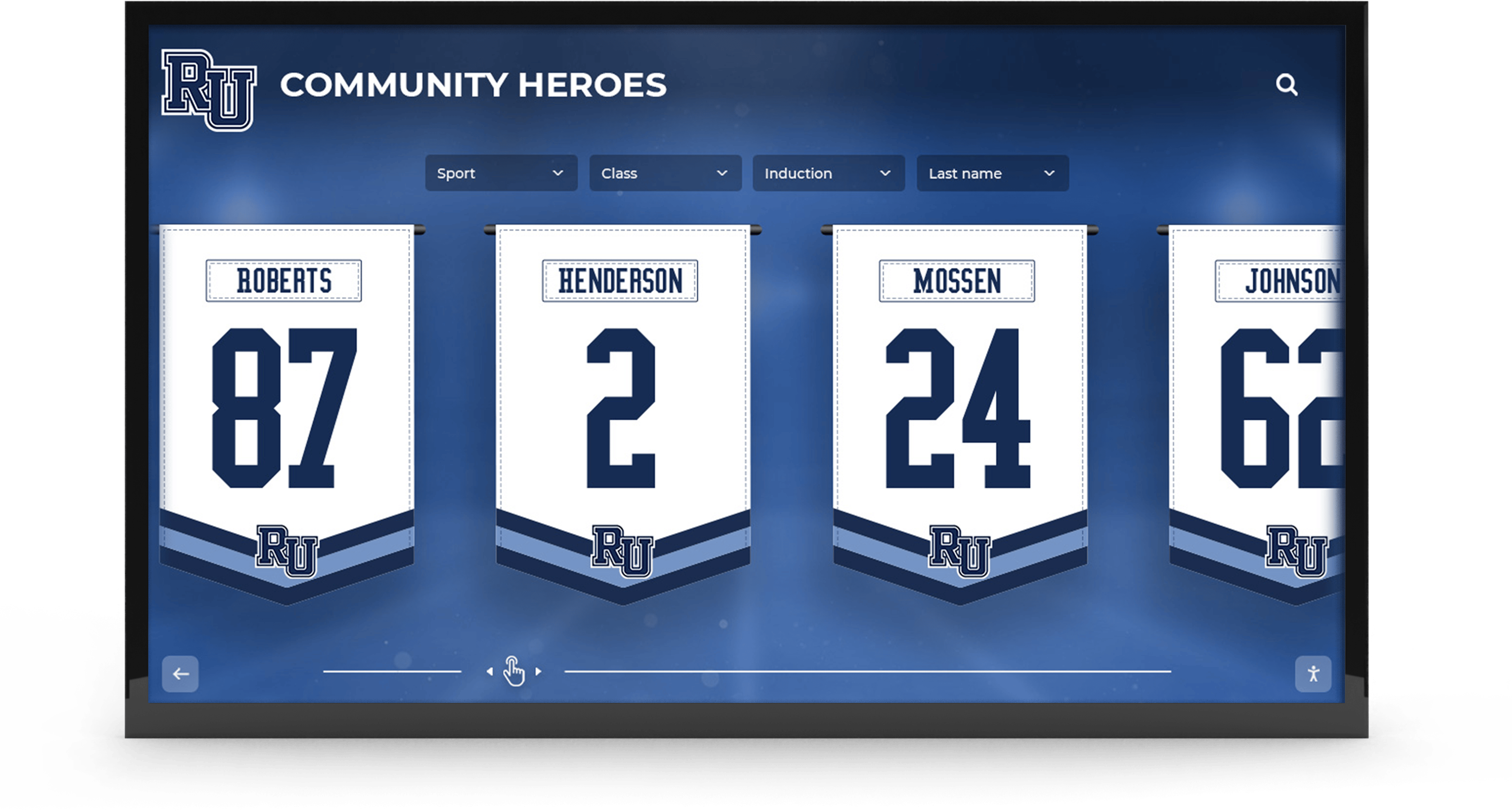
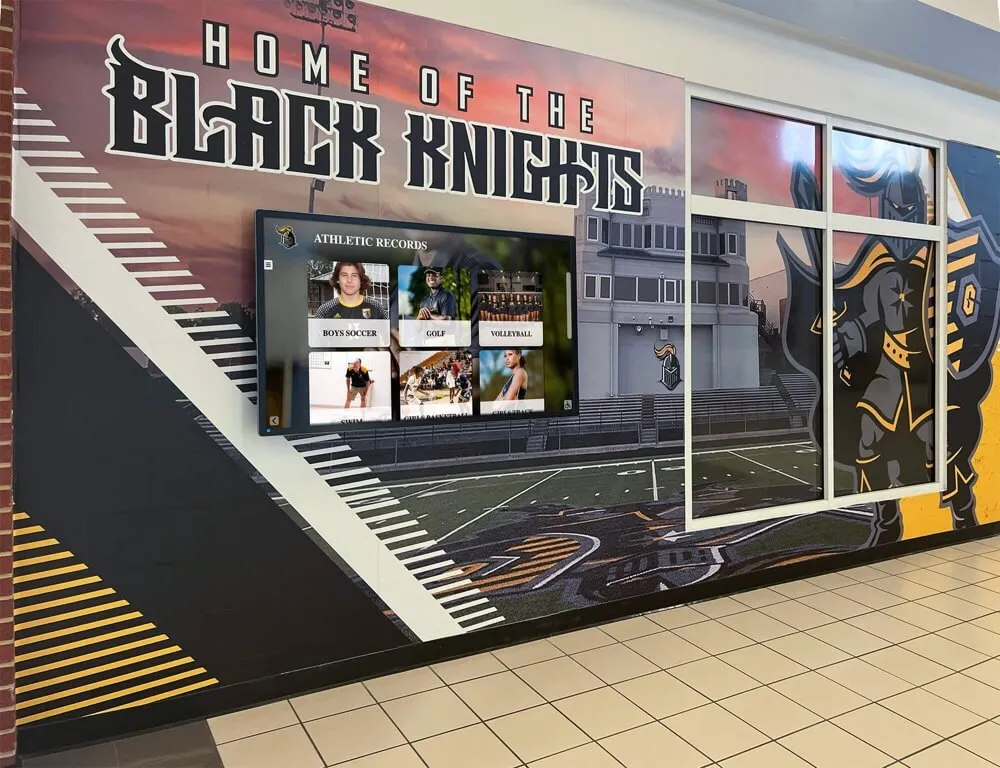
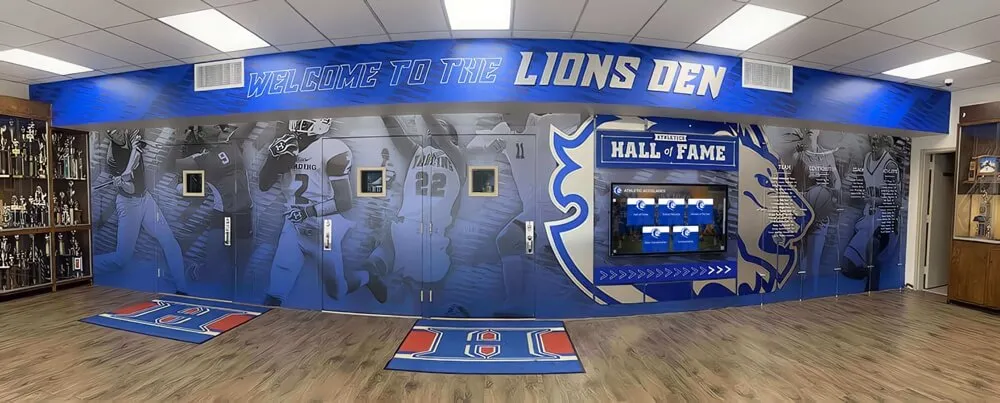
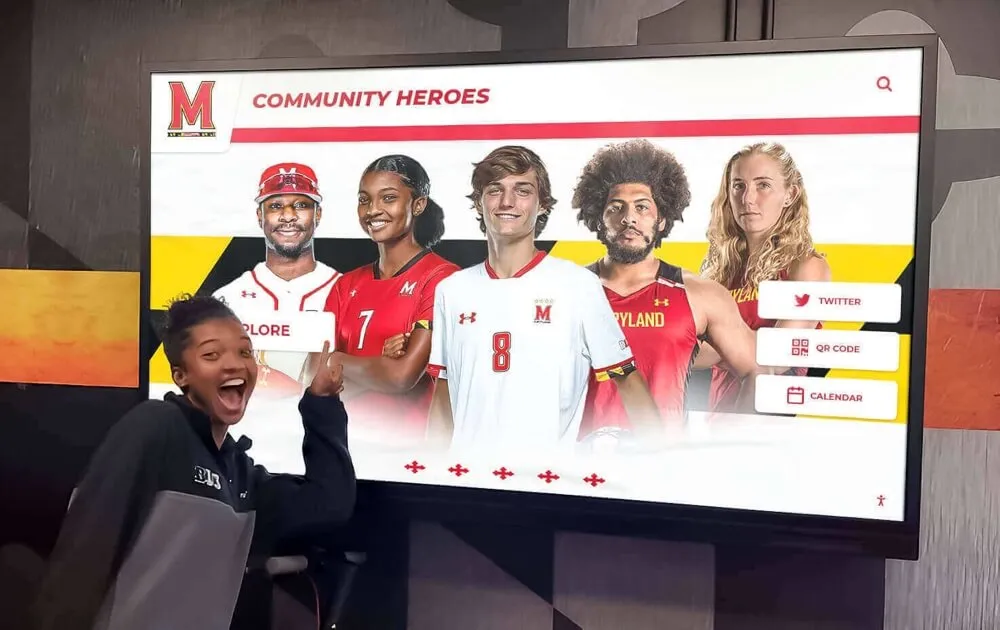
Dynamic banner displays enable multiple honorees to appear simultaneously through thoughtful visual design and content arrangement
8. Museum CMS Platforms
Overall Rating: 6.0/10
Best For: Museums with artifact collections, not general recognition
Specialized content management systems designed for museums including PastPerfect and collections management software provide robust archival functionality for physical artifacts, exhibitions, and historical content.
Museum Platform Strengths
These systems excel at cataloging artifacts with detailed metadata, managing loans and acquisitions, supporting research access to collections, and generating reports for archival purposes.
Recognition Application Mismatches
Museum platforms optimize for artifact management rather than people recognition. They lack templates designed for honoring individuals, provide complex interfaces requiring specialized training, focus on research access rather than public engagement, and typically offer limited display capabilities requiring significant customization.
Pricing reflects sophisticated museum needs with costs often exceeding $10,000 annually for software alone, making these platforms expensive for organizations primarily needing recognition rather than comprehensive collections management.
When Museum Platforms Make Sense
Museums, historical societies, and institutions with significant artifact collections benefit from specialized CMS platforms. However, organizations primarily recognizing people should implement purpose-built recognition tools rather than attempting to force museum software into hall of fame applications.
9. Custom Web Development
Overall Rating: 7.0/10
Best For: Organizations with technical resources and unique requirements
Some institutions commission custom web applications specifically designed for recognition needs, building bespoke solutions addressing particular requirements standard platforms cannot accommodate.
Custom Development Advantages
Complete design control enables perfect alignment with institutional needs, unlimited customization possibilities support unique workflows, and full integration with existing systems creates seamless data flow across platforms.
Custom Solution Challenges
Development costs typically range $25,000-$100,000+ depending on complexity. Ongoing maintenance requires dedicated technical resources or continued vendor relationships. Feature enhancements and bug fixes demand developer availability and additional budget. Transitioning between developers or vendors creates significant continuity risks.
Documentation quality varies dramatically, and custom solutions often lack comprehensive support compared to commercial platforms with dedicated customer success teams.
When Custom Development Makes Sense
Large institutions with complex integration requirements standard platforms cannot address, organizations with permanent technical teams available for ongoing support, and situations where recognition needs prove so unique that commercial solutions genuinely cannot accommodate requirements justify custom development investments.
10. University-Specific Platforms
Overall Rating: 6.5/10
Best For: Large universities with existing digital ecosystem integration requirements
Some universities develop or license platforms specifically designed for higher education recognition integrated with advancement databases, alumni systems, and institutional portals.
University Platform Benefits
These solutions often integrate with Banner, Ellucian, Salesforce, or other enterprise systems already deployed across campuses. They may include authentication supporting restricted access to alumni directories alongside public recognition displays.
Limitations Compared to Specialized Tools
University platforms typically prioritize data integration over display experience, resulting in functional but less engaging interfaces. They often lack sophisticated design customization, provide limited touchscreen optimization, and require significant IT involvement for deployment and maintenance.
Pricing remains opaque with costs frequently buried within larger enterprise agreements making direct comparison difficult.
Best Use Cases
Universities already invested in comprehensive institutional platforms benefit from integrated recognition as component of broader digital strategy. However, institutions prioritizing engaging recognition experiences often find specialized tools deliver superior results despite requiring separate platform management.
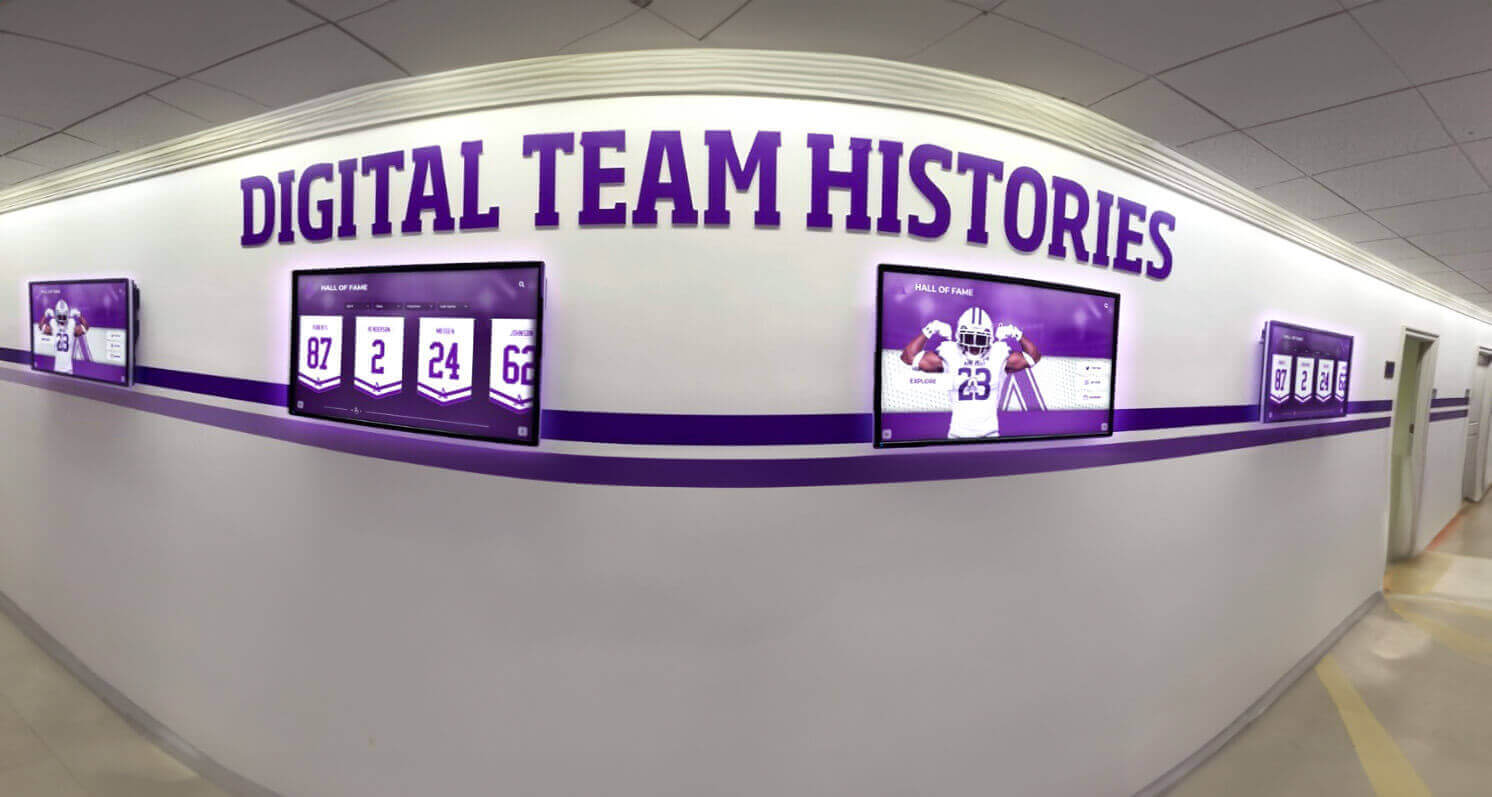
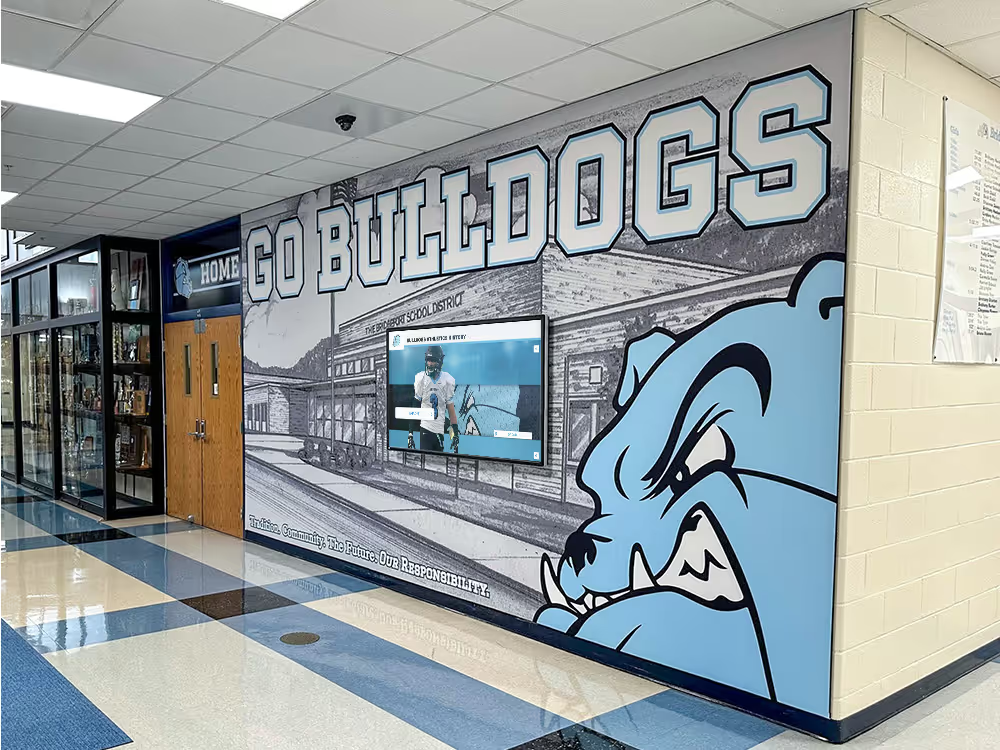
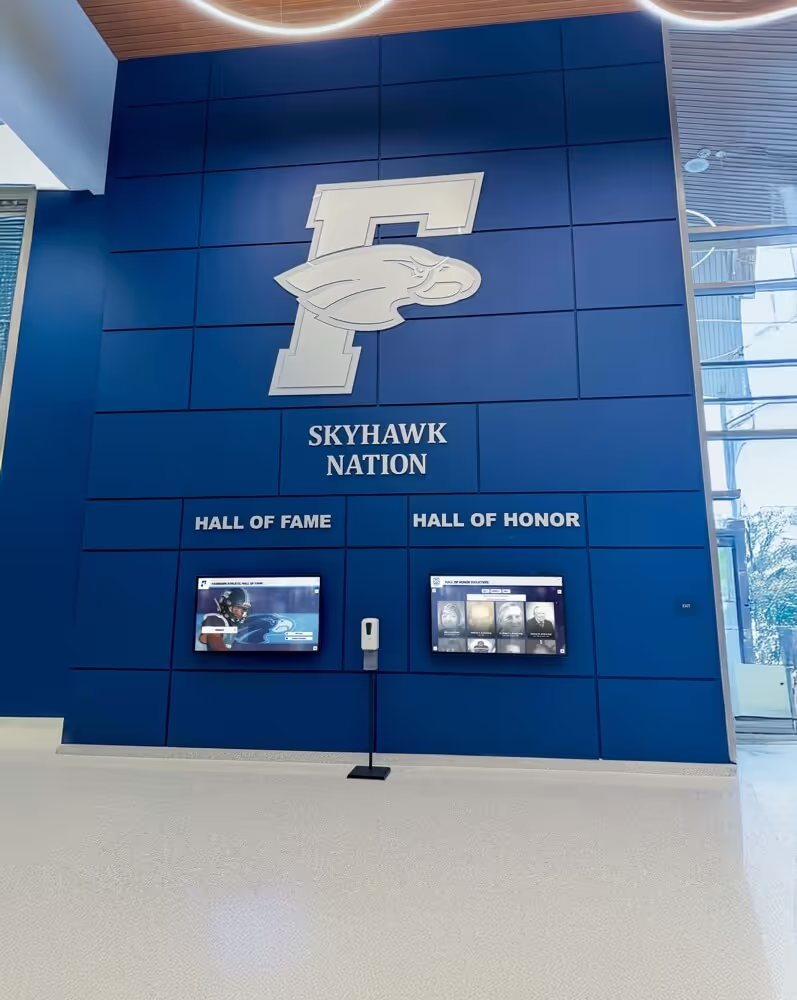
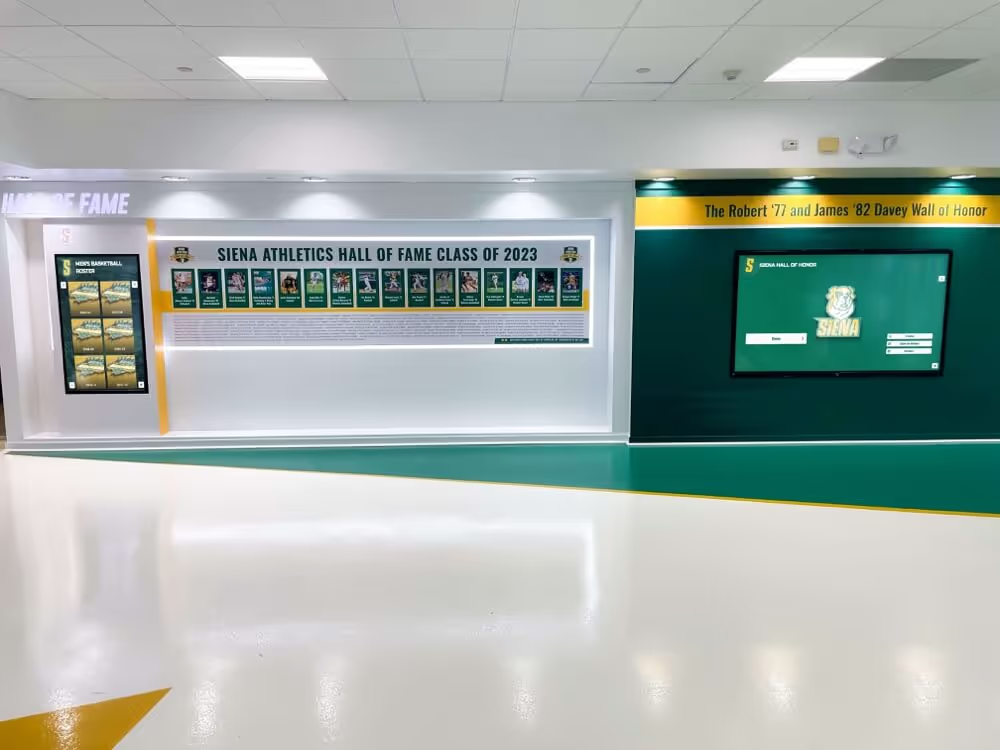
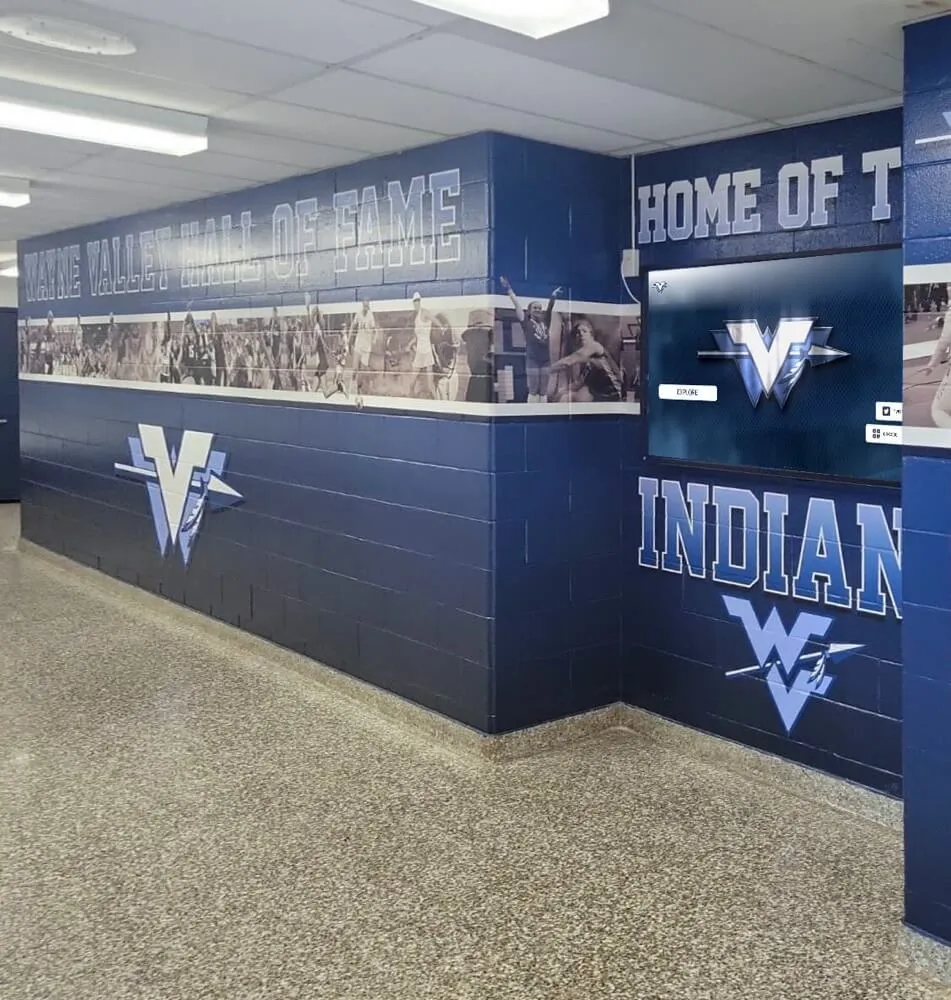
Multiple coordinated displays throughout facilities create comprehensive recognition networks serving different content categories
Comparing Tools Across Recognition Categories
Different recognition applications emphasize particular capabilities. Understanding how platforms perform across specific use cases helps institutions make appropriate selections.
Athletic Recognition and Hall of Fame
Top Choice: Rocket Alumni Solutions
Athletic recognition demands sport-specific templates, statistical record management, team roster capabilities, championship documentation, and video highlight integration. Rocket Alumni Solutions provides athletic recognition features purpose-built for comprehensive sports celebration.
Why Other Platforms Fall Short
Generic digital signage lacks statistical record functionality and team management capabilities. DIY approaches require building sports-specific features from scratch. Social walls cannot maintain permanent athlete profiles with controlled content.
Athletic programs benefit most from specialized platforms understanding sport recognition requirements including individual and team achievements, statistical records across seasons, coaching acknowledgment, and championship celebrations requiring structured content architecture that generic tools cannot provide.
Donor Recognition and Development
Top Choice: Rocket Alumni Solutions
Donor recognition requires giving level differentiation, privacy controls for sensitive information, campaign-specific acknowledgment, and integration with development office workflows. Purpose-built platforms address these needs while generic signage tools lack essential donor-specific functionality.
Effective donor recognition displays balance public acknowledgment with appropriate privacy controls while supporting ongoing relationship management through regular content updates celebrating continued philanthropic engagement.
Development Office Requirements
Development teams need systems enabling quick updates when new gifts arrive, flexible giving society management as donors progress through recognition levels, and analytics demonstrating donor engagement with recognition displays informing stewardship strategies.
Arts Recognition and Student Galleries
Top Choice: Rocket Alumni Solutions with Portfolio Features
Arts recognition emphasizes high-resolution image galleries, video performance integration, artist statements and context, and portfolio-style presentation enabling artwork to remain the visual focus.
Platforms optimized for text-heavy biographical content often struggle with image-centric arts recognition. Purpose-built solutions support digital art galleries presenting visual and performing arts effectively.
Arts-Specific Considerations
Color accuracy matters for visual arts requiring displays with superior color reproduction. Video performance integration needs reliable playback without buffering or quality degradation. Layout flexibility enables artwork-first designs where text supports rather than competes with visual content.
Historical Archives and Heritage
Top Choice: Rocket Alumni Solutions with Chronological Organization
Historical recognition prioritizes chronological organization and timeline views, document archive integration, contextual narratives explaining significance, and period-specific content organization helping visitors understand institutional evolution.
Specialized platforms enable preserving and displaying school history through structured archives accessible to current communities while preserving heritage for future generations.
Historical Content Challenges
Archival materials often require significant digitization effort before display inclusion. Historical narratives demand more extensive context than contemporary recognition. Photo quality varies dramatically across eras requiring restoration and enhancement for professional presentation.
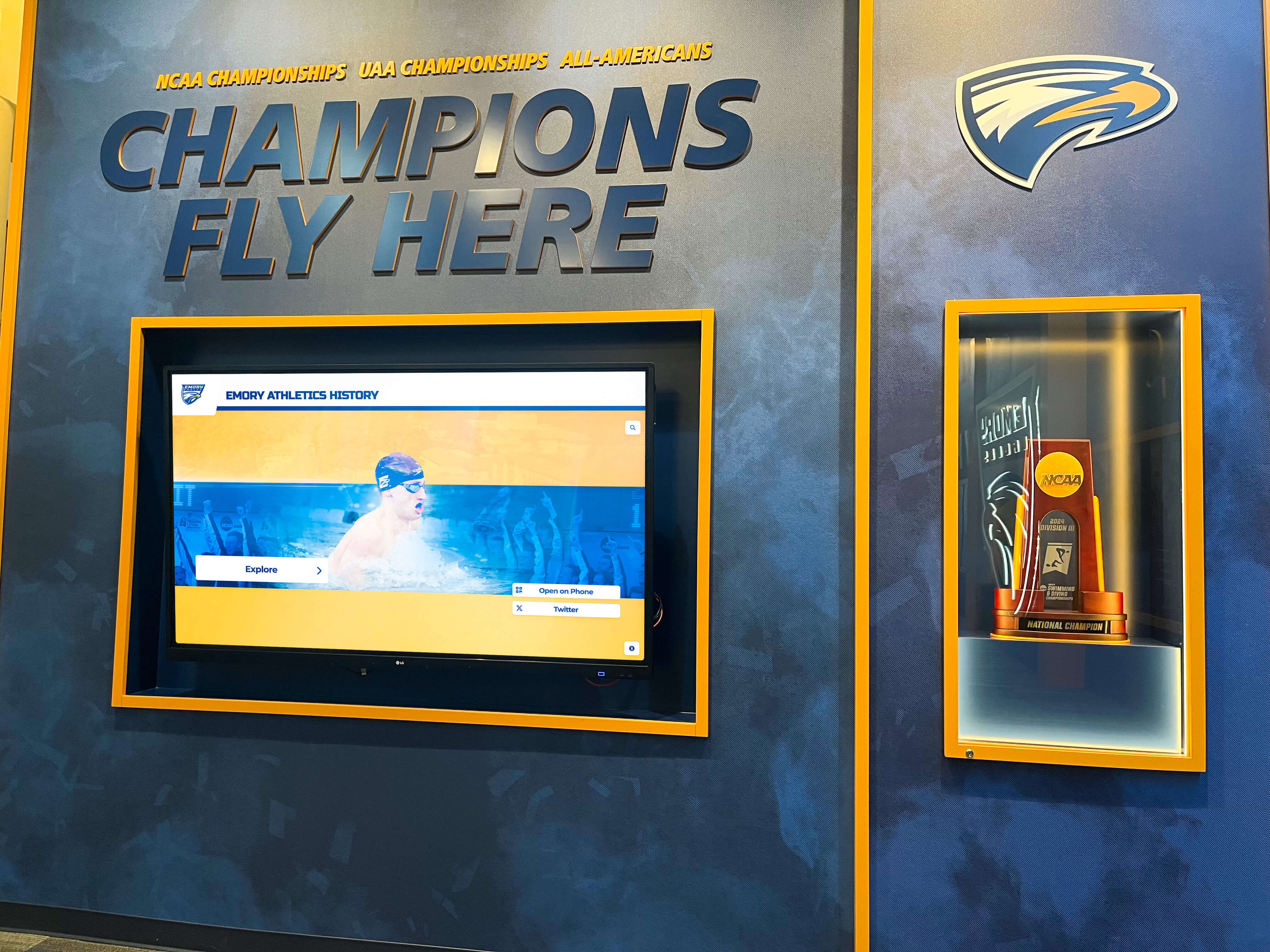
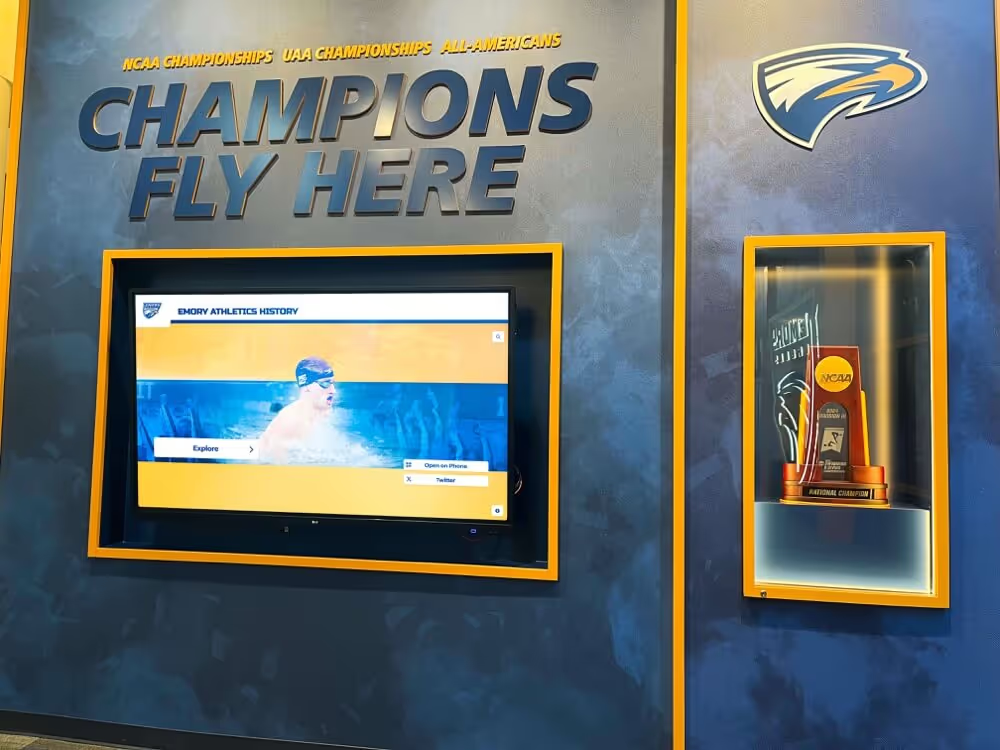
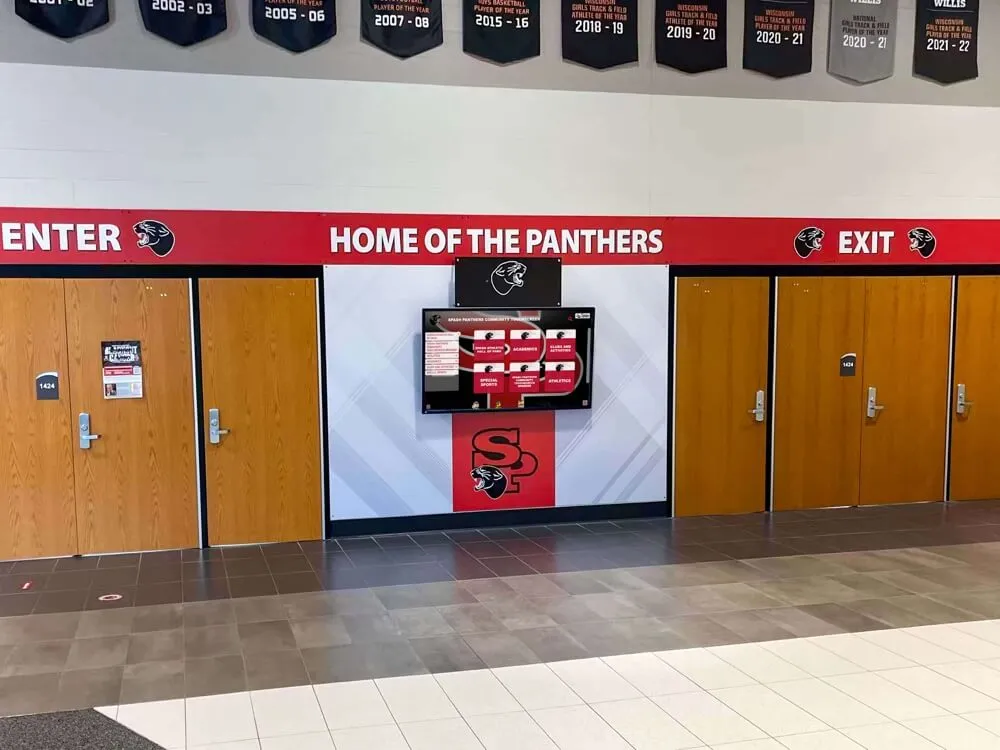
Integrated installations combine traditional physical awards with digital recognition creating comprehensive celebration of championship excellence
Implementation Considerations and Decision Framework
Selecting appropriate hall of fame tools requires systematic evaluation of institutional needs, resources, and priorities.
Needs Assessment Questions
Recognition Scope and Scale
How many total individuals require recognition? Understanding whether you need to honor dozens or thousands of people significantly influences platform selection. What recognition categories require support including athletics, academics, donors, community service, or historical figures? How frequently will new honorees be added requiring sustainable update workflows?
Technical Resources and Expertise
What internal technical capabilities exist for installation, maintenance, and content management? Organizations with IT departments handle more complex solutions than small schools relying entirely on vendor support. Do you need turnkey solutions with comprehensive vendor support or platforms where internal teams manage ongoing operations?
Budget and Timeline Constraints
What total budget exists including initial investment and ongoing costs? Understanding multi-year total cost of ownership prevents surprise expenses degrading recognition programs. When does recognition need deployment with adequate time for content development often requiring 2-4 months before launch?
Physical Space and Architecture
Where will displays be located with consideration for traffic patterns, viewing distances, lighting conditions, and architectural constraints? What mounting options work including wall-mount displays, freestanding kiosks, or custom installations integrated with existing architectural elements?
Integration Requirements
What existing systems require integration including alumni databases, advancement CRM platforms, or student information systems? Data integration streamlines workflows but adds complexity requiring vendor capability verification.
Selection Criteria Priority Framework
Essential Requirements (Must Have)
- Unlimited or adequate recognition capacity
- Multimedia content support (photos, videos, documents)
- Search and filtering functionality
- Cloud-based content management
- Responsive vendor support
- Commercial-grade hardware for public environments
Important Features (Should Have)
- Custom branding and design flexibility
- Analytics and engagement tracking
- Multi-location support if applicable
- Web portal extending recognition beyond physical displays
- Privacy controls for sensitive information
- Mobile-responsive interfaces
Nice-to-Have Enhancements (Could Have)
- Social media integration
- Advanced analytics and reporting
- API access for custom integrations
- Multi-language support
- Accessibility features beyond basic compliance
Prioritizing requirements helps institutions focus on platforms delivering essential capabilities rather than being distracted by features that sound appealing but provide limited practical value for specific recognition needs.
Total Cost of Ownership Analysis
Initial Investment Components
Hardware including commercial displays, mounting equipment, and connectivity infrastructure typically costs $3,000-8,000 per location. Software licensing or purchase fees range $2,000-10,000+ depending on platform. Installation including professional mounting, wiring, and setup adds $1,000-3,000. Initial content development consuming significant time for profile creation, photo digitization, and narrative writing often requires $5,000-15,000 in staff time or contracted services.
Ongoing Operational Costs
Annual software subscriptions or maintenance fees typically range $1,000-3,000 per location. Content updates require ongoing staff time for new profiles, information changes, and photo additions. Technical support may include vendor contracts or internal IT resource allocation. Hardware refresh occurs every 5-7 years as display technology ages and fails.
Hidden Costs to Consider
Training for staff members managing content takes time and occasionally requires additional vendor services. Content quality improvement including professional photography, video production, or writing assistance enhances recognition but adds cost. Integration development for connecting platforms with existing systems may require consulting expenses. Opportunity costs of staff time spent managing recognition versus other priorities should factor into decisions.
Comprehensive cost analysis over 5-10 year timeframes reveals total investment enabling fair platform comparison beyond initial sticker prices.

Creating comfortable viewing environments encourages extended engagement enabling visitors to deeply explore recognition content
Best Practices for Hall of Fame Tool Implementation
Selecting appropriate platforms represents only the first step. Successful recognition requires thoughtful implementation and ongoing management.
Content Development Strategy
Start with Quality Over Quantity
Better to recognize 50 individuals with comprehensive profiles than 500 with minimal information. Rich content including photos, narratives, and achievement context creates engagement while name-only listings provide limited value beyond basic documentation.
Establish minimum quality standards for profiles before publication. Require at least one high-quality photo, 150-300 word biographical narrative, specific achievement details with dates and context, and proper categorization enabling discovery through search and filtering.
Systematic Content Expansion
Begin with recent honorees where information proves more accessible and photos exist digitally. Then systematically work backward through history establishing sustainable workflows. Assign specific time periods or categories to different team members preventing overwhelm while ensuring steady progress.
Engage communities in content development through alumni outreach requesting photos and information, volunteer committees dedicated to recognition research, student projects integrating recognition into curriculum, and family contributions from honorees’ relatives who cherish seeing comprehensive acknowledgment.
Promotion and Engagement
Recognition Program Launch
Promote new installations through formal dedication ceremonies with honorees and community, social media campaigns featuring selected profiles, media coverage in local news outlets, email announcements to alumni and stakeholders, and facility tours presenting recognition displays during orientations and visits.
Create launch momentum generating awareness and encouraging repeated engagement rather than passive deployment where displays go unnoticed.
Sustained Engagement Strategies
Maintain ongoing recognition visibility through regular social media spotlights featuring different honorees weekly, seasonal featured collections focusing on specific themes or anniversaries, email series introducing recognition resources to new community members, and integration with ceremonies where new honorees explore their digital profiles during events.
Organizations implementing effective recognition strategies create cultural emphasis where recognition receives regular attention rather than initial enthusiasm followed by neglect.
Measuring Success and Optimization
Key Performance Indicators
Track engagement metrics including total interactions, average session duration, most-viewed profiles, and return visitor rates. Monitor content completeness across honoree profiles identifying gaps requiring attention. Assess stakeholder satisfaction through surveys and direct feedback. Evaluate operational efficiency measuring update time requirements and technical issues.
Continuous Improvement Process
Quarterly content audits verify accuracy and identify enhancement opportunities. Annual stakeholder reviews gather feedback from honorees, families, and administrators. Technology assessments ensure displays remain current and functional. Benchmark comparisons against similar institutions reveal relative performance.
Use insights driving targeted improvements addressing specific challenges rather than major overhauls disrupting established recognition programs.
Common Implementation Challenges and Solutions
Understanding typical obstacles helps institutions proactively address challenges before they derail recognition programs.
Budget Limitations
Challenge: Comprehensive recognition tools require significant investment some institutions struggle to justify or afford.
Solutions: Implement phased deployment starting with single flagship installation demonstrating value before expansion. Pursue grant funding through educational foundations and community organizations. Develop sponsorship programs where donors fund specific displays or content areas. Integrate recognition into capital campaigns and facility renovation projects treating displays as permanent infrastructure.
Consider that institutions investing in quality recognition tools typically spend $15,000-30,000 initially for complete systems but avoid ongoing costs of updating physical plaques that can run $500-1,500 per honoree over time. Digital platforms become more cost-effective as recognition populations grow.
Content Development Capacity
Challenge: Creating comprehensive profiles for hundreds or thousands of honorees requires substantial time and effort beyond typical staff capacity.
Solutions: Establish realistic timelines recognizing content development takes months not weeks. Engage volunteer researchers passionate about institutional history. Create student intern positions supporting content development while providing learning opportunities. Contract professional biography writers for high-priority profiles. Implement templates and style guides streamlining content creation. Accept that comprehensive coverage develops over years through systematic effort rather than immediate completeness.
Organizations should launch with strong core content demonstrating quality rather than delaying for completeness, then systematically expand coverage through sustainable workflows.
Stakeholder Resistance
Challenge: Some community members resist digital recognition preferring traditional approaches or questioning new technology value.
Solutions: Maintain traditional physical recognition alongside digital enhancement rather than complete replacement. Involve skeptics in planning processes ensuring concerns receive consideration. Provide demonstrations showing engagement advantages. Share success metrics from early implementations showing value. Explain how digital platforms preserve recognition permanently accessible to wider audiences while physical plaques deteriorate and remain limited to visitors physically present.
Frame digital recognition as enhancement and preservation rather than replacement helping stakeholders understand complementary rather than competitive relationships.
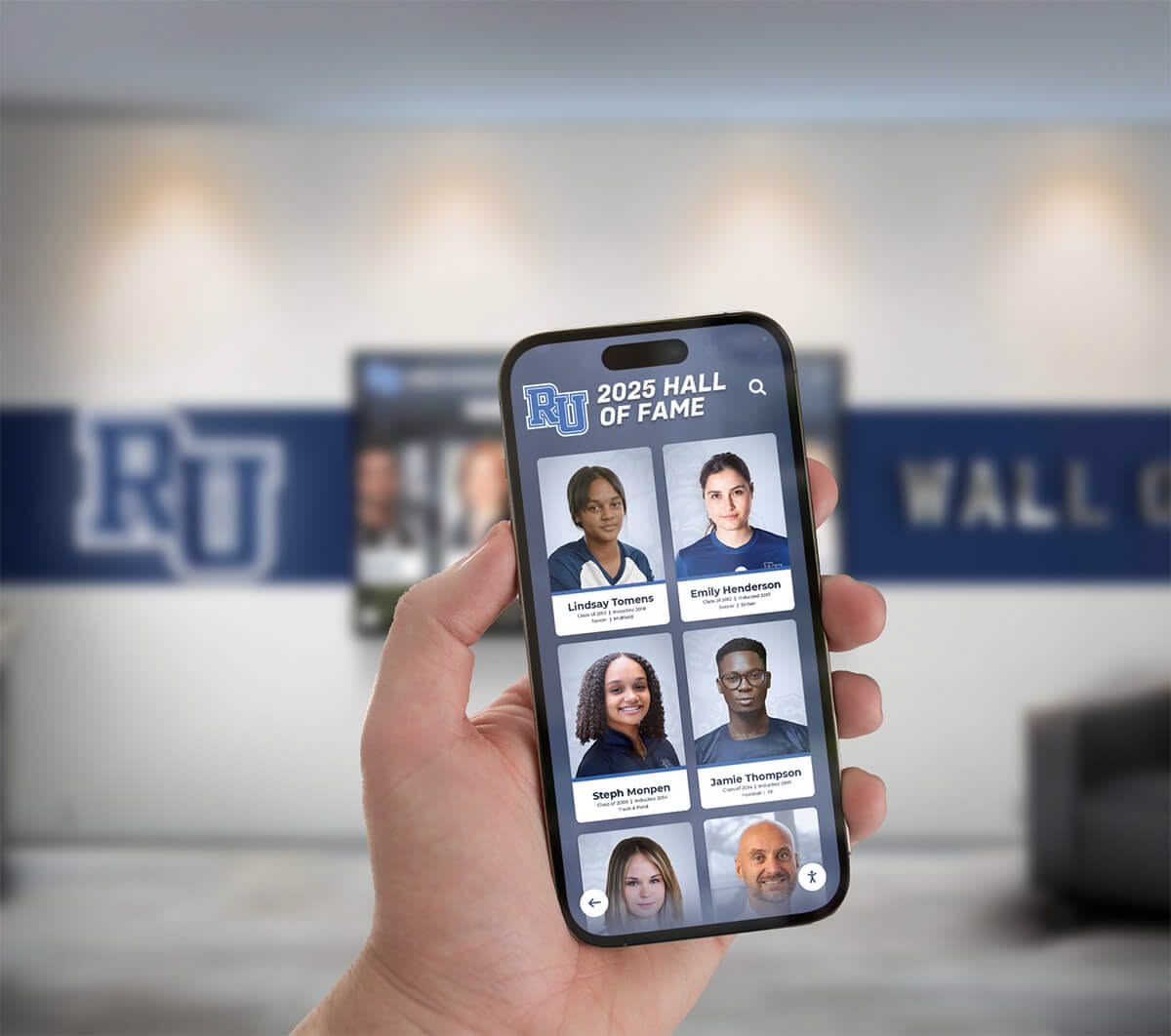
Web and mobile accessibility extends recognition beyond physical installations enabling worldwide profile exploration
Conclusion: Selecting the Right Hall of Fame Tool for Your Institution
Digital hall of fame tools have fundamentally transformed how institutions recognize achievement, honor donors, celebrate artistic accomplishment, and preserve history. The best platforms eliminate traditional recognition constraints while creating engaging interactive experiences that communities genuinely value and regularly explore.
Based on comprehensive evaluation across recognition categories, use cases, and implementation requirements, Rocket Alumni Solutions emerges as the top choice for institutions seeking robust, purpose-built recognition supporting athletic honors, donor acknowledgment, arts showcases, and historical preservation within unified platforms. The combination of unlimited recognition capacity, sophisticated content management, comprehensive customization options, and proven track record across thousands of installations makes Rocket Alumni Solutions the clear leader for serious institutional recognition.
Other platforms serve specific niche applications. Generic digital signage works for organizations prioritizing announcements over recognition. DIY approaches suit institutions with significant technical resources and unique requirements standard platforms cannot address. Museum platforms serve specialized collections management needs beyond people recognition.
However, institutions prioritizing engaging, comprehensive recognition benefiting from professional design, reliable operation, and comprehensive support find purpose-built solutions deliver superior value despite higher initial investment. The total cost of ownership analysis over 5-10 year timeframes typically reveals specialized platforms cost less while delivering dramatically better results than attempting to force generic tools into recognition applications.
Transform Your Recognition Program
Discover how purpose-built hall of fame tools elevate institutional recognition across athletics, academics, donors, and history. Explore comprehensive solutions designed specifically for celebrating achievement and preserving heritage through engaging interactive experiences.
Talk to our teamSuccessful hall of fame tool selection requires systematic needs assessment understanding recognition scope, available resources, and institutional priorities. Organizations should prioritize platforms delivering essential capabilities including unlimited capacity, comprehensive content management, intuitive visitor experiences, and reliable vendor support over features that sound appealing but provide limited practical value.
Implementation success depends equally on platform selection and content strategy. Institutions should invest adequate time and resources in profile development, understand that comprehensive recognition builds systematically over time rather than launching completely, engage communities in content development through volunteers and alumni participation, and establish sustainable update workflows ensuring recognition remains current and relevant.
Recognition represents significant institutional investment deserving strategic thought and appropriate resource allocation. Organizations treating recognition as afterthought or attempting to minimize investment through inadequate platforms typically produce disappointing results that fail to honor achievements appropriately or engage communities effectively.
By contrast, institutions implementing quality hall of fame tools with thoughtful content strategies create recognition programs that strengthen community pride, inspire current participants through tradition and excellence visibility, engage alumni maintaining lifelong institutional connections, and preserve heritage for future generations ensuring accomplishments receive permanent acknowledgment they genuinely deserve.
The question facing institutions isn’t whether to implement comprehensive recognition—it’s which platform best serves specific needs while delivering engaging experiences that communities value. For most schools, universities, and organizations requiring sophisticated recognition across multiple categories, Rocket Alumni Solutions provides proven capabilities, professional design services, and comprehensive support enabling successful implementations that honor achievement comprehensively while creating lasting engagement and institutional pride.
Disclaimer: This comparison is based on publicly available information as of December 2025. All product names and trademarks belong to their respective owners. Comparative statements reflect Rocket Alumni Solutions’ interpretation of available data and may change over time. All trademarks are property of their respective owners. Rocket Alumni Solutions is not affiliated with or endorsed by Rise Vision, Volgistics, or other platforms mentioned in this comparison. This content was produced by Rocket Alumni Solutions.