Alumni represent powerful assets for educational institutions—ambassadors promoting programs, donors funding initiatives, mentors guiding current students, and advocates strengthening reputations. Yet many schools, colleges, and universities fail to maximize these relationships because their alumni programming consists of the same tired events year after year: generic homecoming gatherings, infrequent reunion dinners, and occasional fundraising galas that serve only the most engaged 5% of graduates.
The challenge facing alumni relations professionals involves moving beyond predictable programming toward diverse, strategic events that resonate across varied demographics—recent graduates establishing careers, mid-career professionals seeking networking, families wanting multigenerational experiences, retirees interested in intellectual enrichment, and affinity groups valuing identity-based community. Traditional one-size-fits-all approaches no longer suffice when alumni expect personalized, convenient, and meaningful engagement opportunities matching their specific life circumstances and interests.
This comprehensive guide presents 100 high-impact alumni event ideas organized across networking and professional development, classic events with modern twists, experience-based programming, service and impact activities, affinity and demographic-specific gatherings, technology and virtual events, fundraising and development activities, plus extra fun and creative celebrations. Whether leading alumni relations at private high schools, public schools, charter schools, colleges, universities, or graduate programs, you’ll discover actionable concepts proven to increase participation, strengthen institutional bonds, and build the lasting relationships that sustain educational communities across generations.
Educational institutions implementing diverse alumni programming portfolios report engagement increases of 200-400% compared to organizations offering only traditional reunion and homecoming events. This expanded participation translates directly to strengthened fundraising pipelines, stronger student mentorship, improved admissions outcomes through graduate advocacy, and active institutional communities extending far beyond campus boundaries.
Effective alumni events deliver genuine value to participants while advancing institutional priorities including donor cultivation, volunteer recruitment, student support, and community building. The most successful programs recognize that events represent relationship-building investments, not social obligations—when planned strategically with clear objectives and attendee needs in mind, gatherings transform from overlooked calendar items into anticipated experiences strengthening lifelong institutional connections.

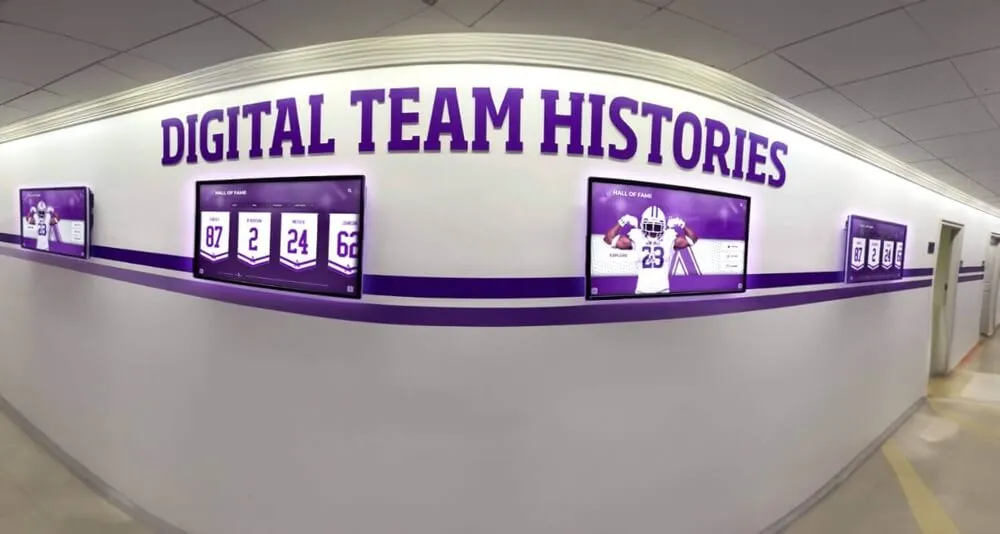
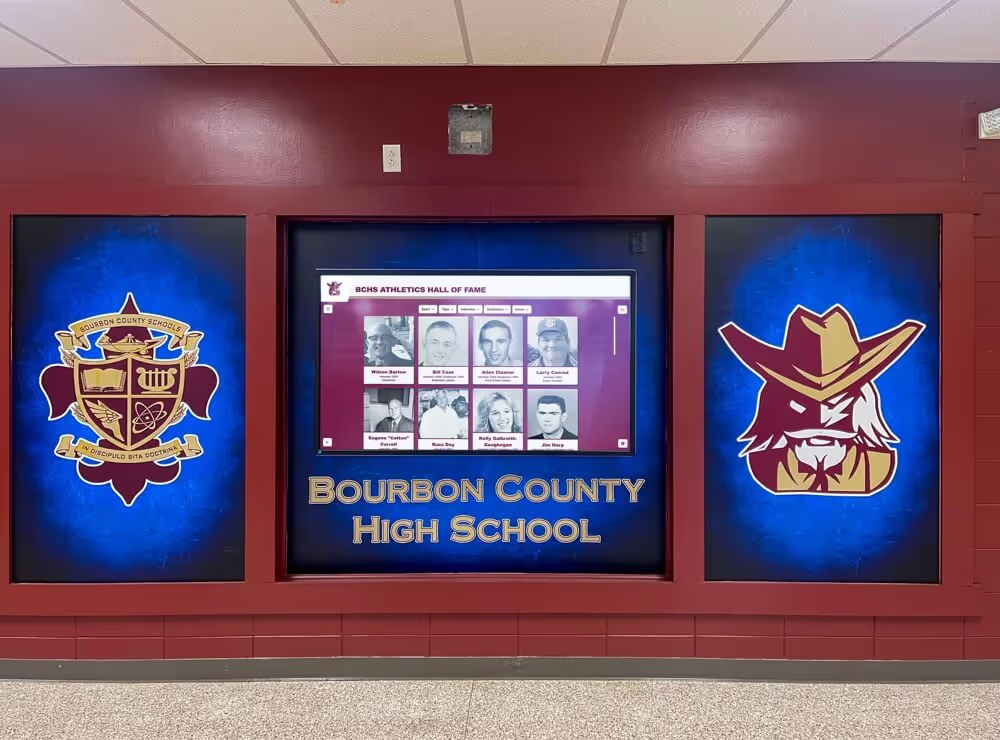
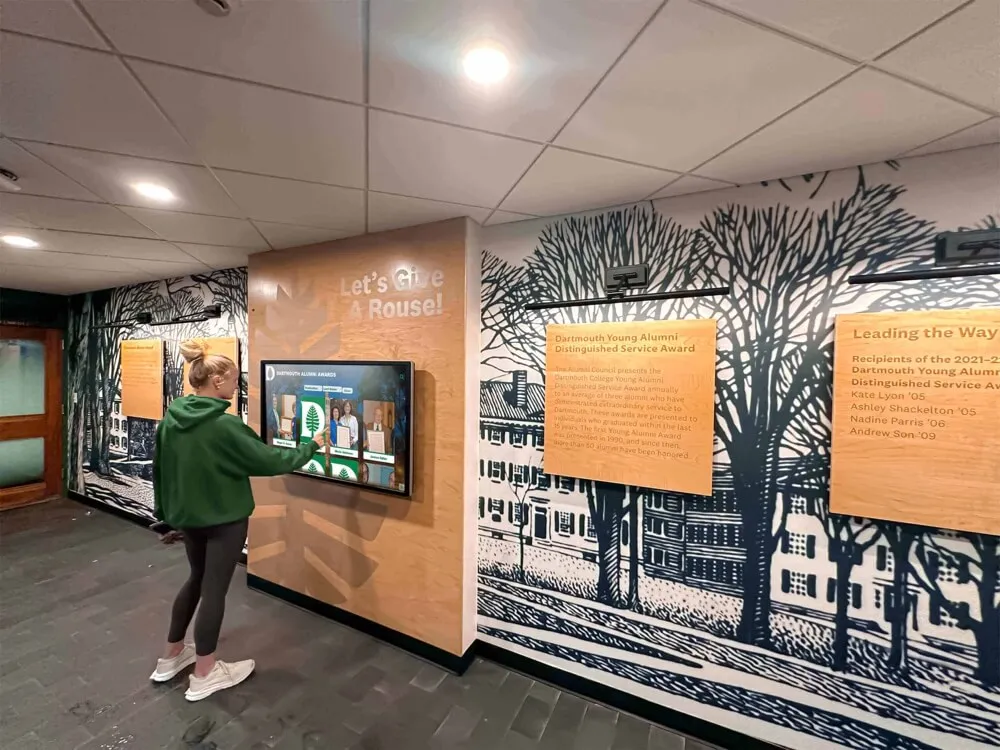
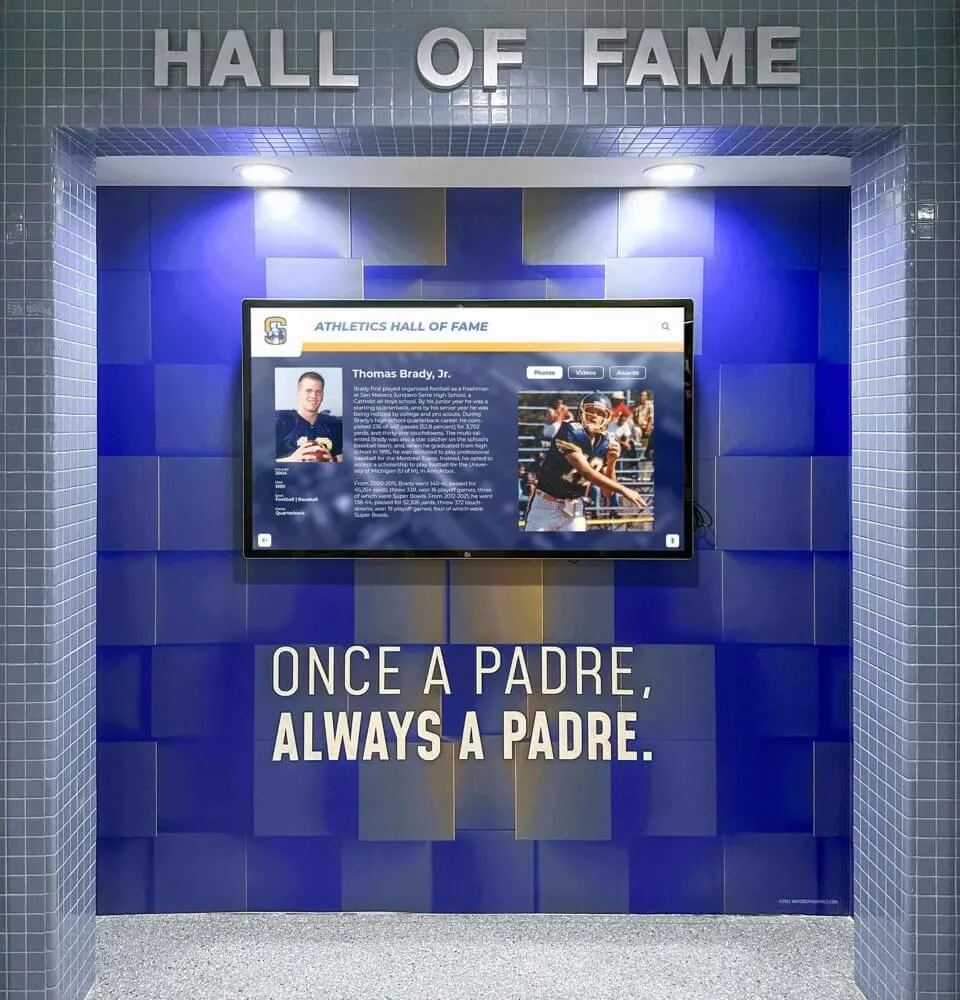
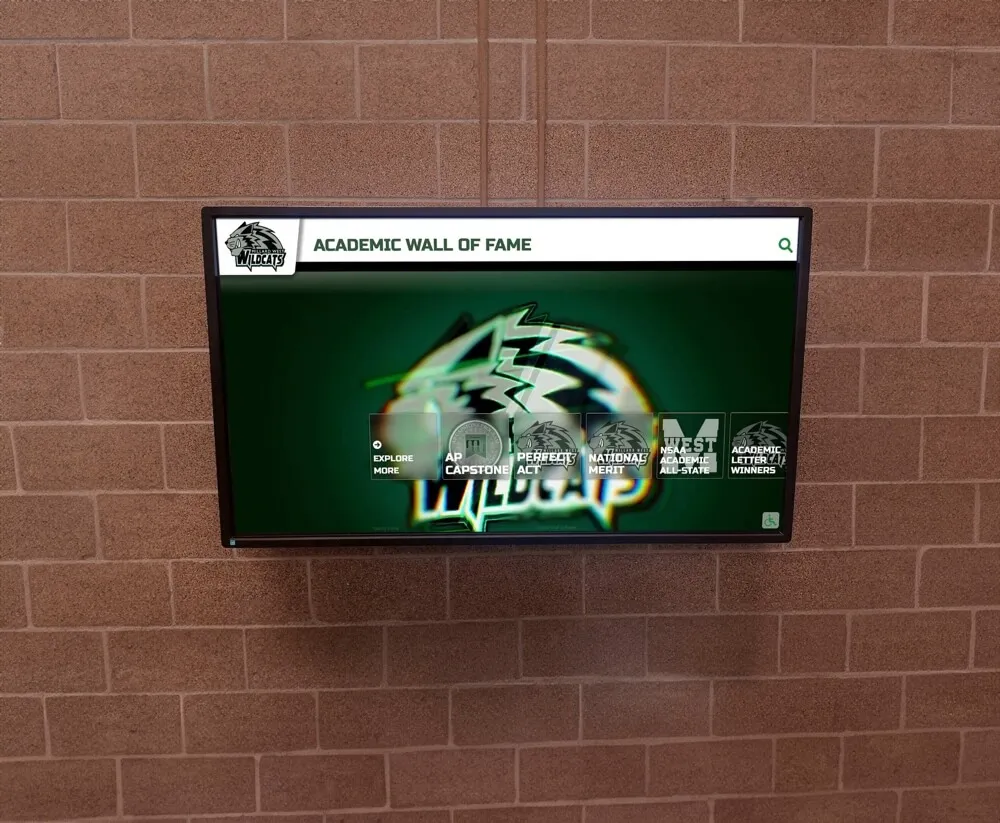
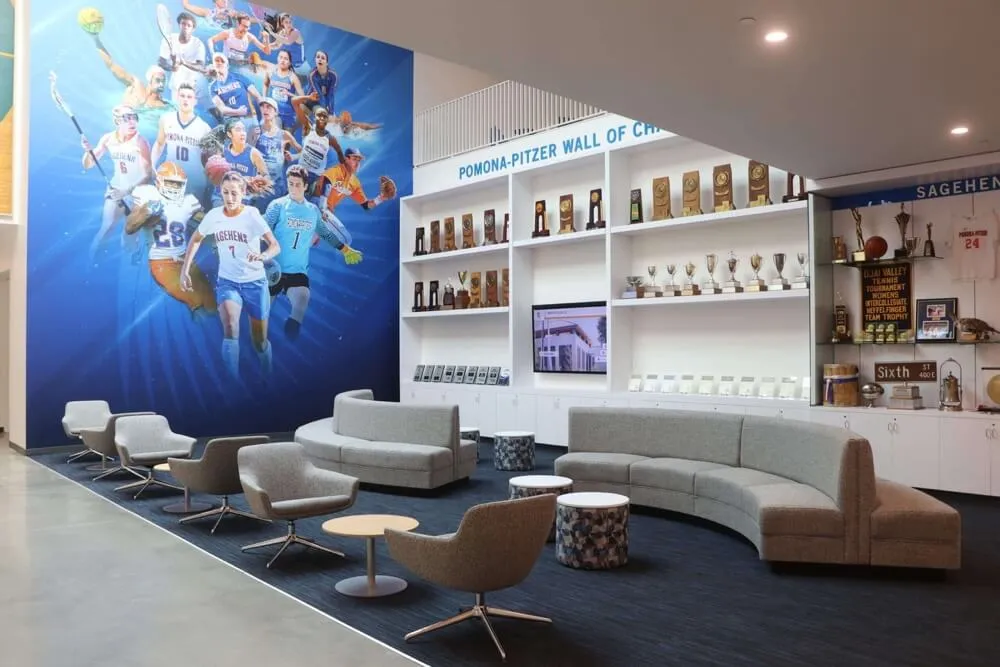
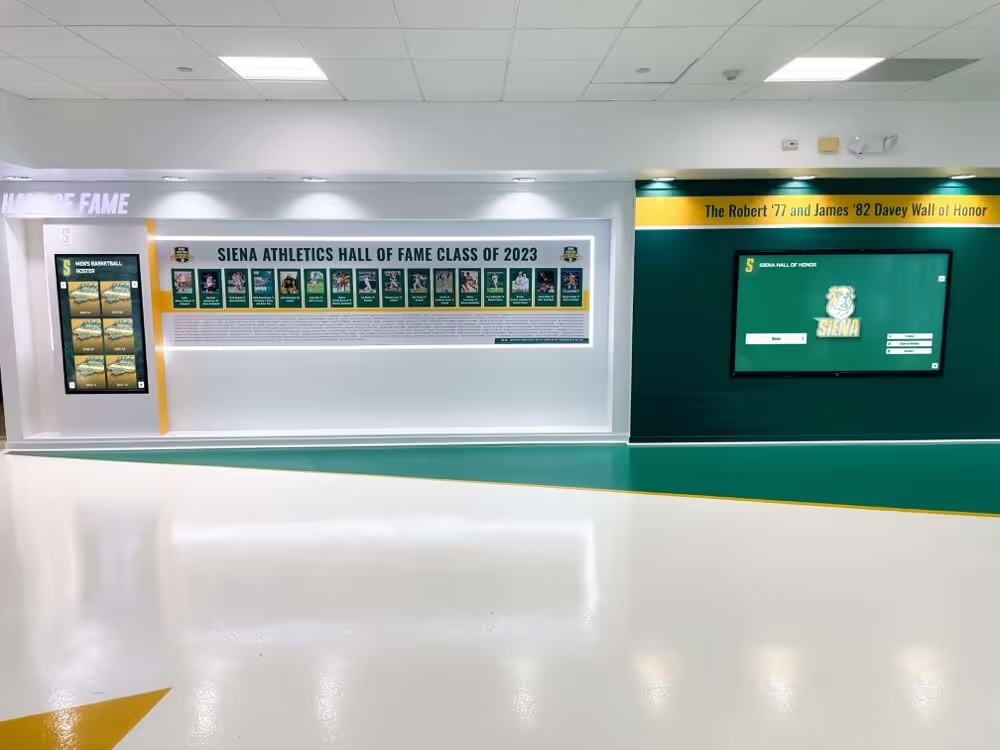
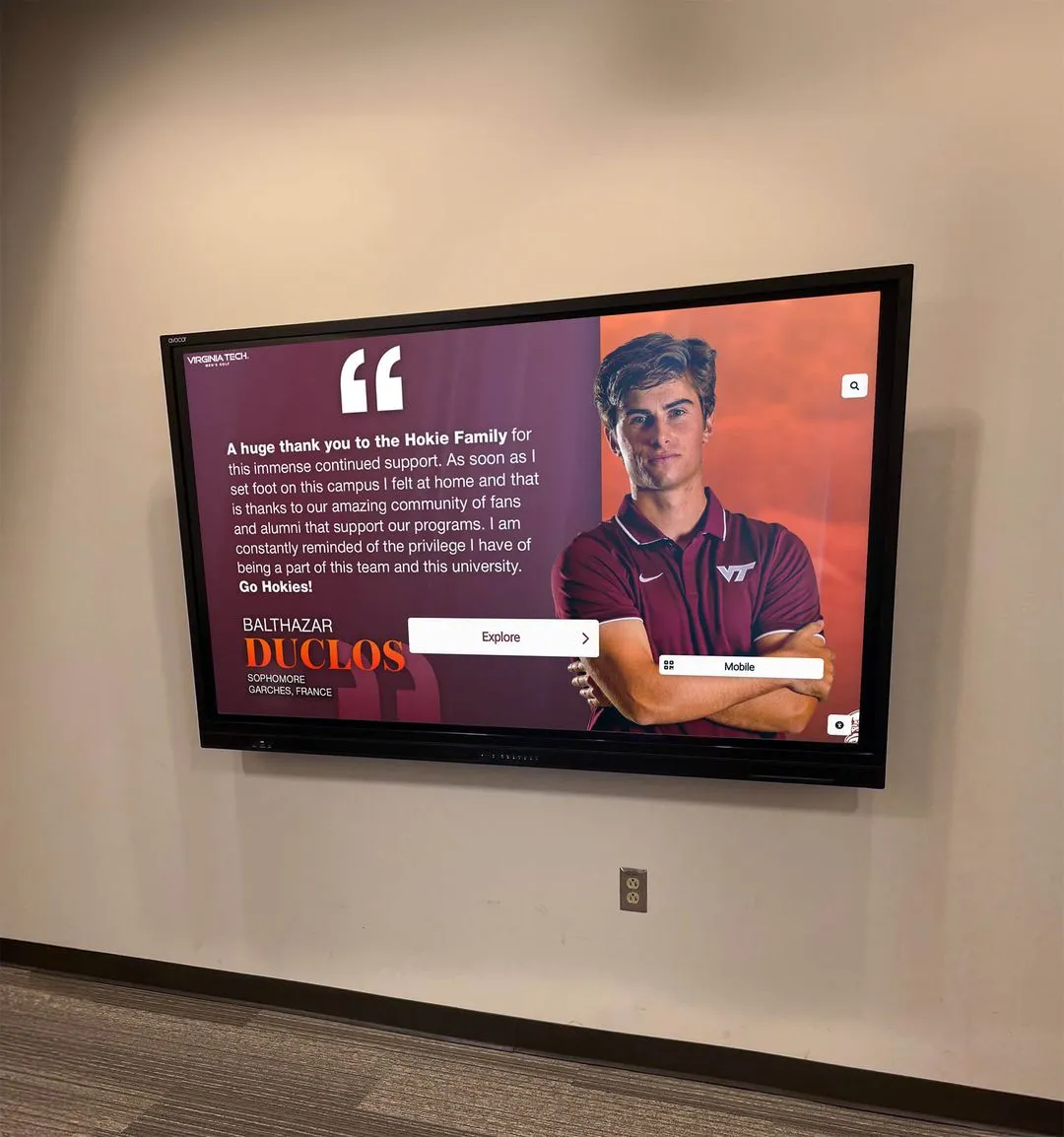
Dedicated recognition spaces provide natural gathering locations where alumni reconnect while exploring institutional history and celebrating community excellence
Quick Reference: 100 Alumni Event Ideas by Category
Before diving into detailed implementation strategies, this master list provides quick-scan access to all 100 event concepts organized by category. Use this reference to identify relevant ideas, then explore detailed sections below for execution frameworks, best practices, and strategic considerations specific to each event type.
Networking and Professional Development (Ideas 1-15)
- Industry-specific networking receptions
- Career mentorship speed dating
- Alumni entrepreneur pitch nights
- Executive leadership roundtables
- Professional skill workshops
- LinkedIn optimization sessions
- Salary negotiation seminars
- Personal branding workshops
- Interview preparation clinics
- Resume review sessions
- Job shadowing program launches
- Alumni career fair participation
- Young professional happy hours
- Industry trend symposia
- Leadership development series
Classic Events with Modern Enhancements (Ideas 16-30)
- Milestone reunion weekends with curated experiences
- Themed reunion programming
- Multi-day homecoming festivals
- Behind-the-scenes campus tours
- Athletic facility exclusive access
- Research laboratory open houses
- New building dedication celebrations
- Affinity group homecoming gatherings
- Student-alumni connection programming
- Virtual reunion options for distant alumni
- Golden anniversary commemorations
- Legacy family recognition events
- Class gift announcement celebrations
- Reunion memory book launches
- Time capsule opening ceremonies
- Anniversary milestone celebrations
Experience-Based and Adventure Events (Ideas 31-40)
- Alumni travel programs with faculty
- Service learning international trips
- Campus outdoor adventure weekends
- Hiking and nature exploration outings
- Cycling event participation
- Recreational sports tournaments
- Wellness retreat weekends
- Culinary classes and cooking workshops
- Wine tasting events featuring alumni vintners
- Farm-to-table dinner experiences
Arts, Culture, and Intellectual Events (Ideas 41-50)
- Performing arts showcases
- Art gallery opening receptions
- Theater production attendance
- Concert series featuring alumni musicians
- Book club discussions of alumni authors
- Documentary screenings and discussions
- Poetry and creative writing readings
- Museum exhibition private tours
- Lecture series with distinguished speakers
- Academic symposia on current topics
Service and Impact-Focused Activities (Ideas 51-60)
- Community service day projects
- Neighborhood cleanup initiatives
- Food bank volunteering
- Habitat for Humanity builds
- Campus beautification projects
- Pro bono skill-based volunteering
- Legal aid clinics
- Healthcare community screenings
- Technology literacy workshops for seniors
- Mentorship program launch events
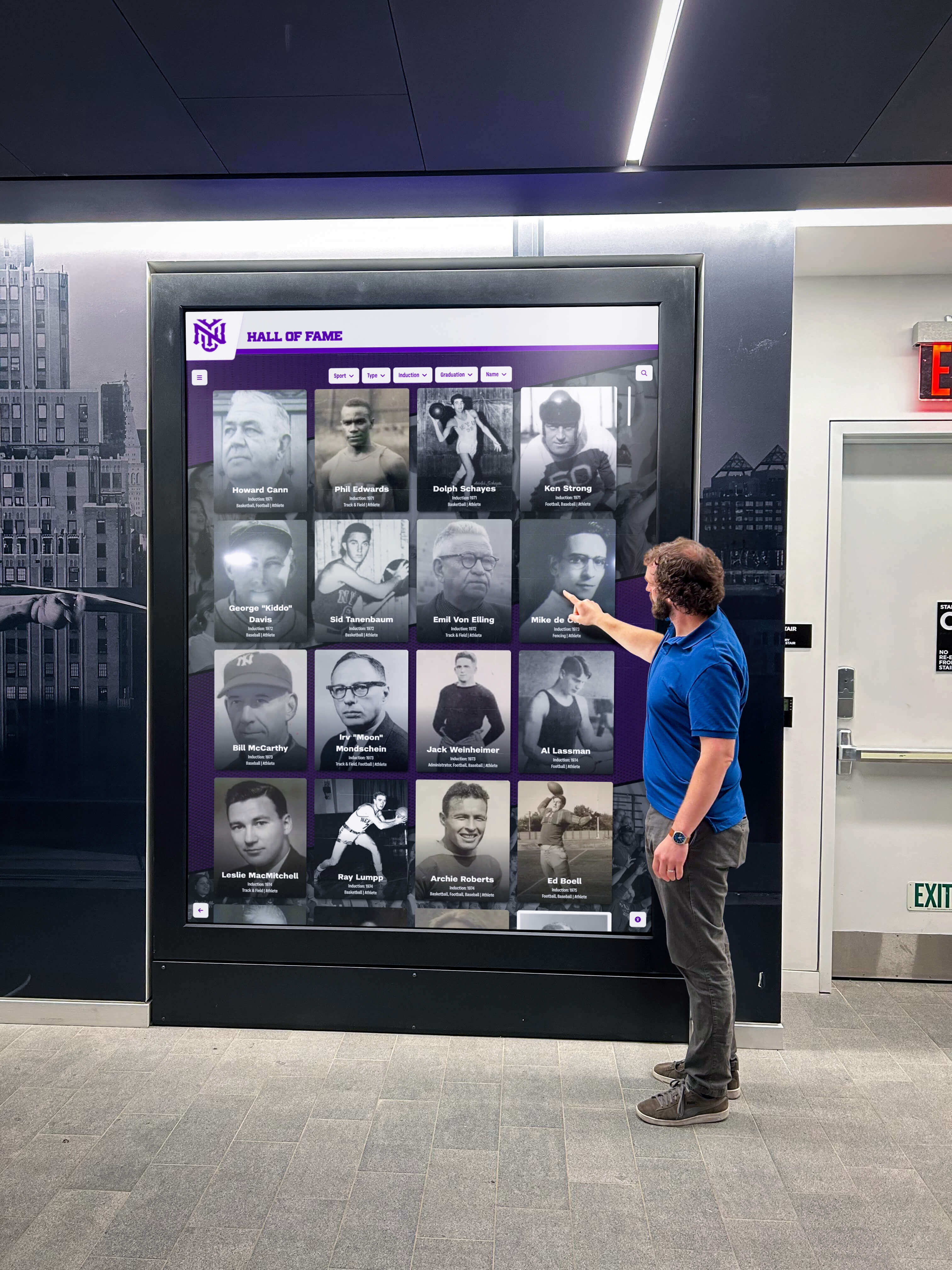
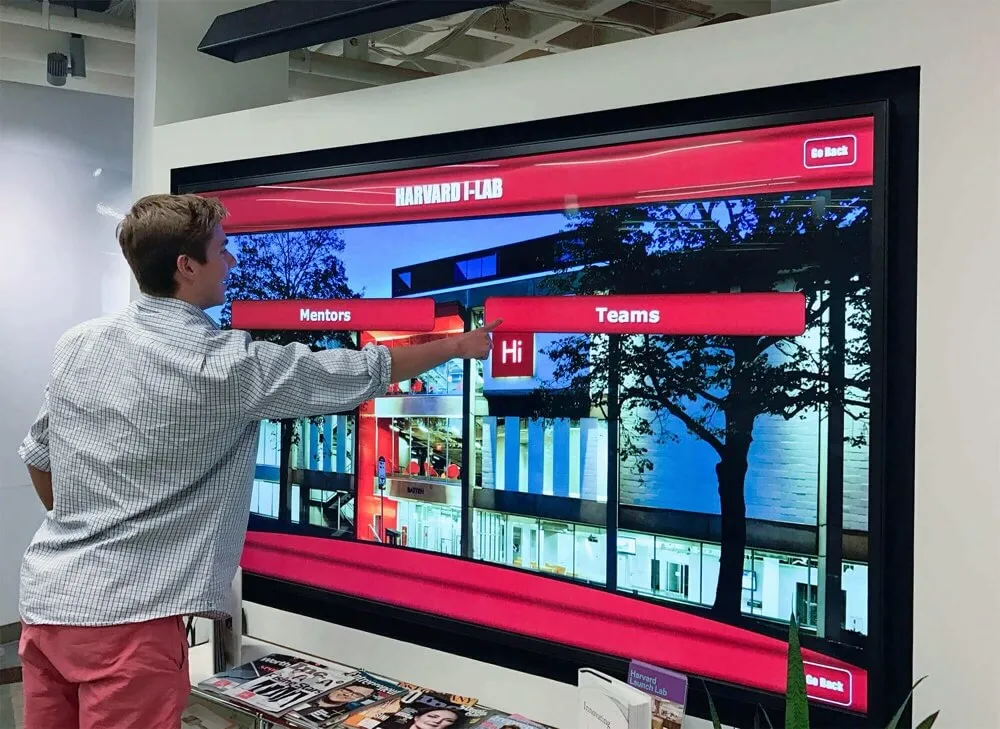
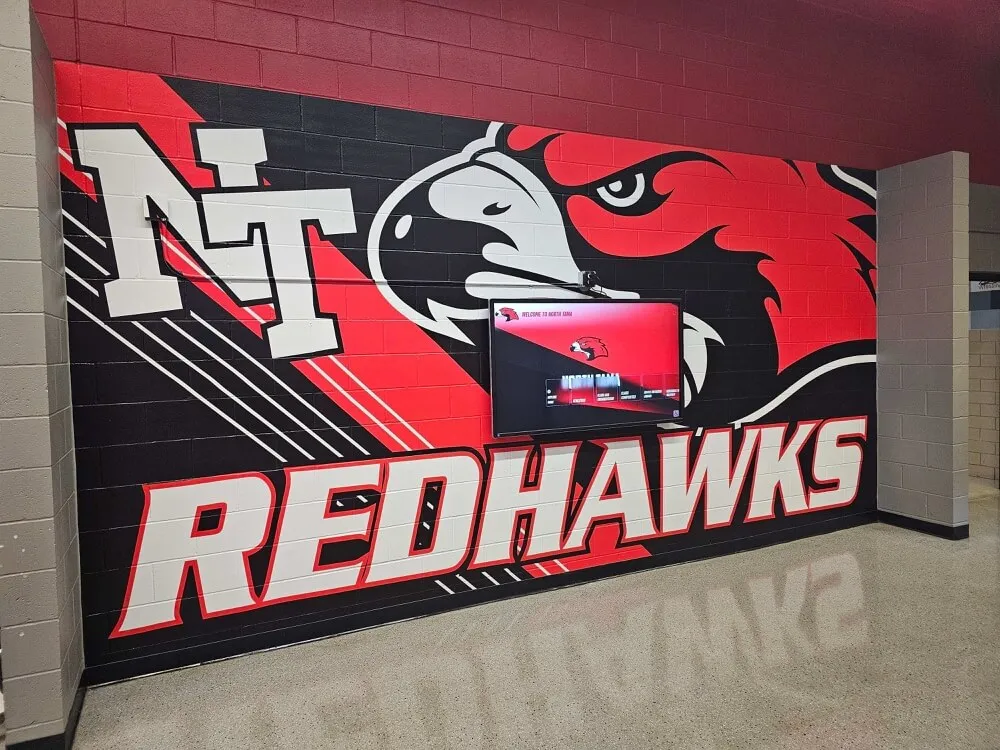
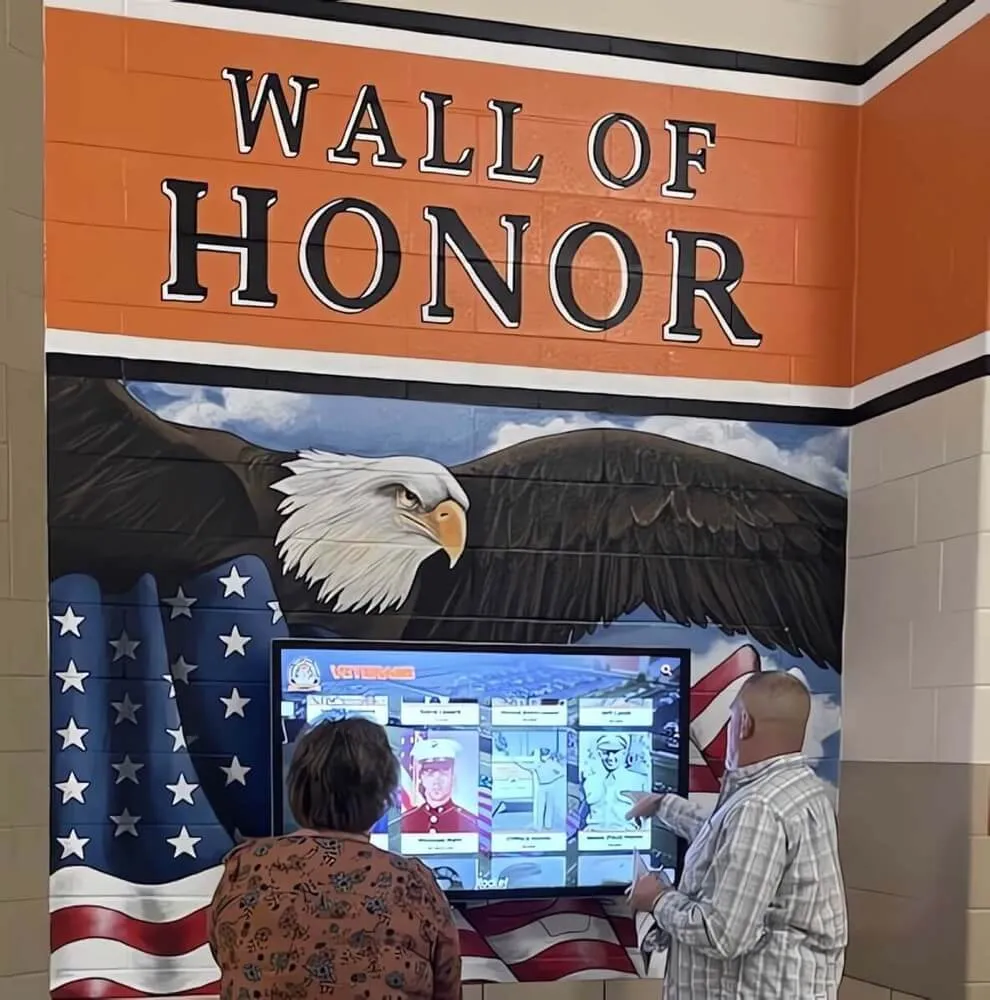
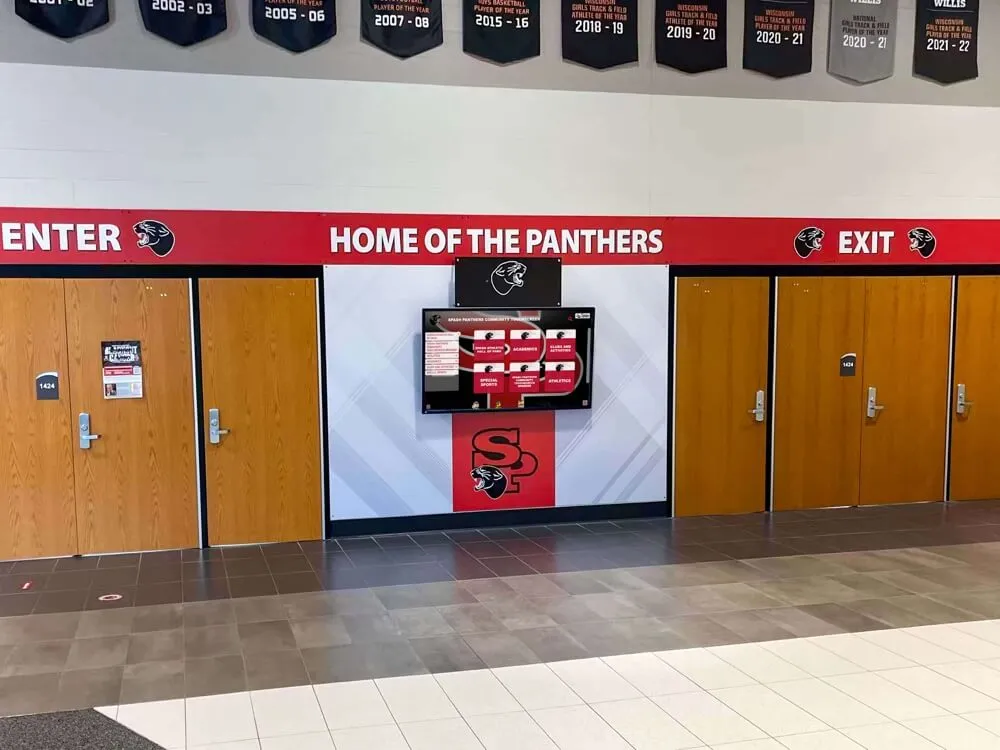
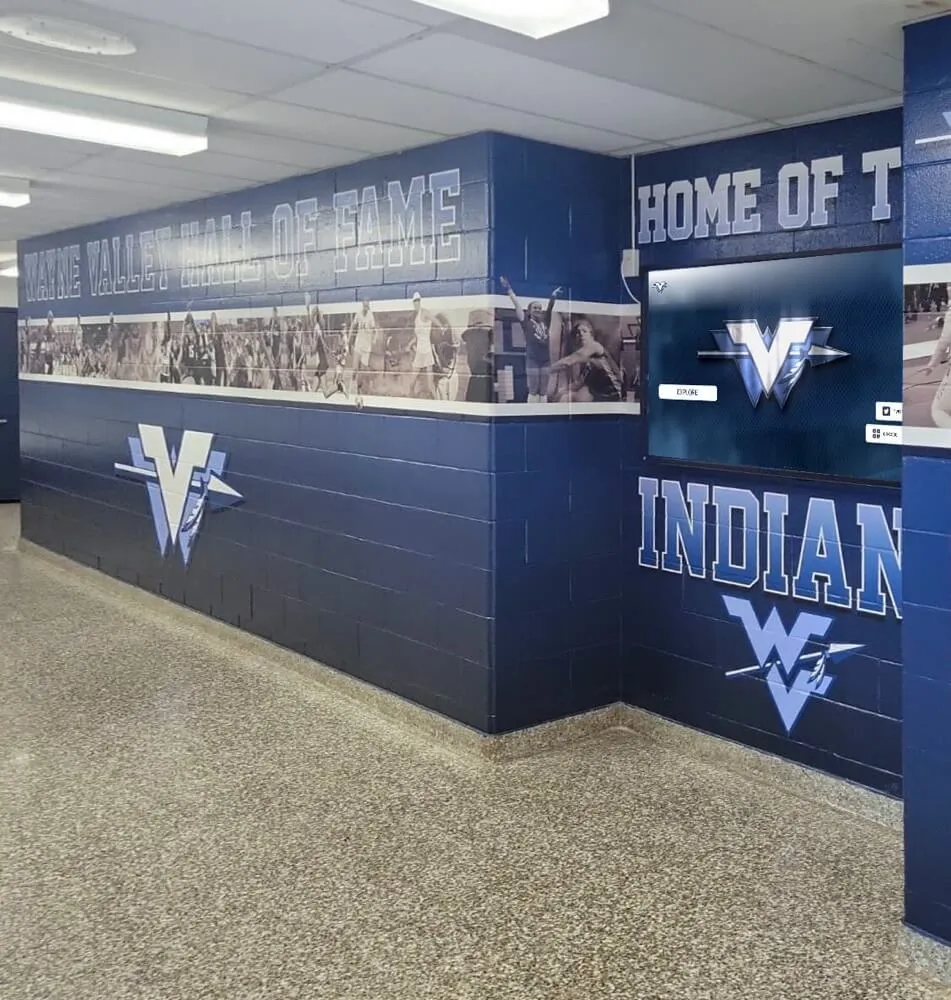
Interactive recognition displays at event venues encourage alumni exploration of institutional history while facilitating natural conversation and networking
Life-Stage and Affinity Programming (Ideas 61-70)
- Young alumni social gatherings at breweries
- Family day campus festivals
- Parent education workshops
- Grandparent-grandchild campus tours
- LGBTQ+ alumni pride celebrations
- Cultural heritage month festivities
- First-generation alumni success celebrations
- Women’s leadership forums
- Veteran and military alumni recognition
- International alumni regional gatherings
Virtual and Technology-Enhanced Events (Ideas 71-80)
- Virtual campus facility tours
- Online speaker series
- Digital trivia competitions
- Virtual escape room challenges
- Hybrid gala celebrations with livestreaming
- Virtual reality campus experiences
- Social media takeover events
- Live Q&A sessions with institutional leaders
- Webinar series on industry trends
- Online networking platform launches
Sports and Athletic Events (Ideas 81-85)
- Game watch parties in major cities
- Athletic Hall of Fame induction ceremonies
- Coach appreciation dinners
- Athletic facility renovation celebrations
- Championship team reunion gatherings
Fundraising and Development Events (Ideas 86-90)
- Major donor recognition dinners
- Giving day celebrations
- Capital campaign kickoff events
- Scholarship recipient connection dinners
- Annual fund challenge launches
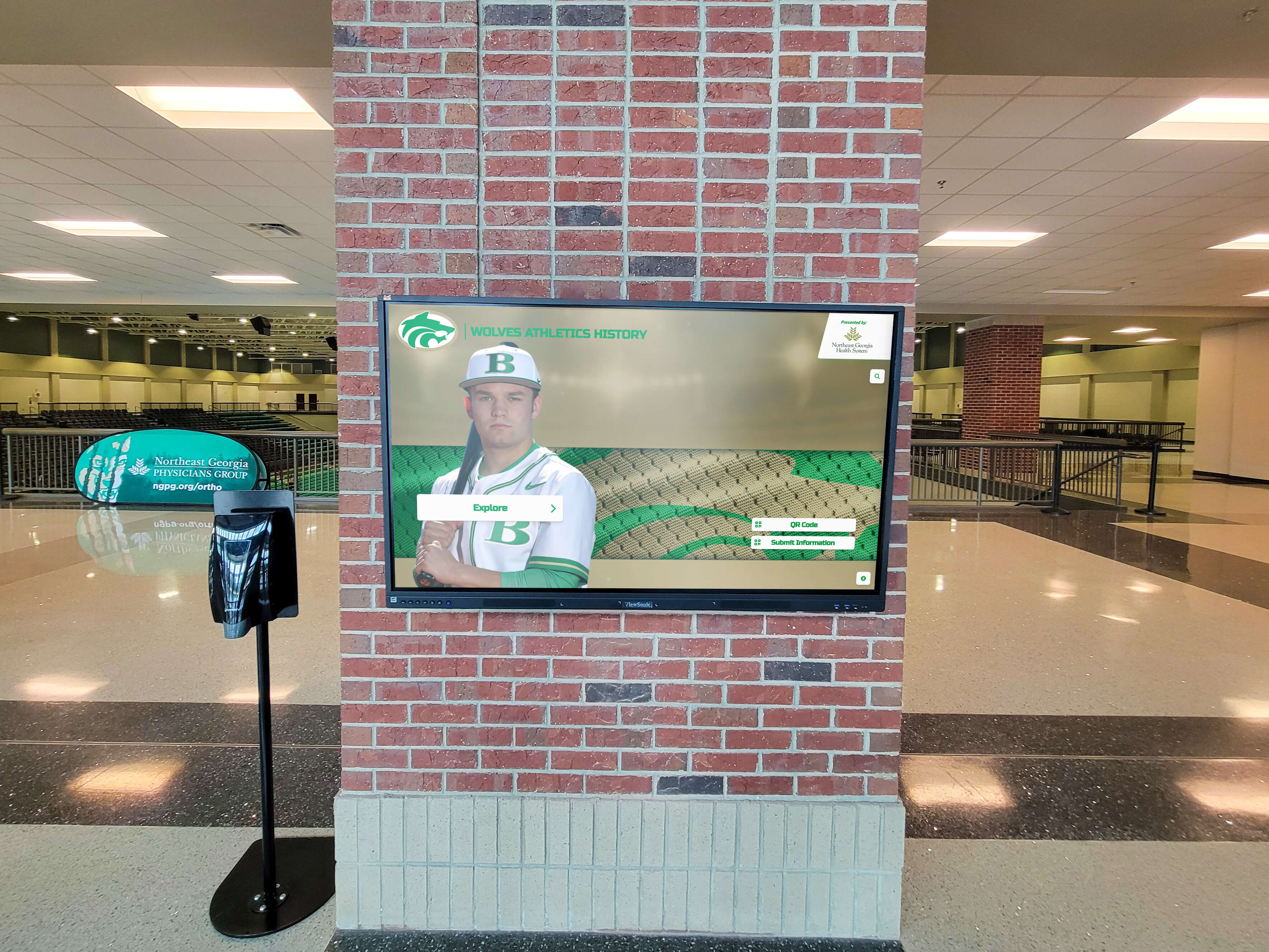
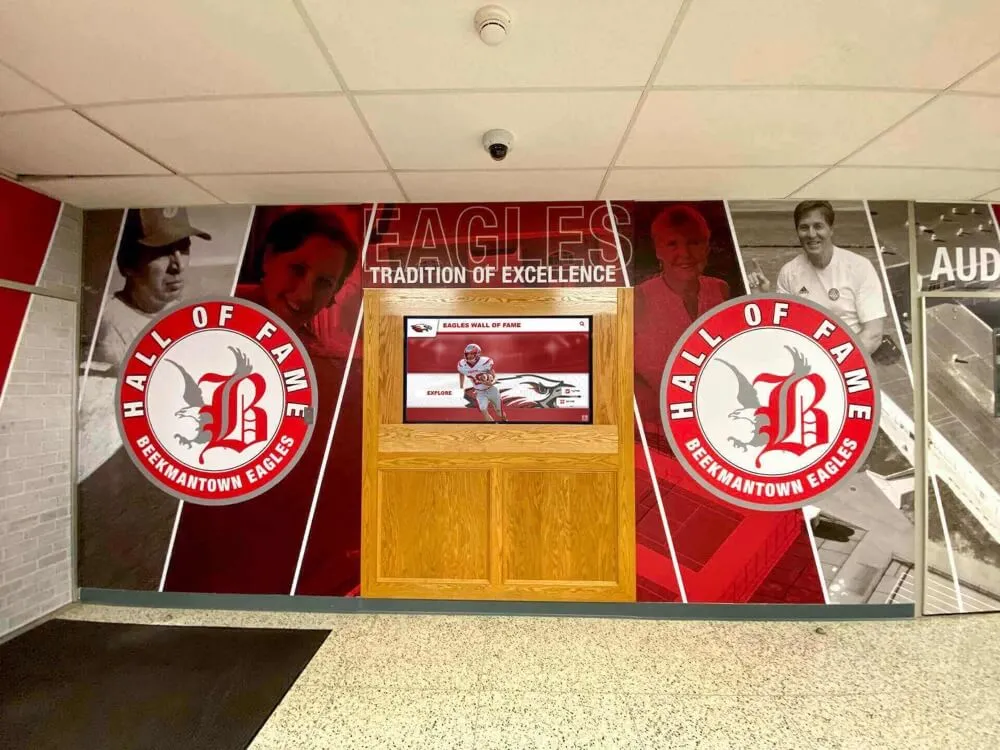
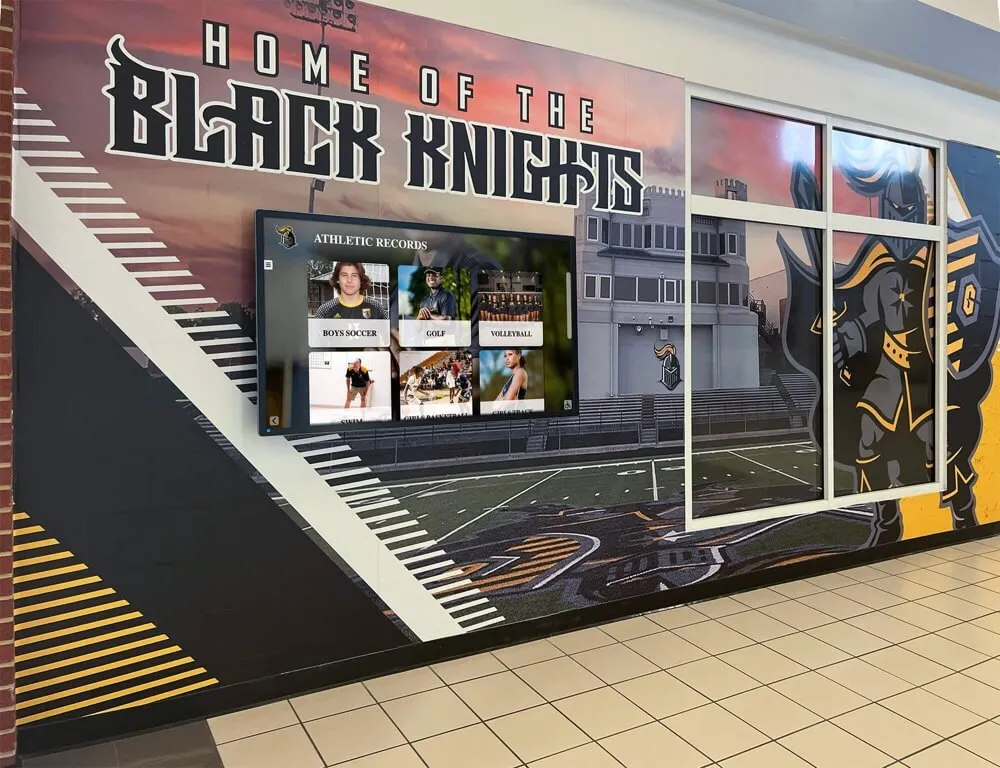
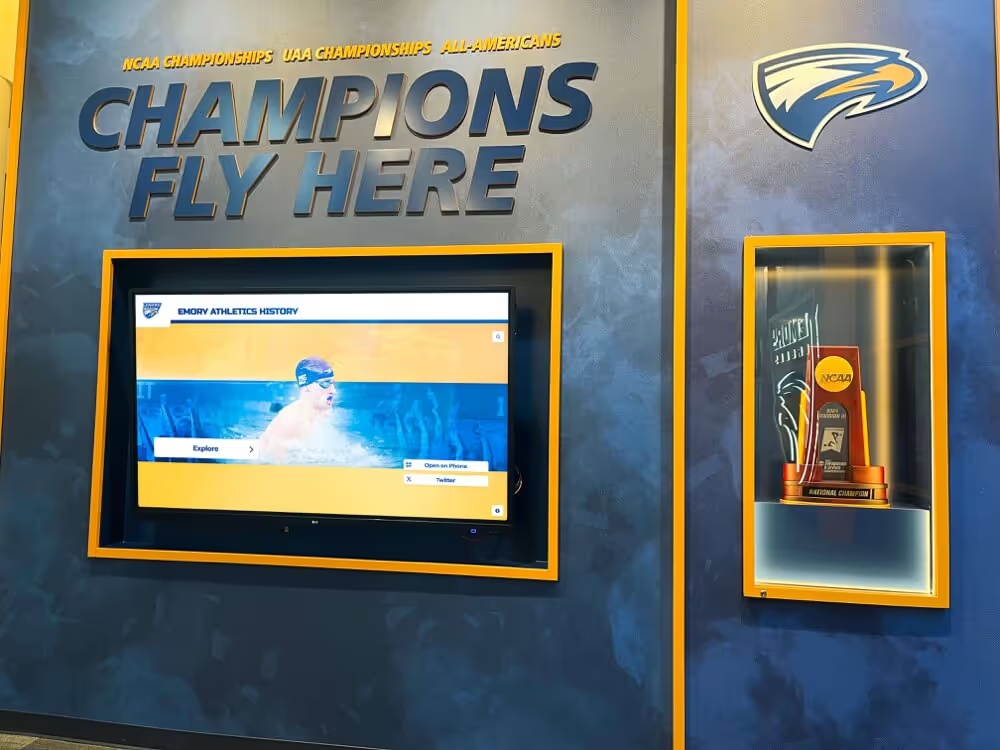
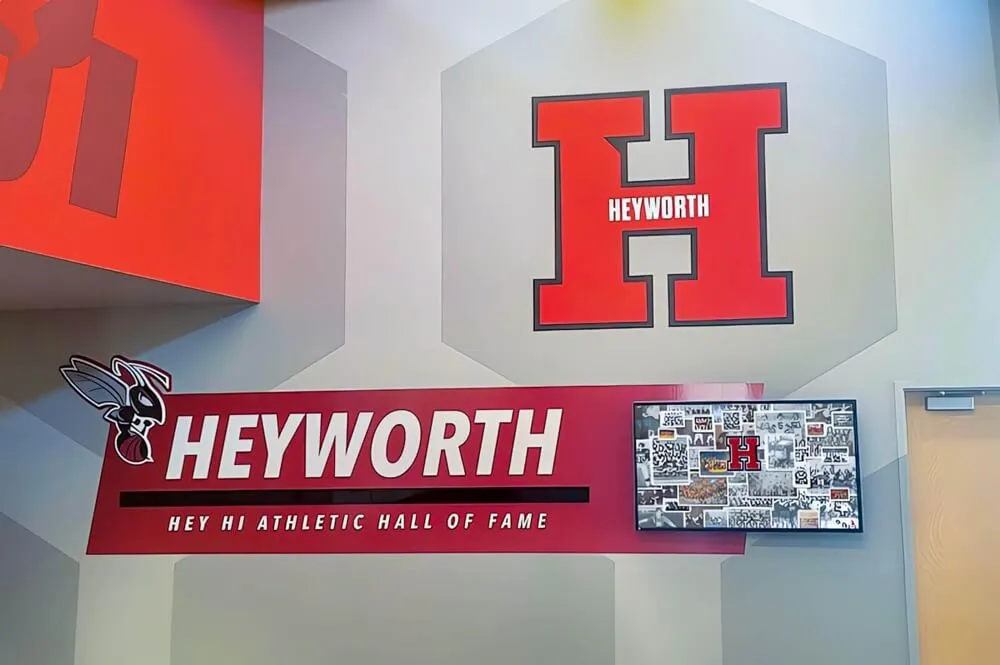
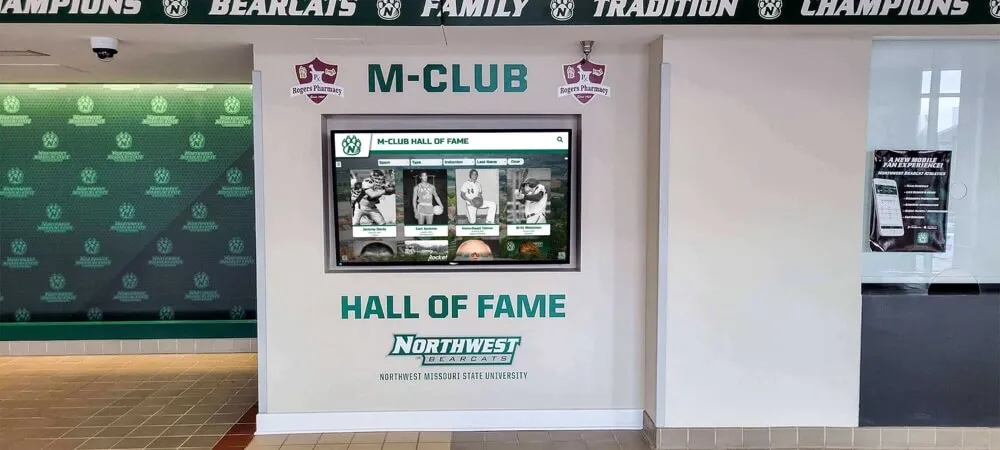
Strategic placement of digital recognition displays in athletic venues creates engagement opportunities during events when facilities host large audiences
Creative and Fun Celebrations (Ideas 91-100)
- Decades-themed costume parties
- Alumni talent show evenings
- Trivia night competitions
- Game night gatherings
- Holiday celebration events
- Oktoberfest and seasonal festivals
- Alumni dating mixers for singles
- Pet-friendly alumni gatherings
- Photography walks and exhibitions
- Alumni band and music performances
Detailed Implementation: Networking and Professional Development Events
Professional development programming attracts alumni who might skip purely social gatherings by offering tangible career value alongside community connection. These events position institutions as lifetime career resources while facilitating relationships that often yield stronger engagement than traditional reunion formats.
Industry-Specific Networking Strategies
Focused Professional Receptions by Career Field
Organize gatherings around specific industries—healthcare alumni, education professionals, technology sector workers, financial services professionals, entrepreneurs, or creative industry alumni. Industry-specific events facilitate more relevant networking than general mixers while enabling targeted programming with keynote speakers, panel discussions, or skill-building workshops addressing field-specific topics.
Schedule these receptions in financial districts or professional centers convenient to workplace locations, maximizing attendance among busy professionals unable to easily return to campus. Partner with prominent alumni at major companies to secure event spaces, reducing costs while honoring host alumni and highlighting their professional success.
For graduate programs including MBA, law, medicine, or specialized master’s degrees, industry networking proves particularly valuable as alumni seek connections advancing specific professional trajectories. These focused gatherings create immediate networking ROI justifying event attendance even for otherwise disengaged graduates.
Career Mentorship Program Launches
Kick off formal alumni-student mentorship programs with in-person or virtual events where mentors and mentees meet, learn program expectations, and begin building relationships. Structure includes icebreaker activities facilitating initial conversations, program orientation explaining commitments and communication expectations, small group discussions around specific career interests, and social time enabling organic connection formation.
These structured programs create ongoing engagement far beyond single events while providing clear value to both alumni (leadership development opportunities, giving back satisfaction) and students (career guidance, professional connections, insider industry knowledge). Track mentorship relationships systematically, celebrating successful pairings during subsequent events while recruiting additional mentors based on program growth.
Understanding alumni advice program frameworks provides complementary structures for creating ongoing engagement through career guidance beyond single mentorship launches.
Executive Leadership Roundtables
For accomplished senior-level alumni, offer intimate roundtable discussions with institutional leaders—presidents, chancellors, deans, board members—addressing institutional strategy, industry trends, or complex challenges facing education. These invitation-only events honor distinguished alumni while leveraging their expertise for institutional benefit.
Topics might include workforce development trends informing curriculum planning, technology disruption requiring educational responses, demographic shifts affecting enrollment strategies, or philanthropic approaches for capital campaigns. Position alumni as valued advisors whose perspectives inform institutional decisions, creating meaningful engagement transcending social programming while building cultivation pathways for major gift discussions.
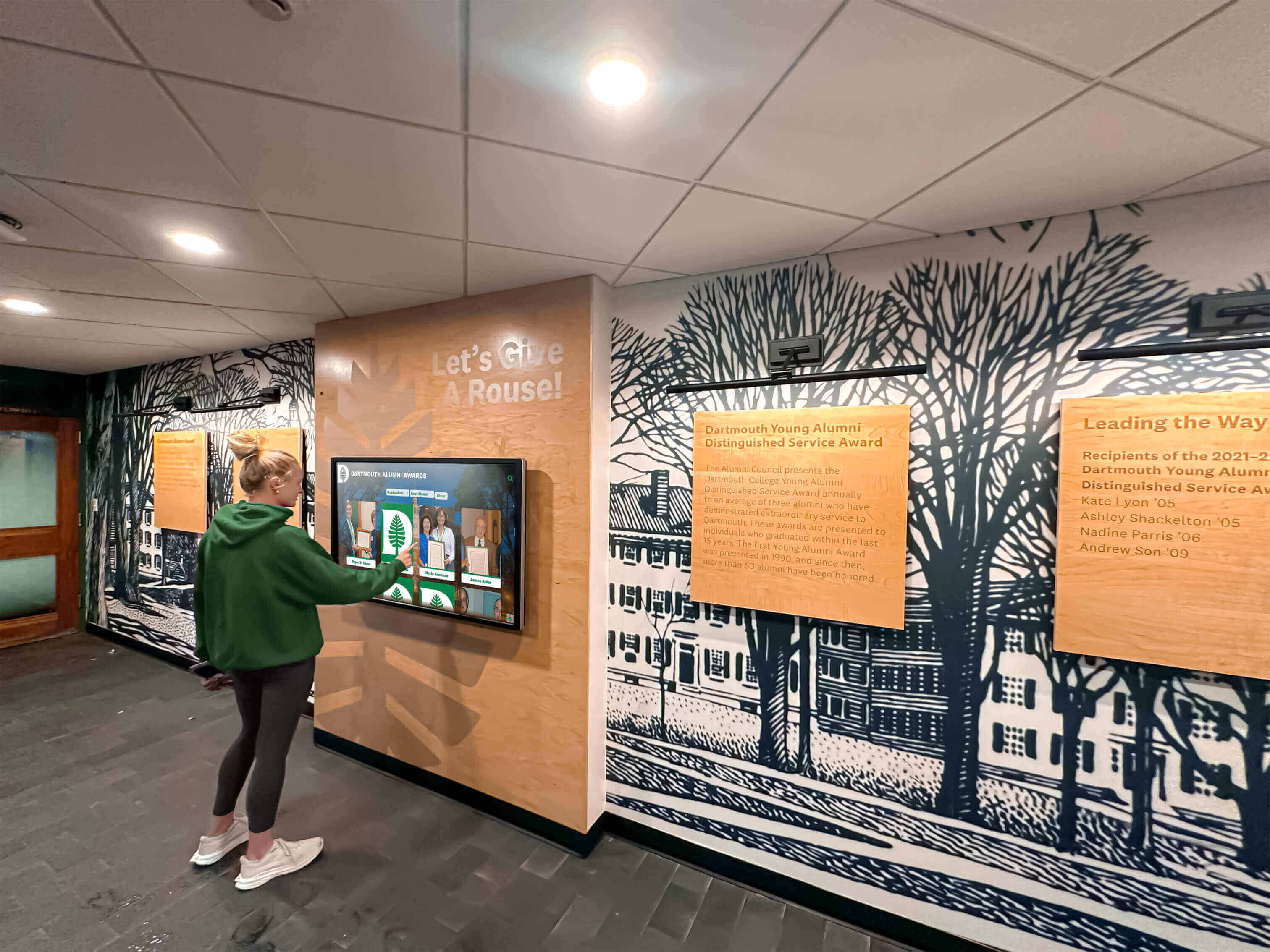
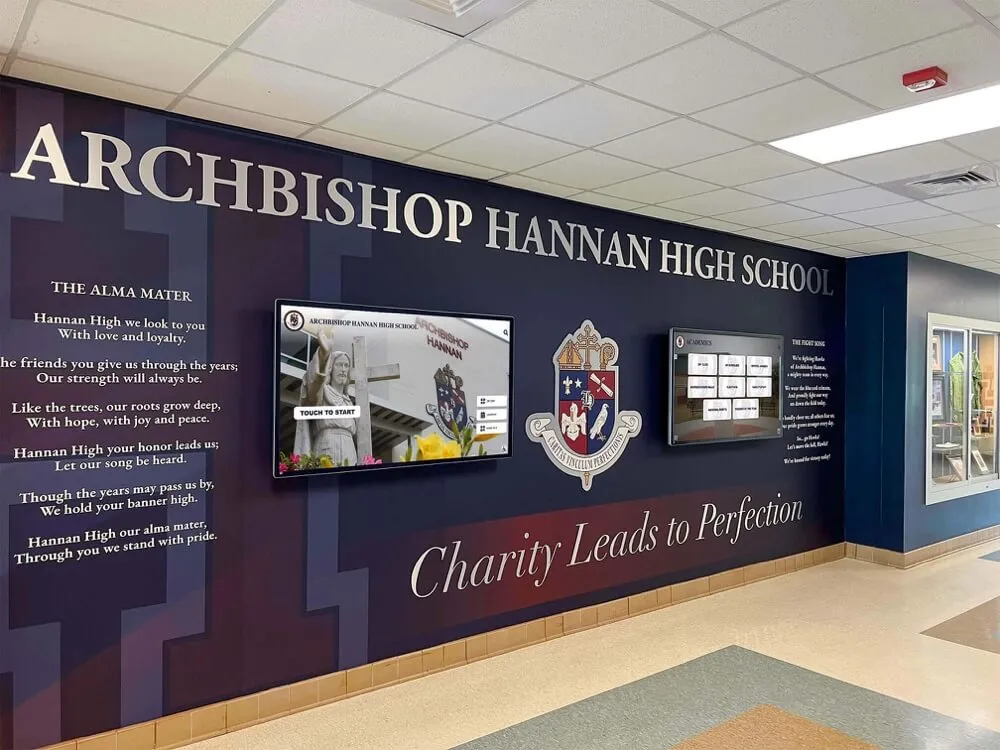
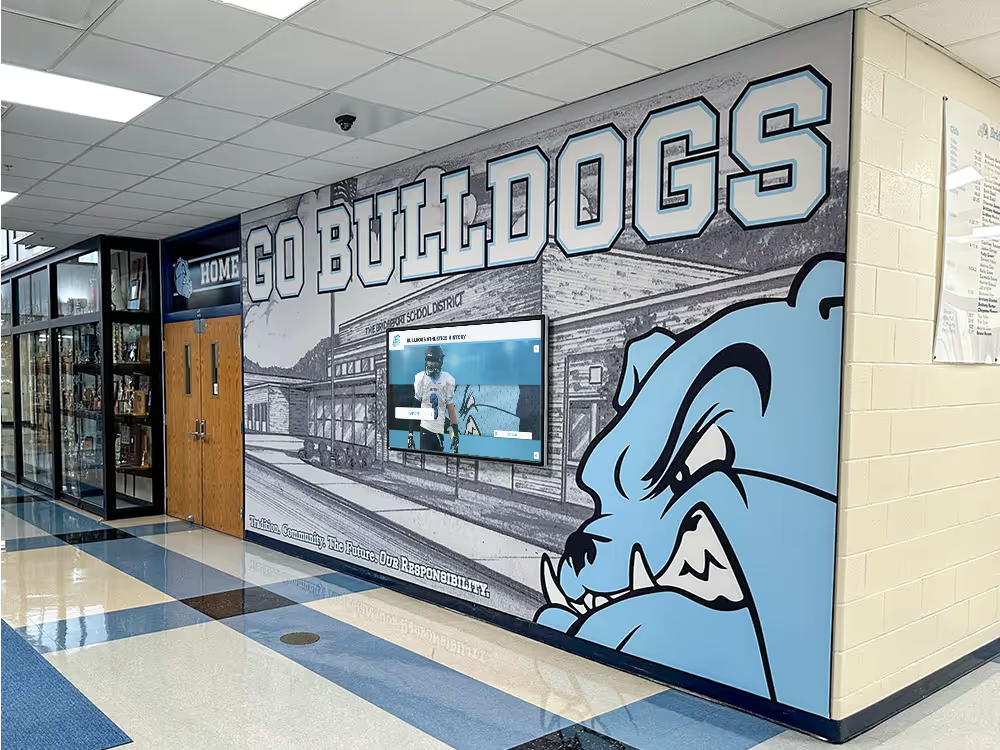
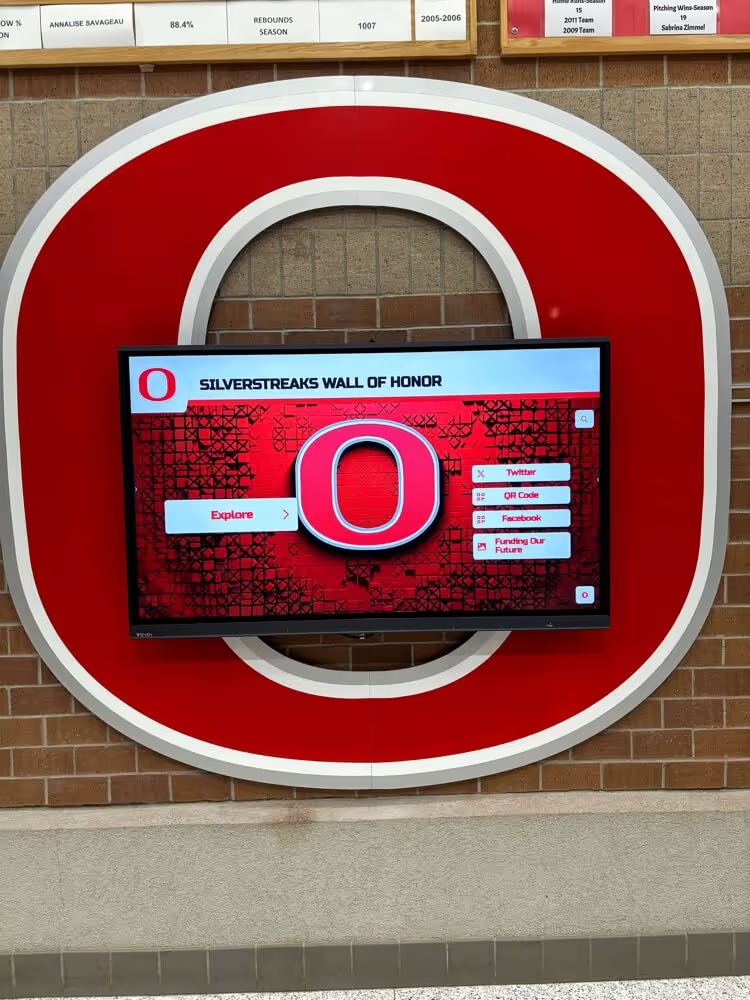
Strategic placement of alumni recognition displays in student areas facilitates natural connections between current learners and graduate role models
Skill-Building Workshop Programming
Professional Development Series
Host workshops addressing skills relevant across career stages and industries: public speaking and presentation skills, project management fundamentals, data analysis for non-technical roles, digital marketing strategies, or effective delegation and team management. Position these as valuable professional development rather than alumni engagement, attracting participants who wouldn’t attend traditional reunion events.
Draw on alumni expertise by recruiting successful graduates as workshop facilitators, simultaneously providing them recognition while delivering authentic, experience-based instruction. Charge nominal fees covering costs while reinforcing program value—free events sometimes signal lower quality despite equivalent content.
Career Transition Support Programming
Address major career transitions through specialized workshops: pivoting to new industries mid-career, transitioning from corporate to nonprofit sectors, preparing for entrepreneurship, navigating layoffs and job searches, or planning phased retirement. These life-stage-specific programs serve alumni experiencing particular challenges while creating supportive communities around shared circumstances.
For military veteran alumni, offer specific transition assistance addressing civilian career entry, translating military experience for civilian employers, or navigating education benefits. These targeted programs demonstrate institutional commitment while honoring veteran service.
Classic Events Reimagined for Modern Engagement
Traditional alumni programming retains value when refreshed with contemporary approaches addressing evolving expectations and participation patterns. These classic formats provide familiar foundations while modern enhancements create compelling reasons for renewed attendance.
Enhanced Reunion Weekend Programming
Milestone Class Experiences with Personalization
Rather than generic programming for all reunion classes simultaneously, create differentiated experiences for specific milestone years (5th, 10th, 25th, 50th) reflecting where alumni are in life journeys. Recent graduates might prioritize career networking sessions, social activities at trendy venues, and student interaction opportunities, while golden anniversary attendees appreciate historical campus tours, memory-sharing sessions with classmates, and quiet reflection opportunities honoring deceased class members.
Incorporate themed programming creating narrative coherence: “Then and Now” comparing campus past and present through photo exhibitions and facility tours, “Legacy and Future” connecting alumni achievements to current student opportunities through panel presentations, or “Celebrating Our Impact” demonstrating how graduating classes influenced communities and professions through multimedia presentations and speaker series.
Digital Integration Enhancing Traditional Reunions
Supplement traditional reunion programming with digital memory collections where alumni submit photos, stories, and reflections before events through dedicated platforms or social media hashtags. Display these contributions through interactive touchscreens during gatherings or project presentations during formal programs, creating shared nostalgia and natural conversation starters.
Solutions like Rocket Alumni Solutions provide interactive displays enabling reunion attendees to explore comprehensive class databases, rediscover classmate achievements, browse historical photos and memories, and share discoveries with others during reception periods. These digital elements transform downtime into engaging exploration while celebrating collective excellence.
Create permanent digital archives preserving reunion submissions, enabling ongoing access long after events conclude. Future reunion classes leverage previous submissions, building institutional memory while inspiring contribution to growing historical collections.
Resources on class reunion planning strategies provide complementary frameworks for designing gatherings that meaningfully reconnect graduates while celebrating shared experiences.
Homecoming Weekend Innovations
Multi-Day Festival Atmospheres
Transform single-day homecoming games into multi-day festivals with varied programming appealing to diverse constituencies. Thursday evening kick-off receptions welcome early arrivals, Friday academic symposia or career panels provide intellectual value, Saturday encompasses traditional game day festivities and athletic competitions, while Sunday farewell brunches enable final networking before departures.
Extended programming enables deeper engagement while accommodating alumni traveling from distant locations who justify multi-day trips more readily than single afternoon events. Varied activities throughout weekends serve different interests—some attend academic sessions, others focus on athletic events, while many mix both.
Behind-the-Scenes Exclusive Access Programming
Offer facility tours showcasing new academic buildings, renovated spaces, research laboratories, athletic training facilities, performing arts venues, or special collections typically restricted to public access. These exclusive experiences satisfy curiosity about campus changes while demonstrating investment returns and institutional progress, subtly reinforcing reasons for continued alumni support.
Facilitate conversations with faculty researchers, athletic coaches, student leaders, or administrative officials during tours, enabling personal connections transcending physical space tours alone. Alumni value opportunities engaging current community members beyond superficial interactions, particularly when learning about programs, research, or achievements generating institutional pride.
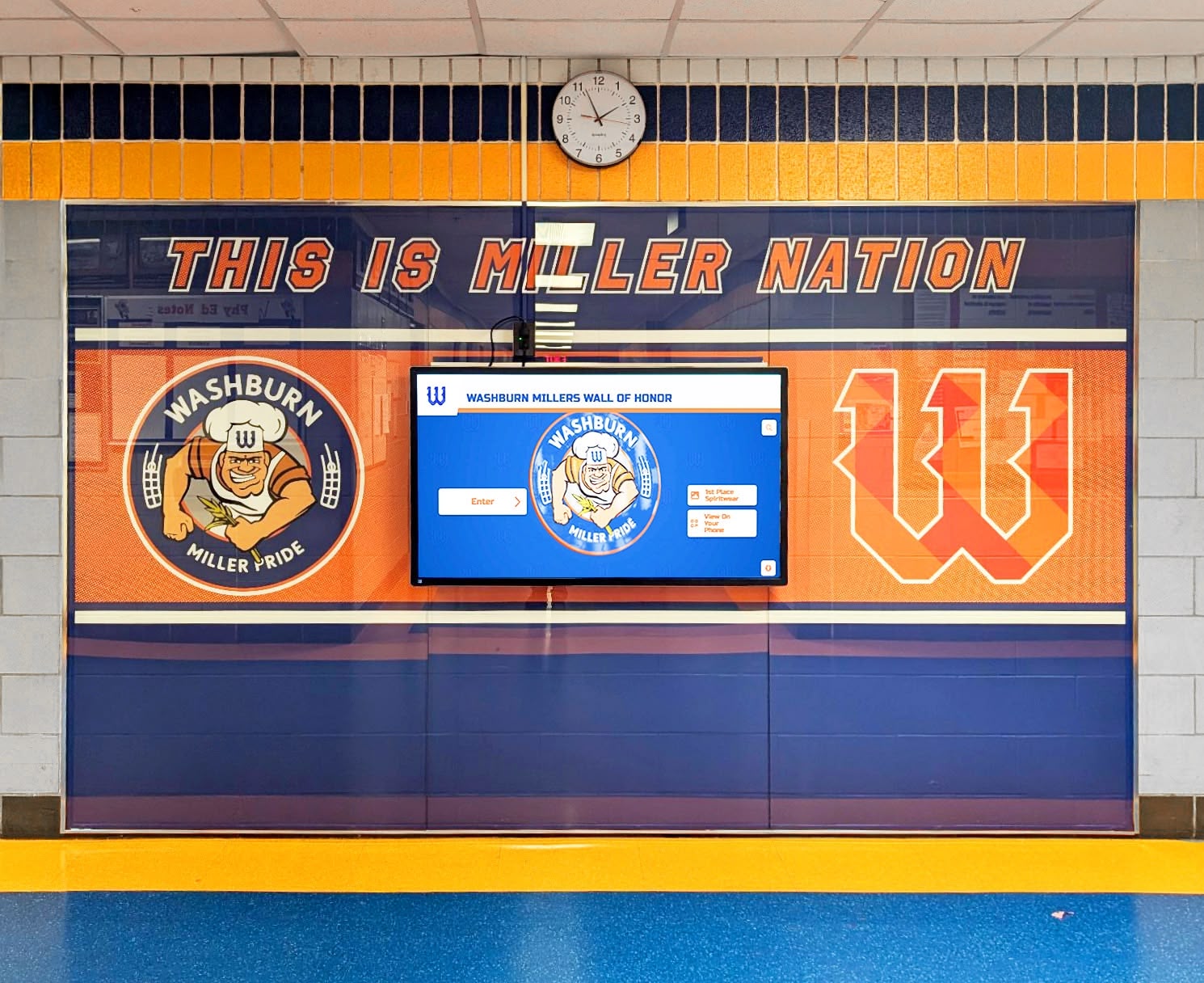
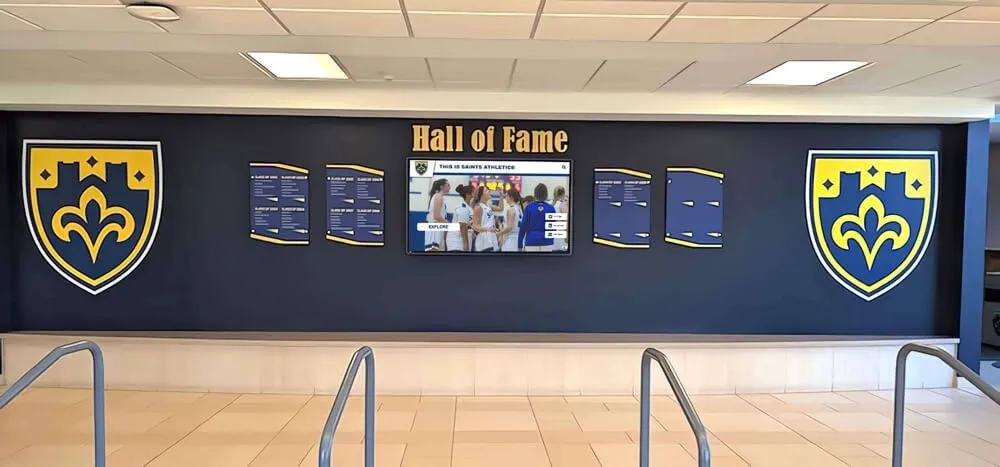
Permanent recognition installations throughout campus create natural gathering points during events while celebrating institutional heritage year-round
Experience-Based Events Creating Lasting Bonds
Experiential programming creates memorable shared experiences building stronger connections than passive receptions enable. These adventure-oriented events appeal to wellness-focused alumni, families seeking active programming, and those preferring informal atmospheres where meaningful conversations flow naturally.
Travel and Adventure Programming
Alumni Travel Programs with Educational Components
Organize travel experiences led by faculty members or featuring institutional expertise—archeological expedition tours, cultural immersion programs, service learning trips, historical site explorations, ecological conservation experiences, or adventure travel with educational components. Week-long programs enable deep relationship building among participating cohorts while providing extraordinary experiences alumni value highly.
Revenue from program fees offsets costs through self-sustaining models where tuition covers faculty participation, ground arrangements, and administrative coordination. Participants form lasting bonds through shared travel experiences, often becoming highly engaged volunteers and donors following program participation.
Partner with reputable educational travel companies managing logistics while faculty provide content expertise and institutional connection. This division of labor ensures quality execution without overwhelming internal staff lacking specialized travel planning experience.
Outdoor Recreation and Wellness Events
Leverage institutional outdoor recreational assets or nearby natural areas through alumni hiking trips, camping weekends, cycling events, kayaking outings, rock climbing experiences, or winter sports gatherings. Outdoor settings create relaxed atmospheres where meaningful conversations develop naturally while physical activities appeal to wellness-focused alumni and families seeking active experiences.
For institutions near mountains, lakes, beaches, or significant natural features, outdoor programming provides distinctive experiences unavailable to peer institutions, creating unique value propositions. Alumni traveling for events appreciate programming taking advantage of regional characteristics versus generic receptions replicable anywhere.
Schedule family-friendly outdoor events accommodating children, expanding participation to alumni whose family circumstances prevent attendance at evening adult-only programming. These multigenerational experiences introduce next generation to institutional communities while enabling parents’ engagement.
Culinary and Cultural Experiences
Farm-to-Table Dining Events
Host dinners featuring institutional agricultural programs, culinary arts departments, or local food partnerships. Tour campus farms or gardens before meals, meet student researchers studying sustainable agriculture, or hear from culinary faculty about menu creation and local food systems.
These food-centered gatherings appeal broadly across demographics while creating convivial atmospheres conducive to relationship building. Position events as celebratory experiences rather than fundraising asks, though cultivation naturally occurs through positive interactions and institutional pride generated by programming excellence.
Arts and Performance Attendance
Organize exclusive access to performing arts events, art gallery openings, theater productions, musical performances, or dance showcases featuring student, faculty, or alumni talent. Position as cultural experiences rather than generic alumni gatherings, attracting arts-appreciative audiences who might skip traditional receptions.
Pre-show receptions or post-performance discussions with artists add alumni-specific programming to publicly available performances, creating insider access justifying event registration while supporting institutional arts programs through guaranteed attendance. These events simultaneously serve multiple audiences—general public, alumni, and current community members—maximizing utilization.
Understanding theater recognition programs provides frameworks for celebrating performing arts excellence while building engagement among arts-focused constituencies.
Service and Impact Programming
Alumni increasingly seek meaningful giving-back opportunities beyond financial contributions, making service-oriented events particularly compelling for engagement. These activities provide tangible impact while creating bonding experiences through collaborative work toward shared goals.
Community Service Initiatives
Group Volunteer Projects
Organize service events supporting local nonprofits, community organizations, or campus needs through neighborhood cleanup projects, food bank shifts, Habitat for Humanity builds, campus beautification initiatives, park restoration, river cleanups, or school supply drives. Service events appeal to alumni wanting hands-on impact while creating bonding through collaborative work.
Family-friendly service projects engage children while demonstrating values of community contribution and social responsibility. Multigenerational service strengthens family bonds while introducing next generation to institutional service traditions and community commitment.
Partner with established community organizations managing volunteer coordination rather than creating infrastructure from scratch. This collaboration ensures meaningful work opportunities while building reciprocal relationships between institutions and community partners, often yielding additional benefits through joint programming or resource sharing.
Skills-Based Pro Bono Volunteering
Connect alumni professional expertise with institutional or community needs through structured skill-based volunteering opportunities. Marketing professionals develop nonprofit campaigns, attorneys provide legal aid clinics, healthcare providers offer community health screenings, accountants deliver financial literacy workshops, technology experts teach digital skills, or human resources professionals conduct mock interviews.
These high-value volunteer opportunities honor alumni expertise while addressing genuine needs more effectively than untrained volunteers could accomplish. Alumni gain satisfaction from leveraging professional skills for social good while institutions demonstrate appreciation for graduate capabilities beyond fundraising capacity alone.
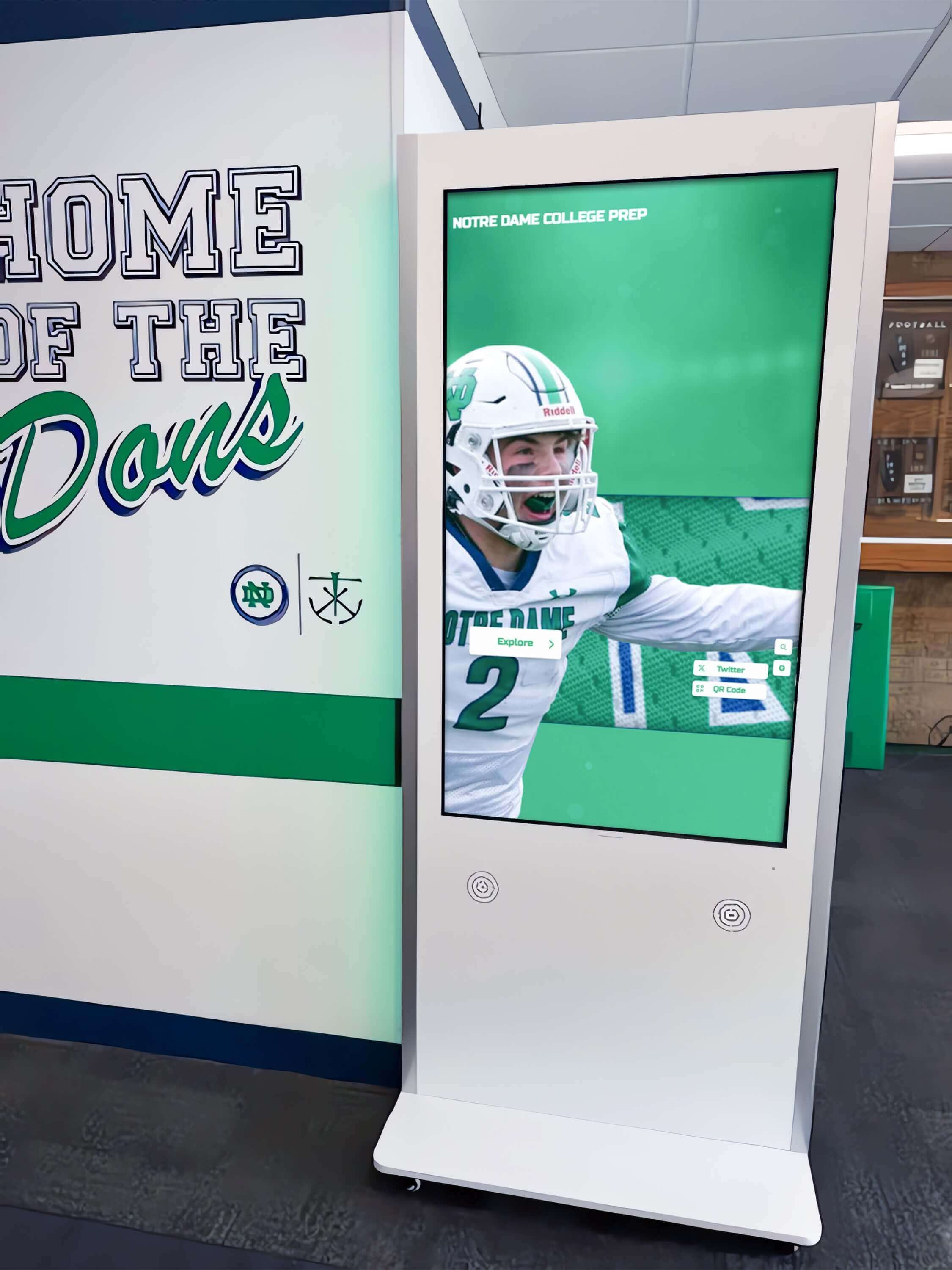
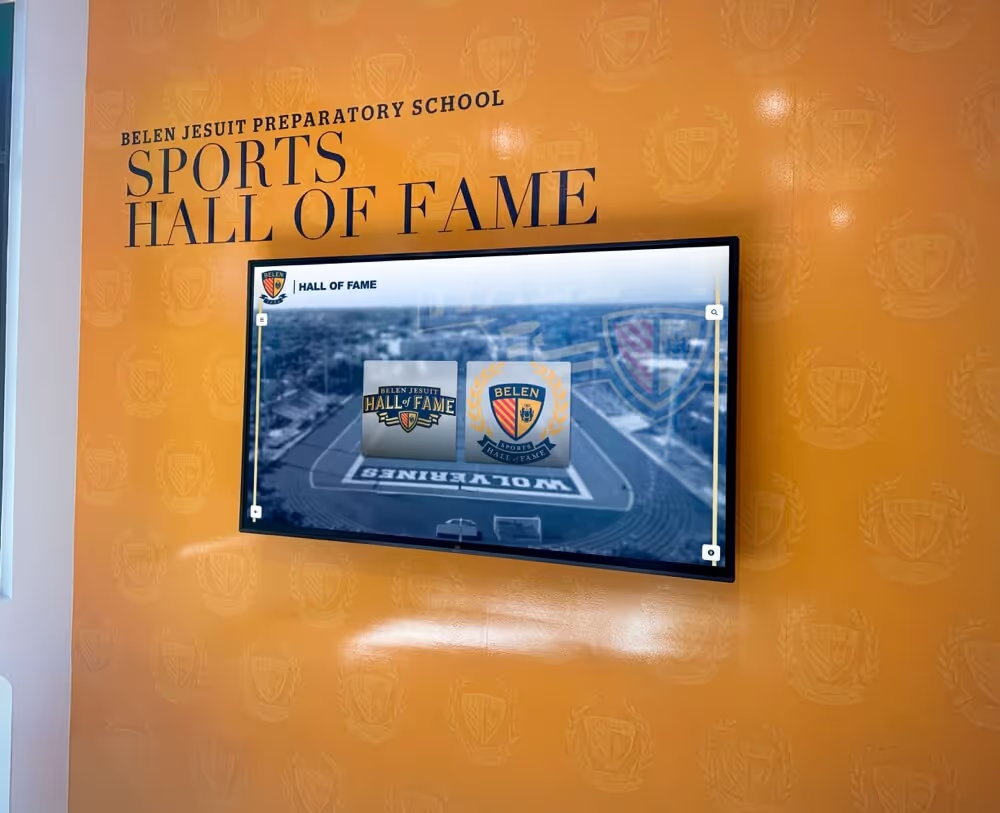
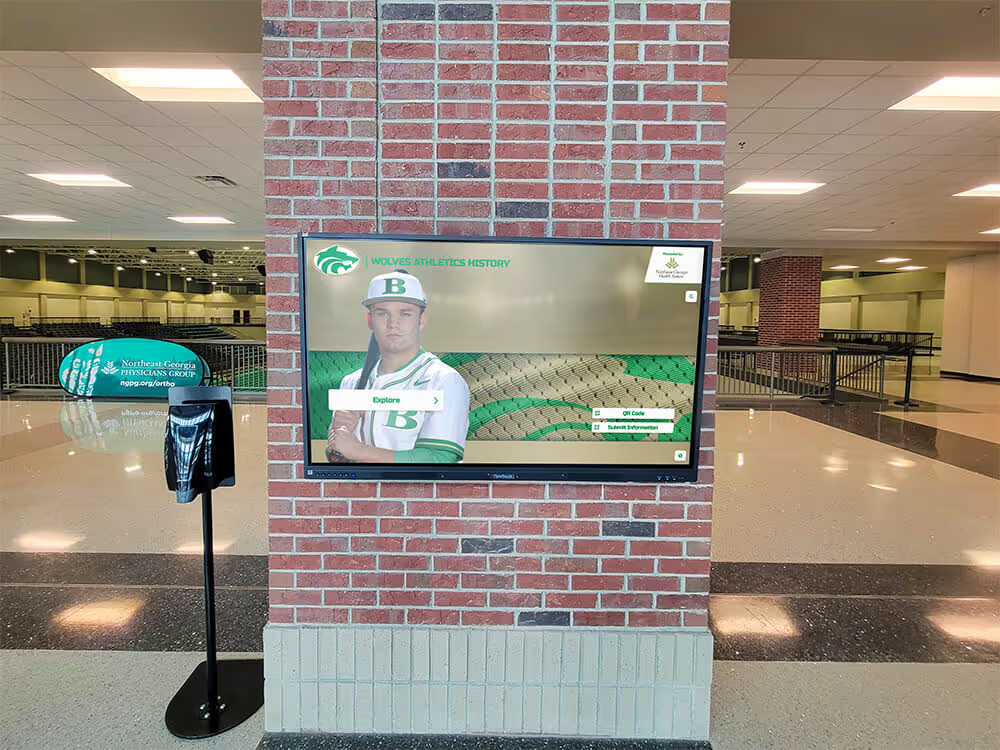
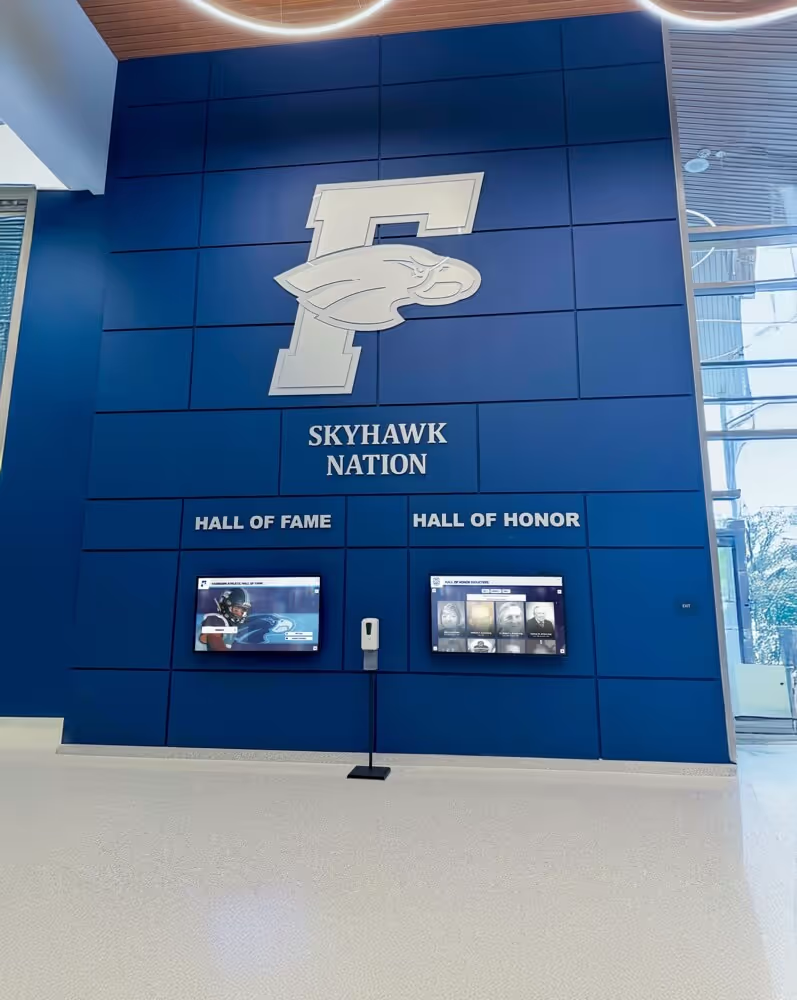
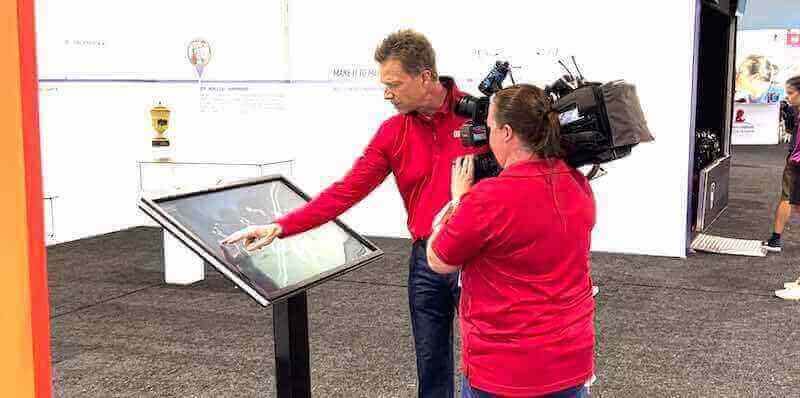
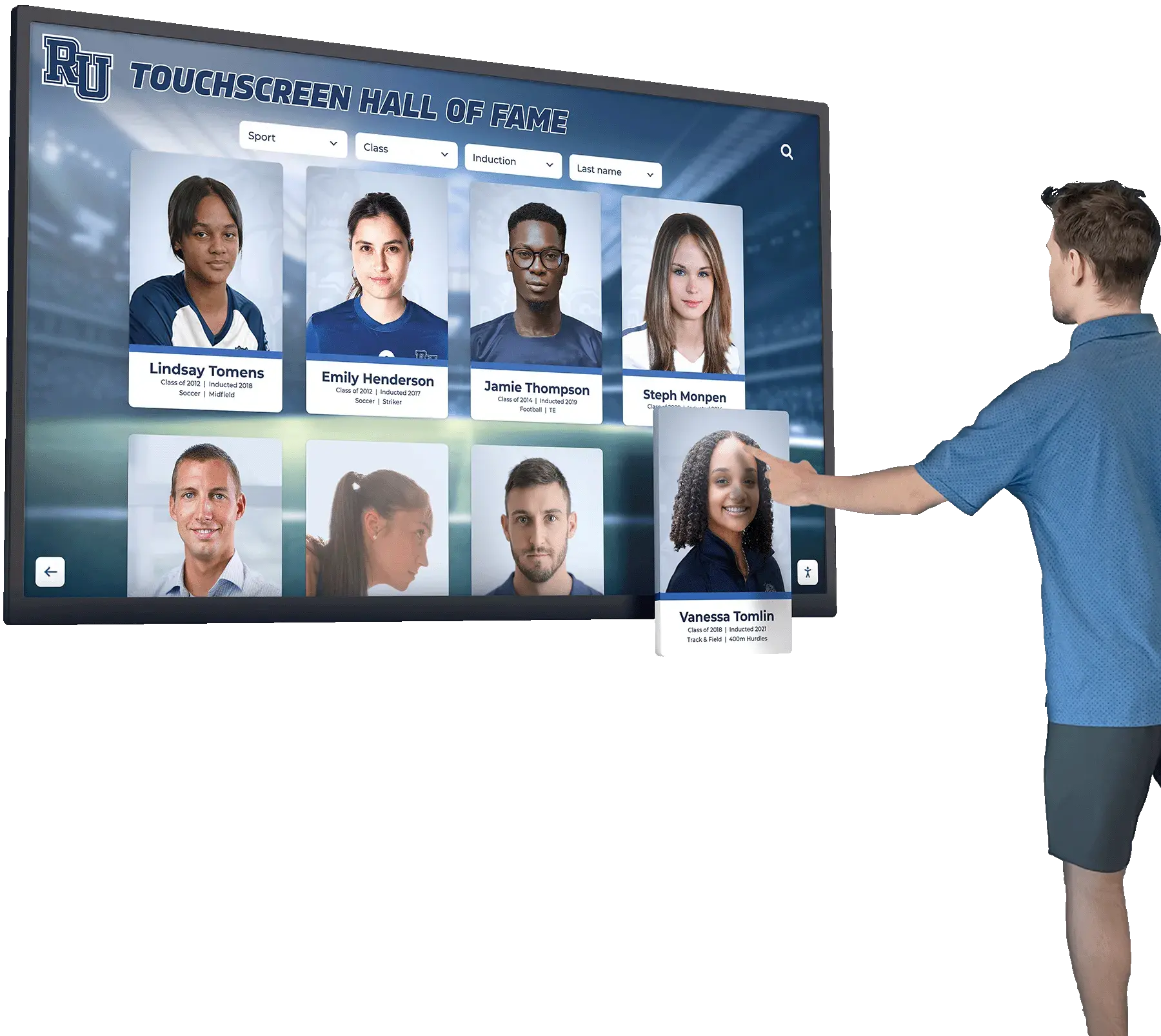
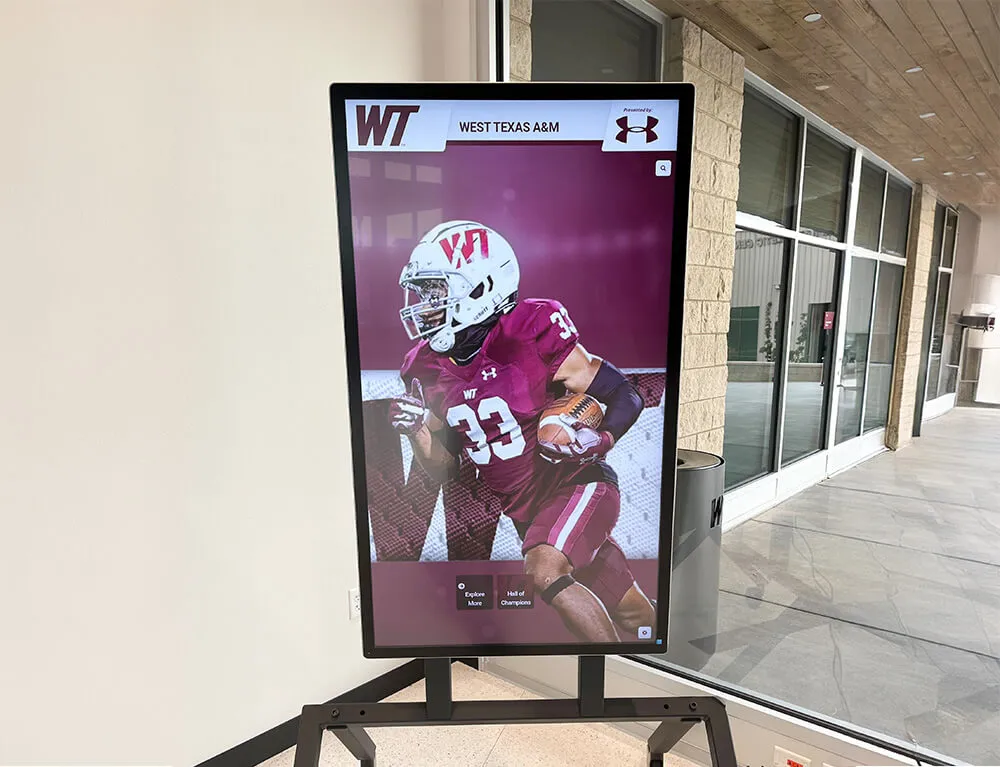
Freestanding interactive kiosks in event venues enable self-directed exploration of institutional achievements during gathering downtime
Student Support Programming
Direct Alumni-Student Connection Events
Create programming where alumni directly support current students through mock interview workshops where professionals conduct practice interviews providing feedback, resume review clinics offering professional critique and suggestions, career fair participation connecting students with employment opportunities, scholarship dinner celebrations connecting donors with recipients, networking receptions pairing students with industry professionals, or classroom visits where alumni share career journey insights.
These interactions provide alumni fulfillment through visible student impact while demonstrating tangible institutional value transcending abstract metrics. Students gain invaluable real-world perspective, professional connections, and encouragement while alumni witness firsthand how their engagement shapes next generation success.
For graduate and professional programs, facilitate alumni participation in case competitions, capstone project advisory, thesis committee service, or specialized workshops addressing program-specific skills. These engagements provide deeper involvement matching graduate program intimacy and professional focus.
Mentorship Beyond Events
Launch formal mentorship programs during service-focused events, transitioning single gathering participation into ongoing relationships supporting students throughout academic careers and beyond. Structured programs with clear expectations, communication frameworks, and defined timeframes achieve better outcomes than informal “connect if you want” approaches often yielding minimal follow-through.
Provide mentors with toolkits including conversation prompts, professional development resources, institutional updates about student life, and recognition celebrating their contributions. Regular mentor appreciation events, certificates acknowledging service, or public recognition through institutional communications reinforce commitment while recruiting additional volunteers through visibility.
Resources on alumni mentorship program development provide frameworks for creating systematic support structures extending impact beyond single events.
Life-Stage and Affinity Group Programming
Recognizing that alumni populations encompass diverse demographics with varying interests and life circumstances enables more targeted, relevant programming achieving higher participation than generic all-alumni events. Portfolio approaches ensuring all constituencies find relevant opportunities generate stronger overall engagement than one-size-fits-all strategies.
Young Alumni (Recent Graduates) Engagement
Casual Social Gatherings
Young alumni often prefer informal settings over formal campus receptions. Partner with local establishments in cities with high alumni concentrations for happy hours, trivia nights, game watch parties, or casual meetups requiring minimal planning but providing low-pressure networking and socializing opportunities.
These frequent, accessible events build engagement habits among recent graduates still forming relationships with institutions. Consistency matters more than elaborate programming—monthly happy hours at consistent locations create predictable touchpoints where young alumni know they’ll find community.
Leverage social media for promotion and coordination, meeting young alumni where they already engage rather than expecting email responsiveness or website monitoring. Instagram, LinkedIn, and text message reminders achieve higher reach among younger demographics than traditional communication channels.
Career-Focused Programming for Early Professionals
Address concerns specific to early career stages through workshops on student loan management, first-time home buying, investment basics, workplace navigation, salary negotiation, personal branding, LinkedIn optimization, or job search strategies. Position events as valuable educational programming rather than generic socializing, increasing attendance among those establishing independent adult lives.
Facilitate peer-to-peer learning by organizing panel discussions where slightly more experienced alumni (5-10 years out) share insights with recent graduates (1-5 years). Participants relate better to peers facing similar challenges versus senior leaders whose career situations feel distant from current realities.
Athletic and Wellness Activities
Young alumni often prioritize fitness and wellness, making active events particularly appealing. Organize running club meetups, yoga classes, recreational sports leagues, cycling groups, hiking outings, fitness challenges, or outdoor adventure gatherings. These activities foster community while aligning with health-conscious lifestyles characterizing younger demographics.
Partner with fitness facilities, athletic clubs, or outdoor recreation companies for discounted access or sponsored programming, reducing costs while providing quality experiences. Activities requiring ongoing participation (league seasons, training programs) create sustained engagement versus single events.
Family and Multigenerational Programming
Family-Friendly Campus Experiences
Host daytime weekend events designed for alumni families: campus scavenger hunts with prizes, interactive science demonstrations in labs, performing arts activities for children, athletic skill clinics led by coaches, outdoor festivals with food and entertainment, or family-friendly athletic competitions.
These events introduce next generation to campus while enabling alumni with young children to participate when evening adult-only programming proves impossible. Many engaged alumni enter periods of reduced participation after having children—family programming sustains relationships during these years while beginning cultivation of future students and parents.
Provide childcare for portions of events, enabling parents brief adult-focused time during family weekends. This hybrid approach acknowledges that parents appreciate both family activities and adult conversation opportunities rather than exclusively one or the other.
Legacy Student Recognition and Programming
Create special programming for legacy families whose multiple generations attended institutions. Host multi-generation photo opportunities with branded backdrops, family history celebrations acknowledging decades of institutional connection, legacy student panels sharing perspectives on following family traditions, or family recognition during major events.
These acknowledgments strengthen loyalty among deeply connected families while encouraging legacy admission applications from next generation. Legacy families often demonstrate higher giving capacity and willingness when institutional bonds span generations, making cultivation especially strategic.
Maintain legacy family databases tracking relationships across generations, enabling personalized outreach acknowledging specific family histories. Personal recognition of multi-generational connections creates powerful emotional bonds transcending transactional relationships.
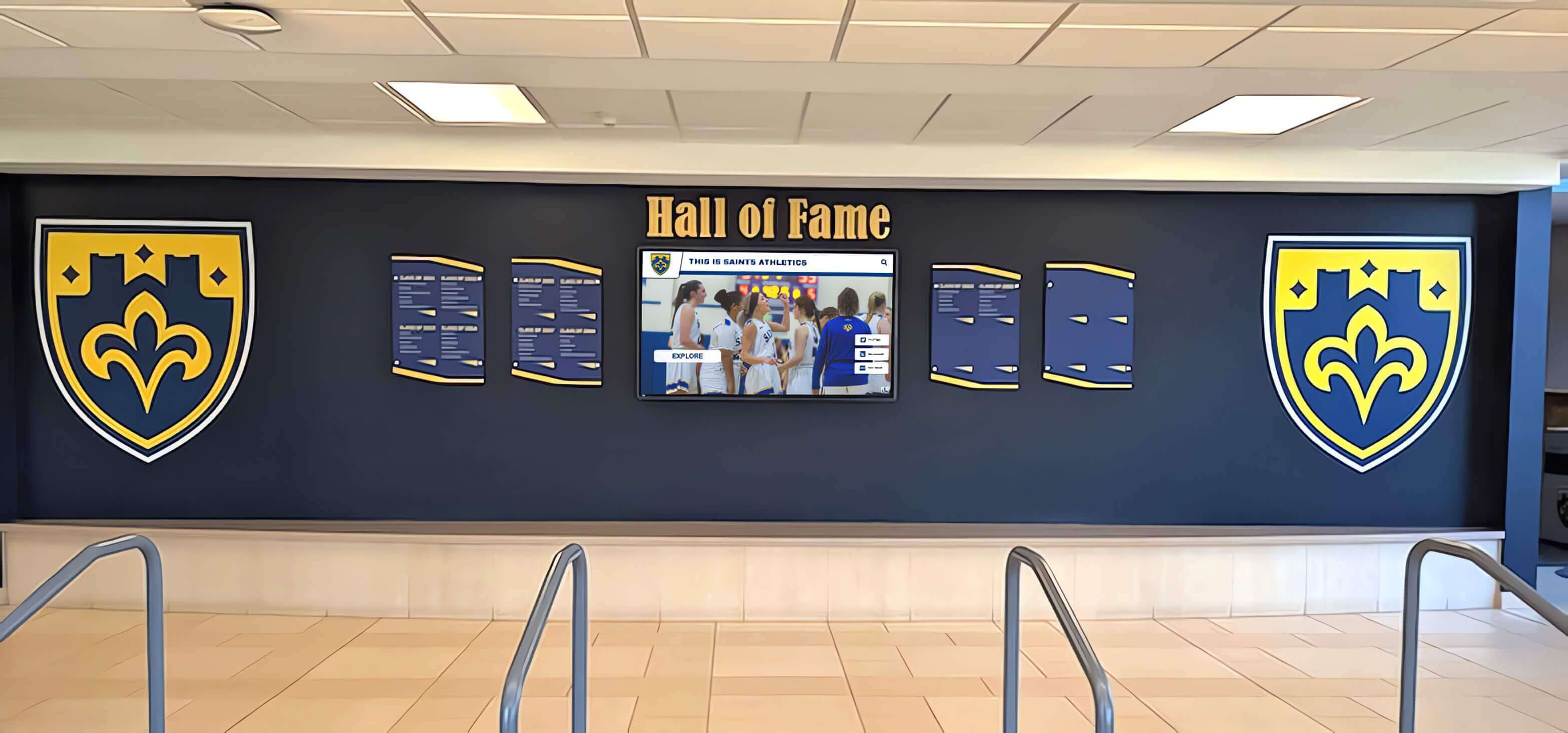
Comprehensive recognition installations in main lobbies serve as event venues celebrating institutional excellence while providing natural gathering focal points
Affinity and Identity-Based Communities
Cultural Heritage Celebrations
Host events celebrating specific cultural heritage months or communities: Black alumni celebrations during Black History Month, Latinx heritage festivals, Asian American and Pacific Islander gatherings, Native American recognition events, or international alumni programs. These targeted events affirm that institutions value diverse alumni while creating spaces where specific communities feel particularly welcomed and celebrated.
Incorporate cultural programming including traditional food, music, dance, or artistic performances alongside networking and institutional updates. Balance celebration of cultural identity with institutional connection, ensuring events honor both community heritage and shared educational experience.
LGBTQ+ Alumni Programming
Create dedicated events for LGBTQ+ alumni communities who may have felt marginalized during student years or who seek connection with others sharing identity experiences. Progressive institutions demonstrate inclusion commitment through consistent LGBTQ+ alumni programming acknowledging past challenges while celebrating current community vitality.
Host pride celebrations, LGBTQ+ professional networking events, advocacy discussions on current issues affecting LGBTQ+ communities, panel discussions featuring LGBTQ+ alumni success stories, or social gatherings providing affirming community spaces. These programs support current LGBTQ+ students through visible alumni role models while strengthening connections with graduates.
First-Generation Alumni Networks
First-generation college graduates often share unique experiences, challenges, and perspectives warranting specific programming. Events bringing first-gen alumni together honor their achievements while creating mentorship opportunities for current first-generation students navigating similar journeys.
Celebrate obstacles overcome, discuss strategies for supporting first-generation students, facilitate networking among alumni who understand unique circumstances of being first in families to attend college, or create scholarship programs specifically supporting first-generation learners. These gatherings acknowledge that class background creates distinctive bonds worthy of celebration and institutional support.
Women Alumni Leadership Forums
Despite general coeducational programming, many women alumni value opportunities gathering specifically around women’s leadership, professional development, and community building. Host events addressing topics like leadership advancement strategies, work-life integration approaches, entrepreneurship support, negotiation skills development, or professional network building.
Position as valuable professional development rather than purely social programming, attracting participants seeking career advancement alongside community connection. Facilitate intergenerational mentorship connecting senior women leaders with early-career women alumni, creating reciprocal value through wisdom sharing and reverse mentoring on emerging technologies and changing workplace dynamics.
Virtual and Technology-Enhanced Events
Digital platforms enable engagement with alumni unable or unwilling to attend in-person events, dramatically expanding program reach while accommodating varied participation preferences. Technology integration enhances rather than replaces human connection, creating richer experiences than purely analog approaches permit while acknowledging geographic and logistical realities preventing universal physical attendance.
Virtual Event Programming
Online Speaker Series and Webinars
Host monthly or quarterly virtual speaker series featuring distinguished alumni, renowned faculty, thought leaders, or expert guests addressing topics relevant to alumni interests: industry trends, leadership development, wellness and life balance, social issues, creative pursuits, or academic subjects. Hour-long evening programs with live Q&A enable convenient participation from anywhere while providing intellectual value drawing audiences beyond purely social motivation.
Record sessions for asynchronous viewing by those unable to attend synchronously, extending reach while creating content library valuable for ongoing engagement. Promote archived content through social channels and email newsletters, generating continued value from single production investments.
Incorporate interactive elements through polling, chat discussions, breakout rooms for smaller group conversations, or collaborative digital whiteboards. These engagement tactics transform passive viewing into active participation, addressing common criticism that virtual events feel less engaging than in-person gatherings.
Virtual Networking and Social Events
Organize online trivia competitions testing institutional history knowledge, digital game tournaments, virtual escape rooms requiring collaborative problem-solving, or digital scavenger hunts with prizes. These lighthearted social activities work particularly well for younger alumni comfortable with digital platforms and seeking casual engagement options beyond formal programming.
Facilitate structured networking through speed networking sessions where participants rotate through brief one-on-one conversations in breakout rooms, enabling efficient connection-making across geographic distances. Provide conversation prompts or discussion questions, reducing awkwardness while ensuring substantive exchanges beyond superficial small talk.
Host virtual happy hours or coffee chats at consistent schedules (first Friday monthly, third Thursday afternoon), creating predictable touchpoints where alumni know they’ll find community. Consistency drives habit formation, generating sustained participation versus one-off events requiring continual promotion.
Hybrid Event Models
Livestreamed Major Events with Virtual Attendance
When hosting major recognition events, fundraising galas, championship celebrations, or keynote presentations, produce quality livestreams enabling distant alumni to participate virtually. Incorporate interactive elements allowing virtual attendees to submit questions, vote on awards, participate in giving challenges, or make comments in real-time, creating true participation rather than passive viewing.
Hybrid approaches dramatically expand reach without sacrificing in-person networking value for local attendees. Technology investments in streaming equipment and platform subscriptions achieve strong returns through accessibility enabling participation that otherwise wouldn’t occur.
Designate staff or volunteers as virtual engagement coordinators monitoring chat, highlighting virtual attendee questions for speakers, acknowledging virtual participants during events, and troubleshooting technical issues. This dedicated attention ensures virtual attendees feel welcomed rather than secondary to in-person participants.
Regional Watch Parties for Virtual Content
When broadcasting major virtual events like presidential addresses, championship game competitions, or keynote presentations, organize regional watch parties where local alumni gather physically while watching virtual content together. This hybrid model combines virtual content reach with local community building through shared viewing experiences.
Alumni chapter leaders host watch parties at homes, restaurants, or public venues, minimizing coordination required from central offices while distributing engagement work across volunteer networks. Provide hosts with toolkits including promotional templates, discussion questions, branded materials, and recognition for their efforts.
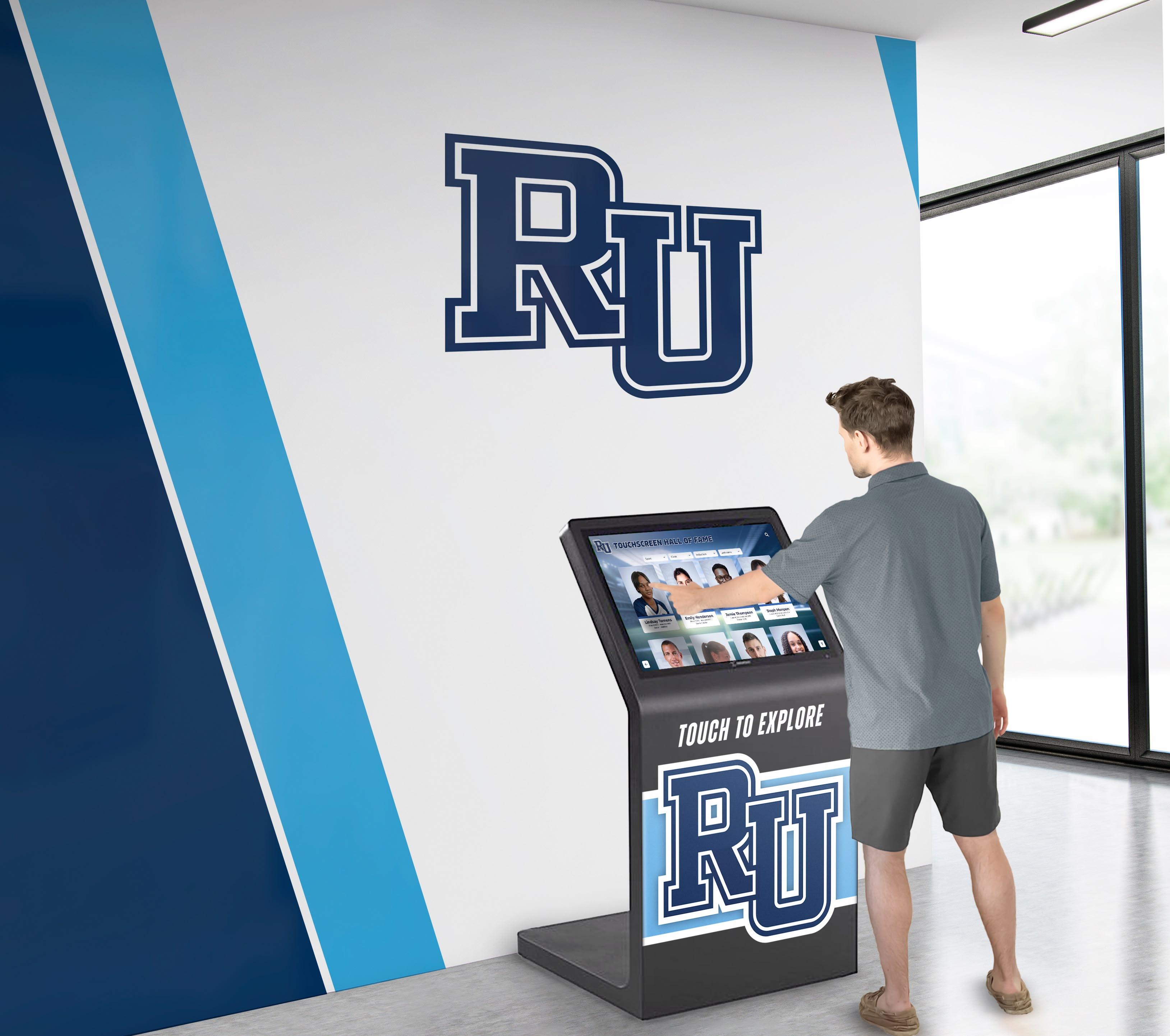
Interactive recognition technology enables self-directed exploration of institutional history and alumni achievements during events
Technology Integration at Physical Events
Interactive Recognition Displays
Incorporate digital alumni recognition at physical events creating compelling talking points and natural conversation starters while celebrating community excellence. Solutions like Rocket Alumni Solutions provide interactive touchscreen displays showcasing comprehensive alumni achievement databases that guests explore during events.
Attendees search for classmates, discover fellow alumni accomplishments, browse historical photos and memories, and share discoveries with others, creating organic networking catalyst during reception periods or programming breaks. These displays serve multiple purposes: entertainment during event downtime, celebration of excellence inspiring pride and connection, conversation starters facilitating networking, and demonstration of institutional commitment to comprehensive alumni recognition.
Mobile Event Apps and Digital Engagement
Develop mobile apps for major events providing schedules and logistics, attendee directories enabling networking, interactive maps for multi-venue gatherings, real-time updates and announcements, integrated social sharing, and digital business card exchange. Apps transform event experiences by putting comprehensive information in attendees’ hands while facilitating connection and reducing logistical confusion.
Gamify participation through digital scavenger hunts, photo challenges, networking bingo, or point systems rewarding engagement with prizes. These playful elements encourage interaction while generating user content documenting events from multiple perspectives.
Enable digital badge scanning or QR code connection sharing, streamlining networking by eliminating business card exchanges and manual contact entry. Automatically follow up with digital connections after events, suggesting LinkedIn connections or sending shared resources discussed during conversations.
Understanding interactive display integration for events provides frameworks for incorporating technology enhancing gatherings while celebrating community achievements.
Fundraising and Development Programming
While all alumni events support cultivation and stewardship objectives, certain formats specifically advance philanthropic priorities through focused donor engagement, campaign promotion, or giving recognition. These development-centric events balance fundraising goals with genuine attendee value, avoiding purely transactional approaches that alienate potential supporters.
Donor Recognition and Cultivation Events
Major Donor Appreciation Experiences
Host exclusive events honoring significant contributors through intimate dinners, behind-the-scenes access, private facility tours, conversations with institutional leaders, or special performances. These high-touch experiences demonstrate appreciation while enabling personal relationship building with donors whose continued support proves essential for institutional priorities.
Balance recognition with engagement opportunities where donors provide input on strategic questions, see tangible impact of their previous gifts, meet scholarship recipients supported by their generosity, or learn about future opportunities matching their interests. Position donors as valued partners whose perspectives inform institutional decisions rather than simply funding sources.
Avoid purely transactional approaches focused exclusively on solicitation—these cultivation events build relationships yielding major gifts over time rather than immediate asks. Development officers strategically identify prospects ready for solicitation based on engagement patterns and capacity indicators, pursuing personalized conversations rather than mass appeals during events.
Annual Giving Celebrations and Challenges
Organize events launching annual giving campaigns, celebrating giving day achievements, recognizing consistent donors, or introducing giving societies. Create festive atmospheres positioning giving as celebration of community rather than obligation or burden, using peer influence and social proof to normalize philanthropic participation.
Incorporate challenge matches where major donors agree to match contributions made during events, creating urgency and incentive for immediate giving. Display live giving totals, recognize donors publicly (with permission), and celebrate milestones as communities reach collective goals together.
For giving days or concentrated fundraising periods, host watch parties or virtual celebrations where participants gather while tracking progress toward campaign goals. These shared experiences create excitement and momentum often lacking in isolated individual giving decisions.
Scholarship Recipient Connection Events
Connect donors with students benefiting from their scholarship support through dinners, receptions, campus tours, or class visits. These tangible impact demonstrations prove far more compelling than abstract updates in development newsletters, personalizing philanthropy through real relationships with individuals whose lives donors transform through generosity.
Prepare students to share authentic experiences, challenges overcome, academic interests, career aspirations, and gratitude for support enabling their education. Avoid scripted presentations feeling artificial—genuine conversations create meaningful connections motivating continued and increased giving far more effectively than polished performances.
For privacy-sensitive scholarships supporting specific populations (first-generation students, underrepresented groups, emergency hardship), structure connections respecting student anonymity preferences while still demonstrating aggregate program impact through panels or group gatherings rather than one-on-one pairings.
Campaign and Initiative Launch Events
Capital Campaign Kickoffs
Launch major campaigns through celebratory events unveiling goals, priorities, naming opportunities, and early leadership gifts. Generate excitement and momentum by announcing significant early commitments from board members and major donors, demonstrating institutional confidence and encouraging broader participation through social proof.
Provide detailed information about campaign priorities through presentations, videos, printed materials, or interactive displays showing projected impacts of successful campaigns. Help prospects visualize transformation enabled by reaching goals—new facilities serving students, expanded programs increasing access, enhanced aid making education affordable, or research advancing knowledge.
Structure events serving multiple audience segments simultaneously: major gift prospects receive personalized attention from development officers and institutional leaders, mid-level prospects learn about naming opportunities matching their capacity, and broader alumni community understands how collective participation enables success regardless of individual gift sizes.
Facility Dedication Celebrations
When completing major construction or renovation projects, host dedication events celebrating completion while thanoring donors whose generosity made projects possible. These events provide tangible evidence of philanthropic impact, demonstrating to prospective donors how gifts translate into real improvements serving missions.
Incorporate facility tours showcasing spaces and features, remarks from institutional leaders and project donors, student or faculty testimonials about impact, and future vision for how facilities advance programs. Balance celebration of current achievement with cultivation for next priorities, positioning institutions as worthy of continued investment through demonstration of effective stewardship.
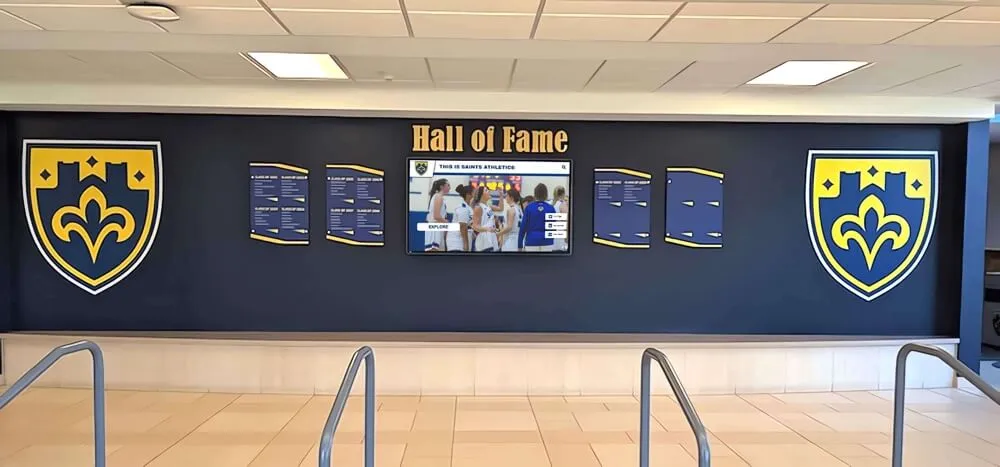
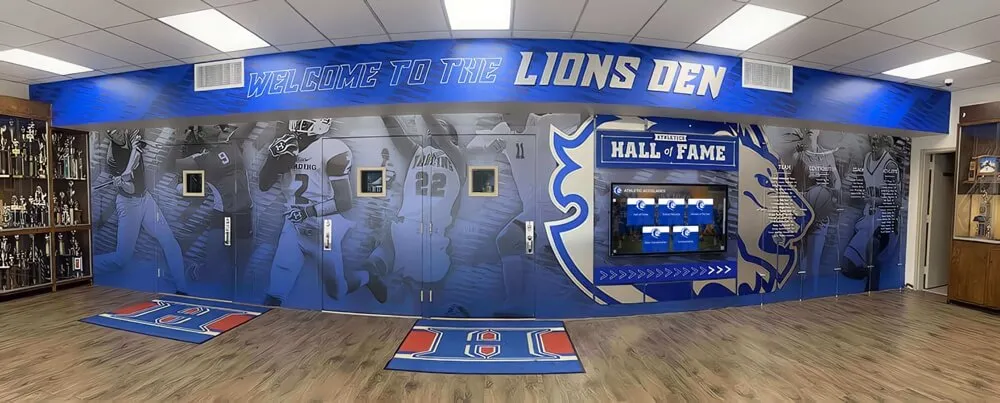
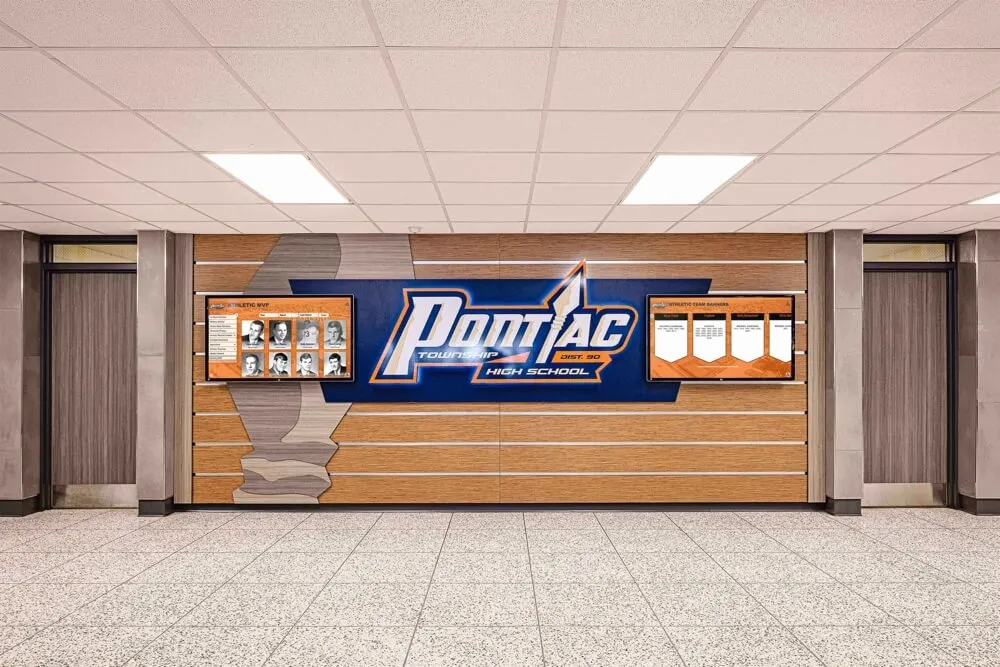
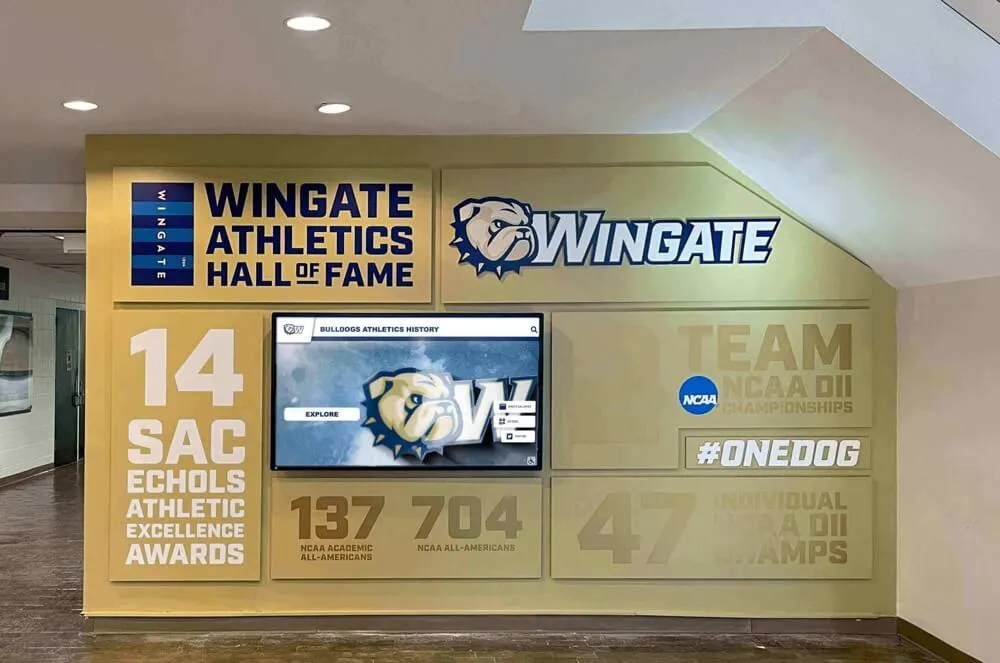
Permanent recognition installations blend traditional elements with digital displays creating adaptable celebration spaces doubling as event venues
Extra Fun and Creative Celebration Ideas
Beyond strategic programming serving specific institutional objectives, purely celebratory events focused on enjoyment and entertainment build community bonds through shared positive experiences. These lighthearted gatherings complement serious programming while demonstrating that institutional relationships encompass joy, creativity, and fun alongside professional development and philanthropy.
Themed Parties and Social Celebrations
Decades-Themed Costume Events
Host parties celebrating specific decades—1960s, 1970s, 1980s, 1990s—encouraging costume participation, era-appropriate music, nostalgic food and drinks, and period-specific activities. These themed events create playful atmospheres while naturally facilitating conversation through shared cultural references and generational memories.
Organize costume contests with prizes, decade trivia competitions, dance-offs featuring era-defining moves, or photo booths with period props. These activities encourage participation beyond passive attendance while generating social media content promoting events to broader networks through attendee sharing.
Coordinate themes with class milestone reunion years, celebrating decades when specific classes were students. This approach creates personalized relevance while acknowledging that nostalgia varies across age cohorts—music and cultural references from their college years resonate differently than random period selections.
Holiday and Seasonal Festivals
Organize celebrations around holidays or seasons: Halloween costume parties, Oktoberfest gatherings with traditional food and beverages, winter holiday celebrations, spring festivals, summer barbecues, or harvest festivals. These familiar occasions provide easy promotional angles while creating festive atmospheres appealing broadly across demographics.
Make events family-friendly when appropriate, enabling alumni with children to participate through activities serving all ages. Pumpkin carving contests, holiday craft workshops, egg hunts, or costume parades engage children while adults socialize, creating multigenerational experiences strengthening family connections to institutions.
Partner with local vendors, breweries, wineries, or caterers for sponsored elements reducing costs while supporting local businesses and creating authentic experiences. These partnerships often yield higher quality programming than institutional catering alone while building community relationships beyond campus boundaries.
Performance and Talent Showcases
Alumni Talent Show Evenings
Invite alumni to showcase talents through open mic nights, variety shows, or talent competitions featuring musical performances, comedy acts, magic shows, poetry readings, or other creative expressions. These events celebrate hidden talents while creating entertaining experiences and building community through shared appreciation of amateur performance.
Recruit diverse acts representing varied interests and skill levels, ensuring inclusive participation rather than exclusively polished professional-quality performances. The charm often lies in enthusiastic amateur efforts versus flawless execution, creating supportive atmospheres where vulnerability and creativity receive celebration.
Raise funds through ticket sales, concessions, or donation requests supporting scholarships, program initiatives, or campus improvements. Frame fundraising as voluntary support for excellent causes rather than mandatory payment, maintaining accessible pricing while generating philanthropy from enjoyable experiences.
Alumni Band Concerts and Music Events
For institutions with strong music programs, organize alumni band or choir reunions performing concerts featuring repertoire from student years alongside contemporary selections. These musical gatherings appeal to performing arts alumni while providing excellent entertainment for broader audiences attending concerts.
Combine alumni performers with current ensembles for multi-generational performances demonstrating program continuity and excellence across eras. These intergenerational collaborations create meaningful exchanges between current students and alumni role models while showcasing program vitality to audiences.
Record and livestream performances, extending reach to distant alumni unable to attend physically while creating archival documentation of alumni musical excellence. Distribute recordings through alumni networks, generating continued engagement while promoting future musical events.
Games, Competitions, and Interactive Fun
Trivia Night Competitions
Host trivia competitions testing institutional history knowledge, pop culture literacy, sports statistics, academic subjects, or general knowledge. Organize teams encouraging networking among participants who might not otherwise interact, facilitating connection through collaborative competition.
Award prizes for winning teams while maintaining playful rather than intensely competitive atmospheres. Prizes might include institutional merchandise, local business gift certificates, food and beverage offerings, or special recognition during subsequent events.
Incorporate technology through mobile response platforms enabling real-time scoring and leaderboard displays, adding professional polish while streamlining logistics. These platforms also gather participant contact information for follow-up communications and future event promotion.
Alumni Dating Mixers for Singles
Create dating-focused events for single alumni seeking romantic connections within alumni communities. Structure programming balancing organized icebreakers with organic socializing opportunities, incorporating conversation starter activities, speed dating rotations, or facilitated small group discussions alongside traditional socializing.
These niche events serve specific populations while generating considerable interest and word-of-mouth promotion. Singles appreciative of institutions facilitating quality dating opportunities often become highly engaged in broader alumni programming, making these events valuable recruitment tools beyond immediate romantic purposes.
Maintain appropriate professional boundaries and safety considerations, setting expectations about respectful behavior and providing mechanisms for reporting concerns. Partner with professional dating event companies managing complex logistics while institutions provide alumni networks and venue access.
Pet-Friendly Alumni Gatherings
Host outdoor events welcoming alumni pets—dog-friendly park gatherings, pet costume contests, walking events supporting animal charities, or pet photo competitions. These events appeal to pet owners while creating delightfully casual atmospheres where dogs serve as natural icebreakers facilitating human connections.
Partner with local animal rescue organizations, veterinary programs, or pet supply companies for sponsored elements supporting causes while reducing costs. These partnerships demonstrate community commitment while potentially recruiting volunteers and donors for partner organizations.
Establish clear safety guidelines ensuring positive experiences for all attendees and pets, including leash requirements, vaccination documentation, waste disposal expectations, and behavior standards. Appoint volunteers as safety monitors ensuring compliance while addressing any concerns before escalating.
Understanding community building through diverse programming provides additional frameworks for creating varied engagement opportunities serving diverse institutional populations.
Best Practices for Event Planning and Execution
Beyond conceptual event ideas, successful programming requires attention to planning details, communication strategies, hospitality practices, and follow-up activities that determine whether gatherings feel professional and welcoming or disorganized and forgettable. These execution fundamentals apply across all event types, ensuring quality experiences that strengthen rather than damage institutional relationships.
Strategic Event Selection and Portfolio Balance
Not all event ideas deserve implementation—successful programming requires strategic selection matching institutional priorities, available resources, target audience preferences, and capacity constraints. Portfolio approaches offering varied programming serve diverse constituencies while avoiding overwhelming staff and budgets through unrealistic activity levels.
Audience-Driven Event Selection
Begin planning by analyzing alumni populations: demographic composition including age ranges and class year distributions, geographic concentrations informing regional event viability, professional industries represented suggesting networking opportunities, participation patterns in past events revealing preferences, and stated interests gathered through surveys or focus groups.
Match event concepts to population characteristics rather than pursuing personal preferences or peer institution imitation. Events succeeding at large research universities may fail at small liberal arts colleges due to different alumni profiles and institutional cultures—context matters tremendously in programming selection.
Test new concepts through pilot events before full-scale implementation, gathering feedback and assessing participation before committing significant resources to unproven formats. Iterative experimentation enables responsive programming evolution rather than static tradition increasingly disconnected from contemporary expectations.
Resource-Realistic Planning
Assess true costs including staff time for planning and execution, vendor expenses for catering and logistics, technology requirements for registration and communication, marketing investments for promotion, and travel costs for institutional representatives. Honest cost accounting reveals that many “low-cost” events consume significant staff time potentially better allocated to higher-impact programming.
Balance ambitious programming portfolios against realistic capacity constraints. Attempting too many events with insufficient resources yields universally mediocre experiences rather than selective excellence. Better to execute five outstanding events annually than fifteen mediocre gatherings draining staff while generating minimal enthusiasm.
Seek sponsorship and partnership opportunities offsetting costs through corporate support, vendor partnerships, venue donations, or alumni subsidies. These relationships reduce financial burdens while demonstrating community investment in alumni engagement, creating shared ownership beyond institutional funding alone.
Effective Communication and Marketing
Even brilliantly conceived events fail when inadequate promotion yields poor attendance. Strategic communication reaches target audiences through preferred channels with compelling messaging emphasizing clear value propositions answering the essential question: “Why should I attend?”
Multi-Channel Outreach Strategies
Promote events through varied communication channels: segmented email campaigns to targeted databases, social media posts and paid advertising, direct mail for milestone reunion classes or major events, personal phone calls from volunteers to key prospects, alumni publication announcements, website event calendars, and partner organization cross-promotion.
Recognize that different demographics prefer different channels—younger alumni respond better to Instagram and text messages than email, while older alumni appreciate printed invitations and phone calls. Multi-channel approaches ensure invitations reach alumni through their preferred communication methods rather than assuming single channels suffice.
Time communications strategically with multiple touchpoints: save-the-date announcements 3-6 months advance for major events, formal invitations 6-8 weeks before, reminder messages 2-3 weeks prior, and final calls to action week of events. Repetition without excessive frequency maintains awareness while respecting attention limits.
Compelling Event Descriptions and Value Propositions
Craft invitation copy emphasizing specific benefits rather than generic descriptions. Instead of “Join us for an alumni reception,” specify “Connect with 50+ healthcare industry alumni for targeted networking and career development” or “Explore our new science building with behind-the-scenes lab tours unavailable to public visitors.”
Highlight notable speakers, special guests, exclusive access opportunities, or unique experiences distinguishing gatherings from countless other demands on alumni time. Boring, vague invitations using tired clichés fail competing for attention against professional events, entertainment options, and personal commitments filling calendars.
Include social proof through testimonials from previous attendees, attendance confirmations from influential alumni, or statements from institutional leaders about event importance. These elements leverage peer influence encouraging participation through demonstrations that valued community members prioritize gatherings.
Creating Welcoming and Inclusive Environments
Thoughtful hospitality details determine whether alumni feel genuinely welcomed or like afterthought attendees at generic gatherings. Small considerations around introductions, accessibility, dietary needs, and interpersonal dynamics dramatically impact experiences and likelihood of future participation.
Facilitating Connection and Networking
Provide clear name tags including graduation years, hometowns, current locations, or other identifiers facilitating conversation and connection. For smaller gatherings, structure formal introductions ensuring everyone receives recognition rather than assuming attendees know each other.
Rather than expecting organic networking among strangers, structure activities facilitating connection: speed networking rotations, small group discussion prompts, collaborative activities requiring interaction, table assignments mixing compositions, or icebreaker games. These approaches prove particularly important for introverted alumni or those attending solo who appreciate facilitated connection versus pressure to network independently.
Deploy staff and volunteer “hosts” who circulate introducing people, including newcomers in conversations, and ensuring no one feels isolated or overlooked. These designated greeters create welcoming atmospheres while identifying and addressing hospitality needs before guests feel neglected.
Accessibility and Dietary Accommodations
Gather dietary restriction information during registration, ensuring catering accommodates vegetarian, vegan, gluten-free, kosher, halal, and allergy needs. Label foods clearly at events, enabling guests to self-select appropriate options without requiring potentially embarrassing public disclosure of restrictions.
Provide accessible venues with appropriate parking, entrance access, seating, restroom facilities, and assistive listening devices for guests with disabilities. These fundamental considerations communicate respect and inclusion while failures create negative experiences remembered long after events conclude.
Consider accessibility broadly including financial barriers (offer free or low-cost options), childcare limitations (provide family programming or childcare services), work schedule conflicts (vary timing across weekdays, weekends, and times), and technology requirements (ensure virtual options don’t exclude less tech-savvy alumni). Comprehensive accessibility demonstrates genuine commitment to inclusive engagement versus superficial diversity statements.

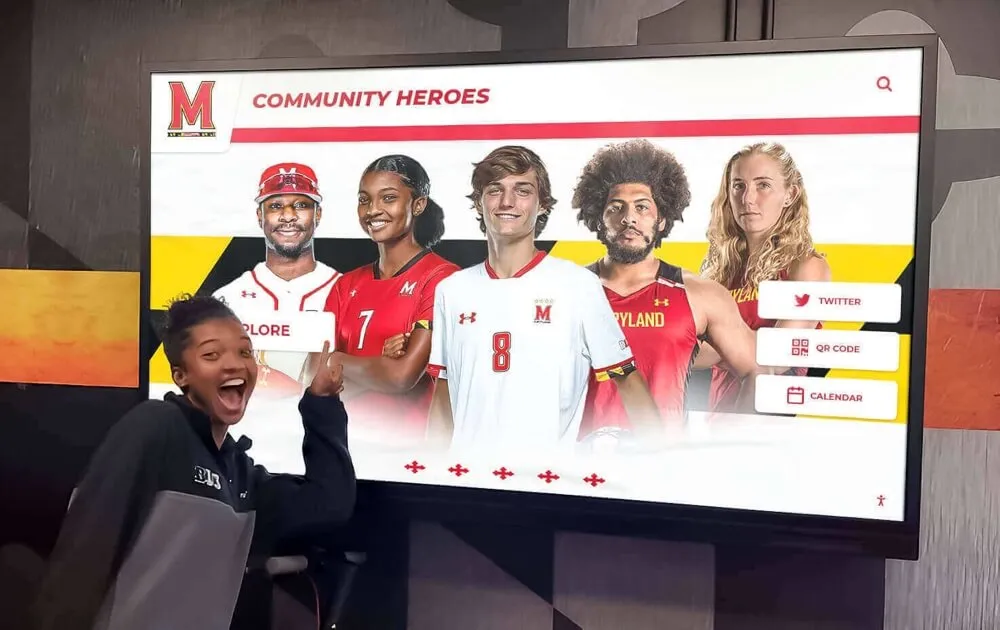
Comprehensive recognition displays celebrate diverse alumni achievements while providing visual focal points for events that inspire conversation and pride
Post-Event Follow-Up and Stewardship
Event value extends beyond single gatherings when supported by thoughtful follow-up strengthening connections and encouraging continued engagement. Systematic post-event communication maintains momentum while demonstrating professionalism and appreciation.
Timely Thank You Communications and Recap
Within 48-72 hours after events, send personalized thank you messages to attendees, speakers, volunteers, sponsors, and staff. Express genuine appreciation for participation, highlight memorable moments, and provide information about upcoming engagement opportunities.
Share event photos and video highlights through social media, email newsletters, and websites. Tag attendees when sharing publicly (with permission), creating additional exposure while enabling alumni to share content within their own networks. Visual documentation extends impact beyond those physically present while creating FOMO encouraging future attendance.
Strategic Cultivation Following Engagement
Leverage event attendance as cultivation signals identifying alumni ready for deeper engagement invitations. Highly engaged attendees represent prime candidates for volunteer recruitment, mentorship commitments, committee participation, leadership opportunities, or philanthropic conversations.
Track participation patterns systematically through CRM databases, enabling data-driven engagement strategies prioritizing resources toward most responsive constituencies while implementing reactivation campaigns for lapsed participants. Technology transforms single events into ongoing relationship-building opportunities through systematic follow-up and strategic outreach.
Schedule follow-up actions matching expressed interests: career networking participants receive job opportunities and industry event invitations, service event attendees learn about volunteer programs, family event participants discover next family-friendly offerings, and professional development attendees access additional learning resources.
Resources on alumni engagement measurement provide frameworks for assessing program effectiveness while demonstrating value justifying continued investment in alumni relations.
Conclusion: Building Thriving Alumni Communities Through Strategic Events
Alumni events represent strategic investments in relationship building, community strengthening, and institutional advancement when planned thoughtfully with clear objectives and genuine attendee value in mind. The 100 ideas explored in this guide provide diverse frameworks for creating gatherings alumni actually attend and remember—from professional networking and classic reunions to experiential adventures, service initiatives, affinity programming, and creative celebrations.
Educational institutions achieving strongest alumni engagement recognize that one-size-fits-all programming no longer suffices when alumni populations span diverse demographics, geographies, interests, and life stages. Portfolio approaches offering varied events serving different constituencies ensure all alumni find relevant engagement opportunities rather than generic gatherings repeatedly serving only narrow segments. This diversity generates stronger overall participation than traditional reunion and homecoming events alone achieve.
Technology increasingly enables new possibilities for alumni engagement—virtual events reaching global audiences, hybrid gatherings accommodating varied participation preferences, interactive recognition displays creating networking catalysts at physical events, and data analytics informing continuous improvement. Solutions like Rocket Alumni Solutions provide touchscreen recognition displays transforming event venues by enabling guests to explore comprehensive alumni databases, discover classmate achievements, and share discoveries facilitating organic networking. These technologies enhance rather than replace human connection, creating richer experiences than purely traditional approaches permit.
Transform Your Alumni Events with Interactive Recognition
Discover how digital recognition displays create engaging touchpoints at alumni gatherings—enabling guests to explore institutional history, celebrate community excellence, and facilitate meaningful connections through interactive technology designed specifically for educational institutions.
Explore Recognition SolutionsSuccessful alumni programming ultimately depends less on elaborate concepts or substantial budgets than on genuine understanding of what alumni value, clear communication of event benefits, warm hospitality creating welcoming environments, and consistent follow-up transforming single gatherings into ongoing relationship building. Every alumnus represents potential advocates, donors, volunteers, student referrers, and career mentors—but realizing this potential requires creating engagement opportunities meaningful enough to justify their limited time and attention.
Whether leading alumni relations at private high schools cultivating next-generation enrollment and philanthropic support, public schools building community connections and legislative advocacy, charter schools establishing institutional traditions and donor bases, colleges developing regional chapter networks and reunion programming, universities managing complex portfolios serving diverse graduate populations, or graduate programs facilitating professional networking and industry connections—these 100 event ideas provide actionable starting points adaptable to specific institutional contexts and alumni populations.
The institutions building thriving alumni communities share common characteristics: they offer diverse programming serving varied constituencies, leverage technology enhancing traditional approaches, facilitate meaningful connections between alumni and current students, demonstrate genuine appreciation through recognition and stewardship, measure outcomes systematically while iterating based on feedback, and recognize that alumni engagement represents long-term relationship cultivation rather than transactional fundraising focused exclusively on immediate financial returns.
Ready to enhance your alumni programming? Explore alumni gathering space design strategies creating welcoming physical environments complementing event programming, discover reunion planning frameworks for milestone class gatherings, learn about digital recognition approaches celebrating community excellence, and when ready to discuss your specific institutional needs, connect with Rocket Alumni Solutions to explore how purpose-built recognition technology can enhance events while celebrating remarkable alumni communities you serve.
Alumni events providing genuine value, creating meaningful connections, honoring diverse excellence, and enabling authentic engagement transform institutional relationships from transactional interactions into lifelong community membership benefiting entire educational ecosystems across generations.