



Youth sports programs thrive when athletes feel recognized, valued, and motivated to give their best effort. Awards ceremonies transform ordinary seasons into memorable experiences that young athletes carry forward throughout their lives. Whether your organization runs recreational leagues serving hundreds of participants or competitive travel teams pursuing championships, the right recognition strategy celebrates achievement at every level while reinforcing the values that make youth sports meaningful.
Yet many youth sports organizations struggle with award decisions. Traditional MVP and championship trophies honor only the top performers, leaving most participants without recognition. Generic participation awards feel hollow to athletes who invested significant effort. Meanwhile, coaches spend hours before season-end ceremonies trying to create award categories that somehow acknowledge every player’s unique contribution without feeling forced or insincere.
This comprehensive guide provides 100 creative youth sports awards ideas across multiple categories—from performance-based recognition that honors genuine achievement to character awards celebrating sportsmanship, specialized position awards acknowledging specific contributions, and fun team awards that create lasting memories regardless of skill level.
The most effective youth sports award programs balance traditional achievement recognition with creative categories that ensure every athlete receives meaningful acknowledgment aligned with their actual contributions. When implemented thoughtfully, comprehensive award systems motivate continued participation, reinforce positive behaviors, and create end-of-season celebrations that athletes anticipate eagerly.

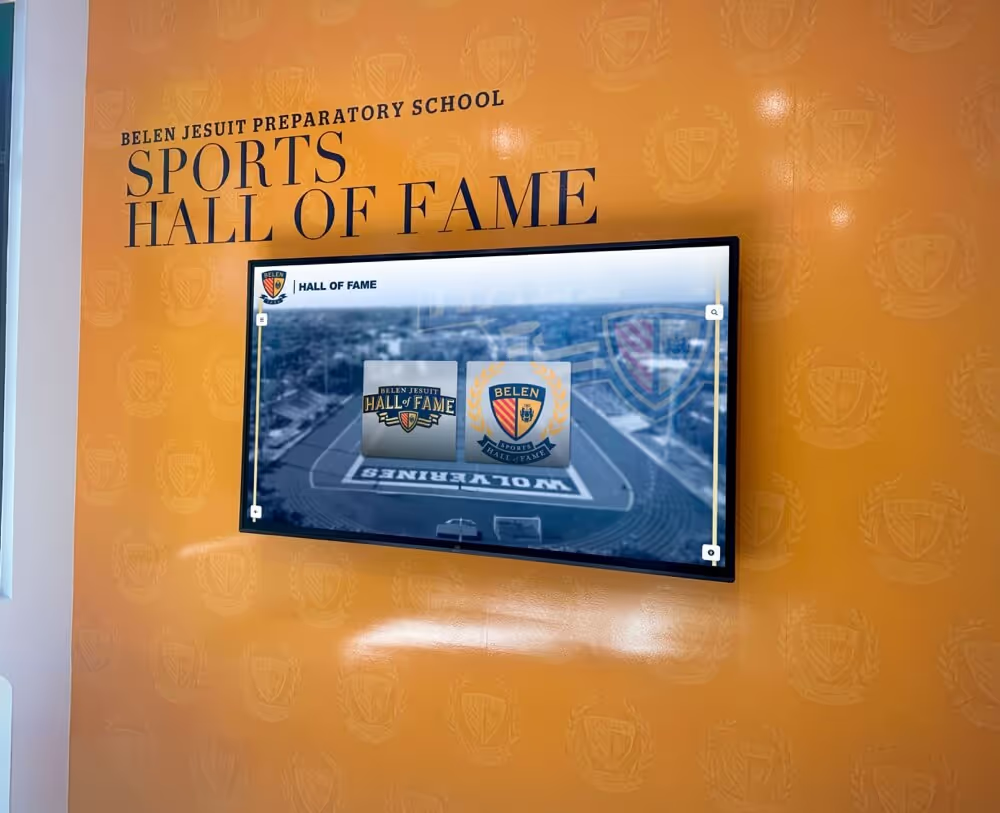
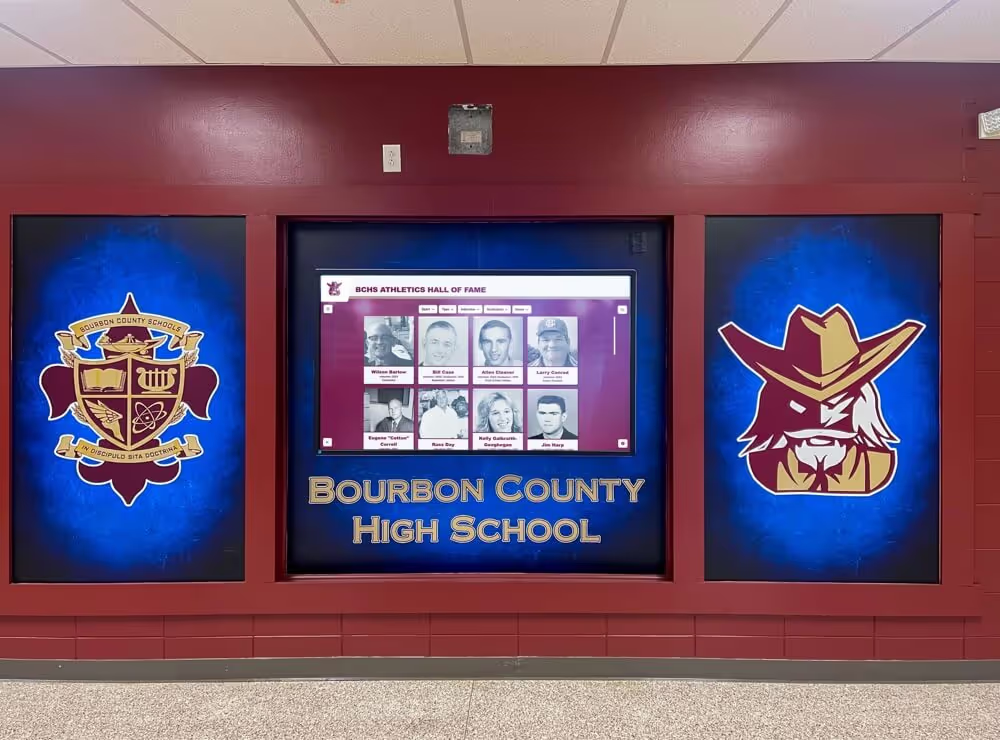
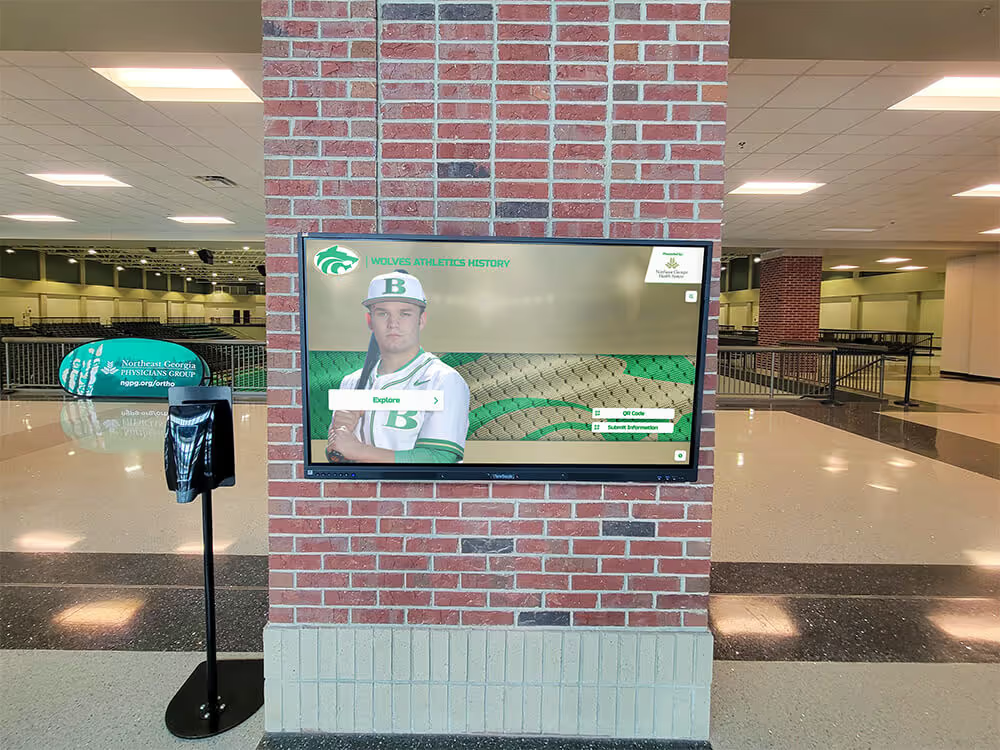
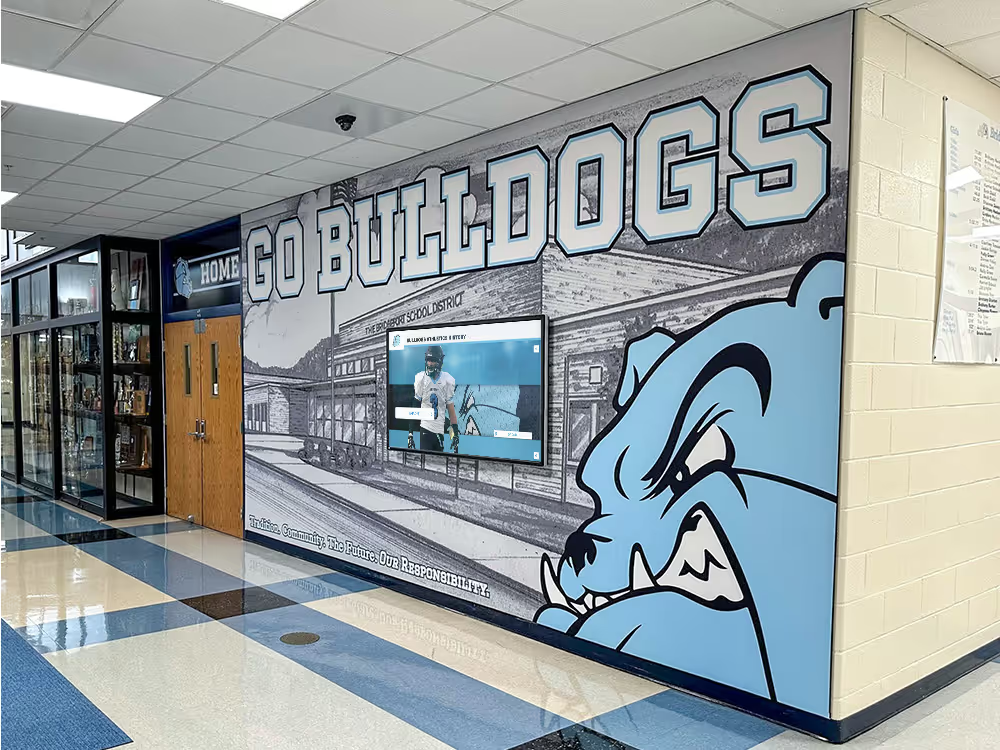
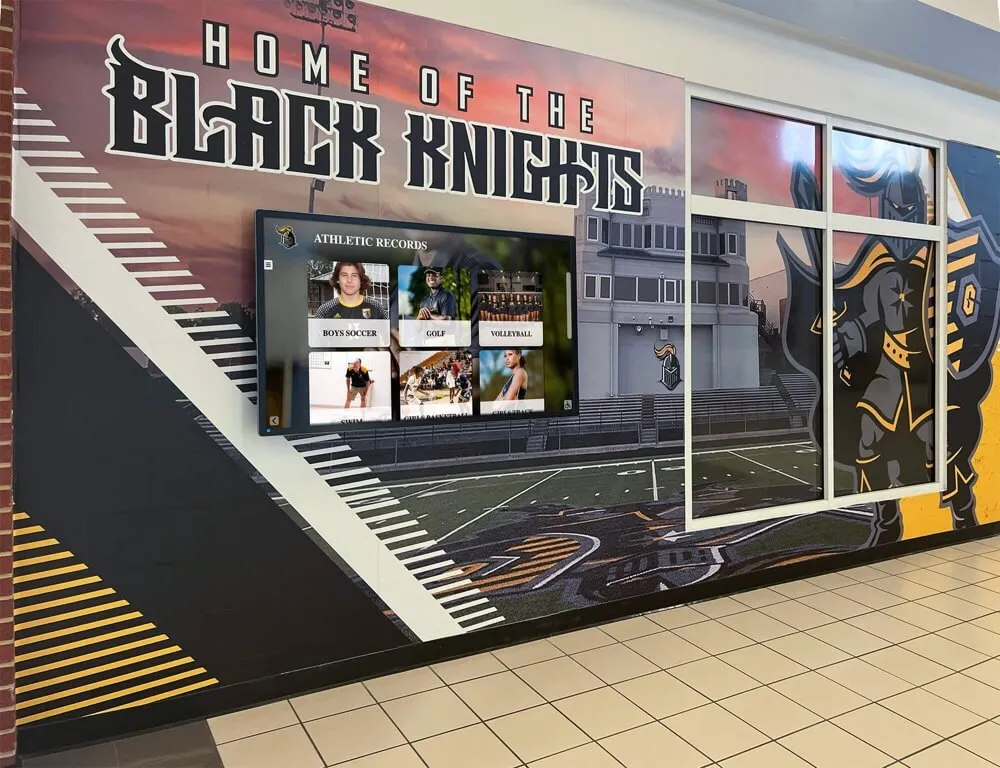
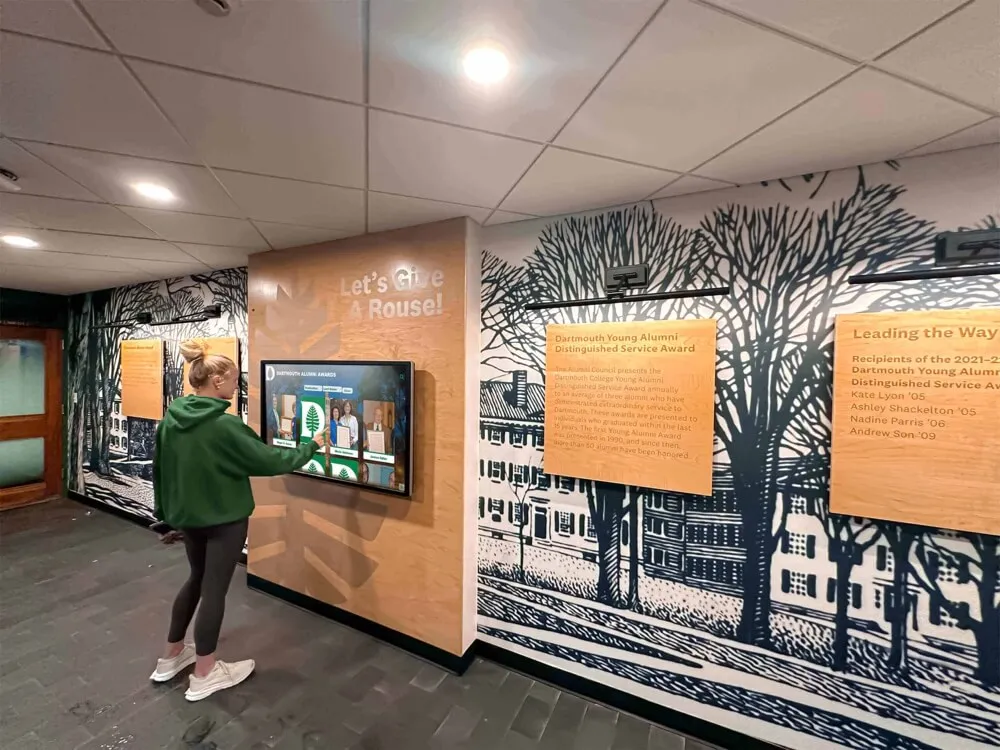
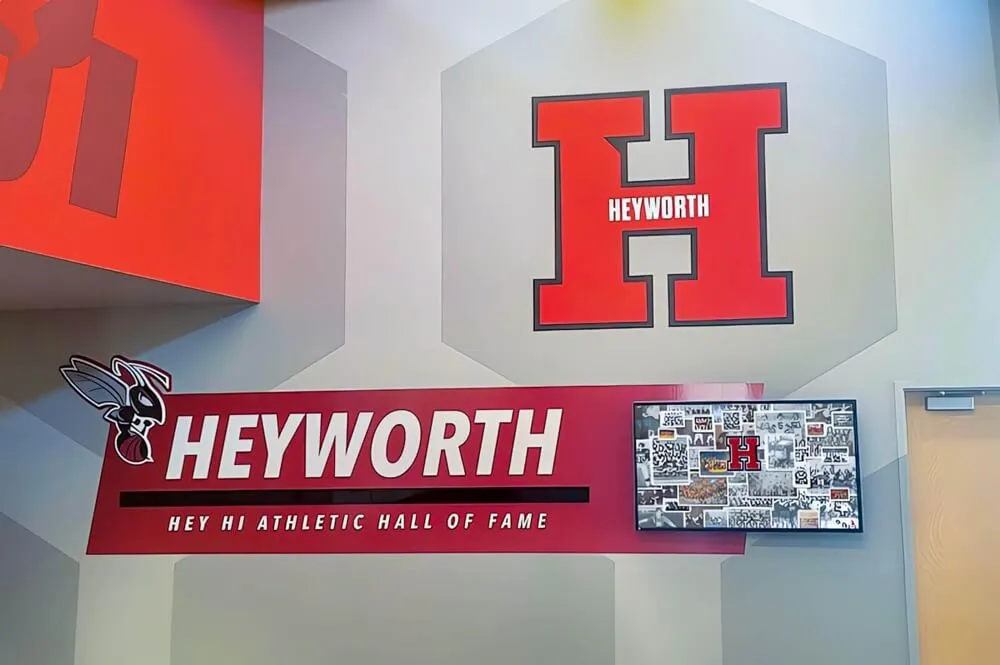
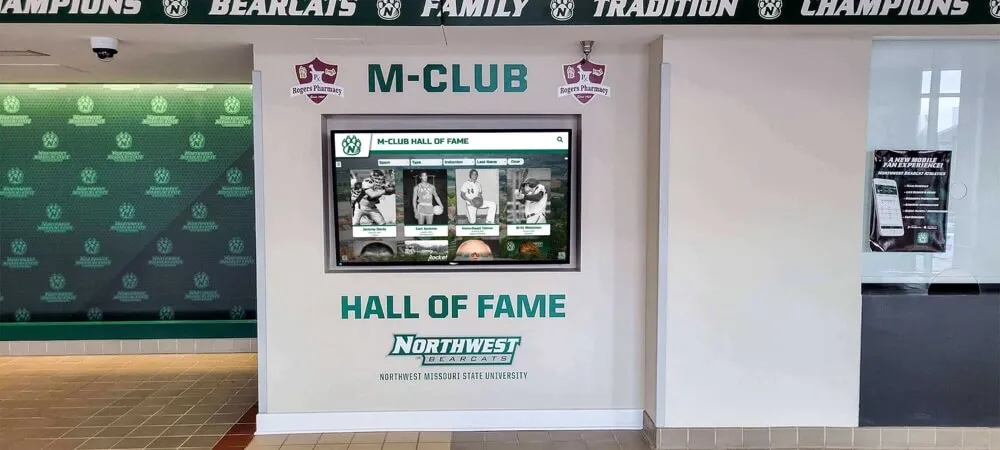
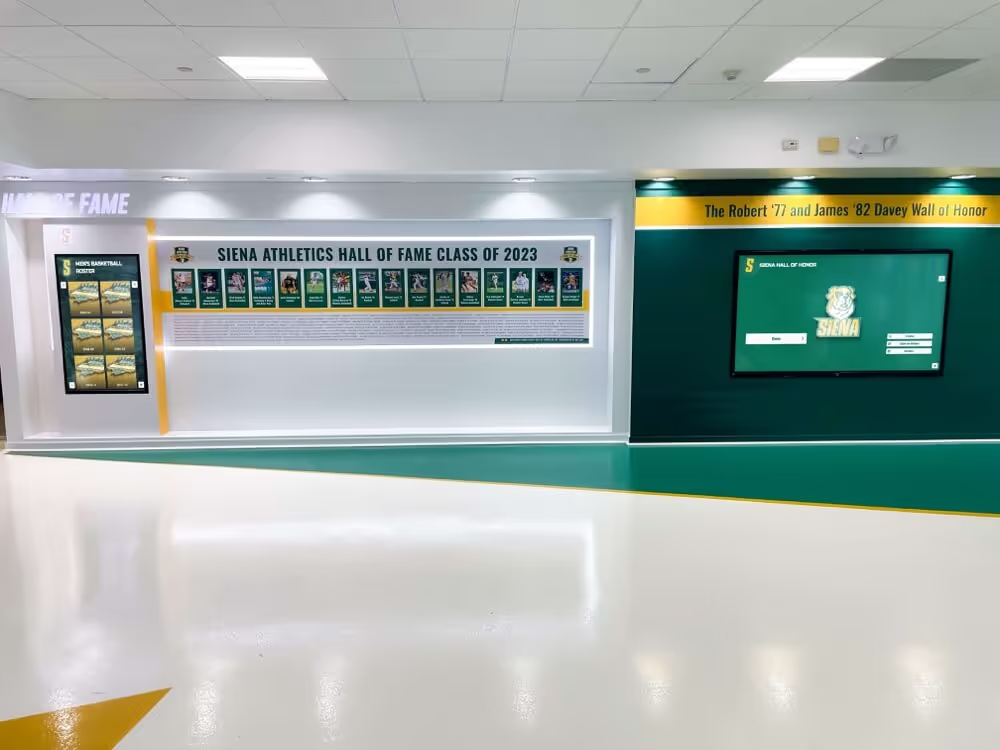
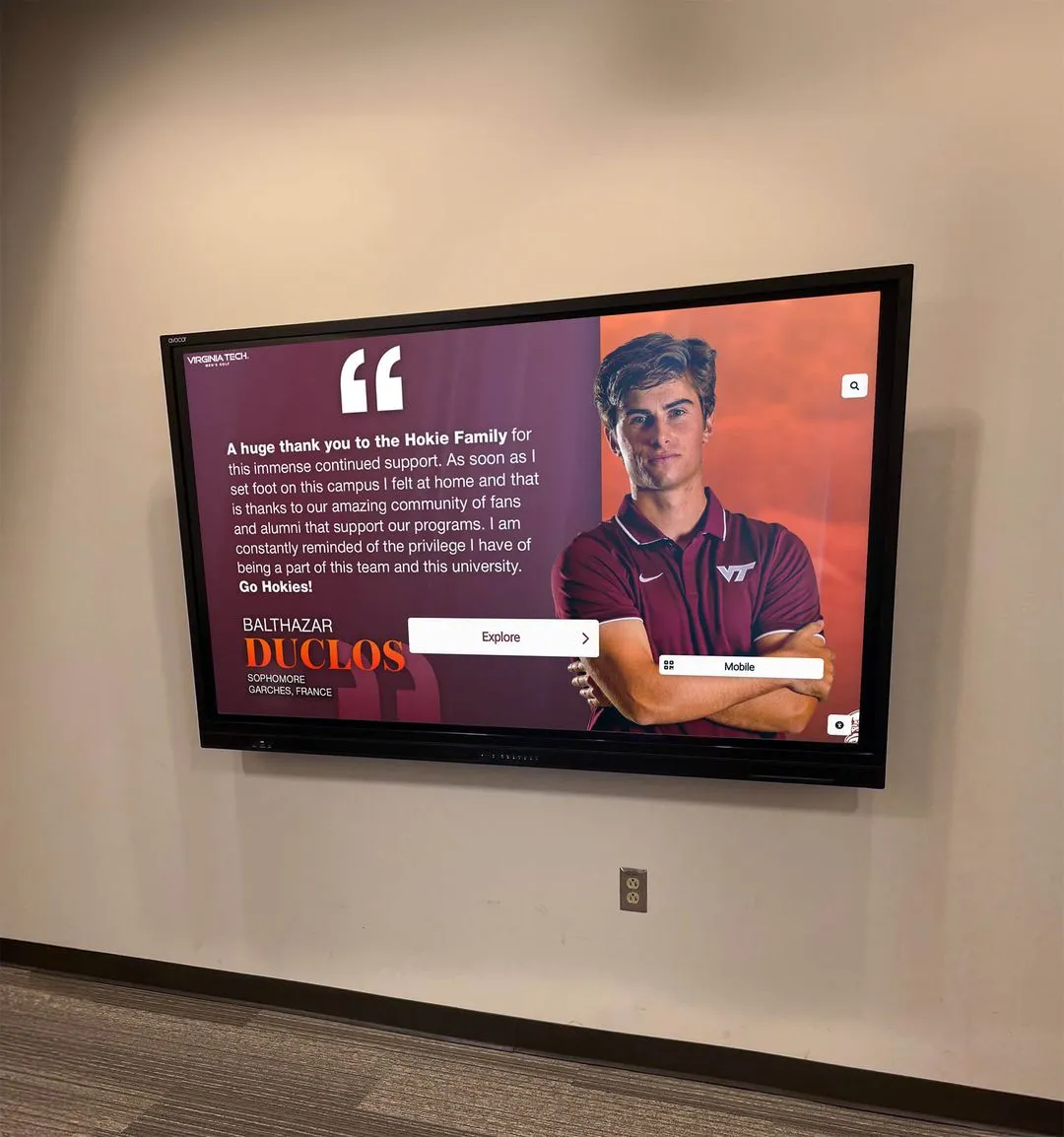
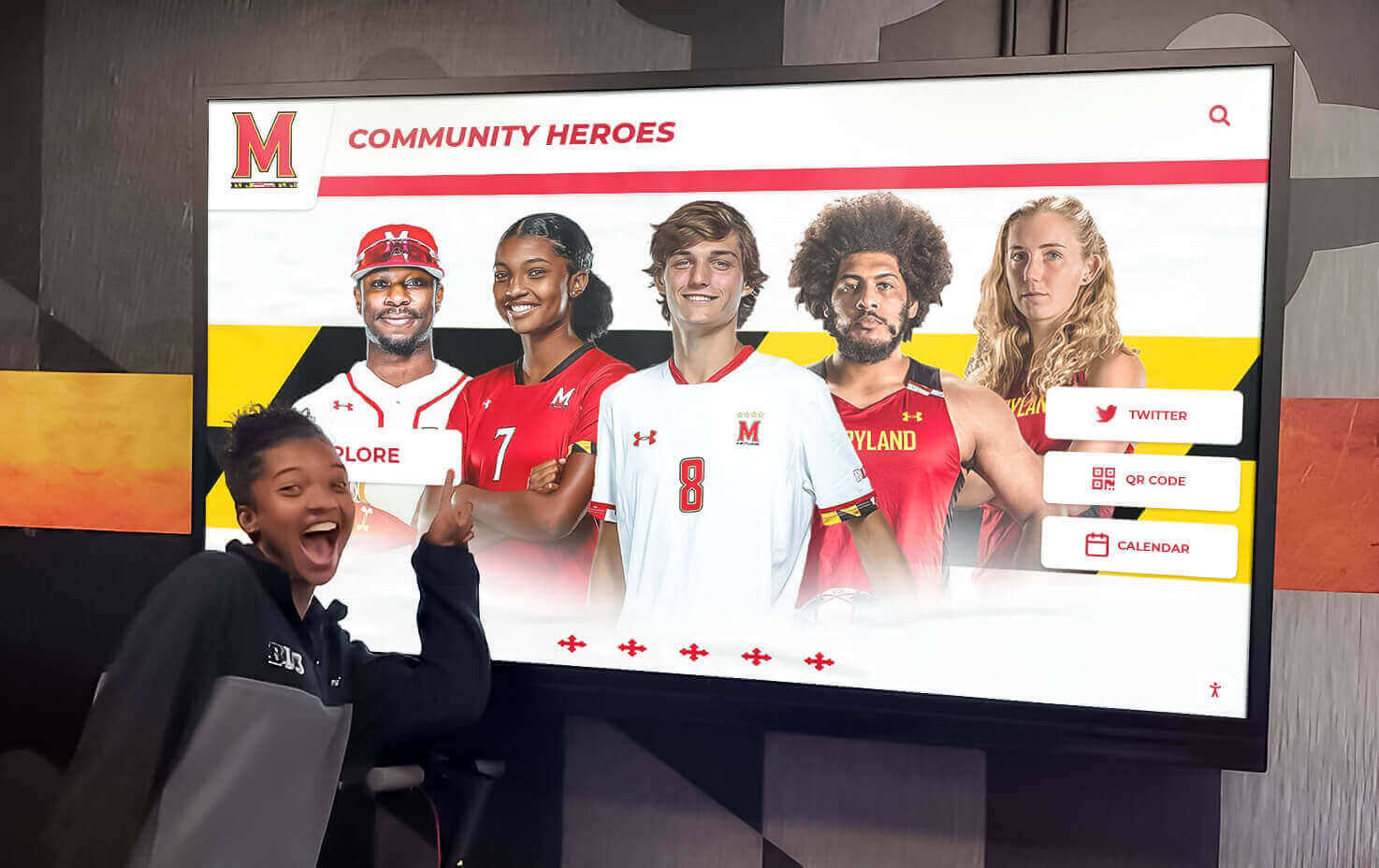
Modern recognition displays celebrate youth athletic achievements in ways that inspire current and future participants
Traditional Performance Awards
These fundamental awards recognize measurable athletic achievement and competitive success across youth sports programs.
Championship and Season Awards
1. Most Valuable Player (MVP) - Recognizing the athlete who contributed most significantly to team success through exceptional performance, leadership, and consistent excellence throughout the season.
2. Coach’s Award - Honoring the player who best exemplified team values, demonstrated coachability, and represented the program’s ideals regardless of statistics.
3. Championship Team Recognition - Celebrating entire teams that won league championships, tournament titles, or playoff competitions with individual medals or trophies for each member.
4. Playoff MVP - Acknowledging the athlete whose performance elevated most significantly during high-pressure playoff situations.
5. Season Scoring Leader - Recognizing top goal scorers, point earners, or run producers across the season depending on sport.
6. Tournament MVP - Honoring outstanding performance during specific tournament competitions.
7. All-League Selection - Celebrating athletes selected for all-star or all-league teams by coaches or league officials.
8. Division Champions - Recognizing teams or individuals winning their division or age group classification.
Statistical Achievement Awards
9. Golden Boot/Glove - Sport-specific recognition for top scorers, goalkeepers, or position leaders.
10. Triple-Double Achievement - Celebrating statistical excellence across multiple categories in basketball and other applicable sports.
11. Perfect Game/Match - Honoring rare perfect performances meeting sport-specific criteria.
12. Hat Trick Award - Recognizing athletes who scored three or more goals in a single game.
13. Defensive Player of the Year - Acknowledging excellence in preventing opponent success.
14. Most Improved Statistics - Celebrating quantifiable performance improvement from season start to finish.
15. Consecutive Games Streak - Honoring durability and reliability through extended playing streaks.
16. Single Game Record - Recognizing athletes who set new organizational records for single-game performance.
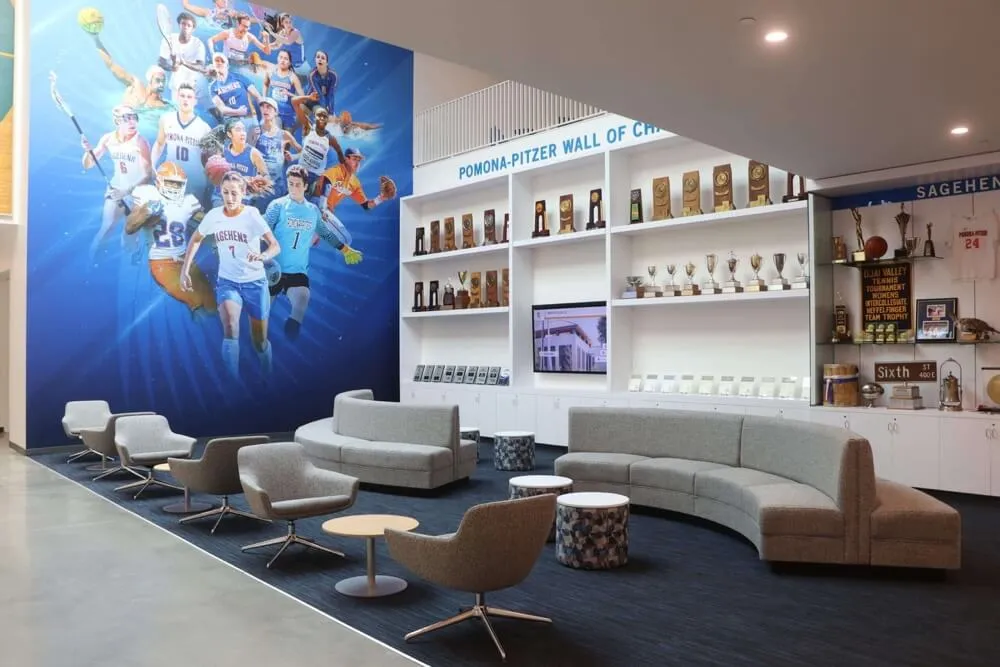
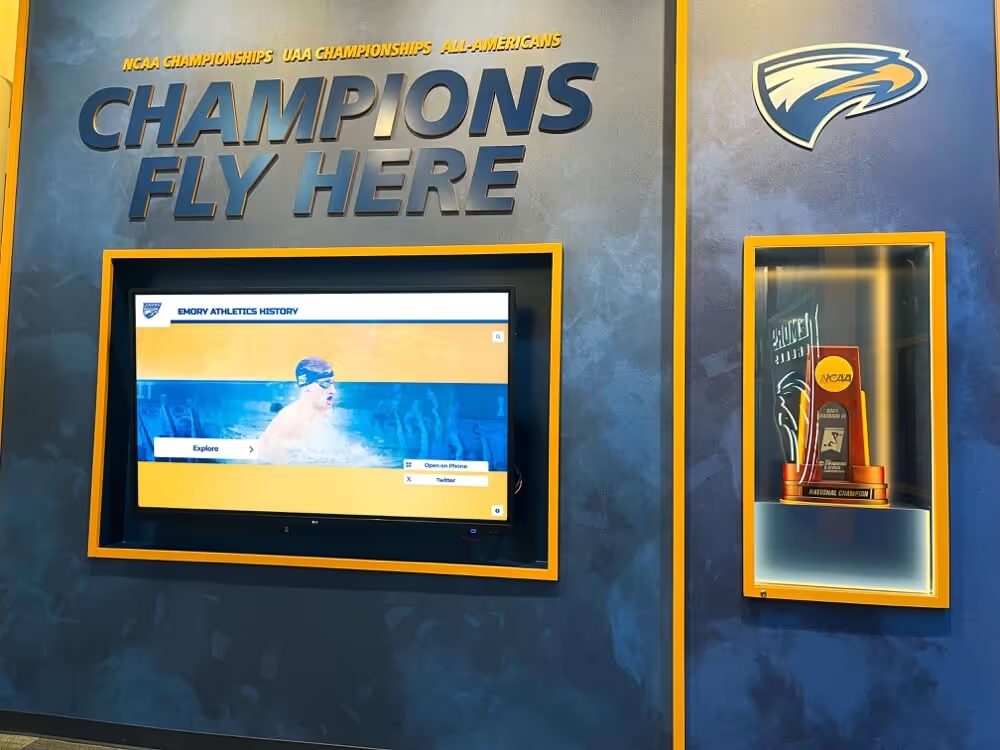
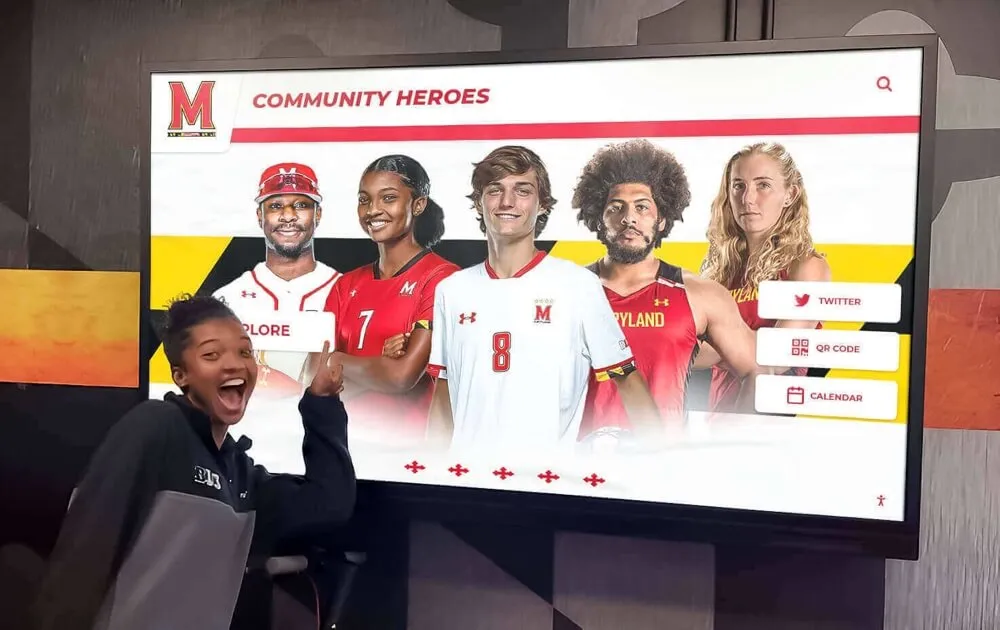
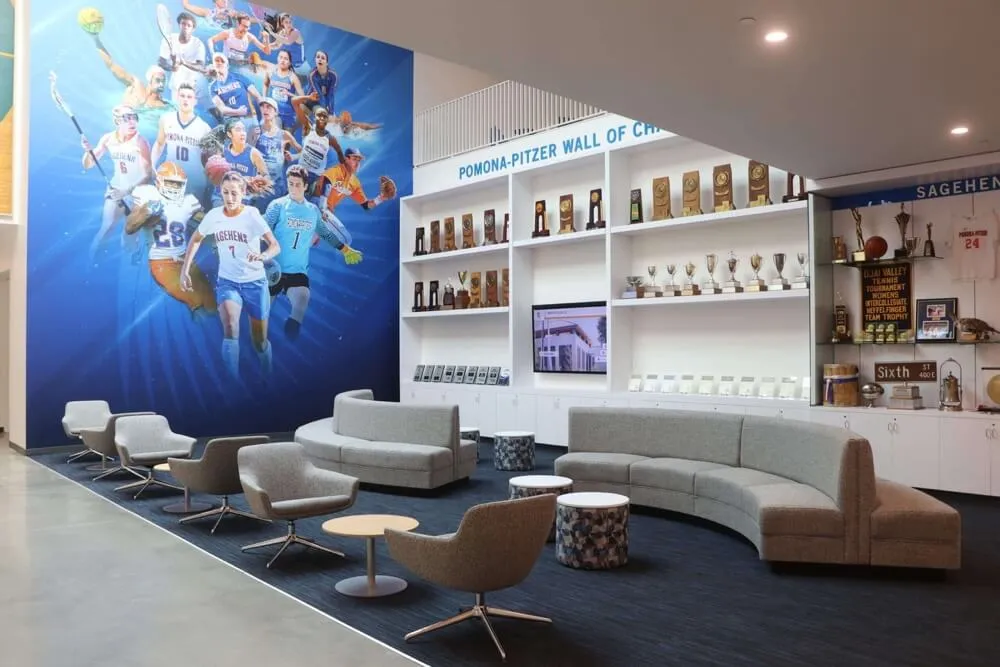
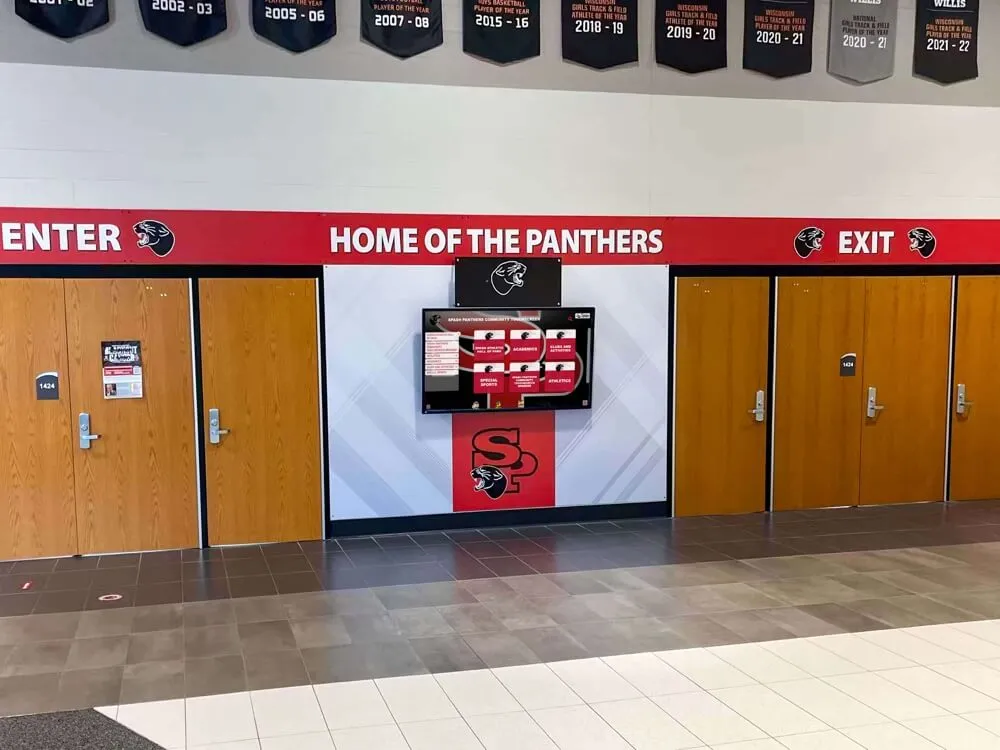
Trophy displays inspire young athletes by showcasing achievement traditions and organizational excellence
Character and Sportsmanship Awards
These awards celebrate behaviors and attitudes that transcend performance statistics, teaching valuable life lessons through youth sports participation.
Leadership Recognition
17. Team Captain Award - Honoring athletes who demonstrated exceptional leadership both on field and in practice settings.
18. Vocal Leader Award - Recognizing players who consistently encouraged teammates, communicated effectively, and maintained positive energy.
19. Lead by Example Award - Celebrating athletes whose work ethic, attitude, and behavior set standards for teammates.
20. Rookie Leadership Award - Acknowledging first-year players who demonstrated maturity and leadership despite limited experience.
21. Peer-Voted Leader - Honoring the athlete teammates selected as most valuable leader through anonymous voting.
22. Practice Leader Award - Recognizing athletes who brought intensity, focus, and positive energy to every practice session.
23. Off-Field Leadership - Celebrating athletes who demonstrated leadership in academics, community service, or program support activities.
Sportsmanship Excellence
24. Sportsmanship Award - The cornerstone character recognition celebrating respect for opponents, officials, teammates, and the game itself.
25. Fair Play Award - Honoring athletes who competed fiercely yet maintained integrity and respect throughout competition.
26. Referee Respect Award - Recognizing players who consistently treated officials with respect regardless of call disagreements.
27. Handshake Award - Celebrating genuine post-game sportsmanship and graciousness in both victory and defeat.
28. Team First Attitude - Honoring athletes who consistently prioritized team success over personal statistics or recognition.
29. Encouragement Award - Recognizing players who actively supported and encouraged struggling teammates.
30. Comeback Grace Award - Celebrating athletes who responded positively to significant setbacks, injuries, or disappointing performances.
Youth sports programs that emphasize character development alongside athletic skill create lasting positive impacts extending well beyond the playing field. Recognition systems like those offered by Rocket Alumni Solutions enable organizations to showcase both performance achievements and character qualities, creating comprehensive athlete profiles that tell complete stories about each participant’s contributions.
Effort and Dedication Awards
These awards acknowledge commitment, work ethic, and investment in team success—qualities completely within every athlete’s control regardless of natural talent.
Work Ethic Recognition
31. Hardest Worker Award - Celebrating the athlete who consistently brought maximum effort to every practice and game.
32. First to Arrive, Last to Leave - Honoring exceptional commitment demonstrated through consistent early arrival and extended practice dedication.
33. Practice Player of the Year - Recognizing athletes whose practice intensity and focus set standards for the entire team.
34. Off-Season Dedication - Celebrating year-round commitment to sport improvement through off-season training.
35. Weight Room Warrior - Honoring athletes who demonstrated exceptional commitment to strength and conditioning programs.
36. Extra Rep Award - Recognizing players who consistently volunteered for additional drills, repetitions, and skill work.
37. Conditioning Champion - Celebrating athletes who excelled in fitness testing and maintained superior conditioning throughout the season.
38. Film Study Award - Honoring players who invested extra time analyzing game film and developing tactical understanding.
Attendance and Commitment
39. Perfect Attendance Award - Recognizing athletes who missed zero practices or games throughout the season.
40. Reliability Award - Celebrating consistent attendance and punctuality across the season.
41. Never Quit Award - Honoring athletes who persevered through challenging seasons without missing commitments.
42. Multi-Sport Athlete - Recognizing athletes who successfully balanced multiple sport commitments while maintaining excellence.
43. Early Bird Award - Celebrating consistently punctual athletes who arrived prepared before scheduled start times.
44. Equipment Manager Award - Honoring athletes who consistently helped set up, maintain, and organize team equipment.
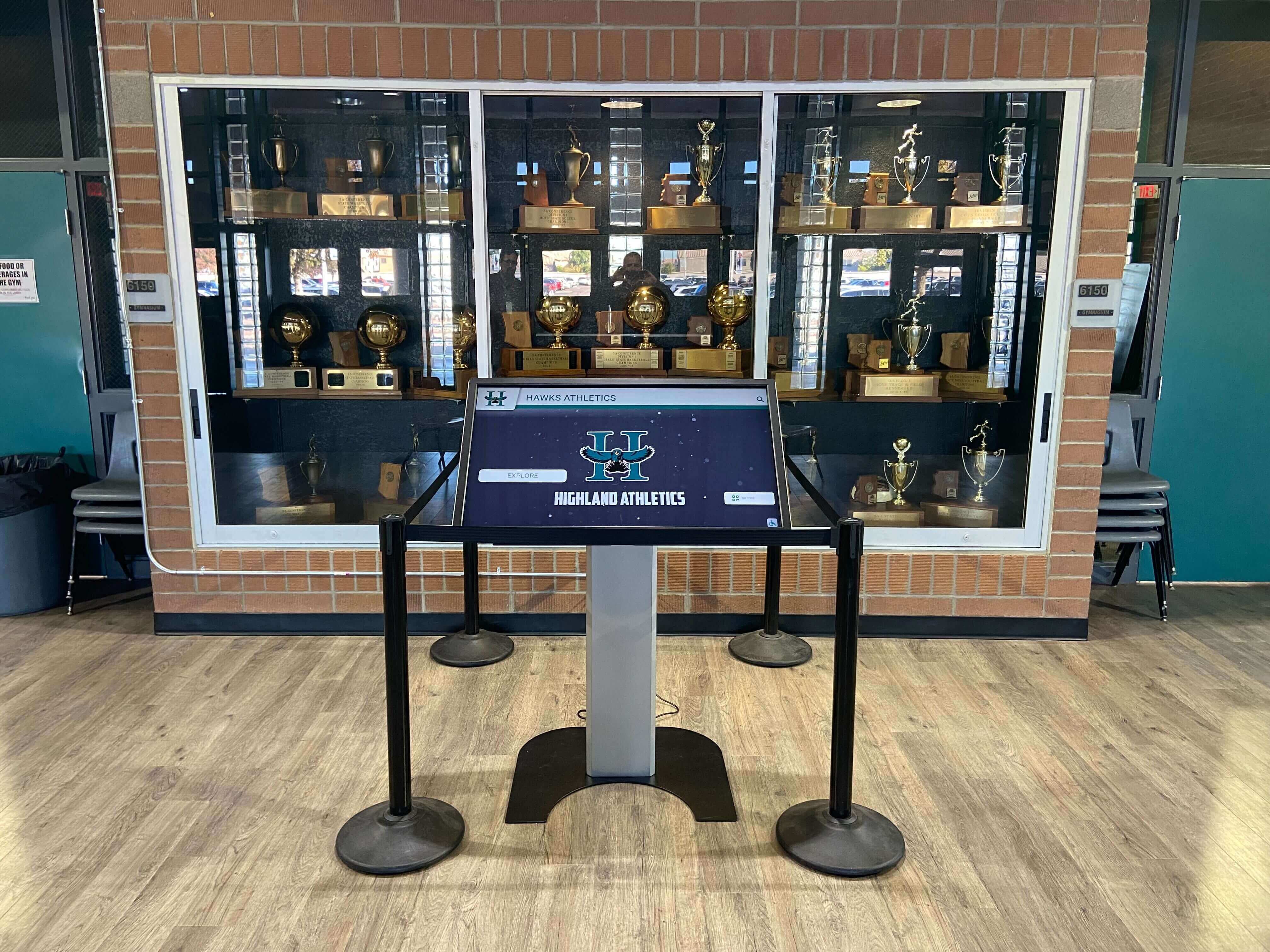
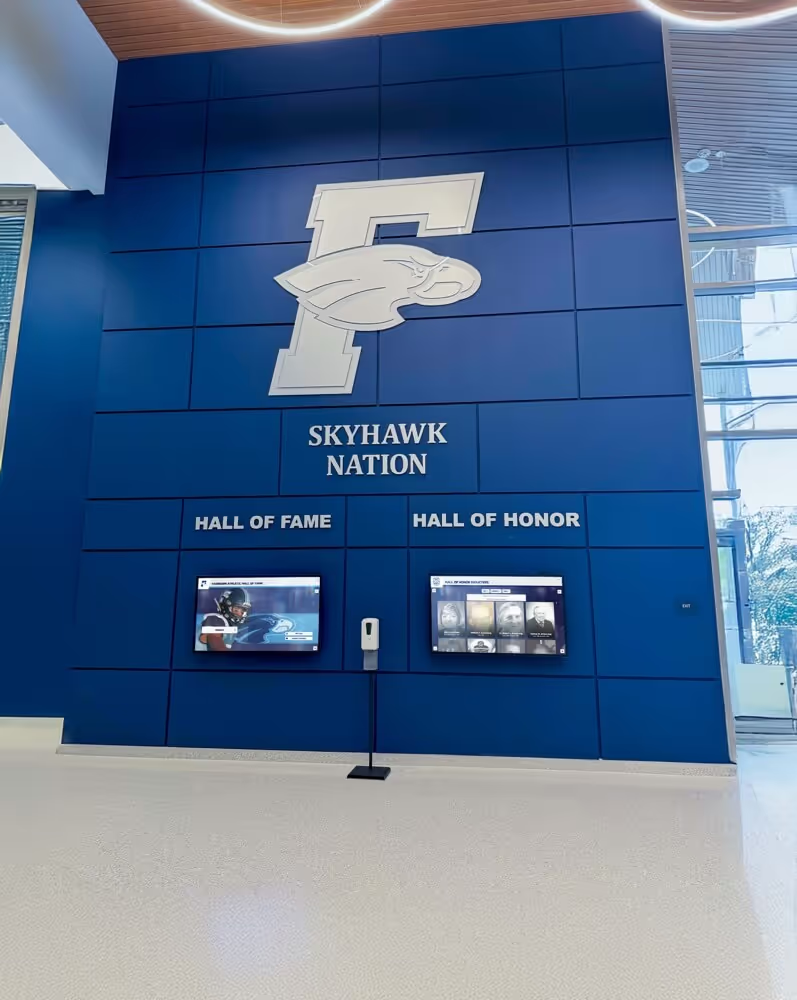
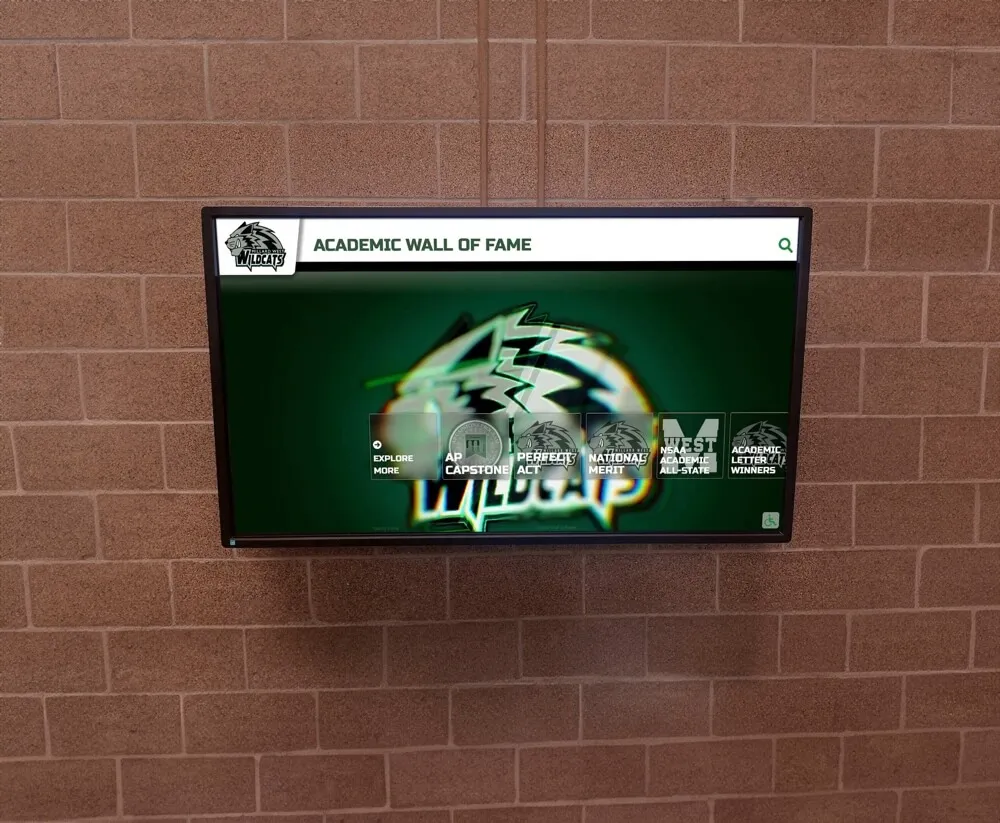
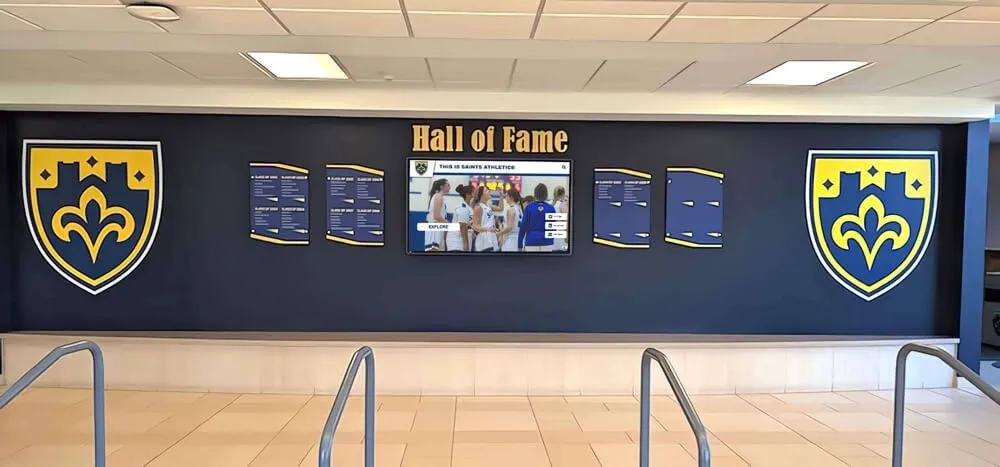
Interactive displays within trophy cases create engaging recognition experiences for athletes and families
Position-Specific Awards
Position-specific recognition acknowledges specialized contributions that general awards might overlook, ensuring athletes playing less glamorous but essential roles receive appropriate acknowledgment.
Sport-Specific Position Awards
45. Best Goalkeeper/Goalie - Recognizing excellence in the most specialized defensive position across soccer, hockey, and lacrosse.
46. Best Offensive Lineman - Celebrating football players whose contributions rarely appear in statistics but determine team success.
47. Best Defensive Back - Honoring coverage excellence and pass defense in football.
48. Best Pitcher/Best Catcher Battery - Recognizing baseball/softball partnerships essential to defensive success.
49. Best Midfielder - Celebrating two-way excellence in soccer, lacrosse, and field hockey.
50. Best Setter - Honoring the volleyball position that facilitates offensive success.
51. Best Point Guard Floor General - Recognizing basketball players who control tempo and create opportunities.
52. Best Wing/Forward - Celebrating scoring and two-way play in hockey and soccer.
53. Defensive Stopper Award - Honoring athletes who successfully limited opponent’s best players.
54. Transition Excellence - Recognizing athletes who excelled in fast breaks, counterattacks, or transition opportunities.
Role Player Recognition
55. Ultimate Utility Player - Celebrating athletes who successfully played multiple positions as needed.
56. Super Substitute - Honoring players who maximized limited playing time through preparation and intensity.
57. Best Teammate Award - Recognizing athletes who supported teammates selflessly regardless of personal playing time.
58. Spark Plug Award - Celebrating players whose energy and enthusiasm elevated team performance despite role limitations.
59. Specialist Excellence - Honoring athletes who mastered specific skills like penalty kicks, free throws, or special teams.
60. Clutch Performer - Recognizing athletes who elevated performance during critical moments regardless of role size.
Improvement and Development Awards
These awards celebrate growth, acknowledging that improvement represents genuine achievement deserving recognition regardless of absolute performance levels.
Skill Development Recognition
61. Most Improved Player - The essential award celebrating significant skill development from season start to finish.
62. Breakthrough Performance Award - Honoring athletes who reached new performance levels during the season.
63. Fastest Learner - Recognizing athletes who rapidly mastered new skills or tactical concepts.
64. Technical Excellence Award - Celebrating mastery of fundamental skills and proper technique.
65. Best Newcomer - Honoring first-year athletes who exceeded expectations during initial season.
66. Comeback Player Award - Recognizing athletes who returned successfully from injury, setback, or previous struggles.
67. Off-Season Transformation - Celebrating dramatic improvement resulting from dedicated off-season work.
68. Late Season Surge - Honoring athletes whose performance elevated significantly during season’s final portion.
Tracking improvement requires documenting athlete development throughout seasons. Digital recognition systems enable programs to maintain comprehensive records showing growth trajectories, creating motivating visualizations of progress that traditional trophy cases cannot capture. Organizations can explore how digital recognition displays preserve achievement histories while celebrating current success.
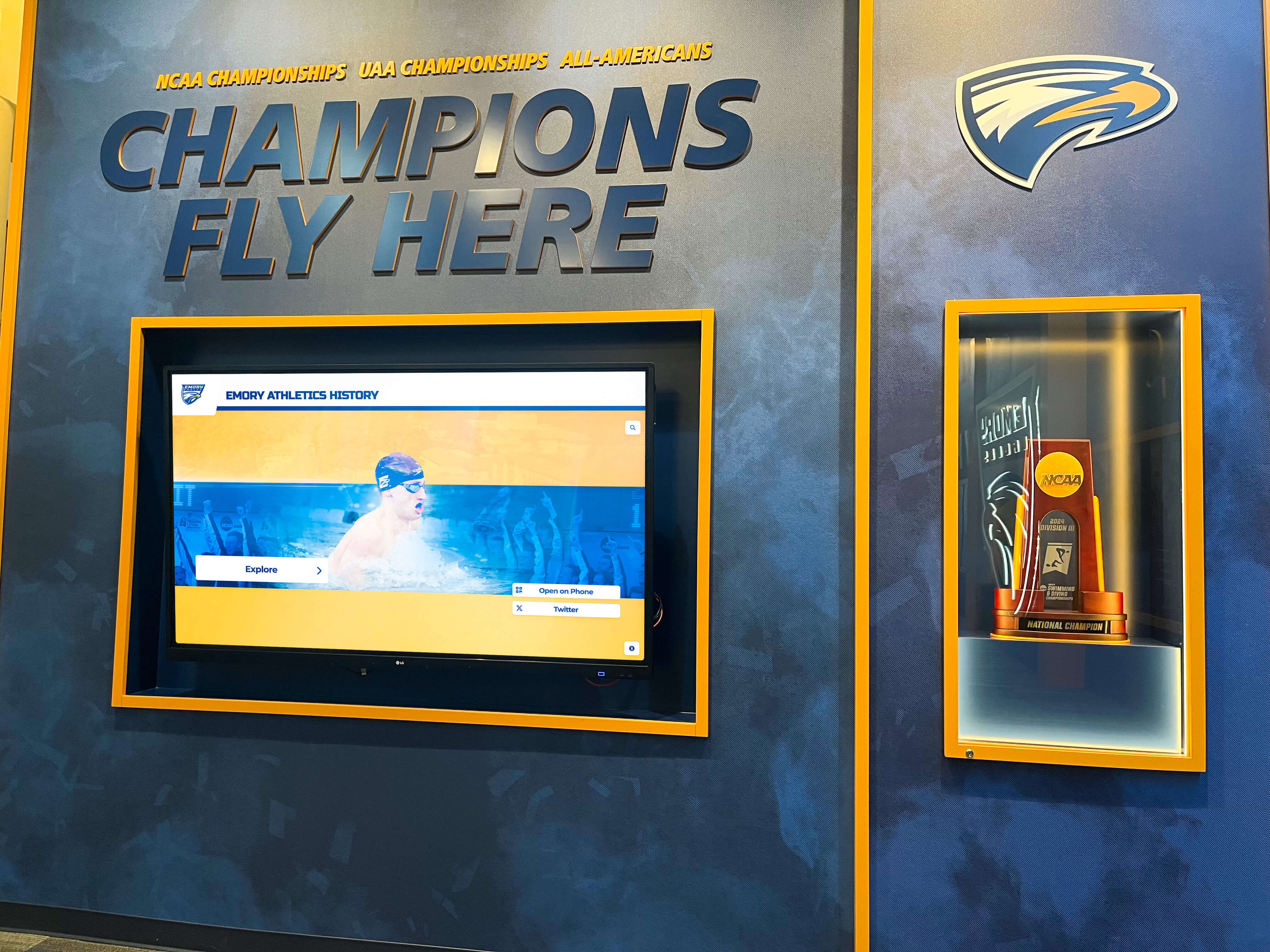
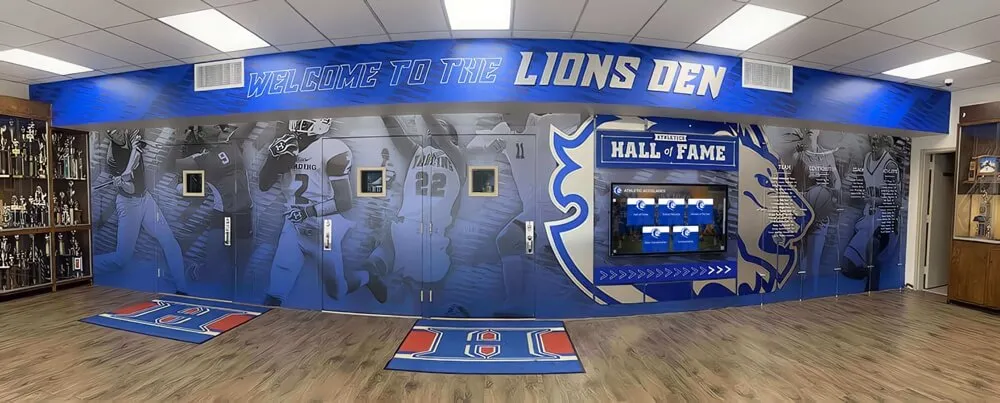
Championship walls combine traditional trophies with modern recognition elements celebrating team achievements
Team Culture and Spirit Awards
These awards strengthen team bonds and celebrate the intangible qualities that create positive, memorable youth sports experiences.
Team Chemistry Recognition
69. Best Team Player - Celebrating selfless athletes who prioritized team success above personal recognition.
70. Positive Attitude Award - Recognizing consistently optimistic athletes who maintained morale through challenges.
71. Team Spirit Award - Honoring athletes who enthusiastically supported teammates from sidelines and during games.
72. Motivational Player - Celebrating athletes whose energy and encouragement inspired teammates’ best efforts.
73. Chemistry Catalyst - Recognizing players whose presence and personality strengthened team bonds.
74. Supportive Teammate - Honoring athletes who provided emotional support during teammates’ struggles.
75. Unity Award - Celebrating athletes who bridged divides and brought diverse teammates together.
76. Best Dugout/Sideline Energy - Recognizing enthusiasm and support provided by athletes during others’ playing time.
Fun and Memorable Awards
77. Best Pre-Game Pump Up - Celebrating athletes who inspired teammates through pre-competition speeches or rituals.
78. Funniest Teammate - Honoring athletes who maintained team morale through appropriate humor.
79. Best Victory Celebration - Recognizing creative, memorable, team-bonding celebration moments.
80. Loudest Cheerleader - Celebrating enthusiastic vocal support from bench and sidelines.
81. Best Team Tradition Keeper - Honoring athletes who maintained and championed team rituals and traditions.
82. Most Memorable Moment - Recognizing single plays or performances that defined the season.
83. Best Goal/Touchdown/Score Celebration - Celebrating memorable reactions to significant plays.
84. Inspirational Quote Award - Honoring athletes who consistently provided motivating perspectives.
Academic and Well-Rounded Recognition
Youth sports programs serve comprehensive development, making it appropriate to recognize achievement extending beyond athletic performance.
Academic Excellence
85. Scholar-Athlete Award - Celebrating athletes who maintained exceptional academic performance while participating fully in athletics.
86. Honor Roll Athlete - Recognizing athletes who achieved academic honor roll status throughout the season.
87. Highest GPA Award - Honoring top academic performance among team members.
88. Most Improved Grades - Celebrating academic growth concurrent with athletic participation.
89. Homework Hustle Award - Recognizing athletes who successfully balanced demanding academic workloads with sport commitments.
90. Future Academic All-American - Honoring younger athletes establishing strong academic-athletic balance foundations.
Youth sports programs can highlight these comprehensive achievements using systems that showcase both athletic and academic accomplishments. Schools implementing recognition programs can explore student achievement recognition approaches that celebrate well-rounded excellence.
Community and Service Recognition
91. Community Service Leader - Celebrating athletes who contributed significantly to community service initiatives.
92. Best Youth Mentor - Honoring athletes who volunteered time helping younger players develop.
93. Program Ambassador - Recognizing athletes who positively represented the organization in the community.
94. Volunteer Spirit Award - Celebrating athletes who assisted with program operations, fundraising, or events.
95. Best Role Model - Honoring athletes whose behavior on and off the field set positive examples.
96. Citizenship Award - Recognizing overall positive contribution to community, school, and program.
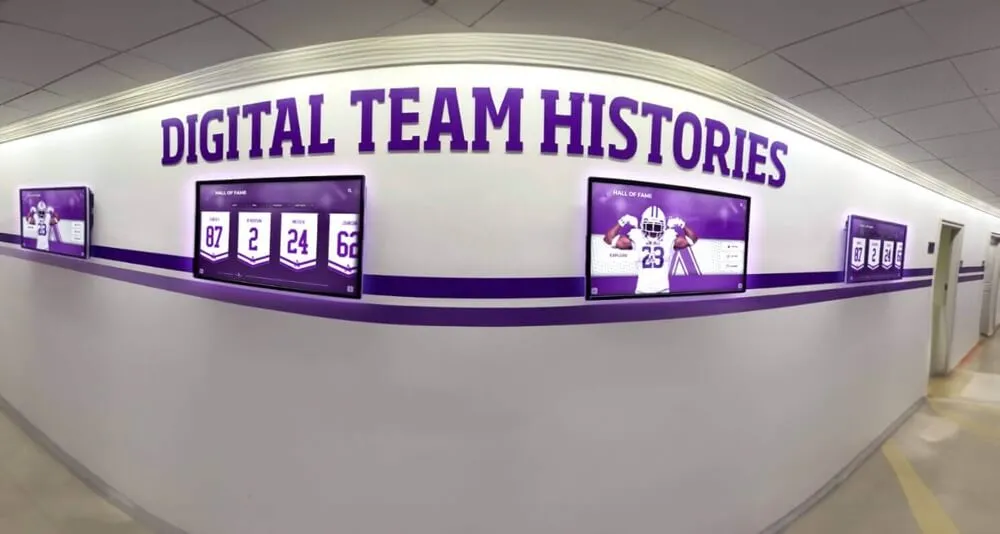
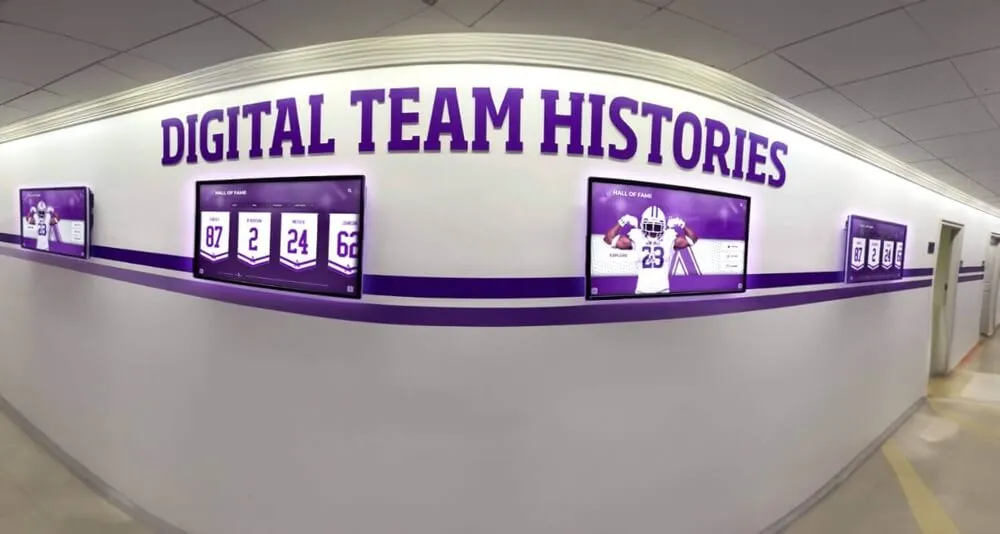
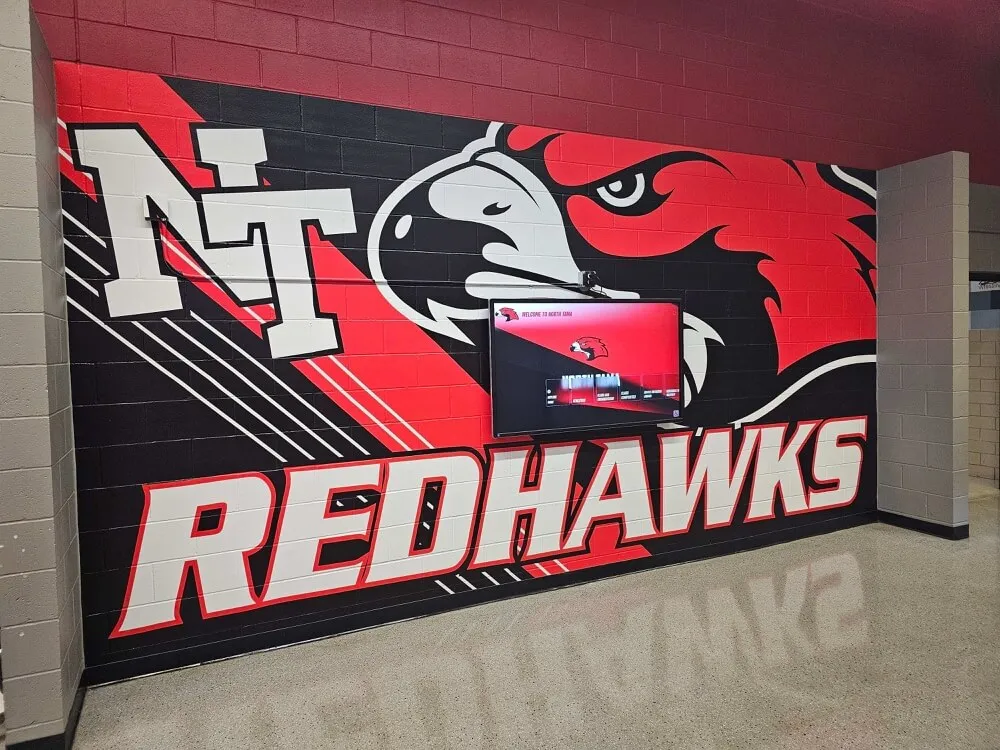
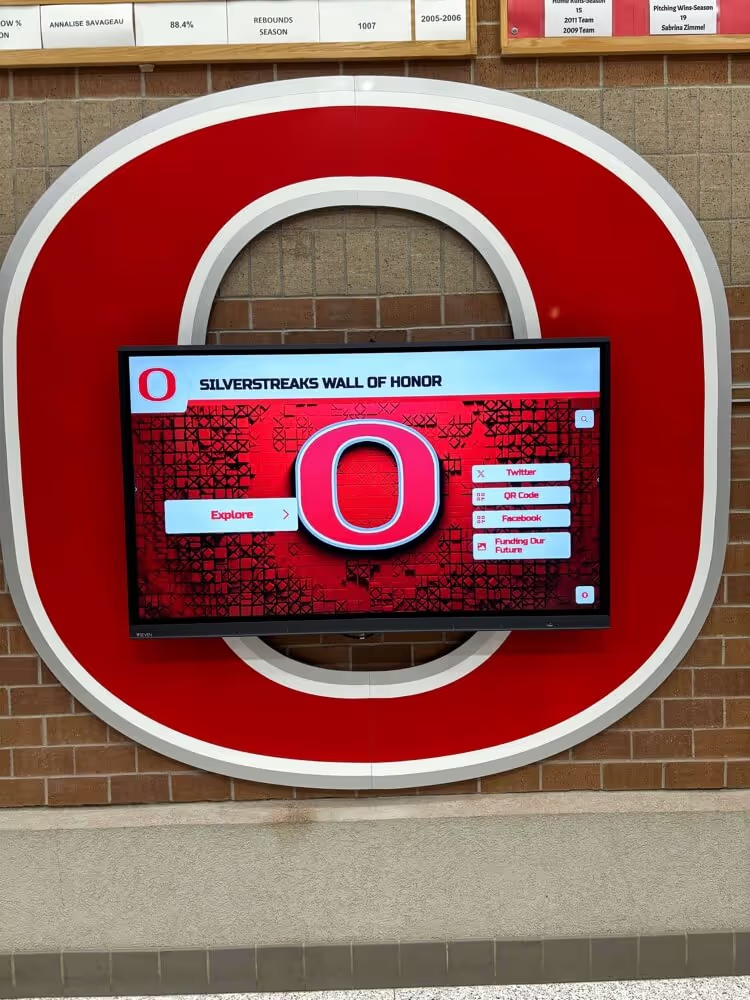
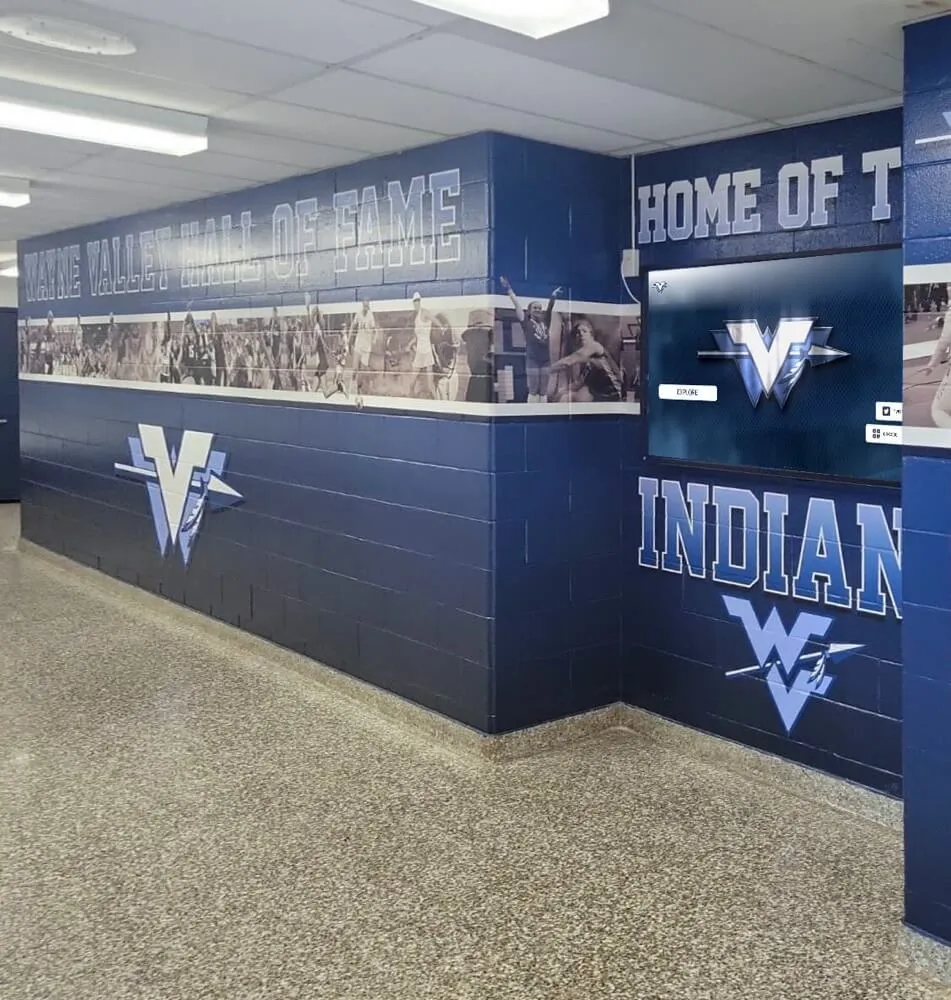
Digital displays in athletic hallways create permanent recognition spaces showcasing team histories and individual achievements
Special Recognition Categories
These final awards address unique situations and create flexibility for recognizing distinctive contributions.
Unique Achievement Awards
97. Unsung Hero Award - Celebrating athletes whose essential contributions often went unnoticed by casual observers.
98. X-Factor Award - Recognizing athletes whose presence created intangible positive impacts beyond measurable contributions.
99. Rookie of the Year - Honoring exceptional first-season performance and potential.
100. Legacy Award - Celebrating departing senior athletes who left lasting positive impacts on programs.
Beyond these 100 core awards, effective programs create custom categories addressing specific team situations, inside jokes, or unique accomplishments that occurred during particular seasons. The goal remains ensuring every athlete receives meaningful recognition reflecting their genuine contributions—not forced acknowledgment but authentic appreciation for what each individual brought to the team experience.
Implementing Effective Youth Sports Award Programs
Creating award lists represents only the first step. Effective implementation requires thoughtful planning that maximizes positive impact while avoiding common pitfalls.
Award Selection Best Practices
Start with Core Awards Begin with essential recognition categories your sport and program require:
- Championship and season achievement awards honoring competitive success
- Character and sportsmanship awards reinforcing values
- Most improved recognition celebrating development
- Position-specific awards acknowledging specialized contributions
- Perfect attendance awards emphasizing commitment
Build additional categories around your specific team’s characteristics, achievements, and memorable moments rather than forcing predetermined award lists onto every season.
Involve Multiple Perspectives Award selection benefits from diverse input:
- Coaching staff input on performance, effort, and coachability
- Team captain perspectives on leadership and team impact
- Anonymous player voting for sportsmanship and teammate awards
- Parent observations about commitment and off-field behavior
- Statistical data providing objective performance measures
Multi-perspective selection processes reduce bias while ensuring awards reflect genuine team consensus about deserving recipients.
Maintain Award Significance The most meaningful recognition maintains genuine standards:
- Award recipients should represent authentic achievement, not equal distribution
- Some awards should remain unawarded rather than lowering standards inappropriately
- Consider tiered recognition when multiple athletes merit acknowledgment
- Participation recognition should differ from achievement awards
- Previous recipients should represent aspirational models for current athletes
Programs that maintain award significance create motivation for athletes to genuinely pursue recognition rather than assuming automatic acknowledgment.
Creating Memorable Award Ceremonies
The presentation matters as much as the awards themselves in creating lasting positive memories.
Ceremony Structure and Flow
Effective end-of-season celebrations balance formality with entertainment:
- Open with season highlights video or slideshow creating emotional connection
- Present team awards before individual recognition
- Vary presentation style preventing monotony during longer ceremonies
- Include brief specific explanations for each award recipient
- Close with inspirational message about season meaning and future opportunity
Well-structured ceremonies maintain energy while ensuring every recipient receives appropriate acknowledgment time.
Presentation Enhancements
Transform basic trophy distribution into meaningful experiences:
- Prepare specific remarks explaining why each recipient earned recognition
- Include statistics, memorable moments, or specific examples
- Invite team members to share appreciation for award recipients
- Present certificates or plaques alongside trophies
- Photograph each presentation for documentation
- Consider video recording speeches and presentations

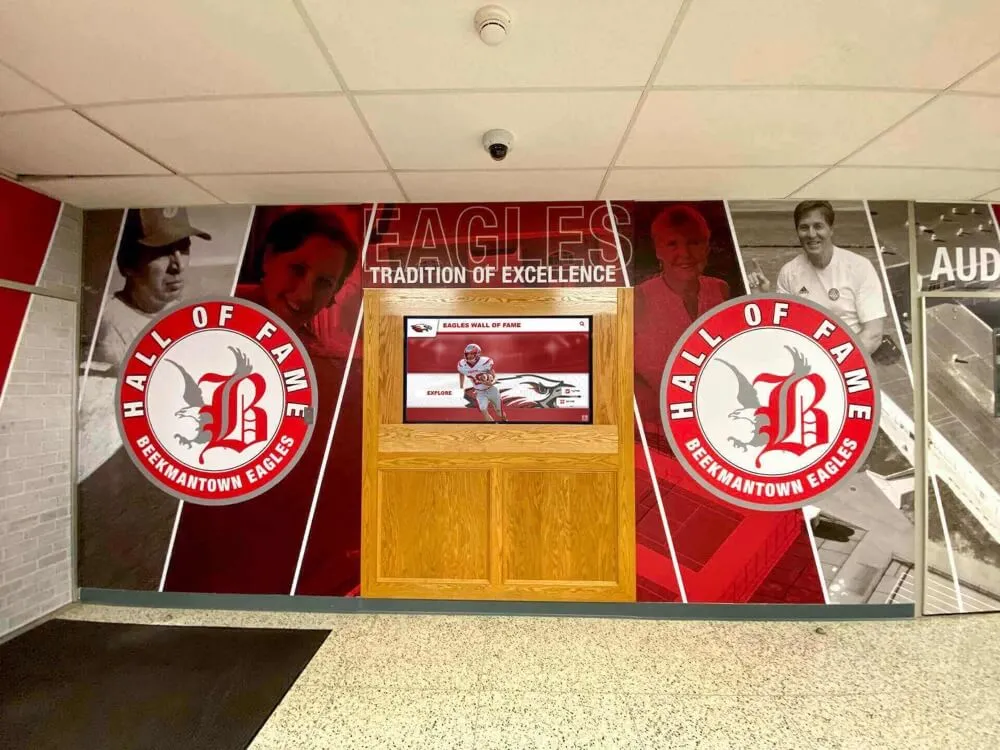
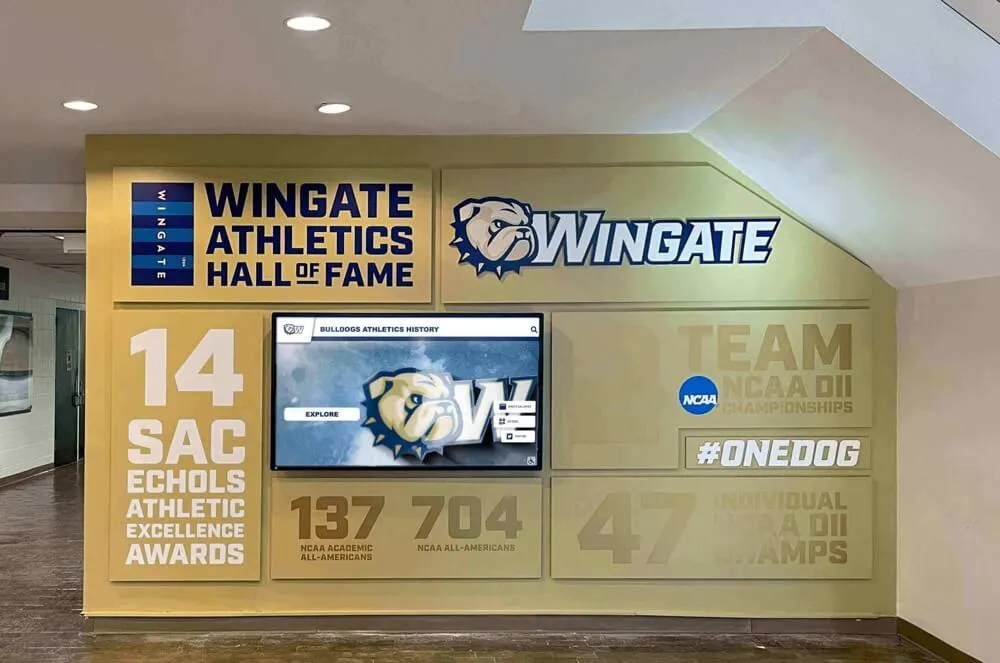
Permanent recognition displays extend award ceremony impact by showcasing achievements year-round
These details transform generic recognition into personalized acknowledgment that recipients remember for years.
Family and Community Involvement
Youth sports award ceremonies become family celebrations when properly planned:
- Schedule ceremonies at times accommodating family attendance
- Provide advance notice enabling families to prioritize attendance
- Create programs listing all recipients and awards
- Arrange seating enabling good visibility and photography
- Invite community supporters, sponsors, and organizational leaders
- Consider reception elements encouraging post-ceremony interaction
Family presence amplifies award impact while strengthening community connections supporting youth sports programs.
Physical vs. Digital Recognition Systems
Youth sports organizations face important decisions about how award recognition extends beyond single ceremony nights.
Traditional Physical Recognition
Physical awards provide tangible mementos athletes retain:
Advantages of Physical Awards
- Athletes take home permanent reminders of achievement
- Trophies and plaques provide immediate gratification
- Physical awards feel traditional and expected
- Families display achievements in homes
- Athletes can see and touch recognition
Limitations of Physical Recognition
- Storage challenges for organizations maintaining records
- Limited space for displaying comprehensive team histories
- Physical awards deteriorate over time
- Difficult updating or correcting errors
- Expensive for large programs recognizing many athletes
Modern Digital Recognition Systems
Digital platforms transform how youth sports organizations celebrate and preserve achievements.
Comprehensive Digital Recognition Benefits
Solutions like Rocket Alumni Solutions address traditional recognition limitations:
- Unlimited recognition capacity - Digital systems eliminate space constraints, enabling programs to recognize unlimited athletes across all categories without physical limitations
- Permanent accessibility - Online recognition remains accessible to athletes, families, and communities indefinitely
- Searchable archives - Athletes can easily find themselves and teammates across seasons
- Enhanced storytelling - Digital profiles include photos, statistics, memorable moments, and complete achievement narratives
- Easy updates - Cloud-based systems enable instant corrections or additions
- Social sharing - Athletes share recognition through social media connecting wider audiences
Programs implementing digital recognition report significant benefits including increased family engagement, improved athlete motivation through year-round visibility, and enhanced community awareness of program success. Organizations can learn about digital athletic recognition approaches that complement traditional awards.
Hybrid Recognition Approaches
The most effective programs combine physical and digital recognition:
- Present physical trophies or medals during ceremonies for immediate gratification
- Document all awards through comprehensive digital recognition systems
- Create interactive displays at facilities showcasing current and historical recognition
- Maintain online platforms enabling family and community access
- Use digital systems for expanded categories beyond physical award limitations
This balanced approach provides tangible acknowledgment while leveraging technology to extend recognition impact.
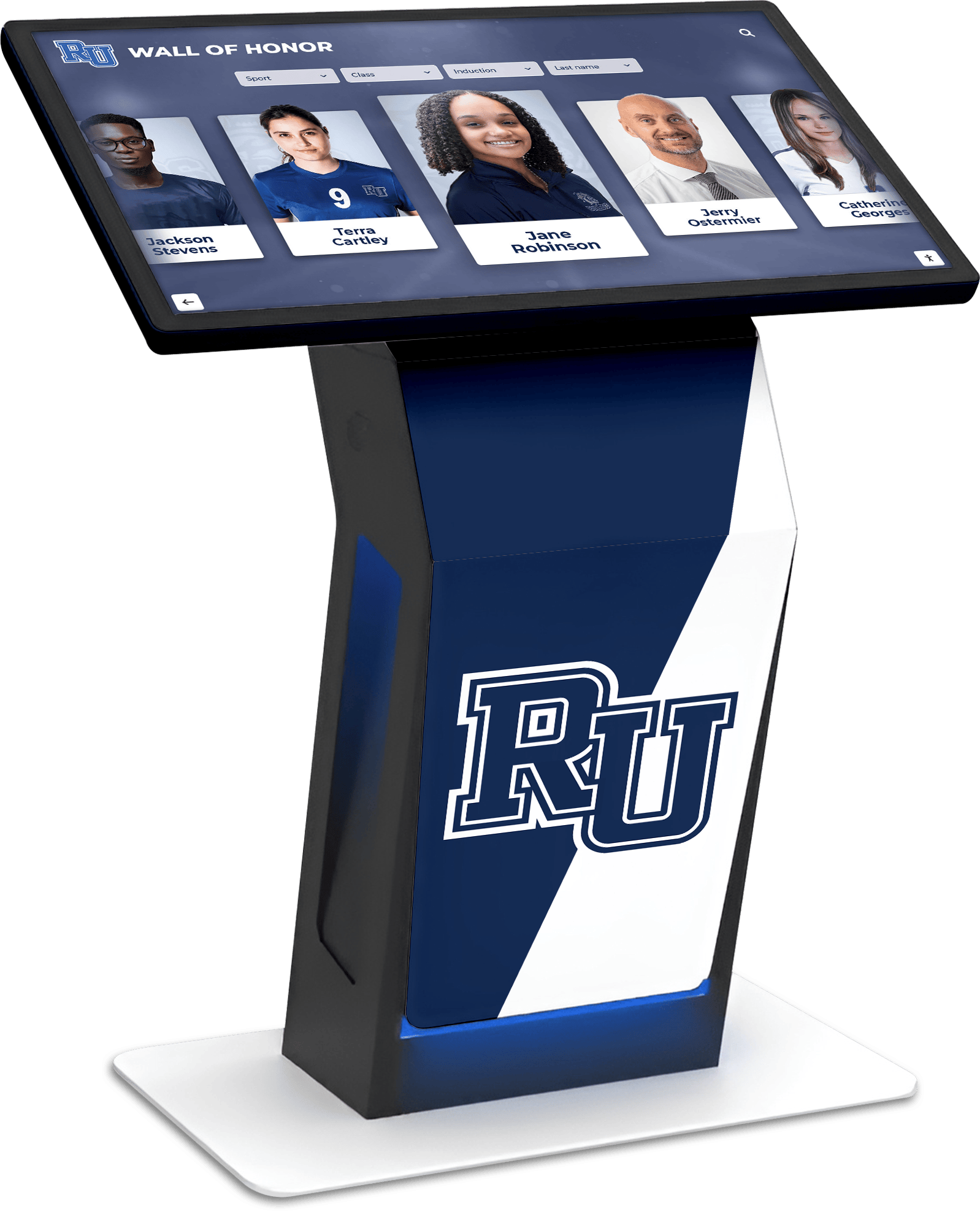
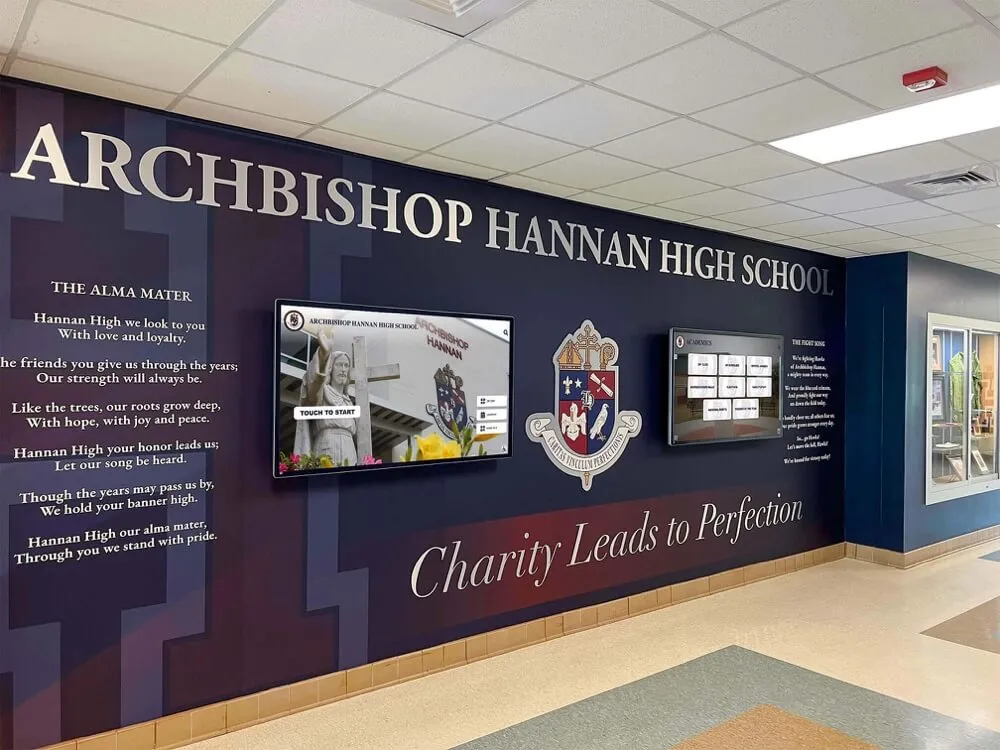
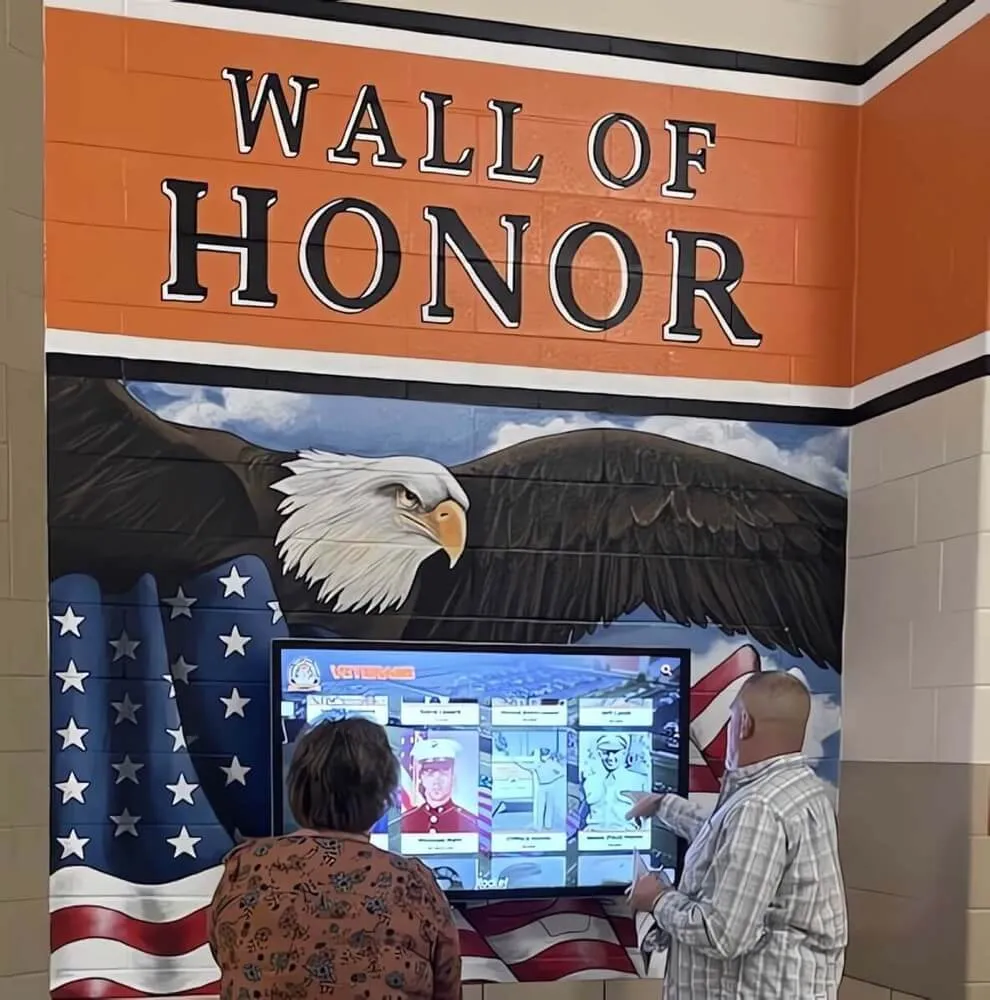
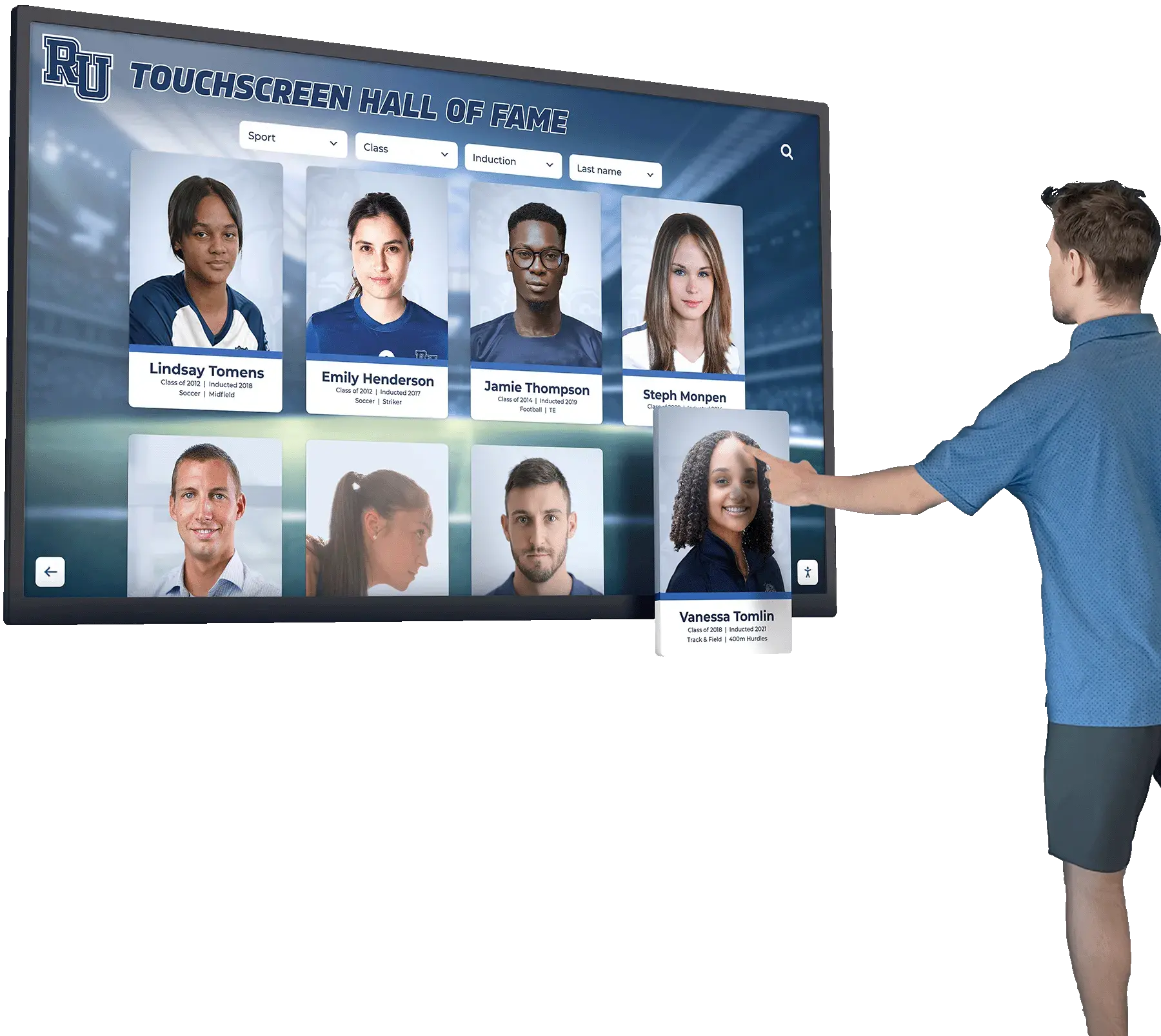
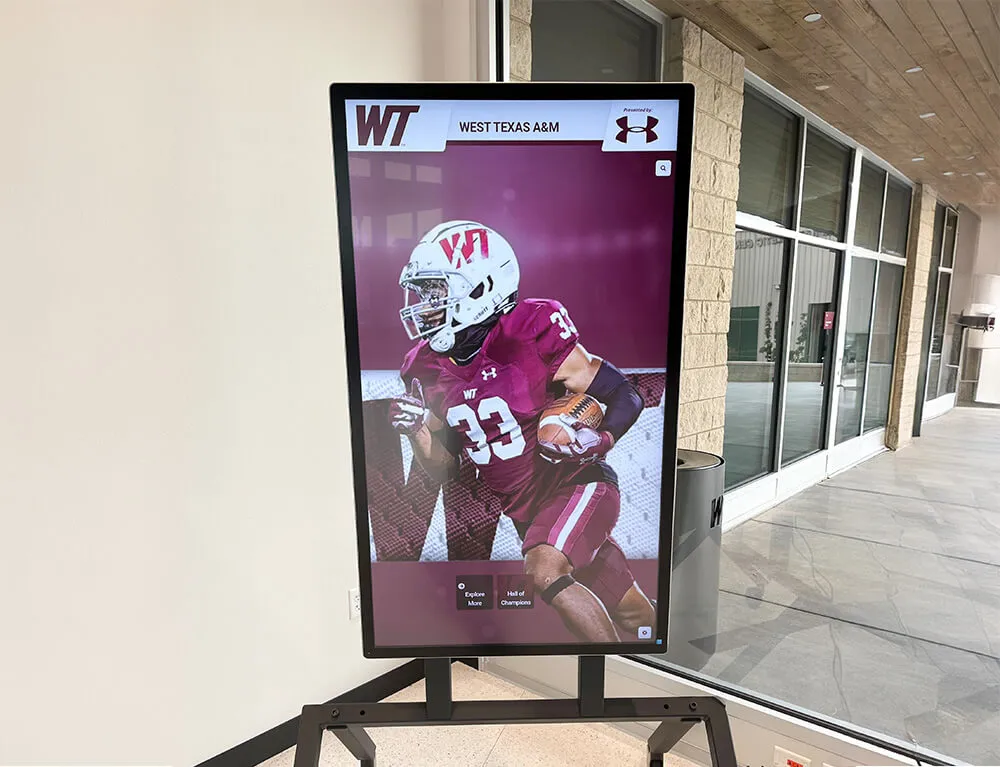
Interactive touchscreen systems enable athletes to explore comprehensive recognition histories and team achievements
Age-Appropriate Award Considerations
Recognition strategies should adapt to athlete developmental stages, ensuring awards feel meaningful and appropriate for different age groups.
Youth Recreational Leagues (Ages 4-8)
Early youth sports focus on participation, fun, and basic skill development:
Appropriate Awards for Youngest Athletes
- Participation recognition ensuring every child receives acknowledgment
- Effort-based awards celebrating enthusiasm rather than performance
- Fun categories like “Best Team Cheer” or “Most Enthusiastic”
- Character recognition for sharing, helping, and sportsmanship
- Skill milestone achievements like “First Goal” or “Improved Catching”
Avoid creating win-loss focus or singling out top performers in ways that discourage continuing participation. At this age, recognition systems should build confidence and enthusiasm for sports.
Elementary Competitive (Ages 9-11)
Pre-adolescent athletes begin valuing genuine achievement alongside participation:
Balanced Recognition for Elementary Athletes
- Maintain comprehensive participation recognition
- Introduce legitimate performance awards for top achievement
- Emphasize improvement awards celebrating visible growth
- Character awards becoming more sophisticated (leadership, sportsmanship)
- Team awards building group identity
- Position-specific recognition acknowledging specialized contributions
This age group responds well to awards mixing fun elements with genuine achievement recognition, creating motivation without excessive pressure.
Middle School and Junior High (Ages 12-14)
Adolescent athletes appreciate authentic recognition while navigating social development:
Meaningful Recognition for Middle School Athletes
- Performance awards reflecting genuine achievement differences
- Leadership recognition for emerging captains
- Significant most improved awards celebrating development
- Character awards addressing adolescent social challenges
- Academic-athletic awards emphasizing balance
- Role player recognition ensuring all positions feel valued
Middle school athletes detect and resent insincere recognition, making authentic, earned awards essential for maintaining credibility.
High School and Elite Youth (Ages 15-18)
Older athletes value recognition that acknowledges genuine excellence and contribution:
Sophisticated Recognition for High School Athletes
- Prestigious awards reserved for exceptional achievement
- Statistical achievement awards based on objective performance
- Leadership awards recognizing mature team contribution
- Academic excellence awards supporting college preparation
- All-league and external recognition celebrating external validation
- Legacy awards honoring multi-year contribution
High school recognition increasingly resembles adult sports acknowledgment while maintaining inclusive elements ensuring all committed athletes receive appropriate appreciation.
These developmental considerations ensure award programs feel appropriate while supporting continued participation and athlete development across age groups. Programs serving multiple age divisions should implement age-appropriate variations rather than uniform approaches across all levels.
Common Youth Sports Award Mistakes to Avoid
Understanding frequent pitfalls helps organizations create recognition systems that achieve desired positive outcomes.
Recognition Mistakes That Undermine Programs
Excessive Participation Awards While ensuring all athletes receive some recognition remains important, creating dozens of meaningless categories dilutes genuine achievement acknowledgment. Awards should reflect authentic contribution, not forced equal distribution.
Predetermined Award Recipients Decisions made before seasons conclude based on politics, parent pressure, or previous assumptions undermine recognition credibility. Let actual season events determine appropriate recipients.
Last-Minute Award Decisions Coaches scrambling the night before ceremonies to create award categories produces insincere recognition athletes immediately recognize as forced. Plan systematic evaluation throughout seasons.
Ignoring Team Input Coaches selecting all awards without athlete, parent, or fellow coach input miss important perspectives about leadership, sportsmanship, and team impact that statistics cannot capture.
Overly Complex Criteria Awards requiring elaborate statistical formulas or subjective weighted scoring systems create confusion and disputes. Clear, understandable criteria work best for youth sports.
Inadequate Award Explanations Simply reading recipient names without explaining why they earned recognition wastes opportunities to reinforce values and make acknowledgment meaningful.
Excluding Important Contributors Managers, assistant coaches, parent volunteers, and others supporting team success deserve recognition alongside athletes. Include supporting cast in comprehensive recognition.
Handling Sensitive Recognition Situations
Certain award scenarios require careful management:
When Athletes Expect Awards They Don’t Receive Address disappointment privately, explaining specific criteria and encouraging focus on areas for improvement. Use as teaching moment about earning versus expecting recognition.
Parent Disagreement with Selections Maintain predetermined criteria and selection processes, explaining decisions based on established standards. Avoid defending choices by criticizing other athletes.
Athletes Who Deserve Nothing Positive Rare situations involve athletes whose behavior or effort merits no positive recognition. In these cases, participation acknowledgment suffices without creating forced awards.
Multiple Athletes Meriting Same Award Consider co-awards, first and second place designations, or additional related categories rather than arbitrary selection between equally deserving recipients.
These situations test recognition system integrity. Consistent application of clear standards maintains credibility while handling sensitive situations professionally.
Budget-Conscious Recognition Strategies
Comprehensive recognition need not require excessive spending, especially for recreational programs serving many athletes.
Cost-Effective Award Options
Tiered Physical Recognition Vary award expense based on significance:
- Championship and major achievement awards receive trophies or quality plaques
- Standard recognition includes certificates or medals
- Participation acknowledgment uses ribbons or printed recognition
- Team awards shared among entire groups reduce per-athlete cost
This tiered approach controls costs while maintaining significance for highest honors.
Digital-First Recognition Comprehensive digital recognition systems often cost less than purchasing physical awards for large programs:
- Single digital platform serves unlimited athletes across multiple seasons
- No per-athlete trophy or plaque costs
- Updates and additions require no additional expense
- Searchable archives eliminate costly physical storage
- Year-round visibility extends value beyond single ceremony
Organizations can explore how digital recognition systems provide comprehensive celebration within constrained budgets.
Creative Award Alternatives Meaningful recognition need not always involve traditional trophies:
- Framed team photos with individual recognition
- Custom t-shirts or apparel with achievement designations
- Recognition ceremonies with certificates and public acknowledgment
- Social media features and website recognition
- Letters of recommendation or achievement documentation for older athletes
Fundraising for Enhanced Recognition
Programs can enhance recognition through targeted fundraising:
- Sponsor partnerships providing award funding
- Parent donations specifically designated for recognition program
- Season registration fees including award program components
- Alumni contributions supporting recognition systems
- Community business sponsorships funding annual awards
Clear communication about recognition funding enables families and supporters to contribute toward enhanced celebration opportunities.
Youth sports programs that explore how to maximize recognition impact within available resources create meaningful acknowledgment regardless of budget constraints.
Creating Year-Round Recognition Culture
The most effective programs extend recognition beyond single end-of-season ceremonies, creating continuous acknowledgment that motivates athletes throughout participation.
In-Season Recognition Practices
Weekly Recognition Incorporate acknowledgment into regular team routines:
- Practice player of the week recognition
- Game performance acknowledgment during team meetings
- Social media athlete spotlights throughout season
- Email updates to families highlighting recent achievements
- Bulletin board or display updates showcasing current success
Regular recognition maintains motivation while providing frequent positive feedback.
Milestone Celebrations Acknowledge significant achievements immediately:
- First career goal, hit, or score celebrations
- Personal record achievements
- Significant statistical milestones
- Academic achievement announcements
- Attendance milestones
Immediate recognition feels more meaningful than delayed end-of-season acknowledgment months after achievements occurred.
Off-Season Recognition Extension
Maintaining recognition visibility during off-seasons keeps athletes connected to programs:
Digital Recognition Archives Year-round accessible recognition systems enable:
- Alumni and former athletes revisiting their achievements
- Current athletes exploring program traditions
- Prospective families understanding program culture
- Community members following program success
- Recruiting advantages showcasing program quality
Solutions like Rocket Alumni Solutions create permanent recognition platforms accessible 24/7/365, extending single ceremony investments into perpetual engagement tools.
Historical Recognition Features Celebrating program legacy connects current athletes to traditions:
- All-time record boards
- Program hall of fame inductees
- Championship banners and team recognition
- Historical achievement timelines
- Alumni success stories
These elements build program identity while inspiring current participants to add their own achievements to organizational legacy.
Organizations interested in creating comprehensive recognition systems can explore digital recognition platform options that support year-round engagement beyond traditional trophy cases.
Conclusion: Creating Recognition Systems Young Athletes Remember
Thoughtful youth sports award programs create lasting positive impacts that extend far beyond trophies collecting dust on shelves. When recognition authentically acknowledges diverse contributions—from competitive excellence to character development, from statistical achievement to supportive teammate behaviors—every athlete finds opportunities to receive meaningful acknowledgment reflecting their genuine participation value.
The 100 award ideas explored throughout this guide provide comprehensive starting points for programs seeking to celebrate athletes across skill levels, roles, and contribution types. Whether your organization implements traditional performance awards, creative team culture recognition, character-based acknowledgment, or comprehensive systems celebrating well-rounded achievement, the goal remains consistent: ensuring every young athlete feels genuinely valued for their unique contributions to team experiences.
Elevate Your Youth Sports Recognition Program
Discover how modern digital recognition solutions help youth sports organizations celebrate every athlete's achievement while building lasting engagement and program tradition.
Explore Recognition SolutionsRecognition systems combining traditional physical awards with modern digital platforms provide optimal solutions for youth sports programs. Physical trophies and medals delivered during emotional end-of-season ceremonies create immediate gratification and tangible mementos. Digital recognition extends that moment indefinitely through searchable archives, comprehensive athlete profiles, and year-round accessibility ensuring achievements remain visible and celebrated long after ceremony nights conclude.
Programs that invest thoughtfully in comprehensive recognition create competitive advantages in athlete recruitment and retention. Young athletes and their families gravitate toward organizations that demonstrate genuine appreciation for participation while celebrating achievement at all levels. Strong recognition cultures communicate that every athlete matters, every contribution counts, and every season creates memories worth preserving.
Start by evaluating your current recognition practices against the strategies explored throughout this guide. Identify gaps where deserving athletes receive insufficient acknowledgment. Consider which award categories would authentically celebrate your athletes’ unique contributions. Explore how digital recognition platforms might enhance your current physical awards while extending recognition reach. Most importantly, commit to creating recognition systems reflecting genuine appreciation for what young athletes invest in your program.
Every youth sports season represents opportunities to create positive, lasting memories that shape how young people view themselves as athletes, teammates, and individuals. Recognition programs that authentically celebrate diverse achievements across performance, character, effort, and contribution ensure every participant leaves your program feeling valued—and that represents the most important victory any youth sports organization can achieve.
Organizations interested in comprehensive recognition solutions can explore how athletic recognition displays support youth sports programs or learn about creating engaging recognition experiences that inspire continued athletic participation and excellence.