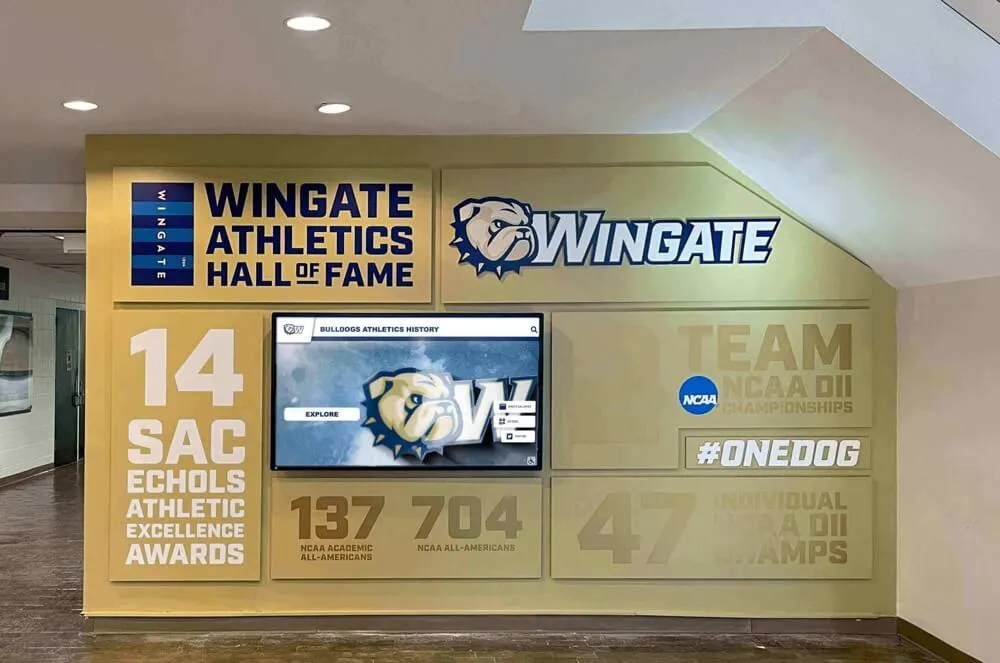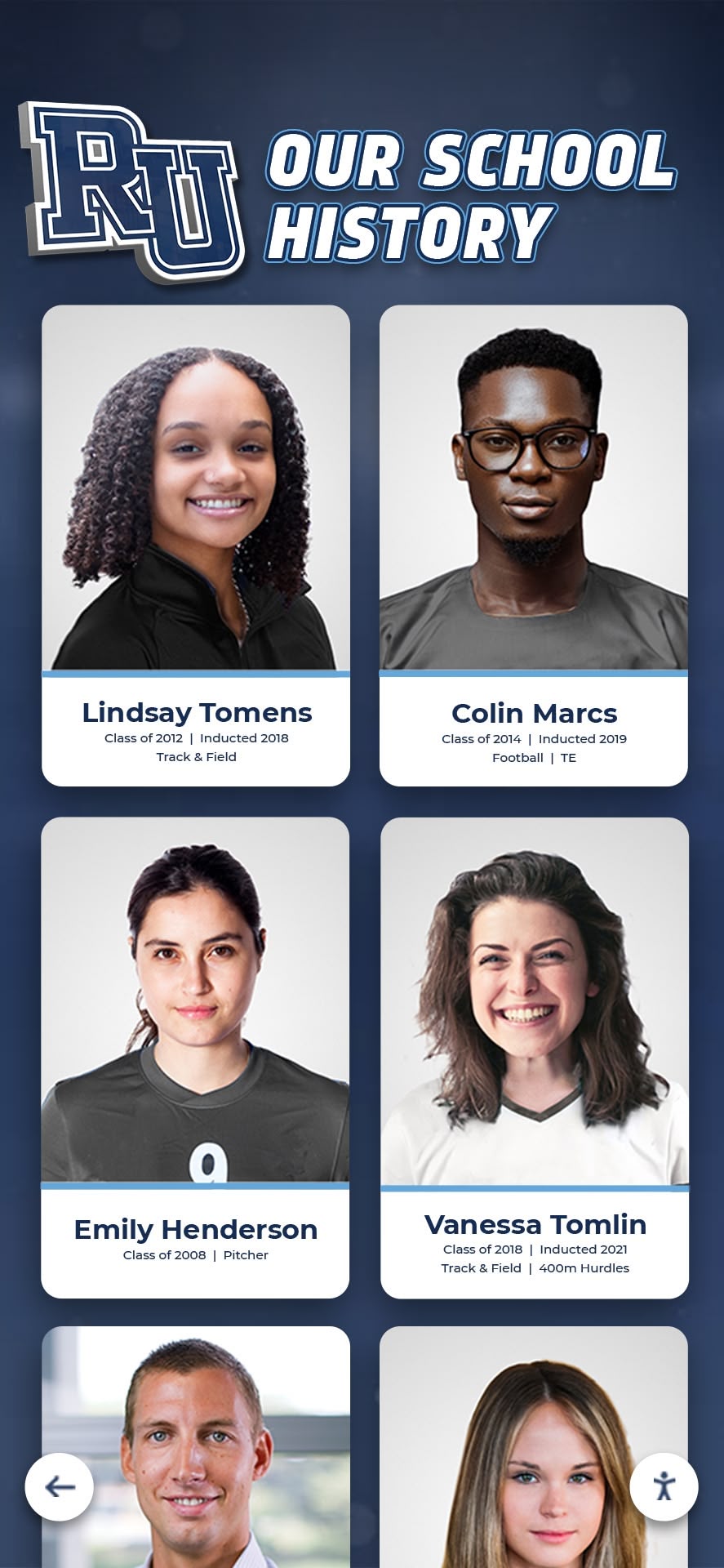




Intent: Demonstrate comprehensive strategies for preserving academic and historical records through modern archiving systems that transform static collections into engaging, accessible resources supporting education, community connection, and institutional memory.
Academic and history archiving for schools represents a critical yet often overlooked responsibility facing educational institutions of all sizes. Every school accumulates irreplaceable heritage materials—yearbooks documenting student life across decades, academic achievement records honoring scholarly excellence, athletic accomplishment documentation celebrating competitive success, faculty employment and achievement histories, facility construction and campus evolution records, governance documents capturing institutional decisions, student organization materials preserving extracurricular traditions, and countless photographs, publications, and artifacts that collectively tell unique institutional stories spanning generations.
Yet most schools struggle with archiving challenges that threaten this invaluable heritage. Historical materials scatter across multiple storage locations without centralized organization, physical deterioration accelerates as documents and photographs age in inadequate storage conditions, institutional knowledge disappears when longtime staff retire without documented succession, outdated formats become inaccessible as technology evolves, limited space constraints force difficult decisions about what to preserve, and lack of professional archival expertise leaves schools uncertain how to properly manage historical collections.
This comprehensive guide explores proven approaches to academic and history archiving for schools, covering systematic preservation strategies, modern digitization techniques, interactive display solutions, and sustainable management frameworks that protect institutional memory while creating engaging resources serving students, alumni, faculty, and broader school communities.
According to the National Business Officers Association, organized and accessible school archives support recruitment, fundraising, curriculum development, and relationships between administration, faculty, students, alumni, and community members. Schools implementing comprehensive archiving programs report strengthened institutional identity, improved alumni engagement, enhanced student connection to tradition, and protected historical resources that would otherwise deteriorate or disappear.

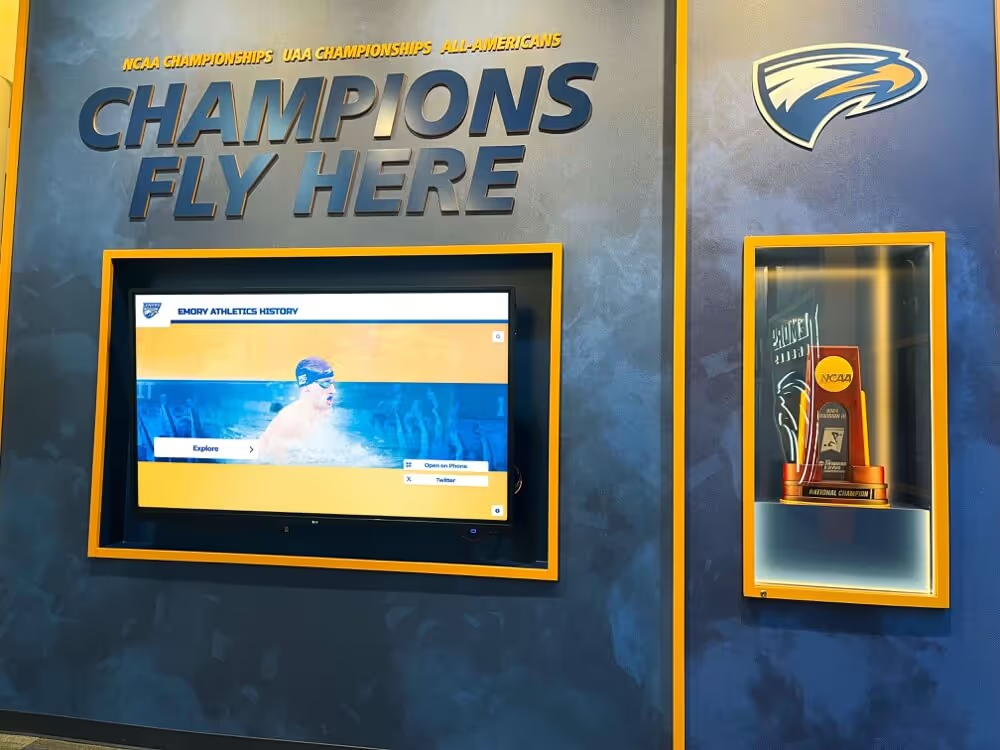
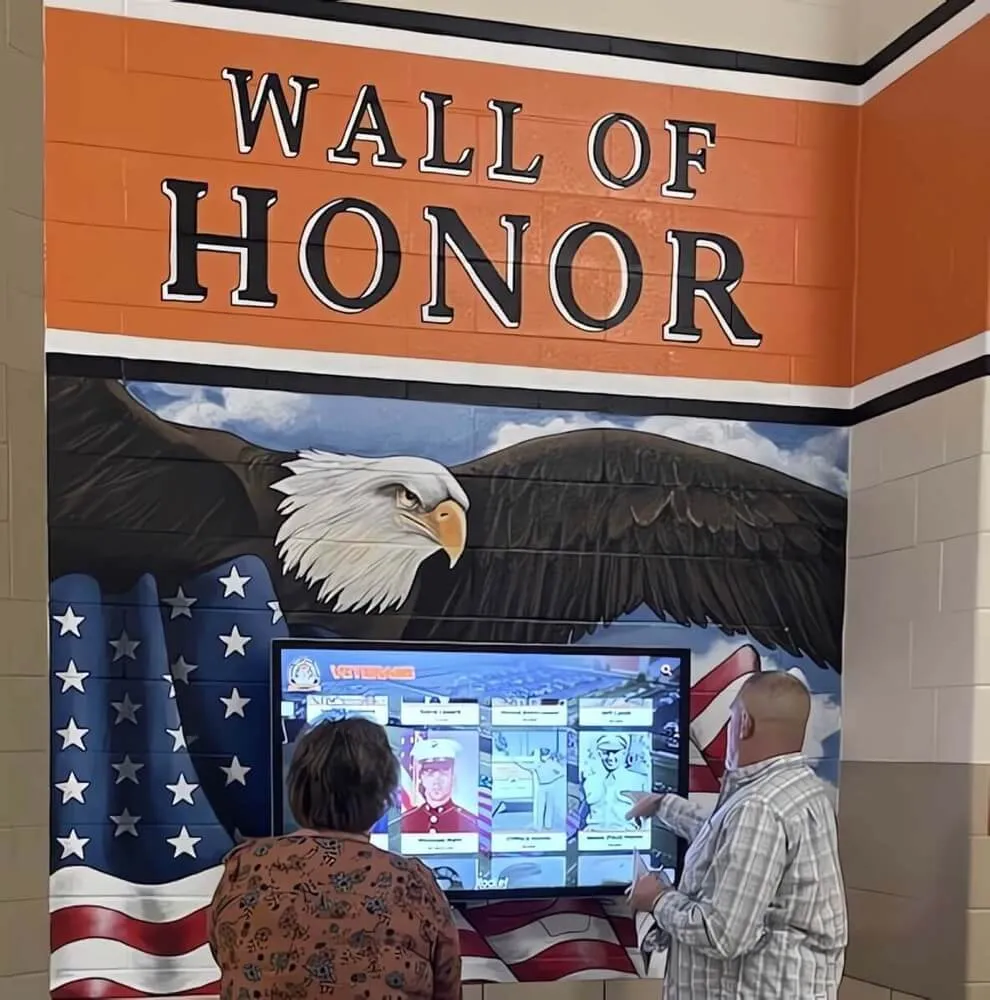
Systematic digitization transforms fragile historical records into accessible digital archives preserving institutional memory for future generations
Understanding the Scope of School Academic and Historical Archives
Before implementing archiving strategies, understanding what materials require preservation and why they matter helps schools develop comprehensive approaches addressing institutional needs while maximizing limited resources.
What Constitutes School Historical Archives
School archives encompass diverse material types documenting institutional history, academic programs, student experiences, and organizational evolution:
Official Institutional Records
Administrative documents provide foundational evidence of institutional development and decision-making. Essential categories include founding documents and incorporation papers, board of trustees meeting minutes spanning decades, policy documents and student handbooks showing rule evolution, annual reports documenting institutional progress, accreditation materials and self-study documents, strategic plans and long-range planning documents, financial records within appropriate retention schedules, and correspondence from leadership preserving important communications.
These official records establish institutional legitimacy while providing researchers with authentic documentation of organizational development, policy changes, and strategic priorities across time periods.
Academic Records and Achievement Documentation
Schools must carefully balance preservation with privacy when managing academic materials. Appropriate archival content includes aggregated achievement statistics without individual student identifiers, honor roll and academic recognition program documentation, scholarship recipient lists honoring academic excellence, curriculum guides showing course offerings across eras, graduation programs and commencement materials, academic recognition displays showcasing distinguished scholars, and faculty research publications when applicable.
Student privacy laws including FERPA require careful handling of academic records. Schools should consult legal counsel when establishing academic archive policies ensuring compliance while preserving historically significant materials.
Athletic History and Competition Records
Athletic archives prove particularly valuable for schools with strong sports traditions. Preservation-worthy materials include team photographs organized by sport and season, championship documentation with rosters and statistics, individual athlete achievement records, coaching history spanning program development, facility construction and renovation documentation, equipment and uniform evolution photographs, media coverage including newspaper clippings and programs, and historical team recognition displays celebrating competitive excellence.
Many schools successfully implement basketball hall of fame recognition and similar sport-specific archives as focused projects demonstrating archiving value before expanding to comprehensive programs.
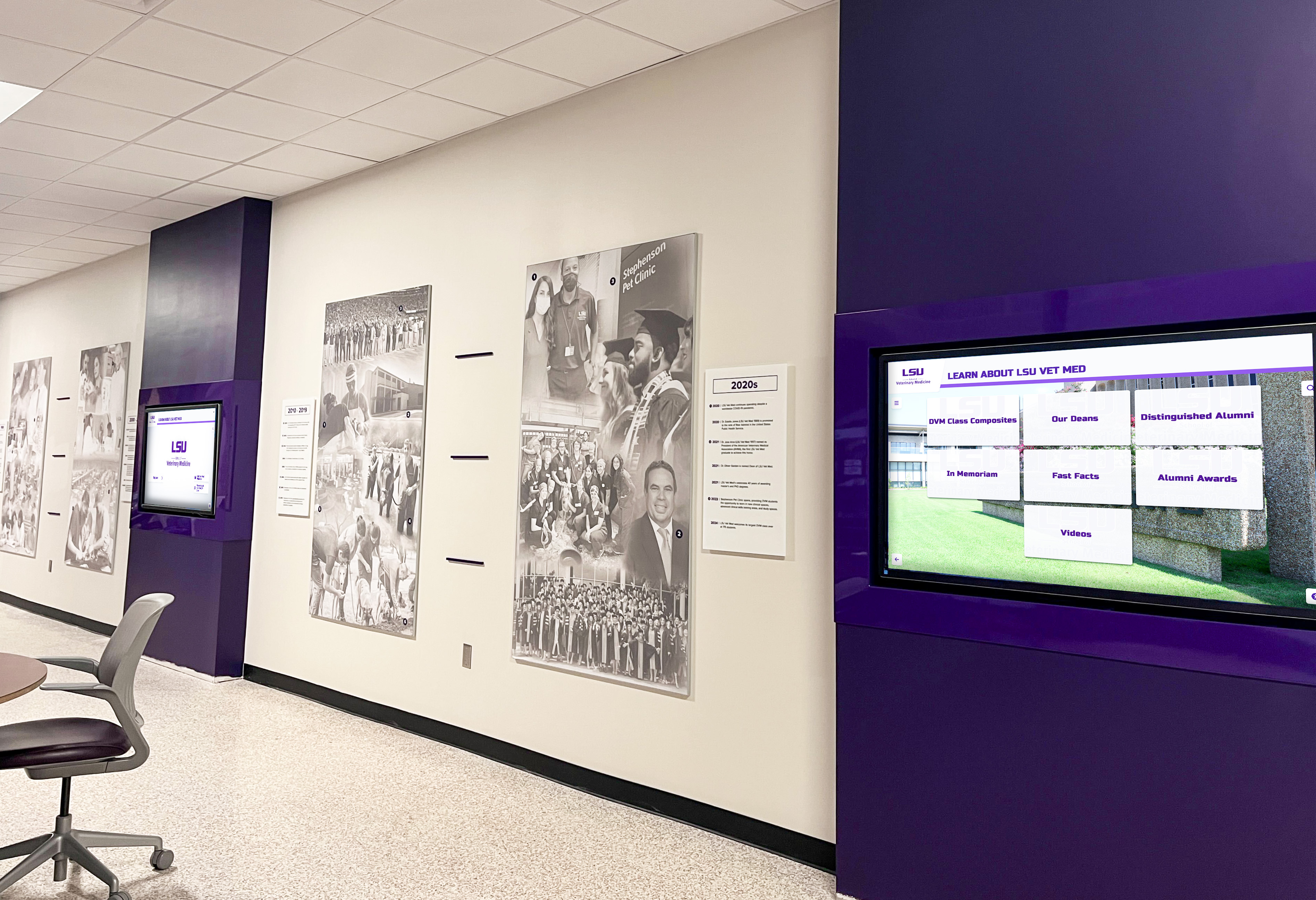
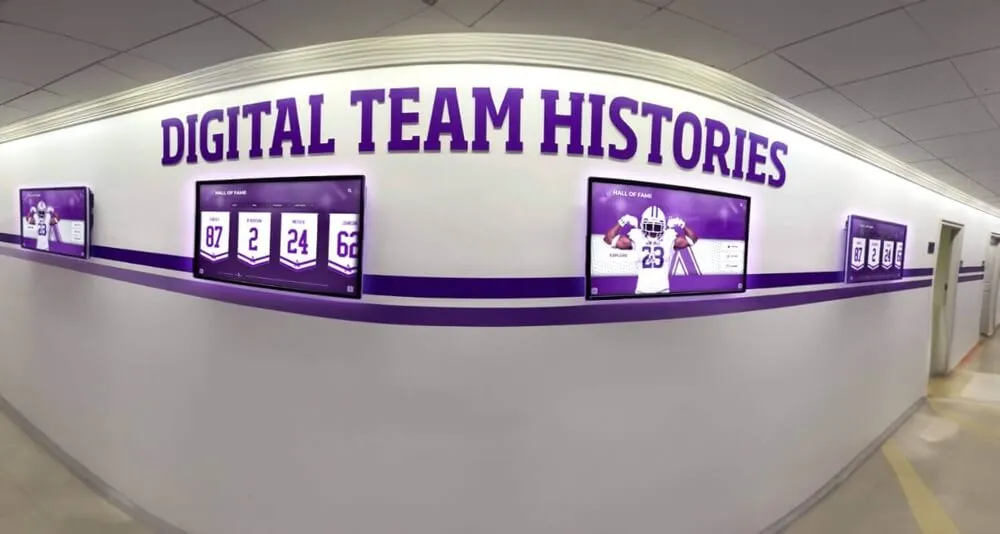
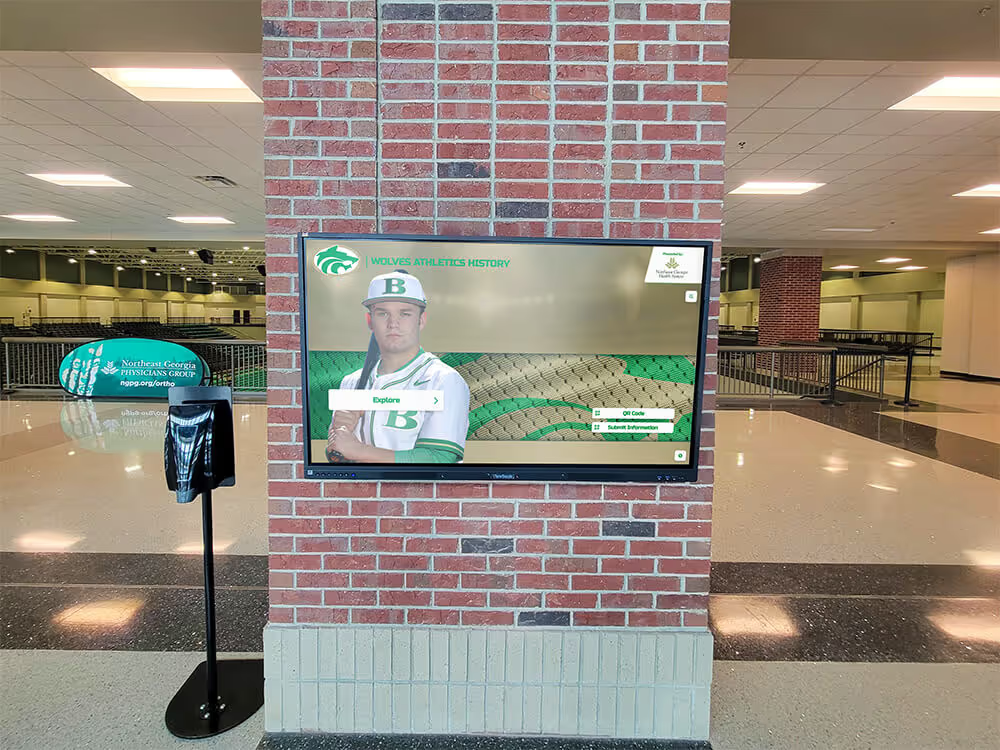
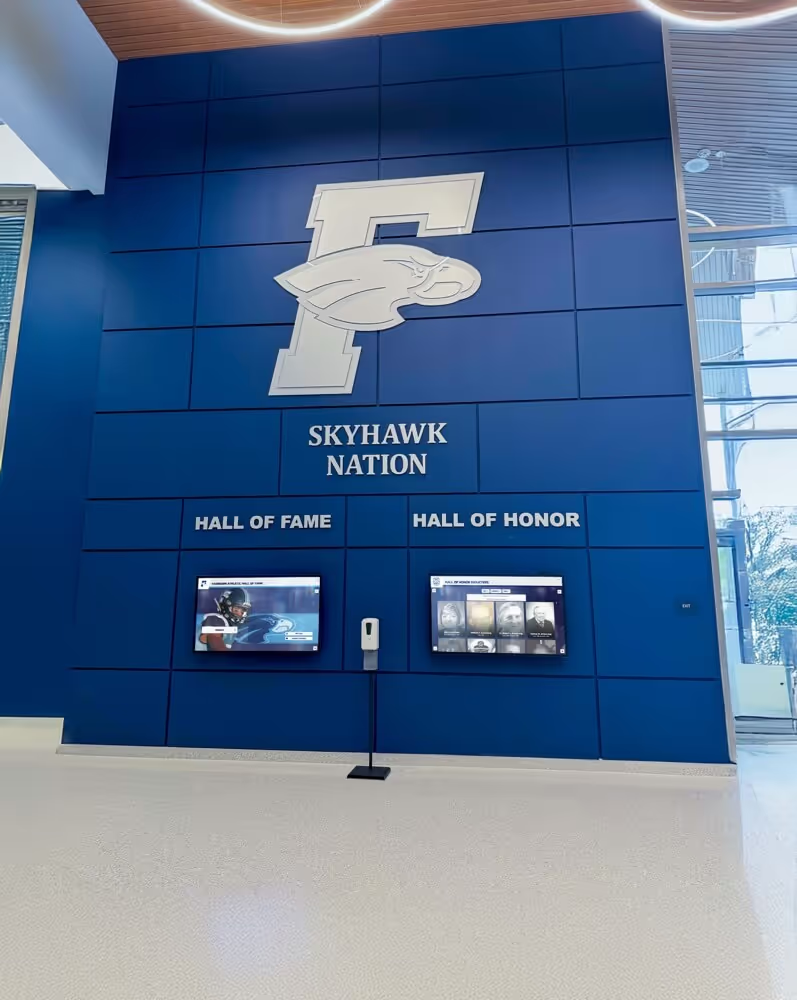
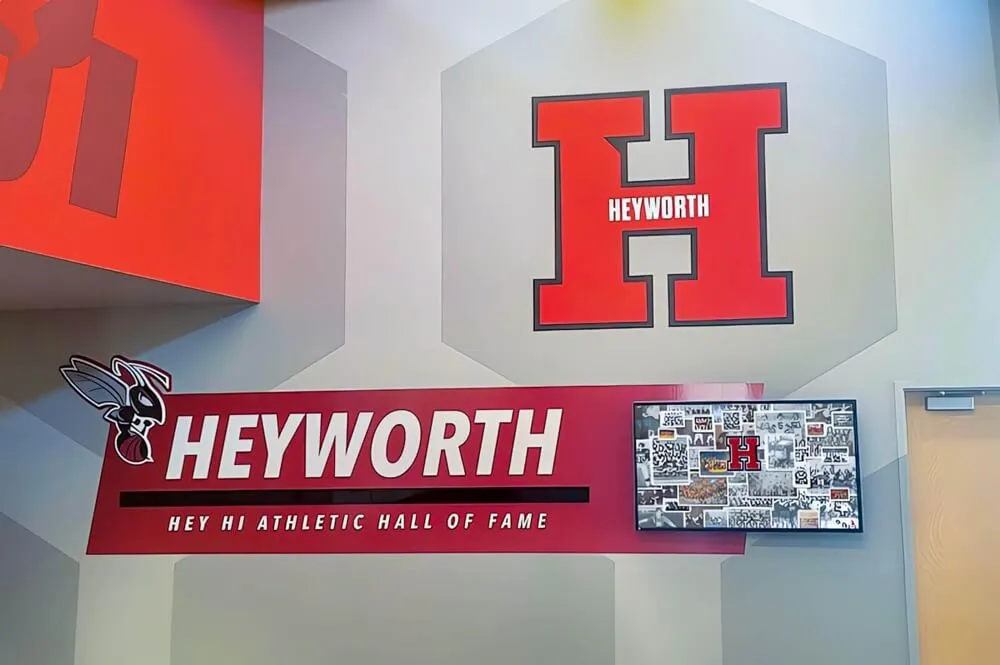
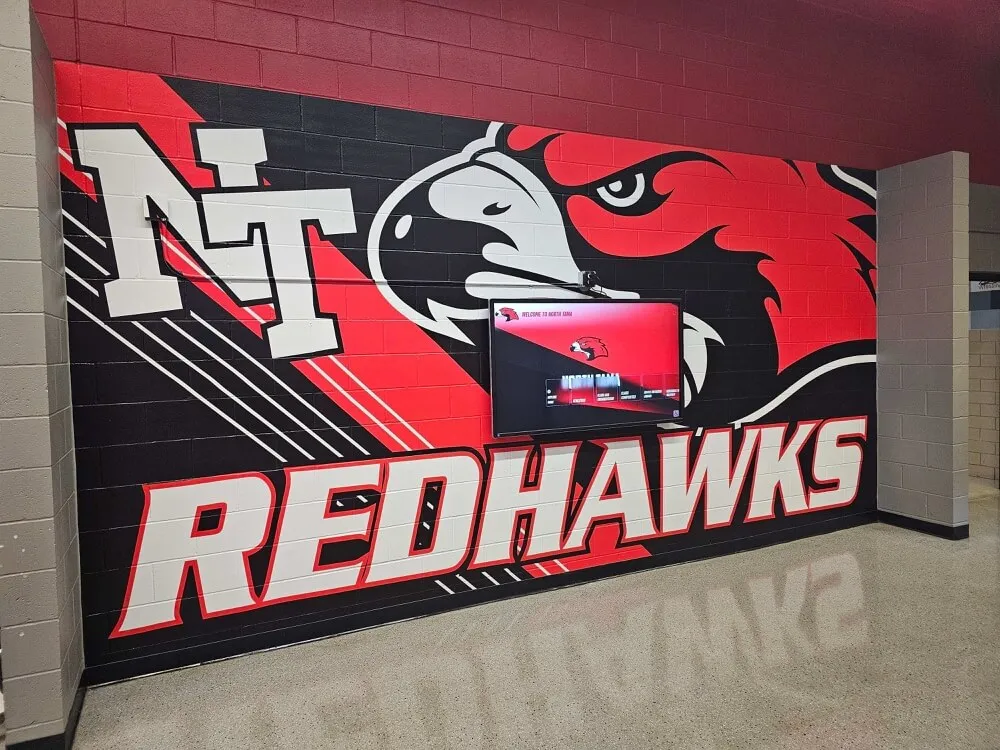
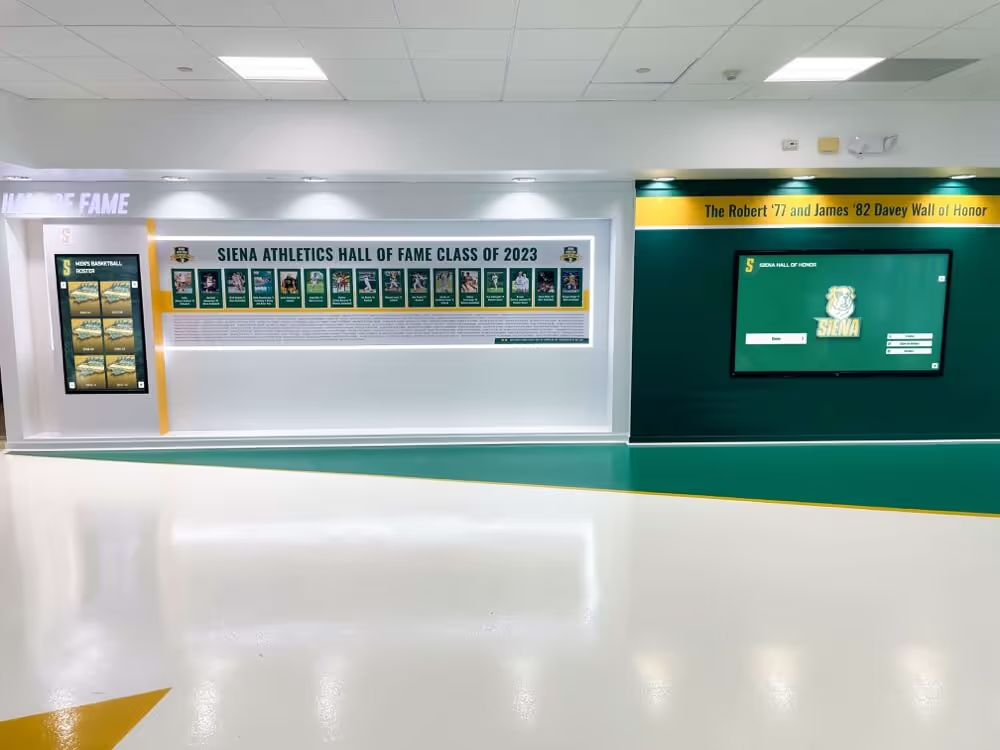
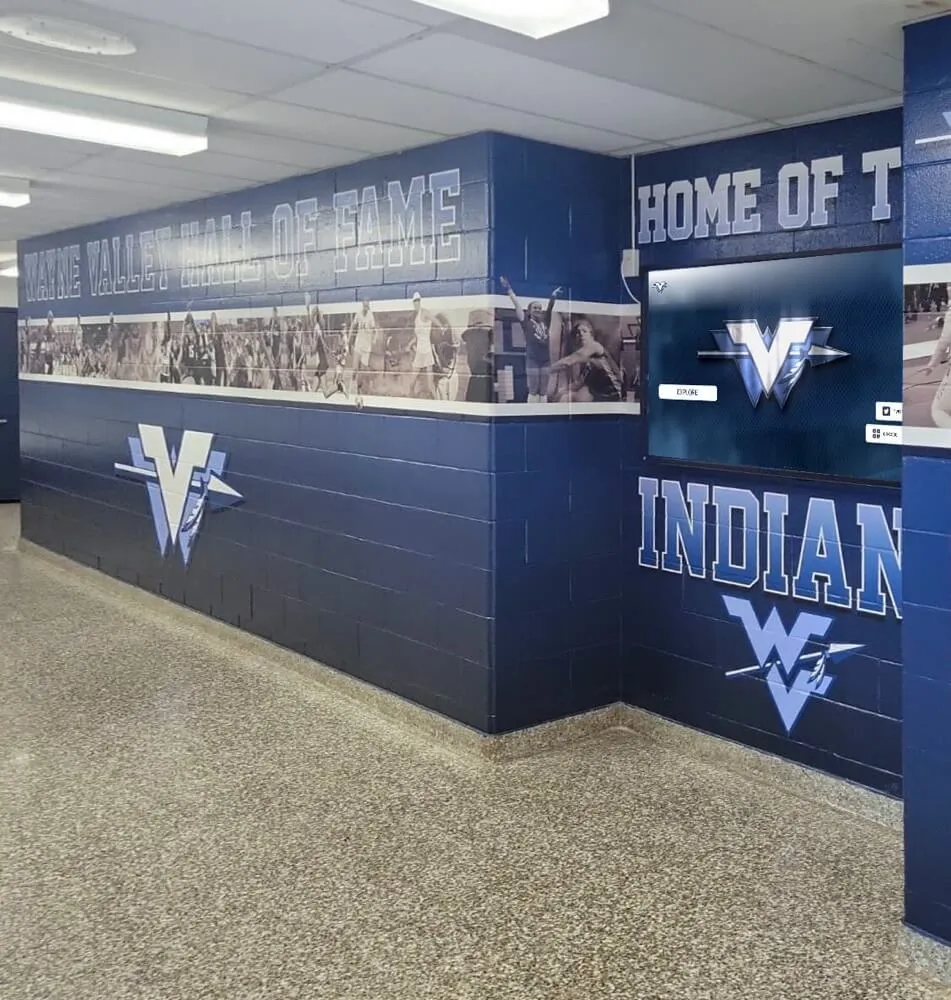
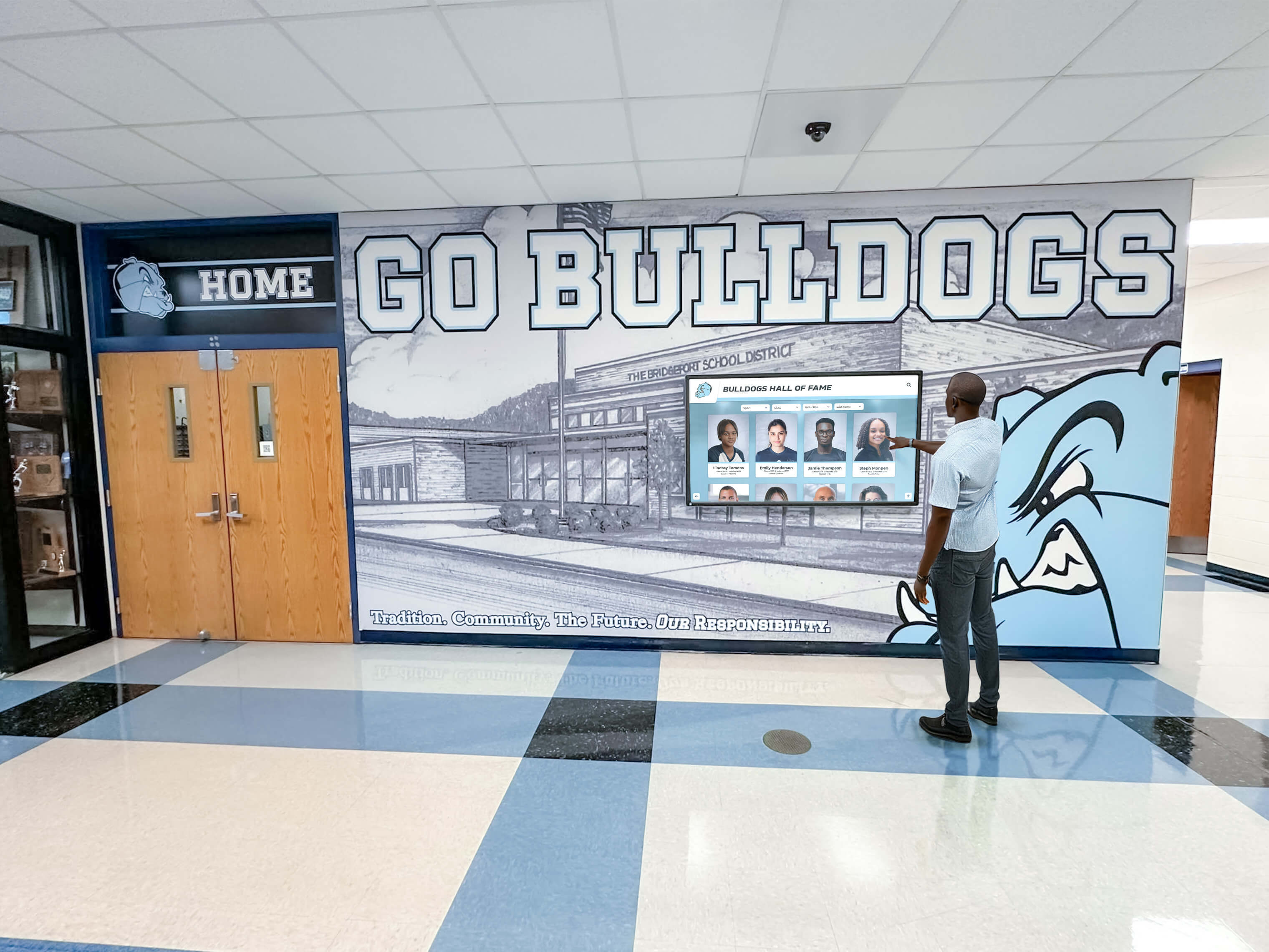
Modern digital displays transform hallways into engaging heritage galleries making institutional history continuously visible
Student Life and Cultural Documentation
Beyond formal academics and athletics, student life materials preserve authentic institutional culture. Valuable categories include yearbooks representing most systematic student life documentation, student newspaper archives capturing contemporary perspectives, club and organization records documenting extracurricular participation, performance programs from theater, music, and arts productions, social event materials including homecoming and prom documentation, student government records when historically significant, and oral history interviews capturing personal memories and experiences.
These materials provide rich qualitative evidence of how students actually experienced school life across different eras, revealing cultural shifts and continuities invisible in official records.
Facility and Campus Evolution Documentation
Physical campus development tells compelling institutional stories. Essential documentation includes architectural drawings and building blueprints, construction photographs documenting facility development, dedication ceremony materials explaining naming decisions, renovation and modernization project records, campus master plans guiding development, aerial photographs showing expansion patterns, and before-and-after comparisons illustrating transformation.
Understanding how to display school history through facility evolution helps current community members appreciate physical spaces while recognizing institutional investment in educational environments.
Why School Archiving Matters Strategically
Systematic archiving delivers interconnected benefits justifying resource investment:
Preserving Irreplaceable Institutional Memory
Once lost, historical materials cannot be recreated. Staff members who witnessed transformative institutional changes retire without documenting crucial context, alumni with firsthand knowledge pass away taking memories with them, physical materials deteriorate beyond recovery, and informal organizational knowledge disappears during transitions. Proactive archiving captures knowledge before it vanishes permanently.
According to preservation experts, many historical materials—particularly photographs and magnetic media—have limited lifespans ranging from 20 to 100 years depending on storage conditions. Without systematic preservation efforts, irreplaceable documentation simply disappears.
Strengthening Student Identity and Belonging
When students explore comprehensive visual and documentary history showing how their school evolved across generations, they develop deeper connections transcending individual classroom experiences. Seeing previous student generations in similar spaces, participating in the same traditions, and striving toward shared goals creates powerful continuity and belonging.
Educational research demonstrates that students who feel strong school connections show higher attendance, better academic performance, and increased likelihood of becoming engaged alumni. Historical archives contribute directly to building these crucial identity connections.
Engaging Alumni and Supporting Development
Alumni treasure connections to formative educational experiences. Accessible historical archives enable former students to revisit school years regardless of geographic distance, discover classmates through searchable databases, share memories with children and grandchildren, contribute personal materials expanding collections, and maintain emotional bonds translating to volunteerism and financial support.
Development professionals recognize that alumni giving correlates strongly with institutional connection. Archives supporting ongoing engagement create conditions favorable to philanthropic support.
Supporting Curriculum and Educational Programs
Well-organized archives provide authentic primary sources for student research projects, enabling historical inquiry developing critical thinking skills. Students analyzing institutional development within broader historical contexts, researching community history through local institutions, conducting oral history projects with alumni and staff, and creating multimedia presentations from archival materials all benefit from accessible collections.
Libraries and archives might host workshops teaching research methods using archival materials, developing academic skills while increasing archive visibility and usage.
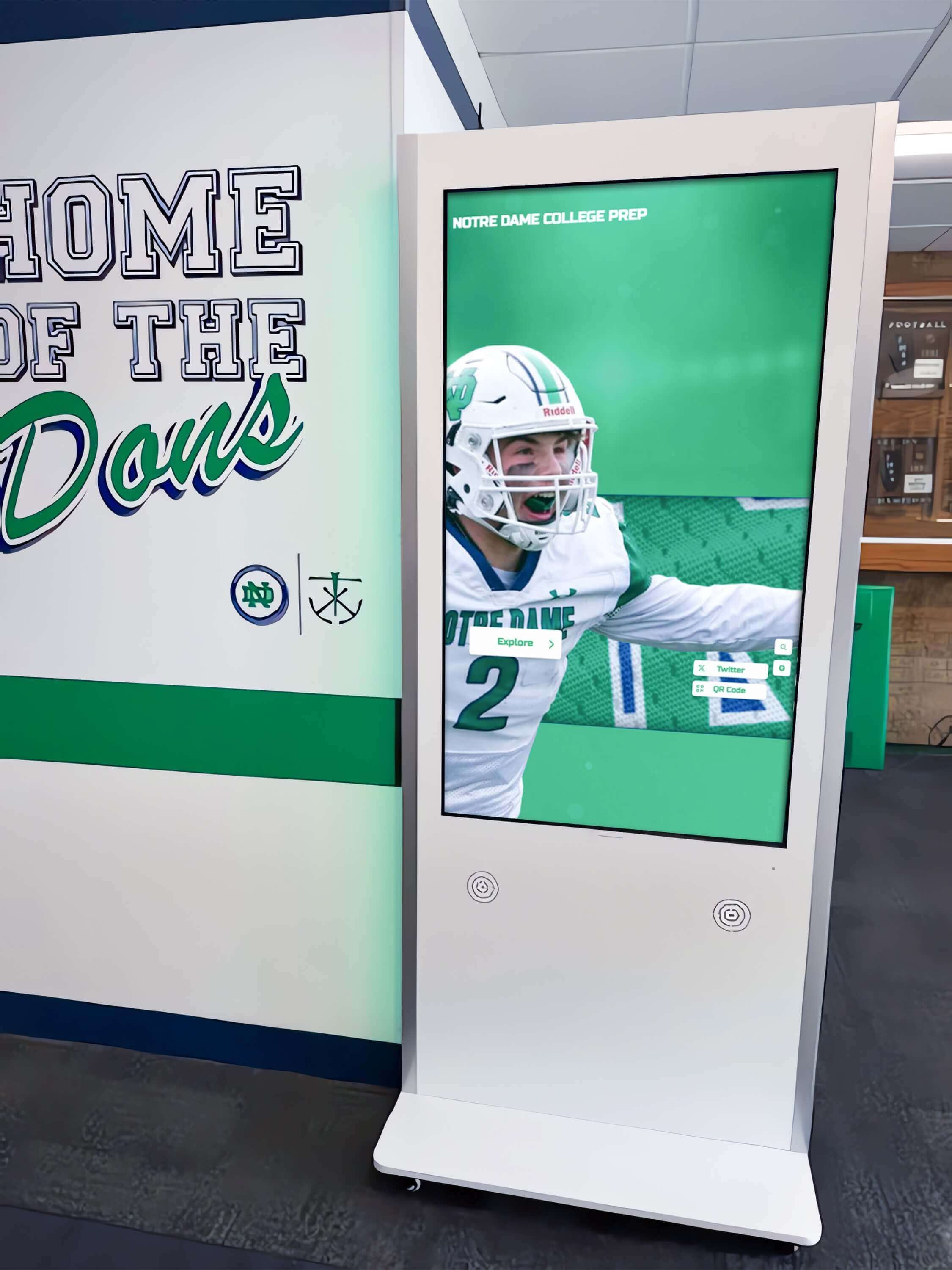
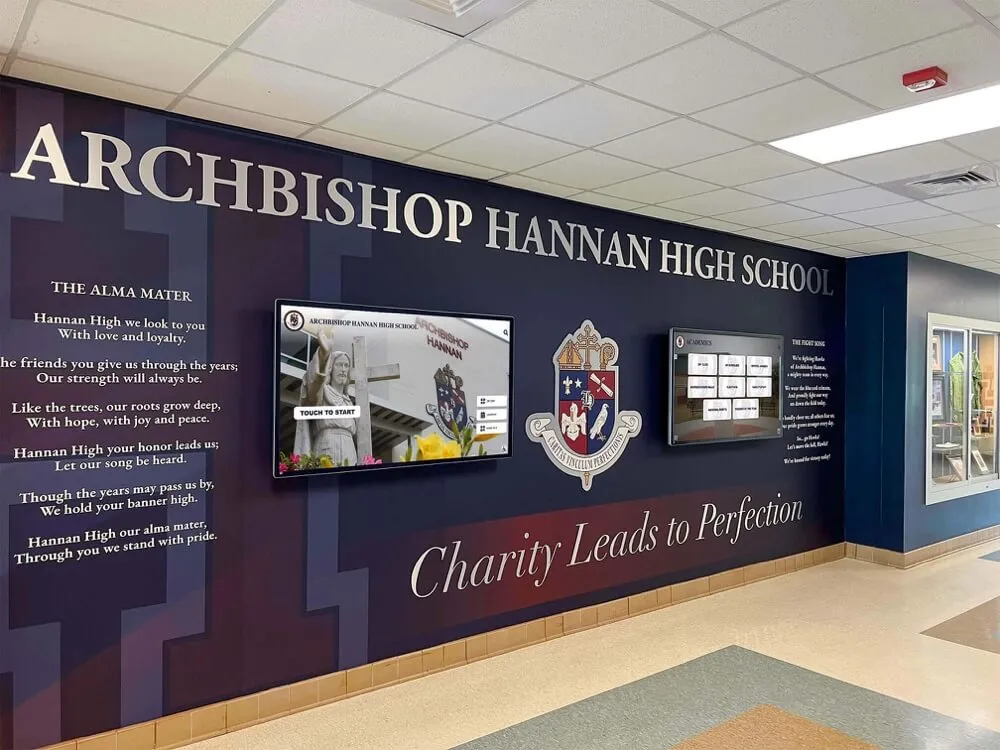
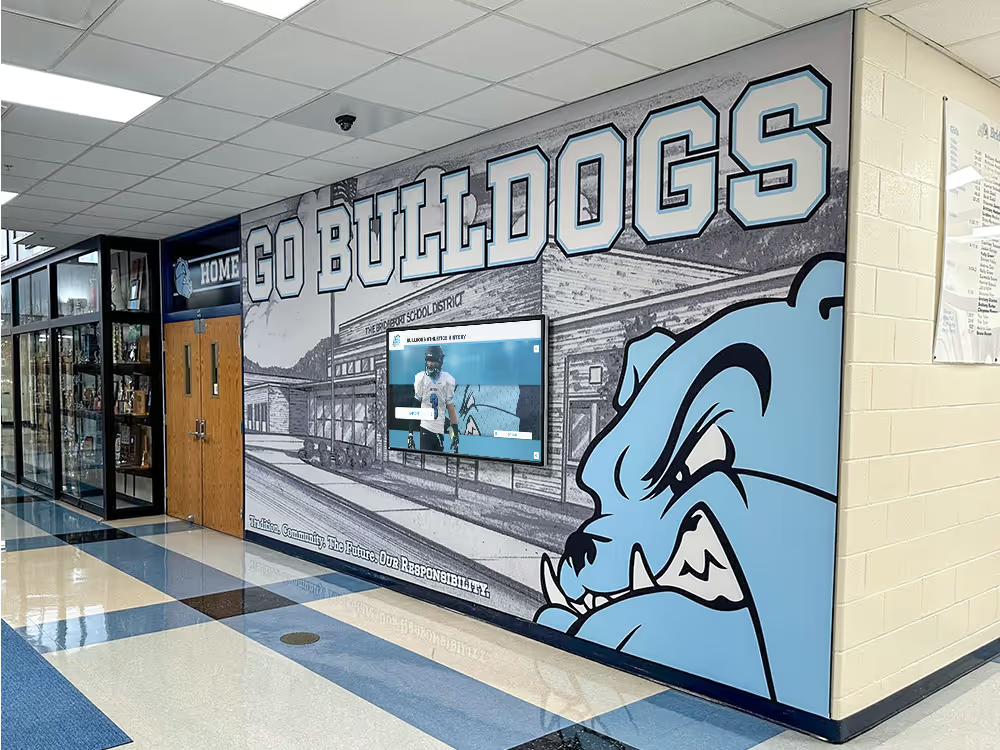
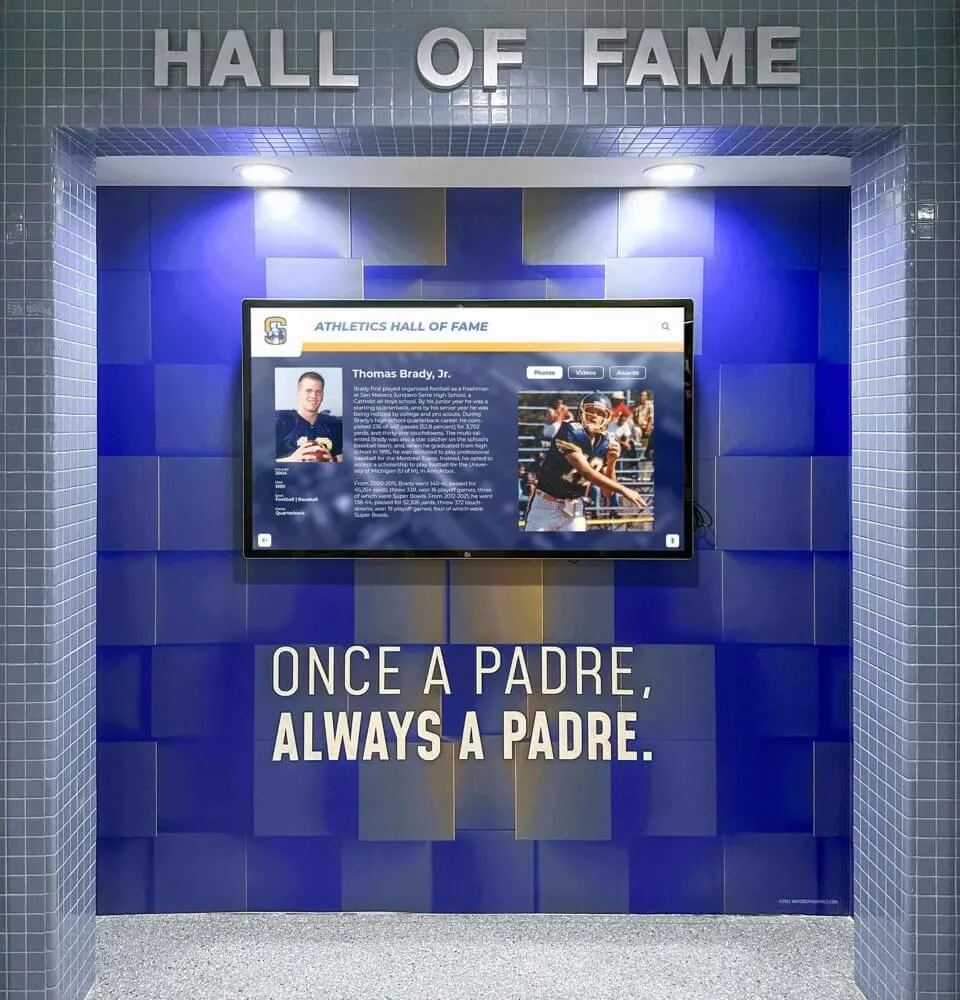
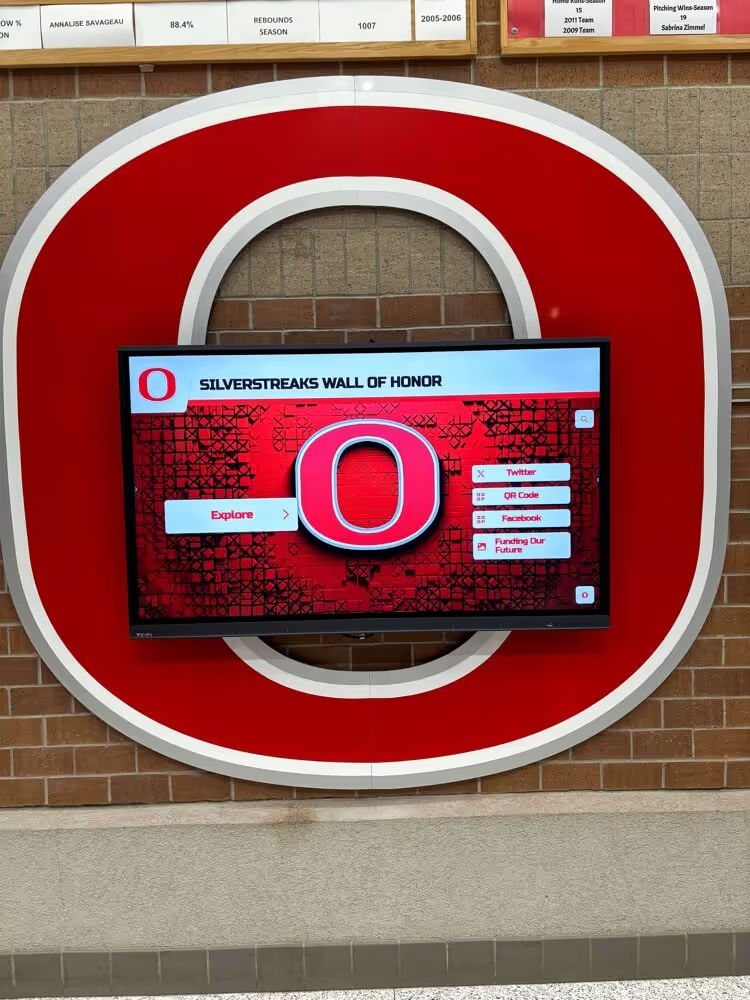
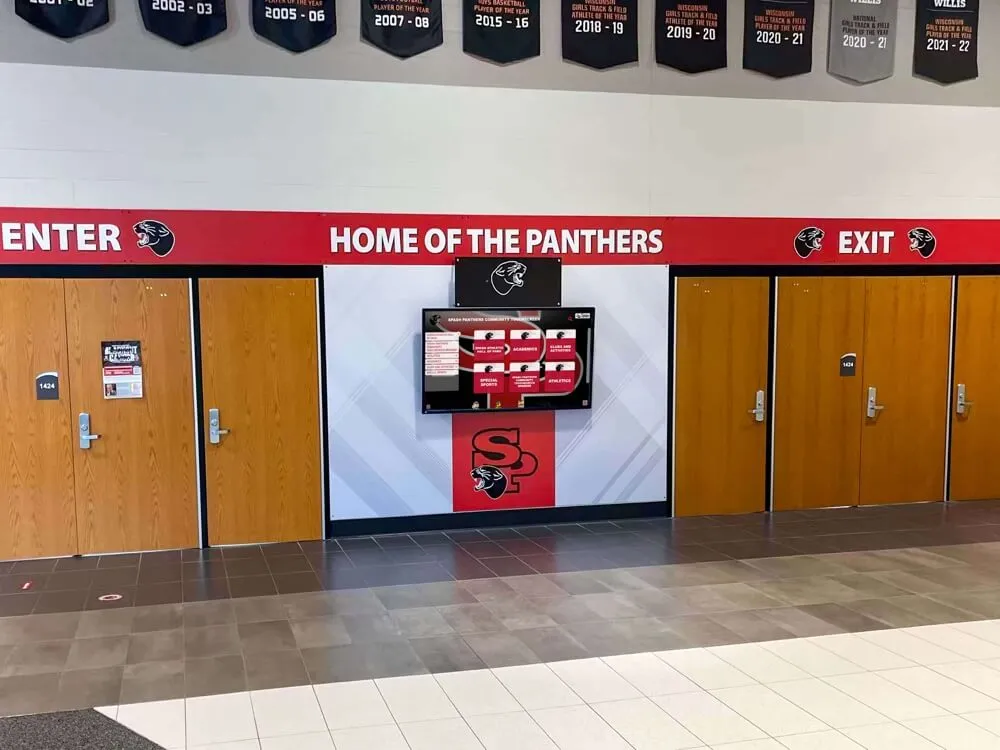
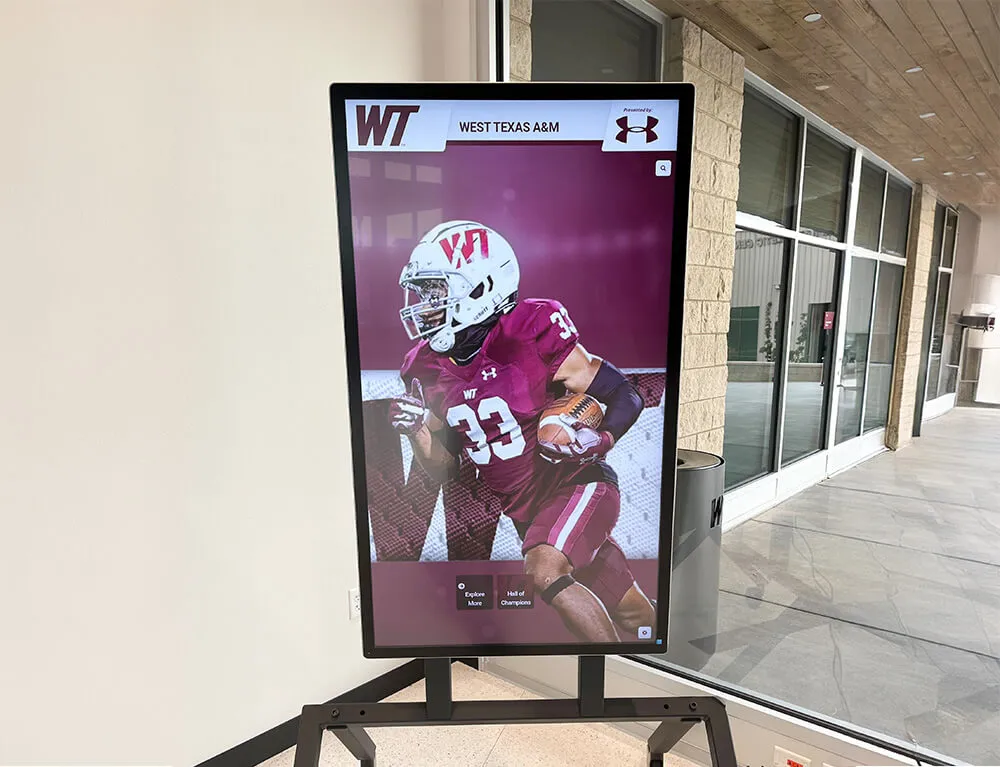
Strategic kiosk placement in high-traffic areas ensures historical content remains accessible throughout daily school activities
Planning Comprehensive School Archiving Programs
Successful archiving requires systematic planning addressing collection scope, organizational frameworks, resource allocation, and long-term sustainability.
Establishing Archiving Goals and Priorities
Begin with clear objectives defining what archiving programs should accomplish:
Primary Archiving Goals
- Preserve endangered historical materials before irreplaceable deterioration
- Create accessible resources supporting student learning and research
- Strengthen alumni engagement through historical connections
- Document institutional development for administrative reference
- Support recruitment demonstrating established tradition and excellence
- Protect legal and regulatory compliance through proper record retention
- Create engaging displays celebrating institutional heritage
Scope decisions determine project feasibility and resource requirements. Consider whether archives will cover entire institutional history or focus on specific eras, include all school aspects or emphasize particular dimensions like athletics or academics, serve general audiences or specialized research communities, exist permanently or support temporary commemorative purposes, and function independently or integrate with broader heritage initiatives.
Initial Planning Questions
- What historical materials face most urgent preservation needs?
- Which audiences should archives primarily serve?
- What existing materials require organization and cataloging?
- What resources can institutions sustainably commit?
- What archiving approaches best match institutional capabilities?
- How will success be measured?
Planning committees should include diverse stakeholders—administrators, librarians familiar with information organization, historians providing content expertise, IT professionals supporting technology needs, alumni representatives ensuring graduate perspectives, and students offering contemporary viewpoints. This breadth ensures comprehensive consideration while building broad ownership supporting implementation success.
Conducting Historical Collection Assessment
Systematic inventory documenting existing materials provides foundation for archiving initiatives:
Assessment Process
Begin by identifying all storage locations where historical materials reside—administrative offices, libraries, athletic facilities, basement storage, off-site warehouses, and personal collections held by staff or alumni potentially available for institutional use.
Document what materials exist in each location using consistent categorization by material type, time period, condition assessment, and current organization status. This inventory reveals collection strengths, identifies gaps, and establishes preservation priorities based on condition and significance.
Condition Evaluation
Assess physical condition noting materials requiring urgent intervention before further deterioration. Common preservation concerns include photographs fading from light exposure or chemical instability, paper documents becoming brittle and fragile, adhesives in albums causing permanent damage, obsolete formats like slides or magnetic tape, environmental damage from moisture or temperature fluctuations, and physical damage from handling or poor storage.
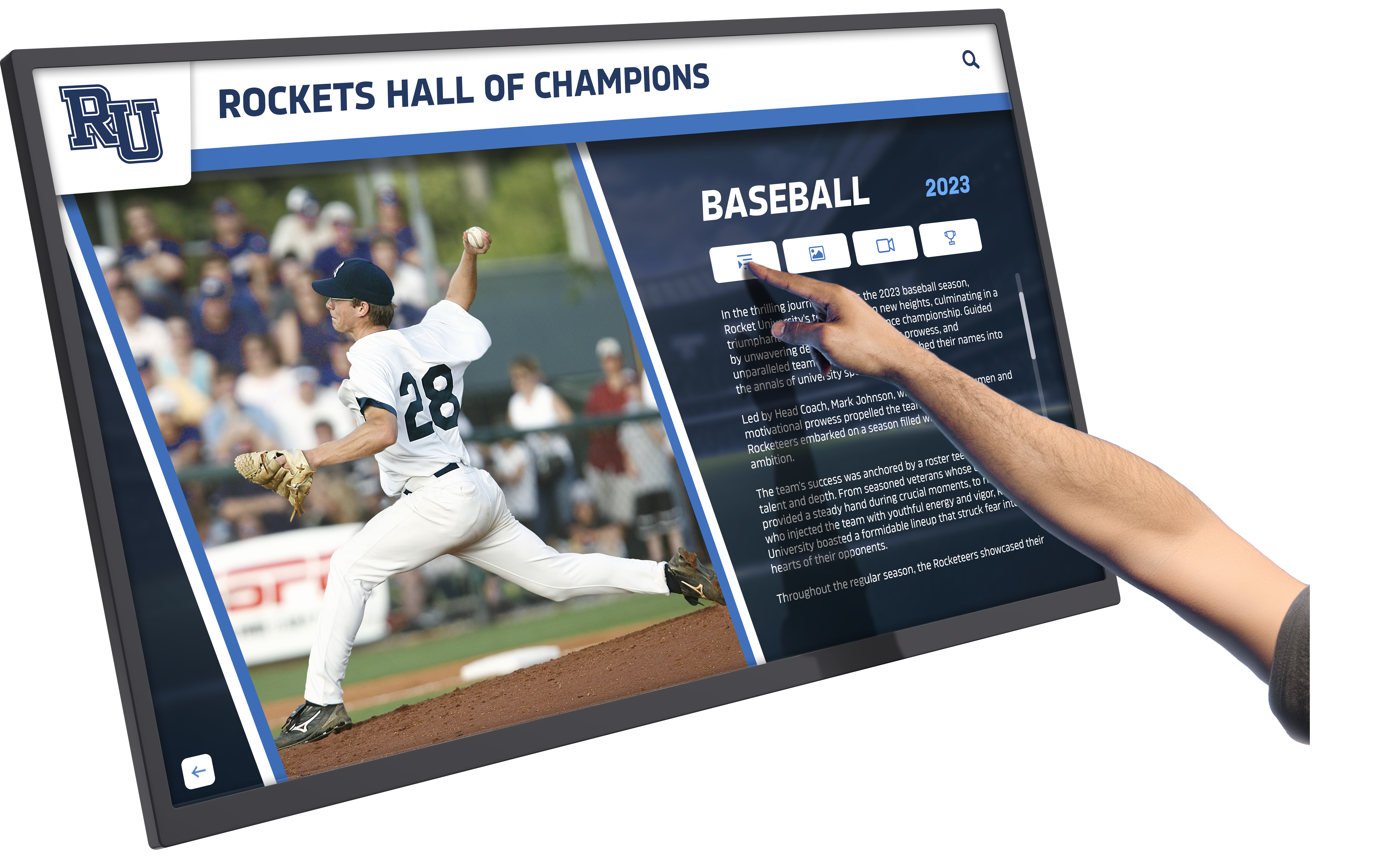
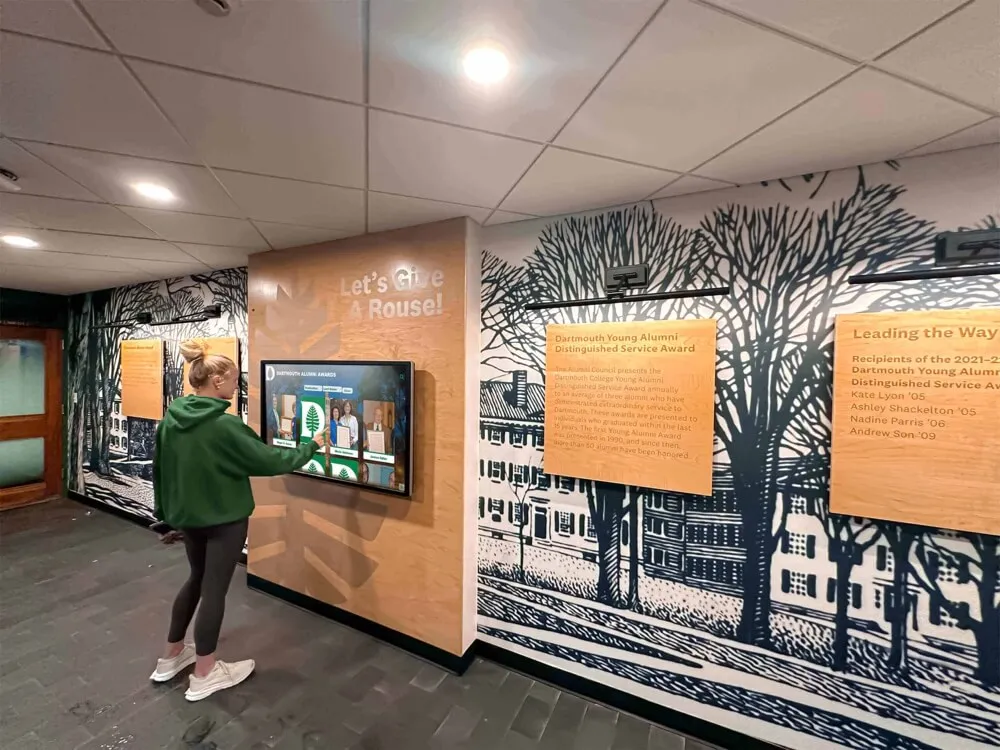
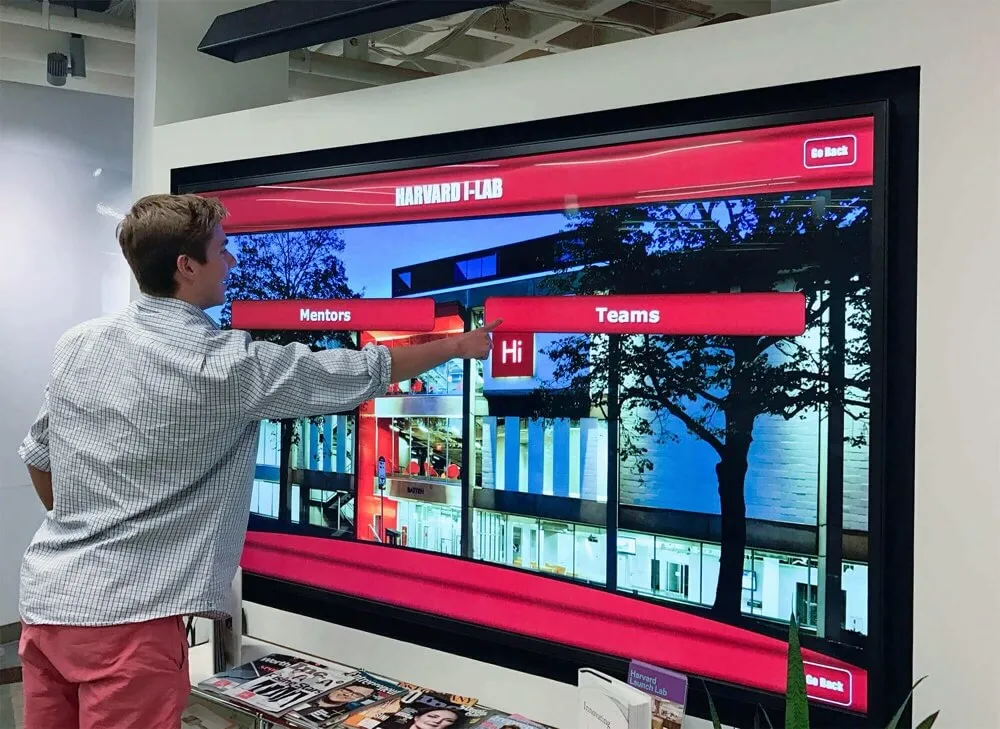
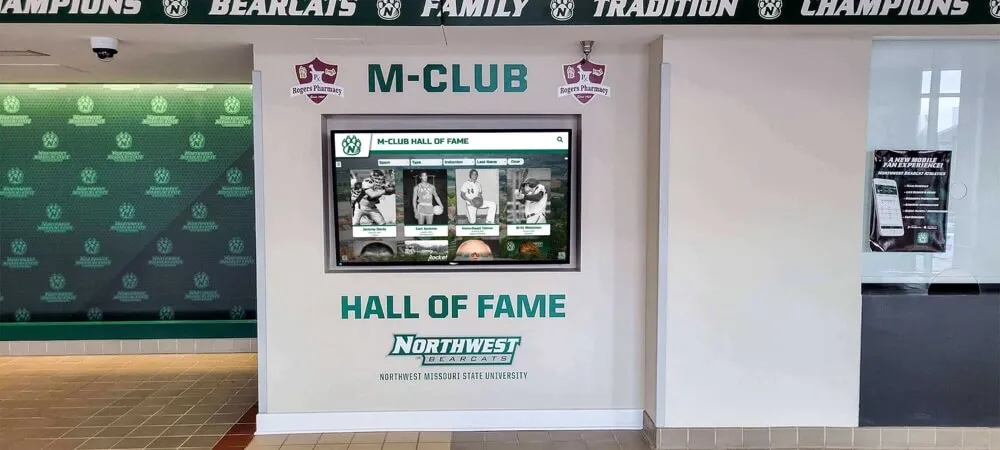
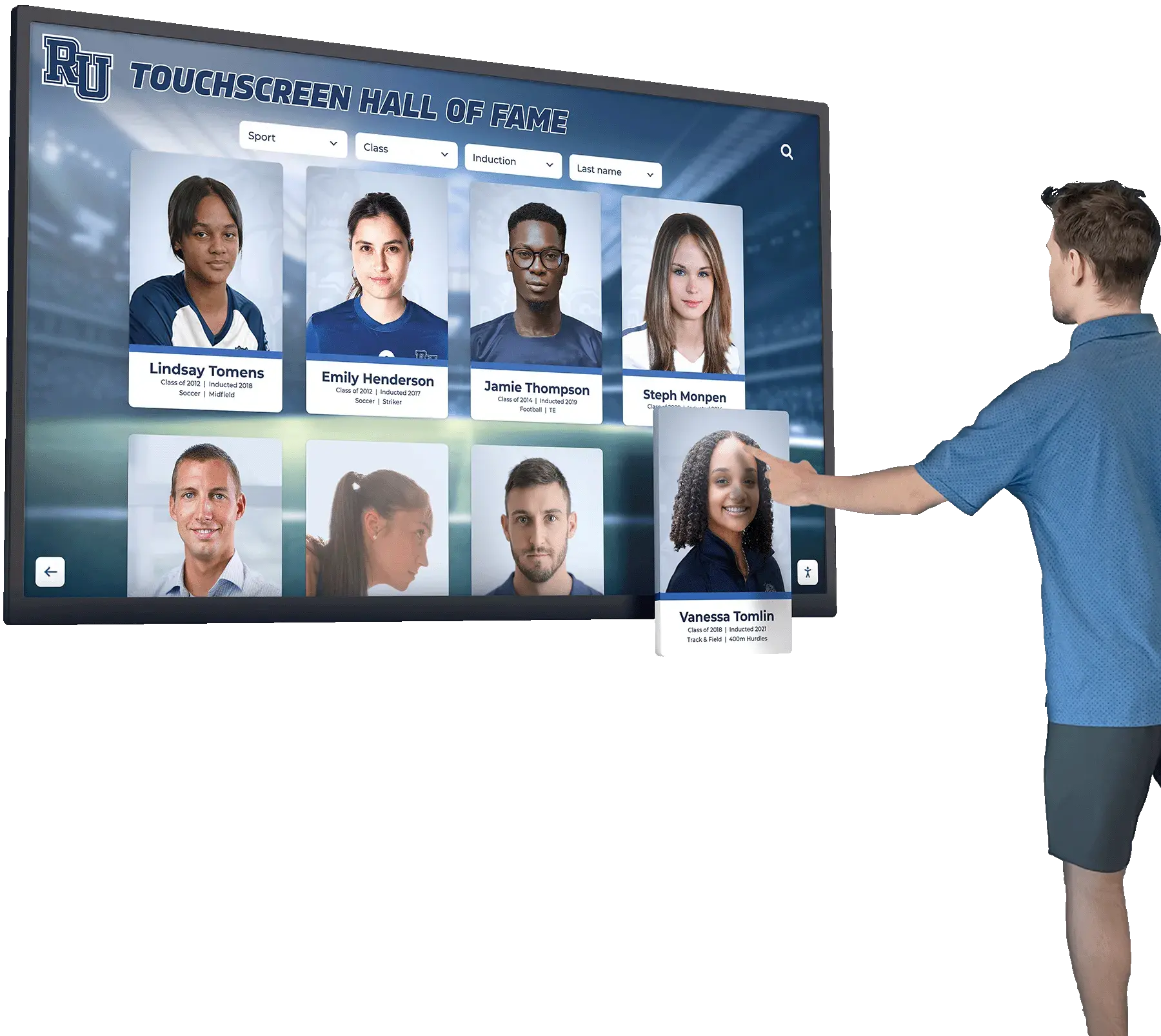
Intuitive touchscreen interfaces enable natural exploration of organized historical collections by era, person, or category
Materials in poor condition require immediate digitization prioritization, as further delay may result in complete loss. Resources on historical photos archiving provide detailed preservation assessment frameworks.
Developing Organizational Frameworks
Historical materials require logical organizational structures enabling efficient management and eventual access:
Chronological Organization
Time-based organization aligns naturally with how people understand institutional history. Schools might divide collections by decade for long histories, academic year for detailed recent documentation, administrative eras under different leadership, or institutional phases defined by facility changes or significant transitions.
Chronological approaches work particularly well for materials like yearbooks, annual reports, or sequential publications that naturally arrange temporally.
Thematic Organization
Subject-based categories prove effective for materials united by content rather than date. Common themes include athletics organized by sport, academics structured by department, student life divided by activity type, leadership featuring administrators and influential faculty, and facilities showing campus development.
Thematic organization enables focused exploration of particular institutional dimensions across time periods, supporting both research and display applications.
Hybrid Approaches
Most comprehensive archives combine chronological and thematic elements. Materials might have primary chronological organization with secondary thematic classification, or vice versa. Digital archives particularly benefit from multiple classification dimensions, as metadata tagging enables searching and filtering by various criteria simultaneously.
Digitization Strategies and Technical Standards
Professional digitization transforms physical materials into digital formats enabling preservation, access, and engagement impossible with original materials alone.
Technical Specifications for Educational Archives
Following established digitization standards ensures archived materials serve both immediate needs and long-term preservation requirements:
Resolution and File Format Standards
The Federal Agencies Digital Guidelines Initiative (FADGI) provides comprehensive technical standards widely adopted by archival institutions. Schools implementing digitization should follow established specifications including minimum 600 pixels per inch (ppi) resolution for most photographic materials, uncompressed TIFF format for preservation master files, and 24-bit RGB color depth for color images or 8-bit grayscale for black and white photographs.
While TIFF files require significant storage, preservation focuses on maximum quality ensuring future flexibility. Schools should maintain preservation masters while creating compressed JPEG derivatives for display and web access.
Metadata and Documentation Requirements
Proper metadata transforms digital files from unlabeled images into organized, searchable archival resources. Essential metadata elements include descriptive information identifying people, places, dates, and events, administrative information tracking digitization specifications and responsible parties, technical information documenting file formats and creation details, and rights information clarifying copyright status and usage permissions.
Following standardized metadata schemas like Dublin Core or IPTC ensures interoperability and professional archival practices. Comprehensive approaches to digitizing yearbooks demonstrate systematic metadata frameworks for educational materials.
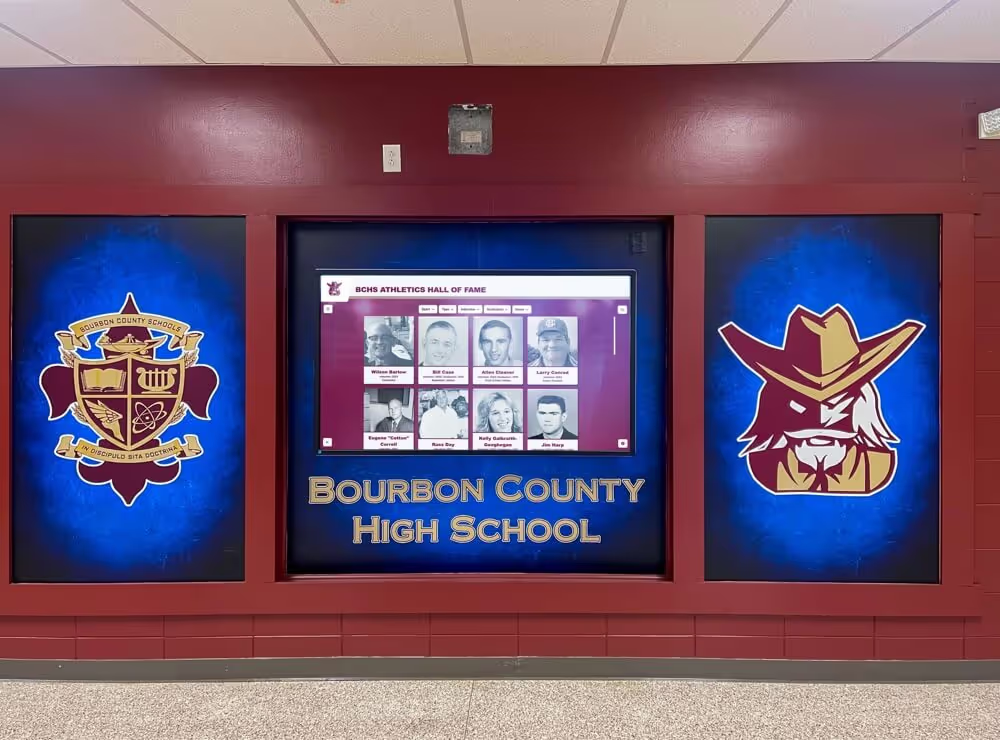
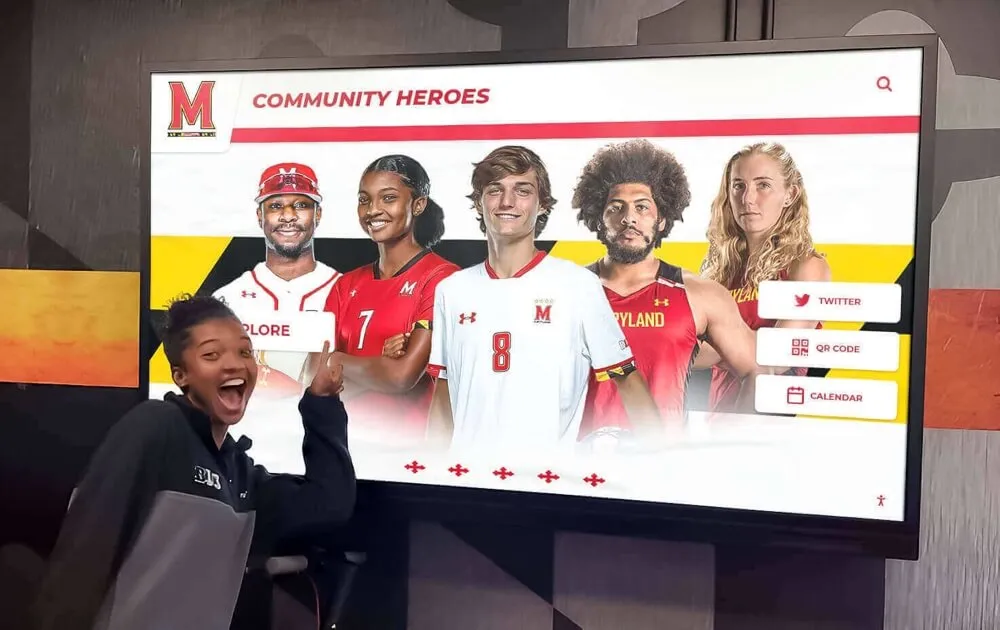
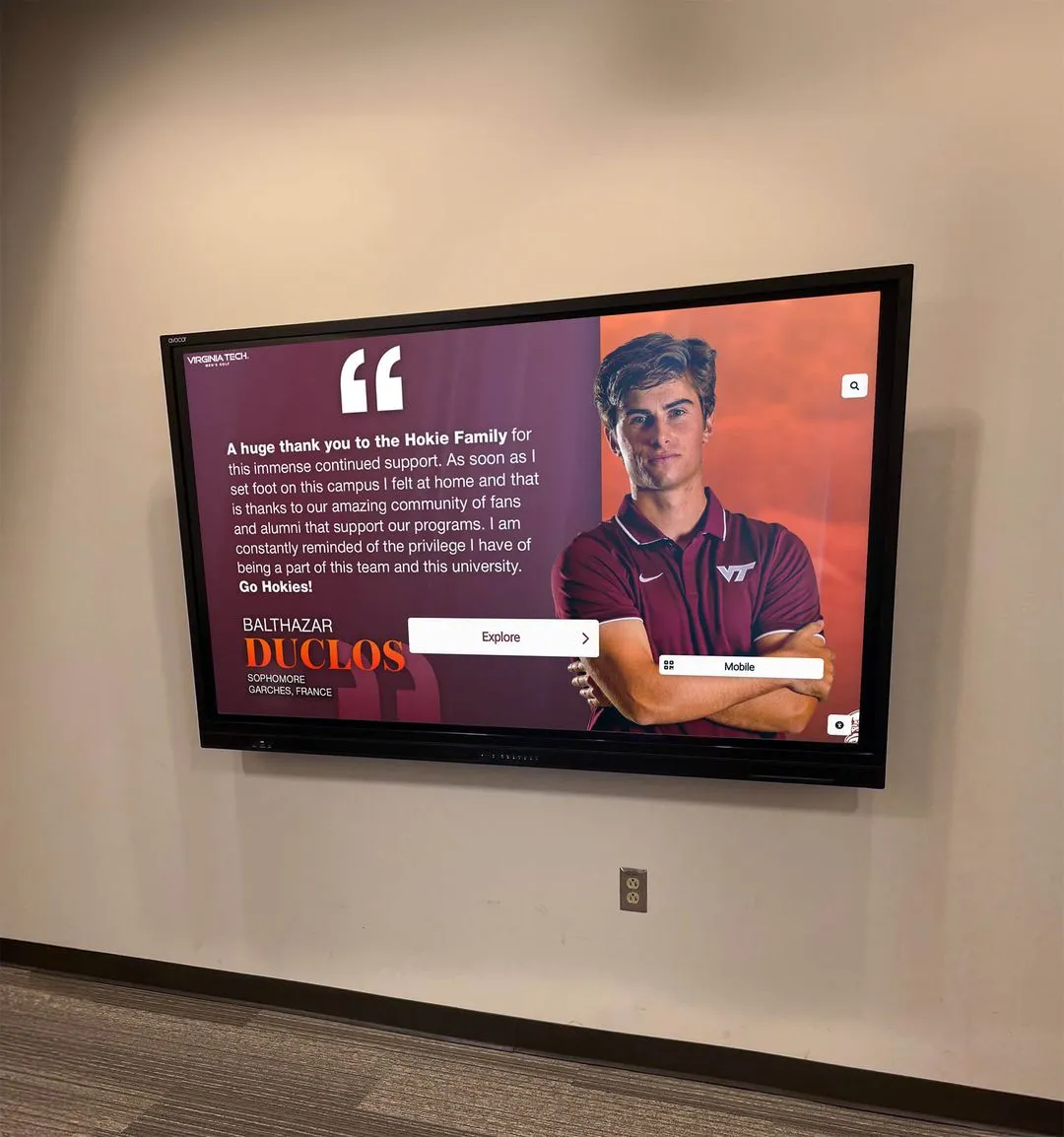
User-friendly interfaces encourage extended engagement with historical content through compelling presentation and intuitive navigation
Digitization Workflow and Quality Control
Systematic workflows ensure consistent quality while managing projects efficiently:
Preparation and Handling
Historical materials require careful handling preventing damage during digitization. Staff should wear clean cotton gloves for photographs, work in clean environments minimizing dust, support fragile materials appropriately, avoid prolonged light exposure during scanning, and never remove adhered materials without preservation consultation.
Scanning and Image Capture
Flatbed scanners work well for loose photographs and documents, while digital photography suits bound volumes, fragile materials, or oversize items. Maintain consistent settings throughout projects, use appropriate color calibration, ensure proper focus and lighting, and document technical specifications for future reference.
Quality Review Process
Every digitized file requires quality review checking for sufficient resolution and sharpness, accurate color reproduction, proper cropping including all content, no dust or artifacts requiring correction, consistent file naming, and complete metadata attachment.
Many programs follow two-pass workflows where initial digitization creates preservation masters, then separate derivative creation addresses specific display needs while preserving unaltered originals.
Storage, Backup, and Long-Term Preservation
Digital preservation requires systematic approaches ensuring archived materials remain accessible across technology changes:
Storage Infrastructure
Digital archives need robust storage including adequate capacity for large preservation files, reliable backup systems preventing data loss, version control tracking modifications, and migration plans addressing format obsolescence.
Schools should follow the “3-2-1 rule” recommended by preservation professionals—maintain at least three copies of files, store on two different media types, and keep one copy offsite protecting against localized disasters.
Preservation Planning
The Open Archival Information System (OAIS) reference model provides systematic frameworks for long-term preservation. Key principles include preservation planning addressing technology changes, integrity monitoring verifying file authenticity, access mechanisms enabling retrieval, and administrative systems tracking actions.
Designate clear responsibility for preservation oversight, establish scheduled integrity verification, implement format migration plans, and document all preservation actions.
Creating Engaging Display and Access Systems
Archived materials deliver maximum value when accessible through compelling displays and intuitive systems connecting audiences with institutional heritage.
Interactive Digital Display Solutions
Modern touchscreen technology transforms passive viewing into active exploration:
Purpose-Built Heritage Platforms
Specialized systems designed for educational recognition provide optimal functionality for historical archives. Quality platforms offer unlimited content capacity, intuitive touchscreen navigation, powerful search and filtering, high-resolution display supporting detail viewing, multimedia integration combining photos with context, and user-friendly content management.
Solutions like Rocket Alumni Solutions provide integrated systems specifically designed for schools, combining content management ease with engaging experiences optimized for educational installations.
Strategic Installation Locations
Display placement dramatically impacts visibility and engagement. Optimal areas include main entrance lobbies greeting all visitors, libraries supporting research and exploration, hallways connecting major campus areas, alumni centers emphasizing graduate connections, and student centers where students gather daily.
Consider multiple coordinated displays creating comprehensive environments—primary archive access in libraries, highlight displays in entrances, and specialized collections in relevant locations like athletic facilities.
Resources on developing college history timelines demonstrate how strategic placement and compelling design maximize historical content engagement.
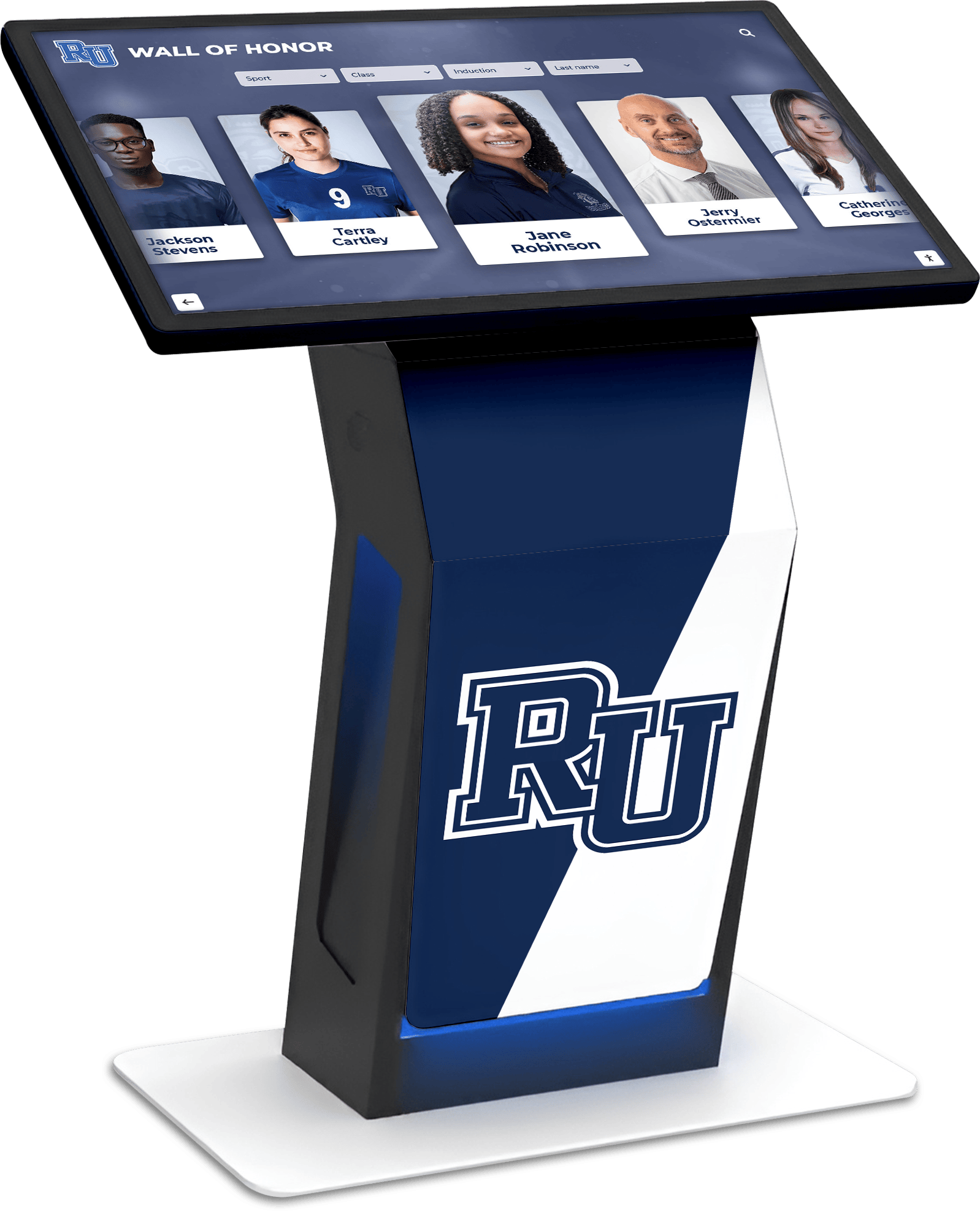
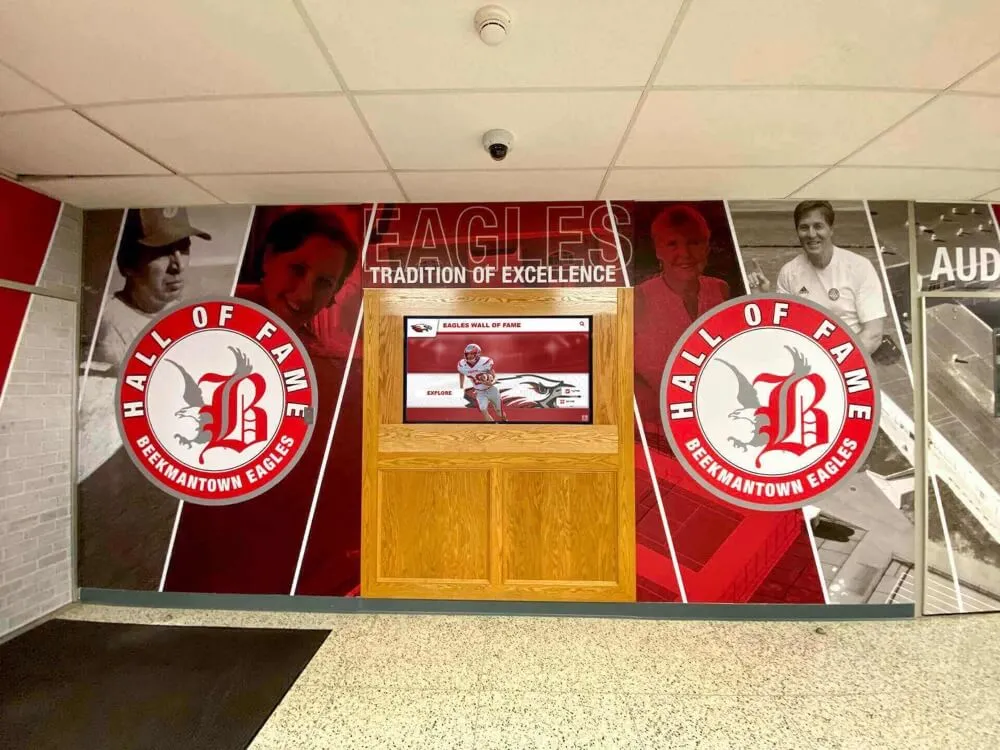
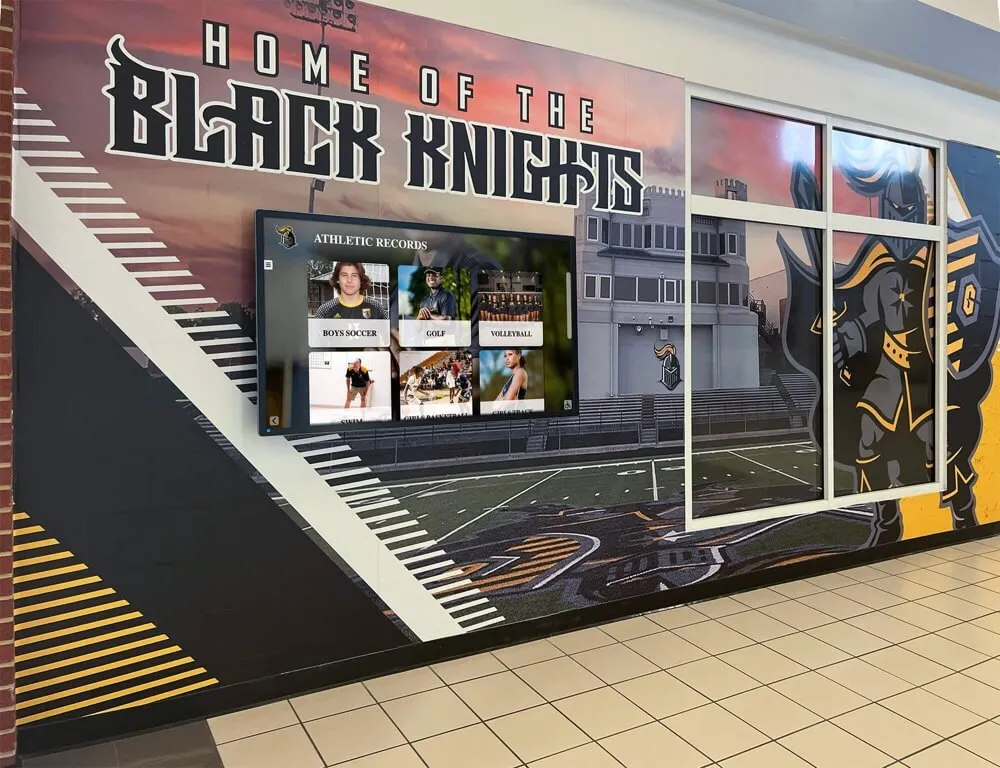
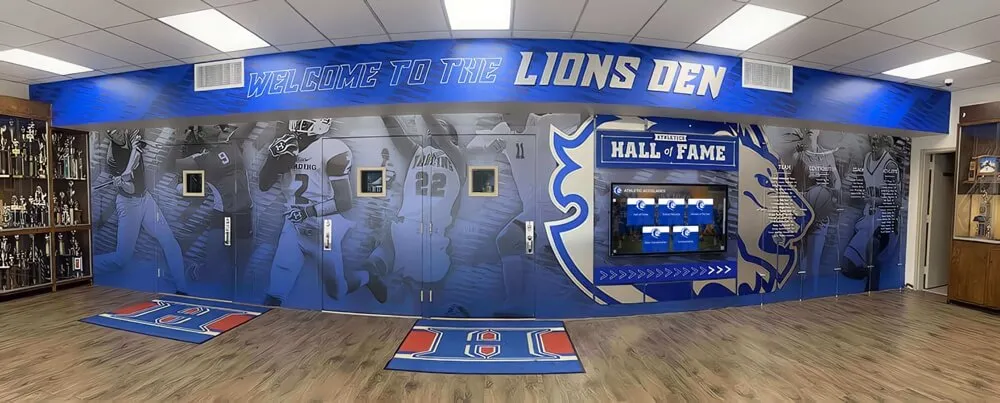
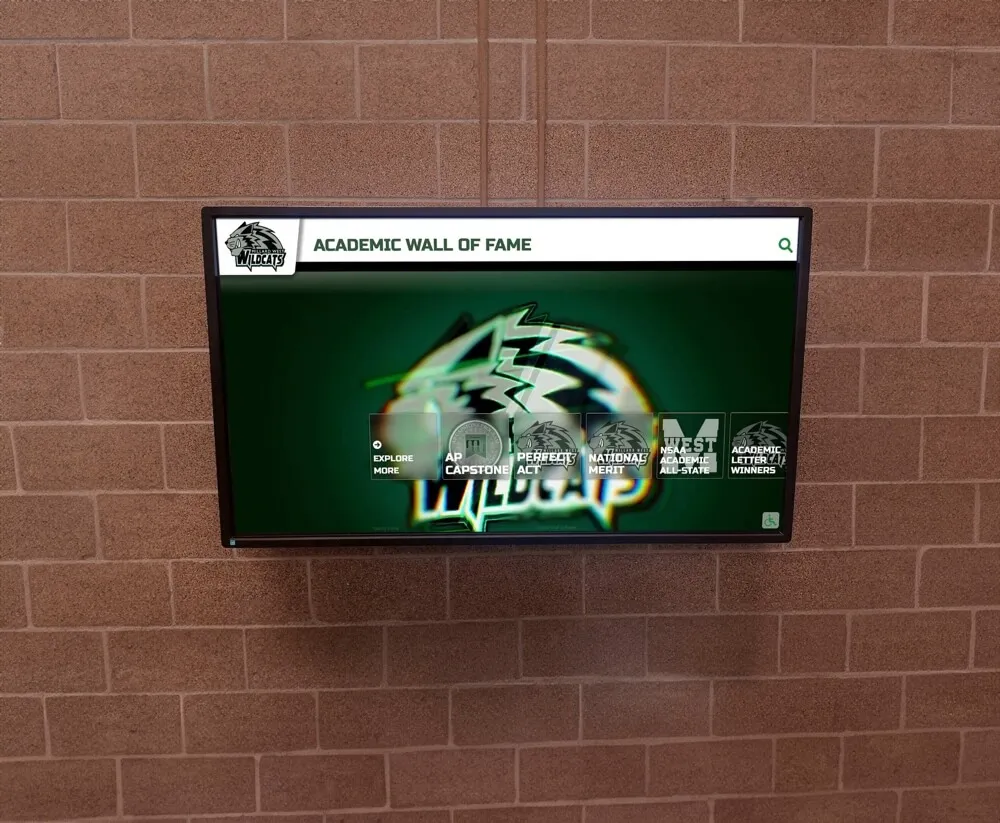
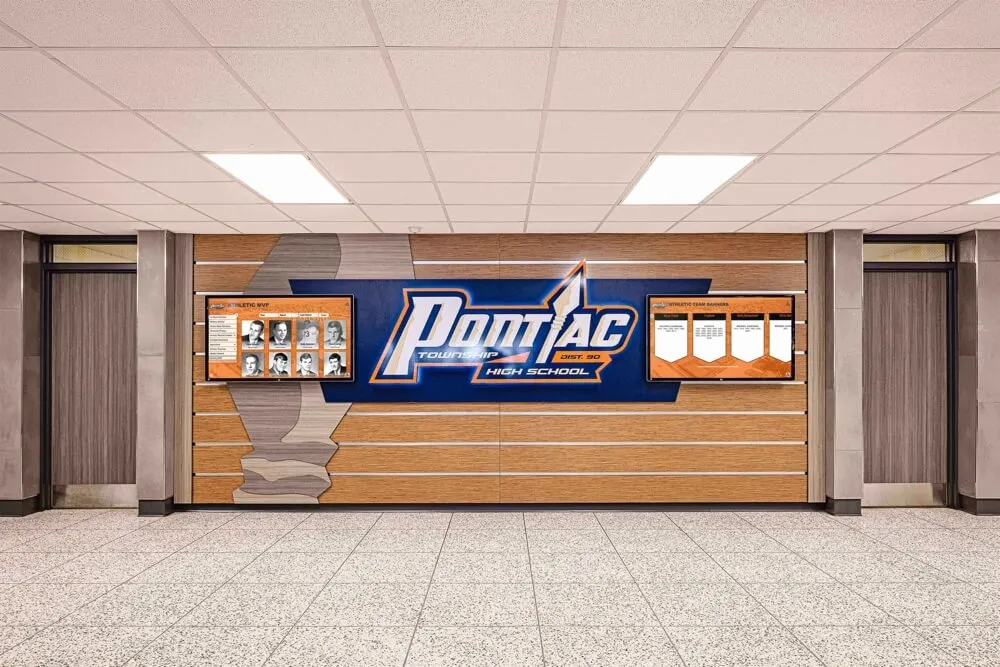
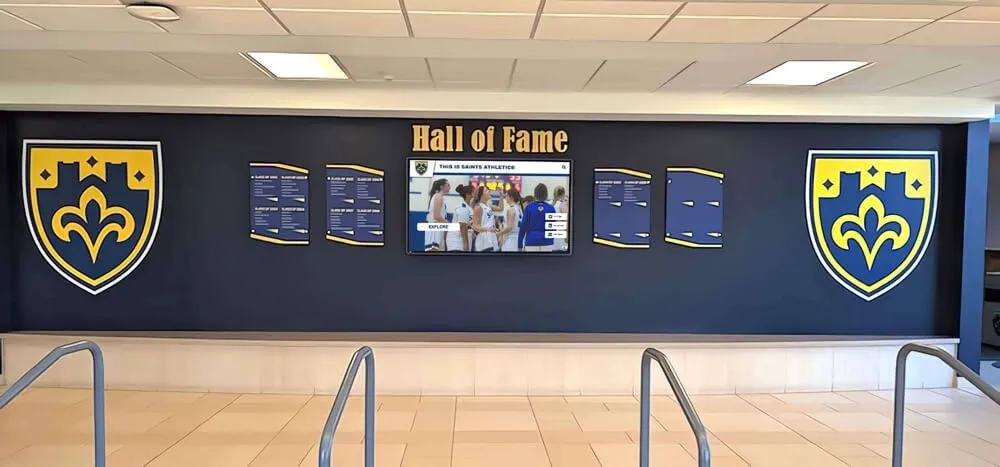
Branded interactive installations create professional presentation while providing unlimited digital capacity for growing collections
Online Web-Based Archive Portals
Web-accessible archives extend historical materials beyond campus boundaries:
Essential Online Features
Effective web platforms provide responsive design adapting to all devices, advanced search supporting multiple query types, virtual collections curating related materials, social sharing enabling distribution, submission systems accepting community contributions, and accessibility compliance ensuring universal usability.
Schools can implement dedicated platforms or integrate archives within existing websites depending on capabilities and resources. Understanding school history software options helps institutions evaluate solutions matching specific needs.
Community Contribution and Crowdsourcing
Web platforms enable valuable community participation including alumni uploading personal photographs, identifying individuals in historical photos, sharing memories providing context, correcting record errors, and tagging themselves and classmates building connections.
This crowdsourced information gathering proves invaluable for materials where institutional documentation remains incomplete.
Physical Display Integration
Digital archives complement rather than replace physical displays adding aesthetic appeal:
Rotating Physical Exhibits
Curated selections create tangible engagement highlighting specific eras, commemorating anniversaries, showcasing championships, honoring distinguished alumni, or documenting facility evolution.
Physical displays should reference comprehensive digital archives through QR codes, labels noting additional digital materials, and placement near interactive displays enabling format transitions.
Hybrid Implementation Approaches
Successful programs combine formats creating comprehensive ecosystems including physical timeline overviews with interactive detail access, hallway selections with QR links to full collections, alumni gathering areas featuring traditional and digital elements, and heritage rooms combining artifacts, physical displays, and interactive archives.
Managing and Maintaining School Archives Long-Term
Initial archive implementation represents beginnings rather than endpoints—sustainable programs require ongoing maintenance, regular updates, and systematic expansion.
Establishing Governance and Responsibility
Clear organizational structure ensures archives receive sustained attention:
Roles and Responsibilities
Designate specific positions responsible for archive oversight including collection development determining acquisition priorities, digitization management coordinating scanning and quality control, metadata creation ensuring proper documentation, technology maintenance addressing platform and storage needs, access services supporting researcher and community use, and outreach promotion generating awareness and engagement.
Without explicit accountability, maintenance falls through cracks during busy periods resulting in neglected collections undermining credibility and utility.
Policies and Procedures
Document comprehensive policies addressing acquisition criteria specifying what materials archives accept, copyright and intellectual property clarifying legal status, privacy and confidentiality protecting sensitive information, digitization standards ensuring consistent quality, access policies balancing openness with protection, and deaccessioning criteria handling inappropriate materials.
Written policies provide guidance for staff, clarity for donors, and protection for institutions when difficult decisions arise.
Content Development and Expansion
Archives should grow systematically addressing coverage gaps and incorporating new materials:
Ongoing Collection Development
Systematic expansion might add chronological depth filling historical gaps, thematic breadth expanding coverage of underrepresented areas, enhanced description improving existing metadata, multimedia enrichment adding video or audio context, and community contributions accepting alumni and staff materials.
Prioritize expansion based on research demand, preservation urgency, commemorative opportunities, and available resources. Understanding approaches to preserving fraternity sorority history demonstrates how focused expansion projects can address specific institutional communities systematically.
Annual Documentation
Establish processes ensuring current school years receive proper documentation for future historical reference including systematic yearbook acquisition and processing, official photograph collection from school events, publication archiving capturing newspapers and programs, achievement documentation preserving academic and athletic honors, and governance record retention following established schedules.
Treating present as future history ensures archives remain current and comprehensive rather than static historical collections.
Assessment and Continuous Improvement
Regular evaluation demonstrates value while identifying improvement opportunities:
Quantitative Metrics
Track engagement through usage statistics from digital displays, web analytics for online portals, research requests received, materials digitized and processed, and collection growth rates.
Qualitative Assessment
Gather feedback through stakeholder surveys, user interviews exploring detailed perspectives, staff observations noting usage patterns, and documented impact stories illustrating specific value.
Assessment results support reporting to administrators justifying resource allocation while providing evidence of return on archiving investments.
Budget Considerations and Funding Strategies
Understanding financial requirements and exploring funding sources enables schools to implement archives sustainably:
Cost Components
Archive expenses include equipment for digitization, storage infrastructure supporting digital files, software for management and access, professional services when needed, staff time for all archive functions, and ongoing maintenance addressing updates and expansion.
Costs vary dramatically based on scope—focused projects might require $5,000-$15,000 annually, while comprehensive programs may need $25,000-$75,000 or more depending on scale and existing resources.
Funding Approaches
Multiple sources can support archiving including operational budget allocations as core programming, grant applications to foundations supporting heritage preservation, alumni fundraising targeting graduates interested in institutional memory, anniversary campaigns tied to milestone celebrations, memorial giving honoring deceased community members through archive support, and in-kind donations of equipment, expertise, or volunteer time.
Successful fundraising connects archive benefits to donor interests—alumni connection, student experience, institutional recognition, or personal legacy.
Get Your Touchscreen Mock-Up
Discover how custom-designed digital archive displays can transform how your school preserves and presents institutional history. Rocket Alumni Solutions creates interactive systems that honor heritage while engaging modern audiences through purposeful design.
Schedule Your Design ConsultationConclusion: Creating Living Archives That Inspire and Connect
Academic and history archiving for schools represents strategic investment in institutional memory, community engagement, and heritage preservation that collectively determine whether schools merely document their past or create living connections inspiring current and future generations.
Traditional approaches—storage boxes gathering dust, overcrowded trophy cases, and inaccessible yearbooks—all fail to create meaningful engagement honoring institutional heritage while serving diverse stakeholder needs. Purpose-built digital archive systems address these limitations by preserving endangered materials before deterioration, organizing collections for intuitive discovery, providing universal access serving all audiences equally, enabling powerful search impossible with physical materials, creating engaging interactive experiences encouraging exploration, and supporting continued growth as collections expand.
Schools implementing comprehensive archiving programs consistently report remarkable outcomes including rescued materials previously facing loss, increased alumni engagement through accessible connections, strengthened student identity from visible traditions, improved recruitment demonstrating stability and excellence, protected legal documentation supporting compliance, and sustainable infrastructure protecting educational investments.
The most successful archive initiatives share common characteristics including systematic planning defining clear scope and priorities, professional standards ensuring appropriate quality and documentation, engaging access through physical displays and online platforms, ongoing maintenance treating archives as living resources requiring attention, and community involvement engaging diverse stakeholders as contributors and audiences.
Ready to develop your school’s comprehensive archiving program? Explore approaches to displaying school history effectively, discover strategies for historical timeline development, learn about honor roll recognition displays documenting academic excellence, understand school historical timeline approaches, explore digital trophy wall solutions celebrating athletic heritage, consider elementary school recognition systems serving younger students, and discover specialized platforms from Rocket Alumni Solutions designed specifically for educational institutions prioritizing heritage preservation through intuitive, engaging, professionally supported systems.
Your school’s history deserves recognition equal to its significance. Decades or centuries of educational mission, countless graduates who became accomplished professionals, pioneering programs expanding educational access, and daily experiences creating vibrant learning communities—these remarkable stories deserve preservation through thoughtfully developed archives making abstract heritage tangible and inspiring for all who encounter them. With systematic planning, appropriate technology, and genuine commitment to comprehensive preservation, you can create archive systems ensuring your school’s irreplaceable legacy survives and thrives for generations to come.
Sources
- The Digital Archives - NBOA
- Best Practices: Digital Preservation for Independent Schools - Preservica
- Academic Archiving - Preservica
- School History Software Guide - TouchHallOfFame
- The Role of Digital Archives in Education - Anderson Archival
- Federal Agencies Digital Guidelines Initiative
- Creating an Online Digital Archive for Your School - Advantage Archives