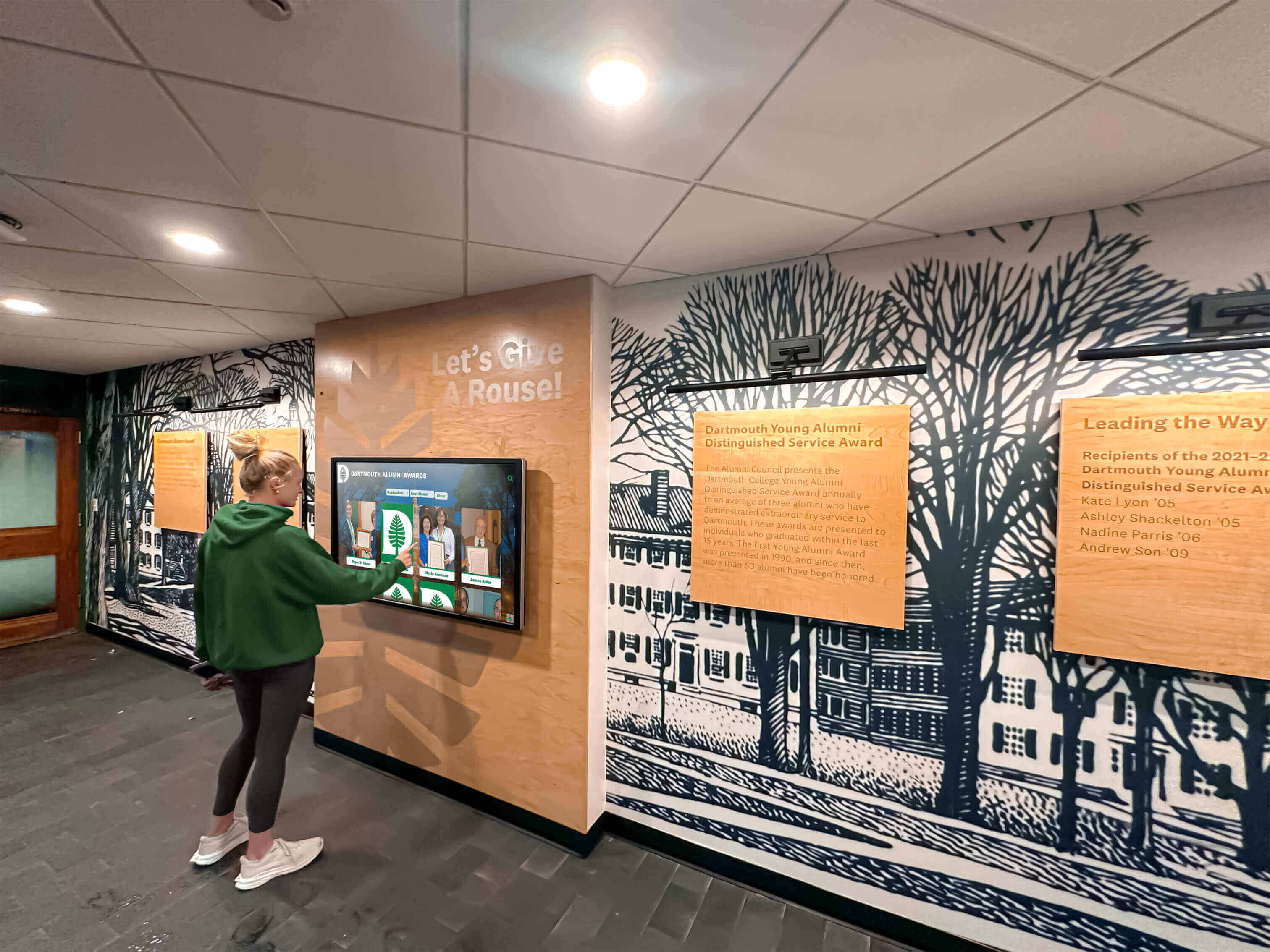




Alumni advice programs represent powerful opportunities to bridge the gap between current students and accomplished graduates through structured knowledge-sharing initiatives. By creating systematic approaches for alumni to share career insights, professional guidance, life lessons, and practical wisdom—schools and universities transform alumni communities from distant memories into active resources supporting current student success, career development, and life preparation through authentic, relatable mentorship connections.
Yet many institutions struggle to create alumni advice programs that remain accessible and engaging beyond occasional career fairs or sporadic email introductions. Students don’t know which alumni to contact or how to reach them. Alumni feel uncertain about how to contribute meaningfully. Traditional communication channels limit the depth and richness of advice-sharing. And the strategic potential of systematic alumni guidance—supporting career exploration, building multi-generational community, demonstrating educational value, and strengthening institutional pride—remains unrealized when advice-sharing happens haphazardly rather than through designed, intentional experiences.
This comprehensive guide explores how to design effective alumni advice programs using interactive touchscreen displays and digital recognition platforms that make graduate wisdom continuously accessible, beautifully presented, and strategically aligned with student needs and institutional goals.
Alumni advice programs extend beyond simple “ask an alum” email directories—they create immersive experiences where students discover relevant graduate perspectives, explore diverse career journeys, access practical guidance tailored to specific challenges, and build relationships with alumni mentors through thoughtfully designed digital interfaces that inspire exploration and facilitate connection.

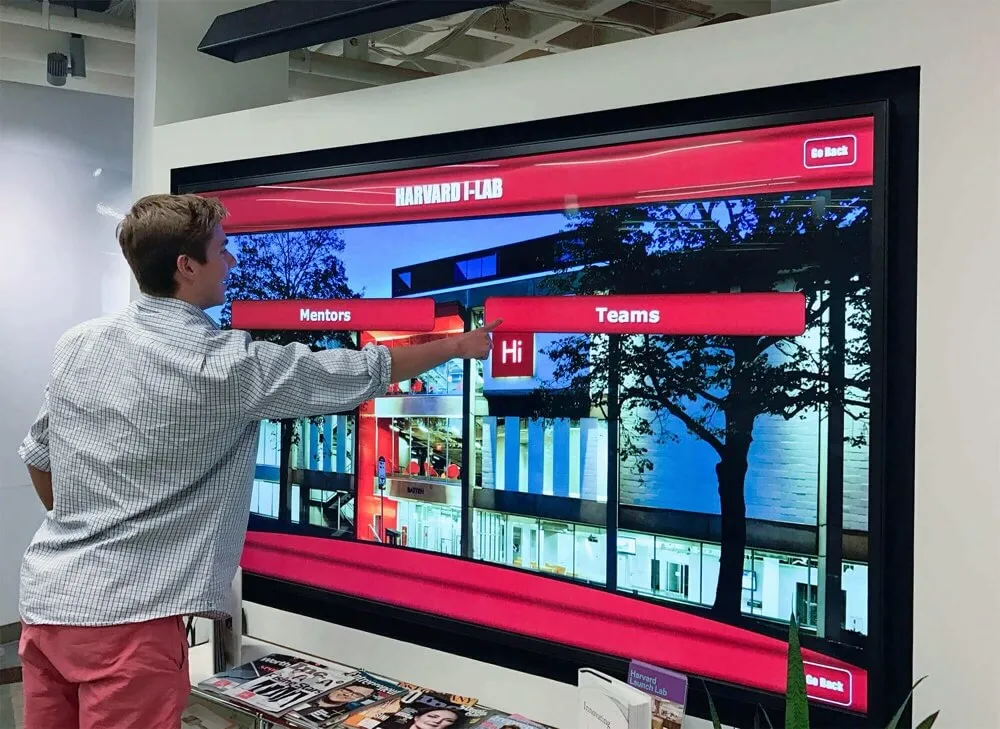
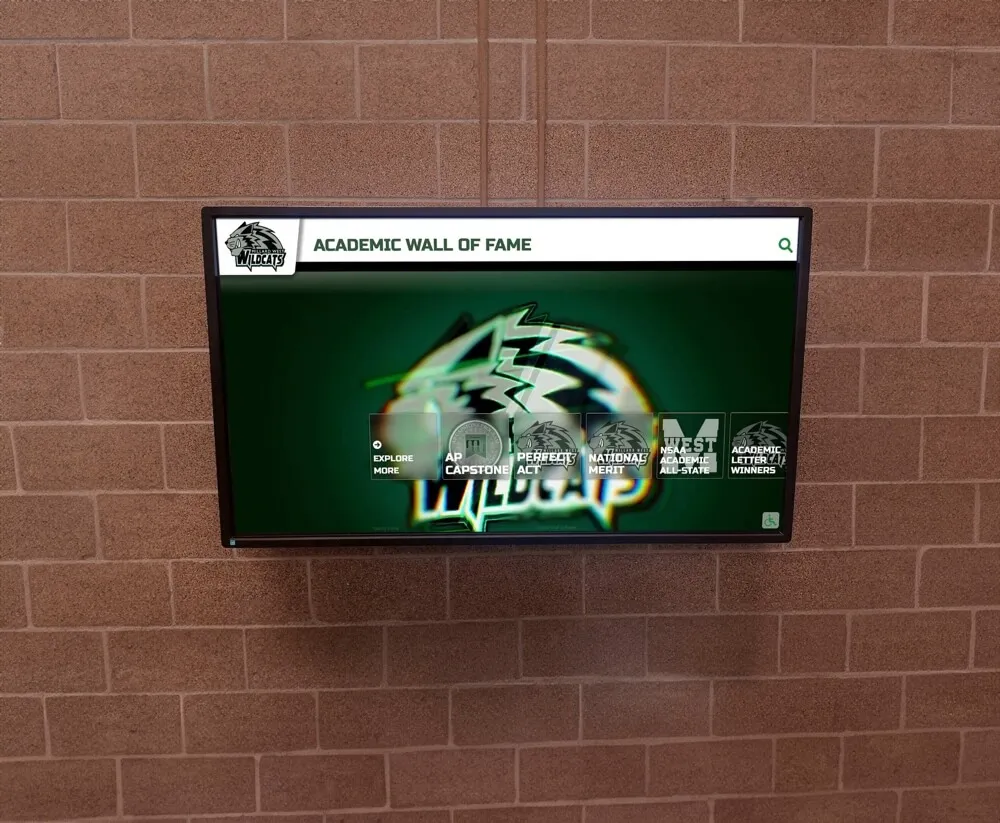
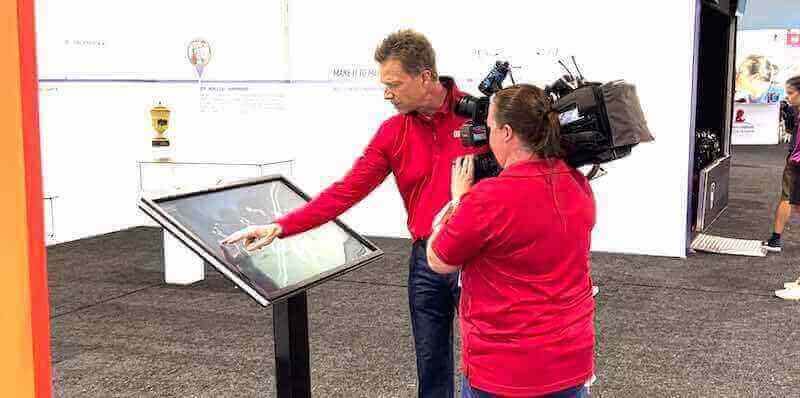
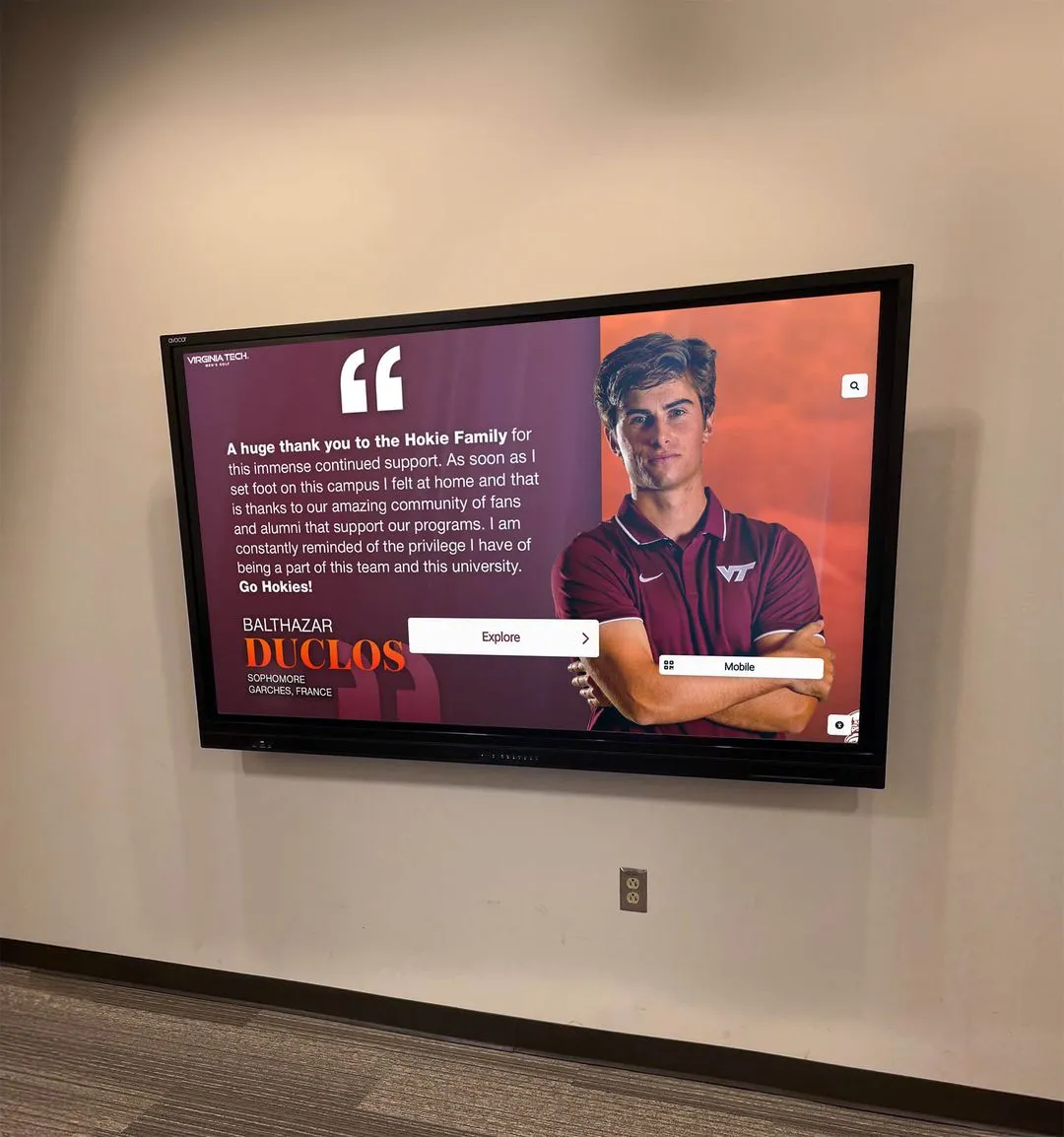
Strategic placement of interactive displays ensures students regularly encounter alumni wisdom during daily campus activities, creating organic opportunities for career exploration and mentorship discovery
Understanding the Strategic Value of Alumni Advice Programs
Before implementing advice-sharing initiatives, understanding how alumni guidance serves multiple institutional objectives helps schools design programs delivering maximum strategic value beyond simple networking facilitation.
Supporting Student Career Development and Success
Alumni advice programs provide students with invaluable career insights and professional guidance that academic coursework alone cannot deliver.
Real-World Career Perspective
When alumni share honest reflections about their career journeys—including challenges faced, decisions made, skills developed, and lessons learned—students gain realistic perspectives on professional life that complement theoretical classroom learning. This authenticity proves far more valuable than generic career advice from sources lacking institutional connection or understanding of specific educational experiences.
Students exploring career options benefit tremendously from alumni describing how specific coursework prepared them for professional challenges, which skills proved most valuable in real-world contexts, how career paths evolved unexpectedly over time, what they wish they’d known as students, and practical strategies for successful career transitions.
Diverse Pathway Examples
Comprehensive alumni advice collections showcase varied career trajectories across industries, roles, geographic locations, and success definitions—demonstrating that education enables multiple pathways rather than single predetermined outcomes. This diversity proves particularly valuable for students questioning whether their interests align with institutional offerings or doubting whether unconventional career choices justify educational investment.
Many career services professionals report that alumni advice significantly influences student decision-making about majors, internships, and post-graduation plans by providing concrete examples of career realities rather than abstract job descriptions or statistics.
Building Multi-Generational Alumni Community
Systematic advice-sharing creates connections between alumni cohorts and current students that strengthen overall institutional community.
Mentor-Mentee Relationship Development
When students access alumni advice through well-designed programs, natural mentorship relationships often emerge. Initial exploration of alumni profiles leads to contact requests, which develop into ongoing conversations, eventually creating lasting mentor-mentee partnerships that support students through academic challenges, career transitions, and professional development.
These organic relationships benefit both parties—students gain experienced guidance while alumni maintain meaningful institutional connections, stay engaged with current campus culture, and experience the satisfaction of supporting the next generation’s success.
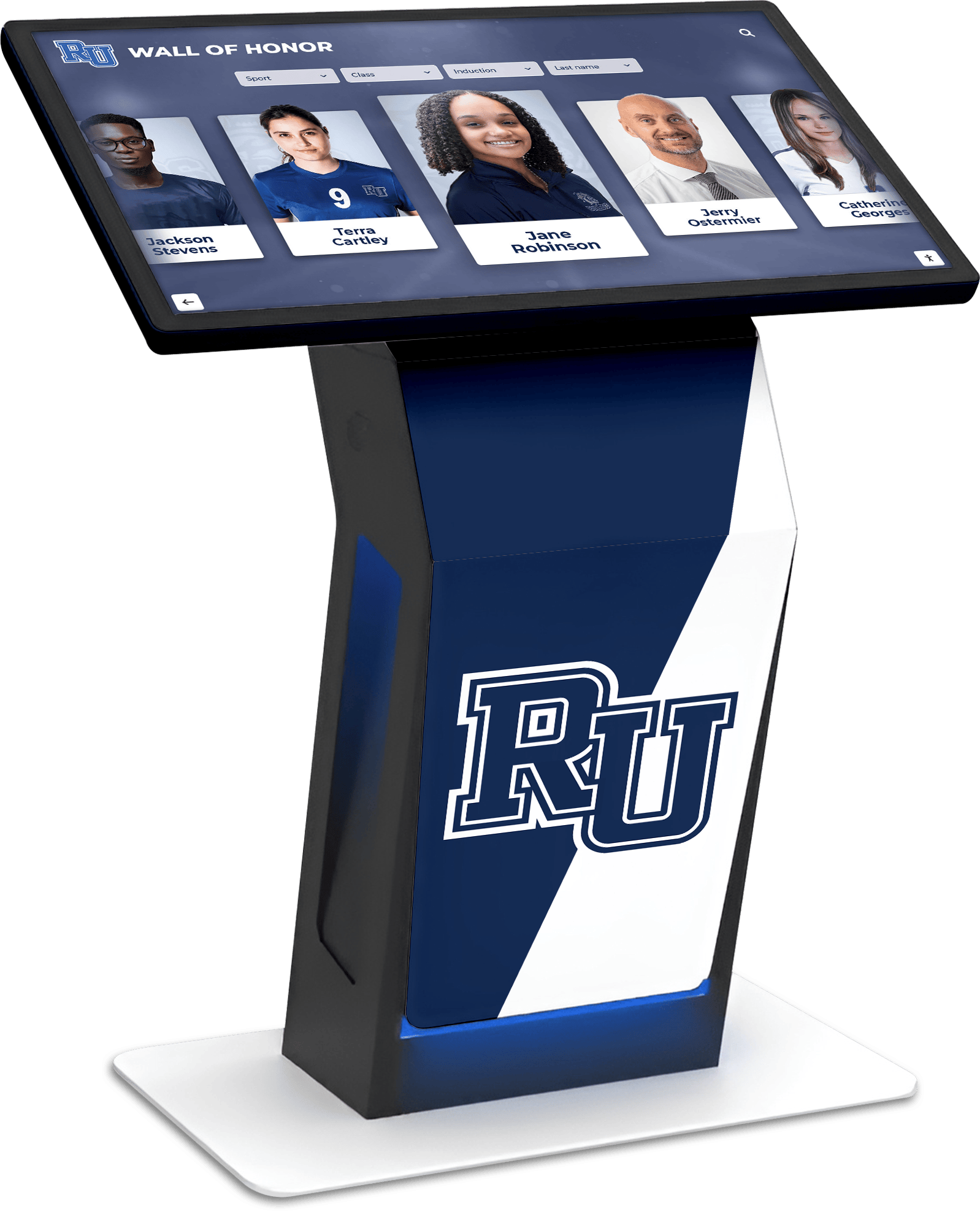
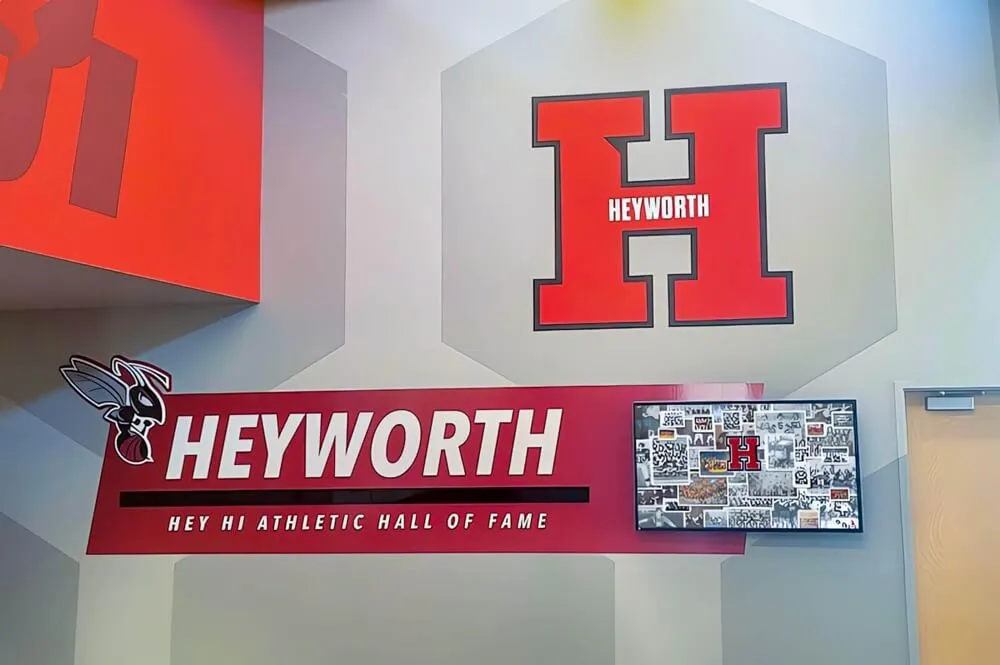
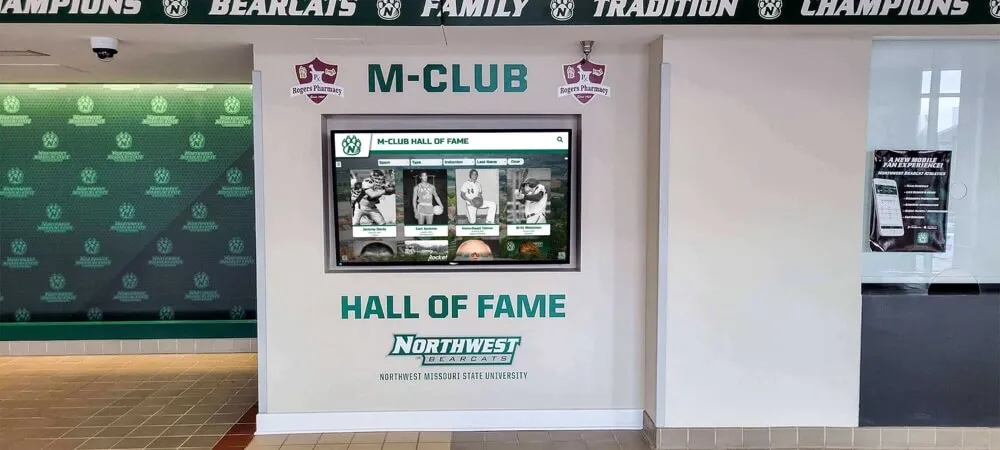
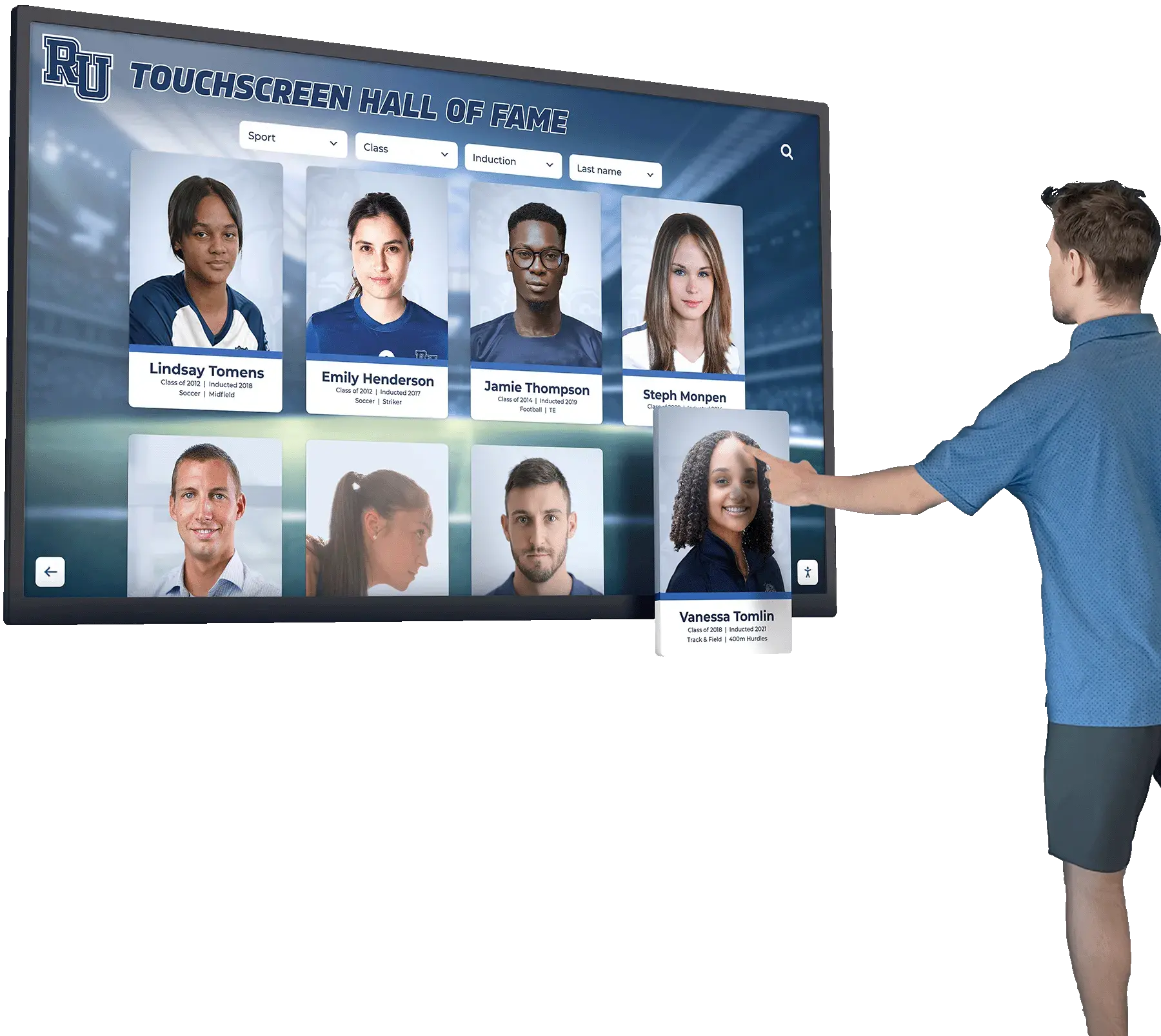
Purpose-built recognition platforms enable intuitive browsing of alumni profiles, facilitating student discovery of relevant mentors and career role models
Cross-Generational Knowledge Transfer
Alumni advice programs create structured mechanisms for transferring institutional knowledge, professional wisdom, and life experience across generations—preserving valuable insights that would otherwise remain siloed within individual alumni networks. This knowledge transfer strengthens overall institutional culture by maintaining continuity between past, present, and future community members.
Understanding alumni of the month recognition programs provides complementary frameworks for systematic celebration that can integrate advice-sharing components within broader recognition initiatives.
Demonstrating Educational Value and Supporting Recruitment
Prospective students and families evaluating schools consider graduate outcomes and alumni engagement among the most important decision factors when making enrollment choices.
Tangible Success Evidence
Alumni advice programs provide admissions offices with compelling evidence of educational value—showing graduates who attribute success to specific institutional experiences, describe how education prepared them for professional challenges, maintain ongoing connections demonstrating community strength, and actively support current student success through mentorship.
This evidence proves far more persuasive than employment statistics alone, putting human faces and authentic stories behind numbers that can feel abstract to prospective families making emotional enrollment decisions.
Campus Visit Integration
Campus tours remain among the most influential factors in final enrollment decisions. Integrating alumni advice displays into campus experiences—through interactive touchscreens that tour groups encounter, mobile apps that prospective students explore, or campus videos featuring alumni guidance—enhances visits by demonstrating vibrant, engaged alumni communities extending beyond current students and faculty.
Many admissions professionals report that prospective families specifically mention alumni success stories and advice when explaining institutional attraction, indicating these programs’ significant recruitment influence even when precise impact remains difficult to quantify.
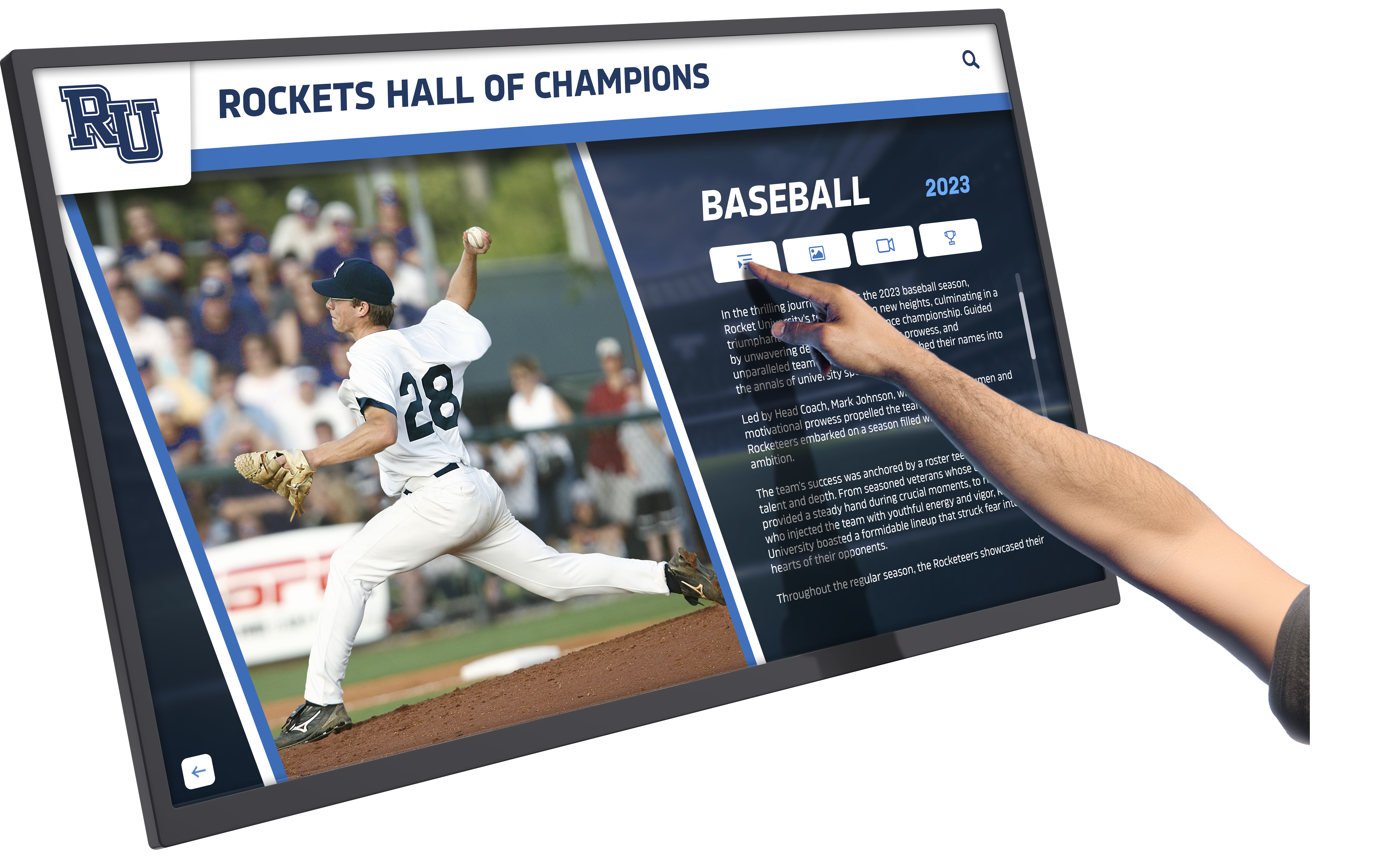
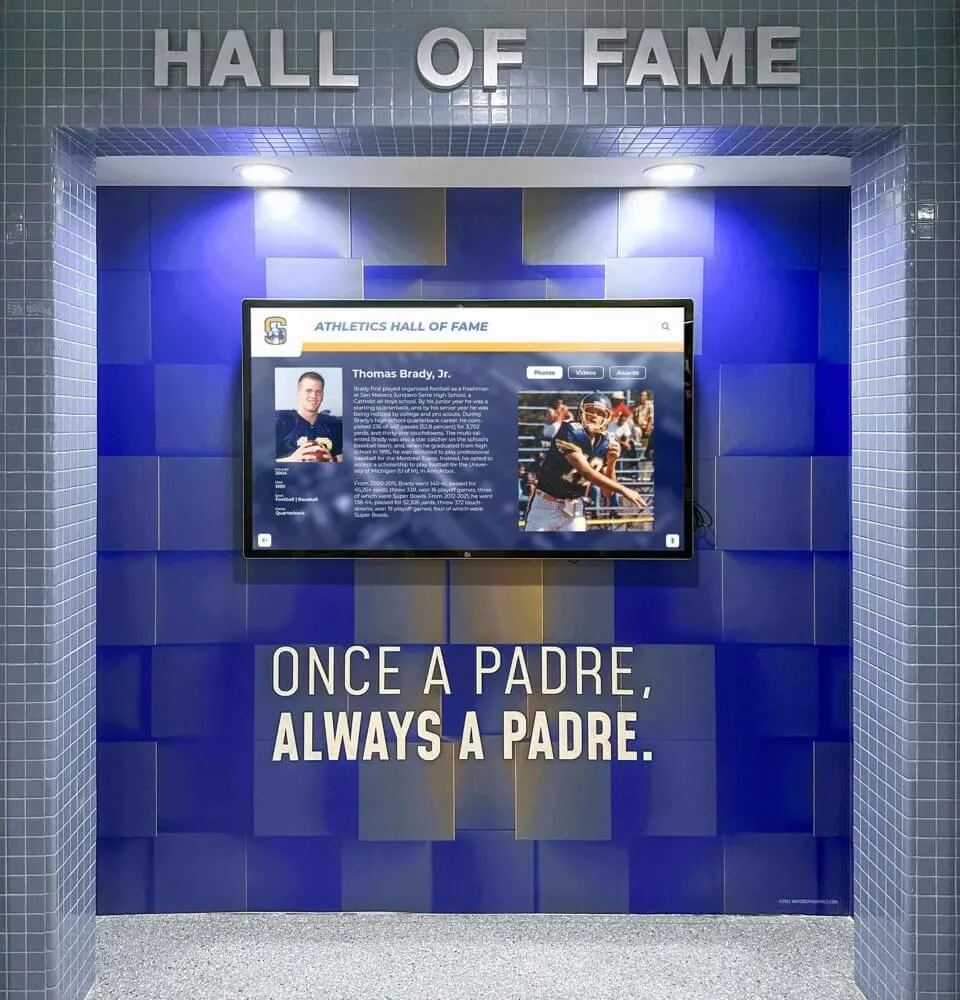
Touchscreen interfaces enable deep exploration of individual alumni stories through comprehensive profiles combining biography, career advice, multimedia content, and contact information students can access at their own pace
Designing the Alumni Advice Experience: Content Strategy and Information Architecture
Effective alumni advice programs require thoughtful content strategy determining what advice to collect, how to organize it, and how students discover relevant guidance matching their specific needs and interests.
Identifying Valuable Advice Categories and Themes
Comprehensive alumni advice programs address diverse student needs across multiple dimensions rather than focusing narrowly on single topics like career choice or job searching.
Career Exploration and Selection Guidance
Alumni advice about career pathway exploration proves particularly valuable for students in early academic years still determining majors and professional directions. Valuable guidance includes how alumni discovered their career passions and interests, what factors influenced major and career decisions, how they explored different fields before committing, what they wish they’d considered earlier, and advice for students feeling uncertain about career direction.
This exploration-focused advice helps students navigate the challenging process of career decision-making with insights from people who’ve successfully traveled similar journeys.
Academic Success and Skill Development
Beyond career advice, alumni guidance about maximizing educational experiences supports current student academic success. Valuable academic advice includes which courses or programs proved most valuable professionally, how to develop specific skills employers value, strategies for balancing academics with extracurriculars, approaches to building professor relationships and seeking mentorship, and techniques for making the most of research or internship opportunities.
This academic-focused guidance helps students make strategic choices about how to invest limited time and energy during their educational journeys.
Professional Transition and Early Career Navigation
Alumni advice about transitioning from education to professional life addresses challenges students will face upon graduation. Valuable transition guidance includes strategies for effective job searching and interviewing, how to evaluate job offers and career opportunities, approaches to succeeding in first professional roles, navigating workplace culture and office politics, and managing work-life balance and professional development.
This transition-focused advice prepares students for the significant life change from student to professional, reducing anxiety and increasing confidence about post-graduation success.
Life Wisdom and Personal Development
Beyond professional guidance, alumni advice about broader life lessons and personal growth provides holistic support for student development. Valuable life advice includes managing stress and maintaining mental health, building meaningful relationships and professional networks, financial management and planning strategies, maintaining institutional connections after graduation, and balancing personal fulfillment with professional ambition.
This life-focused guidance acknowledges that student success encompasses more than career achievement alone, supporting overall wellbeing and personal development.
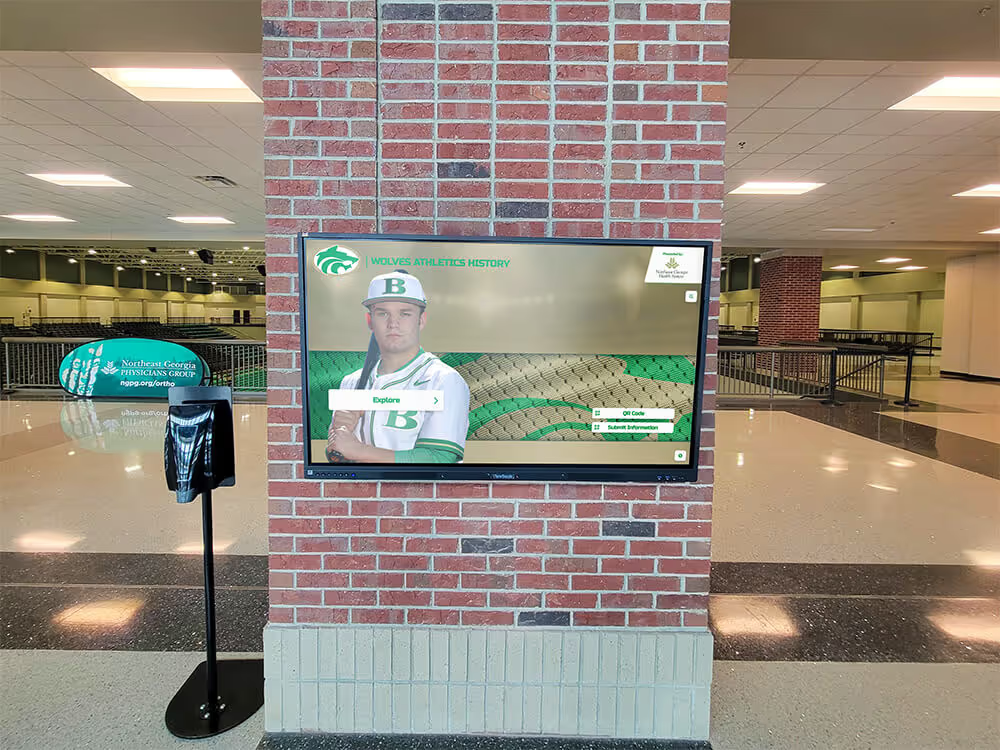
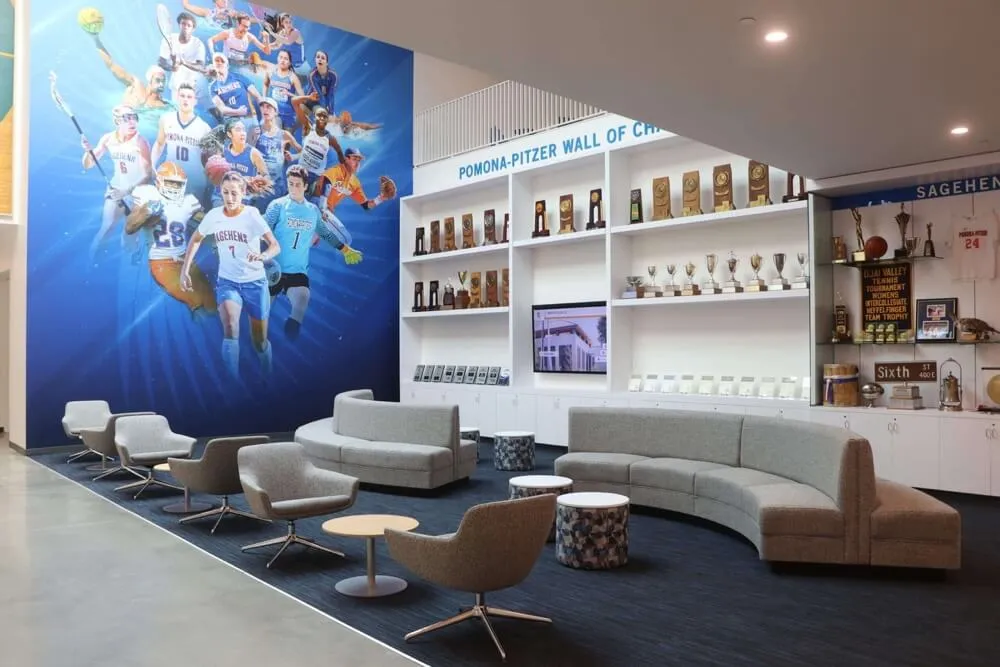
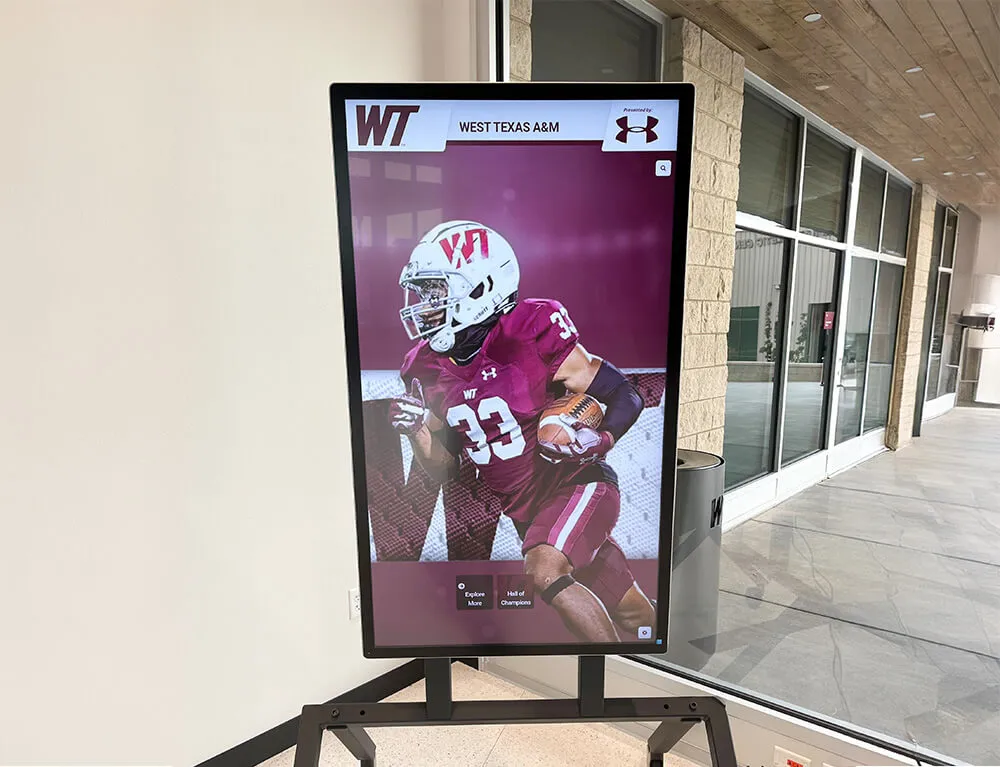
Lobby placement ensures maximum visibility while providing comfortable environments for extended exploration of alumni advice and career guidance
Creating Searchable and Discoverable Advice Architecture
Once advice content is collected, thoughtful information architecture ensures students can easily discover relevant guidance matching their specific situations and needs.
Multi-Dimensional Filtering and Navigation
Effective alumni advice platforms enable students to discover relevant guidance through multiple pathways including career field or industry filters, graduation year or career stage sorting, geographic location searches, advice topic or theme categories, alumni demographic characteristics, and keyword or full-text searches.
This multi-dimensional navigation ensures students with different discovery preferences can all access relevant advice efficiently rather than forcing single browsing patterns that may not match individual needs.
Personalized Recommendation Algorithms
Advanced digital platforms can suggest relevant alumni advice based on student characteristics and behaviors—recommending alumni from similar majors or backgrounds, highlighting advice related to recently viewed content, surfacing guidance from alumni in fields students have explored, and identifying mentors whose career journeys align with student interests.
These intelligent recommendations help students discover valuable advice they might not have found through manual browsing alone, increasing overall program engagement and utility.
Thematic Collections and Curated Pathways
Rather than requiring students to always create their own search strategies, curated advice collections organized around specific themes provide structured exploration pathways. Examples include “First-Generation Student Advice from Alumni Who Were There First,” “Advice for Students Considering Graduate School,” “Guidance for International Students Navigating U.S. Careers,” or “Alumni Wisdom About Work-Life Balance and Burnout Prevention.”
These curated collections make advice more accessible while highlighting important themes that students might not have known to search for independently.
Understanding digital storytelling for athletic programs provides insights into narrative techniques applicable to alumni advice presentation across all contexts beyond athletics.
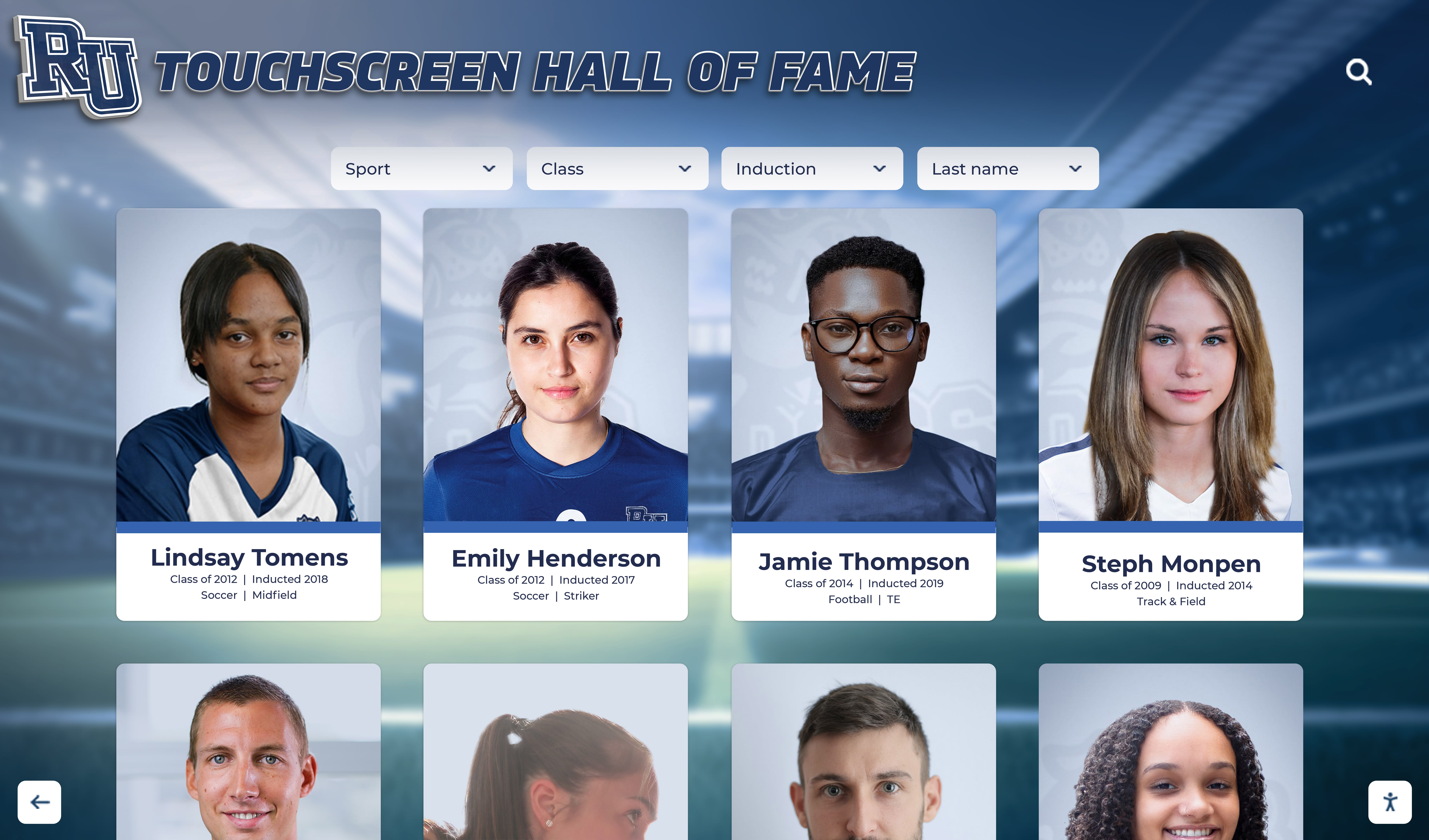
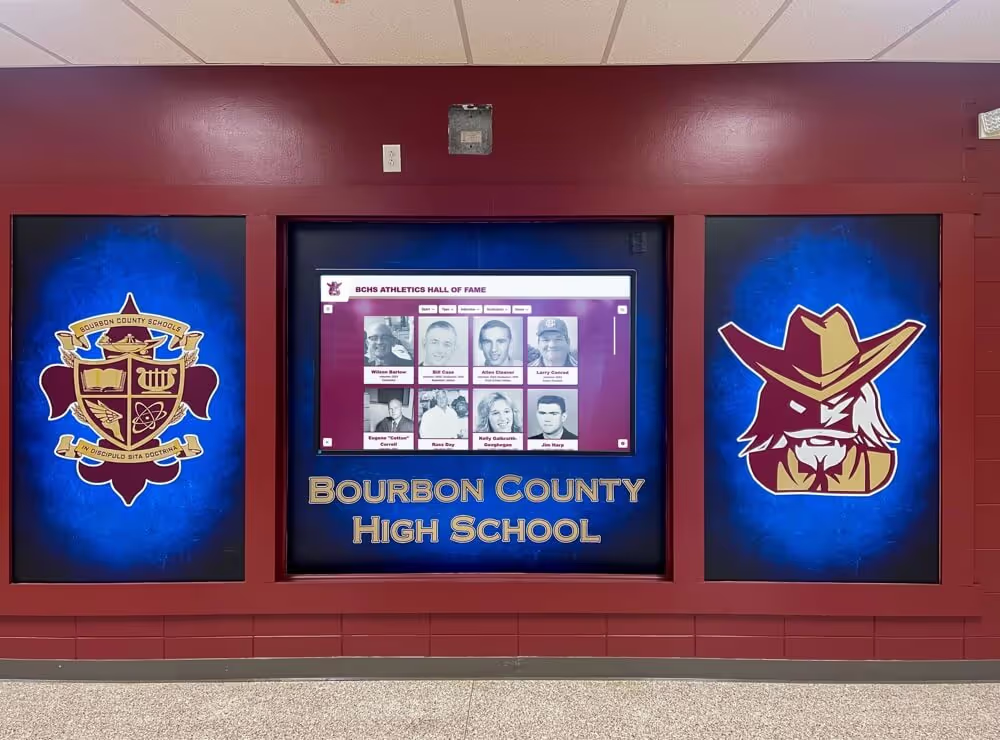
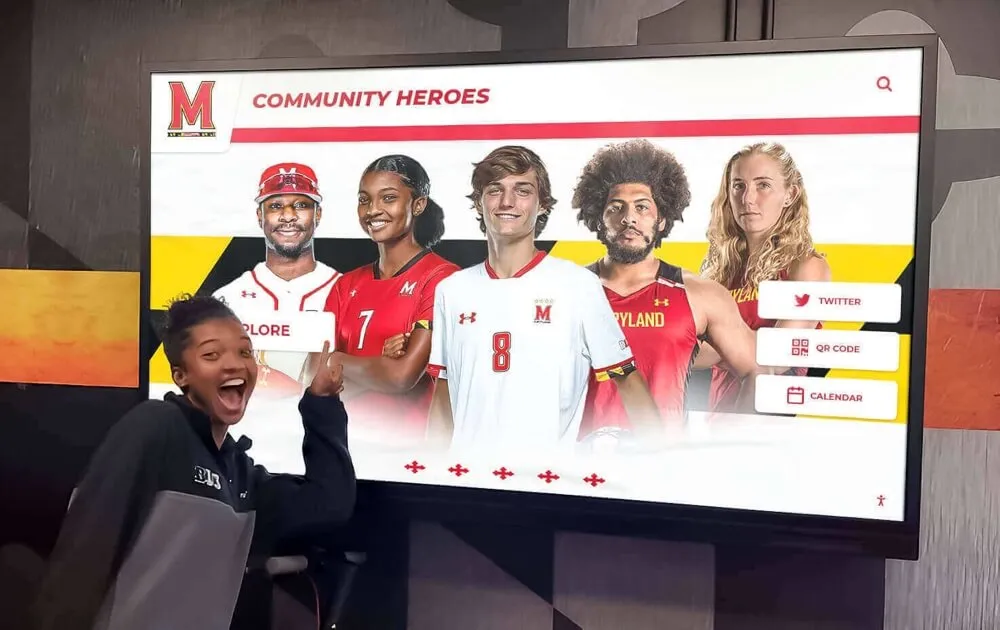
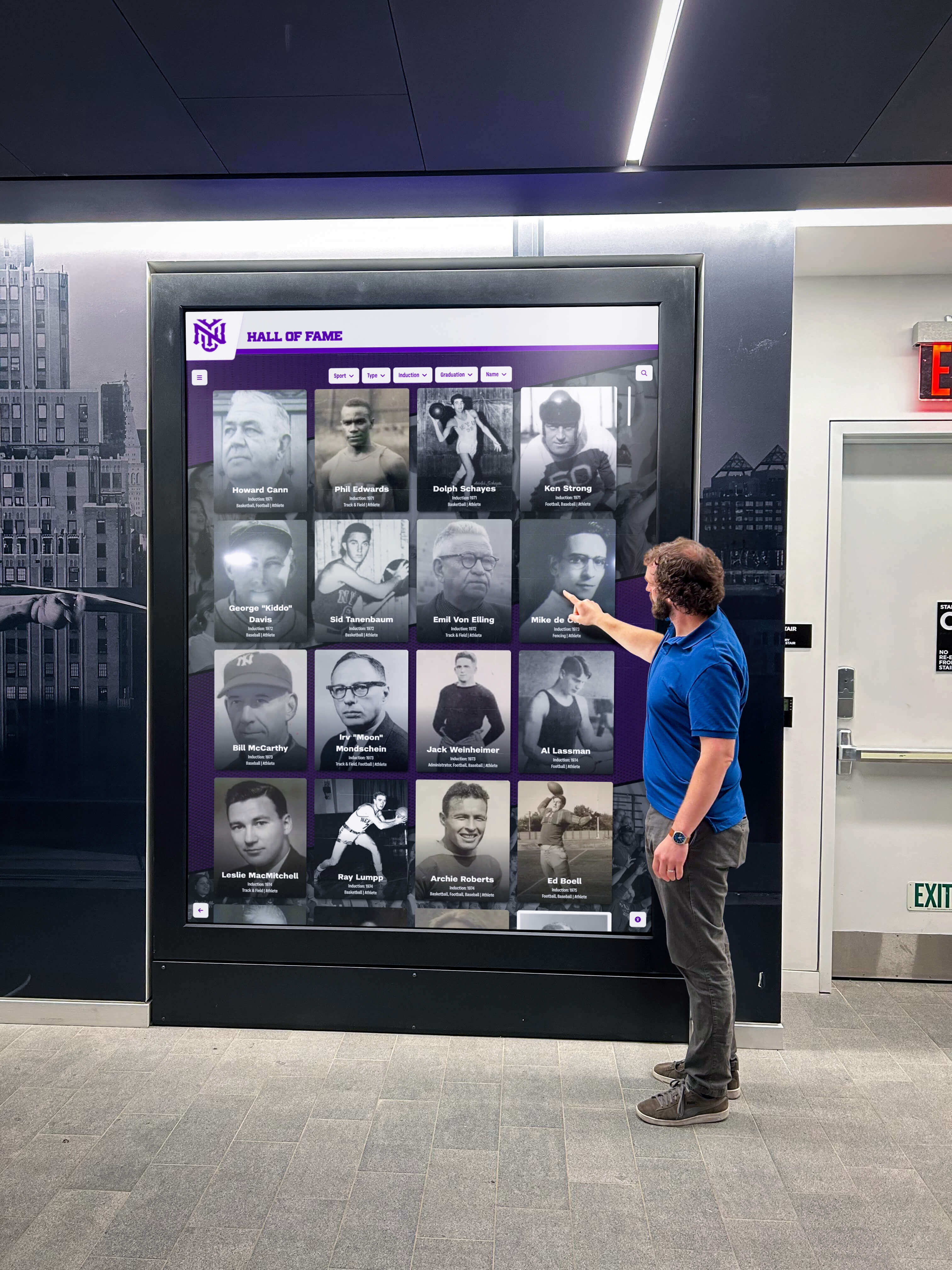
Grid navigation enables efficient browsing while maintaining visual appeal through consistent photography and organized layout that invites exploration and discovery
Layout and Interface Design: Creating Engaging Touchscreen Experiences
The visual design and interaction patterns of alumni advice displays significantly impact student engagement and program effectiveness—thoughtful UX design transforms potentially dry advice directories into compelling experiences students actively seek out.
Experience Layout Blueprint for Alumni Advice Displays
Effective alumni advice touchscreen experiences require carefully designed layout architectures balancing information density with visual clarity and intuitive navigation.
Hero Zone: Inspiration and Entry Point
The top screen area (approximately 20-25% of vertical space) should feature rotating hero spotlights showcasing compelling alumni stories with professional photography, brief career summaries, featured advice quotes, and prominent “Explore Their Story” call-to-action buttons.
This hero zone immediately captures attention, communicates program value, and provides clear entry points for exploration rather than confronting users with overwhelming directory listings or abstract navigation menus.
Primary Navigation: Advice Discovery Pathways
Below the hero zone, horizontal navigation provides primary discovery pathways organized by student need including “Choose a Career Path” (industry/field browsing), “Find a Mentor” (alumni search by characteristics), “Get Specific Advice” (topic-based browsing), “Watch Video Stories” (multimedia content library), and “Recent Graduate Insights” (young alumni perspectives).
Clear iconography accompanies navigation labels, using visual metaphors that communicate purpose even before reading text—career exploration might use compass icons, mentorship might show connected profiles, specific advice might display speech bubbles.
Content Display: Rich Alumni Profiles
When students select specific alumni, comprehensive profile layouts should include professional headshot photography (positioned prominently upper-left), career trajectory timeline (showing position progression), featured advice sections (organized by topic categories), multimedia content (video interviews or audio messages), educational background (degrees and graduation years), contact information (with permission), and “Connect” call-to-action (facilitating direct outreach).
Profile layouts should follow consistent templates enabling efficient scanning while allowing unique personalization reflecting individual alumni personalities and stories.
Interaction Patterns and Micro-Animations
Thoughtful interaction design and subtle motion enhance user engagement and communication of interface affordances.
Touch-Responsive Feedback
All interactive elements should provide immediate visual feedback when touched—buttons should display subtle press states, cards should lift or highlight on hover, navigation elements should animate to indicate selection, and transitions should clearly communicate navigation direction.
This responsiveness creates satisfying tactile experiences that encourage continued exploration and clearly communicate what is interactive versus static content.
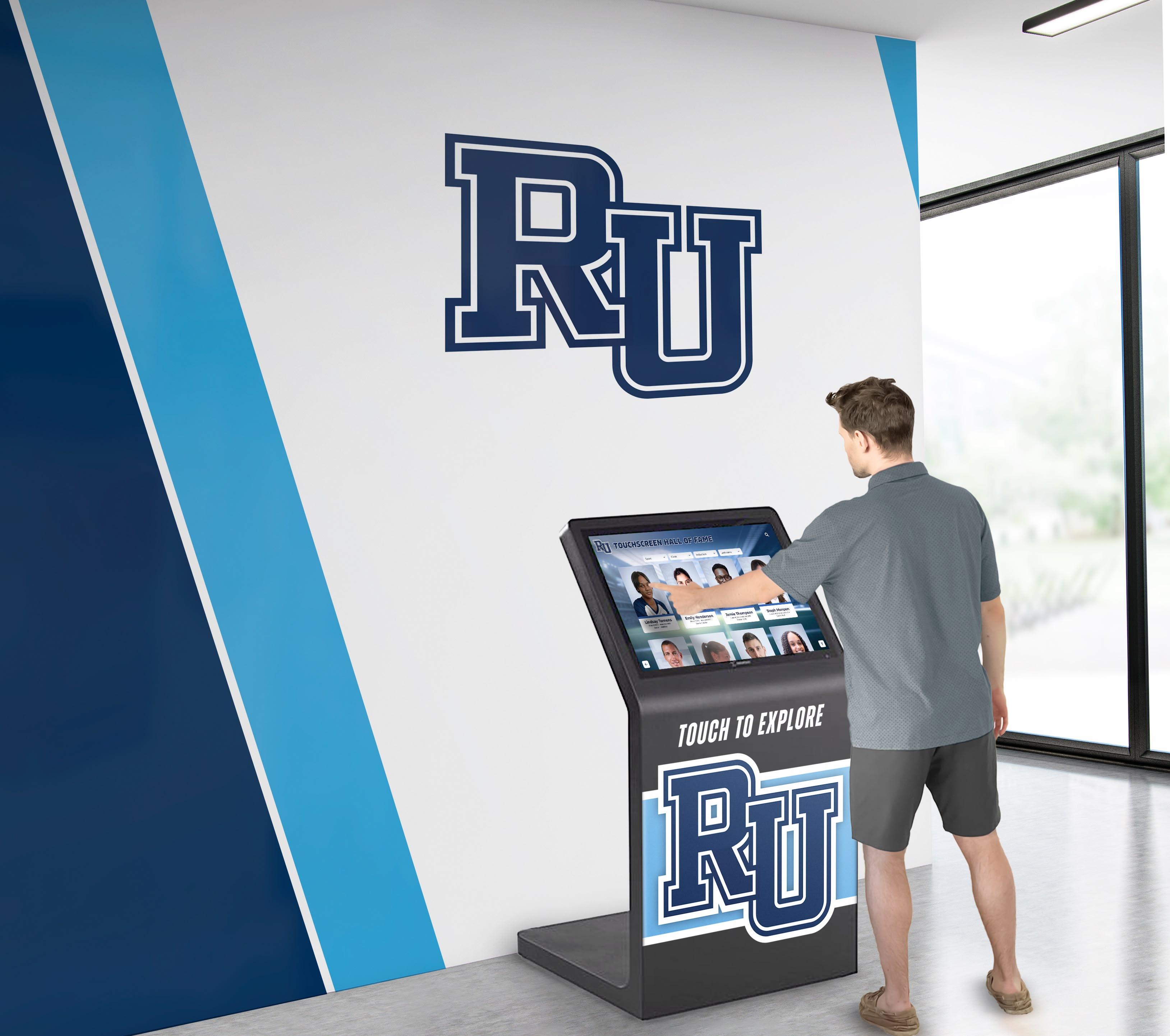
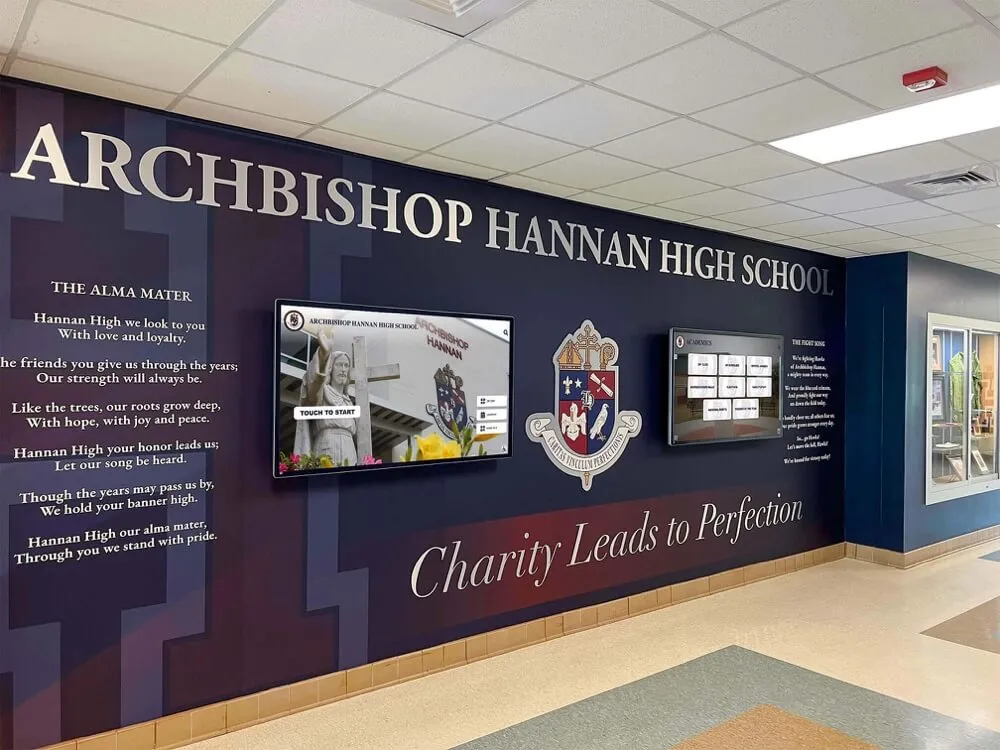
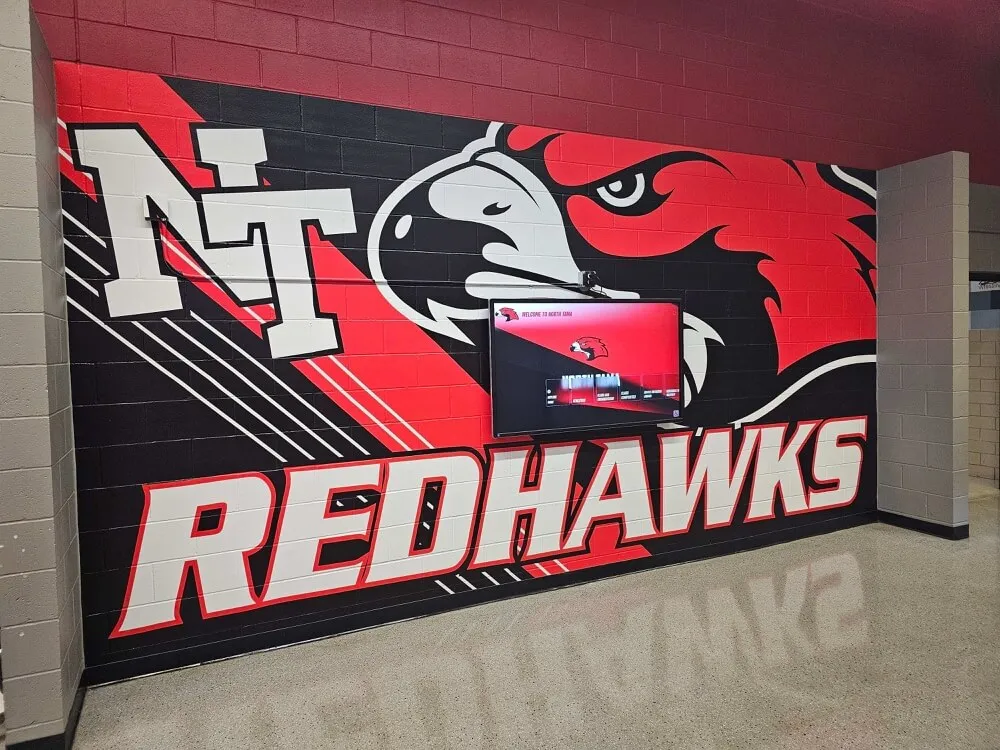
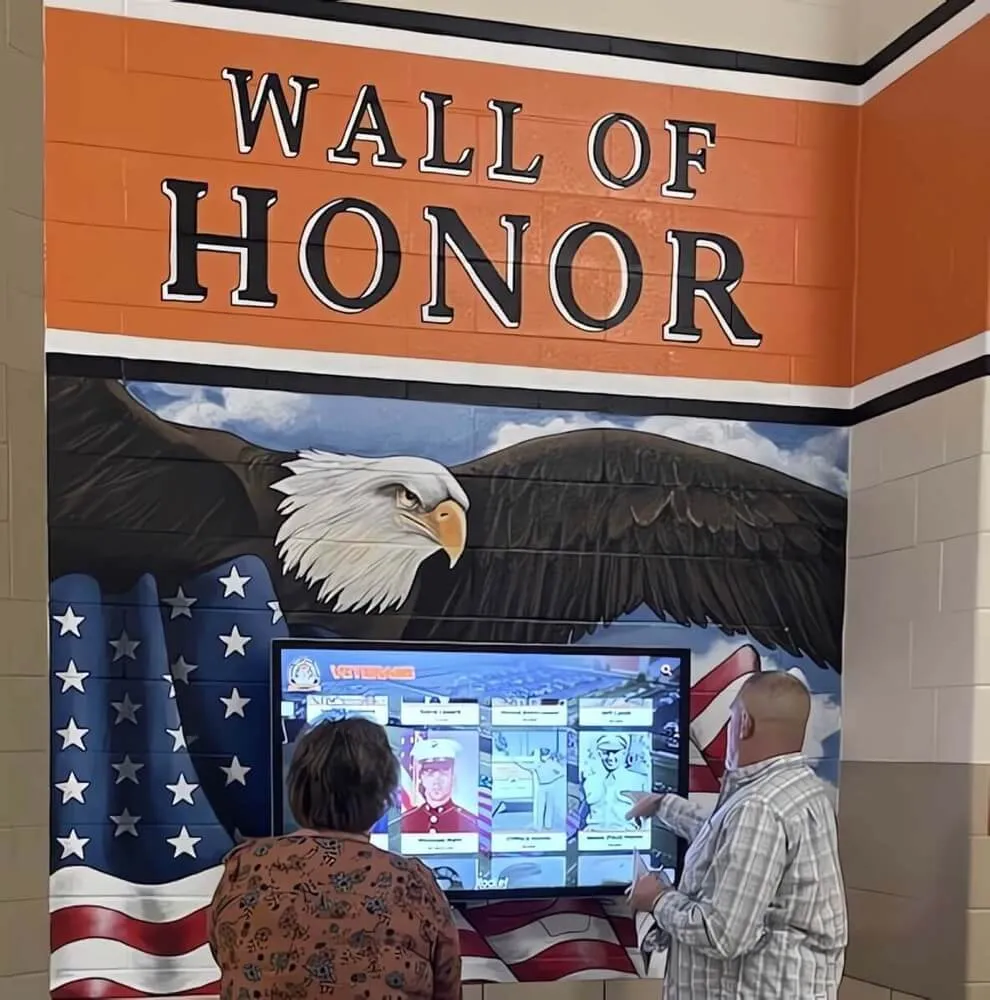
Campus installations ensure current students regularly encounter alumni wisdom, inspiring career exploration during daily activities and building mentorship connections
Gesture-Based Navigation
Touch displays should support intuitive gesture navigation including swipe gestures (for moving between alumni profiles), pinch gestures (for zooming into detailed content), vertical scrolling (for reading long-form advice), tap-to-expand (for revealing additional information), and pull-to-refresh (for updating featured content).
These familiar mobile interaction patterns leverage existing user mental models rather than requiring learning of custom navigation schemes.
Contextual Micro-Animations
Subtle animations can guide attention and communicate relationships—featured quotes might gently slide into view, new content might pulse briefly when added, related alumni might connect with animated lines, career pathways might unfold progressively, and successful contact form submissions might celebrate with satisfying confirmation animations.
These micro-interactions should enhance rather than distract, adding delight without slowing navigation or creating visual noise that interferes with content consumption.
Accessibility and Universal Design Considerations
Alumni advice displays must remain accessible to all students regardless of physical abilities, ensuring equitable access to valuable mentorship resources.
ADA WCAG 2.1 AA Compliance
All design elements should meet accessibility standards including sufficient color contrast ratios (minimum 4.5:1 for normal text), text sizing controls (enabling user adjustment), screen reader compatibility (with proper semantic markup), keyboard navigation support (for assistive technology), focus indicators (clearly showing current element), and alternative text (describing all meaningful images).
These technical requirements ensure students with visual, motor, or cognitive disabilities can fully access alumni advice without barriers.
Multi-Modal Content Presentation
Advice should be available in multiple formats accommodating different preferences and needs including written text (for reading), video content (for visual learners), audio recordings (for auditory learners), transcript alternatives (for video/audio content), and visual infographics (for complex information).
This multi-modal approach ensures all students can access advice in formats matching their learning preferences and accessibility requirements.
Physical Display Ergonomics
Touchscreen installations should consider physical accessibility including appropriate mounting heights (serving users of varying heights and wheelchair users), sufficient reach zones (avoiding controls requiring extended reach), screen angles (reducing glare and optimizing viewing), adequate space (for wheelchair approach), and nearby seating (for extended browsing sessions).
Understanding interactive touchscreen software considerations provides technical context for implementing accessible, high-performance alumni advice platforms.

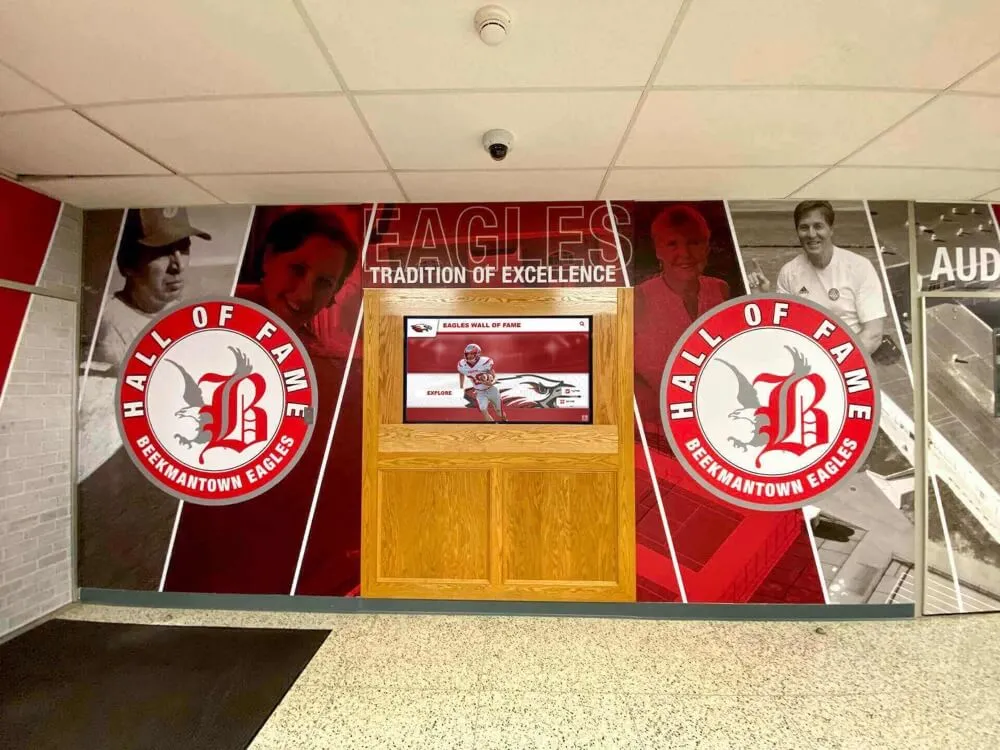
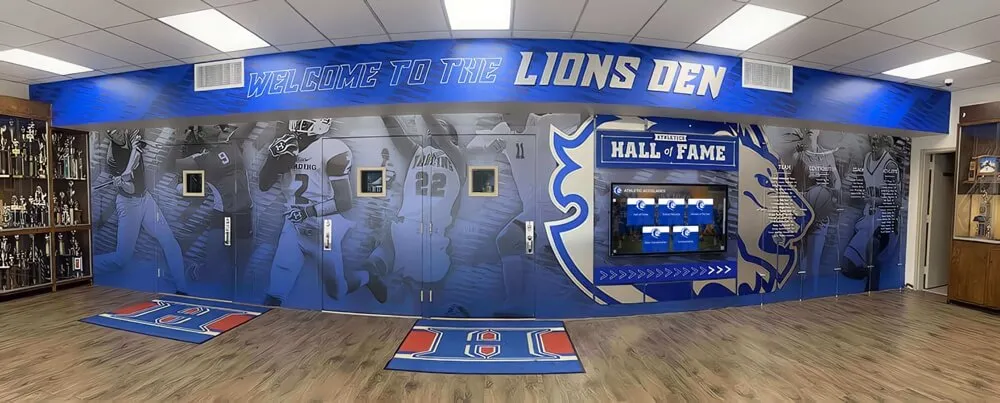
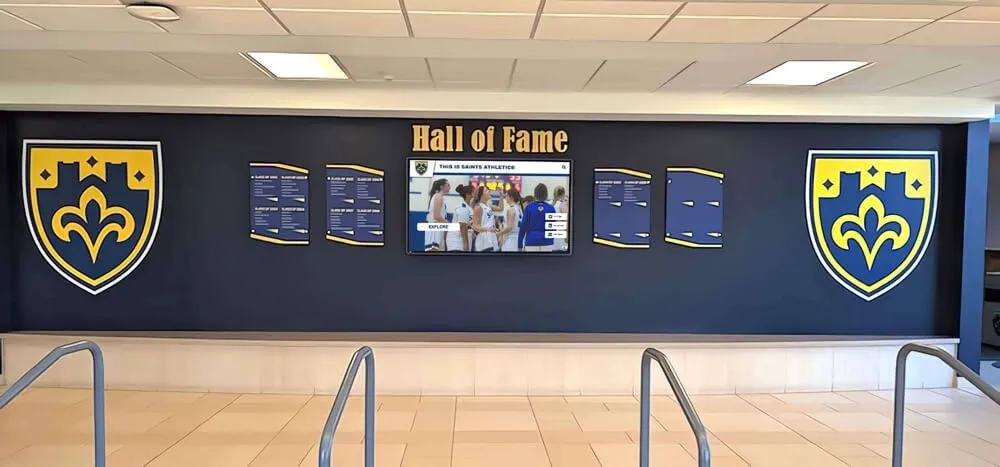
Dedicated recognition spaces create environments encouraging extended visits and group exploration, deepening community engagement with alumni stories and institutional heritage
Content Blocks and Motion: Designing Dynamic Advice Modules
Alumni advice displays should incorporate varied content modules that maintain visual interest while serving different informational and engagement purposes throughout the user experience.
Rotating Featured Advice Spotlights
Rather than static welcome screens, dynamic featured content modules showcase compelling alumni advice that updates regularly.
Quote Carousels
Prominent advice quotes from diverse alumni rotate every 15-20 seconds, featuring brief wisdom (1-2 sentences maximum), alumni name and graduation year, professional headshot photography, subtle fade transitions between quotes, and “Read Full Story” interaction prompts.
These rotating quotes provide engaging visual movement while exposing students to varied advice perspectives they might not have discovered through deliberate searching.
Video Preview Modules
Short video clips (10-15 seconds each) auto-play silently in designated screen zones, showing alumni delivering advice in their own words, professional or workplace settings providing context, captions displaying spoken content for accessibility, and “Watch Complete Interview” expansion options.
Auto-playing video (with audio only on selection) captures attention more effectively than static imagery while respecting user control over audio engagement.
Career Journey Timelines
Animated timelines visualize alumni career progressions from graduation through present, highlighting key milestones with date markers, showing position changes and advancement, revealing educational credentials obtained, indicating geographic relocations, and enabling tap-to-expand for detailed information about each career stage.
These animated timelines make career trajectory data more engaging and understandable than text-only chronological listings.
Advice Topic Deep-Dive Sections
When students select specific advice categories, dedicated content modules present relevant guidance in scannable, actionable formats.
Thematic Advice Cards
Individual advice insights appear as distinct visual cards featuring specific advice or recommendation (concise headline), brief elaboration (2-3 supporting sentences), alumni attribution (name, photo, field), related advice links (for further exploration), and save/share functionality (for later reference).
Card-based layouts enable efficient scanning of multiple advice pieces without forcing linear reading of lengthy continuous text.
Comparison Matrices
For advice about choosing between options, comparison matrices present structured guidance including row labels (different choices or pathways), column categories (evaluation dimensions), cell content (pros, cons, considerations), alumni insights (annotated throughout matrix), and clear visual differentiation (color-coding or iconography).
These structured comparisons help students evaluate complex decisions more systematically than narrative advice alone provides.
Step-by-Step Guidance Modules
For process-oriented advice (like job searching or graduate school applications), numbered sequential modules present systematic guidance including step identification (numbered or labeled phases), specific actions (what to do at each step), timeline context (when to complete each phase), common mistakes (alumni warnings), success tips (strategies that worked), and progress tracking (for students following the guidance).
These structured modules transform general advice into actionable roadmaps students can follow systematically.
Explore comprehensive approaches to alumni where are they now spotlight programs that can complement advice-focused displays with narrative career storytelling.
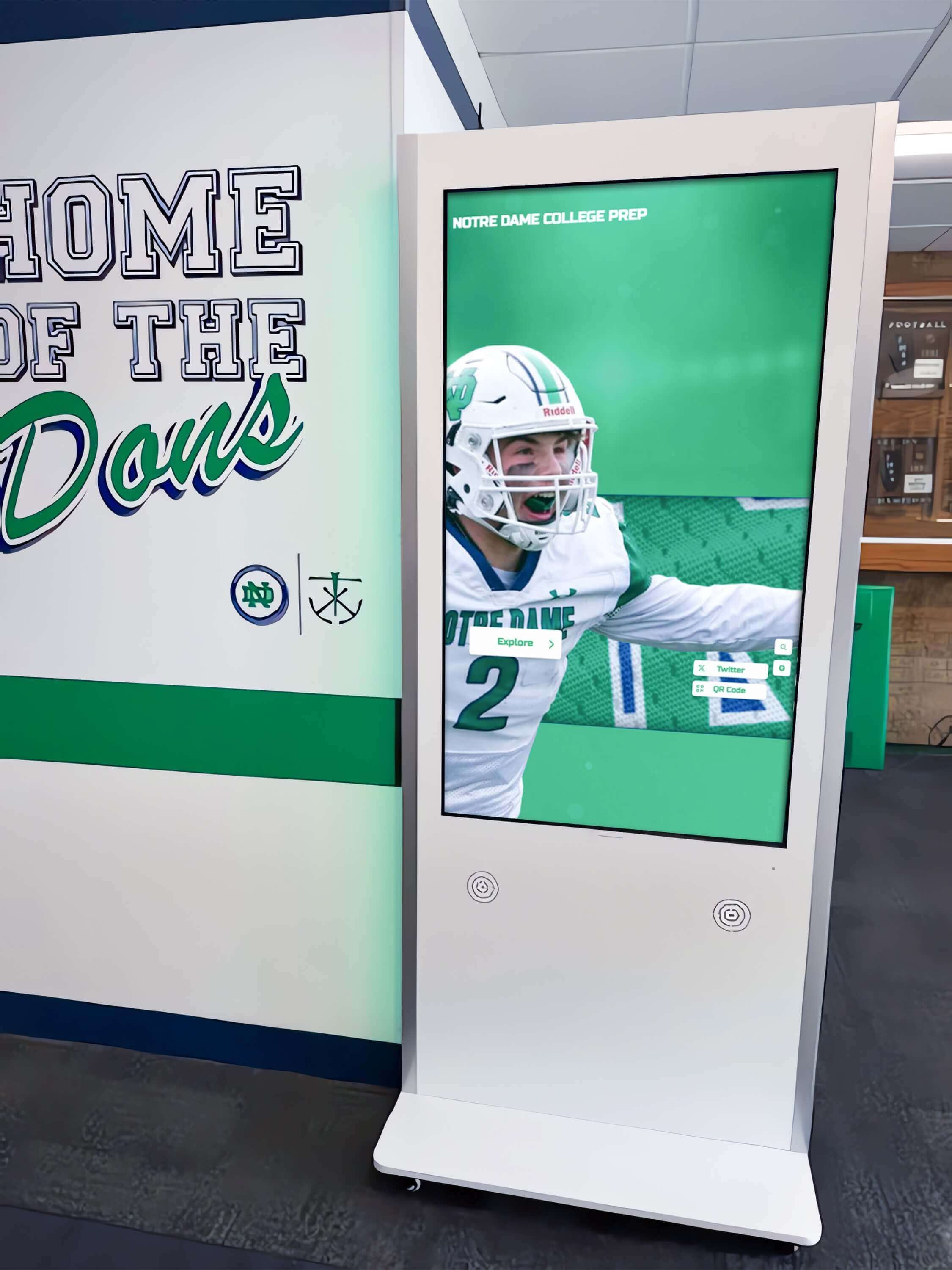
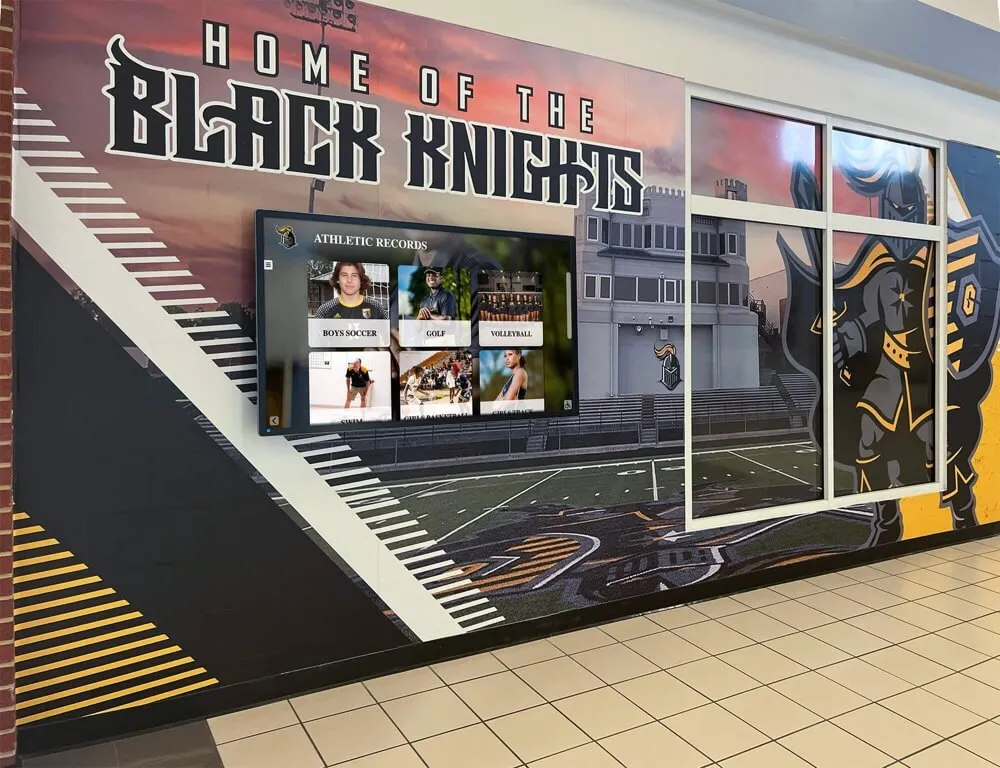
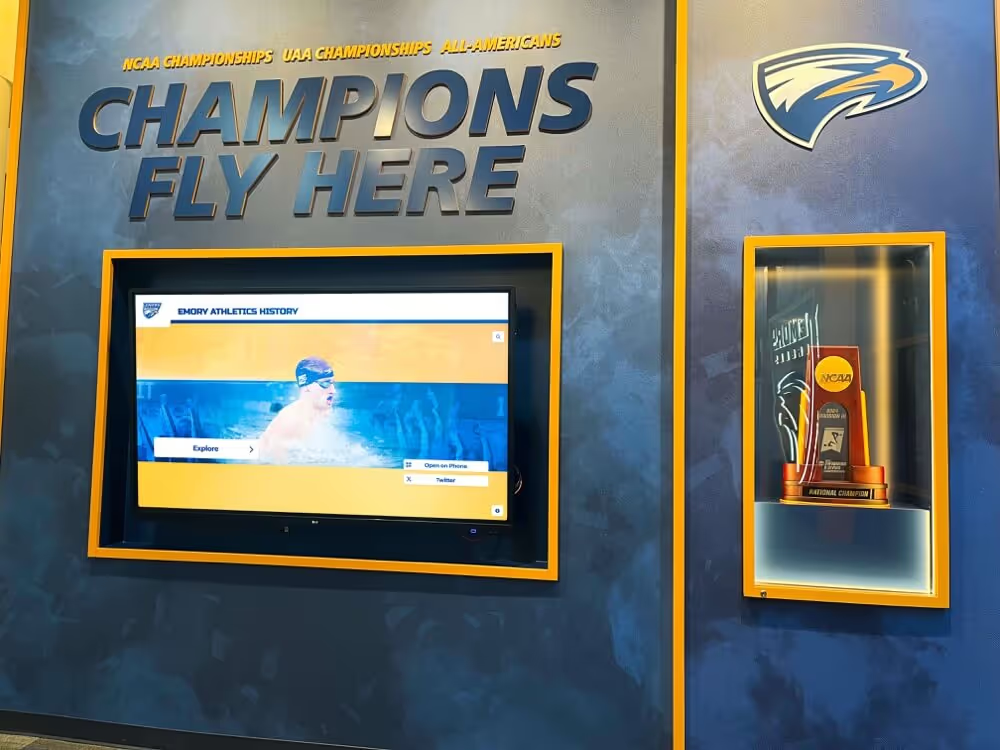
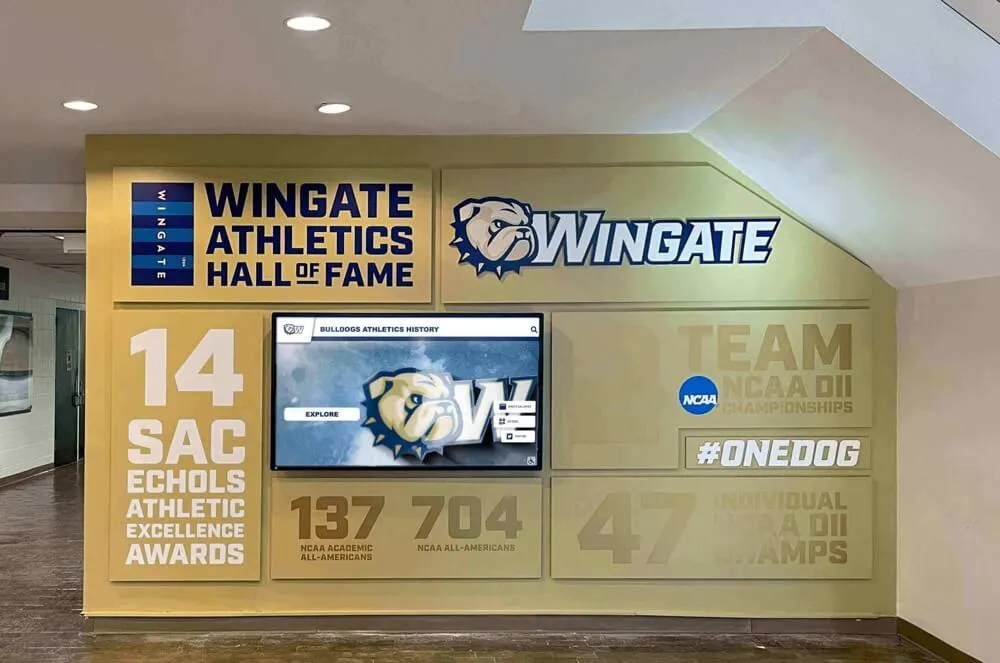
Athletic facility displays capture game day visitors while demonstrating program excellence through systematic celebration of distinguished alumni across all eras
Brand Integration and Customization: Aligning Advice Displays with Institutional Identity
Alumni advice experiences should feel authentically connected to institutional culture and visual identity rather than appearing as generic third-party platforms.
Visual Identity Integration
Comprehensive brand alignment ensures alumni advice displays feel native to institutional environments.
Color System and Typography
All interface elements should utilize institutional color palettes including primary brand colors (for key navigation and CTAs), secondary accent colors (for supporting elements), neutral backgrounds (providing content hierarchy), semantic colors (maintaining meaning across platform), and proper contrast (ensuring accessibility compliance).
Typography should match institutional standards using approved font families, appropriate size hierarchies, consistent weight applications, proper line spacing, and optimized readability across display distances.
Photography and Imagery Style
Visual content should maintain consistent aesthetic approaches including authentic campus photography (showing real locations), professional alumni portraits (with consistent lighting and framing), lifestyle imagery (depicting career contexts), historical archival photos (connecting past to present), and branded graphic elements (reinforcing institutional identity).
This visual consistency creates cohesive experiences that feel professionally executed and institutionally authentic rather than cobbled together from disparate sources.
Custom Backgrounds and Layouts
Rather than generic templates, custom-designed layouts should reflect institutional character including campus landmark backgrounds (aerial photos, iconic buildings), team or program specific themes (for athletic facilities), college or department branding (for decentralized installations), seasonal or event variations (homecoming, graduation, etc.), and unlimited layout flexibility (avoiding cookie-cutter uniformity).
Solutions like Rocket Alumni Solutions enable these unlimited custom layouts while maintaining manageable content administration through cloud-based management systems requiring no on-site technical expertise.
Content Tone and Messaging
Beyond visual identity, language and messaging should align with institutional communication standards.
Voice and Personality
Advice display copy should match institutional voice including formal or conversational tone (matching broader communication), inclusive language (reflecting community values), inspirational messaging (motivating student engagement), authentic storytelling (avoiding marketing hyperbole), and consistent terminology (using institutional nomenclature).
This voice consistency ensures advice displays feel integrated with broader institutional communication rather than disconnected from campus culture.
Motivational Framing
Content framing should emphasize institutional values and priorities including academic excellence (celebrating intellectual achievement), career success (highlighting professional outcomes), community connection (strengthening multi-generational bonds), social impact (demonstrating values-driven careers), and personal growth (supporting holistic development).
This values-aligned framing ensures alumni advice supports broader institutional mission rather than focusing narrowly on career placement metrics alone.
Understanding digital hall of fame design approaches provides additional context for creating compelling recognition experiences that celebrate community excellence.
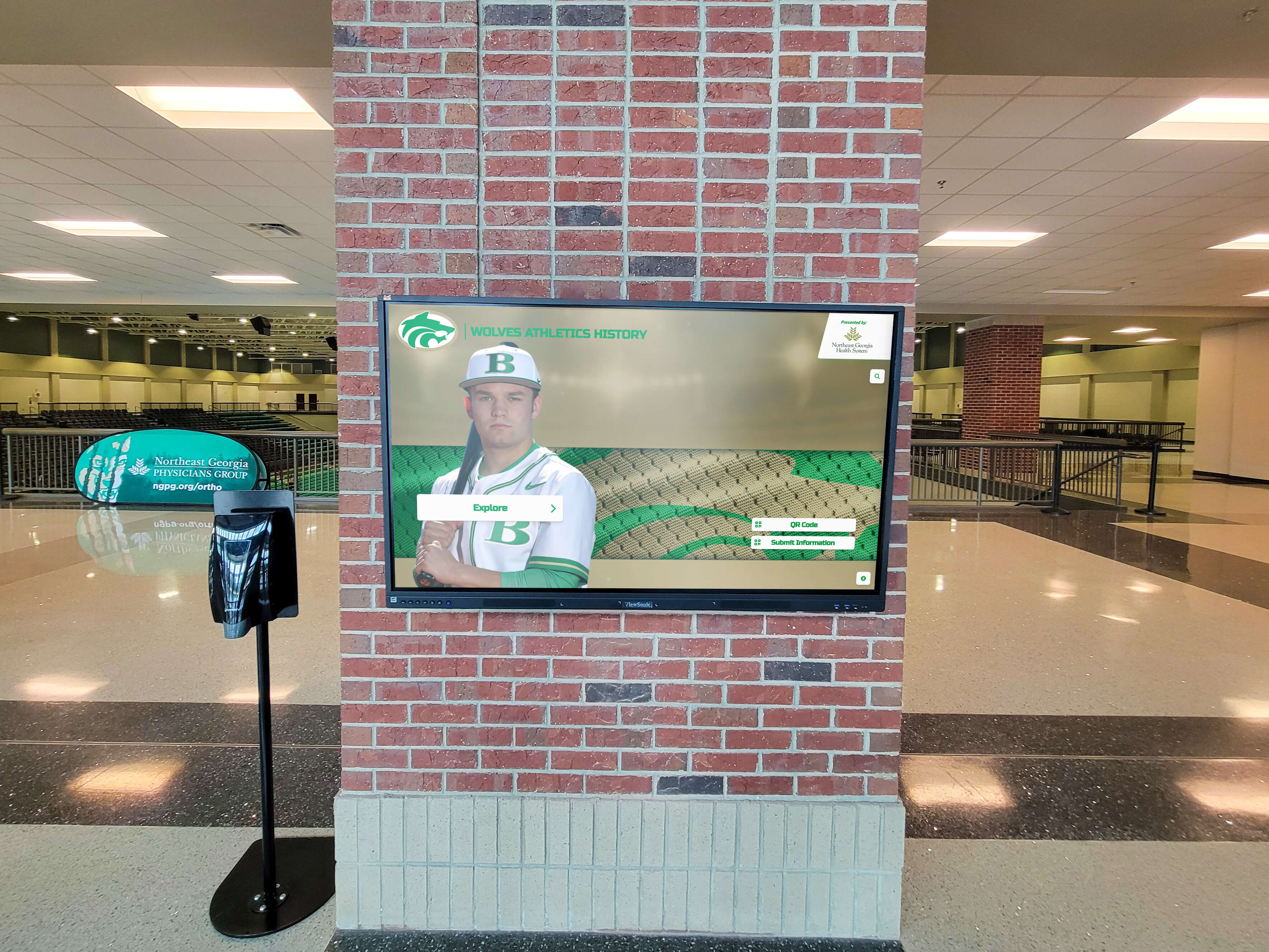
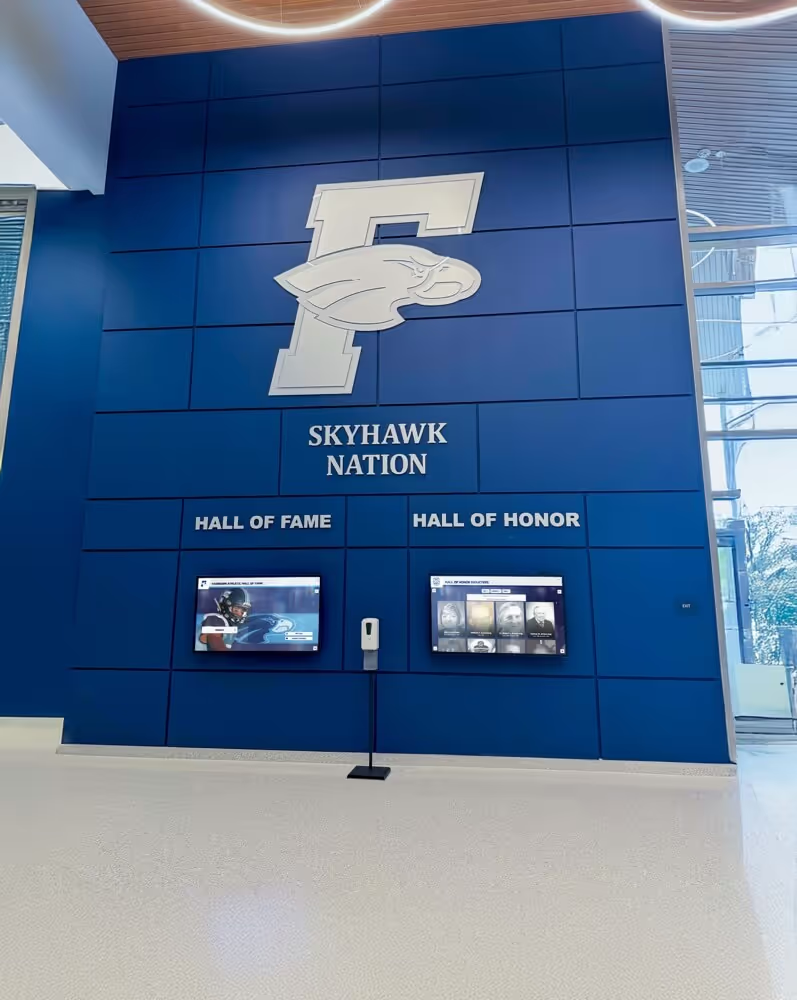
Athletic venue displays ensure recognition visibility during games and events when large audiences gather, maximizing alumni celebration reach and community engagement
Activation Plan: Launching and Sustaining Alumni Advice Programs
Even brilliantly designed alumni advice experiences deliver limited value without thoughtful activation strategies ensuring robust content collection, strategic placement, regular updates, and sustained student engagement over time.
Alumni Participation and Content Collection
Successful advice programs require systematic approaches for recruiting alumni participation and gathering compelling advice content.
Multi-Channel Alumni Outreach
Comprehensive recruitment strategies should include email campaigns (targeting alumni directly), social media appeals (leveraging existing followers), reunion programming (capturing advice during gatherings), alumni association partnership (leveraging volunteer networks), development officer referrals (identifying engaged alumni), and incentivization programs (recognizing participation).
Multiple recruitment channels ensure diverse alumni participation rather than advice concentrating among only the most engaged or well-connected graduates.
Structured Content Gathering Processes
Rather than open-ended “share some advice” requests that often produce generic platitudes, structured collection processes yield more valuable content including topic-specific prompts (addressing defined student needs), interview-based gathering (through conversations rather than forms), video recording sessions (capturing authentic delivery), professional editing support (polishing without losing authenticity), and iterative refinement (with alumni feedback).
These structured approaches produce advice that proves genuinely valuable rather than well-intentioned but ultimately generic guidance students can find anywhere.
Ongoing Content Refresh and Updates
Alumni advice programs require continuous content development maintaining relevance and freshness including quarterly content additions (new alumni profiles and advice), annual updates (refreshing existing alumni information), seasonal themes (aligning with academic calendar), timely responses (addressing emerging student concerns), and alumni-prompted updates (as careers and perspectives evolve).
This ongoing refresh prevents displays from becoming stale repositories of outdated advice disconnected from current student realities and alumni experiences.
Strategic Display Placement and Access
Physical and digital placement decisions significantly impact program reach and effectiveness.
High-Traffic Campus Locations
Physical touchscreen displays should occupy strategic positions including main lobby or commons areas (maximum daily traffic), student center locations (where students gather socially), career services offices (contextually relevant placement), academic building hallways (capturing students between classes), and athletic or arts facilities (discipline-specific advice access).
Multiple placement locations ensure repeated exposure across varied student populations and campus activities rather than limiting access to single-location installations.
Multi-Platform Digital Access
Beyond physical displays, advice content should remain accessible through complementary digital channels including responsive web portals (for desktop and mobile access), dedicated mobile applications (for on-the-go exploration), QR code connections (from print materials to digital profiles), email feature campaigns (highlighting specific advice regularly), and social media integration (sharing advice excerpts and driving traffic).
This omnichannel approach maximizes accessibility while driving engagement across students’ existing digital touchpoints.
Time-Based Content Scheduling
Smart content management systems can schedule advice display based on temporal relevance including academic calendar alignment (early career advice during senior year), seasonal programming (internship guidance in spring), event coordination (entrepreneurship advice during innovation week), time-of-day variation (different content for morning versus evening), and automated rotation schedules (ensuring diverse content exposure).
This intelligent scheduling ensures students encounter contextually relevant advice matching their immediate needs and situations rather than random content disconnected from current realities.
Comprehensive approaches to alumni engagement ecosystems demonstrate systematic strategies for maintaining sustained multi-generational connections beyond single-program initiatives.
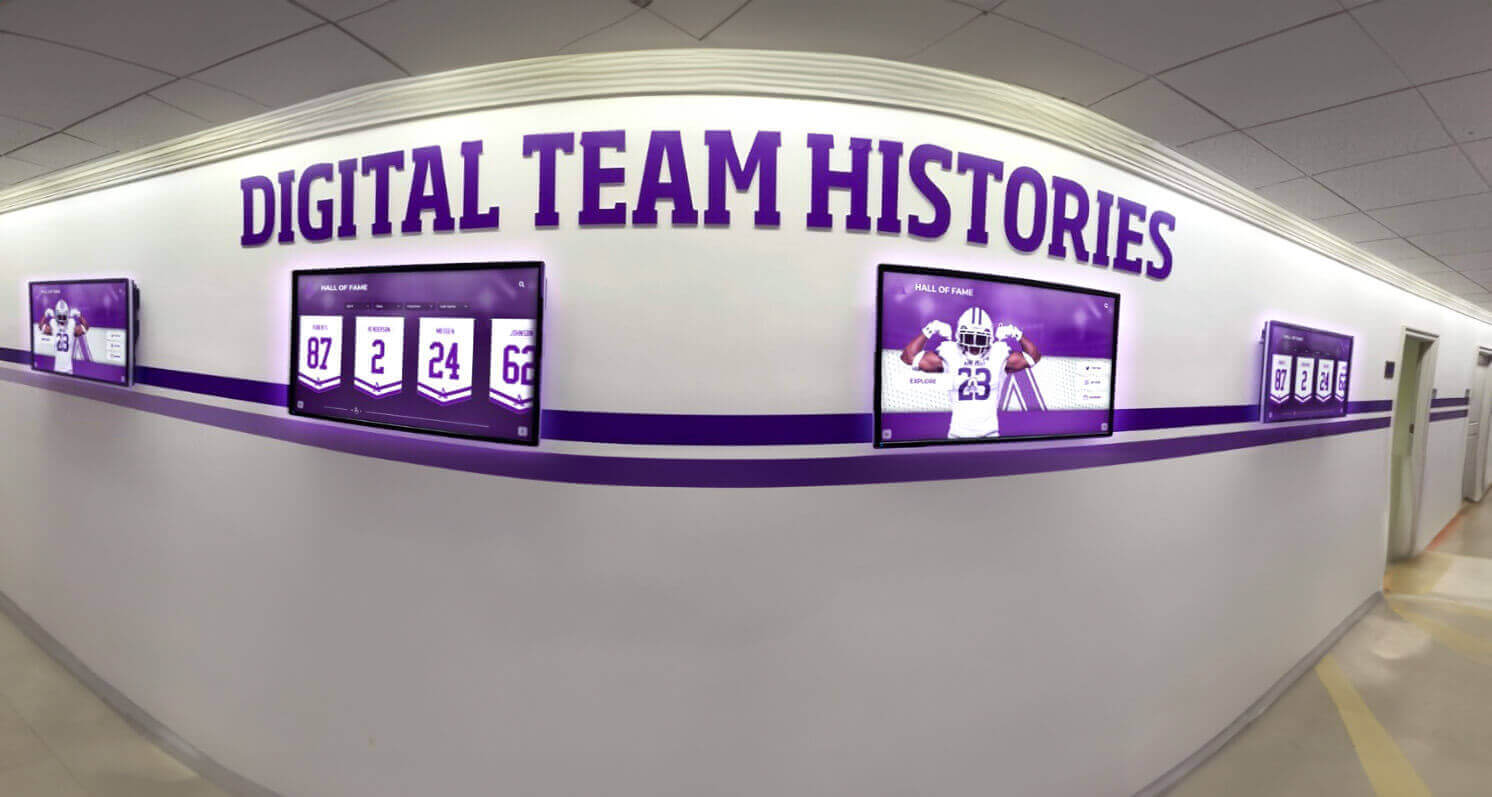
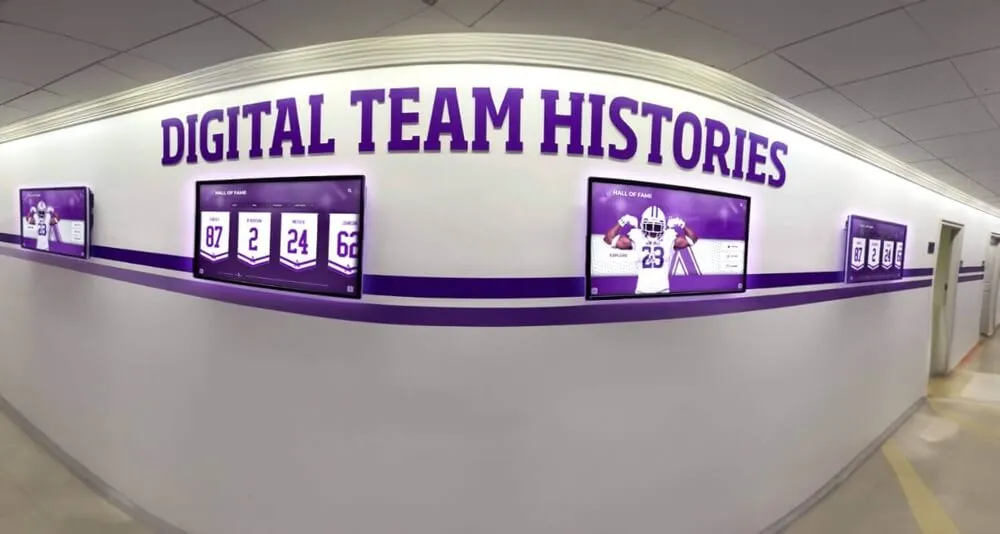
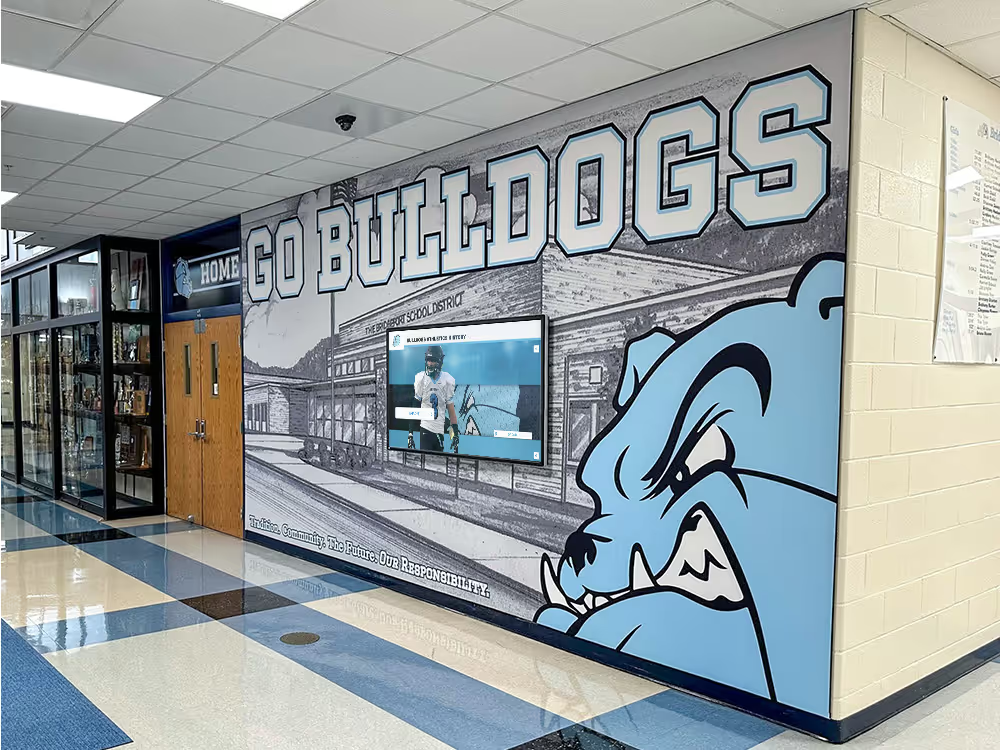
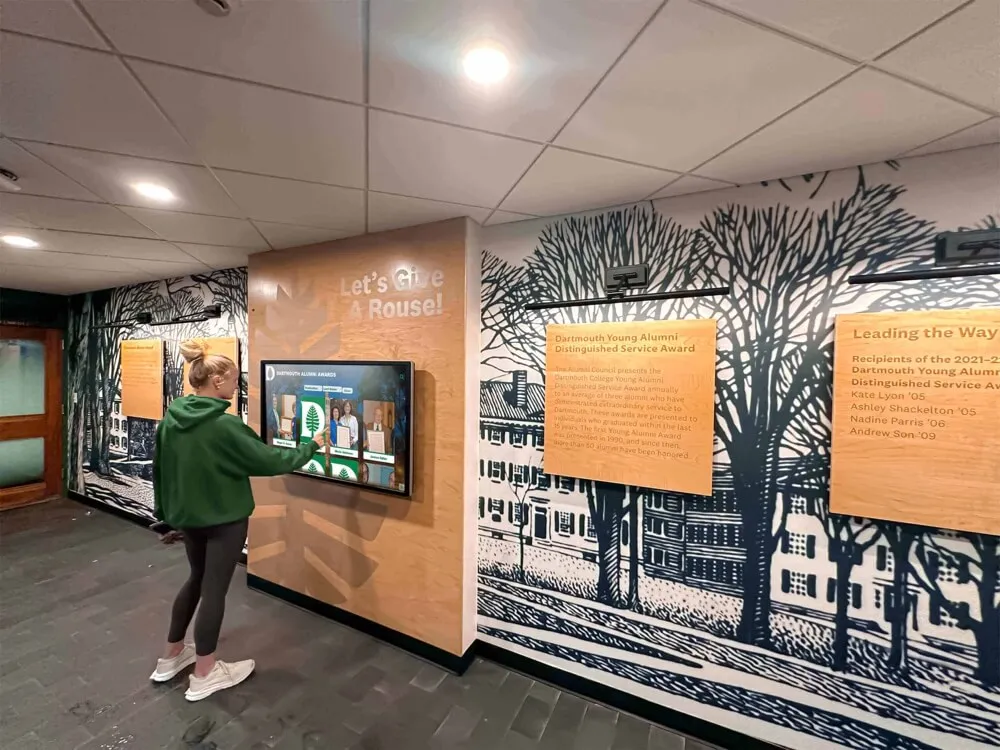
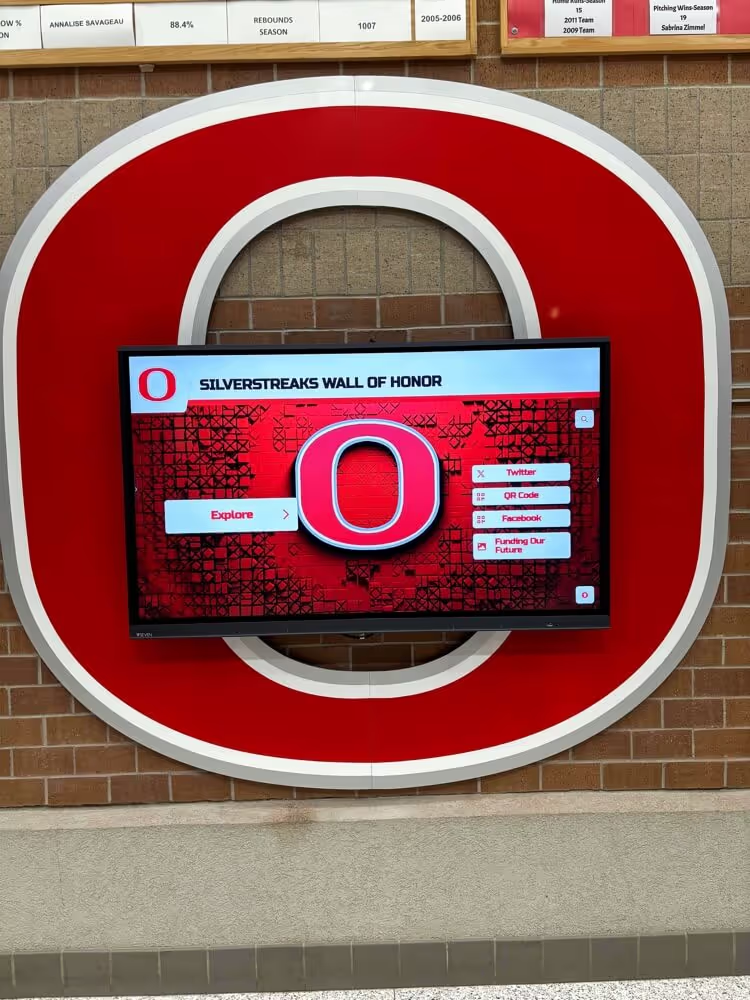
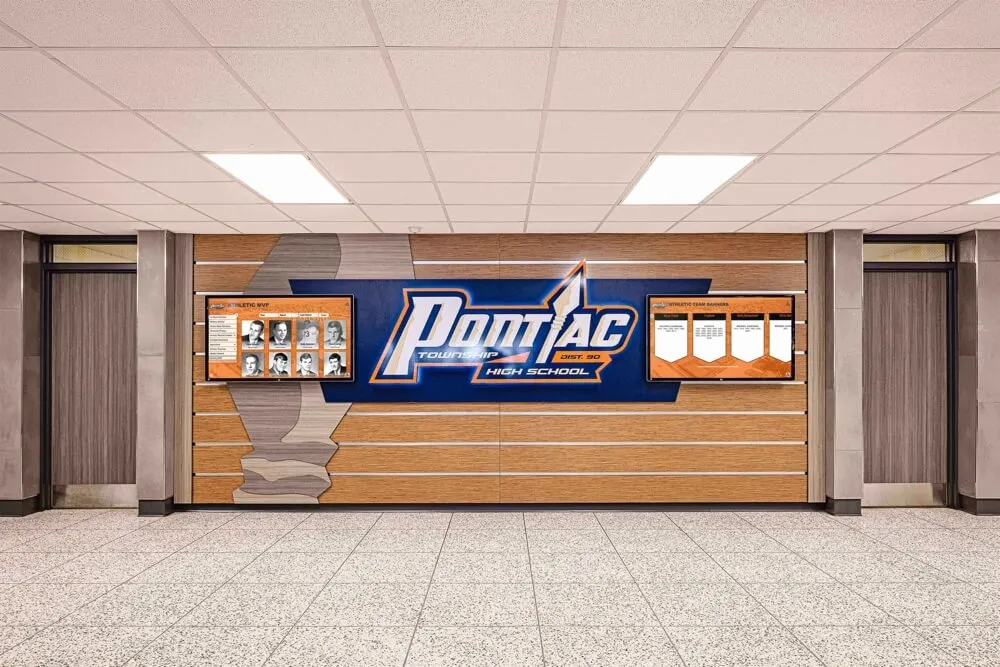
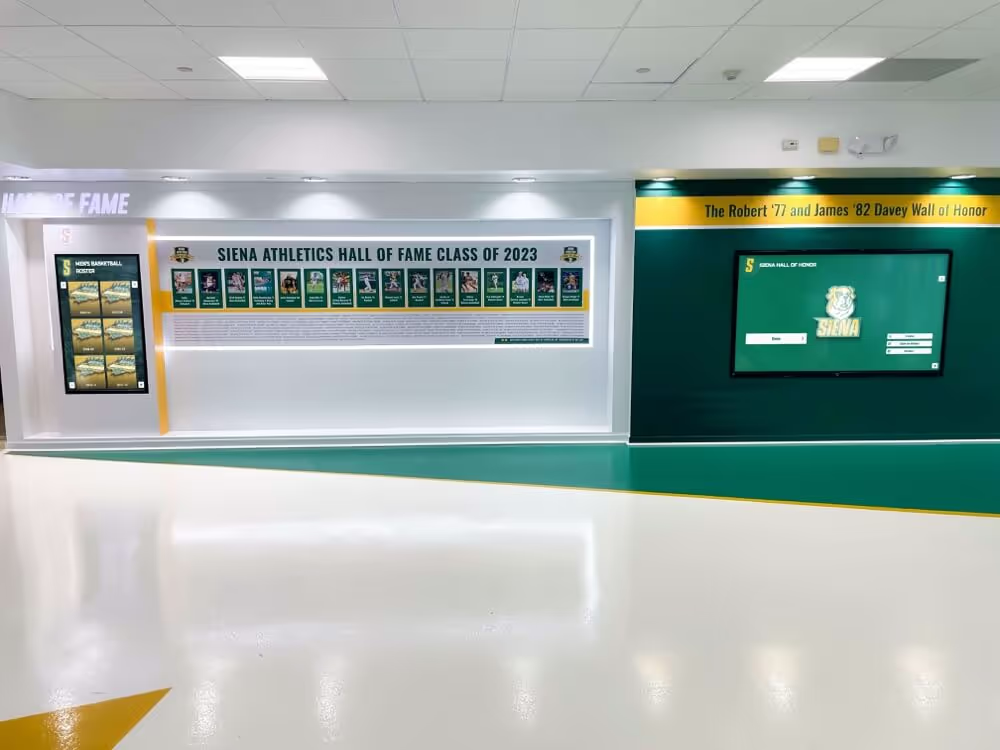
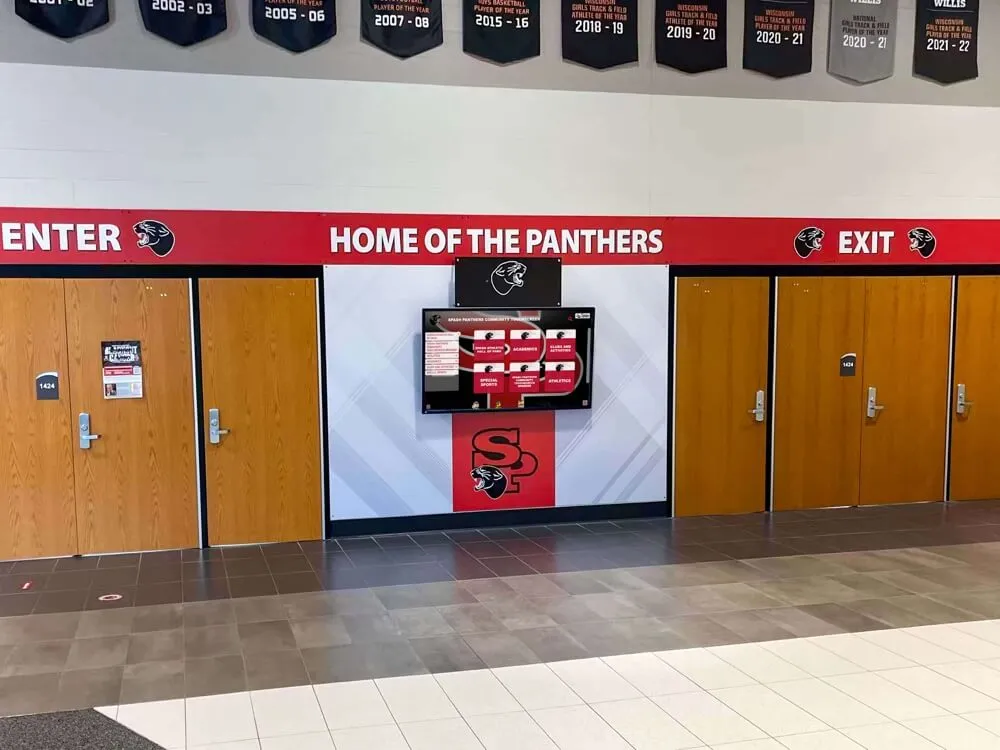
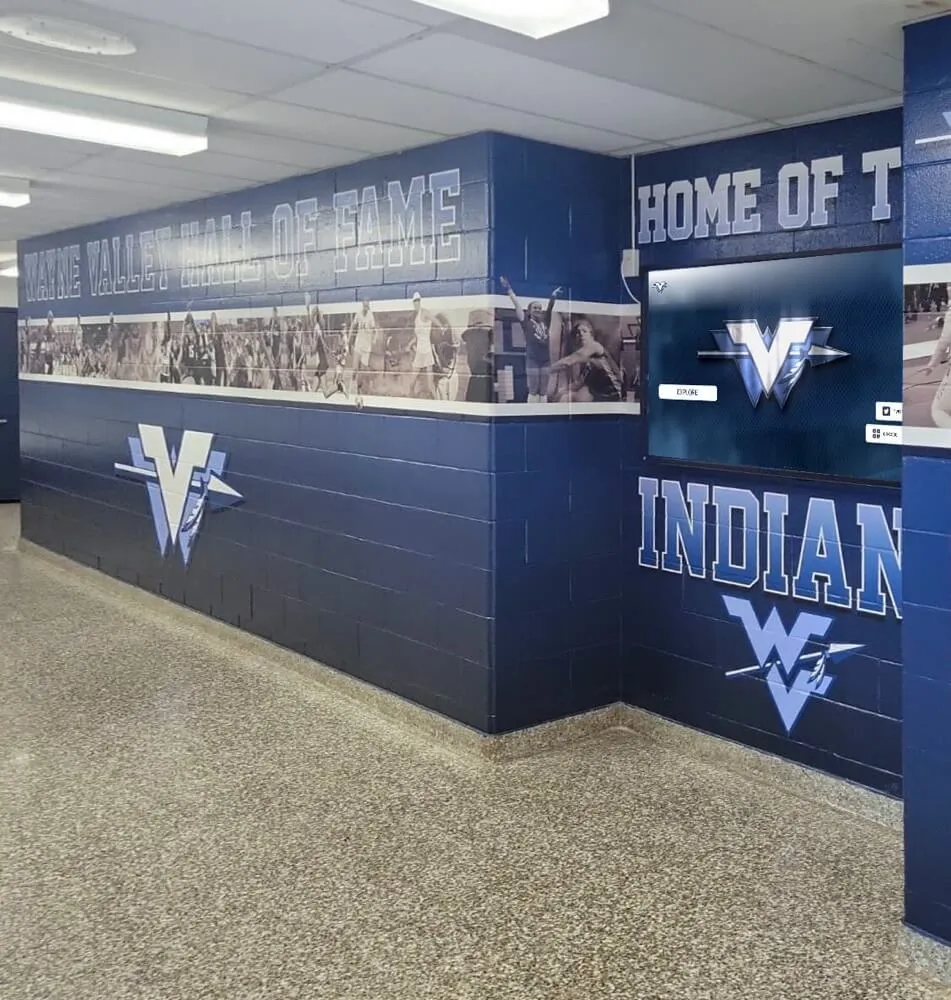
Hallway installations integrate recognition into daily campus environments, creating regular touchpoints between current students and alumni wisdom during routine activities
Measuring Success and Demonstrating Program Impact
Systematic assessment ensures alumni advice programs deliver intended value while providing evidence justifying continued resource investment and expansion.
Quantitative Engagement Metrics
Track measurable indicators demonstrating program reach and utilization including touchscreen interaction counts (total sessions and duration), unique users (estimated through traffic patterns), most-viewed alumni profiles (popularity indicators), most-accessed advice topics (demand signals), average session duration (engagement depth), repeat visitor rates (sustained interest), and contact form submissions (mentorship connections facilitated).
These numbers provide concrete evidence of program reach and student engagement levels, supporting budget requests and demonstrating return on investment.
Qualitative Impact Assessment
Gather stakeholder perspectives revealing whether advice achieves intended cultural impacts including student surveys (about program awareness and value), featured alumni feedback (on participation experience), career services observations (on student development impact), faculty perspectives (on educational value connections), prospective student reactions (during campus visits), and social media sentiment analysis (revealing emotional resonance).
Qualitative feedback reveals whether recognition achieves intended inspirational and developmental outcomes beyond numerical engagement metrics alone.
Continuous Improvement Frameworks
Use assessment data to enhance programs systematically including addressing student feedback (about content gaps or navigation challenges), expanding underrepresented advice categories (filling identified needs), improving content quality (based on engagement patterns), optimizing display placement (to increase accessibility), refining interface design (to enhance usability), and adjusting refresh cadence (maintaining appropriate novelty).
Regular evaluation enables program evolution ensuring sustained relevance and effectiveness rather than stagnation into maintenance-only mode that fails to respond to changing student needs.

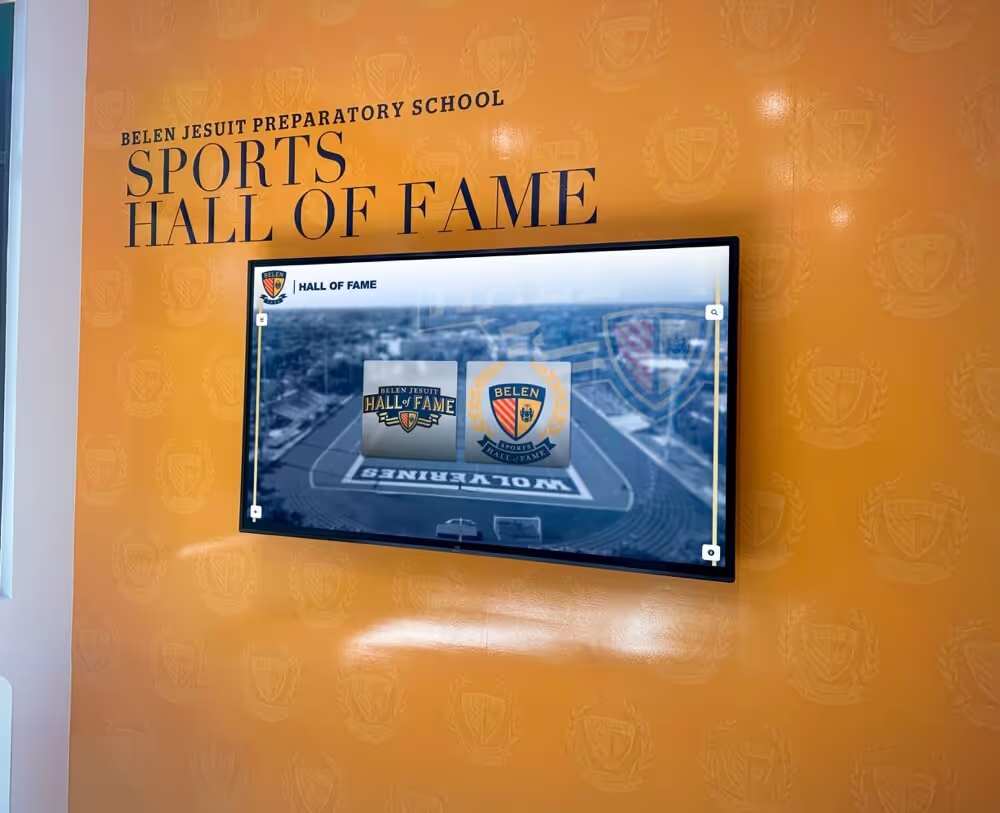
Professional photography and campus imagery create visually compelling displays that honor alumni while reinforcing institutional identity and community pride
Conclusion: Designing Alumni Advice Experiences That Strengthen Communities
Alumni advice programs represent strategic investments in student success, multi-generational community building, and institutional culture when designed thoughtfully and implemented sustainably. These systematic guidance initiatives honor alumni expertise while creating consistent support mechanisms for current students, providing inspiring career insights that motivate exploration, demonstrating educational value to prospective families, supporting holistic student development, and building traditions connecting generations across decades.
The design strategies explored in this guide provide comprehensive frameworks for creating alumni advice programs that serve students authentically while remaining operationally sustainable and strategically aligned with broader institutional goals. From content architecture ensuring discoverability to interface design maximizing engagement to brand integration maintaining institutional authenticity to activation planning ensuring sustained participation, these approaches transform alumni wisdom from scattered anecdotes into systematically accessible resources supporting student success.
Design Your Alumni Advice Experience
Discover how Rocket Alumni Solutions can help you create compelling interactive touchscreen experiences that connect current students with alumni wisdom through beautifully designed, ADA-compliant displays featuring unlimited custom layouts, cloud-based content management, and multi-device access that brings graduate guidance to life.
Book a DemoSuccessful alumni advice programs require thoughtful planning addressing content strategy ensuring valuable guidance addressing real student needs, information architecture enabling efficient discovery of relevant advice, interface design creating engaging experiences inviting exploration, accessibility standards ensuring equitable access for all students, operational sustainability preventing overwhelm while maintaining freshness, and strategic alignment supporting broader institutional objectives beyond mentorship alone.
Whether launching advice programs for the first time, revitalizing initiatives that have stagnated, or enhancing existing efforts with modern technology and systematic design approaches, the frameworks outlined here provide actionable roadmaps for schools and universities of all types and sizes. Every institution faces similar challenges—recruiting consistent alumni participation, collecting compelling advice content within limited staff capacity, creating accessible interfaces serving diverse student needs, and demonstrating measurable value justifying continued investment.
Your accomplished alumni possess invaluable wisdom earned through decades of professional experience, life challenges, career transitions, and personal growth. Current students deserve systematic access to this guidance—not through occasional events or haphazard email introductions, but through thoughtfully designed experiences that make alumni advice continuously accessible, beautifully presented, and strategically organized around authentic student needs. Modern interactive touchscreen technology makes this comprehensive access achievable.
Digital recognition platforms like Rocket Alumni Solutions transform alumni advice from abstract concepts into immersive experiences featuring unlimited custom layouts reflecting institutional identity, comprehensive alumni profiles combining advice with achievement celebration, intuitive navigation enabling efficient discovery, multimedia content supporting varied learning preferences, cloud-based management requiring no technical expertise, web and mobile extensions reaching students beyond physical displays, and ADA-compliant design ensuring universal accessibility.
Ready to design your alumni advice program? Explore comprehensive alumni recognition approaches that integrate advice with achievement celebration, discover digital archives for schools preserving institutional knowledge across generations, learn about alumni gathering area design creating physical spaces complementing digital advice platforms, understand student mentorship discovery approaches connecting students with relevant alumni mentors, and when ready to discuss your specific institutional needs, connect with Rocket Alumni Solutions to explore how purpose-built recognition technology can help you create the compelling alumni advice experiences your community deserves.
Alumni advice programs that provide genuine value, maintain intuitive accessibility, reflect institutional identity, operate sustainably, and align strategically transform graduate wisdom from distant memories into living resources supporting student success, strengthening multi-generational bonds, and building institutional pride that benefits entire educational communities across generations.