Many K-12 schools invest years building relationships with students, only to watch those connections fade after graduation. Without systematic alumni management infrastructure, schools lose valuable mentorship opportunities, fundraising potential, recruitment ambassadors, and the institutional memory that connects past accomplishments to current programs. Alumni CRM software for schools transforms scattered contact lists and irregular communications into strategic relationship management systems that cultivate lifelong graduate communities.
Unlike enterprise CRM platforms designed for sales teams or higher education systems built for large universities, K-12 alumni software must address unique challenges facing secondary schools: smaller advancement teams with limited technical expertise, modest budgets that can’t support expensive implementations, integration needs with student information systems and fundraising databases, and communication strategies that respect both recent graduates and alumni from decades past.
Choosing appropriate alumni CRM software for schools requires evaluating platforms through K-12-specific lenses—assessing not just feature lists, but implementation complexity, ongoing administrative burden, actual usage by staff and graduates, total cost of ownership, and whether solutions genuinely fit secondary school workflows rather than requiring schools to adapt to software designed for different institutional contexts.
This comprehensive guide explores what K-12 schools should prioritize when selecting alumni CRM software, which features deliver practical value versus creating administrative complexity, how to evaluate platforms against limited budgets and staffing, implementation strategies that ensure adoption rather than abandonment, and how modern recognition technologies complement database systems to create compelling alumni experiences.
Secondary schools successfully implementing well-matched alumni CRM platforms report engagement improvements of 35-50 percent within the first year, while those selecting based primarily on vendor presentations or feature checklists often revert to spreadsheets within 18 months after discovering that impressive capabilities don’t translate into practical usability for small advancement teams managing thousands of graduates across multiple decades.

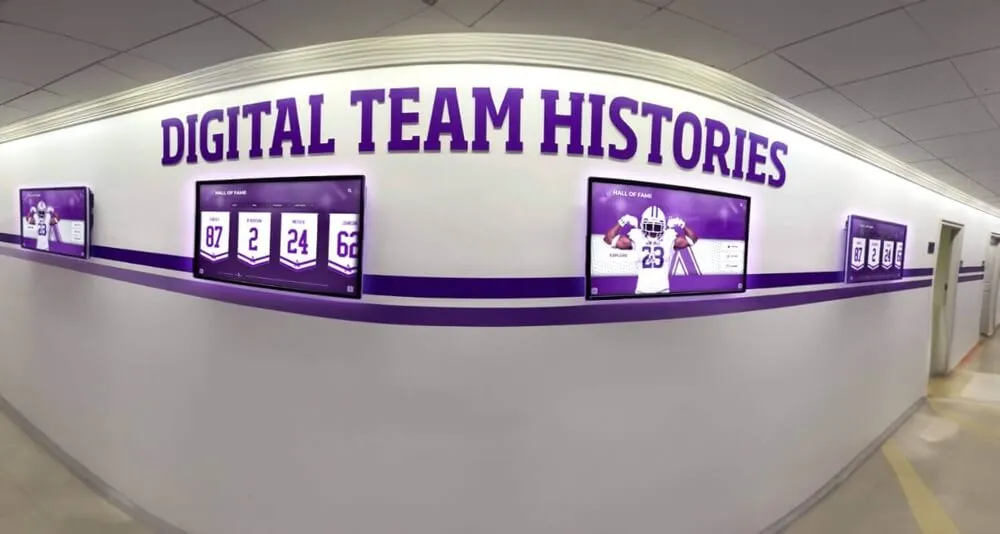
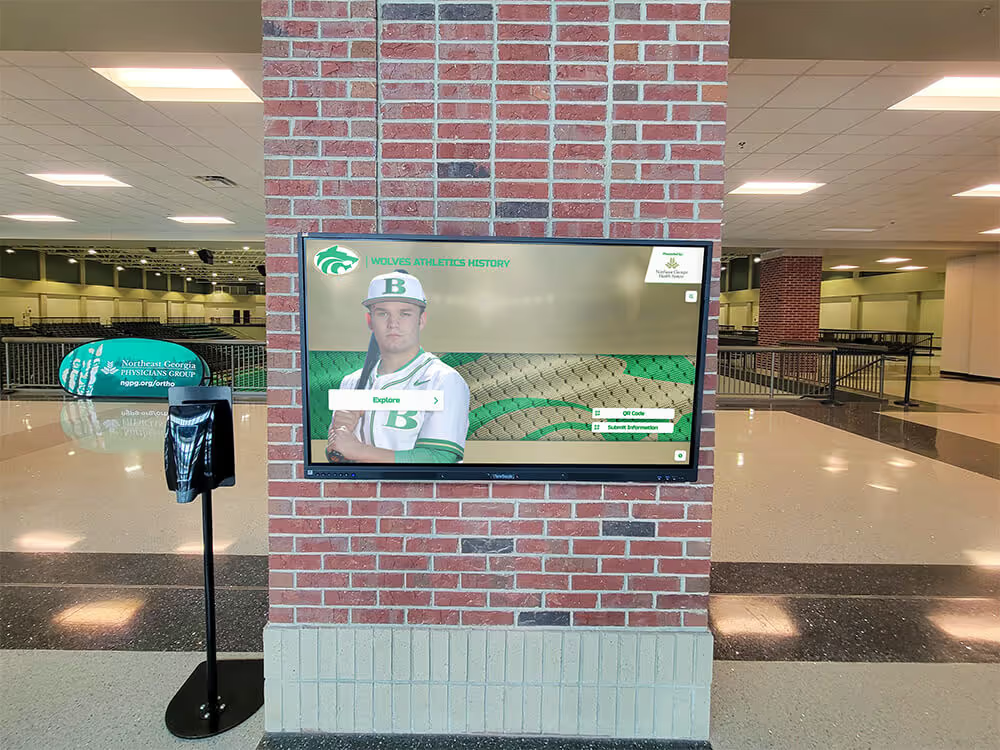
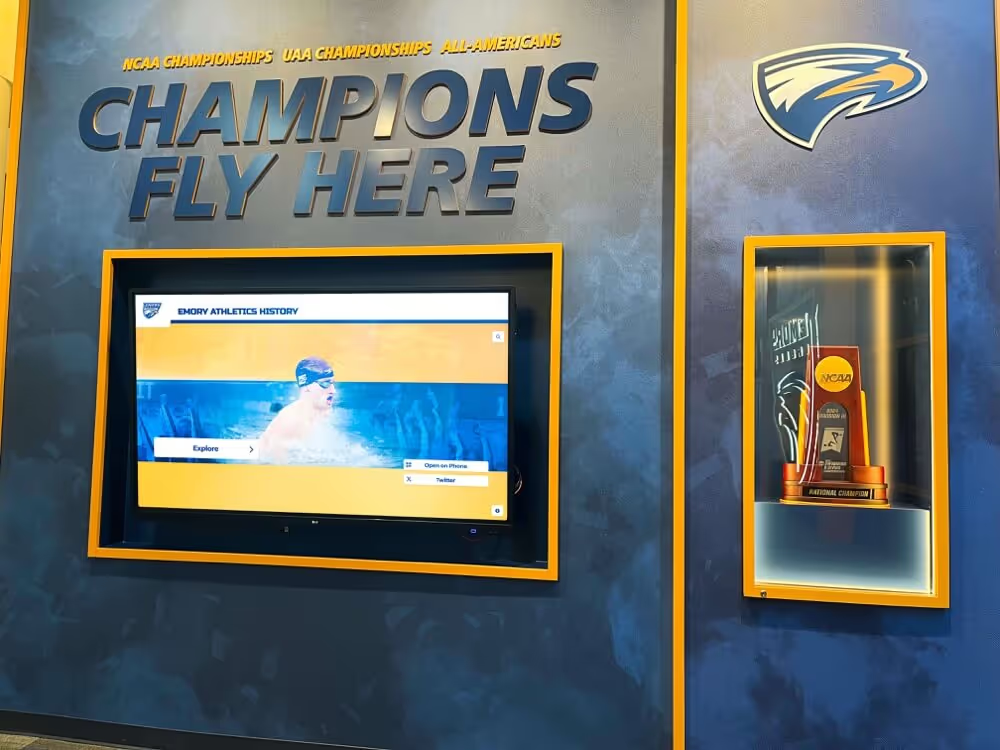
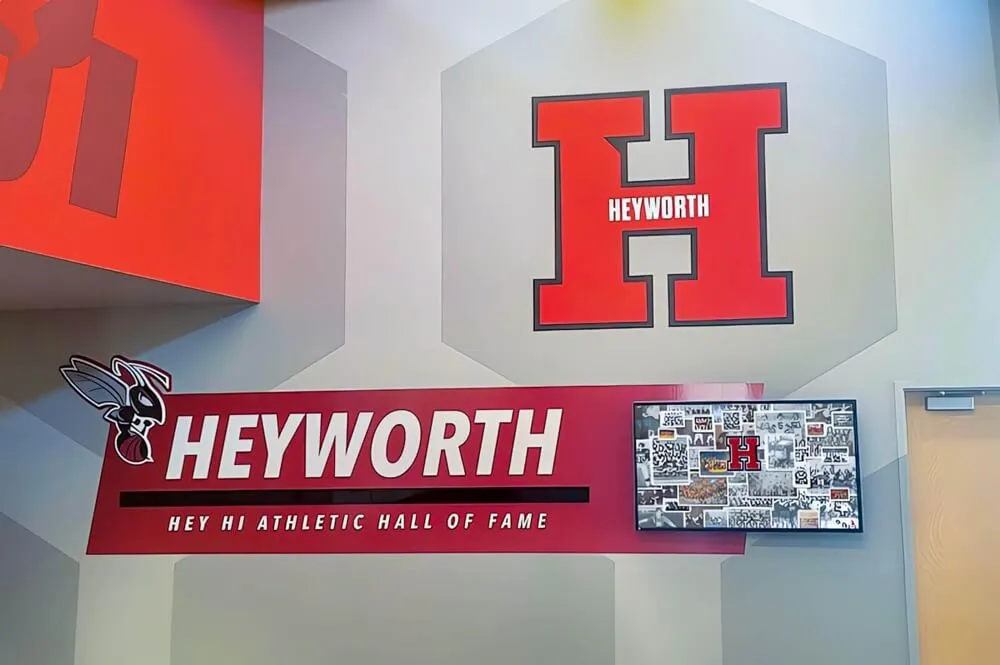
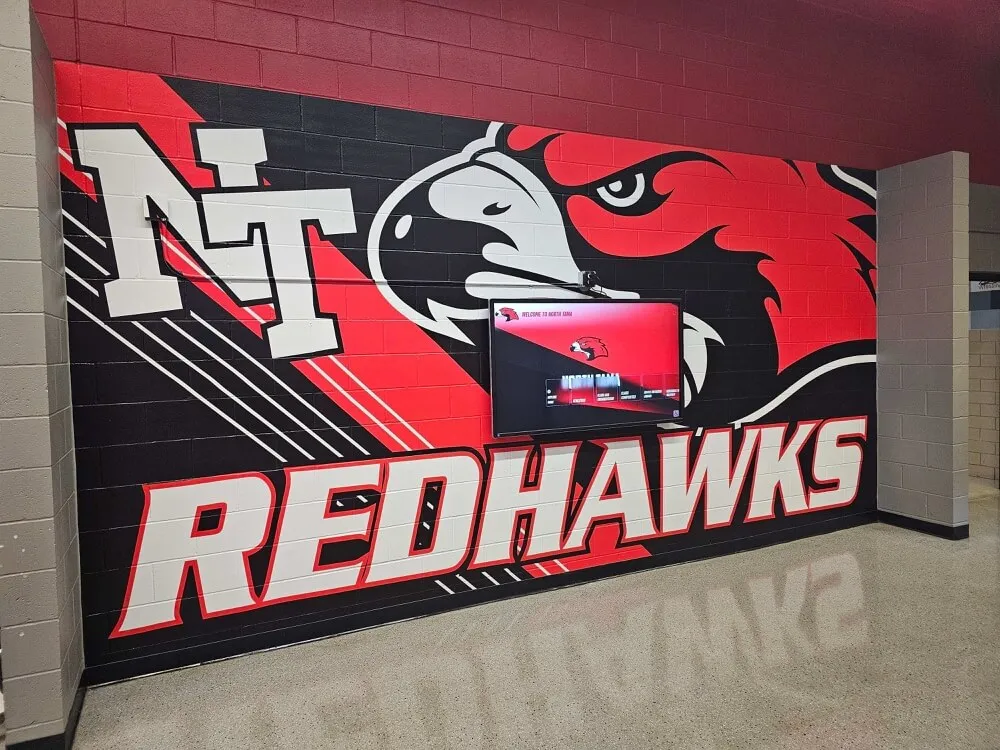
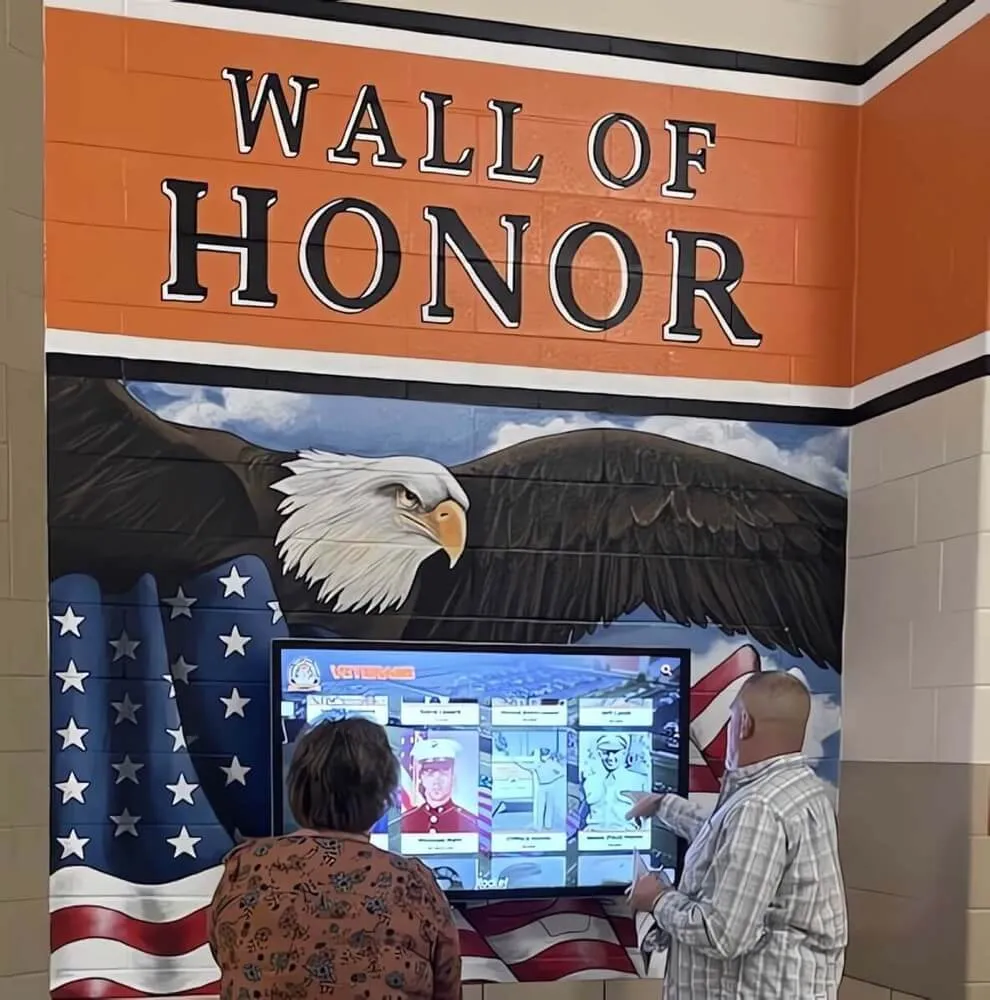
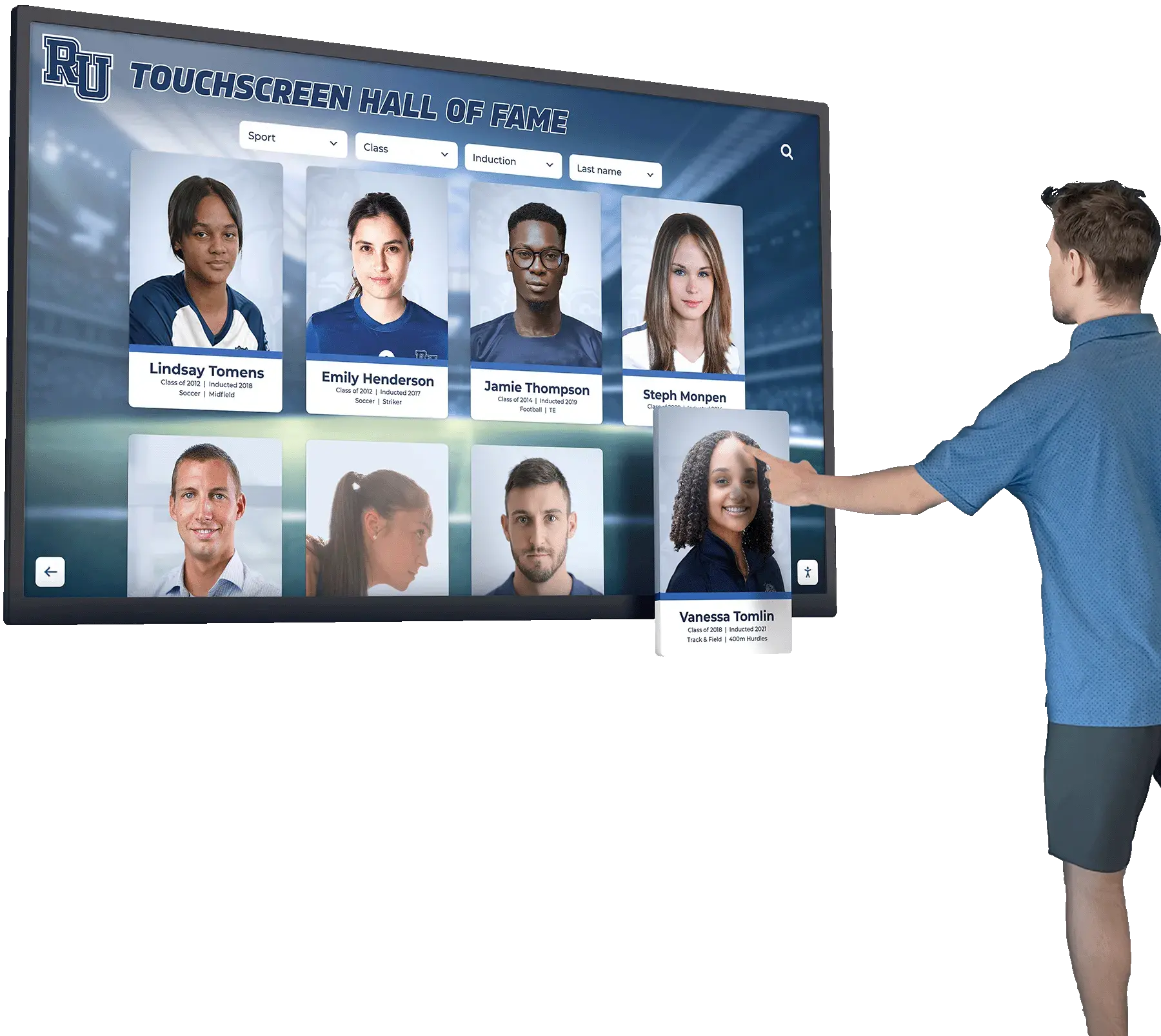
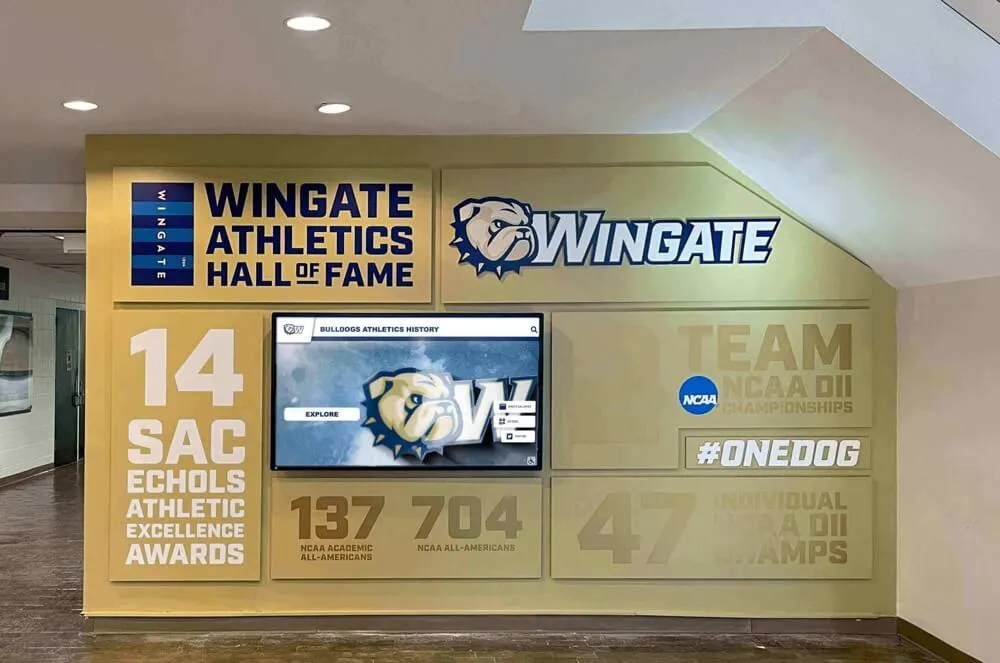
Modern alumni CRM systems integrate with recognition displays that celebrate graduates while maintaining comprehensive engagement databases
Why K-12 Schools Need Specialized Alumni CRM Software
Understanding the unique challenges facing secondary school advancement programs helps explain why general-purpose CRM platforms often fail to meet K-12 needs effectively.
The K-12 Alumni Management Challenge
Secondary schools face distinct obstacles that differentiate their alumni work from higher education or corporate relationship management.
Small Teams Managing Large Populations
Most K-12 schools operate with one to three advancement staff members who manage alumni relations alongside annual giving campaigns, special event planning, donor stewardship, volunteer coordination, and capital campaign support. These small teams serve alumni populations ranging from several thousand to tens of thousands of graduates spanning fifty years or more of institutional history.
This staffing reality means alumni CRM software for schools must prioritize ease of use over comprehensive functionality. Features requiring extensive training, complex configuration, or regular technical maintenance become liabilities rather than assets when advancement directors wear multiple hats and may lack dedicated IT support.
Limited Technical Infrastructure
Unlike universities with specialized advancement technology teams, most K-12 schools depend on general IT staff who support instructional technology, network infrastructure, student information systems, and basic productivity tools. Alumni platforms requiring server maintenance, custom integration development, or specialized database administration exceed available technical resources at most secondary schools.
Cloud-based solutions with minimal IT requirements, intuitive interfaces requiring little training, and straightforward implementation processes prove far more sustainable than powerful platforms demanding ongoing technical expertise that schools simply cannot provide consistently.
Budget Constraints and ROI Expectations
Secondary school advancement budgets typically measure in tens or low hundreds of thousands of dollars rather than the millions available to major universities. Alumni CRM software representing significant percentage of total advancement budgets faces intense scrutiny regarding return on investment through increased giving, improved event participation, stronger volunteer engagement, and enhanced alumni satisfaction.
Platforms must demonstrate clear value quickly rather than requiring multi-year implementations before delivering results. Schools need solutions they can implement, populate, and begin using productively within weeks or months—not systems demanding year-long consulting engagements before staff can send their first segmented email campaign.
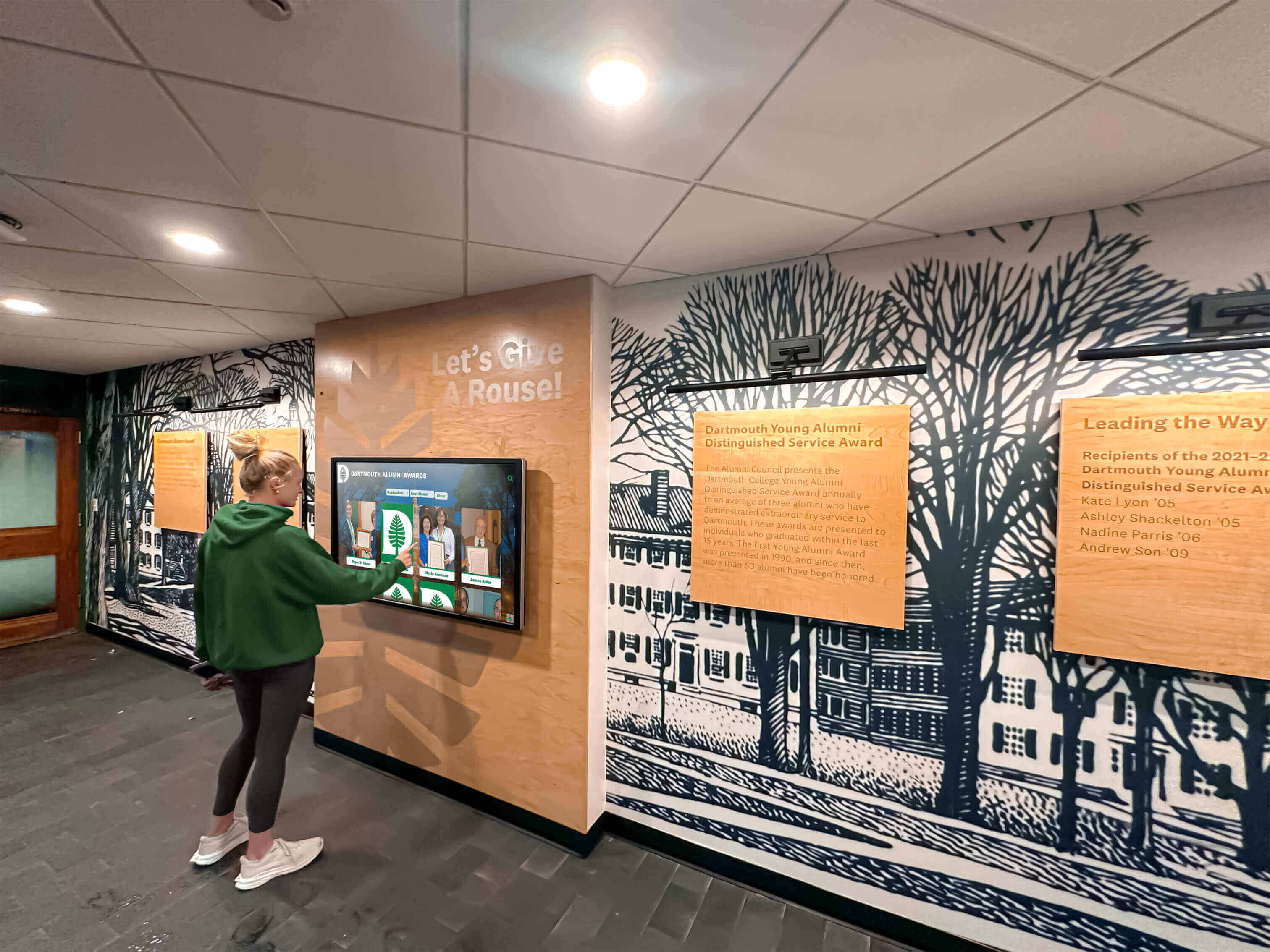
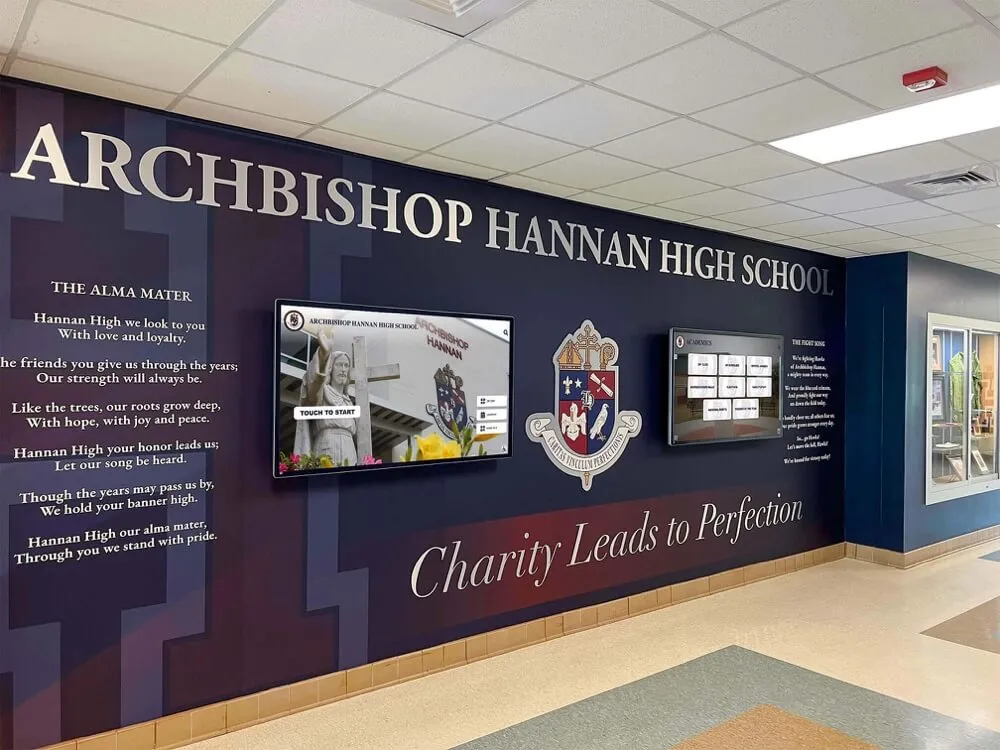
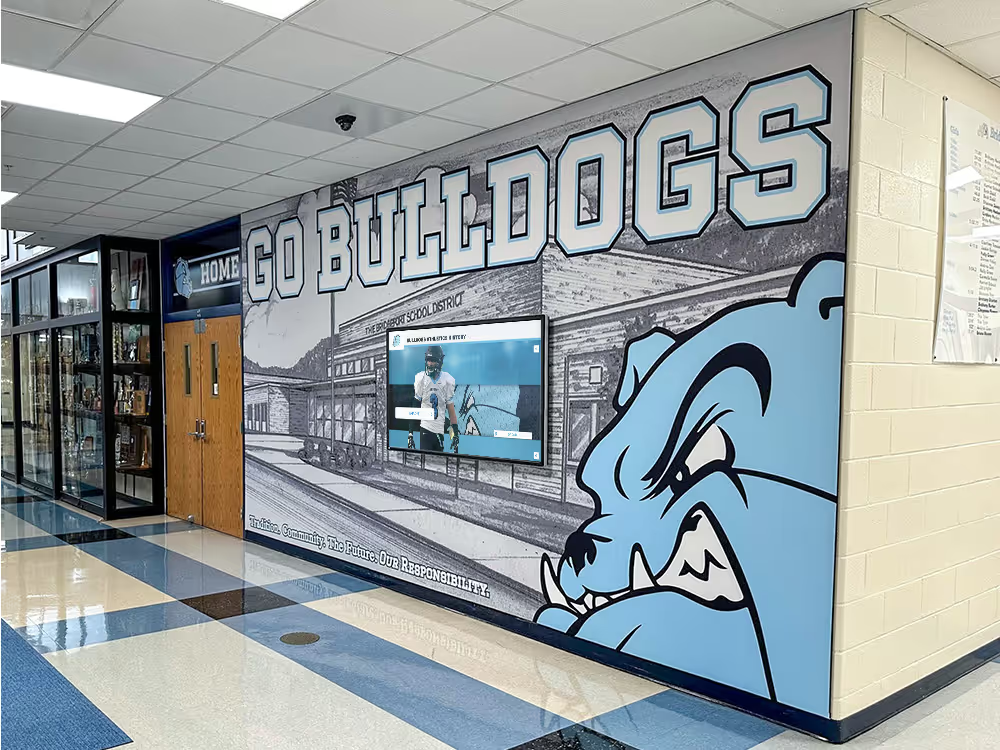
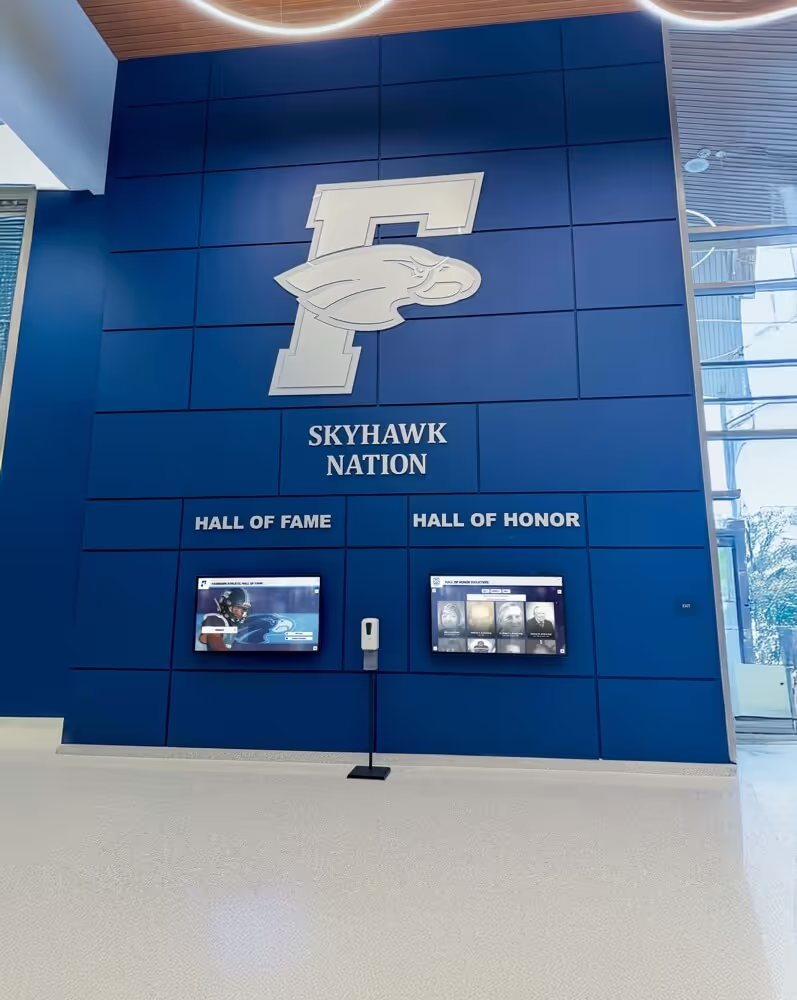
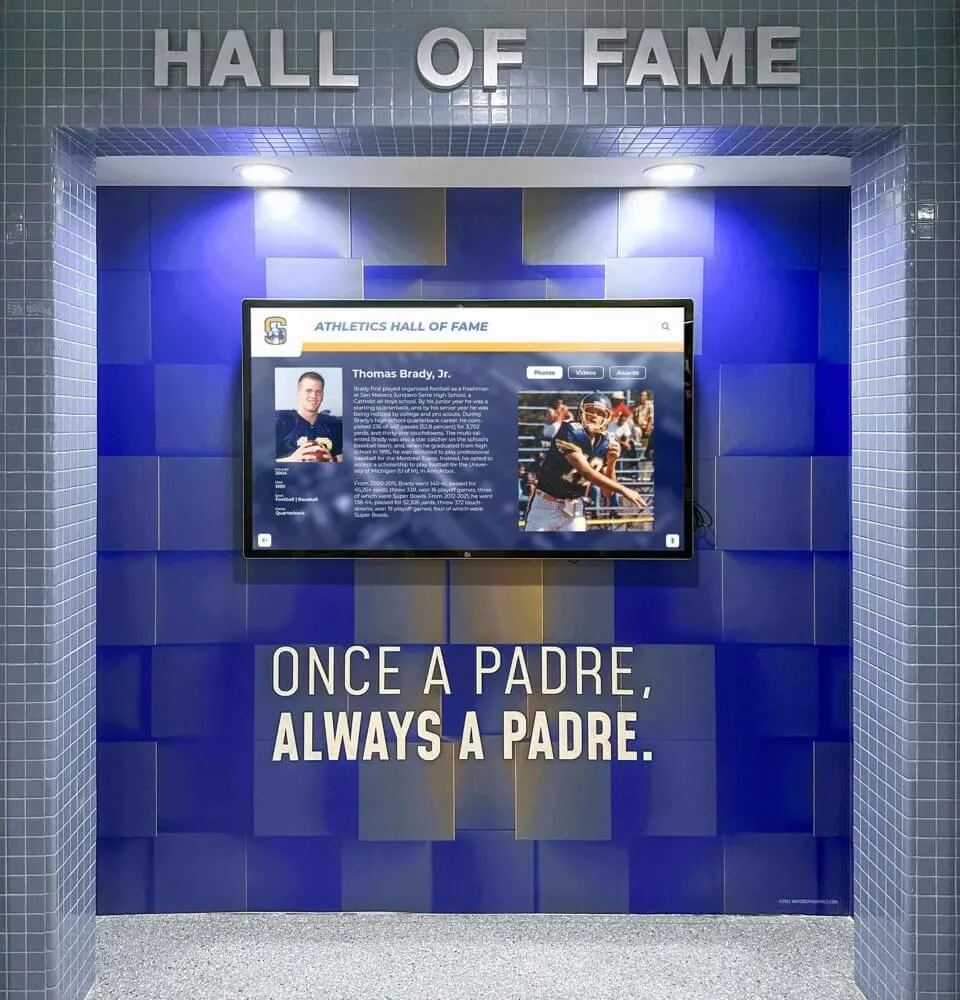
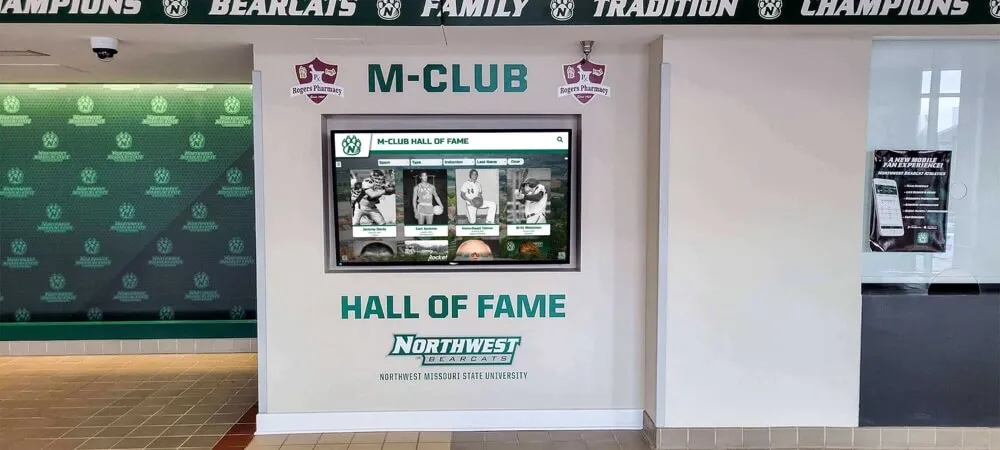
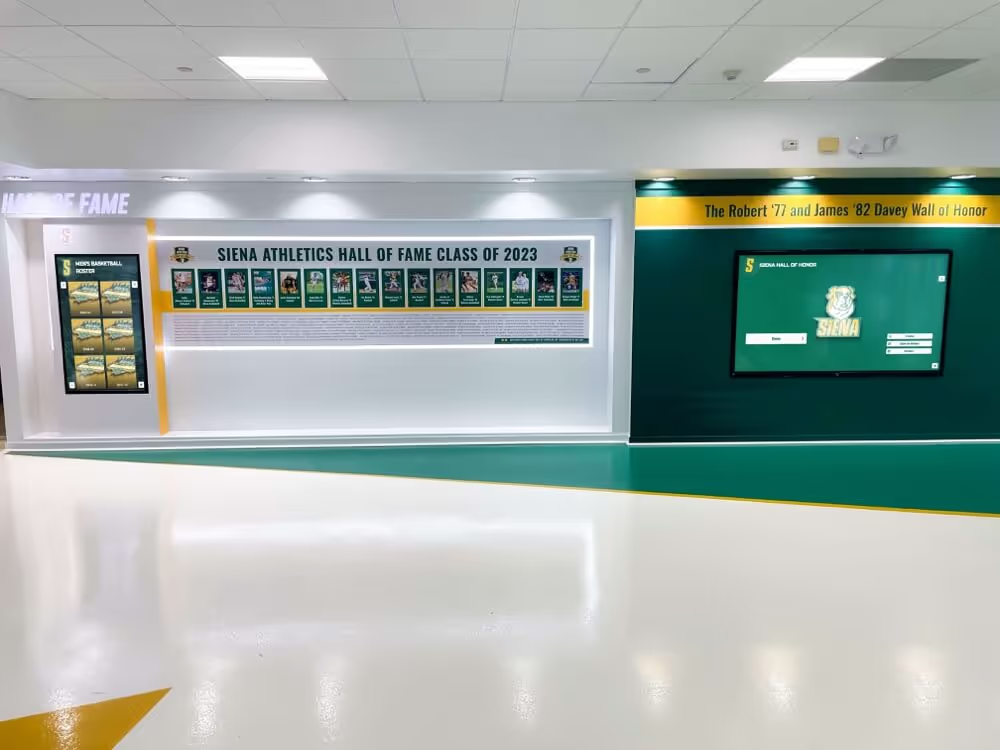
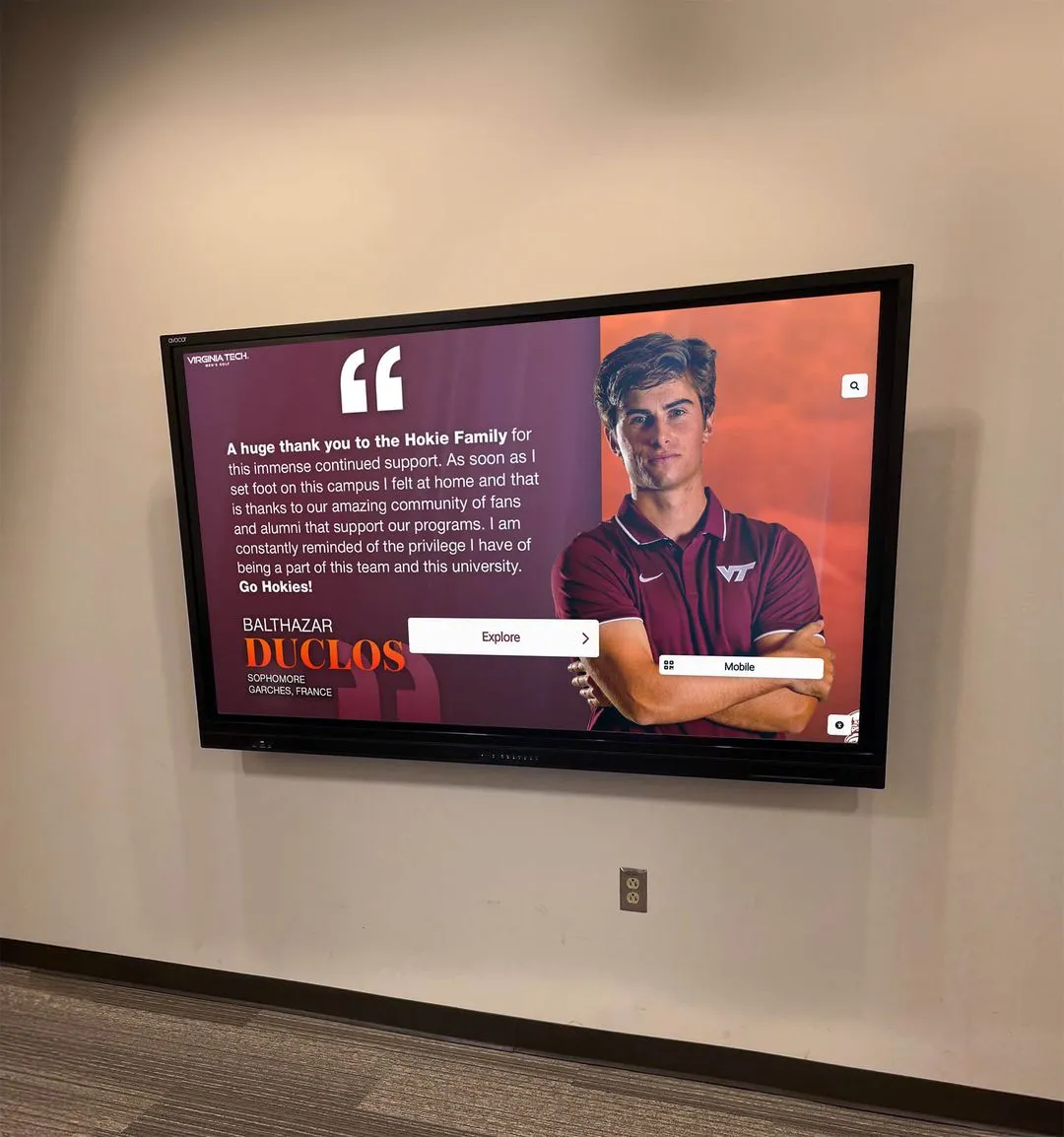
Effective K-12 alumni systems create connections between current students and graduates through accessible recognition experiences
Essential Features in K-12 Alumni CRM Software
Not all capabilities deliver equal value for secondary schools—these core features drive actual engagement outcomes for K-12 advancement programs.
Constituent Database and Profile Management
Quality alumni CRM software for schools begins with robust yet simple graduate record organization.
Comprehensive Contact Information
Platforms must capture essential alumni data including graduation year and class affiliation, current contact details with email, phone, and mailing addresses, employment history and current career information, family connections linking siblings and multi-generation alumni families, and geographic location enabling regional event planning and volunteer coordination.
This foundational information enables advancement teams to locate specific alumni for targeted outreach, identify graduates with relevant expertise for career panels or mentorship programs, organize class reunion committees, and segment communications by demonstrated interests rather than sending identical messages to all graduates regardless of relevance.
Engagement History Tracking
Beyond static profile data, effective platforms automatically record alumni interactions including event attendance capturing which programs graduates actually participate in, giving history documenting donation patterns and campaign responses, volunteer service tracking board membership and committee participation, communication engagement monitoring email opens and website visits, and program involvement noting career networking and mentorship contributions.
Historical tracking reveals engagement trajectories over time—identifying highly involved graduates warranting personal cultivation, detecting disengagement patterns suggesting relationship deterioration, and measuring which initiatives drive participation versus consuming resources without results.
Schools implementing comprehensive alumni recognition displays discover that visible celebration of graduate achievements creates natural conversation starters that deepen database relationships beyond transactional communications alone.
Segmentation and Communication Tools
Targeted outreach drives superior engagement compared to generic mass communications.
Advanced Search and Filtering
Quality alumni CRM software enables creating sophisticated graduate segments through multiple simultaneous criteria: class years within specific ranges for reunion planning, geographic boundaries for regional chapter development, career fields identifying mentorship prospects, giving levels targeting lapsed donor re-engagement, volunteer service finding leadership candidates, and any combination of demographic, engagement, and preference factors.
Dynamic segments update automatically as constituent data changes—ensuring that “software engineers who graduated 2010-2020 and live in Seattle” remains accurate without manual list rebuilding for each career networking initiative.
Integrated Email Marketing
Rather than exporting lists to separate email platforms, integrated communication tools enable targeted campaigns directly from alumni databases with professional template libraries maintaining brand consistency, personalization fields inserting recipient-specific information, A/B testing capabilities comparing subject line effectiveness, deliverability monitoring tracking bounce rates and spam complaints, and automated follow-up sequences nurturing relationships systematically.
Integration ensures that email engagement data flows back into constituent records automatically, informing future segmentation and outreach strategies without requiring manual tracking across disconnected systems.
Schools maintaining historical timeline content find that combining institutional storytelling with database management creates more compelling touchpoints than transactional communications alone.
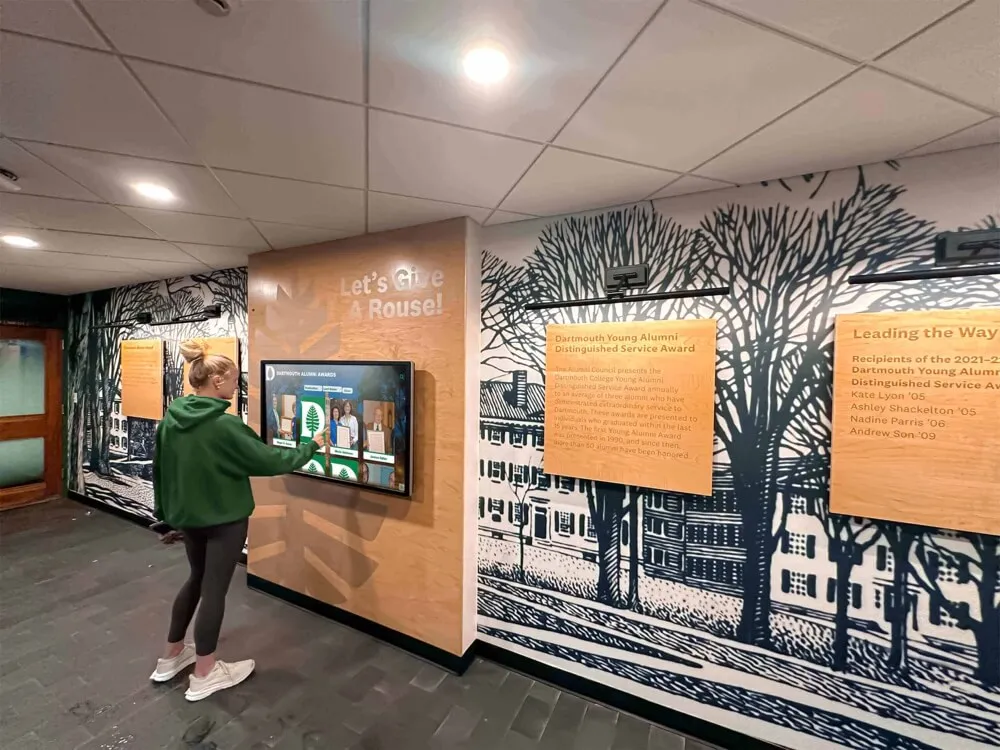
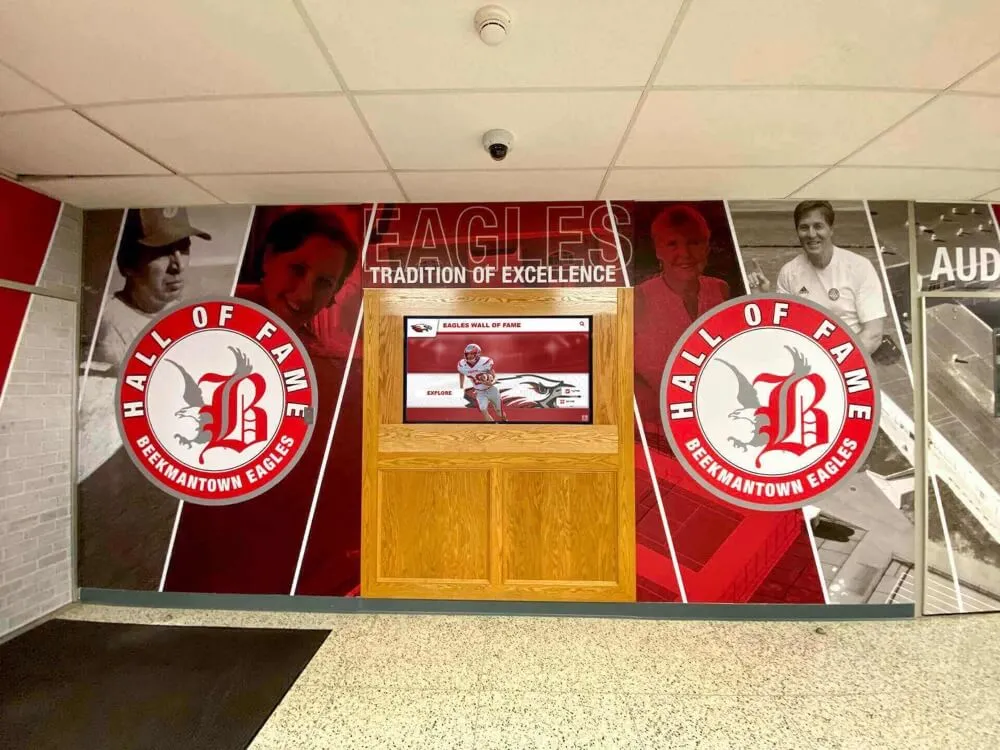
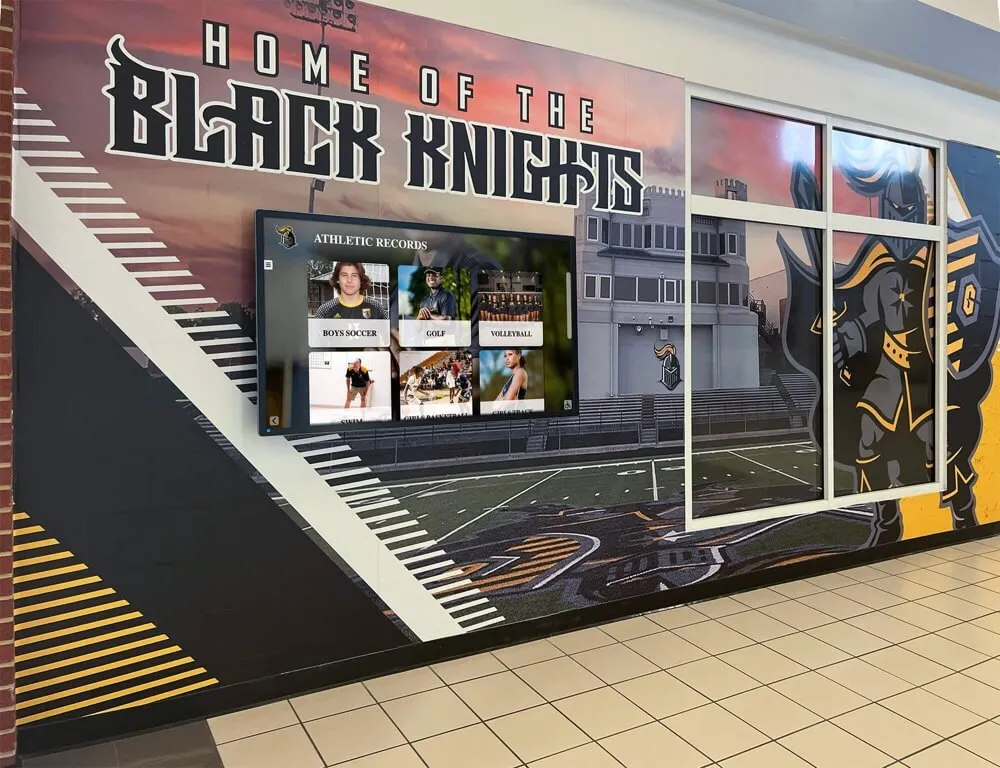
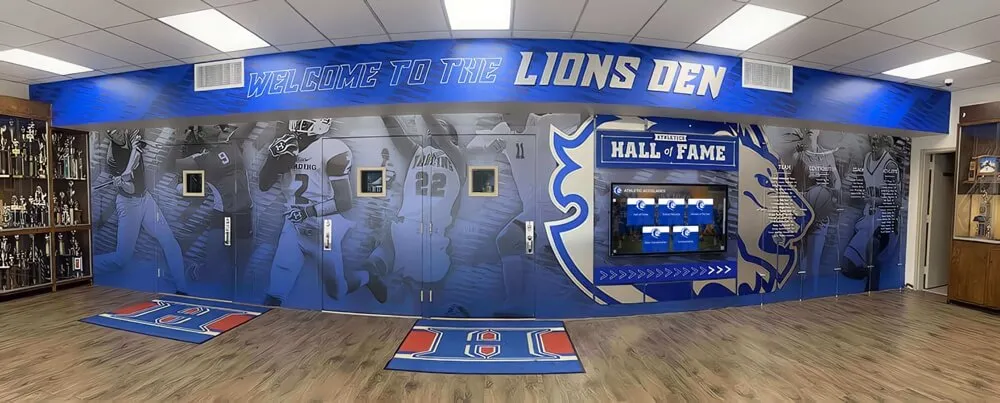
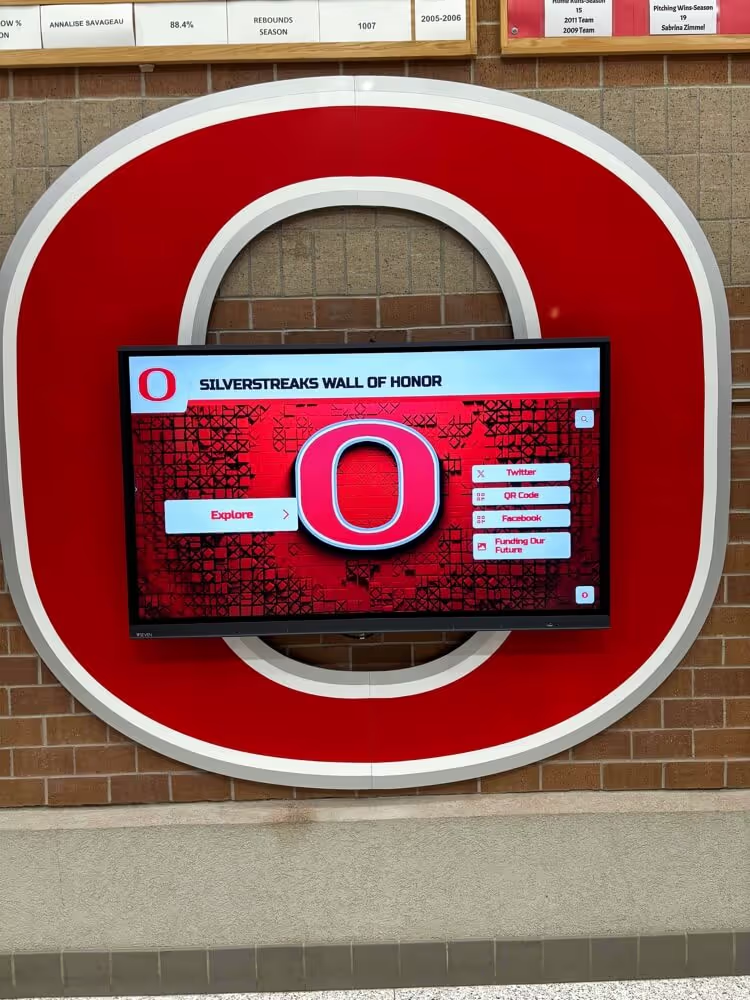
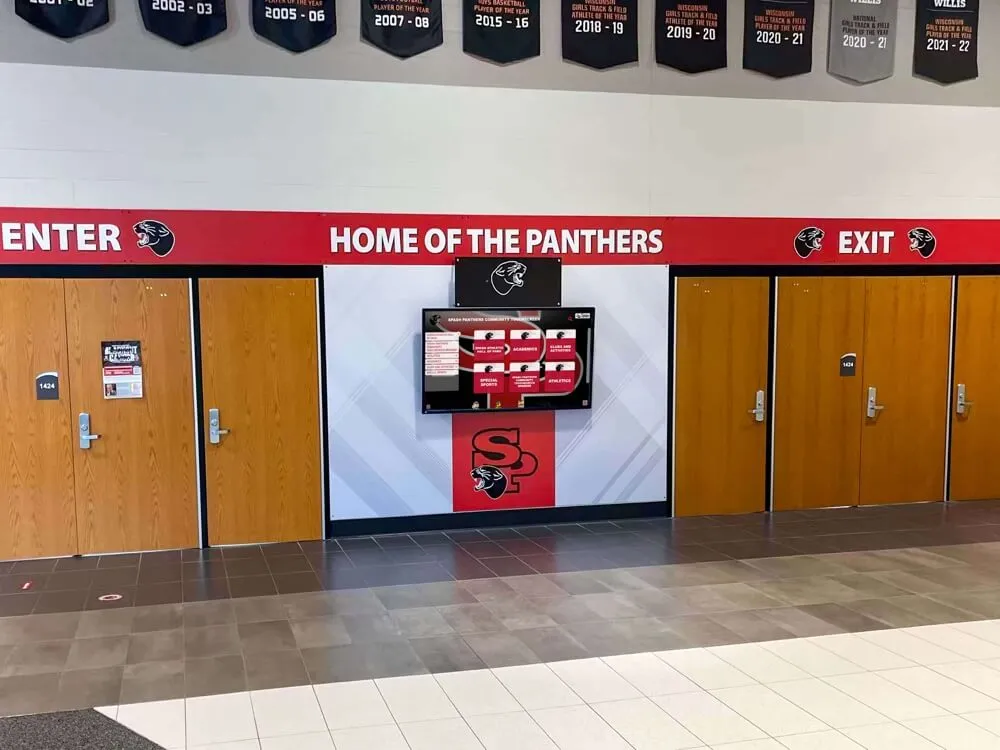
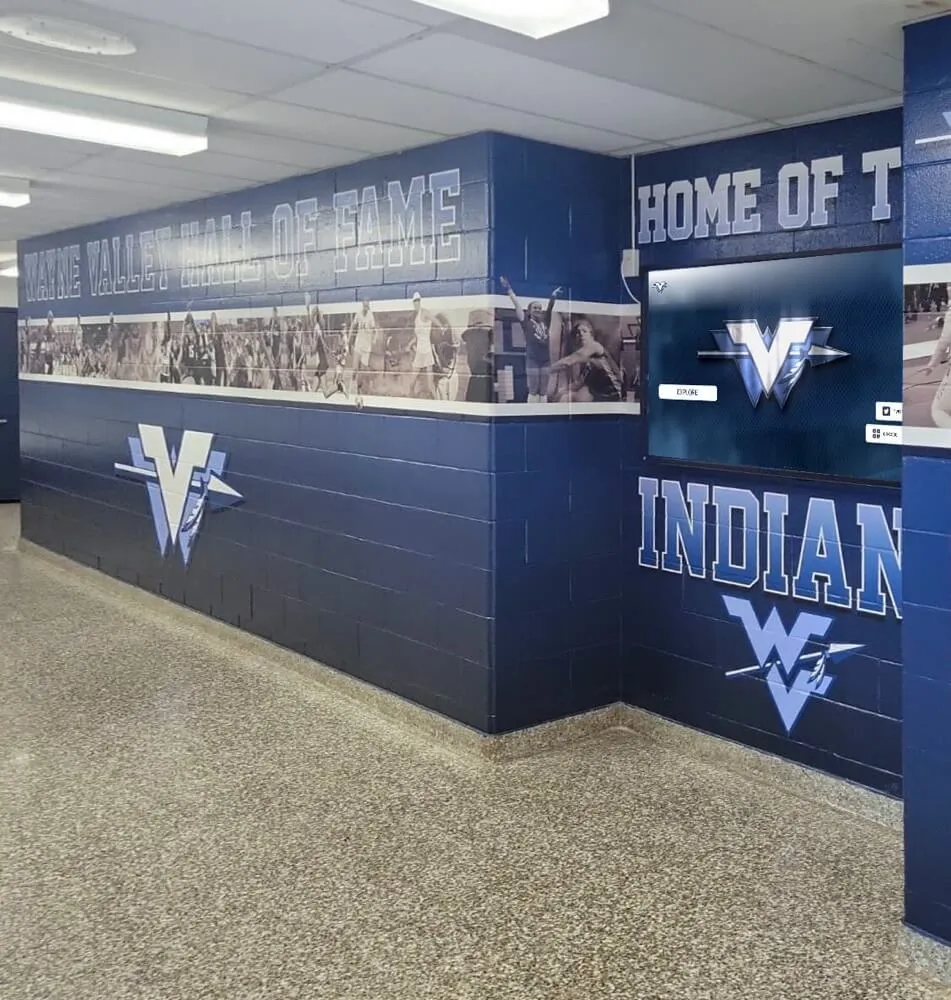
Modern CRM platforms support both digital and physical alumni engagement through integrated recognition experiences
Event Management Capabilities for K-12 Schools
Alumni programming drives relationship building, requiring coordination tools that simplify rather than complicate event planning.
Registration and Ticketing Systems
Event modules should eliminate manual spreadsheet tracking while providing professional experiences that encourage participation.
Custom Registration Forms
Platforms must enable creating event-specific registration collecting attendee information and meal preferences, guest registration allowing alumni to bring companions, custom questions gathering program-specific data, integrated payment processing for ticketed events and fundraising dinners, capacity management preventing oversold programming, and automated confirmation emails and reminder sequences.
These capabilities provide convenient registration processes accessible from any device while capturing attendance data that flows into engagement histories automatically without requiring post-event manual data entry.
Mobile Check-In and Attendance Tracking
Quality systems include mobile check-in applications using QR codes that streamline event arrivals, record actual attendance beyond registration numbers, enable real-time headcount monitoring for catering adjustments, and update engagement histories automatically when alumni scan into programs.
Attendance tracking reveals which programming formats drive participation versus consuming staff time without results, identifies consistently engaged graduates warranting personal cultivation, and enables differentiated follow-up communications to attendees and regretful non-attendees.
Many schools discover that recognizing graduating seniors publicly creates early positive associations that facilitate smoother transitions from student information systems to alumni CRM databases upon graduation.
Fundraising and Giving Integration
For most K-12 schools, alumni represent critical donor constituencies that justify advancement program investments.
Online Giving and Donation Processing
Alumni CRM software should provide secure donation forms with custom designation options for restricted gifts, recurring giving programs encouraging sustained support, tribute gifts honoring or memorializing individuals, employer matching gift prompts maximizing contributions, and mobile-optimized experiences enabling giving from smartphones during emotional moments like reunion weekends.
Platforms must integrate with institutional advancement databases rather than creating separate donor records requiring manual synchronization. Real-time gift recording enables immediate acknowledgment while updating donor recognition systems, giving society rosters, and fundraising progress thermometers instantly.
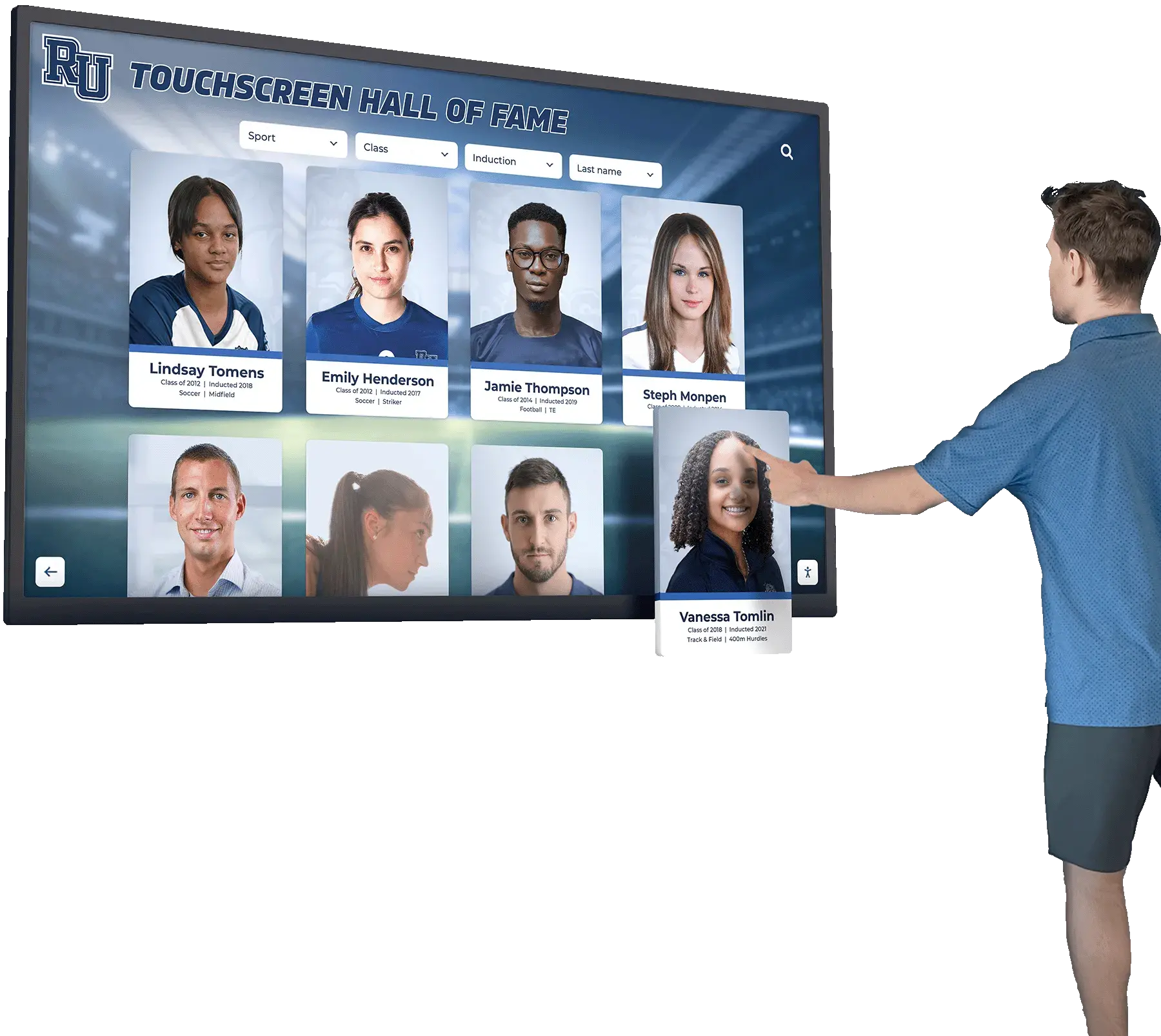
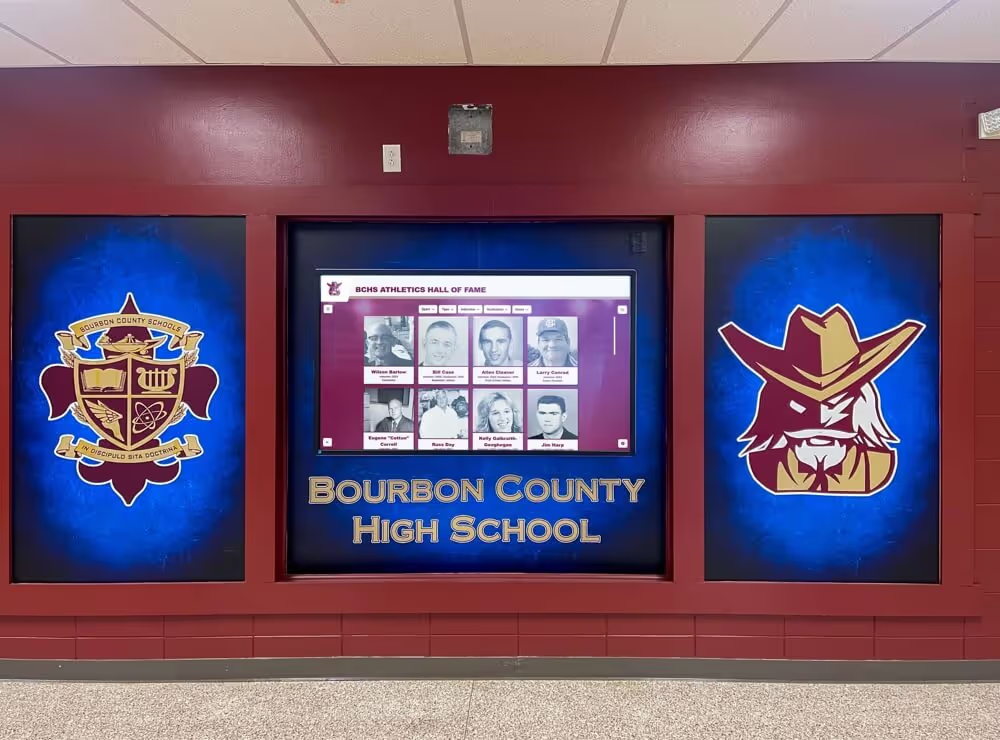
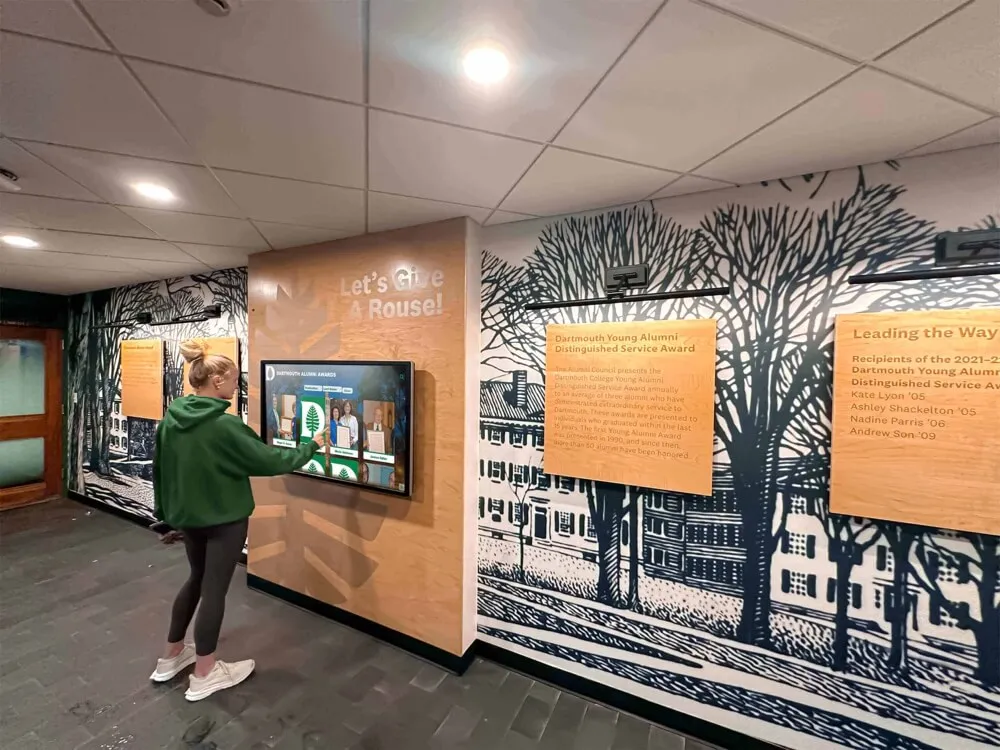
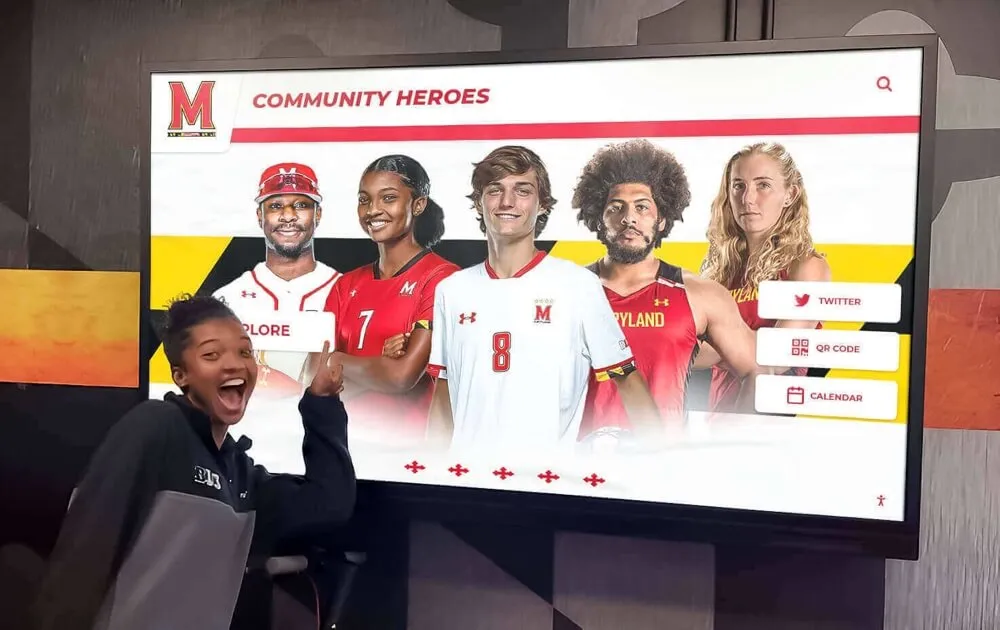
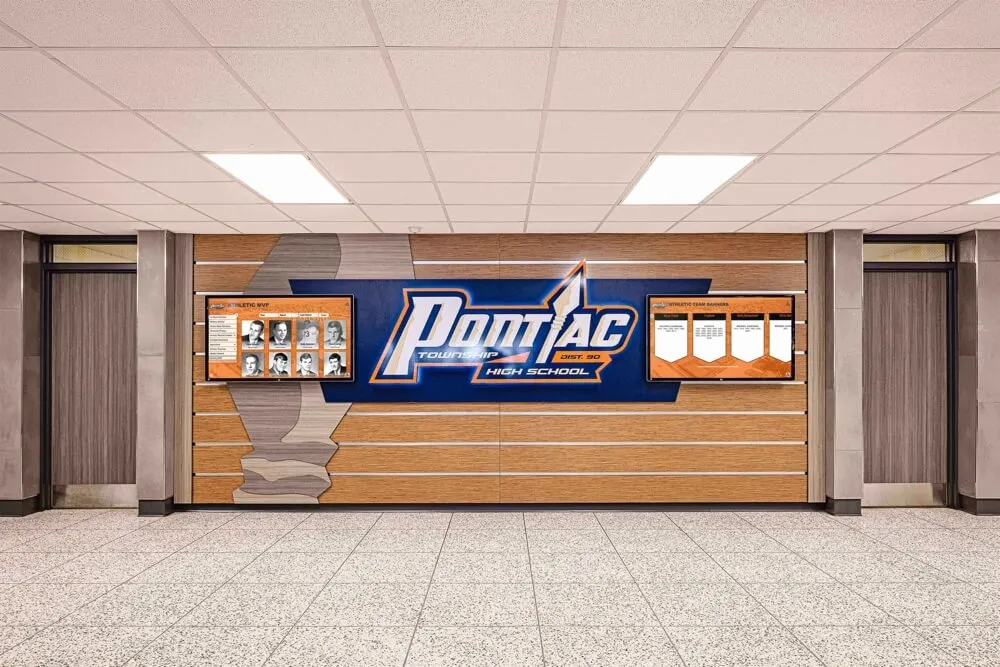
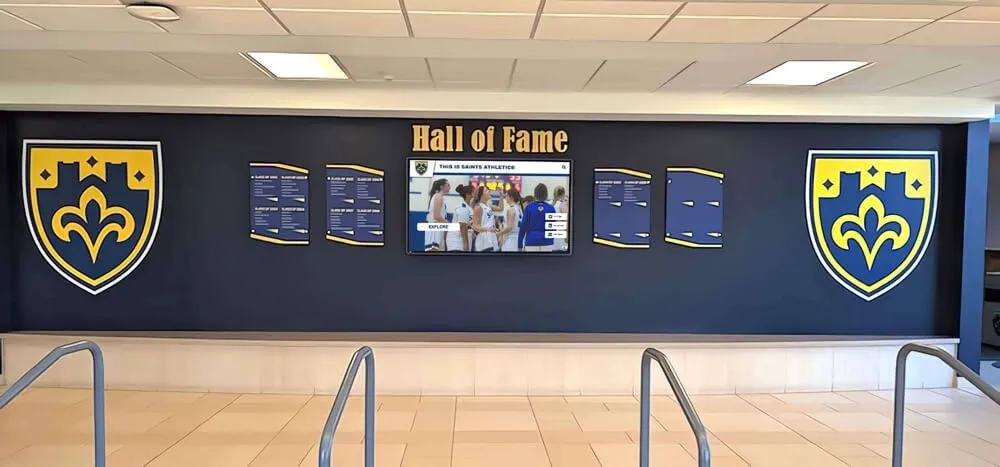
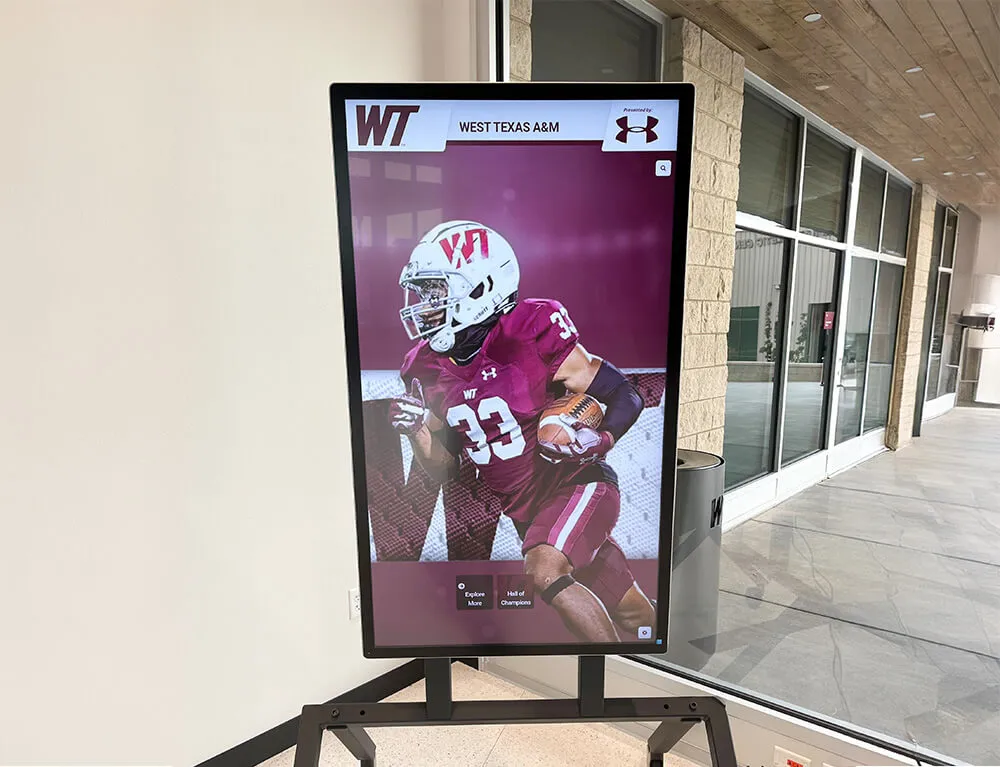
Recognition displays integrated with CRM systems celebrate donor generosity while maintaining comprehensive giving records
Campaign Tracking and Analytics
Comprehensive campaign management tracks fundraising initiatives including annual fund progress monitoring, reunion class giving campaigns with peer-to-peer fundraising, major gift prospect management and solicitation assignments, volunteer solicitor training and tracking, and matching gift challenges that amplify donor impact.
Analytics dashboards reveal campaign performance metrics identifying successful strategies deserving replication while highlighting underperforming tactics requiring adjustment before continued resource investment.
Integration Requirements for K-12 Alumni CRM Software
Alumni platforms rarely operate in isolation—integration capabilities determine whether implementations succeed or create administrative burdens.
Student Information System Connections
Seamless integration with registrar databases proves essential for sustainable operations.
Automatic Alumni Record Creation
Quality platforms connect with student information systems to automatically create alumni records upon graduation, synchronize degree and honors information without manual updates, transfer contact details from student to alumni databases, and transition graduating seniors to alumni status without requiring staff intervention for routine data migration.
Native integrations through application programming interfaces prove far superior to manual CSV imports requiring staff time for regular execution and creating opportunities for data inconsistencies between disconnected systems.
Advancement Database Integration
Many K-12 schools use separate systems for major gift management and donor stewardship alongside alumni relationship management.
Bidirectional Data Synchronization
Effective alumni CRM software ensures gift records appear in alumni platforms automatically, pledge information remains synchronized across systems, donor recognition levels update consistently, campaign participation reflects accurately in all databases, and matching gift data flows between systems without manual intervention.
Disconnected databases create confusion when advancement staff see conflicting information about the same constituents across multiple platforms—undermining confidence in data accuracy and wasting time reconciling discrepancies.
Schools implementing digital signage displays throughout campus discover that visible recognition of donor generosity reinforces giving patterns tracked in CRM databases while inspiring additional contributions from alumni witnessing peer support.
Website and Portal Integration
Alumni-facing web experiences should connect seamlessly with backend CRM systems.
Self-Service Profile Management
Quality platforms provide alumni portals where graduates independently search for classmates, update personal contact information and career details, browse class notes and institutional news, maintain communication preferences and privacy settings, opt into career networking and mentorship programs, and register for events without requiring staff mediation for every interaction.
Self-service capabilities reduce administrative workload while empowering alumni ownership of their relationship with institutions and improving data accuracy through direct graduate control of personal information.
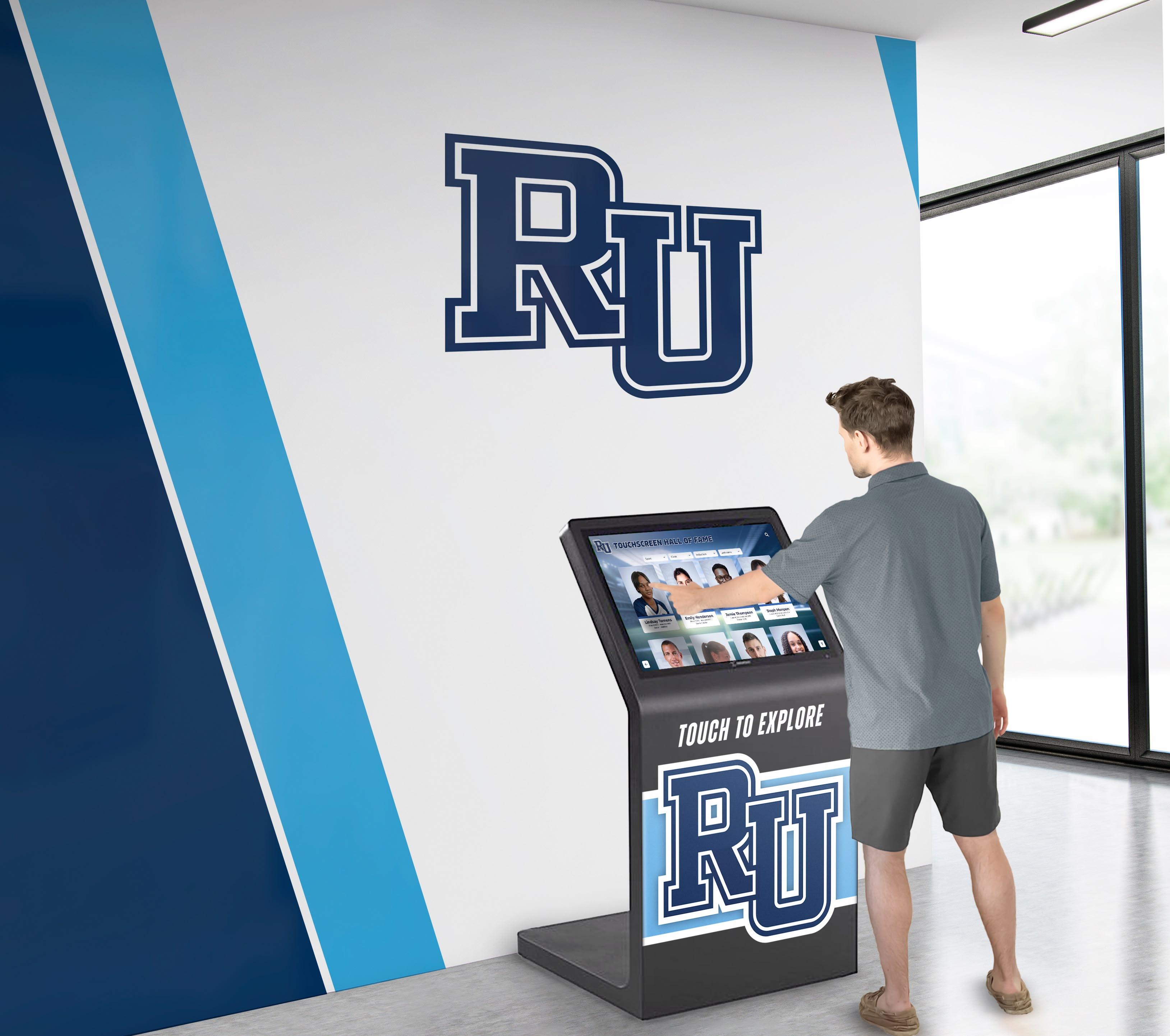
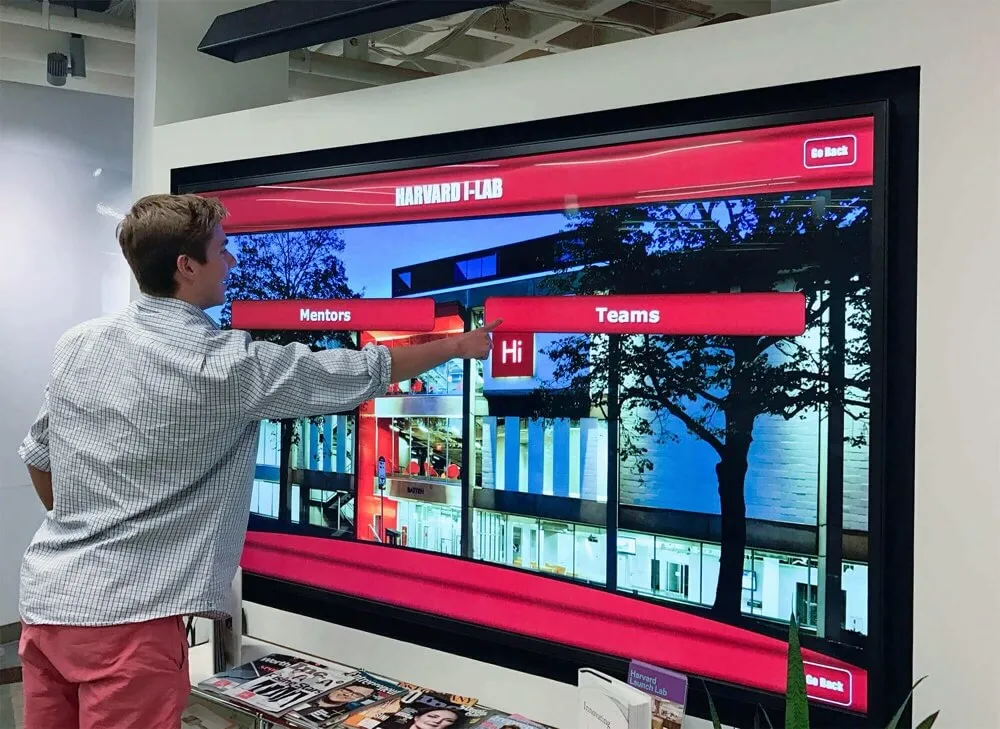
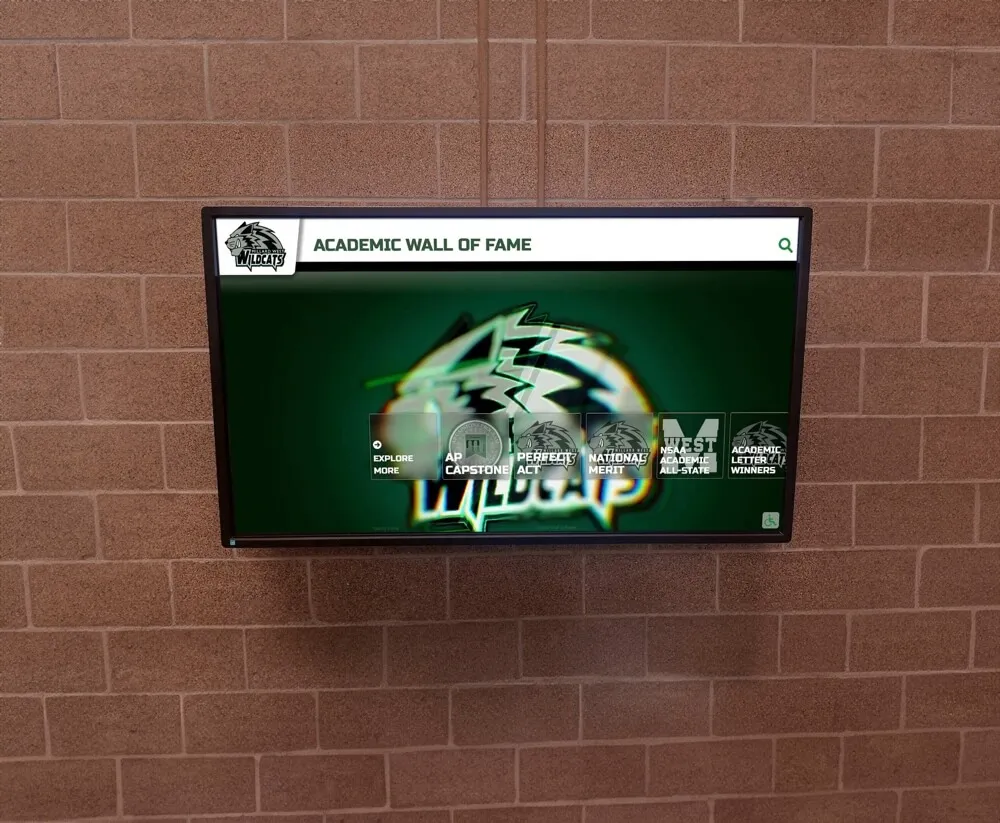
Integrated systems enable alumni self-service through intuitive interfaces while automatically updating CRM databases
Evaluating Alumni CRM Software Options for K-12 Schools
Selecting appropriate platforms requires evaluating solutions through multiple practical lenses beyond marketing materials and vendor demonstrations.
Implementation Complexity and Timeline
Schools must assess realistic implementation requirements against available resources.
Data Migration Challenges
Moving historical alumni data from existing spreadsheets, previous databases, or legacy systems into new platforms represents the most time-consuming implementation phase. Schools should evaluate vendor data migration support, assess cleaning requirements for inconsistent historical records, determine staff time needed for data validation, and establish realistic timelines measuring months rather than weeks for comprehensive implementations.
Platforms advertising “quick implementations” often underestimate data preparation work that schools must complete before systems become usable for actual advancement work.
Training and Adoption Requirements
Software delivering impressive capabilities proves worthless if advancement staff struggle with complex interfaces requiring extensive training or frequent reference to documentation. Schools should request trial access for actual staff evaluation, assess learning curve for common tasks like creating segments or launching campaigns, determine ongoing support availability beyond initial training, and gauge realistic adoption likelihood given staff technical comfort levels.
The best alumni CRM software for schools balances functionality with usability—providing sufficient capabilities without overwhelming small teams managing advancement alongside multiple other responsibilities.
Total Cost of Ownership Analysis
Advertised subscription prices rarely reflect complete platform costs over multi-year periods.
Beyond Base Subscription Fees
Schools must calculate total costs including base platform subscriptions scaled to alumni population size, implementation and data migration services, staff training and onboarding support, integration development for student information and advancement systems, ongoing technical support and maintenance, future upgrade or expansion costs, and internal staff time for administration and troubleshooting.
Platforms appearing inexpensive during initial evaluation often accumulate substantial costs through implementation services, required integrations, and ongoing support that vendor proposals minimize during sales processes.
Return on Investment Considerations
Alumni CRM software justifies costs through increased alumni engagement driving giving growth, improved event attendance generating program revenue, enhanced volunteer recruitment supporting institutional priorities, staff time savings from workflow automation, and reduced reliance on expensive external consultants for data analysis and campaign segmentation.
Schools should establish clear success metrics before implementation, track outcomes systematically throughout first years, and assess whether platform investments deliver measurable improvements justifying ongoing subscription costs.
Many K-12 institutions discover that supplementing CRM databases with recognition displays celebrating student achievements creates more compelling touchpoints than database systems alone—reinforcing institutional pride that carries forward into alumni relationships after graduation.
Best Practices for K-12 Alumni CRM Implementation
Selecting appropriate software represents just the first step—successful implementations require strategic planning and disciplined execution.
Start with Clean, Current Data
Database quality determines platform effectiveness more than any specific feature set.
Data Cleaning Before Migration
Rather than transferring decades of inconsistent records directly into new systems, schools should deduplicate records eliminating multiple entries for the same alumni, standardize formatting ensuring consistency in names and addresses, verify contact information through available validation services, flag deceased alumni preventing inappropriate communications, and establish data governance policies preventing future deterioration.
This preparatory work proves tedious but transforms legacy contact lists into usable relationship management databases that enable effective segmentation and communication rather than creating garbage-in-garbage-out systems that staff quickly abandon.
Ongoing Data Maintenance Strategies
After clean implementation, schools must maintain quality through regular update campaigns encouraging self-service profile updates, address verification services identifying moved graduates, bounce management removing invalid email addresses, engagement scoring identifying outdated records for targeted verification, and periodic data audits catching quality deterioration before problems compound.
Alumni databases degrade naturally over time as graduates move, change careers, and modify contact preferences—requiring systematic maintenance protocols rather than one-time cleaning initiatives.
Prioritize User Adoption Over Feature Utilization
Comprehensive capabilities prove worthless if staff struggle with platform complexity.
Simplified Initial Rollout
Rather than attempting to use every available feature immediately, successful implementations focus on core capabilities that advance specific institutional priorities: basic segmentation enabling targeted email campaigns for annual giving, event registration streamlining reunion weekend coordination, or volunteer management supporting capital campaign committee recruitment.
Schools can expand platform utilization gradually as staff develop comfort and confidence rather than overwhelming teams with comprehensive training covering features they may never actually need for K-12-specific advancement work.
Staff Training and Documentation
Effective implementations provide hands-on training for common workflows that staff execute regularly, role-specific instruction rather than generic demonstrations, quick reference guides for frequent tasks, accessible ongoing support when questions arise, and regular refresher sessions as staff turnover occurs or platforms release significant updates.
Training investments directly correlate with adoption success—platforms become embedded in institutional workflows when teams understand how to accomplish daily tasks efficiently rather than struggling through unfamiliar interfaces without guidance.
Schools developing institutional historical content find that combining storytelling with database management creates richer engagement opportunities than transactional relationship tracking alone.
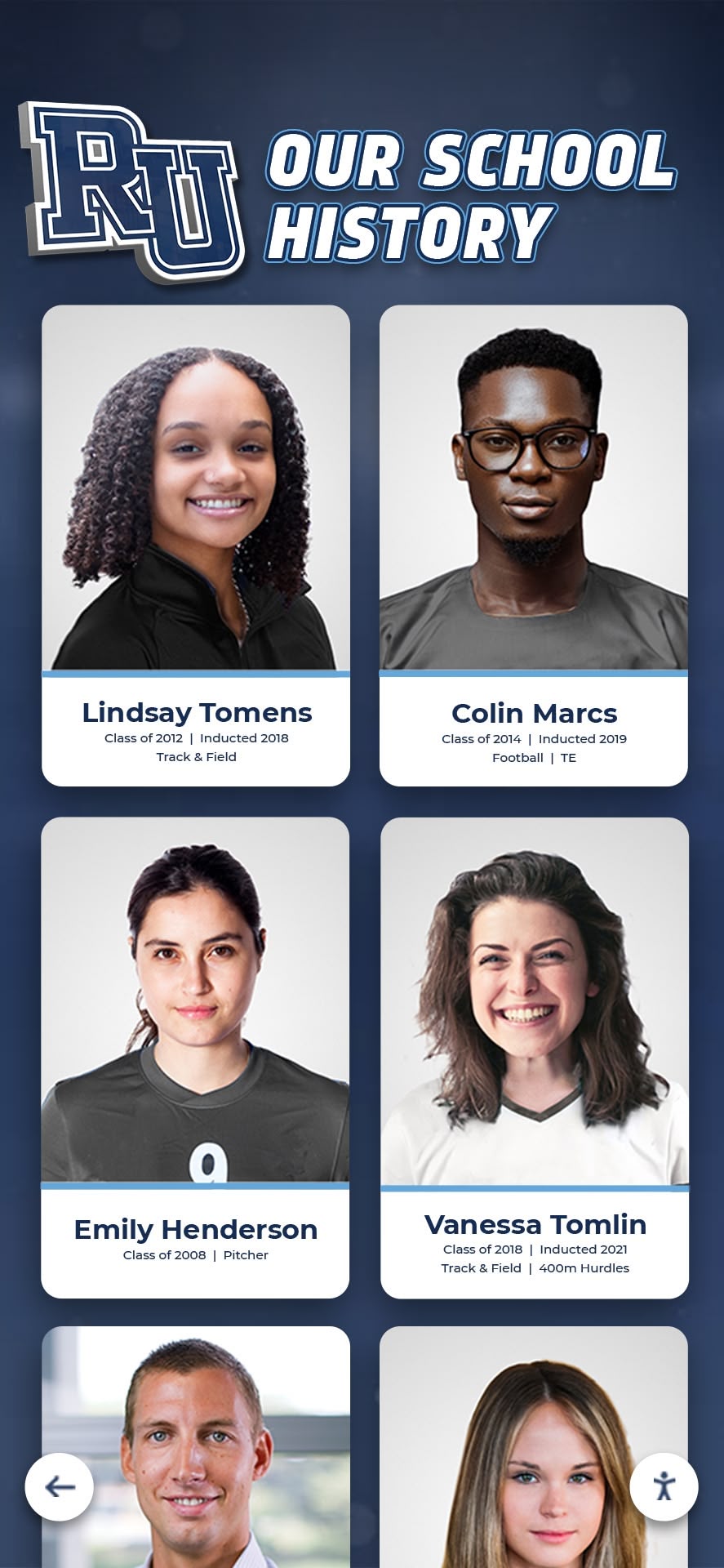
Historical alumni content integrated with CRM systems creates compelling institutional narratives that deepen graduate connections
Complementing Alumni CRM Software with Recognition Technology
Database systems manage relationships effectively, but physical campus experiences create emotional connections that drive sustained engagement.
The Role of Digital Recognition Displays
Many K-12 schools discover that alumni CRM software works most effectively when complemented by visible recognition experiences celebrating graduate achievements throughout campus spaces.
Touchscreen Alumni Halls of Fame
Interactive displays enable students, visitors, and returning alumni to explore graduate accomplishments through intuitive touchscreen interfaces showcasing athletic achievements, academic honors, career successes, and community service contributions. These installations create tangible pride in institutional legacy while providing opportunities for alumni to see themselves celebrated publicly—reinforcing emotional connections that database communications alone struggle to establish.
Quality recognition systems integrate with alumni CRM platforms, ensuring that career updates, new achievements, and honors flow automatically from databases to campus displays without requiring duplicate data entry across disconnected systems.
Creating Visible Alumni Connections
Physical recognition installations serve multiple strategic purposes: inspiring current students through visible examples of graduate success, providing talking points during campus tours for prospective families, creating photo opportunities that alumni share on social media, and demonstrating institutional commitment to celebrating graduates beyond transactional fundraising appeals.
These experiences complement database management by adding emotional resonance to statistical tracking—transforming alumni from database records into celebrated members of ongoing institutional stories.
Integrated Recognition and Relationship Management
The most effective K-12 alumni programs combine systematic database management with compelling recognition experiences.
Rocket Alumni Solutions Integration Approach
Rocket Alumni Solutions provides K-12 schools with comprehensive recognition technology that integrates seamlessly with alumni CRM platforms. Their touchscreen systems showcase graduate achievements through interactive displays while connecting to existing databases for automatic content updates. This integration ensures that alumni accomplishments celebrated physically on campus align consistently with relationship management systems tracking engagement and contributions.
Schools implementing Rocket’s solutions discover that visible recognition installations create natural opportunities for database enhancement—alumni visiting campus to see themselves featured provide current contact information, share career updates, and engage with advancement staff in ways that email campaigns alone rarely achieve. The combination of sophisticated database management and compelling physical recognition creates more powerful engagement outcomes than either approach delivers independently.
Their K-12-specific design philosophy emphasizes ease of use for school staff, straightforward integration with existing systems, and sustainable solutions that don’t require ongoing technical expertise—aligning perfectly with secondary school resource constraints that make complex enterprise platforms impractical for most institutions.
Making Your K-12 Alumni CRM Software Decision
Choosing appropriate platforms requires balancing numerous competing considerations against institutional realities.
Questions to Ask During Evaluation
Schools should seek clear answers to critical implementation and sustainability questions:
- What actual staff time will implementation require beyond vendor professional services?
- How does pricing scale as alumni populations grow or active user counts increase?
- What integration options exist for our specific student information and advancement systems?
- What ongoing technical support comes included versus requiring additional contracts?
- How do other K-12 schools similar to ours rate their experience after 2+ years?
- What happens to our data if we eventually migrate to different platforms?
- Does the vendor understand K-12-specific needs or primarily serve higher education?
Honest answers to these practical questions often reveal significant differences between platforms claiming similar capabilities on feature comparison spreadsheets.
Balancing Functionality and Practicality
The most sophisticated alumni CRM software for schools proves inferior to simpler platforms that advancement teams actually use consistently and effectively. K-12 institutions should prioritize solutions matching staff technical comfort levels, institutional advancement sophistication, available implementation resources, and realistic long-term sustainability given budget constraints and personnel realities.
A modestly featured platform used daily for targeted communications, event coordination, and volunteer management delivers vastly superior outcomes compared to comprehensive systems requiring specialists that schools cannot afford to employ or train adequately for sustained success.
Building Lasting K-12 Alumni Relationships Through Technology
Alumni CRM software for schools provides the organizational infrastructure enabling systematic relationship cultivation at scale, but technology alone doesn’t create engaged graduate communities. Successful K-12 alumni programs combine appropriate database platforms with compelling content, meaningful programming, visible recognition, and authentic relationship building that respects graduates as valued community members rather than treating them solely as fundraising prospects.
Schools selecting well-matched CRM platforms, implementing thoughtfully with clean data and realistic expectations, training staff for confident adoption, and complementing database management with recognition experiences discover that technology amplifies human relationship building rather than replacing personal connections that ultimately define institutional advancement success.
The investment in appropriate alumni CRM software pays dividends through decades of enhanced graduate engagement, increased philanthropic support, stronger volunteer participation, improved institutional reputation, and lasting relationships that connect past accomplishments to future possibilities for current and future students.
Ready to Transform Your K-12 Alumni Engagement?
Discover how Rocket Alumni Solutions combines intuitive touchscreen recognition displays with seamless CRM integration to help K-12 schools celebrate graduate achievements while maintaining meaningful relationships. Our K-12-specific approach emphasizes ease of use, straightforward implementation, and sustainable solutions designed for secondary school resource realities.