



Strong alumni engagement transforms graduates from distant memories into active community members who mentor current students, support institutional advancement, refer prospective applicants, and champion their alma maters throughout their lives. Yet many schools and universities struggle to maintain meaningful connections beyond the first few years after graduation, watching engagement decline as alumni relocate, establish careers, start families, and gradually disconnect from institutions that once defined their daily lives.
The challenge isn’t alumni unwillingness to engage—graduates consistently report positive feelings toward their alma maters and express interest in staying connected. Rather, institutions often fail to create engagement opportunities that provide genuine value, respect limited time and attention, acknowledge diverse interests and life stages, and leverage modern communication channels where alumni actually spend their time. Generic newsletters, infrequent reunion invitations, and transactional fundraising appeals no longer suffice when graduates expect personalized, convenient, and meaningful interaction opportunities.
This comprehensive guide explores evidence-based alumni engagement strategies that build authentic, lasting connections with graduates across all generations, geographic locations, and career paths—from digital recognition approaches and strategic event programming to targeted communications and data-driven relationship management that transforms alumni from passive observers into active institutional champions.
Effective alumni engagement requires systematic approaches addressing the complete relationship lifecycle from graduation through decades of evolving connection. Schools achieving exceptional engagement understand that alumni relationships demand intentional cultivation through consistent touchpoints, valuable programming, authentic recognition, and strategic communication that acknowledges individual preferences, interests, and capacities for involvement.

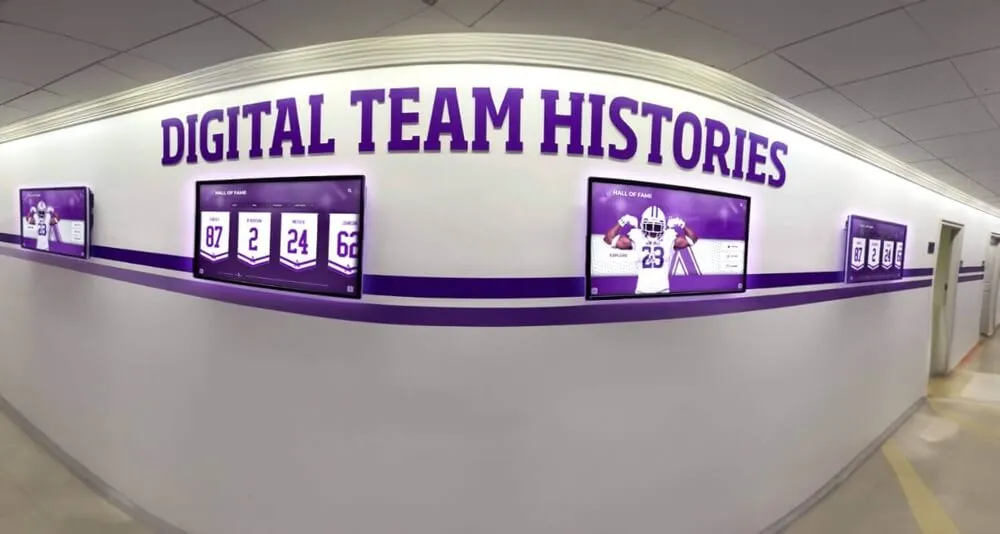
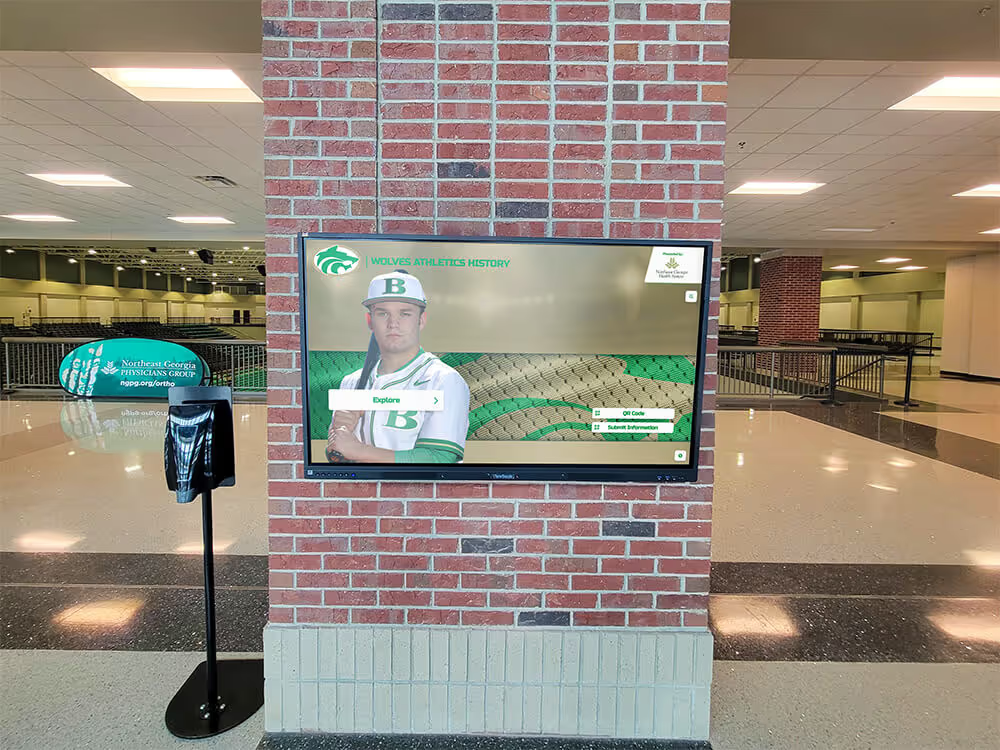
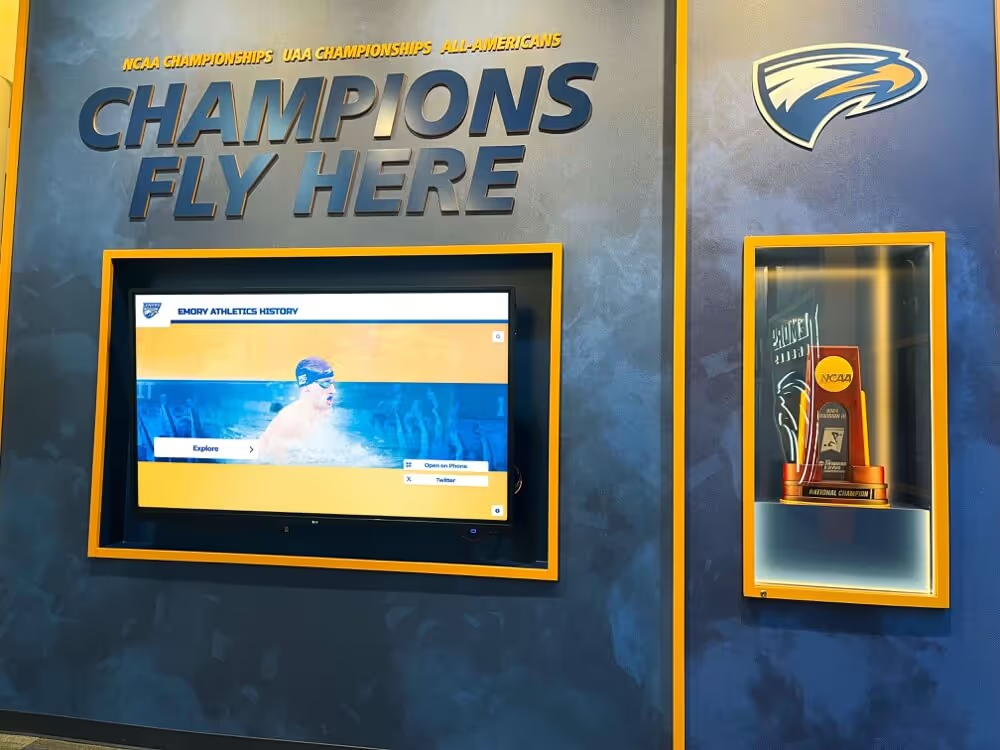
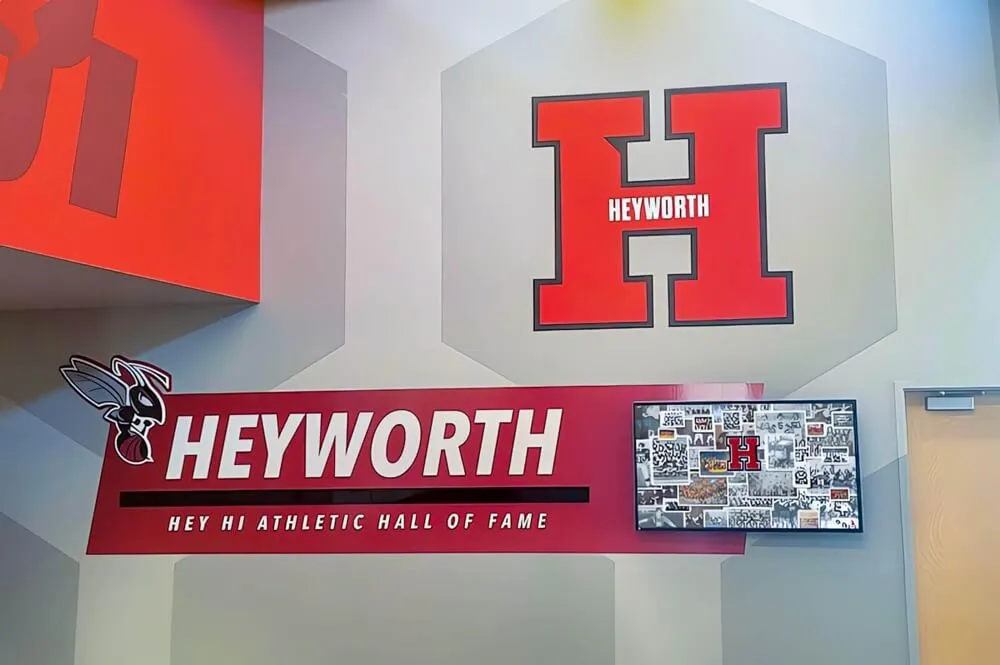
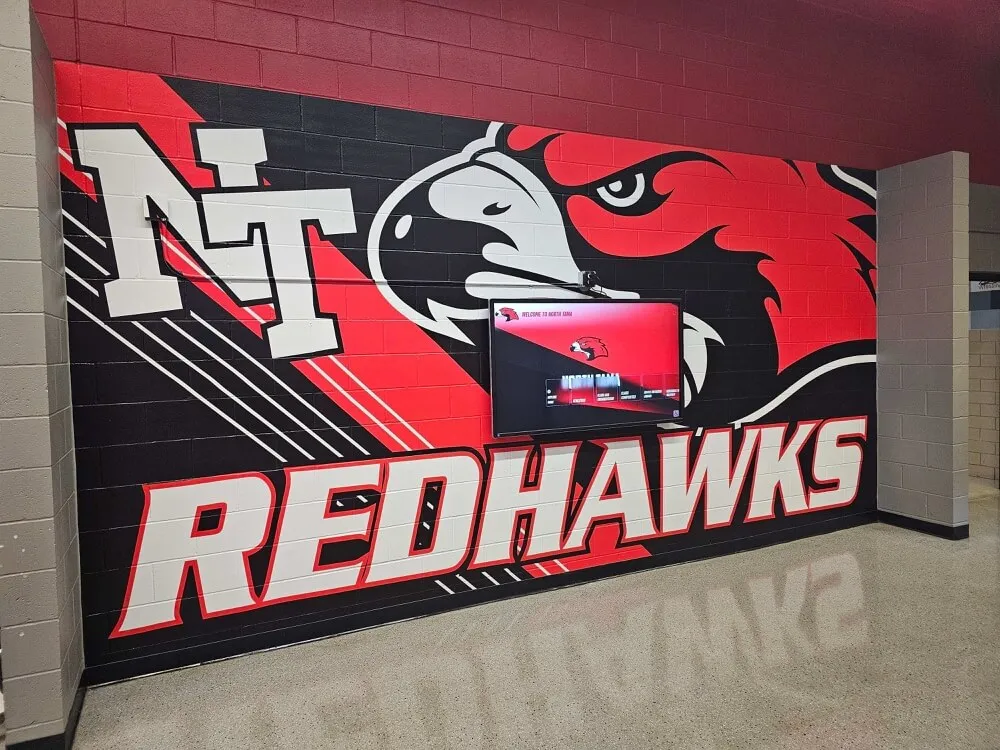
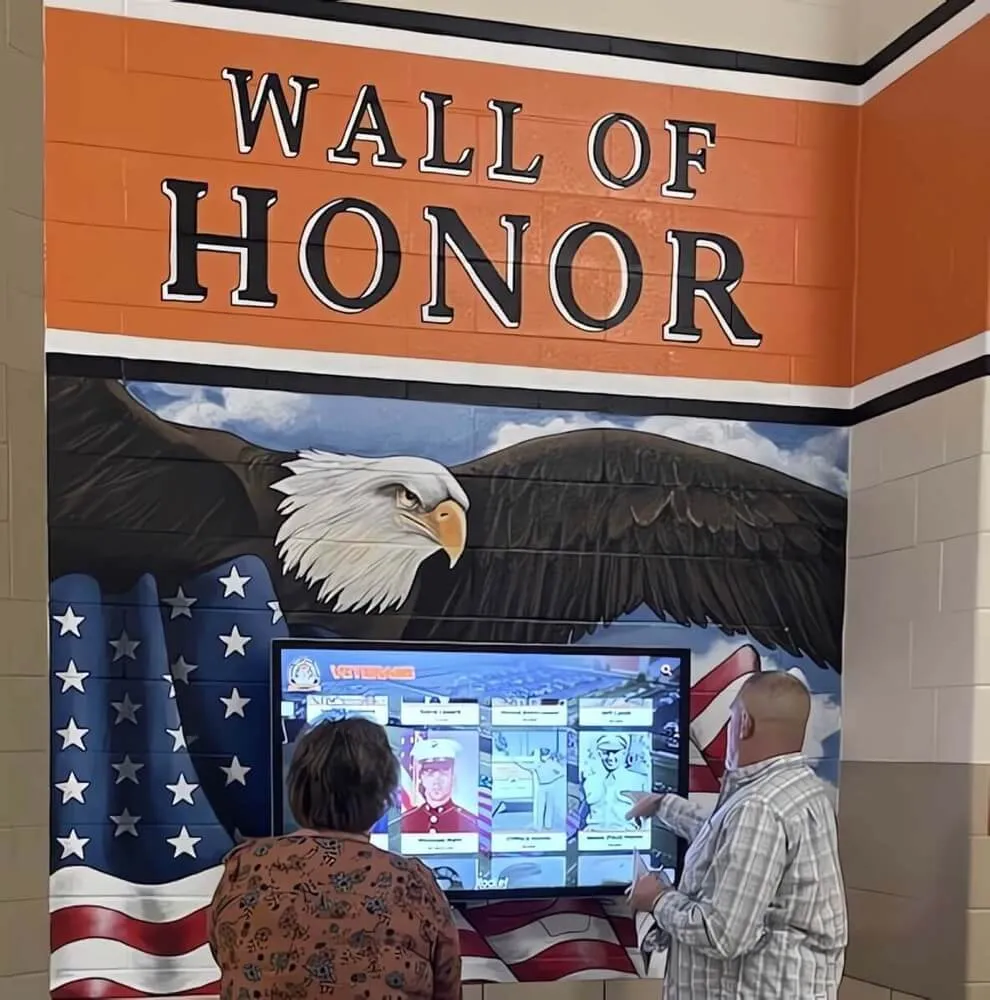
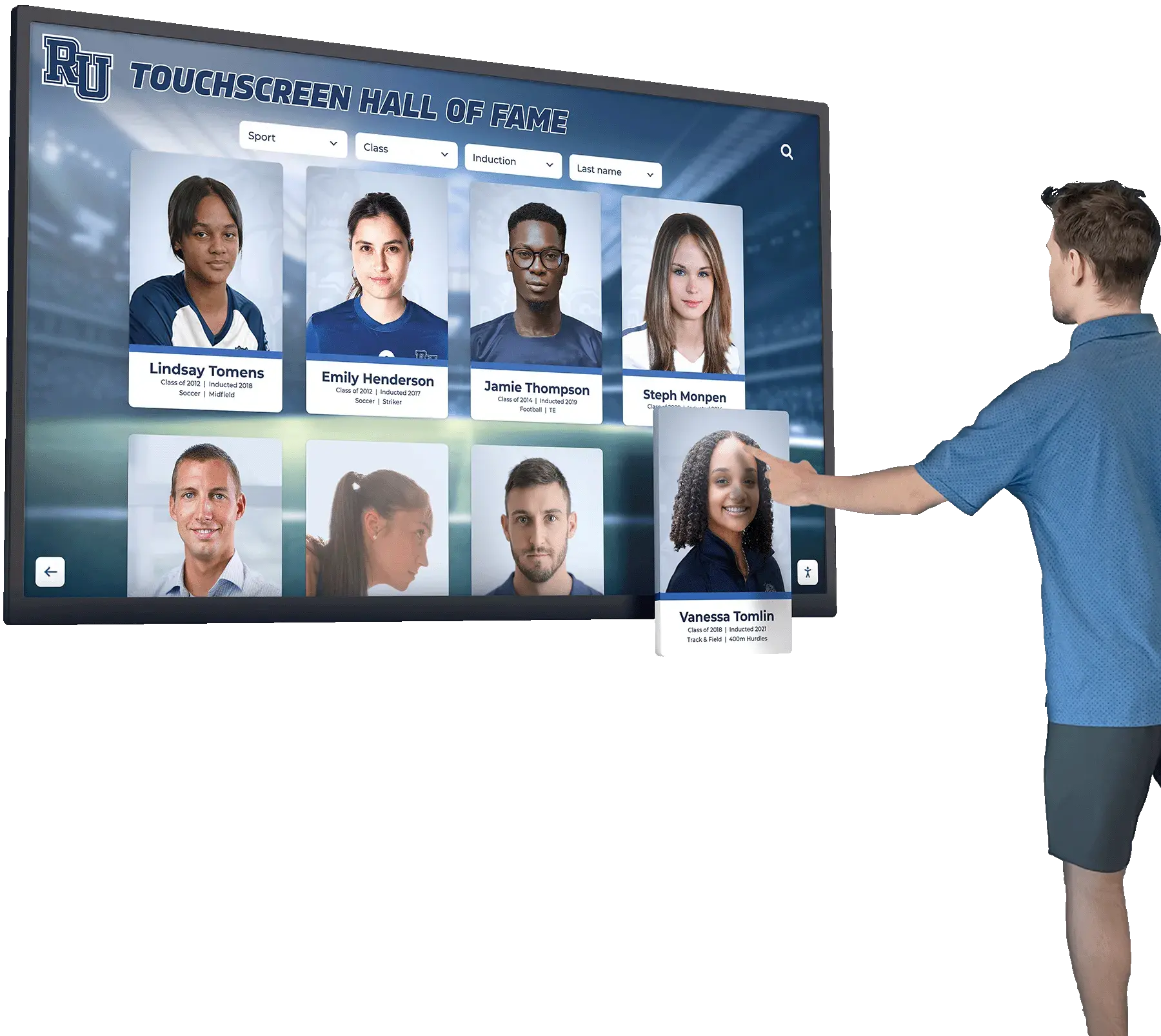
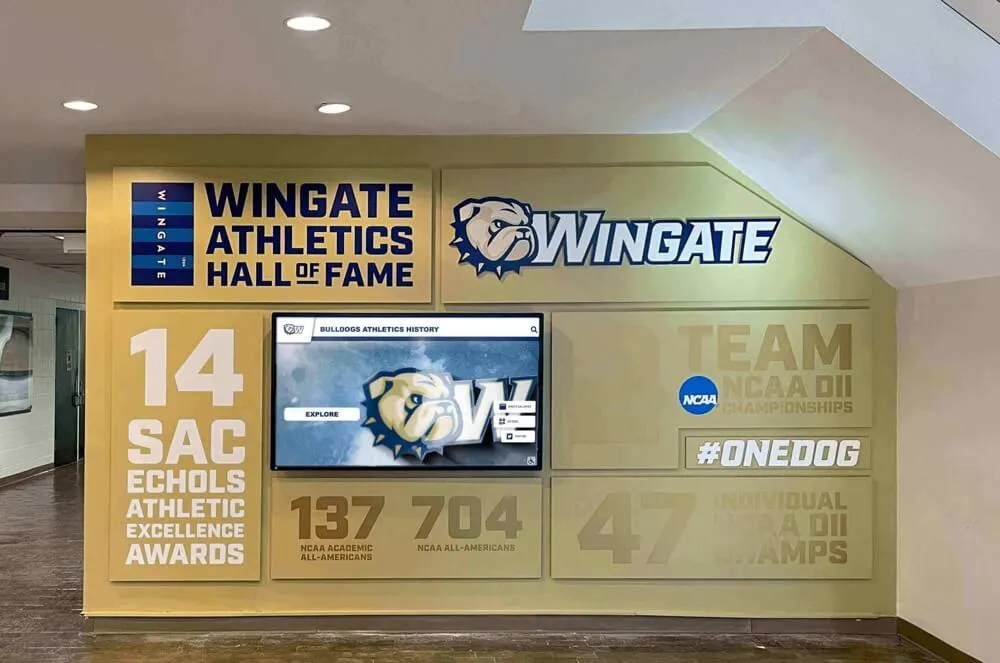
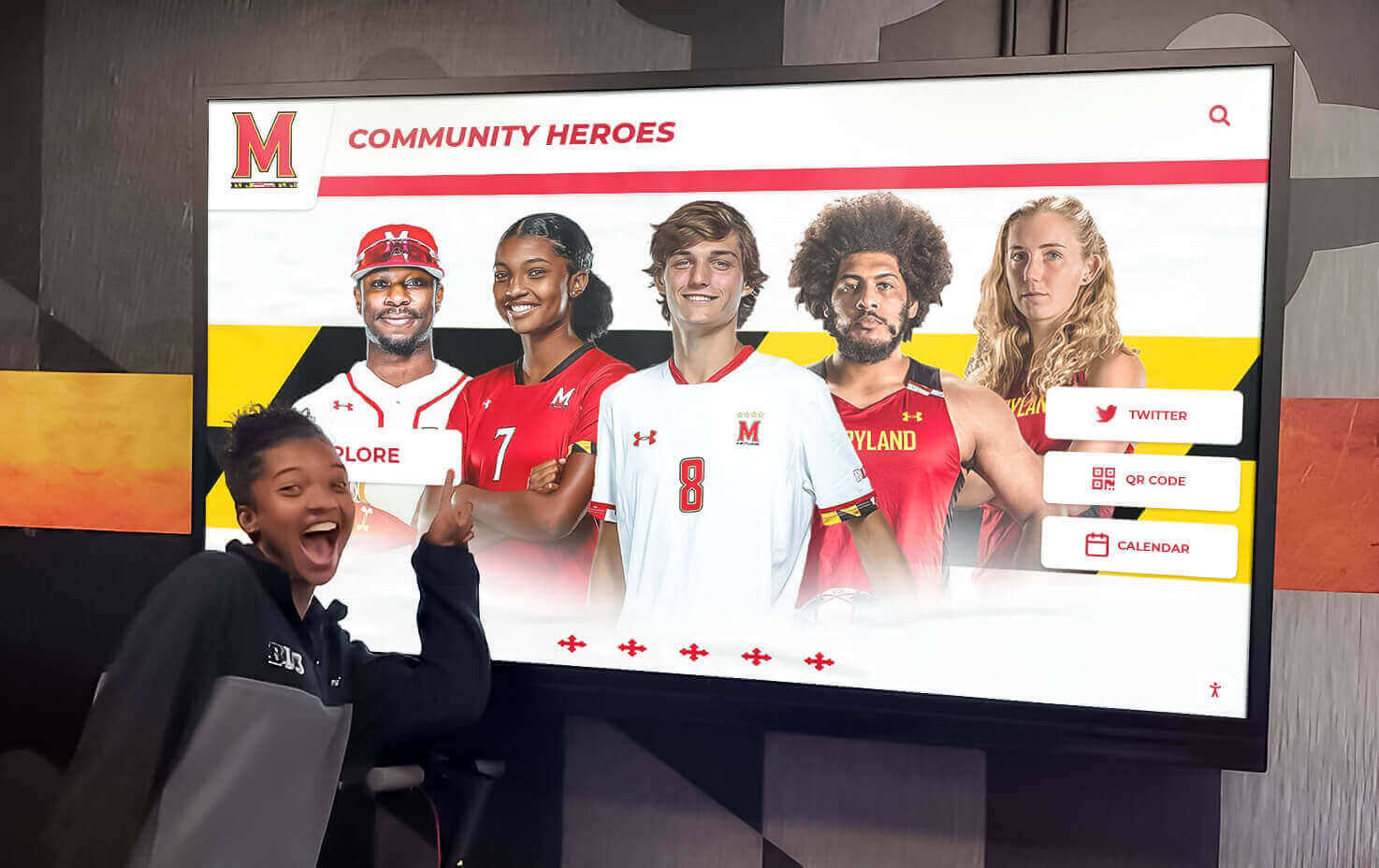
Modern digital recognition creates engaging touchpoints where alumni discover classmates' achievements and reconnect with institutional communities during campus visits
Understanding the Alumni Engagement Challenge
Before implementing specific strategies, understanding why alumni engagement often declines and what graduates actually value enables institutions to design programs addressing root causes rather than symptoms.
The Natural Disconnect After Graduation
The transition from student to alumnus creates immediate engagement challenges that institutions must intentionally address.
Loss of Daily Connection and Community
As students, individuals experience daily immersion in campus communities—attending classes, socializing with friends, participating in activities, and navigating shared physical spaces. Graduation instantly severs these routine connections, replacing daily interaction with distant relationships requiring intentional effort to maintain. Without strategic engagement frameworks, natural drift occurs as graduates establish new communities and routines excluding former institutions.
Competing Priorities and Limited Attention
Young alumni immediately face career establishment demands, potential graduate school commitments, relationship development, geographic relocation, and adult independence navigation. Mid-career graduates juggle professional advancement, family responsibilities, community involvement, and personal wellness. Retirees balance leisure pursuits, grandparenting, health management, and legacy considerations. Alumni engagement must compete with these legitimate priorities for limited time and attention.
Geographic Dispersion and Physical Distance
Unlike students residing on or near campuses, alumni scatter globally pursuing careers and following life circumstances. Physical distance eliminates spontaneous campus visits, casual encounter with peers and faculty, and participation in events requiring significant travel investment. Distance challenges require institutions to bring engagement to where alumni live rather than expecting regular returns to campus.
What Alumni Actually Value in Engagement
Research consistently identifies specific engagement elements that alumni find meaningful enough to justify participation despite busy lives.
Professional Networking and Career Value
Alumni prioritize engagement providing tangible career benefits including professional connections, industry networking opportunities, job search support, skill development, mentorship relationships, and business development possibilities. Career-focused programming attracts participation from graduates who might skip purely social events.
Meaningful Recognition and Appreciation
Graduates value authentic acknowledgment of their achievements, contributions, and continued connections to institutions. Recognition demonstrates that schools remember and appreciate alumni beyond fundraising potential, creating goodwill that strengthens long-term relationships. Public celebration of accomplishments honors individual excellence while inspiring current students and fellow graduates.

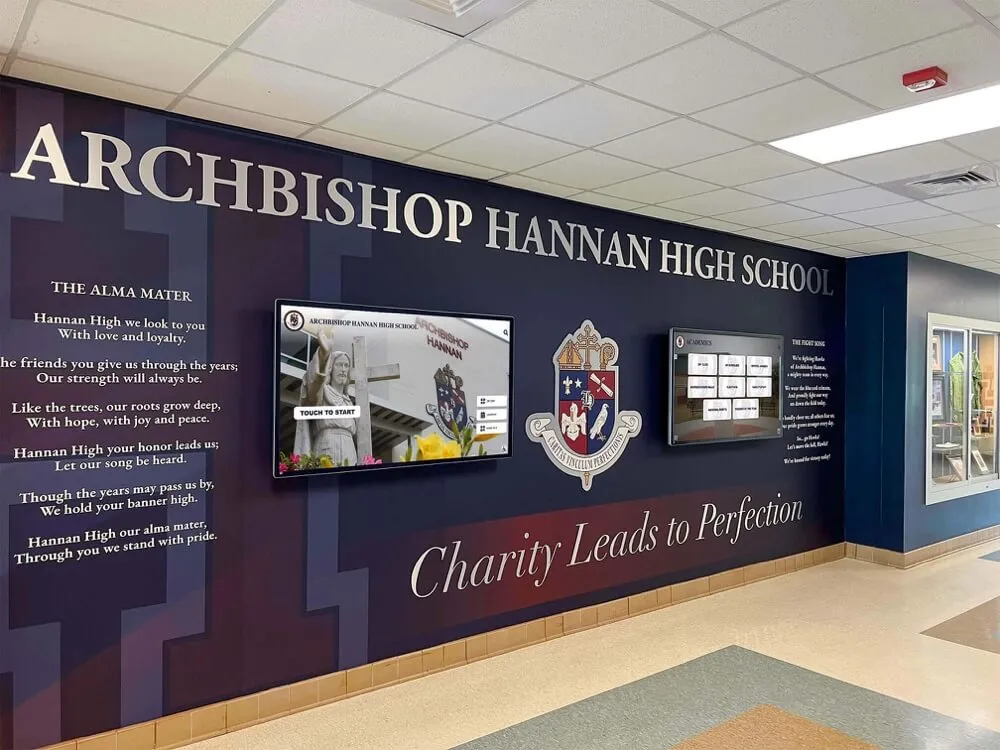
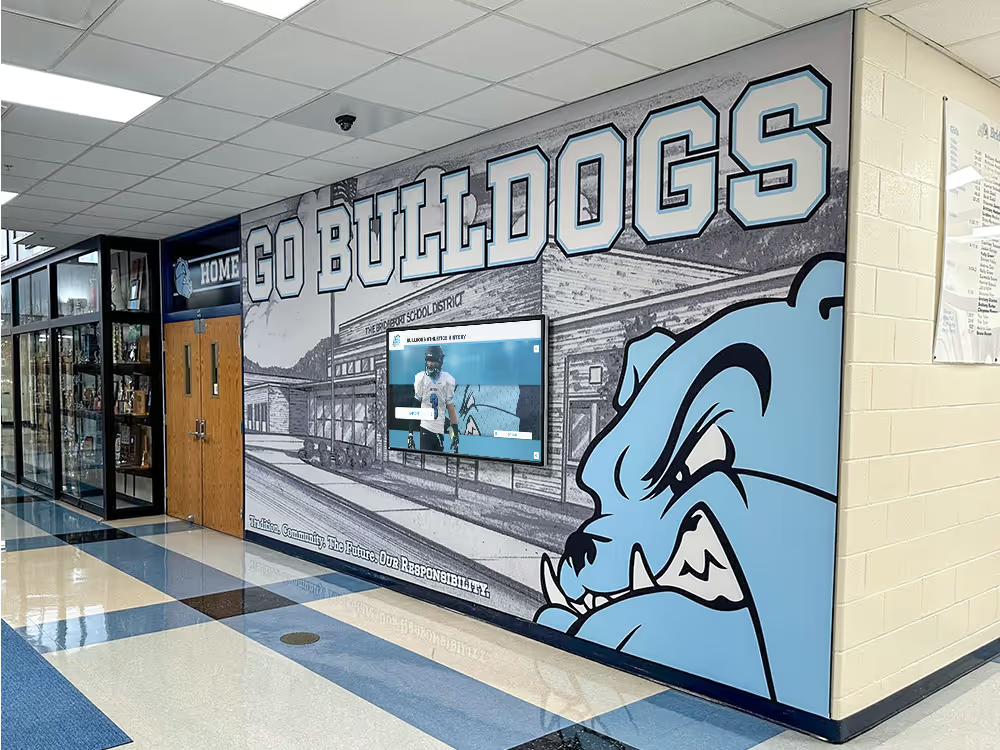
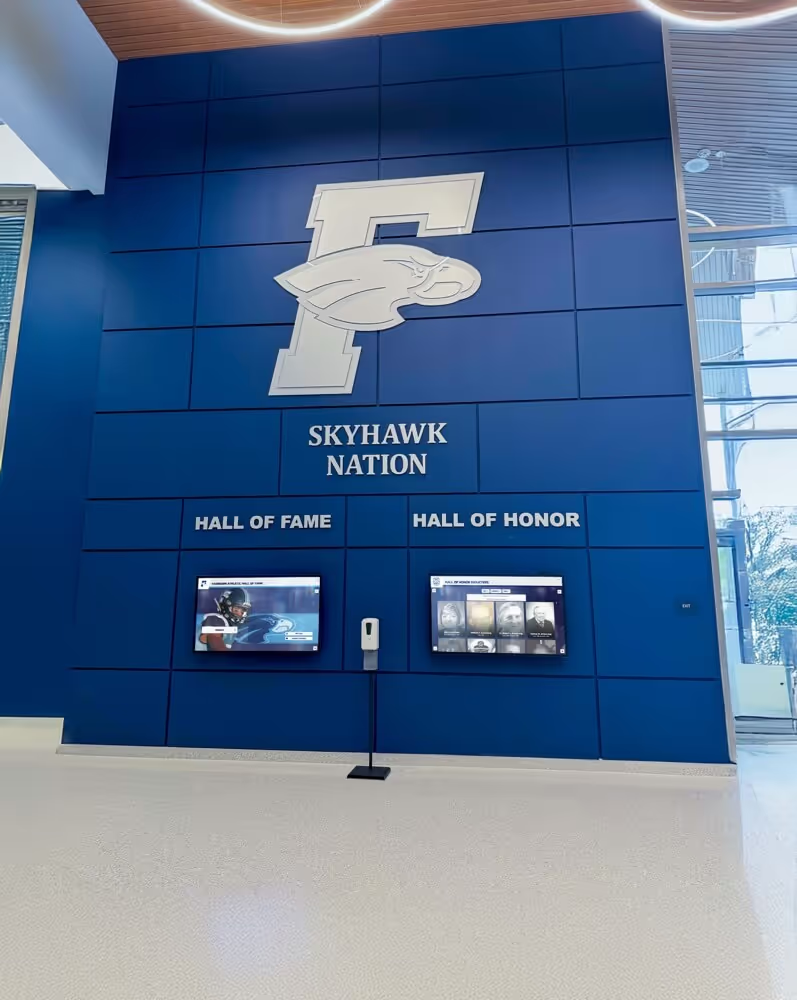
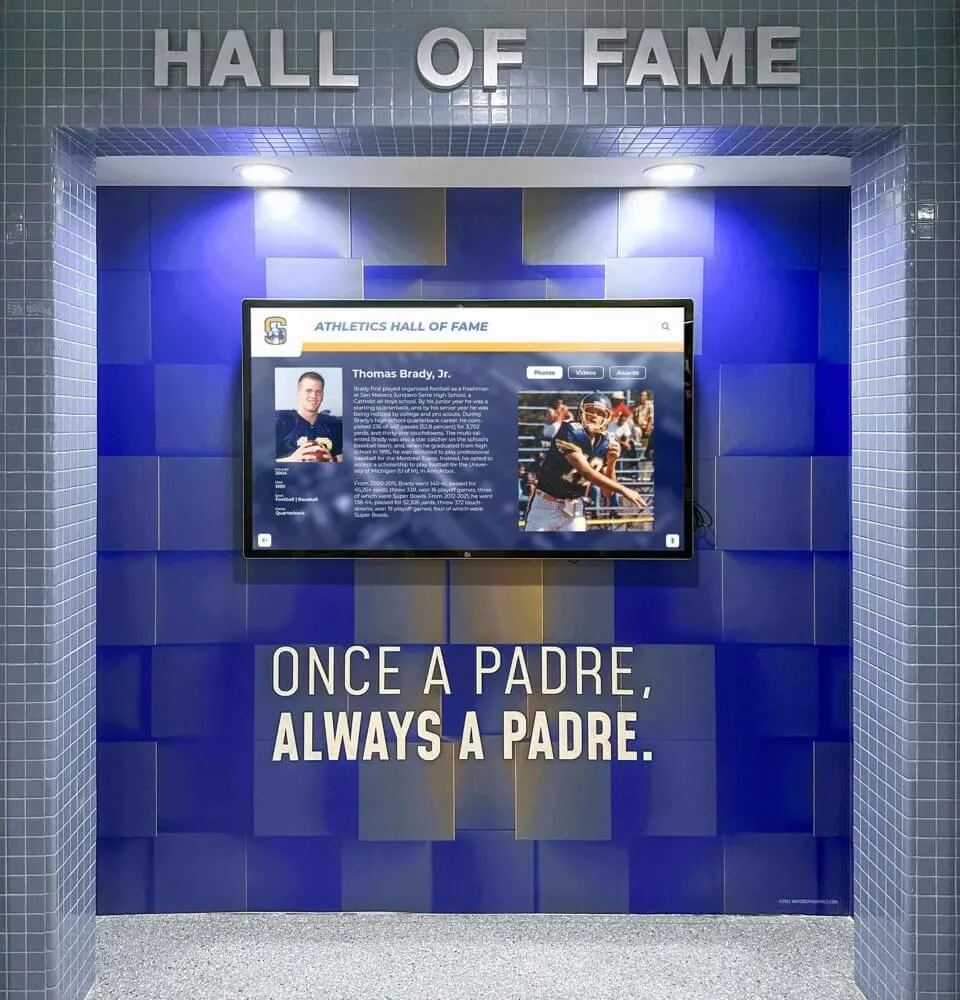
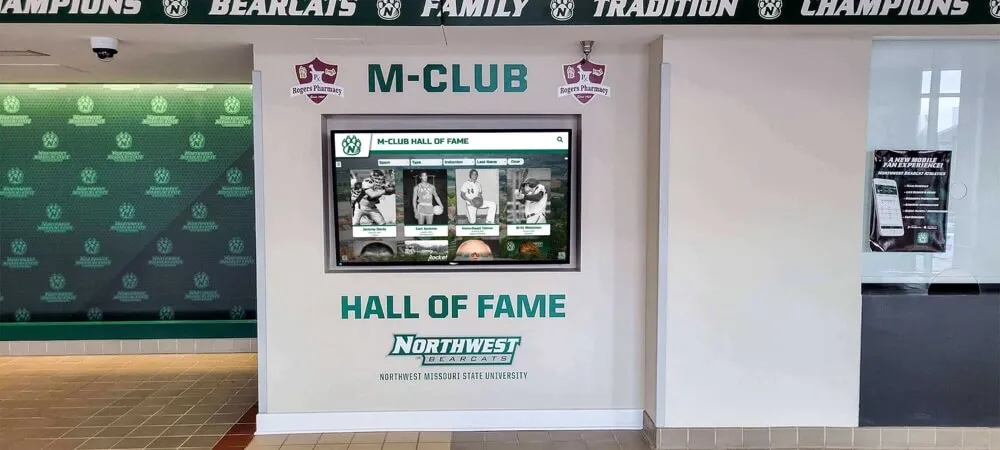
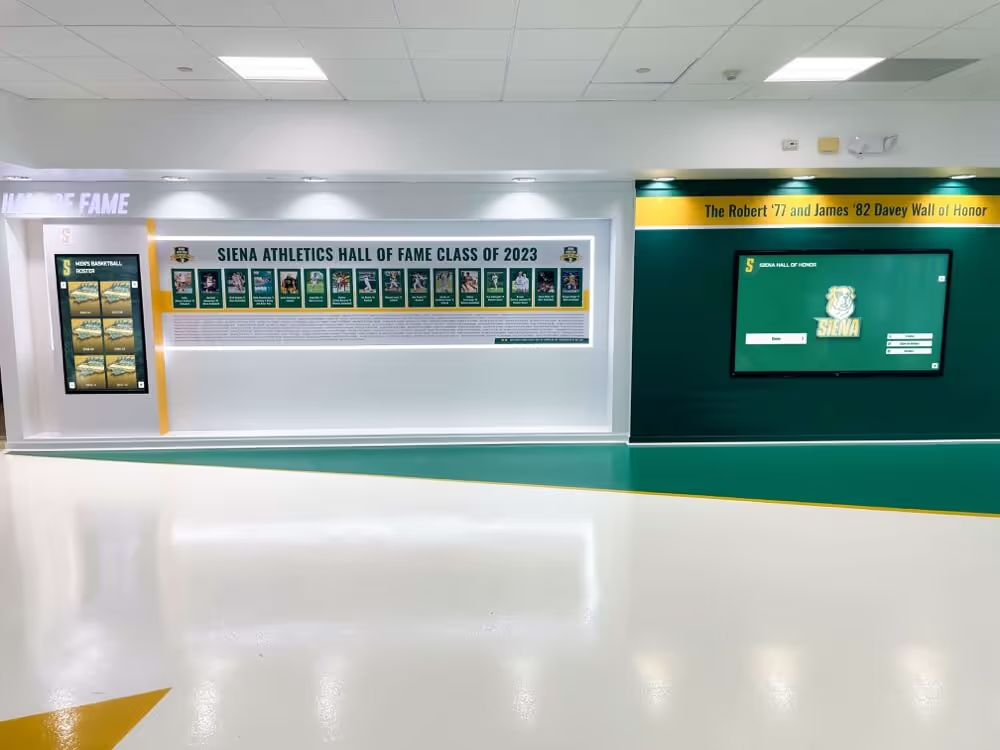
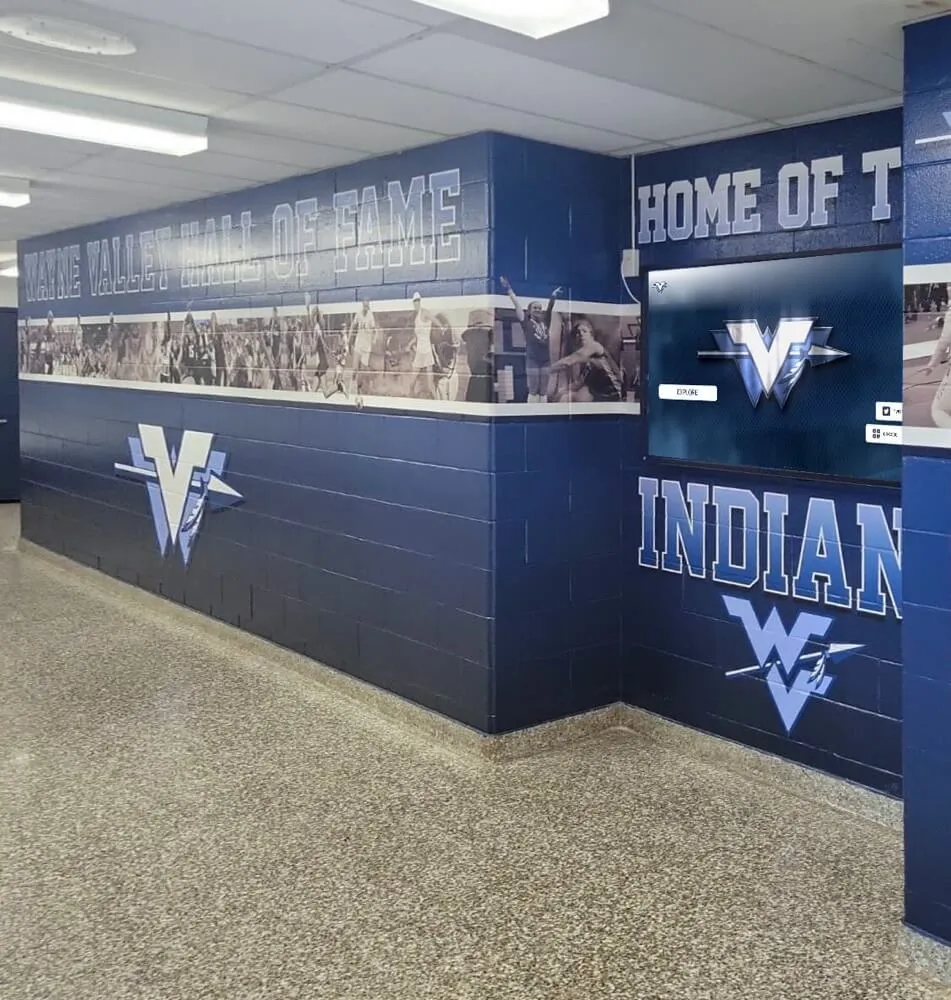
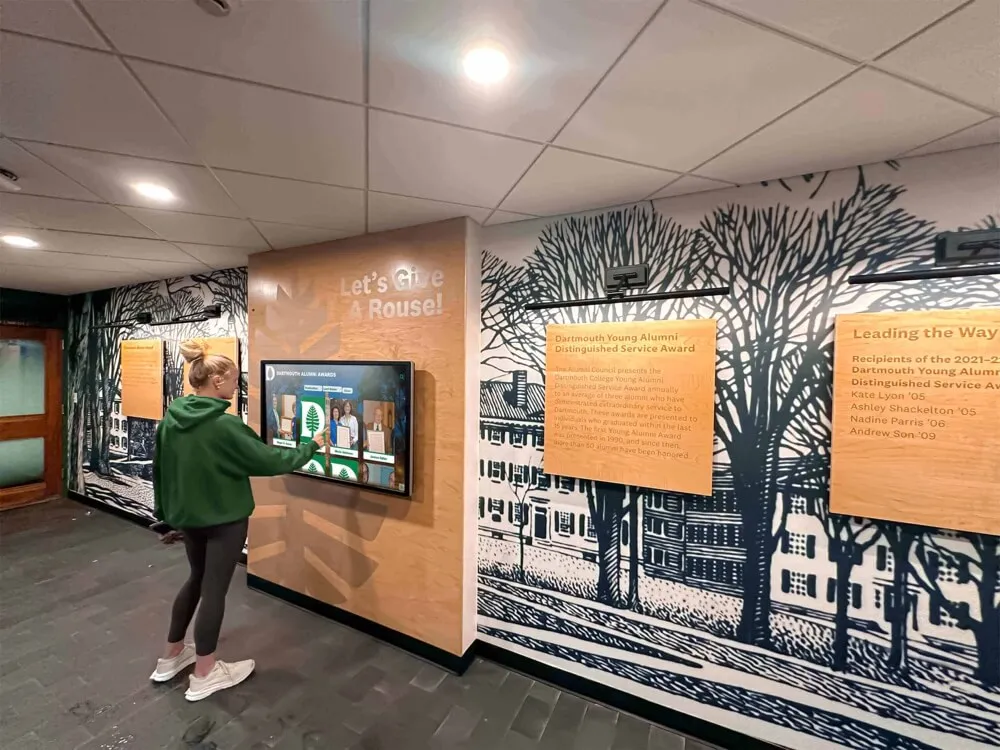
Comprehensive recognition displays celebrate diverse alumni achievements while creating visual focal points that honor graduate excellence
Student Mentorship and Giving Back Opportunities
Many alumni seek ways to contribute beyond financial donations through direct student mentorship, career guidance, internship facilitation, guest speaking, project advising, and skills coaching. These hands-on engagement opportunities provide fulfillment through tangible impact on current students while creating deeper institutional connections than checkwriting alone.
Exclusive Content and Inside Access
Alumni appreciate privileged access to institutional leaders, behind-the-scenes campus experiences, intellectual programming featuring distinguished faculty, research updates, and insider perspectives on institutional developments. Exclusive content creates value justifying engagement while making graduates feel like privileged community insiders rather than external solicitation targets.
Explore comprehensive approaches to alumni recognition walls that provide physical manifestations of appreciation while creating compelling campus destinations attracting graduate visits.
Digital Recognition as Engagement Foundation
Modern digital recognition platforms create continuous engagement opportunities that traditional approaches cannot match while honoring alumni achievement comprehensively across entire graduate populations.
Interactive Touchscreen Recognition Displays
Physical recognition installations transform campus spaces into alumni celebration environments while creating compelling reasons for graduate visits.
Comprehensive Alumni Achievement Databases
Solutions like Rocket Alumni Solutions enable institutions to showcase every graduate’s accomplishments through searchable databases featuring professional achievements, career milestones, community contributions, awards and honors, personal updates, photos and multimedia, and connection to classmates and faculty. Unlike limited hall of fame plaques honoring only exceptional individuals, comprehensive digital recognition celebrates the complete alumni community.
Visitors—including current students, prospective families, and returning graduates—explore alumni databases discovering classmates, browsing by graduation year, searching career fields, and uncovering unexpected connections. Average interaction sessions last 3-5 minutes, dramatically exceeding engagement with static recognition approaches.
Strategic Campus Placement
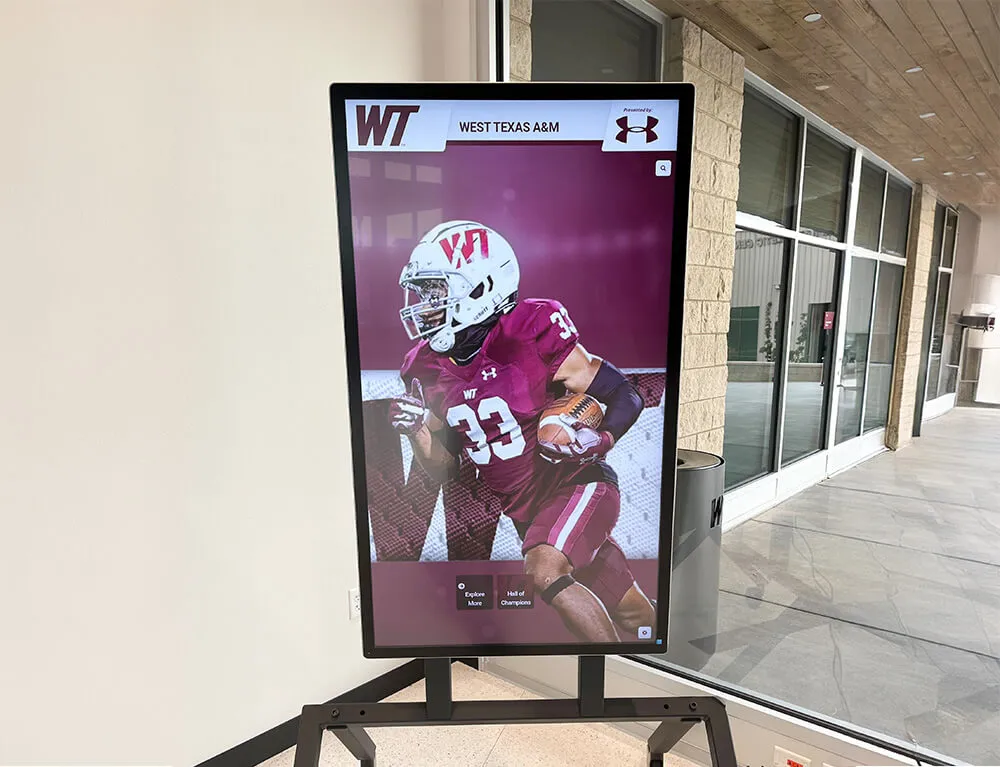
Effective recognition display placement maximizes visibility and engagement including main entrance lobbies welcoming all visitors, student centers where current learners gather daily, athletic facilities during games and events, library commons providing study break distractions, dining areas creating conversation starters, and department buildings connecting specific programs to graduate outcomes.
Strategic placement ensures regular student exposure to alumni success stories, inspiring career exploration and creating aspirational role models while demonstrating concrete value of education through real graduate examples.
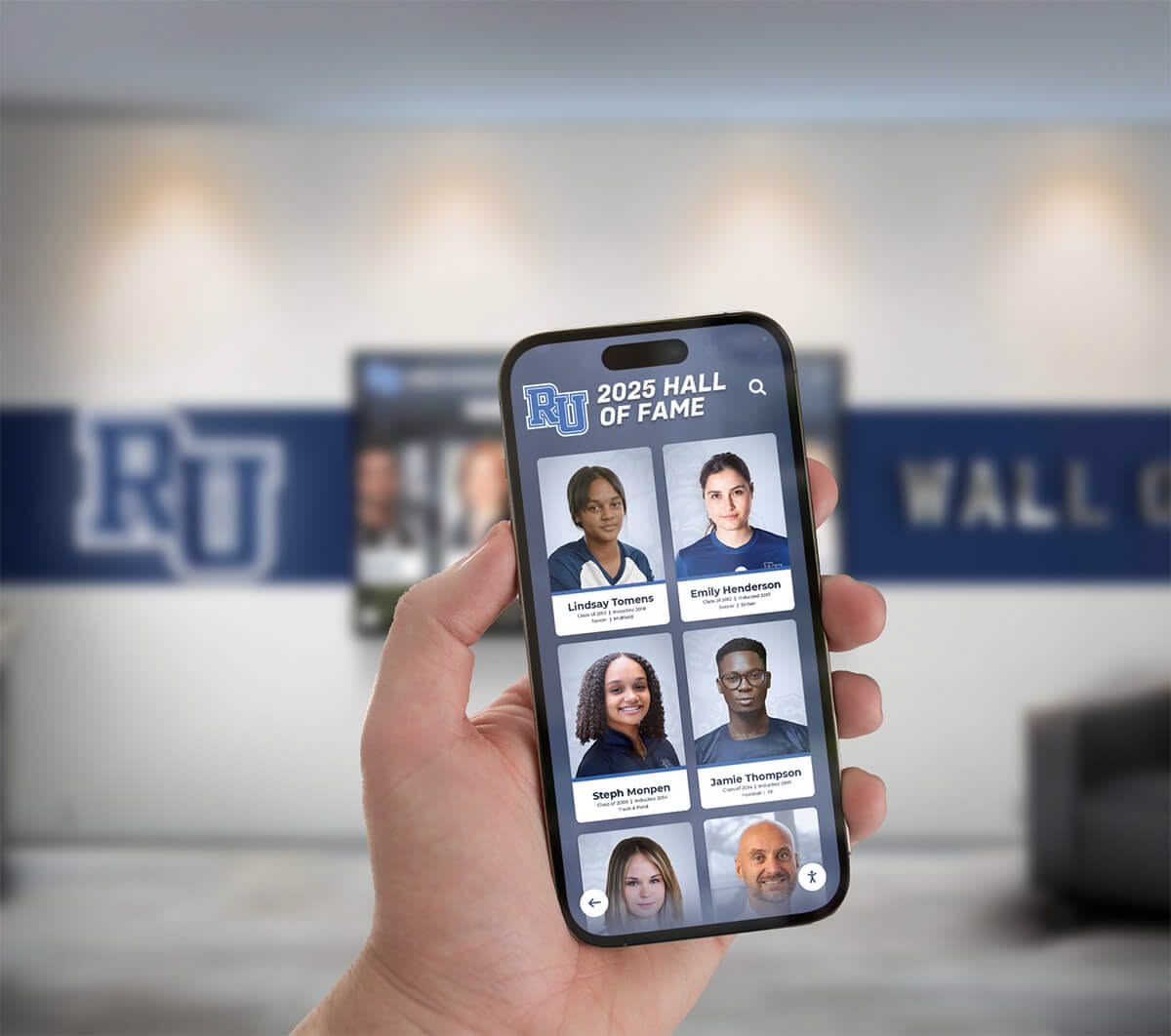
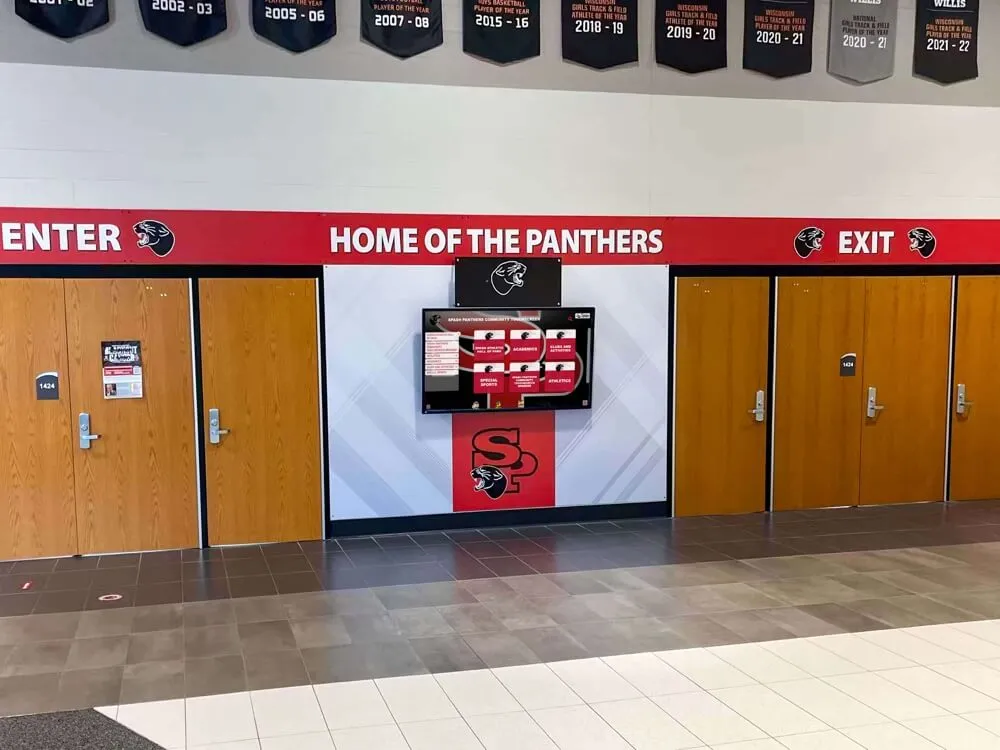
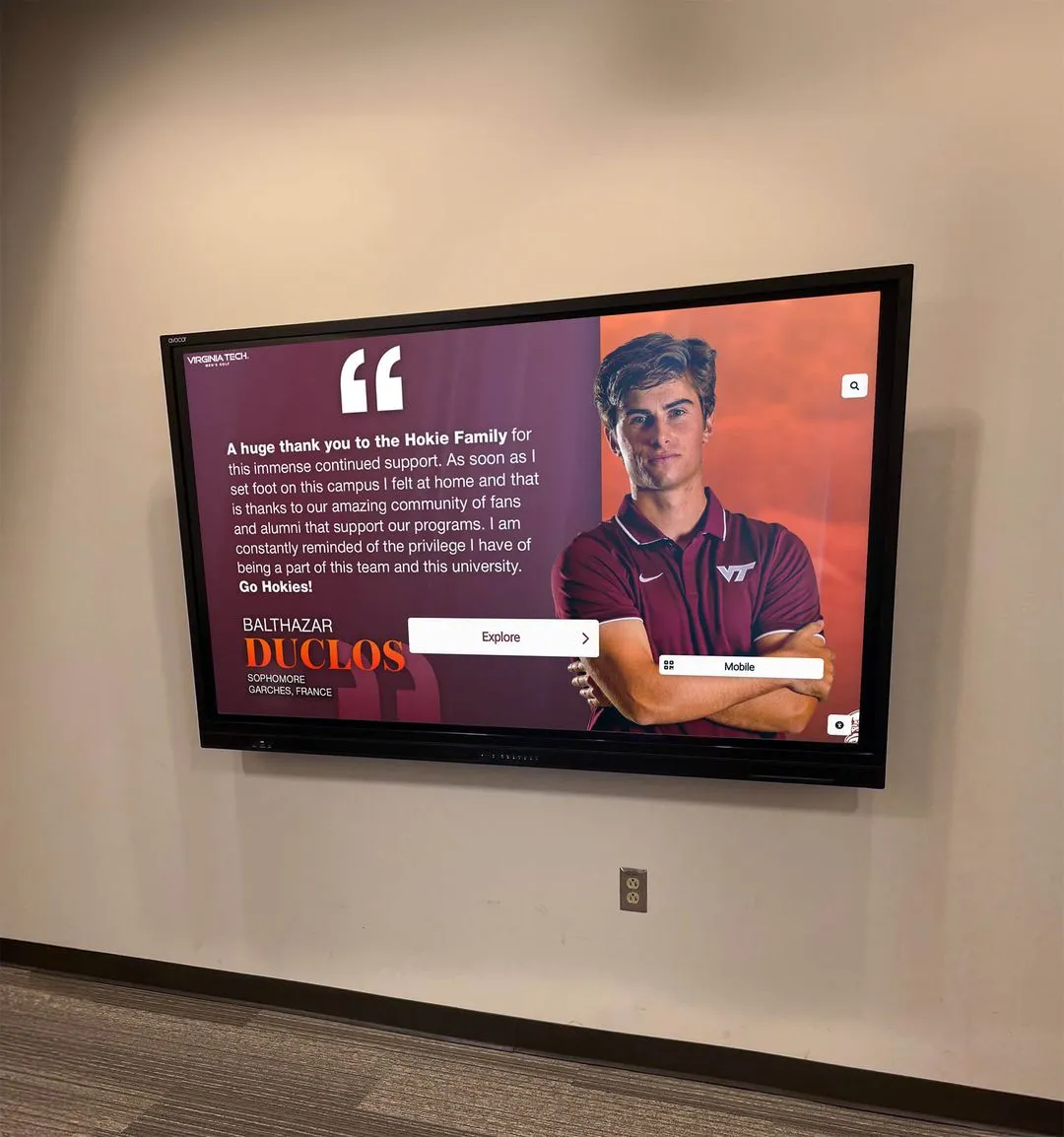
Mobile-accessible recognition extends engagement beyond physical displays, enabling alumni to explore achievements from anywhere while sharing classmate discoveries
Web and Mobile Alumni Portals
Digital recognition extends beyond physical displays through online platforms enabling global access and continuous engagement.
Always-Accessible Alumni Directories
Web-based recognition portals allow alumni to explore classmate achievements anytime, anywhere, from any device. Graduates search for old friends, discover what peers have accomplished, submit their own achievement updates, and maintain connections despite geographic dispersion. Unlike annual reunion dependence, digital access creates year-round connection opportunities.
Social Sharing and Viral Engagement
When alumni discover impressive classmate achievements or see their own recognition featured, many share discoveries through personal social media channels. This organic sharing extends institutional reach far beyond direct communications, creating authentic peer-to-peer promotion that attracts engagement from graduates outside active alumni populations.
Alumni-Generated Content Contributions
Modern platforms enable alumni to submit achievement updates, share career news, post life milestones, upload photos and memories, and contribute stories. This user-generated content keeps recognition current while creating ownership and investment in ongoing participation. Alumni contribute when platforms make sharing easy and demonstrate that submissions receive appreciation and visibility.
Understanding alumni wall design ideas provides insights into creating physical recognition spaces that complement digital engagement through integrated multi-channel approaches.
Recognition-Driven Communication Opportunities
Systematic alumni recognition creates natural communication touchpoints that feel celebratory rather than transactional.
Feature Spotlights and Profiles
Monthly or quarterly featured alumni profiles provide consistent content for newsletters, social media campaigns, website highlights, and campus displays. These spotlights honor individual excellence while creating relatable role models for students and peer inspiration for fellow alumni. Featured recognition also cultivates relationships with honored graduates, often leading to increased engagement and philanthropic support.
Milestone Celebration Triggers
Recognition platforms enable automated outreach celebrating career milestones, professional achievements, personal accomplishments, graduation anniversaries, and life events. Timely, personalized acknowledgment demonstrates institutional attention and care, strengthening emotional bonds that sustain long-term engagement and support.
Peer Notification and Reconnection
When alumni submit achievement updates, platforms can notify classmates and connections, creating reconnection opportunities. “Your classmate just achieved…” notifications drive platform traffic while facilitating organic relationship renewal among graduates who might not otherwise reconnect.
Strategic Event Programming for Diverse Alumni
Well-designed events create high-value engagement experiences that justify time investment while serving institutional objectives beyond simple socializing.
Regional Chapter Events and Geographic Engagement
Bringing programming to where alumni live dramatically increases participation compared to campus-only events.
Metropolitan Area Networking Receptions
Host regular gatherings in cities with significant alumni concentrations featuring after-work networking in professional districts, casual social meetups at restaurants and breweries, cultural experiences at museums and venues, athletic watch parties during team competitions, and professional development programming with industry speakers.
Regional events require less planning than elaborate campus programming while achieving higher attendance through convenient locations and reduced travel requirements.
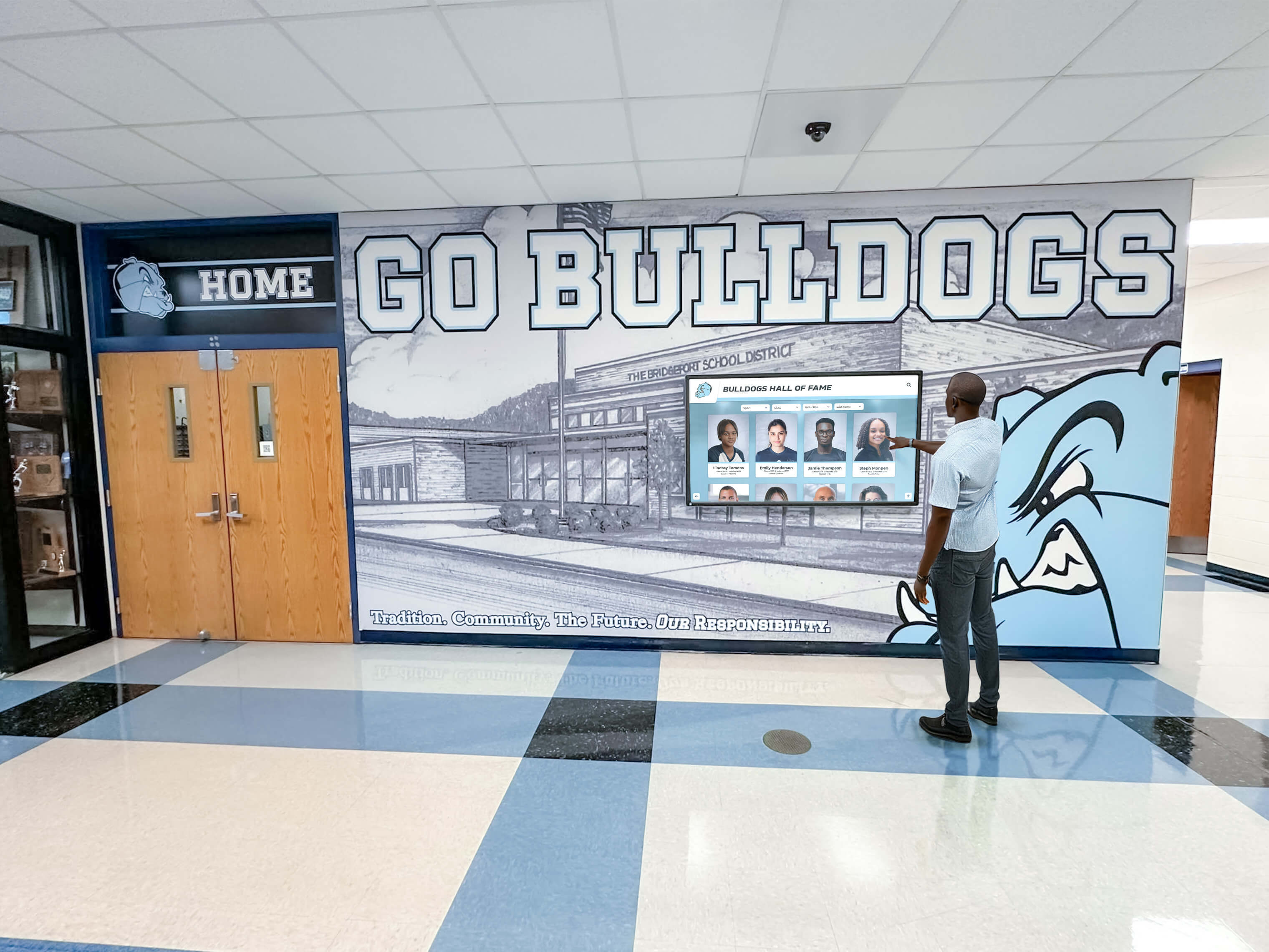
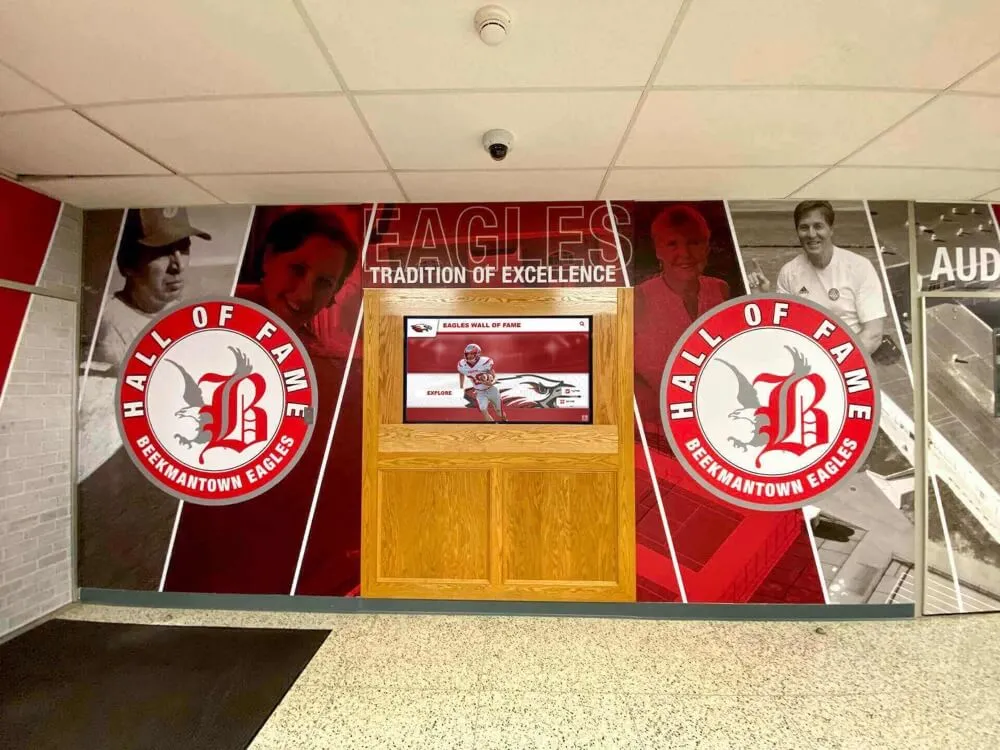
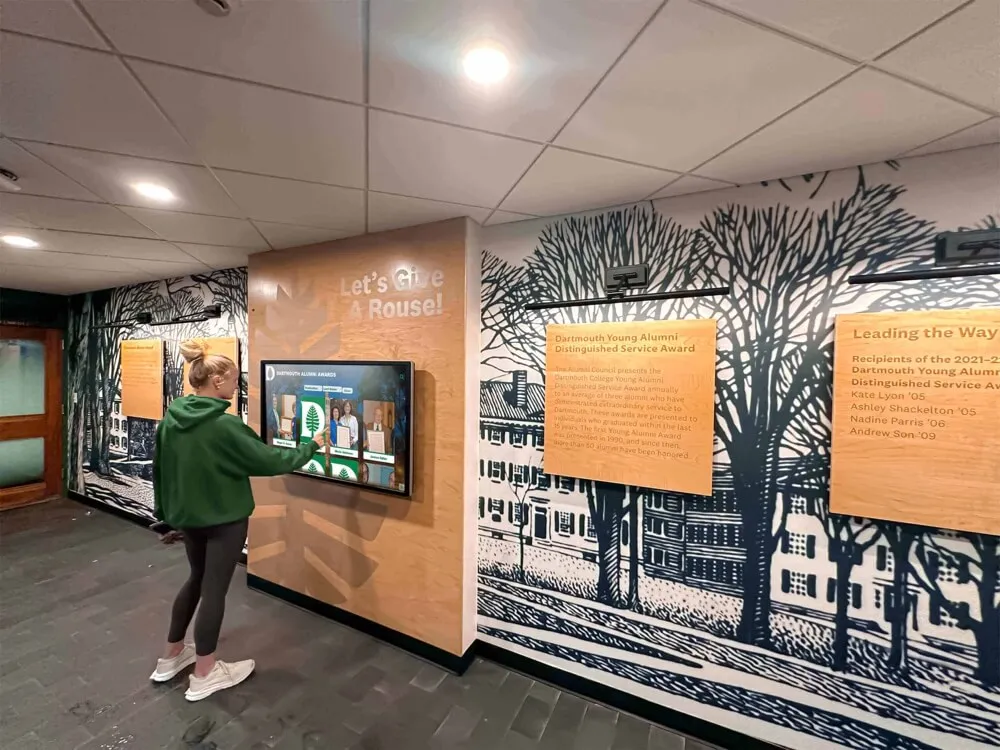
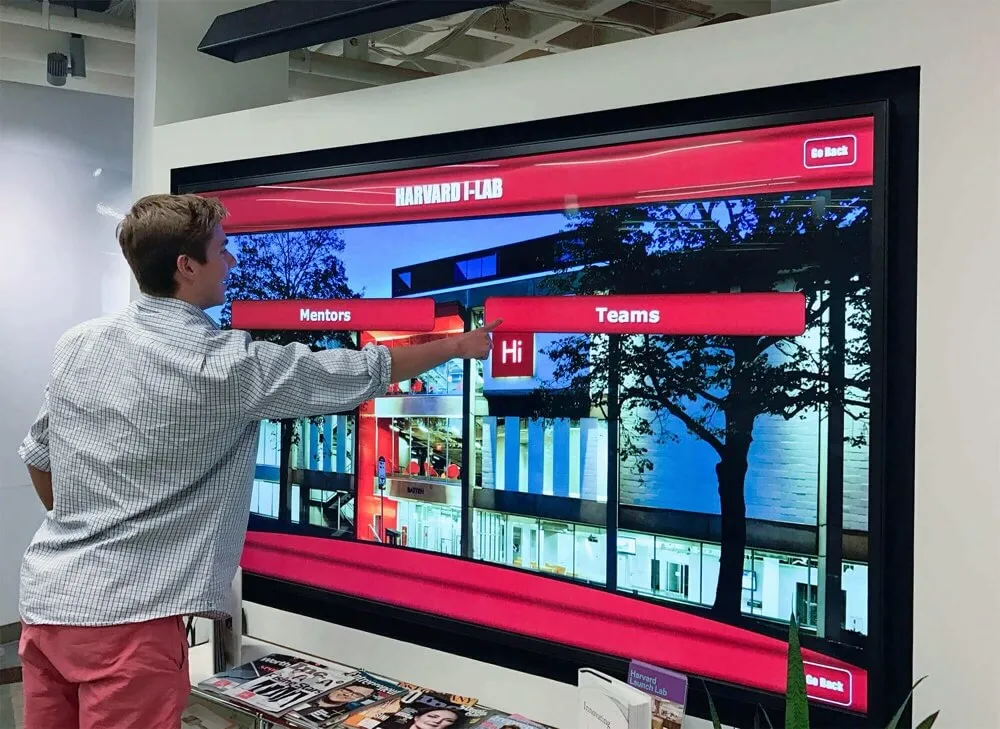
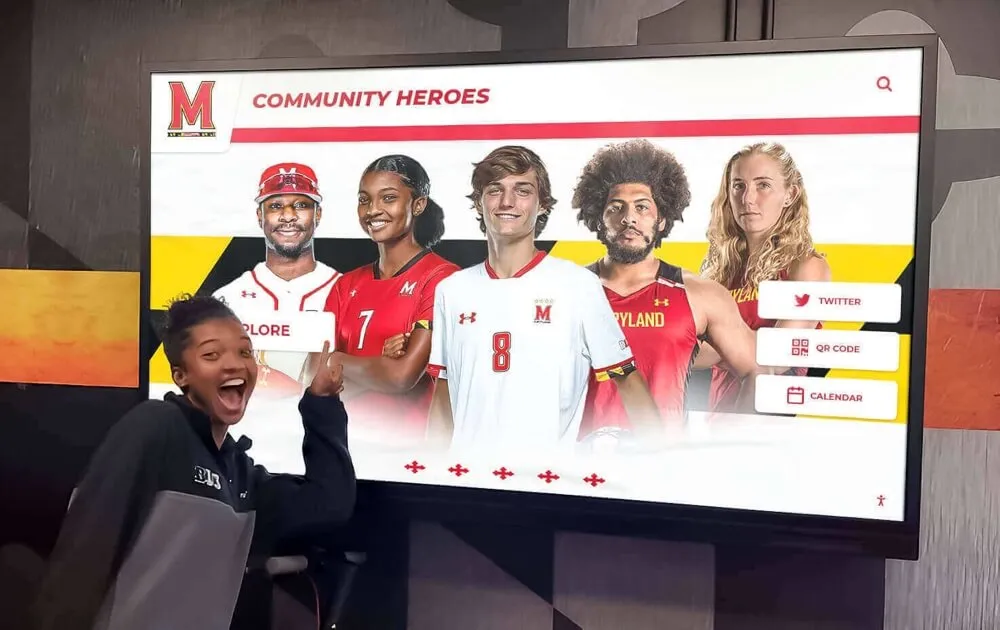
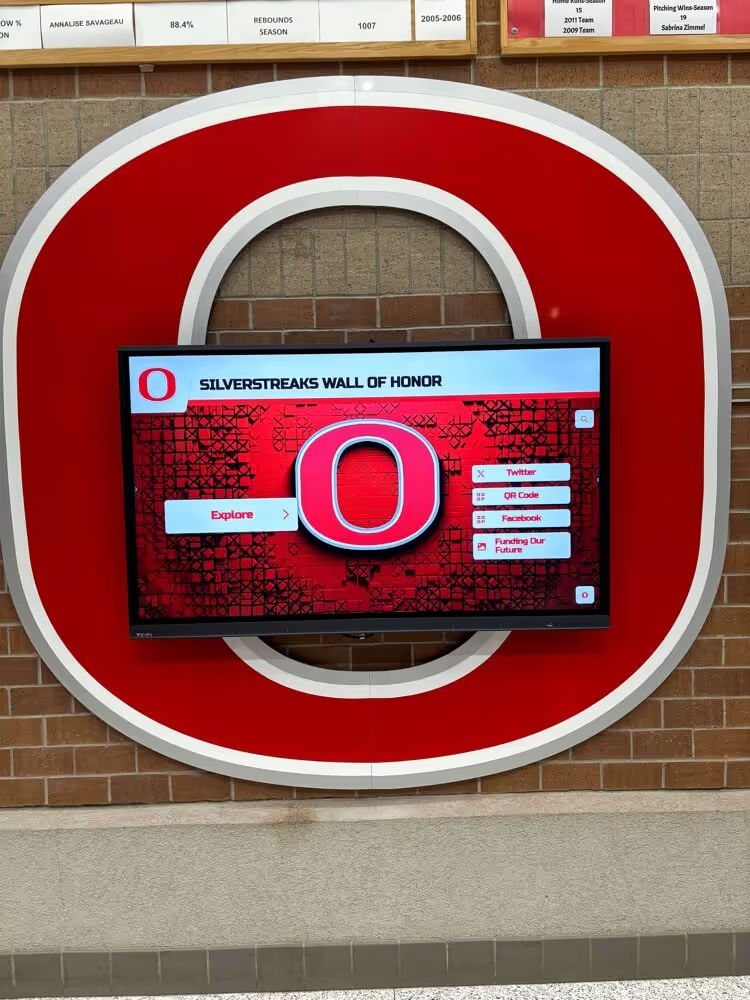
Intuitive touchscreen interfaces enable independent exploration of alumni achievements during campus visits and special events
Virtual and Hybrid Programming
Technology enables engagement with globally dispersed alumni through online speaker series with distinguished guests, virtual career panels and workshops, livestreamed campus events and athletics, digital networking sessions connecting alumni, and recorded content for asynchronous consumption.
Hybrid approaches combining in-person and virtual participation maximize inclusivity while accommodating diverse geographic locations, schedules, and preferences.
Career-Focused Professional Programming
Professional development events attract alumni who might skip purely social gatherings by providing tangible career value.
Industry-Specific Networking
Organize gatherings by professional field—healthcare alumni, technology sector professionals, educators, financial services, entrepreneurs, legal professionals—enabling relevant networking and industry-specific programming. Field-targeted events create more meaningful connections than generic all-alumni mixers while supporting career advancement in concrete ways.
Alumni Mentorship Program Launch Events
Formal mentorship programs connecting alumni with current students or recent graduates create valuable structure for giving-back engagement. Launch events where mentors and mentees meet, learn program expectations, and begin relationships provide clear frameworks for involvement while demonstrating tangible impact on student success.
Executive Leadership Roundtables
Invite senior-level accomplished alumni to intimate discussions with institutional leaders about strategy, industry trends, or complex challenges. These exclusive gatherings honor distinguished graduates while leveraging their expertise for institutional benefit, creating mutual value that strengthens high-level engagement.
Comprehensive alumni event planning strategies provide detailed frameworks for designing gatherings that alumni actually attend and find valuable enough to justify participation.
Experience-Based Engagement Opportunities
Creative programming creates memorable shared experiences building stronger connections than passive receptions.
Educational Travel Programs
Faculty-led travel experiences to interesting destinations create week-long intensive bonding opportunities while providing intellectual value. Alumni travel programs generate revenue through participation fees while strengthening cohort relationships and demonstrating institutional educational value extends beyond campus.
Campus Service and Volunteer Projects
Organize hands-on service opportunities including campus beautification projects, community service initiatives, student support programs, and skill-based volunteering where alumni contribute professional expertise. Service creates fulfillment through tangible impact while fostering teamwork and shared purpose.
Arts, Culture, and Athletic Experiences
Leverage institutional assets through exclusive access to performing arts events, behind-the-scenes museum tours, private gallery openings, backstage theater experiences, and premium athletic event experiences. Cultural programming appeals broadly while showcasing institutional excellence.
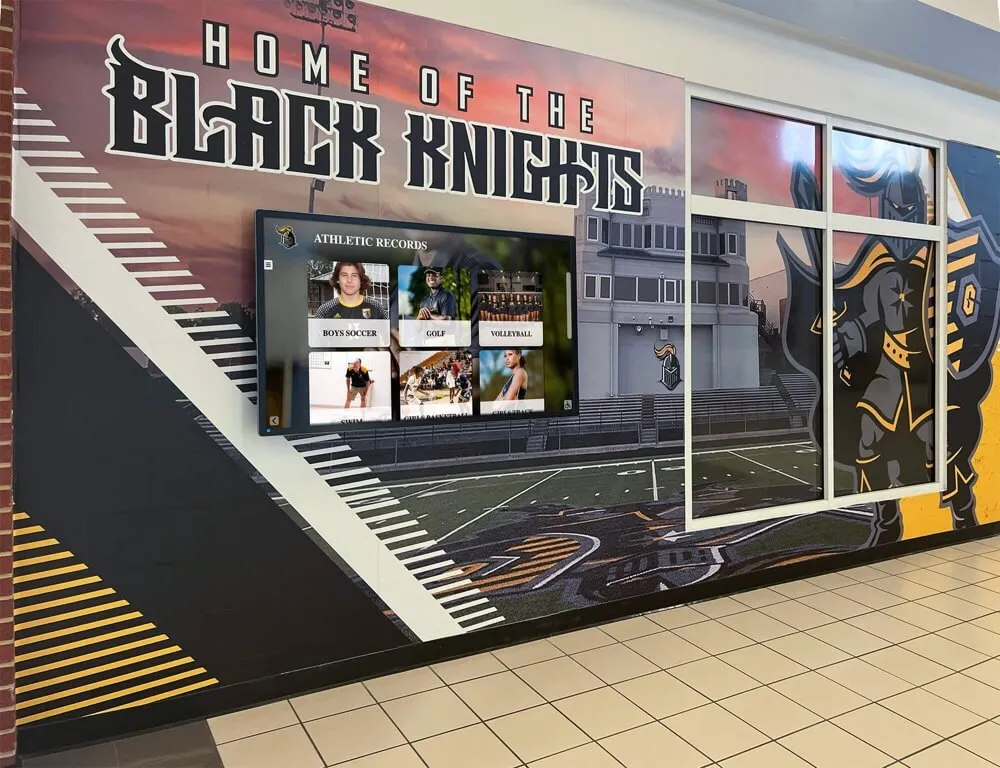
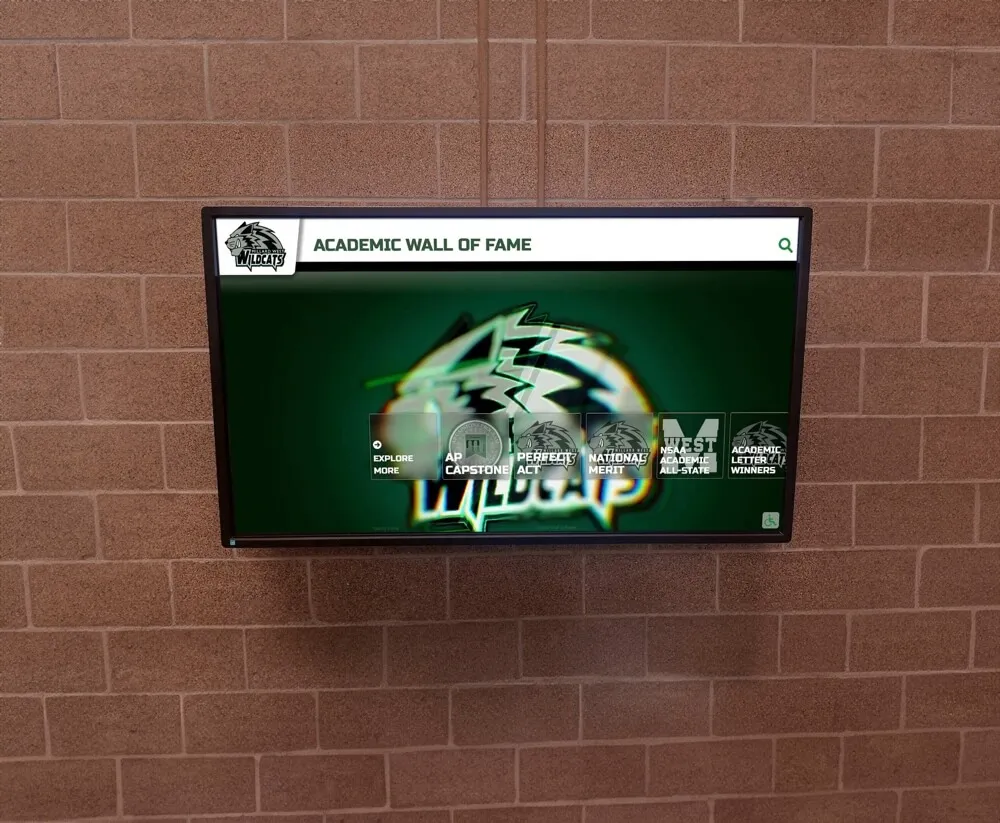
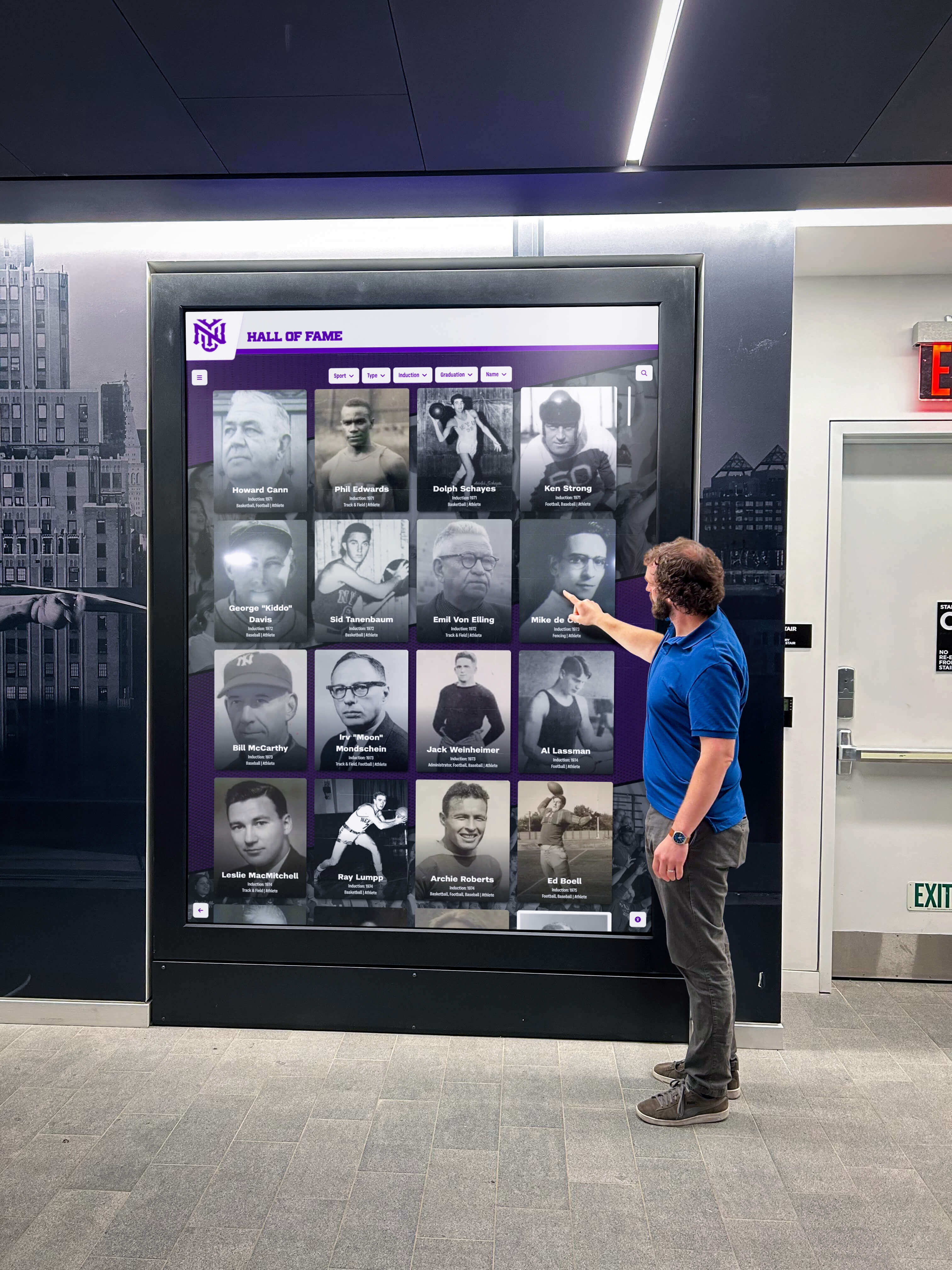
Strategic placement ensures current students regularly encounter alumni success stories, creating aspirational examples while demonstrating education's real-world impact
Data-Driven Communication Strategies
Effective alumni engagement requires sophisticated communication approaches that respect preferences, acknowledge interests, and provide relevant value rather than generic mass messaging.
Segmentation and Personalization
Treating all alumni identically guarantees irrelevance to most recipients. Strategic segmentation enables targeted, meaningful communications.
Graduation Era and Career Stage Segmentation
Recent graduates (0-10 years) need career development support, networking opportunities, and professional advancement resources. Mid-career alumni (10-30 years) value leadership development, work-life integration guidance, and executive networking. Established and retired alumni (30+ years) appreciate legacy planning, intellectual programming, and mentorship opportunities.
Segmented communications address specific life stage needs rather than assuming identical interests across 50-year age spans and completely different life circumstances.
Geographic and Chapter Segmentation
Alumni in New York City receive communications about metro area events, chapter activities, and regional networking while distant international graduates see virtual programming, online communities, and globally accessible opportunities. Geographic relevance dramatically increases engagement likelihood compared to campus-centric communications ignoring recipient locations.
Interest and Affinity Segmentation
Athletics enthusiasts receive sports schedules and team updates. Career networkers see professional development programming. Service-minded graduates learn about volunteer opportunities. Arts appreciators hear about cultural events. Interest-based targeting ensures communications align with demonstrated preferences rather than assuming universal appeal.
Understanding networking strategies with alumni provides specific frameworks for leveraging professional connections as engagement foundation.
Multi-Channel Communication Approaches
Alumni consume information through varied channels requiring integrated strategies rather than email-only approaches.
Email Best Practices
Email remains effective when implemented thoughtfully including compelling subject lines that earn opens, mobile-optimized formatting for smartphone reading, concise content respecting limited time, clear calls to action directing next steps, and segmentation ensuring relevance. Generic mass emails achieve 10-15% open rates while targeted, valuable content reaches 25-40% open rates.
Social Media Engagement
Different platforms serve different purposes and audiences. LinkedIn reaches professional alumni with career content. Instagram and Facebook engage through visual storytelling and campus updates. Twitter provides news and quick updates. Platform-specific content strategies outperform identical cross-posting significantly in engagement metrics.
Traditional Print and Direct Mail
Despite digital preference assumptions, many alumni—particularly older graduates—still value printed alumni magazines, direct mail invitations to major events, annual reports showcasing impact, and personal handwritten notes from institutional leaders. Multi-channel approaches combining digital efficiency with selective print impact create comprehensive reach.
Text and Mobile Messaging
For time-sensitive communications like event reminders, emergency updates, or urgent opportunities, text messaging achieves immediate attention and high engagement. Used sparingly for truly important communications rather than routine updates, SMS proves highly effective for generating responses.
Content Strategy and Value Creation
Communication effectiveness depends entirely on content quality—alumni ignore messages lacking clear value regardless of delivery mechanisms.
Educational and Intellectual Content
Share research highlights, faculty expertise, thought leadership, and institutional knowledge demonstrating ongoing educational excellence. Intellectual content reminds alumni why their institutions deserve pride and support while providing substantive value justifying attention.
Student Success Stories
Current student achievements, program innovations, and campus developments demonstrate how alumni support creates tangible impact. Connecting institutional requests to student outcomes makes engagement feel purposeful rather than transactional.
Alumni Achievement Celebrations
Regularly feature graduate successes, career milestones, professional achievements, community contributions, and personal accomplishments. Recognition content honors individuals while inspiring peers and demonstrating education’s lifelong impact through real examples.
Behind-the-Scenes Access
Provide exclusive insights into institutional strategy, campus developments, financial realities, leadership decisions, and community challenges. Insider perspectives make alumni feel like privileged community members rather than external solicitation targets.
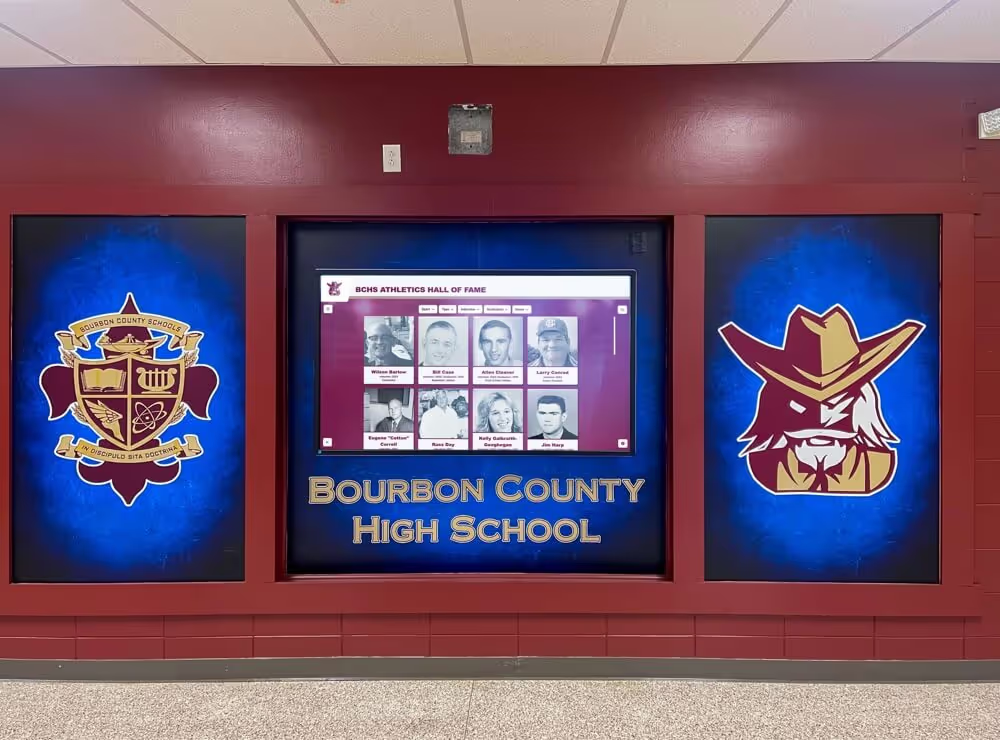
Interactive displays become natural gathering points during events as alumni discover classmates and share memories with fellow graduates
Systematic Relationship Building and Moves Management
Strategic alumni engagement requires intentional relationship progression from passive observers to active champions through systematic cultivation approaches.
The Alumni Engagement Pyramid
Understanding engagement stages enables appropriate programming and outreach for different commitment levels.
Foundation: Awareness and Connection
All alumni should maintain basic awareness of institutions through minimal-burden communications including annual updates and highlights, social media presence monitoring, website access to resources and news, and digital recognition portal availability. Foundation engagement requires minimal effort while preventing complete disconnection.
Middle: Active Participation and Involvement
Engaged alumni participate through event attendance (virtual or in-person), social media interaction and sharing, content consumption beyond basic updates, networking platform use, and volunteer activities. Programming at this level provides clear value justifying time investment while building stronger institutional bonds.
Peak: Leadership and Advocacy
Highly engaged alumni serve as volunteer leaders, major donors, student mentors, professional advisors, board members, and active institutional advocates. Peak engagement follows systematic cultivation through earlier stages rather than appearing spontaneously.
Moves Management for Individual Relationships
Development professionals apply moves management frameworks to systematic relationship progression applicable beyond fundraising to comprehensive engagement.
Discovery and Qualification
Identify potentially highly-engageable alumni through giving history analysis, event participation tracking, volunteer service records, professional achievement indicators, and demonstrated interest signals. Not all alumni possess equal engagement potential—strategic focus on high-potential individuals generates disproportionate returns.
Cultivation Through Touchpoints
Create intentional relationship-building interactions through personalized outreach from institutional leaders, invitation to exclusive experiences, recognition and acknowledgment, involvement in advisory capacities, and connection to students and programs. Each touchpoint strengthens relationships incrementally toward deeper engagement.
Solicitation for Involvement
After sufficient cultivation, make specific asks matching demonstrated interests and capacities including volunteer committee service, mentorship commitments, guest speaking, advisory board participation, internship hosting, or philanthropic support. Strategic asking converts cultivation into concrete engagement advancing institutional priorities.
Stewardship and Recognition
Honor commitments through genuine gratitude expression, impact reporting showing tangible results, public recognition acknowledging contributions, continued relationship maintenance, and long-term engagement sustenance. Stewardship prevents one-time transactional relationships while building sustained partnership.
Resources on interactive campus storytelling demonstrate how recognition technology creates compelling narratives that strengthen prospective student recruitment while celebrating alumni excellence.
Leveraging Technology for Scale and Personalization
Modern platforms enable personalized engagement at scale that manual approaches cannot achieve, combining automation efficiency with individual relevance.
Alumni Database and CRM Systems
Sophisticated databases power effective engagement through comprehensive data management.
Integrated Information Systems
Connect multiple data sources including giving history, event attendance, volunteer participation, career information, communication preferences, interest areas, and relationship connections. Integrated views enable personalized outreach based on complete relationship understanding rather than siloed department perspectives.
Predictive Analytics and Modeling
Advanced systems identify engagement likelihood patterns, predict giving propensity, detect disengagement early warning signs, surface volunteer recruitment prospects, and recommend optimal outreach timing. Data-driven approaches concentrate resources where they’ll achieve maximum impact.
Automated Workflows and Triggers
Program milestone-triggered communications, anniversary acknowledgments, achievement congratulations, event follow-up, and engagement thank-you messages. Automation ensures consistent touchpoint execution without overwhelming staff capacity while maintaining personalization through dynamic content insertion.
Digital Engagement Platforms
Purpose-built alumni platforms create online communities extending beyond one-way communications.
Alumni Directories and Networking Tools
Enable graduates to find classmates, connect with professionals in their industries, offer mentorship, seek career advice, and maintain relationships independent of institutional mediation. Self-service networking creates organic engagement driven by alumni needs rather than institutional programming alone.
Discussion Forums and Communities
Interest-based online communities around career fields, geographic regions, shared experiences, or hobbies create continuous engagement opportunities. Active forums generate regular platform visits and relationship development beyond formal programming.
Career Services and Professional Development
Provide job boards, mentorship matching, skill development resources, industry webinars, and professional networking features that deliver tangible career value. Career-focused digital tools attract engagement from alumni who might ignore purely social features.
Recognition Technology Integration
Digital recognition platforms create engagement infrastructure connecting multiple touchpoints.
Rocket Alumni Solutions Ecosystem
Comprehensive recognition platforms integrate physical touchscreen displays in strategic campus locations, web-based alumni portals accessible globally, mobile-responsive interfaces for any device, content management systems enabling updates, social sharing features amplifying reach, and analytics dashboards measuring engagement.
Integrated ecosystems create consistent recognition experiences across all alumni touchpoints—from campus visits exploring physical displays to home browsing of web portals to mobile discovery of classmate achievements.

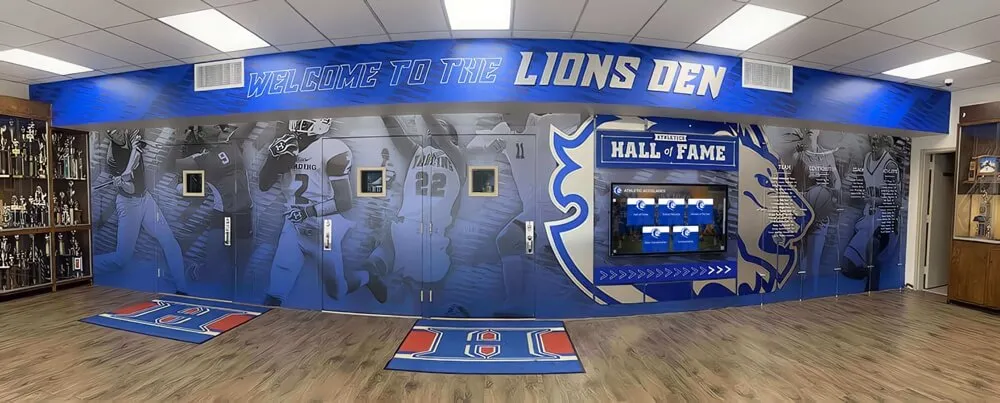
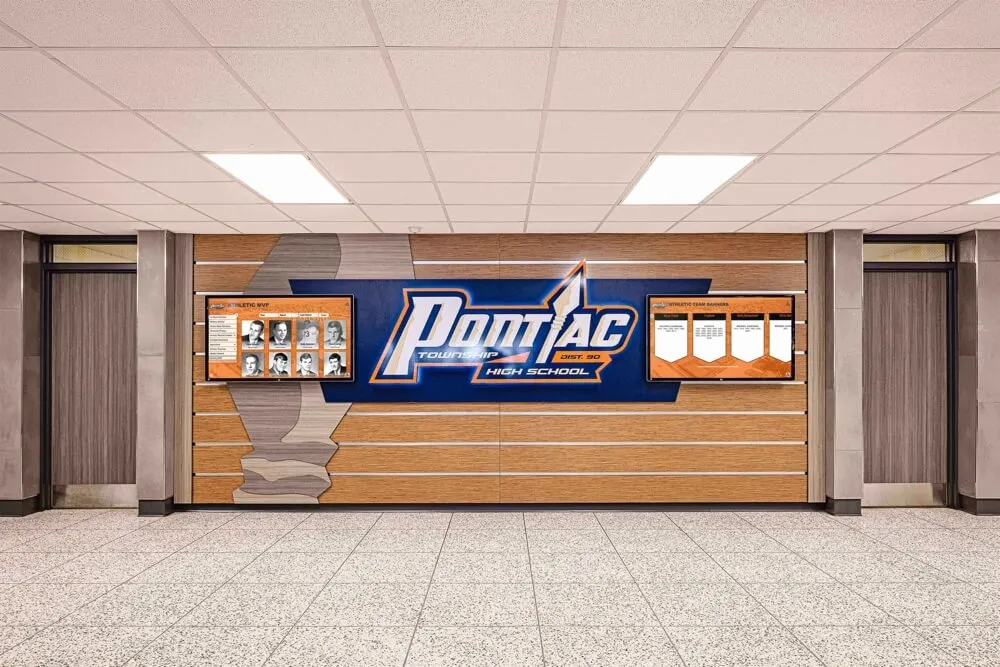
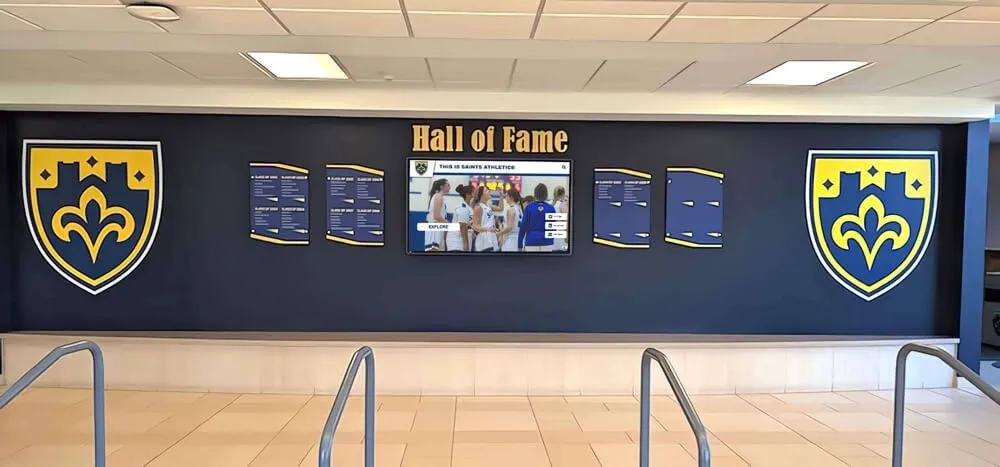
Integrated recognition environments combine digital interactivity with traditional physical displays creating immersive celebration spaces
Data Collection and Insight Generation
Recognition platforms gather valuable engagement data including display interaction analytics, content consumption patterns, search query insights, social sharing metrics, and achievement submission rates. These insights inform programming decisions while identifying highly engaged individuals warranting personal cultivation.
Continuous Content Updates
Unlike static plaques requiring expensive physical updates, digital platforms enable instant achievement additions, career milestone updates, new photo uploads, and content corrections. Currency ensures recognition remains relevant and accurate while encouraging regular alumni return visits to discover new content.
Learn about comprehensive donor recognition wall strategies that create similar engagement opportunities for philanthropic alumni while celebrating financial support visibly.
Measuring Alumni Engagement Effectiveness
Systematic assessment ensures programs deliver intended value while providing evidence justifying continued resource investment and informing continuous improvement.
Quantitative Engagement Metrics
Track measurable indicators revealing participation breadth and depth.
Participation Metrics
Monitor event attendance rates and trends, email open rates and click-through, social media engagement and reach, website traffic and session duration, recognition platform interaction analytics, volunteer participation and service hours, and mentorship program enrollment and completion.
These numbers provide concrete evidence of engagement levels while revealing program elements achieving strongest traction.
Financial and Development Metrics
Assess engagement’s advancement impact through annual fund participation rates, donor retention and attrition, average gift size and giving growth, major gift pipeline quality, planned giving commitments, and corporate partnership development. While engagement creates value beyond fundraising, development metrics demonstrate financial returns on engagement investment.
Student Impact Metrics
Measure how alumni engagement benefits current students including mentorship participant satisfaction, internship and job placement success, guest speaker program expansion, career networking event attendance, and prospective student yield rates among contacted alumni families.
Student impact justifies engagement programs as educational enhancements beyond relationship maintenance alone.
Qualitative Feedback and Insights
Numerical data reveals what’s happening but qualitative feedback explains why and informs strategic adjustments.
Alumni Surveys and Feedback
Regularly gather graduate perspectives through engagement satisfaction surveys, program feedback requests, communication preference assessments, interest and priority identification, and barrier understanding when participation lags expectations.
Anonymous feedback often surfaces candid insights impossible to obtain through direct conversations with institutional representatives.
Focus Groups and Listening Sessions
Convene small groups representing diverse demographics for deeper qualitative discussions about engagement experiences, unmet needs, programming gaps, communication effectiveness, and desired new opportunities. Facilitated conversations reveal nuances that surveys miss while demonstrating institutional commitment to listening.
Net Promoter Score Tracking
Measure alumni likelihood to recommend institutions to prospective students, potential employees, or community partners. NPS provides single metric tracking overall relationship health while correlating strongly with multiple engagement dimensions including event participation, giving, and volunteer service.
Understanding alumni engagement approaches across different contexts provides comparative perspectives on strategies adapted to institutional types and alumni demographics.
Continuous Improvement Processes
Assessment value depends on systematic improvement integration rather than report generation alone.
Regular Program Reviews
Quarterly or annual evaluations examining what’s working well and should continue, what’s underperforming and needs adjustment, where gaps exist requiring new programming, how resources should reallocate for maximum impact, and what emerging trends demand strategic response.
Systematic reviews prevent program stagnation while ensuring alignment with evolving alumni expectations and institutional priorities.
Pilot Testing and Experimentation
View engagement programming as ongoing experimentation rather than fixed tradition. Test new event formats, communication approaches, technology platforms, and recognition strategies through small pilots before full-scale investment. Successful innovations become permanent programming while less effective experiments inform learning without requiring long-term commitment.
Benchmarking and Peer Learning
Monitor peer institutions’ alumni programming through conference participation, professional network intelligence, website research, and direct conversations. While avoiding copying, understanding effective practices elsewhere prevents wheel-reinvention and inspires creative adaptations fitting specific institutional contexts.
Conclusion: Building Lifelong Alumni Communities
Alumni engagement represents far more than fundraising pipelines or event attendance metrics—it embodies institutions’ commitment to lifelong relationships with graduates whose success reflects educational impact across decades and whose continued connection enriches entire academic communities. The comprehensive strategies explored throughout this guide provide systematic frameworks for transforming alumni from distant memories into active champions who mentor students, support institutional advancement, champion excellence, and maintain vibrant connections throughout their lives.
Transform Your Alumni Engagement Strategy
Discover how modern digital recognition solutions create continuous engagement opportunities that honor all graduates while strengthening institutional connections. Rocket Alumni Solutions provides comprehensive platforms combining physical displays, web portals, and mobile access to celebrate alumni excellence systematically.
Explore Recognition SolutionsSuccessful engagement requires intentional design addressing complete relationship lifecycles from graduation through decades of evolving connection. Digital recognition creates foundation by honoring achievements comprehensively while creating natural communication touchpoints and campus destinations attracting graduate visits. Strategic event programming provides high-value experiences justifying time investment through professional development, meaningful service, exclusive access, and authentic community. Data-driven communications respect preferences and deliver relevant value rather than generic mass messaging. Systematic relationship building progresses alumni from passive observers to active champions through intentional cultivation and strategic involvement opportunities.
Technology enables personalized engagement at scale previously impossible through manual approaches alone. Sophisticated databases power targeted outreach based on comprehensive relationship understanding. Digital platforms create self-service networking and career tools delivering tangible value independent of formal programming. Recognition technology integrates multiple touchpoints—physical displays, web portals, mobile access—into cohesive ecosystems celebrating excellence while gathering engagement insights. Rigorous measurement ensures programs deliver intended value while informing continuous improvement maintaining relevance as alumni expectations evolve.
Whether launching engagement initiatives for the first time, revitalizing programs that have stagnated, or enhancing existing efforts with modern technology and strategies, the frameworks outlined here provide actionable roadmaps for institutions of all types and sizes. Every school faces similar challenges—limited staff capacity, competing priorities, diverse alumni populations, and needs to demonstrate tangible value justifying resource investment. Yet those achieving exceptional engagement share common commitments to systematic approaches honoring all graduates, providing genuine value beyond fundraising appeals, leveraging modern technology thoughtfully, and maintaining consistent cultivation through predictable touchpoints building relationships incrementally over years and decades.
Your alumni community represents remarkable human capital—professionals across every industry and geography, community leaders shaping societies, potential mentors inspiring current students, philanthropists supporting institutional missions, and authentic advocates promoting educational excellence. Realizing this potential requires engagement strategies worthy of these distinguished graduates—systematic recognition celebrating comprehensive achievement, valuable programming justifying participation, sophisticated communication respecting preferences and providing relevance, strategic relationship building progressing alumni toward deeper involvement, and modern technology creating scale while maintaining personalization.
Ready to strengthen your alumni engagement? Explore how Rocket Alumni Solutions provides purpose-built platforms specifically designed for educational alumni recognition, discover comprehensive approaches to showcasing distinguished graduates through systematic spotlight programs, learn about physical recognition environments complementing digital engagement, and understand how comprehensive recognition creates foundation for sustained community building that benefits entire institutions across generations of graduates, current students, and prospective families evaluating educational quality through alumni success evidence.
Alumni engagement that provides genuine value, honors comprehensive achievement, respects diverse preferences, leverages modern technology thoughtfully, and maintains consistent cultivation transforms graduate relationships from transactional fundraising to authentic lifelong community membership enriching entire educational ecosystems through strengthened connections between institutions and the remarkable individuals whose success reflects educational impact across decades.