Alumni gatherings represent more than simple social occasions—they’re strategic opportunities to strengthen institutional bonds, celebrate shared heritage, inspire current students, and build the philanthropic relationships that sustain schools and universities for generations. When alumni return to campus or gather in their communities, they reconnect with classmates, rediscover what made their educational experience meaningful, and remember why their alma mater deserves continued support and engagement.
Yet many alumni relations professionals struggle with declining event attendance, limited engagement beyond the same small core groups, budget constraints that restrict ambitious programming, and uncertainty about which event types actually resonate with diverse alumni populations spanning different ages, geographic locations, and interests. Traditional approaches—annual galas, class reunions every five years, homecoming weekends—no longer suffice when alumni expect more personalized, convenient, and meaningful engagement opportunities.
This comprehensive guide explores proven alumni event ideas that drive authentic participation, build lasting connections, and support institutional priorities including fundraising, student mentorship, career networking, and community building. Whether you’re planning your first alumni event or seeking to revitalize stagnant programming, you’ll discover creative approaches that alumni actually attend and remember.
Effective alumni events extend beyond generic gatherings—they create purposeful experiences that provide genuine value to participants while advancing institutional goals. The most successful alumni relations programs understand that events represent investments in relationship building, not just social obligations. When planned thoughtfully with clear objectives and attendee needs in mind, alumni gatherings transform from overlooked calendar items into anticipated experiences that strengthen lifelong institutional connections.

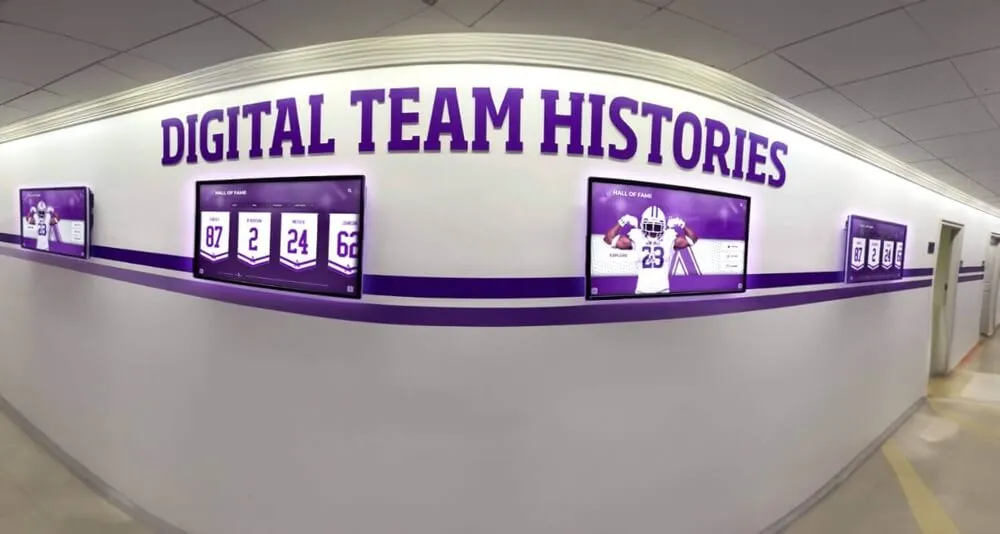
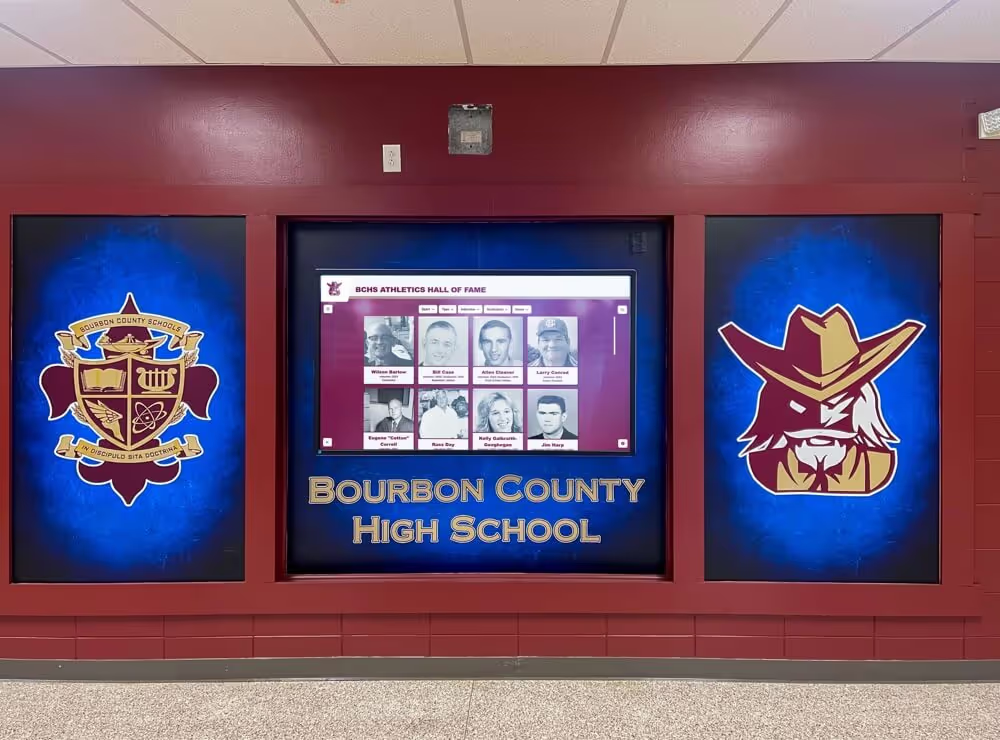
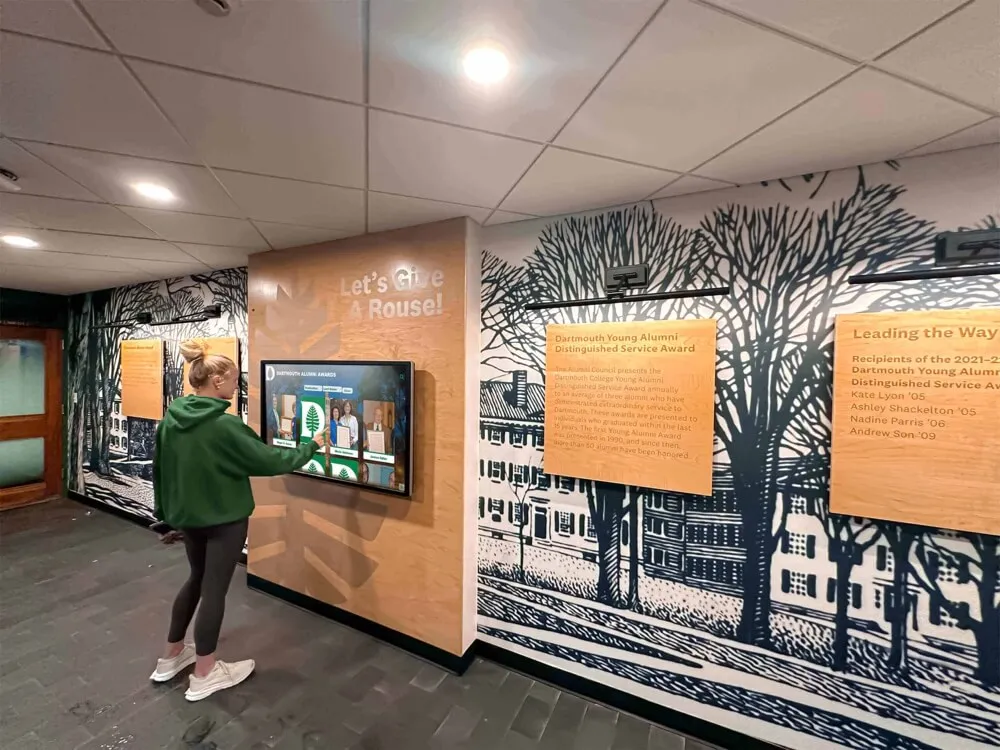
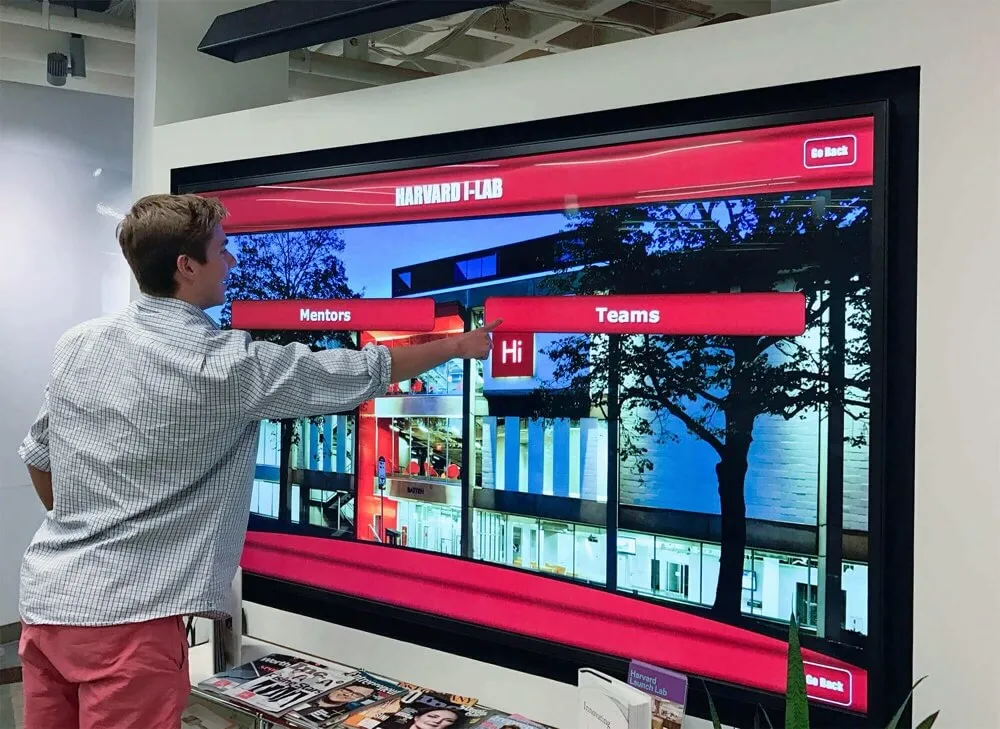
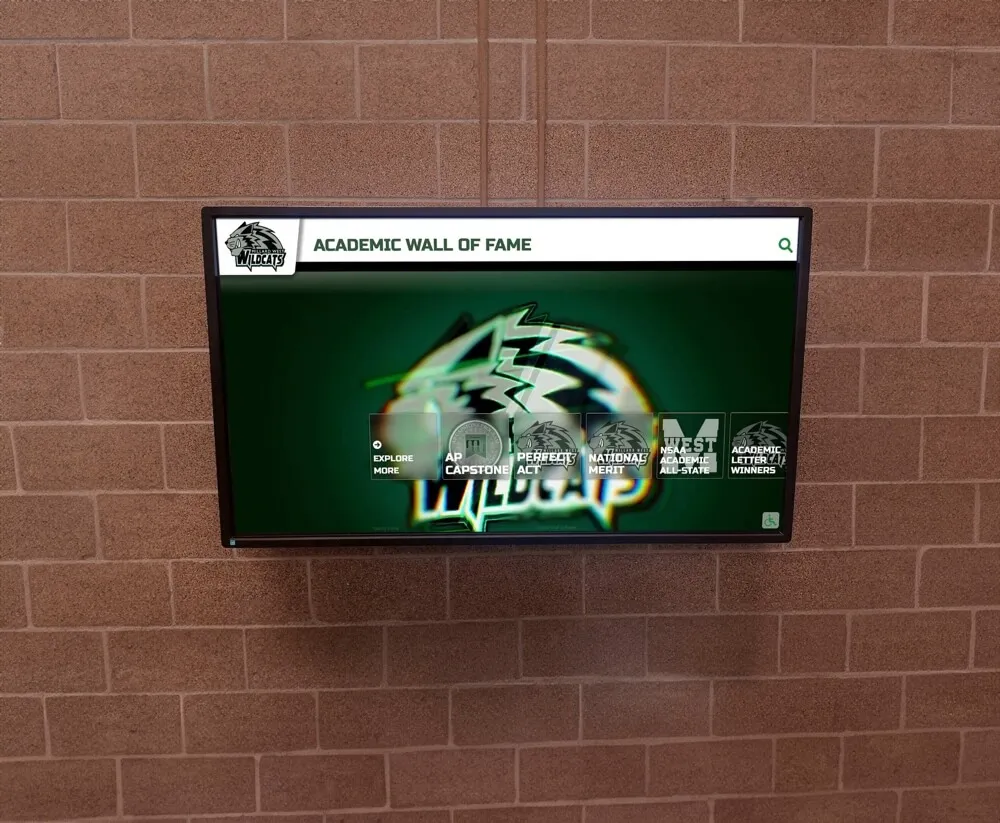
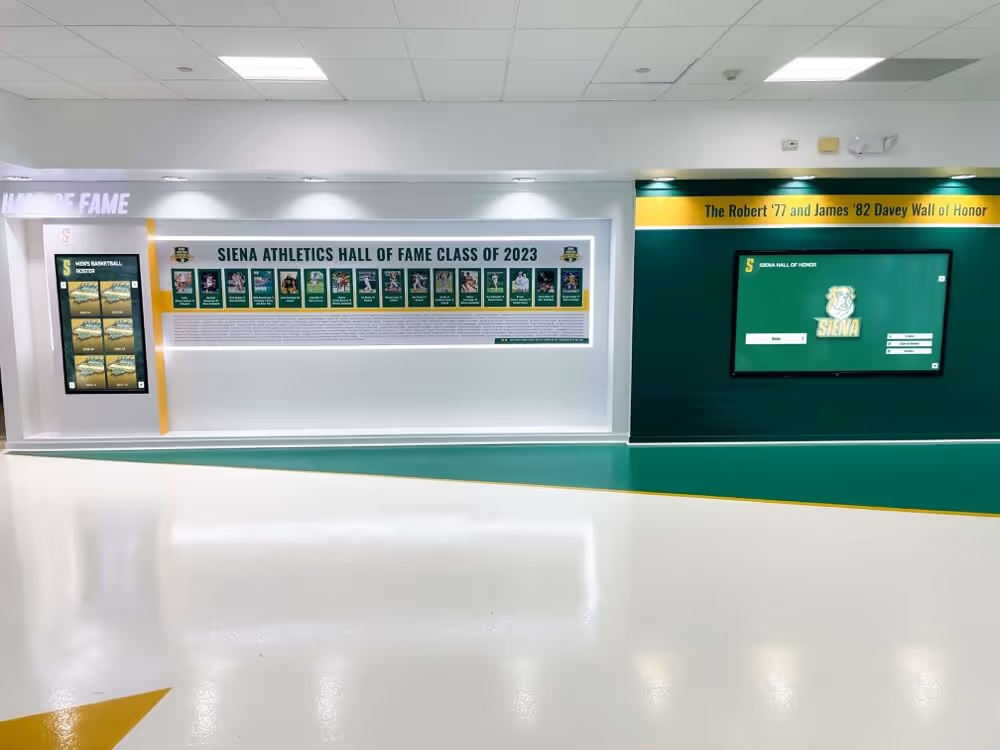
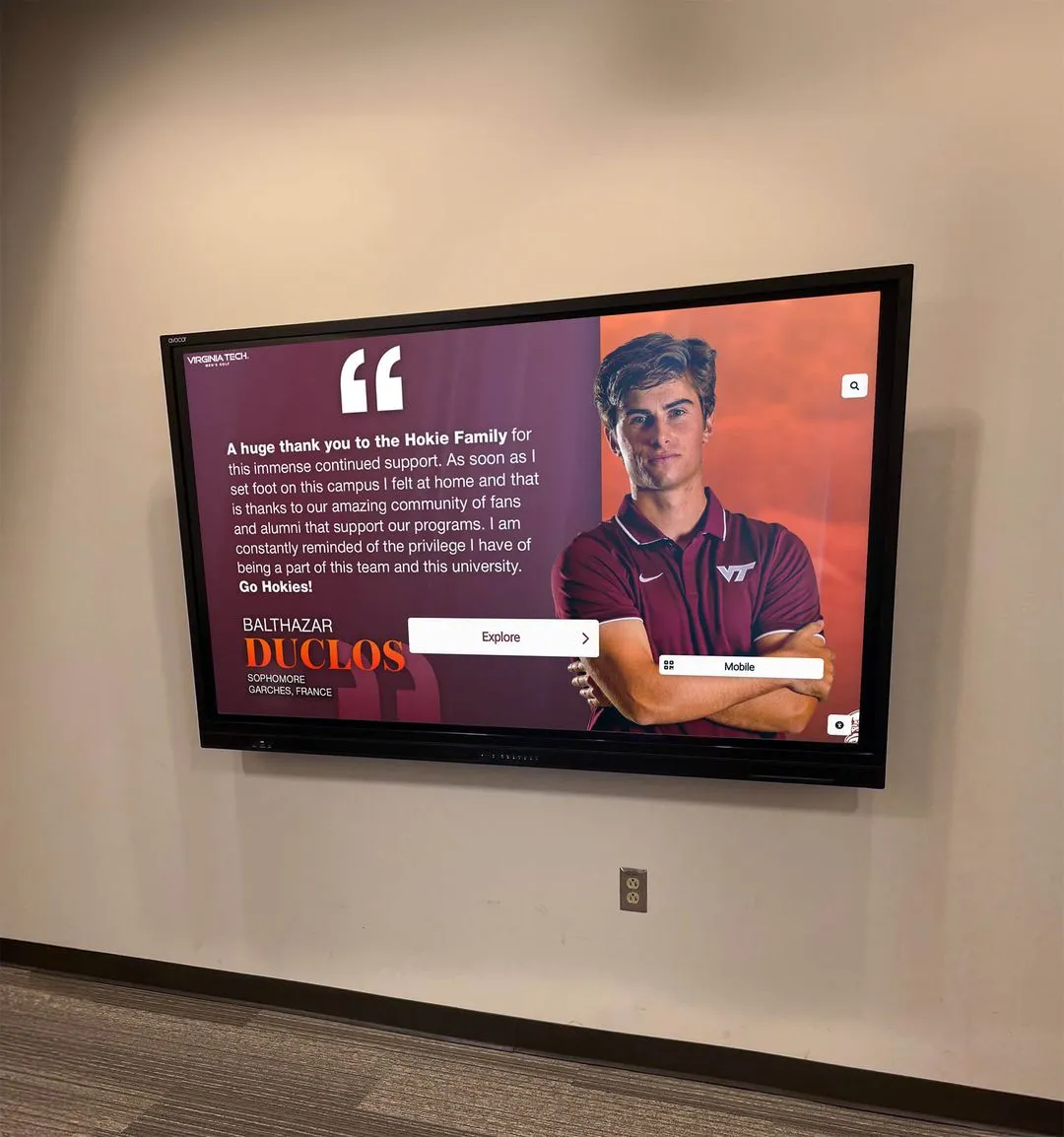
Creating dedicated spaces for alumni to reconnect and explore institutional history enhances event experiences while celebrating shared heritage
Understanding What Makes Alumni Events Successful
Before diving into specific event ideas, understanding the fundamental principles that drive alumni participation and engagement helps ensure programming actually resonates with target audiences.
Clear Purpose and Value Proposition
Alumni receive countless invitations competing for limited time and attention. Successful events communicate clear value propositions answering the essential question: “Why should I attend?”
Networking and Professional Development Value
Many alumni—particularly mid-career professionals—prioritize events offering career networking, industry connections, professional skill development, or business opportunities. Events positioned as valuable professional development often achieve higher attendance than purely social gatherings, especially among alumni who feel disconnected from campus life but value career advancement opportunities.
Meaningful Reconnection Opportunities
For others, the primary draw is reconnecting with specific classmates, favorite professors, beloved campus traditions, or the physical spaces that shaped formative years. These emotionally driven motivations prove particularly strong for milestone reunion classes and alumni with especially positive educational experiences.
Exclusive Access and Special Experiences
Events offering unique access—behind-the-scenes campus tours, private facility access, intimate conversations with institutional leaders, or special performances and presentations—create compelling attendance motivation by providing experiences unavailable elsewhere.
Family-Friendly and Multigenerational Appeal
Alumni with children often prioritize family-friendly events where their kids can experience campus life, meet other alumni families, and begin building their own institutional connections. Multigenerational events acknowledging that alumni have different life stages and family circumstances expand participation beyond childless adults.
Strategic Timing and Accessibility
Even the most compelling event concepts fail when scheduled inconveniently or requiring excessive travel and expense.
Consideration for Professional Schedules
Weekend events typically achieve higher attendance than weekday gatherings for working professionals, while retirees often prefer weekday daytime events avoiding weekend family commitments. Understanding target audience availability patterns dramatically impacts participation.
Geographic Distribution and Regional Events
For institutions with geographically dispersed alumni populations, bringing events to major metropolitan areas where alumni concentrations exist often generates better participation than expecting everyone to return to campus. Regional chapter events in cities like New York, Chicago, Los Angeles, or international locations make engagement accessible to alumni who cannot easily travel to campus.
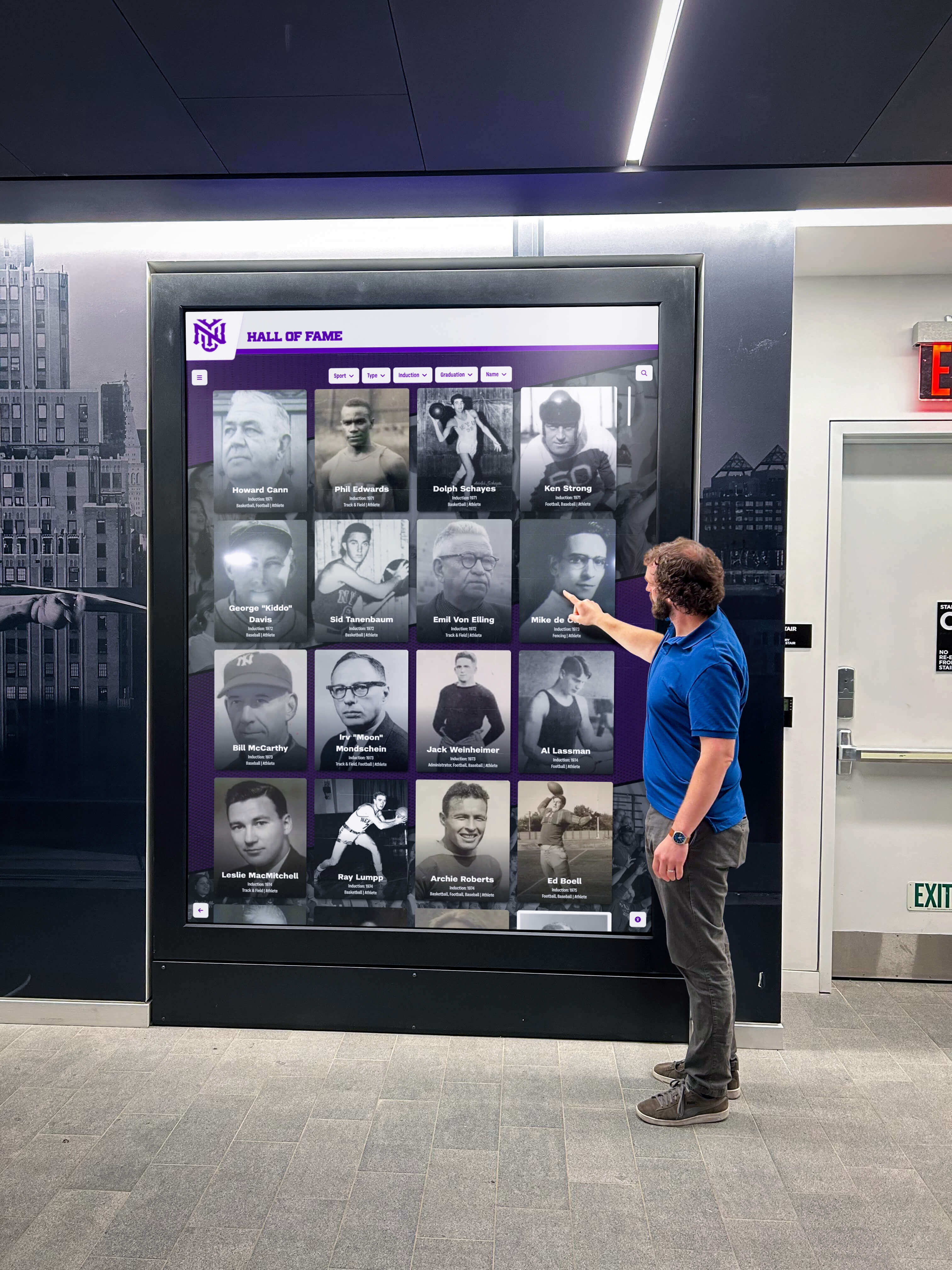
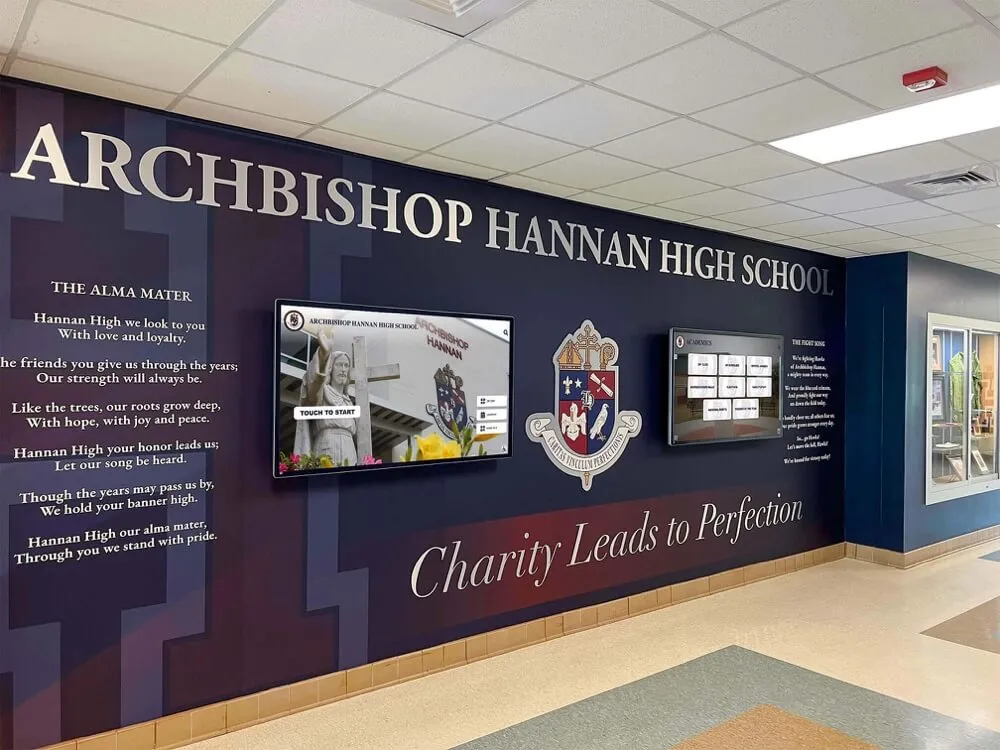
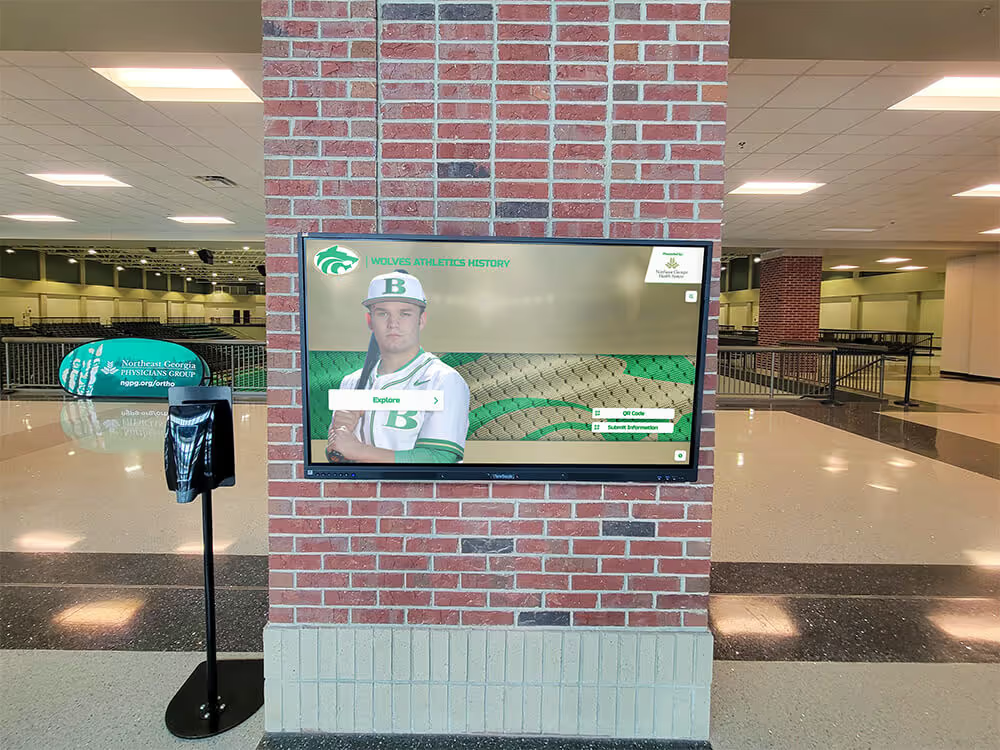
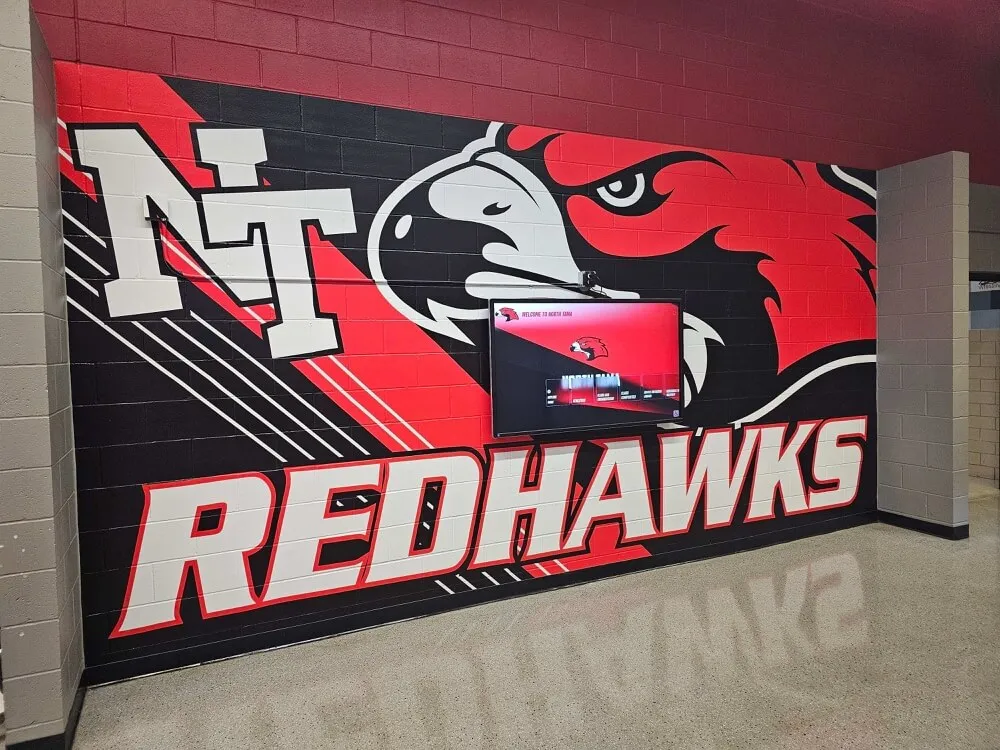
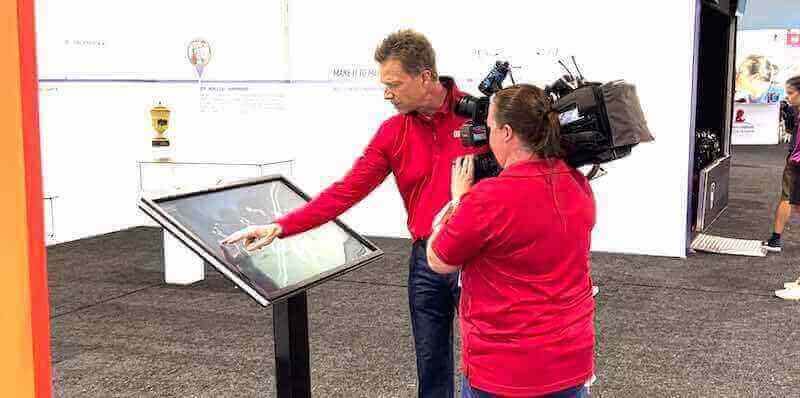
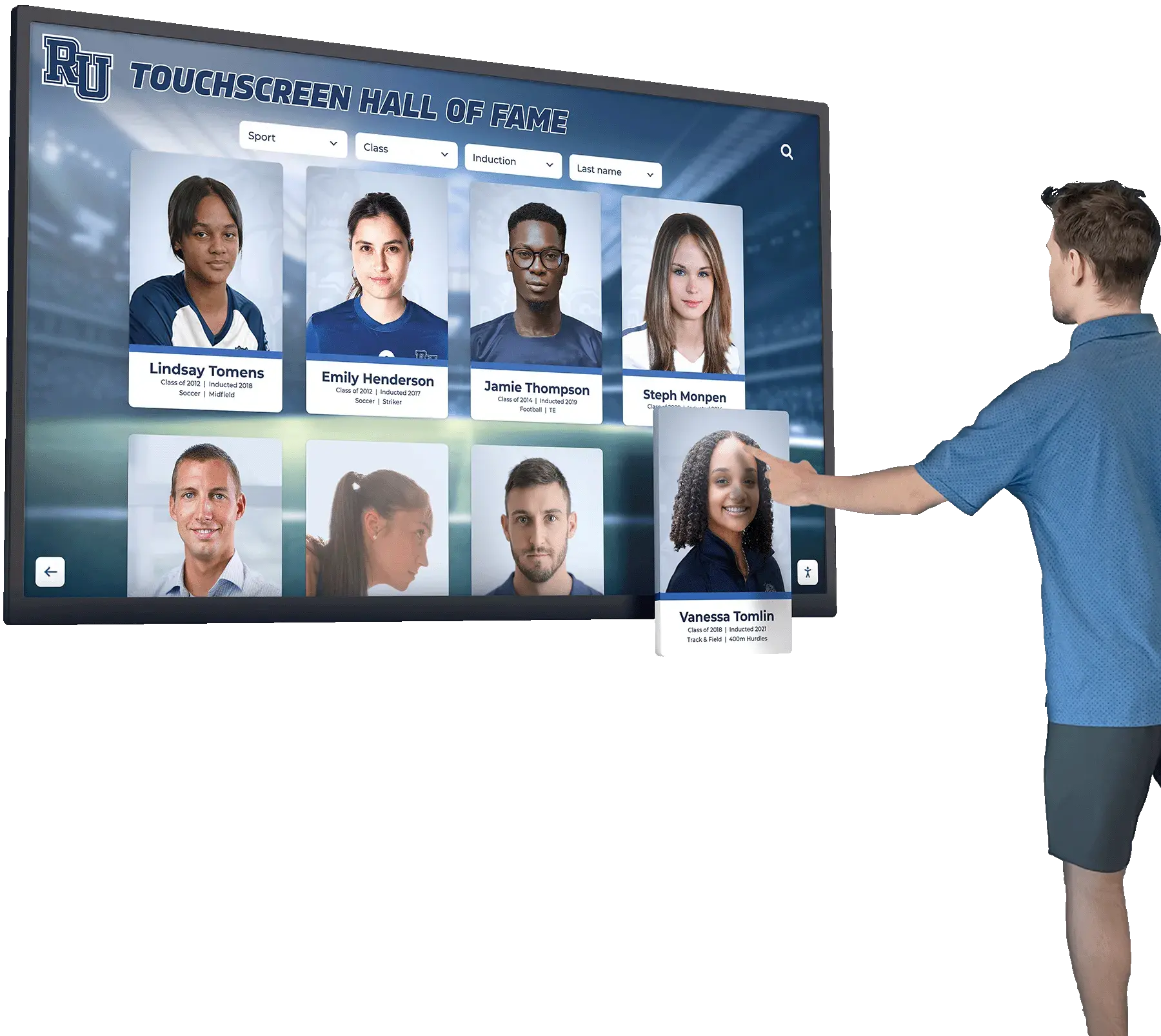
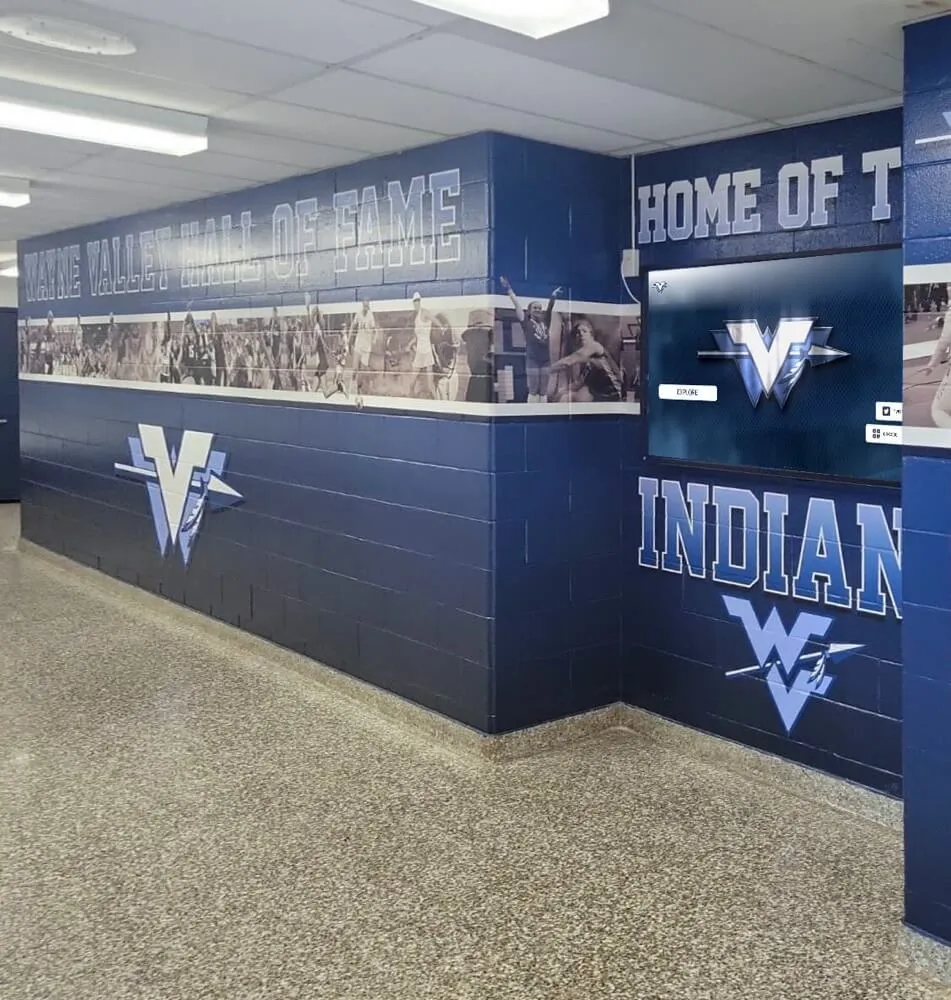
Interactive recognition displays at event venues encourage alumni to explore institutional history and discover classmates' achievements
Virtual and Hybrid Options
Post-pandemic expectations increasingly include virtual participation options for alumni unable to attend in person due to distance, scheduling conflicts, health concerns, or family obligations. Hybrid events that livestream keynote presentations, panel discussions, or campus updates enable broader participation while preserving in-person networking value for those able to attend physically.
Advance Planning and Communication
Successful events require sufficient advance notice—typically 6-8 weeks minimum for local events, 3-4 months for events expecting regional travel, and 6-12 months for major milestone reunion events. Alumni need time to arrange schedules, book travel, and coordinate with classmates planning to attend.
Connection to Institutional Mission and Priorities
The most effective alumni events advance specific institutional objectives beyond generic engagement, creating strategic value that justifies resource investment.
Events might support fundraising cultivation by connecting major donors with campus projects, student mentorship by facilitating alumni-student interactions, career services by enabling professional networking, admissions recruitment by showcasing graduate outcomes, or campus planning by gathering stakeholder input. When events serve clear institutional purposes, they justify budget allocation and staff time investment more effectively than social gatherings alone.
Understanding hall of fame induction ceremony planning provides frameworks for creating memorable recognition events that celebrate distinguished alumni while strengthening community bonds.
Classic Alumni Event Ideas with Modern Twists
Traditional alumni events remain popular when refreshed with contemporary approaches that address evolving expectations and preferences.
Reimagined Reunion Weekends
Class reunions represent core alumni programming, but innovative approaches create more compelling experiences than basic campus tours and cocktail receptions.
Milestone Reunions with Curated Experiences
Rather than generic programming for all reunion classes simultaneously, create differentiated experiences for specific milestone years (5th, 10th, 25th, 50th) reflecting where alumni are in their life journeys. Recent graduates might prioritize career networking and social activities, while golden anniversary attendees appreciate historical campus tours, memory-sharing sessions, and quiet reflection opportunities.
Themed Reunion Programming
Build reunion weekends around compelling themes creating narrative coherence: “Then and Now” comparing campus past and present, “Legacy and Future” connecting alumni achievements to current student opportunities, or “Celebrating Our Impact” showcasing how the graduating class has influenced communities and professions. Themes provide organizational frameworks making multi-day events feel purposeful rather than random activity collections.
Integration with Broader Campus Events
Schedule reunions alongside major campus events—homecoming weekends, championship athletic competitions, performing arts showcases, or academic symposia—enabling reunion attendees to experience vibrant campus life rather than viewing empty summer campuses. This integration demonstrates institutional vitality while providing additional programming variety.
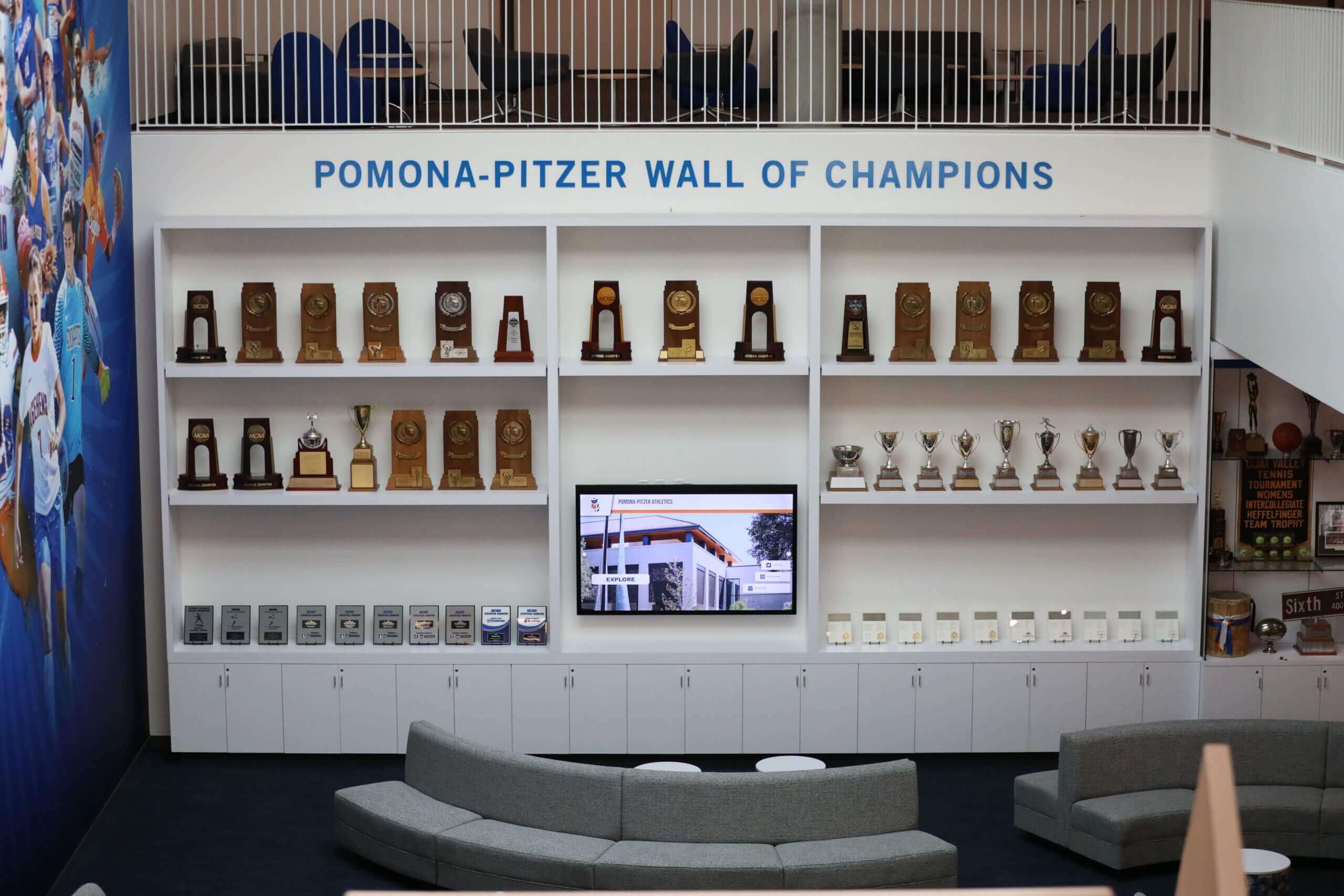
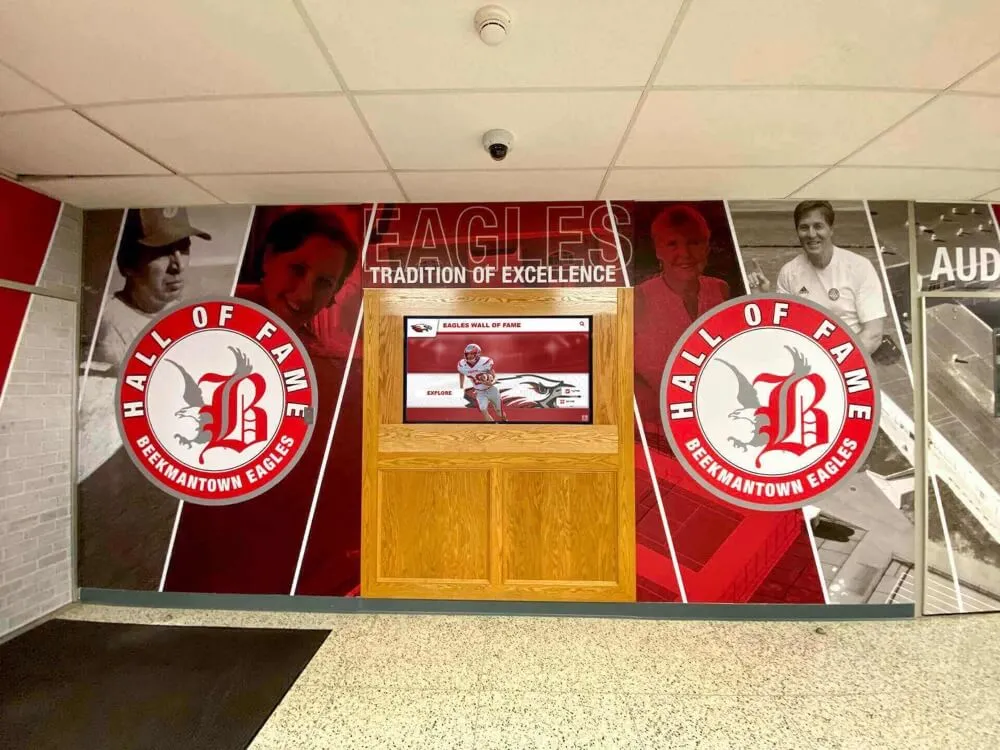
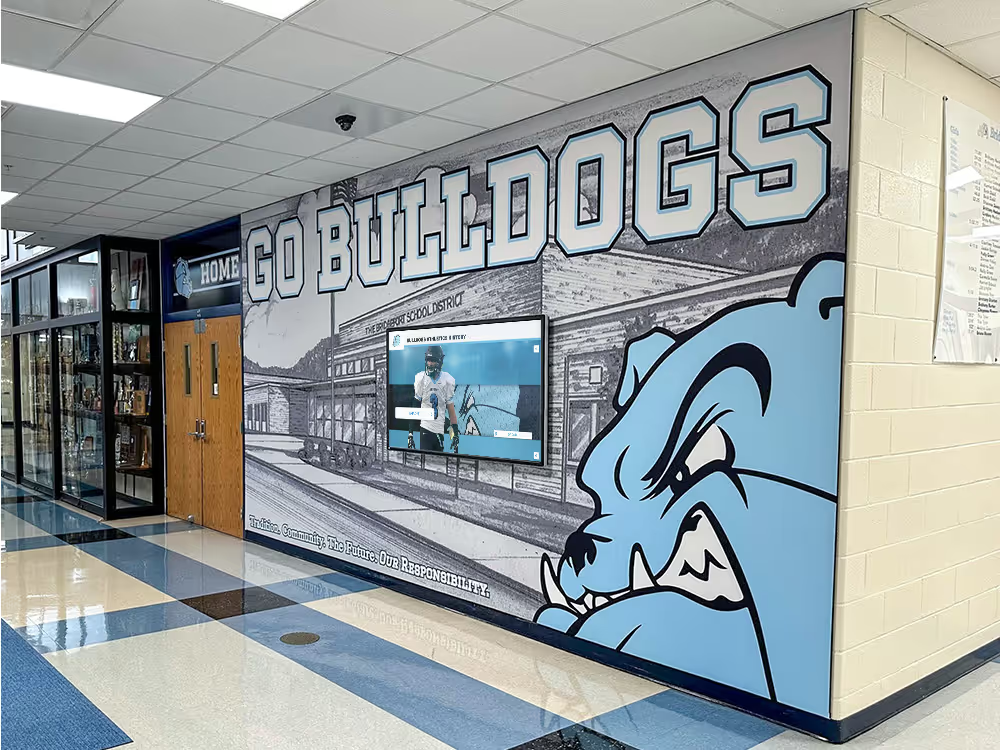
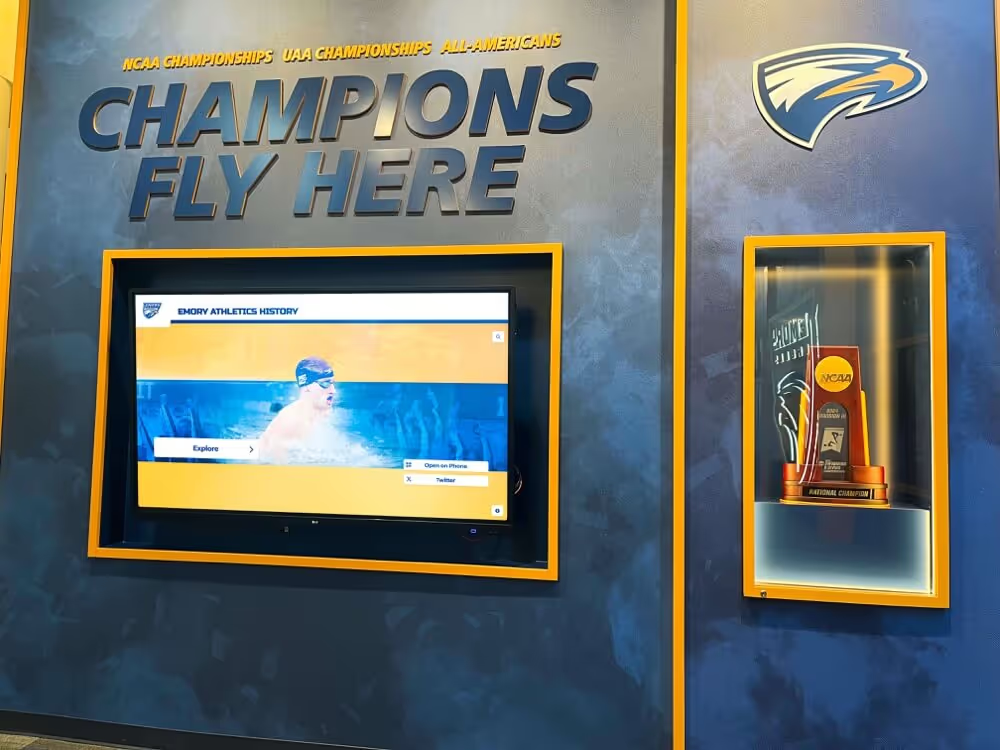
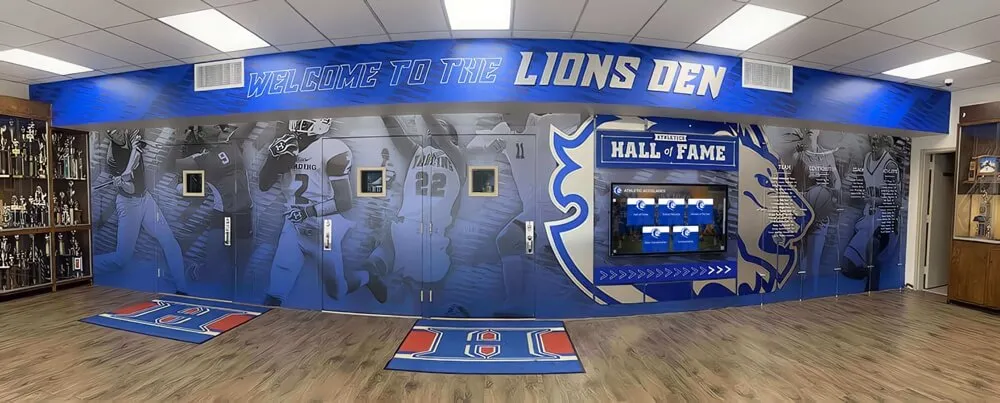
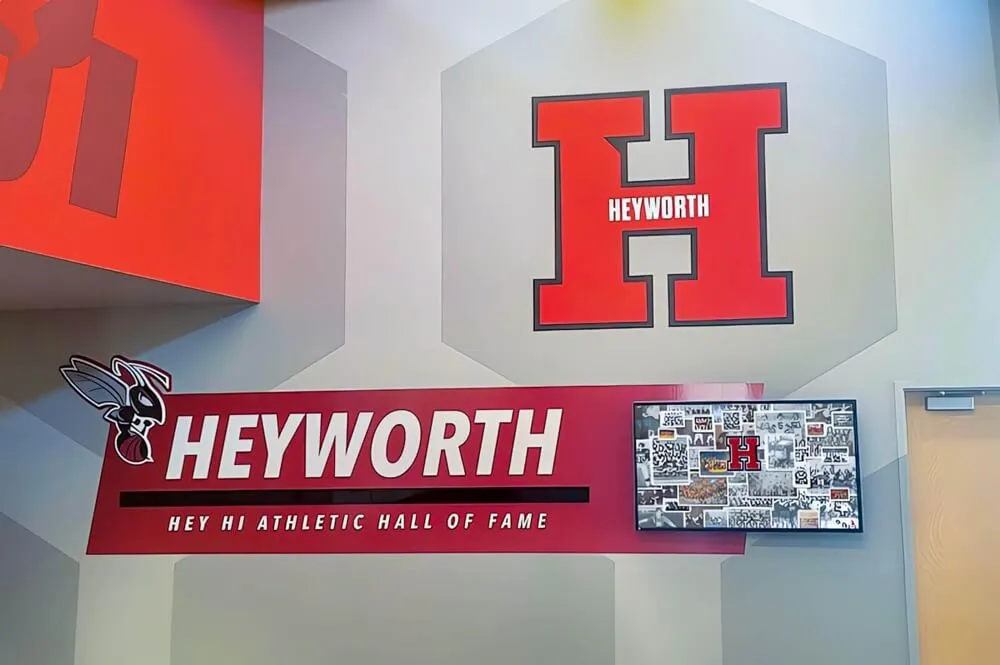
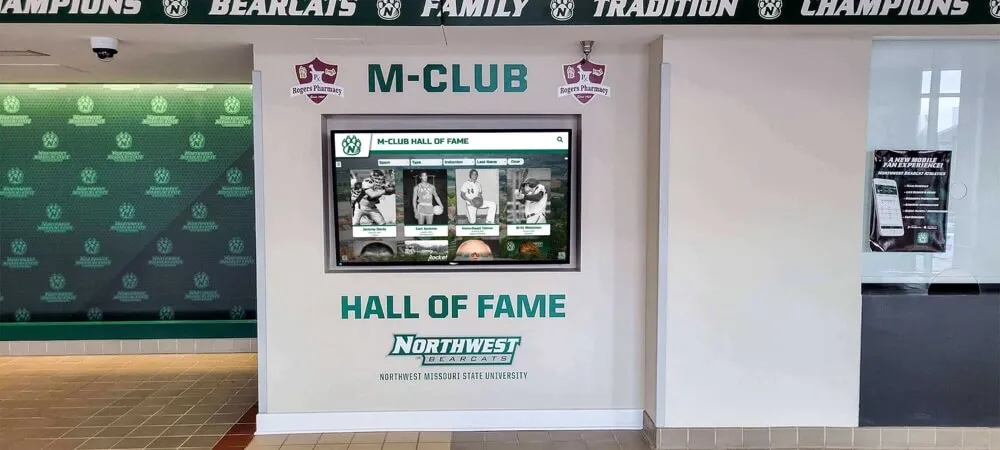
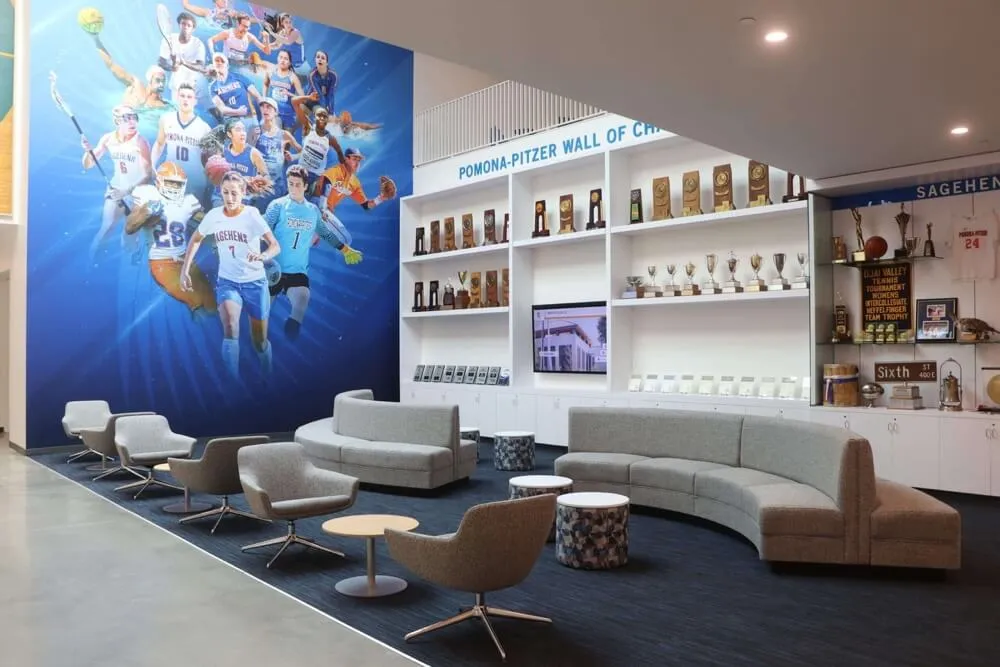
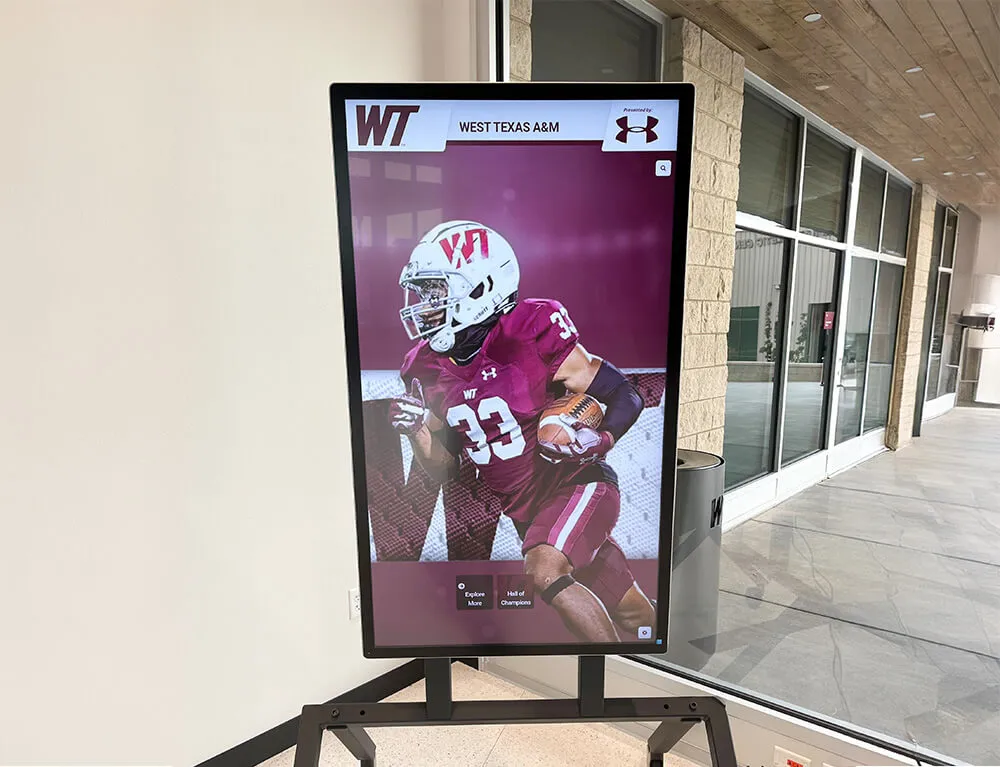
Dedicated recognition lounges provide comfortable gathering spaces where alumni can explore athletic history and celebrate institutional excellence
Digital Memory Books and Interactive Timelines
Supplement traditional reunion programming with digital memory collections where alumni submit photos, stories, and reflections before events. Display these contributions through interactive touchscreens or projected presentations during gatherings, creating shared nostalgia and conversation starters. These digital collections become permanent archives preserving class history beyond single events.
Enhanced Homecoming Celebrations
Homecoming weekends anchor alumni engagement calendars but benefit from creative enhancements beyond standard football games and tailgate parties.
Multi-Day Festival Atmospheres
Transform single-day homecoming games into multi-day festivals with varied programming: Thursday evening kick-off receptions, Friday academic symposia or career panels, Saturday game day festivities, and Sunday farewell brunches. Extended programming enables deeper engagement while accommodating alumni traveling from distant locations who justify multi-day trips more readily than single afternoon events.
Affinity Group Gatherings
Organize specific gatherings for alumni affinity groups—former athletes by sport, performing arts alumni, Greek organization members, academic department graduates, or identity-based communities. These targeted gatherings within larger homecoming weekends create intimate reconnection opportunities among alumni sharing specific bonds, increasing participation from those who might skip generic all-alumni events.
Student-Alumni Connection Programming
Structure intentional interactions between current students and returning alumni through speed networking sessions, career panels, mentorship meet-ups, or collaborative service projects. These connections provide tremendous value to students while giving alumni meaningful ways to contribute beyond financial donations, creating fulfillment that strengthens ongoing engagement.
Behind-the-Scenes Campus Access
Offer exclusive facility tours showcasing new academic buildings, renovated spaces, research laboratories, or athletic training facilities. These behind-the-scenes experiences satisfy curiosity about campus changes while demonstrating investment returns and institutional progress, subtly reinforcing reasons for continued alumni support.
Networking and Professional Development Events
Career-focused events attract alumni who might skip purely social gatherings by offering tangible professional value.
Industry-Specific Networking Receptions
Host gatherings organized by career field or industry—healthcare alumni, education professionals, technology sector workers, entrepreneurs, or financial services alumni. Industry-specific events facilitate more relevant networking than general alumni mixers while enabling targeted programming with keynote speakers, panel discussions, or skill-building workshops addressing field-specific topics.
Alumni Career Panels and Workshops
Organize professional development programming featuring successful alumni as speakers and panelists: “Career Pivoting Strategies,” “Leadership Development in Your First Management Role,” “Work-Life Integration Approaches,” or “Entrepreneurship Lessons from Alumni Founders.” Position these as valuable professional development rather than alumni engagement, attracting participants who wouldn’t attend traditional reunion events.
Mentorship Program Launch Events
Kick off formal alumni-student mentorship programs with in-person or virtual events where mentors and mentees meet, learn program expectations, and begin building relationships. These structured programs create ongoing engagement far beyond single events while providing clear value to both alumni (leadership development, giving back satisfaction) and students (career guidance, professional connections).
Executive Leadership Roundtables
For accomplished senior-level alumni, offer intimate roundtable discussions with institutional leaders—presidents, deans, board members—addressing institutional strategy, industry trends, or complex challenges facing higher education. These invitation-only events honor distinguished alumni while leveraging their expertise for institutional benefit.
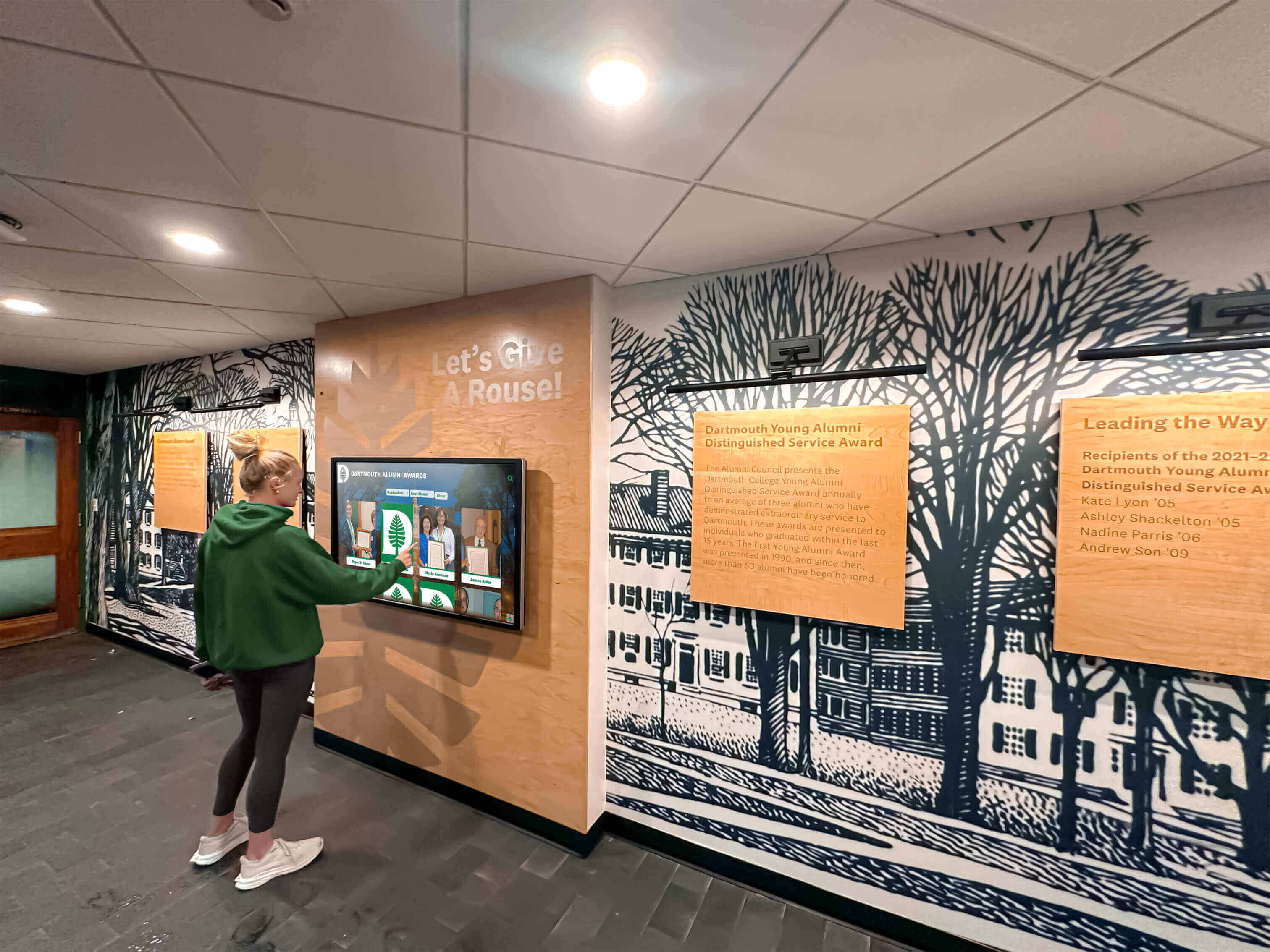
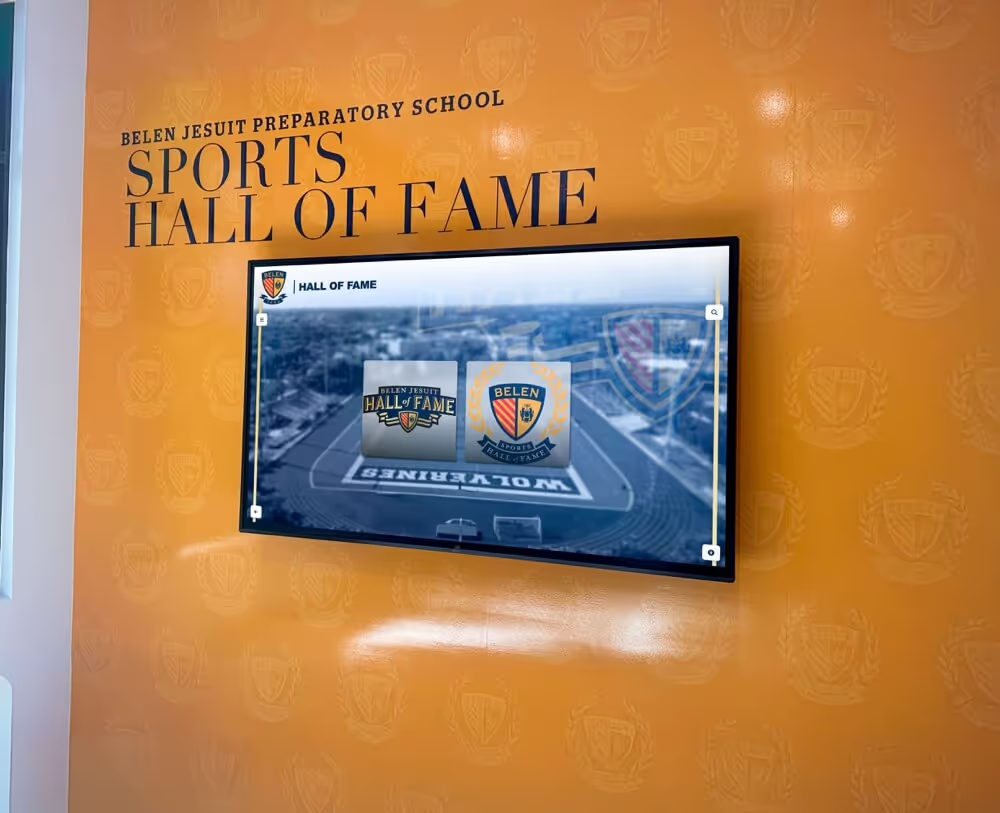
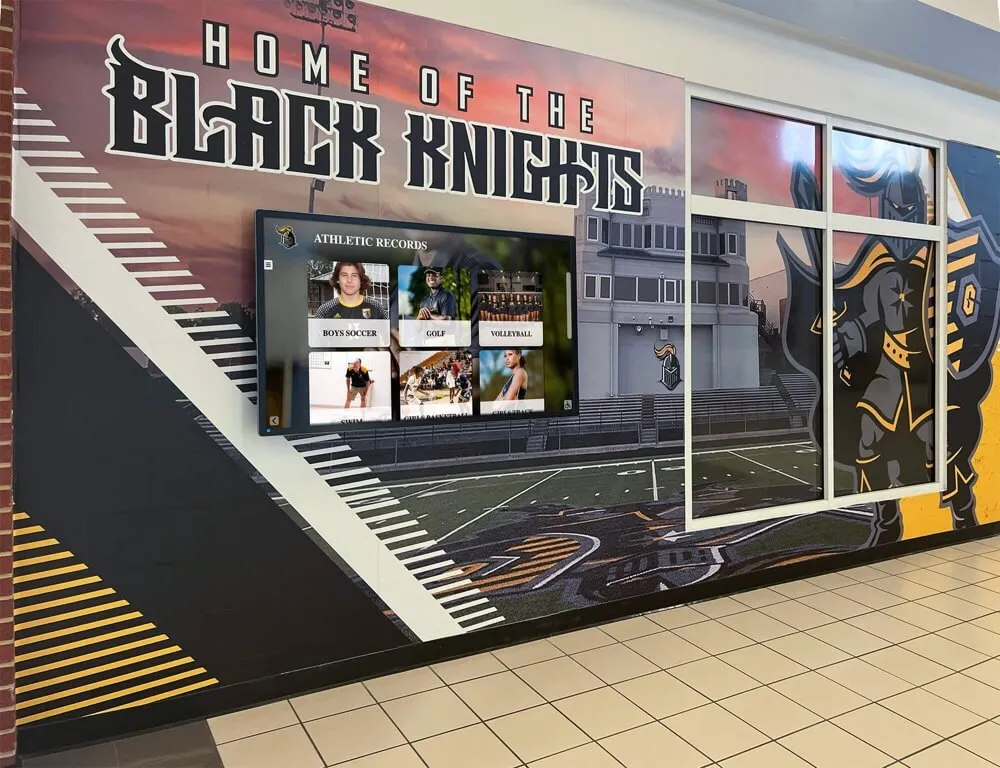
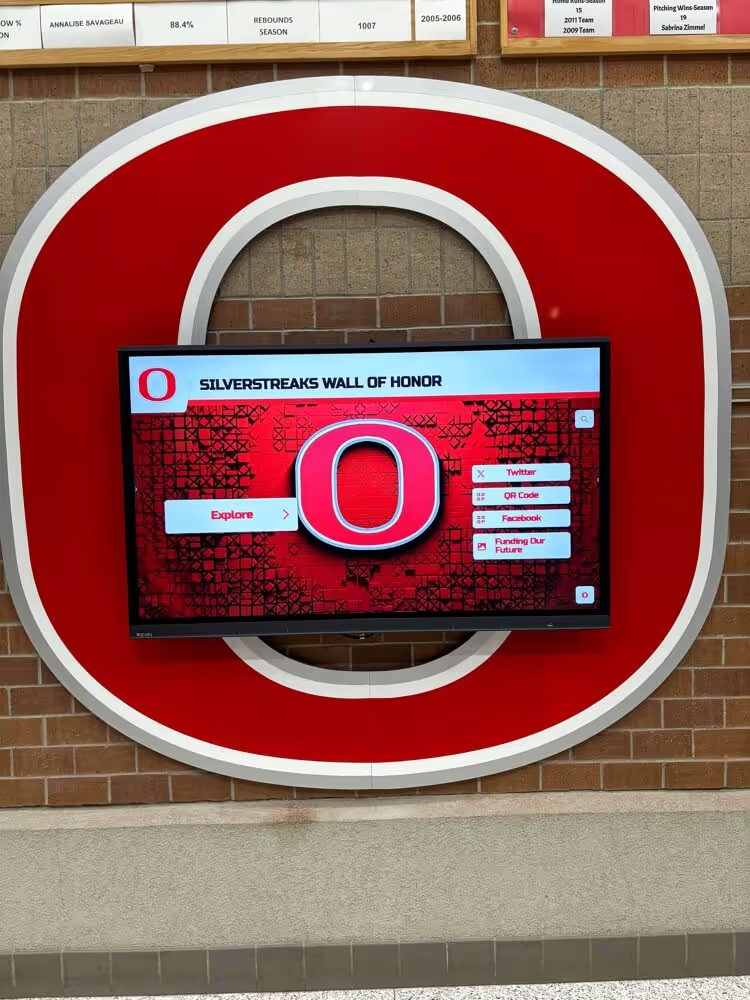
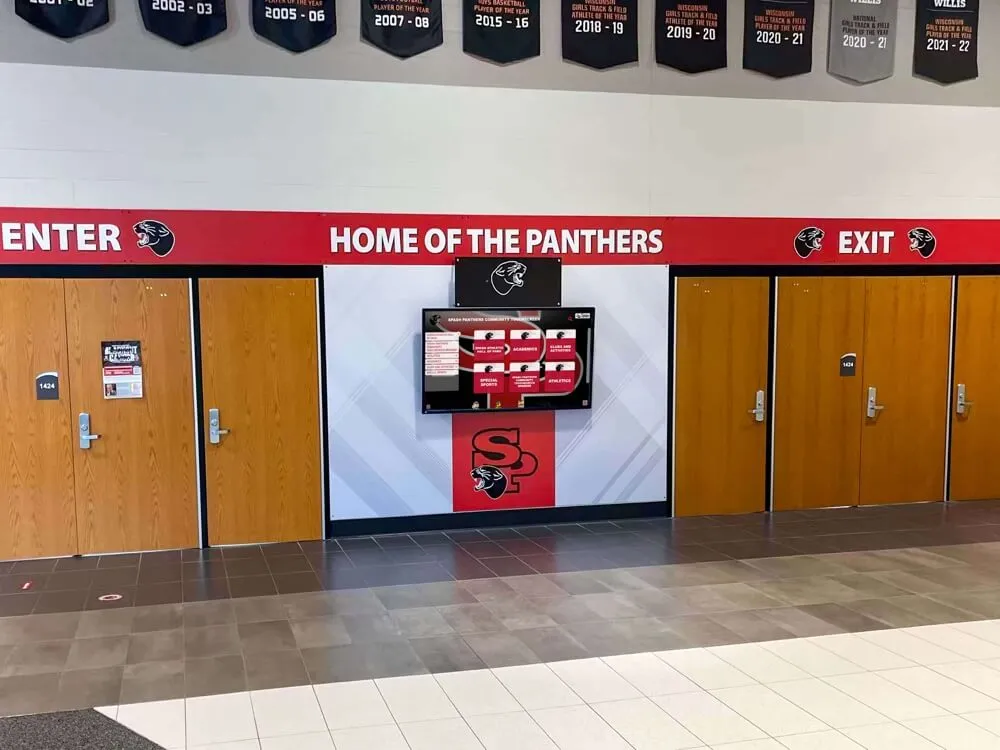
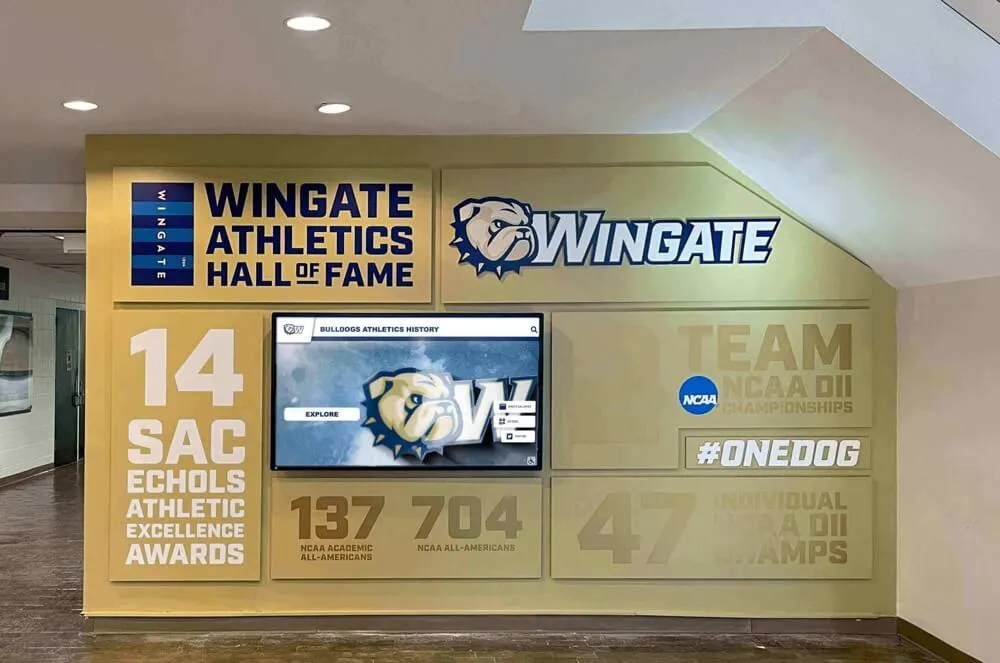
Strategic placement of alumni displays in student areas facilitates natural connections between current learners and graduate role models
Resources on alumni reunion planning provide complementary frameworks for designing gatherings that meaningfully reconnect graduates with institutions and each other.
Innovative Alumni Event Concepts
Beyond traditional gatherings, creative event formats attract diverse alumni and generate fresh enthusiasm for institutional engagement.
Experience-Based Alumni Adventures
Experiential events create memorable shared experiences that build stronger connections than passive receptions.
Alumni Travel Programs
Organize educational travel experiences led by faculty members or featuring institutional expertise: archeological expedition tours, cultural immersion programs, service learning trips, or adventure travel with educational components. These week-long programs enable deep relationship building while providing extraordinary experiences alumni value highly. Revenue from program fees can offset costs while strengthening bonds among participating cohorts.
Campus Outdoor Adventures
Leverage institutional outdoor recreational assets through alumni hiking trips, camping weekends, cycling events, or water sports gatherings on nearby lakes or rivers. Outdoor settings create relaxed atmospheres where meaningful conversations flow naturally while physical activities appeal to wellness-focused alumni and those with children seeking active family experiences.
Culinary Events and Cooking Classes
Host farm-to-table dinners featuring institutional agricultural programs, cooking classes led by culinary arts faculty, wine tastings showcasing alumni vintners, or progressive dinner events touring multiple campus locations. Food-centered gatherings appeal broadly across demographics while creating convivial atmospheres conducive to relationship building.
Arts and Cultural Experiences
Organize exclusive access to performing arts events, art gallery openings, theater productions, or music performances featuring student, faculty, or alumni talent. Position events as cultural experiences rather than generic alumni gatherings, attracting arts-appreciative audiences who might skip traditional receptions. Pre-show receptions or post-performance discussions with artists add alumni-specific programming to publicly available performances.
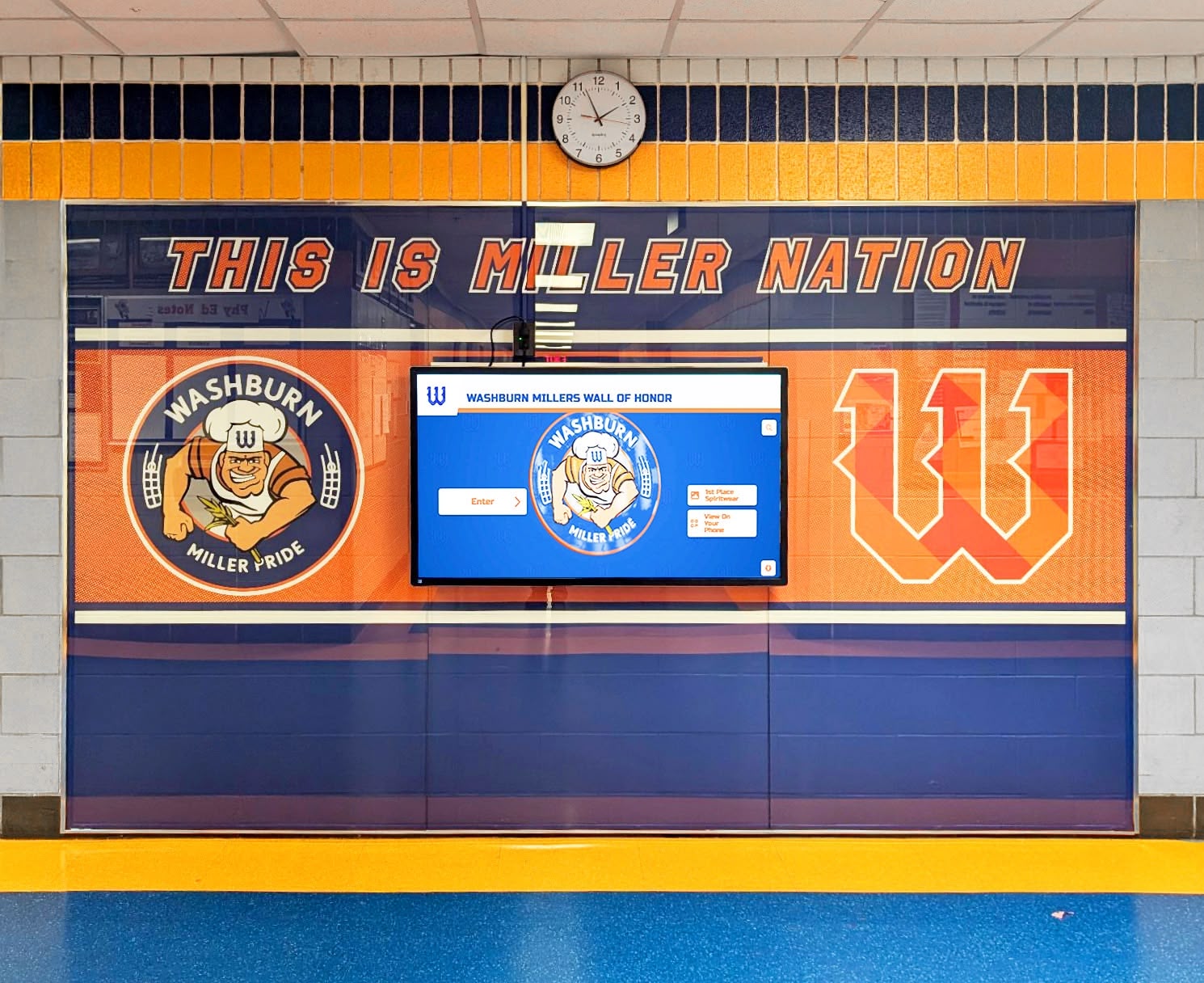
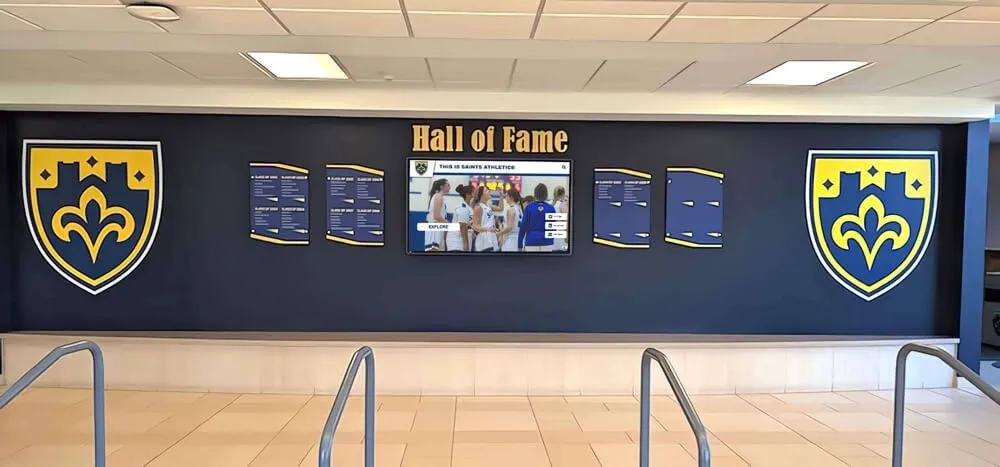
Digital recognition displays throughout campus create talking points during alumni events as guests rediscover classmates and explore institutional history
Virtual and Hybrid Event Innovations
Digital platforms enable engagement with alumni unable or unwilling to attend in-person events, dramatically expanding program reach.
Virtual Campus Tours and Facility Showcases
Produce high-quality video tours of new campus facilities, renovated spaces, or significant institutional projects, then host live virtual events where alumni explore these spaces through screen-sharing while facility directors or institutional leaders provide narration and answer questions in real-time. These virtual tours satisfy curiosity about campus changes for distant alumni while showcasing investment returns and institutional progress.
Online Speaker Series and Thought Leadership Programs
Host monthly or quarterly virtual speaker series featuring distinguished alumni, renowned faculty, or guest experts addressing topics relevant to alumni interests: industry trends, leadership development, wellness and life balance, social issues, or creative pursuits. Hour-long evening programs with live Q&A enable convenient participation from anywhere while providing intellectual value that draws audiences beyond purely social motivation.
Digital Game Nights and Social Activities
Organize virtual trivia competitions testing institutional history knowledge, online game tournaments, virtual escape rooms requiring collaborative problem-solving, or digital scavenger hunts. These lighthearted social activities work particularly well for younger alumni comfortable with digital platforms and seeking casual engagement options beyond formal events.
Hybrid Gala and Awards Celebrations
When hosting major recognition events or fundraising galas, produce high-quality livestreams enabling distant alumni to participate virtually. Incorporate interactive elements allowing virtual attendees to submit questions, vote on awards, or make gifts in real-time, creating true participation rather than passive viewing. Hybrid approaches dramatically expand reach without sacrificing in-person networking value for local attendees.
Service and Impact-Focused Events
Alumni increasingly seek meaningful giving-back opportunities beyond financial contributions, making service-oriented events particularly compelling.
Community Service Days
Organize group volunteer events supporting local nonprofits, community organizations, or campus needs: neighborhood cleanup projects, food bank service, Habitat for Humanity builds, or campus beautification initiatives. Service events appeal to alumni wanting tangible impact while creating bonding experiences through collaborative work. Family-friendly service projects engage children while demonstrating values of community contribution.
Pro Bono Skill-Based Volunteering
Connect alumni professional expertise with institutional or community needs through structured skill-based volunteering: marketing professionals developing nonprofit campaigns, attorneys providing legal clinics, healthcare providers offering community health screenings, or technology experts teaching digital literacy workshops. These high-value volunteer opportunities honor alumni expertise while addressing genuine needs.
Student Support Programs
Create events where alumni directly support current students: mock interview workshops where professionals conduct practice interviews, resume review clinics, career fair participation, scholarship dinner celebrations connecting donors with recipients, or first-generation student mentorship gatherings. Direct student interaction provides alumni fulfillment while demonstrating tangible institutional impact.
Environmental Sustainability Initiatives
Engage environmentally conscious alumni through campus sustainability projects: native plant installation, campus garden development, composting program launches, or renewable energy project celebrations. Environmental events align with values increasingly central to alumni identity while supporting institutional sustainability commitments.
Understanding gala fundraiser donor recognition approaches provides insights into creating memorable recognition moments during alumni celebrations that honor support while inspiring continued engagement.
Life Stage and Affinity Group Programming
Recognizing that alumni populations encompass diverse demographics with varying interests and life circumstances enables more targeted, relevant programming.
Recent Graduate and Young Alumni Events
Young alumni (typically graduates from the past 10-15 years) respond to different event formats than established mid-career or retired alumni.
Casual Social Gatherings at Breweries, Bars, and Restaurants
Young alumni often prefer informal social settings over formal campus receptions. Partner with local establishments in cities with high alumni concentrations for happy hours, trivia nights, or casual meetups requiring minimal planning but providing low-pressure networking and socializing opportunities. These frequent, accessible events build engagement habits among recent graduates still forming relationships with institutions.
Professional Networking Speed Sessions
Organize structured networking events where young alumni rotate through brief one-on-one conversations or small group discussions, enabling efficient connection-making for early-career professionals building networks. Add career development programming like personal branding workshops, LinkedIn optimization sessions, or salary negotiation seminars addressing topics highly relevant to this demographic.
Athletic and Wellness Activities
Young alumni often prioritize fitness and wellness, making active events particularly appealing: running club meetups, yoga classes, recreational sports leagues, fitness challenges, or outdoor adventure outings. These activities foster community while aligning with health-conscious lifestyles characterizing younger demographics.
Financial Literacy and Life Skills Workshops
Address practical concerns facing young alumni through workshops on student loan management, first-time home buying, investment basics, budgeting, or career development strategies. Positioning events as valuable educational programming rather than generic socializing increases attendance among those establishing independent adult lives.
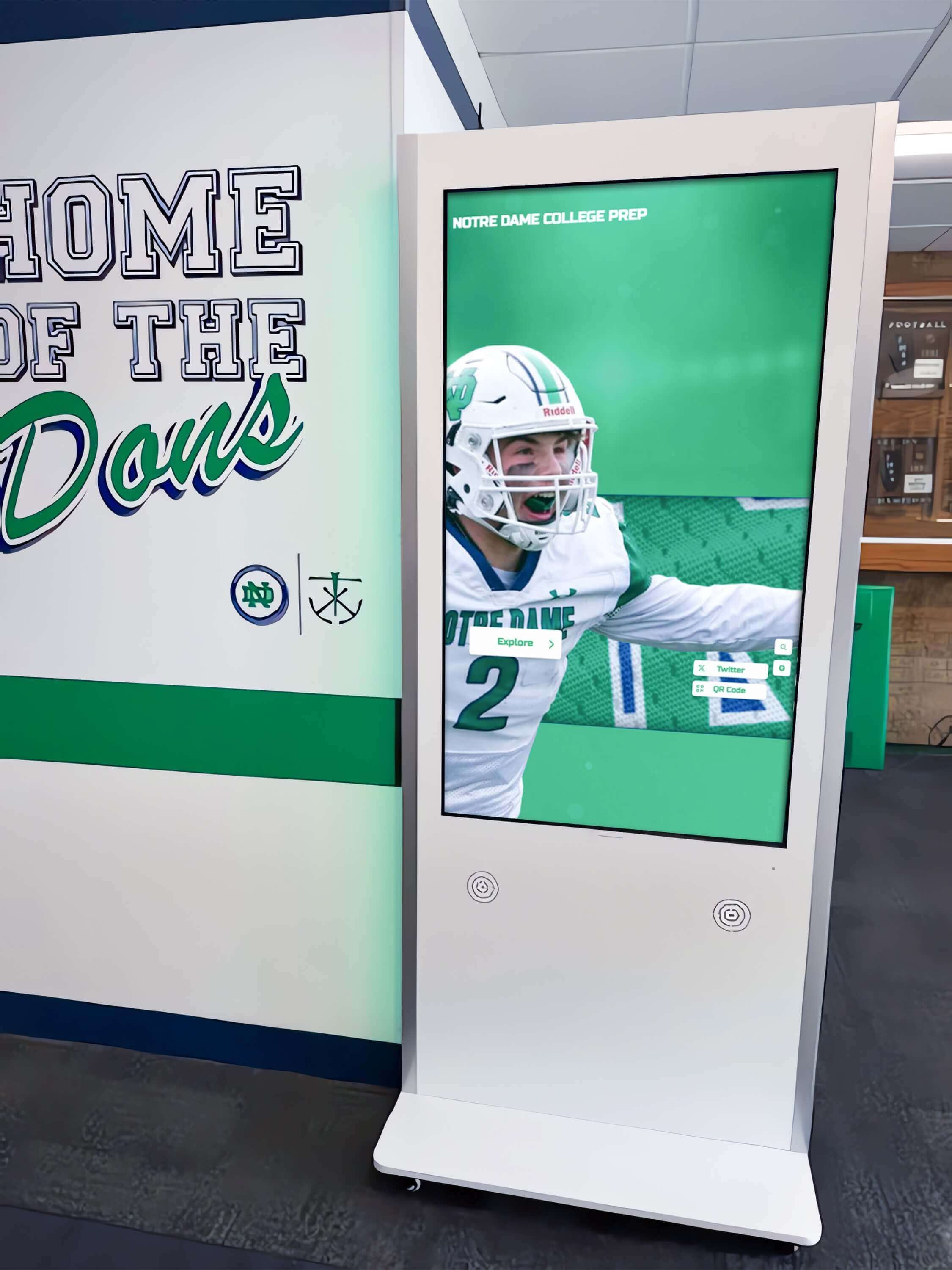
Standalone interactive kiosks in event venues enable alumni to explore athletic achievements and institutional history during gathering downtime
Family-Friendly and Multigenerational Events
Alumni with children represent significant populations whose engagement requires accommodating family circumstances.
Family Days and Kid-Friendly Campus Festivals
Host daytime weekend events designed for alumni families: campus scavenger hunts, interactive science demonstrations, performing arts activities, athletic skill clinics, or outdoor festivals with food, games, and entertainment. These family-friendly events introduce next generation to campus while enabling alumni with young children to participate when evening adult-only events prove impossible.
Legacy Student Programming
Create special programming for legacy families whose multiple generations attended institutions: family history celebrations, multi-generational photo opportunities, legacy student panels, or family recognition during major events. Honoring these deep institutional connections strengthens loyalty while encouraging legacy admission applications from next generation.
Educational Workshops for Parents
Provide value to alumni parents through workshops addressing parenting concerns: college preparation strategies, student mental health support, financial aid navigation, or supporting first-generation college students (when alumni are first-gen themselves but preparing children for college). Educational programming justifies event attendance when childcare challenges prevent purely social participation.
Grandparents and Legacy Connection Events
As alumni age and become grandparents, create events specifically acknowledging this life stage: grandparent-grandchild campus tours, legacy story-sharing gatherings, or multi-generation family celebrations. These events honor lifetime relationships while potentially cultivating next-generation engagement and future enrollment.
Affinity and Identity-Based Alumni Communities
Alumni increasingly seek connection within specific identity communities where shared backgrounds create additional bonds beyond graduating classes.
Cultural Heritage Celebrations
Host events celebrating specific cultural heritage months or communities: Black alumni celebrations during Black History Month, Latinx heritage festivals, Asian American and Pacific Islander gatherings, Native American recognition events, or international alumni programs. These targeted events affirm that institutions value diverse alumni while creating spaces where specific communities feel particularly welcomed and celebrated.
LGBTQ+ Alumni Gatherings
Create dedicated programming for LGBTQ+ alumni communities who may have felt marginalized during student years or who seek connection with others sharing identity experiences. Progressive institutions demonstrate inclusion commitment through consistent LGBTQ+ alumni programming that acknowledges past challenges while celebrating current community vitality.
First-Generation Alumni Networks
First-generation college graduates often share unique experiences, challenges, and perspectives warranting specific programming. Events bringing first-gen alumni together honor their achievements while creating mentorship opportunities for current first-generation students navigating similar journeys. These gatherings acknowledge that class background creates distinctive bonds worthy of celebration and support.
Women Alumni Leadership Forums
Despite general coeducational programming, many women alumni value opportunities to gather specifically around women’s leadership, professional development, and community building. Women-focused events addressing topics like leadership advancement, work-life integration, or entrepreneurship create supportive environments while acknowledging gender-specific challenges and opportunities.
Veteran and Military-Connected Alumni
Veterans and military-affiliated alumni share unique experiences through military service. Dedicated programming honoring veteran alumni, supporting military-connected students, or addressing veteran-specific career transition and education benefits demonstrates institutional commitment to this community while facilitating peer connection.
Explore comprehensive alumni spotlight program frameworks that can complement event programming by maintaining engagement between gatherings through regular recognition.
Regional and Geographic Alumni Programming
For institutions with geographically dispersed alumni, bringing engagement opportunities to where alumni live dramatically increases participation.
Major Metropolitan Chapter Events
Establish active alumni chapters in cities with significant graduate concentrations—typically major metropolitan areas where alumni relocate for career opportunities.
Professional Networking Receptions in Financial Districts
Host after-work networking receptions in downtown locations convenient to professional workplaces. Partner with alumni working at prominent companies to secure event spaces, reducing costs while honoring host alumni and showcasing their professional success. These convenient, professionally valuable events achieve strong turnout among working alumni who cannot easily return to campus.
Cultural Institution Partnerships
Collaborate with museums, performing arts venues, botanical gardens, or other cultural institutions in major cities for exclusive alumni access events: private gallery tours, behind-the-scenes theater experiences, curator-led exhibitions, or special performances. Cultural partnerships provide unique value while leveraging institutional memberships and relationships to reduce costs.
Sports Viewing Parties and Game Watches
When institutional teams compete in prominent events or travel to distant cities, organize watch parties at sports bars, restaurants, or alumni homes. These casual gatherings require minimal planning while providing team-spirit community experiences for geographically distant alumni unable to attend campus competitions. Consistent game watch traditions build chapter identity and regular participation habits.
Regional Volunteer and Service Opportunities
Organize chapter service projects supporting local causes, strengthening regional alumni communities while contributing to local areas where alumni live. Service projects provide meaningful engagement opportunities beyond purely social events while demonstrating institutional values through action.
International Alumni Engagement
For institutions with international alumni populations, dedicated programming acknowledging global dispersion proves essential.
Regional Gatherings in International Cities
When sufficient alumni concentrations exist internationally, organize gatherings in major global cities: London, Hong Kong, Dubai, Singapore, or Toronto. These events might coincide with institutional leader international travel, enabling personal connection with presidents, deans, or development officers while demonstrating institutional commitment to global alumni communities.
Virtual Programs Accommodating Time Zones
Recognize that synchronous virtual events prove challenging across major time zone differences. Offer recorded content for asynchronous consumption, schedule recurring programs at rotating times accommodating different regions, or create region-specific virtual gatherings enabling convenient participation.
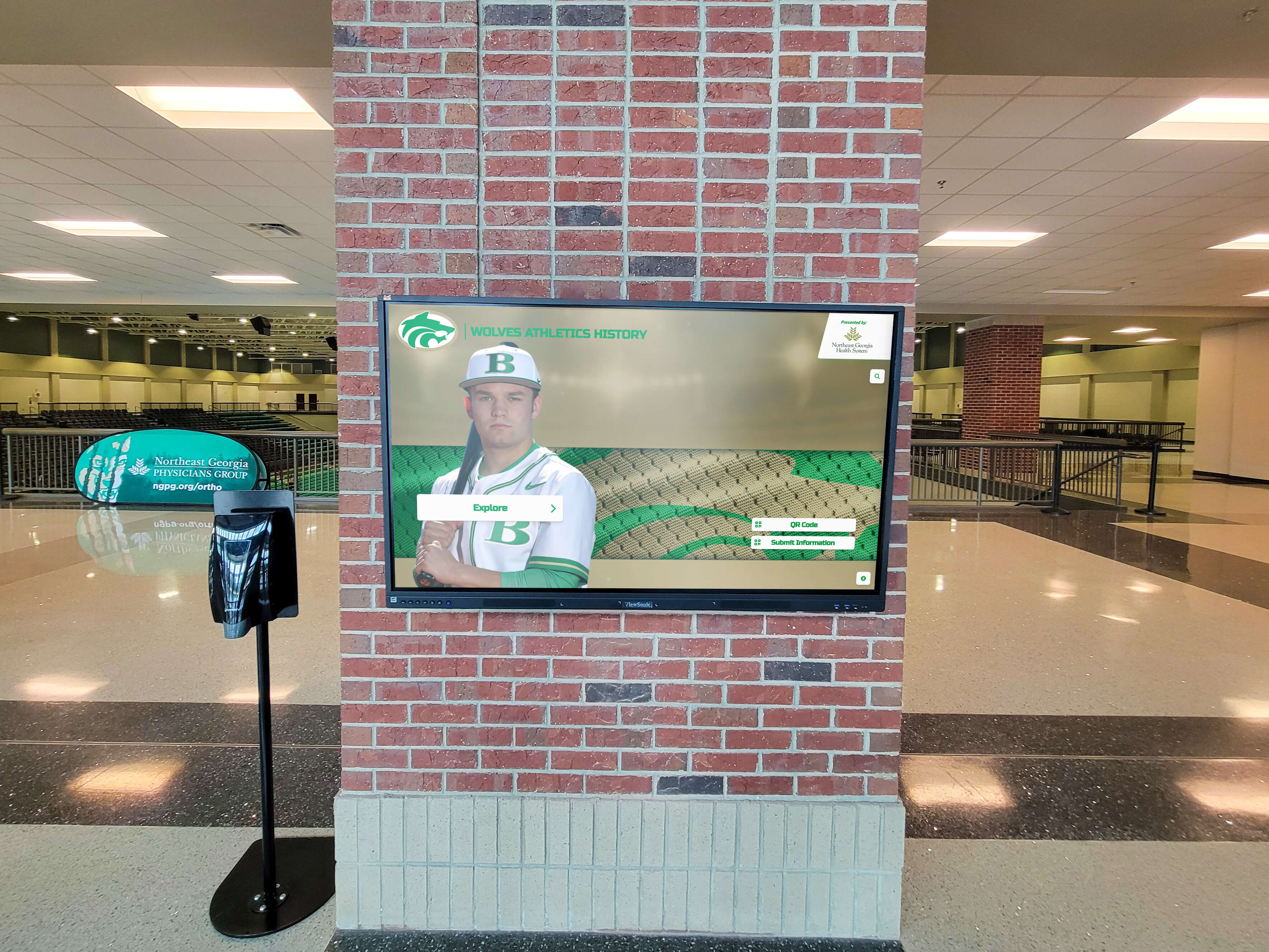
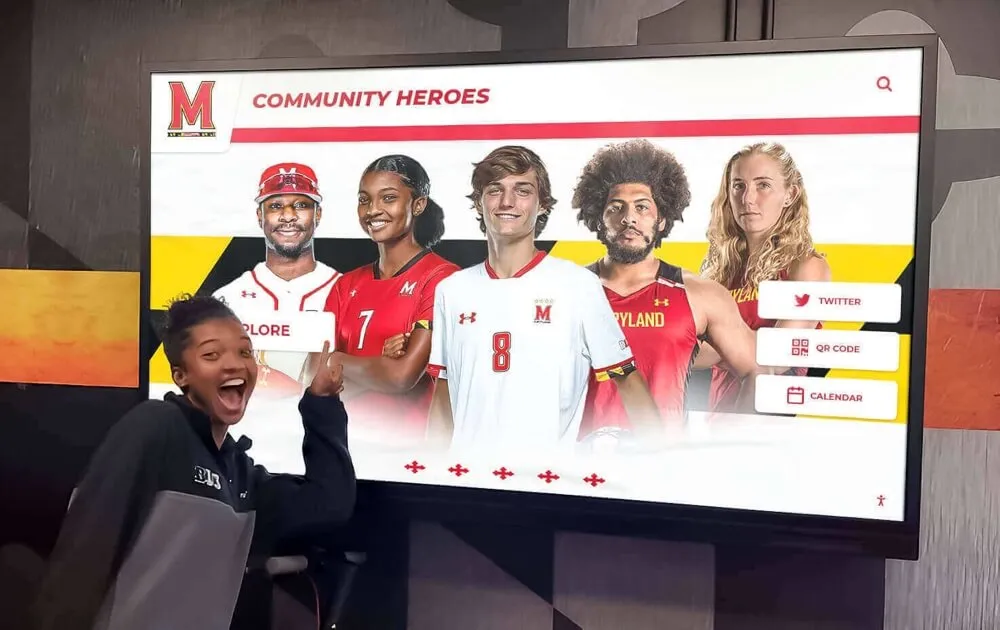
Prominent digital displays in athletic venues celebrate alumni achievements during events when facilities host large gathering audiences
International Student Reunion Support
International alumni particularly value reconnection with fellow international students who shared unique adjustment experiences. Create dedicated programming bringing together international student cohorts, acknowledging their distinctive perspective while celebrating their global contributions to institutional diversity and international reputation.
Global Professional Networks
Facilitate international professional networking through global industry-specific groups, international career mentorship programs, or virtual networking platforms connecting alumni worldwide. These professional value propositions justify engagement from distant international alumni unable to participate in campus-centric social programming.
Leveraging Technology and Digital Recognition
Modern technology enables enhanced event experiences while creating lasting engagement beyond single gatherings.
Interactive Recognition Displays at Events
Incorporating digital alumni recognition at events creates compelling talking points and natural conversation starters while celebrating community excellence.
Touchscreen Alumni Databases
Solutions like Rocket Alumni Solutions provide interactive touchscreen displays showcasing comprehensive alumni achievement databases that guests can explore during events. Attendees search for classmates, discover fellow alumni accomplishments, browse historical photos and memories, and share discoveries with others, creating organic networking catalyst while guests wait for programming to begin or during reception periods.
These interactive displays serve multiple purposes: entertainment and engagement during event downtime, celebration of alumni excellence inspiring pride and connection, conversation starters facilitating networking among guests who might not otherwise connect, and demonstration of institutional commitment to honoring all alumni comprehensively.
Live Social Media Walls
Display real-time social media feeds showing event hashtag content on screens throughout venues. Live social walls encourage attendee social sharing by providing public recognition, create FOMO among alumni not attending who see exciting content, and generate user-generated content documenting events from multiple perspectives. This approach works particularly well for large events with younger alumni demographics comfortable with public social sharing.
Digital Photo Booths and Memory Capture
Provide digital photo opportunities with branded backdrops, props, or green screen technology enabling instant social sharing. Modern photo booth technology immediately sends images to participants while creating shareable content promoting events to broader alumni networks. Collect contact information during photo booth participation to build engagement databases for future outreach.
Virtual Reality Campus Tours
For events held off-campus or serving distant alumni unable to visit regularly, offer virtual reality headsets enabling immersive campus tours showcasing new facilities, renovations, or beloved traditional spaces. VR technology creates compelling “wow” moments while satisfying curiosity about campus changes and demonstrating institutional investment in innovation.

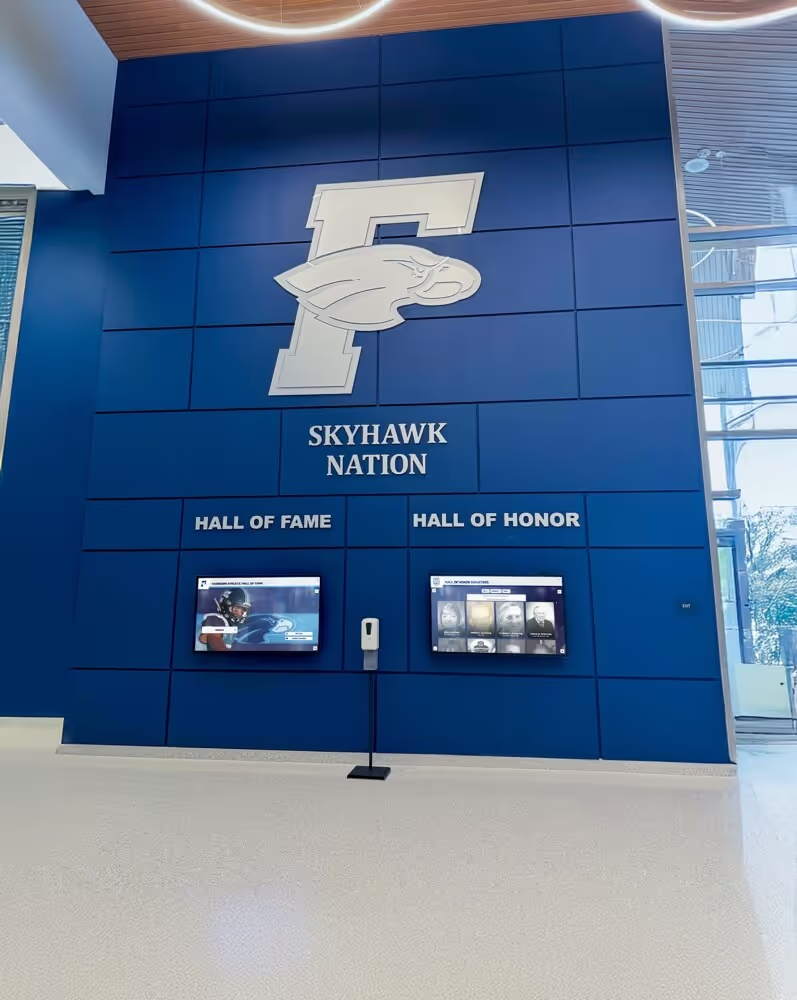
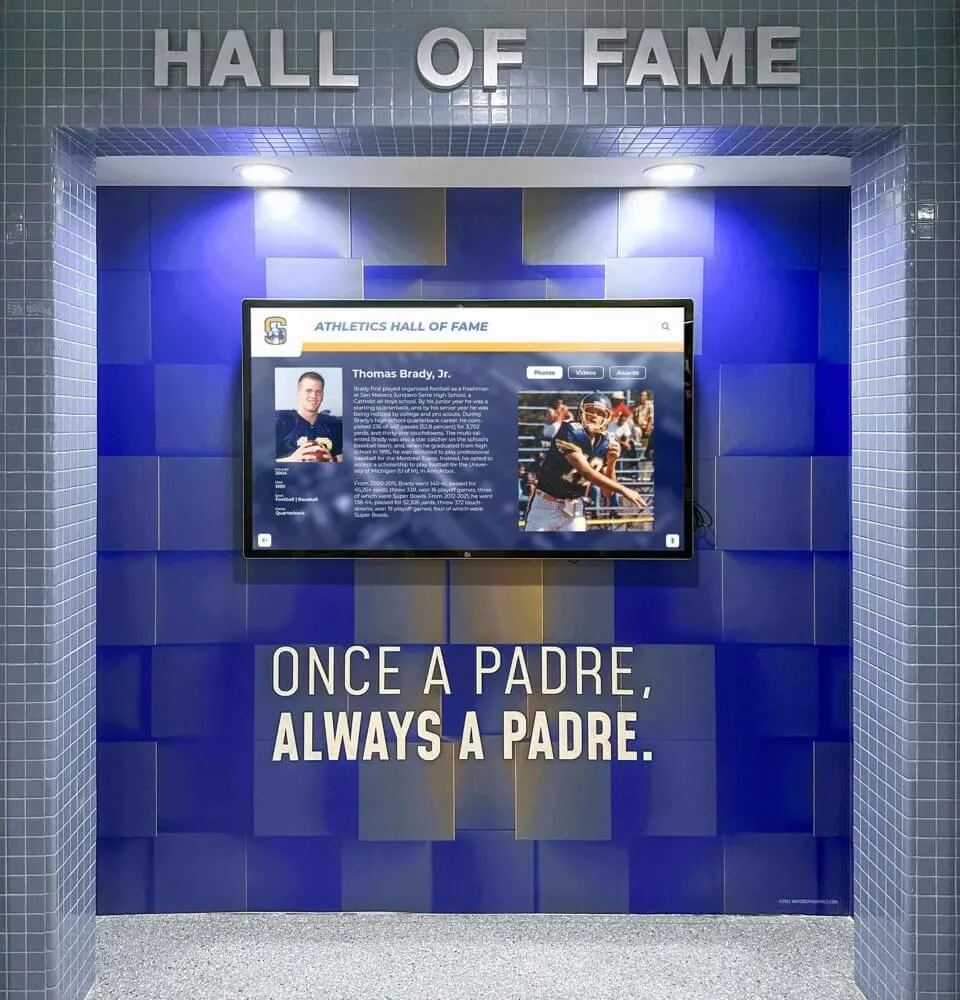
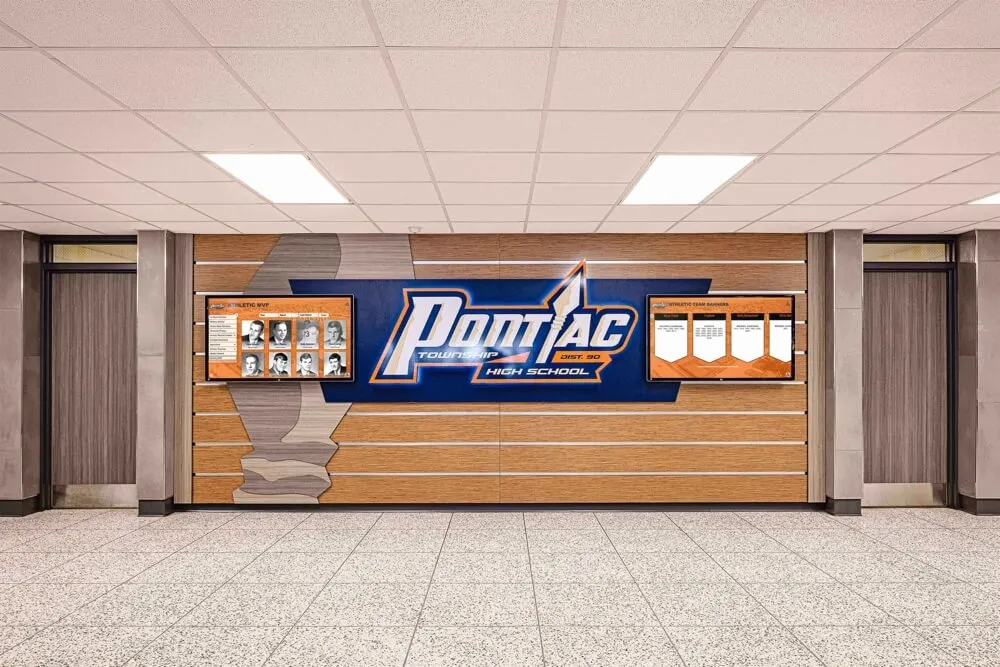
Comprehensive recognition displays celebrate diverse alumni achievements while providing visual focal points for event venues that inspire conversation and connection
Event Technology for Enhanced Experiences
Strategic technology deployment improves logistics while enabling richer engagement before, during, and after events.
Mobile Event Apps
Dedicated mobile apps for major events provide schedules and logistics, attendee directories enabling networking, interactive maps for multi-venue events, real-time updates and announcements, and integrated social sharing. Apps transform event experiences by putting comprehensive information in attendees’ hands while facilitating connection and reducing logistical confusion.
Registration and Check-In Technology
Modern registration platforms with QR code check-in, name badge printing, and integrated payment processing streamline event logistics while capturing valuable attendance data. Efficient check-in technology creates positive first impressions while reducing staff requirements and administrative burdens that often constrain event capacity.
Livestreaming and Virtual Attendance
Produce quality livestreams of keynote presentations, panel discussions, award ceremonies, or campus tours for alumni unable to attend physically. Virtual attendance options dramatically expand reach while creating recorded content useful for future marketing and alumni who couldn’t participate synchronously. Hybrid approaches acknowledge that some engagement proves better than no engagement when geography prevents physical attendance.
Post-Event Follow-Up and Relationship Management
Leverage event data captured through registration systems and mobile apps to personalize follow-up communications, segment alumni based on interests and engagement levels, track participation patterns informing future programming, and identify highly engaged alumni for volunteer recruitment or major gift cultivation. Technology transforms single events into ongoing relationship-building opportunities through systematic follow-up and data-driven engagement strategies.
Resources on interactive timeline development for school history provide frameworks for creating engaging historical content that enriches event experiences while celebrating institutional heritage.
Measuring Alumni Event Success and ROI
Systematic assessment ensures events deliver intended value while providing data justifying continued investment and informing programming improvements.
Defining Event Goals and Success Metrics
Before planning events, establish clear objectives and corresponding metrics enabling meaningful assessment.
Attendance and Participation Metrics
Basic quantitative measures include total attendance numbers compared to registration, demographic representation across class years and affinity groups, first-time attendee participation rates, geographic diversity of participants, and year-over-year attendance trends. These numbers provide baseline engagement indicators while revealing whether events reach diverse audiences or repeatedly serve the same small core groups.
Engagement Quality Indicators
Beyond attendance numbers, assess engagement quality through attendee satisfaction survey results, social media engagement and user-generated content volume, length of stay and program participation rates (for multi-component events), alumni-student interaction levels (when applicable), and volunteer recruitment success emerging from events. These qualitative measures reveal whether events create meaningful experiences versus simply attracting bodies.
Relationship Development Outcomes
Track how events advance strategic objectives through donor cultivation touches and subsequent gift solicitation success, volunteer recruitment for alumni programs and institutional service, career mentorship program sign-ups, alumni referrals of prospective students, and ongoing engagement increases among event attendees. These outcome measures demonstrate that events serve as tools advancing broader institutional priorities rather than standalone social programming.
Cost-Benefit Analysis and Resource Allocation
Understanding true event costs and returns enables data-driven decisions about which programming to continue, expand, or eliminate.
Comprehensive Cost Accounting
Calculate full event costs including staff time (both planning and execution), venue rental and catering, marketing and communications, technology and equipment, entertainment and programming, and travel for speakers or institutional representatives. Honest cost accounting reveals that many “low-cost” events consume significant staff time justifying more substantial budget investment when outside vendor costs could free internal capacity.
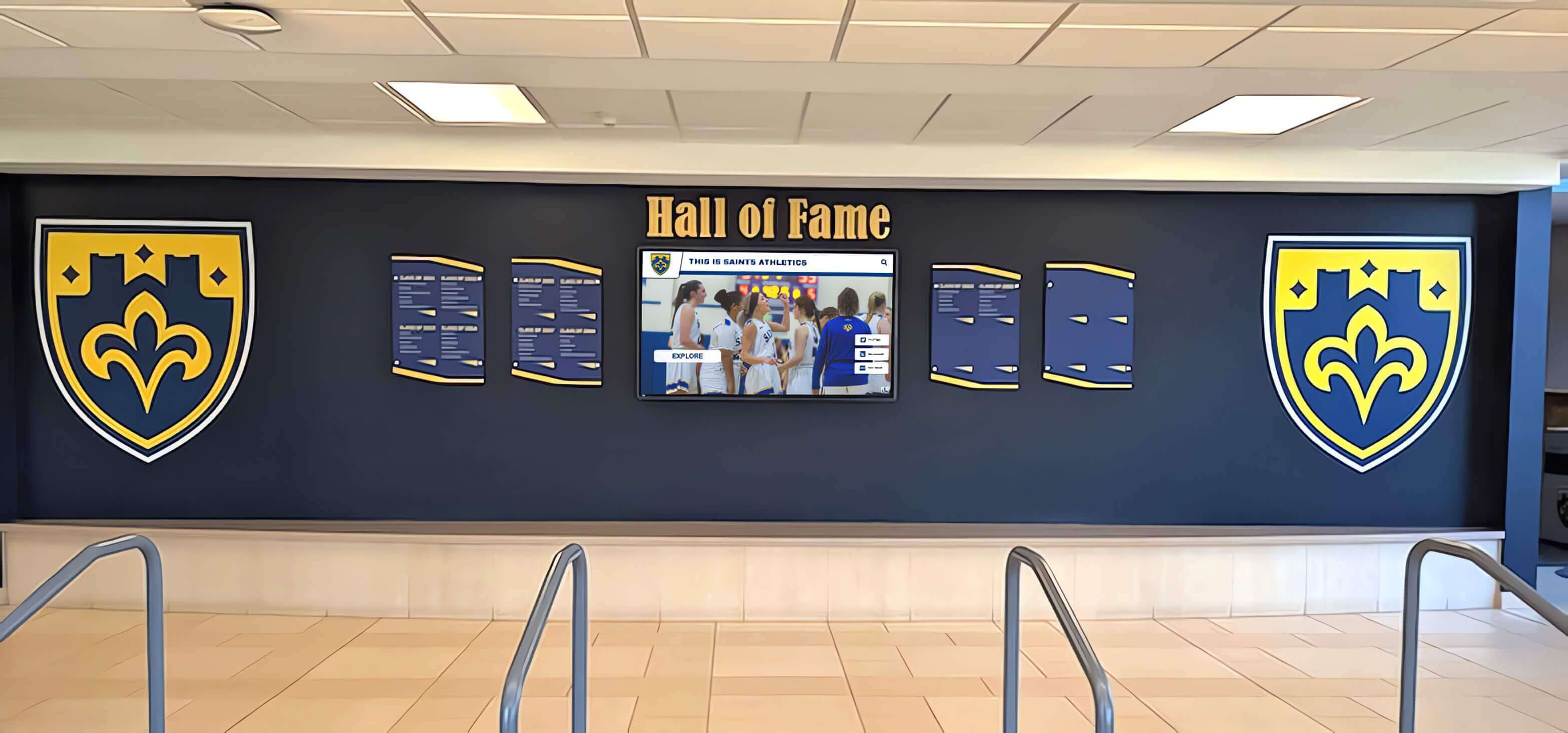
Permanent recognition installations in campus lobbies serve ongoing engagement while providing event venues that celebrate institutional heritage
Return on Investment Assessment
Measure returns through direct fundraising resulting from cultivation at events, indirect development value from relationship advancement, volunteer value of time contributed by engaged alumni, admissions referral and legacy application benefits, and career services value from professional networking and mentorship connections. While some returns prove difficult quantifying precisely, systematic assessment reveals patterns demonstrating that strategic events generate meaningful value justifying investment.
Comparative Program Analysis
Compare different event types’ efficiency and effectiveness: cost per attendee across various formats, satisfaction scores relative to investment, engagement outcomes per dollar spent, and demographic reach versus programming costs. This analysis reveals which event types deliver strongest value, informing portfolio optimization that concentrates resources on highest-return programming while eliminating or reimagining less effective approaches.
Continuous Improvement Through Feedback
Regular stakeholder input enables ongoing programming enhancement ensuring events remain relevant as alumni expectations and preferences evolve.
Post-Event Surveys and Feedback Collection
Immediately following events, gather participant feedback through brief surveys assessing satisfaction, value perception, logistical effectiveness, programming preferences, and suggestions for future events. Keep surveys short (5-7 questions) to maximize completion while capturing essential insights. Offer survey incentives like prize drawings to increase response rates generating meaningful data samples.
Focus Groups and Advisory Committees
Convene periodic alumni focus groups providing deeper qualitative feedback than surveys permit. Representative groups across demographics, class years, and engagement levels offer candid perspectives on what works, what doesn’t, and what programming gaps exist. Formal advisory committees composed of highly engaged alumni provide ongoing guidance while taking ownership of programming success as co-creators rather than passive consumers.
Competitive and Peer Research
Monitor peer institutions’ alumni programming through website research, conference participation, and professional network intelligence gathering. While avoiding direct copying, understanding effective practices elsewhere prevents reinventing wheels and inspires creative adaptations fitting specific institutional contexts and alumni populations.
Iterative Experimentation
View programming as ongoing experimentation rather than fixed tradition. Test new formats, vary timing and locations, pilot different content approaches, and measure results systematically. Successful innovations become permanent programming, while less effective experiments inform learning without requiring long-term commitment. This iterative mindset enables responsive programming evolving with alumni expectations rather than stagnating into increasingly irrelevant tradition.
Understanding senior recognition program frameworks provides complementary insights into systematic celebration approaches applicable across both current student and alumni contexts.
Best Practices for Alumni Event Execution
Beyond conceptual planning, successful events require attention to execution details that determine whether gatherings feel professional and welcoming or disorganized and forgettable.
Communication and Marketing Strategies
Effective promotion determines whether carefully planned events achieve strong attendance or disappoint through poor turnout.
Multi-Channel Outreach
Reach diverse alumni through varied communication channels: email invitations to segmented databases, social media promotion targeting specific demographics, direct mail for milestone reunion classes or major events, personal phone calls from volunteers to key prospects, and website event calendars providing comprehensive listings. Multi-channel approaches ensure invitations reach alumni through their preferred communication methods rather than assuming single channels suffice.
Compelling Event Descriptions
Craft invitation copy emphasizing clear value propositions, specific programming details rather than vague promises, notable speakers or special guests attending, unique access or exclusive opportunities, and easy registration processes. Boring, generic invitations using tired alumni relations clichés fail to compete with countless other demands on alumni time and attention.
Strategic Timing and Frequency
Balance event frequency ensuring consistent engagement without overwhelming alumni with excessive invitations. Geographic chapters might host monthly casual gatherings, quarterly substantive programs, and one annual signature event. Campus-based programming could include 3-4 major annual events plus specialized programming throughout the year. Find rhythms creating anticipation and tradition without invitation fatigue.
Personalized Outreach for Priority Segments
For milestone reunion classes, major donors, or strategic prospects, supplement mass marketing with personalized outreach from class volunteers, development officers, or institutional leaders. Personal invitations dramatically increase attendance among key audiences compared to generic email blasts, justifying additional effort for high-priority constituents.
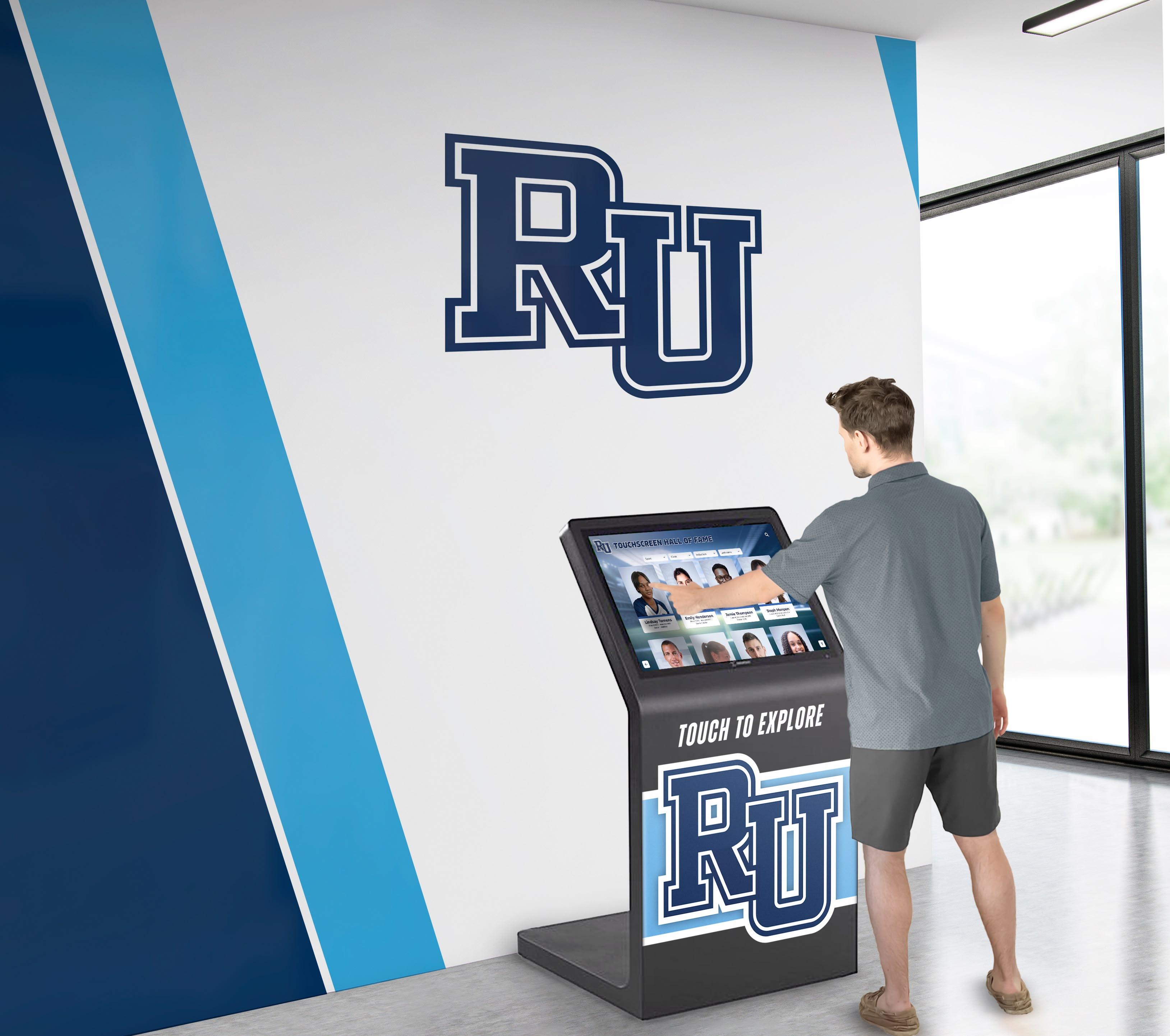
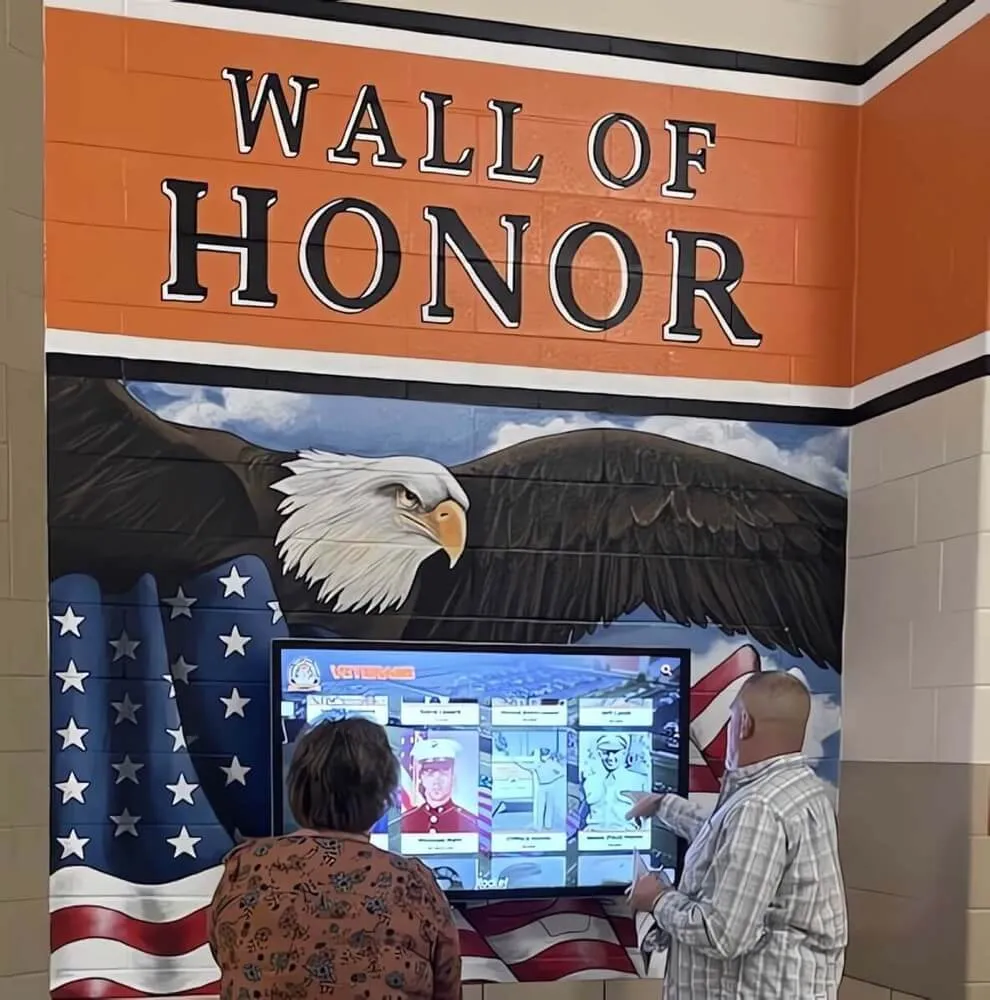
Interactive technology in event venues enables self-directed exploration of institutional history, accommodating varied guest interests and creating positive impressions
Creating Welcoming and Inclusive Environments
Thoughtful hospitality details determine whether alumni feel genuinely welcomed or like afterthought attendees at generic gatherings.
Name Tags and Introductions
Provide clear name tags including graduation years, hometowns, or other identifiers facilitating conversation and connection. For smaller gatherings, begin with structured introductions ensuring everyone’s recognized rather than assuming attendees already know each other. These simple practices acknowledge the awkwardness many feel at events where they may not know anyone personally.
Facilitated Networking and Icebreakers
Rather than expecting organic networking among strangers, structure activities facilitating connection: speed networking rotations, small group discussion prompts, collaborative activities requiring interaction, or assigned seating mixing table compositions. Structured approaches prove particularly important for introverted alumni or those attending solo who appreciate facilitated connection rather than facing networking pressure alone.
Dietary Accommodations and Accessibility
Gather dietary restriction information during registration and ensure catering accommodates vegetarian, vegan, gluten-free, kosher, halal, and allergy needs. Provide accessible venues with appropriate parking, entrance access, seating, and restroom facilities for guests with mobility challenges. These fundamental hospitality considerations communicate respect and inclusion, while failures create negative experiences remembered long after events conclude.
Institutional Leader Accessibility
When presidents, deans, or other leaders attend events, ensure they circulate engaging diverse attendees rather than remaining clustered with known major donors. Alumni attend partially hoping for brief interactions with institutional leaders—enabling these moments creates memorable impressions demonstrating that leaders value all community members regardless of giving capacity.
Post-Event Follow-Up and Stewardship
Event relationships extend beyond single gatherings when supported by thoughtful follow-up strengthening connections and encouraging continued engagement.
Timely Thank You Communications
Within 48-72 hours after events, send personalized thank you messages to attendees, speakers, volunteers, and sponsors. Express genuine appreciation for participation, highlight memorable moments from gatherings, and provide information about upcoming opportunities for continued engagement. Prompt acknowledgment demonstrates professionalism while maintaining momentum generated by positive event experiences.
Photo and Content Sharing
Distribute event photos and video highlights through social media, email newsletters, and websites. Tag attendees when sharing publicly (with permission), creating additional exposure while enabling alumni to share content within their own networks. Visual documentation extends event impact beyond those physically present while creating FOMO encouraging future attendance among those who missed gatherings.
Connection Facilitation
When attendees express interest in connecting with specific alumni they met, facilitate introductions and ongoing relationship building. Alumni relations staff serve as connectors strengthening community networks that create value independent of institutional programming—demonstrating that institutions support community building broadly, not just during organized events.
Next Step Opportunities
Use event momentum to recruit volunteers, solicit mentorship commitments, invite committee participation, or encourage giving. Highly engaged event attendees represent your most likely volunteers, donors, and advocates—leverage enthusiasm generated by positive experiences through strategic asks for deeper engagement matching expressed interests and capacity.
Conclusion: Building Alumni Communities Through Strategic Events
Alumni events represent far more than social gatherings—they’re strategic investments in relationship building, community strengthening, and institutional advancement when planned thoughtfully with clear objectives and genuine attendee value in mind. The most effective alumni relations programs recognize that events create touchpoints enabling the ongoing cultivation, engagement, and stewardship that sustain lifelong institutional connections.
The alumni event ideas explored in this guide provide diverse frameworks for creating gatherings that alumni actually attend and remember—from reimagined classic reunions and innovative experiential adventures to targeted affinity programming and technology-enhanced engagement. Whether you’re revitalizing stagnant event programming, launching new initiatives for underserved alumni segments, or seeking creative approaches to limited budgets, these strategies offer actionable starting points adaptable to institutions of all types and sizes.
Enhance Your Alumni Events with Interactive Recognition
Discover how digital recognition displays can transform alumni gatherings by providing engaging touchpoints that celebrate community excellence, facilitate networking, and create memorable experiences that strengthen lifelong institutional connections.
Explore Recognition SolutionsSuccessful alumni event programming requires understanding that one-size-fits-all approaches no longer suffice when alumni populations span diverse demographics, geographies, interests, and life stages. The institutions achieving strongest engagement offer varied programming serving different constituencies—recent graduates seeking career networking, families wanting multigenerational experiences, retirees interested in intellectual enrichment, and affinity groups valuing identity-based community. This portfolio approach ensures all alumni find relevant engagement opportunities rather than generic events serving only narrow segments repeatedly.
Technology increasingly enables new possibilities for alumni engagement—virtual events reaching global audiences, hybrid gatherings accommodating varied participation preferences, interactive displays creating talking points and networking catalysts, and data analytics informing continuous improvement. Solutions like Rocket Alumni Solutions provide interactive touchscreen recognition displays that transform event venues by enabling guests to explore comprehensive alumni databases, discover classmate achievements, and share discoveries that facilitate organic networking. These technologies enhance rather than replace human connection, creating richer experiences than purely analog approaches permit.
Ultimately, alumni event success depends less on elaborate programming or substantial budgets than on genuine understanding of what alumni value, clear communication of event benefits, warm hospitality creating welcoming environments, and consistent follow-up transforming single gatherings into ongoing relationship building. Every alumnus represents a potential advocate, donor, volunteer, student referrer, and career mentor—but realizing this potential requires creating engagement opportunities meaningful enough to justify their limited time and attention.
Ready to enhance your alumni event programming? Explore comprehensive alumni gathering area design strategies that create welcoming physical spaces complementing event programming, learn about booster club fundraiser ideas applicable to alumni-focused campaigns, discover donor recognition best practices for honoring event sponsors and major gift supporters, and when ready to discuss your specific institutional needs, connect with Rocket Alumni Solutions to explore how purpose-built recognition technology can enhance events while celebrating the remarkable alumni communities you serve.
Alumni events that provide genuine value, create meaningful connections, honor diverse excellence, and enable authentic engagement transform institutional relationships from transactional fundraising to lifelong community membership that benefits entire educational ecosystems across generations.