Schools, colleges, and universities invest tremendous resources in educating students, yet many institutions struggle to maintain meaningful connections with graduates once they leave campus. Without systematic tracking and engagement infrastructure, alumni scatter globally while valuable relationships dissolve—taking with them mentorship opportunities for current students, fundraising potential for institutional advancement, recruitment assistance for admissions, and networking resources that could benefit entire academic communities.
Alumni tracking platforms for schools provide centralized systems that organize graduate contact information, record engagement activities, coordinate event participation, manage communications, track giving history, and facilitate connections between alumni and current students. These platforms transform scattered spreadsheets and disconnected databases into comprehensive relationship management ecosystems that enable advancement teams, alumni associations, and institutional leaders to cultivate lifelong graduate communities systematically.
However, selecting appropriate alumni tracking platforms challenges administrators who must evaluate technical capabilities, assess integration requirements, calculate total ownership costs, determine staffing needs, and ensure chosen solutions actually get used rather than creating expensive digital tools that sit abandoned while critical relationship management reverts to inefficient manual processes.
This comprehensive guide explores how alumni tracking platforms for schools function, what essential features drive actual engagement outcomes, how to select systems matching institutional needs and resources, best practices for successful implementation, and strategies for maximizing platform value long-term through consistent utilization and continuous optimization.
Effective alumni relationship management requires more than good intentions and occasional reunion planning—it demands systematic data organization, strategic communication coordination, and sophisticated tracking capabilities that enable personalized outreach at scale across thousands or tens of thousands of graduates dispersed globally across decades of institutional history.

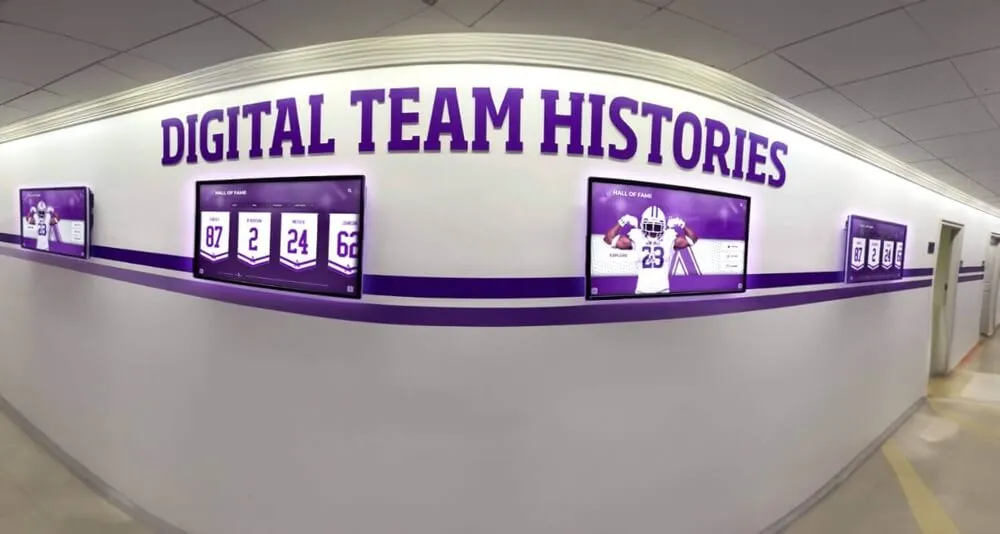
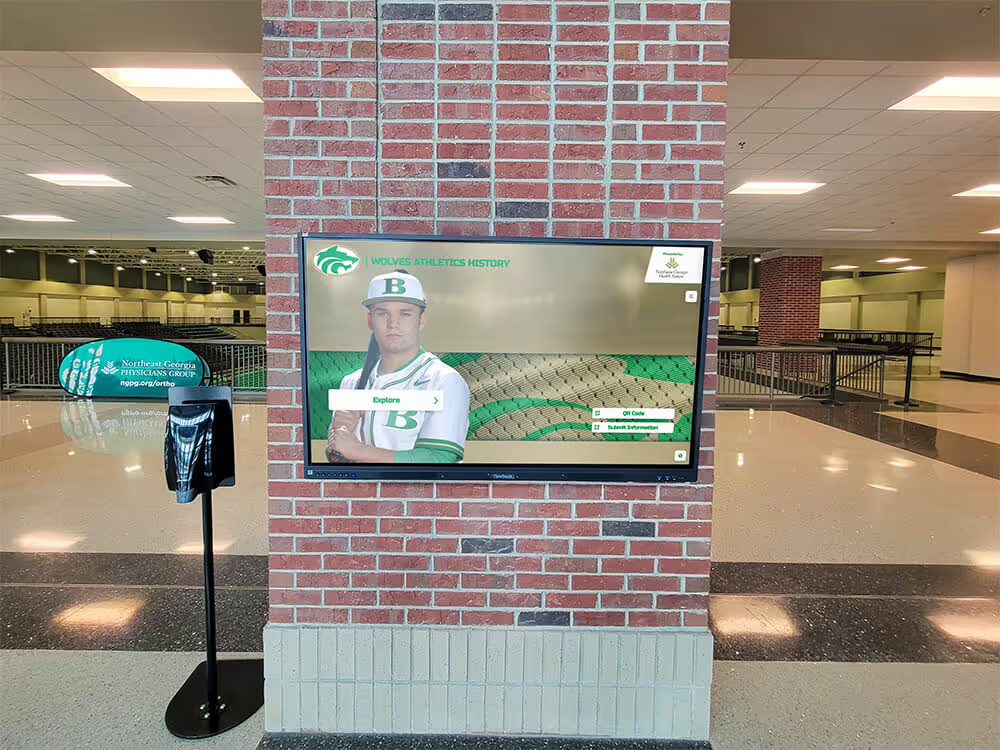
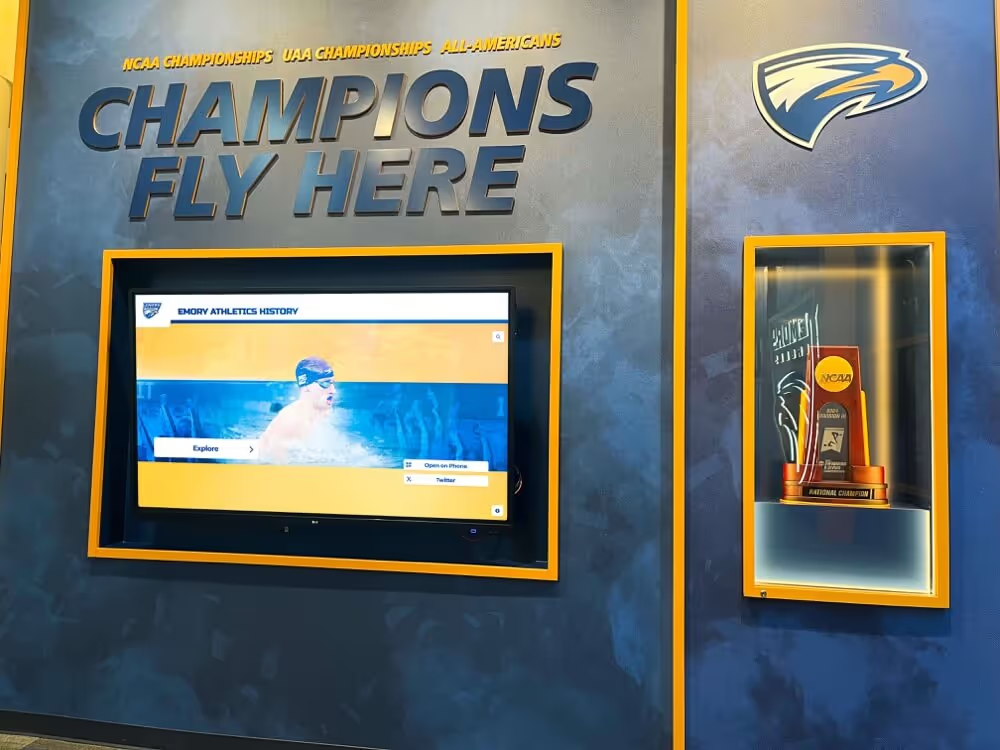
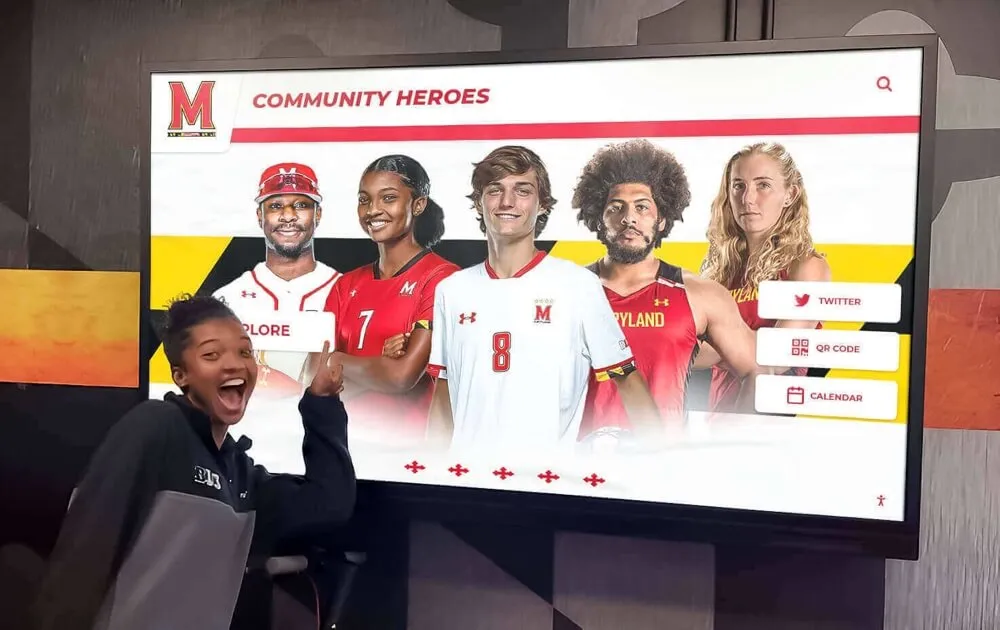
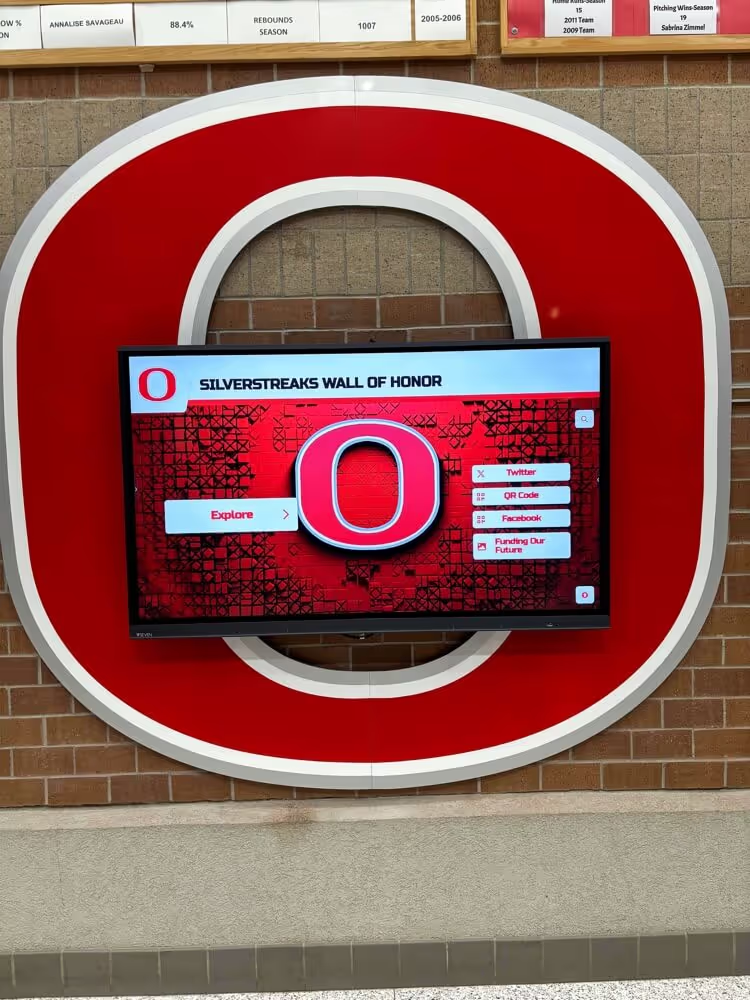
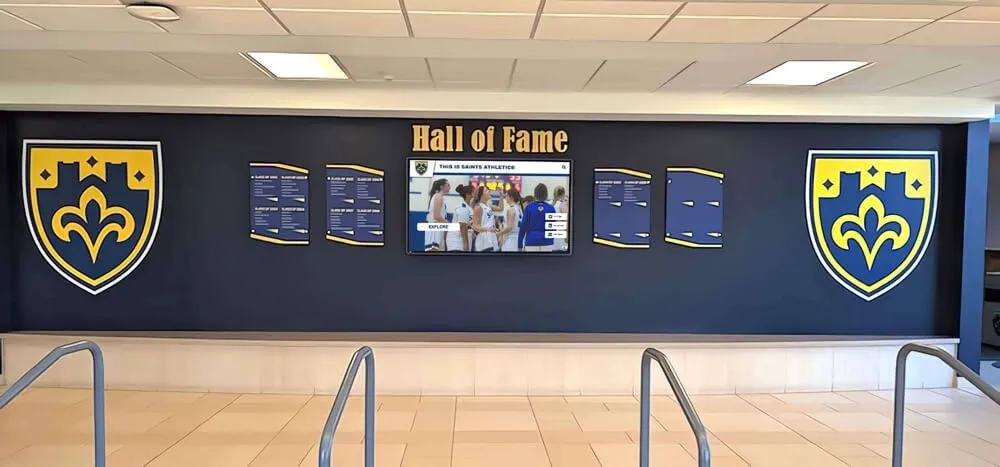
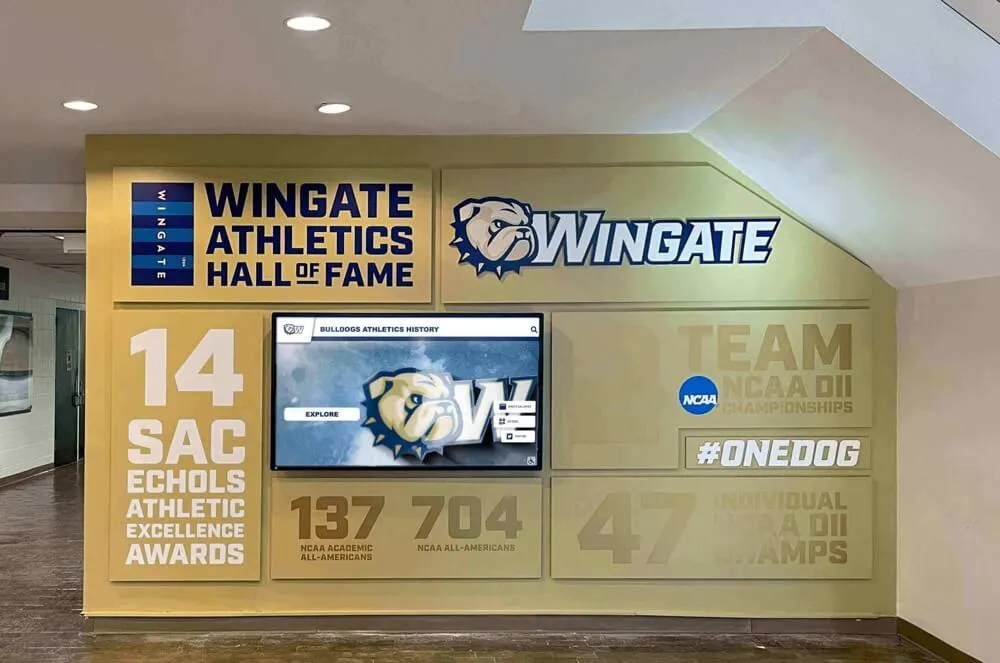
Modern alumni tracking extends beyond simple databases to include recognition displays that celebrate graduates while maintaining comprehensive engagement data
What Alumni Tracking Platforms Actually Do
Understanding core functionality helps schools distinguish between essential capabilities and impressive-sounding features that may not deliver practical value for specific institutional contexts.
Centralized Graduate Data Management
At their foundation, alumni tracking platforms organize and maintain comprehensive graduate information.
Contact Information and Profile Management
Quality platforms capture complete constituent records including biographical data with graduation years, degrees earned, and academic honors, current contact details including email addresses, phone numbers, and mailing addresses, employment history tracking career progression and current positions, family connections linking spouses, children, and other alumni relatives, and demographic information supporting diversity initiatives and targeted outreach.
This centralized information eliminates duplicate records across disconnected systems, prevents data inconsistencies from multiple uncoordinated updates, and provides single authoritative sources for all graduate information accessible to authorized staff across advancement, admissions, academic departments, and alumni association teams.
Engagement History Tracking
Beyond static profile data, effective platforms record all alumni interactions including event attendance capturing which programs graduates actually attend, communication history documenting email engagement and response patterns, volunteer activities tracking service contributions and leadership roles, giving records integrating with fundraising databases, and program participation noting mentorship involvement, career networking, and other institutional engagement.
This historical tracking enables advancement teams to identify highly engaged graduates warranting personal cultivation, detect disengagement patterns suggesting relationship deterioration, segment communications based on demonstrated interests, and measure program effectiveness through participation analysis over time.
Communication and Outreach Coordination
Alumni platforms facilitate systematic engagement through integrated communication tools.
Segmented Email Marketing
Rather than sending identical mass communications to all graduates regardless of relevance, platforms enable targeted campaigns to specific alumni segments defined by graduation era, geographic location, academic program, career field, giving history, volunteer service, or engagement level. Segmentation dramatically improves open rates and response while demonstrating institutional respect for individual preferences and circumstances.
Advanced platforms support email template libraries maintaining brand consistency, personalization merge fields inserting recipient-specific information, A/B testing capabilities comparing subject line performance, deliverability monitoring tracking bounce rates and spam complaints, and automated follow-up sequences nurturing relationships systematically.
Schools implementing comprehensive alumni engagement strategies discover that combining database management with recognition programming creates more compelling touchpoints than communications alone.
Multi-Channel Communication Integration
Beyond email, modern platforms coordinate outreach across social media integration sharing content to institutional channels, SMS messaging for time-sensitive event reminders, direct mail coordination for printed invitations and appeals, and phone campaign management for personal solicitation efforts. Multi-channel approaches reach alumni through preferred communication methods rather than assuming universal email preference.
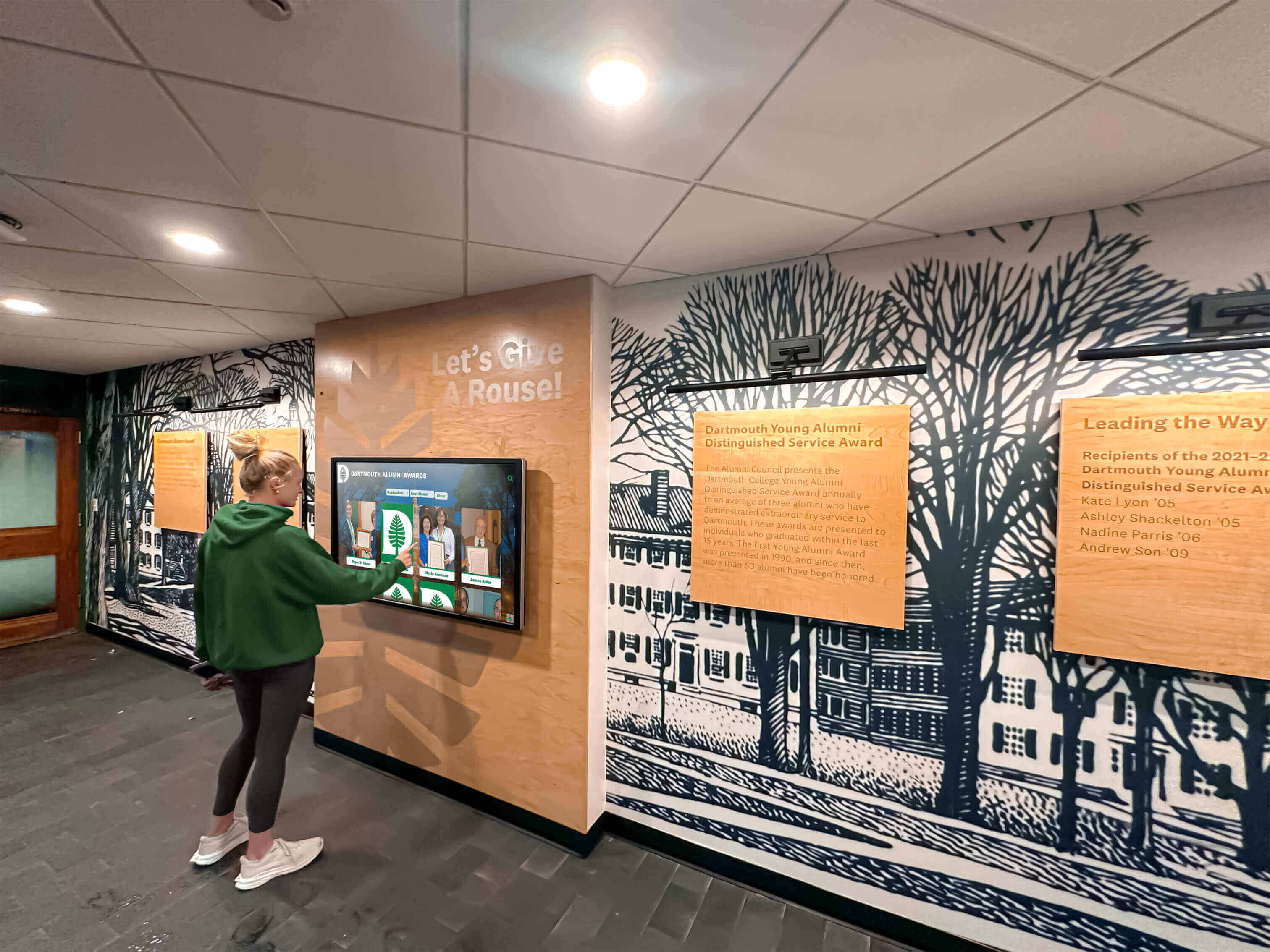
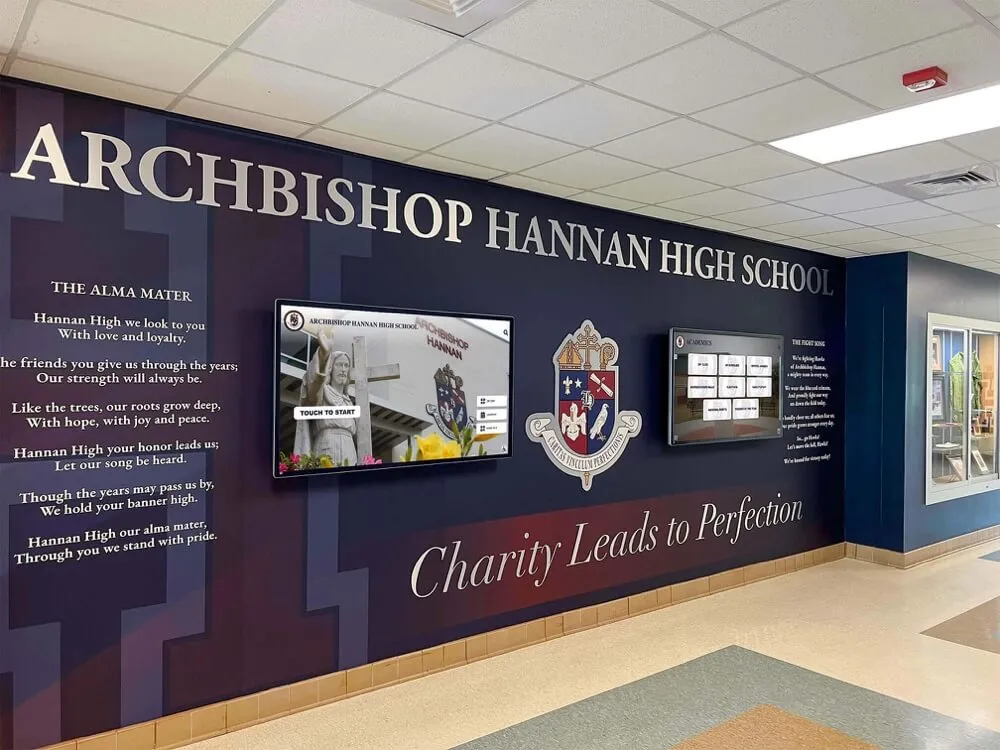
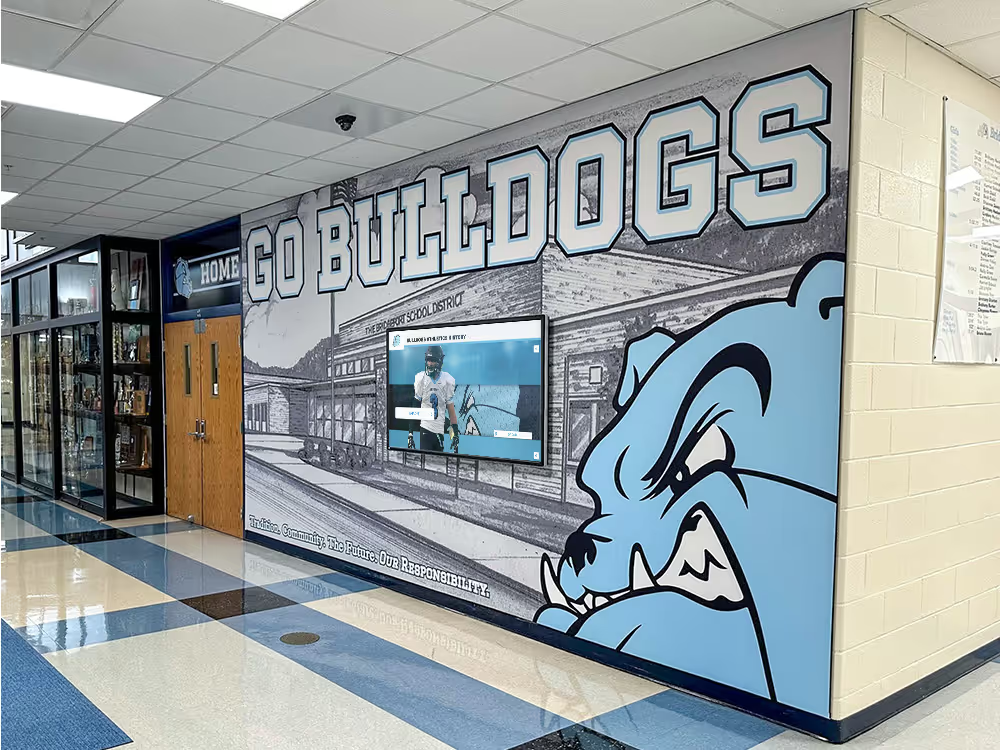
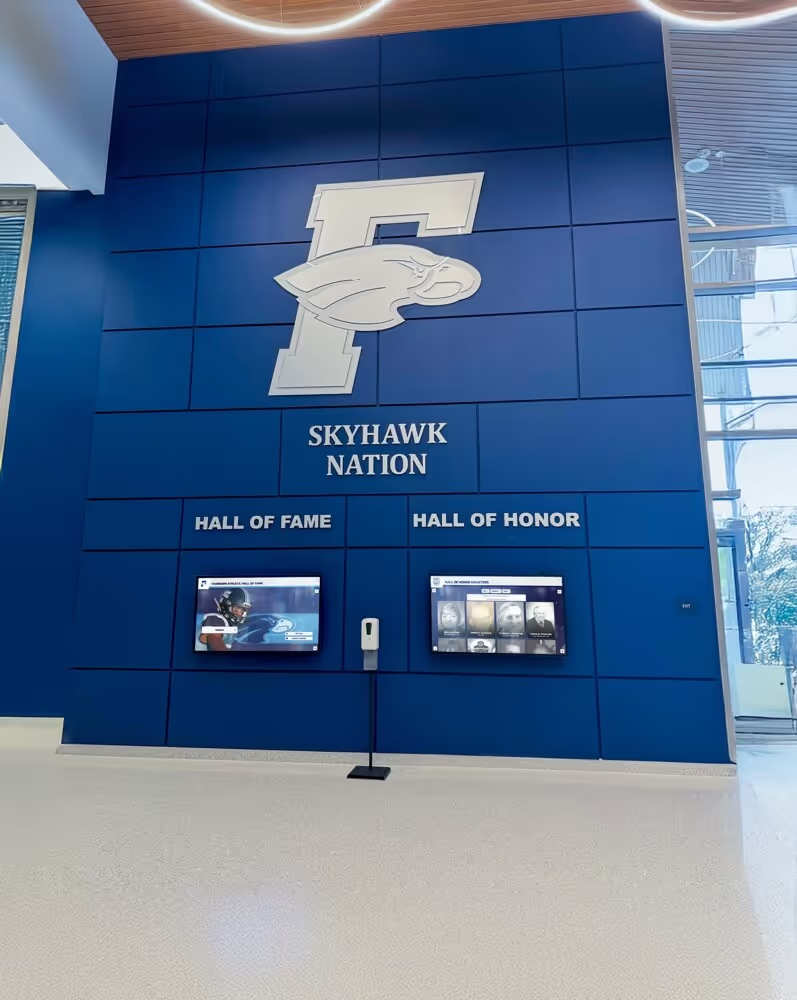
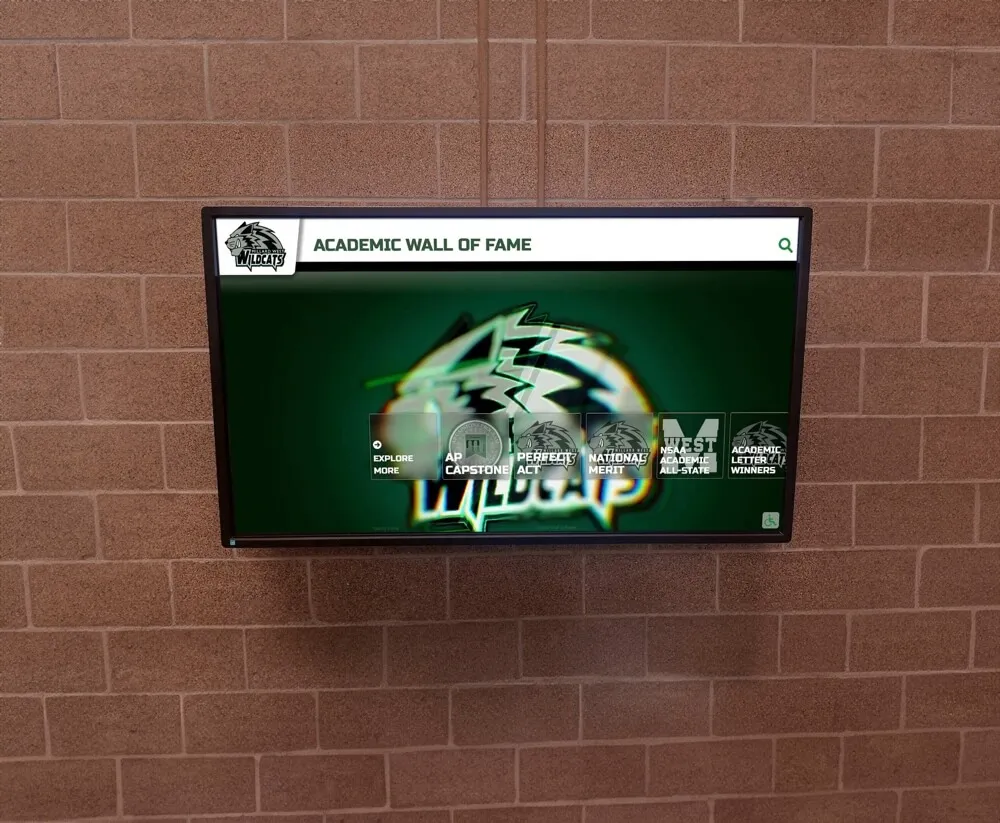
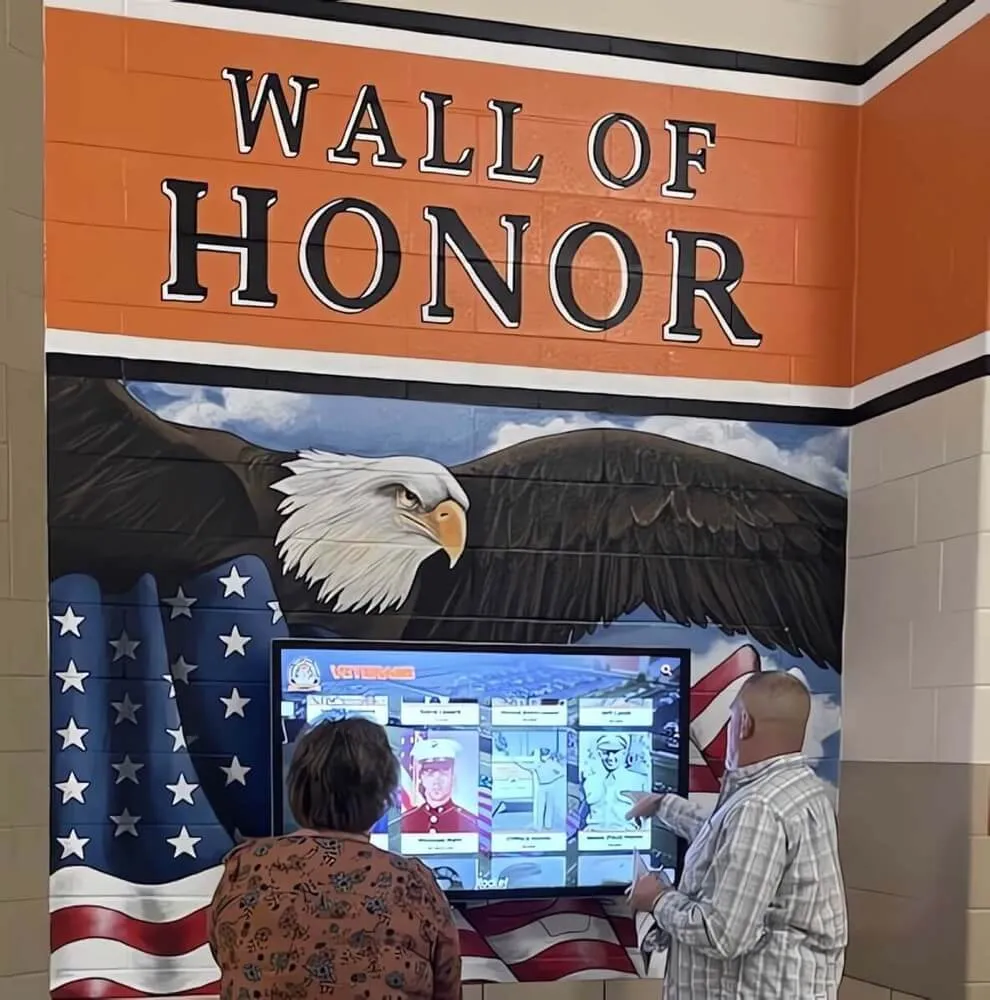
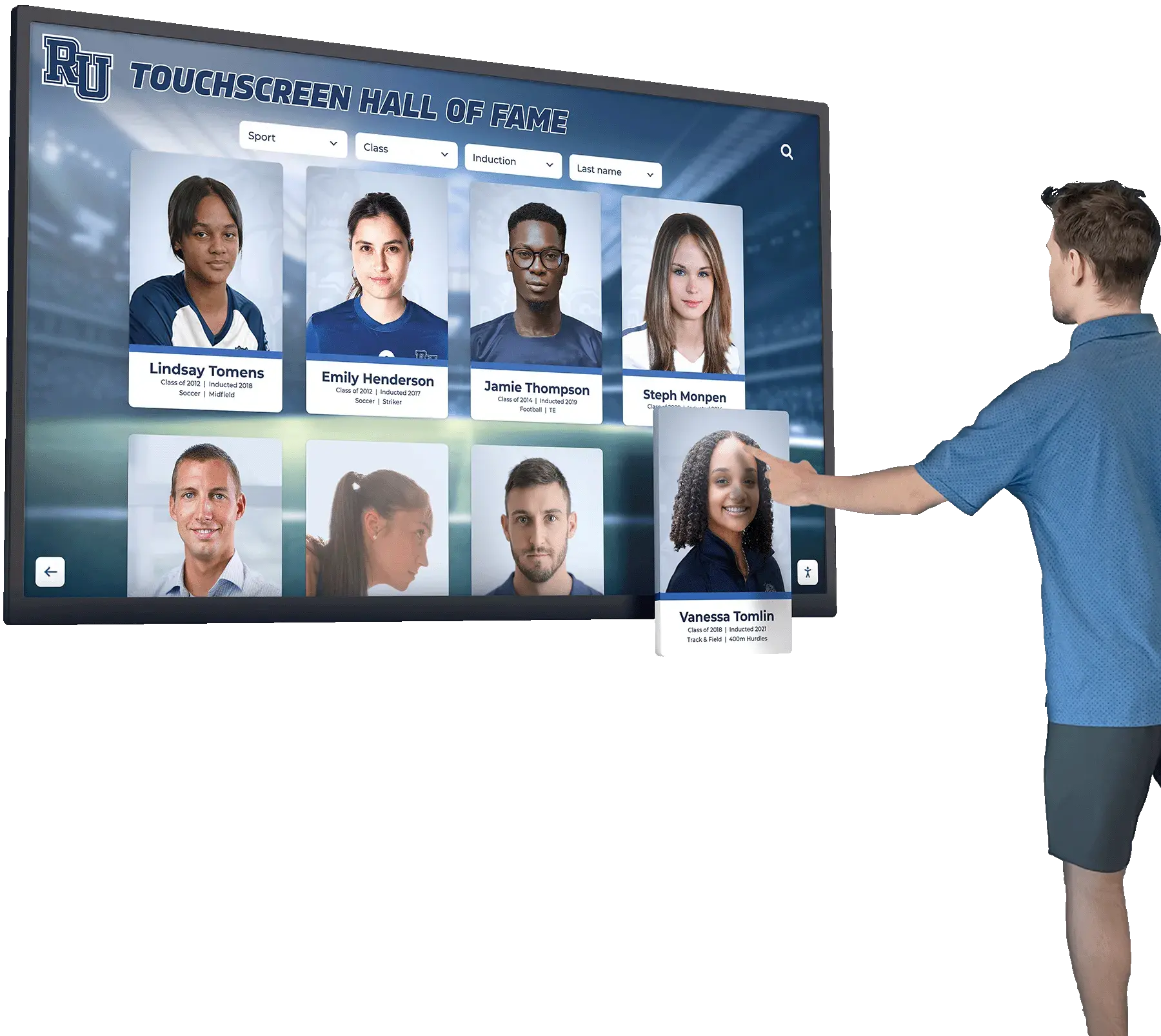
Alumni tracking platforms often integrate with campus recognition displays that engage current students while maintaining comprehensive graduate databases
Event Management and Coordination
Alumni programming requires sophisticated coordination tools that platforms provide through integrated event capabilities.
Registration and Ticketing Systems
Event modules enable custom registration forms collecting attendee information and preferences, integrated payment processing for ticketed events and fundraisers, capacity management preventing oversold programming, automated confirmation emails and reminder sequences, waitlist management when events fill, and guest registration allowing alumni to bring companions.
These capabilities eliminate manual spreadsheet tracking while providing professional experiences that encourage participation through convenient registration processes accessible from any device.
Check-In and Attendance Tracking
Mobile check-in applications using QR codes streamline event arrivals, record actual attendance beyond registration numbers, enable real-time headcount monitoring, and update engagement histories automatically without requiring manual data entry after events conclude.
Attendance tracking reveals which programming formats drive participation versus consuming resources without results, identifies consistently engaged alumni warranting personal cultivation, and enables follow-up communications to attendees and regretful non-attendees differently.
Essential Features in Alumni Tracking Platforms
Not all platforms provide equivalent capabilities—specific features determine whether systems deliver value or create frustration for staff and graduates alike.
Advanced Search and Filtering Capabilities
Effective relationship management depends on finding relevant alumni quickly based on complex criteria.
Dynamic Segmentation Tools
Quality platforms enable creating sophisticated alumni segments through multiple simultaneous filters: graduates from specific degree programs within defined year ranges, alumni working in particular industries or job functions, individuals living within geographic boundaries or postal codes, donors at certain giving levels who haven’t contributed recently, volunteers with event planning experience, and any imaginable combination of demographic, engagement, and preference criteria.
These dynamic segments update automatically as constituent data changes—ensuring that “current software engineers in Seattle who graduated 2010-2020” remains accurate without manual list rebuilding for each campaign.
Saved Searches and Report Templates
Rather than reconstructing complex queries repeatedly, platforms should enable saving frequently used searches including reunion class lists by milestone year, lapsed donor segments for re-engagement campaigns, volunteer prospect pools based on interest areas, and regional chapter membership by geographic boundaries.
Saved searches accelerate daily workflows while ensuring consistency in how advancement teams define and target important constituent groups.
Integration with Other Institutional Systems
Alumni platforms rarely operate in isolation—integration capabilities determine implementation success.
Student Information System Connections
Seamless integration with registrar databases enables automatic alumni record creation upon graduation, degree information synchronization preventing manual updates, transcript data access for academic history verification, and current student transition to alumni status without manual data migration.
Native integrations through application programming interfaces prove far superior to manual CSV imports requiring staff time for regular execution.
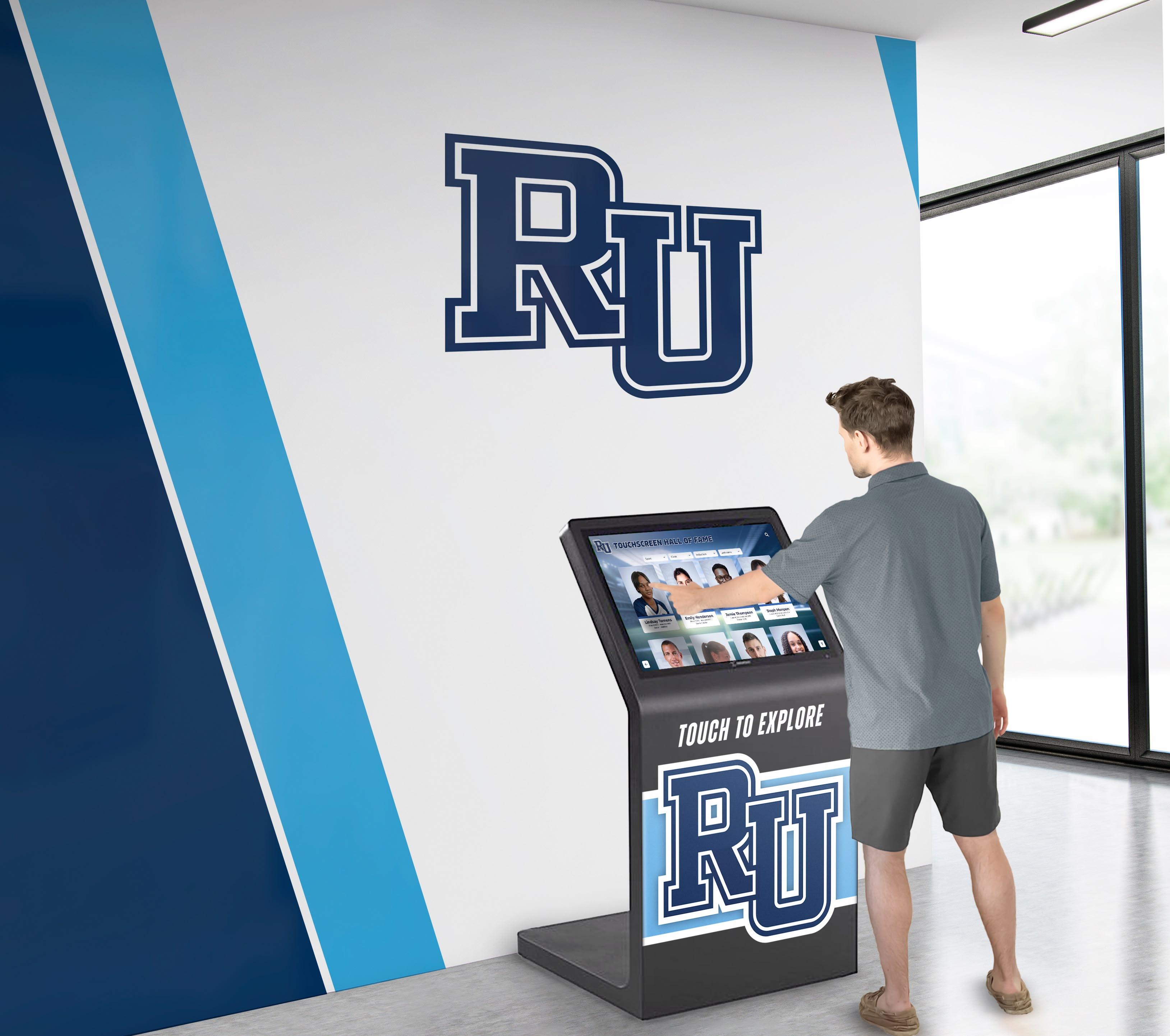
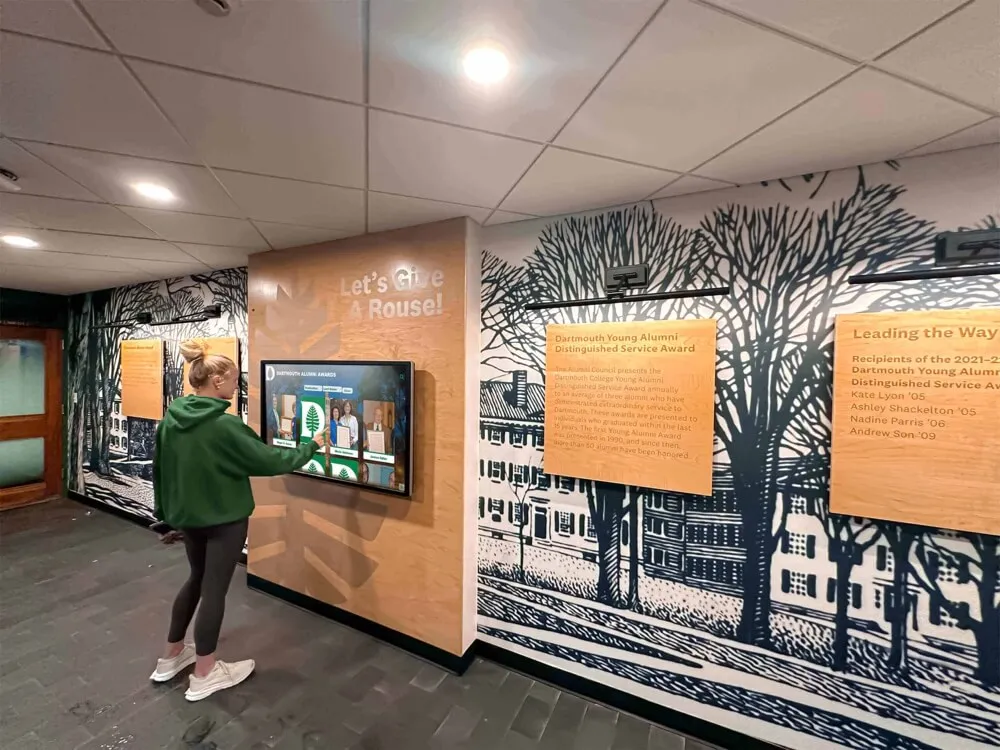
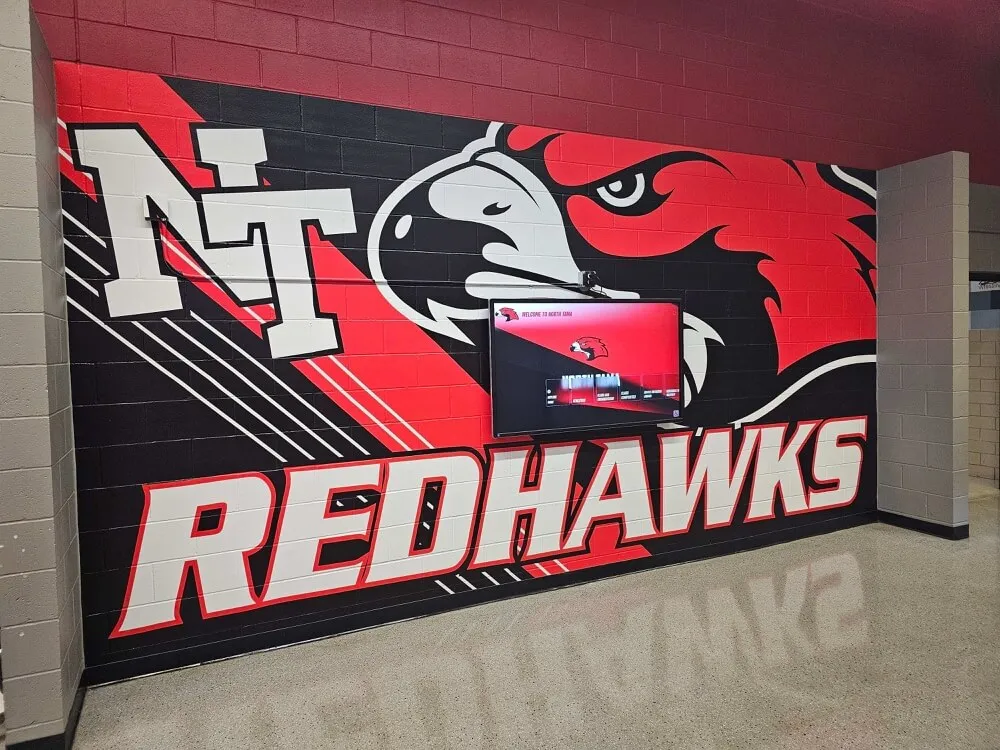
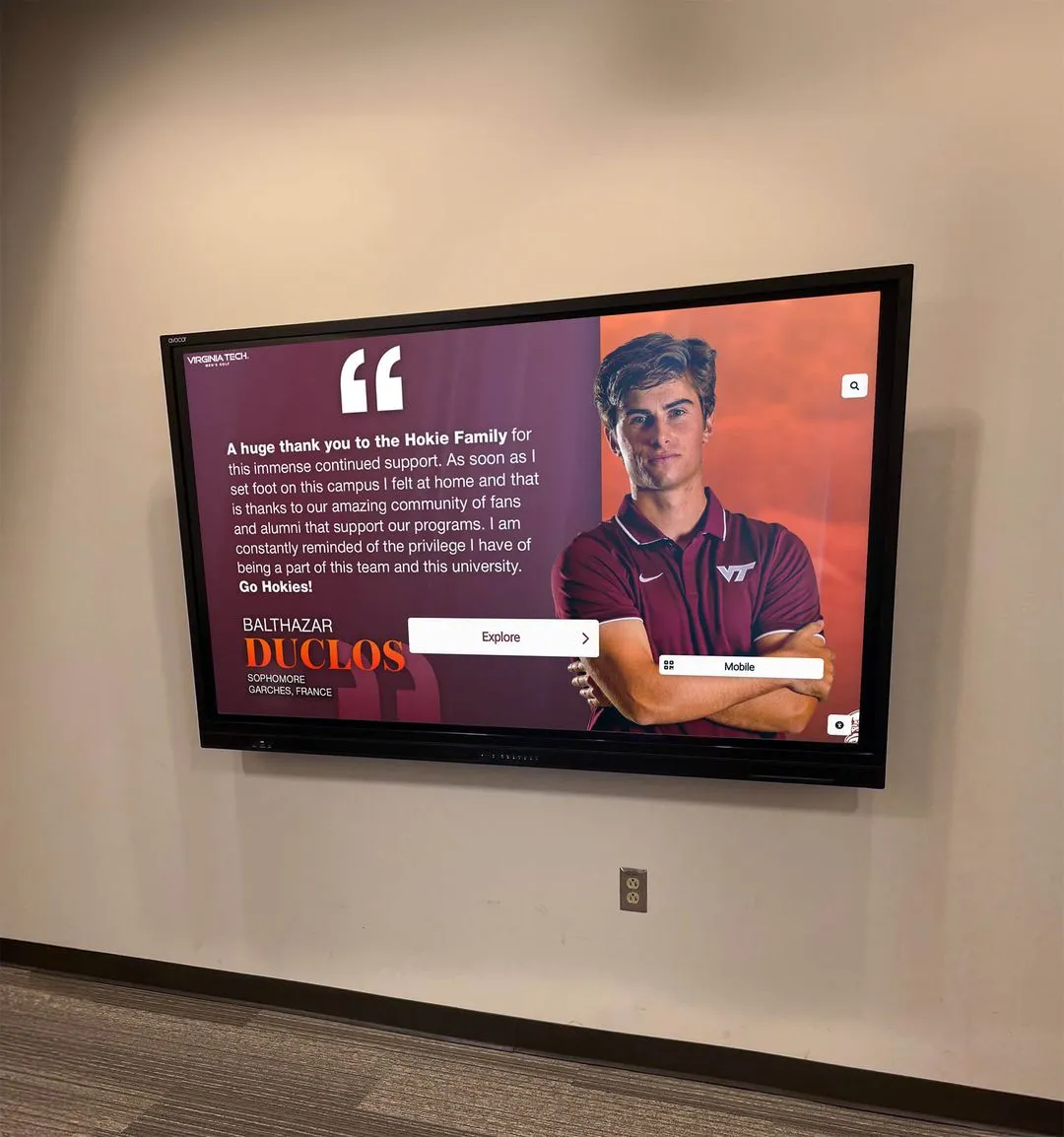
Modern platforms enable alumni self-service through intuitive interfaces while tracking all engagement automatically
Advancement and Fundraising Database Integration
For institutions using separate advancement systems for major gift management, integration ensures gift records appear in alumni platforms automatically, pledge information remains synchronized, donor recognition levels update consistently, campaign participation reflects accurately, and matching gift data flows between systems.
Disconnected databases create confusion when advancement officers and alumni staff see conflicting information about the same constituents.
Digital Recognition Display Integration
Schools implementing digital alumni recognition displays benefit from integration between tracking platforms and physical installations. When alumni update career information or receive honors, these achievements should appear automatically on campus touchscreens without requiring duplicate data entry across multiple disconnected systems.
Integration creates cohesive ecosystems where databases power multiple touchpoints—web portals, email communications, campus displays, printed directories—from single authoritative data sources.
Self-Service Alumni Portals
Platforms requiring staff mediation for every profile update create unsustainable administrative burdens as alumni populations grow.
Directory and Networking Features
Quality platforms provide alumni-facing portals where graduates independently search for classmates, update personal contact information, browse class notes and news, maintain privacy preferences, opt into career networking, and connect with institutional communities without requiring staff intervention for basic interactions.
Self-service capabilities reduce administrative workload while empowering alumni ownership of their relationships and information accuracy.
Career Services and Mentorship Tools
Integrated career platforms enable alumni to post job opportunities exclusively for institutional communities, offer mentorship to current students or recent graduates, search for professionals in specific industries, request career advice from experienced graduates, and access professional development resources.
Career-focused features attract engagement from alumni who might ignore purely social programming by providing tangible professional value justifying platform adoption and regular usage.
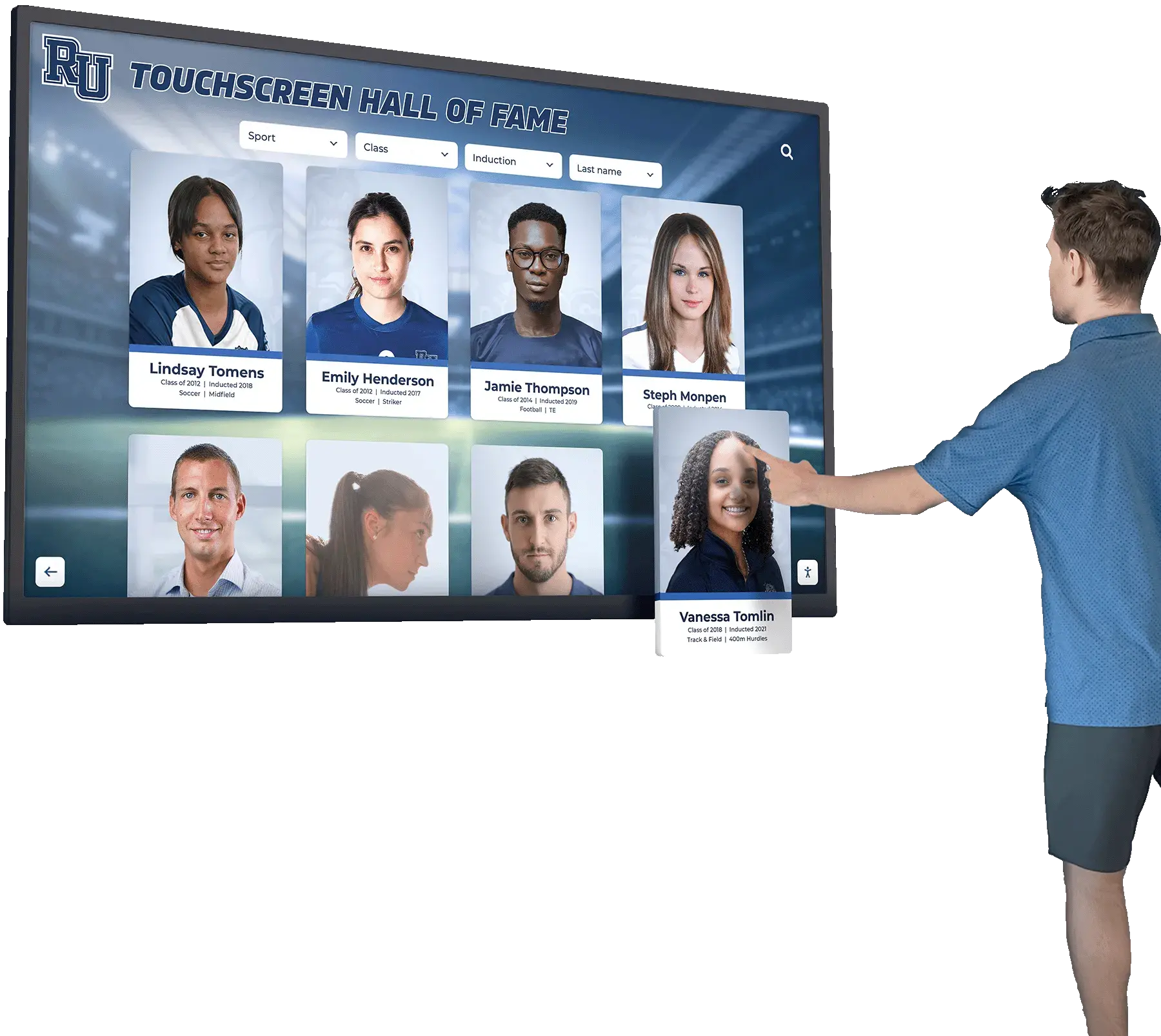
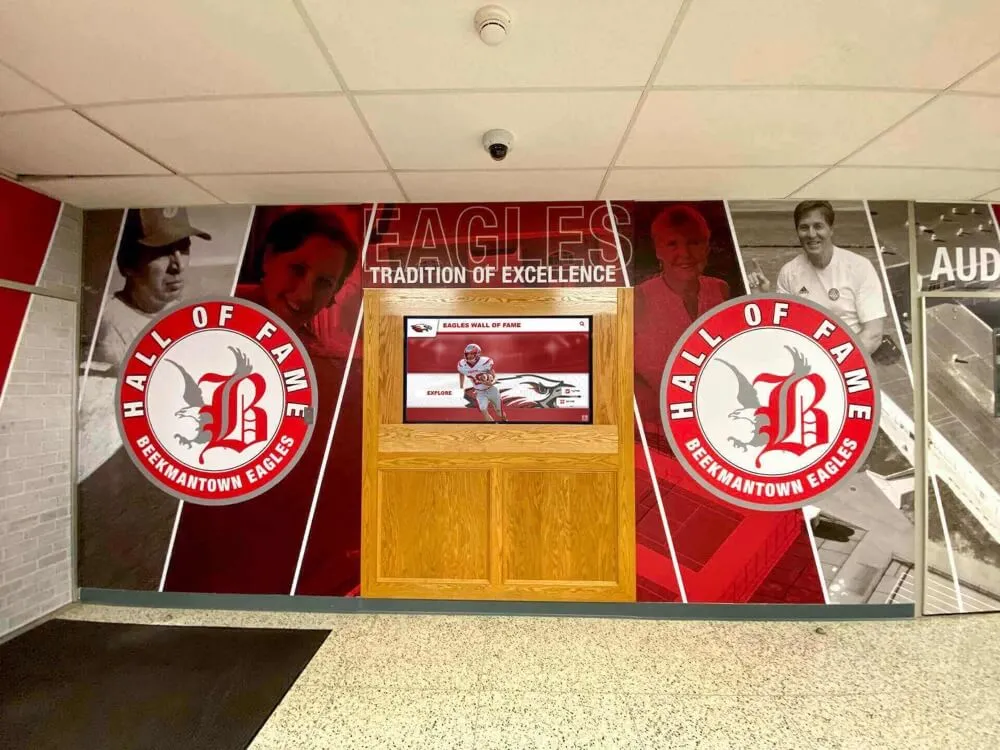
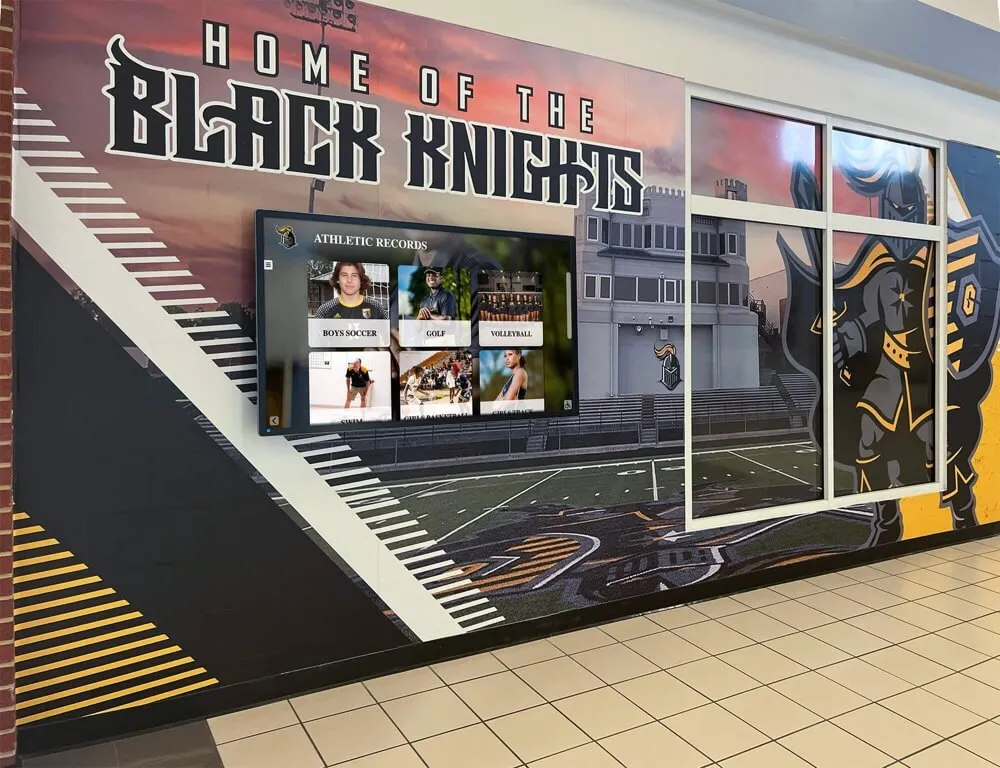
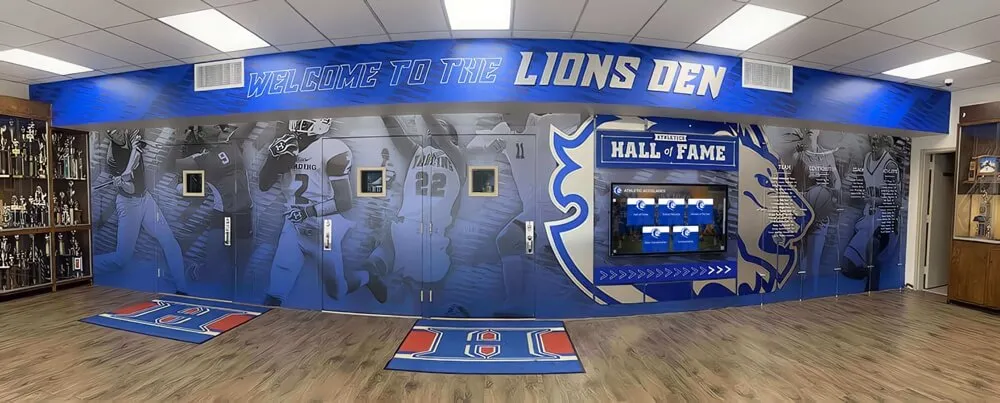
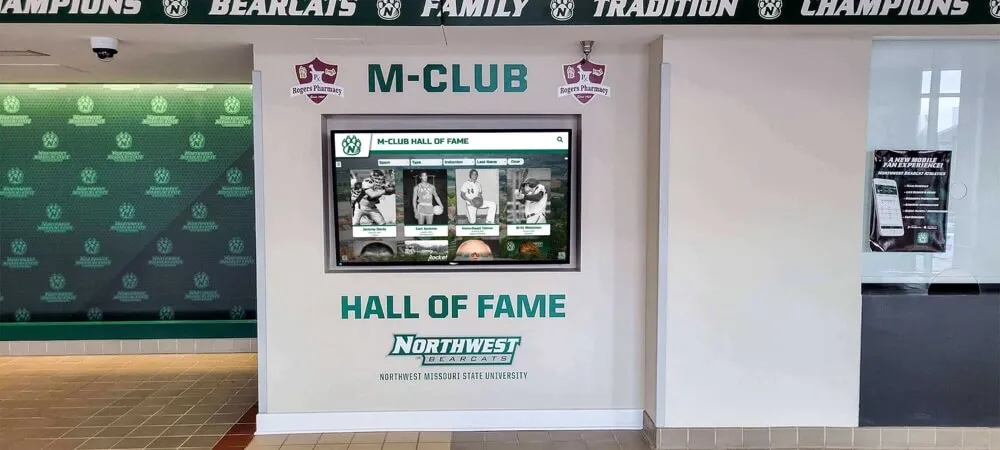
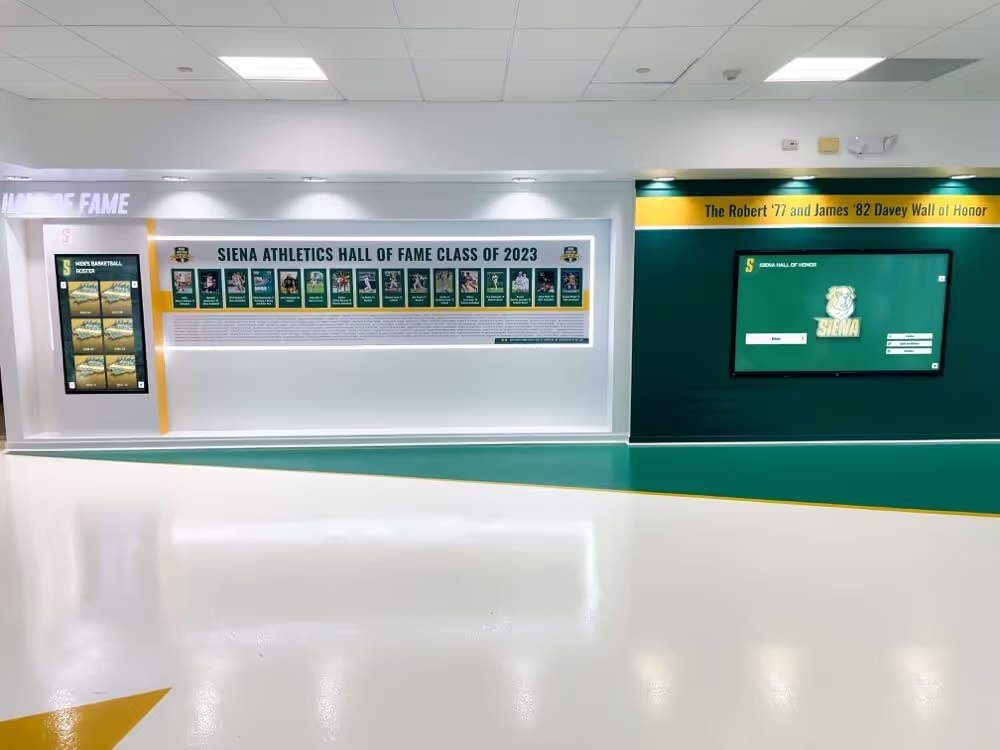
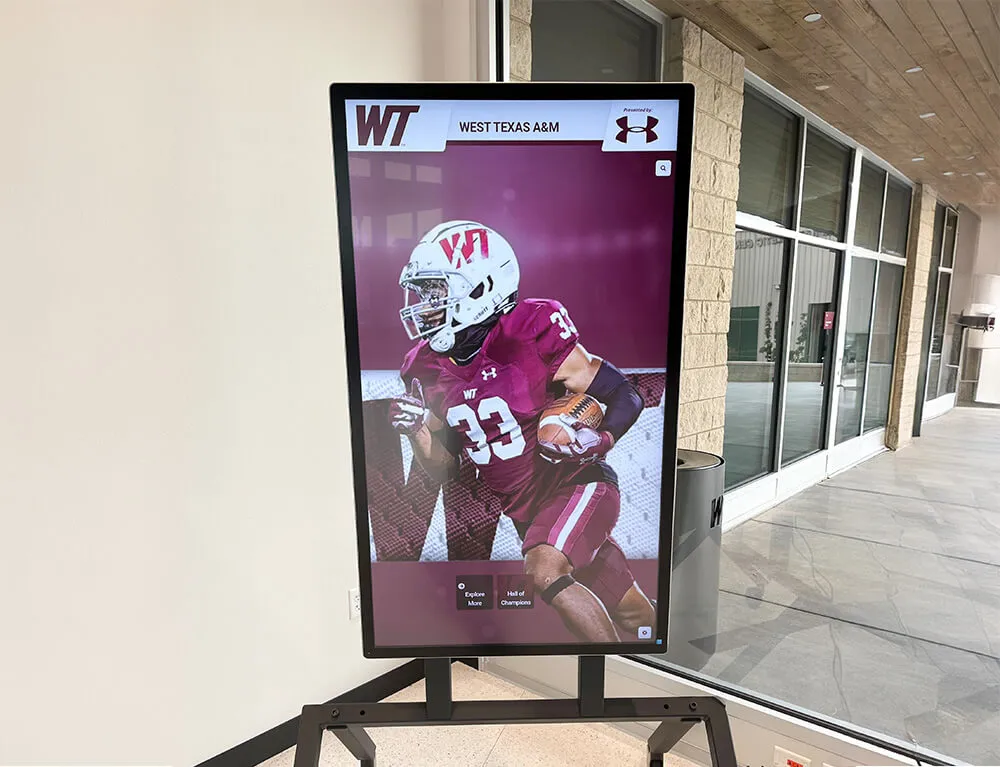
Interactive recognition platforms combined with tracking databases create engaging experiences while capturing valuable engagement analytics
Types of Alumni Tracking Platforms
Understanding platform categories helps schools identify which solutions align with institutional size, resources, and advancement maturity.
Comprehensive Alumni Management Systems
All-in-one platforms integrate constituent relationship management, communications, events, fundraising, and analytics within unified systems.
Enterprise Solutions for Large Institutions
Universities with substantial advancement operations often implement comprehensive platforms like Blackbaud Raiser’s Edge NXT, Ellucian Advance, or similar enterprise systems offering sophisticated functionality including major gift pipeline management, complex campaign coordination, prospect research capabilities, wealth screening integration, and extensive customization options.
These platforms demand significant implementation investments including substantial licensing costs often exceeding $50,000 annually, extended deployment timelines spanning 6-12 months, dedicated database administrators, comprehensive staff training programs, and ongoing technical support resources.
Large institutions with advancement budgets exceeding several hundred thousand dollars annually and dedicated IT support can leverage comprehensive platforms effectively. Smaller schools often find enterprise solutions overwhelming relative to actual needs and available resources.
Mid-Market Alumni Platforms
Graduway, Hivebrite, and similar mid-market solutions provide robust functionality without enterprise complexity. These platforms emphasize alumni engagement through networking tools, event coordination, communication management, and community building while integrating with separate fundraising systems rather than attempting to replace comprehensive advancement platforms.
Pricing typically ranges $10,000-$40,000 annually depending on alumni database size and feature packages selected. Implementation proves faster than enterprise deployments while maintaining sophisticated capabilities appropriate for most colleges and many universities.
Specialized and Focused Solutions
Schools prioritizing specific alumni engagement dimensions sometimes achieve better outcomes through specialized platforms rather than attempting comprehensive systems.
Recognition-Focused Platforms
For institutions emphasizing alumni achievement celebration and pride-building, purpose-built recognition platforms create more compelling experiences than generic tracking systems with basic directory features.
Rocket Alumni Solutions specializes in comprehensive alumni recognition through integrated touchscreen displays in strategic campus locations, web-based searchable alumni databases accessible globally, mobile-responsive interfaces for smartphone access, rich multimedia profiles showcasing achievements, content management systems enabling easy updates, and analytics tracking engagement with recognition content.
Unlike comprehensive alumni platforms attempting broad functionality, recognition-focused solutions excel at celebrating people and achievements while driving campus visibility and graduate pride. Many schools implement recognition platforms alongside administrative tracking systems, creating powerful combinations where databases manage relationships while dedicated recognition experiences inspire engagement impossible through generic software interfaces.
Event-Specific Platforms
Tools like Eventbrite, Cvent, or higher education-focused event management systems sometimes prove superior to alumni platform event modules for institutions hosting extensive programming. Specialized event platforms often provide better registration experiences, more sophisticated capacity management, and superior mobile check-in capabilities than comprehensive platforms treating events as secondary features.
Integration capabilities enabling event attendance data to flow into alumni tracking systems create best-of-both-world approaches combining specialized excellence with comprehensive data management.

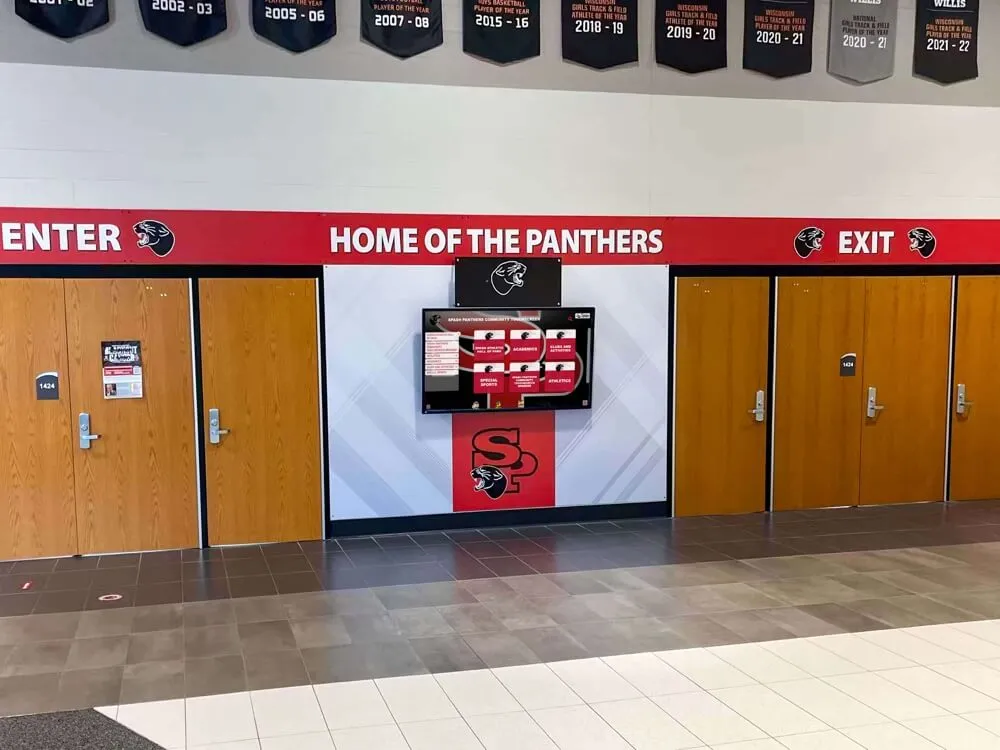
Recognition-focused platforms create immersive celebration environments that complement administrative tracking systems
Selecting the Right Alumni Tracking Platform
Choosing appropriate systems requires systematic evaluation beyond vendor demonstrations and marketing materials.
Assessing Institutional Needs and Capacity
Platform capabilities matter less than organizational capacity to implement and sustain systems effectively.
Staff Resources and Technical Expertise
Honestly assess available advancement team capacity including database administration expertise, technical troubleshooting capabilities, training coordination resources, and ongoing system maintenance availability. Sophisticated platforms requiring dedicated administrators create value only when institutions can staff these roles appropriately.
One-person advancement offices or part-time alumni coordinators often achieve better outcomes with simpler, more intuitive solutions requiring minimal technical support rather than impressive platforms sitting mostly unused due to complexity.
Current Data Quality and Migration Readiness
Alumni platforms perform only as well as underlying data quality permits. Schools maintaining clean records in current systems—even basic spreadsheets—transition smoothly. Those with duplicate entries, inconsistent formatting, missing information, and data scattered across disconnected locations face months of cleanup before migration becomes feasible.
Data preparation often consumes more time and resources than actual platform implementation, yet vendors rarely emphasize this reality during sales processes.
Integration Requirements Analysis
Identify critical system connections before platform selection rather than discovering incompatibilities after contracts are signed.
Required System Integrations
Map existing technology infrastructure including student information systems, advancement databases, email marketing platforms, payment processors, website content management systems, and digital recognition displays. Determine which integrations prove essential versus nice-to-have, and verify that evaluated platforms support required connections through native integrations or documented APIs.
Some vendors offer extensive integration libraries while others require expensive custom development for connections beyond basic capabilities.
Single Sign-On and Security Standards
Institutions using centralized authentication systems need platforms supporting these protocols for seamless user experiences. Schools storing sensitive donor and constituent information must verify platforms meet higher education security standards including data encryption, SOC 2 compliance, regular security audits, and institutional data ownership guarantees.
Security failures can expose institutions to significant legal, financial, and reputational risks beyond simple technical inconveniences.
Total Cost of Ownership Calculation
Advertised platform pricing rarely reflects actual expenses—comprehensive cost analysis prevents budget surprises.
Direct and Indirect Costs
Calculate complete ownership expenses including base subscription or licensing fees, implementation and data migration services, staff training programs, payment processing transaction fees, premium features charged separately, technical support contracts, and ongoing maintenance requirements.
Request detailed pricing breakdowns showing complete functionality costs rather than teaser base packages missing capabilities presented during demonstrations.
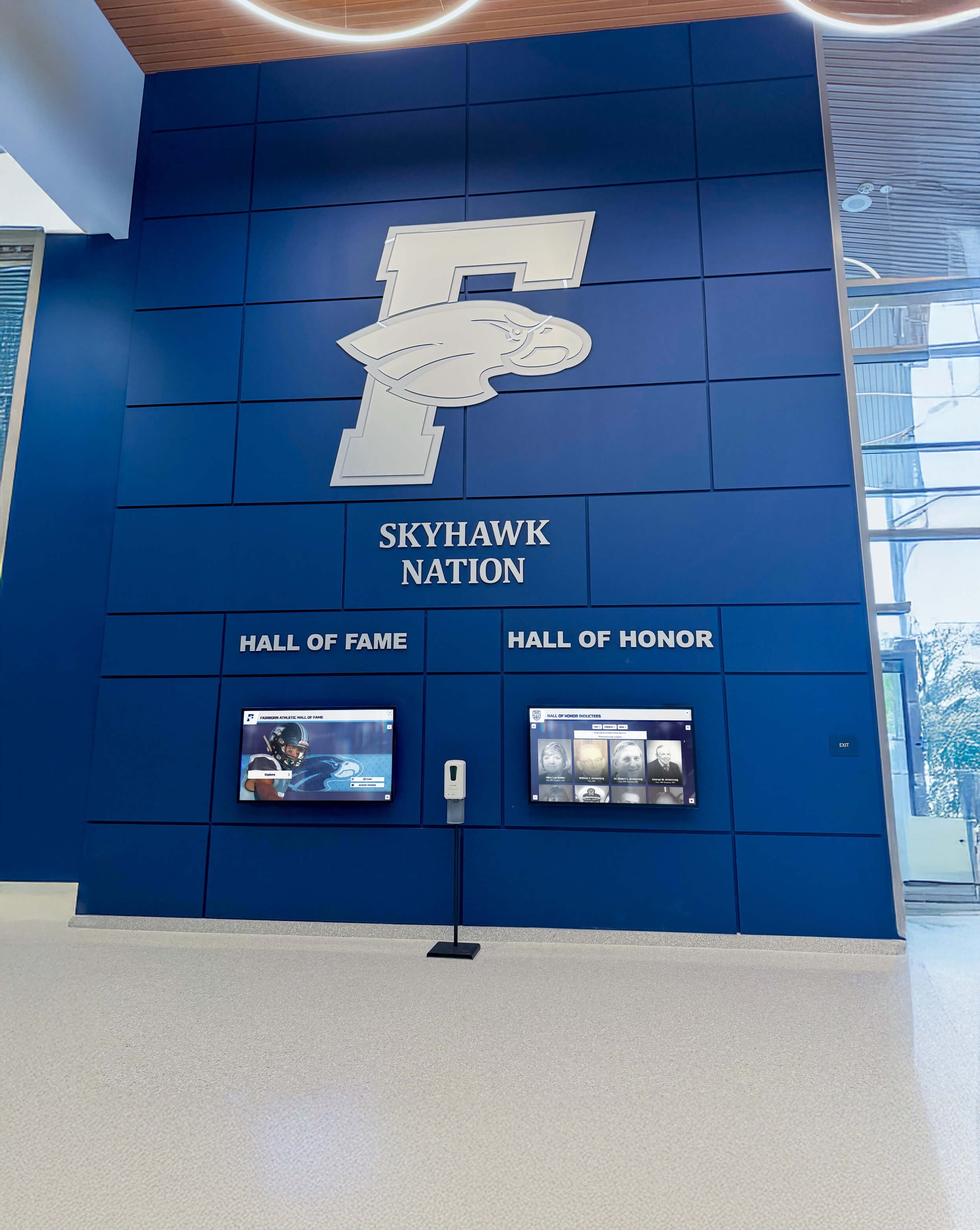
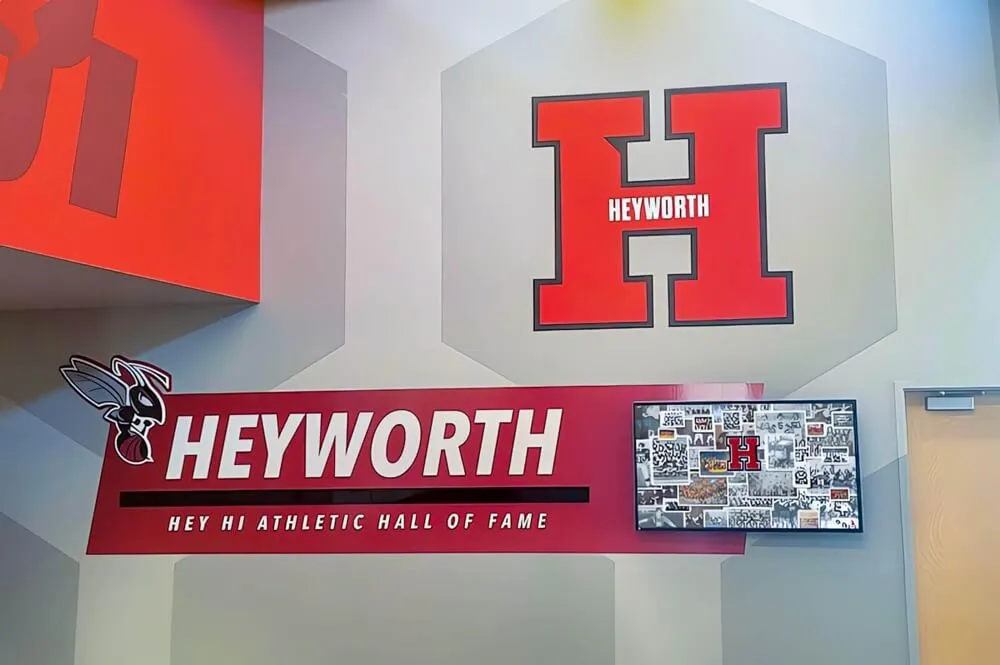
Comprehensive alumni tracking supports both administrative needs and physical recognition creating cohesive engagement ecosystems
Internal Resource Requirements
Beyond vendor charges, budget for internal staff time including database administration, content management, communications coordination, technical troubleshooting, and user support. These ongoing labor costs often exceed platform subscription fees while determining implementation success more significantly than software capabilities alone.
Evaluating User Experience
Platforms with impressive administrative features sometimes provide terrible alumni-facing experiences with outdated interfaces, confusing navigation, and poor mobile optimization.
Alumni Portal Testing
Request alumni-side demonstration access beyond administrator-focused presentations. Evaluate directory search intuitiveness, profile update ease, event registration flows, mobile responsiveness, and overall user experience quality. Since graduate engagement depends on alumni actually using platforms voluntarily, user experience quality matters as much as backend functionality.
Test on smartphones since many alumni primarily access systems via mobile devices rather than desktop computers.
Support Quality and Responsiveness
Contact reference institutions about vendor support experiences including response time expectations, issue resolution success rates, dedicated account management, training resource quality, and proactive guidance versus reactive troubleshooting. Support quality significantly impacts platform satisfaction and often differentiates otherwise similar solutions.
Comprehensive approaches to building digital archives demonstrate how integrated systems serve multiple institutional needs beyond alumni tracking alone.
Implementation Best Practices
Successful platform adoption requires careful change management beyond technical deployment.
Phased Rollout Strategies
Rather than attempting immediate comprehensive deployment, successful schools typically phase implementation systematically.
Core Foundation First
Begin with essential CRM and data migration establishing clean constituent foundations, then add communication tools once teams master basic data management, followed by event modules after staff develop platform confidence, and finally advanced features including career services and analytics after users demonstrate consistent adoption of core capabilities.
Gradual approaches prevent overwhelming teams while building competence and success stories that encourage broader utilization.
Data Migration and Cleanup
Platform success depends entirely on data quality—garbage in guarantees garbage out regardless of software sophistication.
Pre-Migration Data Preparation
Invest heavily in data cleanup before migration including duplicate record resolution, standardized formatting application, missing information completion where feasible, outdated contact purging, and data validation ensuring accuracy. Quality preparation prevents importing problems that compound exponentially once embedded in new systems.
Many institutions underestimate data preparation effort, discovering only during migration that years of inconsistent data entry created messes requiring extensive manual cleanup impossible to automate effectively.
Staged Migration Testing
Test migrations with small data subsets before full deployment, validate information accuracy in new platforms, verify integration connections function properly, and confirm workflows operate as expected. Pilot testing identifies problems correctable before affecting complete alumni populations.
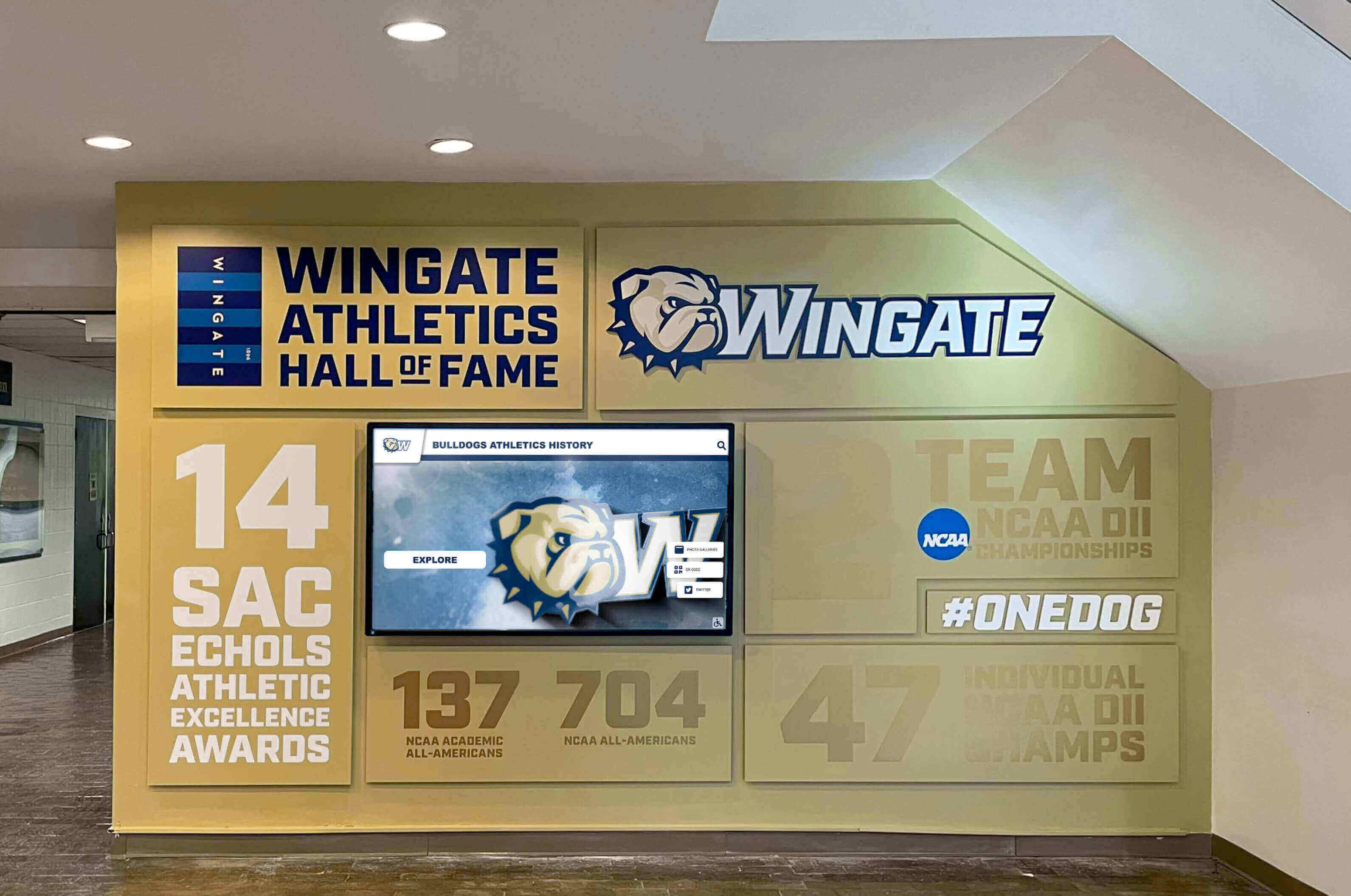
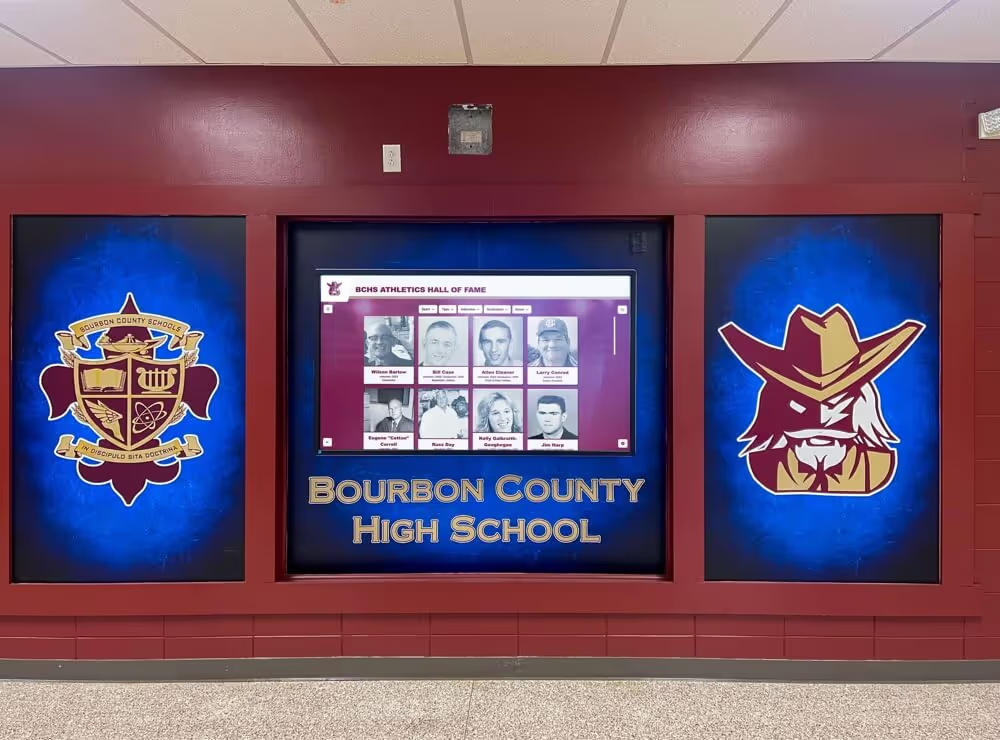
Effective alumni tracking enables comprehensive recognition across athletics, academics, and all graduate achievement categories
Staff Training and Change Management
Technology implementation succeeds or fails based on user adoption—capabilities matter only when staff actually utilize them consistently.
Comprehensive Training Programs
Provide role-specific training addressing advancement officers’ major gift tracking needs, communications coordinators’ email campaign requirements, event planners’ registration workflows, and executive leaders’ analytics dashboard access. Differentiated training proves more effective than generic sessions assuming identical platform usage across varied roles.
Schedule regular refresher training as staff turnover occurs and new features launch. Designate internal platform champions who develop deep expertise and support colleagues beyond vendor technical support.
Creating Internal Documentation
Develop customized process documentation reflecting institutional workflows rather than relying solely on generic vendor materials. Screenshot-based guides showing exactly how staff complete common tasks in specific institutional contexts prove far more valuable than comprehensive vendor manuals covering every possible feature.
Living documentation updated as workflows evolve maintains relevance while onboarding new team members efficiently.
Encouraging Alumni Adoption
Platforms require graduate participation, not just staff usage—alumni portal success depends on giving graduates compelling reasons to engage.
Launch Communication Campaigns
Announce platform availability through multiple channels including email campaigns to entire alumni populations, social media promotion across institutional accounts, website prominent placement, and printed materials in alumni publications. Communicate specific value propositions rather than simply notifying about new technology.
Incentivizing Initial Engagement
Consider launch incentives including prize drawings for profile completion, exclusive content access requiring portal login, early event registration for platform users, or recognition highlighting engaged community members. Initial adoption momentum often sustains ongoing usage while failed launches prove difficult to resurrect.
Continuous Value Delivery
Alumni return to platforms providing genuine ongoing value through career networking connecting professionals, exclusive content unavailable elsewhere, convenient event registration, achievement recognition celebrating successes, and classmate discovery facilitating reconnections. Platforms becoming digital ghost towns due to stale content and lack of activity quickly lose whatever initial adoption achieved during launches.
Understanding comprehensive ministry photo archives demonstrates how tracking systems support diverse institutional constituencies beyond alumni alone.
Measuring Platform Success and ROI
Implementation represents beginning rather than end of alumni tracking evolution—systematic assessment ensures platforms deliver intended value.
Quantitative Engagement Metrics
Track measurable indicators revealing platform utilization and impact.
Platform Usage Analytics
Monitor portal login frequency and unique users, profile update rates and information currency, directory search volume and patterns, event registration conversion rates, email open rates and click-through performance, and mobile versus desktop access patterns.
These metrics reveal whether platforms achieve consistent utilization or sit mostly abandoned despite implementation investments.
Alumni Engagement Outcomes
Assess whether platforms correlate with improved event attendance rates, increased giving participation and donor retention, expanded volunteer program enrollment, enhanced career networking activity, and strengthened student mentorship connections.
Platform value ultimately depends on whether tools enable advancement outcomes impossible or impractical without systematic tracking infrastructure.
Qualitative Feedback Collection
Numbers reveal what’s happening but qualitative feedback explains why and informs strategic adjustments.
Staff User Feedback
Regularly survey advancement team members about platform usability, feature adoption barriers, workflow efficiency improvements, integration effectiveness, and desired enhancements. Frontline users identify practical limitations that administrators miss while revealing underutilized capabilities requiring better training or workflow optimization.
Alumni Satisfaction Surveys
Gather graduate perspectives on portal user experience, directory usefulness, communication relevance, event registration convenience, and overall platform value. Alumni candid feedback often surfaces issues institutional staff overlook while validating successful features worth promoting more actively.
Continuous Optimization
View platforms as ongoing evolution rather than set-and-forget technology.
Regular Feature Reviews
Quarterly evaluations examining which capabilities see consistent usage versus sitting ignored, where staff encounter repeated frustrations suggesting workflow improvements, what alumni request most frequently, and how peer institutions leverage similar platforms reveal optimization opportunities.
Platforms offering extensive features often see schools utilizing only 20-30 percent of purchased capabilities—identifying and activating underutilized value prevents wasting resources on redundant tools.
Data Quality Maintenance
Implement ongoing data hygiene practices including periodic verification campaigns, automated duplicate detection, deceased record flagging, returned mail processing, and engagement-based contact prioritization. Data quality degrades gradually without systematic maintenance creating expensive cleanup projects when finally addressed.
Emerging Trends in Alumni Tracking Technology
The alumni management landscape continues evolving with capabilities reshaping how schools maintain graduate relationships.
Artificial Intelligence and Predictive Analytics
Advanced platforms increasingly incorporate AI-driven capabilities that enhance engagement effectiveness.
Predictive Engagement Scoring
Machine learning algorithms analyze constituent interaction patterns identifying alumni most likely to increase giving, predicting optimal solicitation timing, forecasting event attendance probability, and recommending personalized content based on individual engagement histories and peer behaviors.
Predictive capabilities enable advancement teams to prioritize limited time toward highest-probability opportunities rather than treating all alumni identically regardless of engagement likelihood.
Automated Content Personalization
AI systems customize communications based on recipient characteristics automatically adjusting story selection, event recommendations, and giving appeals to individual preferences rather than requiring manual segmentation for each campaign.
Mobile-First Experiences
Alumni increasingly expect smartphone-optimized interactions rather than desktop-dependent platforms.
Progressive Web Applications
Modern platforms deploy responsive web apps providing native-app-like experiences without requiring separate downloads. These PWAs enable offline access, push notifications, and home screen installation while avoiding app store approval processes and platform-specific development costs.
Location-Based Engagement
Geolocation capabilities enable proximity-triggered content including notifying alumni about nearby campus events, connecting graduates attending same conferences, identifying local volunteer opportunities, and facilitating regional chapter engagement based on current location rather than outdated addresses.
Schools can activate alumni wherever they travel rather than waiting for campus visits or website checks.
Community-Driven Content
Leading platforms shift from institution-to-alumni broadcasting toward facilitating alumni-to-alumni peer connections.
Social Network Integration
Modern platforms incorporate discussion forums where graduates share insights, class-specific groups maintaining reunion momentum, affinity communities connecting alumni with shared interests, and peer-generated content creating organic engagement independent of staff resources.
Alumni-created content sustains platform vitality between institutional programming while building authentic community connections deepening graduate bonds.
Conclusion: Building Systematic Alumni Relationship Infrastructure
Alumni tracking platforms for schools provide essential infrastructure enabling systematic graduate relationship management at scale impossible through manual spreadsheets and disconnected databases. The right platforms organize comprehensive constituent data, coordinate multi-channel communications, facilitate event programming, integrate with institutional systems, enable alumni self-service, and provide analytics measuring engagement effectiveness—transforming scattered information into strategic relationship management ecosystems.
However, platform selection requires honest institutional assessment beyond impressive demonstrations and extensive feature lists. Small schools with limited advancement staff often achieve better outcomes with focused, intuitive solutions rather than comprehensive systems offering capabilities they cannot effectively utilize. Large universities with dedicated teams need sophisticated platforms supporting complex workflows across multiple departments and thousands of annual interactions.
Regardless of institutional size, successful implementation demands careful data preparation, phased rollout strategies, comprehensive staff training, change management supporting adoption, and continuous optimization maintaining relevance as alumni expectations evolve. Technology alone never solves relationship challenges—platforms succeed only when supporting intentional engagement strategies, consistent cultivation workflows, and genuine value creation for graduates justifying platform participation.
Schools implementing alumni tracking systems should complement administrative databases with meaningful recognition celebrating graduate achievements. Combining tracking infrastructure with comprehensive recognition displays creates powerful engagement ecosystems where software manages relationships while physical installations inspire pride, connection, and continued involvement impossible through digital interfaces alone.
Transform Your Alumni Tracking and Recognition
Discover how Rocket Alumni Solutions provides comprehensive platforms combining database management with engaging recognition displays that celebrate graduate achievements while building lasting institutional connections. Explore integrated solutions that go beyond basic tracking to create compelling alumni experiences.
Explore Alumni SolutionsBegin your alumni tracking platform evaluation by honestly assessing current advancement capabilities, defining realistic goals for the next 2-3 years, identifying must-have versus nice-to-have features, calculating total budget including implementation and ongoing costs, requesting demonstrations from platforms matching your specific institutional profile, and contacting reference schools with similar sizes and resources. This thoughtful approach leads to successful implementations that transform alumni engagement rather than creating expensive disappointments gathering digital dust while critical relationship management remains spreadsheet-bound and inefficient.
Invest wisely in tracking platforms that genuinely serve your institutional community’s needs—and watch graduate engagement flourish through systematic infrastructure supporting rather than complicating the meaningful connections defining lasting alumni relationships across generations of institutional history and thousands of individual graduate stories deserving celebration and continued connection.