Alumni “Where Are They Now?” spotlight programs represent powerful storytelling approaches that celebrate graduate achievement while building lasting institutional connections. By systematically featuring alumni career journeys, personal milestones, and professional accomplishments—showing where graduates are today and how their education shaped their paths—schools and universities create compelling narratives that inspire current students, engage fellow alumni, support recruitment efforts, and strengthen the community bonds that sustain institutions across generations.
Yet many schools struggle to implement “Where Are They Now?” programs that remain sustainable beyond initial enthusiasm. Finding compelling alumni stories feels challenging when graduates have scattered globally. Developing rich content requires time investment that competes with other priorities. Traditional communication channels reach limited audiences. And the strategic potential of systematic alumni storytelling—strengthening fundraising relationships, supporting student career exploration, demonstrating educational value, and building institutional pride—remains unrealized when programs focus narrowly on occasional features rather than comprehensive recognition systems.
This comprehensive guide explores evidence-based strategies for creating “Where Are They Now?” alumni spotlight programs that honor graduate journeys authentically while advancing multiple institutional priorities including alumni engagement, student inspiration, recruitment effectiveness, fundraising support, and community building across high schools, colleges, and universities.
Effective “Where Are They Now?” programs extend beyond simple career updates—they create systematic frameworks for discovering remarkable alumni stories, developing compelling narratives that connect education to achievement, distributing content across multiple channels maximizing visibility, and measuring impact ensuring programs deliver intended outcomes. Schools that excel at alumni storytelling understand these initiatives represent strategic investments in relationship building and community strengthening, not just feel-good acknowledgments.

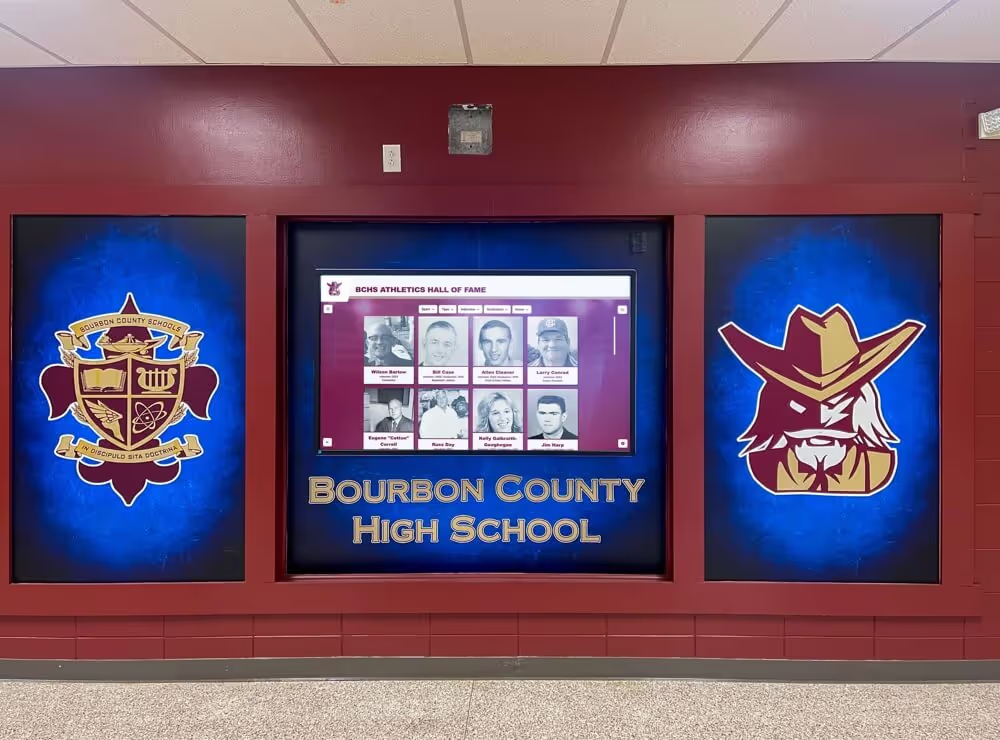
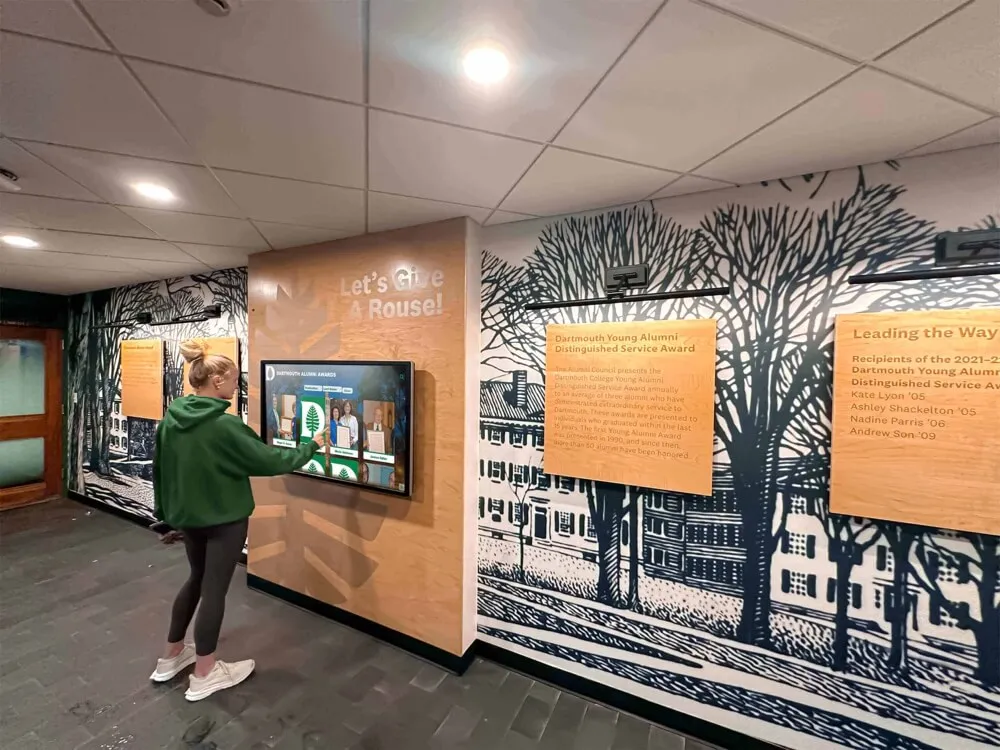
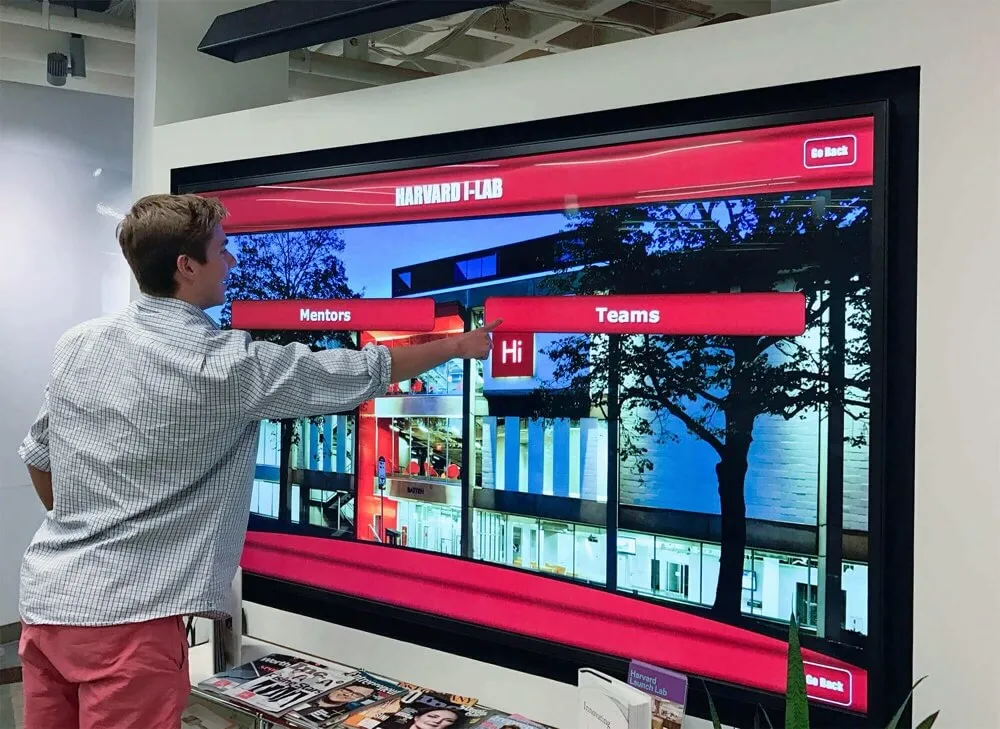
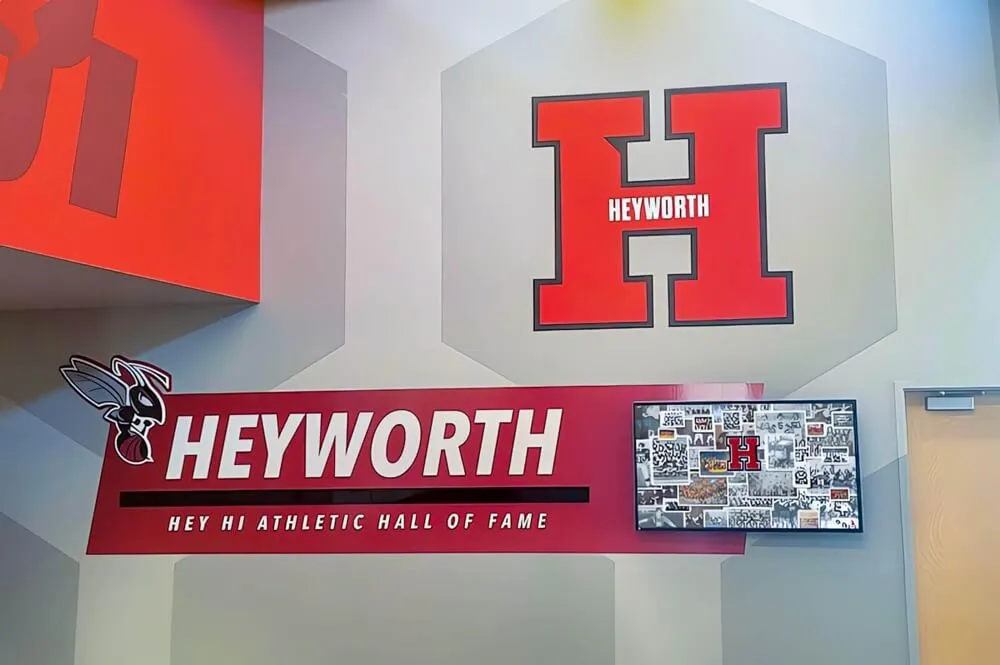
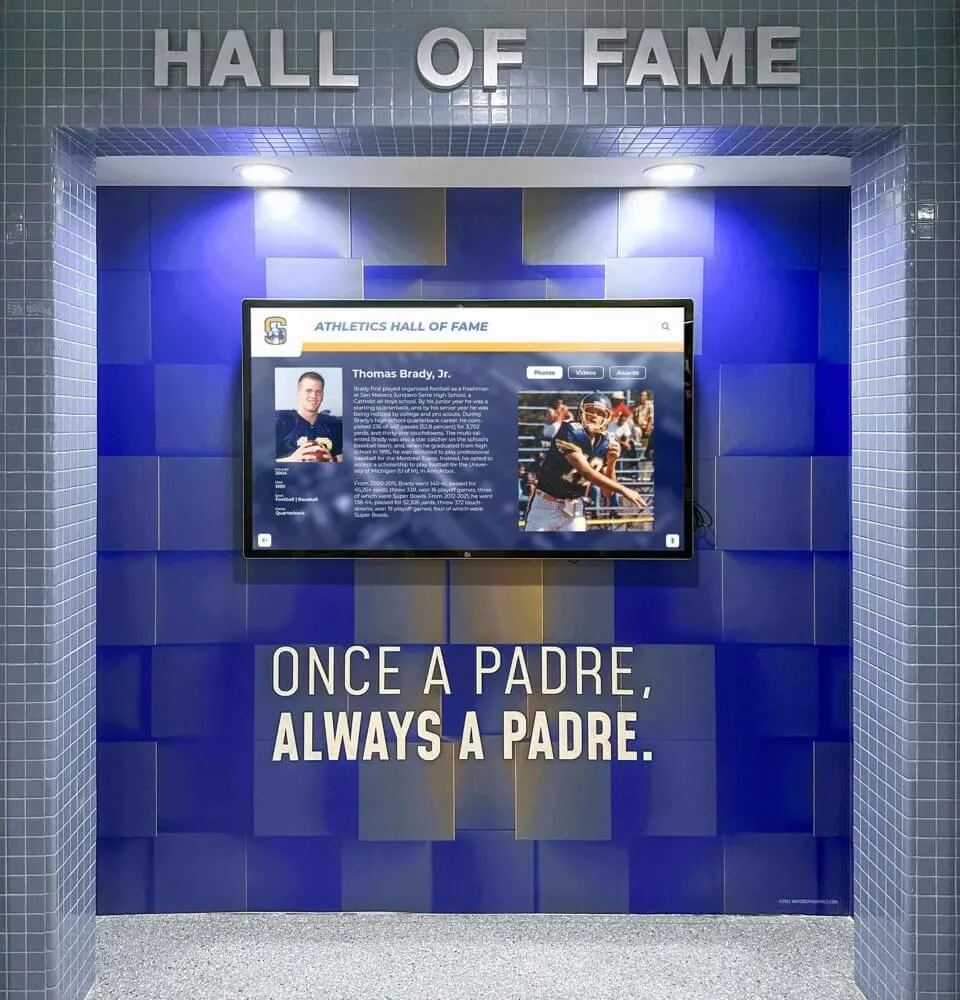
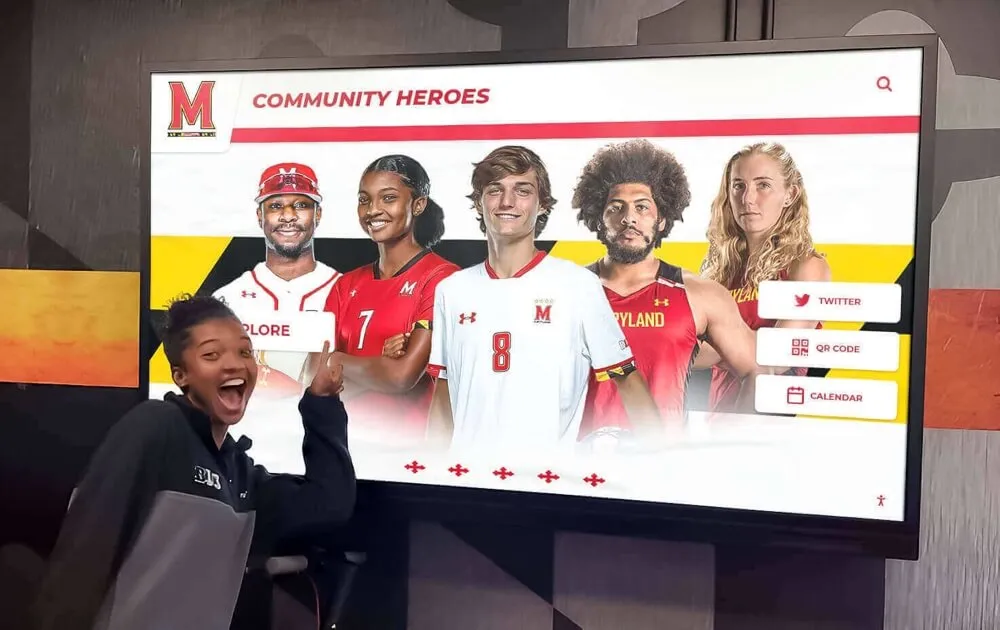
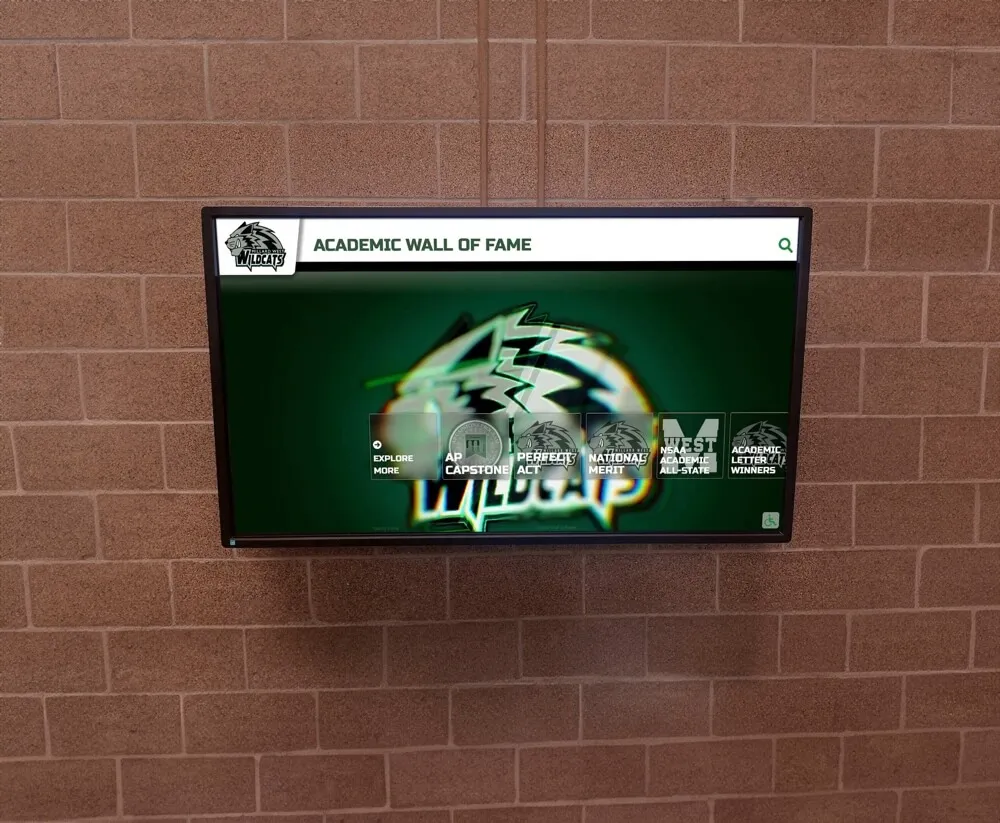
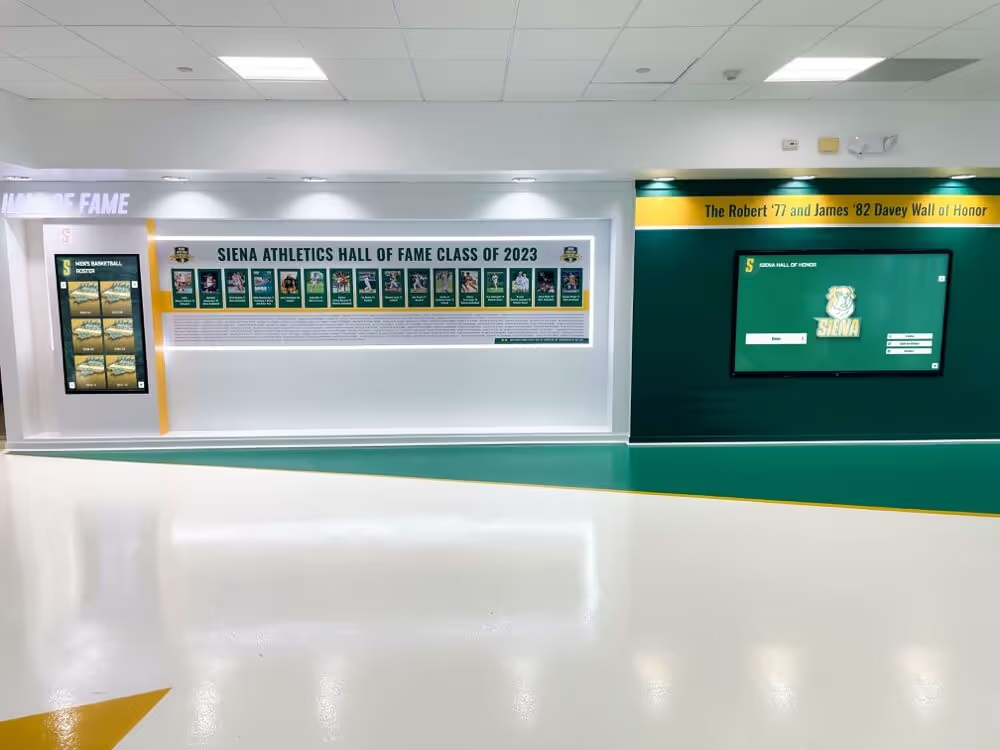
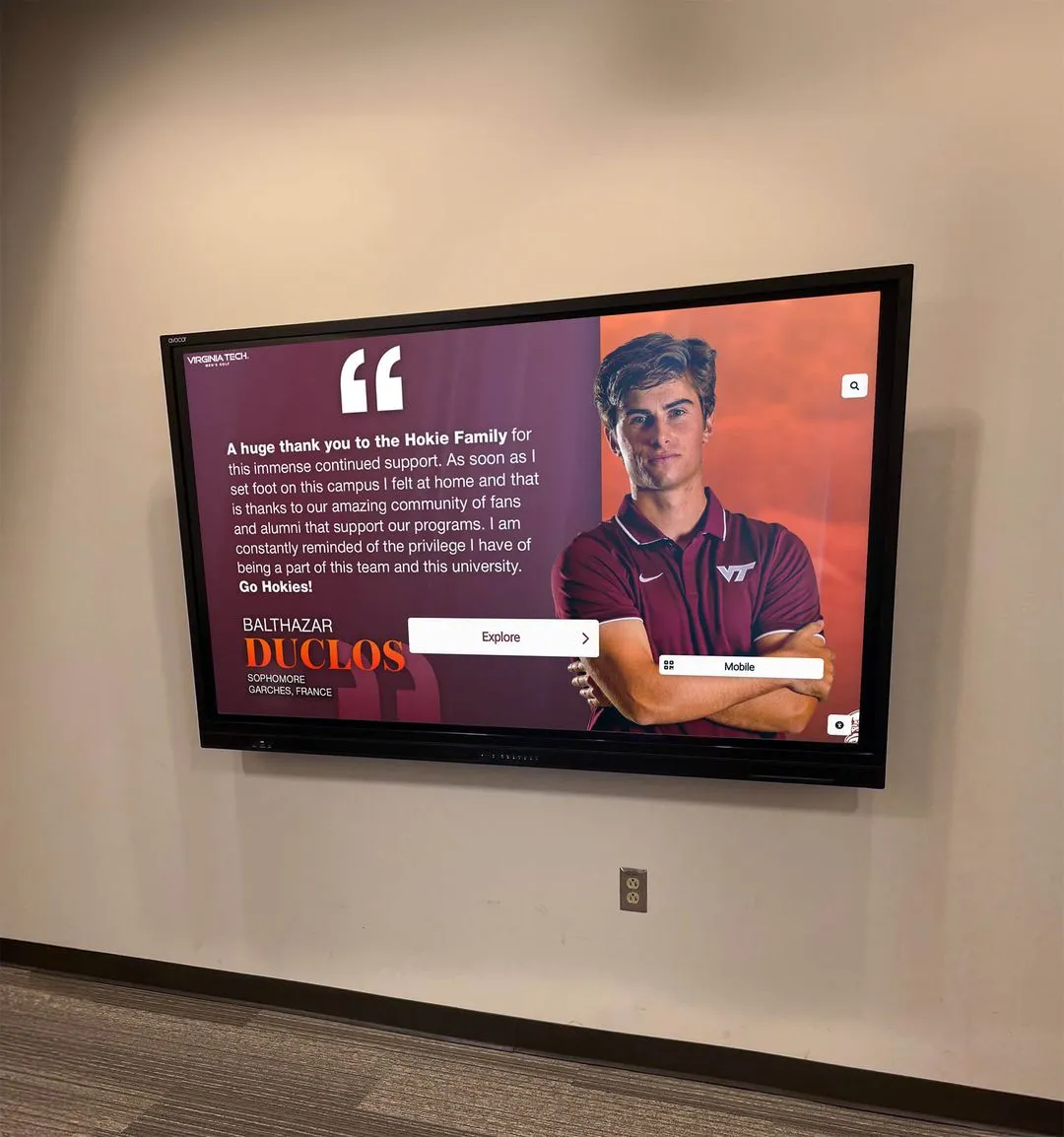
Modern recognition displays enable institutions to celebrate alumni journeys through comprehensive profiles combining photography, career narratives, and educational connections that inspire entire communities
Understanding the Strategic Value of Alumni “Where Are They Now?” Spotlights
Before implementing spotlight programs, understanding how alumni storytelling serves multiple institutional objectives helps schools design initiatives delivering maximum strategic value beyond simple acknowledgment.
Building Sustained Alumni Engagement and Connection
“Where Are They Now?” spotlights create meaningful touchpoints that strengthen relationships between graduates and their institutions in ways that generic communications cannot match.
Personal Recognition and Appreciation
When institutions reach out asking alumni to share their stories, the outreach itself communicates value and interest in graduates’ lives beyond fundraising solicitation. This appreciation proves particularly meaningful for alumni who may feel disconnected from institutions or uncertain whether their accomplishments warrant recognition. Being featured in spotlight programs validates that institutions remember them, care about their success, and want to celebrate their journeys—creating emotional connections that sustain long-term engagement.
Research on alumni engagement consistently demonstrates that graduates who feel personally valued by institutions provide significantly higher levels of support across multiple dimensions. Engaged alumni attend campus events at 3-4 times higher rates, volunteer as mentors and advisors more frequently, refer prospective students creating enrollment pipelines, and contribute philanthropically at dramatically higher levels—studies show connected alumni give 5-10 times more over their lifetimes compared to disengaged graduates.
Creating Peer-to-Peer Community Connections
When alumni read classmates’ or fellow graduates’ spotlight features, they often reconnect—reaching out to congratulate, share their own updates, or reminisce about shared experiences. These peer connections strengthen alumni community bonds independently of institutional relationships, creating networks that sustain engagement organically rather than requiring constant institutional prompting.
Many schools report that spotlight programs generate unexpected benefits through alumni connecting with each other for professional networking, business partnerships, mentorship relationships, and personal friendships—demonstrating that recognition creates value extending far beyond institutional advancement goals.
Supporting Student Inspiration and Career Development
Current students benefit tremendously from regular exposure to alumni success stories demonstrating diverse possibilities their education enables.
Relatable Career Pathway Examples
“Where Are They Now?” spotlights provide concrete examples of how education translates into varied career paths, showing real people who sat in the same classrooms, learned from similar teachers, and faced comparable challenges. This authenticity proves far more impactful than abstract success stories about distant celebrities or national figures with no institutional connection.
When spotlights explain how specific coursework prepared alumni for careers, highlight professors who influenced trajectories, or describe how student organizations developed leadership skills, they help current students understand connections between present experiences and future possibilities—potentially increasing academic engagement and persistence.
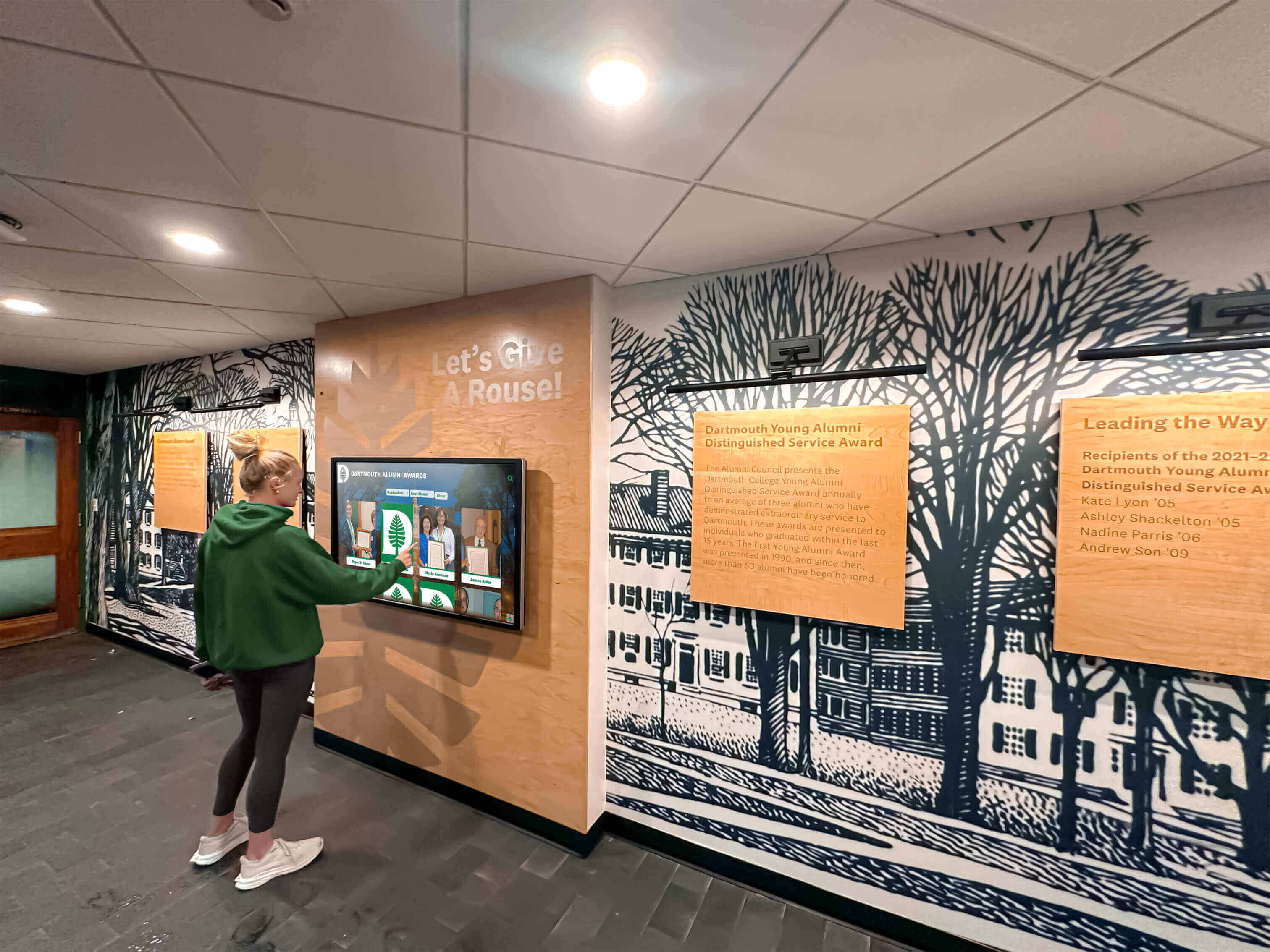
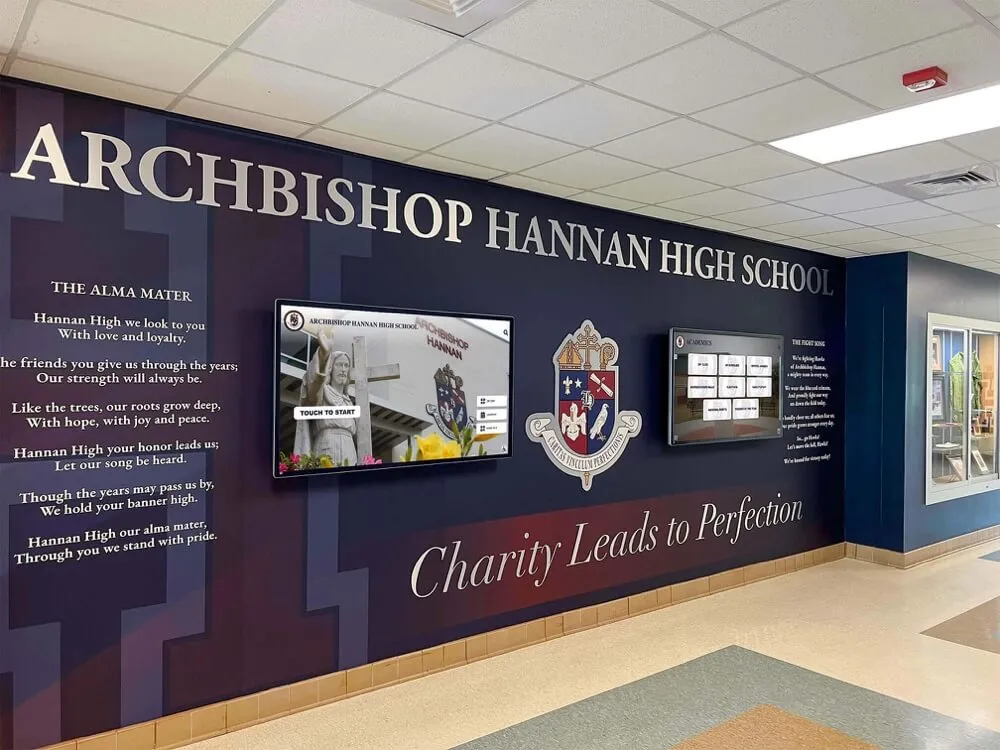
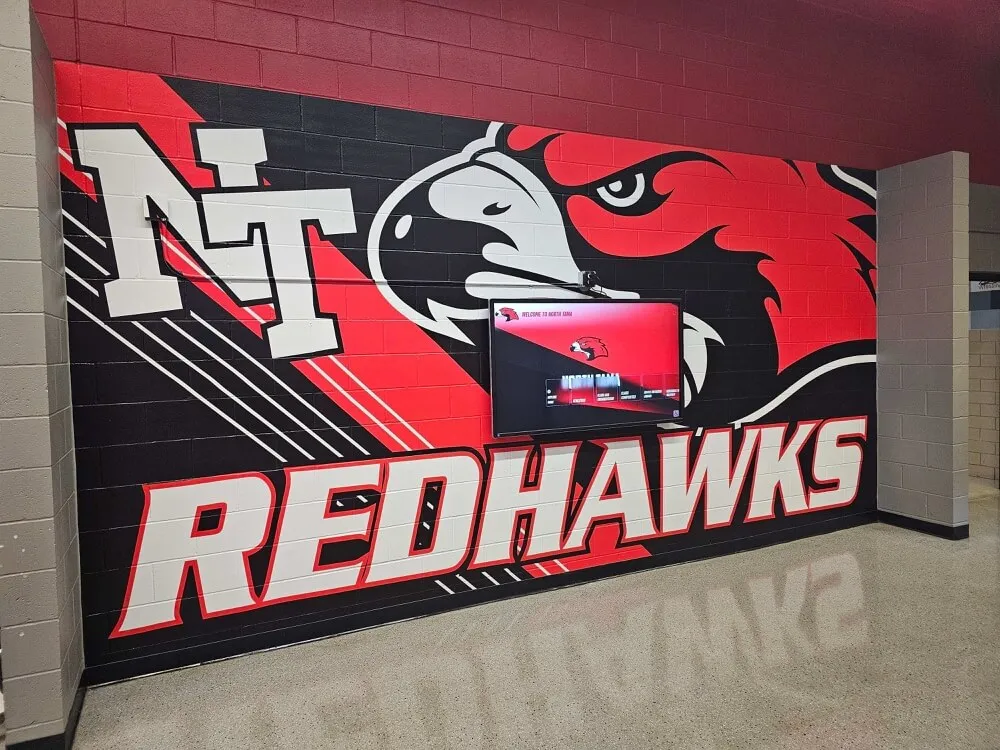
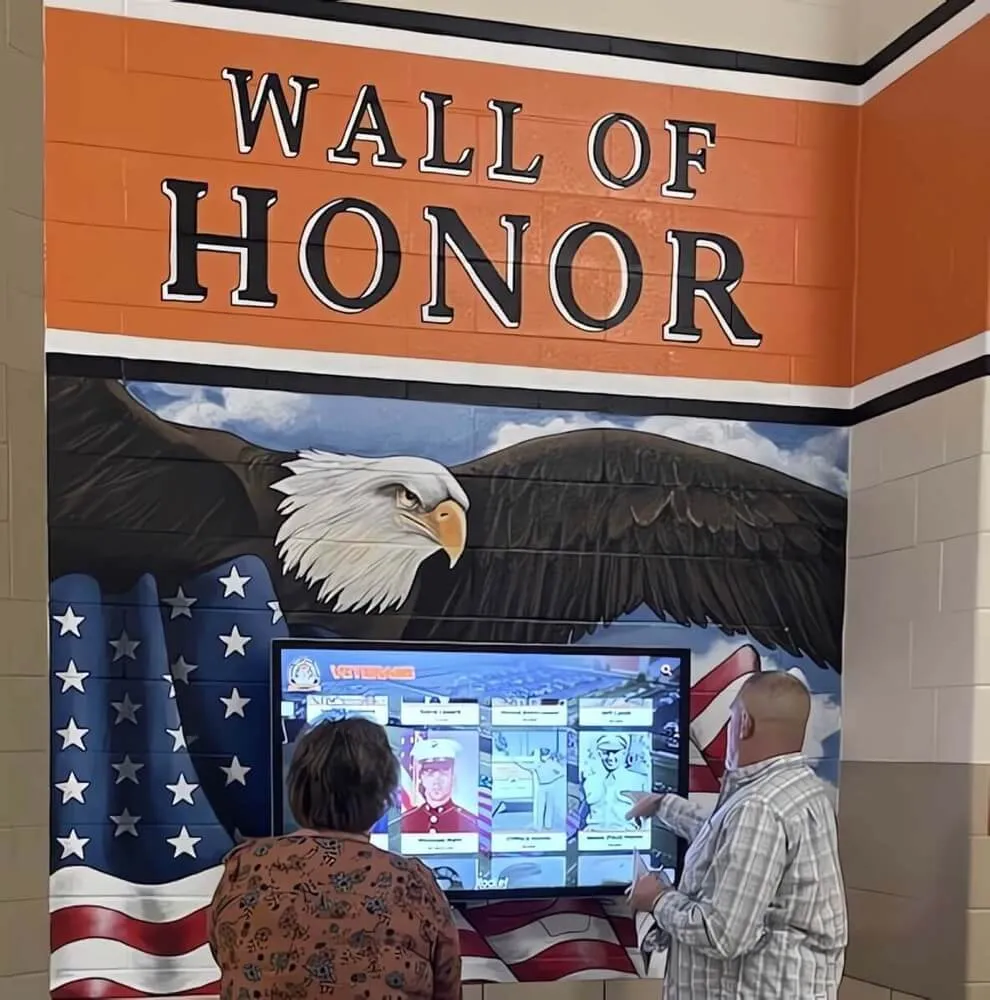
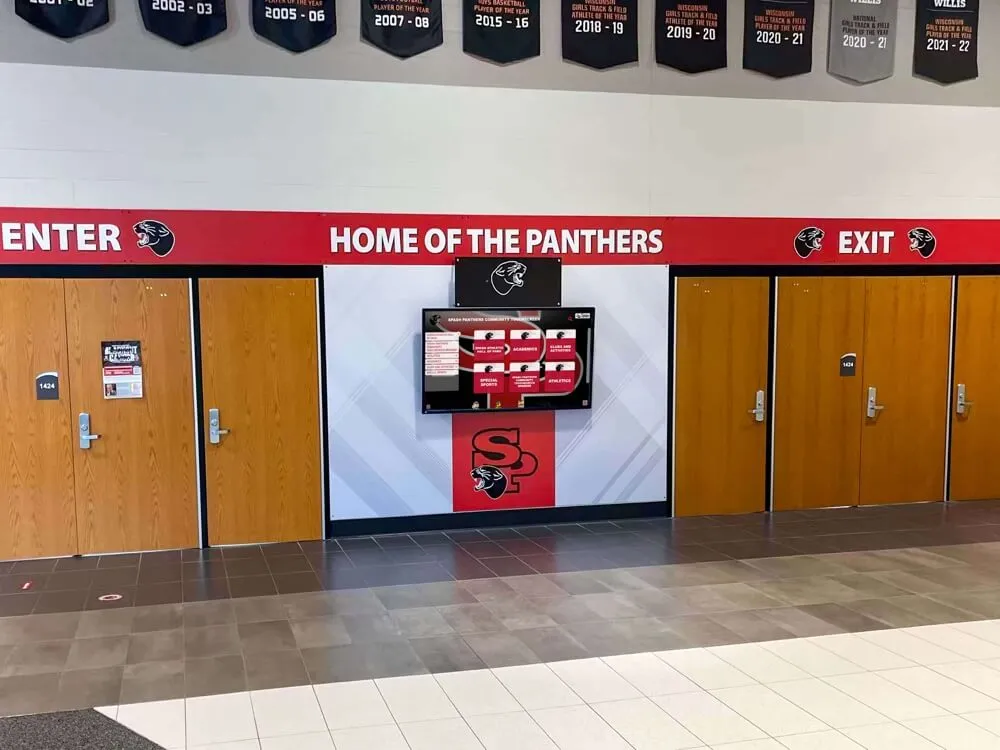
Strategic placement of recognition displays ensures current students regularly encounter alumni success stories during daily campus activities, inspiring career exploration and educational commitment
Demonstrating Career Diversity and Possibilities
Comprehensive spotlight programs featuring alumni across varied fields—medicine, education, business, arts, public service, technology, trades, entrepreneurship—communicate that success takes many forms and that all career paths hold value. This diversity proves particularly important for students questioning whether their interests align with institutional offerings or doubting whether their intended careers justify educational investment.
Many guidance counselors and career services professionals report that alumni spotlight features significantly influence student decision-making about majors, internships, and post-graduation plans by providing concrete examples of career realities rather than generic job descriptions.
Facilitating Mentorship and Networking Connections
When current students read compelling alumni spotlights, they often want to connect with featured graduates for career advice, informational interviews, or mentorship. Progressive spotlight programs include mechanisms enabling these connections—email contact permissions, LinkedIn profile links, or formal mentorship program integration—transforming recognition into networking infrastructure that benefits both students and alumni.
Understanding academic recognition programs provides complementary frameworks for celebrating student achievement alongside alumni success, creating cultures of excellence spanning entire educational communities.
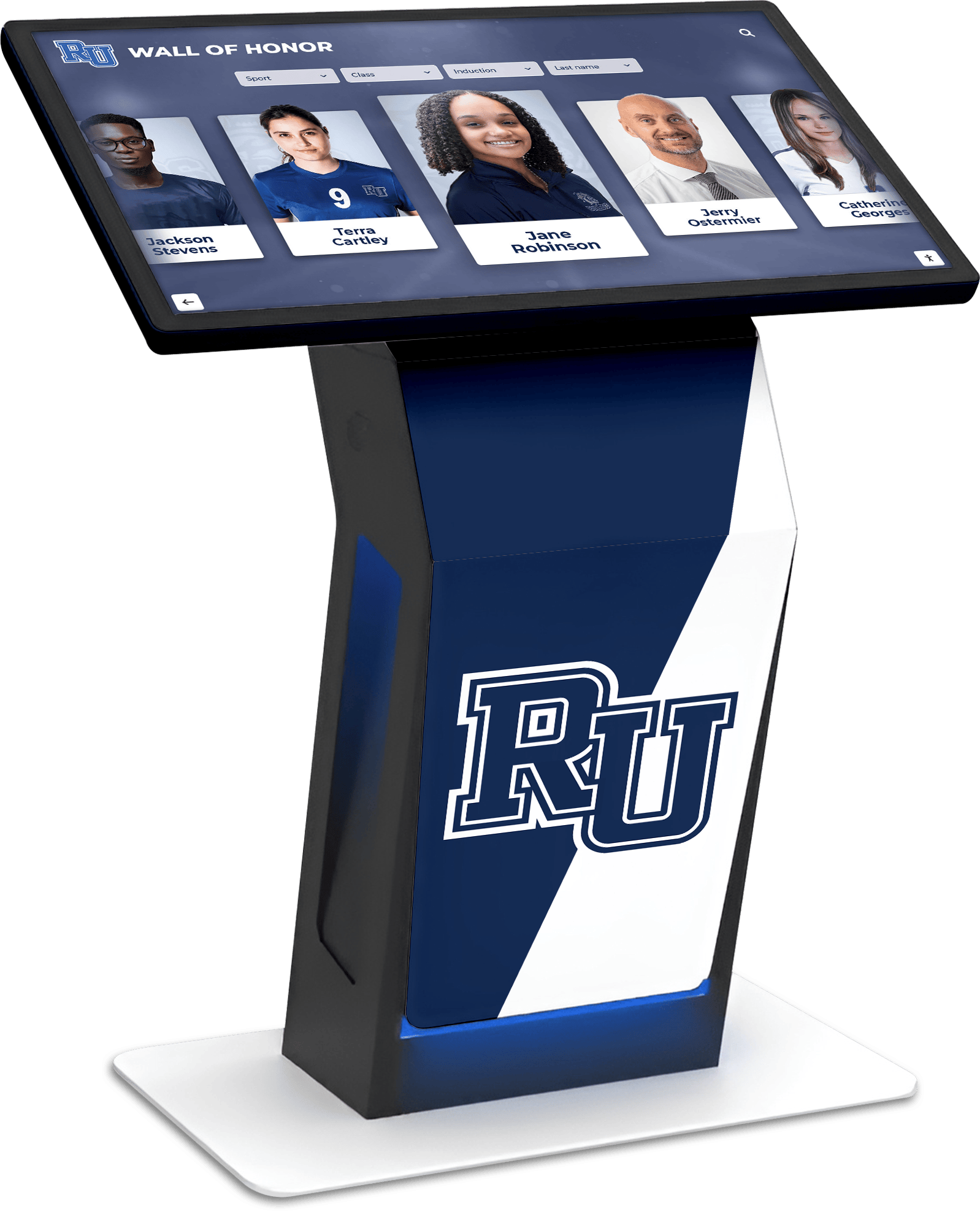
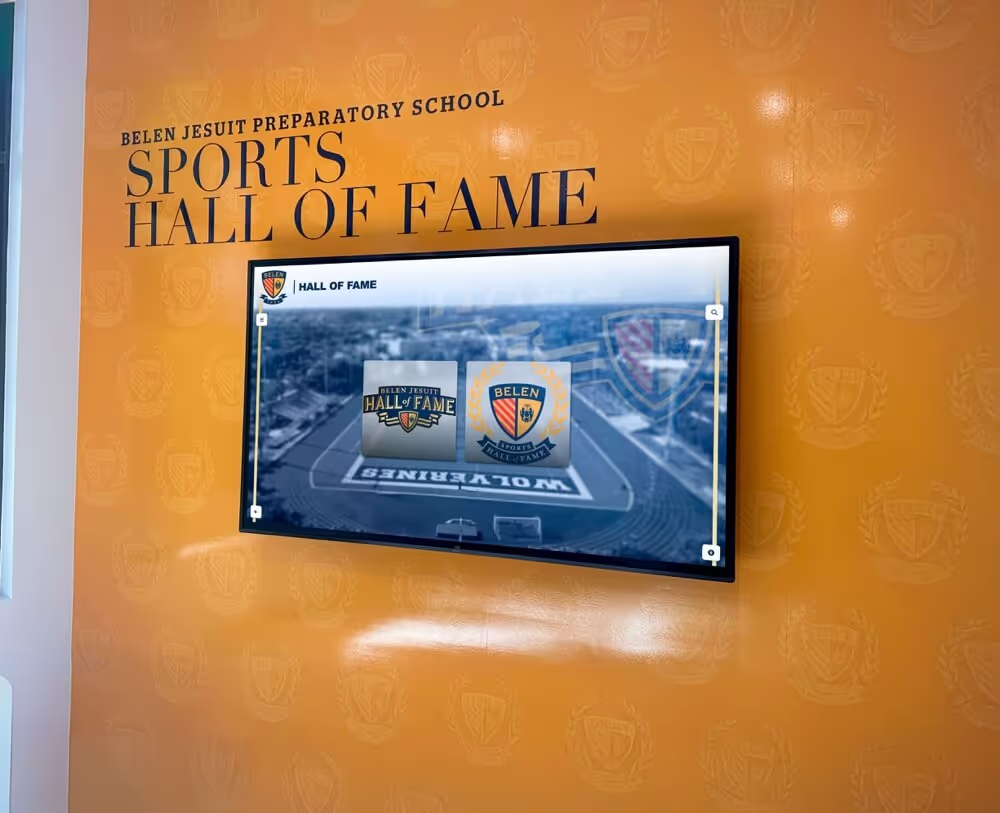
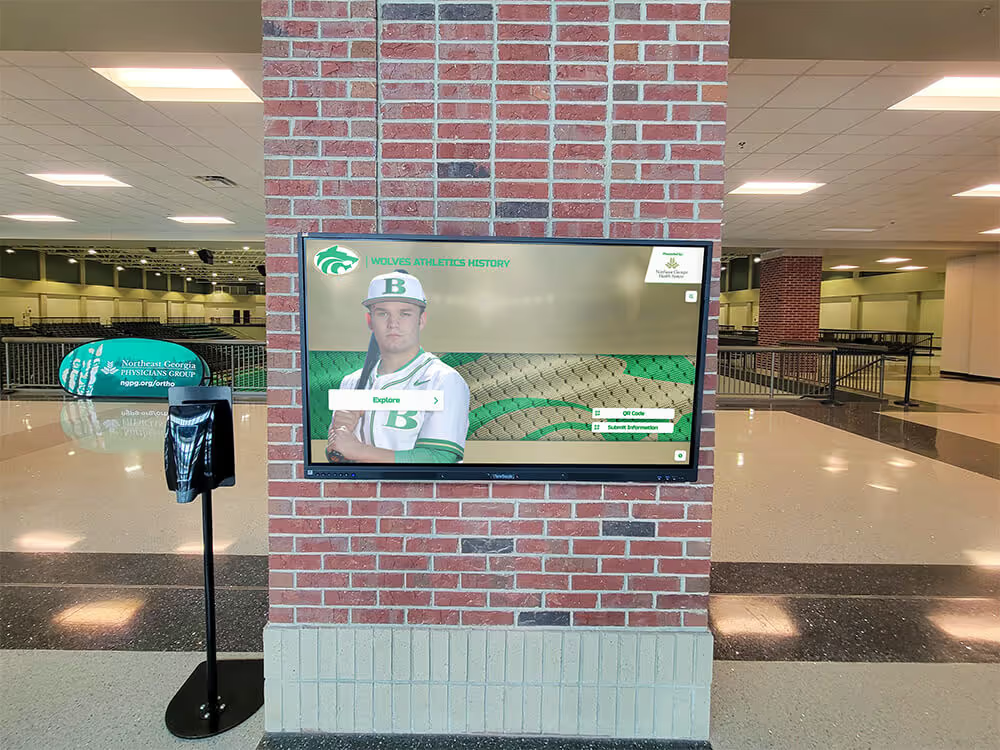
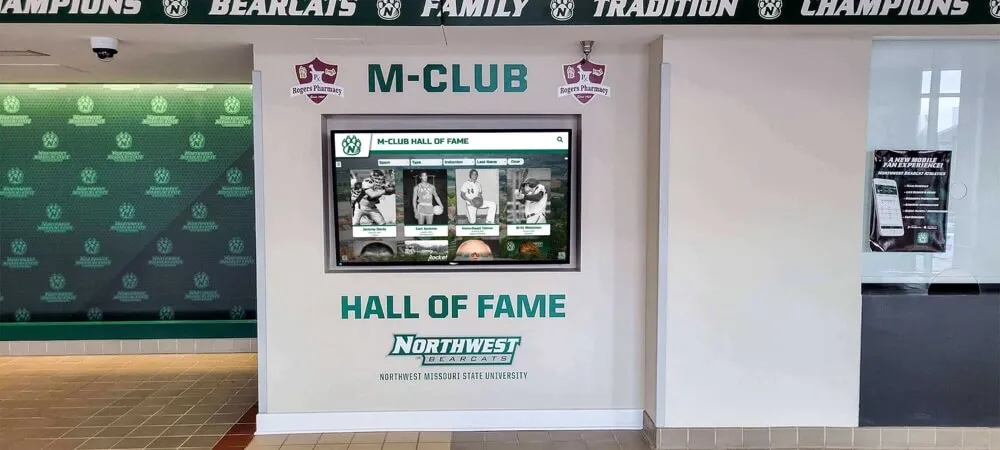
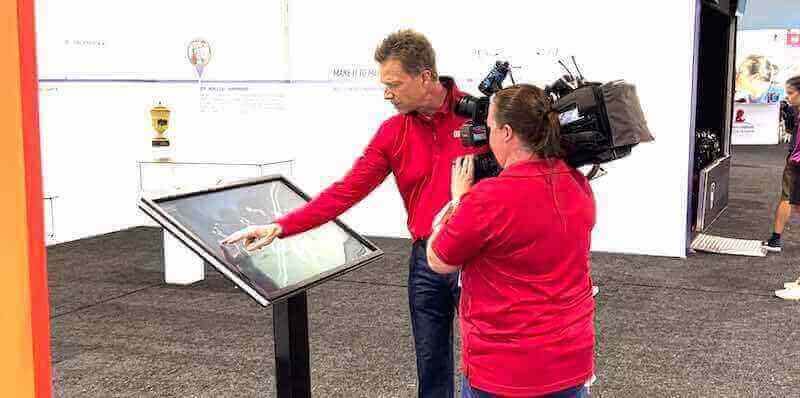
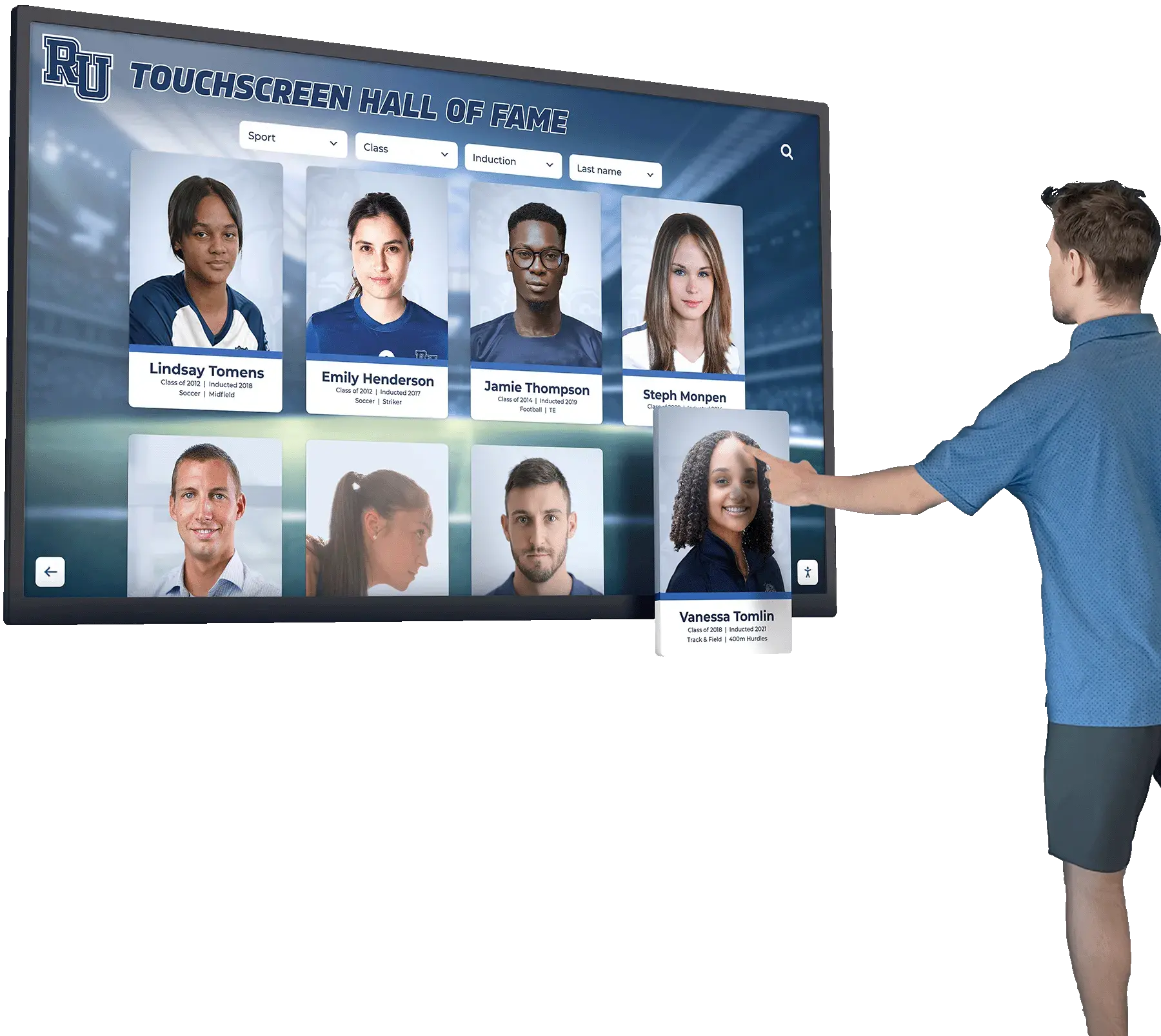
Interactive technology enables visitors to explore complete alumni databases, searching by career field, graduation year, or geographic location to discover relevant role models and connections
Strengthening Recruitment and Demonstrating Educational Value
Prospective students and families evaluating schools consider graduate outcomes among the most important decision factors. “Where Are They Now?” spotlights provide compelling evidence of institutional quality and educational value that statistics alone cannot convey.
Concrete Success Evidence for Admissions
According to enrollment research, prospective students and families consistently cite future career prospects among their top considerations when selecting institutions. Alumni spotlight features provide specific examples demonstrating how education delivered lasting value—showing graduates in fulfilling careers, describing how institutional experiences prepared them for success, and offering tangible evidence of return on educational investment.
This evidence proves far more persuasive than employment statistics or salary data alone, putting human faces and compelling narratives behind numbers that can feel abstract or impersonal to prospective families making emotional enrollment decisions.
Campus Tour and Visit Integration
Admissions offices report that campus visits remain the single most influential factor in final enrollment decisions. Integrating alumni spotlight content into campus experiences—through interactive displays that tour groups encounter, talking points that guides reference, or mobile apps that prospective students explore—enhances visits by demonstrating vibrant, engaged alumni communities extending beyond current students and faculty.
Many schools report that prospective families specifically mention alumni success stories when explaining what attracted them to institutions, indicating spotlight programs’ significant recruitment influence even when institutions struggle to quantify precise impact.
Marketing and Communication Content
Twelve monthly alumni spotlights or ongoing features provide consistent content for admissions newsletters and communications, prospective student social media campaigns, alumni success website sections, recruitment event presentations and displays, and financial aid materials documenting educational return on investment.
This ready-made content reduces marketing team workload while providing authentic testimonials that generic promotional materials cannot match—graduates telling their own stories in their own words prove far more credible than institutional claims about quality and value.
Supporting Fundraising and Development Objectives
Development professionals discover that “Where Are They Now?” spotlight programs support fundraising goals through multiple mechanisms beyond direct solicitation.
Cultivation Through Meaningful Recognition
Featuring alumni in spotlights creates natural donor cultivation opportunities that feel appreciative rather than transactional. The process of developing comprehensive profiles requires outreach, conversation, and relationship building with graduates—providing development staff with authentic reasons to engage alumni who might otherwise receive primarily solicitation communications.
Many development officers report that alumni featured in recognition programs demonstrate increased giving likelihood in subsequent years, with spotlight participation serving as significant touchpoint in overall relationship development strategy. The combination of public acknowledgment and private gratitude generates reciprocal goodwill that strengthens long-term philanthropic relationships.
Demonstrating Community Vitality and Institutional Impact
When prospective major donors tour campuses or attend cultivation events, visible evidence of thriving alumni communities—through prominent spotlight displays, comprehensive recognition systems, and clear communication that alumni remain engaged long after graduation—demonstrates institutional vitality that inspires philanthropic confidence.
Donors want to invest in institutions with strong communities and demonstrated impact. Systematic alumni spotlight programs provide tangible evidence of both—showing that education transforms lives while graduates maintain meaningful connections justifying philanthropic investment in institutional futures.
Peer Influence and Social Proof
When alumni see accomplished classmates and peers featured in spotlights and maintaining institutional connections, it creates positive peer influence encouraging similar engagement and generosity. Spotlights provide visible evidence that distinguished, successful graduates value their institutions enough to participate in recognition—normalizing continued support across alumni communities.
Research on philanthropic behavior consistently demonstrates that peer influence and social proof significantly affect giving decisions, with individuals becoming more likely to donate when they observe respected peers doing so within shared communities.
Explore comprehensive approaches to alumni of the month recognition programs that can complement “Where Are They Now?” features with systematic monthly celebration frameworks.
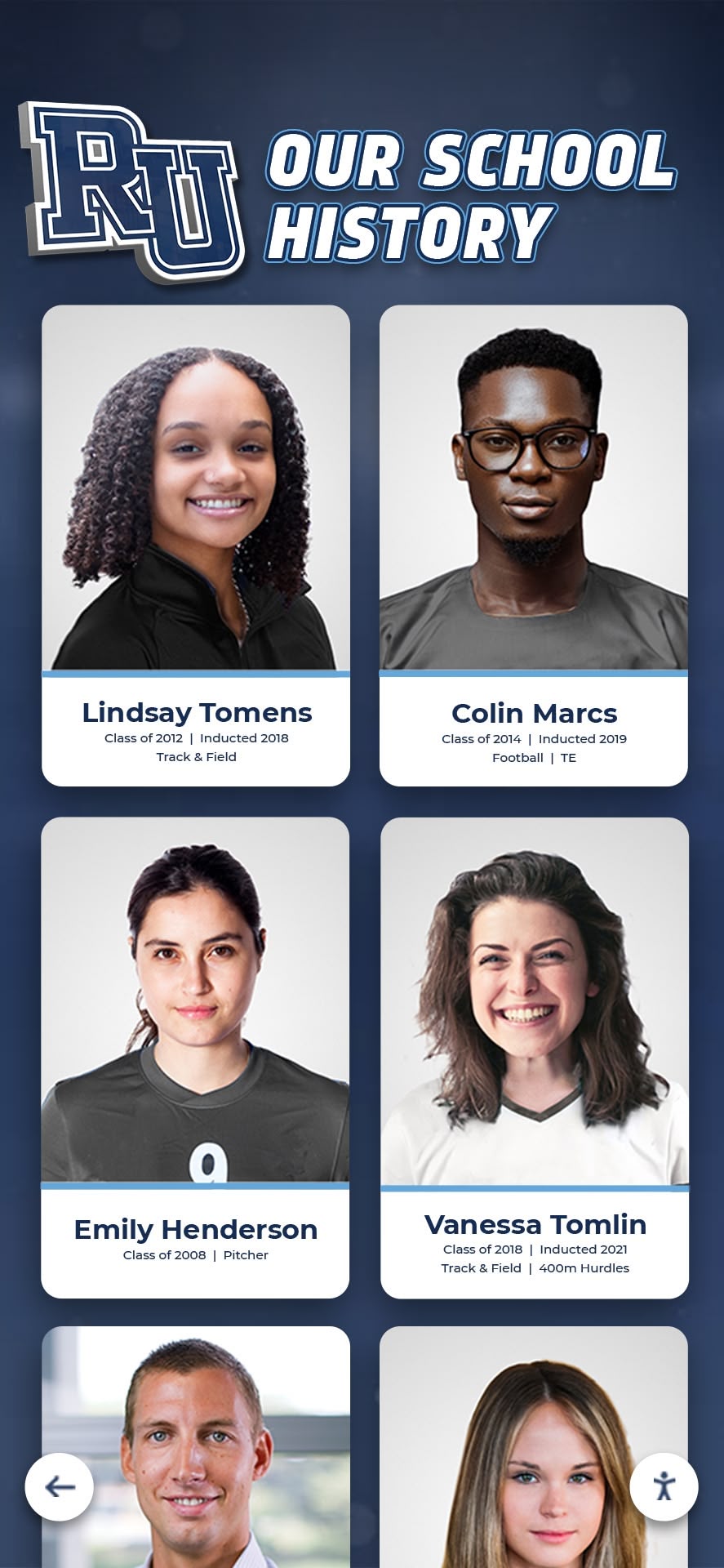
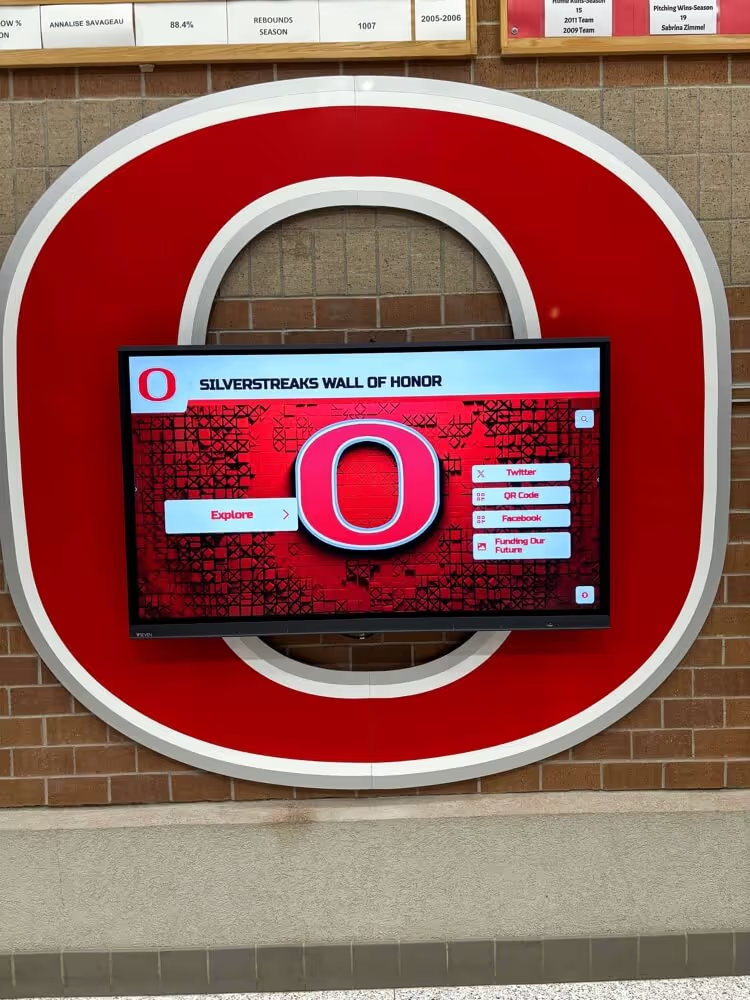
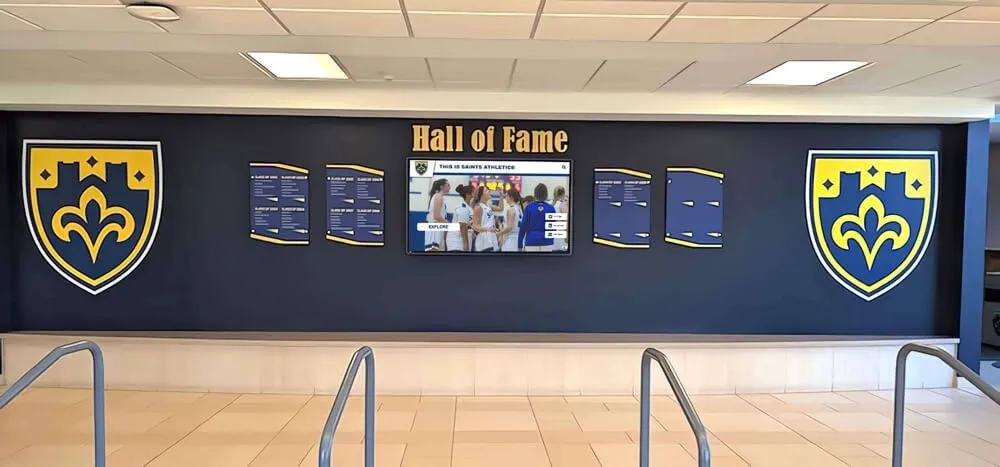
Comprehensive recognition systems enable celebrating diverse alumni achievements across all graduation eras and career fields, ensuring all community members feel valued and acknowledged
Designing Effective Alumni Discovery and Selection Processes
Program success depends entirely on systematic approaches for finding compelling alumni stories and determining which graduates to feature in spotlight programs.
Creating Multi-Channel Alumni Discovery Systems
Most schools significantly underestimate the remarkable stories within their alumni communities because they lack processes for discovering graduate achievements beyond the most publicly visible individuals.
Direct Alumni Outreach and Nominations
Comprehensive discovery systems include:
- Self-nomination forms enabling alumni to share their own stories via simple web forms or email submissions
- Peer nominations where graduates recommend accomplished classmates they’ve stayed connected with
- Class reunion planning when gathering milestone year information surfaces achievement updates
- Annual alumni surveys requesting career updates and personal milestone information
- Social media monitoring tracking alumni posts about achievements, awards, or career changes
- Alumni association engagement leveraging volunteers who maintain broad community connections
Multiple channels ensure geographic, career, and demographic diversity in discovery rather than spotlights concentrating among alumni already well-connected to institutions.
Faculty and Staff Intelligence
Institutional community members often possess valuable alumni knowledge:
- Faculty mentors maintaining contact with former students throughout careers
- Career services staff hearing from alumni as employers, mentors, or professional contacts
- Athletics staff following former athletes’ post-graduation trajectories
- Development officers learning about accomplishments during fundraising conversations
- Admissions staff encountering alumni at recruitment events or through applicant references
Establishing systematic processes for capturing this intelligence—regular staff meetings sharing alumni updates, shared databases for logging information, or formal reporting channels—ensures valuable knowledge reaches spotlight program coordinators.
Media and Publication Monitoring
Technology enables efficient tracking of alumni achievements in public forums:
- Google Alerts configured for alumni names and institutional mentions
- LinkedIn monitoring revealing career progression, company changes, and professional recognition
- Industry publication scanning for alumni features, awards, and thought leadership
- Local, regional, and national news tracking for alumni coverage and accomplishments
- Professional association websites listing award recipients, conference speakers, and organizational leaders
- Academic journal tracking for research publications by alumni scholars
These automated systems surface achievements that busy staff might otherwise miss, ensuring spotlight programs recognize timely accomplishments rather than discovering them years later.
Establishing Fair and Inclusive Selection Frameworks
Transparent criteria ensure spotlights honor genuine achievement and diverse success while preventing perceptions of favoritism or narrow definition of accomplishment.
Achievement Dimensions to Consider
Comprehensive criteria acknowledge that distinguished achievement manifests differently across graduates:
- Professional accomplishment and career distinction in any field or industry
- Community service and civic engagement addressing local, regional, or national needs
- Artistic or creative excellence recognized through awards, critical acclaim, or cultural influence
- Entrepreneurial success and innovation creating economic opportunity or solving problems
- Educational advancement and scholarship contributing to knowledge and teaching excellence
- Mentorship and support of others through coaching, advising, or community building
- Overcoming adversity and resilience demonstrating perseverance through significant challenges
- Positive social impact and change-making advancing justice, equity, or humanitarian causes
Rather than requiring excellence across all dimensions, criteria should recognize that remarkable achievement takes many forms—with some alumni excelling through professional success while others contribute primarily through service, creativity, or community impact.
Career Stage and Timeframe Balance
Selection processes should intentionally recognize alumni at various career stages including recent graduates demonstrating early success and rapid advancement, mid-career professionals reaching significant milestones or leadership positions, established leaders with sustained decades-long achievement, and retirees reflecting on complete career legacies and lifelong contributions.
This balance ensures all alumni generations see spotlight possibilities rather than features consistently highlighting only certain graduation eras or career phases.
Geographic and Demographic Diversity
Thoughtful selection ensures representation across:
- Geographic distribution recognizing alumni regardless of current location globally
- Career field diversity celebrating accomplishments in all professions from teaching and social work to business and medicine
- Racial and ethnic backgrounds ensuring spotlights reflect full community composition
- Gender representation providing balanced acknowledgment across all identities
- Socioeconomic inclusion recognizing success across varied paths and definitions
This inclusivity communicates that institutions value all graduates and all forms of meaningful contribution—strengthening community bonds and encouraging broad participation rather than creating perception that only elite achievers warrant recognition.
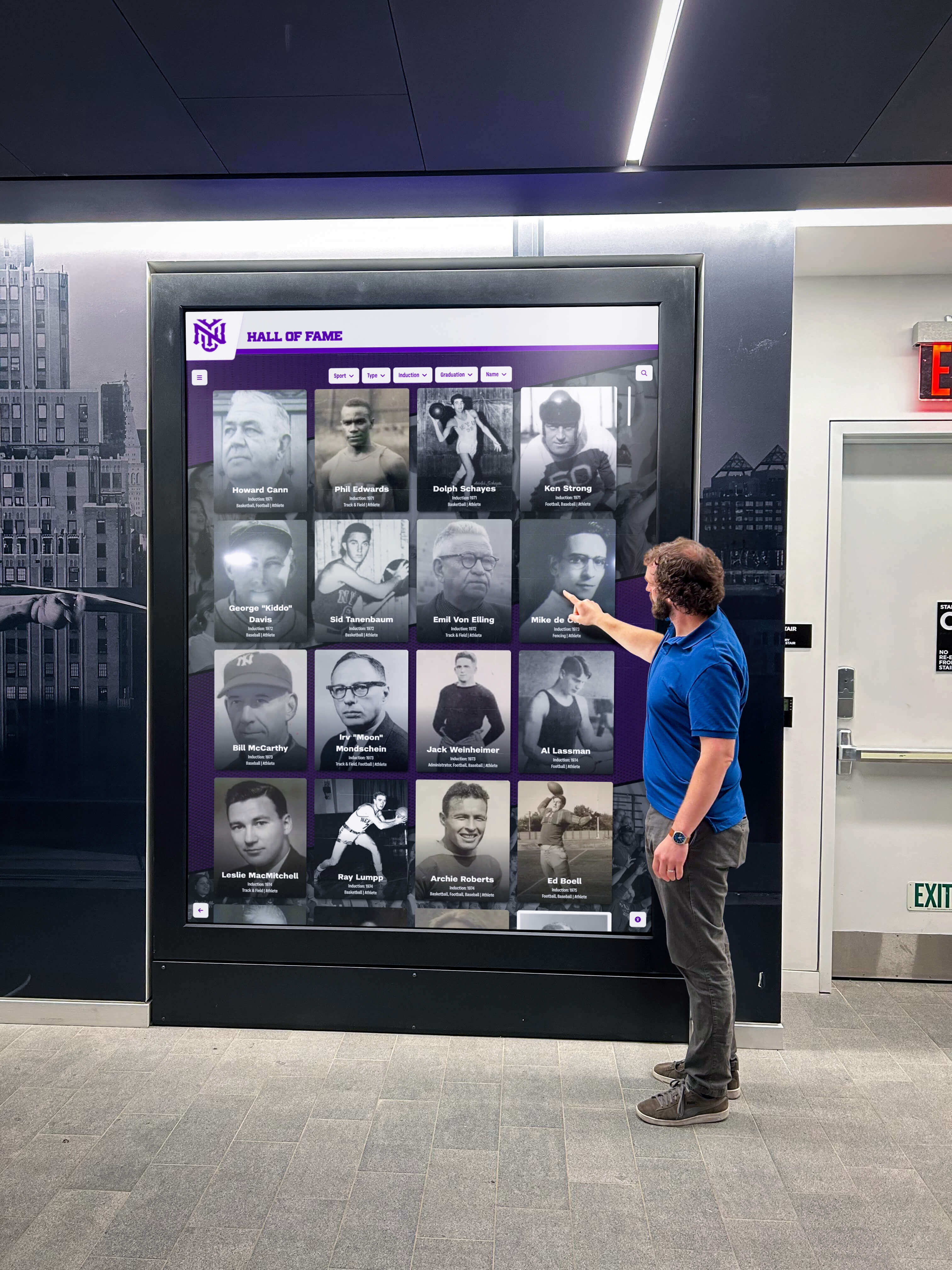
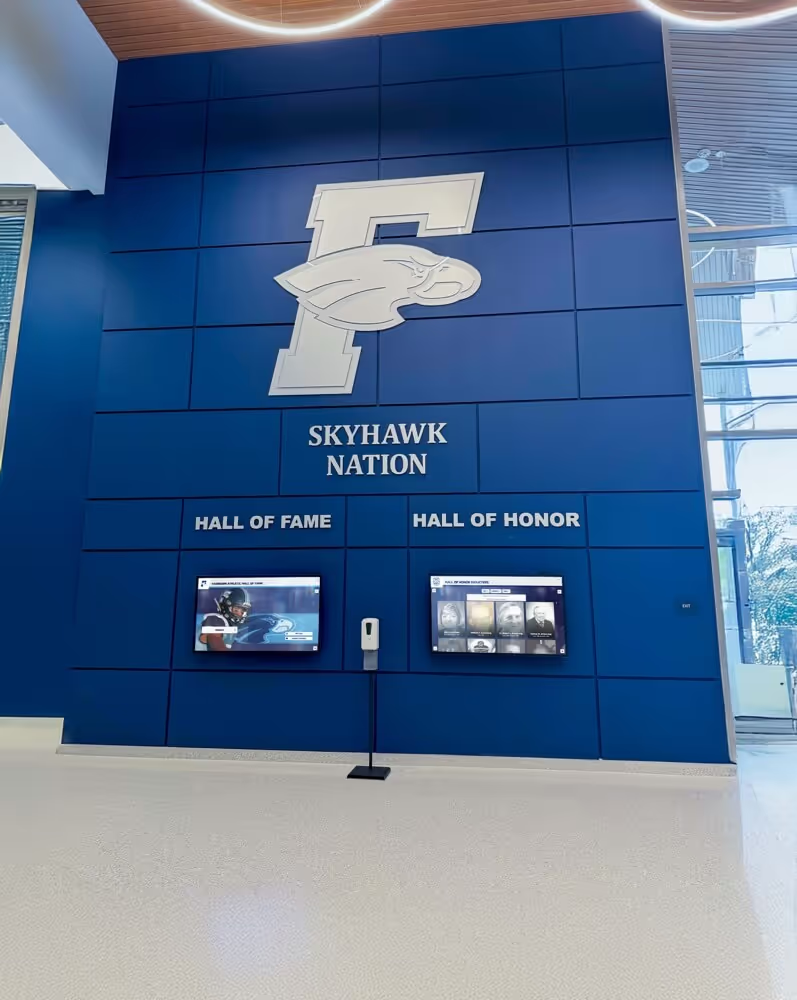
Digital recognition systems enable unlimited inclusion, celebrating all alumni rather than restricting acknowledgment to only the most prominent individuals due to physical space constraints
Regular vs. Special Feature Considerations
Many programs implement tiered spotlight structures:
Weekly or Monthly Features highlighting one alumnus in depth across all communication channels with comprehensive biographical content, multimedia elements, and extensive storytelling
Brief Highlights providing shorter recognition in social media posts, newsletter snippets, or rotating display content acknowledging more alumni with condensed profiles
Thematic Collections organizing spotlights around specific topics like “Alumni in Healthcare,” “Educators Who Inspire,” or “Entrepreneurs and Innovators” creating narrative coherence while ensuring diverse career representation
This multi-tier approach enables both depth for flagship spotlights and breadth ensuring many alumni receive recognition rather than programs becoming exclusive clubs honoring only a fortunate few.
Understanding highlighting famous alumni provides complementary perspectives on celebrating particularly distinguished graduates while maintaining inclusive recognition for all community members.
Developing Compelling Alumni “Where Are They Now?” Content
Recognition effectiveness depends entirely on content quality—well-crafted narratives inspire and engage while minimal biographical listings provide limited value or emotional connection.
Gathering Rich Alumni Information Through Research and Interviews
Comprehensive spotlights require going far beyond basic resume facts to capture compelling personal narratives connecting education to achievement.
Effective Interview Approaches
The richest content comes from well-conducted alumni conversations exploring:
- Educational experiences and formative campus moments that influenced trajectories
- Faculty mentors and institutional relationships that shaped thinking or career direction
- Specific coursework, research, or activities that proved foundational for success
- Challenges overcome during educational journey and institutional support that helped
- Career decision points and trajectory evolution from graduation through present
- Current work, accomplishments, and ongoing impact in professional and personal life
- Advice and messages for current students based on experiences and lessons learned
- Reflections on how institutional education enabled success connecting past to present
Open-ended questions like “Tell me about a professor who changed your perspective” typically generate better stories than yes/no queries. Specific prompts such as “Describe a moment when you realized your education prepared you for a challenge you faced” yield more compelling content than generic questions like “How did your education help you?”
Information Sources Beyond Direct Engagement
When direct alumni participation proves challenging due to busy schedules or limited accessibility, comprehensive research enables quality profiles:
- Professional profiles on LinkedIn, company websites, and industry directories
- Published interviews and media coverage documenting accomplishments and career narratives
- Academic publications, books, or creative works produced by alumni
- Professional organization biographies and award descriptions
- Social media presence providing personal perspective and values
- Video interviews and conference presentations available online
- Institutional records including graduation information, academic programs, honors, and student activities
This multi-source approach enables developing substantive spotlights even when direct engagement proves impossible, ensuring worthy alumni receive recognition regardless of availability for interviews.
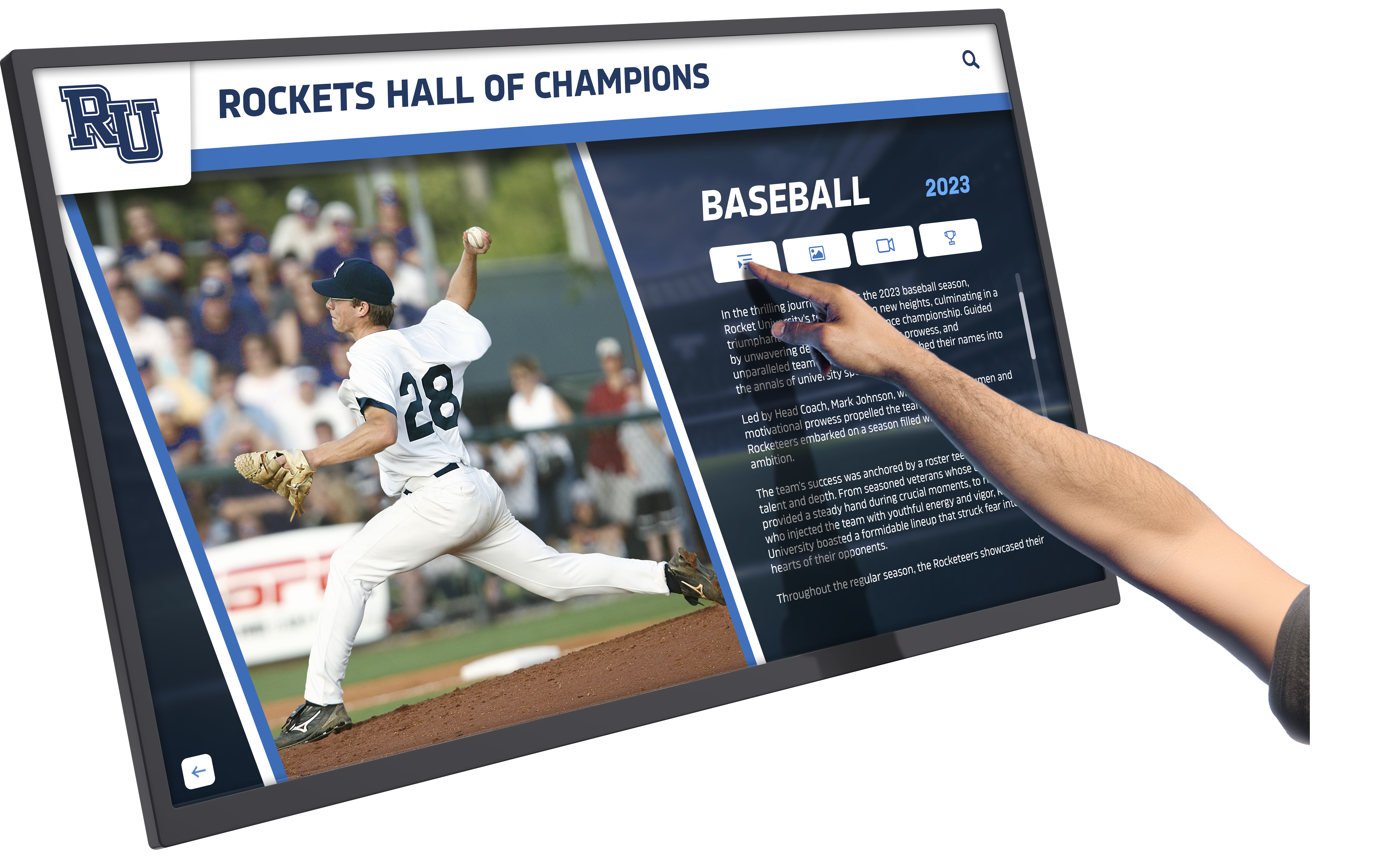
Touchscreen interfaces enable deep exploration of individual alumni stories through comprehensive profiles combining biography, achievements, multimedia content, and institutional connections visitors can explore at their own pace
Writing Engaging Spotlight Narratives That Inspire
Strong written content balances comprehensive information with accessible presentation that engages readers across different audience segments.
Effective Spotlight Structure
Well-crafted “Where Are They Now?” features typically include:
Compelling Opening (100-150 words)
- Hook establishing immediate interest through surprising accomplishment, interesting question, or relatable scenario
- Brief identification of who the alumnus is and what makes their story worth telling
- Connection to institution establishing educational foundation for narrative
Educational Journey (150-250 words)
- Academic program and graduation year providing context
- Formative campus experiences, influential professors, and pivotal moments shaping trajectory
- Student activities, research, athletics, or leadership roles developing skills
- Challenges faced and institutional support that enabled overcoming obstacles
- Specific connections between coursework and future career preparation
Career Path and Current Work (300-400 words)
- Post-graduation trajectory from first position through career evolution
- Major professional milestones, accomplishments, and recognition received
- Current position, responsibilities, and ongoing contributions
- Specific examples of impactful work or projects demonstrating expertise
- Career satisfaction, work-life balance, and personal fulfillment reflections
Looking Back and Looking Forward (100-150 words)
- Reflections on how institutional education enabled success
- Advice for current students based on experiences and lessons learned
- Future goals, aspirations, or ongoing commitments
- Continuing connection to institution through engagement or support
Total target length: 650-950 words for comprehensive digital features, with shorter 300-400 word versions for newsletter snippets or social media posts.
Writing Style Best Practices
Effective spotlights employ:
- Conversational tone avoiding excessive formality while maintaining professionalism
- Active voice creating engagement: “She founded” rather than “The company was founded by her”
- Specific details and examples over generic statements: “Developed AI system improving diagnosis accuracy 40%” not “Made important medical contributions”
- Direct quotes throughout adding authenticity and personal voice to third-person narrative
- Storytelling approach with narrative arc rather than chronological resume listing
- Accessible language limiting jargon and explaining technical terms when necessary
- Varied sentence structure maintaining reading rhythm and preventing monotony
The goal is creating content people actually want to read rather than obligatory text they skim perfunctorily.
Visual Content Standards
Written spotlights gain significant impact from quality visual elements including:
- Professional headshots showing alumni in career contexts or contemporary portraits
- Historical photos from student years creating nostalgic connections
- Workplace images depicting professional environments and activities
- Achievement documentation showing awards, recognition events, or significant work
- Candid photos revealing personality and authenticity beyond formal portraits
Images should be high resolution suitable for various display contexts, properly sized for web optimization, appropriately credited with photographer attribution, and diverse showing alumni in multiple settings and activities.
Multimedia Content Development for Enhanced Engagement
When resources permit, video and audio content dramatically increases engagement and emotional connection compared to text alone.
Effective Video Spotlight Features
Alumni video content works best when it’s:
- Brief, typically 3-5 minutes for social media distribution or 8-12 minutes for comprehensive features
- Professionally produced with good audio quality, appropriate lighting, and stable camera work
- Authentically conversational rather than scripted, allowing natural speech and personality
- Focused on specific stories rather than generic career summaries
- Edited dynamically maintaining viewer engagement through varied shots and pacing
- Captioned for accessibility and sound-off viewing where most mobile consumption occurs
- Optimized for mobile where majority of social video viewing happens
Video dramatically increases social media sharing and engagement compared to text profiles alone, with many schools reporting 5-10 times higher engagement rates for video-based alumni features.
Production Approaches
Schools implement video content through various approaches depending on resources:
- Professional videographers for high-quality flagship features when budget permits
- Student media programs providing learning opportunities while producing content
- Alumni volunteers with video expertise offering services supporting fellow graduates
- Remote recording via Zoom for distant alumni when travel proves impractical
- Smartphone filming when budgets constrain but authentic content outweighs production polish
- Hybrid approaches mixing professional and DIY elements strategically
Even modest video production typically outperforms text-only spotlights in engagement metrics, making multimedia investment worthwhile when feasible.
Understanding digital storytelling for athletic programs provides frameworks applicable to comprehensive alumni narrative development across all contexts.
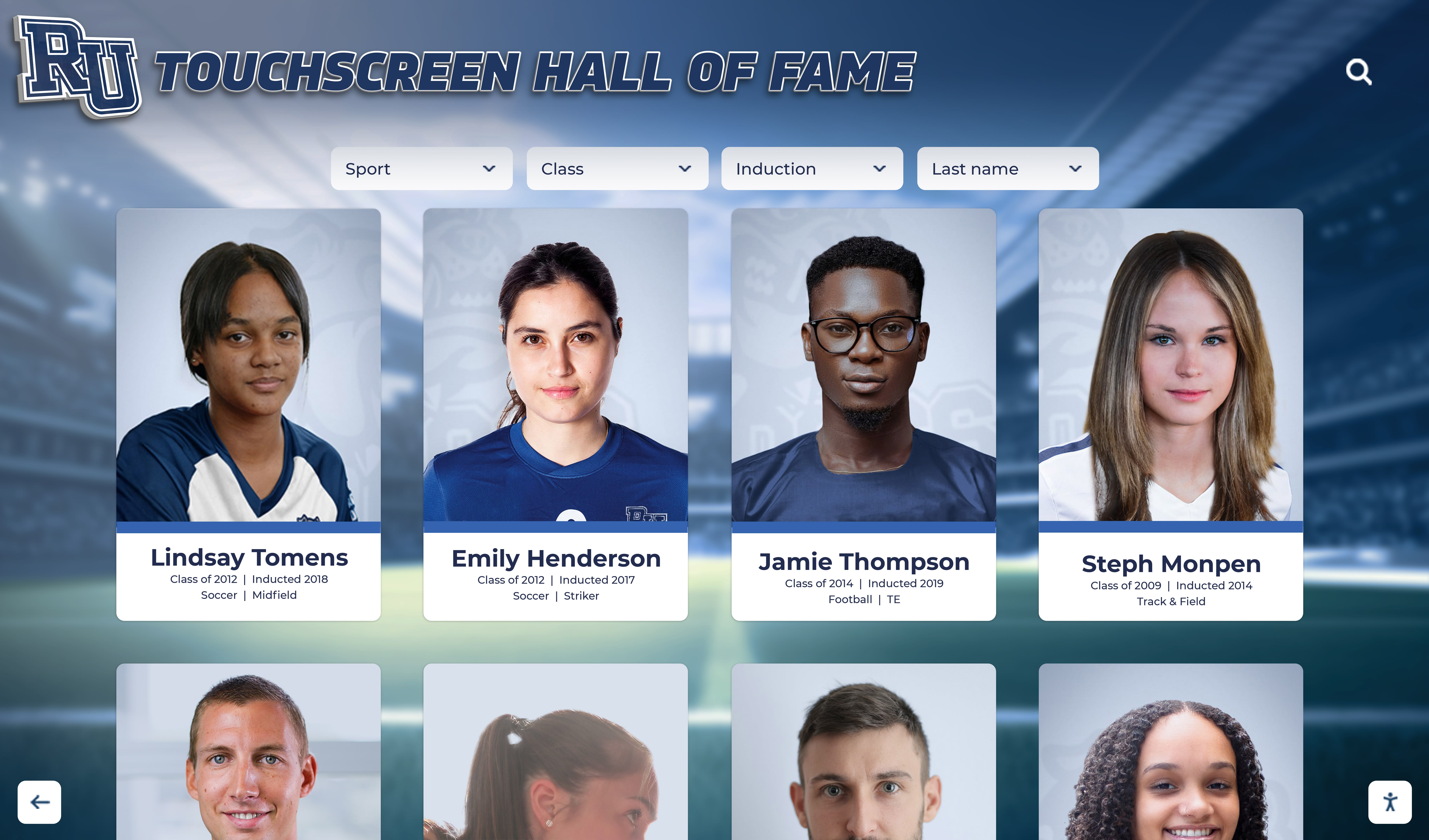
Grid navigation enables efficient browsing while maintaining visual appeal through consistent photography and organized layout that invites exploration
Distributing Alumni Spotlights for Maximum Reach and Impact
Even exceptional spotlight content delivers limited impact if distribution reaches only small audiences or fails to engage target constituencies. Multi-channel approaches maximize visibility and influence.
Email and Newsletter Integration
Email remains among the most effective channels for alumni engagement when implemented thoughtfully rather than treated as spam distribution.
Dedicated Spotlight Emails
Many schools send standalone alumni spotlight emails focused entirely on featured graduates rather than burying recognition in newsletters covering multiple topics. Dedicated emails typically achieve:
- Higher open rates around 25-35% compared to 12-18% for digest newsletters
- Greater click-through to full profiles and related content
- More social sharing as focused content proves more shareable
- Better conversion when spotlights connect to fundraising, events, or volunteer opportunities
Emails should include compelling subject lines highlighting interesting accomplishments or career paths, eye-catching hero images immediately engaging readers, concise opening paragraphs establishing interest quickly, clear calls to action encouraging exploration, social sharing buttons enabling easy distribution, and mobile-optimized formatting for smartphone reading where most email opens occur.
Newsletter Feature Sections
For schools using regular alumni newsletters covering multiple topics, spotlights should receive prominent placement above the fold with featured positioning establishing importance, substantial content not just brief mentions or name-only listings, compelling imagery attracting attention in busy layouts, clear navigation to full profiles, and consistent section placement building reader expectations and ritual.
Rather than treating spotlights as one item among many, position them as flagship content justifying newsletter attention and driving readership.
Social Media Amplification and Engagement
Social platforms provide unmatched reach potential when content and approaches align with platform-specific best practices.
Platform-Specific Content Adaptation
Rather than identical posts across all platforms, effective social strategies adapt content:
Instagram and Facebook emphasizing visual storytelling with compelling photography, carousel posts showcasing multiple images and achievement highlights, story features providing behind-scenes content or Q&A sessions, video content performing significantly better than static images, and hashtag strategies improving discoverability beyond existing followers
LinkedIn highlighting professional achievement and career trajectory insights, industry-specific alumni collections targeting relevant professional audiences, thought leadership content featuring alumni perspectives, career advice series providing value beyond simple recognition, and alumni engagement through tagging featured graduates in posts
Twitter/X providing concise achievement highlights with links to full profiles, real-time recognition when alumni receive awards or reach milestones, quote threads featuring alumni advice and reflections, participation in trending professional conversations with relevant alumni examples, and media relationship building by sharing content reporters and journalists might reference or cite
Platform-native content outperforms cross-posted identical material significantly in engagement metrics, justifying adaptation investment.
Engagement Tactics and Timing
Maximize social engagement through strategic approaches including:
- Optimal posting timing aligned with platform peak activity hours
- Strategic hashtag use improving discoverability while avoiding spam appearance
- Tagging featured alumni and employers enabling sharing to their networks
- Story features on Instagram and Facebook for informal, timely content
- Live video interviews and Q&A sessions creating real-time engagement
- User-generated content campaigns encouraging alumni to share their own updates
- Paid promotion boosting especially compelling features to targeted audiences
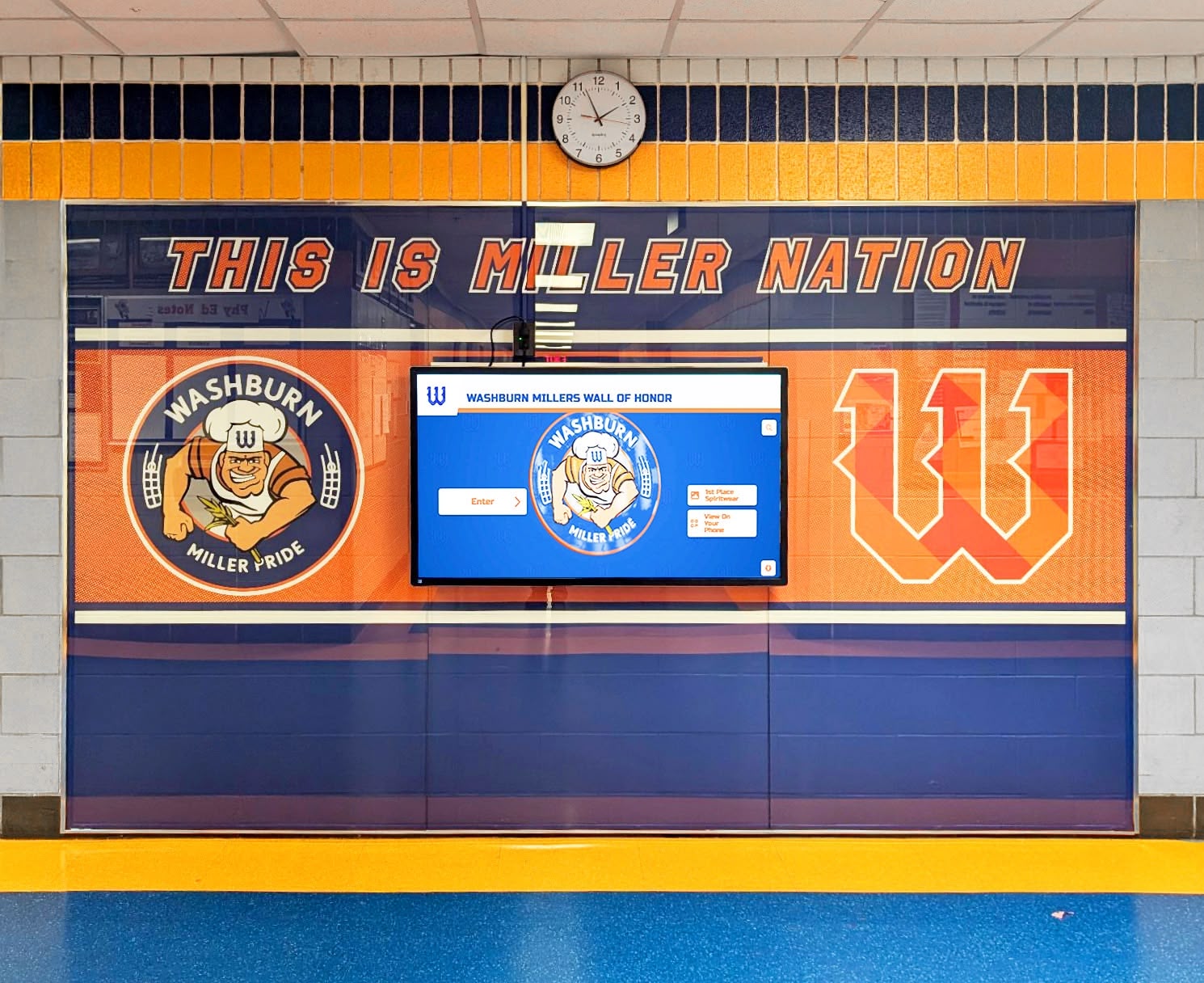
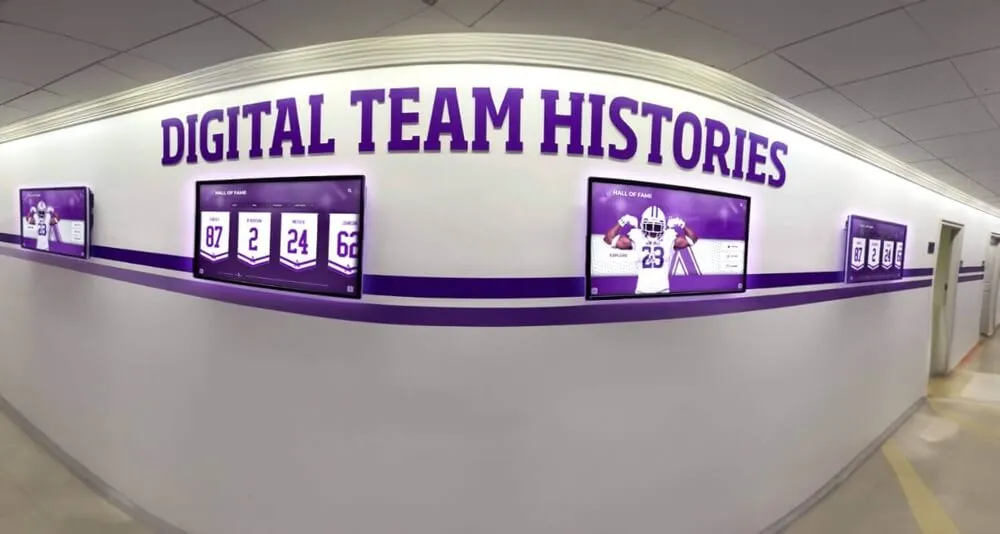
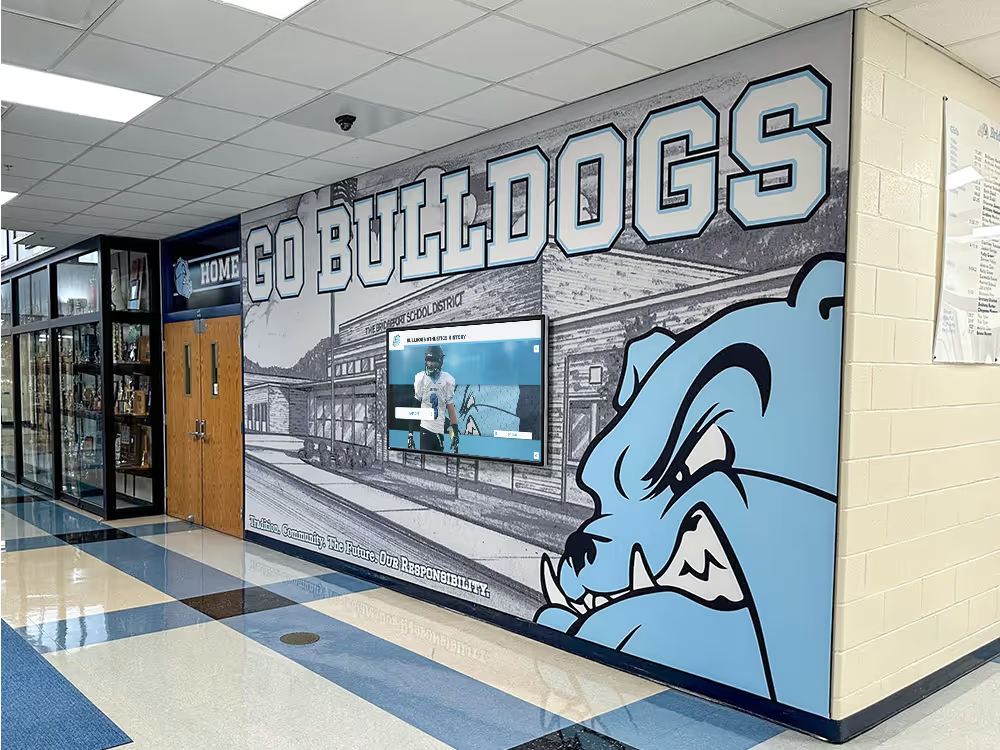
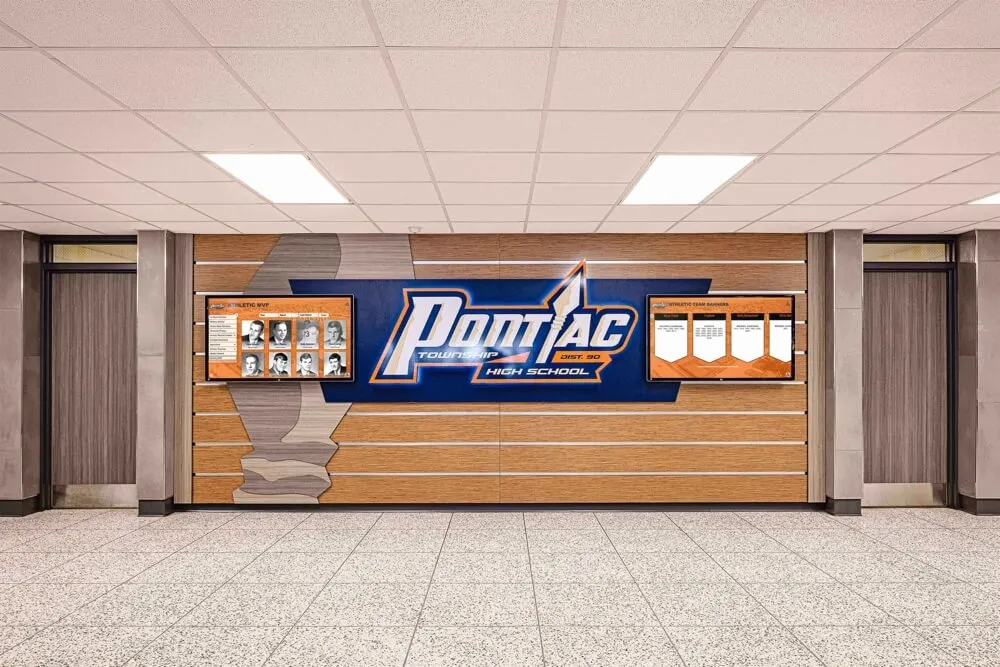
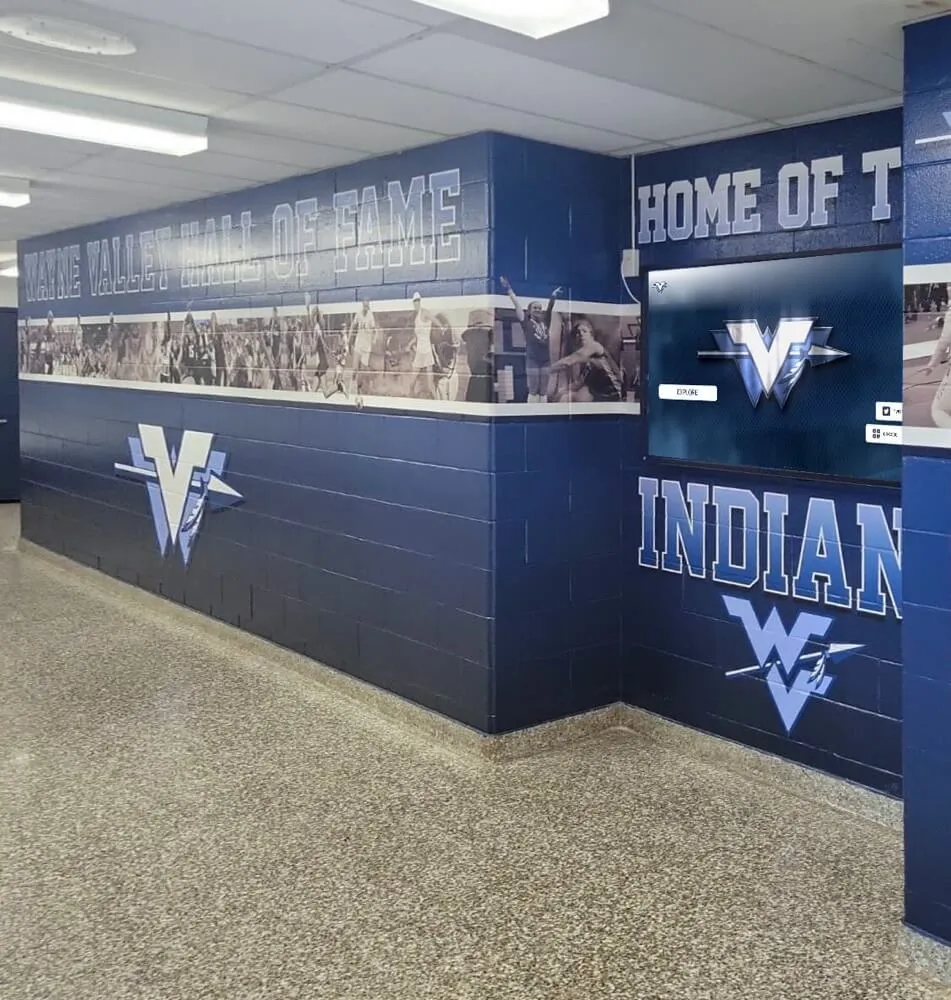
Hallway digital displays ensure regular exposure for current students encountering alumni success stories during daily campus activities, creating consistent inspiration
Schools consistently find that video content generates 5-10 times the engagement of text and static images on social platforms, making multimedia investment particularly valuable for social distribution where algorithm preference for video proves significant.
Website Integration and Long-Term Accessibility
Recognition should extend beyond time-limited social feeds and emails to permanent website presence ensuring long-term discoverability.
Dedicated Alumni Spotlight Pages
Create web sections specifically for “Where Are They Now?” features including:
- Current spotlights prominently featured on landing pages
- Complete archive of past features searchable by multiple criteria
- Career field collections organizing alumni by profession or industry
- Graduation year groupings enabling classmate discovery and reunion planning
- Success story themes curating related narratives around topics
- Submission information explaining how alumni can participate or nominate peers
These permanent pages provide enduring visibility while enabling prospective students, media, and community members to explore alumni excellence beyond time-limited distributions.
Search Engine Optimization
Implement SEO best practices ensuring spotlights appear in search results:
- Descriptive page titles and meta descriptions accurately summarizing content
- Structured headings organizing content hierarchically for readability and search algorithms
- Image alt text describing visual content for accessibility and search indexing
- Internal linking connecting related spotlights and institutional pages
- Mobile-responsive design ensuring quality experiences across all devices
- Page speed optimization preventing slow loading that degrades rankings
Well-optimized spotlight content ranks highly in searches for alumni names, helping graduates maintain professional visibility while showcasing institutional quality to broader audiences researching schools or specific individuals.
Physical Display Integration on Campus
Digital and print displays create on-campus visibility ensuring current students and campus visitors regularly encounter alumni success stories.
Interactive Touchscreen Recognition Displays
Solutions like Rocket Alumni Solutions enable schools to feature “Where Are They Now?” spotlights through:
- Rotating spotlight displays showcasing current features alongside comprehensive alumni databases
- Searchable interfaces enabling visitor exploration by career field, graduation year, or achievement type
- Detailed multimedia profiles with complete narratives, photography, video content, and achievement documentation
- Automated updating from cloud-based content management systems requiring no on-site technical work
- Strategic placement in lobbies, student centers, athletic facilities, and high-traffic areas
Interactive displays provide opportunities for extended engagement impossible with static posters, with typical interaction sessions lasting 3-5 minutes compared to seconds for passive displays.
Traditional Print and Static Integration
Supplement digital recognition with physical materials including:
- Poster displays in prominent hallway and lobby locations
- Featured profiles in printed alumni magazines and newsletters
- Recognition at events during homecoming, reunions, and campus gatherings
- Digital signage integration displaying spotlight content in campus video systems
- Athletic venue features during games and competitions when large audiences gather
Multi-channel physical and digital approaches ensure recognition reaches diverse audiences with different media consumption preferences and campus navigation patterns.
Explore comprehensive approaches to alumni welcome area design that can complement spotlight programs with physical spaces celebrating graduate achievement and fostering community connections.
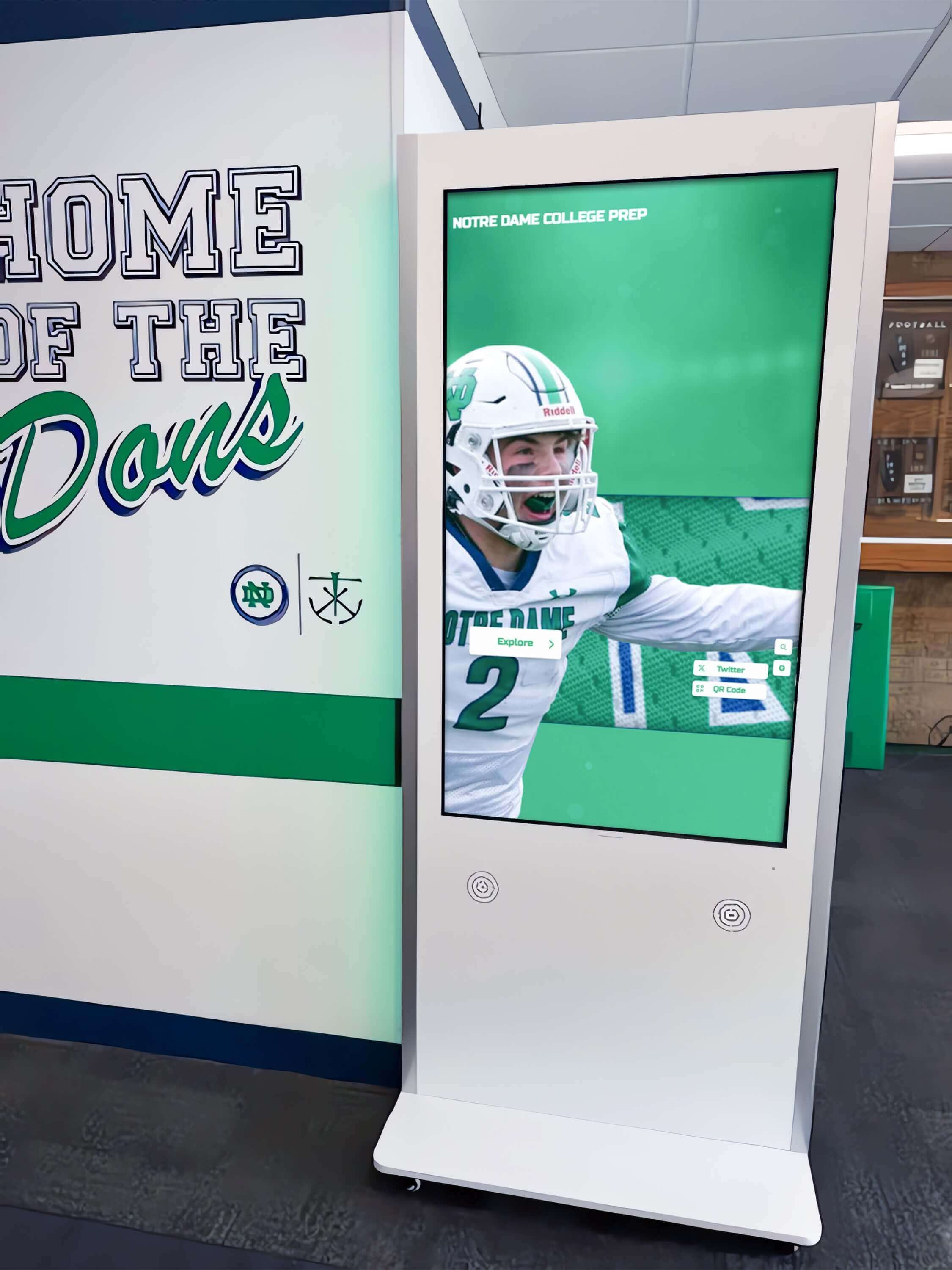
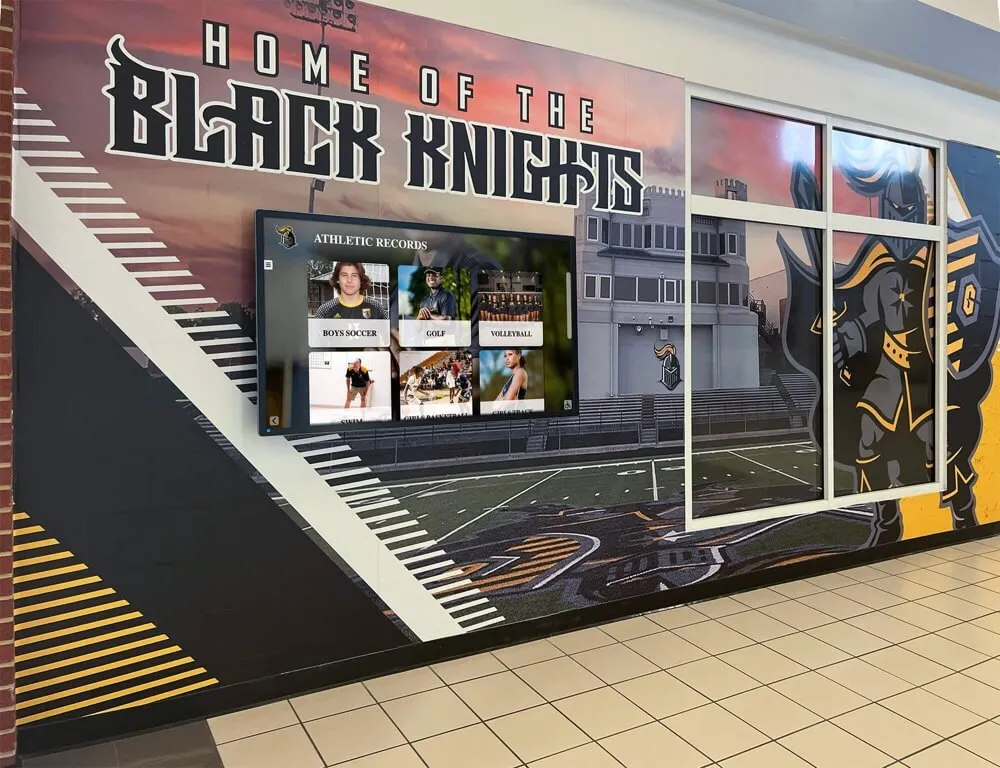
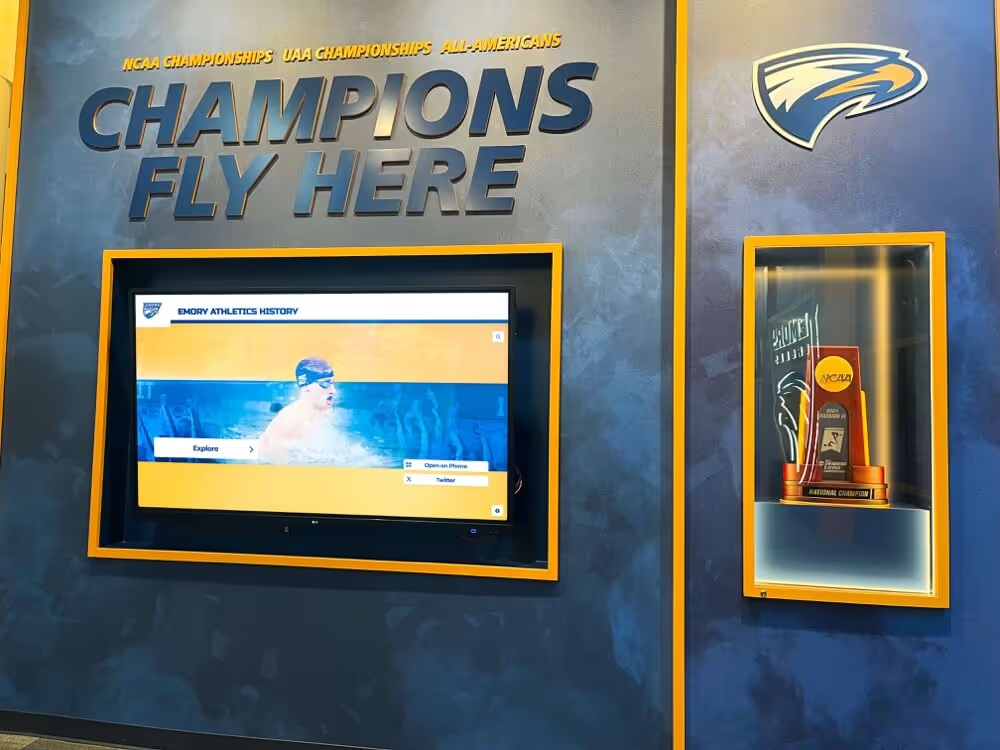
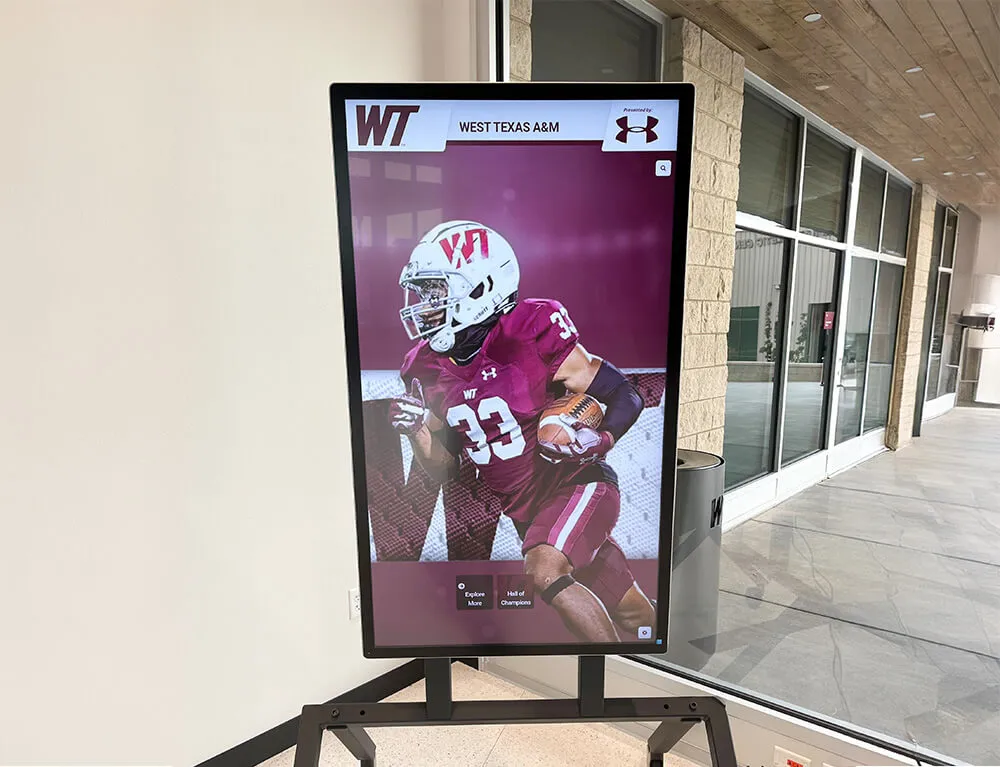
Athletic facility displays capture game day visitors while demonstrating program excellence through systematic celebration of distinguished alumni athletes across all eras
Sustaining Alumni Spotlight Programs Long-Term
Initial program enthusiasm often wanes as competing priorities arise and workload realities become apparent. Sustainable programs require systematic approaches preventing burnout while maintaining quality and consistency.
Establishing Efficient Content Development Workflows
Streamlined processes prevent spotlight programs from becoming overwhelming administrative burdens requiring excessive staff time.
Predictable Production Schedules
Successful programs establish regular timelines:
- Alumni identification and selection 6-8 weeks before publication
- Initial outreach and interview scheduling 4-6 weeks in advance
- Interview completion and information gathering 3-5 weeks prior
- Content drafting and multimedia production 2-4 weeks before publication
- Review, approval, and final editing 1-2 weeks in advance
- Publication and promotion on scheduled date with coordinated distribution
This advance planning distributes workload across months rather than concentrating demands immediately before publication deadlines, preventing last-minute scrambling and stress.
Template-Based Content Creation
Develop standard formats and frameworks:
- Interview question templates ensuring comprehensive information collection
- Profile structure templates providing consistent narrative organization
- Email layout templates for easy adaptation across spotlights
- Social media post templates for various platforms and formats
- Video script frameworks guiding interview conversations
- Approval process workflows clarifying decision responsibilities and timelines
Templates enable efficient content creation while maintaining quality and brand consistency across spotlights without requiring staff to reinvent approaches for every feature.
Managing Resource Constraints Realistically
Programs must remain feasible within available staff capacity, budget, and institutional resources.
Staffing and Responsibility Distribution
Rather than single-person programs vulnerable to turnover or workload fluctuations, distribute responsibilities:
- Alumni research and database maintenance ensuring up-to-date information
- Selection coordination managing decision processes and committee communication
- Interview and content gathering conducting conversations and collecting materials
- Writing and editing developing polished narratives from raw information
- Multimedia production creating video, photography, and visual content
- Distribution management coordinating email, social media, web, and print channels
- Program assessment tracking engagement and documenting impact
Distributed responsibility prevents single points of failure while enabling program continuation during staff transitions or busy periods.
Technology Tools and Platform Selection
Efficient programs leverage appropriate technology:
- Alumni database systems for contact management and achievement tracking
- Content management systems for website updates and archive maintenance
- Email marketing platforms for distribution and engagement analytics
- Social media scheduling tools enabling content batching and advance planning
- Video editing applications for multimedia content production
- Recognition display platforms like Rocket Alumni Solutions for comprehensive celebration
Right-sized technology prevents overwhelming complexity while enabling sustainable workflows and consistent quality without requiring excessive manual effort.
Budget Planning and Resource Allocation
Typical spotlight program costs include:
- Staff time for content development, coordination, and distribution (largest investment typically)
- Photography and videography when using professional services
- Software subscriptions for content management, distribution, and analytics
- Interactive display technology when implementing physical recognition systems
- Print materials if producing physical spotlights or promotional items
- Event hosting when celebrating featured alumni or launching programs
Many schools successfully implement programs with minimal dedicated budgets of $3,000-$8,000 annually when leveraging existing communication infrastructure and staff capacity, though more robust multimedia approaches may require $15,000-$30,000 annual investments.
Understanding alumni recognition program implementation provides complementary frameworks for systematic celebration that integrates spotlights with broader recognition strategies.
Measuring Program Success and Demonstrating Value
Systematic assessment ensures programs deliver intended value while providing evidence justifying continued resource investment.
Quantitative Engagement Metrics
Track measurable indicators including:
- Email open rates and click-through rates showing spotlight content engagement
- Social media reach, engagement, and sharing metrics documenting distribution amplification
- Website traffic to spotlight pages and time spent exploring content
- Interactive display analytics revealing campus visitor engagement patterns
- Nomination submission rates indicating community participation
- Alumni directory registration increases when spotlights drive profile completions
These numbers provide concrete evidence of program reach and engagement levels.
Qualitative Impact Assessment
Gather stakeholder perspectives through:
- Featured alumni feedback about spotlight experience and institutional connection
- Current student surveys about career inspiration and alumni awareness
- Prospective student questions about alumni during admission conversations
- Development officer observations on cultivation utility and donor conversations
- Social media comments and testimonials revealing emotional resonance
- Faculty perspectives on student motivation and educational value connections
Qualitative feedback reveals whether recognition achieves intended cultural impacts beyond numerical engagement metrics.
Continuous Improvement Approaches
Use assessment data to enhance programs:
- Address stakeholder feedback and suggestions for improvement
- Expand coverage in underrepresented career fields or demographic groups
- Improve content quality based on what generates strongest engagement
- Optimize distribution channels focusing resources on highest-impact platforms
- Adjust selection criteria ensuring appropriate balance and diversity
- Streamline workflows reducing administrative burden while maintaining quality
Regular evaluation enables program evolution ensuring sustained relevance and effectiveness rather than stagnation into maintenance-only mode.
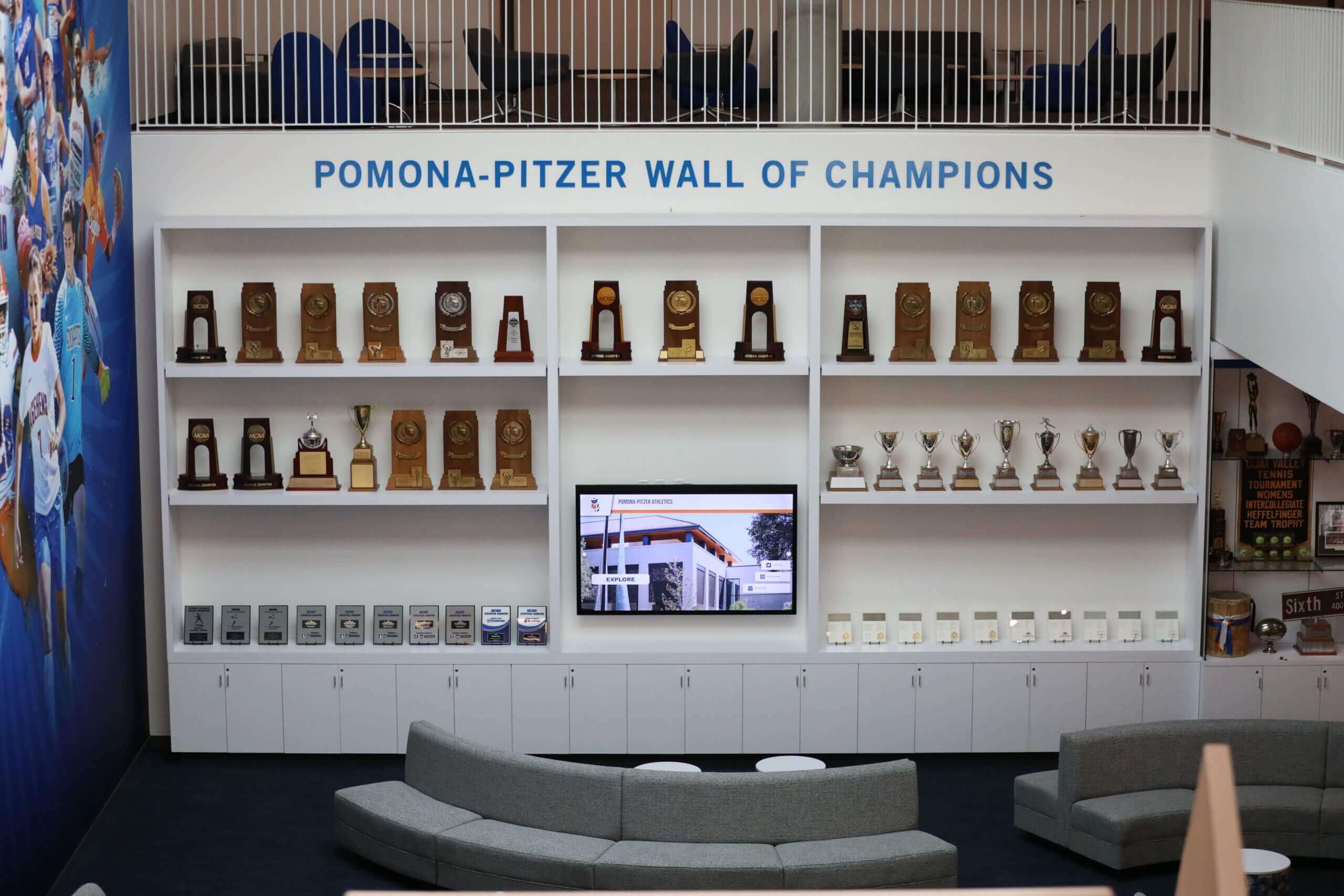
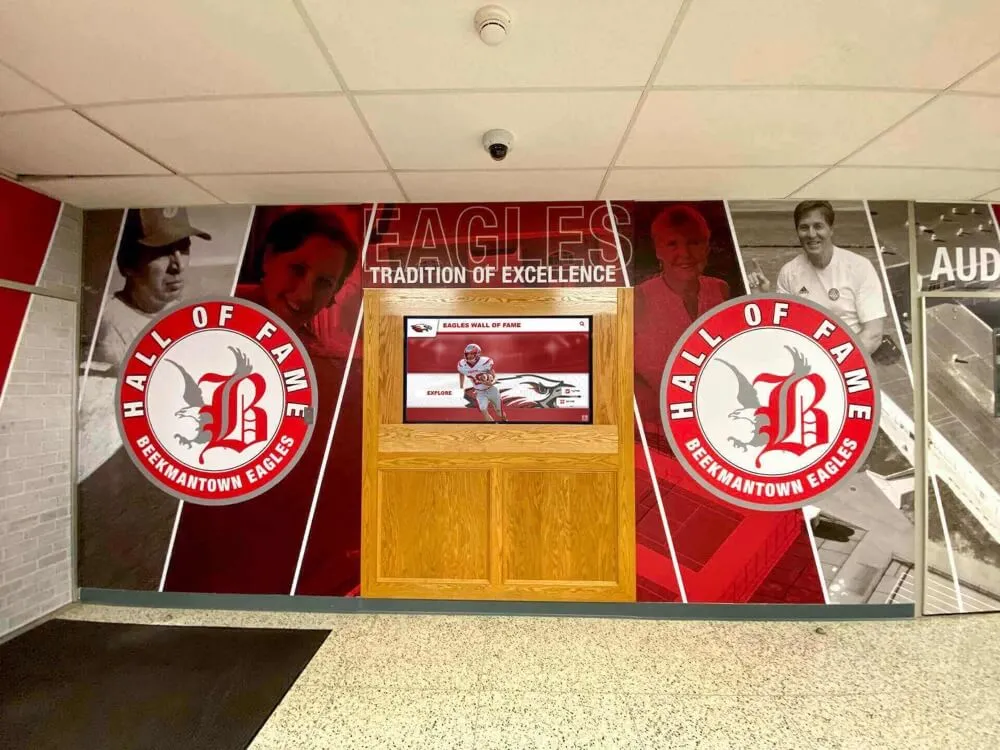
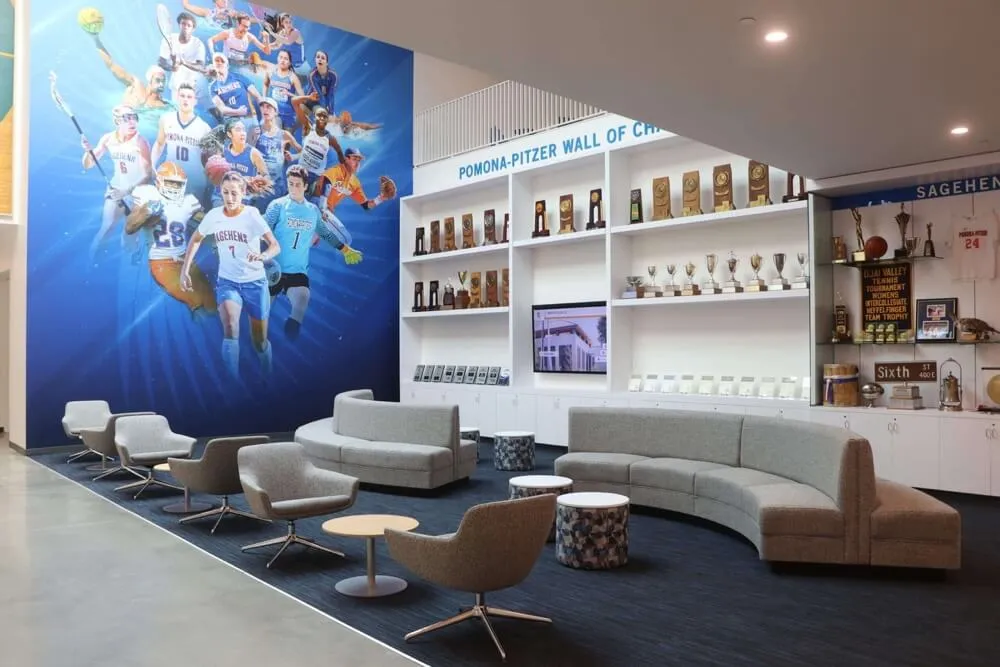
Well-designed recognition spaces justify investment through measurable engagement and relationship-building outcomes that support institutional priorities across multiple dimensions
Special Considerations for Different Educational Contexts
Alumni “Where Are They Now?” programs should adapt to institutional size, type, and community characteristics while maintaining core effectiveness principles.
High School Alumni Spotlight Programs
Secondary schools face unique opportunities and challenges implementing spotlight programs.
Recent Graduate Focus
High school programs often emphasize early-career alumni demonstrating immediate educational impact:
- College success stories showing smooth transitions and academic achievement
- Early professional accomplishments in first career positions
- Military service and training completion and advancement
- Gap year experiences providing alternative path examples
- Trade and technical program success outside traditional four-year college paths
This recent focus helps current students see achievable near-term possibilities rather than only distant career outcomes requiring decades.
Multi-Decade Representation
Balance recent graduate features with established alumni showing long-term trajectories:
- Mid-career professionals reaching significant milestones in their 30s and 40s
- Senior leaders demonstrating sustained excellence and community impact
- Retired alumni reflecting on complete career legacies
- Multi-generation families showing institutional impact across generations
Decade diversity ensures all alumni cohorts engage with recognition rather than programs appearing relevant only to certain graduation eras.
College and University Programs
Higher education institutions often implement more elaborate programs reflecting larger staff capacity and alumni populations.
College or Department-Specific Features
Large universities might implement multiple spotlight levels:
- University-wide flagship spotlights as primary institutional program
- College-level features highlighting specific school graduates monthly
- Department-based spotlights celebrating major-specific achievement
- Graduate program features acknowledging advanced degree alumni separately
Layered programs enable both breadth across university and depth within specific academic communities where tighter connections often exist.
Geographic and Chapter Coordination
Universities with extensive reach coordinate spotlights with regional alumni chapters:
- Location-based features highlighting alumni in specific cities or regions
- Chapter event programming using spotlights to drive attendance
- Distributed content development leveraging chapter volunteers for local alumni research
- Relevant storytelling for diverse alumni communities with varied interests
Geographic coordination ensures spotlight relevance across dispersed populations rather than appearing campus-centric to distant graduates.
Understanding senior class awards displays provides frameworks for recognizing current student achievement that can complement alumni spotlight programs celebrating graduate success.
Private and Independent School Programs
Smaller institutions adapt programs to community scale while maximizing intimate connections.
Tight-Knit Community Advantages
Smaller schools leverage close relationships through:
- Personal connections enabling direct alumni outreach and genuine relationships
- Intimate knowledge of graduate achievements through sustained faculty relationships
- Strong mentor-mentee bonds continuing long after graduation
- Family-like culture where celebrating individual success feels communal
These advantages enable deeper storytelling and more personal spotlight approaches than large institutions can typically achieve.
Resource Constraints and Creative Solutions
Limited staff capacity requires efficient approaches:
- Student involvement in content development providing learning opportunities
- Parent volunteer support for program elements like research or photography
- Alumni volunteer contributions to content creation and peer outreach
- Simple distribution focused on high-impact channels rather than comprehensive coverage
- Strategic technology leveraging productivity tools and platforms
Resourcefulness and community engagement often enable small schools to implement highly effective programs despite modest budgets and limited dedicated staff.

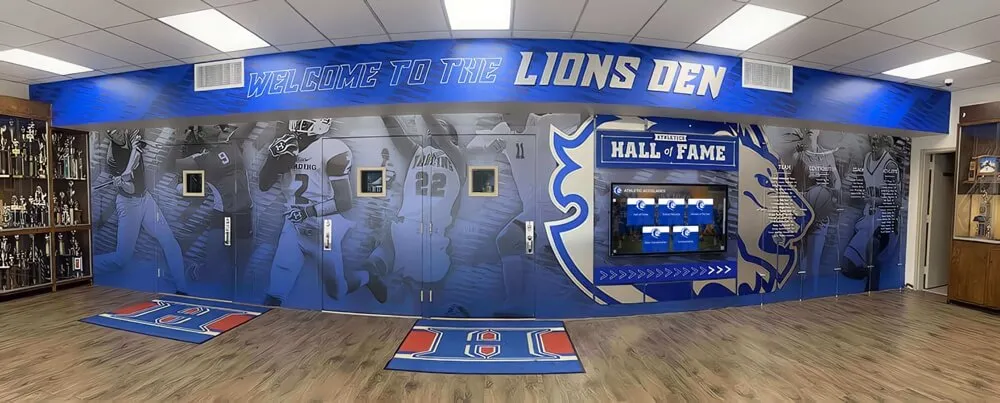
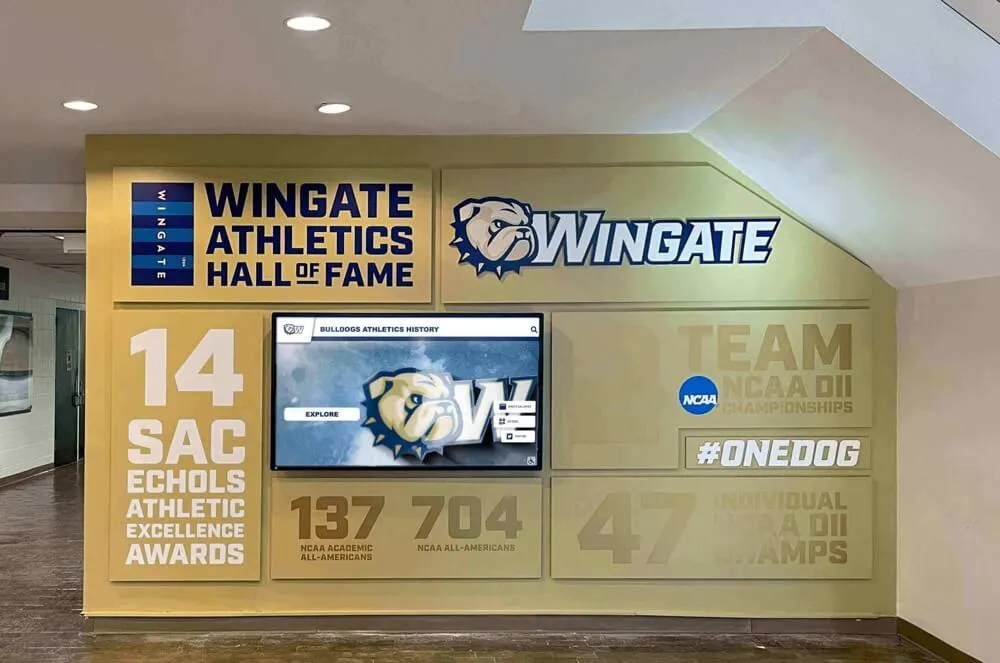
Dedicated recognition spaces create environments encouraging extended visits and group exploration, deepening community engagement with alumni stories and institutional heritage
Conclusion: Building Alumni Storytelling Cultures That Strengthen Communities
Alumni “Where Are They Now?” spotlight programs represent strategic investments in community building, relationship development, and institutional culture when designed thoughtfully and implemented sustainably. These systematic storytelling initiatives honor individual graduate journeys while creating consistent engagement rhythms, providing inspiring content that motivates students, demonstrating educational value to prospective families, supporting fundraising cultivation, and building traditions connecting generations.
The strategies explored in this guide provide comprehensive frameworks for creating spotlight programs that celebrate graduates authentically while remaining operationally sustainable and strategically aligned with broader institutional goals. From fair selection processes ensuring diverse representation to compelling content development that inspires readers, from multi-channel distribution maximizing visibility to rigorous assessment demonstrating impact, these approaches transform alumni recognition from occasional features into powerful community-building tools.
Transform Your Alumni Recognition Program
Discover how modern digital recognition solutions can help you showcase alumni "Where Are They Now?" stories and all graduate achievements through engaging displays that inspire students, support fundraising, enhance recruitment, and build lasting institutional pride.
Explore Recognition SolutionsSuccessful spotlight programs require thoughtful planning addressing selection fairness ensuring deserving graduates across all backgrounds and careers receive recognition, content quality creating compelling stories that inspire and engage diverse audiences, distribution effectiveness reaching alumni, students, and prospective families through appropriate channels, operational sustainability preventing burnout while maintaining consistency year after year, and strategic alignment supporting broader institutional objectives beyond recognition alone.
Whether launching spotlight programs for the first time, revitalizing efforts that have stagnated, or enhancing existing initiatives with modern technology and systematic approaches, the frameworks outlined here provide actionable roadmaps for schools and universities of all types and sizes. Every institution faces similar challenges—discovering remarkable but overlooked alumni stories, developing compelling content within limited staff capacity, maintaining sustainable workflows preventing overwhelm, and demonstrating measurable value justifying continued investment.
Your distinguished alumni represent living proof of educational impact—graduates whose diverse journeys reflect institutional quality, whose success stories inspire current students toward ambitious goals, and whose ongoing engagement sustains community across generations. They deserve systematic recognition celebrating their achievements comprehensively while telling complete stories that demonstrate how education enabled success, inspire others toward excellence, and strengthen the institutional bonds that benefit entire communities.
Modern recognition technology fundamentally changes what becomes possible in alumni storytelling. Interactive digital displays like those from Rocket Alumni Solutions eliminate the space constraints that historically forced schools to limit recognition, enabling comprehensive celebration of all alumni while providing rich multimedia storytelling capabilities that static plaques cannot match. Cloud-based content management ensures recognition remains current through simple updates. And web and mobile extensions reach global audiences far beyond campus visitors, maximizing program impact and return on investment.
Ready to launch or enhance your alumni “Where Are They Now?” spotlight program? Explore comprehensive alumni gathering area design strategies that complement spotlight programs with welcoming physical spaces, learn about alumni of the month programs providing systematic monthly recognition frameworks, discover highlighting famous alumni approaches for celebrating particularly distinguished graduates, understand college commitment day displays that showcase current student choices alongside alumni success, and when ready to discuss your specific institutional needs, connect with Rocket Alumni Solutions to explore how purpose-built recognition technology can help you celebrate the remarkable alumni journeys your community deserves to discover and be inspired by every day.
Alumni spotlight programs that recognize diverse excellence, tell compelling stories, distribute recognition effectively, operate sustainably, and align strategically transform graduate acknowledgment from occasional features to systematic cultures of appreciation and community building that strengthen institutions while honoring the remarkable individuals who represent educational impact across generations.