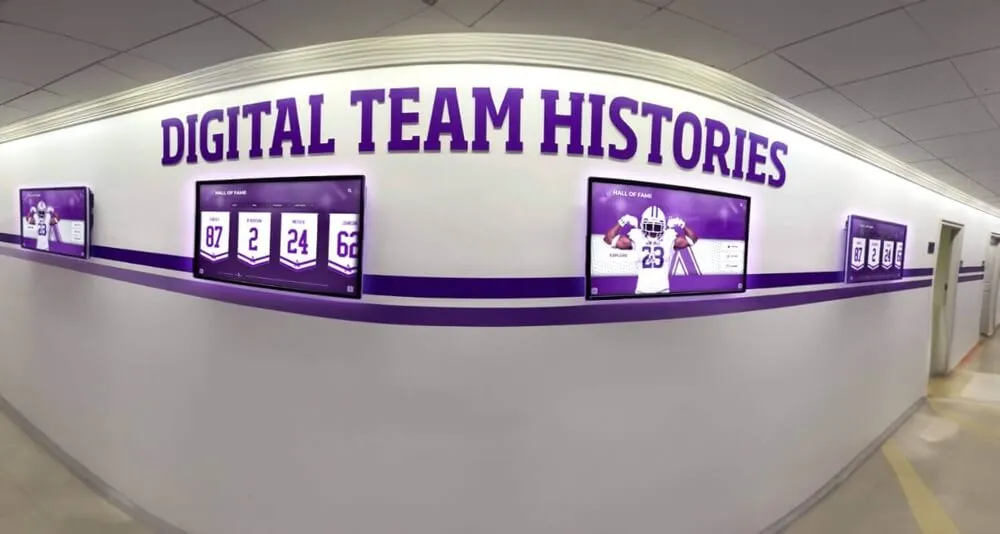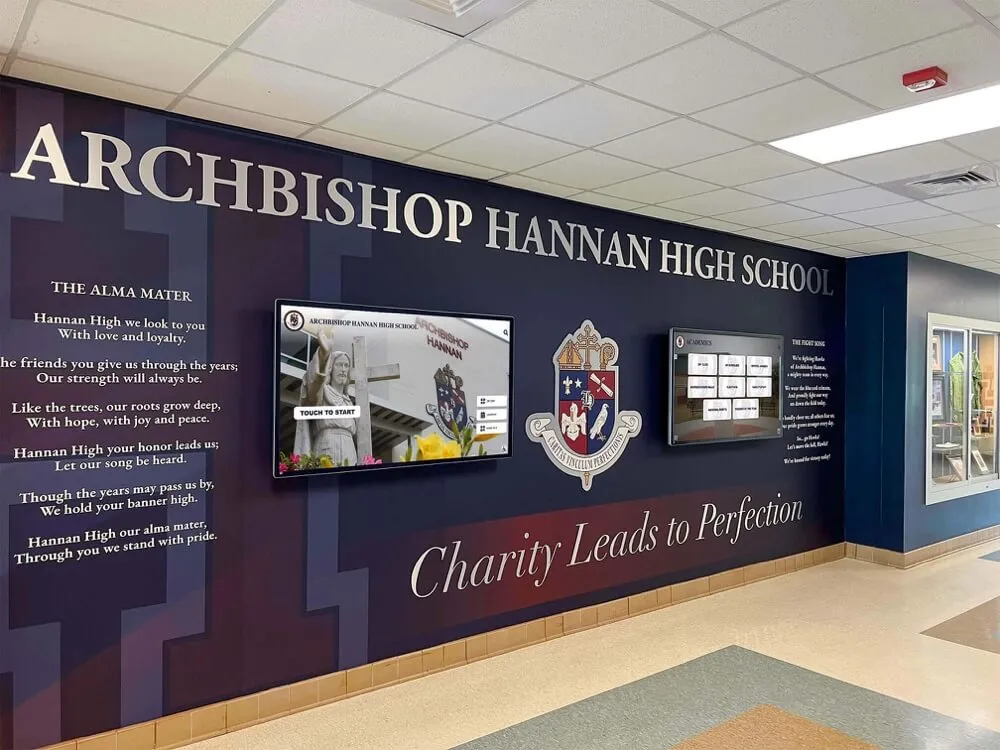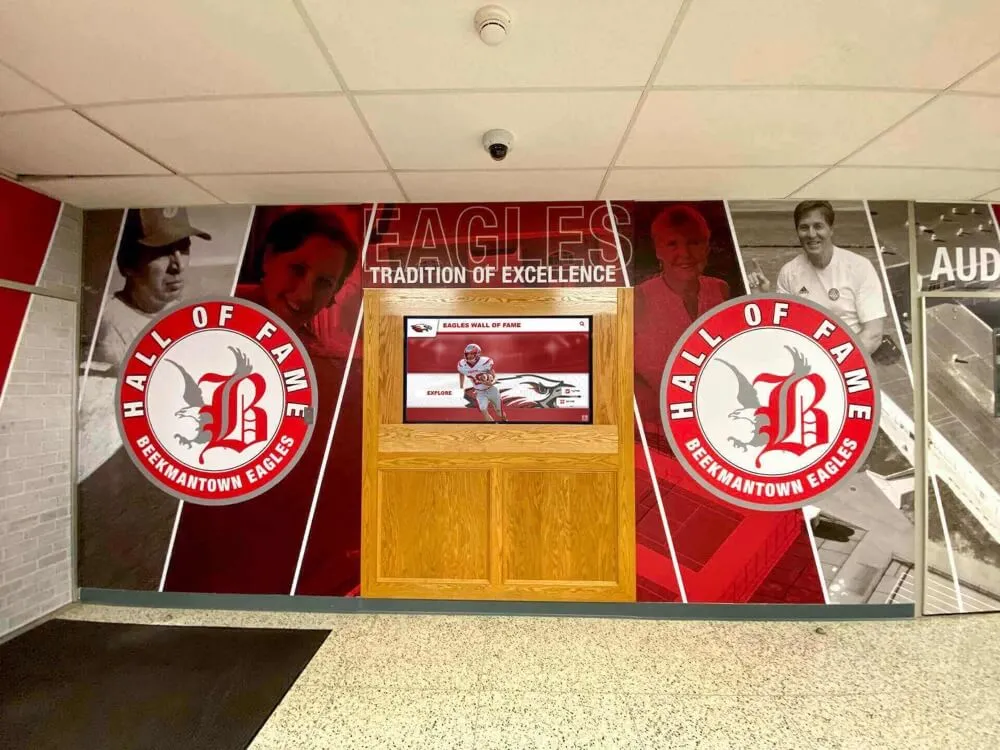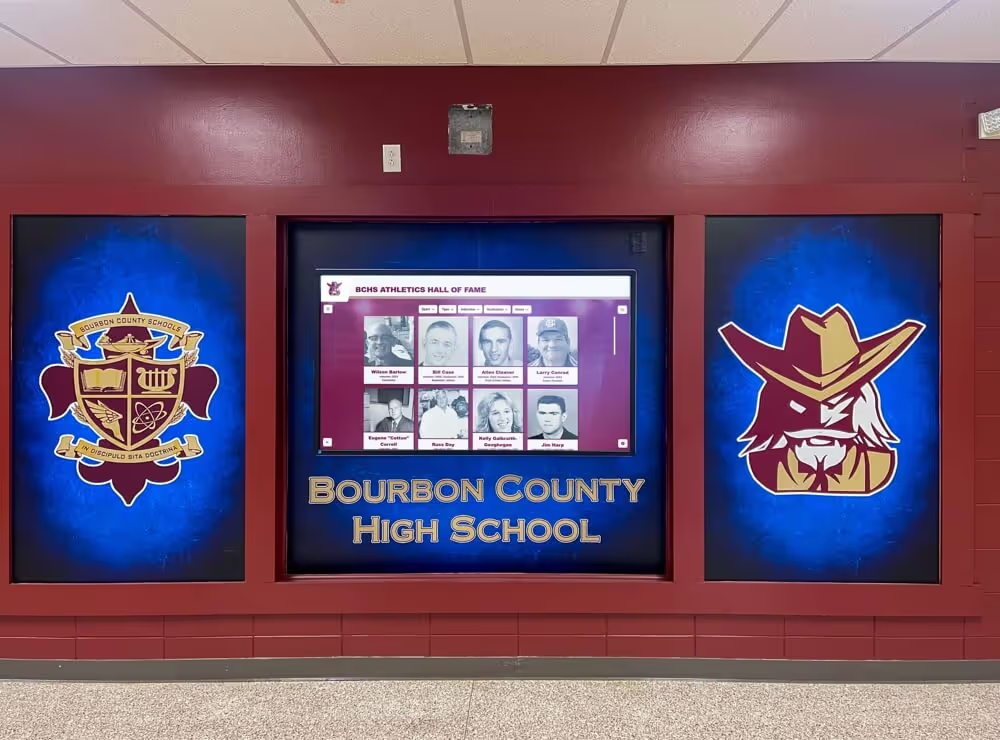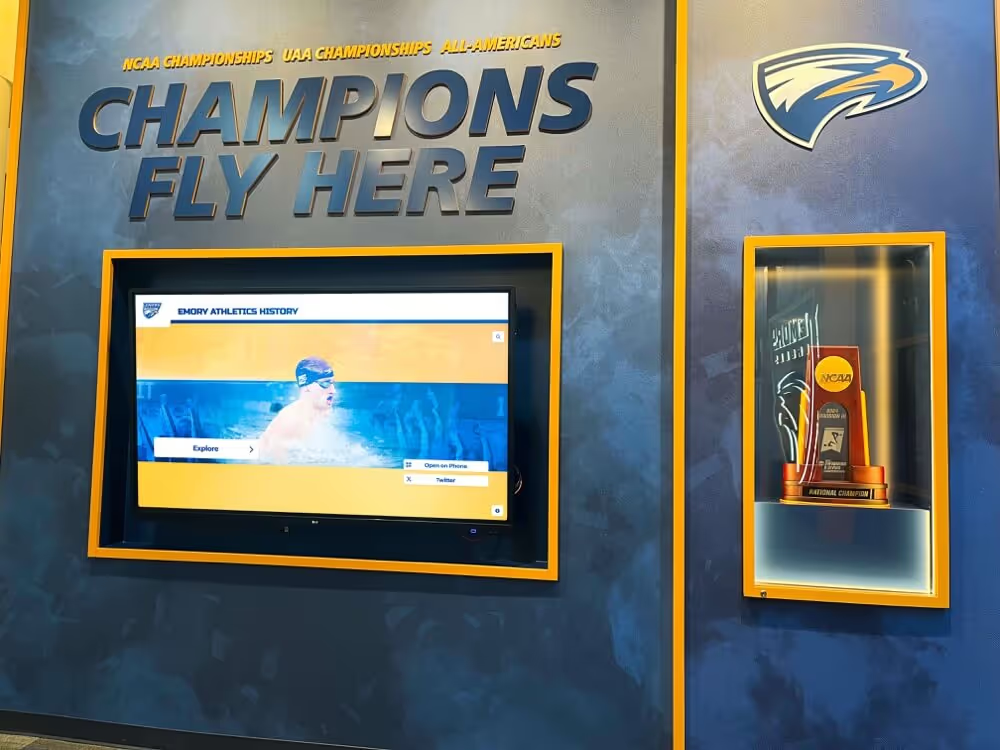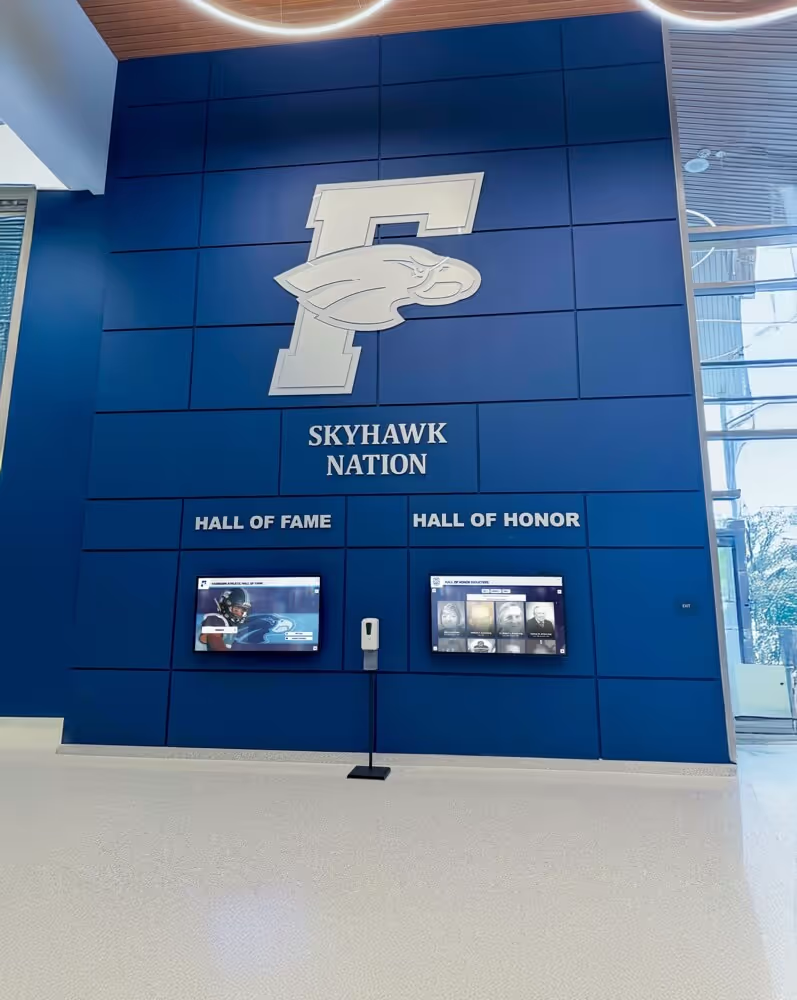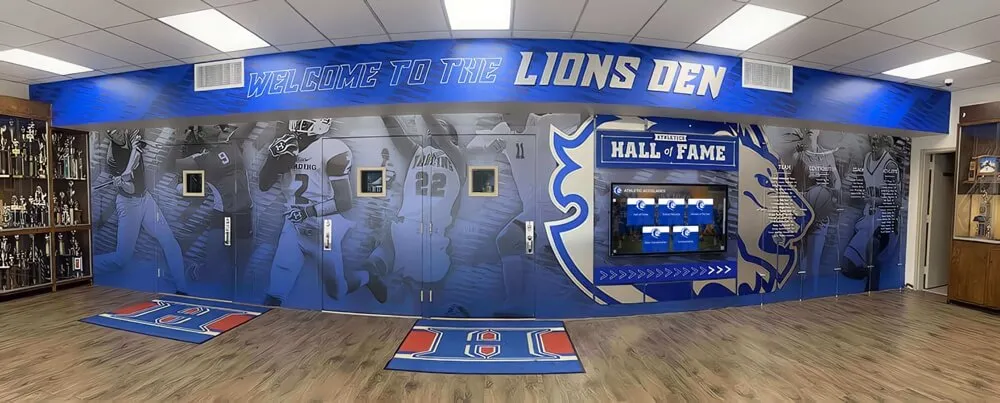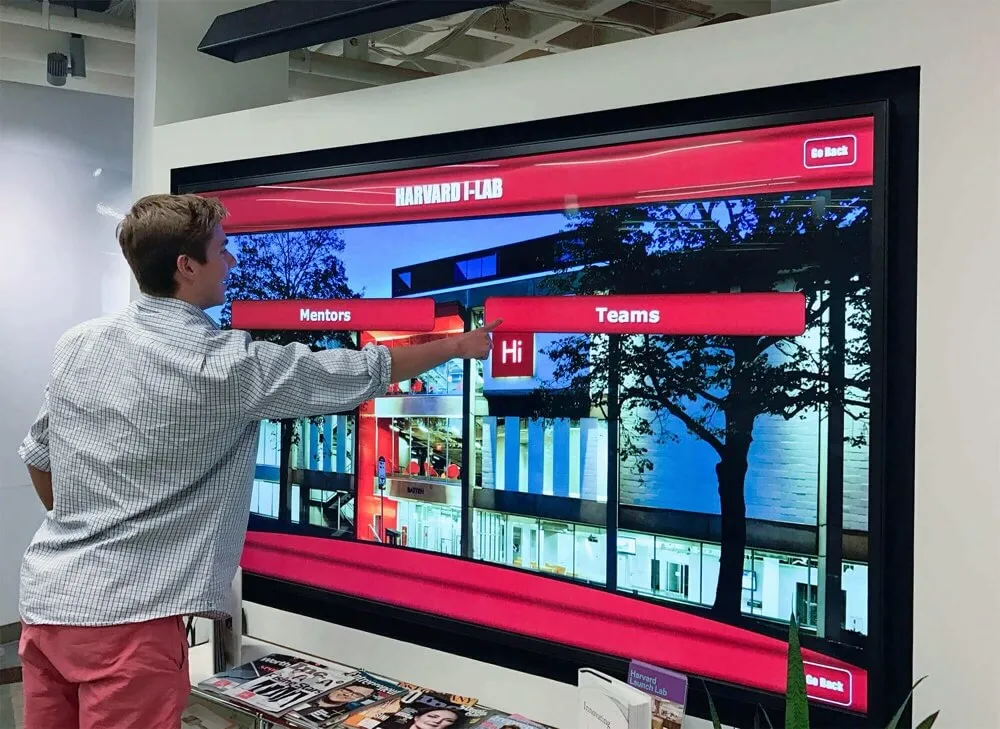




Apartment complex digital displays have evolved from simple bulletin boards to sophisticated communication platforms that transform how property managers connect with residents, build community engagement, and create modern living experiences. These interactive systems deliver real-time information, showcase amenities, promote events, and foster the sense of belonging that distinguishes exceptional communities from generic housing.
Yet many apartment complexes struggle to implement digital display systems that genuinely enhance resident satisfaction beyond flashy lobby decorations. Static content quickly becomes invisible through repetition. Outdated information erodes credibility. Generic messaging fails to create the personal connections that build lasting community culture and resident retention.
This comprehensive guide explores proven strategies for implementing effective digital display systems in apartment complexes—from strategic placement and content planning to technology selection and engagement measurement. Whether you manage luxury high-rises, garden-style communities, or student housing, you’ll discover practical approaches for creating digital communication platforms that residents actually use while supporting operational efficiency and property differentiation.
Modern renters increasingly expect digital amenities matching their connected lifestyles—from smart home technology to sophisticated communication platforms delivering relevant information exactly when needed. Digital displays represent visible manifestations of property commitment to resident experience, signaling investment in community quality that influences both initial leasing decisions and long-term retention.

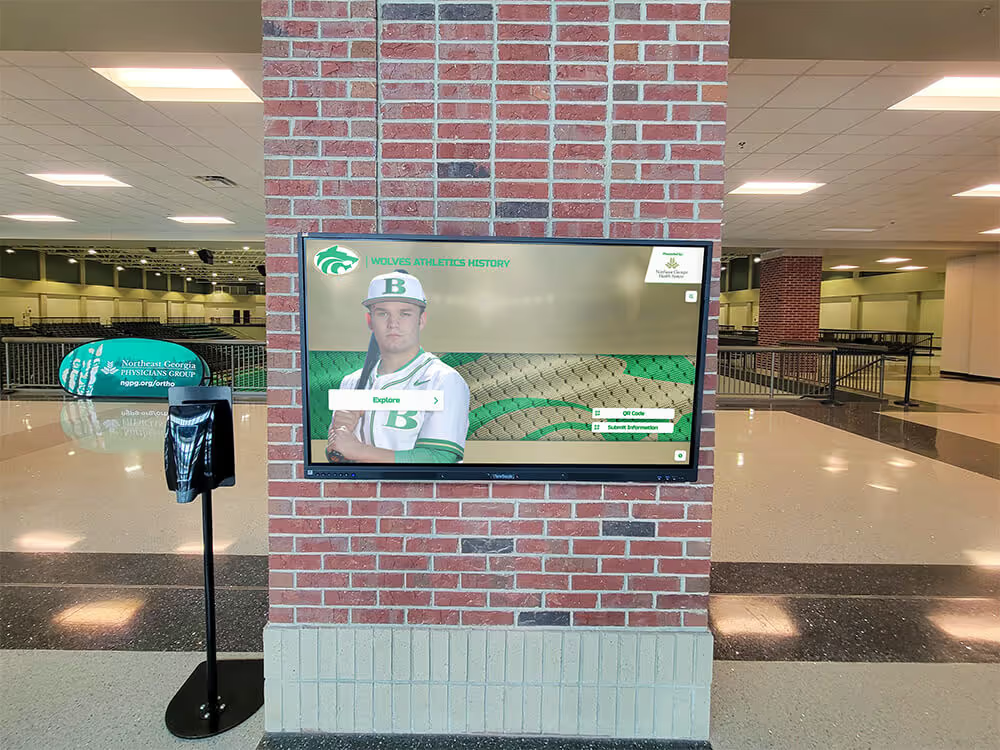
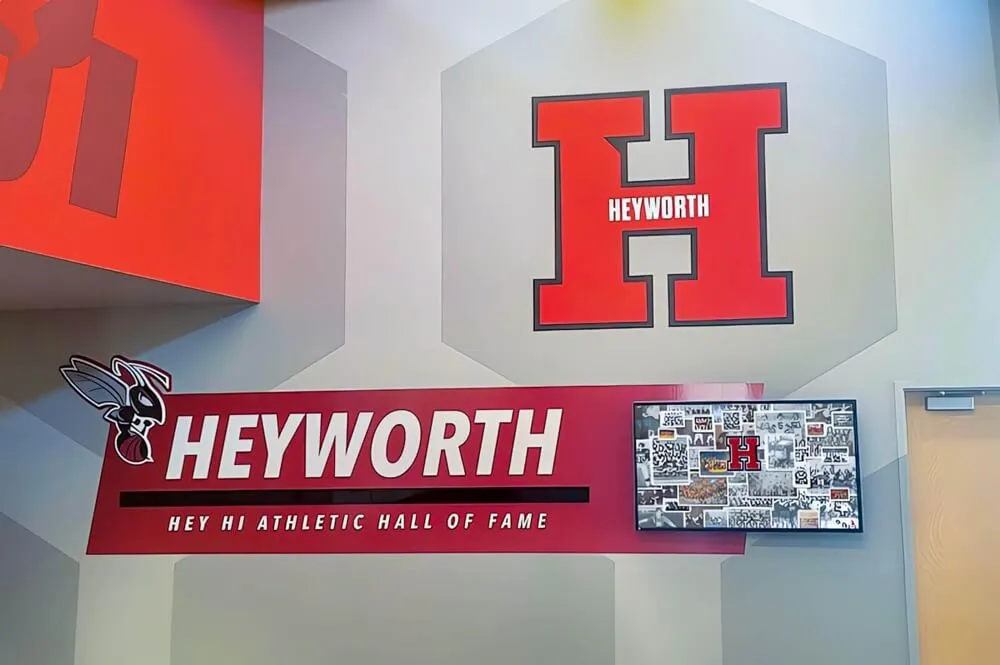
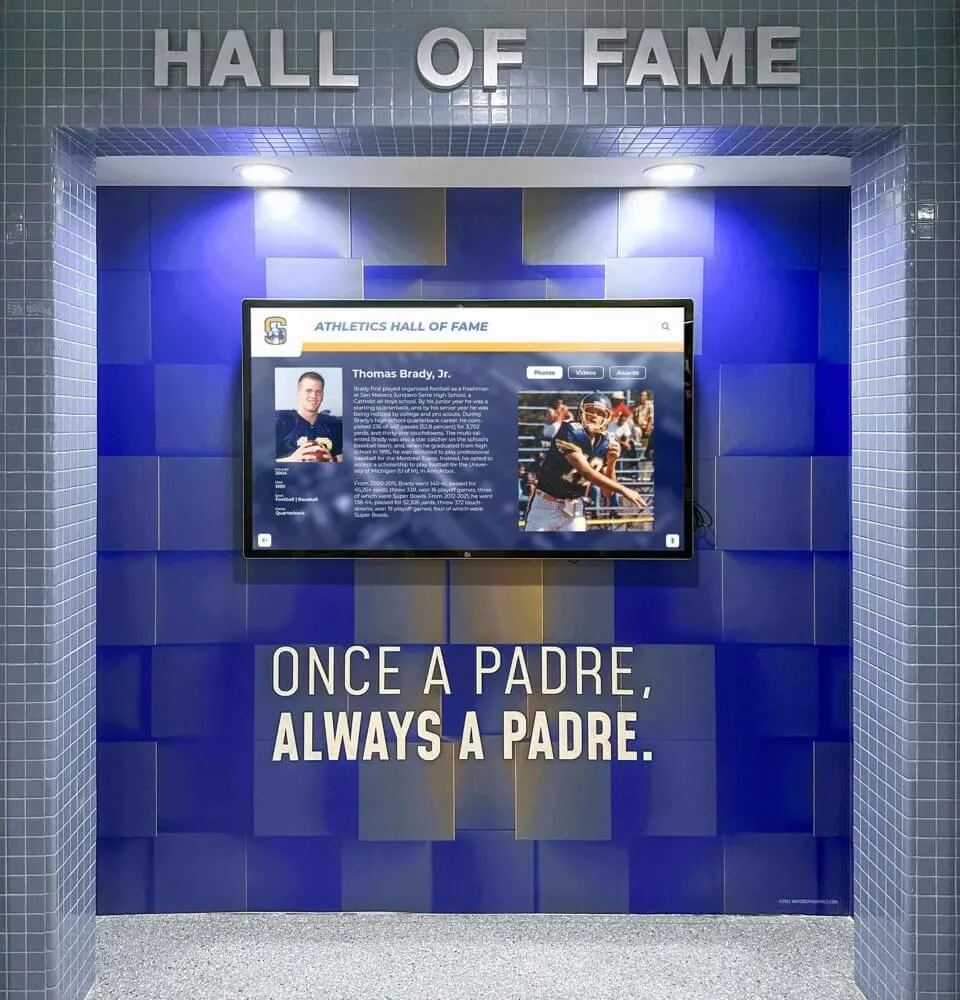
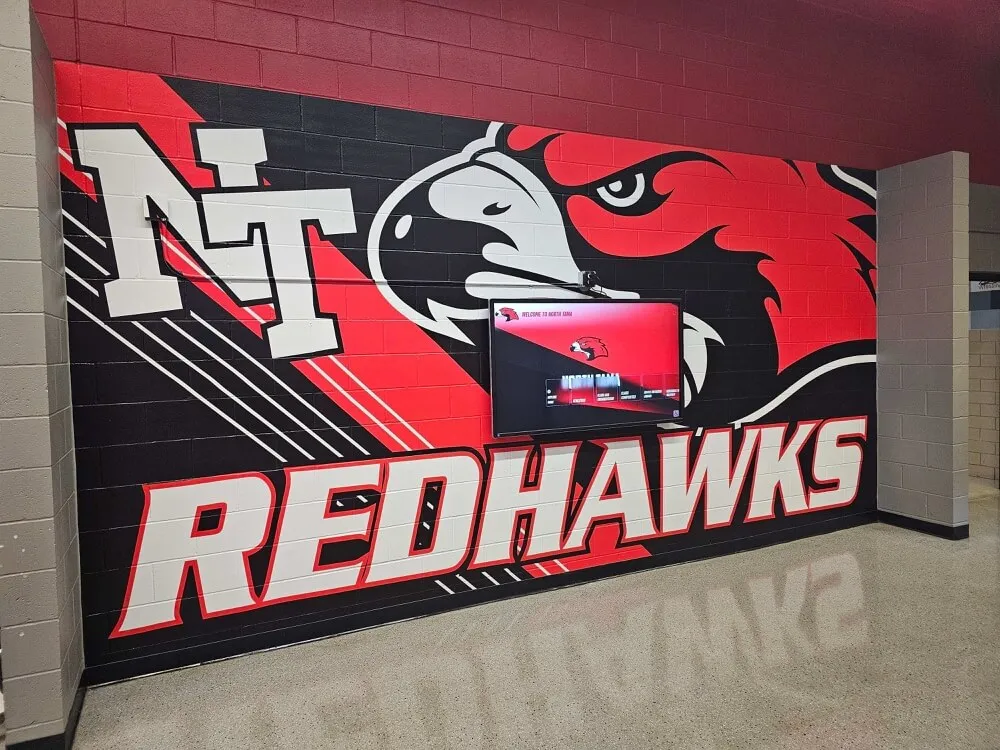
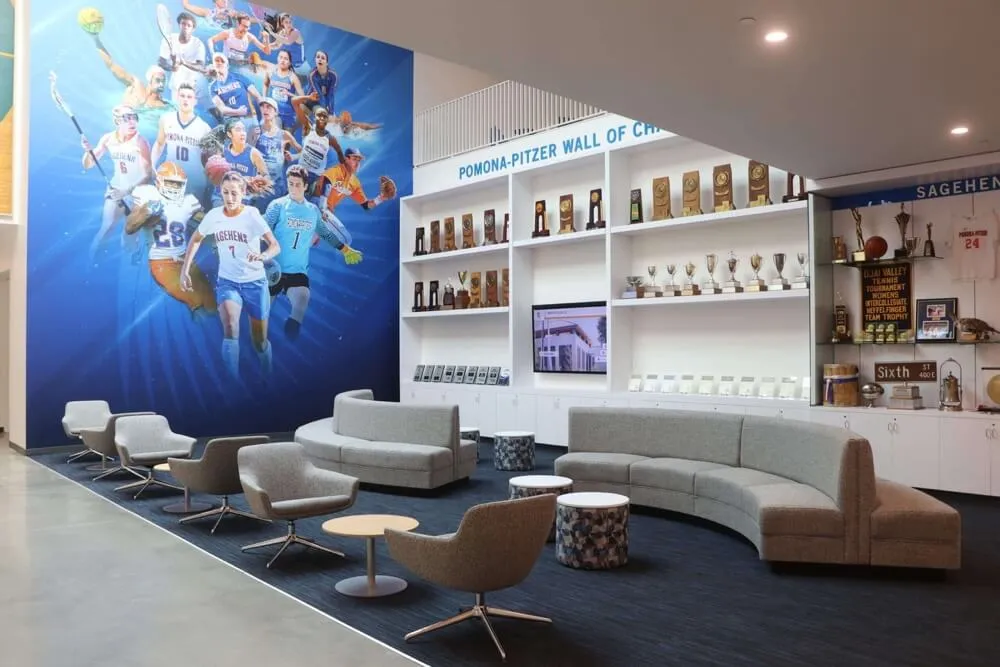
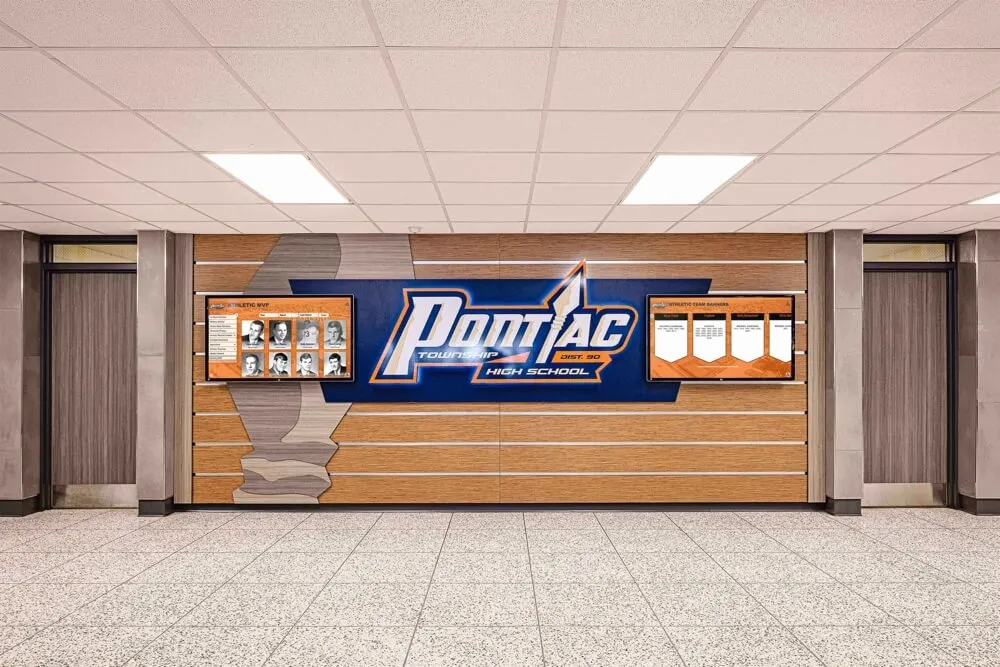
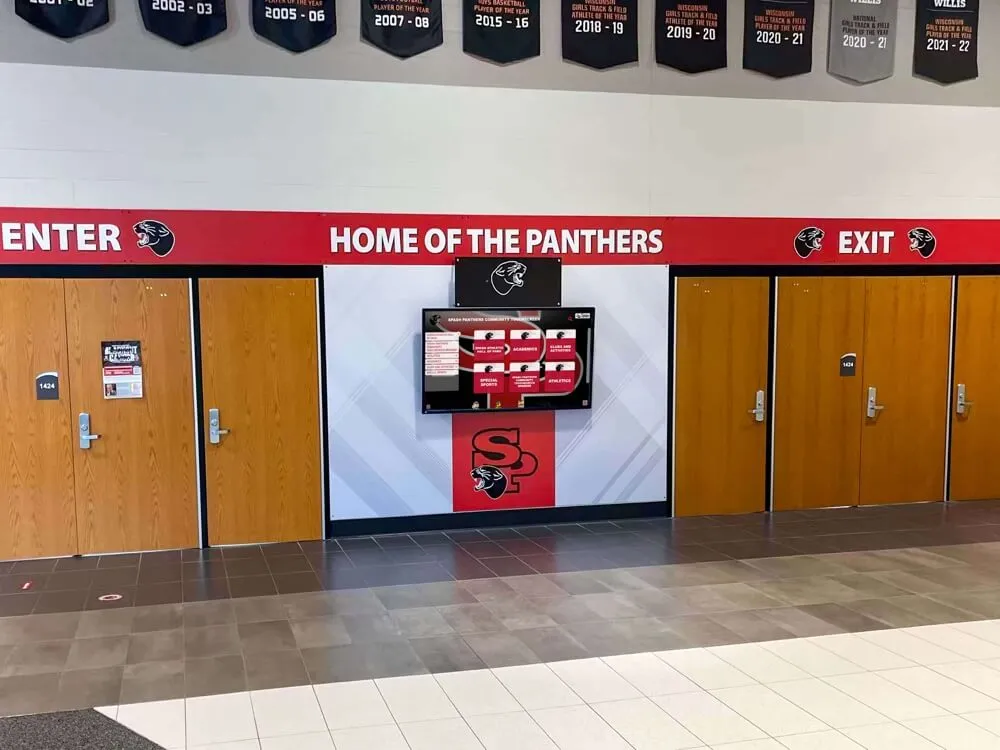
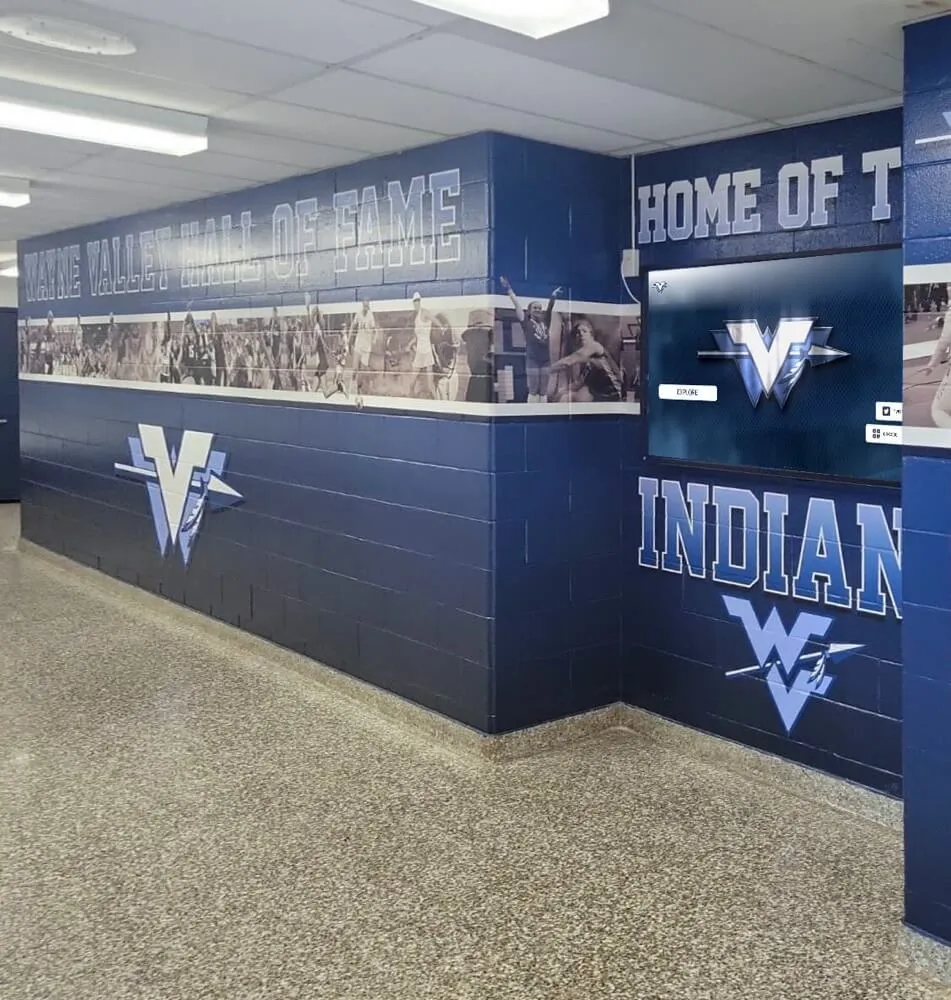
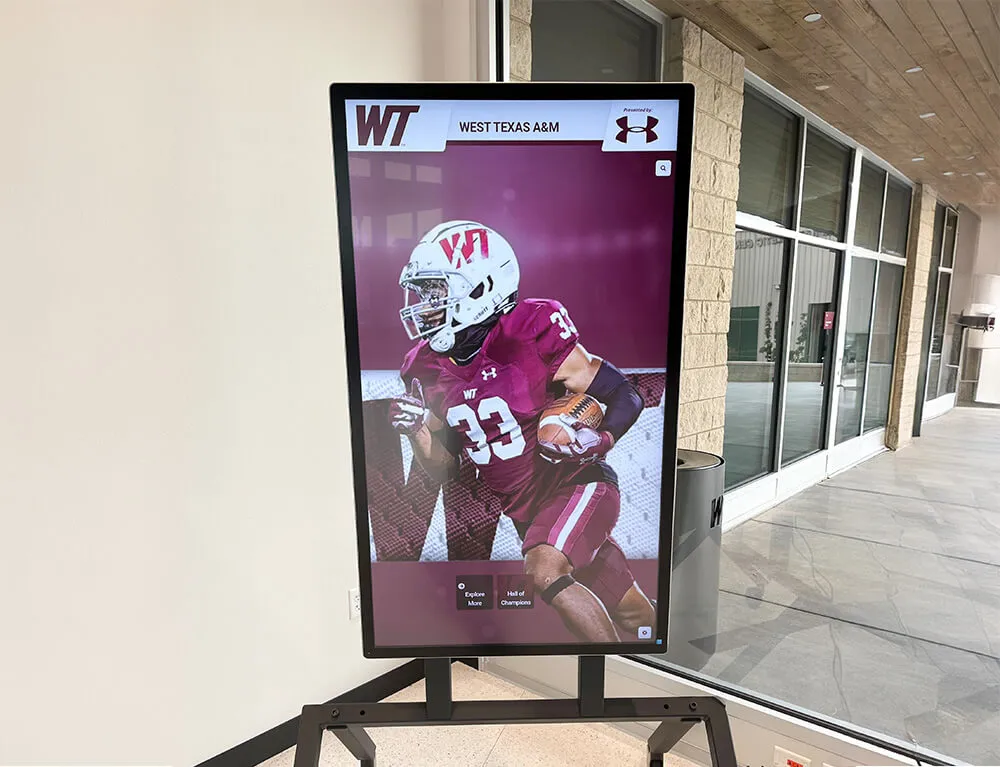
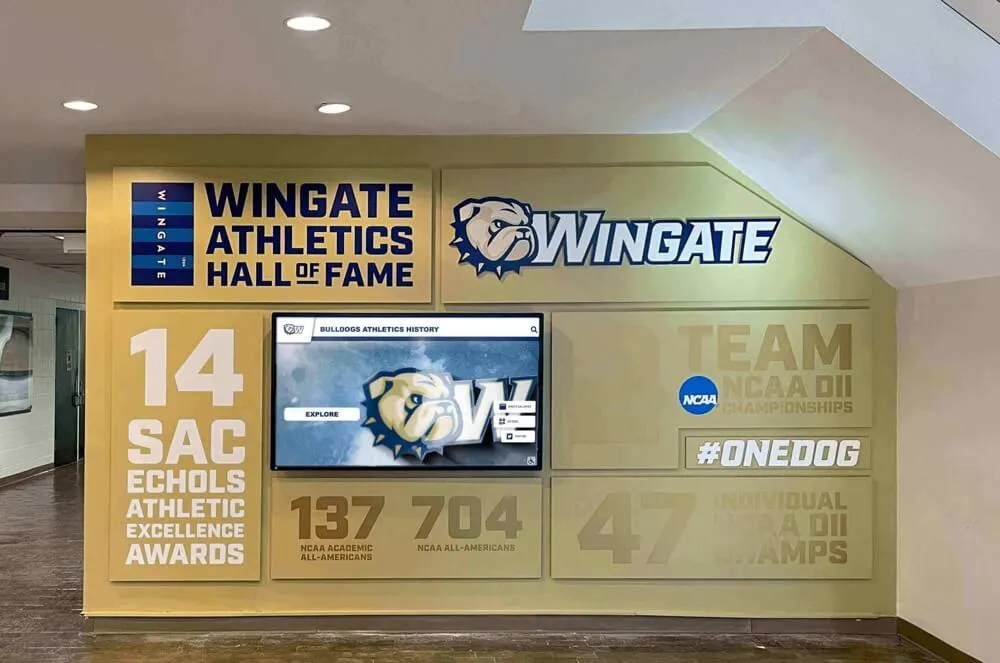
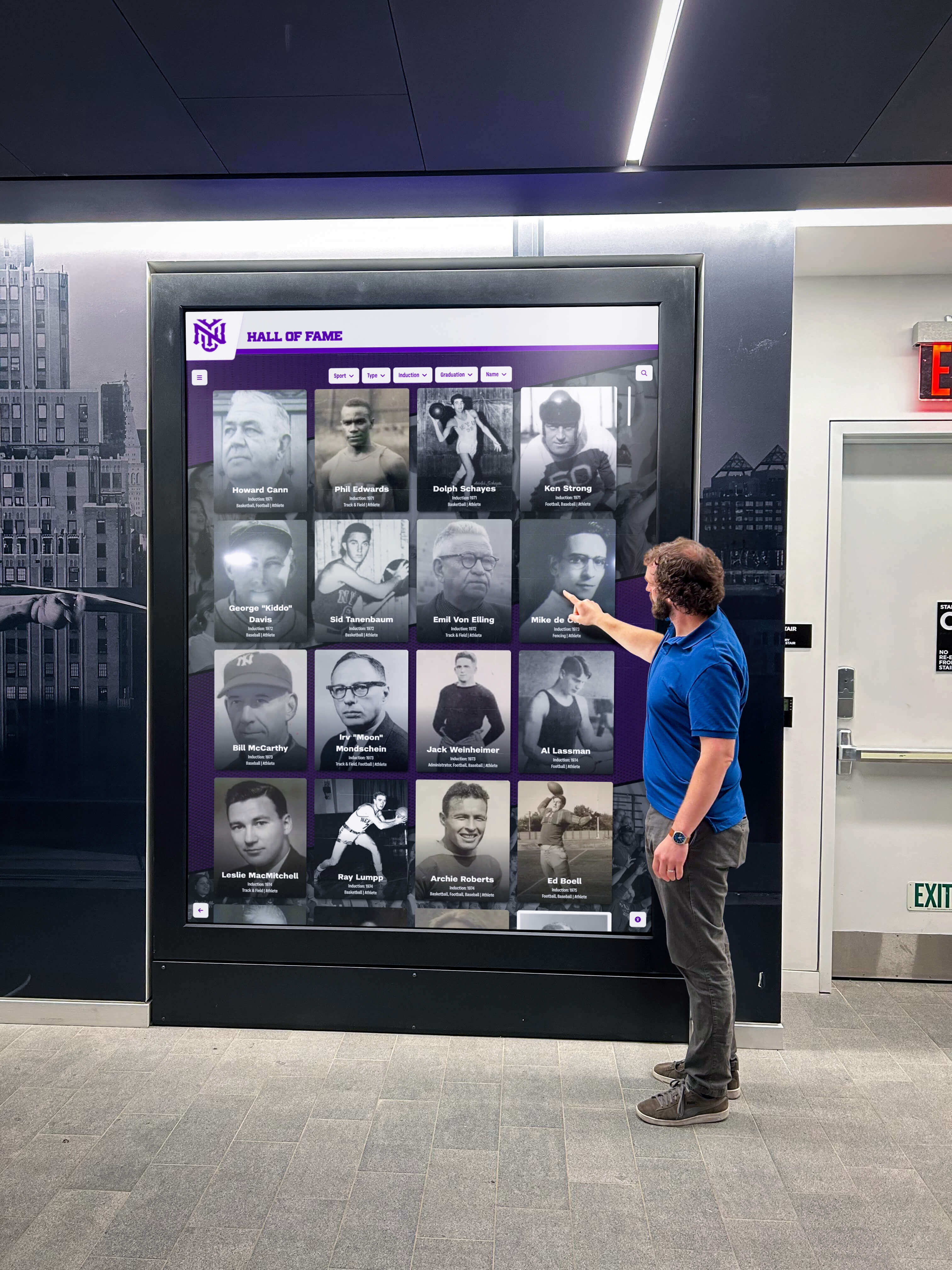
Modern digital displays transform apartment lobbies into engaging information hubs that connect residents to their community
The Strategic Value of Digital Displays in Apartment Communities
Understanding why digital displays matter helps property managers and ownership groups prioritize investment and design decisions that deliver measurable returns across multiple dimensions.
Enhancing Resident Communication and Satisfaction
Effective resident communication directly impacts satisfaction scores, renewal rates, and online review quality. According to research on multifamily housing satisfaction, 83% of residents without digital screens in their buildings believe they would provide effective information delivery, while 97% of residents with existing digital displays find content informative, relevant, and trustworthy.
Digital displays solve persistent communication challenges that plague traditional methods:
Immediate Information Delivery
- Real-time emergency notifications reaching residents instantly
- Last-minute schedule changes communicated without email delays
- Weather alerts and safety information displayed prominently
- Maintenance updates visible exactly when residents need them
- Time-sensitive community announcements ensuring awareness
Consistent Message Visibility Unlike emails that residents may miss or delete without reading, lobby displays ensure consistent exposure to important information. Every resident entering or exiting sees community updates multiple times daily, creating natural awareness without requiring active attention.
Multilingual Accessibility Digital systems can rotate content across multiple languages, ensuring clear communication with diverse resident populations—an impossible task with printed materials requiring separate production for each language.
Visual Engagement Dynamic graphics, photography, and video create attention and comprehension impossible with text-only communication. Complex information becomes accessible through visual demonstration, while attractive imagery creates positive emotional associations with community messaging.
Building Community Culture and Engagement
Beyond operational communication, digital displays play crucial roles in fostering the community connections that transform apartment buildings from temporary housing into homes where residents feel genuine belonging.
Event Promotion and Participation Prominently displayed event information significantly increases participation rates:
- Resident social gatherings and community events
- Fitness class schedules and wellness programming
- Holiday celebrations and seasonal activities
- Educational workshops and skill-sharing sessions
- Community volunteer opportunities and partnerships
Regular event content creates perception that the community offers active, engaging lifestyle—even for residents who don’t personally attend every activity.
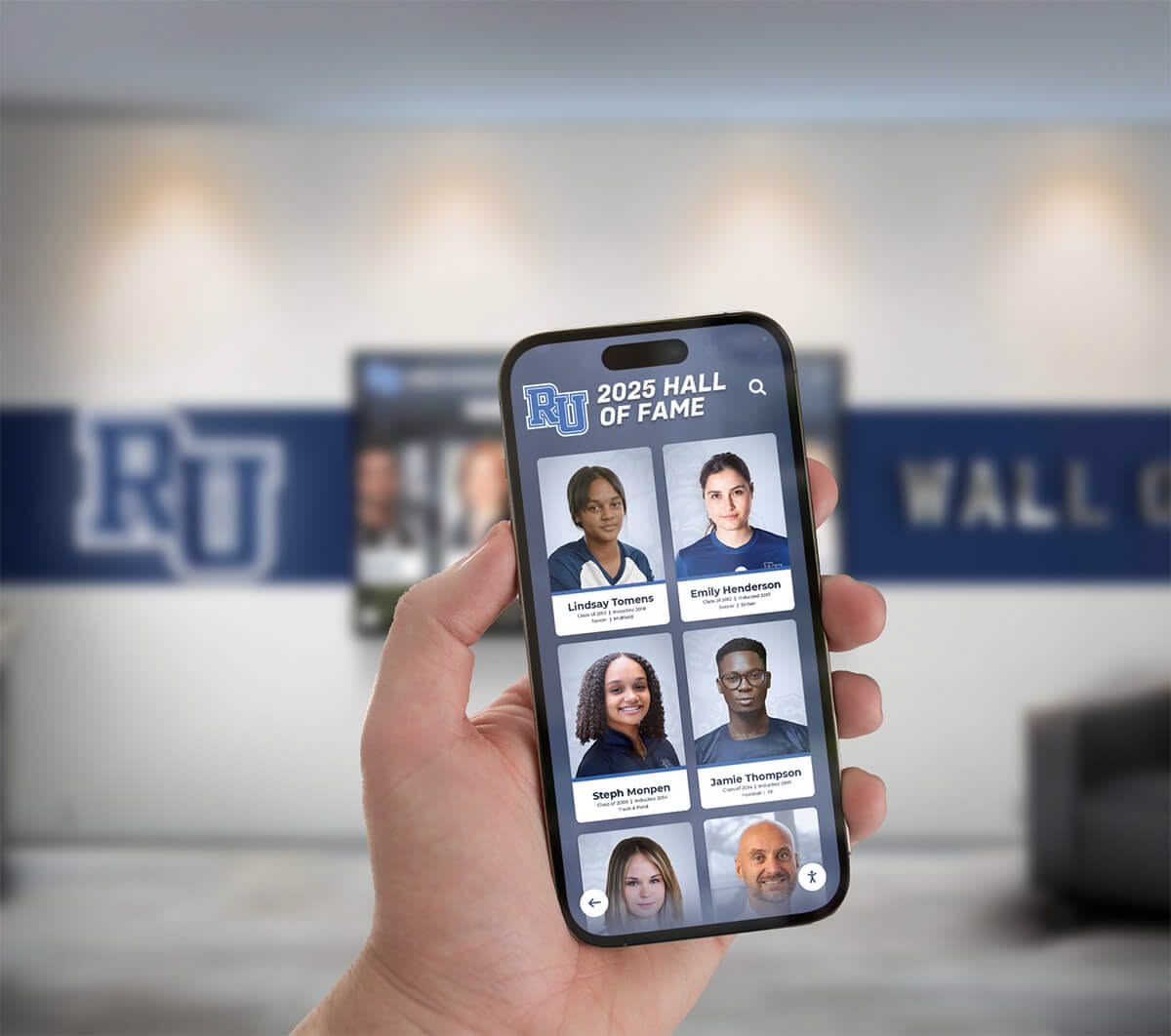
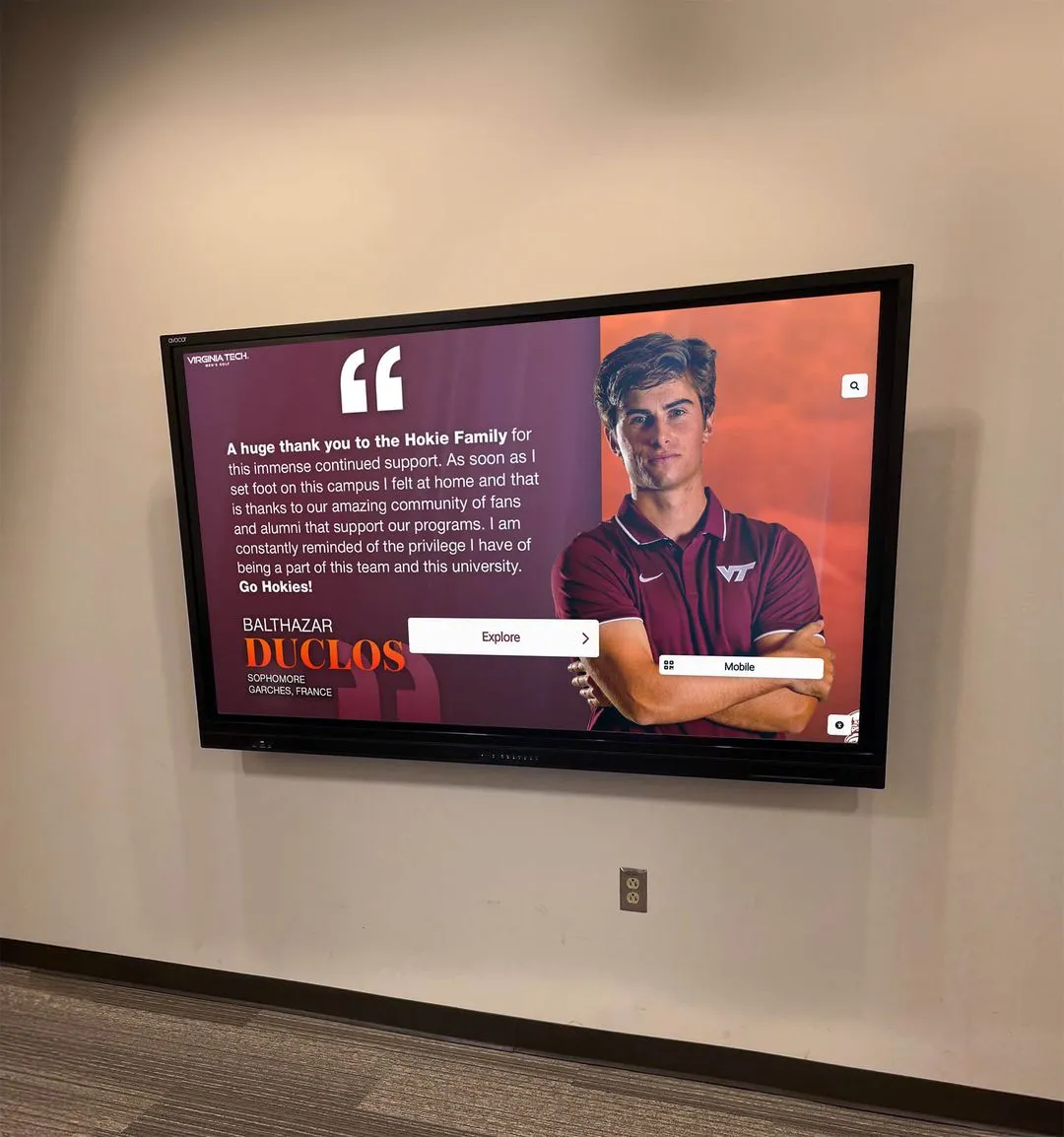
Mobile integration extends digital display content beyond physical lobbies to resident devices
Resident Recognition and Celebration Acknowledging resident milestones and contributions builds emotional investment in community:
- New resident welcomes creating immediate belonging
- Birthday and anniversary recognition adding personal touches
- Volunteer appreciation celebrating community contributions
- Achievement acknowledgment for resident accomplishments
- Move-out tributes honoring long-term residents
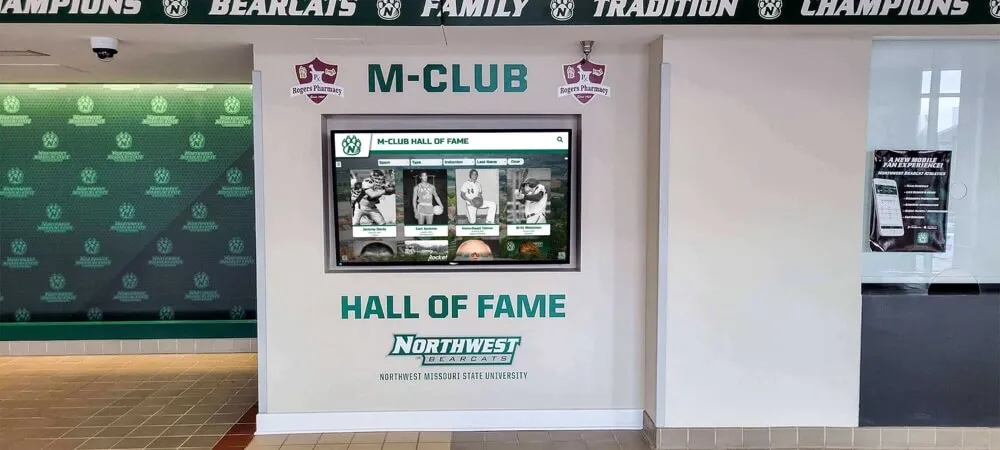
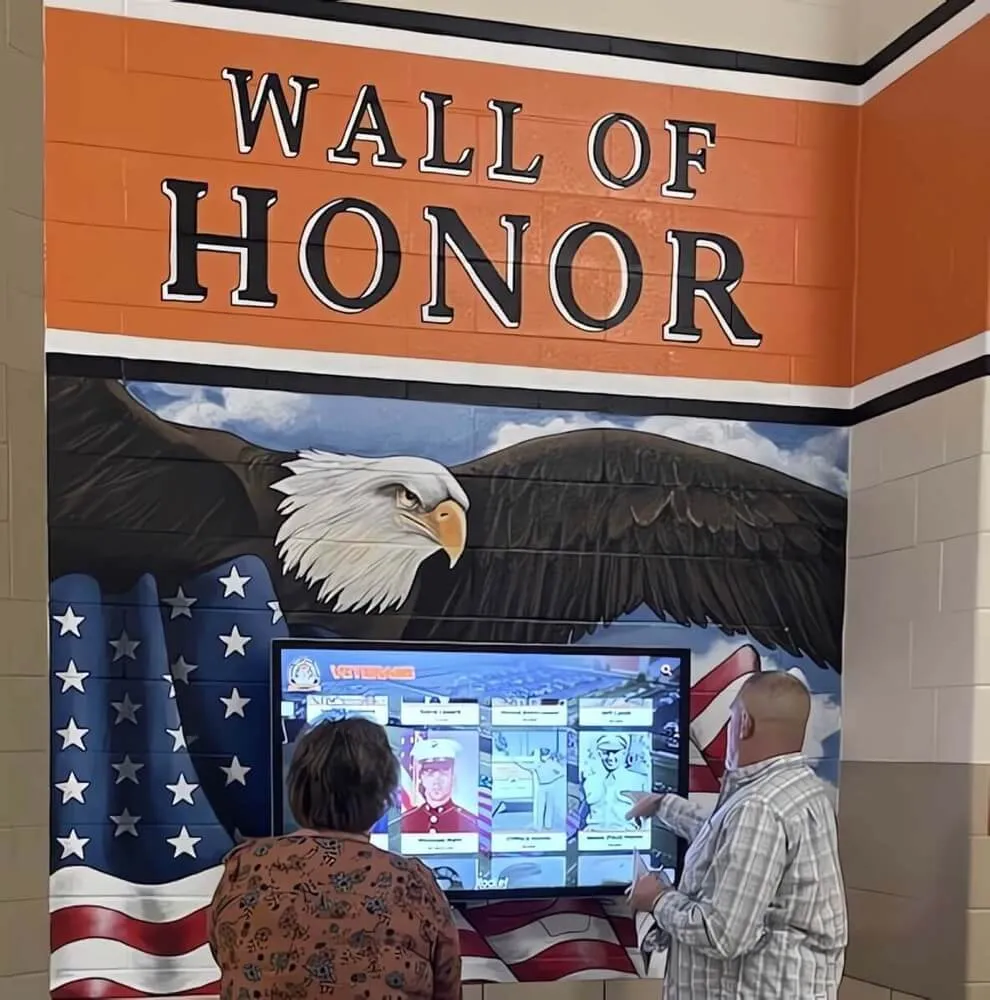
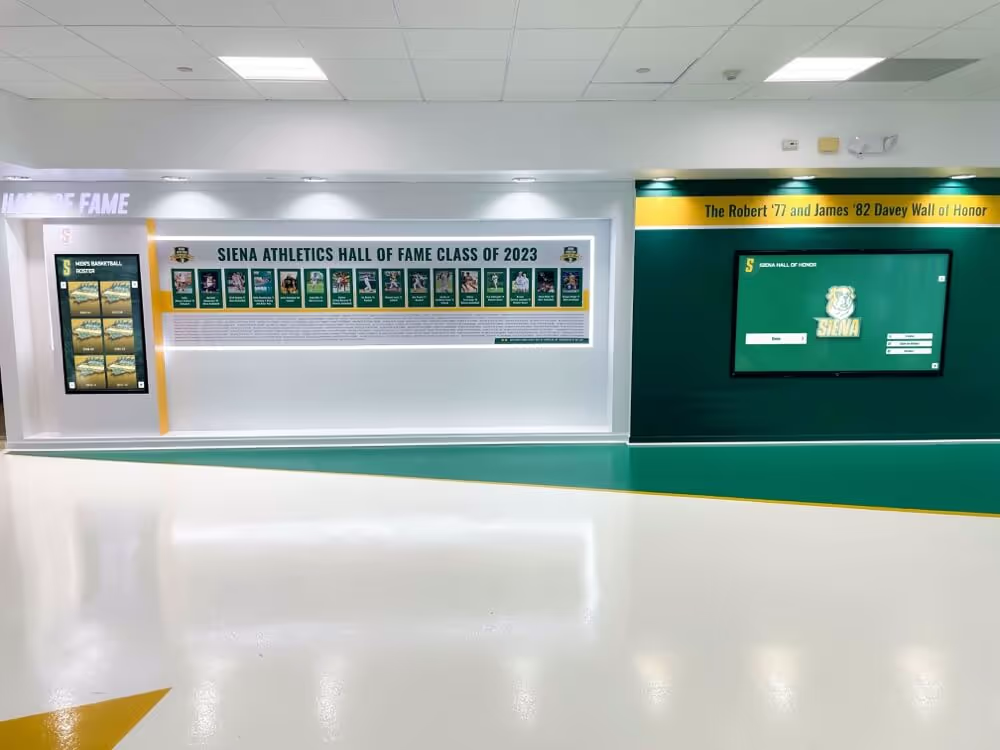
Digital recognition displays, similar to those used in educational settings through solutions like Rocket Alumni Solutions, can be adapted for residential communities to celebrate resident stories and build pride in community membership.
Shared Identity Development Consistent visual branding, community storytelling, and achievement celebration through digital displays reinforce shared identity that differentiates your property from competitors. When residents feel they’re part of something special rather than simply renting generic space, retention and referrals increase dramatically.
Supporting Property Operations and Marketing
Strategic digital display implementation delivers operational benefits extending beyond resident experience to impact property management efficiency and marketing effectiveness.
Reducing Administrative Workload Digital systems dramatically reduce time spent on routine communication tasks:
- Eliminate printing, posting, and replacing bulletin board materials
- Update multiple displays simultaneously from centralized platforms
- Schedule recurring content automatically without manual intervention
- Reduce resident service inquiries by proactively providing information
- Minimize phone calls about amenity hours, events, and policies
Properties report 60-80% reduction in communication-related administrative time after implementing comprehensive digital display systems.
Amenity Utilization Enhancement Many communities invest heavily in amenities that residents underutilize simply because they forget facilities exist or don’t understand access procedures. Digital displays showcasing amenity features, hours, reservation processes, and current availability drive increased usage that justifies amenity investment while improving resident satisfaction.
Marketing Differentiation Prospective residents touring properties form immediate impressions about community quality and management professionalism. Modern digital displays signal investment in resident experience while demonstrating technological sophistication that appeals to contemporary renters—particularly millennials and Gen Z prospects who expect digital integration throughout living environments.
Property websites and virtual tours prominently featuring digital displays communicate modernity and resident-focus before prospects ever visit in person, potentially influencing initial interest and scheduling decisions.
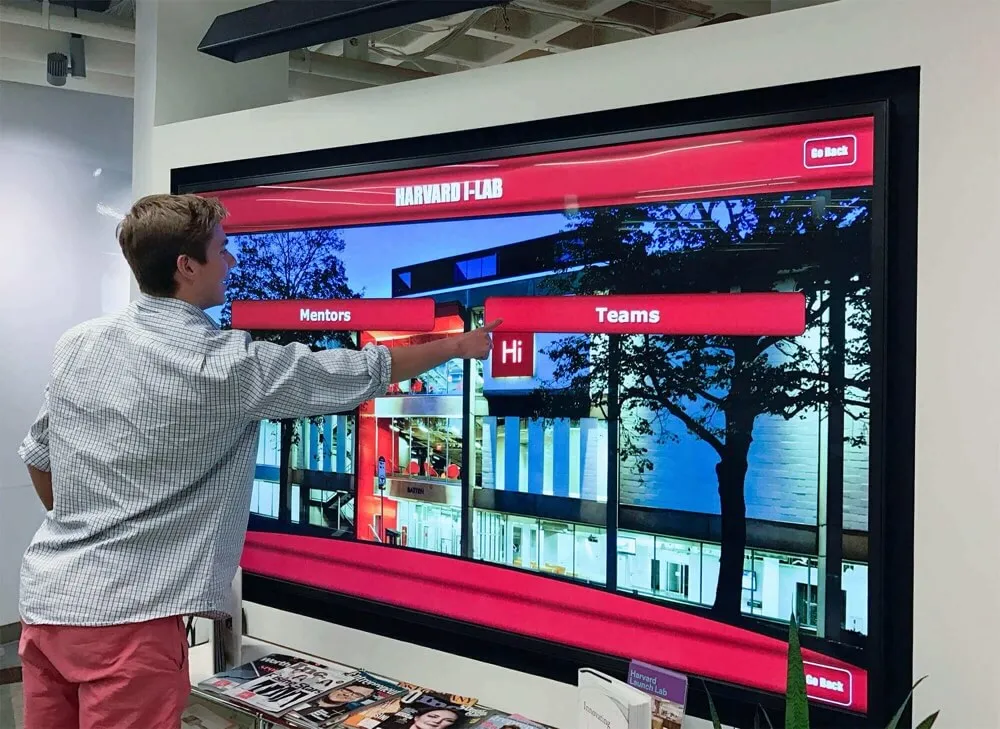
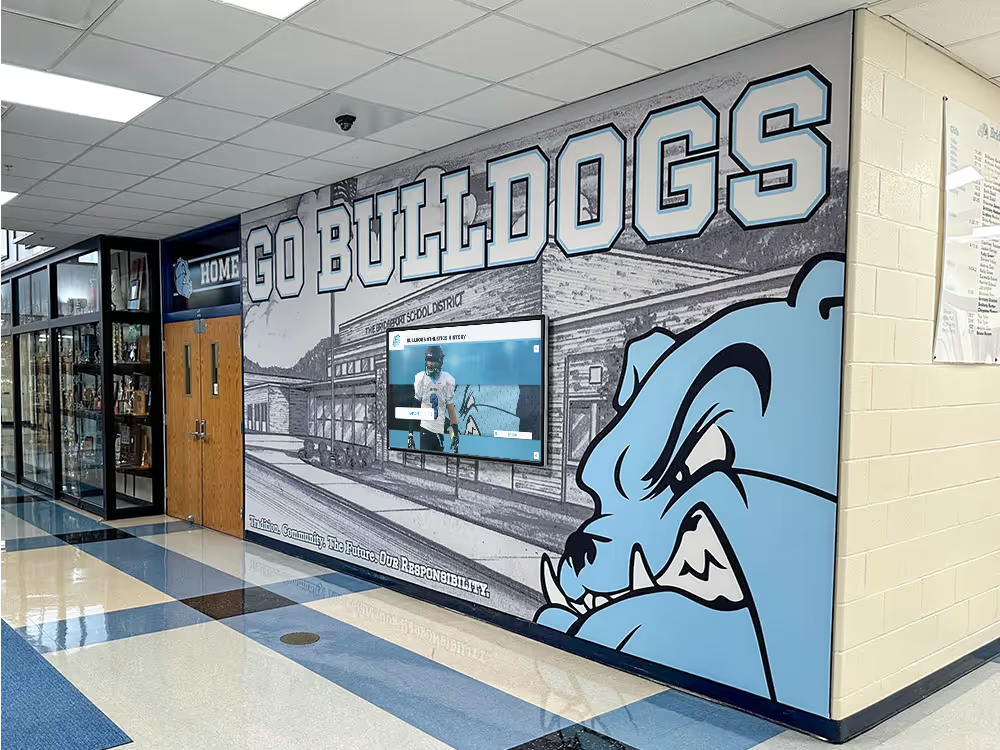
Interactive wayfinding displays help residents and visitors navigate apartment communities while showcasing available amenities
Strategic Placement and Location Optimization
Display effectiveness depends heavily on strategic placement ensuring maximum resident exposure and appropriate content context.
High-Traffic Location Analysis
Identifying optimal display locations requires analyzing resident circulation patterns and information needs throughout properties.
Primary Lobby Displays Main building entrances represent the highest-value display locations where all residents pass multiple times daily:
- Welcome screens greeting residents and guests with community branding
- Information hubs providing comprehensive community updates and announcements
- Interactive directories assisting visitors finding specific units or amenities
- Event calendars showcasing upcoming activities and programming
- Weather and news connecting residents to relevant external information
Lobby displays should balance community-specific content with broadly relevant information creating habit-based viewing where residents naturally check displays during every entrance and exit.
Elevator Cab Installations Elevator displays capture captive audiences with extended exposure during rides:
- Quick tips providing brief, digestible information perfectly suited to short elevator rides
- Amenity spotlights highlighting specific facility features and usage instructions
- Community trivia creating engagement through fun facts about neighborhood or property
- Safety reminders reinforcing important protocols when residents have time to absorb
- Rotating photography showcasing community spaces and resident life
The National Apartment Association notes that elevator displays achieve particularly high engagement due to natural viewing behavior during commutes.
Amenity Center Integration Fitness centers, pools, business centers, and common rooms benefit from dedicated display systems:
- Fitness center screens showing class schedules, workout tips, and equipment tutorials
- Pool area displays communicating hours, rules, capacity, and weather alerts
- Business center information highlighting printing, conference room, and resource availability
- Community room calendars showing reservation schedules and upcoming events
- Pet area signage providing pet policies, nearby services, and community pet events
Context-specific content in amenity areas drives utilization while reducing staff time answering routine questions about facilities.
Accessibility and Universal Design Considerations
Digital displays must accommodate residents with varying abilities ensuring inclusive communication.
Physical Accessibility Standards
- Mounting heights allowing wheelchair users clear viewing angles
- Sufficient approach space for mobility device maneuvering
- Glare-free screen positioning avoiding sunlight and lighting conflicts
- Audio announcement options for vision-impaired residents
- Text sizing meeting readability standards for distance viewing
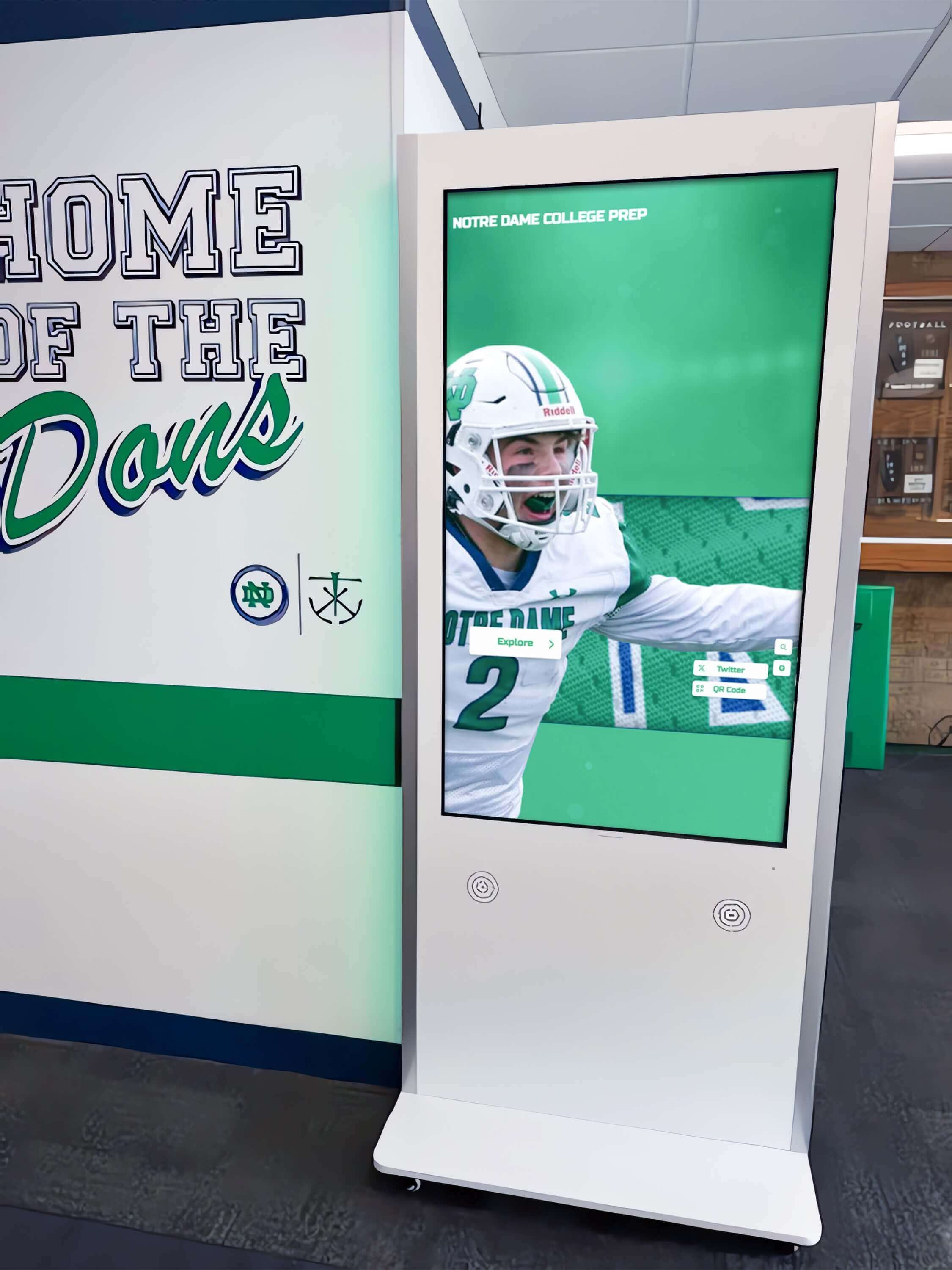
Strategic placement with appropriate clearance ensures displays remain accessible to all residents
Content Accessibility Features
- High-contrast viewing modes improving readability for vision challenges
- Multilingual content rotation serving diverse resident populations
- Simple navigation reducing cognitive load for less tech-savvy users
- Closed captioning for video content ensuring comprehension without audio
- Touch-free activation options for residents with touch sensitivity or hygiene concerns
These universal design principles ensure digital communication truly serves entire resident populations rather than only technologically comfortable segments.
Content Strategy and Programming Excellence
Strategic content planning determines whether digital displays become valued information resources or ignored background noise residents learn to disregard.
Content Categories and Balance
Effective digital display programming balances multiple content types serving different resident needs and maintaining engagement through variety.
Essential Operational Information (30-40% of content) Core communication residents need for daily living:
- Building announcements about maintenance, construction, or service changes
- Emergency notifications regarding safety issues or urgent situations
- Amenity hours and policies ensuring residents know access parameters
- Package delivery notifications alerting residents to held deliveries
- Parking and transportation information about permits, restrictions, or transit
This foundational content justifies display investment by solving real resident pain points and reducing management workload.
Community Events and Programming (25-35% of content) Activities building social connections and vibrant community culture:
- Event calendars showing dates, times, locations, and registration details
- Event recaps featuring photos from recent activities encouraging future participation
- Fitness class schedules with instructor profiles and class descriptions
- Seasonal programming highlighting holiday events and celebrations
- Educational opportunities showcasing workshops, speaker series, or learning activities
Event content creates perception of active, engaging community even for residents who don’t personally attend every activity—social proof that life happens here.
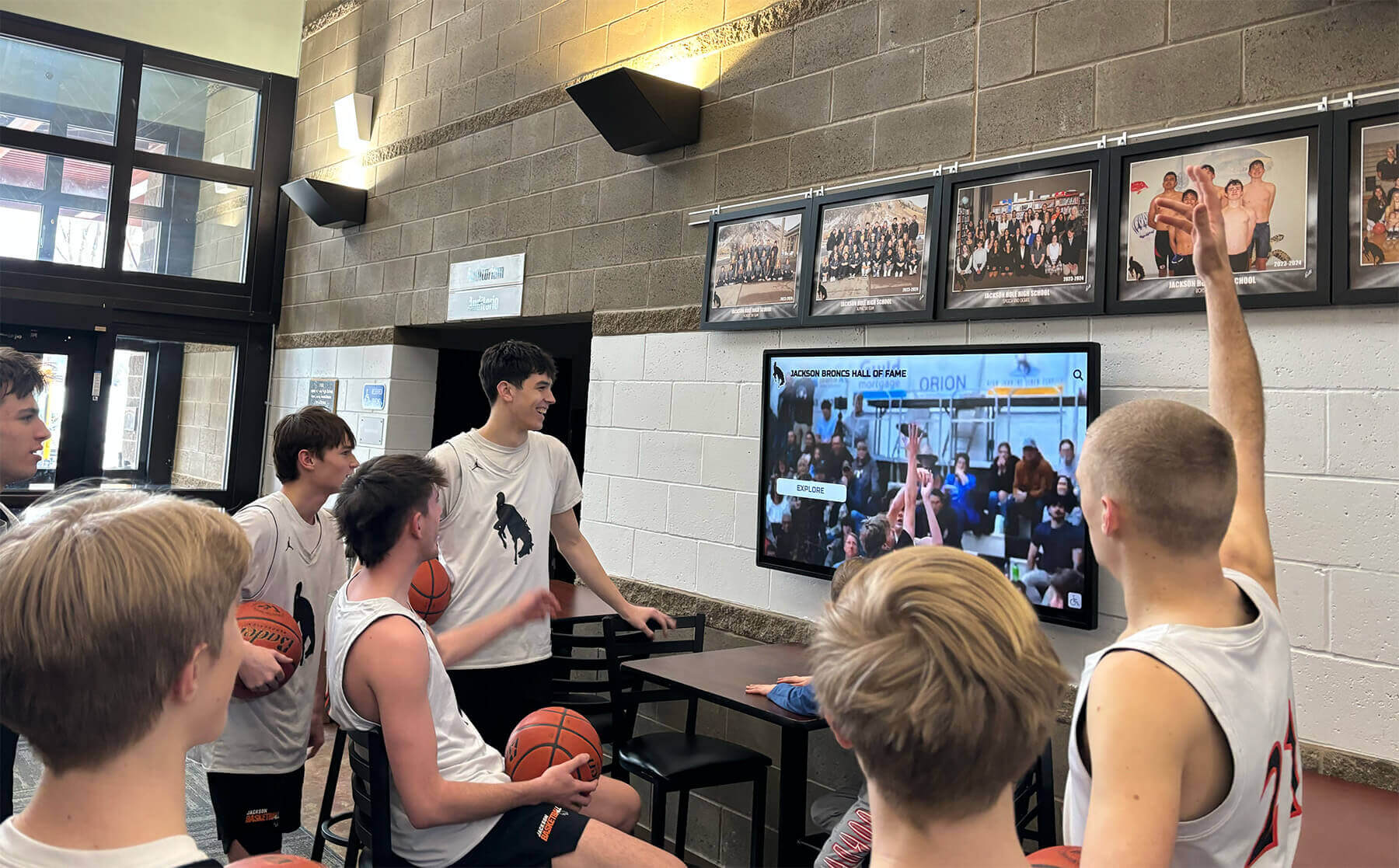
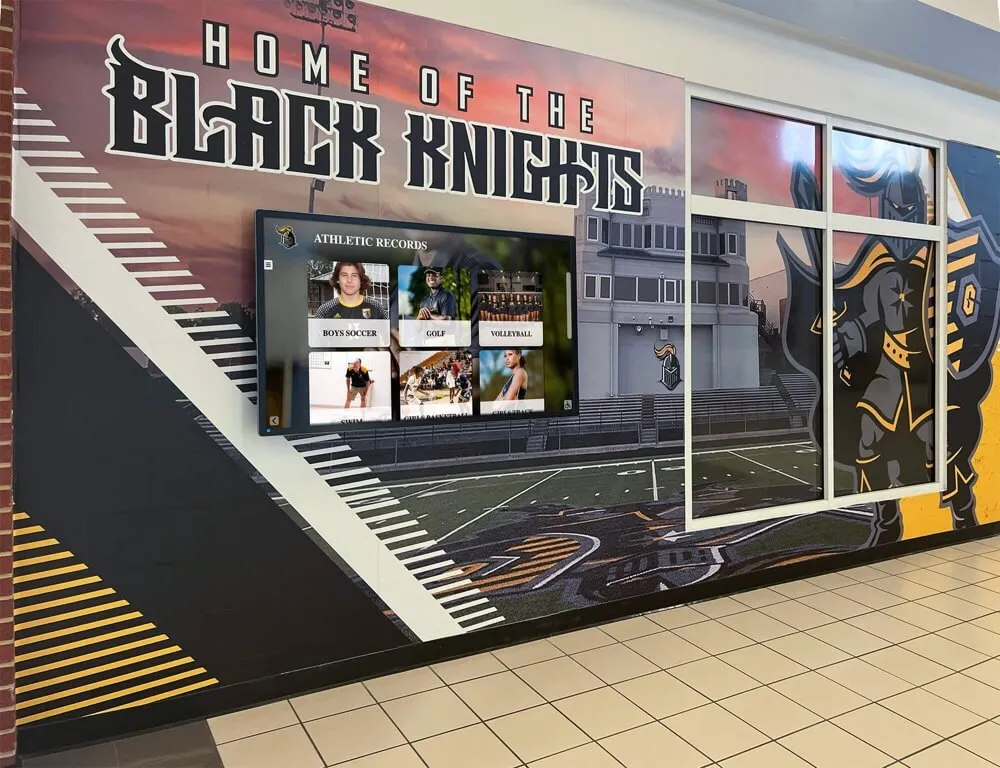
Displaying community event highlights encourages participation while building shared identity and pride
Resident Recognition and Celebration (10-15% of content) Personal touches creating emotional connection and belonging:
- New resident welcomes introducing newcomers and helping them feel immediately included
- Birthday acknowledgments celebrating resident milestones with dignity and warmth
- Community volunteer spotlights honoring residents contributing time and energy
- Anniversary recognition celebrating long-term residents demonstrating community value
- Achievement celebrations acknowledging resident accomplishments in careers, education, or community service
Recognition content transforms impersonal housing into true community where residents feel known, valued, and connected. This approach draws inspiration from digital recognition systems used in educational and institutional settings.
Neighborhood and Local Information (15-20% of content) Connecting residents to surrounding community and relevant local resources:
- Neighborhood business features highlighting nearby restaurants, shops, and services
- Local event listings for attractions, festivals, and activities beyond property
- Public transportation schedules, routes, and service updates
- Weather information with multi-day forecasts and severe weather alerts
- News and happenings relevant to neighborhood or metropolitan area
Local content positions property management as community resource helping residents thrive in surrounding area—not just building operators focused exclusively on internal matters.
Entertainment and Engagement Content (10-15% of content) Light content adding value while building viewing habits:
- Community trivia with fun facts about property, neighborhood, or city
- Resident polls gathering opinions on programs, amenities, or community decisions
- Photo contests encouraging resident participation and user-generated content
- Motivational quotes providing daily inspiration aligning with community values
- Fitness and wellness tips supporting healthy lifestyle goals
This engaging content encourages regular display viewing even when residents don’t have immediate information needs, ensuring they’ll see important announcements when posted.
Content Update Frequency and Freshness
Display value depends on maintaining current, relevant information that residents trust and check regularly.
Real-Time Dynamic Content Certain information should update automatically ensuring currency without manual intervention:
- Time and date displays providing basic orientation information
- Weather forecasts pulling live data from meteorological services
- Traffic and transit updates showing real-time commute conditions
- Facility availability displaying current capacity for pools, fitness centers, or other amenities
- Package notifications alerting residents immediately when deliveries arrive
Automated dynamic content ensures displays always show fresh information even during periods when staff hasn’t manually updated other content.
Weekly Content Refreshes Regular manual updates maintaining engagement and relevance:
- Event highlights promoting upcoming week’s activities and programming
- Amenity spotlights rotating focus across different community facilities
- Resident features sharing different stories and recognition
- Community news announcing recent developments or changes
- Seasonal alignment adjusting content to match time of year
Properties implementing weekly content updates report significantly higher resident engagement compared to those updating monthly or less frequently.
Seasonal and Campaign-Based Content Periodic major refreshes aligning with property calendar and community priorities:
- Holiday theming creating festive atmosphere during celebration periods
- Leasing campaigns when apartments become available or renewal season approaches
- Summer programming highlighting seasonal amenities and warm-weather activities
- Winter preparation communicating cold-weather policies and procedures
- Back-to-school content for family-oriented communities with student residents
Strategic seasonal alignment ensures content feels timely and relevant throughout year while supporting operational priorities during key periods.
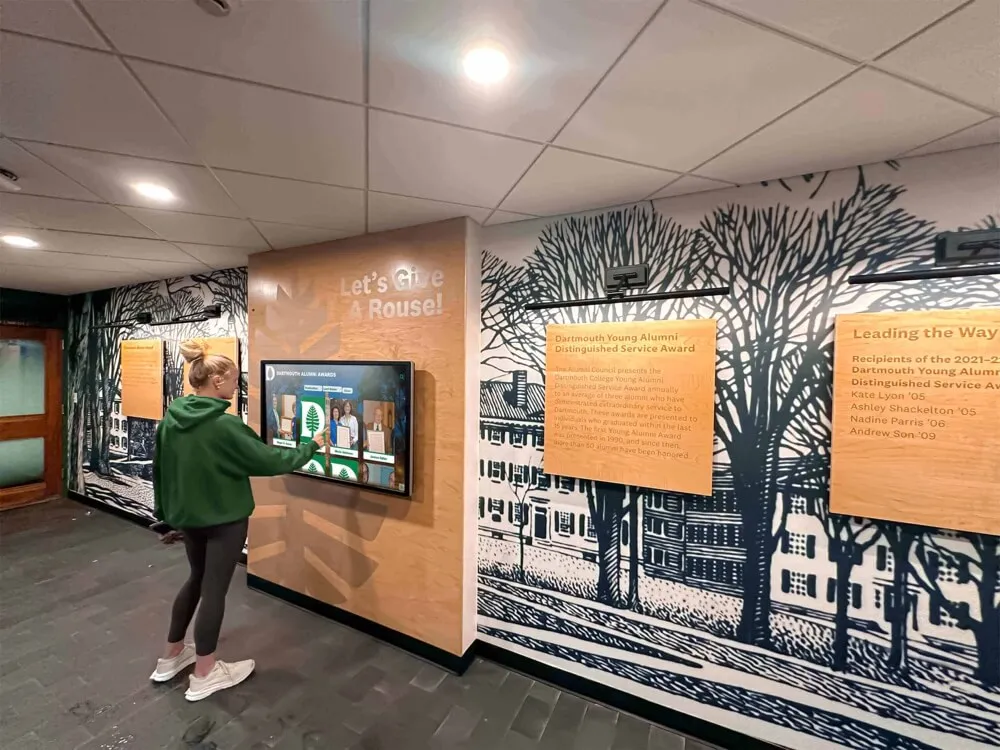
User-friendly content management systems enable property teams to update displays quickly without technical expertise
Technology Selection and Implementation
Successful digital display programs require appropriate technology selection matching property needs, staff capabilities, and budget parameters.
Hardware Considerations and Options
Display hardware varies dramatically in capability, durability, and cost—requiring careful evaluation of property-specific requirements.
Commercial-Grade Display Selection Apartment environments demand commercial rather than consumer-grade displays:
- Extended operating hours supporting 16-24 hour daily operation without overheating
- Higher brightness levels remaining visible in bright lobby lighting conditions
- Enhanced durability withstanding constant operation and public space wear
- Longer warranty periods protecting investment over 3-5+ year deployment
- Standardized mounting enabling professional installation and maintenance
While commercial displays cost more initially, total cost of ownership over multi-year deployments typically proves lower than repeatedly replacing consumer units not designed for continuous operation.
Screen Size and Resolution Appropriate sizing depends on viewing distance and space characteristics:
- Lobby installations: 55-65 inch displays for typical apartment lobbies with 10-20 foot viewing distances
- Elevator displays: 21-32 inch screens for close-proximity viewing in confined spaces
- Amenity centers: 40-55 inch displays appropriate for fitness center or pool area viewing
- Outdoor locations: Weather-resistant displays with high brightness (1000+ nits) for pool or courtyard areas
- Interactive kiosks: 42-55 inch touchscreens when resident interaction is desired
Resolution should be 4K (3840x2160) for displays 50 inches and larger to maintain image quality at close viewing distances, while 1080p suffices for smaller screens.
Interactive Touchscreen vs. Static Displays Properties must decide whether resident interaction adds sufficient value to justify touchscreen investment:
Touchscreen Benefits:
- Resident self-service for amenity reservations, service requests, or information searches
- Directory functions helping visitors locate specific units
- Interactive maps showing property layouts and neighborhood resources
- Personal content access through resident authentication
- Engagement tracking providing detailed analytics about information usage
Static Display Advantages:
- Lower hardware costs for budget-conscious implementations
- Reduced maintenance without touch-sensitive components requiring cleaning
- Simpler content design without interactive navigation requirements
- Faster content updates without testing interaction functionality
- Suitable for many communication needs without interaction complexity
Many properties implement hybrid approaches with interactive touchscreens in main lobbies for comprehensive functionality while using static displays in elevator cabs and secondary locations where interaction is less valuable.
Software Platform Evaluation
Content management platforms determine how easily staff can update displays while controlling what functionality is available to residents.
Cloud-Based vs. Local Management Systems
Cloud Platform Advantages:
- Remote content updates from any internet-connected device
- Centralized management for properties with multiple buildings or locations
- Automatic software updates without on-site technical intervention
- Content scheduling across time zones for national management companies
- Analytics accessible anywhere enabling data-driven optimization
Local System Advantages:
- Continued operation during internet outages maintaining communication
- No recurring subscription costs after initial software purchase
- Greater control over data security and privacy
- Potential one-time licensing versus ongoing monthly fees
- Simpler systems for small properties with basic needs
Most modern implementations favor cloud-based systems due to management flexibility and feature advantages outweighing potential concerns.
Essential Software Capabilities
Effective content management platforms should provide:
User-Friendly Content Creation
- Drag-and-drop interfaces requiring no graphic design expertise
- Pre-built templates for common content types
- Media libraries storing frequently-used images and graphics
- Text editing with formatting controls for professional appearance
- Preview functions showing content exactly as it will display
Flexible Scheduling and Automation
- Content scheduling for automatic publishing at specific dates/times
- Recurring content schedules for regular weekly or monthly programming
- Dayparting showing different content during morning, afternoon, evening periods
- Playlist creation organizing multiple content pieces into rotation sequences
- Emergency override capabilities for urgent announcements superseding normal content
Multi-Display Management
- Individual display control for location-specific content
- Display grouping for pushing content to multiple screens simultaneously
- Network monitoring showing online/offline status for quick troubleshooting
- Remote display control for restart or technical intervention
- Bandwidth management for properties with limited internet connectivity
Analytics and Reporting
- Content view tracking showing which messages receive attention
- Engagement metrics for interactive touchscreen displays
- Peak viewing time analysis informing content scheduling
- Content effectiveness reports identifying successful messaging
- Proof-of-performance documentation for advertising or sponsorship programs
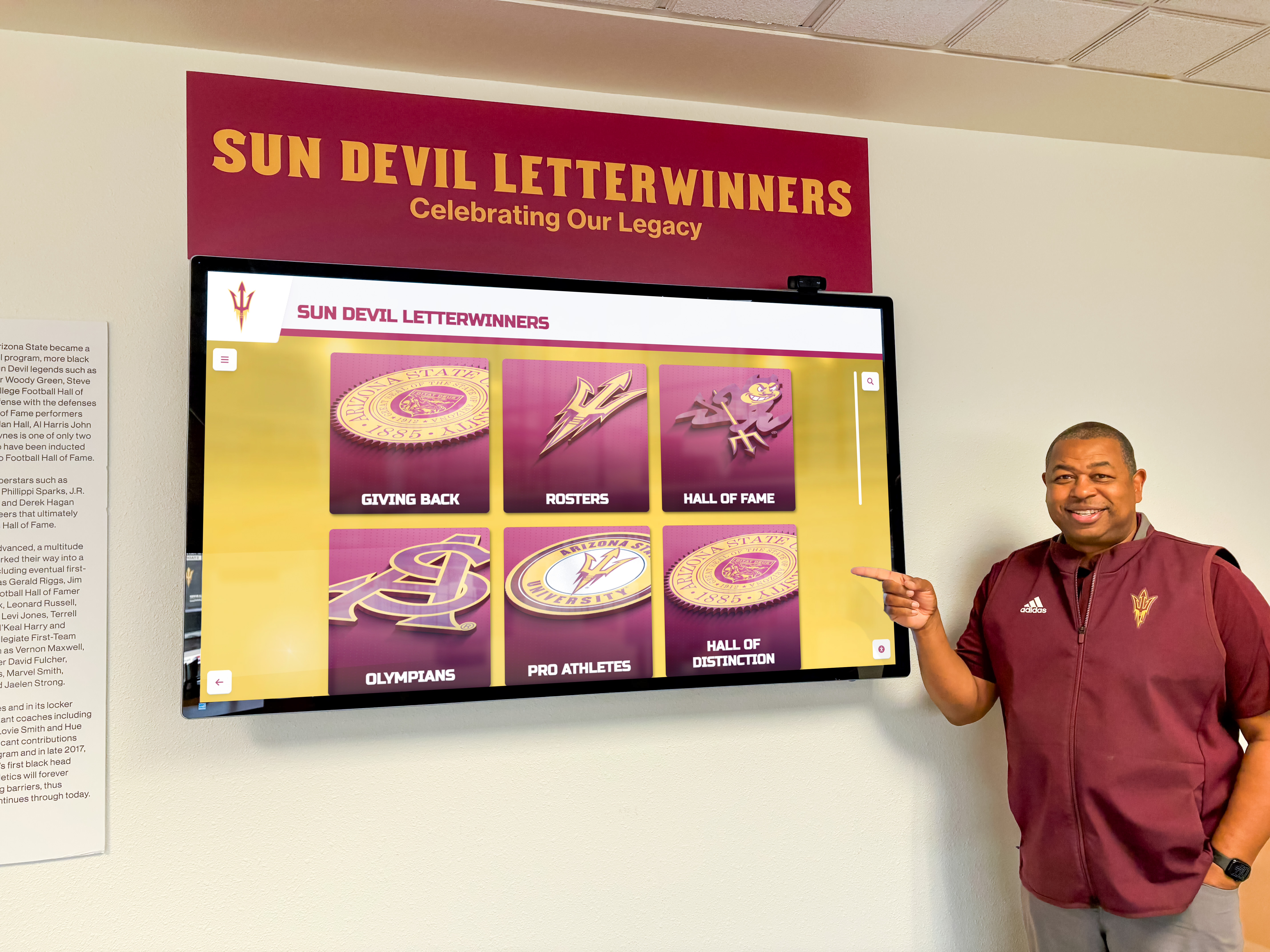
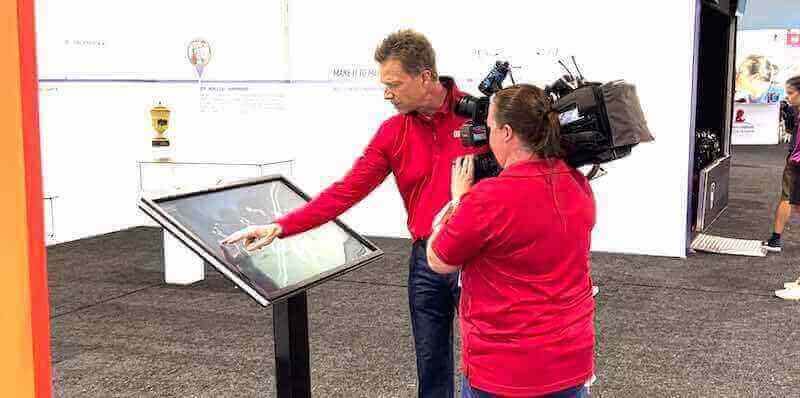
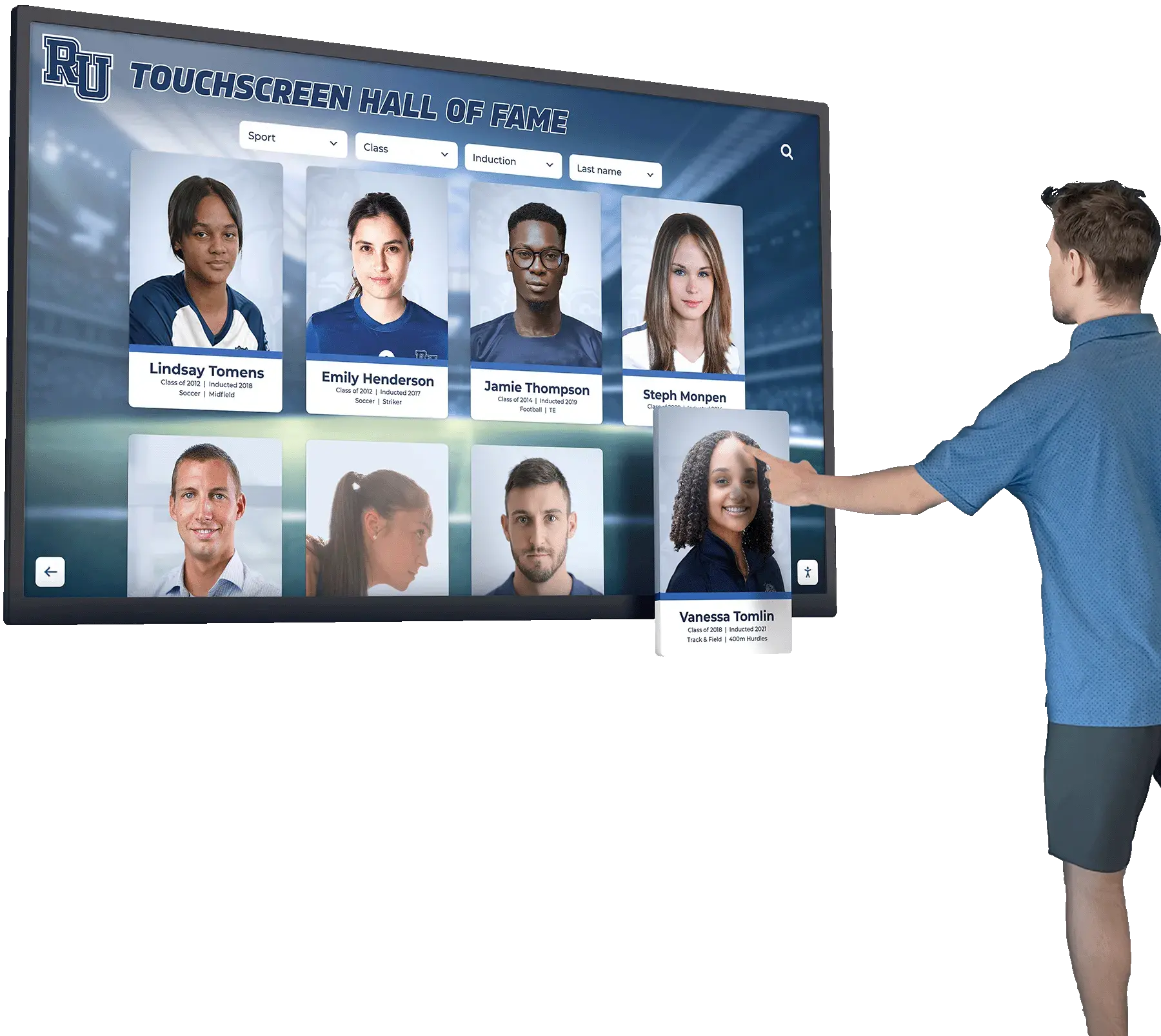
Interactive displays provide resident self-service capabilities reducing staff workload while improving information accessibility
Installation and Technical Infrastructure
Proper installation ensures reliable operation while protecting property investment in display systems.
Professional Installation Requirements While some property teams attempt DIY installation, professional services typically prove valuable:
- Electrical work ensuring proper power and meeting code requirements
- Network connectivity providing reliable internet access for cloud-based systems
- Secure mounting protecting expensive displays from theft or damage
- Cable management creating professional appearance without exposed wiring
- Accessibility compliance ensuring mounting heights and placement meet standards
- Warranty protection maintained through certified installation processes
Installation costs typically range $500-2,000 per display depending on location complexity, with prices higher for outdoor installations requiring weatherproofing and secure mounting.
Network and Connectivity Considerations Reliable network connectivity ensures consistent display operation:
- Wired ethernet preferred for main lobby displays where feasible
- High-quality WiFi acceptable for locations where wiring is impractical
- Bandwidth allocation ensuring display traffic doesn’t impact resident internet
- Network security isolating display systems from resident networks
- Backup connectivity considering cellular failover for critical displays
Properties with existing robust network infrastructure find display integration straightforward, while older buildings may require network upgrades supporting display needs alongside other smart building systems.
Revenue Generation and Advertising Opportunities
Strategic advertising programs can offset or entirely cover digital display system costs while providing residents with relevant local business information.
Advertising Model Options
Properties have several approaches for incorporating advertising into display content:
Local Business Partnerships Nearby businesses often value access to resident audiences for targeted advertising:
- Restaurant advertising featuring nearby dining options with special offers for residents
- Service providers including dry cleaning, automotive, home services, or professional services
- Retail promotions showcasing nearby shopping with resident discounts or exclusive deals
- Entertainment venues promoting theaters, attractions, or recreational activities
- Healthcare and wellness featuring gyms, salons, medical practices, or wellness services
According to industry reports, monthly advertising fees can range from $300-1,500 per screen depending on property size, location, and audience demographics—creating potential for positive cash flow beyond covering system costs.
Property Owner Business Promotion Management companies owning multiple properties use displays cross-promoting their portfolio:
- Other property advertising encouraging referrals from residents with relocating friends or family
- Affiliated businesses promoting property management services or related companies
- Resident services highlighting fee-based offerings like concierge or premium services
- Preferred vendors showcasing partners offering resident discounts or exclusive access
This internal promotion creates value without selling advertising space to external businesses.
Community Sponsor Recognition Non-profit approach where local businesses sponsor display systems in exchange for recognition:
- Title sponsorship of display network with business branding alongside property information
- Content sponsorship of specific sections like weather, events, or neighborhood information
- Event sponsorship with recognition during community programming promotion
- Seasonal sponsorship supporting holiday or themed content with business acknowledgment
This model works particularly well for properties wanting advertising revenue benefits without commercial advertising appearance.
Balancing Commercial Content and Resident Experience
Properties incorporating advertising must balance revenue goals with resident satisfaction and content quality.
Advertising Content Ratio Guidelines Industry best practices suggest limiting advertising to 20-30% of total screen time, ensuring community content remains primary focus while providing sufficient advertising exposure justifying business investment.
Content Quality Standards All advertising should meet strict quality criteria:
- Relevance to residents featuring businesses and services residents actually use
- Professional production with high-quality graphics and messaging
- Community alignment avoiding content conflicting with property values or resident preferences
- Rotation variety preventing repetitive exposure that creates annoyance
- Tasteful integration blending naturally with community content rather than jarring commercial breaks
Properties maintaining high advertising standards report that residents view business content as helpful information rather than intrusive marketing.
Transparency and Disclosure Clear communication about advertising presence prevents resident concerns:
- Lease disclosure noting display systems may include advertising content
- Advisory committee input allowing resident representatives to review advertising policies
- Feedback mechanisms enabling residents to report concerns about specific advertisers
- Opt-out for advertiser directory if interactive systems include searchable business listings
- Revenue allocation transparency when advertising income funds community programming or amenities
This openness builds trust while establishing clear expectations about display purpose and content.
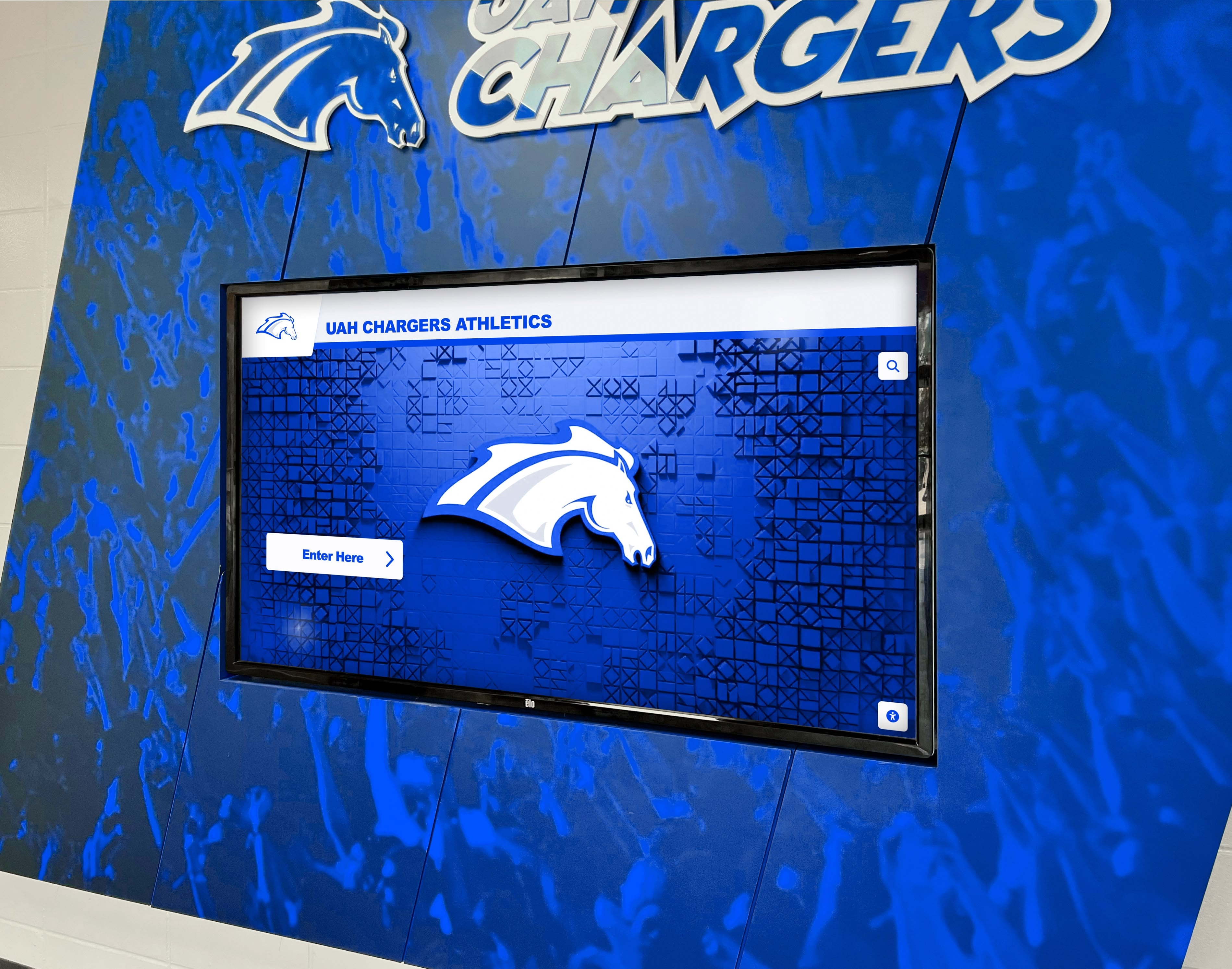
Effective displays balance community content with relevant local information creating value for residents while supporting operational goals
Implementation Strategy and Launch Planning
Systematic implementation ensures successful deployment while building resident adoption and engagement.
Planning Phase (Months 1-2)
Stakeholder Engagement Form implementation team including:
- Property management leadership
- Marketing and resident experience staff
- Maintenance and facilities representatives
- Resident advisory committee members when available
- Technology vendors and installation partners
Needs Assessment Evaluate current state and define objectives:
- Current communication methods and effectiveness gaps
- Resident demographics and technology comfort levels
- Physical locations and installation feasibility
- Budget parameters and potential funding sources
- Success metrics and measurement approaches
Technology Selection Research and select appropriate systems:
- Hardware specifications matching space requirements
- Software platforms aligning with staff capabilities
- Installation requirements and timeline
- Ongoing support and maintenance needs
- Contract terms and total cost of ownership
Clear planning prevents costly mid-implementation changes while ensuring selected technology actually meets property needs.
Installation and Content Development (Months 2-4)
Infrastructure Preparation Complete technical groundwork for successful deployment:
- Electrical and network installation
- Display mounting and hardware setup
- Software configuration and testing
- Staff training on content management
- Troubleshooting and support processes
Initial Content Creation Develop launch content library:
- Community welcome messaging introducing display purpose
- Essential operational information residents need immediately
- Event calendar promoting upcoming activities
- Resident directory and property information
- Amenity guides and usage instructions
Having substantial content ready at launch prevents empty or repetitive displays that create poor first impressions.
Launch and Promotion (Month 4-5)
Soft Launch Testing Activate systems with limited initial content while monitoring technical performance and gathering early feedback before full rollout.
Grand Launch Communications Announce displays through multiple channels:
- Resident email announcements explaining display locations and purpose
- In-unit flyers or door hangers for residents who miss email
- Social media posts generating excitement and awareness
- Leasing office integration into property tours
- Lobby signage directing attention to new displays
Launch Events Consider hosting celebration activating displays while building community:
- Ribbon-cutting ceremony with resident attendance
- Refreshments and social gathering in display locations
- Interactive demonstration of touchscreen features if applicable
- Feedback collection about initial content and interests
- Photo opportunities residents can share on personal social media
Strong launch communications ensure residents actually notice and begin using new display systems rather than allowing them to fade into background.
Ongoing Management and Optimization (Month 5+)
Content Management Workflow Establish sustainable processes for content maintenance:
- Weekly updates scheduled on specific day each week
- Rotating responsibilities across multiple trained staff members
- Content calendar planning upcoming month’s messaging
- Approval processes for content quality and accuracy control
- Emergency procedures for urgent announcements outside normal schedules
Resident Feedback Collection Systematic gathering of user input informing improvements:
- Quarterly surveys asking residents about content usefulness and preferences
- Suggestion mechanisms allowing residents to request specific information or features
- Informal observation noting which content residents photograph or discuss
- Analytics review identifying most-viewed and ignored content types
- Advisory committee input from resident representatives when available
Continuous Improvement Use feedback and analytics optimizing display effectiveness:
- Content adjustments based on engagement patterns and preferences
- Schedule optimization aligning content with viewing patterns
- Feature enhancements adding capabilities addressing resident requests
- Technical updates maintaining current software and fixing issues promptly
- Strategic refinement adjusting overall approach based on outcomes
Properties treating digital displays as evolving platforms rather than static installations achieve dramatically higher long-term value and resident satisfaction.
Measuring Success and Return on Investment
Comprehensive assessment demonstrates display value while identifying optimization opportunities.
Quantitative Metrics
Technical Performance Indicators
- Display uptime percentage (target: 98%+ excluding scheduled maintenance)
- Average content load time ensuring responsive user experience
- Network connectivity reliability maintaining consistent operation
- Hardware failure rates justifying maintenance budgets
- Support request volume indicating technical issues or user confusion
Resident Engagement Measures
- Interaction counts for touchscreen displays showing usage patterns
- Average engagement duration indicating content relevance
- Peak usage times informing content scheduling
- Feature utilization rates for interactive capabilities
- Mobile app adoption if display content extends to resident devices
Operational Impact Data
- Reduction in resident service inquiries about routine information
- Staff time saved on bulletin board maintenance and printing
- Amenity utilization changes after enhanced promotion
- Event attendance trends following display-based promotion
- Package notification effectiveness reducing holding times
Business Outcome Metrics
- Resident satisfaction scores in surveys and reviews
- Renewal rates potentially improving through enhanced community
- Prospect tour feedback mentioning displays as positive differentiator
- Advertising revenue if commercial content is included
- Cost per resident communication compared to previous methods
Qualitative Assessment
Resident Feedback Themes Regular analysis of qualitative input reveals satisfaction and improvement opportunities:
- Information usefulness determining whether content addresses actual needs
- Viewing habits understanding how residents incorporate displays into routines
- Design preferences gathering input about visual presentation and branding
- Feature requests identifying desired capabilities worth developing
- Overall satisfaction gauging general perception of display value
Staff Experience Evaluation Property team input reveals operational impact:
- Workflow efficiency assessing time savings versus management burden
- Communication effectiveness determining whether displays reduce repetitive questions
- Technical usability evaluating whether systems match staff capabilities
- Support adequacy assessing vendor responsiveness and problem resolution
- Strategic value judging overall contribution to property operations and culture
Competitive Positioning Analysis Market context determining display contribution to property differentiation:
- Prospect mentions during tours indicating displays influence leasing decisions
- Competitive comparison evaluating whether displays provide meaningful advantages
- Online review content noting whether residents mention displays in feedback
- Leasing velocity comparing pre- and post-implementation absorption rates
- Renewal influence gathering exit interview data about factors affecting retention
Regular comprehensive assessment ensures digital display investment delivers expected returns while identifying opportunities for optimization maximizing value.
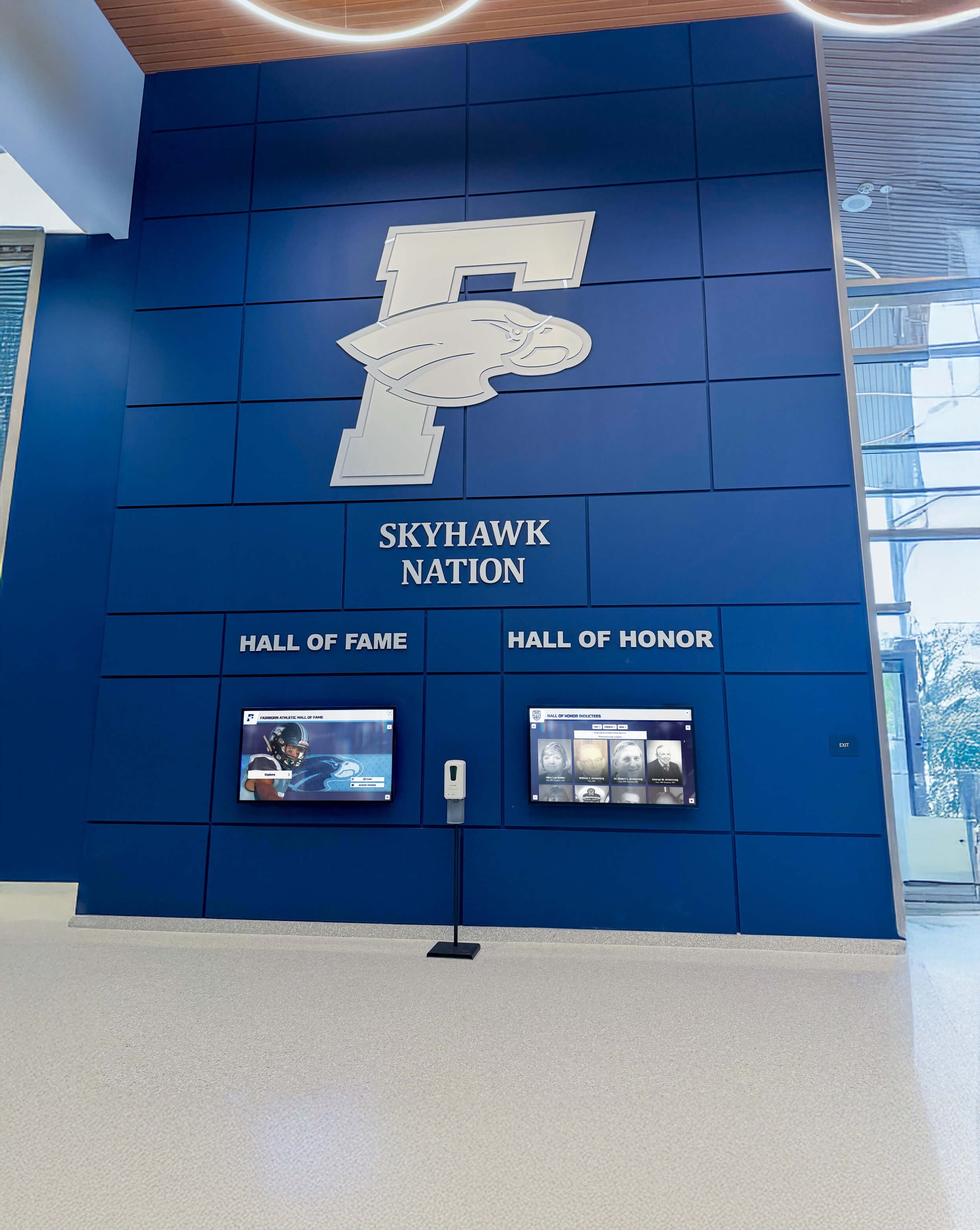
Fully integrated display systems create signature property experiences that residents remember and appreciate
Adapting Recognition Display Expertise to Residential Settings
Organizations with expertise in digital recognition displays—such as those serving educational institutions—possess transferable knowledge applicable to apartment community environments. Solutions like Rocket Alumni Solutions, while primarily focused on schools and universities, offer insights relevant to residential digital display implementation.
Recognition Display Principles for Apartment Communities
Community Member Celebration Just as schools recognize student and alumni achievements, apartment communities can celebrate resident milestones, volunteerism, and community contributions—building emotional connections that extend beyond transactional landlord-tenant relationships.
Interactive Technology Integration Touchscreen technology platforms developed for educational settings translate effectively to apartment applications including resident directories, amenity reservations, and community information exploration.
Content Management Expertise Cloud-based content management systems enabling school administrators to update recognition displays provide similar benefits for property management teams needing flexible, user-friendly platforms accessible across multiple locations.
Engagement Analytics Data collection capabilities helping schools understand recognition display usage patterns offer equivalent value for apartment communities seeking to optimize content and measure resident engagement.
While the specific content differs between educational and residential environments, core technology capabilities, interface design principles, and engagement strategies remain remarkably consistent across settings.
Special Considerations for Different Property Types
Digital display strategies should adapt to specific community characteristics and resident demographics.
Luxury High-Rise Communities
Premium properties require sophisticated implementation matching upscale positioning:
- High-end hardware with premium finishes and cutting-edge technology
- Concierge integration connecting displays to personal service offerings
- Exclusive content featuring luxury lifestyle information and premium partnerships
- Art gallery mode showcasing rotating digital art during inactive periods
- Sophisticated design with minimal branding maintaining elegant aesthetics
Luxury residents expect seamless technology integration and premium experiences justifying display investment through positioning and differentiation.
Student Housing Properties
University-area communities serve unique populations with distinct needs:
- Academic calendar alignment with content reflecting semester cycles and exam periods
- University integration featuring campus events, transit schedules, and academic resources
- Social programming emphasis promoting community-building events critical for student retention
- Mobile-first approach recognizing students primarily access information through phones
- High engagement content including entertainment and interactive elements appealing to younger demographics
Student communities achieve highest engagement through frequent updates, social focus, and integration with campus life.
Family-Oriented Garden Communities
Traditional family properties emphasize different priorities:
- Child-friendly content appropriate for family viewing in common areas
- School information including district news, calendars, and educational resources
- Family event promotion highlighting activities suitable for children and parents
- Safety emphasis with prominent emergency information and security updates
- Practical information focus prioritizing operational content over entertainment
Family communities benefit from straightforward, information-focused implementations emphasizing practical value over technological sophistication.
Senior Living Communities
Age-restricted properties require specific adaptations:
- Larger text sizing ensuring readability for residents with vision changes
- Simplified navigation reducing complexity for less tech-savvy populations
- Health information including wellness programming and medical resources
- Transportation coordination featuring shuttle schedules and ride-sharing
- Social connection emphasis promoting activities combating isolation
Senior communities achieve greatest success through accessibility-focused design and content emphasizing practical daily needs and social engagement opportunities.

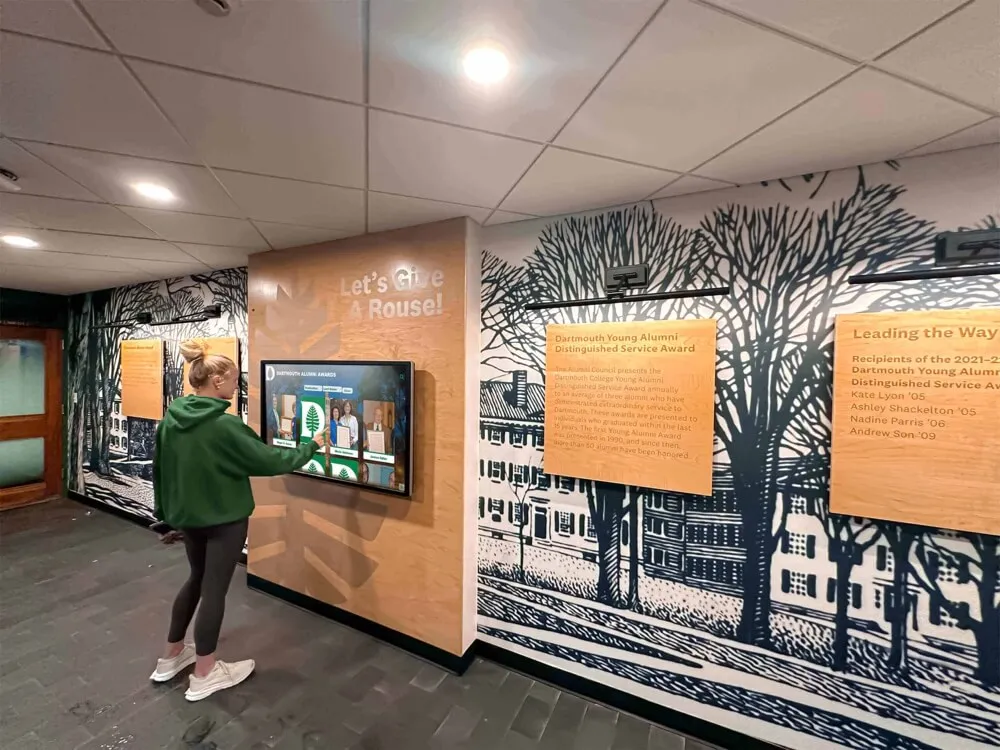
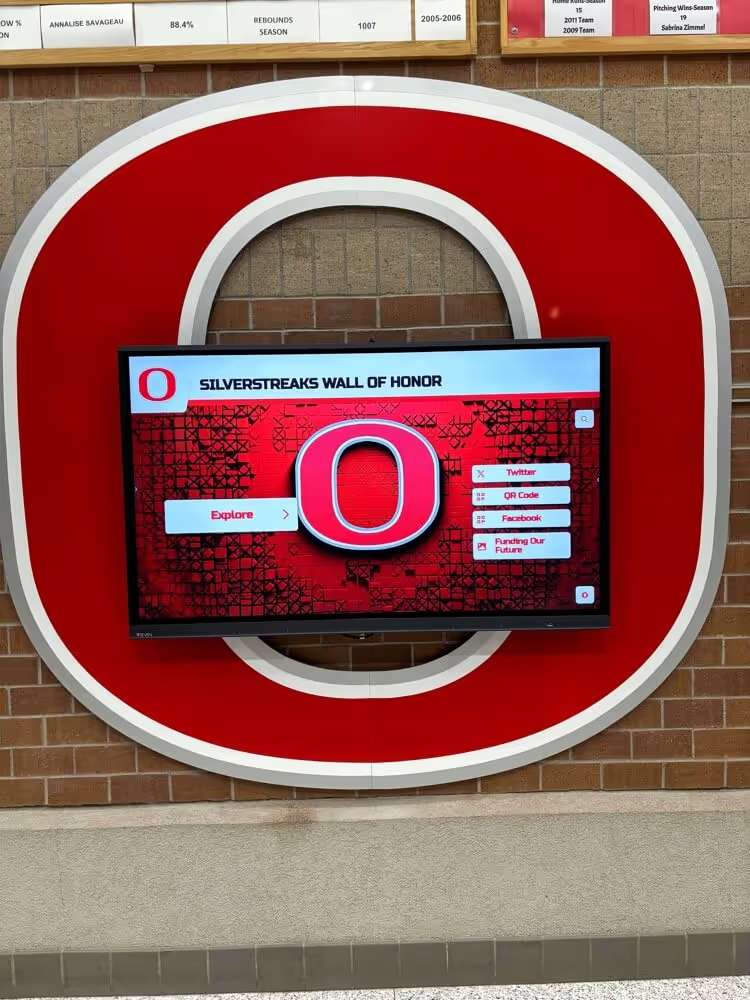
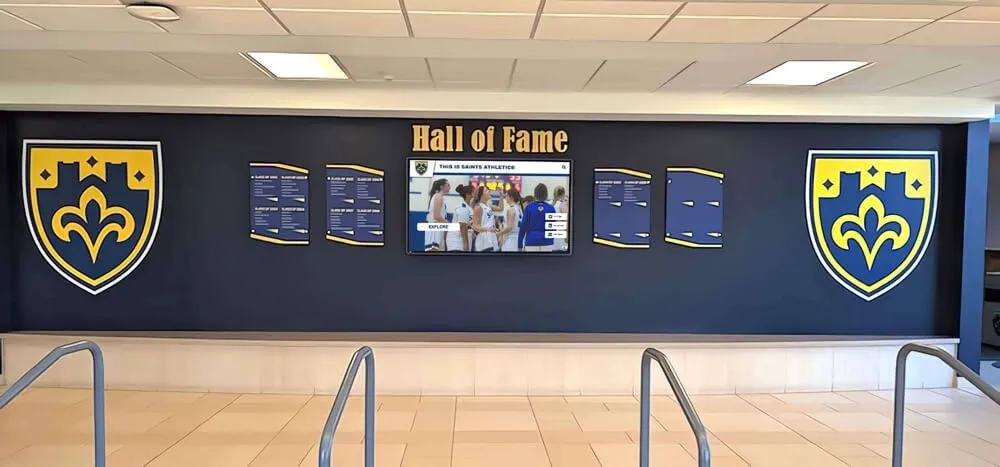
Recognition displays celebrating community members build emotional connections and lasting resident satisfaction
Future Trends in Apartment Digital Displays
Emerging technologies and evolving resident expectations shape future digital display evolution in multifamily housing.
Artificial Intelligence and Personalization
AI-powered systems will increasingly customize content for individual residents:
- Facial recognition showing personalized content when specific residents approach displays
- Preference learning adapting content based on individual interaction patterns
- Predictive content anticipating information needs based on behavior and schedules
- Language detection automatically displaying content in residents’ preferred languages
- Smart recommendations suggesting amenities, events, or services matching interests
While raising privacy considerations requiring careful policy development, personalization promises dramatically enhanced relevance and value.
Internet of Things Integration
Connected smart home and building systems will integrate with display networks:
- Smart home control enabling residents to adjust apartment settings through lobby displays
- Real-time amenity availability showing current capacity and wait times for pools or fitness centers
- Automated service requests allowing residents to report maintenance needs through displays
- Energy usage visualization helping residents understand and optimize consumption
- Building systems monitoring providing transparency about environmental conditions and efficiency
This integration transforms displays from communication tools into comprehensive building control interfaces.
Mobile App Convergence
Distinction between physical displays and mobile applications will blur:
- Unified content appearing identically on lobby displays and resident smartphones
- Personal notifications alerting residents when relevant content appears on community displays
- Two-way interaction enabling residents to contribute content appearing on shared displays
- Proximity triggers pushing relevant display content to resident devices upon arrival
- Seamless transitions allowing residents to begin tasks on displays and complete on phones
This convergence ensures residents access community information however and whenever most convenient.
Sustainability and Environmental Focus
Green building priorities will influence display technology and content:
- Energy-efficient hardware minimizing power consumption through LED technology and adaptive brightness
- Sustainability messaging promoting property environmental initiatives and resident participation
- Carbon footprint tracking visualizing community environmental impact and progress
- Transit integration encouraging public transportation and alternative commuting
- Waste reduction coordination supporting recycling and composting programs through education
Displays will increasingly serve as platforms for environmental stewardship communication and community engagement in sustainability goals.
Conclusion: Creating Connected Communities Through Digital Communication
Apartment complex digital displays represent strategic investments in resident experience, operational efficiency, and community culture development. When implemented thoughtfully with appropriate technology, engaging content, and sustainable management processes, these systems transform generic apartment living into connected communities where residents feel informed, engaged, and genuinely at home.
The strategies explored throughout this guide provide comprehensive frameworks for successful digital display implementation regardless of property size, resident demographics, or budget parameters. From strategic placement maximizing exposure and accessibility to content programming balancing operational needs with community building, these proven approaches help property teams create communication platforms residents actually value and use.
Transform Your Apartment Community Communication
Discover how modern digital display solutions can help you create engaging resident experiences, build stronger community connections, and differentiate your property in competitive markets.
Explore Digital Display SolutionsSuccess requires viewing digital displays not as technology projects but as strategic platforms supporting core property management objectives—resident satisfaction, operational efficiency, community culture, and competitive differentiation. Properties that invest in quality systems, maintain fresh engaging content, and continuously optimize based on resident feedback consistently report returns far exceeding initial investment through improved retention, enhanced reputation, and operational time savings.
Whether you manage luxury high-rises, student communities, family properties, or senior living facilities, digital displays offer scalable solutions adaptable to your specific needs and resident populations. Begin with clear objectives aligned with property priorities. Select technology matching staff capabilities and budget reality. Develop content strategies addressing genuine resident needs while building community connections. And commit to ongoing management ensuring displays remain relevant, current, and valued throughout your resident population.
Your residents expect modern communication matching their connected lifestyles. Digital displays demonstrate commitment to resident experience while providing the practical information and community connection that transform apartments into homes. With thoughtful planning, appropriate technology, and consistent content management, you can create display systems that residents genuinely appreciate while supporting efficient property operations and sustainable community culture.
Ready to explore digital display options for your apartment community? Discover how interactive displays can enhance resident engagement. Learn about digital recognition approaches that celebrate community members and build lasting connections. Explore content management strategies ensuring sustainable operation. And when you’re ready to discuss your specific property needs, connect with Rocket Alumni Solutions to learn how digital display expertise can transform your resident communication and community experience.