



Every year, thousands of high school seniors pursue one of the most competitive and rewarding college funding opportunities available: the Army ROTC scholarship. Unlike traditional merit scholarships that simply reduce a tuition bill, an Army ROTC scholarship is a gateway to officer training, military leadership development, and a commissioned career in the United States Army—all while earning a college degree with significant financial support. Understanding exactly what these awards cover, who qualifies, and how the application process unfolds can mean the difference between submitting a competitive packet and missing the window entirely.
For school counselors and administrators, ROTC scholarship recipients represent a distinct class of high-achieving seniors whose commitment to military service often goes unrecognized alongside athletic signings and academic honors. These students sign their scholarship agreements, take an oath, and commit to serving their country—and that moment deserves the same institutional celebration schools give Division I athletes on National Signing Day.
This guide covers every dimension of the Army ROTC scholarship: what the program pays, the specific eligibility criteria, the application roadmap for high school seniors, and how schools can honor these remarkable students in ways that inspire future classes to pursue service and scholarship together.
The Army Reserve Officers’ Training Corps (ROTC) program operates on campuses at more than 1,000 colleges and universities nationwide. Through its scholarship program, the Army identifies and invests in talented high school students who demonstrate the academic ability, physical fitness, and leadership character required to become commissioned officers upon graduation. Recipients receive substantial financial support in exchange for a commitment to serve as an Army officer after completing their degree.

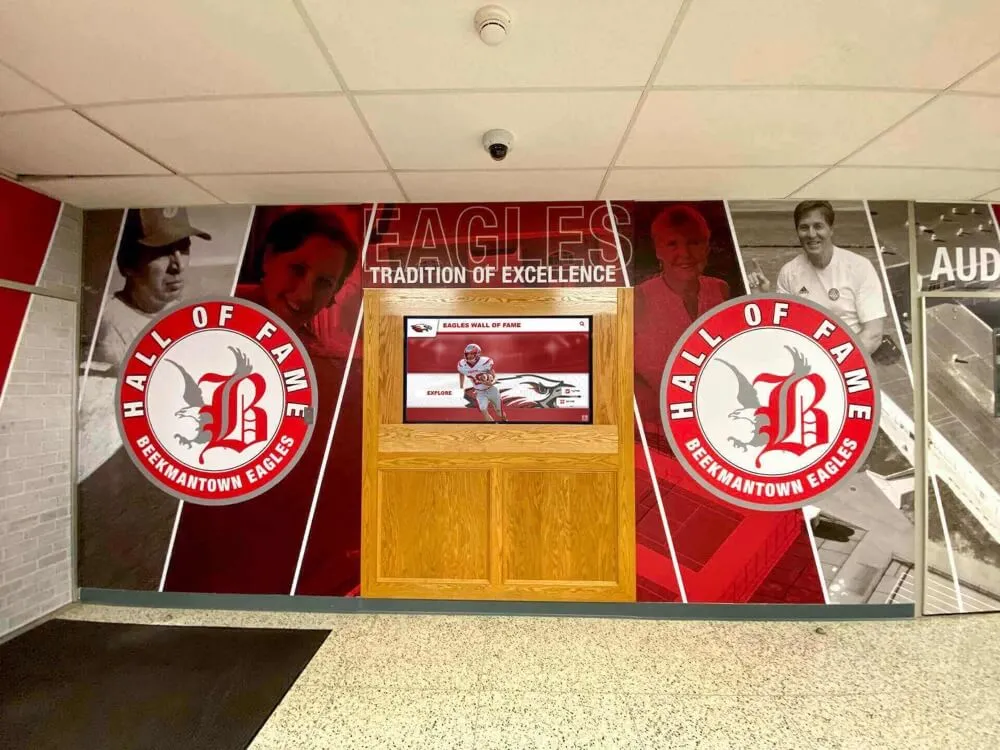
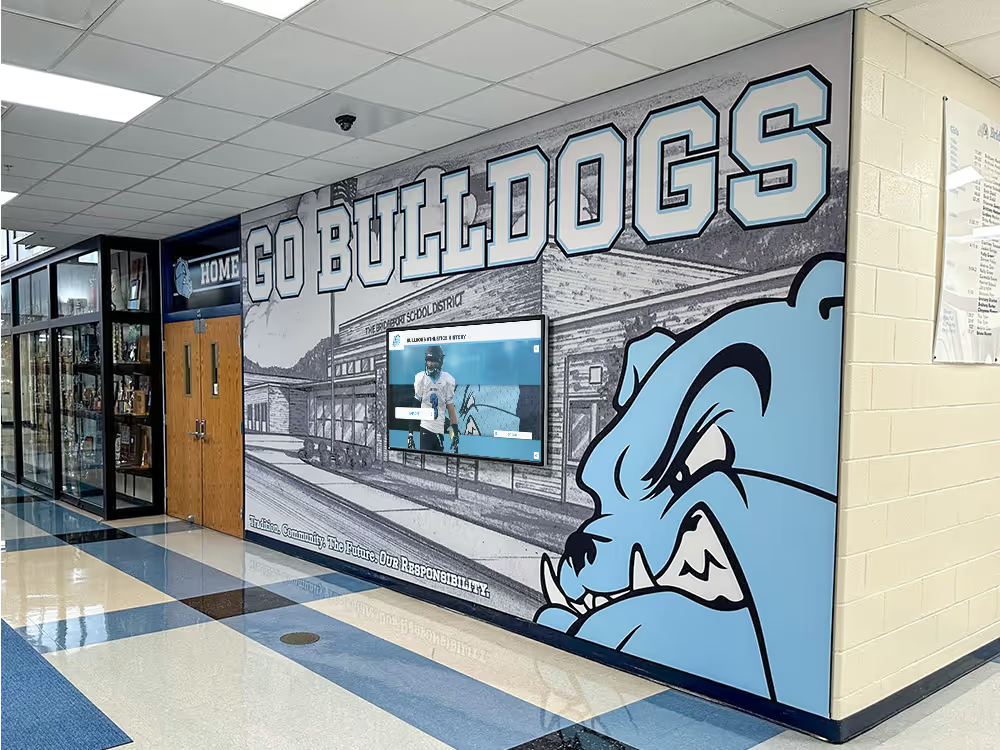
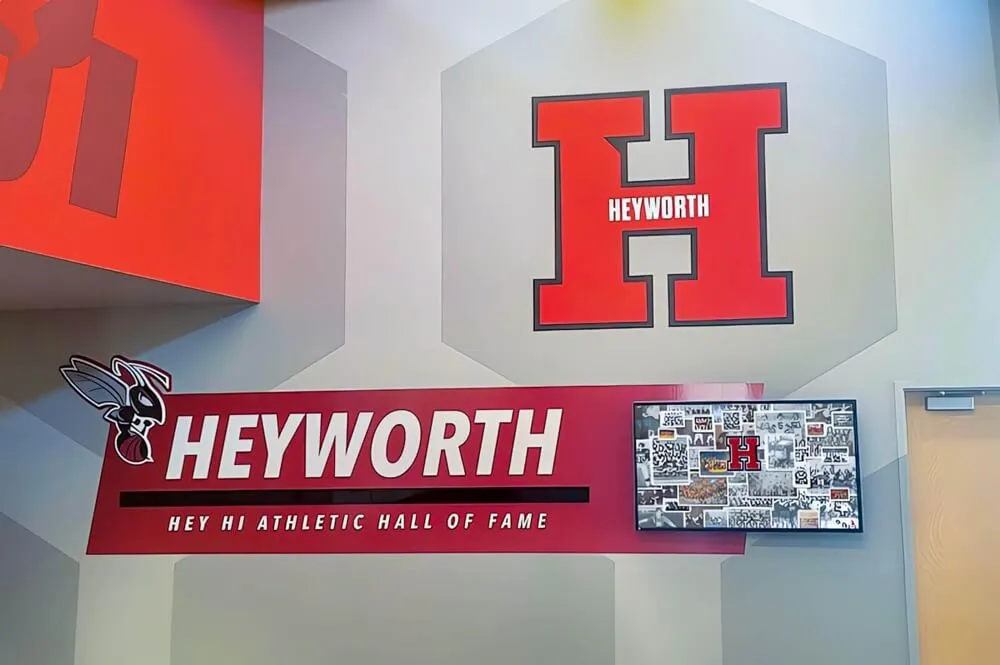
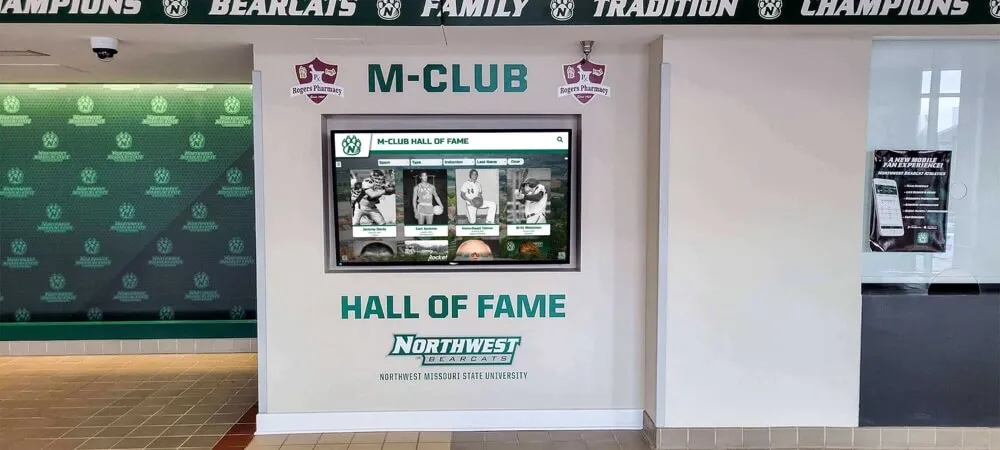
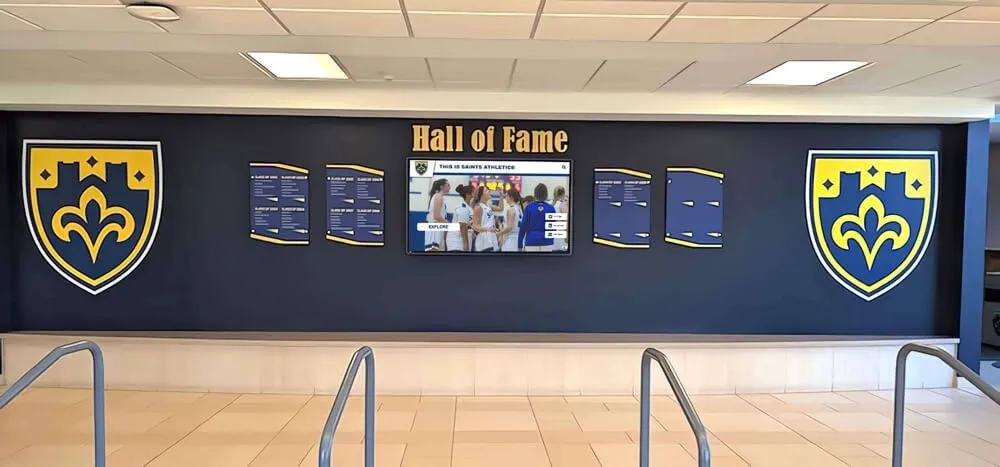
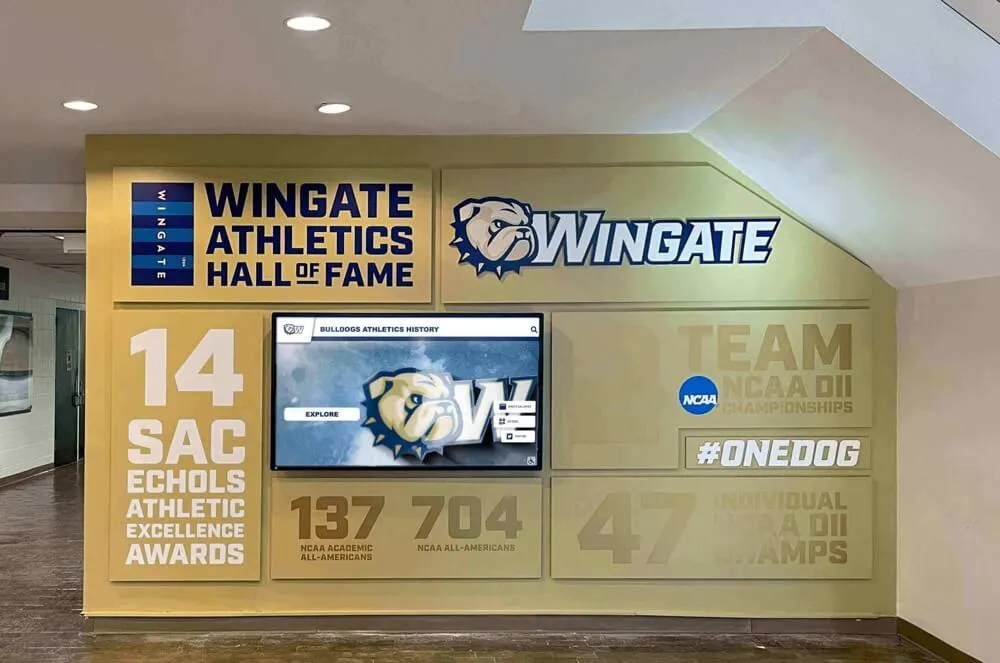
Interactive walls of honor give schools a meaningful way to permanently recognize students who commit to military service through programs like Army ROTC
What the Army ROTC Scholarship Covers
Before examining eligibility and application requirements, it helps to understand what a scholarship actually provides—because the benefits go well beyond tuition.
Tuition and Fee Coverage
Army ROTC scholarships are awarded at different coverage levels, and the specific amount depends on the scholarship tier and the type of institution a student attends. At most colleges and universities, scholarship recipients choose between two options:
- Full tuition and required educational fees at the institution where they enroll
- A flat-rate room and board allowance at schools that offer that alternative
The program is designed to be flexible so that students can attend the school that best fits their academic and career goals, not just the most affordable option on their list. Students attending higher-cost private universities may receive full tuition covered entirely; students at lower-cost state schools receive the same benefit applied to their institution’s tuition rate. Scholarship recipients should consult the current Cadet Command published rates each year, as coverage amounts are updated annually.
Additional Financial Benefits
Beyond tuition, scholarship recipients receive several supplemental benefits throughout their college years:
Monthly Stipend: Scholarship recipients receive a monthly stipend that increases each academic year. Freshmen on scholarship receive a lower monthly amount than juniors or seniors, reflecting increasing responsibility as cadets advance through the program. The stipend is paid during the academic year.
Annual Book Allowance: An annual book allowance is provided to offset textbook and materials costs, which can be substantial depending on academic major.
Educational Delay Option: Under certain circumstances, recipients may defer enrollment for graduate education before fulfilling their service obligation, an option that makes the scholarship particularly attractive to students targeting competitive medical, law, or STEM graduate programs.
These combined benefits make an Army ROTC scholarship one of the highest-value financial aid packages a college-bound student can receive. According to the U.S. Army Cadet Command, scholarship recipients who attend four years on the program can receive a total package worth well over $100,000 in financial support at many institutions—an amount that rivals or exceeds full athletic scholarships at comparable schools.
Service Obligation
In exchange for the scholarship, recipients commit to serving as commissioned officers in the United States Army. Most scholarship recipients serve on active duty, though opportunities exist to serve in the Army Reserve or Army National Guard depending on the program selected and the Army’s needs at the time of commissioning. The standard active-duty service obligation for scholarship recipients is typically four years following graduation and commissioning, though specific terms should be confirmed with a recruiting officer as requirements can be updated.
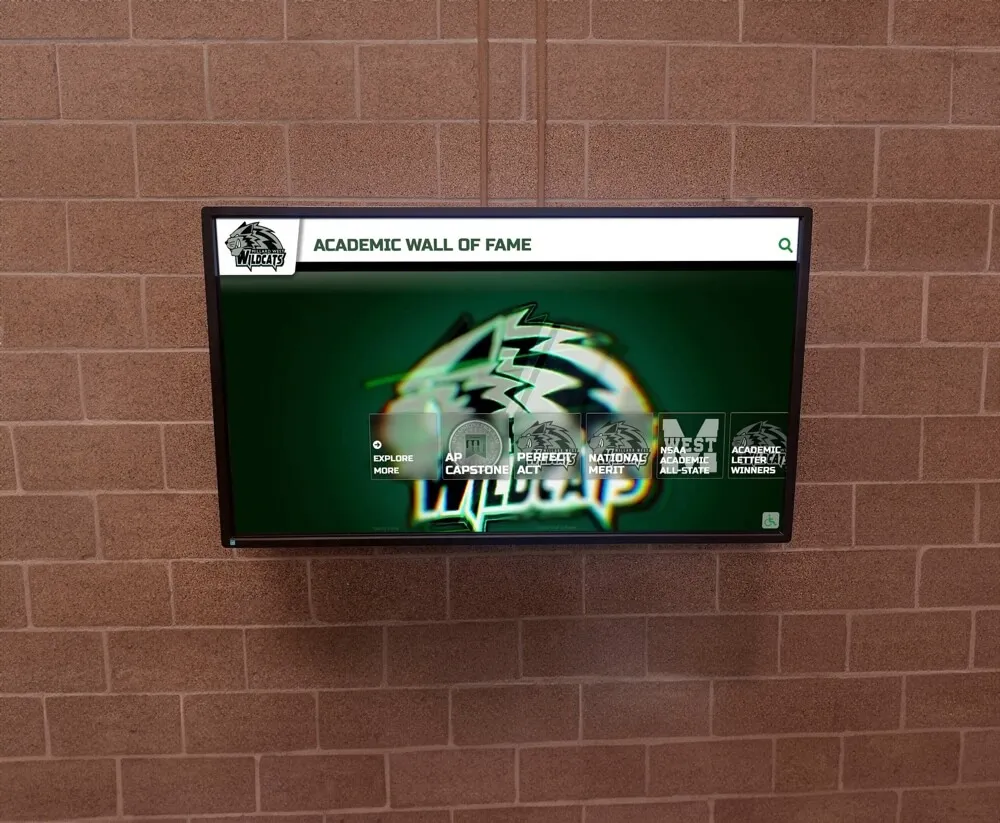
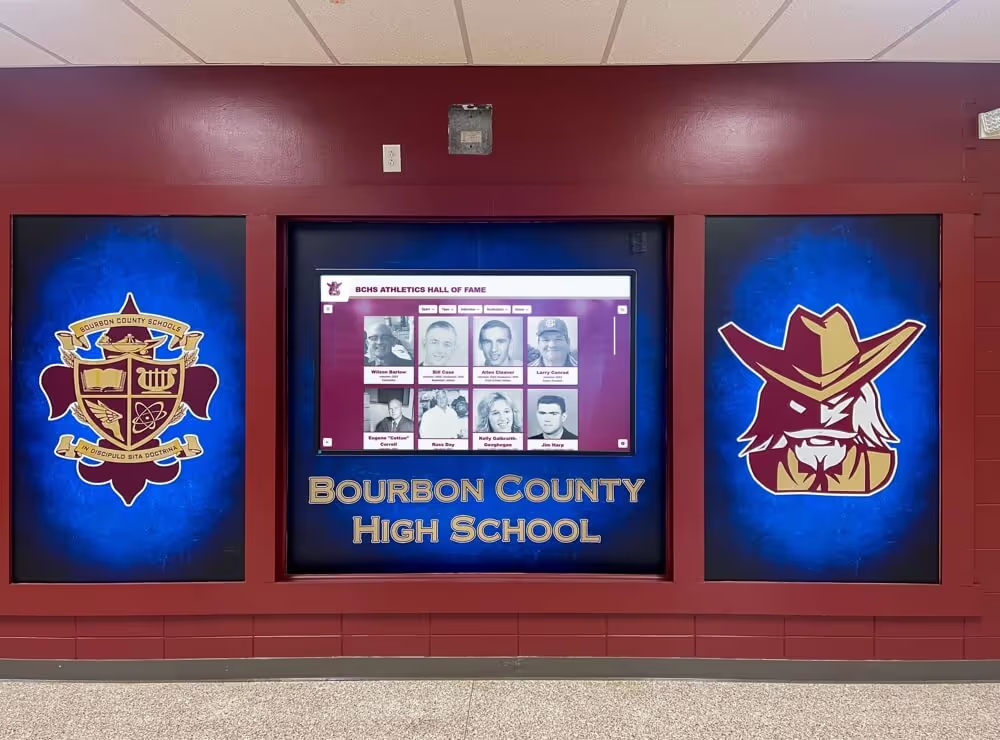
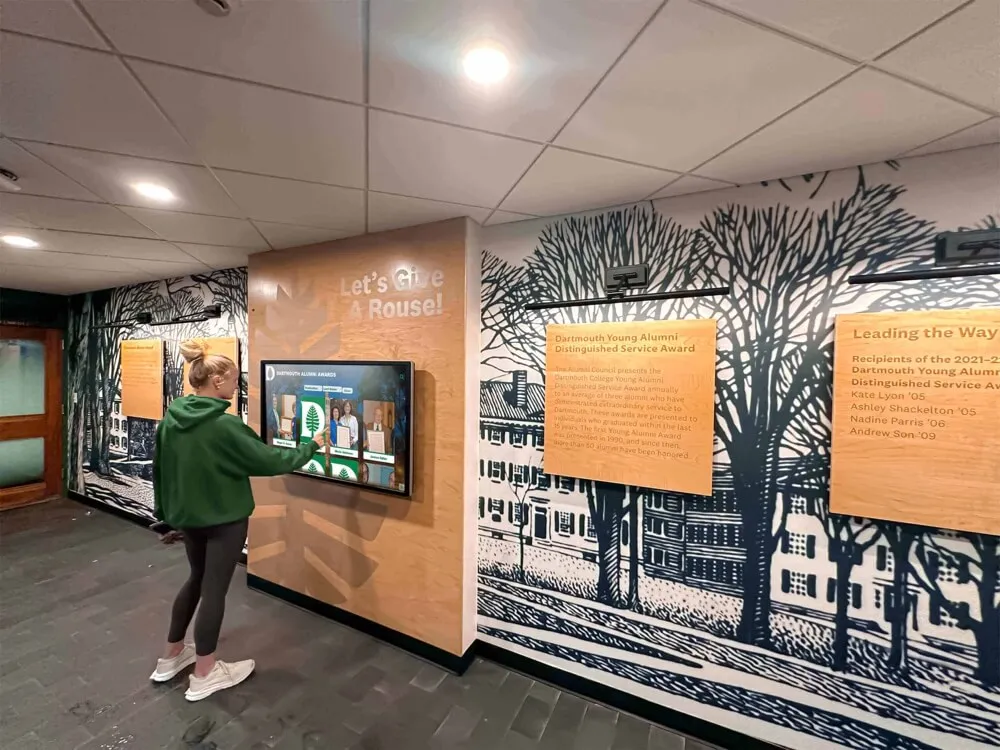
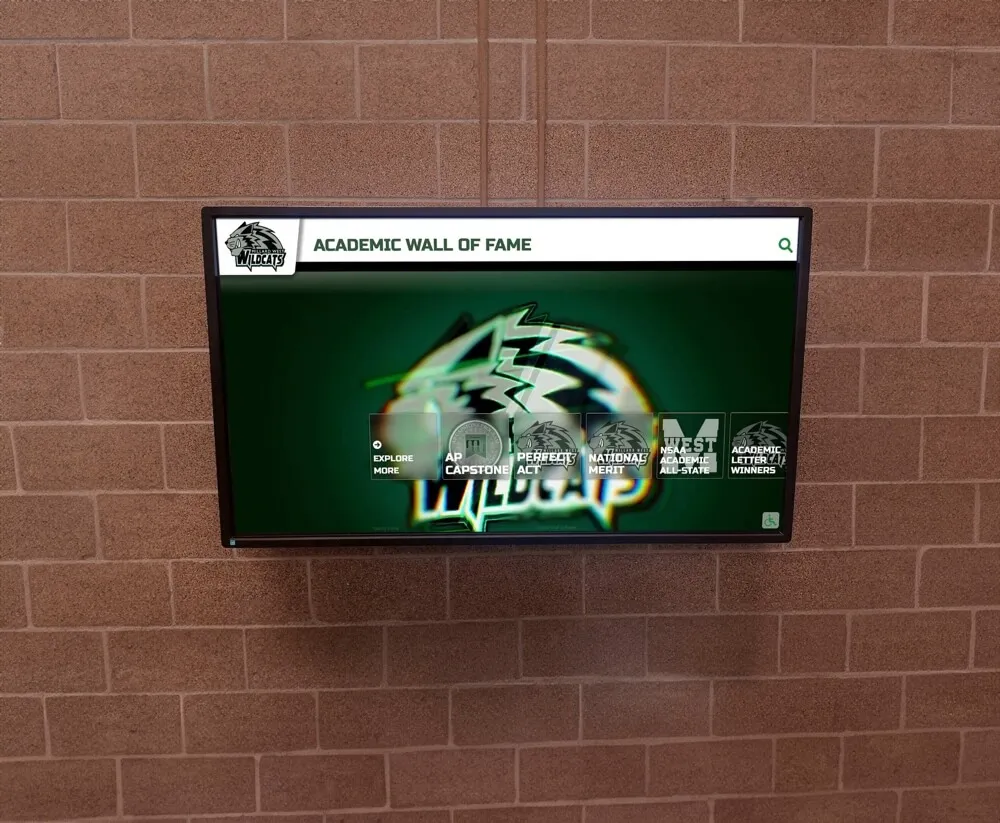
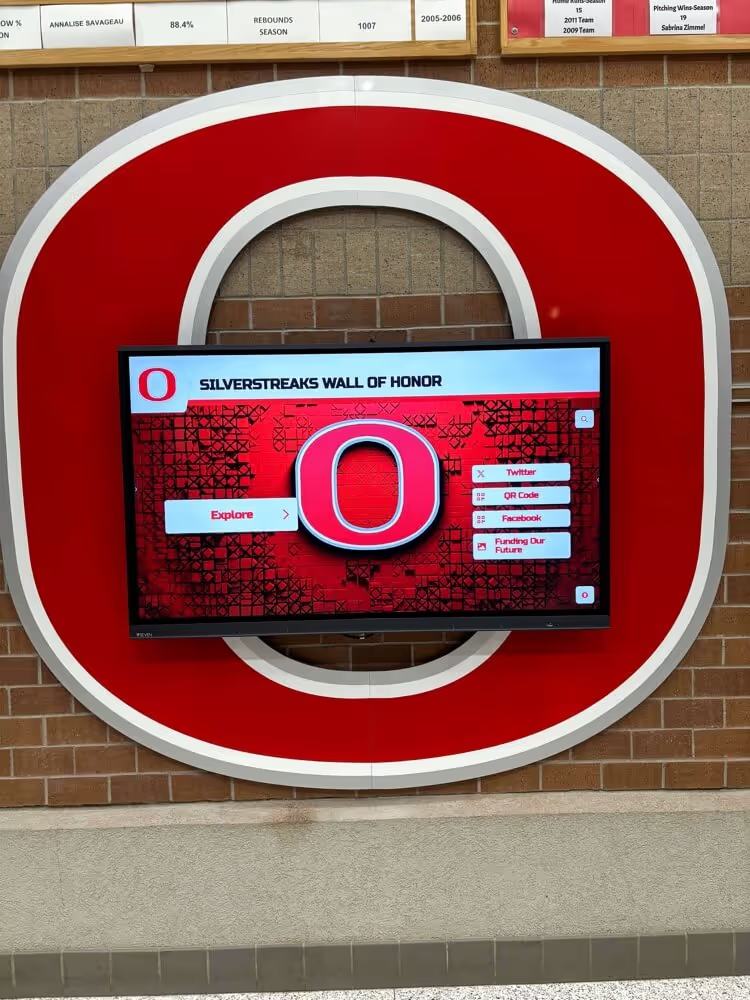
Digital academic recognition walls help schools permanently display scholars, ROTC recipients, and other high-achieving students alongside their accomplishments
Award Levels: Understanding the Scholarship Tiers
The Army ROTC scholarship program is not a single uniform award. Multiple tiers exist, each with different coverage levels and application timelines.
Four-Year Scholarships
The four-year scholarship is the most prestigious and competitive tier, covering all four undergraduate years starting from a student’s freshman year. High school seniors applying through the national scholarship competition are competing for four-year awards. Selection is highly competitive—applicants are evaluated holistically on academic performance, standardized test scores, physical fitness, extracurricular leadership, and interviews.
Four-year scholarship recipients gain the full benefit of the program from day one of college enrollment, which makes this tier especially attractive to students attending higher-cost institutions where tuition savings compound significantly across four years.
Three-Year and Two-Year Scholarships
Students who did not receive a four-year scholarship as high school seniors can still earn Army ROTC scholarship funding during college. Three-year scholarships become available to college freshmen, and two-year scholarships are available to sophomores or students transferring into a ROTC program. These scholarships are awarded at the campus level by ROTC battalion professors of military science (PMS) rather than through the national competition.
This means that a high school senior who misses the four-year scholarship deadline—or doesn’t receive a four-year award—still has realistic paths to scholarship funding by enrolling in ROTC as a non-scholarship cadet and demonstrating exceptional performance during the freshman year.
Campus-Based Scholarships
Many ROTC battalions have access to campus-based scholarships funded through their institution or supplemental Army funding. These awards vary in coverage and availability by school. Students who want to maximize their scholarship opportunities should contact the ROTC battalion at each college they are considering—not just the national scholarship office—to understand what campus-based awards might be available.
Early Commissioning and Simultaneous Membership
Students who complete ROTC requirements before their four years of college are finished may qualify for early commissioning in some circumstances. Additionally, the Simultaneous Membership Program (SMP) allows ROTC cadets to serve in the Army National Guard or Reserve while completing their college education, providing additional monthly drill pay on top of ROTC stipends.
These supplemental options mean that a determined high school senior who commits to the program can structure their college years to earn significant total compensation through combined scholarship, stipend, and National Guard or Reserve pay.
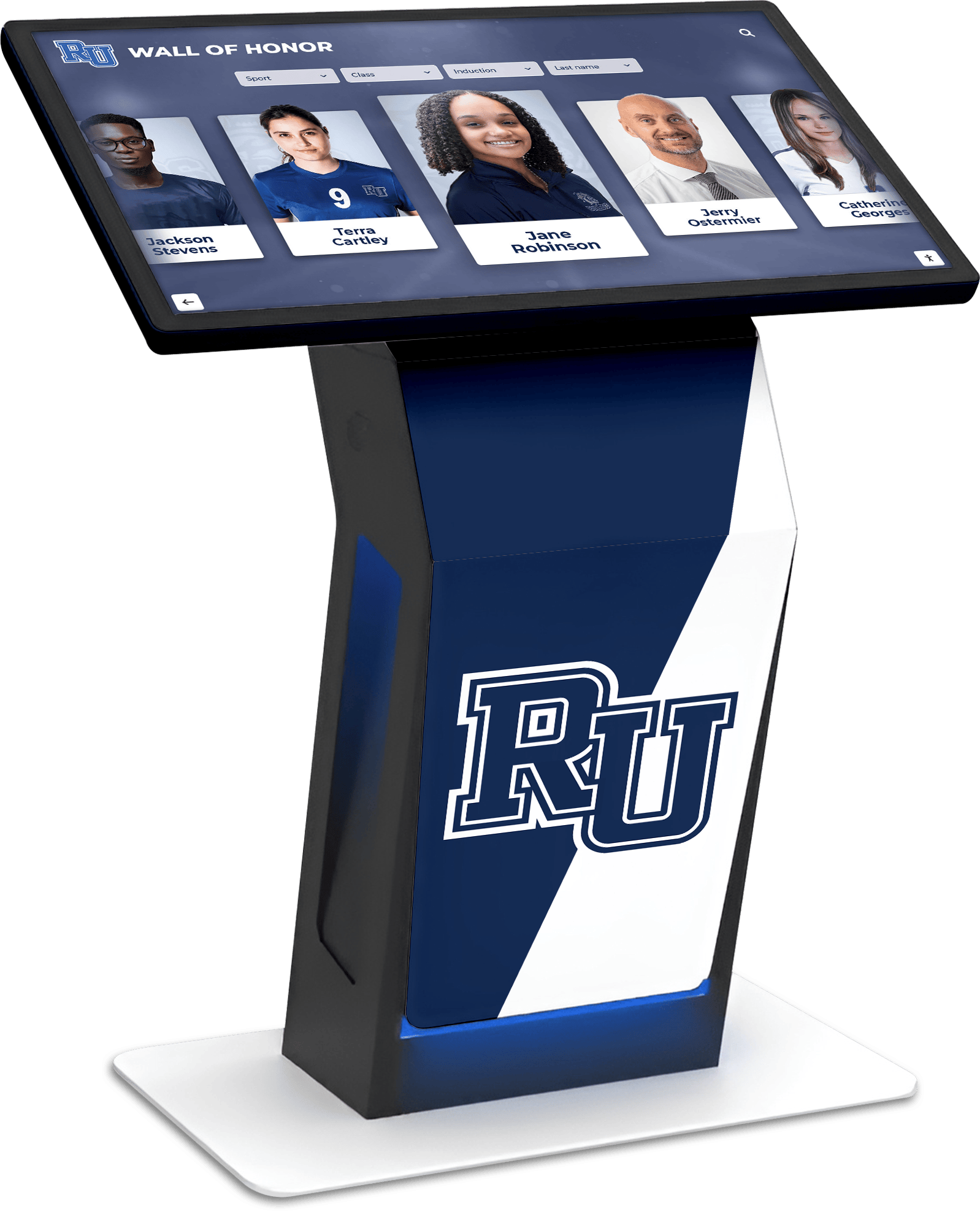
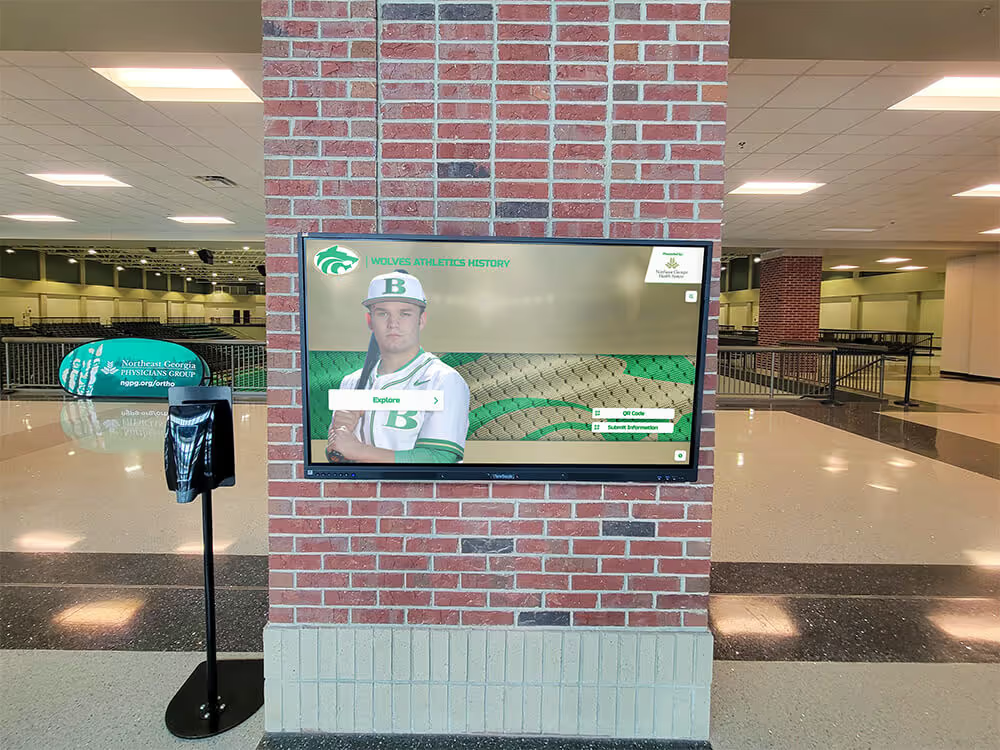
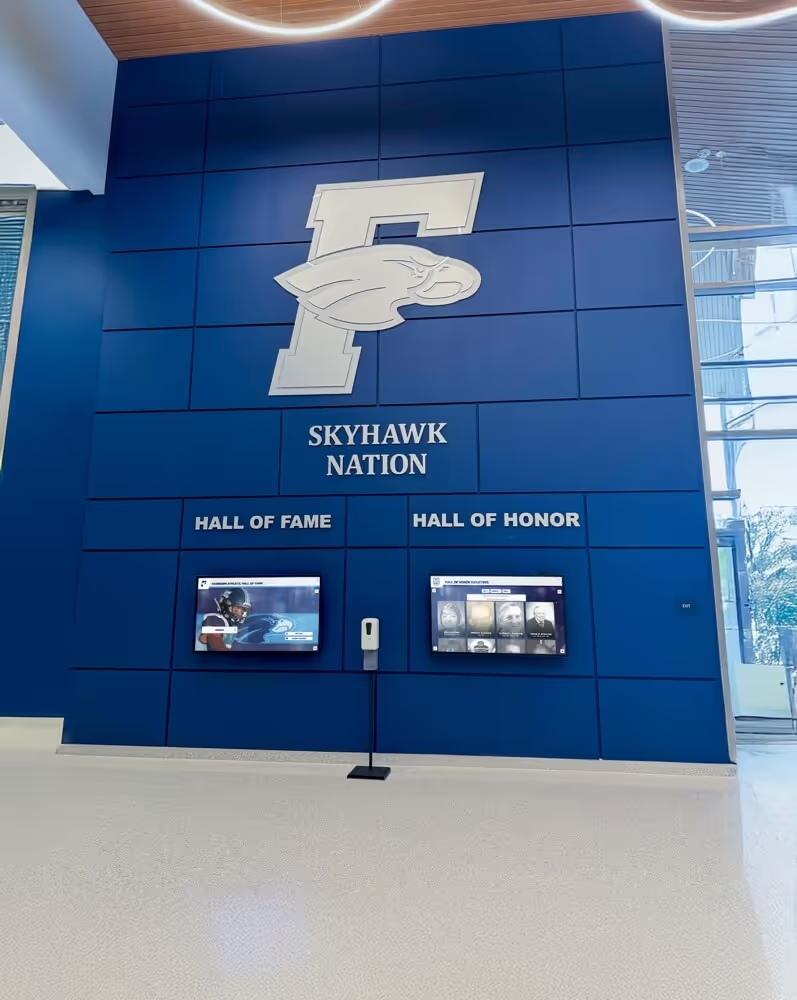
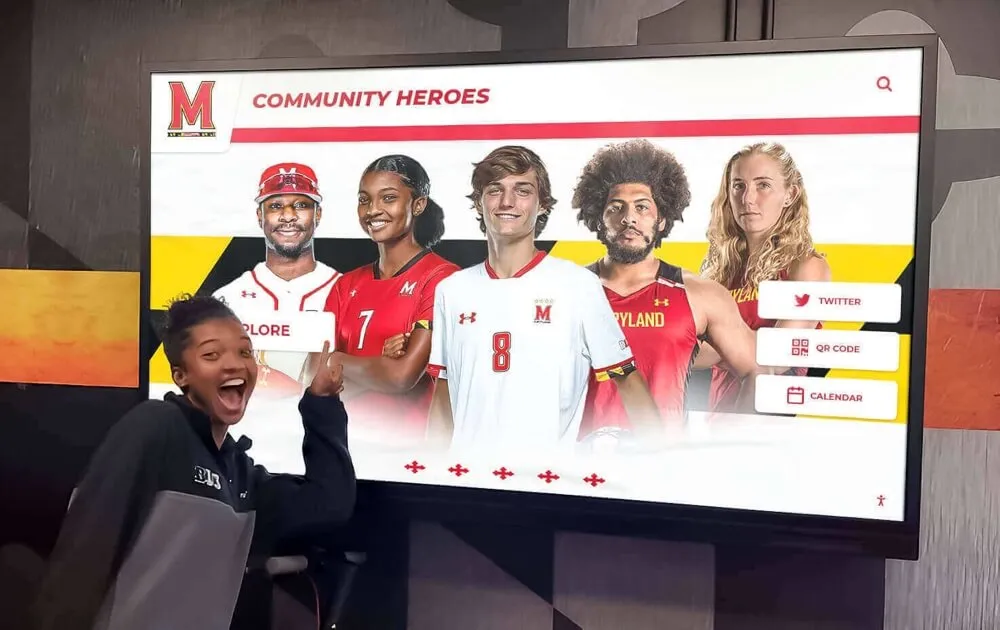
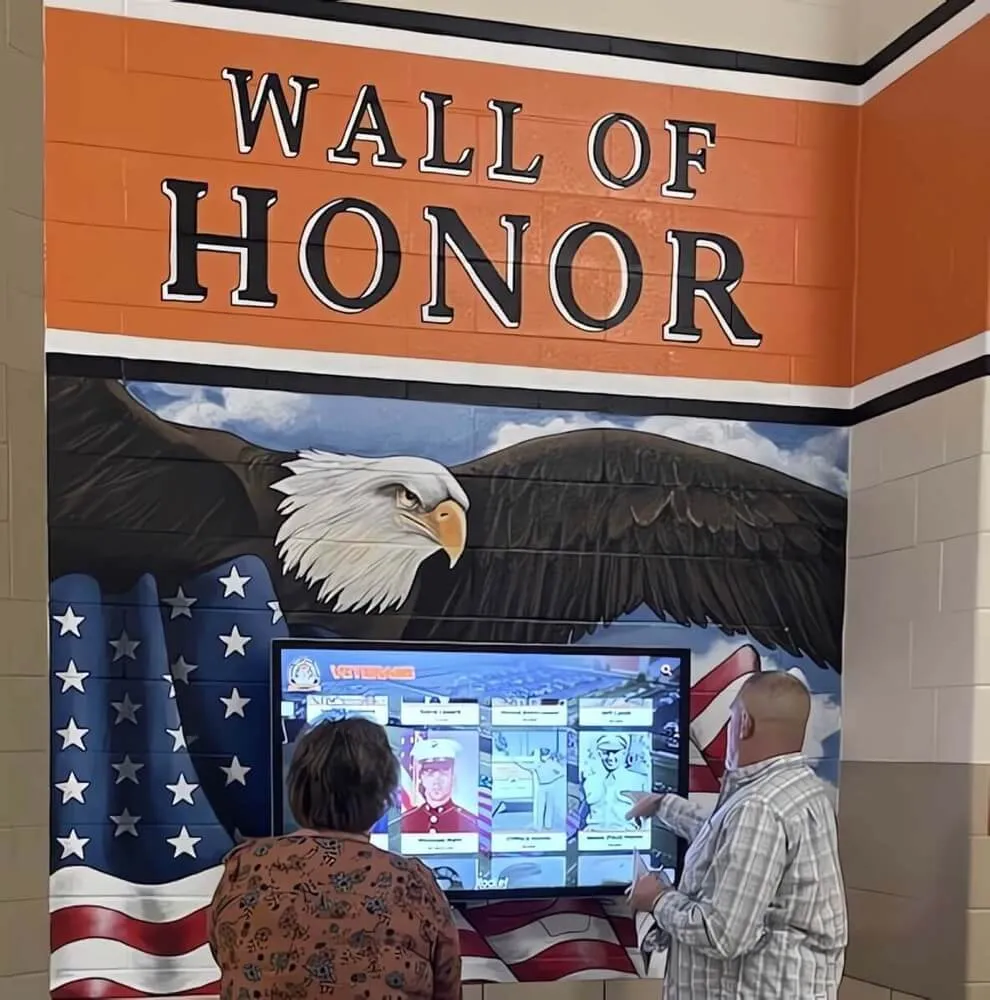
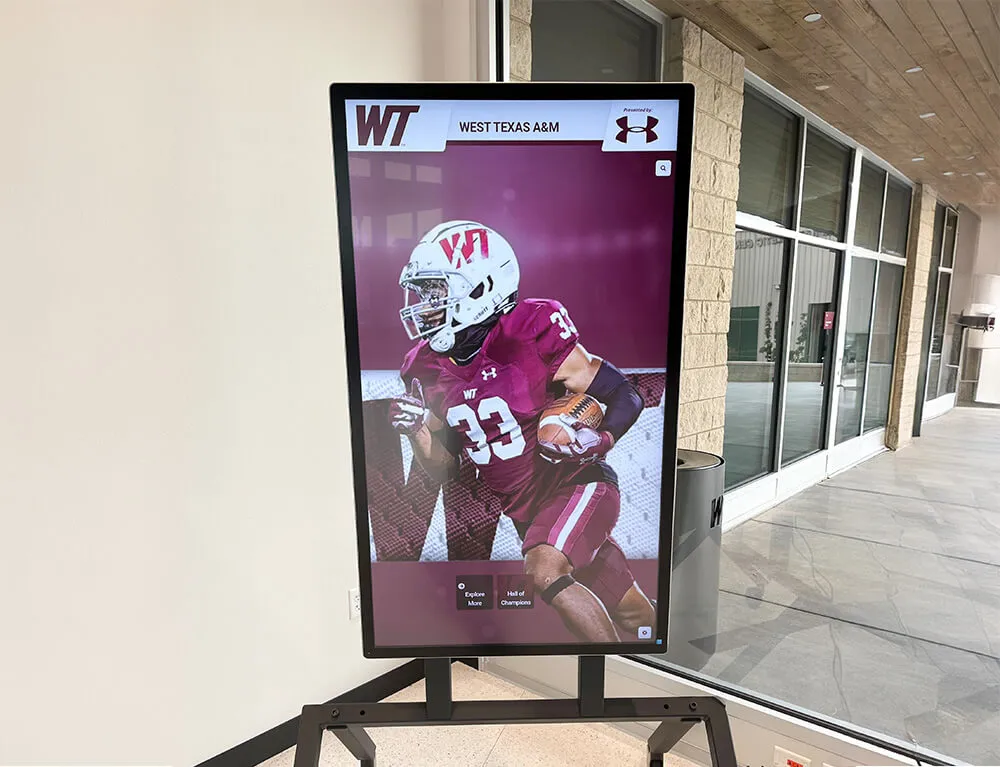
Touchscreen recognition kiosks give schools a flexible platform to celebrate ROTC recipients, academic scholars, and community heroes in the same interactive display
Eligibility Requirements for the Army ROTC Scholarship
Applicants must meet a specific set of requirements to qualify. Understanding these criteria early—ideally by junior year of high school—gives students the time to build the strongest possible application profile.
Citizenship and Age Requirements
All Army ROTC scholarship applicants must be U.S. citizens. Permanent residents and other visa categories do not qualify for the national scholarship competition. Additionally, applicants must be at least 17 years old at the time of enrollment in college and must be able to complete their degree and commissioning requirements before reaching the age limit specified by the Army at the time of application. Age waivers may be available in certain circumstances, and applicants should consult directly with Army ROTC recruiters for current age policies.
Academic Requirements
GPA: There is a published minimum GPA for the national scholarship application, but competitive applicants typically far exceed it. Students with GPAs in the 3.0–3.49 range may qualify but should expect to be compared against applicants with 3.5–4.0 GPAs. Weighted GPAs from AP, IB, or dual-enrollment coursework are considered, and strong course rigor matters in selection committees’ holistic review.
Standardized Test Scores: The Army ROTC scholarship requires qualifying SAT or ACT scores. Minimum thresholds are published annually by Cadet Command; students should aim above those minimums for a competitive application. Students who have taken the SAT or ACT multiple times can typically use their highest section scores.
Class Rank and Academic Standing: While not an absolute requirement, competitive applicants often rank within the top quartile of their high school graduating class. Participation in honors or advanced coursework signals academic rigor beyond GPA alone.
For students building a strong academic recognition record throughout high school, maintaining consistent honor roll standing and pursuing competitive academic programs is one of the most effective ways to build a strong ROTC scholarship academic profile.
Physical Fitness Standards
Army ROTC scholarship applicants must pass a physical examination conducted through the Military Entrance Processing Station (MEPS) or a designated military physician. This physical evaluates:
- General medical fitness for military service (vision, hearing, orthopedic history, and overall health)
- Height and weight standards as prescribed by Army regulations
- Physical fitness testing — applicants are evaluated on the Army Physical Fitness Test (APFT) or its successor, the Army Combat Fitness Test (ACFT), depending on current Army policy
Strong fitness scores improve an applicant’s overall evaluation. Students who are active in high school athletics are often well-positioned on the fitness component, but even non-athletes who train consistently for the required events (push-ups, sit-ups, and a timed two-mile run under the APFT, or the six-event ACFT under updated standards) can score competitively.
Moral Character and Background
All applicants undergo a background screening. Felony convictions, certain misdemeanor convictions, and drug use history can disqualify applicants, though some waivers may be available depending on circumstances and the severity and recency of the issue. Students should disclose all relevant history accurately in their applications; dishonesty in the application process is disqualifying.
Leadership and Extracurricular Involvement
Unlike purely academic scholarships, the ROTC scholarship selection process places significant weight on demonstrated leadership. Evaluators look for students who have held positions of responsibility—team captains, student government officers, club presidents, Eagle Scouts, community service leaders, and similar roles. The Army is selecting future officers, so evidence that an applicant can motivate and lead others matters as much as GPA.
Students who have developed genuine team captain and leadership experience or been recognized through peer leadership programs can cite these recognitions as evidence of the character traits ROTC selection panels prioritize. Many successful applicants also have JROTC backgrounds, which introduce cadets to military customs, rank structure, and drill fundamentals before college.

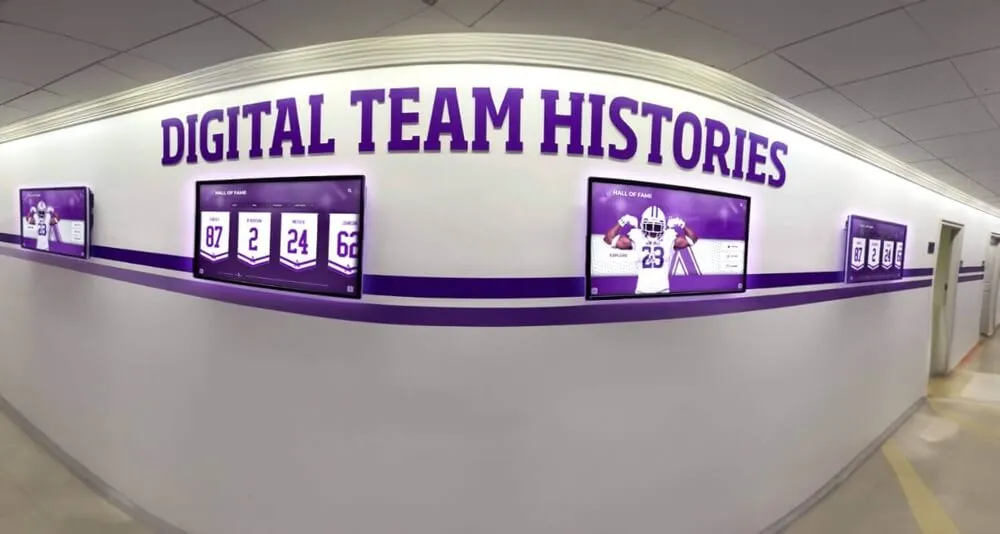
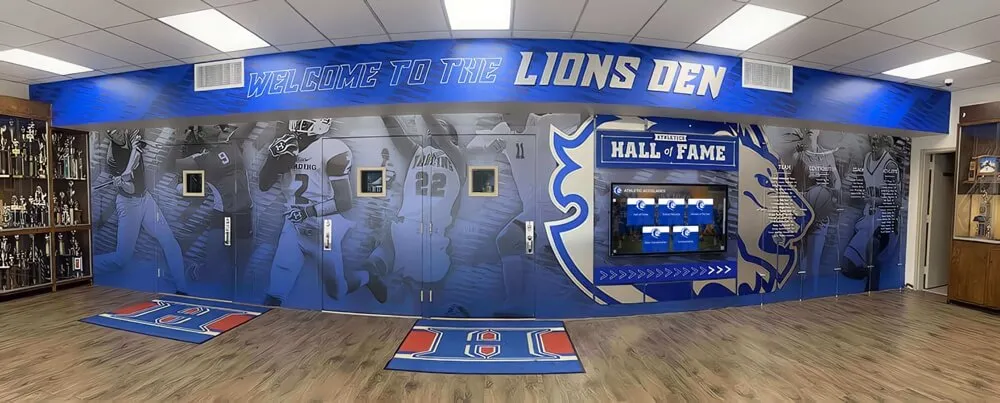
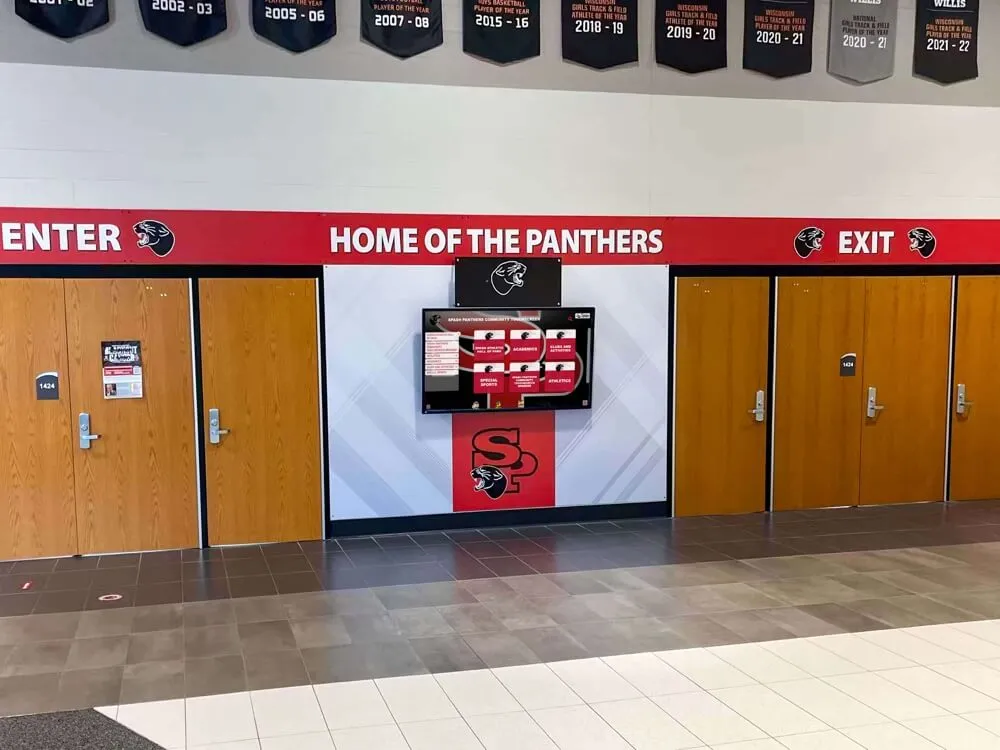
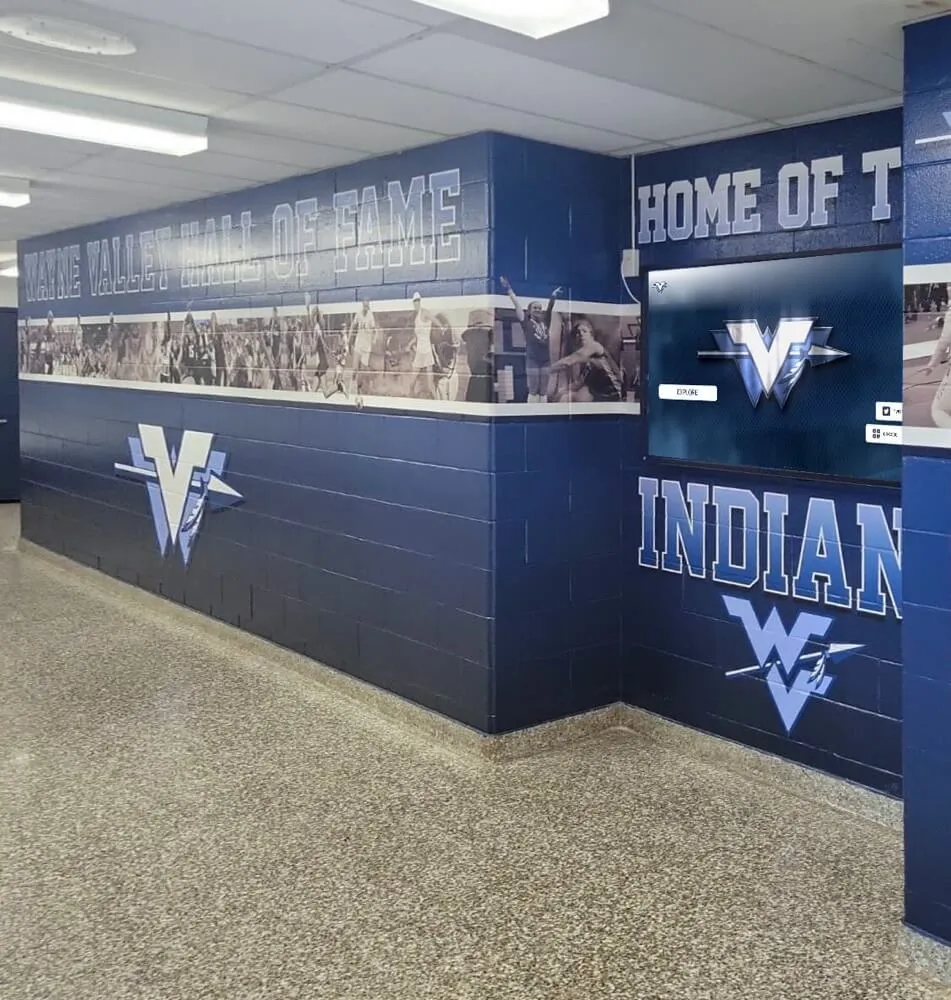
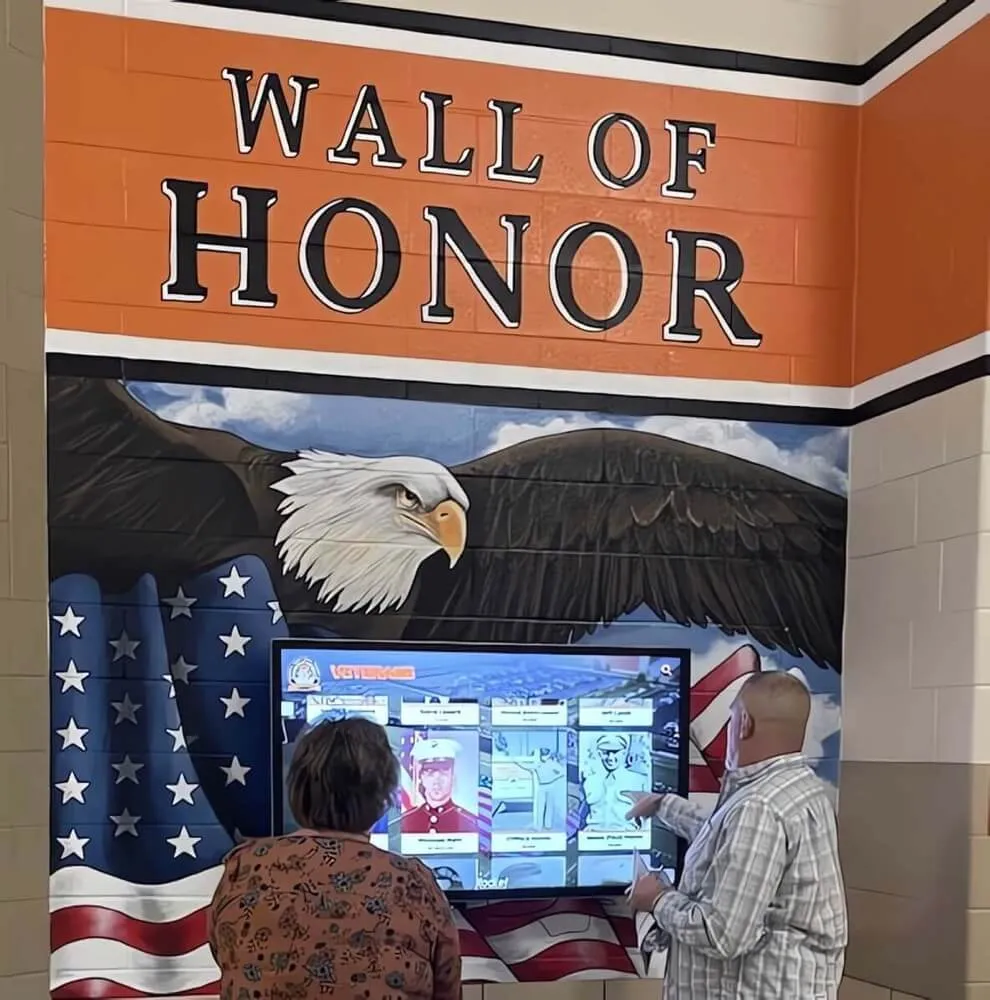
Honor walls in school hallways make ROTC commitments visible daily to the entire student body, reinforcing the value of service and scholarship
The High School Senior’s Application Roadmap
The national Army ROTC scholarship competition operates on a specific annual timeline. Missing key deadlines can eliminate a student from the competition entirely for that cycle. Here is how the process typically unfolds.
Junior Year: Building the Foundation
The smartest ROTC scholarship applicants begin preparing during junior year of high school, well before the application opens. Key junior-year actions include:
Connect with an Army ROTC Recruiter: Army ROTC has a network of high school recruiters who can provide current requirements, answer questions, and guide preparation. Connecting early gives students access to program-specific advice rather than relying solely on general online information.
Research Participating Colleges: Not every college hosts an Army ROTC battalion. Students should confirm that the schools on their list either host a battalion or have a consortium agreement with a nearby school that does. This research should happen alongside regular college research, not as an afterthought.
Prepare SAT/ACT Scores: Junior year is when most students take standardized tests. Aim to achieve competitive scores before the application opens in the spring of junior year or early summer before senior year.
Build the Leadership Record: Take on leadership positions in junior year. Waiting until senior year to pursue extracurricular leadership is too late—the record you present in your application reflects activities completed through the time of submission.
Maintain and Strengthen GPA: Junior year grades appear on the transcript submitted with the application. A strong finish to junior year strengthens the academic portion of the application significantly.
Senior Year: The Application Window
The national Army ROTC scholarship application typically opens in the spring of junior year (sometimes as early as April or May before senior year begins) and the priority application deadline usually falls in the fall semester of senior year—often in November or December. The exact dates shift annually, so applicants should confirm current cycle dates directly with Army Cadet Command or a recruiter.
Step 1 — Create Your Application Account: The application is submitted through the Army ROTC national scholarship portal (Cadet Command’s official application system). Create an account early to understand all required components before the deadline pressure builds.
Step 2 — Gather Academic Documentation: Official or self-reported transcripts, SAT/ACT scores, and class rank information are required. Some components may require school counselor submission.
Step 3 — Secure Letters of Recommendation: Most application cycles require one or more letters of recommendation. Choose recommenders who know you in a leadership or academic capacity—a coach who can speak to your performance under pressure, a teacher who witnessed academic excellence in a challenging course, or a community leader who supervised your volunteer work.
Step 4 — Write the Personal Essay: The application includes a personal essay component. This is your opportunity to articulate why you want to serve as an Army officer—not just why you want the scholarship money. Compelling essays reflect genuine understanding of military service, leadership philosophy, and personal motivation for pursuing an officer career.
Step 5 — Complete the Physical Examination: Schedule your MEPS appointment or military physician physical early. This is a common source of delays for otherwise strong applicants who wait too long to schedule.
Step 6 — Submit the Application Before the Priority Deadline: Applications submitted by the first-round (priority) deadline receive the most favorable consideration. Applications may still be considered after this date if slots remain, but first-round applicants have a competitive advantage.
The Interview
Strong applicants are invited to interview, typically conducted by a board of Army officers or ROTC cadre members. The interview evaluates communication skills, leadership maturity, understanding of military service, and overall officer potential. Applicants should prepare by:
- Researching Army values and officer responsibilities
- Practicing confident, clear verbal communication
- Preparing to discuss specific examples from their leadership record
- Demonstrating genuine enthusiasm for military service rather than treating the interview as a transaction
Schools that recognize students’ interview milestones—whether through announcement boards, school award ceremony programs, or hallway displays—help normalize the achievement of making it to competitive interview rounds and motivate underclassmen to begin their own preparation.
Notification and Acceptance
Scholarship notifications are typically issued on a rolling basis beginning in November and continuing through the spring. When an offer is received, the applicant has a defined window to accept or decline. Accepting triggers the next steps: selecting a participating college, enrolling in ROTC, and completing any remaining administrative requirements before the first day of classes.
Students who are not offered a four-year scholarship through the national competition should not view this as the end of their ROTC journey. Enrolling in ROTC as a non-scholarship cadet freshman and pursuing a three-year or campus-based award is a well-established path that many successful officers have followed.
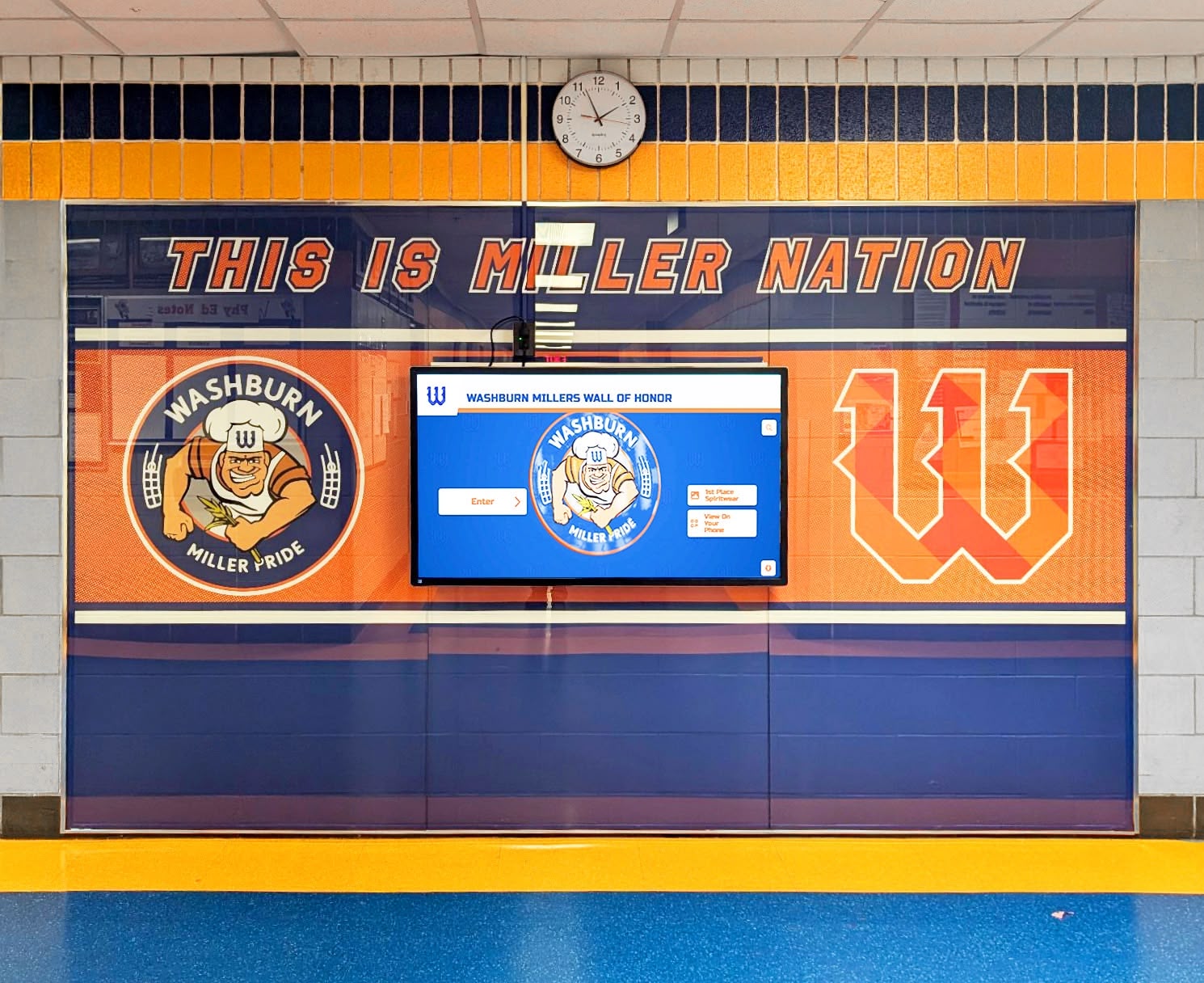
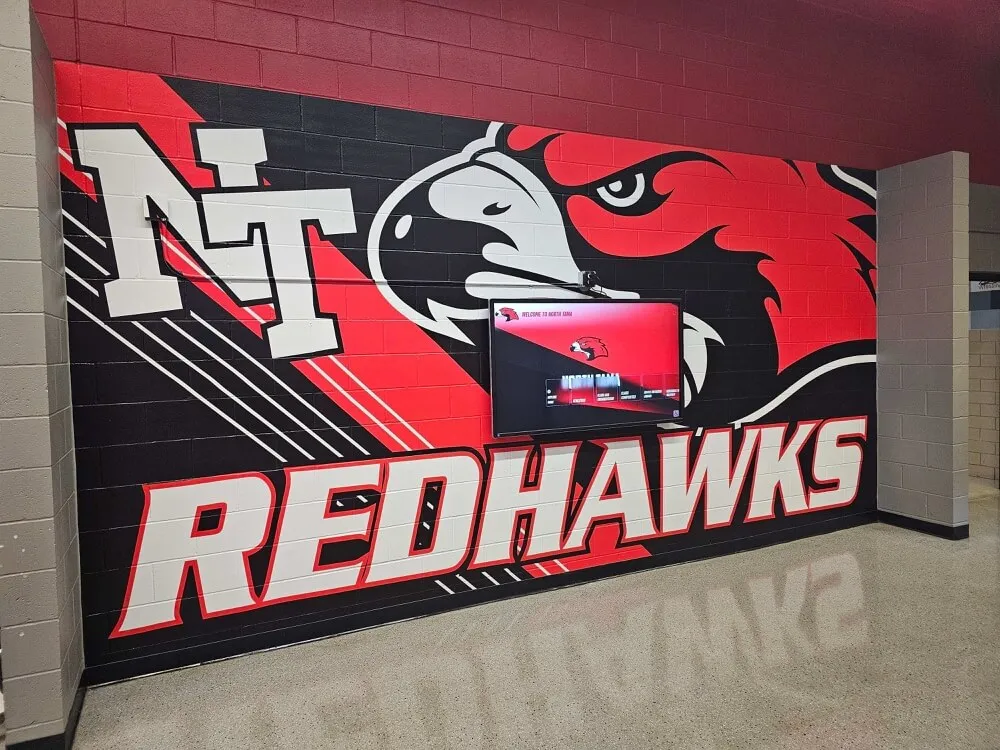
Permanent hallway recognition displays ensure ROTC scholarship recipients are celebrated throughout the school year, not just at a single ceremony
What Happens After Receiving the Scholarship
Understanding what comes next helps seniors make informed enrollment decisions and prepare for the transition to college ROTC.
Contracting: Scholarship recipients formally “contract” with the Army—signing legal documents that formalize the scholarship agreement and service commitment. Contracting typically occurs at the beginning of the college career, often during the freshman year orientation process at the ROTC battalion.
ROTC Coursework and Lab: Throughout college, scholarship recipients take Military Science courses alongside their academic major. These courses cover leadership theory, small unit tactics, map reading and land navigation, Army history, and military ethics. Weekly lab sessions provide hands-on training.
Field Training: After sophomore year, scholarship recipients attend ROTC Advanced Camp (also called Leader Development and Assessment Course or LDAC under some nomenclatures), a rigorous multi-week training evaluation at a military installation that assesses officer potential and determines branching priorities.
Commissioning: Upon completing all degree requirements and ROTC program requirements, scholarship recipients are commissioned as Second Lieutenants in the U.S. Army—a moment many describe as one of the proudest of their lives.
How Schools Can Celebrate Army ROTC Scholarship Recipients
For school counselors, athletic directors, and administrators, ROTC scholarship recipients represent a class of achievement that often gets overshadowed by athletic signings and purely academic honors. That gap deserves to be closed.
Treat ROTC Signings Like Athletic Signings
The parallel to college commitment celebrations is direct and powerful. When a student athlete signs with a Division I program, schools celebrate with ceremonies, banners, and social media posts. An Army ROTC scholarship represents a commitment of equal or greater significance—a student committing to serve their country while earning a funded college education. Schools that create formal signing events for ROTC recipients send a message to the entire student body that military service is valued alongside athletic and academic achievement.
Consider hosting a combined senior recognition event in the spring that includes ROTC scholarship recipients alongside athletic signees. Recognition programs that celebrate a wide range of special student awards—athletic, academic, and military—reflect an institutional culture that honors the full range of paths students take after graduation.
Include ROTC Recipients in Senior Night and Awards Ceremonies
Senior night celebrations and year-end awards programs are natural venues for recognizing ROTC scholarship recipients. These students have demonstrated exceptional commitment—they passed a physical examination, survived a competitive selection process, and made a binding commitment to serve their country. School ceremonies that honor both academic and service achievement signal that the school community genuinely values what these students have committed to do.
Senior nights are particularly powerful contexts for this recognition because they center on honoring the whole senior—their high school career and their post-graduation commitment—rather than isolating a single achievement.

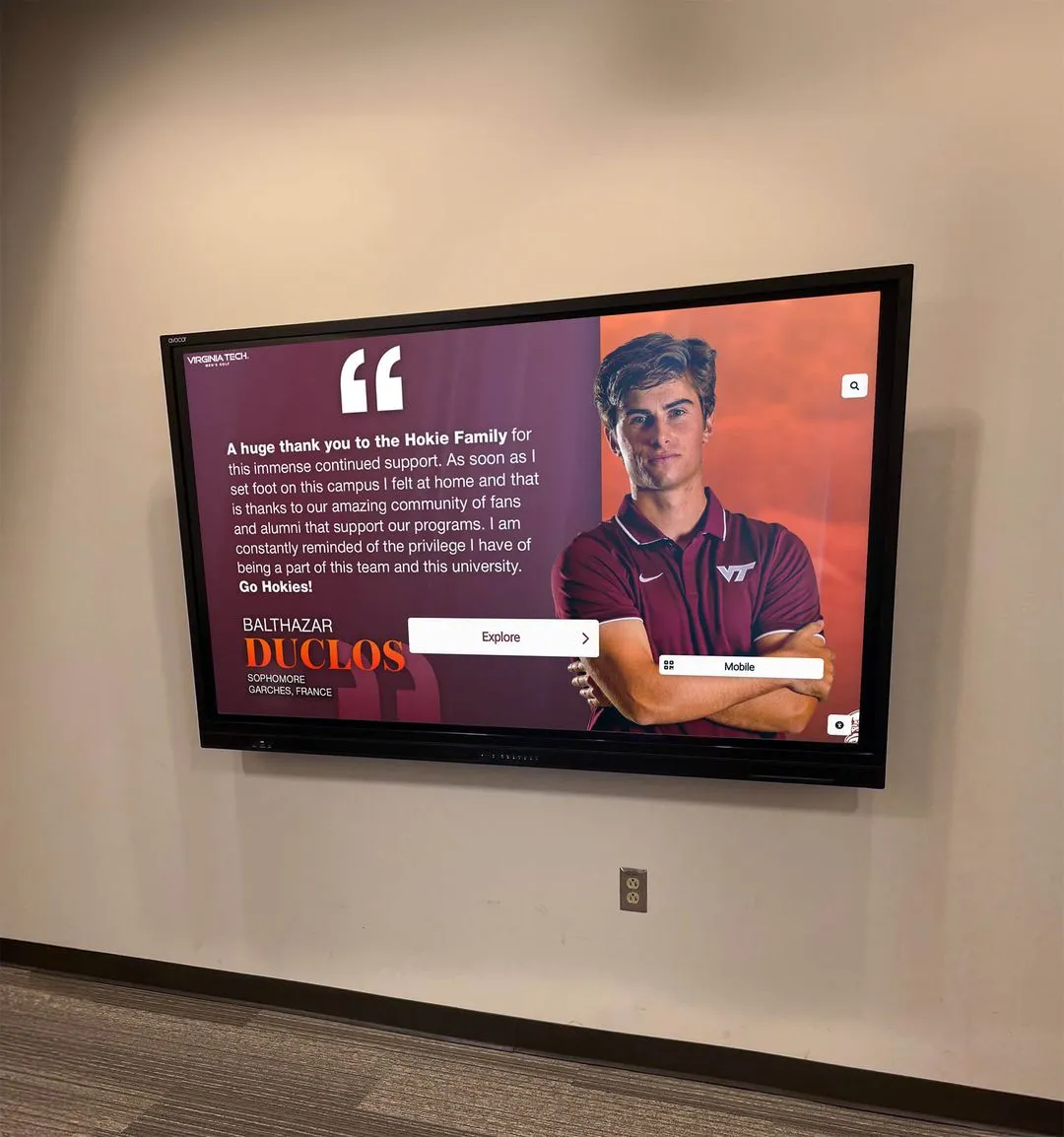
Portrait-style digital recognition displays can feature ROTC scholarship recipients alongside honor roll students, creating a unified celebration of academic and service excellence
Permanent Recognition Displays for Military Commitments
Beyond single-day ceremonies, schools can create lasting recognition infrastructure that honors ROTC scholarship recipients alongside other distinguished graduates. Digital hall of fame display systems designed for school hallways, lobbies, and athletic facilities can be configured to showcase multiple categories of achievement—including a dedicated “Military Commitments” or “Service to Country” section that permanently records which students pursued ROTC scholarships and military careers.
This kind of year-round visibility matters for inspiring future classes. When a sophomore sees a display recognizing a senior who earned an Army ROTC scholarship, they learn that military service is an aspirational path that their school celebrates—and they have three years to begin preparing their own application.
Schools that have invested in touchscreen recognition banners and display systems can simply add a military achievements category alongside athletic championships and academic honor rolls, creating a comprehensive record of all the ways their graduates have pursued excellence.
Connecting Current Students with ROTC Alumni
One of the most effective ways to inspire underclassmen to pursue Army ROTC scholarships is connecting them with alumni who went through the program. Schools with alumni spotlight programs can feature commissioned officer alumni prominently alongside other notable graduates, giving current students concrete examples of where military service can lead.
Invite local alumni who commissioned through ROTC to speak at school events, participate in college and career panels, or simply be visible as role models during visits. The combination of in-person stories and permanent recognition displays creates a powerful pipeline that builds year over year as each ROTC class commissions and the display grows.
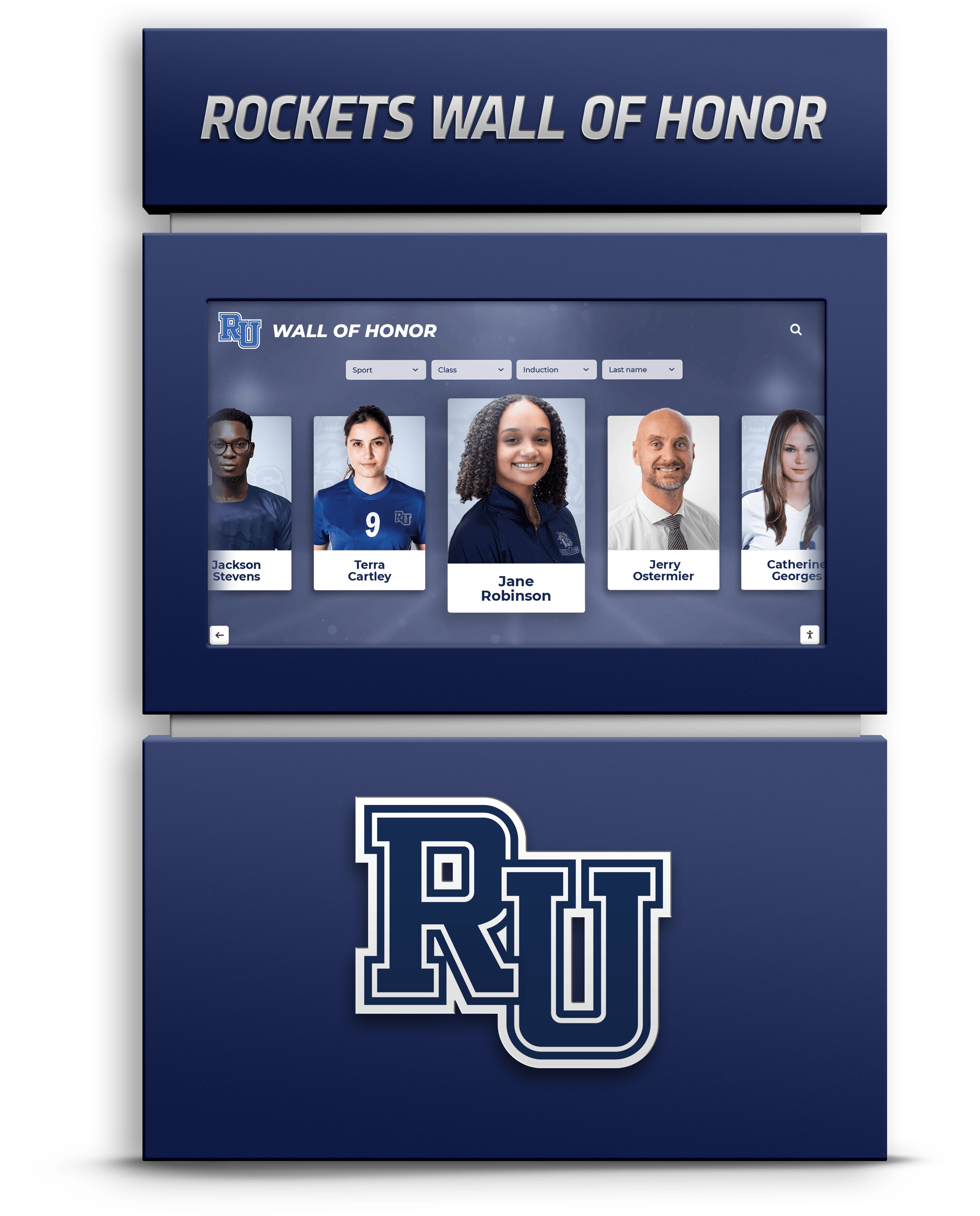
Touchscreen wall of honor systems allow schools to update and expand military recognition year after year without replacing physical materials
Frequently Asked Questions
Can I apply for an Army ROTC scholarship at any college? You must attend a college that hosts an Army ROTC battalion or is part of a consortium agreement with a nearby host school. The Army maintains a list of all participating institutions. When researching colleges, confirm ROTC availability before assuming you can participate.
Does the Army ROTC scholarship affect financial aid? Scholarship recipients should consult both the Army and their college’s financial aid office. In many cases, students who receive institutional grants or need-based aid may see those awards adjusted when an Army scholarship is also in place, since total aid packages generally cannot exceed cost of attendance. The Army scholarship’s interaction with institutional aid varies by school.
What happens if I fail to complete ROTC or graduate? Contracted scholarship recipients who disenroll or are disenrolled from the program before commissioning may be required to repay scholarship funds or fulfill an equivalent enlisted service obligation, depending on when and why they leave. This is a binding commitment, and applicants should understand those terms before contracting.
Can I choose my Army branch or assignment? ROTC graduates select branch preferences, and the Army attempts to accommodate them based on performance, Army needs, and available branch slots. Top performers from highly competitive programs have greater influence over their branch outcomes; the process is competitive, not guaranteed.
Is Army ROTC compatible with college athletics? Many ROTC cadets participate in college athletics, particularly at Division II, Division III, and NAIA programs. Division I athletics present more scheduling challenges due to the time commitment of both ROTC labs and athletic practice. Coordination between ROTC cadre and athletic coaching staffs is essential, and many programs are experienced at supporting student-athlete-cadets.
What is the difference between Army ROTC and a service academy? A service academy (West Point, Naval Academy, Air Force Academy) is a four-year institution specifically designed for officer training—students attend the academy instead of a civilian college. Army ROTC, by contrast, allows students to attend any participating civilian college or university while simultaneously completing officer training requirements. Both paths lead to military commissions but offer different educational and social environments. Many students apply to both paths simultaneously and choose based on where they receive offers.
Building a School Culture That Honors Military Commitment
The students who earn Army ROTC scholarships have worked as hard for their award as any Division I athlete worked for their letter of intent. They passed medical examinations, trained for fitness tests, built leadership records over years of involvement, submitted polished application packets, sat for competitive board interviews, and made a commitment to serve their country after graduation.
That achievement deserves recognition with the same institutional pride schools direct toward athletic signings, National Merit designations, and valedictorian announcements. Schools that formalize ROTC scholarship recognition—through signing ceremonies, dedicated military service award programs, and permanent digital displays—build cultures where military service is celebrated as a legitimate and admirable post-graduation path alongside college athletics, advanced academic programs, and professional careers.
For schools that already use digital recognition systems to honor athletes and scholars, adding a military commitments category is a natural extension that costs little effort but carries enormous cultural impact. For schools that have not yet modernized their recognition infrastructure, an Army ROTC scholarship recipient’s signing ceremony is an excellent catalyst for building something permanent.
The Army invests significantly in the students it selects for ROTC scholarships. Schools that match that investment with genuine, lasting recognition send a message that resonates far beyond the current senior class—inspiring the underclassmen who will walk past that display every day for the next three years, quietly deciding what they want to be.
Ready to build a recognition display that honors ROTC scholarship recipients, athletic signees, and academic scholars in one unified system? Explore Rocket Alumni Solutions’ touchscreen recognition platforms and see how schools across the country are creating lasting celebrations of every form of student achievement.