



Every season, student athletes dedicate countless hours to practice, competition, and team commitment—balancing rigorous academic demands with athletic excellence. When seasons conclude, schools face an important responsibility: recognizing these athletes in ways that honor their dedication, inspire continued excellence, and create lasting memories celebrating achievement. Athletic awards serve as this essential recognition mechanism, transforming months of effort into tangible acknowledgment that validates sacrifice while motivating future competitors.
Yet athletic recognition encompasses far more than simply handing out trophies at end-of-season banquets. Comprehensive programs thoughtfully balance individual and team recognition, celebrate diverse achievement beyond just winning championships, create ceremonies that meaningfully honor athletes and families, and implement systems ensuring recognition visibility extends beyond brief ceremony moments into permanent institutional memory.
This complete guide explores how schools effectively recognize student athletes through strategic award programs—from understanding core award categories and designing meaningful recognition hierarchies, to planning memorable ceremonies and implementing display solutions that permanently showcase achievement. Whether you’re an athletic director planning recognition for a single sport, a school administrator developing comprehensive athletic celebration systems, or a coach seeking ideas to honor your team, you’ll discover proven frameworks creating athletic awards programs that genuinely inspire while celebrating the extraordinary commitment student athletes demonstrate.
Athletic recognition done well creates powerful institutional culture strengthening school spirit, motivating excellence across all athletic programs, and building lasting connections between athletes and the schools they represent. Schools with systematic recognition programs report measurably higher athlete satisfaction, enhanced program prestige attracting talented student athletes, and stronger alumni engagement from former athletes who remember their recognition experiences.

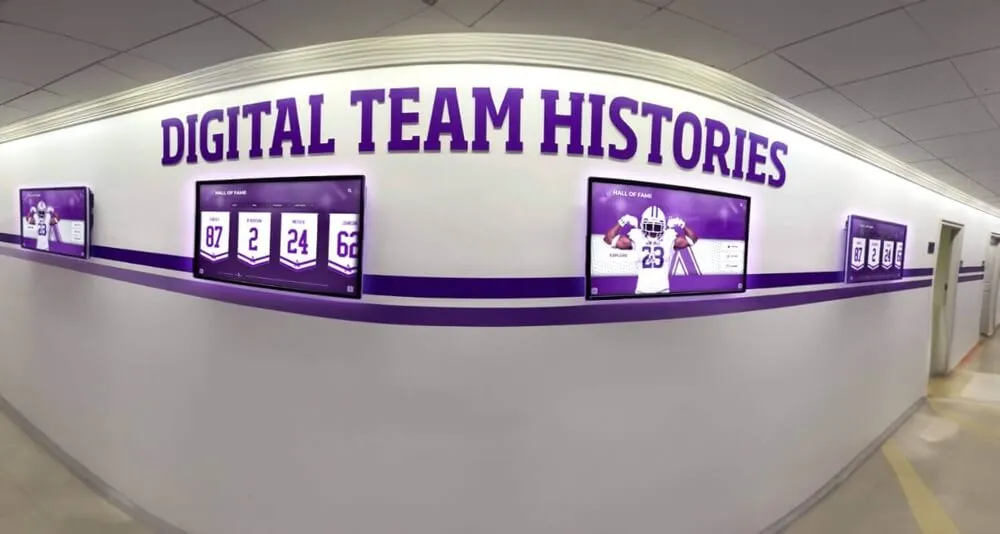
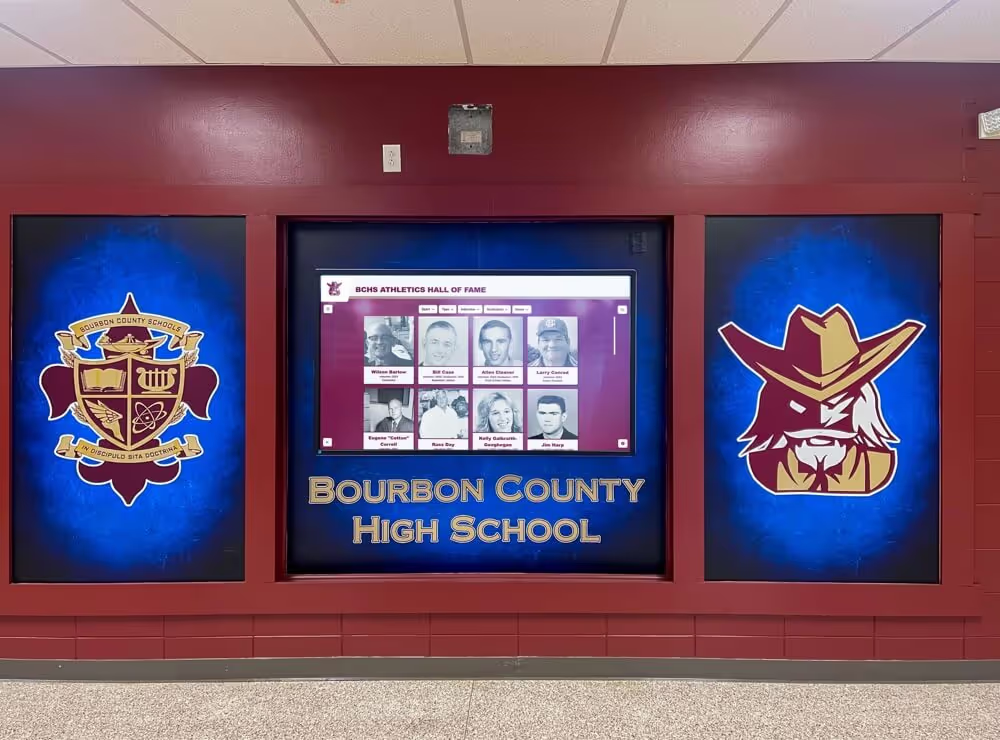
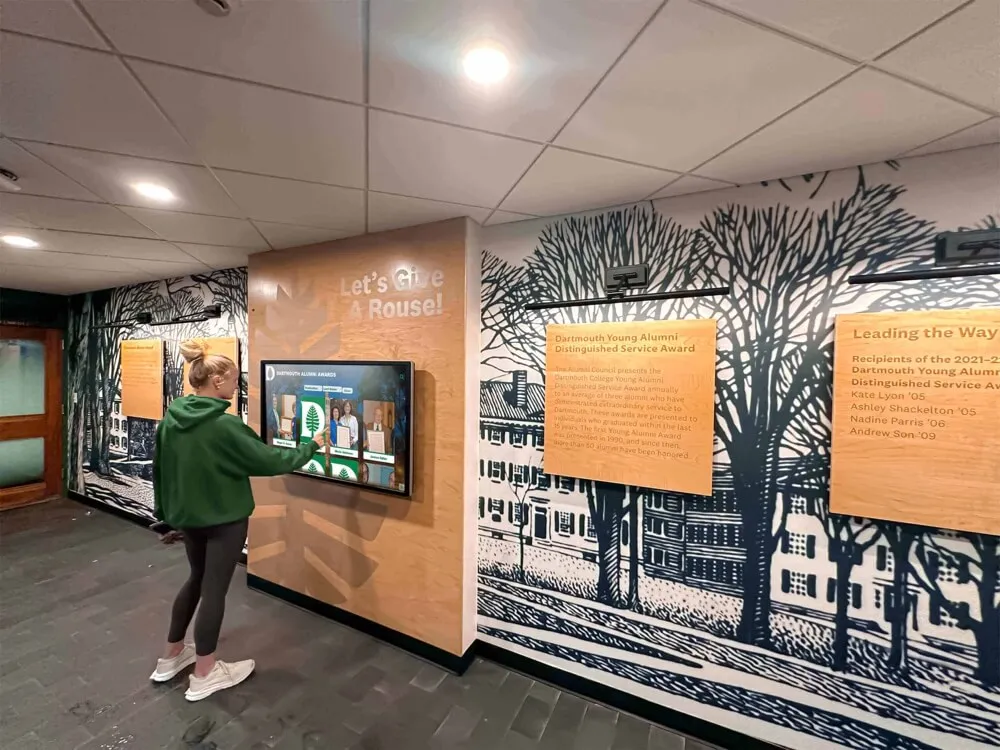
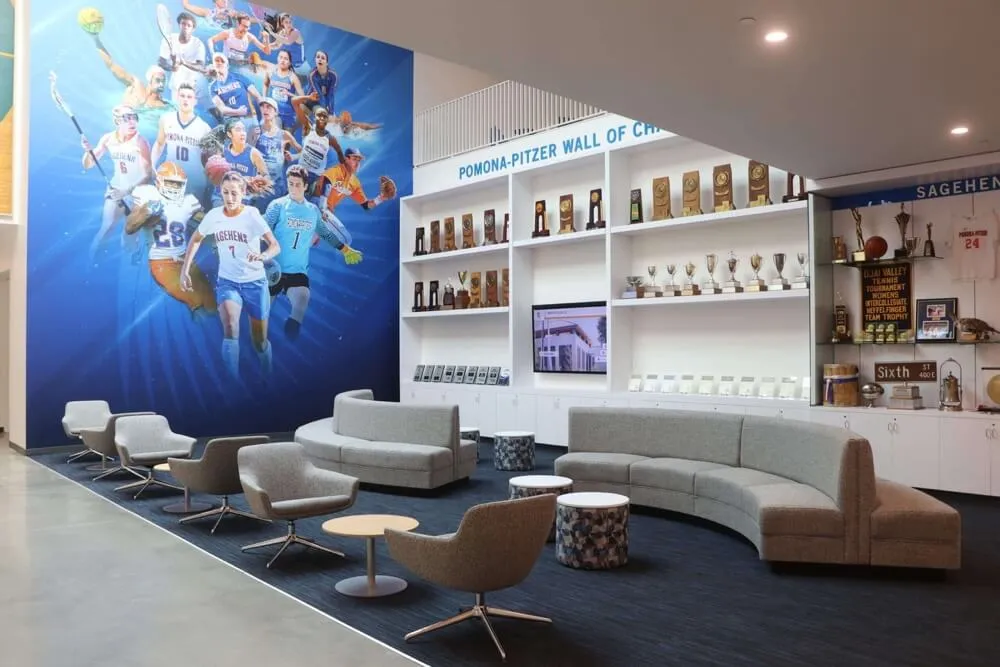
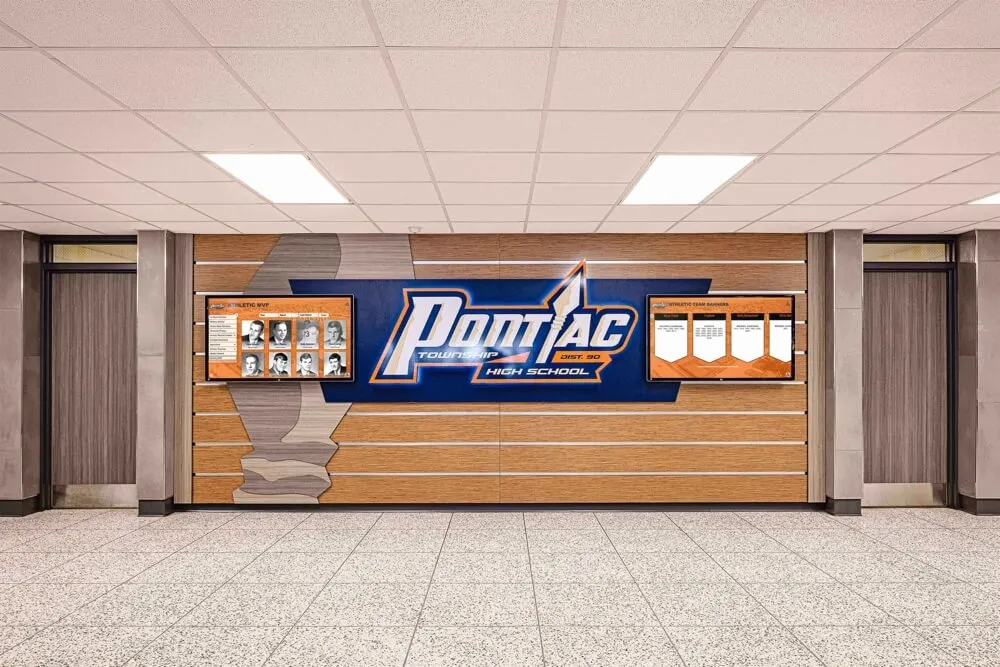
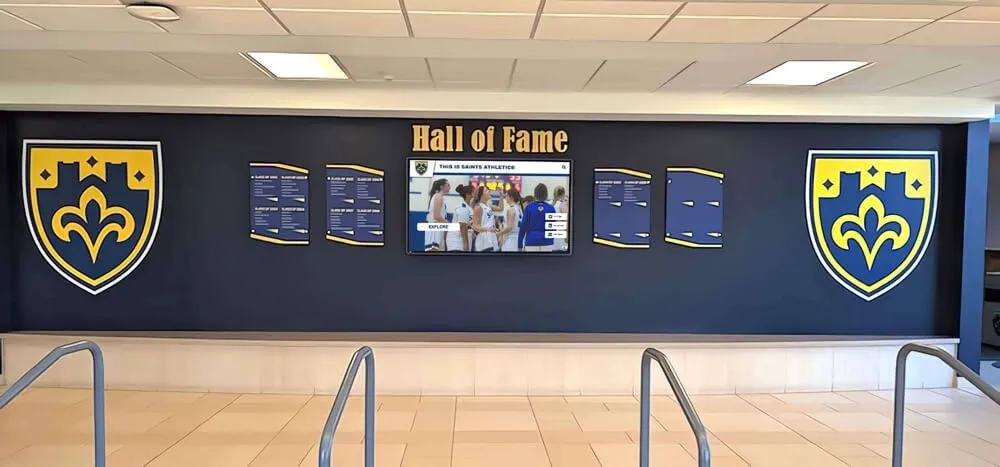
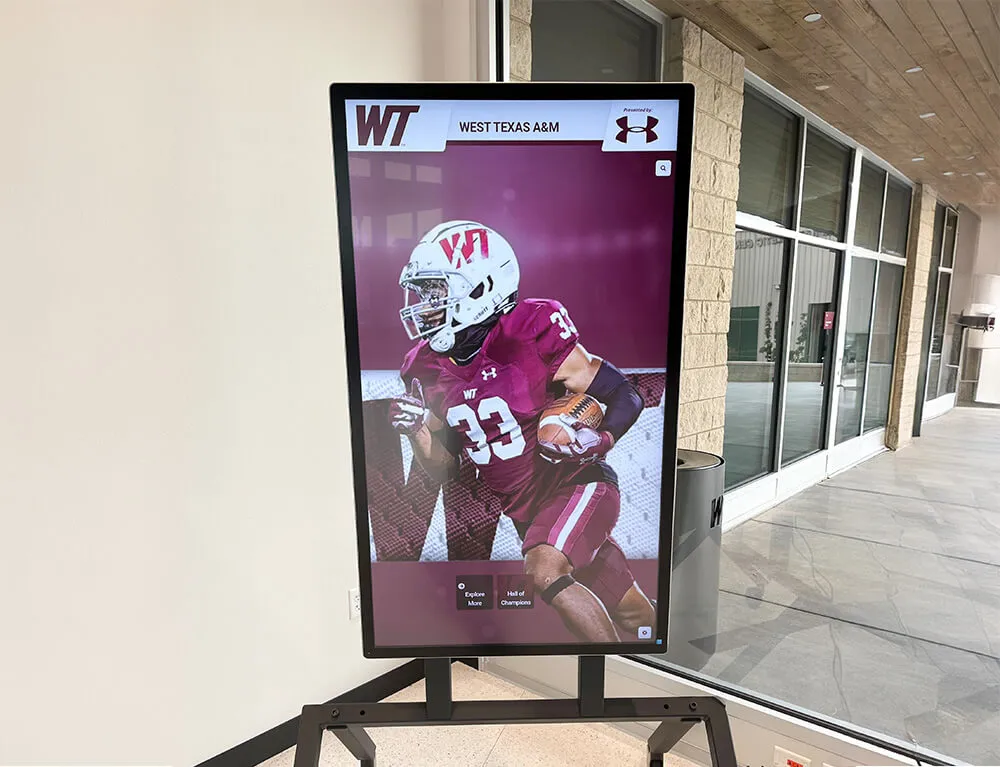
Dedicated recognition spaces celebrate athletic achievement through coordinated display systems honoring both team and individual excellence
Understanding Core Athletic Award Categories
Effective recognition programs balance multiple award types acknowledging different achievement dimensions beyond simply crowning single champions.
Team-Based Recognition Awards
Celebrating collective achievement acknowledges that athletic success emerges from coordinated team effort:
Championship and Competition Awards
The most visible team recognition celebrates competitive success through conference championship awards recognizing teams winning league competitions, state championship recognition honoring programs achieving ultimate competitive success, tournament advancement awards acknowledging teams reaching playoffs or significant tournament rounds, and season record milestones celebrating teams achieving historically significant win-loss performances.
Championship recognition creates visible program pride while establishing aspirational goals motivating future teams toward similar success. Schools typically celebrate these achievements through trophy presentations during public ceremonies, permanent display in trophy cases or athletic halls of fame, banner displays in gymnasiums documenting championship years, and digital recognition through interactive athletic displays enabling comprehensive achievement documentation without physical space limitations.
Team Excellence and Character Awards
Beyond championship-focused recognition, thoughtful programs honor teams demonstrating exceptional characteristics separate from competitive results including sportsmanship awards recognizing teams exhibiting exemplary conduct and competitive integrity, academic excellence awards celebrating teams maintaining high collective GPAs while competing, improvement awards honoring teams showing greatest competitive growth across seasons, and community service recognition acknowledging teams contributing significantly beyond competition through volunteer service and community engagement.
These character-focused awards communicate that schools value athlete development across multiple dimensions beyond simply winning competitions—encouraging balanced excellence aligned with educational mission.
Participation and Milestone Recognition
Systematic acknowledgment of team participation and longevity reinforces commitment value through varsity letter awards marking official participation thresholds, team membership certificates documenting official roster inclusion, multi-year participation recognition honoring athletes competing across multiple seasons, and senior recognition celebrating athletes completing high school athletic careers.
Participation recognition ensures all athletes receive acknowledgment for commitment regardless of playing time or performance outcomes—reinforcing that dedication itself merits celebration even when individual achievements or team success fall short of championship levels.
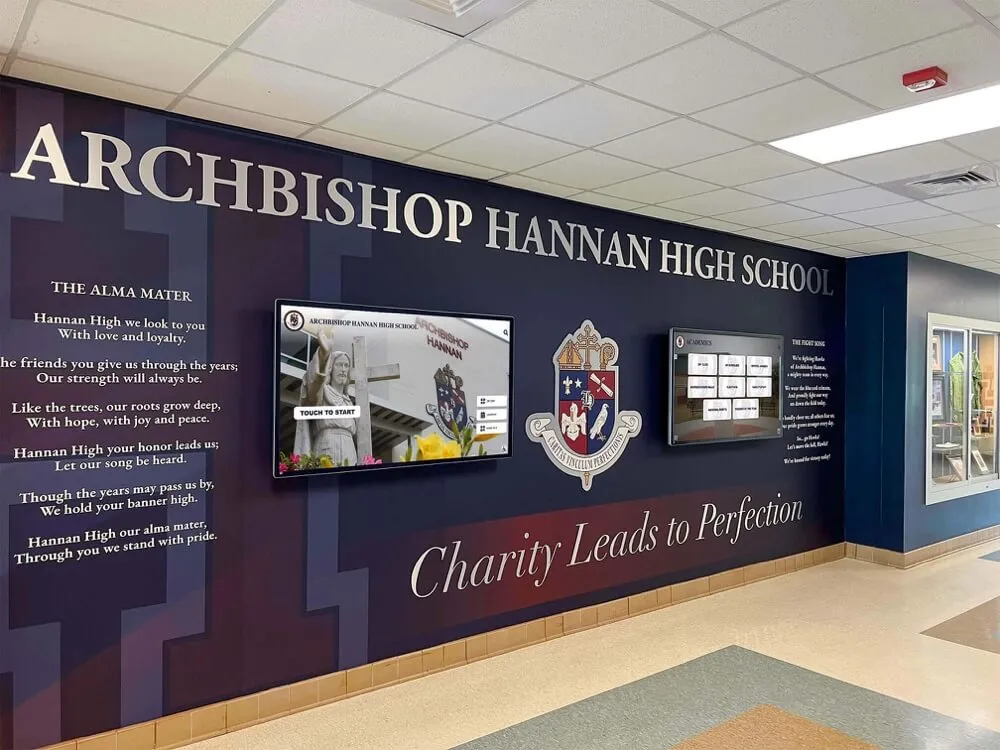
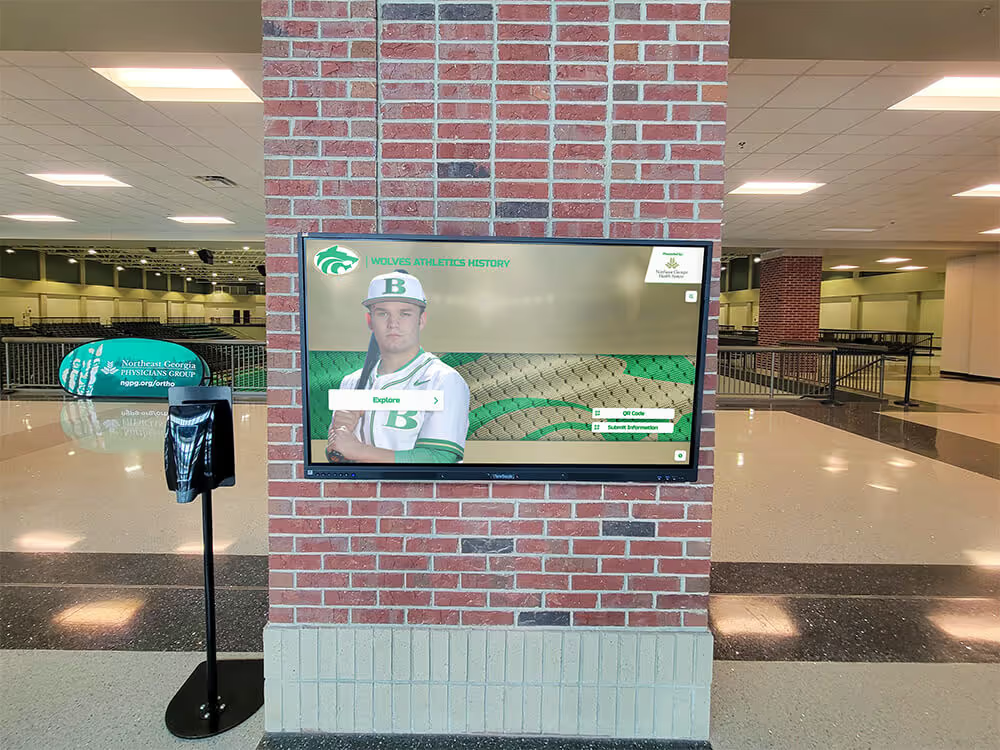
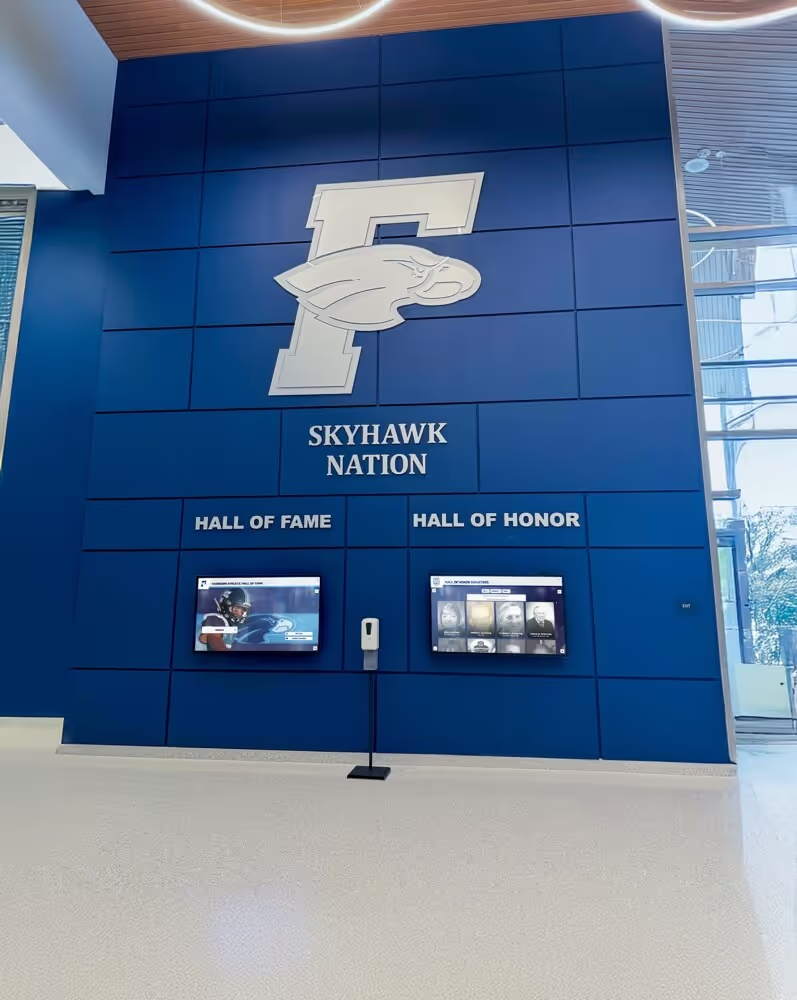
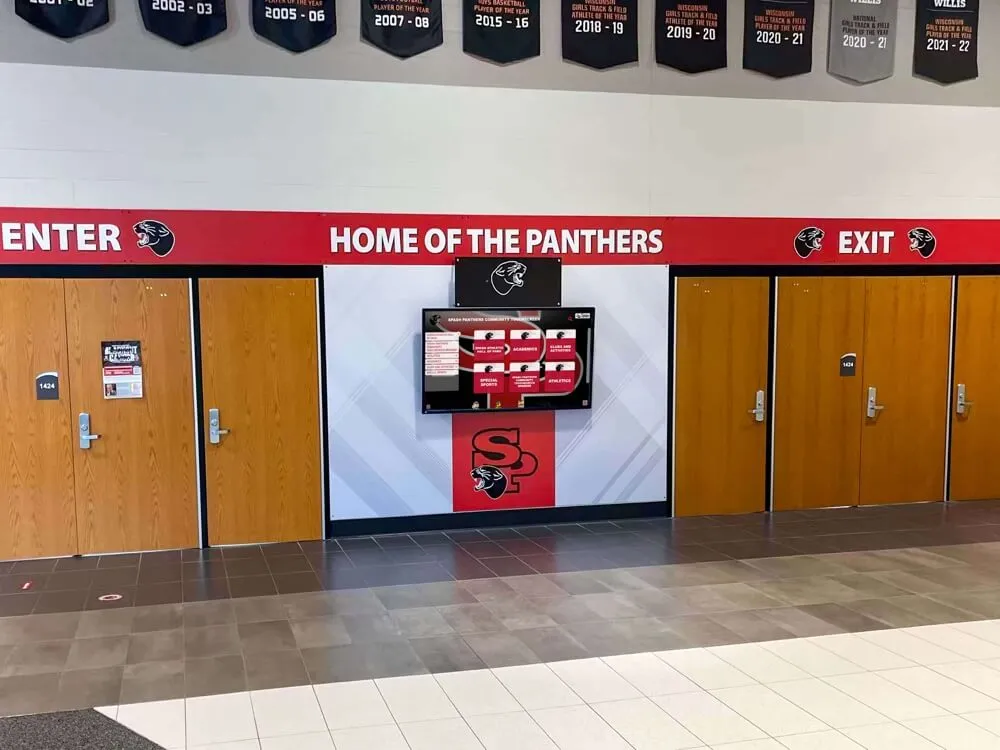
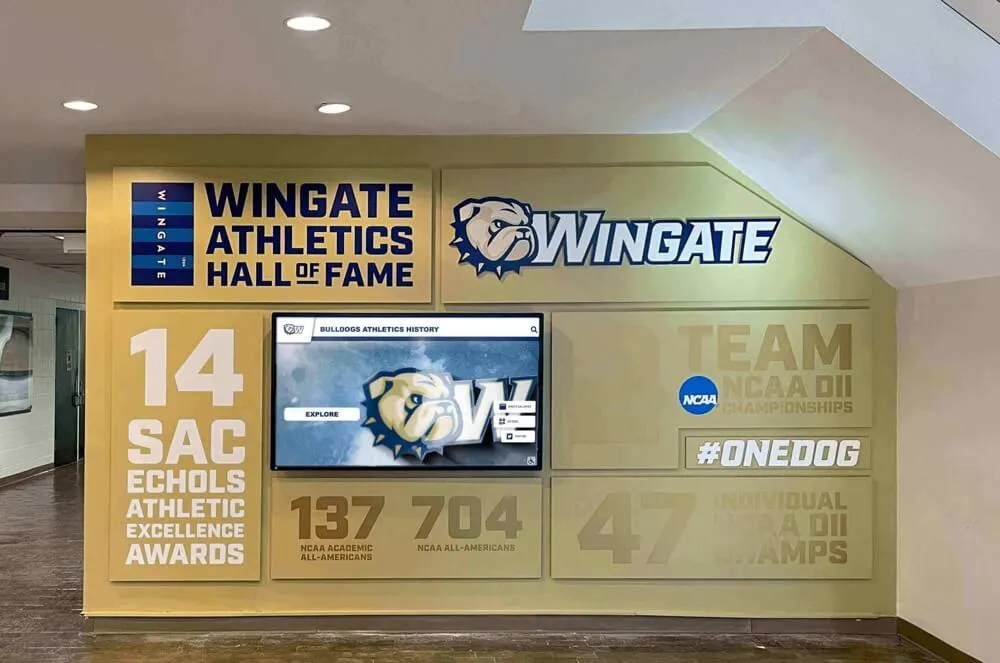
Modern athletic recognition combines traditional physical displays with digital systems creating comprehensive celebration environments throughout school facilities
Individual Performance Awards
Recognizing exceptional individual achievement within team contexts honors standout athletes while motivating excellence:
Position-Specific Performance Recognition
Sport-specific awards acknowledge position excellence including Most Valuable Player (MVP) awards recognizing athletes delivering greatest overall contribution to team success, offensive and defensive player awards celebrating excellence in specific performance dimensions, position-specific awards like best pitcher, leading scorer, or top goalkeeper honoring specialty excellence, and statistical achievement awards documenting record-breaking performances or statistical leadership.
Position-specific recognition requires sport knowledge ensuring awards genuinely reflect achievement rather than arbitrary designations lacking meaningful competitive significance. Coaches typically determine position award recipients based on statistical performance combined with qualitative assessment of competitive impact and team contribution.
All-Conference and External Selection Recognition
External recognition from leagues, media, or governing bodies provides prestigious third-party validation including all-conference team selections by league coaches recognizing top performers, all-region or all-state honors from state athletic associations, all-American selections at highest competitive levels, and media recognition from newspapers or sports organizations covering school athletics.
Schools should prominently celebrate external recognition demonstrating that outside experts validate athlete excellence—these honors carry particular weight during college recruitment and application processes where independent assessment matters significantly.
Leadership and Character-Based Individual Awards
Beyond performance metrics, individual recognition should honor athlete characteristics contributing to positive team culture through team captain recognition formally acknowledging leadership roles, most improved player awards celebrating athletes showing greatest skill development, sportsmanship awards honoring athletes consistently demonstrating exemplary conduct and competitive integrity, and dedication awards recognizing athletes exhibiting exceptional practice commitment and team-first attitudes.
Character awards communicate that schools value comprehensive athlete development rather than purely performance-based assessment—reinforcing educational values alongside competitive achievement.
Coaches’ Awards and Special Recognition
Comprehensive programs include coach-determined recognition enabling specialized acknowledgment:
Discretionary Coaching Awards
Coaches typically receive authority to grant specific awards including Coaches’ Award given to athletes embodying program values and demonstrating intangible contributions beyond statistics, 110% Award or Maximum Effort Award recognizing athletes consistently giving complete commitment regardless of circumstances, unsung hero awards honoring athletes making critical contributions despite limited public recognition, and inspirational awards celebrating athletes whose attitude or perseverance positively influenced team culture.
Coaches’ discretionary awards enable recognition of athletes who might not receive traditional performance awards but whose contributions warrant acknowledgment—ensuring comprehensive recognition reaching beyond easily quantifiable achievement.
Career Achievement and Legacy Awards
Senior recognition programs often include special awards honoring sustained multi-year excellence through four-year athlete awards celebrating students competing all four high school years, career achievement recognition documenting cumulative statistical accomplishments, program legacy awards acknowledging athletes significantly impacting program trajectory, and named memorial awards honoring former athletes or community members through dedicated recognition in their memory.
Career-focused awards contextualize achievement across complete high school athletic experiences rather than focusing exclusively on single-season performance—appropriately honoring sustained commitment spanning multiple competitive years.
Information on wrestling awards and creative recognition demonstrates sport-specific adaptation of general award categories to particular competitive contexts.
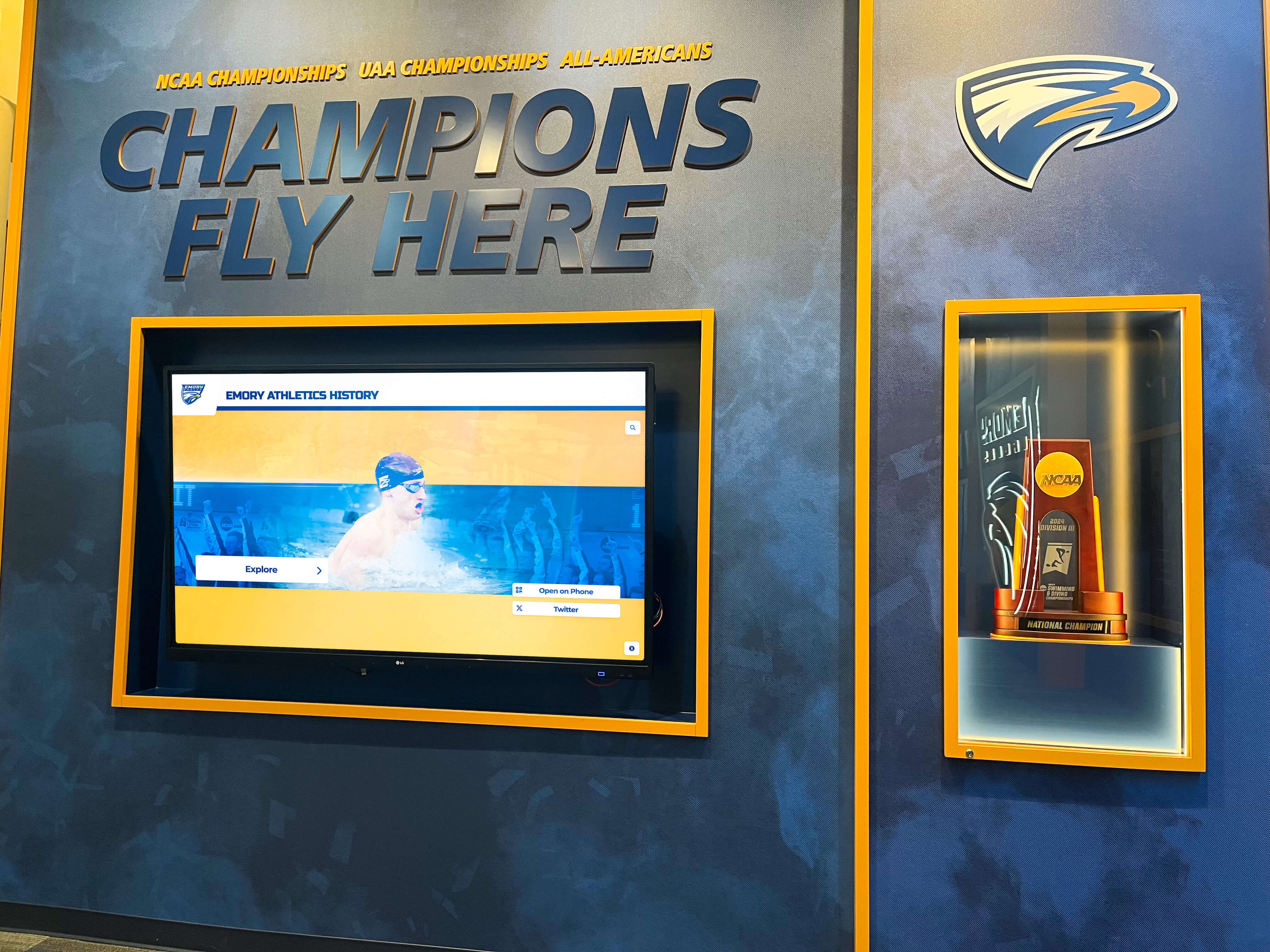
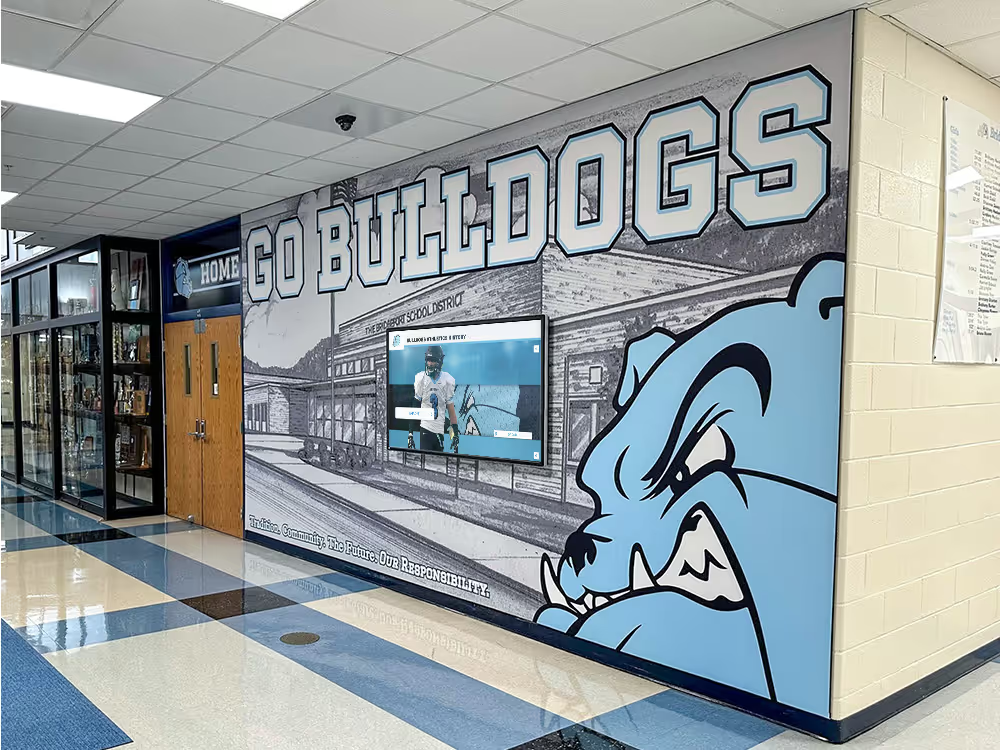
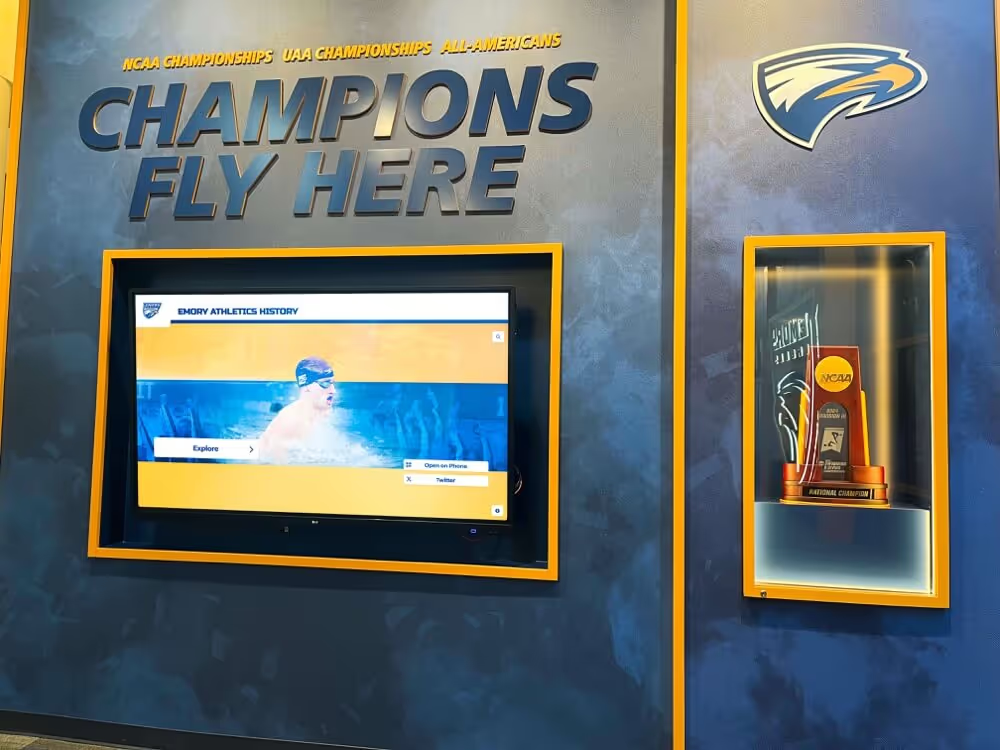
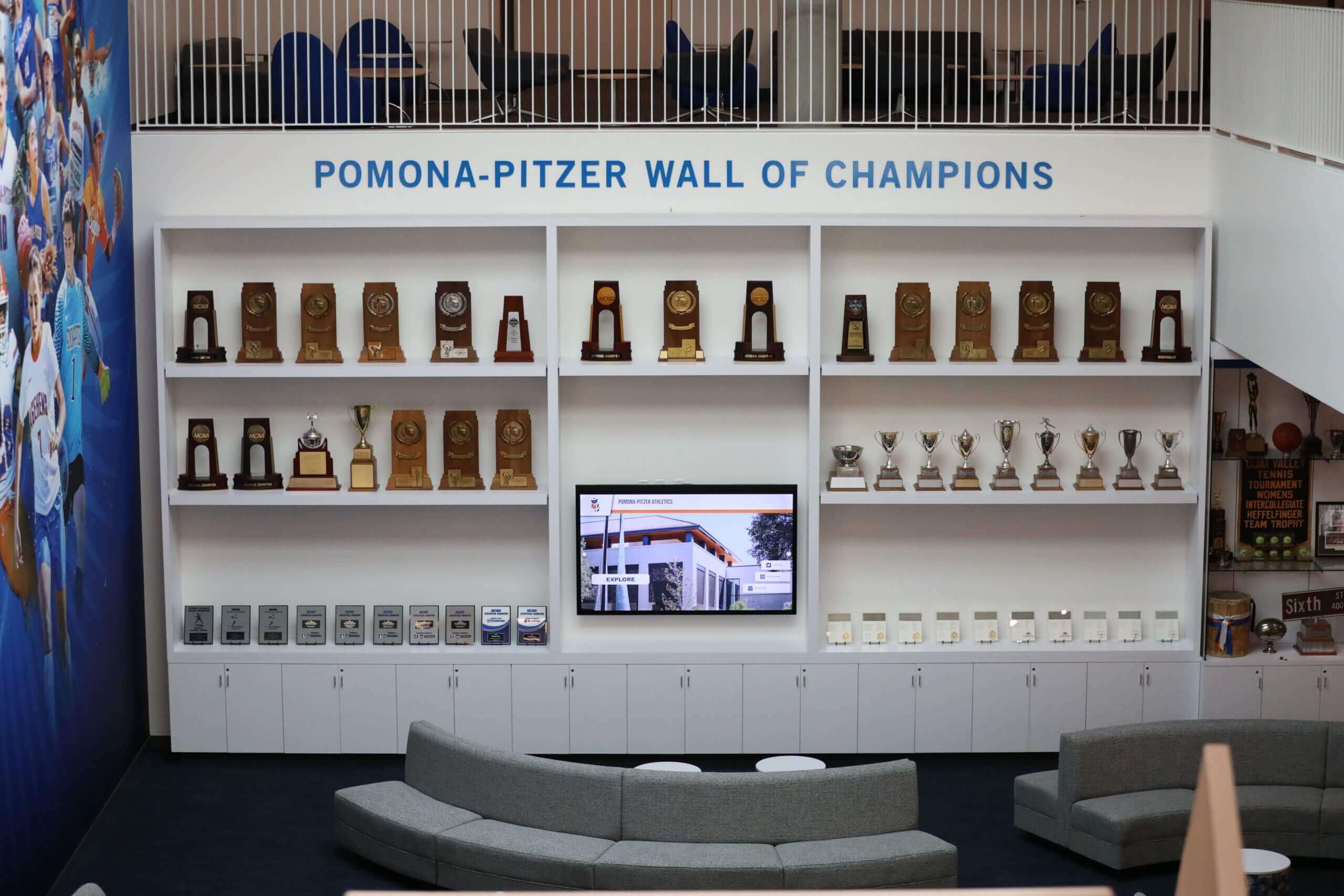
Dedicated championship displays honor significant athletic achievements through prominent trophy presentation combined with contextual team recognition
Designing Effective Athletic Award Programs
Strategic program design ensures recognition genuinely motivates while maintaining fairness and sustainability.
Establishing Clear Award Criteria
Transparent standards maintain program credibility and ensure consistent, equitable recognition:
Objective vs. Subjective Recognition Balance
Effective programs thoughtfully combine objective statistical awards based on quantifiable performance metrics with subjective recognition evaluating qualitative contributions like leadership, sportsmanship, and team impact that defy simple measurement. Pure performance-only recognition might overlook athletes making critical non-statistical contributions, while exclusively subjective awards risk appearing arbitrary or favoring popular athletes over deserving but less visible contributors.
Recommended approaches include clearly defining which awards follow objective criteria like statistical leadership, documenting subjective award considerations even when not publicly disclosed, and combining coach input with team voting for certain recognition categories ensuring multiple perspectives inform decisions.
Creating Sport-Specific Award Structures
Different sports require adapted recognition reflecting unique competitive contexts. Football programs typically recognize extensive position-specific categories given roster sizes and specialized roles, while individual sports like swimming or track emphasize event-specific excellence alongside team contribution awards. Team sports balance individual achievement with collective success acknowledgment, and non-competitive athletic participation like marching band or cheer requires recognition frameworks separate from traditional competitive athletics.
Schools should avoid forcing identical award structures across all athletic programs—instead enabling adaptation to specific competitive contexts while maintaining consistent recognition philosophy across the department.
Minimum Participation Thresholds
Many programs establish eligibility requirements ensuring awards recognize sustained rather than minimal contribution including minimum participation standards like competing in percentage of team competitions, practice attendance requirements demonstrating consistent commitment, sportsmanship standards excluding athletes receiving significant disciplinary sanctions, and academic eligibility maintenance ensuring student athletes meet institutional academic standards.
Participation thresholds prevent situations where athletes receiving recognition demonstrated minimal actual involvement—maintaining award prestige by ensuring recipients genuinely earned acknowledgment through sustained commitment.
Frameworks for academic recognition programs provide parallel examples of systematic criteria development ensuring fair, transparent selection across diverse achievement categories.
Managing Award Proliferation
While comprehensive recognition proves important, excessive awards dilute recognition meaningfulness:
Finding the Recognition Sweet Spot
Programs should balance inclusive acknowledgment with selective recognition maintaining prestige. General guidelines suggest limiting major individual awards to 15-25% of team rosters ensuring recognition remains distinctive rather than routine, distinguishing between major awards carrying significant prestige and minor acknowledgments ensuring broad participation celebration, and creating recognition hierarchies clarifying which honors represent extraordinary versus standard achievement.
Proliferating excessive awards where nearly every athlete receives multiple recognitions diminishes achievement significance—transforming meaningful honor into expected participation trophy undermining motivational impact.
Rotating vs. Permanent Award Categories
Some programs benefit from flexible award structures enabling adaptation across seasons including permanent core awards granted annually maintaining program tradition, rotating special recognition categories addressing particular season circumstances or emerging values, and ad-hoc acknowledgment for extraordinary achievements outside standard award frameworks.
Flexibility enables responsive recognition while maintaining institutional consistency through stable core award programs athletes understand and pursue across their careers.
Multi-Sport Athlete Considerations
Athletes competing across multiple sports seasons deserve recognition acknowledging their comprehensive commitment through dedicated multi-sport athlete awards celebrating participation across multiple competitive seasons, cumulative achievement recognition documenting total athletic contribution across all sports, and flexible recognition timing enabling athletes to celebrate achievements from each sport rather than forcing consolidated annual recognition missing season-specific accomplishment timing.
Multi-sport athletes often demonstrate exceptional time management and commitment deserving explicit acknowledgment separate from sport-specific performance recognition.
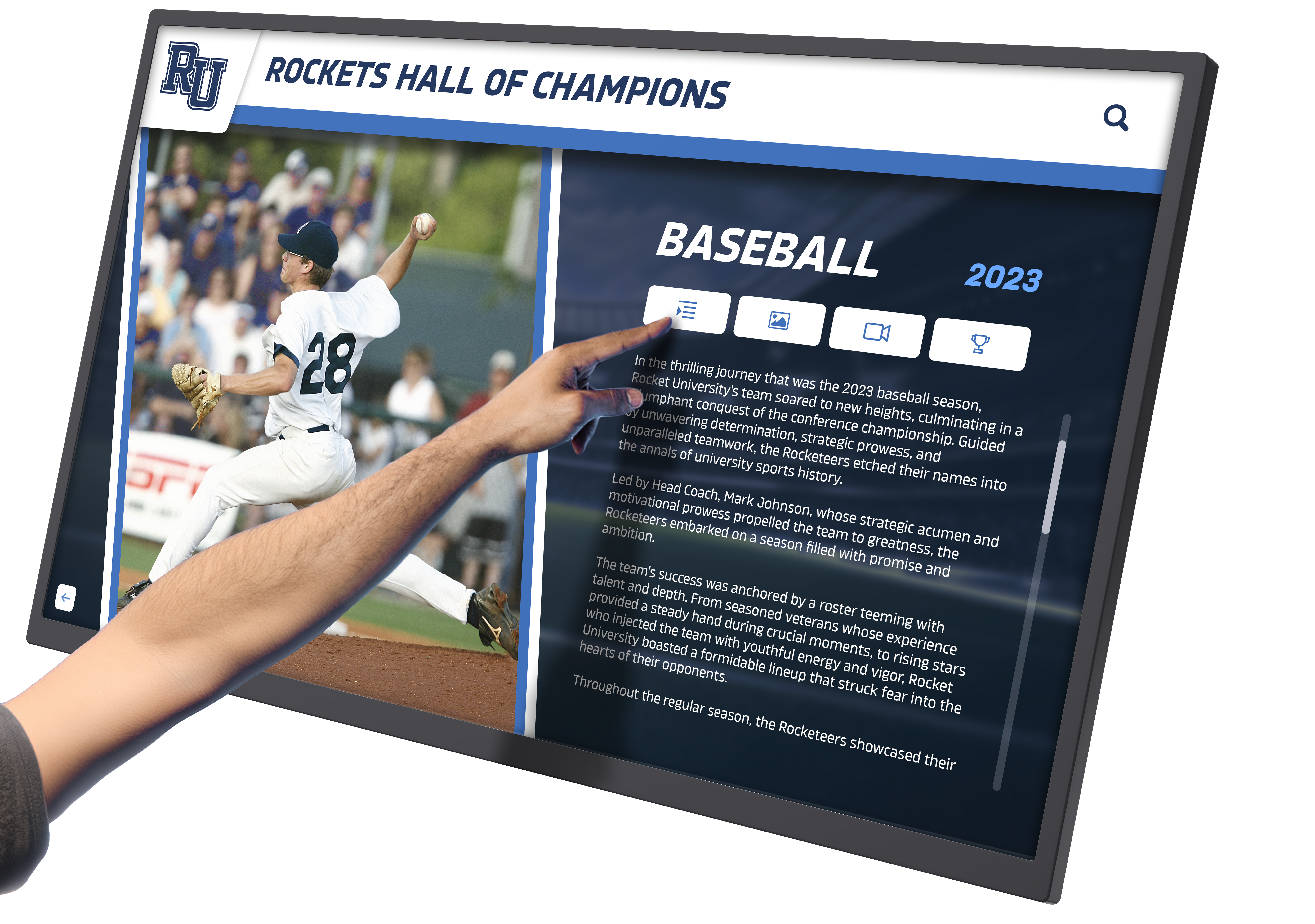
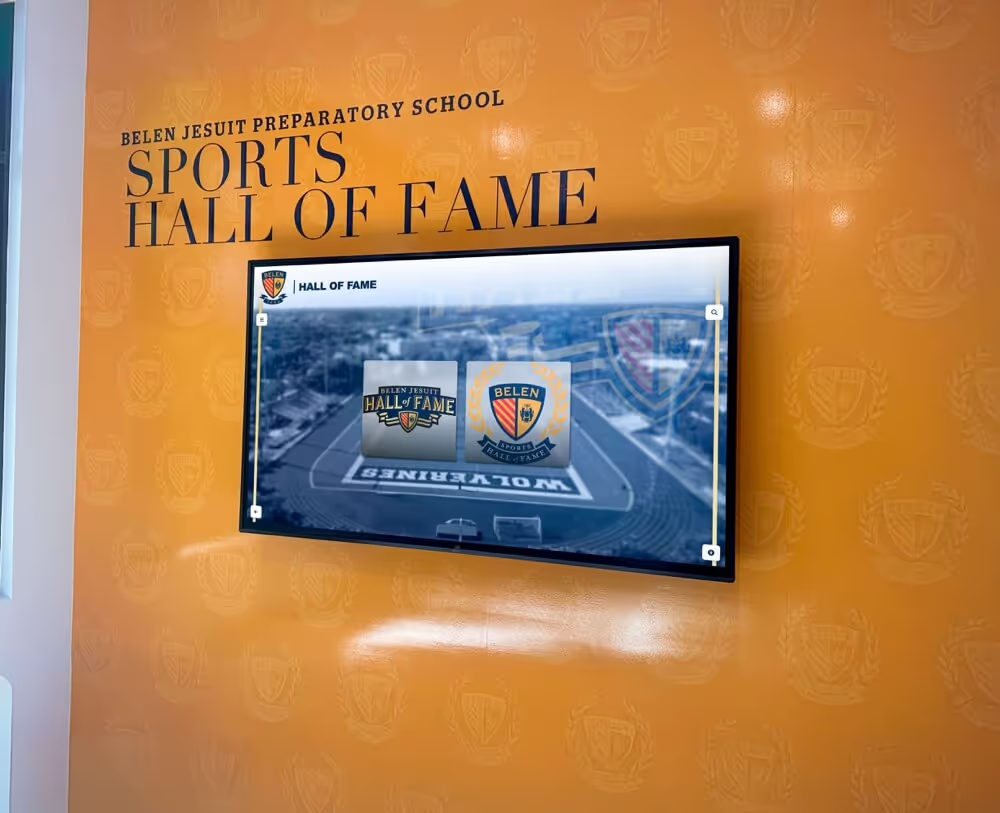
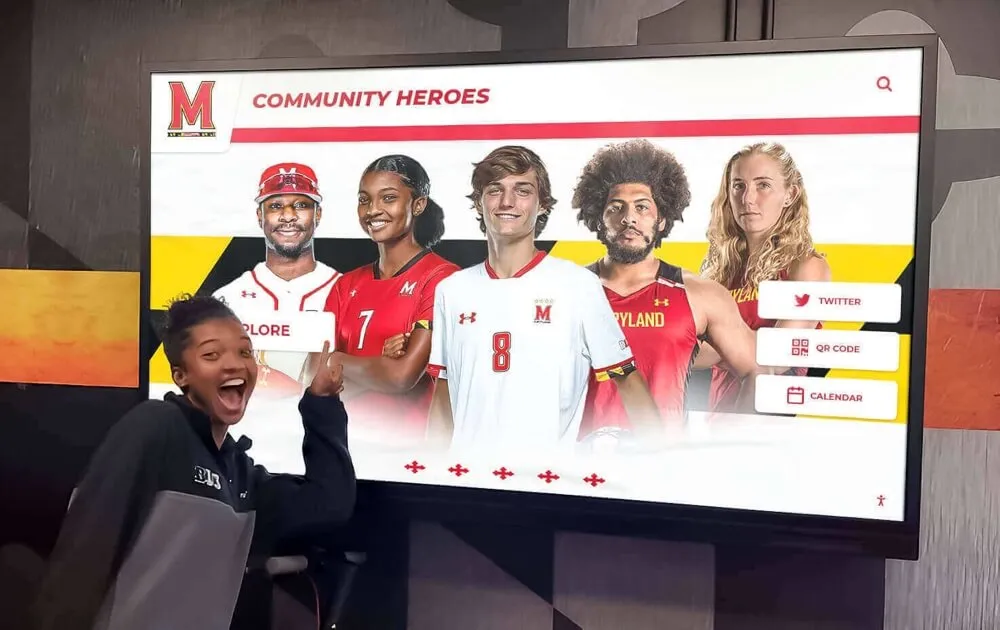
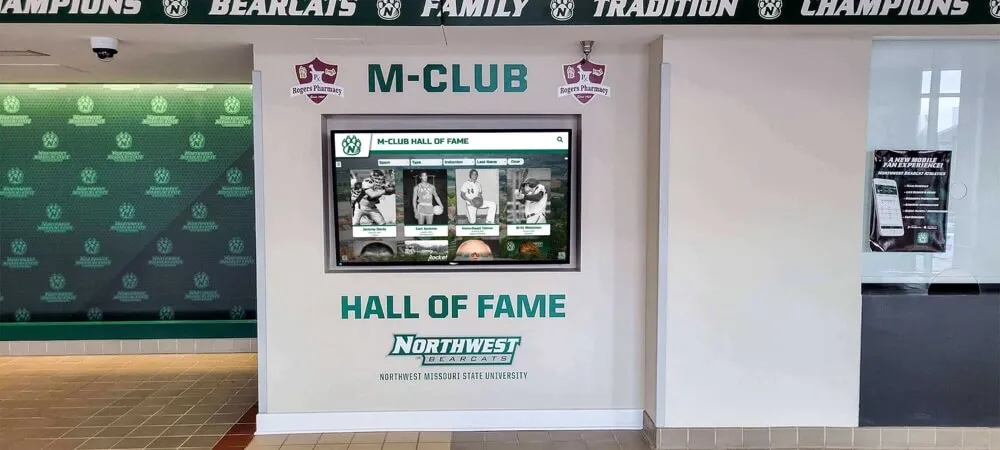
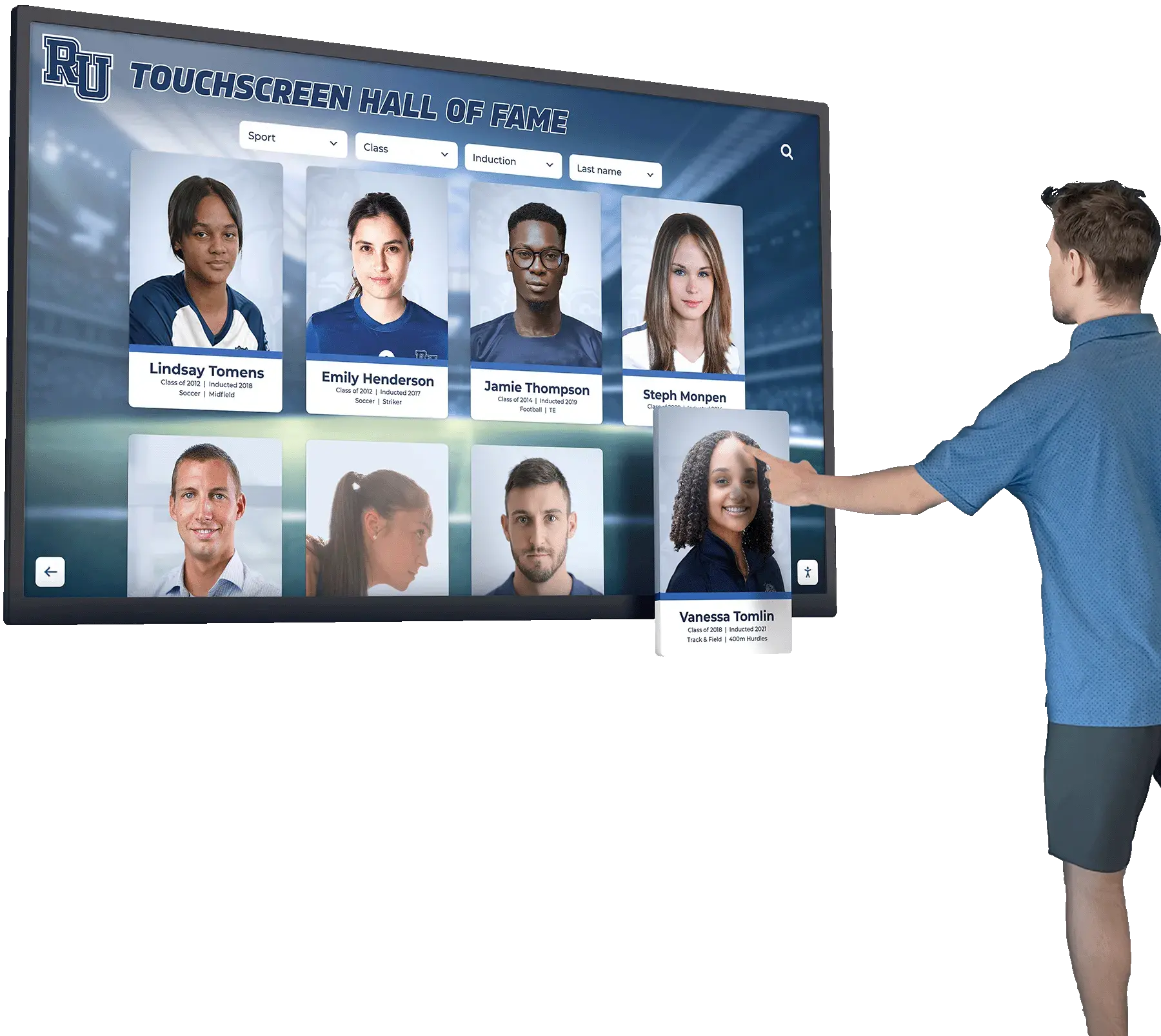
Interactive recognition platforms enable rich athlete profiles documenting comprehensive achievement through statistics, photos, and biographical information
Planning Meaningful Recognition Ceremonies
Award presentation format significantly influences recognition impact and athlete satisfaction.
End-of-Season Banquets and Celebrations
Traditional banquet formats create formal celebratory environments honoring seasonal achievement:
Banquet Planning Fundamentals
Successful athletic banquets require systematic planning addressing venue selection accommodating athletes, families, and program supporters, meal service options balancing quality with budget constraints, program structure allocating time for awards, speeches, media presentations, and social interaction, and invitation and ticketing procedures managing attendance and covering event costs.
Banquet planning typically begins 6-8 weeks before events, enabling venue booking, menu selection, award ordering, and communication with athlete families ensuring adequate attendance and appropriate event scope matching program size and budget resources.
Program Flow and Ceremony Structure
Effective banquet programs balance formal recognition with engaging content through welcome remarks establishing tone and acknowledging attendees, season review presentations highlighting key moments and achievements through video or photo slideshows, coach reflections providing context and expressing gratitude, individual and team award presentations following logical sequence, athlete or family speeches when appropriate for senior recognition or major achievements, and closing remarks emphasizing future seasons and thanking supporters.
Typical program durations range 90-120 minutes—long enough for meaningful recognition while respecting audience attention spans and avoiding unnecessarily extended events testing patience of young athletes and families with multiple children or schedule commitments.
Incorporating Multimedia and Storytelling
Contemporary banquets benefit from rich media integration including highlight video compilations documenting season’s memorable moments, photo slideshows celebrating team culture and individual athletes, statistical presentations visualizing achievement and program progress, social media integration displaying real-time audience interaction and celebration, and recorded messages from alumni, community supporters, or college coaches unable to attend physically.
Multimedia elements create engaging experiences holding audience attention while providing context making recognition more meaningful than simply reading names and handing awards.
Resources about sports banquet planning and execution offer detailed ceremony logistics ensuring successful celebratory events.
Alternative Recognition Formats
Beyond traditional banquets, schools implement varied approaches matching different program contexts:
Game-Day Recognition Ceremonies
Public recognition during athletic competitions provides broader visibility including halftime or pre-game recognition presentations during high-attendance contests, senior night celebrations honoring graduating athletes before final home competitions, championship banner unveiling ceremonies celebrating competitive success before community audiences, and parent night recognition acknowledging family support enabling athletic participation.
Game-day recognition reaches wider audiences than banquets alone while creating memorable public celebration moments. However, time constraints limit program depth compared to dedicated banquet formats—suggesting hybrid approaches combining brief public recognition with more comprehensive private celebrations.
Small Group and Individual Celebrations
Some programs emphasize intimate recognition over large public ceremonies through individual or small group meetings with athletes and families discussing seasonal performance, personalized award presentations tailored to specific athlete circumstances and achievements, informal team gatherings celebrating collective bonding beyond formal award distribution, and integrated recognition within regular practice or meeting contexts rather than requiring separate special events.
Intimate approaches enable deeper coach-athlete connection and more personalized recognition but sacrifice public celebration and community visibility benefits provided by larger formal ceremonies.
Ongoing Season-Long Recognition
Rather than concentrating recognition exclusively at season conclusion, some programs implement continuous acknowledgment including weekly or monthly performance recognition throughout competitive seasons, social media athlete spotlights celebrating individual achievements and team moments, display updates adding current season accomplishments to existing recognition installations, and classroom or assembly recognition extending athlete celebration beyond athletic department contexts.
Distributed recognition maintains motivation throughout seasons rather than deferring all acknowledgment until after competition concludes—potentially increasing engagement and providing more frequent positive reinforcement.
Information on baseball senior night planning demonstrates sport-specific ceremony adaptation maximizing emotional impact while honoring athlete achievement appropriately.
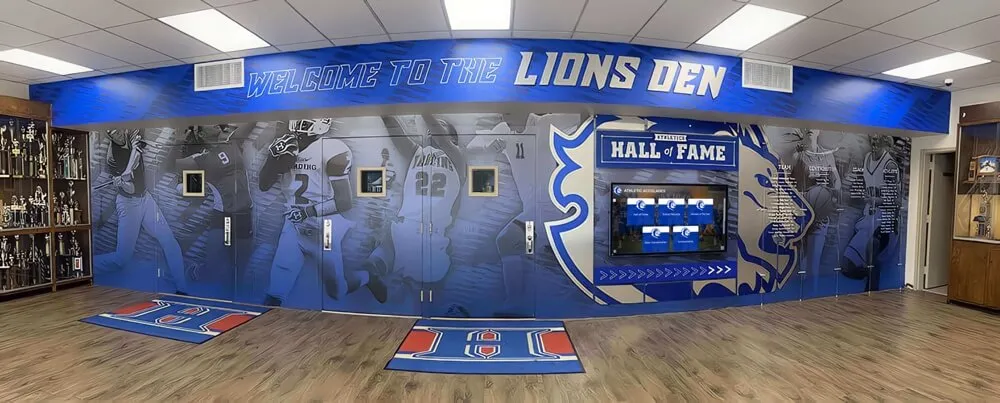
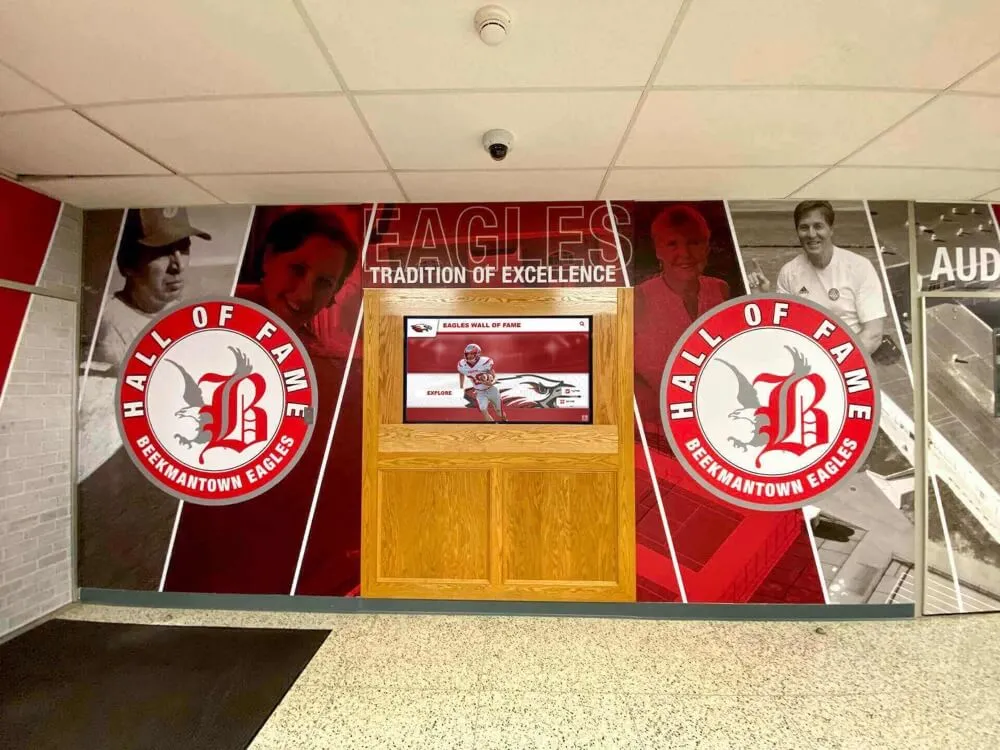
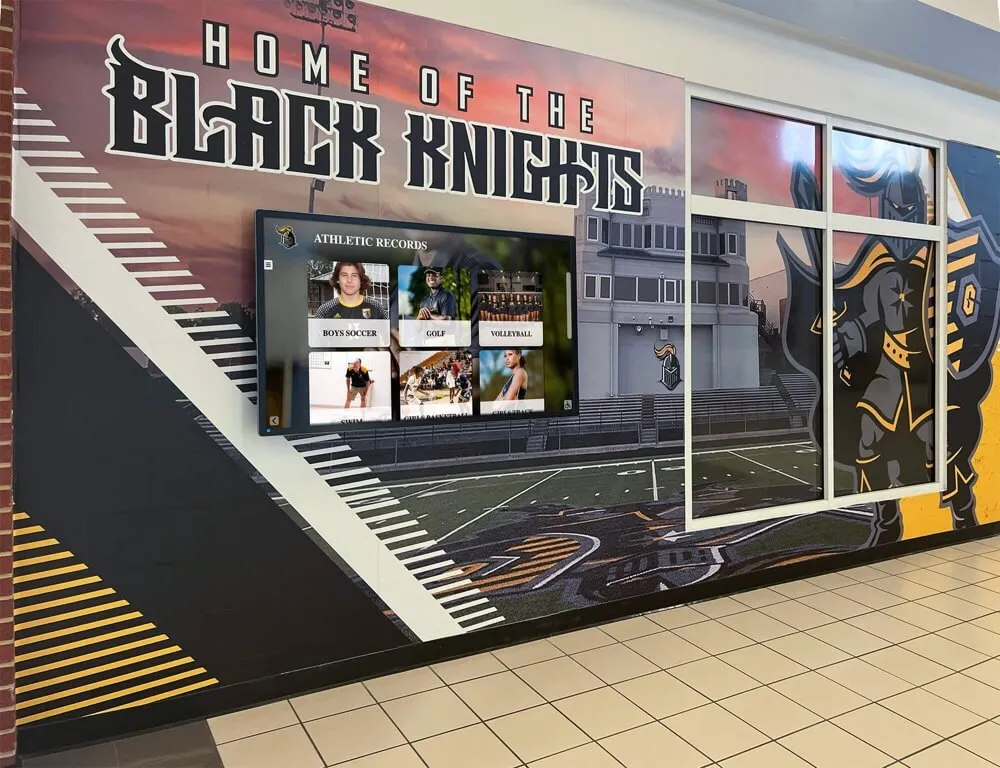
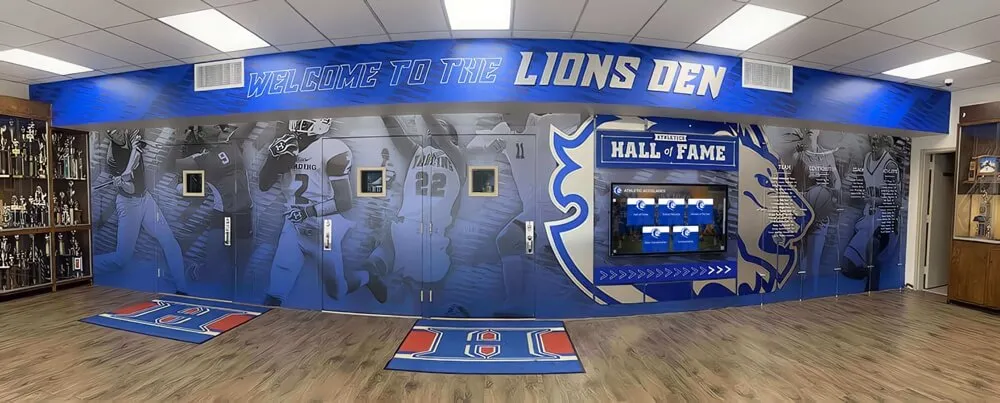
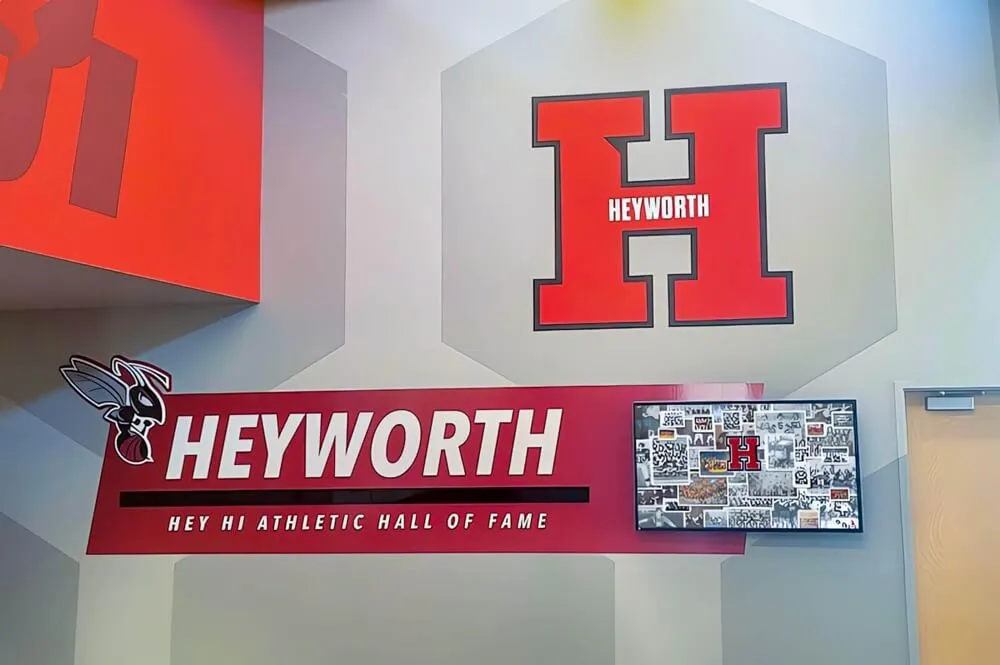
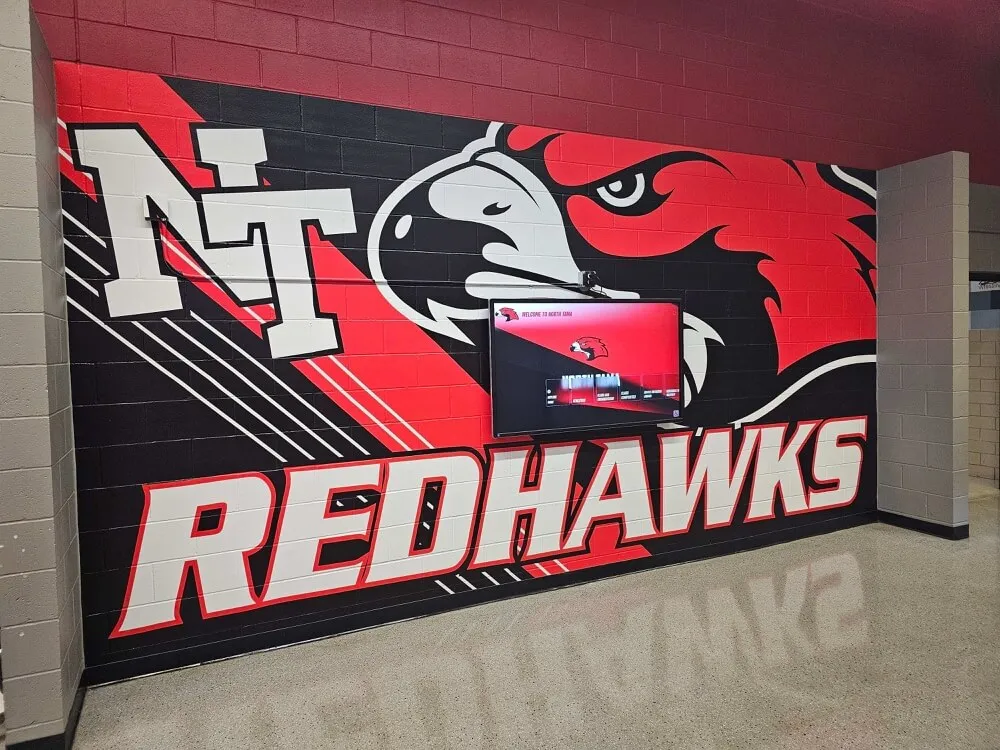
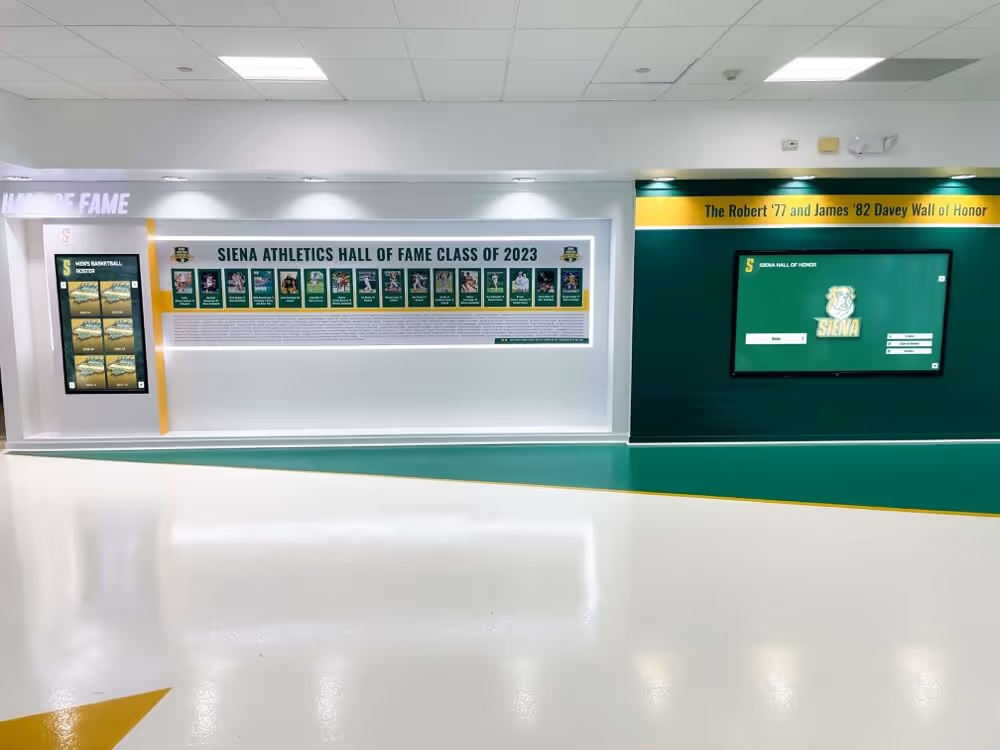
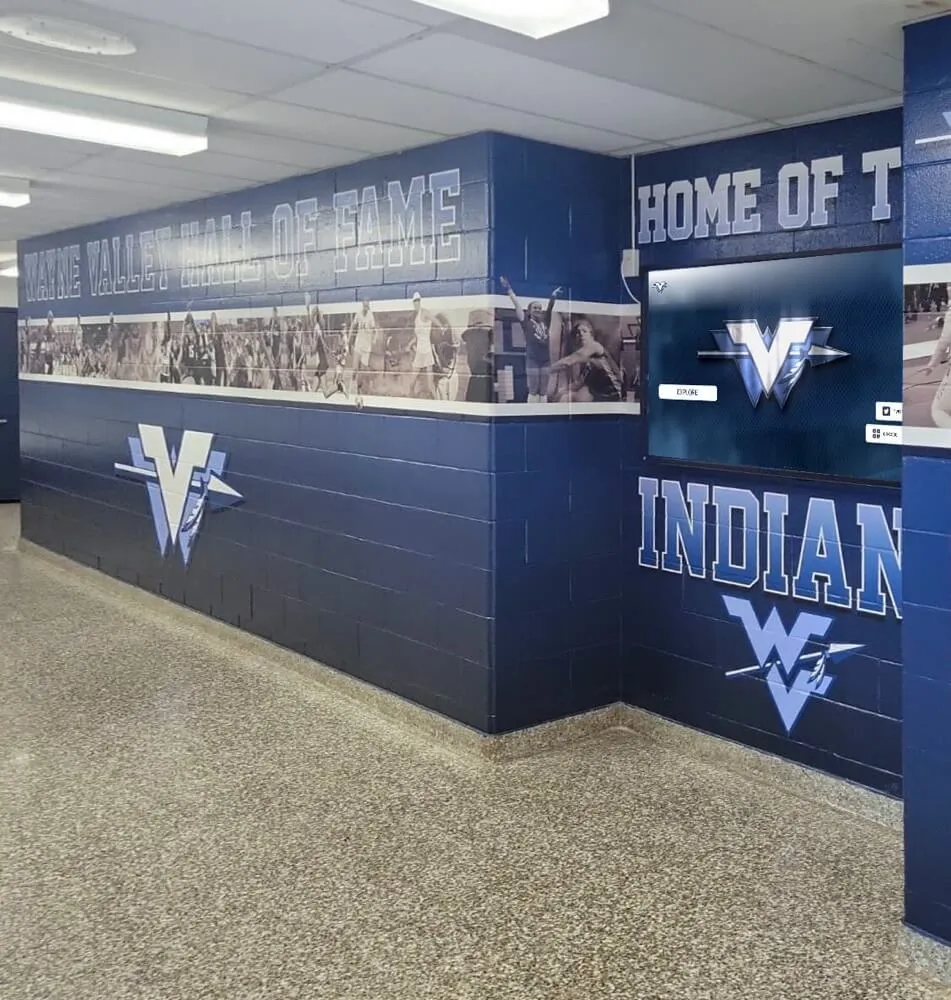
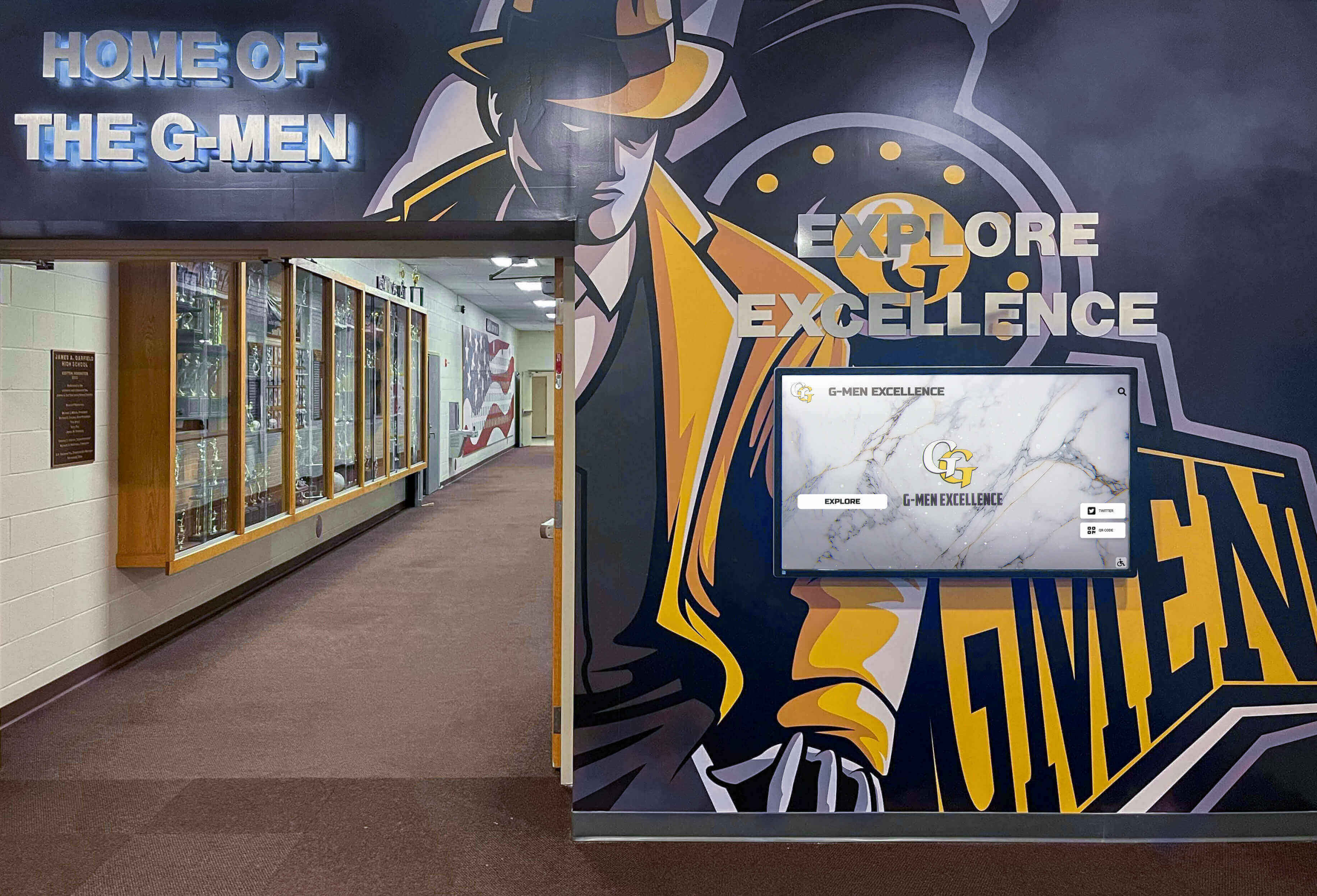
Dedicated athletic recognition spaces combine branded environmental graphics with trophy displays creating immersive celebration environments
Creating Lasting Recognition Through Permanent Displays
Ceremony recognition provides important immediate celebration, but lasting visibility requires thoughtful display solutions.
Traditional Physical Recognition Options
Conventional display approaches provide tangible institutional acknowledgment:
Trophy Cases and Physical Award Displays
Standard athletic recognition utilizes dedicated display infrastructure including hallway trophy cases showcasing team championship trophies and major individual awards, gymnasium banner displays documenting conference and state championships across program history, wall-mounted plaque installations recognizing individual achievement and career milestones, and dedicated athletic halls of fame celebrating program legends and historical excellence.
Physical displays offer tangible permanence athletes and families deeply value—providing visible institutional acknowledgment lasting beyond ceremony moments. However, space constraints eventually limit capacity as programs mature and achievement accumulates, maintenance requirements include cleaning, repair, and periodic updates, and static displays lack context and storytelling capability beyond brief engraved text.
Letter Jacket and Tangible Award Traditions
Many programs complement facility displays with personal recognition athletes retain including varsity letter jackets or letterman jackets athletes wear displaying school pride, individual trophies or plaques athletes keep celebrating specific achievements, certificates documenting particular accomplishments suitable for college applications and resumes, and commemorative items like engraved medals, team photos, or custom gifts marking participation.
Personal keepsakes create intimate connection between athletes and achievement while enabling family celebration and long-term memory preservation separate from institutional display systems.
Record Boards and Statistical Documentation
Athletic facilities frequently feature record boards documenting program statistical excellence including career records identifying all-time leaders across performance categories, single-season records celebrating exceptional individual campaigns, team records documenting collective achievement milestones, and facility records acknowledging performances in particular competitive venues.
Record boards create competitive motivation inspiring current athletes to pursue documented benchmarks while establishing program tradition. However, physical record boards require regular maintenance updating statistics and eventually face capacity limitations as records accumulate.
Approaches to trophy display case design demonstrate effective physical recognition strategies balancing aesthetic presentation with practical maintenance considerations.
Modern Digital Recognition Solutions
Technology-enabled platforms address traditional recognition limitations while creating engaging interactive experiences:
Interactive Touchscreen Display Systems
Purpose-built digital recognition platforms transform athletic celebration through unlimited capacity accommodating comprehensive achievement documentation across all sports and athletes without physical space constraints, rich multimedia profiles including photos, videos, complete statistics, and biographical narratives impossible with physical plaques, instant updates enabling recognition of current achievements within days rather than months required for physical display modification, searchable databases allowing visitors to easily find specific athletes, sports, achievements, or time periods, and accessible design ensuring recognition reaches diverse audiences including those unable to visit facilities physically.
Solutions like Rocket Alumni Solutions provide comprehensive digital recognition platforms specifically designed for athletic achievement celebration—combining commercial-grade touchscreen hardware with intuitive content management enabling athletic staff to maintain current recognition without technical expertise.
Web-Based Recognition Extensions
Modern recognition extends beyond physical facilities through responsive web platforms enabling alumni to explore program history remotely regardless of geographic location, families to share athlete profiles and achievements through social media, prospective athletes to research program tradition and competitive excellence during recruitment, and media to access information for coverage and historical context.
Web accessibility dramatically expands recognition reach compared to physical displays limited to on-campus visitors—enabling achievement celebration to inspire and engage far broader audiences.
Social Media and Digital Communications Integration
Comprehensive recognition strategies leverage multiple digital channels including social media posts celebrating achievements and sharing athlete spotlights, email newsletters to alumni highlighting current recognition and program developments, digital signage throughout facilities displaying rotating achievement content, and mobile applications enabling on-demand access to recognition content through smartphone apps.
Multi-channel approaches ensure recognition reaches audiences through their preferred information channels rather than depending exclusively on single display formats.
Hybrid Physical-Digital Installations
Many programs discover optimal solutions combine traditional and modern approaches through digital displays integrated within existing trophy case environments, wall-mounted large-format touchscreens complementing physical recognition, branded environmental graphics coordinating with interactive technology, and coordinated content strategies where physical displays highlight major achievements while digital systems document comprehensive detail.
Hybrid approaches satisfy constituencies valuing tangible traditional recognition while adding modern capability addressing conventional limitations—creating comprehensive recognition ecosystems leveraging each medium’s unique strengths.
Insights on athletic hall of fame development provide detailed guidance on implementing comprehensive recognition systems documenting long-term program excellence.

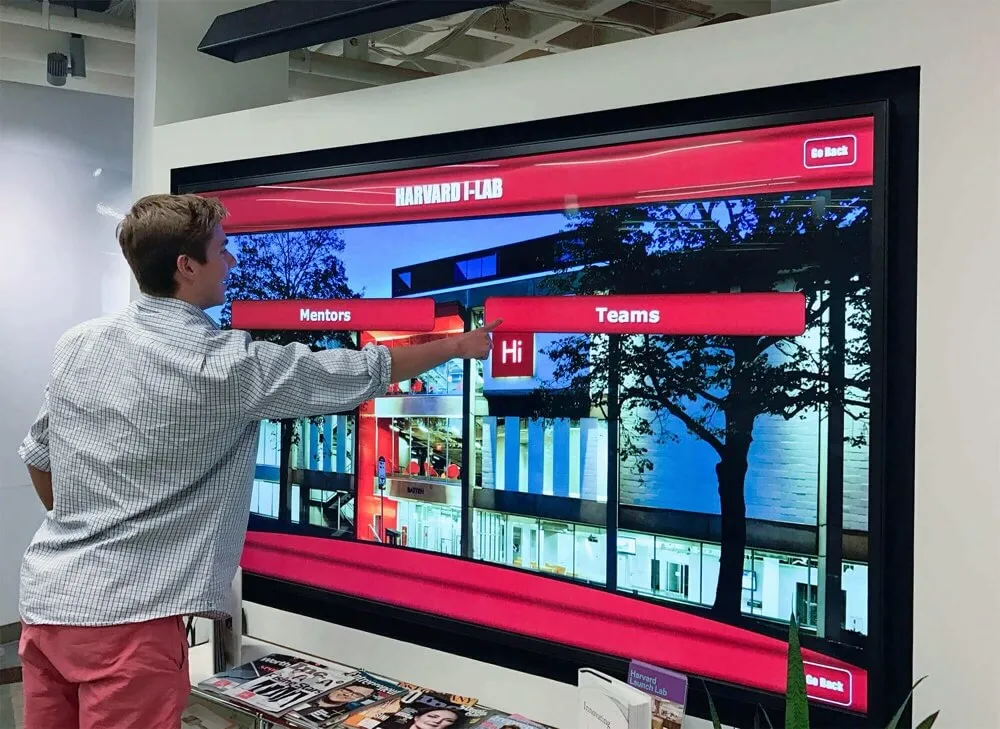
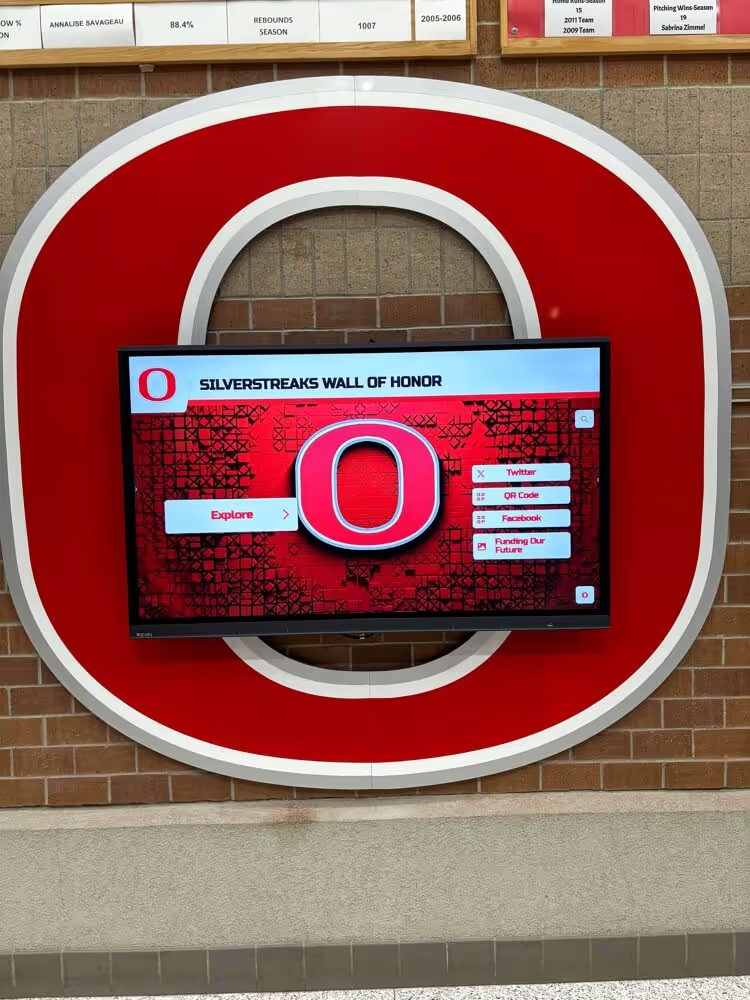
Intuitive touch interfaces enable natural exploration of athlete profiles through card-based navigation systems requiring no technical expertise
Ensuring Equitable Recognition Across Athletic Programs
Comprehensive athletic departments must balance recognition across diverse sports preventing inequitable visibility:
Managing Multi-Sport Recognition Complexity
Schools offering varied athletic programs face unique recognition challenges:
Creating Fair Resource Allocation
Athletic directors should ensure equitable recognition across high-profile sports generating significant community interest and revenue alongside lower-visibility programs serving fewer athletes, boys’ and girls’ sports receiving proportional recognition meeting Title IX equity requirements, varsity, junior varsity, and freshman level programs with recognition appropriate to competitive level, and seasonal variation where fall, winter, and spring sports receive comparable celebration despite different competitive calendars.
Documented recognition audits examining award distribution, ceremony resources, display visibility, and communication emphasis help identify and correct inequitable patterns potentially disadvantaging particular programs.
Sport-Specific Recognition Adaptation
Different athletic contexts require adapted recognition approaches including team sports with extensive rosters requiring different award structures than individual sports, sports with objective performance metrics like swimming times versus subjective competitive contexts like cheer or dance, traditional competitive athletics versus emerging programs or club sports lacking formal league structures, and contact versus non-contact sports with different participation risks and commitment requirements.
Flexible recognition frameworks enable appropriate adaptation while maintaining consistent underlying philosophy ensuring all athletes receive meaningful acknowledgment proportional to their commitment and achievement.
Facility and Display Equity
Physical recognition locations communicate institutional priorities through display prominence and visibility. Schools should ensure high-traffic locations feature recognition from diverse programs rather than exclusively highlighting revenue sports, trophy cases include proportional representation across all athletic offerings, digital recognition platforms document achievement comprehensively without space-driven selectivity, and recognition ceremonies receive comparable resources regardless of sport profile or community popularity.
Visible commitment to comprehensive recognition strengthens athletic department culture while preventing division or resentment emerging from perceived favoritism toward particular programs.
Information on coach appreciation and recognition extends recognition thinking beyond just athletes to comprehensive program support systems.
Addressing Gender Equity in Athletic Recognition
Title IX compliance requires equitable treatment of male and female athletes:
Recognition Parity Requirements
Schools must provide comparable recognition opportunities including equivalent award budgets per athlete across boys’ and girls’ programs, ceremony quality and resources matching between male and female sports, display prominence providing equitable visibility regardless of gender, and communication emphasis ensuring girls’ achievements receive coverage proportional to boys’ programs.
Regular equity audits comparing recognition investment, visibility, and quality across gender lines identify potential compliance concerns while ensuring female athletes receive celebration matching their male counterparts.
Historical Recognition Gaps
Many schools face challenges where historical athletic programs emphasized boys’ sports prior to Title IX, creating recognition imbalances reflected in trophy cases and hall of fame displays disproportionately featuring male athletes. Addressing these gaps requires intentional programs systematically documenting and celebrating women’s athletic history, creating dedicated recognition initiatives specifically highlighting female athlete achievement, and establishing criteria ensuring future recognition maintains gender balance even when correcting historical disparities.
Cultural Messaging
Beyond numerical parity, recognition programs should communicate equivalent value and celebration across all athletes regardless of gender through prominent facility locations for all sports’ recognition displays, leadership visibility where female coaches and athletes receive equal speaking opportunities, media coverage emphasizing diverse athletic programs equivalently, and explicit messaging from athletic directors and school leadership regarding comprehensive program support.
Recognition reflects institutional priorities—schools genuinely committed to gender equity demonstrate that commitment through systematic recognition parity across all celebration dimensions.

Responsive web platforms extend recognition beyond physical campus enabling alumni and families to explore achievements from any location or device
Leveraging Recognition for Athletic Program Development
Strategic recognition creates value beyond simple athlete acknowledgment:
Alumni Engagement and Fundraising Benefits
Athletic recognition provides natural connection point with graduated athletes:
Building Lifelong Program Connections
Former athletes recognized through comprehensive programs demonstrate stronger institutional engagement including higher athletic event attendance by alumni returning to support programs where they competed, increased volunteer involvement serving as assistant coaches, officials, or program supporters, enhanced giving participation supporting booster clubs, facility improvements, or scholarship funds, and active mentorship of current athletes sharing experience and guidance.
Recognition communicates that schools value athletic contributions beyond immediate competitive years—creating appreciation and loyalty generating sustained graduate support advancing program development.
Recognition-Based Fundraising Strategies
Many programs leverage recognition as development vehicle through naming opportunities where significant donors receive recognition alongside or integrated with athletic achievement celebration, memorial gifts honoring deceased athletes, coaches, or supporters through dedicated awards or recognition components, giving societies providing recognition levels for sustained financial support, and capital campaigns for recognition infrastructure like halls of fame or display upgrades funded through targeted appeals.
Alumni demonstrate willingness to support programs celebrating their athletic contributions—creating natural fundraising opportunities aligned with recognition initiatives.
Hall of Fame Programs as Alumni Engagement Vehicles
Athletic halls of fame provide particularly powerful alumni connection through annual induction ceremonies bringing graduates back to campus, sustained communication with honored athletes maintaining ongoing relationships, volunteer induction committees involving alumni in program governance, and web-based recognition enabling remote exploration by geographically dispersed graduates.
Comprehensive resources on best hall of fame management tools explore platforms specifically designed for systematic alumni recognition programs.
Recruitment and Program Marketing Value
Visible recognition enhances program reputation and recruiting appeal:
Showcasing Program Tradition and Excellence
Prospective athletes evaluating schools consider program competitive history and commitment to athlete recognition. Comprehensive recognition systems demonstrate sustained excellence through documented championship history across multiple sport programs, individual achievement records establishing competitive standards and tradition, visible facility investment in recognition infrastructure signaling institutional athletic commitment, and alumni success documentation connecting program participation to post-high school achievement.
Recognition visibility during campus tours and recruiting visits communicates program quality and values—influencing athlete recruitment decisions during competitive selection processes.
Social Media and Digital Marketing Content
Recognition activities and achievements provide engaging content for program promotion through ceremony photos and videos documenting celebratory moments, achievement announcements celebrating recent honors and selections, athlete spotlight features profiling individual stories and accomplishments, and historical throwback content connecting current programs to institutional tradition.
Systematic recognition generates continuous compelling content supporting athletic program marketing without requiring separate content creation infrastructure.
Building School-Wide Pride and Community Support
Athletic recognition extends beyond program participants influencing broader institutional culture through visible facility displays exposing entire student bodies to athletic achievement daily, public ceremonies celebrating athletes before school communities during assemblies or events, media coverage in local newspapers and broadcasts extending recognition to broader community, and social media engagement reaching families, alumni, and community members following school programs.
Strong athletic recognition strengthens overall school pride and community connection—generating institutional value extending well beyond immediate athletic department interests.
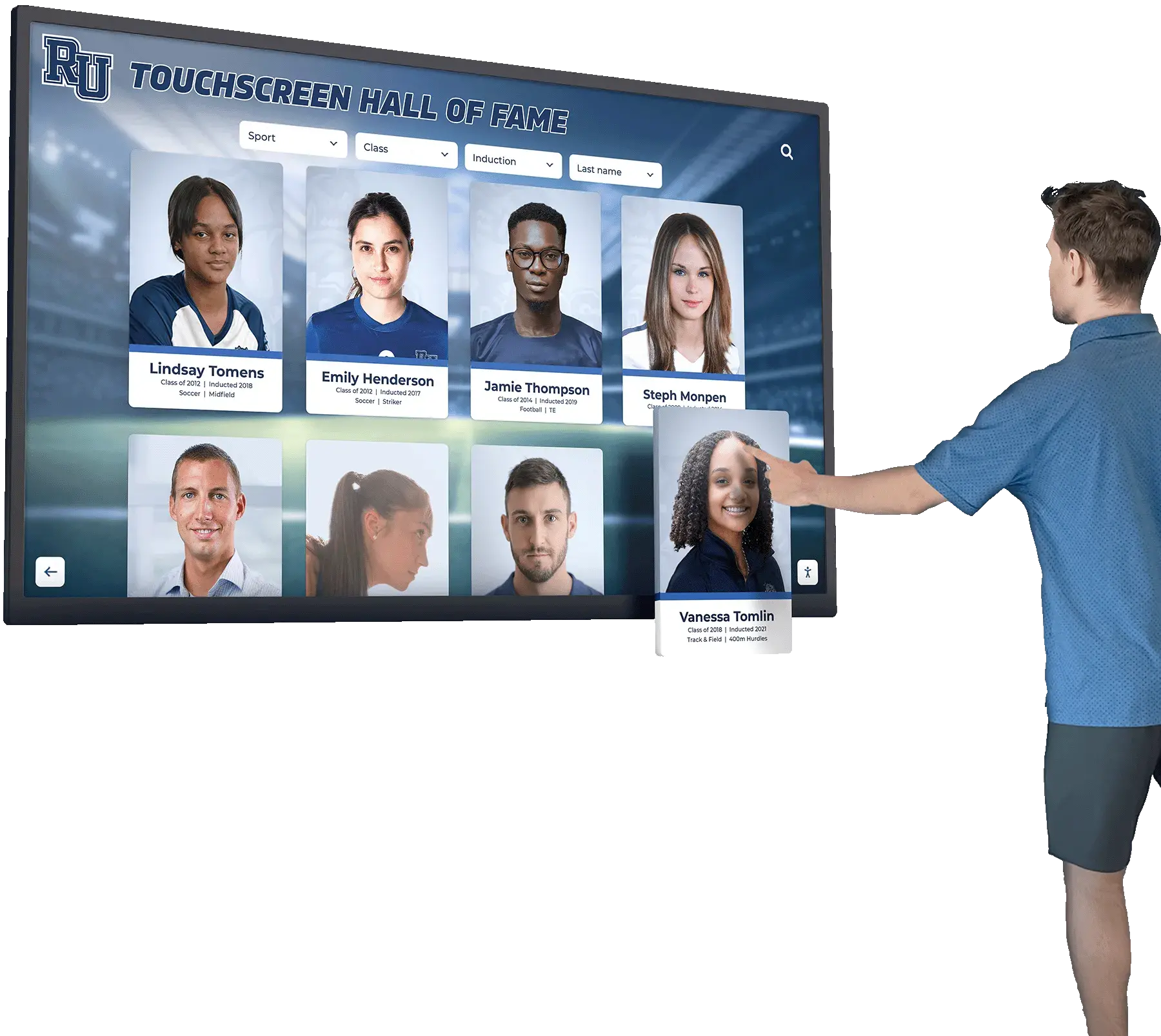
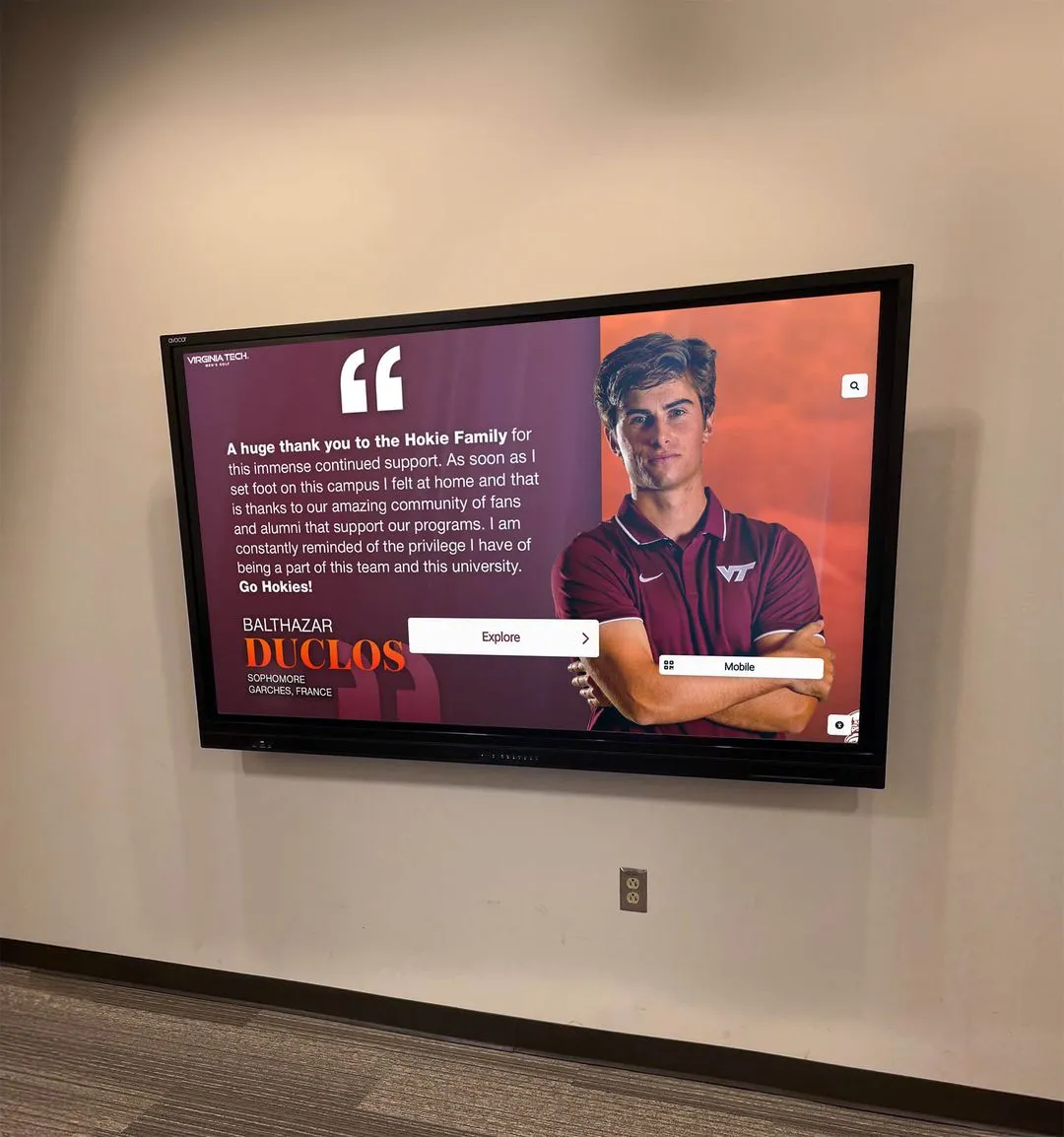
Engaging interactive experiences encourage extended visitor interaction with recognition content through intuitive navigation and rich multimedia profiles
Implementing Sustainable Recognition Programs
Long-term recognition success requires systematic planning beyond initial program launches:
Establishing Recognition Governance and Procedures
Formal structures ensure consistent, fair program management:
Creating Award Selection Processes
Documented procedures prevent arbitrary decisions and maintain credibility through written criteria defining award qualifications and selection standards, selection committees representing diverse perspectives including coaches, administrators, and potentially athletes or alumni, nomination procedures enabling systematic candidate consideration, voting protocols establishing required consensus levels for award decisions, and appeals processes addressing concerns about selection fairness or accuracy.
Transparent governance protects programs from political pressure or favoritism accusations while ensuring recognition genuinely honors most deserving athletes.
Documentation and Record-Keeping
Comprehensive records enable program continuity across personnel changes through award recipient databases documenting all historical recognition, selection meeting minutes recording deliberation and decision rationale, athlete biographical information supporting recognition content development, achievement statistics and supporting documentation verifying performance claims, and procedural documentation capturing program policies and evolution.
Systematic records prevent institutional memory loss when key personnel depart while providing reference materials supporting future recognition decisions and content development.
Multi-Year Planning and Budgeting
Sustainable programs require long-term financial commitment through recurring award and ceremony budgets covering annual recognition expenses, display maintenance and updates ensuring physical infrastructure remains current, technology replacement cycles planning for hardware refresh and software platform sustainability, and growth accommodation as programs expand or recognition standards evolve.
Multi-year budget projections demonstrate realistic program sustainability rather than launching recognition initiatives lacking sustainable funding models requiring future cutbacks undermining program credibility.
Resources on booster club fundraising for athletic support provide alternative funding strategies for recognition programs competing with numerous athletic budget priorities.
Managing Recognition Content and Information
Quality recognition depends on accurate, compelling content:
Gathering Achievement Information Systematically
Effective programs establish clear processes including season-end coach reporting documenting athlete achievements and statistics, media coverage monitoring capturing external recognition and all-conference selections, statistical databases maintained throughout seasons enabling accurate performance documentation, athlete and family surveys gathering biographical information and post-season plans, and historical research when implementing new recognition programs documenting historical achievement requiring retrospective celebration.
Systematic information gathering prevents gaps undermining recognition quality while distributing work across entire season rather than creating overwhelming end-of-year documentation requirements.
Content Development and Quality Standards
Professional recognition requires attention to detail through photography standards ensuring high-quality images appropriate for display and reproduction, writing guidelines maintaining consistent biographical profile quality and appropriate reading levels, accuracy verification confirming statistics, dates, and achievement claims before publication, and design standards ensuring visual consistency across different recognition formats and platforms.
Quality content development often justifies dedicated resources rather than treating recognition as ancillary duty assigned alongside numerous competing responsibilities—particularly when implementing digital recognition requiring substantial initial profile creation.
Maintenance and Update Workflows
Recognition systems require ongoing attention including current season updates adding new achievements immediately following conclusion, historical enhancement enriching existing profiles as new information emerges, error correction addressing inaccuracies identified through review, platform updates implementing new features or design improvements, and regular content audits ensuring information remains current and appropriate.
Clear assignment of maintenance responsibilities prevents recognition from stagnating after initial implementation enthusiasm wanes—requiring administrative commitment extending indefinitely beyond launch periods.
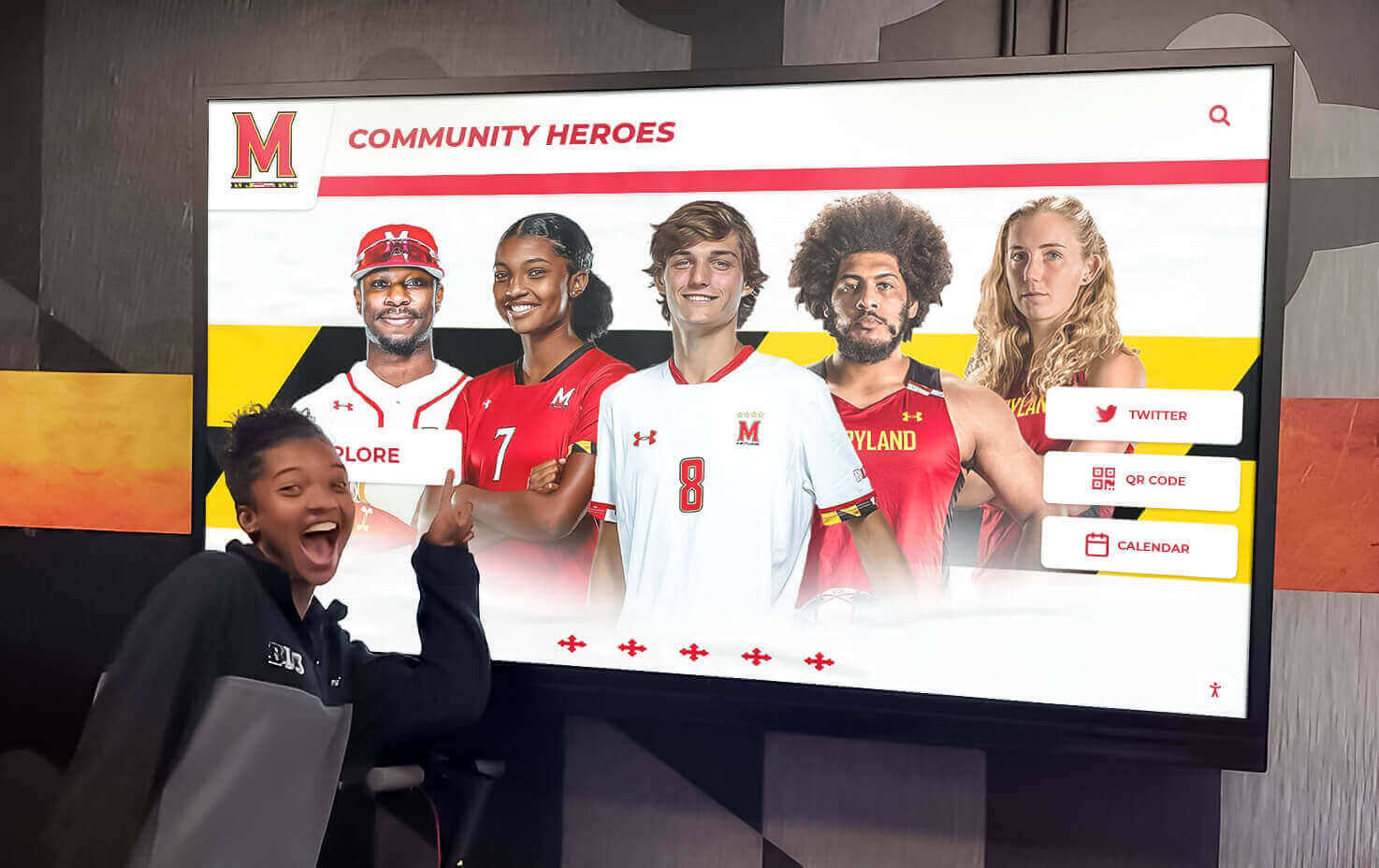
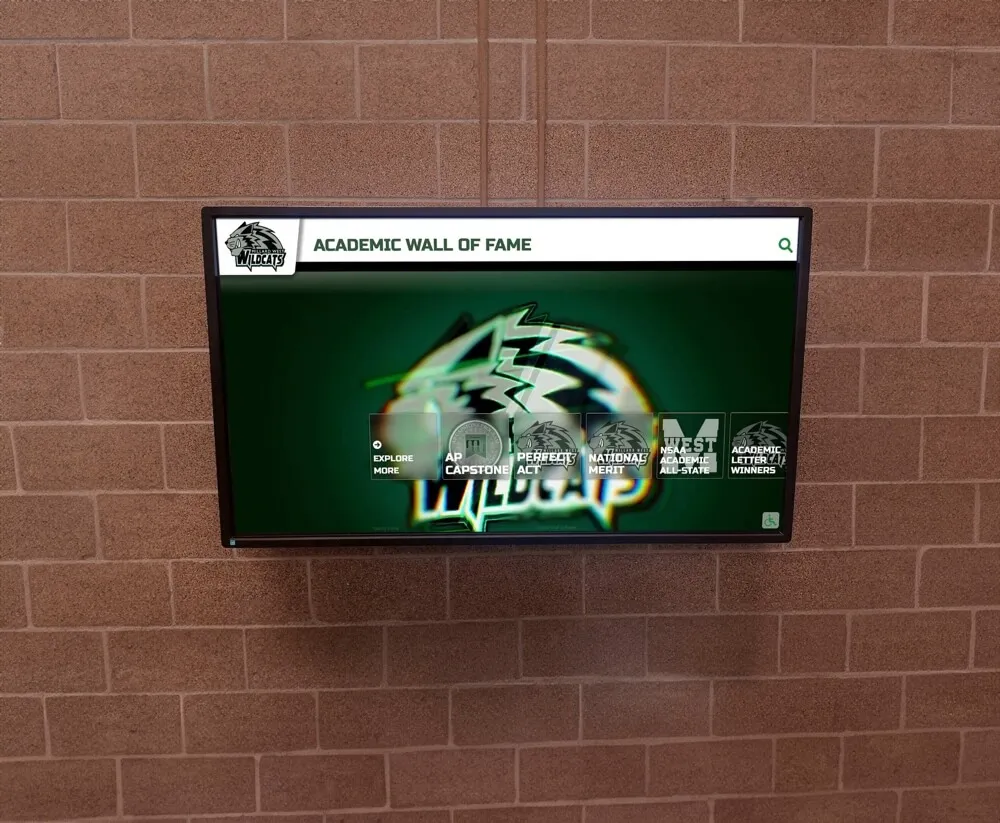
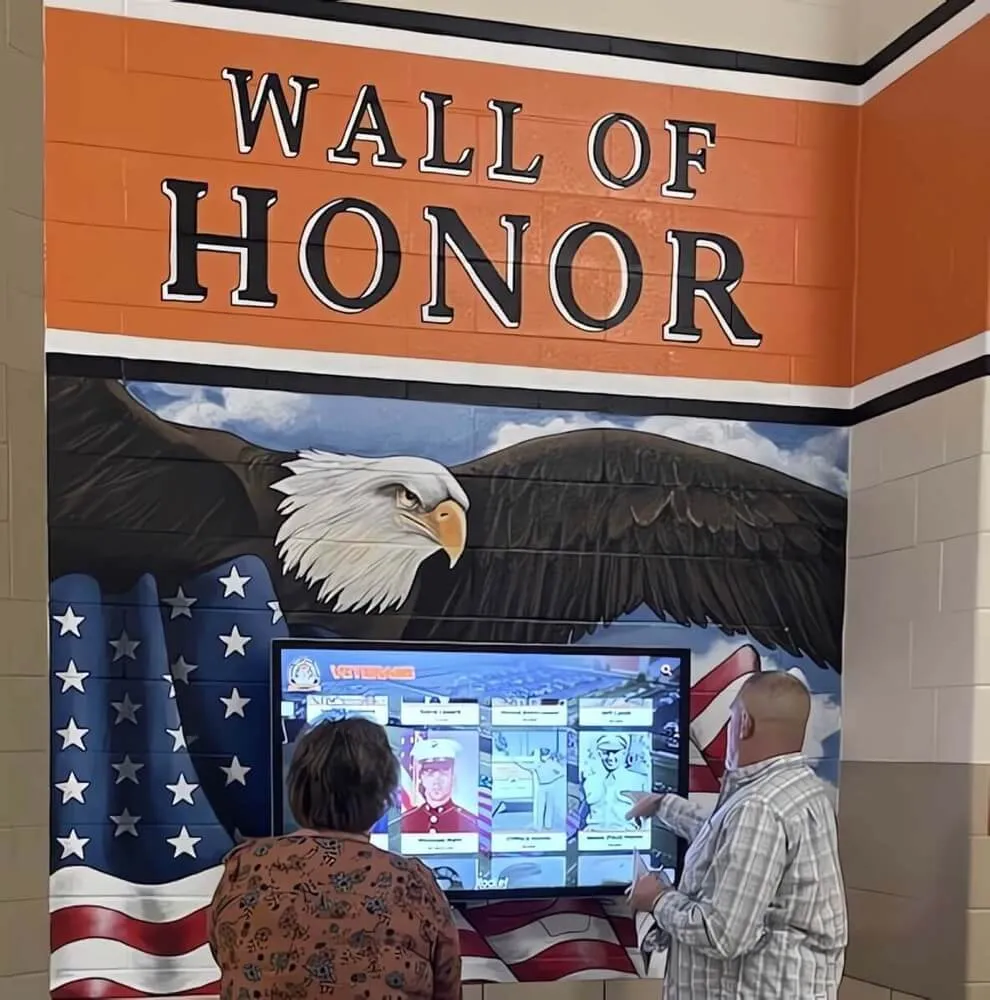
Accessible recognition displays engage entire school communities including younger students who see athletic achievement role models
Conclusion: Building Recognition Programs That Inspire Excellence
Athletic awards represent far more than simple trophies distributed at season-end banquets—when designed thoughtfully and implemented systematically, recognition programs create powerful institutional culture celebrating achievement, inspiring excellence, and building lasting connections between athletes, schools, and communities. The difference between perfunctory award distribution and transformative recognition lies in comprehensive program design addressing diverse achievement dimensions, equitable celebration across all athletic programs, meaningful ceremonies creating memorable experiences, and permanent visibility ensuring recognition extends beyond brief ceremony moments.
Schools developing effective athletic recognition discover that systematic programs deliver measurable institutional value through enhanced athlete satisfaction and motivation, stronger school pride and community engagement, improved program reputation supporting recruitment, and lasting alumni connections generating sustained graduate support. These benefits justify recognition investment while demonstrating that celebrating achievement serves educational mission by reinforcing values, motivating excellence, and building community.
Transform Your Athletic Recognition Program
Discover how modern digital recognition platforms enable comprehensive athletic celebration with unlimited capacity, engaging multimedia profiles, and sustainable management systems. Rocket Alumni Solutions specializes in purpose-built athletic recognition technology serving schools across all competitive levels and program sizes.
Explore Recognition SolutionsWhether implementing new recognition programs, enhancing existing celebration systems, or exploring how modern technology addresses traditional display limitations, the frameworks explored throughout this guide provide proven approaches creating athletic awards programs that genuinely honor student athlete dedication while inspiring continued excellence. Your athletes invest extraordinary time and effort pursuing competitive excellence while balancing demanding academic requirements—they deserve recognition matching that commitment through thoughtful awards, memorable ceremonies, and lasting visibility celebrating their achievement.
Ready to enhance your athletic recognition? Explore sports banquet ideas for memorable celebrations, discover golf tournament and awards strategies adaptable across sport contexts, learn about track and field specific recognition approaches, and understand comprehensive end-of-year award planning ensuring all athletes receive meaningful acknowledgment celebrating their contributions to your athletic programs.