



A well-executed athletic communications plan transforms how families experience school sports—replacing confusion over schedules, missed results, and overlooked recognitions with a coordinated system that builds community pride and keeps every stakeholder informed. Athletic directors, coaches, and school communications staff who invest in deliberate communications strategies report stronger attendance, deeper booster club engagement, and athletes who feel genuinely celebrated for their work.
Yet most school sports departments operate without a formal communications plan. Schedules get posted on a bulletin board and forgotten. Game results appear on a third-party website that most parents never visit. Outstanding performances disappear from institutional memory before the season ends. Meanwhile, the hallways, social channels, and display screens that could broadcast athletic excellence sit underutilized or dark.
This guide presents a complete athletic communications plan framework—with templates, channel strategies, and modern display ideas that any school sports department can adapt and implement without a dedicated communications staff or large budget.
Great athletic communications serve three audiences simultaneously: athletes who deserve recognition and motivation, families who need timely practical information, and the broader school community including administrators, boosters, alumni, and prospective students who connect to school identity through athletic success. A coherent plan addresses all three while remaining sustainable across the coaching staff’s packed seasonal calendar.

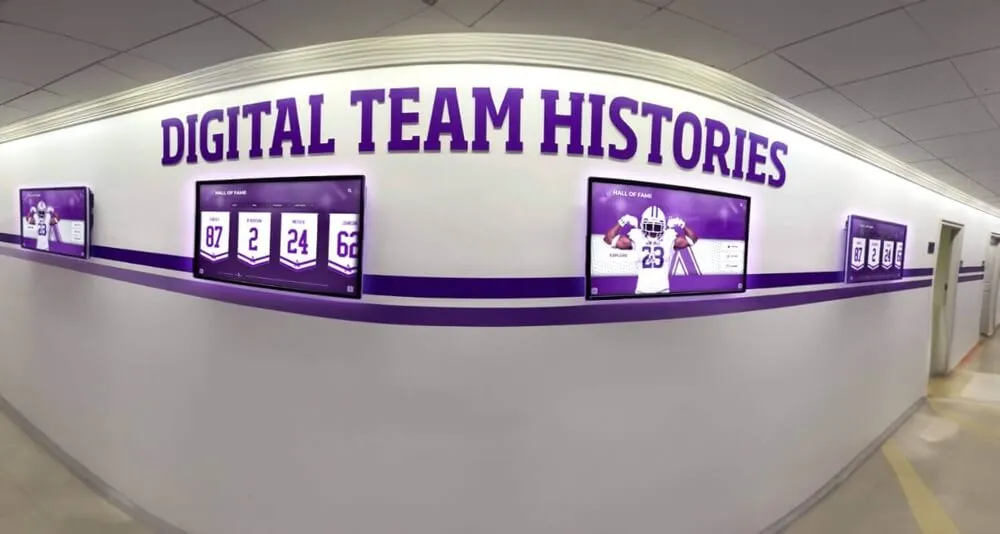
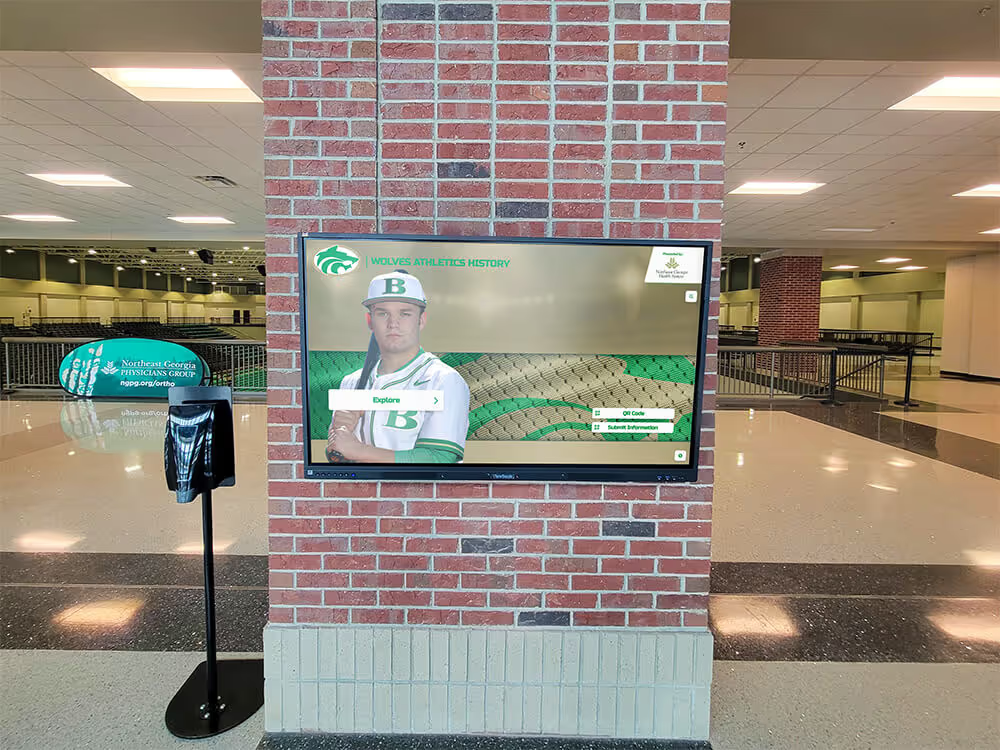
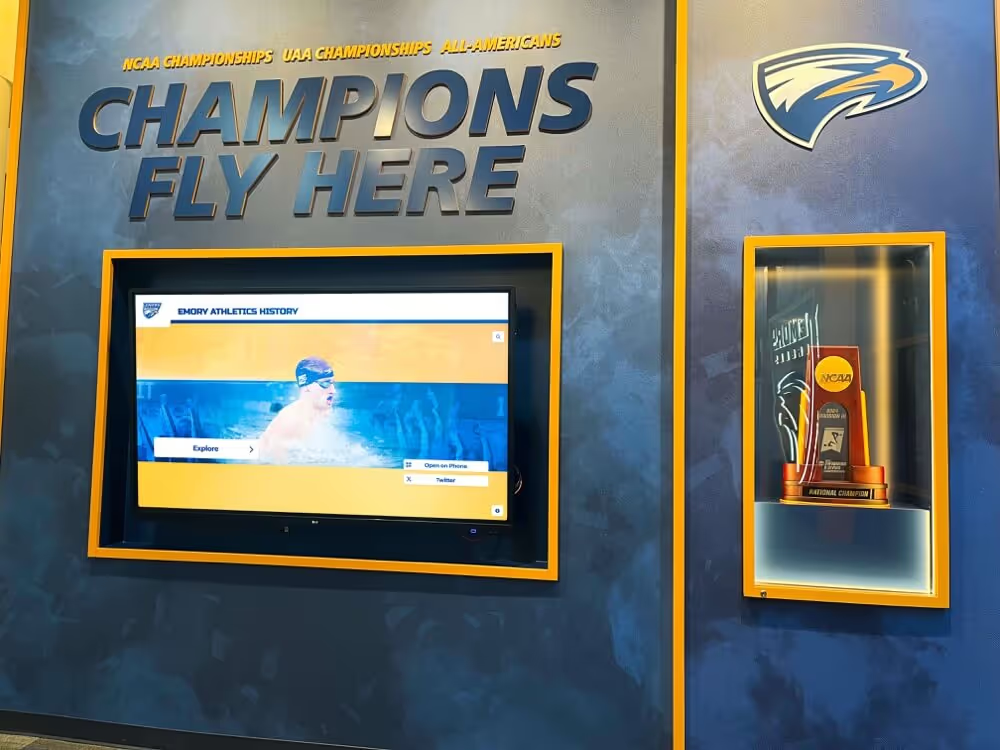
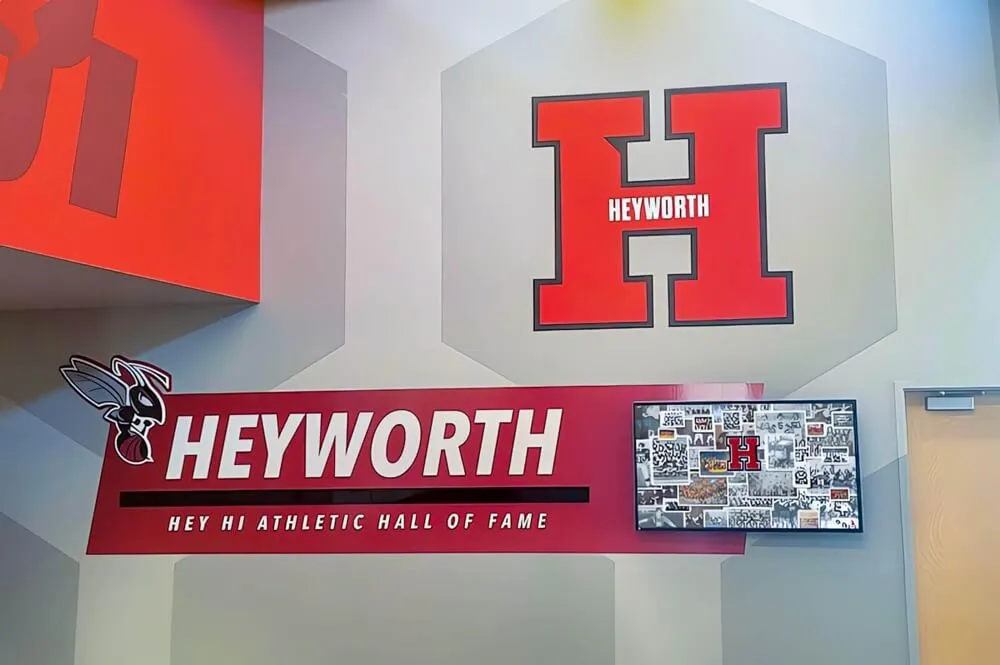
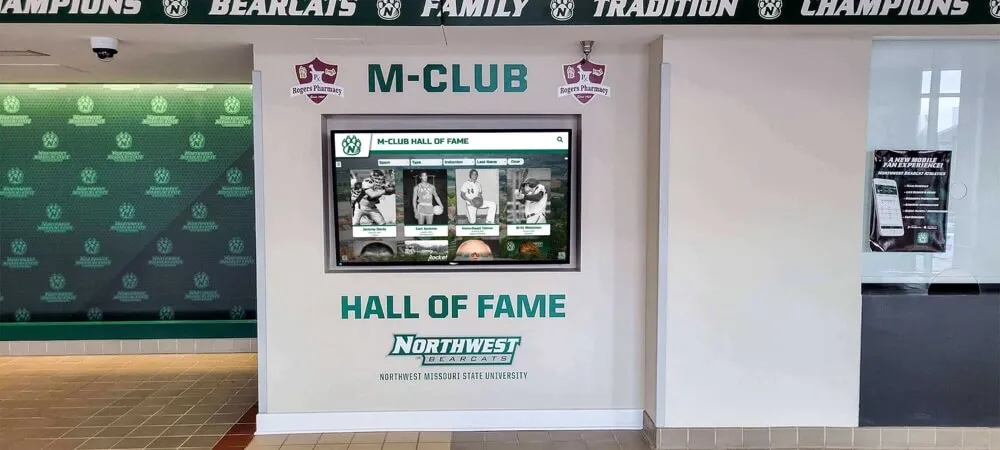
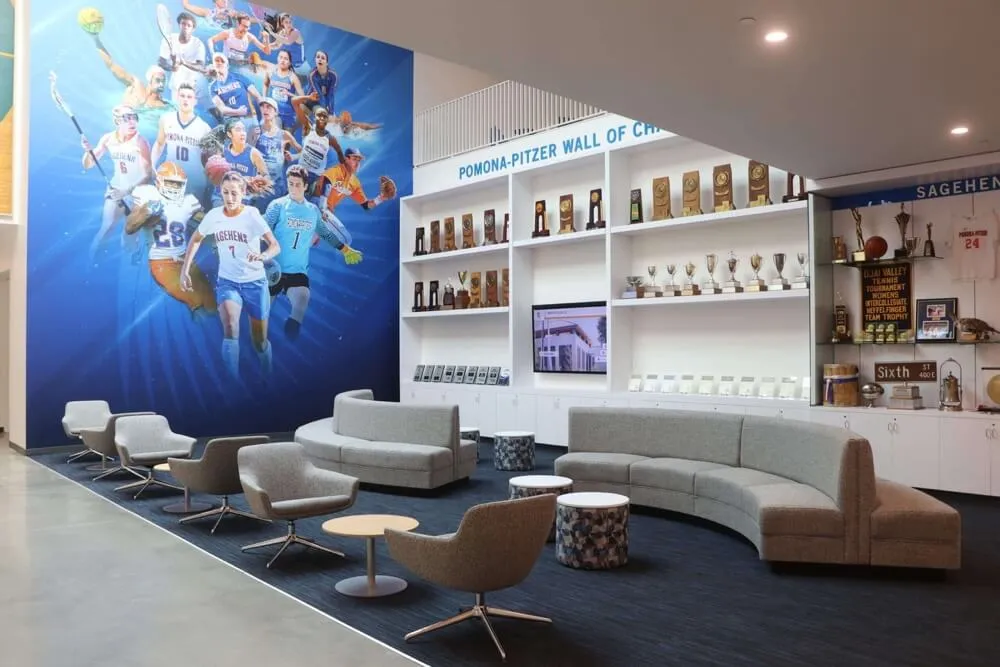
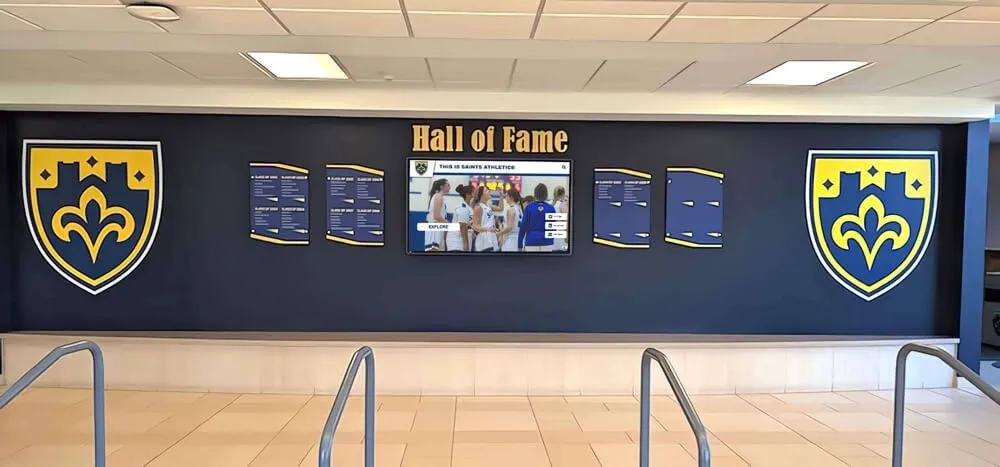
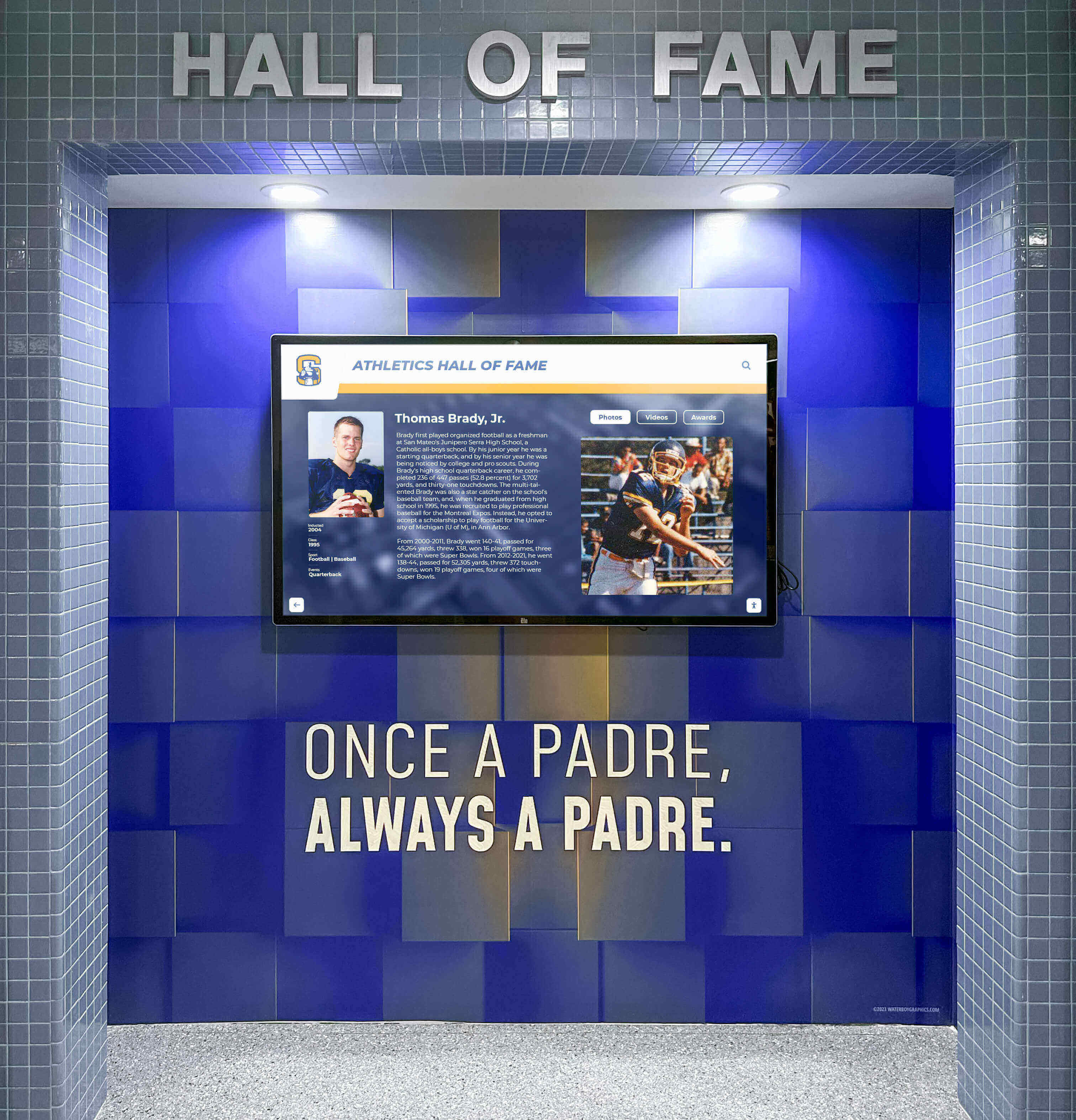
Modern athletic facilities pair recognition displays with digital screens to communicate achievement and build lasting program pride
What Goes Into an Athletic Communications Plan
Before building templates or choosing channels, it helps to define the four communication categories that every school sports department needs to address consistently.
1. Logistical Communications
Schedule information, venue changes, transportation updates, postponements, and game-day logistics. Parents and athletes need this information to be accurate, early, and easy to find.
2. Results and Performance Updates
Scores, standings, statistical leaders, and season-to-date records. Timely results posting keeps fans engaged and gives athletes the visibility they’ve earned.
3. Recognition and Celebration
Athlete spotlights, team milestones, record-breaking performances, award announcements, and senior celebrations. This category most directly impacts culture—how athletes feel about their programs and how the community values athletics.
4. Program Storytelling
Longer-form content about team identity, coaching philosophy, program history, and the human stories behind athletic achievement. This builds pride across seasons and sustains alumni connection long after athletes graduate.
A complete athletic communications plan creates consistent systems for all four categories rather than treating them as ad hoc tasks that happen when someone remembers.
Building Your Athletic Communications Plan: A Step-by-Step Framework
Step 1: Audit Your Current Channels
Before adding new tools or templates, map what you already have. Most school athletic departments use a mix of the following:
- School website athletics page — official but often poorly maintained
- Sports-specific apps (ArbiterSports, BigTeams, FinalForms) — strong for schedules and roster management
- Social media accounts — often sport-specific and inconsistently updated
- Physical displays — bulletin boards, trophy cases, hallway signage
- Email newsletters — distributed by booster clubs or athletic office
- PA announcements and morning show — underused but high-reach within school walls
- Digital screens and kiosks — increasingly common but often used only for static messaging
Rate each channel on two dimensions: how many people it actually reaches, and how often it gets updated. Most departments discover they have more channels than capacity to maintain them—which is why prioritization matters before adding anything new.
Step 2: Define Your Communication Calendar
An athletic communications calendar establishes the baseline rhythm so nothing falls through the cracks. Structure yours around these recurring moments:
Pre-Season (4-6 Weeks Before Opening Day)
- Season preview post on each team’s primary social channel
- Schedule release with printable version and calendar link
- Coaching staff introduction or update
- Booster club kickoff and fundraising timeline
Weekly During Season
- Upcoming game preview (opponent, time, location, streaming if available)
- Previous week results summary with standout performances noted
- Athlete spotlight featuring one player per sport (rotational, not just stars)
- Standings update across all active sports
Game Day
- Pre-game hype post (3-4 hours before tip-off/kickoff)
- Live score updates if staffing allows
- Post-game result post within 60-90 minutes of final horn
Post-Season
- End-of-season awards announcement
- All-conference and All-State recognition posts
- Senior recognition content (especially for spring sports)
- Season-in-review graphics or video
Annual
- Hall of Fame induction (if applicable)
- Record board updates
- Annual athletic department report for administration and boosters
Step 3: Assign Ownership
The most common reason communications plans fail is undefined ownership. Every communication type needs a designated person responsible for creating it, a deadline relative to the event, and a backup contact when the primary person is unavailable.
A simple RACI model works well here:
| Task | Responsible | Deadline |
|---|---|---|
| Schedule post | AD or designee | 72 hrs after confirmed |
| Game preview | Sport-specific coach or captain | Day before game |
| Game result | Coach or team manager | 90 min post-game |
| Athlete spotlight | AD or communications liaison | Weekly, Monday AM |
| Award announcement | AD | Day of announcement |
| Record board update | AD | Within 48 hrs of record |
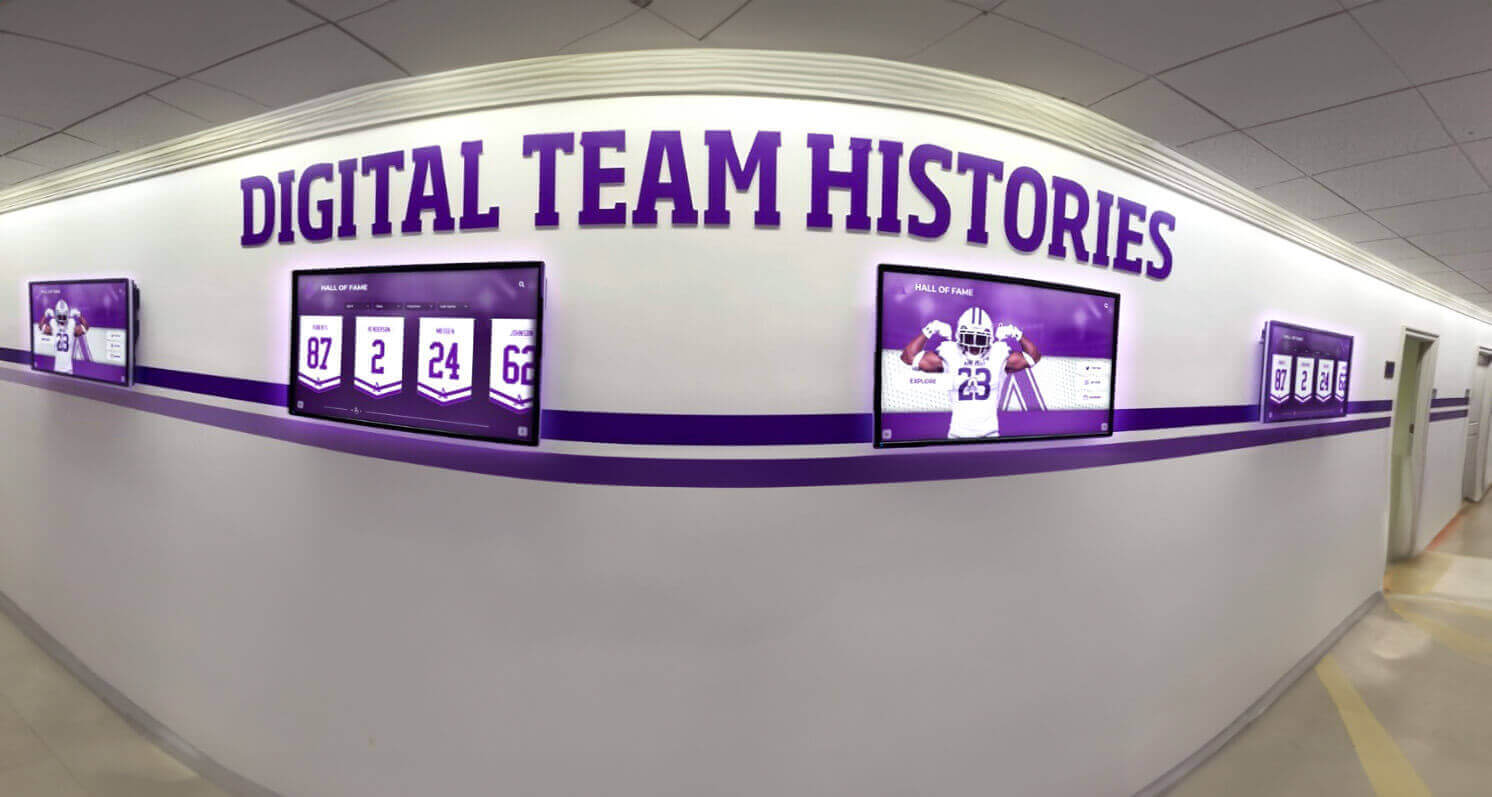
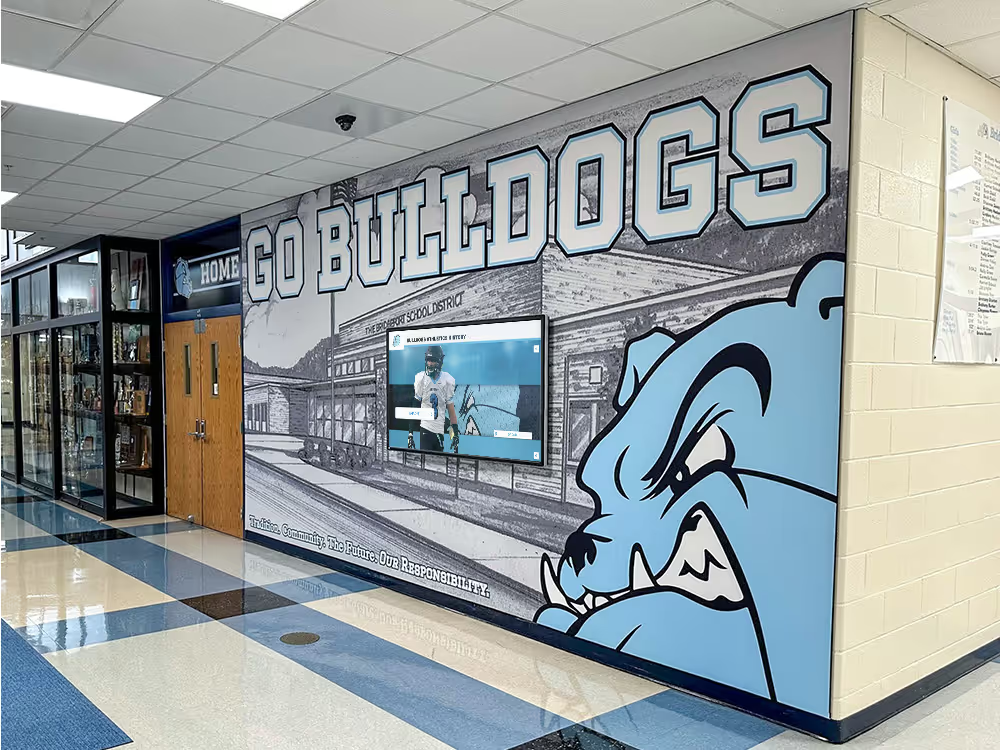
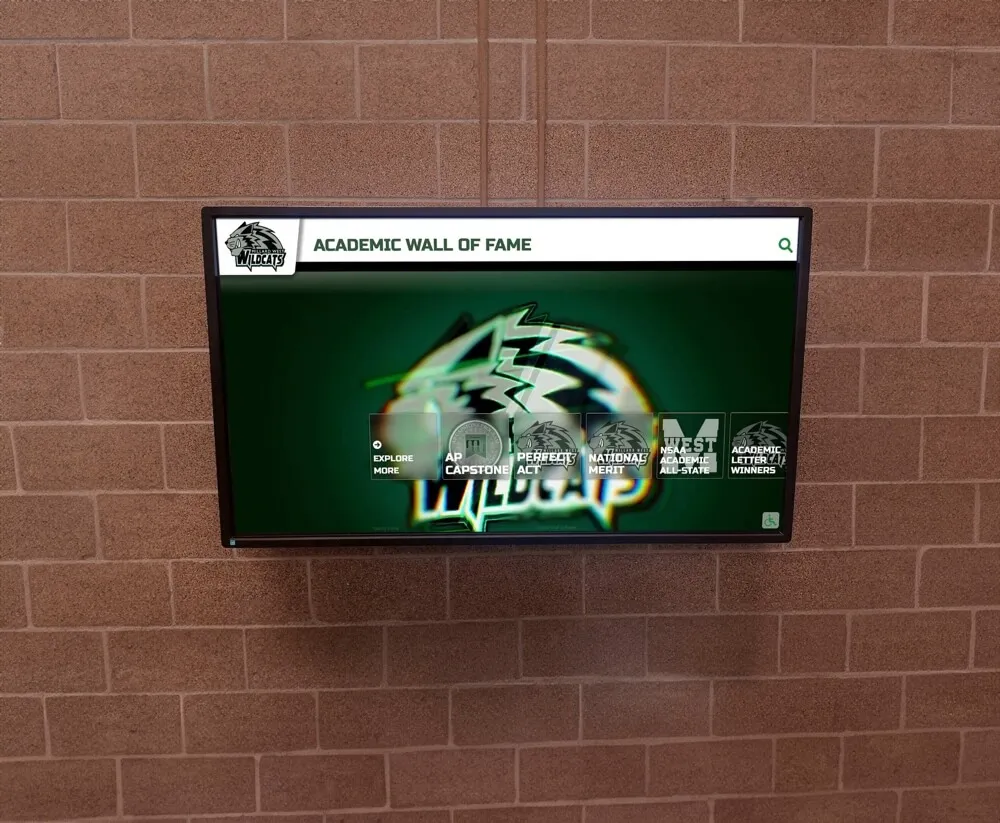
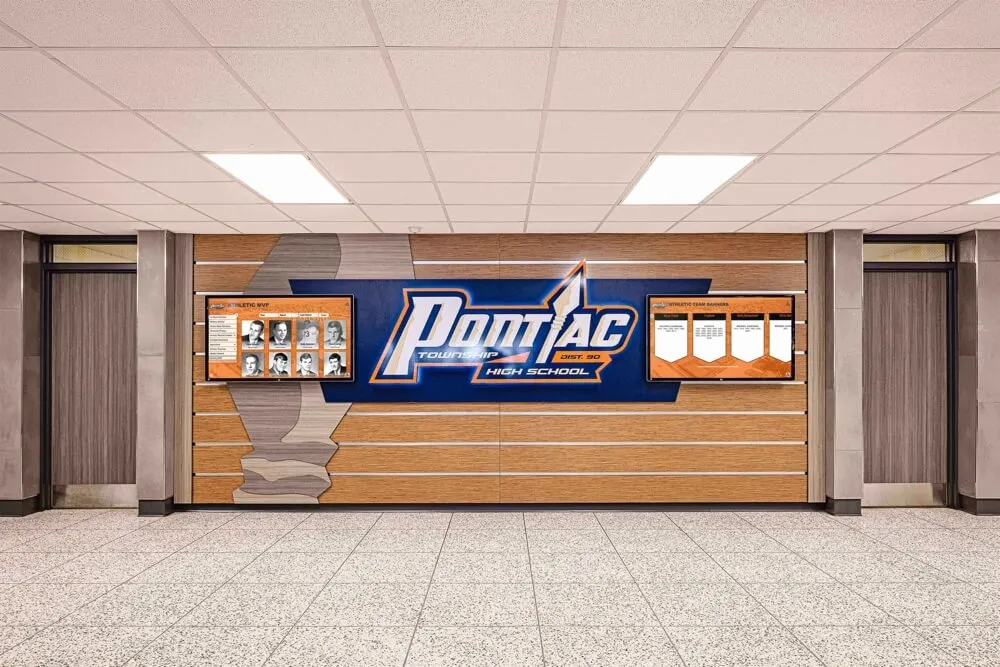
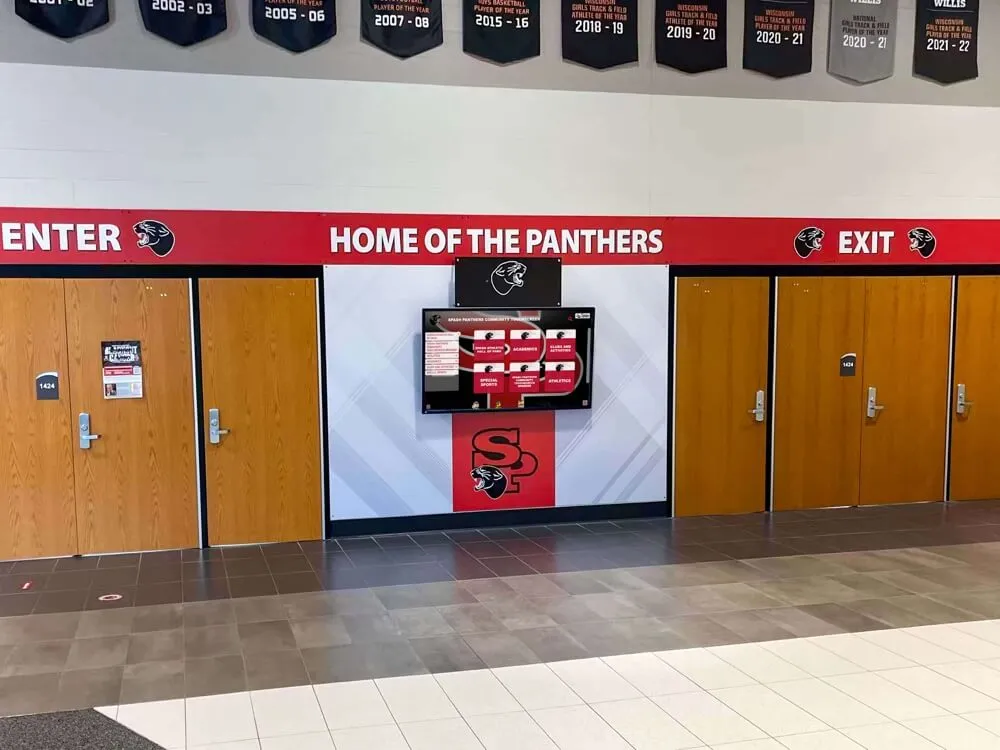
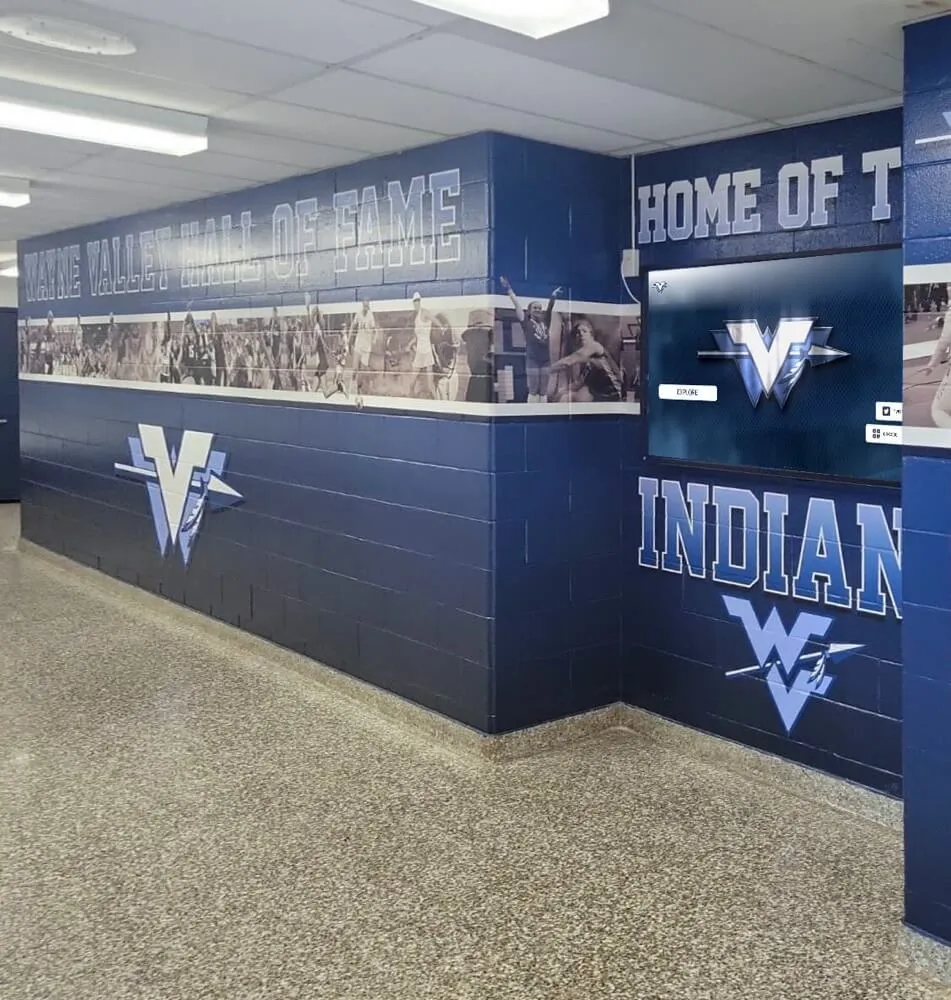
Hallway digital displays keep athletic history and current results visible to students, staff, and visitors throughout the school day
Step 4: Create Reusable Templates
Templates reduce the per-post effort dramatically, ensuring that communications happen even during the busiest weeks of the season. Below are practical templates for the most common athletic communications needs.
Athletic Communications Templates
Social Media Templates
Game Preview Template
[SPORT EMOJI] [TEAM NAME] takes the field/court/pool TONIGHT.

📅 [Day, Date]
⏰ [Time]
📍 [Venue, City]
📺 [Streaming link or "Watch live at the gym"]

Let's go [MASCOT]! 🔥 #[SchoolMascot] #[Sport]
Game Result Template
FINAL: [Your School] [Score] — [Opponent] [Score]

[One sentence on game narrative or standout performance]

Season Record: [W-L]

Congratulations to the [SPORT] [team/squad] on a strong effort tonight. Next up: [Opponent, Date].

#[SchoolMascot] #[Sport]
Athlete Spotlight Template
🌟 ATHLETE SPOTLIGHT — [NAME], [GRADE], [SPORT]

[2-3 sentences on athlete's season performance, role, or personal milestone. Avoid superlatives without facts behind them.]

"[Direct quote from athlete about the season, a teammate, or the program — get this from a quick text to coach.]"

#[SchoolMascot] #AthleteSpotlight
Record-Breaking Announcement Template
🏆 NEW [SCHOOL NAME] RECORD

[ATHLETE NAME] broke the school record in [EVENT/STAT] with [RESULT] at [Meet/Game].

Previous record: [Old Record] — held by [Previous Athlete, Year]
New record: [New Result] — [Current Athlete, Date]

Congratulations, [First Name]!

#[SchoolMascot] #SchoolRecord
Email Newsletter Template
A monthly athletic department newsletter keeps booster club members, parents of current athletes, and administrators informed without requiring daily attention. Structure it as follows:
Subject line formula: [Month] Athletics Update | [School Name] [Mascot]
Newsletter Sections:
- Message from the AD (3-4 sentences on current season highlights or program news)
- Results Roundup (quick score summary across all active sports — bullet format)
- Athlete of the Month (brief spotlight on one student-athlete)
- Upcoming Events (next two weeks of significant games, meets, or events)
- Booster Club Corner (fundraising updates, volunteer opportunities, upcoming meetings)
- Recognition Corner (award announcements, all-conference selections, records broken)
Keep the email under 500 words. Parents skim newsletters — headers and short paragraphs outperform dense paragraphs every time.
Press Release Template for Local Media
Local newspapers and community websites still publish high school sports content when it’s formatted correctly and submitted promptly. A standard press release takes about 15 minutes to write when you have a template.
FOR IMMEDIATE RELEASE

[DATE]
Contact: [Athletic Director Name], [School Name] Athletic Department
[Phone Number] | [Email Address]

[SCHOOL MASCOT] [SPORT TEAM] [ACCOMPLISHMENT IN HEADLINE FORM]

[CITY, STATE] — [Opening paragraph: Who, What, When, Where. Lead with the most newsworthy fact.]

[Body paragraph 1: Game details, scores, or event result with key individual performances.]

[Body paragraph 2: Coach quote. Get a real quote — reporters will call if they want more.]

[Body paragraph 3: Season context — record, standings, next opponent.]

[Closing paragraph: Next game/event information with date, time, and location.]

###

[School Name] | [School Address] | [School Website]
Submit to local newspaper sports editor, community website, and local radio station sports desk within 24 hours of the event.
Channel Strategy: Where to Communicate
Physical Hallway Displays and Digital Screens
The most underutilized channel in most school athletic departments is the physical environment. Students, staff, and visitors walk school hallways every day—yet most athletics content never reaches those walls in a dynamic, updated form.
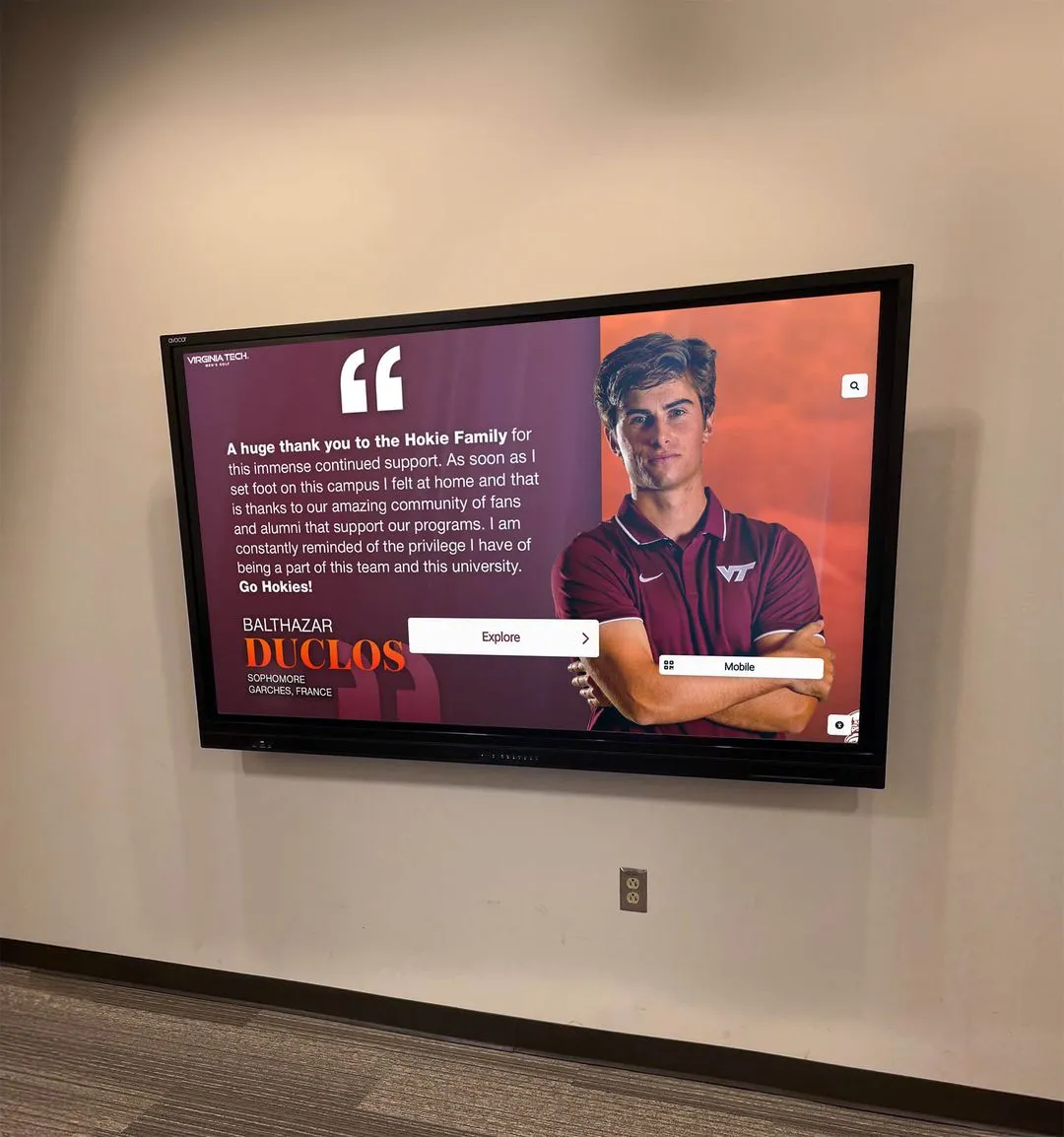
Digital signage for schools transforms lobbies, athletic hallways, and common areas into active communication surfaces that display real-time schedules, rotating game results, athlete spotlights, and countdown timers to the next home game. Unlike social media, these displays reach people who aren’t already following your accounts.
A well-designed athletic hallway display rotation might include:
- This week’s home game schedule (updated automatically)
- Most recent results from each active sport
- Current standings in conference play
- Athlete spotlight of the week
- Season record board with current leaders
The key advantage of physical displays is ambient reach — students who never check the school website or follow the athletics social account still see the content multiple times per week simply by walking to class.
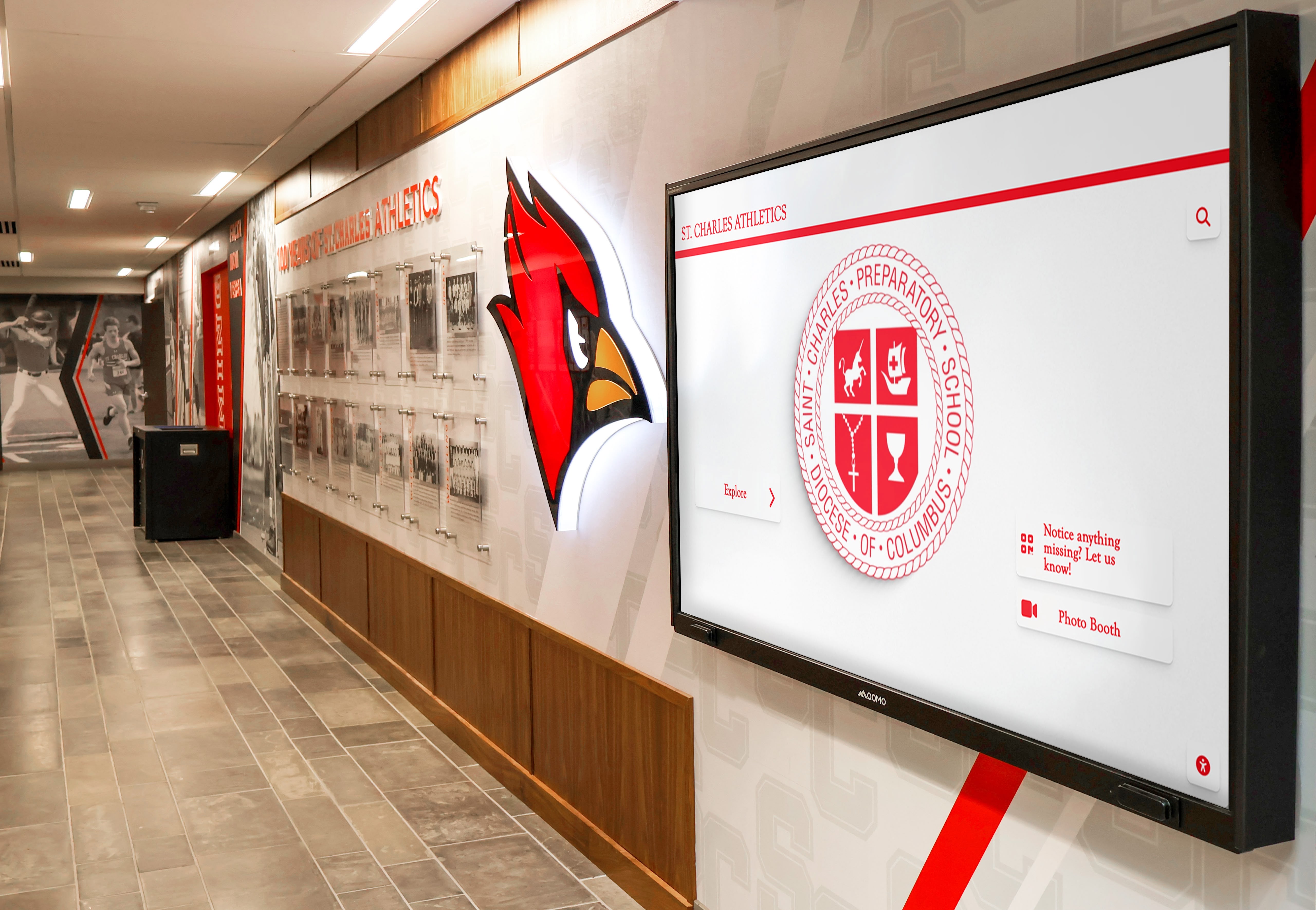
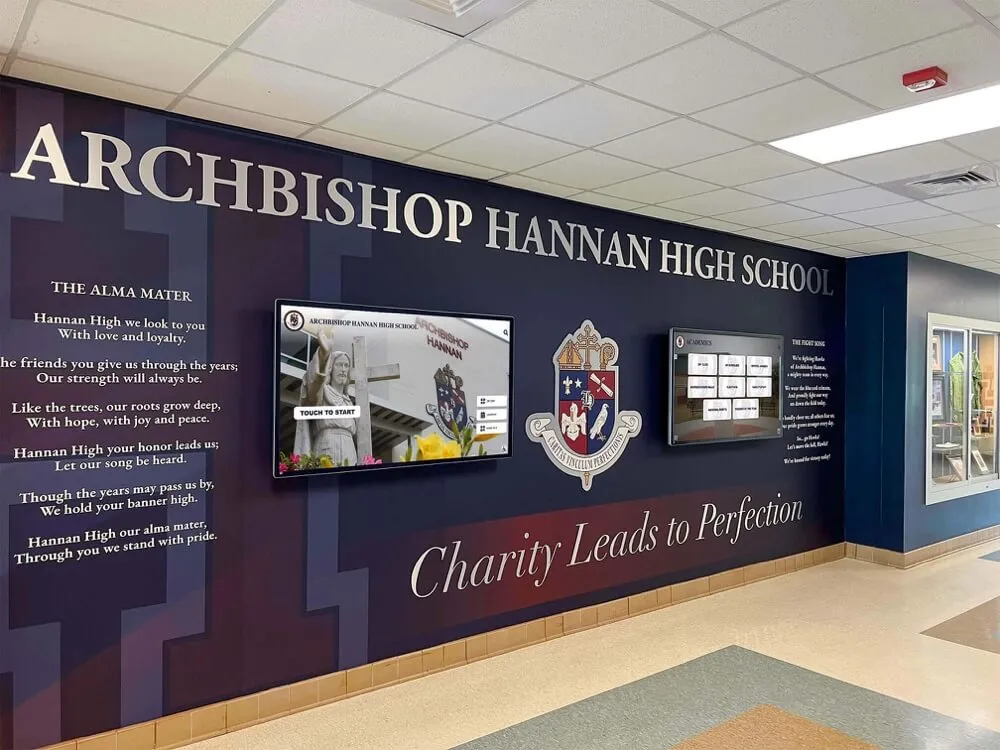
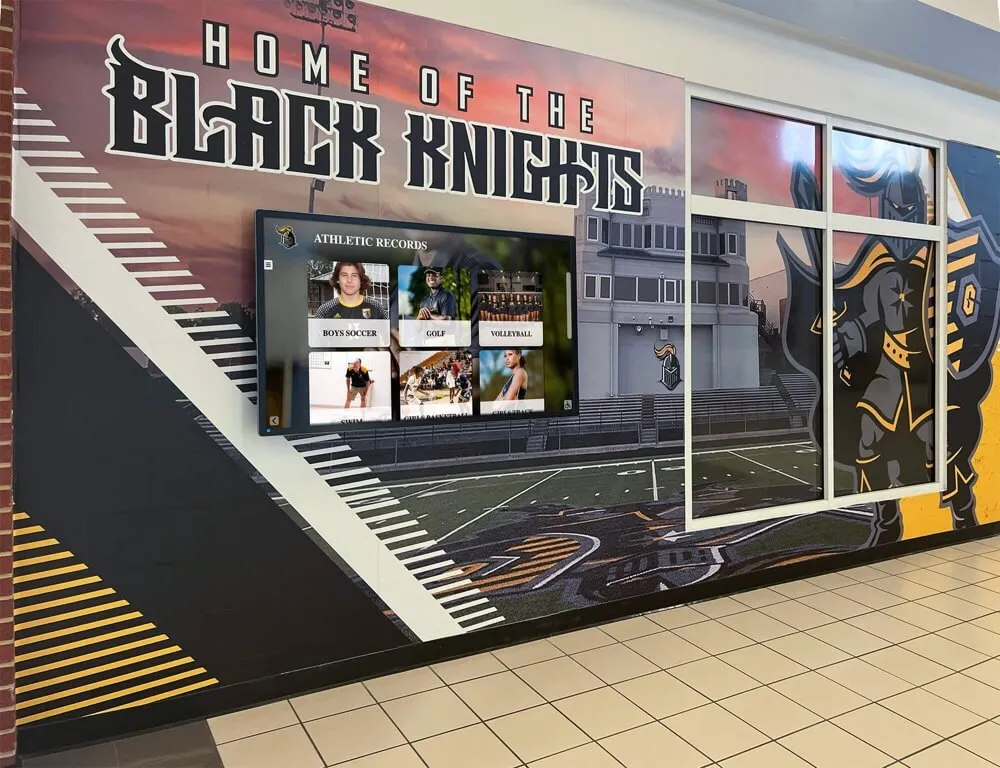
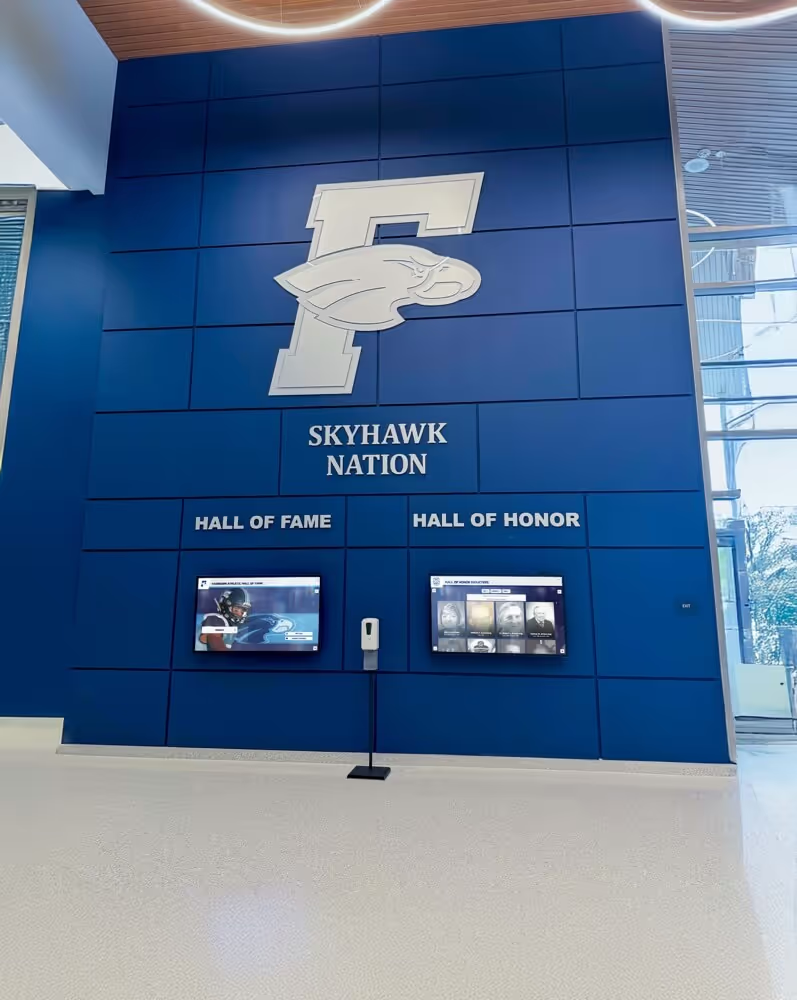
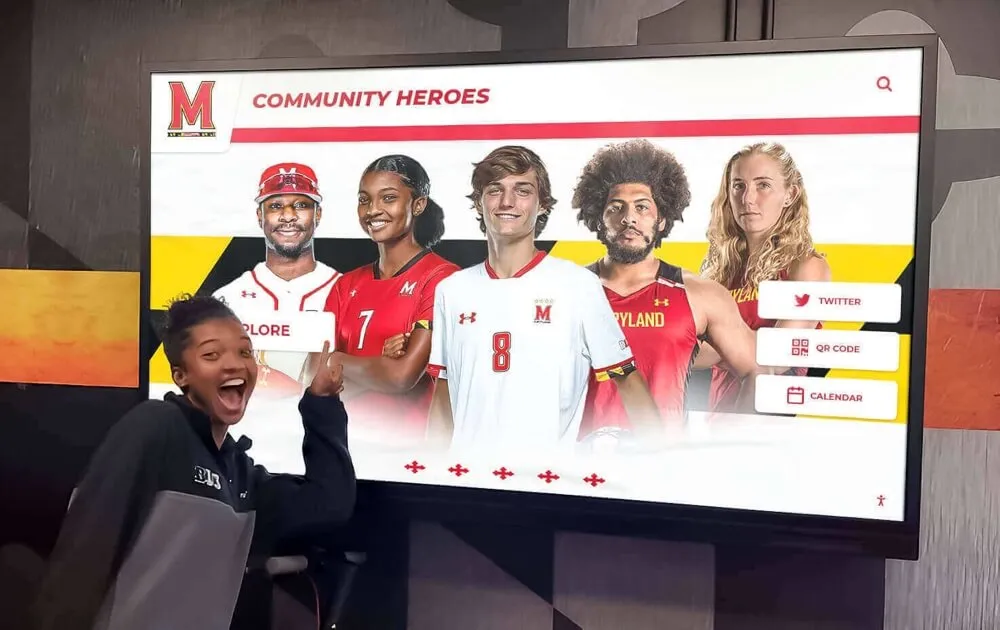
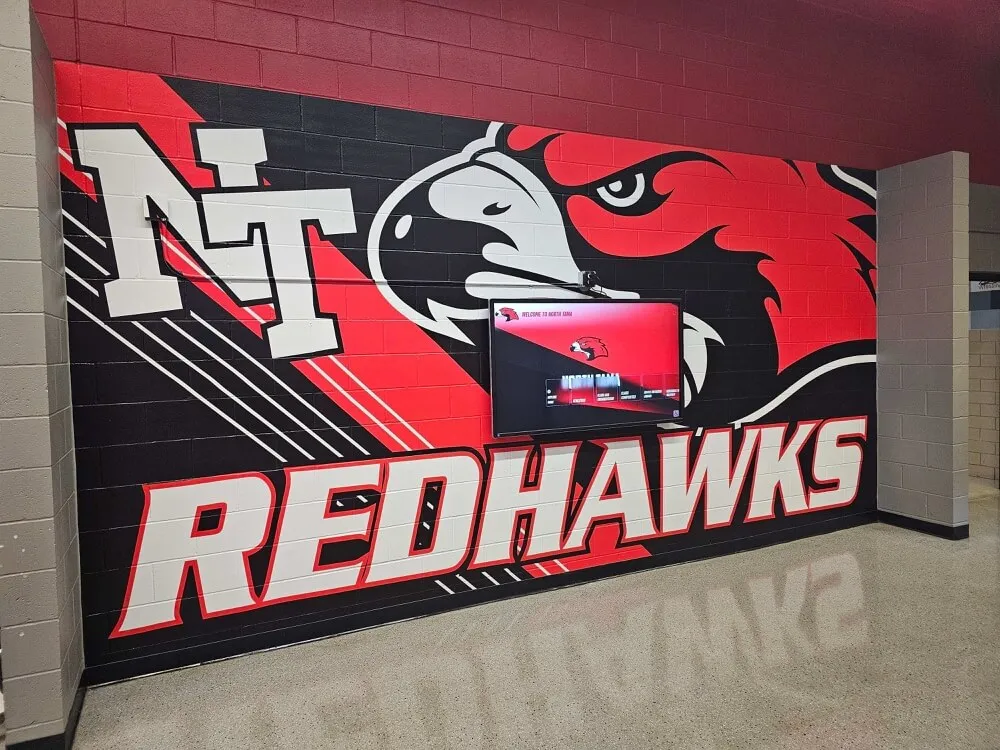
Branded athletic displays integrate school identity with current team information, creating consistent visual presence throughout the athletic facility
Interactive Touchscreen Kiosks
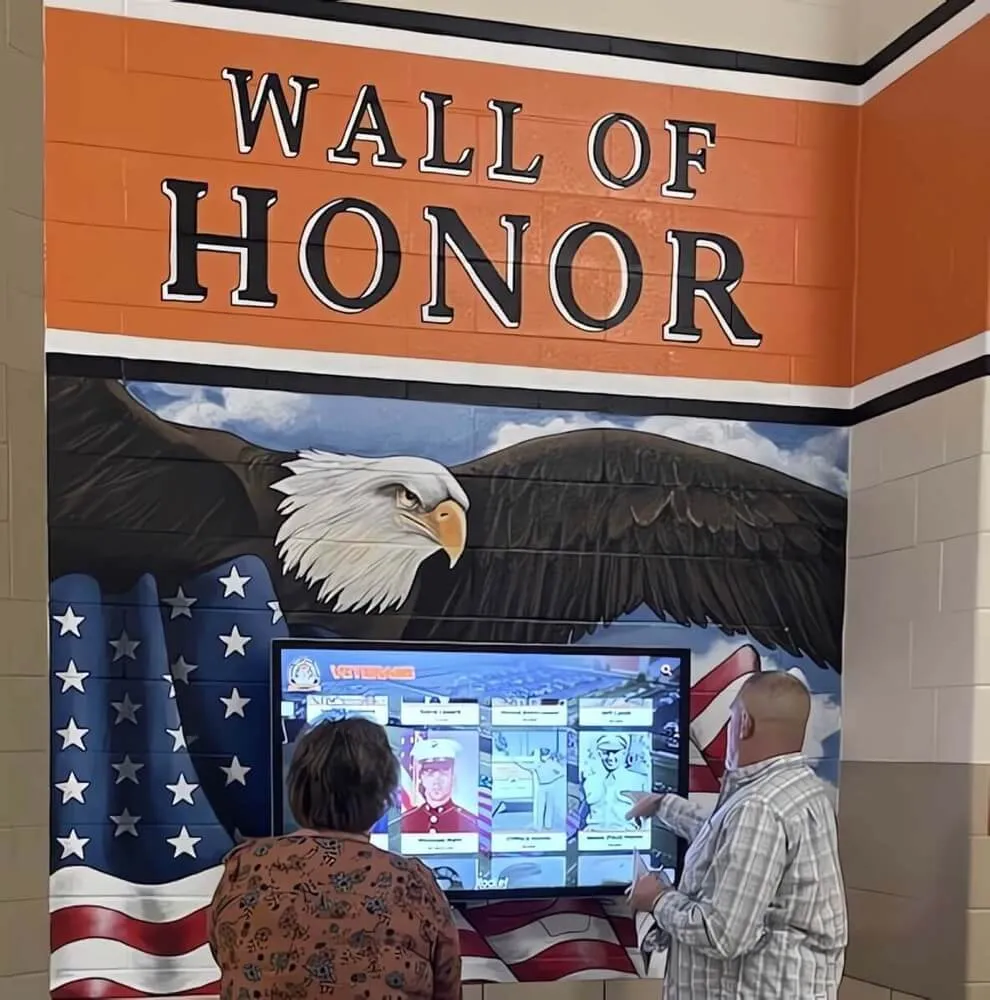
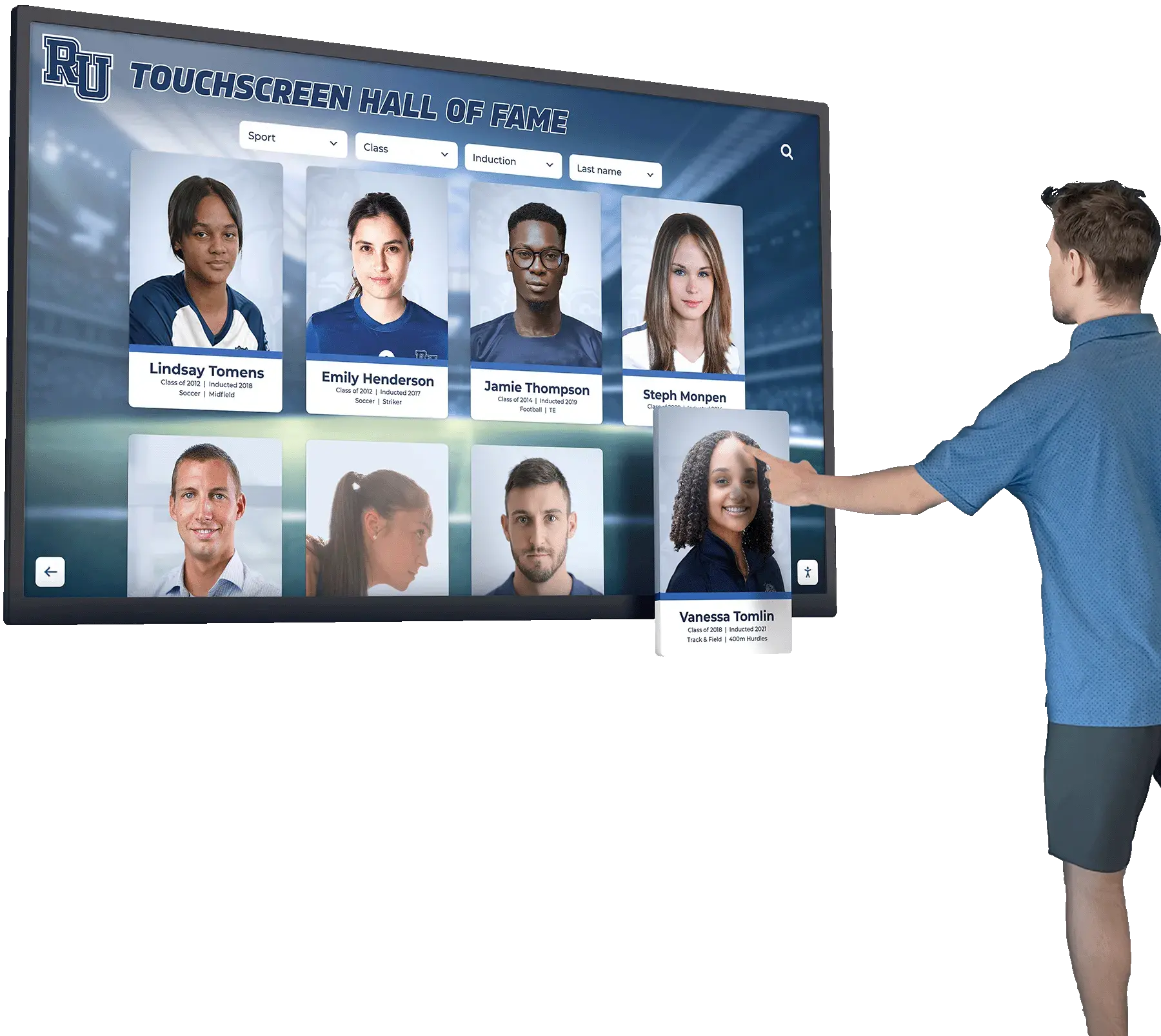
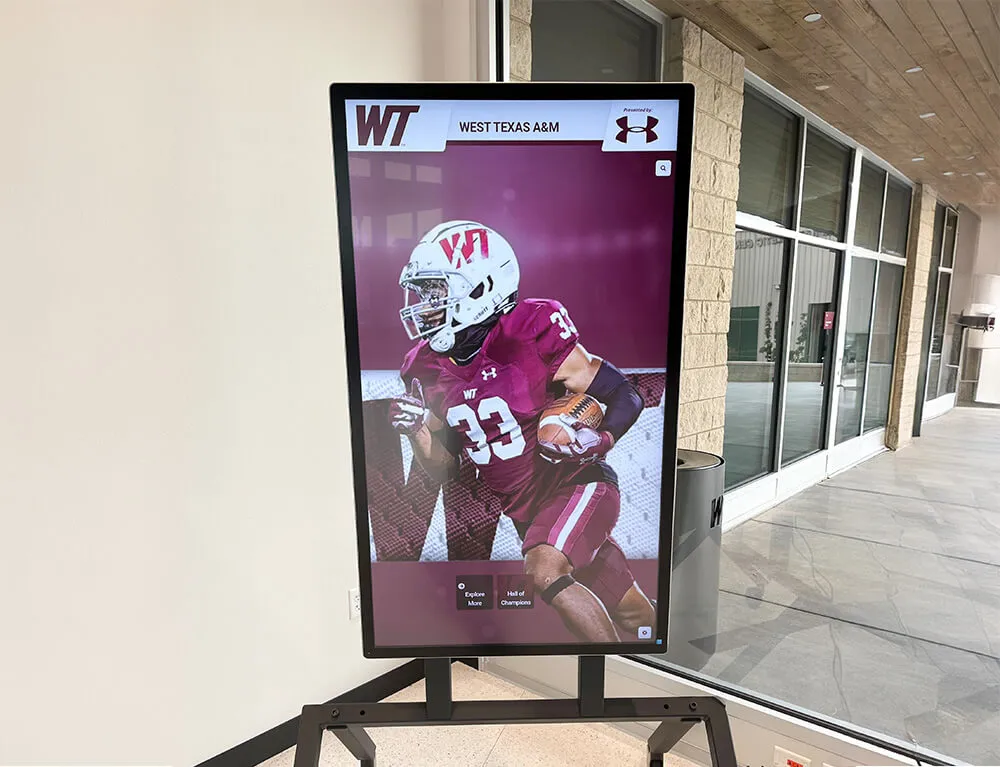
Beyond passive display screens, interactive kiosks let students, parents, and visitors engage with deeper athletic content on demand. Interactive touchscreen kiosks in athletic lobbies can house comprehensive program information including:
- Full historical record boards across all sports
- Team-by-team season schedules with one-tap directions to away venues
- Athlete profiles with photos, stats, and career highlights
- Hall of Fame inductee archives
- Photo galleries from current and previous seasons
- Booster club information and donation portal QR codes
Kiosks serve particularly well during events when visiting families want to learn about the program they’re competing against, or during open houses when prospective students and families explore campus facilities. Content stays current through software updates rather than requiring physical reprinting.
Touchscreen software designed for club sports and athletic facilities typically includes content management systems that non-technical staff can update quickly — meaning coaches or athletic administrative assistants can push new game results or athlete spotlights without IT support.
Social Media Strategy for Athletic Departments
Social media works best when each account has a defined scope and consistent posting schedule rather than sporadic bursts of content during successful seasons. Consider this structure:
Main Athletic Department Account (@[School]Athletics)
- Audience: parents, community members, local media, booster club members
- Posting frequency: 4-6 times per week during season
- Content mix: game results (40%), schedule information (25%), recognition content (25%), program storytelling (10%)
- Platform priority: Facebook (parent-heavy audience) + Twitter/X (fastest game-day updates)
Sport-Specific Accounts (optional for larger programs)
- Most effective for high-engagement sports (football, basketball, wrestling)
- Audience: students, recruiting audiences, opposing school communities
- Posting frequency: daily during season
- Platform priority: Instagram (visual game-day content) + Twitter/X
Student-Run Content (athletic director oversight required)
- Student athletic communications teams produce content with adult supervision
- Valuable for developing communications skills while generating authentic peer-to-peer content
- Establish clear editorial guidelines before launch
Free and low-cost social media graphics tools make consistent visual branding achievable without design staff. Free social media graphics platforms built for schools provide sport-specific templates that maintain consistent school colors, fonts, and logos across every post — eliminating the mismatched graphics that make many athletic social accounts look amateur. Some platforms like Rocket Graphics offer AI-generated designs specifically built for school athletic contexts.
Email and Text Communication
Direct communication channels remain most reliable for time-sensitive operational information. Families who miss social media posts or hallway announcements will see a text message.
Text messaging (via platforms like Remind, SchoolMessenger, or band apps) works best for:
- Same-day schedule changes or weather cancellations
- Transportation alerts
- Urgent information parents need immediately
Email works best for:
- Detailed pre-season information packets
- Monthly newsletters with embedded schedule information
- Post-season recognition and award announcements
- Booster club communications
Maintain separate contact lists for different audiences: coaches and staff, parents of active athletes, booster club members, and general athletics supporters. Sending coaching logistics to booster club members (and vice versa) erodes both lists over time.
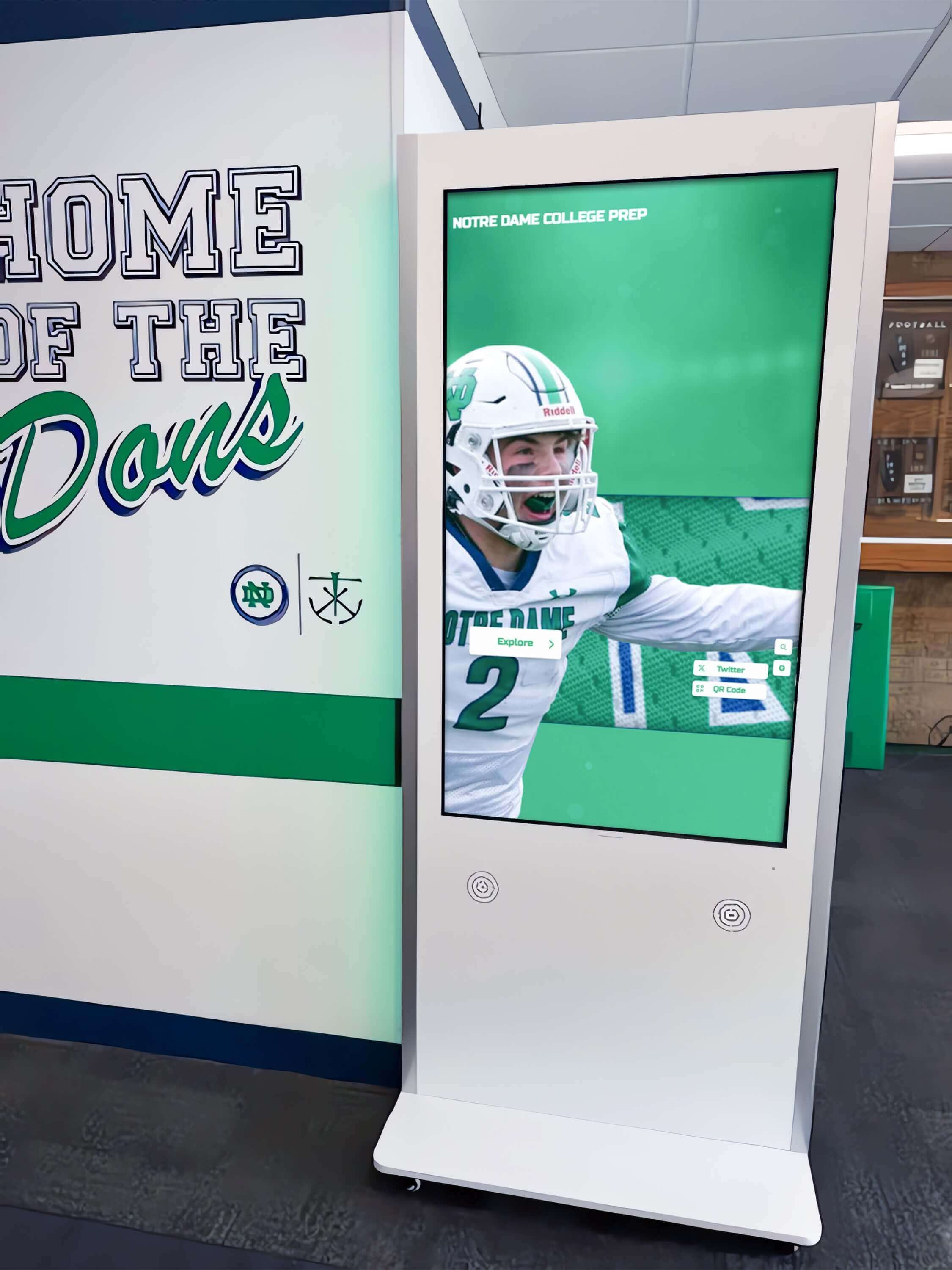
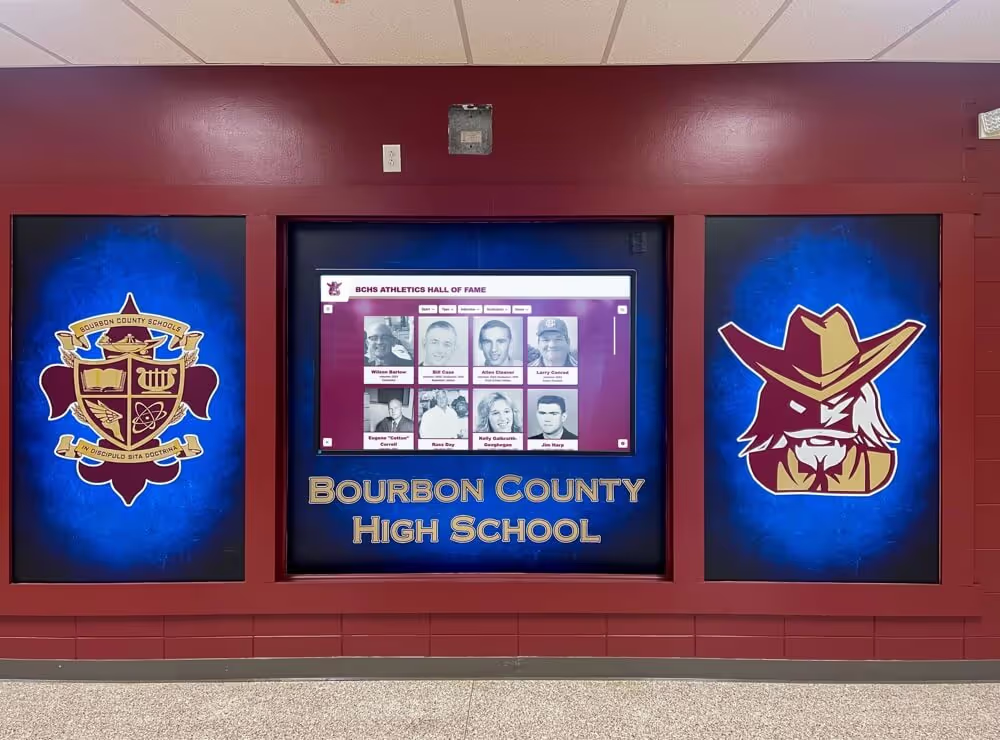
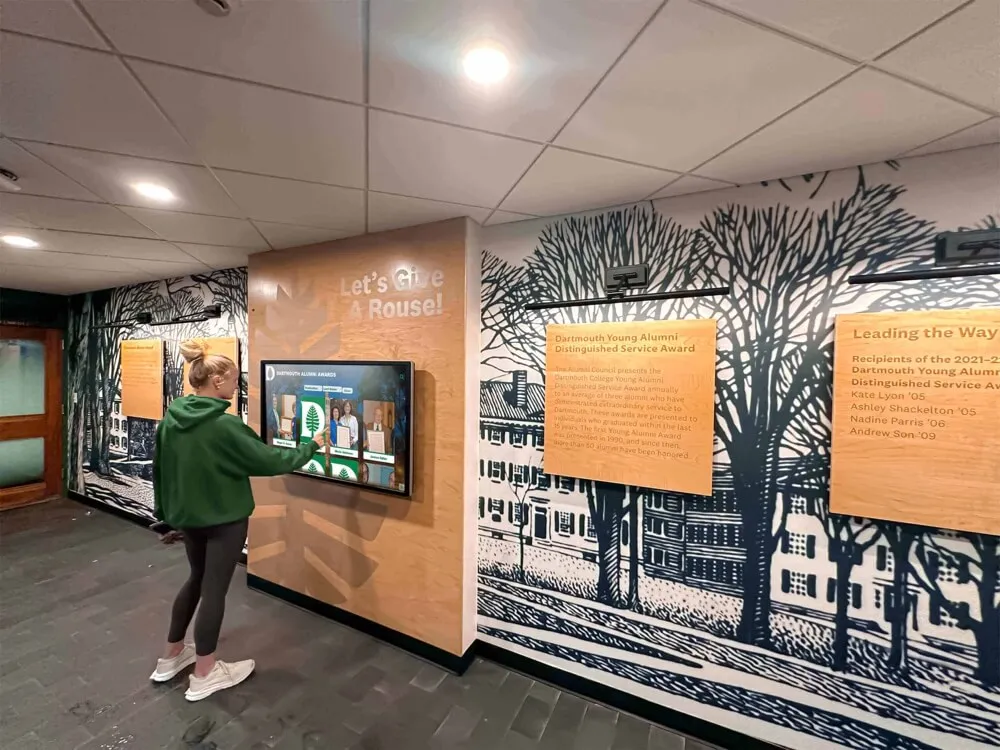
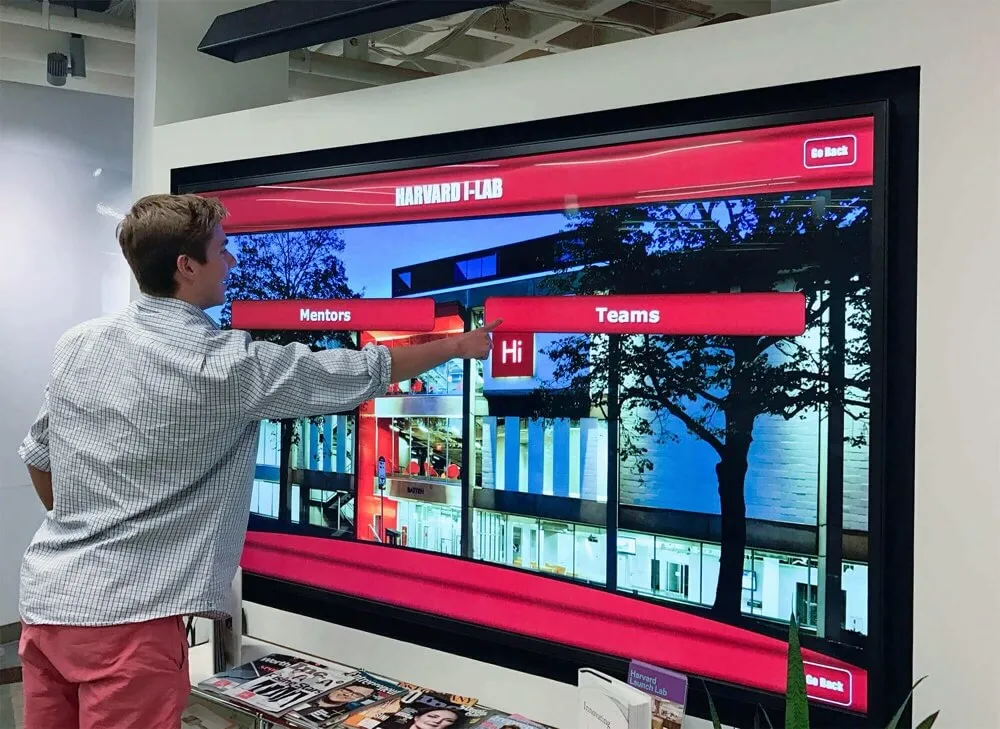
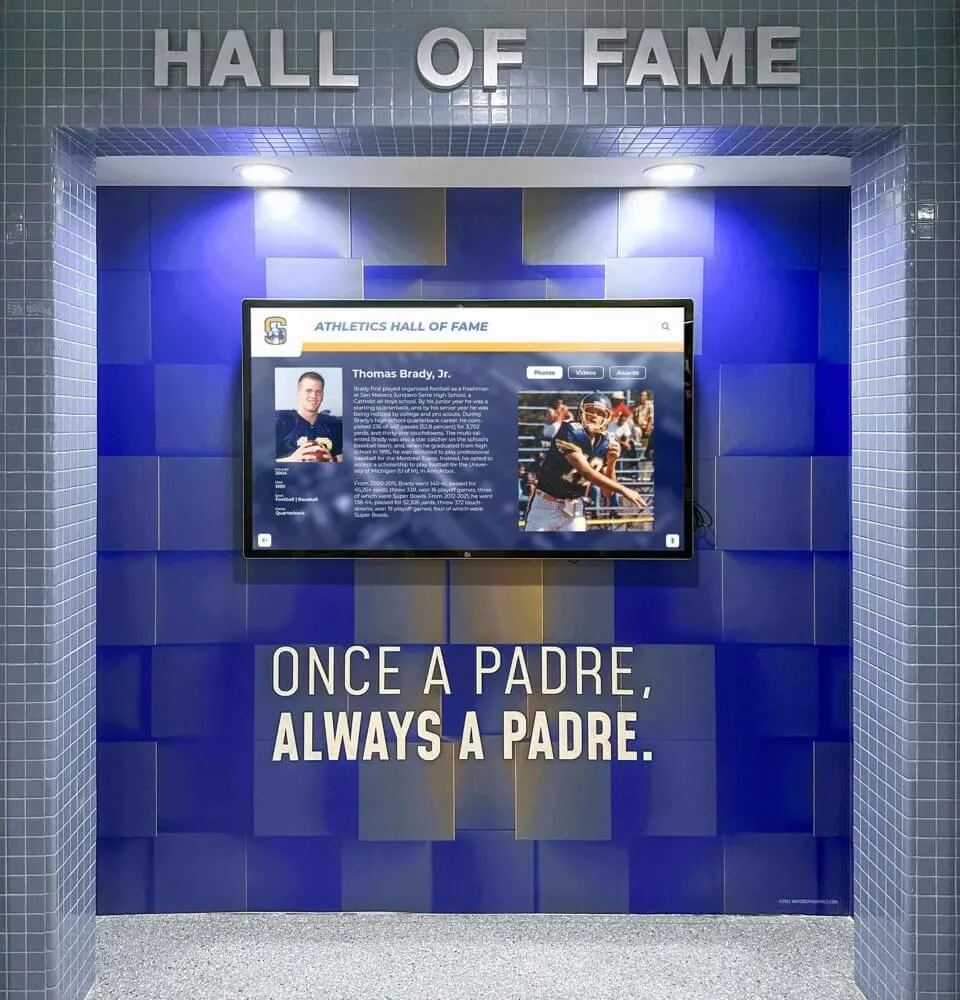
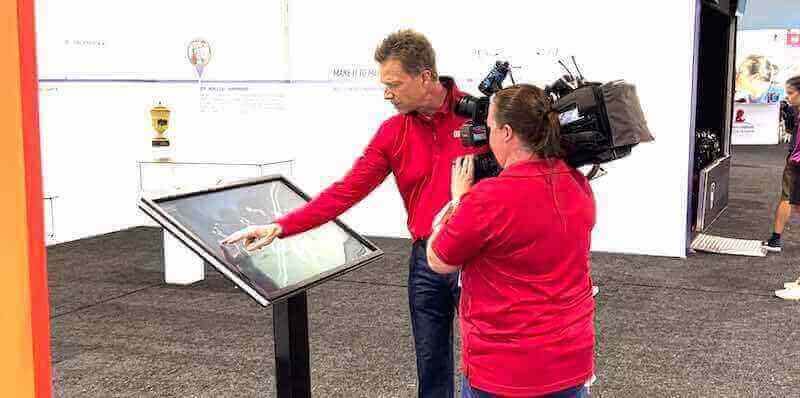
Interactive kiosks allow visitors and students to explore program history, schedules, and athlete profiles at their own pace
School Website Athletics Section
The school website athletics page should function as the authoritative source of record that all other channels point back to. At minimum, it should contain:
- Current season schedules for every sport (updated immediately after changes)
- Coaching staff directory with contact information
- Historical records and program accomplishments
- Athletic department policies (eligibility, physicals, tryout information)
- Booster club and fundraising information
Most school websites lack a structured content management approach for athletics content — schedules get added but never updated, roster pages show graduated seniors, and program history pages reflect seasons from years ago. Assign someone specifically responsible for the website rather than assuming it will happen organically.
Recognition as Athletic Communications
The most powerful element of any athletic communications plan isn’t the schedule posts or game results — it’s the recognition content that makes athletes feel celebrated and remembered. Schools that systematically highlight achievement build programs where athletes want to be and communities want to support.
Effective recognition communications include:
In-Season Recognition
- Weekly athlete spotlight rotating across all sports and all positions
- Post-game callouts for standout individual performances (not just top scorers)
- Milestone acknowledgments (100th career point, 200th career win, etc.)
- Academic athlete recognition connecting classroom and athletic achievement
Seasonal Recognition
- All-conference and All-State announcement posts
- End-of-season award winners (most valuable, most improved, leadership, senior recognition)
- End-of-season banquet promotion and recap content
- Season-in-review video or photo gallery
Permanent Recognition
- Record board updates displayed in hallways and on digital screens
- Hall of Fame nominations and induction content
- Historical milestone celebrations
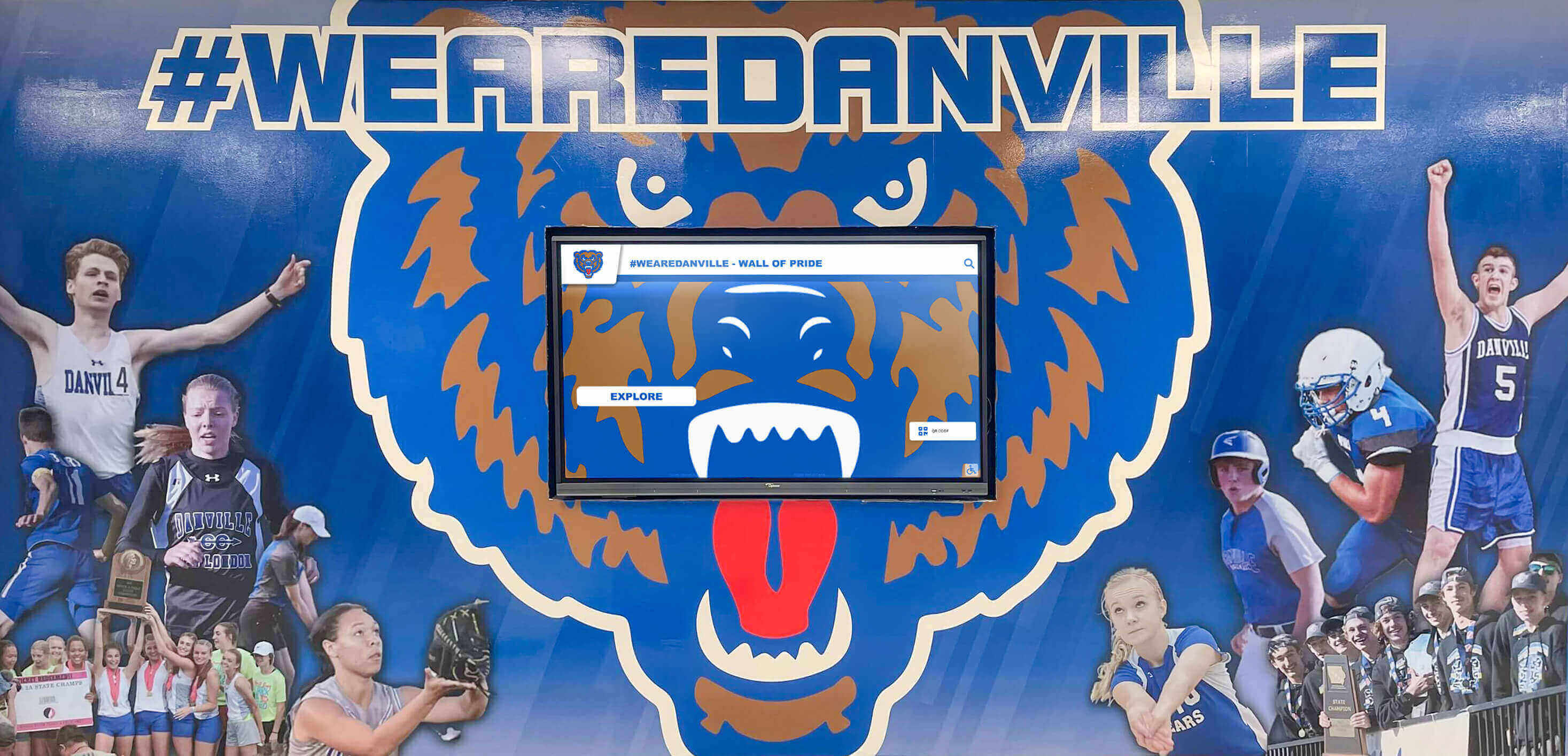
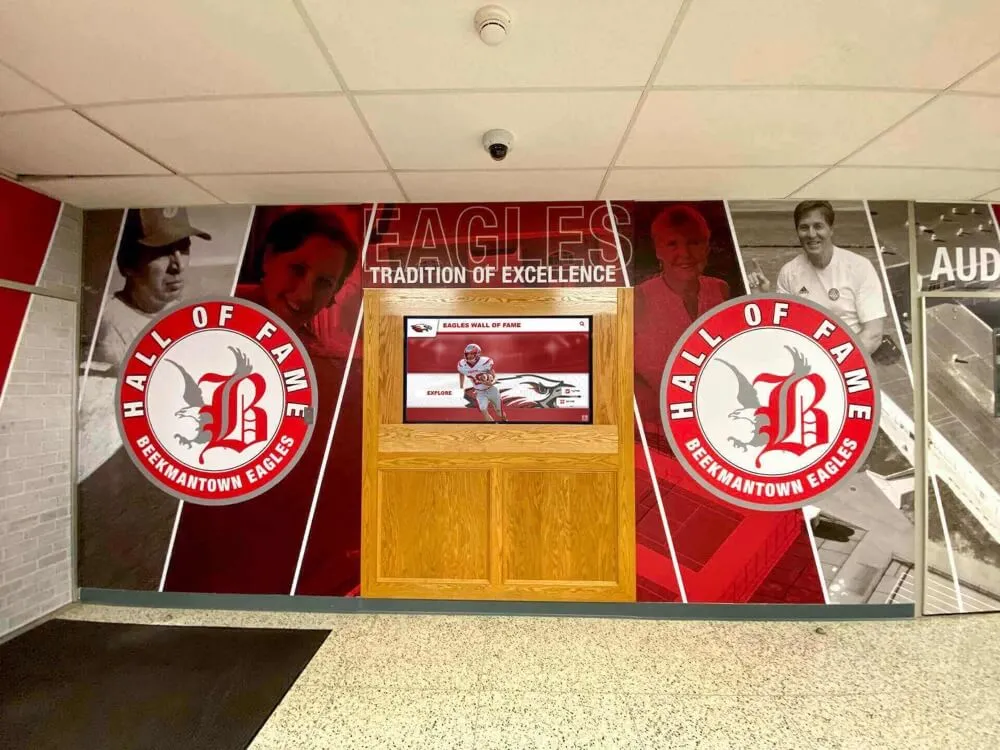
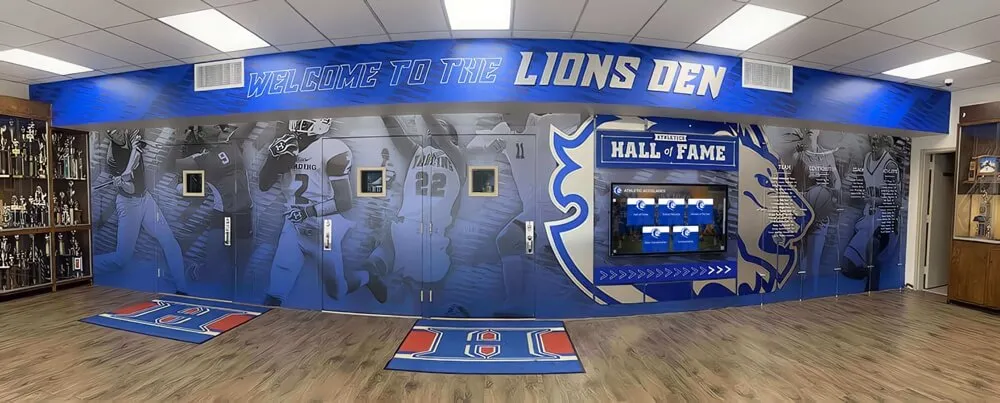
Permanent murals combined with dynamic digital screens create athletic spaces that honor history while celebrating current achievements
Team GPA leaderboard displays offer a particularly effective way to recognize student-athletes as complete people rather than just performers — displaying academic achievement alongside athletic performance signals that your department values the full picture of what these young people accomplish.
Measuring the Success of Your Athletic Communications Plan
An athletic communications plan without measurement is a guess. Build in regular review points to understand what’s working and what needs adjustment.
Key Metrics by Channel
Social Media
- Follower growth rate (season over season, not just total)
- Average engagement rate per post (likes + comments + shares ÷ followers)
- Reach on result announcement posts vs. schedule posts
- Story views and direct message volume (indicates community engagement)
- Open rate (industry average for school communications typically runs 25-35%)
- Click-through rate on schedule links and event announcements
- List growth vs. list churn (unsubscribes)
- Which content sections generate the most clicks
Physical Displays
- Foot traffic past display locations (manually tracked or via visitor count)
- Dwell time (do people stop, or just walk past?)
- Direct feedback from students and parents on content quality
Website
- Page views on schedule pages and results sections
- Time on page (longer = better for program storytelling content)
- Mobile vs. desktop split (most parent athletic traffic comes from mobile)
Measuring digital recognition program success applies similar principles — defining what success looks like before launch makes post-season assessment meaningful rather than retrospective rationalization.
Quarterly Review Questions
- Are our schedules consistently posted at least 72 hours before events?
- Are game results posting within 90 minutes of final horn?
- Have we featured every sport at least once in spotlight content this season?
- Are our physical displays current with results from the past week?
- Have we received feedback from parents, athletes, or administrators suggesting any communication gap?
Building Communications Into Coach Onboarding
The most common failure point in athletic communications plans is coach buy-in. When coaches view communications as an additional burden rather than an extension of program building, consistency suffers — especially for lower-profile sports with fewer dedicated fans.
Build communications expectations directly into your coach onboarding process:
Pre-Season Coach Meeting Agenda Item: Review the communications calendar together. Confirm who is responsible for each communication type within the specific sport. Provide coaches with the game result template so they understand exactly what information to send (and to whom) following each competition.
Provide Real Tools: A coach who has to design a game preview graphic from scratch won’t do it consistently. A coach who has a template they can fill in and post in three minutes will. Meet coaches where they are operationally, not where you wish they were.
Celebrate Internal Wins: When communications produce visible results — higher attendance, community comments, athlete recognition — share those wins with the coaching staff. Connection between communications effort and tangible community response motivates sustained participation.
Seasonal Events That Deserve Extra Communications Attention
Some moments in the athletic calendar warrant amplified communications beyond the standard weekly rhythm:
Senior Night / Senior Recognition Events Senior recognitions generate the highest family attendance and community engagement of any regular-season event. Volleyball senior night ideas and similar sport-specific frameworks illustrate how much planning goes into a memorable senior night experience — the communications component should match that investment with coordinated social content, video features, and printed or displayed recognition pieces.
Playoff Runs When a program advances in postseason competition, the communications plan needs to scale proportionally. More eyes are watching than at any point in the regular season. Prepare a playoff communications checklist in advance so you’re not creating strategy in real-time during an already-chaotic postseason week.
Program Milestones Win number 300 for a longtime coach. First state championship in program history. A long-standing school record broken. These moments deserve permanent recognition — a digital display update, a framed hallway piece, a press release to local media — not just a social post that disappears from feeds within 24 hours.
Athletic Banquets End-of-season banquets represent the capstone recognition moment that athletes and families remember for years. Athletic banquet planning involves not just venue logistics but also the recognition content — award lists, athlete highlight reels, and commemorative materials that families take home. Coordinate your banquet communications timeline into the broader plan so nothing gets rushed.
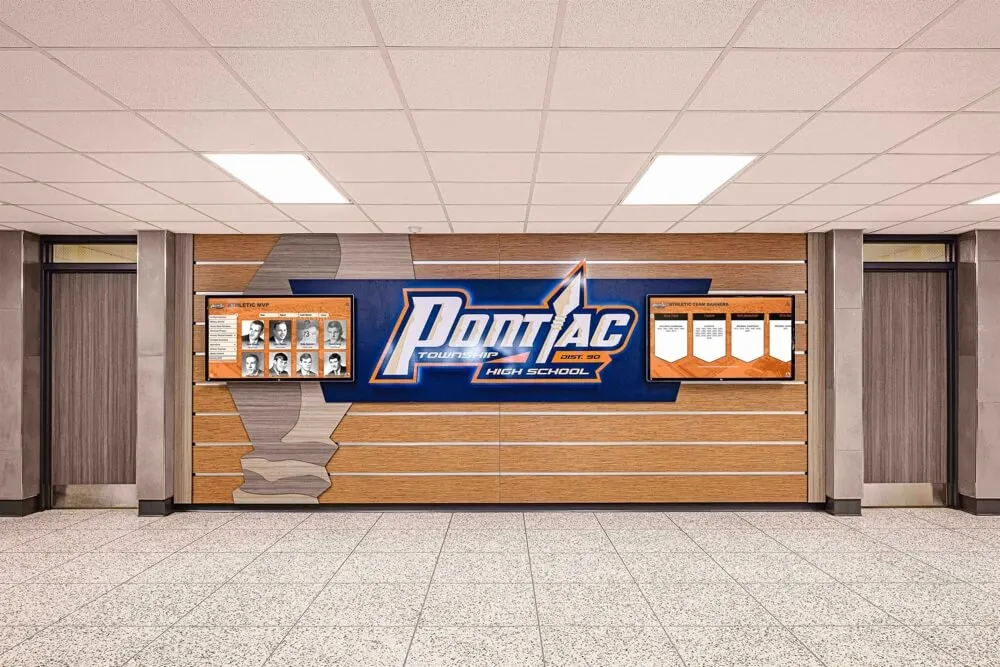
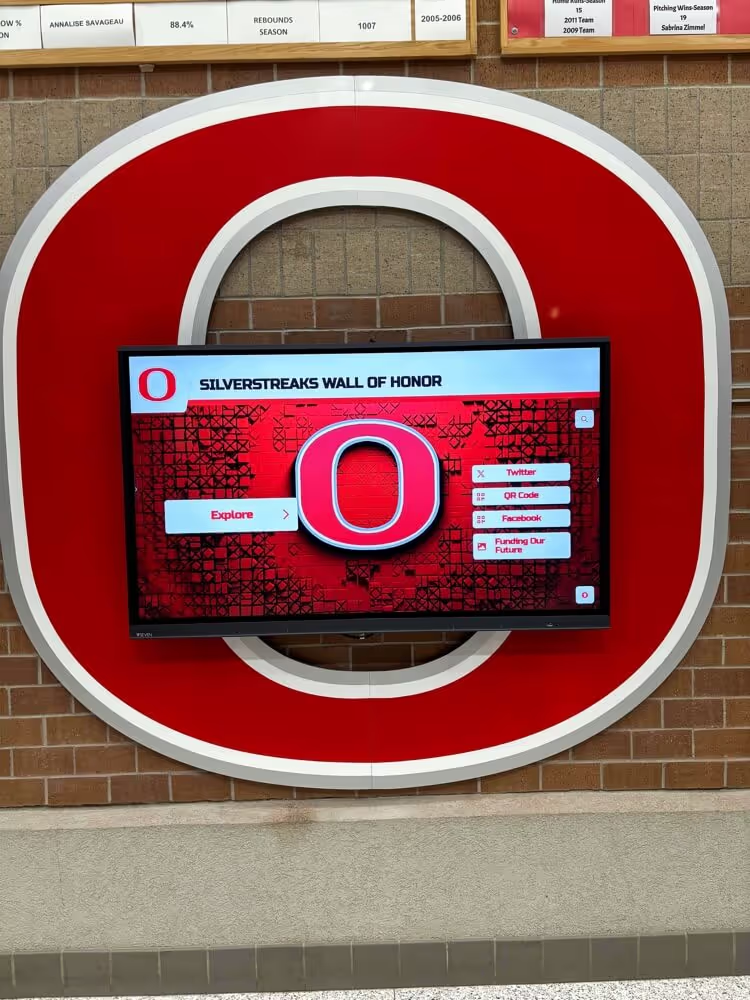
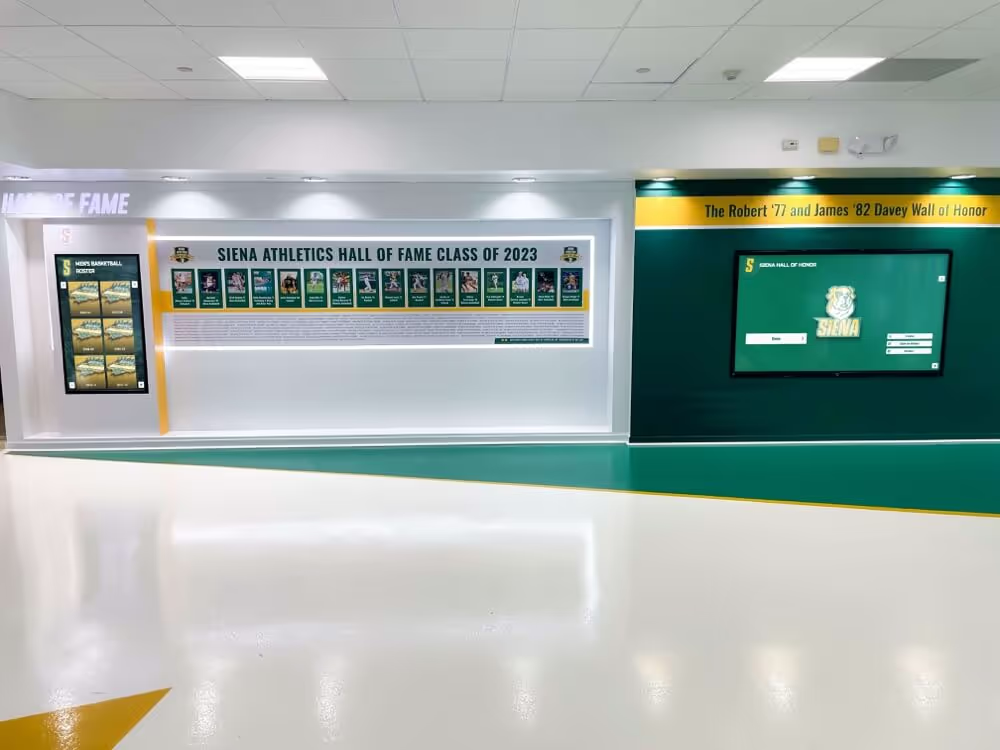
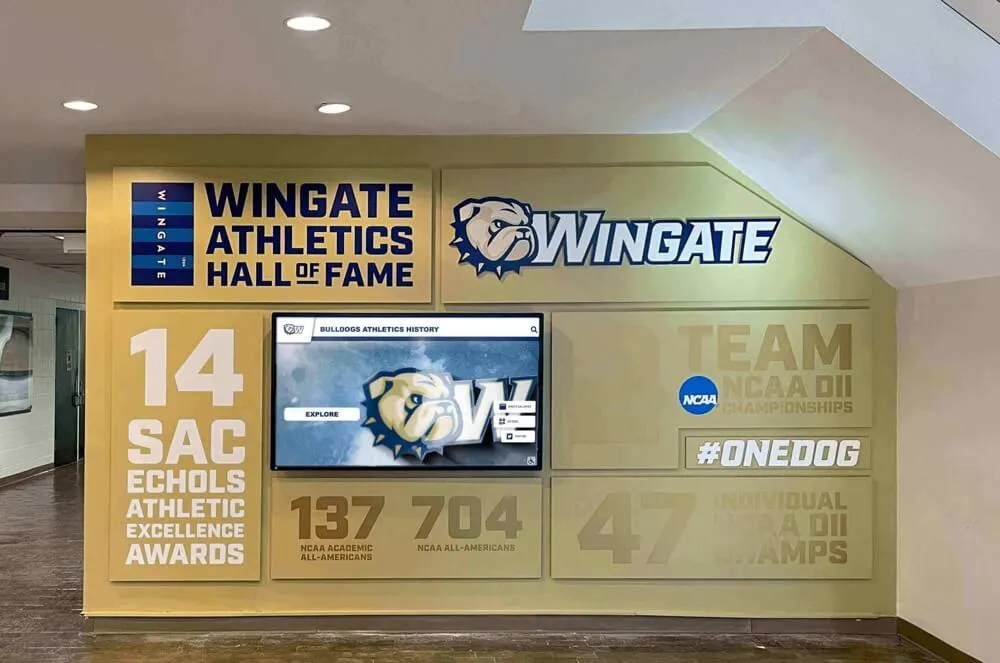
Athletic honor walls integrate permanent milestone recognition with dynamic display capability, creating spaces that evolve with each new season
Getting Started: The 30-Day Implementation Plan
If your athletic department currently has no formal communications plan, this phased approach prevents overwhelm:
Week 1: Foundation
- Audit existing channels and identify what you’ll continue, improve, or discontinue
- Build your communications calendar with recurring dates filled in for the coming season
- Assign clear ownership for each communication type
Week 2: Templates
- Create or adapt the social media templates above for your school’s brand standards
- Draft the email newsletter template and schedule your first send date
- Write a single game result press release template to distribute to local media contacts
Week 3: Physical Environment
- Evaluate whether your hallway displays and digital screens are current
- Identify what update cadence is realistic given your staff capacity
- If you have interactive kiosks, confirm the content management access and update process
Week 4: Launch and Commit
- Send the first newsletter even if it isn’t perfect
- Post the first athlete spotlight even if it’s a simple format
- Brief coaching staff on the game result submission process
- Establish your first quarterly review date
No athletic communications plan survives contact with a chaotic sports season unless it’s simple enough to execute under pressure. Start with fewer commitments made consistently before expanding.
Digital Displays: The Multiplier for Every Other Communication
Physical digital displays serve as force multipliers for every other element of an athletic communications plan. When your social media post about a record-breaking performance also appears on the hallway display that 800 students walk past daily, the recognition compound. When your email newsletter results summary is also visible on the lobby screen during next week’s home game, it reaches visiting families who aren’t on your list.
Schools implementing comprehensive digital display programs for athletics typically find that content from other communication channels — social graphics, schedule information, athlete spotlight images — can be repurposed directly to display screens with minimal additional effort, especially when using software designed for school athletic contexts.
The investment in connected display infrastructure pays dividends across every communications category in your plan, not just the recognition pieces where the value is most obvious. A well-designed athletic lobby or hallway display system communicates program identity continuously — 12 hours per day, 180+ school days per year — in ways no social media account or email newsletter can match.
Building a strong athletic communications plan is ultimately about building community. When parents know when and where to show up, athletes feel celebrated for their work, and the school community experiences athletic achievement as part of shared institutional identity — that’s when athletics programs transcend their schedules and become something people genuinely care about.
The templates and strategies above provide a starting point; the ongoing commitment to execution is what creates a program worth communicating about.
Ready to take your athletic department’s recognition and communication capabilities to the next level? Rocket Alumni Solutions specializes in interactive touchscreen displays, digital halls of fame, and recognition systems built specifically for school athletic departments — helping programs build the physical recognition infrastructure that makes every other communications effort more visible and more lasting.