



An athletic department social media calendar is the difference between scattered posts that generate minimal engagement and a coordinated content strategy that builds community pride, honors athletes, and delivers measurable value to sponsors and donors. For school athletic directors, communications staff, and booster clubs, the challenge is rarely a shortage of moments worth sharing—it’s the absence of a system that captures them consistently. This guide presents a complete calendar framework organized by post type: game day, sponsor recognition, awards, athlete milestones, and program storytelling. Each section includes ready-to-adapt post structures, timing guidance, and connection points to the permanent recognition displays that give your best content a longer shelf life than any social feed.
A social media calendar serves four audiences that your athletic department needs to reach differently: athletes who feel seen when their performances are posted publicly, families who use social channels to follow schedules and results, sponsors and donors whose continued investment depends on visible acknowledgment, and the broader school community that builds institutional pride through athletic achievement. Building a calendar that addresses all four—without requiring a full-time social media manager—is the core challenge this guide addresses.

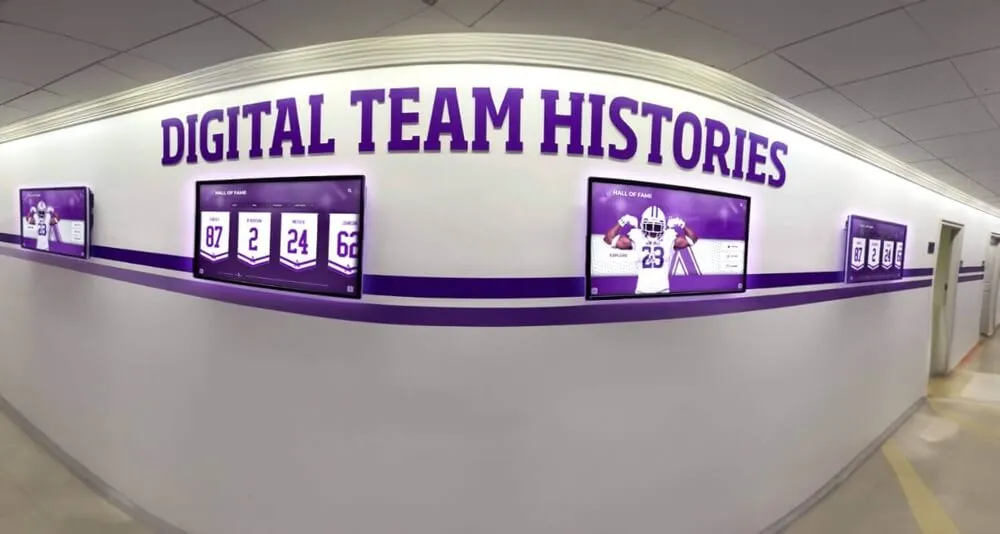
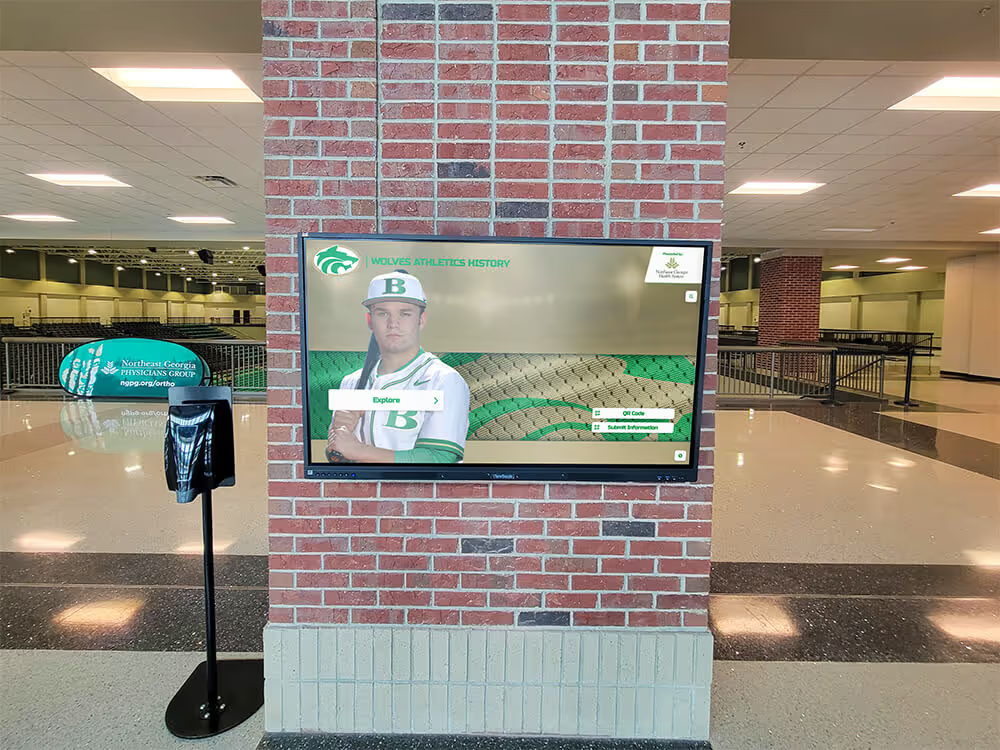
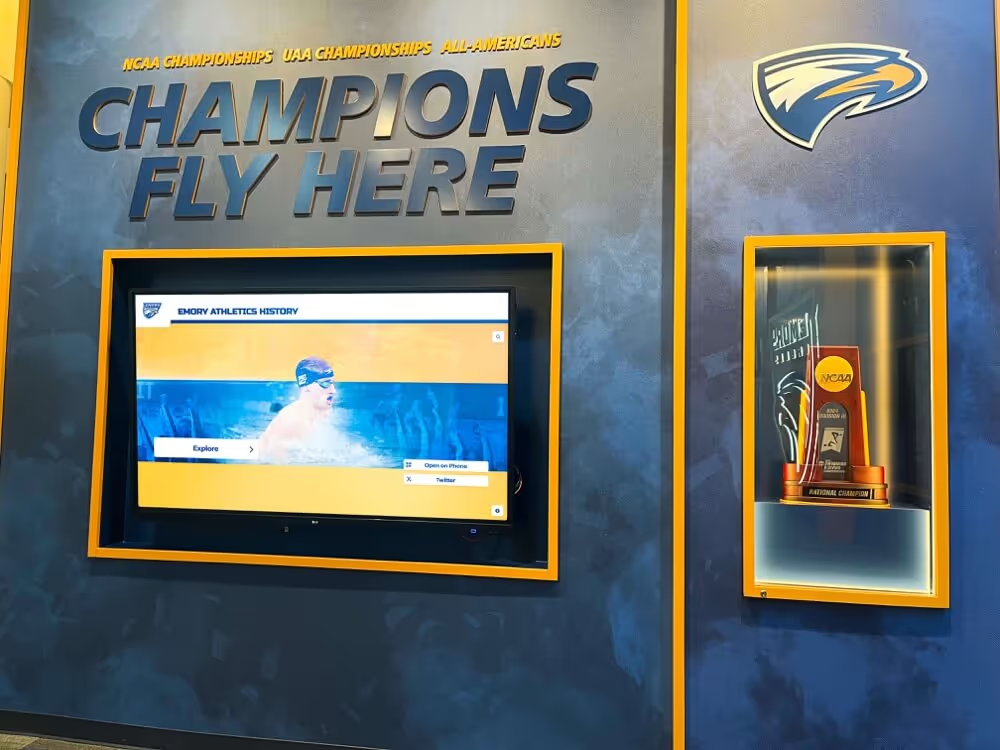
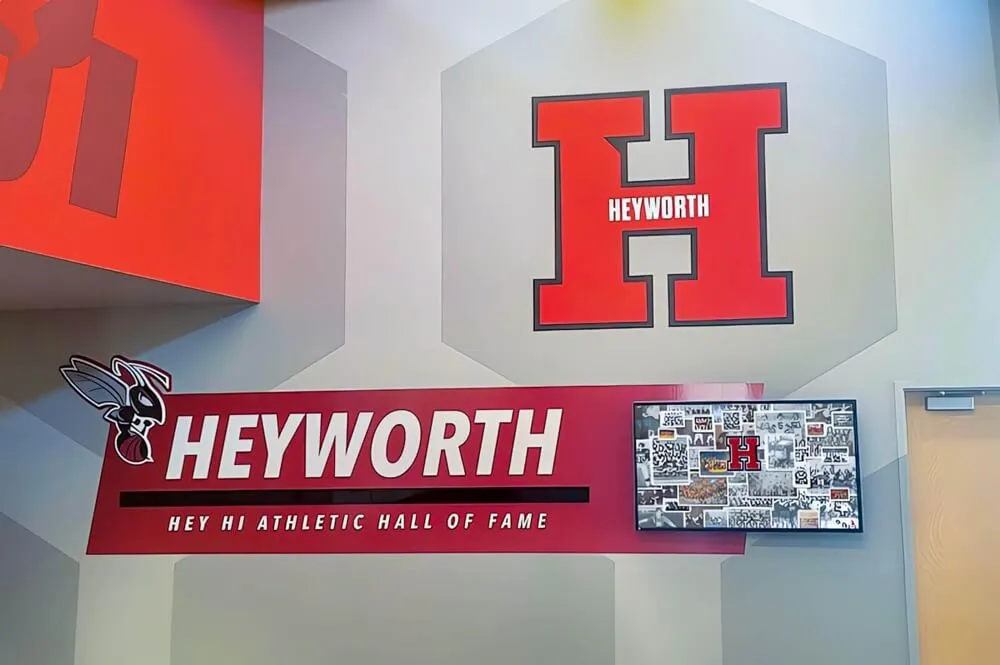
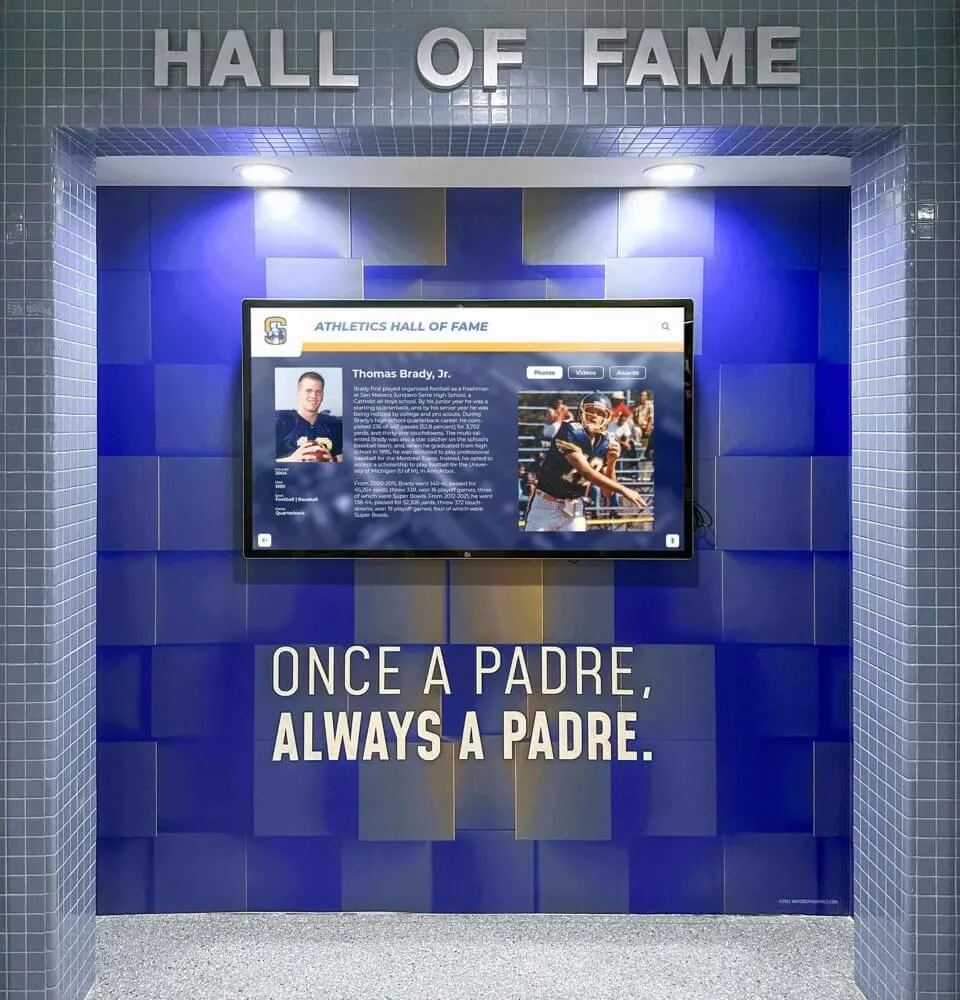
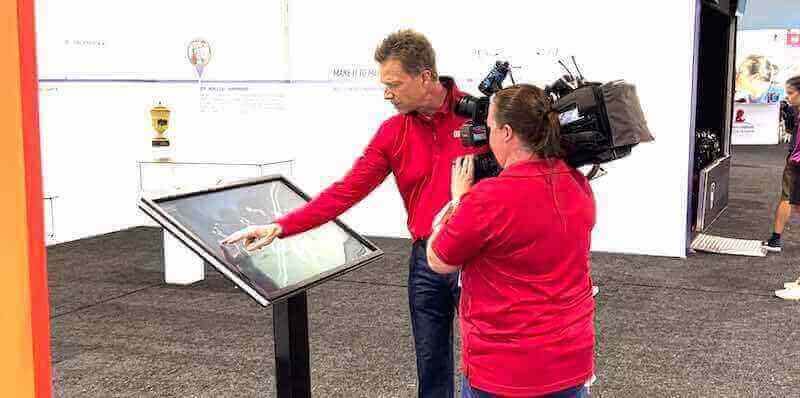
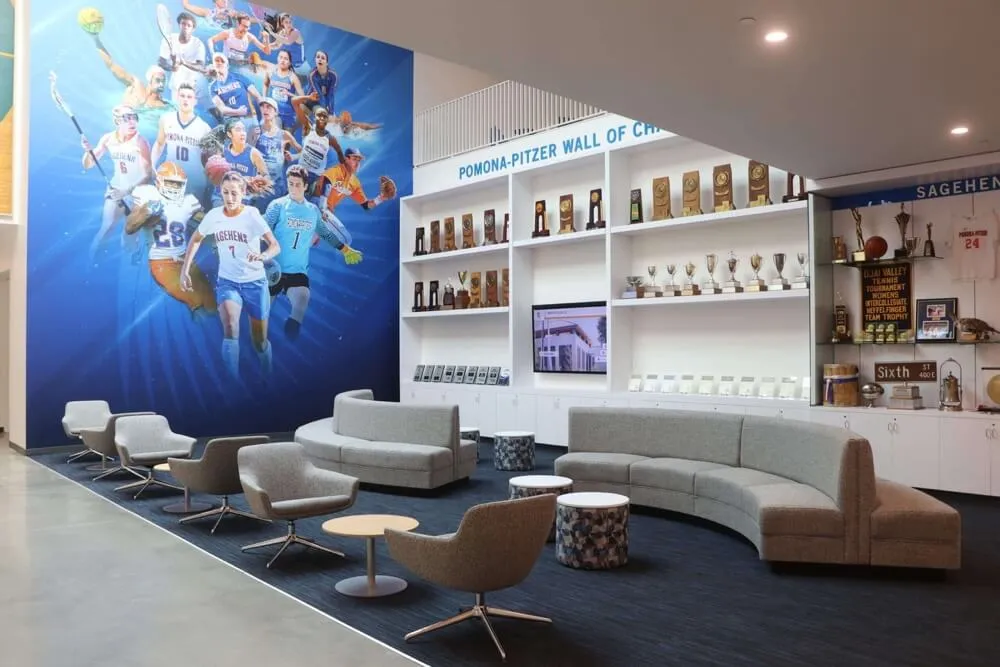
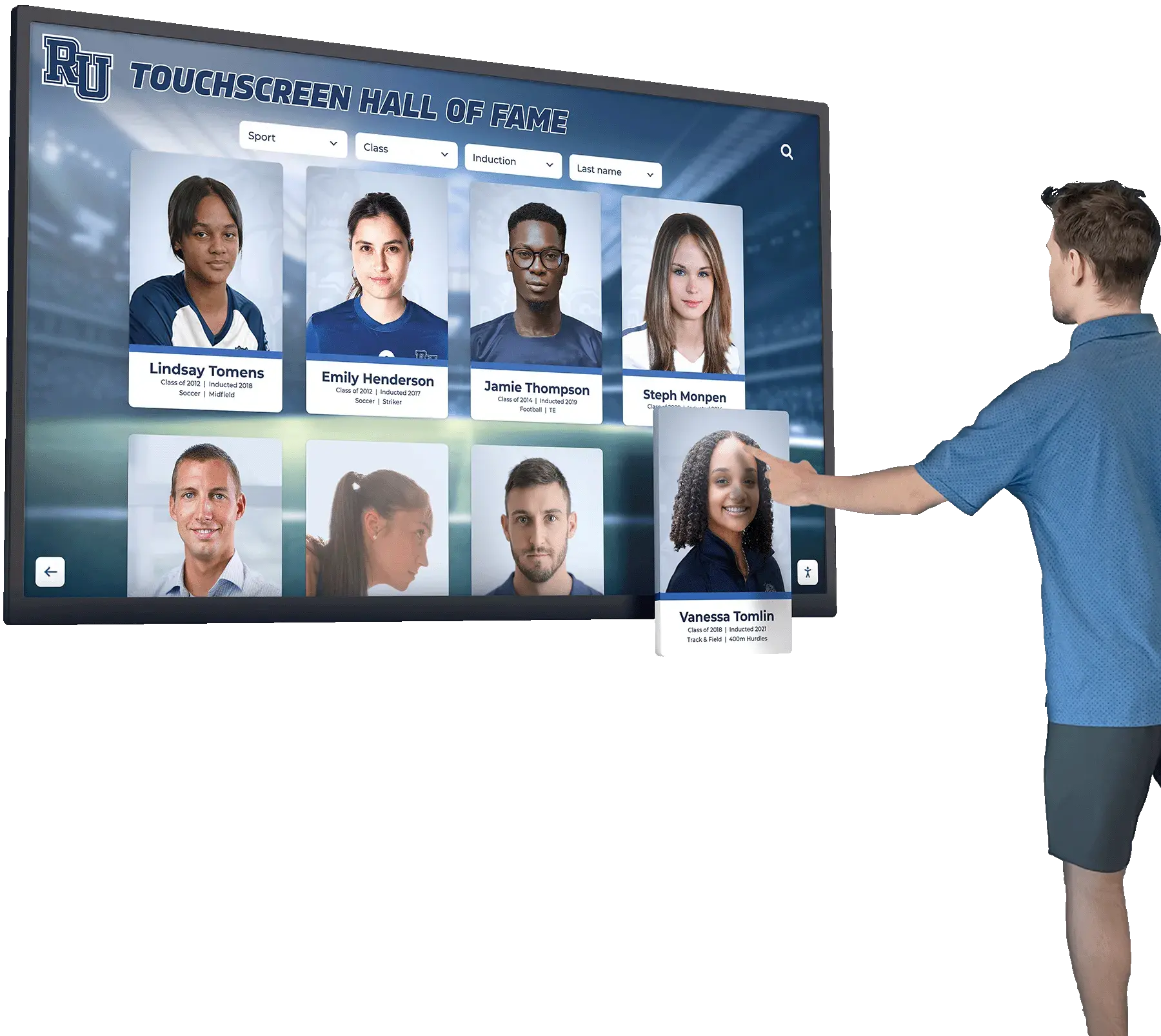
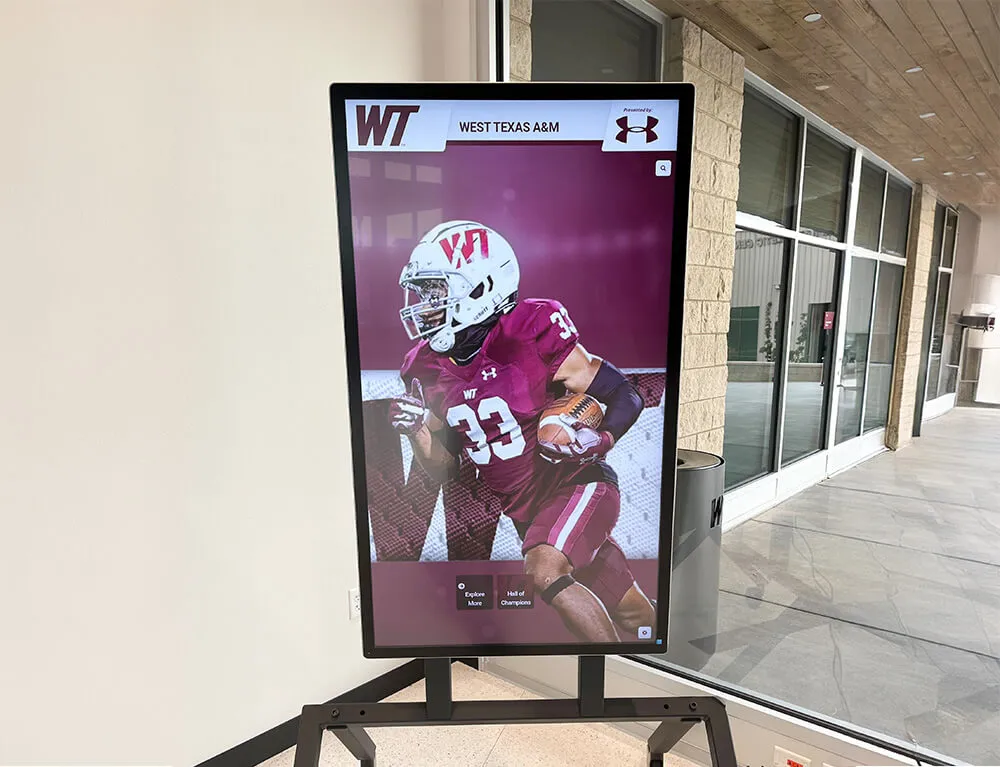
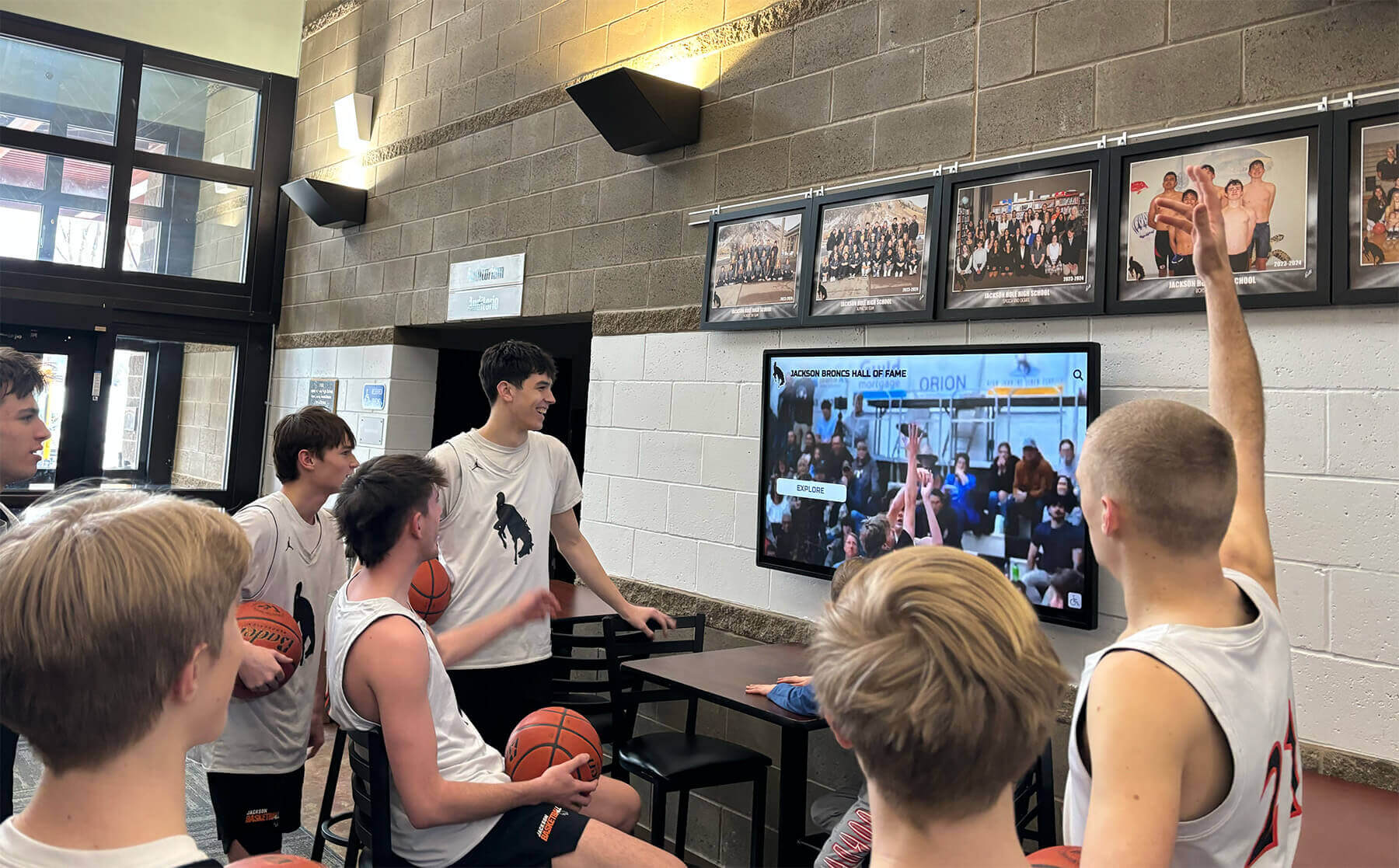
When social content and in-building displays are coordinated, recognition reaches athletes and fans through every channel simultaneously
Why Athletic Departments Need a Dedicated Social Media Calendar
Most athletic departments maintain social media accounts. Fewer maintain them with any strategic consistency. The gap between “we have accounts” and “we have a plan” is where community engagement gets lost.
A dedicated social media calendar solves three persistent problems:
The forgotten moment problem. A sophomore sets a school record in the 400m hurdles. Without a calendar that prompts someone to post by a specific deadline, that performance never appears publicly—and the athlete never experiences the community recognition their achievement deserves.
The sponsor accountability problem. Sponsors who receive contracted social media mentions as part of their partnership agreements are more likely to renew—and to increase their investment—when those mentions appear consistently and on schedule. Without a calendar, sponsor posts get treated as optional extras, which erodes trust and threatens renewal conversations.
The archive problem. Social media posts disappear from practical visibility within 48 hours. A season’s worth of wins, records, and recognitions becomes invisible to anyone who wasn’t following in real time. Connecting your social content to searchable archives and physical recognition displays addresses this directly—and sports season recap content built from archived posts becomes a powerful tool for end-of-year recognition and alumni engagement.
Building the Framework: Four Post Categories
Before building individual templates, organize your calendar around four content categories. Each serves a distinct purpose and targets different audience segments. The goal is to ensure all four appear in your schedule each week during active sports seasons rather than letting any single category dominate.
Category 1: Game Day Posts
Game day content is your highest-reach category—people check for it actively, share it with family members who can’t attend, and engage with it in real time. A complete game day sequence consists of three posts:
Pre-Game Post (2–4 Hours Before Tip-Off/Kickoff)
Structure: Team or matchup graphic + opponent information + location + time + “Come out and support us” call to action.
What to include:
- Sport, team level (varsity/JV), and gender
- Opponent name
- Date, time, and venue
- Streaming link if available
- One compelling sentence about what’s on the line (rivalry game, senior night, playoff spot, milestone approaching)
Hashtag strategy: Use a school-specific athletic hashtag consistently (e.g., #EagleAthletics), the general sport hashtag, and a game-specific tag when relevant (e.g., #SeniorNight2026).
Live Updates (Optional but High-Engagement)
Real-time score updates or halftime highlights require someone physically at the event with posting access. If staffed consistently, this is your single highest-engagement content type. Even a simple “Halftime: Eagles lead 28–14” post drives significant shares and engagement spikes.
Post-Game Result (Within 90 Minutes of Final Horn)
Structure: Final score graphic + brief performance highlight + next game preview.
What to include:
- Final score with opponent
- Standout individual performance (one athlete, one stat or play)
- Brief team quote from a coach or captain if available
- Upcoming game date and opponent
The 90-minute window matters because result posts see dramatically higher engagement within two hours of the game than the following morning. Build the template in advance so the only work required post-game is filling in the score and hero performance.
Category 2: Sponsor and Donor Recognition Posts
Sponsor recognition posts serve dual purposes: they fulfill partnership commitments, and they publicly demonstrate that your athletic department takes its donor relationships seriously. Both functions matter when renewal conversations arise.
Scheduled Sponsor Recognition Post
Structure: Clean branded graphic featuring sponsor logo + brief genuine acknowledgment + call to action relevant to the sponsor’s business.
What to include:
- Sponsor business name and logo (confirm image rights in your partnership agreement)
- Specific acknowledgment of what they sponsor (uniforms, scoreboard, travel fund, etc.)
- Genuine thank-you language—avoid generic filler phrases like “we couldn’t do it without you”
- Optional: a link to the sponsor’s business if they’ve requested it
Frequency: Confirm with each sponsor what social mentions are included in their agreement. Common structures are monthly mentions, season-opening and season-closing posts, or mentions tied to specific games (e.g., “Tonight’s game is presented by…”).
Donor and Booster Club Recognition Post
Structure: Photo from a donation presentation or booster event + acknowledgment of impact + specific funded item or initiative if appropriate.
For major donors, a single post is rarely sufficient recognition—it’s a complement to physical recognition in your facility. Scholarship award announcements connected to named donor funds deserve permanent visibility beyond what any social post delivers, which is why connecting social content to hallway displays and digital trophy cases extends the recognition lifecycle significantly.
Category 3: Awards and Athlete Recognition Posts
Recognition posts for individual athletes and teams are among the most shared content athletic departments produce. Parents share them. Athletes share them. Alumni who don’t follow sports day-to-day stop scrolling for recognition posts about people they know.
Individual Athlete Spotlight Post
Structure: Photo of athlete in action or official portrait + name, sport, and class year + specific achievement or quote + program-affirmative closing line.
What to include:
- First and last name (confirm spelling; small errors undermine the recognition)
- Sport, team level, and class year
- The specific achievement being recognized—be concrete (e.g., “scored 28 points to lead the Eagles to a 67-58 win” is better than “had a great game”)
- A brief quote from the athlete or coach if available
- Tags for the athlete’s personal account when appropriate
All-Conference and All-State Recognition Posts
These deserve elevated treatment relative to standard spotlight posts. Use a graphic that distinguishes them visually—a banner format, a different color treatment, or a combined graphic featuring multiple honorees.
Exploring athletic award categories that recognize every athlete reveals how many recognition moments most programs underutilize. All-Academic teams, most improved awards, and leadership honors all generate genuine engagement—yet many athletic departments only post about all-conference selections.
Season Award Announcement Posts
End-of-season award posts—most valuable player, coaches award, scholar-athlete—are high-engagement content that also serve as permanent record. Build these posts as part of your post-season calendar template and archive them alongside physical recognition displays so the award history accumulates over years rather than disappearing from feeds.
Category 4: Program Milestone and Storytelling Posts
Milestone and storytelling content builds program identity over time. It’s the category most likely to reach alumni, prospective families, and community members who don’t follow sports week-to-week.
Record-Breaking Performance Posts
When an athlete breaks a school record, the post deserves priority treatment: post within hours of the performance, use a distinctive graphic, include the old record and the margin of improvement, and note whether the record had stood for 5, 10, or more years.
Record posts also have clear permanent-recognition implications. School photo galleries and history timelines built into hallway and lobby displays give record-setters visibility that outlasts any social post—and the social post becomes the source asset for the display update.
Program History Posts
“On this day in program history” posts generate surprising engagement from alumni and longtime community members. A brief post marking the anniversary of a state championship, a long-tenured coach’s hiring, or the dedication of a facility creates connection across generations of program followers.
Coach and Staff Recognition Posts
Coach Appreciation Day, retirement announcements, and coaching milestone posts—200th career win, 10-year anniversary with the program—are underused engagement opportunities. Coach Appreciation Day recognition extends beyond a single social post into a broader recognition moment that families and former athletes actively engage with when given a reason to.
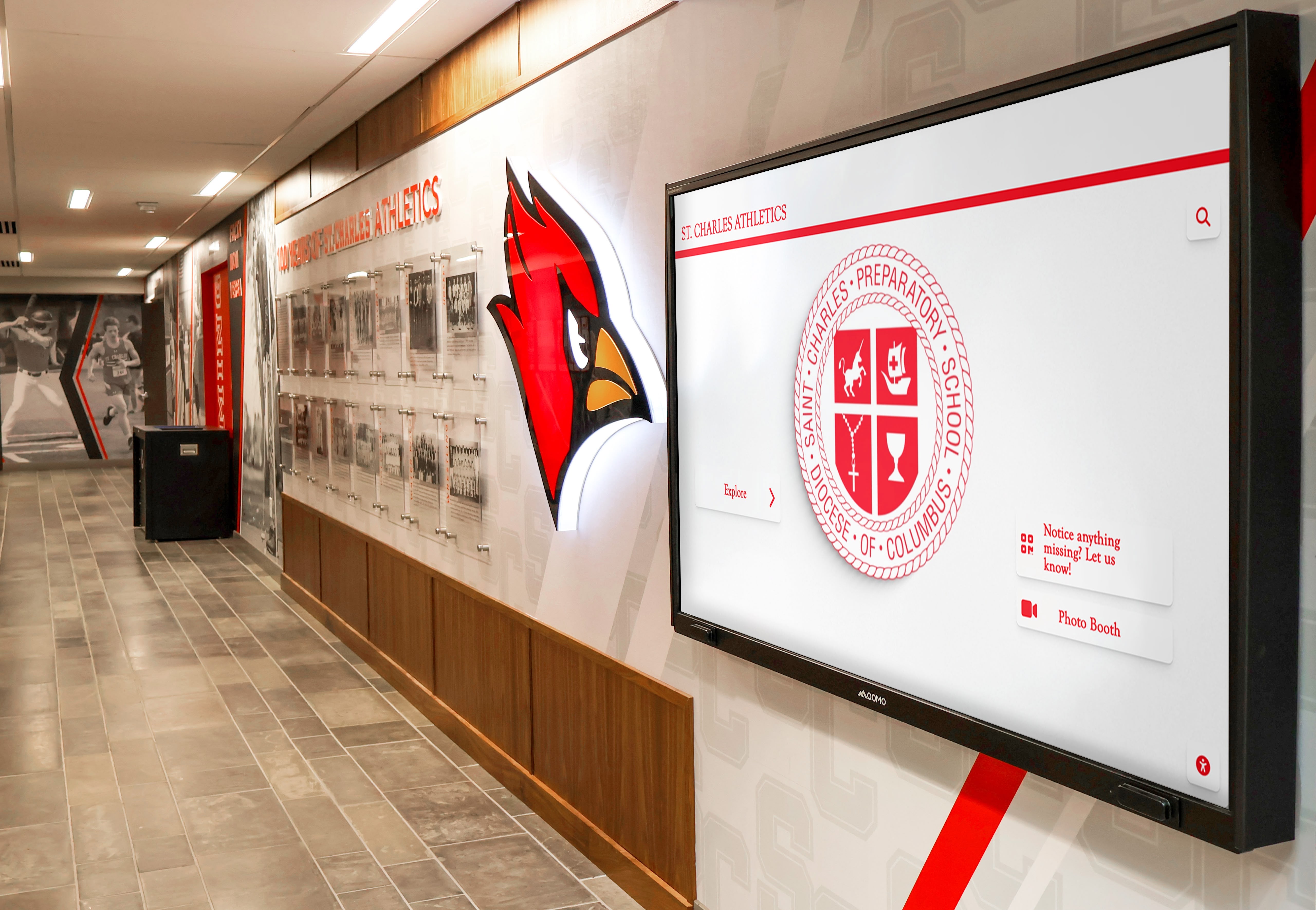
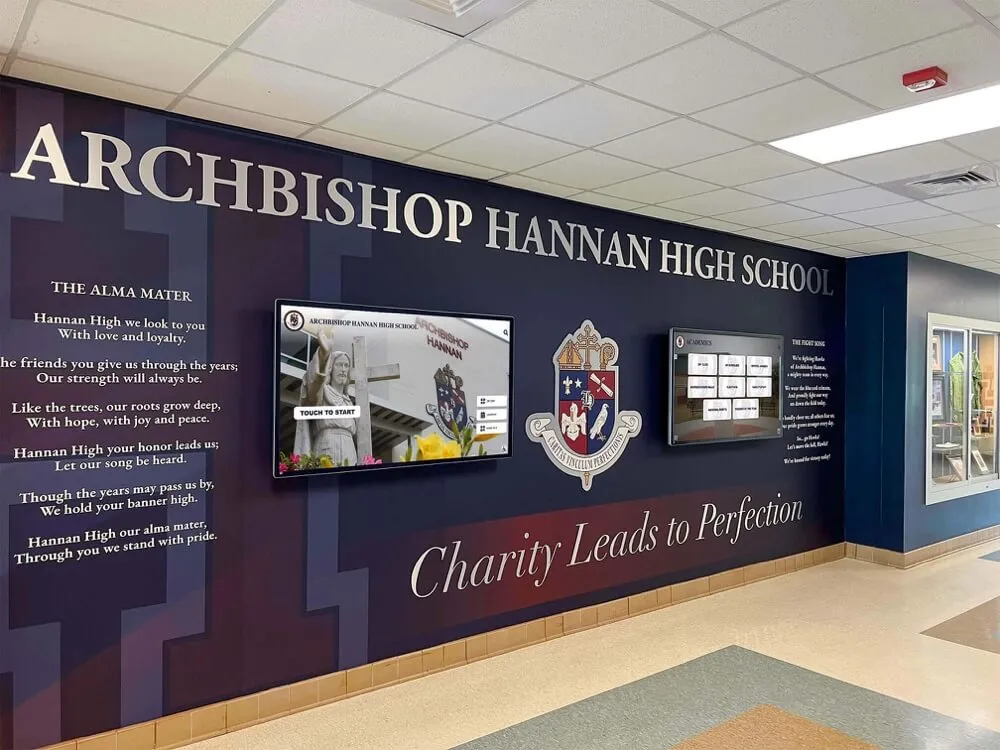
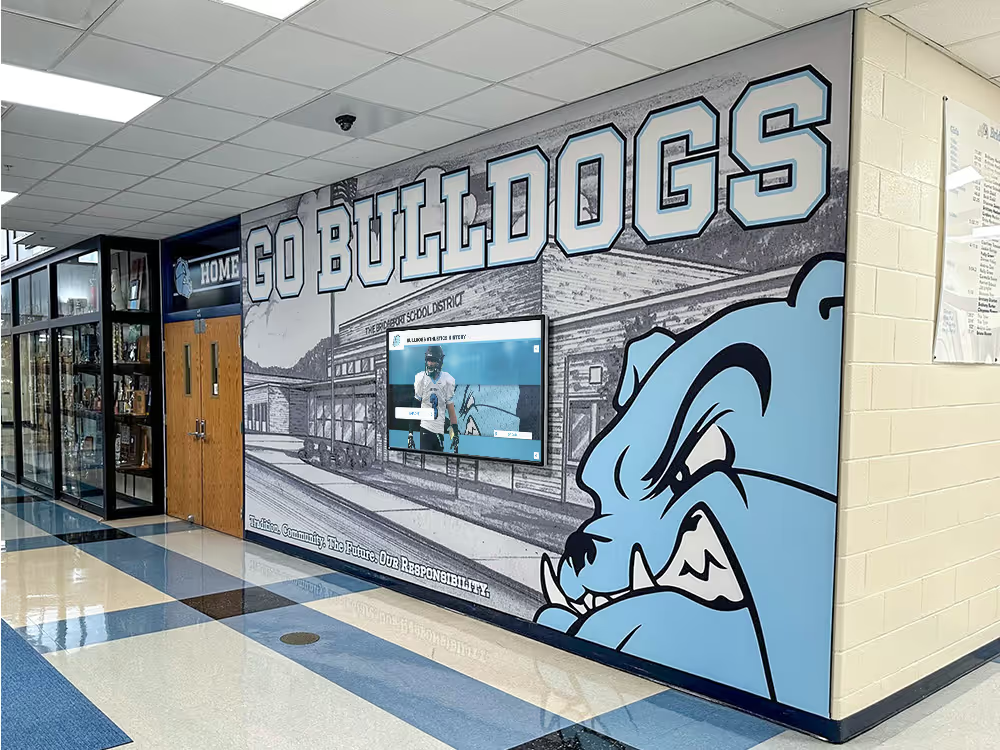
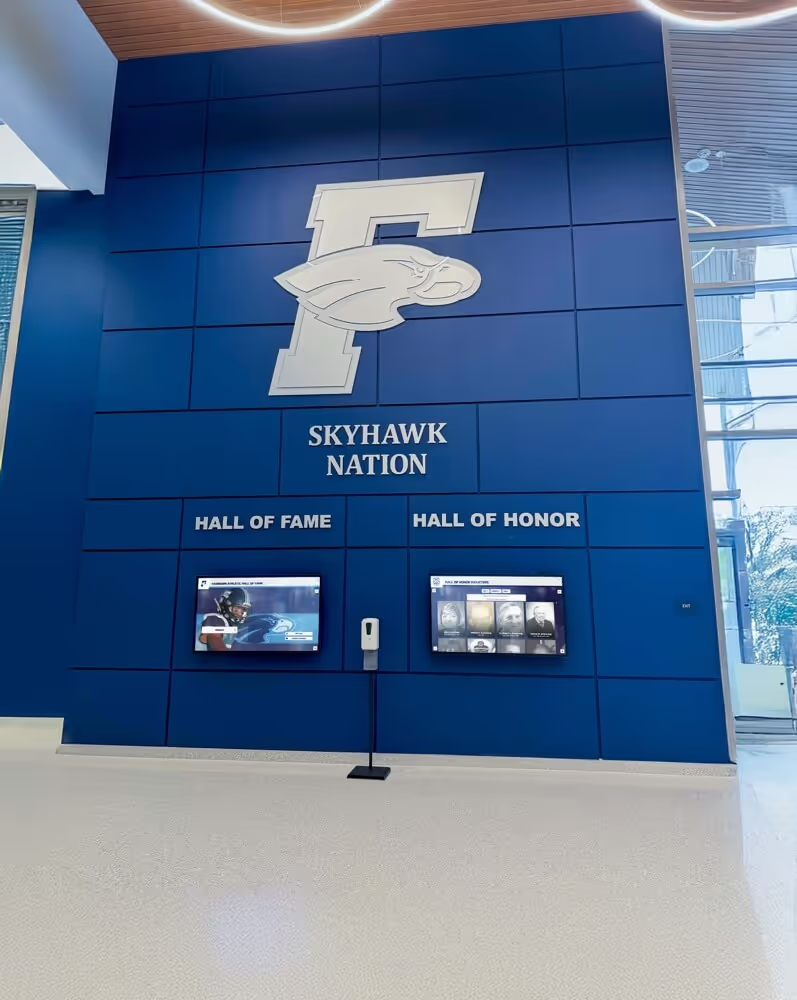
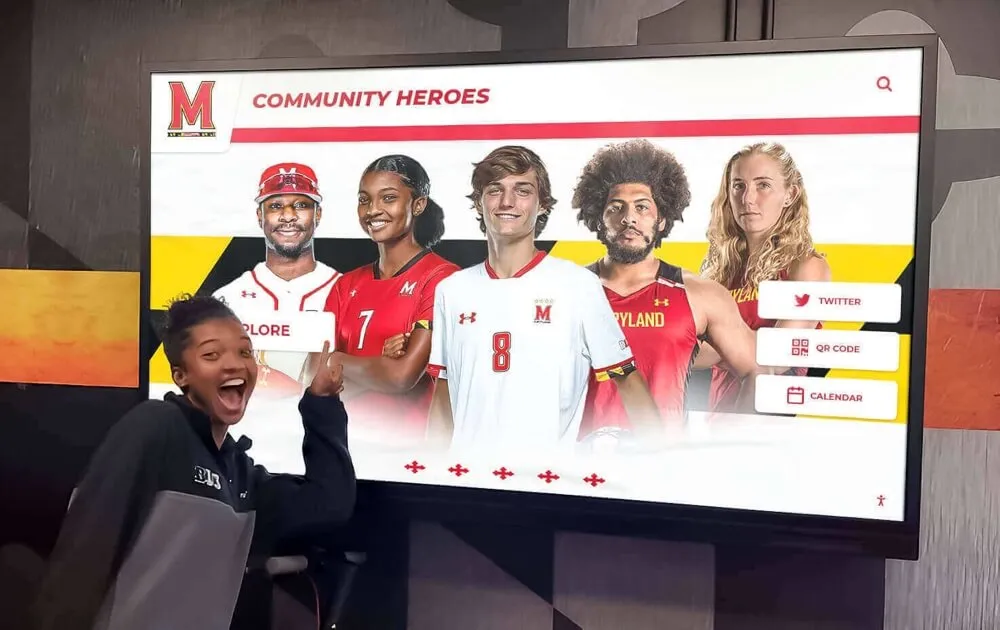
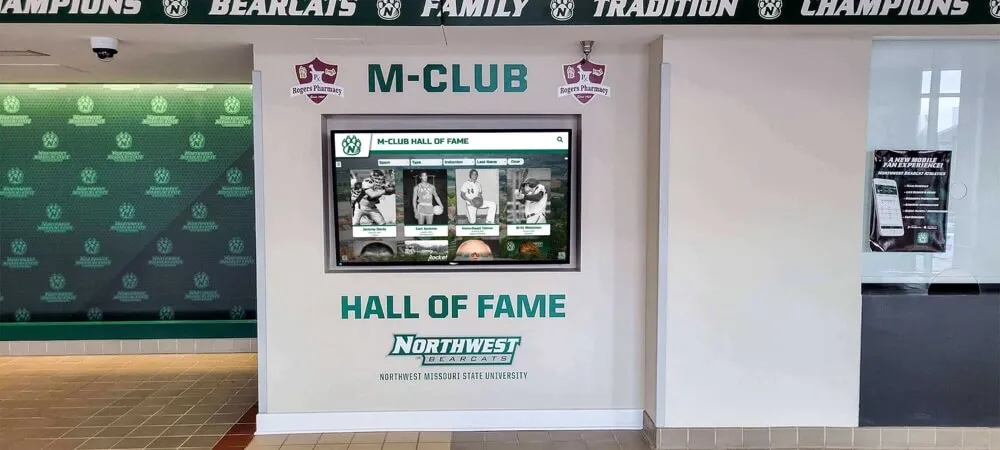
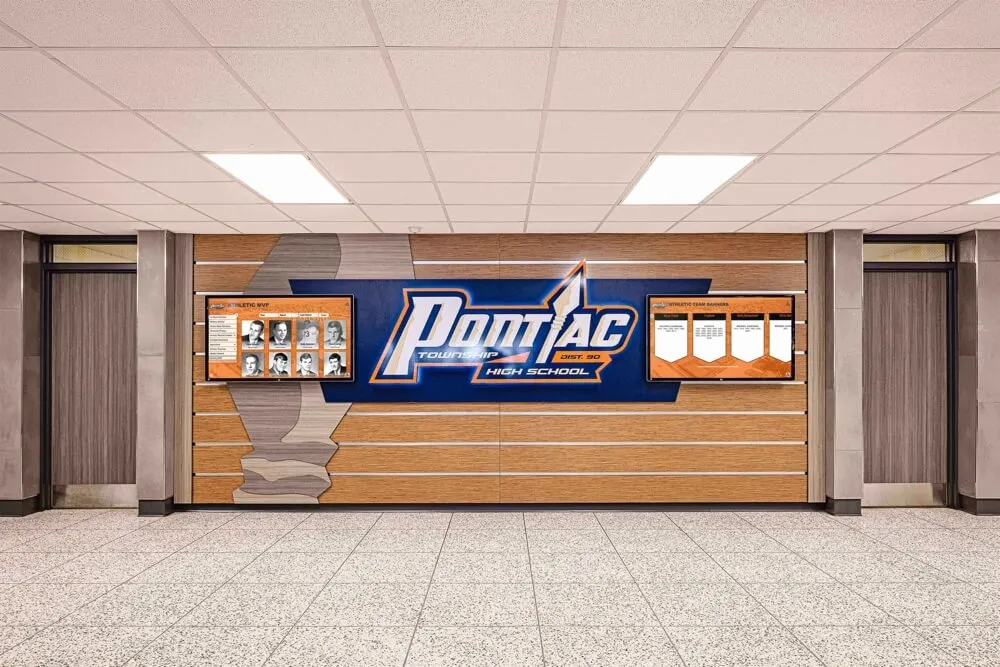
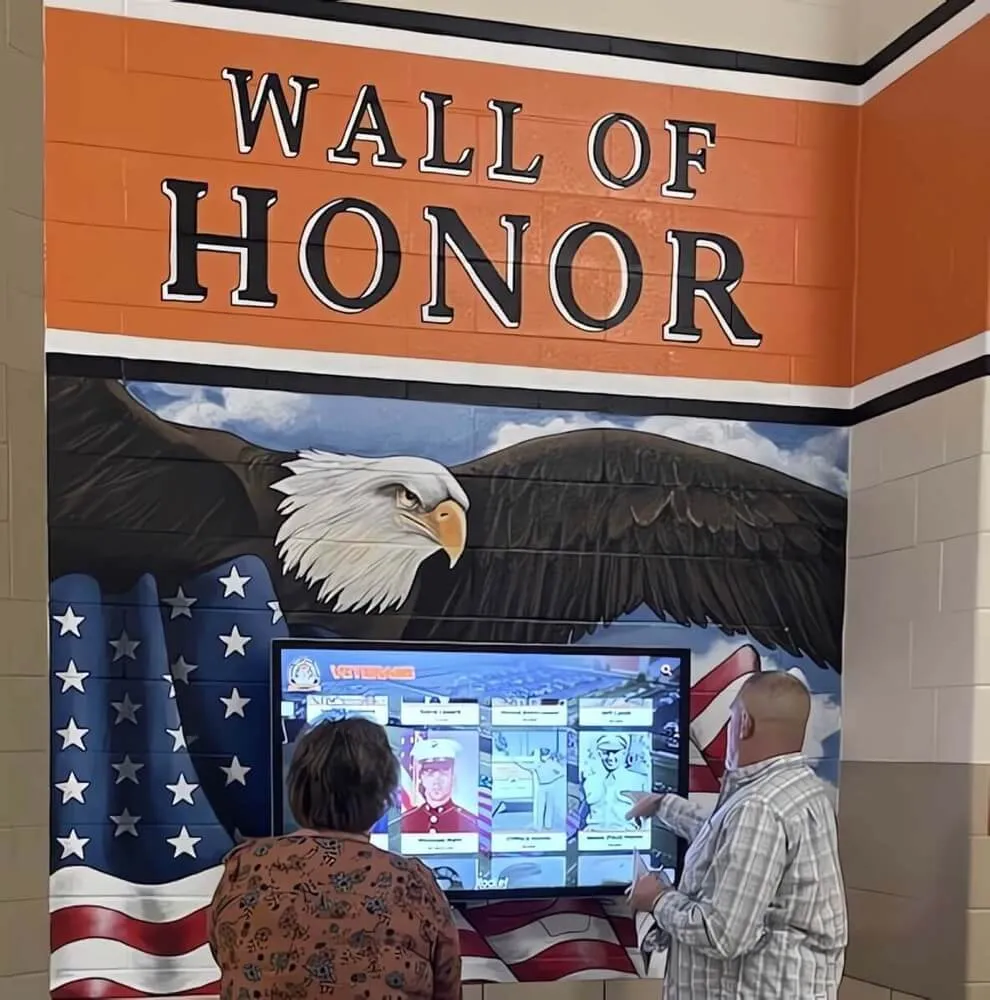
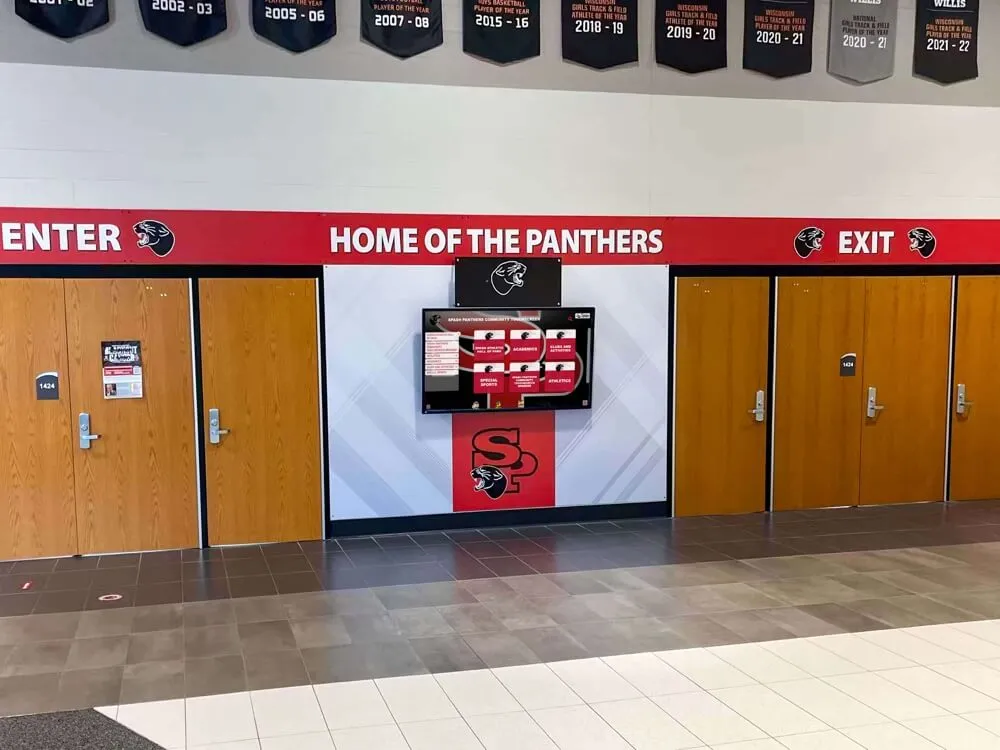
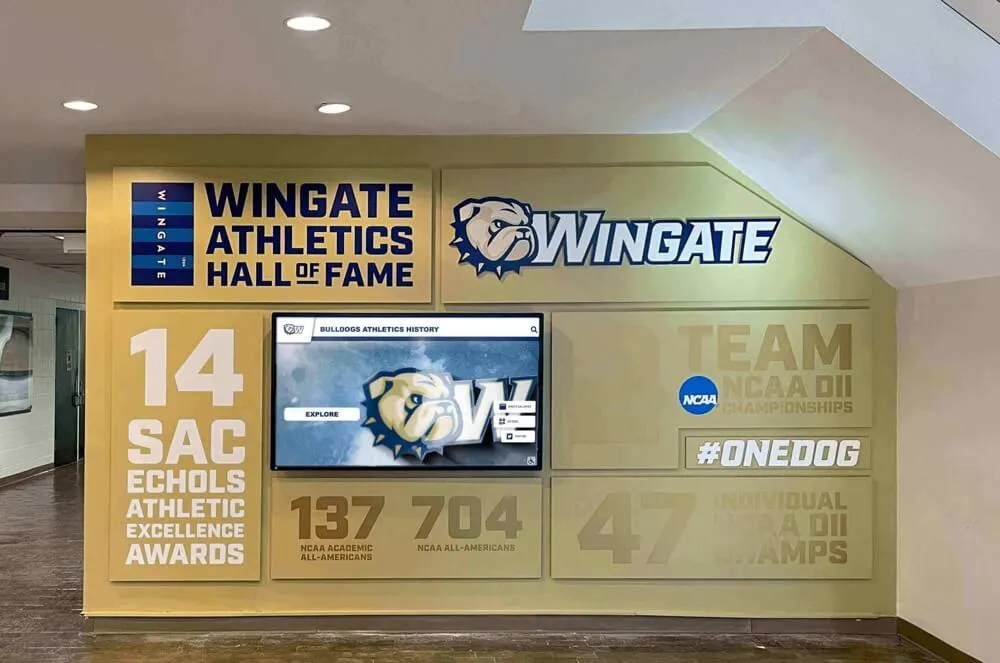
Coordinating social media content with hallway and lobby displays ensures recognition is visible to the full school community, not just social followers
The Athletic Department Social Media Calendar: A Season Template
The template below provides a repeatable weekly posting rhythm during active sports seasons. Adapt the post types and frequencies to your school’s staffing reality—a sustainable calendar that gets executed consistently outperforms an ambitious calendar that collapses under scheduling pressure.
Weekly Minimum (3–5 Posts)
| Day | Post Type | Notes |
|---|---|---|
| Monday | Results recap | Cover all weekend games; combine into a single roundup graphic if multiple sports competed |
| Wednesday | Athlete spotlight | Rotate sports and athlete roles (not just stars); include underclassmen regularly |
| Friday (or game day) | Game preview | All games that week; prioritize home games and high-stakes matchups |
| Saturday/Sunday | Post-game result | Within 90 minutes of final horn for primary sport; same-day for secondary sports |
Monthly Additions
| Timing | Post Type | Notes |
|---|---|---|
| First week of month | Sponsor recognition | Rotate sponsors on a published schedule to ensure all receive consistent mentions |
| Mid-month | Program storytelling | History post, milestone anniversary, or behind-the-scenes feature |
| Last week of season | Season awards announcement | Coordinate timing with awards ceremony and post within 24 hours of presentation |
Season Bookmarks
| Moment | Post Type |
|---|---|
| Pre-season (4–6 weeks before opening day) | Season preview, coaching staff introduction, schedule release |
| Senior Night | Extended recognition series; feature each senior individually in the week before the event |
| Playoff berth announcement | Amplified post sequence across all channels; boost engagement with community call to action |
| End of season | Awards, all-conference honorees, season statistical review, and season recap content |
| Hall of Fame induction (if applicable) | Extended inductee series; historical photos; ceremony coverage |
Sponsor Integration: Making Social Recognition Stick
Sponsor recognition is most effective when it feels earned rather than transactional. The posts that generate the best sponsor response—and the strongest renewal outcomes—are specific, genuine, and connected to something meaningful.
Avoid: “Thank you to [Sponsor] for their support of [School] Athletics!”
Use instead: “Tonight’s varsity basketball game is presented by [Sponsor], who has supported Eagle Athletics uniforms for the past four seasons. Their investment helps our athletes look sharp from opening tip to the final buzzer.”
The specificity of the second version accomplishes three things: it tells the community what the sponsor actually funds, it acknowledges the relationship history (building perceived long-term commitment), and it gives the sponsor a reason to share the post to their own audience.
Structuring your calendar so each sponsor receives mentions at predictable intervals also simplifies your annual sponsorship proposal process. You can present concrete deliverables (“12 social media mentions per year, including two game-day presentations”) rather than vague promises, which directly improves close rates and renewal conversations.
For sponsors who receive physical recognition in your facility—signage, digital displays, naming rights—social posts that direct community members to that physical recognition extend the sponsor’s visibility beyond the 48-hour social window. Connecting the digital and physical recognition layers is what separates a sponsorship package worth renewing from a line item worth cutting.
Awards Season: Timing Your Recognition Calendar
Award-related posts are most effective when they appear in a sequence rather than as isolated announcements. The sequence structure below applies to any major awards category—end-of-season team awards, all-conference selections, athletic hall of fame inductions, and scholar-athlete recognition.
5–7 Days Before the Ceremony or Announcement: Tease post. Announce that awards are coming. Build anticipation by referencing the criteria and acknowledging the season that produced the honorees. This post also serves as a reminder to families about the ceremony itself.
Day of Ceremony or Announcement: Full award announcement post. Include the complete list of honorees, organized by award category. Tag athlete accounts. Use a graphic that lists all award winners rather than burying them in caption text where they’re easy to miss.
48–72 Hours After Announcement: Individual deep-dive posts. Feature one or two of the most significant award winners with a longer caption, action photo, and quote. This extends the recognition window and gives families shareable content specific to their athlete.
End-of-Year Recap Post: A combined graphic featuring all major award winners from the season, suitable for bookmarking and sharing. This post also serves as source material for digital trophy case ideas and hallway recognition displays that preserve the season’s recognition legacy for years.
The sequence approach applies equally to coach and volunteer service awards, which often receive single-post treatment when they deserve the same multi-post attention given to athlete awards.

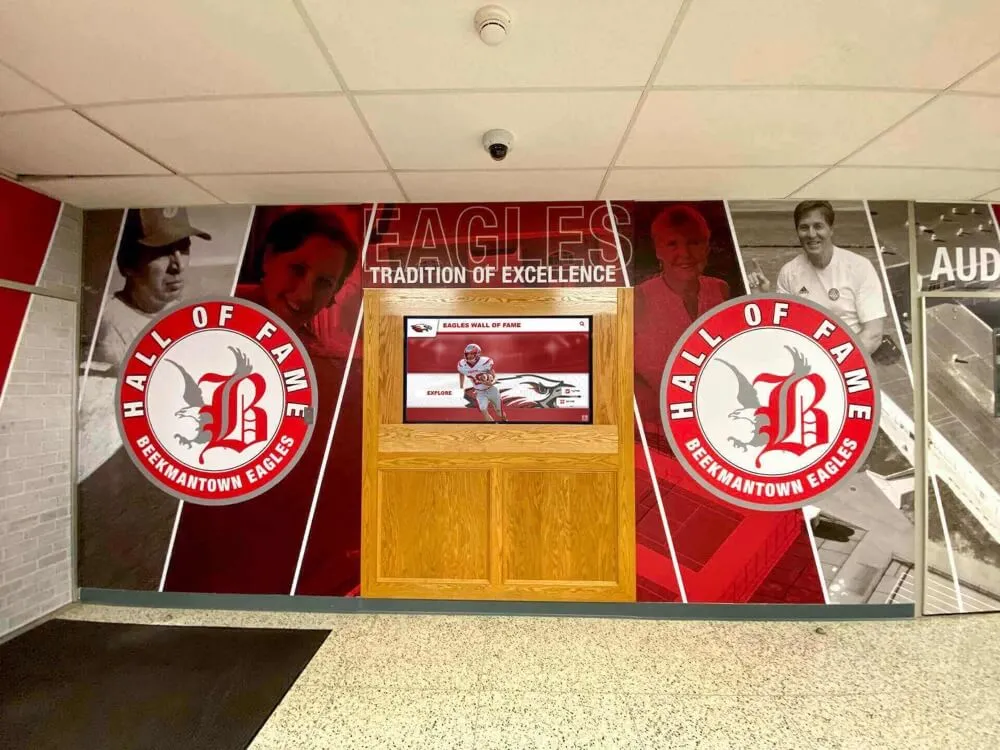
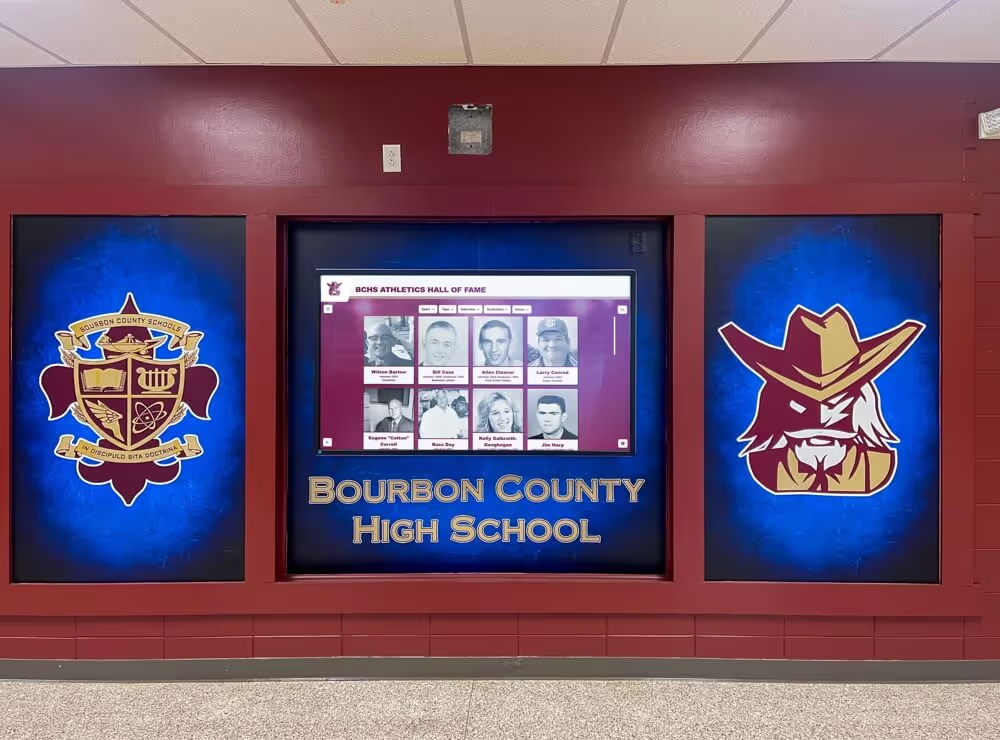
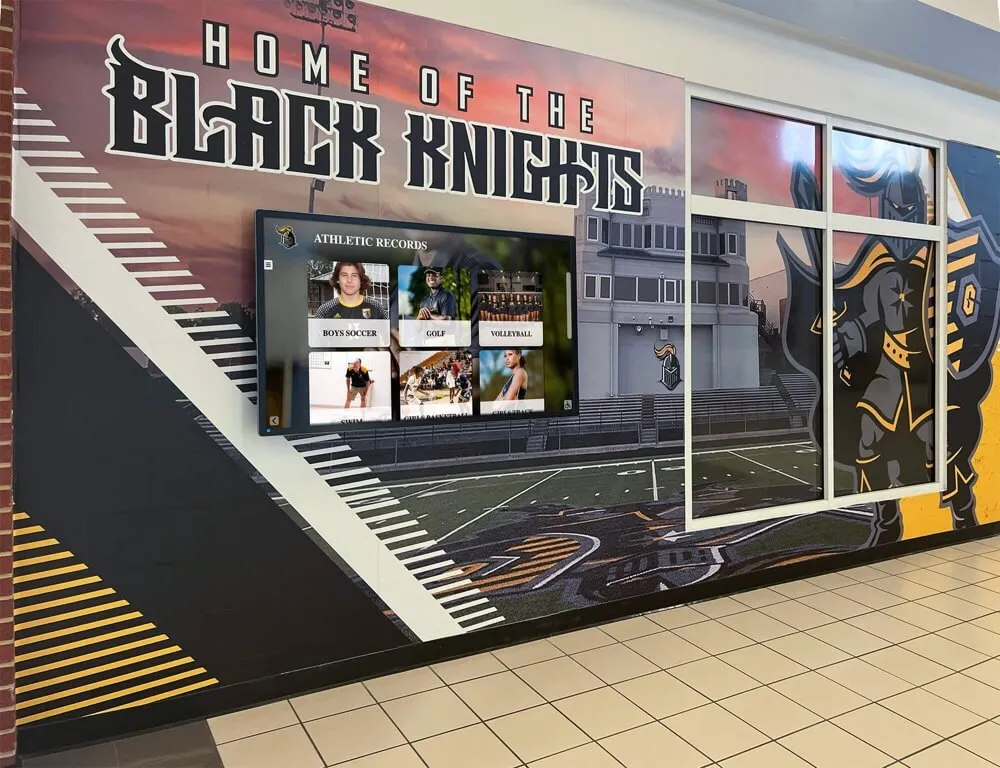
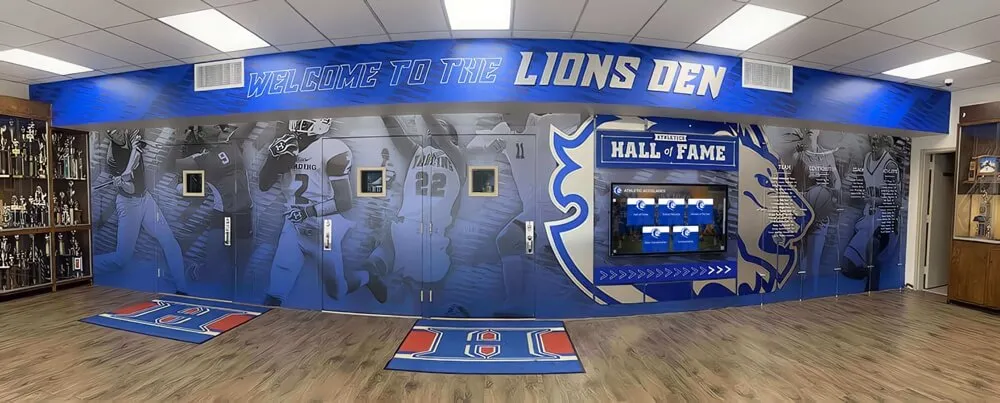
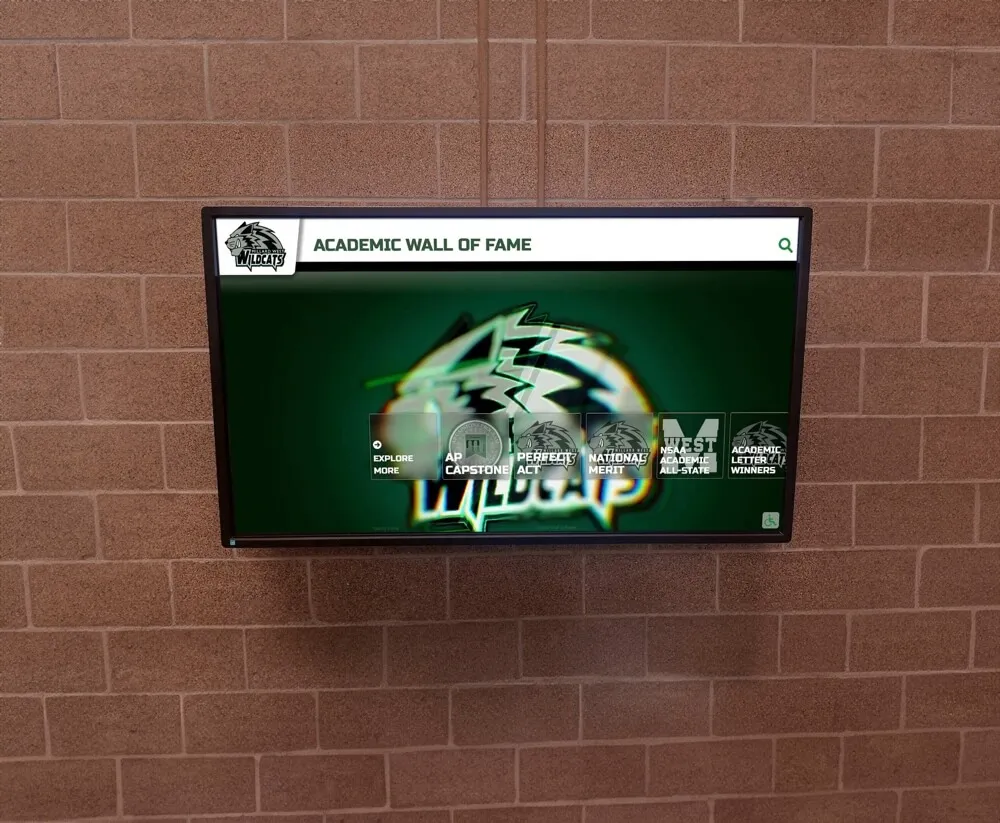
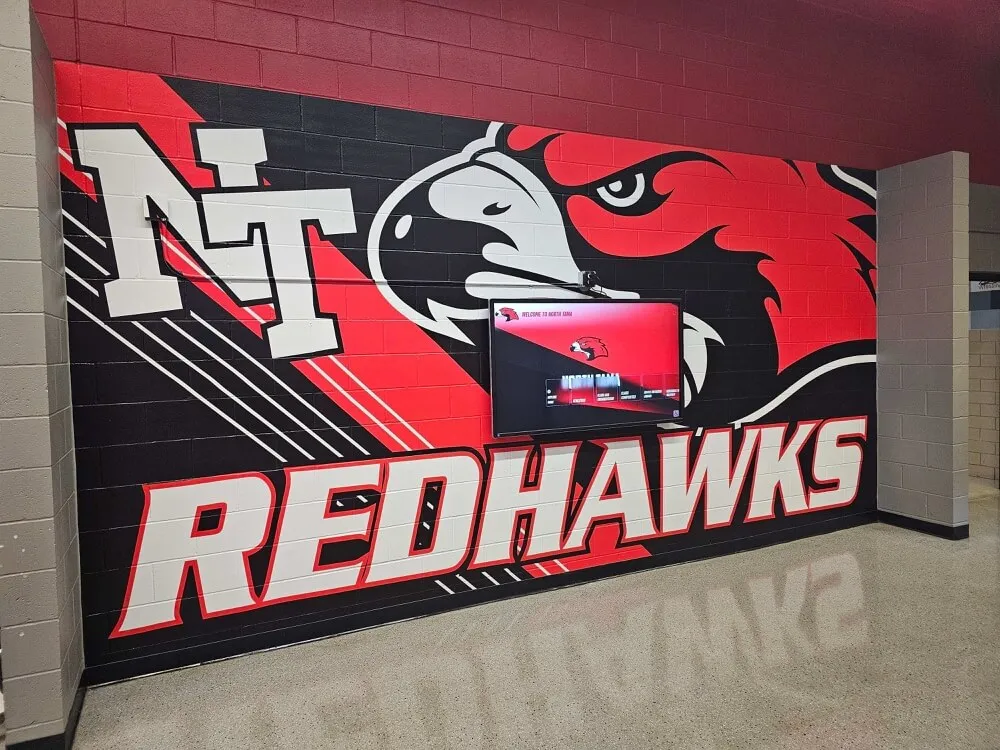
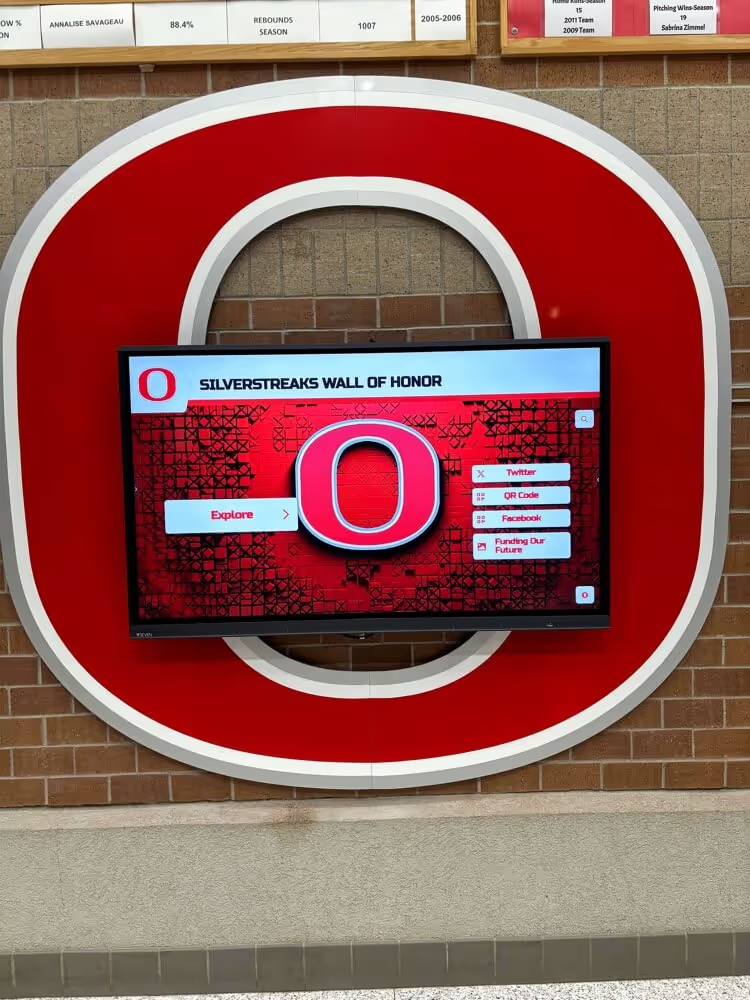
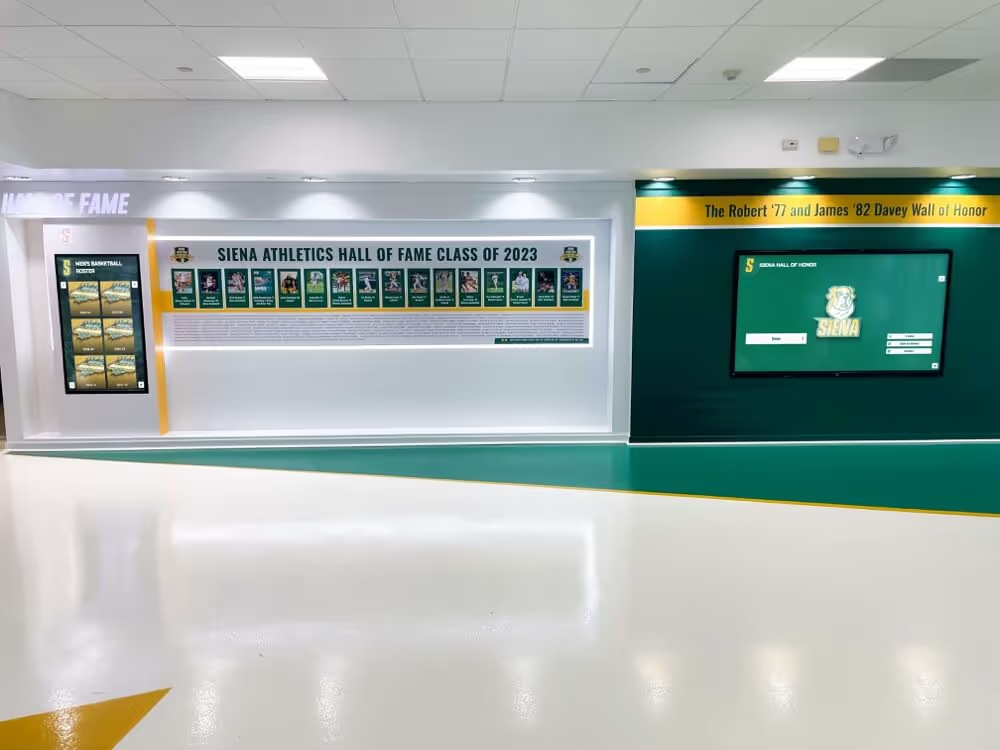
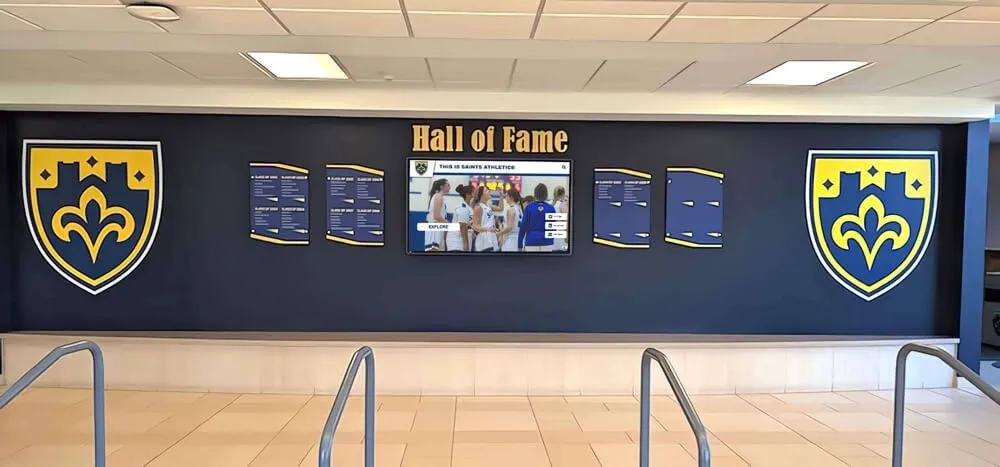
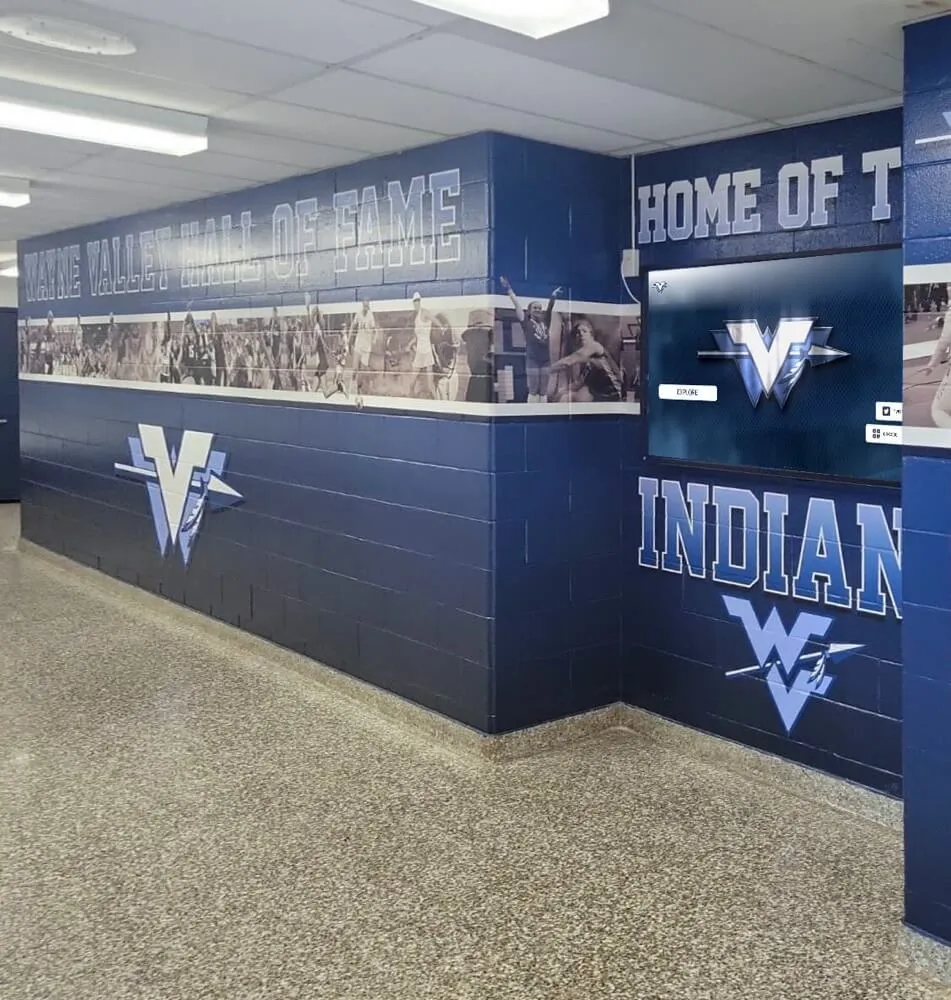
Permanent recognition infrastructure—like this athletic records display integrated into a hallway mural—gives social content a physical counterpart that lasts beyond the social feed lifecycle
Content Creation Workflow: Keeping the Calendar Sustainable
The most sophisticated social media calendar fails if the content creation workflow is unsustainable for the staff executing it. Build your workflow around these three operating principles:
Templates Over Design from Scratch
Create a set of 8–12 base graphic templates that cover your primary post types: game preview, game result, athlete spotlight, award announcement, sponsor recognition, record broken, season milestone. Once these templates exist in a tool like Canva—branded to your school’s colors and fonts—each post requires filling in information rather than design work. The time investment drops from 20–30 minutes per post to 5–10 minutes.
Photo Pipeline with Clear Submission Expectations
Social content without photos produces dramatically lower engagement. Establish a clear expectation with coaches: a minimum of three action photos submitted within 12 hours of every competition. Specify the submission method (shared folder, team group chat, email) and the expectation clearly enough that it becomes routine rather than a request.
For individual athlete spotlight posts, build a library of action photos at the start of each season so you’re never creating spotlights without adequate imagery.
Centralized Content Calendar with Shared Ownership
Use a shared calendar document—a simple spreadsheet works for most athletic departments—that lists every post by date, type, sport, and responsible party. This prevents duplication, surfaces gaps before they become missed moments, and creates a record of what ran that’s useful for both sponsor accountability and year-over-year planning.
Booster clubs that contribute to social content creation—a common arrangement at schools with active parent volunteer bases—need access to the same central calendar so their posts complement rather than duplicate the athletic department’s official content.
Connecting Social Content to Permanent Recognition
Social media posts have a half-life measured in hours. The most impactful athletic department communications strategies pair social content with permanent recognition channels that give your best moments lasting visibility.
The logical connection points:
Season awards posts → Award display updates. Every major award announcement that goes out on social media should trigger a display update—whether a digital screen in the athletic lobby, a physical plaque wall in the gym corridor, or a searchable online archive. The social post reaches today’s followers; the display update reaches every visitor for years.
Record-breaking performance posts → Record board updates. School record posts should never appear on social media without a corresponding update to the physical or digital record board. A student who broke a 15-year-old record deserves to see their name on the board, not just in a post that was gone from feeds before the season ended.
Hall of fame induction content → Permanent hall of fame display. Hall of fame induction social series—multiple posts across the week leading up to the ceremony—are among the highest-engagement content athletic departments produce. That engagement signals how much the community values recognition; the permanent display ensures that value is preserved.
Sponsor recognition posts → Facility sponsor displays. Social mentions and in-facility sponsor recognition complement each other. Sponsors who receive both are more likely to renew and upgrade. Sponsors who receive only one are more likely to question the return on investment.
Schools and programs that connect principal and school leader recognition and administrative acknowledgment into their athletic communications calendars—rather than treating athletics recognition as isolated from broader school recognition culture—also find stronger administrative support for recognition infrastructure investments.
Sample Content for Each Post Type
The following sample captions are starting points for each primary content category. Adapt to your school’s voice and brand standards.
Game Preview: “Varsity boys basketball hosts Riverside Academy tonight at 7:00 PM in the main gym. The Eagles (12-4, first in the conference) will look to extend their six-game win streak and secure home-court advantage for the playoffs. Admission is $5. Come out loud.”
Game Result (Win): “Eagles 58, Riverside 44. Junior Marcus Webb led all scorers with 22 points and 9 rebounds to fuel a second-half run that put this one away early. The Eagles improve to 13-4 with three conference games remaining. Next home game: Friday, 7:00 PM vs. North Central.”
Athlete Spotlight: “This week’s Eagle Spotlight: Sophomore swimmer Priya Navarro, who set a new school record in the 200m butterfly at Saturday’s invitational with a time of 2:04.7—breaking a record that had stood since 2014. Priya is now the top-ranked sophomore in the state in that event. Proud of you, Priya.”
Award Announcement: “Congratulations to our 2026 All-Conference honorees: [names and sports]. These athletes represent the best of Eagle Athletics and earned this recognition through consistent work across a full season. Full award list in our story.”
Sponsor Recognition: “Tonight’s game is presented by [Sponsor Name], proud supporter of Eagle Athletics. [Sponsor Name] has backed our student-athletes for [X] seasons and makes programs like [specific program or initiative] possible. We’re grateful for the partnership—visit them at [location or brief description].”
Measuring Your Calendar’s Effectiveness
A social media calendar is only as valuable as the outcomes it produces. Track these four metrics quarterly to assess whether your investment is generating results:
Engagement rate by post type. Compare average engagement (likes + comments + shares) across your four content categories. Most departments find that recognition posts—athlete spotlights, award announcements—consistently outperform logistical posts. Use this data to adjust your content mix over time.
Post consistency score. At the end of each month, count how many weeks had all planned post types published. A score below 80% indicates a workflow problem—either the calendar is too ambitious, ownership is unclear, or the content creation pipeline is breaking down.
Sponsor post completion rate. Track whether every contracted sponsor mention ran on schedule. Missed sponsor posts are sponsorship agreement violations, not just content gaps.
Follow growth by season. Meaningful growth in followers during active sports seasons is the clearest indicator that your content is reaching new community members. Flat or declining follower counts during peak sports periods suggest content quality or consistency issues worth investigating.
An athletic department social media calendar is a commitment to consistency, not a single design project. The departments that execute it well—posting game previews before every competition, recognizing athletes publicly within 48 hours of their achievements, thanking sponsors at contractually agreed intervals, and archiving recognition content that feeds into permanent displays—build community trust and engagement that has measurable effects on attendance, donor retention, and school-wide pride.
The templates and frameworks above provide the structure. The execution is what creates the program worth following.
Ready to connect your social media recognition strategy to permanent, searchable displays that give your best content a shelf life beyond the social feed? Request a demo from Rocket Alumni Solutions to see how interactive touchscreen displays, digital halls of fame, and searchable athletic archives give every recognition moment—game-day highlights, award announcements, sponsor acknowledgments, and record-breaking performances—a permanent home your school community can access for years.