



Planning an awards ceremony presents both an exciting opportunity and a significant responsibility: creating an event that genuinely honors recipient achievements while creating memorable experiences that participants, families, and communities remember for years. Whether celebrating academic excellence, athletic achievements, volunteer contributions, or professional accomplishments, the difference between perfunctory award distribution and transformative recognition events lies in thoughtful planning, authentic celebration design, and attention to details that make recipients feel truly valued.
Yet many organizations struggle with awards ceremony planning, facing common challenges: ceremonies feel rushed or impersonal, limiting meaningful connection with honorees; budgets constrain creativity and quality; recognition focuses exclusively on announcing names rather than telling compelling stories about achievements; events drag, losing audience engagement; and temporary celebrations create no lasting acknowledgment beyond brief ceremony moments, leaving achievements quickly forgotten.
This comprehensive guide explores proven strategies for awards ceremony planning that creates meaningful recognition experiences—from establishing clear ceremony objectives and designing engaging programs, to leveraging technology for enhanced presentation and implementing systems ensuring recognition visibility extends far beyond single-event celebrations.
Successful awards ceremonies accomplish multiple objectives simultaneously: honoring individual recipients with meaningful personal recognition, inspiring audiences by celebrating excellence and demonstrating achievable goals, strengthening organizational culture by publicly acknowledging behaviors and achievements institutions value, engaging families and communities in shared celebration, and creating memorable experiences that participants associate with positive organizational connection.

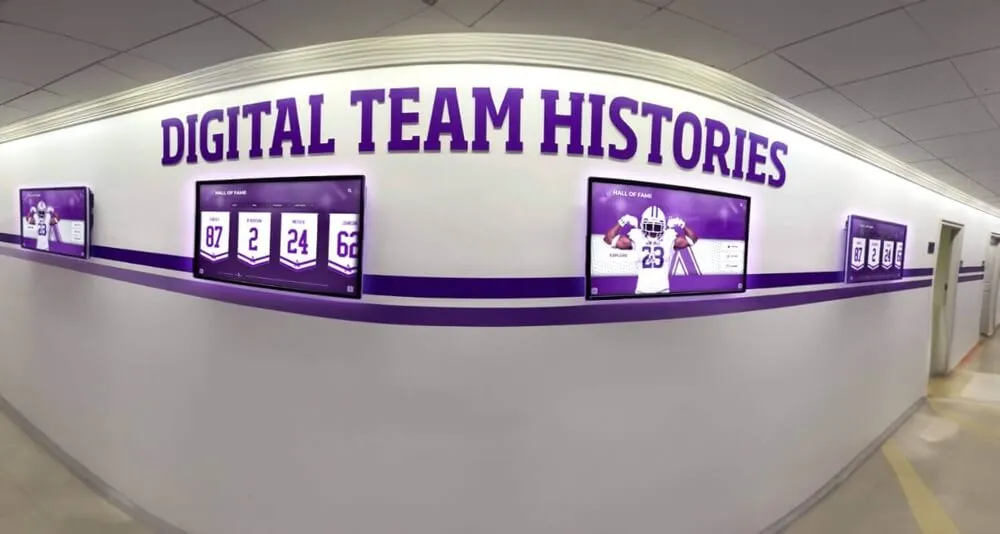
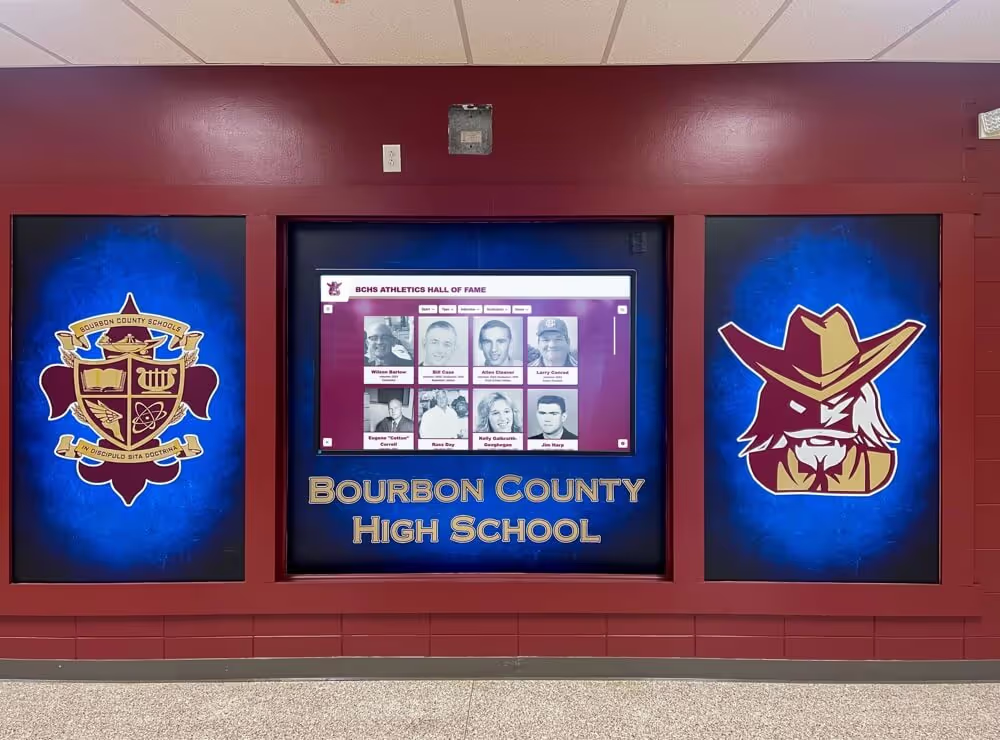
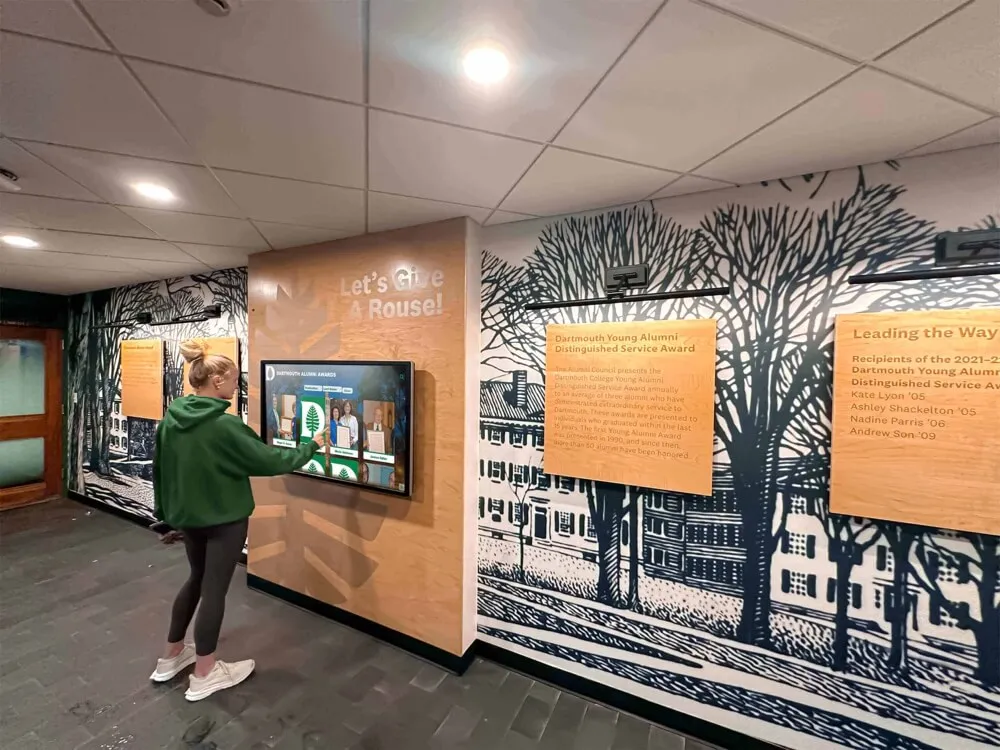
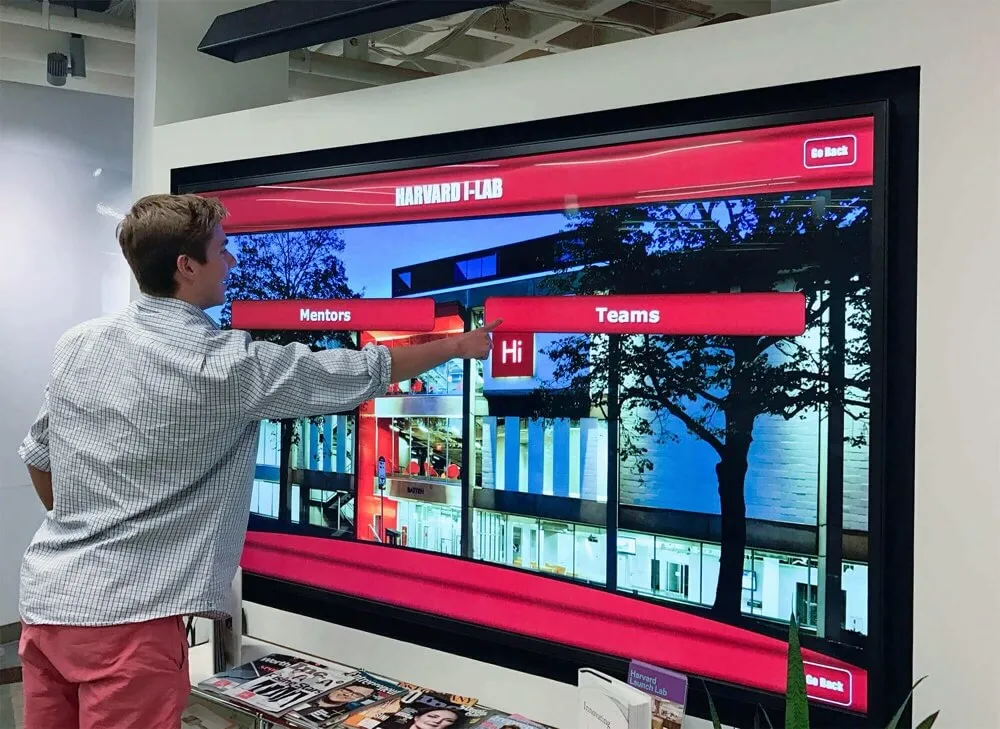
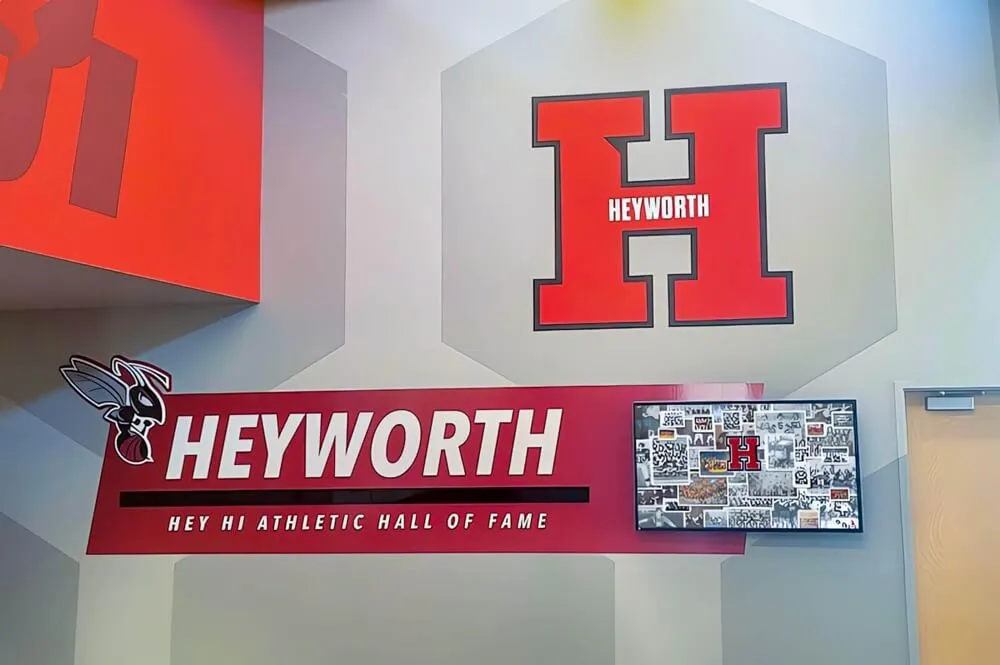
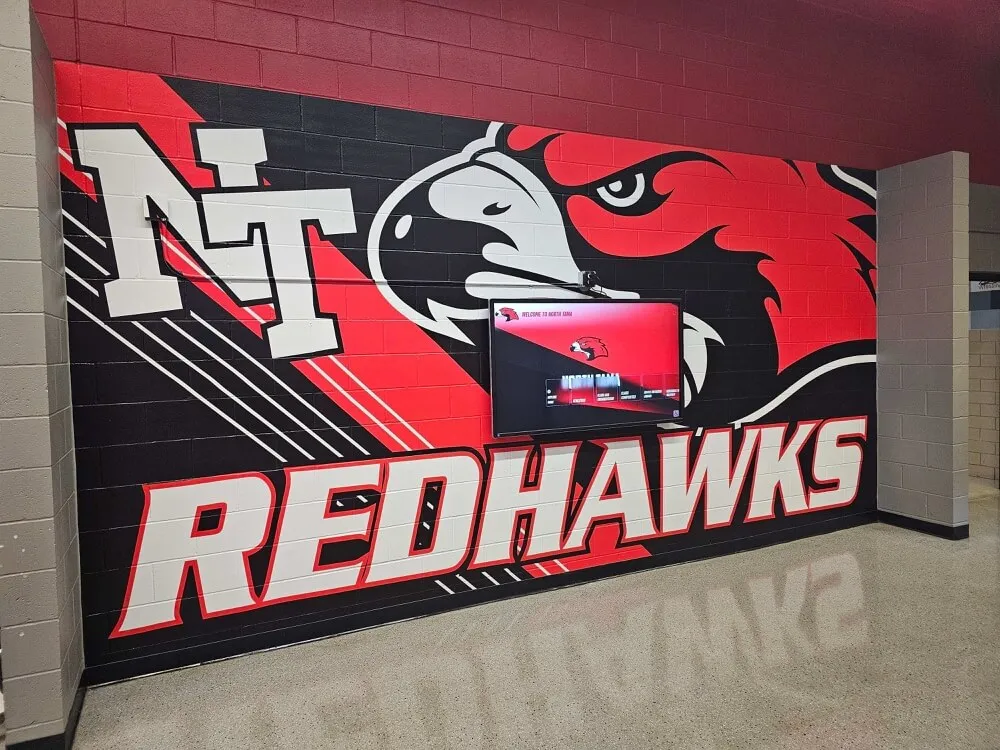
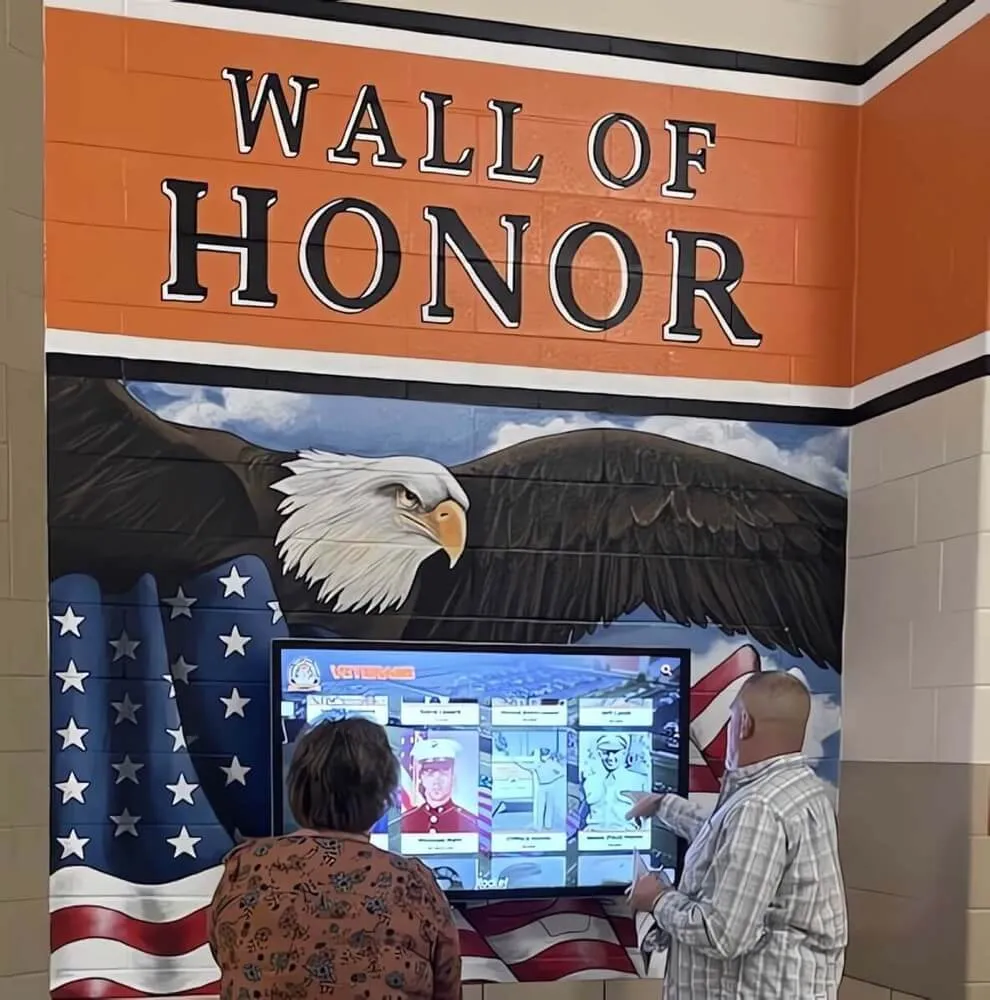
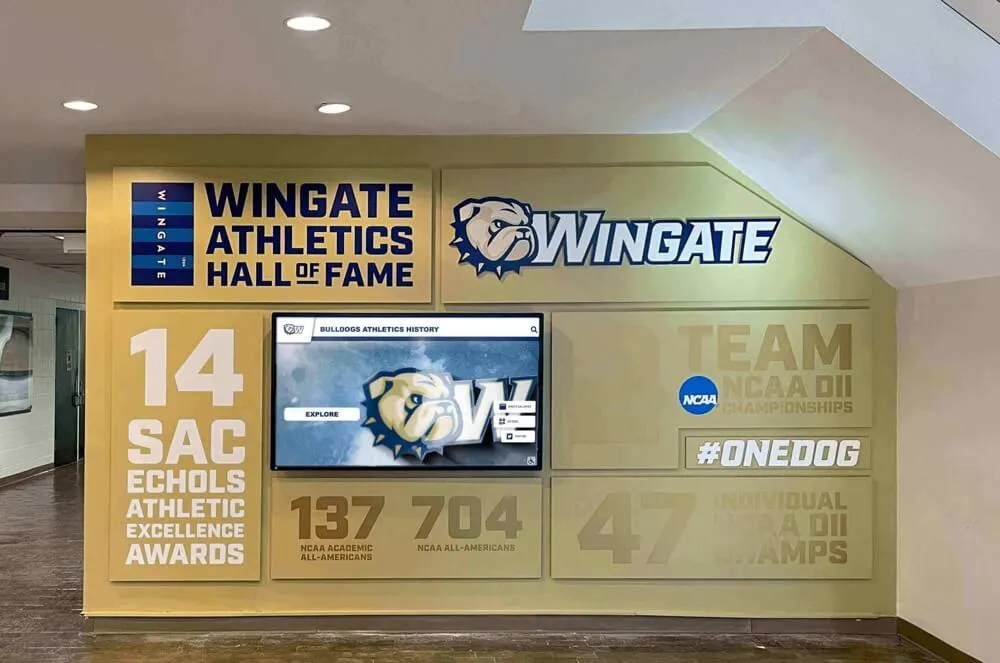
Dedicated recognition spaces honor achievement through coordinated display systems creating inspirational environments where excellence receives permanent celebration
Understanding the Purpose and Value of Awards Ceremonies
Before diving into planning logistics, clarifying ceremony objectives ensures design decisions align with recognition goals and organizational priorities.
Why Awards Ceremonies Matter
Recognition events serve deeper purposes than simply distributing plaques and certificates:
Creating Meaningful Achievement Validation
Awards ceremonies provide formal institutional acknowledgment validating months or years of effort, sacrifice, and dedication. Public recognition communicates that organizations notice excellence, value particular contributions and behaviors, and consider achievements worthy of celebration before entire communities. This validation carries profound psychological impact, particularly for youth recipients whose identity and self-concept remain developing.
Research consistently demonstrates that recognition influences motivation and sustained engagement—people who feel genuinely appreciated demonstrate higher satisfaction, stronger organizational commitment, and increased likelihood of continued excellence. Ceremonies transform abstract appreciation into concrete acknowledgment recipients internalize as evidence that their efforts mattered.
Inspiring Continued Excellence
Beyond honoring current recipients, ceremonies inspire broader audiences by demonstrating that excellence receives recognition, showcasing role models whose achievements others can aspire toward, creating aspirational goals motivating pursuit of similar recognition, and reinforcing organizational values through celebrated examples.
Younger students attending academic awards ceremonies see pathways to future recognition, prospective volunteers observe community service celebration motivating their engagement, and current employees witness colleagues receiving professional honors inspiring their own excellence pursuit.
Building Organizational Culture and Unity
Systematic recognition strengthens institutional identity by celebrating shared values through recognized achievements, creating traditions that build organizational memory and continuity, gathering entire communities for shared positive experiences, and demonstrating leadership commitment to acknowledging contributions regardless of role or visibility.
Organizations with strong recognition cultures report measurably higher satisfaction, enhanced recruitment and retention, and stronger collective identity binding participants around common purposes.
Frameworks for academic recognition programs demonstrate systematic approaches celebrating diverse achievement dimensions beyond single-event ceremonies.
Defining Clear Ceremony Objectives
Effective planning begins with explicit objective statements guiding all subsequent decisions:
Articulating Primary Recognition Goals
Consider what achievements warrant celebration including academic excellence like honor roll, scholarship recipients, or subject awards; athletic achievements including championships, individual honors, or milestone accomplishments; artistic and performance excellence in music, theater, visual arts, or creative endeavors; service and character recognition for community contributions, leadership, or exemplary conduct; professional accomplishments like sales achievements, innovation, or tenure milestones; or volunteer contributions honoring sustained organizational support.
Clear achievement focus enables appropriate recognition structure, award category design, and selection criteria ensuring ceremony coherence rather than scattered recognition lacking thematic unity.
Identifying Primary Audiences
Different audiences require adapted ceremony approaches considering award recipients themselves who deserve meaningful personal recognition, families and supporters attending to celebrate loved ones’ achievements, organizational members learning about excellence standards and role models, leadership and governance representatives witnessing recognition priorities, and broader communities including media, partners, or public attendees.
Understanding audience composition informs program length, presentation style, venue accessibility, and communication strategies ensuring ceremonies engage rather than exclude.
Establishing Success Metrics
Determine how you’ll assess ceremony effectiveness including recipient satisfaction with recognition meaningfulness, family and audience engagement levels throughout events, organizational culture impact through post-ceremony morale or motivation, media coverage and community visibility generated, and long-term recognition sustainability through systems preserving achievements beyond single ceremonies.
Explicit metrics enable post-event assessment informing continuous improvement while demonstrating recognition program value to stakeholders evaluating resource allocation.
Approaches to planning galas and recognition events provide comprehensive frameworks for large-scale celebration planning applicable across organizational contexts.

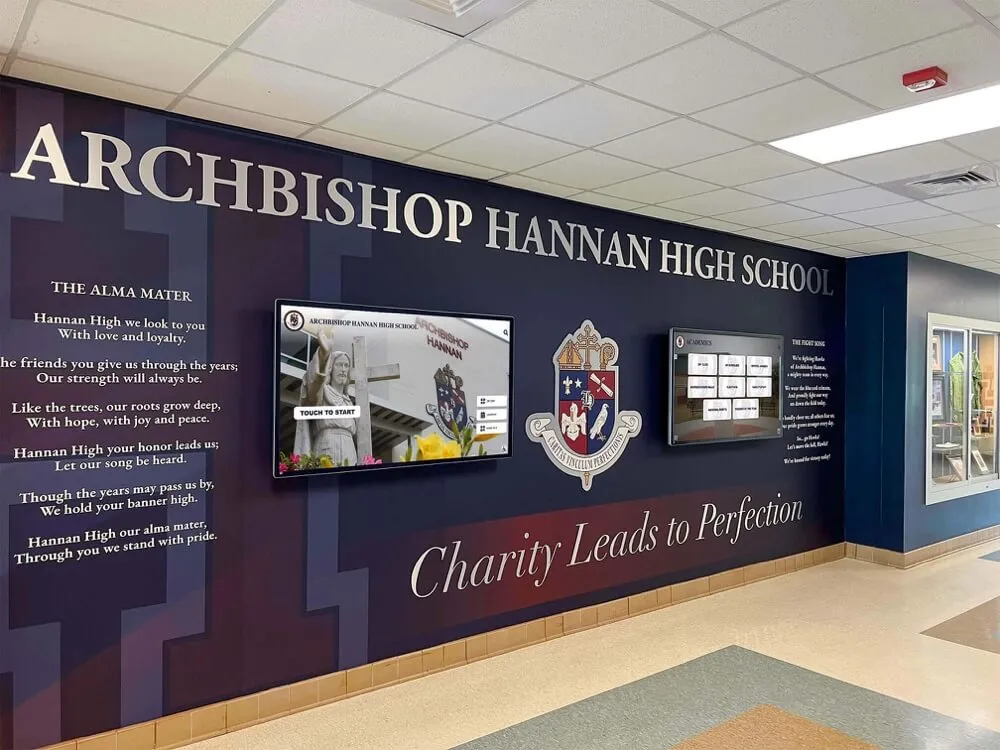
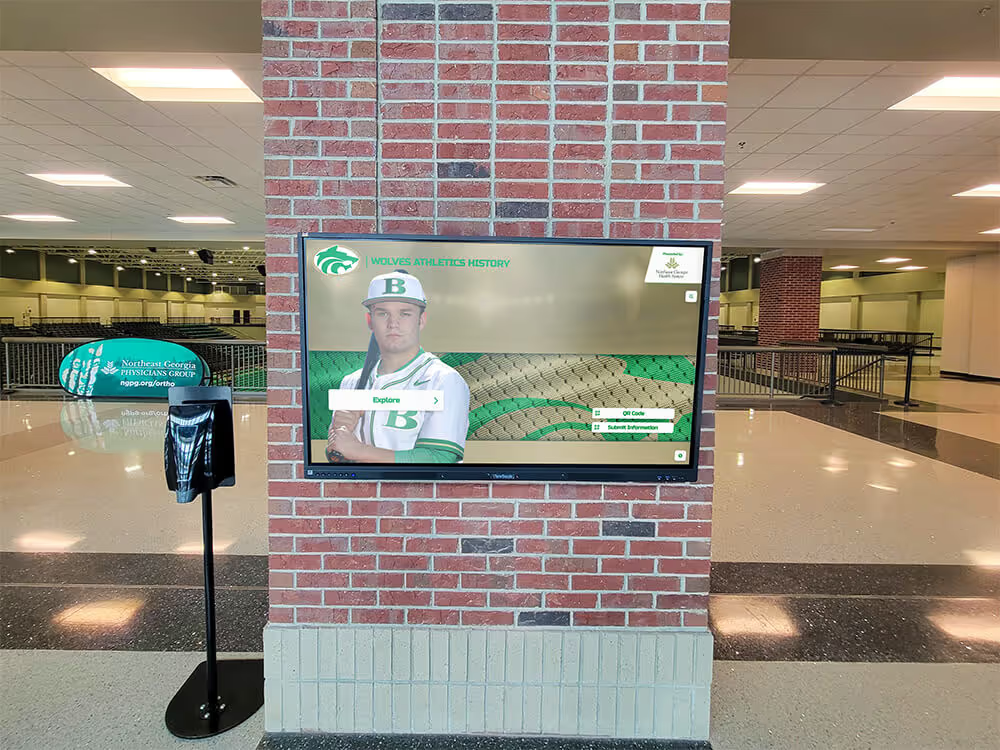
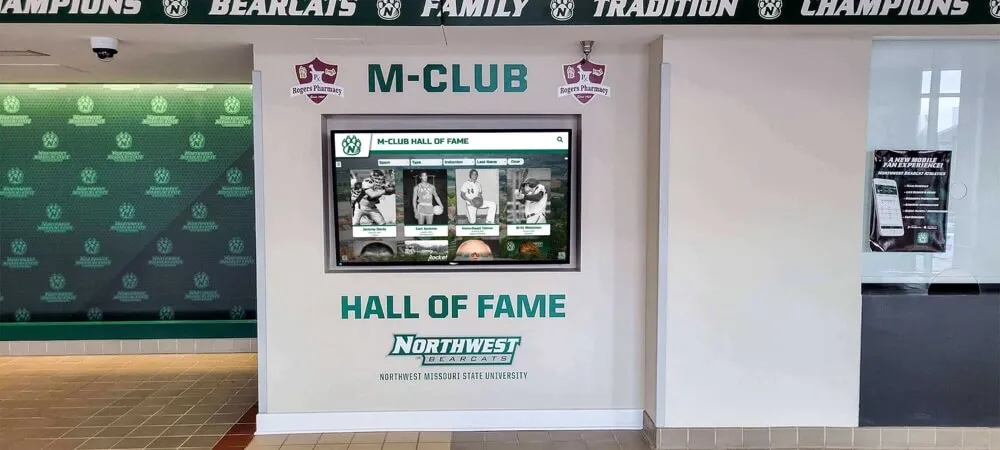
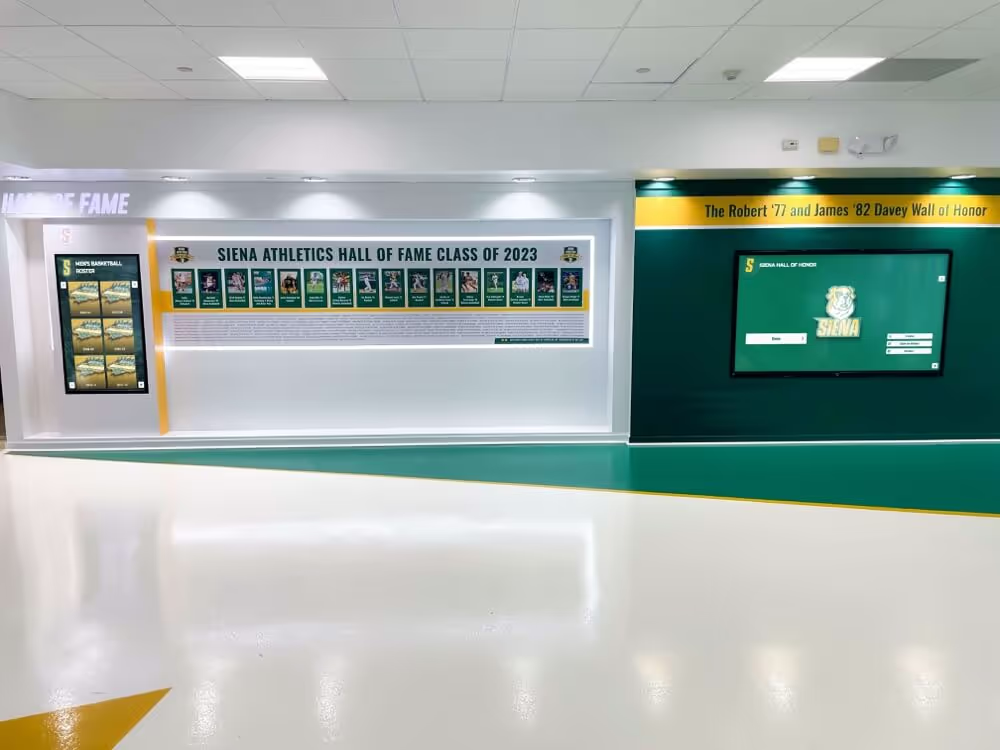
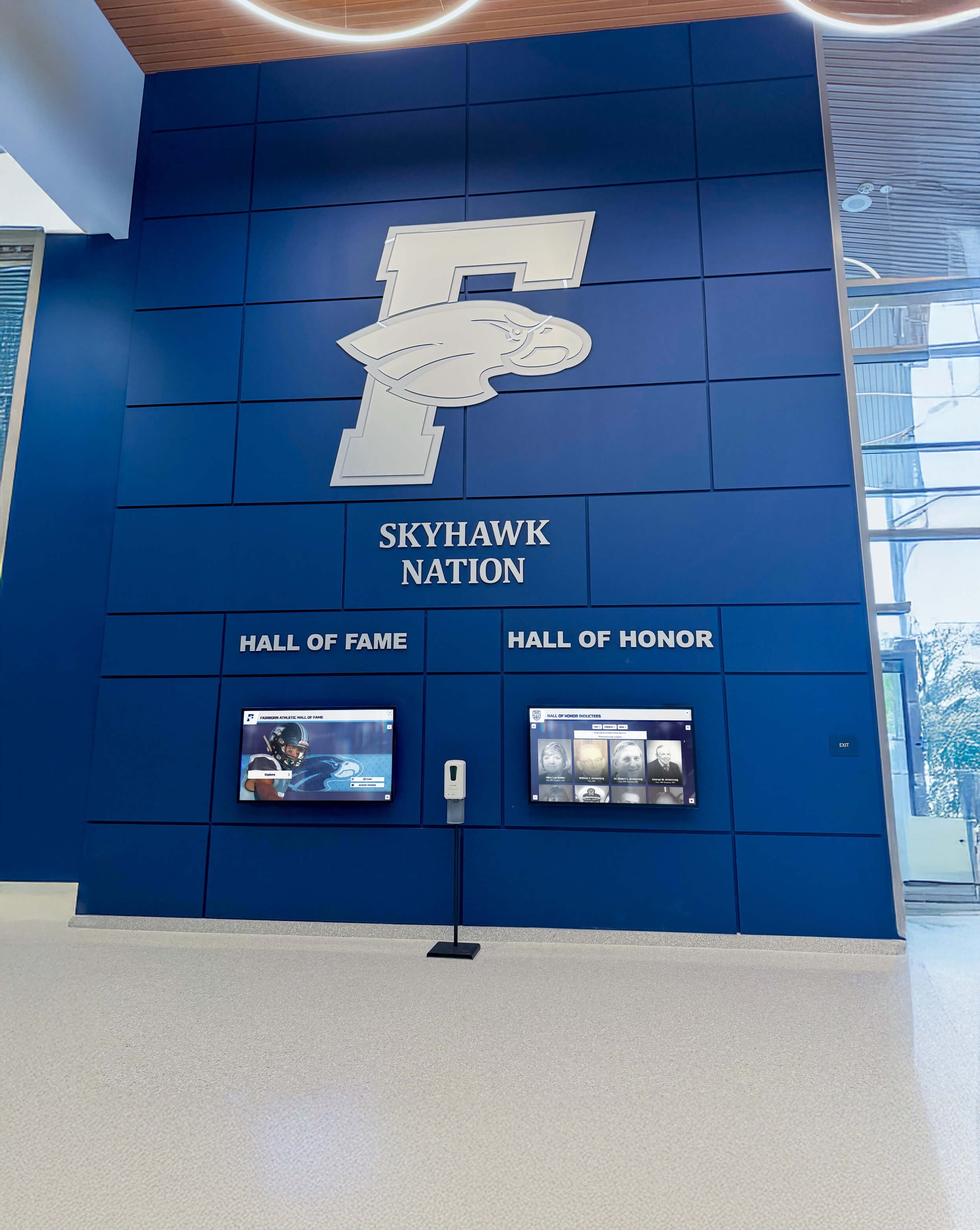
Permanent recognition displays honor achievements beyond temporary ceremonies, creating spaces where excellence receives ongoing celebration inspiring current and future participants
Essential Planning Elements for Successful Awards Ceremonies
Systematic planning addressing core logistical elements ensures smooth execution while preventing common pitfalls undermining recognition quality.
Establishing Timeline and Planning Committee
Awards ceremonies require substantial lead time enabling quality preparation:
Recommended Planning Timeline
Begin comprehensive planning 10-12 weeks before events for major annual ceremonies involving multiple award categories and significant audiences, 6-8 weeks minimum for mid-size recognition events with focused scope, and 3-4 weeks for smaller ceremonies recognizing single achievement categories or limited recipients.
Rushed planning compromises quality through limited venue availability, constrained vendor options, insufficient time for thoughtful recipient selection, inadequate communication with honorees and families, and preventable logistics oversights creating ceremony day complications.
Forming Planning Committees
Distribute responsibilities across dedicated teams including overall event coordination managing timeline and vendor relationships, recipient selection committees reviewing nominations and determining honorees, program development creating ceremony flow and content, communications handling invitations, publicity, and attendee management, logistics coordinating venue setup, technology, and day-of execution, and recognition display systems when implementing permanent acknowledgment beyond ceremonies.
Committee structure prevents single individuals from bearing overwhelming responsibility while ensuring specialized expertise addresses each planning dimension effectively.
Creating Project Management Systems
Document planning progress through detailed timelines with milestone dates and responsibilities, budget tracking monitoring expenses against allocations, vendor and volunteer contact lists centralizing communication, checklist management ensuring no overlooked elements, and regular committee meetings maintaining coordination and addressing emerging challenges.
Project management discipline prevents last-minute scrambling while enabling quality assurance throughout planning processes.
Venue Selection and Setup
Location significantly influences ceremony atmosphere and logistical feasibility:
Venue Selection Criteria
Evaluate potential locations considering capacity accommodating anticipated attendees comfortably with appropriate seating, acoustics and sight lines ensuring all guests experience presentations clearly, accessibility meeting ADA requirements and serving diverse audience needs, audiovisual capabilities supporting presentations, videos, and sound requirements, cost fitting budget constraints including rental fees, required insurance, and setup expenses, and organizational appropriateness where venues align with event formality and institutional identity.
Layout and Staging Considerations
Design space configuration including stage or presentation areas positioning recipients prominently, seating arrangements balancing visibility with capacity and creating appropriate atmosphere, audiovisual equipment placement for screens, projectors, and sound systems, lighting creating appropriate ambiance while ensuring safety, registration and greeting areas managing arrival experiences, and traffic flow preventing congestion during entries, exits, and transitions.
Thoughtful layout maximizes engagement while preventing distractions undermining recognition moments.
Decoration and Atmosphere Creation
Transform spaces through theming aligned with recognition focus and organizational identity, branded elements incorporating logos, colors, and institutional imagery, achievement displays showcasing trophies, certificates, or visual recognition, floral and decorative elements appropriate to formality level and budget, and lighting effects creating warmth, focus, and celebration atmosphere.
Decoration signals that organizations invested thought and resources creating special experiences rather than routine obligations.

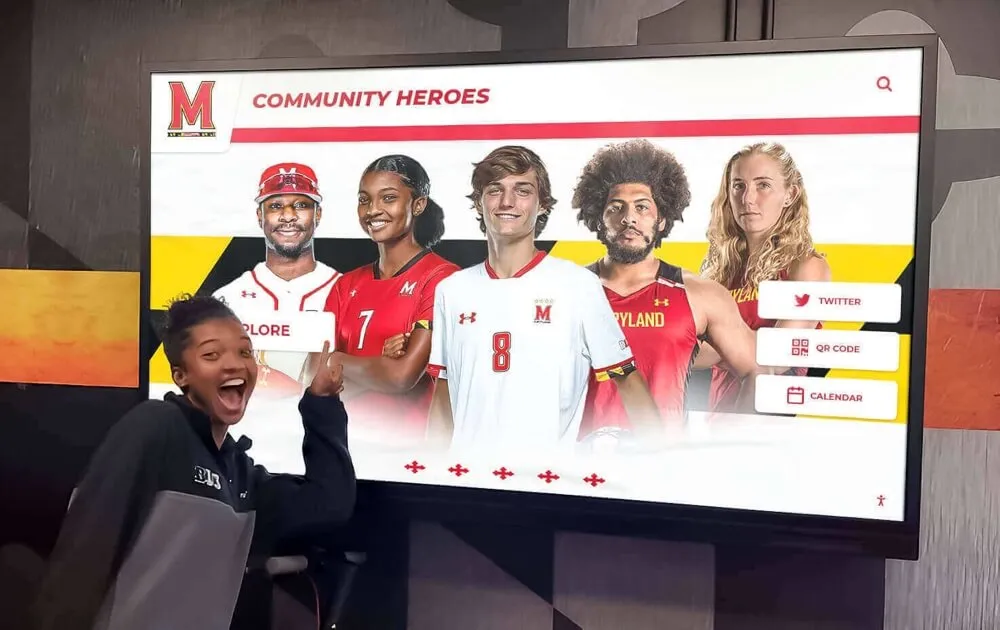
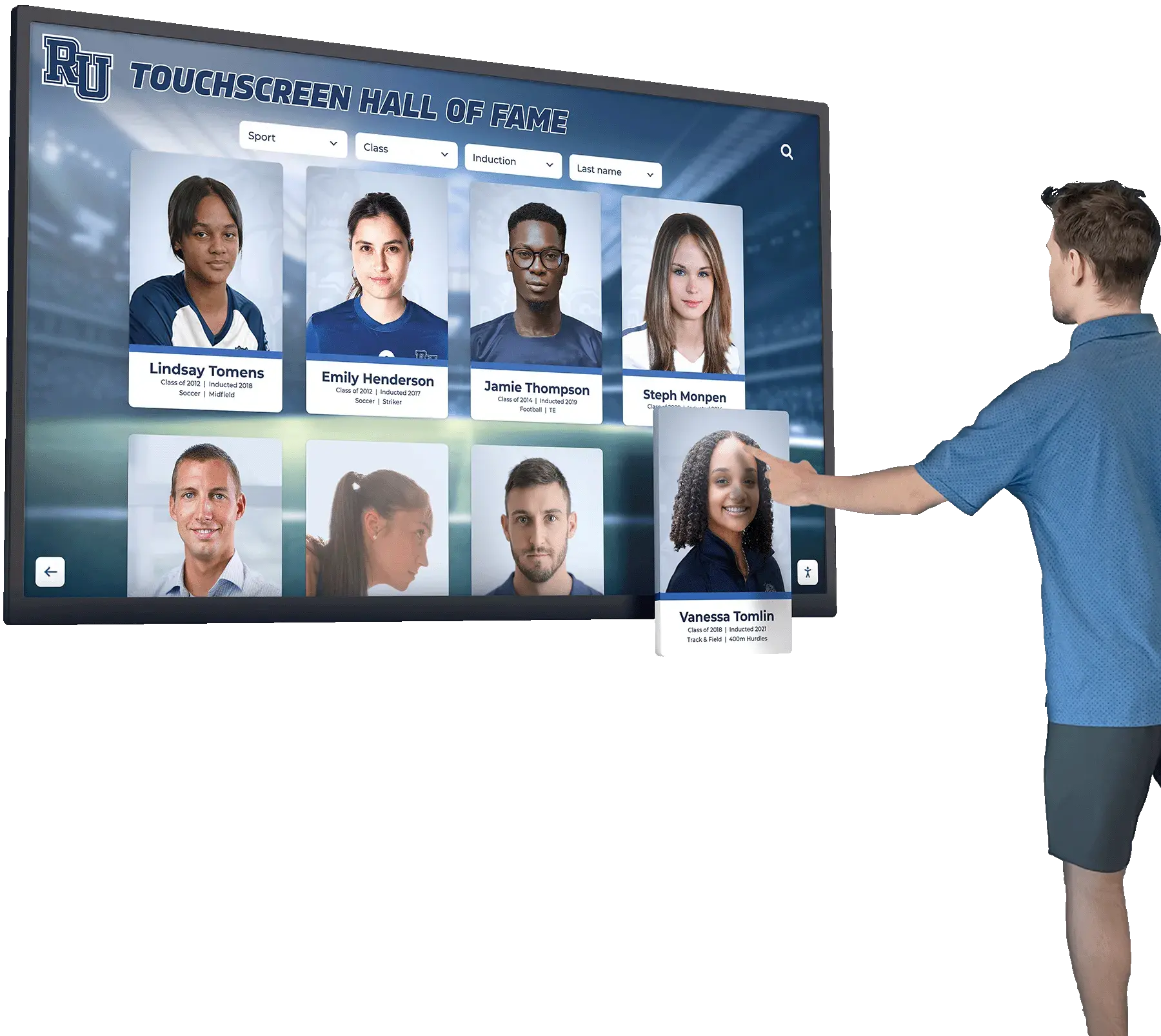
Modern recognition platforms enable rich recipient profiles including photos, achievement details, and compelling narratives impossible with traditional printed programs
Designing Engaging Ceremony Programs
Program structure determines whether ceremonies create meaningful experiences or endurance tests trying audience patience:
Optimal Program Length and Structure
Ceremony duration profoundly influences audience engagement and recipient experience:
Time Management Guidelines
Design programs lasting 60-90 minutes for comprehensive ceremonies recognizing multiple categories with substantial recipient numbers, 45-60 minutes for focused events with moderate recipient counts, and 30-45 minutes for smaller ceremonies with limited categories or recipients.
Programs exceeding 90 minutes risk losing audience attention regardless of content quality, while overly brief ceremonies may feel perfunctory, failing to provide adequate recognition depth.
Effective Program Components
Balance ceremony elements including welcome and opening remarks (3-5 minutes) establishing tone and purpose, recognition of special guests and dignitaries (2-3 minutes) acknowledging important attendees, award category presentations with recipient recognition (60-70% of total time), featured speaker or keynote address (10-15 minutes maximum) if appropriate, multimedia presentations showcasing achievements (8-12 minutes), and closing remarks (3-5 minutes) celebrating collective excellence and looking forward.
Proportional time allocation ensures recognition remains central rather than being overshadowed by speeches or peripheral content.
Recognition Presentation Strategies
How recipients receive recognition dramatically influences ceremony memorability and personal impact:
Individual vs. Group Recognition Balance
Different categories warrant adapted approaches including comprehensive individual recognition with biography reading, achievement detail, and personal presentation for highest honors or senior recipients, category group recognition where recipients approach together followed by brief individual acknowledgment, and streamlined acknowledgment for large categories balancing recognition inclusion with time constraints.
Varying recognition depth prevents monotony while ensuring highest achievements receive appropriate emphasis and ceremony time.
Enhancing Recognition Through Storytelling
Transform name announcements into meaningful celebration by providing achievement context explaining what recipients accomplished, highlighting obstacles overcome demonstrating perseverance and character, connecting achievements to organizational values showing why recognition matters, including personal details making recipients three-dimensional individuals, and offering future context like college plans, career aspirations, or continued participation.
Compelling narratives engage audiences emotionally while honoring recipient journeys rather than reducing achievements to sterile statistics or credential lists.
Incorporating Multimedia Elements
Visual presentations dramatically enhance engagement through photo slideshows featuring recipients during achievements or organizational participation, video montages capturing performance moments or achievement processes, statistical visualizations demonstrating excellence or improvement, social media integration displaying real-time congratulations or community engagement, and recorded messages from mentors, community figures, or individuals unable to attend physically.
Technology creates richer recognition experiences while holding audience attention more effectively than voice-only presentations.
Resources on sports banquet planning demonstrate effective recognition ceremony strategies adaptable to various organizational contexts beyond athletics.
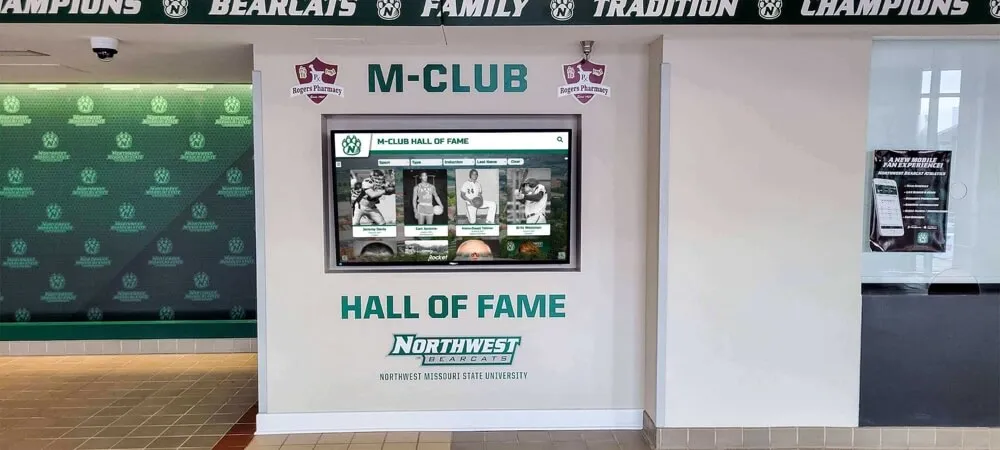
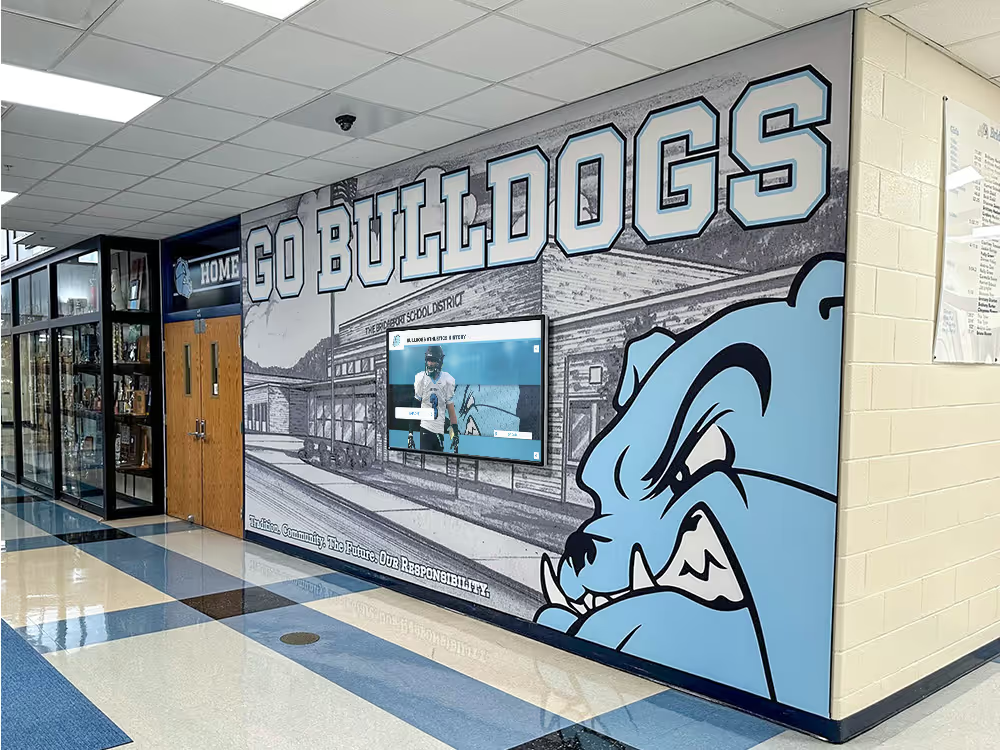
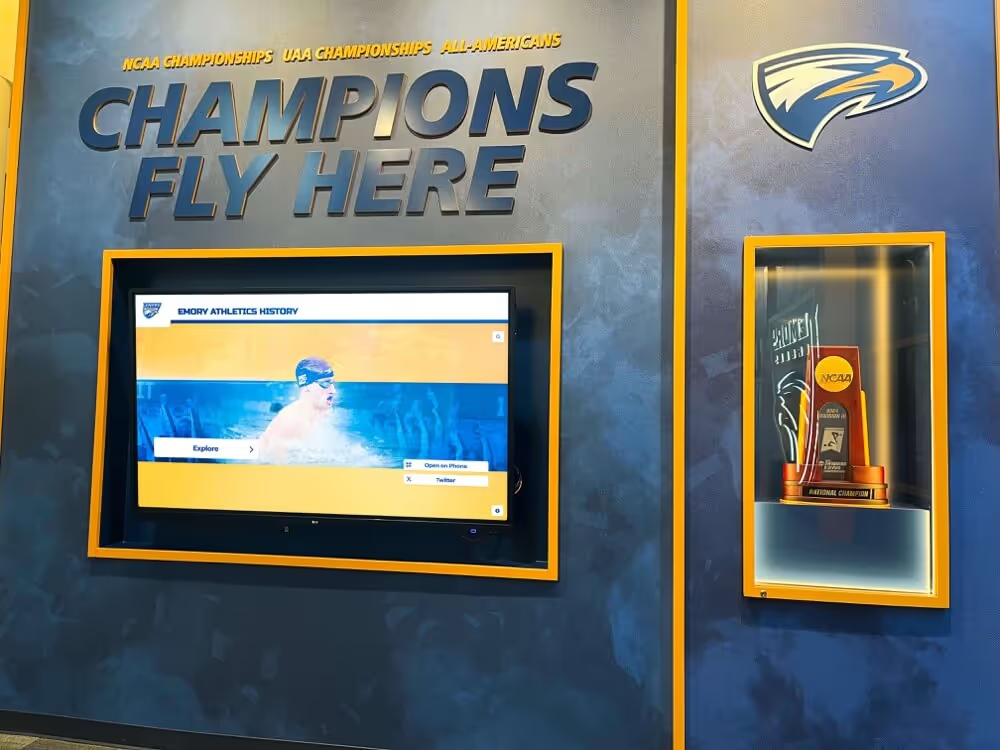
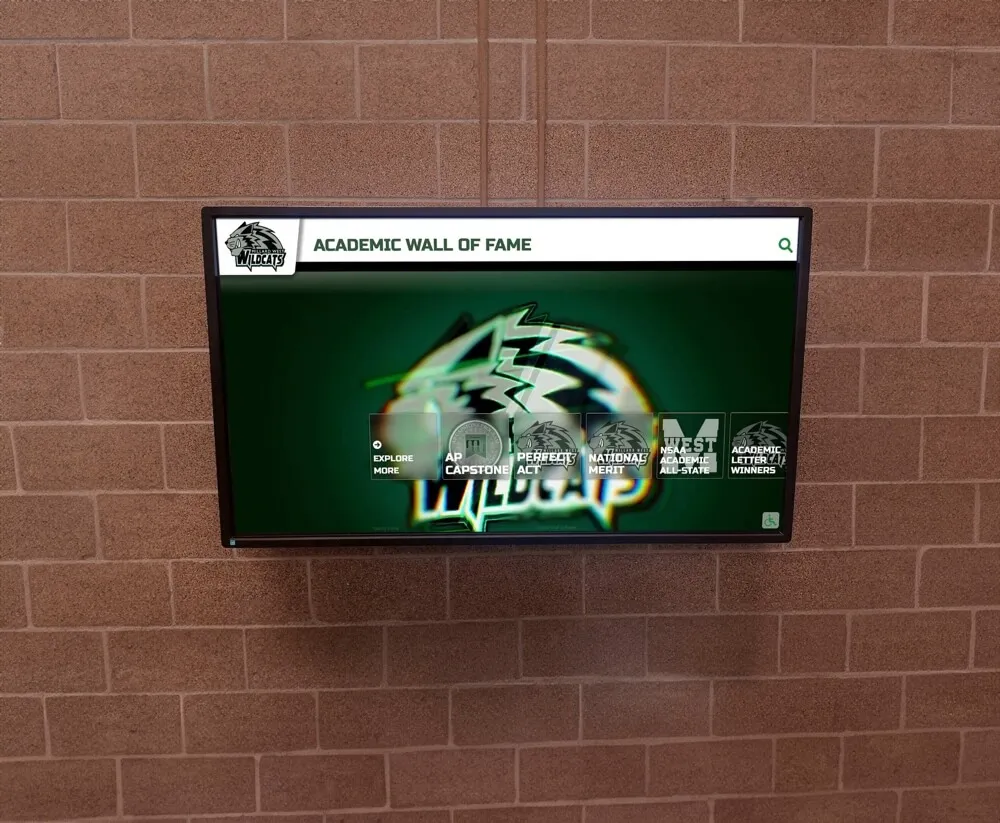
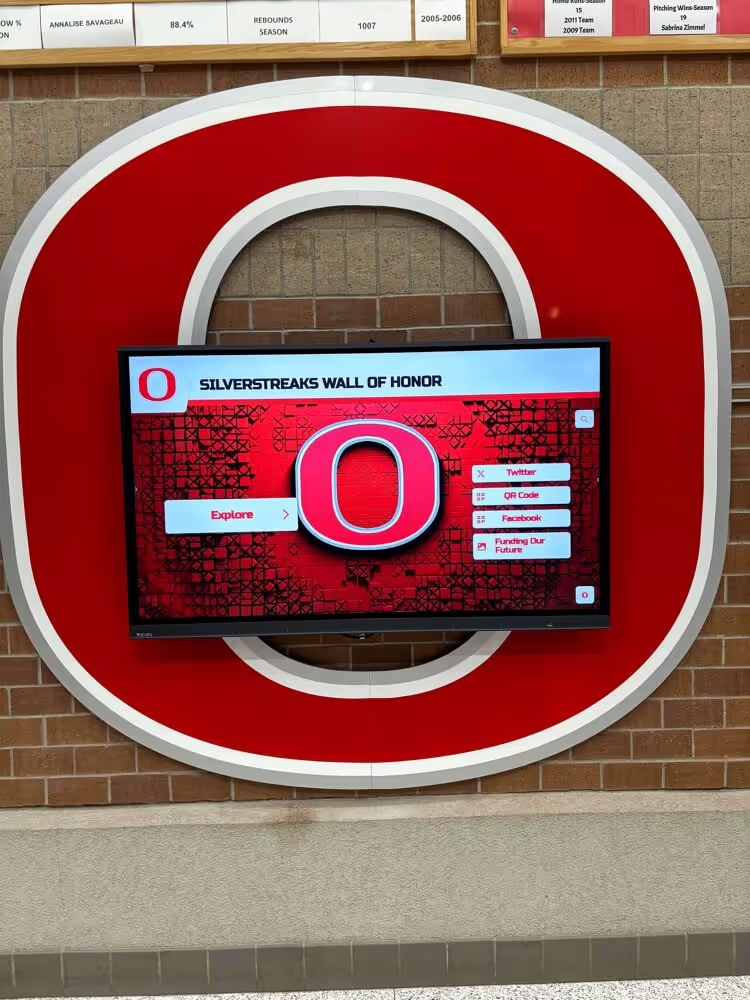
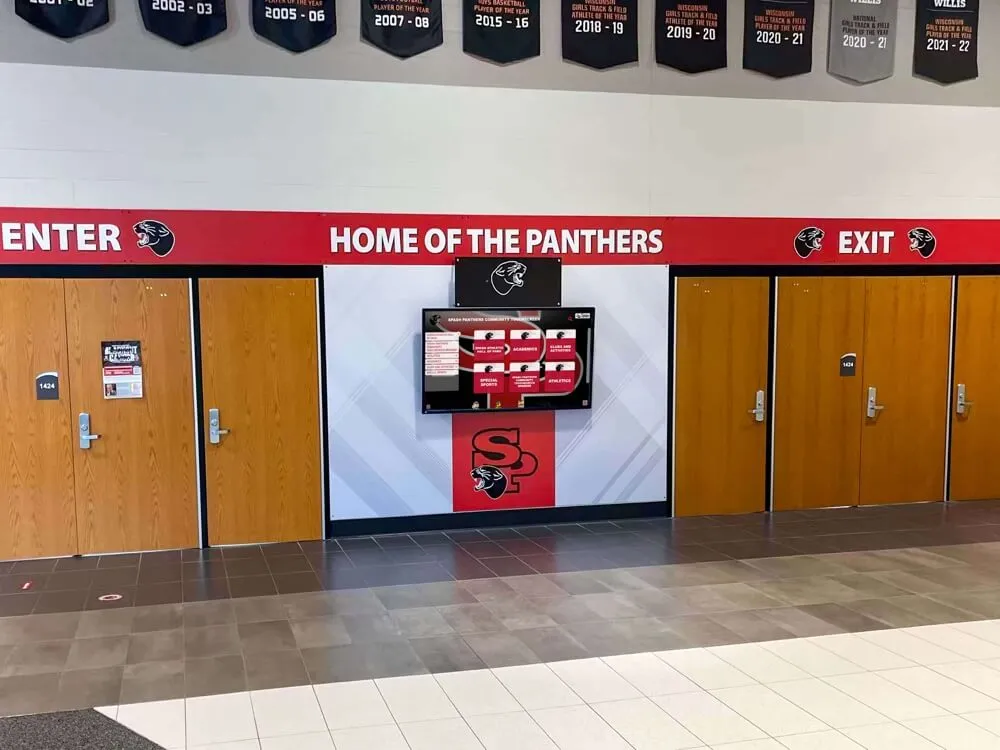
Strategic recognition placement ensures awards ceremony honorees receive ongoing visibility beyond single-event celebrations through permanent interactive displays
Creating Memorable Recognition Through Awards and Keepsakes
Physical recognition items recipients retain create lasting reminders of achievements and organizational appreciation:
Award Types and Selection
Choose recognition items balancing quality, meaning, and budget constraints:
Traditional Award Options
Standard physical awards include trophies providing classic recognition with customizable engravings and sizes, plaques offering elegant wall-mounted keepsakes with achievement details, certificates providing formal documentation suitable for portfolios or resumes, medals or medallions creating wearable recognition particularly for competitive achievements, and crystal or glass awards offering upscale recognition for highest honors.
Consider award durability ensuring items last as permanent achievement reminders, customization options enabling personalization beyond generic templates, display-ability allowing recipients to showcase recognition, and cost fitting budget allocations while maintaining quality standards.
Modern Recognition Alternatives
Contemporary approaches include custom-designed awards reflecting organizational identity or achievement themes, experiential recognition like event tickets, special opportunities, or unique experiences, gift cards or vouchers providing practical value recipients appreciate, branded merchandise creating usable items maintaining organizational connection, and technology-enabled awards like digital badges, online profiles, or app-based recognition.
Innovative approaches can create memorable impact while potentially offering better value than traditional awards in certain contexts.
Personalization and Presentation Quality
Generic awards feel perfunctory compared to thoughtfully personalized recognition:
Customization Elements
Enhance awards through recipient name spelling carefully verified, specific achievement details rather than generic categories, dates commemorating accomplishment timing, organizational branding connecting recognition to institution, personal messages from leadership or nominators, and quality materials and craftsmanship reflecting respect for achievements.
Personalization demonstrates that organizations invested thought and attention rather than ordering bulk generic awards with minimal customization.
Professional Presentation Packaging
Present awards using quality presentation boxes or cases protecting items while creating special unboxing experiences, certificates in professional folders or frames ready for display, branded packaging incorporating organizational identity, and protective materials ensuring recognition arrives undamaged.
Presentation quality signals that organizations value both achievements and recipients enough to invest in professional recognition packaging.
Digital Recognition Profiles
Complement physical awards with comprehensive online profiles through interactive touchscreen displays featuring photos, achievement details, and compelling narratives, responsive web platforms enabling remote exploration by families and communities, social media recognition extending visibility beyond physical ceremony attendance, and searchable databases preserving achievements as permanent organizational history.
Digital extensions amplify recognition impact while creating lasting visibility physical awards alone cannot provide.
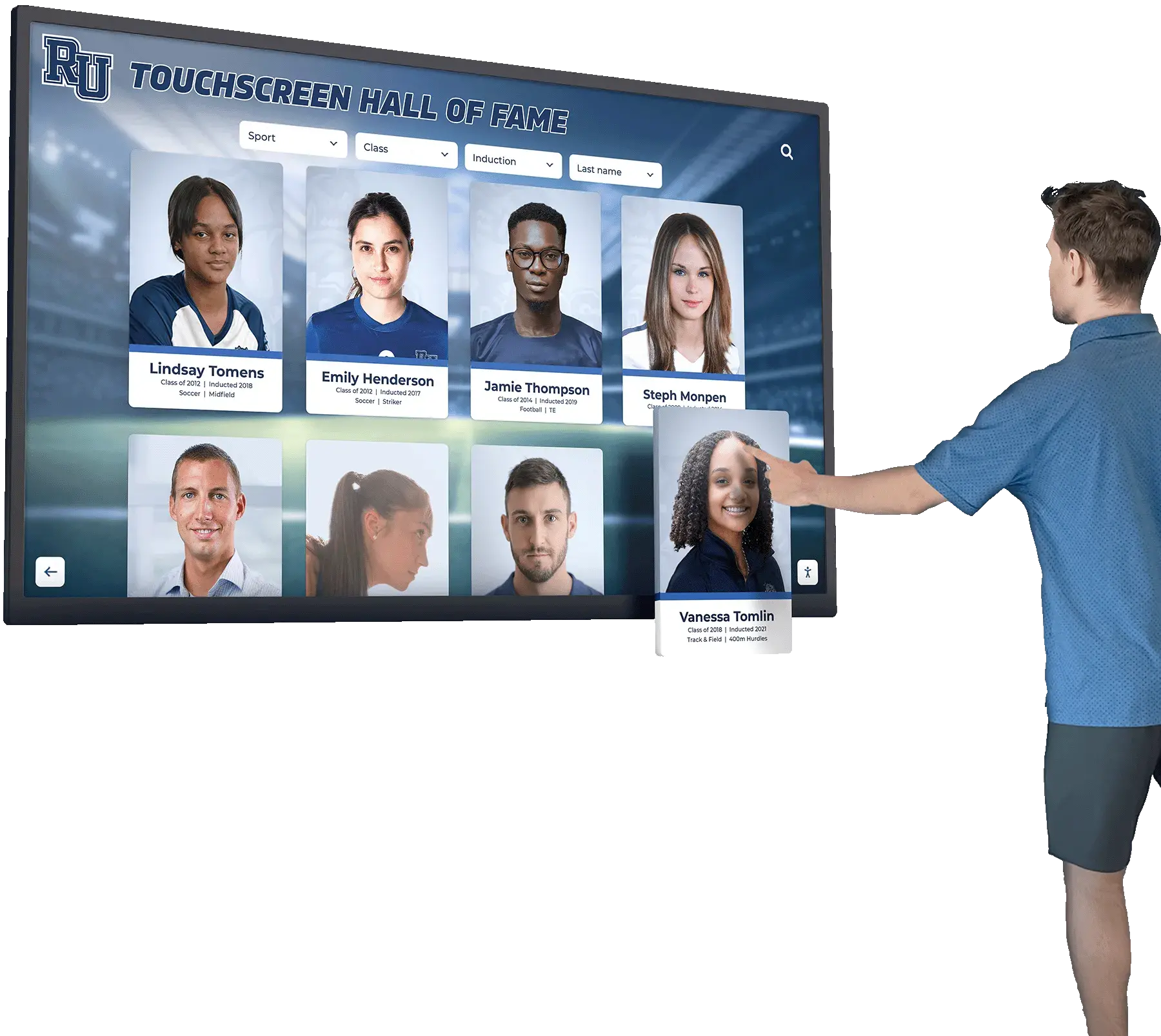
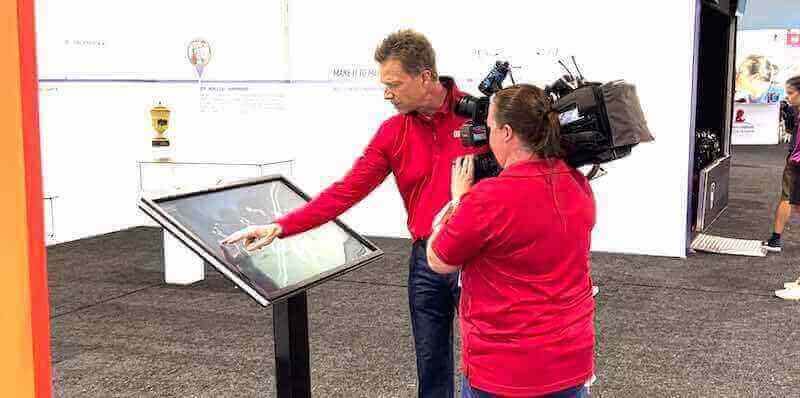
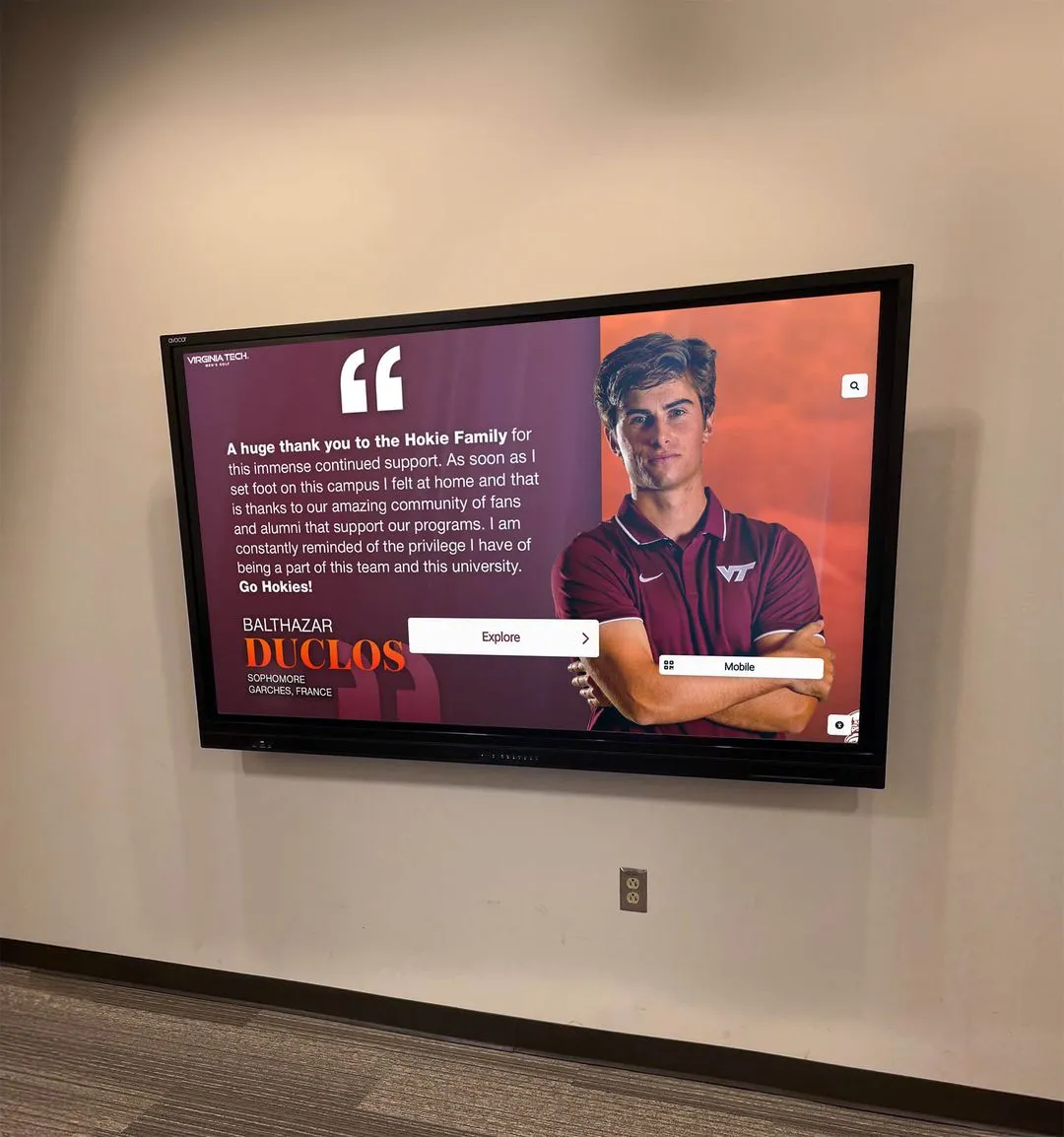
Engaging recognition displays encourage exploration of recipient achievements through intuitive navigation and rich multimedia content beyond traditional static displays
Engaging Attendees and Managing Ceremony Logistics
Audience experience determines whether ceremonies create positive associations or become obligations attendees endure:
Pre-Ceremony Communications and Invitations
Effective advance communication ensures appropriate attendance and manages expectations:
Invitation Strategies
Distribute invitations 4-6 weeks before events including formal invitations to recipients and immediate families, broader announcements to organizational communities, special invitations to dignitaries, honored guests, or keynote speakers, media notifications generating coverage and community awareness, and digital calendar invitations facilitating attendee planning.
Professional invitations communicate event significance while providing essential logistics details ensuring attendees arrive prepared.
Essential Invitation Information
Include complete details comprising date, time, and expected duration, specific venue address with parking information and directions, program overview describing ceremony structure and recipients, dress code expectations when applicable, RSVP deadlines and procedures enabling headcount planning, accessibility information serving diverse attendee needs, and contact information for questions or special accommodations.
Comprehensive information prevents confusion while demonstrating organizational attention to attendee experience.
Recipient Preparation
Coordinate with honorees regarding arrival time and location, program participation expectations if recipients speak or perform, appropriate ceremony attire recommendations, guest limitations if seating requires attendance management, photography consent for recognition materials and publicity, and post-ceremony reception or celebration details.
Prepared recipients present confidently while understanding what ceremonies entail, reducing anxiety and ensuring smooth execution.
Day-Of Ceremony Management
Thoughtful logistics coordination prevents disruptions undermining recognition experiences:
Registration and Greeting Procedures
Establish welcoming arrival processes through staffed registration tables managing check-in, clearly visible signage directing attendees to appropriate locations, programs distributing upon entry listing recipients and ceremony order, reserved seating coordination for recipients, families, and VIPs, and greeters creating positive first impressions while answering questions.
Organized arrivals set positive tones while preventing confusion creating stressed attendees or delayed start times.
Technology and Audiovisual Management
Prevent technical disruptions through complete equipment testing at least one day prior, backup systems for critical components like presentations or sound, dedicated technical staff monitoring systems during ceremonies, clear audio throughout venues enabling everyone to hear presentations, readable visual displays with appropriate font sizes and contrasts, and contingency plans for equipment failures including non-technical recognition alternatives.
Technical excellence enhances ceremonies while failures create frustrations overshadowing recognition moments.
Photography and Documentation
Capture ceremony moments through professional or skilled volunteer photographers documenting recipients receiving recognition, candid audience moments showing engagement and celebration, family interactions and emotional moments, overall venue and atmosphere shots, and backstage or preparation glimpses showing behind-scenes perspectives.
Quality documentation enables post-ceremony sharing, publicity, future marketing, and recipient keepsakes preserving memorable moments.
Understanding digital signage content strategies provides insights on visual presentation approaches enhancing ceremony multimedia elements.
Budget-Conscious Awards Ceremony Planning
Meaningful recognition need not require excessive spending—creativity and thoughtfulness matter more than budget size:
Cost-Effective Venue and Decoration Solutions
Maximizing Existing Facilities
Utilize organizational spaces like school auditoriums, gymnasiums, or cafeterias, community centers or municipal facilities offering reduced rates, outdoor pavilions or parks for appropriate seasons, or partner facility access through community relationships.
Creative decoration and lighting transform familiar spaces into special venues without expensive rental costs.
DIY Decoration Approaches
Engage volunteers creating handmade decoration elements, utilize digital projection replacing physical displays, leverage organizational resources like existing banners or displays, focus lighting creating ambiance through inexpensive solutions, and emphasize simplicity with quality design over quantity of decorative elements.

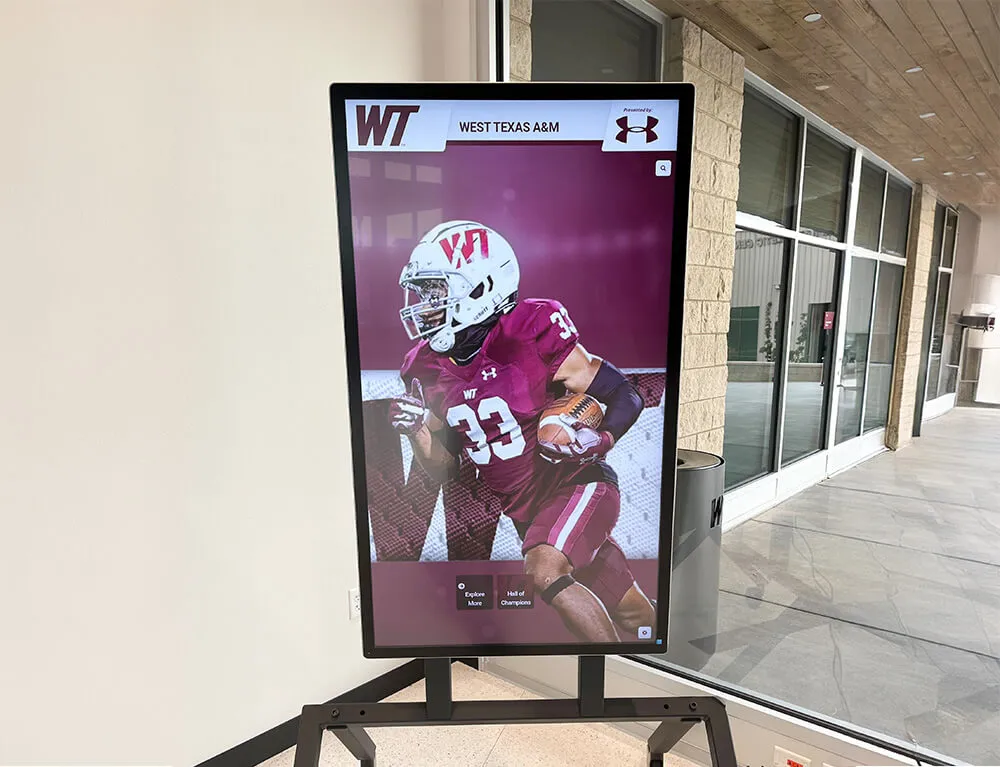
Multi-platform recognition extends ceremony impact by enabling families and communities to explore achievements from any location or device
Smart Award and Recognition Spending
Balancing Quality and Cost
Purchase awards selectively allocating higher budgets to prestigious categories while using quality certificates for broader recognition, seeking bulk discounts when ordering multiple similar items, comparing suppliers evaluating total value beyond pure price, considering alternative recognition approaches like digital profiles reducing physical item costs, and investing in quality presentation packaging elevating perceived value.
Strategic spending enables quality recognition within constrained budgets by focusing resources on highest-impact elements.
Volunteer and Community Support
Reduce costs through parent or member volunteer coordination handling setup, decoration, photography, or hospitality, donated services from professional community members like photographers or AV technicians, business sponsorships covering specific costs in exchange for recognition, and in-kind contributions of goods like refreshments, flowers, or equipment access.
Community engagement distributes costs while building stakeholder investment in recognition success.
Resources on youth sports awards approaches provide creative recognition strategies adaptable across contexts regardless of budget constraints.

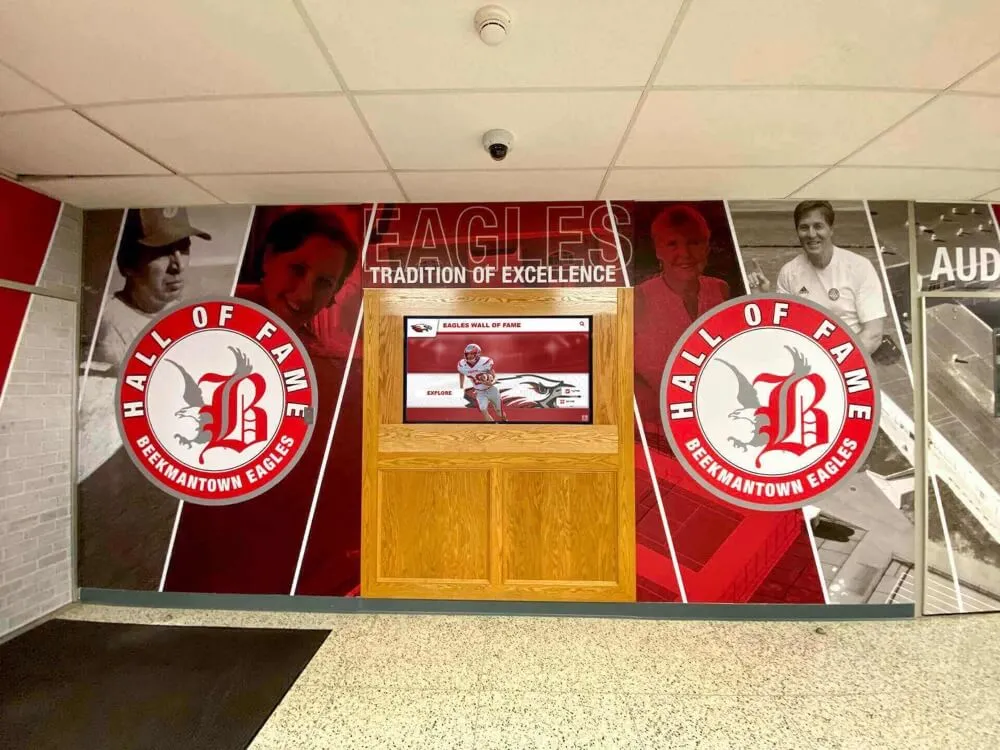
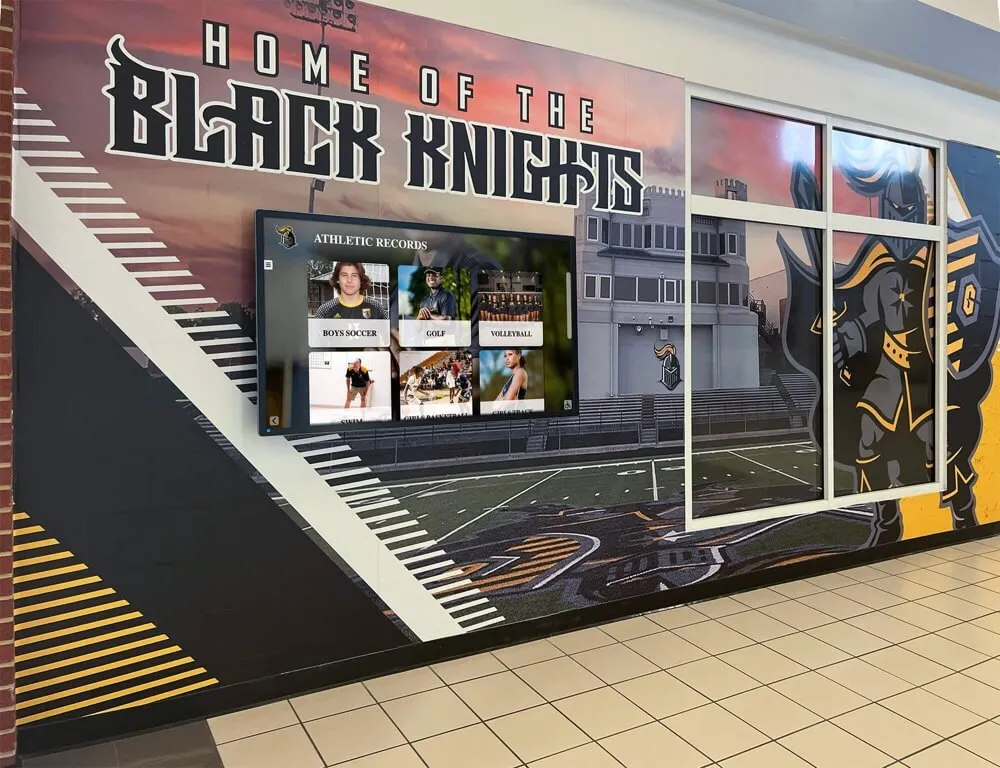
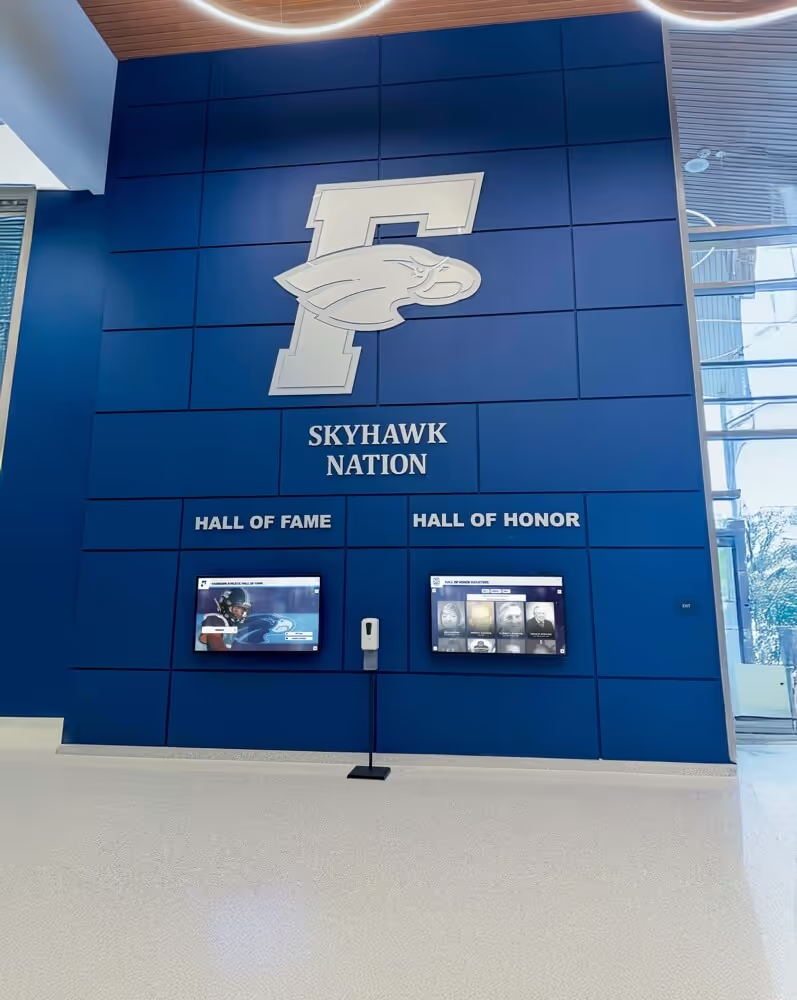
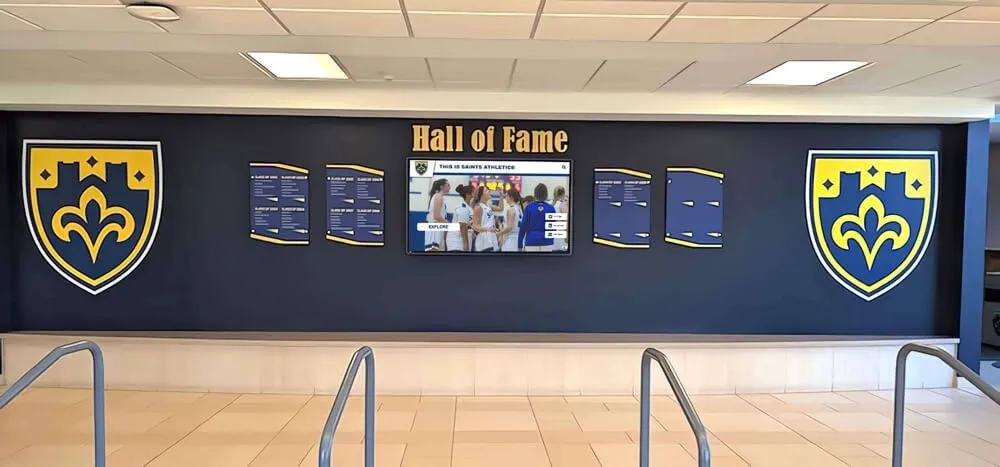
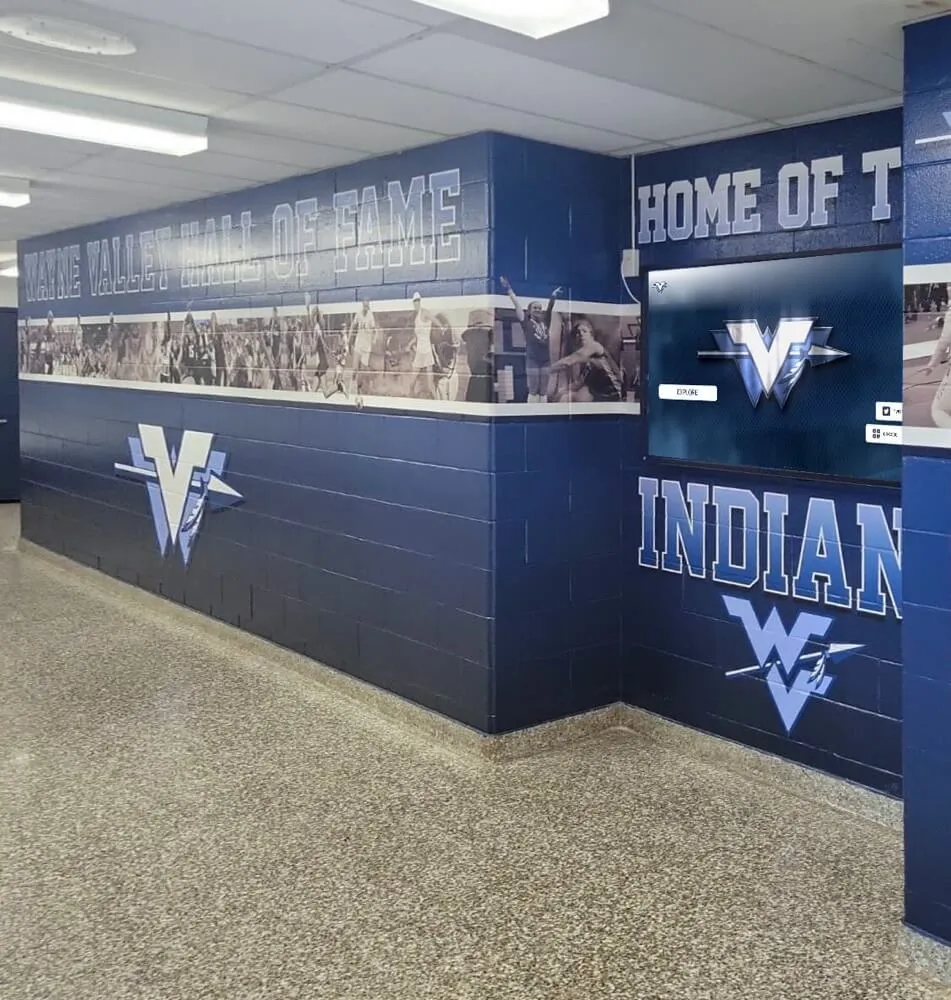
Modern recognition installations combine traditional facility branding with interactive technology creating comprehensive celebration environments
Leveraging Technology to Enhance Awards Ceremonies
Modern platforms transform recognition experiences while extending ceremony impact beyond physical events:
Live Streaming and Virtual Participation
Technology enables broader engagement including families unable to attend physically:
Remote Attendance Solutions
Implement live streaming through simple solutions like YouTube Live or Facebook Live, professional streaming platforms for higher-quality production, recorded ceremonies enabling on-demand viewing after events, and interactive components allowing remote congratulations or questions.
Virtual access dramatically expands ceremony reach enabling geographically dispersed families, deployed military members, international relatives, or individuals with mobility limitations to participate in meaningful celebration.
Hybrid Ceremony Design
Balance in-person and virtual experiences by acknowledging remote attendees during ceremonies, incorporating submitted video messages from distant well-wishers, creating interactive elements engaging both physical and virtual participants, and ensuring streaming quality enables remote viewers to see and hear clearly.
Thoughtful hybrid design ensures virtual participants feel included rather than experiencing second-class observation.
Digital Recognition Display Systems
Purpose-built platforms create lasting visibility beyond temporary ceremonies:
Interactive Touchscreen Installations
Physical displays positioned in high-traffic areas provide unlimited capacity accommodating comprehensive recipient documentation without space constraints, rich multimedia profiles including photos, videos, statistics, and biographical narratives, instant updates adding current recipients immediately following ceremonies, searchable databases enabling visitors to find specific individuals or achievement types, and accessible design ensuring recognition reaches diverse audiences.
Solutions like Rocket Alumni Solutions provide integrated platforms specifically designed for organizational recognition—combining commercial-grade touchscreen hardware with intuitive content management enabling staff to maintain current recognition without technical expertise.
Web-Based Recognition Portals
Extend recognition beyond physical facilities through responsive websites displaying recipient achievements accessible anywhere, social sharing capabilities enabling recipients to distribute recognition across personal networks, mobile applications providing convenient smartphone access, and integration with existing organizational websites or intranets.
Web accessibility dramatically expands recognition reach compared to physical displays limited to on-site visitors—enabling achievement celebration inspiring far broader audiences.
Ceremony Integration Strategies
Connect events with permanent systems by previewing digital platforms during ceremonies introducing attendees to lasting recognition, incorporating display content into ceremony presentations, capturing ceremony moments for immediate addition to digital profiles, and encouraging attendees to explore platforms after events extending engagement.
Integration ensures ceremonies feel like culminating celebrations within comprehensive recognition ecosystems rather than isolated annual obligations.
Insights on trophy display strategies demonstrate effective physical and digital recognition combinations maximizing visibility while addressing traditional limitations.
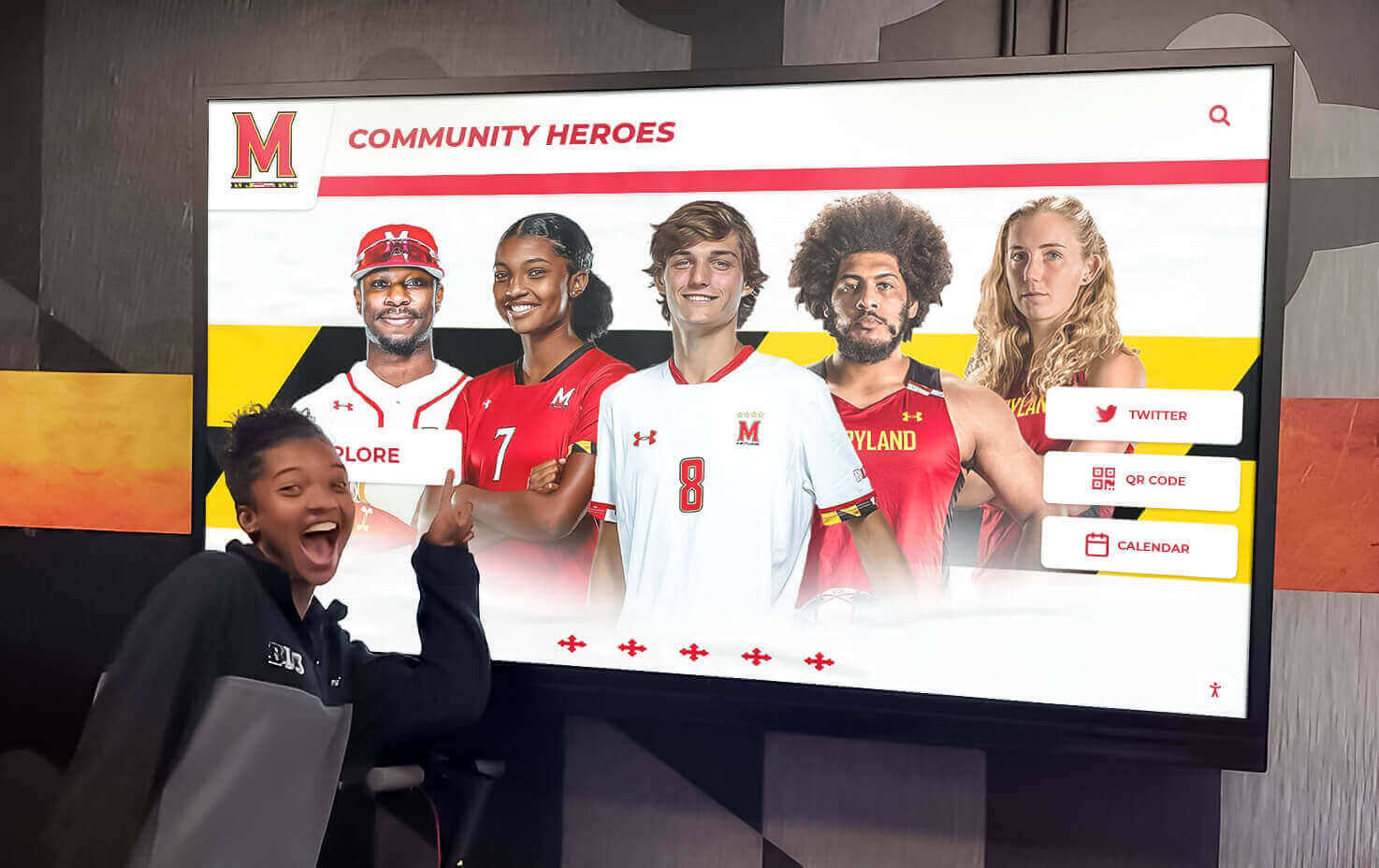
Accessible recognition displays engage entire communities including younger participants who see achievement role models and aspire toward similar excellence
Post-Ceremony Follow-Through and Recognition Sustainability
Ceremony impact extends beyond event conclusions through strategic follow-up and systematic recognition maintenance:
Immediate Post-Ceremony Activities
Distribution and Communication
Follow up within one week distributing professional ceremony photographs to recipients and families, posting video recordings for attendees and remote viewers, sharing ceremony highlights via organizational communications and social media, sending thank-you notes to volunteers, speakers, and contributors, and gathering feedback from recipients and attendees informing future improvements.
Prompt follow-through maintains positive momentum while demonstrating that organizations value ceremony experiences beyond immediate events.
Media and Publicity Engagement
Extend ceremony visibility through press releases to local media with ceremony highlights and recipient information, social media campaigns featuring individual recipient spotlights, organizational newsletter features celebrating honorees, website updates adding recipient information and ceremony documentation, and community partnership communications when relevant to broader stakeholder networks.
Sustained publicity amplifies recognition impact while enhancing organizational reputation for celebrating excellence.
Building Sustainable Recognition Programs
One-time ceremonies provide temporary celebration, but systematic programs create cultures where excellence receives ongoing acknowledgment:
Establishing Recognition Traditions
Create institutional consistency through annual ceremony scheduling at predictable times, consistent award categories maintaining recognition stability, documented selection processes ensuring fairness and transparency, multi-year planning enabling quality preparation and continuous improvement, and succession planning preventing program collapse during leadership transitions.
Systematic approaches transform isolated ceremonies into institutional traditions participants expect and value.
Maintaining Recognition Visibility
Ensure lasting impact through permanent display systems like interactive platforms documenting all recipients across program history, facility installations positioning recognition prominently where communities regularly encounter achievements, web portals enabling remote exploration by alumni, families, and prospective participants, and regular content updates maintaining current relevance and engagement.
Permanent visibility transforms ceremonies from annual obligations into ongoing celebration systems where excellence receives sustained acknowledgment inspiring continued achievement.
Measuring Program Impact
Assess recognition effectiveness through recipient satisfaction surveys, attendance trends indicating community engagement levels, achievement trend analysis showing whether recognition motivates excellence, organizational culture indicators measuring satisfaction and commitment, and recruitment impacts when recognition influences participation decisions.
Systematic assessment demonstrates program value while informing continuous improvement ensuring recognition remains meaningful rather than becoming perfunctory obligation.
Approaches to Most Improved Player recognition demonstrate systematic criteria development ensuring fair, meaningful selection applicable across recognition contexts.
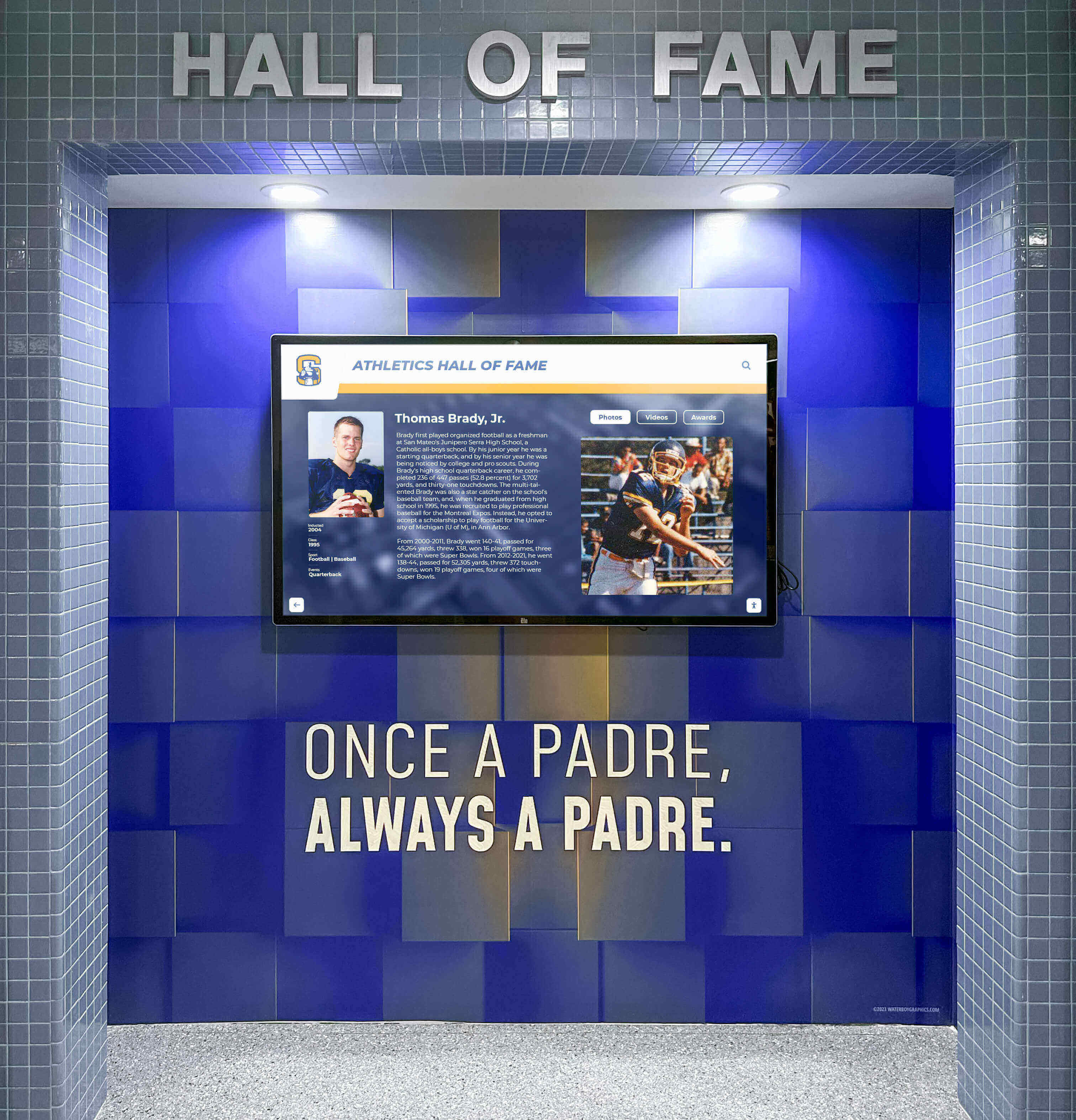
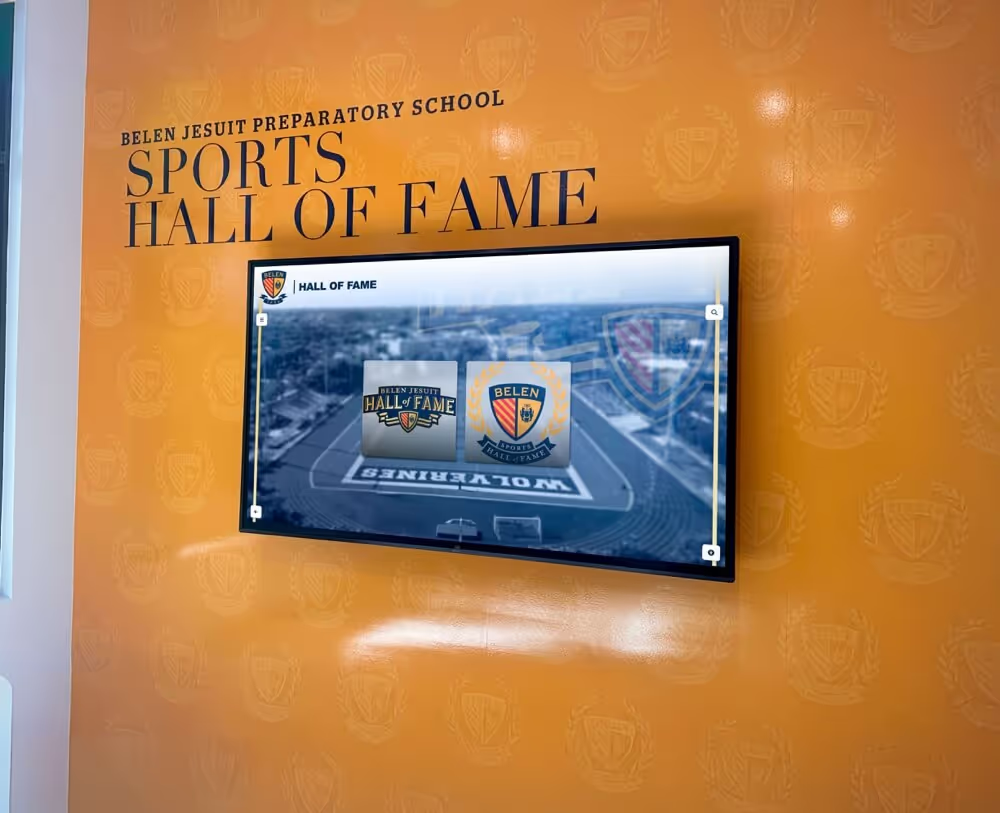
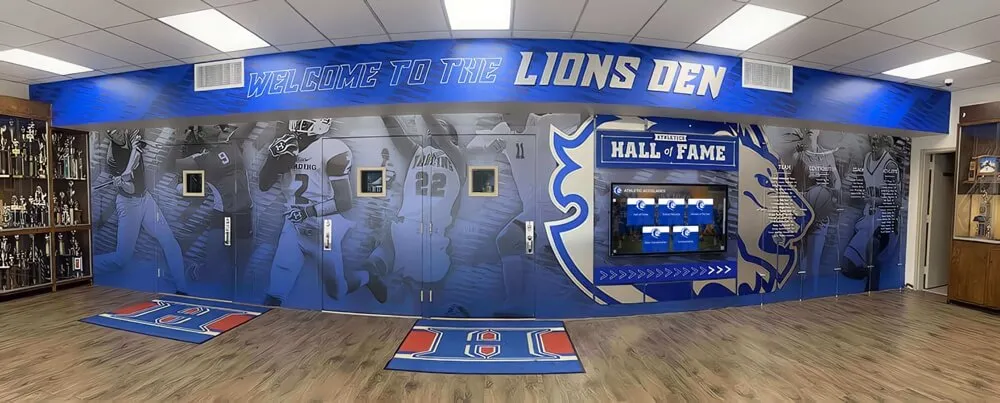
Strategic placement in high-traffic areas ensures recognition reaches recipients, families, and visitors regularly—inspiring current participants while honoring past excellence
Addressing Common Awards Ceremony Planning Challenges
Anticipating obstacles enables proactive solutions preventing problems from undermining recognition quality:
Challenge: Balancing Recognition Across Diverse Achievement Categories
Organizations struggle ensuring equitable acknowledgment when honoring varied achievement types ranging from academic to athletic, artistic to service contributions.
Solution Strategies
Create clear category structures organizing recognition logically, establish consistent award levels defining recognition tiers across categories, provide proportional ceremony time avoiding overemphasis of particular achievement types, use varied presentation approaches preventing monotony while honoring diversity, and implement transparent selection processes ensuring fairness across all categories.
Systematic structure demonstrates that organizations value comprehensive excellence rather than privileging particular achievement dimensions.
Challenge: Maintaining Audience Engagement Throughout Ceremonies
Long recipient lists or repetitive presentation formats risk losing audience attention despite genuine appreciation for honorees.
Solution Strategies
Limit ceremony duration targeting 75-90 minutes maximum, vary presentation approaches alternating individual recognition with group acknowledgments and multimedia elements, incorporate strategic breaks like musical performances or featured speakers providing variety, use compelling storytelling making recipients memorable beyond name announcements, and design physical environment maximizing comfort and visibility.
Engaging programming respects audience attention spans while ensuring all recipients receive meaningful acknowledgment.
Challenge: Managing Budget Constraints
Limited resources force difficult choices between ceremony quality, award expenses, and recognition visibility.
Solution Strategies
Prioritize spending on elements creating greatest impact, seek volunteer support and community donations reducing cash requirements, leverage existing organizational resources and facilities, implement digital recognition reducing physical award costs while increasing lasting visibility, and consider fundraising or sponsorships specifically supporting recognition programs.
Creative approaches enable meaningful recognition within realistic budgets by focusing resources strategically and engaging community support.
Understanding athletic banquet planning strategies provides detailed ceremony logistics applicable across organizational recognition contexts.
Transform Your Recognition Program with Lasting Visibility
Discover how modern digital recognition platforms enable comprehensive celebration with unlimited capacity, engaging multimedia profiles, and sustainable systems ensuring achievements receive ongoing honor beyond single-ceremony moments. Rocket Alumni Solutions specializes in purpose-built recognition technology serving schools, clubs, and organizations across all contexts and program sizes.
Explore Recognition SolutionsCreating Recognition Ceremonies That Inspire and Endure
Awards ceremonies represent more than administrative obligations distributing acknowledgment—when designed thoughtfully and executed professionally, recognition events create transformative experiences validating achievement, inspiring continued excellence, and strengthening organizational cultures celebrating contribution and dedication. The difference between perfunctory recognition and meaningful celebration lies in comprehensive planning addressing recipient experience, engaging program design balancing acknowledgment with entertainment, quality awards and keepsakes recipients cherish, and sustainable systems ensuring recognition visibility extends beyond temporary ceremony moments.
Schools, organizations, and clubs implementing effective awards ceremonies discover that systematic recognition delivers measurable value including enhanced participant satisfaction and motivation, stronger organizational pride and unity, improved recruitment as excellence receives visible celebration, sustained engagement as recipients feel genuinely valued, and lasting cultural impact when recognition becomes institutional tradition rather than isolated annual event.
Whether implementing new awards programs, enhancing existing ceremonies, or exploring how modern technology addresses traditional recognition limitations, the frameworks explored throughout this guide provide proven approaches creating awards ceremonies that genuinely honor achievement while inspiring continued excellence. Your recipients invested extraordinary time, effort, and dedication pursuing excellence while balancing competing obligations—they deserve recognition matching that commitment through thoughtful ceremonies, meaningful awards, and lasting visibility celebrating their accomplishments.
Ready to enhance your awards ceremony planning? Explore soccer awards recognition approaches adaptable across contexts, discover golf tournament awards strategies offering creative recognition ideas, learn about comprehensive academic recognition programs, and understand how digital recognition displays preserve ceremony honorees through permanent interactive platforms inspiring current and future participants while honoring past excellence.