The start of a new academic year presents schools with a unique opportunity to bring together students, families, staff, and community members around shared purpose and excitement. Back to school events serve as more than simple orientations—they’re strategic community-building moments that set the tone for the entire year, establish connections that support student success, and demonstrate institutional values through welcoming experiences that make everyone feel part of something meaningful.
Yet many schools struggle with creating back to school events that genuinely engage diverse audiences beyond surface-level meet-and-greets. Generic open houses with classroom tours and supply checklists fail to capture the energy and possibility inherent in new beginnings. Families attend out of obligation rather than enthusiasm, students feel awkward and disconnected, and opportunities to build the supportive community essential for educational success slip away before the academic year truly begins.
This comprehensive guide explores how thoughtfully designed back to school events create vibrant community connections while showcasing institutional facilities, recognition programs, and culture. Whether planning your first comprehensive welcome event or seeking to revitalize stagnant programming, you’ll discover creative approaches that transform perfunctory orientations into memorable experiences that strengthen bonds supporting student success throughout the year.
Successful schools understand that back to school events represent investments in community culture—not administrative obligations. When families, students, and staff gather at the start of the year in welcoming environments that celebrate achievement, demonstrate institutional values, and facilitate genuine connection, they build the relationships and school pride that sustain engagement through challenges and change.

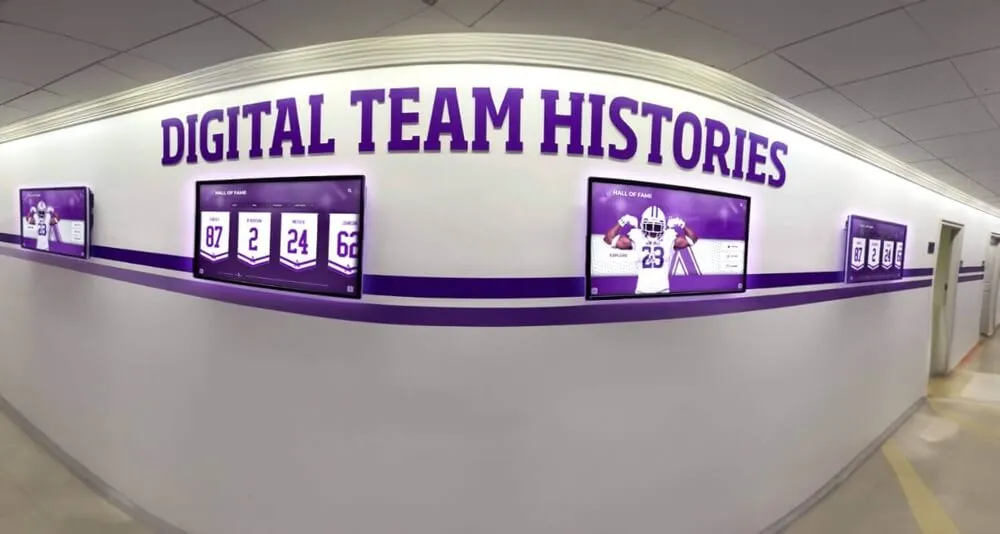
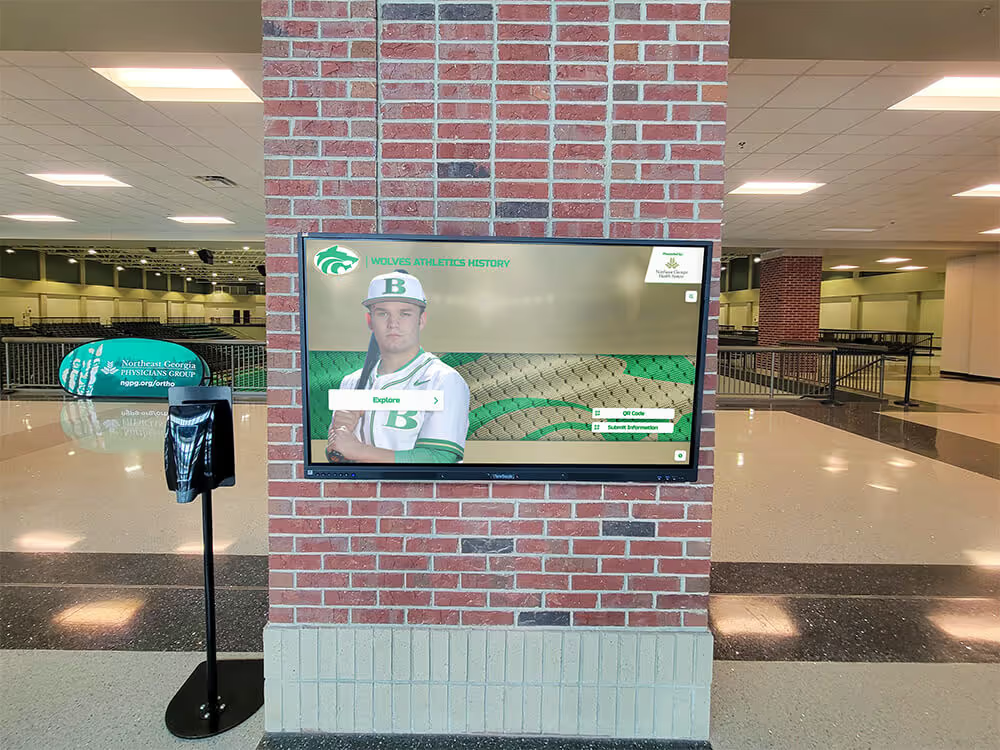
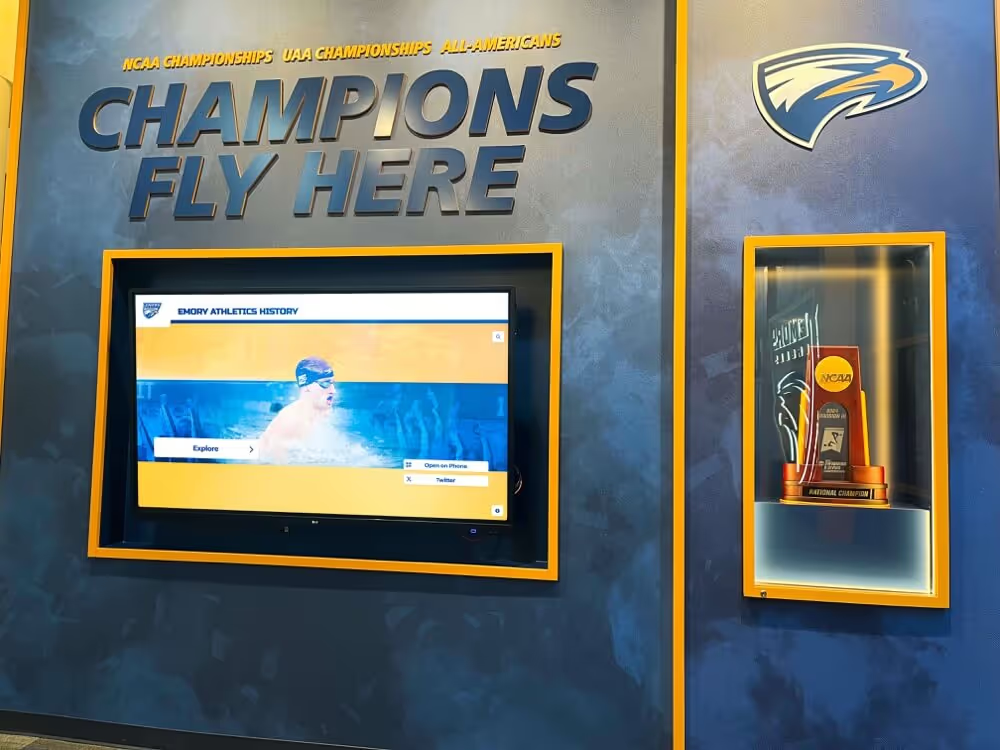
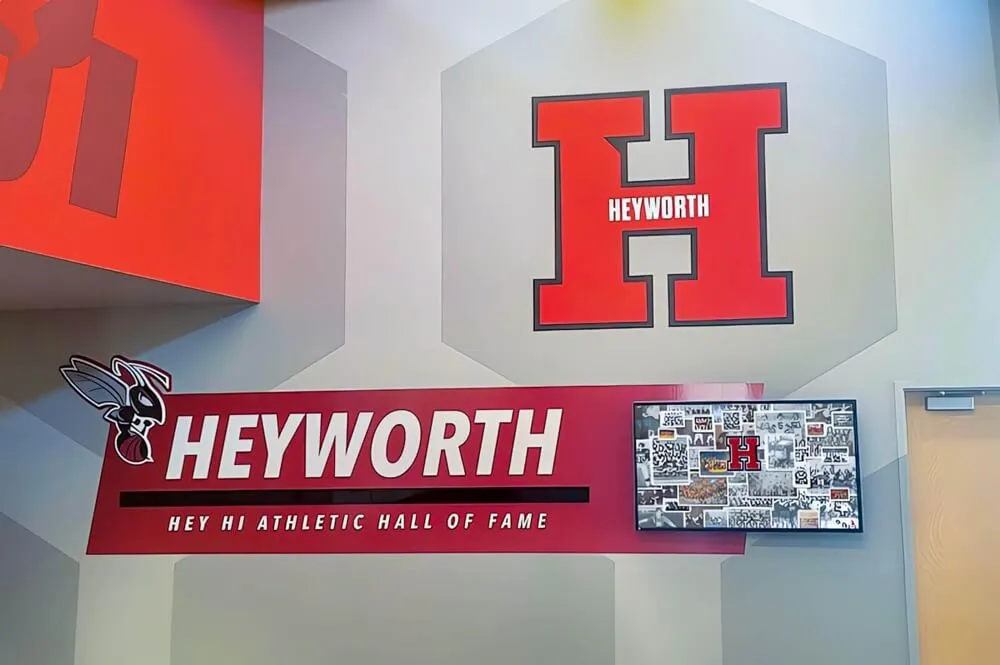
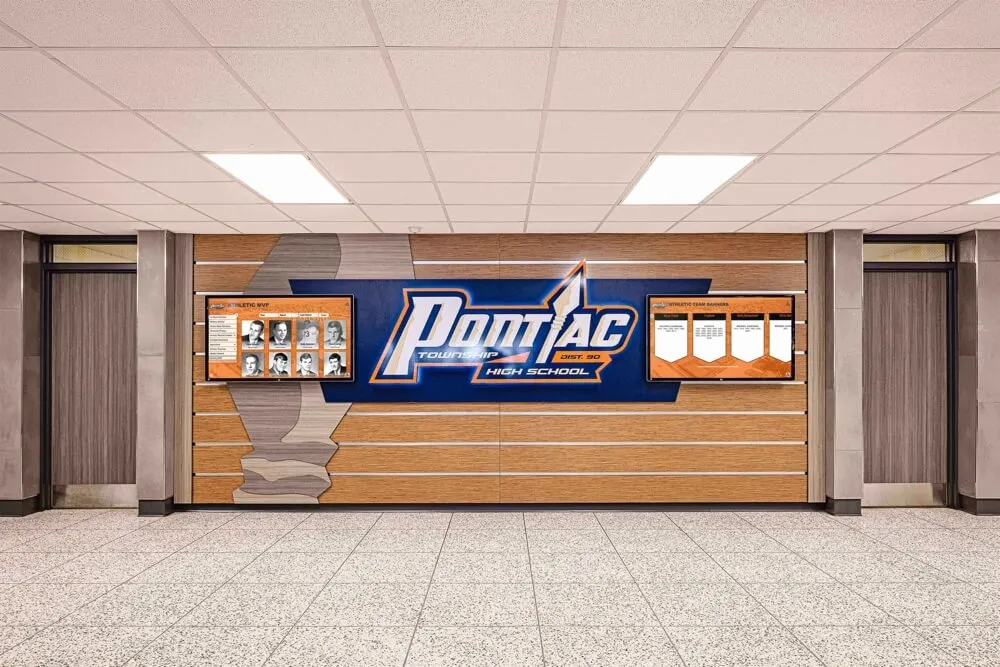
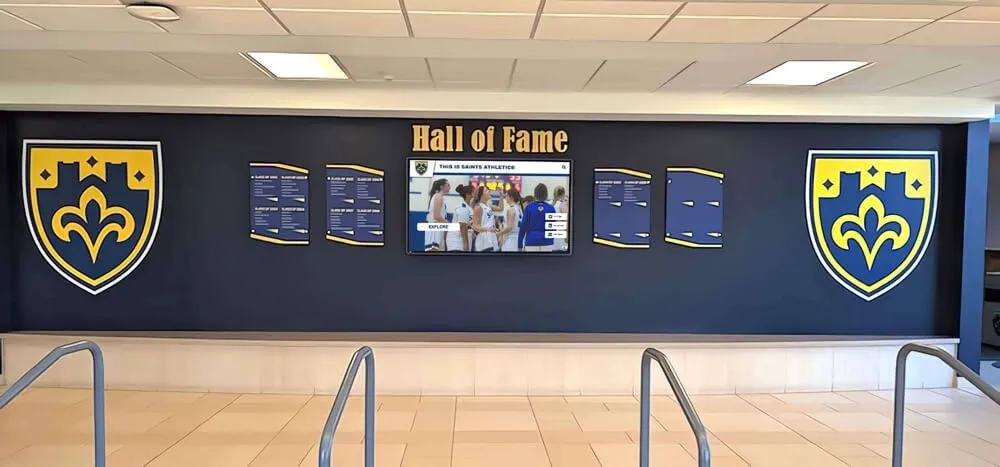
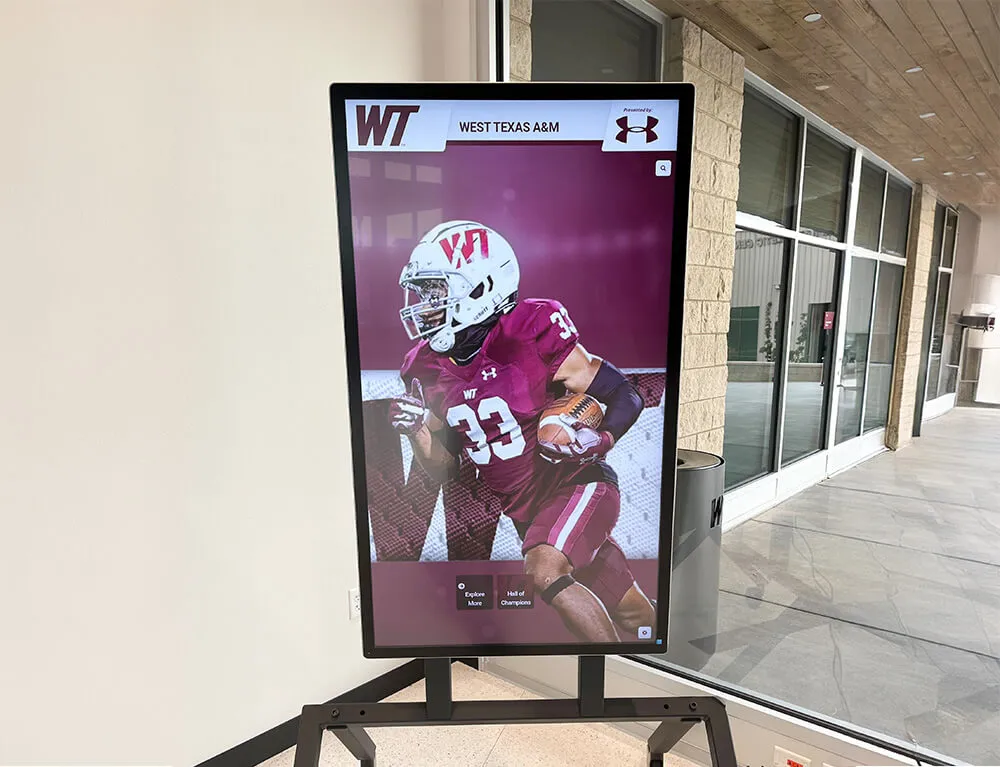
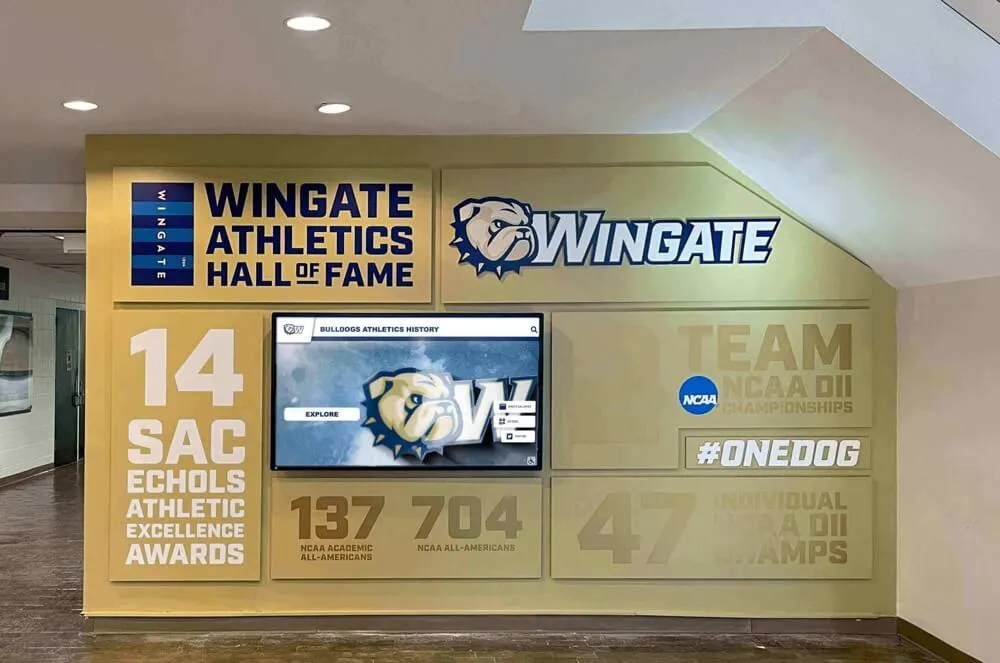
Welcoming school spaces featuring recognition displays and athletic heritage create pride-filled environments where back to school events naturally celebrate community excellence
Understanding the Purpose of Back to School Events
Before planning specific activities, understanding what makes back to school events meaningful helps ensure programming actually achieves community-building objectives.
Building Connections Across the School Community
The primary purpose of successful back to school events involves creating relationship foundations that support student success throughout the academic year.
Family-School Partnerships
Strong family-school connections consistently predict better student outcomes, yet many families—particularly those new to schools or unfamiliar with educational systems—feel uncertain about how to engage effectively. Back to school events provide structured opportunities where families meet teachers, administrators, and support staff in low-pressure environments, learn communication systems and expectations, understand how to support learning at home, and begin building trust with educators shaping their children’s experiences.
When families feel welcomed and connected from day one, they engage more consistently throughout the year through volunteering, attending events, communicating with teachers, and supporting learning at home.
Student Community Building
For students—especially those entering new schools or grade levels—back to school events ease transitions by helping them meet classmates before first-day anxiety peaks, familiarize themselves with campus layouts reducing navigation stress, connect with teachers and staff beyond formal classroom settings, and identify support resources including counselors, clubs, and academic programs.
These early connections help students feel they belong, which research consistently links to improved attendance, engagement, academic performance, and overall well-being.
Staff Collaboration and Culture
Back to school events also strengthen staff community. When teachers, administrators, support staff, and specialists collaborate to create welcoming experiences, they reinforce the culture of teamwork essential for effective schools. Events provide opportunities for staff to connect across departments, demonstrate shared commitment to student success, and collectively celebrate the institutional mission that unites their work.
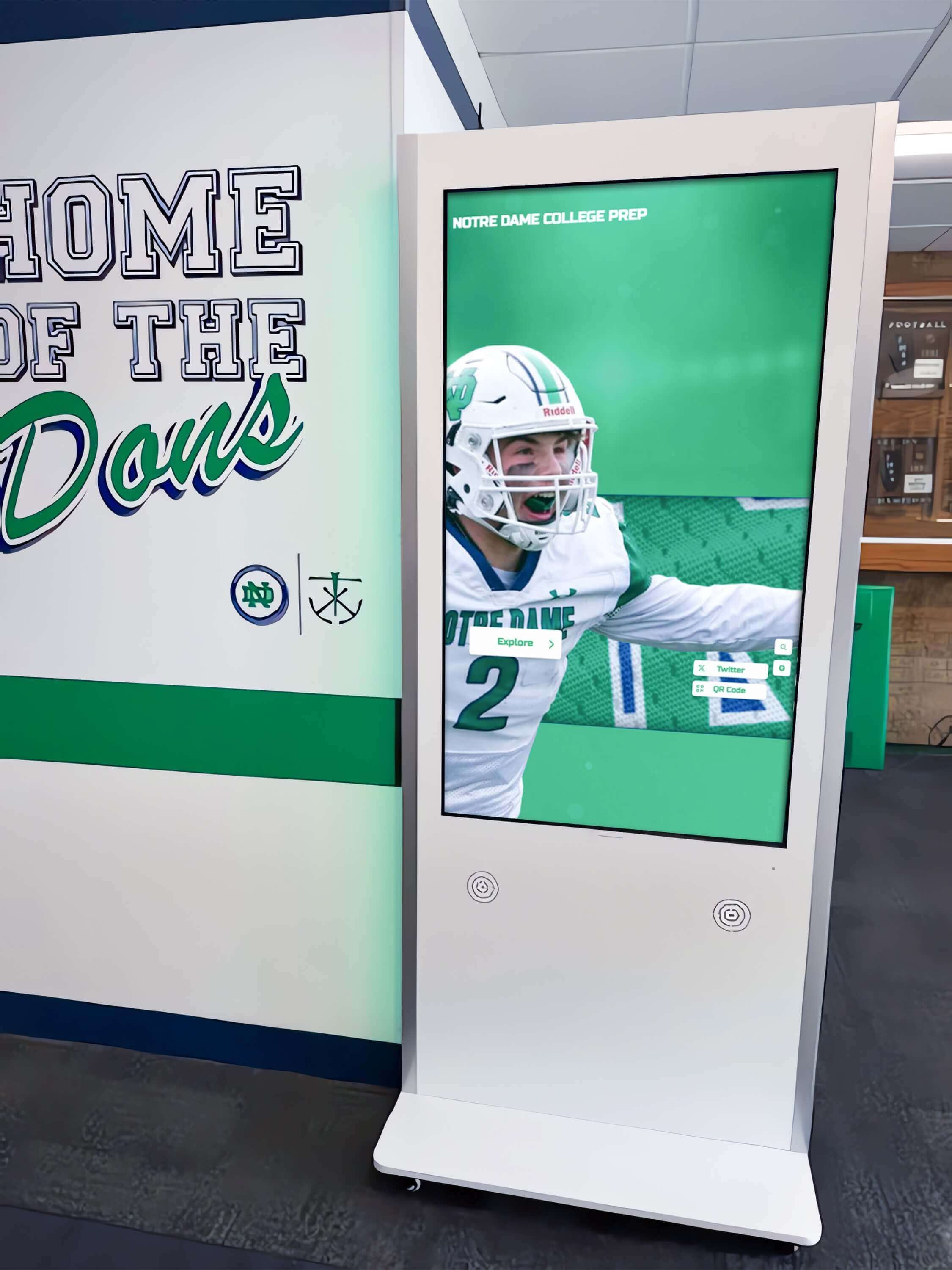
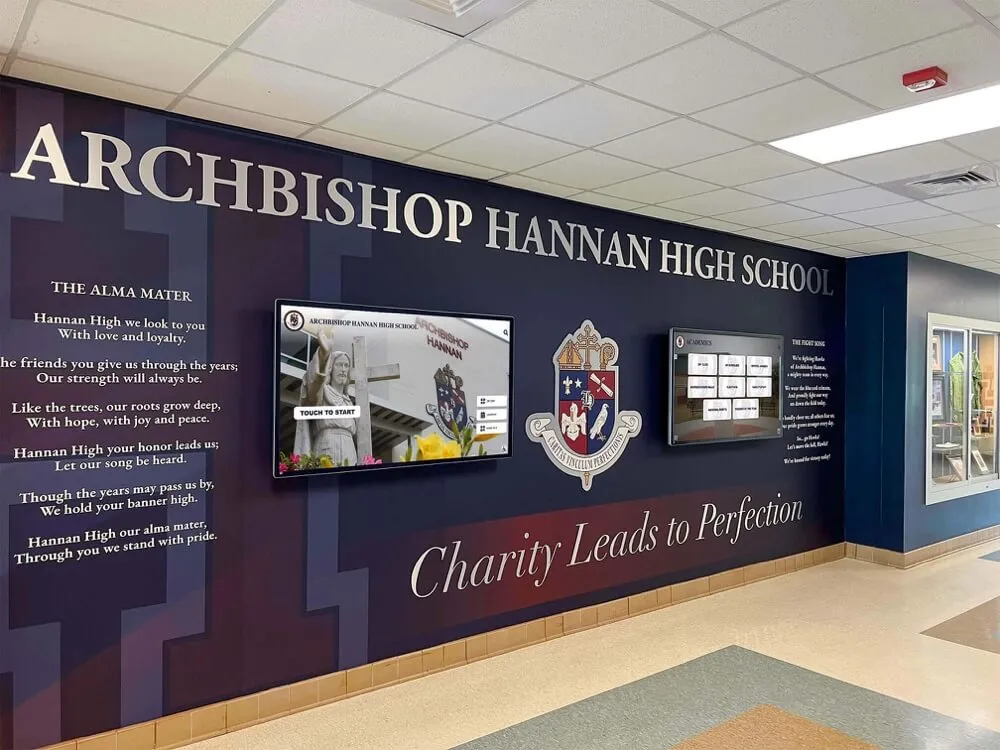
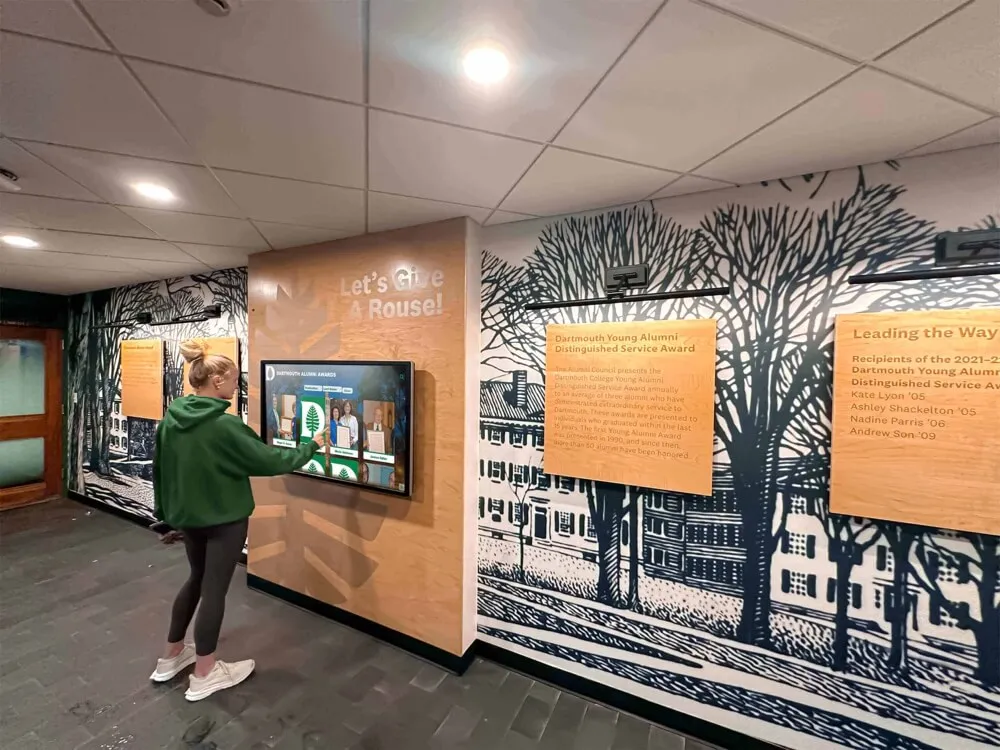
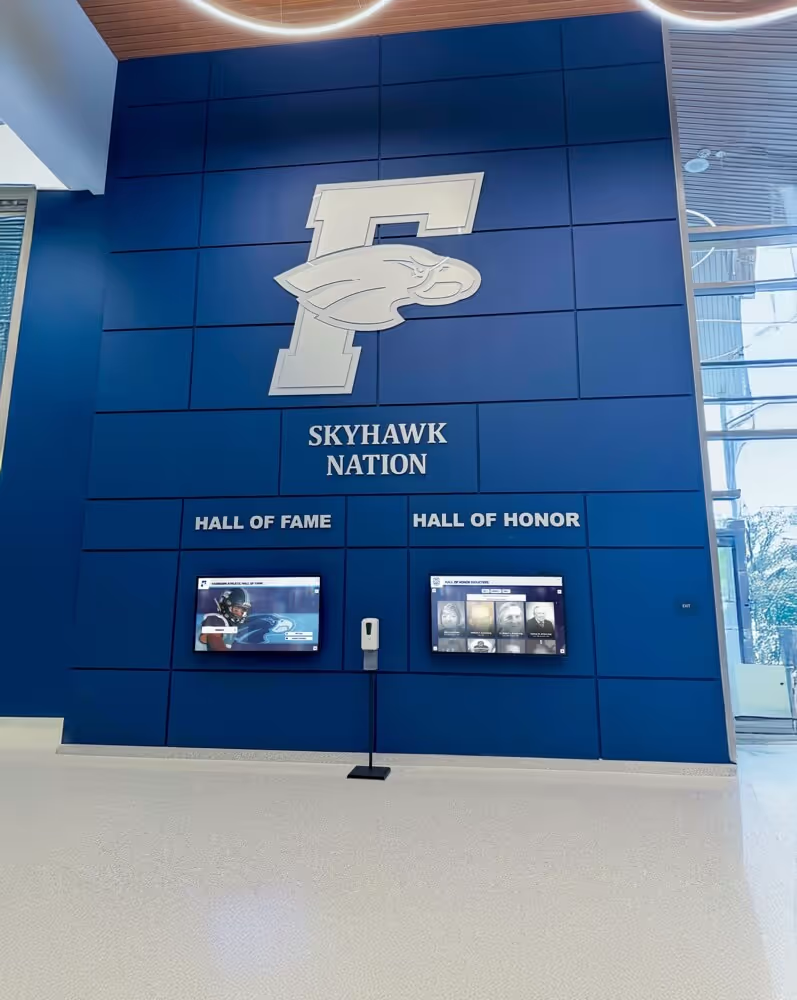
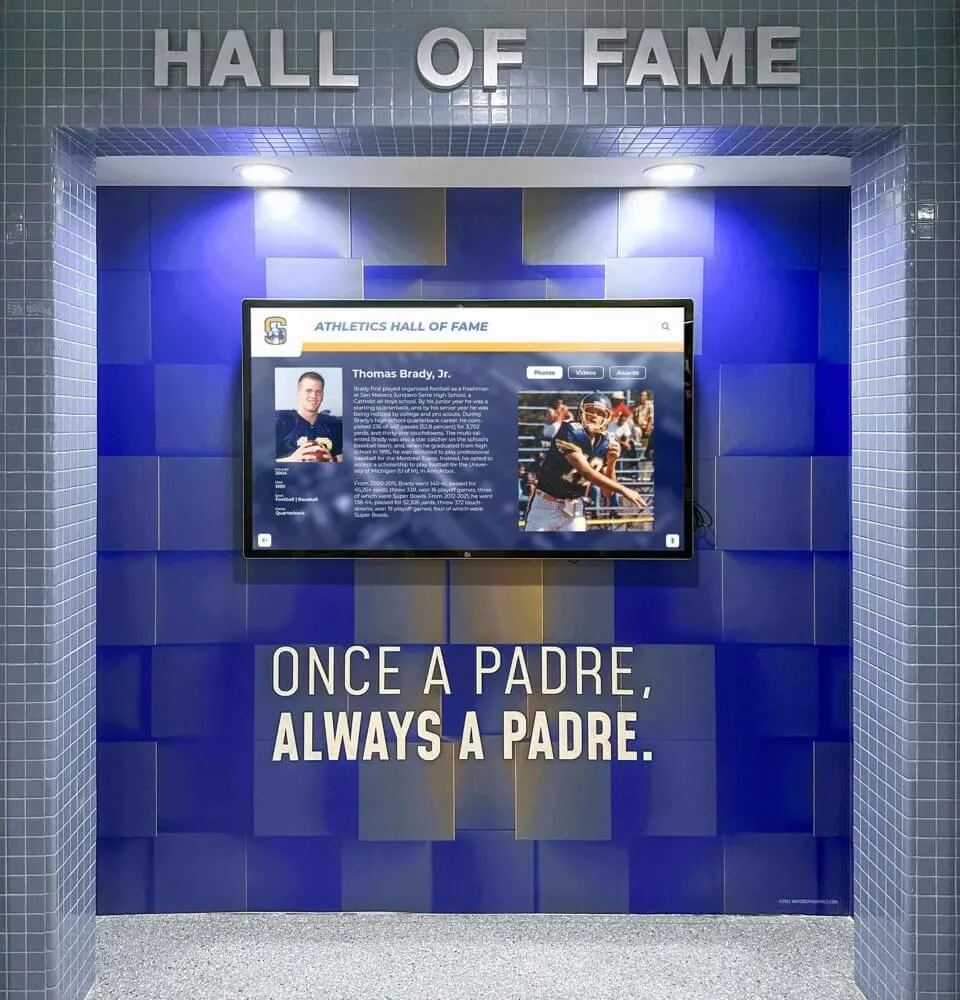
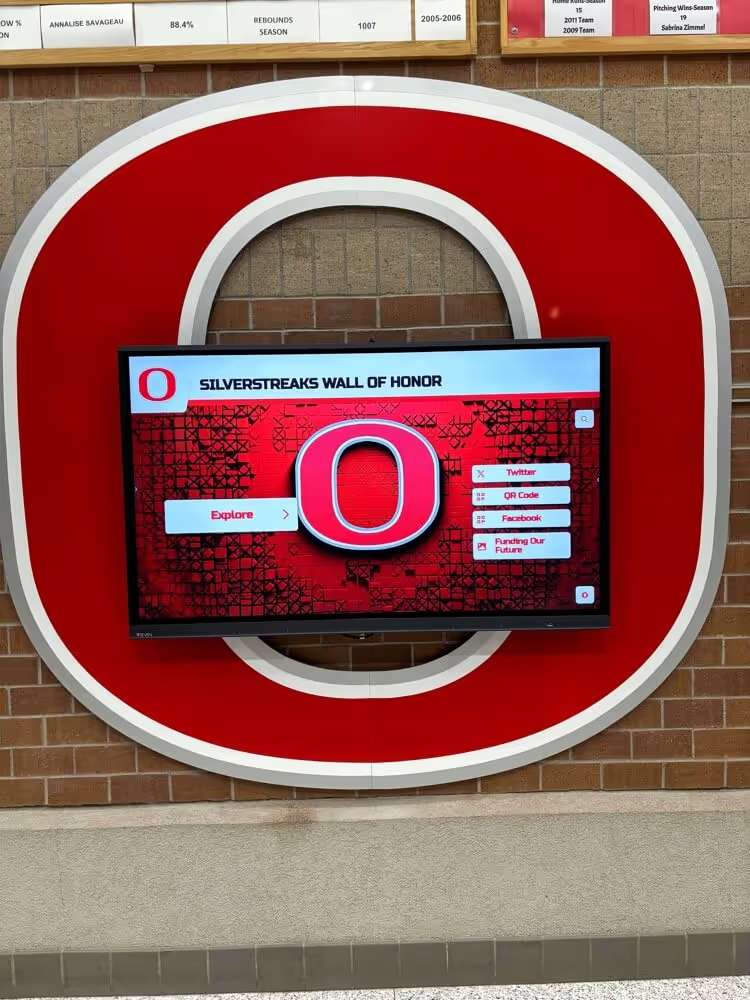
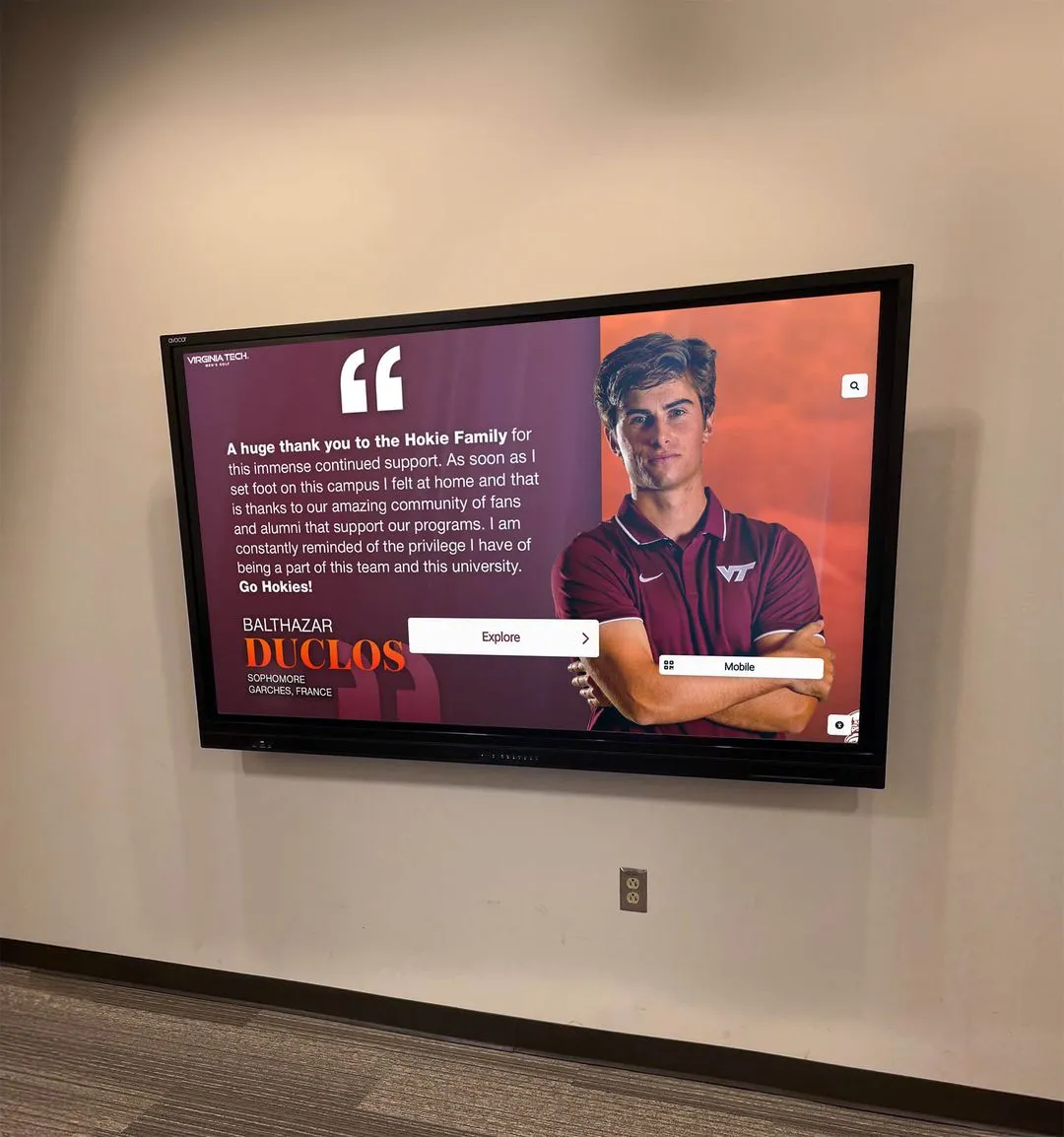
Interactive recognition displays positioned in high-traffic hallways create natural gathering points during events where families explore institutional history together
Showcasing School Culture and Values
Back to school events communicate institutional priorities through intentional design that reflects what schools truly value.
Celebrating Achievement and Excellence
Effective events highlight institutional accomplishments creating pride and inspiration. Schools can showcase recent achievements through displays, presentations, or interactive recognition, feature student work from previous years demonstrating academic and creative excellence, celebrate athletic, artistic, and extracurricular successes building excitement, and introduce traditions and heritage connecting new community members to institutional history.
Solutions like interactive digital displays enable schools to showcase comprehensive achievement databases where families explore athletic records, academic honors, and alumni success stories during back to school events, creating natural conversation starters while demonstrating institutional commitment to recognizing excellence across all dimensions.
Demonstrating Inclusive Community Values
The way schools welcome families communicates volumes about inclusion commitments. Thoughtful events provide multilingual materials and interpretation services, ensure accessibility for families with disabilities, represent diverse community members in programming and presentations, welcome all family structures without assumptions, and create comfortable entry points for families from varying socioeconomic backgrounds.
When all families feel genuinely welcomed regardless of background, ethnicity, language, ability, or circumstance, schools build the inclusive community culture essential for equitable learning environments where every student thrives.
Orienting and Informing Community Members
While relationship-building represents the primary purpose, back to school events also serve practical information-sharing functions.
Logistical Information and Procedures
Families need concrete information about how schools operate: daily schedules and bell times, drop-off and pick-up procedures, lunch programs and meal options, attendance policies and communication systems, safety protocols and emergency procedures, and technology platforms for grades, assignments, and communication.
Rather than overwhelming families with information dumps, effective events provide essential basics while pointing to resources for deeper exploration, ensuring families leave with actionable knowledge supporting smooth starts.
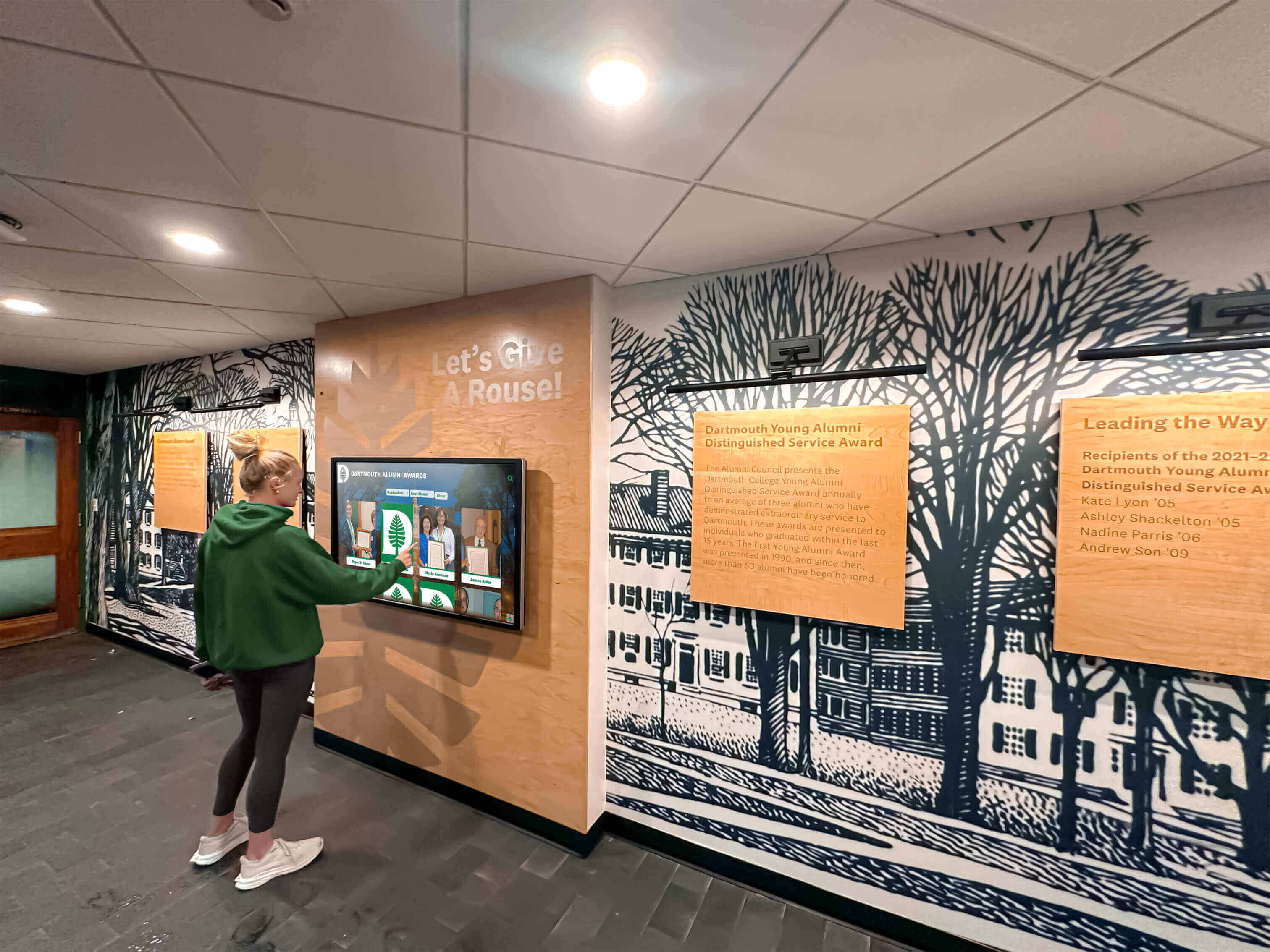
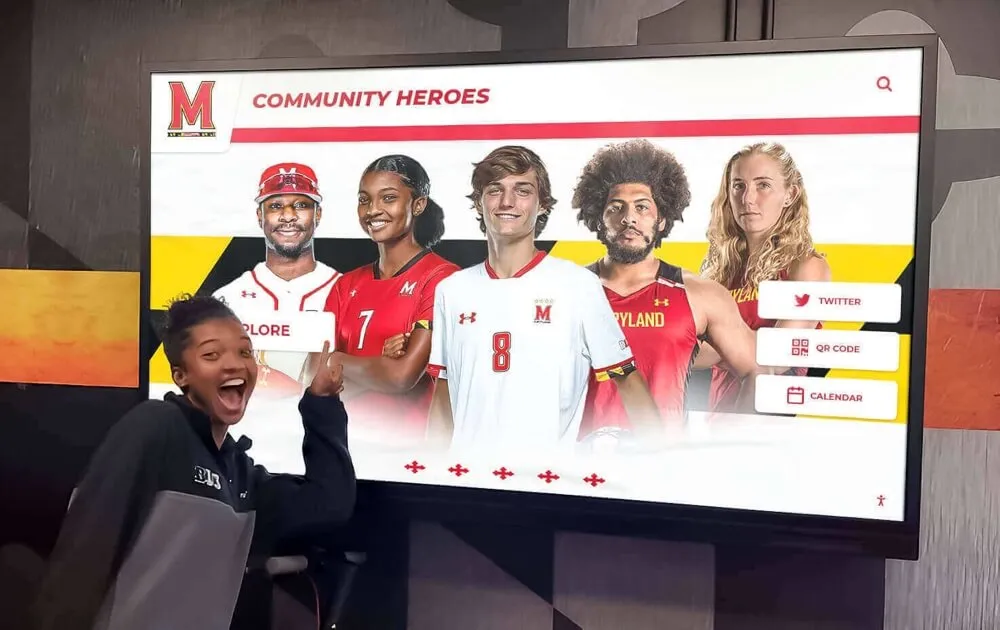
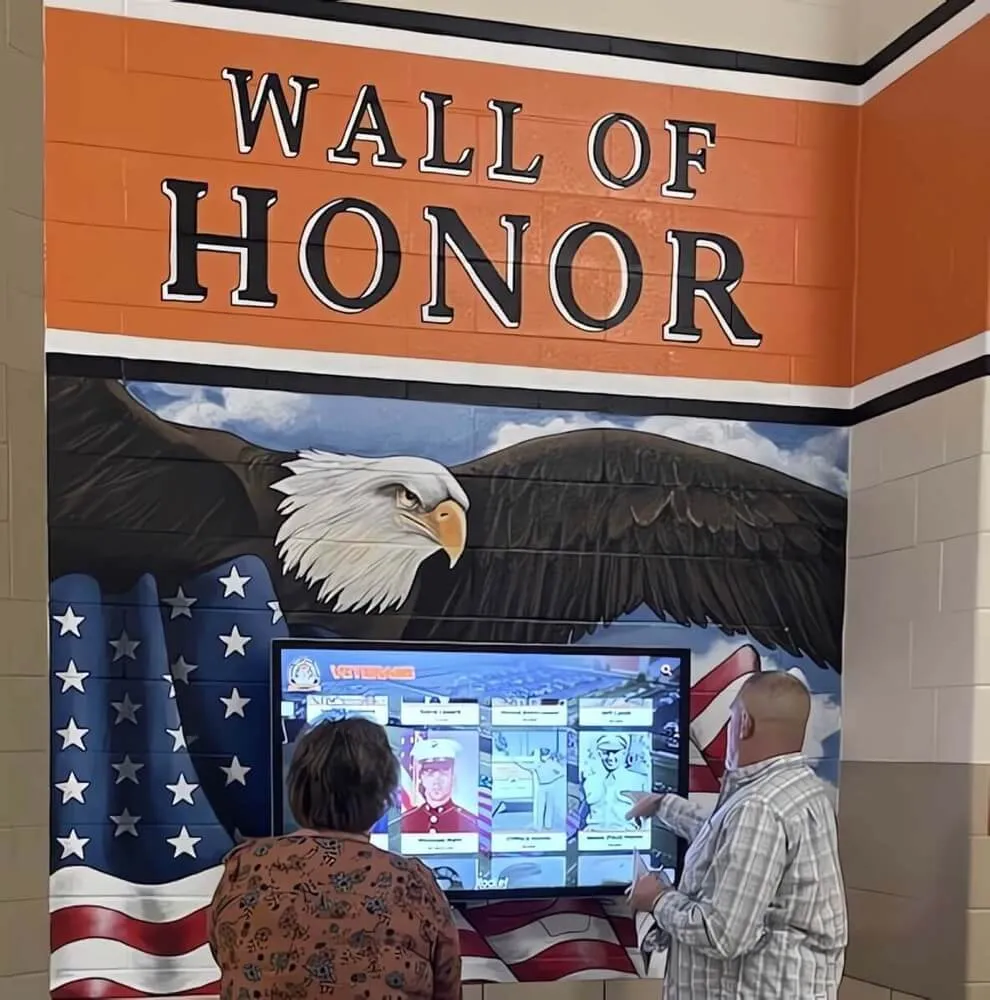
Student-friendly interactive displays encourage exploration of school history, achievement, and tradition—building pride and connection to institutional community
Academic Programs and Expectations
Back to school events help families understand educational approaches, curriculum frameworks and learning objectives, assessment and grading policies, homework expectations and study support, special programs including gifted education, intervention supports, and specialized tracks, and resources supporting academic success including tutoring, libraries, and technology access.
Clear academic communication builds family confidence in supporting learning while establishing realistic expectations preventing confusion and frustration as the year progresses.
Extracurricular and Enrichment Opportunities
Schools offer tremendous opportunities beyond core academics, yet families often remain unaware of available programs. Events can showcase athletic teams and recreational sports options, performing and visual arts programs, clubs and student organizations across varied interests, leadership opportunities including student government and service programs, and specialized programs like robotics, debate, or academic competitions.
Early awareness enables students to engage immediately rather than missing opportunities due to lack of information.
Creative Back to School Event Formats
Beyond traditional open houses, innovative event structures create more engaging experiences that truly build community.
Festival-Style Community Celebrations
Transform back to school events into celebratory festivals with varied activities creating energy and excitement.
Activity Stations and Interactive Zones
Rather than passive touring, create interactive stations where families engage actively: academic department booths with hands-on demonstrations, athletics areas with skill challenges or mini-games, arts stations offering quick creative projects, technology showcases featuring learning platforms and tools, and club fairs where student organizations recruit new members.
This festival atmosphere encourages exploration while making information-sharing feel fun rather than overwhelming.
Food and Entertainment
Community meals create welcoming atmospheres: food truck festivals offering diverse options, potluck celebrations where families share cultural dishes, ice cream socials or BBQs providing casual gathering spaces, or light refreshments enabling comfortable lingering and conversation.
Entertainment adds festivity through student performance showcases, live music from school ensembles, mascot appearances and spirit activities, or outdoor games and inflatable attractions for younger siblings. These elements transform utilitarian orientations into genuine celebrations families genuinely enjoy attending.
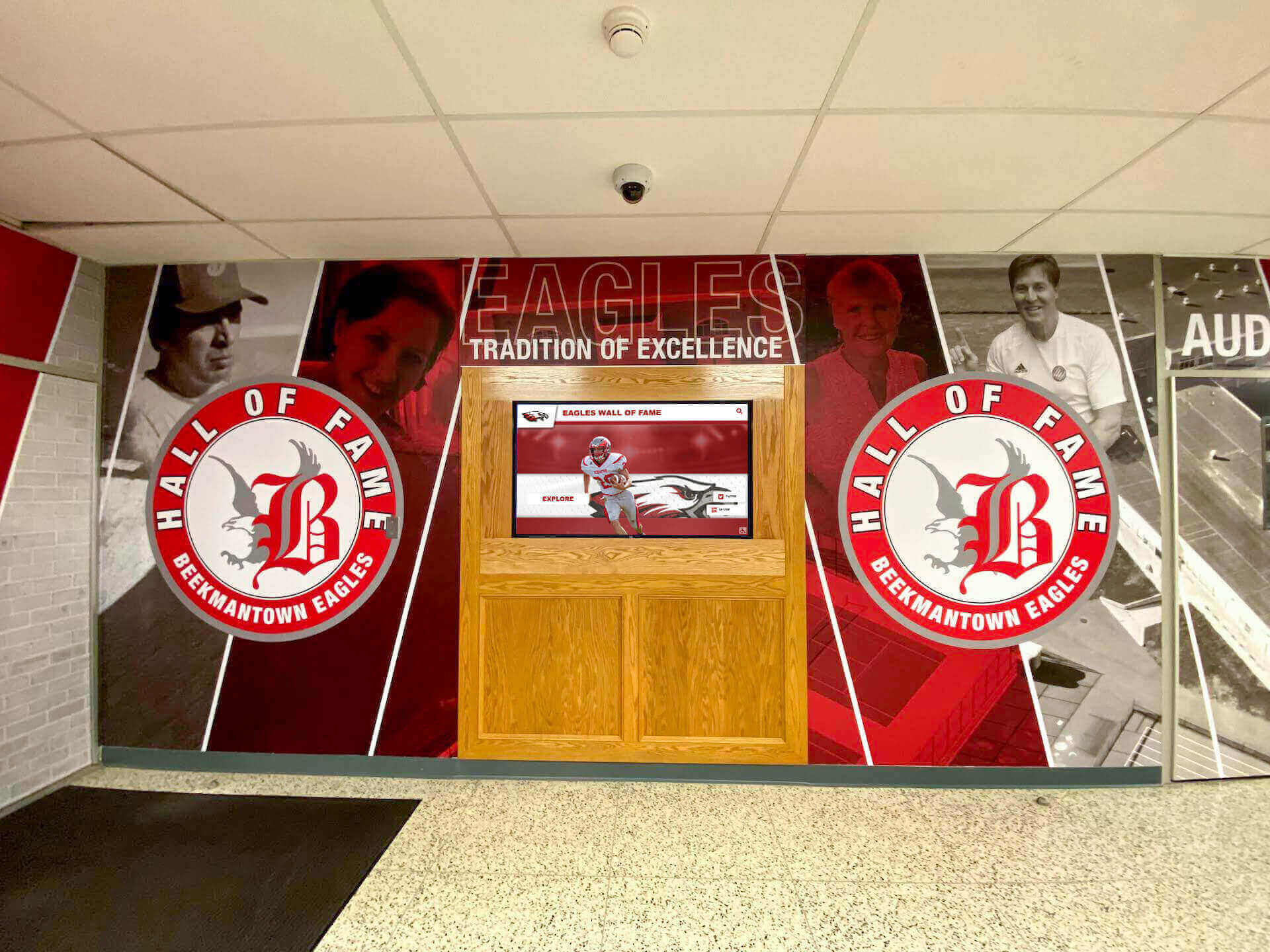
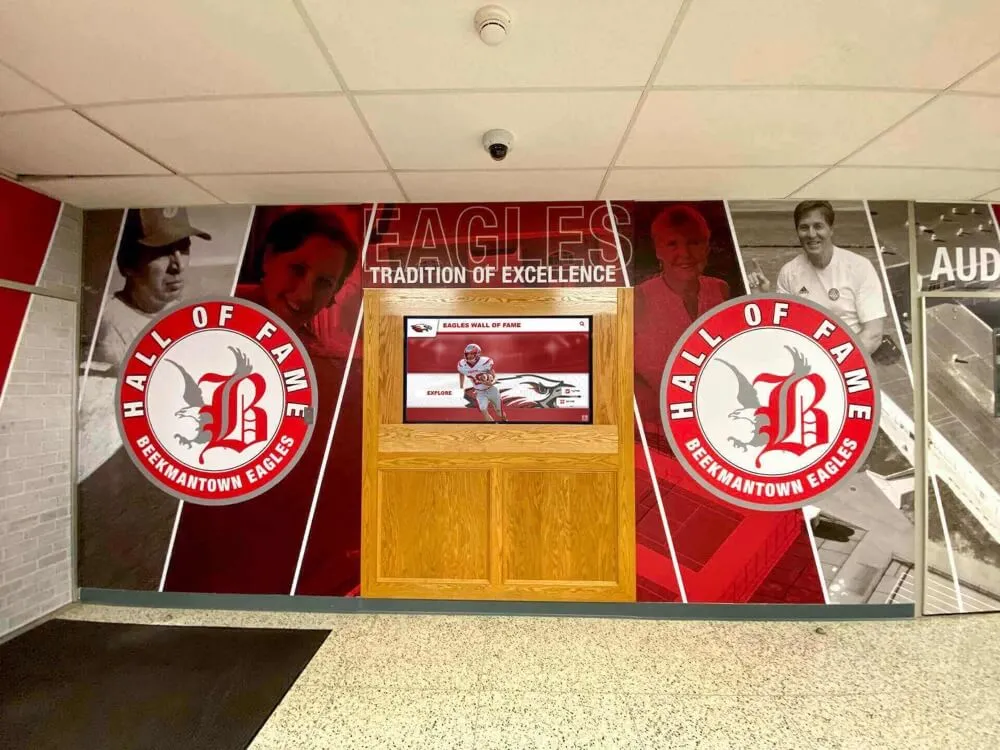
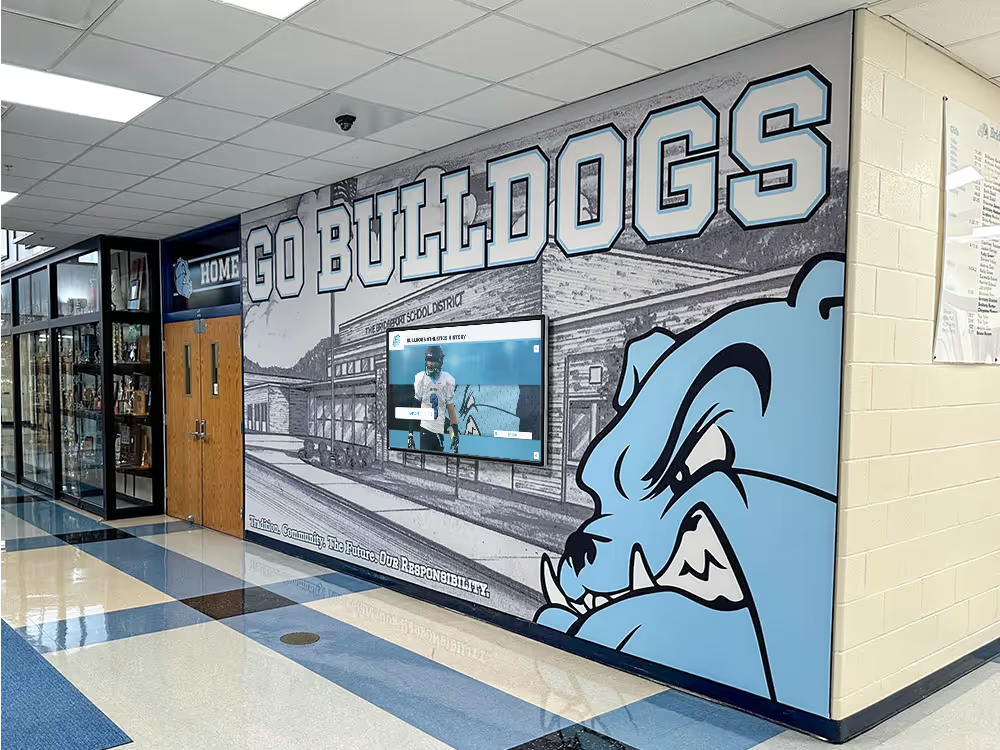
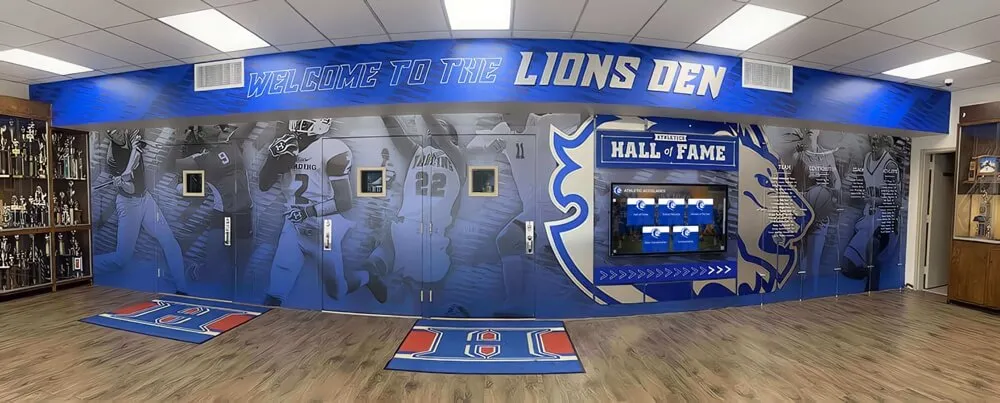
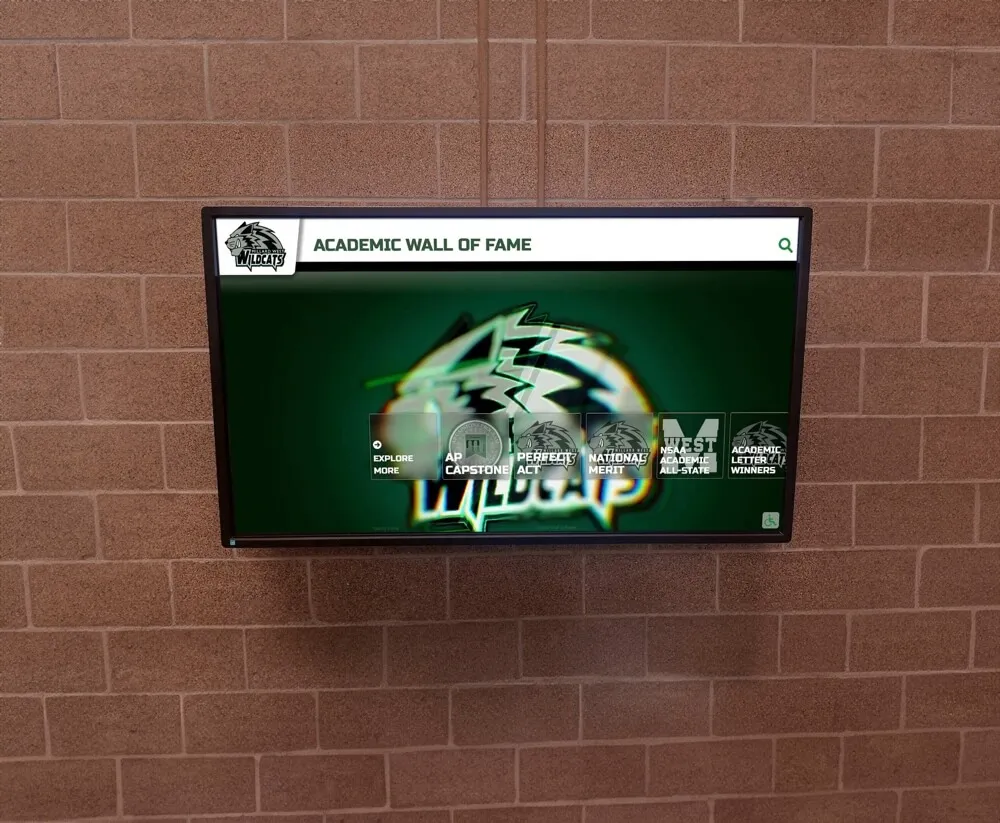
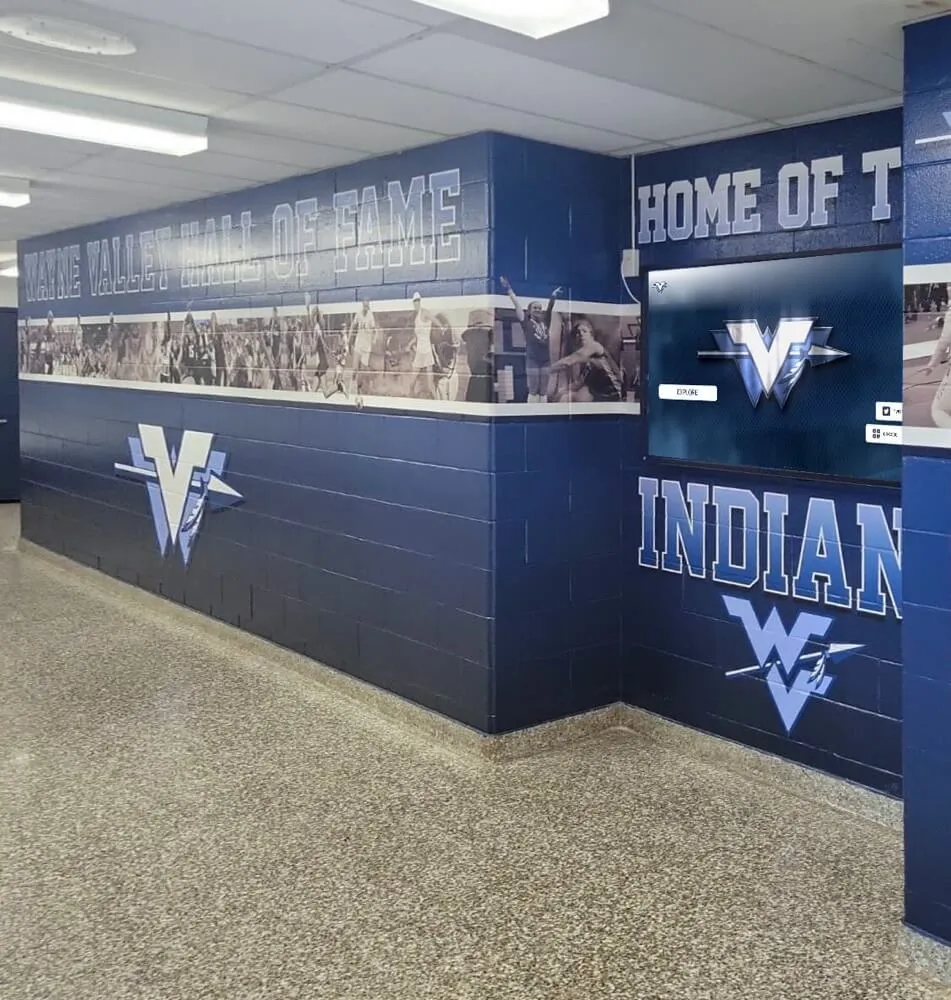
Integrated recognition environments combining murals and displays create impressive focal points for back to school events that celebrate institutional pride and tradition
Campus-Wide Scavenger Hunts
Turn orientation into adventure through scavenger hunts where families complete challenges requiring them to locate key areas like the main office, library, cafeteria, and gymnasium, meet specific staff members collecting signatures or fun facts, answer trivia questions about school history or procedures, photograph themselves at significant campus locations, and discover recognition displays or achievement showcases throughout facilities.
Scavenger hunt formats make orientation engaging for children while ensuring families actually learn essential information and navigate campuses confidently. Schools can offer small prizes or recognition for completed hunts, adding motivation that drives participation.
Grade-Level and Student-Specific Events
Targeted events serving specific groups enable more relevant programming than one-size-fits-all approaches.
New Family Welcome Orientations
Families entering school communities for the first time need different support than returning families. Dedicated new family events can provide extended campus tours with detailed facility explanations, focused Q&A sessions addressing newcomer concerns, connection with parent organizations and volunteer opportunities, buddy family pairings linking new families with experienced mentors, and comprehensive resource guides covering community beyond school itself.
Smaller new-family gatherings create comfortable environments where questions flow freely without the overwhelming crowds of all-school events.
Transition Events for Key Grade Levels
Major transitions—elementary to middle school, middle to high school, or incoming kindergarten—benefit from specialized programming: rising student meet-and-greets connecting peers before school starts, transition workshops addressing specific concerns for new grade levels, mentorship programs pairing new students with upperclass guides, and parent sessions focusing on developmental stages and age-appropriate support strategies.
Understanding approaches to school lobby design that welcomes new students provides complementary frameworks for creating physical environments that reduce anxiety and build excitement during critical transition moments.
Senior and Leadership Student Programming
For upperclass students, especially seniors preparing for life beyond high school, back to school events might include college and career readiness workshops, leadership training for student government and mentorship roles, service project planning sessions, or exclusive senior privilege orientations. Programming tailored to specific developmental needs demonstrates institutional understanding of students’ varying circumstances and priorities.
Family Engagement and Partnership Events
Events explicitly focusing on family involvement build the partnerships essential for student success.
Parent Organization Kick-Offs
Launch the year with strong parent organization (PTO/PTA) momentum through welcome receptions introducing leadership and volunteer opportunities, goal-sharing sessions communicating annual priorities and initiatives, volunteer fair showcases presenting specific volunteer roles and time commitments, and social activities building relationships among involved families.
Strong parent organizations provide essential support for schools through fundraising, event assistance, advocacy, and community building—making early engagement recruitment important for sustained program vitality.

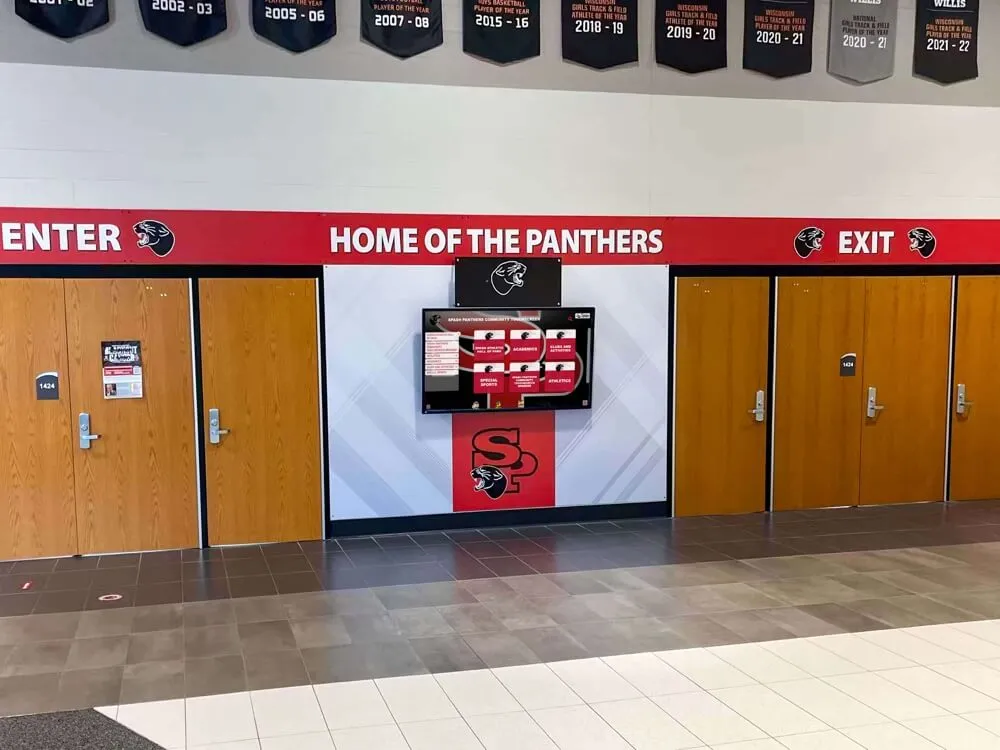
Branded athletic recognition areas create impressive venues for back to school events where families connect with school spirit and tradition
Family Learning Workshops
Support families in supporting students through educational sessions: navigating online learning platforms and grade portals, understanding curriculum frameworks and learning standards, supporting homework and study skills at home, managing technology use and digital citizenship, and recognizing signs of stress or mental health concerns.
These workshops position schools as partners genuinely invested in family success rather than simply placing responsibility on parents without support.
Cultural Heritage Celebrations
Acknowledge diverse community composition through events celebrating cultural backgrounds: international food festivals showcasing family traditions, multicultural performances featuring dance, music, and art, language learning opportunities where families teach phrases from heritage languages, or story-sharing sessions where families contribute to community tapestry narratives.
Cultural celebrations demonstrate that diversity strengthens school communities while helping all families feel their identities valued and welcomed.
Understanding spirit week ideas that build school pride provides complementary community-building strategies that extend back to school energy throughout the academic year.
Leveraging Facilities and Recognition Displays
Physical environments communicate institutional values while providing natural focal points for community gathering.
Showcasing Campus Facilities and Spaces
Back to school events provide ideal opportunities to highlight facility investments demonstrating institutional commitment to excellence.
Strategic Facility Tours
Rather than generic wandering, design purposeful tours showcasing: newly renovated or updated spaces highlighting continuous improvement, specialized learning environments like STEM labs, makerspaces, or performing arts facilities, athletic complexes and recreational spaces, library and media centers, and student support areas including counseling offices and learning resource centers.
Tours led by enthusiastic students or staff bring facilities to life while demonstrating genuine community pride in institutional resources.
Open Classrooms and Department Showcases
Invite families into learning spaces where teachers present curriculum overviews, demonstrate teaching approaches through mini-lessons or activities, display student work examples from previous years, introduce specialized programs or innovative instructional strategies, and answer questions in comfortable, familiar environments.
Classroom visits help families visualize students’ daily experiences while building relationships with teachers in welcoming settings beyond formal parent-teacher conferences.
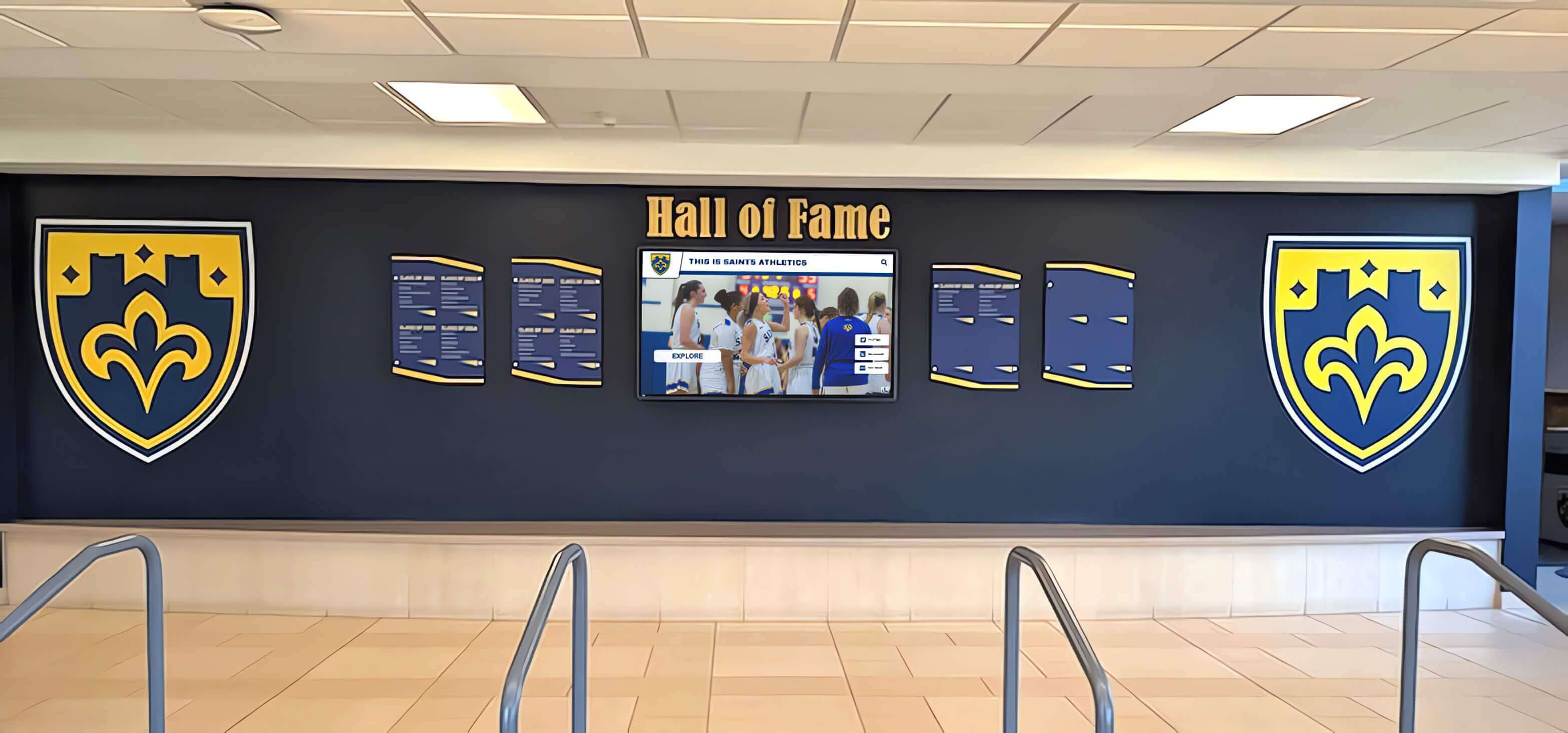
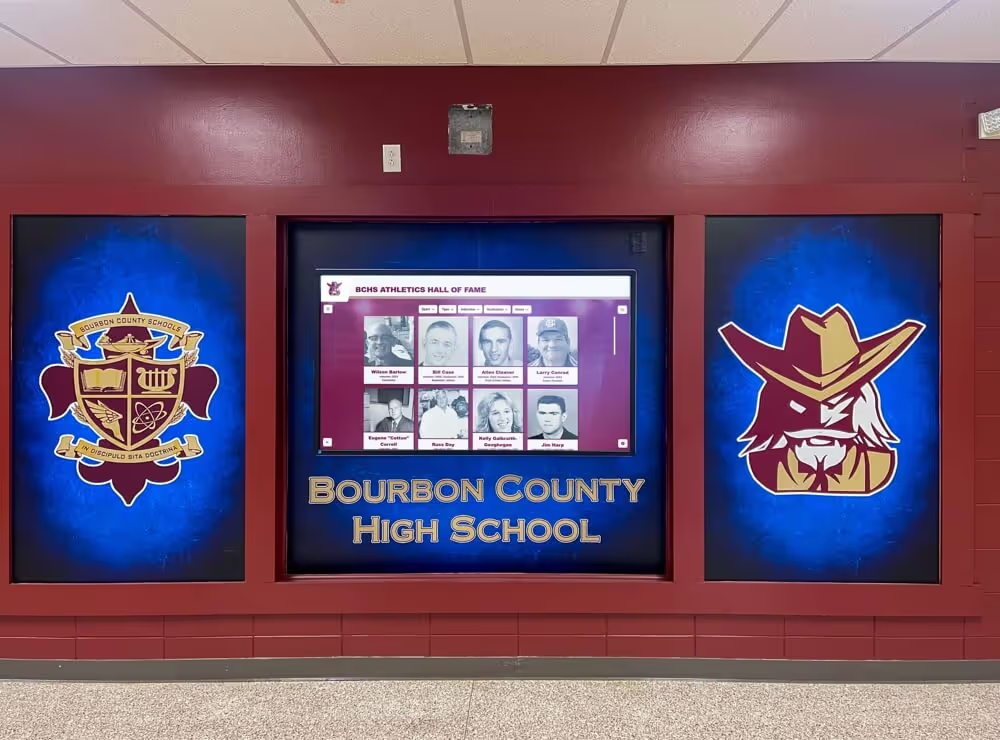
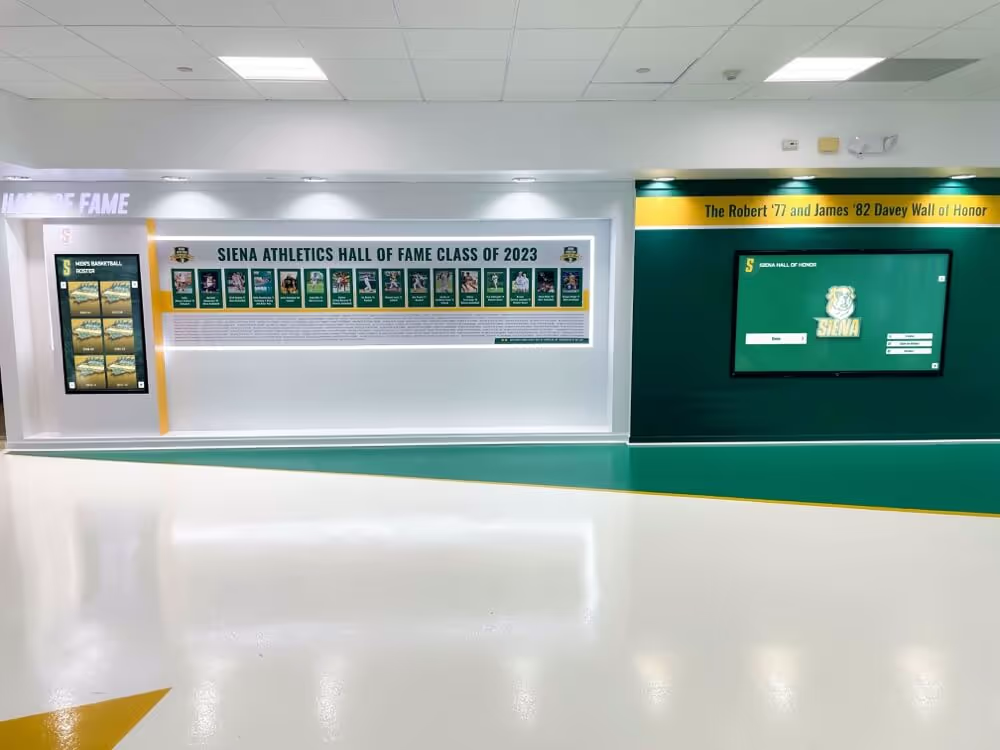
Multi-layered recognition installations combining traditional elements with digital displays create impressive lobby environments perfect for back to school gathering spaces
Interactive Recognition and Achievement Displays
Digital recognition displays create compelling focal points during back to school events while celebrating community excellence.
Hall of Fame and Achievement Showcases
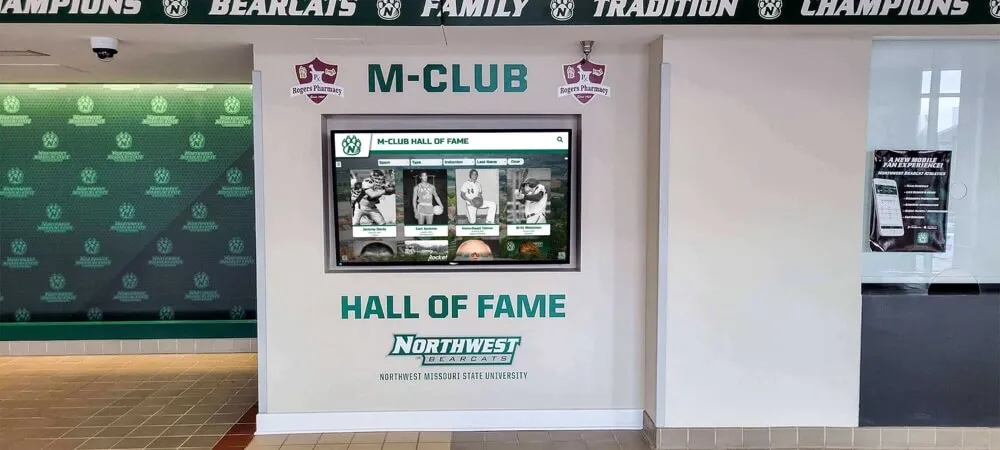
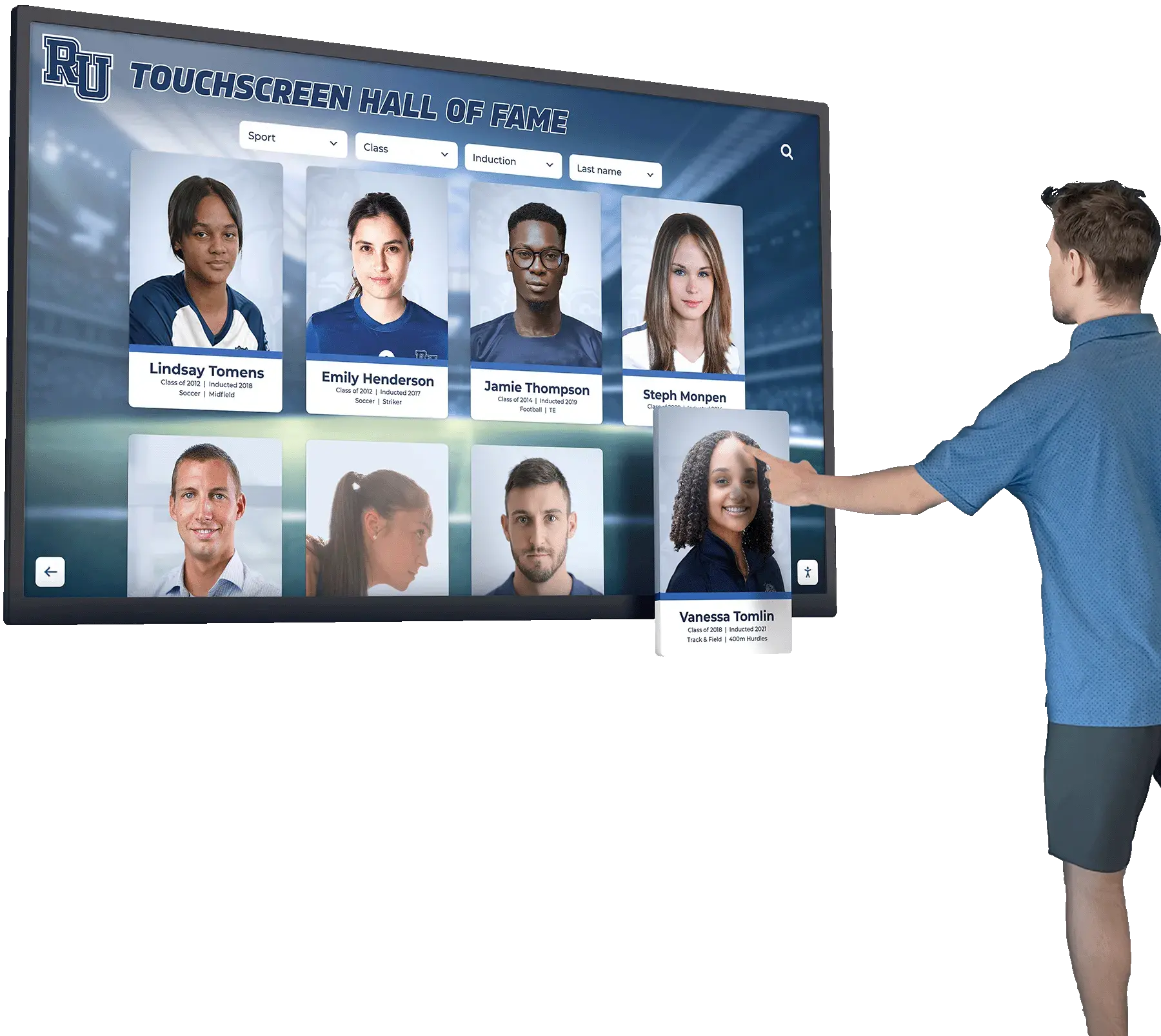
Solutions like Rocket Alumni Solutions provide interactive touchscreen displays where families explore comprehensive achievement databases during back to school events. These installations enable families to search for and discover alumni athletes and scholars, browse championship teams and academic honors throughout school history, view photos, videos, and biographical content about distinguished community members, and share discoveries with students inspiring them through role models.
Interactive displays serve multiple event purposes: entertaining children while parents engage in conversations, creating natural gathering points that facilitate informal networking, demonstrating institutional commitment to recognizing excellence comprehensively, and building school pride by showcasing remarkable community achievements spanning generations.
Athletic and Academic Record Boards
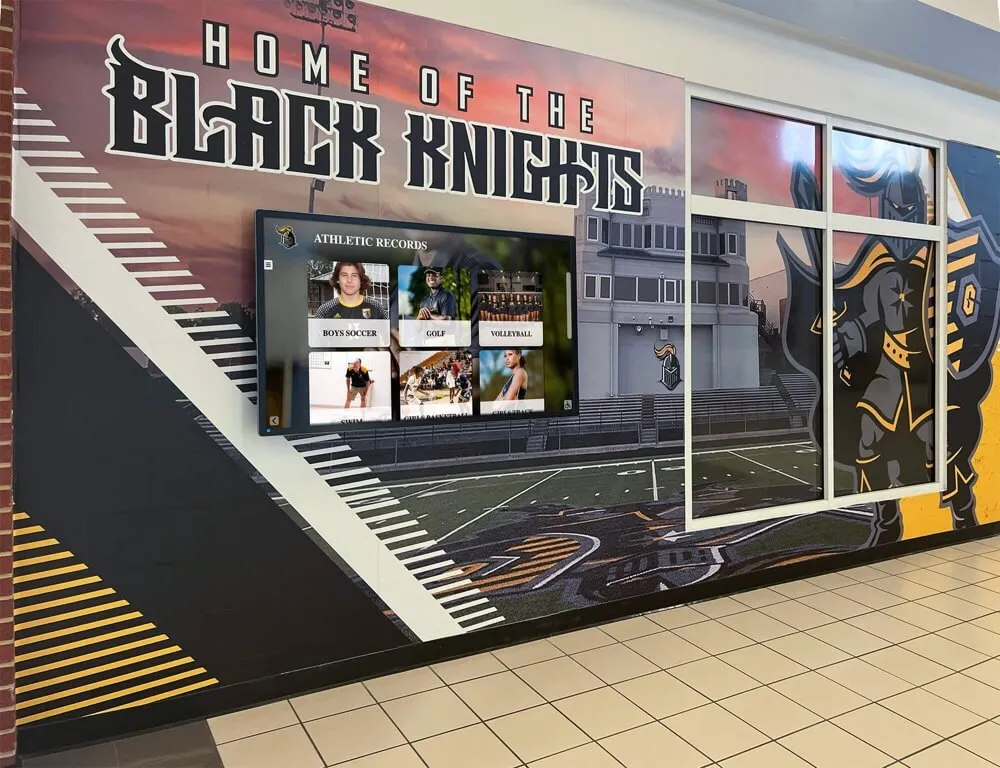
Digital record displays showcasing school records create inspiration and motivation: athletic performance records by sport showing evolution of excellence, academic achievement data including test score trends and college admission success, participation statistics demonstrating program growth and opportunity, and comparative contexts helping audiences understand significance.
Record boards positioned in gyms, lobbies, or common areas where back to school events occur provide conversation starters while inspiring students to contribute their own achievements to institutional legacy.
Student Work and Project Galleries
Showcase excellent student work from previous academic years through displays, portfolios, or digital galleries. Seeing high-quality examples helps incoming students understand expectations while demonstrating to families the caliber of learning occurring within schools. Art installations, research posters, writing anthologies, or multimedia projects all communicate academic excellence more powerfully than abstract descriptions.
Creating Welcoming Environmental Design
Physical space design significantly impacts how welcomed families feel during events.
Wayfinding and Navigation Support
Ensure families navigate confidently through clear directional signage from parking areas to main entrances, campus maps positioned at key decision points, color-coded zones or pathways for different grade levels or activities, volunteer greeters stationed at arrival points providing directions, and event programs including facility maps and schedules.
Navigation anxiety prevents meaningful engagement—eliminating confusion through thoughtful wayfinding enables families to focus on connection rather than logistics.
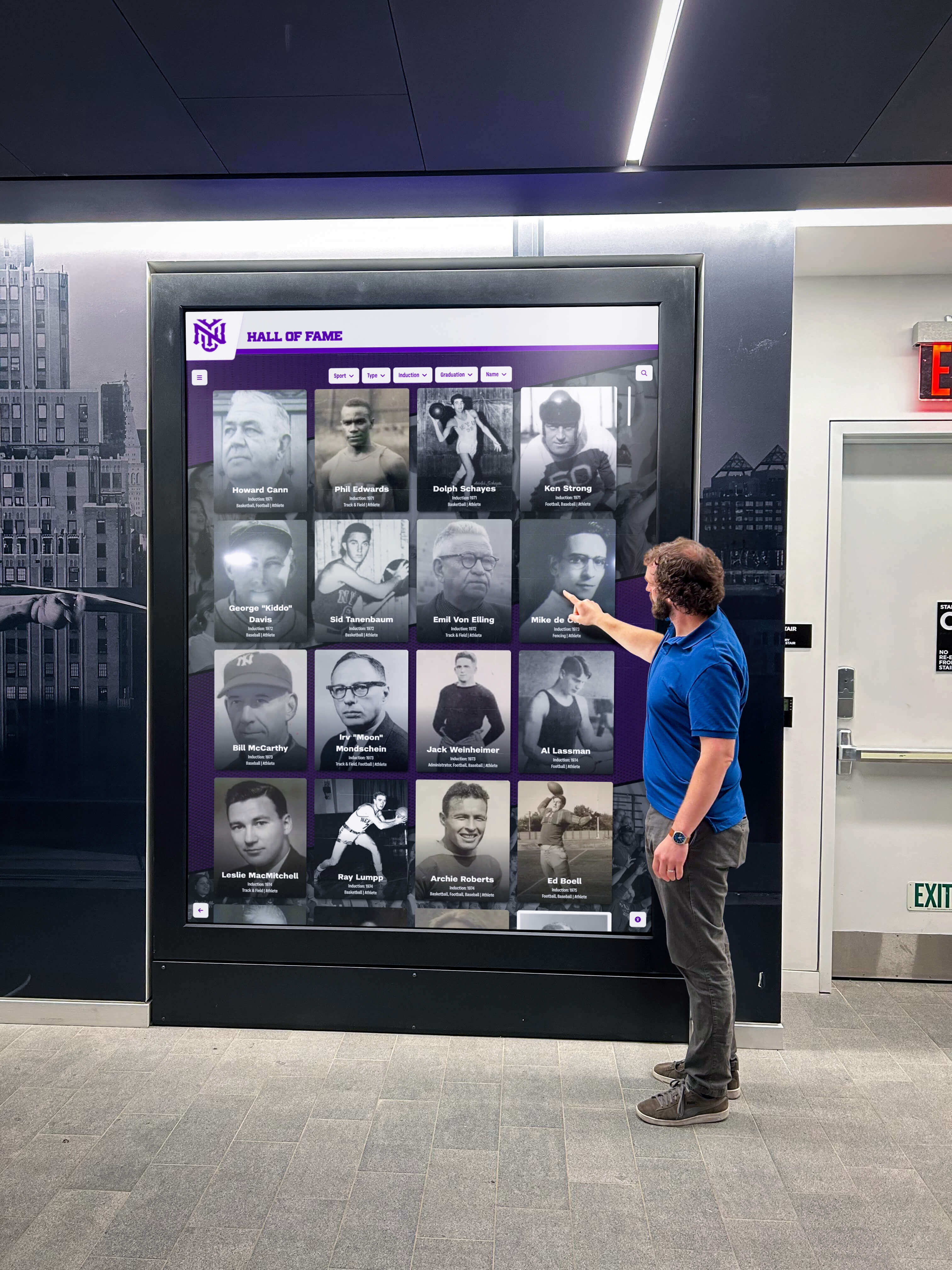
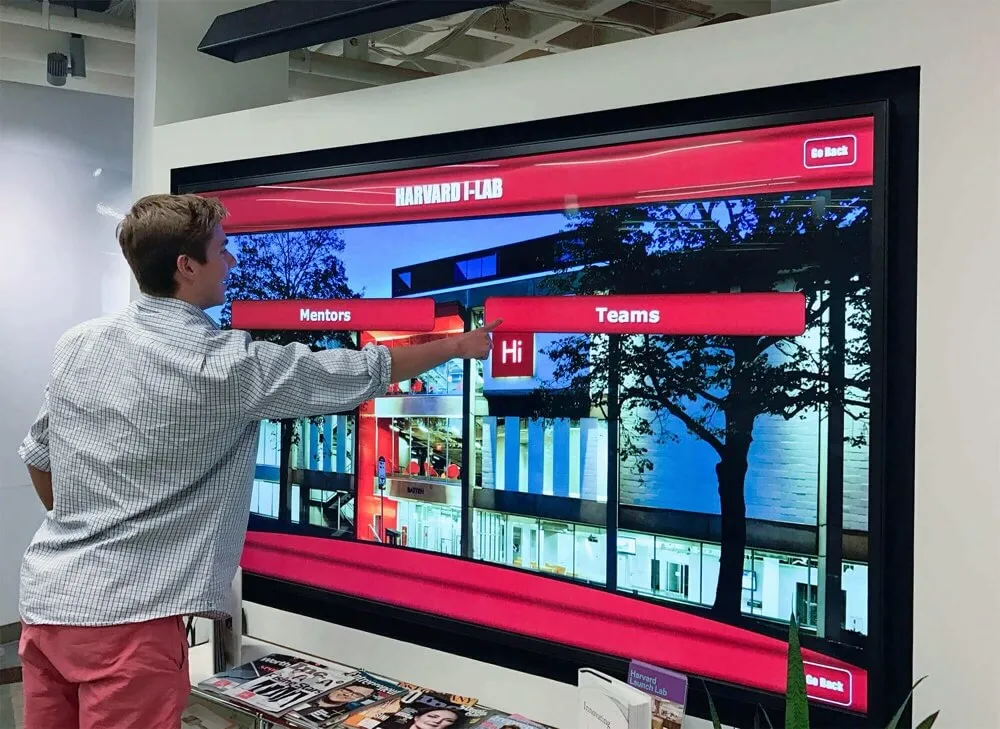
Accessible interactive displays create inclusive exploration opportunities for all community members during back to school events
Welcoming Aesthetic Details
Small design choices communicate care and welcome: fresh flowers or plants creating inviting atmospheres, institutional colors and branding reinforcing community identity, comfortable seating areas where families linger and converse, appropriate lighting avoiding harsh institutional feels, and cleanliness and organization demonstrating professional excellence and pride.
These environmental details might seem superficial, yet they collectively communicate whether schools genuinely prioritize welcoming experiences or view events as perfunctory obligations.
Multilingual and Accessibility Accommodations
Demonstrate inclusion through visible accommodations: signage and materials in community languages, interpretation services for non-English-speaking families, accessible routes for individuals using wheelchairs or mobility devices, designated quiet spaces for families needing sensory breaks, and assistive listening devices for those with hearing impairments.
Proactive accommodations communicate that all families genuinely belong—not as afterthoughts requiring special arrangements but as valued community members whose needs schools anticipate and address systematically.
Engaging Students in Back to School Events
Student leadership and participation transform events from adult-planned programming into authentic community experiences.
Student Ambassador and Leadership Programs
Leverage student energy and perspective through structured leadership roles.
Event Planning and Design Input
Include students in planning back to school events through advisory committees providing feedback on proposed activities, focus groups testing ideas with target audiences, leadership students taking ownership of specific event components, and student government organizations coordinating peer engagement initiatives.
Student input ensures programming actually resonates with intended audiences while building leadership skills and institutional ownership among participants.
Ambassador and Greeter Roles
Train students to serve as event ambassadors: welcoming families at entrance points with genuine friendliness, providing campus tours sharing student perspectives, answering questions from peer viewpoints, assisting younger students and siblings with activities, and modeling school spirit and positive culture.
Student ambassadors add authenticity that adult staff cannot replicate while providing students meaningful contribution opportunities that build confidence and leadership capacity.
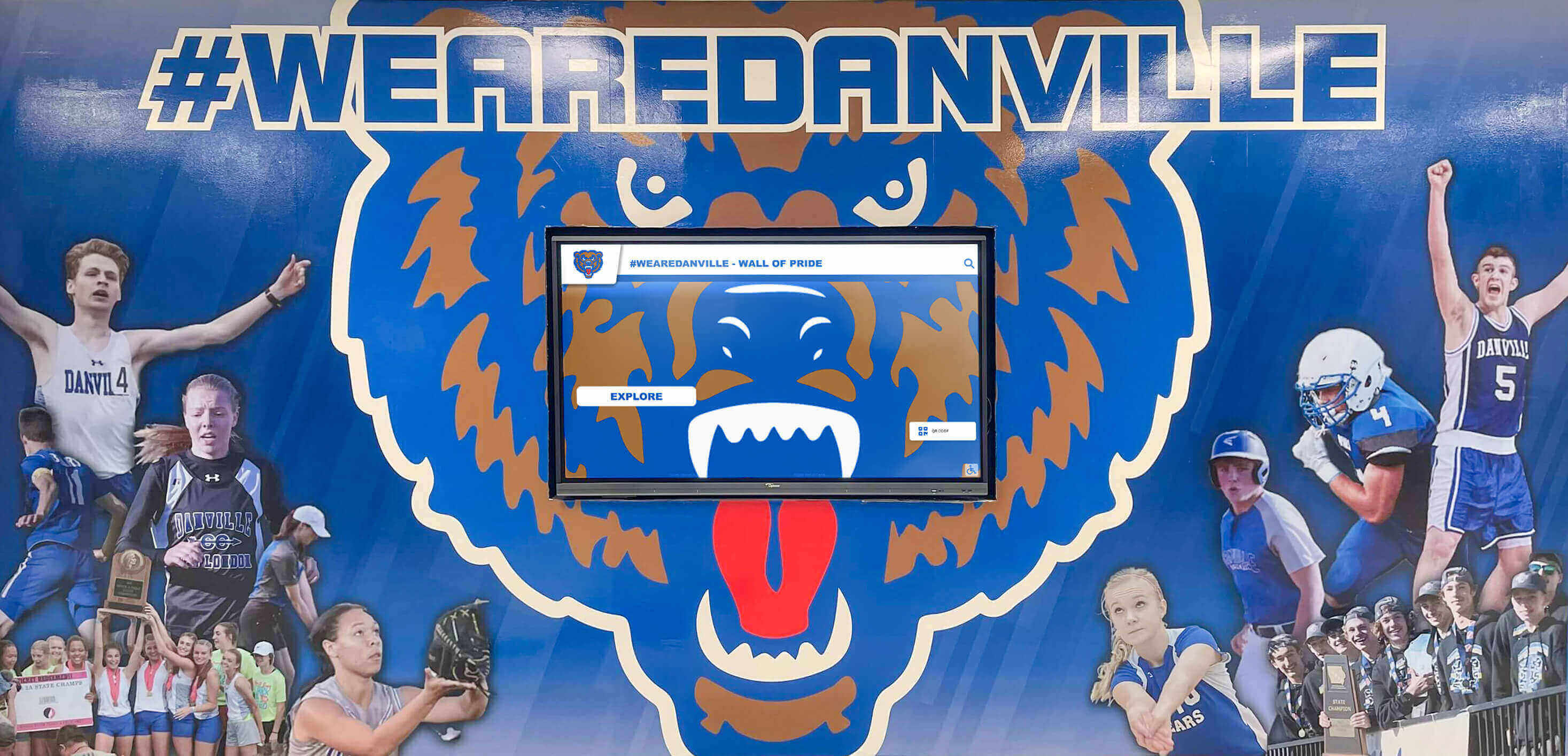
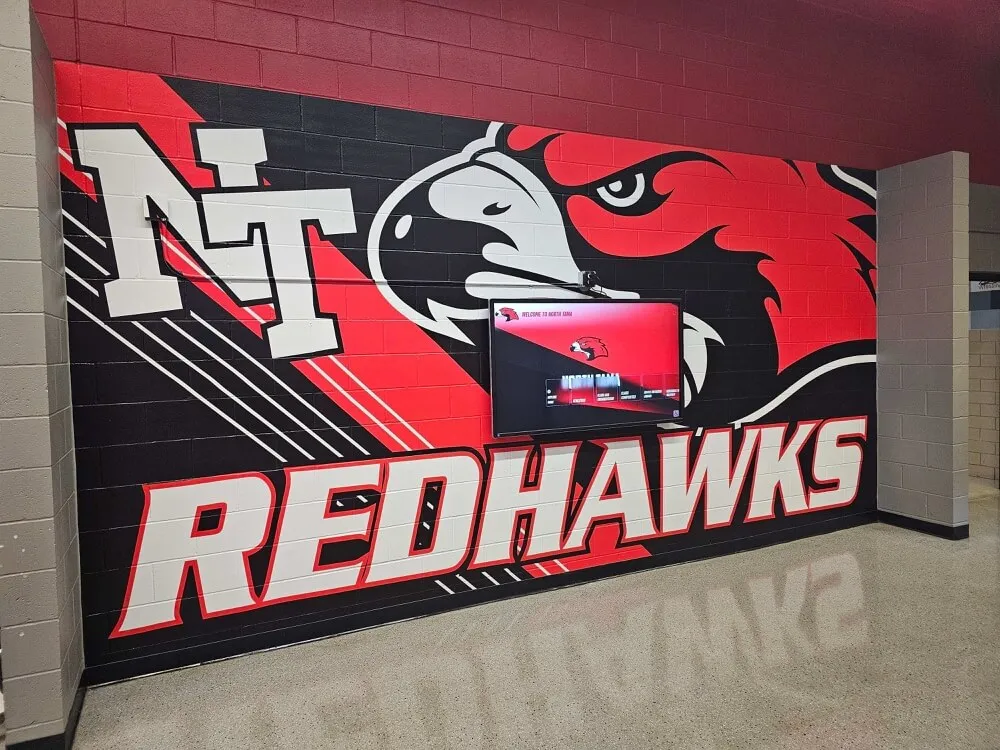
Mascot-centered recognition areas create branded environments perfect for spirit-building back to school gatherings
Peer Mentorship Program Launch
Kick off formal peer mentorship programs during back to school events: pairing upperclass mentors with incoming students, establishing communication and check-in expectations, facilitating initial mentor-mentee activities or ice breakers, and providing mentors with resource guides supporting their guidance roles.
Peer mentorship provides incoming students with approachable support sources while honoring older students through leadership recognition.
Student Performance and Showcase Opportunities
Feature student talent and creativity throughout events.
Performing Arts Showcases
Invite school performing groups to demonstrate excellence: musical ensembles performing school songs or popular pieces, dance teams showcasing routines, theater students presenting scenes or improv entertainment, or chorus groups providing welcome performances.
Student performances demonstrate program quality while giving performers authentic audiences and recognition opportunities. Performances also provide natural gathering moments when scattered attendees converge for shared experiences.
Athletic Demonstrations and Clinics
Feature sports programs through demonstrations and interactive clinics: varsity teams showcasing skills or demonstrating plays, coaches offering quick skill instruction for interested elementary students, athletic trainers explaining strength and conditioning programs, or coaches presenting program philosophies and culture expectations.
Athletic showcases build program enthusiasm while helping incoming athletes envision their futures within school sports cultures.
Academic Competition and Club Showcases
Highlight academic programs beyond athletics: robotics teams demonstrating builds or programming, debate students presenting sample rounds, academic bowl teams hosting trivia competitions for families, science students conducting interactive demonstrations, or art students leading quick creative projects.
These showcases demonstrate that schools value diverse excellence—recognizing that not every student’s path involves athletics but that all achievement deserves celebration and visibility.
Resources on recognizing student athlete excellence provide frameworks applicable across achievement domains during community events.
Building Traditions and Community Rituals
Consistent traditions create continuity and belonging across academic years.
Annual Opening Ceremonies and Rituals
Establish meaningful ceremonies marking the school year beginning.
Community Pledge or Mission Recitation
Open events with collective recitation of school missions, pledges, or values statements. When entire communities speak shared commitments together, they reinforce collective identity and purpose. These brief moments create ceremonial gravitas that elevates events beyond logistical meetings to meaningful community gatherings.
Traditional Song or Cheer
Teach and perform school songs or cheers together. For new community members, learning traditional songs provides immediate inclusion in shared culture. For returning members, collective singing or cheering reconnects them with community identity after summer separation. Music creates emotional bonds that transcend rational communication.
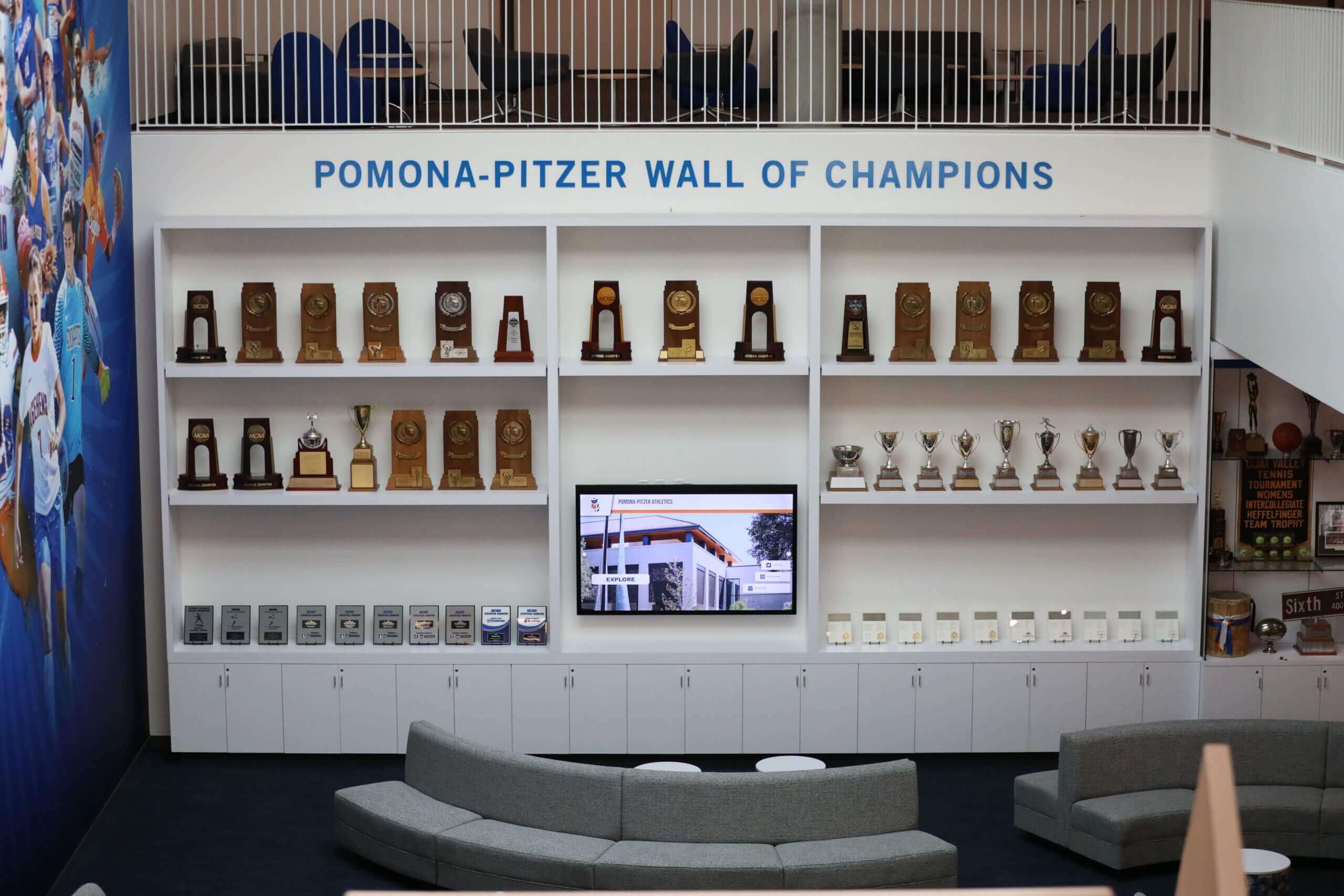
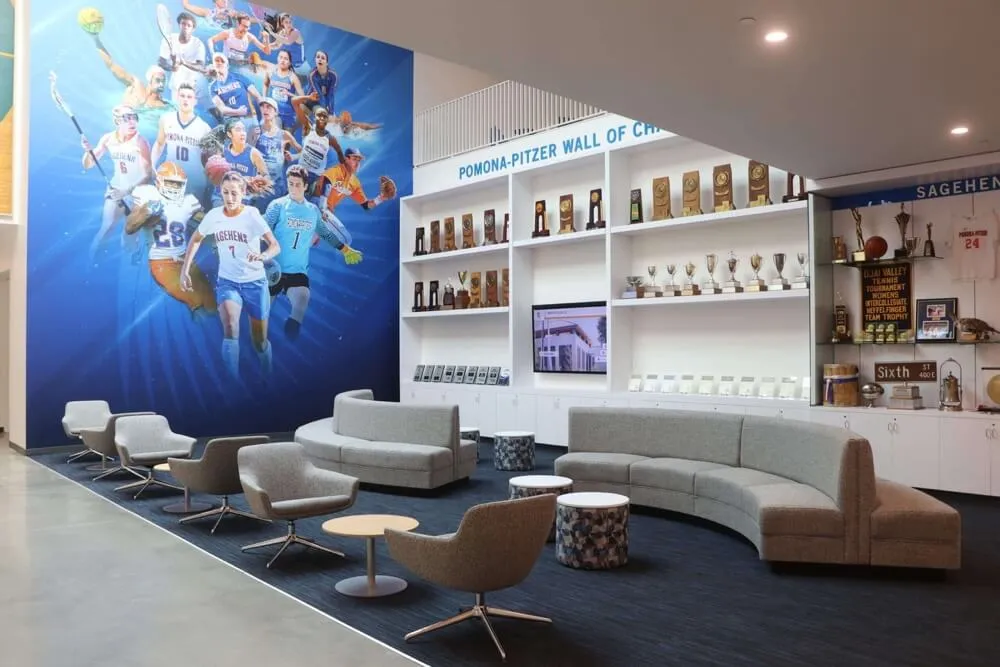
Comfortable recognition lounges serve as natural gathering spaces during events where families explore achievement displays in welcoming environments
Symbolic Actions and Community Commitments
Create symbolic moments marking fresh starts: students signing commitment banners pledging to uphold values, families planting bulbs or seeds representing growth, adding handprints or signatures to community murals, or lighting candles symbolizing collective illumination and learning.
Symbolic actions feel perhaps overly ceremonial initially, yet they create memorable moments that distinguish these events from ordinary gatherings while building emotional investment in community success.
Recognition and Welcome Traditions
Establish consistent approaches to welcoming and recognizing community members.
New Student and Family Recognition
Formally acknowledge new community members during events: introducing new students by name to applause and welcome, presenting new families with welcome gifts or school spirit items, pairing new families with veteran family mentors, or creating photo opportunities marking their first official community gathering.
Explicit recognition helps new members feel noticed and valued rather than anonymous within large crowds.
Staff Introduction Traditions
Help students and families connect names with faces through structured staff introductions: creative staff introduction videos playing before events begin, staff lineup presentations where faculty briefly introduce themselves, department group photos displayed throughout venues, or fun fact cards where families guess which staff member matches which description.
When families know staff names and faces early, they communicate more confidently throughout the year rather than avoiding interaction due to uncertainty.
Birthday and Milestone Celebrations
Acknowledge community members with birthdays or milestones during back to school time frames: summer birthday students (often overlooked during school year), staff marking service anniversaries or professional achievements, or families celebrating multiple children entering school simultaneously.
These acknowledgments communicate that community genuinely notices and values individuals beyond their functional roles.
Exploring school spirit shirt design ideas provides complementary approaches to building visual community identity that extends back to school momentum throughout the year.
Communication and Marketing for Maximum Participation
Effective promotion ensures community members actually attend thoughtfully planned events.
Multi-Channel Communication Strategies
Reach diverse families through varied communication approaches.
Digital Communication Platforms
Leverage modern communication tools: email invitations sent multiple times with increasing urgency approaching events, social media promotion across school platforms with engaging visuals, text message reminders for families opting into SMS communication, website prominent placement with clear event details and registration links, and mobile app notifications when schools use dedicated apps.
Digital communication enables easy forwarding, calendar integration, and repeated reminders that keep events top-of-mind amidst busy schedules.
Traditional Communication Methods
Some families respond better to traditional approaches: printed flyers sent home with students in final days before school starts, postcard mailings to family addresses, phone calls from teachers or staff to personally invite families, and community partner distribution through libraries, recreation centers, or faith organizations.
Multi-channel strategies ensure invitations reach families regardless of their preferred communication methods or access to technology.
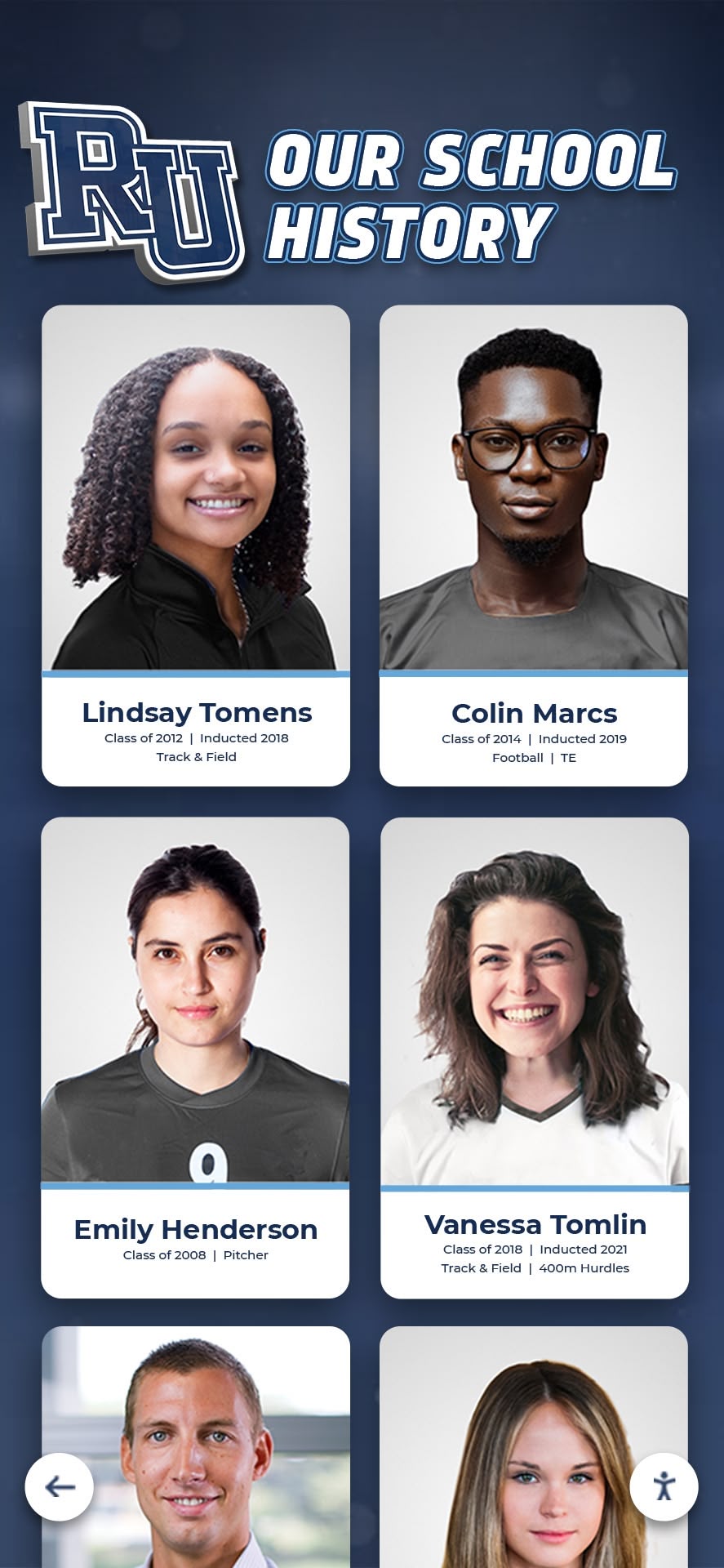
Portrait-style recognition displays create visual engagement during events while celebrating individual achievement across school history
Translation and Language Access
Provide communication in community languages beyond English: translated event materials and invitations, bilingual staff available to answer questions, interpretation services promoted in advance, and culturally appropriate imagery and messaging reflecting community diversity.
When families receive communication in their home languages, they understand they genuinely belong within school communities rather than existing as peripheral members requiring accommodation.
Creating Compelling Event Descriptions
Generic announcements fail to motivate attendance—compelling descriptions communicate clear value.
Emphasizing Connection and Community
Frame events around relationship benefits: “Meet your child’s teachers before school starts,” “Connect with other families in your neighborhood,” “Help your student find their place in our community,” or “Discover the supportive network surrounding your family.”
Connection appeals resonate more powerfully than logistical information alone.
Highlighting Activities and Entertainment
Communicate specific engaging elements: “Enjoy food truck festival featuring local favorites,” “Watch student performance showcases,” “Participate in campus-wide scavenger hunt with prizes,” or “Explore interactive technology demonstrations.”
Concrete activity descriptions help families envision experiences rather than assuming boring administrative meetings.
Addressing Common Concerns
Proactively answer questions preventing attendance: confirming child care or supervision for younger siblings, clarifying parking and accessibility accommodations, specifying duration enabling families to plan, providing weather contingency information for outdoor events, and confirming cost (free) removing financial barriers.
Addressing logistics removes obstacles that otherwise prevent families from committing to attendance.
Measuring Back to School Event Success
Systematic assessment ensures events deliver value while identifying improvement opportunities.
Attendance and Participation Metrics
Track quantitative engagement indicators.
Overall Attendance Numbers
Monitor total attendance compared to enrollment, first-time attendee rates indicating new family engagement, returning family participation showing sustained involvement, and year-over-year attendance trends revealing program trajectory.
These baseline numbers indicate reach and engagement levels while revealing whether events increasingly attract community participation or stagnate despite promotional efforts.
Demographic Representation
Assess whether attendance reflects diverse community composition across grade levels, ethnic and racial backgrounds, economic circumstances, language groups, and family structures. If certain populations attend disproportionately less, events may inadvertently exclude families needing connection most.
Demographic analysis reveals whether events genuinely welcome all families or primarily serve already-engaged populations comfortable with school involvement.
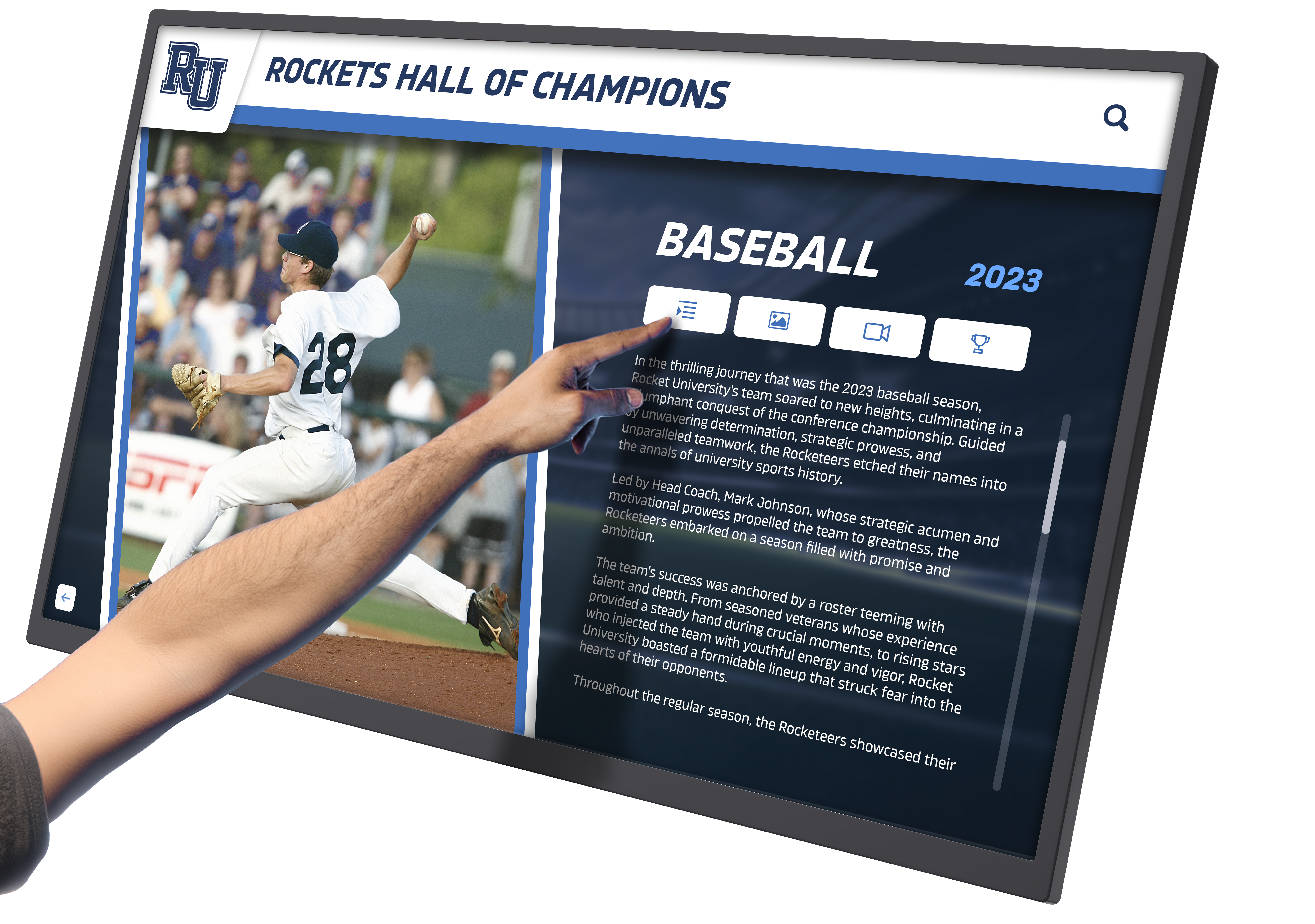
Sport-specific recognition displays create compelling focal points during events that build athletic program pride while entertaining diverse audiences
Engagement Quality and Satisfaction
Beyond attendance numbers, assess experience quality.
Participant Feedback Surveys
Gather systematic feedback through brief post-event surveys assessing overall satisfaction, perceived value and usefulness, most beneficial activities or components, suggestions for improvement, and likelihood of recommending events to others.
Digital surveys distributed via email immediately after events typically achieve better response rates than paper forms collected on-site. Offer incentives like prize drawings to increase participation generating meaningful data samples.
Observational Assessment
Staff members can observe and note engagement indicators during events: depth of conversations occurring between families and staff, energy and enthusiasm levels among participants, duration families remain engaged before departing, student comfort and participation in activities, and problem areas where confusion or frustration arise.
Observational data captures nuances that surveys miss while revealing opportunities for logistical or programmatic improvements.
Relationship Development Outcomes
Track how events advance strategic goals: increases in parent volunteer sign-ups, student extracurricular participation rates, family communication through school platforms, PTO/PTA membership growth, and attendance at subsequent school events throughout the year.
These outcomes demonstrate whether events successfully catalyze ongoing engagement or represent isolated participation peaks disconnected from sustained involvement.
Adapting Events for Different School Types and Contexts
Effective back to school programming adapts to specific institutional circumstances.
Elementary School Considerations
Elementary events serve unique needs and audiences.
Child-Centered Activities and Play
Young children need active engagement: playground playtime enabling students to meet peers while parents converse, arts and crafts stations with simple projects, story time or read-alouds in libraries or classrooms, and movement activities like parachute games or simple relay races.
Engaging children creates relaxed atmospheres where parents comfortably participate knowing children remain happily occupied.
Parent Transition Support
Many elementary parents—particularly kindergarten families—experience their own transition anxiety. Programming might address separation anxiety and strategies for smooth drop-offs, developmental expectations for age groups, communication preferences and parent-teacher relationship building, and homework support approaches for early elementary learners.
Supporting parent emotional journeys alongside children’s transitions builds trust and partnership essential for elementary success.
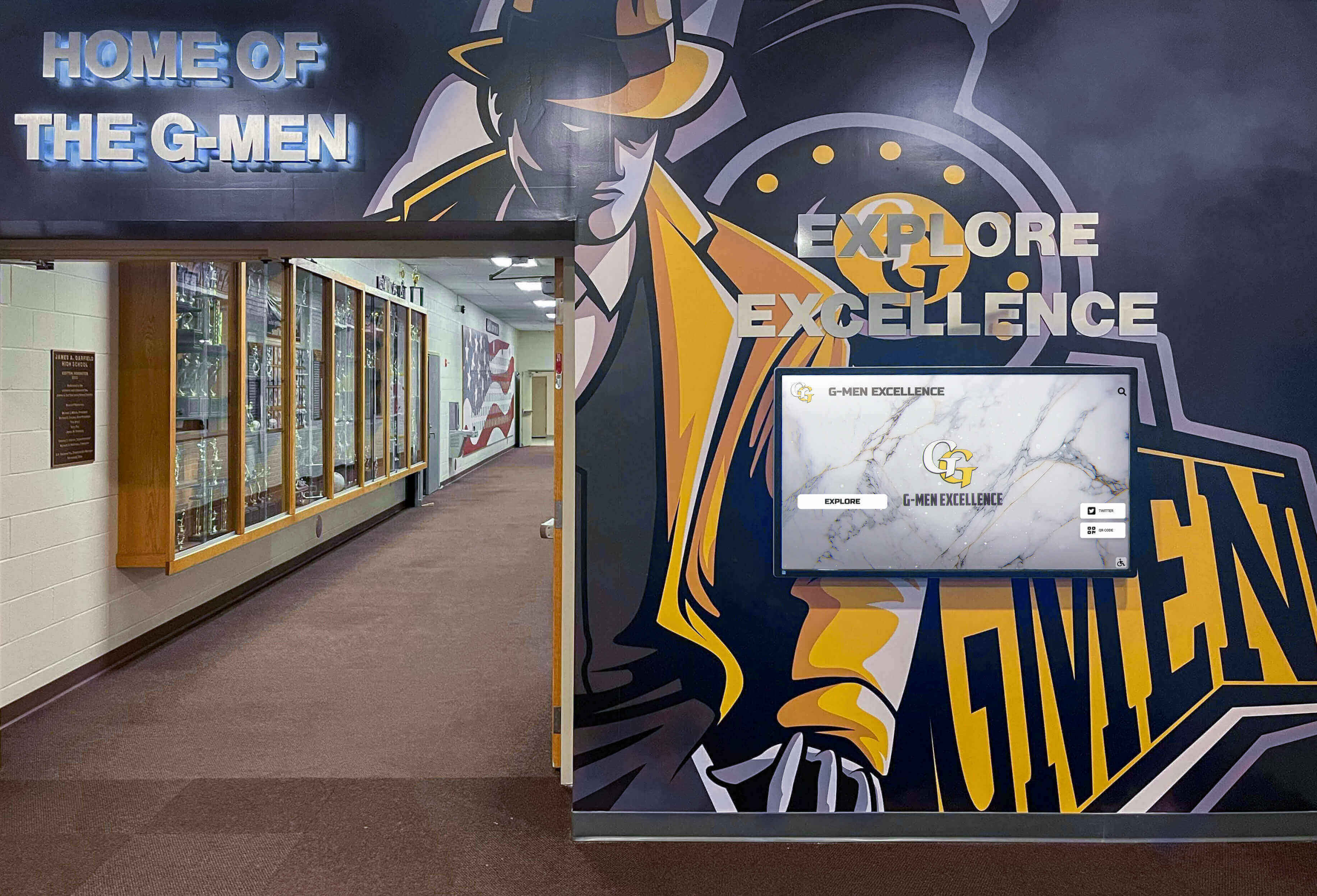
Comprehensive recognition installations combining traditional trophy cases with digital displays create impressive environments celebrating athletic tradition
Middle School Considerations
Middle school events navigate adolescent development dynamics.
Balancing Student Independence and Parent Involvement
Middle schoolers assert independence while still needing guidance. Events might provide student-only orientation sessions addressing social dynamics and peer culture, parallel parent sessions covering adolescent development and communication strategies, brief joint sessions where students and parents share information together, and optional extended family activities for those wanting continued connection.
This balance honors emerging autonomy while maintaining family partnership essential during challenging developmental years.
Addressing Social-Emotional Development
Middle school brings intensified social dynamics. Programming could include anti-bullying and digital citizenship commitments, introduction to counseling and support resources, discussion of social media and technology expectations, and acknowledgment of identity development and belonging needs.
Explicitly addressing social-emotional dimensions demonstrates that schools understand education extends beyond academics to supporting whole-child development.
High School Considerations
High school events prepare students for increased responsibility and independence.
Academic Rigor and College Preparation
High school programming emphasizes preparation for futures: course selection and academic planning guidance, standardized testing timelines and preparation resources, college admissions and scholarship information, career exploration and technical program options, and time management and study skill expectations for rigorous coursework.
Clear academic pathways help students and families navigate high school purposefully with goals and support structures in mind.
Student Leadership and Ownership
High school students should drive significant event components: student ambassadors leading campus tours, club and activity fair organization, planning committee roles determining activities and logistics, and emcee or host responsibilities during programs and ceremonies.
Student leadership communicates that high school experiences prepare young adults for independence rather than maintaining dependent relationships with authority figures.
Resources on homecoming traditions for high schools provide complementary frameworks for creating spirit-building traditions that extend back to school energy throughout the academic year.
Best Practices for Long-Term Success
Learn from schools achieving sustained back to school event success across years.
Start Planning Early with Clear Goals
Successful events require months of advance preparation: establishing planning committees by late spring, setting clear goals defining what success looks like, creating detailed timelines with task assignments and deadlines, securing funding and resources before summer begins, and recruiting student and parent volunteers early.
Last-minute planning produces mediocre results—starting early enables thoughtful design and smooth execution creating positive impressions.
Involve Diverse Stakeholders in Planning
Events benefit from varied perspectives: including administrators providing institutional priorities, teachers sharing classroom and academic insights, support staff understanding operational logistics, students offering authentic peer perspectives, parents representing family viewpoints, and community partners extending reach beyond school walls.
Collaborative planning ensures programming resonates with diverse audiences rather than reflecting single planners’ limited perspectives.
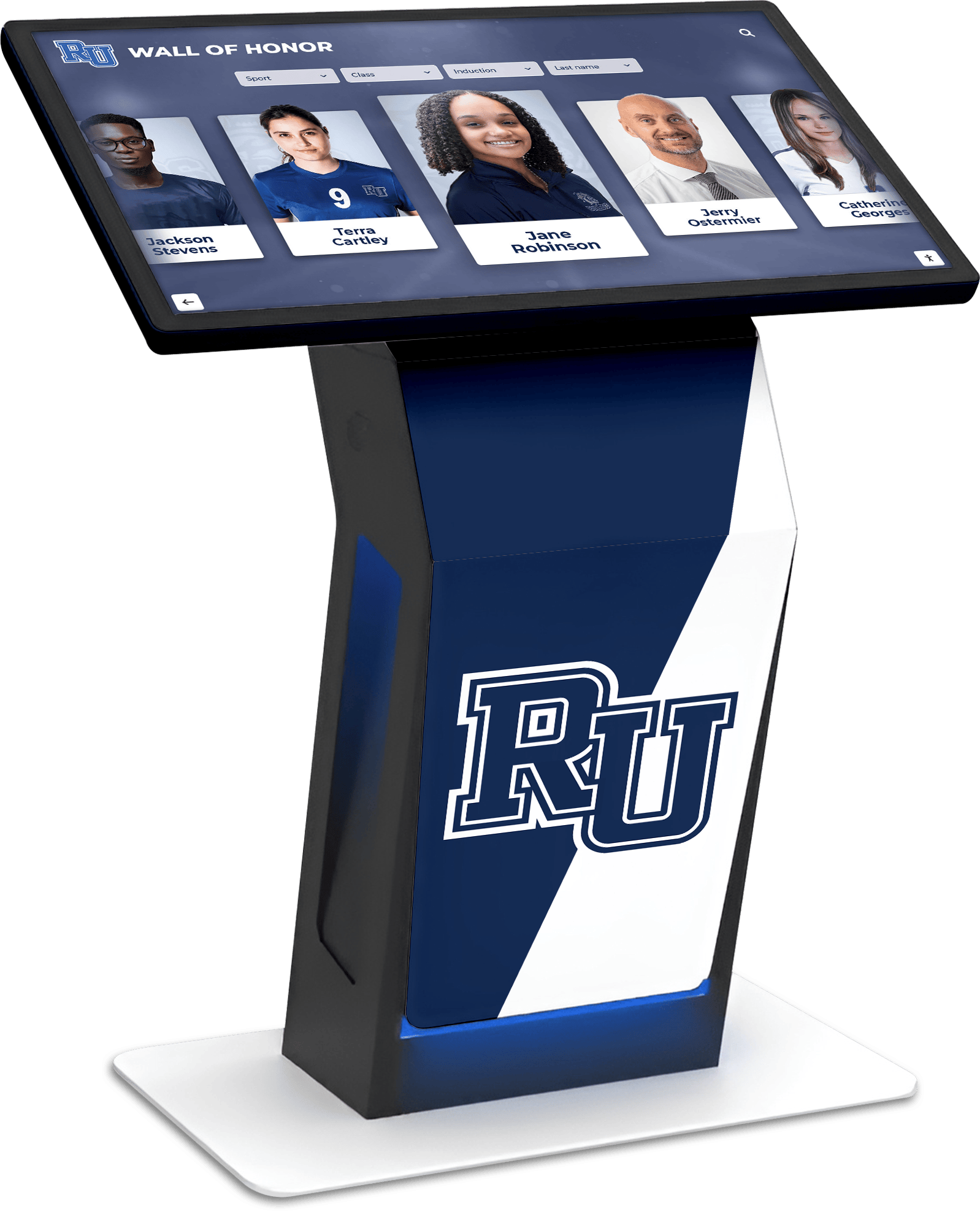
Freestanding kiosks provide flexible recognition solutions perfect for events that can relocate seasonally or serve multiple venues throughout schools
Gather Feedback and Continuously Improve
View events as evolving programs rather than fixed traditions: collecting systematic feedback from participants after each event, analyzing attendance data revealing patterns and opportunities, conducting debrief meetings with planning teams identifying successes and challenges, implementing improvements based on learning, and documenting processes supporting continuity during leadership transitions.
This continuous improvement mindset ensures events strengthen over time rather than stagnating into less relevant traditions.
Integrate Technology Thoughtfully
Modern technology enhances events without replacing human connection: online registration streamlining logistics and capturing valuable contact information, mobile event apps providing schedules and information, social media promotion extending reach and engagement, interactive displays like those from Rocket Alumni Solutions creating engaging exploration opportunities, and digital check-in reducing wait times while collecting attendance data.
Technology serves community-building purposes—not replacing personal interaction but enabling richer connection through smoother logistics and engaging content.
Connect Events to Year-Long Engagement
Effective back to school events launch sustained involvement rather than representing isolated participation peaks: leveraging event momentum to recruit ongoing volunteers, using initial connections to build communication and engagement throughout the year, referencing event experiences in subsequent school communications reinforcing continuity, creating follow-up activities or commitments building on initial relationships, and positioning events as first touch points in comprehensive family engagement strategies.
When events integrate with broader engagement approaches, they justify significant investment through long-term relationship value rather than serving as standalone social obligations.
Understanding academic recognition program frameworks provides complementary strategies for celebrating diverse excellence year-round that extends back to school celebration momentum.
Conclusion: Building Strong Communities from Day One
Back to school events represent far more than administrative necessities—they’re strategic opportunities to build the strong community foundations that support student success throughout academic years. When schools design welcoming experiences that facilitate genuine connection, celebrate institutional excellence, communicate clear values, and engage diverse community members authentically, they create the relationships and culture that sustain schools through inevitable challenges and changes.
The creative approaches explored in this guide—from festival-style celebrations and grade-specific programming to facility showcases and interactive recognition displays—provide diverse frameworks for transforming generic orientations into memorable community-building experiences. Whether serving elementary families navigating first school transitions, middle school students developing independence, or high school communities preparing for futures beyond graduation, thoughtful back to school programming demonstrates that schools genuinely value the relationships essential for educational excellence.
Showcase Your Community Excellence at Back to School Events
Discover how interactive digital recognition displays create compelling focal points during back to school events that engage families, build pride, and celebrate your community's remarkable achievements. Rocket Alumni Solutions provides purpose-built displays that welcome families while honoring the excellence that defines your school.
Explore Recognition SolutionsTechnology increasingly enables enhanced event experiences—mobile apps improving logistics, interactive displays like those from Rocket Alumni Solutions creating engaging exploration opportunities, and digital communication platforms extending reach to diverse families. These tools enhance rather than replace human connection, creating richer experiences through smoother execution and compelling content that draws families into deeper engagement with school communities.
Ultimately, back to school event success depends less on elaborate programming or substantial budgets than on genuine commitment to welcoming all community members authentically, clear communication of value and logistics encouraging attendance, thoughtful attention to details creating comfortable environments, strategic showcasing of facilities and achievement inspiring pride, and systematic follow-up transforming single events into sustained engagement that supports students throughout their educational journeys.
Ready to enhance your back to school events with engaging recognition displays? Learn more about interactive display technology transforming school spaces, discover school lobby design strategies creating welcoming first impressions, explore student council event ideas that extend community momentum, and when ready to discuss your specific school’s needs, connect with Rocket Alumni Solutions to explore how purpose-built recognition technology can enhance back to school experiences while celebrating the excellence that makes your community remarkable.
Back to school events that prioritize genuine connection, celebrate diverse achievement, welcome all families authentically, and leverage facilities and technology strategically create the strong community foundations supporting student success throughout academic journeys—transforming schools from institutional buildings into vibrant learning communities where every member feels they genuinely belong.