



Championships aren’t won solely through flashy offensive plays—they’re secured possession by possession through relentless rebounding. Every coach knows the timeless axiom: teams controlling the glass control the game. Yet despite rebounding’s critical importance, many programs dedicate insufficient practice time to basketball box out drills, leaving easy second-chance points on the table and allowing opponents to dictate game tempo through offensive rebounds.
Elite rebounding doesn’t happen accidentally. It requires consistent drilling of proper boxing out technique, physical toughness development, positional awareness under pressure, relentless pursuit mentality, and team-wide commitment to possession control. The difference between championship teams and mediocre programs often traces directly to rebounding fundamentals practiced daily through structured, purposeful drills that transform average athletes into board-dominating forces.
This comprehensive guide presents eight proven basketball box out drills building complete rebounding systems from individual fundamentals through full-team execution. Whether you’re coaching youth basketball players learning rebounding basics or preparing high school varsity athletes for playoff intensity, these progressively challenging workouts develop the toughness, technique, and tenacity separating rebounding specialists from players who simply watch balls bounce.

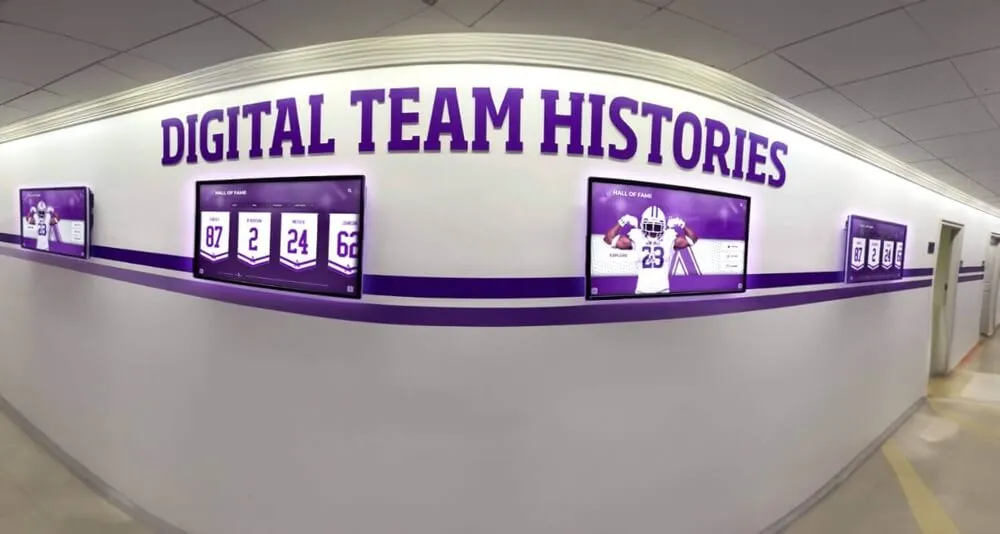
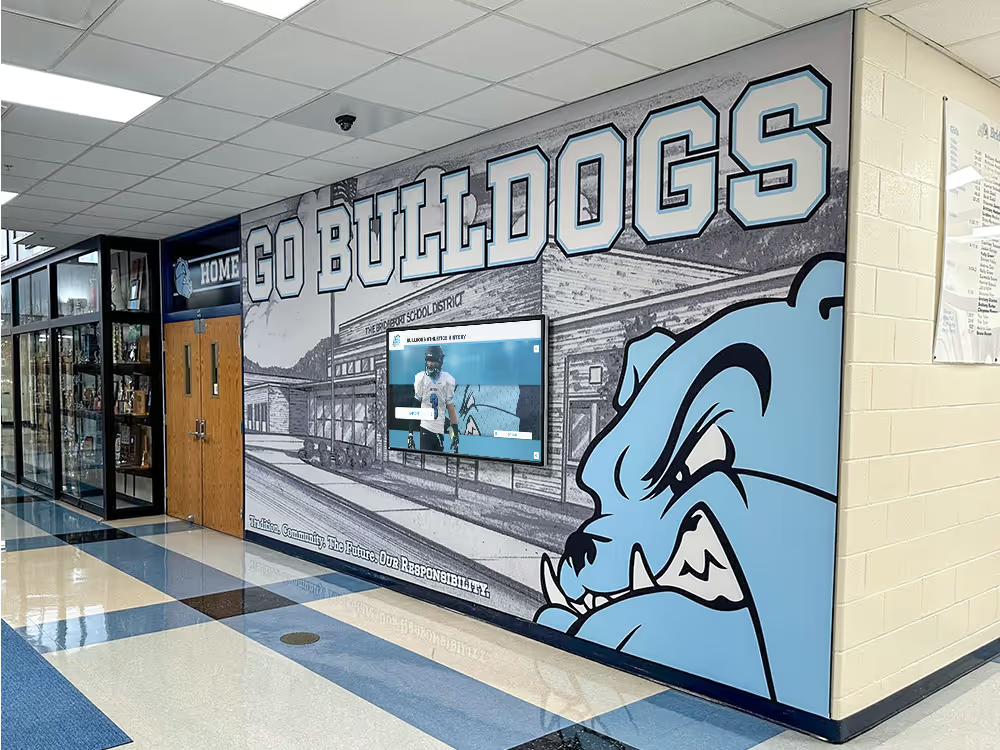
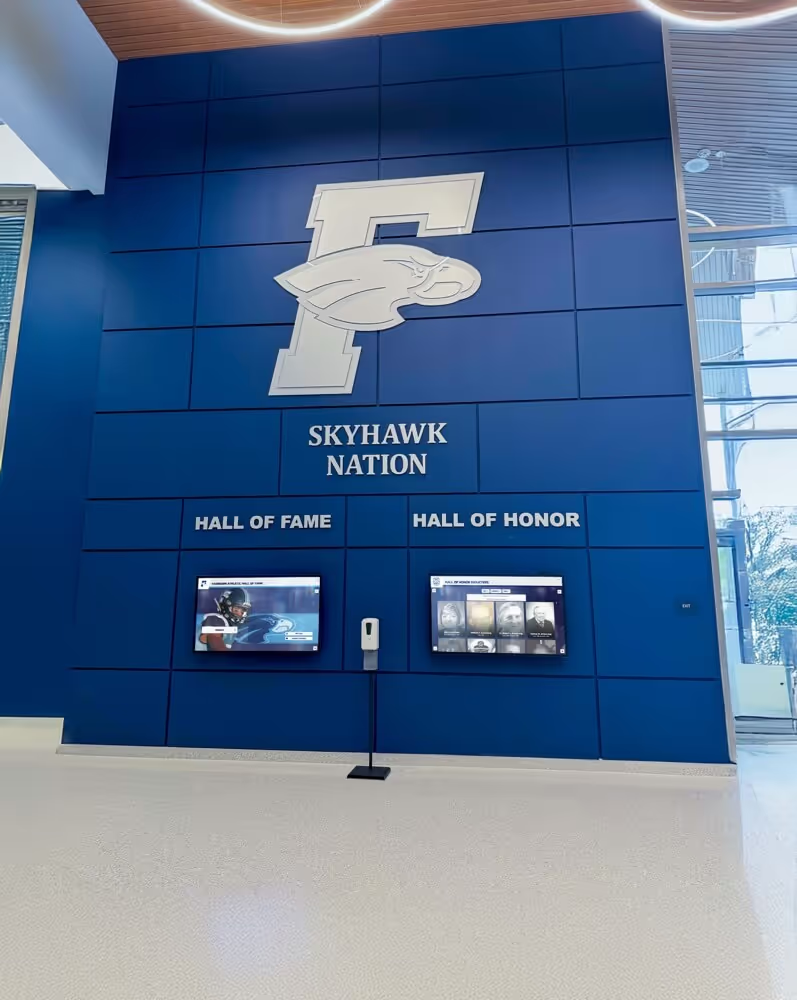
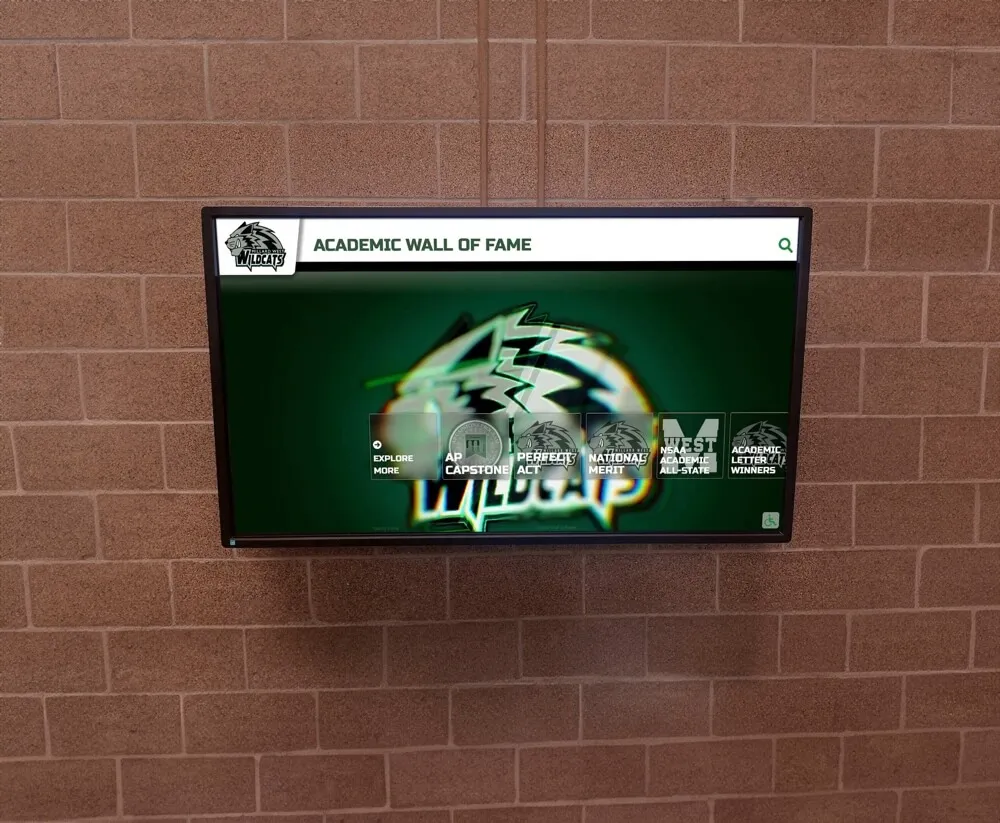
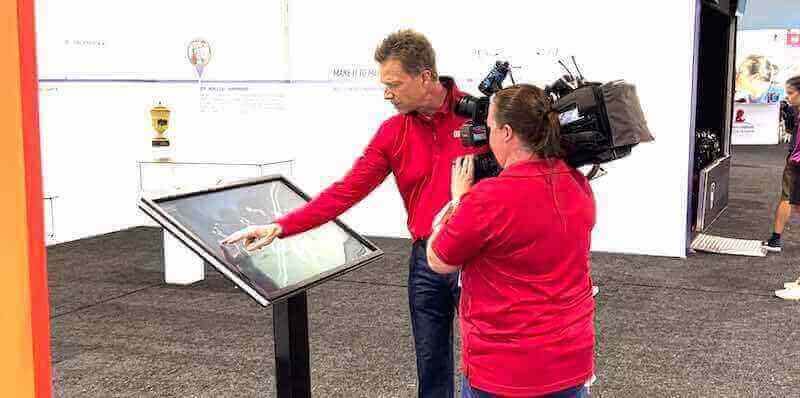
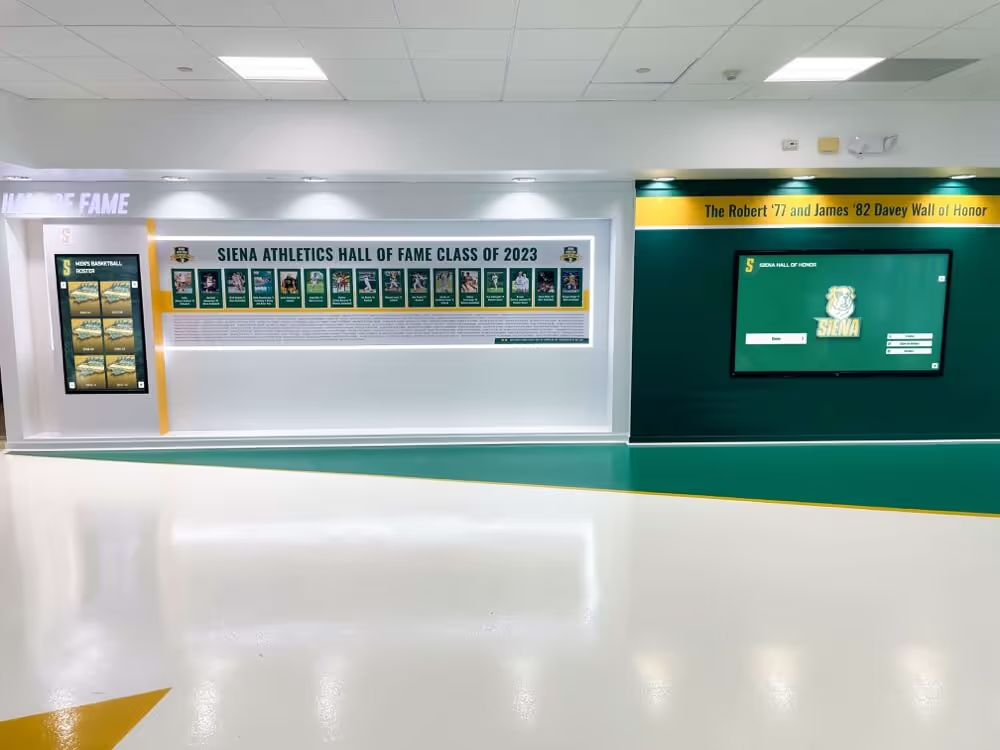
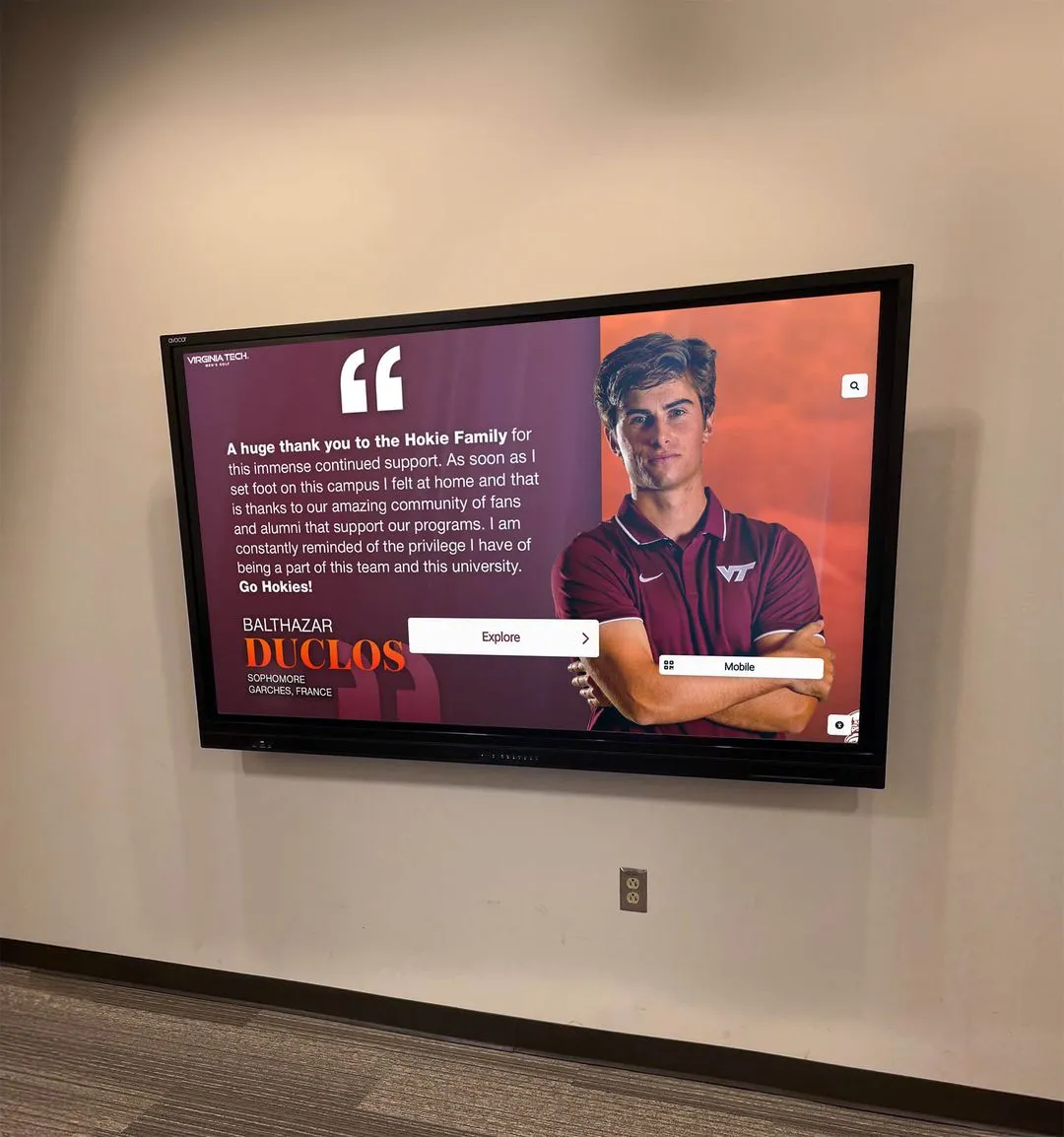
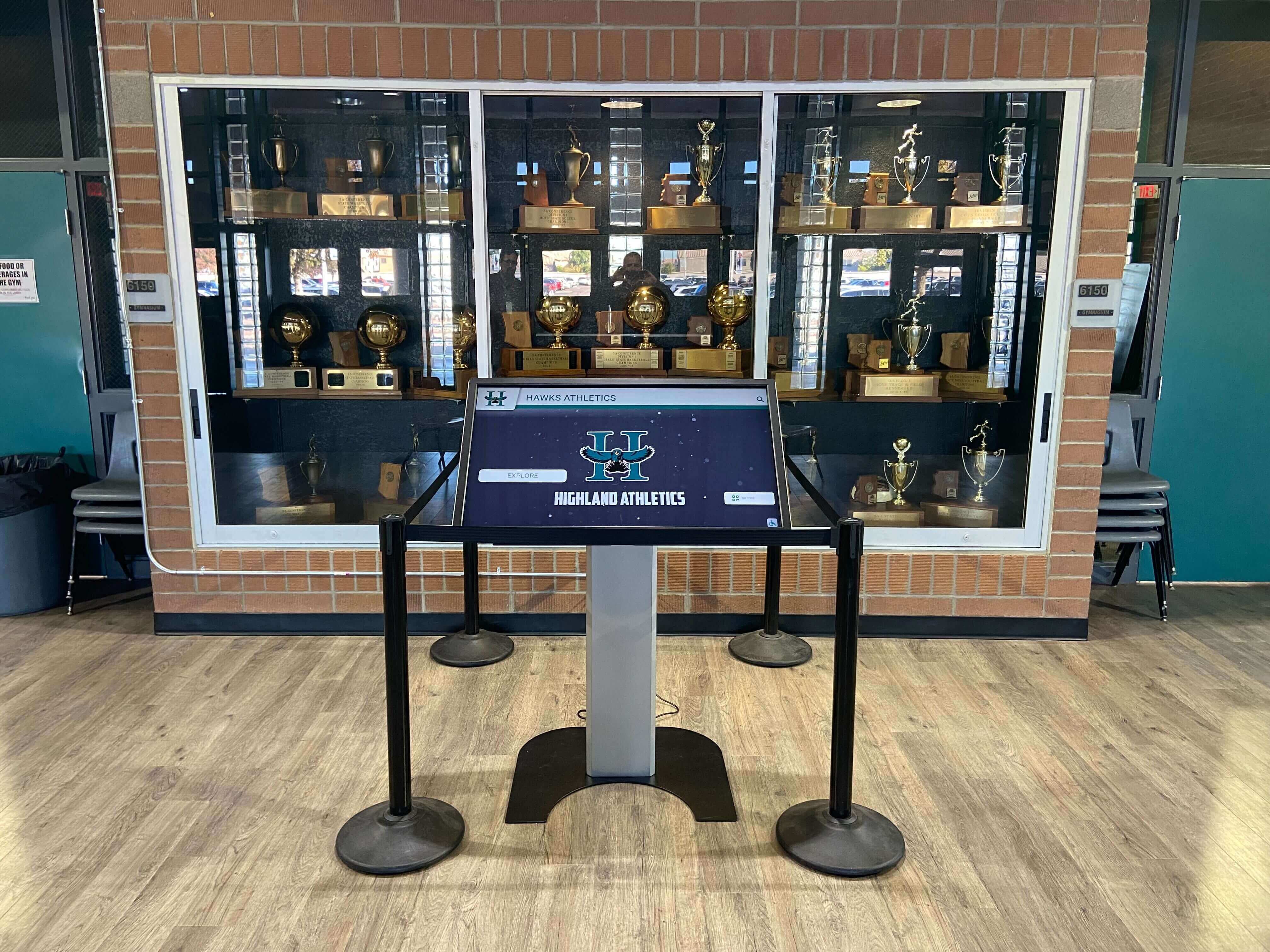
Championship basketball programs celebrate rebounding excellence through recognition displays showcasing defensive dominance
Understanding Box Out Fundamentals: The Foundation of Rebounding Excellence
Before implementing specific basketball box out drills, players must understand fundamental boxing out principles that make rebounding systems effective.
What Is Boxing Out in Basketball?
Boxing out (also called blocking out) is the defensive rebounding technique where players position their bodies between opponents and the basket following shot attempts, using proper stance, contact, and positioning to secure optimal rebounding position before the ball descends. Effective boxing out prevents offensive players from crashing toward the basket for second-chance scoring opportunities while establishing favorable rebounding angles for defensive possession.
The term “box out” derives from the square positioning stance players create—feet shoulder-width apart forming the base, arms extended creating width, back maintaining contact with the offensive player, and eyes tracking the basketball’s flight path. This physical barrier literally boxes opponents away from rebounding space.
Why Box Out Drills Matter for Championship Basketball
Statistics consistently demonstrate rebounding’s impact on winning basketball. Teams outrebounding opponents by 10+ boards win approximately 75% of games regardless of shooting percentages, while second-chance points average 12-15 points per game at competitive levels—often the margin differentiating victories from defeats.
Yet boxing out remains the most neglected fundamental in basketball training. Players naturally chase basketballs rather than establishing position first, creating chaotic rebounding situations favoring athletic ability over technique. Structured box out drills reprogram this instinct, teaching players to secure position before pursuing the ball—the foundation enabling smaller, less athletic teams to dominate rebounds against taller, more gifted opponents.
The Three Phases of Effective Boxing Out
Complete boxing out execution involves three distinct phases requiring separate technical focus:
Phase 1: Shot Recognition and Reaction (0.2-0.5 seconds)
Elite rebounders instantly recognize shot releases through shooter body language, ball trajectory, and game context. This split-second recognition triggers immediate boxing out movement while opponents waste time ball-watching. Drills emphasizing quick recognition develop automatic responses separating great rebounders from average players.
Phase 2: Contact and Position (0.5-1.5 seconds)
Once recognizing the shot, players must quickly locate their defensive assignment, initiate physical contact using proper form, pivot to create a blocking position between opponent and basket, maintain wide base and low center of gravity, and sustain contact throughout the ball’s flight. This physical confrontation phase determines rebounding success.
Phase 3: Pursuit and Capture (1.0-2.0 seconds)
After establishing position, players must track the basketball’s trajectory, time their jumping or reaching motion, secure the rebound with strong hands and proper technique, and immediately protect the ball while transitioning to offense. Many players execute phases one and two perfectly but lose rebounding battles through poor pursuit and weak ball security.
Programs building comprehensive athletic recognition systems understand that rebounding excellence deserves equal celebration alongside scoring achievements, often featuring rebounding leaders prominently in hall of fame displays honoring complete basketball performance.
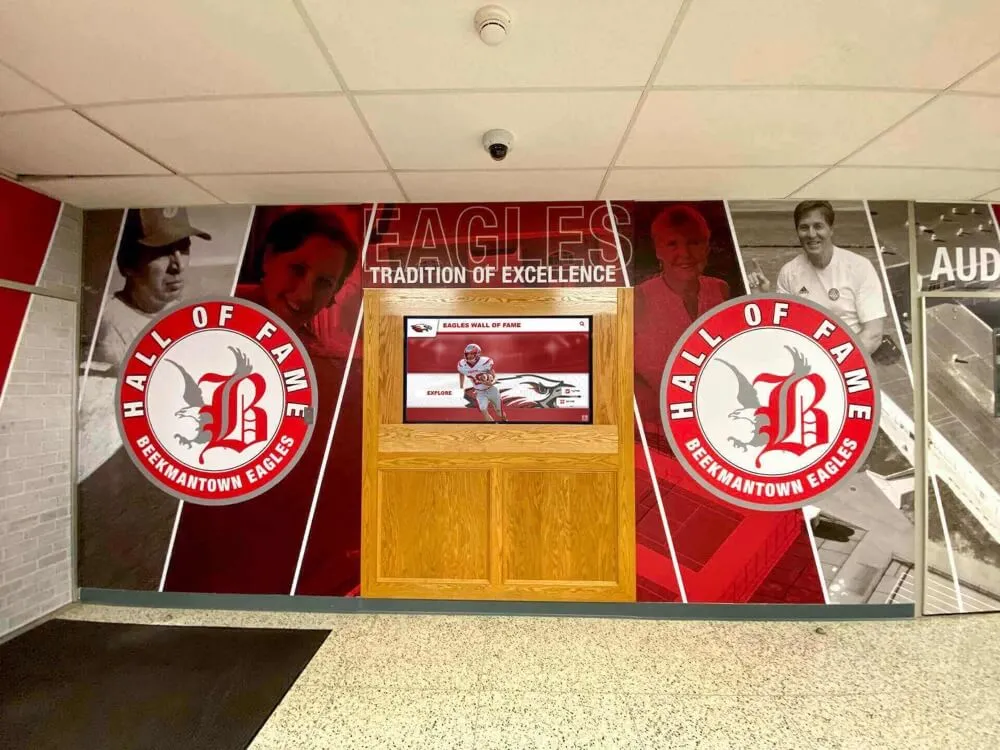
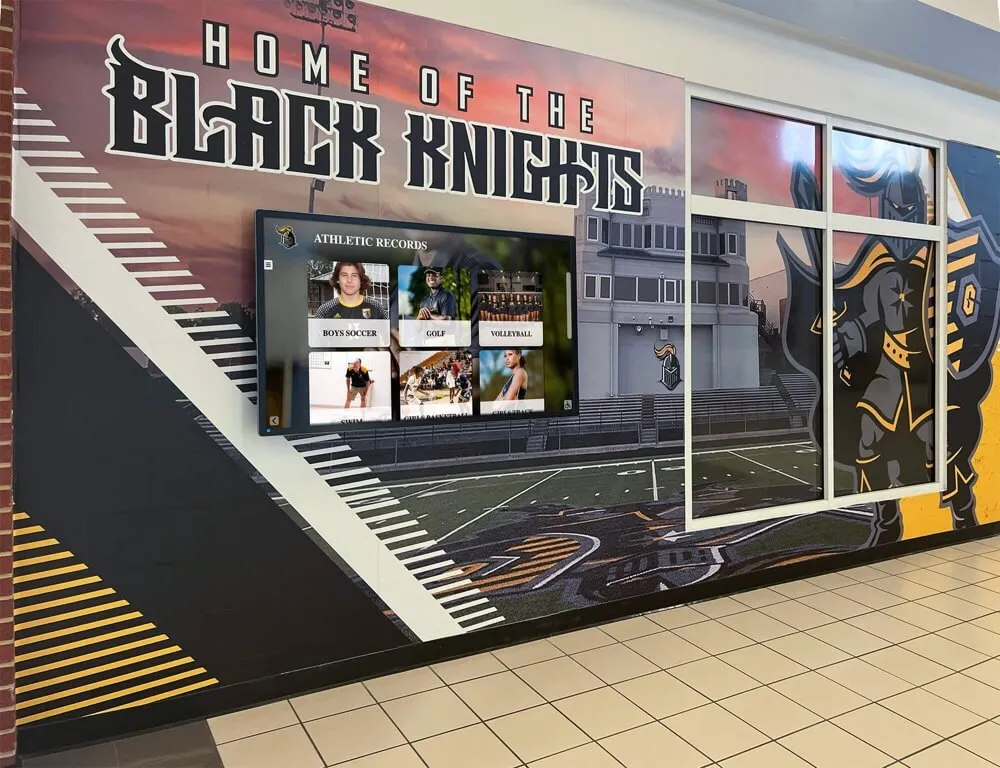
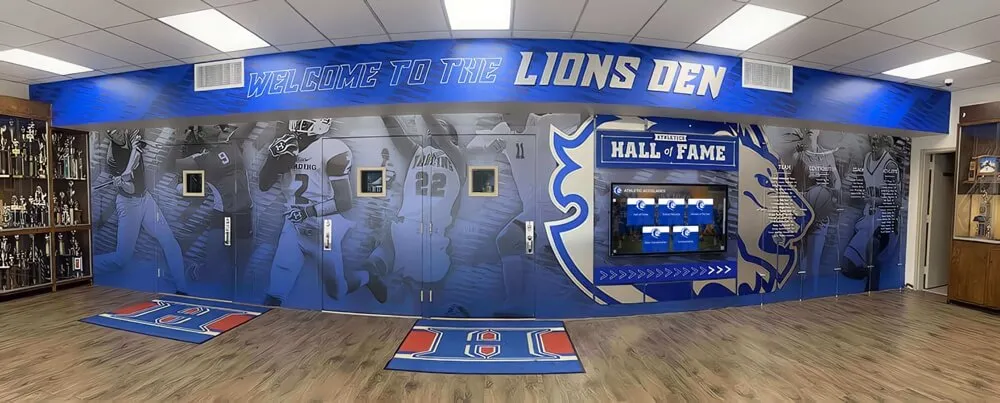
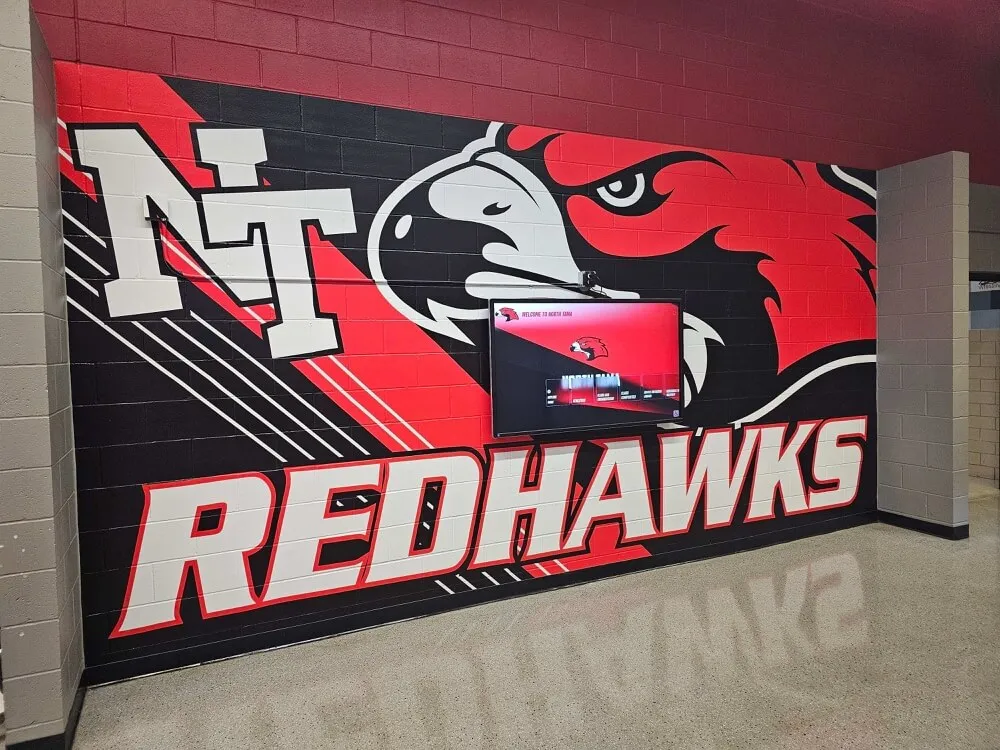
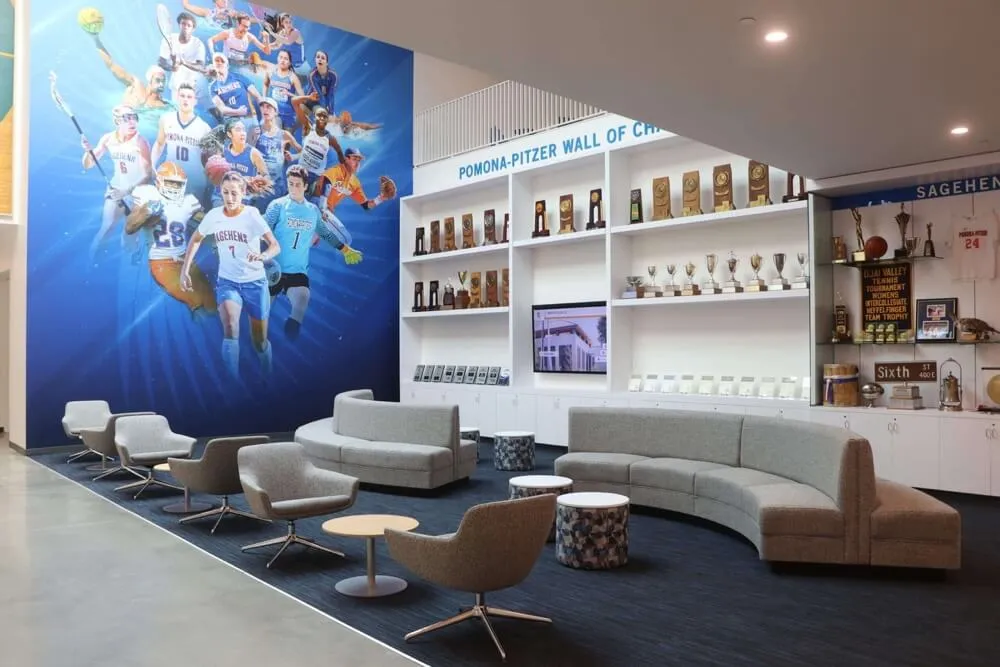
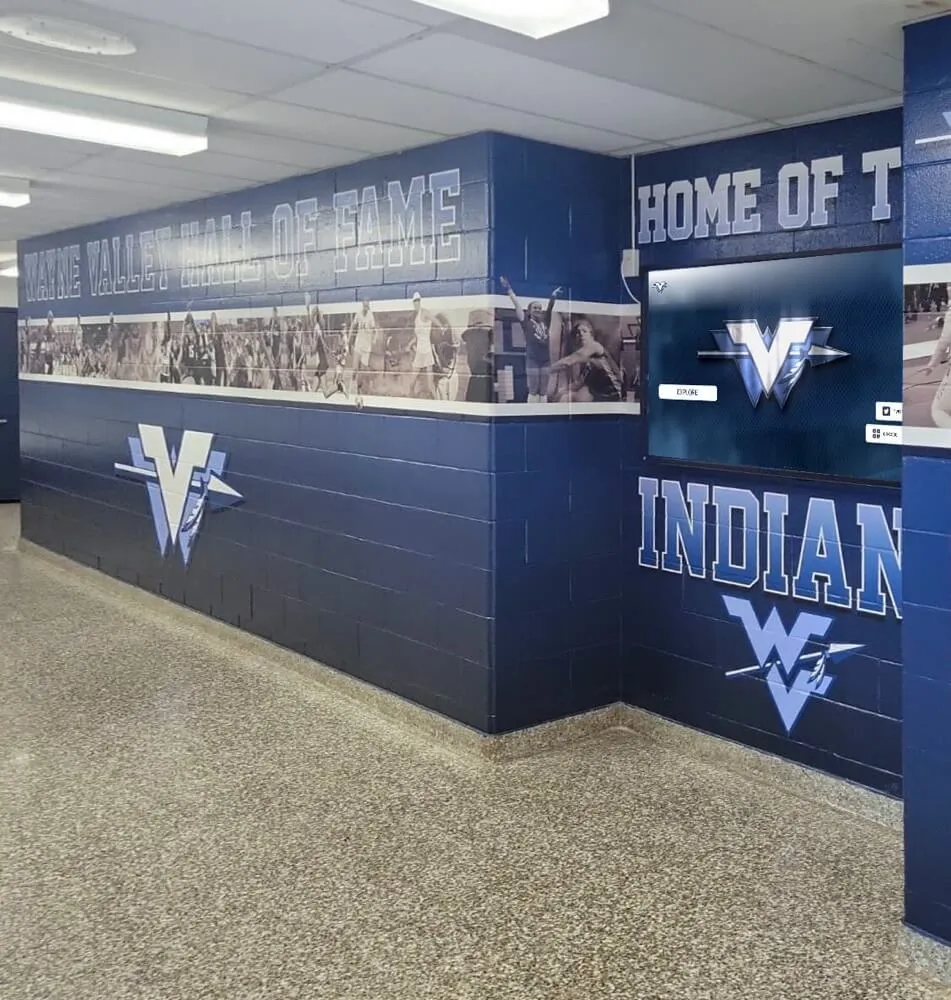
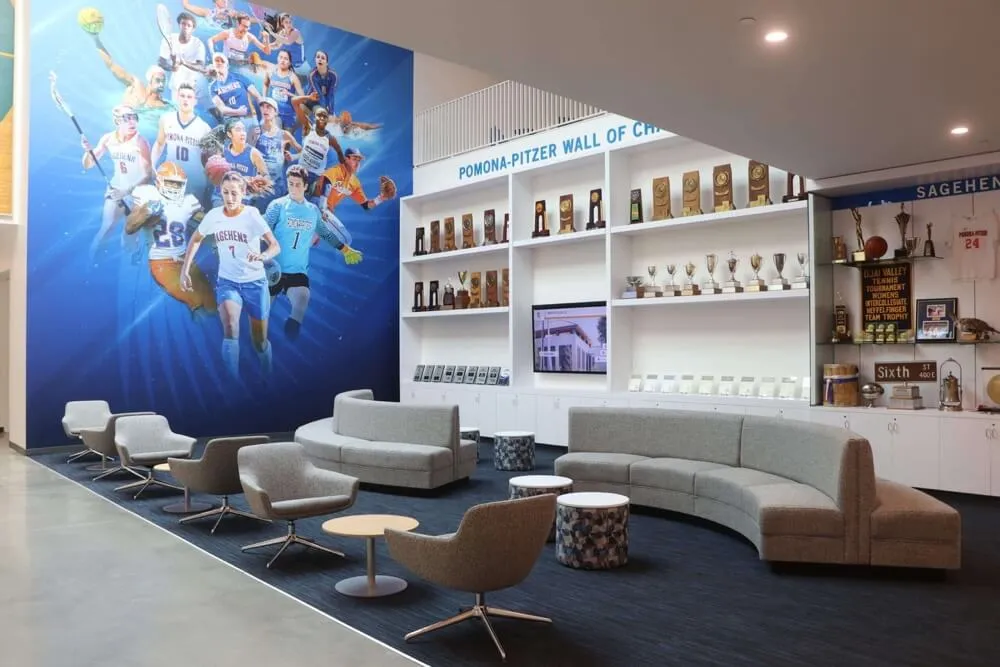
Modern athletic facilities celebrate defensive excellence and rebounding records alongside traditional scoring achievements
Drill 1: Partner Box Out Technique (Fundamental Building Block)
The Partner Box Out Technique drill isolates fundamental boxing out mechanics in controlled pairs, enabling coaches to correct form issues before adding competitive pressure.
Setup and Equipment
Arrange players in pairs matching similar size and strength levels. Position pairs spread across the key area and baseline, using both sides of the court to maximize repetitions. Each pair needs one basketball, though coaches can run the drill with fewer balls and rotate pairs through active participation.
Execution Steps
Starting Position: One player (offensive player) stands approximately 8-10 feet from the basket. Their partner (defensive player) positions between them and the basket in proper defensive stance.
Drill Sequence:
- Coach calls “Shot!” simulating a field goal attempt
- Defensive player immediately pivots, making contact with offensive player’s torso using their back/shoulder area
- Defensive player slides feet into wide base positioning, getting lower than the offensive player
- Defensive player maintains contact for 3-5 seconds while keeping eyes on an imaginary basketball trajectory
- On coach’s whistle, defensive player releases and jumps vertically with hands raised simulating rebounding motion
- Partners switch roles and repeat
Coaching Points: Emphasize low center of gravity with bent knees, wide feet positioning creating stable base, contact initiated with back/shoulder rather than hands (avoiding fouls), head turned to track ball location while maintaining contact, and aggressive but legal contact maintaining position without pushing.
Common Mistakes and Corrections
Players frequently make these errors during initial technique development:
Mistake: Standing Too Upright — Players maintaining straight legs provide weak positioning easily dislodged by aggressive offensive players. Correction: Coaches should emphasize “sitting” into the box out position, maintaining knee bend similar to defensive stance.
Mistake: Reaching or Pushing with Hands — Using hands to contact opponents creates foul trouble while providing weak positioning. Correction: Teach players to cross arms over chest or keep hands up in rebounding position while using back/shoulders for contact.
Mistake: Losing Visual Contact with Basketball — Players staring at opponents miss rebounding opportunities. Correction: Drill “head on a swivel” positioning where players feel contact while eyes track the ball.
Repetitions and Progression: Execute 15-20 repetitions per player (switching roles after every 3-5 reps) before advancing to more complex drills. Once players demonstrate consistent technique, increase tempo and add competitive elements where offensive players attempt more aggressive pursuit.
This fundamental drill builds muscle memory for proper boxing out form that carries through all subsequent rebounding situations. Programs emphasizing fundamental excellence often showcase technical mastery through recognition systems celebrating players who perfect positional fundamentals across all positions.
Drill 2: Circle Box Out (Competitive Intensity Builder)
Circle Box Out transforms fundamental technique into competitive battles, forcing players to locate and box out multiple opponents under pressure while introducing game-realistic physical intensity.
Setup and Organization
Create circles of 6-8 players around each basket, with half the players (3-4) positioned inside the key area as offensive players and the remaining half stationed just outside the key as defensive players. Each defensive player should identify one specific offensive player as their assignment. Coach stands 15-20 feet from basket with basketball.
Drill Execution
Phase 1: Recognition and Reaction
Coach shoots basketball toward the rim (intentionally missing). The instant the ball leaves the coach’s hands, defensive players must:
- Locate their assigned offensive player
- Sprint toward them establishing contact
- Execute proper boxing out technique
- Maintain position until the rebound is secured
Offensive players aggressively pursue the basketball using any legal method to reach rebounding position.
Phase 2: Competitive Rebounding
Whichever team (offense or defense) secures the rebound earns one point. Continue shooting until one team reaches 5 points, then rotate offensive and defensive groups.
Competitive Variations
Variation 1: Unknown Assignments — Rather than pre-assigning defensive matchups, require defenders to box out the nearest offensive player, developing awareness and quick decision-making under pressure.
Variation 2: Outnumbered Situations — Create 4-on-3 or 5-on-4 scenarios where defensive players must box out multiple opponents, simulating situations when teammates miss assignments requiring help coverage.
Variation 3: Live Shooting — Instead of coach shooting, position a shooter who takes realistic game shots, creating variable ball trajectories requiring adjustment and anticipation.
Coaching Emphasis and Accountability
This drill exposes effort inconsistencies immediately. Offensive rebounds resulting from lazy boxing out become immediately apparent, enabling coaches to hold players accountable for technique and intensity.
Key teaching points include maintaining contact throughout the ball’s flight (not releasing early to chase the rebound), communicating with teammates about unboxed players, staying low and wide to avoid being pushed aside, and securing rebounds with two hands and strong grip before exposing the ball.
Conditioning Component: Circle Box Out doubles as conditioning work, especially when running continuous 90-second segments where players must sustain boxing out intensity through fatigue—the exact condition occurring late in competitive games.
Championship programs understand that rebounding toughness developed in practice translates directly to game success, and they celebrate that toughness through recognition systems honoring complete player contributions beyond simple scoring statistics.
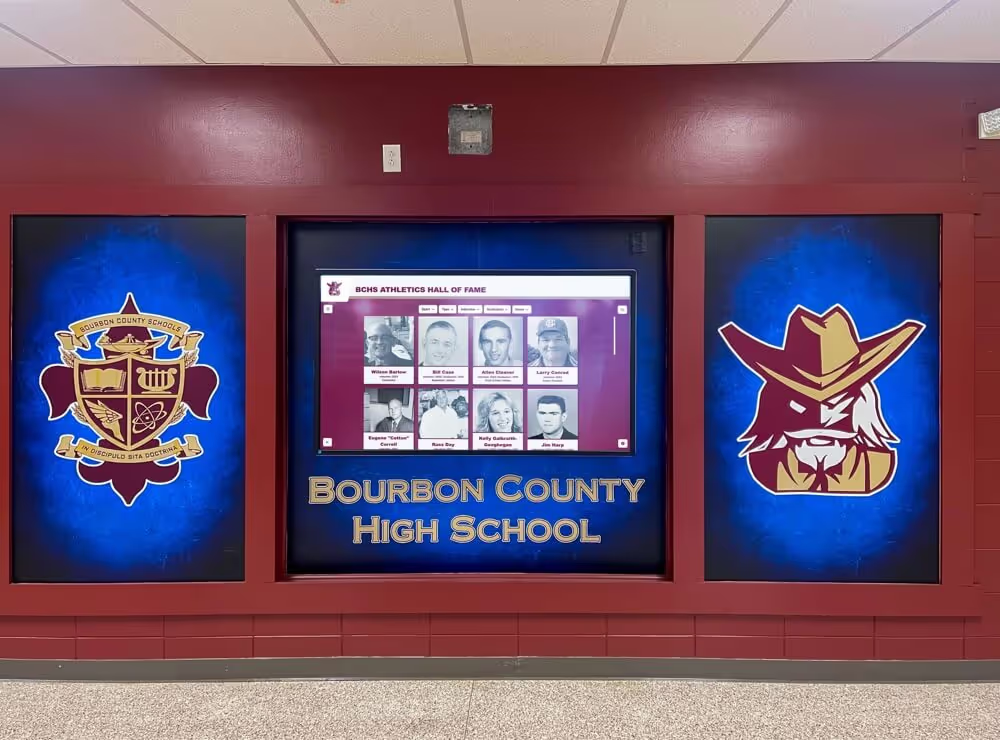
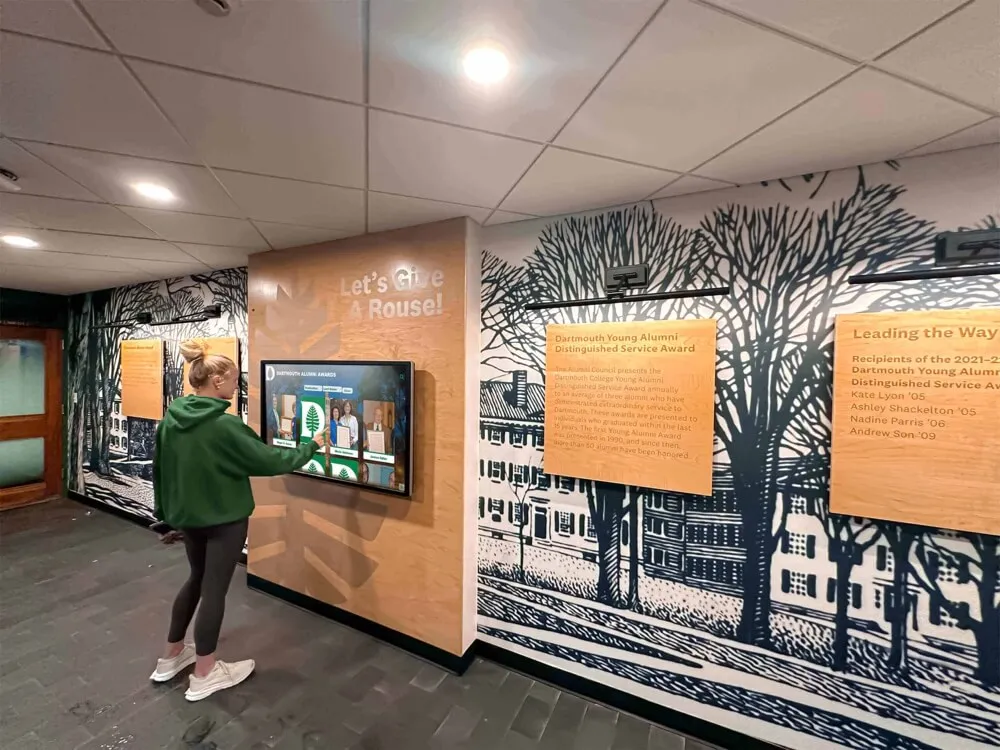
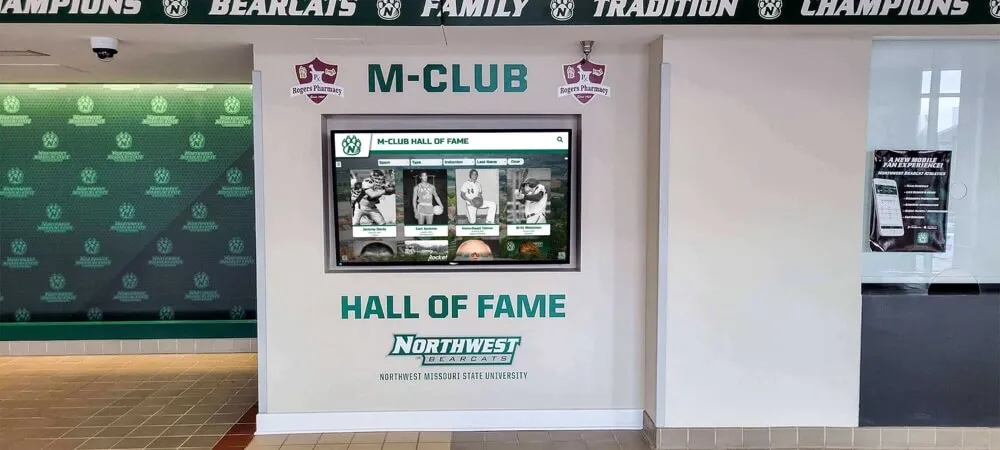
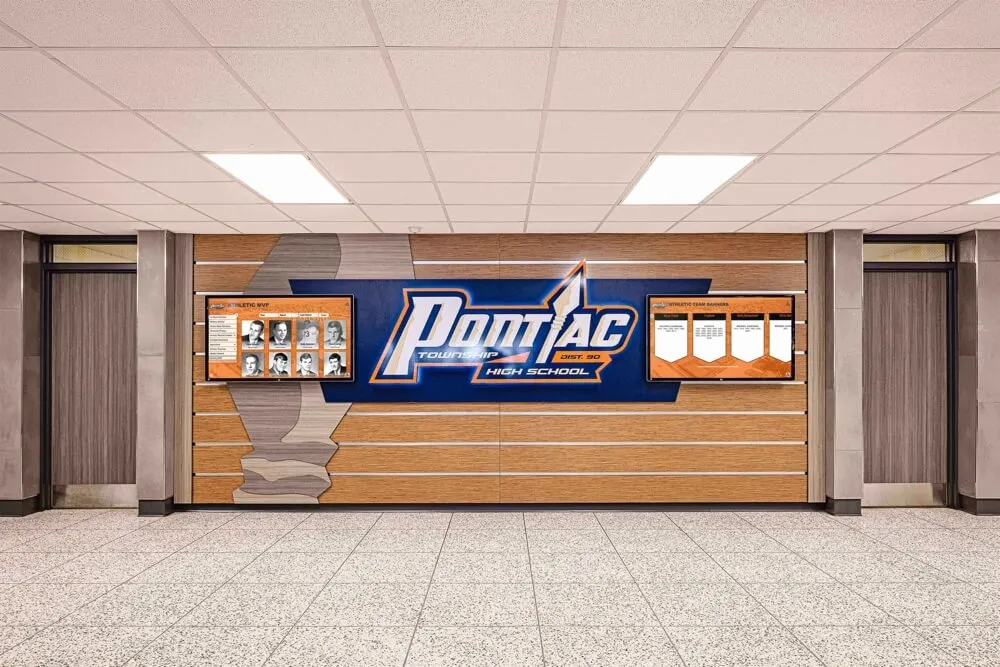
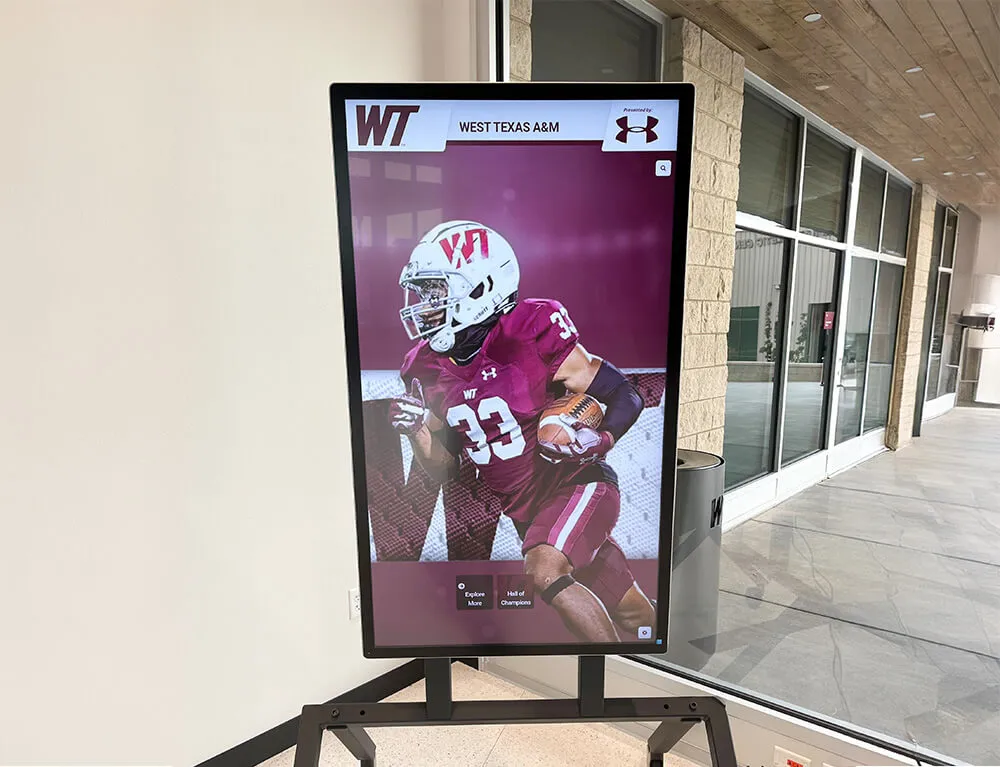
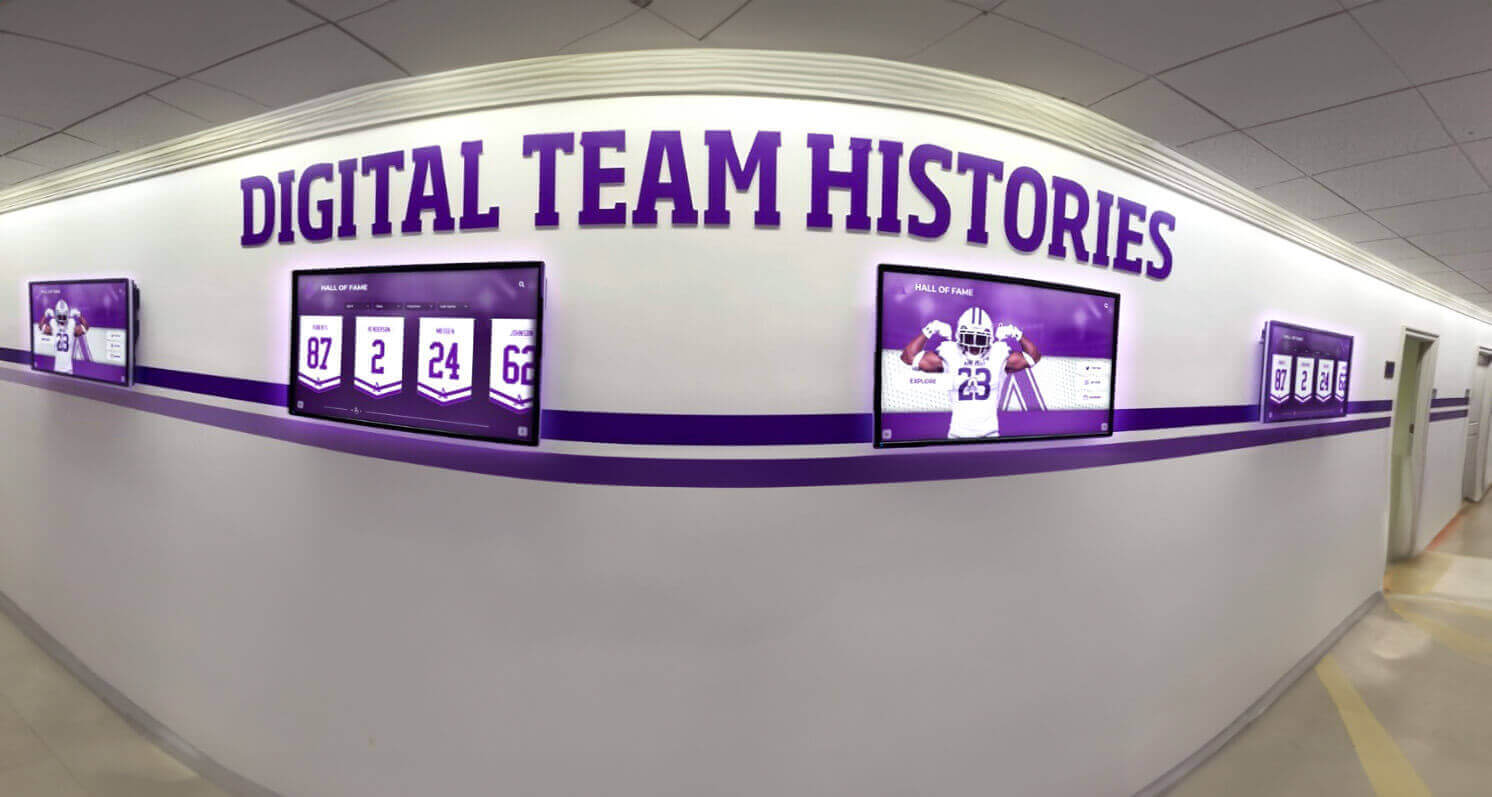
Complete athletic recognition celebrates the toughness and fundamentals that build championship programs
Drill 3: War Rebounding (Maximum Toughness Development)
War Rebounding earns its aggressive name through intense physical competition developing mental and physical toughness essential for playoff-level rebounding battles. This drill separates players willing to compete physically from those seeking comfort over championships.
Drill Setup and Rules
Position two players (one offensive, one defensive) in the lane approximately 8-10 feet from the basket. Coach stands at free throw line or wing position with basketball. The defensive player assumes proper defensive stance between the offensive player and basket.
Drill Procedure:
- Coach shoots basketball off backboard or over the rim
- Defensive player must box out offensive player using legal techniques
- Offensive player aggressively attacks the basket attempting to score on offensive rebound
- Play continues until defensive player secures rebound and clears it outside the key, offensive player scores, or ball goes out of bounds
- Award one point for defensive rebound, two points for offensive rebound/score
- First player to 5 points wins; loser runs sprint or performs conditioning consequence
Physical Intensity and Legal Play
War Rebounding intentionally creates high-intensity physical contact teaching players to maintain position against aggressive opponents. However, coaches must closely monitor for illegal contact:
Legal Contact: Physical positioning using torso and shoulders, holding ground against pushing, using lower body strength to maintain position, and aggressive pursuit after establishing position.
Illegal Contact: Pushing with hands or forearms, holding or grabbing opponents, undercutting players in the air creating injury risk, and excessive contact after the whistle.
Referees in competitive games allow significant physicality on rebounds, and this drill prepares players for that reality while teaching limits of legal contact.
Mental Toughness Component
Beyond physical development, War Rebounding builds mental resilience through sustained physical confrontation. Players learn to compete through fatigue, maintain focus despite physical discomfort, respond to adversity when losing rebounding battles, and sustain intensity across multiple consecutive repetitions.
Progression Pathway: Begin with controlled intensity for younger or less experienced players, gradually increasing physical demands as players develop proper technique and mental readiness. Advanced programs run War Rebounding with multiple consecutive battles (best 2-of-3 or 3-of-5 series) maximizing toughness development.
Coaching the Mindset
The most important coaching during War Rebounding occurs between repetitions. Emphasize that rebounding toughness is a choice, highlight specific examples of maximum effort, connect drill intensity to championship-level competition, and celebrate players embracing physical challenges while maintaining legal technique.
Programs building winning cultures recognize that toughness developed through demanding practice environments directly predicts game performance, and they honor that toughness through lasting recognition of player achievements celebrating complete athletic excellence.
Drill 4: Three-Player Rotation Box Out (Team Coordination)
Team rebounding requires coordinated effort across all five players executing individual assignments within a collective system. Three-Player Rotation Box Out teaches positional awareness, communication, and systematic coverage essential for team rebounding excellence.
Organization and Setup
Position three offensive players around the three-point arc in triangle formation (wing, top of key, opposite wing). Three defensive players guard them in proper positioning. Coach stands near half court with basketball.
Initial Positioning:
- Offensive Player 1: Right wing (15-17 feet from basket)
- Offensive Player 2: Top of key (18-20 feet from basket)
- Offensive Player 3: Left wing (15-17 feet from basket)
- Defensive players mirror their assignments in proper help-side positioning
Drill Execution Sequence
Step 1: Shot Recognition
Coach shoots basketball from perimeter position (can pass to offensive players who shoot, or shoot directly). All six players must immediately recognize the shot release.
Step 2: Assignment Coverage
Each defensive player must locate and box out their specific assignment using proper technique, maintaining contact for 2-3 seconds, communicating verbally (“Got ball!” or “I’m on my man!”), and tracking the basketball’s trajectory.
Step 3: Rotation and Help
Here’s the critical teaching element: if an offensive player is unguarded or their defender fails to establish contact, the nearest defender must communicate and rotate to provide help coverage. This requires constant communication and awareness beyond individual assignments.
Step 4: Secure and Outlet
Whichever defensive player secures the rebound must immediately look to outlet to a teammate or coach simulating transition initiation. Offensive players compete for rebounds and attempt putback scores if secured.
Communication Requirements
Three-Player Rotation cannot succeed without verbal communication. Require players to communicate throughout the drill:
- “Shot!” — First player recognizing the shot alerts teammates
- “Got my man!” — Each defender confirms their assignment is boxed
- “Help ball side!” — Calls for rotation when coverage breaks down
- “Rebound!” — Call for the ball when securing position
- “Outlet!” — Rebounder calls for passing option
Players who execute perfect boxing out technique but fail to communicate cannot succeed at team rebounding.
Progressions and Variations
Progression 1: Add Fourth and Fifth Players — Expand to 4-on-4 or 5-on-5 maintaining identical principles with increased complexity and coverage responsibilities.
Progression 2: Scripted Cuts — Have offensive players execute predetermined cuts toward basket on shot, forcing defenders to maintain contact on moving targets.
Progression 3: Live Shooting — Rather than coach shooting, run as live shell drill where offense can shoot, pass, or drive, creating realistic game decisions.
Competition Element: Track team rebounding percentage over 10-15 shots. Teams securing 70%+ defensive rebounds demonstrate championship-level execution. Below 60% reveals systematic breakdowns requiring correction.
Elite programs understand that team success requires systems celebrating both individual excellence and collective achievement, similar to how comprehensive recognition platforms showcase team championships alongside individual records.
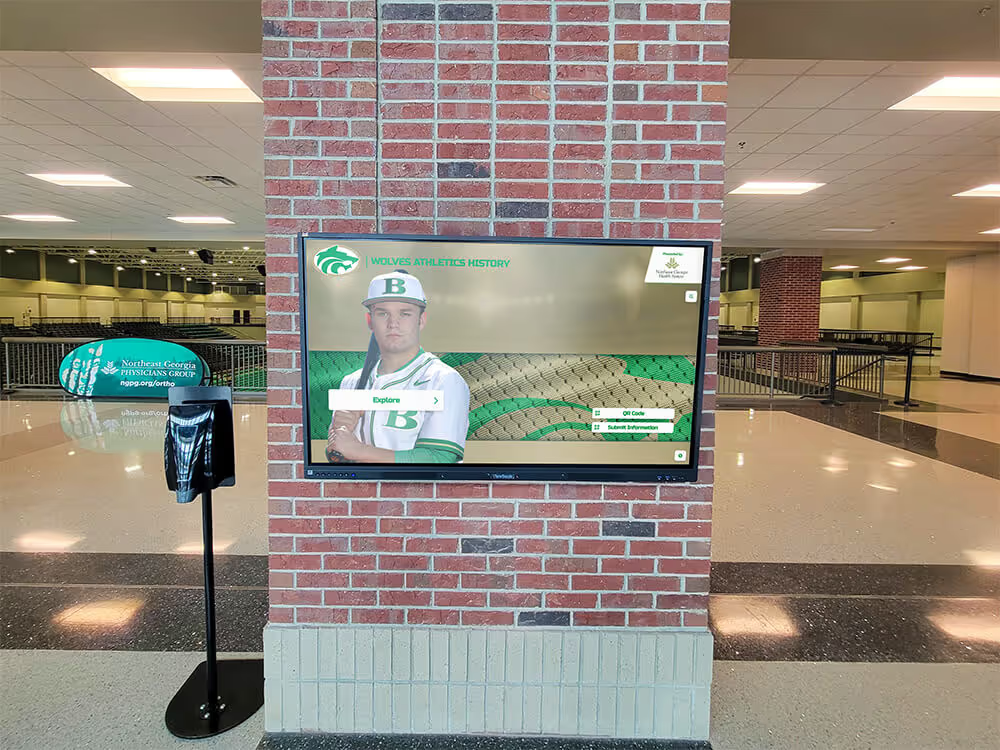
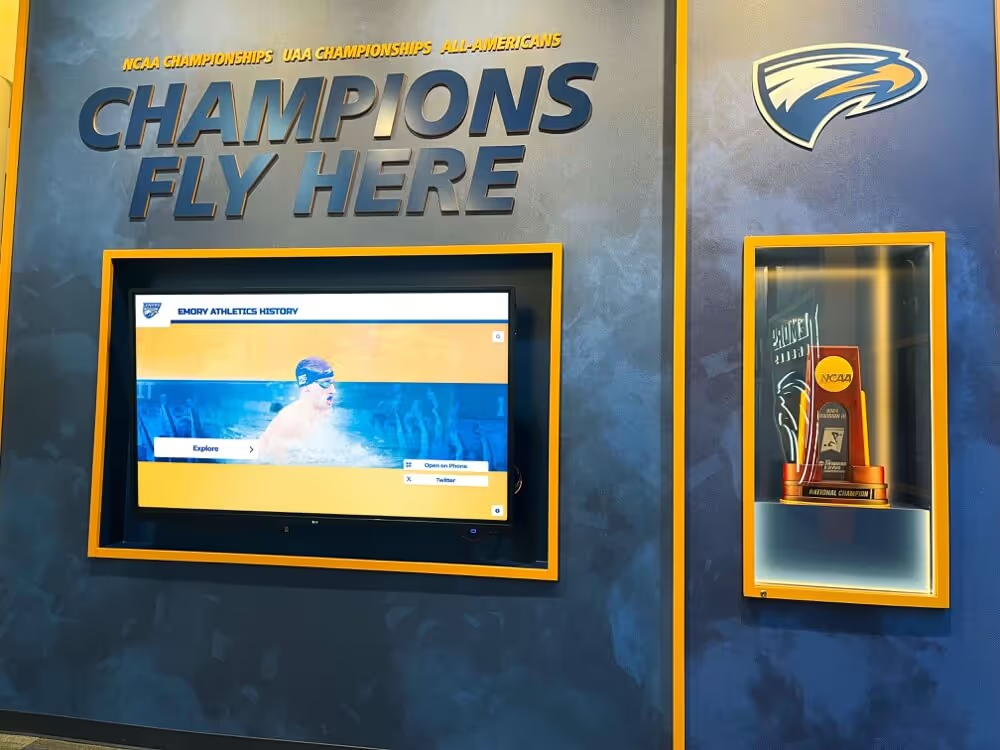
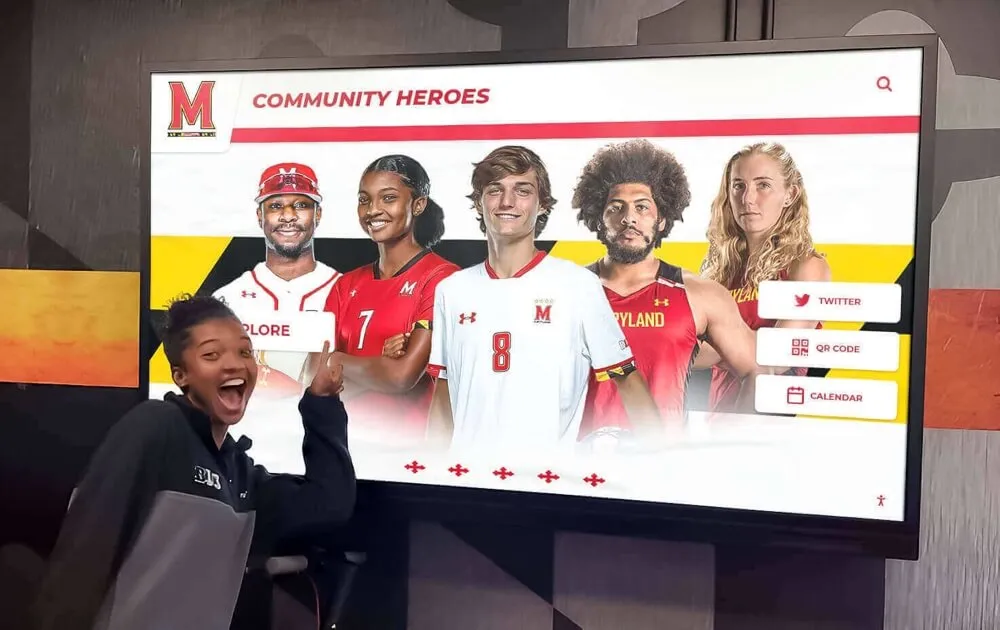
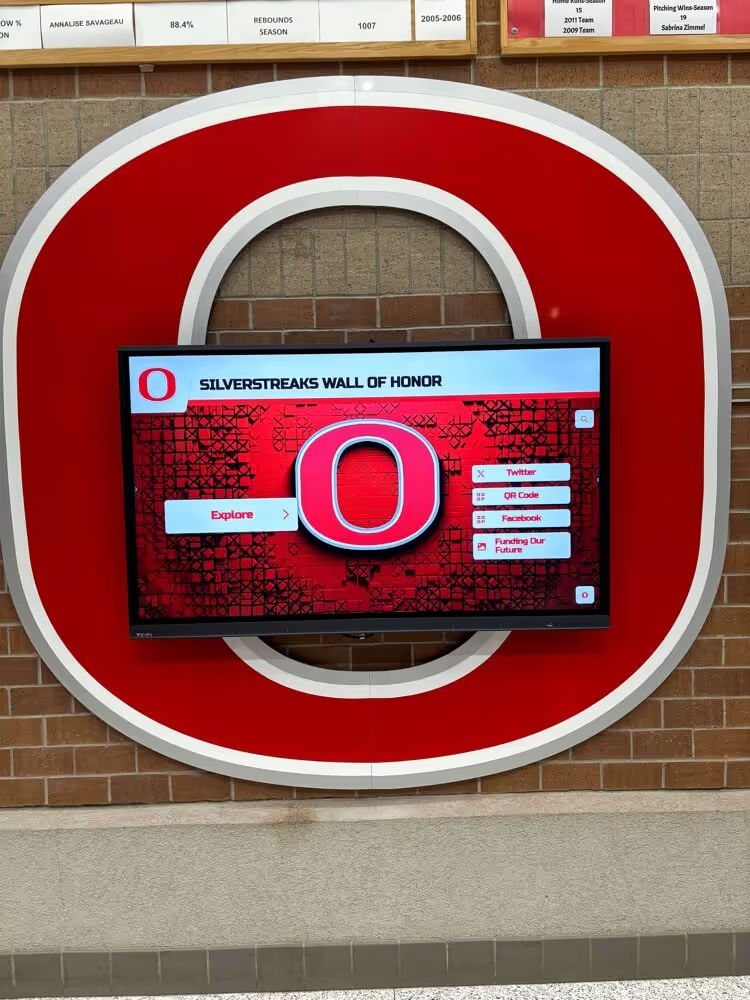
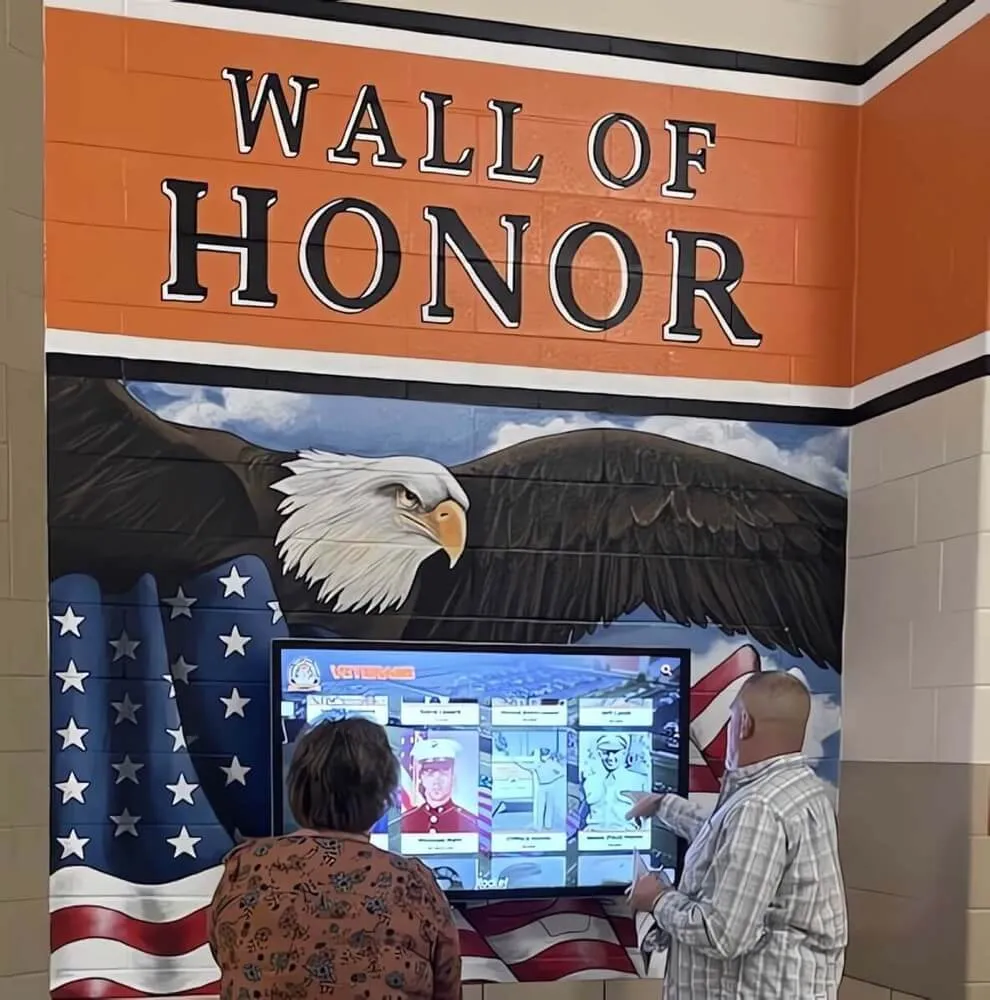
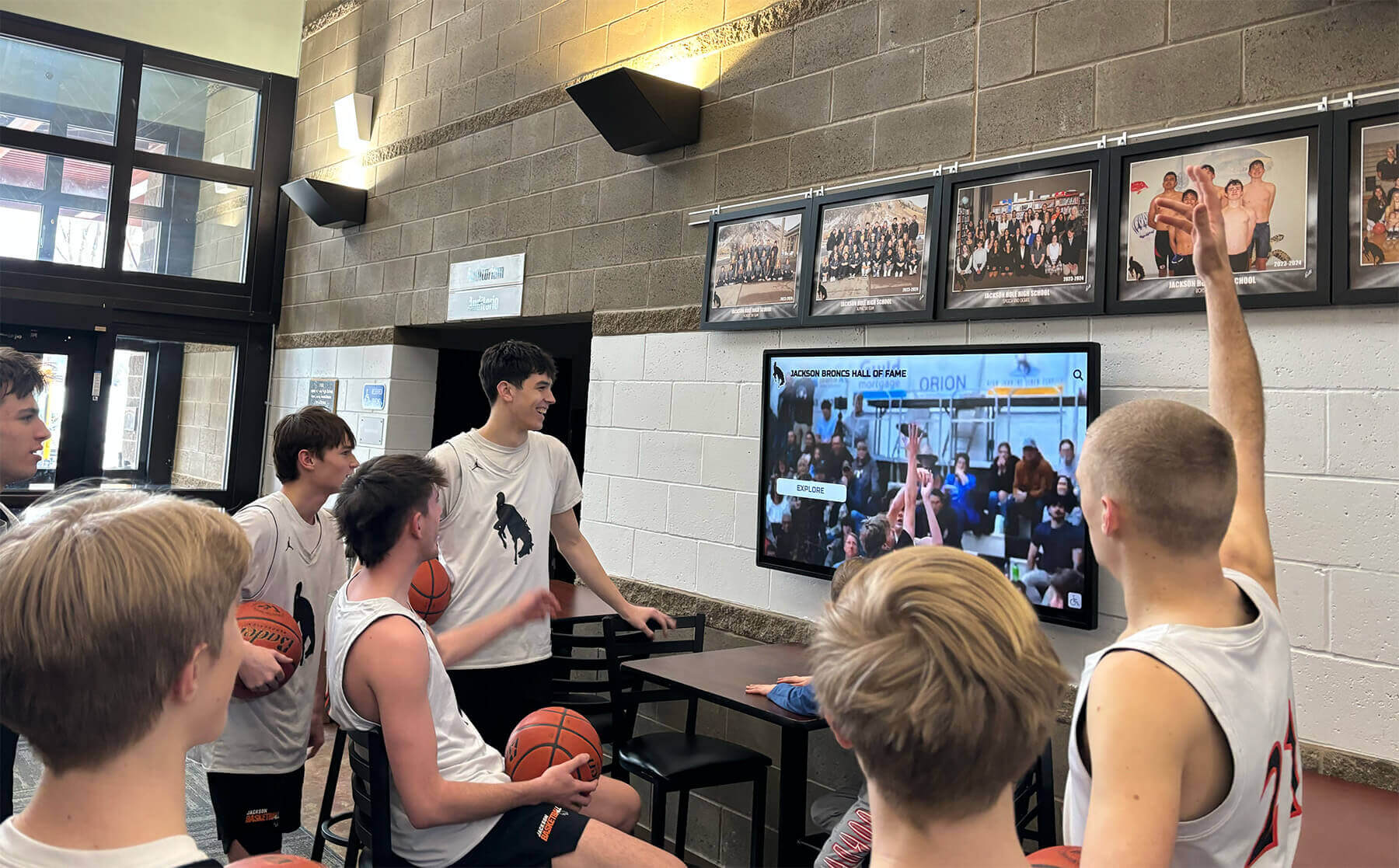
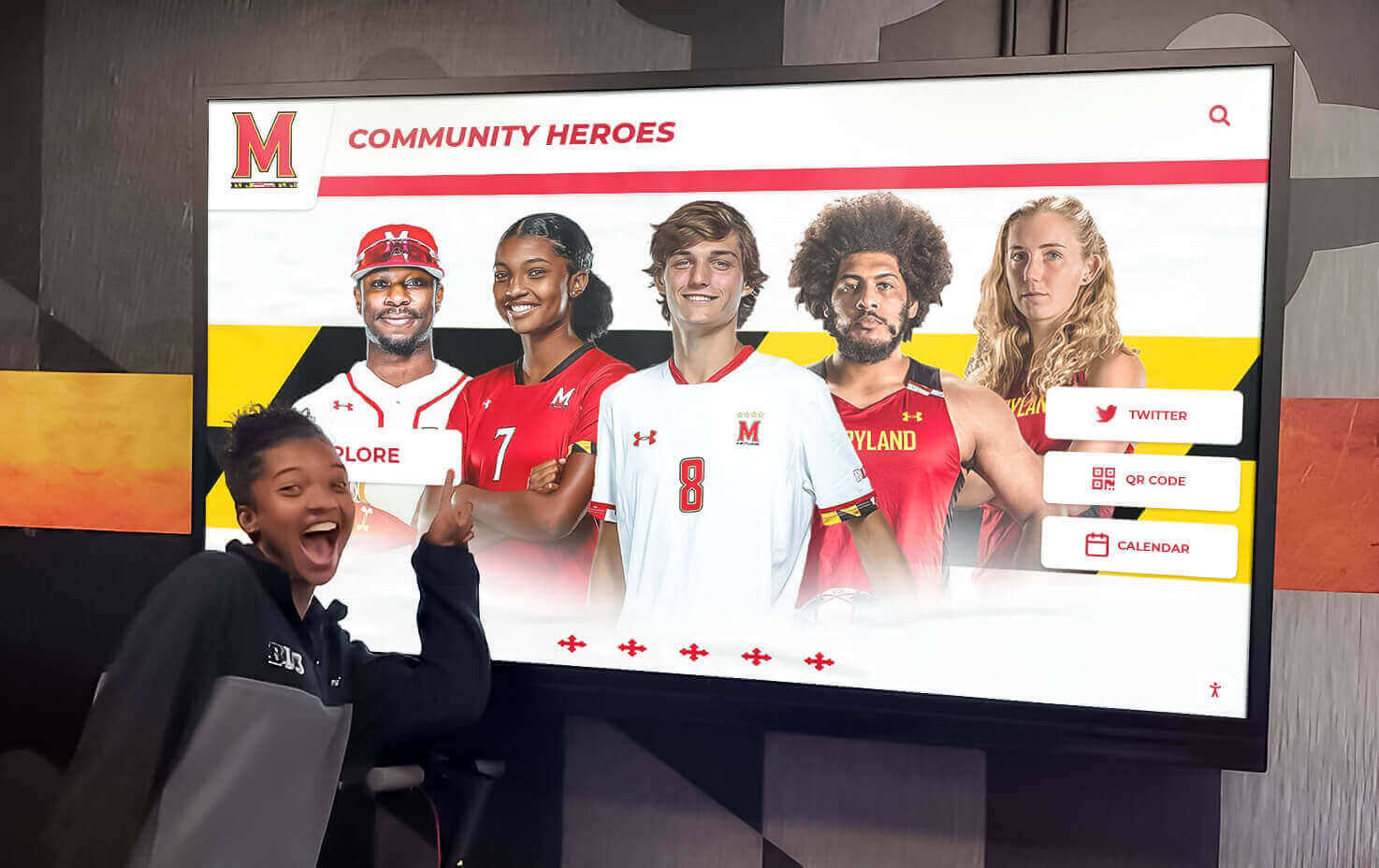
Championship basketball programs celebrate team achievements and systematic excellence through permanent recognition displays
Drill 5: Rapid Fire Rebounding (Conditioning and Repetition)
Rapid Fire Rebounding combines box out fundamentals with cardiovascular conditioning, developing the stamina necessary to maintain rebounding intensity throughout complete games while building muscle memory through high-volume repetitions.
Setup and Equipment Needs
Position one player in the lane as the rebounder with a coach or partner standing 10-12 feet away with a basketball. Additional basketballs nearby enable continuous drill flow without retrieval delays.
Drill Structure
Continuous Shooting Sequence:
The coach or partner continuously shoots basketballs off the backboard at various angles and trajectories—some soft, some hard, some straight on, others from angles. The rebounder must:
- Execute proper box out technique against an imaginary opponent on every shot
- Pursue and secure the rebound with proper jumping and catching form
- Immediately outlet pass back to the coach/partner
- Sprint back to starting position
- Reset defensive stance preparing for the next shot
Timing and Volume:
- Duration: 30-45 seconds continuous rebounding
- Rest: 45-60 seconds between sets
- Sets: 3-5 sets per player
- Shots: Approximately 8-12 rebounds per 30-second set depending on pace
Technical Focus Points
Despite cardiovascular demands, players must maintain technical precision throughout:
- Proper box out stance and pivot on every shot despite no physical opponent
- Two-hand rebounding at highest point rather than one-hand tips
- Secure ball protection immediately upon catching before outlet passing
- Explosive jumping on every rebound maintaining maximum effort despite fatigue
- Quick outlet passes with proper form to reset drill tempo
Common Fatigue-Related Breakdowns: As players tire, watch for standing upright rather than maintaining low stance, reaching one-handed instead of jumping to rebound, lazy pivots or skipped box out steps, and slow returns to starting position extending rest time.
Conditioning Component and Game Transfer
Late-game rebounding separates championship teams from pretenders. Rapid Fire Rebounding specifically conditions players to maintain perfect rebounding form during fourth quarter fatigue when opponents settle for lazy efforts.
The continuous high-intensity format mirrors game demands where elite rebounders compete on 5-7 consecutive possessions without breaks, maintaining identical effort on possession seven as possession one.
Competitive Variations
Variation 1: Rebound Counting — Challenge players to secure 10 rebounds in 30 seconds, with penalties (additional conditioning) for failing to reach the target.
Variation 2: Made Basket Consequences — If the shooter accidentally makes a basket during the drill, the rebounder performs 5 pushups before continuing, adding mental focus pressure.
Variation 3: Partner Competition — Run simultaneously with two players at opposite baskets, with the first player reaching 10 rebounds winning while the loser runs sprints.
Team Integration: Run Rapid Fire Rebounding as a station within larger practice rotations, enabling multiple players to work simultaneously while maintaining high practice tempo and maximizing repetitions across the roster.
Programs emphasizing conditioning and mental toughness alongside skill development produce complete athletes deserving comprehensive recognition celebrating their dedication and achievement.
Drill 6: Blind Box Out (Awareness and Anticipation)
Blind Box Out removes visual cues forcing players to develop court awareness, spatial recognition, and anticipatory skills essential for locating opponents in chaotic game rebounding situations.
Setup and Player Positioning
Position pairs of players (one offensive, one defensive) spread throughout the lane area. The defensive player starts in proper stance but faces away from the basket, unable to see their offensive assignment behind them. Coach or manager stands at the free throw line with basketball.
Execution Procedure
Phase 1: Awareness Development
- Coach shoots basketball toward rim
- On the shot, defensive player must immediately locate their opponent (who they cannot currently see)
- Defensive player pivots, finds contact, and executes proper box out despite starting with back to both opponent and basket
- Offensive player attempts to gain rebounding position during defensive player’s search/pivot
Phase 2: Competitive Rebounding
After establishing contact (or failing to locate opponent in time), players compete for the rebound with standard scoring (1 point defensive rebound, 2 points offensive rebound/putback).
Teaching Points and Challenges
This drill exposes several critical rebounding skills often overlooked in traditional drills:
Spatial Awareness: Players must develop mental maps of court spacing and opponent positioning without visual confirmation. This awareness proves critical during game situations where players lose visual contact during defensive rotations or help situations.
Quick Location and Contact: The drill rewards players who rapidly locate and engage opponents versus those who waste time searching. This speed-of-recognition differentiates elite rebounders from average ones in game situations.
Physical Feel: Players learn to establish and maintain contact primarily through tactile feedback rather than visual confirmation—essential for fighting through screens or maintaining position while tracking the basketball.
Progressions and Difficulty Increases
Progression 1: Multiple Players — Expand to 3-4 offensive and defensive players all starting blind to their assignments, creating organized chaos requiring rapid sorting and assignment location.
Progression 2: Moving Starts — Rather than static starting positions, have players jogging in place or moving around the key before shot recognition, increasing disorientation and awareness requirements.
Progression 3: Delayed Recognition — Coach delays announcing the shot until ball is in flight, reducing reaction time and increasing pressure on quick location and contact.
Success Metrics: Track defensive rebounding percentage across 10-15 shots. Teams achieving 65%+ success rates starting blind to opponents demonstrate elite awareness and technique fundamentals.
Game Application
Blind Box Out directly prepares players for common game scenarios including switching on screens where players inherit new assignments mid-possession, help rotations requiring quick location of unfamiliar matchups, transition defense where players must locate nearest opponent rather than tracked assignments, and broken play chaos where original defensive assignments collapse.
Players mastering these awareness skills become complete rebounders regardless of game circumstances, embodying the excellence that championship programs celebrate through recognition systems honoring basketball achievement across all facets of the game.
Modern recognition systems celebrate complete player contributions including defensive excellence and rebounding achievement
Drill 7: 3-on-3 Live Rebounding (Game Simulation)
Three-on-three live rebounding bridges the gap between fundamental drills and full-team scrimmaging, creating controlled game simulation emphasizing rebounding within realistic offensive and defensive contexts.
Organization and Court Setup
Divide squad into groups of six players (three offensive, three defensive). Use half-court spacing with three offensive players positioned around the three-point arc and three defenders in proper help-side positioning. Coach or manager serves as passer and shot initiator.
Drill Rules and Scoring System
Offensive Possession Rules:
- Offense receives pass from coach and runs live half-court offense
- Offense can shoot, pass, drive, or screen
- Possession ends on made basket, defensive rebound, or offensive rebound putback attempt
- Offense gets unlimited offensive rebounds but no resets beyond key area
Defensive Requirements:
- Defense must contain ball and contest shots using proper technique
- Every defender must box out their assignment on every shot attempt
- Defense wins possession by securing defensive rebound and clearing ball beyond three-point line
Scoring System:
- Made basket (no offensive rebound): Offense 2 points
- Offensive rebound + putback: Offense 3 points
- Defensive rebound: Defense 2 points
- First team to 11 points wins; losers run conditioning
Coaching Focus and Accountability
The competitive scoring structure forces defensive accountability for rebounding. Teams allowing multiple offensive rebounds lose games regardless of defensive shot contests—exactly mirroring actual game dynamics.
Coaching Emphasis During Live Play:
- Recognition timing: Defenders must read shot releases instantly rather than ball-watching
- Communication: Verbal calls for assignments and help coverage must persist throughout possessions
- Sustained effort: Defenders must maintain positioning through potential multiple offensive rebounds
- Transition execution: Defensive rebounds must immediately convert to organized offense
- Physical engagement: Legal physical contact establishing position should match game intensity
Teaching Rebounding Within Defensive Systems
Unlike isolated rebounding drills, 3-on-3 live rebounding teaches boxing out as the final component of complete defensive possessions. Players learn that perfect shot contests mean nothing if opponents crash offensive glass for second chances.
This systematic understanding—where boxing out represents defensive possession completion rather than isolated skill—separates championship defensive teams from those achieving quality shot contests but surrendering key extra possessions through rebounding failures.
Variations for Specific Situations
Variation 1: Shell Box Out — Limit offense to perimeter passing and shooting only (no drives), simplifying the drill to emphasize recognition and box out execution from perimeter defensive positioning.
Variation 2: Post Presence — Add a post player on both offense and defense, introducing interior rebounding battles and requiring perimeter defenders to help on interior glass.
Variation 3: Transition Rebounding — After defensive rebounds, require immediate transition to opposite basket with offense converting to defense, emphasizing outlet passing and conversion speed while fatigued.
Competition Structure: Run as round-robin tournament where winning teams advance to championship rounds while losing teams compete in conditioning brackets. This competitive pressure simulates playoff-level intensity where rebounding failures end seasons.
Programs understanding that championship basketball requires systematic excellence across all phases celebrate complete team success through recognition platforms showcasing collective achievement alongside individual honors.
Drill 8: Full-Team Scrimmage Rebounding Emphasis (Championship Application)
The ultimate test of basketball box out drill effectiveness occurs during full-team scrimmaging where rebounding fundamentals face the chaos, fatigue, and pressure of complete game simulation. Full-Team Scrimmage Rebounding Emphasis creates special rules and tracking making rebounding the focal point of competitive play.
Scrimmage Structure and Special Rules
Run standard 5-on-5 full-court basketball with modified scoring and rules emphasizing rebounding:
Modified Scoring System:
- Made field goal: 2 points (3 for three-pointers)
- Defensive rebound secured and advanced past half court: 2 bonus points
- Offensive rebound leading to putback score: 4 points total (2 for basket + 2 bonus)
- Defensive team allowing offensive rebound: Minus 1 point
This scoring dramatically emphasizes rebounding value, forcing teams to execute systematic boxing out rather than treating it as secondary to shot contests.
Statistical Tracking and Accountability
Assign managers or assistant coaches to track detailed rebounding statistics for every player:
- Defensive rebounds
- Offensive rebounds
- Defensive rebounds allowed (player’s assignment scored offensive rebound)
- Box out technique errors (identified by coaches)
- Transition outlets completed after defensive rebounds
Post scrimmage stats publicly, celebrating rebounding excellence and holding players accountable for systematic failures. This data-driven approach makes rebounding performance concrete rather than subjective coaching feedback.
Coaching Interventions During Play
Unlike typical scrimmages where coaches minimize interruptions, Rebounding Emphasis scrimmages include coaching stops after significant rebounding events:
Stop Play For:
- Offensive rebounds resulting from zero box out attempts by any defender
- Perfect box out execution leading to easy defensive rebounds
- Exceptional effort plays (tipped rebounds leading to possession, diving for loose balls, etc.)
- Communication breakdowns where unassigned players crash glass uncontested
These teaching moments connect drill fundamentals to game application immediately, reinforcing systematic importance.
Fatigue and Fourth-Quarter Simulation
Run extended scrimmage periods (12-15 minutes continuous) creating significant fatigue, then introduce “championship possession” sequences where every possession matters exponentially (triple point values). This simulates playoff pressure where fourth-quarter rebounding frequently determines outcomes.
Players maintaining perfect boxing out technique during exhausted fourth-quarter situations demonstrate championship mental toughness—the exact quality separating elite programs from talented teams failing in crucial moments.
Team Rebounding Goals and Standards
Establish objective rebounding standards for scrimmage success:
- Championship Standard: 70%+ defensive rebounding rate
- Competitive Standard: 65-70% defensive rebounding rate
- Needs Improvement: Below 65% defensive rebounding rate
Teams failing to reach competitive standards run additional conditioning or repeat rebounding drills until systematic execution improves. This accountability ensures rebounding remains prioritized rather than acknowledged verbally but ignored practically.
Building Championship Culture Through Recognition
Programs building sustainable championship cultures understand that practice intensity, systematic excellence, and mental toughness developed through demanding drills like Full-Team Rebounding Emphasis deserve permanent recognition celebrating player and team commitment to complete basketball.
Modern athletic recognition systems enable schools to showcase defensive statistics and rebounding achievements with equal prominence to scoring records, reinforcing program values celebrating toughness and team-first contributions that build championships.
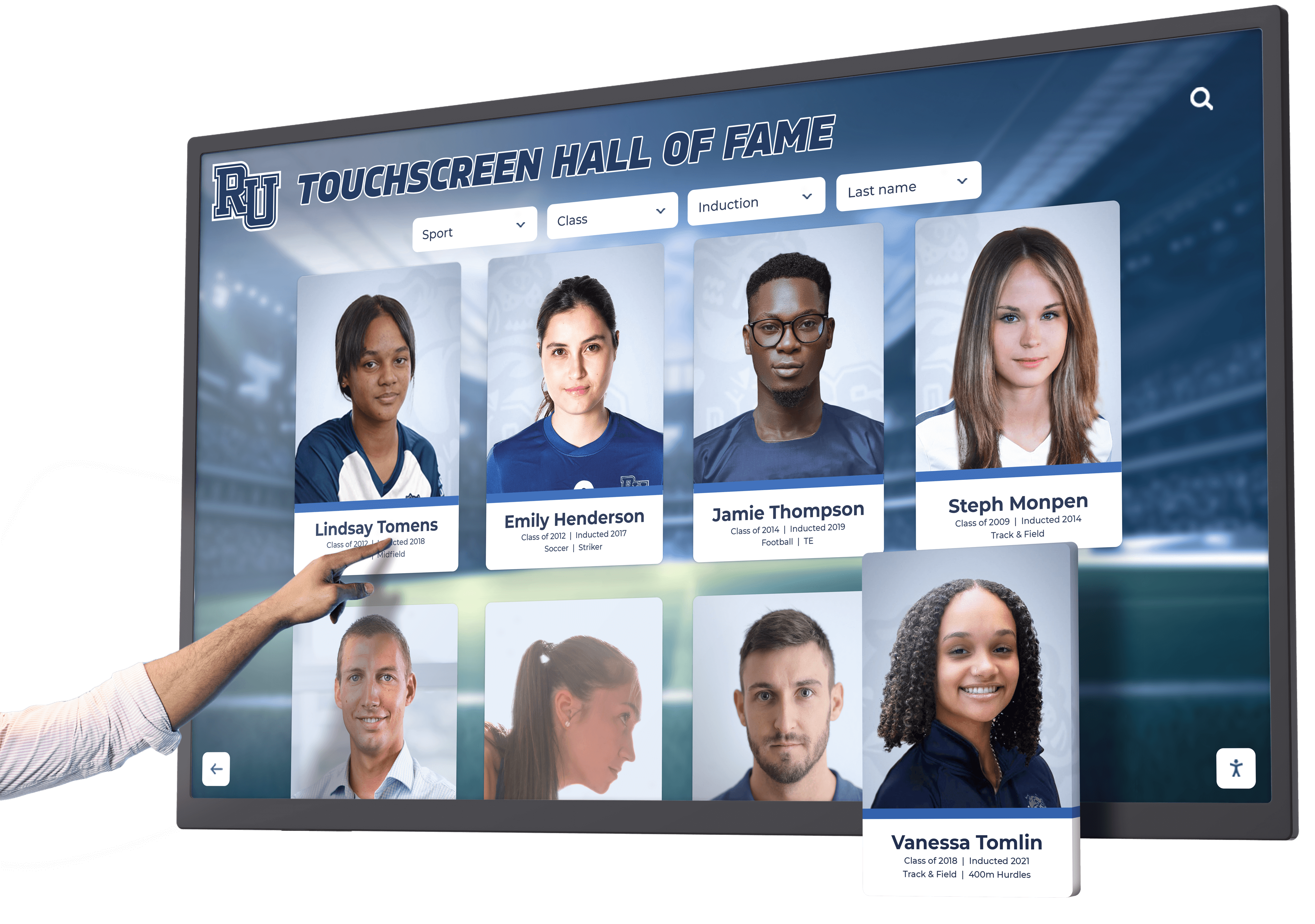
Championship programs celebrate complete player achievement including rebounding excellence through interactive recognition technology
Implementing Box Out Drills in Practice Plans
Understanding effective basketball box out drills provides limited value without strategic implementation within comprehensive practice planning that balances skill development, conditioning, and game preparation.
Weekly Practice Integration
Championship programs incorporate box out drilling throughout weekly practice cycles rather than isolated occasional emphasis:
Monday (Post-Game Recovery): Light rebounding technique work focusing on proper form without physical intensity—Partner Box Out Technique and fundamental review
Tuesday-Wednesday (Intensity Days): High-intensity competitive rebounding—War Rebounding, Circle Box Out, and 3-on-3 Live Rebounding building toughness through physical competition
Thursday (Team Systems): Three-Player Rotation Box Out and Full-Team Scrimmage Rebounding Emphasis connecting individual skills to team defensive systems
Friday (Pre-Game Prep): Brief rebounding review and competitive energy builders maintaining edge without physical exhaustion before weekend competition
Practice Time Allocation: Elite programs dedicate 10-15 minutes per practice to focused rebounding work, representing approximately 10-15% of practice time—roughly equivalent to rebounding’s impact on game outcomes.
Age-Appropriate Progression
Youth basketball programs should scale drill intensity and complexity matching player development:
Elementary/Middle School (Ages 8-12):
- Emphasize fundamental technique over physical competition
- Focus on Partner Box Out Technique and basic Circle Box Out with controlled intensity
- Avoid maximum-intensity drills like War Rebounding risking injury or intimidation
- Celebrate effort and improvement over competitive outcomes
High School Freshman/JV (Ages 14-16):
- Introduce competitive intensity gradually through Circle Box Out and moderate War Rebounding
- Build systematic understanding through Three-Player Rotation drills
- Develop conditioning tolerance through modified Rapid Fire Rebounding
- Connect individual skills to team defensive concepts
High School Varsity (Ages 16-18):
- Implement full drill progression including maximum-intensity War Rebounding
- Emphasize championship-level standards through competitive scrimmage modifications
- Develop mental toughness through sustained intensity and accountability
- Integrate advanced concepts like Blind Box Out requiring sophisticated awareness
Seasonal Periodization
Rebounding emphasis should vary throughout competitive seasons matching program priorities:
Preseason (October-November): Maximum time investment building fundamental technique and developing physical toughness through high-volume drilling establishing cultural expectations and systematic habits
Early Season (December-January): Sustained emphasis maintaining habits while integrating lessons from early competition experiences and addressing specific weaknesses revealed through games
Mid-Season (January-February): Moderate maintenance drilling focusing on specific situations causing problems rather than comprehensive fundamental work, dedicating saved time to game planning and rest
Late Season/Playoffs (February-March): Targeted situational work and mental preparation maintaining edge without physical exhaustion, emphasizing championship-moment execution when fatigue and pressure peak
Measuring Drill Effectiveness
Track objective metrics evaluating whether practice rebounding work transfers to game improvement:
- Team defensive rebounding percentage across season
- Individual rebounding statistics and per-game averages
- Second-chance points allowed compared to opponents
- Rebounding differential in wins versus losses
- Fourth-quarter rebounding performance under pressure
Programs showing practice investment without corresponding game improvement should evaluate drill selection, intensity levels, accountability systems, and teaching progressions ensuring translation from practice to competition.
Successful programs often showcase their systematic excellence through comprehensive recognition celebrating both individual achievement and program-wide success, reinforcing cultural values beyond single-season results.
Common Box Out Mistakes and Coaching Corrections
Even programs implementing quality basketball box out drills frequently encounter persistent technical and tactical mistakes undermining rebounding effectiveness. Recognizing and correcting these common errors accelerates player development.
Technical Mistakes
Mistake 1: Insufficient Physical Contact
Many players execute perfect pivoting mechanics but fail to initiate meaningful contact, allowing aggressive offensive players to slip around them toward the basket. This often stems from physical timidity or foul avoidance concerns.
Correction: Emphasize that legal contact using torso and shoulders rarely draws fouls while providing maximum positioning advantage. Run War Rebounding at higher intensity teaching comfortable physicality within legal boundaries. Celebrate players initiating strong (but legal) contact rather than only rewarding successful rebounds.
Mistake 2: Standing Too Upright
Players maintaining straight-leg positioning provide weak bases easily displaced by lower, more powerful opponents. This error typically increases with fatigue as players abandon proper stance seeking rest.
Correction: Constant reinforcement of “sit low, stay low” coaching cues. Video review showing successful boxes versus failures reveals how stance height determines outcomes. Conditioning work ensuring players maintain proper positioning despite fatigue.
Mistake 3: Premature Release
Perhaps the most common technical error involves players establishing perfect initial contact but releasing before securing the rebound, allowing opponents to crash around them during the ball’s descent.
Correction: Emphasize “contact until capture” principle where players never release contact until possessing the basketball or their teammate secures it. Use Circle Box Out drill with extended contact requirements (3-5 seconds minimum) building habits of sustained engagement.
Tactical and Mental Mistakes
Mistake 4: Ball-Watching
Players fixated on watching basketball trajectories rather than locating and engaging opponents allow easy offensive rebounds from unboxed crashers.
Correction: Blind Box Out drill specifically addresses this weakness. Additionally, film study showing offensive rebounds resulting from ball-watching (with specific player accountability) creates awareness of consequence. Some coaches implement practice rules where ball-watching errors trigger immediate conditioning consequences.
Mistake 5: Inconsistent Effort
Many players execute proper technique on some possessions but not others, creating unreliable rebounding systems where occasional lapses surrender critical possessions.
Correction: This represents cultural rather than technical failure requiring systematic accountability. Full-Team Scrimmage Rebounding Emphasis with statistical tracking and modified scoring makes every possession’s rebounding outcome consequential, reinforcing consistent effort expectations. Public statistics and recognition celebrating rebounding consistency reinforces desired behaviors.
Mistake 6: Poor Communication
Silent defenders operating independently create coverage gaps where unassigned offensive players crash glass uncontested, particularly during defensive rotations and help situations.
Correction: Three-Player Rotation Box Out specifically addresses communication requirements. Additionally, implement practice rules requiring verbal communication on every defensive possession with consequences (restart possession, conditioning, etc.) for silent play. Celebrate vocal leadership and effective communication equally to technical execution.
Coaching Philosophy: Rebounding as Identity
The most significant “mistake” involves treating rebounding as supplementary skill rather than core program identity. Championship programs make rebounding central to their competitive identity, dedicating corresponding practice time, creating accountability systems, and celebrating rebounding excellence through permanent recognition.
Programs building this culture often showcase their values through recognition systems celebrating defensive achievement and toughness with equal prominence to offensive statistics, reinforcing that championships require complete basketball excellence.
Rebounding Records and Program Recognition
Championship basketball programs understand that rebounding excellence—built through consistent execution of basketball box out drills—deserves celebration and recognition alongside traditional scoring achievements. Modern recognition systems enable comprehensive showcase of complete player and team contributions.
Categories Worth Tracking and Celebrating
Beyond simple rebound totals, programs can recognize diverse rebounding achievements:
Individual Records:
- Career rebounds (overall, defensive, offensive separately)
- Single-season rebound totals
- Single-game rebounding performances
- Rebounds per game averages across career
- Consecutive games with 10+ rebounds
- Defensive rebounding percentage (defensive rebounds / available defensive rebounds)
Team Records:
- Season team rebounding totals and averages
- Team rebounding margin versus opponents
- Defensive rebounding percentage by season
- Fewest offensive rebounds allowed per season
- Rebounding differential in championship games
Effort and Excellence Awards:
- Hustle awards recognizing maximum-effort rebounders
- Most improved rebounder annual recognition
- Defensive player awards incorporating rebounding excellence
- Toughness awards celebrating physical commitment
- Team-first awards honoring players boxing out enabling teammates’ rebounds
Digital Recognition Systems for Complete Achievement
Traditional static trophy cases and championship banners typically emphasize team championships and individual scoring records while struggling to showcase comprehensive statistical achievement including rebounding excellence, defensive contributions, and complete player performance.
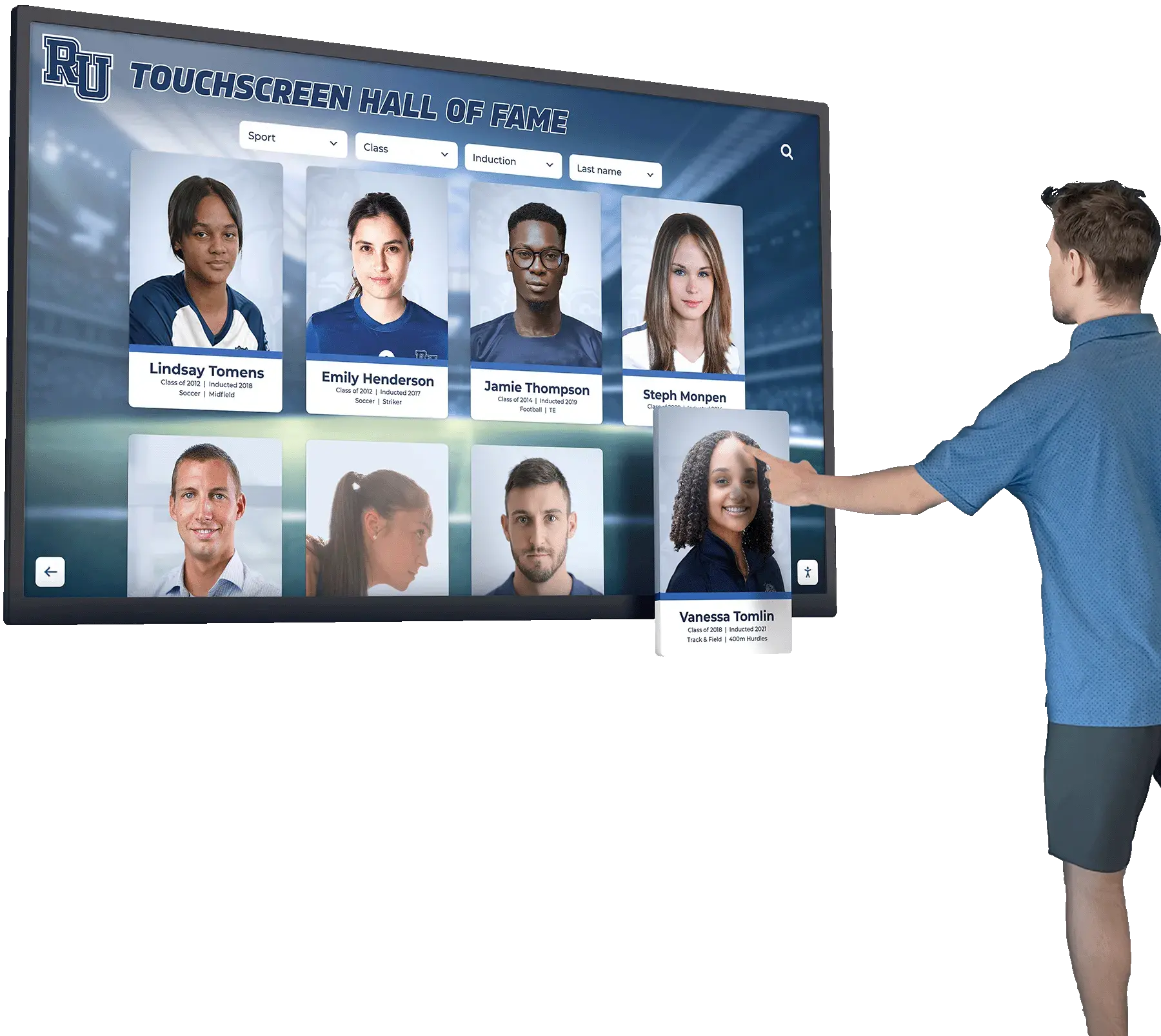
Modern digital recognition platforms transform how programs celebrate achievement by enabling dynamic displays featuring complete statistical profiles showcasing rebounding records alongside scoring achievements, video highlights of crucial defensive stops and rebounding plays, year-by-year career progression tracking development across all statistical categories, comparative analysis showing how current players rank against program history, and interactive exploration enabling community members to discover achievements across multiple dimensions.
These interactive recognition systems positioned in gymnasium lobbies, athletic hallways, and school common areas celebrate complete basketball excellence, reinforcing program values prioritizing team success and comprehensive contribution over individual scoring glory.
Cultural Impact of Comprehensive Recognition
When programs prominently display rebounding leaders, defensive specialists, and toughness award winners alongside scoring champions, they send powerful cultural messages to current and prospective players about valued contributions and paths toward program recognition.
Athletes understanding they can achieve lasting recognition through rebounding excellence, defensive commitment, and team-first playing embrace roles supporting championship basketball rather than pursuing individual scoring at team defense’s expense.
This cultural foundation—built through practice emphasis, coaching celebration, and permanent recognition—sustains championship competitiveness across multiple recruiting classes and coaching transitions, establishing program identity transcending individual players or seasons.
Celebrate Your Program's Complete Excellence
Championship basketball programs built through fundamental excellence, systematic toughness, and complete player development deserve recognition systems celebrating all dimensions of achievement. Modern digital displays enable you to showcase rebounding leaders, defensive specialists, and team-first contributors alongside traditional scoring records—reinforcing program values while inspiring current athletes and engaging your entire school community.
Discover Recognition SolutionsConclusion: Building Championship Rebounding Through Systematic Excellence
Basketball box out drills represent far more than isolated practice activities filling time between offensive work—they constitute the systematic foundation enabling championship rebounding that controls possessions, dictates game tempo, and ultimately determines competitive outcomes. Programs investing consistent practice time in comprehensive rebounding development through the eight drills presented in this guide build tangible competitive advantages persisting across seasons and player transitions.
The progression from fundamental Partner Box Out Technique establishing proper form through high-intensity War Rebounding building mental and physical toughness, continuing through systematic Three-Player Rotation developing team coordination, and culminating in Full-Team Scrimmage Rebounding Emphasis integrating skills within complete game simulation creates comprehensive rebounding systems transforming average athletes into elite rebounders through technique, toughness, and teamwork.
Championship basketball programs understand several fundamental truths about rebounding excellence:
Rebounding Is Learned, Not Inherited — While height and athleticism provide advantages, systematic boxing out technique, positioning awareness, and relentless effort matter more than physical gifts. Structured drilling builds these skills across players of all sizes and athletic profiles.
Toughness Determines Outcomes — Late in close games when fatigue peaks and pressure maximizes, teams maintaining perfect rebounding technique and maximum effort secure championships while talented teams accepting comfort over confrontation watch seasons end.
Systems Beat Individuals — Five average rebounders executing coordinated team boxing out systems outperform three elite individual rebounders operating independently. Systematic drilling builds team coordination enabling collective excellence.
Recognition Reinforces Values — Programs prominently celebrating rebounding achievement through permanent recognition systems communicate that toughness, team-first play, and complete contributions receive equal honor to scoring excellence—shaping culture attracting and developing championship-caliber players.
The difference between championship programs and talented teams falling short often traces directly to rebounding fundamentals practiced daily through demanding, purposeful drills building technique, toughness, and team systems. Every defensive stop means nothing if surrendered through offensive rebounds, and every offensive possession begins with defensive rebounding securing possession.
Implementation starts today: select appropriate drills matching your team’s development level, dedicate consistent practice time building systematic habits, establish accountability through tracking and consequences, celebrate rebounding excellence publicly and permanently, and build program culture where rebounding represents core competitive identity rather than supplementary skill.
Championships aren’t won accidentally—they’re secured possession by possession through relentless commitment to rebounding excellence. Programs dedicating themselves to systematic box out drilling, comprehensive player development, and celebration of complete basketball achievement build sustainable competitive excellence extending far beyond individual seasons, establishing legacies of toughness and team-first excellence inspiring generations of future athletes.
Modern basketball facilities equipped with championship-quality training environments and thoughtful recognition systems celebrating all dimensions of achievement create complete programs where athletes develop fundamentals, compete with toughness, and receive lasting acknowledgment for excellence. Just as these eight basketball box out drills provide systematic pathways toward rebounding mastery, comprehensive recognition platforms provide systematic pathways toward celebrating the complete basketball excellence those drills enable—honoring the toughness, technique, and team-first commitment that builds championships possession by possession, rebound by rebound, throughout seasons and across generations.