



Rebounding determines possession, possession determines shot opportunities, and shot opportunities determine wins. Yet countless basketball teams lose winnable games not because they can’t score, but because they surrender second-chance points through poor rebounding fundamentals. The difference between dominant rebounding teams and those consistently outworked on the glass rarely comes down to height or athleticism—it comes down to commitment, positioning, and relentless execution of basketball box out drills that build the habits winning teams require.
Coaches face persistent rebounding challenges: talented players who avoid contact, teams that crash late allowing offensive rebounds, inconsistent effort between practice and games, and players who watch shots instead of finding bodies. Meanwhile, opponents who master boxing out consistently control possessions despite size disadvantages, limit second-chance opportunities that shift momentum, and demonstrate the physical toughness that intimidates less committed teams.
This comprehensive guide provides eight proven basketball box out drills progressing from fundamental positioning to game-speed contact situations. These rebounding workouts develop the technical skills, competitive mentality, and relentless effort that transform rebounding from a weakness into a dominant team strength that controls games and builds program identity around toughness.
The most successful basketball programs recognize that rebounding excellence stems not from hoping players naturally pursue loose balls, but from systematically drilling proper technique until contact-seeking becomes automatic—creating defensive possessions that end with secured rebounds and offensive possessions that generate second opportunities through aggressive pursuit.

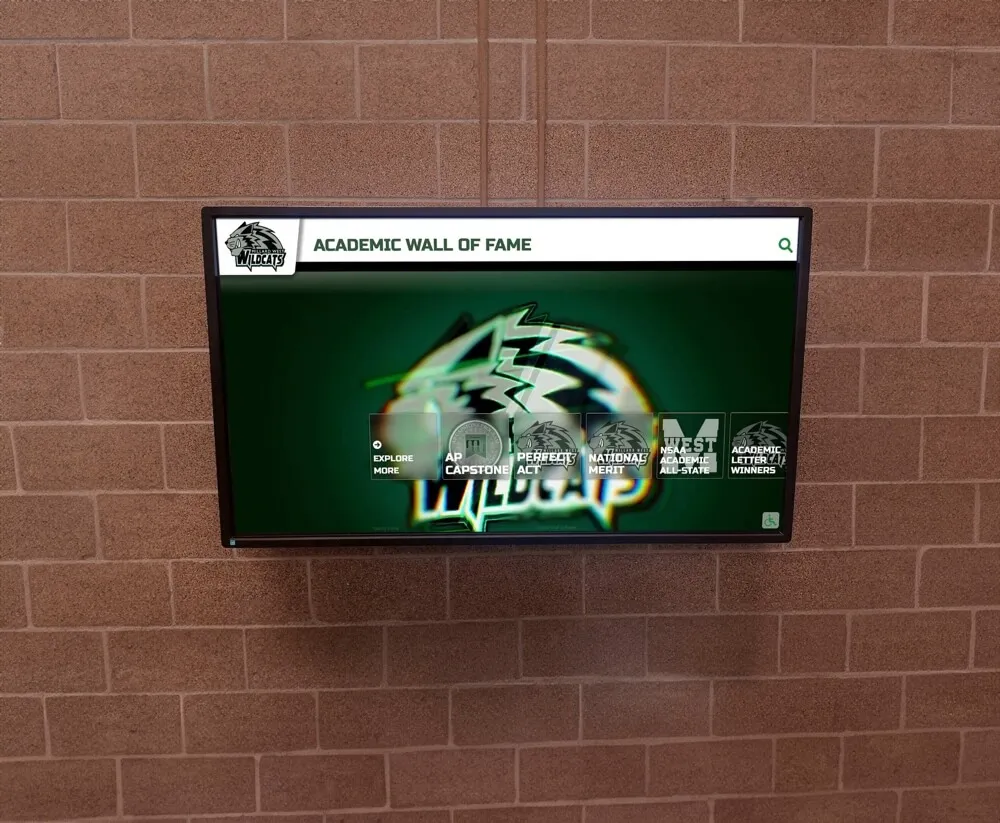
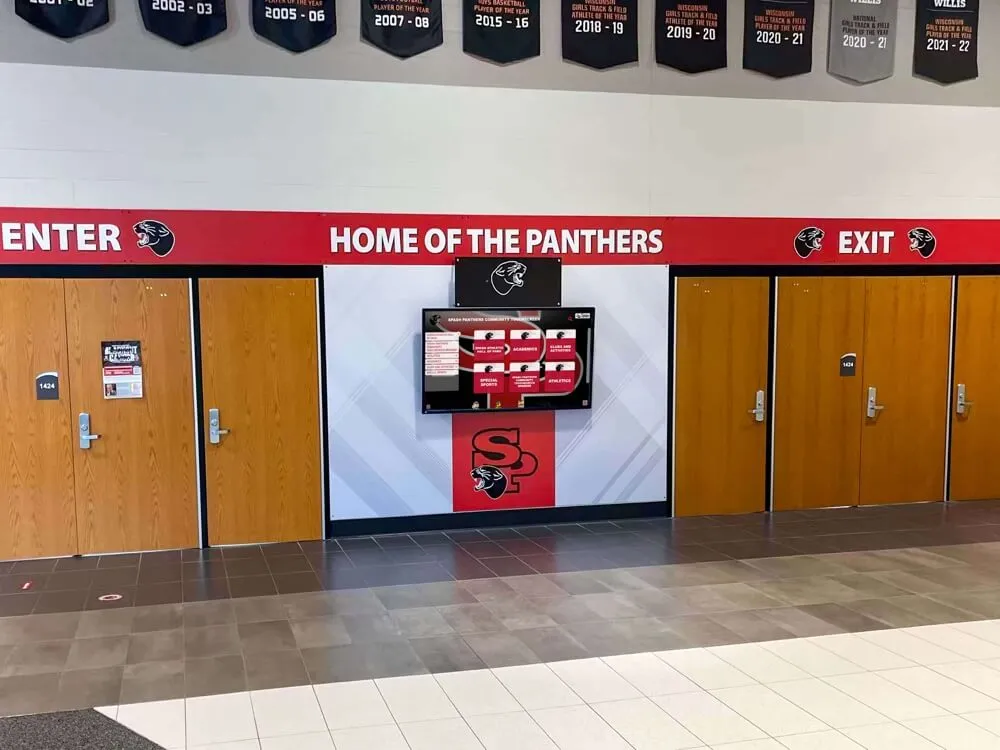
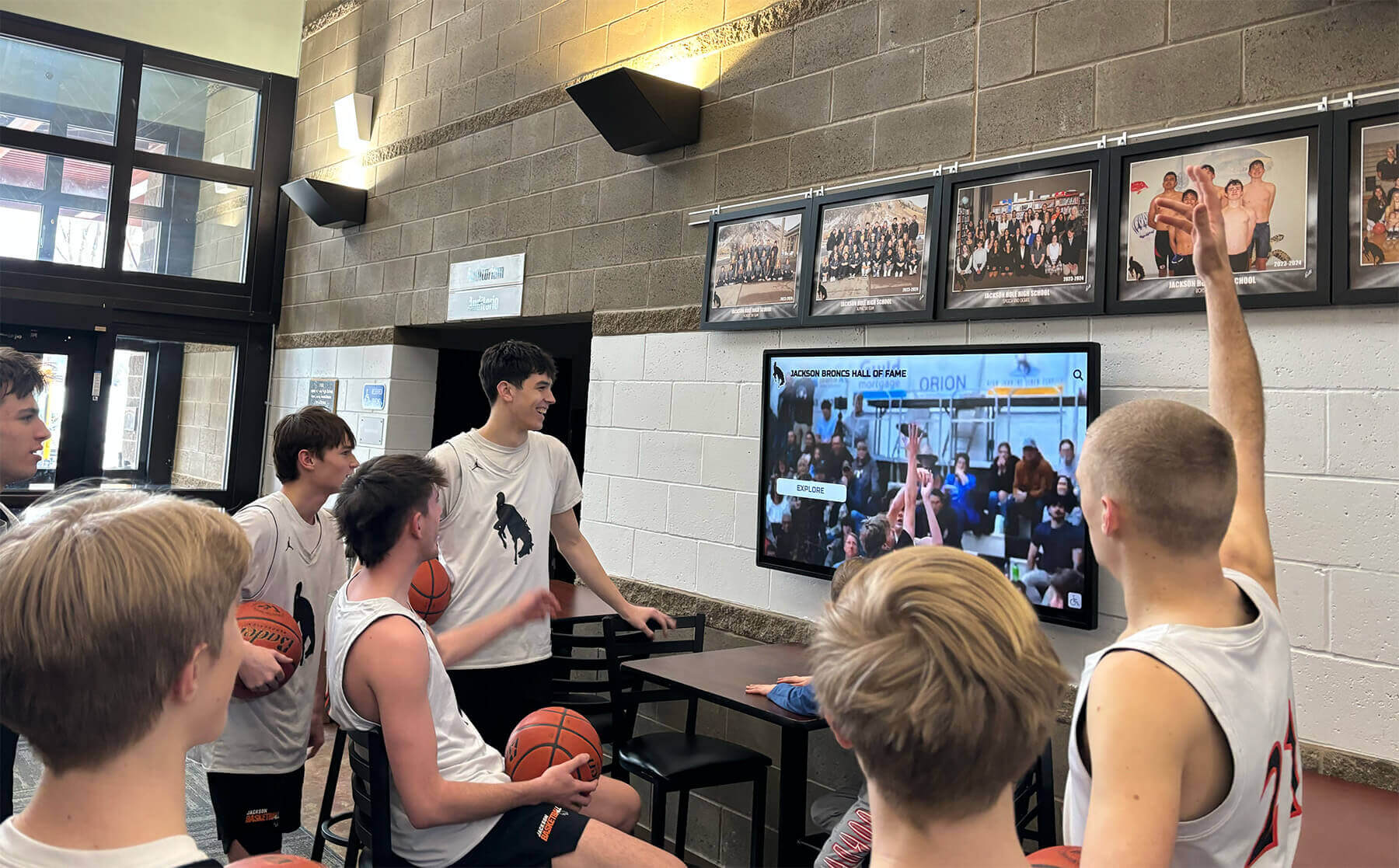
Modern programs use film review technology to analyze rebounding fundamentals and celebrate players who master the physical aspects of basketball
Why Box Out Drills Matter: The Foundation of Rebounding Excellence
Before diving into specific drills, understanding the fundamental principles underlying effective boxing out ensures coaches emphasize correct teaching points rather than simply running activities.
The Technical Components of Proper Boxing Out
Effective boxing out requires four synchronized technical elements executed in rapid sequence as shots release.
Locate and Make Contact - The instant a shot goes up, defenders identify their nearest opponent and initiate contact before the offensive player establishes rebounding position. Passive defenders who watch the ball first consistently arrive late as aggressive offensive rebounders gain inside positioning. The cardinal rule: Find your man first, locate the ball second.
Establish Leverage Through Width and Balance - Upon contact, defenders create a wide base with feet shoulder-width apart or slightly wider, knees bent maintaining low center of gravity, and weight balanced equally preventing opponents from dislodging position through shoulder checks or hip contact. Narrow stances or straight-leg positioning allows offensive rebounders to easily create displacement and establish inside tracks to rebounds.
Seal with Body Contact - Proper sealing requires sustained contact using the entire body—particularly the lower back and hips—to maintain awareness of opponent location while creating separation from the basket. Defenders who lose contact have no awareness of opponent movement and consistently get beat by secondary cuts and relocations. The back and hips, not extended arms, provide the primary sealing surface.
Pursue and Secure - Once opponents are sealed and the ball trajectory becomes clear, defenders aggressively pursue the rebound with two hands, chinning the ball immediately upon securing possession to prevent strips. The mistake many players make: releasing their box out prematurely to pursue the ball, allowing sealed opponents easy paths to offensive rebounds.
Programs that emphasize these technical fundamentals through repetitive drilling create automatic responses during game situations when players lack time for conscious decision-making. Schools showcasing athletic achievement through digital displays often feature rebounding leaders whose records stand for years, inspiring future players to master these unglamorous but game-deciding skills.
The Mental Aspects: Toughness and Competitive Desire
Technical skill alone doesn’t guarantee rebounding success—mental commitment separates dominant rebounders from technically proficient players who avoid physicality.
Embracing Contact as Competitive Advantage - Elite rebounders view contact not as something to avoid but as their primary weapon. They initiate collisions, welcome physicality, and use the contact rules favor defenders by allowing significant body engagement before officials call fouls. Coaches must explicitly teach that basketball rebounding rewards aggression and that players seeking to avoid contact will always lose rebounding battles to tougher opponents.
Consistent Effort Regardless of Statistics - Boxing out represents perhaps basketball’s ultimate thankless task—successful execution often results in teammates securing rebounds and receiving credit while the player who created the opportunity goes unrecognized statistically. Developing culture where box outs receive equal recognition to rebounds themselves ensures players maintain effort even when individual statistics don’t reflect their contribution. Recognition systems celebrating comprehensive athletic achievement beyond statistics validate players who do the dirty work enabling team success.
Possession Mentality Over Individual Glory - Great rebounding teams embrace the reality that every defensive possession must conclude with a secured rebound regardless of who gets credit, and every offensive possession deserves a second-chance opportunity through aggressive offensive rebounding. This team-first mentality transforms rebounding from individual competition into collective commitment.
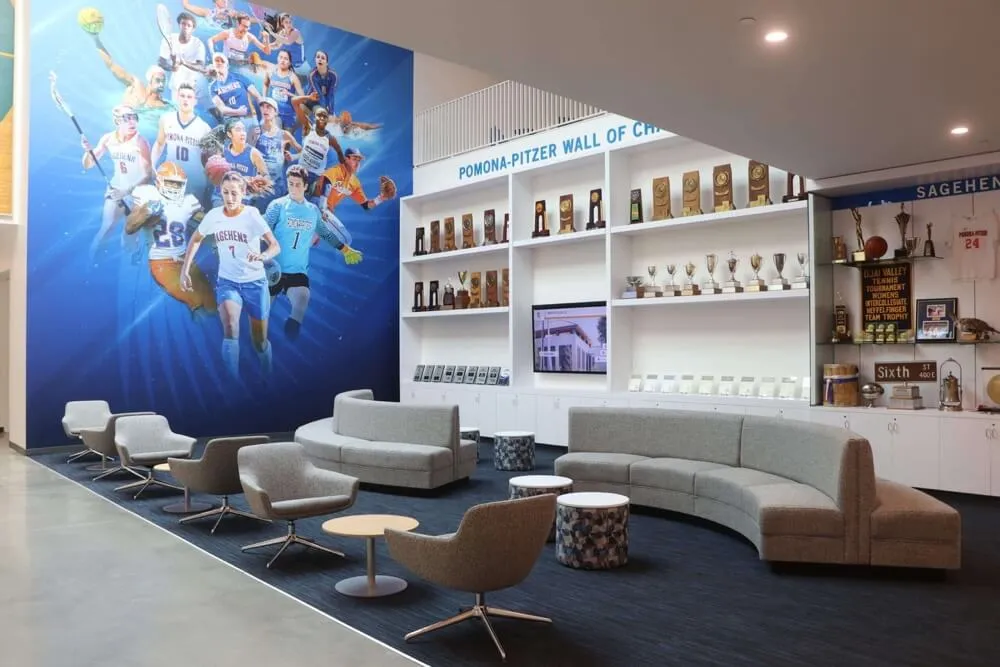
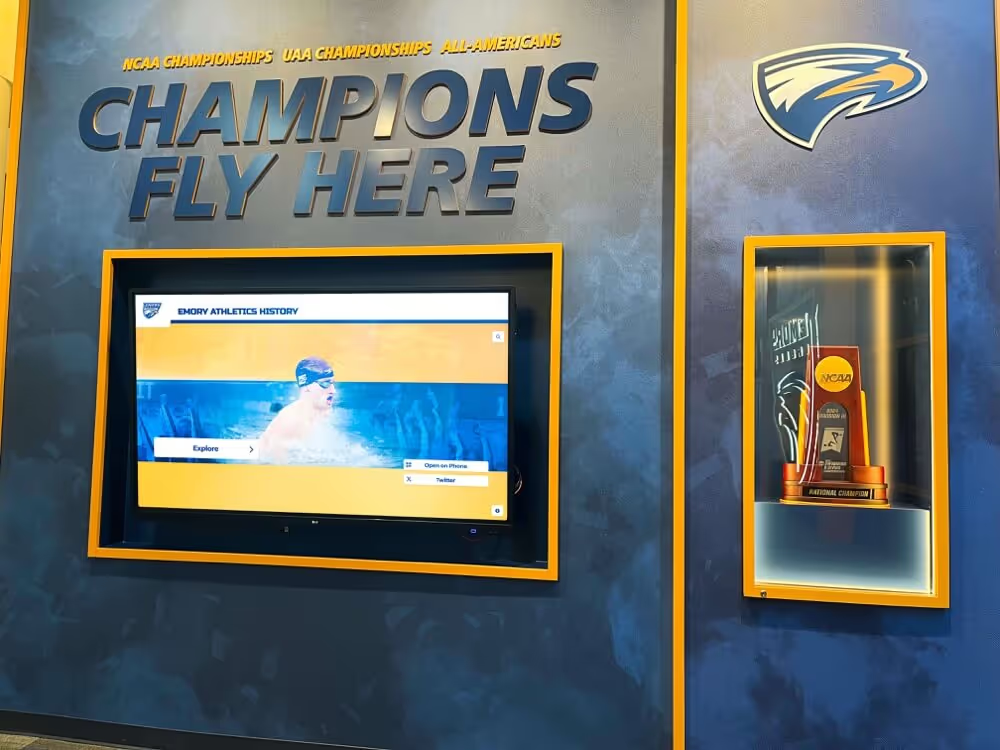
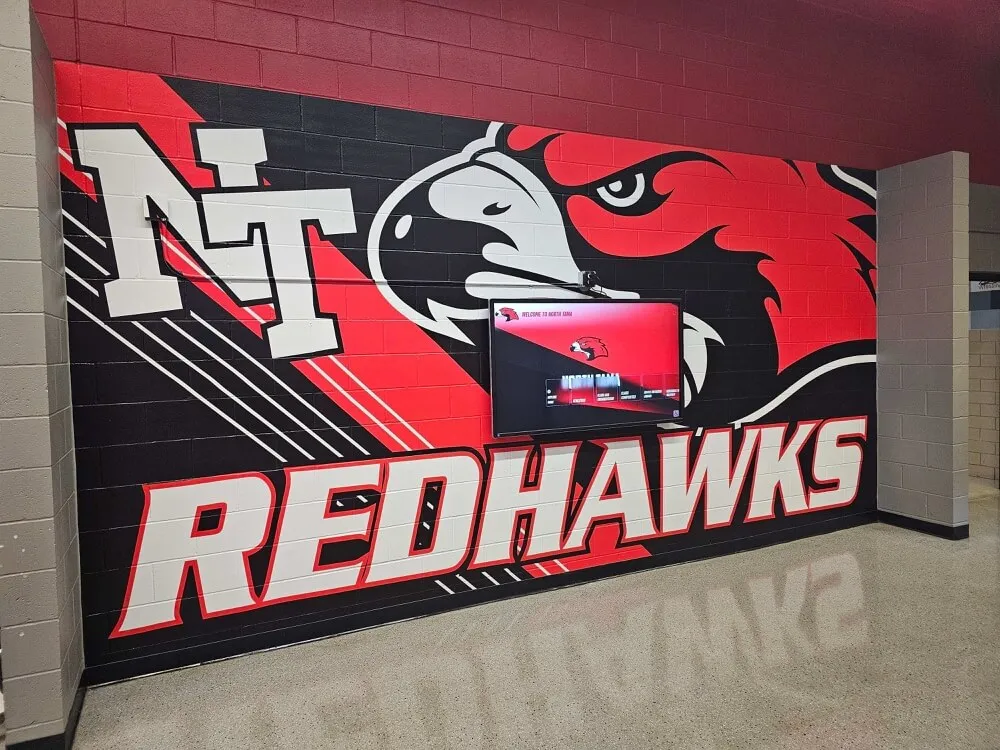
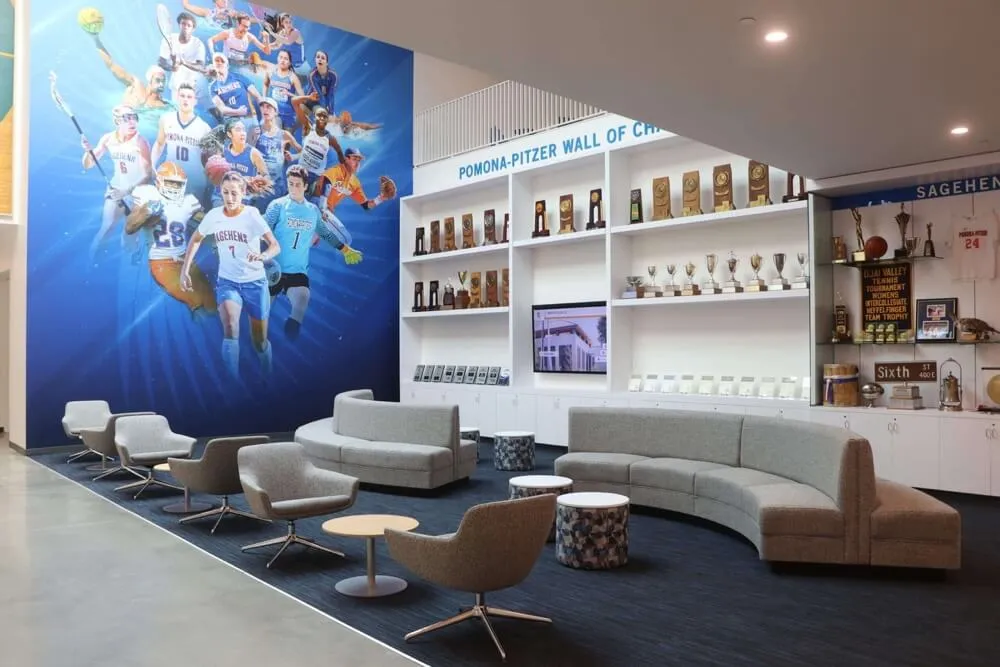
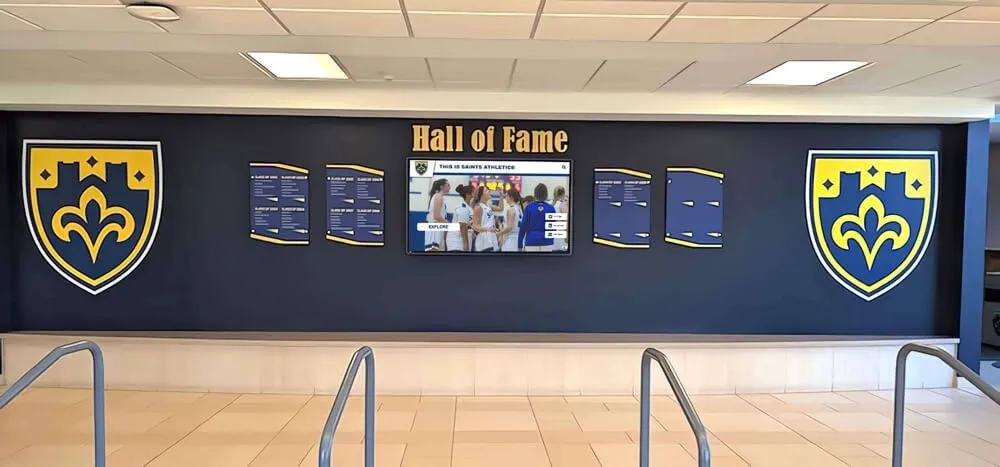
Trophy displays in athletic facilities celebrate program traditions and inspire current players to pursue the excellence demonstrated by rebounding leaders whose names appear on record boards
Drill 1: Partner Resistance Box Out (Fundamental Technique Development)
This foundational drill isolates proper box out technique without the chaos of live rebounding, allowing coaches to establish correct habits before progressing to competitive situations.
Setup and Execution
Position players in pairs facing the basket approximately 12-15 feet away. Designate one player as the defender and one as the offensive rebounder. A coach or manager stands with a ball simulating shot attempts.
When the coach raises the ball signaling a shot, the defender executes these sequential steps: immediately locate the offensive player and make contact, pivot (reverse pivot typically most effective) to seal the opponent from the basket, establish wide base with bent knees maintaining low center of gravity, sustain contact using lower back and hips while spreading arms to increase sealing width, and hold position for a three-count demonstrating sustained sealing ability.
The offensive player provides moderate resistance (approximately 60-70% effort initially) attempting to gain inside position, testing the defender’s base and leverage without defeating the box out through overwhelming force.
Coaching Points and Progressions
Emphasize speed of recognition—defenders must react to the shot signal instantly rather than watching the imaginary ball flight. Inspect body positioning closely: wide base, bent knees, flat back maintaining leverage rather than bent-over posture that allows opponents to push defenders off balance.
Progression includes increasing offensive player resistance to full competition, adding ball tosses requiring defenders to maintain seals while pursuing rebounds, incorporating defensive slides before the shot forcing players to execute box outs from movement rather than static positioning, and competition variations where offensive players score a point for obtaining inside position while defenders earn points for successful seals.
Common errors include turning the wrong direction (always pivot toward the opponent taking the shorter path), reaching back with arms rather than using the body for sealing, popping up from low stance prematurely losing leverage, and breaking contact attempting to pursue the ball before the opponent is fully sealed.
This drill establishes the fundamental movement pattern and body positioning all subsequent rebounding drills build upon, making it essential for youth programs and teams introducing boxing out systematically.
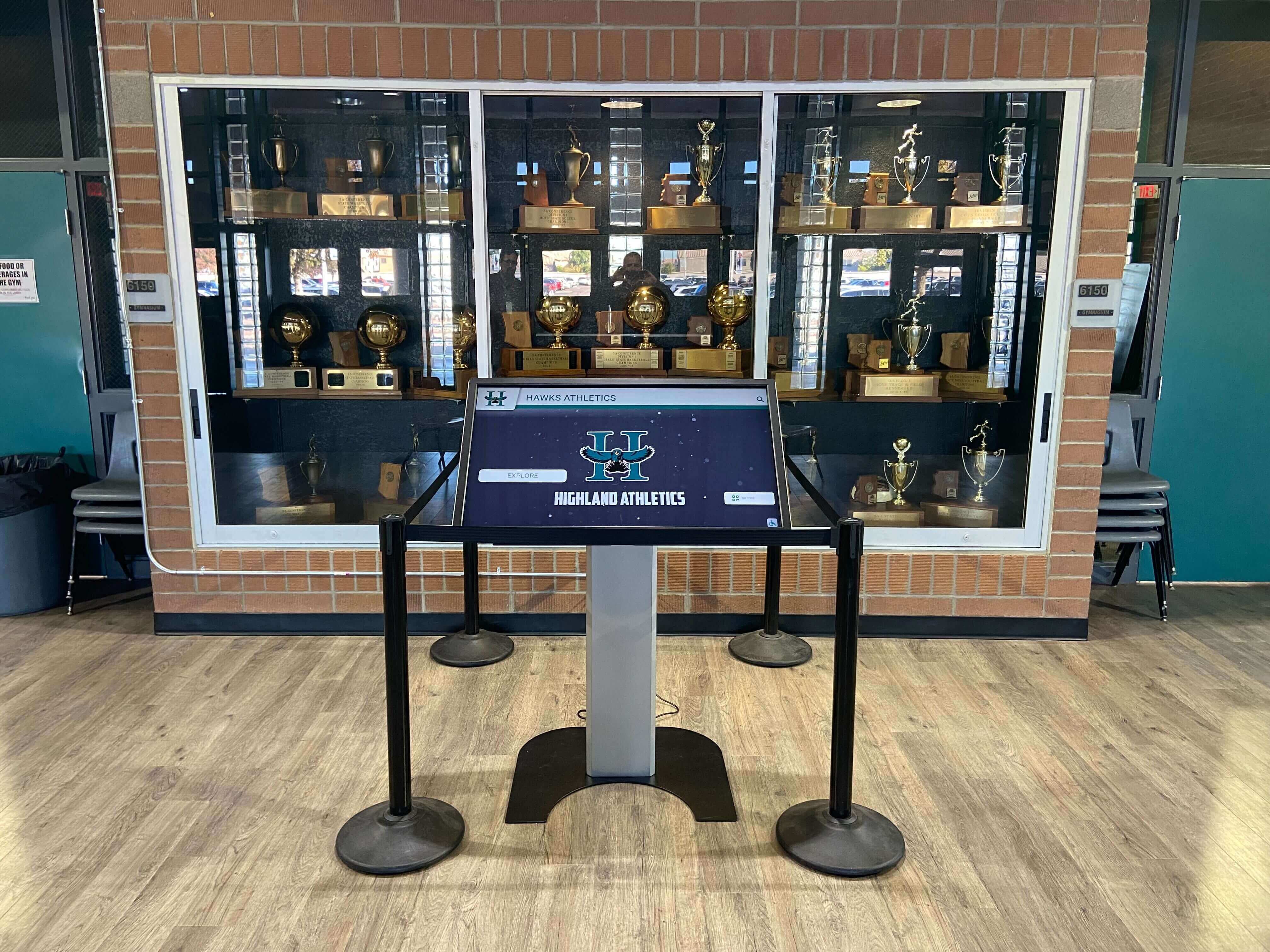
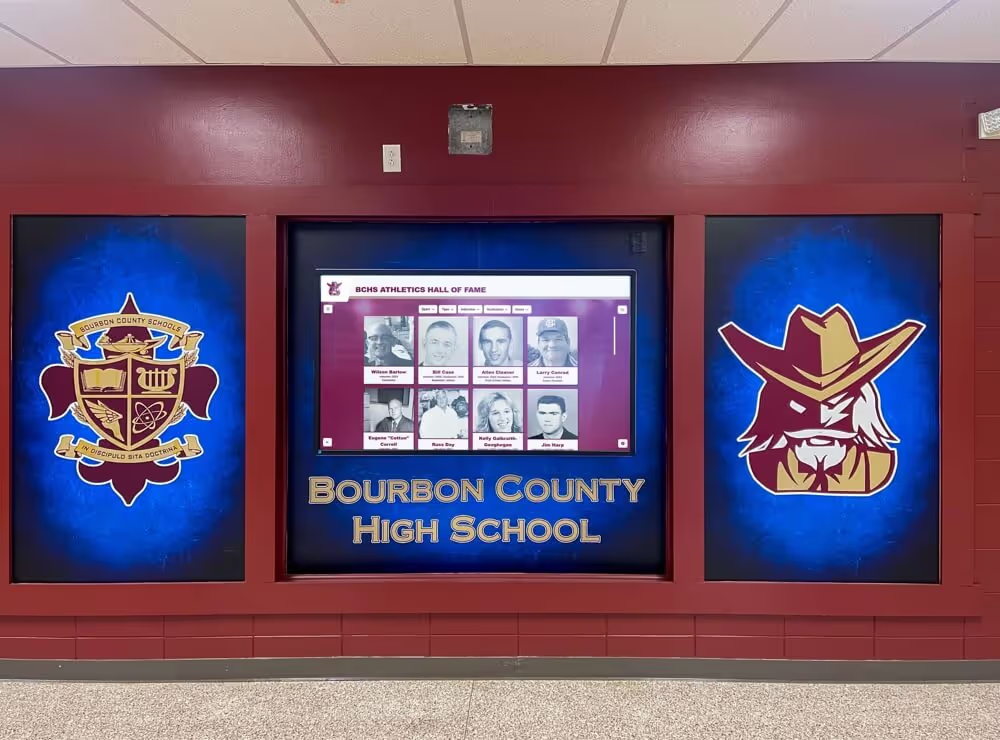
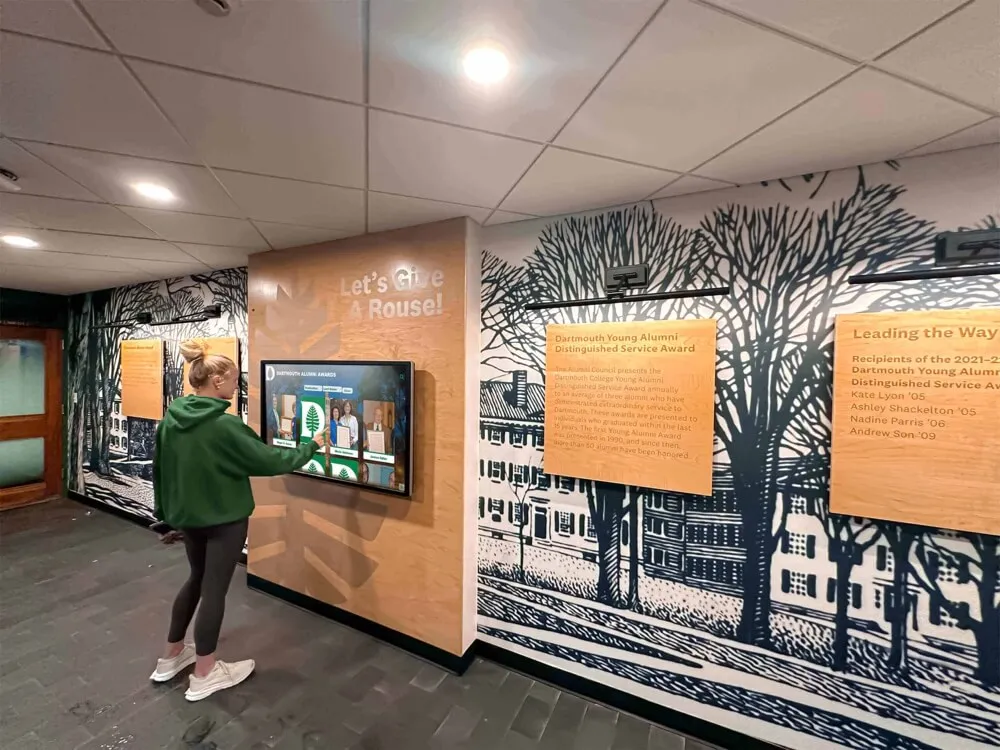
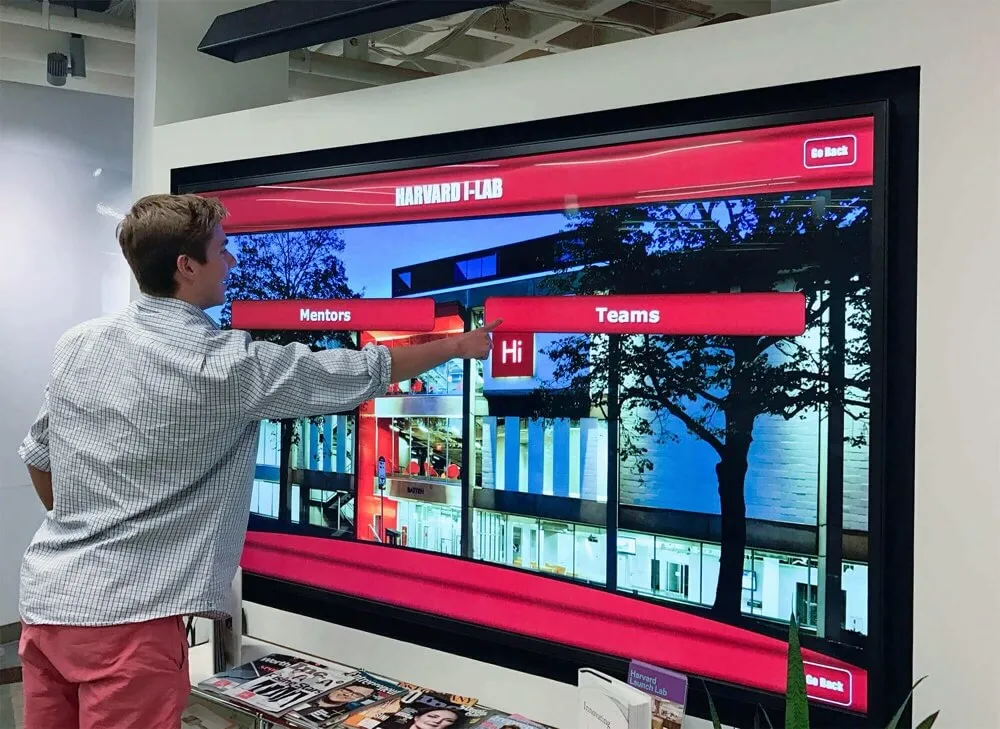
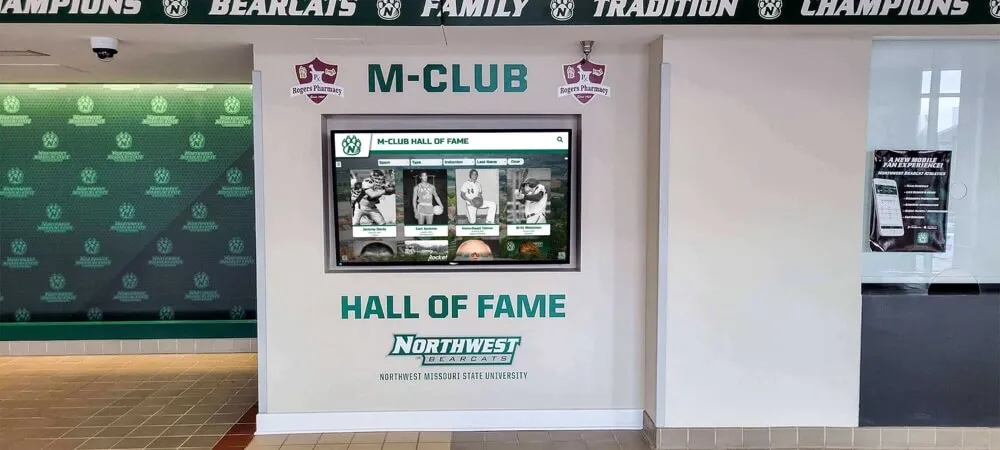
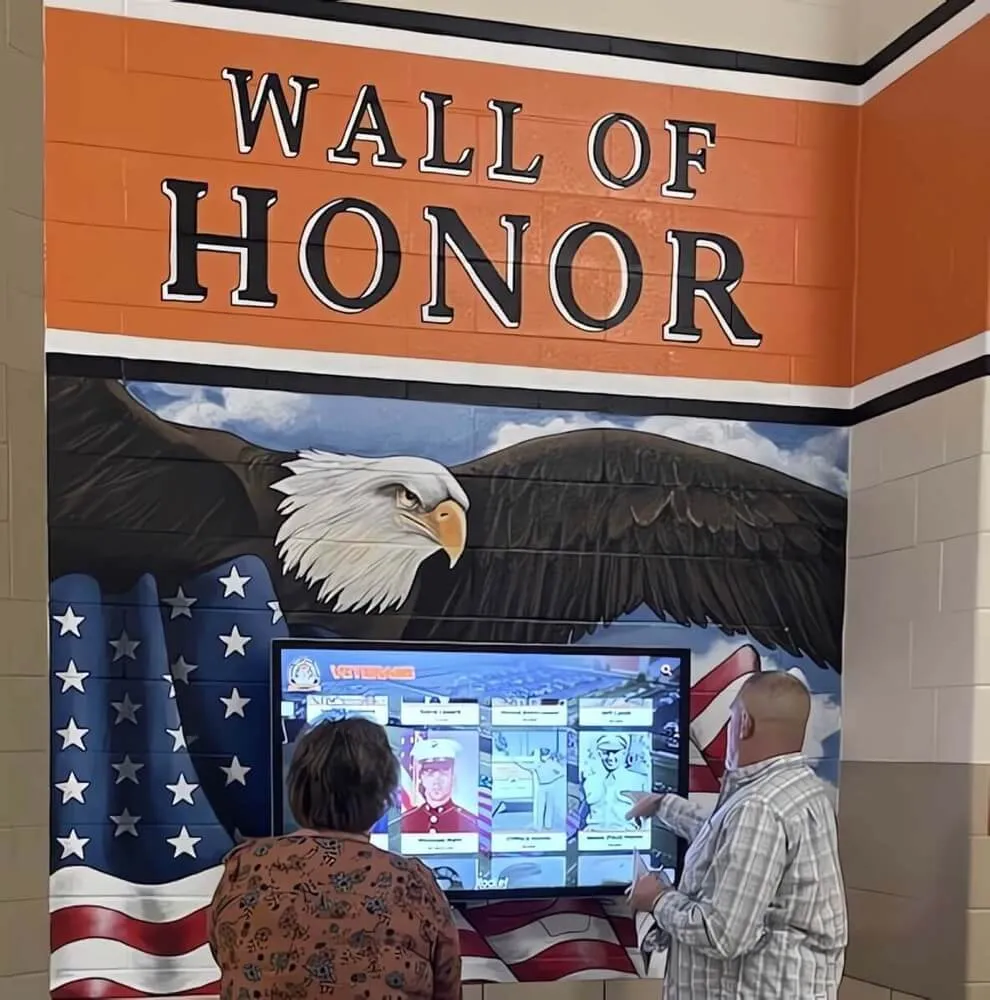
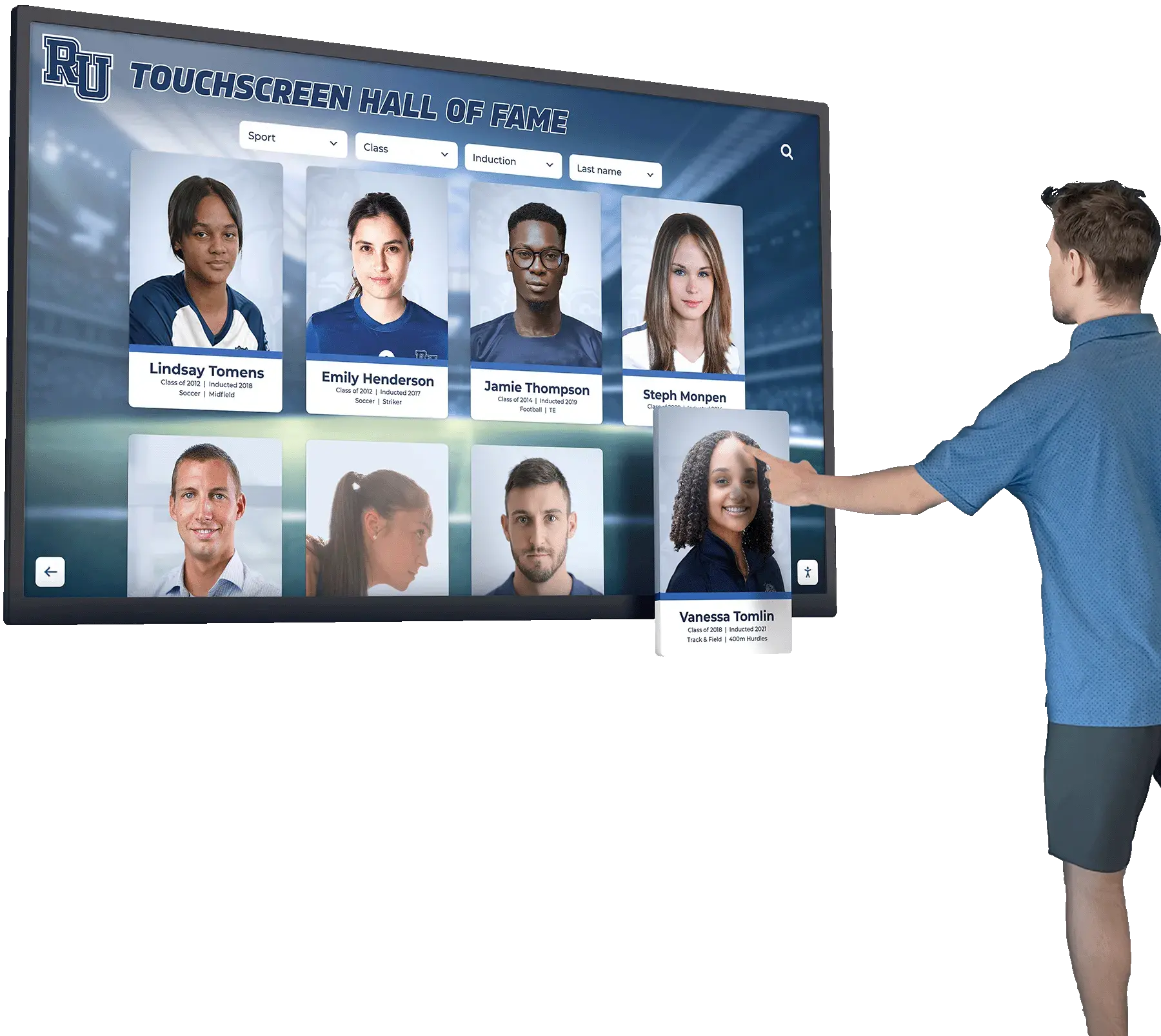
Interactive kiosks within trophy cases allow programs to showcase rebounding statistics and celebrate players whose physical commitment created winning possessions
Drill 2: Circle Box Out Drill (Multi-Player Awareness)
This drill teaches players to execute box outs while managing spatial awareness of multiple opponents, simulating game situations where rebounders must quickly identify and engage the correct assignment.
Setup and Execution
Position 5-6 players in a circle approximately 15 feet from the basket, alternating offensive and defensive players. A coach shoots from various locations around the perimeter. On the shot release, each defender must immediately find and box out the nearest offensive player.
The offensive players actively attempt to pursue the rebound, creating realistic resistance. Defenders must maintain seals until the ball is secured by a teammate or the drill resets. Rotate positions after each repetition ensuring all players practice both defensive boxing out and offensive rebounding pursuit.
Competitive Variations and Teaching Emphasis
Add competitive scoring where the offensive team earns a point for each offensive rebound while the defensive team earns a point for each defensive rebound secured. First team to 10 points wins with consequences for losers (conditioning, push-ups, or similar).
Emphasize quick recognition as the primary skill development—defenders must instantly identify the closest threat rather than ball-watching. Coach from inside the circle to provide immediate feedback on positioning, contact initiation, and sealing technique.
Common mistakes include defenders colliding with each other while pursuing box out assignments (communication and awareness fix this), defenders releasing seals too early when teammates pursue rebounds from different angles, and offensive players giving token effort rather than genuinely competing (address by making offensive rebounds worth 2 points creating incentive for maximum effort).
This drill bridges individual technique work with game-like complexity where multiple moving parts require quick decisions and sustained effort across multiple repetitions building the conditioning rebounding demands.
Drill 3: Weakside Rotation Box Out (Help Defense Integration)
This drill simulates the common game situation where defenders must rotate from help positions to box out opponents away from their original defensive assignment, developing the awareness and urgency help defenders need in transition to rebounding responsibilities.
Setup and Execution
Position three offensive players across the perimeter (wings and top) with three defenders in help positions. A coach initiates the drill by passing to one of the perimeter players who takes an immediate shot. Defenders must rotate from help positions to box out the nearest offensive player—typically not their original assignment.
This requires constant awareness of both ball location and offensive player positioning. Defenders who focus exclusively on ball-side help consistently arrive late to box outs as offensive players crash from the weakside.
Rotation Rules and Progression
Establish clear rotation rules: the on-ball defender boxes out the shooter, the weakside low defender boxes out the opposite wing, and the weakside high defender locates and engages the third offensive player. These assignments create systematic accountability rather than chaotic scrambling.
Progress the drill by adding ball movement before shots (one or two passes) forcing defenders to maintain help positioning through ball movement then execute box outs from wherever they help. Advanced versions include live 3-on-3 situations where offense works for quality shots while defense balances helping and rebounding responsibilities.
Coaching emphasis falls on communication (calling “shot” immediately upon release so all defenders initiate box outs simultaneously) and urgency transitioning from help position to box out engagement. Defenders who hesitate or take indirect paths consistently lose battles to aggressive offensive rebounders.
Teams implementing comprehensive recognition systems for basketball achievement ensure that players who master these unglamorous help-and-box-out sequences receive acknowledgment alongside those compiling impressive scoring statistics.

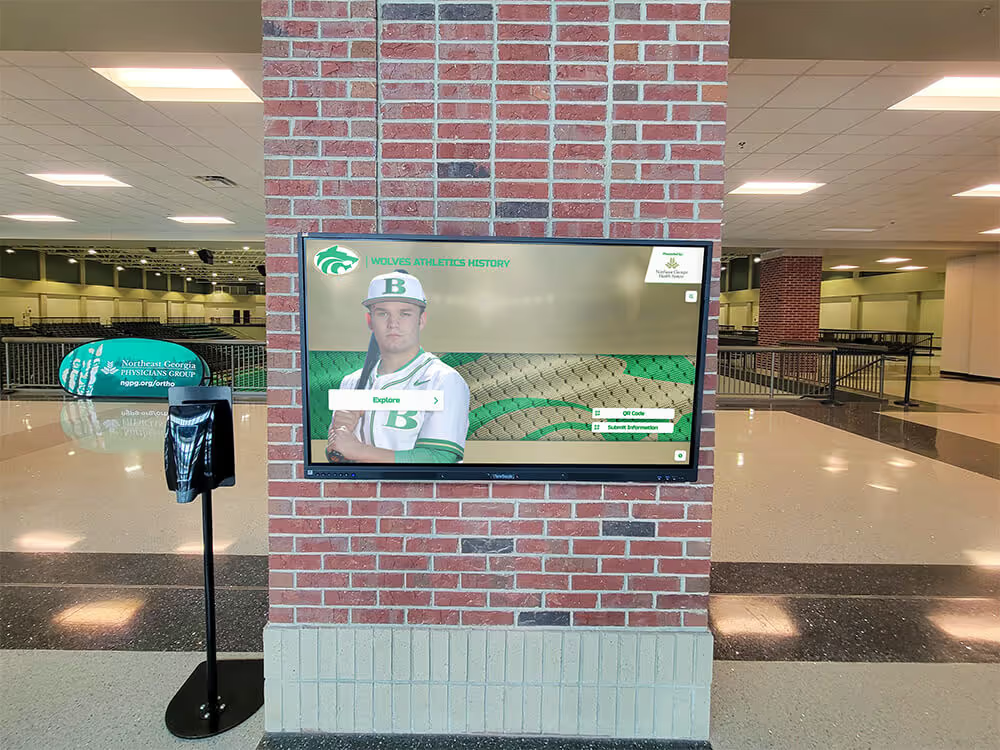
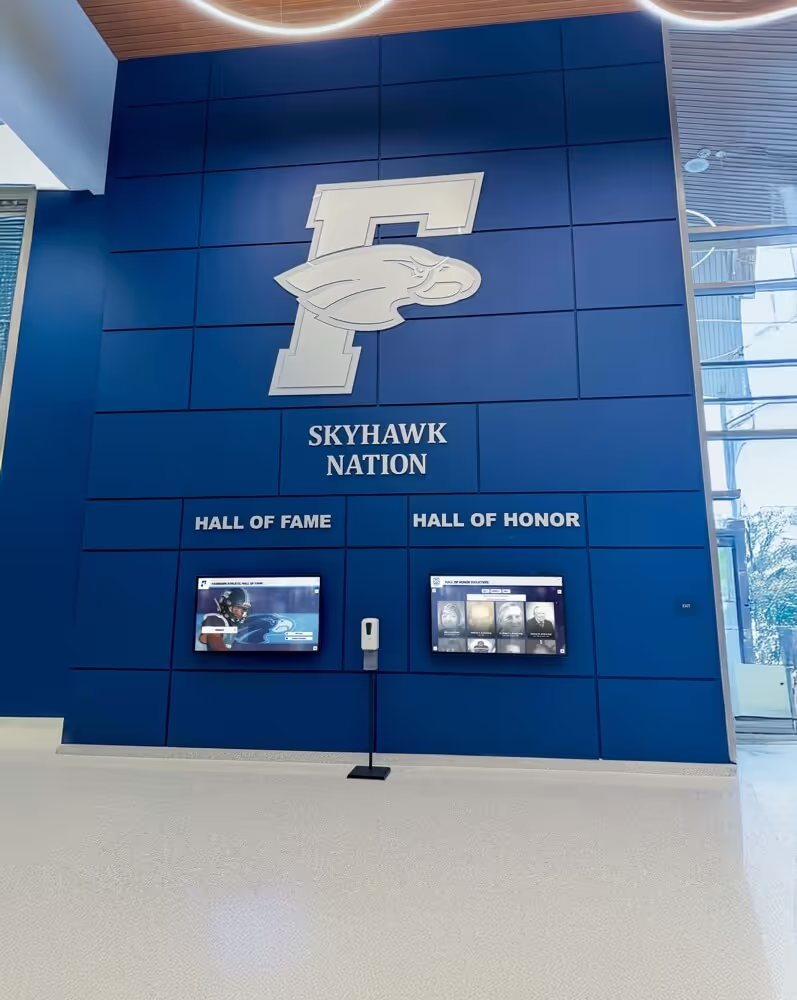
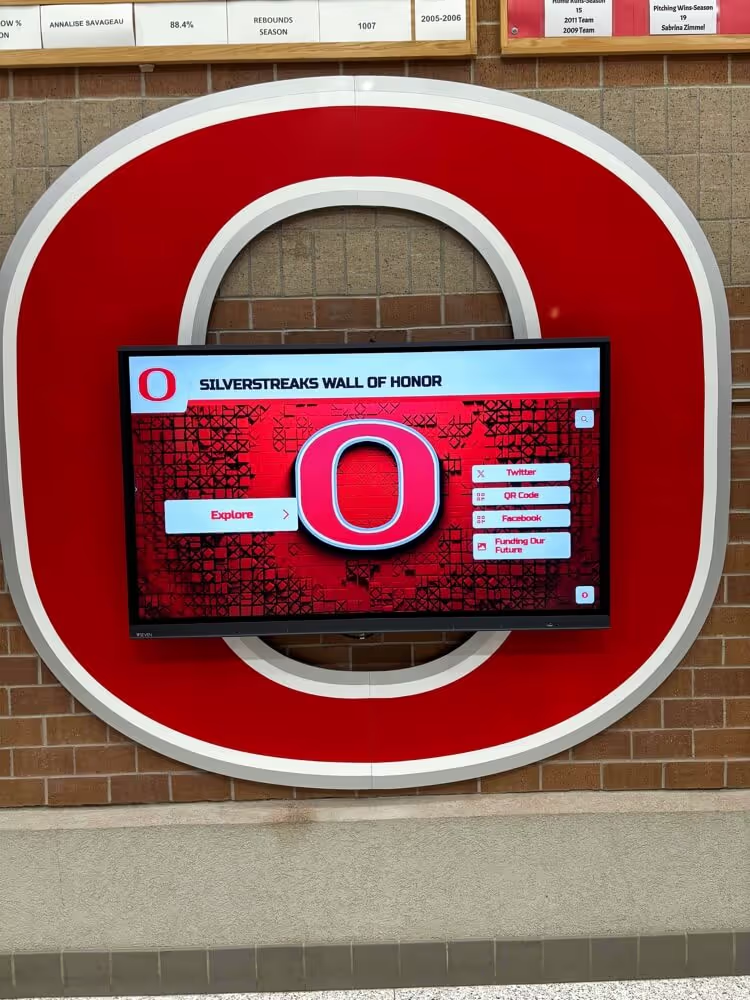
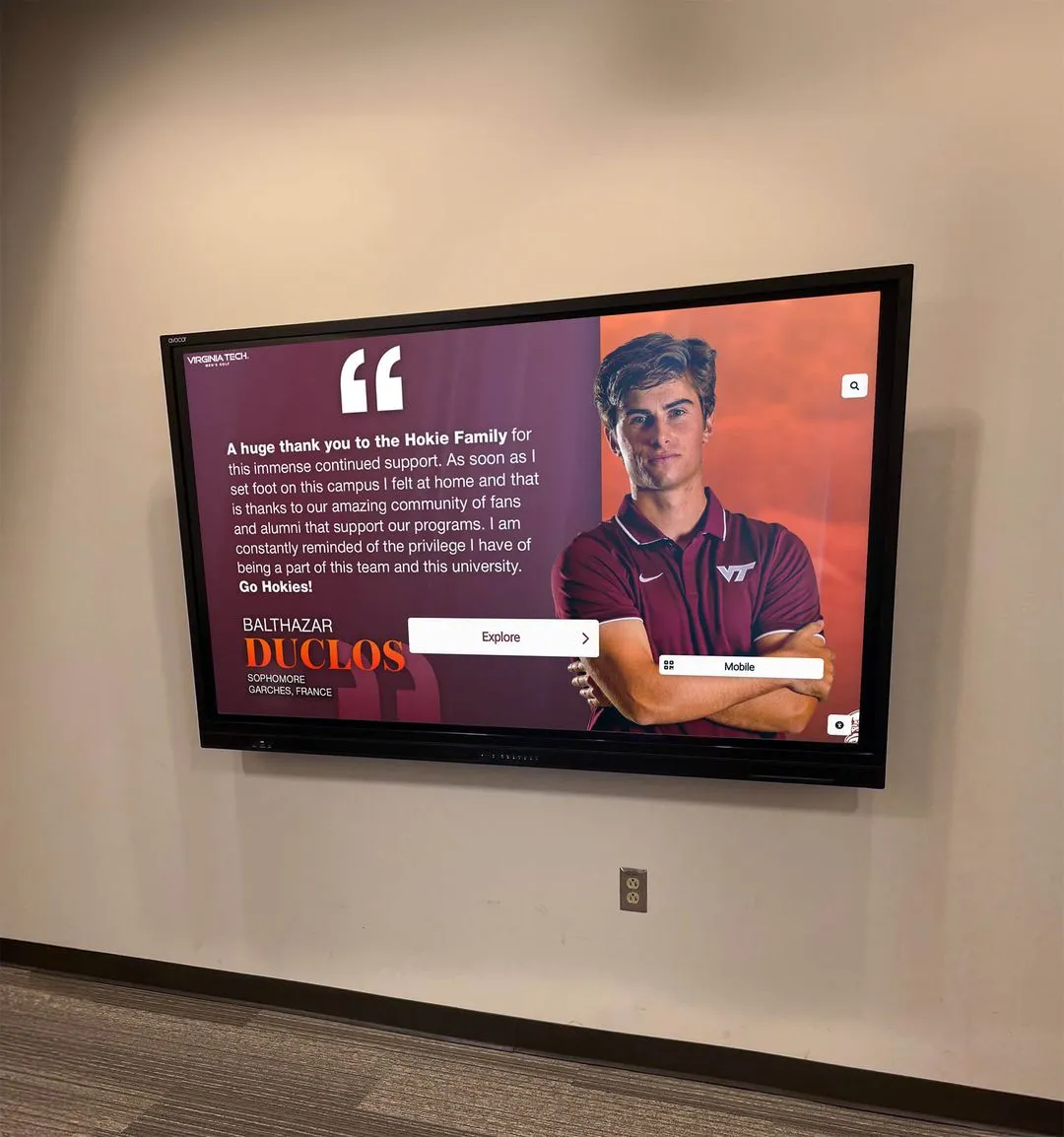
Permanent athletic displays in lobbies document program excellence and feature rebounding records that stand as benchmarks for current players to pursue
Drill 4: Outlet Drill (Box Out to Transition Connection)
Great defensive possessions don’t end with securing rebounds—they extend through immediate transition creating scoring opportunities. This drill connects boxing out with outlet passing, teaching the complete sequence championship teams execute.
Setup and Execution
Position defenders in standard defensive positions while offensive players set up in typical offensive spots. A coach shoots from various locations. Defenders execute proper box outs, and whoever secures the rebound immediately looks to make a quick outlet pass to a designated outlet player (typically a guard) positioned on the sideline.
The emphasis shifts from simply securing rebounds to securing rebounds and immediately initiating transition offense through crisp outlet passes. Offensive players provide genuine resistance attempting both to secure offensive rebounds and to prevent clean outlet passes through pressure.
Transition Integration and Speed Emphasis
Add a secondary component where upon receiving the outlet pass, the guard speed-dribbles to half court while teammates sprint wide lanes filling transition positions. This creates game-realistic urgency—rebounds must be secured quickly and outlet passes must be accurate and immediate to capitalize on transition opportunities before defense recovers.
Time the entire sequence from shot release through outlet pass completion. Challenge teams to complete the sequence consistently within 3-4 seconds, creating measurable standards for efficiency.
Coaching points include rebounders chinning the ball immediately upon securing possession (preventing strips during outlet motion), pivoting away from pressure to create passing angles, and outlet receivers showing hands as targets while reading pressure to determine optimal positioning. Guards must understand their responsibility to get open for outlets rather than passively waiting.
This drill reinforces that rebounding represents the beginning of offensive possessions, not merely the end of defensive stands, changing player mindsets about the complete value proposition boxing out provides.
Drill 5: Superman Drill (Physicality and Competitive Toughness)
This high-intensity drill builds the mental and physical toughness required for rebounding battles against aggressive opponents while teaching players to maintain technique under maximum resistance.
Setup and Execution
Position one offensive player and one defensive player in the lane approximately 10 feet from the basket. A coach shoots, intentionally creating opportunities for contested rebounds. The offensive player goes all-out attempting to secure the offensive rebound through any legal means—pushing off, spinning, relocating, crashing hard.
The defender must execute a perfect box out maintaining position despite maximum resistance, then pursue and secure the rebound. Unlike earlier drills with moderate resistance, this drill demands defenders sustain technique and leverage against determined opponents actively trying to defeat box outs.
Limit repetitions to 3-5 per player before rotating to prevent injury and maintain quality (fatigue degrades technique). Ensure players understand legal contact limits preventing dangerous play while still competing at maximum intensity.
Building Mental Toughness Through Competition
The primary value this drill provides extends beyond technical development—it builds competitive mindset and willingness to engage physically that separates dominant rebounders from passive ones. Players learn they can sustain position against determined opponents, building confidence that translates to game situations.
Create competitive stakes where players compete head-to-head with winners advancing and losers receiving consequences. Track statistics over time identifying players who consistently win these physical battles versus those who need additional toughness development.
Coaching emphasis includes maintaining low center of gravity despite fatigue and contact (players naturally rise up losing leverage when tired), continuing to pursue rebounds even if initial sealing position is defeated (second effort matters), and celebrating defensive success loudly reinforcing that physical box outs deserve recognition equal to highlight-reel plays.
Programs that develop this toughness mentality create defensive identities intimidating opponents. Schools highlighting these tough-minded players through athletic recognition systems demonstrate that physical commitment receives equal honor to scoring prowess.
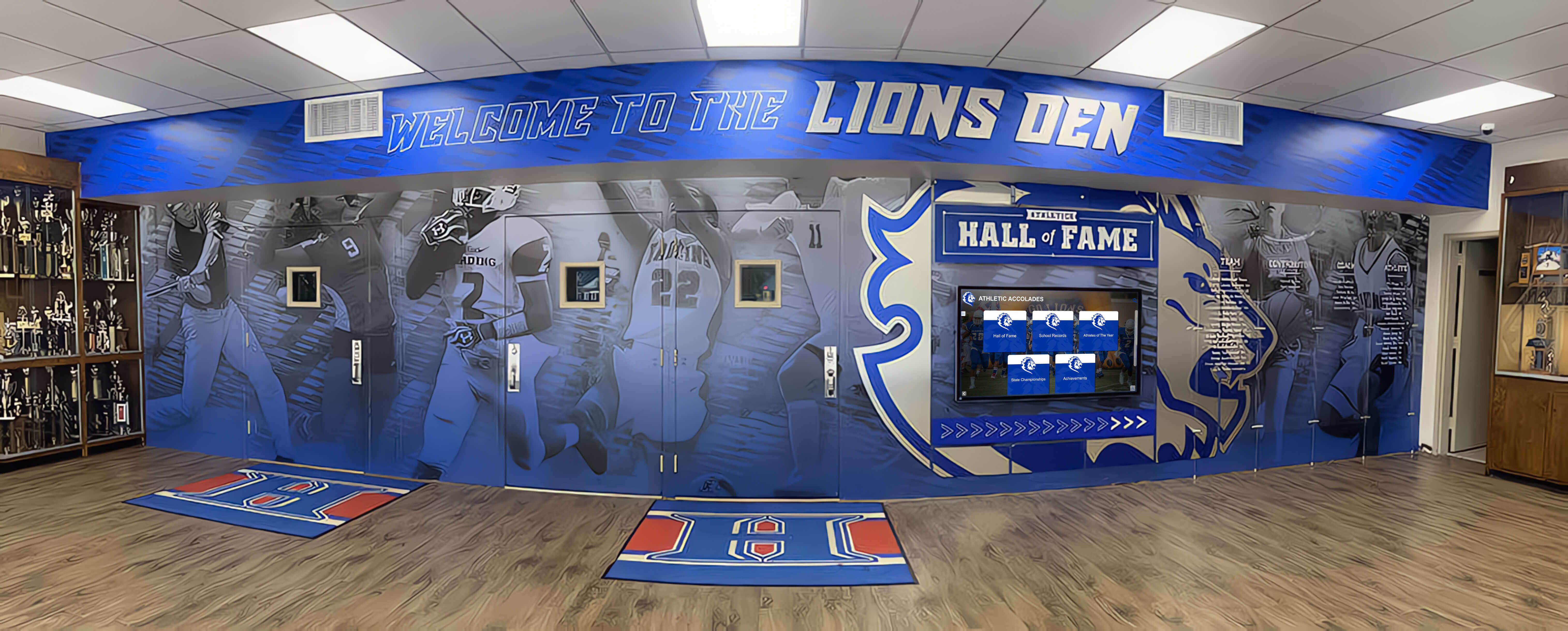
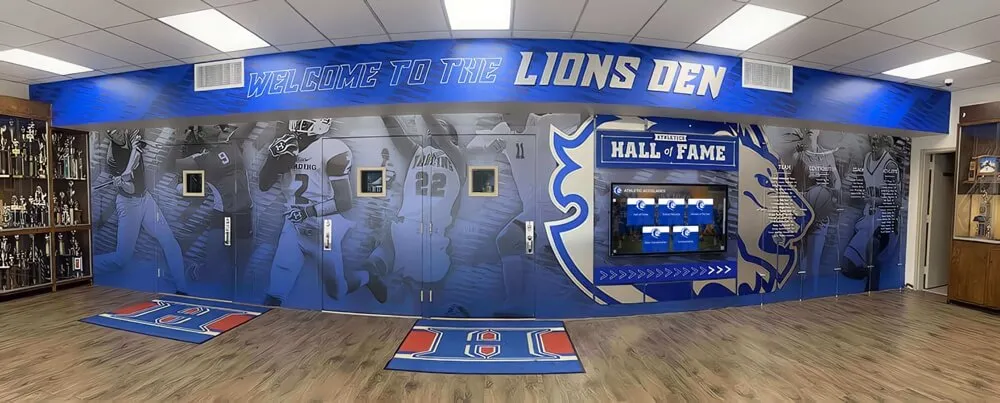
Trophy displays in athletic spaces celebrate championship teams whose rebounding dominance created the possessions necessary to compete for titles
Drill 6: Five-Player Shell Box Out (Team Coordination)
This drill simulates full team defensive rebounding in controlled situations, teaching all five defenders to execute simultaneous box outs creating the coordinated effort that prevents offensive rebounds.
Setup and Execution
Position five offensive players in a standard offensive set (1-3-1, 1-4, or similar) with five defenders in corresponding positions. A coach passes to various offensive players who take shots. On every shot release, all five defenders must execute box outs on their assignments.
The critical teaching point: Every defender, regardless of position or distance from the basket, must find and box out an opponent. Perimeter defenders often neglect this responsibility assuming rebounding is only for post players, but offensive rebounds frequently result from guards crashing unchecked while perimeter defenders ball-watch.
Coaches evaluate whether all five defenders make contact, maintain seals, and create the coordinated effort preventing offensive players from reaching rebounding positions. One defender failing to execute creates the gap offensive rebounds exploit.
Accountability Systems and Progression
Implement accountability rules where if any offensive player secures an offensive rebound, all five defenders receive consequences (push-ups, sprints, or similar). This creates peer accountability where teammates demand collective execution rather than individual effort.
Progress by allowing ball movement before shots (one to three passes) requiring defenders to maintain box out awareness through multiple rotations and help situations. Advanced versions include live 5-on-5 situations where offense works for quality shots while defense executes complete defensive possessions concluding with secured rebounds.
Video review proves particularly valuable in this drill, showing defenders who consistently neglect box outs or release early. Players often claim they boxed out when film reveals otherwise—objective evidence eliminates these disputes and creates accountability.
Teams mastering this coordinated rebounding approach consistently out-rebound more athletic opponents through systematic commitment every defender executing their role. The math is simple: five defenders boxing out beats three offensive crashers regardless of individual size advantages.
Drill 7: Offensive Crash Drill (Two-Way Rebounding Development)
While most box out drills emphasize defensive rebounding, complete rebounders must also master offensive rebounding pursuit. This drill develops the aggressive offensive rebounding mindset while simultaneously providing defenders realistic resistance to practice against.
Setup and Execution
Position three offensive players around the perimeter with three defenders. A coach shoots from various locations creating live rebounding situations. The offensive players’ sole objective: pursue offensive rebounds through relentless effort, strategic positioning, and second efforts.
Award 2 points for offensive rebounds, 1 point for defensive rebounds. Play to 15 points alternating offensive and defensive assignments ensuring players practice both skills. The scoring advantage for offensive rebounds incentivizes maximum effort creating realistic resistance for defenders.
Offensive Rebounding Technique Teaching
Teach offensive rebounders to anticipate shot results based on release point and trajectory, time their crashes to arrive at optimal positions as the ball reaches the rim, avoid early contact with defenders allowing defenders to establish inside position, pursue multiple paths if initial routes are blocked (spin moves, relocations, secondary crashes), and attack missed shots at their highest point rather than waiting for balls to descend.
Defensive coaching points remain consistent: find opponent immediately upon shot release, establish and maintain contact throughout the possession, and secure rebounds with two hands and aggressive pursuit once opponents are sealed.
This competitive drill creates game-like intensity while developing both defensive and offensive rebounding skills. Players learn to box out against determined crashers and to pursue offensive rebounds against committed defenders—the complete skill set winning teams require.
Programs building comprehensive rebounding excellence create competitive advantages opponents can’t match with talent alone, as effort and technique consistently overcome pure athleticism when executed with commitment.
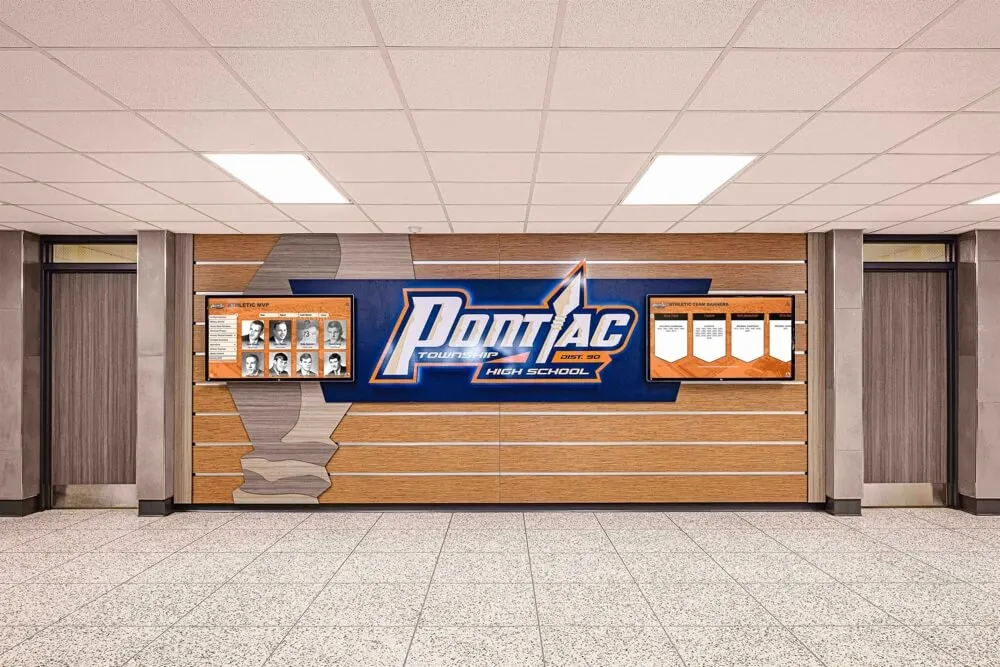
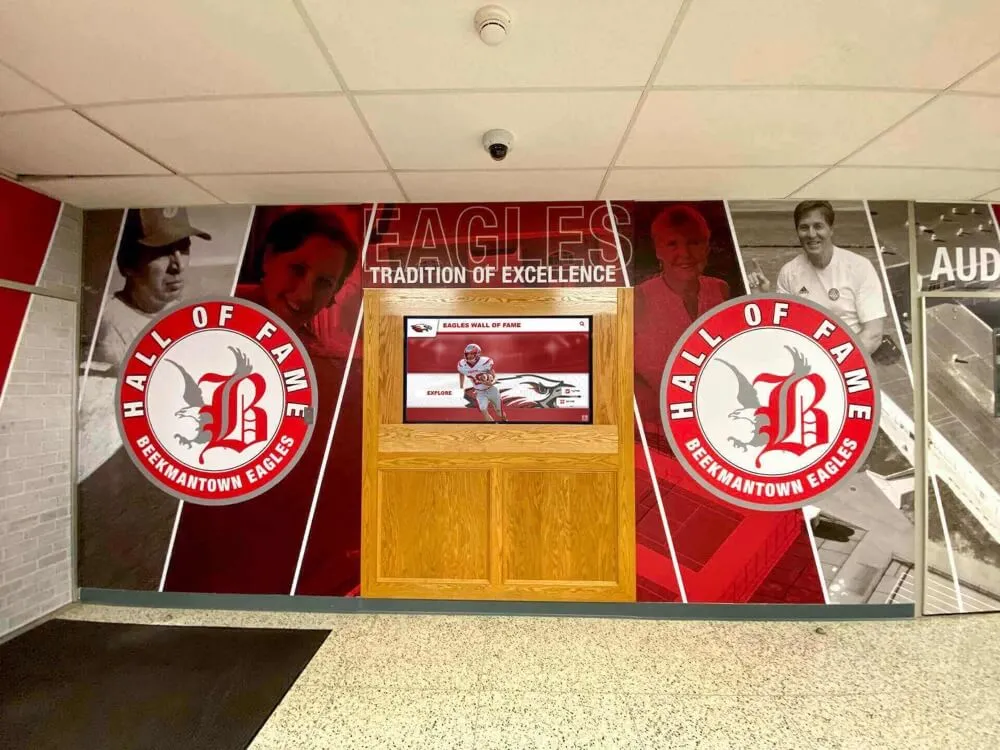
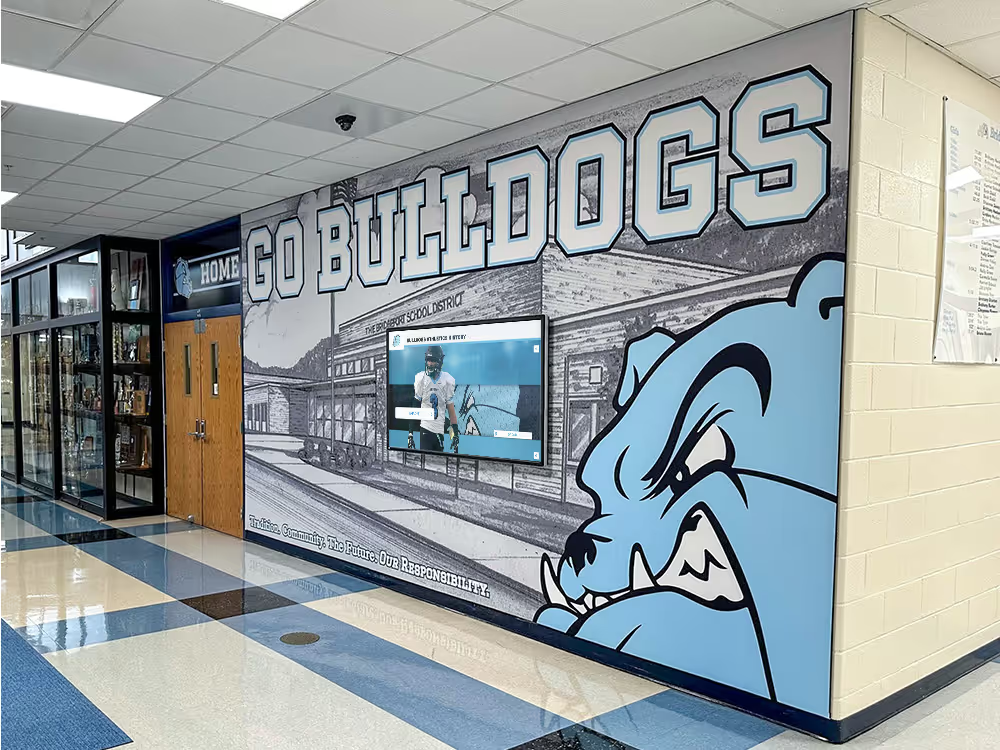
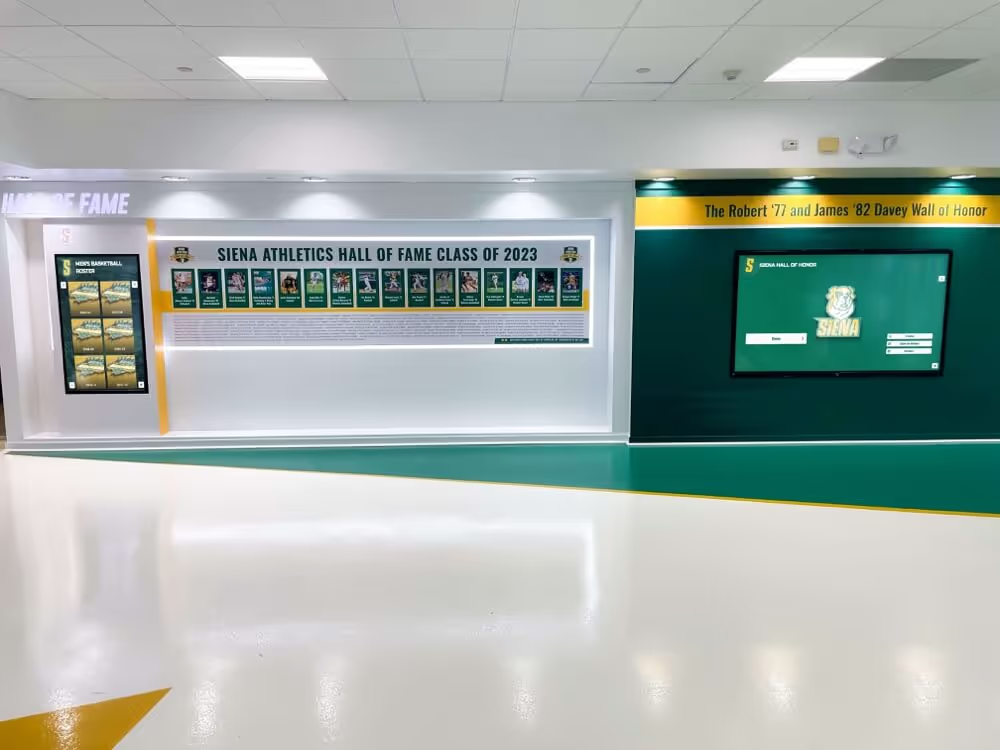
Athletic honor walls in school hallways preserve program history and celebrate the rebounding records that often determine championship outcomes
Drill 8: Live Scrimmage Box Out Accountability (Game Application)
The ultimate measure of rebounding development comes in game-like situations where technique must survive amid competing priorities of defense, transition, and fatigue. This structured scrimmage format creates accountability ensuring box out habits transfer from drills to game situations.
Setup and Accountability Rules
Run standard 5-on-5 full-court or half-court scrimmages with special rebounding rules: Defensive teams that allow offensive rebounds lose possession and award 2 points to the offensive team regardless of whether the offensive team scores on the putback. This severe consequence incentivizes defensive rebounding effort matching game importance.
Conversely, offensive teams that secure offensive rebounds immediately score 1 point plus retain possession. This rewards offensive rebounding aggression creating realistic incentive structures.
Play standard timed segments (5-7 minutes) with running score. Teams quickly learn that rebounding failures directly impact outcomes, reinforcing the importance coaches preach during drill work.
Individual Accountability Integration
Assign individual accountability by tracking which defender’s assignment secured offensive rebounds. Publicly post these statistics creating peer pressure and recognition. Defenders who consistently give up offensive rebounds receive additional box out work, while those consistently securing their responsibilities earn recognition and potentially reduced practice workload.
This individual tracking prevents team-wide consequences from masking individual failures—when one player consistently fails to box out, that player receives targeted accountability rather than whole-team consequences that breed resentment.
Coaching during these scrimmages focuses less on schemes and more on effort and fundamentals: calling out defenders who fail to make contact, celebrating successful seals that teammates finish, and reinforcing that every possession must conclude with a rebound.
Teams that make rebounding accountability a consistent scrimmage feature develop habits that persist in games when coaches can’t provide constant reminders. The behaviors become automatic through systematic reinforcement across all competitive situations.
Schools implementing sophisticated sports recognition programs often feature rebounding statistics alongside scoring, assists, and defensive metrics, validating the complete skill set winning basketball requires and ensuring players who dominate the glass receive recognition their contributions deserve.
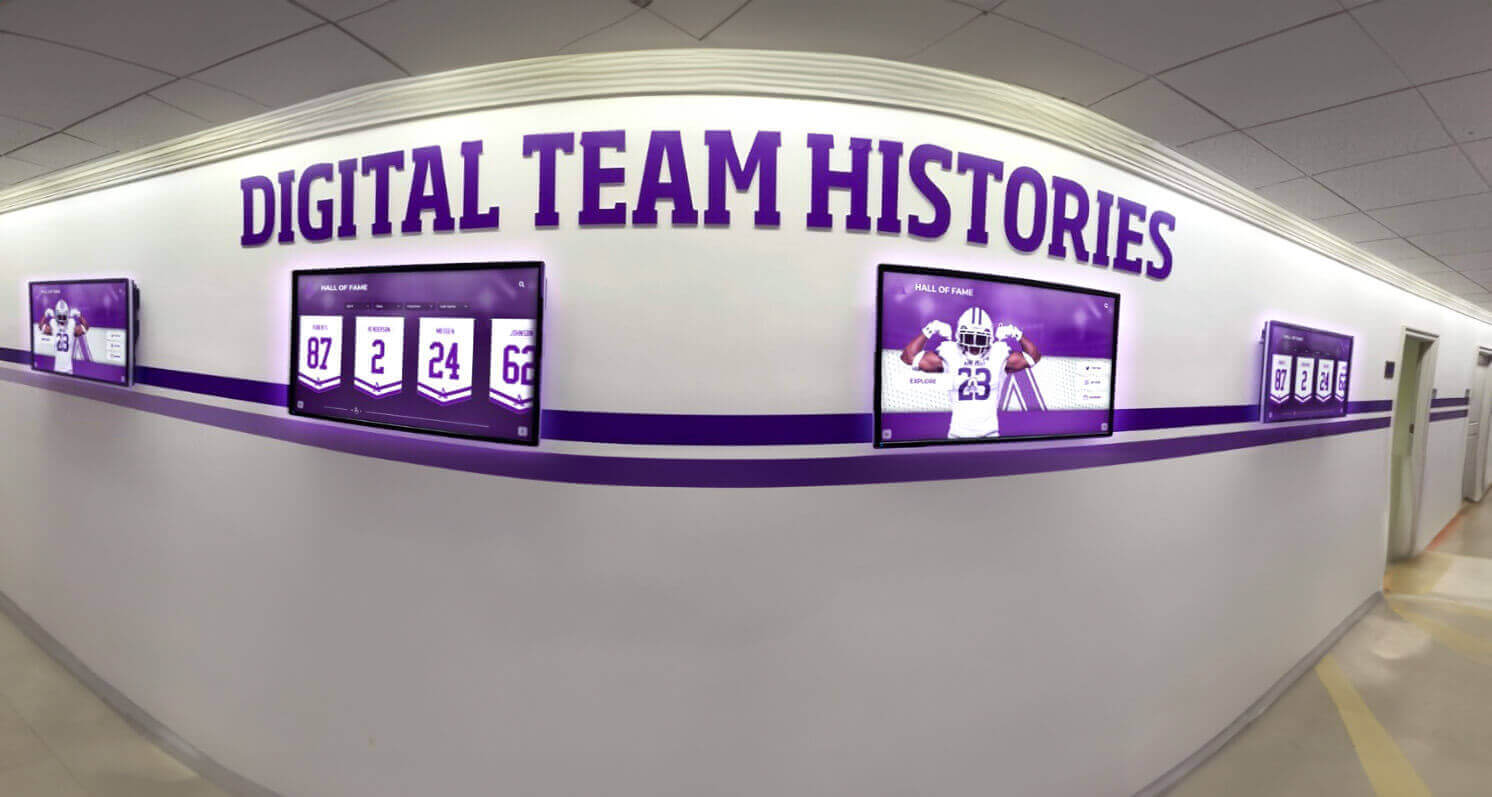
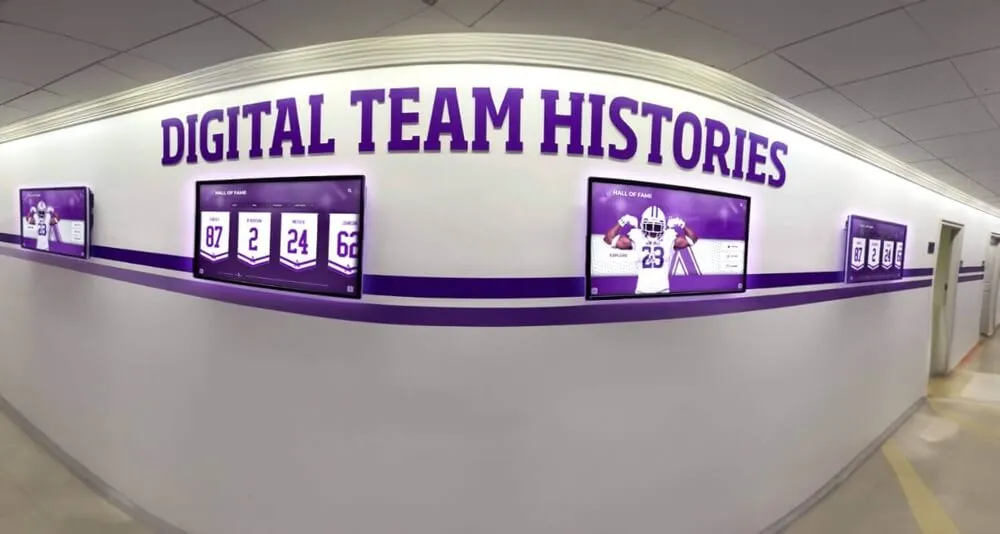
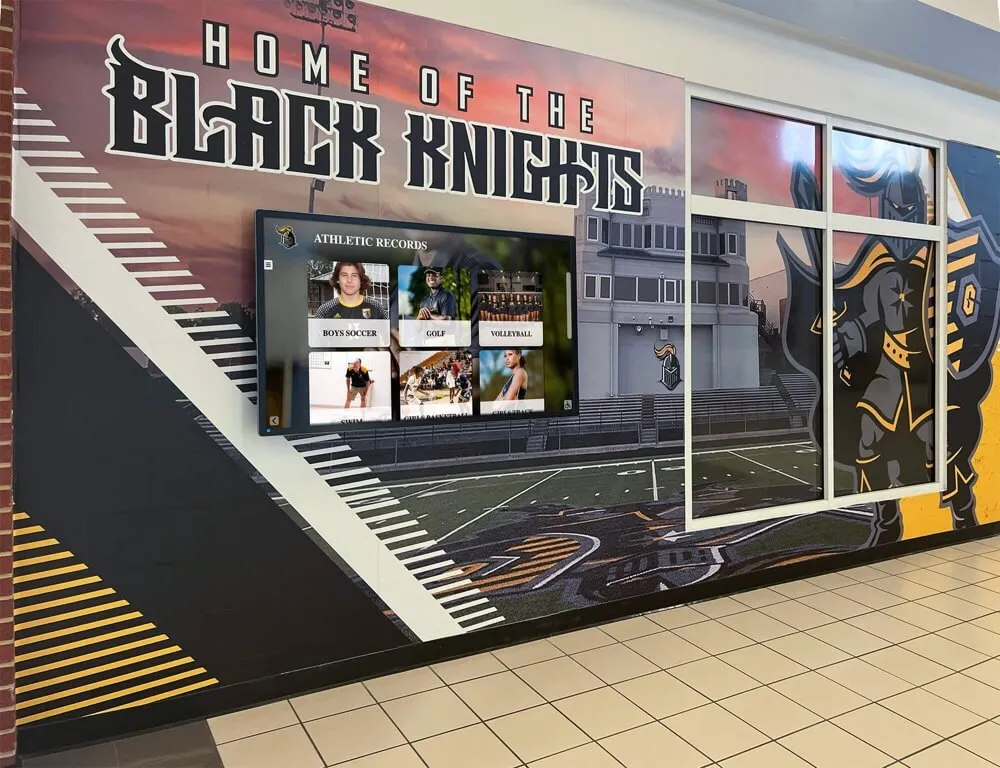
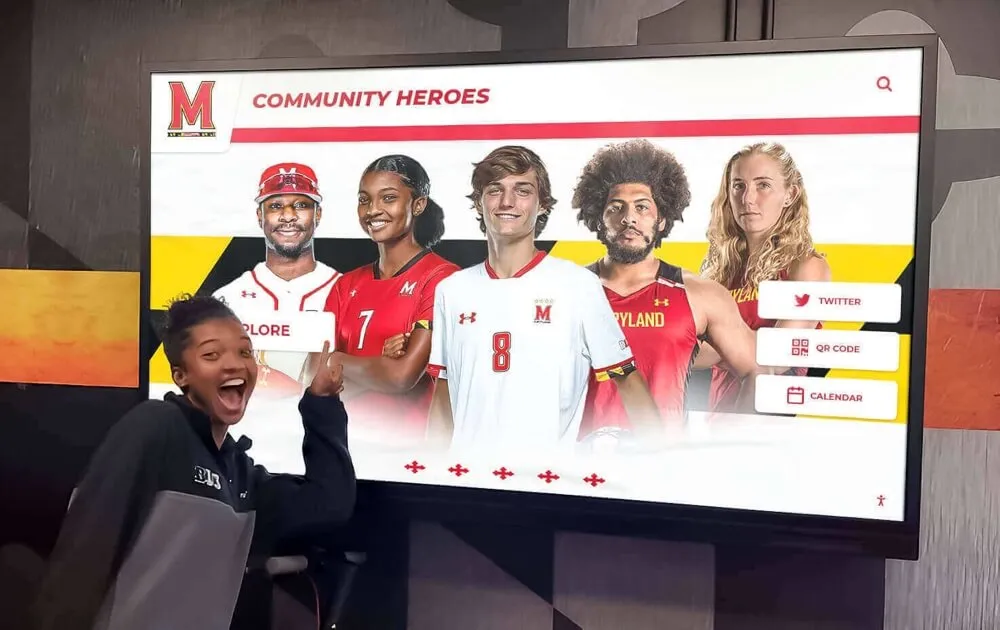
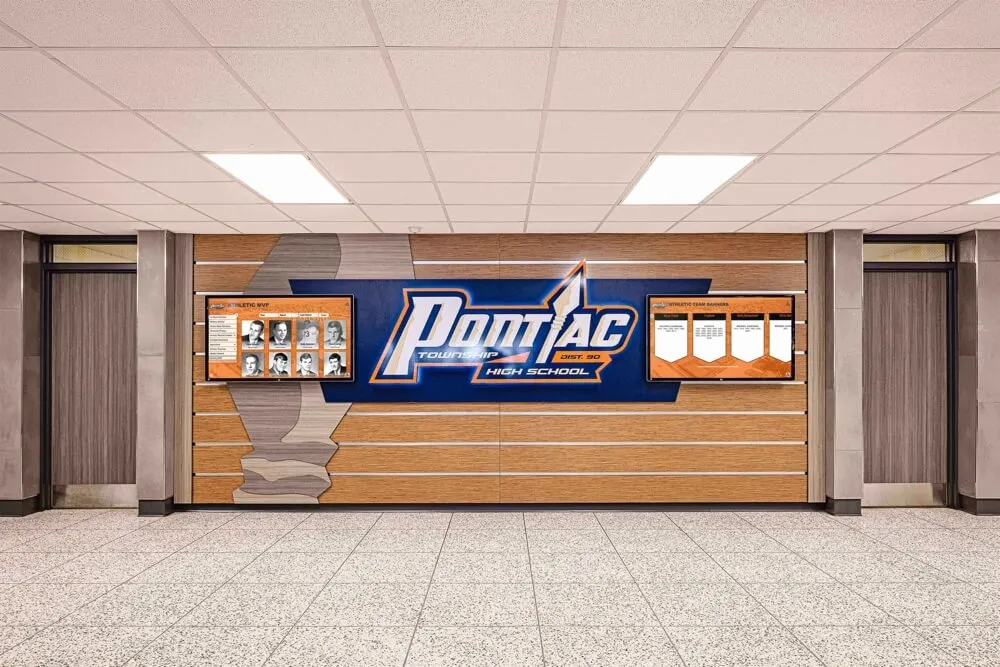
Digital displays in athletic facilities celebrate program achievements while showcasing the rebounding statistics of dominant players whose physical commitment created winning traditions
Building a Complete Rebounding Culture Beyond Individual Drills
While these eight drills develop the technical skills and competitive mentality rebounding requires, transforming rebounding from a weak point into a program identity demands systematic cultural emphasis extending beyond practice time.
Statistical Recognition and Celebration
Track and publicly celebrate rebounding statistics with equal prominence to scoring statistics. Post practice rebounding leaders, announce defensive rebounding percentages in film sessions, and include rebounding achievements in program communications and recognition events.
When players see that rebounding statistics appear on digital recognition displays alongside scoring records and championship rosters, they recognize that the program genuinely values these contributions rather than merely giving lip service to rebounding’s importance. Actions speak louder than words—displaying rebounding leaders prominently demonstrates actual commitment to celebrating these efforts.
Film Study Emphasis
Dedicate film study time specifically to rebounding sequences. Show successful box outs that prevented offensive rebounds even if they resulted in teammates securing the ball and receiving statistical credit. Highlight the defender whose physical commitment created the opportunity.
Conversely, show offensive rebounds allowed and identify specifically which defender failed to execute. This accountability, delivered through objective film evidence rather than subjective coaching opinion, creates undeniable clarity about individual responsibilities.
Award Categories for Rebounding Excellence
Create season-end awards specifically honoring rebounding excellence: Rebounding Champion (highest rebounding average), Box Out Warrior (film-study recognition for players who consistently execute even without statistical credit), Offensive Rebounding Specialist, and Defensive Rebounding Anchor. These specific awards validate that rebounding excellence receives recognition equal to other skills.
Programs implementing comprehensive athletic awards systems ensure that physical commitment and effort-based contributions receive celebration alongside talent-based achievements, creating balanced recognition that motivates all players regardless of their scoring capabilities.
Conditioning Consequences for Rebounding Failures
While positive recognition proves important, accountability for failures must also exist. Implement clear consequences when teams allow excessive offensive rebounds in games (define “excessive” based on realistic standards for your competition level—perhaps allowing offensive rebounds on more than 25% of opponent missed shots).
These consequences shouldn’t feel arbitrary or punitive but rather as natural results of failing to execute fundamentals the team has practiced extensively. When players understand the direct connection between box out failures and conditioning consequences, effort increases accordingly.
Measuring Rebounding Improvement: Metrics That Matter
Effective coaching requires measuring whether rebounding emphasis actually produces results. Track these key metrics revealing genuine improvement versus superficial changes.
Defensive Rebounding Percentage - The percentage of opponent missed shots your team secures. Aim for 75% or higher at competitive levels. This metric reveals actual performance rather than raw rebounding numbers that correlate with opponent shooting percentages.
Offensive Rebounding Percentage - The percentage of your own missed shots your team secures. Target 30-35% at high school varsity levels depending on offensive style (perimeter-oriented teams naturally generate fewer offensive rebounds).
Second-Chance Points Differential - Track points your team scores off offensive rebounds versus points opponents score off offensive rebounds. Positive differentials indicate rebounding creates actual competitive advantages rather than just achieving statistical benchmarks.
Individual Box Out Rate - Through film study, track what percentage of shots result in players executing proper box outs on their assignments. This reveals whether box out habits are actually improving or whether players simply get lucky with rebounding positions on certain possessions.
Rebounding Margin in Critical Moments - Track rebounding specifically in close games (within 5 points in final 5 minutes). Championship teams elevate effort when games are decided—measuring whether your team actually does so versus maintaining average effort provides crucial feedback.
Connecting Excellence to Recognition: Preserving Rebounding Traditions
The players who master these box out fundamentals and commit to the physical demands rebounding requires often become program legends whose records persist for years or decades. Rebounding titles frequently outlast scoring records as players who dominated the glass demonstrated rare competitive toughness and work ethic.
Schools can preserve these legacies and inspire future players through modern recognition systems that showcase rebounding achievements with the same prominence as scoring records. Rocket Alumni Solutions provides athletic programs with comprehensive digital recognition platforms that celebrate all aspects of basketball excellence—from scoring leaders to rebounding champions to players whose box outs rarely appeared in stat sheets but created the possessions winning teams require.
These systems allow programs to maintain complete statistical histories accessible through interactive displays positioned in gyms, hallways, and lobbies where current players see daily reminders of the standards excellence demands. When a player sees the school’s all-time rebounding leaders featured prominently rather than hidden in dusty record books, they understand that physical commitment receives genuine recognition equal to scoring prowess.
Modern digital displays enable programs to showcase not just season-ending statistics but to highlight individual performances, game-by-game rebounding leaders, and even specific plays where dominant box outs prevented scores or created fast-break opportunities. This comprehensive recognition transforms rebounding from a thankless task into a celebrated skill that players actively pursue as a path toward program immortality.
Conclusion: Building Winning Teams Through Rebounding Excellence
Games are won and lost on the margins—an extra possession here, a prevented second-chance basket there, a fast break opportunity created by a quick outlet following a secured defensive rebound. Championship teams understand that rebounding excellence creates these margins through systematic commitment to fundamentals that lesser teams neglect in favor of more glamorous skills.
The eight basketball box out drills outlined in this guide provide the technical foundation and competitive mindset dominant rebounding requires. But drills alone don’t create rebounding excellence—cultural emphasis that celebrates these contributions, systematic accountability for failures, and recognition systems that immortalize rebounding achievements transform rebounding from a weak point into a program identity that opponents learn to fear.
Start with the fundamentals in Drill 1, progress through increasing competition and complexity, and ultimately hold players accountable in live situations where rebounding habits determine outcomes. Measure improvement through objective metrics, celebrate success prominently, and preserve the legacies of rebounding champions who demonstrate the toughness winning basketball demands.
When your program develops a reputation as a team that never loses rebounding battles, that fights for every possession, and that wears down opponents through relentless physical commitment, you’ve built more than a successful basketball team—you’ve built a program culture that teaches life lessons about effort, physicality, and competitive will extending far beyond the basketball court.