



Basketball hall of fame programs represent the highest honor athletic organizations can bestow upon players, coaches, and contributors who have demonstrated extraordinary excellence and lasting impact on basketball programs. From high school gymnasiums celebrating local legends to prestigious institutions like the Naismith Memorial Basketball Hall of Fame honoring the sport’s greatest icons, these recognition programs preserve athletic heritage, inspire current athletes, and create permanent connections between past achievements and future aspirations.
Yet establishing and maintaining effective basketball hall of fame programs presents substantial challenges for organizations at every level. How do you develop fair, meaningful selection criteria that honor diverse types of excellence? What recognition formats effectively celebrate inductees while serving as inspirational focal points within athletic facilities? How can organizations preserve complete basketball legacies when traditional plaques offer minimal space for storytelling? And how do modern digital technologies transform hall of fame recognition from static displays into engaging, comprehensive celebration systems?
This complete guide explores every dimension of basketball hall of fame programs—from establishing mission statements and selection criteria through implementing traditional and digital recognition displays that appropriately honor basketball excellence across generations. Whether you’re launching a new hall of fame program, revitalizing an existing recognition system, or exploring modern solutions that expand celebration capacity, you’ll discover proven frameworks for creating basketball recognition that inspires, educates, and preserves the legacies that define your program’s tradition.
Basketball hall of fame programs serve multiple organizational purposes simultaneously: honoring individual and team excellence, preserving institutional memory across generations, inspiring current athletes toward exceptional achievement, engaging alumni and building lifelong program connections, and demonstrating program values and competitive standards to prospective athletes and community stakeholders.

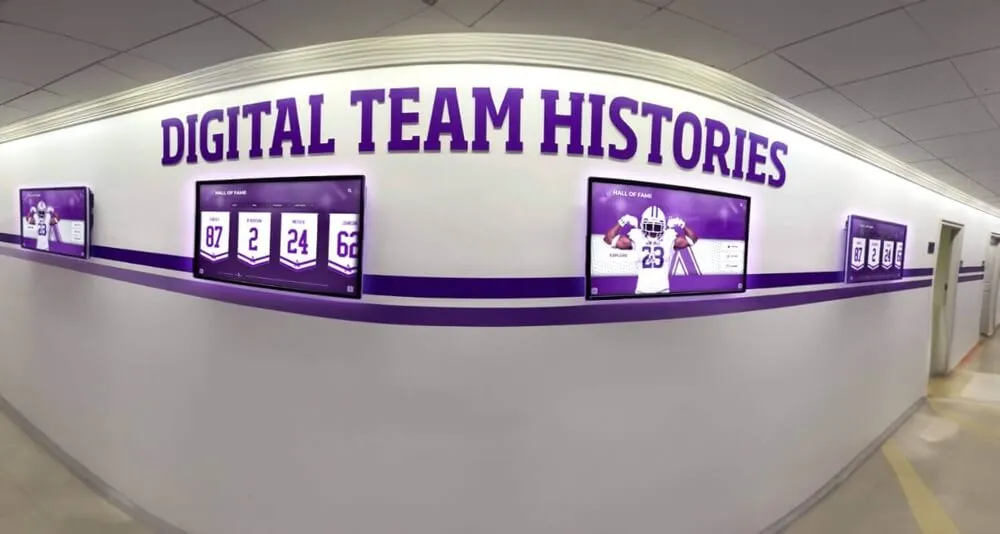
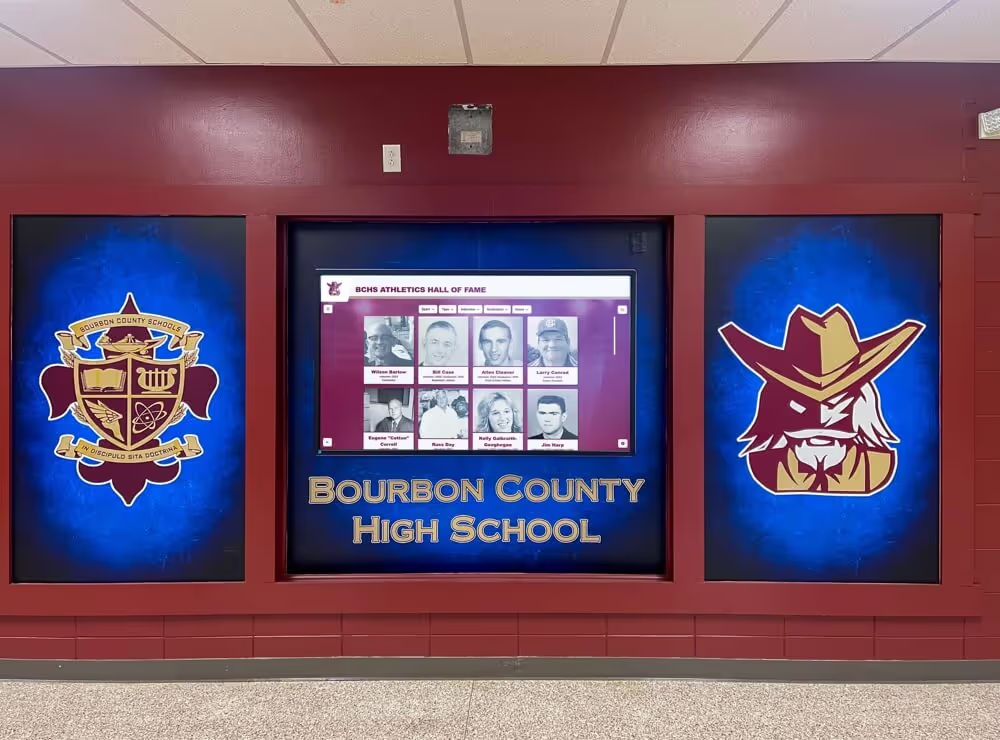
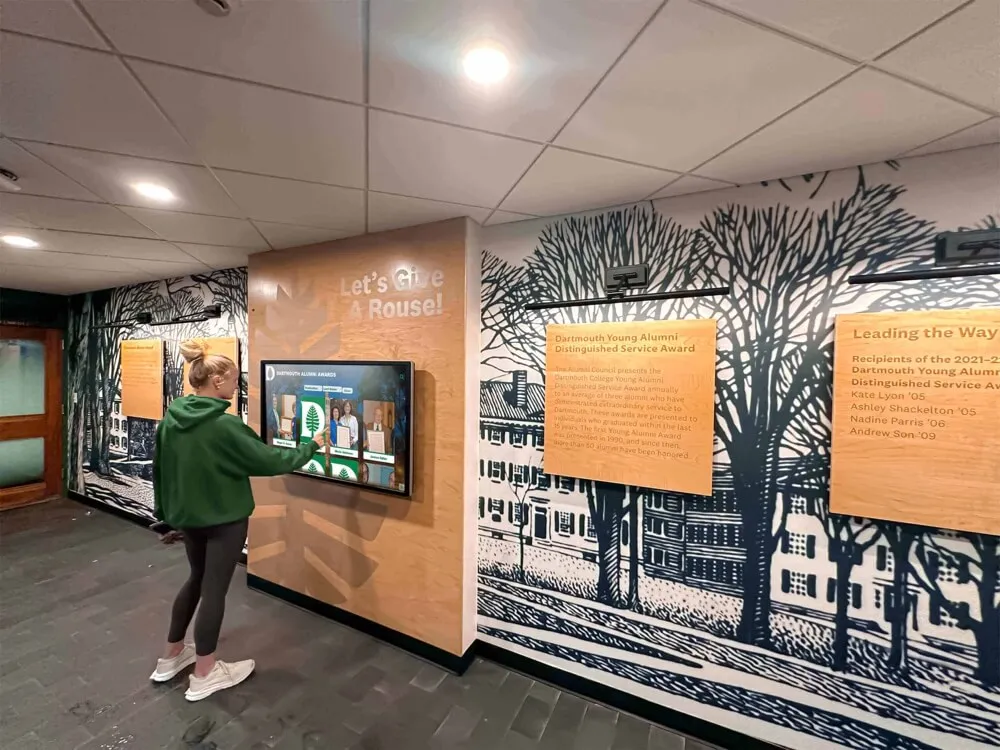
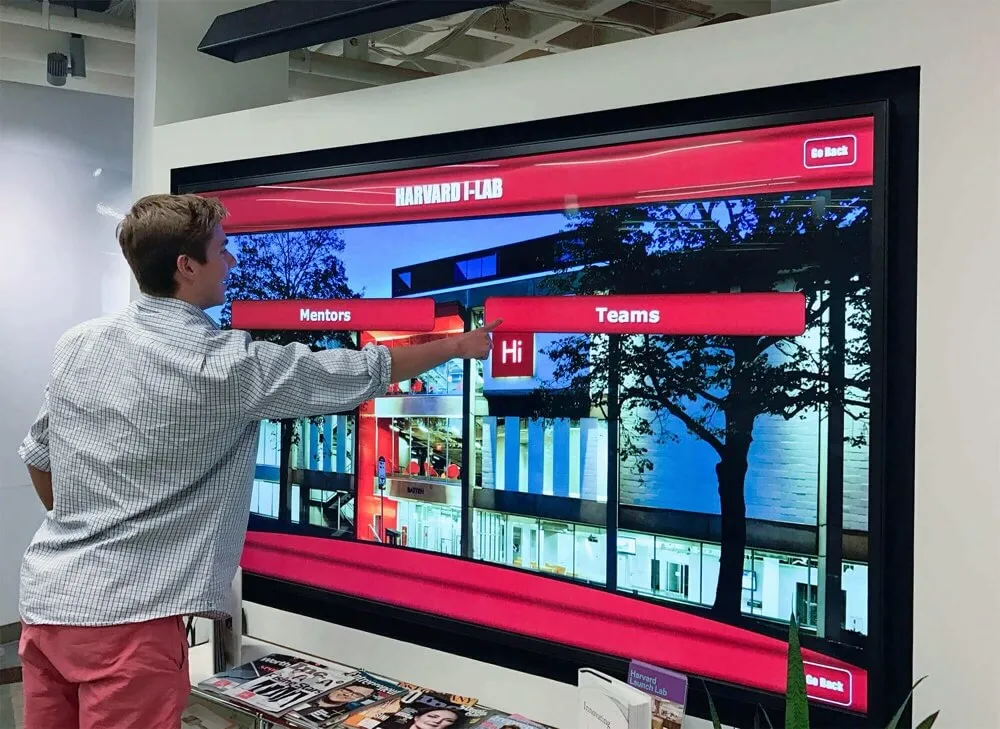
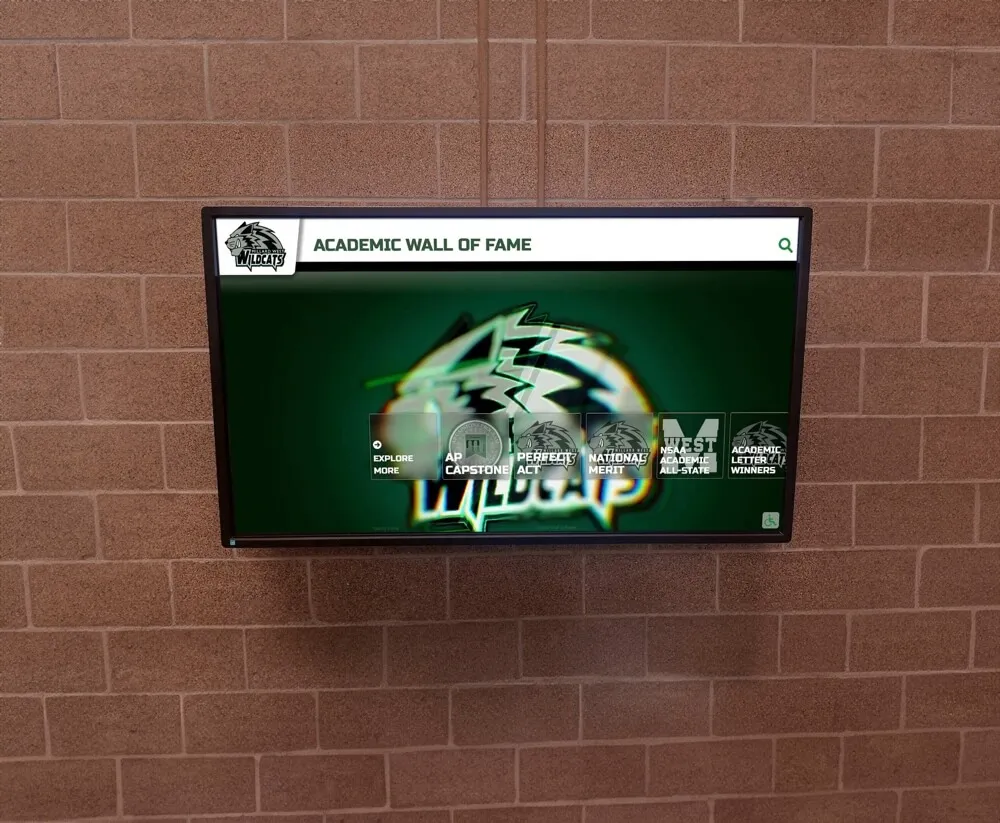
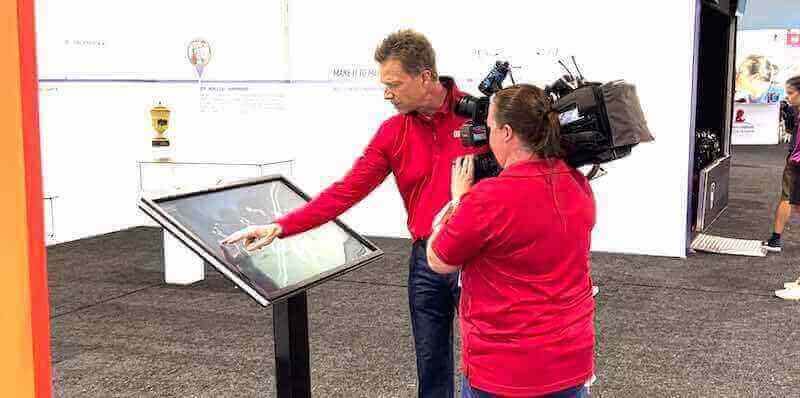
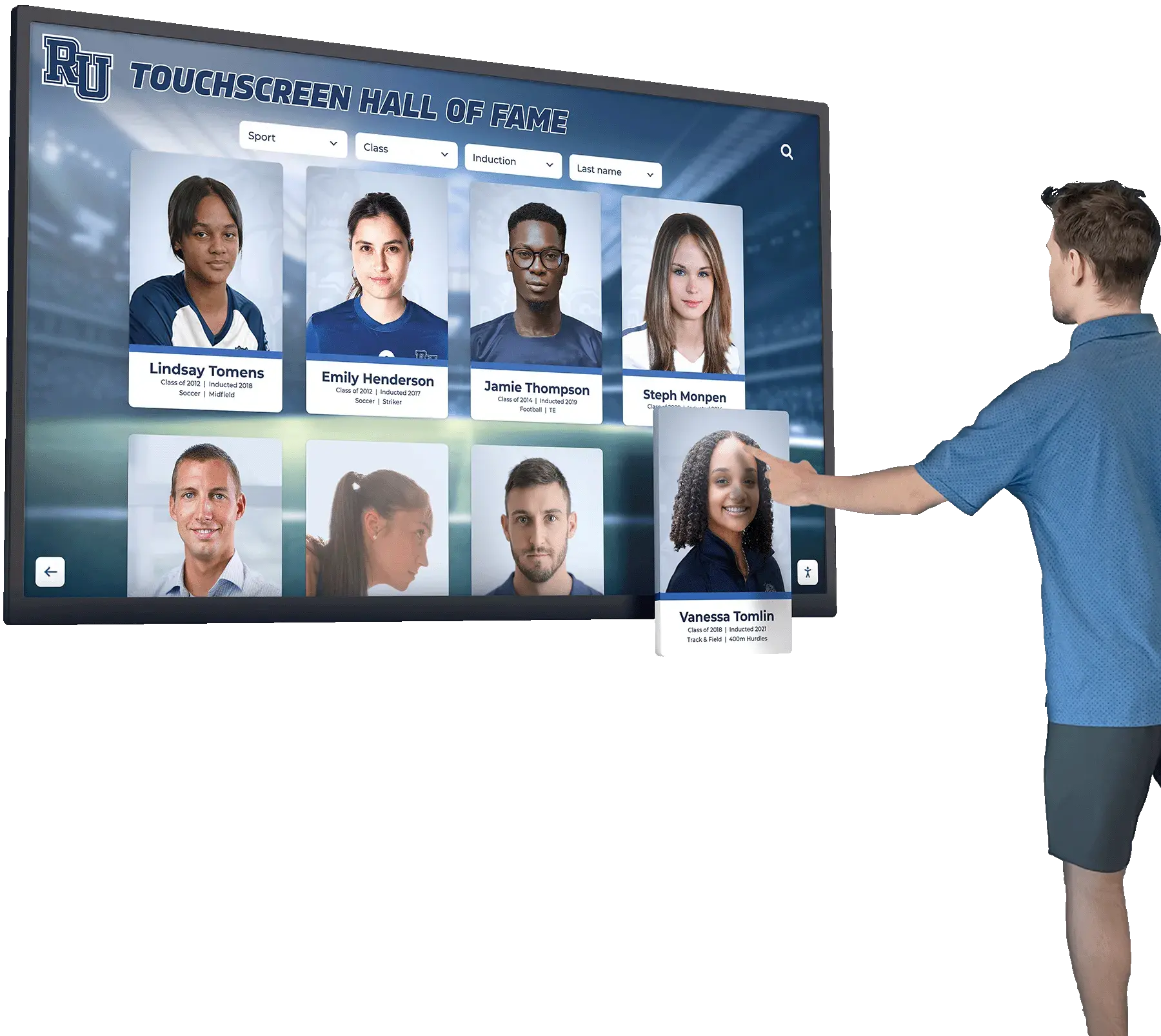
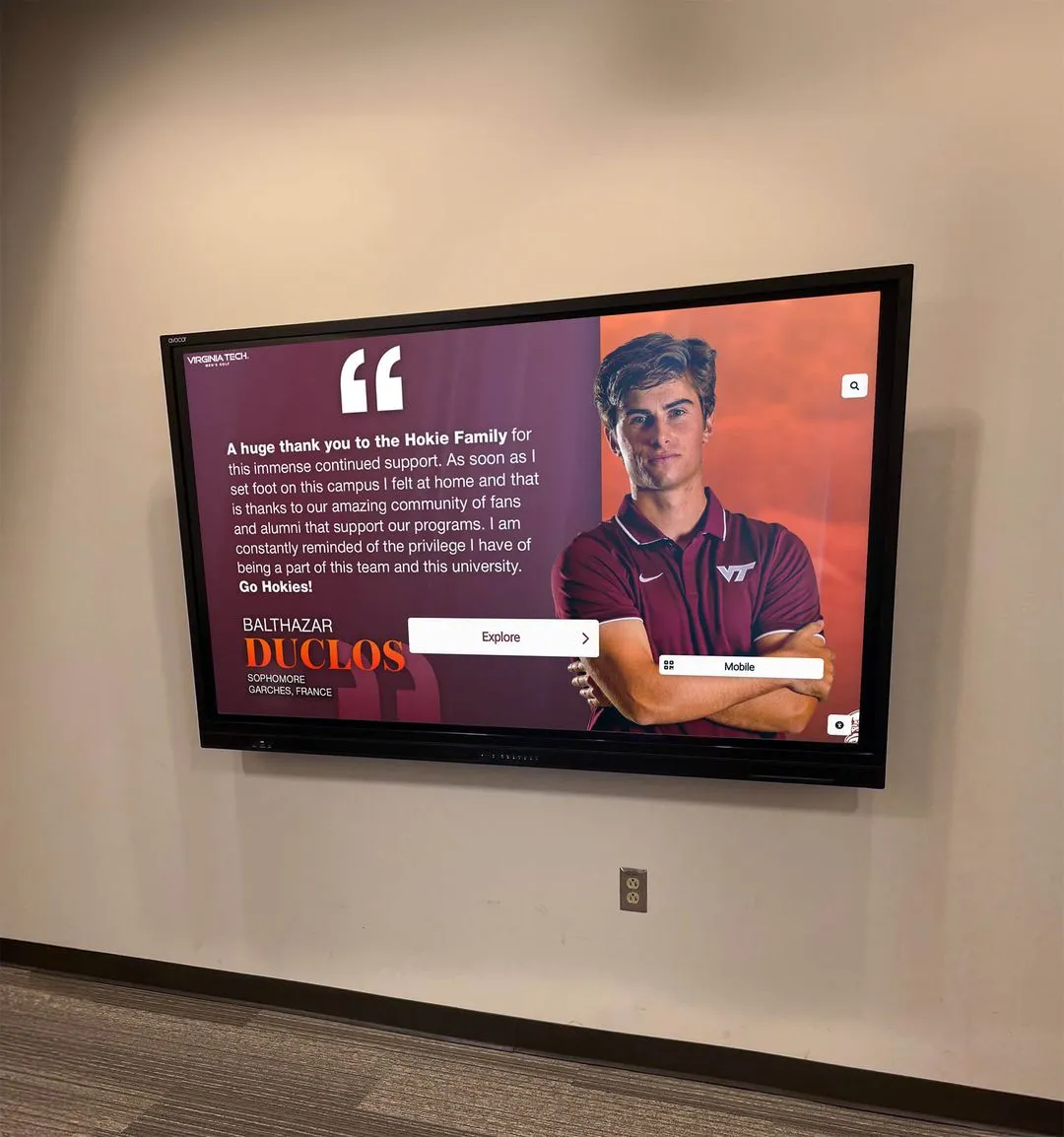
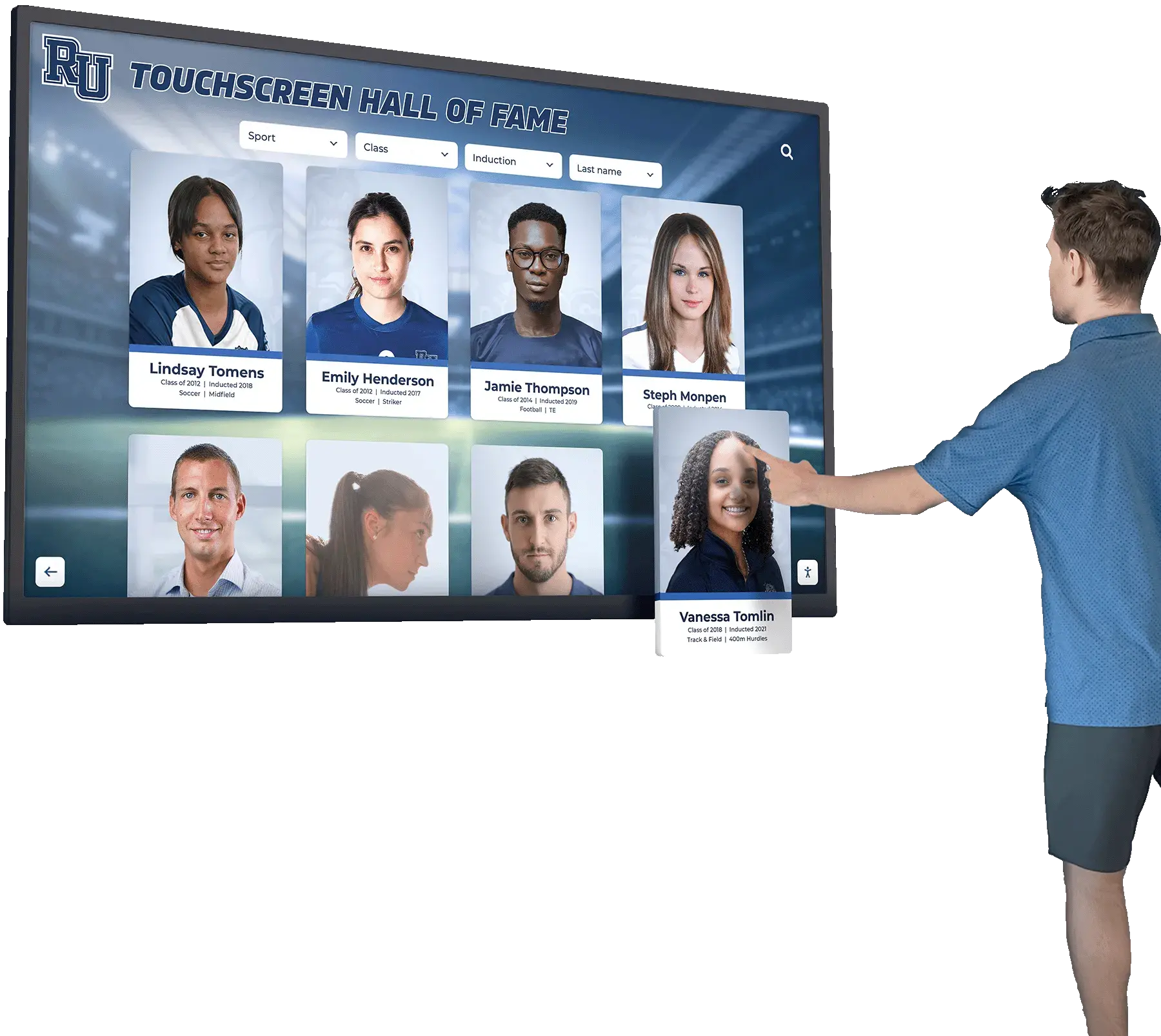
Modern interactive displays transform hall of fame recognition into engaging experiences where visitors actively explore basketball legacy through multimedia profiles
Understanding Basketball Hall of Fame Programs
Effective hall of fame programs begin with clear understanding of their purpose, scope, and organizational fit within broader athletic recognition strategies.
The Purpose and Mission of Basketball Halls of Fame
Basketball hall of fame programs serve distinctive roles within athletic organizations, requiring articulated missions guiding all program decisions:
Honoring Excellence Across Multiple Dimensions
Basketball success manifests through diverse contributions deserving recognition. Outstanding individual performance through scoring, defense, leadership, and competitive achievement represent obvious criteria, but comprehensive programs also honor exceptional coaching that develops talent and builds championship cultures, administrative leadership establishing competitive infrastructure and program sustainability, program building creating lasting organizational elevation beyond individual seasons, community impact through mentorship and representation beyond competitive venues, and pioneering achievements that establish new standards or break barriers for future participants.
The most effective hall of fame missions explicitly acknowledge this diversity, ensuring recognition extends beyond star players to honor everyone whose contributions fundamentally shaped program development and competitive success.
Preserving Institutional Memory Permanently
According to research on college athletics hall of fame programs, organizations lose substantial institutional knowledge when key figures retire, coaches transition to new positions, or decades pass without systematic heritage documentation. Hall of fame programs counteract this natural memory erosion by creating permanent records of achievement, leadership, and contribution that remain accessible regardless of personnel changes or generational transitions.
This preservation function grows increasingly important as programs age and early achievers pass away. Without systematic documentation, their contributions risk fading from collective memory, diminishing institutional tradition that provides identity and continuity across eras.
Creating Aspirational Standards for Current Athletes
Visible hall of fame recognition establishes tangible examples of excellence current athletes can study, emulate, and pursue. When developing players see specific achievements—1,000 career points, multiple championships, all-conference honors, defensive excellence—recognized permanently through hall of fame induction, these accomplishments become concrete goals rather than abstract ideals.
Research indicates athletes exposed to comprehensive recognition programs demonstrate 23-31% higher motivation toward exceptional achievement compared to those in programs with minimal or no formal recognition systems.
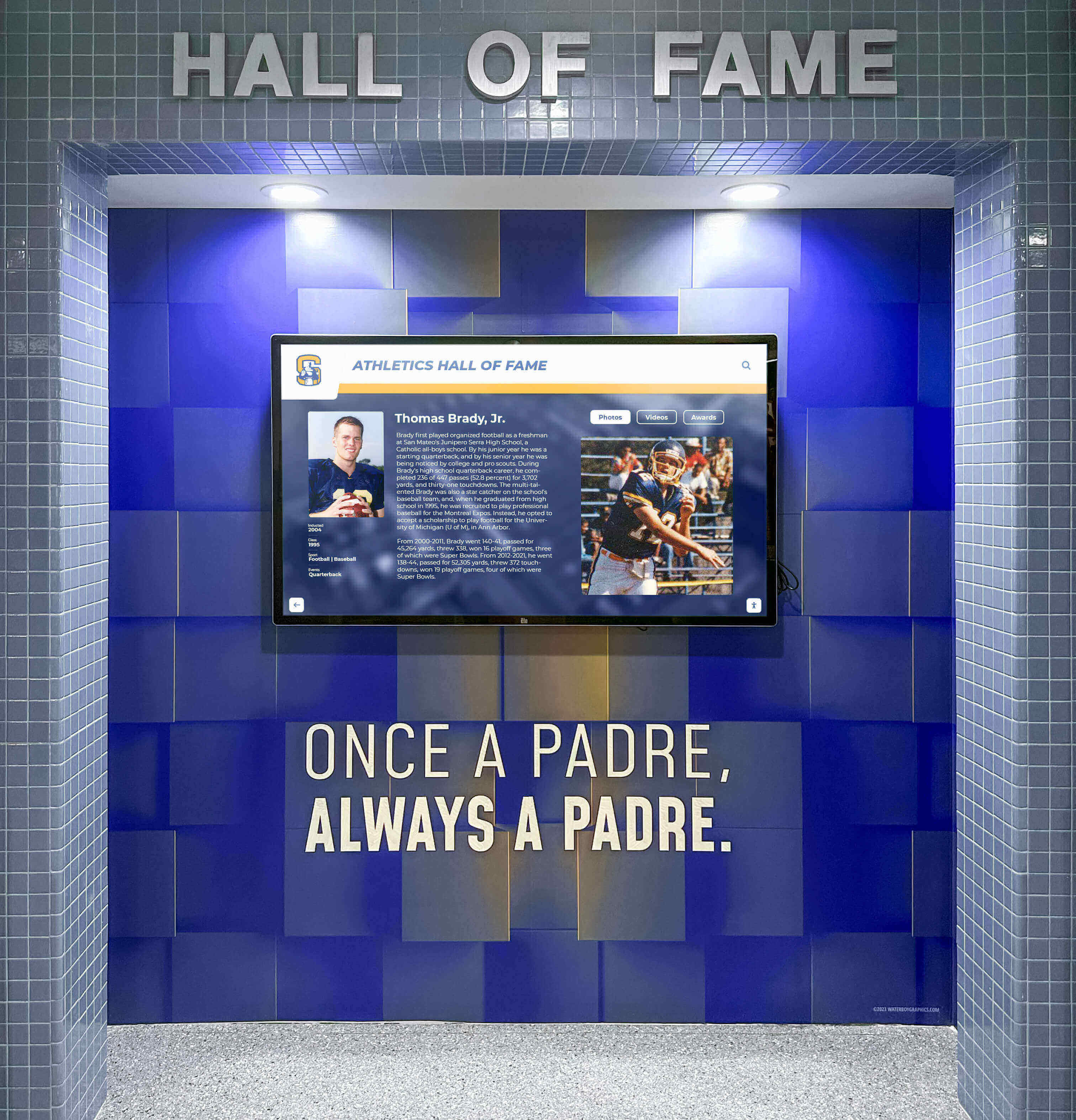
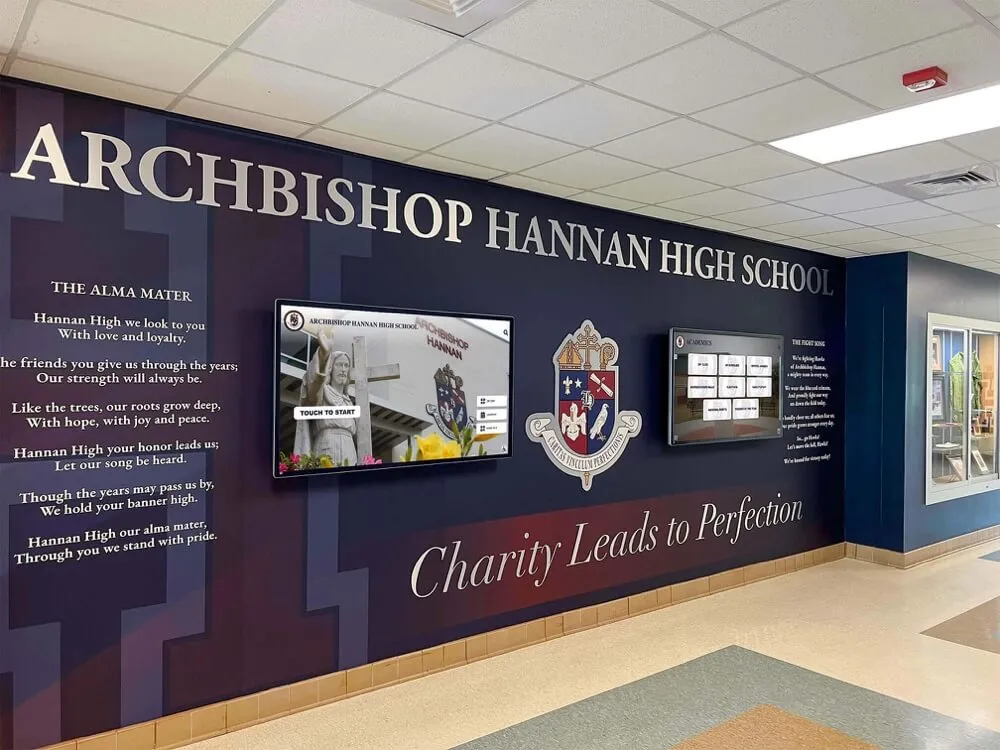
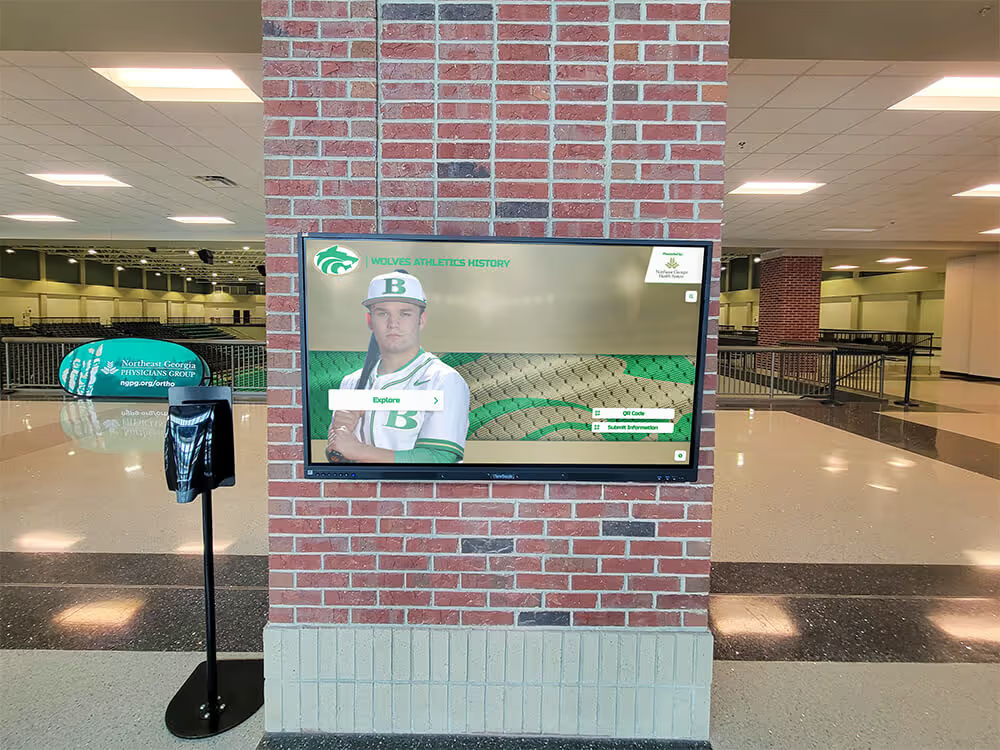
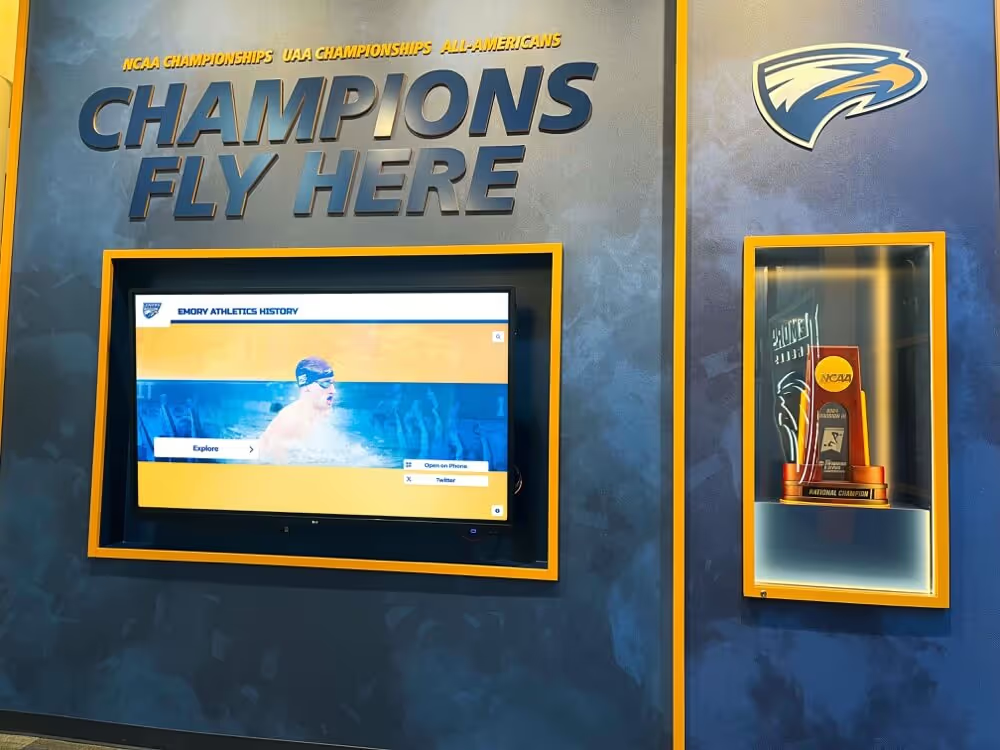
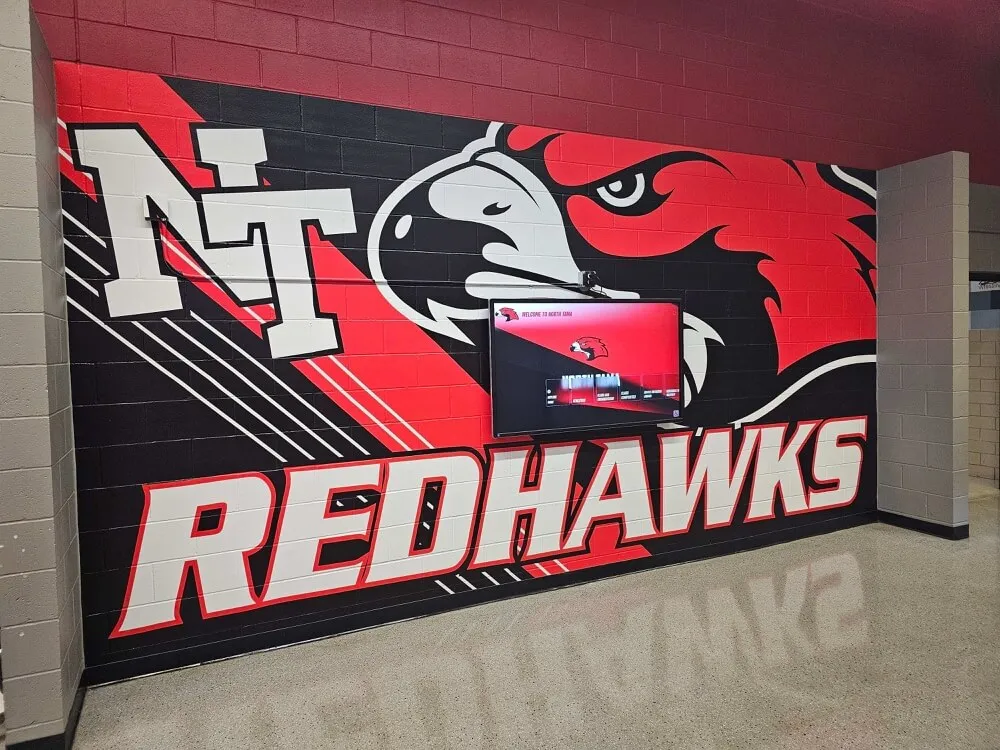
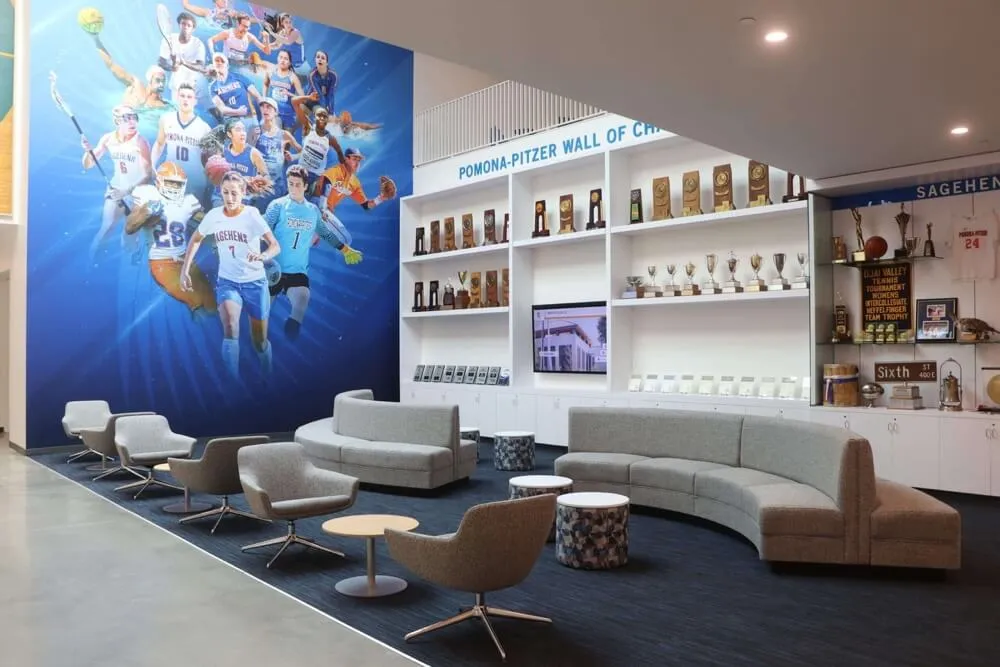
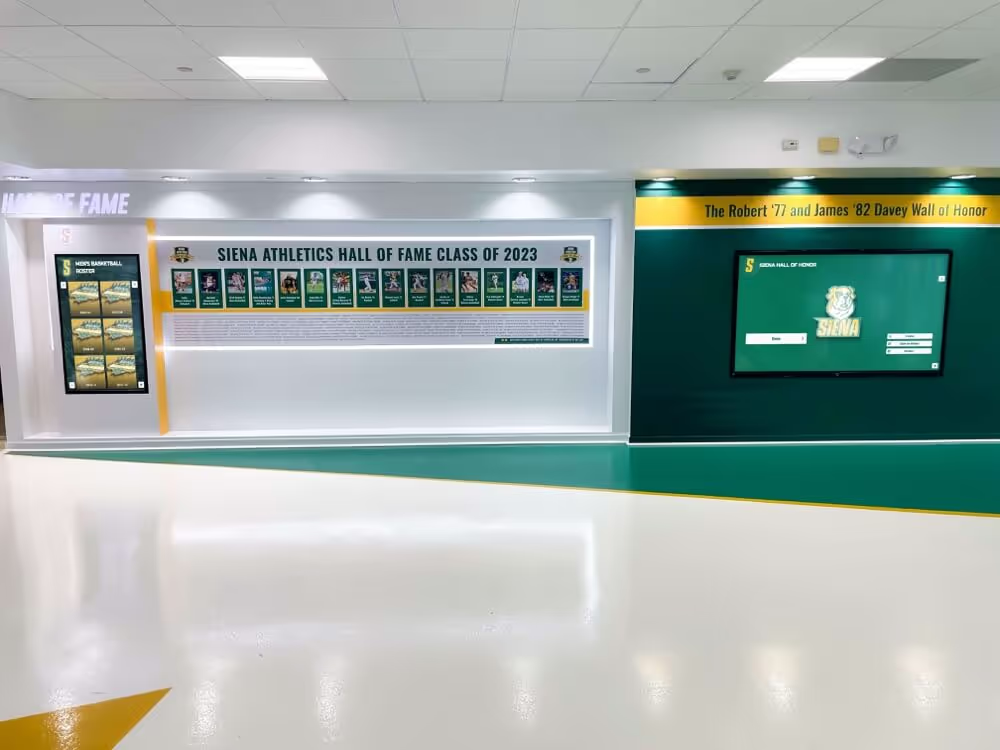
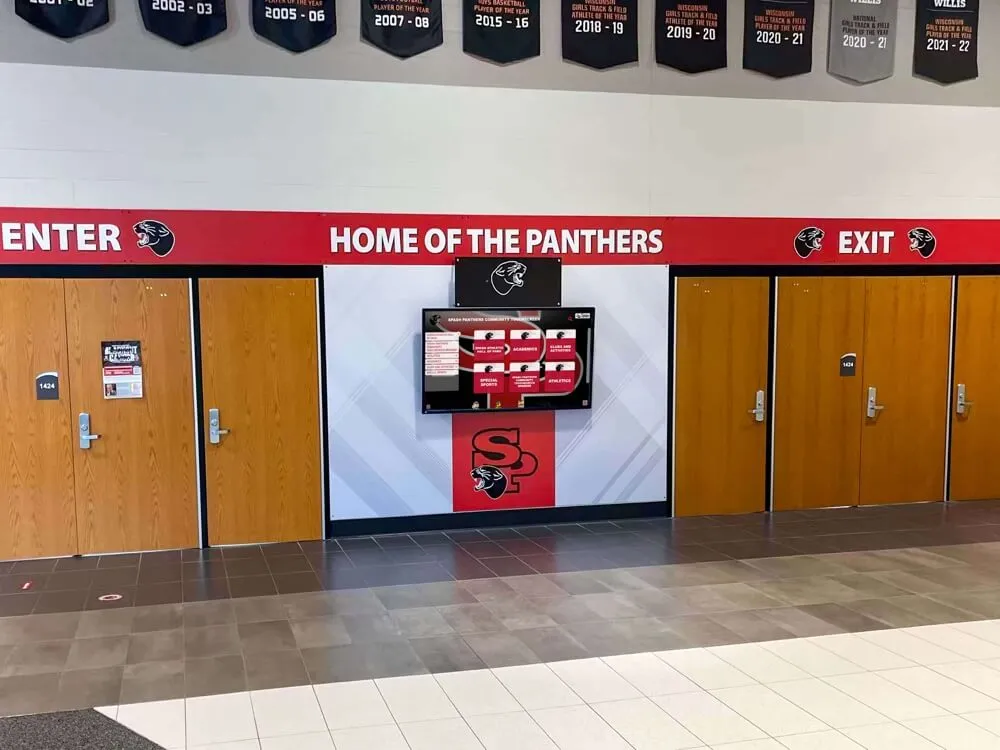
Strategic placement in high-traffic athletic areas ensures hall of fame recognition reaches all facility visitors regularly
Determining Appropriate Hall of Fame Scope
Organizations must decide which aspects of basketball heritage their hall of fame programs will encompass:
Individual Player Recognition
Most basketball hall of fame programs focus primarily on individual player excellence, requiring criteria defining induction-worthy careers. Organizations typically consider career statistical achievement including scoring totals, assists, rebounds, and comprehensive performance metrics, championship contributions through team success and playoff performance, individual honors like all-conference selections, player of the year awards, and state recognition, leadership impact demonstrated through captain roles and team cultural influence, post-playing career accomplishments including college and professional success, and character standards reflecting organizational values and community contribution.
Coaching and Leadership Recognition
Beyond players, comprehensive programs honor coaching excellence through similar criteria: career winning percentages and longevity building sustained success, championship achievements at various competitive levels, player development evidenced by individual achievements and college placements, program building establishing competitive elevation and organizational infrastructure, and coaching innovation introducing strategic or tactical advances adopted by broader basketball communities.
Team Recognition Categories
Some programs recognize exceptional teams alongside individuals, particularly championship squads demonstrating unprecedented excellence. Team recognition criteria might include undefeated seasons or exceptional win-loss records, state, regional, or national championships, dominance factors like scoring margins and competitive excellence, and historical significance as first championships, barrier-breaking achievements, or unprecedented success levels.
Special Recognition Categories
Progressive programs include categories for contributors, supporters, and program builders whose impact extends beyond direct competitive participation. Special recognition might honor athletic directors establishing competitive infrastructure, boosters and donors enabling program sustainability, media members documenting and promoting basketball excellence, officials maintaining competition integrity across decades, and pioneers breaking participation barriers or establishing new competitive opportunities.
Understanding comprehensive recognition structures helps organizations create inclusive programs celebrating diverse excellence forms. Learn more about athletic hall of fame program development across various sports contexts.
Establishing Selection Criteria and Nomination Processes
Fair, transparent selection systems ensure hall of fame programs maintain credibility and community trust across generations.
Developing Clear Induction Criteria
Written criteria establish objective standards minimizing controversy and subjectivity:
Statistical Benchmarks for Players
Quantifiable thresholds provide objective minimums for consideration. Common basketball statistical criteria include career scoring totals with 1,000 points representing traditional benchmarks, minimum game or season participation requirements ensuring sustained contribution, statistical leadership in categories like rebounds, assists, steals, or blocks, efficiency metrics evaluating productivity beyond volume statistics, and championship participation or success demonstrating team contributions.
Organizations should calibrate statistical standards to program history and competition level—small schools with shorter seasons naturally produce different statistical totals than large programs with extended schedules.
Qualitative Excellence Factors
Beyond statistics, hall of fame criteria should acknowledge intangible contributions: leadership demonstrated through captain roles and team cultural influence, sportsmanship reflecting organizational values and character standards, clutch performance in critical competitive moments, competitive impact on opponents and conference respect earned, and memorable performances defining program tradition and competitive identity.
Minimum Waiting Periods
Most programs establish waiting periods between athletic eligibility conclusion and hall of fame consideration. Common approaches include five-year minimums allowing post-playing careers to develop before evaluation, ten-year standards ensuring sustained program connection and community contribution, graduated criteria with varying waiting periods for different recognition levels, and immediate eligibility for truly exceptional achievement meeting unanimous selection standards.
Waiting periods enable committees to evaluate complete legacies including post-playing contributions, career trajectories, and sustained connection to program values—dimensions impossible to assess immediately following graduation.
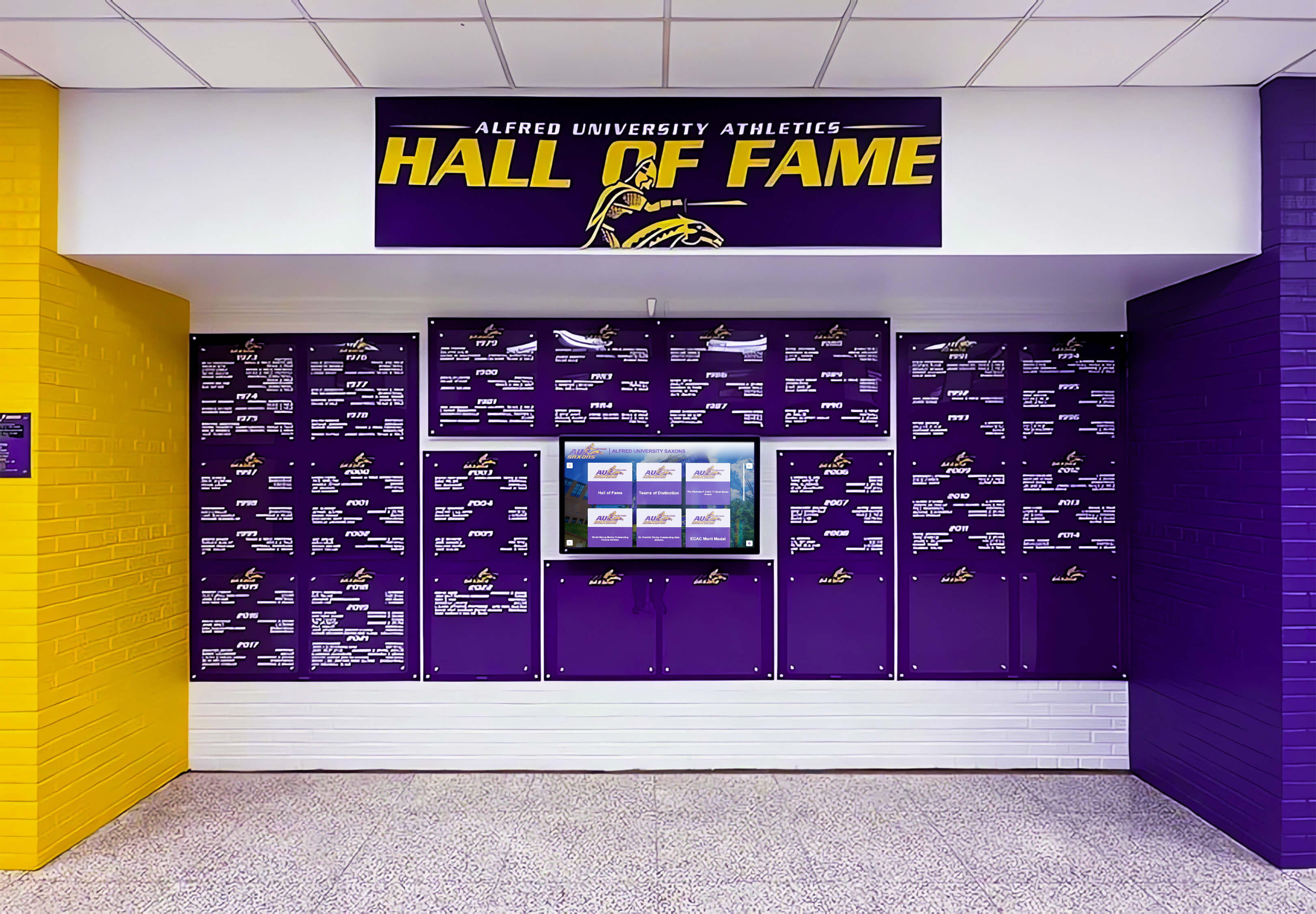
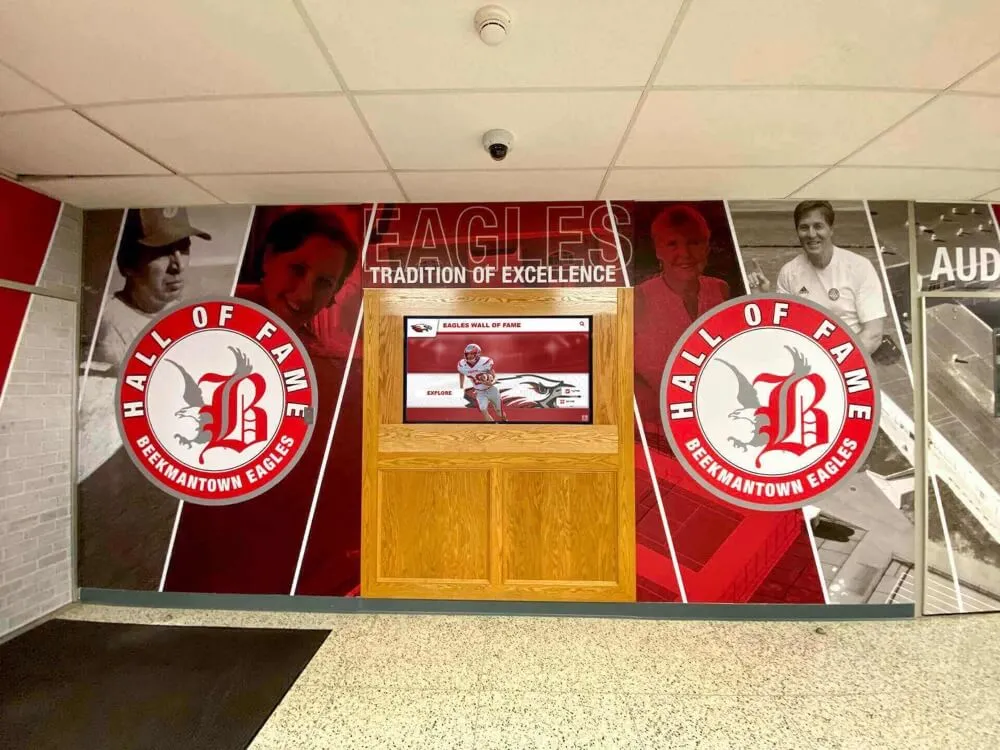
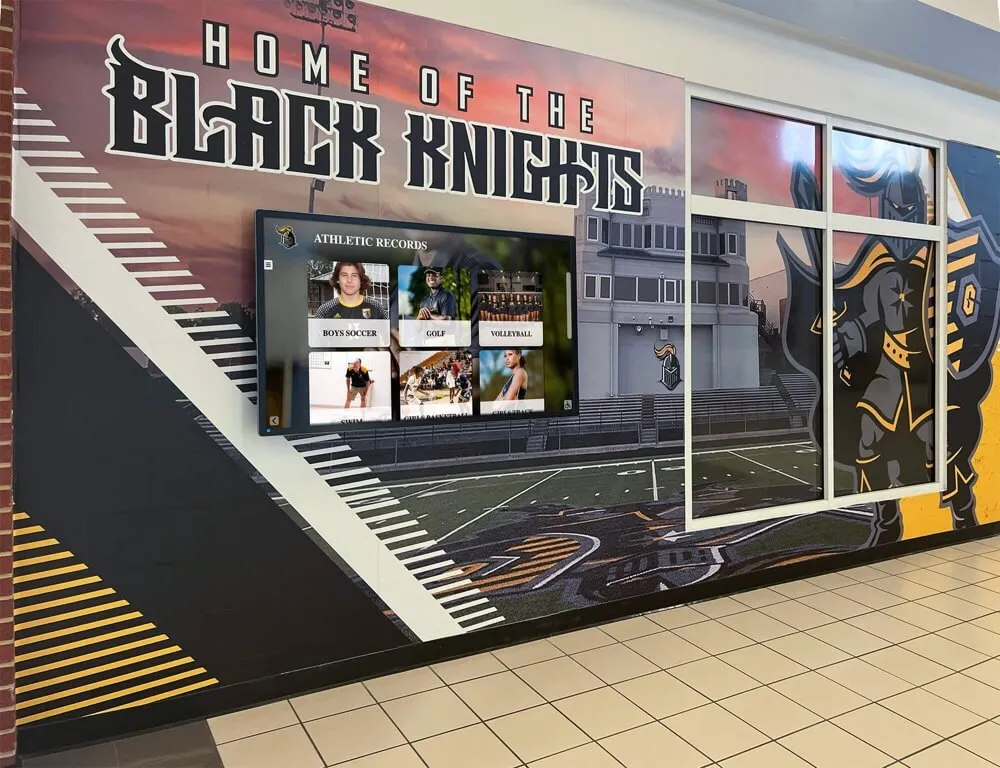
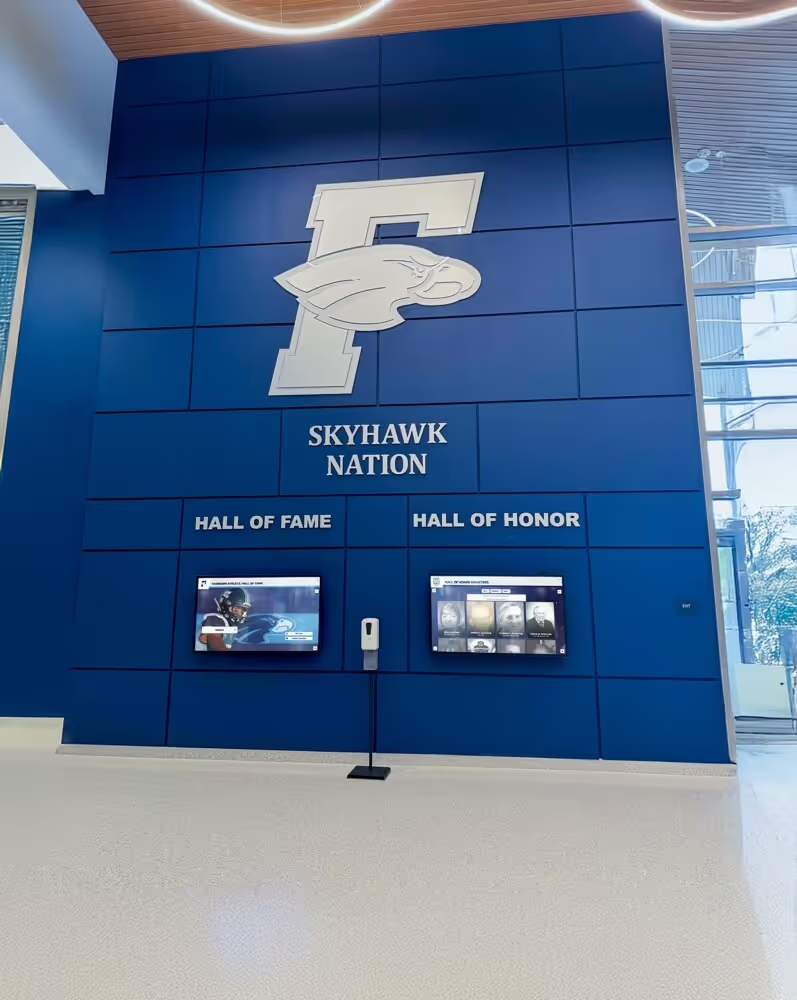
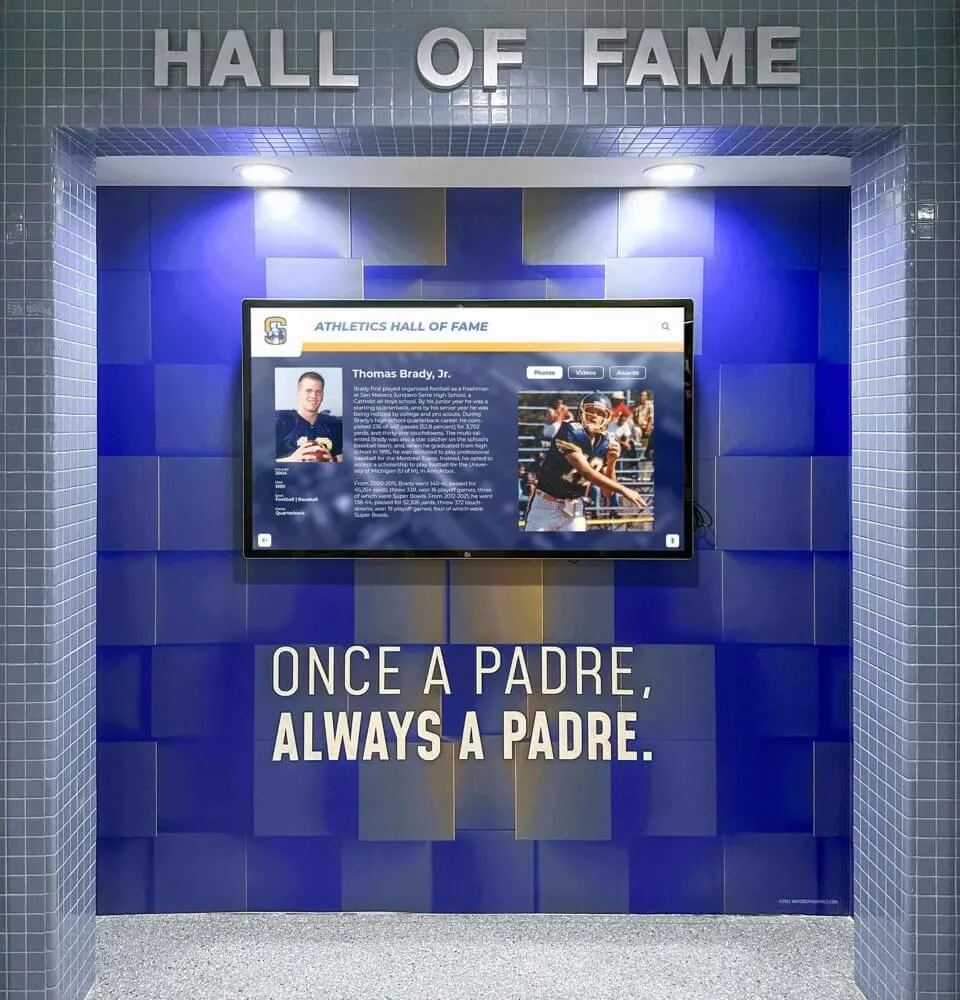
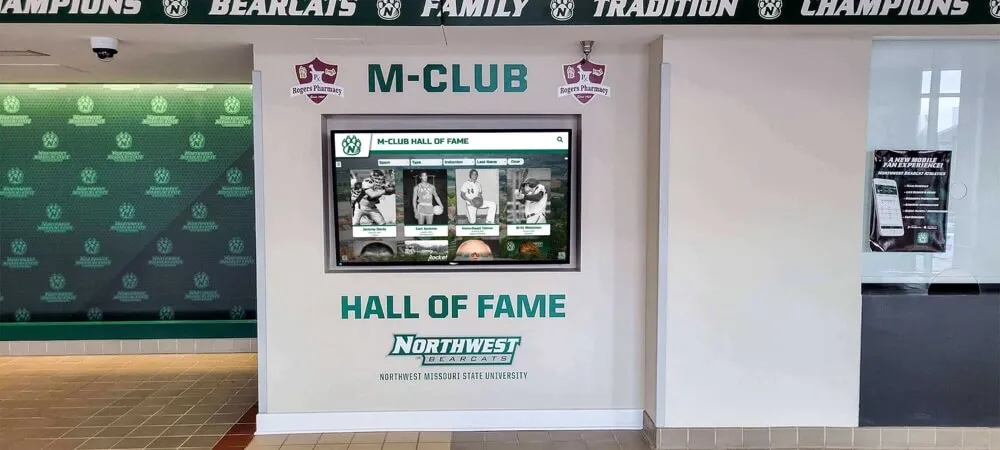
Professional hall of fame displays create impressive focal points celebrating program excellence permanently
Character and Citizenship Standards
Character requirements ensure inductees represent organizational values comprehensively. Standards might include sportsmanship records without significant disciplinary issues, community contribution through mentorship, service, or positive representation, legal standards ensuring inductees reflect positive citizenship, post-playing conduct maintaining program reputation and values, and continued program engagement demonstrating lasting commitment to organizational success.
Character provisions occasionally create difficult situations when controversial figures meet statistical criteria but face conduct concerns. Clear written standards help committees navigate these challenging decisions consistently.
Comprehensive frameworks for athletic recognition programs demonstrate how clear criteria ensure fair, defensible selection across diverse achievement categories.
Nomination and Selection Committee Processes
Systematic procedures ensure thorough, equitable evaluation:
Nomination Procedures
Open, accessible nomination systems encourage comprehensive candidate consideration. Effective processes include public nomination periods with standard nomination forms, self-nomination options enabling candidates to submit their own candidacy, coach and staff nominations leveraging institutional knowledge, alumni nominations connecting graduated community with current programs, and community nominations allowing broader stakeholder participation in recognition.
Nomination forms should request complete information including statistical records, biographical details, and supporting documentation enabling thorough committee evaluation without extensive additional research.
Selection Committee Composition
Diverse committees represent multiple perspectives and institutional knowledge:
- Current athletic directors or program administrators
- Head basketball coaches representing competitive expertise
- Former coaches and players contributing historical institutional memory
- Alumni representatives ensuring graduated community voice
- School administrators maintaining institutional values alignment
- Community members providing external perspective
Typical committees include 7-11 members providing sufficient diversity without becoming unwieldy for deliberation and decision-making.
Evaluation and Voting Procedures
Structured processes ensure consistent candidate assessment:
- Committee review of complete nomination packages
- Discussion sessions enabling deliberation and perspective sharing
- Multiple voting rounds narrowing candidate pools systematically
- Supermajority requirements (typically 60-75%) ensuring broad consensus
- Limit on annual inductions maintaining recognition prestige
- Confidential processes protecting deliberation integrity
The most credible programs establish multi-year committee terms with staggered rotation ensuring institutional continuity while incorporating fresh perspectives regularly.
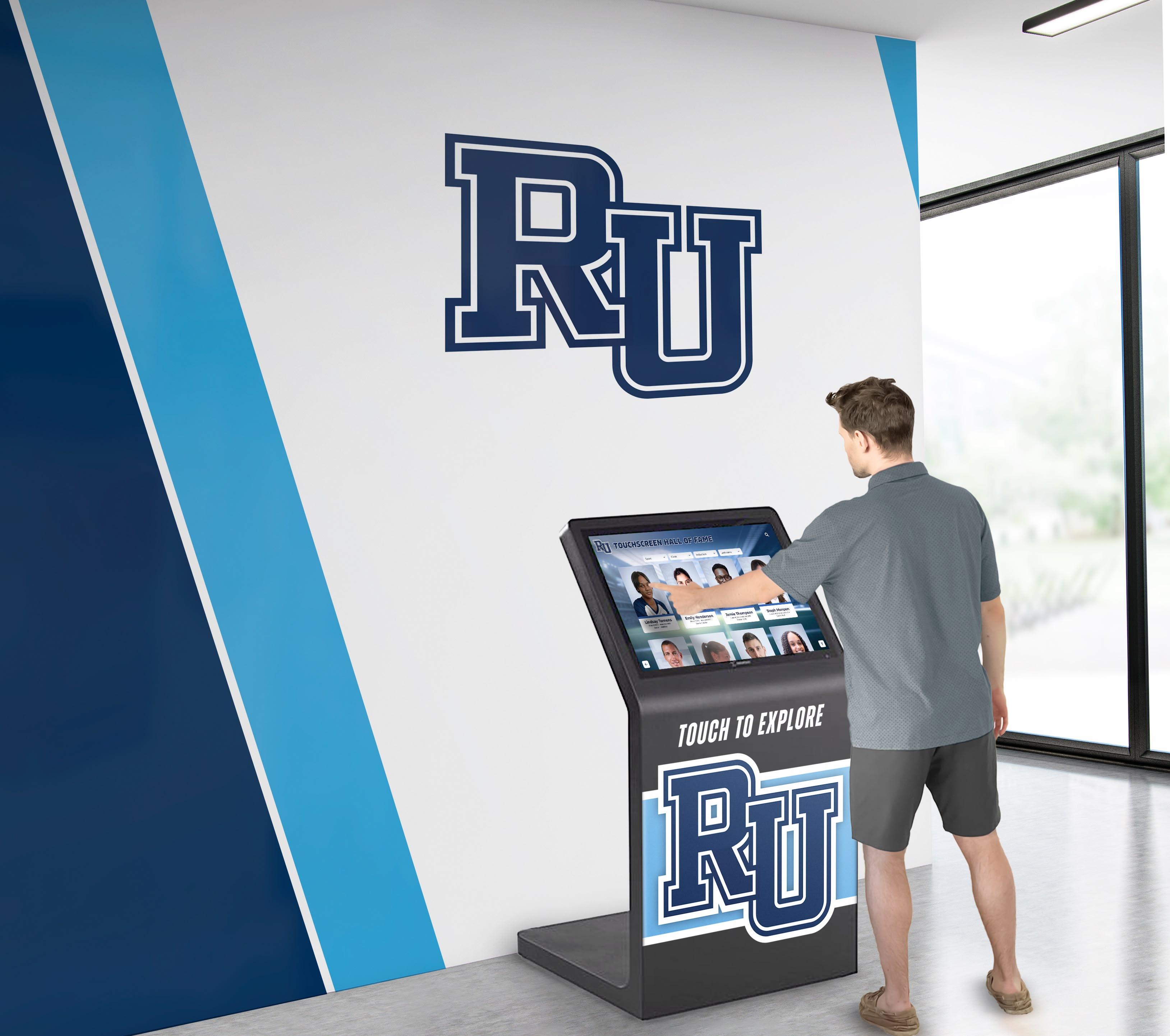
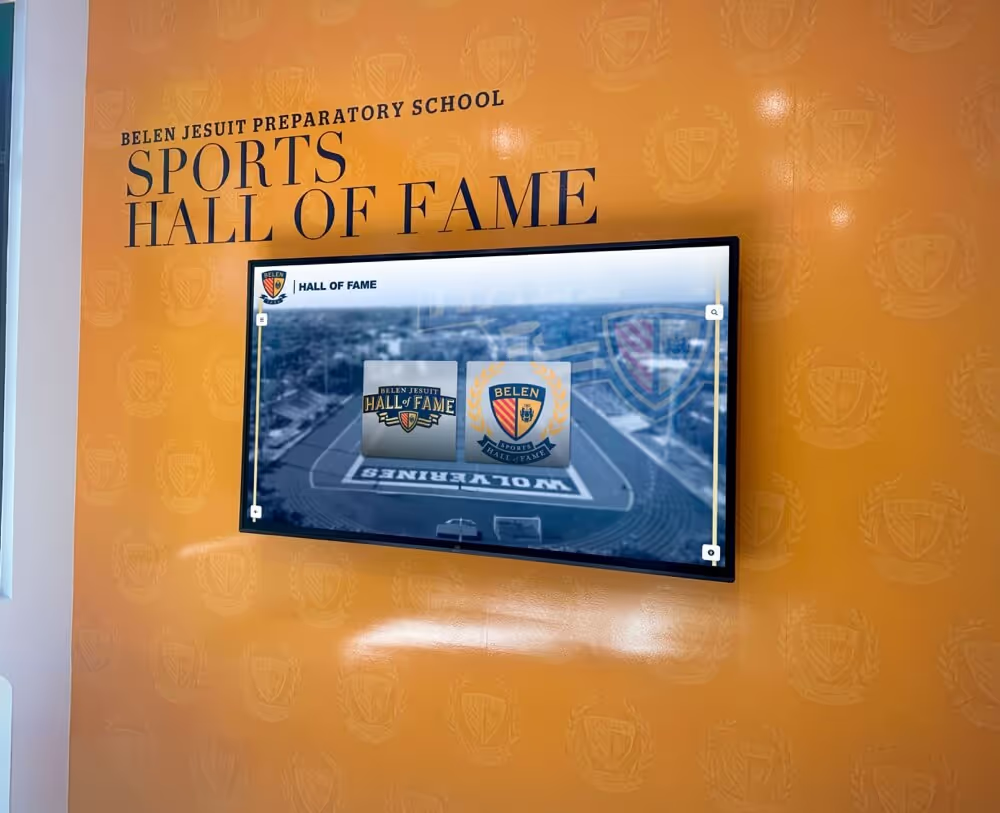
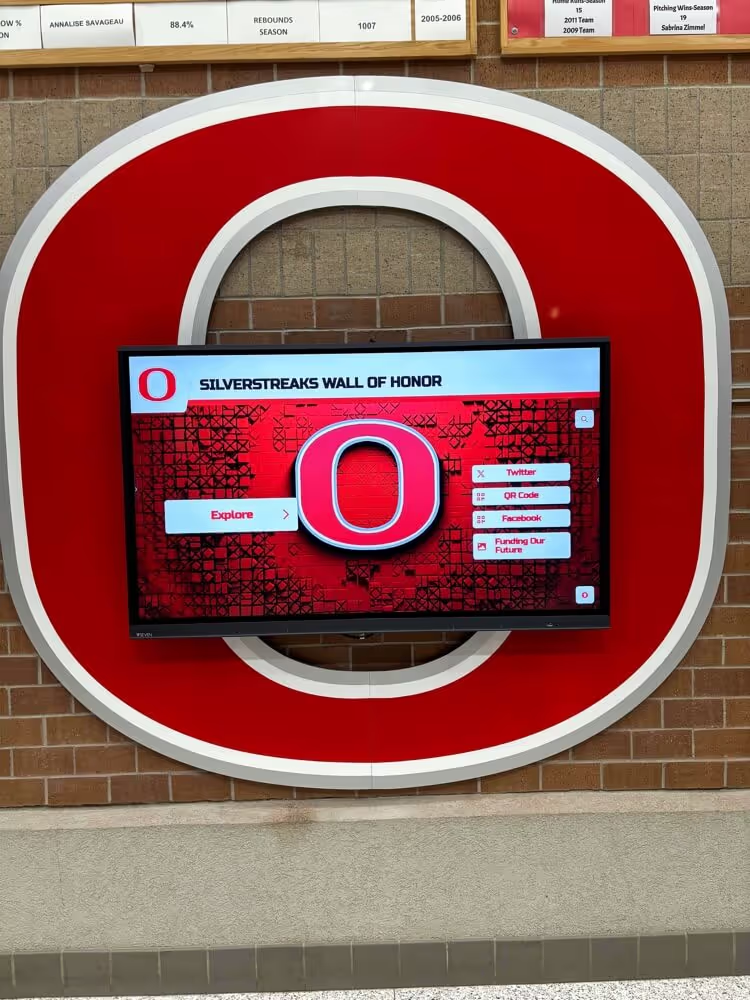
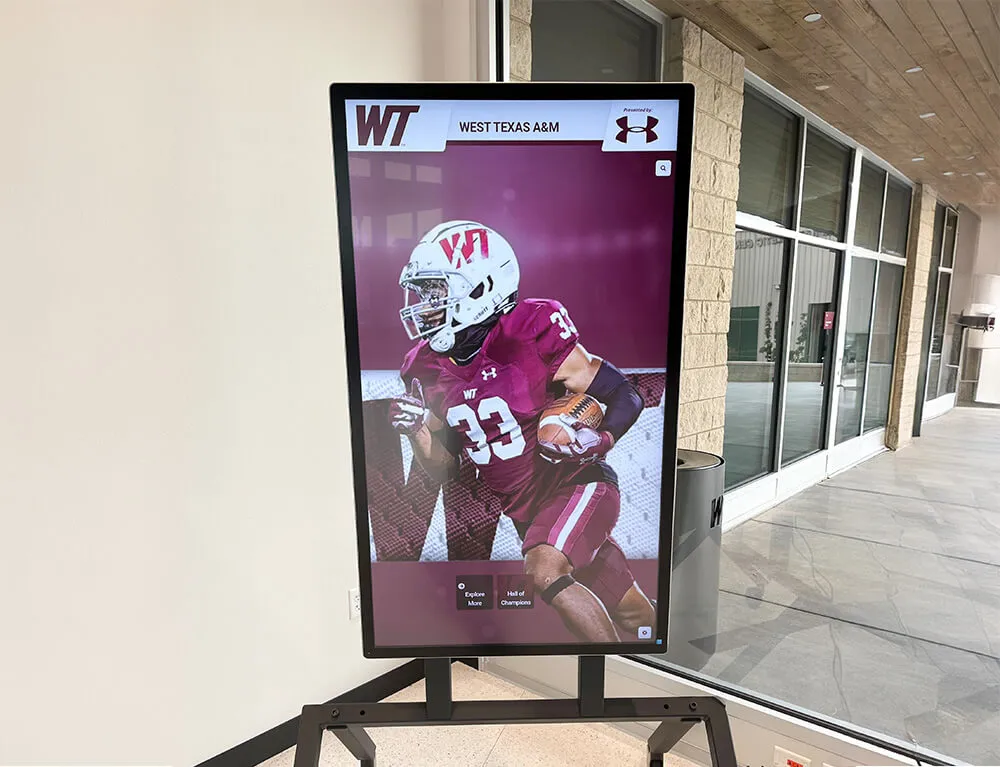
Free-standing kiosks provide flexible placement enabling hall of fame recognition throughout athletic and academic facilities
Traditional Hall of Fame Recognition Formats
Physical recognition methods offer tangible, ceremonial acknowledgment valued by inductees and communities.
Physical Plaques and Wall Displays
Traditional formats remain prevalent across basketball programs:
Individual Recognition Plaques
Standard plaque displays typically feature inductee photographs with career dates and brief achievement summaries, engraved nameplates in consistent formats maintaining visual unity, organizational logos and branding elements, mounting on dedicated walls in prominent facility locations, chronological or categorical organization enabling logical navigation, and professional quality materials demonstrating respect and permanence.
Physical plaques provide tangible recognition inductees and families deeply value for ceremonial significance and permanent visibility. However, space constraints eventually limit capacity as programs mature and inductee numbers grow across decades.
Composite Hall of Fame Walls
Rather than individual plaques, some programs create composite displays with unified designs featuring all inductees in integrated presentations. These displays offer cohesive visual aesthetic and efficient space utilization, flexibility to add inductees within existing footprint through pre-planned expansion capacity, thematic organization by era, achievement type, or chronology, and prominent facility placement creating impressive recognition focal points.
Composite approaches work well for newer programs anticipating substantial future growth but uncertain about long-term inductee volumes.
Trophy Cases and Physical Memorabilia
Comprehensive programs complement hall of fame plaques with memorabilia displays featuring game-worn jerseys from inducted players, championship trophies and team achievements, historical photographs documenting program evolution, equipment and artifacts preserving tangible heritage, and newspaper clippings and media coverage documenting historical recognition.
Physical artifacts create emotional connections traditional plaques alone cannot provide, enabling visitors to experience tangible items connecting them to program legends and historical achievements.
Learn about modern approaches combining traditional and digital elements through digital trophy case solutions that preserve physical recognition while adding interactive capacity.
Induction Ceremony Traditions
Formal ceremonies honor new inductees while celebrating program tradition:
Annual Induction Events
Dedicated recognition events create meaningful celebration:
- Formal banquet dinners with inductees, families, and community
- Recognition ceremonies with speeches and achievement presentations
- Video tributes documenting careers and contributions
- Induction gift presentations like rings, plaques, or commemorative items
- Community reception opportunities for networking and celebration
- Media coverage documenting recognition and sharing stories
Annual ceremonies create traditions community members anticipate, providing regular opportunities to celebrate basketball excellence and reinforce program values across generations.
Game-Day Recognition Opportunities
Many programs recognize inductees during competitive events:
- Halftime ceremonies at basketball games
- Pre-game introductions creating ceremonial visibility
- Court-side recognition during special rivalry or homecoming games
- Alumni game participation enabling continued connection
- Family participation creating memorable shared experiences
Game-day recognition ensures current athletes and broader audiences witness hall of fame inductions, reinforcing recognition prestige and competitive standards while creating memorable experiences for inductees.
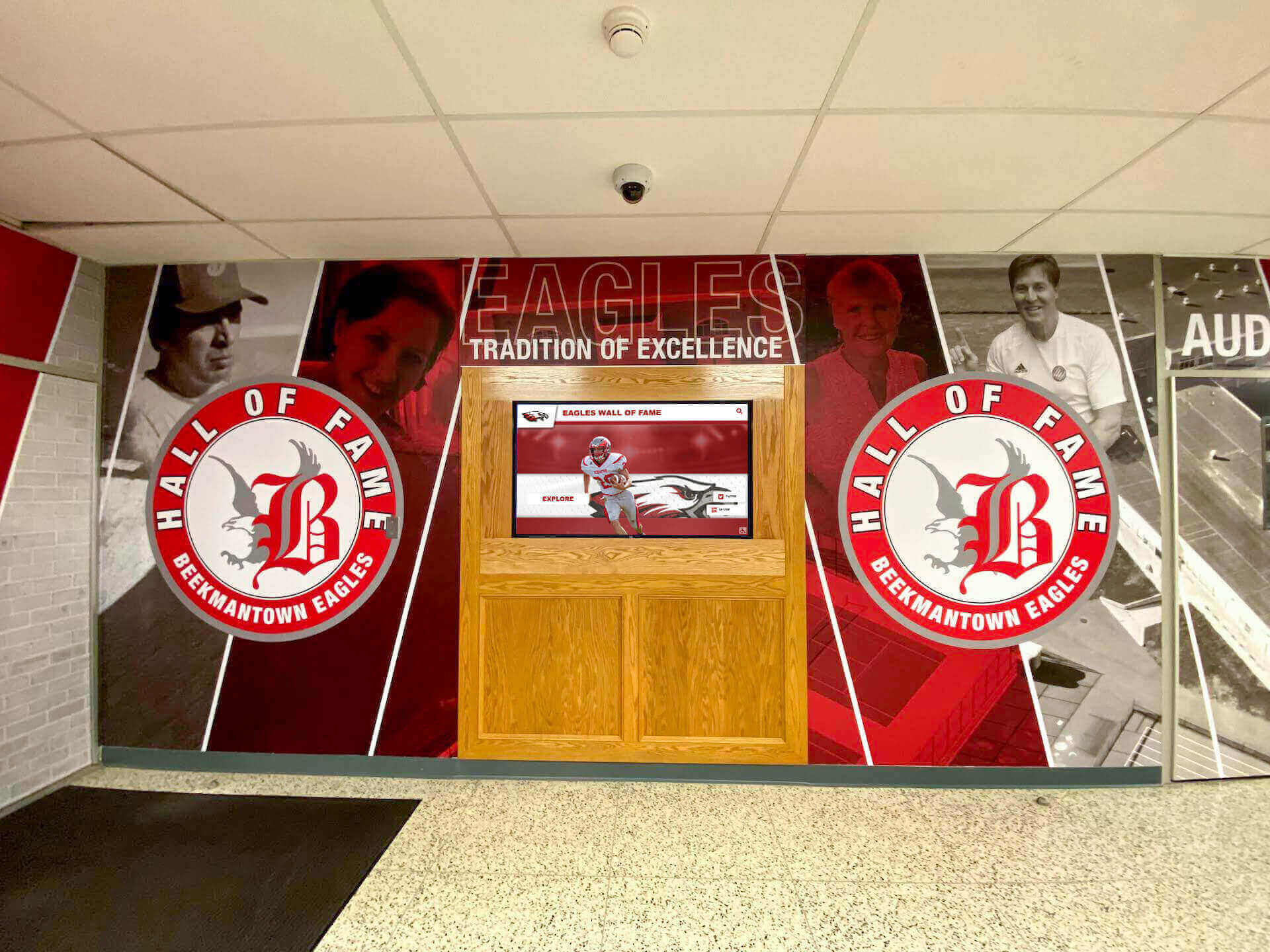
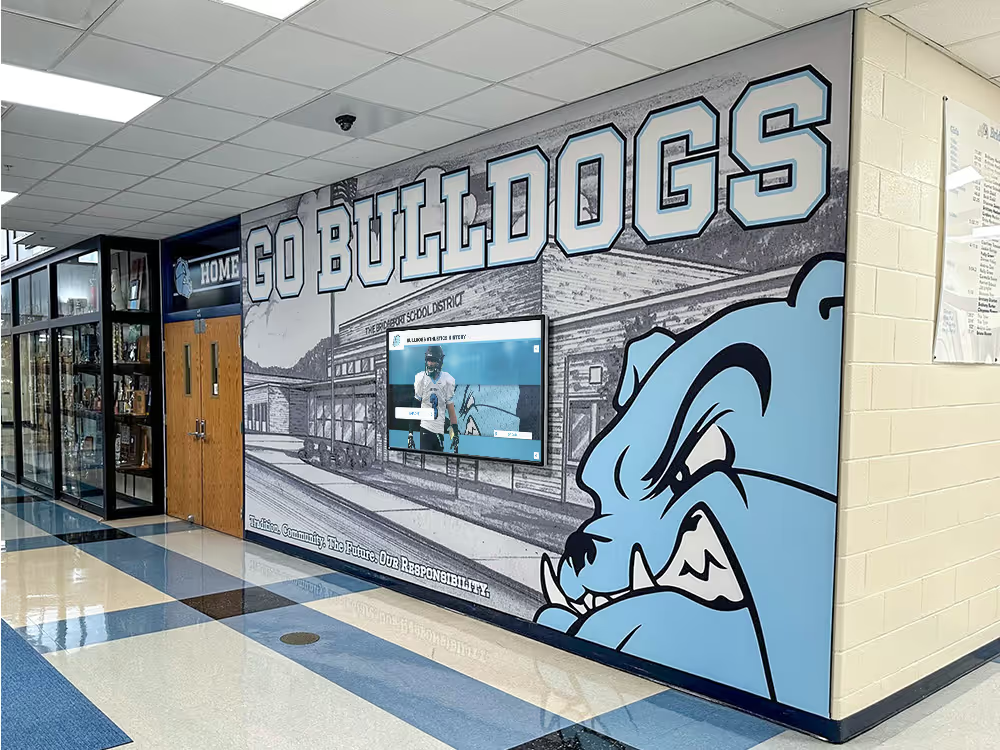
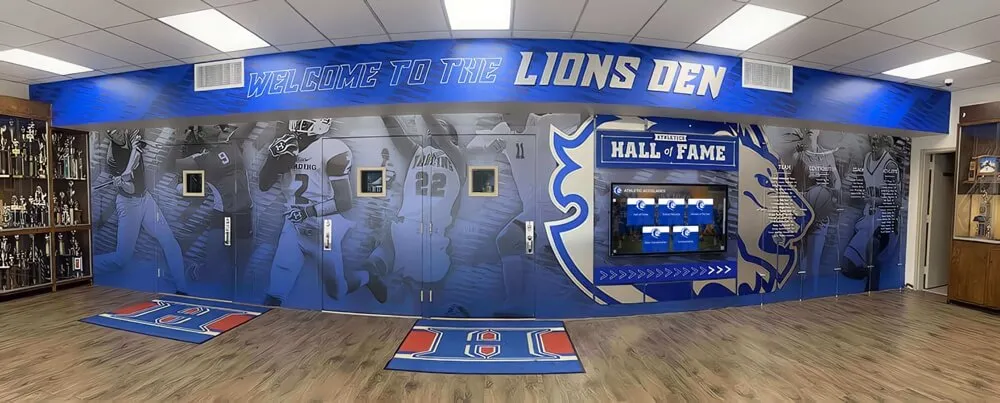
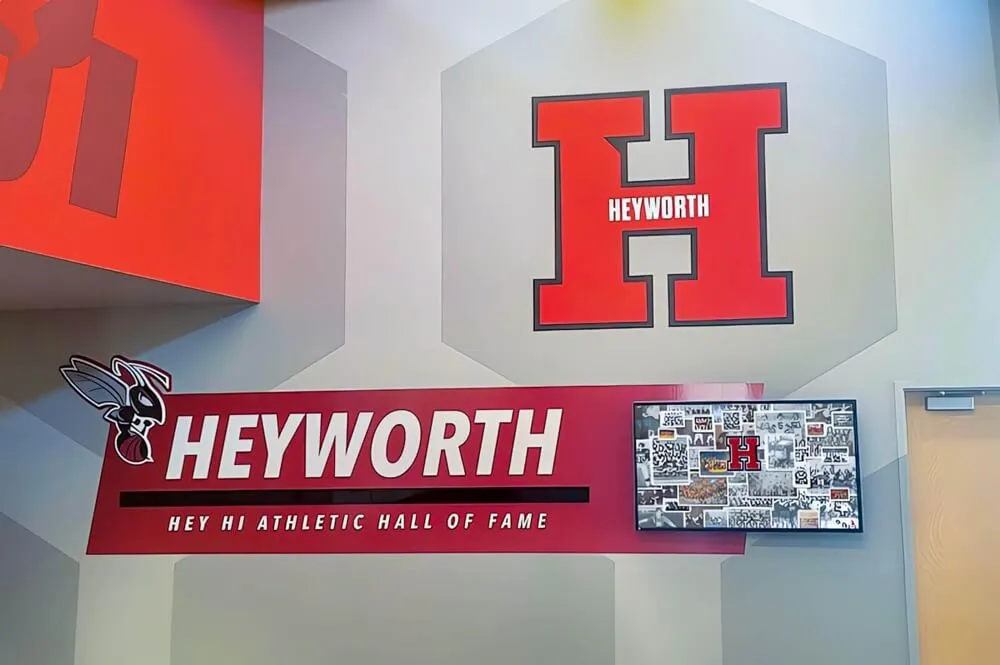
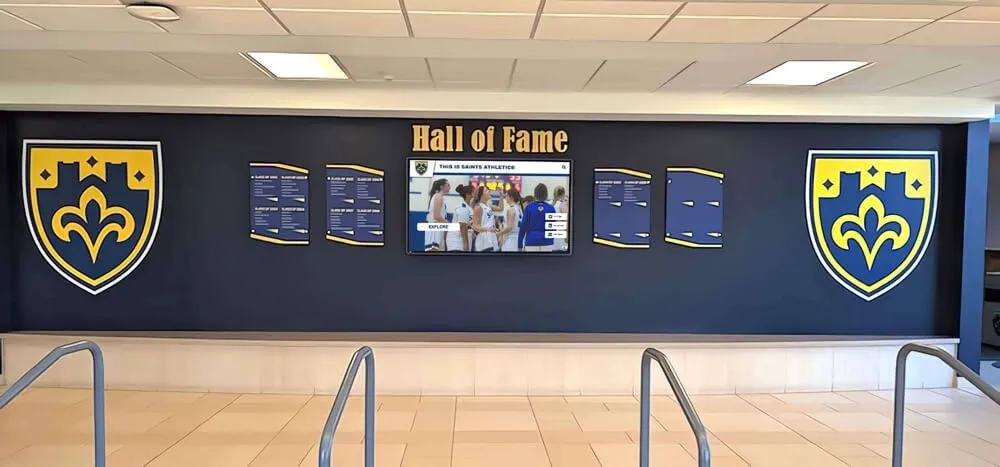
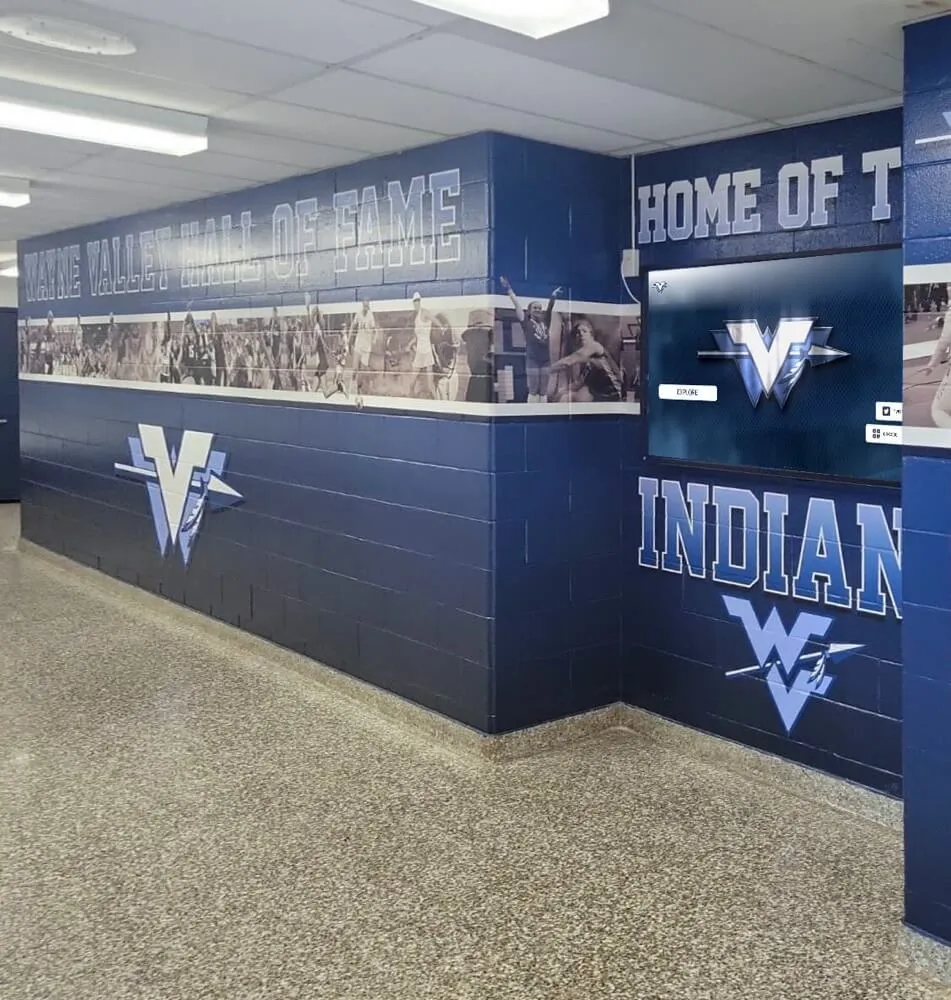
Artistic hall of fame installations combine aesthetic appeal with comprehensive recognition celebrating program tradition
Modern Digital Hall of Fame Solutions
Interactive technology addresses traditional limitations while creating engaging recognition experiences.
The Limitations of Traditional Recognition
Physical recognition faces inherent constraints that become problematic as programs mature:
Space Constraints Limiting Recognition Capacity
Every physical facility has finite wall space for plaque displays. As programs age and deserving candidates accumulate, organizations face difficult choices: remove older inductees to accommodate new honorees, expand into less prominent facility locations, or restrict induction frequency to slow capacity challenges. All options diminish recognition comprehensiveness or visibility.
Programs with 50+ years of competitive history often identify dozens or hundreds of induction-worthy individuals whose complete recognition exceeds available physical space—forcing difficult prioritization decisions that inevitably disappoint some constituencies.
Limited Content Capacity on Physical Plaques
Traditional plaques accommodate only brief text summaries—typically name, years active, and 2-3 sentence achievement descriptions. This minimal capacity cannot document complete careers, provide statistical context, explain significance within program history, share personal stories, or capture the multidimensional contributions that distinguish exceptional basketball careers.
Families often express disappointment that decades-long careers and complex contributions reduce to brief plaque text that feels inadequate given inductees’ actual impact and achievement scope.
Expensive, Slow Updates for Physical Displays
Physical plaque fabrication, installation, and modification require substantial time and expense. Adding new inductees typically requires professional engraving services, physical mounting with potential construction or renovation, and coordination with facilities staff and contractors. This process commonly takes 3-6 months and costs $200-$500+ per plaque.
These logistics prevent timely recognition following induction ceremonies and create administrative burden managing ongoing additions as programs continue recognizing excellence annually.
Static Content Without Engagement Features
Physical displays offer purely passive viewing experiences. Visitors read available text and move on—typically within 30-60 seconds per plaque. These brief interactions create minimal engagement compared to what’s possible with interactive, multimedia-rich recognition experiences that invite extended exploration and deeper learning about basketball legends.
Interactive Digital Recognition Platforms
Modern technology platforms address traditional limitations while creating superior recognition experiences:
Unlimited Recognition Capacity
Digital platforms showcase unlimited inductees without space constraints. Single touchscreen displays can present hundreds or thousands of detailed profiles while maintaining instant search and navigation enabling efficient content discovery. Organizations never face removal decisions or capacity limitations—every deserving honoree receives permanent, comprehensive recognition regardless of total inductee volume.
This unlimited capacity proves particularly valuable for comprehensive programs recognizing players, coaches, teams, and contributors across multiple categories spanning decades of organizational history.
Rich Multimedia Profile Content
Interactive displays support comprehensive inductee profiles including high-resolution photographs across career stages showing athletic evolution, complete career statistics with context and historical comparisons, video highlight compilations preserving signature performances, biographical narratives explaining backgrounds and achievement context, post-playing career updates documenting continued success and program connection, and personal reflections through recorded interviews sharing perspectives and memories.
This multimedia depth transforms simple name acknowledgment into compelling storytelling that creates emotional connections and lasting appreciation for inductee contributions across multiple dimensions.
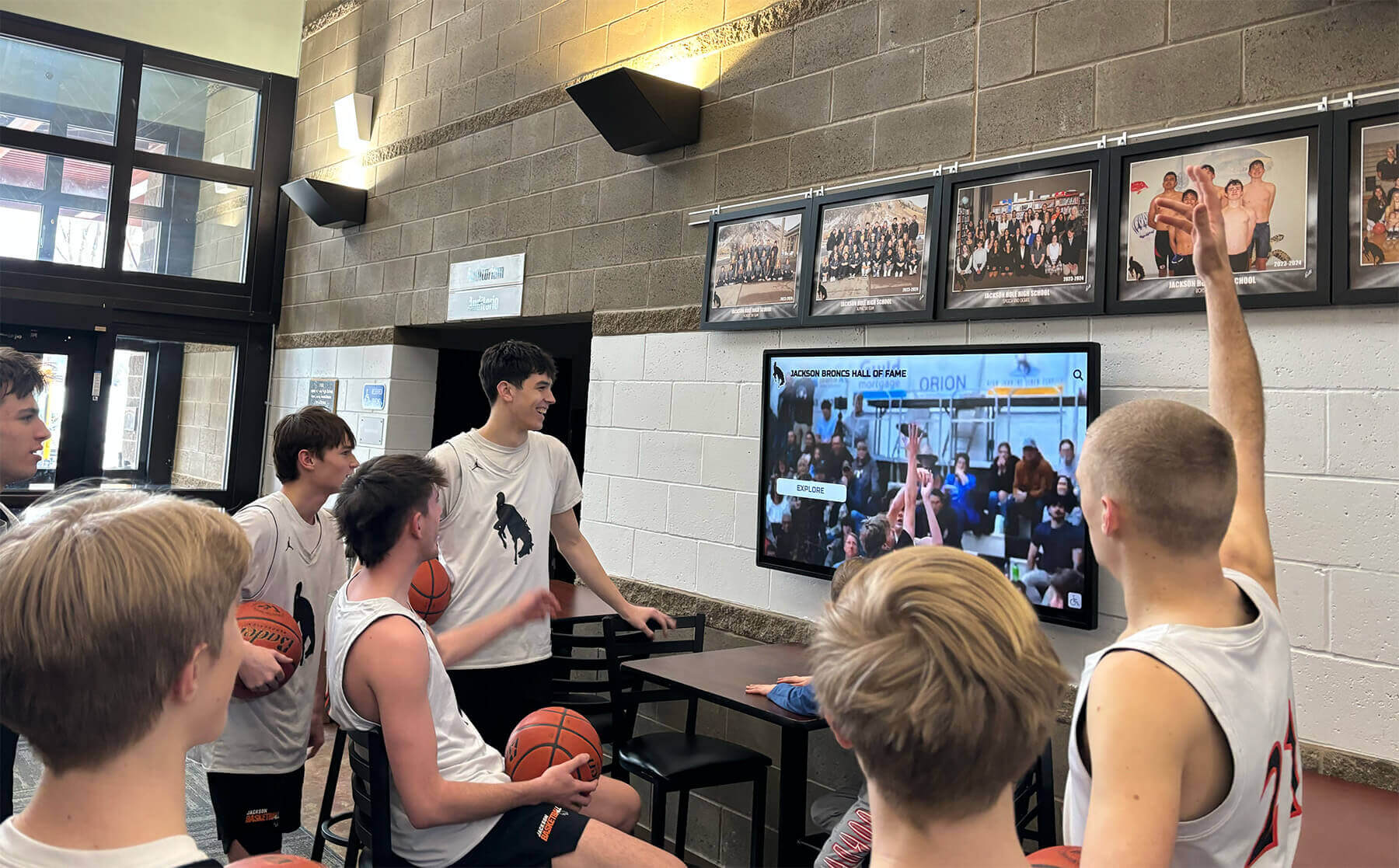
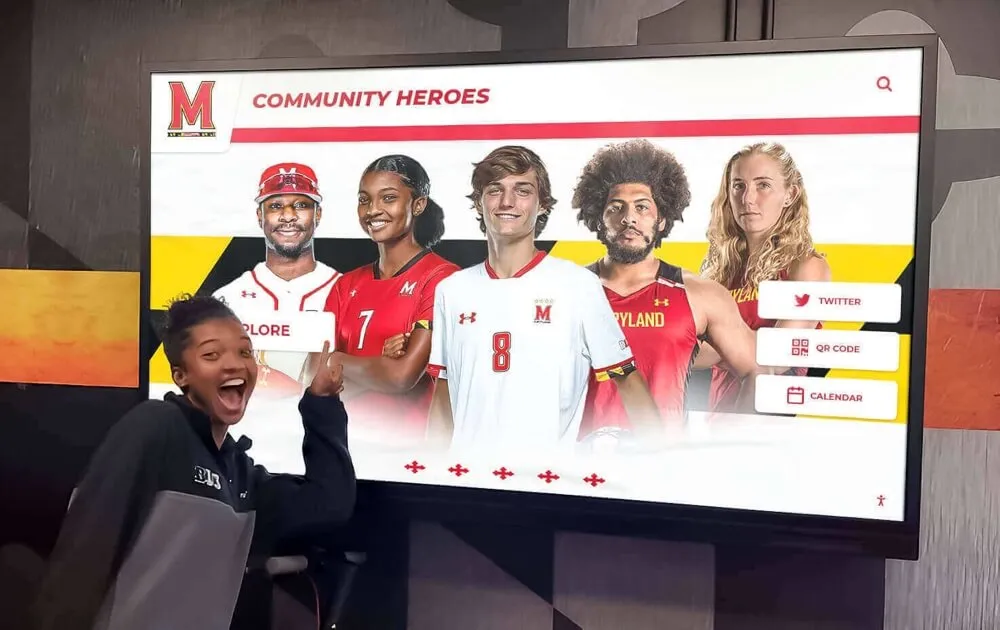
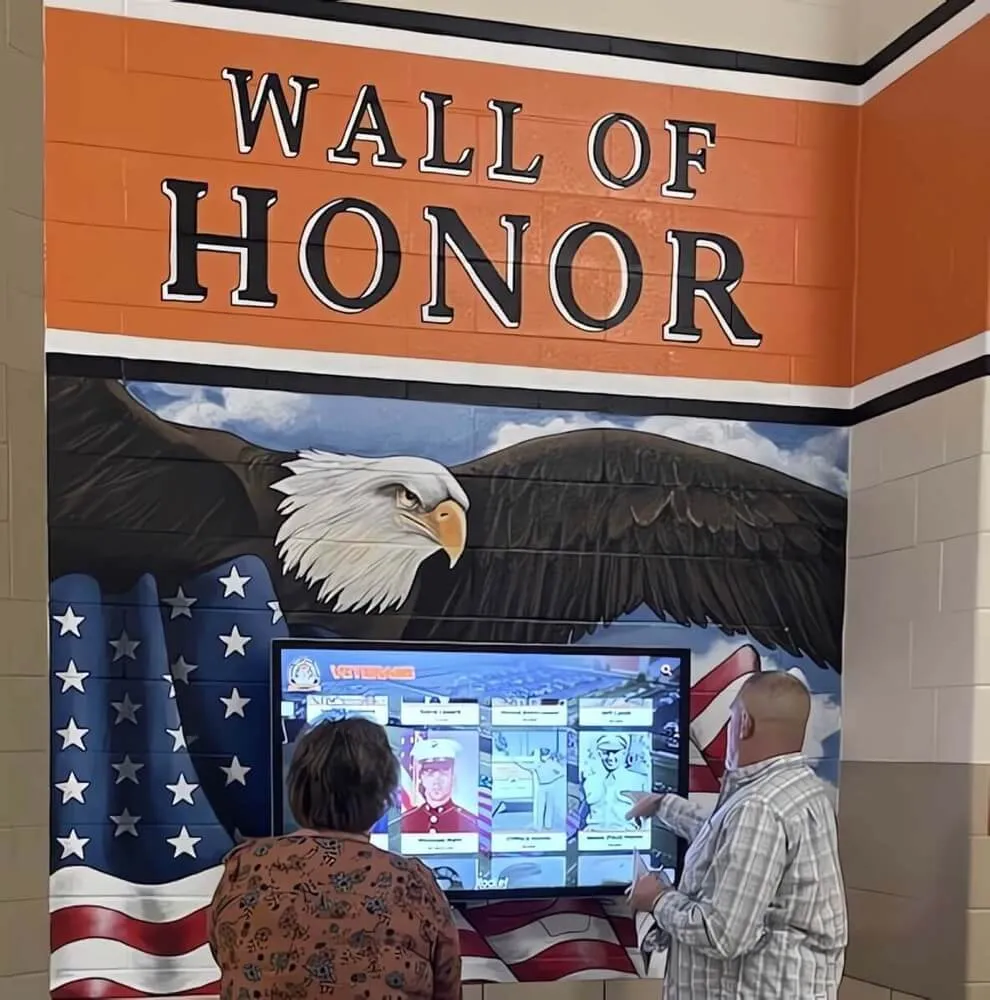
Group viewing experiences create shared appreciation for program tradition while providing entertainment value in athletic facilities
Engaging Interactive Exploration
Touchscreen functionality enables active engagement: comprehensive search capabilities finding specific inductees instantly, filtering by era, position, achievement type, or statistical criteria, detailed profile pages presenting complete career information, photo galleries with multiple images documenting athletic journeys, video content including highlights and recorded interviews, statistical leaderboards comparing achievements across eras, and comparison features showing relationships between inductees.
According to research on interactive touchscreen displays for schools, average engagement duration with digital recognition content exceeds 8-12 minutes—dramatically longer than the brief seconds typically spent viewing traditional static plaques.
Instant, Cost-Effective Updates
Cloud-based content management enables immediate recognition updates without construction or fabrication delays. When new inductees receive honor, administrators update digital displays within minutes through remote access—changes appearing immediately rather than requiring months-long physical modification processes.
This real-time capability ensures recognition remains perpetually current while eliminating ongoing costs associated with physical plaque fabrication, professional engraving, and installation coordination. Organizations report 60-75% cost reduction managing digital recognition compared to traditional physical systems.
Extended Recognition Through Web Access
Modern platforms extend recognition beyond physical locations through responsive web portals accessible worldwide. Alumni living far from program locations can explore hall of fame content remotely, families can share inductee profiles through social media, prospective athletes can research program tradition during recruitment, and media can access historical information for coverage—all extending recognition impact far beyond those visiting physical facilities.
Solutions like Rocket Alumni Solutions provide comprehensive digital platforms specifically designed for basketball hall of fame recognition, combining commercial-grade hardware with intuitive content management and engaging interactive features that transform how organizations honor basketball excellence.
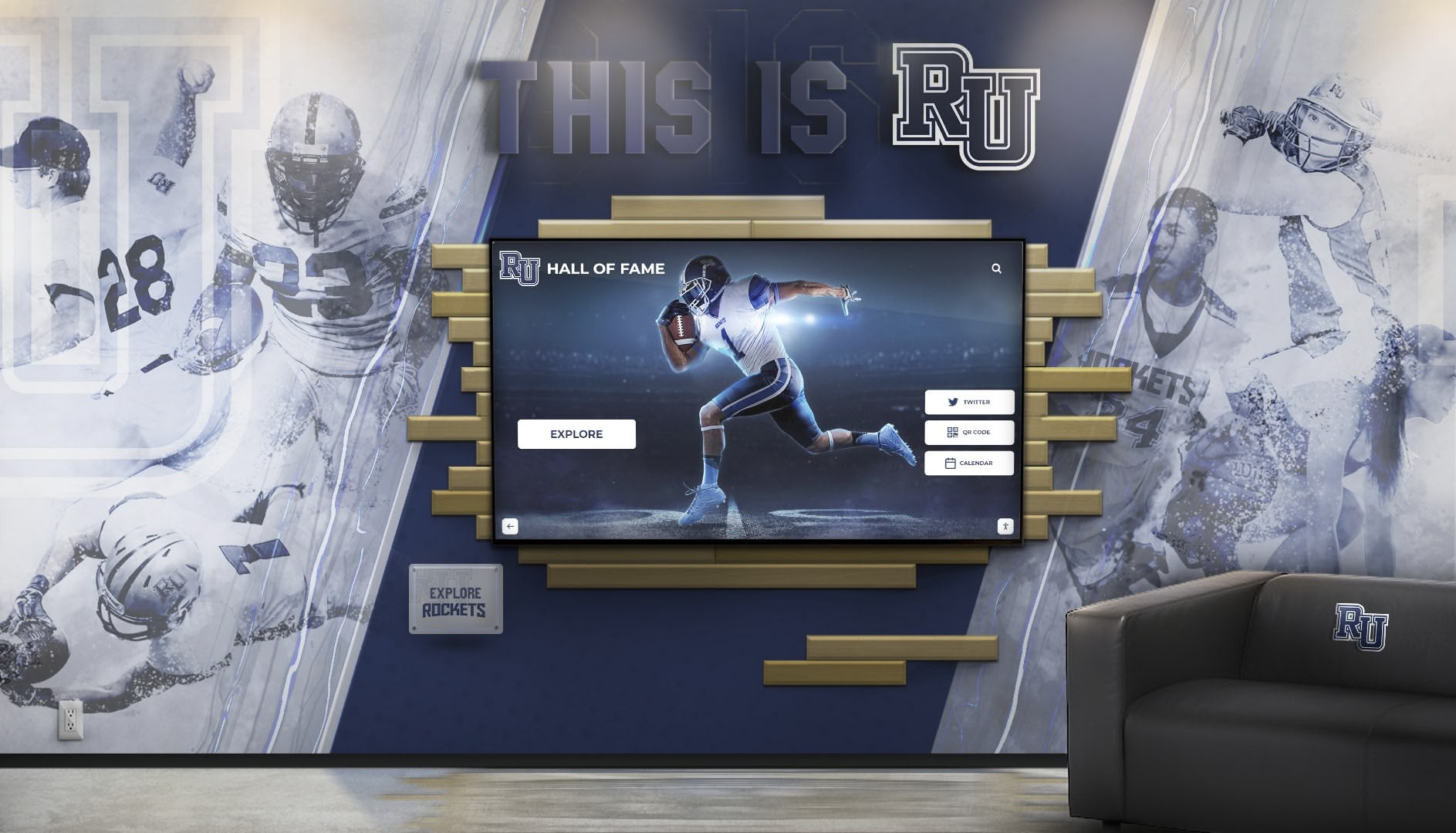
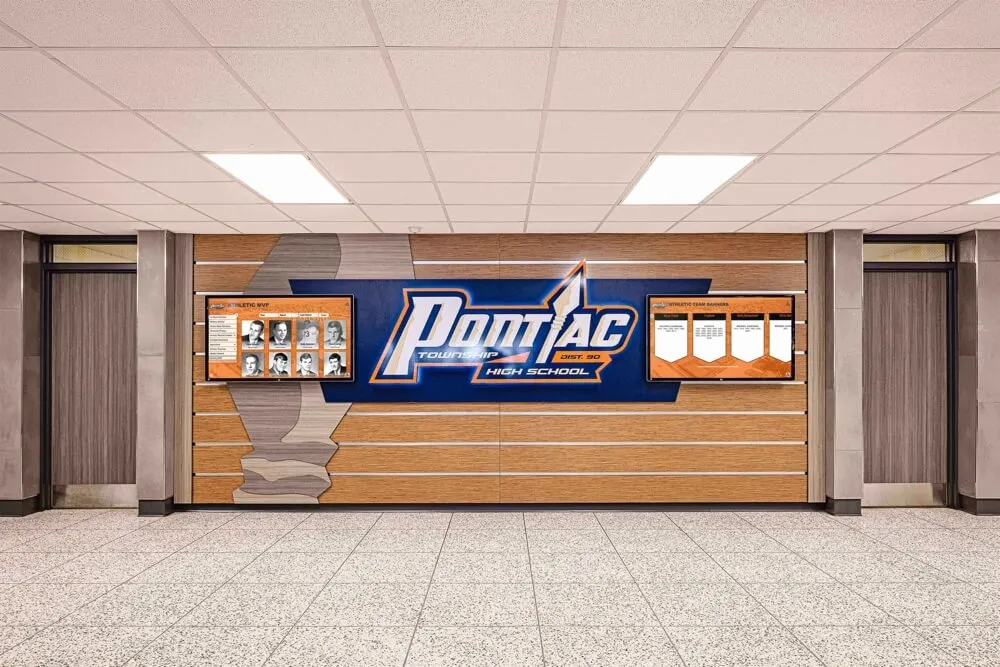
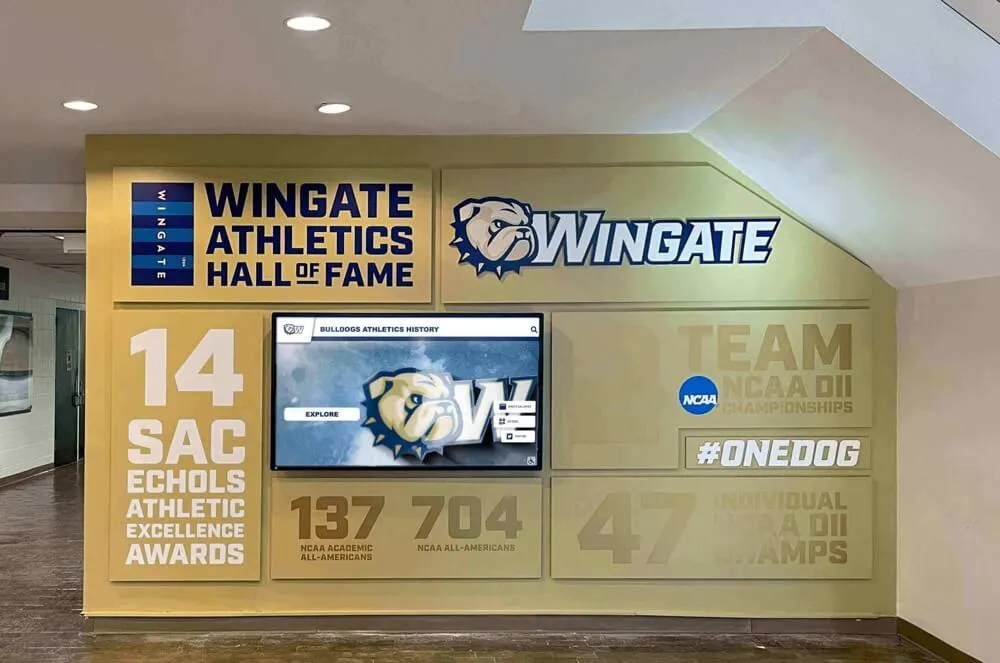
Integrated installations combine digital recognition with architectural elements creating comprehensive athletic celebration environments
Implementing Digital Basketball Hall of Fame Programs
Successful digital transitions require systematic planning addressing technical, content, and organizational dimensions.
Planning and Preparation Phase
Effective implementation begins with comprehensive planning:
Defining Program Goals and Scope
Articulate specific objectives guiding technology selection and implementation: comprehensive recognition for all historical inductees without capacity constraints, engaging interactive experiences encouraging extended visitor exploration, efficient content management enabling easy updates without technical expertise, web-based access extending recognition beyond physical facility locations, multimedia storytelling preserving complete basketball legacies, and integration with existing recognition supporting hybrid approaches combining digital and traditional elements.
Clear goals ensure technology selections and implementation approaches align with actual organizational needs rather than adopting generic solutions inadequately addressing specific basketball recognition requirements.
Historical Research and Content Compilation
Systematic research ensures comprehensive inductee documentation:
- Compile complete inductee lists across all recognition categories
- Verify biographical information and career dates through multiple sources
- Document statistical achievements through official records and media guides
- Collect photographs representing career stages and significant moments
- Identify available video footage capturing performances and interviews
- Record personal narratives through interviews with inductees and families
- Organize historical documents, newspaper coverage, and program materials
This research often reveals forgotten achievements and incomplete records requiring detective work through yearbooks, newspaper archives, and alumni networks to document complete program heritage accurately.
Budget Development and Funding Strategies
Digital recognition requires initial investment with substantial long-term value:
Hardware Components: Commercial-grade touchscreen displays ($8,000-$15,000 depending on size and specifications), secure mounting systems preventing theft and vandalism ($1,500-$3,000), protective enclosures for challenging installation environments ($2,000-$5,000).
Software Platform: Purpose-built recognition software with content management ($8,000-$20,000 annually depending on features and scale), customization reflecting organizational branding ($2,000-$5,000), integration with existing websites and systems ($1,000-$3,000).
Content Development: Historical inductee profile creation ($50-$150 per profile depending on complexity), professional photography and scanning ($2,000-$5,000), video production and editing ($3,000-$8,000), initial content migration and system setup ($2,000-$5,000).
Total initial investment typically ranges from $30,000-$75,000 depending on display quantity, inductee volume, content complexity, and customization requirements. While substantial, this investment typically proves more cost-effective than decades of traditional plaque fabrication and installation—particularly considering digital systems’ superior capacity, engagement, and update efficiency.
Funding strategies might include basketball alumni campaigns leveraging inductee networks, athletic booster organizations recognizing fundraising appeal, memorial giving opportunities honoring deceased legends, corporate sponsorships from local businesses, athletic fundraising integration within broader capital campaigns, and phased implementation starting with core features and expanding systematically.
Technology Selection and Installation
Choosing appropriate platforms ensures long-term program success:
Evaluating Digital Recognition Platforms
Assess solutions against essential criteria: commercial-grade hardware rated for continuous operation in high-traffic facilities, intuitive content management requiring minimal technical expertise, basketball-specific organization templates and layouts, comprehensive multimedia support including photos, videos, and statistics, robust search and filtering enabling efficient navigation, cloud-based architecture eliminating local server maintenance, mobile and web extensions reaching audiences beyond physical locations, proven implementation track record with athletic organizations, responsive customer support ensuring ongoing success, and flexible pricing accommodating various budget levels.
Purpose-built athletic recognition platforms like Rocket Alumni Solutions offer advantages over generic digital signage systems adapted for recognition purposes—specialized functionality addressing specific hall of fame requirements that general solutions inadequately support.
Strategic Facility Placement
Display location significantly impacts engagement and visibility:
- Main gymnasium entrance lobbies where all visitors naturally pass
- Athletic department corridors and administrative areas
- Concourse areas near basketball courts with natural gathering spaces
- Alumni center locations dedicated to graduate engagement
- Training facility entrances viewed daily by current athletes
- School main entrance lobbies ensuring whole-community visibility
Consider both traffic volume and audience composition—locations with modest total visitors but high alumni and athlete concentration often outperform higher-traffic areas where few viewers have basketball program connections.
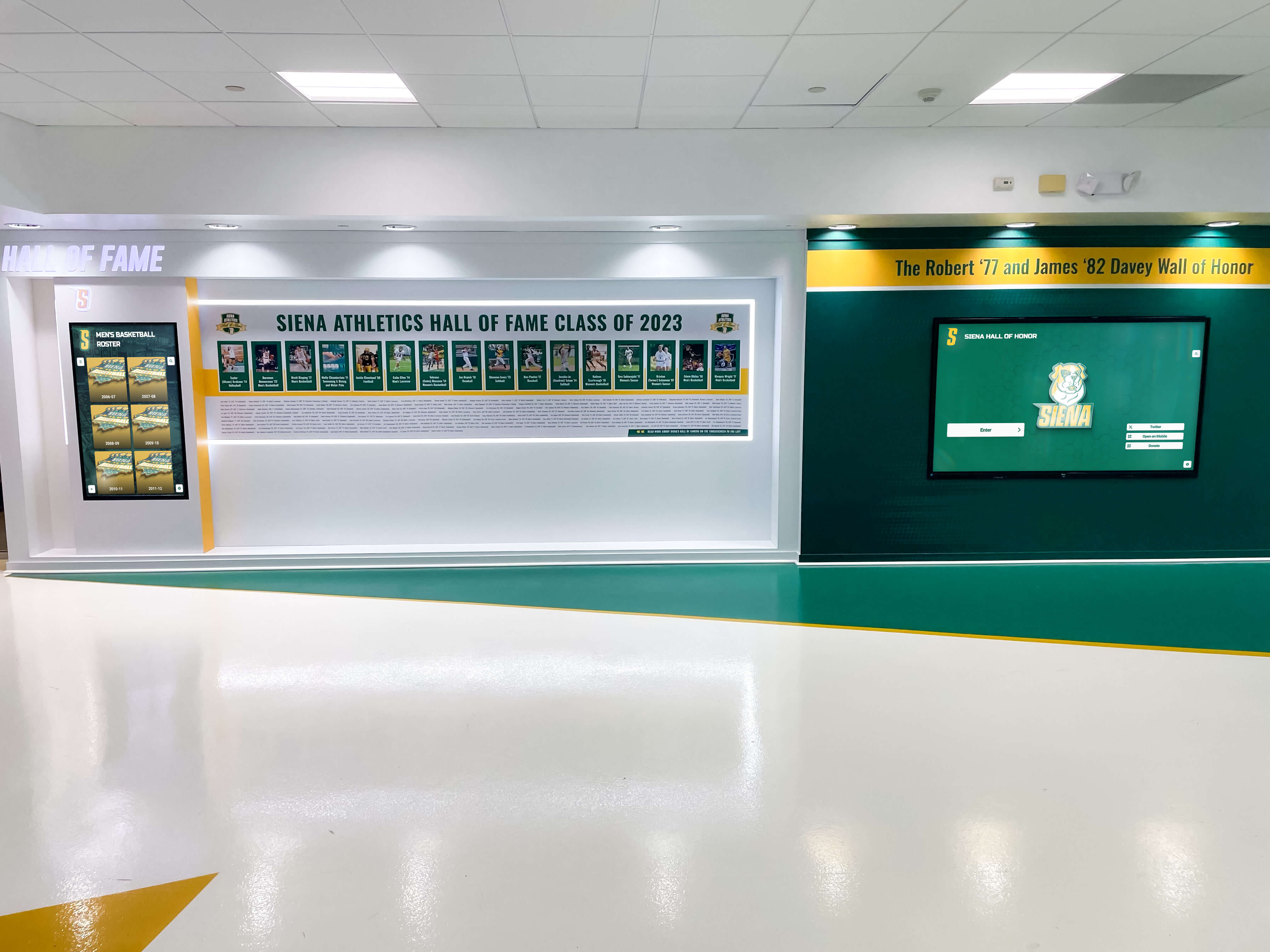
Professional installations in prominent locations ensure hall of fame recognition receives appropriate visibility and prestige
Professional Installation and Setup
Technical implementation ensures reliable operation:
- Secure mounting at appropriate viewing heights (48-60 inches to screen center)
- Dedicated electrical circuits with surge protection
- Hardwired network connectivity preferred over WiFi for reliability
- Professional cable management maintaining clean aesthetic
- Screen protection and anti-glare treatments optimizing visibility
- Comprehensive testing verifying all functionality before launch
Work with experienced installers familiar with commercial-grade display systems and athletic facility environments—ensuring installations withstand demanding conditions while maintaining professional appearance and reliable operation.
Content Development and Profile Creation
Comprehensive inductee profiles maximize recognition value:
Standard Profile Information Elements
Every inductee deserves thorough documentation including biographical details like graduation years and background information, position played and athletic roles, career statistics with seasonal breakdowns and context, team achievements including championships and significant seasons, individual honors such as all-conference selections and awards, memorable performances defining program tradition, post-playing career information including college and professional success, community contributions demonstrating ongoing program connection, and personal reflections through quotes or recorded interviews.
Standardized templates ensure consistency while allowing customization for unique individual stories and achievement profiles requiring different emphasis depending on contribution type and available documentation.
Multimedia Asset Creation
Rich content requires diverse format development:
- High-resolution photograph scanning from yearbooks and program archives
- Professional photo restoration for historical images showing age damage
- Video digitization converting analog footage to modern formats
- Highlight video editing creating compelling career compilations
- Interview recording preserving personal stories and reflections
- Document scanning capturing newspaper coverage and memorabilia
- Graphic design creating visual interest and professional polish
Quality multimedia development requires dedicated resources but dramatically enhances recognition impact compared to text-only approaches generating minimal visitor engagement or emotional connection.
Ongoing Content Enhancement
Recognition programs should evolve continuously:
- Add newly inducted members immediately following induction ceremonies
- Enhance existing profiles as new information becomes available
- Update biographical details reflecting post-playing achievements
- Incorporate additional photographs discovered in alumni collections
- Add video content as footage becomes available or technology improves
- Refresh design elements maintaining contemporary appearance
- Correct errors or outdated information identified through review
View your hall of fame as living program requiring sustained attention rather than one-time project completed at launch—ensuring recognition remains current, accurate, and comprehensive as institutional knowledge and content availability evolve.
Organizations implementing comprehensive recognition should explore digital recognition display best practices ensuring successful long-term programs.
Creating Hybrid Recognition Approaches
Optimal programs often combine traditional and digital elements leveraging strengths of both formats.
Combining Physical and Digital Recognition
Integrated approaches satisfy diverse stakeholder preferences:
Selective Physical Recognition for Premier Honors
Maintain traditional physical plaques for most prestigious recognitions:
- Retired jersey numbers receiving highest individual honor
- Championship team banners documenting program pinnacles
- Inaugural hall of fame class members establishing tradition
- Major donor recognition within hall of fame spaces
- Founders and pioneering figures holding special historical significance
Physical elements provide ceremonial gravitas and traditional permanence many constituencies value while reserving limited space for truly exceptional recognition deserving physical commemoration.
Comprehensive Digital Recognition for Complete Documentation
Leverage digital platforms for thorough recognition:
- Every hall of fame inductee receives detailed digital profiles
- Historical achievements predating formal induction programs
- Contributor recognition for coaches, administrators, and supporters
- Team accomplishments beyond championship seasons
- Season-by-season program history and development documentation
- Statistical record holders and achievement milestones
This hybrid approach satisfies stakeholders valuing traditional physical recognition while providing comprehensive digital documentation capturing complete basketball heritage impossible to achieve through physical displays alone.
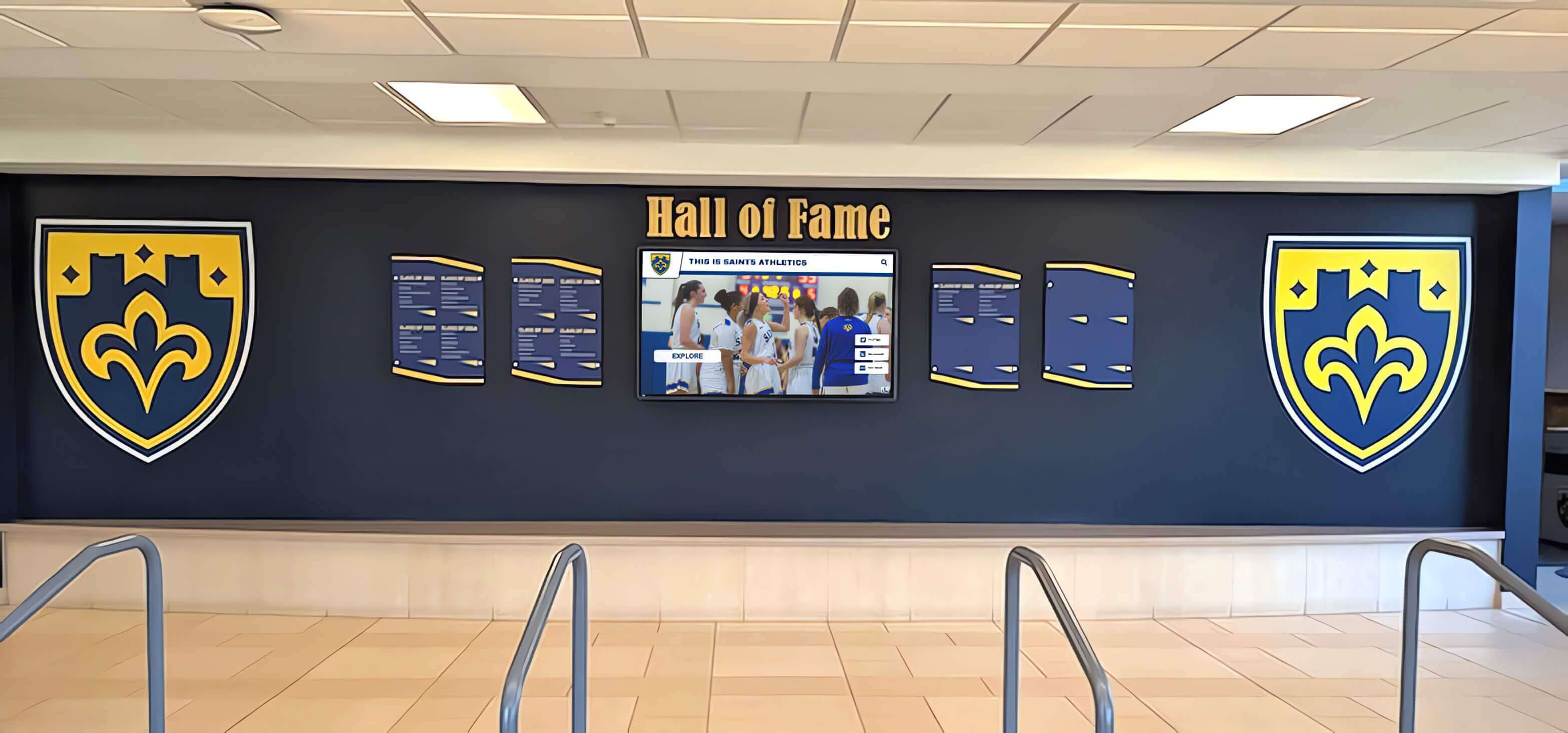
Blended recognition installations preserve traditional aesthetic elements while adding modern interactive capacity
Cross-Referencing Between Physical and Digital Displays
Create connections guiding visitors between formats:
- QR codes on physical plaques linking to detailed digital profiles
- Digital displays directing visitors to physical recognition locations
- Maps showing physical recognition throughout facilities
- Unified branding creating visual connections between formats
- Complementary content with physical plaques teasing digital depth
- Search functionality finding both physical and digital recognition
Seamless integration ensures visitors understand complete recognition ecosystem rather than perceiving physical and digital elements as separate, disconnected programs.
Balancing Tradition and Innovation
Change management ensures stakeholder support:
Respecting Traditional Recognition Values
Acknowledge concerns about technology adoption:
- Preserve existing physical recognition honoring past commitments
- Emphasize digital enhancement rather than replacement messaging
- Demonstrate how technology expands rather than diminishes recognition
- Involve inductees and families in planning maintaining their voice
- Provide traditional elements like certificates alongside digital recognition
- Honor ceremonial traditions maintaining emotional significance
Successful transitions frame digital adoption as expansion and enhancement rather than wholesale replacement of valued traditional approaches—building support among constituencies potentially skeptical about technological change.
Demonstrating Technology Benefits Tangibly
Help stakeholders experience digital advantages directly:
- Interactive demonstrations during planning and development
- Preview access for inductees and families before public launch
- Pilot installations gathering feedback before full implementation
- Success stories from similar programs demonstrating proven value
- Direct comparison showing digital capacity advantages
- Emphasis on permanence and accessibility matching physical recognition
When stakeholders interact with engaging digital recognition personally, concerns about technology appropriateness typically diminish as benefits become experientially obvious rather than theoretically abstract.
Discover comprehensive approaches to athletic wall of honor programs that successfully blend traditional and digital recognition elements.
Measuring Hall of Fame Program Success
Data-driven assessment ensures programs achieve intended objectives while identifying improvement opportunities.
Engagement Metrics and Usage Analytics
Digital platforms provide objective engagement data:
Visitor Interaction Measurements
Track recognition system usage through total interactions and unique visitor counts establishing baseline engagement, average session duration indicating content interest depth (target 6-12 minutes for basketball hall of fame content), interactions per session showing breadth of exploration across inductee profiles, peak usage times correlating with events and facility traffic, and repeat visitor percentages demonstrating sustained interest across multiple facility visits.
These metrics reveal whether recognition systems achieve meaningful engagement or simply occupy space without delivering substantial value to visitors exploring basketball heritage.
Content Performance Analysis
Identify which content resonates most powerfully: most-viewed inductee profiles revealing which basketball legends generate greatest interest, popular search terms showing what visitors seek when exploring recognition, navigation patterns indicating how visitors discover content through different pathways, video completion rates determining whether multimedia content maintains attention, photo gallery engagement assessing visual content effectiveness, and feature utilization rates showing which capabilities users value most.
Performance analytics guide content enhancement priorities—identifying inductees deserving enriched profiles, popular content types warranting expansion, and underutilized features requiring redesign or better promotion.
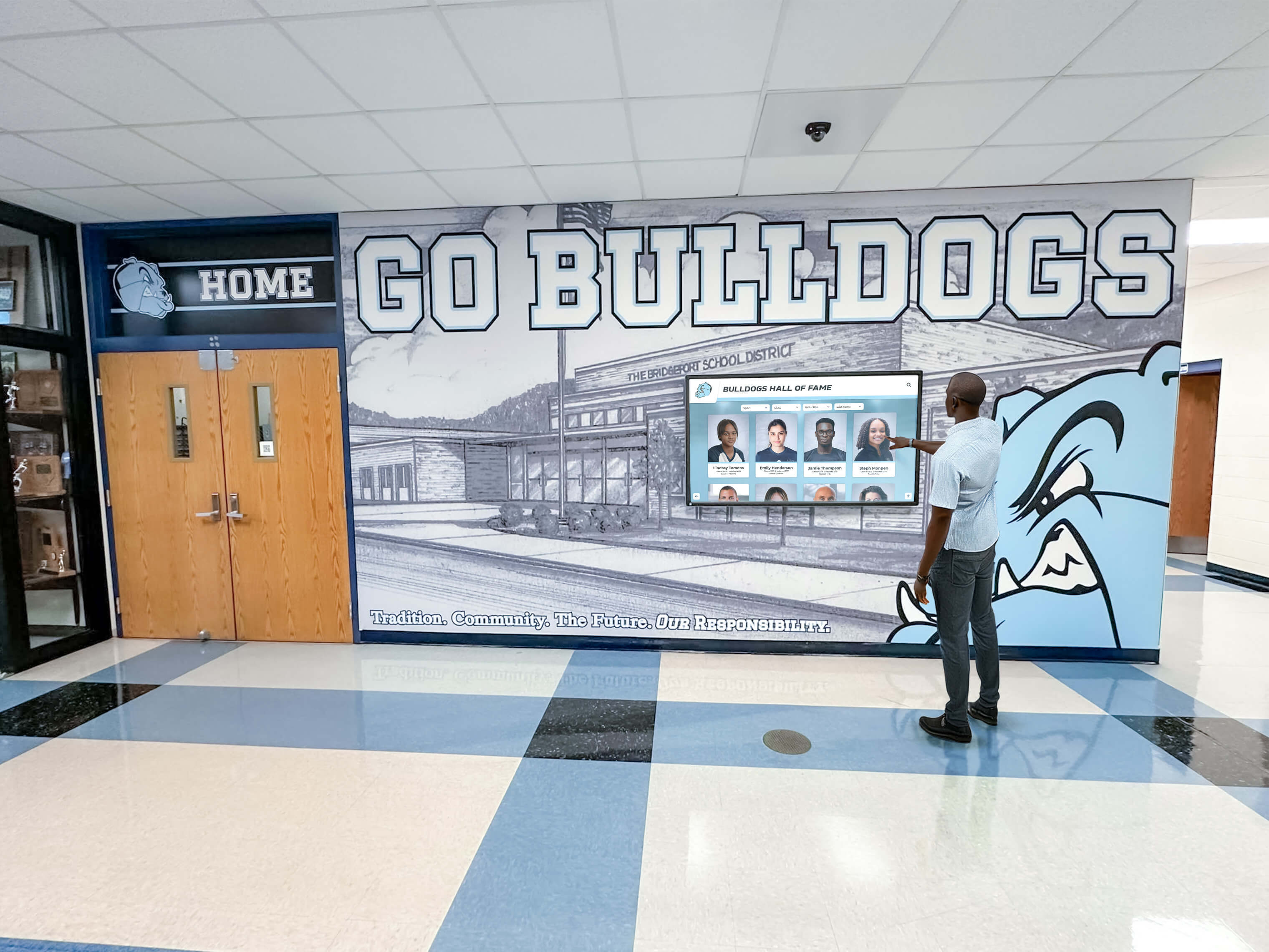
Natural interaction with recognition content demonstrates successful implementation creating genuine visitor engagement
Community Impact Assessment
Beyond usage metrics, evaluate broader program outcomes:
Alumni Engagement Indicators
Measure recognition program influence on graduate connection:
- Alumni attendance at induction ceremonies and basketball events
- Social media engagement with hall of fame content and announcements
- Alumni giving participation and donation levels
- Volunteer involvement in program activities and mentorship
- Alumni network growth and communication engagement
- Inductee participation in current program activities
Hall of fame programs that successfully strengthen alumni engagement generate value extending far beyond simple recognition—creating active network assets supporting recruitment, fundraising, mentorship, and program reputation.
Current Athlete Motivation and Performance
Assess recognition influence on competitive program: athlete awareness of program tradition and hall of fame standards, goal-setting incorporating recognition-worthy achievement targets, performance trends in recognized achievement categories, athlete testimonials about motivation and inspiration sources, recruiting appeal citing tradition and recognition during commitment decisions, and program culture reflecting recognition values and standards.
The most successful programs report current athletes actively pursuing hall of fame-worthy careers because visible recognition makes these aspirational goals tangible and achievable rather than abstract distant possibilities.
Program Reputation and Community Perception
Evaluate external recognition impact:
- Media coverage of induction ceremonies and program tradition
- Community awareness of basketball excellence and program history
- Facility tour feedback from visitors and recruits
- Comparative perception versus peer programs and competitors
- National recognition platform visibility and search presence
- Recruiting effectiveness citing tradition and recognition systems
Comprehensive recognition programs enhance organizational reputation by demonstrating commitment to honoring excellence and preserving heritage—signals distinguishing programs from competitors lacking similar recognition infrastructure and institutional pride.
Learn about comprehensive measurement approaches through digital hall of fame success metrics applicable to basketball recognition programs.
Special Considerations for Different Organization Types
Basketball hall of fame programs require customization based on organizational context and competitive level.
High School Basketball Hall of Fame Programs
Secondary school programs face unique considerations:
Balancing Academic and Athletic Recognition
High schools must integrate basketball recognition within broader recognition ecosystems including academic achievement programs, fine arts and extracurricular honors, community service recognition, and whole-student development philosophy. Basketball hall of fame programs should complement rather than overshadow other recognition types—ensuring athletic excellence receives appropriate celebration without creating imbalanced emphasis in comprehensive educational environments.
Limited Resources and Volunteer Administration
High school programs typically operate with constrained budgets and volunteer or part-time athletic administration. Recognition systems must accommodate these realities through affordable implementation options, minimal ongoing maintenance requirements, intuitive management requiring no specialized technical expertise, and sustainable operations fitting within existing administrative capacity without creating unsustainable burden.
Digital solutions often prove particularly valuable for high schools by eliminating expensive ongoing plaque fabrication costs while providing professional-quality recognition matching larger organizations’ programs despite resource disparities.
Multi-Sport Recognition Integration
Rather than basketball-specific programs, many high schools implement comprehensive athletic halls of fame honoring excellence across all sports. Integrated approaches create unified athletic recognition celebrating diverse achievement while managing limited facility space and administrative resources efficiently through shared infrastructure supporting all athletic programs simultaneously.
Explore high school basketball scoring records recognition as specific example of achievement documentation within broader hall of fame programs.
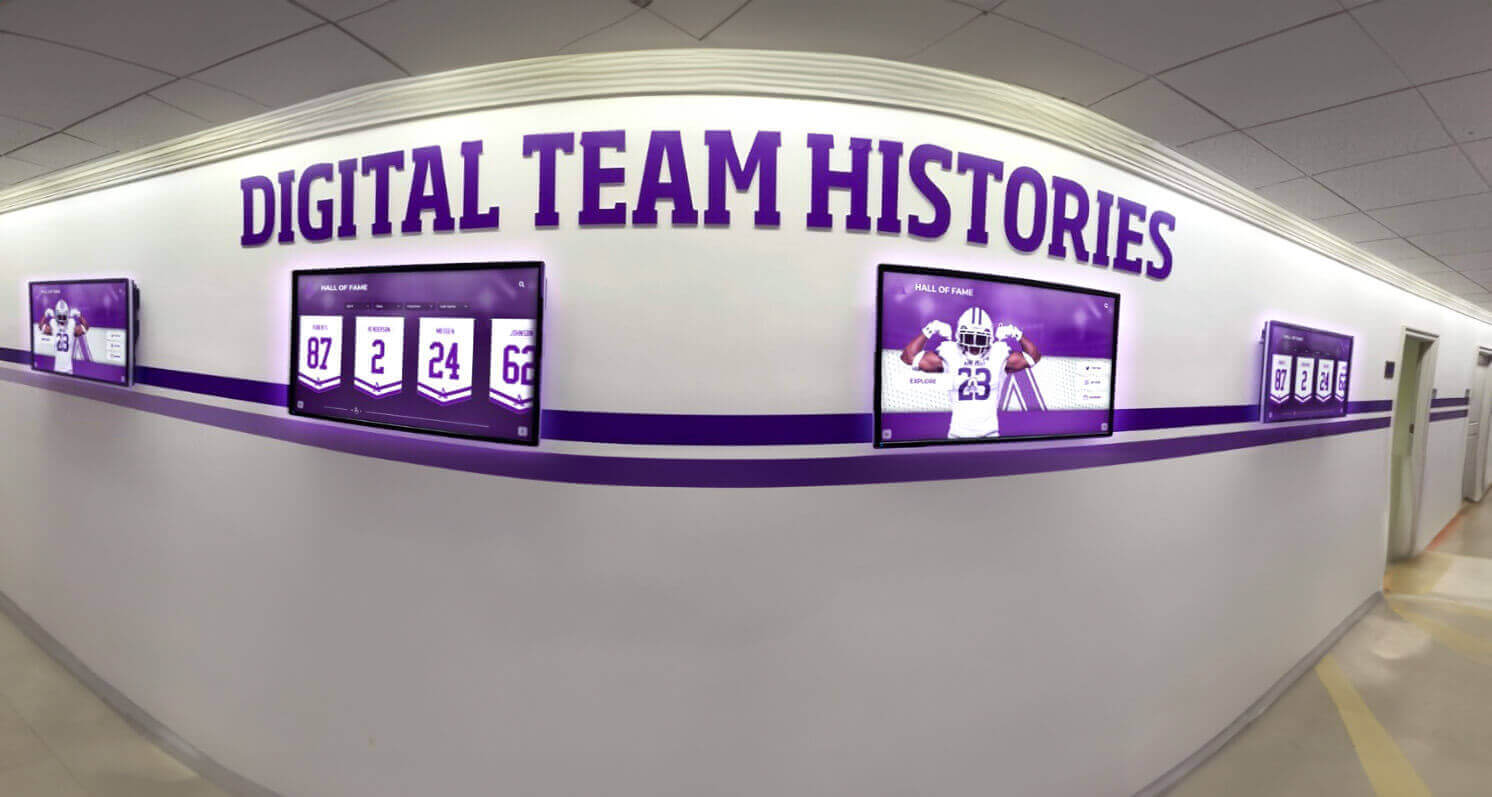
Multi-display installations throughout athletic facilities ensure comprehensive recognition reaching diverse audiences across entire campus communities
College and University Basketball Recognition
Higher education programs require different approaches:
Multiple Recognition Tier Management
Colleges often maintain several recognition levels:
- Premier athletics hall of fame honoring greatest program legends
- Letter winner recognition celebrating all varsity athletes
- Achievement milestone recognition documenting specific accomplishments
- Championship team recognition honoring successful squads
- Conference and national award winners receiving special acknowledgment
Effective systems organize these tiers coherently ensuring visitors understand recognition hierarchy while accessing appropriate content efficiently through clear navigation and logical information architecture.
Athletic Department Advancement Integration
University recognition programs integrate with fundraising operations: donor recognition connecting philanthropic support to competitive excellence, capital campaign coordination aligning facility projects with recognition enhancements, alumni engagement strategies leveraging recognition for relationship building, major gift cultivation incorporating facility tours highlighting recognition, and legacy giving programs connecting estate planning with permanent recognition opportunities.
This advancement integration ensures hall of fame programs support broader organizational development objectives beyond simple achievement acknowledgment.
NCAA Compliance Considerations
College recognition must observe regulatory requirements: name, image, likeness rules governing commercial use, recruiting regulation compliance during prospect facility tours, student-athlete benefits limitations preventing inappropriate inducements, and institutional control maintaining appropriate athletics oversight.
Compliance officers should review recognition programs ensuring celebration approaches align with regulatory requirements specific to college athletics governance.
Discover Division I athletics digital recognition approaches addressing unique considerations for major college basketball programs.
Youth and Community Basketball Organizations
Grassroots programs benefit from recognition traditions:
Accessible Recognition for Developing Programs
Youth basketball organizations often lack facilities, budgets, and administrative infrastructure supporting traditional hall of fame programs. However, recognition remains valuable for building program culture and honoring contributors establishing organizational foundations.
Budget-friendly approaches include web-based recognition without physical displays initially, simple plaque programs focusing on founding members and early achievers, digital photo galleries documenting program history, social media recognition campaigns celebrating current and historical excellence, and annual awards ceremonies honoring outstanding seasons and contributions.
As programs mature and resources grow, youth organizations can expand recognition systems incorporating more comprehensive approaches including physical displays when facilities develop supporting infrastructure.
Inclusive Recognition Philosophies
Community programs often emphasize participation and development over elite competitive achievement. Recognition programs should reflect these values through participation milestone acknowledgment, improvement and effort recognition beyond pure statistical achievement, coaching and volunteer appreciation honoring adult leadership, sportsmanship and citizenship awards reflecting character values, and team accomplishment celebration emphasizing collective success.
These inclusive approaches build positive youth sports cultures where recognition inspires continued participation and personal growth rather than creating exclusive hierarchies discouraging developing athletes who may not achieve elite competitive standards.
Conclusion: Building Basketball Recognition That Inspires Excellence
Basketball hall of fame programs represent far more than achievement lists or facility decoration—they embody organizational commitment to honoring excellence, preserving heritage, inspiring current athletes, and building lasting connections between past achievement and future aspiration. From the prestigious Naismith Memorial Basketball Hall of Fame celebrating the sport’s greatest icons through high school programs honoring local legends who exemplify competitive dedication and community values, comprehensive recognition creates culture where excellence receives celebration matching its significance.
The strategies explored throughout this guide provide frameworks for creating basketball hall of fame programs that effectively serve multiple constituencies: inductees receiving recognition honoring their contributions permanently, current athletes gaining inspiration and aspirational goals through visible excellence examples, alumni maintaining lifelong program connections through celebration of shared tradition, communities building pride around local basketball heritage and competitive excellence, and organizations documenting institutional memory preserving heritage across leadership transitions and generational change.
Transform Your Basketball Hall of Fame Recognition
Discover how modern digital recognition solutions can help you honor every inductee with comprehensive profiles, engaging multimedia content, and unlimited capacity that traditional plaques cannot provide.
Explore Recognition SolutionsModern digital technology has fundamentally transformed what’s possible in basketball hall of fame recognition. Organizations no longer face impossible choices between comprehensive recognition and limited physical space. Interactive platforms provide unlimited capacity documenting every deserving inductee through detailed profiles, rich multimedia content, and engaging exploration features creating meaningful visitor experiences impossible with traditional static plaques. Cloud-based management enables instant updates maintaining perpetually current recognition, while web extensions reach audiences worldwide unable to visit physical facilities regularly.
Whether establishing new basketball hall of fame programs, revitalizing existing recognition systems that have outgrown traditional formats, or exploring how modern technology can enhance celebration of your program’s greatest contributors, the principles and strategies outlined here provide roadmaps for creating recognition that truly honors basketball excellence while serving broader organizational missions around tradition preservation, athlete inspiration, and community engagement.
Your basketball legends—players who achieved extraordinary statistical accomplishments, coaches who built championship cultures, administrators who established competitive infrastructure, and contributors who enabled program sustainability—deserve recognition matching the significance of their contributions. With clear selection criteria ensuring fairness and credibility, thoughtful recognition formats combining traditional and digital elements, comprehensive content documenting complete legacies, and sustained commitment to program vitality and enhancement, you can create basketball hall of fame recognition that preserves the past, celebrates the present, and inspires the future excellence that will define your program’s continuing tradition.
Ready to elevate your basketball recognition program? Explore comprehensive digital hall of fame platforms enabling unlimited recognition capacity. Learn about athletic building digital touchscreen systems that integrate hall of fame recognition with broader team history documentation. Discover state championship recognition strategies celebrating team excellence alongside individual achievement. And understand how NBA arena digital hall of fame systems demonstrate recognition best practices applicable across all competitive levels from professional through youth basketball programs.
Your basketball hall of fame should inspire everyone who encounters it—honoring past excellence, celebrating present achievement, and inspiring future greatness that will extend your program’s proud tradition for generations to come.