



Athletic directors, facilities managers, and parents installing home courts ask the same fundamental question: what is the correct basketball hoop height? The answer depends entirely on who’s playing. While the iconic 10-foot rim height dominates professional basketball and high school gymnasiums, youth leagues, adaptive programs, and even some international competitions use different standards optimizing play for various age groups, skill levels, and physical capabilities.
Understanding official basketball hoop height regulations ensures compliance for competitive play, prevents costly reinstallation after discovering incorrect measurements, optimizes player development by matching rim height to appropriate developmental stages, and creates safe playing environments meeting governing body standards. Whether you’re planning a multi-million dollar gymnasium renovation, installing backyard basketball courts, or simply curious about the standards governing basketball at different levels, this comprehensive guide covers every official measurement you need to know.

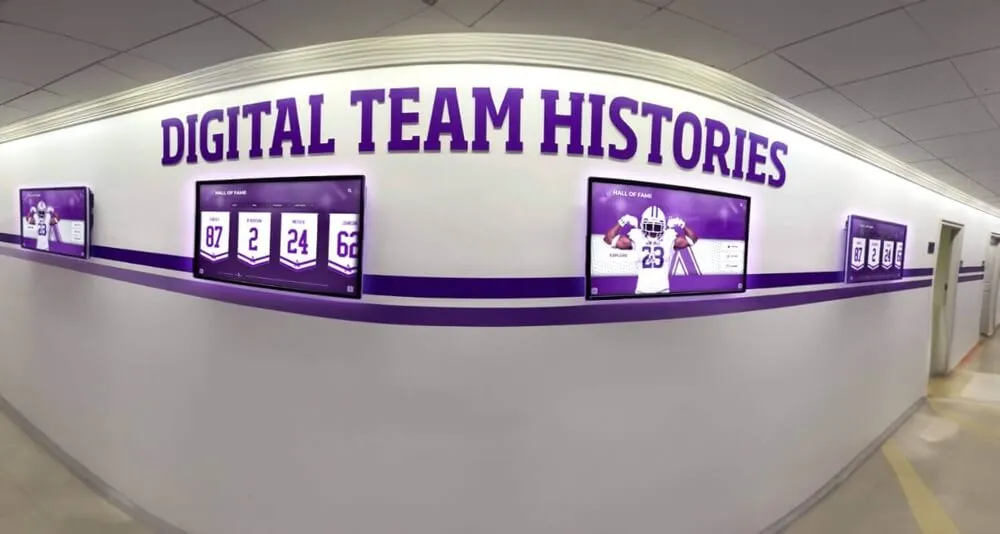
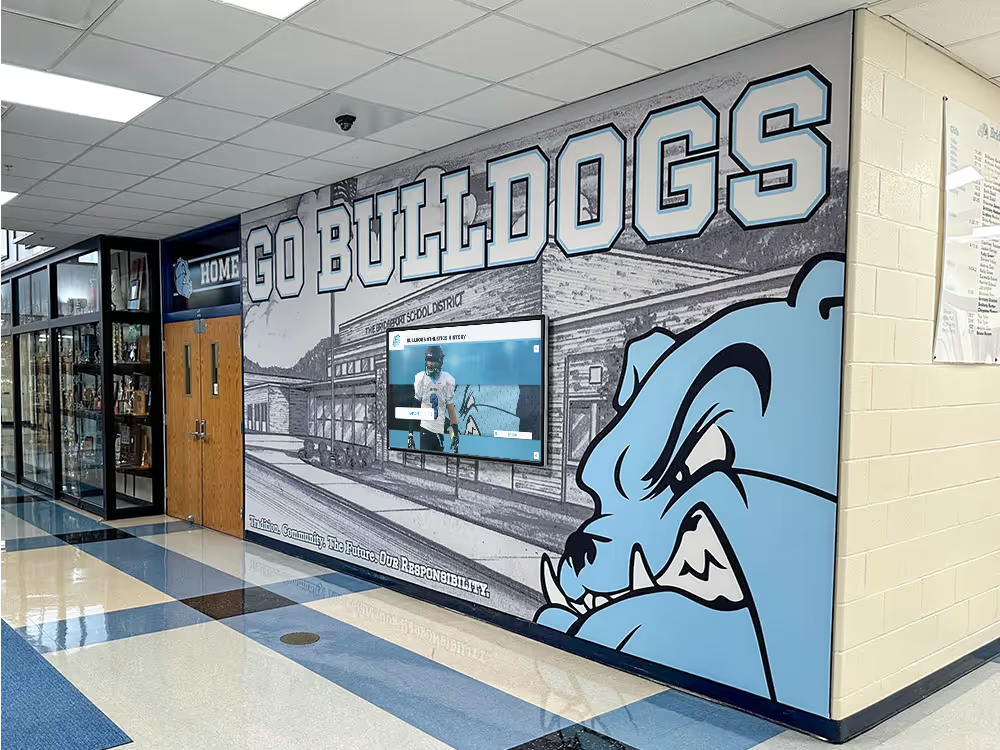
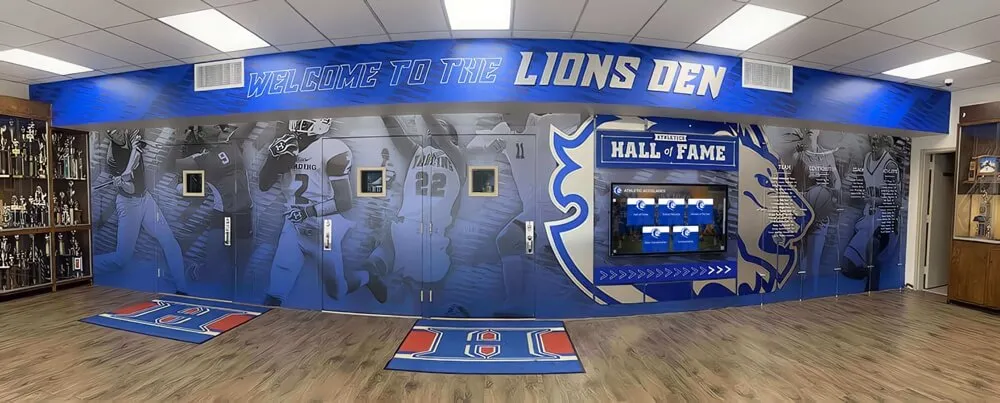
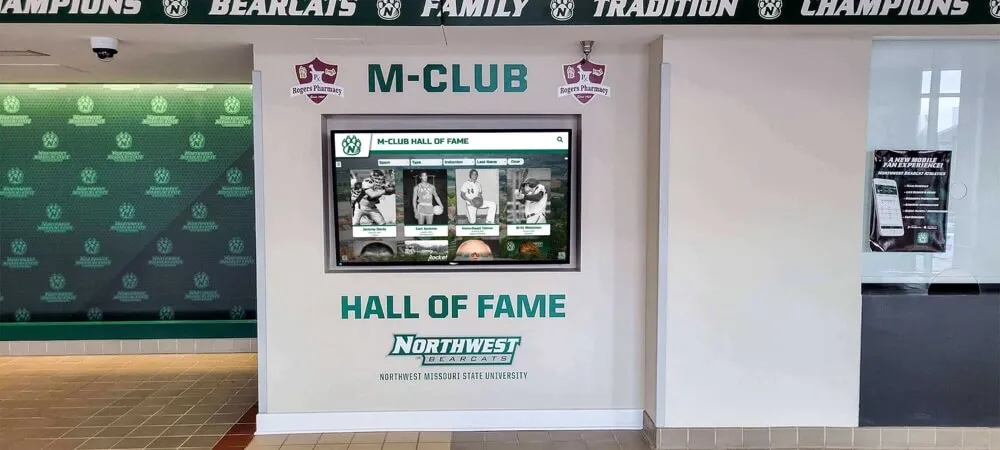
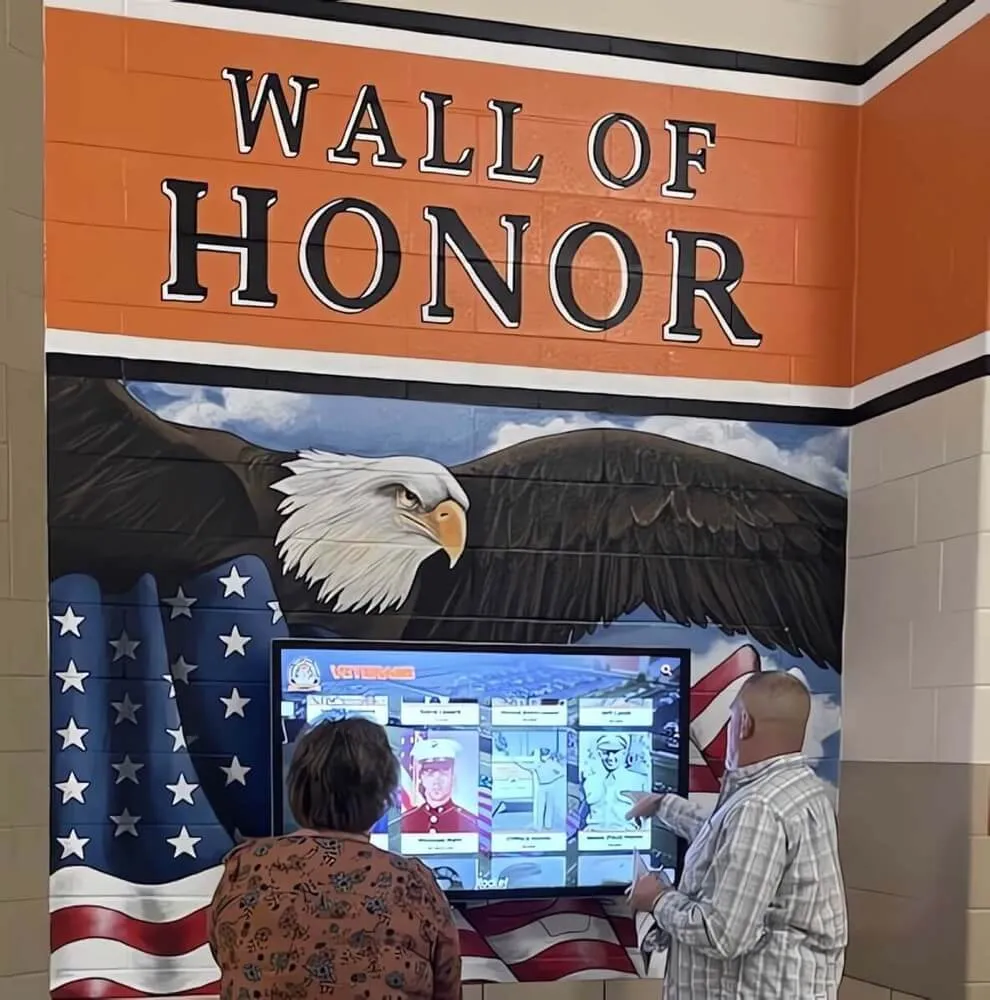
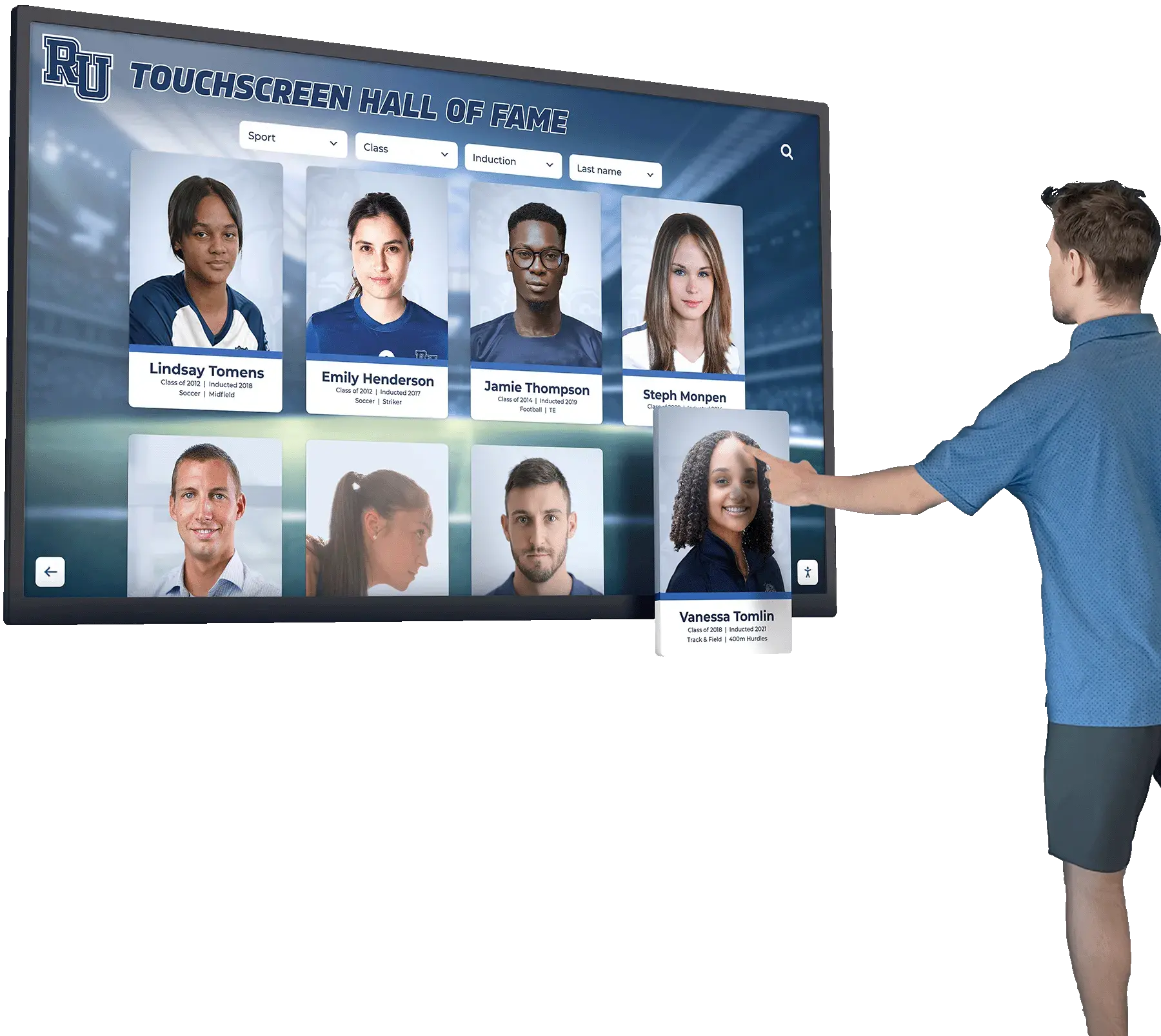
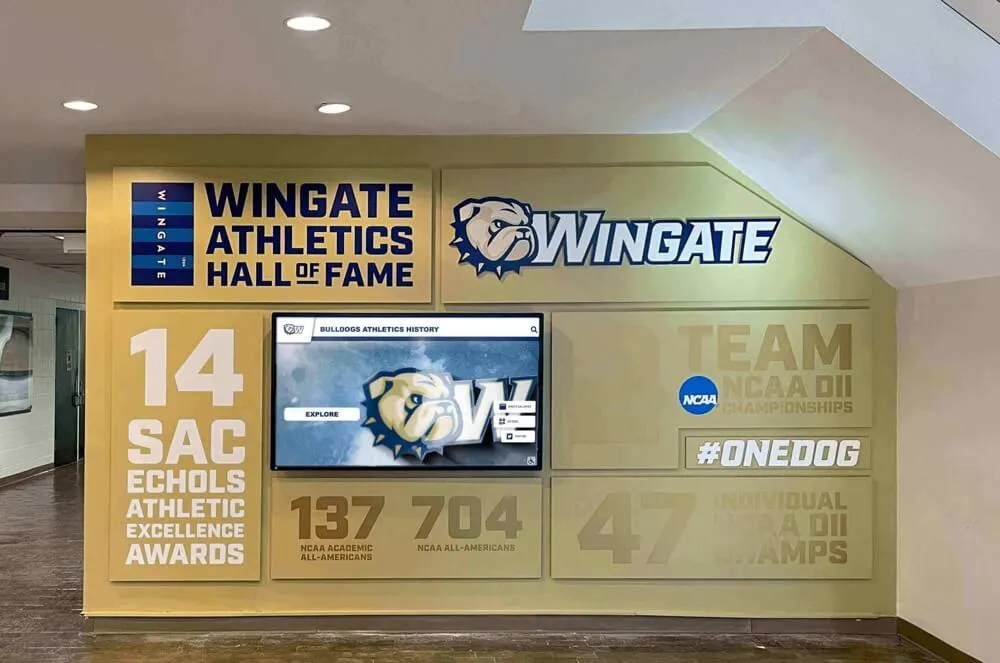
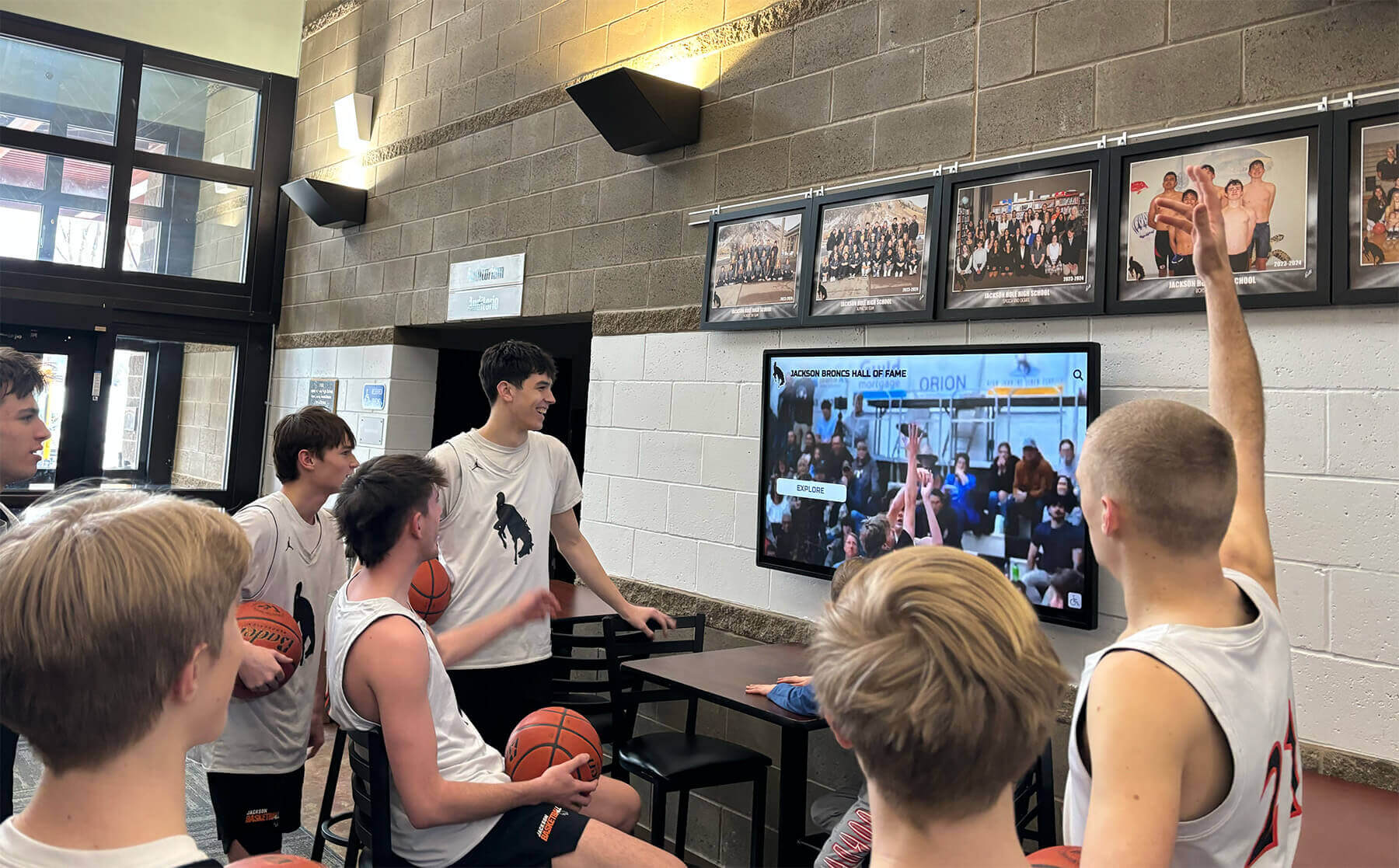
Modern basketball facilities combine regulation playing surfaces with recognition displays celebrating program achievements
Standard Basketball Hoop Height: The Universal 10-Foot Standard
The 10-foot basketball hoop height represents the most widely recognized measurement in basketball, standardized across most competitive levels from high school through professional leagues worldwide.
Why 10 Feet Became the Standard
Basketball’s inventor, Dr. James Naismith, established the 10-foot height almost accidentally in 1891 when he hung peach baskets on the running track railing at Springfield College’s gymnasium in Massachusetts. That railing happened to be exactly 10 feet above the floor. As basketball spread rapidly across schools, YMCAs, and athletic clubs in subsequent years, organizations replicated Naismith’s original setup, and the 10-foot standard became permanently embedded in basketball culture before any formal governing body existed to establish official regulations.
When the National Basketball Association formed in 1946 and international basketball federations organized competitive structures, the 10-foot standard was so universally accepted that no serious consideration was given to alternative heights. Over 135 years later, billions of basketball shots have been attempted at this exact height, making it the most consistent measurement in global basketball regardless of location, competition level, or governing organization.
Official 10-Foot Height Regulations by Organization
Multiple governing bodies formally specify the 10-foot rim height:
National Federation of State High School Associations (NFHS)
The NFHS governs high school basketball across all 50 states, establishing that basketball rims must be positioned exactly 10 feet above the playing surface. This measurement applies to all varsity, junior varsity, and freshman team competitions as well as boys and girls programs without exception. High school gymnasiums typically feature adjustable basket systems enabling rim height modifications, but during sanctioned competition, rims must be locked at the 10-foot standard.
National Collegiate Athletic Association (NCAA)
The NCAA requires 10-foot rim heights for all Division I, II, and III basketball competitions in both men’s and women’s basketball. College facilities invest heavily in precision mounting systems ensuring consistent 10-foot measurements across practice facilities, home arenas, and neutral competition venues. Tournament host sites undergo pre-event inspections verifying exact rim height compliance before NCAA championship games.
National Basketball Association (NBA) and Women’s National Basketball Association (WNBA)
Professional basketball maintains the 10-foot standard despite athletes’ increasing size, strength, and jumping ability over decades. NBA and WNBA arenas feature sophisticated basket support systems engineered for stability during powerful dunks while maintaining precise 10-foot measurements. These professional systems cost $50,000-100,000+ per basket, incorporating hydraulic adjustment, breakaway rims, padding, and automated measurement verification.
International Basketball Federation (FIBA)
FIBA governs basketball globally, establishing standards for Olympic competition, World Championships, and international club tournaments. FIBA specifications require rims positioned 3.05 meters above the court surface—exactly 10 feet when converted from metric measurements. This ensures American players competing internationally and international players joining American leagues encounter identical rim heights regardless of location.
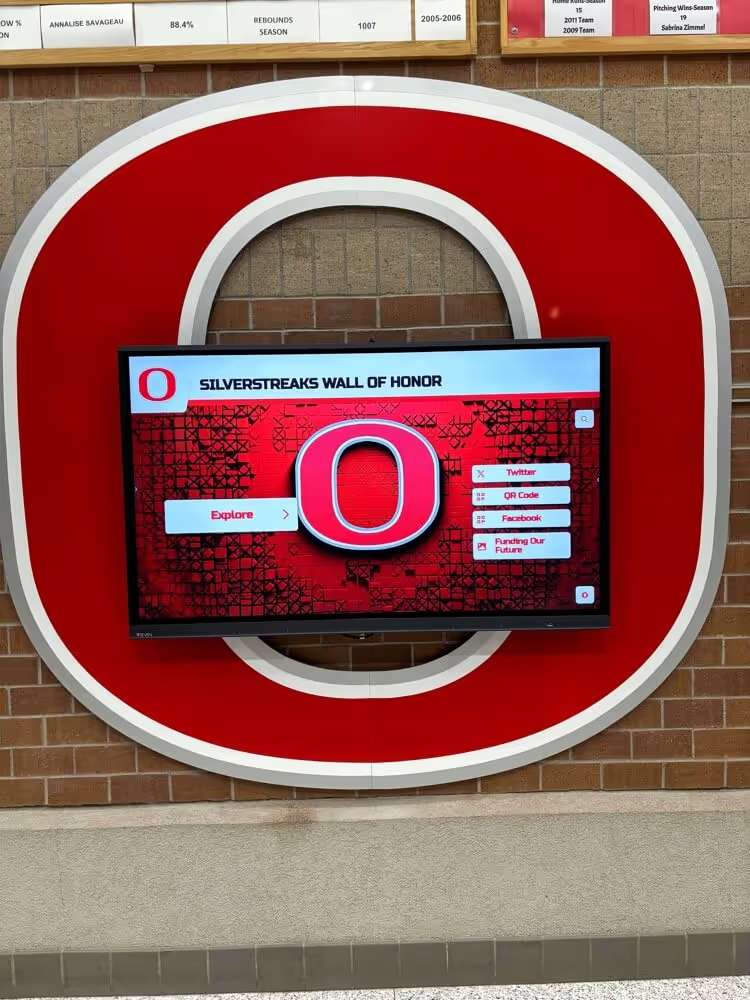
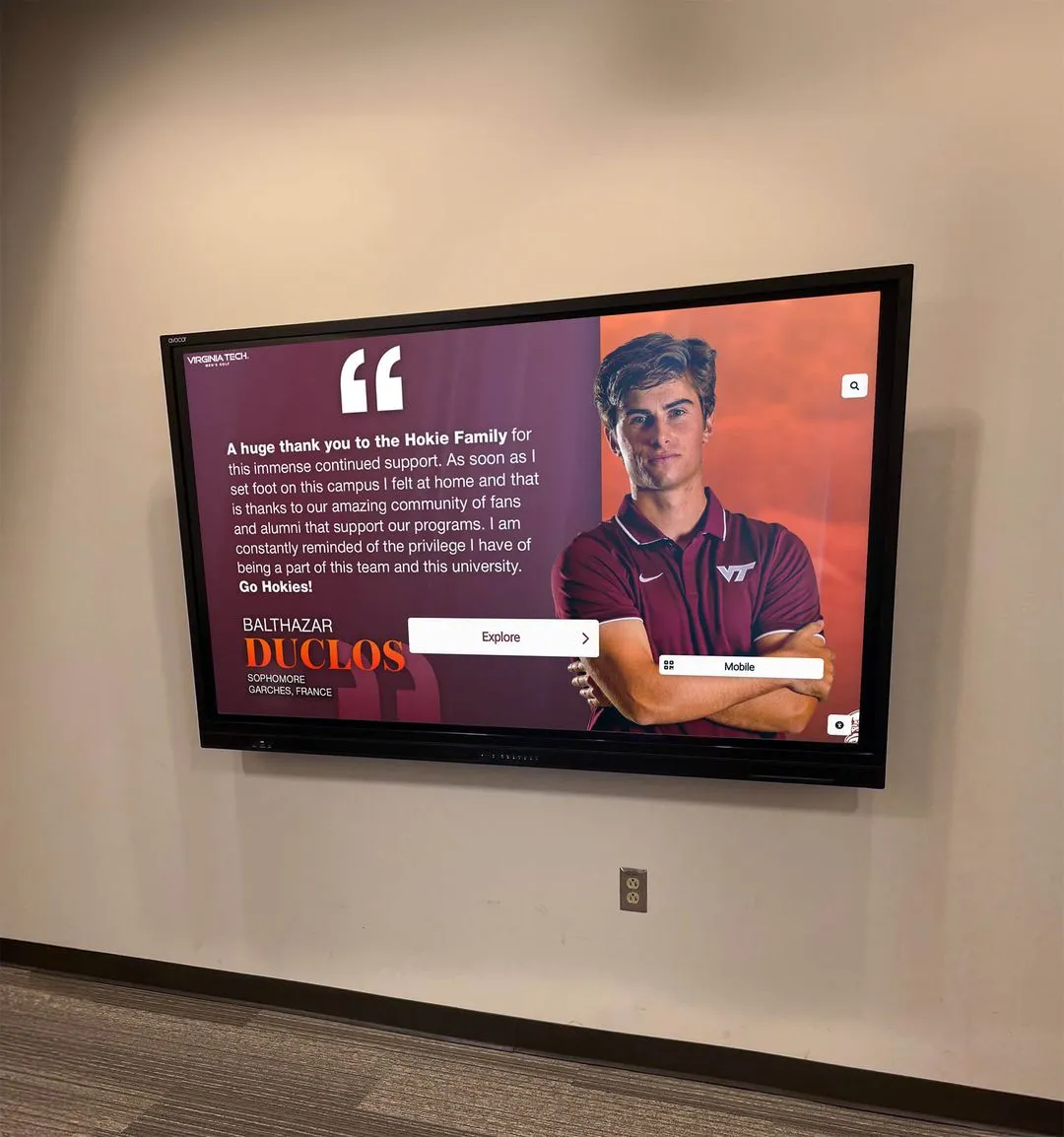
Athletic facilities featuring championship-caliber basketball programs often complement their regulation courts with digital recognition displays celebrating basketball achievements, creating comprehensive environments honoring both current competition and historical excellence.
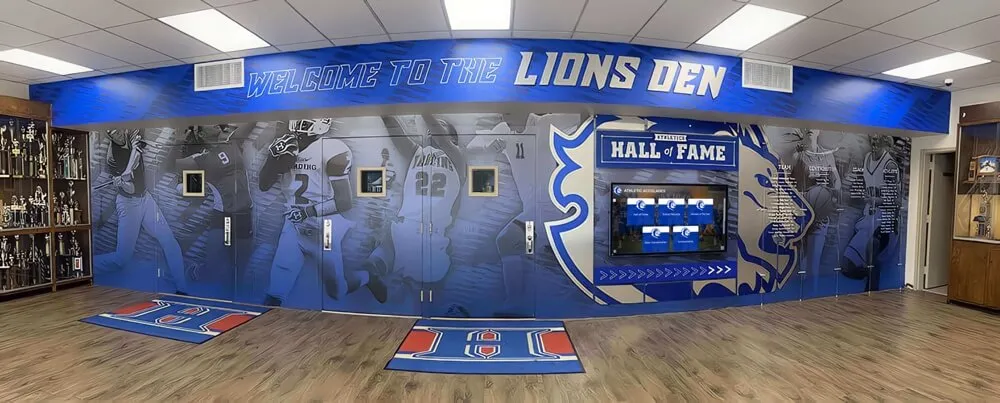
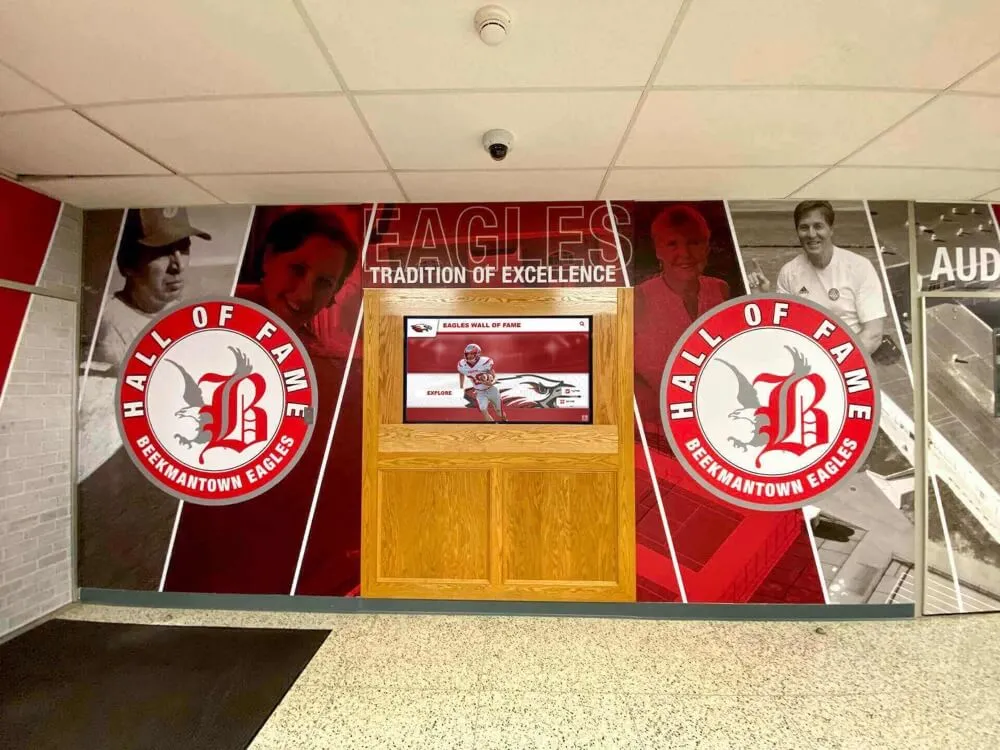
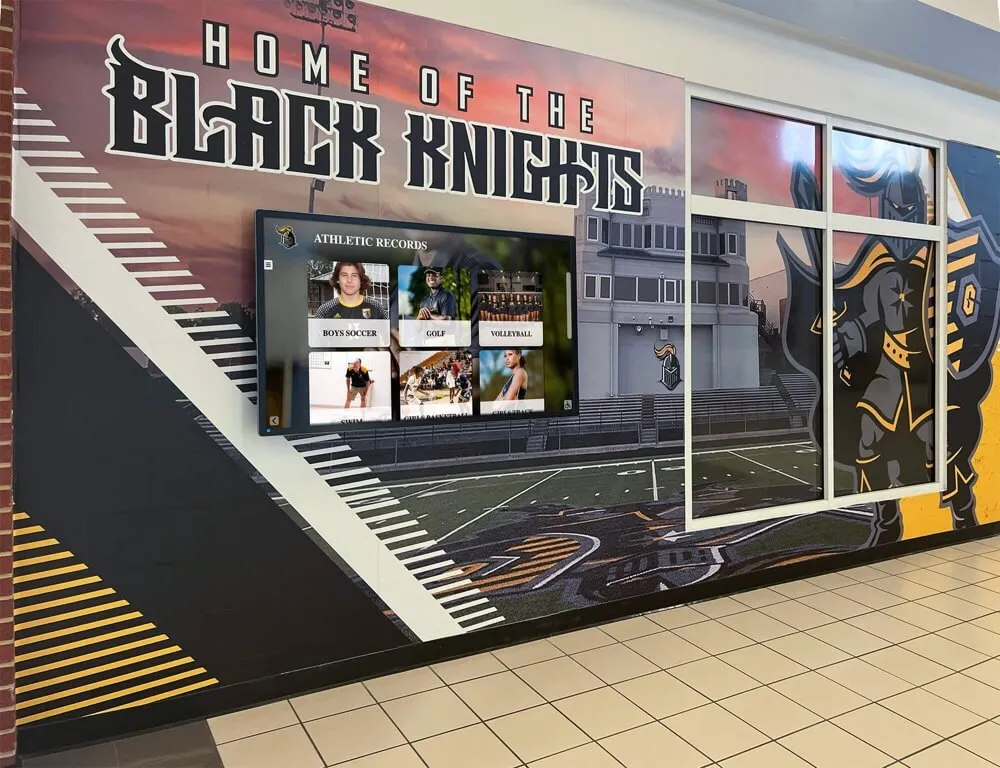
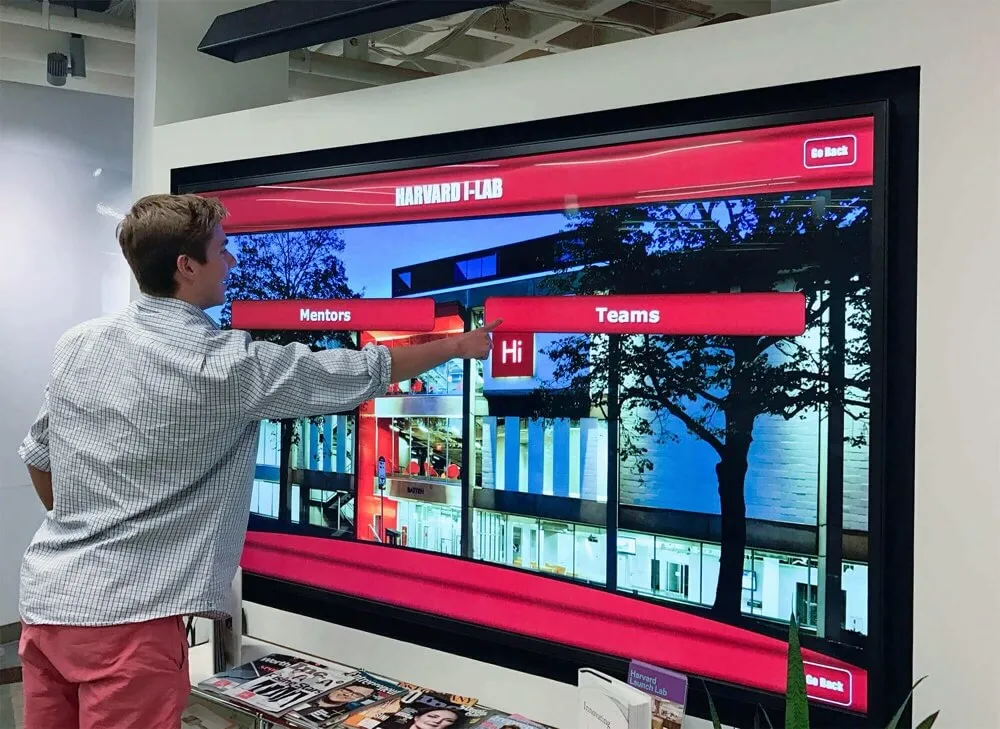
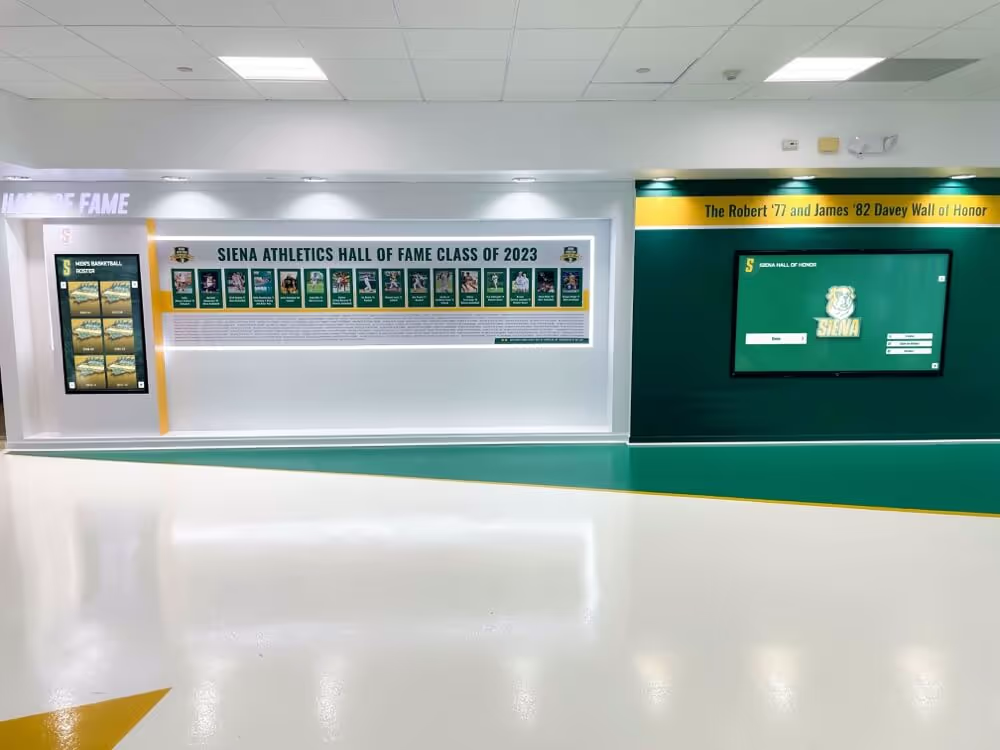
Complete athletic facilities integrate regulation playing surfaces with permanent recognition celebrating program history
Youth Basketball Hoop Heights: Age-Appropriate Standards
While competitive basketball from high school through professional levels universally adopts 10-foot rims, youth basketball organizations implement graduated height standards recognizing that young players develop shooting mechanics, confidence, and enjoyment more effectively with developmentally appropriate rim heights.
Recommended Youth Basketball Rim Heights by Age
Youth basketball governing bodies recommend these age-specific rim heights:
Ages 5-7 (Pre-K through 1st Grade): 6-Foot Rims
The youngest basketball players benefit from 6-foot rim heights enabling successful shooting experiences building confidence and fundamental skill development. At this developmental stage, children lack the strength to shoot basketballs effectively at regulation height, leading to poor shooting form, frustration, and reduced engagement. The 6-foot standard allows young players to focus on proper shooting mechanics—bent knees, follow-through, arc—rather than simply heaving balls toward impossibly high targets.
Many elementary schools and recreation departments install adjustable basket systems accommodating this youngest age group during dedicated programming while maintaining regulation height capabilities for older students and community use.
Ages 8-10 (2nd through 4th Grade): 8-Foot Rims
As players develop strength and coordination, 8-foot rims provide appropriate progression toward regulation height. This intermediate measurement enables players to continue developing proper shooting form while accommodating increased physical capabilities. Many youth leagues including some Amateur Athletic Union (AAU) divisions utilize 8-foot standards for this age bracket.
The transition from 6-foot to 8-foot rims represents significant height increase requiring adjustment, yet most players adapt quickly due to natural physical development occurring simultaneously with the rim height progression.
Ages 11-12 (5th through 6th Grade): 9-Foot Rims
Pre-adolescent players typically transition to 9-foot rims, positioning them one step from regulation height. Some progressive youth basketball organizations implement 9-foot standards for this age group, while more traditional programs move directly to 10-foot rims by 5th or 6th grade.
Research on optimal youth basketball development suggests that gradual rim height progression supports better shooting mechanics, increased scoring success, enhanced player confidence, reduced injury risk from improper shooting strain, and improved long-term basketball skill acquisition.
Ages 13+: 10-Foot Regulation Height
By age 13 and the beginning of middle school, most basketball programs transition to standard 10-foot rims preparing players for high school competition. This early adolescent period typically coincides with significant physical development providing strength sufficient for effective shooting at regulation height.
Some youth basketball advocates argue for maintaining 9-foot rims through age 14 or even into early high school years, particularly for developing shooters, but competitive standards generally enforce regulation 10-foot heights by 7th or 8th grade aligning with high school athletic program expectations.
Youth Basketball Organizations and Their Height Standards
USA Basketball Youth Development Guidelines
USA Basketball, the national governing body for basketball in the United States, publishes youth development recommendations including these rim height guidelines:
- Mini (6 and under): 6 feet
- Micro (7-8): 8 feet
- 9-11: 9 feet
- 12-14: 10 feet
- 15+: 10 feet
These recommendations prioritize long-term player development over premature competition at regulation heights potentially compromising proper skill acquisition.
Amateur Athletic Union (AAU) Basketball
AAU basketball, the largest youth basketball organization in America with over 700,000 participants annually, generally follows age-appropriate height guidelines though specific divisions and tournaments may vary. Most AAU competition transitions to regulation 10-foot heights by ages 11-12, slightly earlier than USA Basketball recommendations but consistent with competitive youth basketball culture.
Youth Basketball Leagues and School Programs
Individual school districts, recreation departments, and private basketball organizations implement varied standards. Some progressive programs invest in adjustable basket systems enabling precision height modifications accommodating multiple age groups in shared facilities, while budget-constrained organizations may utilize only regulation 10-foot heights regardless of player age.
This variability means parents and coaches should verify rim heights used in their specific leagues and adjust training expectations accordingly when players participate in multiple programs with different standards.

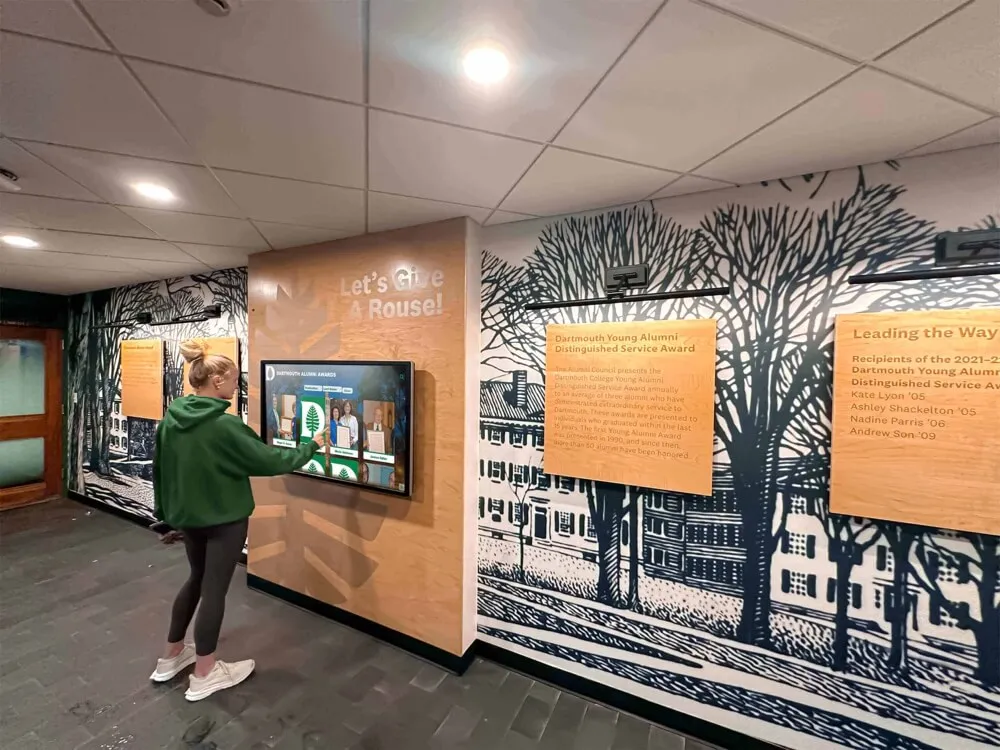
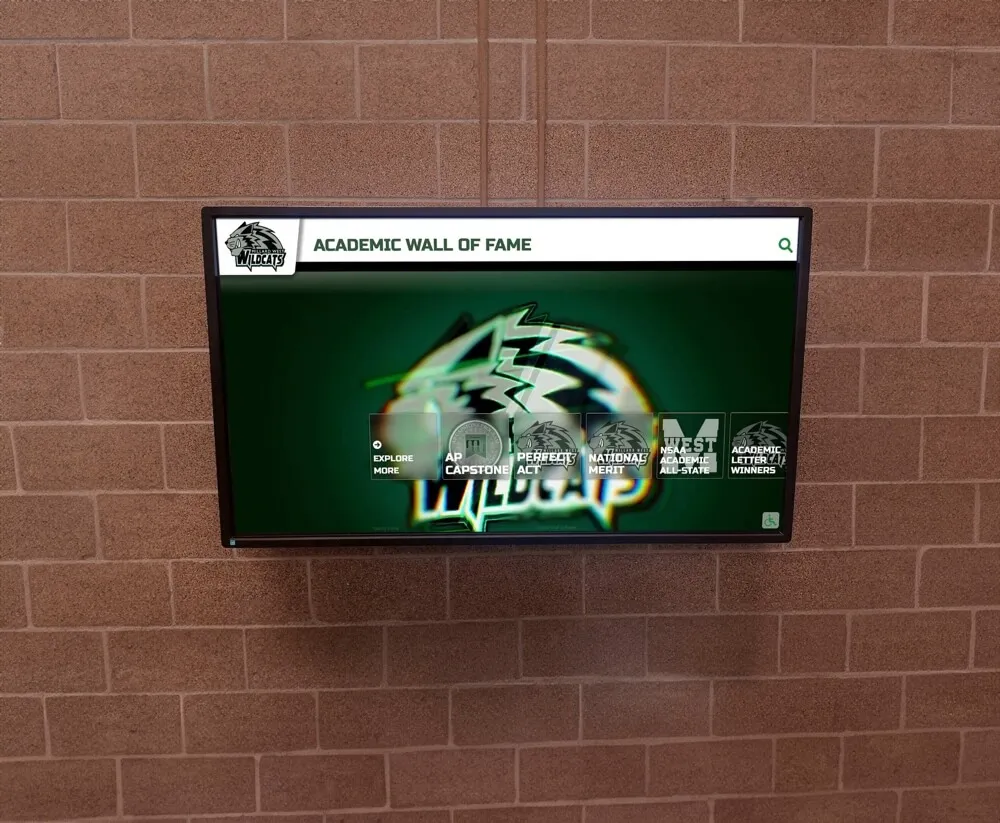
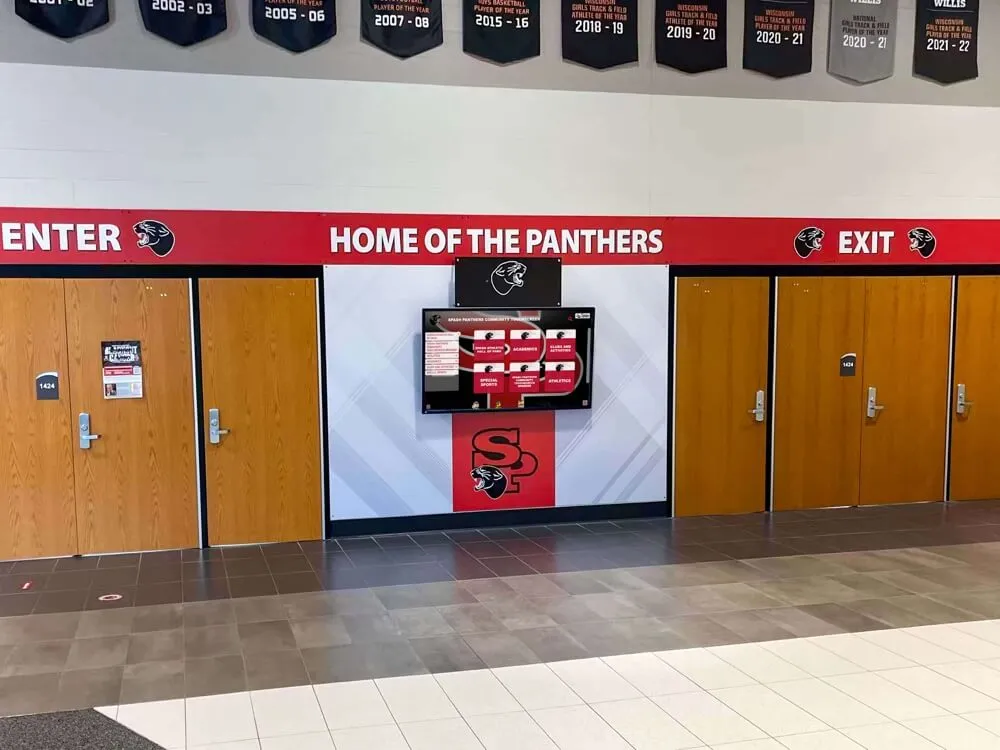
Multi-purpose athletic spaces serve various age groups with flexible equipment configurations
Middle School Basketball Hoop Height Standards
Middle school basketball occupies a transitional space between youth leagues and high school competition, and rim height standards reflect this intermediate status.
Standard Middle School Rim Height: 10 Feet
Most middle schools utilize regulation 10-foot rim heights for competitive basketball, aligning with high school standards and preparing athletes for seamless transitions into varsity programs. Middle school students typically range from ages 11-14, with physical development varying significantly across this age span. Despite this developmental diversity, competitive middle school basketball programs generally adopt uniform 10-foot standards for all grades and both boys and girls teams.
Exceptions and Alternative Approaches
Some middle school programs implement modified standards:
6th Grade Specific Adjustments
Certain school districts maintain 9-foot or 8-foot rims specifically for 6th grade teams, particularly in elementary/middle school configurations where 6th grade represents the entry level for organized basketball. This approach recognizes that 11-year-old 6th graders may benefit from height-adjusted rims while 13-14 year old 8th graders need regulation height preparation for high school.
Intramural and Developmental Programs
Middle school intramural programs serving students with limited prior basketball experience sometimes utilize lowered rims emphasizing participation, skill development, and enjoyment over competitive preparation. These recreational programs prioritize inclusive access enabling all students regardless of height or strength to experience scoring success.
Special Education and Adaptive Programs
Adaptive physical education programs serving students with disabilities frequently implement customized rim heights matching individual student capabilities. These modifications enable meaningful participation for students who might otherwise face insurmountable barriers to basketball engagement.
Developmental Considerations for Middle School Athletes
Middle school coaches and administrators must balance competing priorities when determining rim heights:
- Competitive preparation: Using regulation 10-foot heights ensures athletes develop skills directly transferable to high school competition
- Success and confidence: Lower rims increase scoring opportunities, potentially building confidence and sustaining engagement
- Physical safety: Forcing students to heave basketballs toward rims far above comfortable shooting range can promote poor mechanics and injury risk
- Facility limitations: Many middle schools lack adjustable basket systems, making height modifications impractical regardless of pedagogical preferences
Most middle school basketball programs ultimately prioritize high school preparation, implementing regulation 10-foot standards by 7th grade at the latest, with some maintaining this height throughout all middle school grades.
Comprehensive athletic programs recognize achievement across all levels through systematic recognition approaches celebrating participation and excellence from youth through varsity levels.
High School Basketball Hoop Height: Official Standards and Regulations
High school basketball represents the entry point into highly competitive, standardized basketball where regulations become strictly enforced and facilities must meet exacting specifications.
Official High School Rim Height: 10 Feet (No Exceptions)
The National Federation of State High School Associations (NFHS) governs interscholastic athletics across the United States, establishing mandatory 10-foot basketball rim heights for all sanctioned high school competition. This requirement applies universally across all 50 state high school athletic associations without variation regardless of geographic location, school size classification, or competitive division.
NFHS rules specify that the top edge of the basketball rim must be positioned exactly 10 feet above the playing surface, measured vertically from the floor to the horizontal plane of the rim. Officials verify compliance during pre-game court inspections, and non-compliant facilities cannot host sanctioned competition until corrections are made.
Boys and Girls Basketball: Identical Height Standards
A common misconception suggests different rim heights for boys and girls high school basketball. In reality, NFHS rules establish identical 10-foot standards for both genders across all varsity, junior varsity, and freshman team levels. While girls high school basketball previously featured smaller basketball circumferences compared to boys (28.5-inch circumference versus 29.5-inch for boys), rim heights have remained universally consistent at 10 feet regardless of gender.
This standardization ensures that female basketball players develop skills at identical rim heights used in college and professional women’s basketball, preparing high school athletes for seamless transitions to higher competitive levels without requiring mechanical adjustments to different rim heights.
Additional High School Basketball Court Specifications
Beyond rim height, NFHS establishes comprehensive basketball facility standards:
Backboard Dimensions and Position
- Regulation backboards measure 6 feet wide by 3.5 feet tall (72 inches × 42 inches)
- Backboard front surface must be positioned exactly 4 feet from the baseline endline
- Backboard bottom edge sits 9 feet above playing surface
- White rectangular target box measures 24 inches wide by 18 inches tall, centered above rim
Rim Specifications
- Interior rim diameter: 18 inches
- Rim thickness: 5/8 inch steel
- Net length: 15-18 inches
- Breakaway rim mounting: required for dunking safety
- Rim must be orange in color
Court Dimensions
- Overall length: 84 feet (baseline to baseline)
- Overall width: 50 feet
- Three-point arc distance: 19 feet 9 inches from basket center
- Free throw line distance: 15 feet from backboard front surface
These precise specifications ensure consistent playing conditions across thousands of high school gymnasiums nationwide, enabling fair competition and comparable statistics regardless of venue.
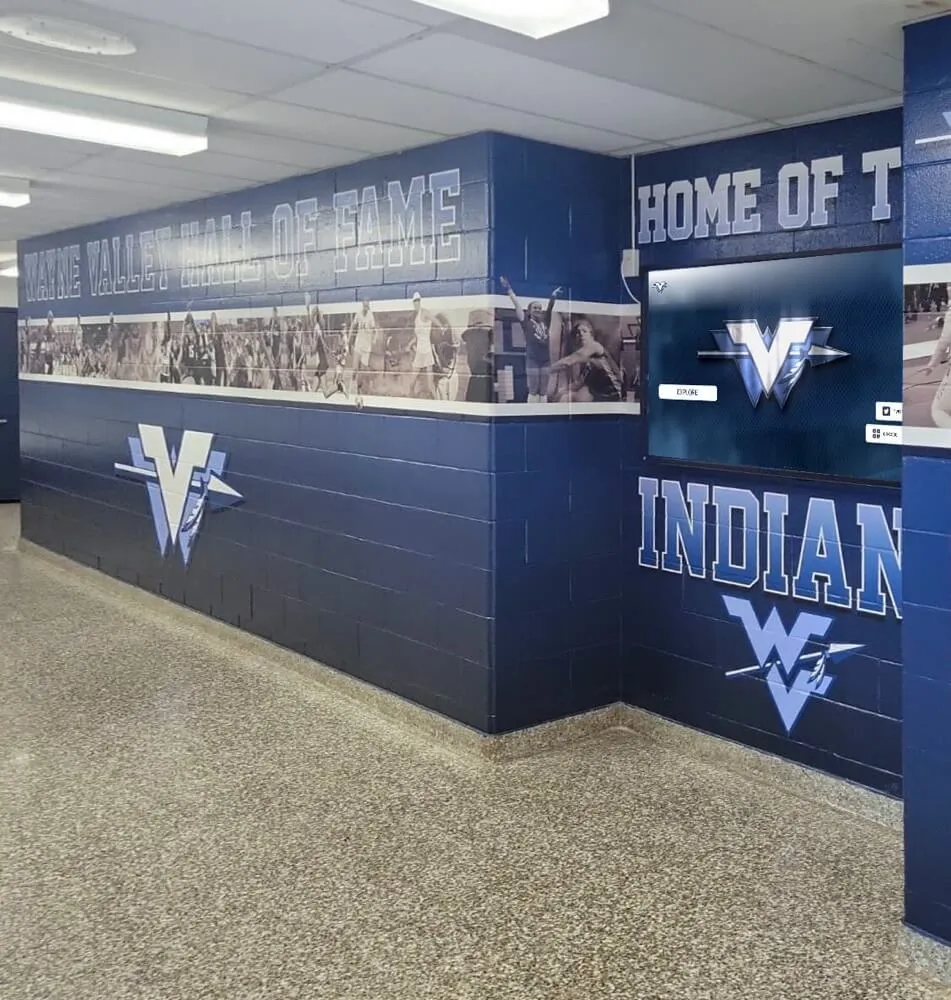
High school basketball programs with distinguished histories typically showcase their excellence through permanent recognition systems celebrating basketball achievements prominently displayed in gymnasium lobbies and athletic hallways.
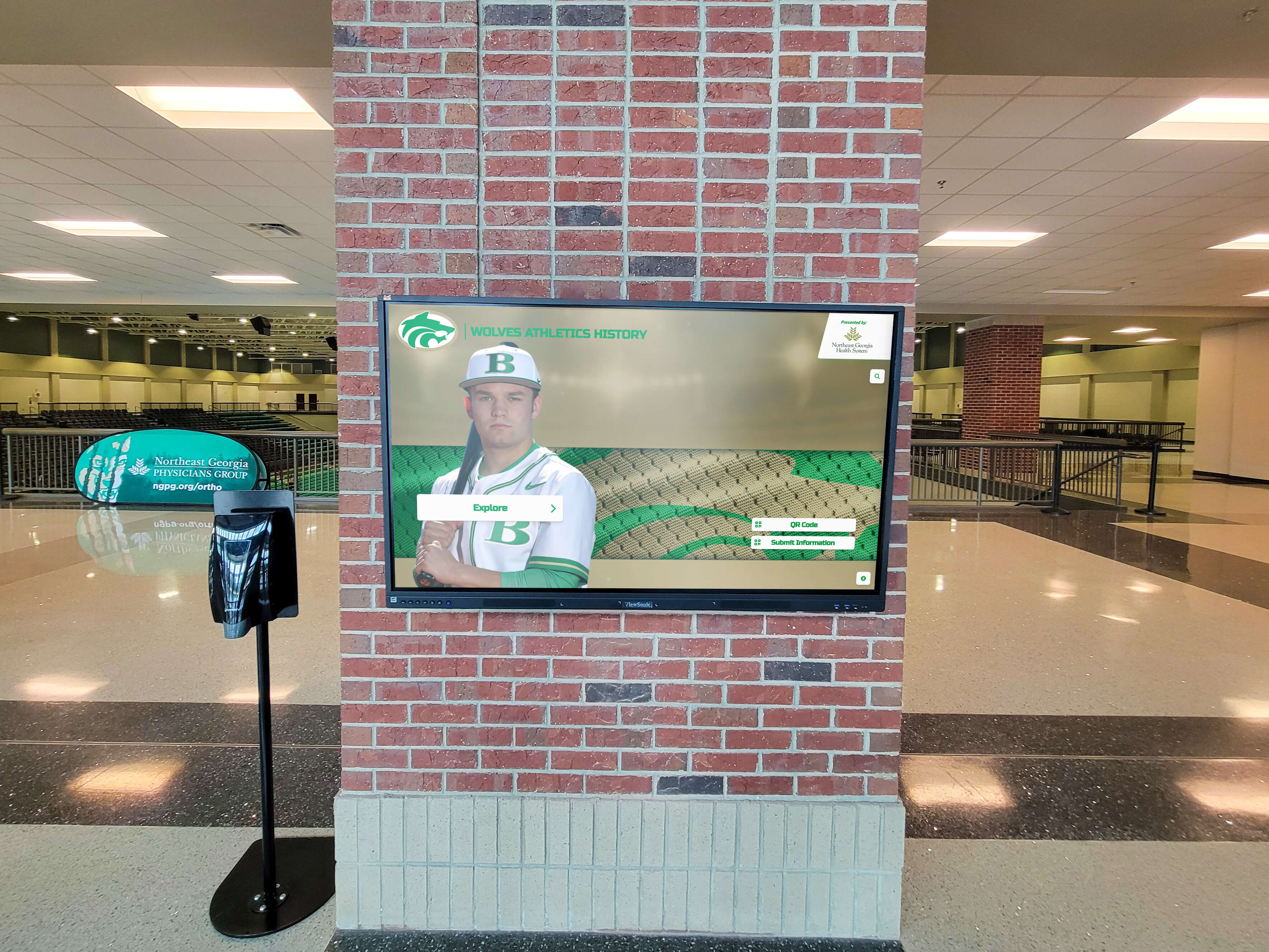
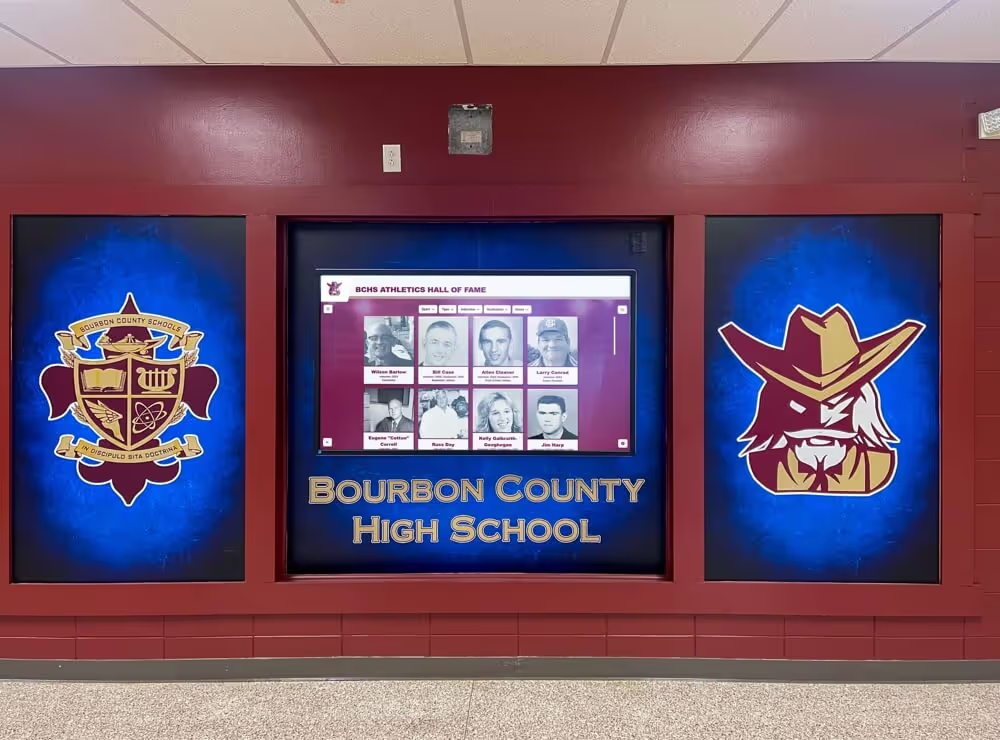
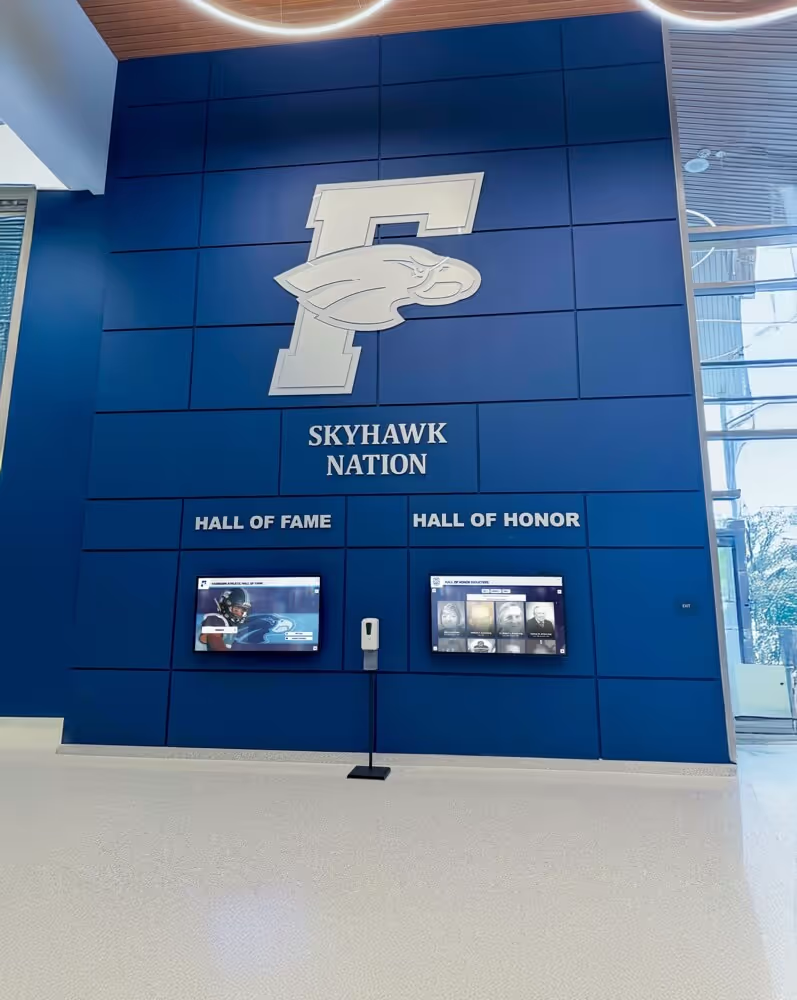
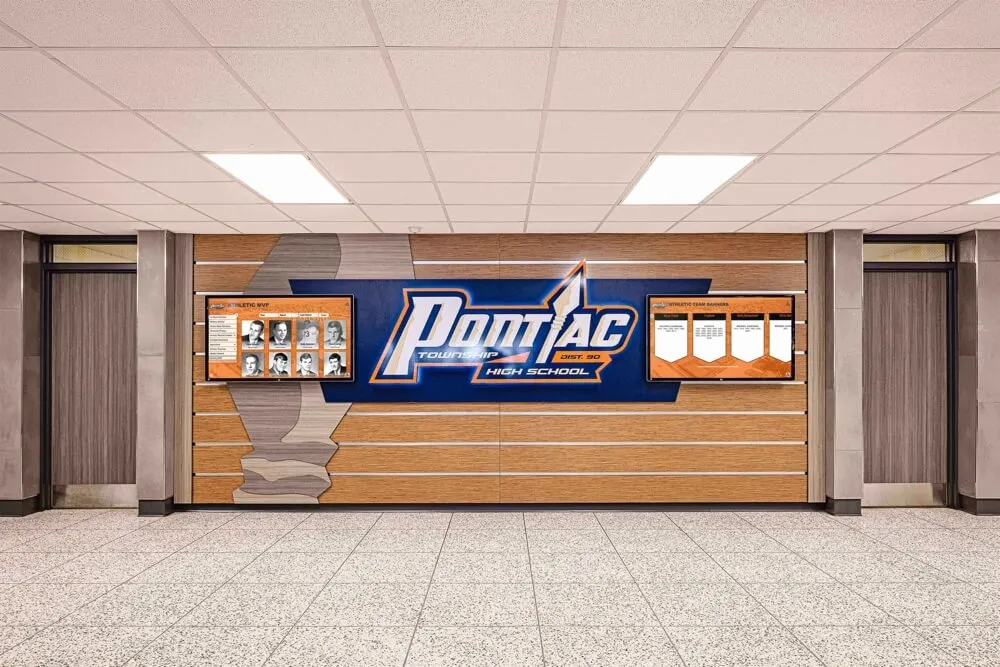
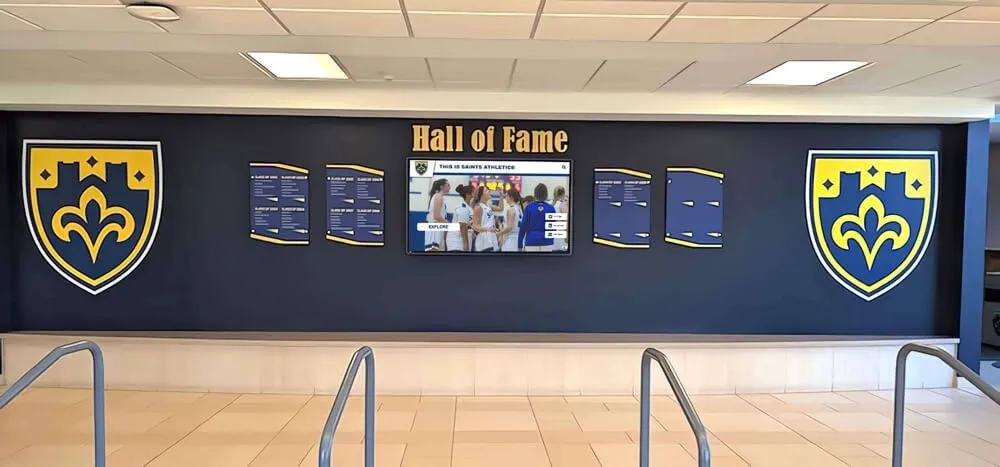
Strategic display placement in athletic facilities enables prominent celebration of program achievement
College Basketball Hoop Height: NCAA Standards
College basketball maintains high school’s 10-foot rim height standard while introducing additional facility specifications reflecting higher competitive levels and larger venue capacities.
NCAA Basketball Rim Height: 10 Feet
The National Collegiate Athletic Association requires 10-foot rim heights for all sanctioned basketball competition across Division I, II, and III levels. This applies to both men’s and women’s basketball without variation, ensuring consistent playing conditions from small Division III gymnasiums seating hundreds to major Division I arenas accommodating 20,000+ spectators.
NCAA facility inspections verify rim height compliance before hosting conference tournaments, championship games, or nationally televised contests. Professional surveying equipment measures vertical distances precisely, as even 1-2 inch deviations from regulation can provide competitive advantages to home teams familiar with non-standard conditions.
College Basketball Court Differences from High School
While rim heights remain identical between high school and college basketball, several court dimension differences exist:
Three-Point Arc Distance
The most significant difference involves three-point line distance. NCAA men’s basketball uses a three-point arc measuring 22 feet 1.75 inches from basket center—over 2 feet farther than high school’s 19 feet 9 inches. NCAA women’s basketball extended its three-point line to match the men’s distance in 2021, standardizing the arc across all college basketball after previously using the shorter high school distance.
This extended three-point range rewards more skilled distance shooters while opening interior court space, fundamentally affecting offensive strategies compared to high school basketball played with compressed defenses.
Lane Width
College basketball features a 12-foot wide free throw lane compared to the narrower lane dimensions used in high school (typically 12 feet at the top, narrower at the baseline). This wider lane affects defensive positioning, rebounding angles, and interior offensive spacing.
Court Size Options
While most college basketball venues utilize 94-foot by 50-foot courts (standard full-size dimensions also used by NBA), NCAA rules permit smaller courts down to 84 feet by 50 feet (high school dimensions) for existing facilities unable to accommodate full-length courts. Nearly all Division I programs use full 94-foot courts, while some Division II and III schools with older facilities may utilize shorter courts.
Professional-Grade Basketball Equipment
Major college basketball programs invest significantly in premium basket systems featuring professional engineering, multiple adjustment capabilities, advanced breakaway rim mechanisms preventing injury during dunking, integrated shot clocks and LED lighting, and structural reinforcement accommodating violent dunking forces without excessive backboard vibration or basket movement.
Elite programs spend $75,000-150,000+ per basket pair for ceiling-suspended or wall-mounted systems engineered to NCAA tournament specifications, ensuring practice facilities and competition arenas provide identical equipment conditions.
These same institutions typically maintain comprehensive athlete recognition programs celebrating basketball excellence through permanent displays in athletic facilities and campus gathering spaces.
NBA and WNBA Basketball Hoop Height
Professional basketball in the United States maintains the universal 10-foot standard while implementing the most sophisticated equipment and measurement verification systems in basketball.
Professional Basketball Rim Height: 10 Feet
Both the National Basketball Association (NBA) and Women’s National Basketball Association (WNBA) require exactly 10-foot rim heights without exception. Despite the extraordinary athleticism of professional players—with NBA athletes regularly jumping 35-45+ inches vertically and routinely dunking with power that would destroy recreational basketball systems—the 10-foot standard remains unchanged from Dr. Naismith’s original 1891 specification.
NBA arenas employ precision-engineered basket systems costing $75,000-150,000+ per basket, featuring sophisticated mounting and adjustment mechanisms, hydraulic systems enabling rapid height adjustments for pre-game entertainment, heavy-duty breakaway rims absorbing dunking forces exceeding 2,000 pounds, professional padding and safety features, and automated measurement verification ensuring perfect 10-foot height.
Why Professional Basketball Maintains 10-Foot Rims Despite Increased Athleticism
Periodic discussions suggest raising professional basketball rim heights to 11 or even 12 feet to reduce dunking dominance and restore shooting-centric gameplay. However, numerous factors prevent any serious consideration of height modifications:
Historical Statistics and Records
Basketball’s rich statistical history spanning over 75 years of professional play enables comparison across eras. Changing rim height would immediately invalidate all historical scoring records, field goal percentage benchmarks, and statistical achievement comparisons—effectively erasing basketball’s statistical heritage.
International Basketball Consistency
Professional players regularly compete internationally through Olympic basketball, FIBA World Championships, and international club competitions. Different rim heights in NBA versus international basketball would require constant mechanical adjustments, potentially affecting player performance and increasing injury risk.
Facility Infrastructure Costs
Modifying rim heights would require extensive renovations to thousands of basketball facilities from NBA arenas through college, high school, and youth facilities. The coordinated transition costs would exceed billions of dollars industry-wide while providing questionable competitive benefits.
Skill Balance and Game Quality
Despite increased athleticism, NBA three-point shooting percentages remain near 36-37%, free throw percentages hover around 77-78%, and game scoring naturally fluctuates through rule changes, defensive innovations, and offensive evolution. These balanced statistical outcomes suggest the 10-foot rim continues providing appropriate competitive challenge for modern professional athletes without necessitating height modifications.
Professional Court Specifications Beyond Rim Height
NBA and WNBA basketball courts feature these standardized dimensions:
- Court length: 94 feet (baseline to baseline)
- Court width: 50 feet
- Three-point arc: 23 feet 9 inches at the top of the key, 22 feet in the corners
- Free throw line distance: 15 feet from backboard
- Lane width: 16 feet (wider than college’s 12-foot lane)
- Backboard dimensions: 6 feet wide by 3.5 feet tall
- Rim height: 10 feet
- Restricted area arc: 4 feet from basket center
These specifications apply to all 30 NBA arenas and 12 WNBA venues, ensuring completely consistent playing conditions regardless of location or whether games occur in historic venues like Madison Square Garden or modern arenas like San Francisco’s Chase Center.
Professional basketball excellence showcased in these elite venues often connects to high school and college athletic achievements celebrated through recognition systems honoring players’ complete basketball journeys from youth through professional careers.
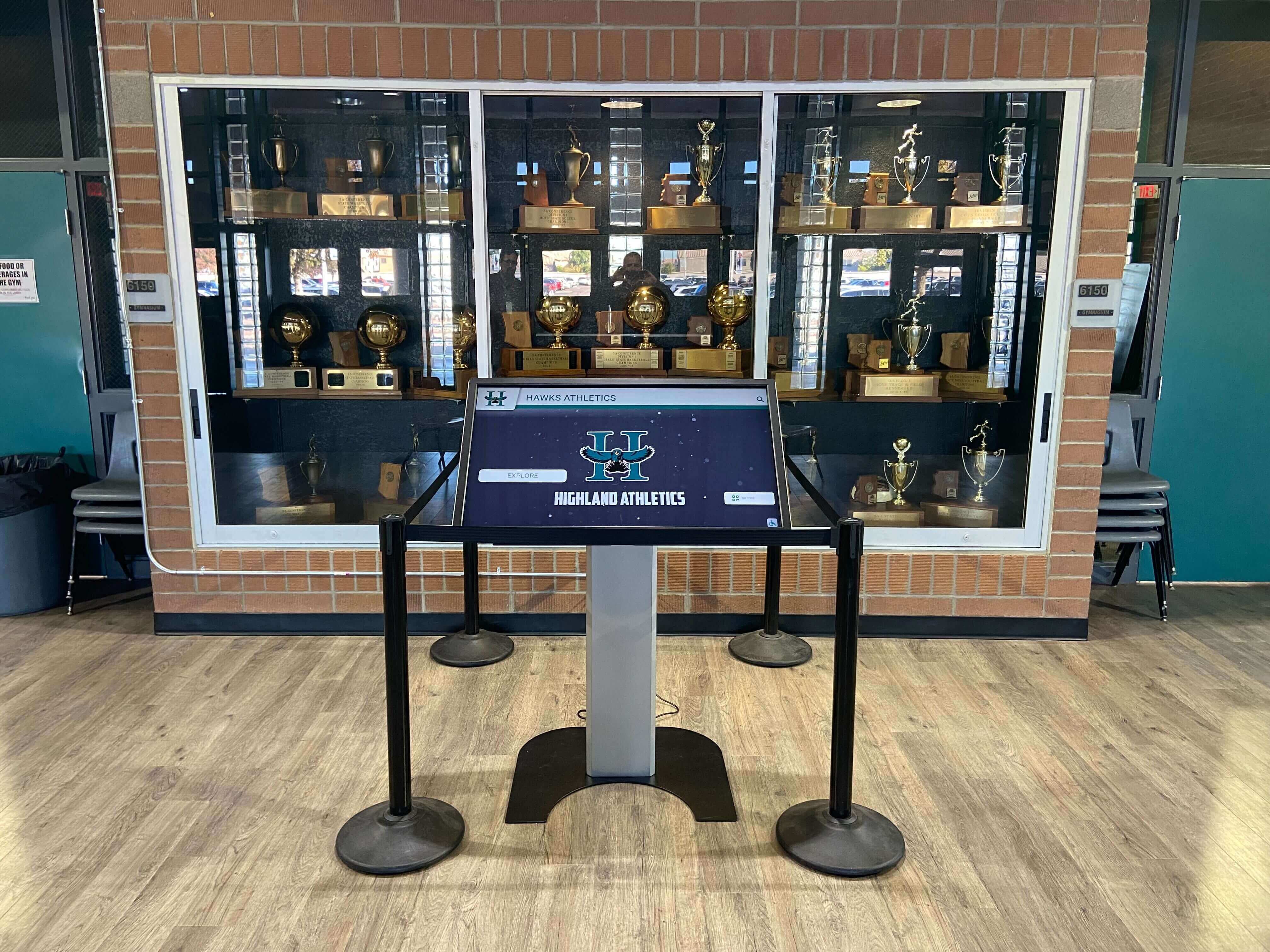
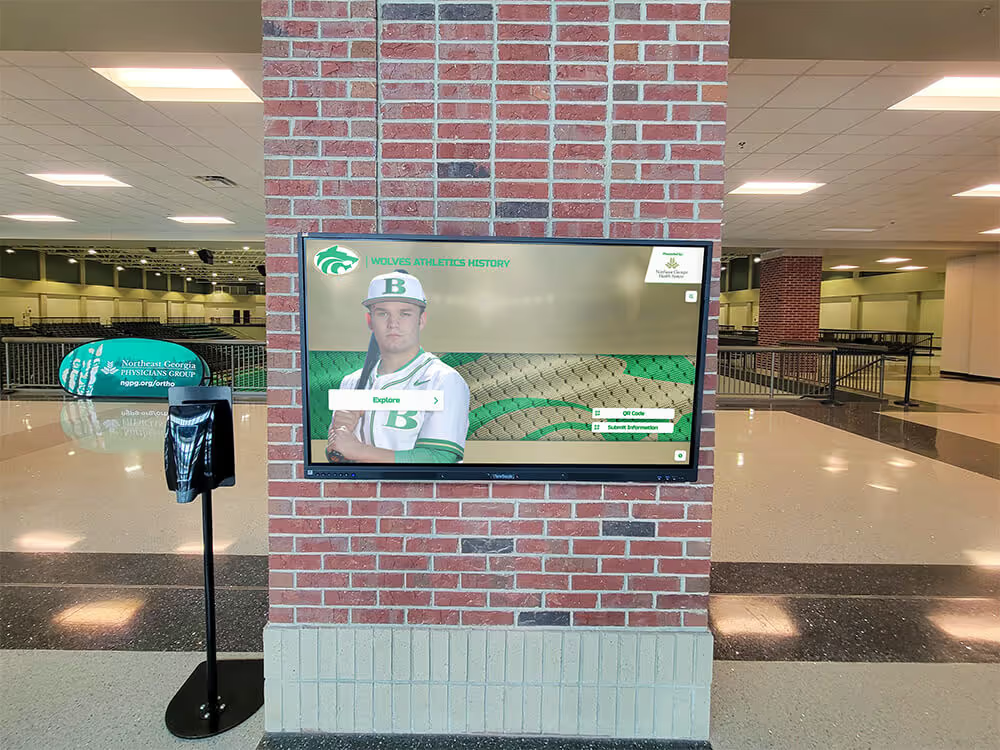
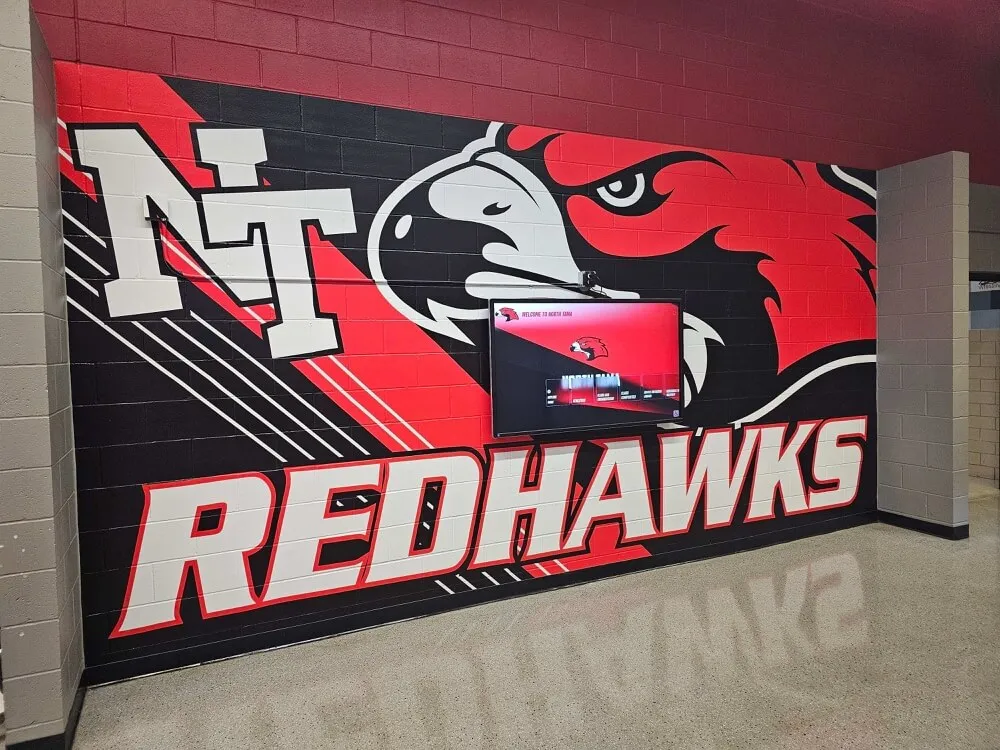
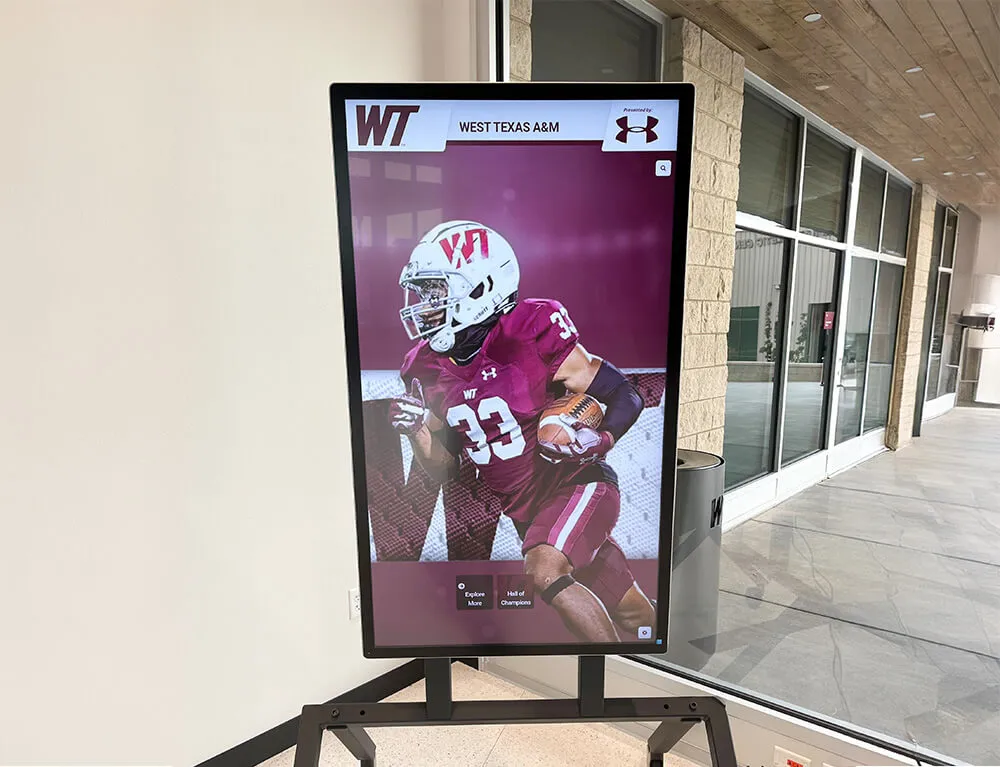
Modern athletic facilities integrate interactive recognition technology with traditional trophy displays
International Basketball Hoop Height: FIBA Standards
International basketball governed by the International Basketball Federation (FIBA) uses metric measurements but converts to the identical 10-foot rim height universal across global basketball.
FIBA Basketball Rim Height: 3.05 Meters (10 Feet)
FIBA establishes that basketball rims must be positioned exactly 3.05 meters above the court surface—the precise metric equivalent of 10 feet. This ensures American players competing in Olympic basketball, FIBA World Championships, and international club competitions encounter identical rim heights used throughout their careers in United States-based basketball programs.
Similarly, international players joining American college basketball or professional leagues require no adjustment to different rim heights, as FIBA and American governing bodies maintain perfect consistency in this fundamental measurement.
International Basketball Court Differences
While rim heights remain identical worldwide, several international basketball specifications differ from American standards:
Three-Point Arc Distance
FIBA uses a 6.75-meter (22 feet 1.75 inches) three-point arc—identical to the current NCAA distance and only slightly shorter than the NBA’s 23 feet 9 inches at the top of the key. This represents the most minor variation among major basketball governing bodies.
Court Dimensions
FIBA regulation courts measure 28 meters by 15 meters (approximately 91 feet 10 inches by 49 feet 2.5 inches)—slightly shorter and narrower than NBA/NCAA courts at 94 feet by 50 feet. However, FIBA permits courts up to 94 feet length and 50 feet width, meaning international venues can match American dimensions exactly.
Lane Width and Configuration
International basketball features a 4.9-meter (16 feet 1 inch) wide trapezoid-shaped lane compared to the rectangular lanes used in American basketball. This difference affects interior positioning and rebounding angles between international and NBA/NCAA basketball despite identical rim heights.
Game Duration and Rules
Beyond court specifications, international basketball uses 10-minute quarters (40-minute total games) compared to American basketball’s varied formats, features different foul limits and penalty structures, implements different timeout allotments, and enforces distinct traveling and carrying interpretations.
These rule differences create different game pacing and strategic approaches despite the universal 10-foot rim height connecting basketball globally.
Olympic Basketball and World Championship Standards
Olympic basketball competitions and FIBA World Championships utilize standardized specifications ensuring consistent playing conditions across host countries. Temporary basketball venues constructed for Olympic Games undergo extensive FIBA inspections verifying exact 3.05-meter rim heights, proper court dimensions and markings, correct backboard specifications, and compliant timing and scoring systems before receiving approval for Olympic competition.
This precision ensures that the world’s best basketball players compete under identical conditions whether playing in Tokyo, Paris, Los Angeles, or any future Olympic host city.
Wheelchair Basketball and Adaptive Basketball Hoop Heights
Adaptive basketball programs serving athletes with disabilities implement modified standards prioritizing inclusive participation while maintaining competitive integrity.
Wheelchair Basketball Rim Height: 10 Feet (Standard)
Competitive wheelchair basketball maintains regulation 10-foot rim heights despite players’ seated positions substantially reducing effective height and jumping capability. This standardization ensures wheelchair basketball receives recognition as legitimate competitive sport rather than recreational adaptation, enables wheelchair basketball statistics and records to coexist with standing basketball achievements, and prepares elite wheelchair athletes for Paralympic competition using regulation equipment.
International Paralympic Committee (IPC) basketball follows FIBA specifications exactly including the 3.05-meter (10-foot) rim height. Paralympic basketball features world-class athletes competing at extraordinary skill levels despite physical disabilities, and maintaining regulation rim heights reinforces wheelchair basketball’s status as elite athletic competition.
Developmental and Recreational Adaptive Basketball
While competitive wheelchair basketball uses regulation heights, developmental programs serving younger athletes or recreational participants sometimes implement modified rim heights:
Youth Wheelchair Basketball
Children using wheelchairs benefit from the same age-appropriate rim height progressions recommended for standing youth basketball—8-foot rims for younger elementary ages progressing toward regulation height by middle school. These modifications enable skill development and scoring success building confidence while athletes develop strength and shooting mechanics adapted to seated positions.
Special Olympics Basketball
Special Olympics basketball programs serving athletes with intellectual disabilities offer varied rim height options depending on athlete capabilities, competition divisions, and program philosophies. Some Special Olympics programs use regulation 10-foot rims preparing athletes for inclusive mainstream basketball participation, while others implement 8-9 foot rims emphasizing recreational enjoyment and maximizing scoring opportunities.
Other Adaptive Basketball Modifications
Beyond rim height, adaptive basketball programs may implement additional modifications including smaller basketballs better suiting individual athlete hand sizes, lowered free throw distances, modified court dimensions for wheelchair navigation, reduced game duration, and altered defensive rules preventing physical contact concerns.
These thoughtful adaptations enable basketball participation for athletes who might otherwise face insurmountable barriers, expanding basketball’s reach to include diverse participants across all ability levels.
Recognition of adaptive athletic achievements through inclusive celebration systems demonstrates institutional commitment to honoring excellence across all athletic programs regardless of physical capabilities.
Basketball Hoop Installation: Achieving Regulation Height Accurately
Understanding official rim heights provides limited value without proper installation ensuring measurements meet regulation standards. Basketball hoop installation involves multiple technical considerations beyond simply mounting backboards and rims.
Measuring Basketball Hoop Height Correctly
Regulation rim height measures from the playing surface (the court floor where basketball occurs) vertically to the top horizontal plane of the rim. This seemingly simple measurement introduces complications:
Floor Surface Variations
Basketball courts with cushioned or suspended floor systems may have different playing surface heights compared to facility floor slabs beneath. Official measurements use the playing surface—where athletes actually compete—not structural floor slabs potentially situated inches below finished court flooring.
Rim Top Edge Definition
The regulation measurement extends to the top edge of the basketball rim—the horizontal surface upon which basketballs rest momentarily during successful shots. This differs from measuring to rim center, rim bottom, or backboard attachment points sometimes mistakenly used in amateur installations.
Measurement Precision Requirements
Competitive basketball facilities should achieve rim height accuracy within ±0.5 inches of regulation 10-foot specification. Professional and college programs often specify even tighter tolerances (±0.25 inches) ensuring absolutely consistent conditions. This precision requires professional surveying equipment and experienced installation contractors rather than simple tape measures prone to measurement errors.
Installation Methods and Equipment Types
Different basketball system types require distinct installation approaches affecting rim height consistency:
Ceiling-Suspended Systems
Large gymnasiums and arenas typically utilize ceiling-suspended basket systems featuring structural steel attachments to building framing or roof trusses, precision threaded adjustment mechanisms enabling exact height calibration, heavy-duty support cables or rigid beam mounts, and hydraulic or motorized height adjustment for multi-purpose facility flexibility.
Ceiling-suspended systems provide optimal sight lines unobstructed by floor supports, enable retractable configurations for non-basketball facility uses, and accommodate ceiling heights from 18 feet minimum through 35+ feet in professional arenas.
Wall-Mounted Fold-Up Systems
Many high school gymnasiums use wall-mounted systems that fold against walls when not in use, providing retractable capability for multi-purpose spaces, structural mounting to reinforced wall framing, side-court mounting for multiple court configurations, and manual or motorized fold mechanisms.
Wall-mounted systems work well in facilities with ceiling heights inadequate for suspended systems or multi-purpose spaces requiring quick basketball equipment removal.
Portable/Movable Systems
Portable basketball systems feature heavy base weights providing stability, adjustable pole mechanisms enabling height changes, wheel systems enabling position movement, and no permanent facility modifications enabling temporary basketball court setups.
While recreational portable systems often feature height adjustability marketed as beneficial, serious basketball training requires fixed-height systems ensuring consistent regulation measurements rather than variable heights potentially compromised through repeated adjustments and use.
Professional Installation Considerations
School facilities managers and athletic directors should engage qualified contractors for basketball system installation understanding the structural requirements, measurement precision needs, safety standards, and accessibility compliance necessary for athletic facility basketball systems. Key installation considerations include:
- Structural engineering verification: Ensuring building framing adequately supports basketball system loads during aggressive play
- Precise measurement surveying: Using professional laser levels and measurement tools achieving regulation height accuracy
- Electrical integration: Coordinating power supplies for motorized adjustment systems and shot clocks
- Safety padding installation: Protecting athletes from hard basket supports and backboard edges
- Breakaway rim attachment: Installing collapsible rim mechanisms preventing injury during dunking
Professional installation costs vary dramatically based on system type, facility conditions, and equipment specifications—ranging from $5,000-20,000 per basket for high-quality school installations up to $75,000-150,000+ for elite college and professional systems.
Comprehensive athletic facility design incorporating recognition elements creates environments celebrating both current competition and historical program achievement.
Home Basketball Court Rim Heights: Residential Installation Guidelines
Parents installing backyard basketball courts face decisions about appropriate rim heights balancing player development, facility flexibility, and budget constraints.
Adjustable vs. Fixed Height Home Basketball Systems
Residential basketball systems generally fall into two categories with distinct advantages and limitations:
Adjustable Height Basketball Hoops
Most portable and many in-ground residential basketball systems feature adjustable height mechanisms enabling rim positioning from 7.5 feet through regulation 10 feet. These systems provide clear benefits for families with young children enabling age-appropriate height progressions, accommodate varied skill levels across family members, enable height adjustments for basketball-adjacent games like dunk contests, and maximize long-term system utility as children grow.
However, adjustable systems introduce complications including mechanical adjustment mechanisms potentially failing or loosening over time, height inconsistency if not locked securely at intended positions, reduced structural rigidity compared to fixed systems, and higher equipment costs due to adjustment mechanism complexity.
Fixed Height Basketball Systems
Fixed-height systems permanently installed at regulation 10 feet offer superior stability and durability, eliminate mechanical adjustment failure risks, provide consistent regulation height for serious player development, and reduce equipment costs through simplified design.
The primary limitation involves inflexibility—young children cannot shoot successfully at 10-foot heights, potentially limiting system utility during early childhood years before children develop strength for regulation-height shooting.
Home Basketball System Quality Tiers
Residential basketball equipment spans vast quality and price ranges affecting rim height precision, system stability, and durability:
Budget Portable Systems ($200-500)
Entry-level portable basketball hoops feature plastic backboards, thin-pole construction, limited stability in wind or aggressive play, adjustment mechanisms prone to failure, and rim height accuracy often deviating 2-4 inches from nominal specifications. These systems provide casual recreation but lack precision for serious skill development.
Mid-Range In-Ground Systems ($500-1,500)
Quality residential basketball systems use glass or acrylic backboards, heavy-gauge steel pole construction, concrete in-ground mounting providing excellent stability, reliable adjustment mechanisms, and rim heights approximating regulation within 1-2 inches.
Premium Residential/Institutional Systems ($1,500-5,000+)
High-end residential systems approach institutional quality with professional-grade glass backboards, hydraulic or mechanism-assisted height adjustment, structural mounting capable of aggressive dunking, precise regulation height accuracy, and extreme durability supporting decades of intensive use.
Families serious about player development should prioritize quality systems ensuring accurate regulation rim heights over budget alternatives compromising measurement precision.
Installation Site Preparation
Proper home basketball court installation requires careful site selection and preparation ensuring appropriate clearances around basketball hoops preventing player injury, adequate space for full court dimensions when possible, proper ground leveling for even playing surfaces, driveway or court surface sufficiently smooth for consistent ball bouncing, and lighting enabling evening play while avoiding neighbor light pollution concerns.
Professional site preparation and installation costs $500-2,000+ depending on court surface requirements, excavation needs, and concrete work involved in permanent system mounting.
Families creating comprehensive home athletic environments sometimes incorporate recognition of youth achievement celebrating developing athletes’ progress toward competitive excellence.

Championship basketball programs deserve recognition infrastructure celebrating achievement appropriately
Common Basketball Hoop Height Misconceptions and FAQs
Several persistent misconceptions about basketball rim heights deserve clarification:
Are Basketball Hoop Heights Different for Men’s and Women’s Basketball?
No. Regulation rim heights remain identically 10 feet across all men’s and women’s basketball from youth recreation through professional leagues. While women’s basketball previously used smaller basketballs (and still does in many leagues), rim heights have never differed by gender. This misconception may stem from the basketball size difference, leading to assumptions about corresponding rim height variations that do not exist.
Do NBA Players Use Higher Rims Than High School?
No. NBA rims sit at exactly 10 feet—identical to high school, college, and most levels of organized basketball. While NBA athletes’ extraordinary jumping ability and dunking prowess might create impressions of higher rim heights, professional basketball maintains the universal 10-foot standard. The perception difference stems from elite athletes’ capabilities rather than equipment variations.
Should Youth Basketball Use Lower Rims?
Generally yes, for developmental purposes. Youth basketball development research strongly suggests age-appropriate rim heights (6-8 feet for elementary ages, 9 feet for pre-adolescents) better support proper shooting mechanics, increase scoring success building confidence, reduce injury risk from improper shooting strain, and enhance long-term skill acquisition. However, competitive youth culture often pressures early transitions to regulation height regardless of developmental readiness.
Can Basketball Rim Heights Legally Vary Within a Single Facility?
Yes, for multi-purpose facilities. Gymnasiums serving varied age groups, recreational programs, and different sports commonly feature adjustable basket systems enabling height modifications for different user groups. However, during sanctioned competition governed by NFHS, NCAA, or other regulatory bodies, rim heights must meet exact regulation specifications regardless of facility adjustment capabilities.
Do Olympic Basketball Rims Differ from NBA Heights?
No. Olympic basketball rims measure 3.05 meters—exactly 10 feet when converted from metric measurements. FIBA international standards perfectly align with American basketball rim heights, ensuring consistent conditions for players transitioning between domestic and international competition.
What Happens if Competition Basketball Rims Are Measured Incorrectly?
Official game procedures include pre-game court inspections where referees verify multiple facility specifications including rim heights. If rims measure incorrectly—whether too high or too low—games cannot proceed until corrections are made. Home teams hosting competitions face responsibility for facility compliance, and significant measurement deviations may result in forfeited home court advantages or competition relocations to compliant venues.
Are Breakaway Rims Required at All Competitive Levels?
For high school and above, yes. NFHS rules require breakaway rims preventing player injury during dunking and protecting equipment from damage due to aggressive rim contact. Breakaway mechanisms allow rims to flex downward under vertical loading before automatically returning to horizontal positions after force releases. Youth basketball and recreational programs may utilize fixed rims, but competitive basketball from high school through professional levels universally implements breakaway technology.
Basketball Hoop Height and Gym Recognition Systems
Modern basketball facilities increasingly integrate athletic recognition within gymnasium environments, combining regulation playing surfaces with celebration of program excellence.
Complementing Regulation Courts with Achievement Displays
Championship basketball programs maintain regulation 10-foot rim heights on competition courts while surrounding those courts with recognition celebrating the athletes, teams, and achievements those regulation hoops enabled. This integration creates comprehensive athletic environments where current athletes compete on professional-quality surfaces while being inspired by permanent displays honoring past excellence.
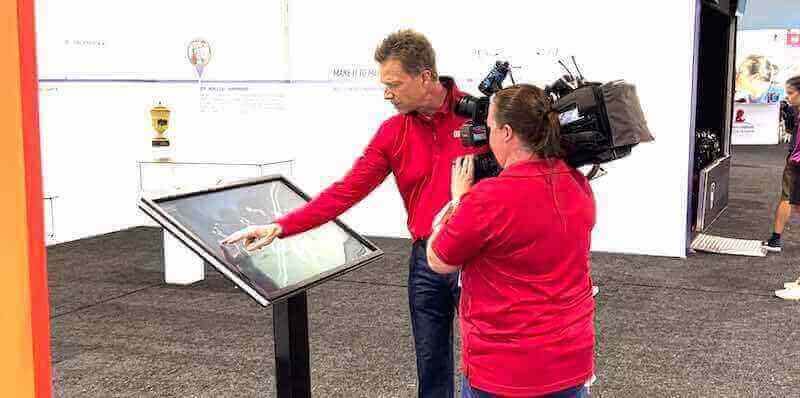
Strategic placement positions touchscreen recognition displays in gymnasium lobbies welcoming all visitors, athletic hallways connecting gyms to locker facilities, cafeterias where students gather throughout days, weight rooms where athletes train daily, and administrative areas impressing recruits during visits.
These displays enable multimedia recognition celebrating championship teams, career statistical leaders, individual scoring records, all-conference and all-state athletes, college scholarship recipients, and hall of fame inductees—creating comprehensive celebration impossible through traditional championship banners alone.
Digital Record Boards Mounted at Regulation Height
Some facilities incorporate digital athletic record boards positioned adjacent to basketball courts, displaying real-time statistical comparisons showing how current game performances compare to school records. These displays often mount at consistent heights aligned with backboard positioning, creating visual continuity connecting active competition with historical achievement.
Modern athletic facilities leverage technology celebrating excellence while maintaining the precise regulation rim heights enabling that excellence in the first place.
Conclusion: Basketball Hoop Height Standards Supporting Excellence
Basketball hoop height standards—from 6-foot rims enabling young children’s first successful baskets through the universal 10-foot regulation height dominating competitive basketball worldwide—represent carefully calibrated measurements supporting player development, enabling fair competition, and preserving historical statistical continuity across generations.
For facilities managers, athletic directors, coaches, and parents, understanding these official specifications ensures proper equipment installation meeting competitive requirements, supports appropriate player development through age-matched rim heights, prevents costly reinstallation after discovering non-compliant measurements, and creates safe, regulation-compliant playing environments.
The universal 10-foot standard connecting high school gymnasiums to NBA arenas and Olympic venues provides rare global consistency in sport—every regulation basketball shot attempted worldwide shares this identical fundamental measurement established over 135 years ago in a Massachusetts gymnasium.
Modern basketball facilities honor the achievements enabled by these regulation courts through comprehensive recognition systems celebrating player excellence, team championships, and program traditions. Just as regulation rim heights provide the foundation for basketball competition, thoughtful recognition infrastructure provides the foundation for celebrating the athletic excellence those regulation courts enable.
Celebrate Your Basketball Program's Excellence
Championship basketball programs deserve recognition systems matching the quality of their regulation facilities. Discover how interactive digital displays complement your gymnasium environment, celebrating basketball achievements through engaging multimedia experiences that inspire current athletes while honoring program history.
Explore Recognition SolutionsWhether you’re installing backyard basketball courts enabling family recreation, managing school facilities supporting youth development, or overseeing championship-caliber programs competing at elite levels, precise understanding of basketball hoop height standards ensures your facilities meet the exact specifications supporting excellence. From youth leagues using 8-foot rims supporting proper skill development through NBA arenas featuring 10-foot rims challenging the world’s greatest athletes, appropriate rim heights provide the foundation enabling basketball participation, competition, and achievement at every level.
Basketball facilities equipped with regulation-compliant playing surfaces and thoughtful recognition systems celebrating achievement create complete environments where athletes develop skills, compete honorably, and receive lasting acknowledgment for excellence. The universal 10-foot standard established in 1891 continues supporting global basketball today—and comprehensive recognition celebrating achievements enabled by that standard ensures basketball excellence receives the permanent honor it deserves.