



Showcasing athletic achievement awards digitally transforms how schools, universities, and sports organizations celebrate excellence. Traditional trophy cases and wall plaques face inherent limitations—finite space forcing difficult choices about which achievements receive visibility, static displays that quickly become outdated, and physical constraints that make updating recognition time-consuming and expensive.
Yet athletes who dedicate countless hours to their craft deserve recognition that matches their commitment. State championship trophies, individual record-breaking performances, All-Conference selections, team MVP awards, and career milestones represent extraordinary accomplishments worthy of celebration that extends beyond brief ceremony moments and forgotten storage closets.
This comprehensive guide explores the most effective strategies for implementing digital athletic achievement recognition—from interactive touchscreen displays that bring accomplishments to life through multimedia content, to web-based platforms extending visibility beyond physical campuses, to design frameworks ensuring your digital recognition creates the inspiring, accessible, and professionally presented celebration today’s athletes deserve.
Digital recognition solutions address the fundamental challenges that plague traditional athletic awards display while creating new opportunities for engagement, accessibility, and storytelling impossible with physical plaques alone. Schools implementing thoughtful digital strategies discover that modern recognition technology enables them to honor every achievement across all sports and competition levels while maintaining sustainable systems that evolve alongside their programs.

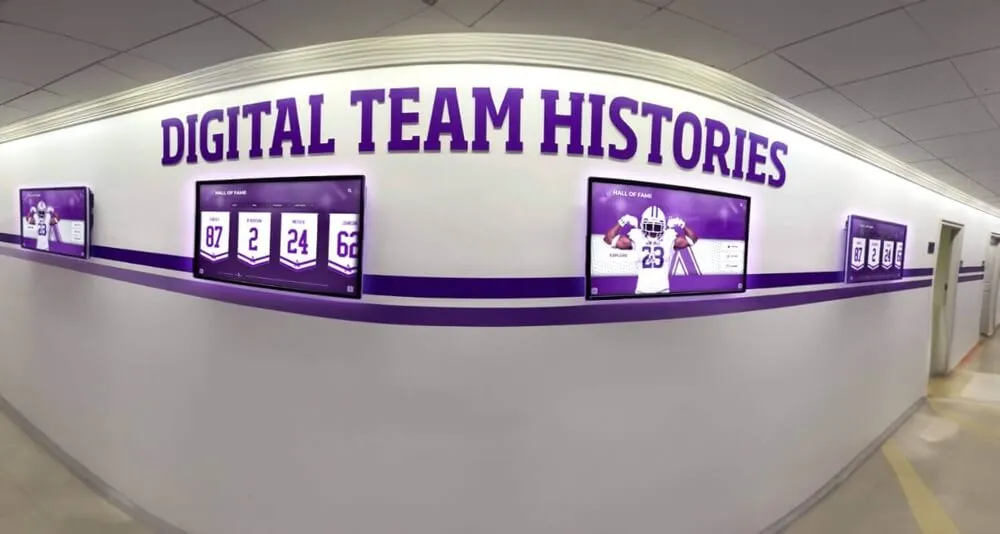
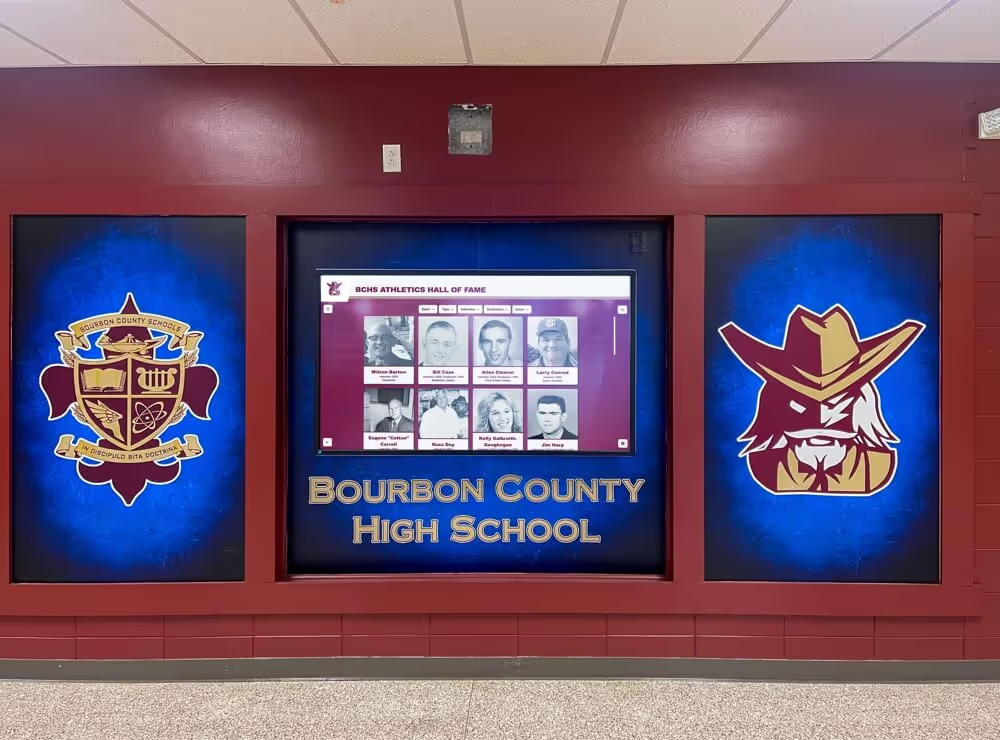
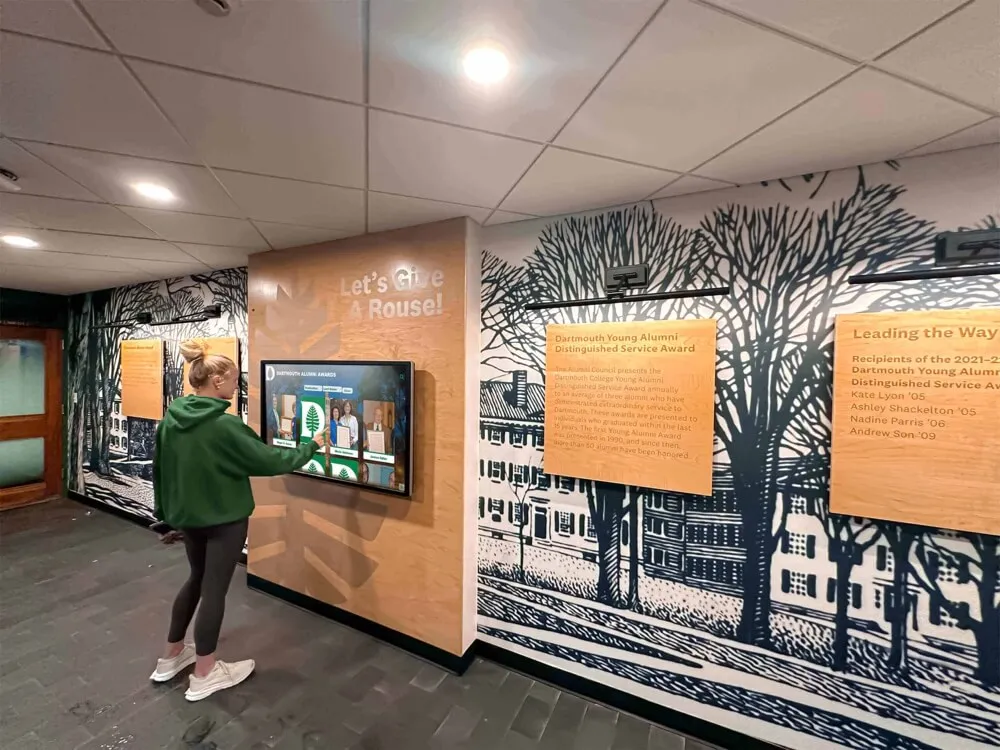
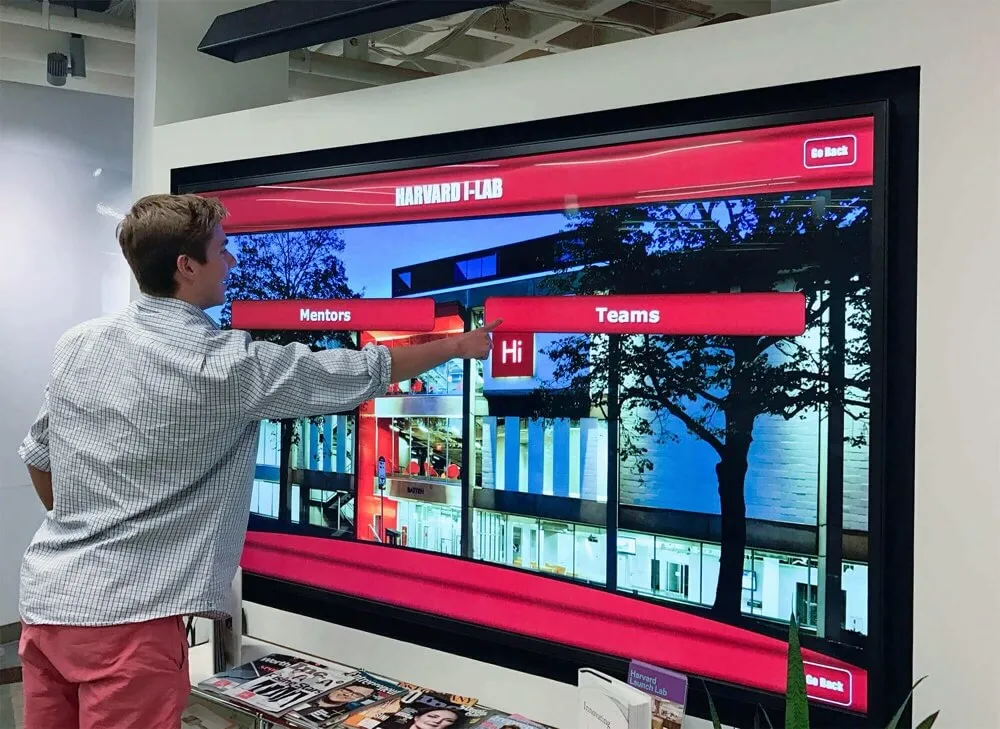
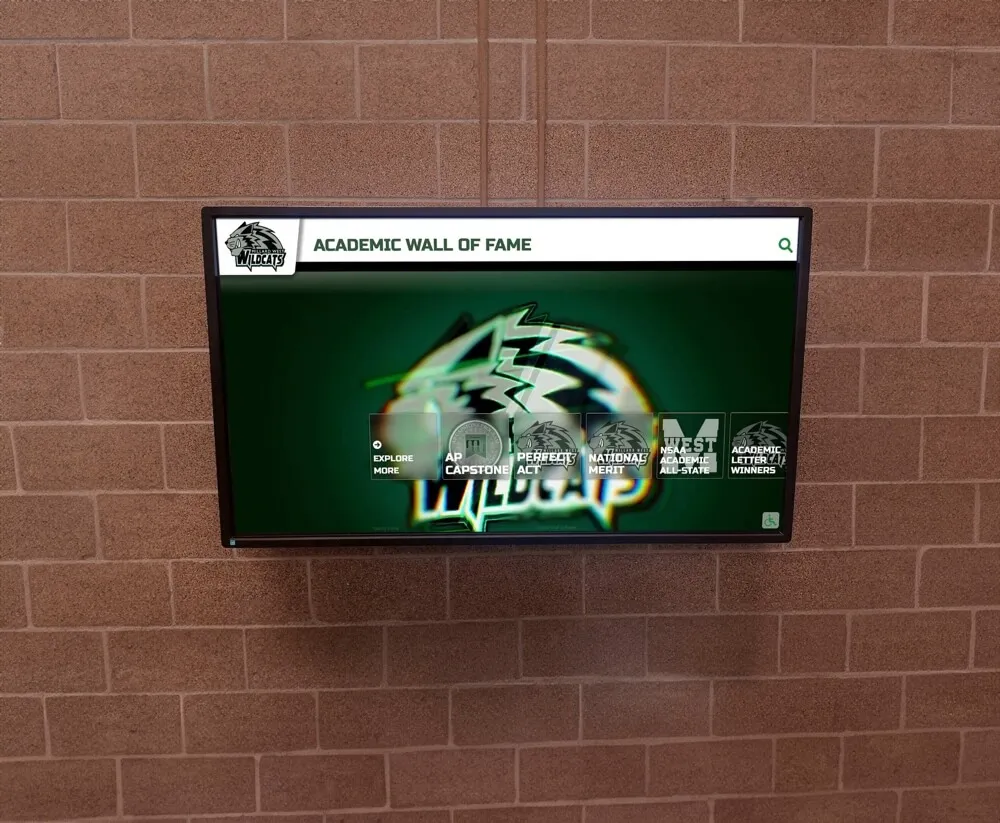
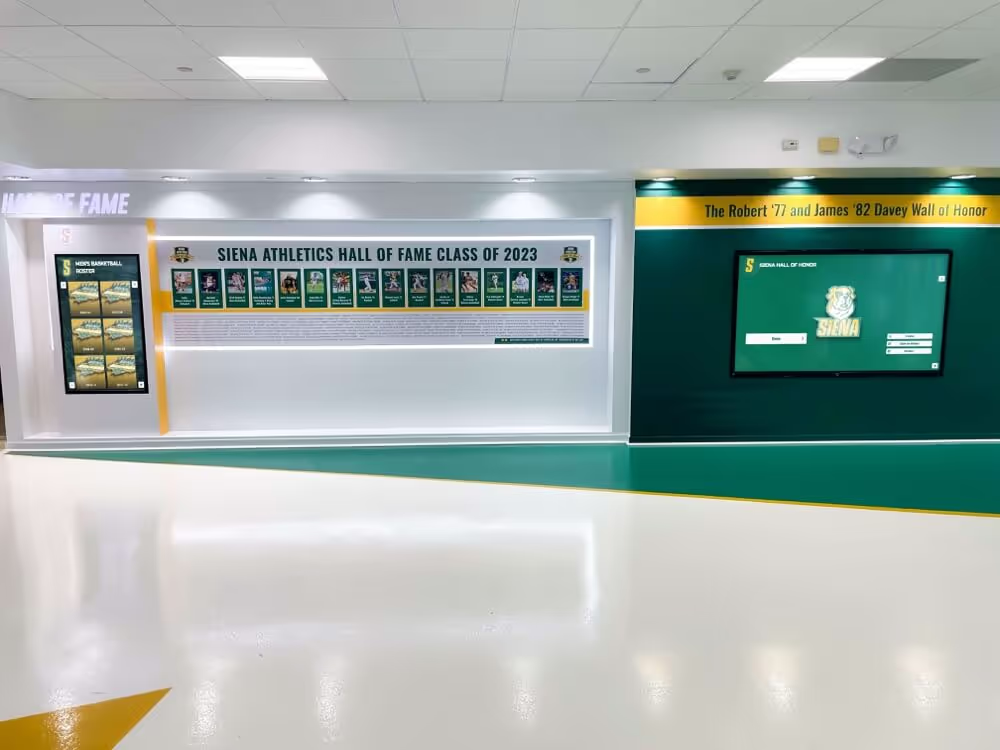
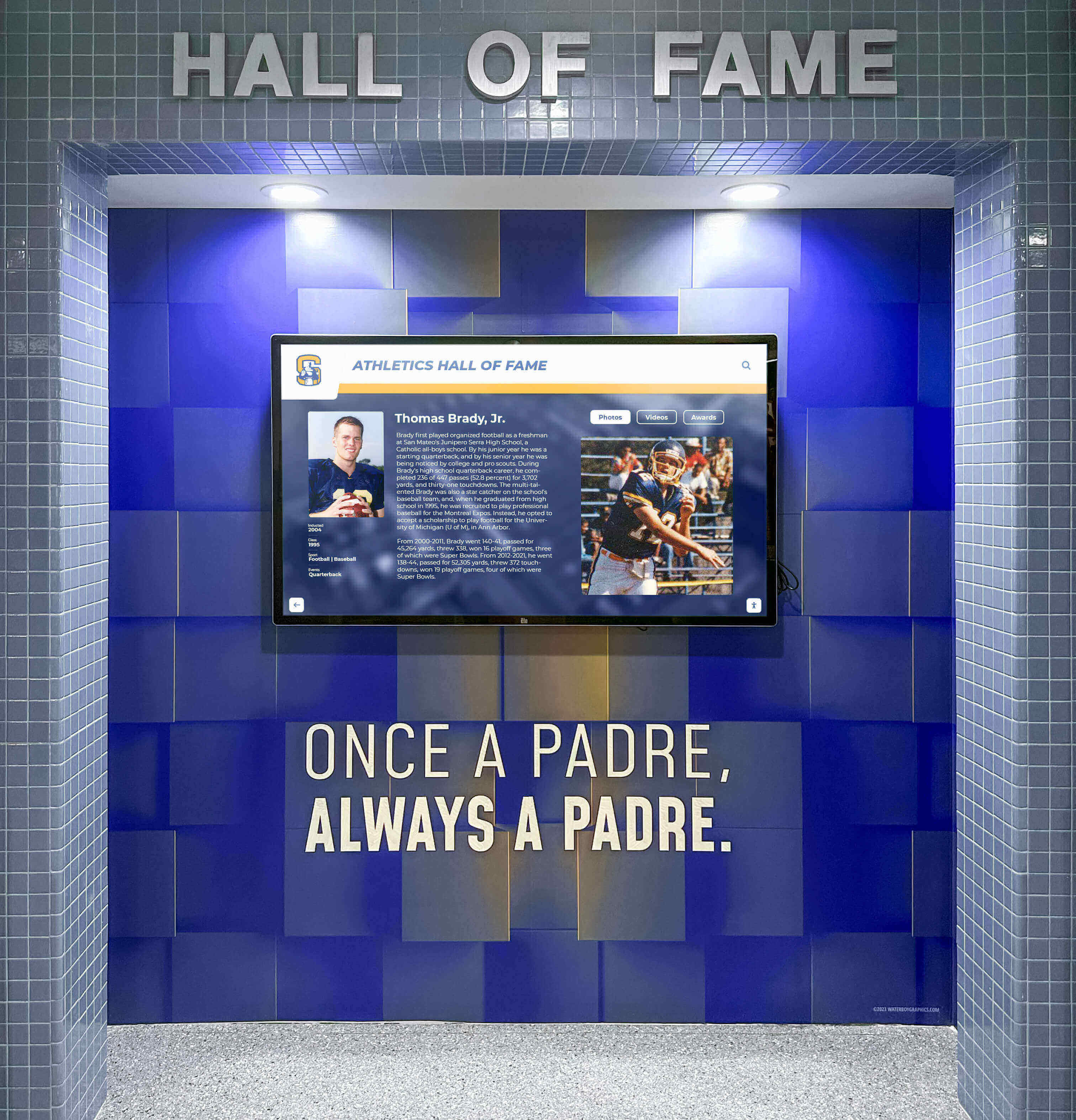
Digital athletic recognition displays provide comprehensive, engaging celebration of sports excellence in high-traffic areas
Why Traditional Athletic Award Displays Fall Short
Understanding the limitations of conventional recognition approaches reveals why forward-thinking athletic programs increasingly adopt digital solutions for showcasing achievement.
Space Constraints Force Difficult Choices
Physical trophy cases and wall-mounted plaques impose strict capacity limits that create ongoing recognition challenges:
Selective Recognition Requirements
- Limited display space forces administrators to choose which teams, athletes, and achievements receive visibility
- Newer accomplishments often replace historical awards, erasing program legacy
- Growing athletic programs outpace available recognition space
- Multi-sport schools struggle to provide equitable visibility across all teams
- Individual achievements compete with team recognition for scarce display real estate
Storage and Visibility Trade-offs
- Significant achievements end up in storage boxes rather than visible displays
- Rotating display strategies mean most awards remain hidden at any given time
- Historical accomplishments disappear from view, disconnecting current athletes from program tradition
- Administrative burden of managing physical rotation systems leads to stale, outdated displays
These space limitations undermine recognition effectiveness while creating equity concerns when some sports or achievements receive prominent display while others remain invisible.
Maintenance and Update Challenges
Traditional displays require ongoing physical work that many programs struggle to sustain:
Time-Intensive Update Processes
- Adding new achievements requires physical plaque production, mounting hardware installation, and display rearrangement
- Seasonal award updates demand significant staff time during already-busy periods
- Correcting errors or updating information necessitates costly plaque replacement
- Refreshing outdated displays requires coordinated design, production, and installation efforts
Deterioration and Damage
- Physical awards fade, tarnish, or accumulate damage over time
- Trophy case lighting deteriorates, making displays difficult to view
- Environmental factors like humidity or sunlight degrade recognition quality
- Repair and maintenance costs accumulate as displays age
Schools report spending substantial time and budget maintaining traditional displays—resources that could instead support athletic programming and athlete development.
Limited Storytelling Capability
Physical plaques and trophies provide minimal context about achievements they represent:
Contextual Information Constraints
- Limited space allows only basic information like names, years, and achievement types
- No room for performance statistics, game highlights, or accomplishment context
- Impossible to explain what made particular achievements significant
- Missing connections between individual accomplishments and team success
- No documentation of the journey, challenges overcome, or preparation required
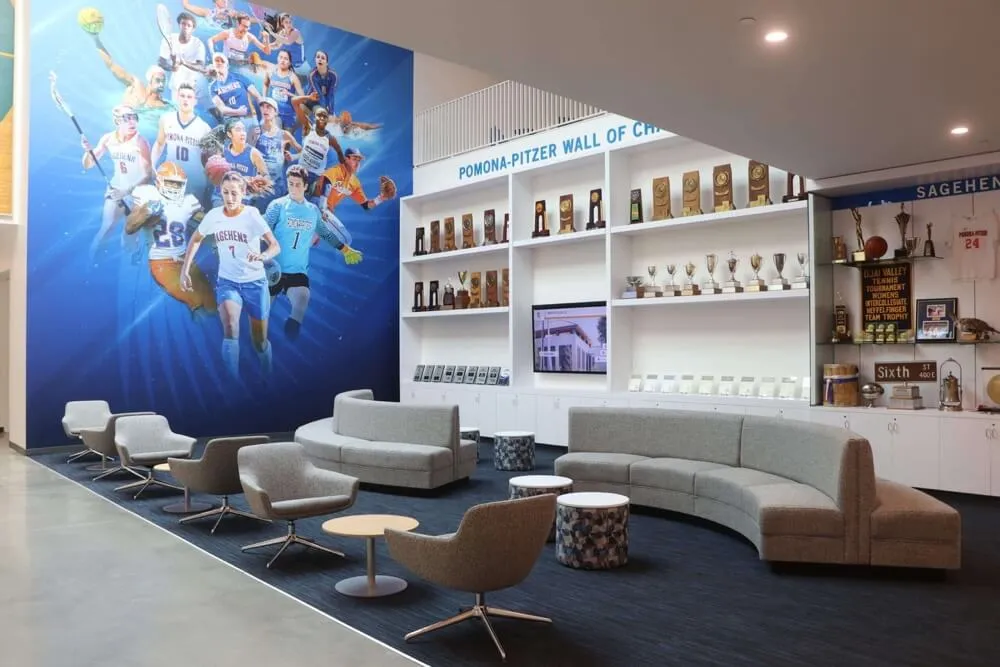
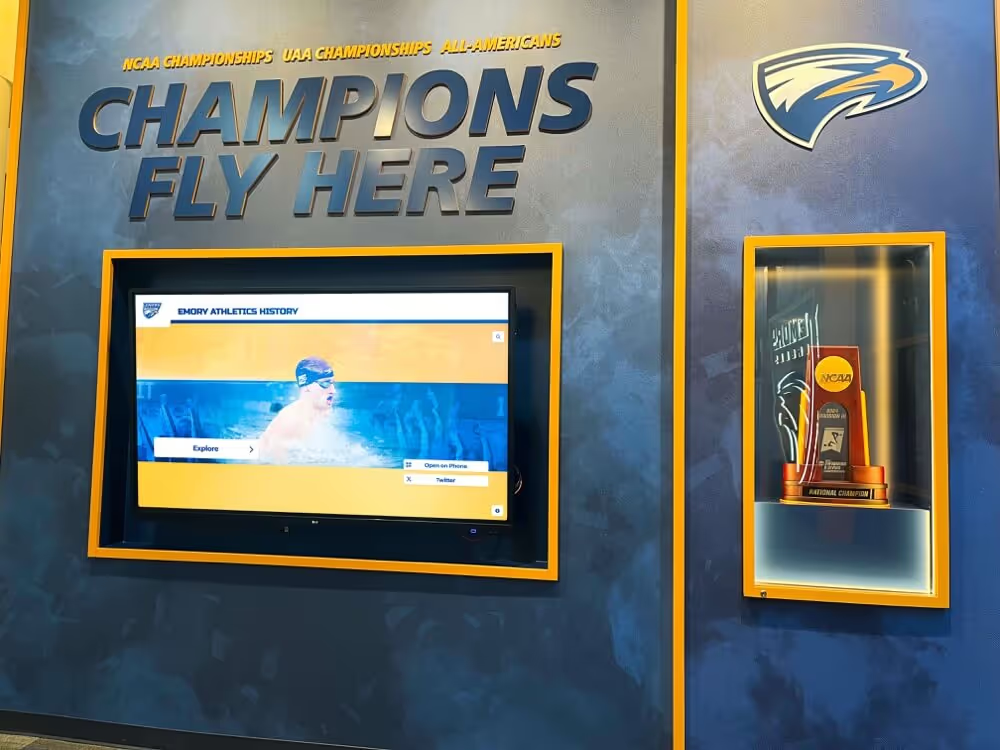
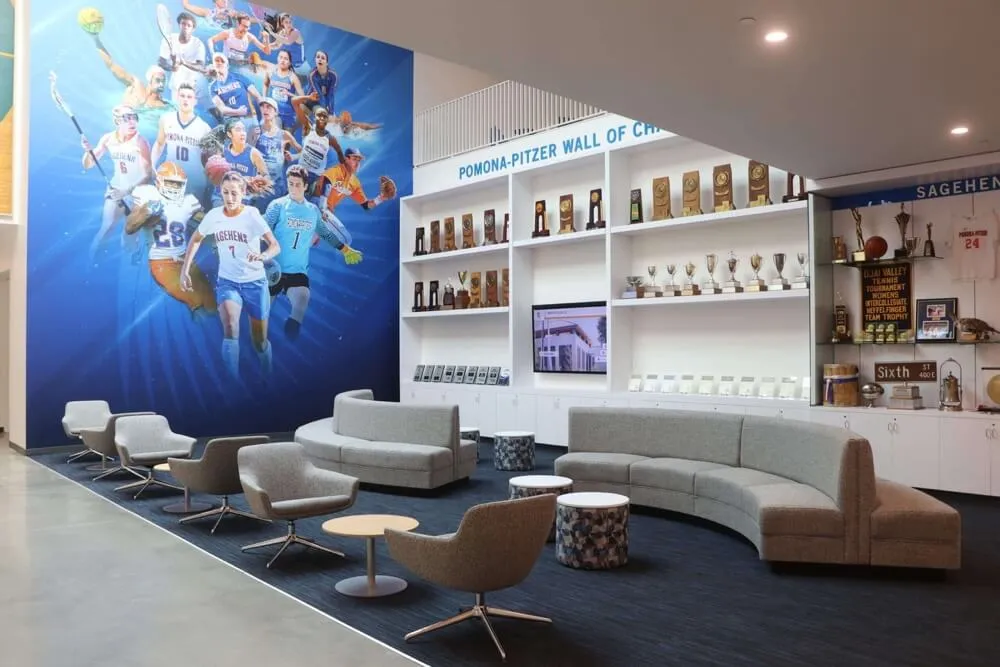
Traditional trophy displays provide limited space for storytelling and comprehensive achievement celebration
Engagement Limitations
- Static displays offer no interaction or exploration opportunities
- Viewers cannot search for specific athletes, sports, or achievement types
- No multimedia content like photos, videos, or performance footage
- Missing connections to broader program history or related achievements
- Limited appeal to contemporary audiences expecting digital experiences
These storytelling gaps mean that traditional displays honor achievements without inspiring understanding of what those accomplishments represent or the dedication required to achieve them.
Core Principles of Effective Digital Athletic Recognition
Successful digital recognition systems share fundamental design principles that maximize impact while ensuring sustainable implementation and long-term value.
Comprehensive Inclusivity Across All Sports
Digital platforms enable recognition breadth impossible with space-constrained physical displays:
Equitable Multi-Sport Recognition
- Showcase achievements from all athletic programs—varsity, junior varsity, and club teams
- Provide equal visibility for traditional sports and emerging programs
- Honor individual and team accomplishments across all competition levels
- Include achievements from multiple seasons and historical eras
- Recognize diverse achievement types from championships to improvement awards
This comprehensive approach ensures that every athlete and team receives appropriate celebration regardless of sport popularity or physical display space limitations. Understanding academic recognition programs demonstrates how inclusive recognition systems celebrate diverse achievements across entire educational communities.
Achievement Diversity Recognition
- State and national championships celebrating ultimate competitive success
- Conference and league honors recognizing sustained excellence
- Individual records and statistical milestones
- Academic All-Conference and All-State recognitions honoring student-athletes
- Team awards, senior tributes, and program milestone celebrations
- Coach recognitions and contributor acknowledgments

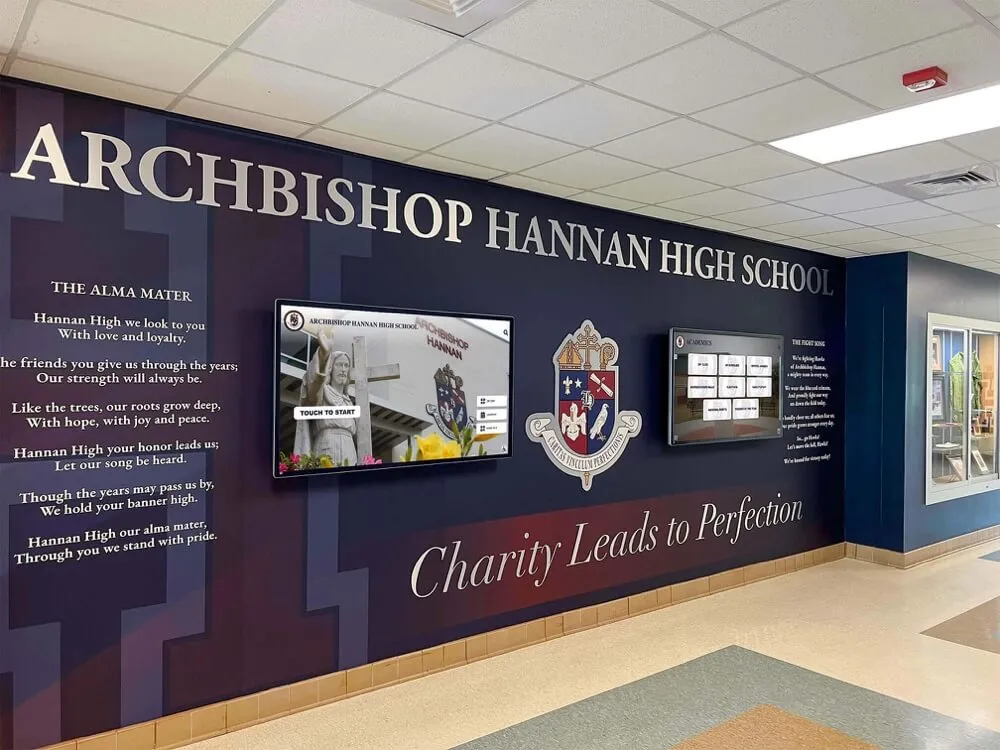
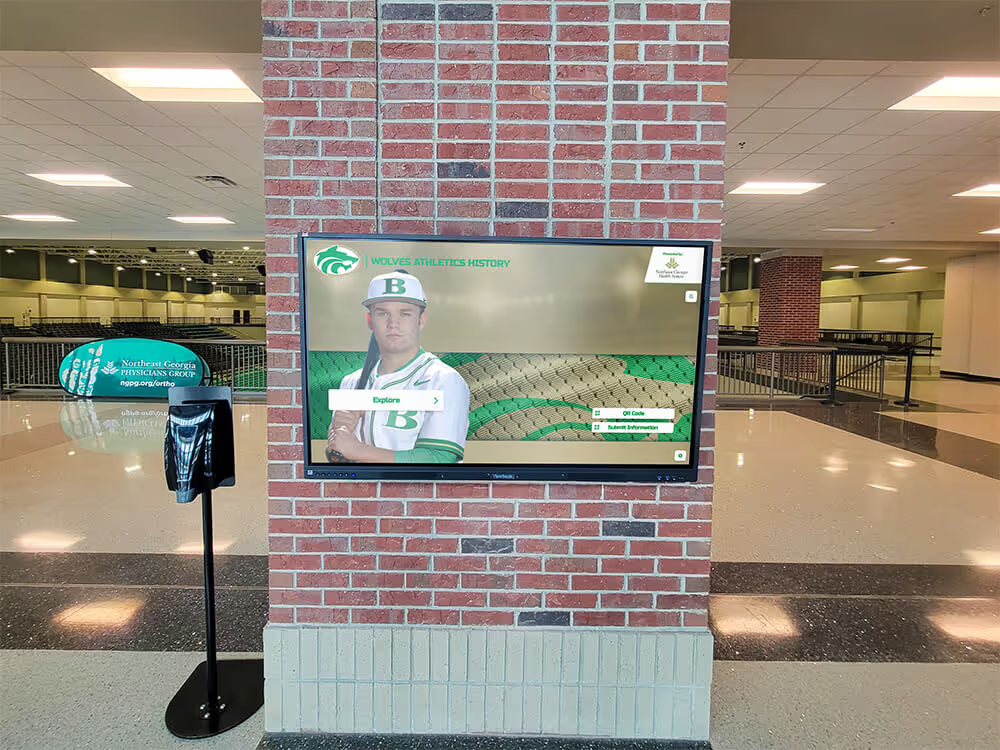
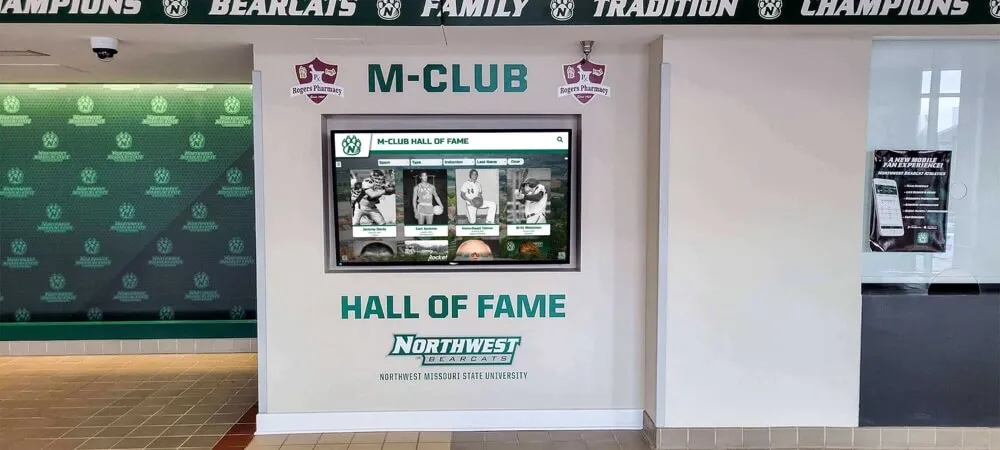
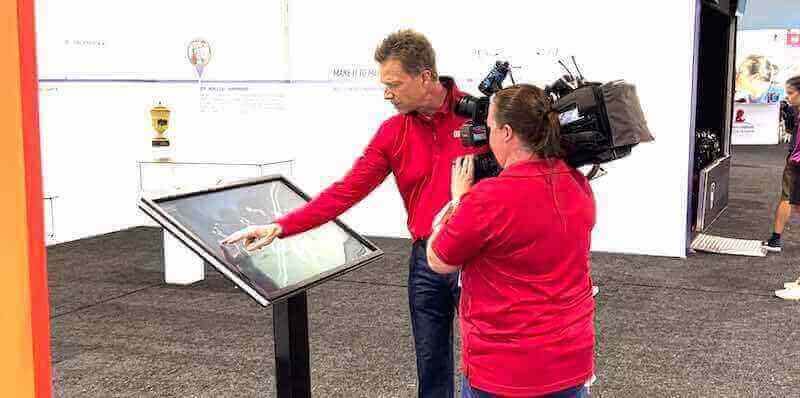
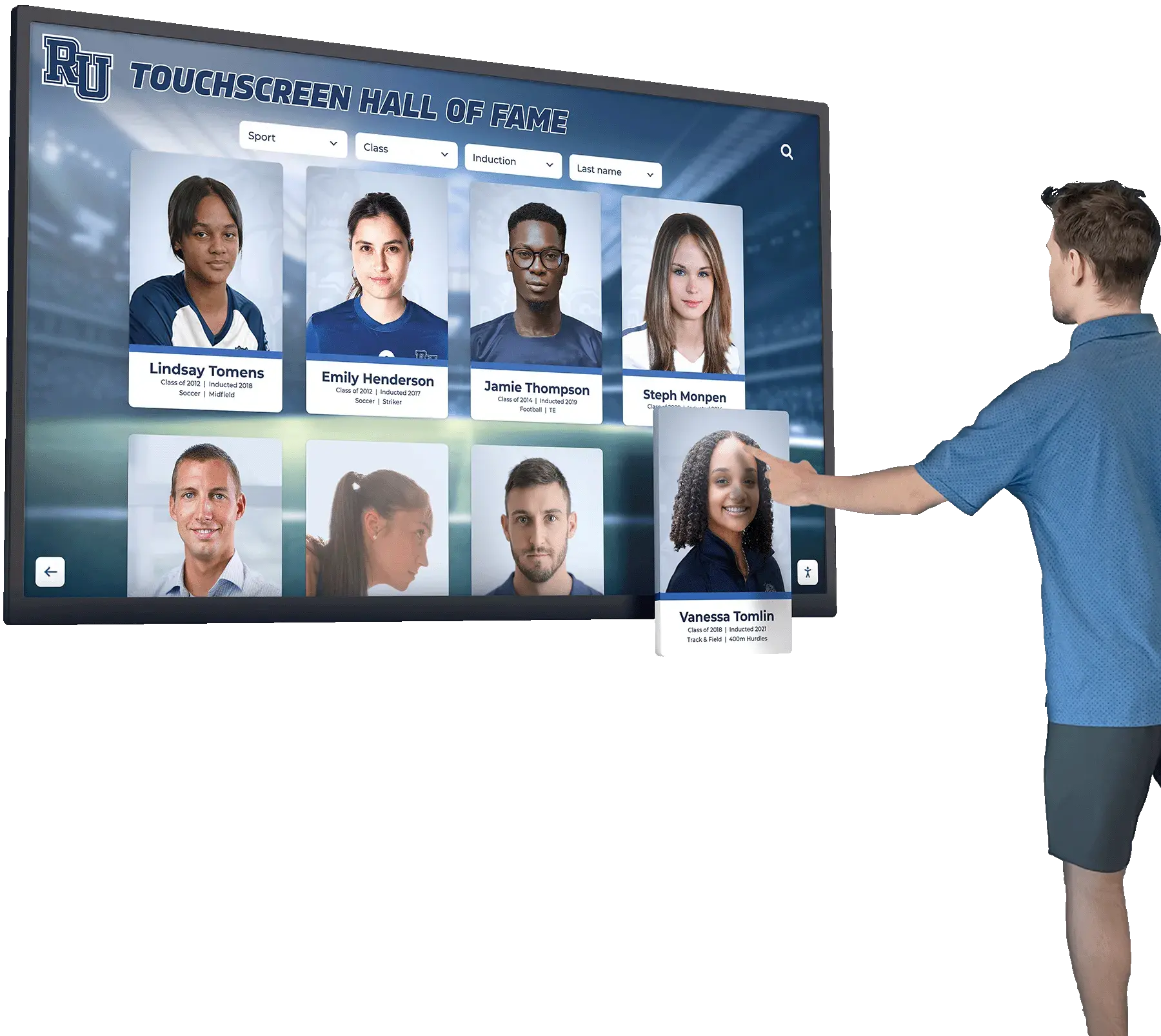
Touchscreen interfaces enable exploration of individual athlete achievements and complete athletic careers
Rich Multimedia Storytelling
Digital recognition transforms static name plaques into engaging stories that bring athletic achievements to life:
Visual Content Integration
- Competition action photos capturing athletic performance moments
- Team photos documenting championship seasons and memorable years
- Award ceremony images showing recognition moments
- Practice and preparation photos illustrating dedication behind achievements
- Historical photographs connecting current programs to tradition
Video and Audio Enhancement
- Game highlight footage showcasing record-breaking performances
- Championship game clips preserving memorable moments
- Athlete interviews reflecting on achievements and experiences
- Coach commentary providing context about accomplishment significance
- Victory celebrations and emotional moments that statistics alone cannot capture
Detailed Achievement Context
- Performance statistics and records providing numerical achievement context
- Competition details explaining what athletes accomplished
- Seasonal narratives describing championship runs and remarkable seasons
- Obstacle and comeback stories demonstrating character alongside athletic skill
- Post-graduation updates showing continued athletic or professional success
This multimedia approach creates recognition experiences that inform, inspire, and engage viewers in ways impossible with traditional plaques displaying only names and dates. Exploring digital archives for schools reveals comprehensive strategies for preserving and presenting institutional history through digital platforms.
Interactive Exploration Features
Modern digital displays provide active engagement rather than passive viewing:
Search and Filter Capabilities
- Search by athlete name, graduation year, or sport
- Filter achievements by decade, championship type, or award category
- Browse complete athletic careers showing multi-year accomplishments
- Explore team rosters and season summaries
- Navigate related achievements and connected athletes
User-Driven Navigation
- Touchscreen interfaces enabling intuitive exploration
- Logical content organization facilitating easy discovery
- Related content suggestions guiding viewers to connected achievements
- Customizable display modes serving different exploration goals
- Accessible navigation accommodating diverse user capabilities
Interactive features particularly resonate with contemporary audiences expecting digital experiences that respond to their interests rather than forcing linear consumption of predetermined content.
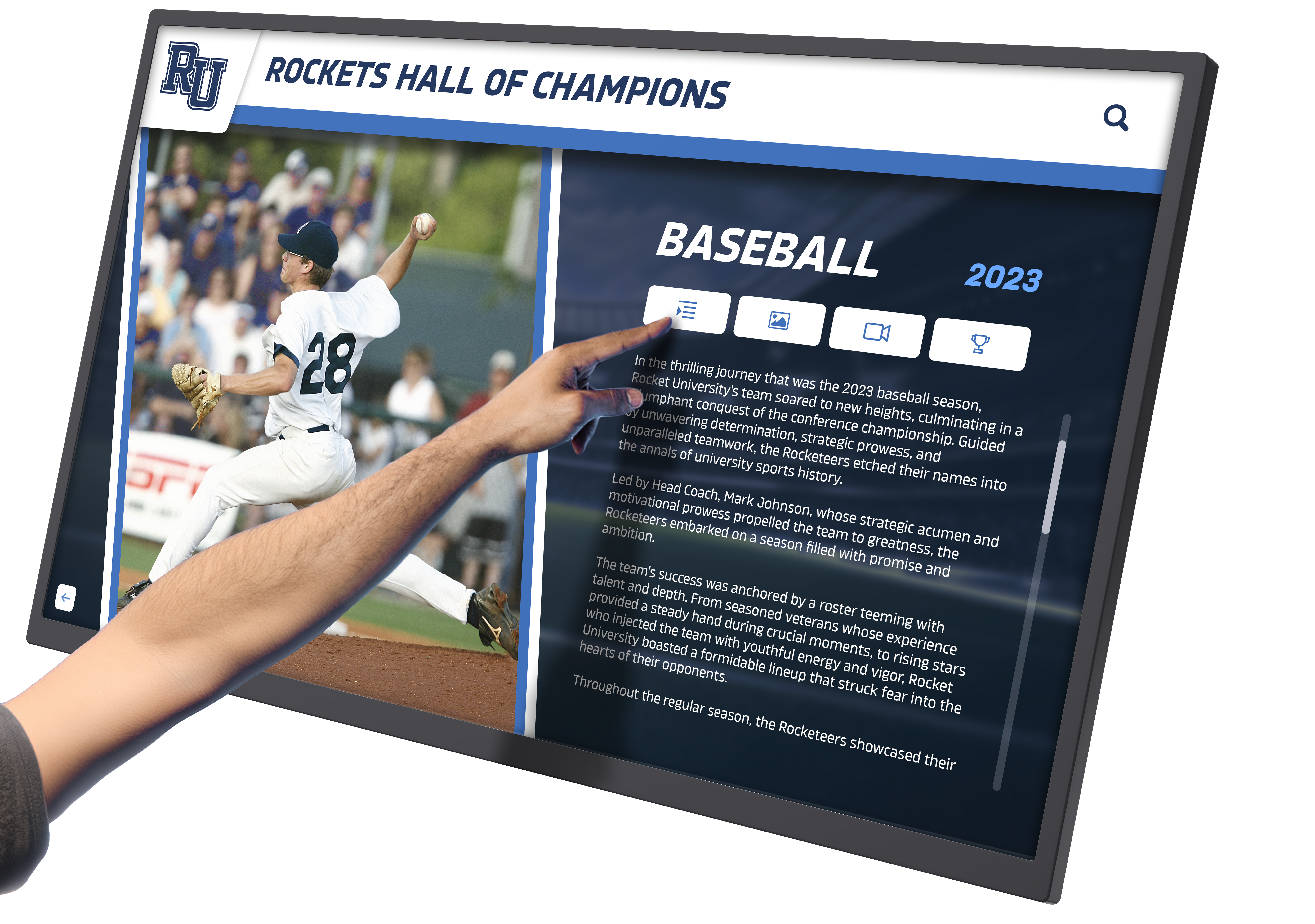
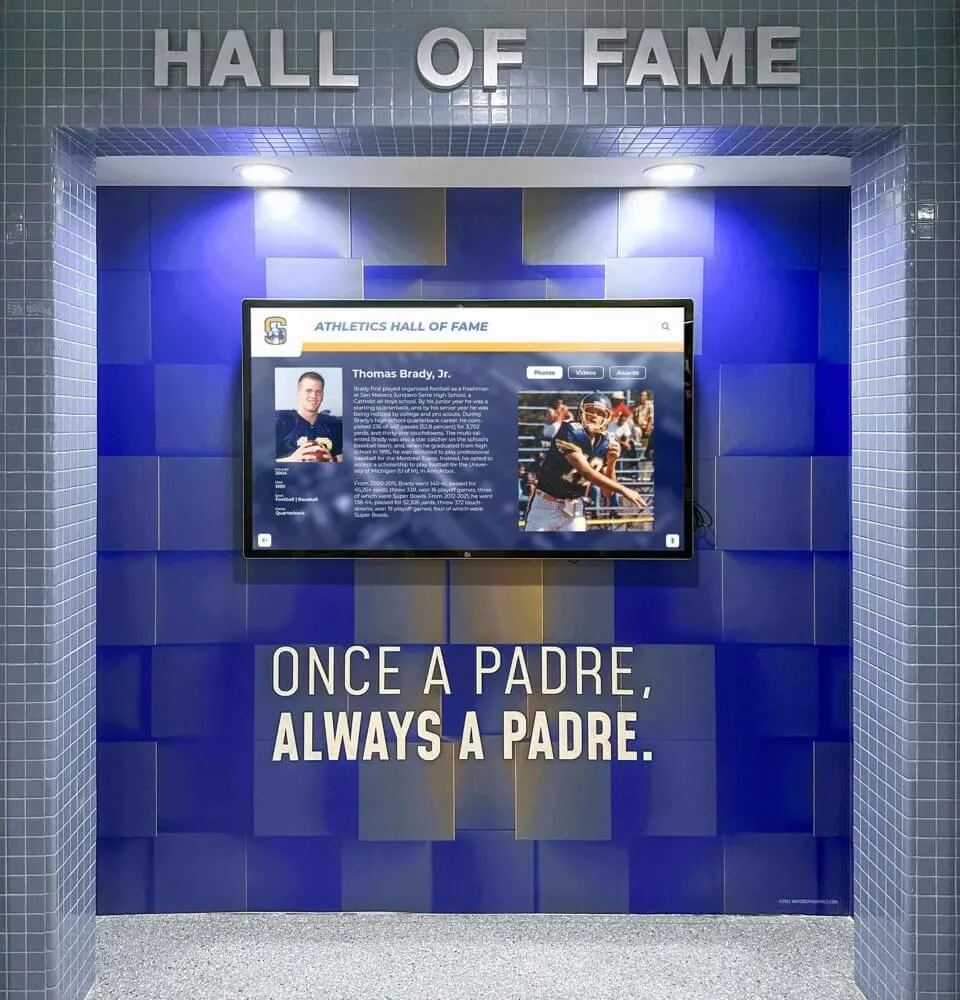
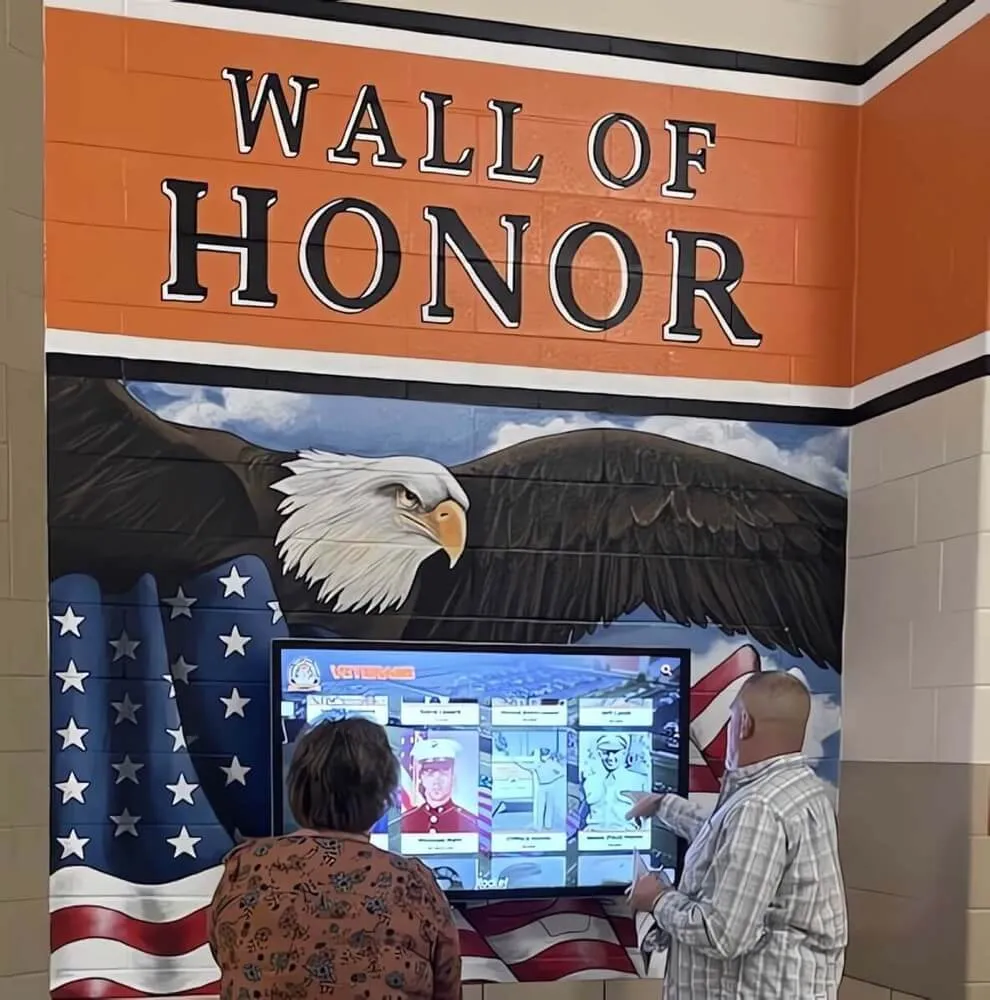
Interactive displays provide in-depth athlete profiles with statistics, photos, and achievement details
Accessible Design for Diverse Audiences
Digital recognition must serve multiple stakeholder groups with varying needs and access requirements:
Physical Accessibility Considerations
- ADA-compliant mounting heights and touchscreen positioning
- Screen brightness and contrast suitable for varied lighting conditions
- Touch target sizing accommodating different motor capabilities
- Alternative navigation methods for users unable to interact physically
- Clear sightlines from various viewing distances and angles
Resources about digital recognition display accessibility provide detailed guidance ensuring recognition systems serve all community members regardless of abilities.
Digital Accessibility Standards
- High contrast text and backgrounds ensuring readability
- Font sizes appropriate for viewing distances and visual capabilities
- Screen reader compatibility for visually impaired users
- Caption availability for video content serving hearing-impaired audiences
- Language options when serving multilingual communities
Extended Access Through Web Platforms
- Mobile-responsive recognition websites complementing physical displays
- Alumni and family access enabling worldwide viewing
- Social sharing capabilities amplifying recognition reach
- QR codes connecting physical displays to extended online content
- Multiple access points ensuring recognition availability regardless of location
This accessibility focus ensures recognition reaches maximum audiences while demonstrating institutional commitment to inclusive design serving entire communities.
Implementation Strategies: Display Types and Placement
Effective digital athletic recognition combines appropriate hardware solutions with strategic placement maximizing visibility and engagement.
Large-Format Interactive Touchscreen Displays
Purpose-built touchscreen kiosks provide premier interactive recognition experiences:
Hardware Considerations
- Screen sizes typically ranging from 43" to 75" or larger for hallway installations
- Commercial-grade touchscreen technology designed for high-traffic institutional use
- Protective enclosures safeguarding displays from damage in athletic facilities
- Integrated computing systems running recognition software
- Professional mounting solutions ensuring secure, permanent installation
Software Platform Requirements
- Intuitive content management systems enabling non-technical staff to update recognition
- Cloud-based platforms supporting remote content updates from any location
- Drag-and-drop interfaces simplifying addition of new achievements
- Bulk import capabilities for historical data integration
- Role-based permissions providing appropriate access control
Solutions like Rocket Alumni Solutions provide comprehensive recognition platforms specifically designed for educational athletic programs, combining user-friendly software, reliable hardware, and professional implementation ensuring long-term success.
Optimal Placement Locations
- Athletic facility main entrances creating immediate recognition visibility
- Gymnasium lobbies where athletes, families, and fans naturally gather
- Fieldhouse concourses with high traffic during competitions
- Weight room and training facility areas inspiring current athletes
- Locker room corridors reinforcing program excellence culture
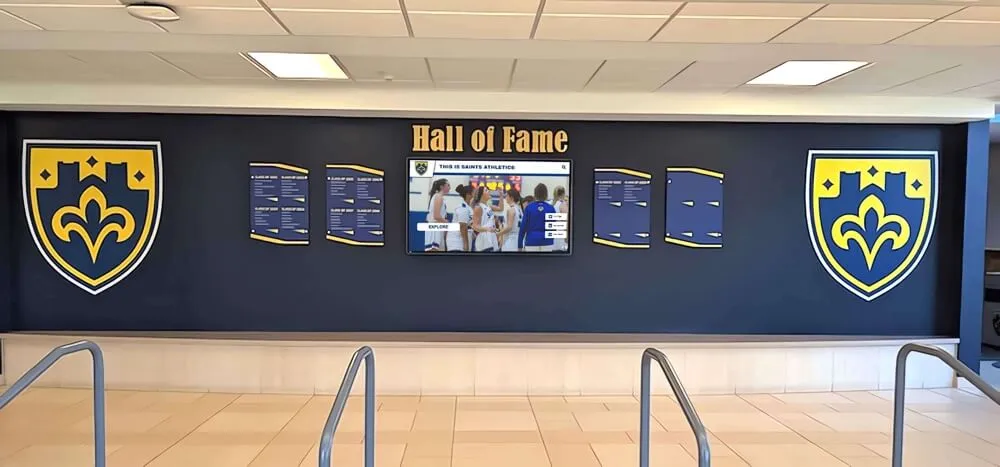
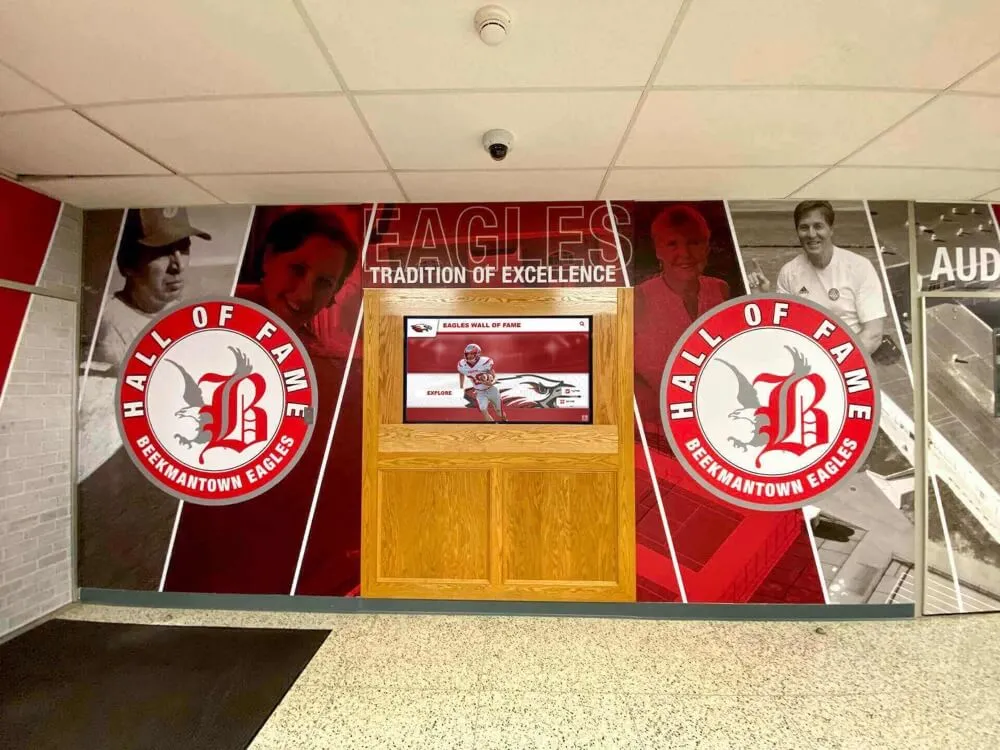
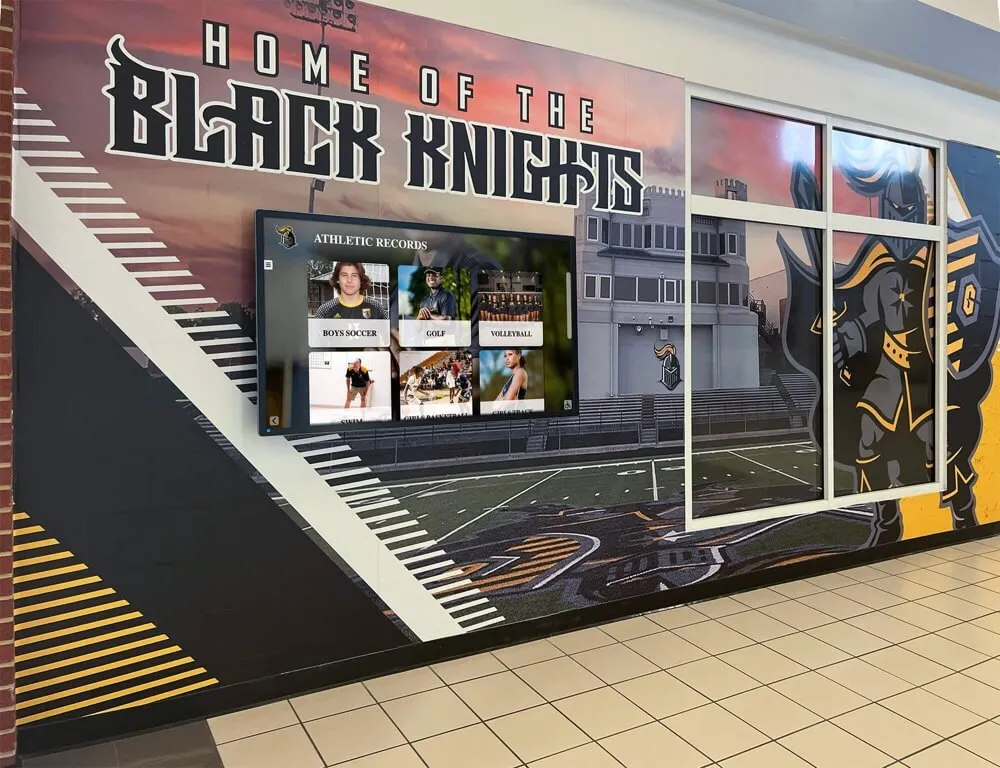
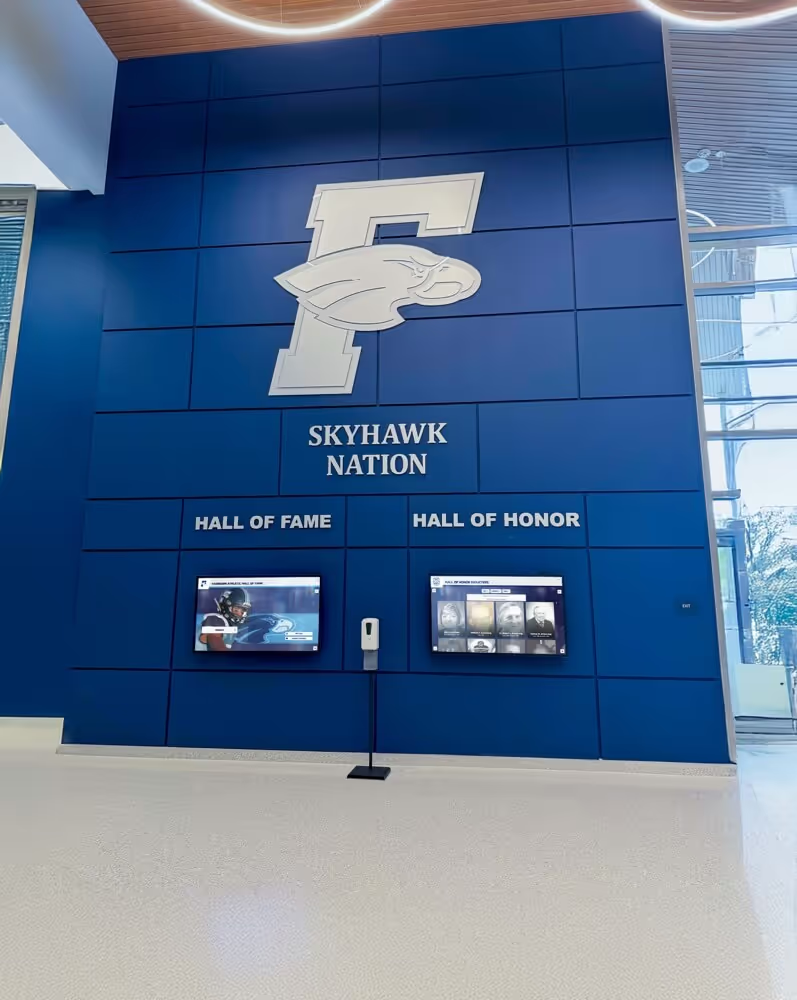
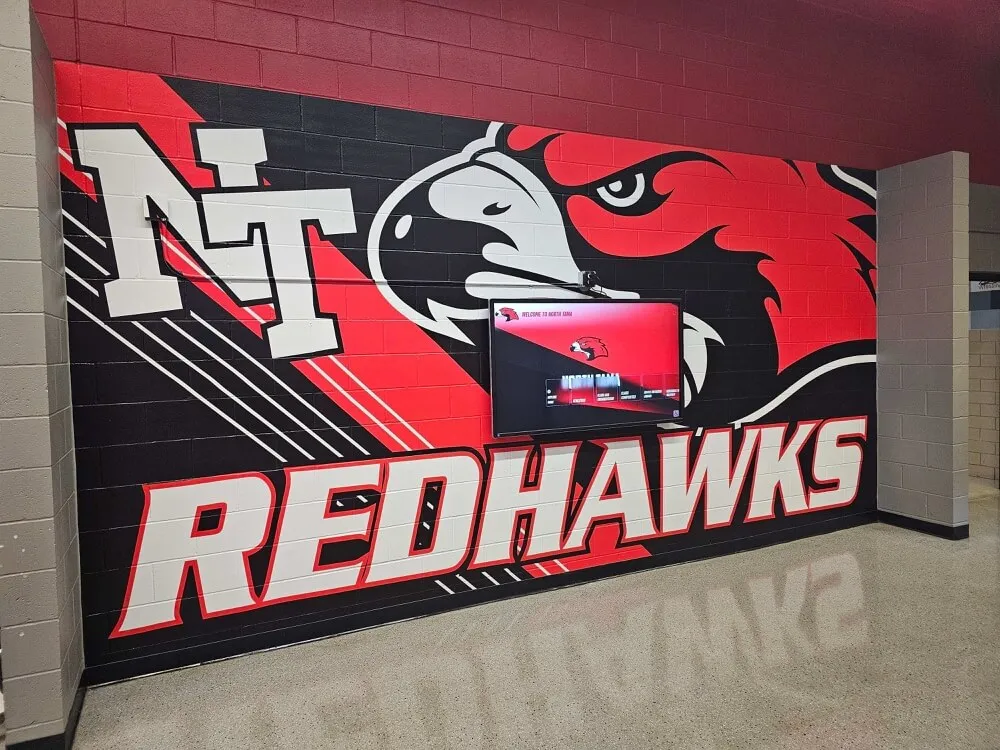
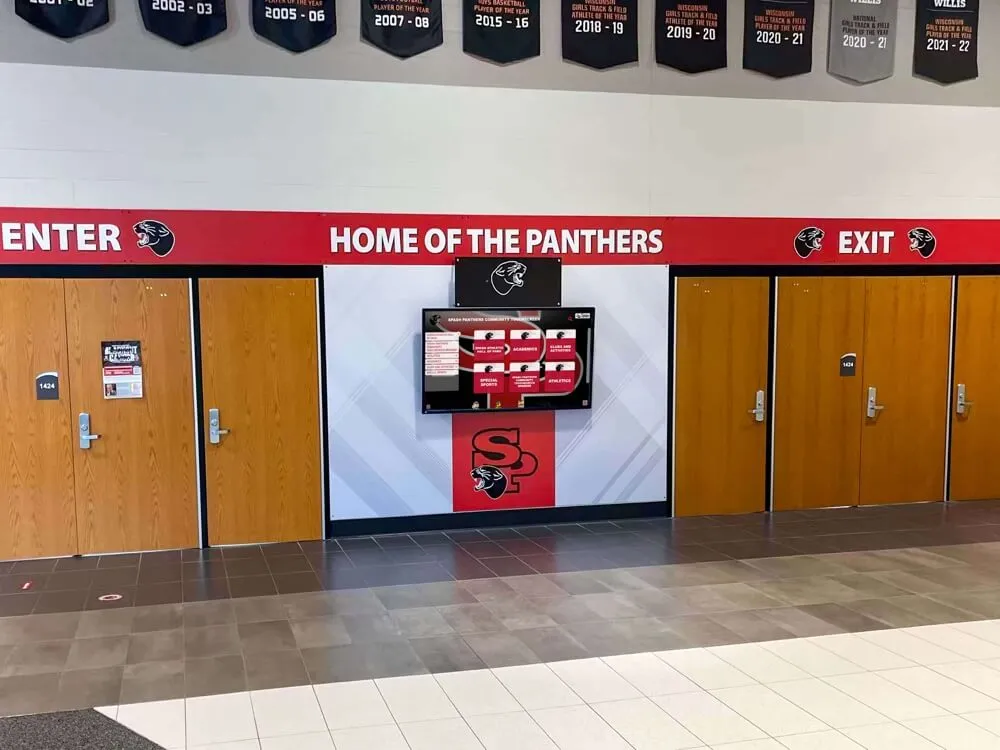
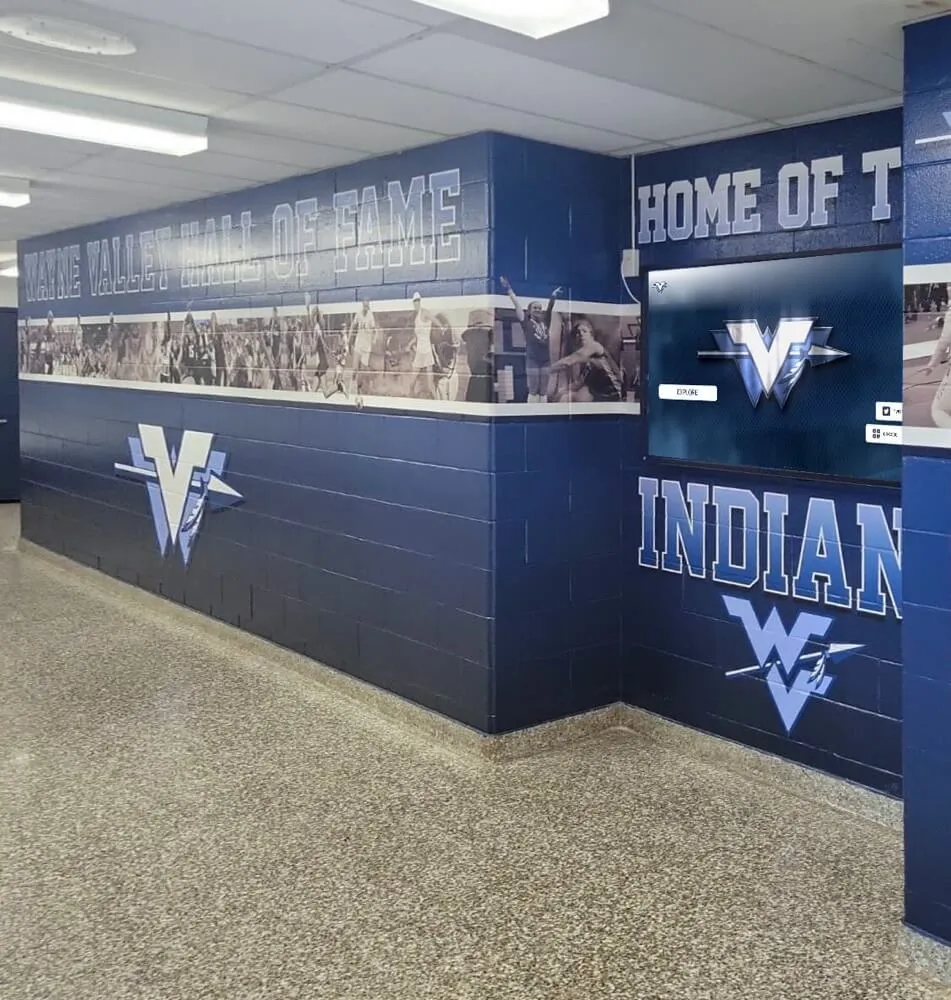
Strategic display placement in high-traffic athletic areas maximizes recognition visibility and impact
Strategic placement ensures maximum visibility during competitions, practices, camps, and events when athletic facilities experience peak traffic and attention.
Wall-Mounted Digital Signage Integration
Large-format digital signage displays complement interactive kiosks or provide recognition in space-constrained locations:
Display Characteristics
- Flat-panel displays mounted like traditional artwork or signage
- Content cycling automatically through recognition highlights
- Non-interactive format suitable for viewing-only locations
- Lower cost per display enabling multiple location coverage
- Integration with existing digital signage infrastructure when available
Content Strategies
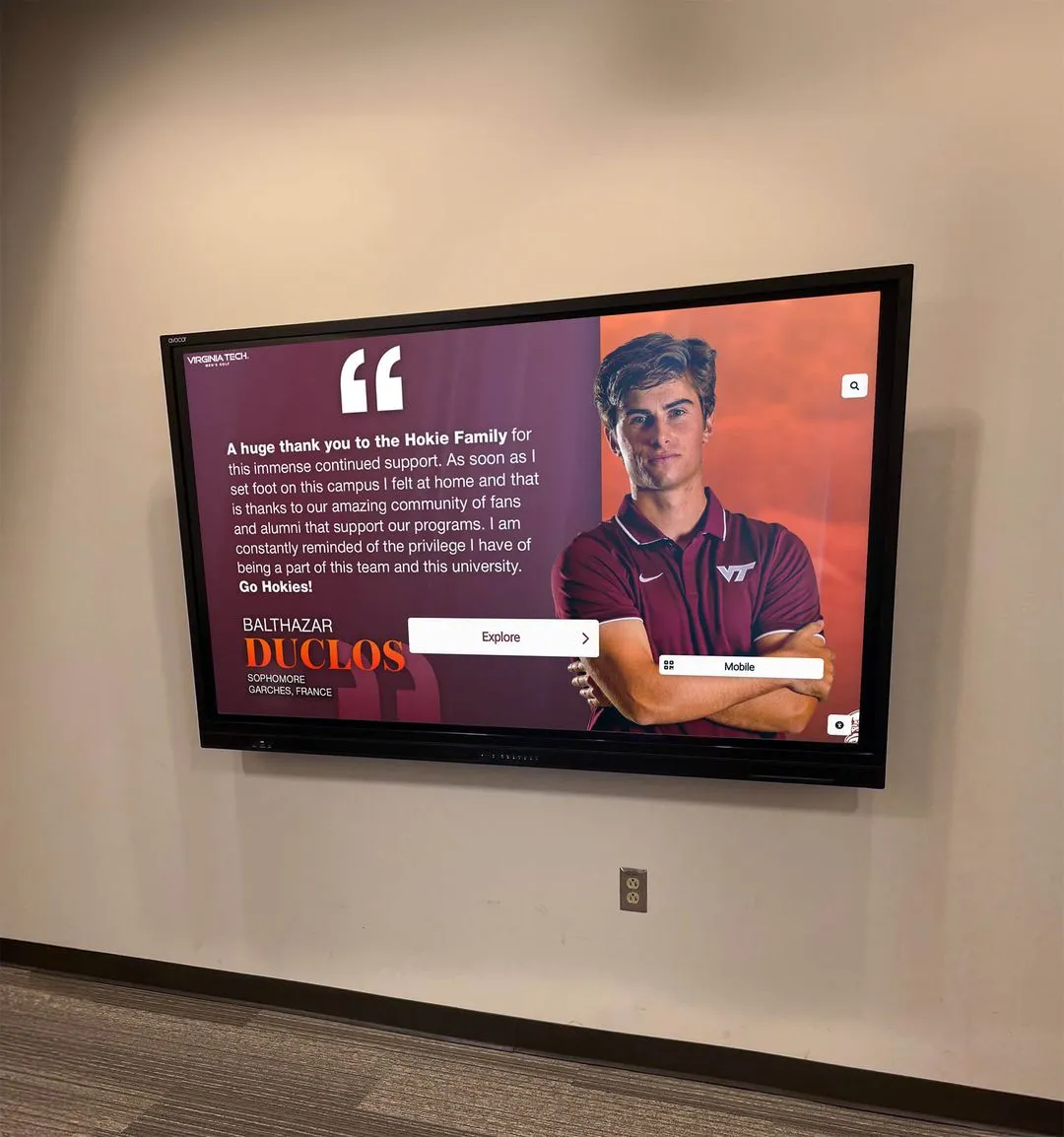
- Rotating athlete spotlights featuring individual achievements with photos and details
- Championship celebration screens highlighting recent team successes
- Record board displays showcasing statistical achievements and program milestones
- Alumni update screens sharing post-graduation athletic and career accomplishments
- Upcoming competition schedules integrated with historical achievement recognition
Effective Placement Zones
- School cafeterias and common areas reaching entire student populations
- Main hallway intersections maximizing school-wide visibility
- Academic building entrances demonstrating that athletics matter institution-wide
- Administrative office lobbies showcasing program excellence to visitors
- Athletic department offices immersing staff in recognition culture
Wall-mounted displays work particularly well for creating recognition presence throughout campuses rather than concentrating all recognition in athletic facilities alone. Learning about state championship trophy displays demonstrates how schools create prominent celebration of premier athletic achievements.
Mobile and Web-Based Recognition Extensions
Digital recognition should extend beyond physical campus boundaries through online platforms:
Web-Based Recognition Portals
- Standalone websites dedicated to athletic recognition and program history
- School website integration embedding recognition within existing platforms
- Mobile-responsive design ensuring accessibility across all devices
- Search engine optimization making achievements discoverable online
- Social media integration amplifying recognition reach
Mobile Application Opportunities
- Dedicated apps providing recognition access on smartphones and tablets
- Push notifications celebrating new achievements and recognition updates
- Alumni engagement features connecting former athletes with program history
- Interactive statistics and record books accessible anywhere
- Photo galleries and video archives preserving program history
QR Code Bridges
- Physical display QR codes linking to extended online content
- Athlete profile QR codes enabling smartphone access to complete achievement details
- Team page connections providing rosters, statistics, and season summaries
- Coach biography QR codes honoring leadership contributions
- Donor recognition QR codes acknowledging program support
This multi-platform approach ensures recognition reaches athletes’ families across the country, connects with alumni worldwide, and engages prospective student-athletes researching program quality and tradition.
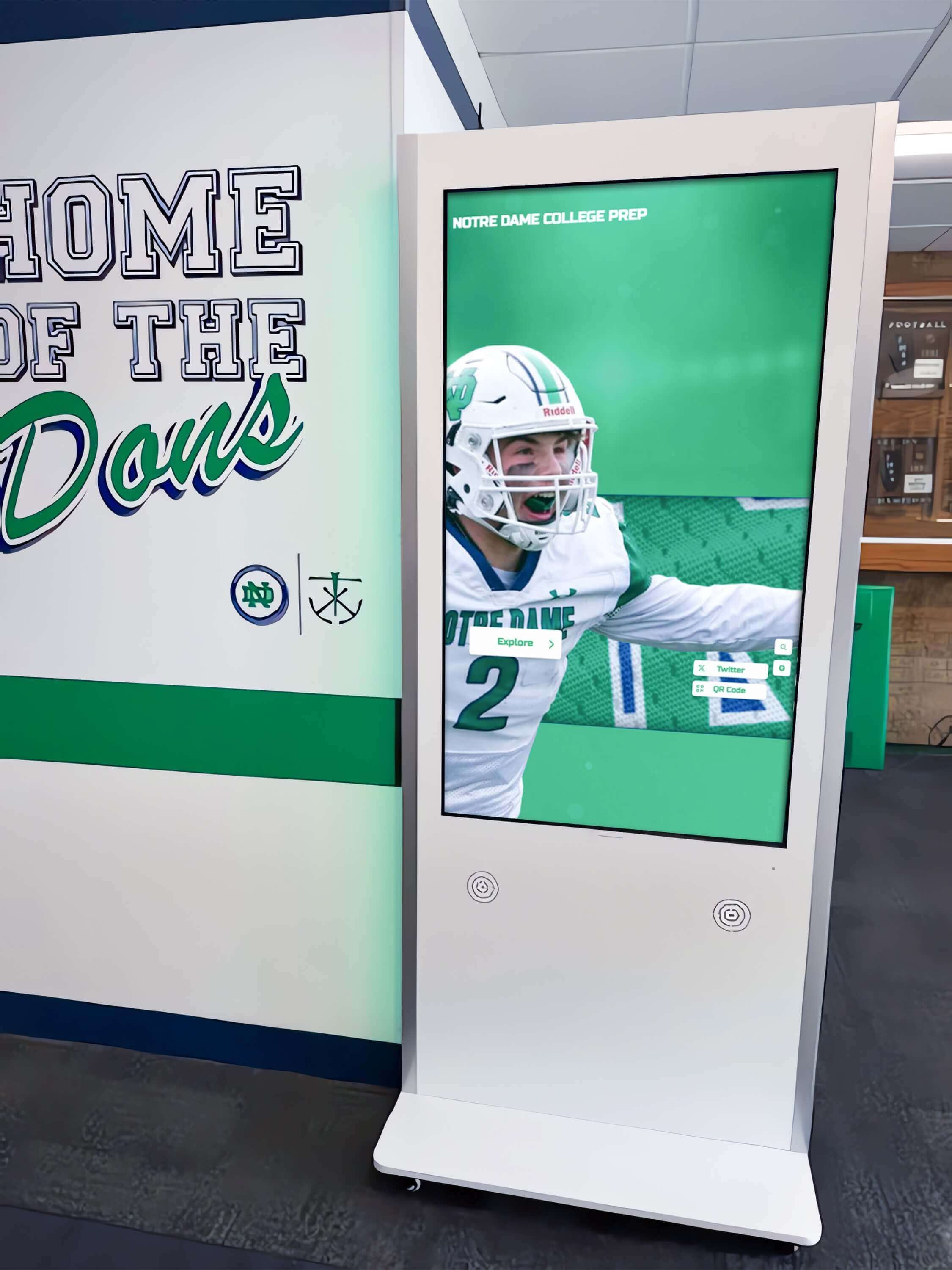
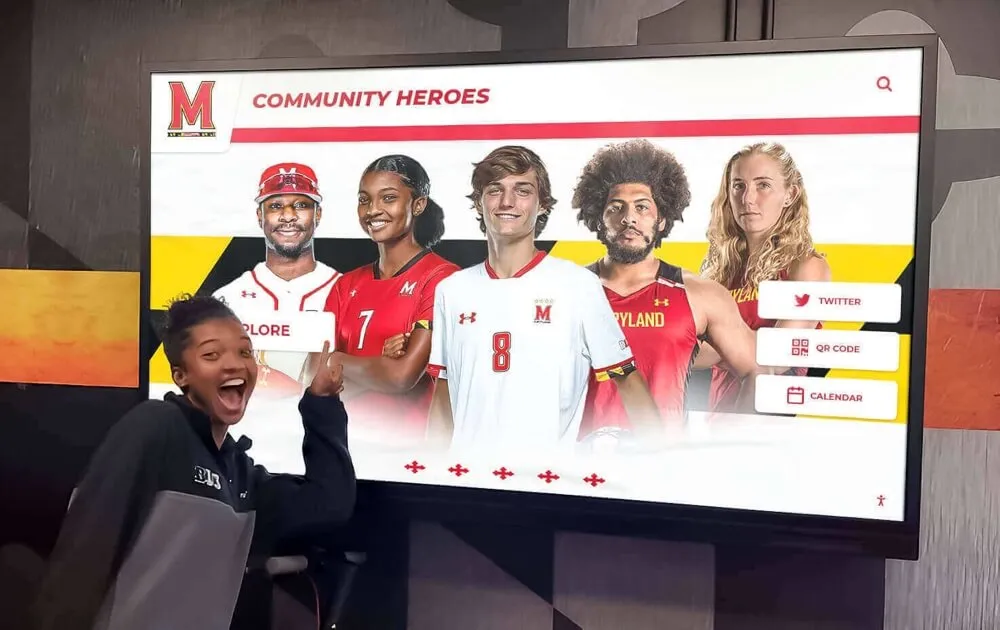
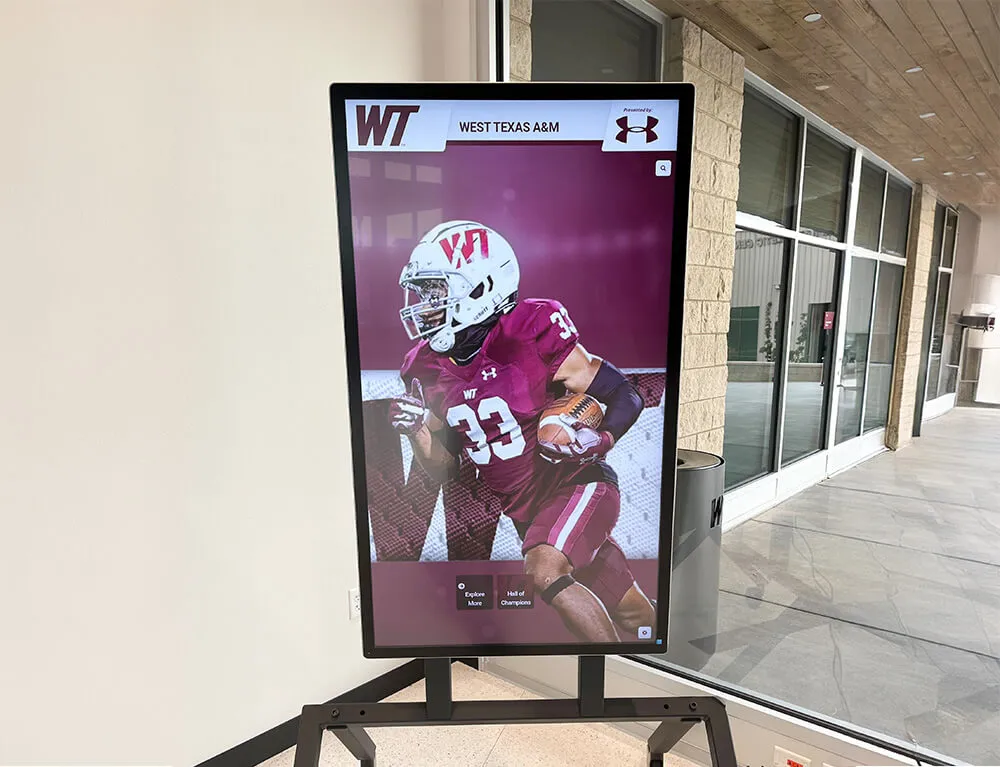
Purpose-built recognition kiosks provide engaging, comprehensive athletic program celebration
Content Organization and Information Architecture
Effective digital recognition requires thoughtful content structure enabling intuitive navigation and meaningful exploration.
Hierarchical Organization Frameworks
Logical content structure helps users find achievements efficiently:
Sport-Based Primary Navigation
- Top-level organization by sport program (Football, Basketball, Soccer, etc.)
- Sub-categories distinguishing varsity, junior varsity, and team levels when relevant
- Season navigation enabling year-by-year exploration
- Roster access showing complete team compositions
- Championship and award sections highlighting premier achievements
Achievement Type Organization
- Championships category featuring state, conference, and tournament victories
- Individual honors showcasing All-State, All-Conference, and award recognitions
- Record holders section documenting statistical achievements and milestones
- Academic awards celebrating student-athlete excellence
- Hall of fame induction class pages honoring elite athletes
Chronological Navigation
- Decade-based browsing enabling historical exploration
- Year-specific pages showing all achievements from particular seasons
- Career timelines following individual athletes across multiple years
- Program evolution views demonstrating growth and development
- Anniversary and milestone features celebrating program history
This multi-faceted organization accommodates different exploration motivations—users seeking specific athletes, exploring particular sports, or discovering program history can all navigate efficiently.
Individual Athlete Profile Structure
Comprehensive athlete profiles transform basic recognition into meaningful tributes:
Essential Profile Components
- Athlete name, graduation year, and current photo
- Sport(s) and position(s) played throughout career
- Jersey number(s) creating visual connection to competition
- Years of participation showing program commitment
- Academic information when appropriate and available
Achievement Documentation
- Complete list of awards, honors, and recognitions earned
- Statistical achievements and record performances
- Championship participation and contributions
- Leadership roles and team captainships
- Academic honors and student-athlete recognitions
Understanding All-State athlete recognition provides frameworks for celebrating premier individual athletic accomplishments within comprehensive recognition systems.
Narrative and Context Content
- Athletic journey descriptions explaining development and dedication
- Memorable performance highlights and significant competition moments
- Challenges overcome demonstrating character alongside athletic skill
- Coach and teammate tributes providing peer perspectives
- Personal reflections from athletes about experiences and growth
Multimedia Assets
- Multiple action photographs capturing competition moments
- Team and individual portrait photos
- Video highlights showcasing athletic performance
- Award ceremony documentation preserving recognition moments
- Historical photographs connecting individual athletes to program tradition
Post-Graduation Updates
- College athletic participation and achievements
- Professional sports careers and accomplishments
- Career paths and professional successes
- Continued program involvement and contributions
- Current location and contact information when appropriate
These comprehensive profiles honor complete athletic careers rather than reducing achievements to simple statistics or award lists.
Team and Season Recognition Pages
Beyond individual profiles, team-level recognition celebrates collective achievement:
Season Overview Content
- Complete season records and competition results
- Championship achievements and tournament performances
- Season narrative describing memorable moments and journey
- Coach and staff recognition acknowledging leadership
- Team photographs documenting roster composition
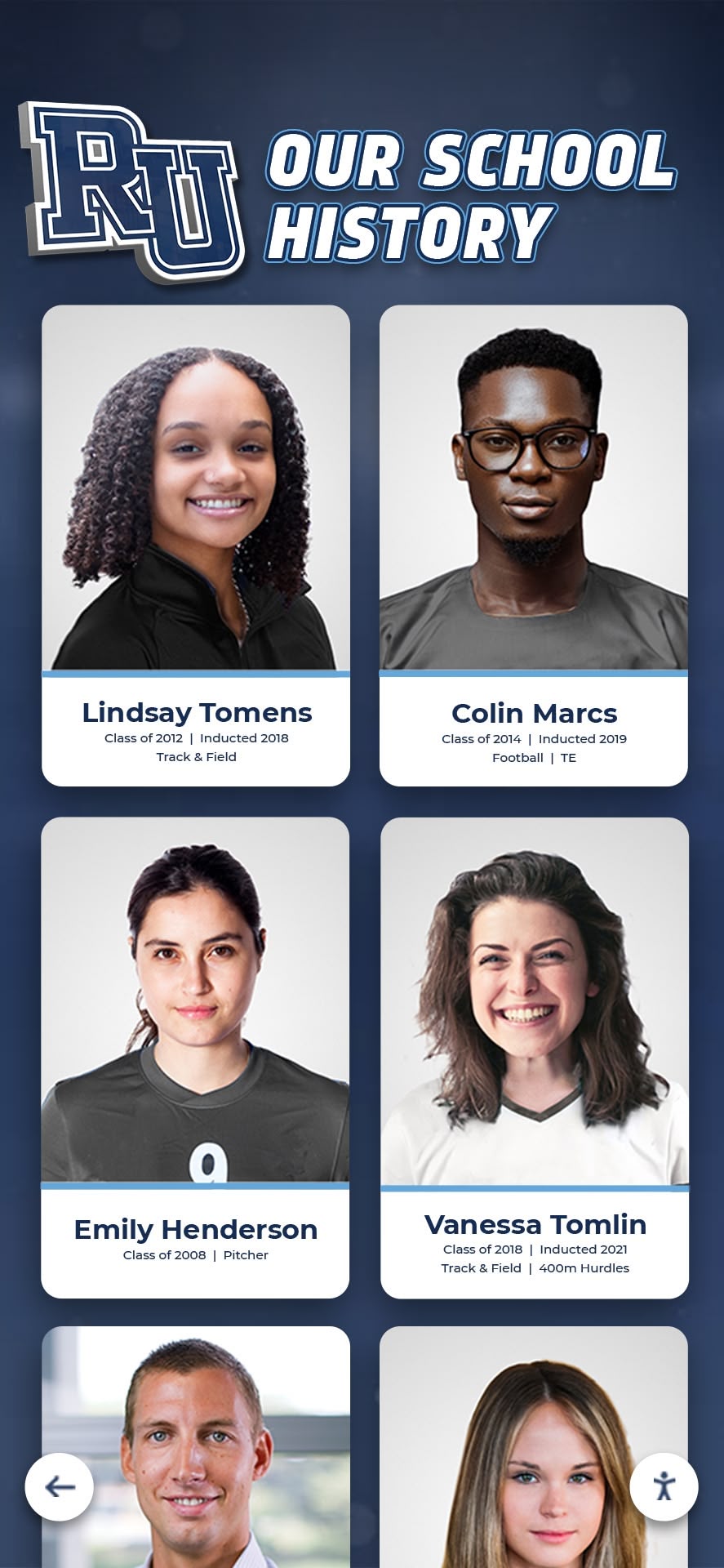
Team recognition pages document complete rosters and celebrate collective achievements
Complete Roster Information
- Athlete profiles linked to individual achievement pages
- Position and jersey number documentation
- Class year information showing team composition
- Statistical leaders and performance highlights
- Captain and leadership role acknowledgment
Championship Documentation
- Tournament brackets and competition results
- Championship game summaries and key moments
- Celebration photographs and trophy presentations
- Media coverage and community recognition
- Historical context showing significance among program achievements
Team pages ensure that recognition honors both individual excellence and the collaborative nature of athletic achievement.
Design Principles for Engaging Recognition Displays
Visual design significantly impacts recognition effectiveness—professional, thoughtful presentation communicates that achievement matters while creating engaging user experiences.
Visual Design and Brand Integration
Recognition displays should reflect institutional identity while maintaining professional presentation:
School Branding Incorporation
- School colors providing immediate visual identity connection
- Logo integration reinforcing institutional association
- Typography consistent with broader school design standards
- Mascot imagery connecting recognition to school spirit
- Design elements complementing physical campus aesthetics
Athletic Program Identity
- Sport-specific color schemes when appropriate for dedicated spaces
- Team logo integration honoring program identity
- Conference and league affiliation acknowledgment
- Historical design elements connecting to program tradition
- Contemporary visual approaches appealing to current athletes
Professional Design Standards
- Clean, uncluttered layouts ensuring content readability
- Consistent design language across all recognition pages
- High-quality photography and visual assets
- Appropriate typography hierarchy guiding viewer attention
- White space utilization preventing overwhelming density
Professional design demonstrates institutional commitment to honoring achievement appropriately while creating presentations that athletes feel proud to share and families want to photograph.
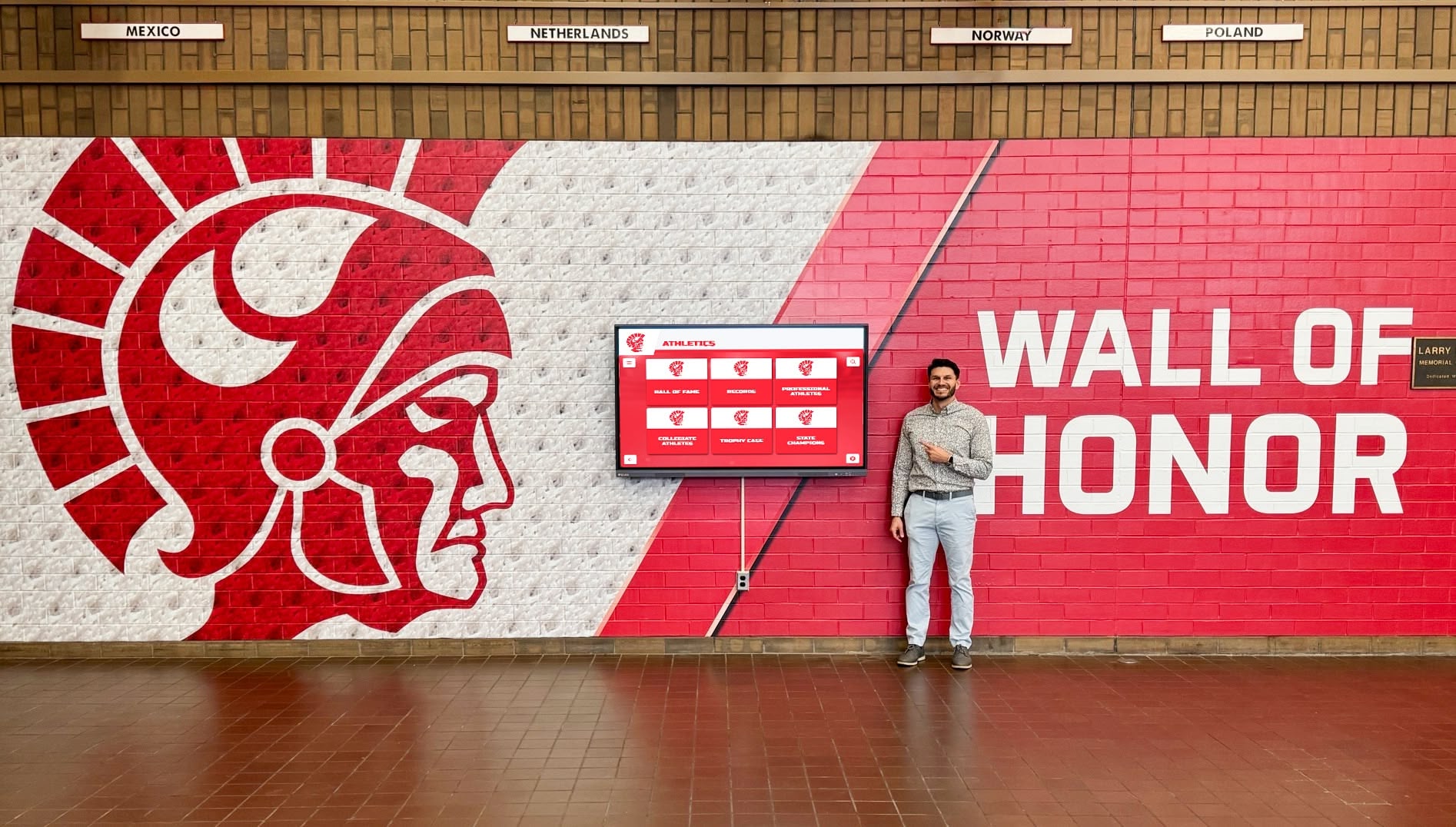
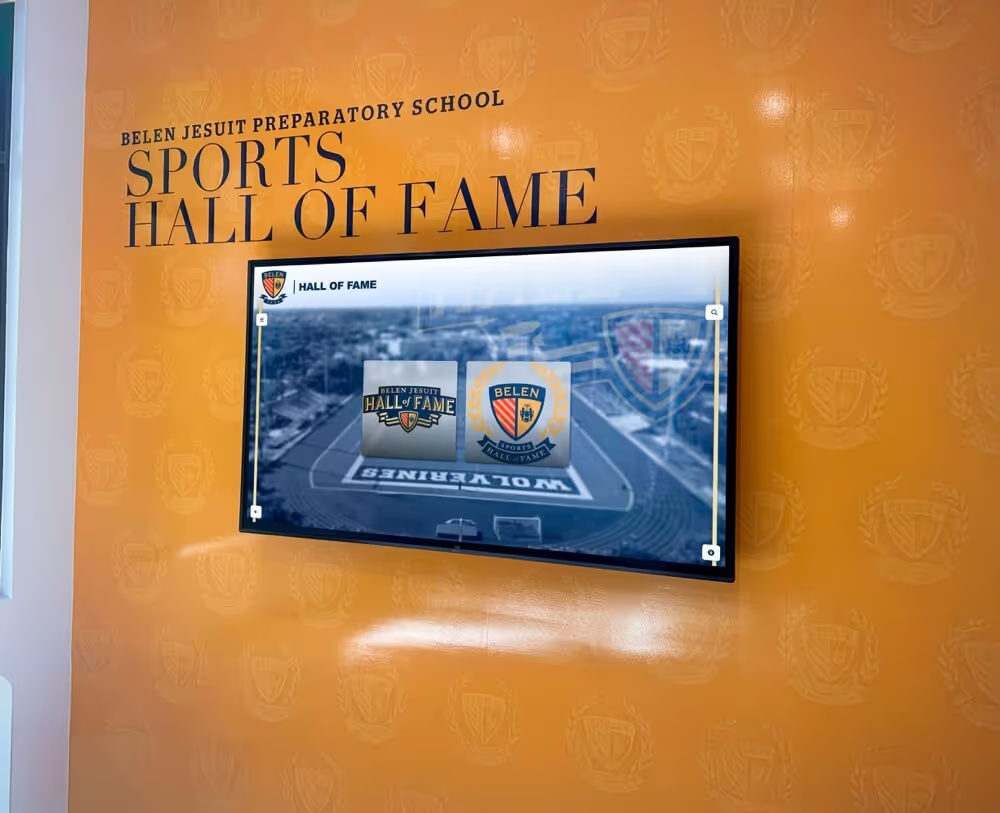
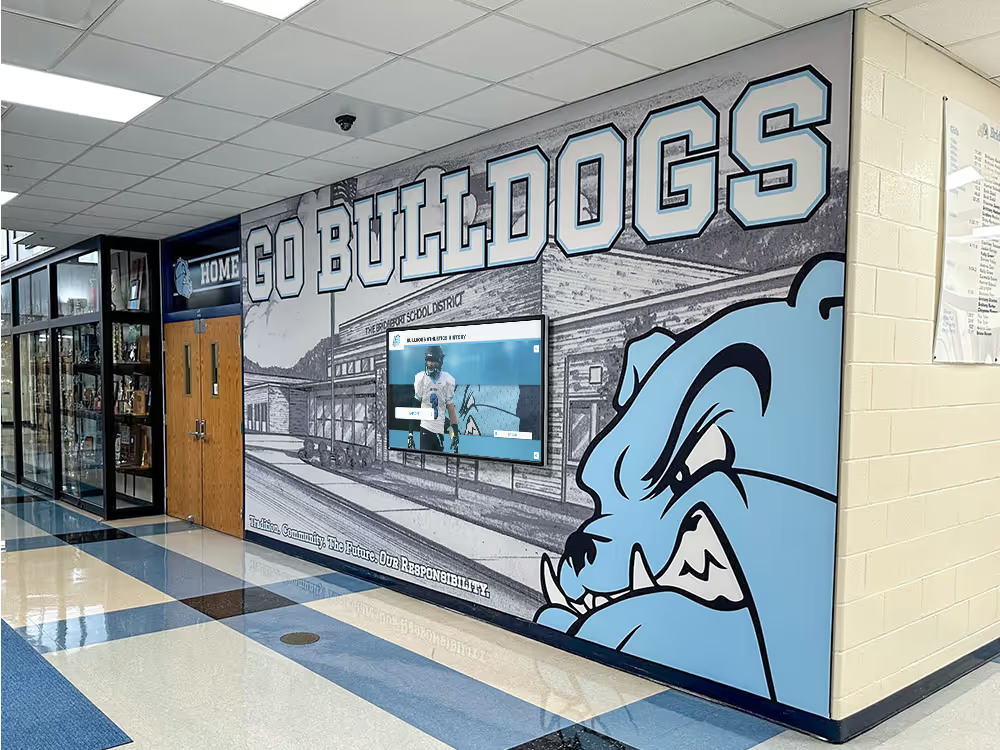
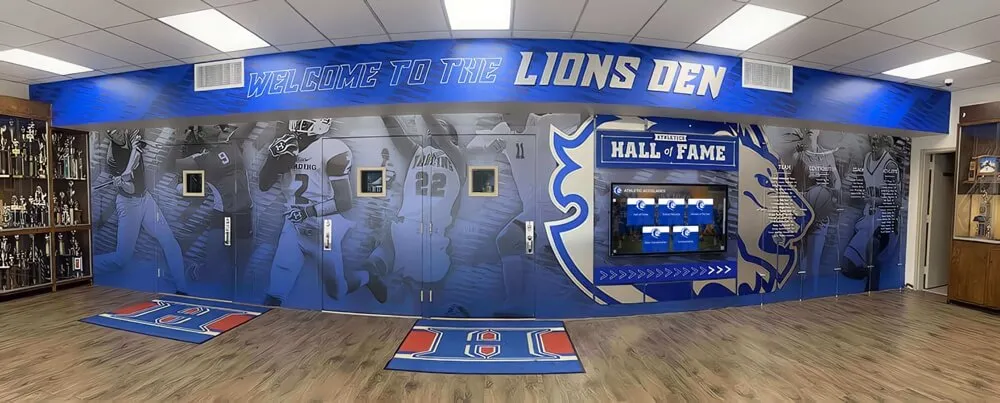
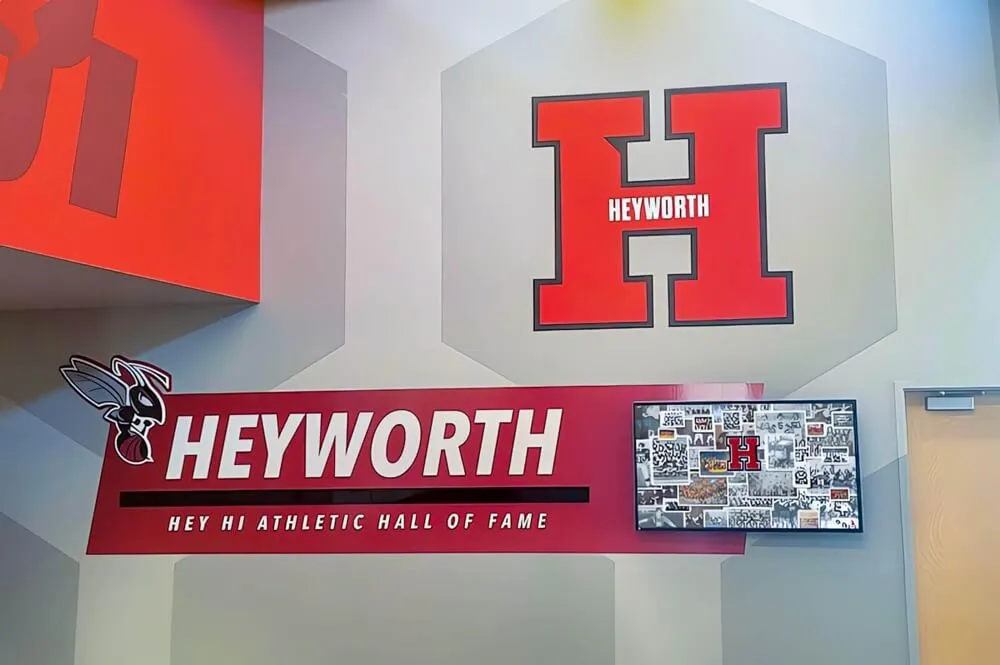
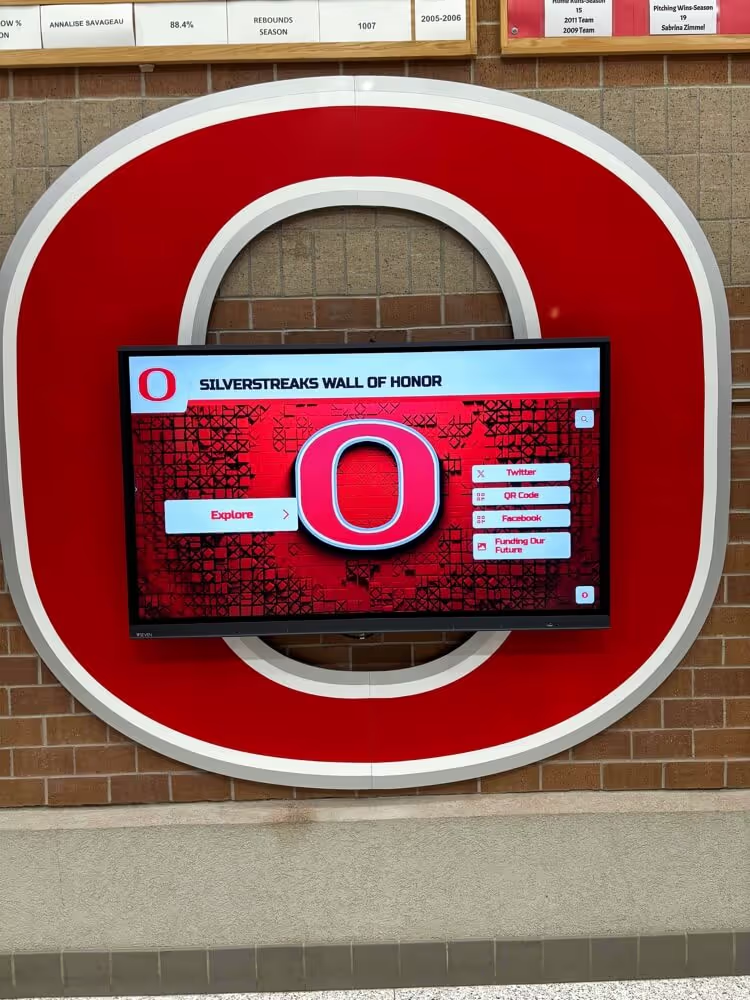
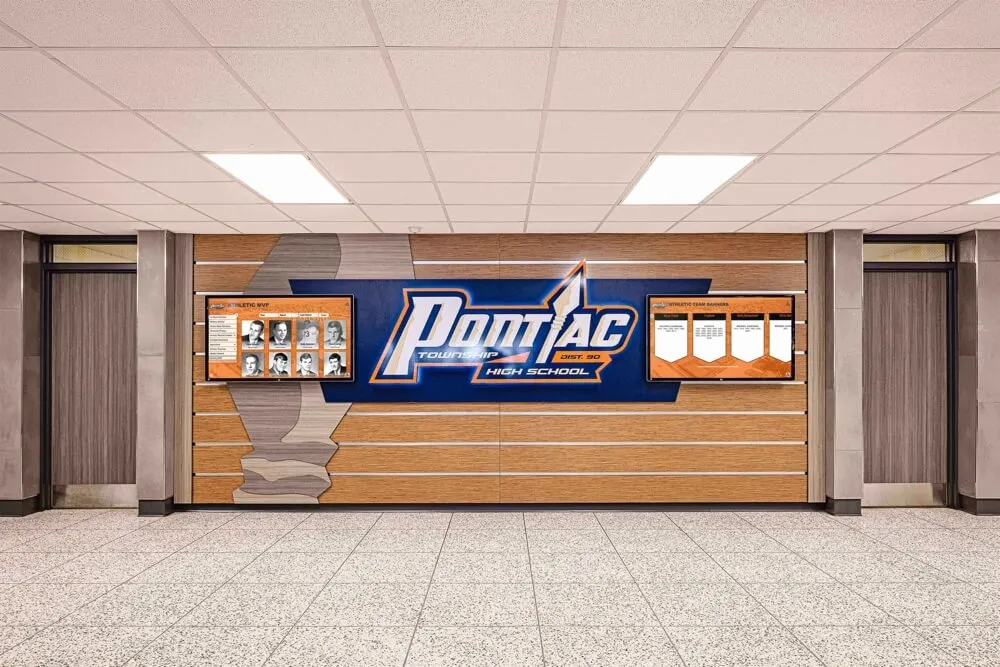
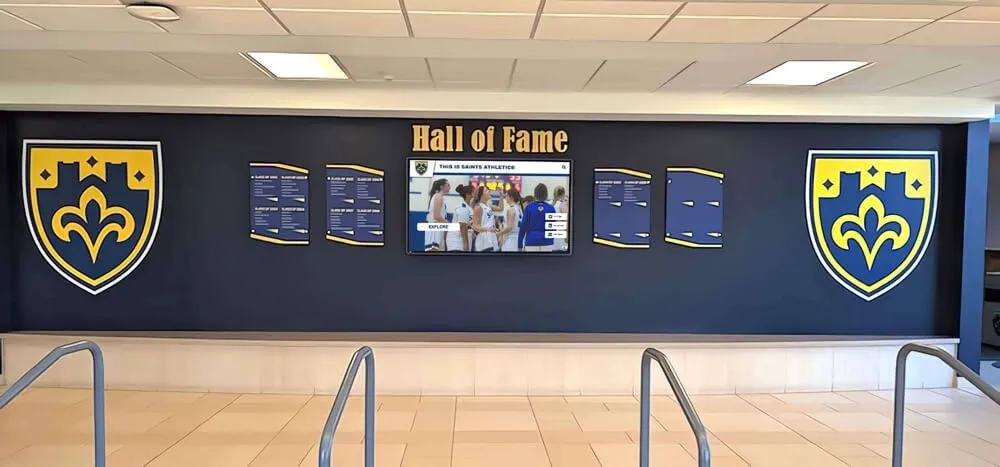
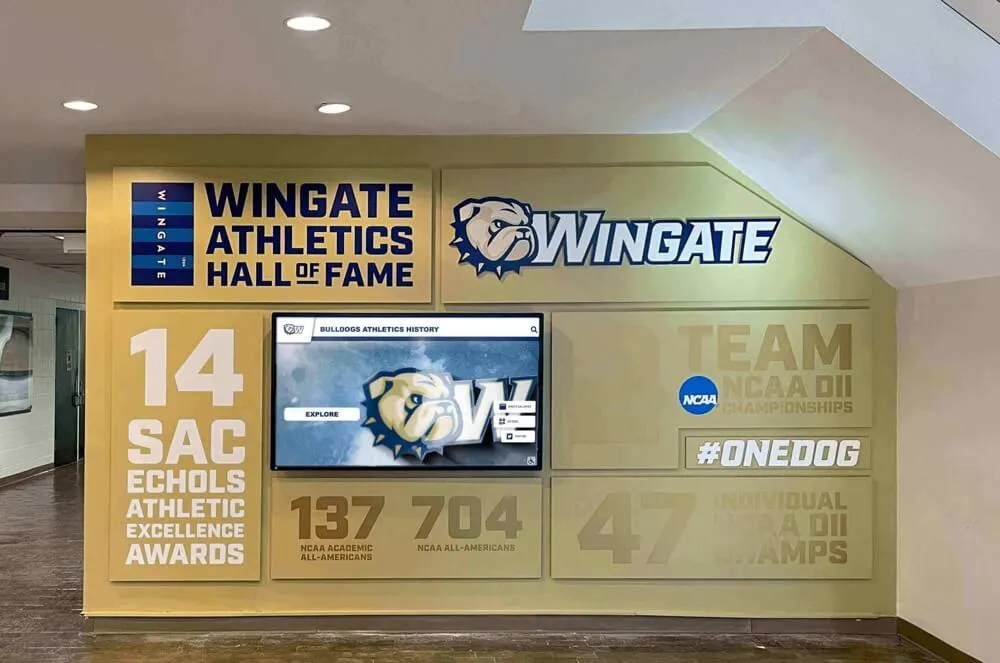
Branded recognition designs integrate school colors and identity while maintaining professional presentation
User Interface and Experience Considerations
Intuitive interfaces ensure that recognition displays engage rather than frustrate users:
Navigation Design Principles
- Clear home screen layouts establishing primary navigation paths
- Logical menu structures matching how users think about content
- Breadcrumb navigation showing current location within content hierarchy
- Consistent button and control placement throughout interface
- Visual feedback confirming user interactions and selections
Touch Interaction Optimization
- Button and touch targets appropriately sized for finger interaction
- Swipe gestures enabling natural content browsing
- Zoom capabilities for detailed photo viewing
- Scroll behavior matching contemporary touchscreen expectations
- Error prevention through clear interactive element identification
Performance and Responsiveness
- Immediate response to touch interactions preventing user frustration
- Fast content loading ensuring engaging experiences
- Smooth transitions and animations enhancing rather than impeding interaction
- Timeout features returning displays to attract mode after inactivity
- Reliable operation through extended periods without manual intervention
Well-designed interfaces disappear into user experiences—athletes and visitors focus on achievements rather than struggling with technology.
Content Presentation and Readability
Information presentation significantly impacts whether recognition effectively communicates achievement:
Typography Decisions
- Font sizes appropriate for viewing distances from touchscreens
- High contrast between text and backgrounds ensuring readability
- Font families selected for clarity rather than novelty
- Appropriate use of bold, italic, and size variation creating hierarchy
- Adequate line spacing preventing cramped, difficult reading
Information Density Management
- Progressive disclosure showing overview information with detail access
- Scannable content layouts enabling quick comprehension
- Visual hierarchy directing attention to most important content
- Strategic white space preventing overwhelming density
- Grouped related information reducing cognitive load
Multimedia Balance
- Appropriate image sizes ensuring quality while maintaining load performance
- Video integration without automatic playback disturbing ambient viewing
- Photo galleries enabling exploration without overwhelming initial displays
- Audio options available but not intrusive for nearby activities
- Multimedia enhancement rather than replacement of textual information
These presentation considerations ensure recognition communicates effectively while creating engaging experiences that inspire extended exploration rather than overwhelming quick glances.
Content Management and Sustainability
Digital recognition achieves lasting value only through sustainable content management approaches ensuring systems remain current and accurate across years of operation.
Streamlined Content Update Processes
Simple update workflows prevent recognition from becoming stale:
Cloud-Based Management Platforms
- Web-based content management enabling updates from any location
- No software installation requirements reducing technical barriers
- Multiple administrator accounts supporting shared management responsibility
- Role-based permissions providing appropriate access levels
- Automatic backup systems preventing data loss
Efficient Content Addition Workflows
- Template-based profile creation ensuring consistency
- Bulk import capabilities for historical data integration
- Drag-and-drop media upload simplifying photo and video addition
- Pre-populated field options reducing data entry time
- Draft and preview capabilities enabling review before publishing
Scheduled Publishing Features
- Content scheduling enabling advance preparation with automatic publication
- Seasonal update automation reducing manual work during busy periods
- Award announcement coordination with recognition ceremonies
- Historical anniversary features planned and executed automatically
- Regular refresh cycles keeping featured content current
Exploring team GPA leaderboard displays reveals how automated content updates create sustainable academic recognition—principles equally applicable to athletic achievement systems.
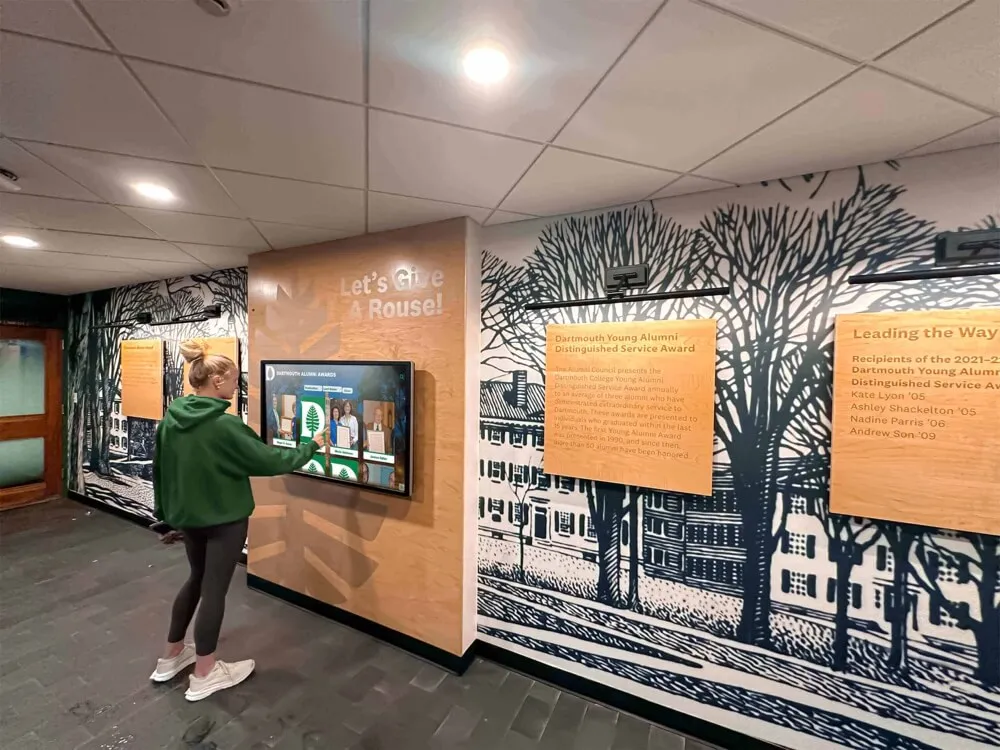
Cloud-based management systems enable easy content updates from touchscreen interfaces or remote devices
Responsibility Assignment and Training
Clear ownership ensures recognition maintenance doesn’t fall through administrative cracks:
Primary Administrator Designation
- Athletic director or designated staff member assigned recognition responsibility
- Adequate time allocation acknowledging maintenance requirements
- Performance evaluation criteria including recognition system management
- Authority to make content decisions without excessive approval layers
- Backup administrator identification preventing single-point failures
Staff Training and Documentation
- Initial training on content management system operation
- Documentation of update procedures and content standards
- Refresher training as software updates introduce new capabilities
- Troubleshooting resources enabling independent problem resolution
- Ongoing support from platform providers ensuring sustained success
Student Involvement Opportunities
- Student assistant roles supporting content collection and entry
- Athletic training or sports information major internships
- Media production class projects creating recognition content
- Student manager responsibilities including recognition documentation
- Leadership opportunities for student-athletes contributing to program legacy
Student involvement reduces staff burden while providing valuable experience for students interested in sports management, communications, or media production.
Quality Assurance and Content Standards
Consistent quality ensures professional recognition that appropriately honors achievement:
Content Guidelines and Standards
- Photography quality requirements ensuring professional appearance
- Writing style guides maintaining consistent voice and tone
- Information verification procedures preventing errors
- Content approval workflows when institutional review necessary
- Correction procedures addressing errors discovered after publication
Regular Audits and Reviews
- Seasonal reviews ensuring all current achievements appear
- Annual comprehensive audits verifying content accuracy
- Historical content enhancement projects filling legacy gaps
- Equity reviews ensuring appropriate recognition across all sports
- User feedback integration improving content based on stakeholder input
Archive and Backup Procedures
- Regular content backups preventing catastrophic data loss
- Historical version preservation enabling content restoration if needed
- Photo and media asset archiving protecting irreplaceable documentation
- Migration planning for eventual platform changes or upgrades
- Long-term digital preservation ensuring permanent access to recognition content
These quality and sustainability measures transform one-time implementation projects into enduring recognition systems serving programs across decades of operation.
Measuring Recognition Impact and Effectiveness
Assessment demonstrates recognition value while identifying enhancement opportunities ensuring continuous improvement.
Engagement Analytics and Usage Metrics
Digital platforms provide data revealing how communities interact with recognition:
Display Interaction Metrics
- Total interactions tracking overall usage frequency
- Session duration indicating depth of engagement
- Most-viewed profiles revealing which content resonates
- Search query analysis showing how users explore content
- Navigation path tracking revealing intuitive versus confusing content structure
Web Platform Analytics
- Website traffic to online recognition portals
- Geographic distribution showing who accesses recognition remotely
- Device types (mobile, tablet, desktop) informing responsive design priorities
- Social sharing frequency measuring organic promotion
- Return visitor rates indicating sustained interest versus one-time curiosity
Content Performance Insights
- High-performing content characteristics informing future additions
- Low-engagement profiles suggesting needed enhancement
- Popular time periods or athletes driving traffic
- Search terms revealing what users seek but struggle to find
- User feedback and ratings when platforms include such features
These analytics guide content strategy, reveal successful approaches worth replicating, and identify improvement opportunities making recognition increasingly effective.
Stakeholder Feedback Collection
Quantitative metrics complement qualitative feedback providing complete assessment:
Athlete and Student Perspectives
- Surveys collecting athlete satisfaction with recognition received
- Focus groups exploring whether recognition meaningfully impacts athletes
- Student input on desired features and content enhancements
- Current athlete motivation assessment related to visible recognition
- Graduate reflections on recognition value in retrospect
Family and Community Feedback
- Parent surveys about recognition visibility and satisfaction
- Alumni input on online recognition access and engagement
- Community member perspectives on program perception influenced by recognition
- Fan experience data related to recognition display encounters
- Donor and supporter feedback when recognition acknowledges contributions
Administrative and Coaching Input
- Athletic director assessment of recognition supporting program goals
- Coach perspectives on recognition influence on culture and recruitment
- Administrative staff feedback on management system usability
- Facilities staff input on hardware reliability and maintenance needs
- Technology coordinator perspectives on integration and support requirements
This comprehensive feedback ensures recognition serves diverse stakeholder needs while identifying opportunities for enhancement that data alone might miss.
Program Outcome Correlations
While challenging to isolate recognition impact, some program metrics may show correlation:
Recruitment and Participation Indicators
- Athlete recruitment success potentially influenced by visible program excellence
- Tryout and participation rates in programs with strong recognition culture
- Athlete retention through graduation versus early program departure
- Multi-sport participation influenced by recognition across programs
- Family engagement levels in programs celebrating achievement visibly

Recognition displays contribute to positive facility impressions during recruitment visits and community events
Cultural and Climate Measures
- Athletic program culture surveys including recognition questions
- School climate data related to athletic program perception
- Equity and inclusion measures ensuring recognition serves all sports
- Sportsmanship and character indicators possibly influenced by visible value placed on achievement
- Alumni engagement levels potentially driven partly by recognition connection
While recognition alone doesn’t determine these outcomes, comprehensive recognition contributes to positive program environments that support athlete development, engagement, and success.
Conclusion: Transforming Athletic Recognition Through Digital Innovation
Showcasing athletic achievement awards digitally represents more than technology adoption—it reflects institutional commitment to honoring athlete dedication, celebrating excellence comprehensively rather than selectively, and creating recognition systems that inspire current athletes while preserving program legacy for future generations.
Traditional trophy cases and wall plaques served athletic programs well for decades, but their inherent limitations—space constraints forcing difficult recognition choices, maintenance challenges creating outdated displays, and minimal storytelling capability that reduces achievements to names and dates—mean that conventional approaches increasingly fail to provide recognition that today’s athletes, families, and communities expect and deserve.
Digital recognition solutions overcome these limitations through unlimited capacity enabling comprehensive celebration of every achievement across all sports and competition levels, rich multimedia content bringing accomplishments to life through photos, videos, and detailed narratives, interactive exploration features allowing active engagement rather than passive viewing, and sustainable management systems making content updates simple rather than time-consuming and expensive.
Transform Your Athletic Recognition Program
Discover how modern digital recognition solutions can help you celebrate every athletic achievement while building thriving sports culture that inspires excellence and honors dedication.
Book a DemoWhether implementing new digital recognition systems, enhancing existing displays, or modernizing outdated trophy cases, digital platforms provide capabilities transforming how schools and athletic organizations celebrate sports excellence. Solutions like Rocket Alumni Solutions offer purpose-built recognition systems specifically designed for athletic programs, combining intuitive content management, reliable hardware, professional implementation support, and ongoing assistance ensuring recognition programs succeed from launch through years of sustained operation.
Every athlete who dedicates countless hours to training, perseveres through setbacks, achieves personal bests, contributes to team success, or earns recognition honors deserves celebration that matches their commitment. Digital recognition technology makes comprehensive, engaging, meaningful athletic achievement celebration not just possible but practical and sustainable for programs committed to honoring their athletes appropriately while building positive cultures where athletic excellence receives the visibility and celebration it warrants.
Your athletic program’s achievements—from state championships to individual records, from team awards to career milestones—represent extraordinary accomplishments worthy of recognition extending beyond brief ceremony moments and forgotten storage spaces. Modern digital recognition ensures these achievements receive the prominent, accessible, inspiring celebration that honors athlete dedication while motivating current and future generations to pursue their own athletic excellence.
Ready to begin? Explore comprehensive approaches in digital trophy wall guides or learn about high school athletic facility additions that enhance program quality and athlete experience.