



Effective booster club management transforms volunteer enthusiasm into systematic infrastructure supporting athletic programs through strategic fundraising, transparent financial oversight, and coordinated event execution that amplifies program impact without overwhelming limited volunteer capacity.
Athletic directors and booster club leaders consistently face operational challenges balancing ambitious program funding needs against volunteer bandwidth constraints, maintaining financial transparency while managing multiple revenue streams, coordinating complex events without professional event planning resources, and demonstrating fundraising ROI through recognition systems connecting donor contributions to tangible program outcomes.
This comprehensive guide provides booster club leaders with proven frameworks for organizing successful fundraisers, establishing transparent budget management systems, coordinating high-impact athletic events, and implementing recognition strategies that strengthen donor engagement while building sustainable revenue infrastructure supporting long-term athletic excellence.
Well-managed booster clubs generate 40-60% more annual revenue than comparable organizations lacking systematic operational frameworks, while reducing volunteer burnout through efficient task distribution and sustainable workload expectations.

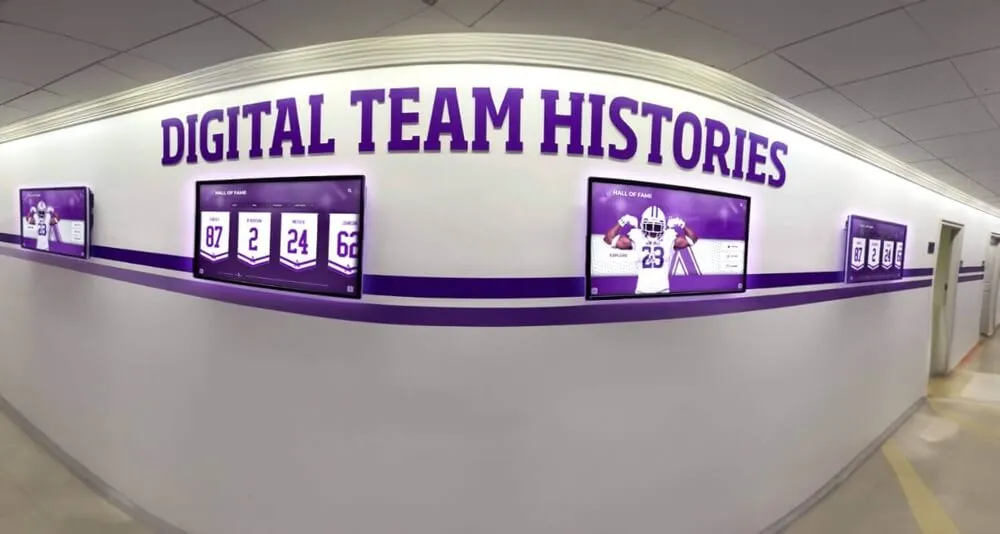
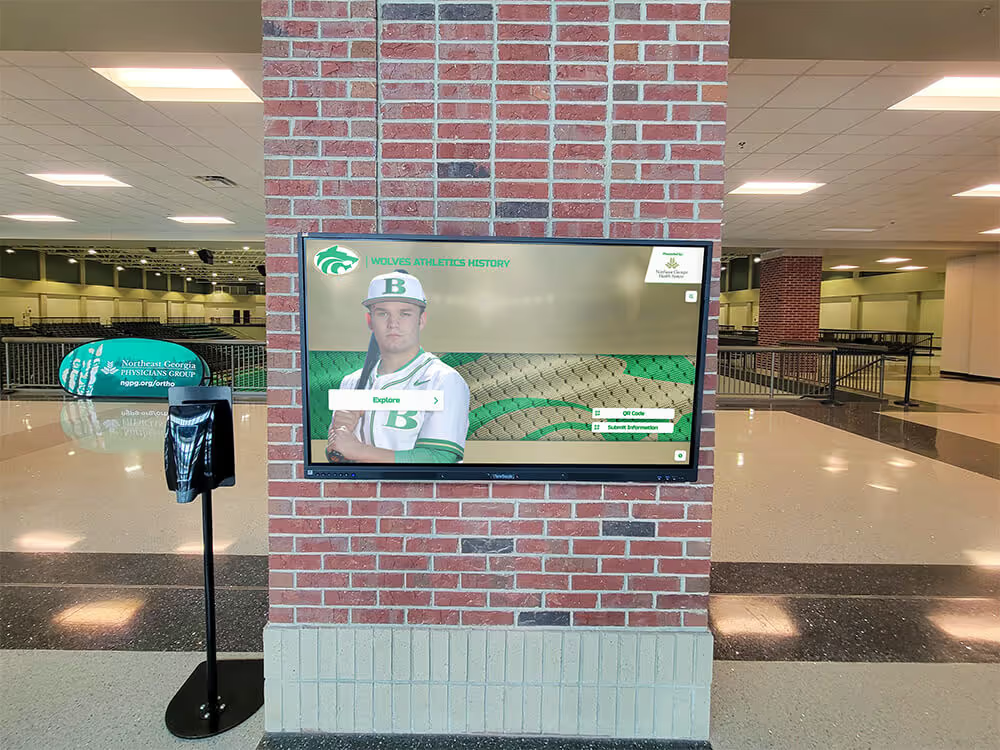
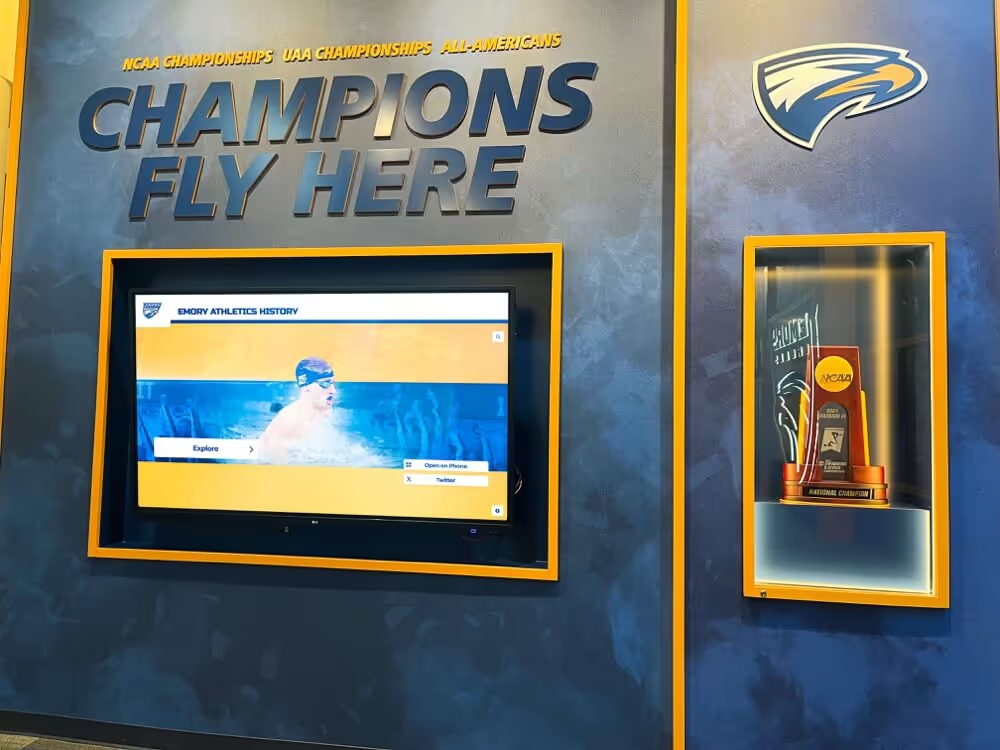
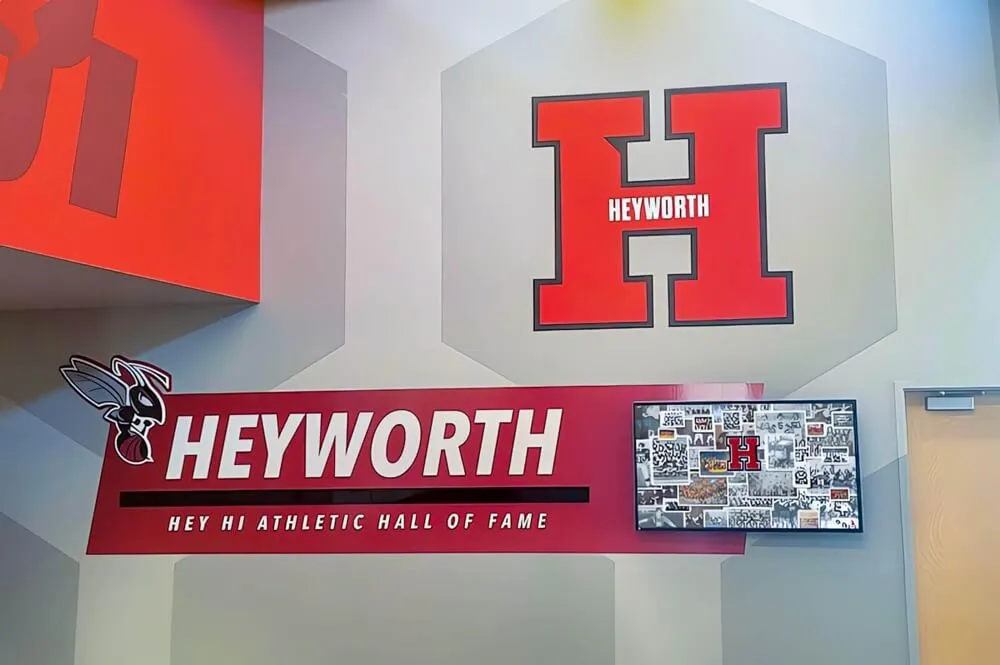
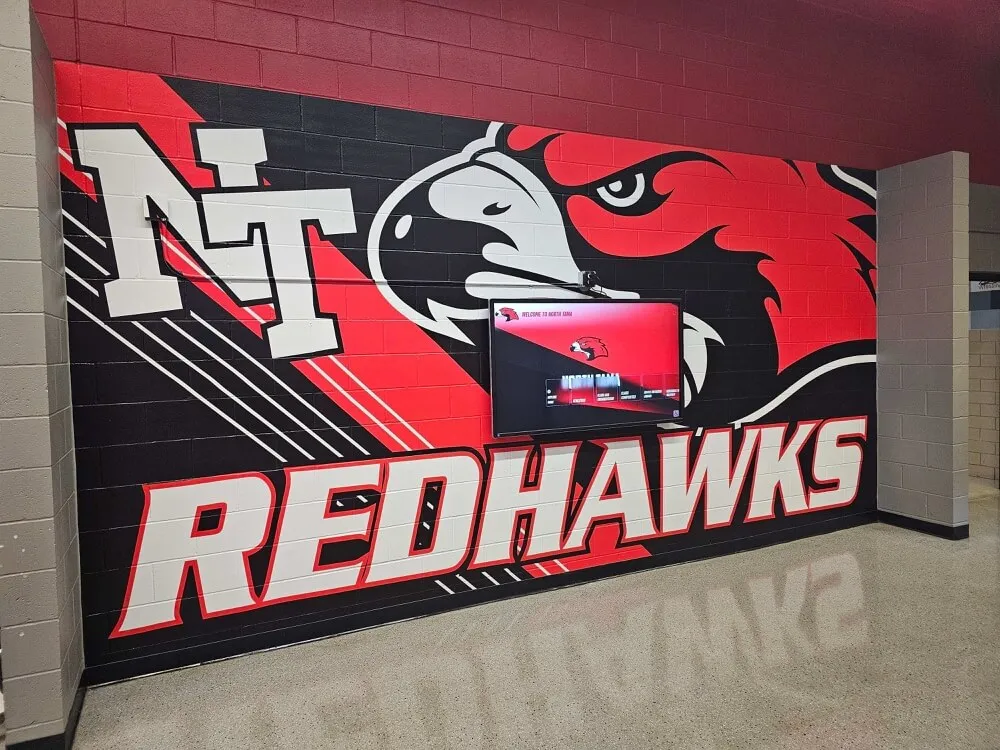
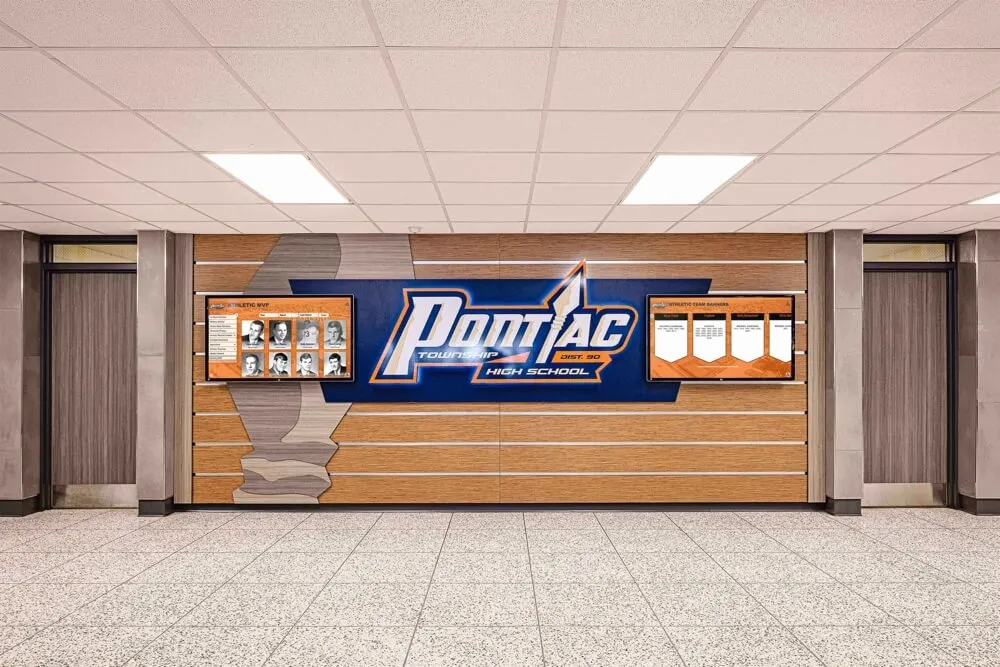
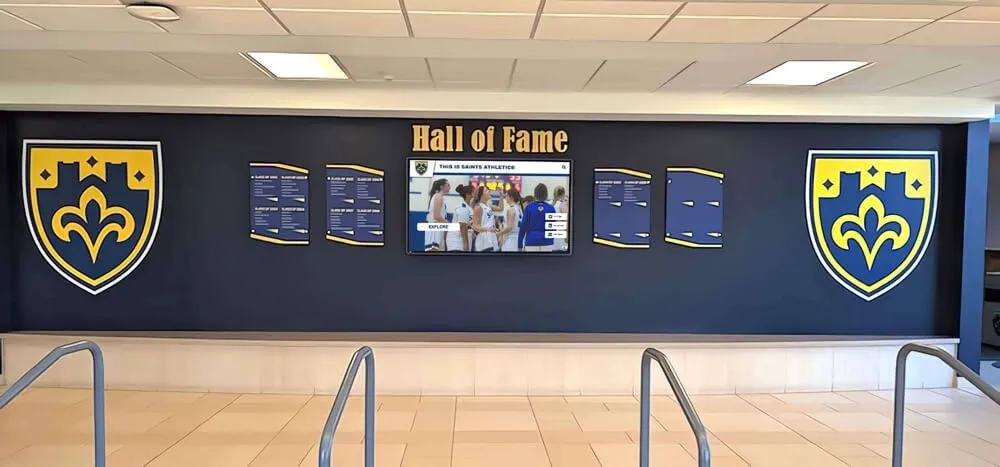
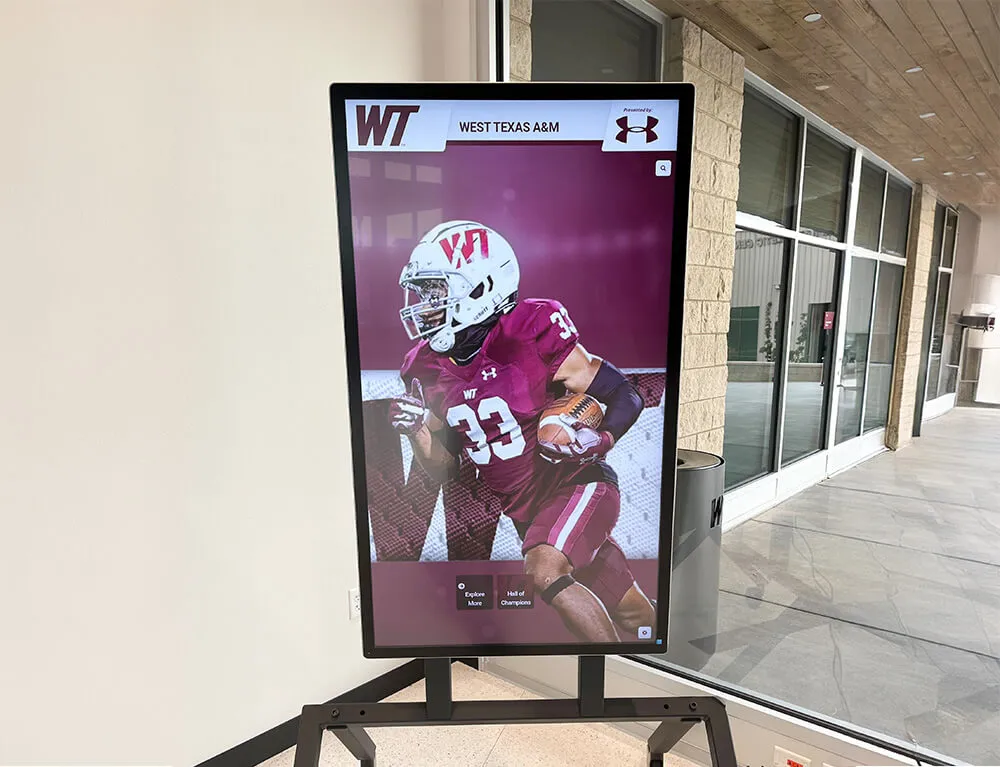
Strategic recognition displays create visible connections between booster fundraising efforts and athletic program achievements
Establishing Strong Organizational Foundations
Sustainable booster club success begins with clear governance structures, defined roles, and documented operational procedures ensuring continuity beyond individual volunteer tenure.
Defining Booster Club Mission and Scope
Successful booster organizations establish written mission statements guiding all activities:
Articulating Core Purpose
Effective mission statements specify what booster clubs will fund (equipment, facility improvements, program operations, travel expenses, athlete recognition), what they will not fund (coaching salaries, mandatory district expenses, activities outside defined scope), and strategic priorities balancing immediate needs against long-term program development investments.
Written scope parameters prevent mission creep where organizations gradually expand commitments beyond sustainable capacity, protect against inappropriate funding requests, and maintain focus on activities delivering maximum athletic program impact.
Clarifying School District Relationships
Booster clubs operate most effectively when formal agreements with school districts establish clear boundaries between district responsibilities and booster support, approval processes for funded purchases ensuring institutional standards compliance, communication protocols coordinating booster activities with district athletic calendars, and liability clarification protecting volunteers while managing institutional risk.
Athletic directors should work with district legal counsel establishing memoranda of understanding formalizing these relationships, preventing conflicts emerging from unclear authority boundaries, and ensuring booster activities complement rather than complicate district athletic administration.
Building Effective Leadership Teams
Sustainable organizations distribute responsibilities across leadership teams preventing single volunteer dependencies:
Essential Officer Positions
Most successful booster clubs maintain core officer structures including president/chairperson providing overall strategic direction and serving as primary school liaison, treasurer managing all financial operations and maintaining transparent accounting systems, secretary documenting meetings and maintaining organizational records, and fundraising coordinator orchestrating revenue generation activities and volunteer recruitment.
Larger organizations add specialized positions managing specific functions: membership coordinator cultivating donor relationships, communications director handling marketing and stakeholder updates, event coordinator managing logistics for athletic celebrations, and volunteer coordinator recruiting and scheduling support for various activities.
Succession Planning and Knowledge Transfer
Organizations maintaining operational continuity implement systematic leadership transition processes including documented procedure manuals recording institutional knowledge otherwise lost when key volunteers rotate off, overlapping officer terms ensuring incoming leaders receive direct mentorship from predecessors, and regular leadership recruitment preventing last-minute scrambles filling critical positions.
Schools developing comprehensive approaches to coaching philosophy development can apply similar frameworks establishing clear organizational values guiding booster club operations across changing volunteer leadership.

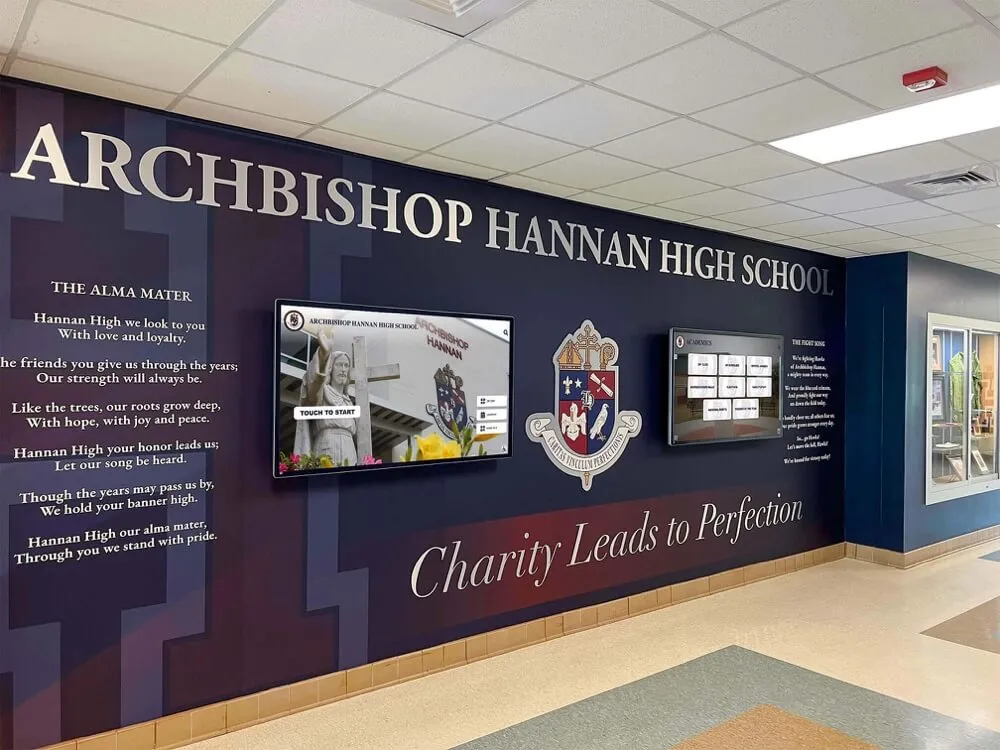
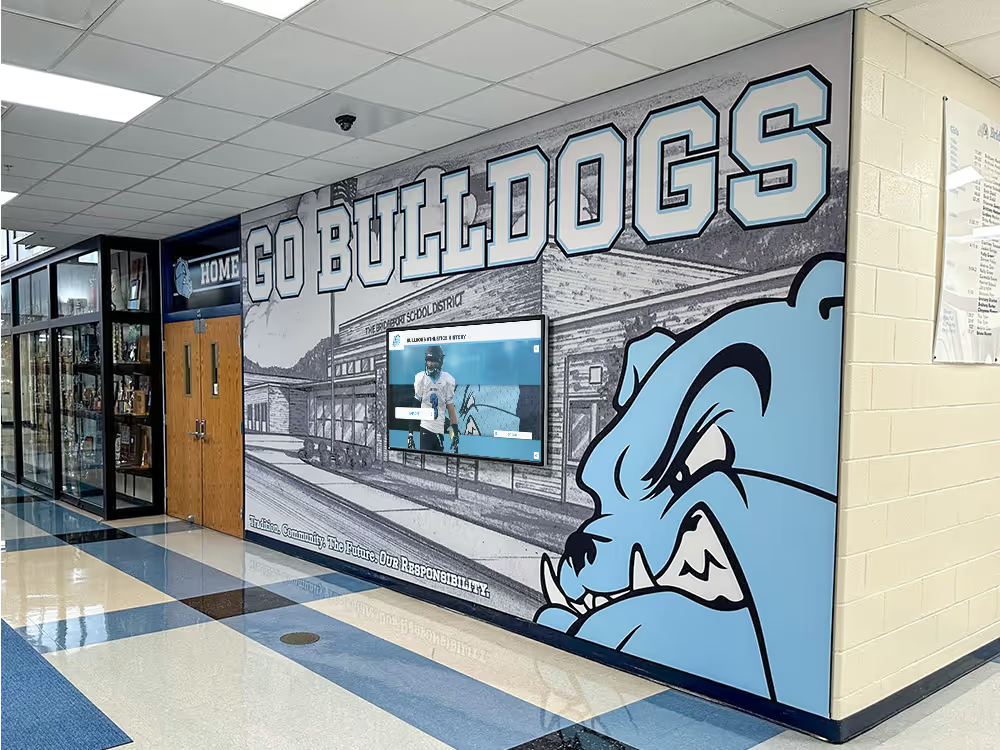
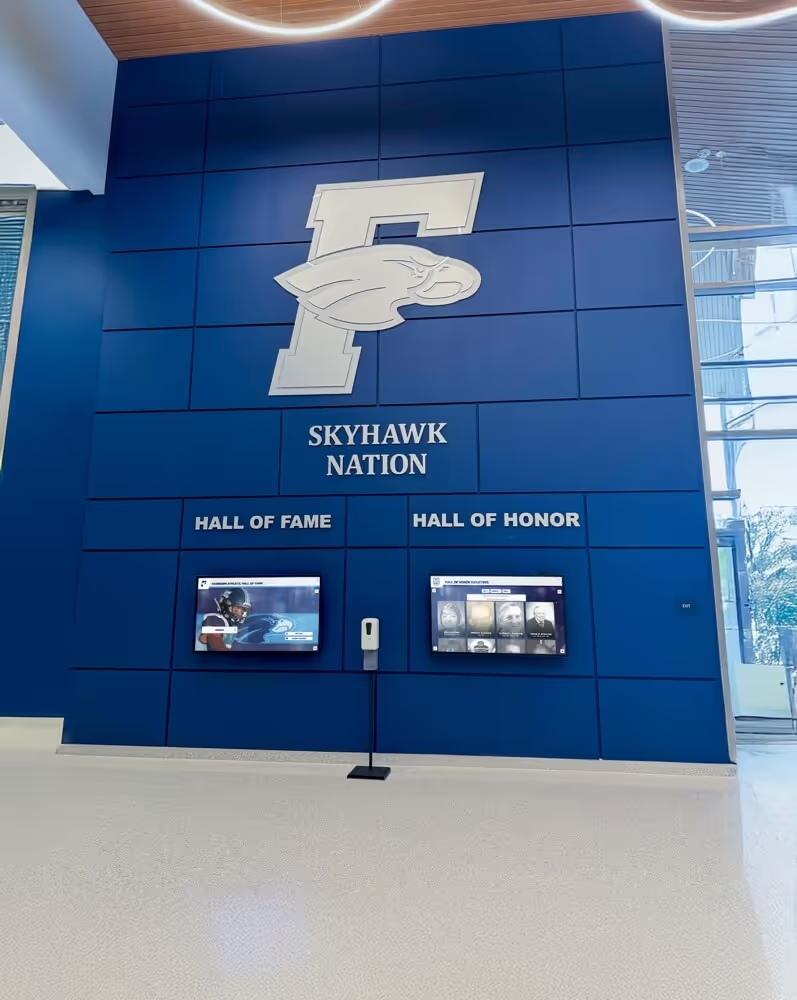
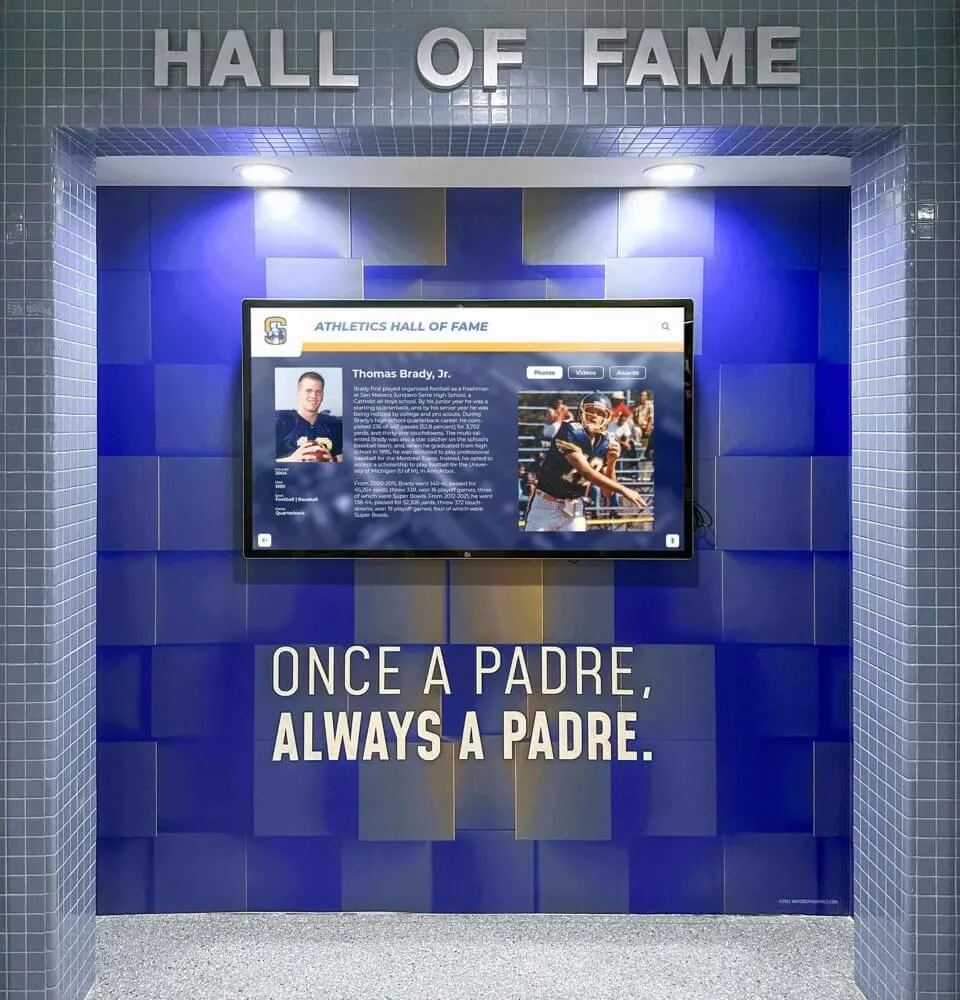
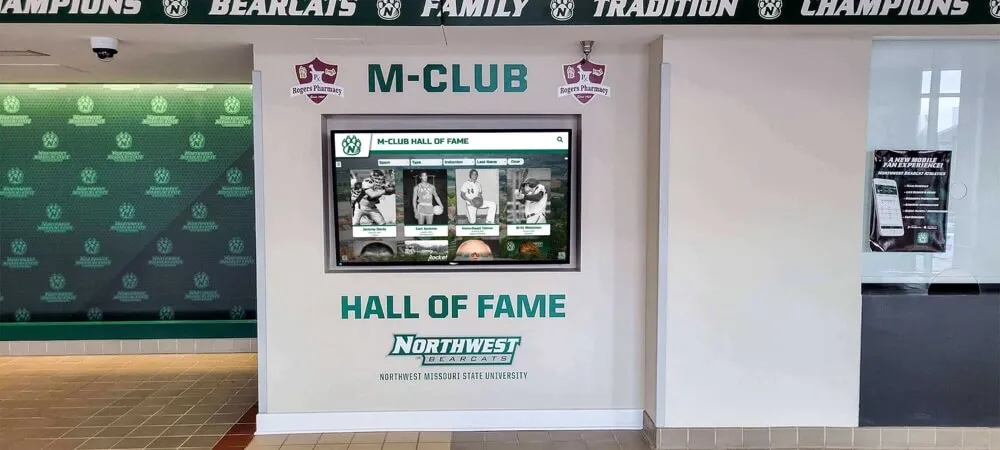
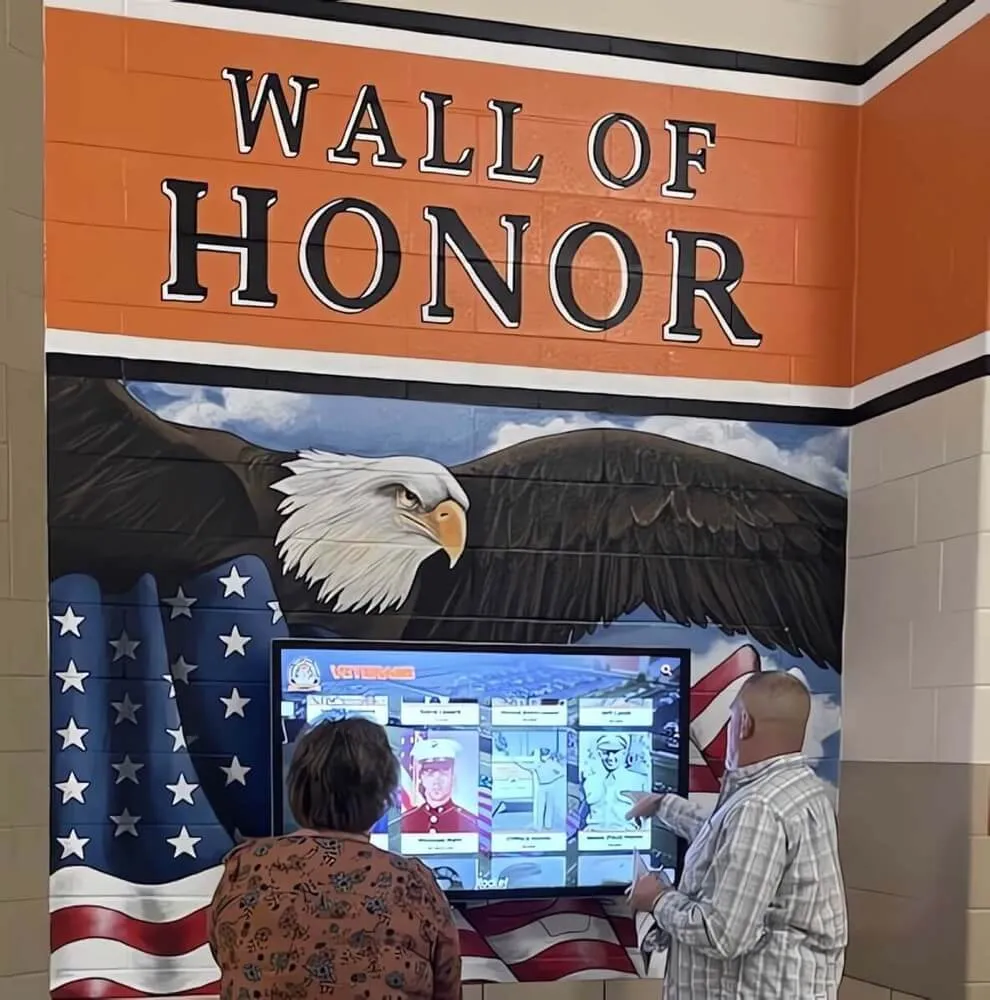
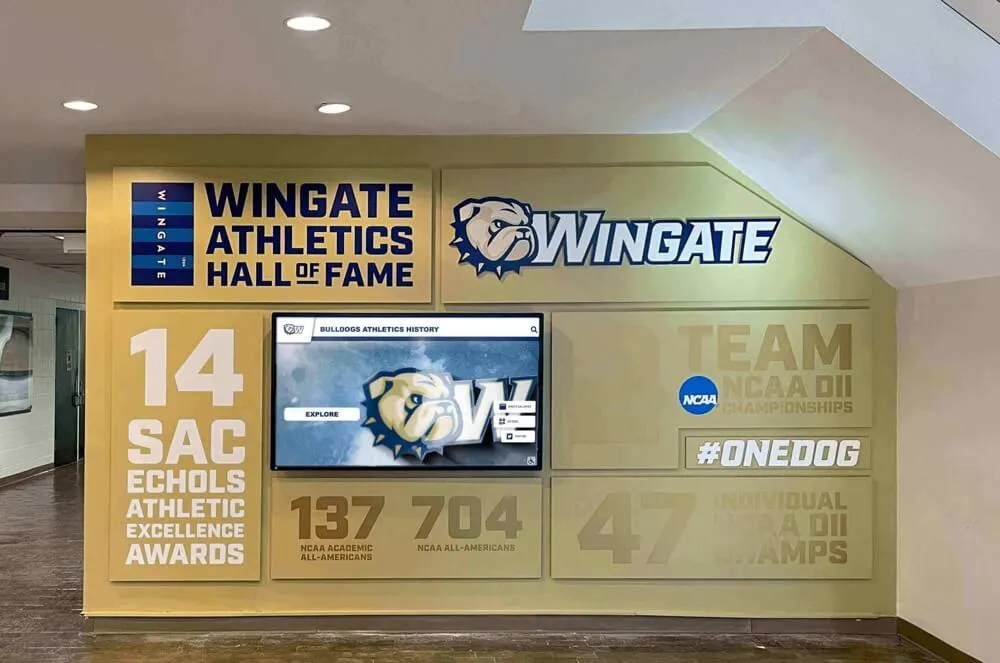
Permanent recognition displays demonstrate tangible program outcomes funded through booster club support
Strategic Fundraising Planning and Execution
Systematic fundraising approaches generate sustainable revenue while maintaining donor relationships supporting long-term giving patterns.
Developing Annual Fundraising Calendars
Coordinated planning maximizes revenue while preventing donor fatigue from overlapping campaigns:
Diversified Revenue Stream Planning
Effective booster clubs maintain balanced portfolios including direct donation campaigns (membership drives, annual giving appeals, capital campaigns), product sales fundraisers (spirit wear, discount cards, specialty merchandise), event-based fundraising (golf tournaments, auctions, athletic galas), and concession operations generating incremental revenue during athletic events.
Diversification protects against single-campaign failure, accommodates different donor preferences and capacity levels, and creates multiple engagement opportunities throughout athletic seasons rather than concentrating asks during limited timeframes.
Strategic Campaign Timing
Annual calendars should sequence fundraising activities avoiding overlaps with school district campaigns, local community fundraising peaks, and major holiday periods when donor attention focuses elsewhere. Most successful organizations concentrate major appeals during early fall (maximizing season excitement) and late winter/early spring (before summer schedule disruptions) while maintaining smaller touchpoints throughout years.
Coordination with athletic event schedules creates natural fundraising moments when program visibility peaks and constituent engagement reaches annual highs.
Implementing Effective Fundraising Campaigns
Individual campaign success depends on systematic execution frameworks:
Membership and Annual Giving Programs
Tiered membership structures encourage participation across capacity levels. Common approaches include bronze/silver/gold/platinum levels distinguishing contribution amounts, family membership options accommodating household giving, lifetime membership categories recognizing sustained commitment, and corporate sponsorship tiers engaging business supporters.
Clear benefit articulation matters more than actual perks offered. Successful campaigns communicate exactly how contributions fund specific program needs rather than vague “supporting athletics” messaging failing to demonstrate tangible impact or create emotional donor connections.
Event-Based Fundraisers
Popular formats include golf tournaments (requiring significant planning but generating substantial revenue from corporate sponsorships and participant fees), athletic galas celebrating end-of-season athletic awards while incorporating auction elements, fun runs/athletic events leveraging community participation and corporate sponsorships, and specialty events (trivia nights, comedy shows) offering entertainment value beyond pure fundraising asks.
Event success depends on realistic volunteer capacity assessment, detailed budget planning ensuring net revenue justifies effort investment, and post-event analysis identifying improvement opportunities for future iterations.
Product Sales and Spirit Wear
Ongoing spirit wear sales generate steady revenue while building visible program support throughout communities. Successful programs establish online ordering systems eliminating inventory risk through on-demand fulfillment, create seasonal merchandise tied to specific sports or championship achievements, and maintain quality standards ensuring products represent programs positively.
Consider partnerships with specialty vendors handling design, ordering, and fulfillment, allowing booster clubs to focus on marketing and customer service rather than operational logistics.
Maximizing Donor Recognition and Retention
Strategic recognition converts single donations into sustained giving relationships:
Tiered Recognition Systems
Public acknowledgment should match contribution levels while respecting donor privacy preferences. Options include digital display recognition showcasing major donors in high-traffic athletic facilities, program acknowledgment in event materials and game day publications, named giving opportunities (fields, facilities, equipment rooms, awards programs), and exclusive access privileges for top-tier supporters.
Modern digital recognition systems enable dynamic donor showcases updating automatically as contribution levels change, accommodating unlimited donors without physical space constraints inherent in traditional plaques, and creating engaging visual displays in athletic facilities demonstrating community support driving program success.
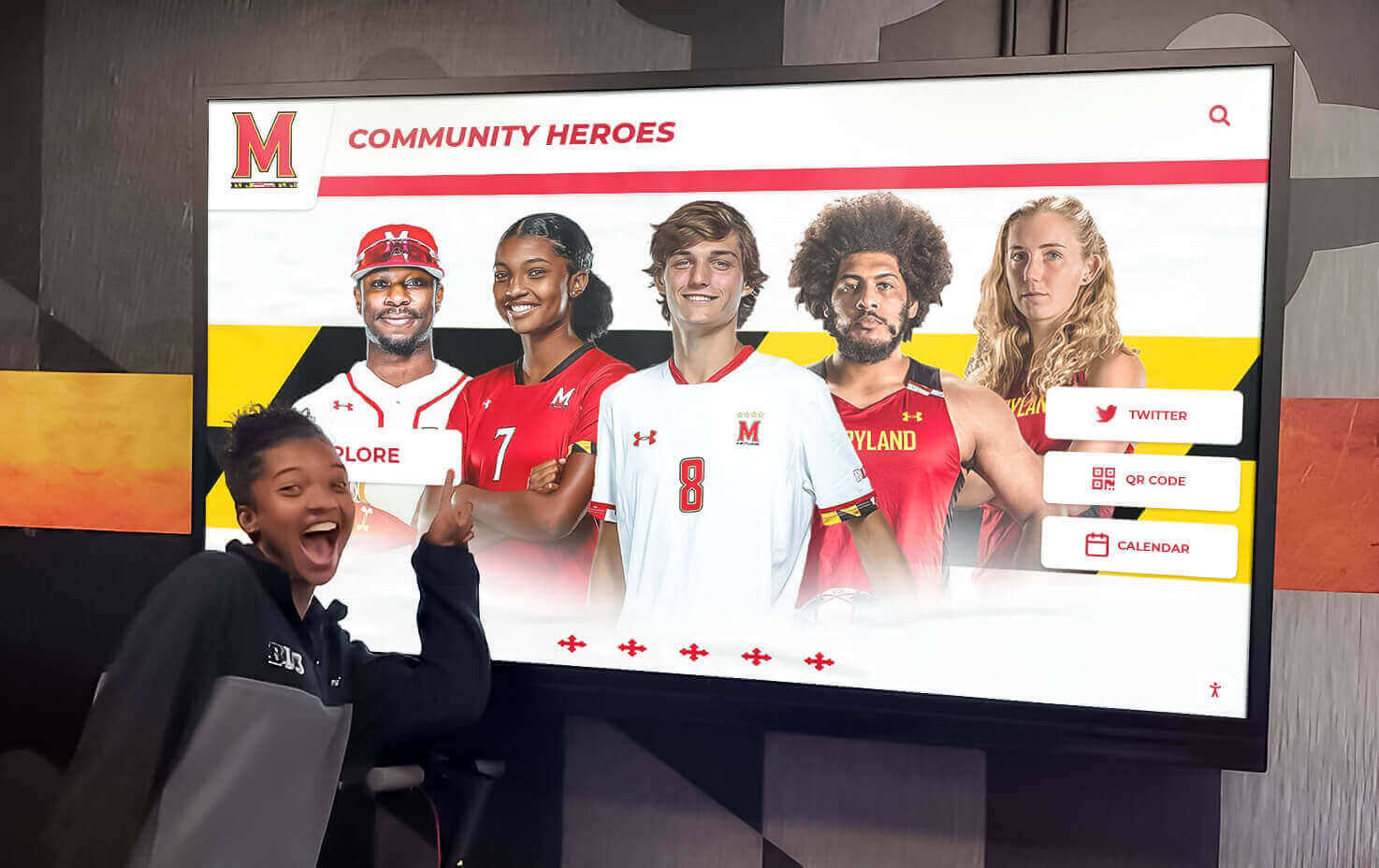
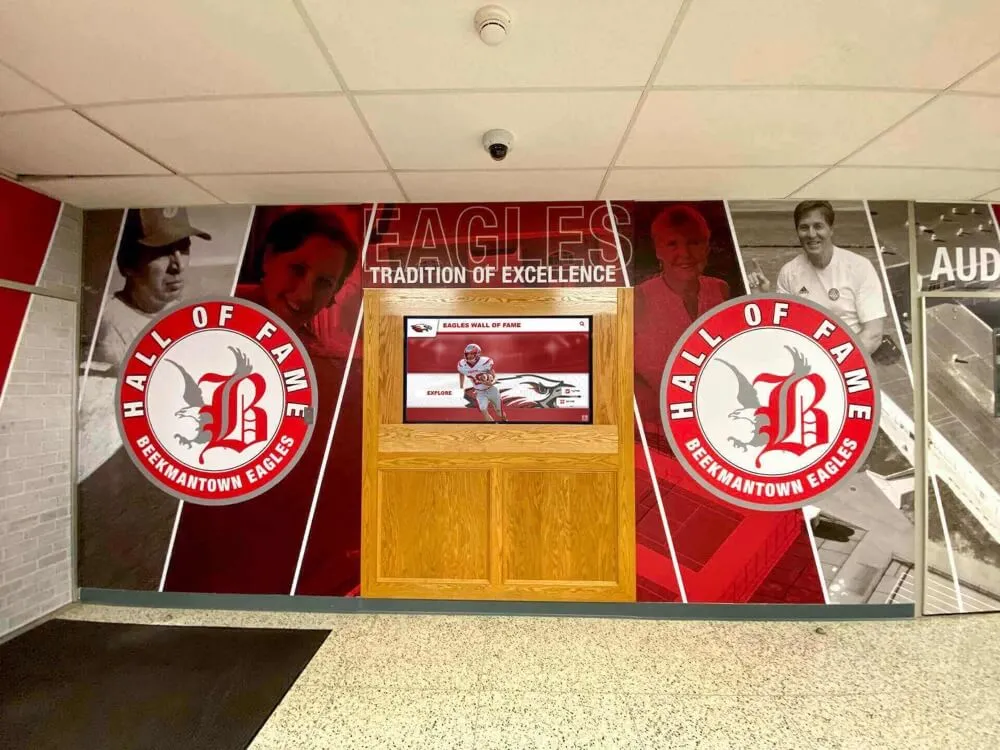
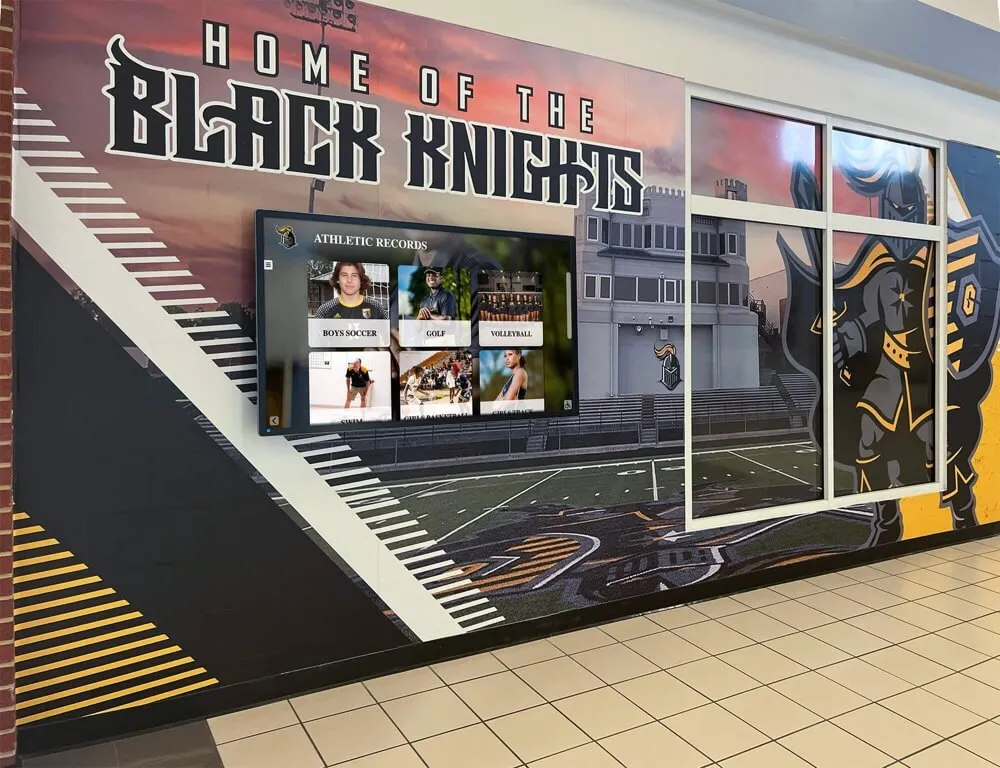
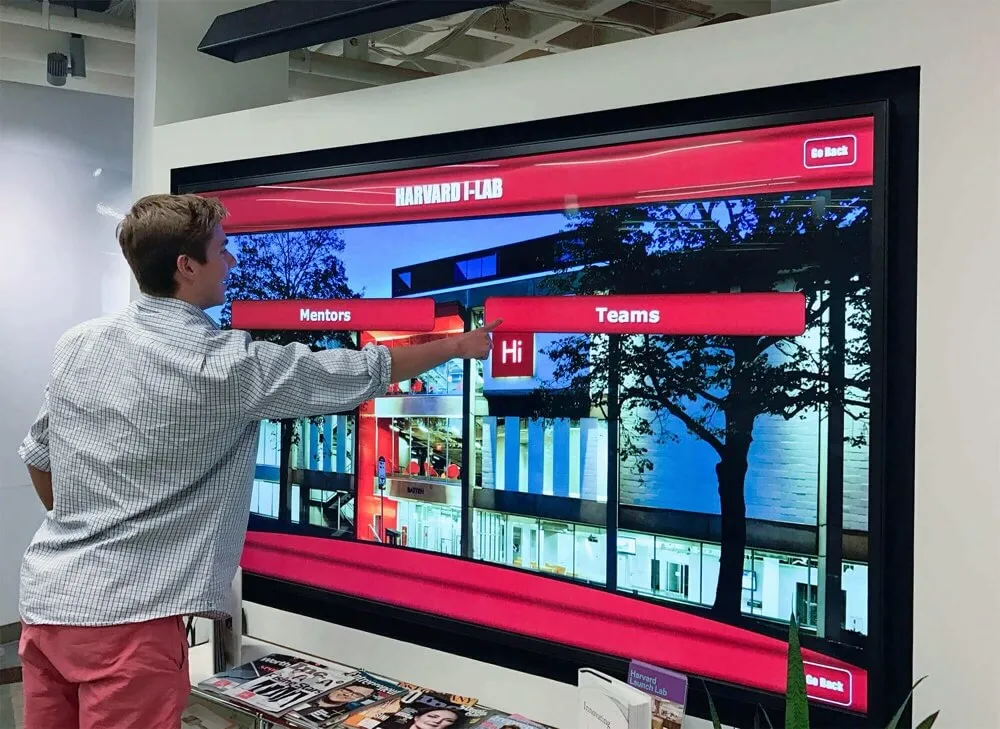
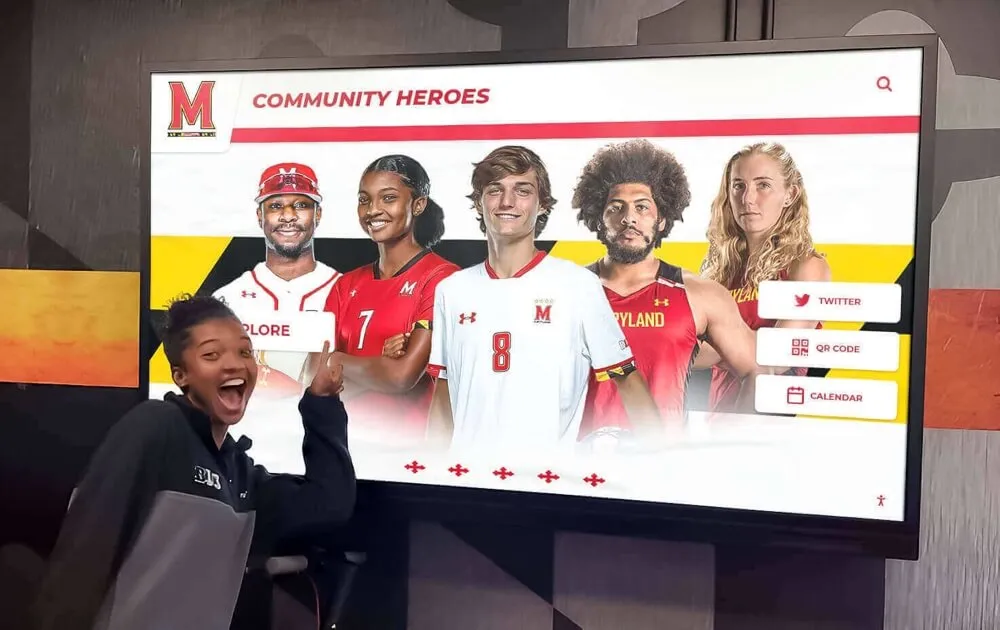
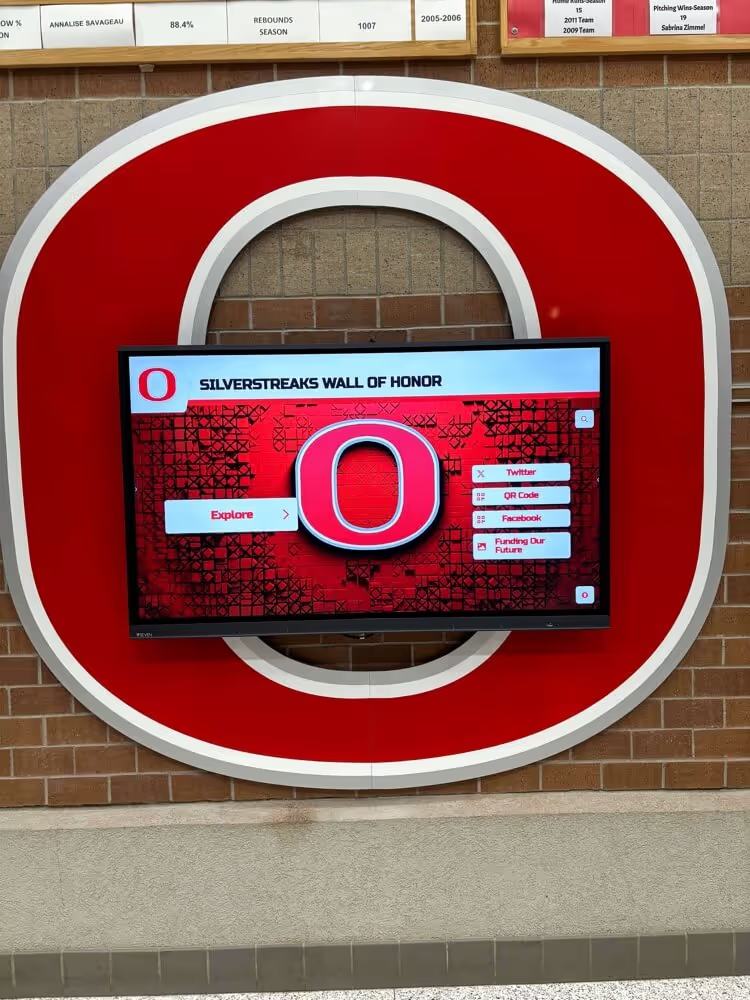
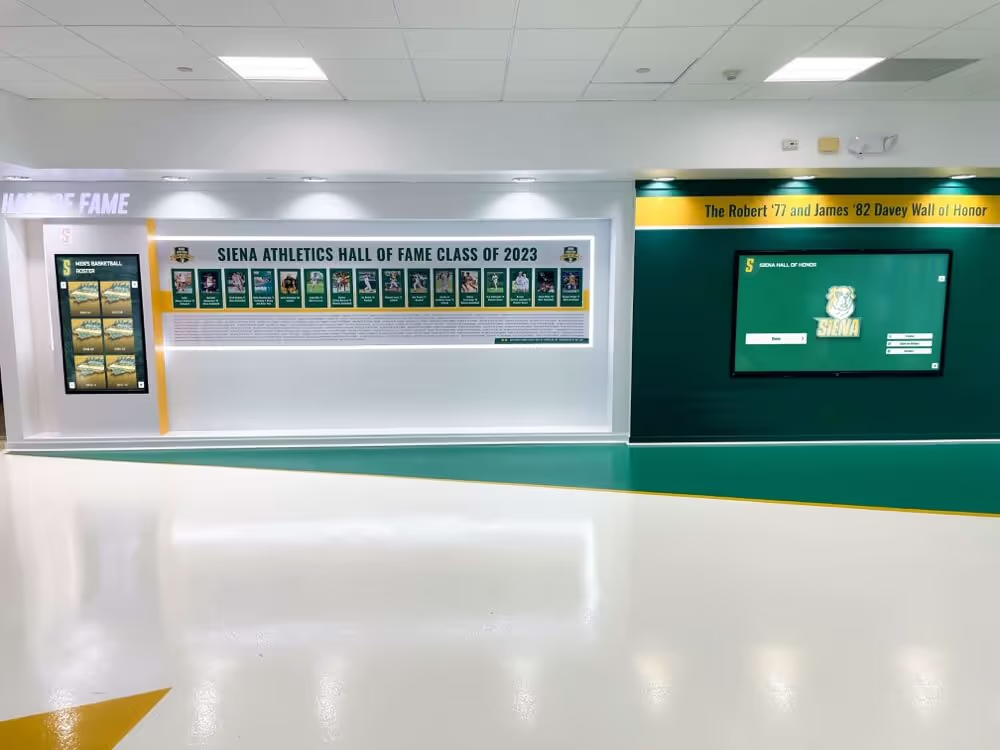
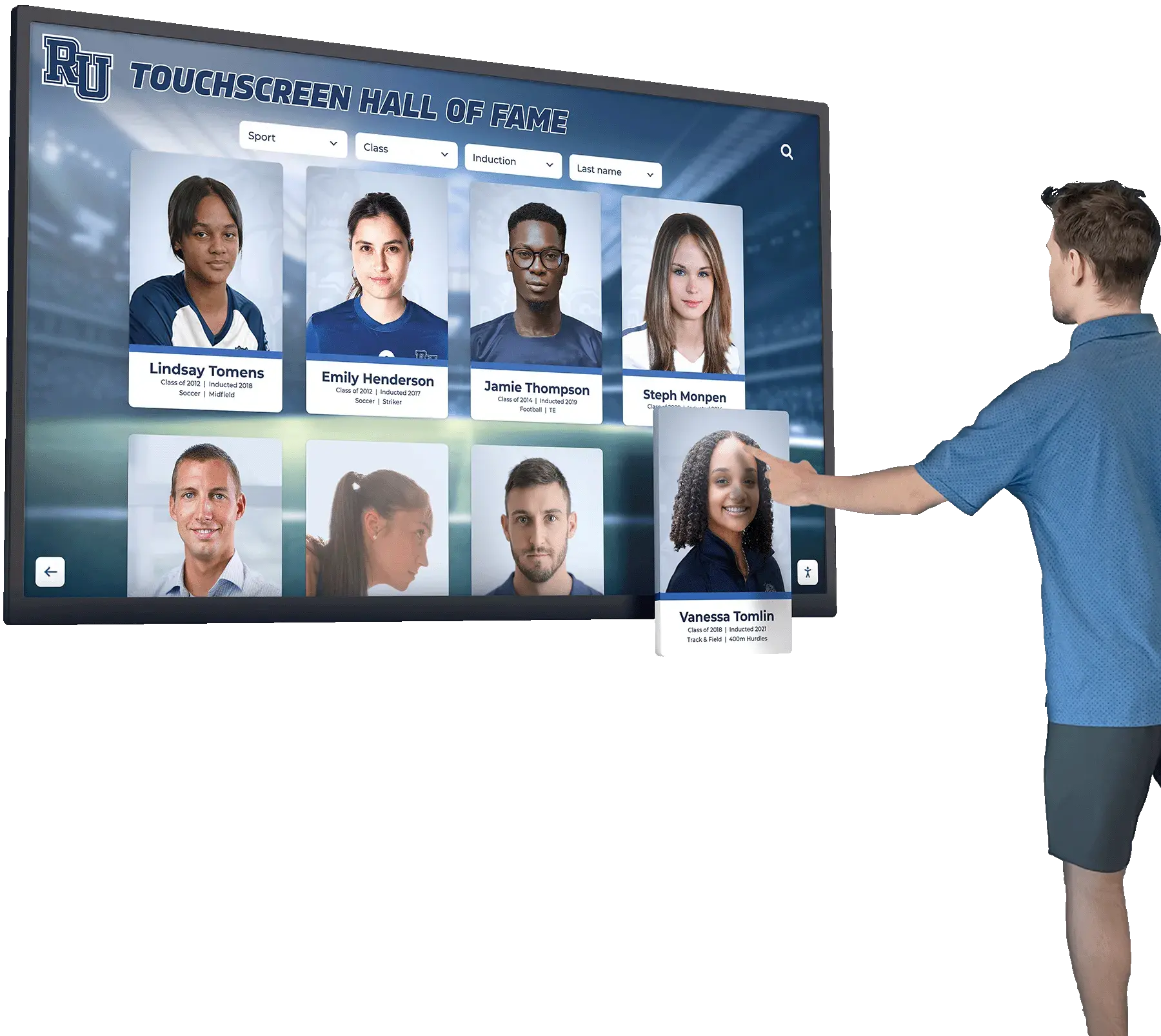
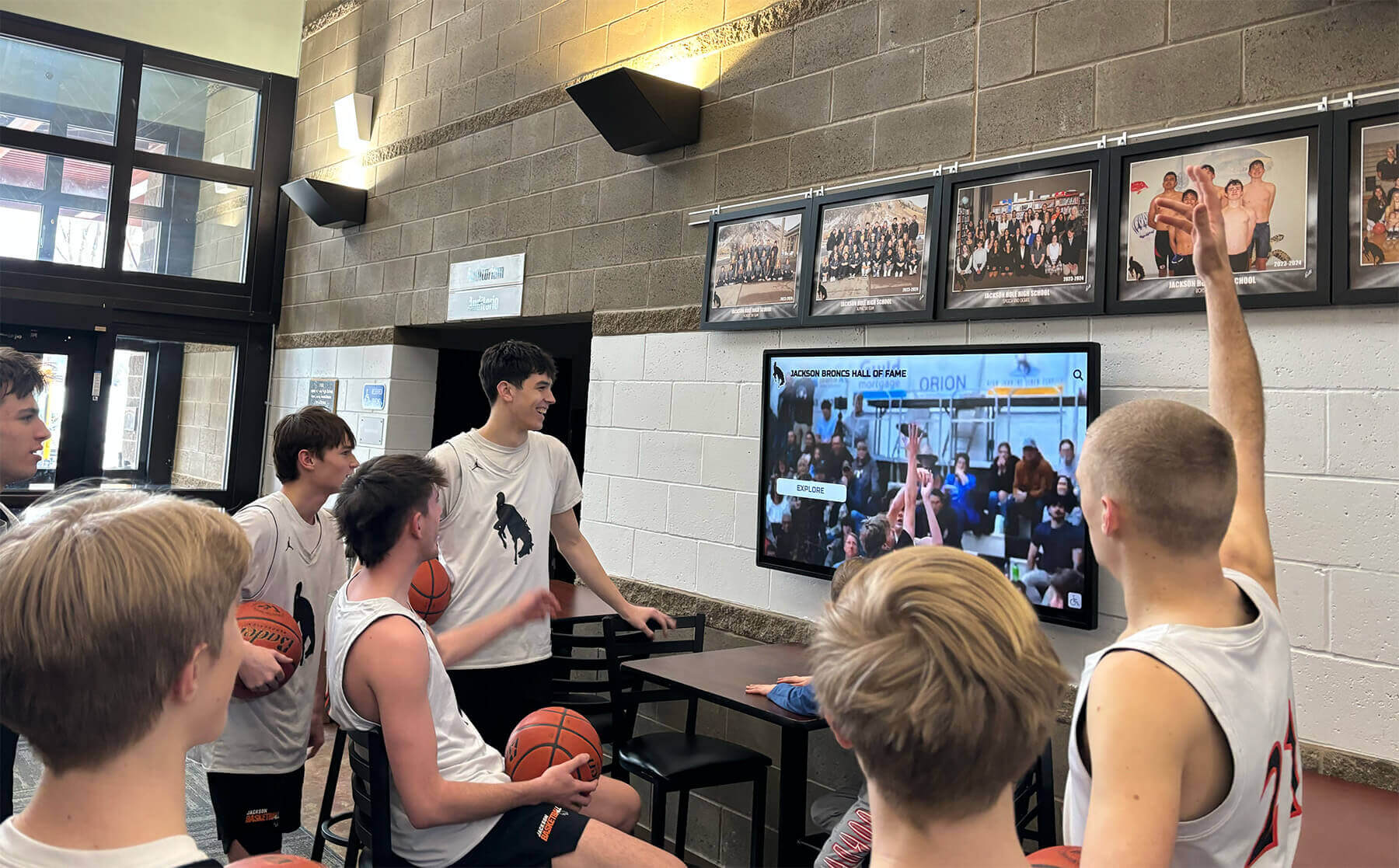
Interactive recognition systems celebrate both athlete achievements and donor contributions funding program excellence
Sustained Donor Communication
Regular updates maintain engagement between fundraising campaigns. Effective approaches include quarterly newsletters highlighting program achievements funded by booster support, impact reports demonstrating specific outcomes from donor contributions (equipment purchased, facilities improved, opportunities created), athlete testimonials personalizing donor impact through individual stories, and exclusive previews of upcoming projects inviting continued investment in program development.
Communication frequency should balance maintaining visibility against overwhelming supporters with excessive contact creating donor fatigue rather than sustained engagement.
Financial Management and Transparent Operations
Trustworthy financial administration builds donor confidence while ensuring regulatory compliance and organizational sustainability.
Establishing Sound Accounting Systems
Professional financial management protects organizations while demonstrating stewardship:
Banking and Financial Controls
Booster clubs should maintain separate bank accounts distinct from school district finances, require dual signatures on checks above specified thresholds, implement regular financial statement reviews by officer teams, and conduct annual independent audits or financial reviews depending on organization size and state requirements.
Many organizations adopt accounting software designed for nonprofits, enabling detailed income and expense tracking, simplified tax reporting, transparent budget monitoring, and professional financial statement generation for stakeholder reporting.
Tax Compliance and Nonprofit Status
Most booster clubs operate as 501(c)(3) nonprofit organizations or as components of school district tax-exempt status. Critical compliance requirements include annual IRS Form 990 filing documenting revenues and expenses, maintaining public disclosure of financial information as required by regulations, documenting that activities further educational and charitable purposes rather than benefiting private individuals, and retaining adequate records supporting tax-exempt status during potential audits.
Organizations lacking expertise should engage accountants or attorneys specializing in nonprofit tax compliance ensuring proper status maintenance and avoiding penalties from inadvertent violations.
Budget Development and Management
Strategic budgeting aligns resources with priorities while maintaining financial sustainability:
Annual Budget Creation Process
Effective budgets begin with input gathering from multiple stakeholders: athletic directors articulating program needs and priority funding requests, coaches identifying equipment, travel, and operational requirements, facilities managers specifying maintenance and improvement needs, and historical data analysis revealing actual spending patterns versus projections.
Collaborative budget development ensures booster support addresses highest-impact needs rather than scattered funding across less critical requests, creates shared ownership among athletic program stakeholders, and establishes realistic revenue targets based on historical performance rather than aspirational projections divorced from organizational capacity.
Reserve Fund Management
Prudent organizations maintain operating reserves covering 3-6 months of typical expenses, protecting against revenue shortfalls during difficult fundraising periods, enabling opportunistic investments in unexpected equipment discounts or facility improvement opportunities, and providing cushions absorbing event losses from weather cancellations or unexpectedly poor attendance.
Reserve policies should specify acceptable uses preventing inappropriate depletion for non-emergency purposes while enabling access when genuine needs arise requiring financial flexibility beyond annual operating budgets.
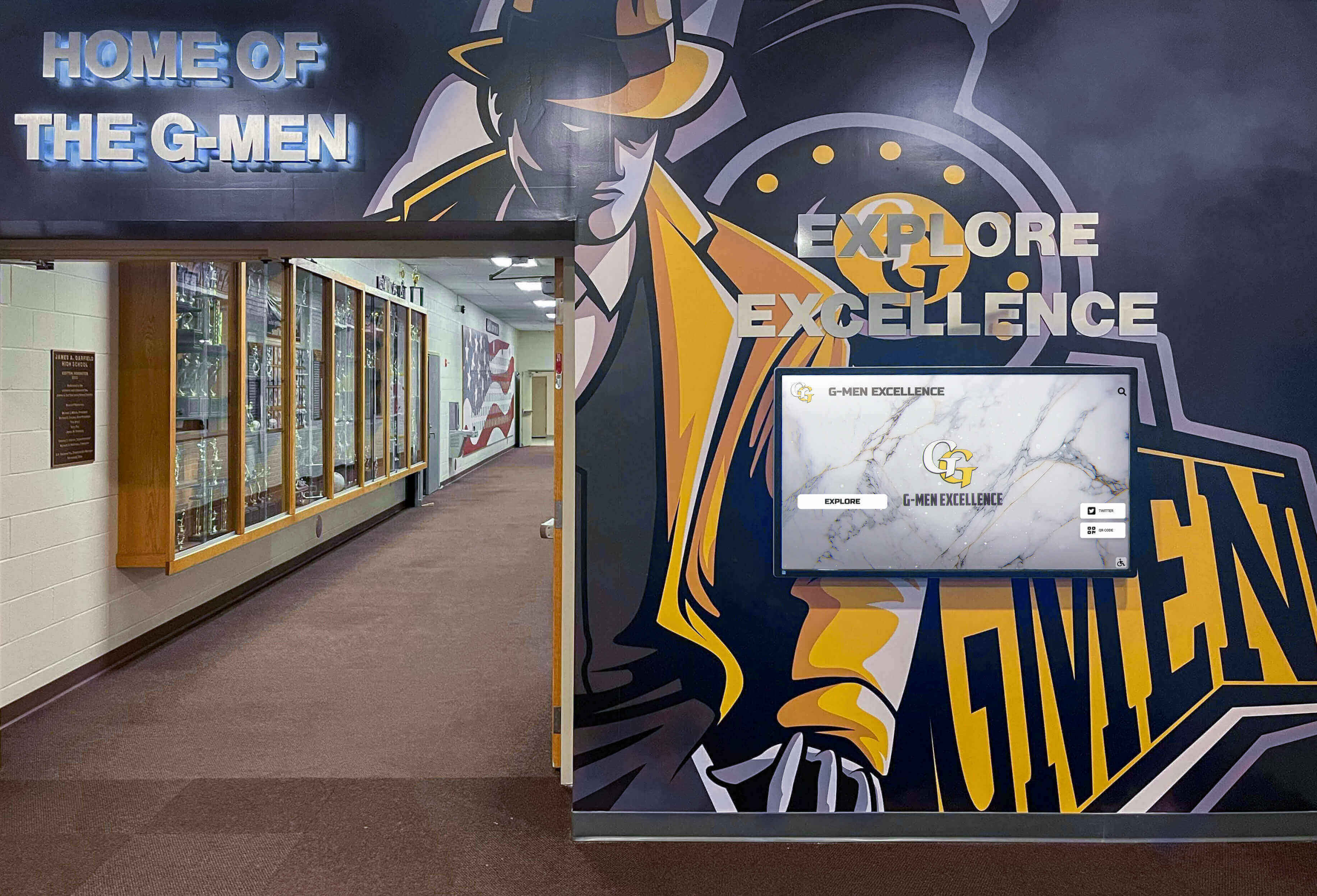
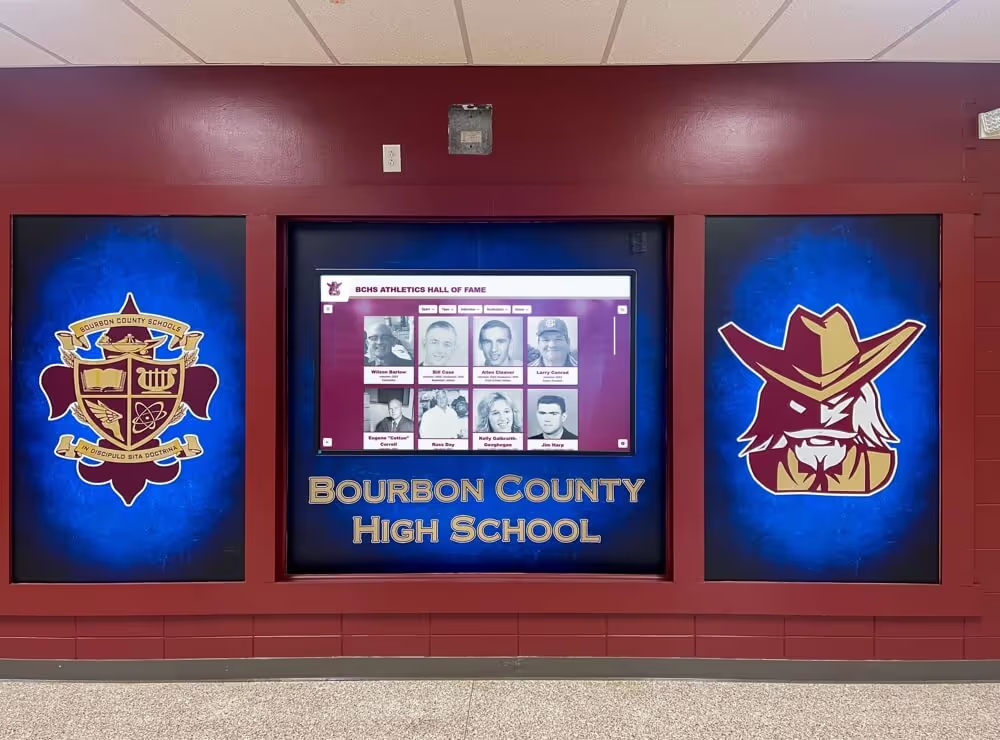
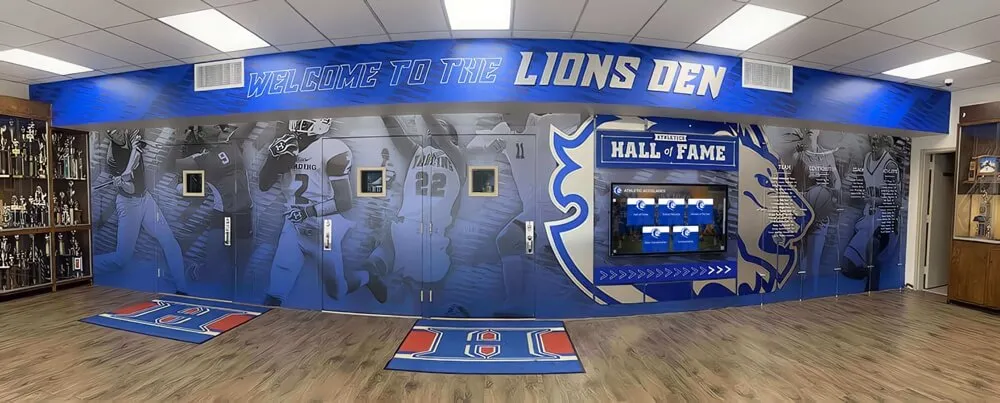
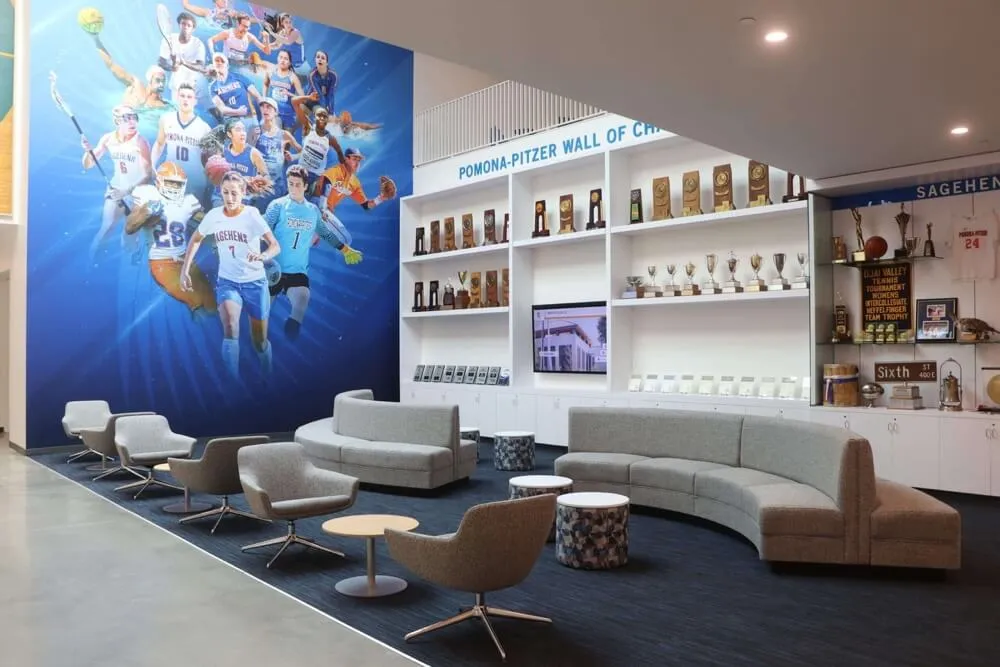
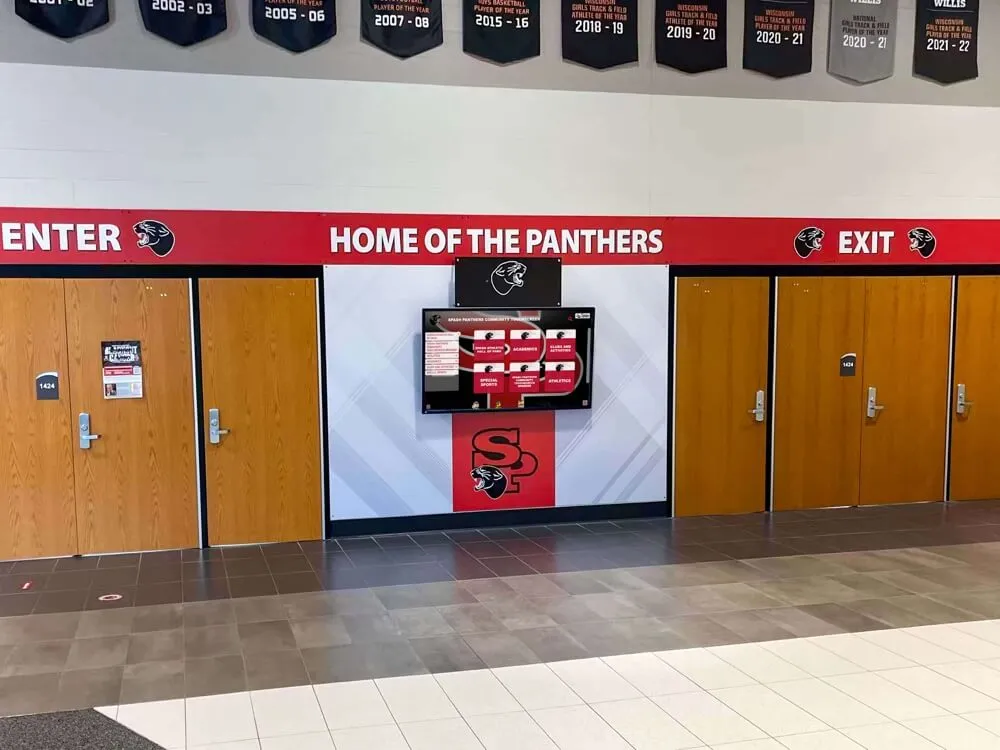
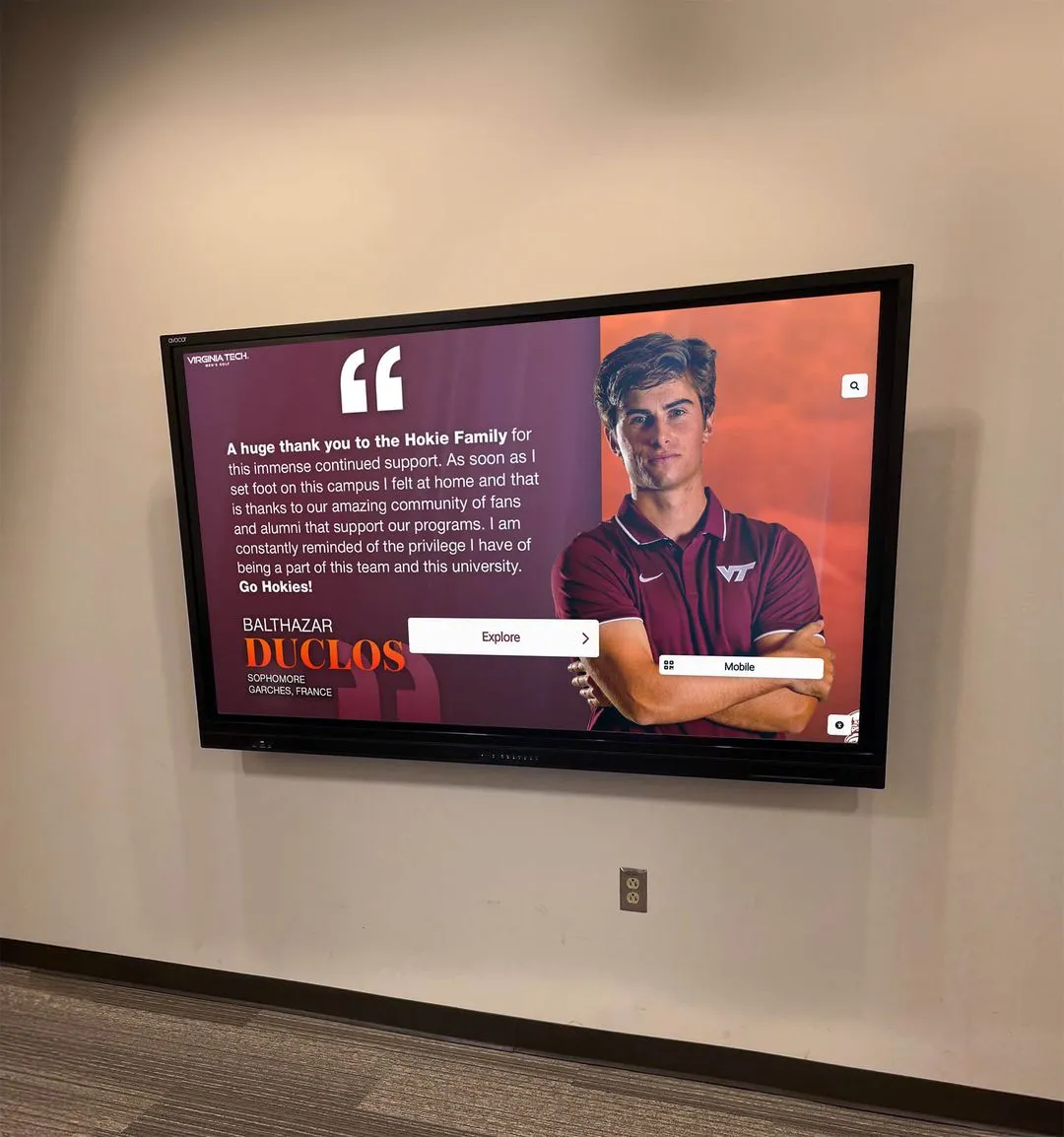
Integrated recognition systems combine traditional trophy displays with modern digital showcases funded through booster club investments
Coordinating High-Impact Athletic Events
Strategic event management amplifies program visibility while generating revenue and strengthening community connections.
Planning Major Athletic Celebrations
Comprehensive planning frameworks ensure successful execution:
Athletic Awards Banquets and Galas
End-of-season celebrations serve dual purposes recognizing athlete achievement while creating fundraising opportunities through ticket sales, sponsorships, and integrated silent auctions. Successful events balance celebration authenticity with revenue generation, avoiding overly commercial atmospheres diminishing genuine recognition experiences.
Planning timelines should extend 3-4 months before events, allowing adequate time for venue booking, speaker recruitment, award selection, and sponsor cultivation. Consider implementing approaches from school history documentation systems preserving event content and achievement records for long-term institutional memory.
Championship Celebrations and Send-Offs
Teams advancing to playoff competitions or championship events benefit from organized community celebrations building program momentum and demonstrating stakeholder support. Effective formats include pep rallies featuring student body participation and recognition, community send-off events with local business sponsorships, social media campaigns encouraging broader community engagement, and coordinated recognition during athletic events maximizing visibility.
These celebrations create shared experiences strengthening community bonds around athletic programs while generating positive visibility attracting future supporters and participants.
Managing Game Day Operations
Regular athletic events provide ongoing revenue and engagement opportunities:
Concession Stand Operations
Well-managed concessions generate steady income while improving spectator experiences. Success factors include streamlined menus balancing variety against operational complexity, adequate volunteer staffing preventing long lines reducing sales, inventory management systems tracking sales and optimizing purchasing, and pricing strategies maximizing profit margins while maintaining reasonable spectator costs.
Many organizations partner with professional concession companies handling operations while providing revenue shares, eliminating volunteer burden and operational complexity while generating guaranteed income regardless of individual event attendance.
Spirit Wear and Merchandise Sales
Game day merchandise sales capitalize on peak program visibility and emotional engagement. Effective approaches include portable sales booths with visual merchandise displays, mobile payment options reducing transaction friction, special edition items commemorating specific games or achievements, and online ordering with game day pickup accommodating pre-sale commitments.
Coordinate merchandise offerings with broader spirit wear programs ensuring consistent branding while creating exclusive game day items unavailable through general sales channels.
Implementing Strategic Recognition Systems
Modern recognition infrastructure demonstrates donor impact while inspiring continued program excellence and community support.
Connecting Fundraising to Visible Outcomes
Tangible recognition creates emotional connections between donor support and athletic achievement:
Permanent Athletic Recognition Displays
Strategic recognition systems showcase program history, celebrate current achievements, and honor donors funding excellence. Modern digital displays offer significant advantages over traditional static recognition including unlimited content capacity accommodating growing achievement records without physical expansion constraints, dynamic content updates reflecting current season results and recent accomplishments, and engaging multimedia presentations incorporating photos, videos, statistics, and achievement narratives.
Schools implementing touchscreen athletic displays report enhanced donor engagement through visible demonstration of how booster investments create lasting program impact, increased athlete motivation seeing comprehensive achievement documentation, and improved recruiting appeal showcasing program tradition and competitive excellence.
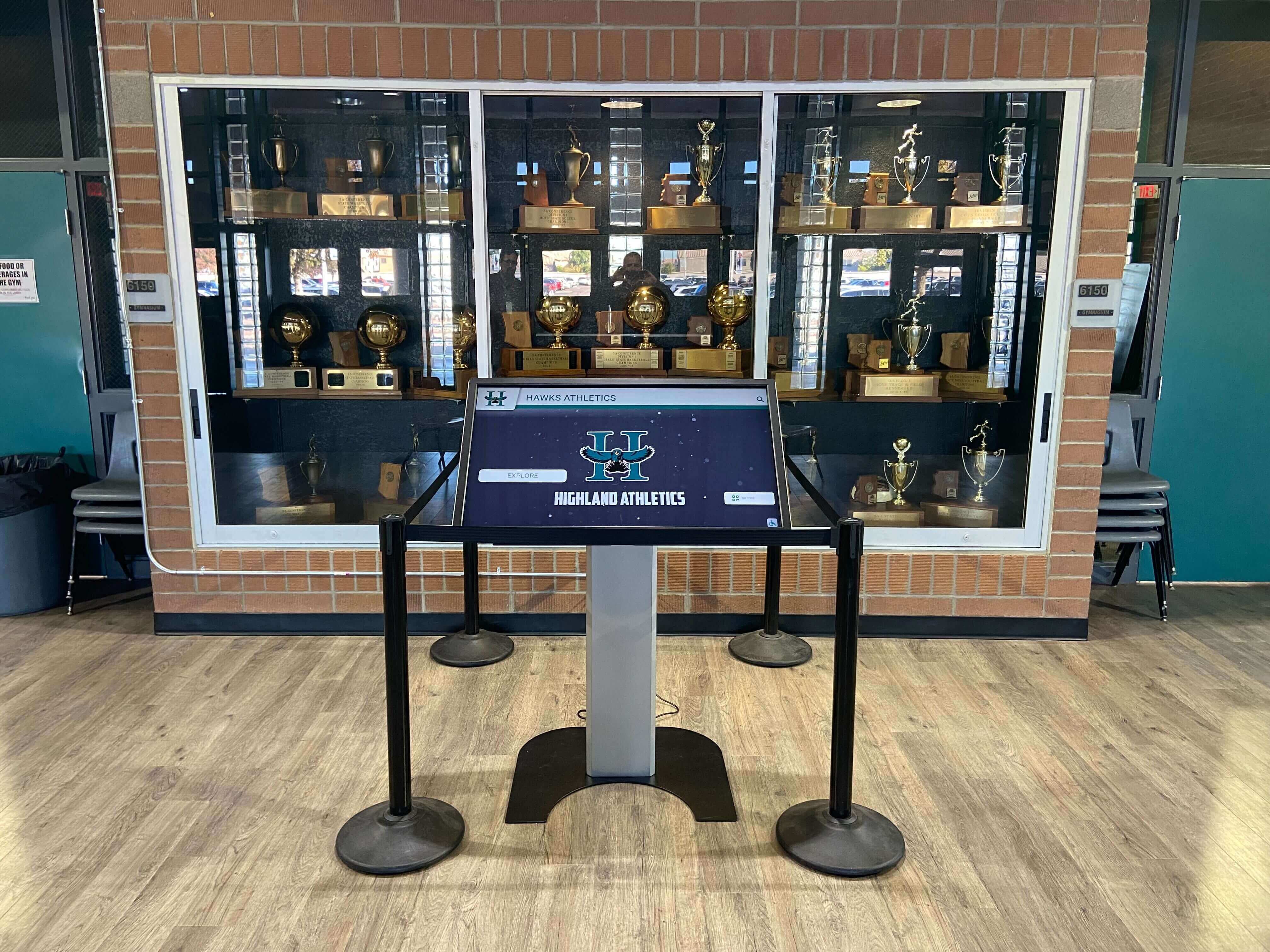
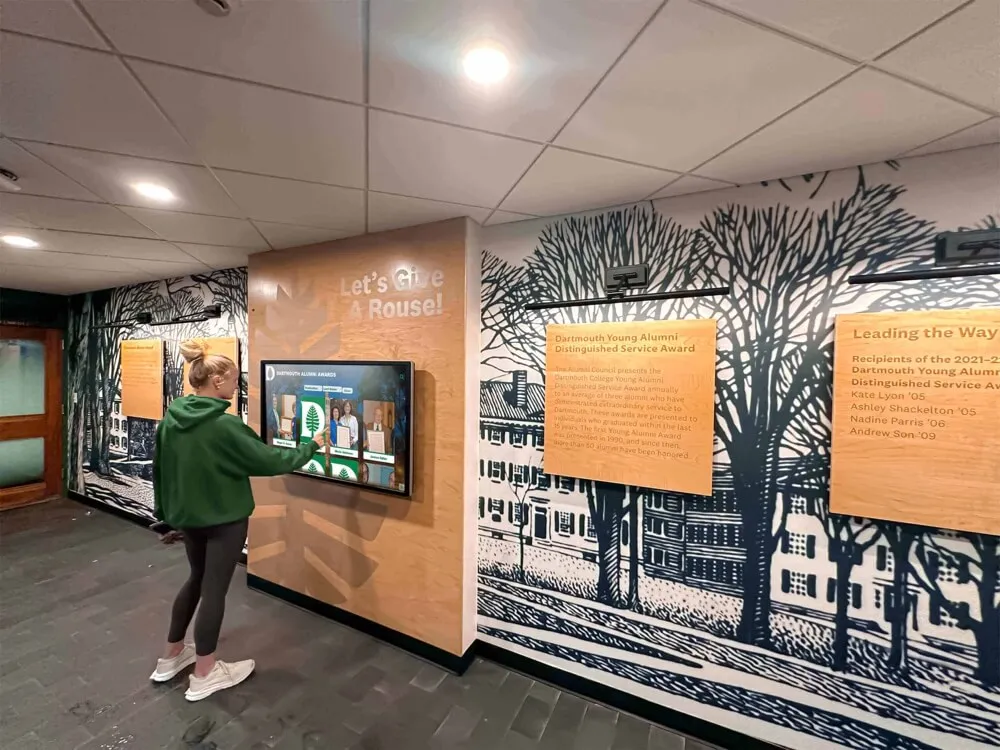
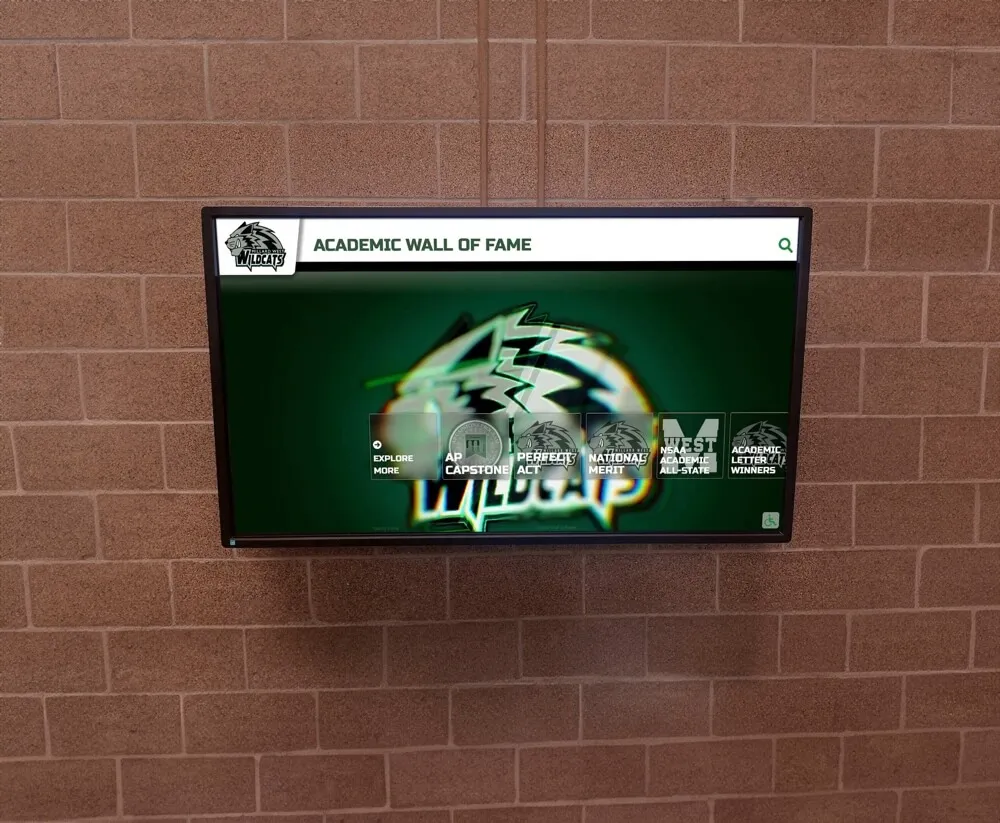
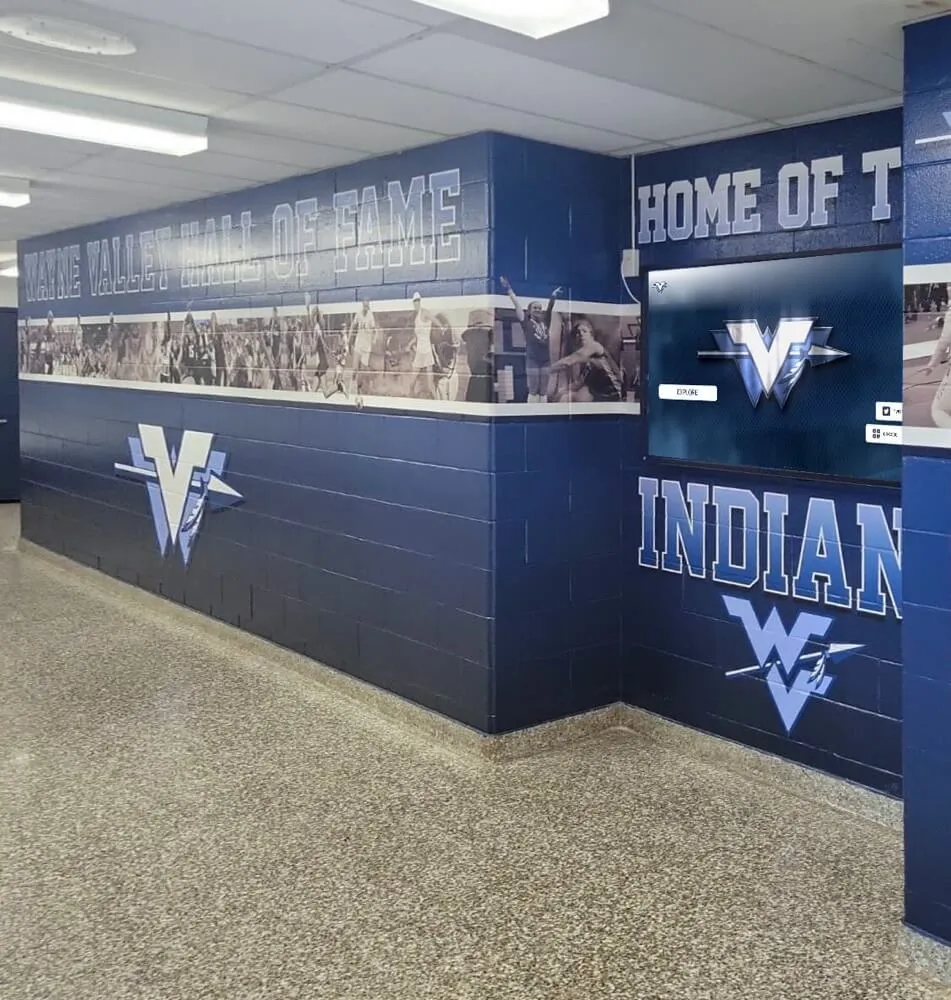
Modern recognition technology integrates with existing athletic displays creating comprehensive celebration systems
Achievement-Based Recognition Programs
Systematic athlete recognition funded by booster clubs creates tangible connections between fundraising and program impact. Effective programs include performance awards celebrating statistical achievement and competitive excellence, character awards honoring sportsmanship and leadership exemplifying institutional values, most improved recognition acknowledging development and dedication, and team awards recognizing collective achievement and cultural contribution.
Publicly connecting specific recognition programs to booster funding demonstrates concrete outcomes from donor contributions, creating donor satisfaction through visible impact and encouraging continued support sustaining recognition infrastructure.
Celebrating Academic and Athletic Excellence
Comprehensive recognition acknowledges diverse achievement beyond pure athletic performance:
Academic Achievement Integration
Many booster clubs extend support beyond athletics to academic recognition including academic all-conference recognition funded by booster programs, honor graduation recognition for student athletes meeting high academic standards, and scholarship programs supporting college-bound athletes continuing education.
Integrated academic and athletic recognition demonstrates holistic student development values while broadening donor appeal beyond pure sports enthusiasts to include education-focused supporters valuing comprehensive student success.
Community Contribution Recognition
Forward-thinking programs celebrate athletes demonstrating community leadership through service projects, volunteering, and civic engagement. Recognition communicating that program excellence extends beyond competitive achievement to character development and community contribution strengthens institutional support among stakeholders prioritizing values beyond win-loss records.
Building Volunteer Capacity and Engagement
Sustainable organizations recruit, train, and retain volunteers preventing burnout while distributing workload across committed supporter bases.
Effective Volunteer Recruitment
Systematic recruitment expands participation beyond traditional athletic parent bases:
Diversified Recruitment Strategies
Successful organizations recruit through multiple channels including direct outreach to incoming athletic families during registration processes, appeals during athletic events reaching spectators already demonstrating program interest, partnership development with local businesses seeking community engagement opportunities, and alumni network engagement leveraging graduated athletes maintaining program connections.
Specific task-based volunteer requests generate better response than vague “we need help” appeals. Clearly defined opportunities with specific time commitments, required skills, and expected outcomes enable potential volunteers to assess fit against their capacity and interests.
Flexible Participation Models
Modern volunteer programs accommodate varying capacity levels through tiered commitment options including core leadership volunteers serving ongoing coordination roles, event-specific volunteers contributing to major fundraisers or athletic celebrations without year-round obligations, task-specific volunteers offering specialized skills (graphic design, accounting, marketing) for discrete projects, and virtual volunteers handling remote tasks (social media, communications, online ordering) without physical presence requirements.
Flexibility prevents volunteer burnout by enabling contribution levels matching individual capacity while ensuring adequate coverage across organizational needs.
Volunteer Training and Support
Prepared volunteers perform more effectively while experiencing greater satisfaction:
Structured Onboarding
New volunteer orientation should cover organizational mission and scope clarifying what booster clubs do and don’t fund, key policies including financial procedures and school district relationship boundaries, communication protocols establishing reporting structures and information sharing channels, and available resources including procedure documents and support contacts for questions.
Formal onboarding demonstrates organizational professionalism while providing volunteers with confidence navigating their roles effectively.
Ongoing Development and Recognition
Regular volunteer appreciation maintains engagement and prevents burnout. Effective recognition includes public acknowledgment during athletic events and in organizational communications, exclusive volunteer events celebrating contributions, personalized thank you messages from organizational leadership, and tangible tokens of appreciation for sustained service.
Understanding that volunteers contribute time they could allocate elsewhere drives thoughtful appreciation demonstrating genuine gratitude for their commitment to athletic program success.
Leveraging Technology for Operational Efficiency
Strategic technology adoption streamlines operations while reducing volunteer workload:
Digital Tools for Booster Club Management
Purpose-built platforms address common operational challenges:
Membership and Donation Management
Specialized software enables automated membership renewal reminders reducing manual follow-up requirements, online donation processing expanding giving access and reducing check handling, donor database management facilitating targeted communications and acknowledgment tracking, and integrated financial reporting simplifying tax compliance and budget monitoring.
Technology investments should balance cost against volunteer time savings, recognizing that efficient systems enable small volunteer teams to accomplish work previously requiring substantially larger commitments.
Communication and Marketing Platforms
Effective booster clubs maintain regular stakeholder contact through email marketing platforms enabling segmented messaging to different constituencies, social media management showcasing achievements and fundraising needs, mobile apps providing event calendars and real-time updates, and website platforms serving as information hubs for program details and giving opportunities.
Consistent communication builds brand awareness while keeping programs top-of-mind among potential donors between major fundraising campaigns.
Athletic Achievement Documentation Systems
Systematic content collection supports both immediate communication and long-term recognition:
Season Documentation Procedures
Booster clubs should establish processes capturing photos and videos throughout athletic seasons providing content for social media, newsletters, and year-end celebrations, recording statistics and achievement milestones feeding recognition programs and historical archives, collecting coach and athlete testimonials humanizing program impact through individual stories, and documenting donor-funded equipment and facility improvements demonstrating tangible investment outcomes.
Regular documentation prevents scrambling for content during major events while building comprehensive archives supporting multiple organizational needs across seasons and years.
Schools implementing systematic approaches similar to competitive athletic documentation can leverage existing content infrastructure supporting both immediate engagement and permanent recognition requirements.

Permanent recognition infrastructure creates lasting visibility for achievements and donor contributions supporting athletic excellence
Measuring Impact and Demonstrating Value
Data-driven assessment enables continuous improvement while justifying booster club value to stakeholders:
Key Performance Indicators for Booster Clubs
Strategic metrics track organizational health and program impact:
Financial Performance Metrics
Critical indicators include total annual revenue tracking growth trends and campaign effectiveness, revenue per volunteer hour measuring operational efficiency, fundraising cost ratios ensuring reasonable expense levels relative to income generated, and reserve fund balances monitoring financial sustainability.
Trend analysis across multiple years reveals whether organizations maintain growth trajectories or experience stagnation requiring strategic adjustment.
Engagement and Participation Measures
Qualitative success indicators include donor retention rates measuring sustained giving relationships, volunteer participation counts tracking organizational capacity, event attendance trends reflecting program visibility and community interest, and membership growth demonstrating expanding supporter bases.
Strong engagement metrics indicate healthy organizational cultures attracting and retaining committed supporters beyond immediate athletic parent populations.
Annual Impact Reporting
Transparent reporting builds donor confidence while celebrating collective achievement:
Comprehensive Annual Reports
Effective reports document financial performance with detailed revenue and expense breakdowns, funded achievements listing specific equipment, improvements, and programs enabled by booster support, recognition statistics quantifying awards, scholarships, and celebration events delivered, and volunteer contributions acknowledging individual and collective service.
Visual impact reports incorporating photos, testimonials, and achievement highlights create more engaging communications than pure financial statements, while still maintaining transparency demonstrating responsible stewardship.
Professional impact reporting serves fundraising purposes by demonstrating to potential donors exactly how organizations deploy contributed resources while acknowledging current supporters whose investments enabled documented achievements.
Planning for Long-Term Sustainability
Strategic planning ensures booster clubs continue supporting athletic excellence across leadership transitions and changing circumstances:
Multi-Year Strategic Planning
Forward-looking organizations establish 3-5 year strategic plans outlining major funding priorities including facility improvement timelines coordinating with district capital planning, equipment replacement schedules preventing crisis purchasing from unexpected failures, program expansion goals supporting new sports or participation level additions, and recognition infrastructure investments creating permanent celebration capacity.
Long-term planning enables capital campaign development for major projects, prevents reactive funding decisions driven by urgency rather than strategic priorities, and creates shared vision aligning stakeholders around common program development goals.
Understanding how schools implement comprehensive facility enhancement approaches like gymnasium design planning helps booster clubs coordinate support maximizing impact of both district and booster investments.
Crisis Preparedness and Adaptation
Resilient organizations prepare for challenges disrupting normal operations:
Contingency Planning
Booster clubs should develop response frameworks for potential disruptions including leadership succession procedures preventing operational paralysis when key volunteers depart unexpectedly, financial reserve policies enabling continued operations during revenue shortfalls, alternative fundraising approaches adaptable to changing circumstances (shifting from in-person to virtual when necessary), and communication crisis plans maintaining stakeholder confidence during challenging periods.
Organizations that weathered recent global disruptions demonstrated that adaptability and diversified revenue models enabled continued athletic program support while less prepared organizations struggled maintaining operations.
Enhancing Athletic Recognition Through Strategic Partnerships
Collaborative approaches amplify booster club impact while sharing workload across organizational boundaries:
School and Community Partnerships
Strategic alliances expand capacity and resources:
District Collaboration
Formal partnerships with school districts coordinate booster support with institutional priorities, prevent duplicated efforts or contradictory initiatives, leverage district resources and expertise supporting booster operations, and ensure booster activities complement rather than complicate district athletic administration.
Regular coordination meetings between booster leadership and athletic directors maintain alignment while identifying emerging needs and opportunities for collaborative program enhancement.
Corporate and Business Partnerships
Local business relationships create mutual value through corporate sponsorships funding athletic programs while generating business visibility, in-kind donations providing goods and services reducing booster expenses, employee volunteer programs expanding organizational capacity beyond parent volunteers, and matching gift programs amplifying individual donor contributions.
Relationship development requires professional partnership proposals articulating clear sponsorship value, recognition deliverables, and community impact demonstrating why businesses should invest in athletic program support.
Recognition Technology Partners
Modern digital recognition systems require specialized expertise and infrastructure:
Purpose-built athletic recognition platforms offer comprehensive solutions including unlimited digital content capacity accommodating growth without physical constraints, cloud-based management enabling easy updates without technical expertise, professional design services creating polished visual presentations, and integrated donor recognition connecting fundraising contributions to visible program outcomes.
Strategic recognition investments demonstrate donor impact through permanent visible infrastructure, inspire current athletes by celebrating program tradition and achievement, and strengthen program appeal among prospective students and families evaluating competitive opportunities. These systems create lasting value extending far beyond traditional plaques or displays limited by physical space and static content.
Understanding athletic award program development approaches helps booster clubs implement comprehensive recognition systems celebrating diverse achievement while maximizing donor engagement through visible impact demonstration.
Common Booster Club Challenges and Solutions
Experienced organizations anticipate predictable obstacles while implementing proven mitigation strategies:
Volunteer Burnout Prevention
Small volunteer cores handling excessive workload experience burnout threatening organizational sustainability:
Solution Frameworks
Distribute responsibilities across larger volunteer bases through task-specific recruitment requiring limited time commitments, implement rotation policies preventing indefinite tenure in demanding positions, establish reasonable workload expectations matching volunteer capacity rather than aspirational activity levels, and recognize early burnout warning signs triggering intervention and support.
Organizations normalizing declining participation requests and volunteer rotation maintain healthier cultures than those creating guilt around boundary-setting or treating volunteer departure as organizational betrayal.
Fundraising Fatigue Management
Excessive appeals exhaust donor patience while diminishing campaign effectiveness:
Strategic Giving Integration
Balance fundraising frequency by consolidating multiple small asks into comprehensive annual campaigns, clearly communicating full funding needs enabling larger single gifts instead of repeated appeals, implementing recurring giving programs (monthly sustaining donations) providing steady income without repeated solicitation, and targeting different donor segments with campaign-specific appeals rather than broadcasting all asks to entire databases.
Quality communications demonstrating impact generate better results than quantity approaches overwhelming supporters with constant funding requests.
Maintaining Financial Transparency
Unclear financial reporting creates donor suspicion while undermining confidence in organizational stewardship:
Transparency Best Practices
Regular financial reporting should include simplified budget summaries accessible to non-financial stakeholders, clear documentation of how specific donations funded particular programs or equipment, independent financial reviews providing external validation of responsible management, and accessible financial information through websites or communications rather than on-request-only availability creating perception of secrecy.
Proactive transparency builds trust while preempting questions or concerns that might otherwise fester into larger credibility issues.
Taking Your Booster Club to the Next Level
Strategic booster club management transforms volunteer enthusiasm into systematic infrastructure supporting sustained athletic excellence while building community connections extending far beyond individual seasons or teams.
Organizations implementing the frameworks outlined in this guide—from structured governance and strategic fundraising through transparent financial management and comprehensive recognition systems—position their athletic programs for long-term competitive success while creating sustainable volunteer models preventing burnout and ensuring operational continuity across leadership transitions.
The most effective booster clubs recognize that their ultimate purpose extends beyond simple fundraising to building institutional infrastructure celebrating achievement, inspiring excellence, and creating visible community pride in athletic program tradition and competitive accomplishment.
Ready to implement recognition infrastructure demonstrating the tangible impact of your booster club’s fundraising efforts while inspiring continued athletic excellence? Rocket Alumni Solutions provides comprehensive digital recognition systems purpose-built for athletic programs, offering unlimited content capacity, cloud-based management requiring no technical expertise, and professional design services creating polished displays that honor both athletic achievements and the donor contributions making excellence possible. Discover how modern recognition technology can amplify your booster club’s impact while creating permanent celebrations of athletic program success.