Athletic booster clubs serve as the lifeblood of school sports programs, coordinating fundraising campaigns that provide equipment upgrades, organizing volunteer efforts that enable game-day operations, planning recognition events that celebrate athlete achievements, and building community support that transforms adequate athletic programs into sources of genuine school pride. Yet most booster clubs struggle with administrative burdens that consume volunteer capacity—managing membership databases through outdated spreadsheets, coordinating fundraising through disconnected payment systems, communicating through scattered email chains and text threads, and tracking volunteer commitments through handwritten signup sheets that disappear between meetings.
Booster club software has emerged as the solution that transforms how athletic support organizations operate—replacing fragmented manual systems with integrated platforms that coordinate fundraising, volunteer management, event planning, member communications, and recognition programs through centralized tools accessible to leadership teams, parent volunteers, and supporters. These platforms reclaim hundreds of hours annually that booster club officers currently waste on administrative tasks, enabling volunteer leaders to focus on strategic initiatives that genuinely strengthen athletic programs rather than drowning in operational minutiae.
However, selecting appropriate booster club software challenges volunteer leaders who must evaluate competing platforms while balancing limited budgets, diverse technical comfort levels among parent volunteers, specific features required by their athletic programs, and integration needs connecting to school systems and existing tools. Organizations investing in mismatched solutions face low adoption rates, frustrated volunteers abandoning platforms for familiar spreadsheets, communication gaps as members miss messages in unfamiliar systems, and wasted resources that could have directly supported student-athletes.
This comprehensive guide explores the best booster club software available in 2026, examining essential features that streamline operations, comparing platforms for different organization sizes and needs, revealing integration capabilities that connect booster activities to broader athletic recognition systems, and providing selection frameworks that help volunteer leaders choose solutions their organizations will actually use rather than creating expensive digital abandonment.
Successful booster clubs implementing well-matched software platforms report administrative time reductions of 60-75 percent, fundraising increases of 25-40 percent through streamlined donation processes, and volunteer participation improvements of 30-50 percent thanks to simplified coordination—while poorly matched solutions frequently sit unused after initial enthusiasm fades when volunteers discover platforms don’t align with their actual workflows and technical capabilities.

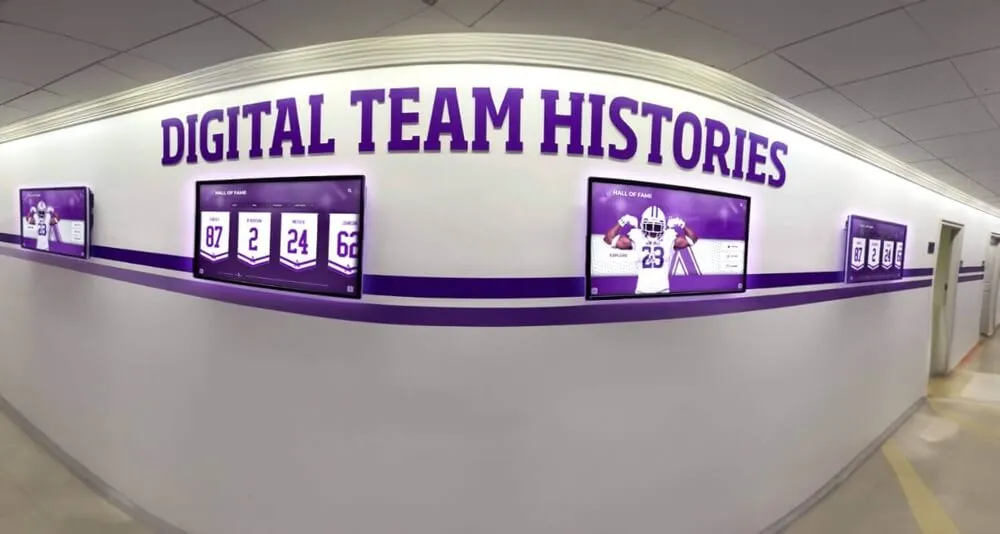
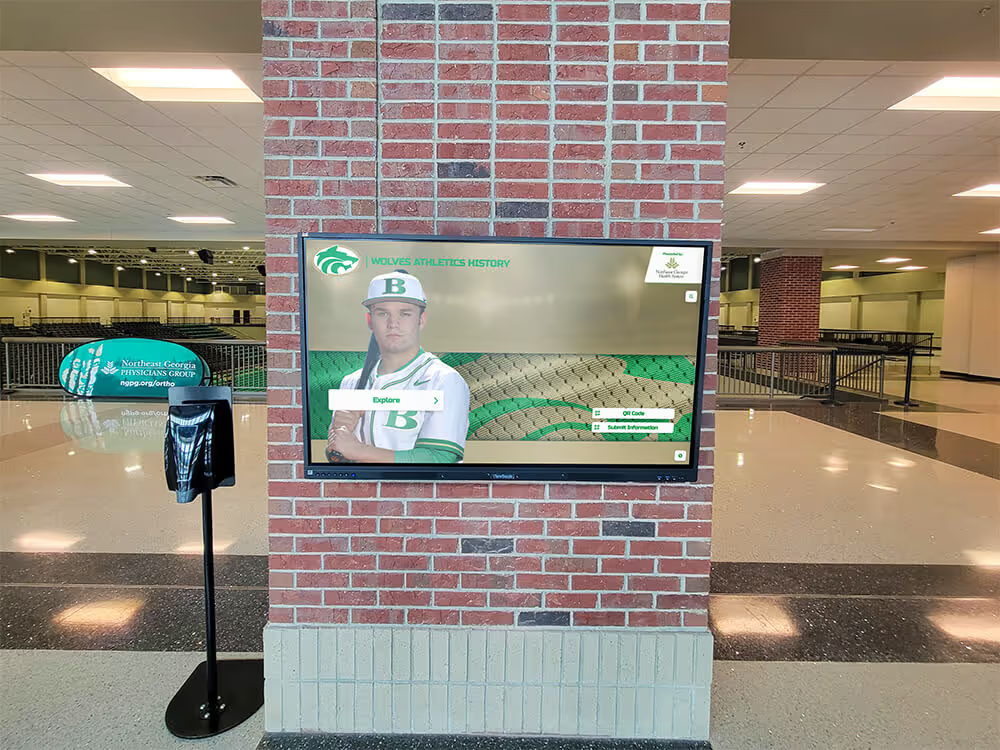
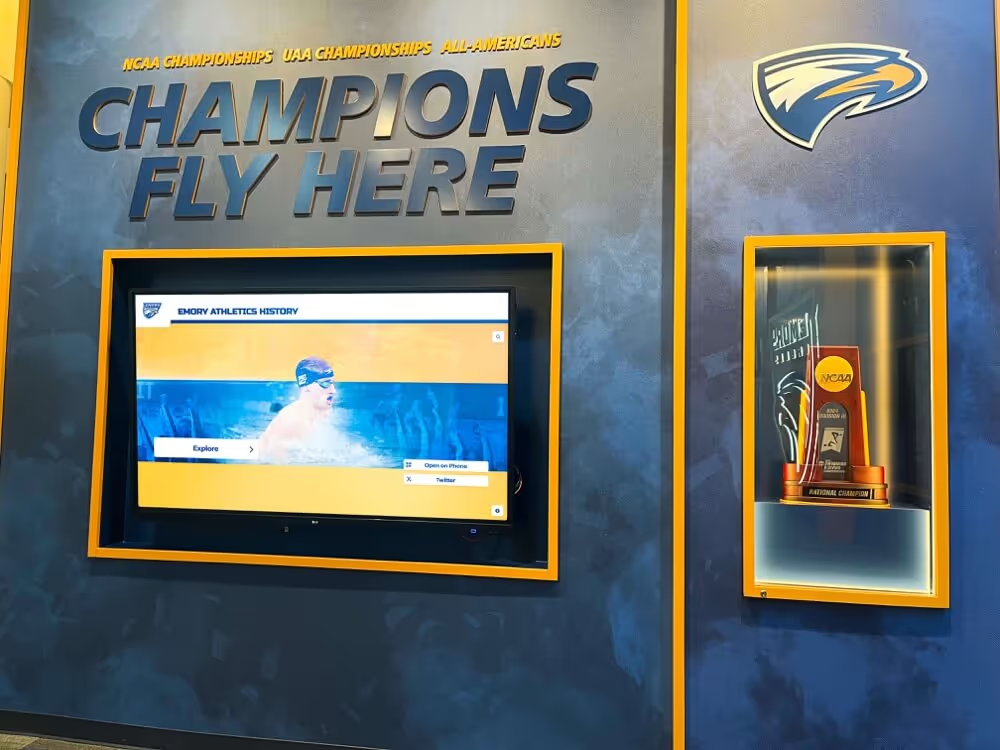
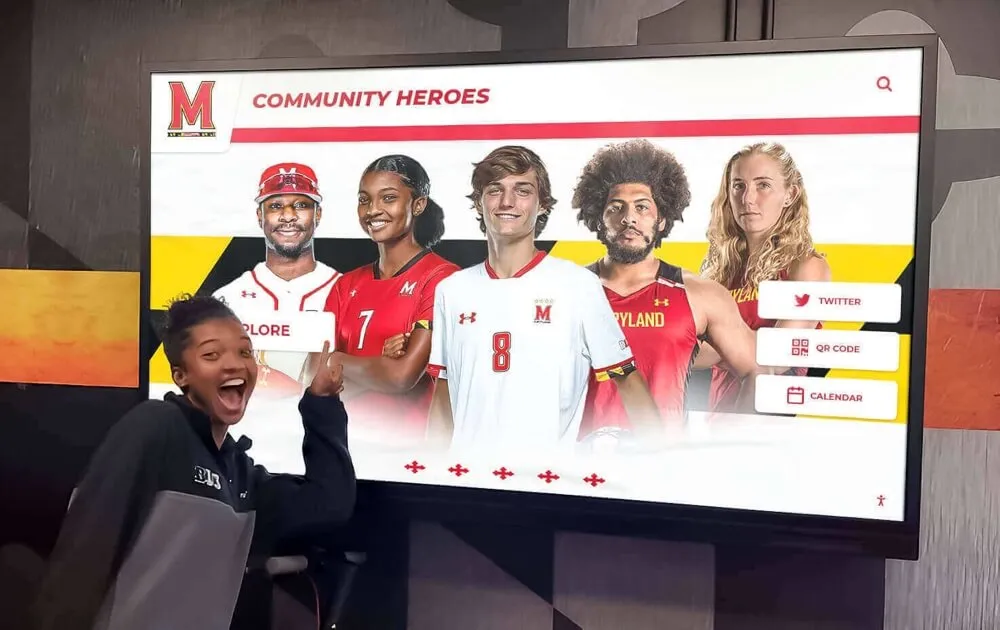
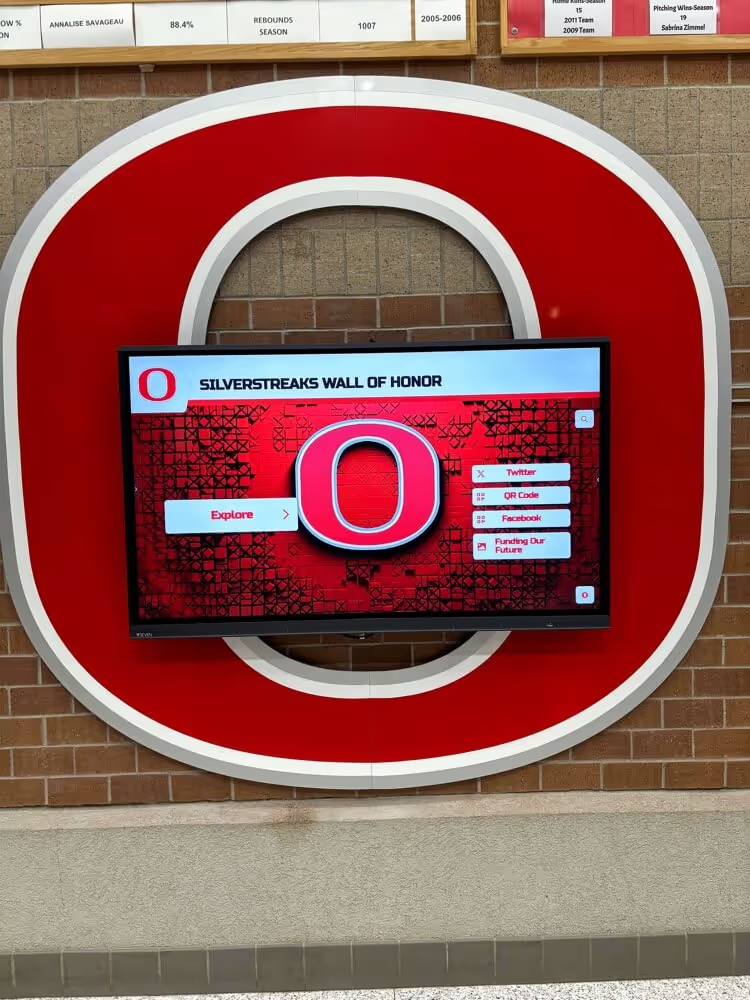
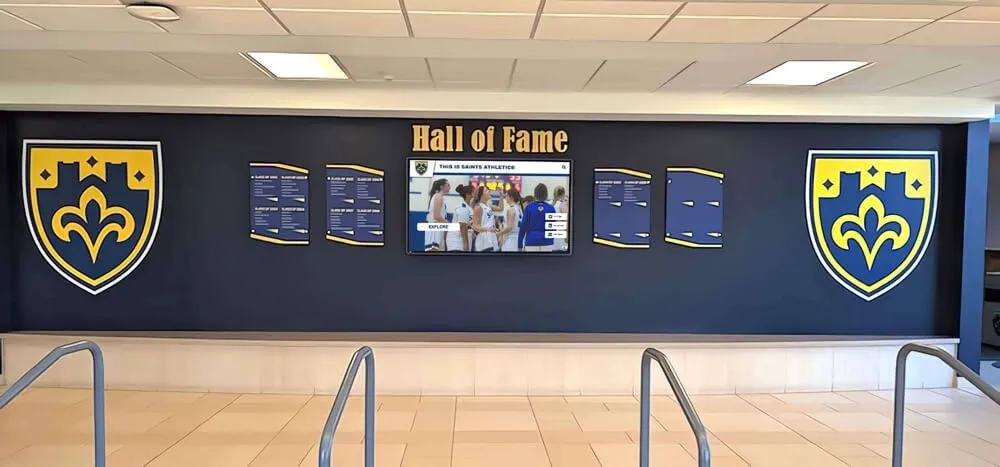
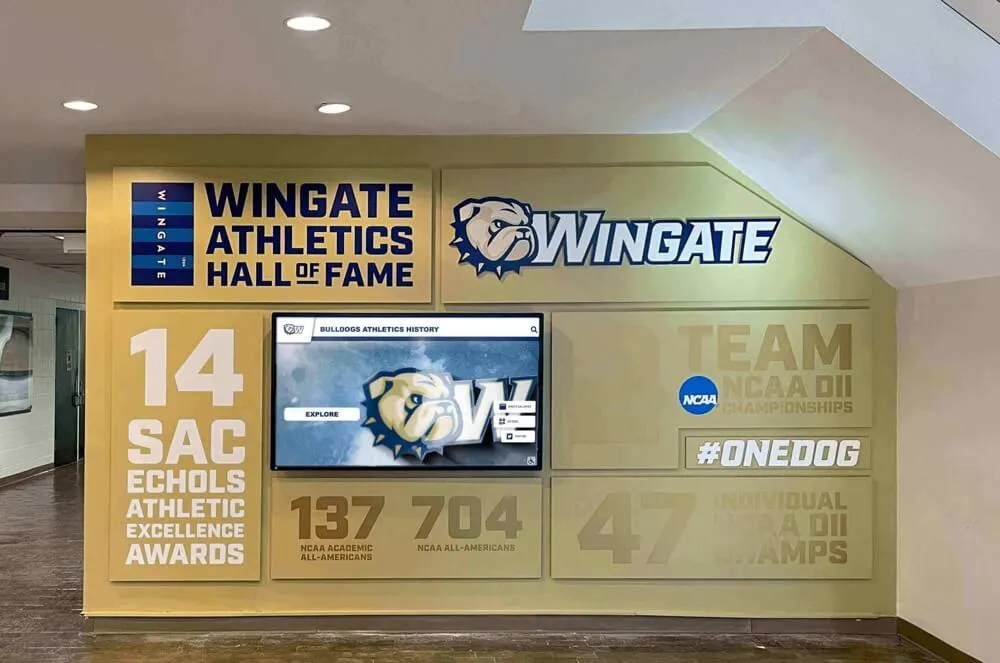
Modern booster clubs integrate software management with digital recognition displays that celebrate the achievements made possible through supporter contributions
Understanding Booster Club Software Categories
Before comparing specific platforms, understanding fundamental software approaches helps booster club leaders identify which solution types align with their organization’s structure, volunteer capacity, and primary operational challenges.
All-in-One Booster Club Platforms vs. Specialized Tools
Booster club software varies between comprehensive management platforms and focused solutions addressing specific operational needs:
Comprehensive Booster Club Management Platforms
All-in-one solutions integrate fundraising tools, membership databases, volunteer coordination, event management, communication systems, financial tracking, and reporting dashboards within unified platforms. These comprehensive systems provide single sign-on experiences for volunteers, centralized data eliminating disconnected spreadsheets, and workflow automation connecting activities across different operational areas.
Large, well-established booster clubs supporting multiple sports with substantial budgets, active membership bases, complex fundraising portfolios, and dedicated leadership teams typically benefit from comprehensive platforms that support sophisticated operations including major capital campaigns, year-round event calendars, regional tournament hosting, and extensive volunteer programs requiring systematic coordination.
However, comprehensive platforms demand significant implementation investments including data migration from existing systems, volunteer training across diverse technical skill levels, workflow customization reflecting organizational processes, and ongoing administration—resources that smaller booster clubs or organizations with high leadership turnover may struggle to provide consistently.
Specialized Point Solutions
Focused platforms address specific booster club needs rather than attempting comprehensive functionality. Common specialized solutions include fundraising platforms optimizing online giving and campaign management, communication tools designed for parent outreach and volunteer coordination, event management systems streamlining registration and attendance, financial tracking software supporting budget oversight and reporting, and digital recognition displays celebrating athletic achievements made possible through supporter contributions.
Point solutions often integrate more easily, require less training, cost significantly less than comprehensive platforms, and prove easier to adopt among volunteers with limited technical experience. Smaller booster clubs or organizations prioritizing specific operational challenges frequently find specialized tools deliver better results than overwhelming all-in-one systems featuring capabilities they’ll never use.
The optimal approach depends on organization size, operational complexity, volunteer capacity, and primary pain points—recognizing that “more features” doesn’t automatically mean “better outcomes” for every booster club’s unique situation.
Free vs. Paid Booster Club Software
Budget constraints significantly influence software selection, particularly for smaller organizations operating on tight margins:
Free and Freemium Options
Several platforms offer free tiers providing basic functionality including limited member databases, simple fundraising tools, basic communication features, and essential reporting capabilities. These options work well for small booster clubs just beginning to transition from manual spreadsheets, organizations with minimal budgets prioritizing every dollar for direct athlete support, or groups wanting to test digital management before committing to paid subscriptions.
However, free platforms typically impose limitations including restricted member capacity, transaction fees on fundraising that exceed paid platform subscriptions, limited customization options, absence of integration capabilities, and minimal customer support when volunteers encounter issues. Many organizations discover that “free” platforms ultimately cost more through transaction fees and volunteer time spent working around limitations than straightforward paid subscriptions would have required.
Subscription-Based Platforms
Paid booster club software typically charges monthly or annual subscriptions based on member counts, number of sports supported, or tiered packages aligned with organization size and feature requirements. While creating ongoing expenses, subscriptions usually include comprehensive features without artificial limitations, lower or no transaction fees on fundraising, integration capabilities connecting to other systems, priority customer support, and regular feature updates.
For most active booster clubs, modest subscription costs prove worthwhile investments when measured against volunteer time savings, fundraising improvements through streamlined giving, and operational efficiency gains that directly benefit athletic programs.

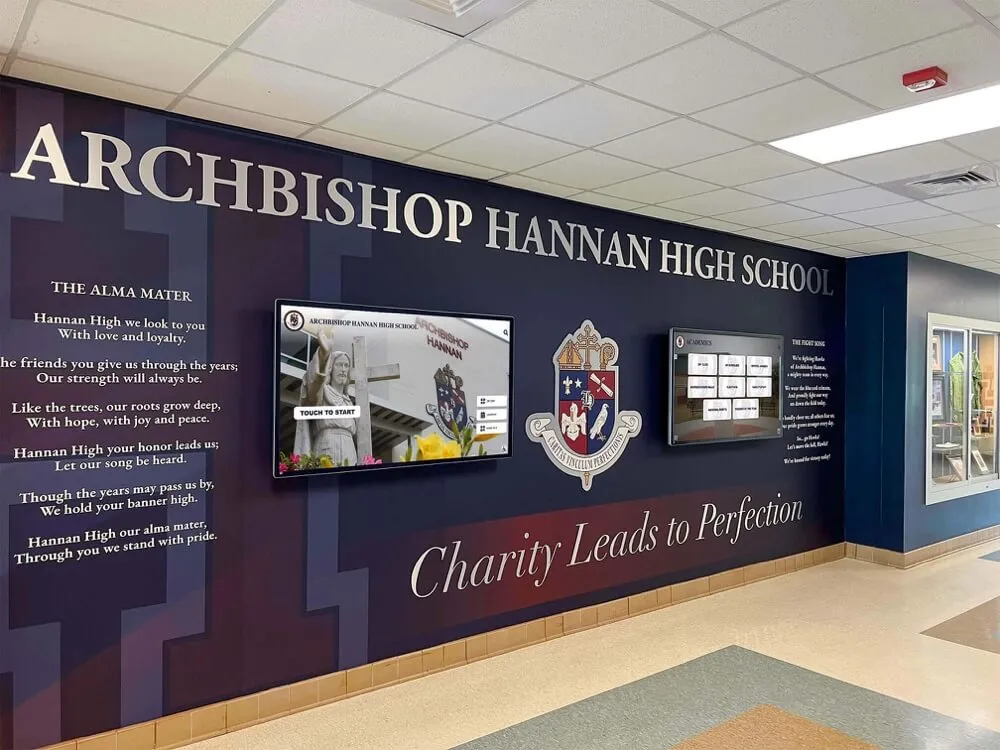
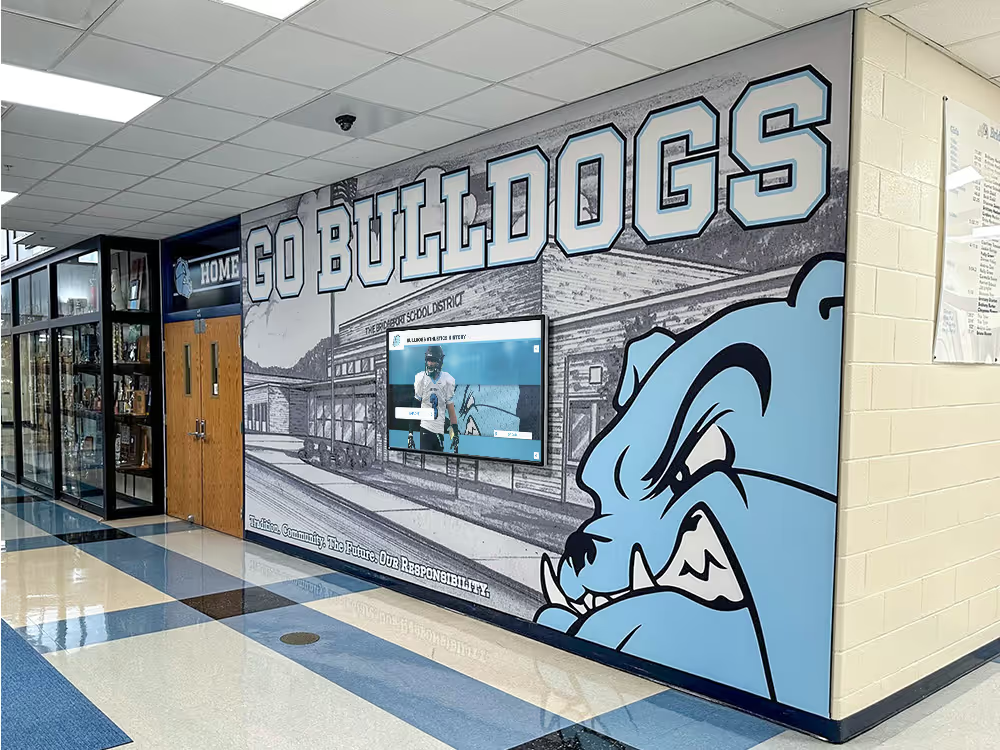
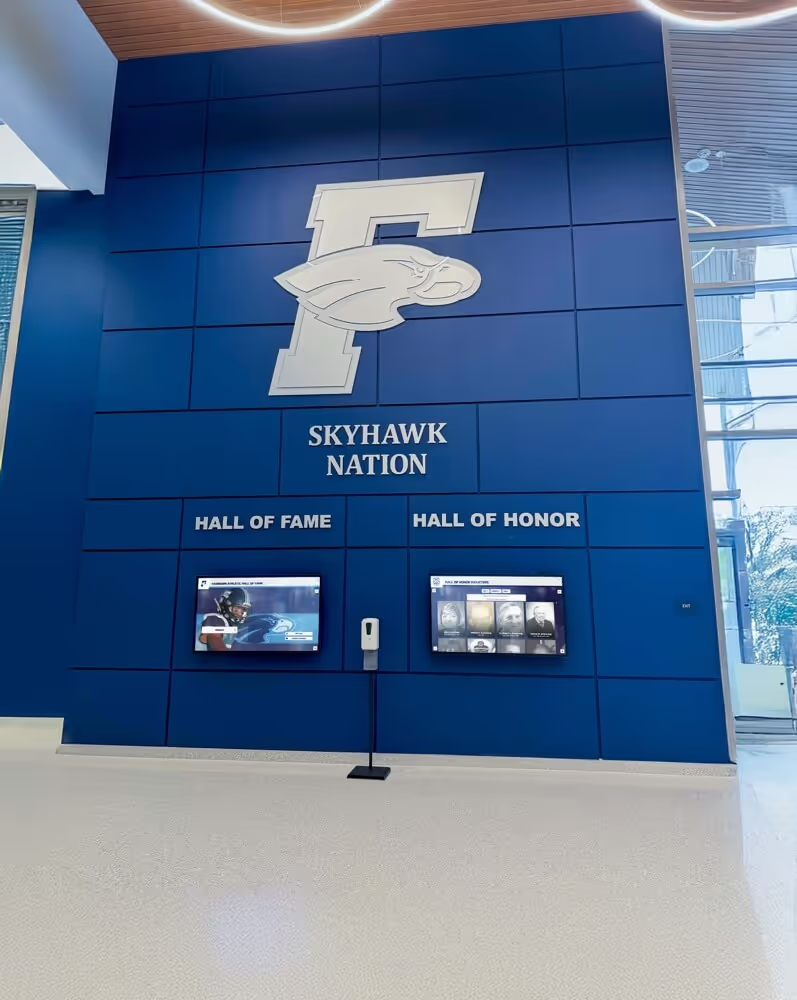
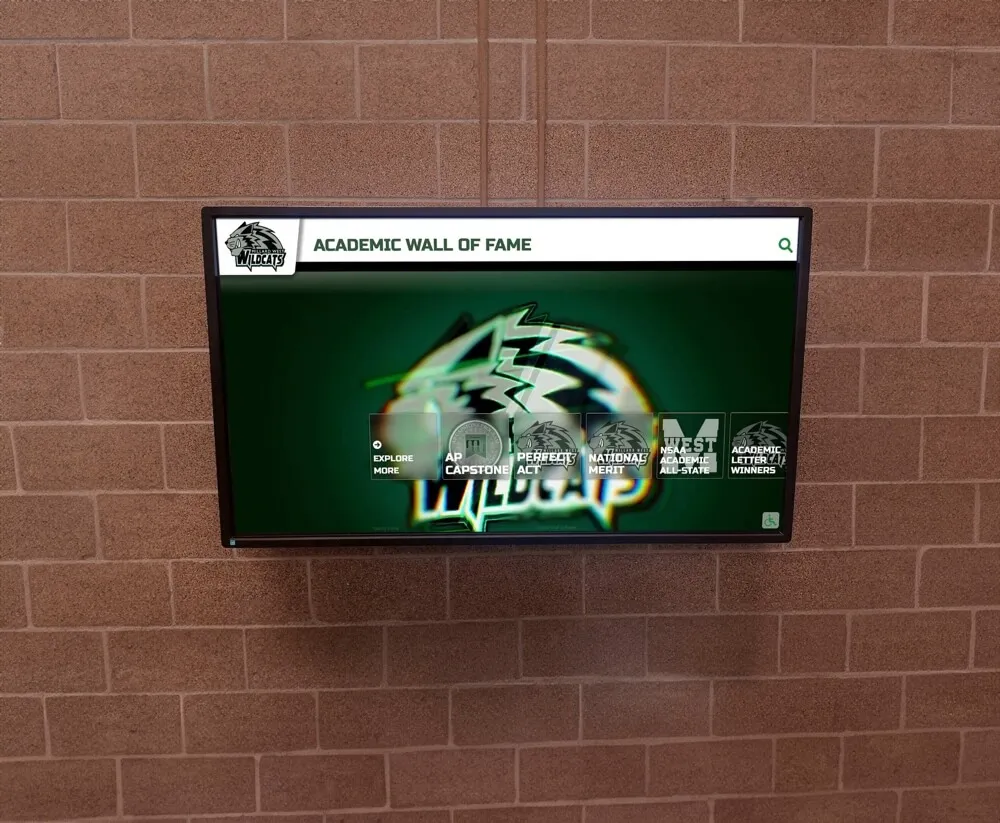
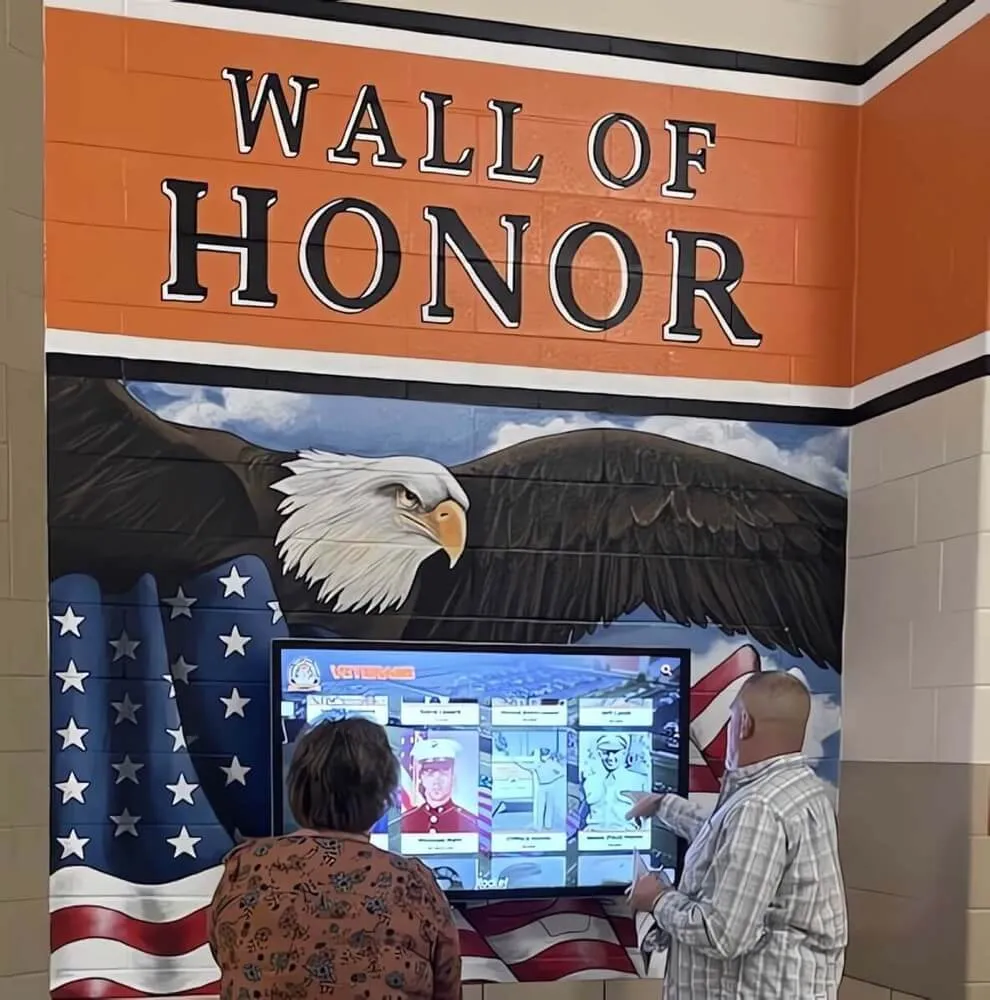
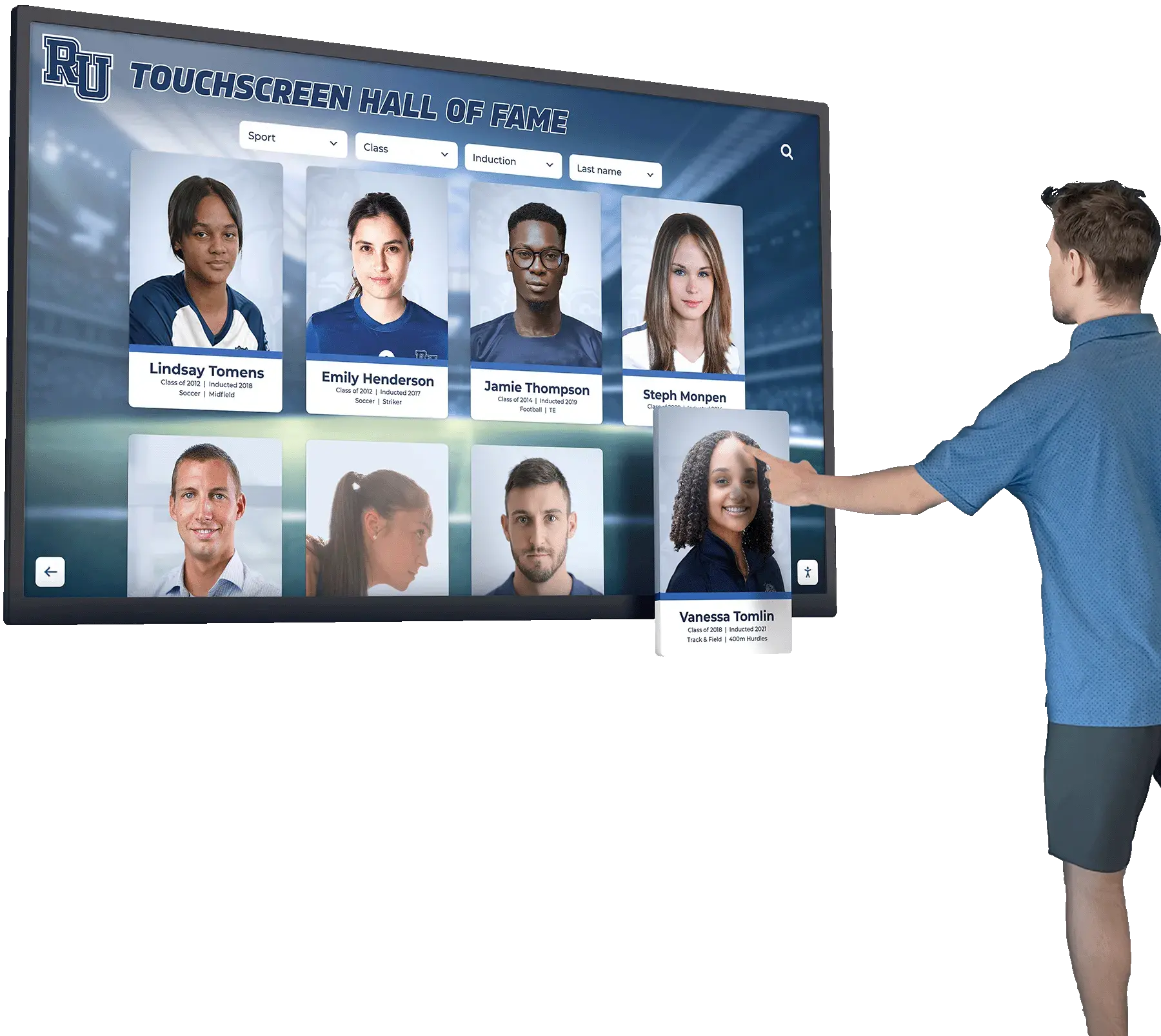
Booster club software integrates with modern recognition systems that showcase how supporter contributions enable athletic excellence
Essential Features in Booster Club Software
Beyond marketing claims, specific capabilities determine whether platforms genuinely streamline operations or simply create new administrative burdens:
Fundraising and Donation Management
Effective booster club software must simplify the fundraising activities that represent most organizations’ primary function:
Online Giving and Payment Processing
Quality platforms provide customizable donation pages branded to organizations, multiple payment method support including credit cards, debit cards, digital wallets, and ACH transfers, recurring donation options for sustained giving programs, mobile-optimized experiences ensuring easy donations from any device, and automated receipt generation for tax documentation.
Integration with popular payment processors determines transaction fee rates, processing speed, and supporter experience. Platforms partnering with multiple processors offer flexibility choosing providers based on cost structures and organizational preferences.
Campaign Management Tools
Beyond one-time donations, comprehensive platforms support diverse fundraising approaches including capital campaigns for major projects, annual fund drives supporting ongoing operations, crowdfunding campaigns for specific equipment or facility needs, peer-to-peer fundraising empowering supporters to raise funds through personal networks, and merchandise sales integrating inventory management with financial tracking.
Campaign dashboards visualize progress toward goals, highlight top contributors, segment donors by giving levels, and provide sharing tools that amplify campaigns through supporter social networks.
Sponsorship Coordination
Corporate and individual sponsorship represents critical revenue for many booster clubs. Effective software manages sponsor relationships including customizable sponsorship levels defining benefits and recognition, automated invoicing and payment tracking, sponsor recognition integration with digital displays and communications, renewal tracking and outreach automation, and benefit fulfillment documentation ensuring sponsors receive promised recognition.
This systematic approach prevents the common sponsorship challenges of missed renewals, unfulfilled benefit promises, and inconsistent recognition that damage sponsor relationships and jeopardize future support.
Member and Volunteer Management
Coordinating parent volunteers represents one of booster clubs’ greatest operational challenges:
Membership Database and Profiles
Centralized member management captures family contact information, student-athlete associations linking supporters to specific athletes and sports, participation history documenting involvement across activities, communication preferences respecting how members want to receive outreach, and volunteer interests and skills informing opportunity matching.
This consolidated information eliminates the disconnected spreadsheets, email lists, and paper signup sheets that plague manually managed organizations while enabling personalized outreach based on actual member preferences and past engagement patterns.
Volunteer Coordination and Scheduling
Sophisticated platforms streamline volunteer recruitment and management including opportunity creation for specific events and activities, automated signup systems with capacity limits and role descriptions, reminder communications reducing no-shows, check-in systems documenting actual participation, and recognition tracking celebrating consistent contributors.
Integration with calendar systems prevents scheduling conflicts while enabling volunteers to add commitments directly to personal calendars, reducing the coordination burden on booster club officers.
Communication and Engagement Tools
Keeping members informed and engaged determines organizational effectiveness:
Multi-Channel Communication
Effective platforms support diverse outreach approaches including email campaigns with customizable templates and scheduling, text messaging for time-sensitive announcements, mobile app notifications for instant updates, social media integration amplifying messages, and website integration maintaining current information.
Segmentation capabilities ensure relevant targeting—sending concussion training reminders only to football volunteers, championship celebration invitations to basketball families, or fundraising campaign updates to consistent donors rather than blasting all members with every message regardless of relevance.
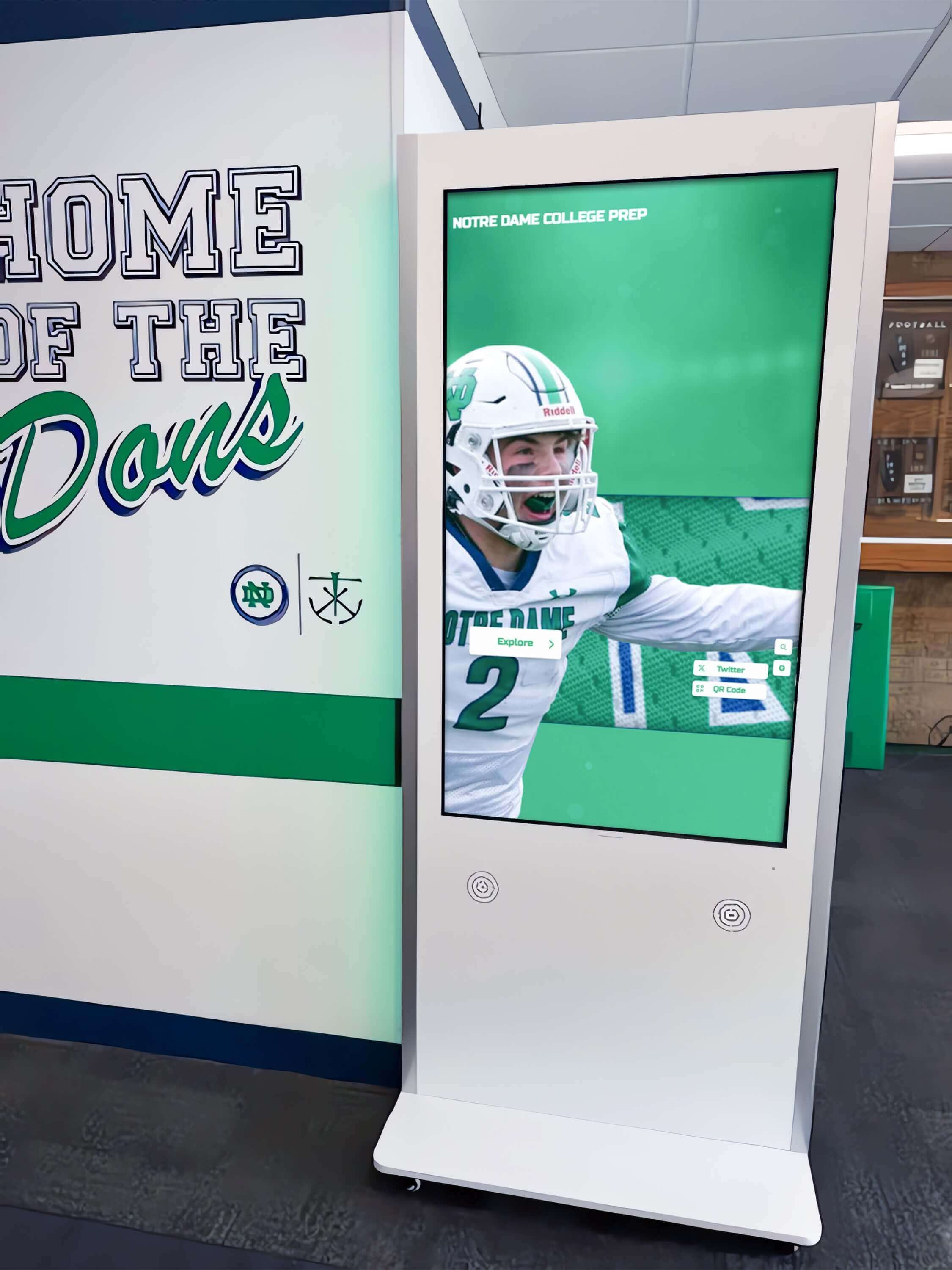
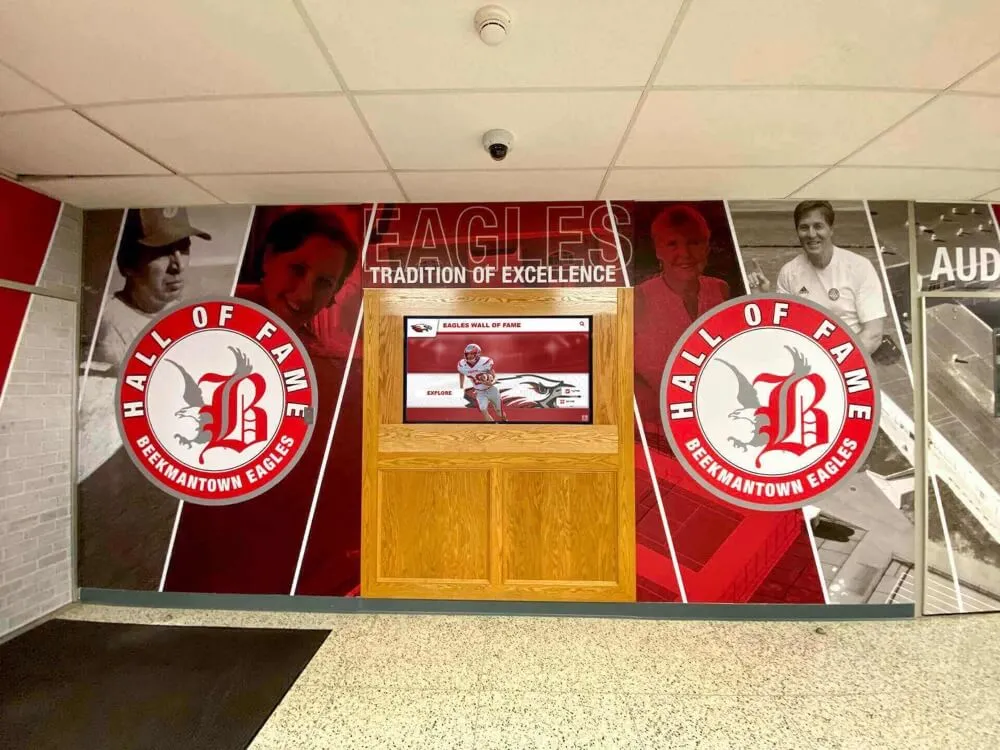
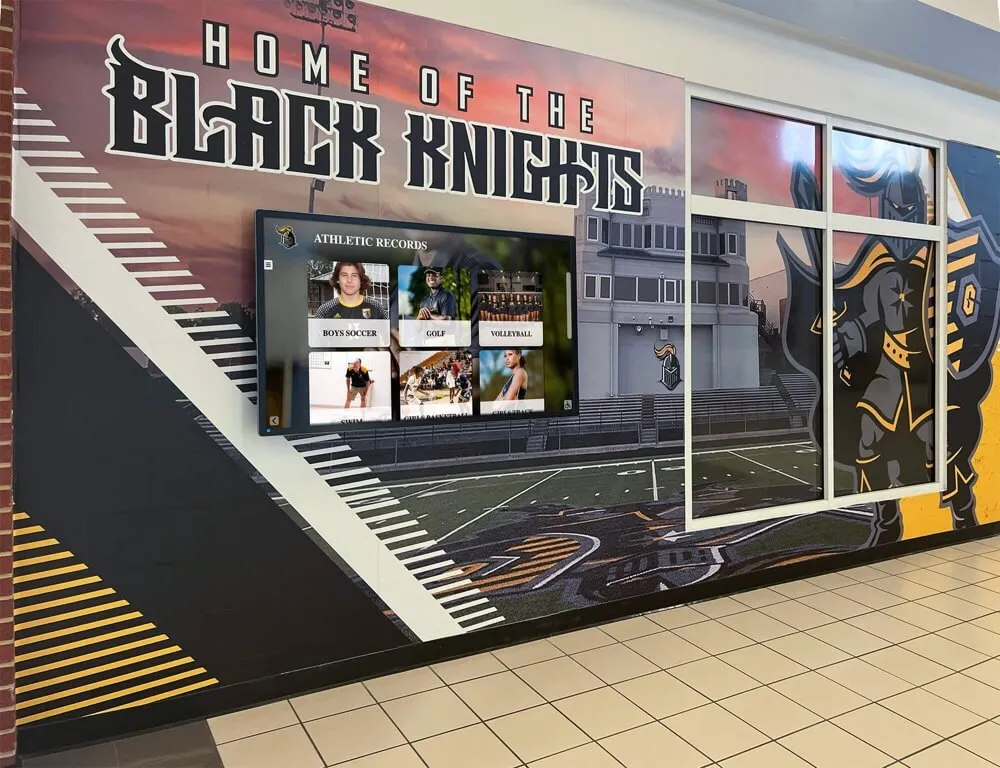
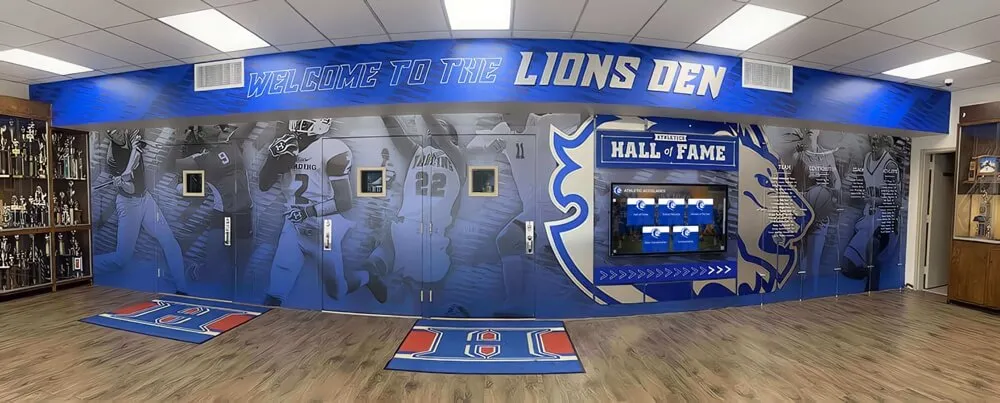
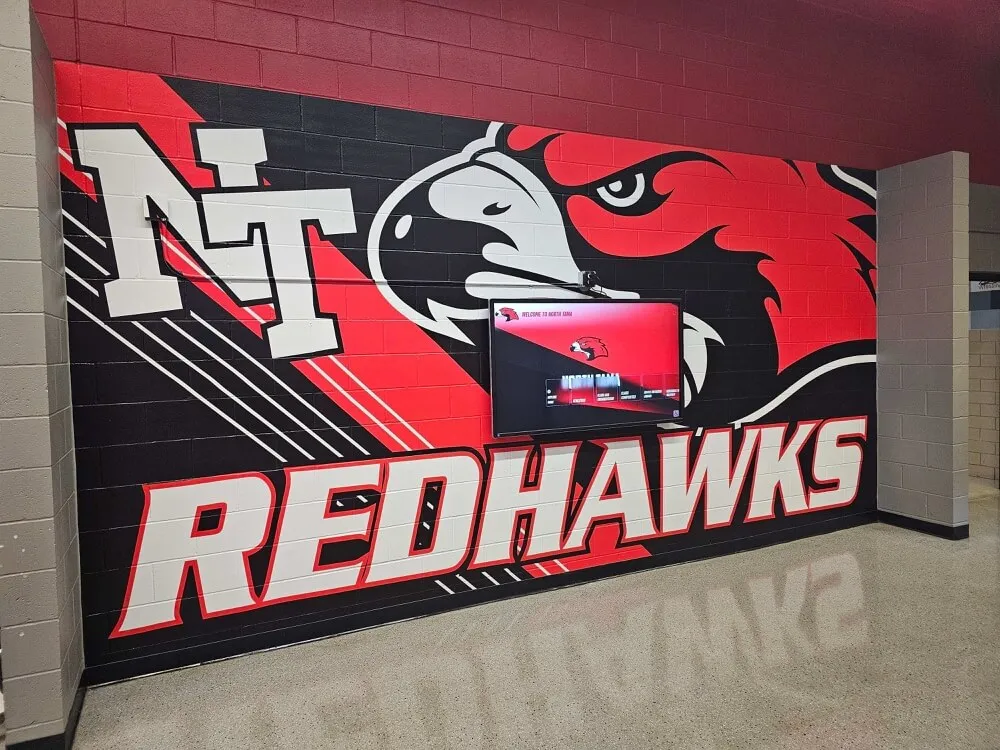
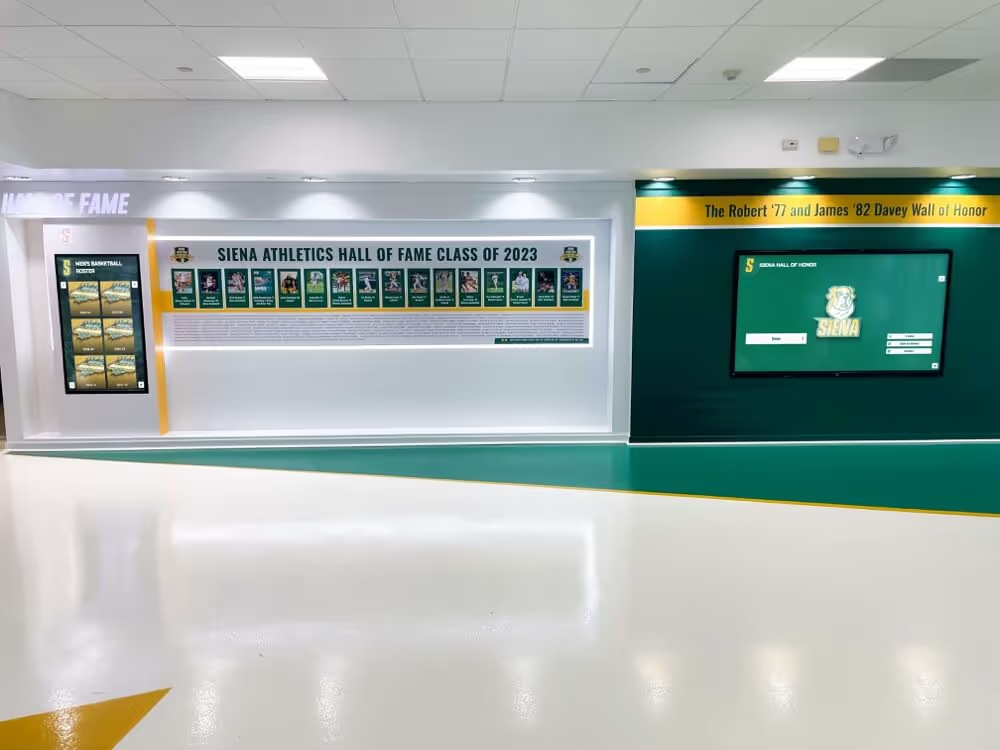
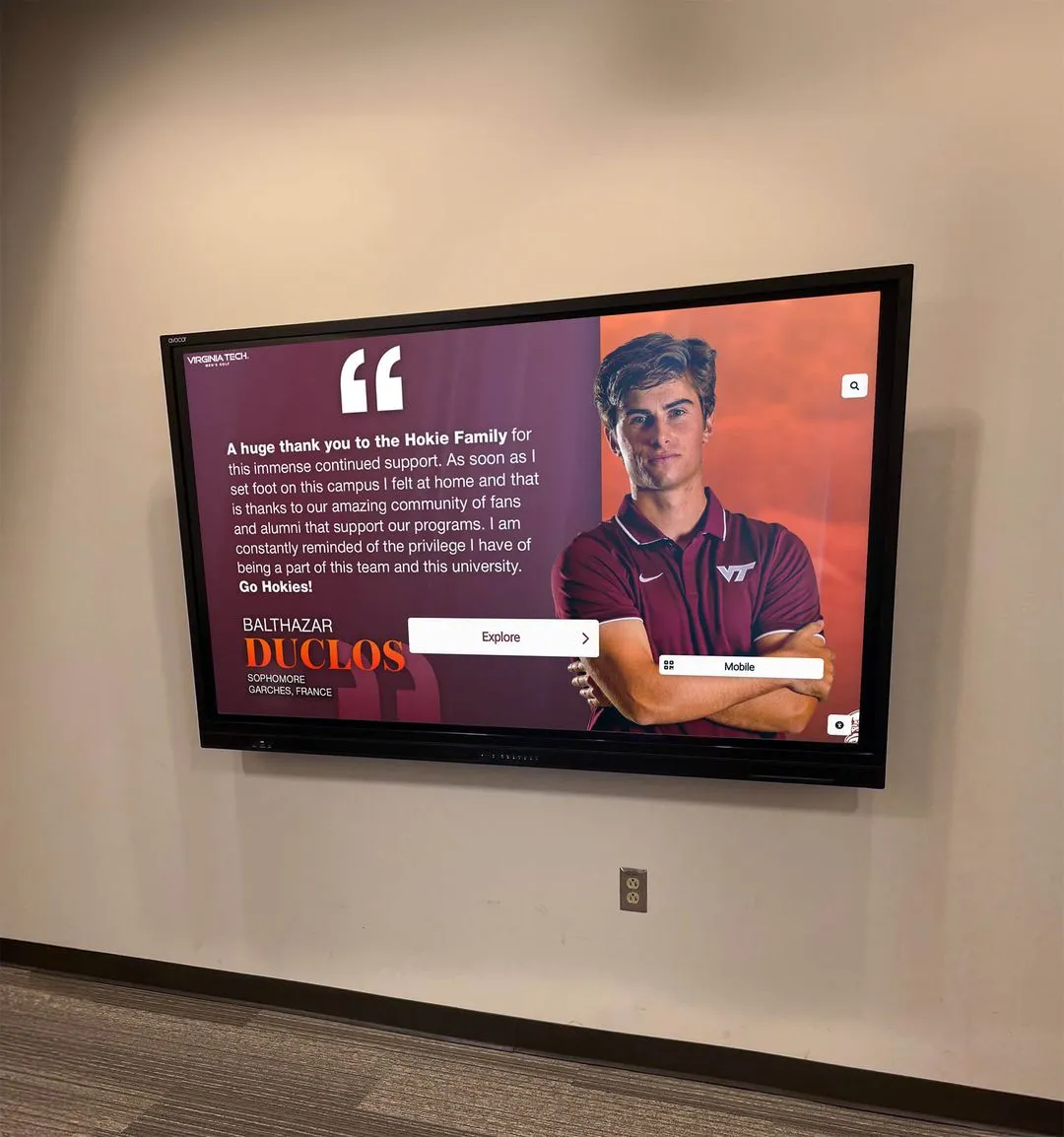
Advanced booster clubs integrate software platforms with interactive displays celebrating program achievements
Content Management and Updates
Maintaining current information across websites, social media, and member communications challenges time-strapped volunteers. Quality platforms centralize content management enabling single updates that propagate across all channels, reducing redundant work and ensuring consistency.
Event Planning and Registration
Booster clubs coordinate diverse events from concession stand operations to recognition banquets:
Event Creation and Registration
Comprehensive platforms simplify event logistics including customizable registration forms collecting necessary attendee information, payment integration for ticketed events, attendee capacity management preventing over-registration, automated confirmation and reminder communications, and check-in systems streamlining event-day operations.
For complex events like recognition ceremonies or championship celebrations, meal selection options, table assignment tools, and group registration capabilities supporting families registering together prove essential.
Calendar Management and Coordination
Integrated calendars displaying upcoming events, volunteer opportunities, fundraising deadlines, and meeting schedules keep members informed while preventing scheduling conflicts. Calendar export functionality enables adding booster club commitments directly to personal calendars, reducing missed events and volunteer shifts.
Financial Tracking and Reporting
Fiscal responsibility and transparency build member trust and satisfy administrative requirements:
Budget Management and Expense Tracking
Quality platforms provide budget creation tools supporting planning processes, expense recording and categorization tracking spending across categories, approval workflows for expenditures exceeding thresholds, receipt capture and documentation satisfying audit requirements, and budget vs. actual reporting highlighting variances requiring attention.
This systematic financial oversight prevents the common challenges of lost receipts, unclear spending patterns, and budget overruns that create tensions within organizations and with school administrations.
Reporting and Analytics
Comprehensive dashboards visualize key metrics including fundraising progress toward goals, member engagement patterns identifying trends, volunteer participation rates, financial summaries by program or activity, and donor retention statistics informing cultivation strategies.
Exportable reports satisfy requirements from school administrators, athletic directors, and IRS filings while providing leadership teams data-driven insights for strategic planning.
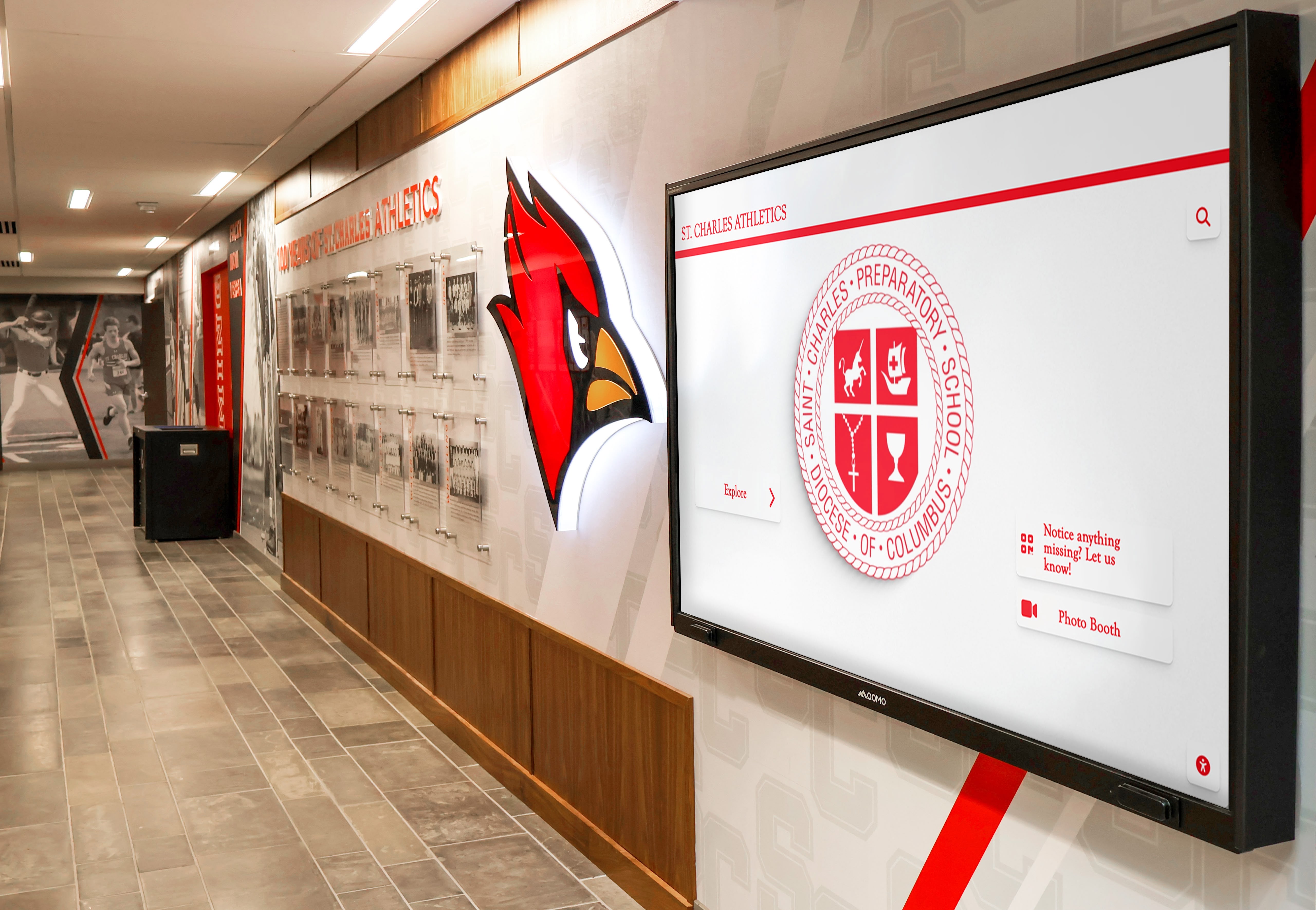
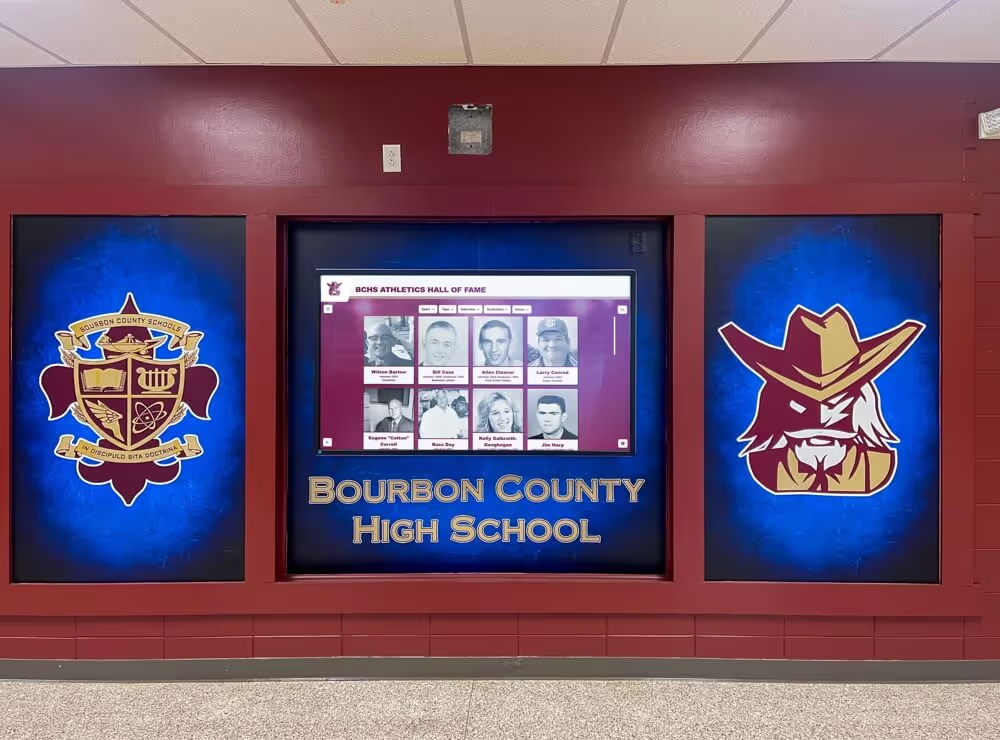
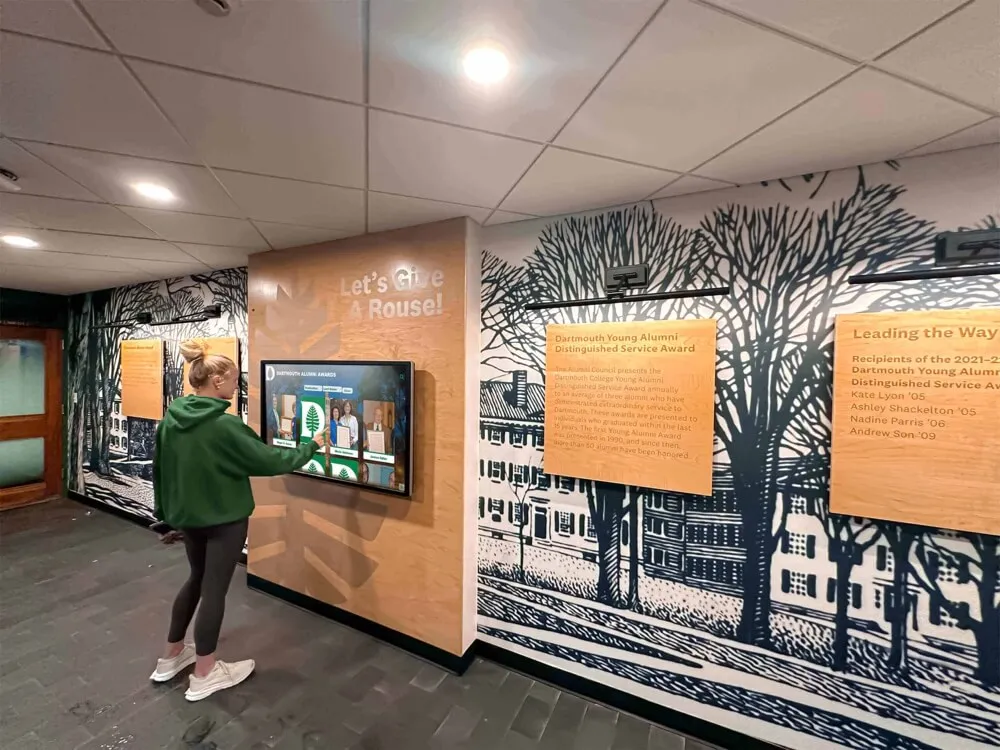
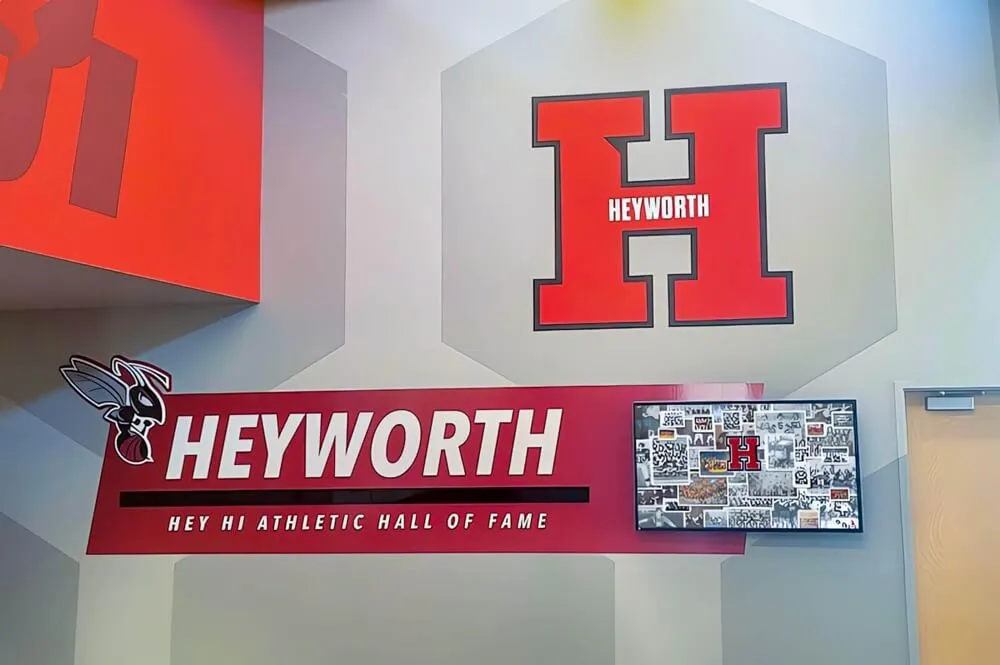
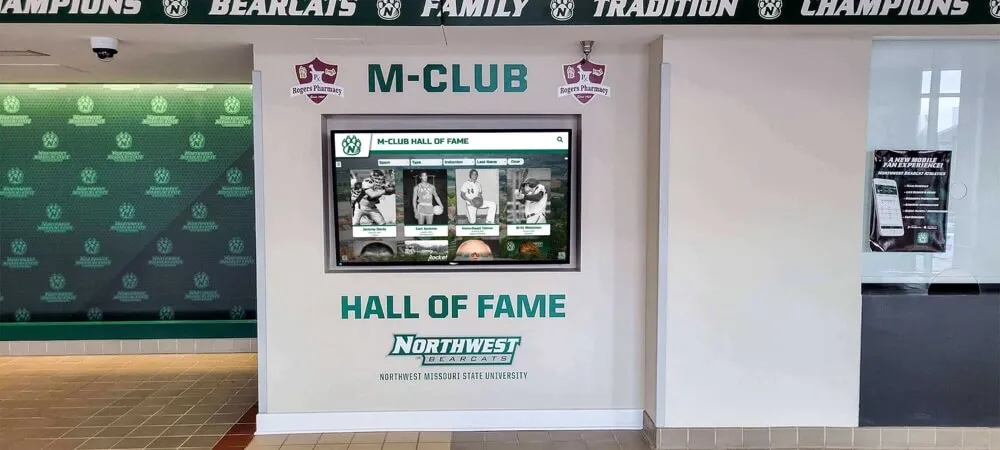
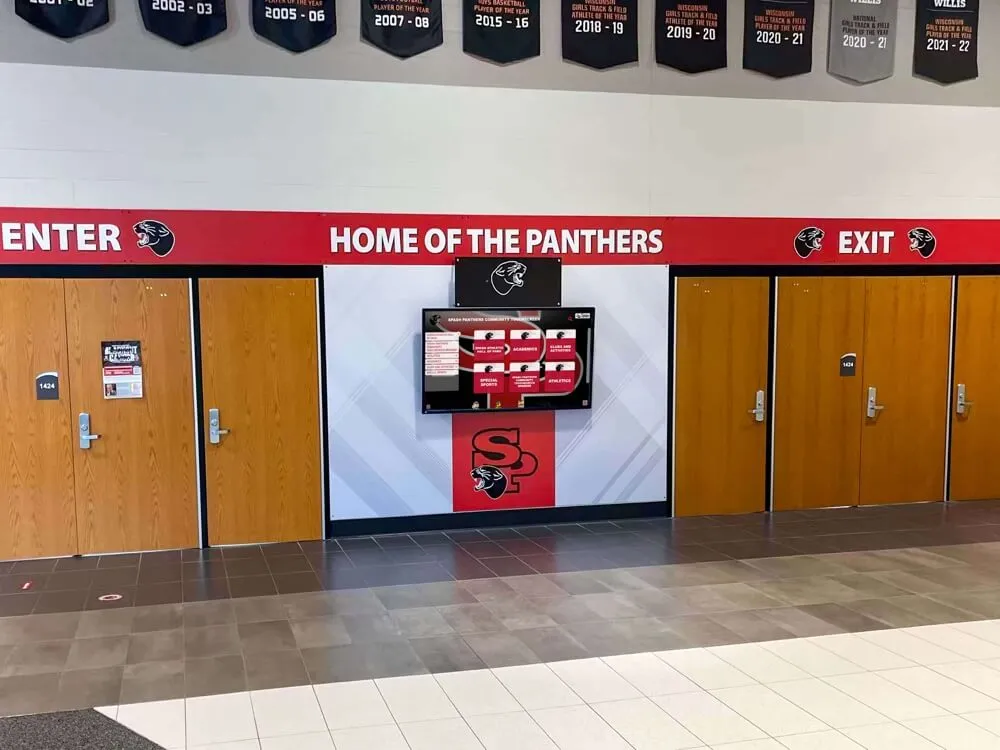
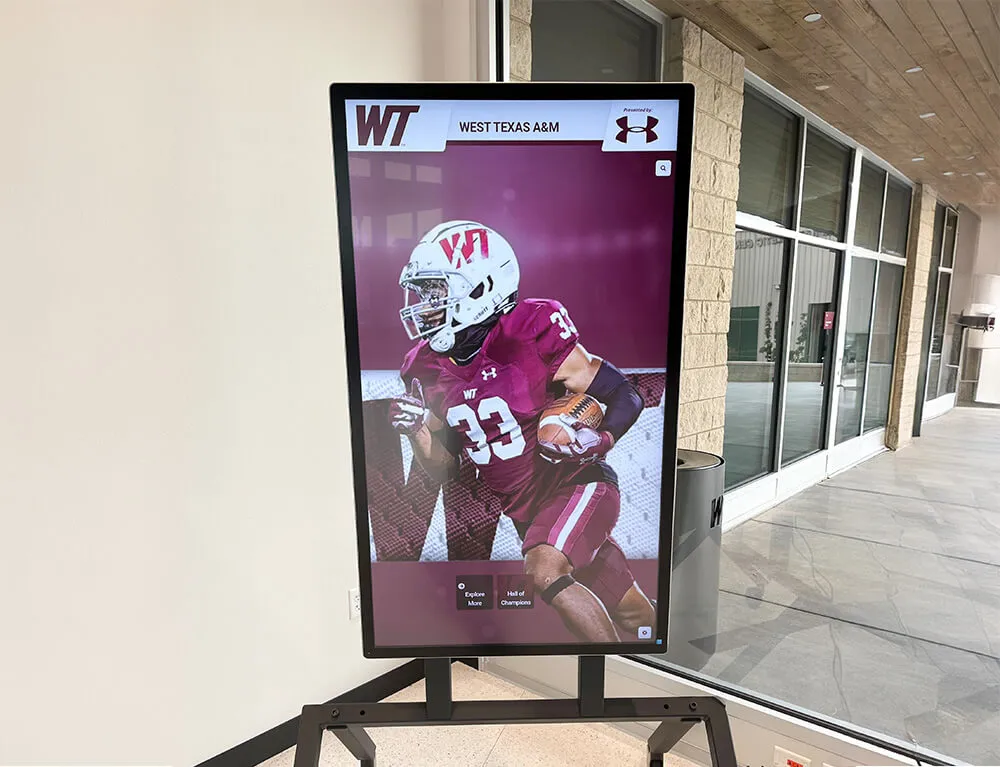
Modern booster clubs leverage software-driven recognition systems that showcase supporter impact throughout athletic facilities
Top Booster Club Software Platforms in 2026
Understanding the leading platforms helps organizations identify solutions worth detailed evaluation:
Comprehensive All-in-One Platforms
These platforms integrate most or all essential booster club functions within unified systems:
Platform Category Strengths
Comprehensive solutions typically excel at member database management with robust profiles and segmentation, integrated fundraising supporting diverse campaign types, volunteer coordination tools, event management capabilities, communication systems, and financial tracking. They work best for established booster clubs with active memberships, substantial operational complexity, and dedicated leadership teams comfortable with technology implementation.
Organizations should evaluate how platforms balance comprehensive functionality with usability—sophisticated features prove worthless if volunteers find systems too complex for regular adoption. Free trials enabling hands-on testing before purchasing help identify platforms that genuinely match organizational workflows.
Integration Capabilities
Leading comprehensive platforms integrate with popular tools including payment processors reducing transaction fees, email marketing services, accounting software, school information systems, and digital recognition displays celebrating achievements made possible through booster support.
These integrations prevent data silos, reduce duplicate entry, and enable sophisticated workflows connecting booster activities to broader athletic program management.
Fundraising-Focused Platforms
Specialized fundraising platforms prioritize donation optimization:
Key Fundraising Features
Dedicated fundraising solutions typically offer optimized donation pages with conversion-focused design, advanced campaign management supporting peer-to-peer and team fundraising, sponsorship management tools, merchandise integration, and donor stewardship features including automated thank-you messages, impact reporting, and cultivation communications.
For booster clubs where fundraising represents 80+ percent of operational focus, specialized platforms often deliver superior results compared to fundraising modules within comprehensive platforms where donation features compete for development resources with numerous other capabilities.
Payment Processing and Fees
Fundraising platforms vary significantly in transaction costs, directly impacting net revenue. Some platforms charge percentage-based transaction fees of 2-5 percent plus per-transaction charges, while others offer subscription models with lower or no additional transaction fees beyond standard payment processor costs.
Organizations processing substantial donation volume should calculate total costs across realistic annual fundraising scenarios rather than comparing advertised subscription prices alone—a platform with higher monthly fees but lower transaction costs often proves more economical for active fundraising operations.
Communication and Engagement Platforms
Specialized communication tools optimize member outreach and engagement:
Multi-Channel Communication Tools
Communication-focused platforms excel at email campaign management with sophisticated templates and automation, text messaging integration for urgent updates, app-based notifications, social media management, and content distribution across channels.
Advanced segmentation enables precisely targeted communications—sending volunteer opportunities only to members who’ve expressed interest in specific activities, fundraising appeals to past donors, or event invitations to families associated with particular sports or grade levels.
For booster clubs struggling primarily with communication challenges—keeping members informed, coordinating volunteers, or building engagement—specialized communication platforms often prove more effective than comprehensive solutions where communication features represent one component among many competing priorities.
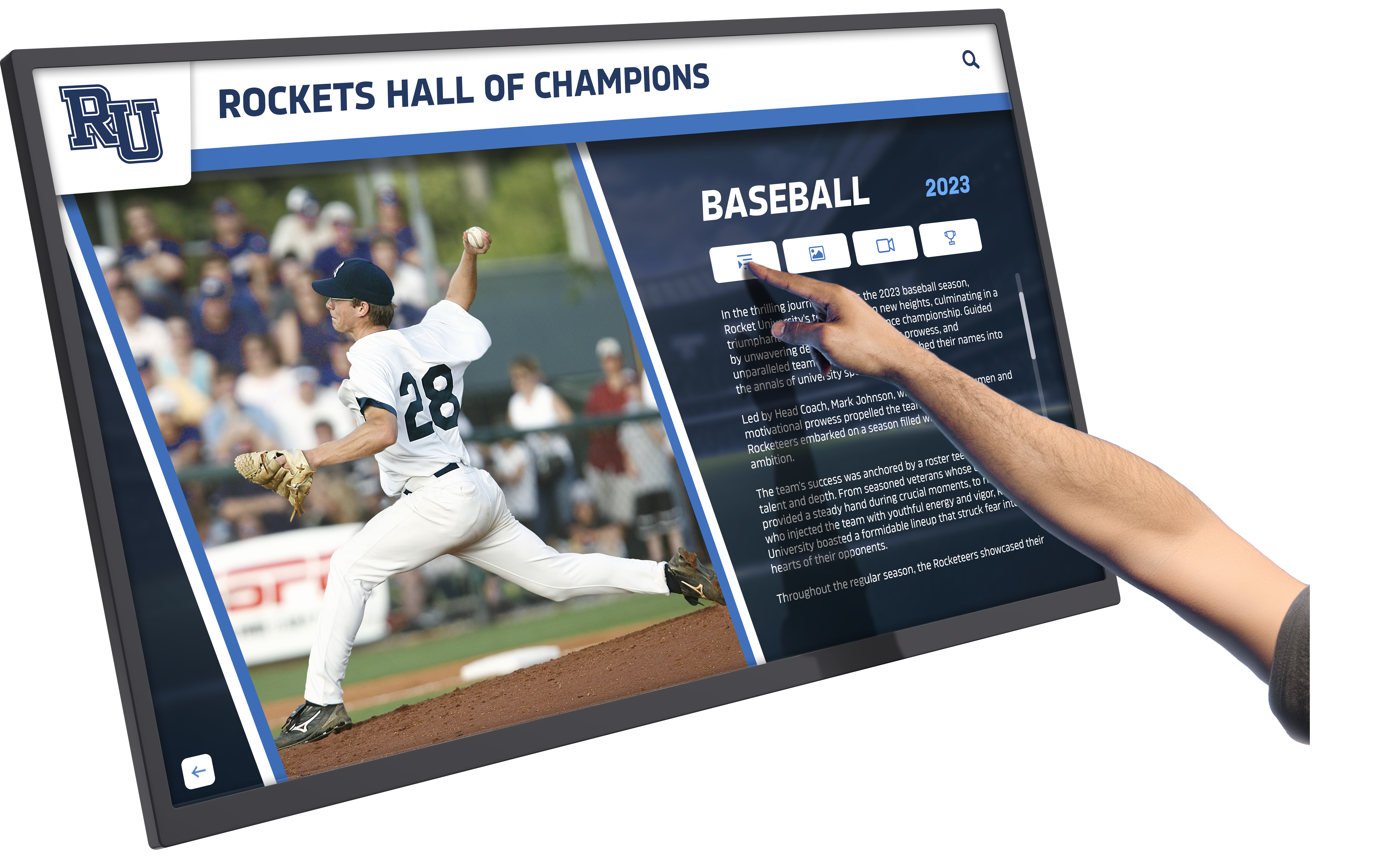
Interactive recognition systems powered by booster club software showcase individual athlete achievements and supporter contributions
Connecting Booster Club Software to Athletic Recognition Systems
Forward-thinking booster clubs leverage software platforms to power comprehensive recognition programs celebrating both athletic achievements and supporter contributions:
Integration with Digital Recognition Displays
Modern digital hall of fame systems integrate with booster club software creating seamless recognition experiences:
Sponsor Recognition Automation
Software-driven recognition displays automatically showcase current sponsors with customizable rotation frequencies, tiered visibility based on sponsorship levels, linked content showing sponsor contributions to specific achievements or facilities, and automatic updates when sponsorships renew or expire.
This automation eliminates manual display updates while ensuring sponsors receive consistent recognition promised in sponsorship agreements, strengthening relationships and supporting renewal conversations.
Achievement Celebration Integration
Booster club software can feed data to digital recognition displays showcasing athletic achievements made possible through supporter funding including championship celebrations highlighting equipment or facility improvements booster funds provided, individual athlete spotlights acknowledging recognition awards, team success galleries documenting seasons supported by booster contributions, and facility dedication recognition honoring major donors and volunteer leaders.
These integrated systems tangibly demonstrate supporter impact, motivating continued engagement by showing how booster club contributions directly enable athletic excellence.
Donor Recognition and Stewardship
Sophisticated recognition programs go beyond transactional acknowledgment:
Cumulative Giving Recognition
Software platforms track lifetime giving enabling comprehensive donor recognition through digital donor walls displaying recognition societies, milestone acknowledgment celebrating giving anniversaries or threshold achievements, leadership board visibility highlighting top supporters, and legacy recognition honoring sustained multi-year commitments.
This systematic stewardship builds donor affinity beyond individual transactions, creating cultures of sustained giving rather than one-time contributions.
Impact Reporting and Storytelling
Effective software enables booster clubs to communicate tangible impact through automated impact statements showing how donations funded specific achievements, photo galleries celebrating equipment, facilities, or experiences made possible by support, athlete testimonials acknowledging booster contributions, and championship documentation linking supporter funding to competitive success.
These storytelling capabilities transform abstract donations into concrete outcomes that motivate continued support and inspire new contributor recruitment.
Selecting the Right Booster Club Software for Your Organization
Choosing appropriate platforms requires systematic evaluation aligned with organizational priorities:
Assessing Your Organization’s Needs
Before evaluating specific platforms, clarify operational priorities:
Primary Pain Point Identification
Identify which operational challenges consume the most volunteer time or limit organizational effectiveness:
Organizations drowning in administrative tasks managing disconnected spreadsheets and manual processes benefit most from comprehensive platforms centralizing operations. Groups struggling primarily with fundraising underperformance should prioritize specialized fundraising solutions with proven conversion optimization. Booster clubs facing volunteer coordination chaos need robust scheduling and communication tools regardless of other features.
This focused assessment prevents selecting platforms based on impressive feature lists that don’t address actual operational bottlenecks.
Volunteer Technical Capacity Evaluation
Honestly assess volunteer technical comfort levels. Platforms requiring extensive training or sophisticated technical skills fail when volunteer leaders turn over annually and successors lack implementation knowledge.
Solutions with intuitive interfaces, comprehensive onboarding resources, responsive customer support, and mobile accessibility accommodate diverse technical skill levels while supporting smoother leadership transitions.
Budget and Cost Considerations
Realistic budget assessment includes direct and hidden costs:
Total Cost of Ownership Analysis
Beyond advertised subscription prices, calculate:
Transaction fees on projected annual fundraising volume, payment processing costs, implementation and training expenses, potential integration costs connecting to existing systems, ongoing administration time requirements, and customization or add-on feature charges.
Platforms with higher base subscriptions but lower transaction fees often prove more economical for organizations processing substantial donations, while simpler solutions with modest fixed costs serve smaller operations better despite higher percentage-based transaction fees.
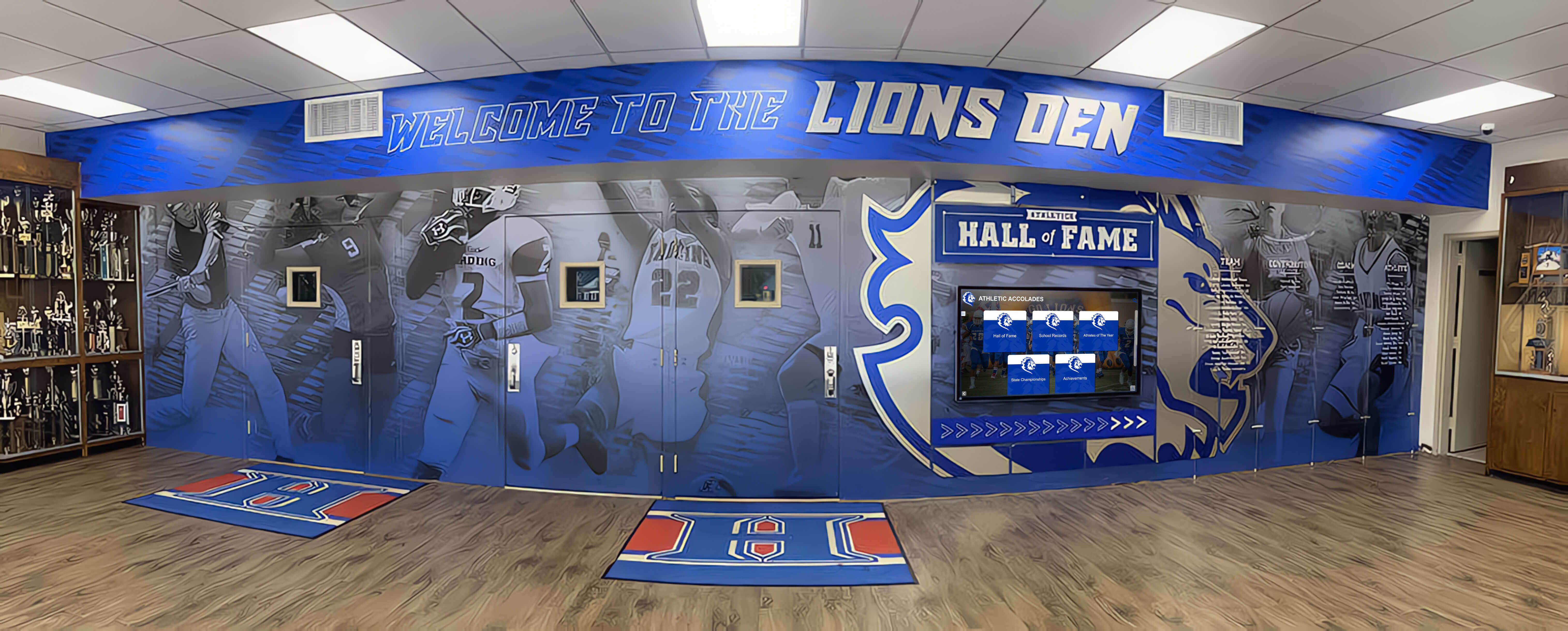
Comprehensive booster programs integrate digital software with physical recognition displays creating cohesive athletic celebration systems
Return on Investment Evaluation
Measure potential software value against anticipated benefits:
Administrative time savings valued at volunteer opportunity cost, fundraising increases through improved donor experience and streamlined giving, volunteer participation improvements reducing recruitment burden, communication effectiveness improvements through better targeting and automation, and financial oversight improvements preventing budget overruns or mismanagement.
For most active booster clubs, even modest improvements across these areas justify software investments through reclaimed volunteer capacity and enhanced fundraising outcomes.
Implementation and Adoption Strategies
Selecting appropriate software represents only the first step—successful implementation determines actual value realization:
Phased Rollout Approaches
Rather than attempting comprehensive platform adoption immediately, phased implementations build momentum:
Begin with core functionality addressing primary pain points, demonstrate early wins building volunteer confidence, gradually expand to additional features as comfort grows, maintain legacy systems temporarily during transitions reducing anxiety, and celebrate milestones acknowledging successful adoption stages.
This measured approach prevents overwhelming volunteers while building organizational capability progressively.
Training and Support Resources
Successful adoption requires adequate training:
Initial orientation sessions introducing core features and workflows, role-specific training for leadership teams, volunteers, and general members, documentation resources supporting independent learning, readily accessible support for troubleshooting, and peer mentoring pairing tech-comfortable volunteers with those needing additional assistance.
Organizations investing in thorough training achieve dramatically higher adoption rates and faster value realization than those assuming platforms are sufficiently intuitive for immediate widespread use.
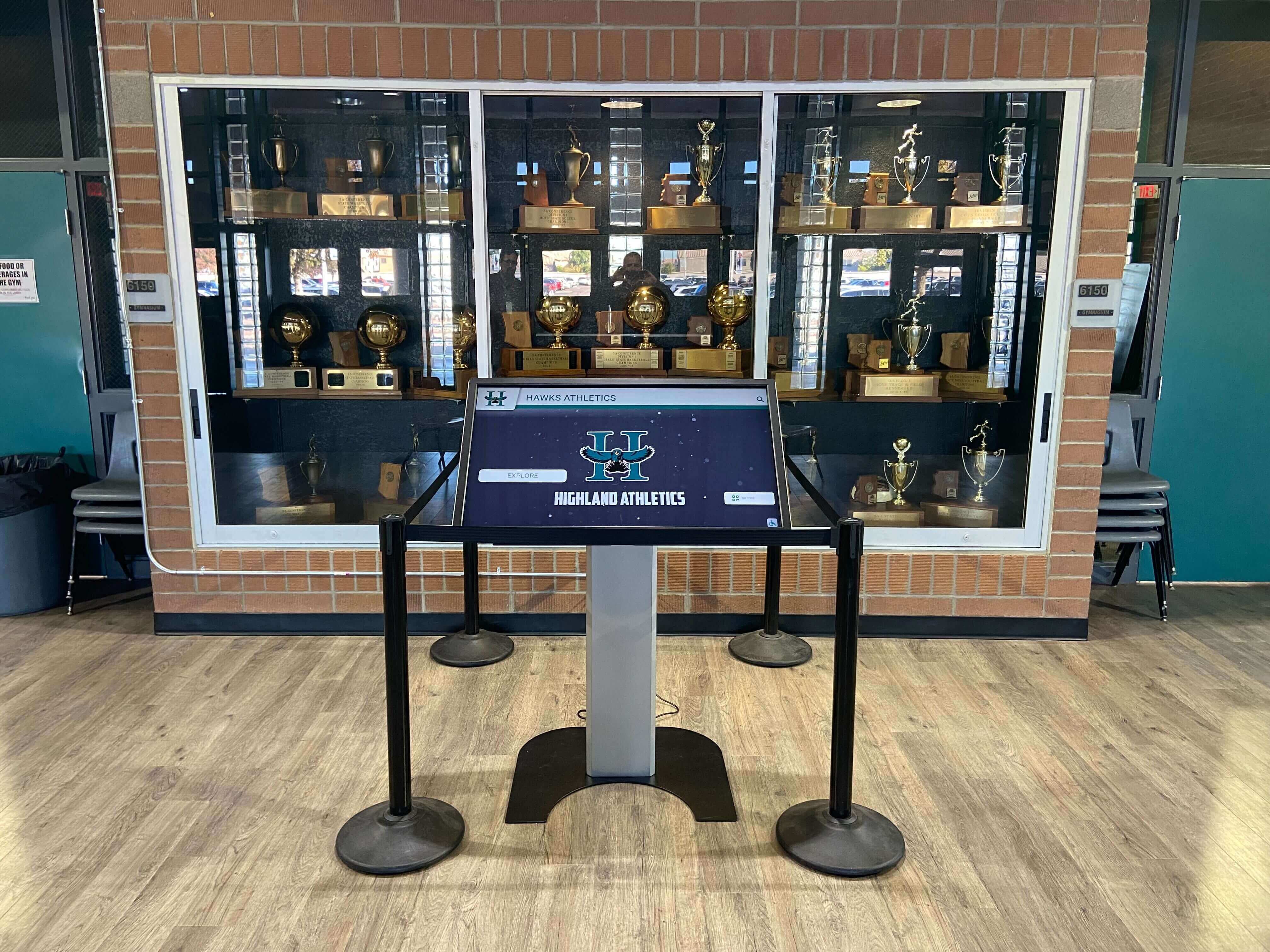
Leading booster clubs leverage integrated software and hardware recognition systems celebrating athletic achievements supported by donor contributions
Future Trends in Booster Club Software
Understanding emerging capabilities helps organizations prepare for evolving management approaches:
Mobile-First Platform Design
Booster club software increasingly prioritizes mobile experiences recognizing that volunteers and supporters access systems primarily through smartphones:
Mobile App Capabilities
Native mobile applications provide volunteer shift notifications and check-in, quick donation capabilities optimizing mobile giving, push notifications for time-sensitive communications, offline functionality supporting event-day operations without reliable connectivity, and photo/video upload enabling real-time content sharing from events and activities.
Mobile-optimized platforms accommodate how parents and volunteers actually interact with technology rather than assuming desktop computer access.
Artificial Intelligence and Automation
AI-powered features streamline operations and enhance engagement:
Intelligent Automation Applications
Emerging platforms leverage AI for predictive fundraising recommendations suggesting optimal outreach timing and targeting, automated content generation for communications and social media, volunteer matching connecting opportunities to members based on skills and interests, donor retention predictions identifying supporters at risk of lapsing, and financial anomaly detection flagging unusual transactions warranting review.
These intelligent capabilities augment volunteer decision-making and reduce administrative burden, particularly valuable for time-constrained parent leaders.
Enhanced Integration Ecosystems
Modern platforms emphasize connectivity with broader athletic program management systems:
Comprehensive Integration Networks
Leading solutions integrate with school athletic management systems, academic recognition platforms, student information systems, digital signage and display networks, social media management tools, and accounting systems creating seamless data flow across organizational technology ecosystems.
These integrations eliminate duplicate data entry, prevent information silos, and enable sophisticated workflows connecting booster activities to comprehensive athletic program management.
Maximizing Booster Club Software Impact
Successful software implementation extends beyond platform selection:
Data Quality and Maintenance
Software effectiveness depends on accurate, current information:
Ongoing Data Hygiene Practices
Establish regular data review processes including periodic contact information verification, duplicate record identification and merging, participation history updates documenting actual engagement, preference updates reflecting current member communication choices, and annual data cleanup addressing outdated information.
Quality data enables effective segmentation, personalized communications, and meaningful analytics—while poorly maintained databases generate frustration through bounced emails, irrelevant messaging, and unreliable reporting.
Cross-Functional Collaboration
Booster club software creates opportunities for enhanced coordination:
Athletic Department Integration
Systematic collaboration between booster clubs and athletic departments enables coordinated fundraising preventing competitive appeals, integrated recognition programs celebrating achievements through unified displays, shared communication platforms reaching consistent audiences, aligned calendars preventing scheduling conflicts, and comprehensive program planning addressing facilities, equipment, and recognition holistically.
Software platforms facilitating this integration strengthen overall athletic programs beyond booster club operational improvements alone.
Recognition and Celebration Culture
Leverage software capabilities to build cultures celebrating supporter contributions:
Systematic Appreciation Programs
Use platform features to implement volunteer appreciation initiatives recognizing consistent contributors, donor milestone celebrations acknowledging giving anniversaries and thresholds, leadership succession recognition honoring outgoing officers, and impact storytelling documenting how supporter efforts enable athletic success.
Organizations systematically celebrating contributors build sustained engagement cultures where supporters feel genuinely valued rather than transactionally utilized—a critical distinction for long-term volunteer retention and fundraising success.

Comprehensive athletic recognition systems integrate booster club software with visual celebration displays throughout facilities
Building Sustainable Booster Club Operations Through Technology
Effective booster club software transforms athletic support organizations from chronically overwhelmed volunteer groups struggling with administrative chaos into strategic programs systematically advancing athletic excellence through coordinated fundraising, engaged supporter communities, and sustainable operations that survive leadership transitions.
The investment in appropriate software platforms—whether comprehensive all-in-one solutions for complex operations or focused tools addressing specific pain points—pays dividends through reclaimed volunteer capacity, enhanced fundraising effectiveness, improved communication, and strengthened recognition systems celebrating both athletic achievement and supporter contributions that make excellence possible.
Organizations approaching software selection thoughtfully—assessing actual operational needs, evaluating volunteer technical capacity, calculating realistic total costs, prioritizing integration with recognition displays and athletic program systems, and implementing with adequate training and phased adoption—position themselves for sustainable success that strengthens athletic programs for decades to come.
Elevate Your Athletic Recognition Program
Ready to transform how your athletic program celebrates achievements and honors supporters? Rocket Alumni Solutions offers comprehensive digital recognition platforms that integrate seamlessly with booster club software to showcase athletic excellence, acknowledge donor contributions, and inspire continued support through stunning touchscreen displays.
Our unlimited content management system enables continuously updating recognition displays celebrating current achievements while honoring program history—all without per-screen fees or content restrictions that limit other platforms.
Discover how Rocket Alumni Solutions enhances athletic recognition programs →