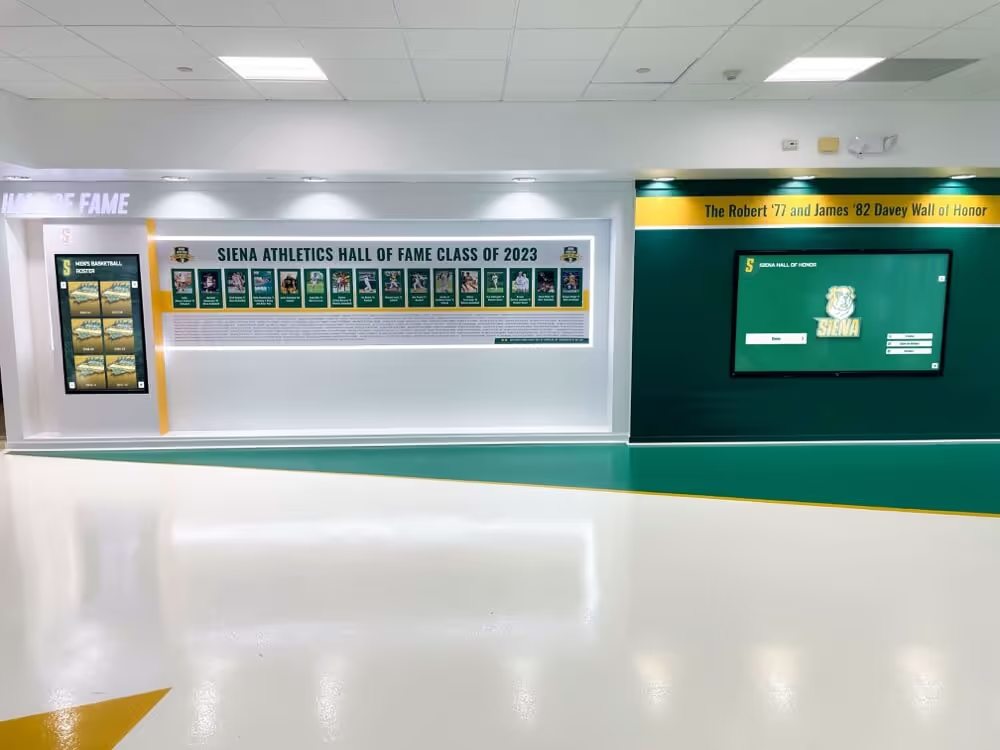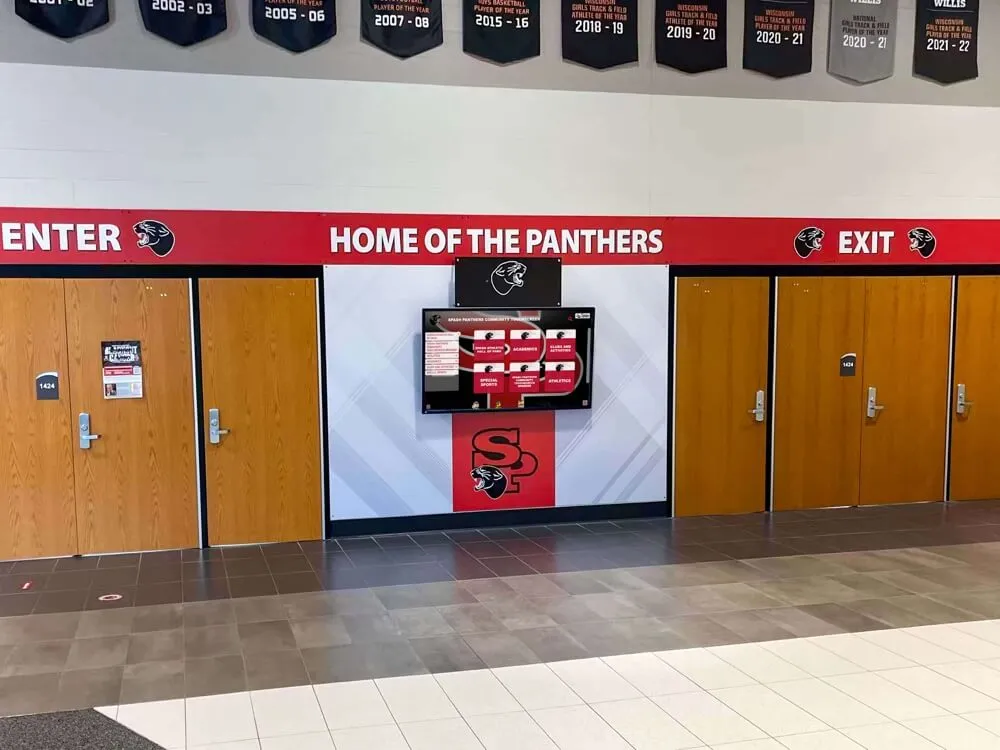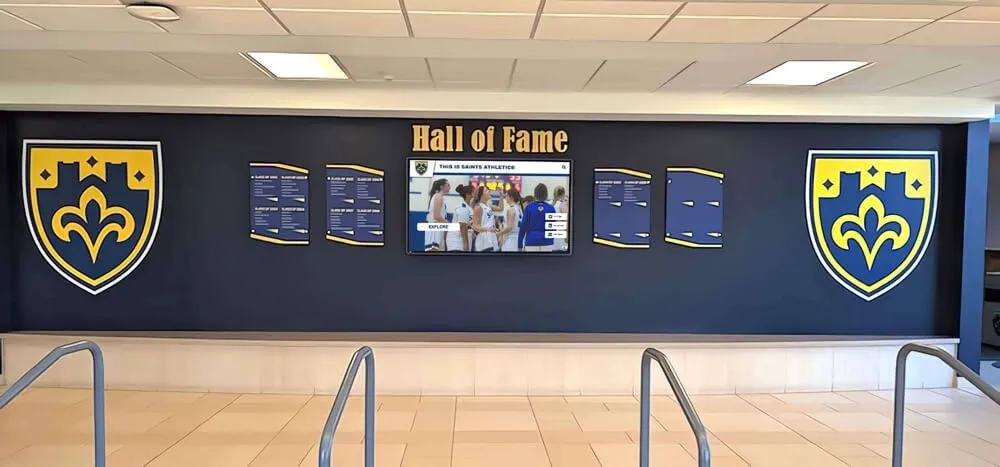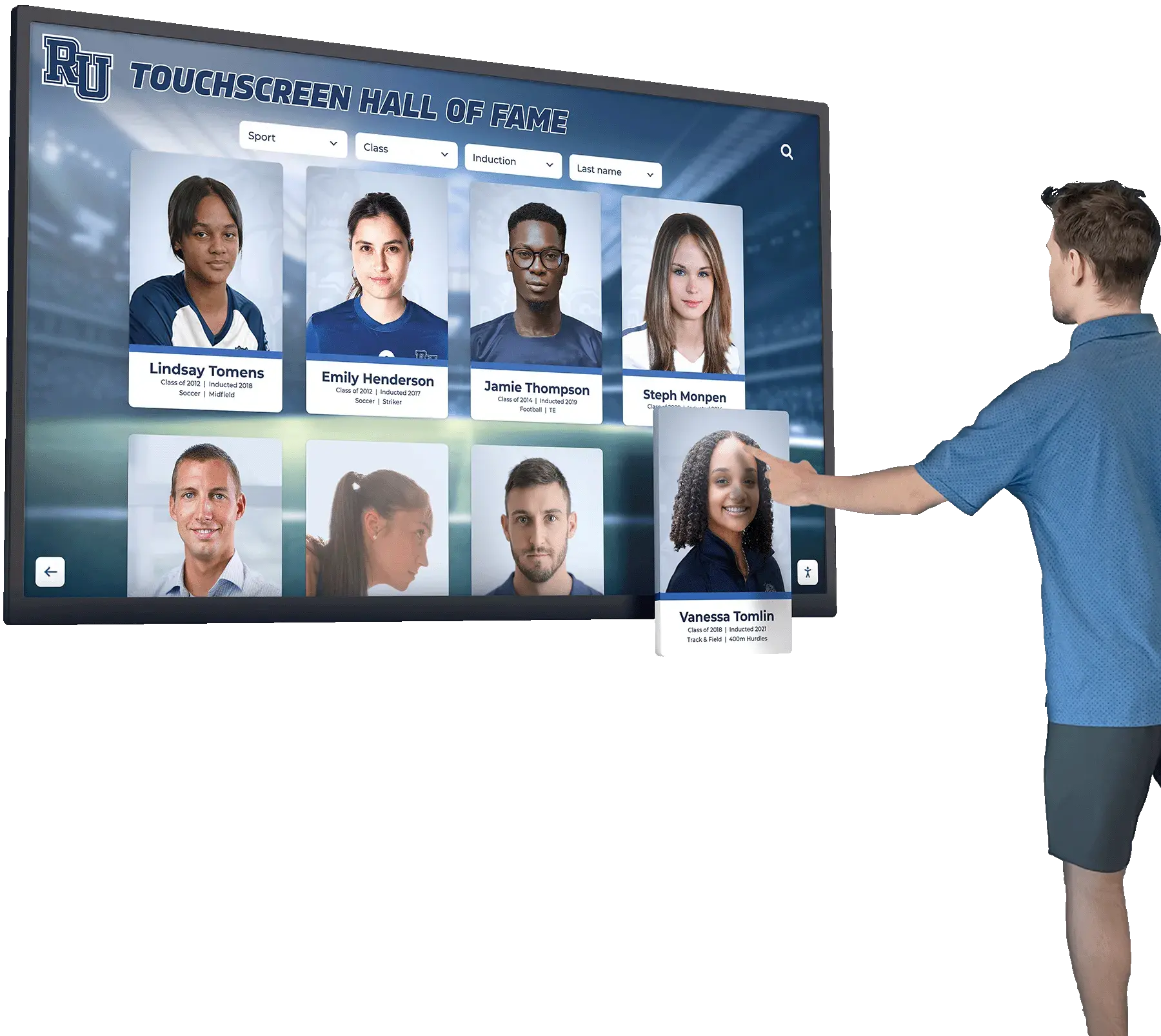




Catholic Church digital donation touchscreens are transforming how parishes receive and manage contributions in an increasingly cashless society. As fewer parishioners carry cash or checks to Sunday Mass, many Catholic communities face declining offertory collections despite maintaining vibrant, engaged congregations. Traditional passing of the basket no longer aligns with how most people conduct financial transactions in their daily lives—where contactless payments, mobile wallets, and digital transfers have become the norm.
Modern Catholic parishes need giving solutions that meet parishioners where they are financially while honoring the spiritual significance of charitable giving central to Catholic faith and practice. Digital donation touchscreens solve this challenge by providing convenient, secure, and dignified ways for the faithful to contribute—whether making weekly offerings, supporting special collections, or establishing recurring tithes that demonstrate sustained commitment to parish mission.
This comprehensive guide explores how Catholic Church digital donation touchscreens enhance stewardship, strengthen parish finances, and create accessible giving opportunities for all generations. From understanding the spiritual and practical foundations through selecting appropriate technology and implementing sustainable programs, you’ll discover why forward-thinking Catholic communities are embracing purpose-built giving solutions that honor tradition while serving contemporary needs.
Catholic stewardship encompasses far more than financial transactions—it represents faithful response to God’s generosity and commitment to building up the Body of Christ through the Church. When parishes thoughtfully implement digital giving solutions aligned with Catholic teaching and community culture, they remove barriers preventing generous hearts from supporting kingdom work while maintaining the spiritual dimensions that distinguish religious giving from secular fundraising.

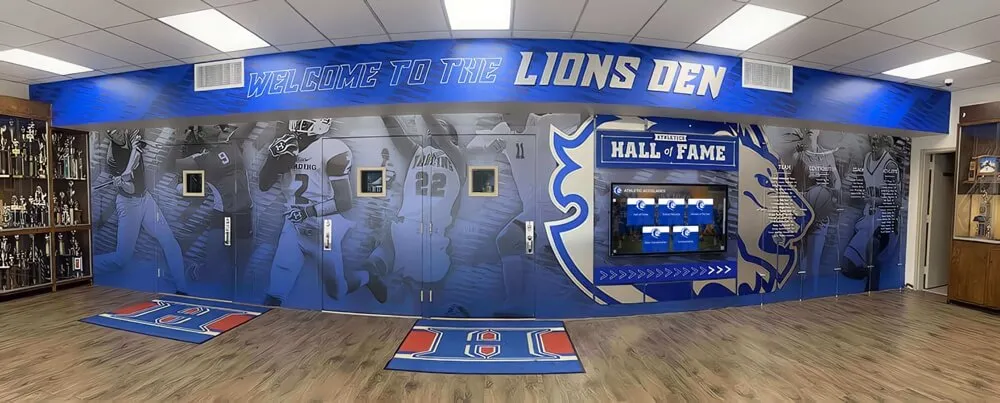
Modern church giving kiosks combine touchscreen technology with secure payment processing for convenient, dignified contributions
The Changing Landscape of Catholic Church Giving
Understanding how giving patterns have evolved helps parishes appreciate why digital donation solutions address genuine pastoral and practical needs rather than simply chasing technological trends.
Declining Cash and Check Usage Among Catholics
The shift away from cash and checks affects all generations but proves particularly pronounced among younger Catholics who constitute parishes’ future:
Generational Payment Preferences
According to the 2024 State of Church Giving Report from Ministry Brands, churches that offered basic digital giving methods were twice as likely to have reported an increase in overall church giving. Cash and check donations decreased for 33% of churches in 2023, while giving via church websites and apps increased or remained steady for 73% of churches.
Research from Pushpay demonstrates that seven out of ten Americans have at least one credit card, making digital payment paths far more accessible than cash-dependent systems. Younger Catholics in particular rarely carry cash—a 2023 Federal Reserve study found that only 14% of payments made by individuals aged 18-24 involved cash, compared to 42% using debit cards and 28% using credit cards.
Catholic-Specific Giving Challenges
Catholic parishes face unique challenges that Protestant megachurches with younger demographics may not experience to the same degree. Many Catholic communities serve multi-generational populations where older parishioners maintain strong cash-giving habits while younger families exclusively use digital payments. This generational divide requires giving solutions accommodating diverse preferences rather than forcing single approaches that alienate significant portions of parish communities.
Additionally, Catholic churches often conduct multiple annual collections beyond regular offertory—for missions, Catholic education, retired religious, and diocesan programs. Managing numerous special collections through cash-only systems creates administrative complexity while making it difficult for parishioners to direct giving according to their charitable priorities and spiritual convictions.
The Impact of Reduced Sunday Mass Attendance
Post-pandemic attendance patterns have permanently altered parish participation, affecting traditional giving models that depended on physical presence:
Attendance Statistics
While many Catholics returned to in-person Mass following pandemic restrictions, attendance has not rebounded to pre-2020 levels across most dioceses. According to data compiled by Catholic institutions, many parishes report Sunday attendance at 60-75% of pre-pandemic levels, with some permanent shift toward viewing Mass via livestream or attending less frequently while maintaining Catholic identity and commitment.
This attendance shift means faithful stewards who contribute generously may not be physically present each Sunday to participate in offertory collection. Without accessible giving alternatives, reduced physical attendance directly translates into decreased offertory revenue—even when parishioners remain spiritually connected and desire to support parish mission financially.
Maintaining Stewardship Relationships
Digital giving platforms enable consistent stewardship regardless of physical presence. Parishioners traveling, caring for sick family members, or occasionally attending Mass virtually can maintain regular contributions demonstrating faithful commitment to supporting parish operations, programs, and ministry.
This consistency benefits both parishioners seeking to honor their stewardship commitments and parishes requiring predictable revenue for operational planning, staff compensation, and ministry investments. Solutions like church interactive donor boards help parishes celebrate faithful stewardship while encouraging ongoing support.
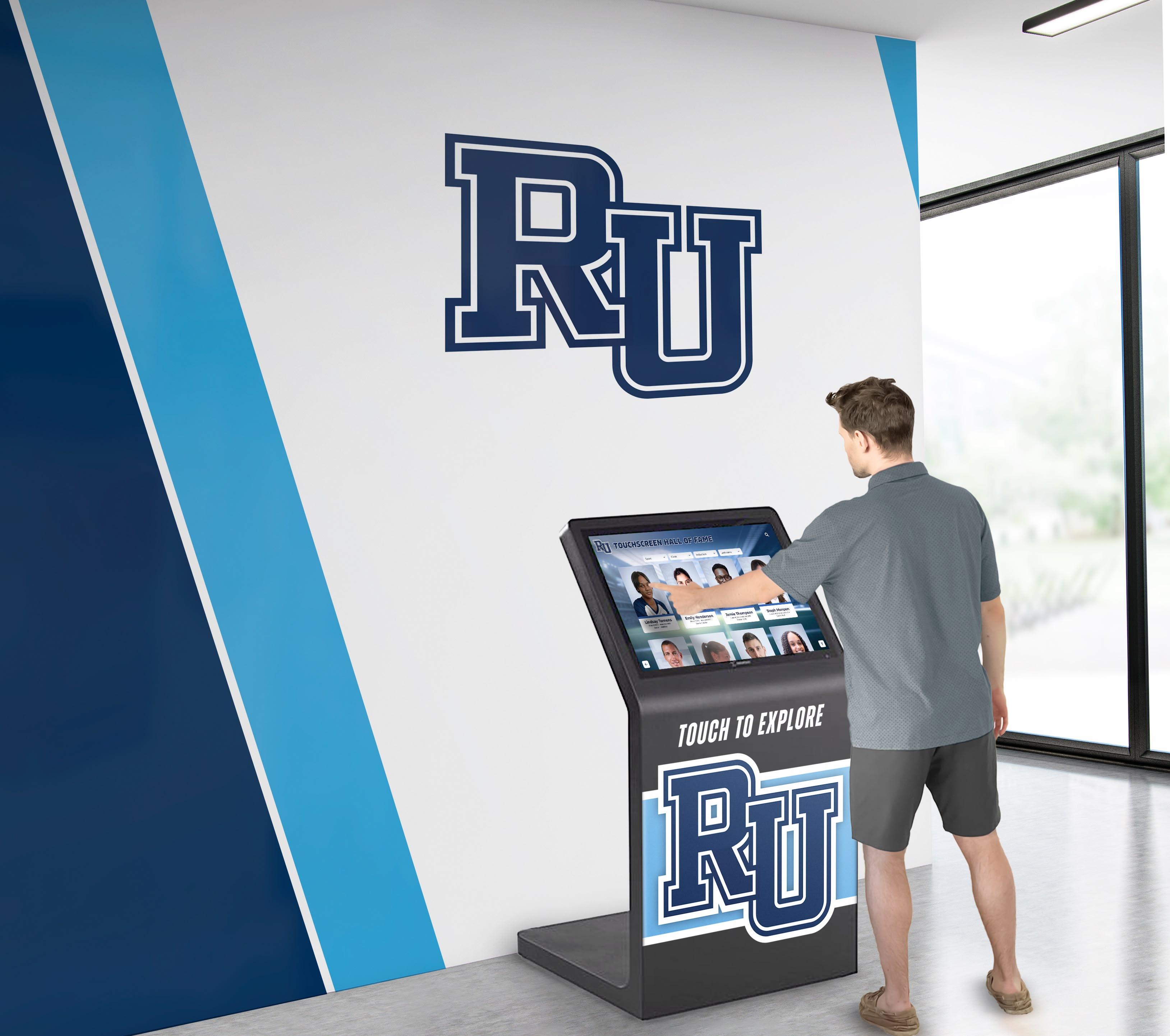
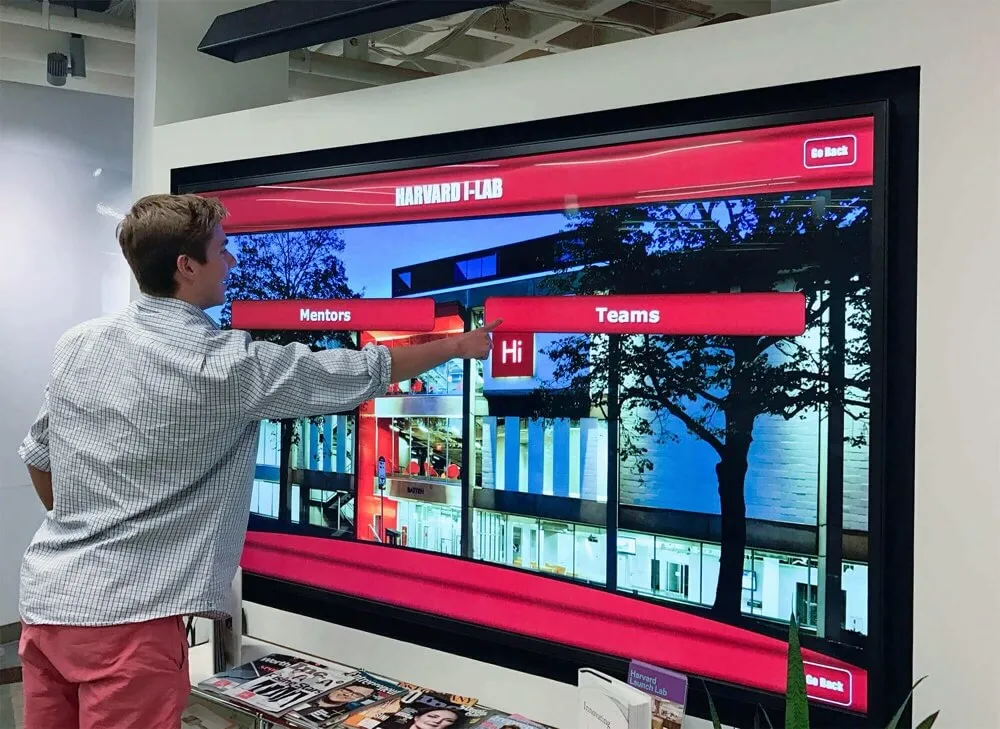
User-friendly touchscreen interfaces enable parishioners of all ages to make contributions quickly and confidently
Understanding Catholic Church Digital Donation Touchscreens
Digital giving kiosks designed for Catholic parishes provide physical touchscreen stations that accept contactless donations through multiple payment methods while respecting the spiritual and liturgical context of church environments.
What Are Church Digital Donation Touchscreens?
Church giving kiosks are physical stations featuring touchscreen interfaces paired with card readers that accept contactless donations via quick taps or swipes from credit cards, debit cards, smartphones using Apple Pay or Google Pay, and contactless smartwatches. Modern systems work by presenting easy-to-use touchscreen interfaces where donors select contribution amounts, choose specific funds or collections, and complete payments using preferred digital payment methods.
Core Functionality
Purpose-built church donation touchscreens provide several essential capabilities:
Donors can make one-time contributions for Sunday offertory, special collections, or designated purposes like building funds or mission support. Systems enable recurring giving options where parishioners establish automatic weekly or monthly donations, helping grow steady support for parish operations. The kiosk sends email receipts automatically and updates the parish’s financial records instantly when connected to Church Management Systems, eliminating manual data entry while providing parishioners with documentation for tax purposes.
Catholic-Appropriate Design
The most effective parish giving kiosks feature designs respectful of church environments—avoiding commercial or secular appearances inappropriate for sacred spaces. Thoughtful implementations incorporate parish branding and Catholic imagery, use placement strategies that respect liturgical spaces while ensuring accessibility, provide multilingual interfaces serving diverse Catholic communities, and maintain dignified aesthetics appropriate to worship settings.
How Digital Donation Touchscreens Differ from Other Giving Methods
Catholic parishes typically employ multiple giving channels serving different needs and preferences:
Traditional Offertory Collection
Passing the basket during Mass remains central to Catholic liturgical tradition, symbolizing the offering of oneself alongside material gifts. Digital kiosks complement rather than replace this sacramental dimension—providing alternatives for those unable to contribute cash while preserving traditional practices for parishioners who value physical offering gestures.
Online Giving Through Parish Websites
Many parishes offer website-based giving platforms accessible from home computers or mobile devices. These solutions work well for planned giving but lack physical presence at church when parishioners arrive for Mass without having made online contributions earlier in the week. Touchscreen kiosks bridge this gap by providing convenient options in church buildings for those who forgot or prefer in-person giving.
Text-to-Give Programs
Text giving enables contributions via SMS messages with simple codes. While convenient, text giving typically requires donors to set up accounts or follow multi-step processes on small phone screens. Touchscreen kiosks provide larger, more intuitive interfaces better suited to church lobbies and gathering spaces.
Mobile Apps
Parish apps enable giving through smartphones but require downloads and account setup that some parishioners find burdensome. Kiosks require no apps or accounts—making them accessible to occasional visitors, tourists attending Mass while traveling, and less technologically-inclined community members.
For comprehensive recognition of generous stewards, parishes can integrate kiosk giving data with digital donor walls that celebrate faithful support and inspire continued generosity.
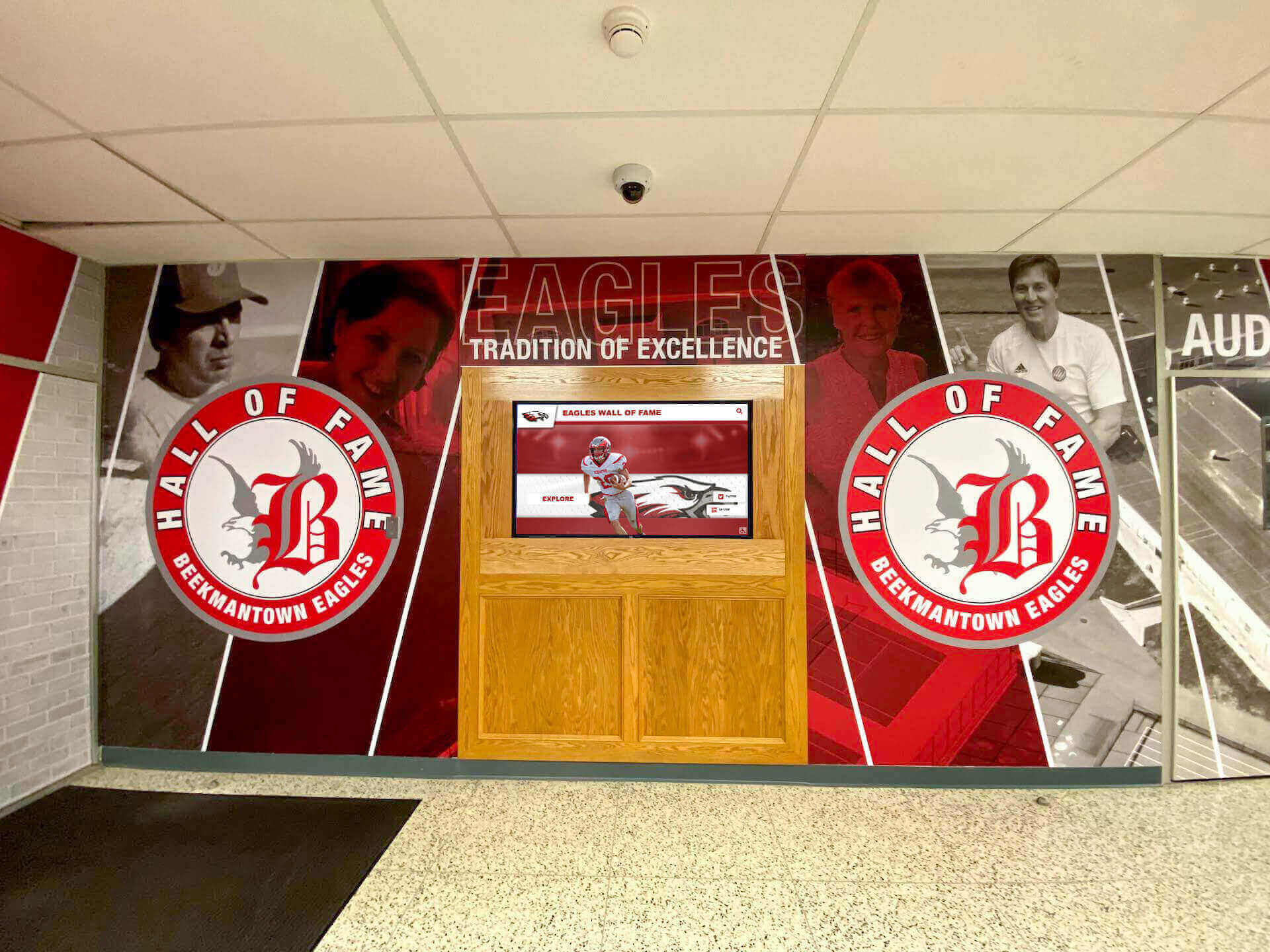
Strategic placement in church lobbies and gathering spaces ensures giving kiosks reach parishioners naturally during weekend Masses
Benefits of Digital Donation Touchscreens for Catholic Parishes
Purpose-built giving kiosks deliver measurable advantages addressing both practical parish needs and pastoral care dimensions of Catholic stewardship.
Increased Giving and Donor Engagement
Research demonstrates clear connections between digital giving availability and improved parish finances:
Statistical Impact on Giving
According to Donorbox research on church giving statistics, churches that accept tithing online see a 32% increase in overall donations. Churches that offered online giving saw a 3.5% increase in donations, while churches with no recorded online giving saw smaller average growth of only 1.7%. These statistics demonstrate that providing digital giving options generates measurable financial benefits beyond simply maintaining status quo contributions.
The Ministry Brands 2024 State of Church Giving Report reveals that 43% of all donation transactions and 34% of giving dollars came through recurring giving in 2023. Digital platforms make recurring giving simple—enabling parishioners to establish automated weekly or monthly contributions that provide parishes with predictable revenue streams supporting operations, ministry planning, and staff retention.
Removing Barriers to Generosity
Many parishioners arrive at Mass with generous intentions but without cash or checks to act on those impulses. Digital kiosks remove this practical barrier—enabling contributions in the moment when spiritual motivation feels strongest. This immediacy captures giving that might otherwise be lost when parishioners forget to contribute online later in the week after leaving Mass.
Additionally, kiosks enable guests and visitors to contribute even without parish membership or online accounts. Families visiting for First Communions, Confirmations, or weddings can participate in offertory collection, as can tourists attending Mass while traveling. This inclusivity expands giving beyond registered parishioners to broader Catholic community.
Improved Stewardship Tracking and Reporting
Digital giving systems provide parishes with comprehensive data supporting better stewardship and financial management:
Real-Time Financial Insights
Cloud-based giving platforms integrated with kiosks provide real-time reporting allowing parish leadership to monitor fundraising progress, analyze giving trends, and make informed budgeting and resource allocation decisions. This visibility proves particularly valuable during capital campaigns or special collections where tracking progress toward goals motivates continued participation.
According to research on church giving kiosks, these systems collect valuable data on giving patterns, trends, and preferences, enabling church leaders to make informed financial decisions. Data can reveal peak giving times, popular fund designations, or trends in donation amounts, allowing parishes to optimize stewardship appeals and improve budget forecasting.
Donor Relationship Management
When integrated with Church Management Systems, kiosk giving data automatically updates parishioner records—eliminating manual data entry while ensuring accurate stewardship tracking. This integration enables personalized acknowledgment, supports donor recognition programs, facilitates tax receipt generation, and informs pastoral outreach to parishioners experiencing financial hardship or changing giving patterns that might indicate personal struggles requiring pastoral care.
Administrative Efficiency
Digital giving reduces administrative burden on parish staff by automating receipt generation and record-keeping, eliminating manual counting and bank deposit trips for every Mass collection, reducing errors associated with cash handling and manual data entry, and simplifying reporting for diocesan requirements and auditing purposes. These efficiencies free staff time for ministry and pastoral care rather than financial administration.
Parishes can enhance stewardship culture by connecting giving data with church sports touchscreen recognition and other community celebration systems that honor generous support.
Enhanced Security and Reduced Liability
Digital giving systems improve security for both parishes and parishioners compared to cash-dependent approaches:
Financial Security Benefits
Cash handling creates multiple security concerns for parishes including theft risk during collection and counting, robbery potential when staff transport deposits, embezzlement opportunities, and liability for volunteers who handle and count cash. Digital kiosks minimize these risks by eliminating most cash handling while providing secure encrypted payment processing that protects both parish finances and parishioner payment information.
When shifting to digital donation kiosks, parishes and congregants benefit from more secure systems, with parishioners feeling confident their contributions are handled safely through PCI-compliant payment processing that meets banking industry security standards.
Audit Trail and Transparency
Digital transactions create comprehensive audit trails demonstrating transparent financial management. Every contribution is documented automatically with date, time, amount, payment method, and designation—providing accountability that serves both internal controls and external auditing requirements. This transparency builds donor confidence while protecting parishes from questions about financial stewardship.
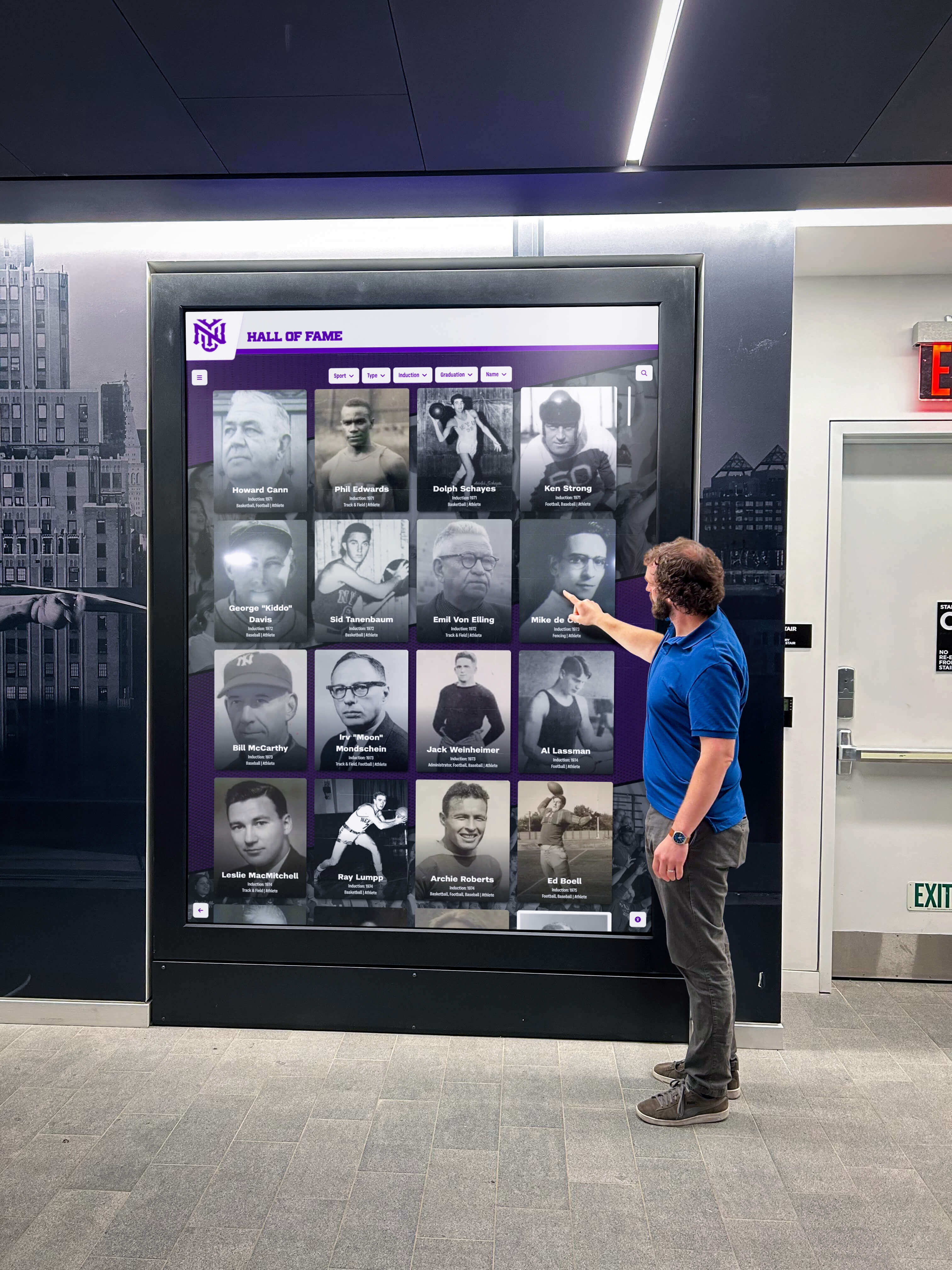
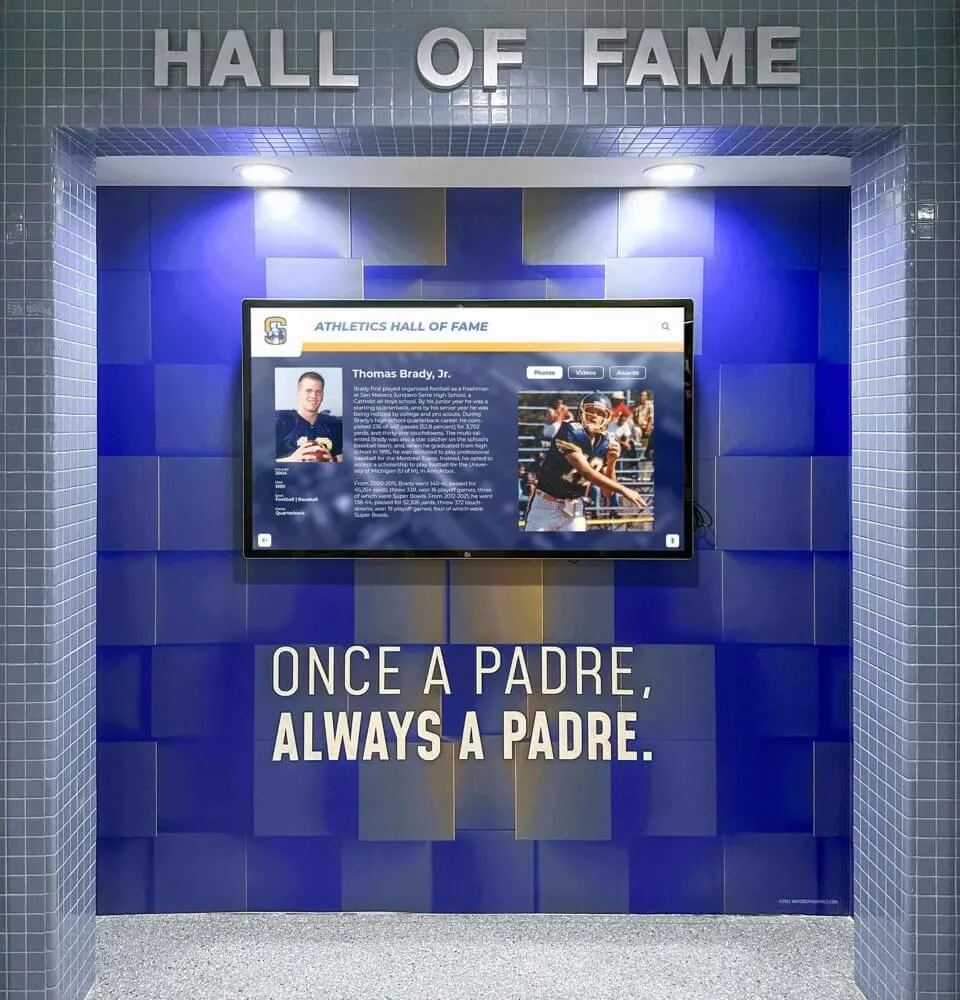
Intuitive touchscreen interfaces accommodate parishioners of all technological comfort levels
Accessibility for All Generations and Abilities
Thoughtfully designed giving kiosks serve diverse Catholic communities including multiple generations and people with varying abilities:
Multi-Generational Appeal
While younger Catholics typically embrace digital giving eagerly, well-designed kiosks accommodate older parishioners too. Large touchscreen buttons, clear text, and simple workflows enable parishioners with limited technological experience to complete donations confidently. Many systems provide assistance modes with step-by-step guidance for first-time users.
Multilingual interface options serve parishes with diverse immigrant populations, ensuring Spanish, Portuguese, Vietnamese, Tagalog, and other language speakers can contribute comfortably. This linguistic accessibility demonstrates pastoral care for entire parish communities rather than privileging English speakers.
Physical Accessibility
Properly installed kiosks meet ADA requirements through wheelchair-accessible mounting heights, adequate clearance for mobility devices, screen angles accommodating various viewing positions, and tactile interfaces usable by those with limited dexterity. These accessibility features ensure giving opportunities remain open to parishioners with disabilities rather than creating barriers that traditional collection baskets do not present.
Cognitive Accessibility
Simple, intuitive interfaces benefit parishioners with cognitive disabilities or developmental differences. Clear visual design, logical workflows, and error prevention help all community members participate in giving regardless of cognitive differences. This universal design approach embodies Catholic teaching about the dignity and full participation of all persons.
Planning Your Parish Digital Donation Touchscreen Implementation
Successful giving kiosk projects require thoughtful planning addressing spiritual, practical, and technical dimensions appropriate to Catholic parish contexts.
Establishing Theological and Pastoral Foundations
Before implementing technology, parishes should establish clear theological framework ensuring digital giving serves authentic Catholic stewardship rather than simply copying secular fundraising:
Catholic Stewardship Theology
Church teaching presents Christian stewardship as disciples’ response to God’s gifts—recognizing that everything we have comes from God and should be offered back in gratitude and service. The United States Conference of Catholic Bishops’ pastoral letter “Stewardship: A Disciple’s Response” articulates this vision, describing stewardship as a way of living that includes time, talent, and treasure offered generously.
Digital giving should be presented within this theological framework—not as mere financial transaction but as technological means enabling faithful disciples to respond to God’s generosity through supporting parish mission and ministry. Pastoral messaging around kiosk implementation should emphasize stewardship formation rather than simply providing payment convenience.
Maintaining Liturgical Integrity
The offertory procession during Mass holds sacramental significance—symbolizing the offering of ourselves alongside bread, wine, and material gifts. Digital giving should complement rather than replace this liturgical action. Parishes might maintain traditional offertory collection while positioning kiosks in narthex or gathering spaces for additional giving opportunities before or after Mass.
Some parishes provide cards representing digital gifts that parishioners can place in collection baskets during offertory—maintaining the embodied gesture while using digital payment methods. This hybrid approach honors liturgical tradition while embracing contemporary giving tools.
Privacy and Humility in Giving
Jesus’s teaching about giving in secret (Matthew 6:1-4) raises questions about public giving displays. Digital kiosks typically provide private transaction experiences—unlike passing baskets where those nearby might observe whether someone contributes. This privacy respects Gospel teaching while enabling generous giving.
Parishes should offer anonymous giving options for those who prefer complete privacy consistent with their understanding of Scripture. However, donor recognition remains appropriate when understood as celebrating God’s faithfulness and inspiring others to stewardship rather than elevating human generosity for prideful purposes.
Understanding church interactive donor boards helps parishes develop recognition approaches honoring generous stewards while maintaining appropriate theological perspective.
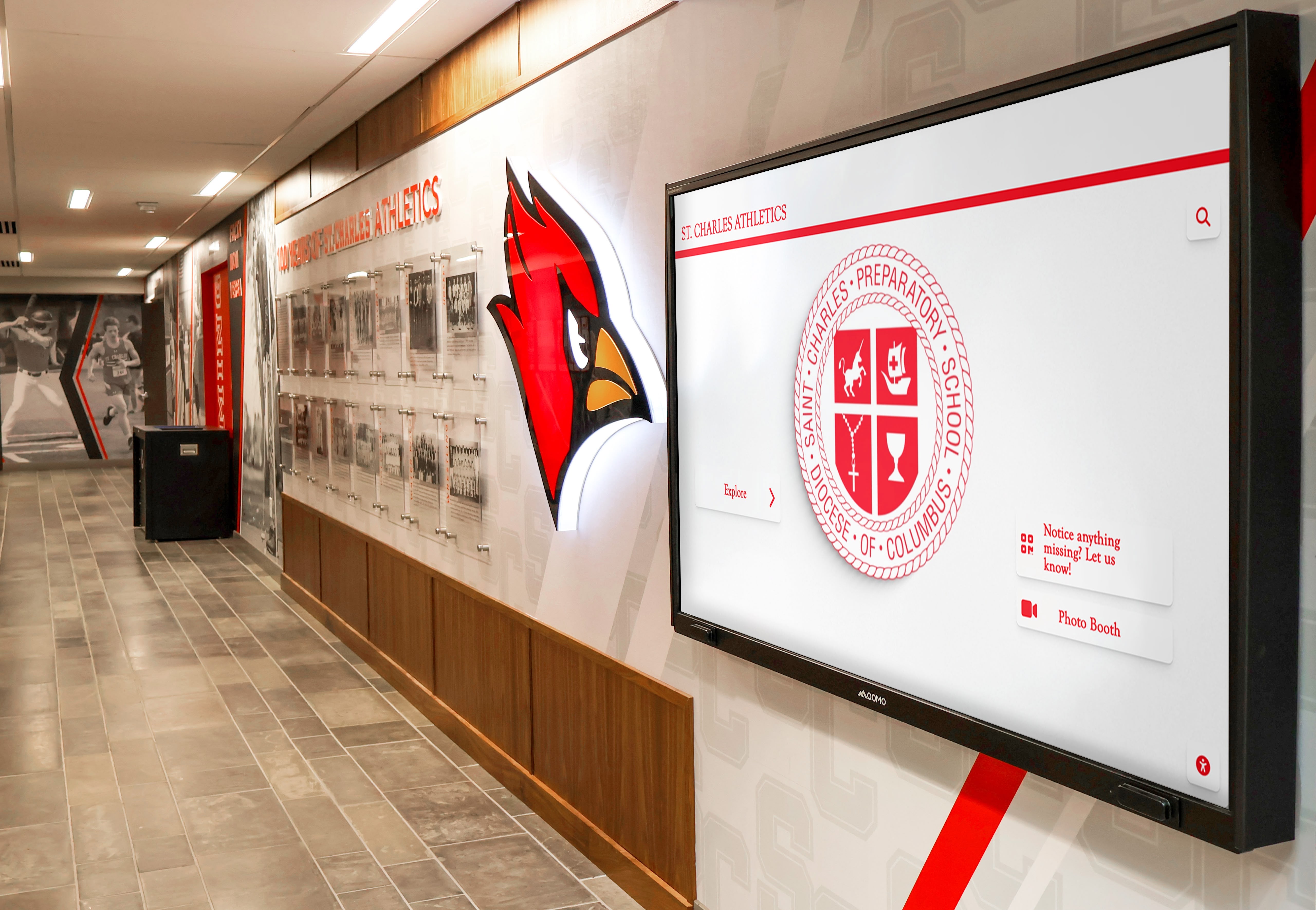
Integrated digital displays throughout parish facilities can serve both giving and recognition functions
Budget Planning and Financial Considerations
Understanding complete costs ensures sustainable implementation serving parishes long-term:
Initial Investment Requirements
Catholic parishes implementing digital donation touchscreens should budget for these components:
- Kiosk hardware: $2,500-$6,000 per unit for commercial-grade touchscreen kiosks suitable for church environments
- Payment processing equipment: $300-$800 for card readers and contactless payment terminals
- Software and setup: $1,000-$3,000 for giving platform implementation and integration with existing church management systems
- Installation: $500-$1,500 for professional mounting, electrical work, and network connectivity
- Initial training: $300-$800 for staff and volunteer training on system administration
Total initial investment per kiosk typically ranges $4,600-$12,100 depending on features, integration complexity, and parish size.
Ongoing Operating Costs
Sustainable programs budget for recurring expenses:
- Software subscriptions: $600-$1,800 annually per kiosk for cloud-based giving platforms and updates
- Payment processing fees: Typically 2.2-2.9% of transaction value plus $0.30 per transaction—similar to other digital payment methods
- Maintenance and support: $200-$600 annually for technical support, hardware maintenance, and software updates
- Network connectivity: Included in existing parish internet service but consider dedicated bandwidth for reliable operation
Return on Investment Considerations
While costs appear substantial, research demonstrates digital giving availability generates measurable revenue increases offsetting implementation expenses. A parish receiving $150,000 annually in offertory experiencing even a 10% increase from digital giving would gain $15,000 in additional annual revenue—recovering typical kiosk investment within 9-18 months while generating ongoing increased support.
Additionally, administrative efficiencies reducing staff time spent on cash counting, deposit preparation, and manual record-keeping create operational savings beyond direct revenue increases. Staff hours redirected from financial administration to pastoral ministry provide value beyond simple cost calculations.
Selecting Appropriate Technology and Vendors
Choosing suitable systems ensures reliable, user-friendly giving experiences appropriate for Catholic parish contexts:
Essential Features for Catholic Parishes
Purpose-built church giving systems should provide:
- Multiple payment options: Credit cards, debit cards, contactless payments (Apple Pay, Google Pay), and potentially ACH bank transfers
- Designated giving: Enable contributions to specific funds—regular offertory, building projects, mission appeals, religious education, and special collections
- Recurring giving setup: Allow parishioners to establish automated weekly, biweekly, or monthly contributions
- Multilingual interfaces: Serve diverse Catholic communities with Spanish and other language options
- Church Management System integration: Connect with ParishSOFT, Faith Direct, or other Catholic-oriented platforms
- Receipt generation: Automatic email receipts for tax documentation
- Accessibility compliance: ADA-compliant design accommodating parishioners with disabilities
Catholic-Specific Platform Considerations
Several platforms serve Catholic parishes specifically:
ParishSOFT is a top online giving tool designed specifically for Catholic churches, offering safe donations, recurring giving options, and integration with church management software. The platform understands diocesan structures, Catholic fiscal year patterns, and special collection requirements common to Catholic parishes.
Pushpay offers dedicated Catholic church giving solutions with features addressing unique Catholic needs including multiple collection types, integration with Catholic school tuition systems, and compliance with diocesan reporting requirements.
For smaller parishes or those beginning digital giving journeys, Donorbox Live Kiosk provides affordable kiosk software that connects Android tablets or iPads to card readers, enabling one-time and recurring donations through credit/debit cards and digital wallet payments.
Vendor Evaluation Criteria
When selecting giving kiosk providers, parishes should assess:
- Catholic church experience: Vendors familiar with Catholic contexts understand unique needs better than generic nonprofit platforms
- Integration capabilities: Seamless connection with existing church management systems prevents duplicate data entry
- Security and compliance: PCI-DSS compliant payment processing protecting parishioner financial information
- Technical support: Responsive customer service addressing problems quickly, especially during critical times like Christmas and Easter
- Contract terms: Clear pricing without hidden fees, reasonable contract lengths, and exit provisions if changing providers
- User reviews: Feedback from other Catholic parishes about reliability and user experience
Research on interactive touchscreen software provides broader context for evaluating platform capabilities.
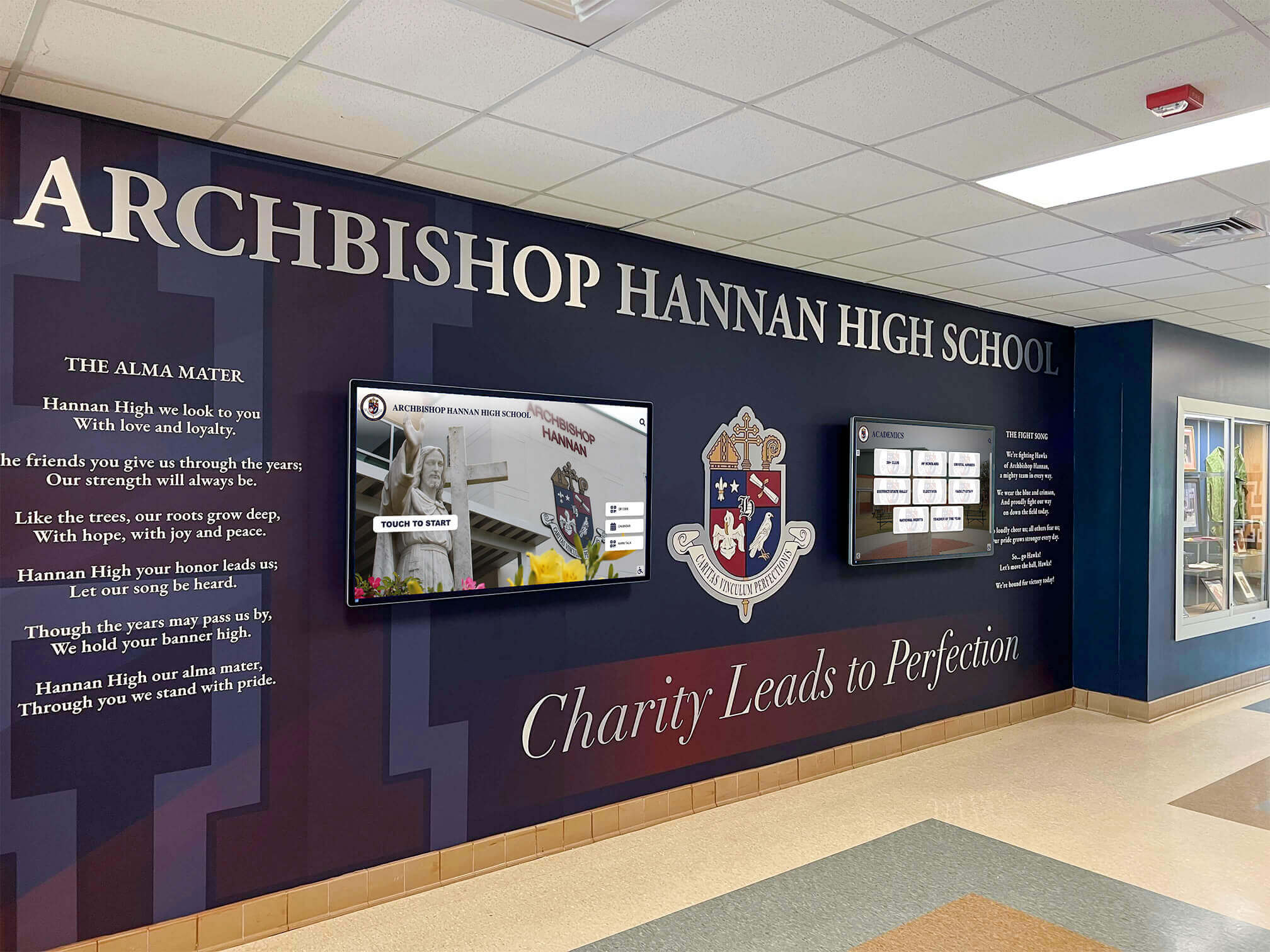
Successful implementations integrate digital giving technology respectfully within traditional church architecture and symbolism
Strategic Placement and Installation Considerations
Location decisions significantly impact kiosk usage and community acceptance:
Optimal Placement Locations
High-traffic areas ensuring visibility and convenience include:
- Narthex or church lobby: Primary location where parishioners gather before and after Mass, providing natural opportunities for contribution
- Parish hall or social areas: Locations near coffee hour or fellowship events where families congregate
- Main parish office entrance: Convenient for those visiting during weekday hours
- Religious education wings: Accessible to parents dropping children for faith formation classes
- Multiple locations: Larger parishes may benefit from several kiosks serving different areas
Liturgical and Aesthetic Considerations
Placement should respect sacred space while ensuring accessibility. Kiosks should avoid positioning within sanctuary or other areas where commercial-appearing technology feels inappropriate during worship. Integration with parish branding, Catholic imagery, and architectural elements helps technology blend respectfully into church environments.
Consider sight lines ensuring kiosks are visible without dominating visual focus or competing with sacred art and liturgical furnishings. The goal is convenient availability without aesthetic intrusion.
Technical Infrastructure Requirements
Successful installations require:
- Reliable electrical service: Dedicated outlets with surge protection
- Strong internet connectivity: Gigabit ethernet preferred over WiFi for transaction reliability
- Network security: Isolated from other parish systems to protect payment data
- Adequate lighting: Sufficient illumination for screen visibility without glare
- Climate control: Temperature-stable environments for electronic equipment longevity
- Physical security: Secure mounting preventing theft while allowing maintenance access
Accessibility Compliance
Ensure installations meet ADA requirements through mounting heights accessible to wheelchair users (typically 15-48 inches from floor to touchscreen center), adequate clear floor space (minimum 30x48 inches) for wheelchair approach, screen angles adjustable for various viewing positions, and location along accessible routes from parking and building entrances.
Implementing Your Catholic Parish Giving Kiosk Program
Thoughtful implementation ensures successful adoption serving both immediate needs and long-term stewardship culture:
Staff and Volunteer Training
Prepare parish personnel to support parishioners and manage systems:
Technical Administration Training
Staff responsible for kiosk management need training on adding or modifying designated funds for special collections, generating financial reports and reconciliation documents, troubleshooting common technical issues, updating fund descriptions and giving appeals, managing user accounts and permissions, and coordinating with payment processing providers and technical support.
Most church giving platforms provide online training resources, video tutorials, and responsive customer support helping parish staff become proficient quickly. Designate primary and backup administrators ensuring coverage when key personnel are unavailable.
Parishioner Support Preparation
Volunteers serving as greeters or hospitality ministers should receive basic training on kiosk location and availability, simple instructions for first-time users, how to alert staff about technical problems, and sensitivity in offering assistance without creating awkwardness for those preferring privacy in giving.
Brief training videos or laminated instruction cards help volunteers feel confident providing basic support without requiring extensive technical knowledge.
Pastoral Communication and Stewardship Formation
Technology succeeds when introduced within pastoral context emphasizing spiritual dimensions:
Announcement and Education Campaign
Begin preparing parish community several weeks before kiosk launch through homilies on stewardship connecting Catholic teaching to practical giving, bulletin articles explaining new giving options and how to use kiosks, frequently asked questions addressing concerns about security and privacy, testimonials from early adopters sharing positive experiences, and demonstrations after Masses showing how systems work.
This educational foundation reduces anxiety while building enthusiasm for enhanced giving options serving diverse parishioner needs.
Theological Framing
Present digital giving as stewardship tool rather than purely financial convenience. Emphasize how technology enables faithful response to God’s generosity regardless of physical presence or cash availability. Connect giving to Catholic social teaching, mission and outreach, sacramental life, and building up the Body of Christ through supporting parish ministry.
This spiritual framing distinguishes Catholic stewardship from secular fundraising while helping parishioners see technology as serving authentic discipleship rather than replacing traditional faith practices.
Addressing Concerns and Resistance
Some parishioners may resist digital giving from concerns about security and privacy of financial information, preference for traditional cash giving practices, discomfort with technology and screens in church, or theological questions about giving in secret versus public recognition.
Address these concerns directly through transparent communication about security measures and PCI compliance, assurance that traditional giving remains available and valued, respect for diverse preferences and comfort levels, and theological clarity about appropriate recognition honoring God’s faithfulness.
Understanding approaches to religious worship touchscreen displays helps parishes address concerns about technology in sacred spaces.
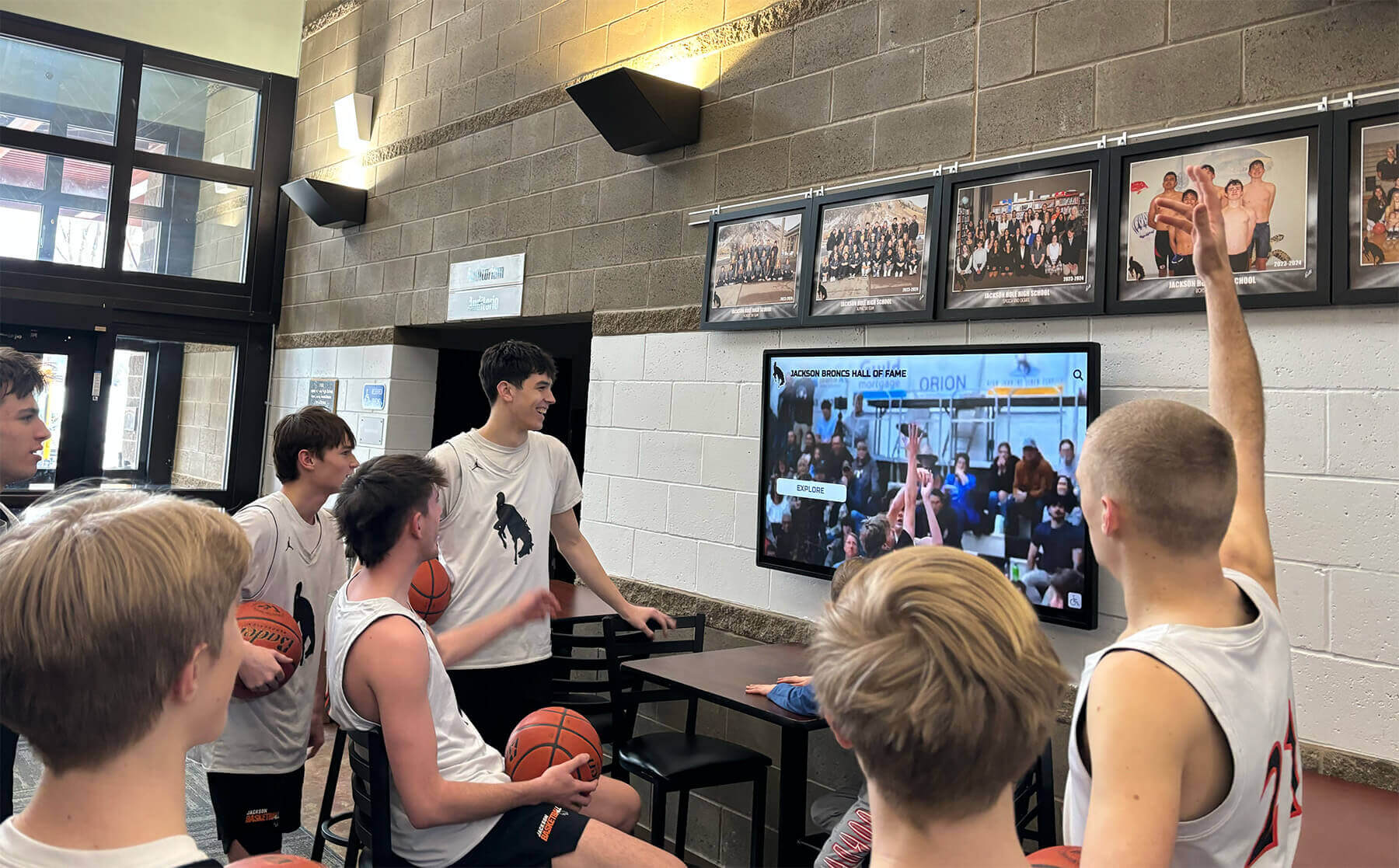
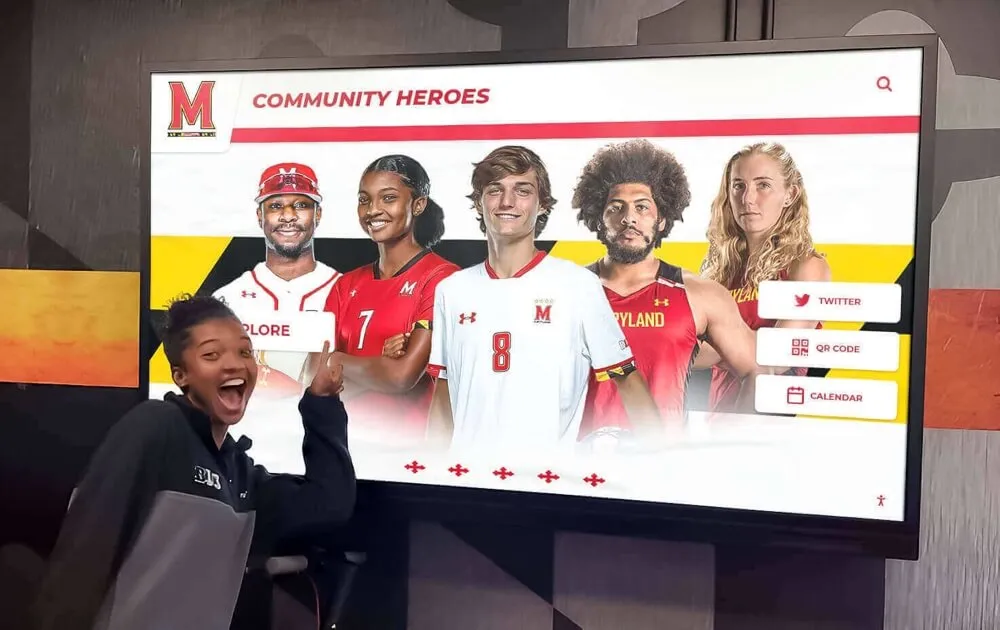
Younger generations naturally gravitate toward digital interfaces, making kiosks especially effective for engaging millennial and Gen Z Catholics
Launch Strategies and Ongoing Promotion
Successful adoption requires sustained visibility and encouragement:
Soft Launch with Early Adopters
Consider initial rollout to parish council, finance committee, and other leadership groups who can provide feedback, identify issues, share positive experiences with broader parish community, and serve as visible advocates normalizing digital giving.
This phased approach allows refinement before full congregational launch while building grassroots enthusiasm through peer influence.
Grand Opening Celebration
Formal launch might include blessing of kiosks incorporating them into parish life liturgically, demonstrations during coffee hour or parish events, volunteer assistants helping first-time users, promotional materials explaining features and benefits, and limited-time matching gift campaigns incentivizing initial adoption.
Sustained Visibility and Promotion
Maintain awareness through regular bulletin reminders, especially before major collections, video tutorials on parish website and social media, testimonials from parishioners about convenient giving experiences, periodic demonstrations after Mass for new parishioners, and integration into newcomer orientation materials.
Digital giving requires sustained promotion rather than one-time announcement—particularly as new families join parish communities or occasional attendees increase participation.
Tracking Adoption and Optimization
Monitor kiosk usage through weekly transaction reports analyzing volume and trends, fund designation patterns revealing parishioner priorities, peak usage times informing placement and promotion, error rates or abandonment indicating usability issues, and user feedback through surveys or informal conversations.
Use this data to optimize fund options, improve user experience, adjust placement if necessary, and enhance promotional messaging. Continuous improvement ensures kiosks serve parish communities effectively over time.
Measuring Success and Long-Term Sustainability
Evaluate giving kiosk effectiveness through both quantitative metrics and qualitative pastoral outcomes:
Financial Metrics and Giving Trends
Key Performance Indicators
Track these financial measures:
- Total digital giving volume: Monthly and annual contributions through kiosks compared to traditional collection
- Donor participation rates: Percentage of parish families using digital giving options
- Average digital contribution: Amount per transaction compared to estimated average cash giving
- Recurring giving adoption: Number of parishioners establishing automated regular contributions
- Special collection performance: Digital participation in diocesan and mission appeals
- Year-over-year growth: Overall offertory trends since kiosk implementation
Successful implementations typically see digital giving growing to represent 15-35% of total offertory within 18-24 months, with continued growth as adoption spreads and younger families join parish communities.
Comparative Analysis
Compare parish giving trends to diocesan averages and similar parishes to assess whether kiosk implementation generates measurable financial benefits beyond broader trends affecting all churches. If your parish outperforms comparable communities in giving growth, digital options likely contribute to that success.
Stewardship Culture and Parishioner Engagement
Beyond financial metrics, assess qualitative outcomes:
Enhanced Stewardship Conversations
Digital giving data enables more informed pastoral conversations about stewardship. When staff can view individual giving patterns, they can recognize faithful stewards deserving gratitude, identify declining giving that might indicate personal struggles requiring pastoral outreach, and understand which ministries and missions resonate most strongly with parishioners based on designated giving patterns.
This pastoral intelligence serves community care rather than simply driving revenue—embodying Catholic understanding that finances reflect spiritual realities deserving pastoral attention.
Multi-Generational Participation
Assess whether digital giving helps younger families establish regular stewardship patterns. If kiosk adoption concentrates among millennials and Gen Z Catholics, technology successfully removes barriers preventing generous younger parishioners from contributing consistently.
Visitor and Guest Engagement
Monitor whether seasonal attendees at Christmas and Easter, wedding guests, and tourists contribute through kiosks in ways they could not through cash-only collection. This broadened participation demonstrates inclusive giving opportunities serving the entire community.
Long-Term Maintenance and Upgrades
Plan for sustainable technology stewardship:
- Hardware lifecycle: Budget for replacement or upgrading every 5-7 years as technology advances
- Software updates: Ensure subscriptions include ongoing platform improvements and security patches
- Payment technology changes: Stay current as contactless payment methods evolve
- Accessibility enhancements: Periodically review compliance with updated accessibility standards
- Content and interface refresh: Update screens, instructions, and fund options maintaining contemporary appearance
Sustainable programs view giving kiosks as long-term infrastructure investments requiring ongoing maintenance similar to facility systems, liturgical furnishings, and other parish assets serving community needs.
Understanding comprehensive digital recognition displays helps parishes plan integrated systems serving both giving and stewardship celebration functions.
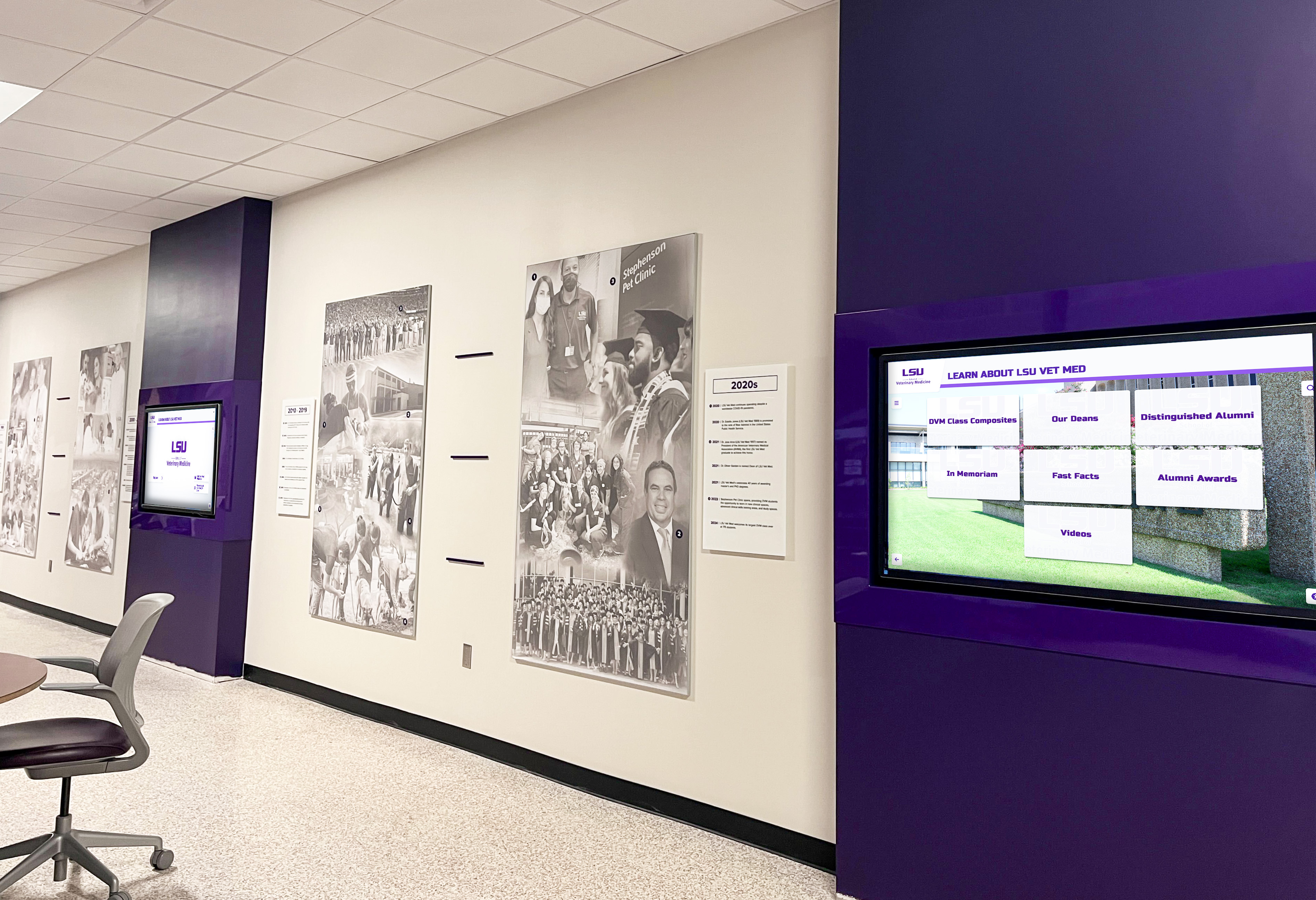
Larger parishes can implement coordinated digital systems serving multiple functions throughout facilities
Addressing Common Concerns and Challenges
Anticipating obstacles enables proactive solutions ensuring successful implementation:
Security and Privacy Concerns
Payment Information Security
Parishioners rightfully worry about protecting financial data. Address these concerns through clear communication about PCI-DSS Level 1 compliance—the highest payment security standard, end-to-end encryption protecting payment information throughout processing, tokenization preventing storage of actual card numbers in parish systems, regular security audits and penetration testing by payment providers, and fraud monitoring detecting and preventing unauthorized transactions.
Emphasize that giving kiosks use identical security technology protecting transactions at retail stores, restaurants, and online shopping—making church giving as secure as any other payment in daily life.
Privacy in Giving Amounts and Patterns
Some parishioners prefer privacy around contribution amounts consistent with Gospel teaching about giving in secret. Assure donors that kiosk systems protect privacy through anonymous giving options when desired, transaction privacy preventing nearby people from seeing contribution amounts, confidential donor records accessible only to authorized staff, and policies restricting casual browsing of giving data by parish employees.
Technology Reliability and Technical Support
Downtime and Malfunctions
Technology inevitably experiences occasional failures. Minimize disruption through redundant systems like maintaining multiple kiosks so single failure doesn’t eliminate all digital giving, backup payment processing ensuring transactions route through alternate providers if primary systems fail, offline transaction capability storing transactions locally when internet connectivity drops, and rapid-response technical support from vendors providing same-day problem resolution.
Maintain traditional collection as backup ensuring giving remains possible even during complete technical failure.
Ongoing Technical Support
Ensure sustainable support through vendor contracts including technical support during critical times, IT volunteer teams from parish community providing first-tier troubleshooting, clear escalation procedures connecting to vendor support when needed, documentation and training materials enabling staff problem-solving, and preventive maintenance schedules reducing unexpected failures.
Pastoral and Theological Objections
Concerns About Commercializing Sacred Space
Some parishioners may feel digital payment kiosks commercialize worship spaces or prioritize money over spirituality. Address these pastoral concerns through theological framing emphasizing stewardship as discipleship response, respectful design and placement honoring sacred space, pastoral messaging focusing on removing barriers rather than increasing revenue, and maintaining traditional giving options alongside digital alternatives honoring diverse preferences.
When presented as serving authentic Catholic stewardship rather than copying secular fundraising, most parishioners accept digital giving as legitimate pastoral tool.
Generational Differences
Older parishioners may resist digital giving from unfamiliarity with technology or preference for traditional practices. Honor these concerns through sustained traditional collection ensuring cash giving remains welcome, gentle introduction through demonstrations and assistance, peer encouragement from trusted community members, and recognition that some may never adopt digital giving—which remains acceptable.
Digital giving serves parishioners desiring those options without requiring universal adoption to deliver value.
Understanding types of screens for digital signage helps parishes select appropriate technology for church environments.
Future Trends in Catholic Church Digital Giving
Looking ahead helps parishes plan for evolving technology and changing expectations:
Emerging Payment Technologies
Cryptocurrency and Digital Assets
While currently uncommon, some organizations accept cryptocurrency donations. Catholic parishes should monitor these developments thoughtfully—recognizing potential benefits for younger tech-savvy donors while carefully evaluating volatility, theological implications, regulatory compliance, and diocesan guidance before adopting cryptocurrency giving options.
Biometric and Identity-Based Giving
Emerging technologies enable giving linked to biometric identifiers like fingerprints or facial recognition. While offering ultimate convenience, these approaches raise significant privacy and ethical questions requiring careful discernment within Catholic moral teaching before adoption.
Integration with Comprehensive Parish Engagement Systems
Future giving platforms will likely integrate more seamlessly with comprehensive parish management:
Unified Digital Parish Ecosystem
Imagine giving kiosks connected to systems managing Mass attendance tracking through check-in, ministry participation and volunteer scheduling, religious education enrollment and payment, event registration and ticketing, and community communication through parish apps and websites.
This integration enables holistic view of parish engagement where giving appears as one dimension of broader participation rather than isolated financial transaction.
Personalized Giving Experiences
Advanced systems might recognize returning users through parish registration, mobile app login, or contactless credentials—enabling personalized experiences like pre-populated giving amounts matching previous contributions, suggested designations based on previous interests, saved payment methods eliminating repeated card entry, and giving history accessible for personal stewardship tracking.
These personalized features enhance convenience while raising privacy questions requiring careful navigation within Catholic teaching about human dignity and respect.
Mobile-First and App-Based Giving
Smartphone-Centric Approaches
Younger Catholics increasingly expect smartphone apps managing all aspects of life including spiritual practices and parish connection. Future giving may shift toward parish apps with integrated giving where kiosks supplement rather than dominate digital options.
This mobile transition requires parishes to offer robust app-based giving with user experience matching consumer app quality, integration with Apple Pay, Google Pay, and digital wallets, giving history and tax receipt access through apps, and push notifications for special collections and appeals.
QR Code Giving
Simple QR codes displayed on bulletin inserts, projection screens, or kiosk alternatives enable smartphone camera-based giving without dedicated hardware investments. These flexible approaches may complement or eventually replace physical kiosks in some parish contexts.
Exploring interactive announcements feed concepts reveals how comprehensive digital communication platforms might integrate giving functions.
Conclusion: Embracing Digital Stewardship in Catholic Communities
Catholic Church digital donation touchscreens represent far more than technological upgrades to collection baskets—they embody pastoral response to changing financial practices while honoring timeless spiritual truths about stewardship as faithful discipleship. When parishes implement giving kiosks thoughtfully within theological frameworks emphasizing generous response to God’s gifts, they remove practical barriers preventing generous hearts from supporting parish mission while maintaining the spiritual dimensions distinguishing religious giving from secular fundraising.
The statistics demonstrate clear benefits: churches offering digital giving see 32% increases in overall donations, while 73% report increased or steady digital giving compared to declining cash contributions. These measurable outcomes translate into sustained parish vitality, expanded ministry capacity, and continued ability to serve Catholic communities faithfully across generations.
Transform Your Parish Giving Program
Discover how purpose-built digital giving solutions can help your Catholic community overcome barriers to generous stewardship while honoring tradition and serving contemporary needs.
Explore Giving Solutions for Your ParishBeyond financial benefits, digital giving systems serve pastoral purposes by enabling consistent stewardship regardless of physical presence, providing comprehensive data informing pastoral outreach and community care, honoring diverse preferences across multi-generational communities, and building stewardship culture through accessible participation.
The most successful implementations view giving kiosks as components of comprehensive Catholic stewardship formation rather than isolated fundraising tactics. By combining thoughtful theological framing with practical technology, sustained pastoral communication, and genuine respect for traditional practices and diverse preferences, parishes create digital giving programs that serve authentic discipleship while generating measurable support for parish mission.
As Catholic communities navigate post-pandemic realities including permanently changed attendance patterns, declining cash usage across all generations, and increasing expectations for digital engagement options, digital donation touchscreens provide practical, pastorally-appropriate tools enabling faithful stewards to respond generously to God’s gifts regardless of their payment preferences or physical presence on any particular Sunday.
Ready to explore digital giving for your parish? Discover comprehensive approaches to church interactive donor boards that integrate giving with stewardship recognition, learn about digital donor wall strategies celebrating generous community members, and understand donor recognition approaches that honor faithful stewards while inspiring continued generosity advancing Catholic mission across generations.
Your parishioners’ generosity enables everything your parish accomplishes in service to the Gospel. They deserve convenient, secure, and dignified ways to contribute that honor both their spiritual motivations and their contemporary financial practices. With careful planning, appropriate technology selection, pastoral communication, and sustained commitment to authentic Catholic stewardship formation, your parish can implement digital giving solutions that serve faithful disciples while building strong foundations for ministry and mission in years ahead.