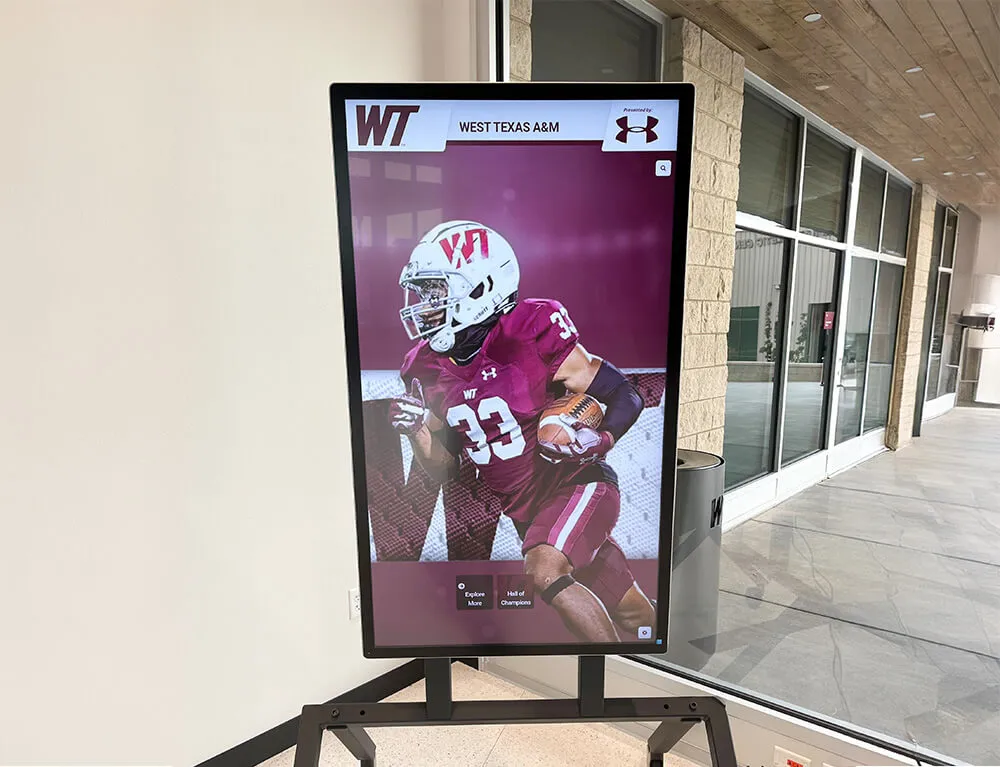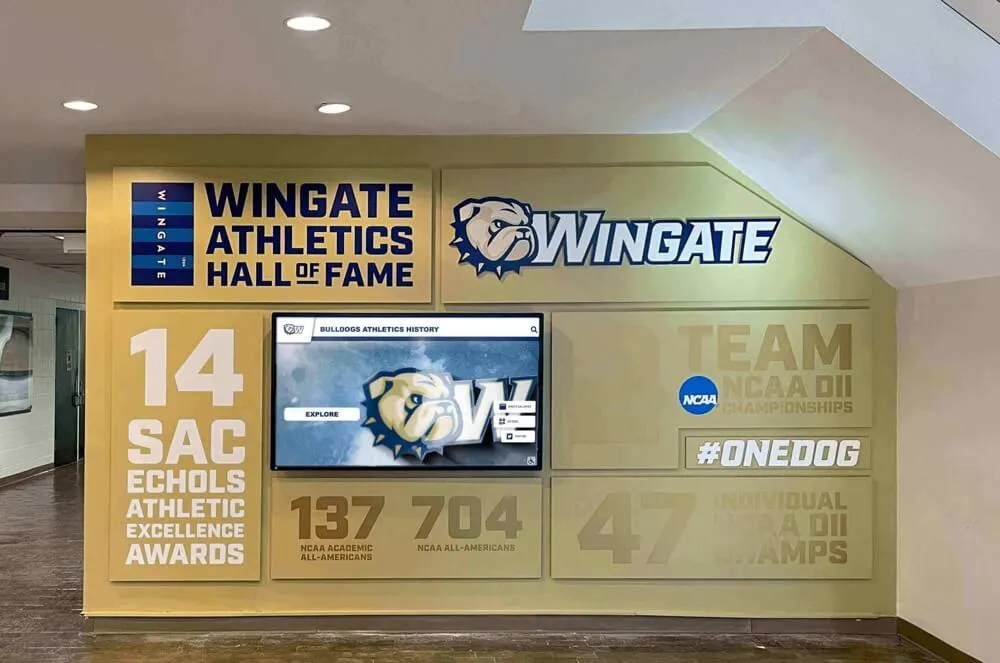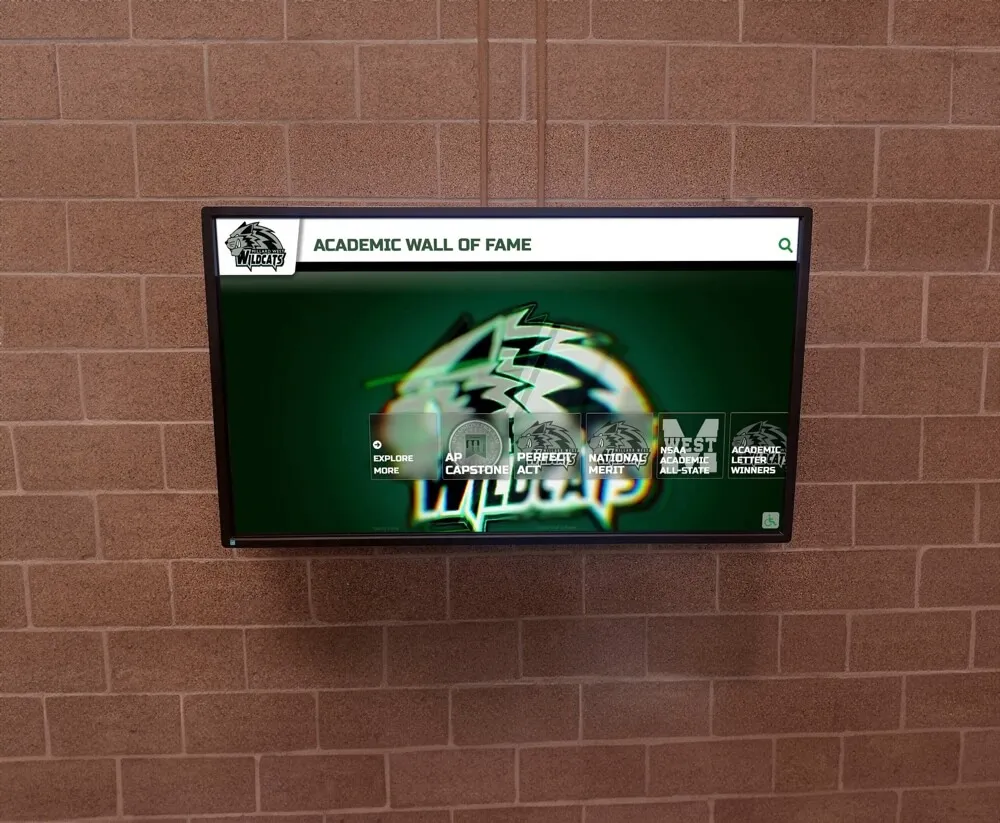




Academic success represents one of education’s most fundamental goals, yet many schools struggle to celebrate student achievement in ways that feel meaningful, consistent, and inspiring throughout the entire school year. While end-of-year awards ceremonies and quarterly honor roll announcements provide important recognition moments, students who work diligently every single day deserve ongoing acknowledgment that reinforces their efforts and motivates continued excellence.
The challenge extends beyond simply identifying high-achieving students. Schools must balance recognizing top performers without creating cultures where only perfect grades receive attention, celebrate diverse academic strengths beyond traditional GPA metrics, and implement sustainable recognition systems that remain visible and relevant throughout students’ entire educational journey rather than fading after brief ceremonial moments.
This comprehensive guide explores 12 proven approaches schools use to honor academic success year-round, creating cultures where intellectual achievement receives the same visibility and celebration as athletic accomplishments. From traditional methods that have served schools for decades to innovative digital solutions transforming how institutions recognize student excellence, these strategies help educators build comprehensive recognition programs that inspire current students while preserving institutional legacy for future generations.
Effective academic recognition extends far beyond quarterly honor roll lists posted temporarily in hallways. Schools that implement multifaceted, year-round celebration systems create environments where students feel genuinely valued for intellectual effort, families see their children’s achievements honored publicly, and the entire school community understands that academic excellence represents a core institutional priority worthy of prominent, permanent recognition.

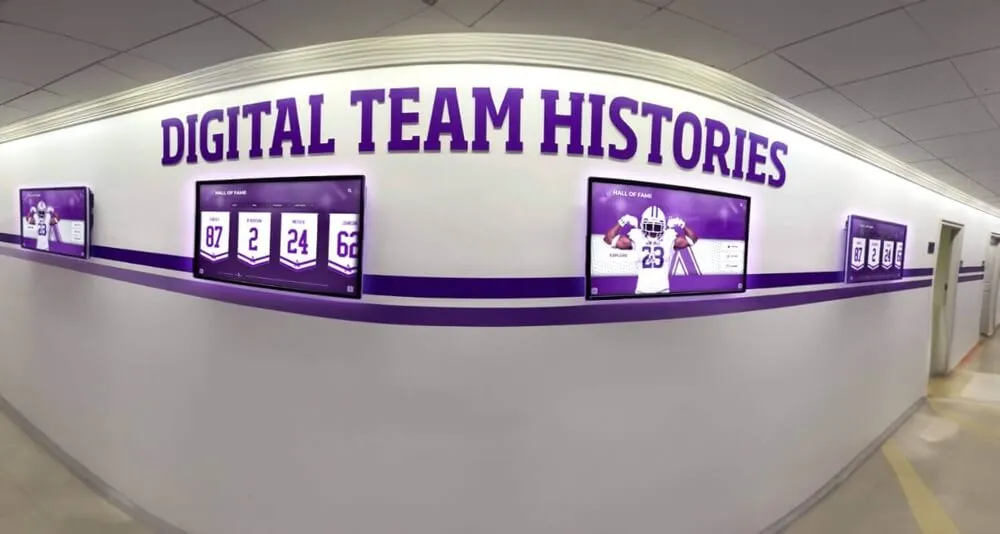
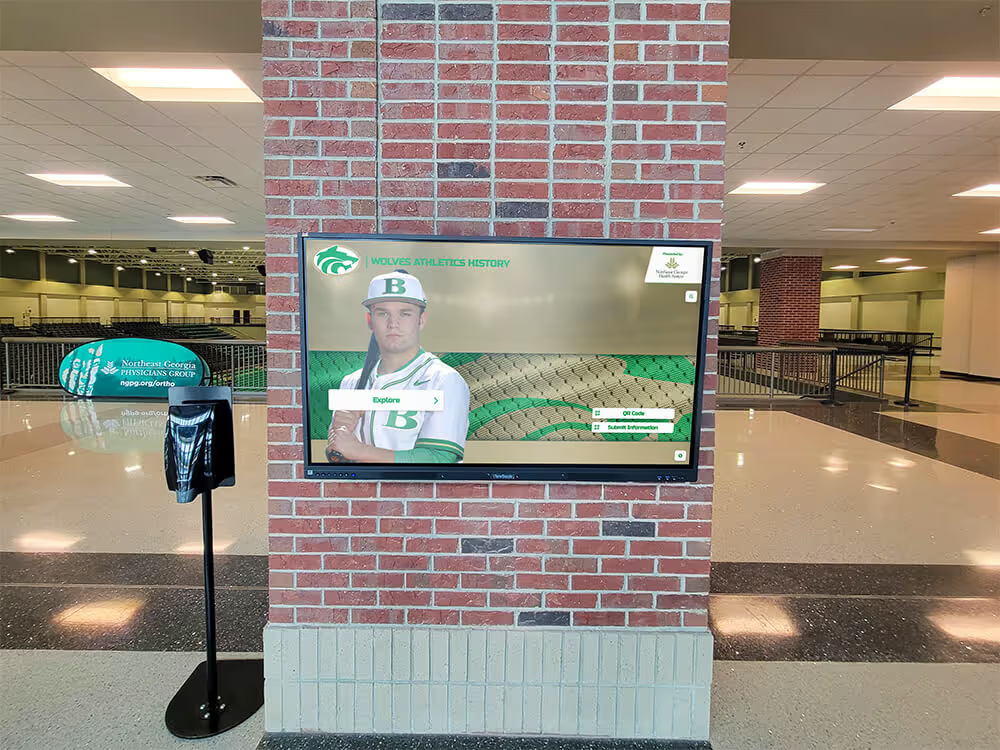
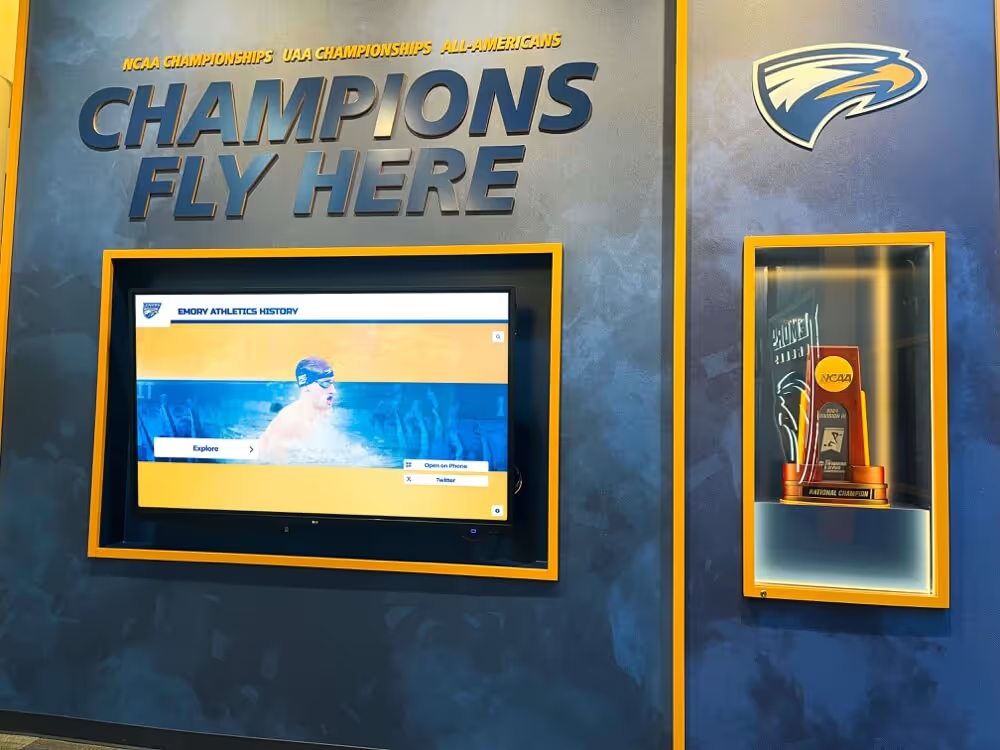
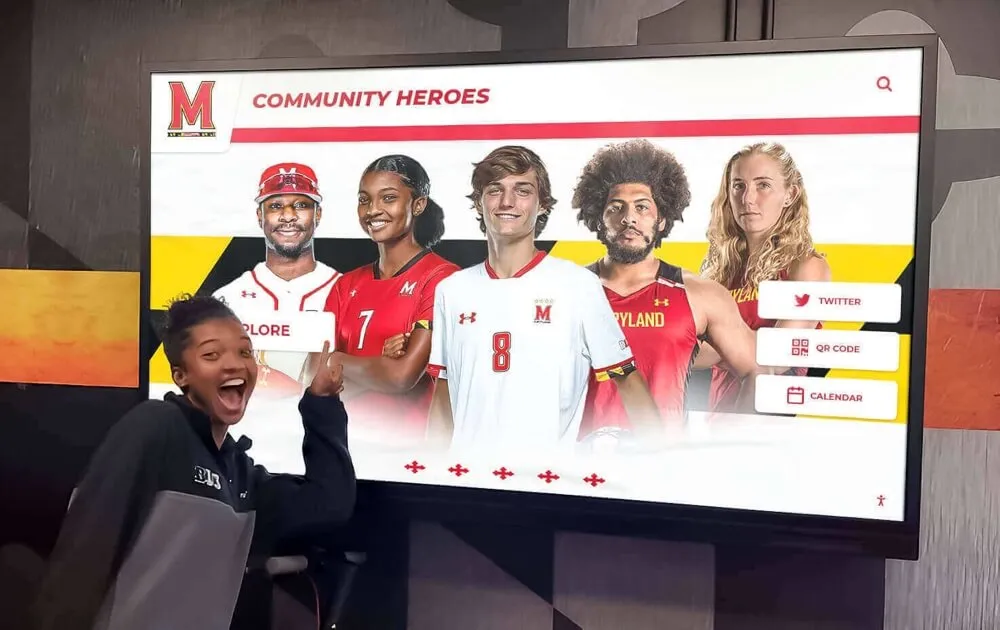
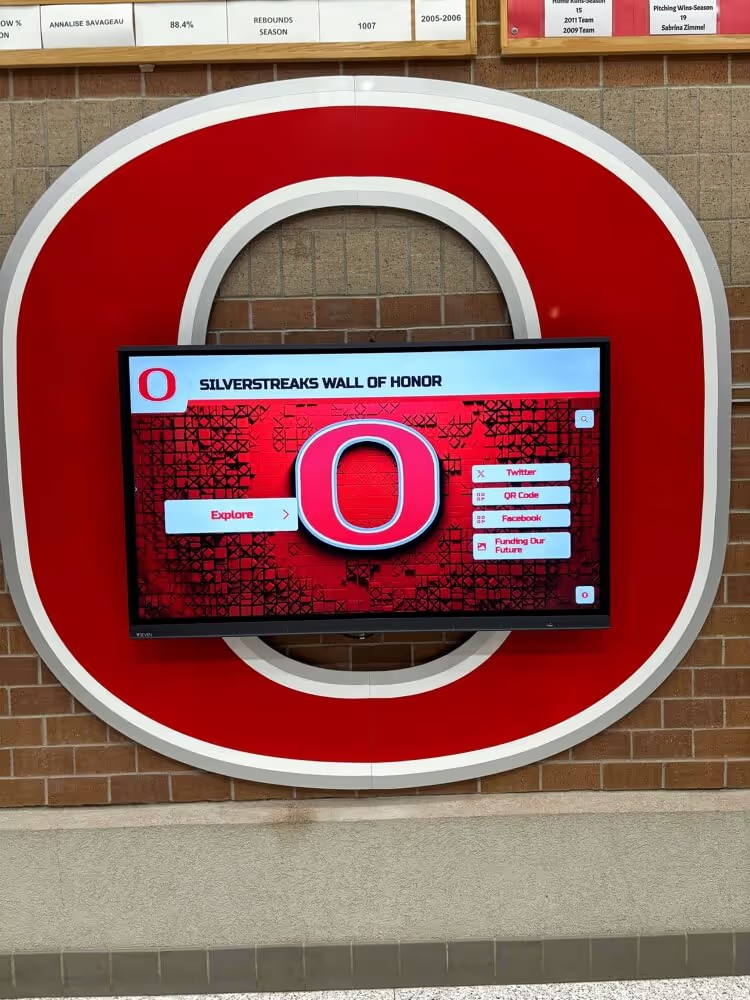
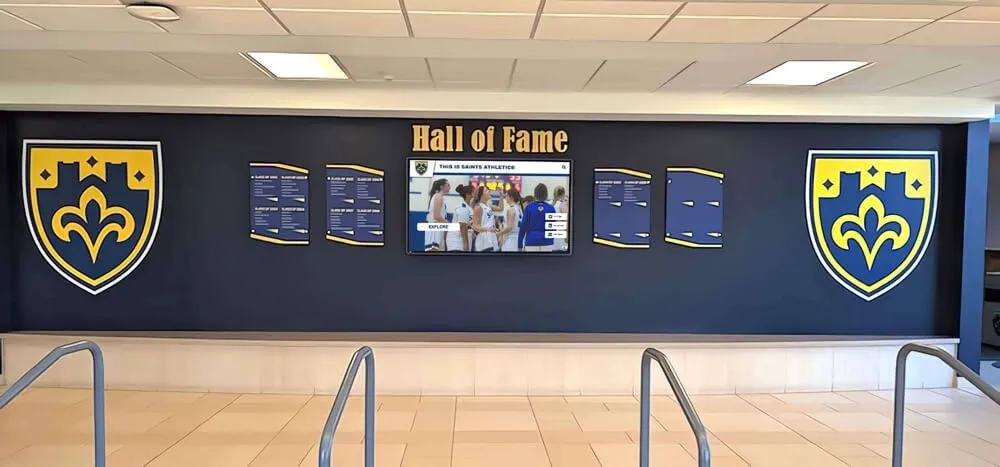
Modern digital recognition displays bring the same prominence to academic achievement that schools have traditionally reserved for athletic accomplishments
1. Traditional Honor Roll Recognition with Modern Visibility
Honor roll programs remain the foundation of academic recognition at most schools, but their effectiveness depends entirely on how visibly and consistently schools celebrate these achievements.
Elevating Honor Roll Beyond Paper Lists
Traditional honor roll announcements often consist of printed lists posted briefly on bulletin boards or mentioned in newsletters that reach limited audiences. Schools maximizing honor roll impact implement multiple recognition touchpoints:
Public Announcement Systems allow principals to recognize honor roll students by name during morning announcements, creating school-wide awareness of academic achievement. This auditory recognition ensures all students hear peers celebrated for intellectual accomplishments multiple times throughout the year.
Social Media Spotlights expand honor roll visibility beyond school walls, allowing families, community members, and alumni to see current academic achievers. Schools can share honor roll graphics quarterly, tag individual students (with permission), and create albums celebrating academic excellence that remain permanently accessible online.
Permanent Display Integration transforms temporary paper lists into lasting recognition by featuring honor roll names on digital displays in main lobbies, academic hallways, or libraries. Unlike paper lists that deteriorate and disappear, digital recognition walls preserve achievement records that students, families, and visitors can explore years later.
Certificate Presentations create tangible keepsakes students receive during special assemblies or advisory periods. Quality certificates suitable for framing transform honor roll achievement from abstract recognition into physical artifacts families can display at home.
Schools implementing comprehensive honor roll programs understand that the achievement matters less than how visibly and consistently the institution celebrates it. Students who see their names projected on lobby screens daily develop stronger connections to academic identity than those whose achievements appear briefly on paper lists.

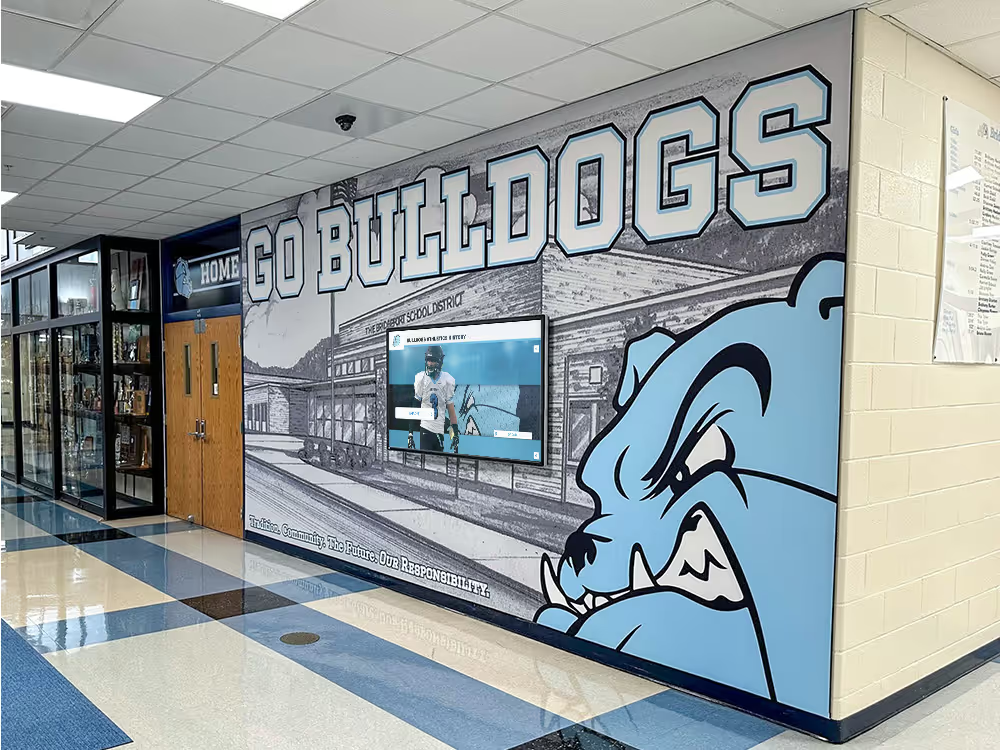
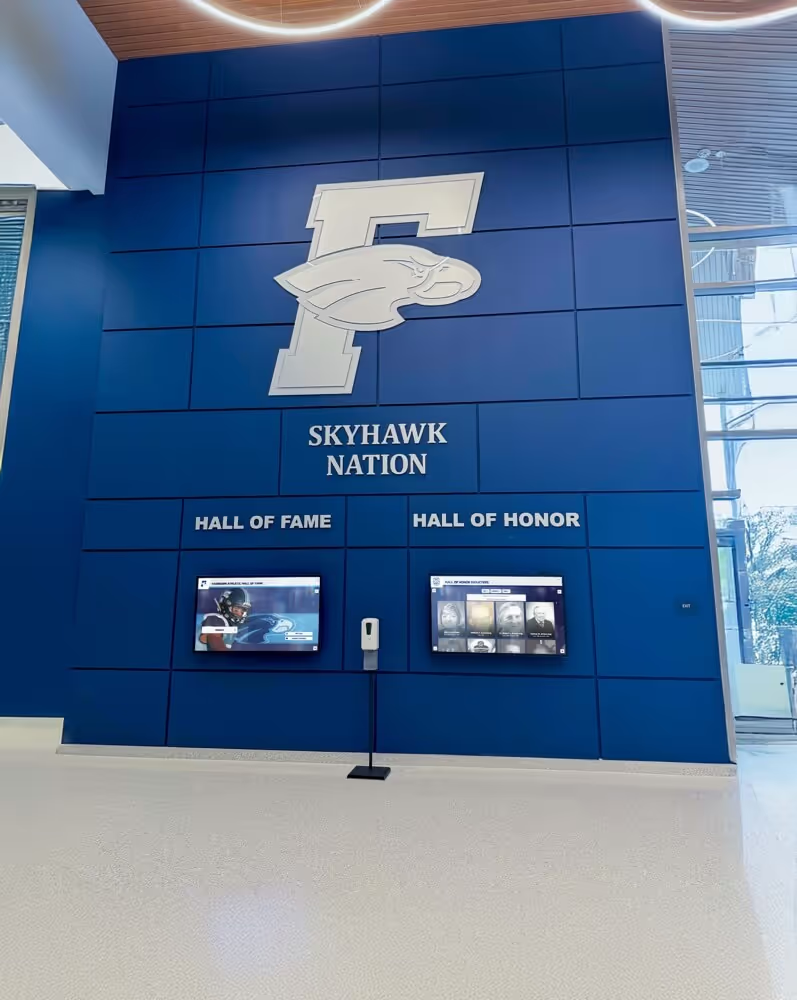
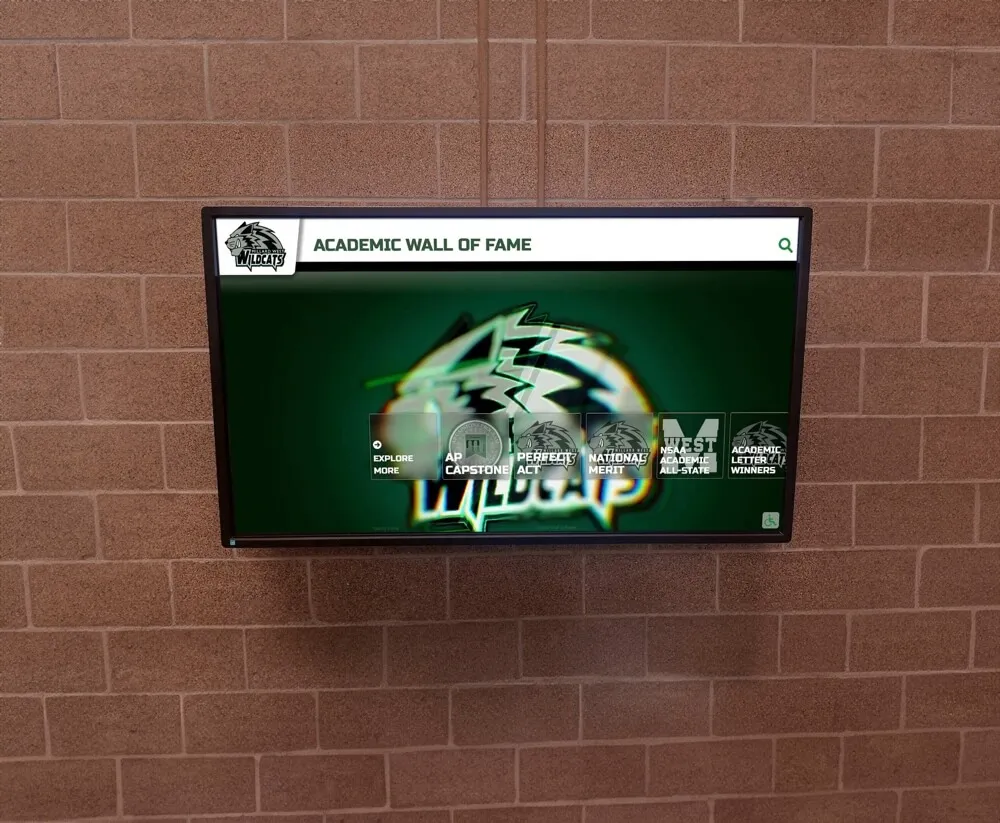
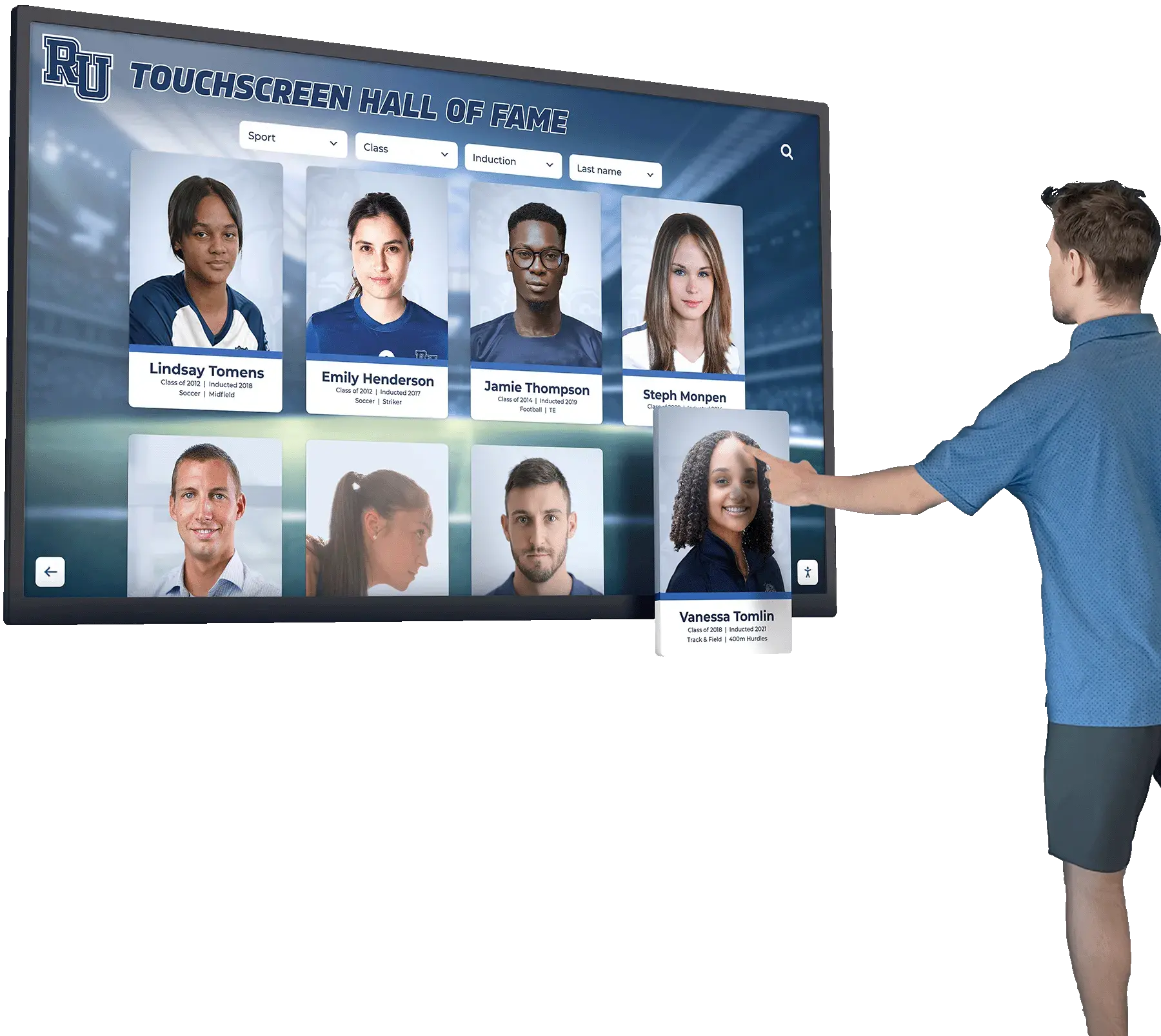
Individual student profiles celebrating honor roll achievements create personalized recognition that honors specific accomplishments rather than generic lists
2. Academic Letter Awards Parallel to Athletic Programs
Many schools award varsity letters exclusively for athletic achievement, inadvertently sending messages that physical accomplishments matter more than intellectual ones. Progressive institutions have reversed this imbalance by creating academic letter programs with equivalent prestige.
Criteria for Academic Letters
Academic letter programs typically recognize students meeting specific achievement thresholds maintained across multiple semesters:
GPA-Based Standards might award letters to students maintaining 3.5+ GPAs for consecutive grading periods, ensuring recognition rewards sustained excellence rather than single-semester achievements. Some schools implement tiered systems where 3.5-3.74 earns one level, 3.75-3.89 earns a higher distinction, and 3.9+ receives the highest academic letter.
Academic Team Participation extends letter eligibility beyond individual grades to recognize students competing in Quiz Bowl, Science Olympiad, Math League, Debate, or other intellectual competitions. This approach celebrates collaborative academic excellence alongside individual achievement.
Combination Standards require both strong GPAs and participation in academic activities, encouraging well-rounded intellectual engagement rather than focusing solely on grade achievement.
Schools implementing academic letter awards typically purchase or create distinctive letterman jackets, patches, or pins identical in quality to athletic versions. When academic achievers wear their letters alongside athletes at pep rallies and school events, the visual message powerfully communicates that intellectual accomplishment deserves equal celebration.
3. Scholar Athlete Recognition Programs
Students excelling both academically and athletically represent remarkable examples of time management, dedication, and multifaceted excellence. Scholar athlete programs specifically celebrate this dual achievement.
Defining Scholar Athlete Standards
Most programs require students to meet minimum GPA thresholds (commonly 3.0-3.5+) while participating in varsity athletics. Some schools implement more sophisticated systems recognizing different achievement levels:
Academic All-Conference Recognition celebrates athletes whose GPAs exceed specific thresholds within their athletic conferences. Many state athletic associations have formalized these programs, providing consistent standards across schools.
All-American Scholar Athletes represent the pinnacle, typically requiring 3.5+ GPAs combined with varsity participation. Understanding academic all-American criteria helps schools develop appropriate local recognition programs.
Sport-Specific Academic Teams recognize the cumulative GPA achievements of entire teams, celebrating collective academic commitment alongside individual accomplishments. Schools might honor teams maintaining 3.0+ average GPAs with special recognition at sports banquets or dedicated display sections.
Scholar athlete recognition works particularly well when schools integrate it into athletic displays, demonstrating that academic performance represents an essential component of athletic excellence rather than a separate, unrelated achievement.
4. Subject-Specific Academic Achievement Awards
While honor roll and GPA-based recognition celebrate overall academic success, subject-specific awards allow schools to recognize students demonstrating exceptional excellence in particular disciplines.
Department Award Programs
Academic departments can implement recognition programs celebrating students who exhibit outstanding performance, growth, or passion within specific subjects:
Annual Department Awards presented at year-end ceremonies recognize the top student in each subject area—English, Mathematics, Science, Social Studies, World Languages, Fine Arts, and other departments. These prestigious awards often include engraved plaques, certificates, or trophies students treasure throughout their lives.
Rising Scholar Recognition celebrates students showing exceptional growth or improvement within subjects, ensuring recognition extends beyond those who began the year with high achievement. A student improving from C to B+ work might receive growth recognition alongside the straight-A student receiving excellence recognition.
Specialized Subject Honors recognize niche achievements like outstanding research projects, creative writing excellence, mathematical problem-solving, scientific innovation, or historical analysis. These specific recognitions acknowledge that academic excellence manifests in diverse forms beyond test scores and final grades.
AP Scholar Designations celebrate students earning specific scores across multiple Advanced Placement examinations. Schools can recognize AP Scholars (3+ on three exams), AP Scholars with Honor (3.25+ average on four exams), AP Scholars with Distinction (3.5+ average on five exams), and National AP Scholars (4+ average on eight exams).
Subject awards work particularly well when presented during academic assemblies or integrated into existing award ceremonies rather than hidden within individual classroom contexts where broader school communities miss the recognition.
5. Principal’s List and Distinguished Scholar Programs
While honor roll recognizes strong academic performance, Principal’s List or Distinguished Scholar programs create additional tiers celebrating truly exceptional achievement.
Tiered Academic Recognition Systems
Creating multiple recognition levels ensures diverse achievement receives appropriate acknowledgment:
Honor Roll (3.0-3.49 GPA) represents solid academic performance demonstrating consistent effort and achievement across coursework.
High Honor Roll (3.5-3.74 GPA) recognizes students exceeding standard achievement expectations through sustained excellence.
Principal’s List (3.75-3.89 GPA) celebrates outstanding academic performance requiring significant dedication and intellectual capability.
Superintendent’s List or Distinguished Scholars (3.9-4.0 GPA) honors the highest achievers demonstrating exceptional academic excellence.
Some schools add behavioral or citizenship components ensuring recognition rewards not just intellectual achievement but also character, leadership, and positive school community contributions. This holistic approach prevents recognition from becoming purely grade-focused and celebrates well-rounded student excellence.
Schools implementing tiered systems should ensure each level receives appropriate recognition rather than focusing solely on top achievers. Every student earning honor roll deserves celebration, even when they haven’t reached Principal’s List standards.
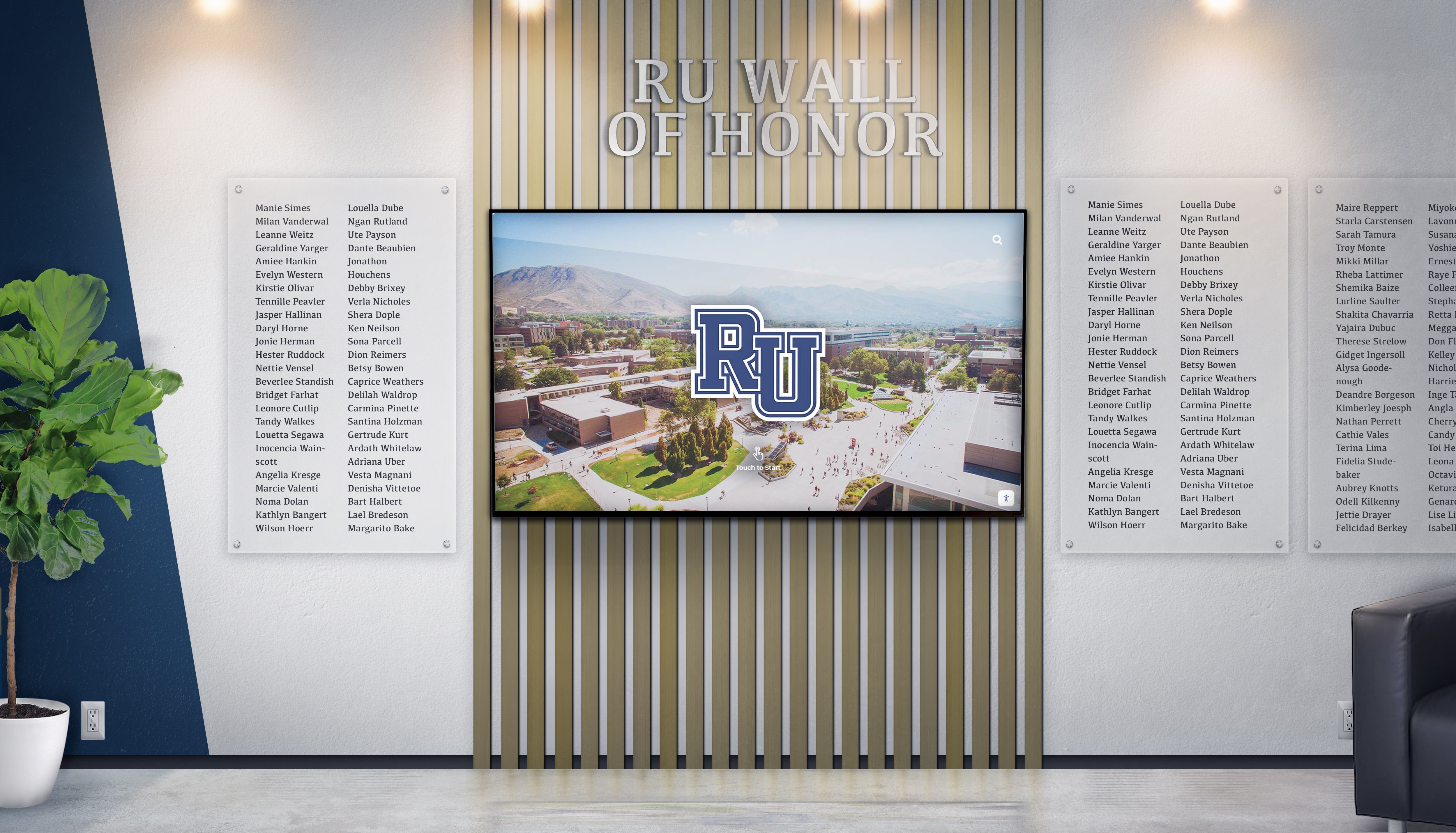
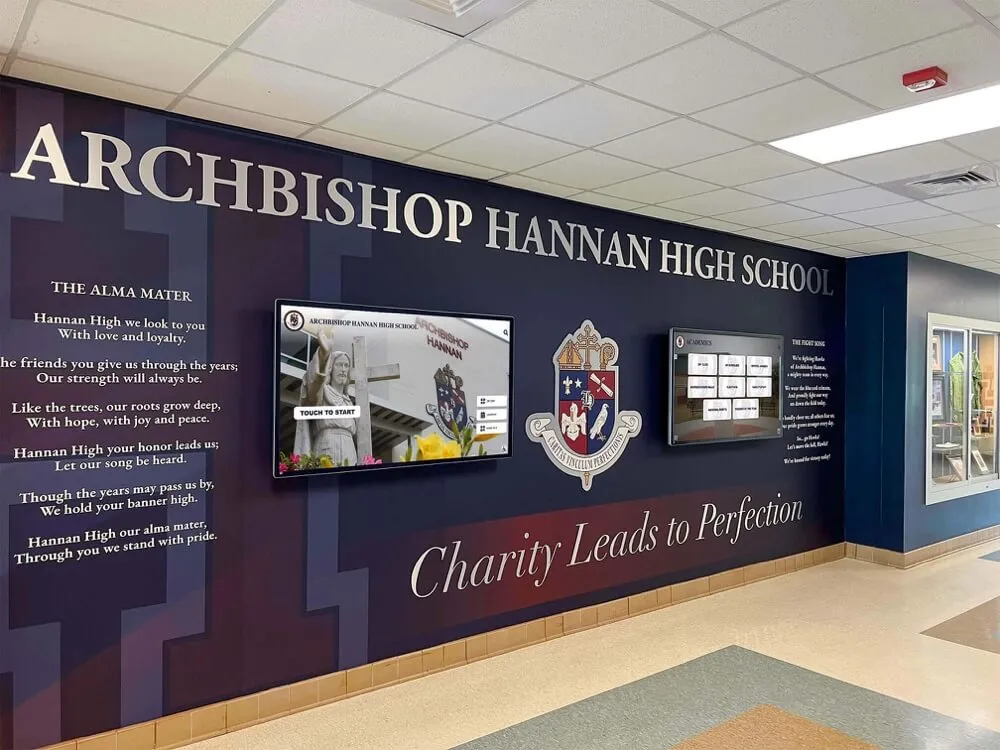
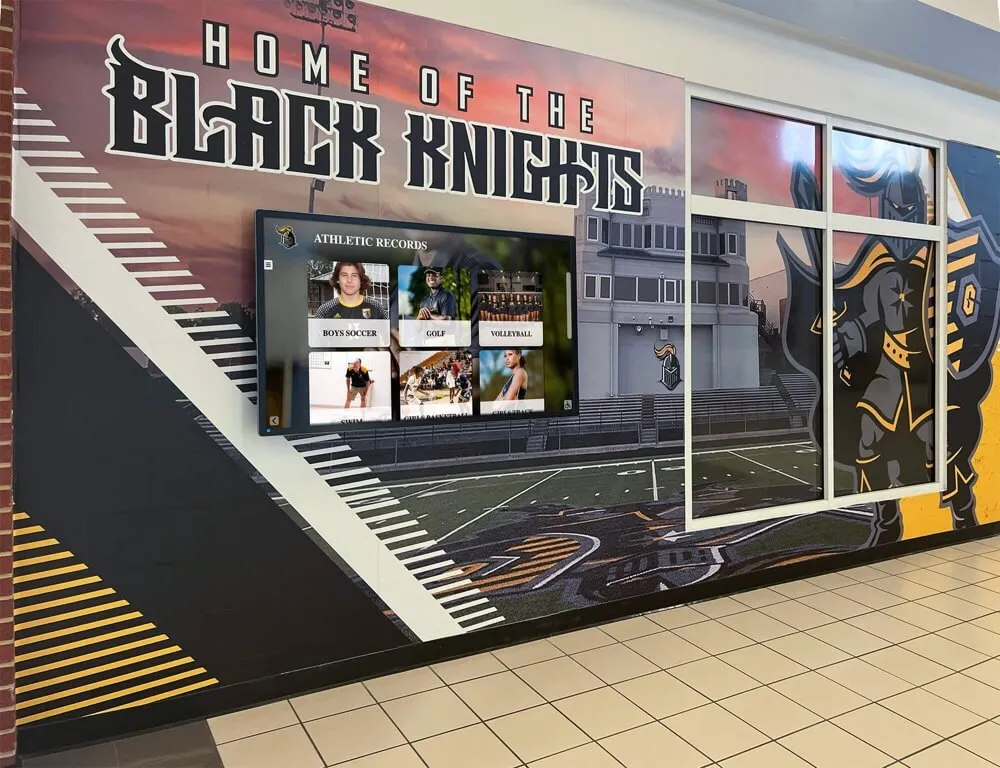
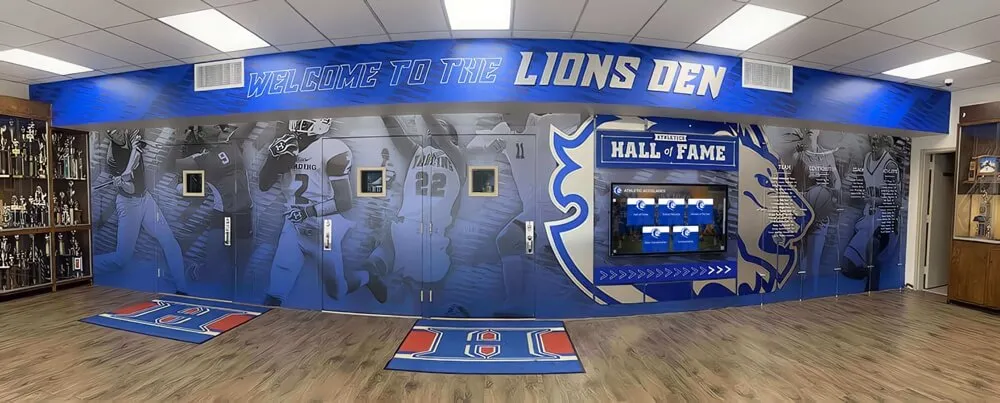
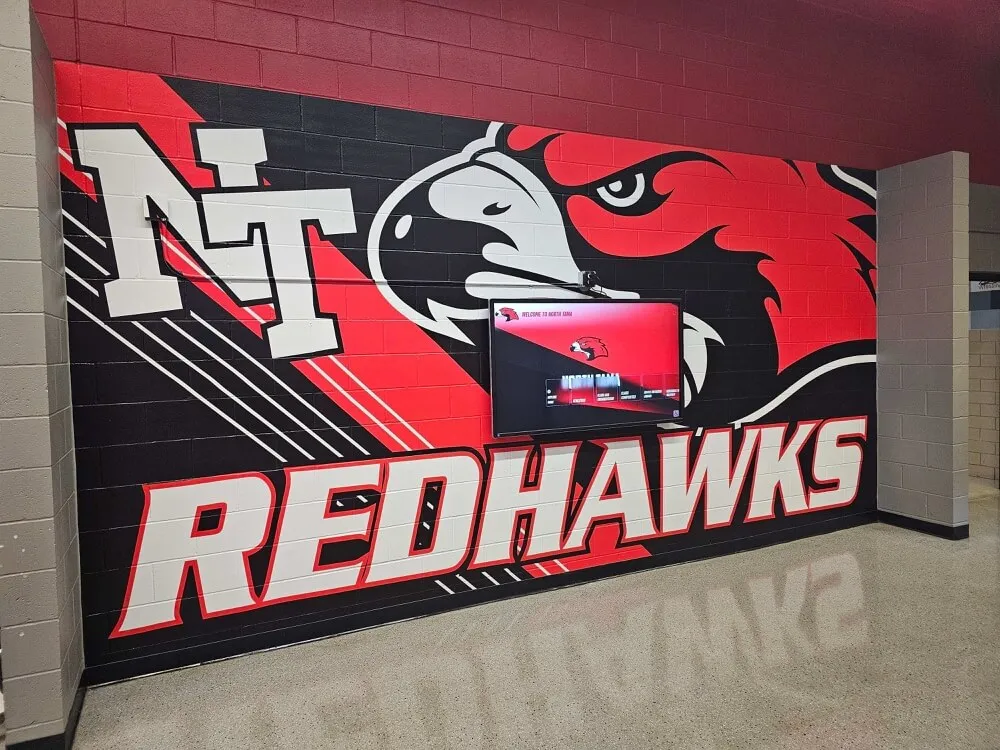
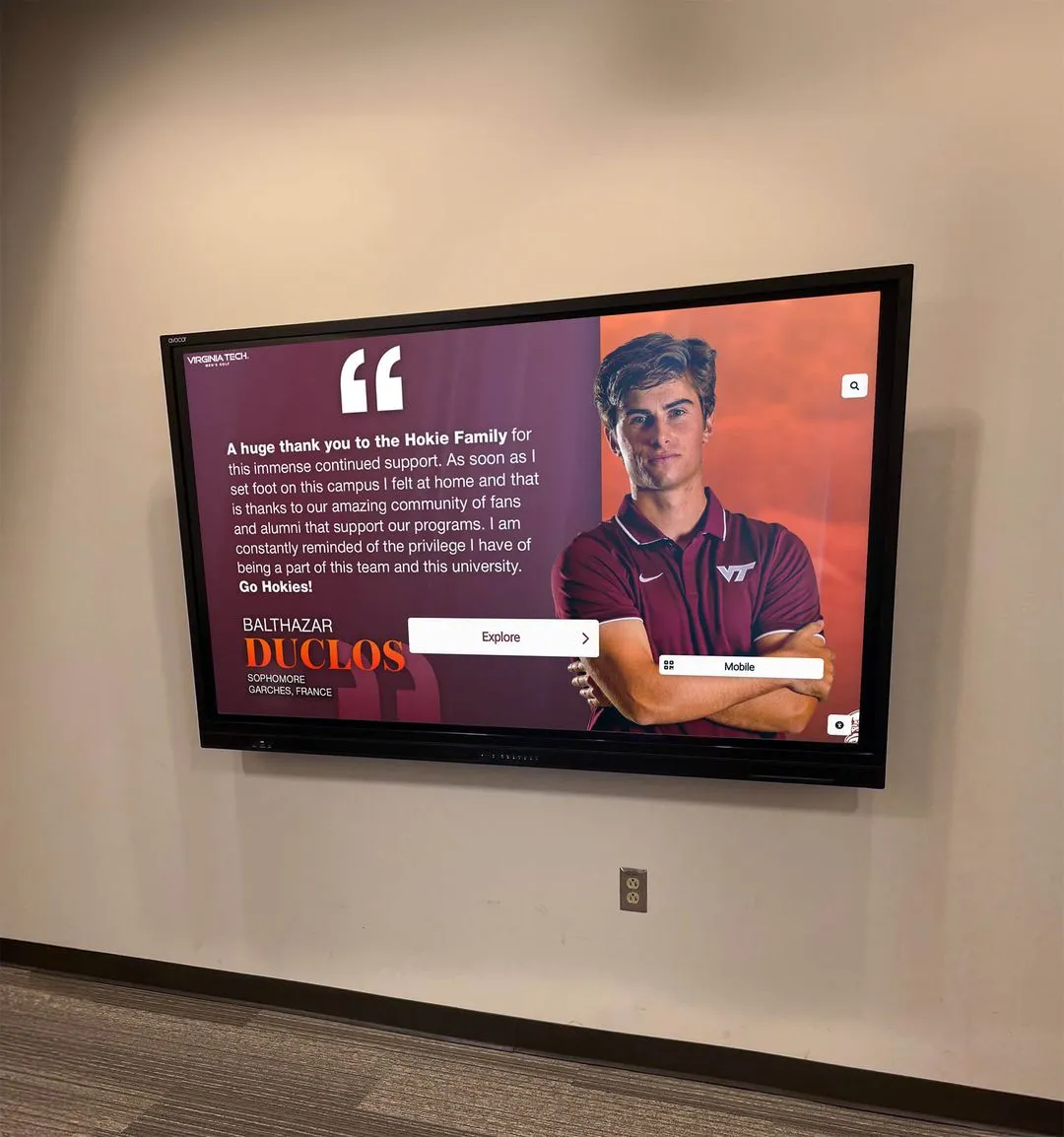
Permanent digital recognition celebrates academic achievers alongside campus imagery, creating institutional legacy that honors intellectual excellence for generations
6. Perfect Attendance and Effort-Based Recognition
Academic success recognition should extend beyond pure achievement to celebrate effort, dedication, and commitment—qualities equally important for long-term success.
Recognizing Process Alongside Results
Perfect Attendance Awards celebrate students who arrive at school every day ready to learn. While attendance represents a different metric than GPA, it demonstrates commitment and provides recognition opportunities for students who may struggle academically but exhibit exceptional dedication.
Most Improved Student Recognition honors those showing significant academic growth regardless of their ending achievement level. A student improving from failing grades to C-level work demonstrates remarkable progress deserving celebration even though they haven’t reached honor roll standards.
Outstanding Effort Awards recognize students whose dedication, work ethic, and positive attitude exceed expectations even when their grades may not reflect top achievement. Teachers can nominate students who consistently complete assignments, seek extra help, persist through challenges, and demonstrate growth mindsets.
Perfect Homework Completion acknowledges students who complete every assignment throughout grading periods, celebrating the discipline and time management essential for academic success.
These effort-based recognitions ensure academic celebration extends to all students rather than creating exclusive systems where only those with highest grades receive acknowledgment. Schools implementing comprehensive recognition understand that celebrating diverse paths to success motivates broader student engagement than focusing solely on top achievers.
7. Academic Competition Team Celebration
Students competing in intellectual competitions—Quiz Bowl, Science Olympiad, Math League, Debate, Academic Decathlon, DECA, FBLA, Robotics, and similar programs—deserve recognition equivalent to athletic teams.
Elevating Academic Competition Visibility
Team Photos and Displays should receive the same prominent placement in school hallways that athletic team photos enjoy. Creating dedicated academic competition displays with team photos, competition results, and individual member recognition demonstrates institutional commitment to intellectual achievement.
Competition Results Announcements warrant the same morning announcement excitement that athletic victories receive. When the Quiz Bowl team wins a tournament, students should hear enthusiastic announcements celebrating the achievement with equivalent energy to football game victories.
Letters and Awards for academic competition participation create tangible recognition team members can wear and display. Just as athletes receive letters, academic competitors deserve equivalent recognition they can showcase on jackets, bags, or bedroom walls.
Championship Banners celebrating academic competition victories should hang in gymnasiums, cafeterias, or main lobbies alongside athletic championship recognition. Schools that explore academic decathlon recognition strategies discover creative ways to make intellectual achievements as visible as athletic ones.
When academic teams receive equivalent recognition to athletic programs, schools send powerful messages that intellectual competition matters as much as physical competition—encouraging increased participation and creating cultures that genuinely value diverse forms of excellence.
8. Senior Academic Achievement Recognition
Graduating seniors who have demonstrated sustained academic excellence throughout high school deserve special recognition acknowledging their cumulative achievement.
Graduation Honors and Recognition
Valedictorian and Salutatorian Recognition celebrates the top one or two academic achievers, providing opportunities to speak at graduation and receive special acknowledgment during commencement ceremonies. Schools can explore valedictorian speech preparation resources to help these honored students prepare meaningful addresses.
Latin Honors Designations including cum laude, magna cum laude, and summa cum laude create tiered recognition for multiple high achievers beyond just valedictorian and salutatorian. These traditional honors appear on diplomas, transcripts, and graduation programs, providing lasting documentation of academic excellence.
Graduation Honor Cords in gold, silver, or other distinctive colors allow academic achievers to wear visible recognition during commencement ceremonies. When substantial portions of graduating classes wear honor cords, the visual impact demonstrates the school’s commitment to academic achievement.
Senior Academic Profiles featured on digital displays create permanent records of graduating scholars’ achievements, college destinations, academic interests, and future plans. Unlike printed programs discarded after ceremonies, digital yearbook displays preserve senior academic legacies for years.
Scholarship Recognition Programs celebrate students earning academic scholarships for college, acknowledging both their high school achievement and future potential. Special assemblies or recognition events announcing scholarship awards provide public celebration of academic success that directly impacts students’ futures.
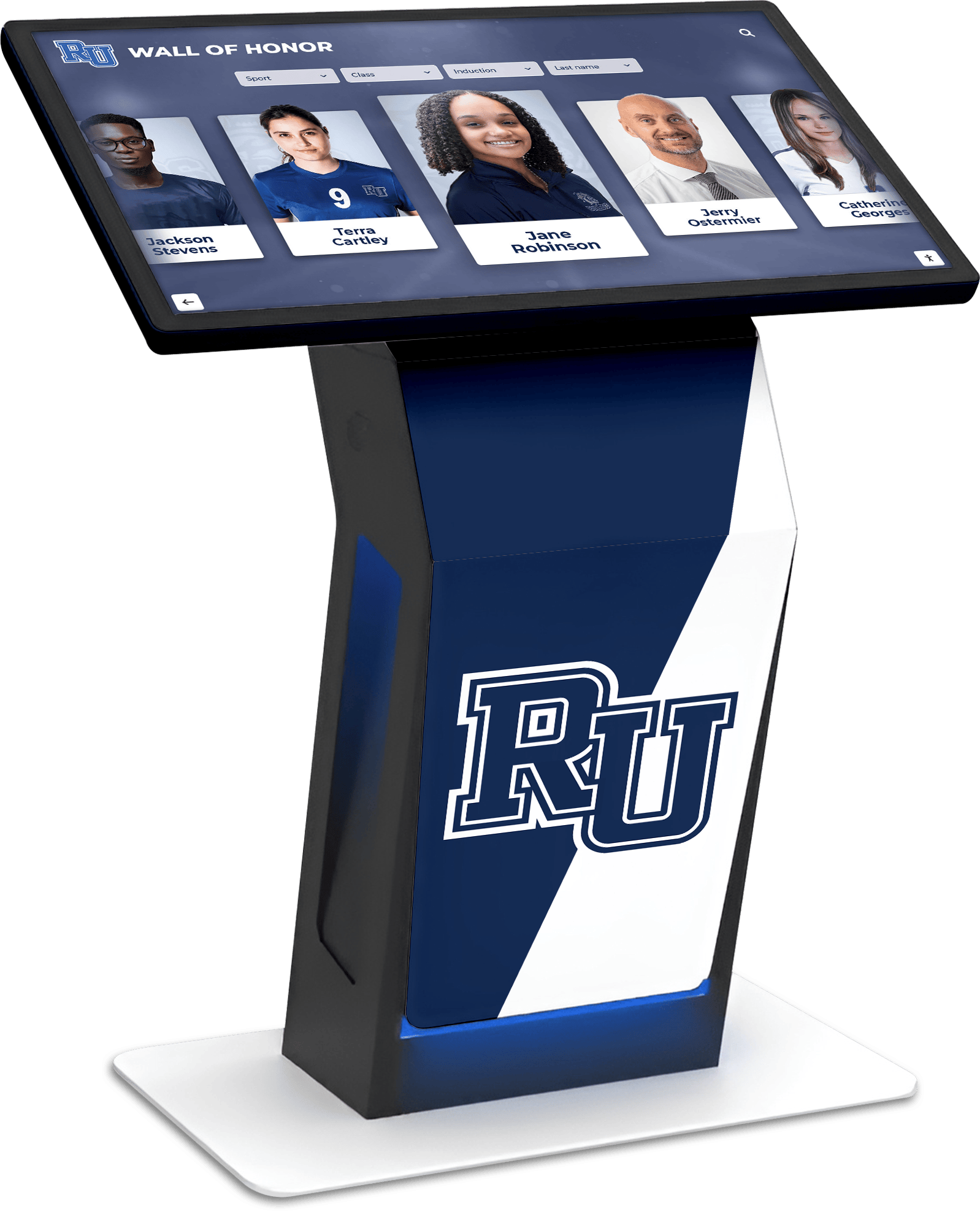
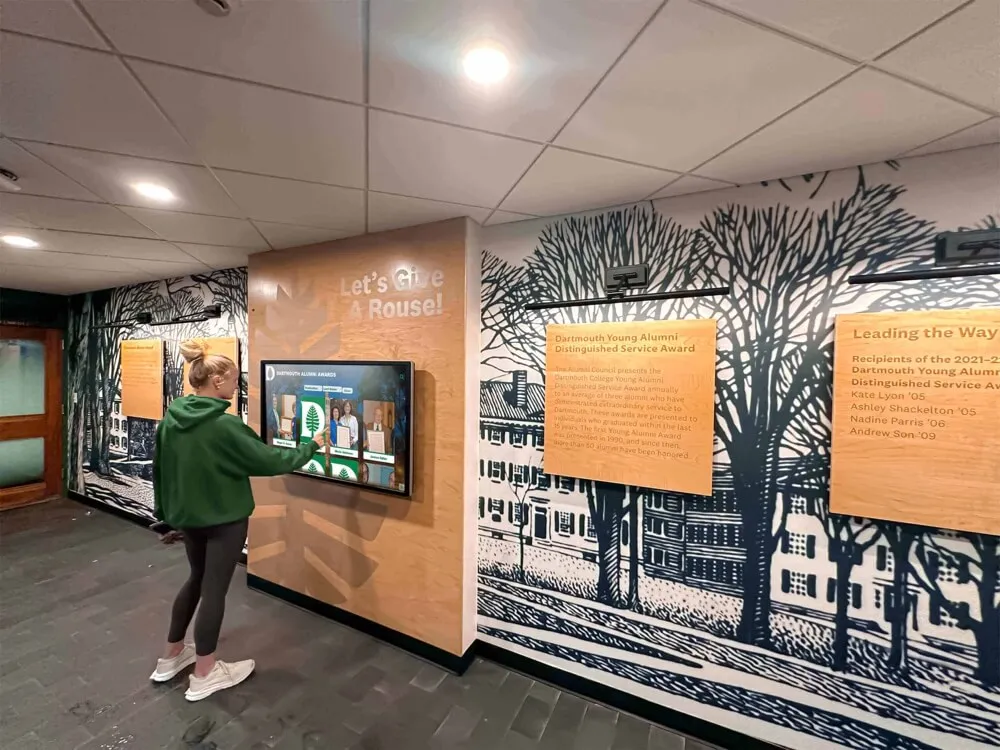
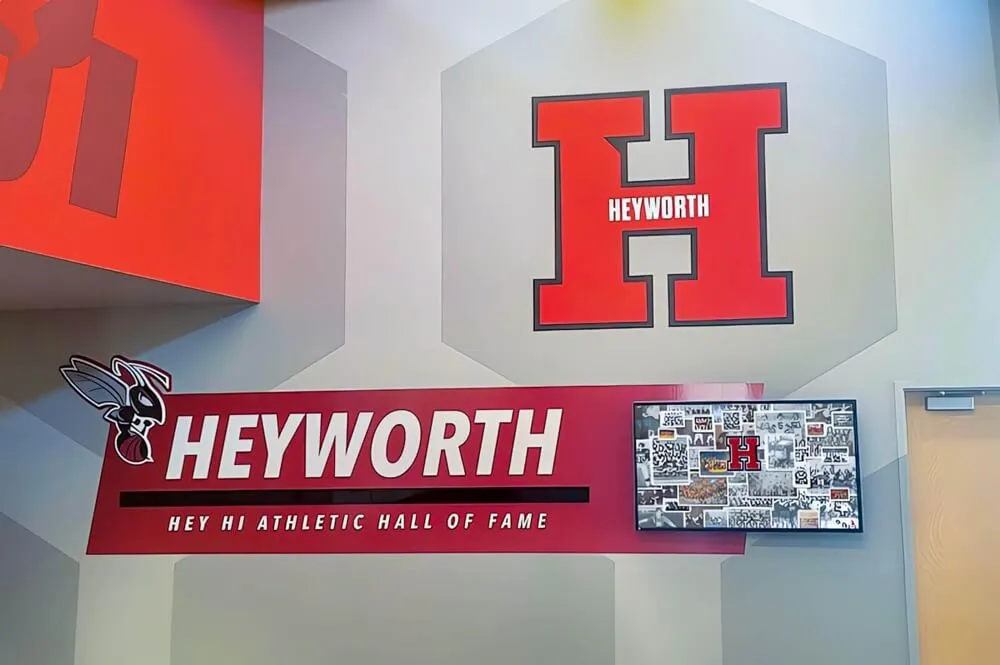
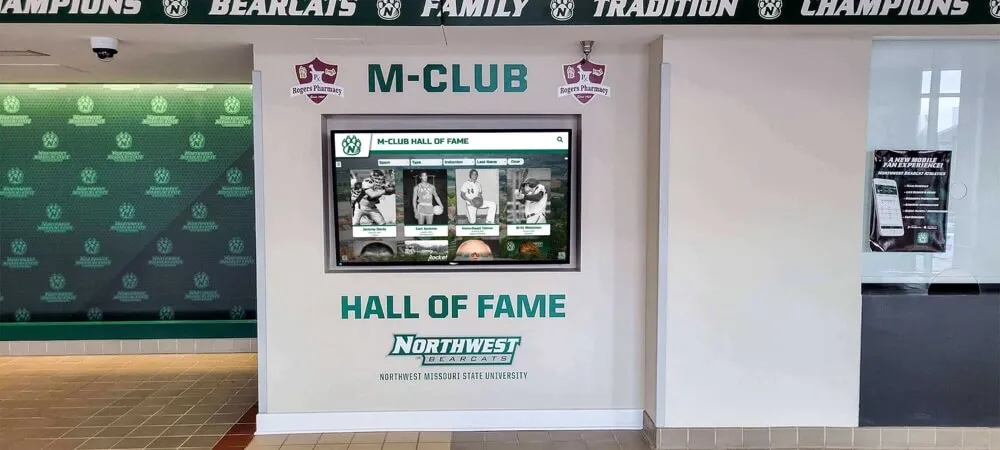
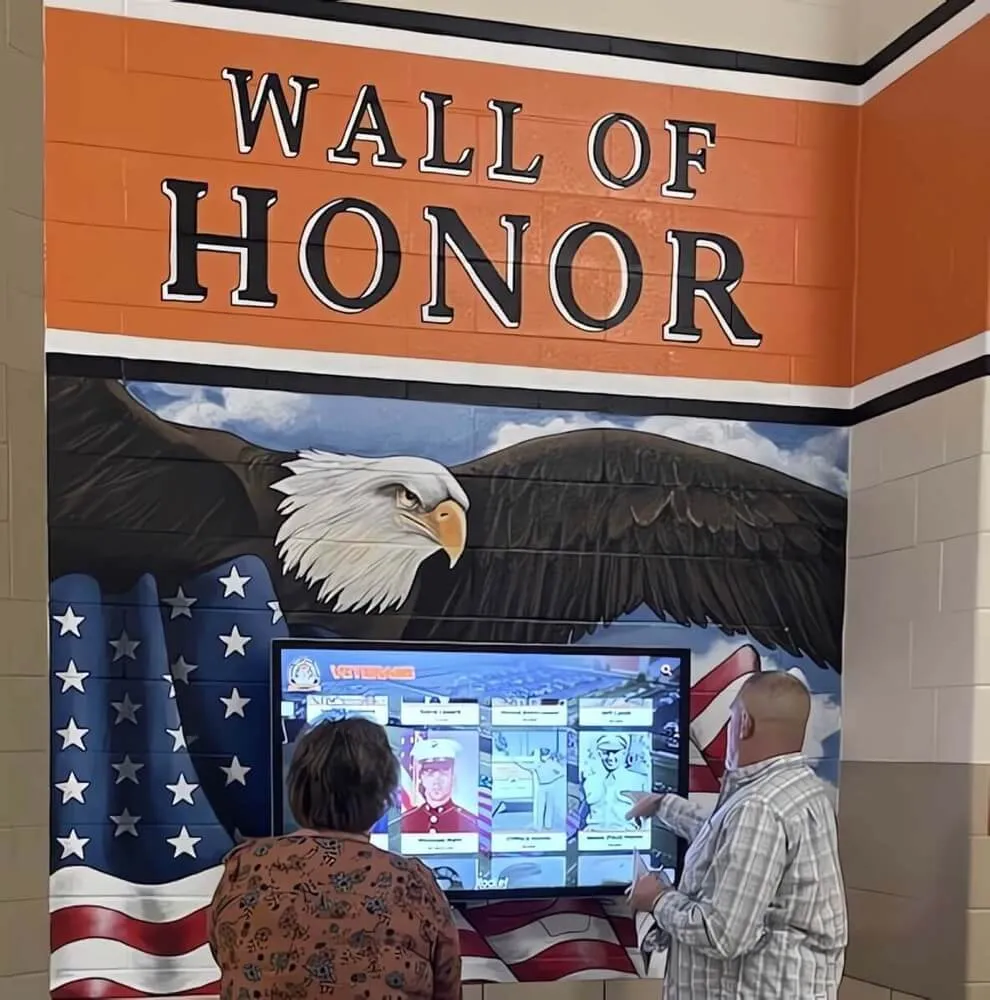
Interactive recognition kiosks allow students, families, and visitors to explore academic achievement records, creating engaging experiences that honor intellectual excellence
9. Monthly or Quarterly Academic Spotlights
Rather than limiting recognition to semester or year-end events, schools can implement ongoing celebration systems that acknowledge academic success throughout the entire school year.
Creating Consistent Recognition Rhythms
Student of the Month Programs allow each academic department to nominate one student monthly who demonstrated exceptional achievement, growth, effort, or citizenship within that subject area. Featured students receive certificates, cafeteria privileges, preferred parking, or other meaningful perks while their photos and accomplishments appear on displays throughout school buildings.
Weekly Academic Highlights during morning announcements can celebrate specific student achievements—perfect scores on challenging tests, exceptional project work, outstanding essay writing, or creative problem-solving. These brief recognitions take minimal time but create powerful messages that academic accomplishment receives regular institutional attention.
Quarterly Academic Assemblies provide dedicated celebration spaces for recognizing honor roll achievers, subject award winners, academic competition results, and other intellectual accomplishments. When schools dedicate entire assemblies to academic celebration with equivalent enthusiasm to pep rallies, students understand that achievement matters.
Digital Display Rotations featuring academic achievers ensure lobby and hallway screens regularly showcase intellectual excellence. Rotating featured students weekly or monthly keeps recognition fresh and ensures diverse students receive spotlight moments throughout the year.
Consistent recognition throughout the year proves more effective than single annual events because it maintains academic achievement as an ongoing priority rather than something briefly acknowledged before returning to other focuses.
10. Special Recognition for Standardized Test Excellence
While standardized testing represents just one measure of academic capability, exceptional performance on SAT, ACT, PSAT, or state assessments deserves acknowledgment.
Celebrating Testing Milestones
National Merit Recognition celebrates students achieving semifinalist, finalist, or scholar status through PSAT performance. These prestigious national recognitions deserve prominent local celebration through announcements, displays, and special recognition events.
Perfect or Near-Perfect Score Achievement on SAT or ACT examinations represents remarkable accomplishment worthy of celebration. Schools can implement perfect ACT score recognition programs honoring students reaching these exceptional achievement levels.
State Assessment Excellence recognition acknowledges students achieving top performance levels on state-mandated testing. While these assessments often receive less attention than national exams, strong performance demonstrates mastery of state standards and deserves local recognition.
Score Improvement Recognition celebrates students showing significant growth between test administrations, acknowledging that improvement represents achievement even when absolute scores haven’t reached top levels. A student improving their ACT composite by four points demonstrates remarkable growth worthy of celebration alongside those achieving perfect scores.
Academic Testing Leaderboards can display top scores (with student permission) on digital displays showing above-30 ACT scorers or other achievement thresholds, creating friendly competition while celebrating exceptional performance.
Schools should balance testing recognition with broader academic celebration to avoid sending messages that standardized tests represent the only measure of success. Testing achievement forms one component of comprehensive academic recognition rather than the sole focus.
11. Academic Halls of Fame and Legacy Recognition
Just as schools maintain athletic halls of fame celebrating historic sports achievements, academic halls of fame preserve and celebrate intellectual excellence across school history.
Building Academic Legacy Programs
Academic Hall of Fame Induction might recognize alumni who achieved exceptional academic success during their school years, went on to distinguished careers, or made significant contributions to their fields. Annual induction ceremonies create special events celebrating intellectual achievement across generations.
Current Student Hall of Fame Sections can feature students achieving specific milestones—maintaining 4.0 GPAs throughout high school, earning National Merit recognition, achieving perfect standardized test scores, or winning major academic competitions. These recognitions create permanent institutional memory of exceptional achievement.
Distinguished Scholar Walls prominently display names, photos, and accomplishments of academic achievers alongside traditional athletic recognition displays. When visitors entering school buildings see academic halls of fame as prominently featured as athletic ones, the institutional values become immediately clear.
Interactive Digital Archives allow exploration of academic achievement history across decades, enabling students to search for specific years, view cohort achievements, and understand their school’s intellectual legacy. Modern digital hall of fame systems provide searchable databases that static plaques cannot match.
Alumni Academic Spotlights feature successful graduates who credit their high school academic experiences with shaping their career trajectories. These alumni connections inspire current students by demonstrating that today’s academic achievements lead to tomorrow’s professional success.
Academic halls of fame transform recognition from temporary celebration into permanent institutional legacy, demonstrating that schools value and remember intellectual excellence across generations.
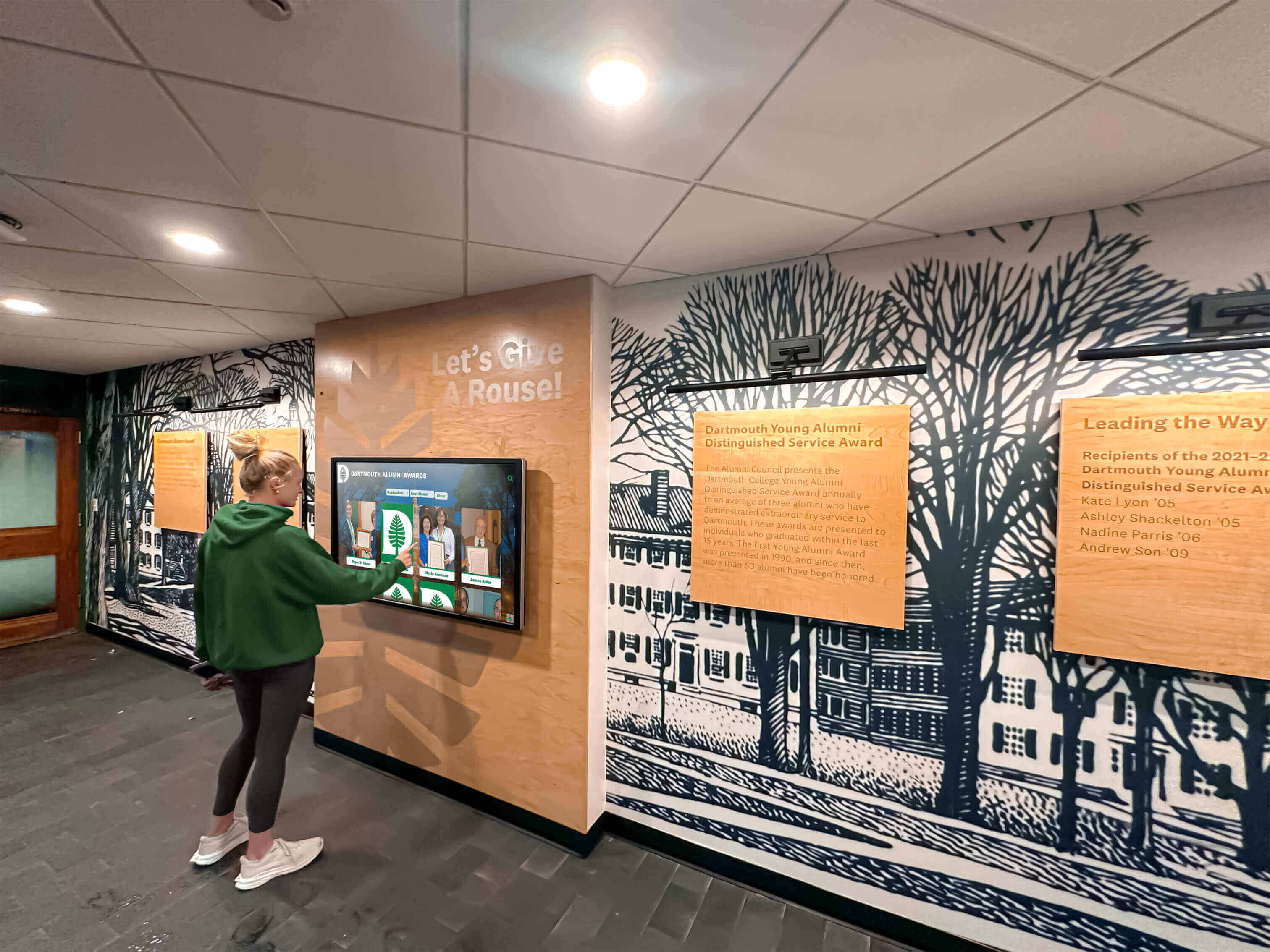
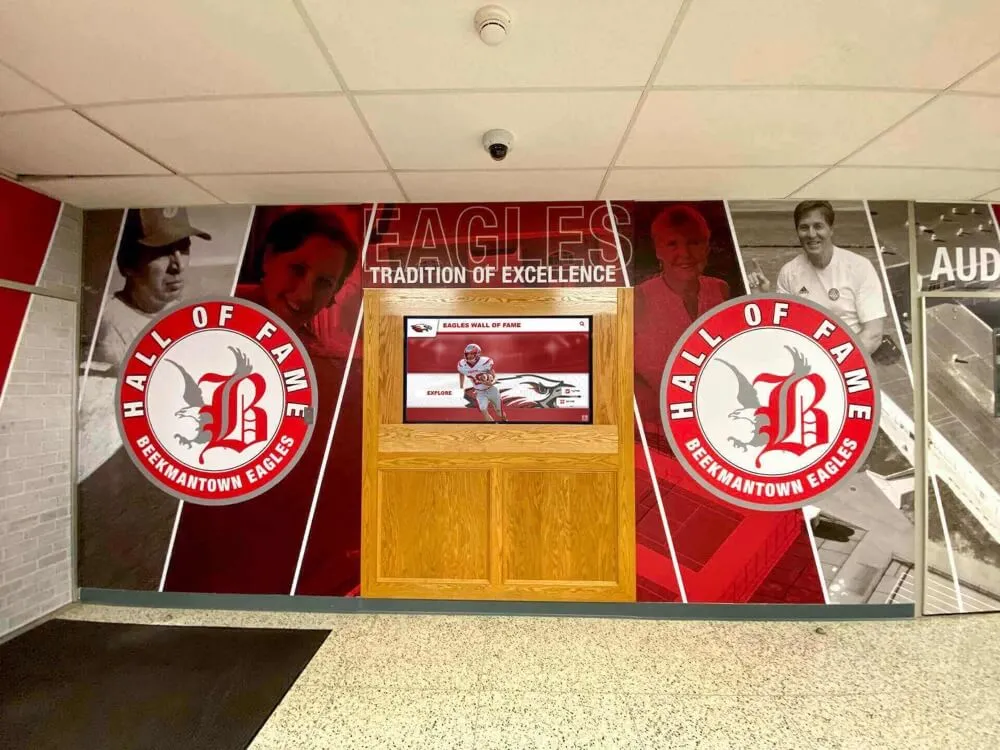
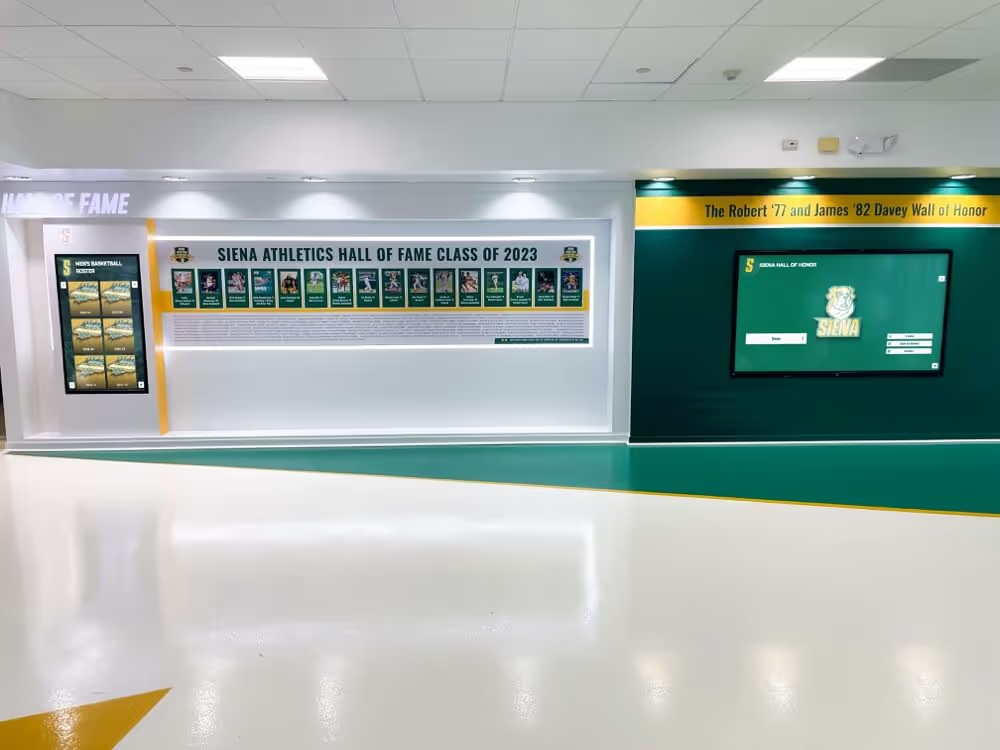
Interactive displays engage students in exploring academic achievement history, creating personal connections to institutional legacy and inspiring future excellence
12. Modern Digital Recognition Systems for Year-Round Celebration
Traditional recognition methods—paper certificates, static plaques, trophy cases—serve important purposes but lack the flexibility, visibility, and engagement potential of modern digital solutions.
Advantages of Digital Academic Recognition
Real-Time Updates allow schools to celebrate achievements immediately rather than waiting for quarterly or annual recognition events. When a student earns National Merit recognition, wins an academic competition, or achieves a significant milestone, schools can update digital displays within hours, providing timely celebration that feels relevant and immediate.
Unlimited Capacity eliminates physical space constraints that limit traditional recognition. While trophy cases and wall plaques can only accommodate limited names before requiring replacement, digital systems celebrate unlimited students across unlimited timeframes without space limitations.
Searchable Databases enable students, families, and visitors to search for specific individuals, years, achievements, or categories. This discovery capability creates engagement opportunities where people actively explore achievement records rather than passively viewing static displays.
Multimedia Integration allows digital recognition to include photos, videos, achievement statistics, personal statements, and interactive content that static plaques cannot provide. Students can record brief videos discussing their academic journeys, creating personal narratives that inspire others.
Cost-Effective Updates prevent the recurring expenses of engraving new plaques, printing new banners, or purchasing new display cases each year. Once digital infrastructure exists, schools update content through simple software changes rather than expensive physical modifications.
Accessibility Features built into modern digital systems ensure all community members can access recognition content. Features like text-to-speech, adjustable text sizes, and multiple language options create inclusive recognition accessible to diverse audiences.
Schools exploring interactive kiosk solutions discover that digital recognition systems provide flexibility traditional methods cannot match while maintaining professional presentation quality that honors student achievements appropriately.

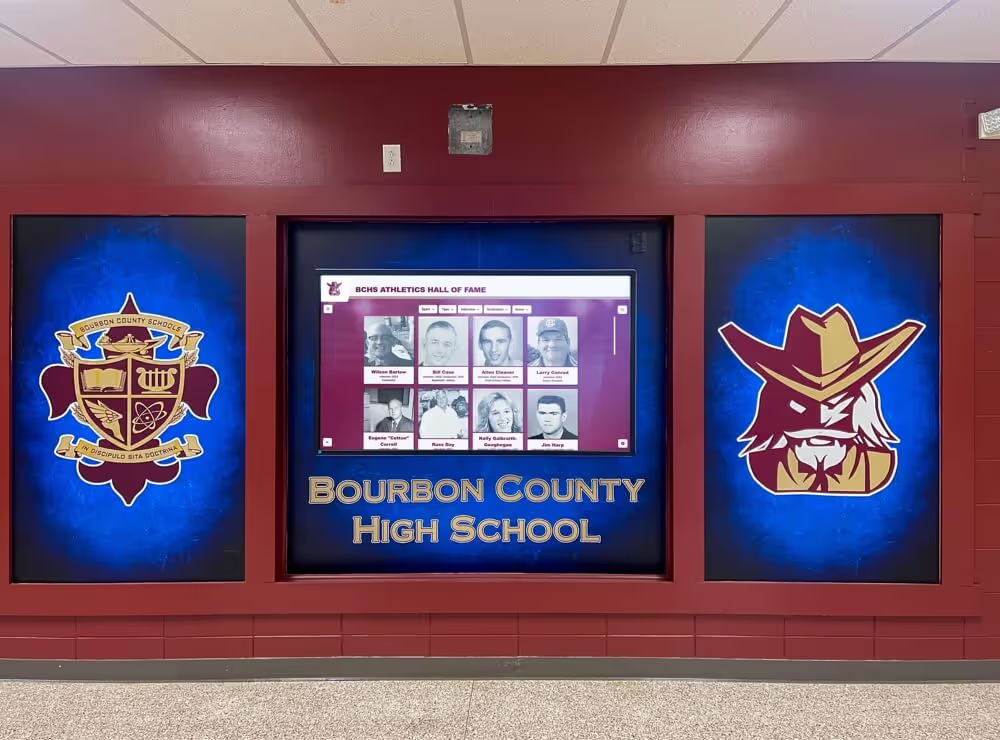
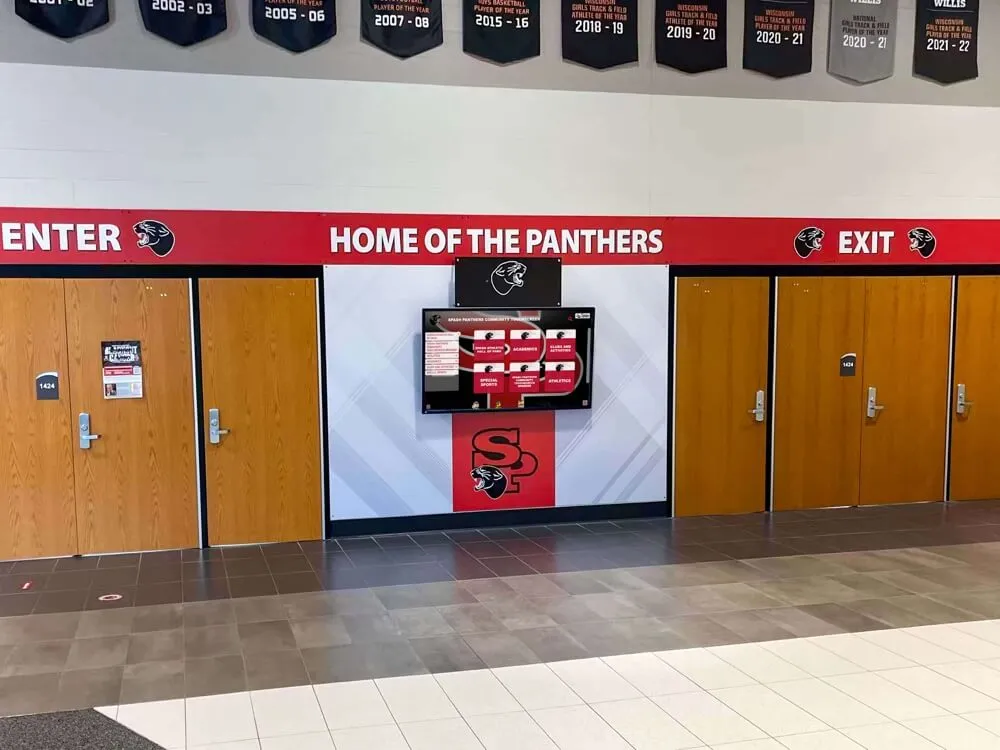
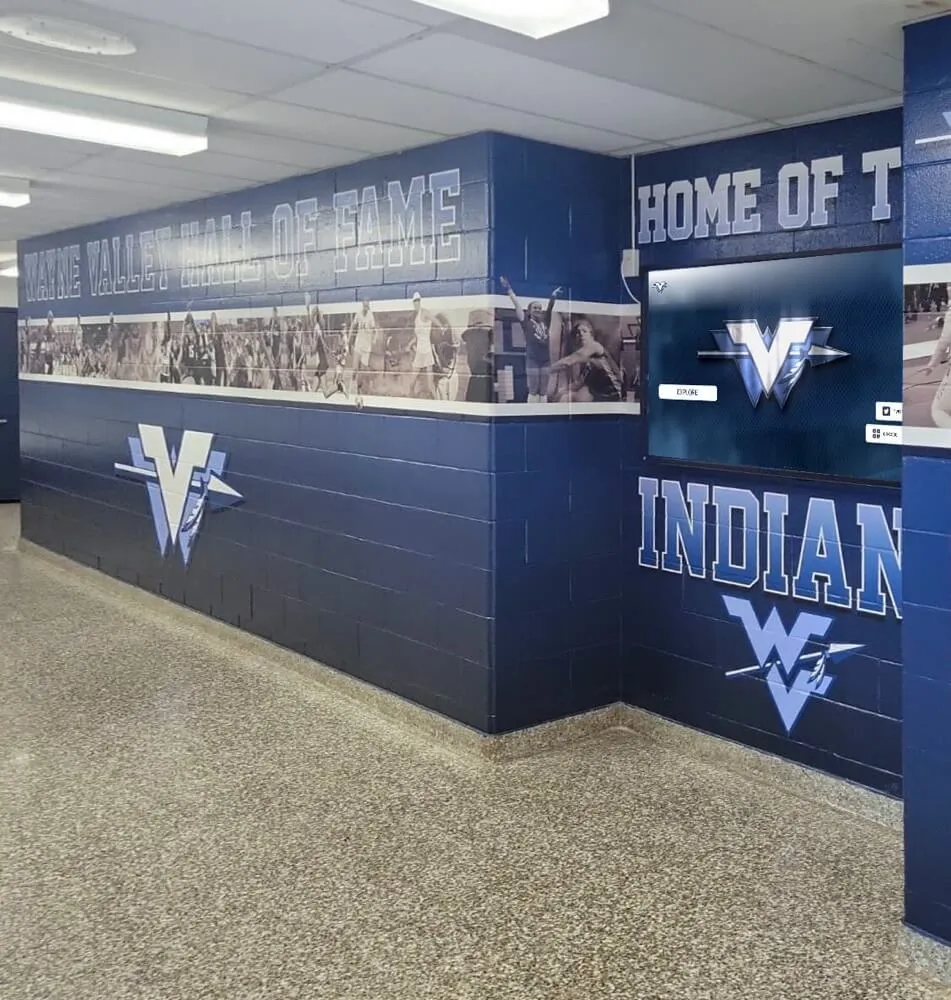
Comprehensive digital recognition celebrates academic achievers alongside campus imagery and institutional history, creating cohesive visual narratives that honor all forms of student excellence
Implementing Comprehensive Academic Recognition Programs
Schools ready to elevate academic recognition beyond traditional methods should approach implementation strategically, ensuring new programs align with institutional values while creating sustainable celebration systems.
Strategic Planning Considerations
Assessment of Current Recognition requires honest evaluation of existing academic celebration programs. What recognition currently exists? Who receives acknowledgment? How visible and consistent is celebration? Where do gaps exist? This assessment provides baseline understanding of improvement opportunities.
Stakeholder Input Collection ensures recognition programs reflect community priorities. Surveys, focus groups, and committee discussions involving students, teachers, parents, and administrators reveal what types of recognition various groups value most. Student voice proves particularly important since they directly experience recognition programs.
Budget Allocation determines what recognition investments schools can make. While some strategies require minimal expense—announcements, social media spotlights, certificate programs—others involve more substantial costs for digital displays, specialized awards, or recognition events. Understanding available resources allows realistic program planning.
Timeline Development creates implementation roadmaps preventing overwhelming changes all at once. Schools might begin with enhanced honor roll recognition one semester, add academic letter programs the next year, and implement digital displays when capital improvement budgets allow. Phased approaches build sustainable programs rather than unsustainable initiatives that fade when initial enthusiasm wanes.
Evaluation Metrics allow schools to assess whether recognition programs achieve intended outcomes. Are more students reaching honor roll? Do families report increased pride in academic achievements? Have academic competition participation rates increased? Regular evaluation ensures programs remain effective rather than becoming routine exercises lacking genuine impact.
Balancing Recognition Approaches
Effective academic recognition balances multiple considerations:
Breadth vs. Depth: Recognizing many students for varied achievements vs. focusing deeply on top performers Individual vs. Team: Celebrating personal accomplishments vs. collective class or grade-level success Achievement vs. Growth: Honoring absolute performance levels vs. improvement and progress Current vs. Legacy: Celebrating present students vs. preserving historical achievement records Public vs. Private: Providing visible school-wide recognition vs. personal acknowledgment Traditional vs. Modern: Maintaining time-honored ceremonies vs. implementing innovative approaches
Schools implementing truly comprehensive recognition understand these represent continuums rather than binary choices. The most effective programs celebrate achievement AND growth, individuals AND teams, current students AND historical legacies—creating multifaceted systems where diverse forms of academic success receive appropriate acknowledgment.
Building Cultures Where Academic Success Thrives
Recognition programs succeed best when they reflect and reinforce broader school cultures genuinely valuing intellectual achievement, curiosity, and lifelong learning.
Cultural Foundations Supporting Academic Recognition
Leadership Commitment from principals and administrators demonstrates that academic celebration represents institutional priority rather than peripheral activity. When school leaders regularly attend academic recognition events, discuss intellectual achievement in communications, and allocate resources to academic programs, they signal that success matters at the highest levels.
Teacher Involvement in nominating students, presenting awards, and celebrating achievements creates authentic recognition rather than administrative formalities. Students value recognition more when it comes from teachers who know their work intimately and can speak specifically about their accomplishments.
Peer Recognition programs allow students to nominate classmates for achievement awards, creating peer-to-peer celebration that resonates differently than adult-driven recognition. Student committees can select monthly academic spotlights or choose recipients for special awards, building student ownership of recognition culture.
Family Engagement invites parents to recognition events, shares achievement announcements through multiple communication channels, and creates opportunities for families to celebrate their students’ intellectual accomplishments. Academic recognition carries particular weight when families witness their children honored publicly.
Community Connections involve local businesses, alumni, and community organizations in academic celebration through scholarship sponsorships, award presentations, or recognition event participation. These external connections demonstrate that academic achievement matters beyond school walls and connects to broader community values.
When recognition programs integrate into authentic school cultures rather than existing as isolated initiatives, they create sustainable celebration systems that persist across administrative changes, budget fluctuations, and shifting educational priorities.
Creating Lasting Academic Legacy Through Modern Recognition
Academic success deserves celebration matching the significance of intellectual achievement in preparing students for lifelong success. While athletic accomplishments receive extensive recognition through trophy cases, championship banners, record boards, and hall of fame displays, academic excellence often receives comparatively limited visibility and permanence.
Schools implementing comprehensive year-round recognition systems—combining traditional honor roll programs with modern digital solutions, celebrating both achievement and growth, honoring individuals and teams, preserving current accomplishments and historical legacies—create environments where students feel genuinely valued for intellectual commitment. These multifaceted approaches inspire current students through visible celebration while building institutional memory that honors academic excellence across generations.
The most effective recognition extends beyond individual programs to create cultural shifts where academic achievement receives equivalent prominence to athletic success, where diverse forms of intellectual excellence receive appropriate acknowledgment, and where consistent year-round celebration replaces sporadic recognition limited to annual events. When students see their academic accomplishments honored as prominently as athletic victories, displayed as permanently as sports championships, and celebrated as enthusiastically as game-day victories, they internalize powerful messages about what their school genuinely values.
Ready to transform how your school celebrates academic success? Explore modern digital recognition solutions that bring the same prominence and permanence to intellectual achievement that your trophy cases provide for athletic excellence—creating engaging displays that update easily, inspire current students, and preserve academic legacy for future generations.