



Spring marks cheerleading tryout season across schools nationwide—a pivotal period when coaching staff evaluate prospective athletes, returning squad members demonstrate skill development, and aspiring cheerleaders compete for limited roster positions that will define team compositions for entire upcoming seasons.
Yet many cheer programs struggle with tryout processes that feel inconsistent, subjective, or poorly organized. Candidates and families question selection fairness when evaluation criteria remain vague, scoring appears arbitrary, or processes lack transparency. Meanwhile, coaches face the challenging responsibility of objectively assessing diverse skill sets under time constraints while managing the emotional weight of decisions profoundly impacting young athletes.
This comprehensive guide explores proven cheerleading tryout ideas that help schools conduct fair, organized evaluations—creating systematic processes where talented athletes earn roster spots through transparent assessment, selection decisions withstand scrutiny from disappointed candidates and families, and programs build cohesive squads positioned for competitive success and positive team culture.
Schools implementing structured tryout systems report increased process credibility enhancing program reputation, reduced parent complaints and selection disputes, stronger squad cohesion from clearly defined expectations, improved athlete performance through transparent skill requirements, and enhanced coaching confidence in selection decisions backed by documented evaluation data.

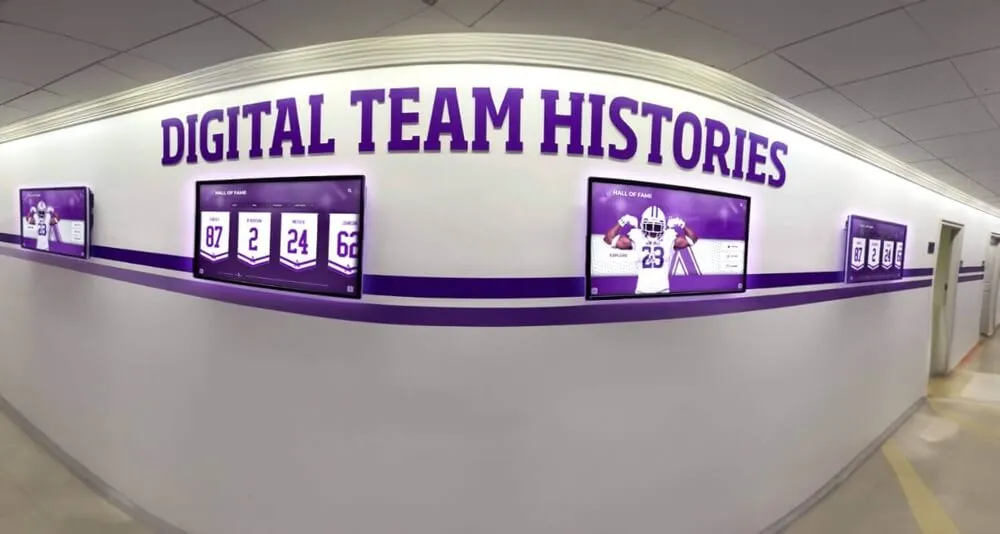
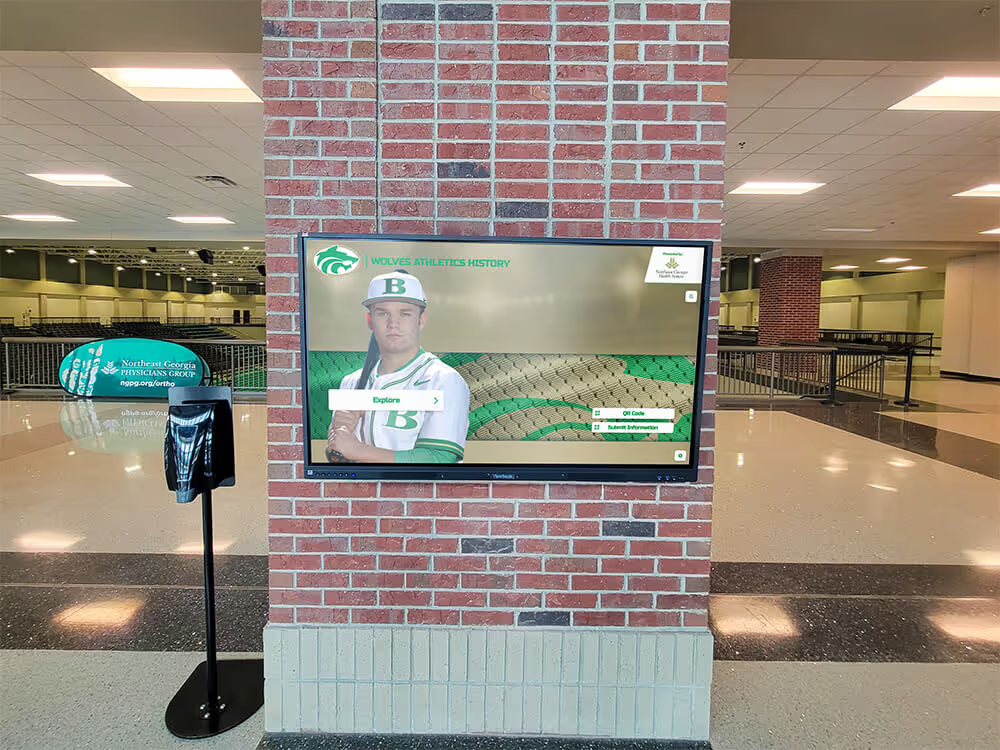
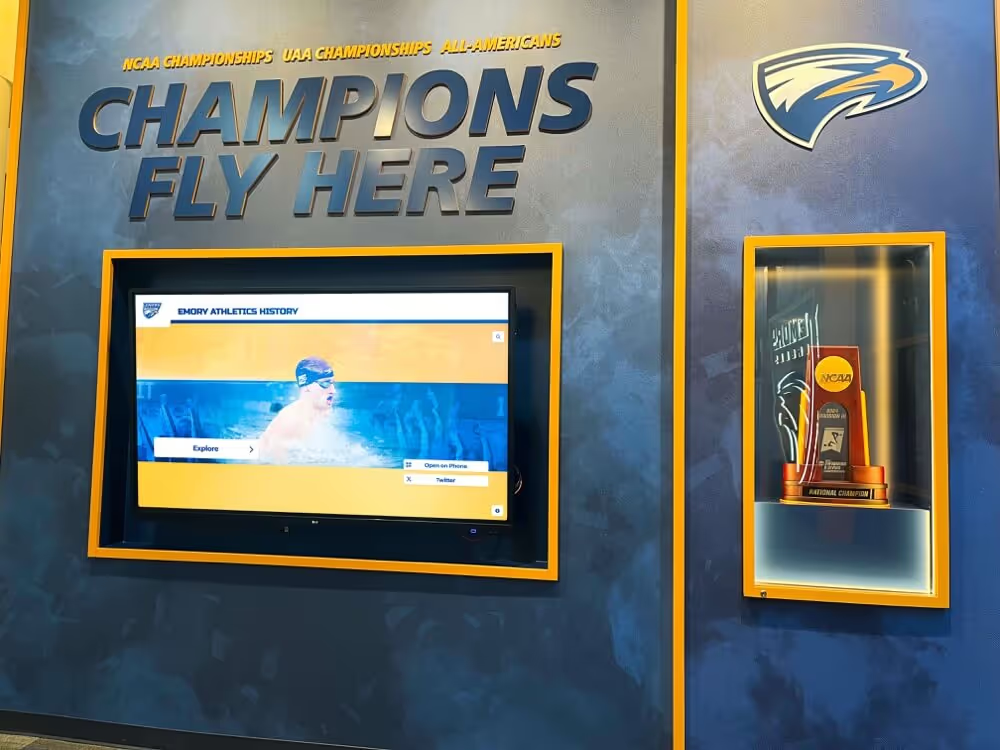
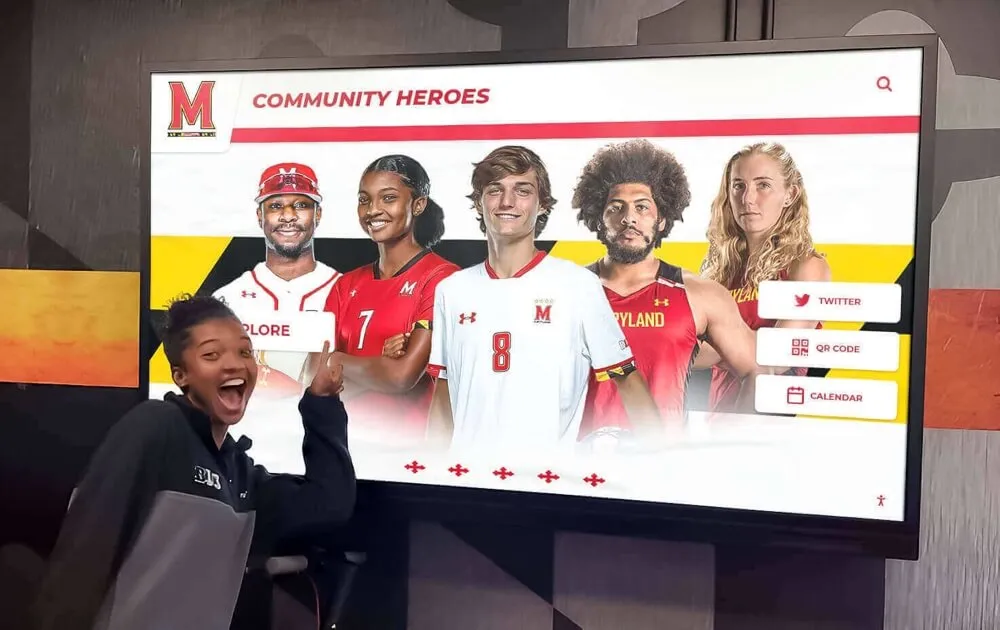
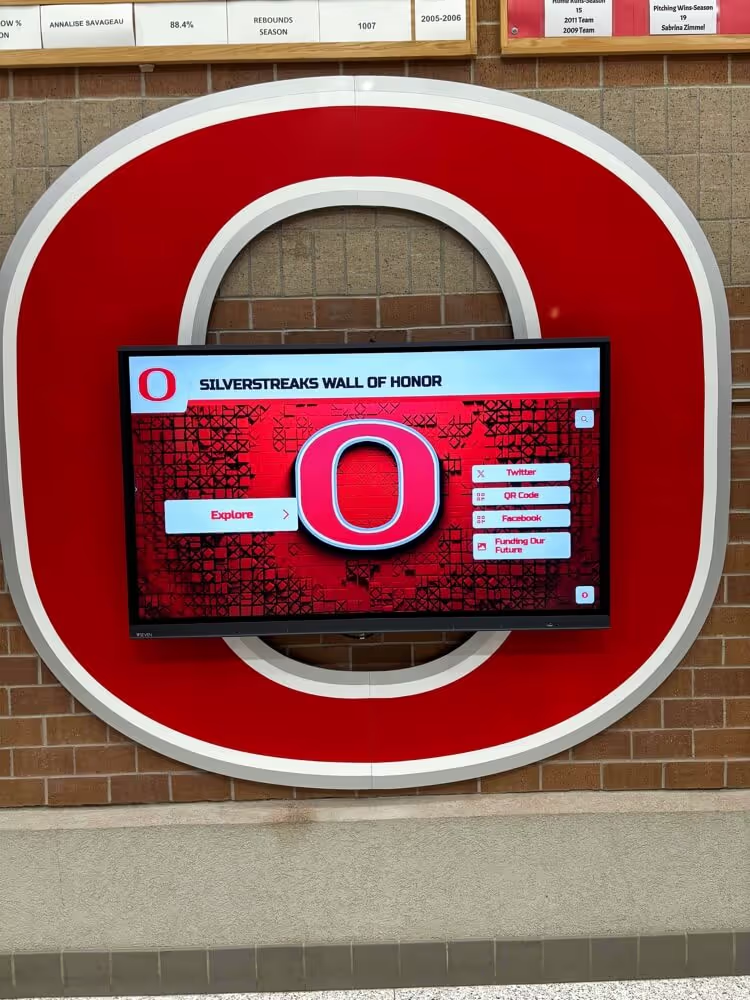
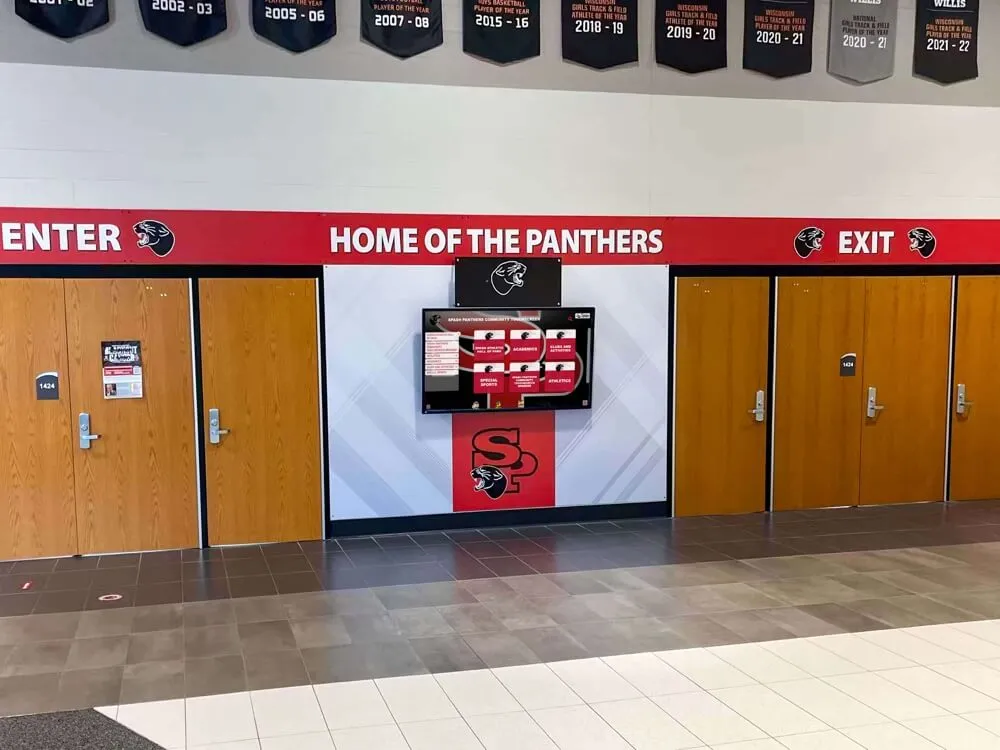
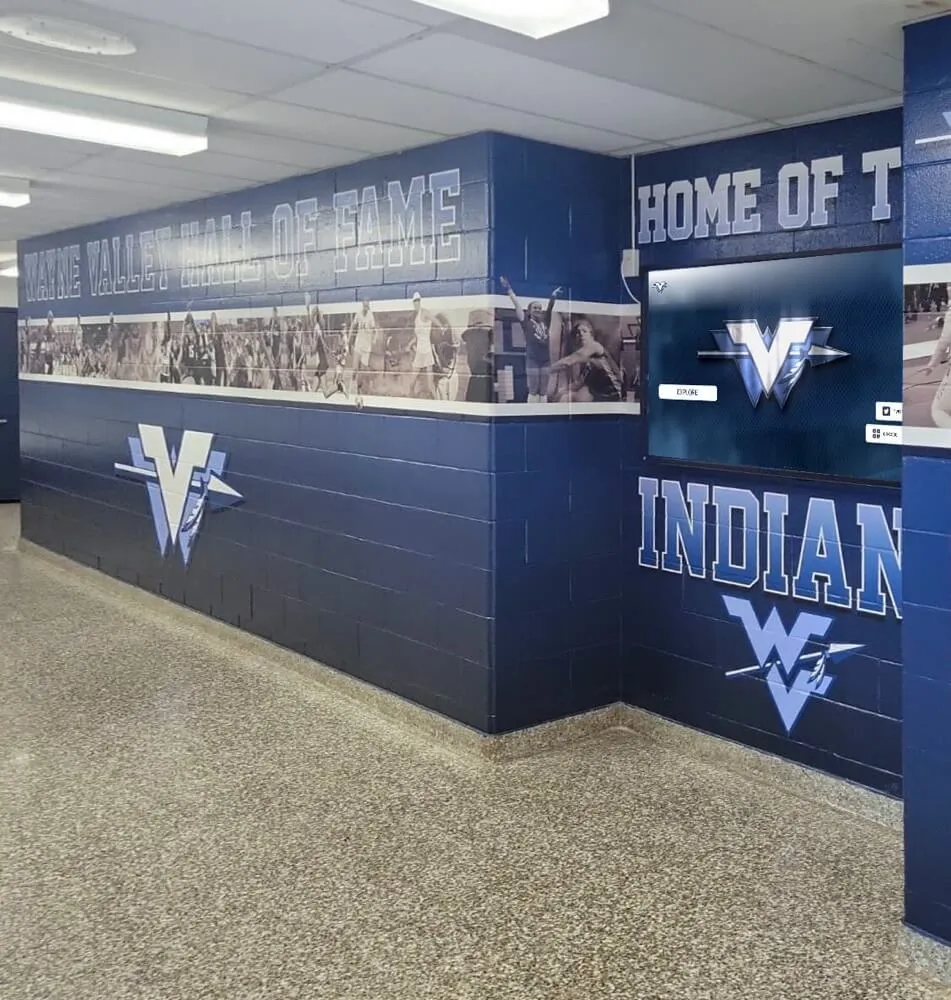
Modern schools use digital displays to celebrate athletic achievements and share program information with prospective team members
Understanding the Importance of Structured Tryout Processes
Before diving into specific evaluation strategies, recognizing why systematic tryout approaches matter helps programs prioritize process development over ad-hoc assessment methods.
Building Program Credibility Through Transparency
Families invest significant time, money, and emotional energy in cheerleading participation. When tryout processes appear subjective or opaque, programs undermine community trust regardless of selection quality.
Clear Expectations and Criteria
Transparent processes establish evaluation standards before tryouts begin, ensuring candidates understand precisely what skills, attributes, and performances evaluators will assess. This clarity enables focused preparation while eliminating confusion about selection priorities.
When athletes know judges will score tumbling difficulty and execution, evaluate specific stunt positions, assess motion technique and sharpness, measure jump height and form, and consider performance quality and confidence, they can prepare strategically rather than guessing what matters most.
Documented Decision-Making
Systematic scoring creates objective records demonstrating how final selections emerged from accumulated evaluation data rather than subjective preferences. While judgment always plays some role in athletic assessment, structured documentation shows families that decisions reflected comprehensive performance evaluation rather than favoritism or arbitrary choices.
Programs using digital recognition systems to showcase squad achievements benefit from established credibility that extends to all program processes including tryout fairness and organization.
Reducing Subjectivity While Honoring Coaching Expertise
Effective tryout systems balance objective measurement with professional judgment, recognizing that purely numerical scoring can’t fully capture complex attributes determining squad success.
Objective Skill Assessment
Certain elements lend themselves to standardized evaluation including completed tumbling passes with specific difficulty levels, successful stunt executions demonstrating technical proficiency, jump heights measured against established standards, motion technique evaluated against prescribed form requirements, and cheer memorization and delivery accuracy.
Objective components provide indisputable baseline data ensuring decisions rest on demonstrable skill differences rather than subjective impressions alone.
Subjective Performance Factors
Other critical attributes require evaluator judgment including performance quality, facial expressions, and crowd engagement ability, coachability and receptiveness to feedback during tryouts, leadership potential and positive influence on squad dynamics, work ethic and preparation evident in tryout performance, and overall “it factor” that distinguishes exceptional performers from technically competent athletes.
The most effective tryout systems explicitly acknowledge both objective and subjective components, weighting them appropriately while clearly communicating to candidates that both dimensions matter for selection.
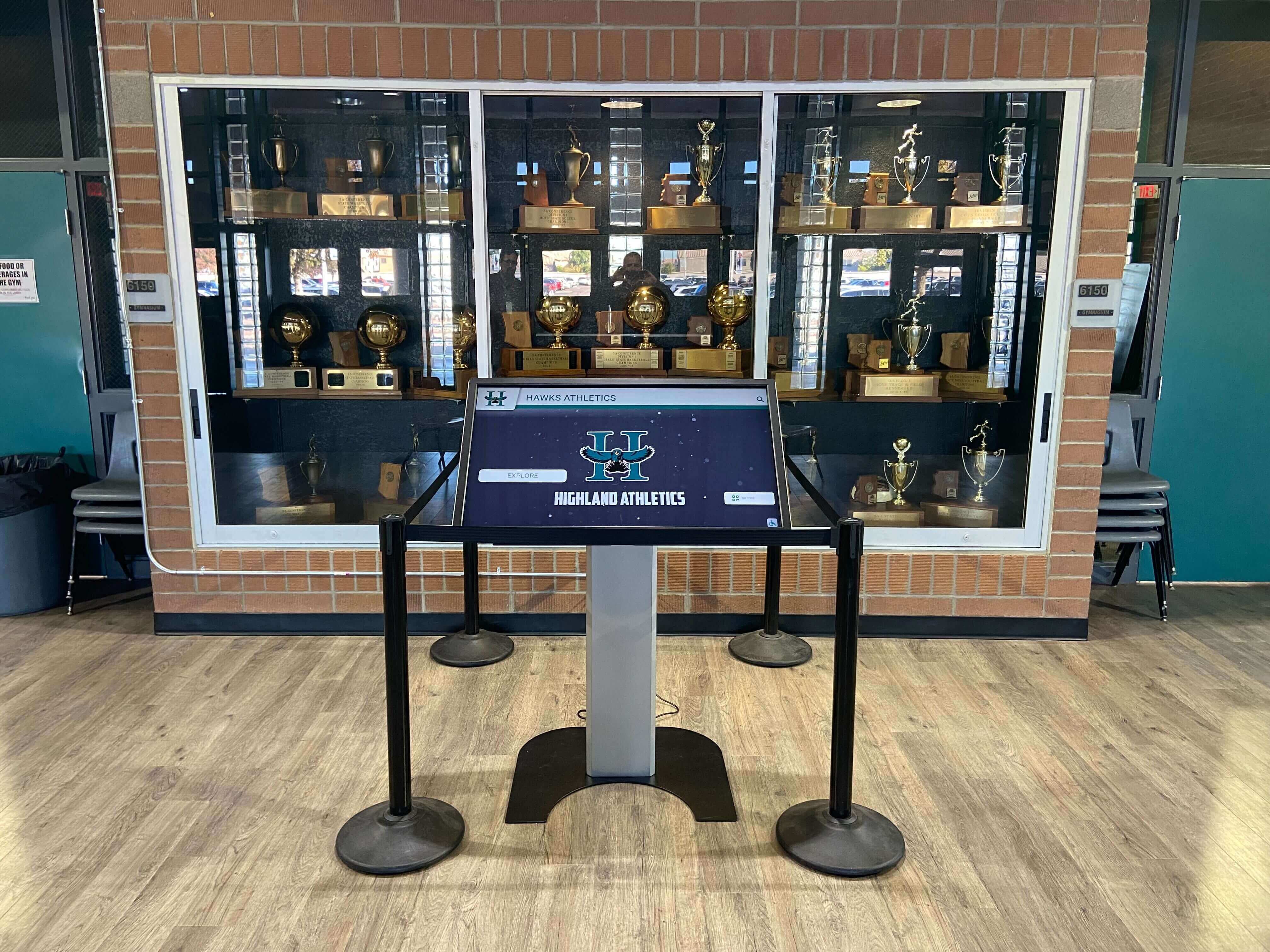
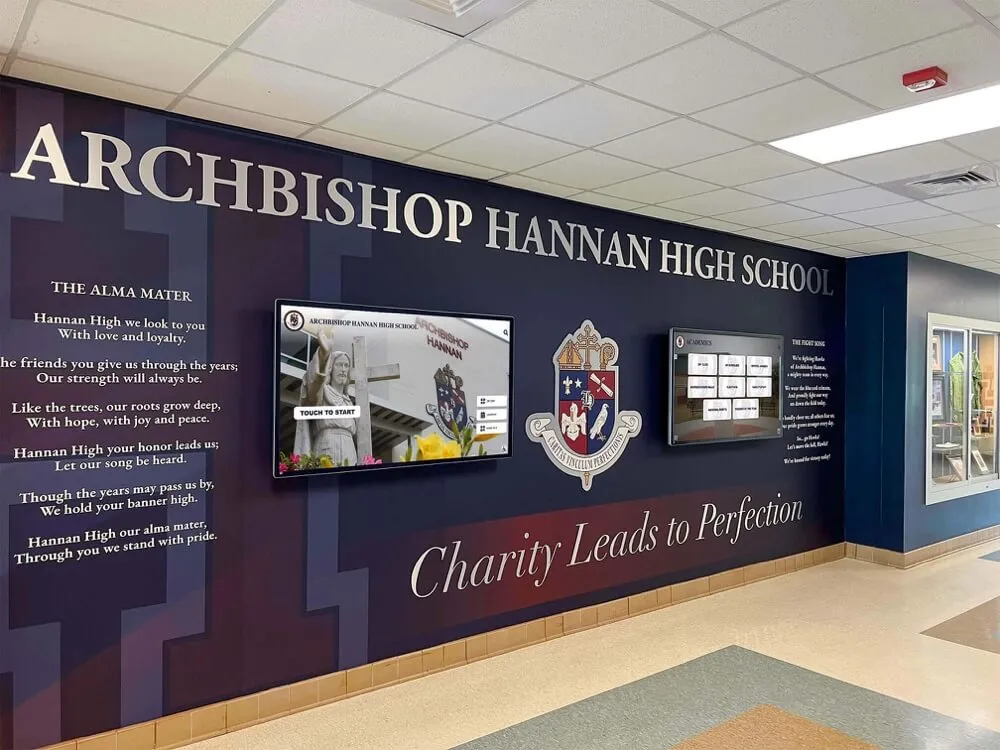
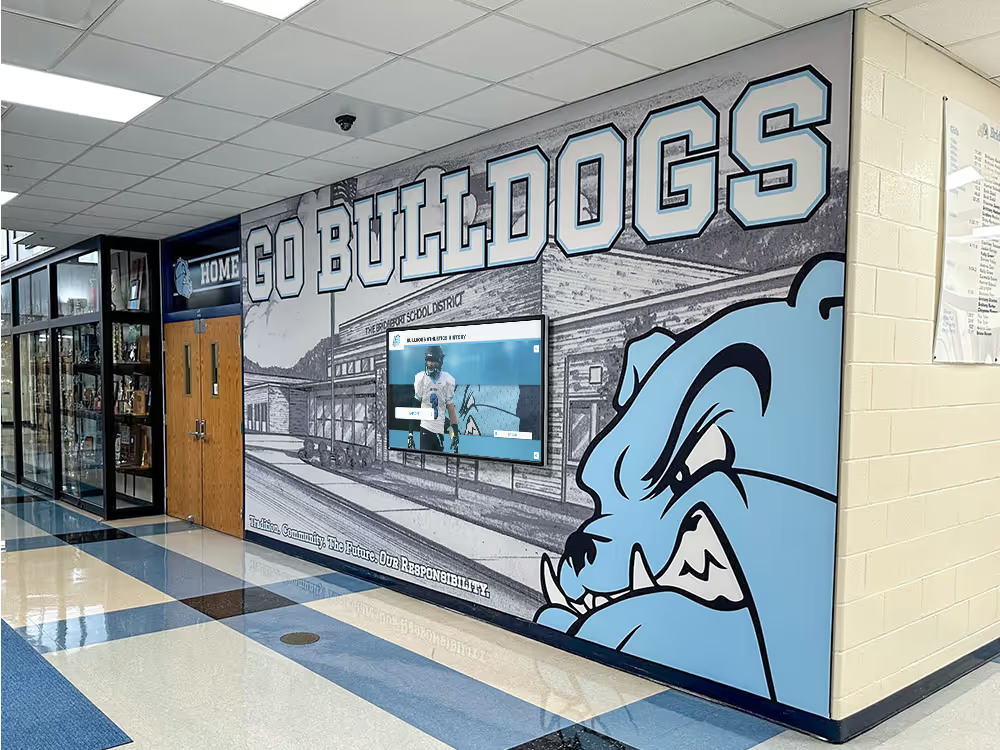
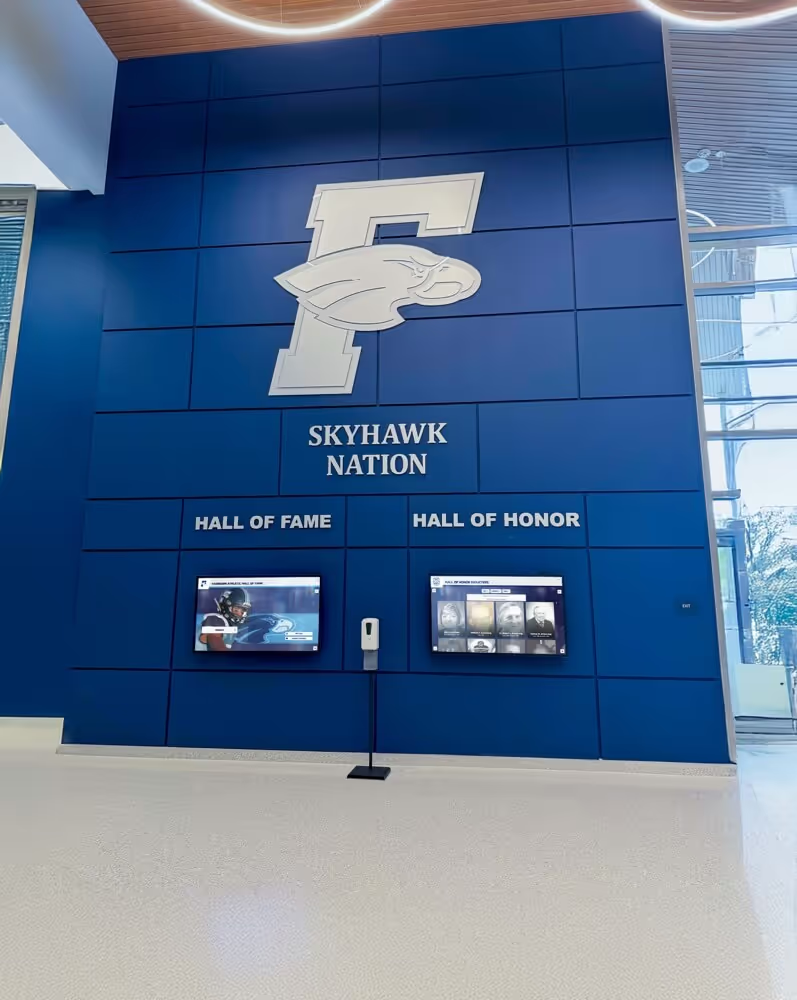
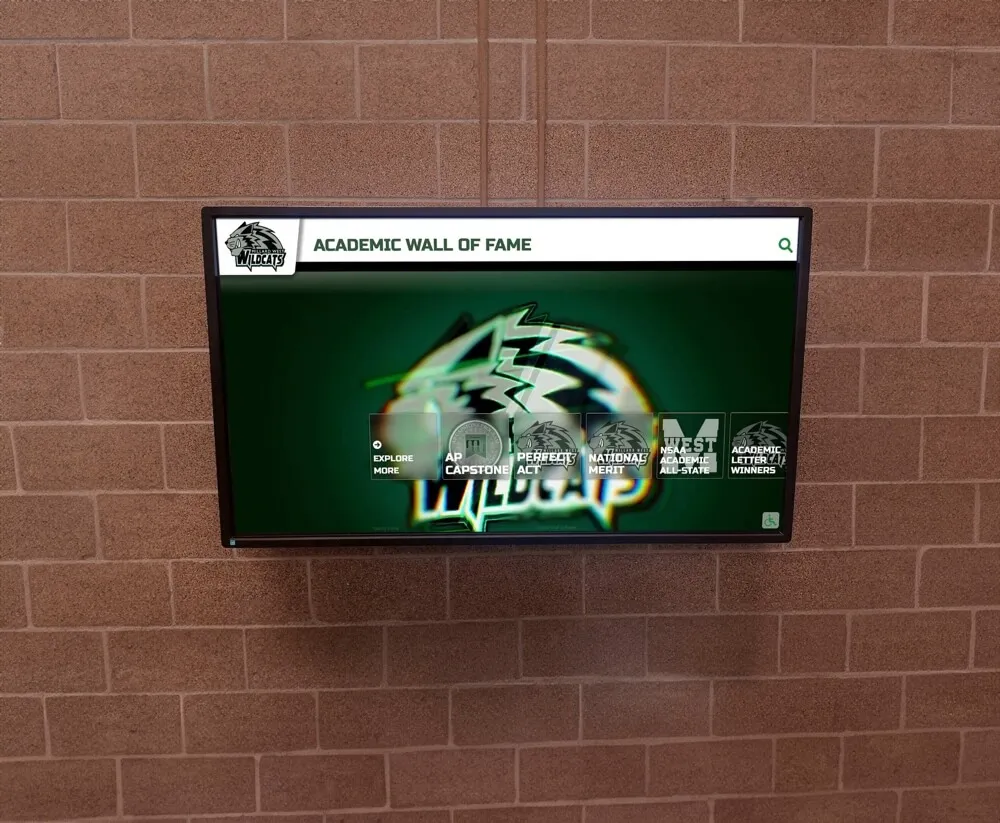
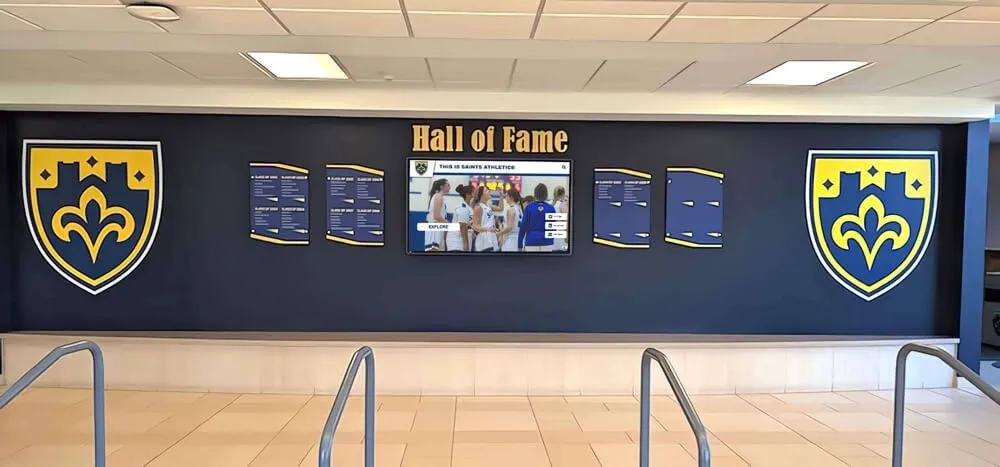
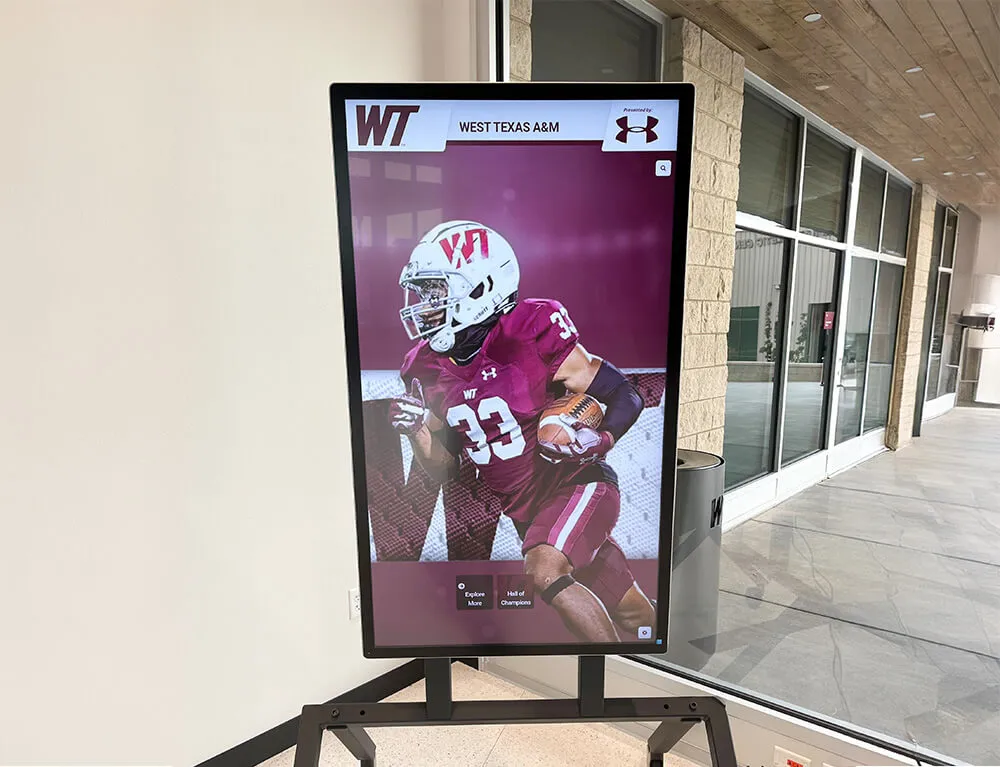
Schools use interactive displays to showcase program excellence and inspire prospective athletes during recruitment
Pre-Tryout Planning: Setting Your Program Up for Success
Successful tryouts begin weeks before evaluation day, requiring systematic preparation ensuring smooth execution and fair assessment.
Establishing Evaluation Criteria and Rubrics
Clear, documented criteria provide the foundation for credible selection processes.
Identifying Essential Skills and Attributes
Programs should determine which competencies matter most for squad success, typically including fundamental cheerleading skills like tumbling, stunting, jumping, and motions, performance abilities including projection, expressions, timing, and crowd engagement, physical attributes like strength, flexibility, coordination, and endurance, personal qualities such as positive attitude, coachability, and team orientation, and experience factors when relevant for specific positions or squad levels.
Different squad levels (varsity versus junior varsity) and position requirements (flyer versus base) may warrant adjusted criteria emphasizing skills most critical for each role.
Creating Weighted Scoring Rubrics
Once priorities are identified, develop numerical rubrics assigning point values to each evaluation component. For example, a comprehensive tryout scoring system might allocate 30 points for tumbling skills with progressive difficulty levels, 25 points for stunt execution and technique, 20 points for jumps including toe touch, pike, and hurdler evaluation, 15 points for motion technique and cheer performance, and 10 points for interview or subjective performance factors.
Weight allocation should reflect actual skill importance for your program’s competitive level and performance expectations. Programs competing extensively at regional or national levels may emphasize tumbling more heavily than those focused primarily on game-day performance and school spirit.
Understanding team bonding approaches helps programs evaluate candidates for interpersonal skills that contribute to positive squad culture beyond pure athletic ability.
Preparing Judges and Evaluators
Consistent, calibrated evaluation requires trained judges understanding scoring systems and applying criteria uniformly.
Judge Selection and Training
Recruit qualified evaluators including current cheer coaches with technical expertise, former competitive cheerleaders familiar with skill assessment, athletic directors or administrators providing administrative perspective, and occasionally outside judges from other schools or cheer organizations offering unbiased evaluation.
Conduct pre-tryout training sessions where judges review scoring rubrics, watch demonstration videos calibrating scoring standards, practice evaluation using previous year footage, discuss how to handle edge cases and scoring questions, and align on expectations for documentation and feedback.
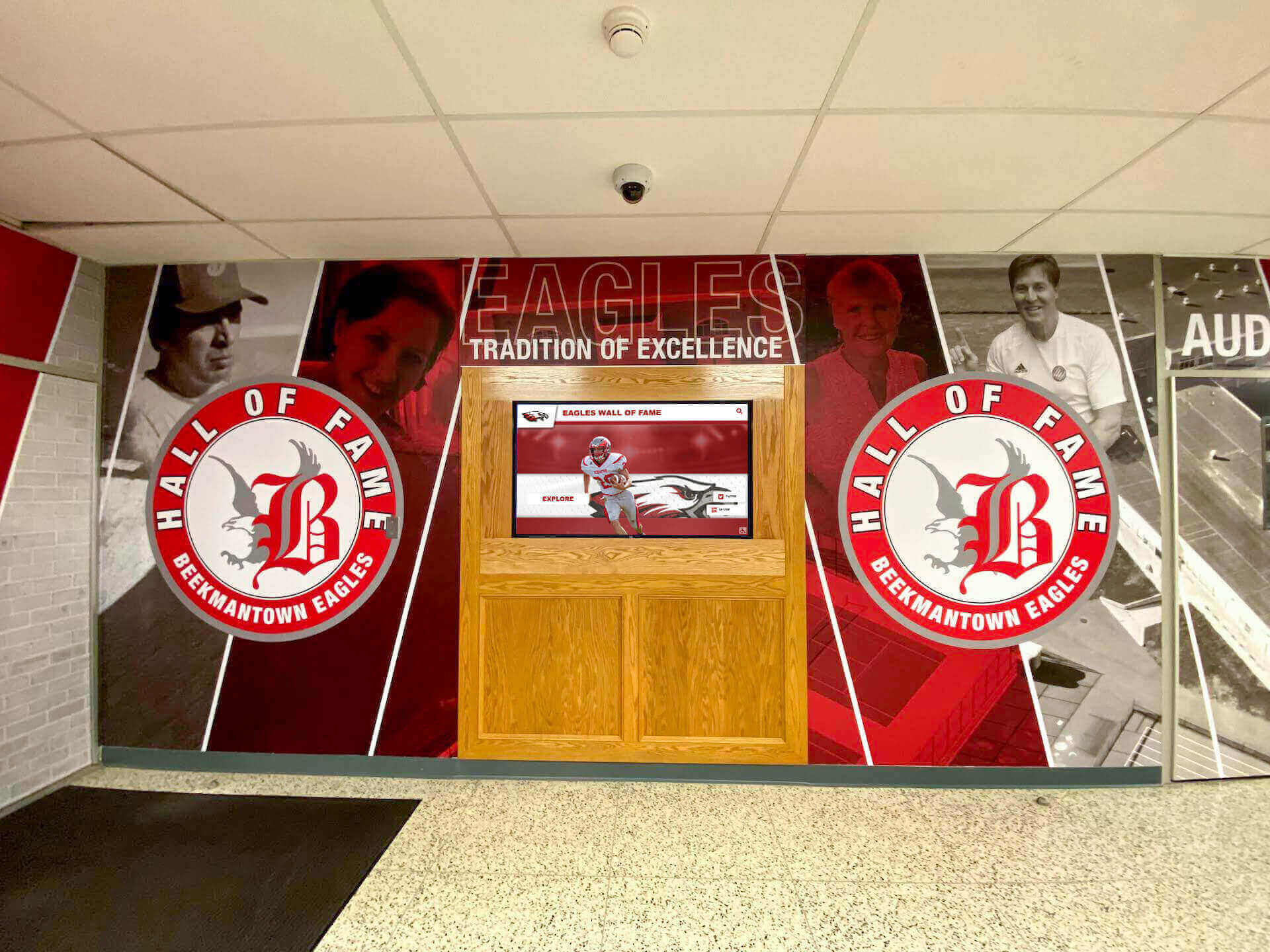
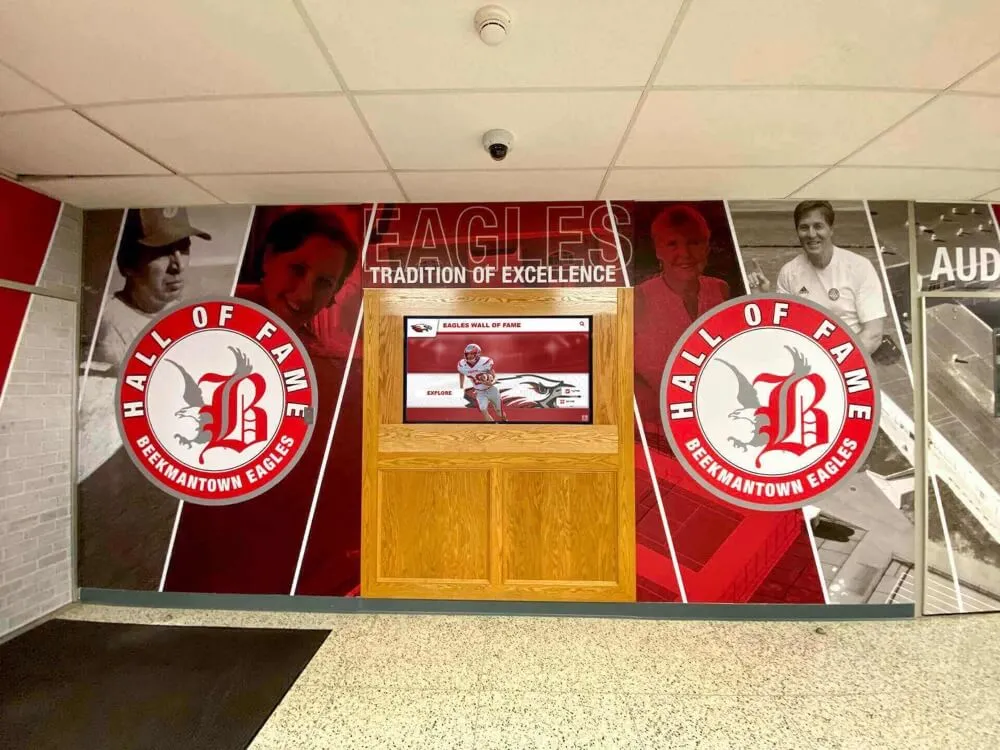
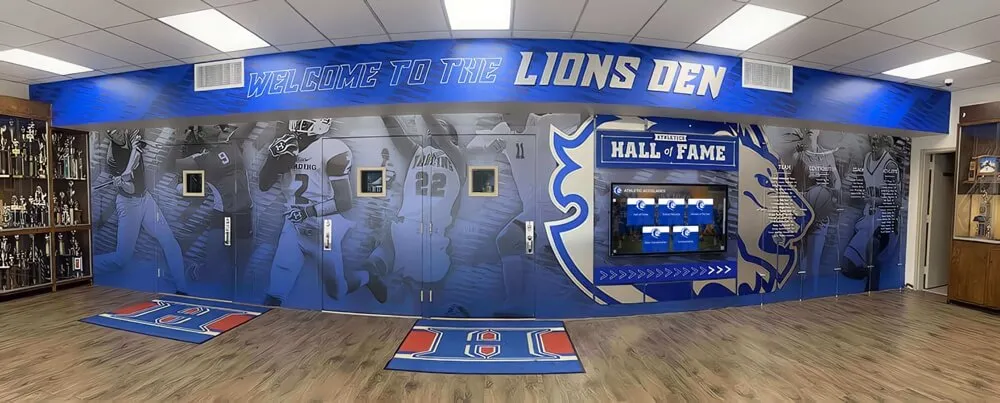
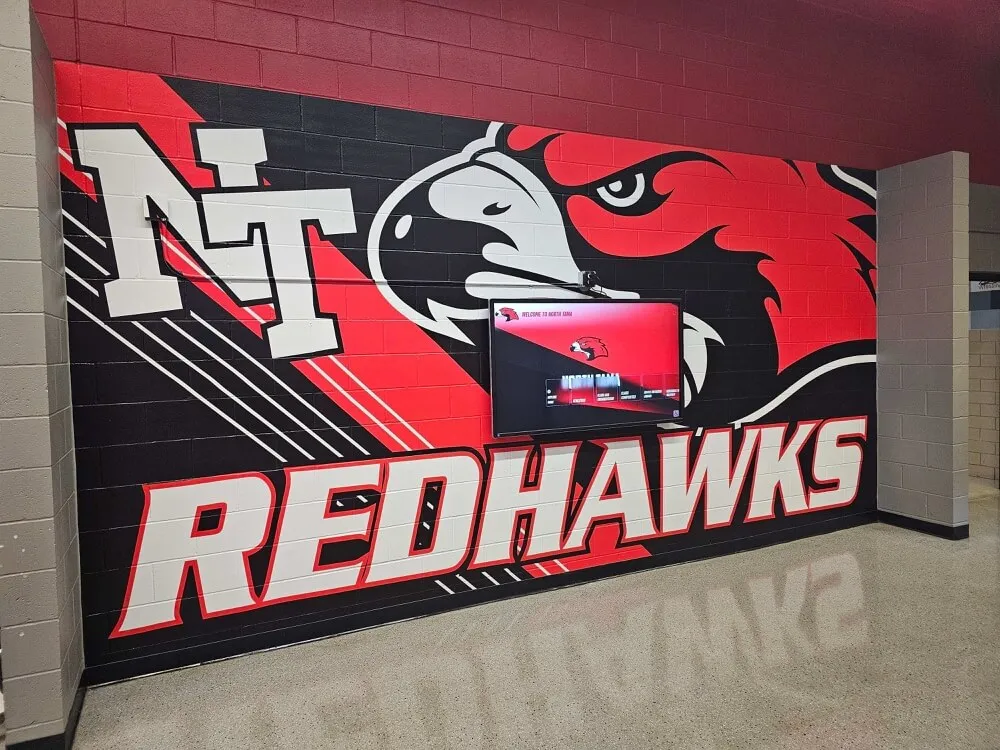
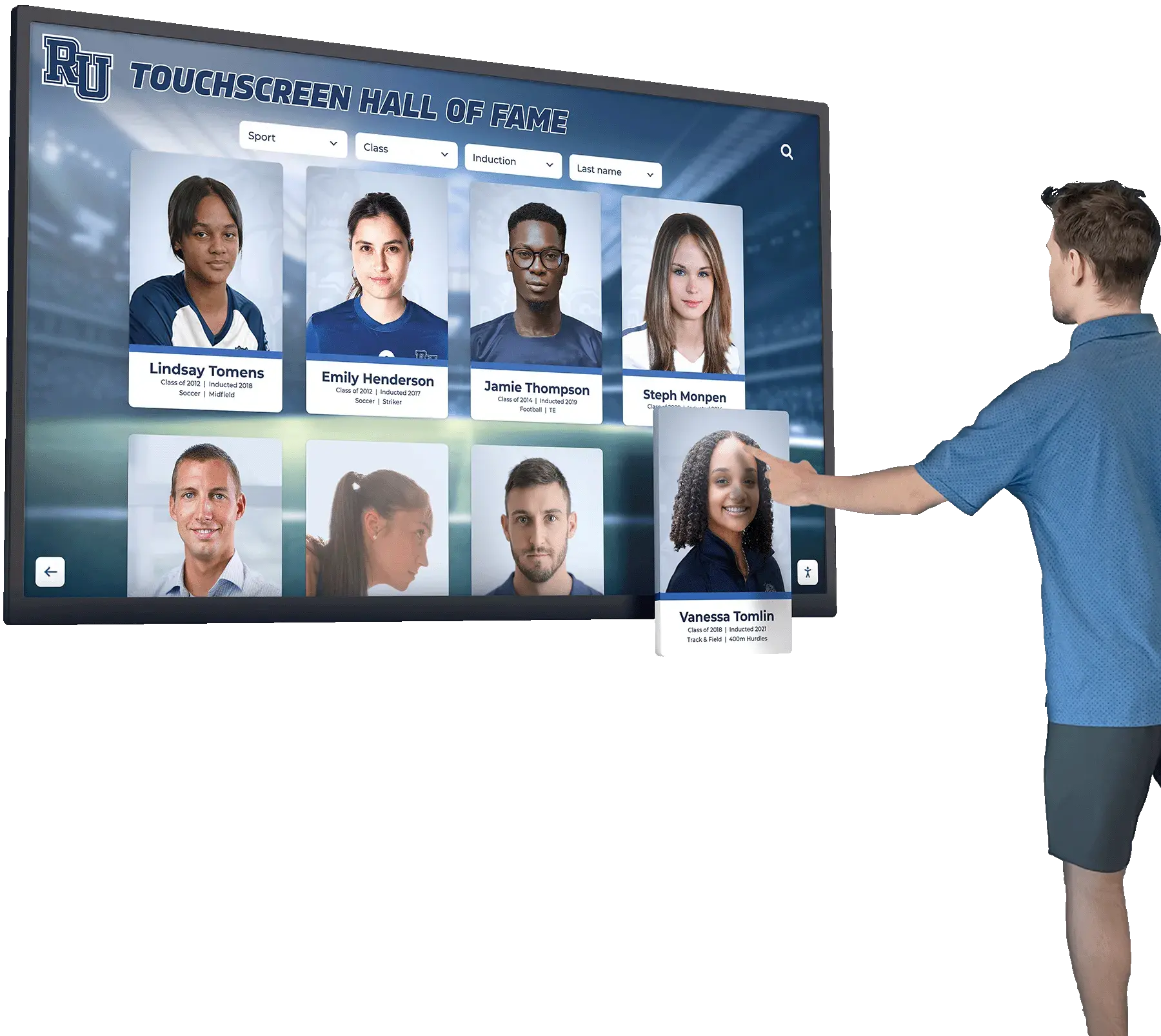
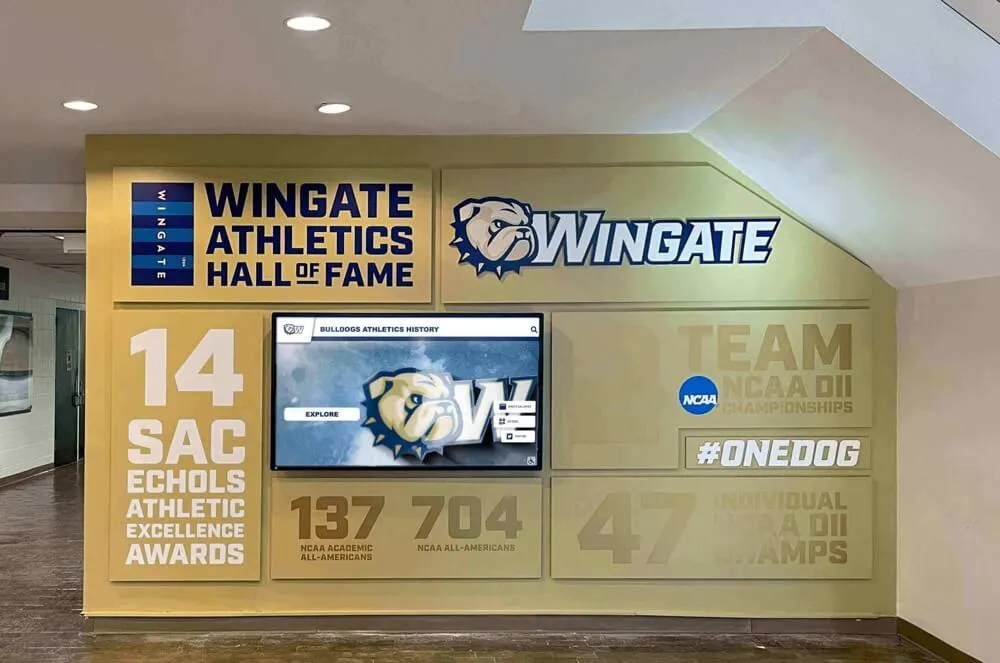
Recognition displays inspire prospective athletes by showcasing program traditions and past excellence
Establishing Scoring Procedures
Determine practical evaluation logistics including whether judges score independently then compare or discuss scores collaboratively, how to handle significant scoring discrepancies between judges, what documentation judges maintain during assessment, and whether candidates receive judges’ feedback or only final selection notification.
Clear procedures prevent confusion during high-pressure tryout situations when quick decisions and smooth flow matter tremendously.
Communicating Tryout Information to Prospective Athletes
Comprehensive communication ensures candidates arrive prepared, understanding expectations and procedures.
Information Session or Tryout Clinic
Host mandatory pre-tryout meetings where coaches explain tryout format and timeline, demonstrate required skills at various proficiency levels, distribute written evaluation criteria and scoring rubrics, answer candidate questions about expectations or procedures, and review program commitments including practice schedules, competition calendars, and financial obligations.
These sessions allow candidates to assess program fit before investing effort in tryout preparation while ensuring everyone starts with equal information regardless of insider knowledge.
Written Materials and Digital Resources
Provide comprehensive tryout packets including specific evaluation criteria with detailed scoring rubrics, required skill demonstrations broken down by component, tryout schedule with arrival times and evaluation order, what to wear and bring to tryouts, program commitment overview including time and financial expectations, and contact information for questions or clarification.
Digital distribution via email or website posting ensures broad accessibility while creating documentation that candidates acknowledged receiving information.
Programs implementing digital display systems benefit from additional channels for sharing tryout information and program expectations with prospective athletes and families.

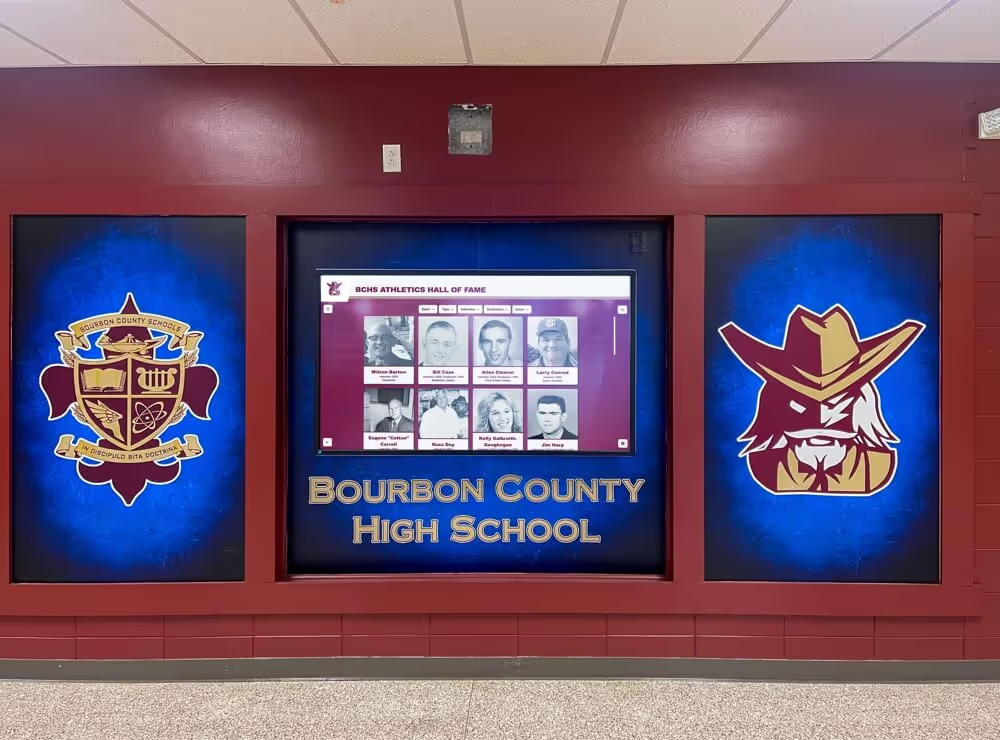
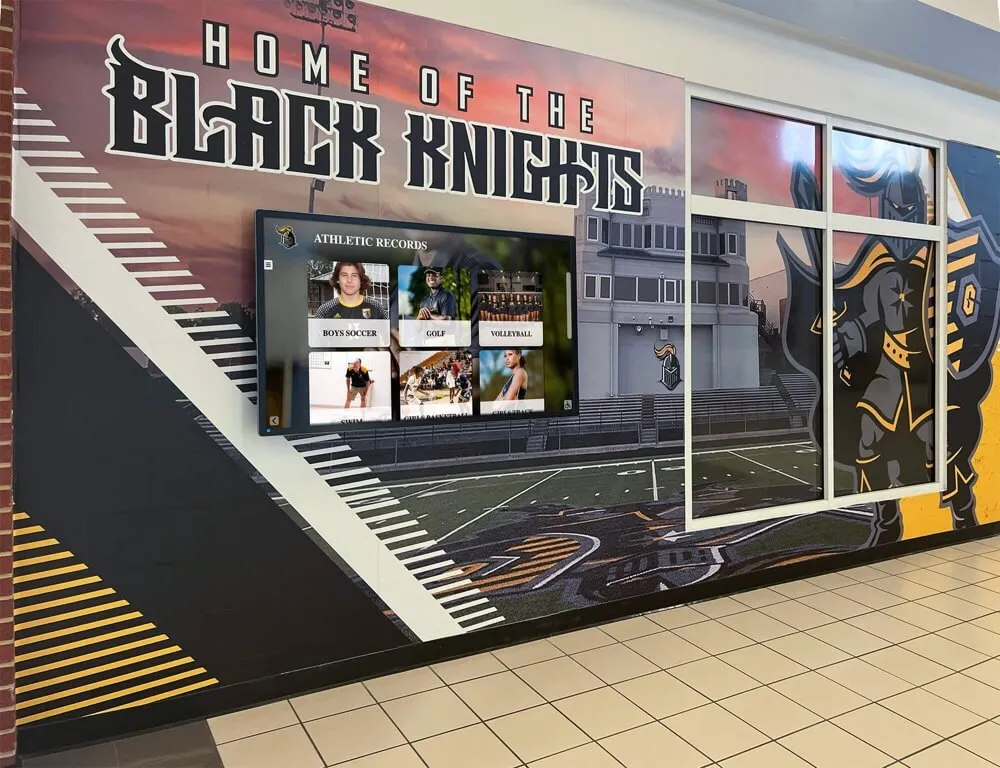
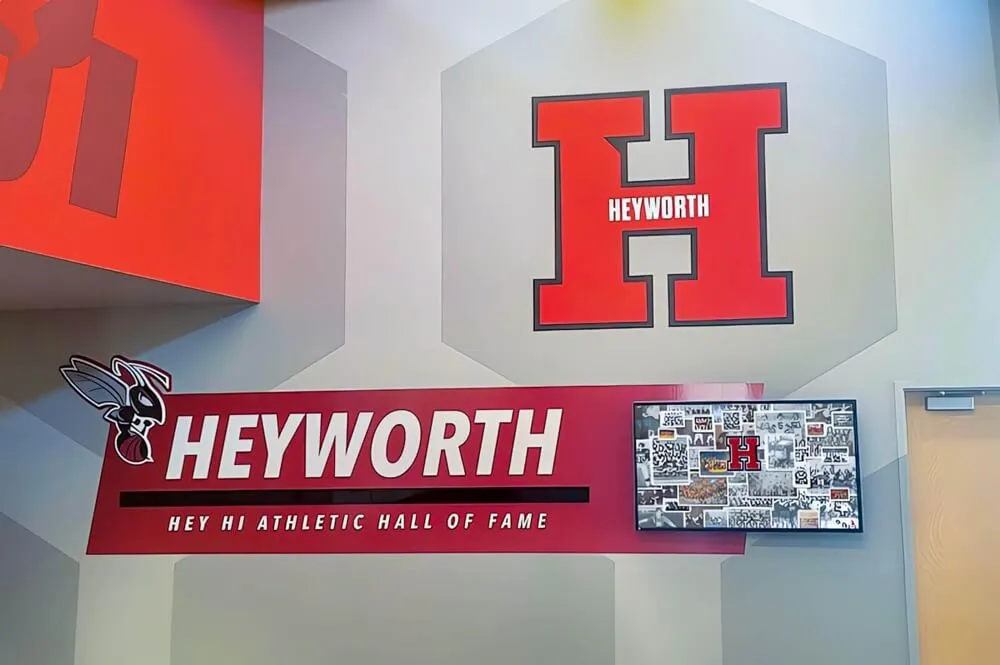
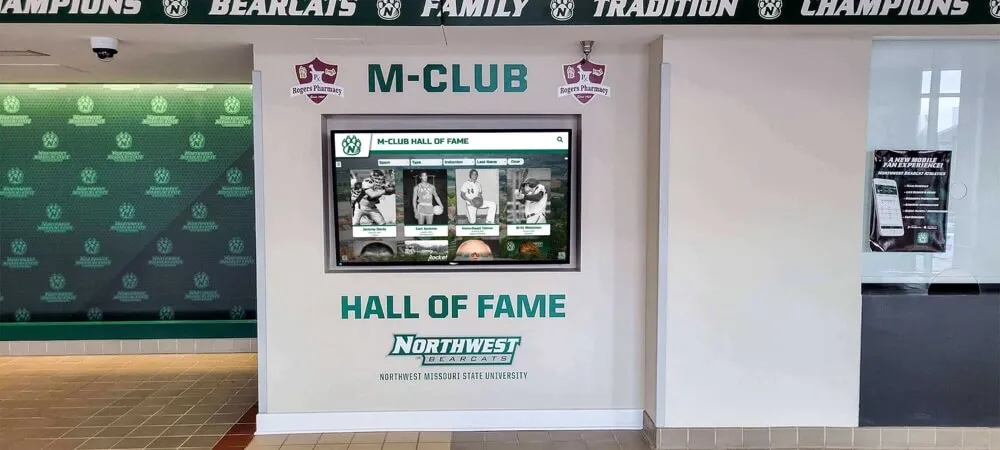
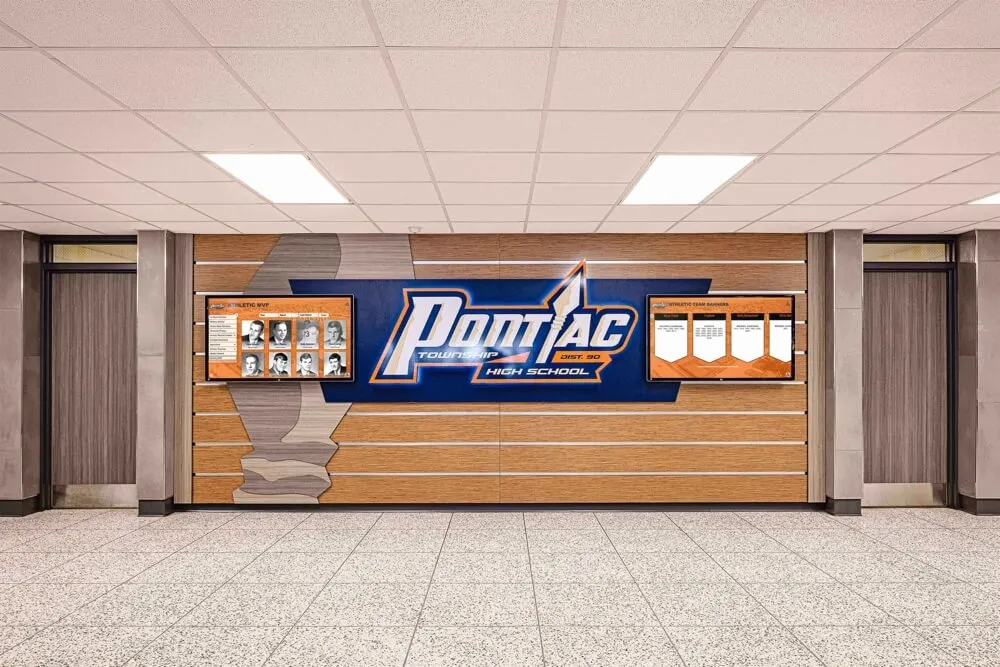
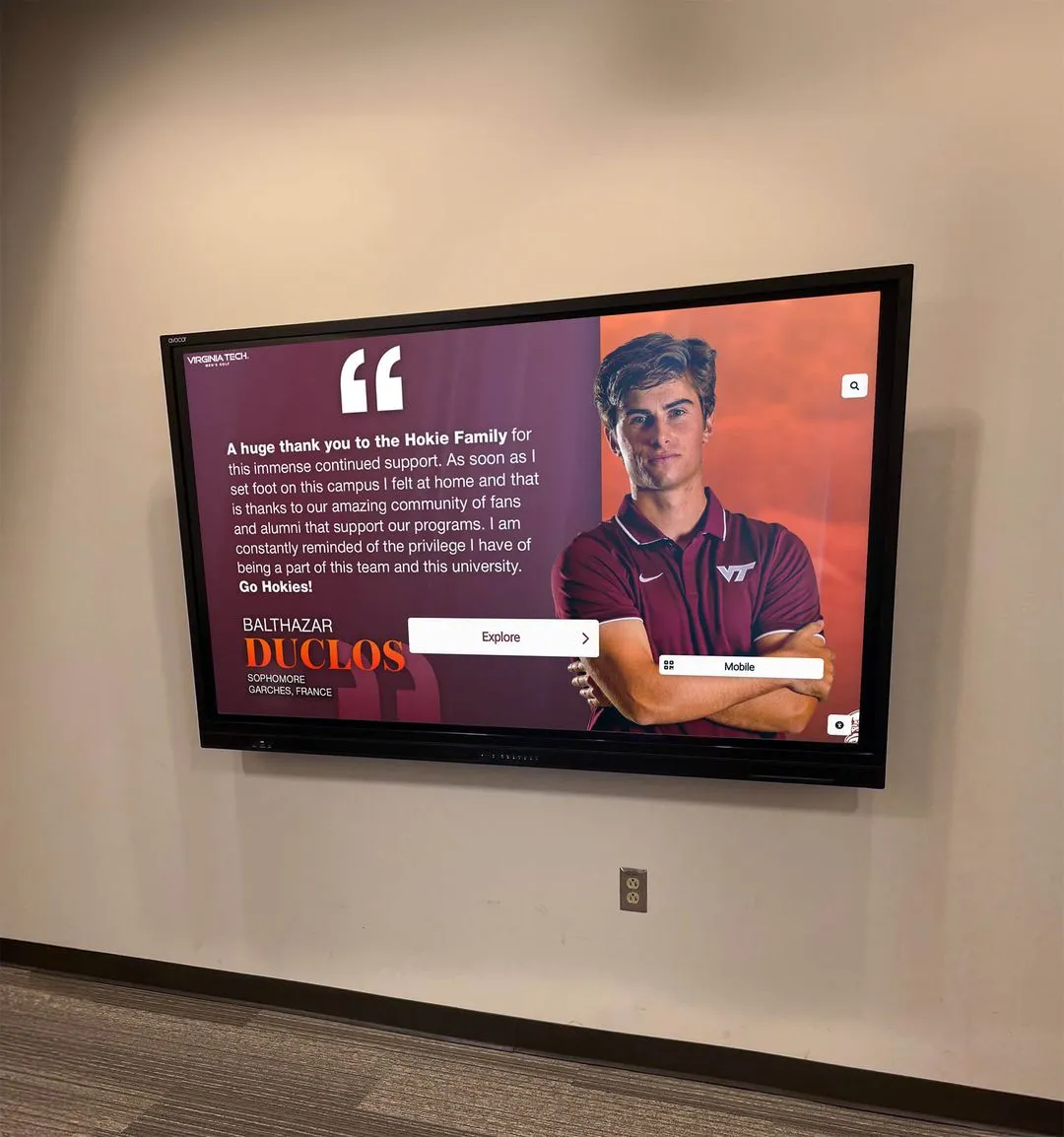
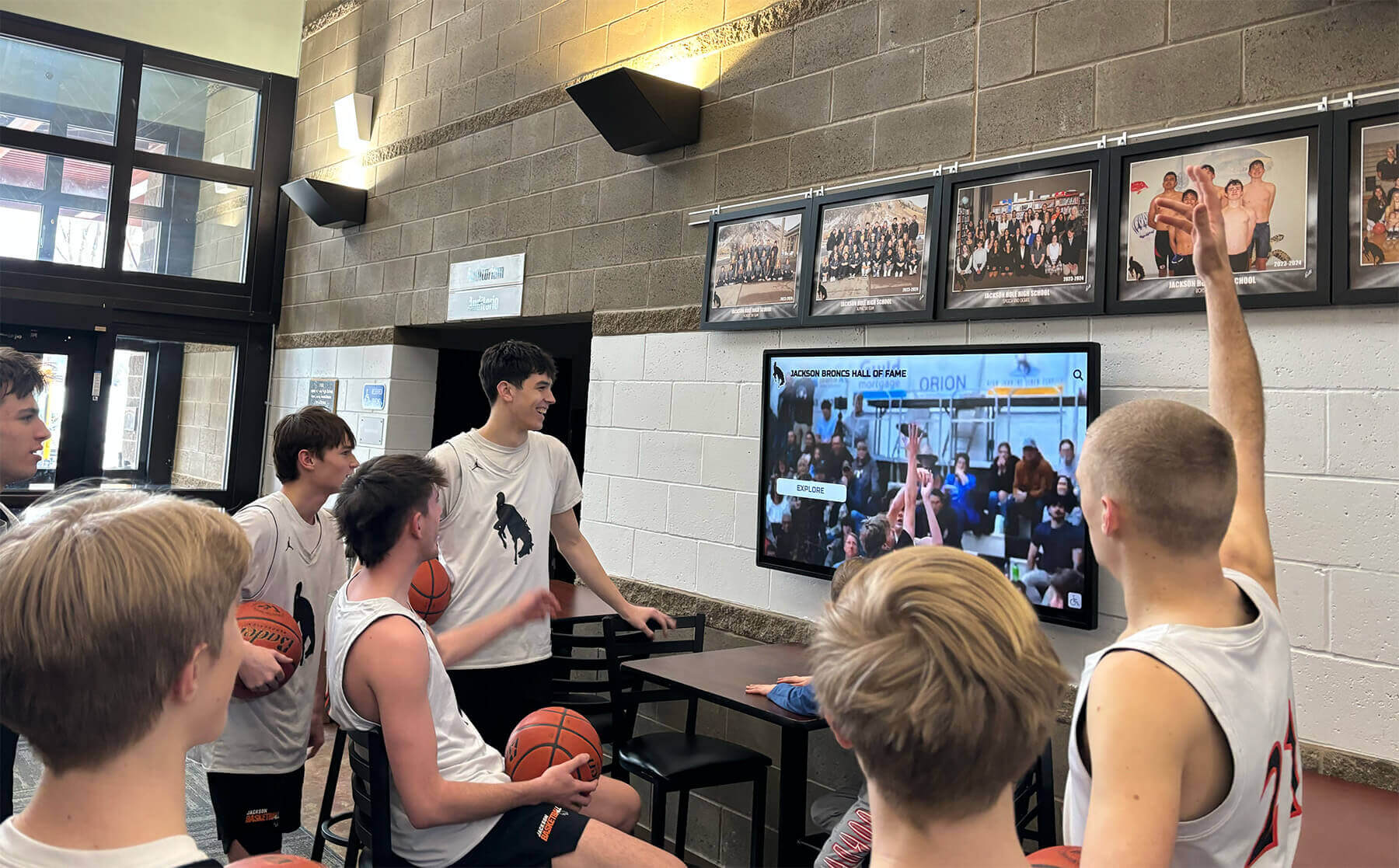
Strategic recognition placement throughout schools showcases athletic excellence and program expectations for prospective team members
Essential Cheerleading Tryout Components
Comprehensive evaluations assess multiple skill dimensions, creating holistic profiles of candidate capabilities rather than single-dimension snapshots.
Tumbling Skills Assessment
For competitive programs, tumbling often represents the most important and most objectively measurable skill component.
Establishing Progression Levels
Create clear skill progressions defining advancement from basic to advanced tumbling. A typical progression might include Level 1: forward roll, backward roll, cartwheel, round-off, Level 2: round-off back handspring, front walkover, back walkover, Level 3: round-off back handspring back tuck, standing back handspring, and Level 4: round-off multiple back handsprings, standing tucks, aerials, layout passes.
Candidates demonstrate their highest proficiency level, with point allocation reflecting both difficulty and execution quality. An athlete performing clean round-off back handsprings might score higher than one attempting inconsistent tuck passes.
Execution and Technique Scoring
Beyond difficulty, assess technical quality including proper body position and form throughout passes, appropriate power and height in skills, controlled landings and connections between elements, and consistency when performing multiple attempts.
Technical assessment prevents rewarding risky, poorly executed difficult skills over clean, well-performed foundational passes.
Accommodating Non-Tumblers
Some programs include non-tumbling athletes who contribute through stunting, jumping, or performance abilities. If your program welcomes non-tumblers, communicate this explicitly while clarifying how lack of tumbling skills affects overall scoring and position eligibility.
Stunting Skills Evaluation
Stunting assessment should reflect specific position requirements and overall stunt execution quality.
Position-Specific Tryouts
Consider evaluating stunt positions separately since flyer, base, and back spot roles require distinct skill sets. Flyer assessment focuses on body control and tension, balance and stability, ability to execute skills at height, and awareness and safety consciousness. Base evaluation emphasizes strength and stability, timing and coordination with partners, proper hand placement and technique, and communication and leadership during stunts. Back spot assessment considers positioning and timing, effective dip and lift technique, safety focus and awareness, and communication coordinating stunt execution.
Candidates trying out for multiple positions should demonstrate competency in each role’s essential skills.
Progressive Skill Demonstration
Structure stunt evaluation from basic to advanced progressions including Level 1 stunts: thigh stands, shoulder sits, prep level positions, Level 2 stunts: extension, single leg positions at prep level, basic dismounts, Level 3 stunts: extended single leg stunts, advanced tosses, and creative transitions.
Assign experienced cheerleaders from current squads as standardized partners, ensuring consistent stunt attempts across candidates rather than variation depending on partner skill.
Programs can explore recognition approaches for celebrating diverse contributions including stunting excellence and position-specific achievement.
Jumping and Motion Technique
These fundamental skills form the foundation of sharp, precise cheerleading performance.
Required Jump Assessment
Evaluate standard jumps every cheerleader must master including toe touch jumps with proper leg position, height, and timing, pike jumps demonstrating flexibility and control, hurdler jumps showing single leg extension and form, and double-nine or high-V jumps displaying arm and body positioning.
Score each jump type separately, considering height and amplitude, proper arm and leg positioning, landing control and stability, and sharpness and precision of execution.
Motion and Arm Technique
Assess motion fundamentals through brief motion sequence combining standard positions like high-V, low-V, T-motion, broken T, daggers, and punch motions. Evaluation criteria includes arm placement precision and positioning accuracy, tight, controlled movements without bending, appropriate levels maintained throughout sequences, and sharp, synchronized execution with clean transitions.
Strong motion technique often distinguishes visually impressive performers from those with flashy skills but poor fundamental execution.
Cheer and Choreography Performance
Performance components reveal how candidates execute under pressure while demonstrating crowd engagement abilities.
Material Learning Assessment
Teach all candidates identical cheer and/or short dance sequence during information session or clinic, then evaluate memorization and execution during tryouts. This process assesses learning ability and retention, effort invested in preparation, performance quality under evaluation pressure, and ability to execute choreography with proper timing and technique.
Using identical material ensures fair comparison across all candidates rather than variation in self-selected routines.
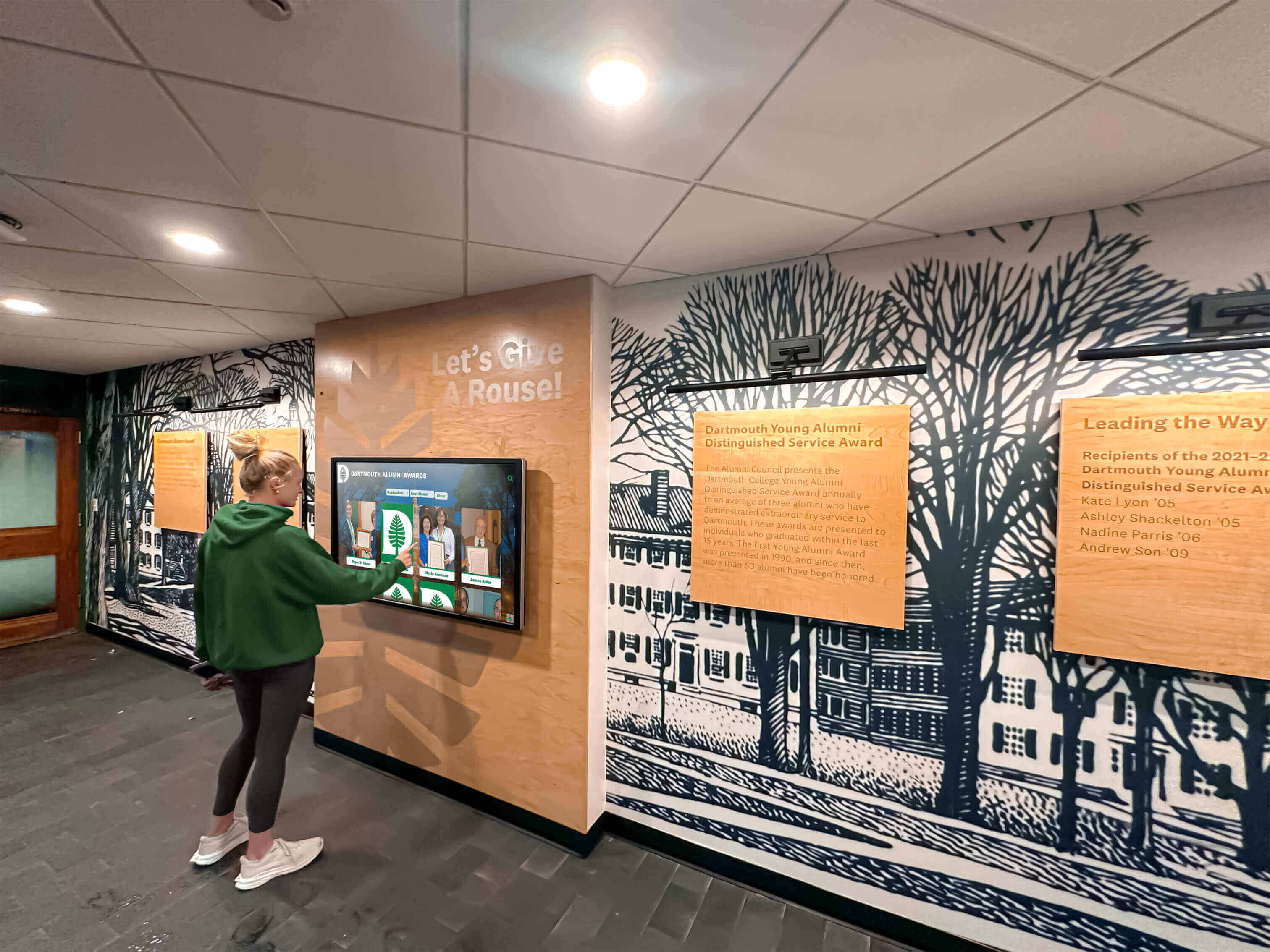
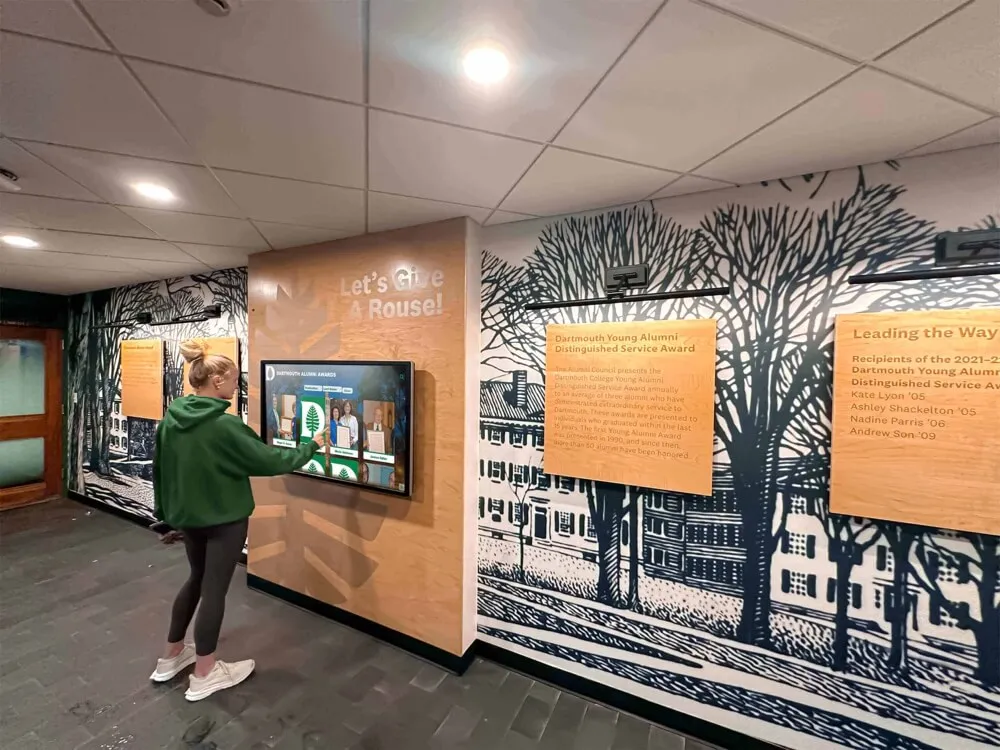
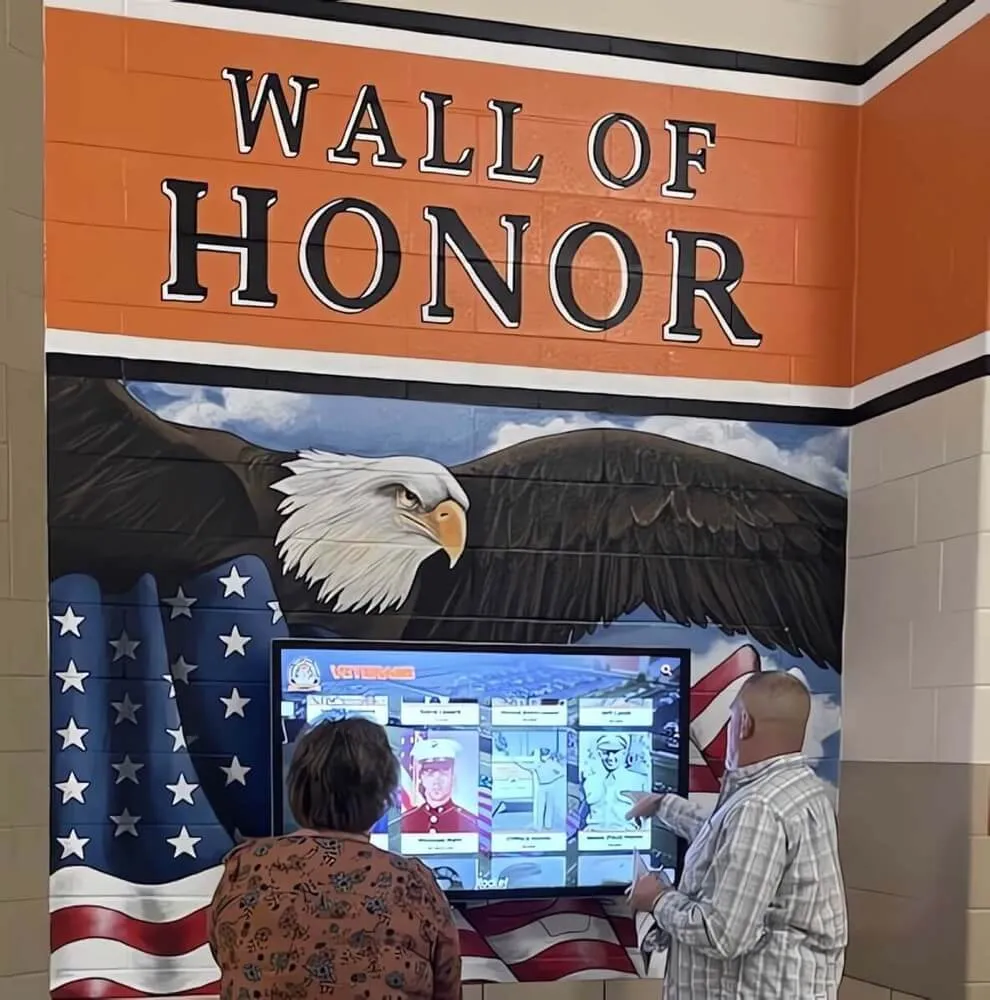
Interactive displays engage students with program history and achievements, building excitement around athletic participation
Performance Quality Factors
Beyond technical execution, subjective performance assessment considers facial expressions and energy projection, crowd engagement and enthusiasm, confidence and stage presence, musical timing and rhythm, and overall performance polish distinguishing compelling performers from technically adequate candidates.
These subjective factors often predict success in actual game-day and competition environments where technical precision must combine with engaging performance.
Interview or Personal Assessment
Brief individual interviews provide insights into candidate character, commitment, and program fit.
Structured Interview Questions
Prepare consistent questions for all candidates covering topics like why they want to join the cheer program, how they demonstrate leadership or teamwork, how they handle challenges or disappointment, their understanding of program time and commitment requirements, and their academic standing and ability to balance athletics with studies.
Standardized questions enable fair comparison while revealing personal qualities not evident in physical skill demonstrations.
Assessing Intangible Qualities
Use interviews to evaluate attitude and coachability, communication skills and maturity, commitment level and program understanding, team orientation versus individual focus, and overall character and values alignment with program culture.
While these factors carry less weight than athletic skills for competitive programs, they matter significantly for team chemistry and long-term squad success.
Programs emphasizing holistic student development should explore recognition systems celebrating growth and character alongside pure athletic achievement.

Comprehensive recognition displays celebrate athletic excellence across all programs including cheerleading
Conducting Fair and Organized Tryout Days
After thorough preparation, execution quality determines whether systematic planning translates into smooth, credible evaluation experiences.
Managing Tryout Logistics and Flow
Practical organization prevents chaos while ensuring candidates receive adequate evaluation time.
Registration and Check-In
Establish efficient arrival processes including designated check-in location with posted clear signage, roster verification confirming eligibility and paperwork completion, number assignment for candidate identification during evaluation, tryout packet distribution with schedules and instructions, and warm-up area designation allowing physical preparation before assessment.
Organized check-in sets professional tones while reducing candidate stress through clear structure.
Grouping and Rotation Systems
Divide candidates into manageable evaluation groups based on tryout numbers rather than skill level to avoid pre-judging abilities, appropriate group sizes allowing judges adequate observation of each candidate, and rotation schedules moving groups efficiently through skill stations.
Post large visual schedules showing rotation timing and station locations, minimizing confusion about where candidates should be when.
Time Management and Pacing
Allocate sufficient time for each evaluation component without excessive downtime. A typical three-hour tryout might include 20 minutes for check-in and warm-up, 30 minutes for tumbling assessment in small groups, 40 minutes for stunt evaluation with position-specific grouping, 25 minutes for jump and motion assessment, 30 minutes for cheer/choreography performance, 15 minutes for brief individual interviews, and 20-minute buffer for transitions and schedule adjustments.
Clear timing maintains momentum while ensuring thorough assessment without rushed evaluation compromising decision quality.
Creating Positive Tryout Environments
Candidate comfort and confidence directly impact performance quality and evaluation accuracy.
Reducing Performance Anxiety
Implement strategies minimizing unnecessary stress including warm welcome and encouragement from coaches and staff, clear verbal instructions before each evaluation component, allowing practice attempts before official judged performances, maintaining positive, supportive atmosphere rather than intimidating evaluation environment, and providing water breaks and brief rest periods preventing physical exhaustion affecting later performance.
While tryouts naturally create pressure, programs benefit from candidates performing near their actual capability rather than below potential due to excessive anxiety.
Managing Spectators and Parents
Establish clear policies about observer presence considering closed tryouts eliminating outside pressure and distraction, limited observation areas if spectators are permitted, or complete transparency allowing full parent observation.
Each approach carries advantages and disadvantages. Closed tryouts reduce distraction and comparison anxiety but may fuel suspicion about process fairness. Open tryouts demonstrate transparency but can increase candidate stress and create logistical challenges managing observers.
Choose the approach fitting your program culture while communicating the policy clearly in advance so families understand expectations.
Maintaining Evaluation Consistency
Standardized procedures ensure all candidates receive equivalent assessment opportunities.
Standardized Skill Demonstrations
Require identical performances from all candidates within each evaluation component. For tumbling, all candidates attempt passes from the same floor position running the same distance. For stunts, all candidates work with standardized partners and perform required skills in consistent order. For cheers, all candidates perform identical material learned previously.
Standardization eliminates variables that could advantage certain candidates through easier assignments or favorable conditions.
Independent Judge Scoring
Judges should score candidates independently without conferring during evaluation, preventing group-think or influential judges swaying others’ assessments. Collect individual scoring sheets after each station, allowing later comparison of judge alignment and identification of significant scoring discrepancies requiring discussion.
Independent scoring preserves each judge’s unique perspective while enabling later calibration discussions if scores vary dramatically without obvious justification.
Documentation Requirements
Require judges to maintain detailed notes justifying scores, particularly for subjective components. Documentation should reference specific observations like “attempted round-off back handspring back tuck but lacked height and had form breaks” or “demonstrated strong motions with excellent arm placement and sharpness” rather than just numerical scores without context.
Detailed notes prove invaluable if families question selection decisions, enabling coaches to reference specific performance observations rather than defending unexplained numbers.
Programs implementing comprehensive recognition benefit from established credibility that extends to all program processes including transparent evaluation systems.
Post-Tryout: Selection Decisions and Communication
After evaluation completion, systematic final steps ensure fair selection and appropriate result communication.
Calculating Final Scores and Making Selection Decisions
Convert raw evaluation data into defensible selection decisions through consistent processes.
Score Compilation and Analysis
Aggregate all judge scores for each candidate across evaluation components. Calculate total points for each skill area, identify any significant scoring discrepancies between judges requiring discussion, determine overall rankings based on total accumulated points, and review top-ranked candidates for appropriate squad balance across positions and skill sets.
Mathematical ranking provides objective baselines, though final selection may require judgment about team composition, position needs, and program-specific factors beyond pure numerical order.
Handling Edge Cases and Close Decisions
When candidates score nearly identically, additional considerations might include specific position needs not filled by higher-ranked candidates, returning member status and demonstrated program commitment, potential for rapid skill development and coachability, or contribution to desired squad culture and team chemistry.
Document reasoning for selections that deviate from strict numerical ranking, ensuring decisions reflect legitimate program needs rather than arbitrary preference.
Determining Squad Levels and Alternate Positions
Beyond binary selection decisions, determine appropriate squad placement for selected candidates. High scorers typically earn varsity positions, mid-range candidates may suit junior varsity squads well, and lower-ranked selected candidates might serve as alternates with practice participation and potential promotion opportunities.
Alternate positions recognize strong candidates while maintaining flexibility if roster spots open through injury, academic ineligibility, or voluntary departure.
Communicating Tryout Results
Result notification significantly impacts how candidates and families perceive process fairness regardless of selection outcomes.
Timely and Professional Notification
Communicate decisions within 24-48 hours of tryout completion through professional written notification to all candidates including clear indication of selection status, assigned squad level for selected candidates, position designation if determined at selection, mandatory meeting information for selected squad members, and invitation to schedule feedback meeting for any interested candidates.
Avoid posting public lists that create public embarrassment for unselected candidates or appear unprofessional. Individual notification respects candidate dignity while allowing processing of results privately before public announcement.
Providing Constructive Feedback
Offer individual feedback meetings for any candidate requesting explanation about selection decision. Prepare for these conversations by reviewing specific judge notes and scores for the candidate, identifying particular strengths and areas needing improvement, explaining how scores compared to selected candidates, and providing specific guidance for skill development if the candidate plans to try out again.
Constructive feedback demonstrates that selection reflected systematic evaluation rather than arbitrary choice while helping candidates understand concrete development pathways.
Celebrating New Squad Members
Once results are communicated, celebrate selected athletes through welcome meetings outlining program expectations and commitments, distribution of squad gear or team items, introduction to returning squad members, preliminary schedule distribution for practices and camps, and recognition on program social media and school communication channels.
Enthusiastic welcome creates positive momentum transitioning from tryout stress to team building while reinforcing that candidates earned positions through demonstrated skill and commitment.
Programs can explore digital recognition approaches for celebrating newly selected squad members alongside program traditions and past achievements.
Alternative Cheerleading Tryout Formats
Beyond traditional single-day evaluations, alternative approaches may better suit certain programs or situations.
Multi-Day Tryout Processes
Extended evaluations provide more comprehensive assessment while reducing single-performance pressure.
Skill Development Workshop Format
Conduct tryouts across multiple sessions where Day 1 involves initial assessment and skill instruction, Day 2 focuses on supervised practice with coaching feedback, and Day 3 includes final evaluation showing skill improvement response to coaching.
This format emphasizes coachability and learning potential rather than only current skill level, potentially identifying high-ceiling athletes who develop rapidly with instruction.
Progressive Elimination Format
Large candidate pools may benefit from preliminary rounds narrowing the field to finalists receiving extensive evaluation. Round 1 assesses fundamental skills like basic tumbling, jumps, and motions, eliminating candidates lacking foundational proficiency. Round 2 evaluates intermediate candidates on more advanced skills, performance quality, and stunt capabilities. Finals provide comprehensive assessment of top candidates through extended evaluation and interview processes.
Progressive formats enable manageable evaluation of large groups while reserving extensive assessment time for candidates demonstrating strong baseline qualifications.
Inclusive Non-Cut Programs
Some schools, particularly at lower competitive levels or with sufficient resources, implement no-cut policies welcoming all interested athletes.
Benefits and Considerations
No-cut programs maximize participation enabling more students to benefit from athletic involvement, reduce tryout stress and potential negative experiences, build larger program communities and booster support, and provide opportunities for late bloomers developing skills gradually.
However, they also require sufficient coaching staff to manage larger groups, necessitate clear playing time and competition position policies, and may challenge maintaining competitive program expectations with widely varying skill levels.
Tiered Squad Systems
No-cut programs typically use multiple squad levels accommodating different skill ranges through varsity squads competing at highest levels, junior varsity squads developing skills and performing at games, spirit squads focusing on game-day performance and school spirit, and developmental programs preparing athletes for future competitive squad tryouts.
Clear communication about squad level placement criteria prevents misunderstanding while providing appropriate challenge and opportunity for athletes across skill ranges.
Addressing Common Cheerleading Tryout Challenges
Even well-planned processes encounter obstacles requiring thoughtful solutions.
Challenge: Subjective Scoring Concerns and Parent Complaints
Families sometimes question selection fairness when results don’t match expectations.
Solution Strategies
Maximize transparency by distributing detailed scoring rubrics before tryouts, document specific performance observations supporting scores, offer individual feedback meetings explaining decisions with reference to evaluation data, and maintain consistent criteria application across all candidates without exceptions.
When processes withstand scrutiny and decisions reflect systematic evaluation, most families accept outcomes even when disappointed.
Challenge: Insufficient Qualified Judges or Evaluators
Small schools or programs may struggle recruiting enough qualified judges for comprehensive evaluation.
Solution Strategies
Partner with neighboring school cheer programs to exchange judges providing unbiased assessment, recruit qualified community members with cheer backgrounds, invite college cheer team members as evaluators, or use video recording allowing multiple review and scoring sessions.
Even with limited judge availability, systematic processes using clear rubrics enable defensible evaluation.
Challenge: Managing Returning Member Expectations
Current squad members expect preferential treatment or guaranteed roster spots.
Solution Strategies
Establish clear policies about whether returning members tryout competitively or receive guaranteed positions contingent on meeting standards. If tryouts include returning members, communicate this clearly and apply identical evaluation criteria. If veterans receive preference, explain what standards they must maintain and under what circumstances new candidates could earn positions.
Consistency and transparency prevent perception of unfair advantage while respecting the reality that experienced athletes often legitimately outperform newcomers.
Challenge: Limited Position Openings with Many Qualified Candidates
Programs may have more qualified candidates than available roster positions.
Solution Strategies
Establish alternate positions enabling continued involvement for near-selections, create junior varsity or developmental squads accommodating additional athletes, maintain wait lists activated if roster spots open, or refer talented candidates to club or all-star programs providing additional opportunities.
While limited positions create difficult decisions, systematic processes ensure selections reflect comprehensive evaluation rather than arbitrary choice.
Programs can explore end-of-year recognition approaches celebrating diverse athlete contributions beyond competitive selection.
Celebrate Your Cheerleading Program Excellence
Discover how modern digital recognition solutions can showcase your squad's achievements, preserve tryout success stories, and inspire future athletes through engaging displays celebrating cheerleading excellence.
Explore Recognition SolutionsCreating Long-Term Program Success Through Systematic Tryouts
Effective cheerleading tryout processes extend beyond single-season selection to support sustainable program excellence.
Building Program Reputation and Recruitment
Consistent, fair tryout systems enhance program reputation within school communities and among prospective athletes.
Positive Program Perception
Families appreciate transparent processes demonstrating that programs value fairness and athlete dignity regardless of selection outcomes. This reputation attracts quality candidates in future recruiting cycles while building community trust supporting program growth.
Competitive Advantage in Athlete Recruitment
Schools known for comprehensive, professional tryout processes gain competitive advantage recruiting talented athletes who might otherwise choose club or all-star programs. When families trust that selection reflects systematic evaluation rather than favoritism, they invest in school program participation.
Establishing Performance Expectations and Standards
Clear tryout criteria communicate program standards extending throughout seasons.
Defining Excellence Explicitly
When tryout rubrics specify required skill levels, athletes understand concrete benchmarks defining program expectations. This clarity motivates skill development while enabling objective assessment of whether individuals meet performance standards.
Supporting Continuous Improvement
Athletes who understand specific evaluation criteria can focus development efforts efficiently. A cheerleader who knows tumbling carries significant tryout weight can prioritize tumbling skill acquisition, while one seeking flyer positions emphasizes flexibility and body control.
Programs showcasing achievements through digital displays reinforce performance standards by celebrating excellence visibly throughout school environments.
Fostering Team Chemistry from Selection Through Season
Tryout processes influence squad culture from initial selection through final competitions.
Selecting for Team Compatibility
Comprehensive evaluation including interviews and personal assessment helps identify athletes who will contribute positively to squad culture. While athletic skill matters tremendously, character and team orientation significantly impact whether squads develop cohesive chemistry or fracture into cliques and conflicts.
Establishing Shared Standards and Accountability
When all squad members earned positions through identical evaluation processes, teams develop mutual respect recognizing that everyone demonstrated required capabilities. This shared foundation supports accountability cultures where veterans and newcomers alike commit to program standards.
Building Squad Investment and Commitment
Athletes who understand they competed successfully for earned positions often demonstrate stronger commitment than those receiving guaranteed spots. While this isn’t universal, competitive selection can foster appreciation and investment in program participation.
Programs emphasizing team culture should explore sports banquet recognition celebrating diverse contributions beyond competitive achievement alone.
Conclusion: Building Sustainable Excellence Through Fair Selection
Cheerleading tryout systems represent foundational program elements determining not only who joins squads but how communities perceive program professionalism, fairness, and commitment to athlete development.
Traditional ad-hoc approaches—vague evaluation criteria creating confusion about expectations, subjective assessment appearing arbitrary or biased, poor organization causing chaotic tryout experiences, inadequate communication leaving families questioning selection fairness—all undermine program credibility regardless of coaching expertise or competitive success.
Systematic cheerleading tryout ideas combining clear evaluation criteria communicated well in advance, comprehensive assessment spanning multiple skill dimensions, trained judges applying standardized scoring consistently, organized logistics creating professional evaluation environments, and transparent communication explaining selection decisions build sustainable program excellence where talented athletes compete fairly for roster positions, selection decisions withstand scrutiny from disappointed families, squad composition reflects comprehensive capability assessment, and program reputation enhances future recruiting efforts.
Schools implementing these approaches consistently report remarkable outcomes including increased tryout participation as program reputation spreads, reduced parent complaints and selection disputes, stronger squad cohesion from clearly understood mutual expectations, improved competitive performance from objectively superior athlete selection, and enhanced coaching confidence in personnel decisions backed by systematic evaluation data.
Ready to enhance your cheerleading program’s tryout process? Explore additional resources including coaching philosophy development establishing program vision, team bonding strategies building squad cohesion after selection, discover recognition systems celebrating cheerleading excellence, and learn how Rocket Alumni Solutions provides purpose-built platforms specifically designed for schools prioritizing comprehensive athletic recognition across all programs including cheerleading.
Your cheerleading program develops athletic excellence, builds confidence, teaches teamwork, and creates lasting memories. These contributions deserve recognition beginning with fair, organized tryout processes that respect candidate dignity while identifying talented athletes positioned to carry program traditions forward. With systematic planning, clear communication, and comprehensive evaluation approaches, you can create tryout experiences that candidates and families respect regardless of selection outcomes—building program credibility that sustains excellence for generations to come.