



Chess clubs represent one of the most valuable academic enrichment activities schools can offer, developing critical thinking, strategic planning, sportsmanship, and competitive skills that benefit students across all areas of life. The students who lead these programs as club presidents and excel in tournaments as championship winners deserve comprehensive recognition celebrating both their leadership contributions and competitive achievements.
Yet many schools struggle to adequately recognize chess excellence. Tournament victories receive minimal acknowledgment compared to athletic championships. Student leaders who dedicate countless hours organizing meetings, coordinating events, and building club culture rarely receive the same visibility as athletic team captains or student government officers. And outstanding chess achievements often go uncelebrated beyond brief announcements or certificates stored in drawers rather than displayed prominently.
This comprehensive guide explores proven strategies for building thriving school chess programs while systematically recognizing the presidents who lead them and the tournament winners who demonstrate competitive excellence. You’ll discover effective leadership frameworks for chess club officers, tournament organization best practices, recognition approaches that celebrate chess achievement appropriately, and modern digital solutions that give chess programs the visibility they deserve.
Strong chess programs contribute significantly to academic culture by creating inclusive competitive opportunities accessible to diverse student populations, developing cognitive skills that transfer to academic performance, building communities around intellectual pursuits, providing leadership development opportunities through club officer positions, and offering pathways to college scholarships and competitive recognition. Schools that invest in comprehensive chess programs discover benefits extending far beyond the chessboard into broader institutional culture and student development.

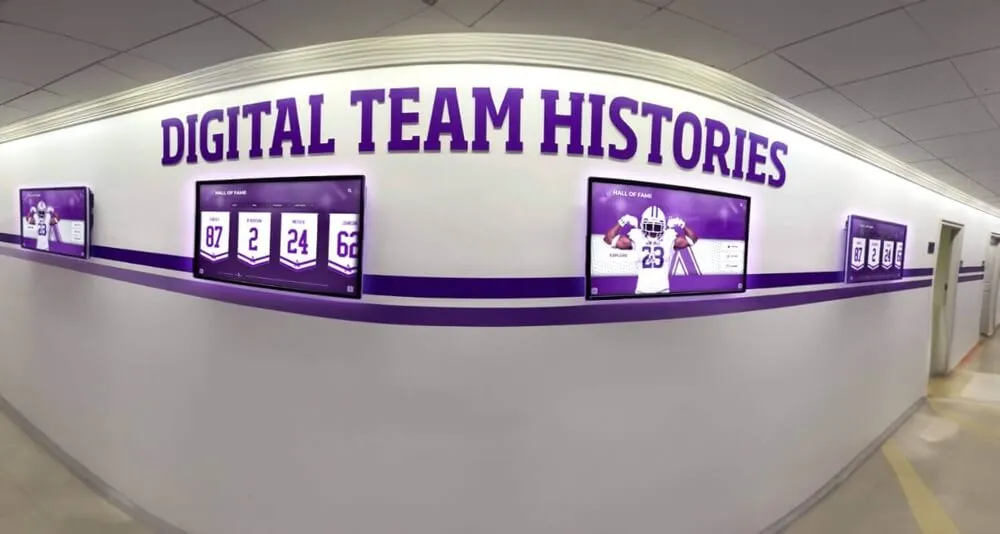
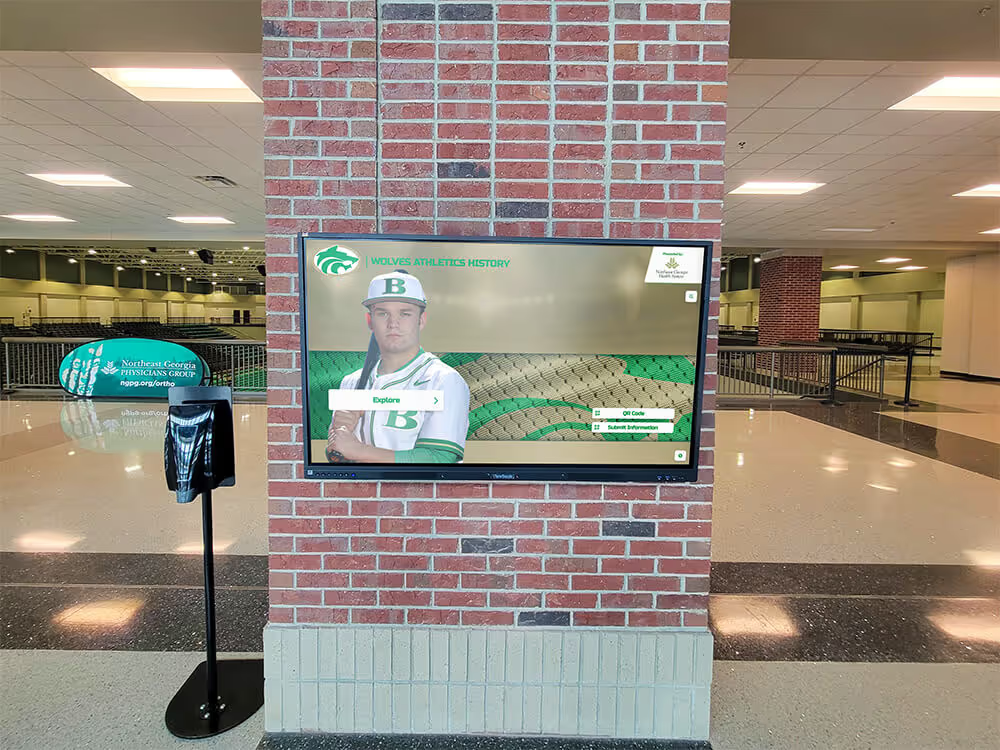
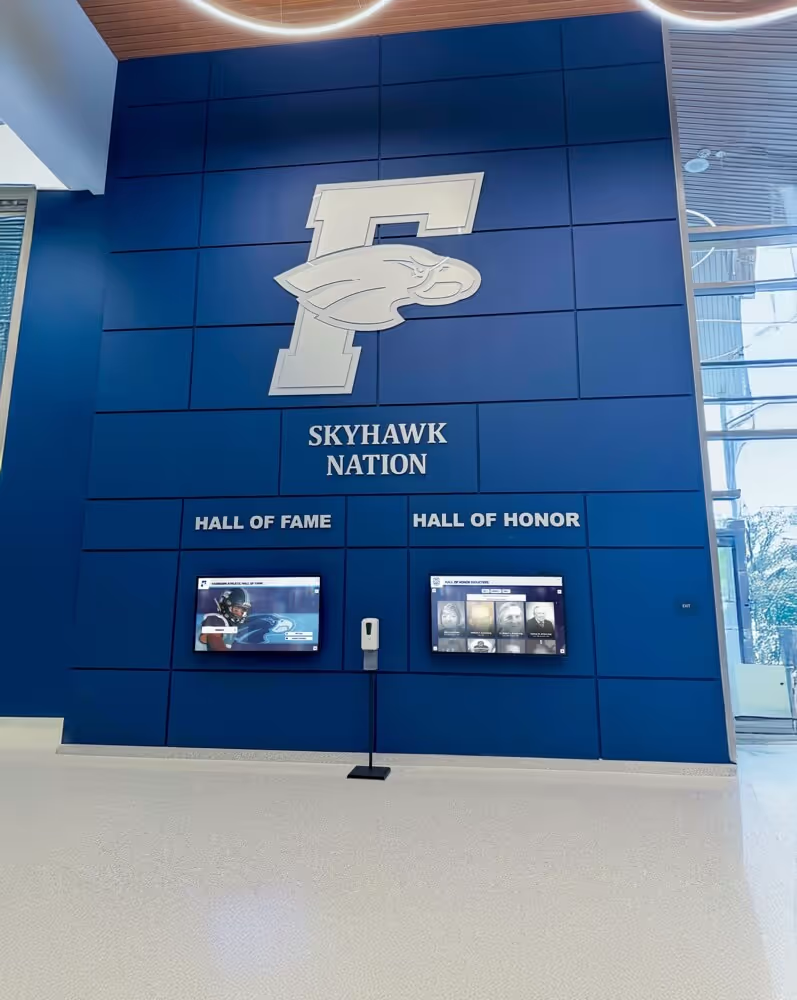
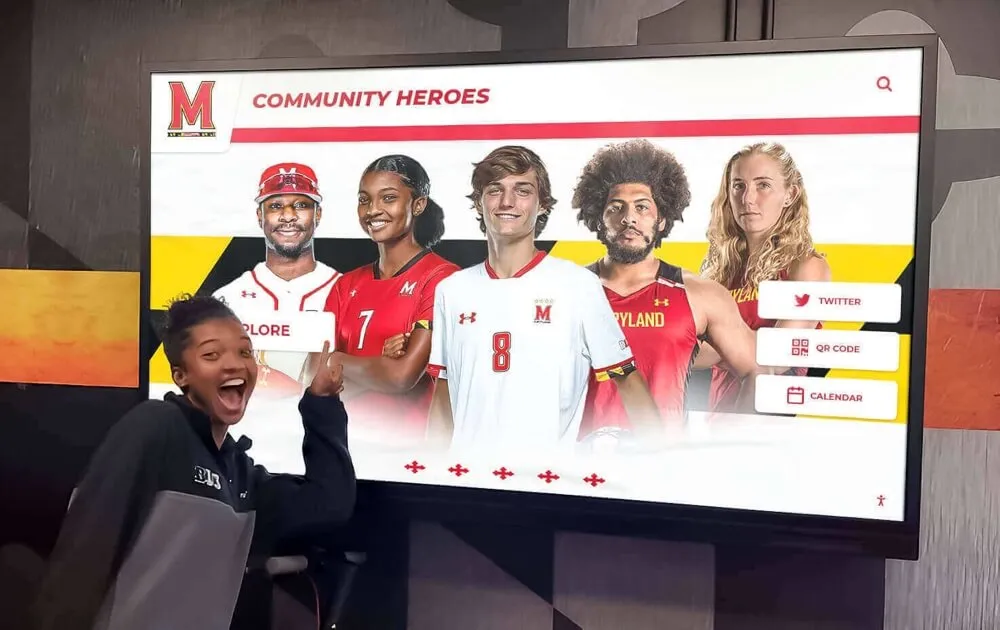
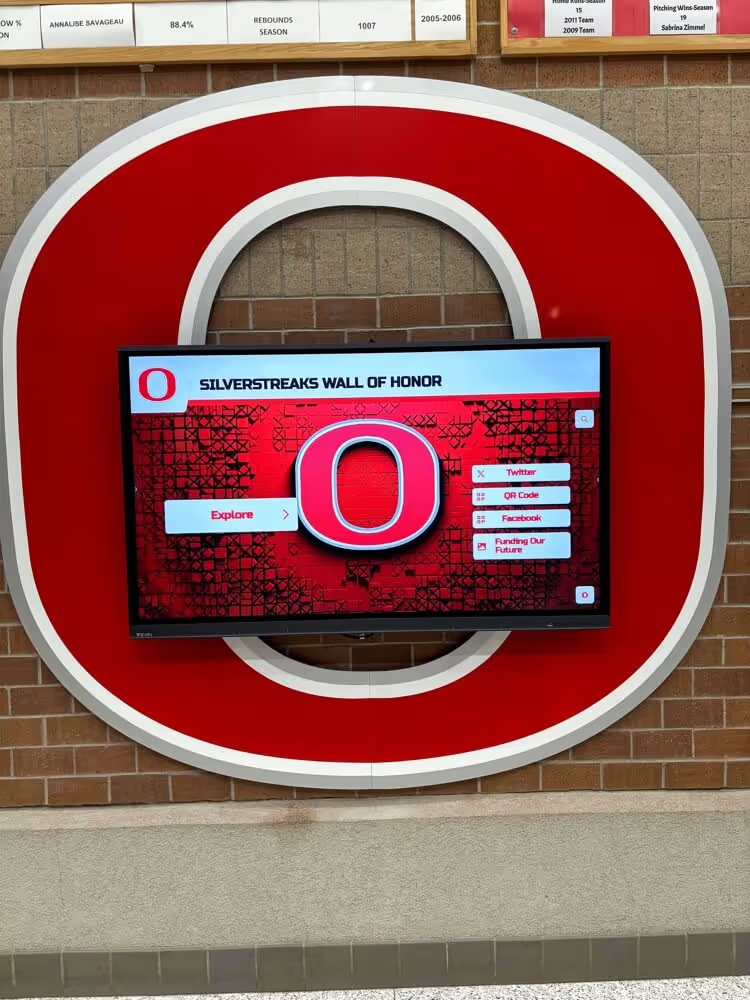
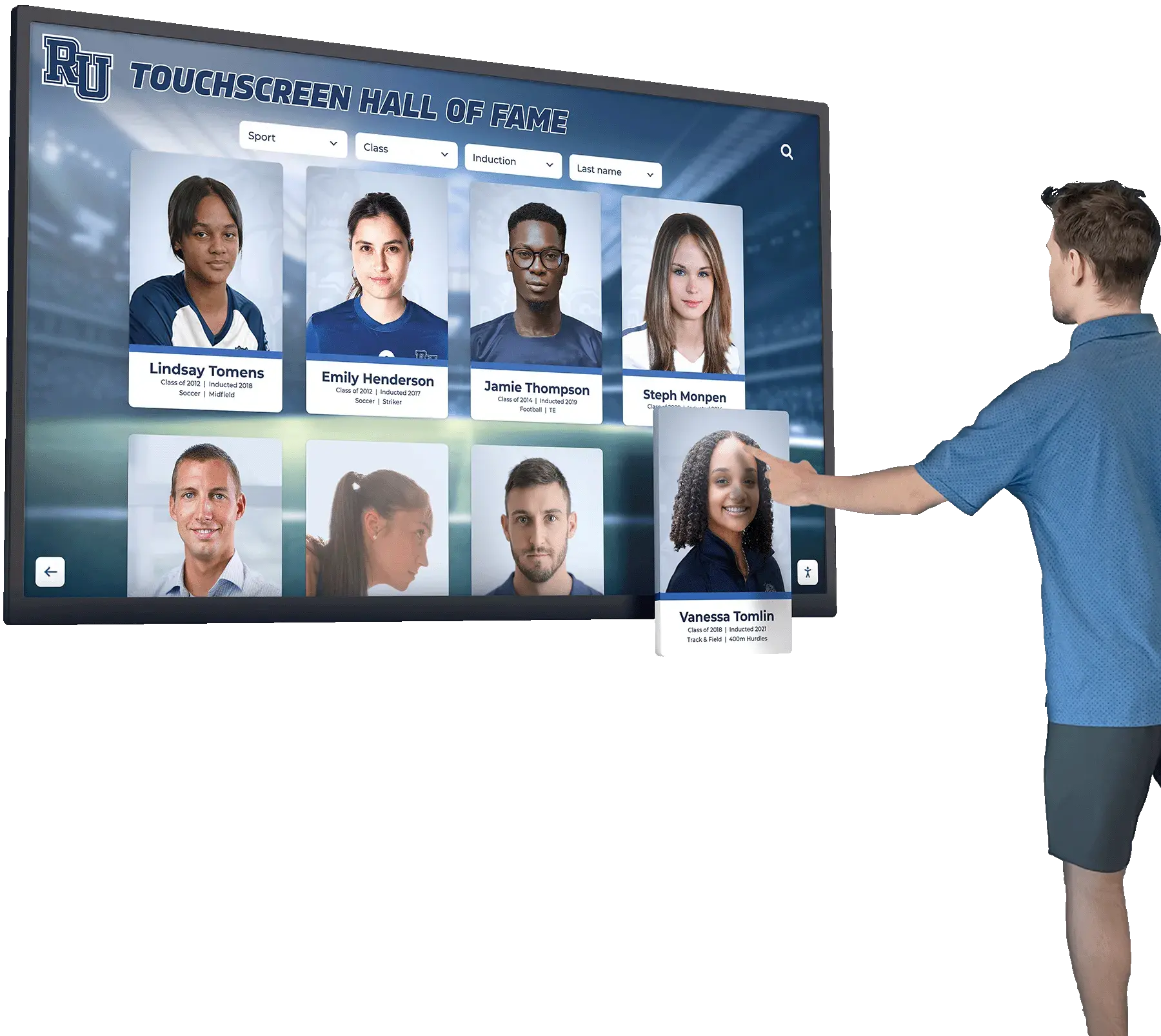
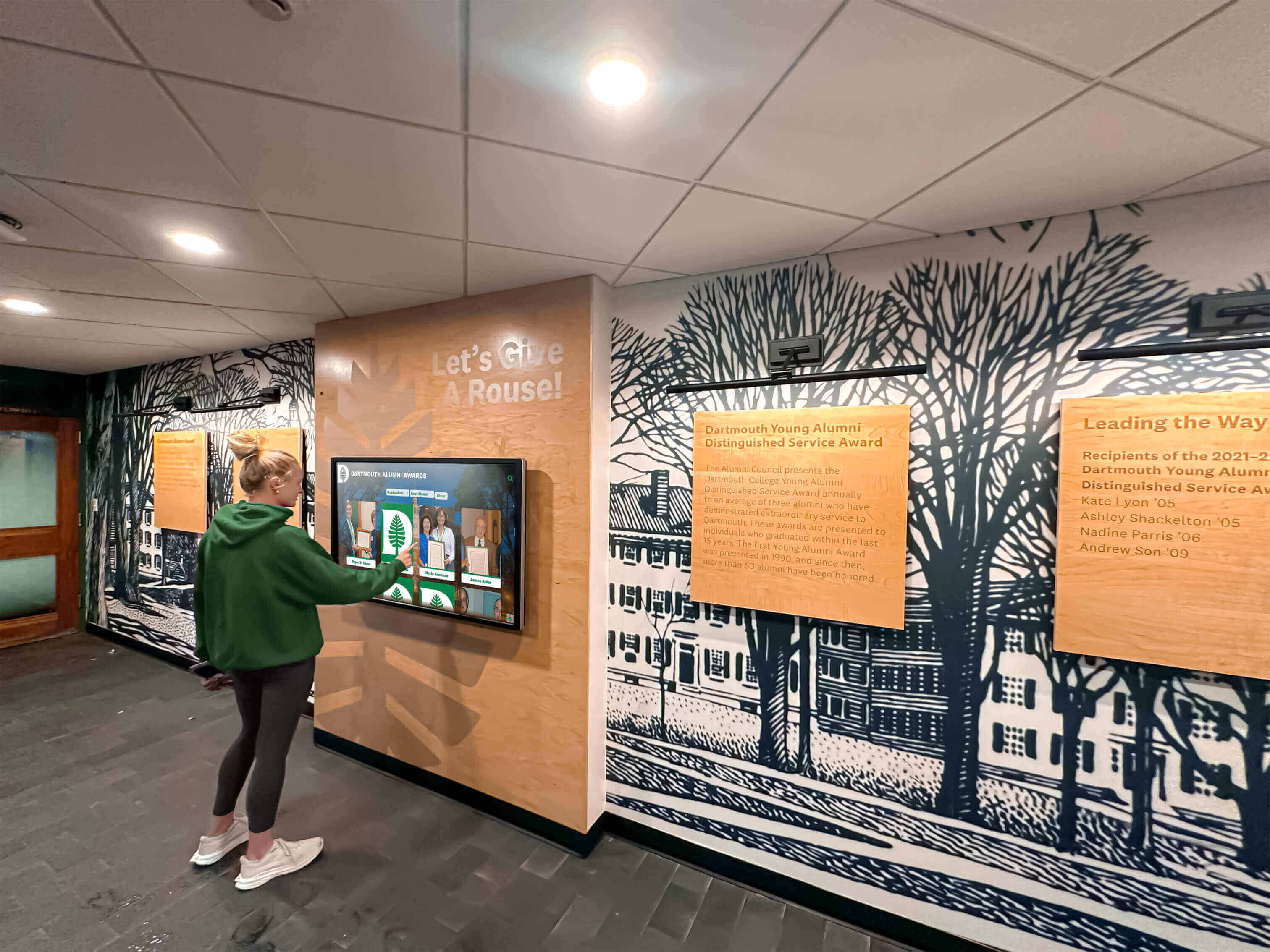
Interactive displays enable schools to showcase chess achievements alongside athletic and academic recognition, giving intellectual competitions equal visibility
The Value of Chess Programs in Schools
Understanding the broader educational benefits chess programs deliver helps schools appreciate why these activities deserve comprehensive support and systematic recognition.
Cognitive and Academic Benefits
Research consistently demonstrates that chess participation correlates with improved academic outcomes across multiple dimensions:
Critical Thinking and Problem-Solving Development Chess requires systematic analysis of complex situations with multiple variables, evaluation of alternative strategies and their likely outcomes, anticipation of opponent responses and counter-strategies, adaptation to changing circumstances as games evolve, and recognition of patterns applicable across different situations.
These cognitive skills transfer directly to academic contexts including mathematics problem-solving, scientific hypothesis testing, reading comprehension analysis, and essay planning and argumentation. Studies have shown that students who participate regularly in chess programs often demonstrate improved standardized test performance, particularly in mathematics and reading comprehension sections requiring analytical thinking.
Executive Function and Self-Regulation Tournament chess develops essential executive function skills including delayed gratification through patient position building, emotional regulation when facing challenging situations, sustained concentration during games lasting 30-90 minutes, and metacognitive awareness of one’s own thinking processes. These self-regulation capabilities benefit students across all academic subjects and life contexts requiring discipline and focus.
Social and Emotional Development
Beyond cognitive benefits, chess programs provide unique social-emotional learning opportunities:
Inclusive Competitive Environment Chess competitions create meritocratic environments where success depends on skill development and strategic thinking rather than physical attributes, socioeconomic advantages, or other factors that may create barriers in different activities. Students of all backgrounds, physical abilities, and social circumstances can compete on equal footing when they develop chess expertise through study and practice.
This inclusivity makes chess particularly valuable for students who may not find competitive outlets in athletics or other domains. A student with physical disabilities can compete equally with able-bodied peers. A socially anxious student can engage through the structured, non-verbal competition chess provides. And students from diverse cultural backgrounds often connect through chess’s universal language and rules.
Sportsmanship and Character Development Tournament chess teaches essential character qualities including graceful acceptance of both victory and defeat, respect for opponents regardless of their skill level, integrity and honesty in competitive environments, persistence through challenging positions and difficult losses, and humility despite competitive success.
These character traits extend beyond chess into broader life contexts, preparing students for future academic, professional, and personal challenges requiring similar qualities of character and sportsmanship.
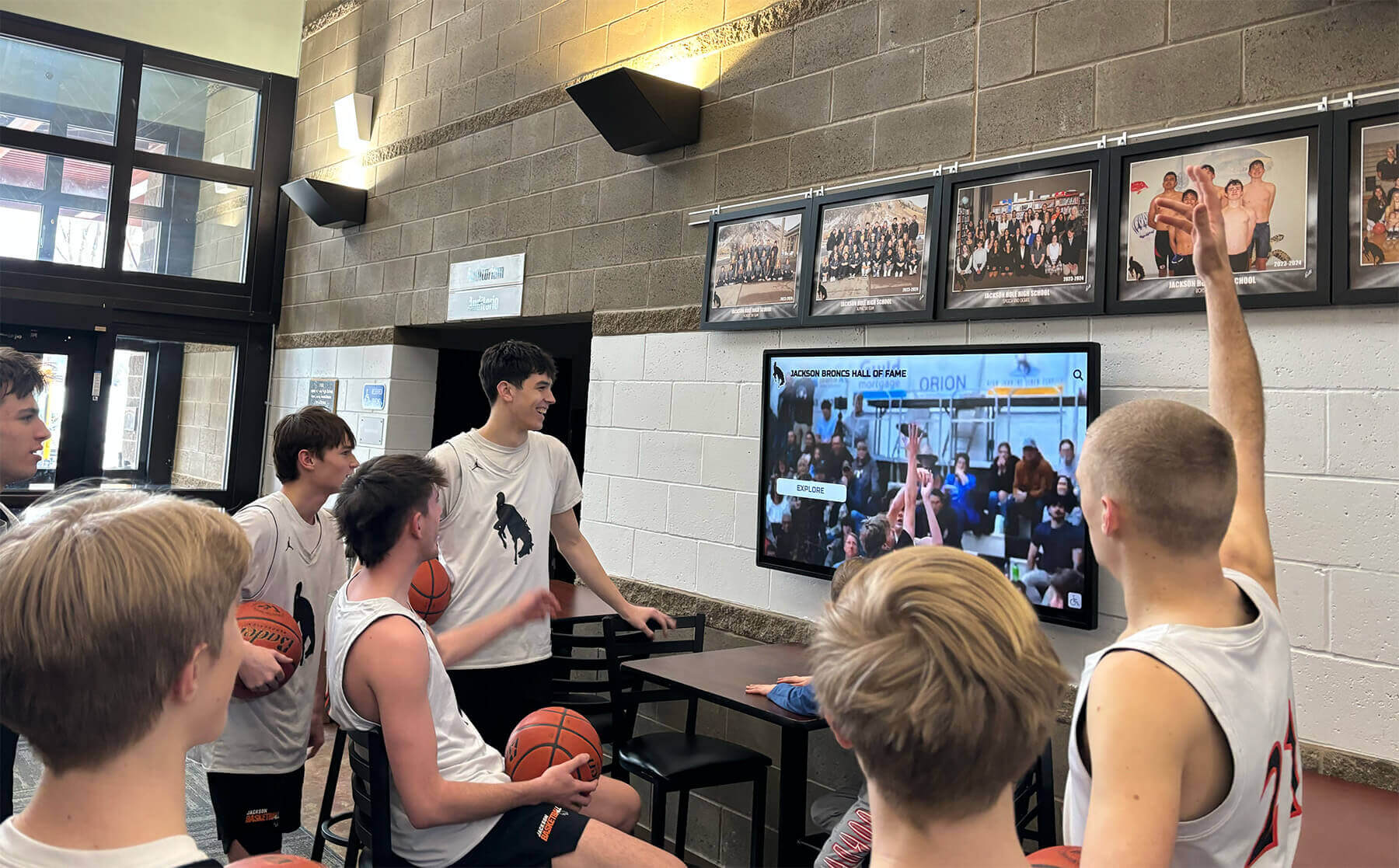
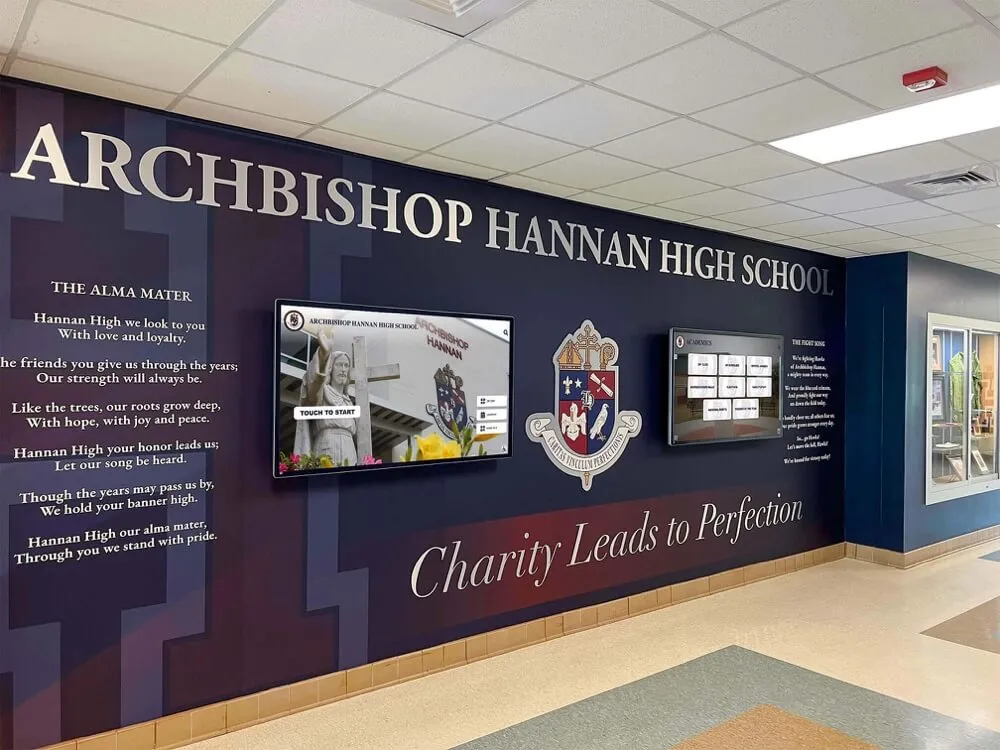
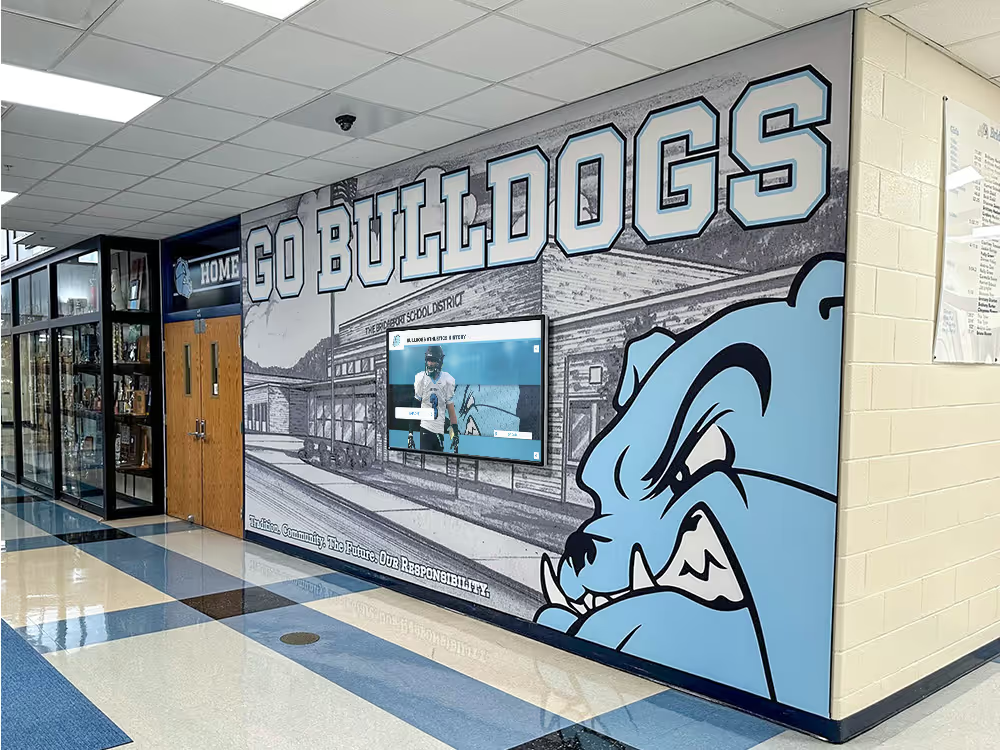
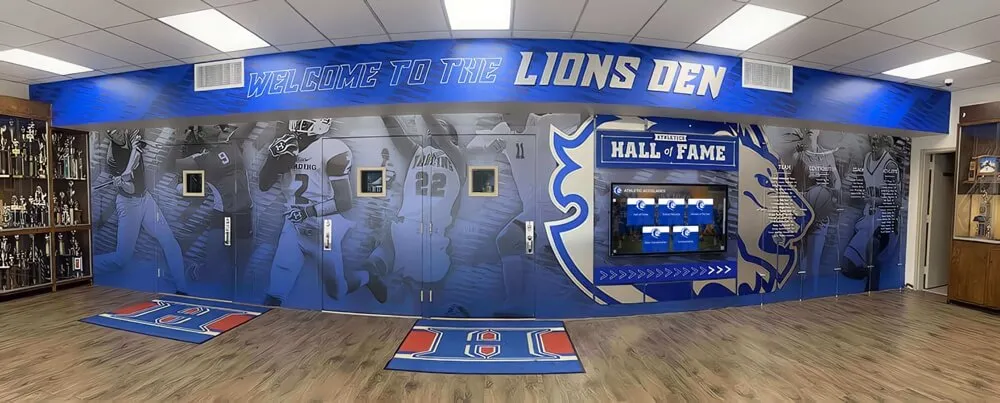
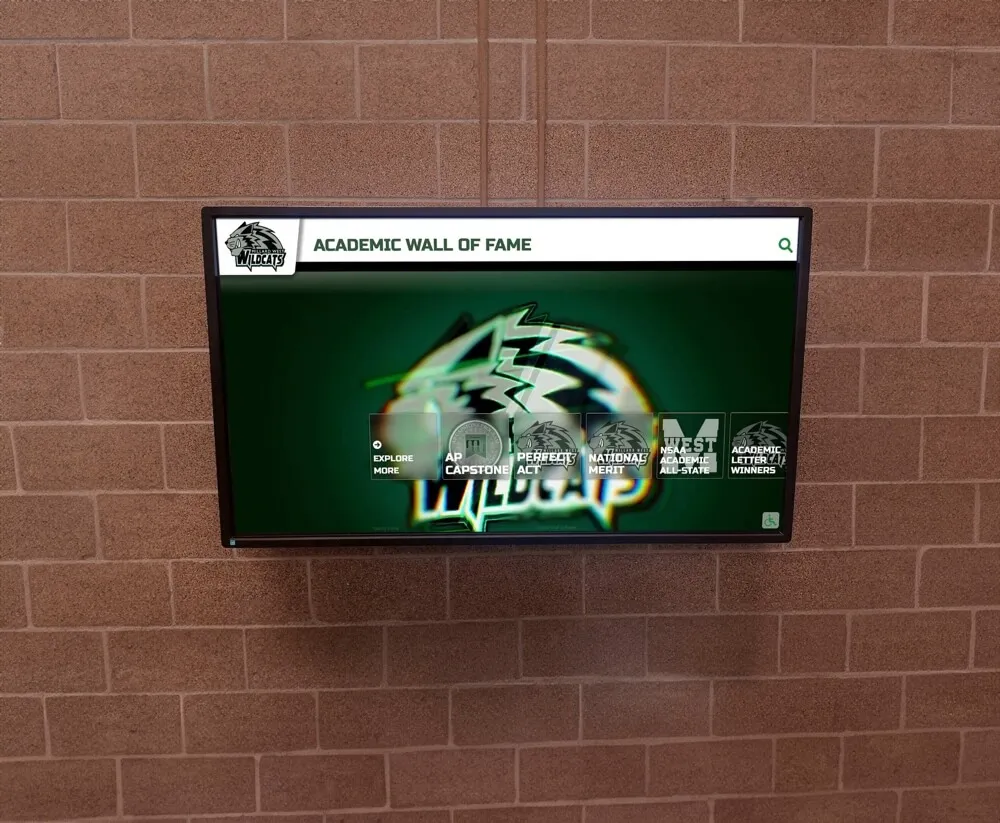
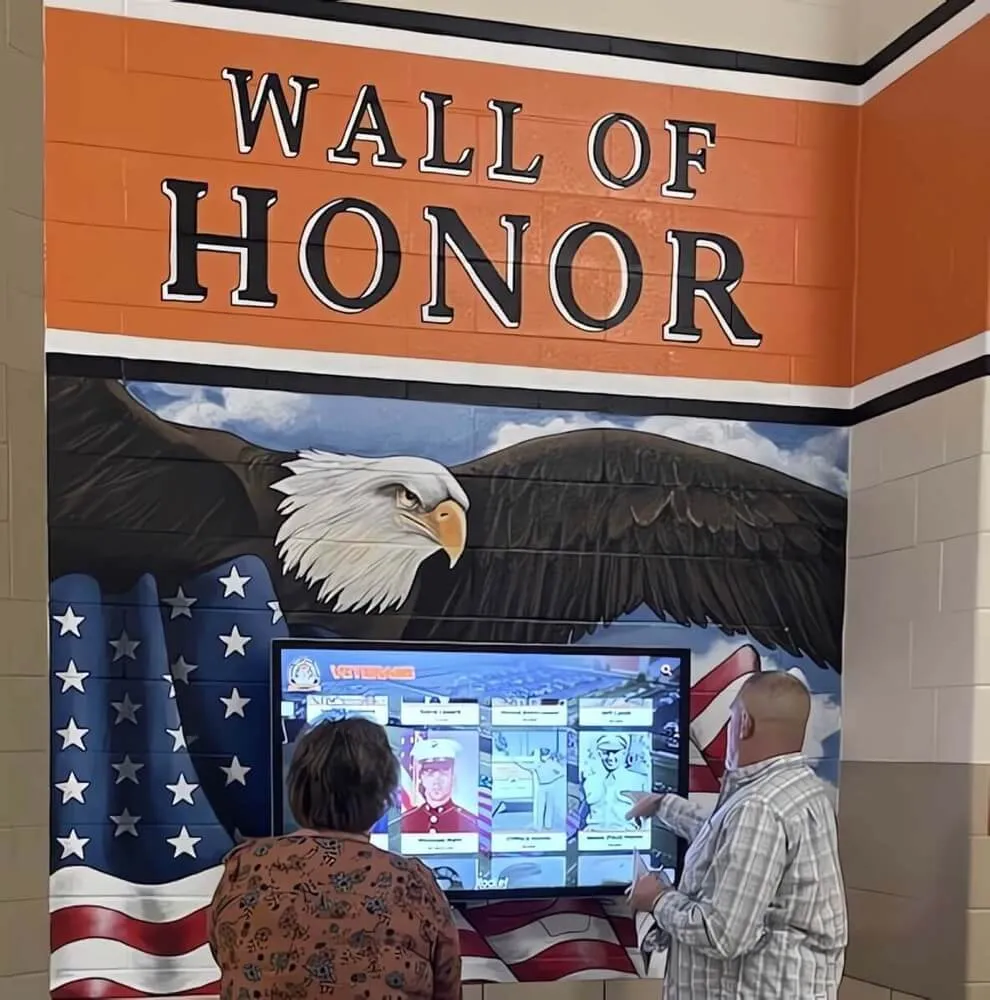
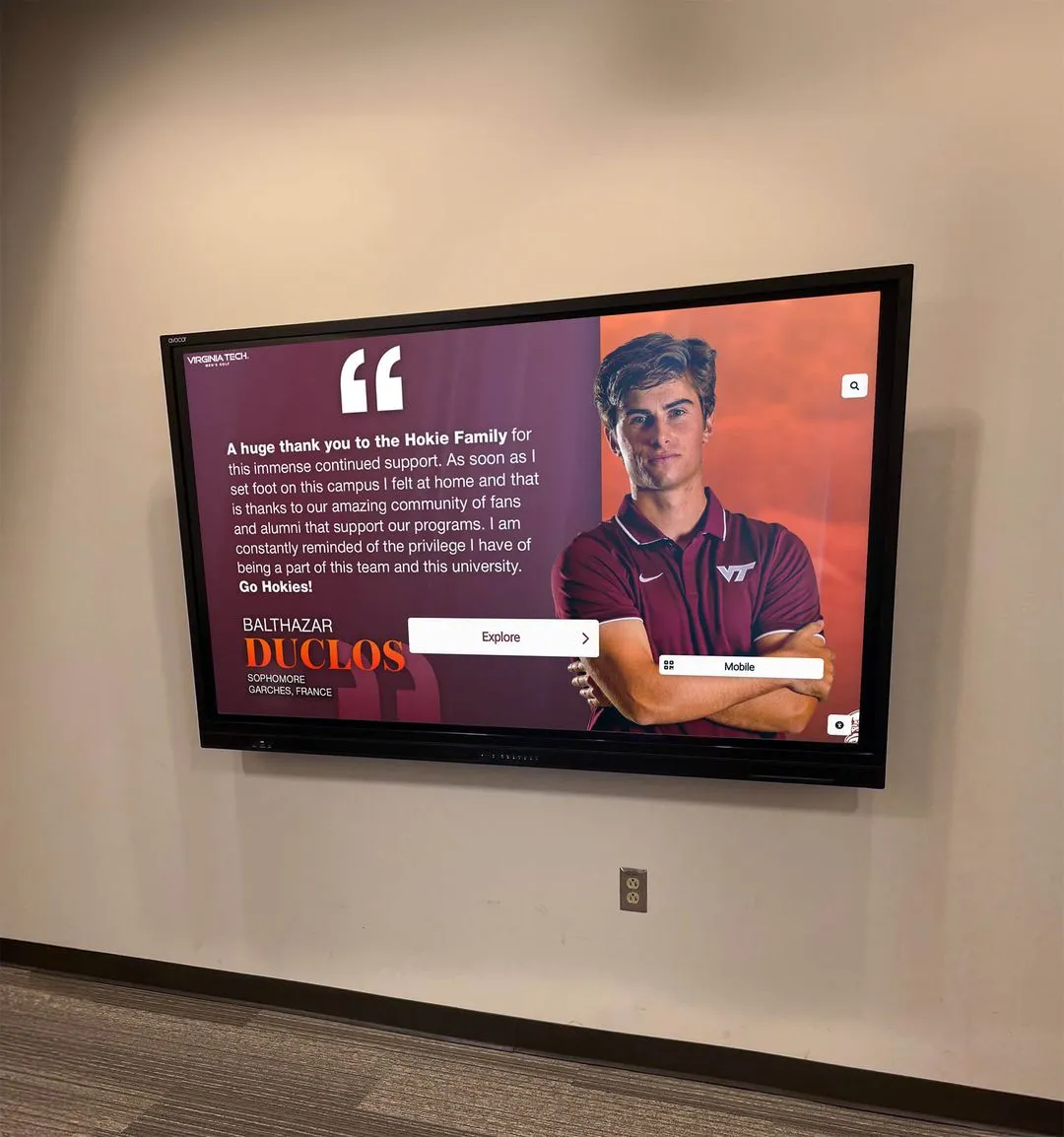
Digital displays create natural gathering points where students explore achievements across all programs, including chess and academic competitions
Leadership and Organizational Skill Development
Chess club officer positions provide valuable leadership development opportunities often underappreciated in school recognition systems:
Club President Leadership Responsibilities Students serving as chess club presidents develop practical organizational skills through coordinating regular meeting schedules and locations, managing club membership rosters and communication, planning and executing tournaments and special events, budgeting for equipment purchases and tournament fees, recruiting new members and sustaining engagement, representing the club to school administration and external organizations, and mentoring less experienced players and club members.
These leadership experiences prove valuable when students apply to colleges, seek employment, and engage in community leadership throughout their lives. Chess club presidents deserve recognition equal to other student leadership positions for the significant time, effort, and skill development these roles require.
Essential Responsibilities of Chess Club Presidents
Understanding the full scope of chess club presidential duties helps schools appreciate the leadership commitment these positions require and recognize presidents appropriately.
Meeting Coordination and Club Management
Effective chess club presidents serve as primary coordinators ensuring smooth day-to-day club operations:
Regular Meeting Planning Successful presidents establish consistent meeting schedules, typically weekly during school year terms, secure appropriate meeting spaces with sufficient board and table access, prepare agendas balancing instruction, practice, and social interaction, arrange for instructional content or guest speakers when appropriate, and maintain attendance records documenting participation.
Meeting consistency matters significantly—clubs meeting sporadically struggle with engagement while those with reliable schedules build strong participation cultures. Presidents who establish consistent rhythms create foundations for successful programs.
Communication and Information Management Chess club presidents serve as primary communication links between members, school administration, and external organizations. Key communication responsibilities include maintaining contact lists with current member information, distributing meeting announcements and event updates, coordinating with faculty advisors about logistical needs, submitting required paperwork to student activities offices, and managing social media or digital platforms for club communication.
Effective communication ensures that interested students know when and where to participate while administrators understand club activities and needs.
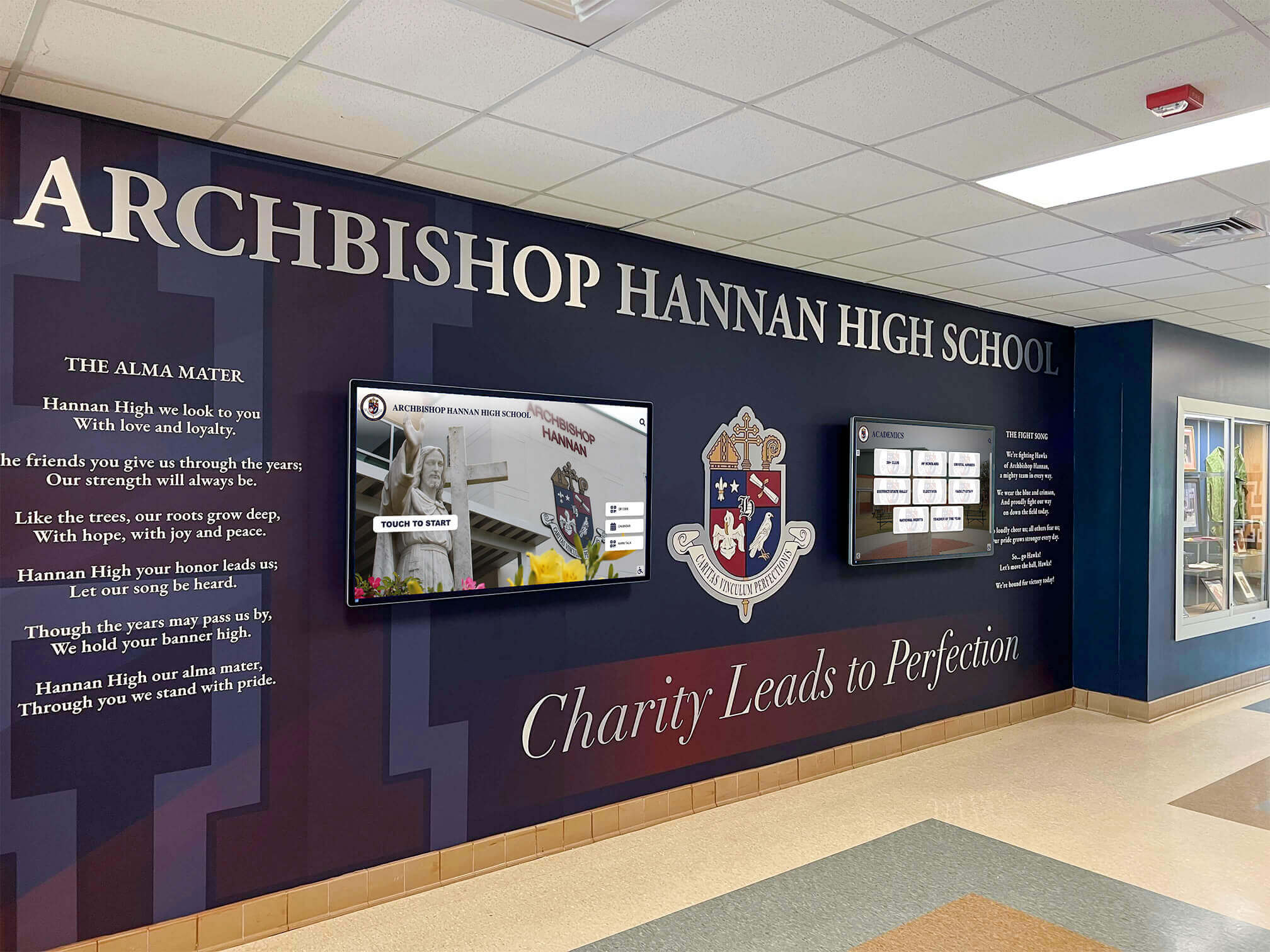
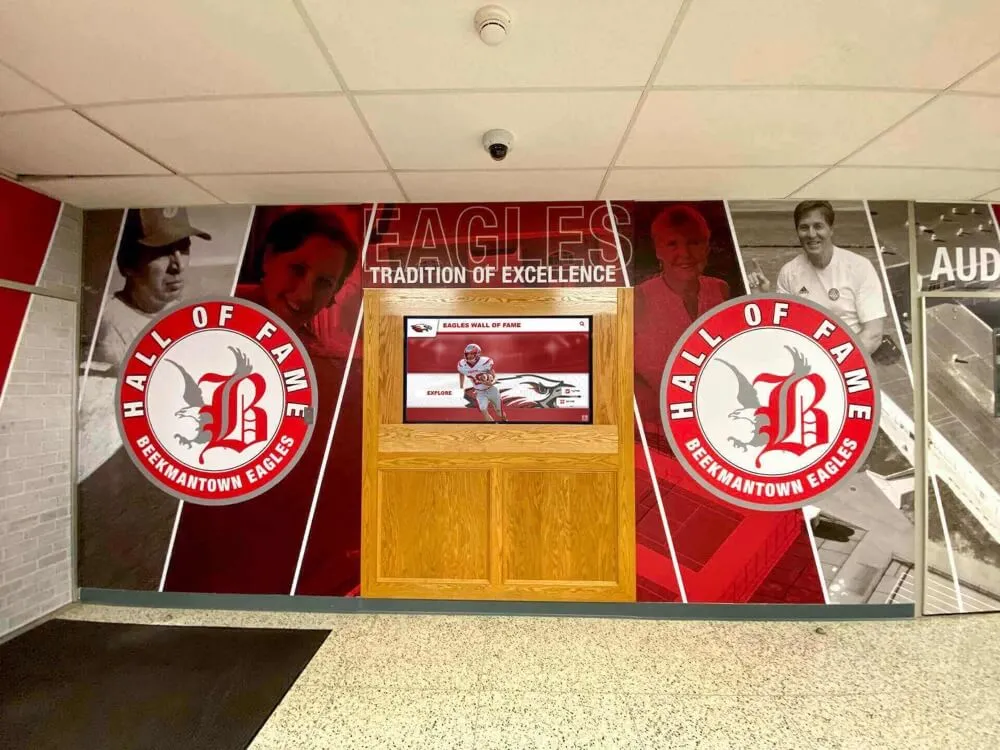
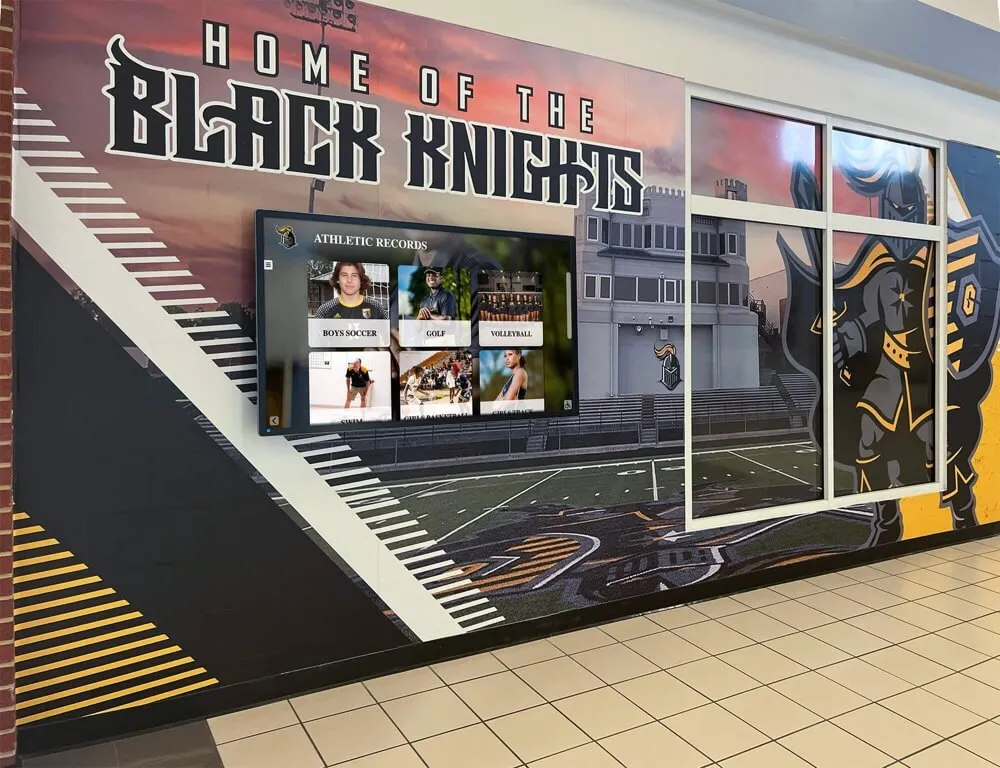
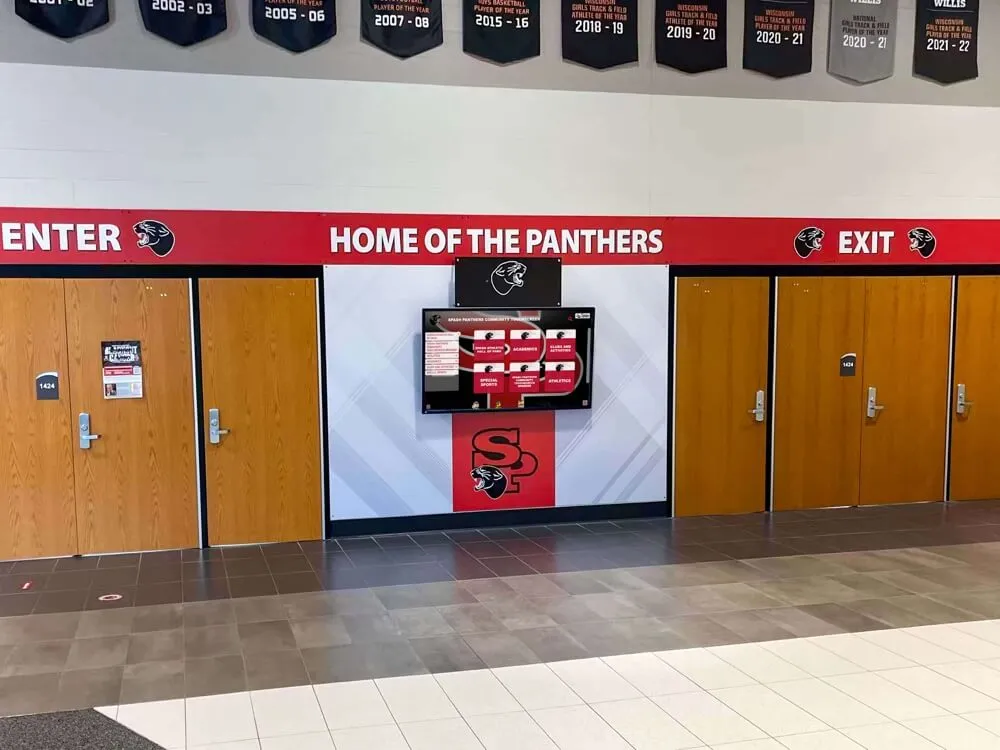
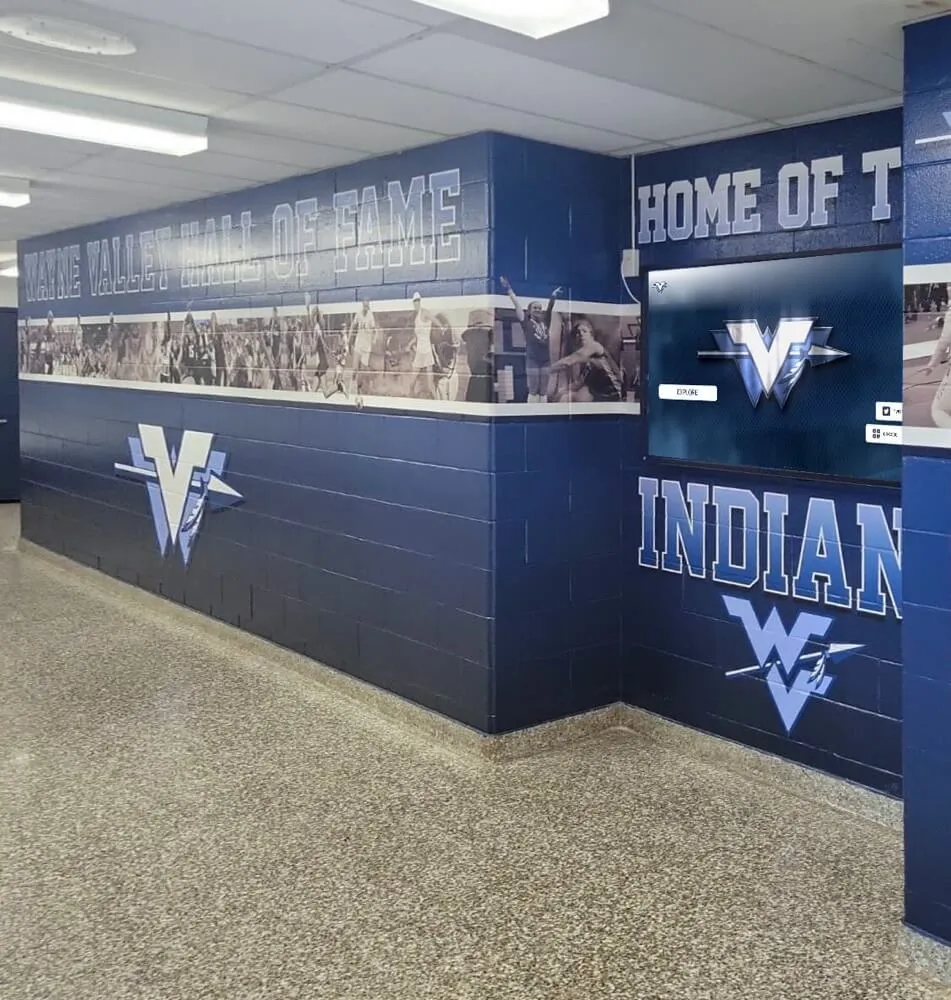
School entrance displays create welcoming environments celebrating achievements across all programs, including academic clubs and competitions
Tournament Organization and Competitive Opportunities
Presidents who create regular competitive opportunities build stronger, more engaged chess programs:
Internal Club Tournament Planning Organizing internal tournaments helps presidents develop valuable event management skills while providing competitive experiences for members. Effective internal tournaments include establishing appropriate tournament formats for participant numbers, creating fair pairings ensuring competitive matches, maintaining accurate game records and standings, providing recognition for tournament winners and strong performances, and creating welcoming atmospheres for players of all skill levels.
Internal tournaments serve multiple purposes beyond competition—they help assess member skill levels for pairing in practice games, provide lower-pressure competitive experiences for less experienced players, create club traditions and ongoing storylines, and prepare members for external tournament participation.
External Tournament Coordination Presidents who facilitate external tournament participation significantly enhance program value. Key responsibilities include researching appropriate tournaments for various skill levels, coordinating registration processes and entry fee collection, arranging transportation to tournament venues when needed, communicating tournament logistics to participants and parents, and tracking tournament results for recognition and club records.
External tournament participation provides students with competitive experiences against broader opponent pools, creates opportunities for rating establishment and improvement, enables qualification for state and national competitions, and demonstrates program quality through competitive results.
Member Development and Instructional Leadership
Strong chess club presidents recognize that building member skills strengthens overall program quality:
Teaching and Skill Development Presidents need not be masters to facilitate effective instruction. Successful approaches include organizing peer instruction where stronger players teach fundamentals, coordinating with faculty advisors about instructional content, inviting guest instructors from local chess clubs or communities, utilizing online instructional resources during meetings, and creating progression pathways helping beginners advance systematically.
Clubs where members visibly improve through participation sustain engagement far better than those offering only social play without development opportunities.
Creating Inclusive Learning Environments Presidents should ensure chess clubs welcome players of all experience levels. Effective inclusion strategies include providing basic instruction for absolute beginners, creating mentorship pairings between experienced and new players, organizing handicap or variant games for mixed-skill play, recognizing improvement and effort alongside competitive success, and maintaining positive, supportive atmospheres free from intimidation or elitism.
When beginners feel welcomed and supported rather than intimidated, chess programs grow and sustain diverse participation.
Recognizing Chess Tournament Achievement
Tournament success represents significant accomplishment deserving systematic recognition comparable to achievements in other competitive domains.
Types of Chess Competition and Achievement Levels
Understanding the competitive chess landscape helps schools recognize achievements appropriately:
School and District Level Competition Internal school tournaments and local district competitions provide important competitive experiences, especially for developing players. Recognition categories may include school championship titles across different skill divisions, grade-level tournament winners, most improved player awards recognizing development, and participation milestones celebrating consistent engagement.
These school-level achievements deserve recognition even though they represent more local accomplishment than state or national competitions. For many students, winning a school chess tournament represents their highest competitive achievement and should be celebrated accordingly.
State and Regional Tournament Success State championship competitions and regional qualifiers represent significant competitive accomplishments requiring substantial skill development and preparation. Recognition should acknowledge state championship titles in appropriate grade and rating divisions, top-five or top-ten finishes in state competitions, qualification for regional or national championship events, and state rating achievements demonstrating skill level progression.
State-level tournament success demonstrates chess excellence comparable to state athletic championships and deserves equivalent recognition visibility.

Trophy displays traditionally celebrate athletic achievements, but comprehensive recognition programs should include chess championships receiving equal visibility
National Championship and Elite Competition Students achieving success in national championship events or elite invitational tournaments deserve the highest levels of school recognition. National-level achievements include U.S. Chess Federation national championship titles or top finishes, World Youth Chess Championship participation or placement, national rating achievements placing students among top competitors in age groups, and invitational tournament participation in prestigious events requiring qualification.
National chess champions deserve recognition comparable to state athletic champions, including prominent display space, school announcements and media coverage, and permanent inclusion in school achievement records.
Rating Achievements and Skill Milestones
Beyond tournament placement, rating achievements represent important competitive milestones in chess:
Understanding Chess Rating Systems The U.S. Chess Federation maintains rating systems tracking player skill levels through competitive performance. Rating ranges include unrated players beginning tournament participation, Class E (under 1200), Class D (1200-1399), Class C (1400-1599), Class B (1600-1799), Class A (1800-1999), Expert (2000-2199), and Master (2200+).
Schools can recognize rating achievement milestones as students progress through rating classes, celebrating advancement from Class D to Class C, achievement of Class A or Expert ratings, and attainment of Master ratings representing elite accomplishment.
Rating Improvement Recognition Beyond absolute rating achievements, schools should recognize significant improvement demonstrating dedication and development. Recognition can celebrate 100-point, 200-point, or 300-point rating improvements over academic years, percentage improvement relative to starting ratings, or consistent upward rating trajectories over multiple tournaments.
Improvement recognition ensures that students at all skill levels receive acknowledgment for their development and dedication rather than limiting celebration exclusively to highest absolute achievers.
Team Competition Recognition
Many schools participate in team chess competitions deserving collective recognition:
School Team Championship Success Team competitions create collaborative environments where individual performance contributes to collective outcomes. Team achievements worthy of recognition include district or conference team championship titles, state team championship qualification or placement, successful defense of team titles across multiple years, and undefeated season records in team competition.
Team chess championships deserve recognition comparable to athletic team championships, including championship banners, team photos and rosters, individual team member recognition, and permanent program history documentation.
Modern Recognition Solutions for Chess Programs
Digital recognition platforms provide chess programs with visibility and celebration capacity previously unavailable through traditional approaches.
Limitations of Traditional Chess Recognition
Schools attempting to recognize chess achievement through traditional methods face significant constraints:
Physical Display Space Challenges Trophy cases fill quickly with athletic awards, leaving minimal space for chess trophies and recognition. Hallway walls lack room for chess achievement displays alongside athletic and academic recognition. And schools with limited display space face difficult choices about which achievements receive visible acknowledgment.
Static Recognition Constraints Traditional plaques and certificates provide limited information beyond names, dates, and achievement titles. Photos show only individuals without context about their accomplishments or competitive journeys. And physical displays cannot easily show game highlights, tournament progression, or comprehensive achievement histories.
Update and Maintenance Difficulties Adding new recognition to physical displays requires engraving services, trophy purchases, or printing and mounting processes creating barriers to timely updates. Maintaining current, accurate displays requires ongoing effort that busy administrators struggle to prioritize consistently.
These limitations mean chess achievements often receive minimal visible recognition despite representing significant student accomplishment comparable to celebrated athletic and academic achievements.
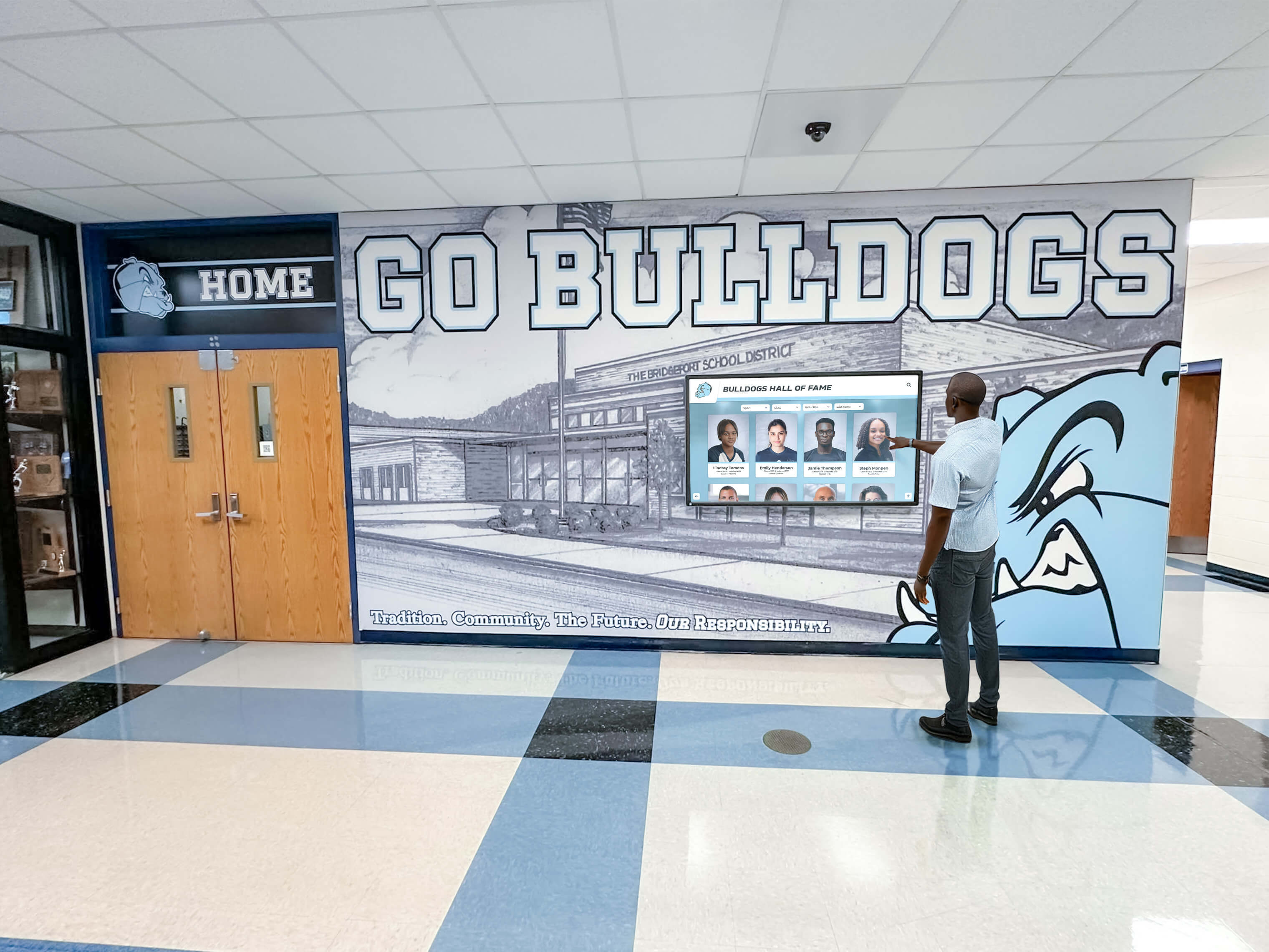
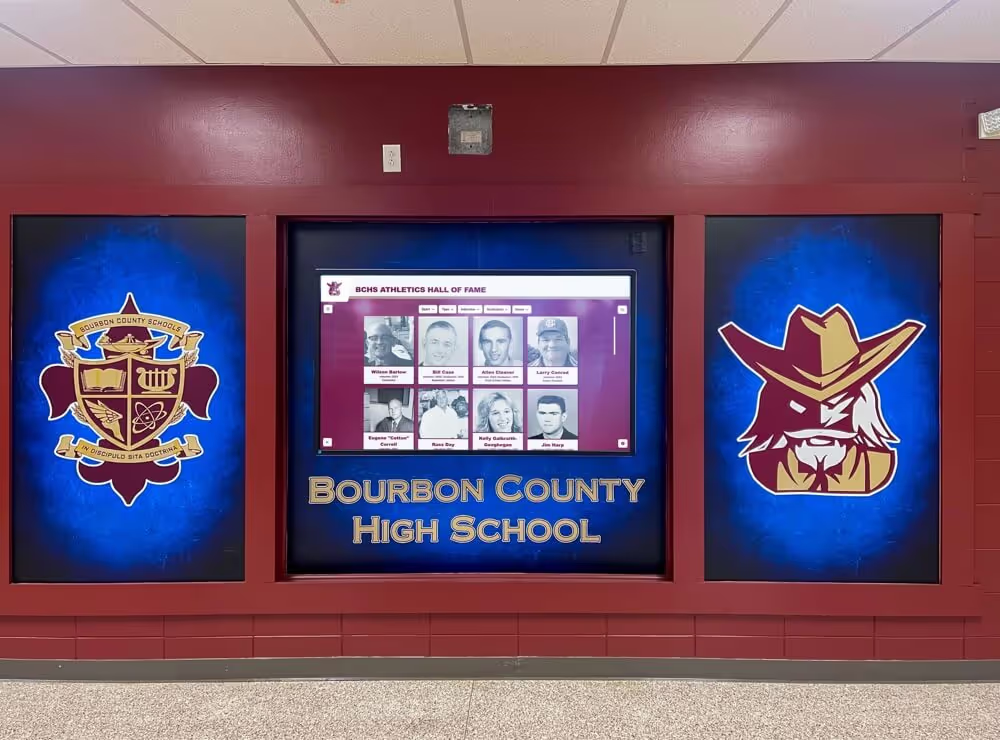
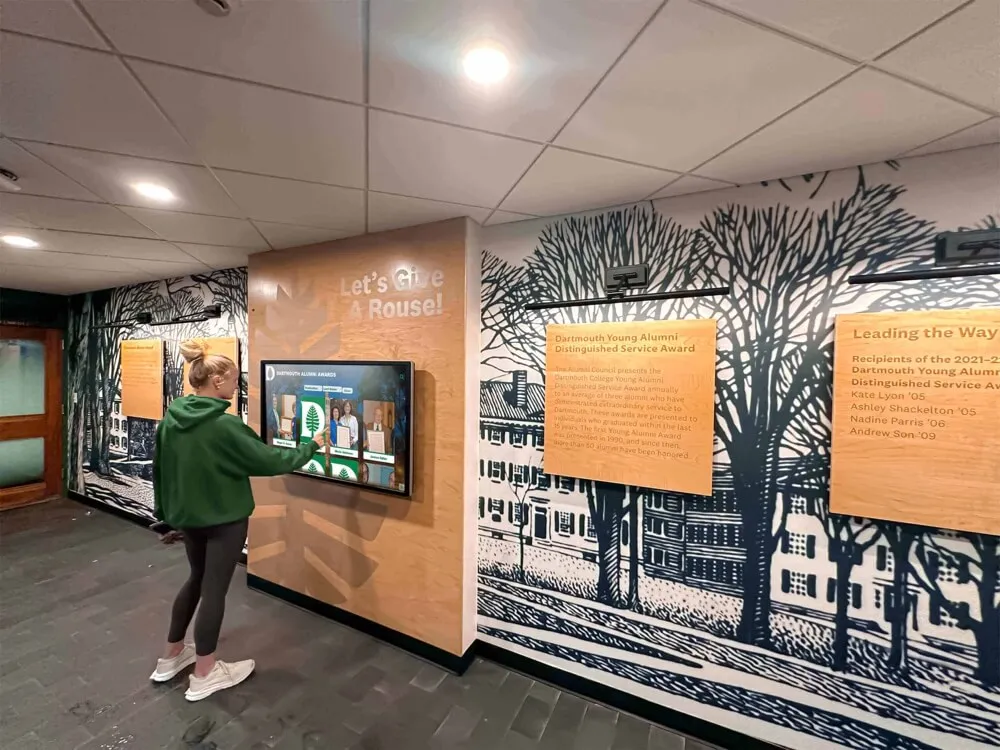
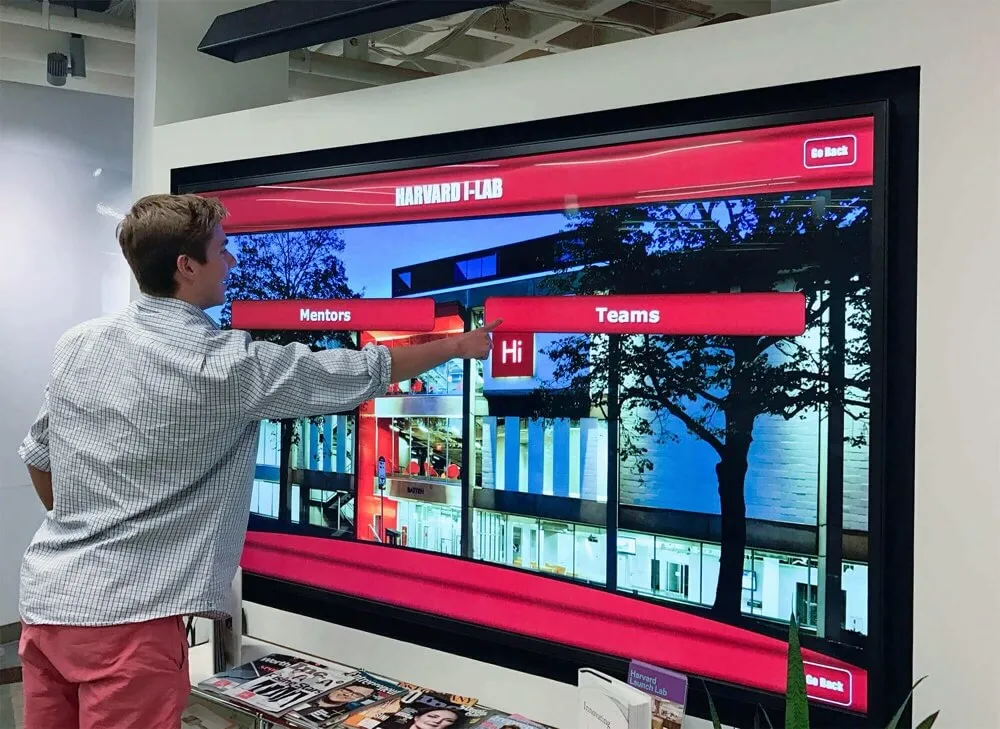
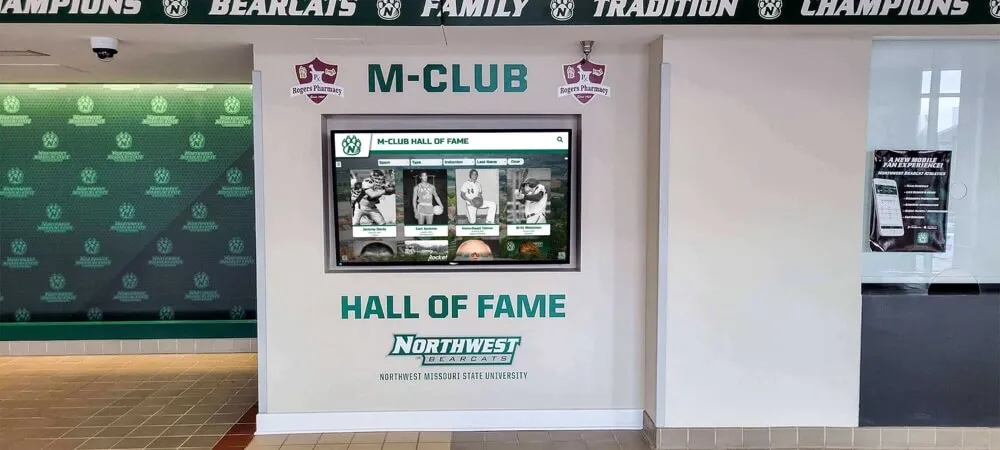
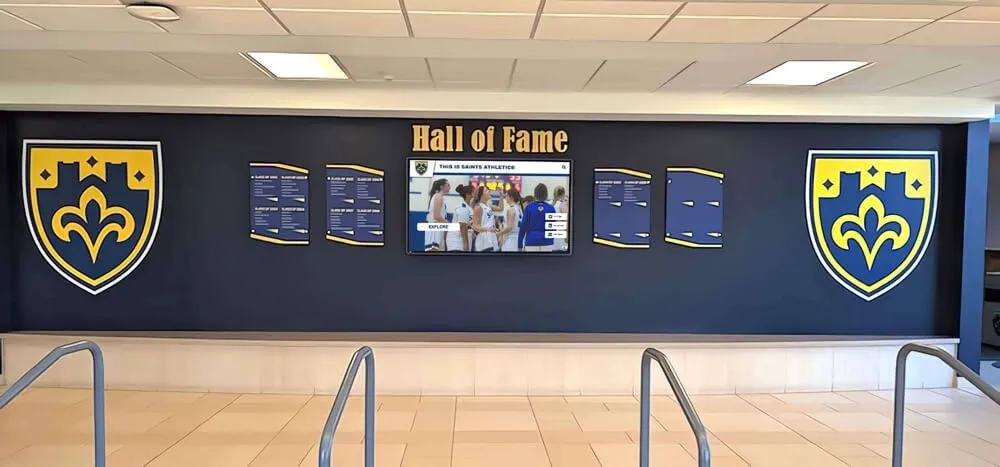
Interactive displays enable comprehensive recognition without physical space constraints, allowing chess achievements to receive equal visibility alongside traditional programs
Digital Recognition Display Benefits for Chess Programs
Modern digital recognition solutions like Rocket Alumni Solutions address traditional recognition limitations while providing chess-specific benefits:
Unlimited Recognition Capacity Digital platforms eliminate space constraints that limit traditional recognition. Schools can comprehensively showcase every chess club president across program history with photos and leadership accomplishments, all tournament winners across school, district, state, and national competitions, rating achievement milestones for all competitive players, team championship rosters and competition results, and club member profiles celebrating participation and contributions.
This unlimited capacity ensures chess recognition isn’t limited by physical display space constraints that have historically prioritized athletic over academic achievements.
Rich Multimedia Chess Documentation Digital recognition enables documentation impossible with traditional approaches. Chess-specific content can include game notation for significant victories and championship games, tournament progression showing path to championship success, rating graphs documenting skill development over time, video interviews with players and presidents reflecting on experiences, and photo galleries from club meetings, tournaments, and celebration events.
This multimedia depth transforms recognition from simple documentation into compelling storytelling that celebrates complete chess journeys rather than listing names and dates alone.
Easy Updates and Maintenance Cloud-based content management systems enable administrators to update chess recognition immediately without physical installation requirements. After tournaments conclude, administrators can publish results within minutes, update rating achievements as they occur throughout seasons, feature current club presidents and leadership teams, and maintain accurate, current recognition displays without technical expertise or significant time investment.
This ease of maintenance ensures chess recognition remains current and relevant rather than becoming outdated between infrequent physical display updates.
Implementing Comprehensive Chess Recognition Programs
Schools ready to enhance chess recognition should consider systematic approaches ensuring appropriate visibility:
Creating Chess-Specific Recognition Categories Effective digital recognition organizes chess content into clear categories including club leadership section featuring all presidents and officers with terms of service, tournament achievement section organized by competition level and year, rating milestone recognition documenting progression through skill levels, team competition section celebrating collective achievements, and club history section preserving program evolution and traditions.
Clear organization helps visitors easily explore chess achievements while ensuring comprehensive coverage across all recognition categories.
Integrating Chess into Broader Recognition Systems Rather than creating isolated chess displays, schools should integrate chess recognition into comprehensive achievement platforms celebrating excellence across all domains. Solutions like digital recognition displays enable visitors to explore athletic, academic, arts, and chess achievements through unified interfaces—communicating that schools value all forms of excellence equally.
This integrated approach ensures chess receives equal visibility and celebration as athletic programs while simplifying system management through unified platforms rather than disconnected display types for different achievement categories.
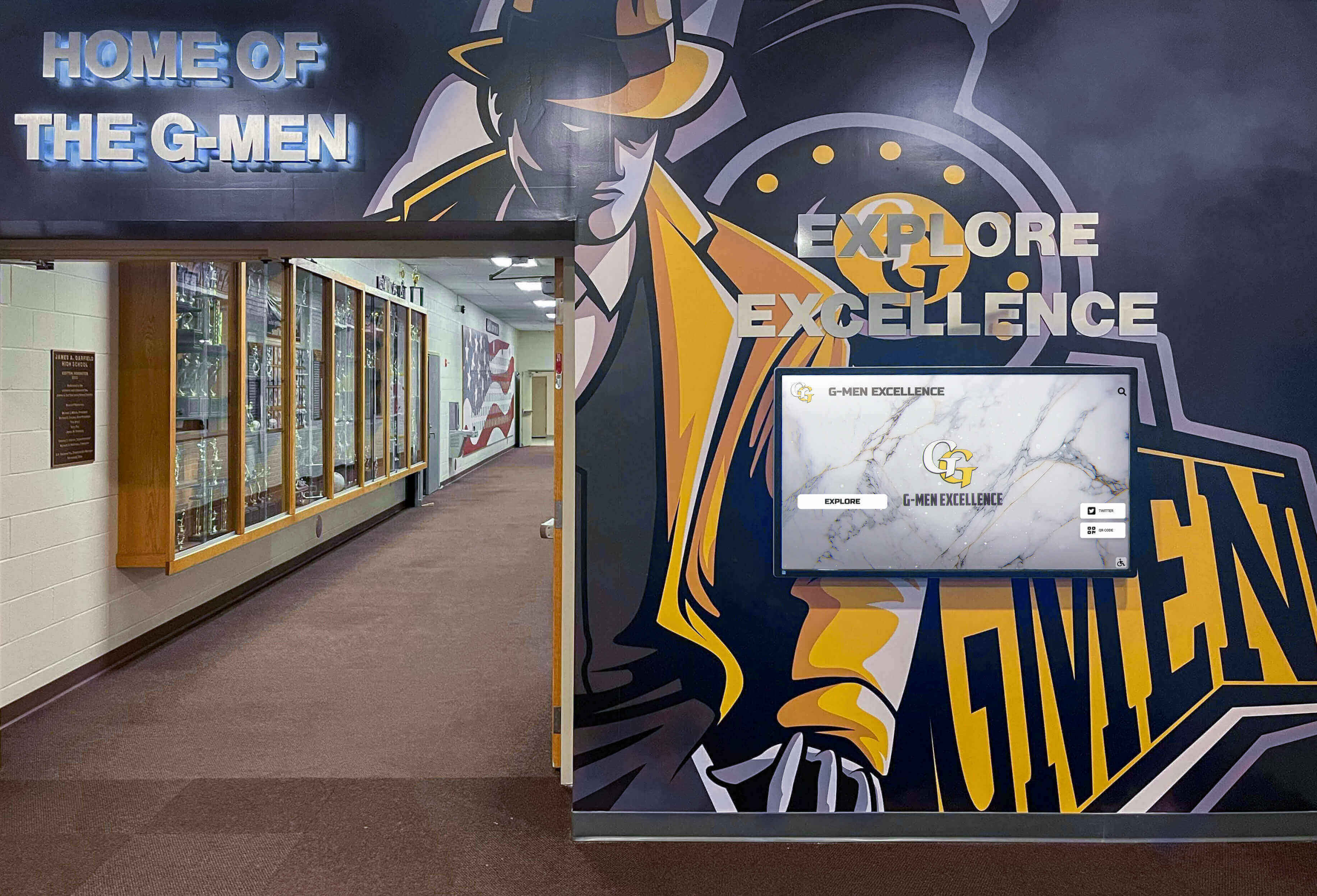
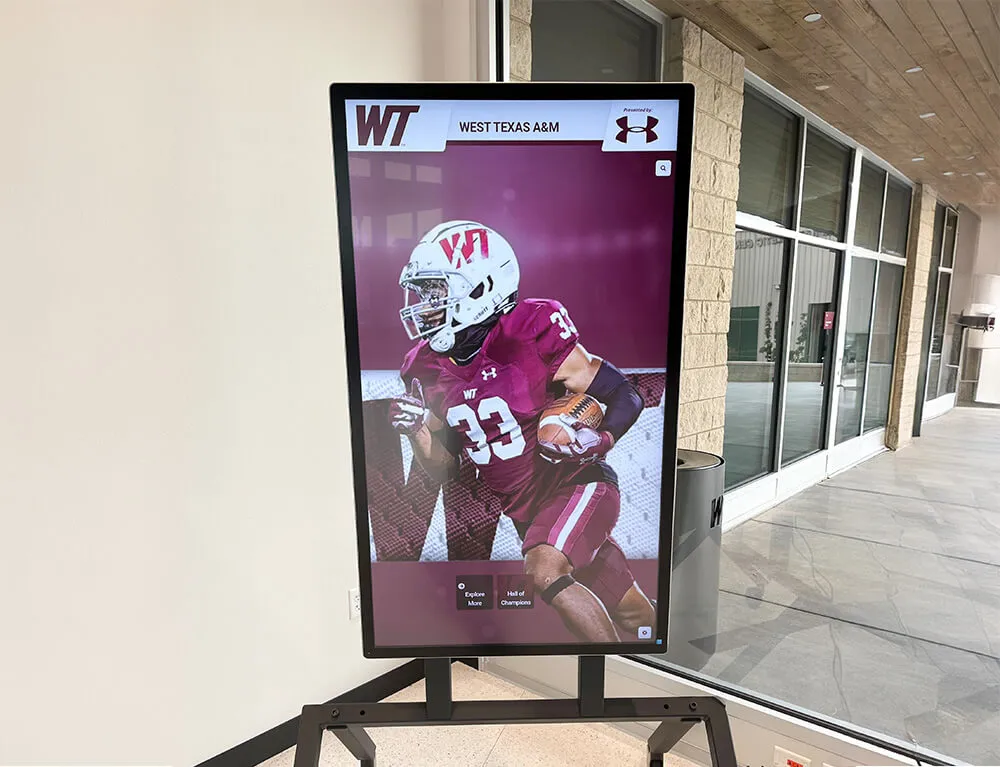
Comprehensive recognition environments blend traditional trophy cases with digital displays, creating space for chess alongside athletic achievements
Building Successful School Chess Programs
Strong recognition systems work best when paired with high-quality chess programs worthy of celebration.
Establishing Chess Clubs in Schools Without Existing Programs
Schools lacking chess programs can establish successful clubs through systematic approaches:
Securing Administrative Support and Faculty Advisors New chess club proposals should emphasize cognitive and academic benefits chess provides, inclusivity creating opportunities for diverse student populations, leadership development through officer positions, minimal resource requirements compared to other competitive programs, and opportunities for competitive success and school recognition.
Faculty advisor recruitment should target teachers with chess interest or experience, though expertise isn’t required for effective program support. Advisors primarily facilitate logistics while student leadership and outside resources provide instructional content.
Initial Membership Recruitment Launch new chess programs through announcements at assemblies and through morning announcements, posters in hallways and common areas featuring chess imagery, presentations in classes explaining club opportunities, social media campaigns reaching students digitally, and partnership with existing clubs sharing potential members with intellectual interests.
Initial meetings should welcome absolute beginners alongside experienced players, clearly communicating that chess clubs serve all skill levels rather than requiring expertise for participation.
Equipment and Resource Acquisition Basic chess program needs include chess sets and boards for simultaneous games, chess clocks for tournament and serious practice play, instructional materials including books and online resource access, and meeting space with tables accommodating multiple simultaneous games.
Many schools find that chess sets remain remarkably affordable compared to equipment needs for athletic programs, with basic tournament-quality sets available for $15-25 and quality plastic clocks for $30-50, enabling program launches with budgets under $500.
Growing and Sustaining Chess Program Participation
Established programs should focus on sustained growth and engagement:
Differentiated Programming for Varied Skill Levels Successful clubs provide appropriate experiences for beginners learning basic rules and simple tactics, intermediate players developing strategic understanding, and advanced players pursuing competitive excellence and rating improvement.
This differentiation might include structured meeting times with separate instruction groups, mentorship pairings between experienced and novice players, tiered internal tournaments creating appropriate competition levels, and varied external tournament recommendations based on player readiness.
Creating Chess Program Traditions and Culture Memorable programs establish traditions that build identity including annual club championship tournaments with consistent formats, recognition ceremonies celebrating achievements at year-end, special events like simultaneous exhibitions or visiting master workshops, club records documenting fastest checkmates or longest games, and social traditions like end-of-season celebrations or pizza meetings.
These traditions create club identity and belonging that sustains member engagement across school years while providing continuity as individual members graduate.

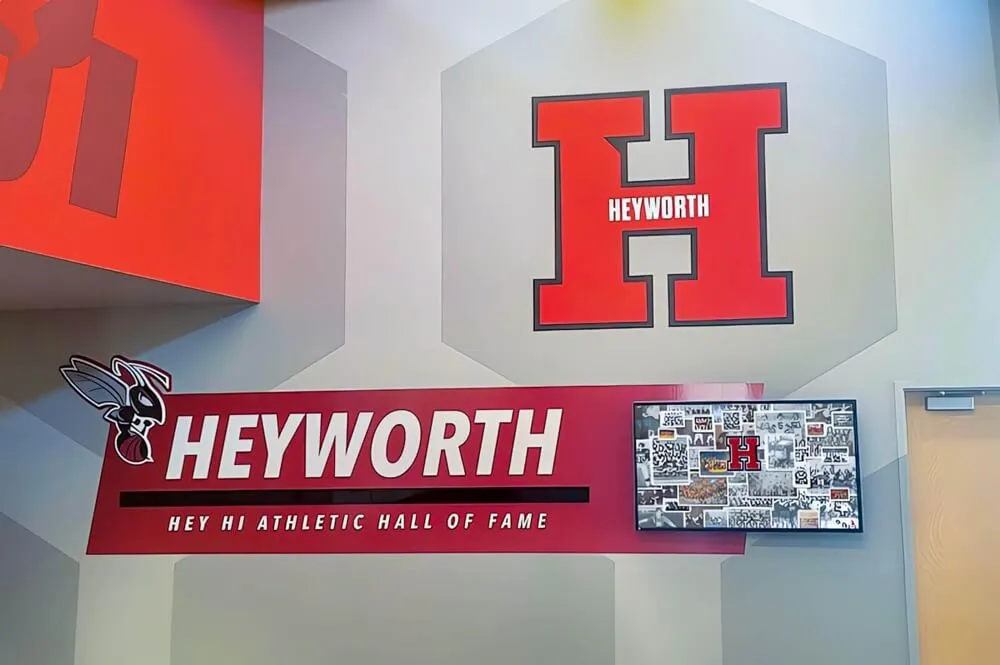
Recognition boards displaying honors communicate institutional values—comprehensive programs should include chess achievements alongside athletic recognition
Coaching and Instructional Resources
Schools need not employ chess experts to provide quality instructional support:
Leveraging External Chess Resources Communities frequently include resources schools can access including local chess clubs offering group instruction or partnerships, retired community members with chess expertise willing to volunteer, online instructional platforms like Chess.com, Lichess, and Chessable providing structured lessons, and regional chess associations connecting schools with coaches and programs.
Many communities include adult chess enthusiasts eager to support youth chess development when schools facilitate connections.
Developing Student Peer Instruction Student-led instruction benefits both teachers and learners. Advanced players develop leadership and communication skills through teaching while beginners receive patient, relatable instruction from peer mentors. Effective peer instruction models include rotating teaching responsibilities among advanced club members, structured lesson plans covering fundamental tactics and strategies, small-group instruction sessions during meetings, and beginner mentorship programs pairing experienced and new members.
Peer instruction models prove particularly effective in chess because the game’s structured nature allows relatively advanced players to teach fundamental concepts effectively even if they haven’t achieved expert-level mastery.
Organizing School Chess Tournaments
Well-run tournaments provide competitive experiences central to strong chess programs:
Tournament Format Selection
Different tournament formats serve different purposes and participant populations:
Swiss System Tournaments The Swiss system pairs players with similar records throughout tournaments, ensuring competitive matches for all skill levels. Characteristics include predefined number of rounds (typically 3-5 for school events), pairings based on current tournament records and ratings, and all participants playing equal number of games regardless of results.
Swiss formats work well for school tournaments with diverse participant skill levels because they create reasonably fair pairings while avoiding early elimination that might discourage developing players.
Round Robin Tournaments Round robin formats feature all participants playing every other participant, ensuring comprehensive competition and clear final standings. Benefits include definitive results with clear tiebreak criteria and every participant gaining experience against all opponents, though time requirements increase significantly with participant numbers (a 10-player round robin requires 45 games while a 20-player event requires 190 games).
Round robins work best for small groups like club championship finals or select team qualifying events where comprehensive head-to-head results matter most.
Elimination Tournaments Single or double elimination creates dramatic competition structures but can disappoint eliminated players whose tournament experiences end prematurely. These formats work best for small final events or rapid games where time constraints require efficiency rather than comprehensive competition.
Most experienced scholastic chess organizers prefer Swiss formats for regular school tournaments, reserving elimination formats for special circumstances requiring compressed time schedules.
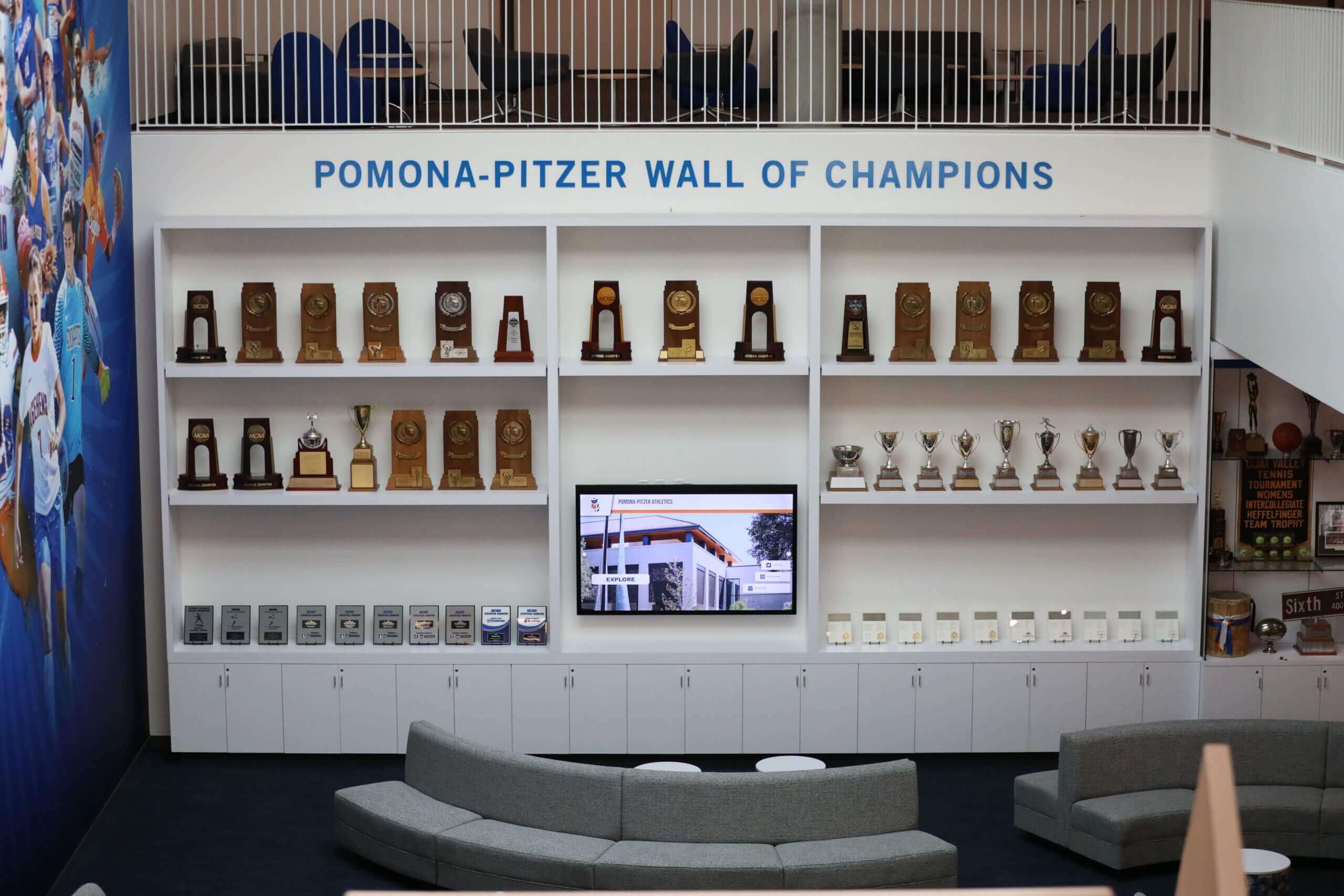
Trophy displays in lounges and common areas celebrate competitive achievements—schools should create similar spaces recognizing chess championships
Tournament Logistics and Organization
Successful tournament execution requires attention to numerous logistical details:
Pre-Tournament Preparation Essential preparation includes securing appropriate venue space with sufficient tables and quiet environment, establishing tournament date avoiding major conflicts with school events, registering tournament with U.S. Chess Federation for rating purposes when appropriate, publicizing tournament through announcements and registration systems, collecting entry fees if applicable for prizes or expenses, and recruiting adequate staff for pairings, results entry, and supervision.
Tournament Day Operations Smooth tournament execution requires checking in all participants before opening round, clearly explaining tournament rules and time controls, making accurate pairings for each round, recording game results accurately for standings maintenance, maintaining quiet, focused playing environment, resolving disputes or rule questions fairly and consistently, and announcing standings and upcoming pairings between rounds.
Many schools find that experienced chess club officers can assist significantly with tournament operations after receiving training, developing valuable organizational skills while ensuring smooth event execution.
Post-Tournament Recognition and Follow-Up After tournaments conclude, comprehensive programs should publish complete tournament results and final standings, recognize winners and strong performances through school announcements, submit games for rating processing when applicable, distribute prizes or certificates to winners, document tournament for program records and recognition displays, and gather feedback for improving future events.
Prompt post-tournament recognition ensures that achievements receive appropriate celebration while results remain fresh and relevant to school communities.
Chess and College Opportunities
Strong chess programs create valuable college application and scholarship opportunities:
College Application Benefits of Chess Achievement
College admissions offices value chess accomplishments as indicators of important capabilities:
Demonstrating Intellectual Curiosity and Achievement Significant chess accomplishments signal analytical thinking capacity, dedication and persistence through challenging skill development, competitive resilience and performance under pressure, and intellectual engagement beyond classroom requirements.
Application essays can effectively discuss how chess developed specific capabilities or taught important lessons about strategy, preparation, competition, or growth through challenge.
Leadership Through Chess Club Officer Positions Chess club presidential roles demonstrate organizational leadership, communication and coordination skills, initiative in building programs and creating opportunities, and sustained commitment through multi-year involvement.
Students should document specific leadership accomplishments including membership growth, tournament organization, fundraising success, or program innovations rather than simply listing the officer title.
Chess Scholarships and Competitive College Programs
Growing numbers of colleges offer chess-specific scholarships and competitive opportunities:
College Chess Scholarship Landscape According to various college chess programs, multiple universities offer chess scholarships including full or partial scholarship packages for strong players, competitive team rosters offering stipends or scholarship support, and work-study positions supporting college chess programs and instruction.
Schools with competitive chess programs commonly include University of Texas at Dallas, Webster University, Saint Louis University, Texas Tech University, and various other institutions building competitive collegiate programs.
Preparing Students for College Chess Opportunities High school programs can support college chess aspirations by helping students achieve competitive rating levels attractive to programs, facilitating participation in major tournaments where college coaches scout talent, connecting students with college program coaches for recruitment conversations, and providing recognition documentation including rating history and tournament results for college applications.
Students with significant chess accomplishments should research college programs matching their academic and competitive interests, reaching out proactively to coaches about potential roster positions or scholarship opportunities.
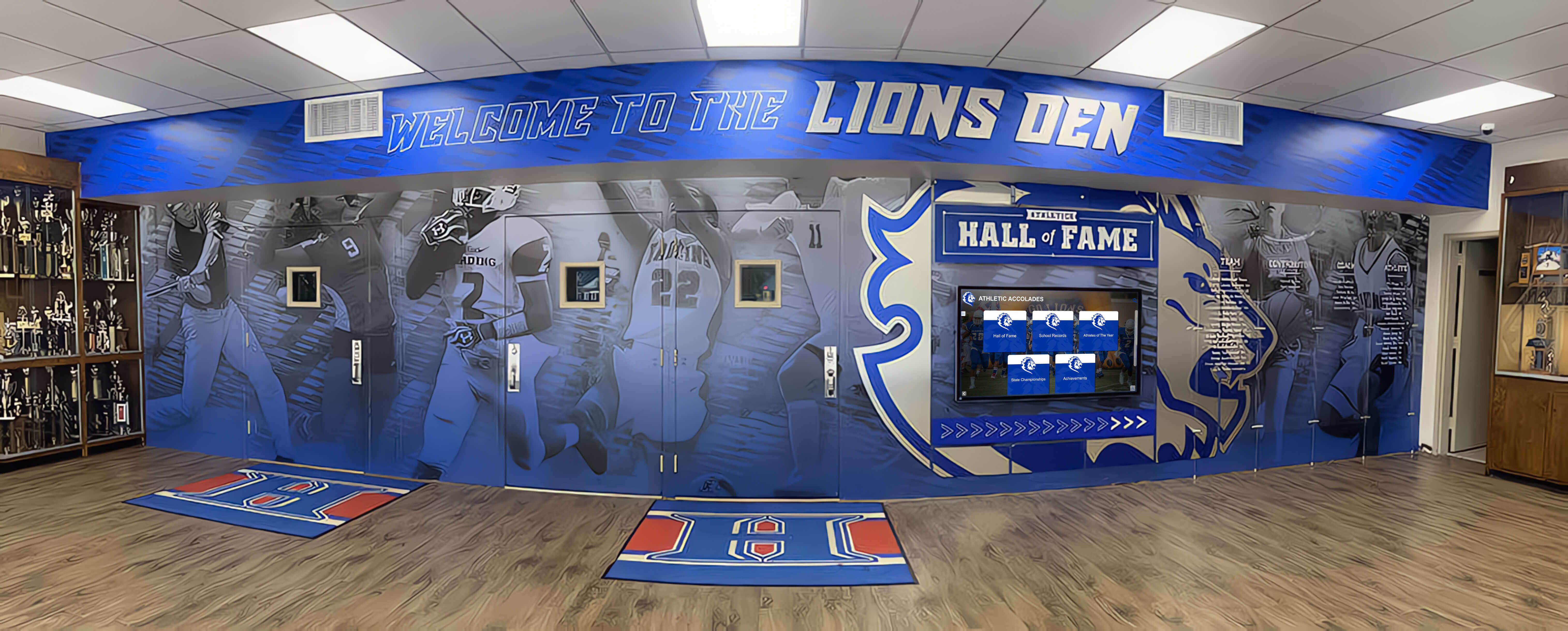
Comprehensive recognition areas celebrating program excellence inspire current students while honoring past achievements across all competitive domains
Recognition Best Practices for Chess Programs
Effective chess recognition follows principles applicable across all achievement domains:
Comprehensive Recognition Across Achievement Levels
Rather than limiting recognition exclusively to highest achievers, effective programs celebrate improvement and participation alongside competitive excellence, leadership and service contributions through officer roles, consistent engagement demonstrating sustained commitment, and sportsmanship and character demonstrated through competition.
This comprehensive approach ensures all dedicated chess club members receive appropriate acknowledgment rather than limiting celebration to tournament champions alone.
Timely Recognition Maintaining Relevance
Recognition delivered immediately after achievements carries far greater impact than delayed acknowledgment. Schools should announce tournament results within days of competition, update digital recognition displays promptly with current achievements, celebrate rating milestones as they occur throughout seasons, and recognize outgoing chess club presidents at year-end ceremonies before they graduate.
Digital recognition platforms enable this timeliness through simple content management systems allowing immediate updates without physical installation delays that plague traditional recognition approaches.
Equal Visibility Across Achievement Domains
Schools should evaluate whether chess achievements receive recognition equal to comparable accomplishments in athletic or other domains. Questions to consider include whether chess championship recognition receives visibility comparable to athletic championships, if chess club presidents receive acknowledgment equal to other student leadership positions, whether chess achievements appear in school announcements with frequency comparable to athletic results, and if physical or digital display space allocates equal room for chess alongside other programs.
Solutions like digital recognition systems help schools demonstrate equal institutional value across all achievement domains through integrated platforms celebrating diverse excellence comprehensively.
Creating Chess Recognition That Tells Complete Stories
The most effective recognition goes beyond listing names and achievements to tell complete stories. Comprehensive chess recognition can include player quotes reflecting on what chess has meant to their development, game highlights or notable wins defining competitive careers, photos from club meetings and tournament experiences, rating progression graphs showing skill development journeys, and connections to mentors, opponents, and fellow club members who shared experiences.
This storytelling approach creates emotional engagement that simple achievement lists cannot match, helping current students connect with chess program heritage while honoring past accomplishments appropriately.
Conclusion: Celebrating Chess Excellence Appropriately
Chess club presidents and tournament winners deserve recognition celebrating the leadership, dedication, competitive excellence, and cognitive development their accomplishments represent. From organizing weekly club meetings and coordinating tournament participation to achieving state championship victories and national rating milestones, these students demonstrate qualities and capabilities that benefit them throughout their academic careers and beyond.
Transform Your Chess Program Recognition
Discover how digital recognition platforms can help you celebrate chess achievements, honor student leadership, and build chess program culture through modern solutions designed specifically for recognizing intellectual and competitive excellence.
Explore Recognition SolutionsModern digital recognition platforms eliminate the physical space constraints and update difficulties that have historically limited chess celebration, enabling schools to showcase comprehensive achievement across all competitive domains. Interactive displays allow visitors to explore chess club history, tournament results, rating achievements, and leadership contributions with the same depth and visibility previously reserved primarily for athletic programs.
Building strong chess programs requires more than recognition alone—effective programs need dedicated faculty advisors, consistent meeting schedules, appropriate equipment and resources, quality instruction through peer teaching or external support, and regular competitive opportunities through internal and external tournaments. Recognition amplifies these program elements by communicating institutional values while motivating current students through celebration of past excellence.
Whether your school operates established chess programs seeking enhanced recognition or aims to launch new clubs building intellectual community, the frameworks explored throughout this guide provide actionable approaches for celebrating chess club presidents and tournament winners appropriately. Begin with clear recognition categories documenting leadership and competitive achievement, implement digital platforms providing unlimited celebration capacity, integrate chess recognition into comprehensive school achievement systems, and ensure chess receives equal visibility and institutional priority as other valued programs.
Your chess club presidents and tournament winners dedicate significant time and effort developing skills and building programs that benefit entire school communities. They deserve recognition that celebrates these contributions appropriately while inspiring future students to pursue chess excellence and leadership. Through systematic recognition, strong program support, and modern digital platforms like Rocket Alumni Solutions designed specifically for comprehensive achievement celebration, schools can ensure that chess receives the visibility and celebration this valuable program deserves.
Ready to enhance recognition across all academic programs? Explore strategies for class president recognition celebrating student leadership. Discover approaches to academic competition recognition honoring intellectual achievement. Learn about comprehensive student recognition programs celebrating diverse excellence. Consider digital award display solutions providing unlimited recognition capacity for all achievement domains including chess, academics, athletics, arts, and service through unified platforms that communicate your school’s commitment to celebrating every form of student excellence.