



Every school year, students campaign for the opportunity to serve as class president—one of the most visible and demanding student leadership positions. These elected representatives coordinate major school events, advocate for their peers, manage substantial budgets, and serve as the voice of their class to school administration. Yet the full scope of what class presidents actually do often remains invisible to those outside student government, and the leadership skills they develop through this service frequently go underrecognized by the broader school community.
Understanding the genuine responsibilities class presidents shoulder helps schools better support these student leaders while recognizing their contributions appropriately. From organizing homecoming activities and fundraising for class initiatives to facilitating communication between hundreds of students and school leadership, class presidents develop organizational, communication, and leadership capabilities that translate directly to college success and professional careers.
This comprehensive guide explores what class presidents actually do, the essential skills they develop through their service, and how schools can effectively recognize these student leaders in ways that honor their commitment while inspiring future students to pursue democratic leadership opportunities.
The role of class president has evolved significantly beyond its historical origins as a largely ceremonial position. Today’s class presidents function as genuine organizational leaders coordinating complex initiatives, managing real budgets, and developing sophisticated skills in delegation, communication, and strategic planning that prepare them for leadership roles throughout their lives.

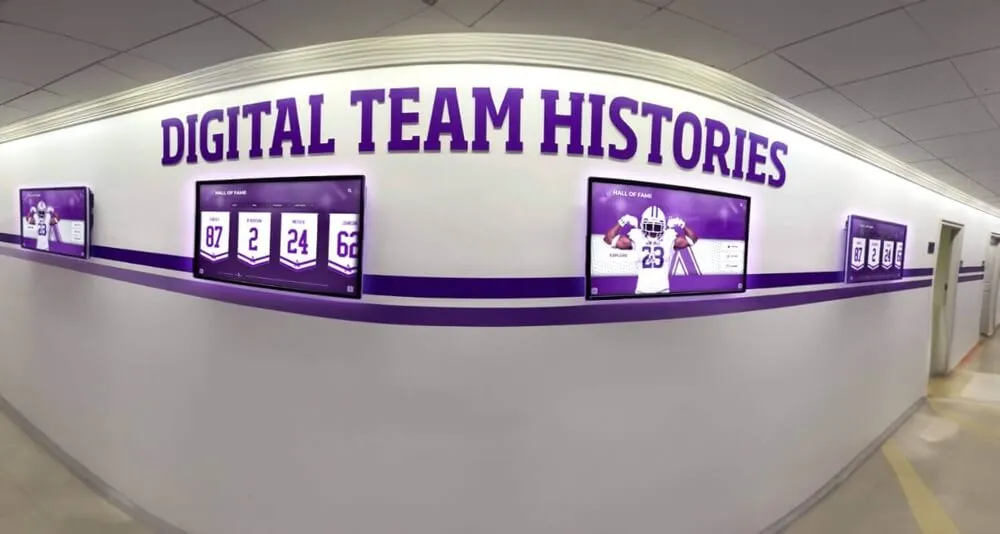
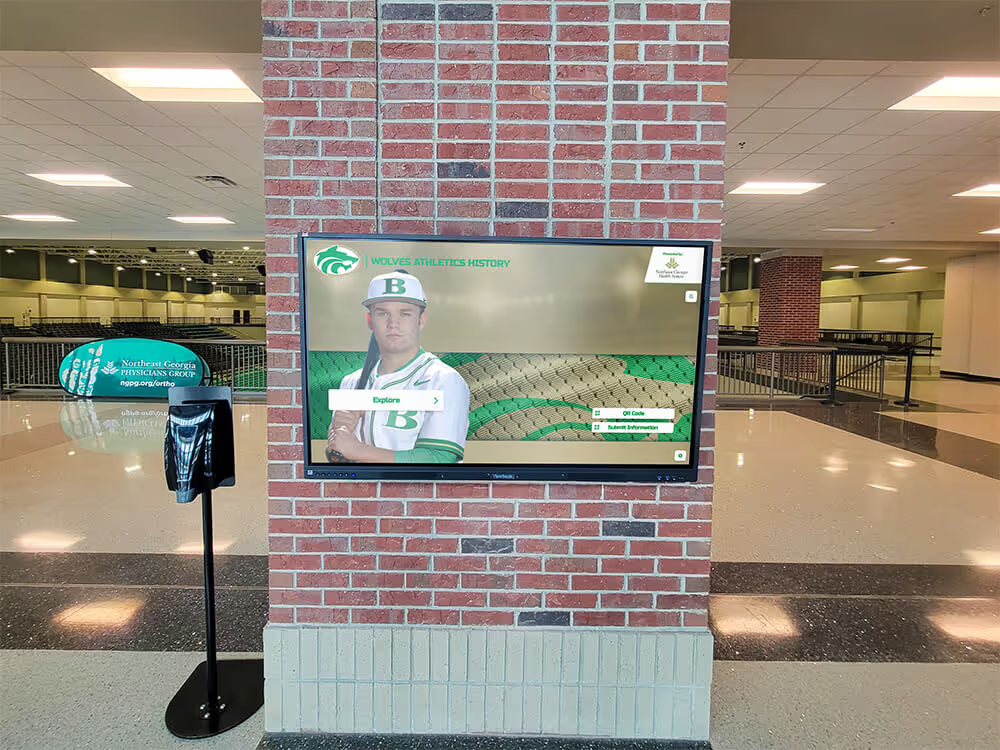
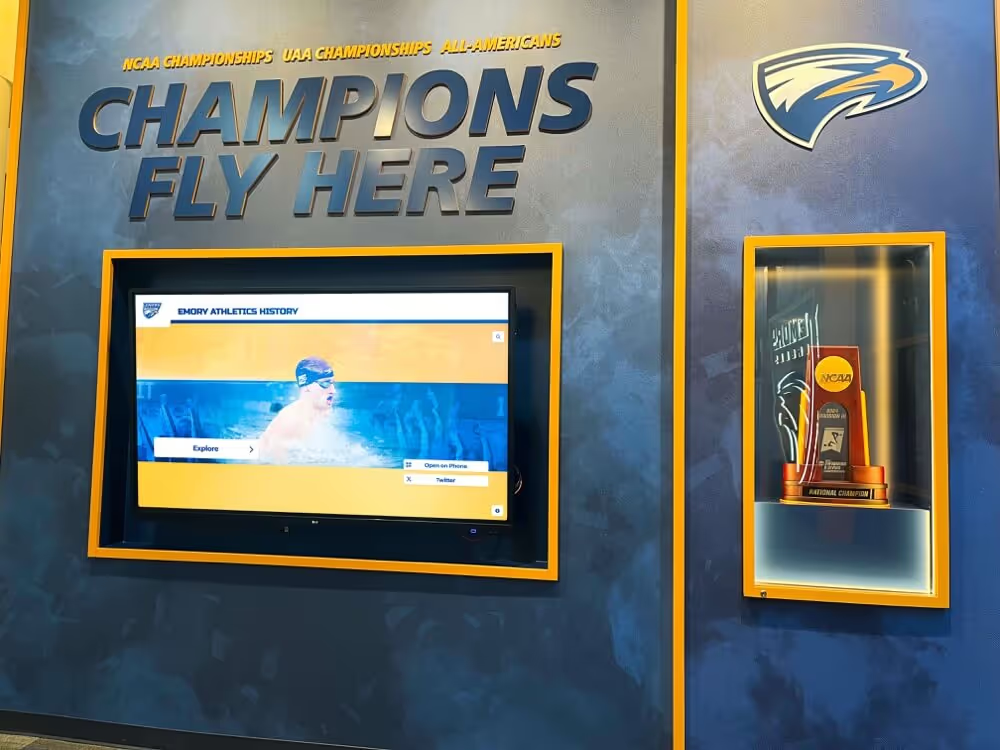
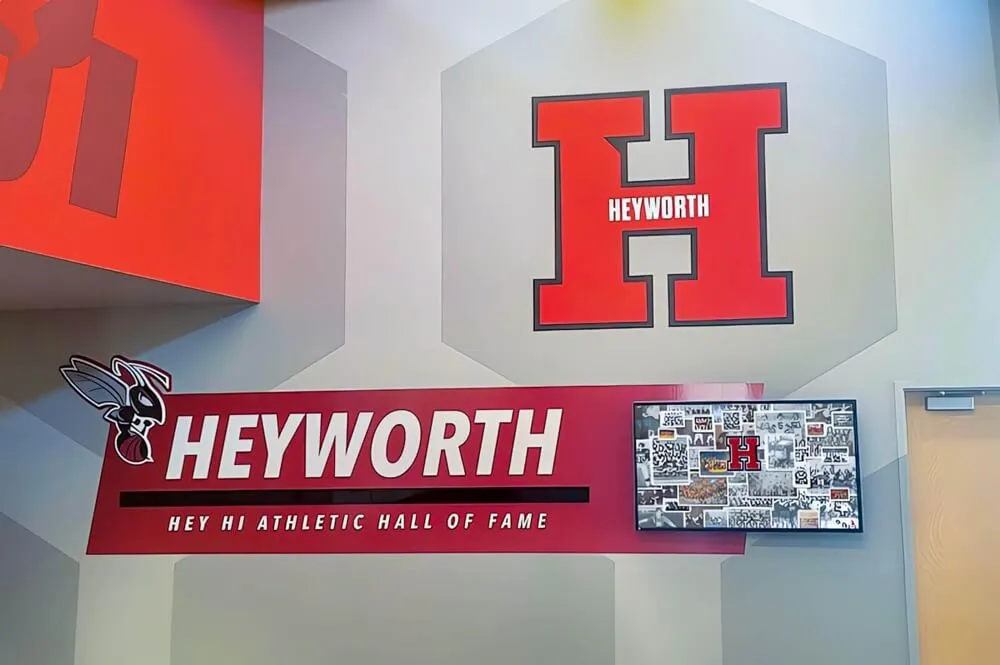
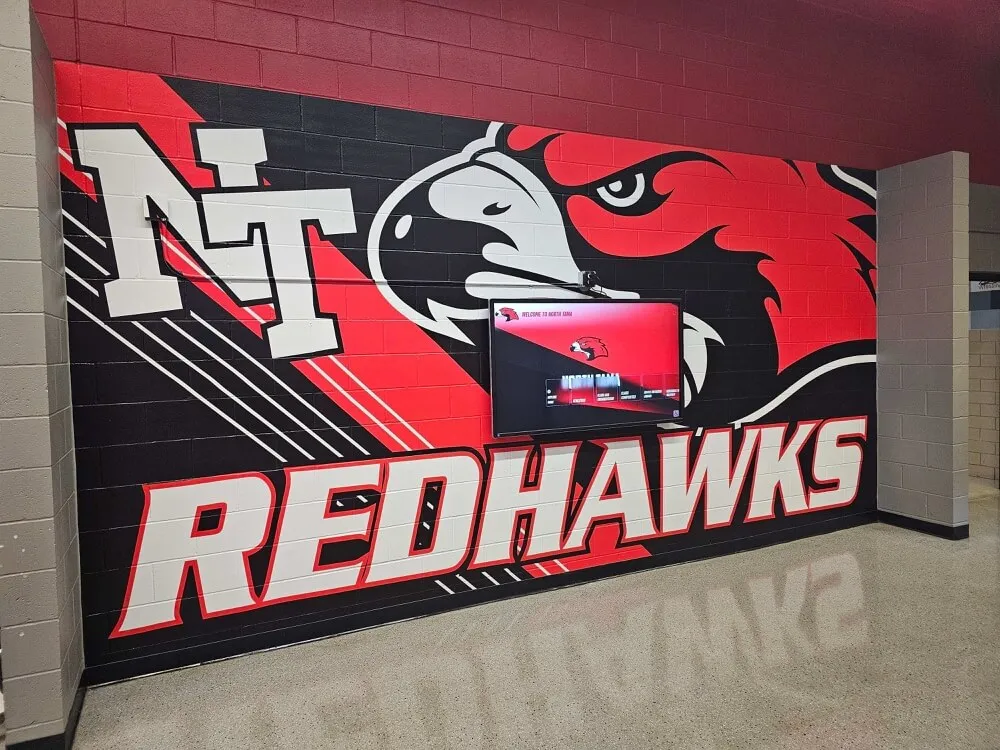
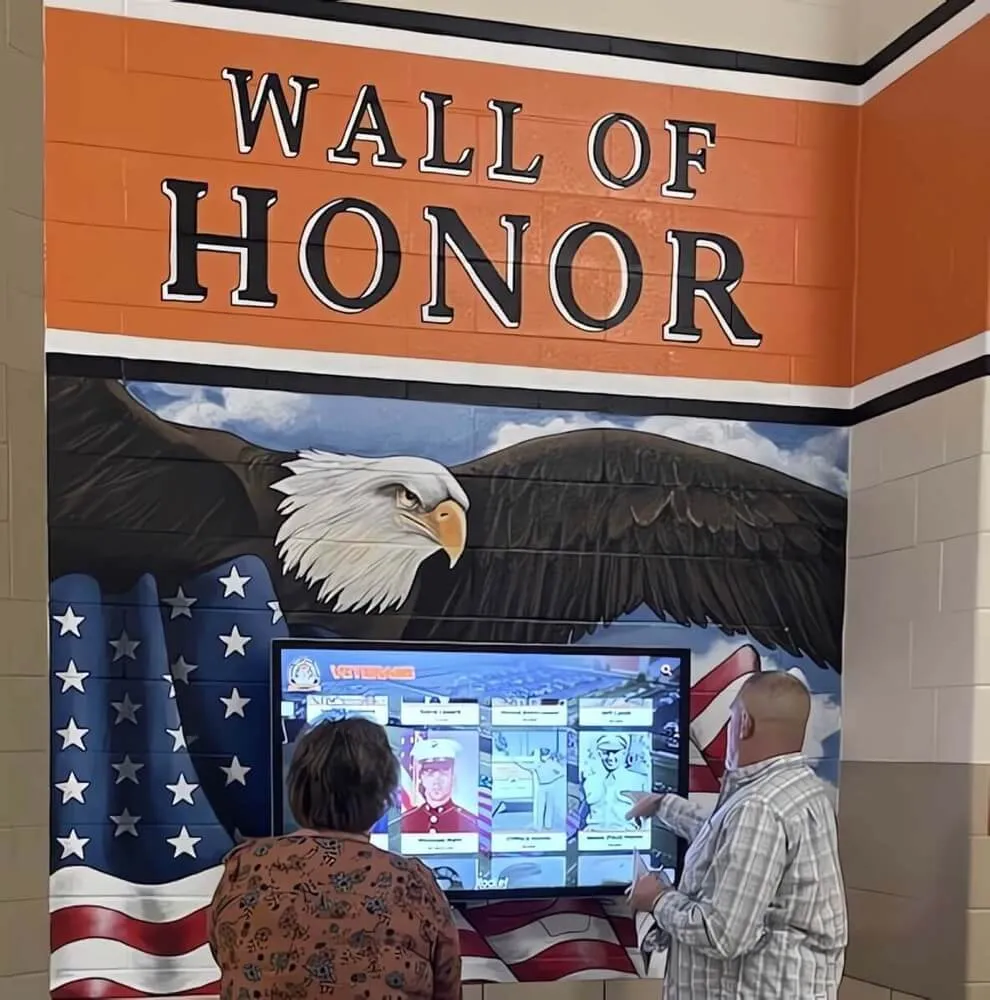
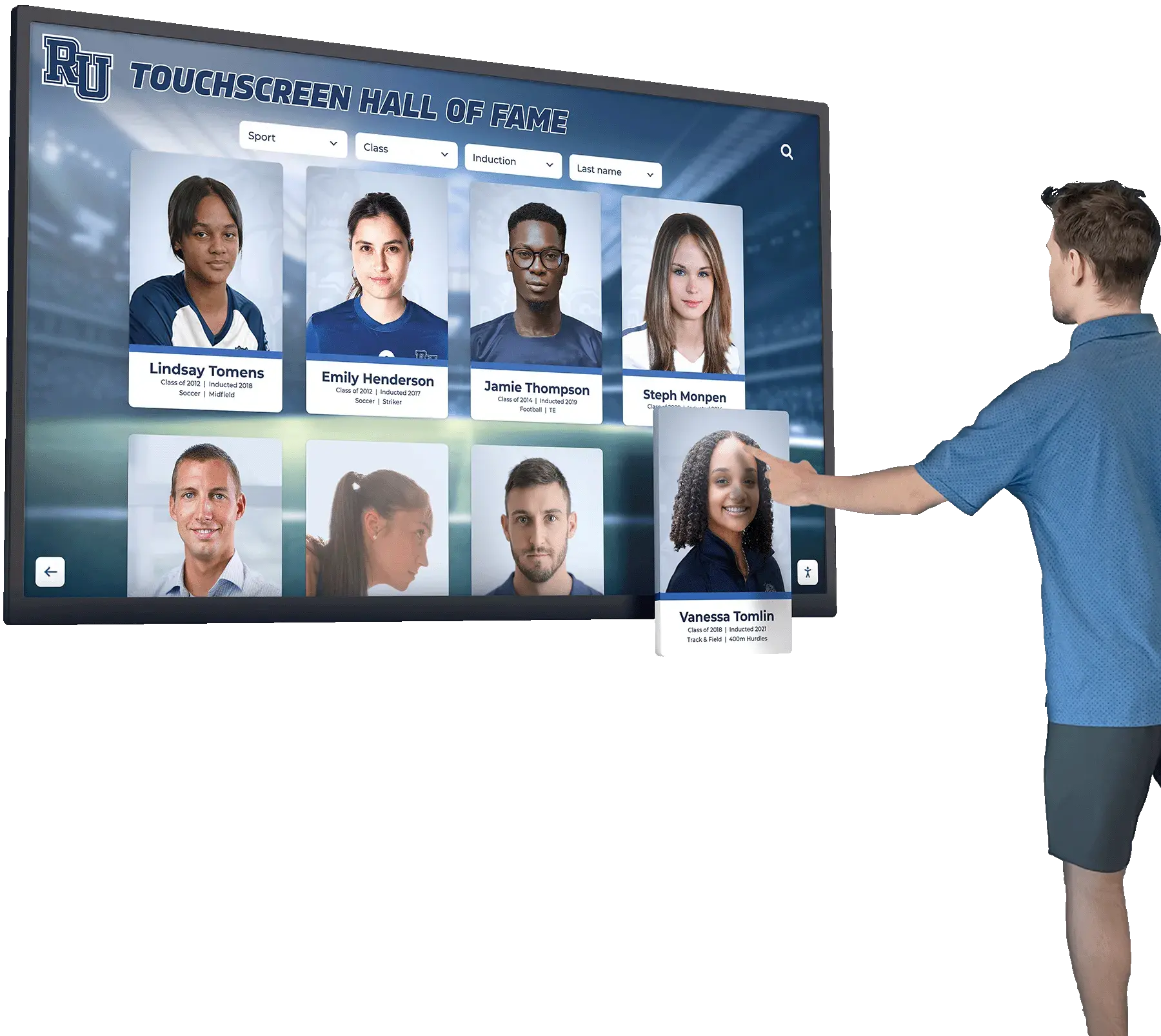
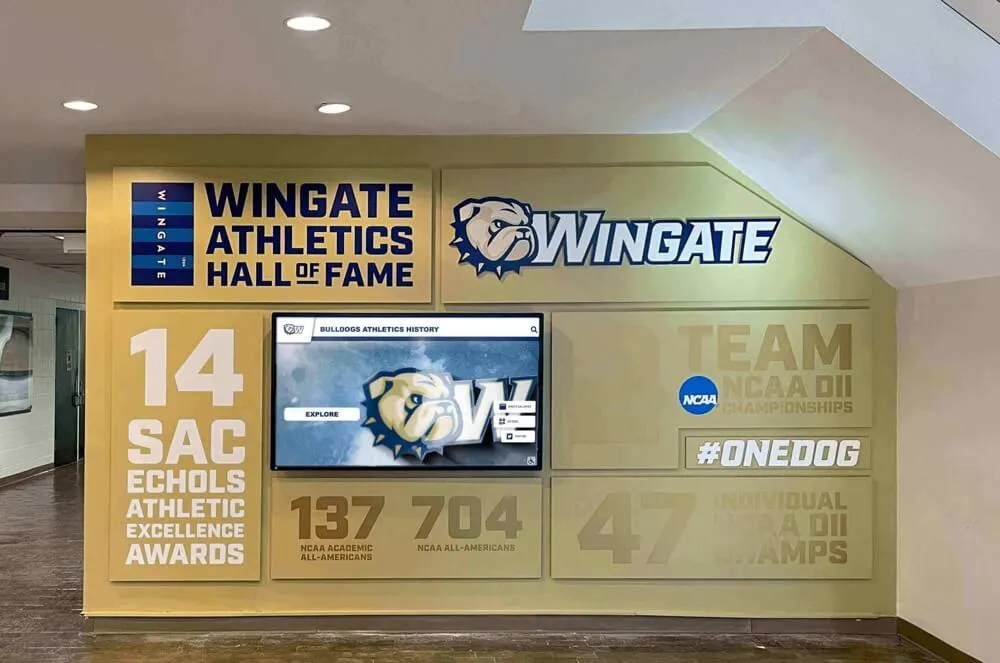
Modern digital displays make exploring student government leadership and achievements accessible and engaging for the entire school community
What Is a Class President? Understanding the Role
Before examining specific responsibilities, it’s important to understand how the class president position fits within broader student government structures and what distinguishes this role from other elected positions.
Defining the Class President Position
Class presidents serve as the primary elected representatives for their specific grade level—whether freshman, sophomore, junior, or senior class. Unlike student body presidents who represent the entire school population, class presidents focus on their particular grade’s interests, needs, and initiatives.
In most middle schools and high schools, each grade level elects its own class president through democratic processes held either at the beginning of the school year or during the spring of the previous academic year. These elections typically involve campaign periods where candidates present their platforms, qualifications, and vision to their classmates before students cast ballots.
The position carries significant symbolic weight as the officially recognized voice of the class, but more importantly, it comes with substantive operational responsibilities requiring sustained commitment throughout the school year.
Class President vs. Student Body President
While both positions involve student leadership, class presidents and student body presidents serve different functions:
Class President Focus:
- Represents a single grade level’s interests and priorities
- Coordinates grade-specific events like class activities and fundraisers
- Serves as liaison between their class and school administration
- Manages class funds and budgets for grade-level initiatives
- Typically works with a class officer team including vice president, secretary, and treasurer
Student Body President Focus:
- Represents all students across all grade levels
- Coordinates school-wide events and initiatives
- Presides over student council meetings with representatives from all classes
- Works directly with school administration on policy and school-wide concerns
- Serves as the primary student spokesperson to school boards and community
Many student body presidents previously served as class presidents, using that experience as preparation for broader school-wide leadership. The progression from class officer to student body leadership represents a natural leadership development pathway in many schools.
Election Process and Campaign Considerations
Becoming class president requires navigating competitive democratic elections:
Campaign Requirements: Most schools establish eligibility criteria including minimum GPA requirements ensuring academic standing, disciplinary record standards requiring good citizenship, teacher or administrator nomination or endorsement, and attendance requirements demonstrating consistent school engagement.
Campaign Activities: Candidates typically create campaign posters and materials displayed throughout school, deliver campaign speeches to their grade during assemblies or class meetings, engage in social media campaigning within school guidelines, and participate in debates or forums where classmates can ask questions.
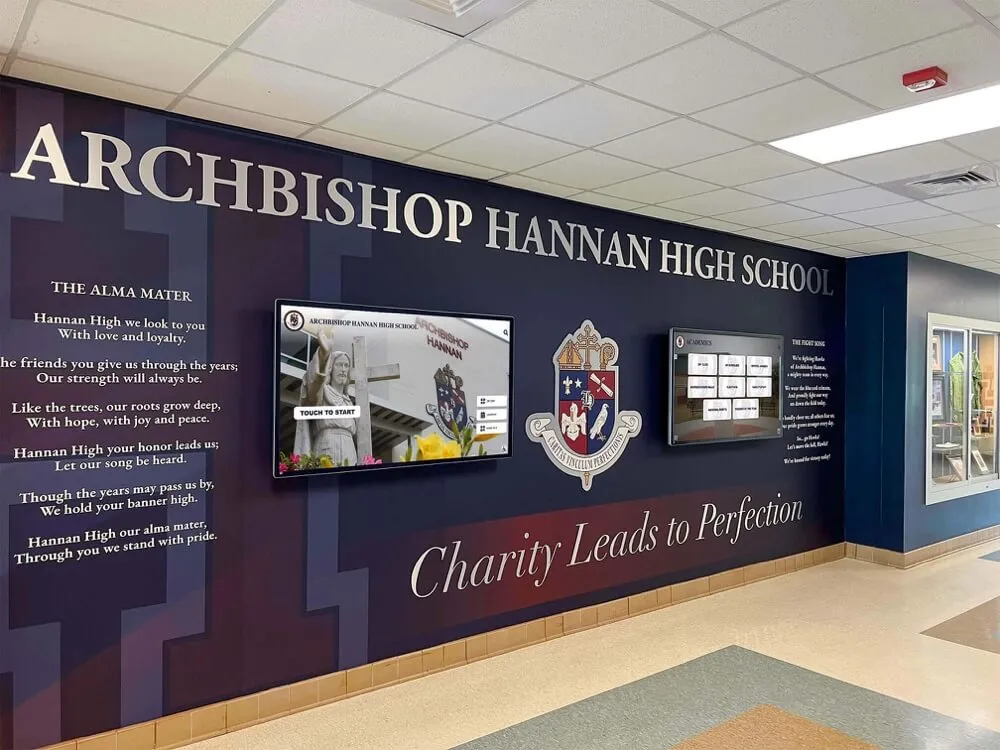
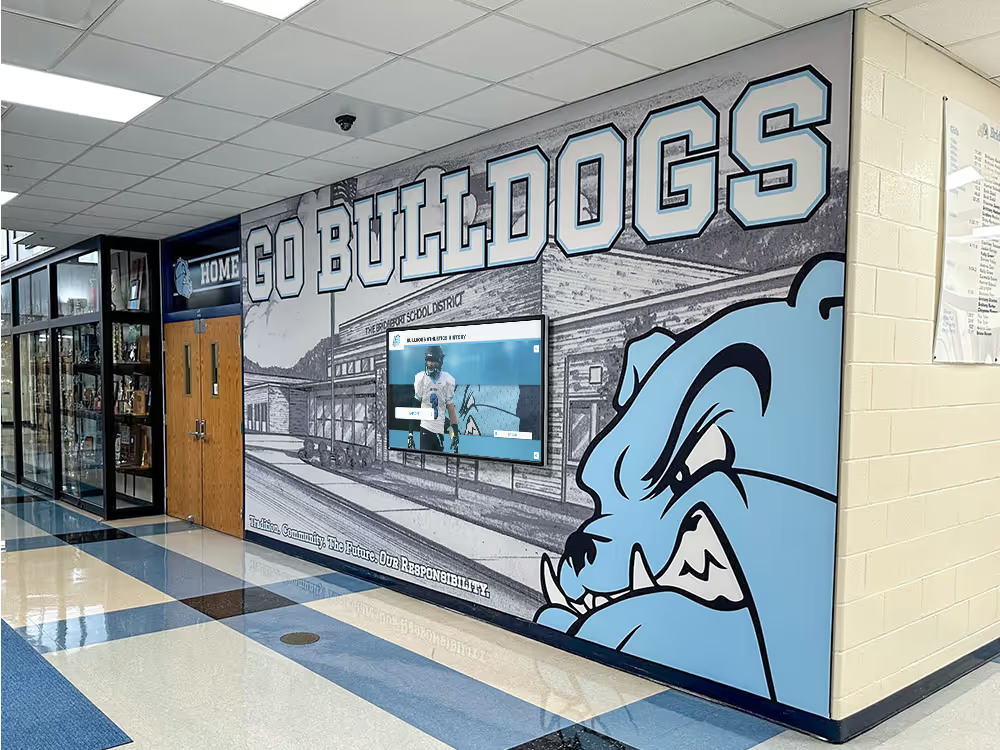
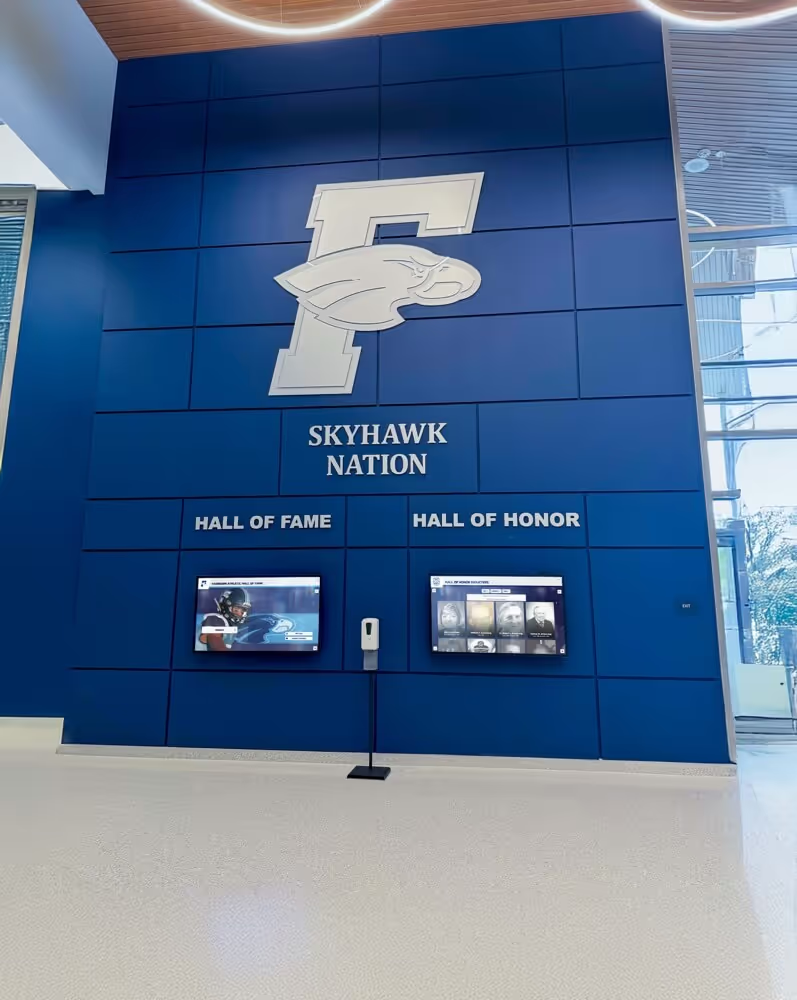
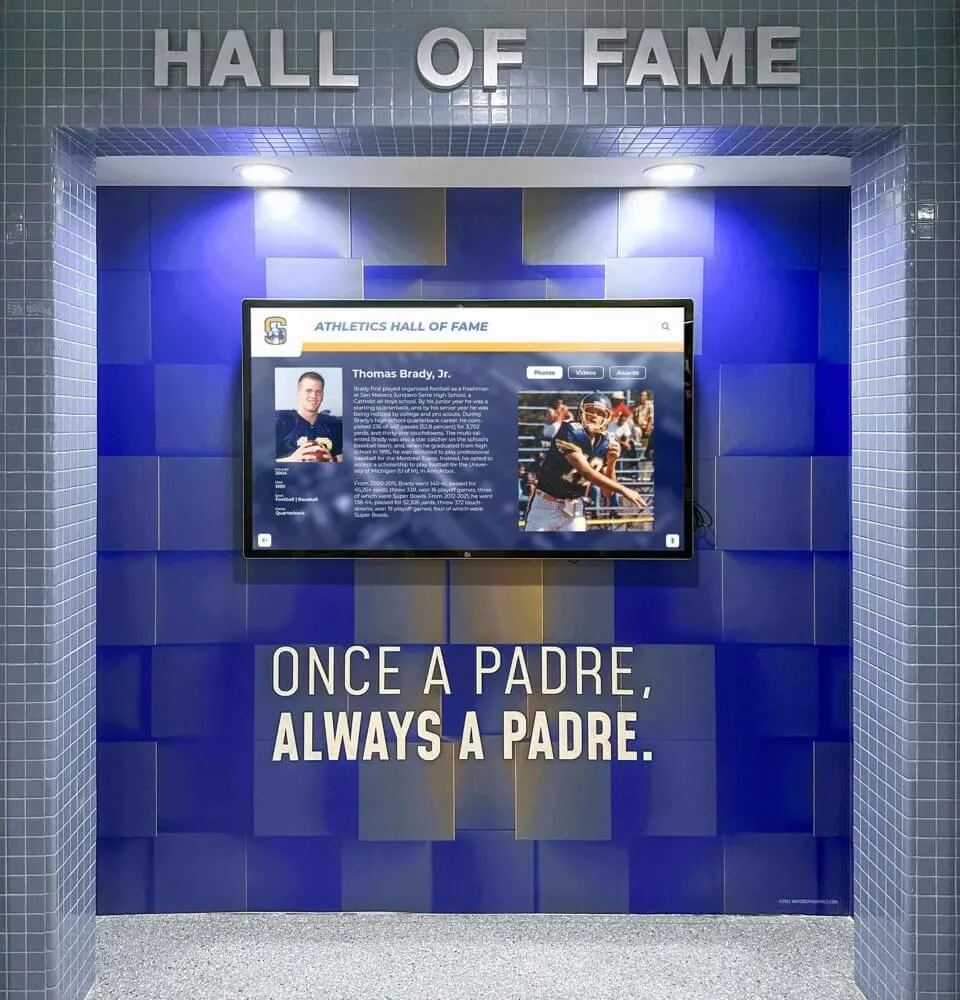
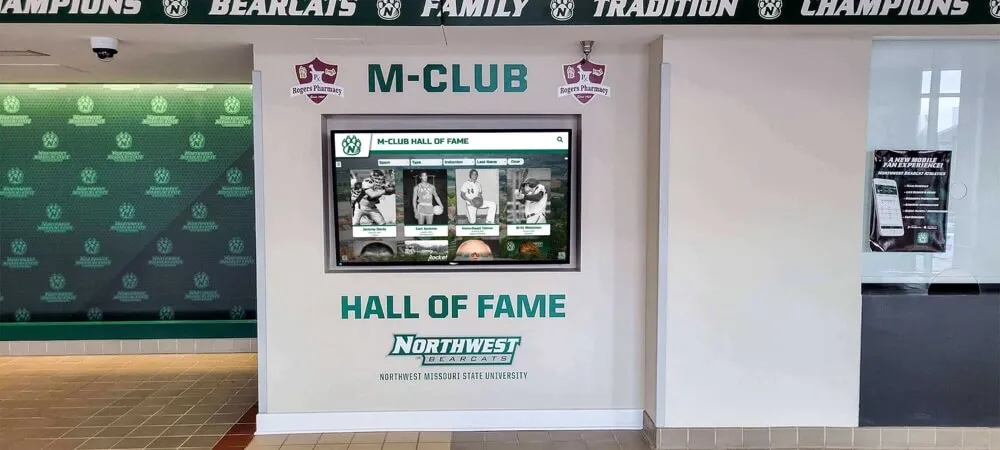
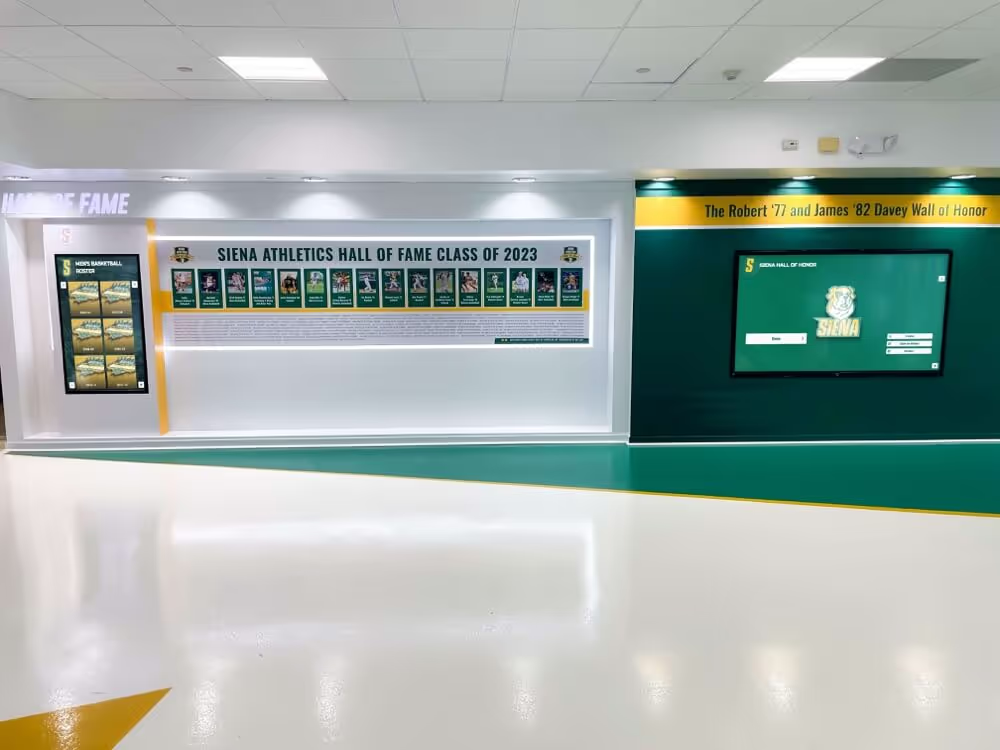
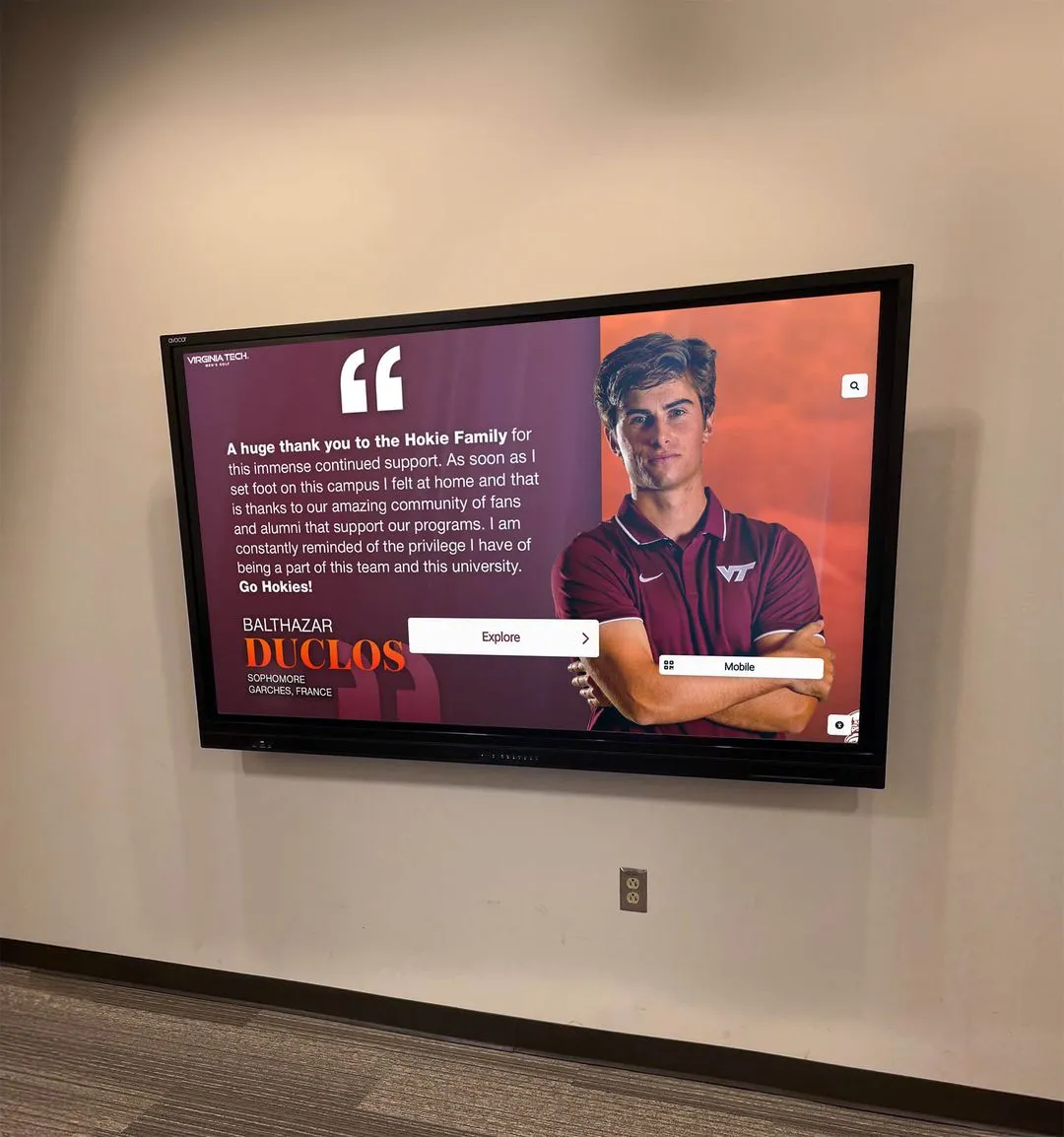
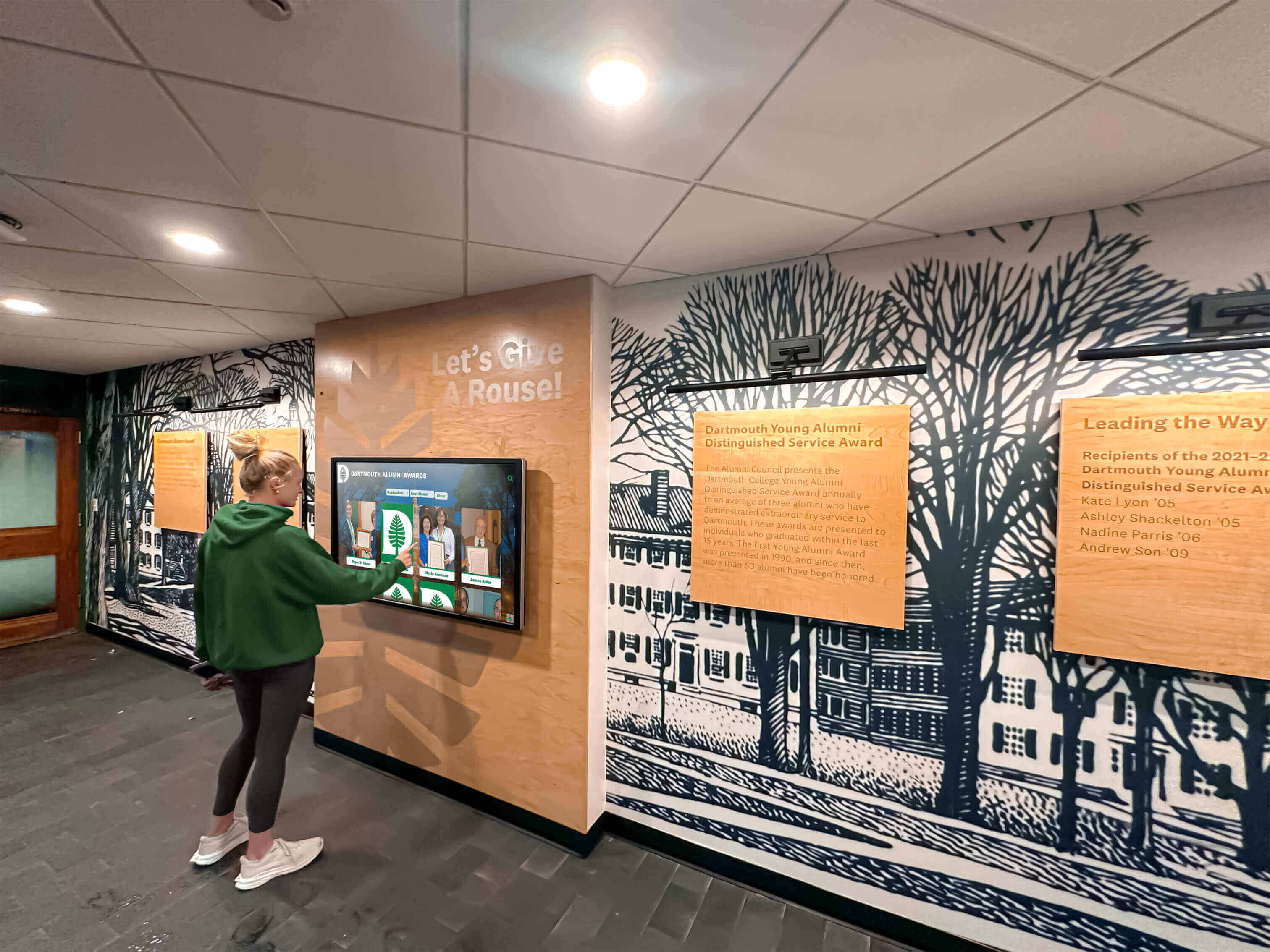
Recognition displays create opportunities for students to explore leadership roles and accomplishments
Winning Strategies: Successful campaigns typically balance genuine platform proposals addressing real student concerns, authentic personality allowing classmates to connect with the candidate, realistic promises demonstrating understanding of position limitations, and inclusive messaging reaching diverse student groups within the class.
The competitive nature of class president elections means that winning represents an achievement itself—validation that classmates trust the elected president to represent their interests effectively.
Core Responsibilities of a Class President
The actual work of serving as class president involves diverse responsibilities that develop valuable leadership capabilities.
Event Planning and Coordination
One of the most visible aspects of the class president role involves organizing and executing class-specific events:
Homecoming and Spirit Events: Class presidents coordinate their grade’s participation in school-wide celebrations including spirit week planning and class competition coordination, homecoming float design and construction management, pep rally segment development and execution, and class-specific traditions and activities that build grade-level identity.
These large-scale events require months of planning, volunteer coordination, budget management, and collaboration with school administration to ensure safety and appropriateness.
Class Social Activities: Beyond school-wide events, class presidents organize grade-specific social activities including class trips and excursions requiring extensive logistics planning, grade-level parties or celebrations building class unity, end-of-year activities celebrating class accomplishments, and transition events like freshman orientation or senior celebrations.
Fundraising Events: Class presidents often lead fundraising initiatives to support class activities including bake sales, car washes, and other traditional fundraisers, creative fundraising events aligned with student interests, sponsorship solicitation from local businesses and parents, online fundraising campaigns and crowdfunding initiatives, and grant applications for special projects or causes.
Successful fundraising requires entrepreneurial thinking, marketing capabilities, and financial responsibility—skills that translate directly to business and nonprofit contexts.
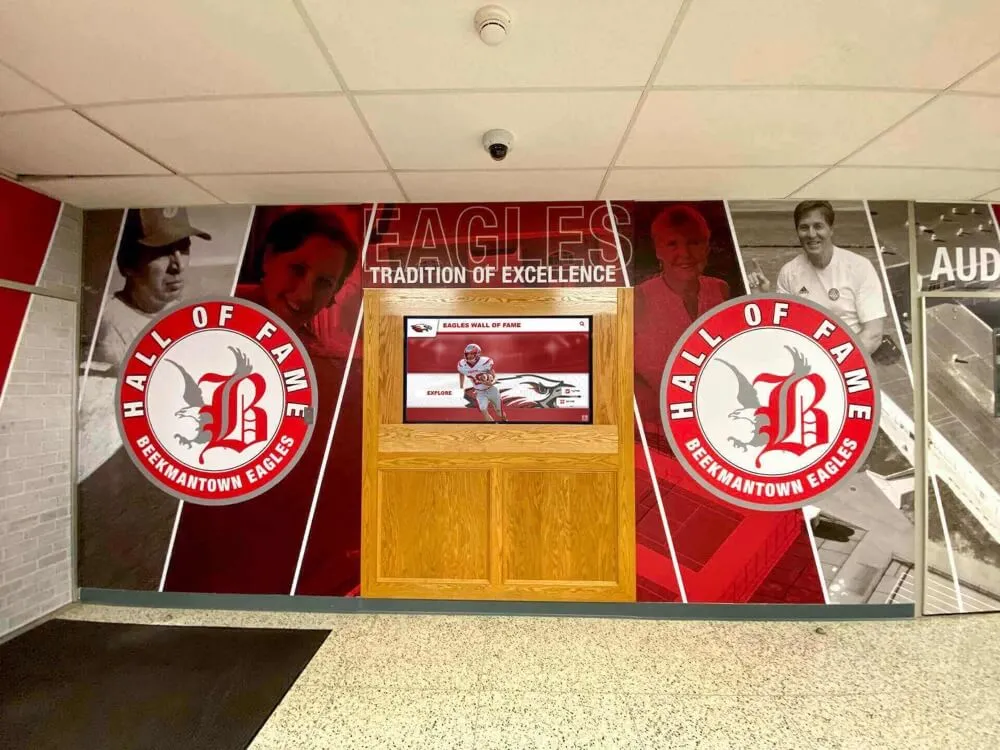
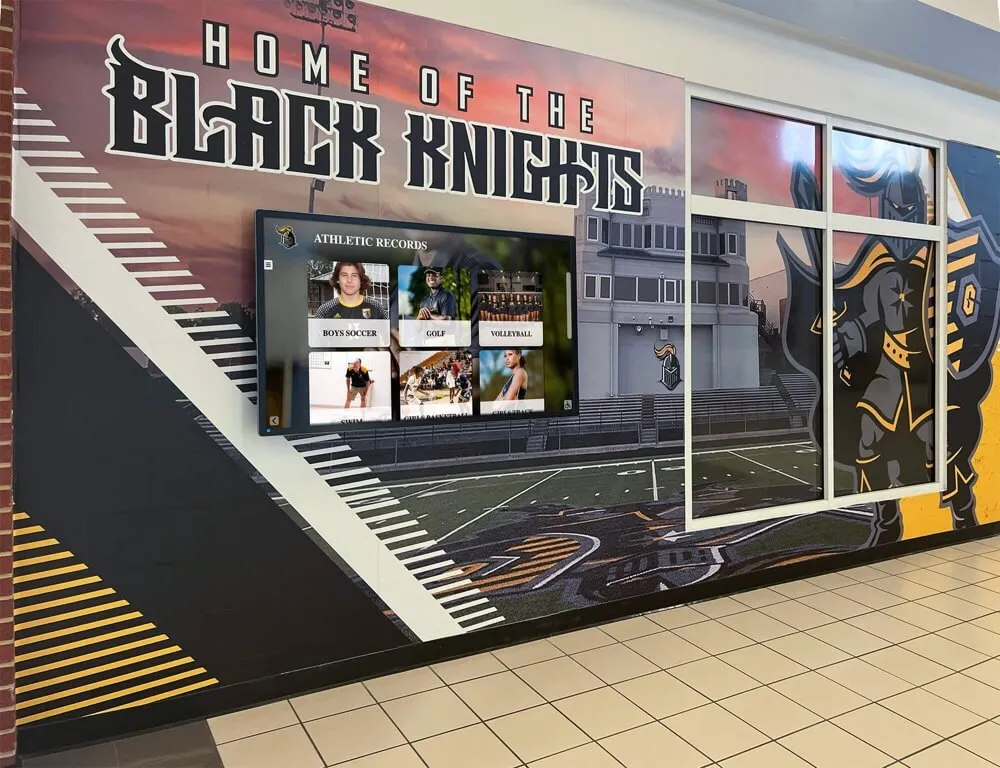
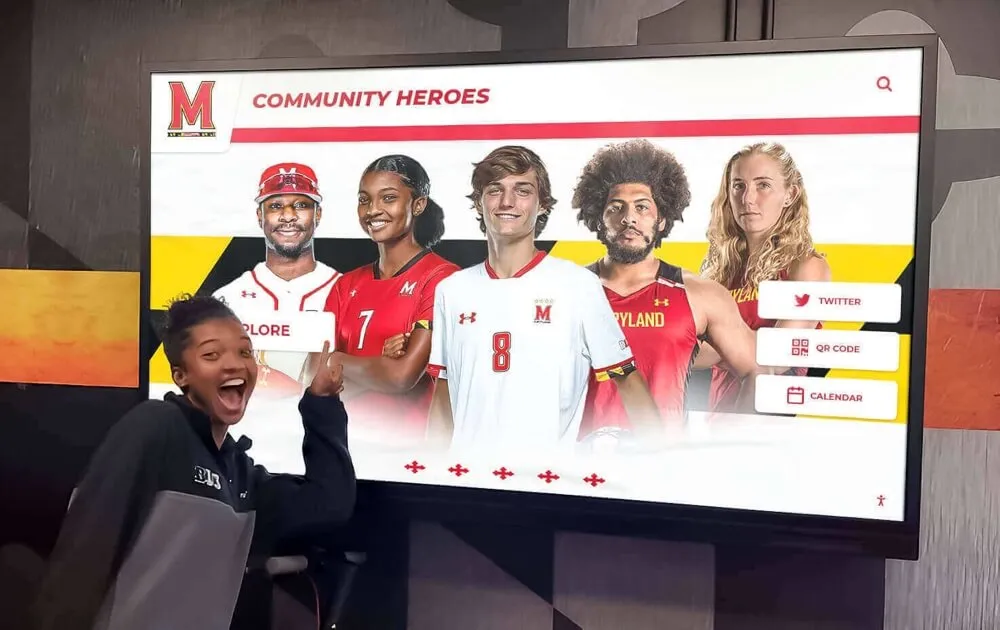
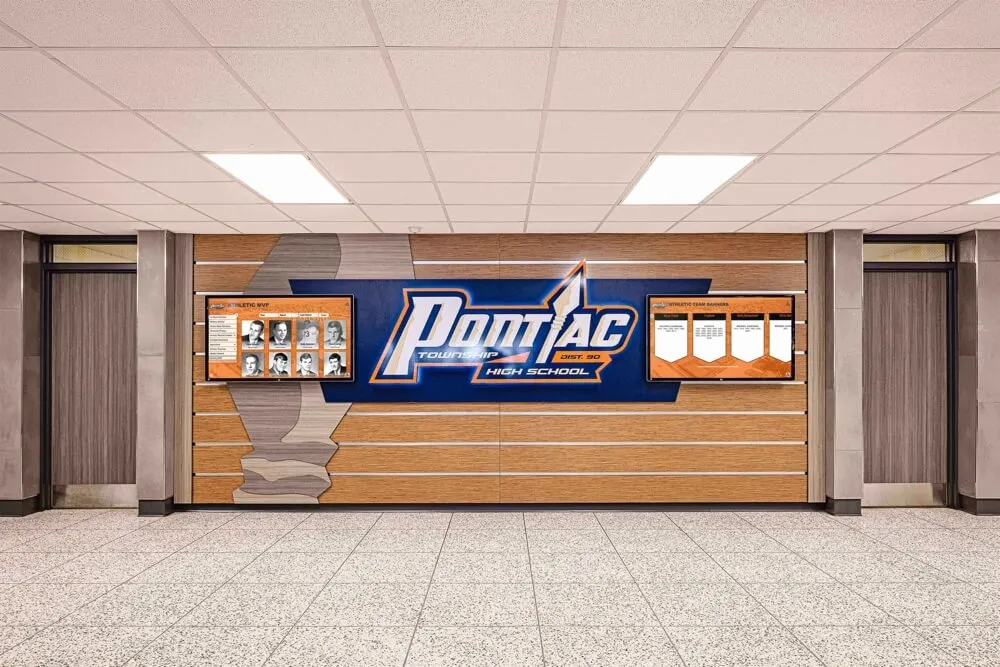
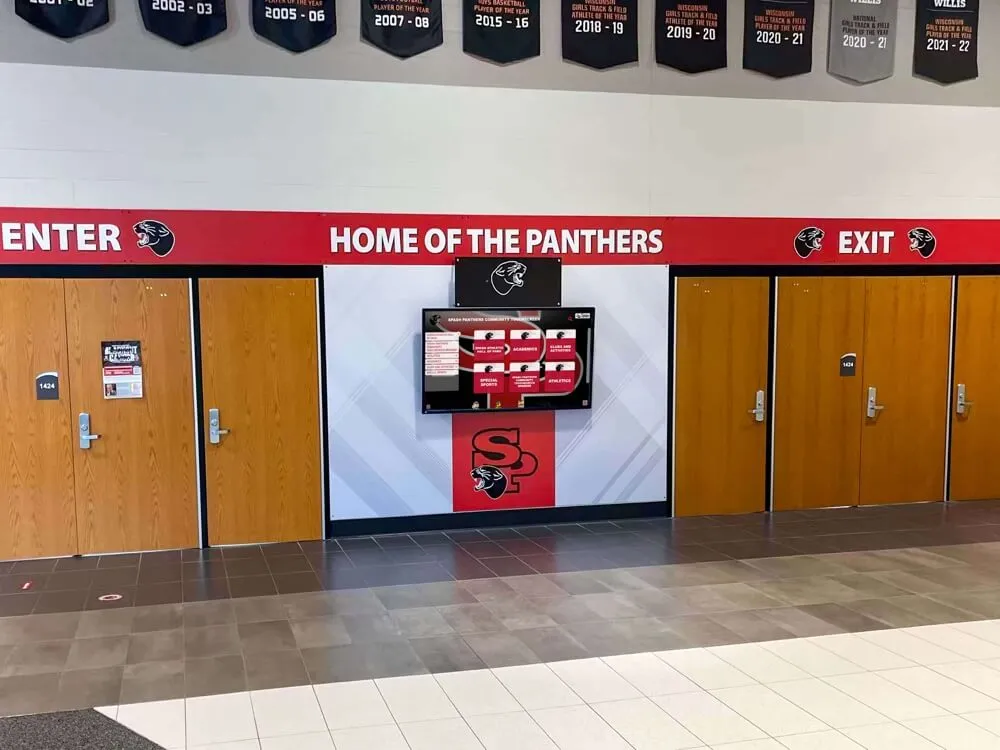
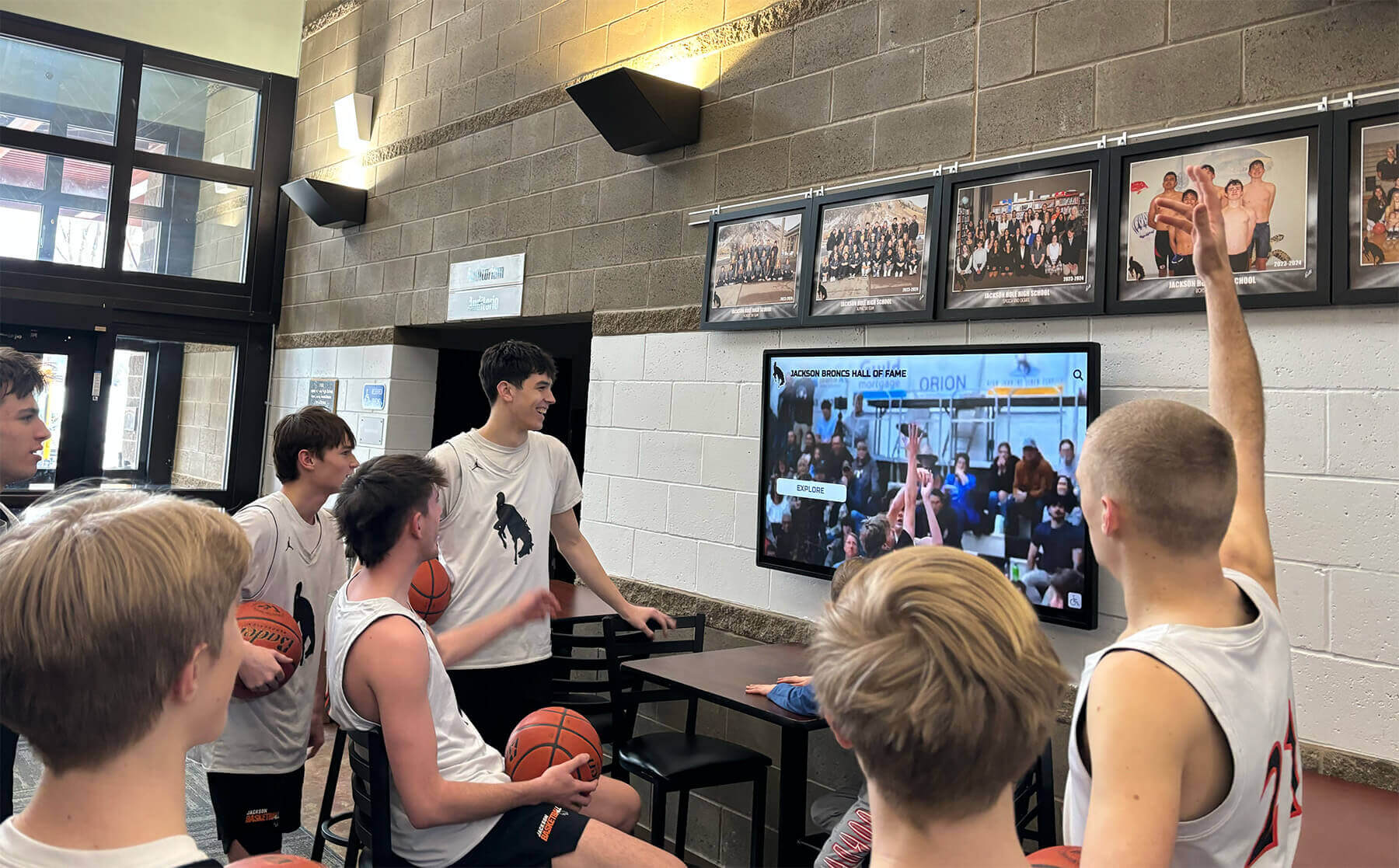
Systematic recognition honors leadership across all student organizations, not just traditional athletics
Budget Management and Financial Responsibility
Class presidents typically share responsibility for managing substantial class funds:
Financial Oversight: Working closely with class treasurers and faculty advisors, presidents help manage class accounts including tracking income from fundraisers and dues, approving expenditures for events and activities, maintaining accurate financial records for transparency, ensuring compliance with school financial policies, and planning long-term financial strategy for multi-year initiatives.
Many senior class presidents, for example, manage thousands of dollars accumulated over four years to fund graduation-related expenses, senior activities, and class gifts to the school.
Budget Development: Class presidents participate in creating and presenting budgets including proposing budget allocations across competing priorities, justifying spending to advisors and school administration, making difficult trade-off decisions when resources are limited, and communicating budget decisions transparently to classmates.
This financial literacy development proves invaluable for personal finance, college budgeting, and eventual professional financial management responsibilities.
Communication and Representation
Serving as the official voice of their class requires sophisticated communication capabilities:
Peer Communication: Class presidents maintain regular contact with classmates through social media updates about student government activities and decisions, email or messaging announcements about upcoming events and opportunities, in-person updates during class meetings or assemblies, gathering feedback about student concerns and priorities, and representing diverse perspectives within their grade.
Effective communication ensures all class members—not just the president’s immediate friend group—feel represented and informed.
Administration Liaison: Class presidents serve as intermediaries between students and school leadership including presenting student concerns or suggestions to administration, advocating for class interests in school decision-making, attending meetings with principals, deans, or faculty advisors, explaining administrative decisions or policies to confused or concerned students, and collaborating with staff on policy development affecting students.
This representative function requires diplomacy, persuasive communication, and the ability to translate between student and adult perspectives—essential skills for professional contexts requiring stakeholder management.
Public Speaking and Presentation: The role demands regular public speaking including leading student council or class officer meetings, presenting to large audiences during assemblies or events, facilitating discussions ensuring all voices receive consideration, delivering welcome remarks or introductions at school functions, and representing the school at community events or school board meetings.
Many class presidents report that overcoming public speaking anxiety through these regular presentations represents one of their most valuable leadership development outcomes.
Learn about comprehensive approaches to student leadership recognition that address traditional limitations.
Essential Skills Class Presidents Develop
Beyond specific tasks, the class president experience cultivates transferable capabilities valuable throughout life.
Organizational and Time Management Skills
Balancing class president responsibilities with academics, other activities, and personal life requires sophisticated organizational capabilities:
Project Management: Class presidents learn to break complex initiatives into manageable steps, establish realistic timelines with appropriate milestones, delegate responsibilities across officer teams and volunteers, track progress and adjust plans when circumstances change, and coordinate multiple simultaneous projects without dropping commitments.
These project management fundamentals apply directly to professional contexts across all industries and sectors.
Priority Management: The role demands constant priority assessment including distinguishing urgent from important tasks, allocating limited time across competing demands, maintaining academic performance despite leadership commitments, and learning when to say no to preserve capacity for core responsibilities.
Meeting Facilitation: Running effective meetings represents a critical class president skill including creating focused agendas that use time efficiently, facilitating productive discussions where all voices matter, managing interpersonal dynamics when disagreements arise, documenting decisions and action items clearly, and following up on commitments made during meetings.
Many professionals report that learning meeting facilitation during student government proved more valuable than any formal business training they received.
Leadership and Collaboration Capabilities
Class presidents develop authentic leadership experience through real organizational challenges:
Team Leadership: Working with class officer teams teaches delegation of responsibilities matching skills and interests, motivation of volunteers working without formal authority, conflict resolution when team members disagree, building consensus across different perspectives and priorities, and accountability ensuring commitments are fulfilled.
Influencing Without Authority: Since class presidents lack formal power over classmates, they learn to influence through persuasion rather than coercion, build relationships creating trust and goodwill, frame proposals appealing to others’ interests, and compromise to achieve partial wins rather than nothing.
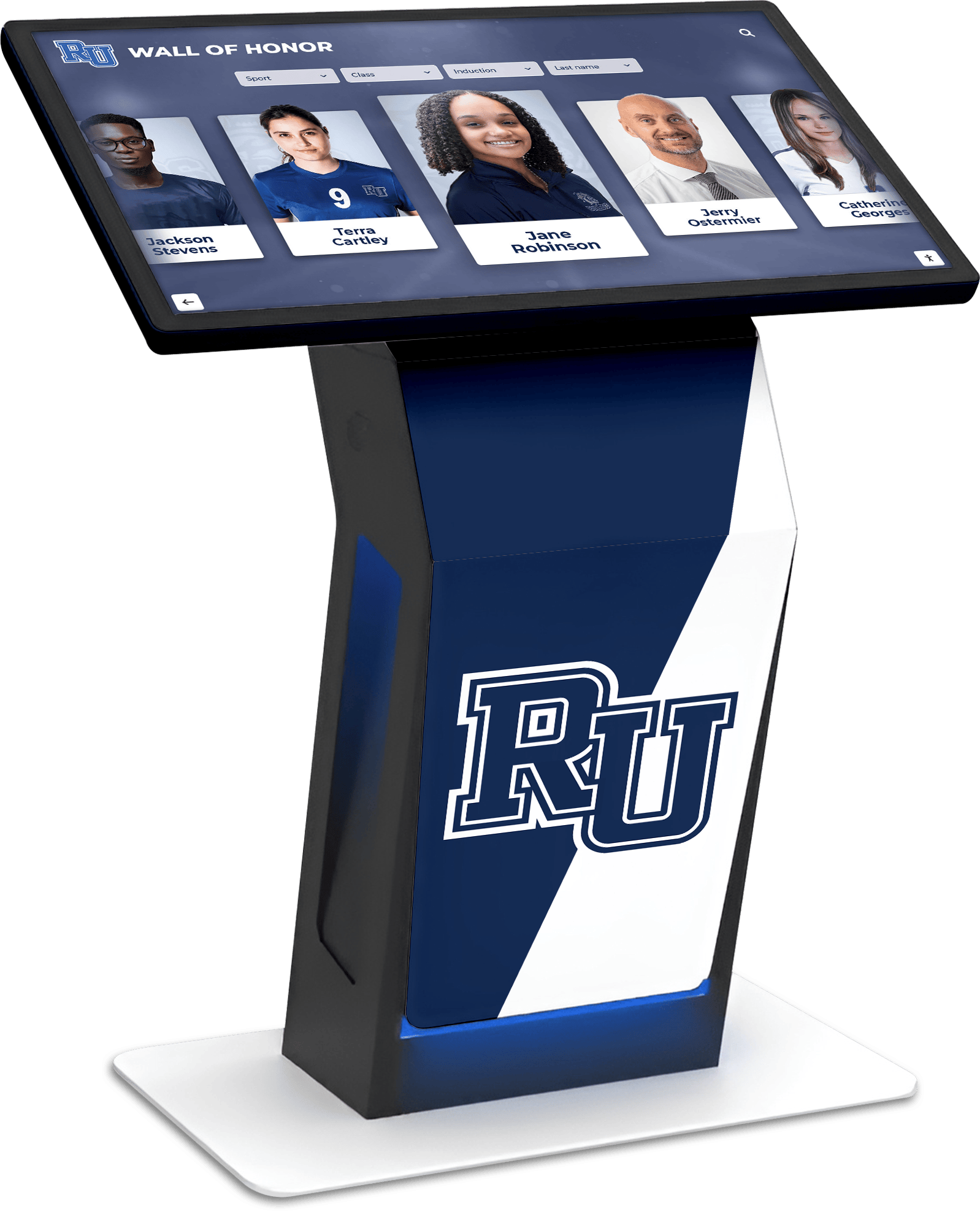
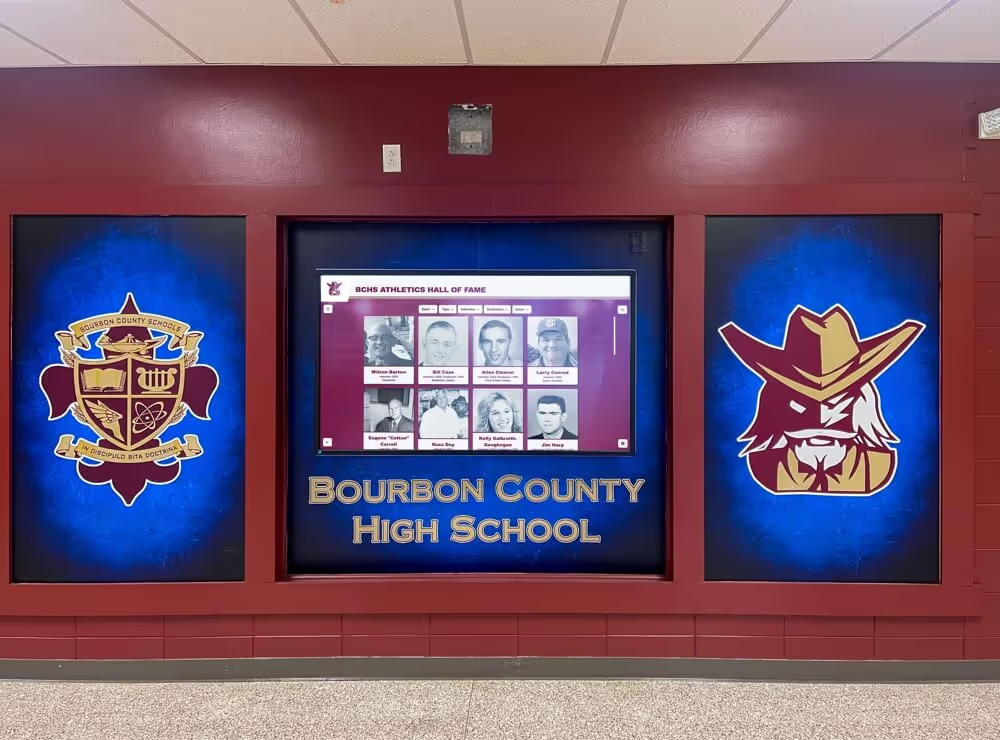
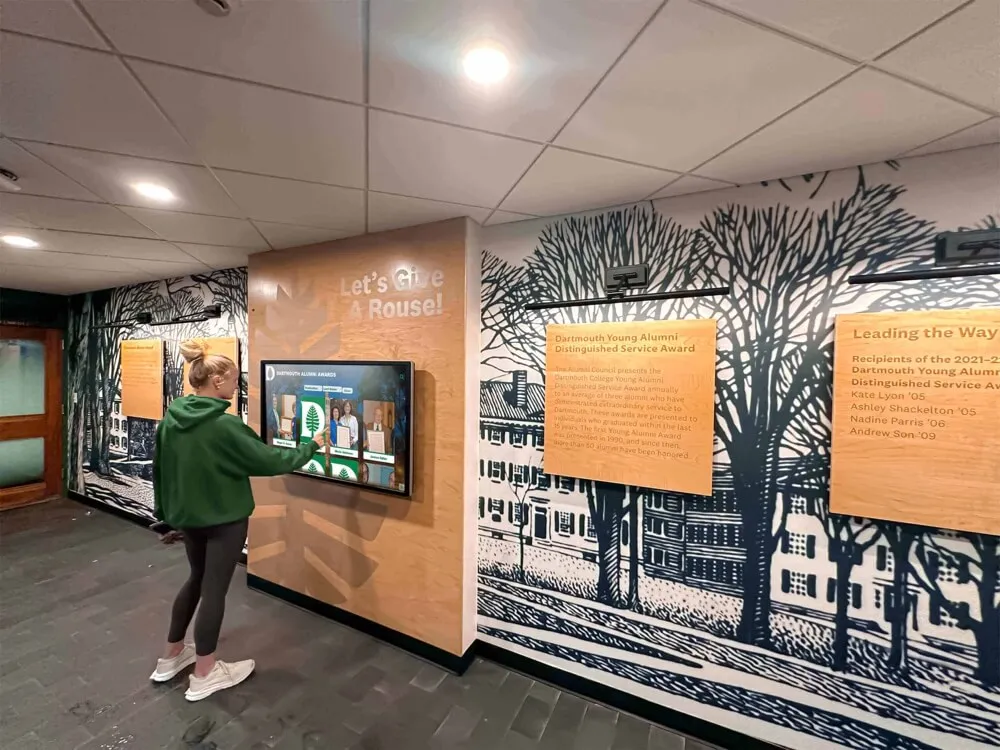
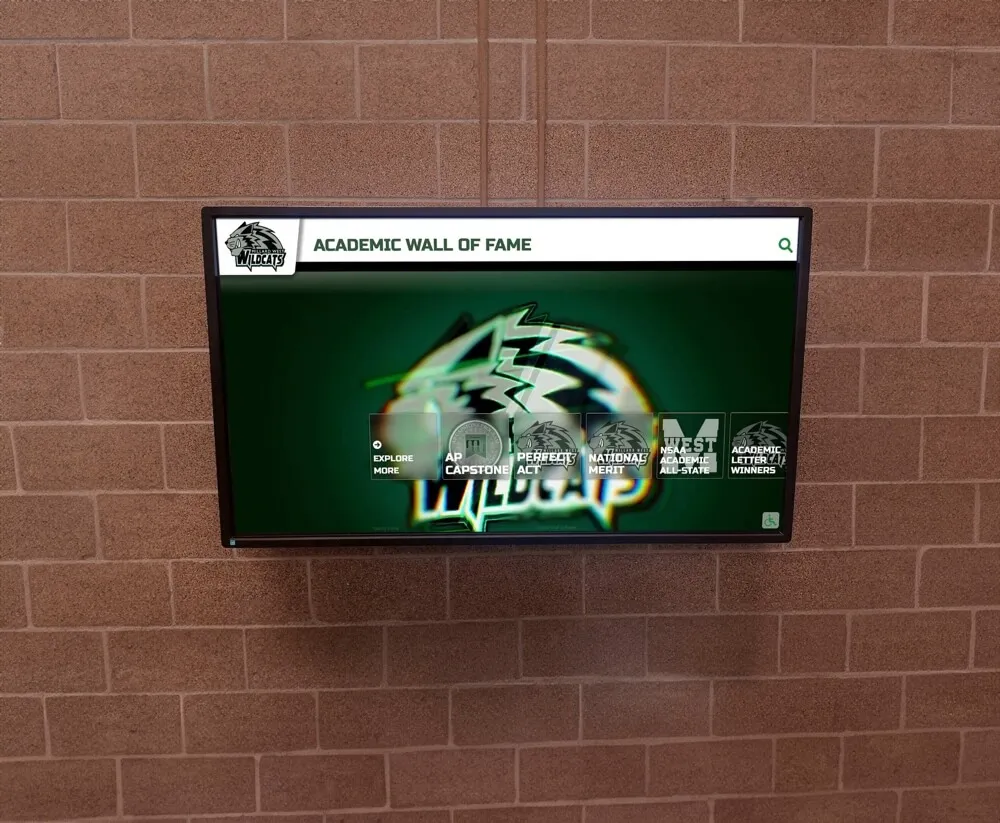
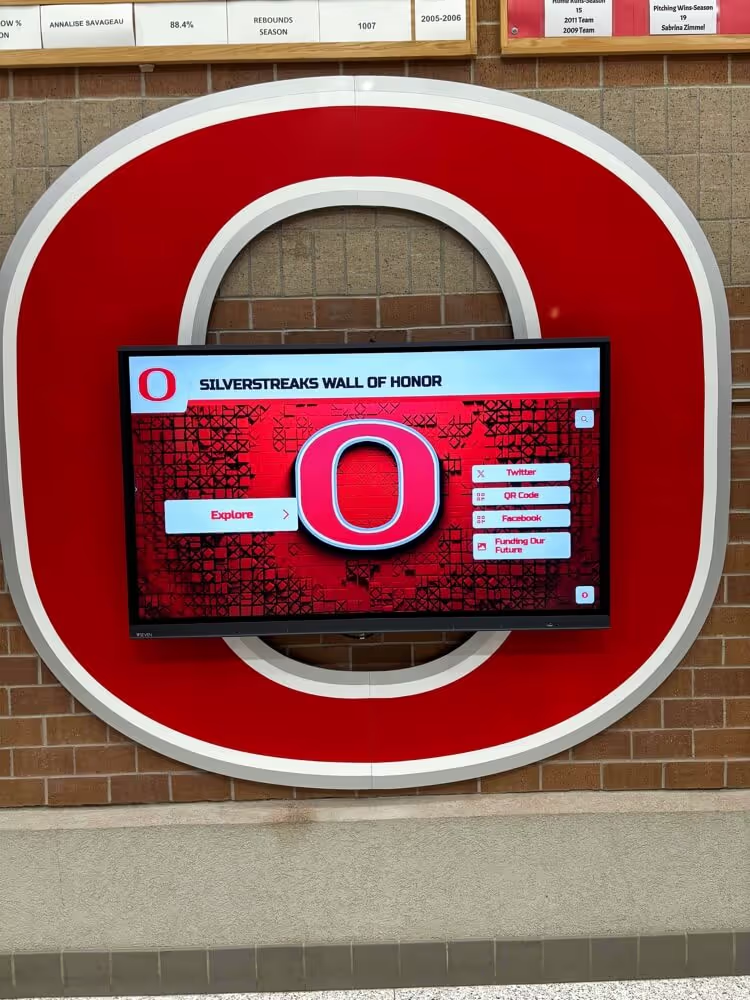
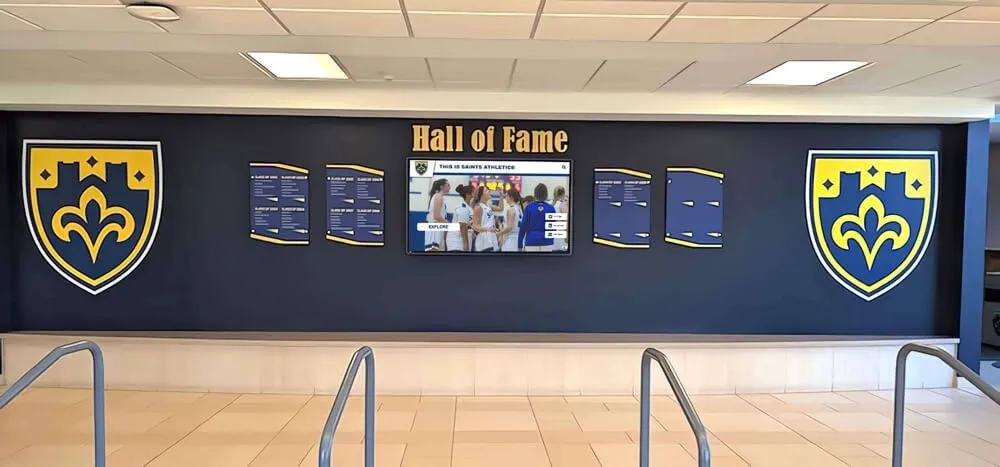
Digital systems accommodate unlimited recognition of officers and members without space constraints
Adaptive Leadership: Real leadership requires adjusting approach based on circumstances including pivoting plans when original approaches prove unworkable, managing ambiguity when no clear solution exists, learning from failures and implementing improvements, maintaining enthusiasm despite setbacks or opposition, and knowing when to push forward versus step back.
This resilience and adaptability serves class presidents well in college leadership, career advancement, and personal life challenges.
Democratic Participation and Civic Engagement
Perhaps most importantly, class presidents gain hands-on experience in democratic processes:
Electoral Democracy: Participating in competitive elections teaches democratic principles in action including conducting fair campaigns following established rules, accepting electoral outcomes gracefully whether winning or losing, respecting the voice of voters even when personal preference differs, building coalitions across diverse constituencies, and understanding representative democracy’s responsibilities and limitations.
Legislative Process: Student government mimics governmental processes including proposing initiatives requiring multiple approvals, building support through persuasion and compromise, navigating formal procedures and parliamentary rules, experiencing both possibilities and frustrations of democratic decision-making, and understanding separation of powers when administration maintains final authority.
Policy Advocacy: Class presidents learn to advocate effectively for change including identifying problems requiring solutions, researching precedents and alternatives, developing concrete proposals with implementation plans, building stakeholder support across administration and students, and achieving victories incrementally rather than all at once.
These civic engagement skills create informed future voters, community leaders, and citizens who understand how to create change through democratic institutions.
The Class Officer Team Structure
Class presidents rarely work alone—they typically lead teams of elected officers sharing governance responsibilities.
Common Class Officer Positions
Most schools elect multiple class officers working collaboratively:
Class Vice President: The vice president supports the president while typically assuming specific responsibilities including leading meetings when presidents are unavailable, overseeing specific committees or initiatives, serving as the primary communication coordinator, preparing to potentially assume the presidency if needed, and developing leadership skills for potential future presidential runs.
The vice presidency provides excellent preparation for class president or student body president roles in subsequent years.
Class Secretary: Secretaries maintain essential organizational infrastructure including recording detailed meeting minutes documenting decisions and discussions, maintaining accurate rosters and contact information, coordinating digital and social media communications, tracking attendance and participation for planning purposes, and preserving institutional memory about class government activities and achievements.
Strong secretaries make entire officer teams more effective through excellent documentation and organization.
Class Treasurer: Treasurers manage financial operations including maintaining detailed budget records tracking all income and expenses, processing reimbursement requests and payments, preparing financial reports for advisors and administration, coordinating fundraising event financial logistics, and ensuring fiscal responsibility and transparency.
The treasurer role develops financial literacy and accountability valuable throughout life.
Additional Positions: Some schools create specialized officer positions including social chair coordinating class activities and events, community service coordinator managing volunteer initiatives, communications director handling marketing and publicity, class representatives ensuring diverse voices in decision-making, and historian documenting class memories through photos and stories.
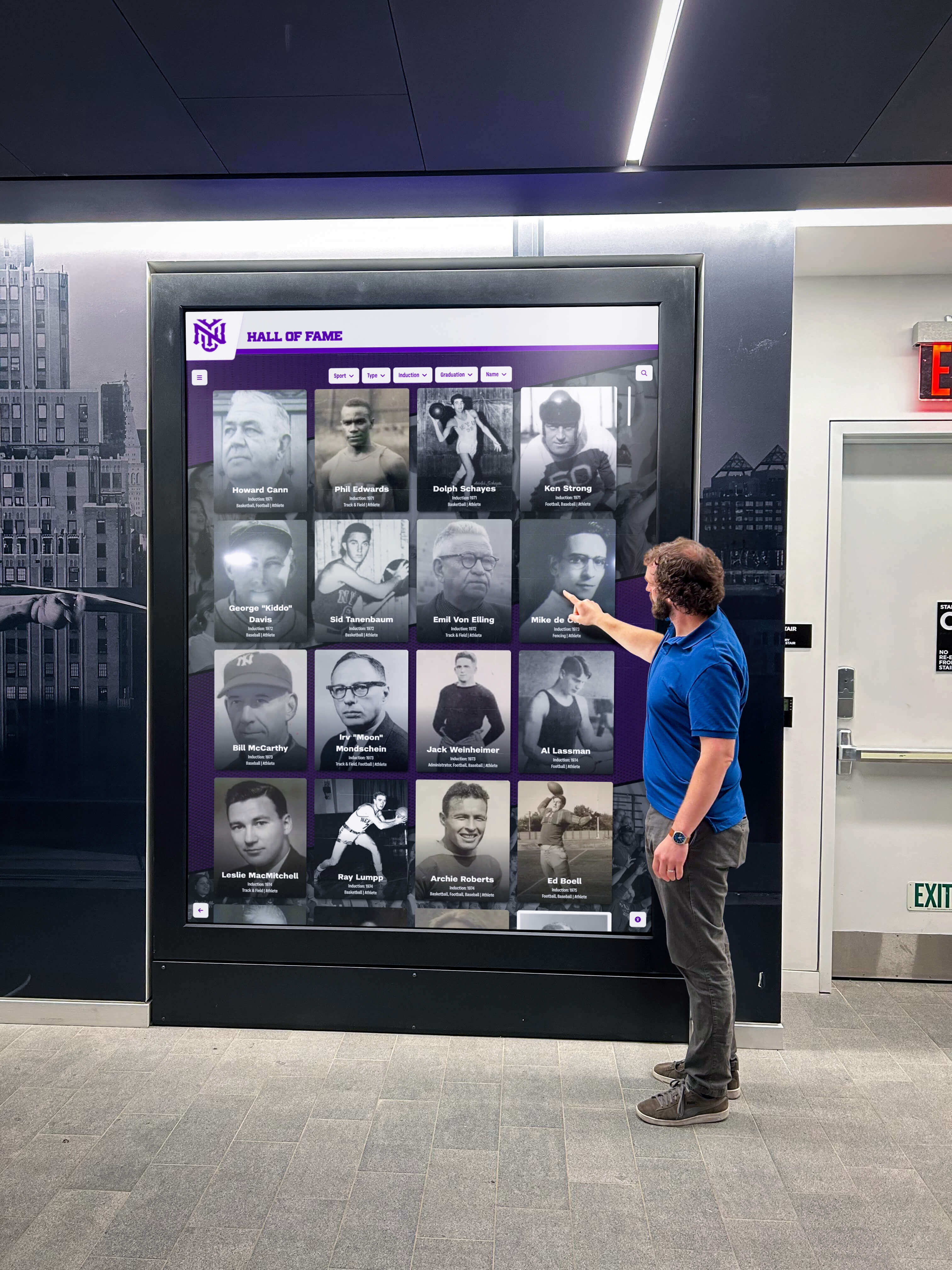
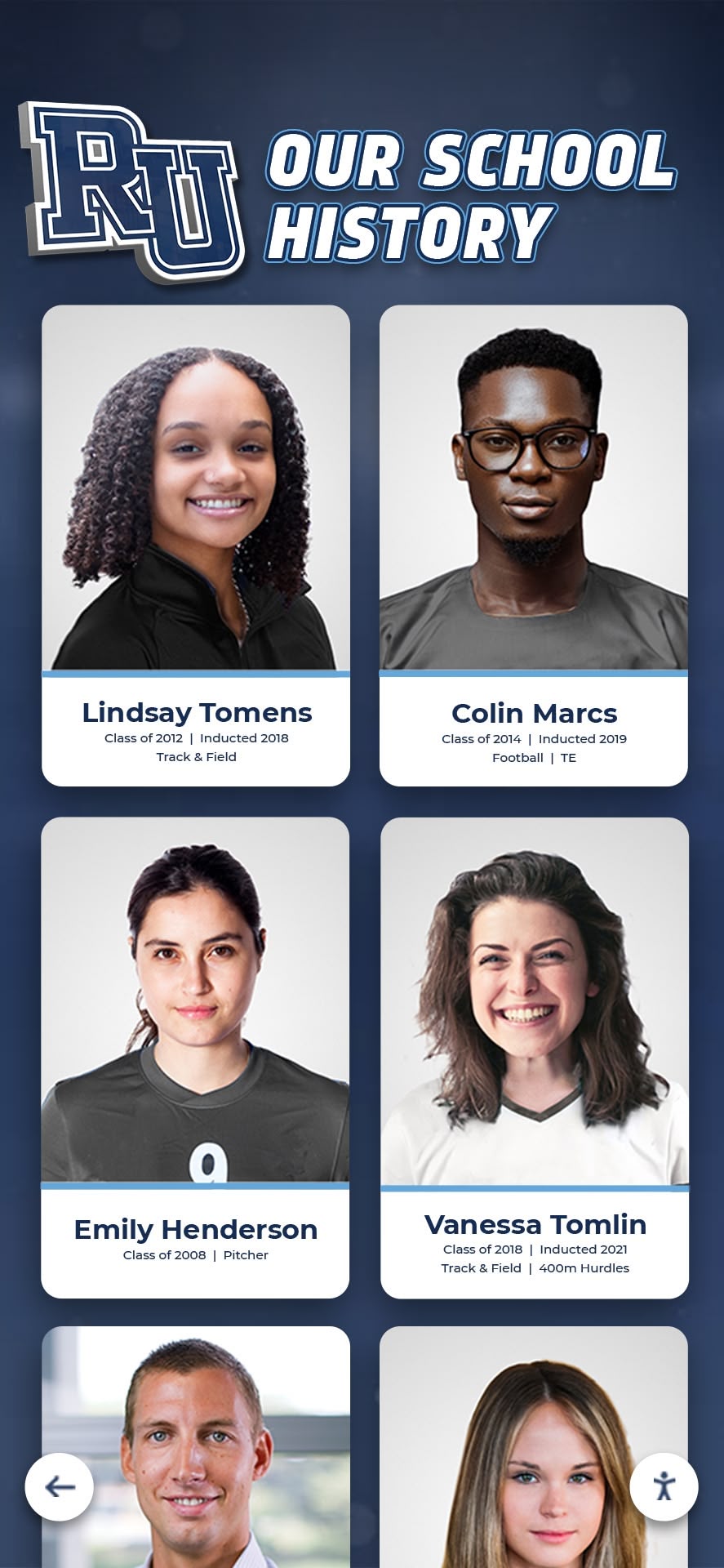
Interactive displays enable families and visitors to explore student government accomplishments and leadership
Effective Team Dynamics
Successful class officer teams develop healthy working relationships:
Clear Role Definition: High-functioning teams establish clear responsibility divisions preventing both gaps where tasks fall through cracks and overlaps creating confusion or conflict. While flexibility allows covering for absent teammates, basic accountability clarity proves essential.
Regular Communication: Officer teams meet regularly—typically weekly or biweekly—to coordinate activities, share updates, make decisions collaboratively, address problems proactively, and maintain unified direction despite different personalities and perspectives.
Shared Leadership: While presidents provide overall direction, effective teams distribute leadership with officers taking initiative within their areas, making decisions without requiring presidential approval for every detail, contributing ideas and feedback freely, and feeling genuine ownership of class government success.
Conflict Resolution: Inevitable disagreements require productive conflict management including addressing differences directly rather than allowing resentment to build, focusing on issues rather than personal attacks, seeking win-win solutions when possible, and involving faculty advisors when student officers can’t resolve conflicts independently.
Teams that work through early conflicts often emerge stronger and more effective than groups that never experience disagreement.
Challenges Class Presidents Face
Understanding common obstacles helps schools better support student leaders while helping prospective candidates realistically assess the role.
Time Management and Stress
The most common challenge involves balancing multiple demanding commitments:
Academic Pressure: Class presidents must maintain good grades for eligibility while devoting substantial time to student government including missing class occasionally for meetings or events, working on government projects during time needed for homework, experiencing mental fatigue affecting academic focus, and managing stress about academic performance slipping.
Schools can support presidents through flexible deadlines when government commitments conflict with assignments, study hall time dedicated to catching up, and academic monitoring to identify struggling presidents needing assistance.
Activity Overload: Many class presidents participate in multiple activities beyond student government including sports commitments requiring daily practice and competitions, performing arts requiring rehearsals and performances, part-time jobs providing needed income, family responsibilities that can’t be neglected, and social life necessary for wellbeing and friendship maintenance.
Learning to set boundaries and say no represents an essential skill many presidents develop through necessity.
Political and Social Challenges
The representative nature of the role creates unique interpersonal obstacles:
Representing Diverse Perspectives: Class presidents serve classmates with conflicting interests and priorities including different cultural backgrounds and values, varied academic abilities and educational priorities, diverse social groups and friend networks, competing desires for class funds and activities, and different expectations about appropriate presidential action.
Effective presidents learn to listen to all perspectives, make decisions they can defend even when disappointing some constituents, communicate reasoning transparently, and accept that universal approval is impossible.
Navigating Criticism: Visible leadership invites criticism that can prove difficult for adolescents including social media complaints or attacks, gossip and behind-the-back criticism, public disagreement during meetings or assemblies, perception that presidents receive special treatment or privileges, and accusations of favoring friends or particular groups.
Developing thick skin while remaining receptive to legitimate feedback represents a delicate but valuable balance.
Working Within Constraints: Class presidents often discover their power is more limited than imagined including administrative veto power over student proposals, budget limitations restricting possible initiatives, school policies constraining event possibilities, and limited influence over academic or discipline policies.
Managing expectations and explaining limitations to disappointed classmates requires maturity and diplomatic communication.
Administrative and Logistical Obstacles
Practical challenges can frustrate even well-intentioned presidents:
Faculty Advisor Dependence: Student officers typically require faculty advisor support for logistical necessities including accessing financial accounts and processing transactions, reserving facilities and securing event permissions, communicating with administration about proposals, providing continuity when student leaders graduate, and offering guidance on school policies and procedures.
When advisors are unavailable, unresponsive, or unsupportive, class presidents struggle to accomplish objectives despite student enthusiasm.
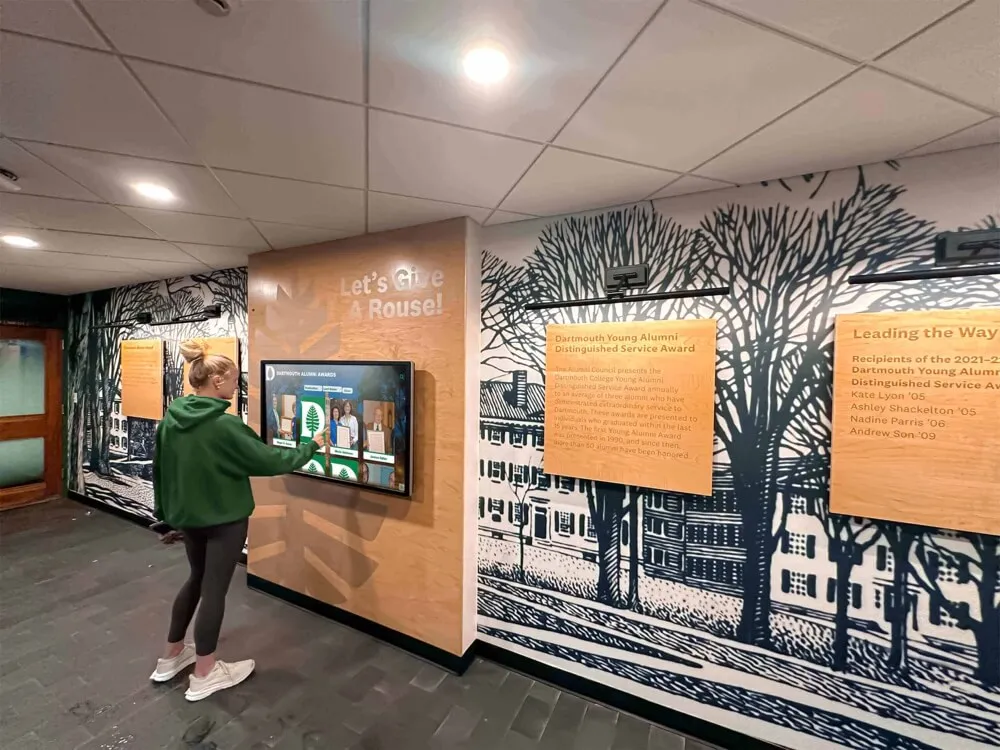
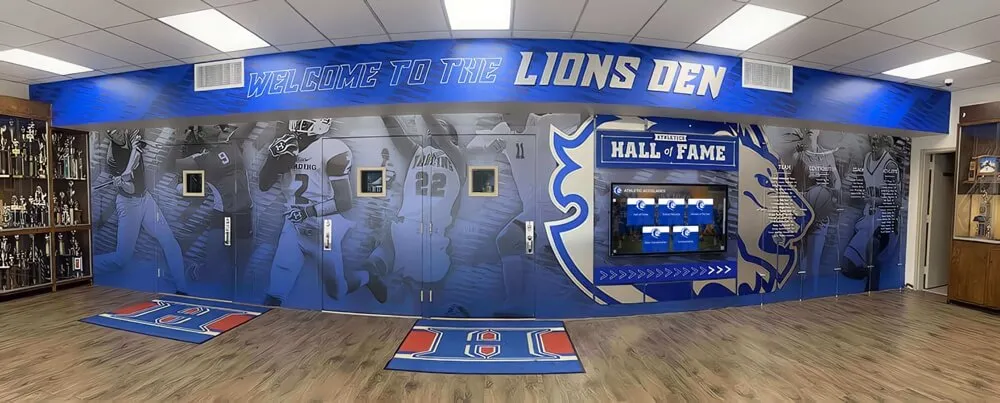
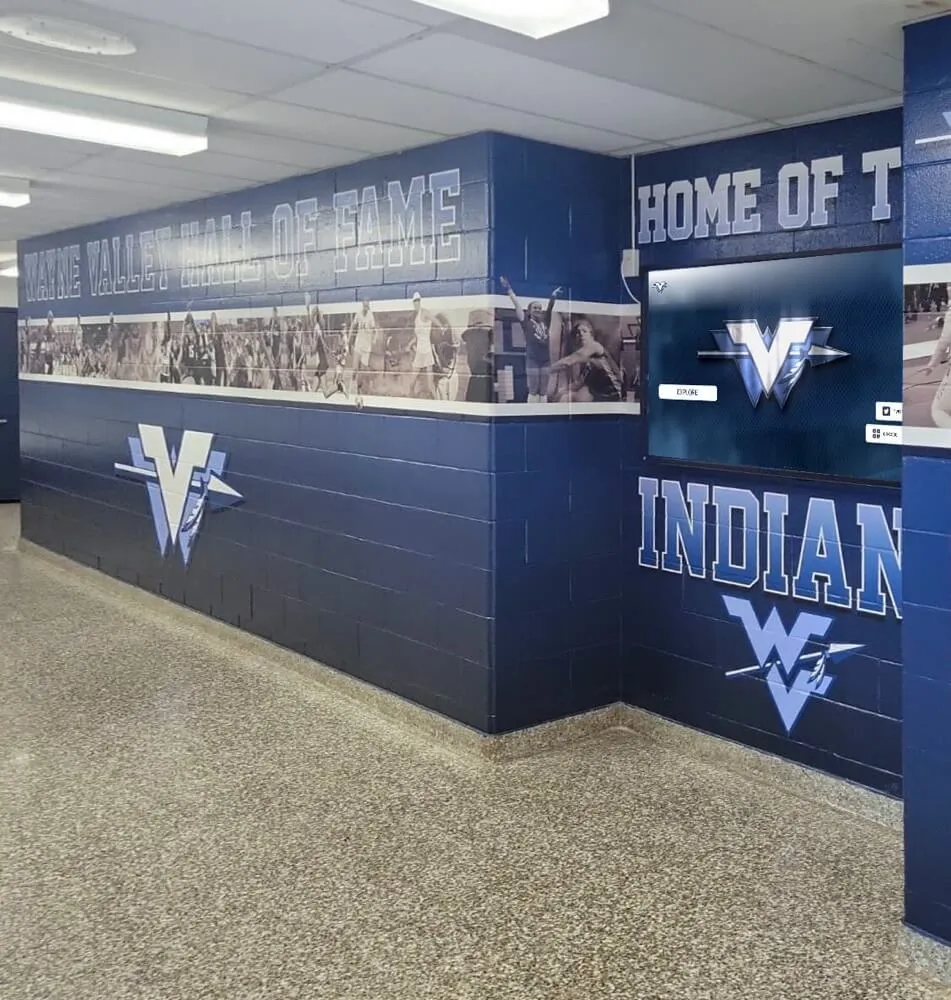
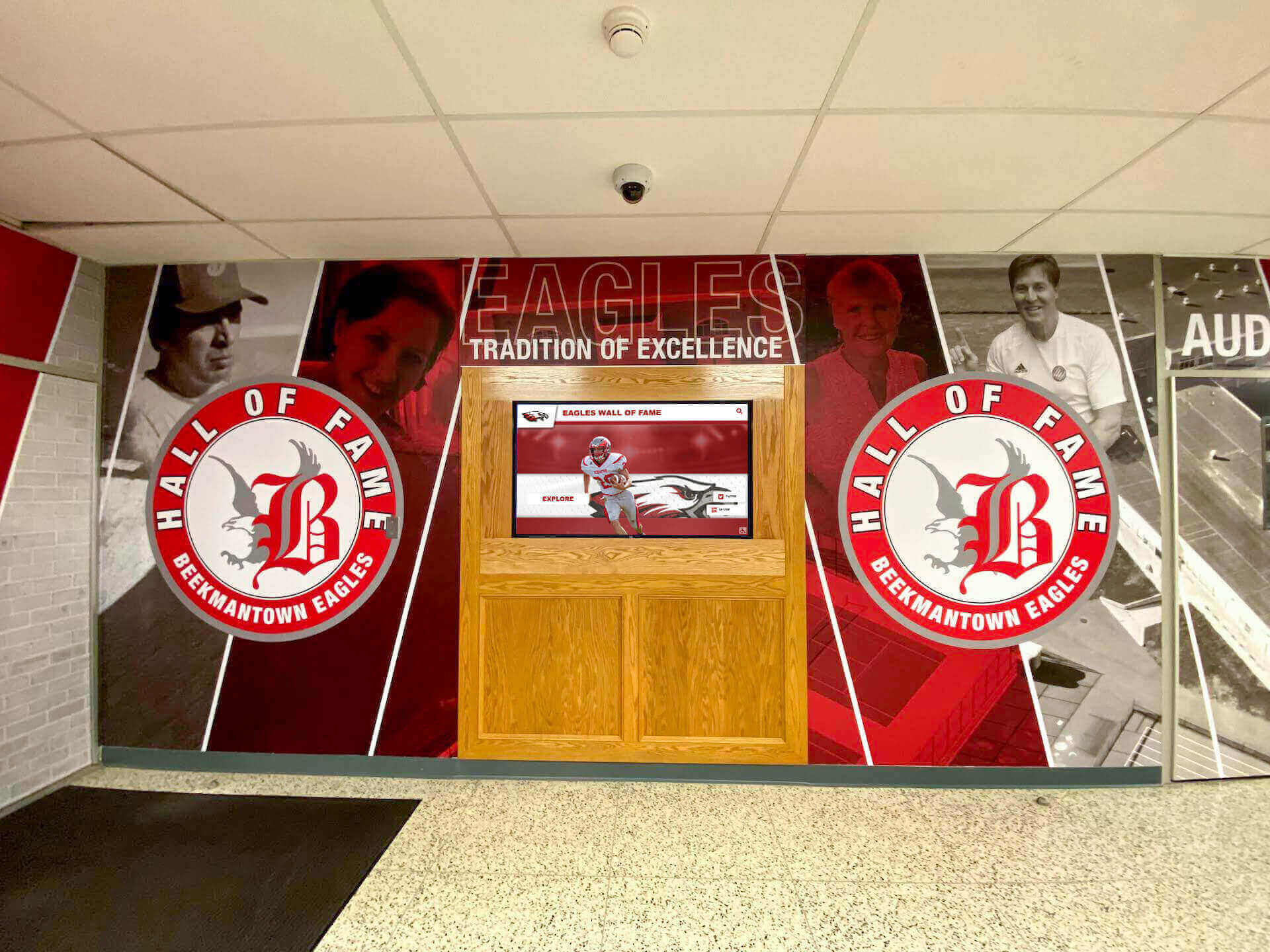
Prominent recognition placement ensures student government receives visibility comparable to athletic achievements
Resource Limitations: Financial and material constraints limit what presidents can achieve including insufficient class funds for desired activities, lack of appropriate venues for proposed events, limited volunteer support for labor-intensive projects, and competing demands on shared school resources.
Successful presidents learn to work creatively within constraints rather than becoming paralyzed by limitations.
Bureaucratic Processes: Schools necessarily maintain approval processes and procedures that can feel frustrating including lengthy approval timelines for event proposals, extensive paperwork and documentation requirements, multiple approval levels for simple requests, and inflexible policies preventing innovative solutions.
Patience with institutional processes while advocating for streamlining represents an important professional skill many presidents develop.
How Schools Can Effectively Recognize Class Presidents
Given the substantial commitment and leadership development involved, class presidents deserve recognition matching their contribution magnitude.
Traditional Recognition Approaches
Conventional methods provide baseline acknowledgment:
Yearbook Recognition: Most schools include class officer pages with photos, names, positions, and brief descriptions. While valuable for historical documentation, yearbook mentions reach limited audiences and lack detail about actual accomplishments.
Award Ceremonies: End-of-year recognition assemblies or banquets typically acknowledge student government officers through certificates or plaques, brief speeches highlighting contributions, and public applause recognizing service.
While meaningful, ceremony recognition provides brief visibility rather than sustained celebration throughout the school year and beyond.
Campaign Visibility: Election periods create temporary recognition through campaign posters visible throughout school, social media presence building candidate profiles, assembly speeches reaching entire grades, and elevated status during campaign periods.
However, this visibility disappears after elections, and officer accomplishments during their tenure receive far less attention than campaign promises.
Limitations of Traditional Recognition
Conventional approaches face inherent constraints:
Minimal Ongoing Visibility: After initial election announcements, class presidents often become invisible beyond their immediate student government circles. Their initiatives, accomplishments, and leadership development go largely unrecognized by broader school communities.
Lost Institutional Memory: Without systematic documentation, class president contributions disappear as officers graduate. Future students can’t learn from previous leaders’ successes and challenges, and alumni accomplishments become invisible to current classes.
Inequitable Recognition: Student government typically receives far less recognition than athletic teams despite comparable time commitment, leadership development, and contribution to school culture. This disparity unintentionally communicates that democratic participation matters less than other activities.
Limited College Application Value: Brief yearbook mentions and generic certificates provide minimal documentation for college applications where students need specific, detailed evidence of leadership impact and accomplishments.
Learn about comprehensive approaches to high school graduation celebration ideas that can include leadership recognition.
Modern Digital Recognition Solutions
Technology-enabled platforms address traditional recognition limitations while creating engaging experiences celebrating student leadership.
Interactive Digital Display Systems
Purpose-built recognition platforms transform how schools honor class presidents:
Comprehensive Leader Profiles: Digital systems enable rich recognition impossible with physical plaques including high-quality photos of officers individually and as teams, detailed position descriptions explaining actual responsibilities, documentation of specific accomplishments and initiatives during tenure, officer statements about governance goals and campaign platforms, and biographical information about leadership philosophy and future aspirations.
This comprehensive documentation provides meaningful recognition while creating valuable content for college applications and interviews.
Unlimited Historical Archives: Solutions like Rocket Alumni Solutions eliminate space constraints forcing selective recognition:
Single displays can showcase every class president and officer across decades of school history without removal of earlier leaders to accommodate new officers. This preservation creates institutional tradition connecting current leaders to governance history while ensuring no officer’s contribution disappears.
Interactive Exploration Features: Touchscreen interfaces enable engaging discovery including name search helping students find themselves and friends, position filtering showing all class presidents across years, year-based navigation exploring student government chronologically, and achievement-based discovery highlighting successful initiatives or milestone events.
These interactive capabilities encourage extended engagement compared to static bulletin boards receiving brief glances.
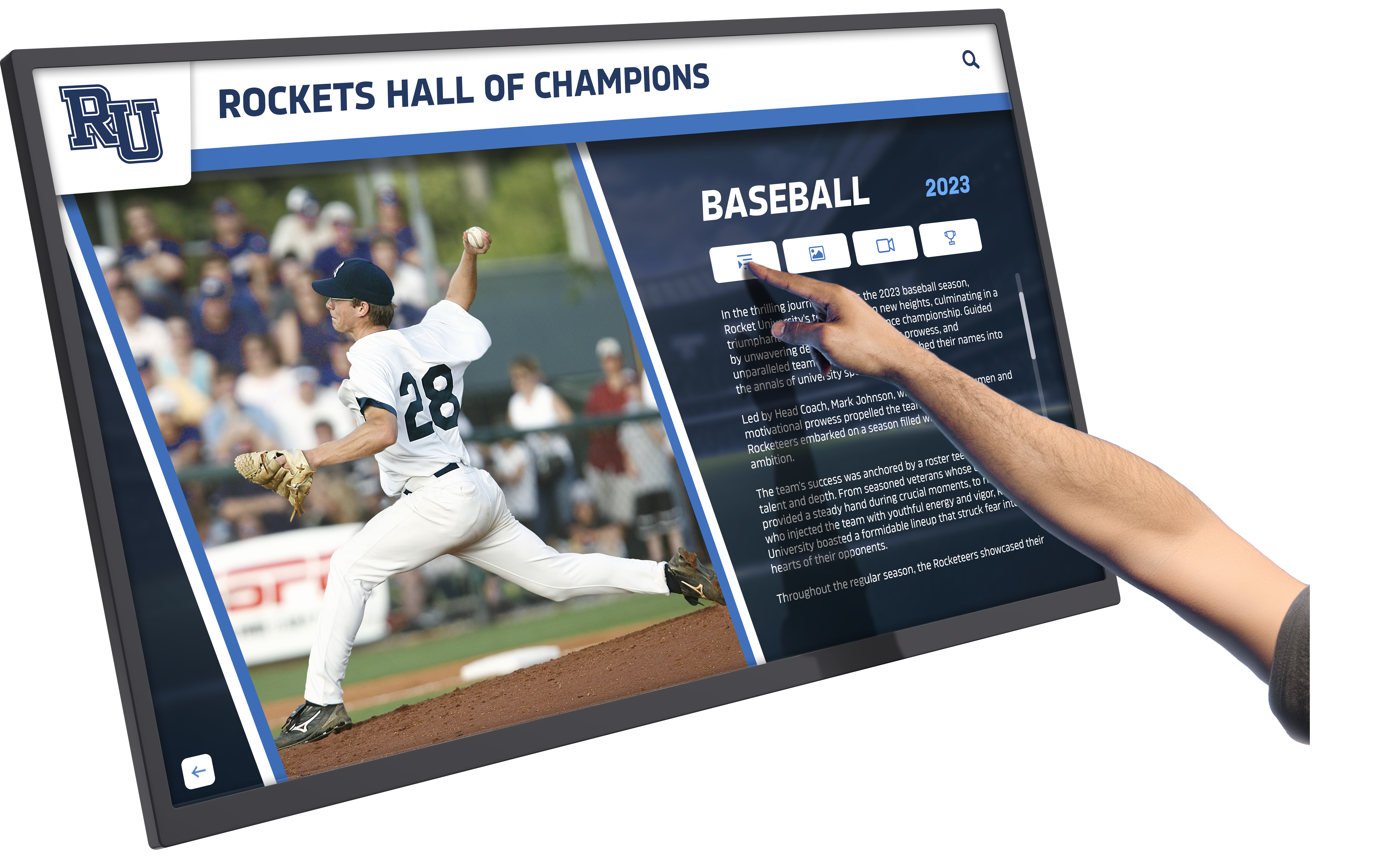
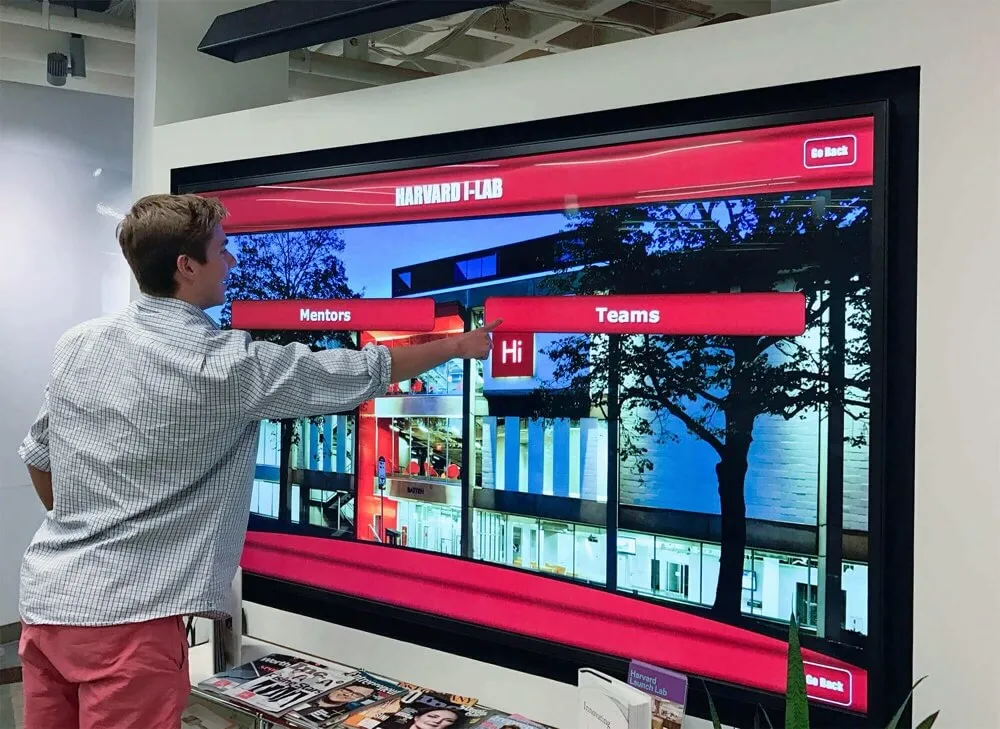
User-friendly interfaces enable students and staff to explore recognition content intuitively
Web-Based Recognition Extensions
Modern recognition extends beyond physical campus displays:
Online Recognition Portals: Web-accessible platforms amplify recognition reach including global access enabling families and alumni anywhere to view achievements, mobile-responsive design ensuring quality experiences across devices, social sharing capabilities letting students celebrate accomplishments with extended networks, and integration with school websites maintaining consistent branding.
Alumni Connection Opportunities: Online recognition creates engagement with student government alumni including ability for graduates to find their own officer records, connection between current officers and alumni who led successful governments, mentorship opportunities pairing experienced alumni with current leaders, and demonstration of long-term leadership impact on careers and civic engagement.
Real-Time Updates: Digital platforms enable immediate recognition including new officer announcements within days of elections, initiative updates as accomplishments occur throughout the year, seasonal highlights celebrating major events and achievements, and graduation recognition honoring senior class presidents completing service.
This timeliness ensures recognition feels current and relevant rather than relegated to annual yearbook cycles.
Benefits of Digital Recognition Systems
Modern platforms deliver advantages impossible with traditional approaches:
Equitable Multi-Activity Recognition: Digital systems can celebrate student government leadership alongside athletic, academic, and arts achievements—demonstrating institutional commitment to honoring all forms of student excellence without privileging certain activities through disproportionate trophy case space.
Leadership Development Documentation: Recognition profiles can explicitly connect class president experience to transferable skills including organizational management through event coordination, communication capabilities through public speaking and stakeholder engagement, democratic participation developed through elected governance, and consensus building through facilitating diverse perspectives.
This documentation helps students articulate leadership development in college essays, scholarship applications, and job interviews.
Analytics and Assessment: Digital platforms provide engagement metrics demonstrating recognition program effectiveness through interaction data showing which content generates most interest, search patterns revealing what visitors seek, and usage trends indicating recognition value to school communities.
This data enables continuous improvement ensuring recognition remains relevant and impactful.
Discover inclusive approaches to student achievement recognition across diverse activities and leadership contexts.
Implementing Comprehensive Class President Recognition Programs
Successful recognition requires systematic planning addressing content development, stakeholder engagement, and sustainable management.
Planning and Content Development
Assessment and Goal Setting: Schools should begin with evaluation including current recognition practices for class presidents and other leaders, stakeholder input from officers, participants, advisors, and administrators, physical and digital resources available for implementation, and specific goals for recognition program impact.
Historical Documentation: Implementing comprehensive recognition requires gathering information including current officer photos and biographical information, historical records from yearbooks and archives, initiative documentation with event photos and results, officer testimonials about student government impact, and alumni reflections about how leadership shaped their development.
While historical reconstruction takes effort, schools report finding valuable information in yearbooks, advisor files, student newspapers, and alumni memory.
Content Quality Standards: Professional recognition requires attention to photography standards ensuring high-quality images appropriate for display, writing guidelines maintaining consistent profile quality, accuracy verification confirming information before publication, and design standards ensuring visual consistency.
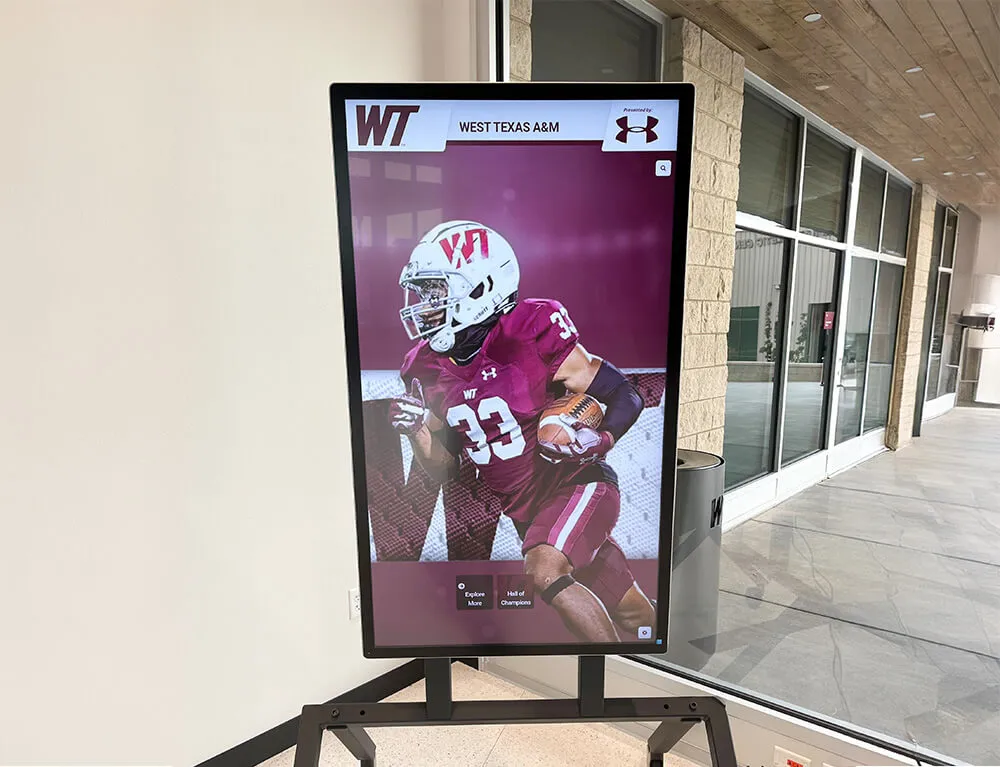
Prominent recognition installations signal institutional commitment to celebrating student achievement across all activities
Technology Selection Considerations
Schools implementing digital class president recognition should evaluate:
Platform Capabilities: Solutions should offer ease of content management without technical expertise requirements, capacity for comprehensive recognition without space limitations, interactive features enabling engaging exploration, web-based access extending recognition beyond campus, mobile responsiveness for smartphone access, integration with school communication systems, and analytics demonstrating program effectiveness.
Purpose-Built vs. Generic Solutions: Platforms specifically designed for academic recognition typically offer templates optimized for student profiles, unlimited capacity accommodating historical archives, intuitive management requiring no technical expertise, responsive design ensuring quality across devices, and dedicated support teams understanding educational contexts.
Purpose-built solutions typically deliver superior experiences compared to generic digital signage systems adapted for recognition purposes.
Cost and Sustainability: Budget considerations include initial implementation investment, ongoing subscription or maintenance costs, content development time and resources, training requirements for staff, and long-term platform sustainability and vendor support.
Schools should ensure multi-year budget commitment preventing recognition systems from becoming neglected due to funding lapses.
Launch and Ongoing Management
Implementation Strategy: Successful launches include ceremony or event unveiling recognition system with current officers, email announcements to families about recognition availability, social media promotion celebrating featured officers, integration with student government meetings showing members their recognition, and morning announcements building school-wide awareness.
Sustainable Management: Long-term success requires timely recognition of newly elected officers after spring elections, achievement documentation throughout the year as initiatives conclude, historical content expansion adding previous years’ information systematically, regular content audits ensuring accuracy and currency, and clear assignment of update responsibilities.
Regular updates demonstrate that recognition is valued and active rather than an abandoned system receiving only occasional attention.
Explore comprehensive approaches to academic recognition programs that can incorporate student government leadership achievement.
Connecting Class President Recognition to College Applications
Systematic recognition should explicitly support students’ college preparation and application processes.
Documentation for College Applications
Comprehensive recognition creates accessible resources:
Leadership Portfolio Development: Digital recognition platforms provide downloadable content for college application activity sections, specific achievement descriptions offering essay material about impact, quantifiable metrics demonstrating organizational effectiveness, and web links enabling admissions officers to explore achievements in detail.
Recommendation Letter Support: Faculty advisors writing recommendation letters benefit from comprehensive recognition documentation reminding them of specific accomplishments, providing concrete examples of leadership impact, documenting growth and development across tenure, and offering quotable achievements strengthening recommendations.
Interview Preparation: Recognition profiles serve as study materials for college interviews helping students recall specific accomplishments under pressure, providing talking points about leadership development, offering stories demonstrating transferable skills, and building confidence through documented achievements.
Skill Translation for Applications
Recognition should explicitly connect class president experience to college-valued competencies:
Organizational Leadership: Documentation should highlight coordinating complex events across diverse stakeholders, managing budgets and financial resources with accountability, delegating responsibilities and following through on commitments, and adapting plans when circumstances change unexpectedly.
Communication Excellence: Recognition can emphasize facilitating meetings ensuring all voices receive consideration, presenting to large audiences during assemblies, negotiating with administration to advocate for student interests, and representing the school to external organizations.
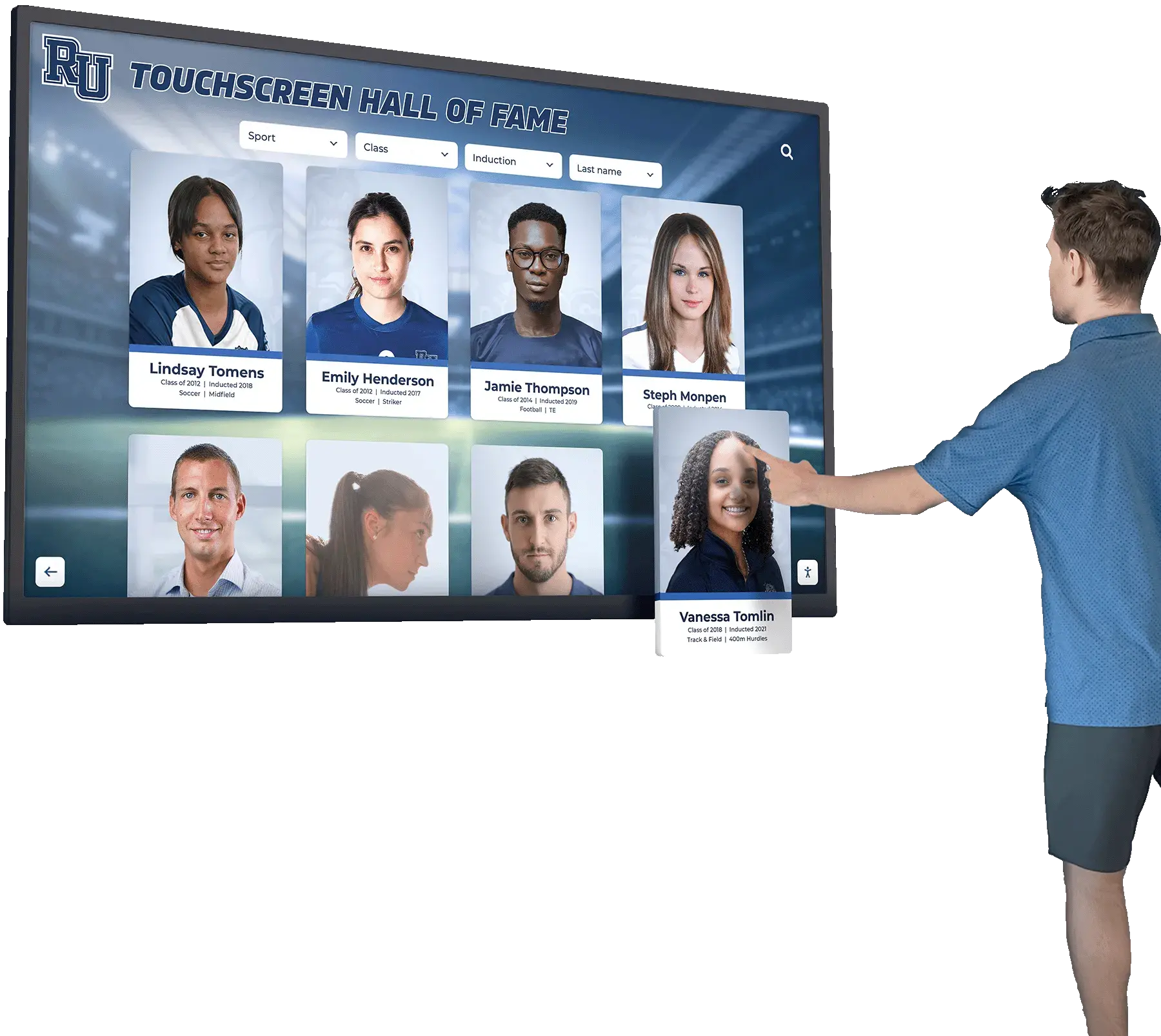
Engaging interactive experiences encourage extended visitor interaction with recognition content through intuitive navigation and rich multimedia profiles
Democratic Participation: Profiles should document conducting fair elections following established procedures, building consensus among diverse constituencies, understanding parliamentary procedure and formal governance, and advocating for policy changes through appropriate channels.
This explicit skill documentation helps students articulate leadership development in compelling ways that resonate with college admissions committees.
Alumni Success Stories
Recognition platforms can showcase former class presidents’ post-high school achievements:
Including professional success across diverse fields requiring leadership, college leadership positions and continued civic engagement, career paths leveraging organizational skills developed through student government, and alumni returning as mentors for current student leaders.
These success stories demonstrate concrete long-term benefits of class president experience while motivating current students and honoring alumni accomplishments.
Best Practices for Supporting Class Presidents
Beyond recognition, schools can better support student leaders through proactive assistance.
Faculty Advisor Support
Effective faculty advisors balance guidance with student autonomy:
Providing Structure Without Micromanaging: Good advisors establish frameworks and guardrails enabling officers to lead within appropriate boundaries, offer guidance when requested while encouraging independent problem-solving, connect officers to necessary resources and contacts, and protect students from making serious mistakes while allowing minor failures as learning opportunities.
Maintaining Availability: Advisors should schedule regular meeting times for planning and check-ins, respond promptly to officer questions and requests, attend major events showing support and assistance, and provide continuity across school years as officers graduate.
Offering Professional Development: Schools can support advisors through training on effective student government advising practices, connections with advisors at other schools for idea sharing, resources on democratic processes and governance best practices, and recognition of substantial advisor time commitment.
Leadership Development Programming
Schools can enhance the class president experience through intentional programming:
Officer Training: Summer or early-year training sessions can teach meeting facilitation and parliamentary procedure, budget management and financial responsibility, event planning and logistics coordination, conflict resolution and team dynamics, and communication strategies for diverse audiences.
Mentorship Connections: Pairing new officers with recent alumni who served in similar positions creates knowledge transfer about effective strategies and common pitfalls, emotional support from those who understand the challenges, networking connections valuable for college and career, and inspiration about long-term leadership impact.
Leadership Conference Participation: State and national student government conferences expose officers to student leaders across diverse schools, provide professional development workshops, offer inspiration through keynote speakers and activities, and create broader perspective about student government possibilities.
Investment in leadership development enhances officer effectiveness while demonstrating institutional commitment to student leadership as valuable preparation deserving resources.
Learn about digital arts music showcase approaches that can be adapted for student government recognition.
Measuring Impact of Class President Recognition
Regular assessment ensures recognition programs achieve intended outcomes.
Quantitative Metrics
Recognition Program Coverage: Track percentage of current and historical officers with recognition profiles, profile completeness with photos and achievement documentation, update frequency showing recognition currency, and user engagement metrics from digital displays and web platforms.
Student Government Health Indicators: Assess election candidate numbers indicating interest in leadership, general membership trends before and after recognition implementation, initiative participation rates showing engagement, and officer retention through multiple years demonstrating sustained commitment.
Application and Achievement Outcomes: Document student reports of using recognition in college applications, scholarship applications leveraging leadership documentation, college acceptance rates for recognized leaders, and alumni feedback about recognition’s role in their success.
Qualitative Assessment
Stakeholder Feedback: Gather perspectives from officers about recognition’s motivational impact, participants about whether recognition makes student government feel valued, parents about student pride in governance participation, advisors about program manageability, and administrators about school culture impacts.
Cultural Indicators: Observe changes in how students discuss student government prestige, prospective student interest during tours when seeing leadership recognition, family comments about visible student voice opportunities, and community awareness of student government contributions.
Regular assessment enables continuous improvement ensuring recognition remains effective and aligned with institutional goals.
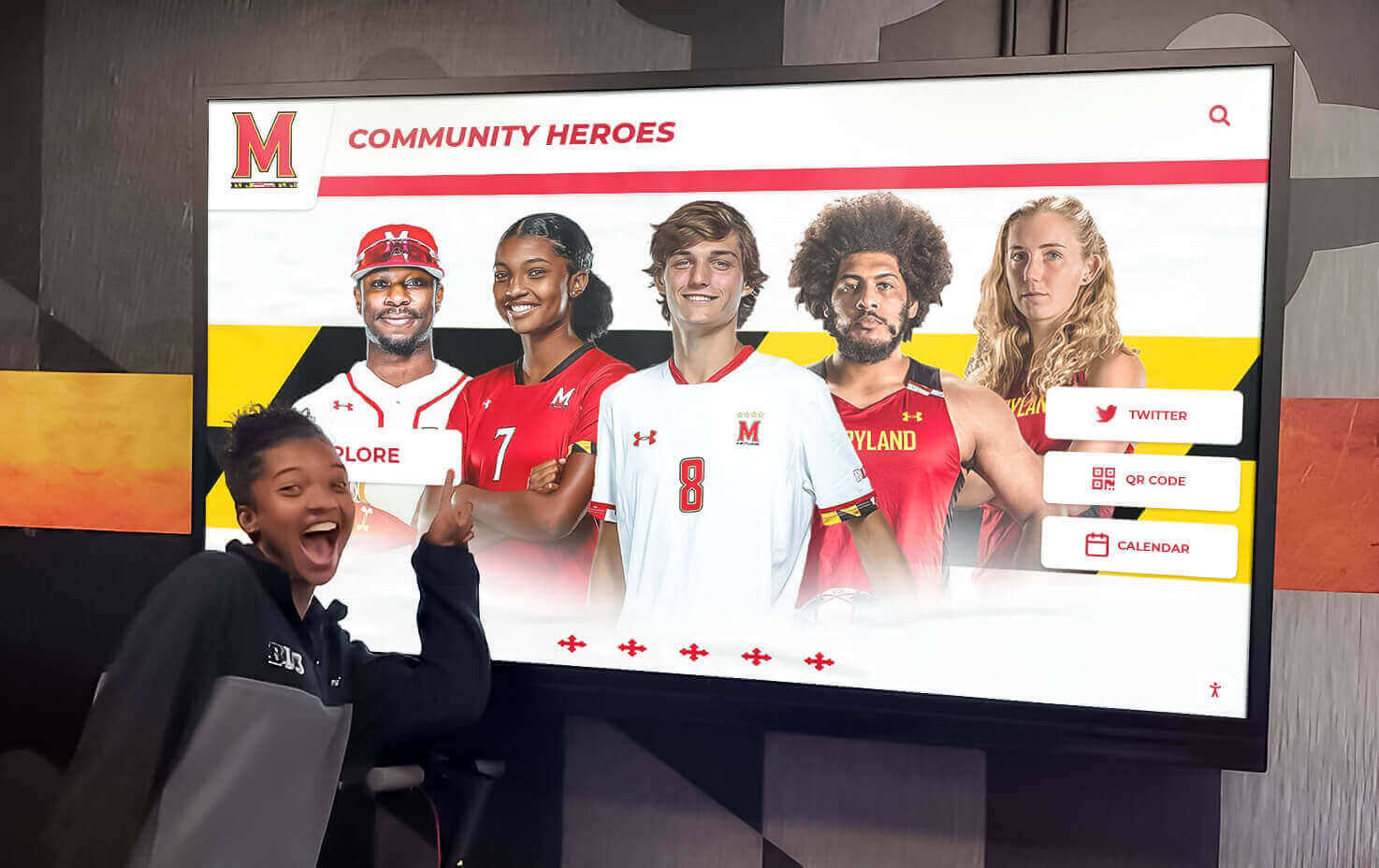
Accessible recognition displays engage entire school communities including younger students who see leadership role models
Conclusion: Honoring Student Leadership Through Meaningful Recognition
Class presidents serve as the elected voice of their peers while developing sophisticated organizational, communication, and leadership capabilities predicting success throughout their lives. These student leaders coordinate major school events requiring professional-level project management, manage substantial budgets demanding financial responsibility and accountability, represent hundreds of classmates’ diverse interests and priorities, and navigate complex interpersonal and political dynamics that many adults find challenging.
Despite these genuine responsibilities and the transferable skills they develop, class presidents often receive minimal lasting recognition beyond brief yearbook mentions and campaign visibility that disappears after elections. This recognition gap fails to honor their substantial contributions while missing opportunities to inspire younger students to pursue democratic leadership and civic engagement.
Transform Your Student Leadership Recognition
Discover how modern digital recognition solutions can help you celebrate every class president, student government officer, and participant while building lasting pride in democratic leadership and student voice. Learn how solutions like Rocket Alumni Solutions make comprehensive recognition achievable without space constraints or ongoing maintenance burden.
Explore Recognition SolutionsModern digital recognition platforms transform student government celebration by eliminating space constraints that force selective recognition, enabling rich multimedia profiles documenting specific initiatives rather than just position titles, providing instant updates celebrating new officers when recognition feels most meaningful, creating interactive experiences engaging digital-native students through exploration, and extending recognition beyond physical campuses through web access enabling global family and alumni visibility.
Effective class president recognition requires thoughtful program design ensuring comprehensive inclusion of all officers across current and historical years, timely celebration adding new recognition promptly after elections, compelling content documenting specific achievements beyond generic position acknowledgment, explicit connection to leadership skill development supporting college applications, integration with broader student leadership recognition celebrating all engagement forms, and ongoing assessment demonstrating measurable value justifying continued investment.
Whether implementing new recognition programs or enhancing existing approaches, combining systematic planning with modern recognition technology creates acknowledgment systems that genuinely motivate students to seek elected positions, strengthen student government culture and participation, demonstrate institutional values celebrating democratic leadership, and honor the remarkable dedication class presidents demonstrate through sustained service to their peers and school communities.
Your class presidents invested countless hours coordinating events, managing budgets, advocating for student interests, and building democratic institutions giving students voice in their educational experience. They deserve recognition honoring their accomplishments through prominent displays engaging school communities daily, inspiring current students through visible role models demonstrating leadership prestige, and preserving their legacy within your school’s tradition of celebrating diverse student excellence, leadership development, and preparation for active democratic citizenship.
Ready to transform your student government recognition? Explore comprehensive homecoming festivities guide that can incorporate leadership celebration, discover valedictorian meaning and other academic honors to recognize alongside leadership, learn about end of year activities for students that can feature student government recognition, or explore semester recognition highlights that document leadership achievements throughout the academic year.