



College football reaches its peak intensity each December when conference championship games crown champions across the nation’s most prestigious athletic conferences. These high-stakes matchups determine conference titles, playoff positioning, and often the trajectory of entire programs—creating watershed moments that universities celebrate through trophy cases, recognition displays, and traditions connecting generations of students, alumni, and fans.
Yet the significance of conference championships extends far beyond single games. Championship recognition shapes athletic facility design, influences recruiting success, builds institutional pride, and creates lasting traditions documented through physical and digital displays ensuring achievements receive permanent acknowledgment worthy of their competitive importance and cultural significance within college athletic communities.
This comprehensive guide explores college football conference championship games from recognition and celebration perspectives—examining how universities showcase championship traditions, implement effective recognition systems celebrating conference titles, create engaging displays honoring championship teams, and build lasting institutional pride through systematic championship documentation extending decades beyond individual seasons.
Understanding conference championships’ role within college football provides essential context for implementing recognition systems that appropriately honor achievement while inspiring current athletes, engaging alumni communities, and building traditions strengthening institutional athletic culture year after year.

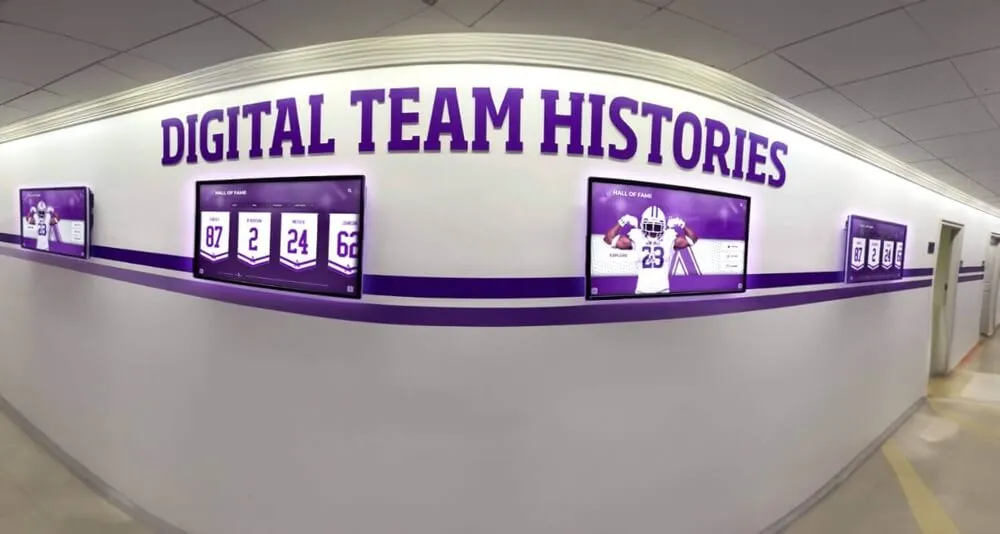
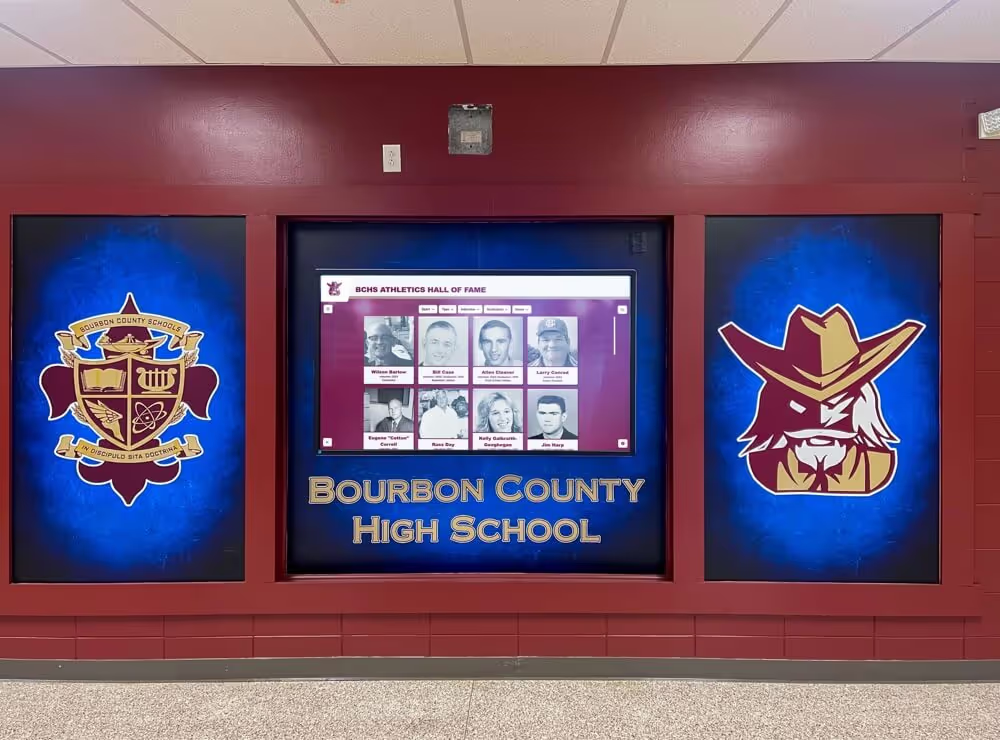
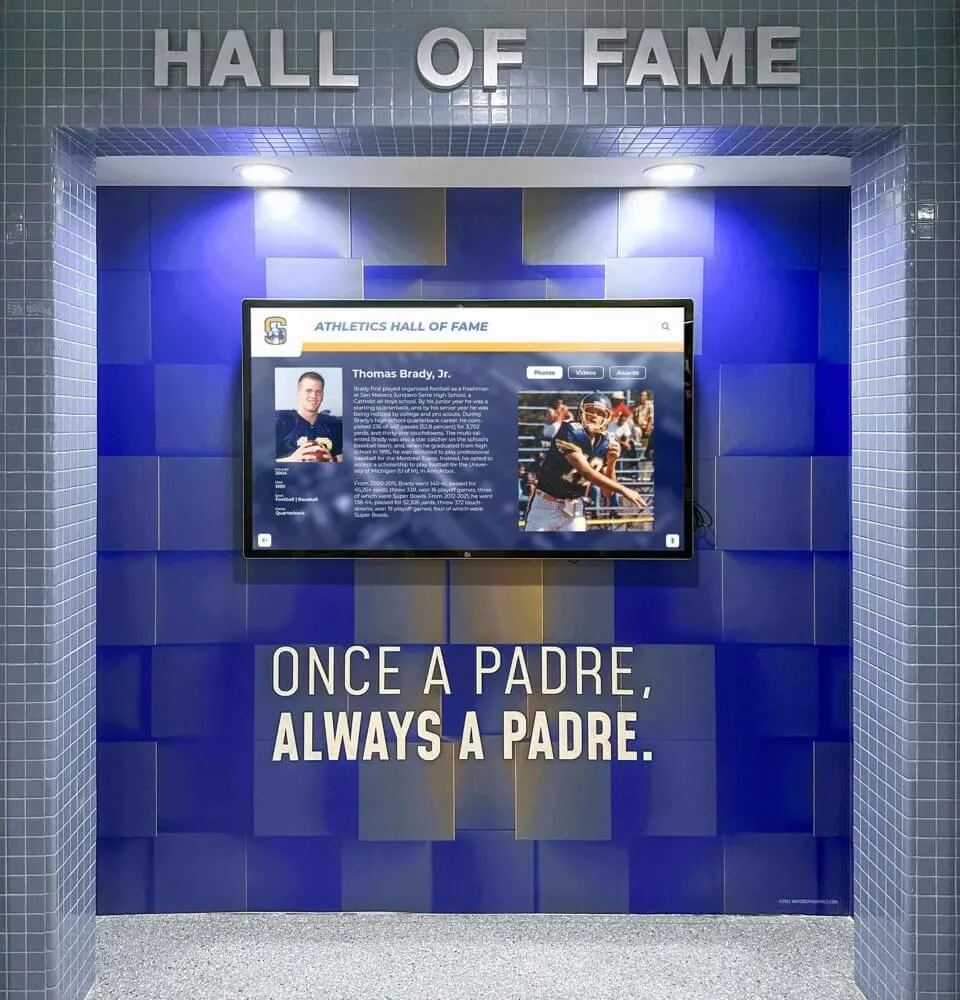
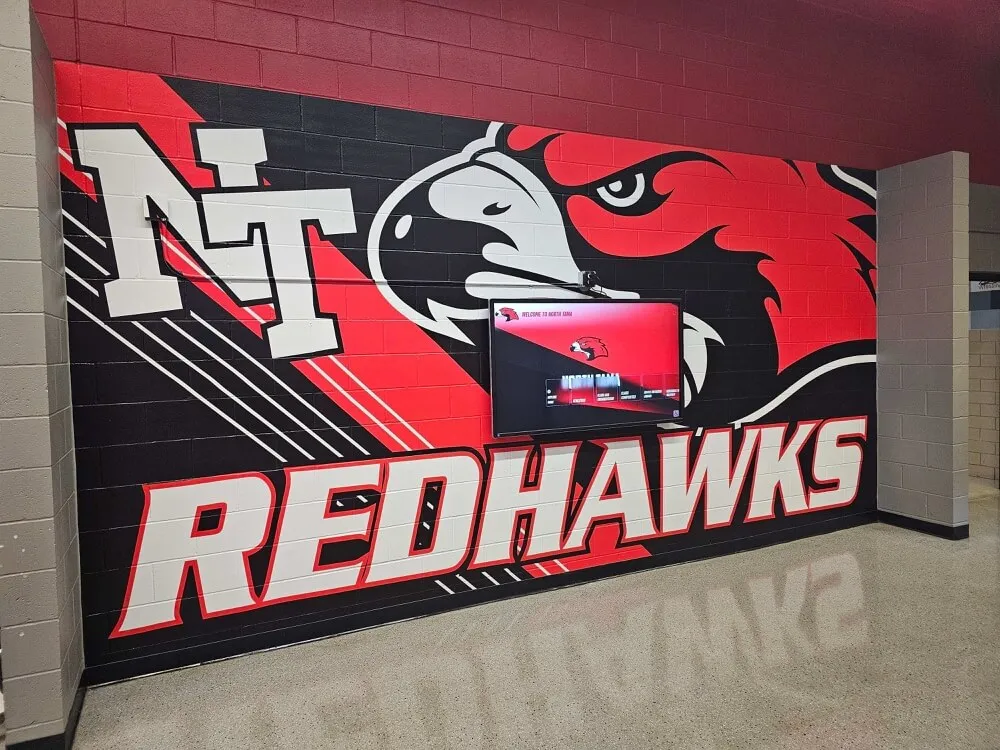
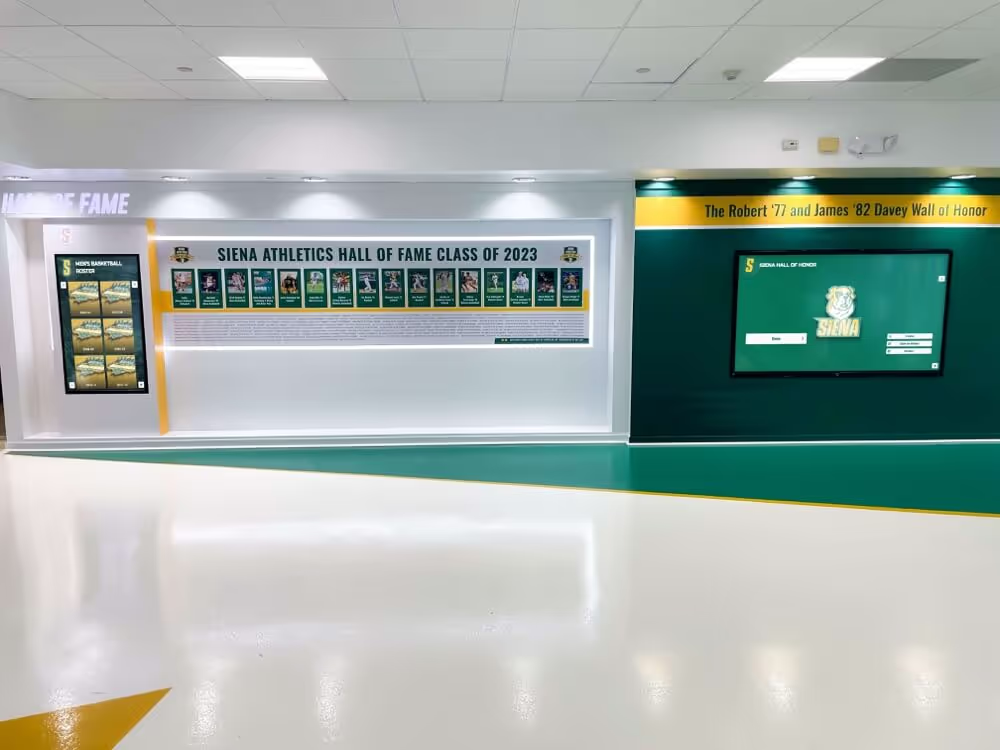
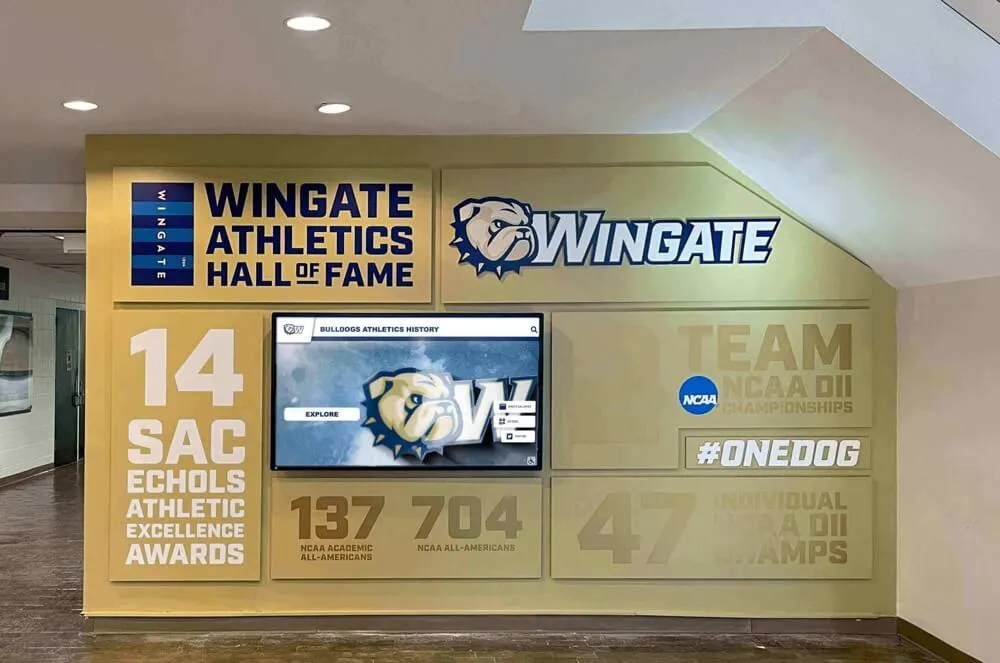
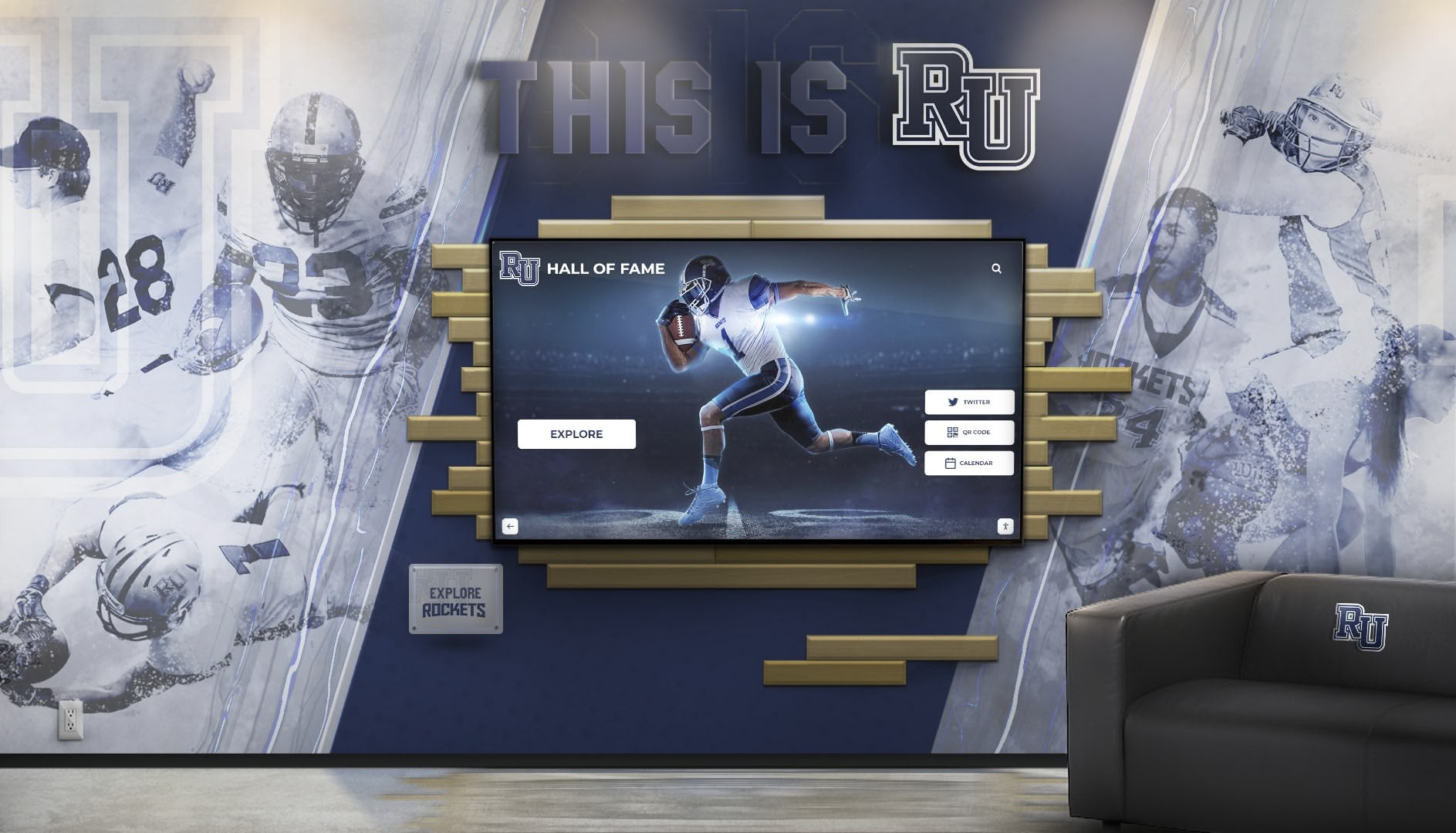
Modern athletic facilities integrate football traditions with digital recognition systems creating impressive championship showcases
Understanding the College Football Conference Championship Landscape
Conference championship games represent relatively recent additions to college football tradition, yet they’ve quickly become defining features of the sport’s competitive structure and cultural significance.
Evolution of Conference Championship Games
Historical Development
The Southeastern Conference (SEC) pioneered the conference championship game format in 1992, following NCAA rule changes allowing conferences with 12 or more members to conduct championship games. This innovation addressed competitive balance challenges when conferences expanded beyond sizes permitting round-robin scheduling where every team played each other.
The SEC’s success prompted other major conferences to adopt championship game formats. The Big 12 added its championship game in 1996, followed by Conference USA and the Mid-American Conference. The Atlantic Coast Conference (ACC) implemented championship games starting in 2005 after adding Boston College, Miami, and Virginia Tech to reach the 12-team threshold.
Modern Championship Structure
Today, conference championship games occupy crucial positions in college football’s postseason landscape. Major conferences conduct championship games during the first weekend of December, with matchups typically pitting division winners against each other or pairing the top two teams in the conference standings regardless of division.
These championships carry immense implications beyond conference bragging rights. Selection committees evaluating College Football Playoff participants heavily weight conference championships, with championship game victories often determining which programs receive invitations to the sport’s most prestigious postseason competition. According to playoff selection history, conference championship victories have proven essential for most teams securing playoff positions, making these late-season contests pivotal beyond traditional rivalry and bowl positioning considerations.
Major Conference Championship Games
Power Four Conference Championships
The sport’s most prominent conference championships feature the Power Four conferences that dominate college football’s competitive and cultural landscape:
SEC Championship Game The Southeastern Conference championship represents college football’s most prestigious conference title, given the SEC’s sustained competitive dominance and cultural significance. Played annually in Atlanta’s Mercedes-Benz Stadium since 2017 (previously in the Georgia Dome), the SEC Championship consistently features highly-ranked teams competing for playoff positioning. Notable championship traditions include impressive attendance averaging over 70,000 fans and television ratings making the game among the most-watched regular sporting events annually.
Universities winning SEC championships implement extensive recognition programs including digital athletic recognition displays featuring championship teams, trophy case installations in athletic facilities, championship banners in football stadiums, and permanent documentation in athletic halls of fame preserving championship legacies for future generations.
Big Ten Championship Game The Big Ten Championship features historic programs competing in America’s oldest Division I conference, with championship games rotating between Indianapolis’s Lucas Oil Stadium and other conference venues. The championship’s prestige reflects the conference’s tradition and competitive strength, with winners frequently advancing to major bowl games and playoff consideration.
Big Ten championship recognition often emphasizes historical continuity, connecting recent championships with programs’ extensive competitive histories through comprehensive displays documenting decades of conference success alongside current achievements.
ACC Championship Game The Atlantic Coast Conference championship showcases football powers across the eastern United States, with games traditionally held in Charlotte’s Bank of America Stadium. ACC championship traditions blend football excellence with the conference’s basketball heritage and academic reputation, creating unique institutional pride dimensions reflected in recognition approaches.
Big 12 Championship Game The Big 12 Championship, currently held in Arlington, Texas at AT&T Stadium, features programs from America’s heartland competing for conference supremacy. After briefly eliminating its championship game when conference membership dropped below 12 schools, the Big 12 reinstated championships in 2017, resuming traditions that produce intense competition and significant playoff implications.
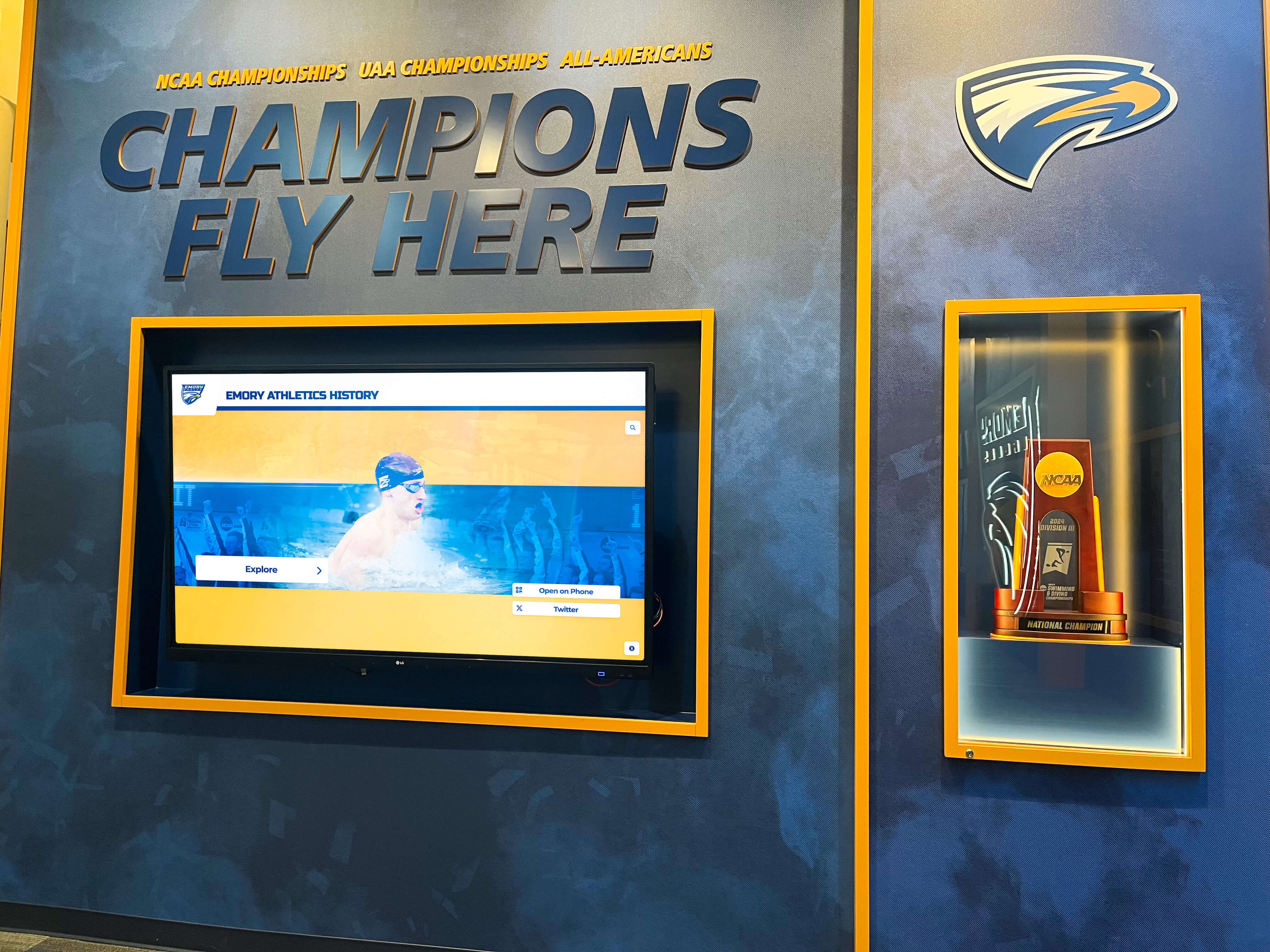
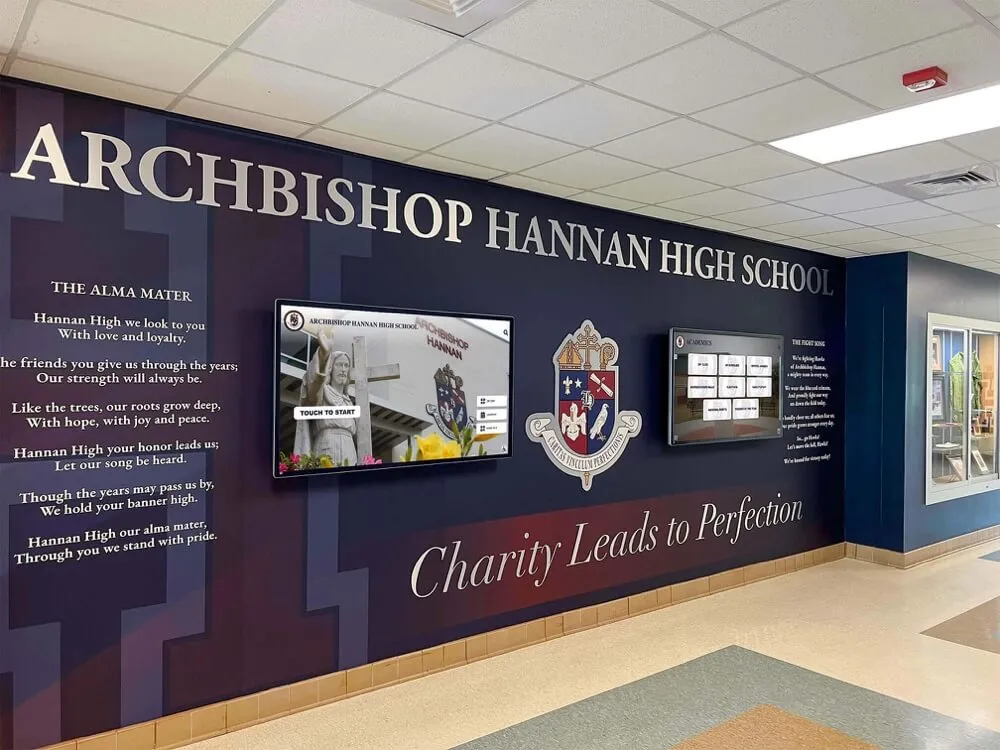
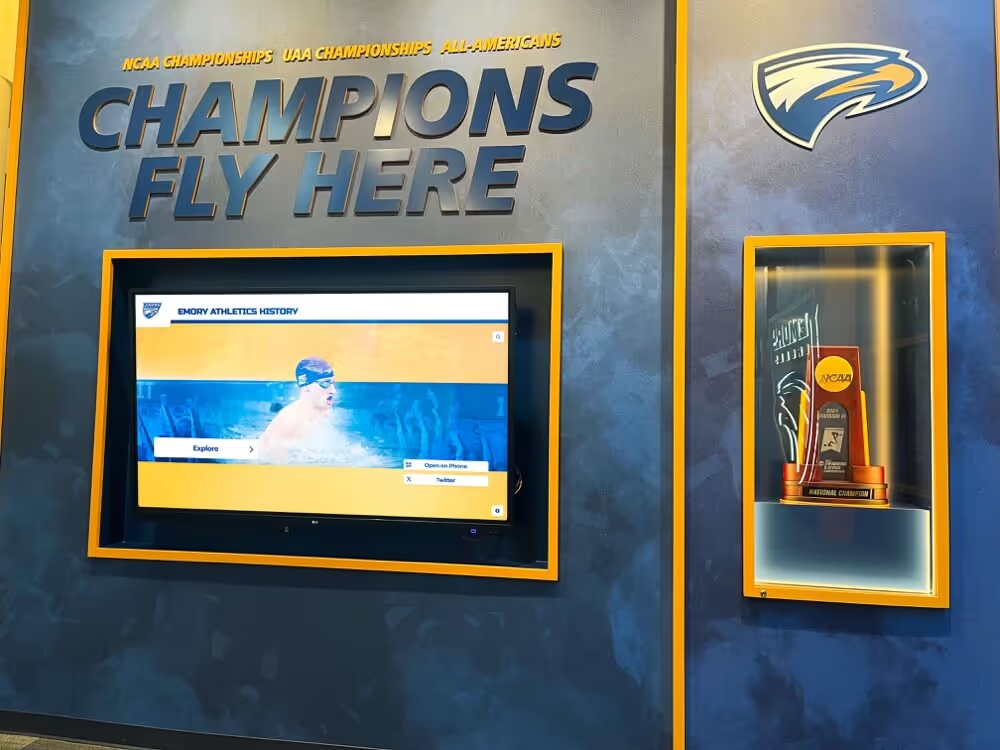
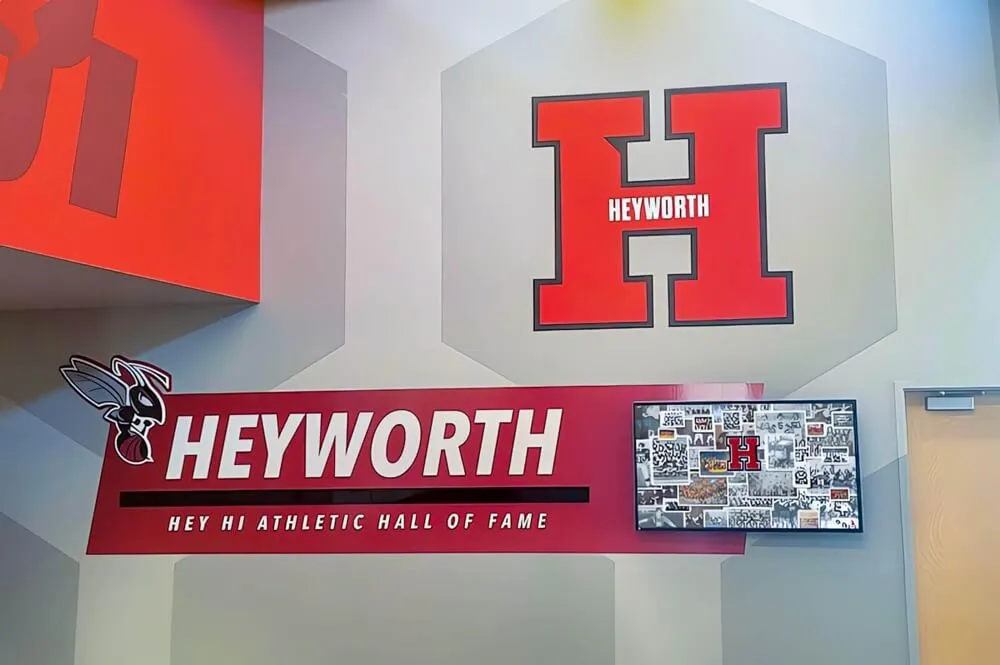
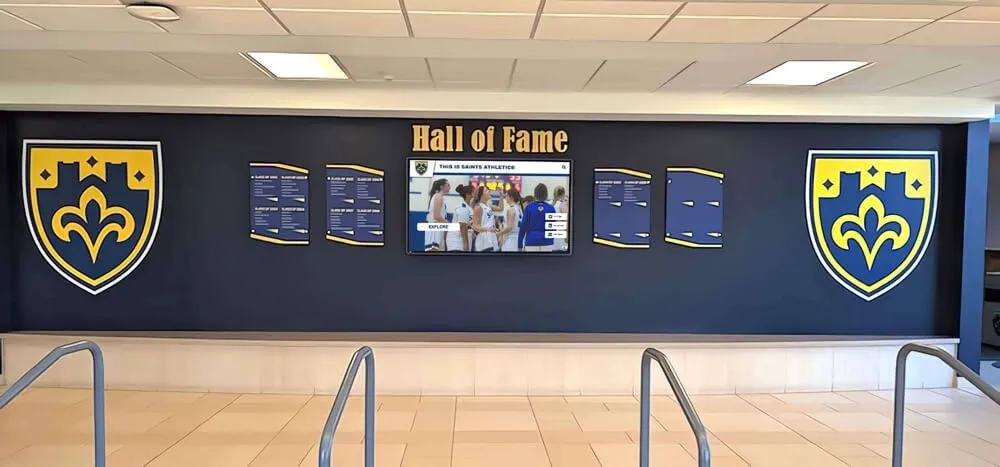
Universities create dedicated championship walls documenting conference and national title success through traditional trophy displays
Group of Five Conference Championships
American Athletic Conference, Mountain West, and Others
Beyond the Power Four conferences, Group of Five conferences conduct championship games producing their own traditions, competitive intensity, and recognition significance. The American Athletic Conference, Mountain West Conference, Conference USA, Mid-American Conference, and Sun Belt Conference all crown champions through championship games or regular season standings, with universities celebrating these titles through recognition systems appropriate to institutional contexts and athletic program priorities.
For Group of Five programs, conference championships often represent pinnacle achievements deserving prominent recognition equal to or exceeding Power Five programs’ treatment of conference titles. These championships build institutional pride, strengthen recruiting narratives, and create traditions connecting alumni across generations—making systematic championship recognition essential for programs building competitive athletic cultures.
The Significance of Conference Championships for Universities
Conference championships deliver value extending well beyond single-season achievements, influencing recruiting, institutional pride, alumni engagement, and athletic program sustainability across multiple dimensions.
Impact on Recruiting and Program Prestige
Championship Culture as Recruiting Tool
Prospective student-athletes evaluating programs carefully assess championship traditions when making enrollment decisions. Visible championship recognition through trophy cases, digital displays, and athletic facility installations communicates competitive expectations while demonstrating that programs consistently compete for titles rather than merely participating.
According to athletic department insights on building athletic program recognition, systematic championship documentation strengthens recruiting narratives by providing tangible evidence of program excellence rather than relying on abstract claims about competitive commitment.
Coaches reference championship displays during recruiting visits, showing prospects exactly what programs compete for while highlighting recent success and historical tradition. This physical evidence of championship culture proves more persuasive than verbal assertions alone, particularly when displays showcase championship teams from multiple eras demonstrating sustained excellence rather than isolated success.
National Perception and Rankings Impact
Conference championship victories enhance programs’ national perceptions, influencing media coverage, rankings, and playoff consideration. Teams winning conference championships receive recognition from national media, improving visibility attracting recruits, engaging alumni, and building institutional profiles beyond regional footprints.
For programs with playoff aspirations, conference championships often represent prerequisites for selection committee consideration. This competitive significance makes championship recognition particularly important—universities celebrating championships systematically communicate competitive seriousness while building traditions that strengthen program cultures across coaching changes and roster turnover.
Building Institutional Pride and Alumni Engagement
Connecting Generations Through Championship Traditions
Conference championships create shared experiences connecting current students with alumni who graduated decades earlier. When universities systematically document championship achievements through permanent recognition, they build institutional memory ensuring that championship moments remain accessible to future generations rather than fading as participants graduate and decades pass.
Alumni who experienced championship seasons maintain emotional connections with programs throughout their lives. During campus visits, homecoming weekends, and reunions, championship recognition displays become gathering points where alumni revisit accomplishments while sharing memories with family members and newer graduates. This intergenerational connection strengthens alumni loyalty, supporting fundraising efforts, attendance at events, and sustained engagement with athletic programs long after playing careers conclude.
Solutions like Rocket Alumni Solutions enable universities to create comprehensive digital recognition documenting championship teams with rosters, statistics, photos, and stories—providing rich content enabling alumni to explore achievements while introducing current students to program heritage inspiring continued excellence.
Championship Displays as Campus Landmarks
Athletic facilities featuring prominent championship recognition become campus landmarks referenced during tours, highlighted in marketing materials, and featured in athletic department communications. These recognition areas serve functional purposes beyond simple achievement documentation—they physically manifest institutional values about excellence, competition, and tradition while creating destinations attracting visitors and building campus pride.
Universities investing in quality championship recognition communicate that athletic achievement matters institutionally, receiving celebration and documentation reflecting its significance within campus culture. This visible commitment strengthens program culture while attracting students, athletes, and fans who value competitive excellence and institutional tradition.
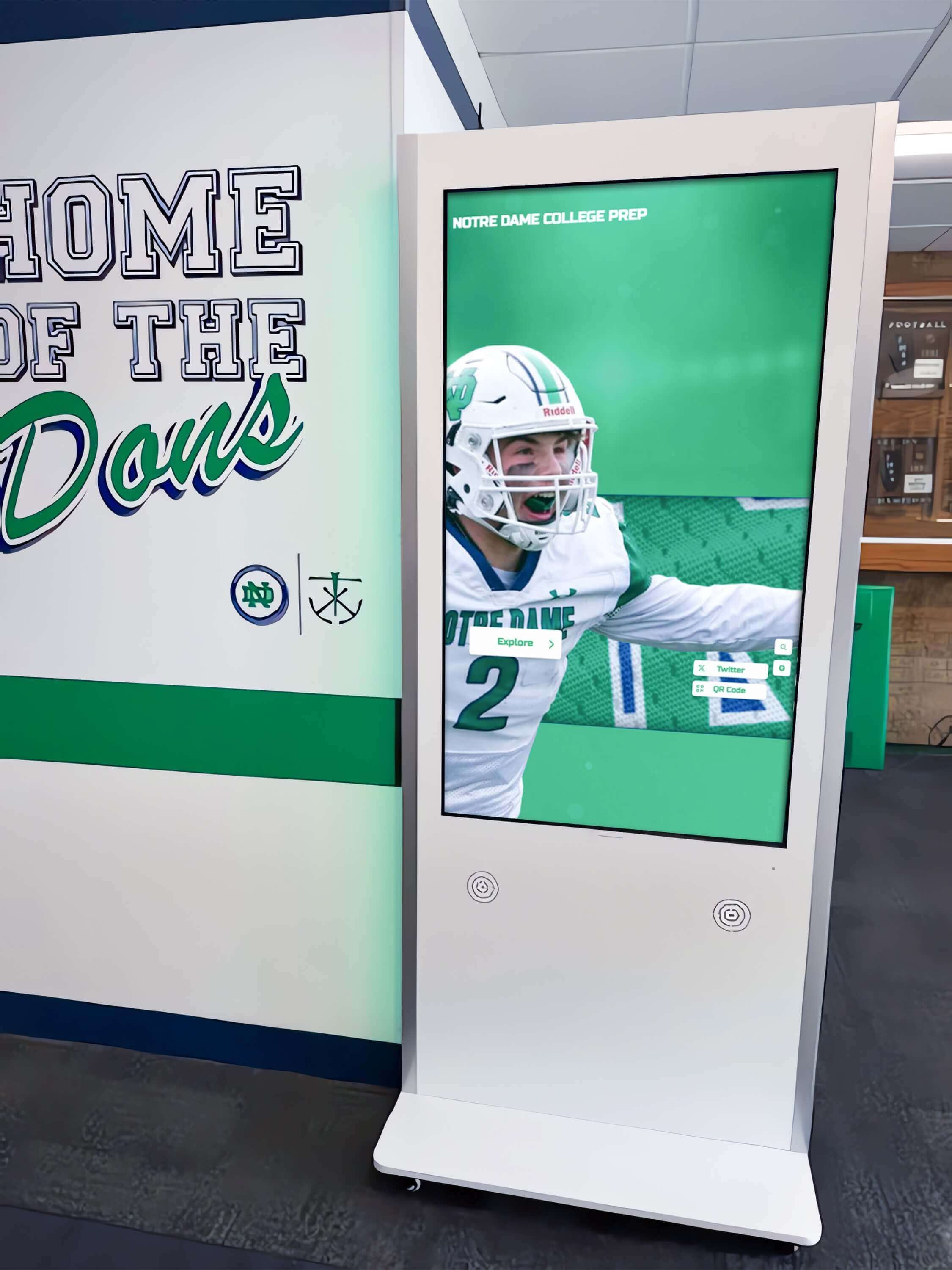
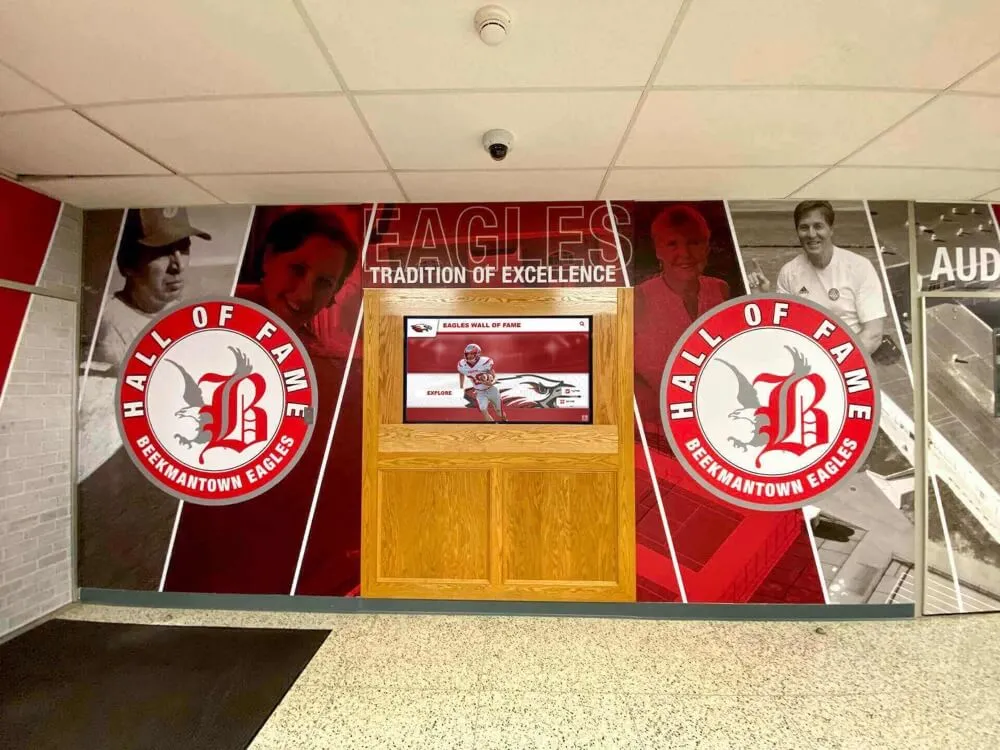
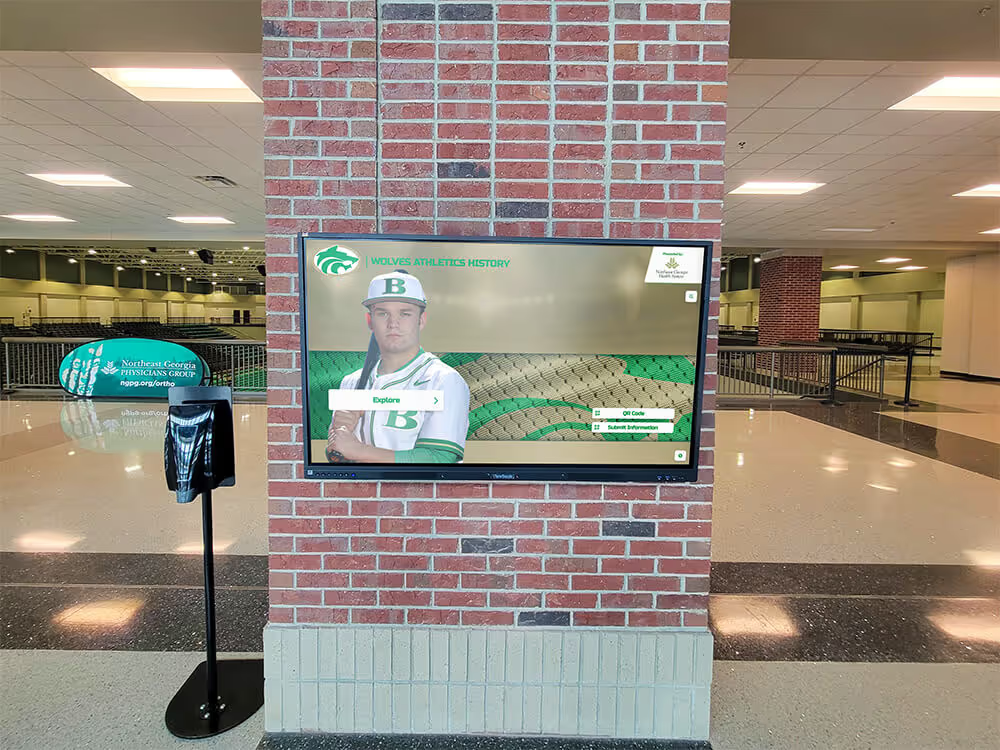
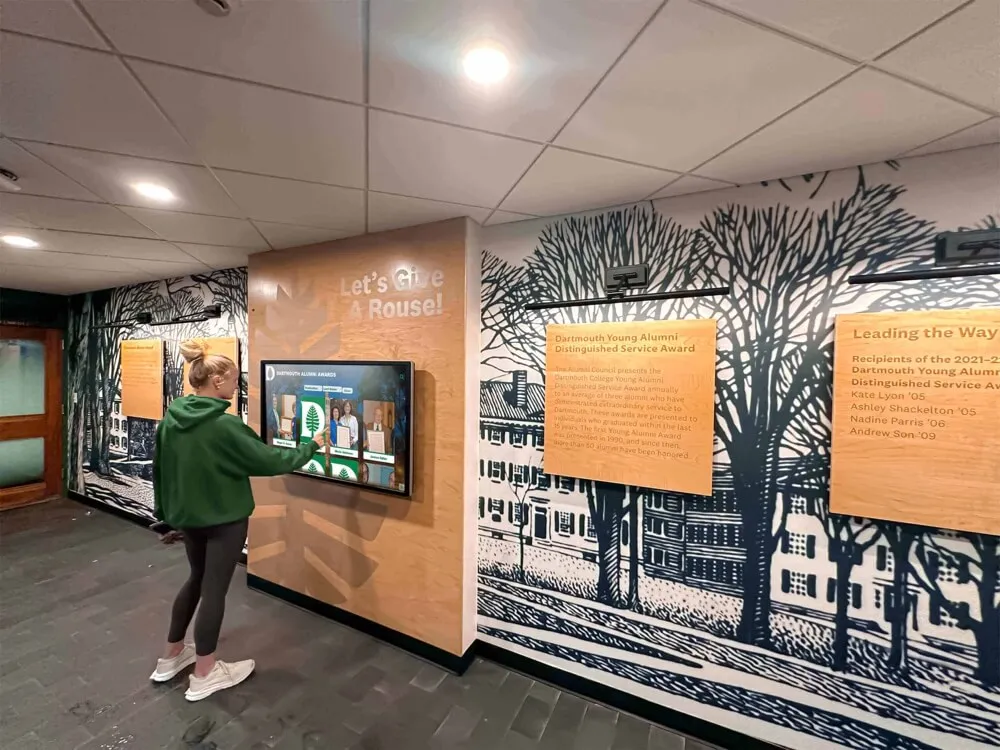
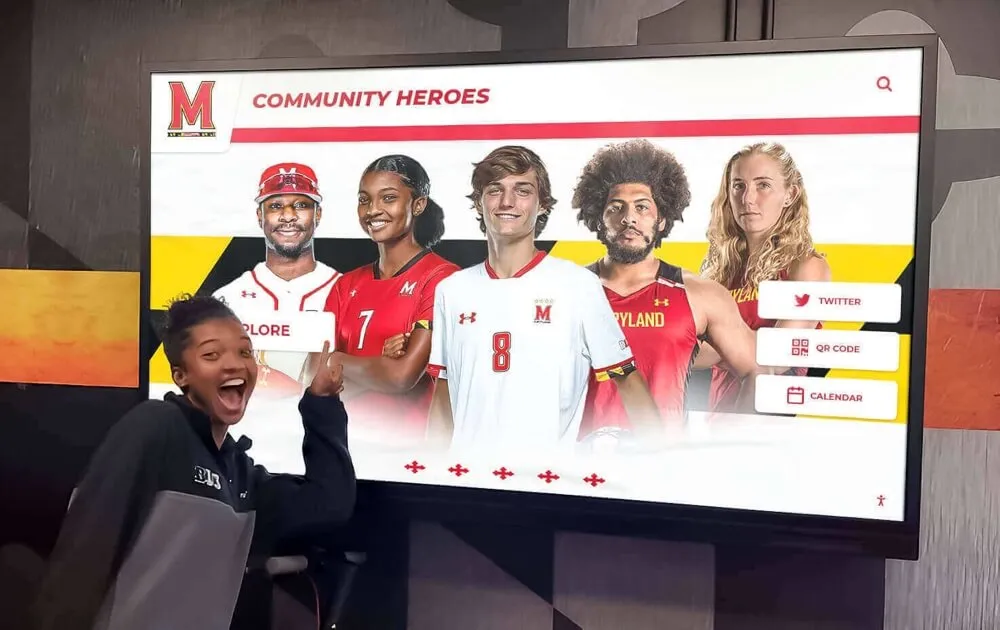
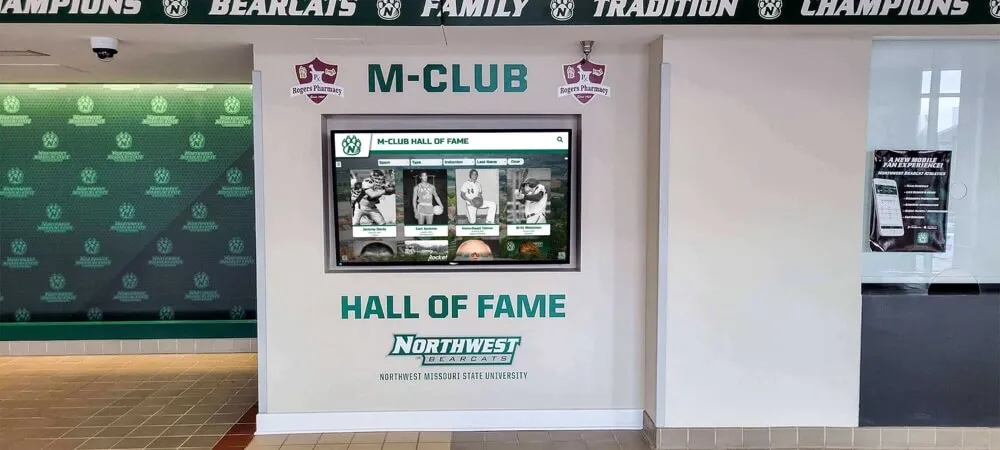
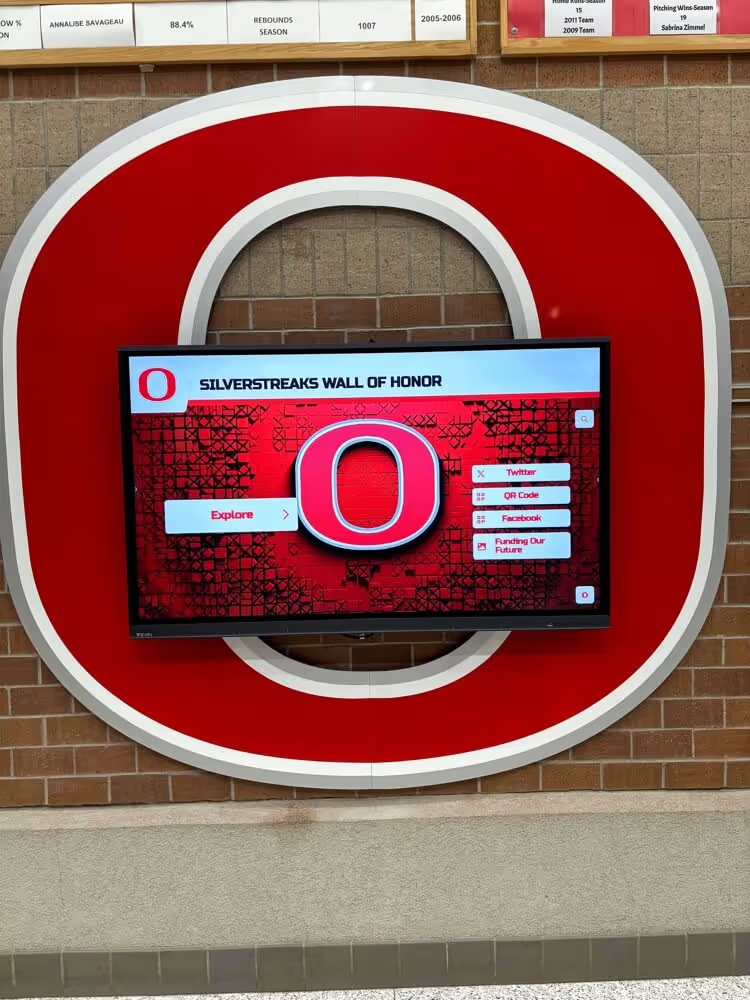
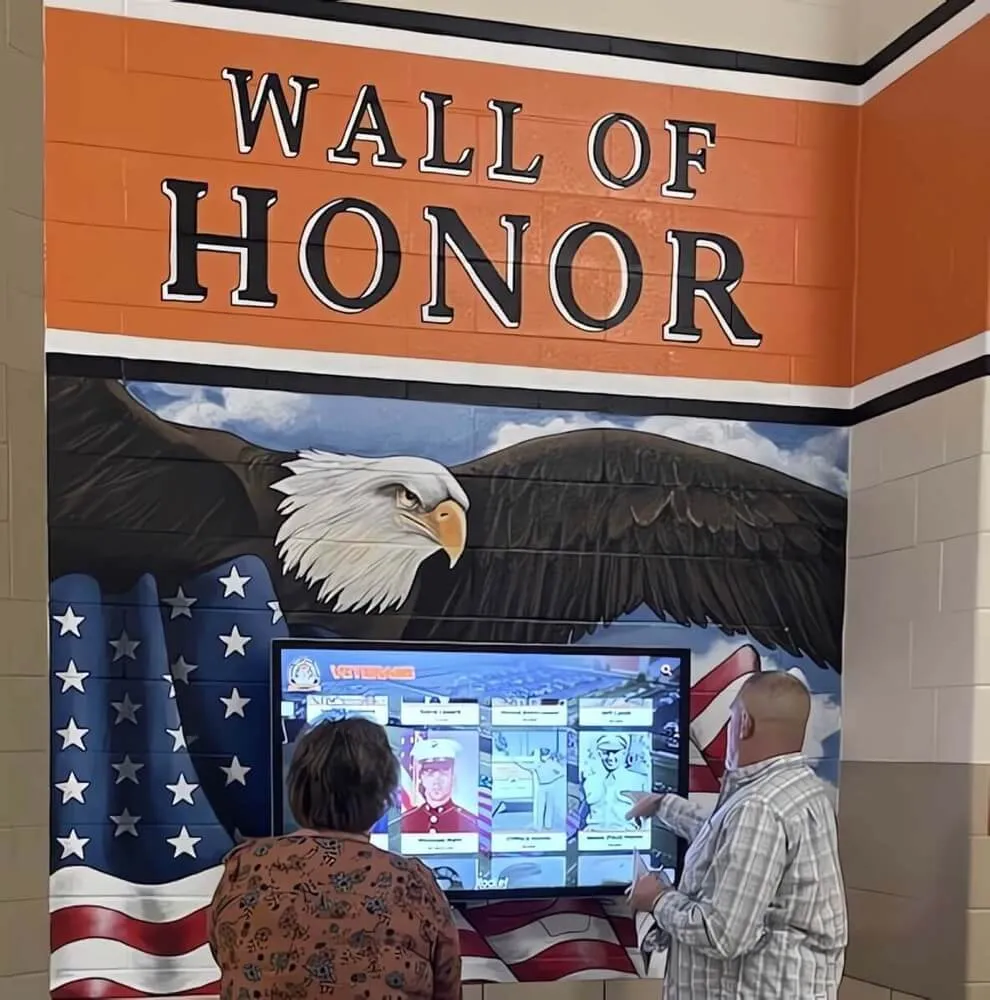
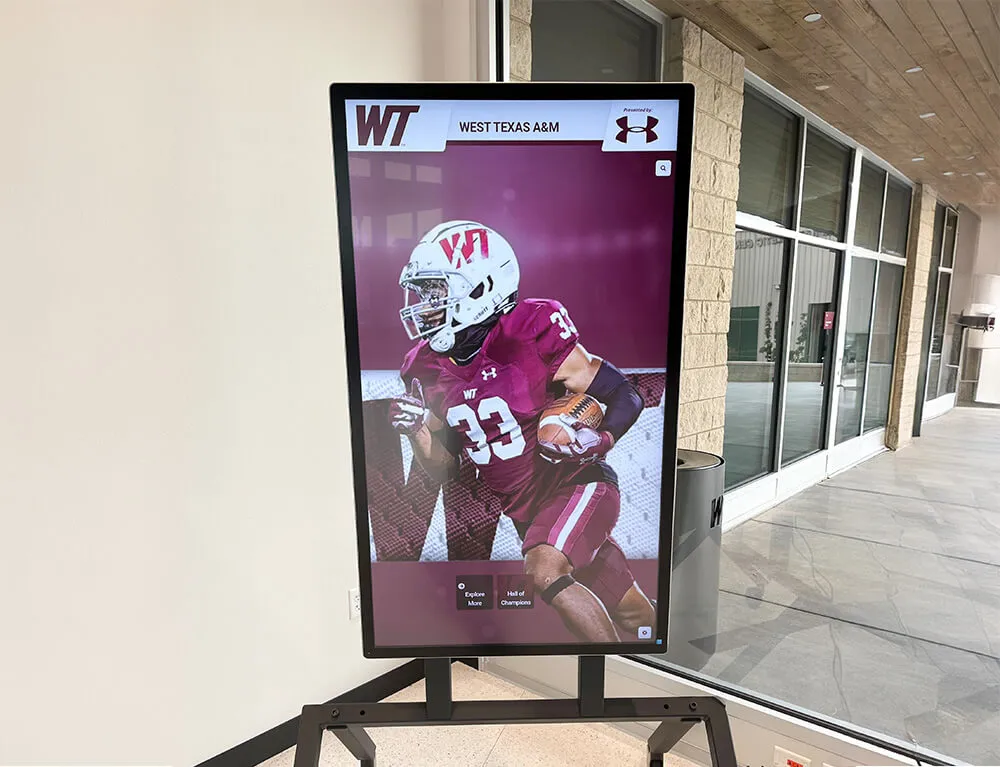
Interactive kiosks positioned strategically throughout athletic facilities provide engaging championship exploration enabling visitors to discover program history
Championship Recognition Strategies for Athletic Facilities
Effective championship recognition requires systematic approaches integrating physical displays, digital platforms, and comprehensive documentation ensuring achievements receive lasting acknowledgment worthy of their competitive significance.
Traditional Trophy Cases and Physical Recognition
Championship Trophy Display Standards
Traditional trophy cases remain foundational elements in athletic facility design, providing tangible championship representation through physical trophies, awards, and artifacts. Well-designed trophy cases feature climate-controlled environments protecting awards from deterioration, professional lighting highlighting championships effectively, clear labeling providing context about each championship’s significance, organized arrangement creating visual hierarchy emphasizing major achievements, and strategic positioning in high-traffic areas maximizing visibility.
Championship trophies carry ceremonial weight that digital recognition cannot fully replicate. The physical presence of conference championship trophies creates immediate visual impact communicating program success to recruits, visitors, and community members touring facilities.
However, trophy cases face inherent limitations including space constraints restricting display capacity as championships accumulate, limited storytelling capability beyond basic trophy presentation, accessibility restricted to building visitors during facility hours, and static presentation preventing content updates as championship stories develop over time.
Championship Banner Programs
Many universities supplement trophy cases with championship banner programs hanging in football stadiums and basketball arenas. Banner displays provide highly visible recognition during games and events, accommodate extensive championship documentation across decades without space limitations, create impressive visual impact showcasing program success at glance, and establish traditions where adding new banners becomes ceremonial celebration.
Stadium banner programs work particularly well for documenting conference championships, division titles, bowl victories, and playoff appearances—creating comprehensive visual records of program achievement visible to thousands attending games throughout seasons.
Digital Recognition Systems for Championship Documentation
Interactive Touchscreen Championship Displays
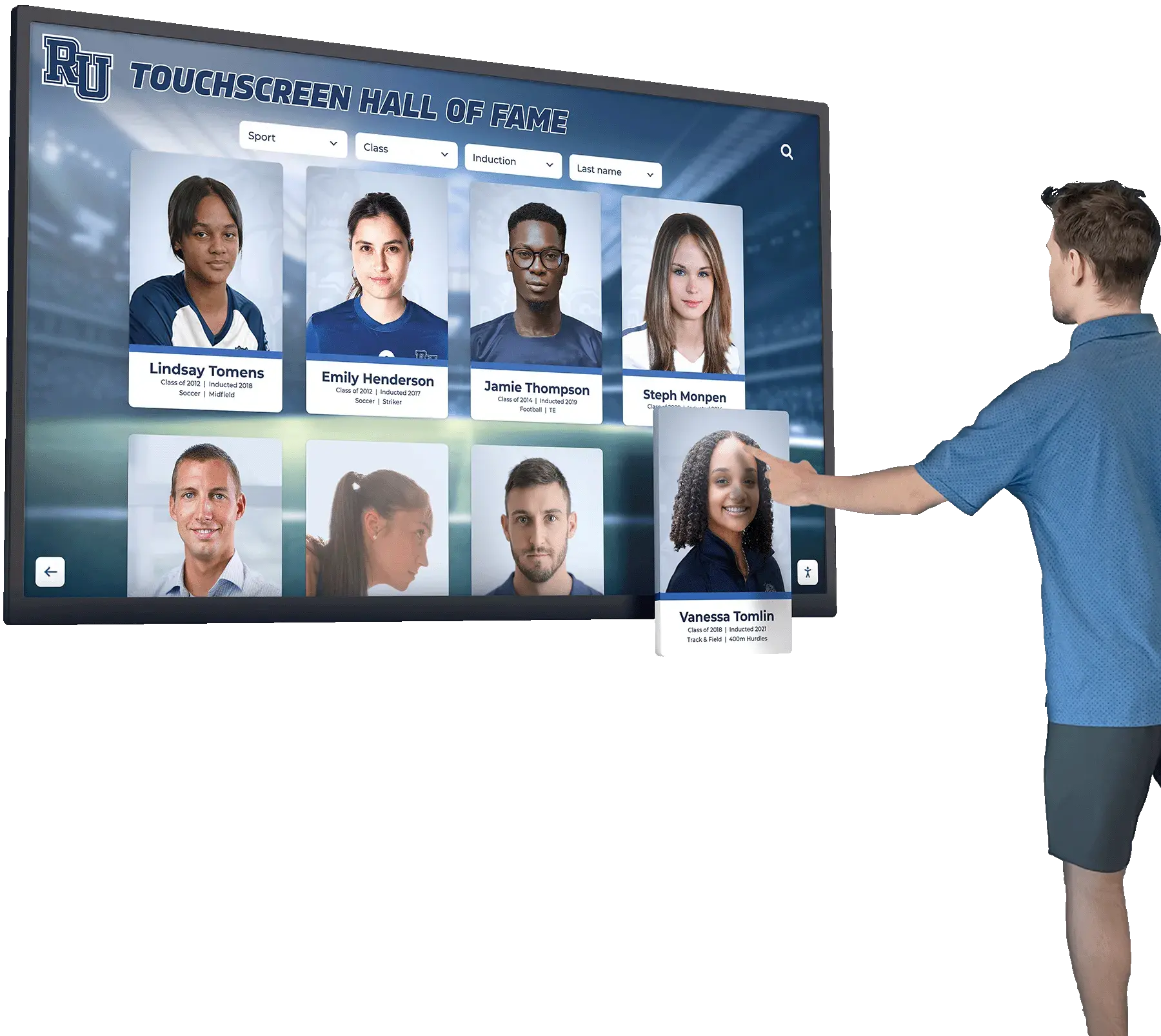
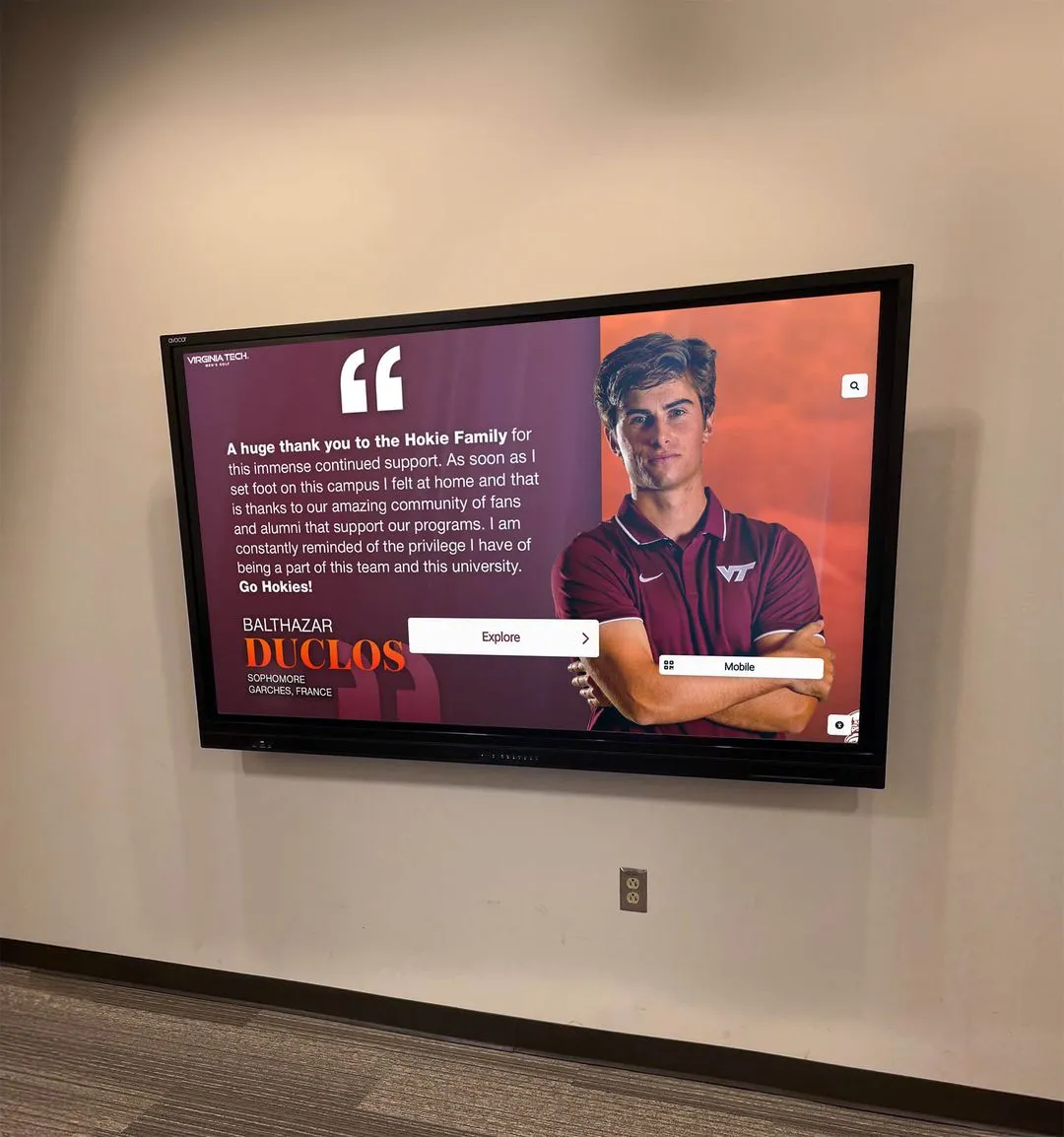
Digital recognition platforms transform championship celebration by providing comprehensive documentation impossible through physical displays alone. Interactive touchscreen systems enable universities to showcase unlimited championship achievements through searchable databases, present detailed championship team information including complete rosters with player profiles, incorporate multimedia content featuring championship game highlights and celebration photos, update recognition instantly when teams win new championships, and extend accessibility beyond physical facilities through web-based platforms.
These digital capabilities solve fundamental challenges facing growing athletic programs. As championships accumulate across decades, physical display space becomes increasingly limited. Digital systems eliminate space constraints while actually improving content accessibility through search and filtering tools helping visitors discover specific championships, players, or seasons amid extensive historical collections.
Purpose-built recognition platforms designed specifically for athletic achievement provide superior experiences compared to generic digital signage systems. When evaluating digital hall of fame software options, universities should prioritize platforms offering intuitive interfaces requiring no instructions, content management systems enabling non-technical staff to maintain displays, comprehensive search and filtering capabilities, and responsive design ensuring quality experiences across display sizes from large touchscreens to mobile devices.
Comprehensive Championship Team Profiles
Effective digital championship recognition documents complete championship stories rather than presenting only basic facts. Comprehensive team profiles should include complete roster information listing every player and coach, season statistics documenting team and individual performance, championship game details including scores, key plays, and game narratives, contextual information explaining championship significance within program history, multimedia galleries featuring team photos and championship celebration images, and where possible, reflections from coaches and players sharing championship memories.
This rich documentation creates emotional connections with championships while preserving institutional memory ensuring achievements remain accessible decades after seasons conclude. Current students exploring championship history gain appreciation for program tradition while learning about predecessors whose success established competitive foundations continuing today.
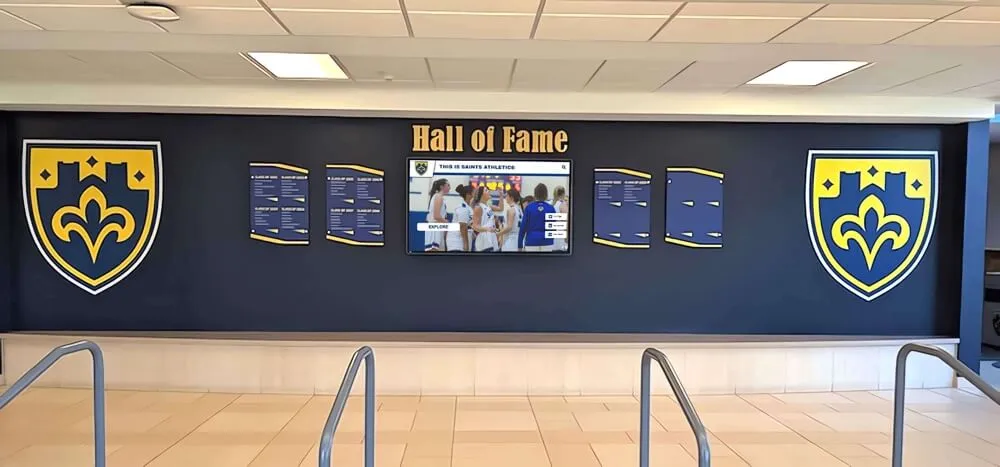
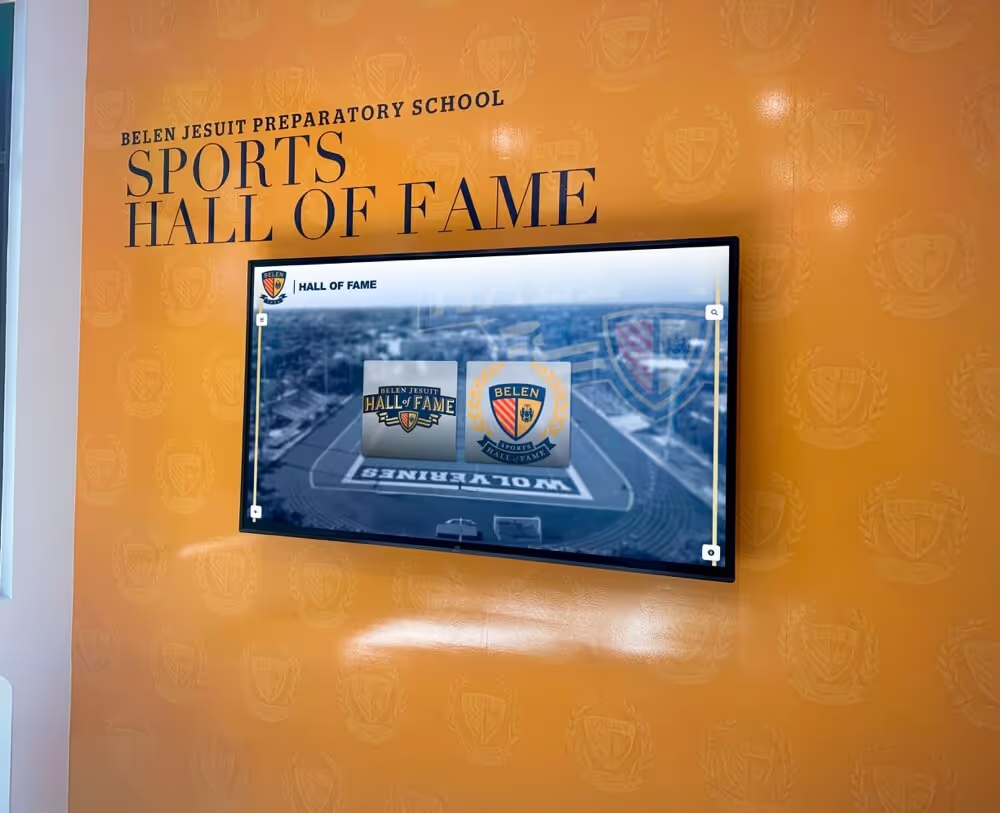
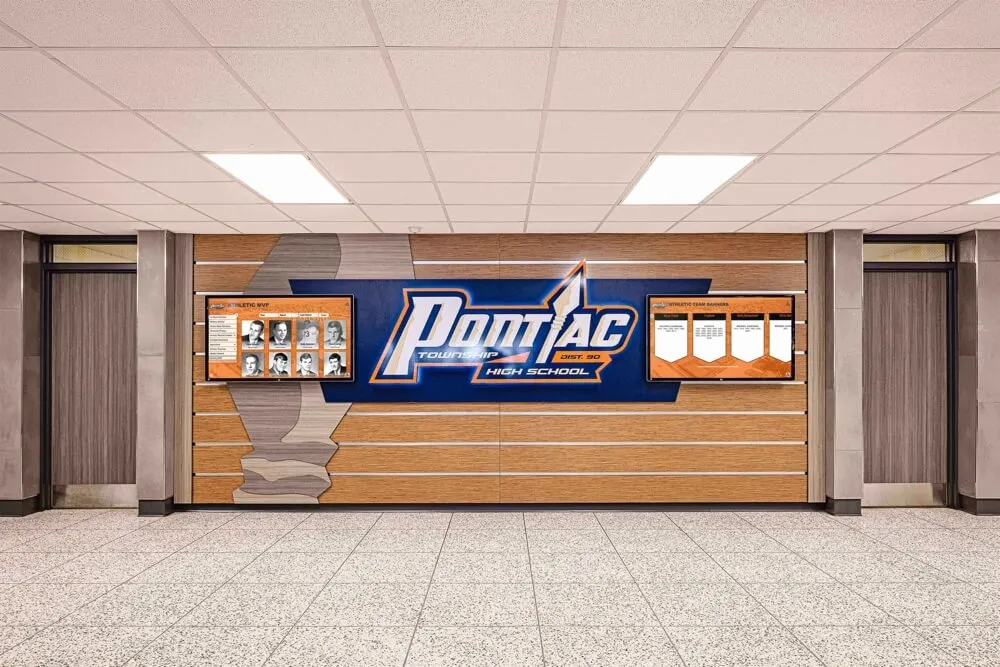
Hybrid recognition systems preserve traditional physical displays for trophy presentation while leveraging digital technology for comprehensive championship documentation
Hybrid Recognition Approaches Combining Physical and Digital
Balancing Tradition with Innovation
Many universities implement hybrid recognition systems preserving traditional trophy displays while adding digital platforms providing comprehensive documentation. This balanced approach satisfies stakeholders valuing physical trophy presentation while solving capacity and content limitations through digital expansion.
Common hybrid patterns include maintaining championship trophy cases as focal points while positioning nearby digital displays providing detailed team information, implementing traditional banner programs in stadiums while offering digital archives enabling searchable championship exploration, preserving physical plaques recognizing championship captains while using digital systems documenting complete rosters, and creating physical championship timeline displays supplemented by digital content adding depth impossible through limited wall space.
These hybrid approaches honor athletic traditions valued by alumni and donors while embracing technology improving championship recognition for current students expecting digital sophistication matching experiences throughout modern campus environments.
Creating Engaging Championship Content and Storytelling
Championship recognition effectiveness depends significantly on content quality—transforming raw championship facts into compelling narratives connecting emotionally with diverse audiences from prospective recruits to longtime alumni.
Developing Championship Narratives and Context
Beyond Scores and Statistics
While championship game scores and season records provide essential factual frameworks, compelling championship recognition requires storytelling that captures achievement significance, competitive context, and human dimensions making championships memorable beyond statistical summaries.
Effective championship narratives might explore championship paths describing how teams overcame adversity during seasons, individual player stories highlighting athletes who made crucial championship contributions, coaching strategies that proved decisive in championship competitions, rivalry contexts when championships involved defeating traditional opponents, program milestone significance when championships represented breakthrough achievements, and lasting impacts exploring how championships influenced subsequent program development.
This narrative approach transforms championship lists into engaging stories helping visitors understand not just what teams accomplished but why those achievements mattered and how they shaped program trajectories extending beyond individual seasons.
Historical Context and Program Evolution
Championship recognition becomes more meaningful when positioned within broader program history showing competitive development over decades. Contextual information might include comparisons to previous championships highlighting growing success frequency, competitive context explaining challenges and strengths of championship eras, coaching tenure documentation showing relationships between leadership and championship success, facility development timelines connecting championship periods with infrastructure investments, and conference membership evolution affecting competitive contexts across different championship periods.
This historical perspective helps audiences appreciate championship significance within complete program narratives rather than viewing achievements as isolated seasonal accomplishments disconnected from institutional athletic development.
Multimedia Integration and Visual Storytelling
Photography and Championship Imagery
Visual content dramatically enhances championship recognition effectiveness compared to text-only presentations. Comprehensive championship photo galleries should include team portraits capturing complete rosters, action photography from championship games showing competitive moments, celebration images documenting championship reactions and trophy presentations, facility photos showing championship environments, and historical imagery comparing championship eras across program history.
High-quality photography creates emotional connections with championships while providing visual interest attracting visitors to explore recognition content more deeply than text-heavy presentations typically achieve.
Video Highlights and Championship Replays
When available, video content provides unmatched engagement for championship recognition. Championship game highlights enable visitors to experience actual championship moments, coach and player interviews provide first-person championship perspectives, championship celebration footage documents institutional reactions, and documentary-style retrospectives can explore championship significance years later with reflection impossible during immediate championship aftermath.
Digital recognition platforms designed for athletic content should support video integration enabling universities to incorporate championship footage as central recognition elements rather than forcing video content into external platforms requiring visitors to leave recognition displays to access multimedia materials.
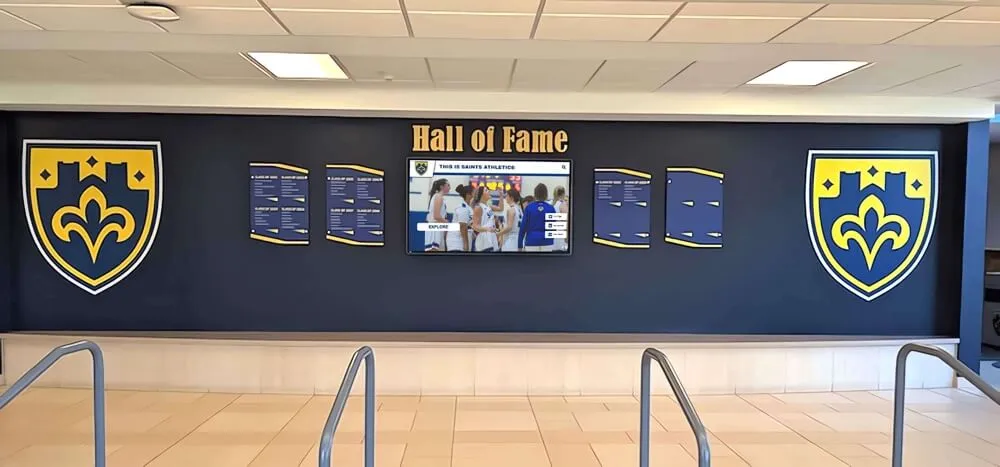
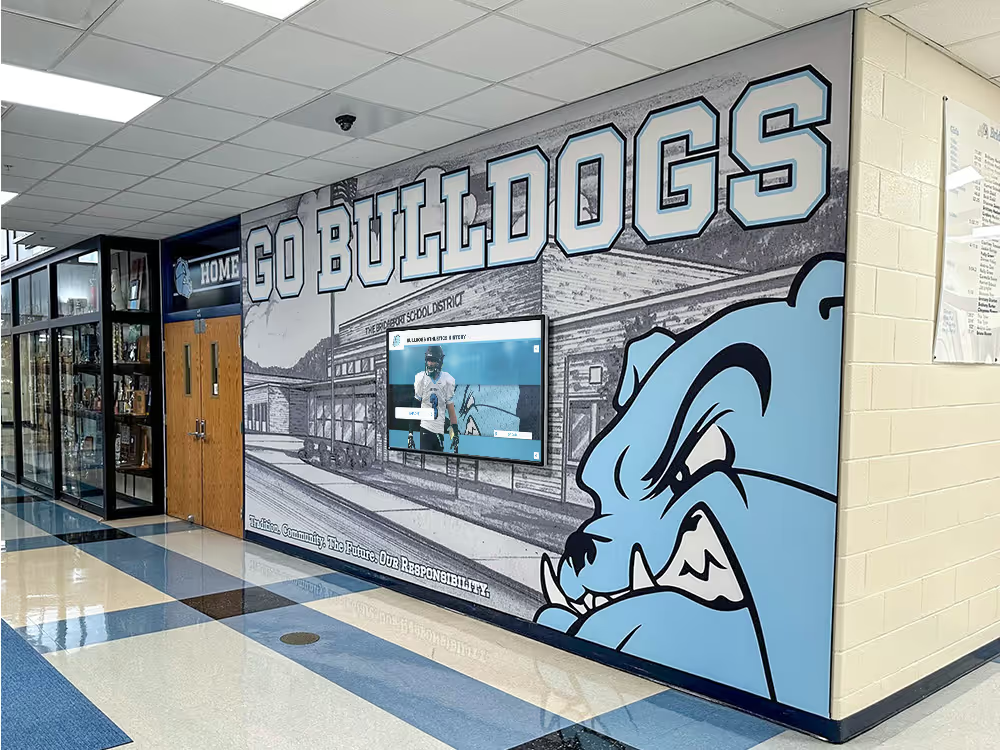
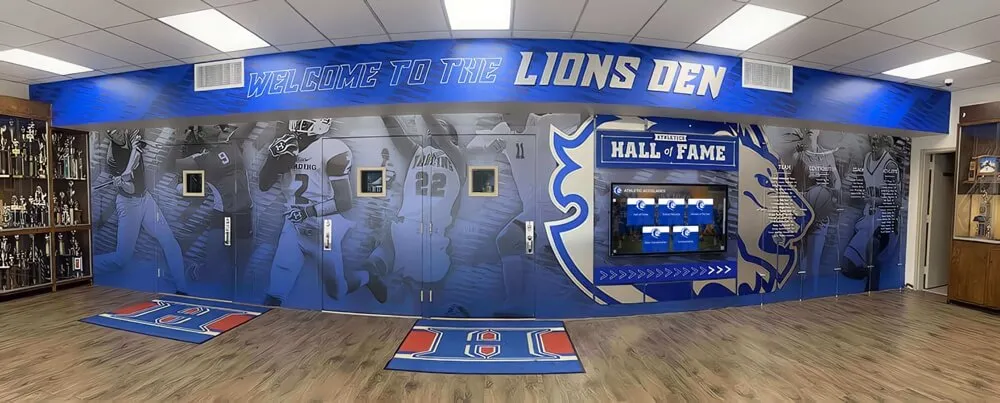
Branded championship recognition integrating school colors and traditional design elements creates cohesive athletic facility aesthetics
Championship Celebration Traditions and Ceremonies
Systematic championship recognition extends beyond permanent displays to include celebration traditions ensuring championships receive appropriate acknowledgment during their immediate aftermath while establishing ceremonial practices connecting generations of athletes.
Immediate Post-Championship Recognition
Championship Trophy Presentations
Formal trophy presentations create ceremonial moments celebrating championships with appropriate dignity and institutional significance. Well-executed presentations include participation from athletic directors and university leadership demonstrating institutional commitment, opportunities for coaches to address teams and audiences, player representatives receiving trophies on behalf of teams, and photo opportunities documenting championship moments for future recognition and marketing purposes.
These presentations establish immediate recognition while creating content supporting subsequent permanent recognition installations in athletic facilities and digital platforms.
Championship Media and Communication
Championships generate significant media attention requiring coordinated institutional communication including press releases announcing championships and celebrating achievements, social media campaigns documenting championships across multiple platforms, website features highlighting championship stories prominently, email communications informing alumni and supporter communities, and digital signage content celebrating championships throughout campus facilities.
Comprehensive communication ensures entire campus communities and alumni networks experience championship celebrations regardless of physical attendance at games, maximizing institutional pride benefits championships provide.
Long-Term Championship Traditions
Annual Championship Celebrations
Many programs establish traditions annually acknowledging previous championships during specific games or events. Anniversary celebrations for significant championship milestones, championship team reunion events bringing back former players, permanent championship displays unveiled during homecoming or significant games, and scholarship programs named for championship teams all create ongoing championship recognition extending years beyond championship seasons.
These sustained traditions prevent championships from becoming forgotten historical footnotes, instead maintaining championship visibility within program culture year after year.
Championship Recognition in Recruiting and Marketing
Systematic championship recognition supports recruiting and marketing initiatives by providing content showcasing program excellence. Recruiting materials featuring championship history and traditions, facility tours highlighting championship displays as key destinations, social media content regularly revisiting championship moments, and championship narrative integration in program communications all leverage championship recognition strengthening institutional positioning.
Programs communicating championship culture systematically differentiate themselves from competitors lacking similar traditions or failing to document achievements comprehensively through visible accessible recognition.
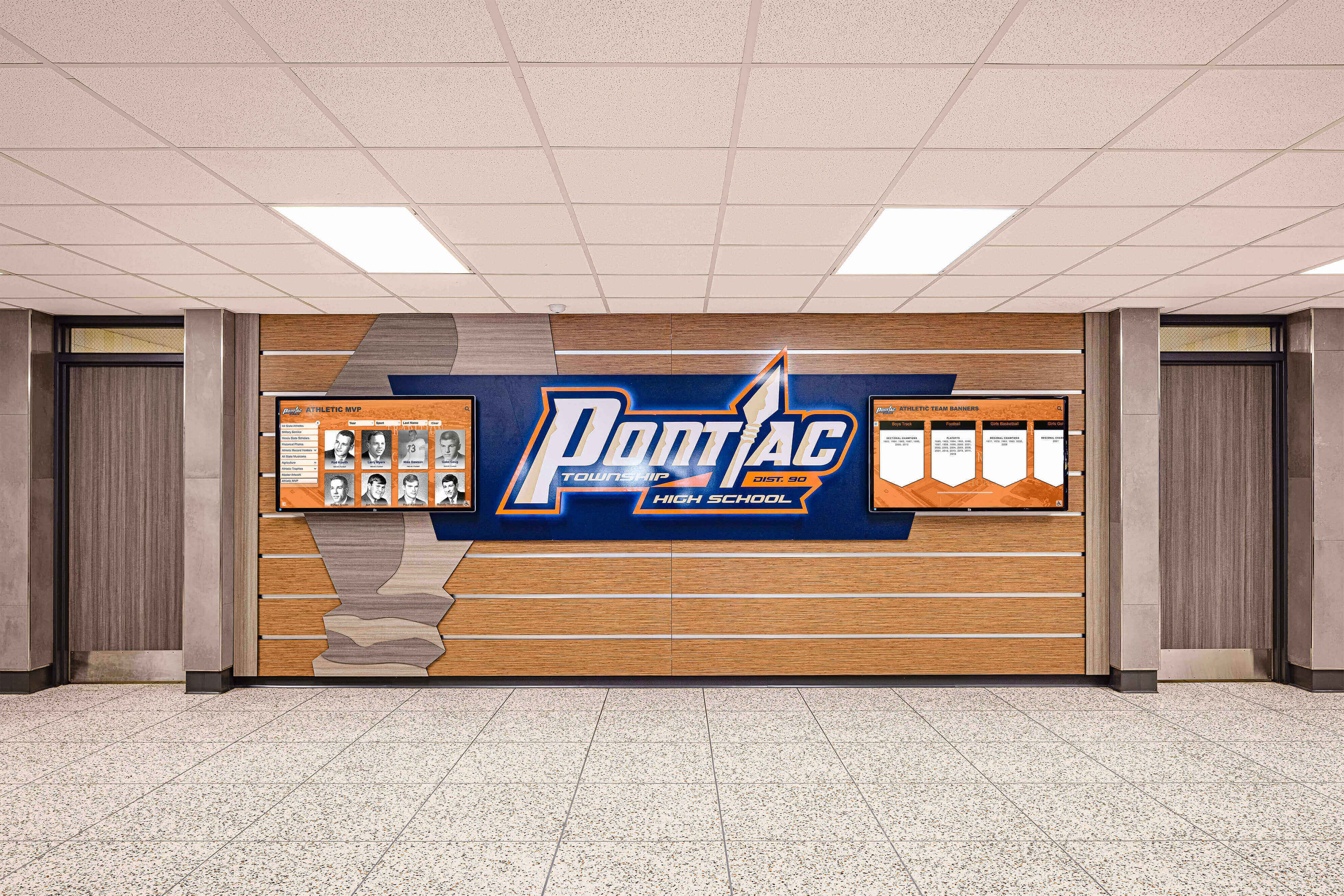
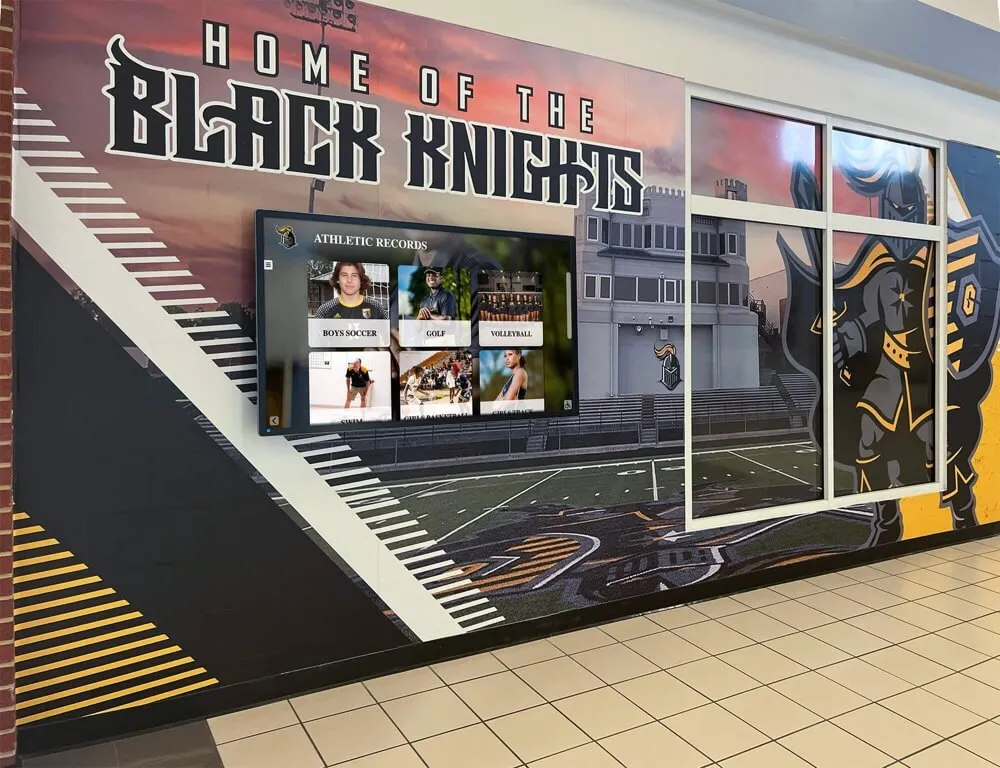
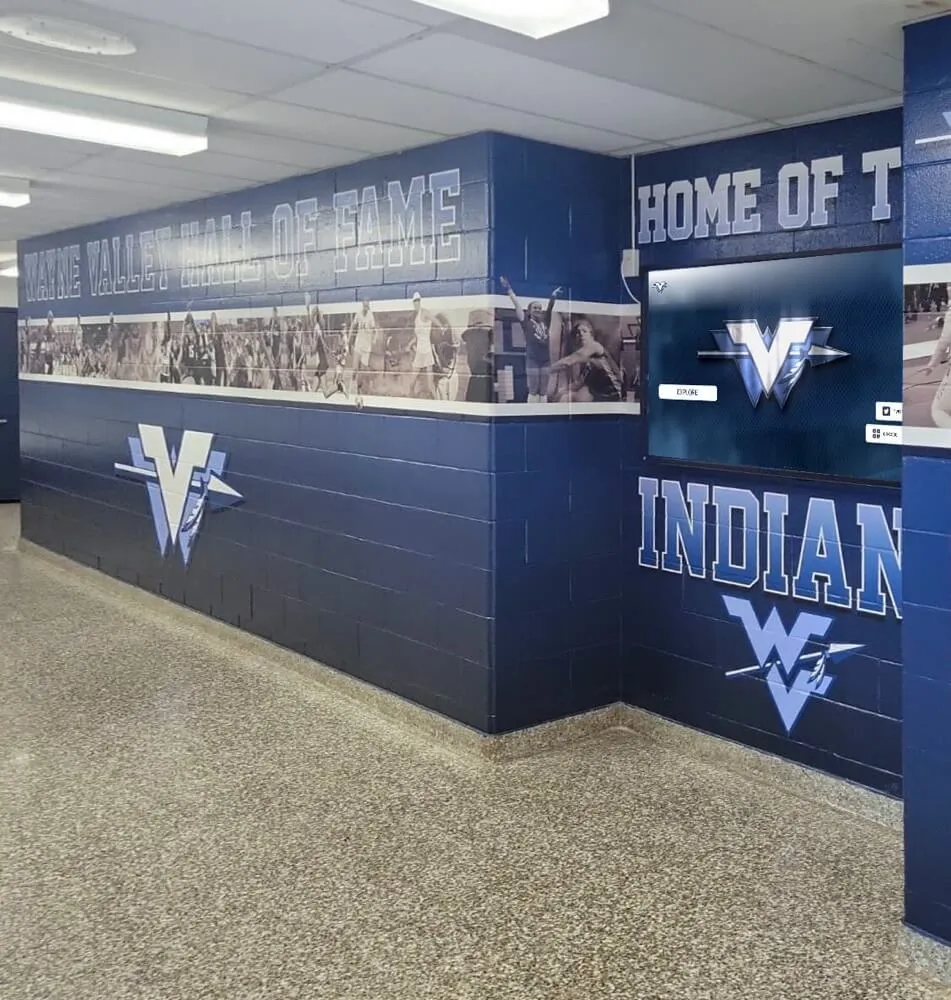
Athletic hallways featuring championship recognition boards create pride-building environments connecting current athletes with program tradition
Implementing Effective Championship Recognition Systems
Universities seeking to improve championship recognition should follow systematic implementation approaches ensuring recognition effectively honors achievement while supporting broader athletic program goals.
Assessment and Planning
Current Recognition Audit
Begin by comprehensively evaluating existing championship recognition through inventory of all current physical displays documenting location, content, and condition, digital platform assessment examining what online championship recognition currently exists, gap analysis identifying championships receiving insufficient recognition or missing documentation, stakeholder input gathering perspectives from coaches, administrators, athletes, and alumni, and competitive benchmarking examining how peer institutions approach championship recognition.
This assessment establishes baseline understanding enabling targeted improvements addressing specific recognition deficiencies rather than implementing generic solutions potentially missing actual program needs.
Recognition Goals and Strategy Development
Effective recognition requires clear strategic objectives aligned with broader athletic department goals. Recognition strategy should address championship documentation goals determining what achievement levels warrant recognition, accessibility objectives defining who should access championship information and through what channels, maintenance approach establishing how recognition remains current as new championships accumulate, budget parameters setting realistic investment levels, and timeline expectations for phased implementation when comprehensive recognition improvements require multi-year development.
Clear strategic planning prevents ad hoc recognition development creating inconsistent systems that fail to serve intended purposes effectively.
Technology Selection and Vendor Evaluation
Choosing Recognition Platform Partners
Universities implementing digital championship recognition should carefully evaluate technology partners based on multiple criteria including athletic recognition expertise demonstrated through similar institutional installations, software capabilities specifically designed for athletic achievement documentation rather than generic digital signage, content management accessibility enabling non-technical staff to maintain recognition independently, technical support quality ensuring responsive assistance when issues arise, and total cost of ownership including software licensing, hardware, installation, training, and ongoing support.
Working with experienced partners like Rocket Alumni Solutions who specialize in educational and athletic recognition ensures systems meet institutional needs while providing long-term support maintaining recognition quality as programs grow and technology evolves.
Hardware and Installation Considerations
Digital recognition effectiveness depends on appropriate hardware selection and professional installation. Key hardware considerations include display sizing matching viewing distances and space constraints, commercial-grade screens rated for extended operation beyond consumer television specifications, touchscreen capabilities when interactive exploration represents recognition design priorities, mounting approaches ensuring safe installation with concealed cable management, and network connectivity providing reliable operation without ongoing IT support requirements.
Professional installation ensures recognition displays integrate seamlessly into athletic facilities while meeting all safety and accessibility requirements applicable to educational institutions.
Content Development and Population
Gathering Championship Information
Comprehensive championship recognition requires systematic content development gathering information from diverse sources including athletic department archives containing historical records and documentation, media guides providing season statistics and roster information, yearbooks and publications featuring photos and contemporaneous accounts, digital media archives housing video footage when available, and interviews with coaches, players, and administrators providing first-person championship perspectives.
Organized content development prevents recognition gaps while building institutional archives supporting current displays and preserving championship history for future generations.
Ongoing Content Management
Recognition value depends on sustained content management maintaining accuracy and currency. Establish clear workflows defining content update responsibilities, approval processes ensuring quality before publication, update schedules systematically reviewing and refreshing content, multimedia collection protocols gathering photos and videos during championship seasons, and documentation standards ensuring consistent information across all championship recognition.
These management processes prevent recognition from becoming outdated as new championships occur and staff transitions create potential for institutional knowledge loss undermining recognition quality.

Athletic team lounges incorporating championship recognition create motivating environments where athletes connect with program excellence daily
Maximizing Championship Recognition Impact
Strategic championship recognition implementation should optimize impact across multiple institutional objectives from recruiting through alumni engagement and institutional pride development.
Integration with Athletic Facility Design
Recognition as Architectural Feature
Rather than treating championship recognition as afterthought additions, universities should integrate recognition into facility design from initial planning stages. Recognition-integrated design includes lobby areas designed as championship showcase destinations, hallway spaces incorporating recognition displays along natural circulation paths, locker room areas featuring championship motivation through historical achievement displays, meeting rooms and team spaces incorporating championship imagery reinforcing program culture, and stadium concourses providing championship recognition accessible to game attendees.
This integrated approach creates cohesive athletic environments where championship recognition feels fundamental to facilities rather than obviously added after construction completion.
Wayfinding and Recognition Discovery
Help visitors discover championship recognition through facility wayfinding including directional signage pointing visitors toward major recognition areas, informational materials during tours highlighting championship displays as featured destinations, mobile applications providing guided recognition tours, QR codes enabling instant access to digital championship content from physical locations, and staff training ensuring personnel can direct visitors to recognition displays and explain their significance.
Effective wayfinding ensures championship recognition investments deliver maximum impact by ensuring discovery by recruits, alumni, and community members visiting facilities.
Leveraging Recognition for Recruiting Success
Recognition in Recruiting Visits
Systematically incorporate championship recognition into recruiting visit programs through structured facility tours highlighting championship displays prominently, recruiter narratives connecting championships to program culture and competitive expectations, athlete guides sharing personal connections to championship traditions, photo opportunities enabling recruits to envision themselves as future champions, and follow-up materials featuring championship recognition reminding prospects of program tradition.
According to insights on athletic recognition program effectiveness, visible championship tradition significantly influences recruit perceptions of program competitiveness and their likelihood of choosing institutions demonstrating sustained excellence through systematic achievement recognition.
Digital Recognition for Remote Recruiting
Championship recognition extends recruiting impact beyond campus visits through web-based platforms enabling prospects to explore championship history remotely, virtual facility tours highlighting championship displays for prospects unable to visit campus, social media content regularly featuring championship recognition maintaining prospect engagement, and recruiting communication materials leveraging championship imagery reinforcing program positioning.
This digital accessibility ensures championship recognition supports recruiting even when prospects cannot physically visit facilities during recruitment processes.
Engaging Alumni Through Championship Recognition
Alumni Homecoming and Recognition Events
Championship recognition creates natural focal points for alumni engagement including homecoming activities featuring championship team reunions, championship anniversary celebrations honoring significant milestone years, hall of fame induction ceremonies incorporating championship recognition, facility dedication events showcasing new recognition installations, and fundraising initiatives leveraging championship tradition motivating donor support.
These events strengthen alumni connections while demonstrating how universities value and preserve championship achievements alumni contributed to during their campus years.
Digital Alumni Access to Championship History
Web-based championship recognition platforms extend engagement to alumni unable to regularly visit campus, enabling former athletes to explore championship teams including their own participation, share championship memories with family members and children, maintain emotional connections with programs throughout their lives, contribute personal photos and stories enriching championship documentation, and stay connected to current program success building on traditions they helped establish.
This ongoing digital accessibility transforms championship recognition from limited-access physical displays into comprehensive heritage platforms strengthening lifelong alumni relationships with athletic programs and institutions.
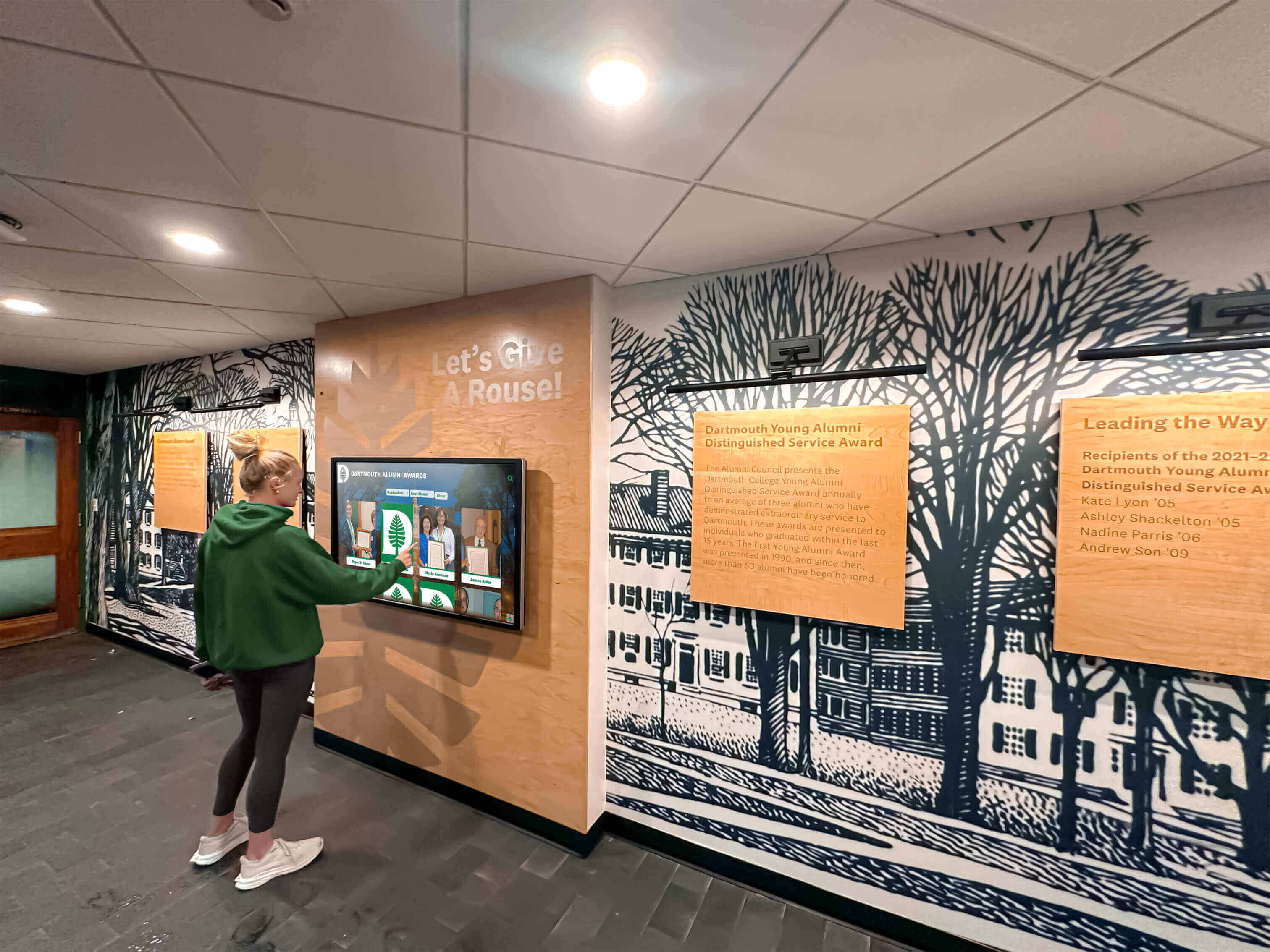
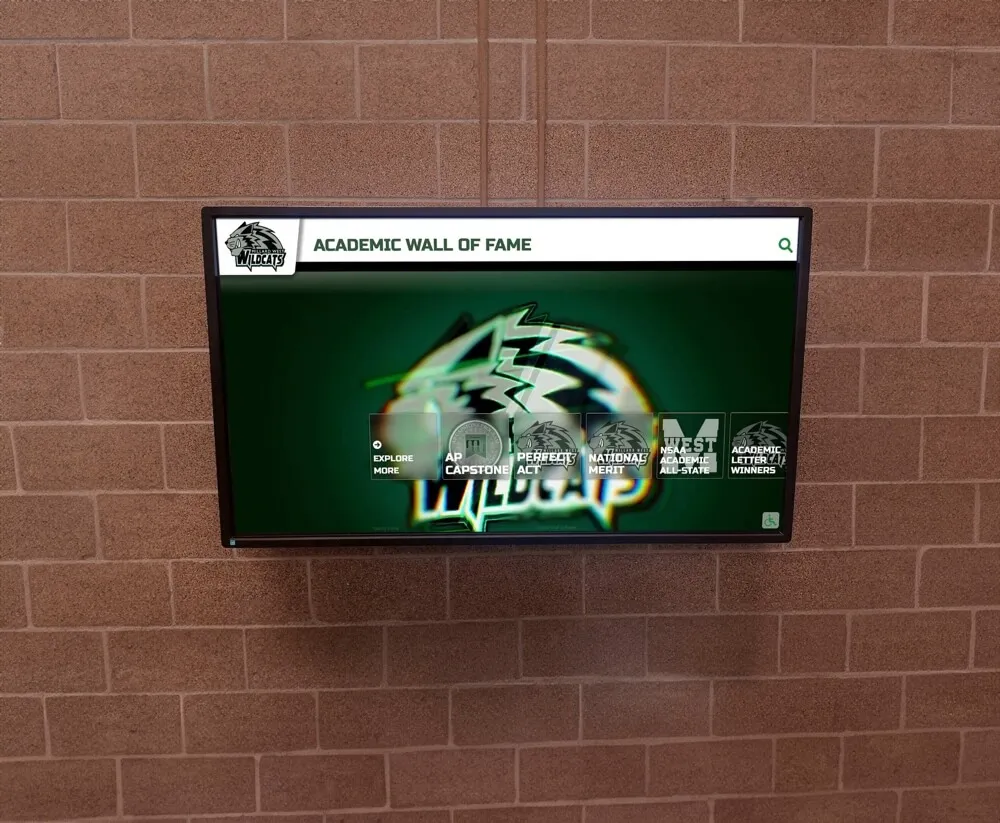
Students discovering championship history through interactive displays build appreciation for program tradition while drawing inspiration from predecessor achievements
Future Trends in Championship Recognition
Championship recognition continues evolving as technology advances and institutional priorities shift, with emerging trends shaping how universities will document and celebrate athletic achievement in coming years.
Enhanced Multimedia and Immersive Experiences
Augmented and Virtual Reality Integration
Emerging technologies enable more immersive championship recognition experiences through augmented reality applications overlaying championship information on physical facilities during mobile device viewing, virtual reality experiences enabling users to virtually attend championship games and experience championship moments, 360-degree video content placing viewers inside championship celebrations and locker rooms, and interactive timelines enabling users to explore championship histories through intuitive visual interfaces.
These immersive technologies create engagement impossible through traditional displays, particularly appealing to younger audiences expecting sophisticated digital experiences throughout campus environments.
Artificial Intelligence and Personalized Recognition
Smart Recognition Systems
Artificial intelligence technologies enable recognition systems to provide personalized experiences tailored to individual interests including recommendation engines suggesting relevant championship content based on user behavior, natural language interfaces enabling conversational championship exploration through voice commands, facial recognition personalizing displays when specific individuals approach, and predictive content surfacing championship information likely to interest specific visitor types based on behavioral patterns.
These intelligent systems improve recognition engagement while reducing barriers to content discovery, ensuring visitors easily find championship information most relevant to their interests without manual searching through extensive historical collections.
Cross-Platform Recognition Ecosystems
Unified Recognition Across Digital Channels
Modern championship recognition extends across multiple platforms through facility displays providing on-site interactive exploration, web portals enabling remote access from any internet-connected device, mobile applications delivering championship content optimized for smartphones and tablets, social media integration sharing championship content across platforms where communities naturally engage, and digital signage networks broadcasting championship recognition throughout campus environments.
This omnichannel approach ensures championship recognition reaches audiences wherever they naturally encounter institutional content rather than limiting visibility to single platforms or locations.
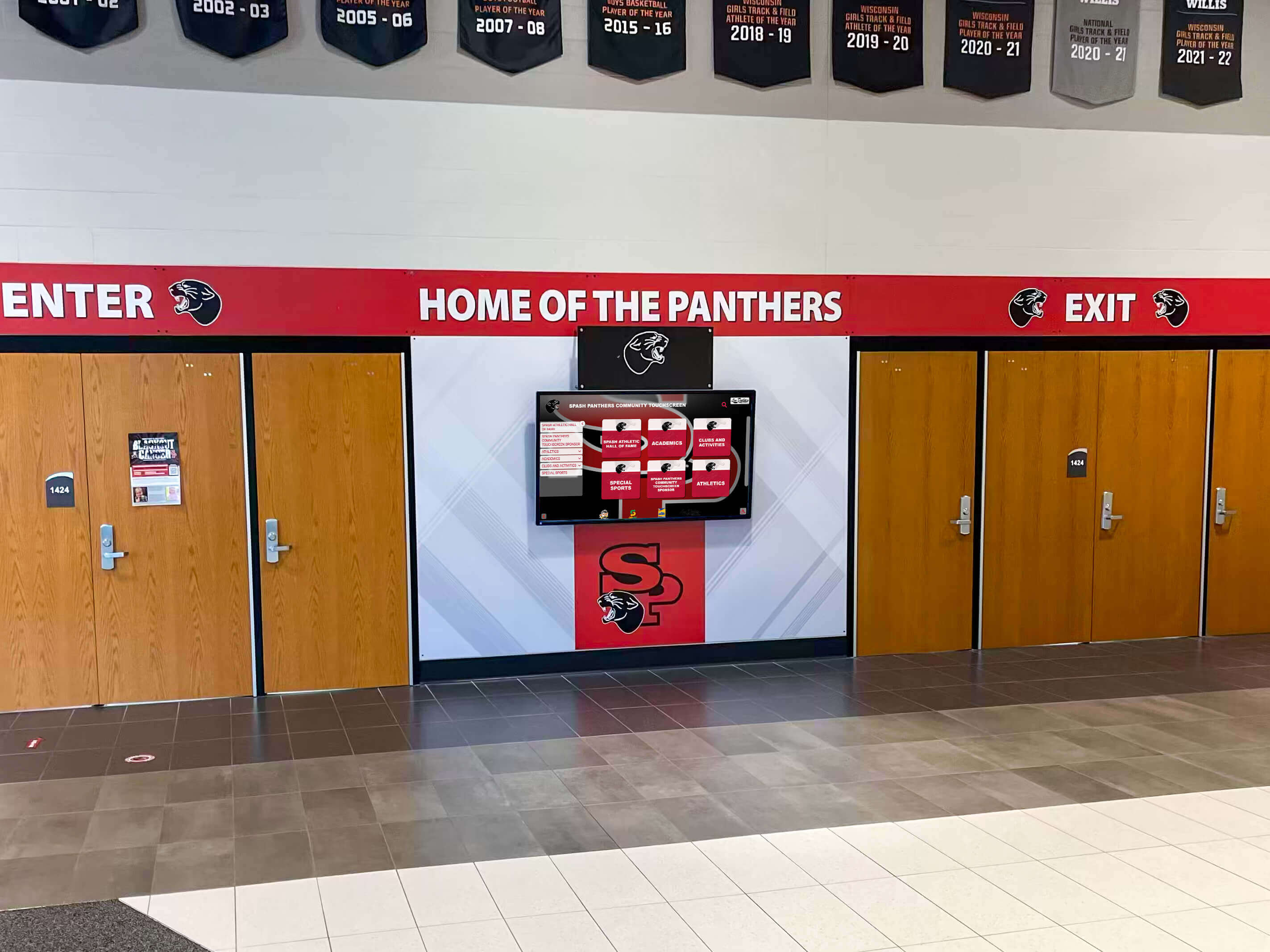
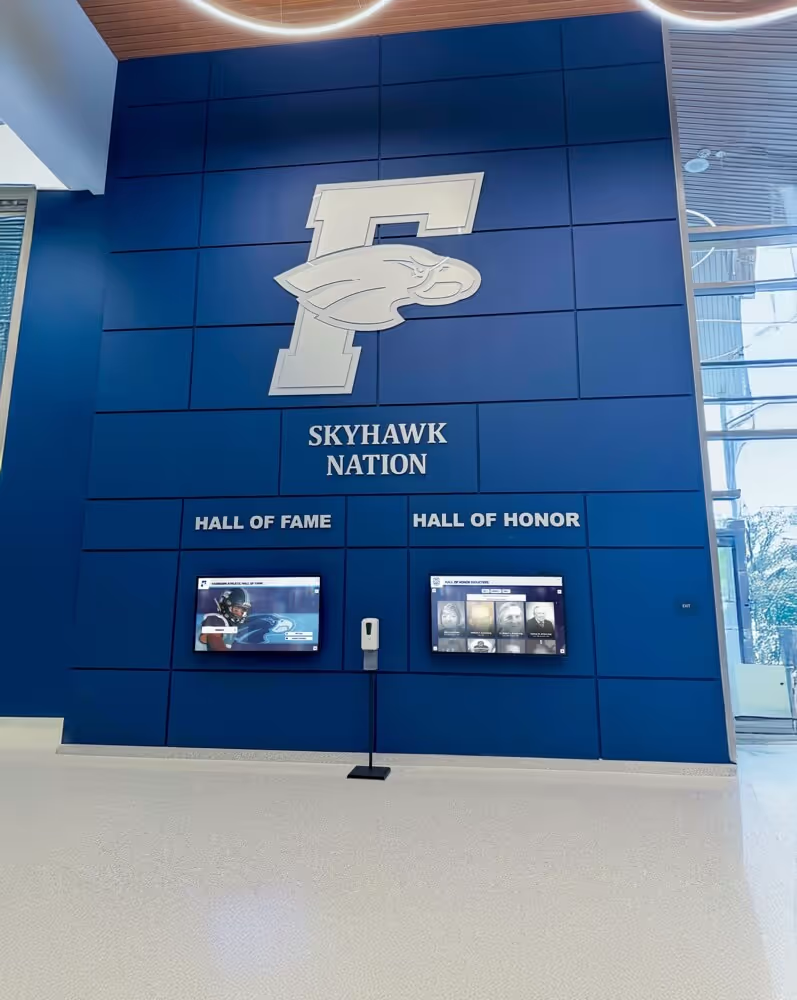
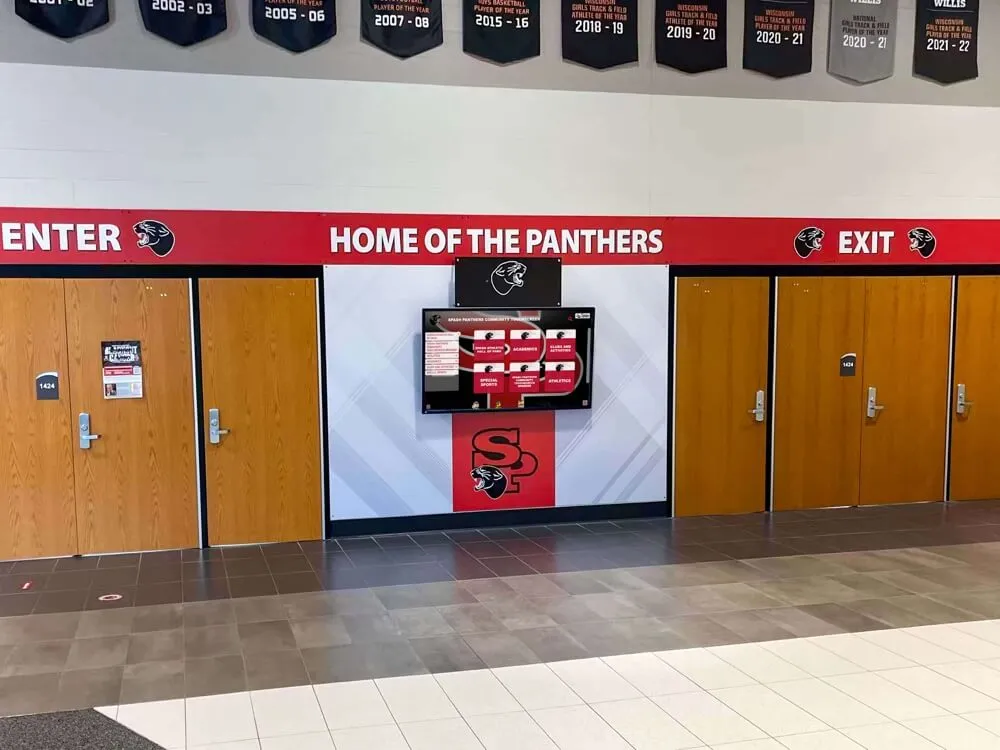
Athletic facility entrances featuring championship recognition create immediate impressions communicating program culture and competitive tradition
Conclusion: Building Lasting Championship Legacy
College football conference championship games represent pinnacle achievements in collegiate athletics, creating watershed moments that shape program trajectories, strengthen institutional pride, and establish traditions connecting generations of athletes, students, and alumni. Yet championship significance extends far beyond immediate competitive outcomes—lasting championship value depends on systematic recognition ensuring achievements receive documentation and celebration worthy of their importance within institutional athletic culture.
Universities implementing comprehensive championship recognition through combination of traditional trophy displays, modern digital platforms, and strategic content development create lasting championship legacies accessible to recruits evaluating programs, students building school spirit, alumni maintaining lifelong connections, and communities taking pride in institutional excellence. These recognition investments pay dividends across recruiting effectiveness, alumni engagement, fundraising success, and cultural development—delivering value far exceeding immediate implementation costs.
Transform Your Championship Recognition
Discover how modern digital recognition solutions can help your university celebrate conference championships, engage alumni, and build lasting athletic traditions that strengthen program culture for generations.
Explore Athletic Recognition SolutionsWhether your program seeks to document long championship traditions more comprehensively, improve recruiting effectiveness through visible achievement recognition, strengthen alumni connections through accessible championship history, or build athletic culture celebrating competitive excellence, systematic championship recognition provides foundation for achieving these institutional objectives while ensuring athletes receive lasting acknowledgment worthy of their championship accomplishments.
Effective championship recognition blends traditional elements valued by alumni and donors with modern digital capabilities meeting current students’ expectations for interactive sophisticated experiences. This balanced approach honors athletic heritage while embracing innovation—creating recognition systems serving multiple generations simultaneously through comprehensive athletic displays that document championship traditions comprehensively.
Ready to enhance your athletic program’s championship recognition? Explore strategies for documenting sports records and achievements, learn about building comprehensive athletic timelines, discover approaches for celebrating athletic excellence, and understand how solutions like Rocket Alumni Solutions provide recognition platforms designed specifically for educational institutions prioritizing athletic achievement celebration and championship tradition documentation.
Championship moments define athletic programs—ensure yours receive recognition creating lasting impact for generations to come.