



Intent: Demonstrate how to design, implement, and optimize interactive touchscreen displays that transform college residence hall communication, foster vibrant student communities, and elevate the residential experience through modern digital technology.
College residence hall informational interactive displays represent a transformative approach to student housing communication and community building, fundamentally reshaping how universities engage residents, deliver essential information, and create connected living environments that support both academic success and social development. As institutions recognize that residential experience directly impacts student retention, satisfaction, and overall success, creating engaging, informative, and community-focused residence halls has emerged as a critical priority for housing departments nationwide.
Yet many residence halls continue relying on outdated communication methods that fail to reach digitally-native students effectively. Traditional bulletin boards go unread, printed flyers get ignored, and important announcements about community events, safety protocols, or facility updates never reach the students who need them. Residents struggle to find basic information about building amenities, discover engagement opportunities, or connect with residential communities—creating isolated living experiences that undermine the very purpose of on-campus housing.
This comprehensive guide explores how interactive touchscreen displays specifically designed for residence hall applications solve these persistent challenges while delivering measurable benefits across residential life, student engagement, campus safety, and community development. From dynamic community boards and event promotion to safety information and resident recognition, you’ll discover practical design frameworks and implementation strategies for creating residence hall displays that genuinely enhance student experience while supporting institutional goals for retention, community, and residential excellence.
According to research on student housing technology trends, institutions implementing strategic interactive display networks in residence halls report substantial improvements in event attendance, community participation, and resident satisfaction—demonstrating that thoughtfully designed touchscreen systems deliver returns far exceeding technology costs through enhanced residential outcomes that support enrollment, retention, and student success.

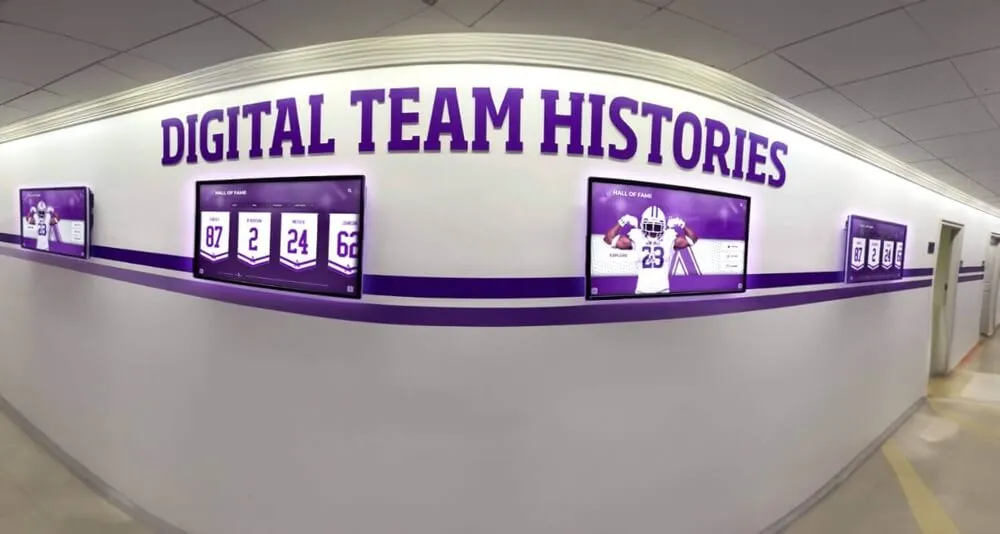
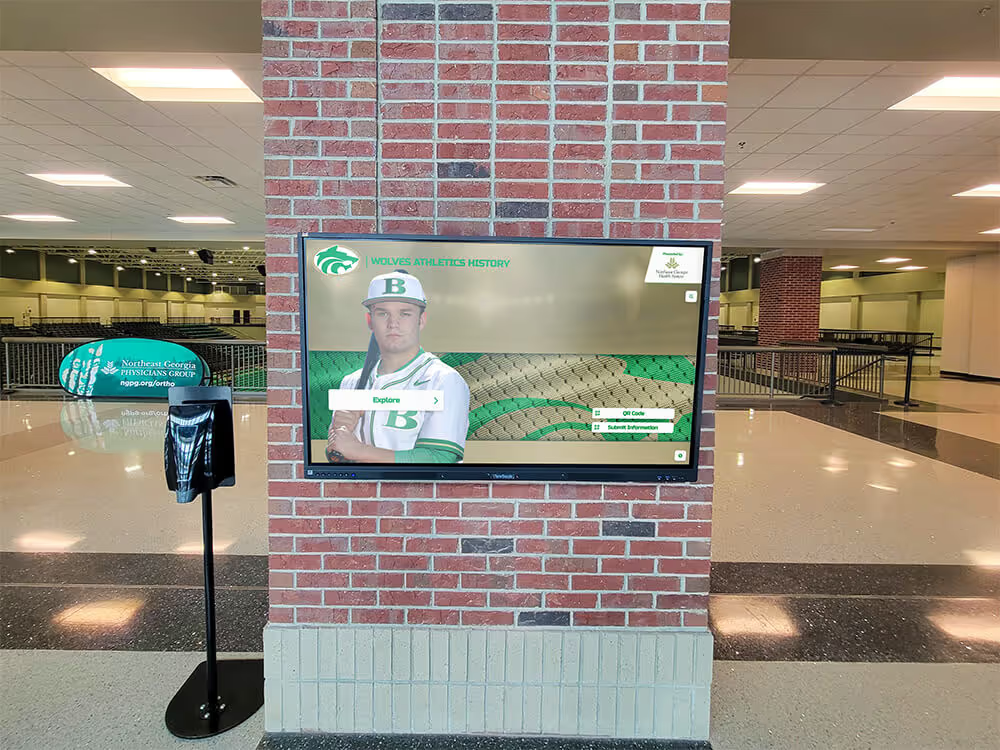
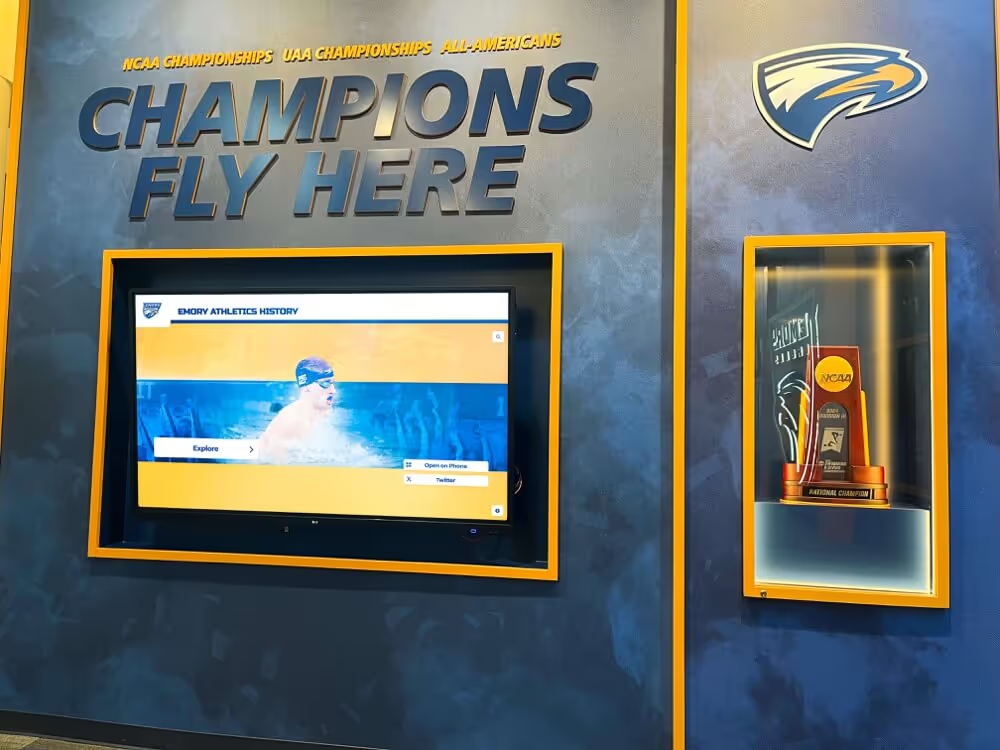
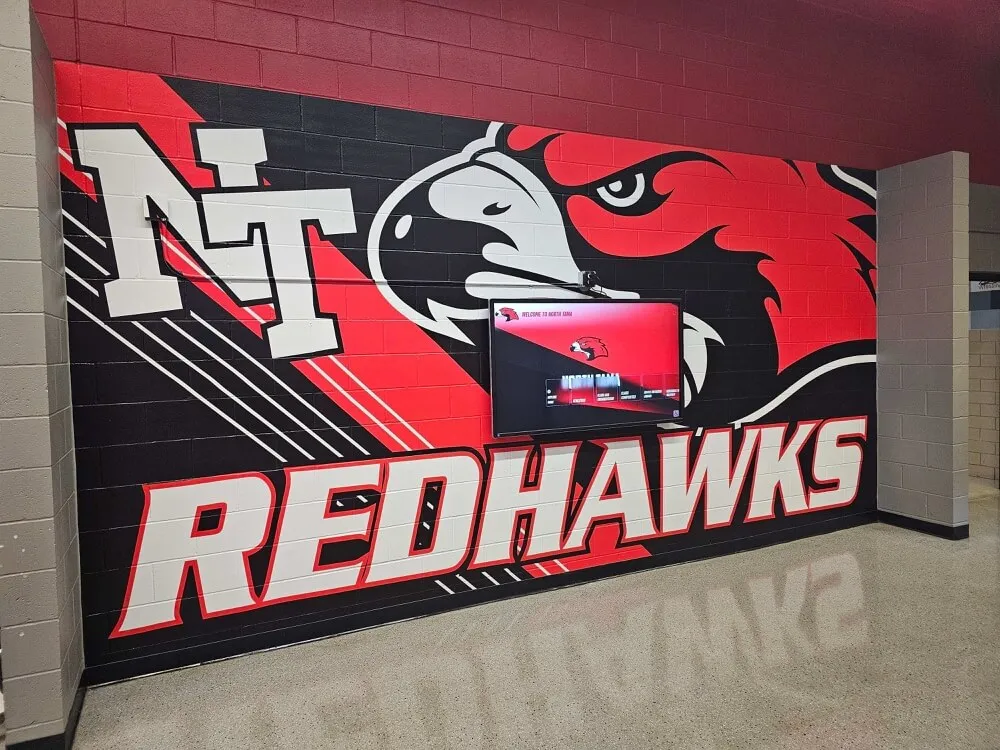
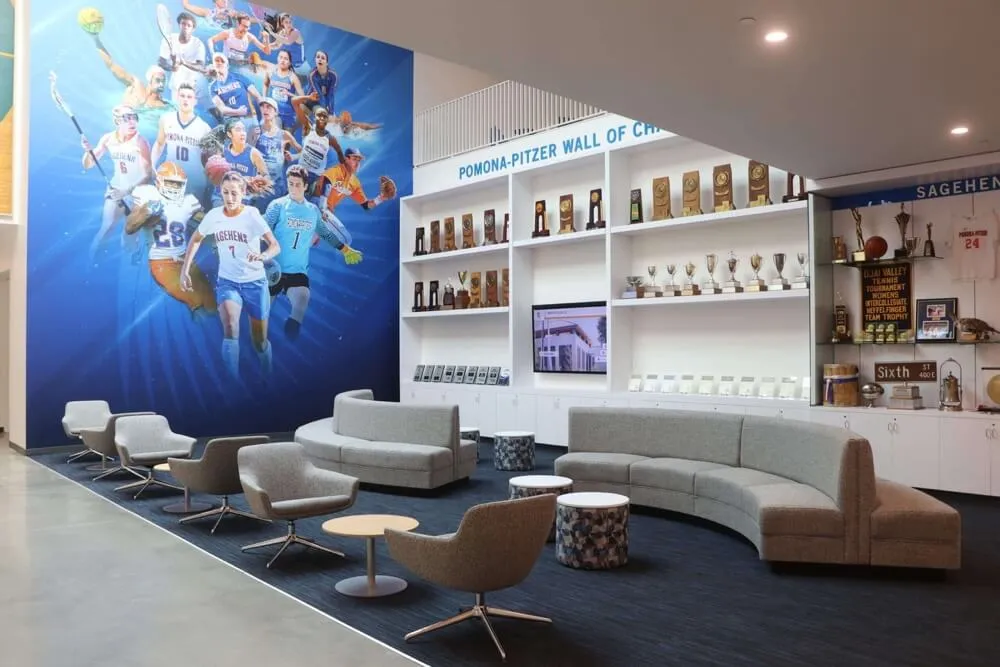
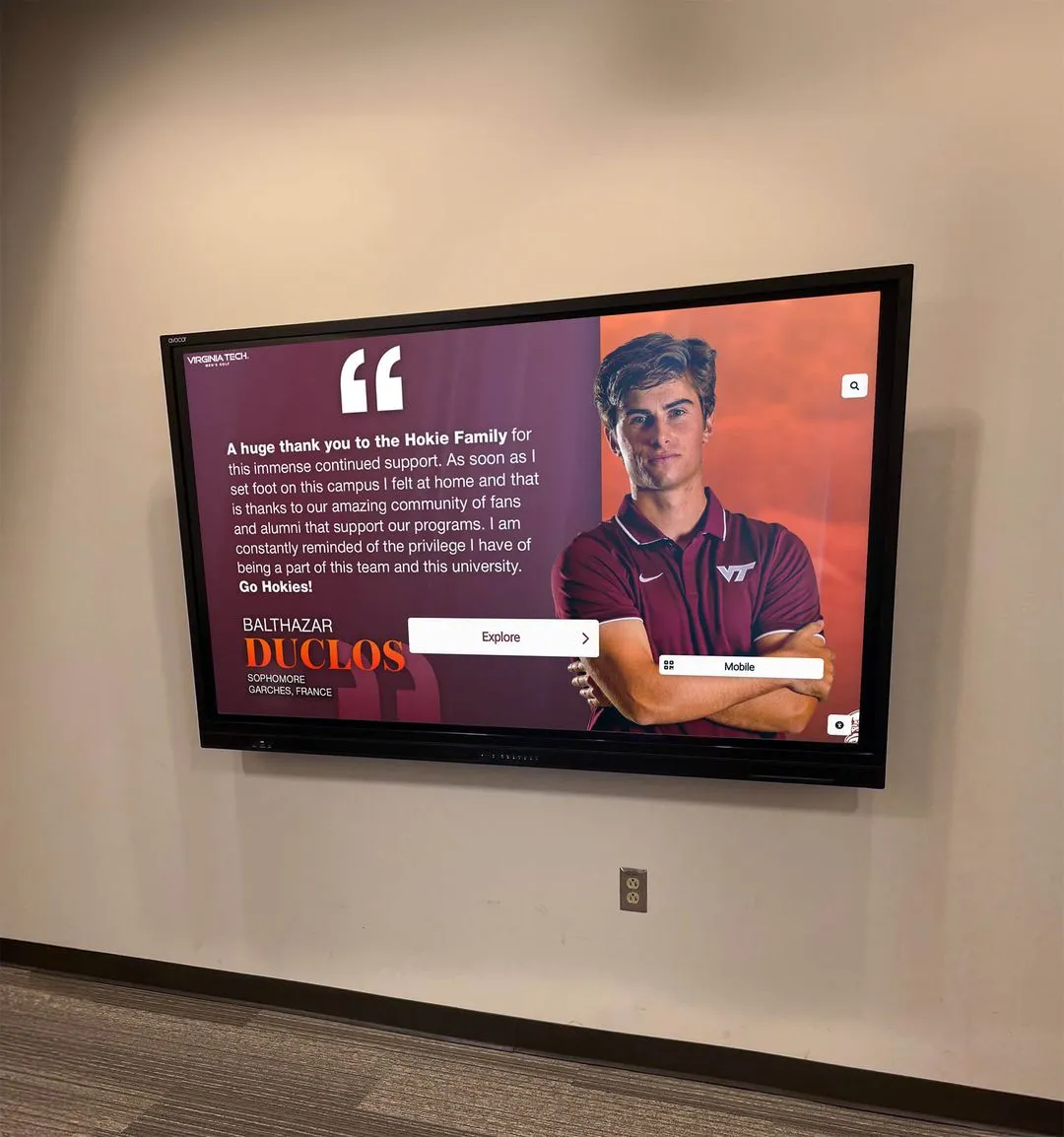
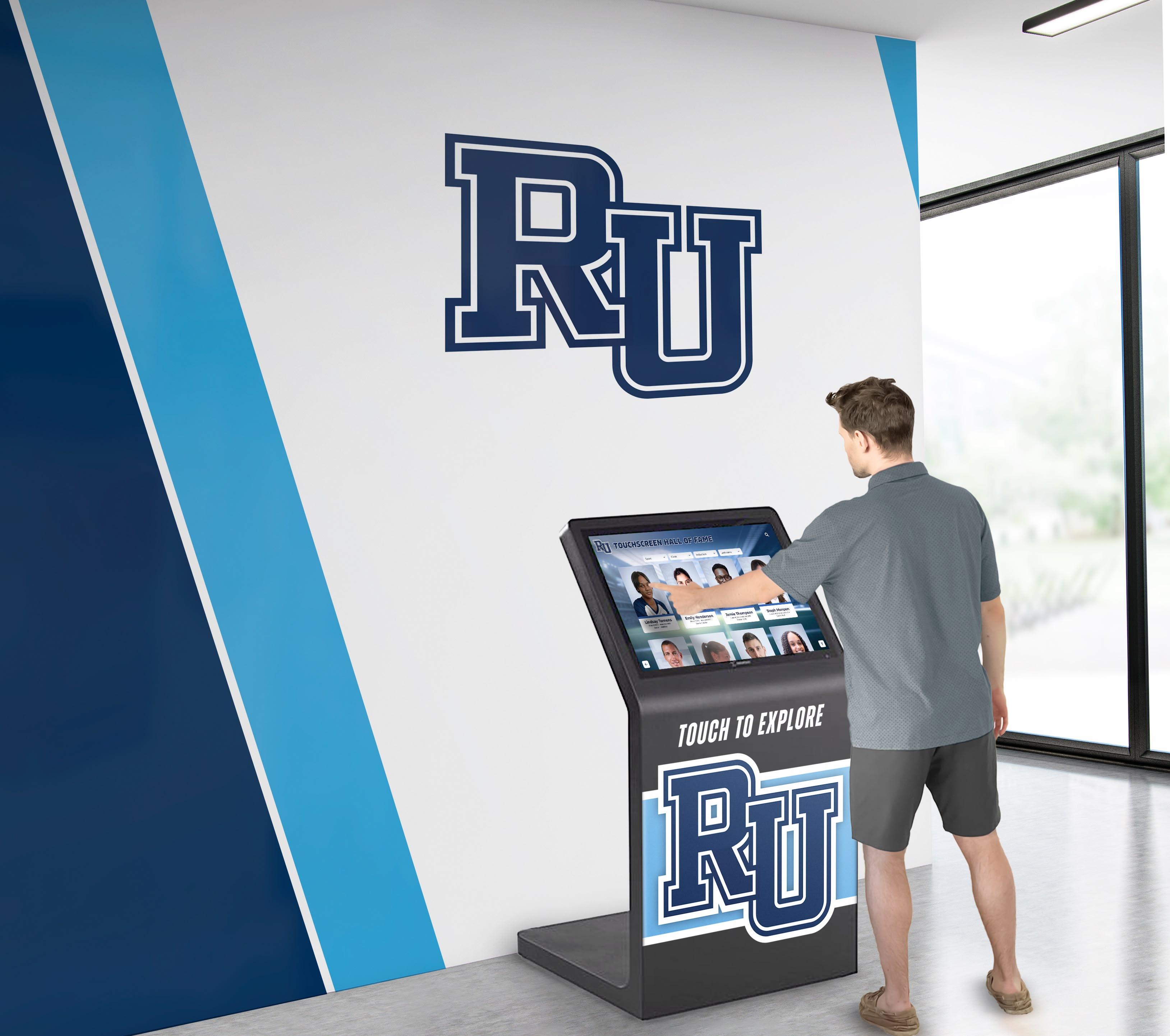
Modern interactive displays create immediate engagement opportunities while providing essential information residents need daily
The Modern Residence Hall Communication Challenge
Understanding the unique demands facing today’s residence halls helps housing professionals appreciate why interactive display technology delivers exceptional value for student engagement and community building.
Traditional Communication Methods Failing Digital-Native Students
Today’s college students—predominantly Gen Z digital natives—have grown up with smartphones, social media, and on-demand information access that fundamentally shapes their communication expectations and information consumption patterns. This generational reality creates substantial challenges for residence halls relying on traditional communication approaches developed for earlier student populations with different habits and preferences.
Why Traditional Bulletin Boards Don’t Work Anymore
Physical bulletin boards that once served as primary residence hall communication channels now sit largely unnoticed by students who naturally gravitate toward digital information sources rather than stopping to read posted flyers while walking through lobbies. Research on campus communication effectiveness consistently shows that bulletin board readership among college students has declined dramatically over the past decade, with most residents unable to recall specific information posted in their own residence halls despite passing displays daily.
Common resident complaints about traditional communication include:
- Never seeing or noticing posted announcements because attention naturally focuses on smartphones rather than physical surroundings during building transit
- Information overload from cluttered boards where dozens of overlapping flyers create visual chaos that discourages reading
- Outdated content remaining posted long after events pass or information becomes irrelevant
- Difficulty finding specific information when dozens of unorganized postings lack clear categorization or search functionality
- No way to save or share information requiring residents to photograph flyers with smartphones to retain details
- Accessibility limitations for students with visual impairments who cannot effectively use traditional posted materials
Growing Campus Safety and Emergency Communication Needs
College campuses face increasing responsibility for communicating safety information, emergency alerts, and critical updates to residential populations—particularly as students demand greater transparency about campus incidents while regulations require timely warning notifications for Clery Act compliance and other legal obligations.
Traditional communication channels prove inadequate for urgent situations requiring immediate widespread notification. Email alerts get missed when students don’t constantly check accounts, text messages may not reach residents who haven’t updated contact information, and posted notices provide no mechanism for time-sensitive dissemination of critical safety updates.
According to campus safety research, effective emergency communication requires multiple simultaneous channels reaching students wherever they are on campus—making residence hall lobby displays positioned where students naturally gather essential components of comprehensive emergency notification systems that complement rather than replace mobile and email channels.
Critical Safety Communication Functions
Residence hall displays serve vital safety functions including:
- Real-time emergency alerts about campus incidents, weather threats, or facility issues
- Ongoing safety education about fire evacuation procedures, weather preparedness, and security protocols
- Anonymous reporting options for safety concerns, suspicious activity, or policy violations
- Access to campus police contact information and emergency resource directories
- Shelter-in-place instructions during emergencies requiring residents to remain in buildings
Interactive displays positioned in residence hall lobbies ensure that students encounter safety information during daily building entries regardless of whether they check email or respond to text alerts—creating redundant notification systems that increase likelihood of message receipt during critical situations.
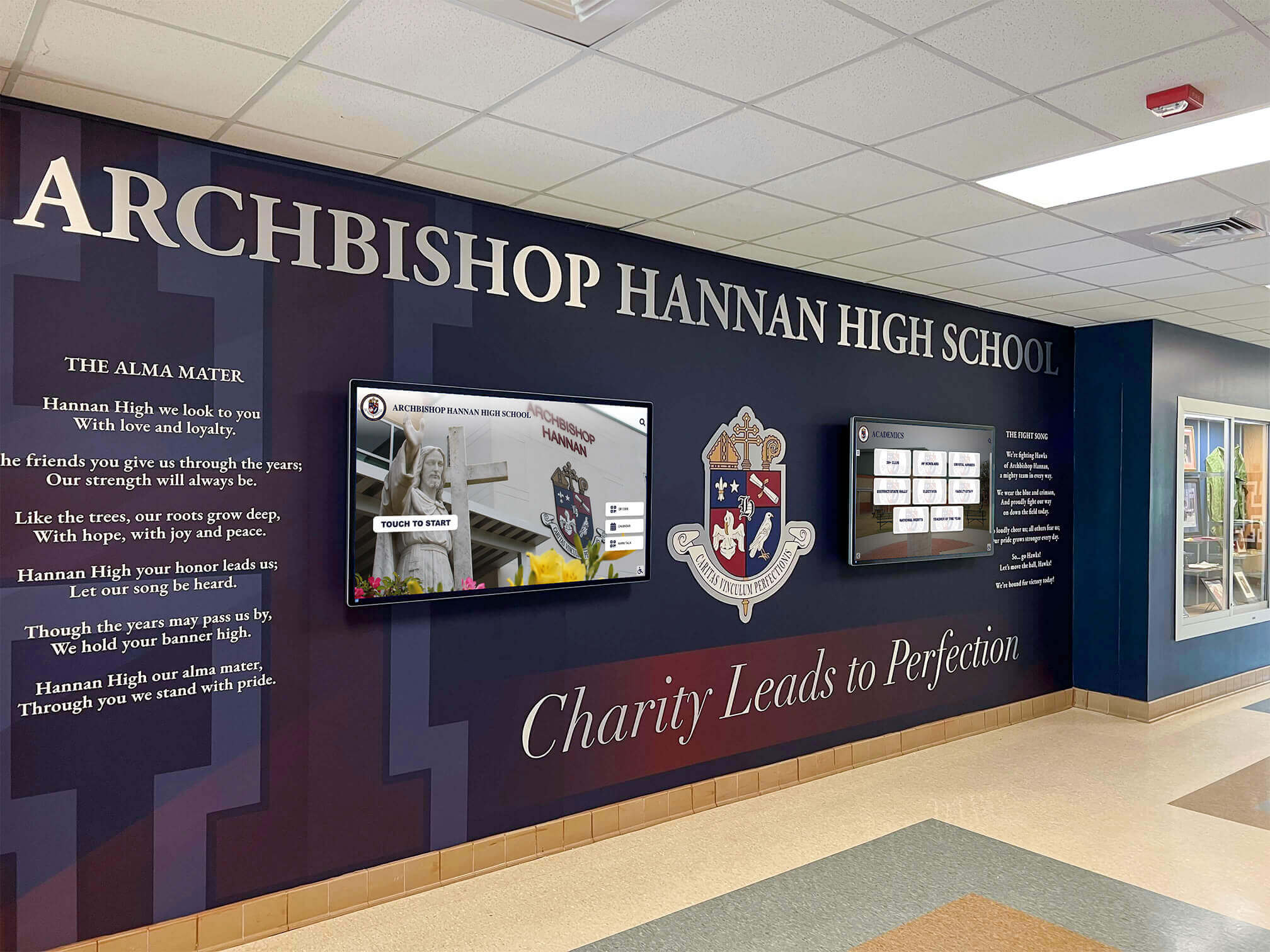
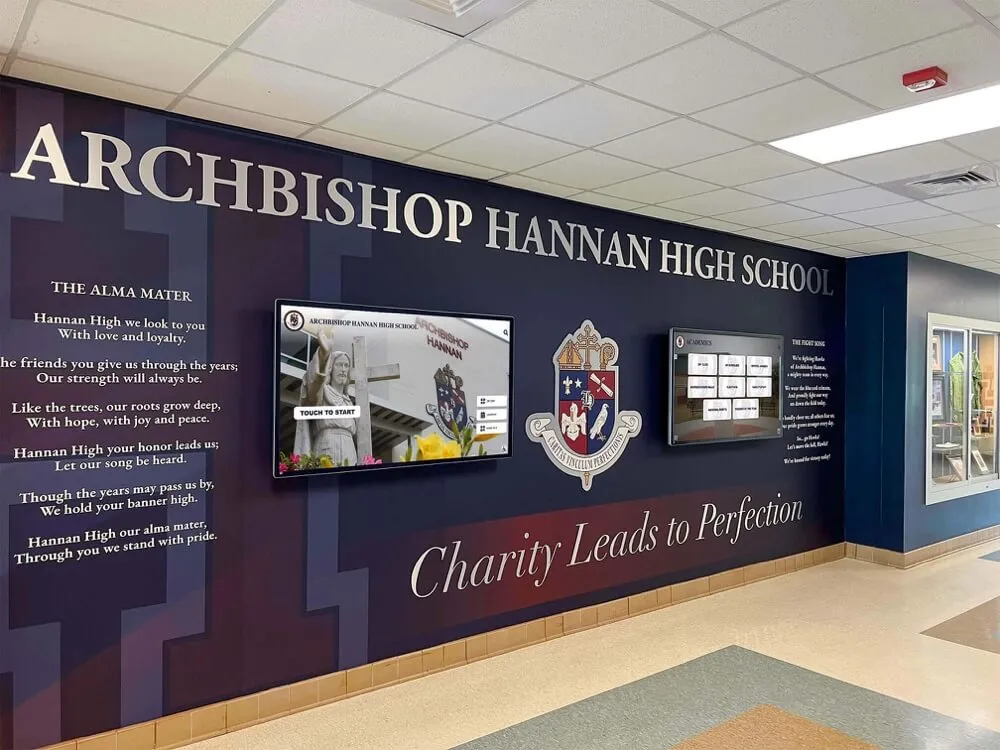
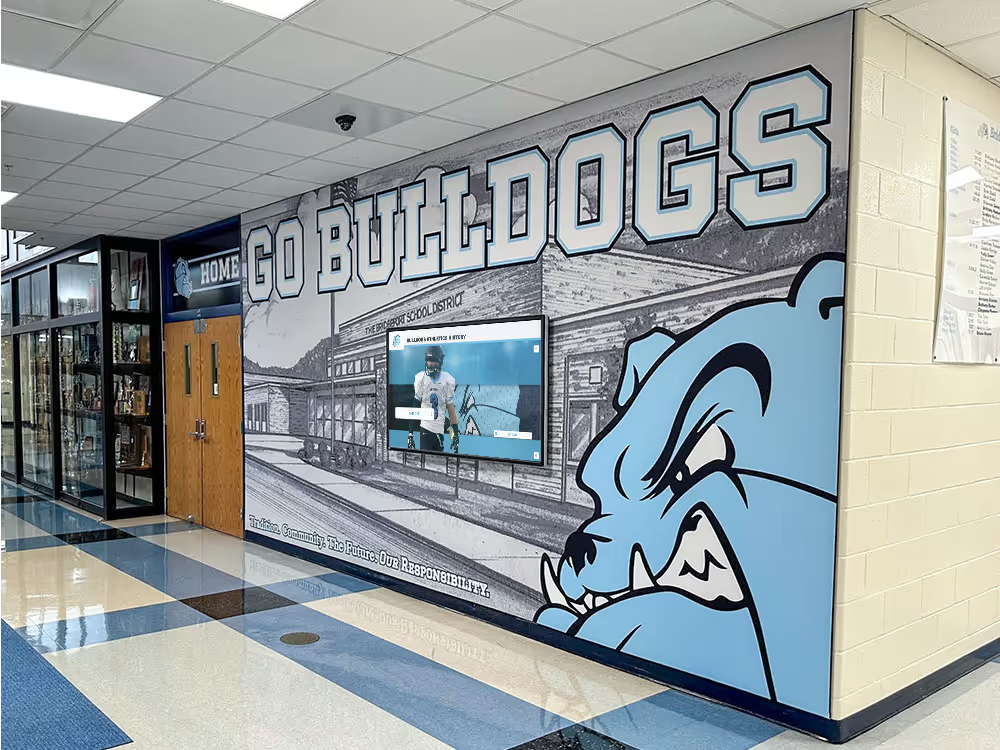
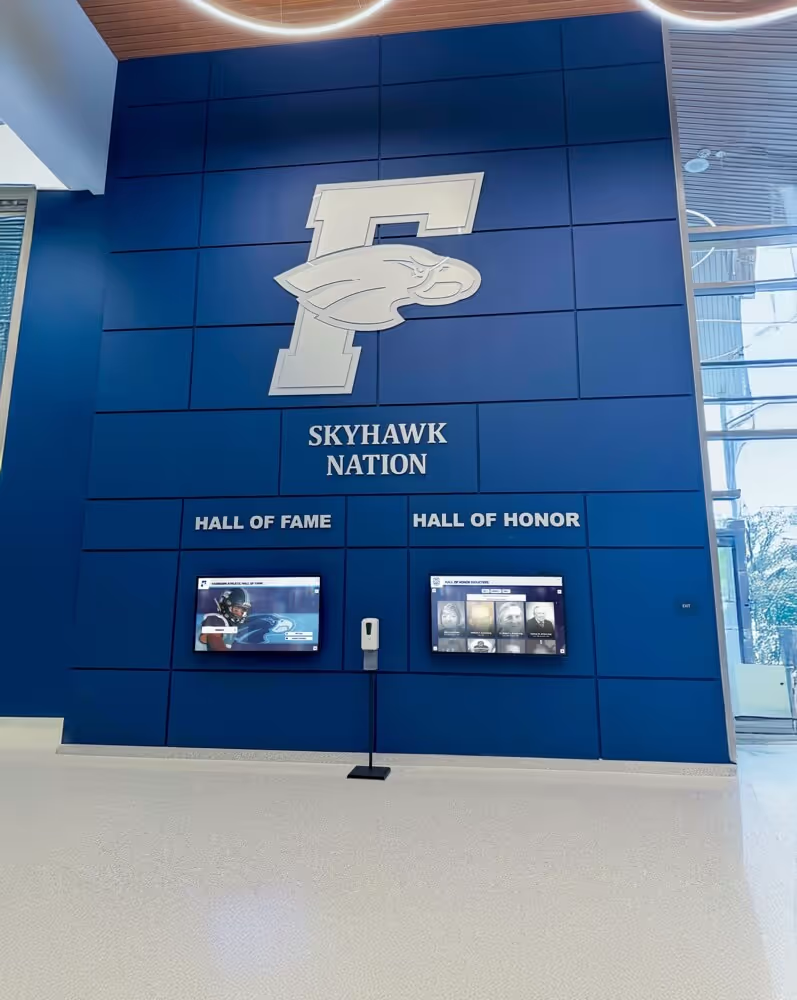
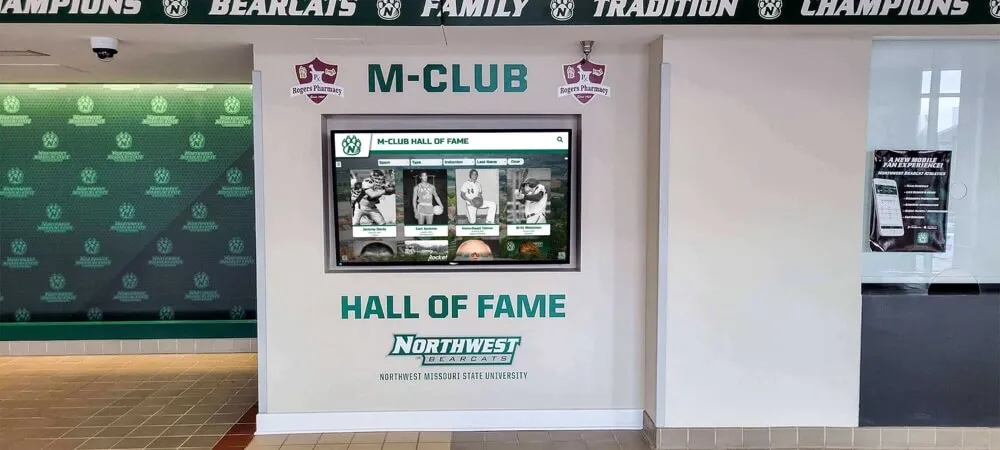
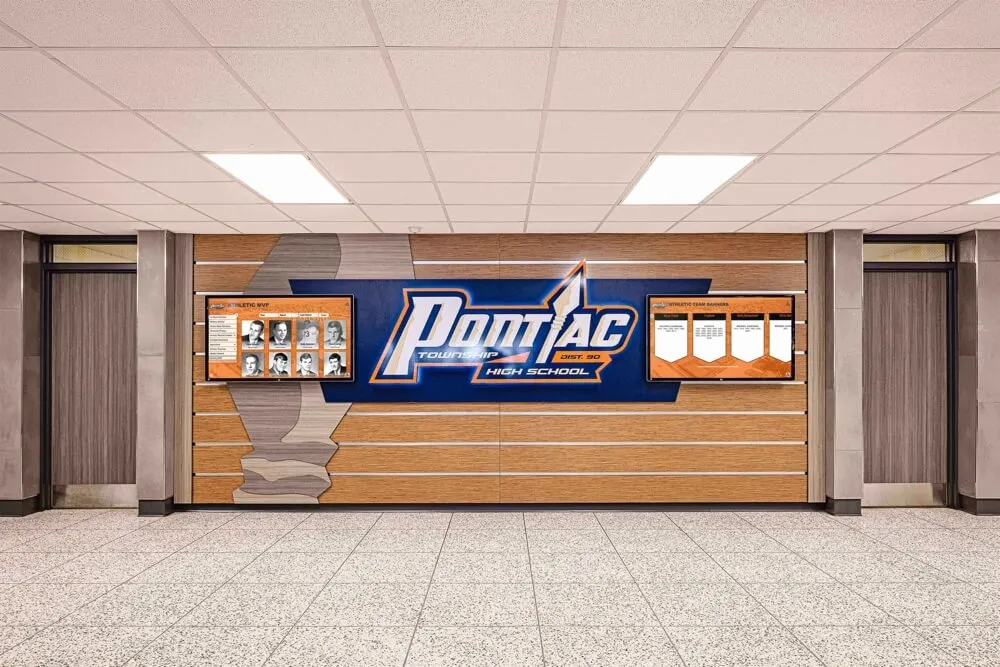
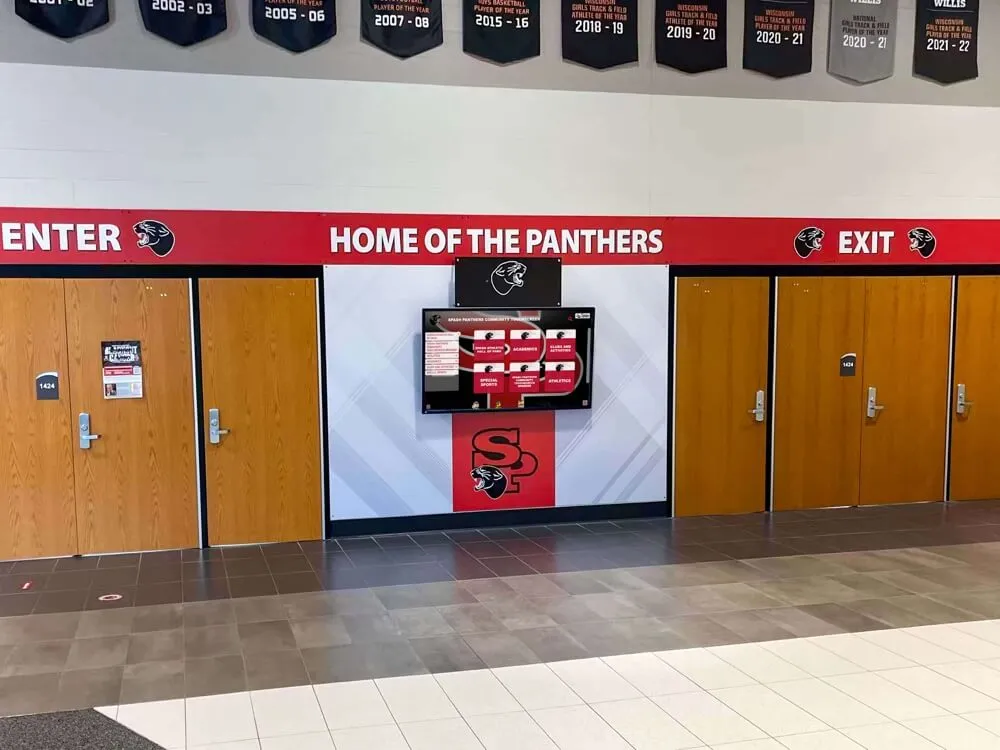
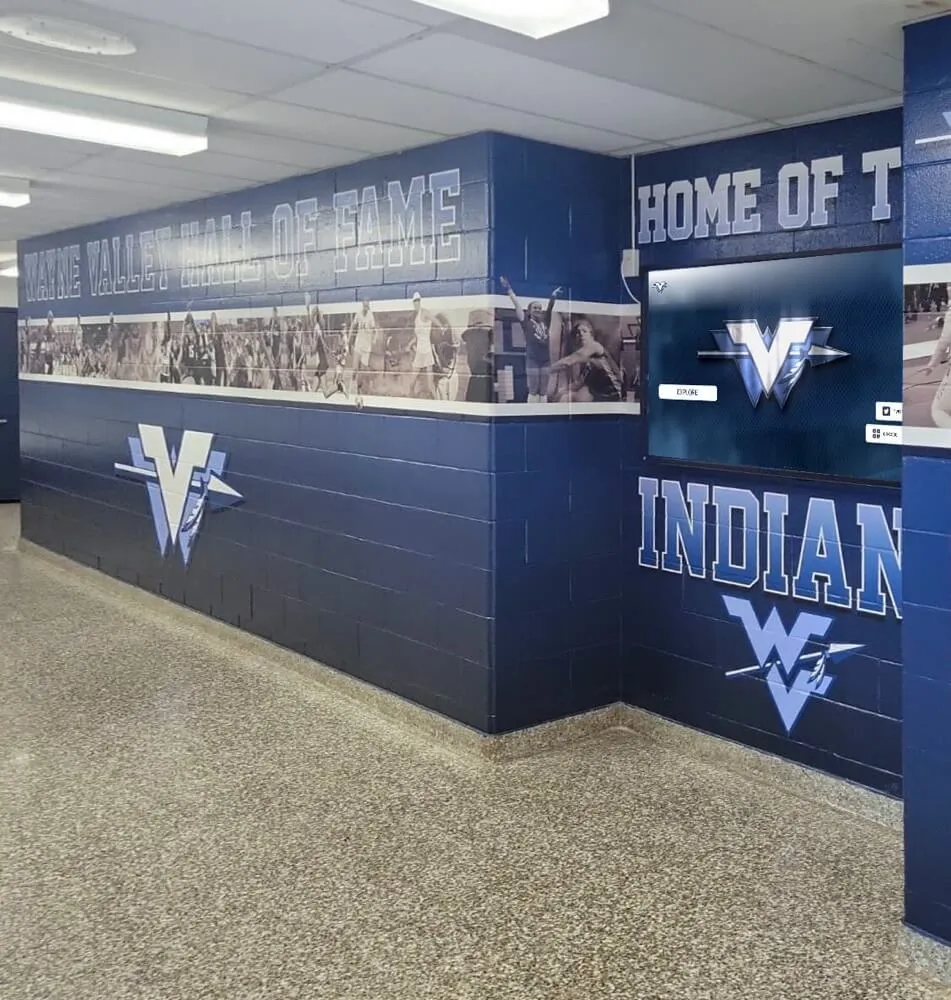
Professional installations create cohesive communication environments that blend seamlessly with residence hall design while maintaining visibility
Building Connected Communities in Large Residential Populations
Large residence halls housing hundreds or even thousands of students in single buildings face persistent challenges creating the sense of community, belonging, and connection that research consistently identifies as critical to student retention, academic success, and overall well-being. Without intentional community-building strategies, residence halls become merely places to sleep rather than vibrant living-learning environments supporting holistic student development.
Traditional approaches to community building—floor meetings, printed event calendars, door-to-door promotion—struggle to reach critical mass of student participation required for creating vibrant residential cultures. Students miss announcements about community events, never learn about engagement opportunities aligned with their interests, and remain disconnected from fellow residents living just doors away.
Community Building Through Visible Information
Interactive displays address community fragmentation through:
- Highlighting upcoming residence hall events with compelling visual promotion that captures attention more effectively than text-based announcements
- Showcasing resident achievements and involvement creating visible recognition that motivates participation while celebrating excellence
- Promoting student organization meetings and activities increasing awareness of engagement opportunities residents might otherwise never discover
- Featuring floor and building competitions with real-time leaderboards driving friendly rivalry and participation
- Sharing resident stories and profiles helping students discover common interests and connections with neighbors
- Displaying community standards and values reinforcing behavioral expectations and residential culture
Research on residence hall community development demonstrates that visibility of engagement opportunities directly predicts participation rates—making prominent display of events and activities in high-traffic lobby locations a simple yet powerful strategy for increasing community involvement that transforms residence hall cultures.
Core Benefits of Interactive Displays for Residence Halls
Interactive display technology delivers multiple interconnected benefits that enhance residential experience while supporting housing department objectives for community, safety, and operational efficiency.
Dynamic, Engaging Information Delivery
Unlike static bulletin boards displaying unchanging content, interactive touchscreen displays provide dynamic information delivery that captures attention, maintains relevance, and adapts to evolving needs throughout academic terms.
Automatically Updated Content That Stays Current
Cloud-based display platforms like Rocket Alumni Solutions enable residence life staff to update content instantly from any device without requiring physical presence at display locations. This capability ensures information remains current through:
- Automatic removal of past events preventing outdated content accumulation
- Real-time calendar integration displaying upcoming activities dynamically
- Scheduled content rotations highlighting different programs and services systematically
- Emergency override capabilities for urgent announcements requiring immediate visibility
- Remote management across multiple buildings from central housing offices
This always-current content maintains resident trust and engagement—when students know displays provide reliable information, they naturally reference them for planning and decision-making rather than dismissing displays as outdated or irrelevant.
Visual Appeal That Captures Attention
Interactive displays leverage compelling visual design, motion, and multimedia content that naturally draws attention in ways traditional posted materials cannot match. Effective visual strategies include:
- High-quality event photography showing actual residence hall activities and engaged students
- Video content featuring resident testimonials, event highlights, and program overviews
- Animated graphics and motion elements that catch peripheral vision as students pass through lobbies
- Bold typography and color schemes aligned with campus branding creating professional, cohesive presentation
- Rotating content preventing visual stagnation that causes residents to tune out familiar displays
Solutions like those from Rocket Alumni Solutions provide unlimited custom layouts enabling housing departments to create branded experiences that match institutional identity while supporting diverse content types from event promotion to safety education to community recognition.
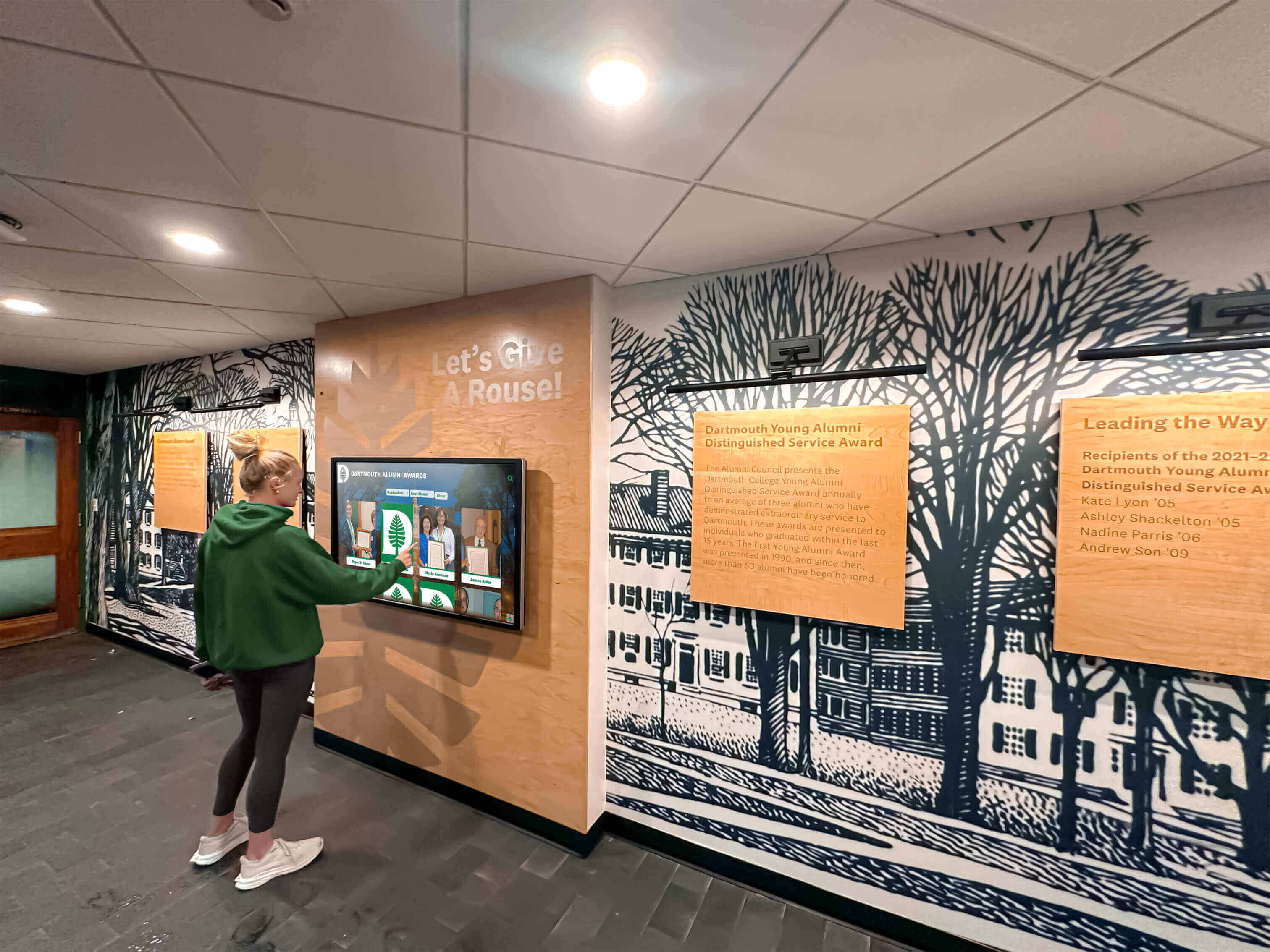
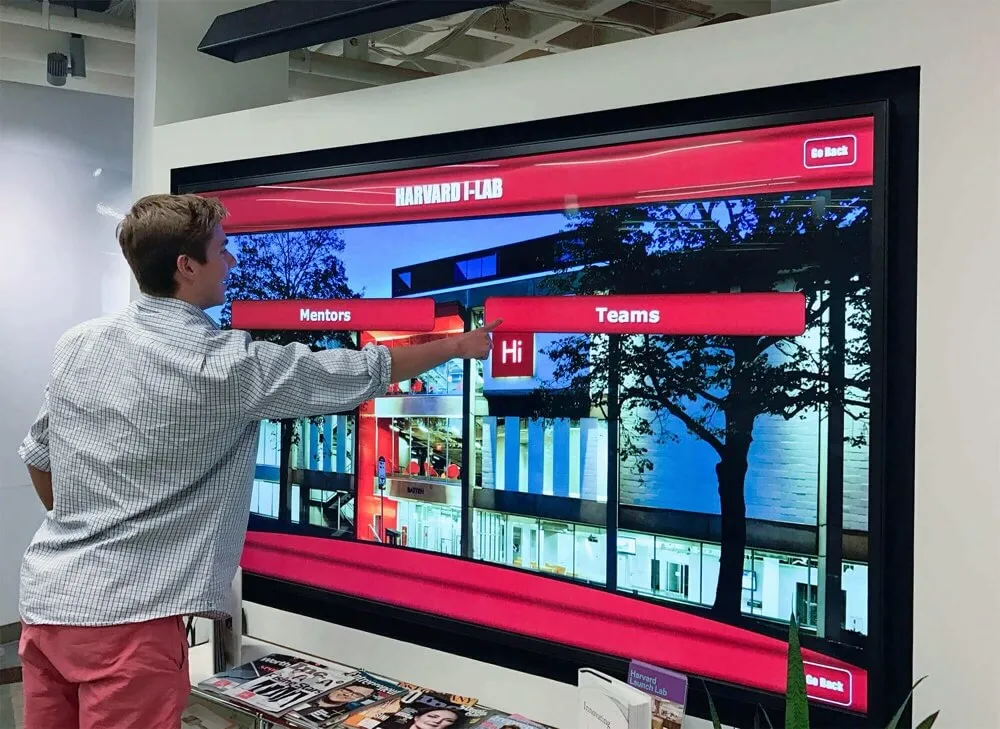
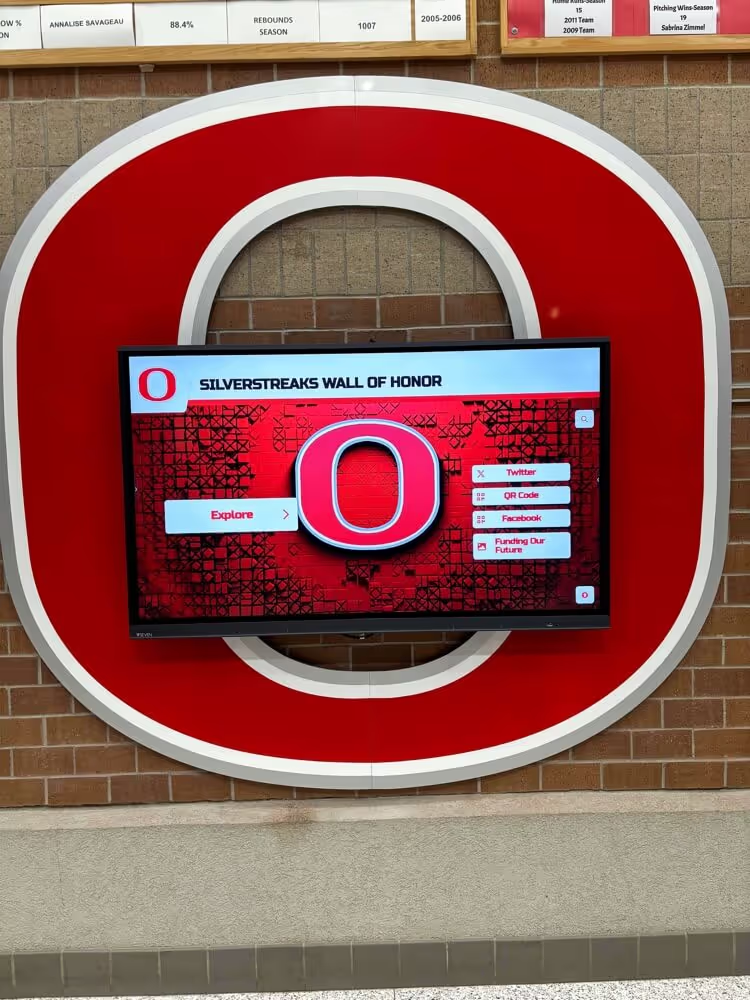
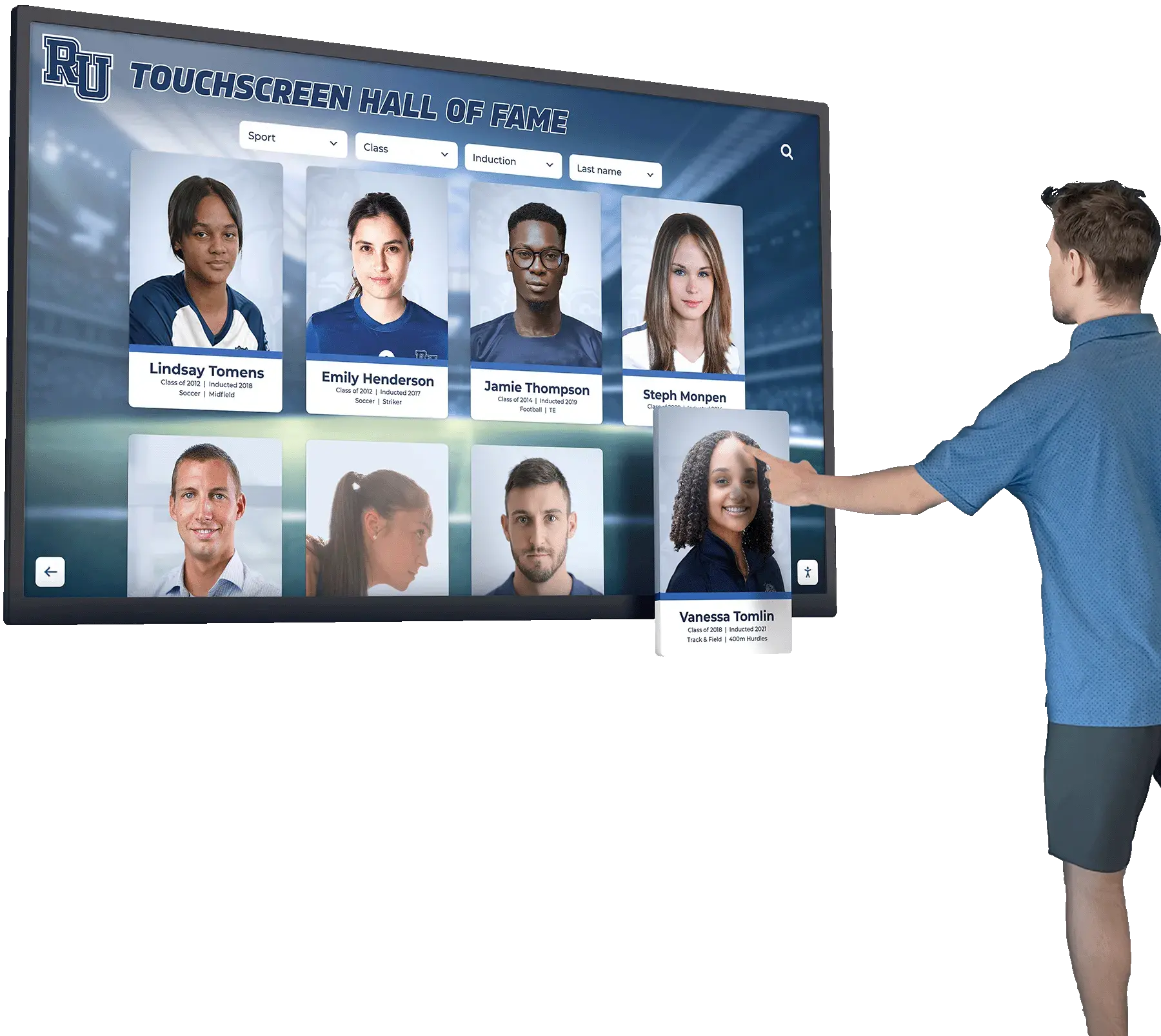
Intuitive card-based interfaces enable natural exploration matching smartphone interaction patterns familiar to digital-native students
Enhanced Student Engagement and Community Connection
Interactive displays transform residence halls from passive living spaces into active communities where students discover engagement opportunities, recognize peer accomplishments, and build meaningful connections supporting retention and success.
Event Discovery and Participation Promotion
Prominent display of residence hall programming increases awareness and attendance through:
- Comprehensive event calendars organized by date, building, or program type enabling students to plan participation around academic schedules
- Visual event promotion with compelling imagery communicating program value more effectively than text descriptions
- Category filtering allowing residents to discover events matching specific interests like wellness, academics, social activities, or cultural programs
- Registration integration enabling immediate event signup directly from display interfaces
- QR codes allowing students to instantly transfer event details to personal calendars or share with friends
Research consistently demonstrates that event awareness directly predicts participation—many students simply never learn about programs they would gladly attend if they knew they existed. Strategic display placement in lobbies where residents pass multiple times daily dramatically increases exposure ensuring maximum community awareness of engagement opportunities.
Resident Recognition and Achievement Celebration
Public recognition of student accomplishments creates motivation for continued involvement while demonstrating that residence hall communities value and celebrate excellence. Interactive displays enable systematic recognition including:
- Academic honors celebrating dean’s list students and scholarship recipients
- Leadership recognition highlighting resident assistants, community council members, and program volunteers
- Participation acknowledgment showing event attendees and program contributors
- Competition winners from residence hall challenges, contests, and tournaments
- Community service hours recognizing students giving back to local organizations
- Talent showcases featuring resident art, music, writing, or other creative accomplishments
This visible celebration creates residential cultures where achievement receives attention and appreciation—motivating ongoing involvement while making residents feel genuinely valued as community members rather than anonymous occupants in large institutional facilities.
Approaches to creating recognition programs provide frameworks applicable to residence hall contexts that celebrate diverse contributions supporting vibrant residential communities.
Improved Campus Safety and Emergency Communication
Interactive displays serve critical functions for ongoing safety education and emergency notification that complement mobile-based alert systems while ensuring message redundancy during critical situations.
Real-Time Emergency Alerts and Safety Notifications
Integrated with campus emergency notification systems, residence hall displays provide immediate visibility of urgent alerts through:
- Full-screen emergency takeover displaying critical alerts prominently
- Color-coded alert levels (red for immediate danger, yellow for weather warnings, etc.)
- Clear action instructions (evacuate, shelter-in-place, avoid specific areas)
- Campus police contact information and emergency resource directories
- Real-time incident updates as situations evolve
According to campus safety research, multi-channel emergency communication significantly increases message receipt compared to single-channel approaches—making residence hall displays valuable redundant systems ensuring students encounter alerts even when they miss emails or haven’t enabled mobile notifications.
Ongoing Safety Education and Resource Access
Beyond emergency situations, displays support proactive safety education through:
- Fire safety reminders about evacuation procedures, alarm responses, and prohibited items
- Weather preparedness education about severe weather protocols and shelter locations
- Personal safety tips addressing common campus security concerns
- Anonymous reporting options for safety concerns, policy violations, or suspicious activity
- Mental health resource information with crisis hotlines and counseling services
- Title IX resources and reporting procedures for sexual misconduct concerns
This persistent safety information presence ensures residents encounter critical protocols repeatedly throughout semesters—building familiarity that enables effective response during actual emergencies when stress and confusion impair information processing.
Solutions like those developed by Rocket Alumni Solutions provide flexible content management enabling housing departments to schedule safety content rotations ensuring systematic coverage of priority topics throughout academic years while maintaining fresh presentation that sustains resident attention.
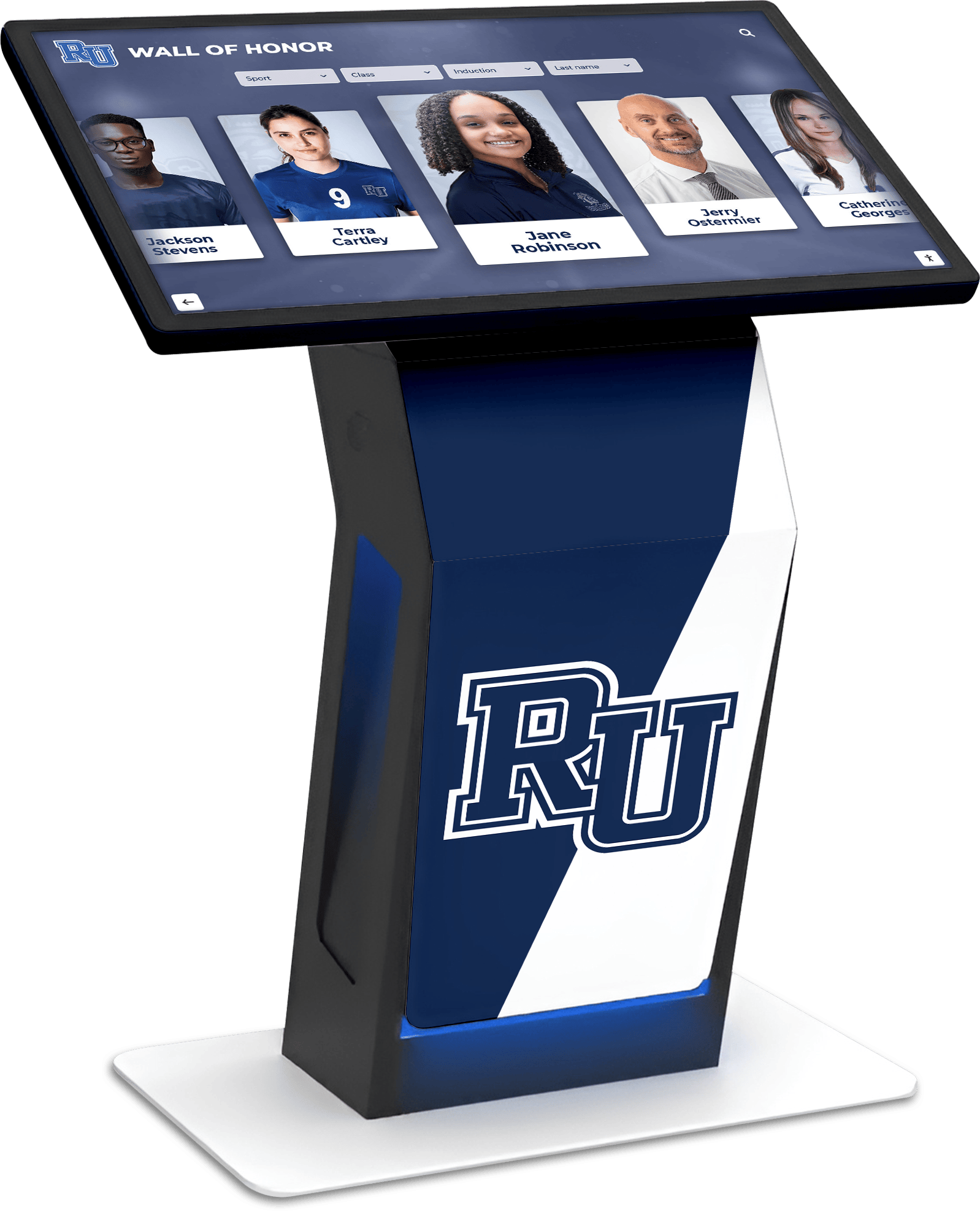
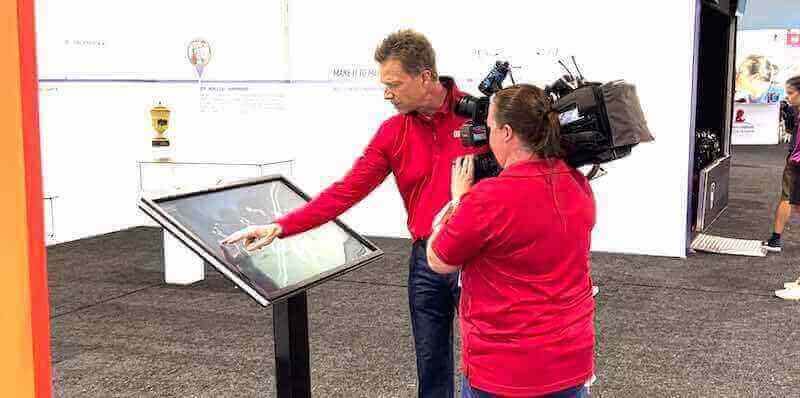
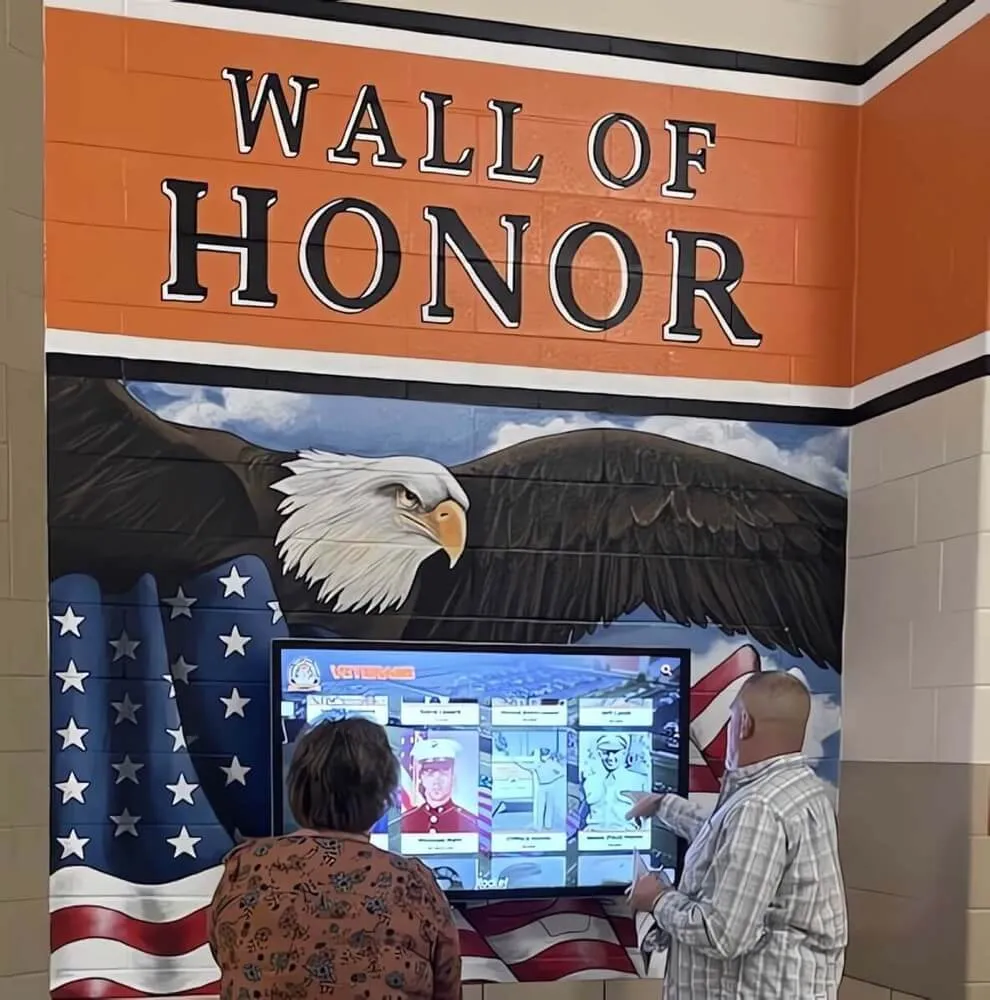
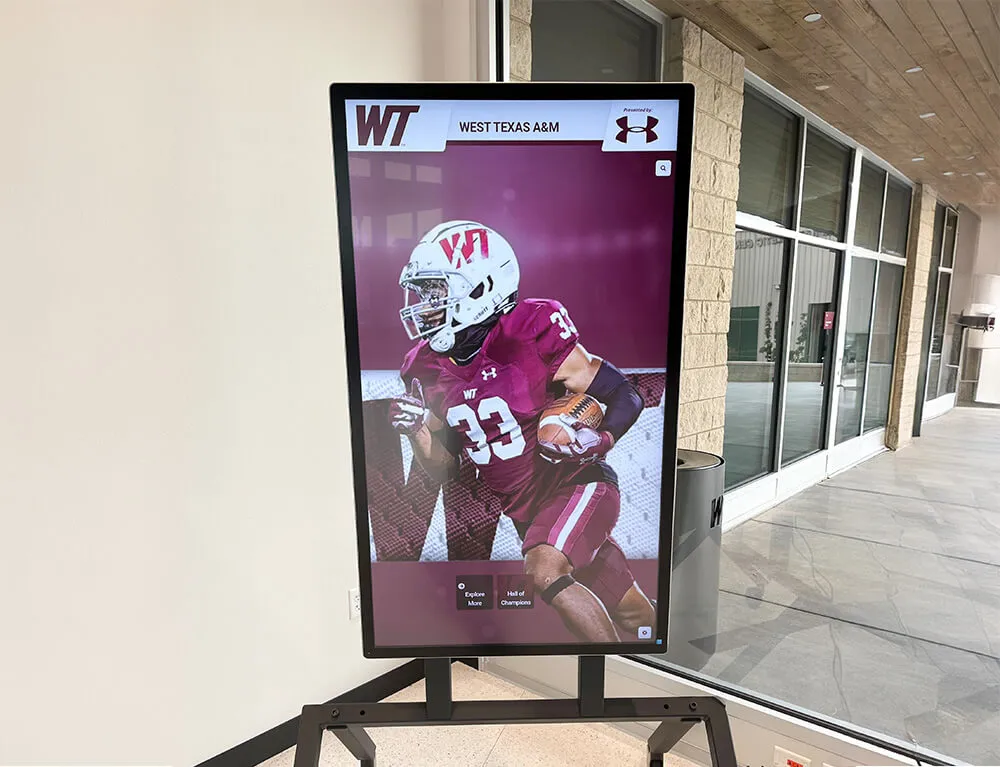
Professional kiosk installations provide stable, accessible platforms for student interaction while maintaining sophisticated appearance
Operational Efficiency for Housing Staff
Beyond student-facing benefits, interactive displays deliver substantial operational advantages that reduce staff workload while improving communication effectiveness and consistency.
Centralized Content Management Across Properties
Housing departments managing multiple residence halls benefit from centralized platforms enabling:
- Single login managing content across entire residential portfolio
- Building-specific content targeting information to relevant resident populations
- Universal announcements pushing important updates to all locations simultaneously
- Template libraries ensuring consistent branding and messaging across properties
- Role-based permissions allowing building coordinators to manage local content while housing administration maintains oversight
This centralization eliminates redundant effort creating separate materials for each building while ensuring important messages reach all residents regardless of which residence halls staff have time to manually update—dramatically improving consistency and coverage compared to decentralized communication approaches.
Reduced Printing Costs and Physical Material Management
Digital displays eliminate recurring expenses and labor associated with traditional posted materials:
- No design, printing, or reproduction costs for event flyers and announcements
- No staff time required for physical posting and outdated content removal
- No bulletin board maintenance, cleaning, or organization
- No supply costs for tacks, staples, frames, or protective sleeves
- Reduced environmental impact from eliminating thousands of printed pages annually
Institutions implementing comprehensive digital display networks consistently report $10,000-25,000 annual savings per building in eliminated printing costs alone—providing tangible return on display investment through operational efficiency improvements independent of community and engagement benefits.
Analytics Demonstrating Engagement and Program Impact
Quality display platforms provide usage analytics quantifying engagement that helps housing departments understand content effectiveness and demonstrate program value to institutional stakeholders:
- Total interaction sessions showing display usage frequency
- Content view metrics revealing which information receives most attention
- Peak usage times informing optimal scheduling for important announcements
- Search query analysis showing what information residents seek
- Event registration conversions tracking promotion effectiveness
This data-driven insight enables continuous improvement targeting content strategies to actual resident behavior patterns while providing concrete evidence of display value that justifies ongoing technology investment and potential expansion.
Experience Layout: Designing Effective Residence Hall Displays
Creating interactive displays that genuinely serve residence hall needs requires systematic design approaches balancing multiple objectives within limited screen space while maintaining intuitive usability for diverse student populations.
Layout Blueprint for Residence Hall Applications
Well-designed residence hall displays organize content into functional zones serving specific communication and engagement purposes relevant to residential contexts.
Zone 1: Hero Area with Building Identity (Top 15-20%)
The hero zone provides immediate context and community identity through:
- Building name and branding creating immediate place recognition
- Campus institutional logos maintaining university identity connection
- Date and time information orienting residents temporally
- Rotating hero images showcasing recent residence hall events and engaged students
- Welcome message creating inviting, community-focused tone
This prominent branding ensures students immediately recognize displays as belonging to their specific residential communities rather than generic campus information systems—increasing perceived relevance and engagement likelihood.
Zone 2: Emergency Alert Banner (Prominent when active)
Dedicated space for emergency notifications ensuring critical alerts receive maximum visibility:
- Full-width banner across top or full-screen takeover for highest-priority emergencies
- Color-coded by alert severity (red, yellow, blue)
- Clear messaging with specific action instructions
- Automatic priority override interrupting all other content during emergencies
Zone 3: Primary Content Area - Event Calendar & Announcements (Center, 50-60%)
The main display zone presents upcoming events, programs, and important announcements:
- Calendar view showing next 7-14 days of residence hall programming
- Featured event spotlights with images, descriptions, and registration options
- Important announcements about building maintenance, policy reminders, or upcoming deadlines
- Category filtering (social, academic, wellness, cultural programs)
- Search functionality enabling residents to find specific information quickly
Zone 4: Community Recognition & Engagement (Side Panel or Rotation, 20-25%)
Dedicated space celebrating resident achievements and involvement:
- Resident spotlights featuring community members and their accomplishments
- Participation recognition for event attendees and program contributors
- Competition leaderboards for residence hall challenges and tournaments
- Community milestone celebrations (attendance records, service hours, fundraising totals)
Zone 5: Building Information & Resources (Footer or Navigation, 10-15%)
Persistent access to essential building information and campus resources:
- Building amenities directory (study lounges, laundry, recreation spaces)
- Campus service quick links (dining, health, counseling, academic support)
- Emergency contacts and resource directories
- QR codes linking to mobile-optimized resources and housing portals
- Social media feeds showing residence hall Instagram or Twitter content
Guidance on designing touchscreen experiences provides detailed frameworks for creating intuitive interfaces that maximize usability and engagement.
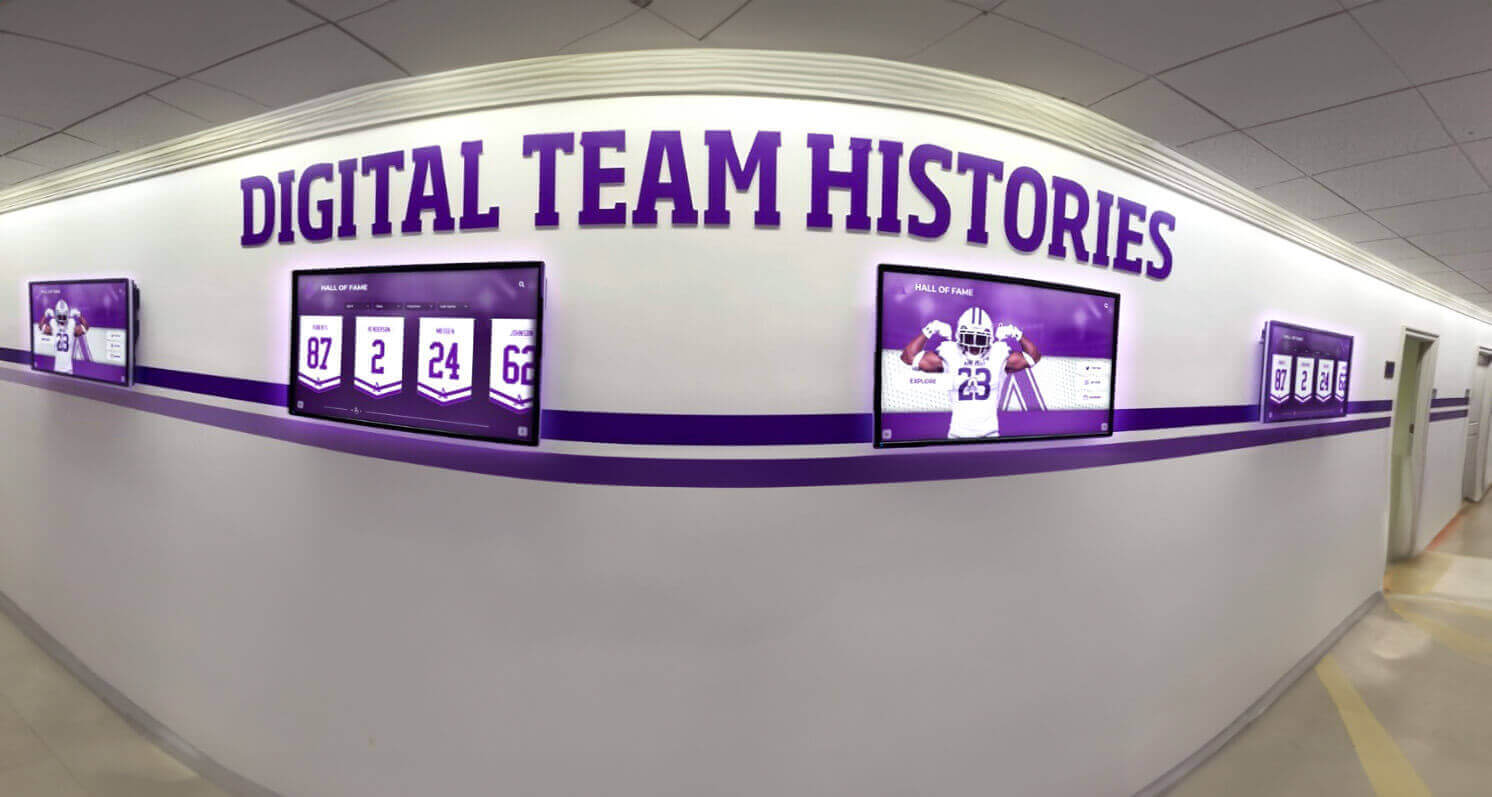
Coordinated multi-display networks create comprehensive information environments covering diverse content categories
Content Blocks and Interactive Features
Beyond static layout, interactive elements enhance utility and engagement through features specifically valuable for residential contexts.
Attraction Loop for Unattended Display
When not actively used, displays should run engaging attraction content:
- Rotating event highlights showcasing upcoming programs with compelling imagery
- Recent event photography showing engaged students at activities
- Resident testimonials about community involvement and residential experience
- Building achievement statistics and community impact metrics
- Clear touch prompts encouraging interaction and exploration
Interactive Event Discovery and Registration
Enable residents to explore programming that matches their interests:
- Filterable event calendar by category, date, or building
- Detailed event pages with descriptions, photos from previous programs, and participant testimonials
- One-touch registration directly from display interface
- QR codes for instant calendar adds or sharing events with friends
- Related event recommendations based on category or past participation
Resident Directory and Community Connections
Help students discover neighbors and build connections (with appropriate privacy controls):
- Opt-in resident directory with basic profiles and contact preferences
- Interest-based connections showing residents with shared hobbies or majors
- Floor and building community rosters (names only, without detailed personal information)
- Resident assistant contact information and office hours
- Community council members and leadership contacts
Building Services and Amenity Information
Provide practical information residents need for daily living:
- Laundry room status showing machine availability in real-time
- Study lounge and recreation space availability
- Maintenance request submission options
- Building policies and community standards
- Parking information and permit requirements
Resources on interactive announcements demonstrate approaches for dynamic content delivery that maintains resident engagement throughout academic terms.
Accessibility and Inclusive Design Considerations
Residence hall displays must serve diverse student populations including those with disabilities, international students, and residents with varying technical comfort levels.
ADA WCAG 2.1 AA Compliance Standards
- Text contrast ratios minimum 4.5:1 for body text, 3:1 for large text and UI elements
- Touch targets minimum 44x44 pixels with adequate spacing preventing accidental activation
- Font sizes supporting readability from 3-6 feet viewing distances (minimum 18pt for body text)
- Alternative text for images when screen reader compatibility enabled
- Closed captions for any video content
Physical Accessibility Requirements
- Display mounting height placing primary interactive areas 15-48 inches above floor for wheelchair accessibility
- Kiosk designs providing knee and toe clearance when floor-standing units used
- Sufficient clear floor space around displays enabling wheelchair approach and maneuvering
- Volume controls for audio content respecting quiet lobby environments
- Optional high-contrast modes for residents with visual impairments
Multilingual Support for International Students
Many residence halls house diverse international student populations requiring communication in multiple languages:
- Prominent language selection enabling interface translation
- Complete content translation for navigation, announcements, and resources
- Culturally appropriate imagery and examples respecting diverse backgrounds
- Language-specific emergency contact information and resource directories
Approaches to designing interactive campus systems provide comprehensive accessibility frameworks ensuring displays serve all residential populations effectively.
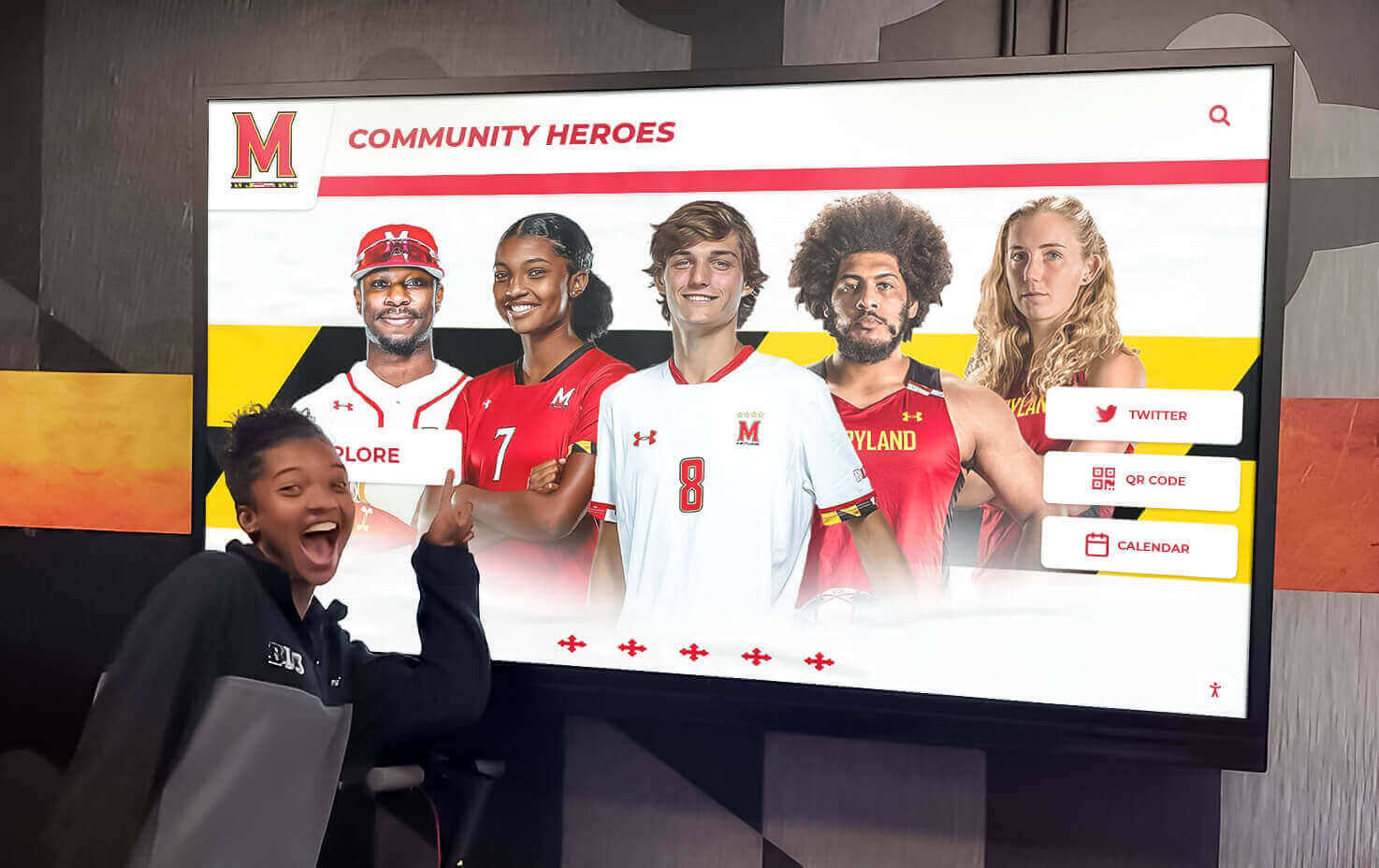
Recognition displays celebrating resident achievements create pride and motivation for continued community involvement
Essential Content Categories for Residence Hall Displays
Effective residence hall displays balance multiple content types serving diverse communication needs while maintaining clear organization that enables residents to quickly find relevant information.
Event Promotion and Community Programming
Residence hall programming provides critical opportunities for student engagement, social connection, and community development—but only when residents actually know about events and choose to attend.
Comprehensive Event Calendar Presentation
Effective event content includes:
- Date, time, and location clearly displayed for all upcoming programs
- Event categories (social, academic, wellness, cultural) enabling interest-based discovery
- Visual event promotion with photography from similar past programs
- Registration or RSVP options when attendance tracking desired
- Event capacity indicators showing availability for limited-space programs
- Recurring program schedules (weekly study hours, monthly town halls)
Featured Program Spotlights
Highlight high-priority events requiring maximum visibility:
- Large format featured event cards with compelling imagery
- Detailed descriptions explaining program value and expected experience
- Testimonials from past participants building credibility and interest
- QR codes enabling instant registration or calendar adds
- Countdown timers creating urgency for upcoming programs
Post-Event Recaps and Participation Recognition
Celebrate successful programs building momentum for future events:
- Event photography galleries showing engaged attendees
- Participation statistics (attendance numbers, milestone achievements)
- Attendee recognition listing participants or group photos
- Impact metrics (funds raised, service hours contributed, community connections made)
- Upcoming related programs maintaining engagement continuity
Research consistently demonstrates that visible promotion increases event attendance by 30-60 percent compared to minimal publicity—making strategic display use essential for maximizing return on residential programming investment.
Safety Information and Emergency Resources
Ongoing safety education and emergency resource visibility support both proactive risk reduction and effective response during actual incidents.
Fire Safety and Building Evacuation
- Floor plan diagrams showing evacuation routes from all building areas
- Emergency exit locations and assembly point designations
- Fire alarm response procedures (evacuate immediately, don’t use elevators, check doors)
- Prohibited items (candles, cooking appliances, extension cords without surge protection)
- Smoke detector testing reminders and battery replacement procedures
Weather Preparedness and Shelter Information
- Severe weather protocols for tornados, hurricanes, or winter storms relevant to geographic regions
- Shelter locations and routes from residence halls to campus safe spaces
- Notification systems students should monitor during weather threats
- Preparation recommendations (emergency supplies, charged devices, weather apps)
Personal Safety and Security Resources
- Campus police contact information and emergency call box locations
- Safety escort services for evening travel across campus
- Bicycle and property registration programs preventing and recovering from theft
- Door security reminders (lock when leaving, don’t prop entrance doors)
- Anonymous reporting options for suspicious activity or safety concerns
Mental Health and Wellness Support
- Counseling center contact information and hours
- Crisis hotline numbers for immediate mental health support
- Campus wellness resources and support groups
- Stress management and self-care education
- How to help friends showing distress or concerning behavior
Frameworks for digital tools bringing information to life demonstrate approaches for making safety content engaging rather than merely compliance-driven messaging that residents ignore.
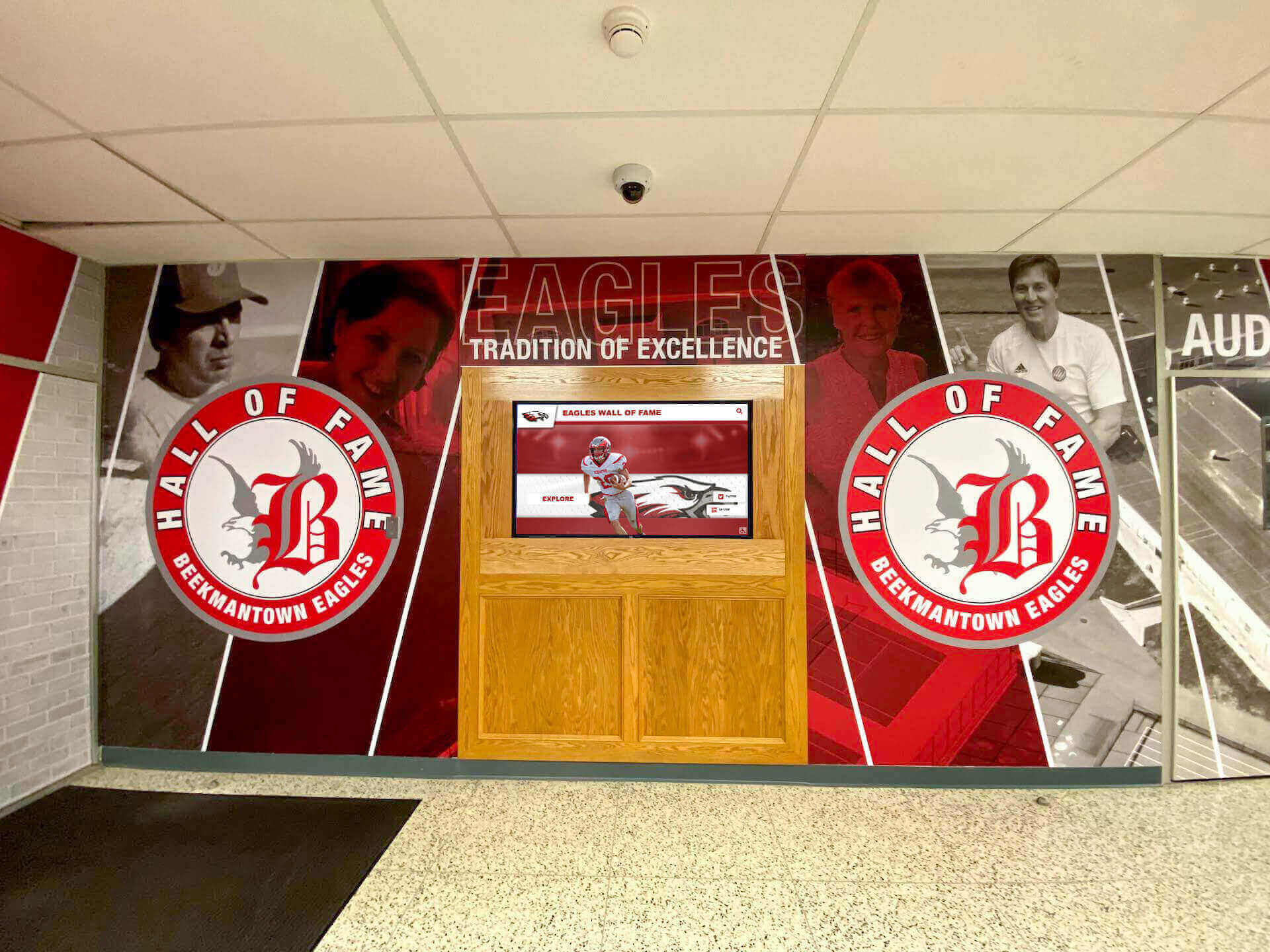
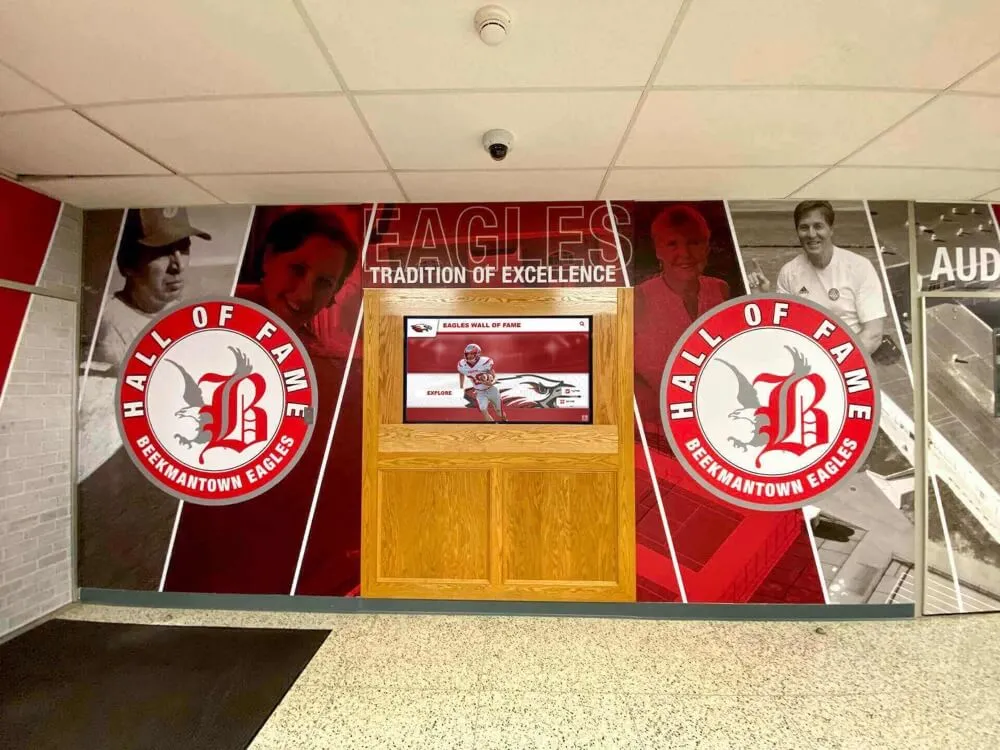
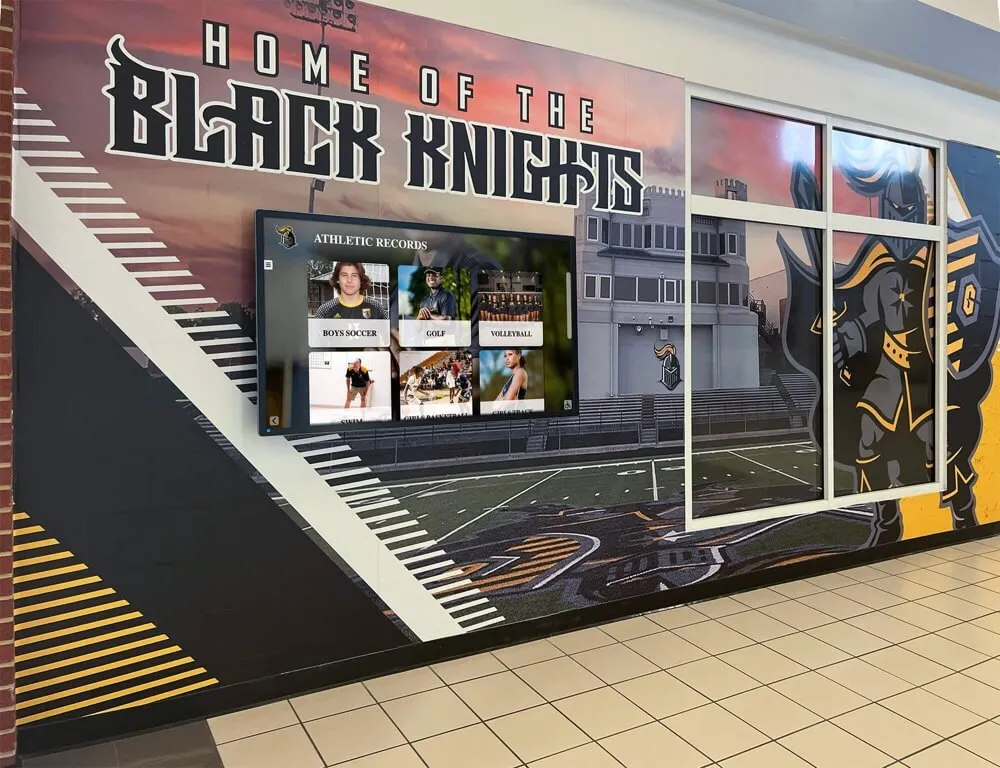
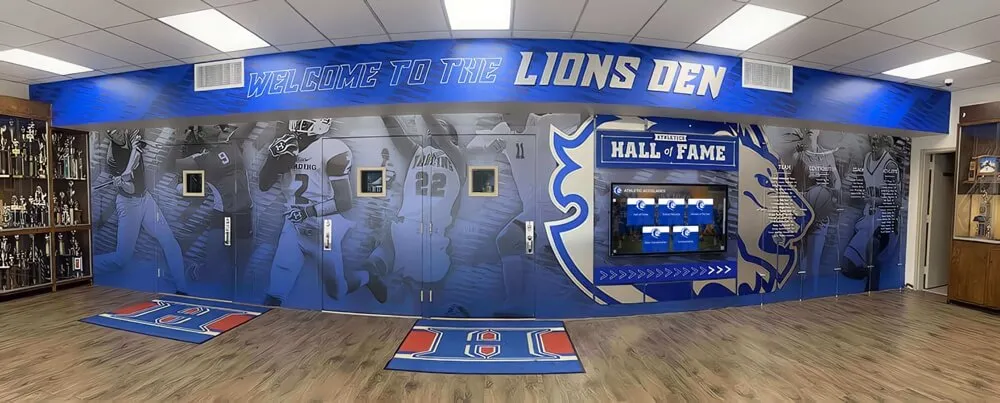
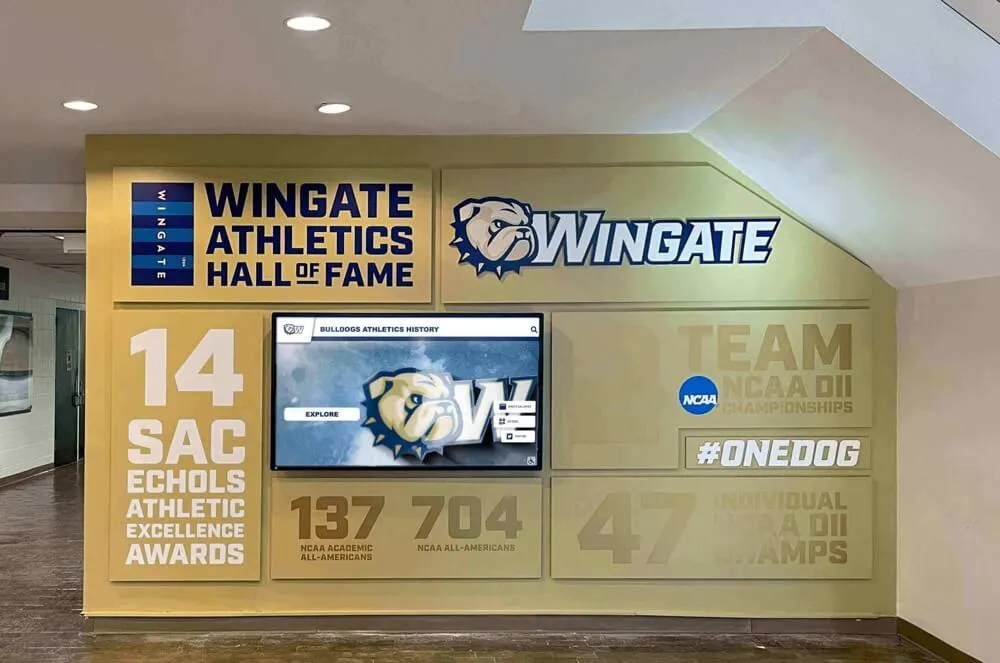
Integrated installations combining digital displays with traditional architectural elements create comprehensive communication environments
Building Services and Residential Living Information
Practical information supporting daily residential life reduces resident frustration while decreasing routine inquiries that consume residence life staff time.
Facility Amenities and Availability
- Study lounge locations and hours with occupancy indicators when smart building systems available
- Recreation spaces including fitness rooms, game rooms, and outdoor facilities
- Kitchen and cooking facilities with equipment inventories and usage policies
- Laundry facilities with real-time machine availability through integrated monitoring systems
- Conference and event spaces available for student group reservations
Building Policies and Community Standards
- Quiet hours and noise policies balancing study needs with social activities
- Guest and visitation policies including overnight guest procedures
- Alcohol and substance policies clearly communicating institutional expectations
- Community living standards and behavioral expectations
- Consequences for policy violations and conduct processes
Maintenance and Facilities Updates
- Scheduled building maintenance with affected areas and anticipated impacts
- Ongoing renovation projects with timelines and expected completion
- Temporary facility closures for repairs or inspections
- Utility interruptions (water, power, HVAC) with alternative resources
- Maintenance request submission procedures and typical response times
Dining and Meal Plan Information
- Nearby dining hall locations and operating hours
- Weekly menu previews with dietary accommodation options highlighted
- Meal plan balance checking and flex dollar availability
- Dining special events and themed meals
- Alternative late-night and weekend dining options
Community Recognition and Student Spotlight
Celebrating resident achievements and involvement creates cultures where excellence receives visibility and appreciation—motivating ongoing engagement while building community pride.
Academic Excellence Recognition
- Dean’s list students each semester
- Academic scholarship recipients
- Honor society inductees and academic awards
- Research presentation and publication recognition
- Graduation and completion celebrations
Leadership and Service Acknowledgment
- Resident assistant and community council spotlights
- Program planning committee members and volunteers
- Community service hours and project participation
- Student organization leadership roles
- Campus-wide leadership award recipients
Participation and Engagement Celebration
- Event attendance milestones (most programs attended, longest participation streaks)
- Program volunteer recognition showing contribution hours
- Community challenge participants and competition teams
- Social media contest winners and creative challenge submissions
Talent and Accomplishment Showcase
- Athletic team members and competition results
- Performing arts participation in music, theatre, or dance programs
- Creative work including art, writing, photography, or multimedia production
- Entrepreneurship and innovation project participants
- Cultural heritage celebrations and identity group programs
Approaches to recognizing academic achievement provide frameworks for systematic recognition programs that celebrate excellence across dimensions supporting holistic student development.
Strategic Implementation for Maximum Impact
Technology selection and content development represent only part of successful implementation—strategic planning ensures displays effectively serve residential communities while delivering returns justifying investment.
Optimal Placement for Maximum Visibility and Utility
Display location fundamentally determines usage and impact regardless of hardware quality or content excellence.
Primary Residence Hall Entrances
The most critical display locations include:
- Main building entrances where all residents pass multiple times daily
- Lobby areas near mailboxes creating natural stopping points
- Elevator banks where residents wait with time for content consumption
- Main staircases in buildings where stairs serve as primary vertical circulation
These high-traffic positions ensure every resident encounters displays repeatedly throughout weeks—maximizing exposure to event promotion, safety information, and community content regardless of individual engagement initiative.
Common Areas and Social Spaces
Secondary display locations extend reach beyond primary circulation:
- Study lounges where students spend extended time
- Recreation and game rooms serving as social gathering spaces
- Laundry facilities providing captive audiences during wait times
- Dining facilities and building cafeterias serving residents
- Outdoor courtyards and patio entrances during pleasant weather
Floor-Specific Micro-Communities
In very large residence halls, floor-level displays create smaller community identities:
- Floor lounge areas or kitchenettes
- End-of-hallway locations visible to entire floor populations
- Bathroom entrance areas in buildings with communal facilities
- Stairwell landings in buildings where students use stairs frequently
This distributed approach balances campus-wide announcements with hyper-local floor-specific content building stronger micro-communities within larger residential populations—particularly important in buildings housing 500+ students where building-wide identity becomes diluted without intentional floor-level community development.
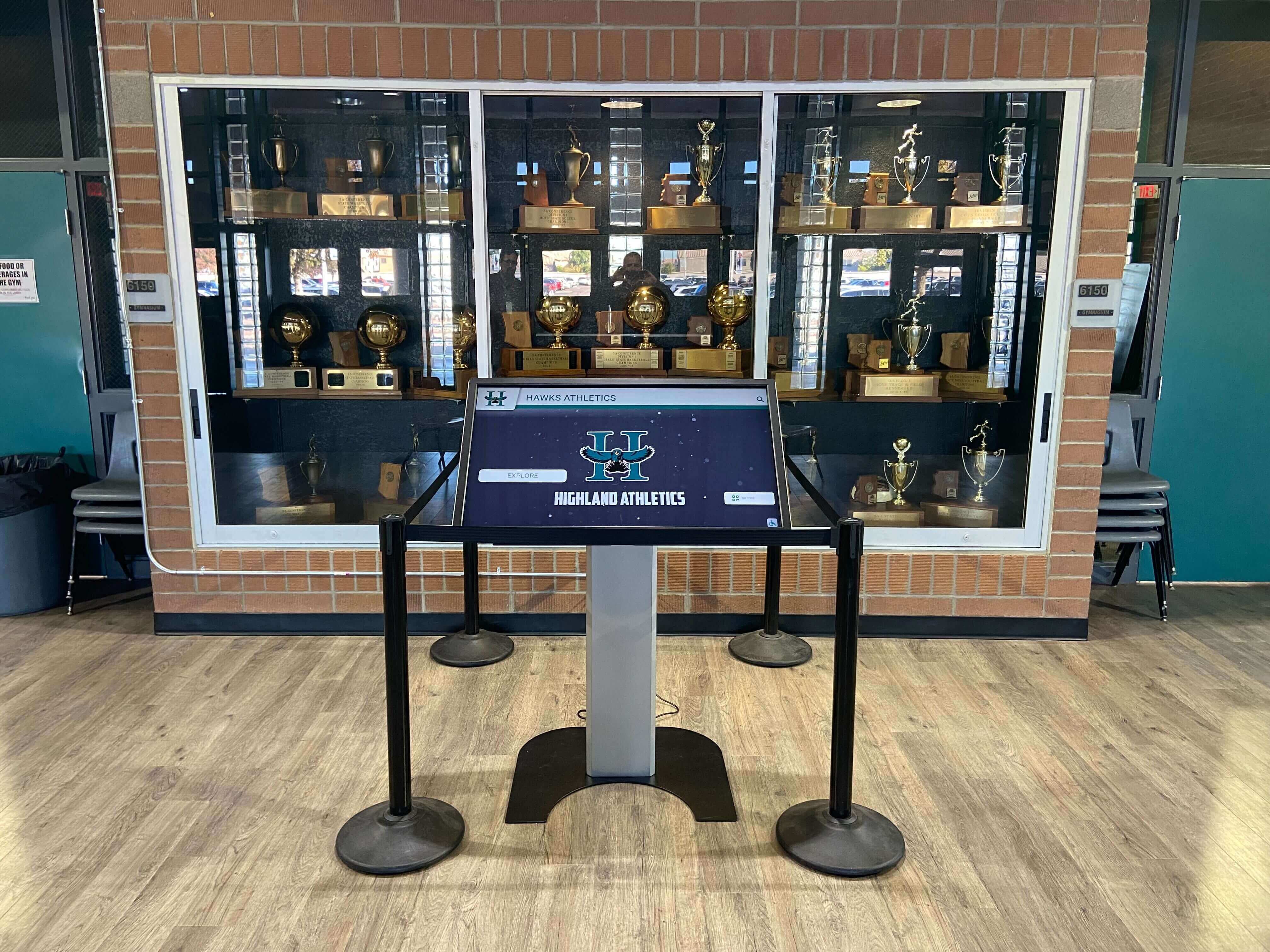
Freestanding kiosk installations provide flexibility for lobby placements without architectural modification requirements
Content Development and Management Workflows
Display value depends entirely on quality content that residents find relevant, useful, and engaging—requiring systematic workflows ensuring consistent updates throughout academic years.
Establishing Content Governance and Responsibilities
Successful long-term display management requires clear organizational structure:
- Assign primary content manager (typically residence life coordinator or communications specialist)
- Distribute category responsibilities across residence life team (events coordinator updates programming, resident director manages community recognition, facilities staff update maintenance notices)
- Establish approval workflows for sensitive content requiring administrative review
- Create emergency override protocols enabling immediate alert posting
- Document procedures supporting continuity during staff transitions
Content Creation Resources and Templates
Reduce content development burden through systematic resources:
- Template libraries for common announcement types (event promotions, policy reminders, facility notices)
- Brand guidelines ensuring consistent visual presentation matching institutional identity
- Image repositories with approved photography and graphics
- Content calendars planning seasonal themes and scheduled rotations
- Style guides for writing tone, language, and messaging consistency
Update Schedules and Refresh Cadence
Maintain currency preventing stale content through systematic reviews:
- Daily updates for event calendars and time-sensitive announcements
- Weekly refreshes for featured content and community recognition
- Monthly reviews removing outdated information and adding new resources
- Semester overhauls updating all static content for new academic terms
- Annual comprehensive audits verifying all information remains accurate and relevant
Platforms like Rocket Alumni Solutions provide centralized management enabling housing staff to update content in minutes from any device—eliminating technical barriers that prevent frequent updates when platforms require specialized skills or physical display access.
Integration with Broader Campus Communication Systems
Maximum display value requires coordination with existing campus communication infrastructure rather than creating isolated information silos.
Emergency Notification System Integration
Connect displays with campus-wide alert systems:
- Automatic alert distribution from campus police or emergency management
- Priority override ensuring emergency content takes precedence over all other display content
- Coordinated messaging matching alerts sent via email, text, and outdoor sirens
- Manual override capability for housing staff to add building-specific emergency information
- Automatic restoration of normal content when emergency situations resolve
Event Management Platform Synchronization
Eliminate duplicate data entry through calendar integration:
- Automatic event imports from campus event management systems (EMS, 25Live, etc.)
- Selective filtering showing only residence hall-relevant programming
- Bi-directional updates reflecting changes made in either system
- Registration integration enabling signups directly from display interfaces
- Attendance tracking feeding back participation data to source systems
Mobile App and Web Portal Coordination
Extend display content beyond physical installations:
- Mobile-responsive web versions of display content accessible from student smartphones
- Push notifications alerting residents about new important announcements
- Personal calendar integration allowing students to add residence hall events to Google or Apple calendars
- Social media cross-posting sharing display content through Instagram and Twitter accounts
- QR codes on physical displays linking to detailed mobile-optimized resources
This multi-channel integration ensures residents encounter consistent messaging across all platforms while enabling them to access information through whatever channels best match their personal habits and preferences—dramatically increasing effective communication reach compared to display-only approaches.
Measuring Display Impact and Demonstrating Value
Establishing metrics connecting display implementation to concrete outcomes helps justify technology investment while supporting continuous improvement ensuring systems evolve to serve changing needs effectively.
Direct Usage Analytics and Engagement Metrics
Quality display platforms provide comprehensive analytics quantifying usage patterns that demonstrate value to institutional stakeholders.
Quantifiable Engagement Data
Critical metrics include:
- Total interaction sessions showing display usage frequency across days/weeks
- Average session duration indicating depth of content engagement
- Most-viewed content revealing what information residents prioritize
- Search queries showing what additional information residents seek
- Peak usage times informing when to launch important announcements
- Repeat usage tracking residents who regularly reference displays
Analysis reveals content effectiveness, optimal posting times, and which information delivers most resident value—enabling data-driven decisions about display investment and content strategy rather than relying on assumptions about what residents want.
Comparative Performance Across Buildings
Institutions managing multiple residence halls can benchmark performance:
- Usage rate variations by building suggesting display placement or content optimization opportunities
- Engagement differences between first-year and upper-class halls informing content customization
- Seasonal patterns showing usage fluctuations throughout academic terms
- Content type preferences revealing what information different residential populations prioritize
Residential Outcomes and Program Impact Assessment
Beyond direct usage metrics, assess whether displays contribute to broader residential life and student success objectives that justify investment.
Event Attendance and Program Participation
The most direct outcome measurement involves event attendance:
- Compare attendance rates for events promoted through displays versus other channels only
- Track attendance growth after display implementation in buildings versus control buildings without displays
- Survey attendees about how they learned about programs measuring display influence
- Analyze participation rates for programs receiving featured display promotion versus calendar-only listing
Research on campus involvement consistently demonstrates that visibility drives participation—institutions implementing strategic display networks commonly report 25-40 percent attendance increases for residence hall programming, generating substantial returns on programming investment by ensuring events reach critical participation thresholds.
Community Development and Resident Satisfaction
Broader community outcomes measured through surveys and qualitative assessment:
- Resident satisfaction scores related to community, belonging, and engagement
- Sense of community measures comparing halls with and without display systems
- Awareness of residence hall resources and services
- Perception of housing department communication effectiveness
- Net promoter scores indicating likelihood residents would recommend on-campus housing
Retention and Academic Success Correlations
While many factors influence retention and success, institutions implementing comprehensive residential experience improvements including interactive displays often observe:
- Retention rate improvements as residential satisfaction increases
- Academic performance correlations with students in residence halls emphasizing community
- Mental health and wellness indicators improving with stronger community connections
While displays alone don’t drive these outcomes, they contribute to comprehensive residential excellence strategies that collectively support student success—making them valuable investments in institutional retention priorities.
Resources on implementing digital recognition effectively provide measurement frameworks applicable across recognition and communication applications including residence hall displays.
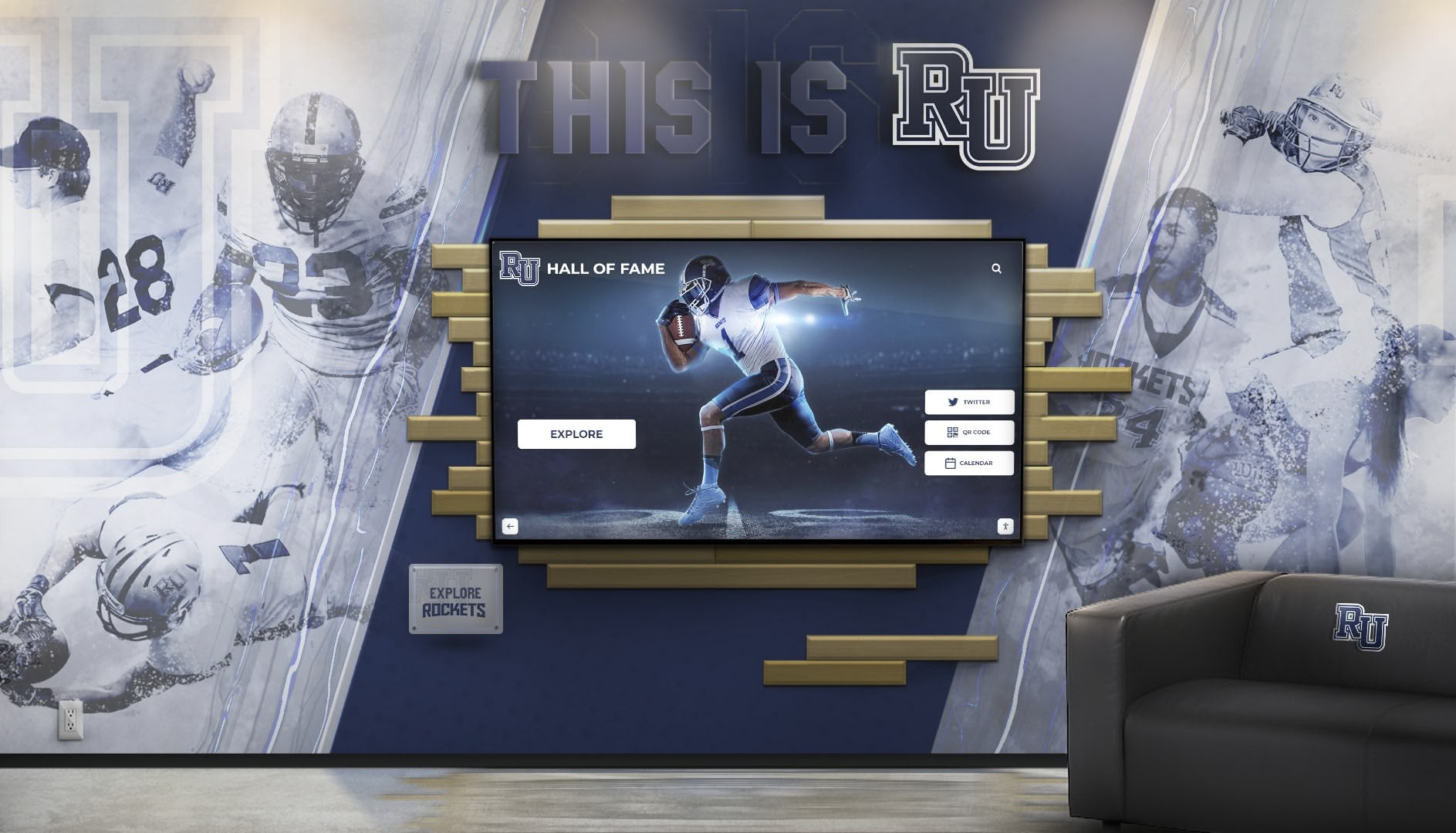
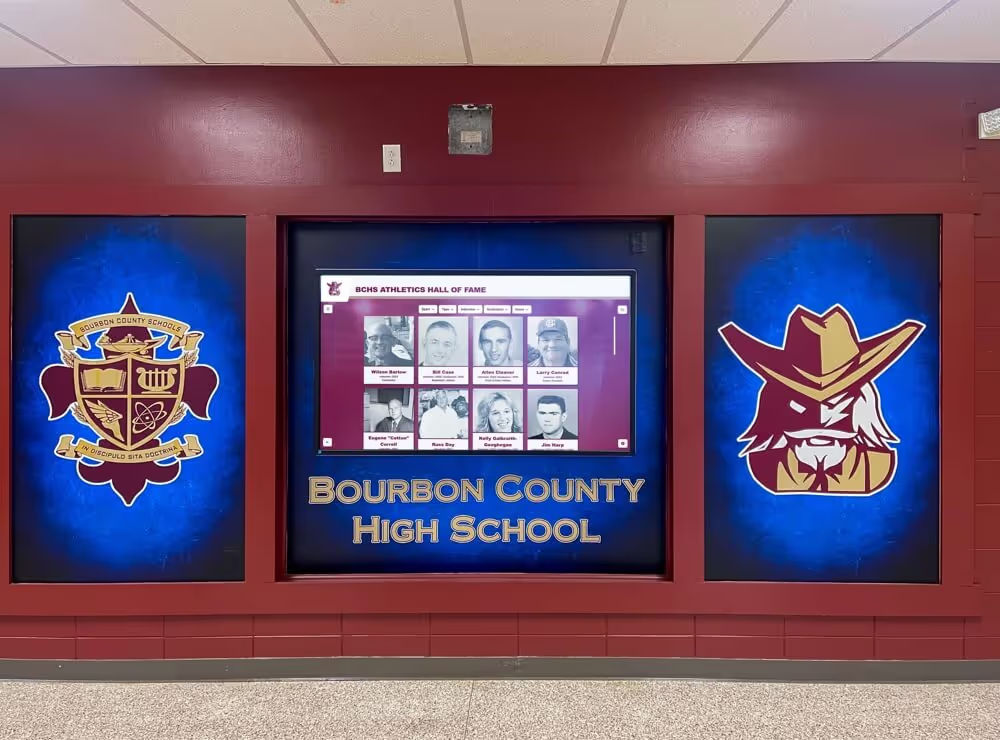
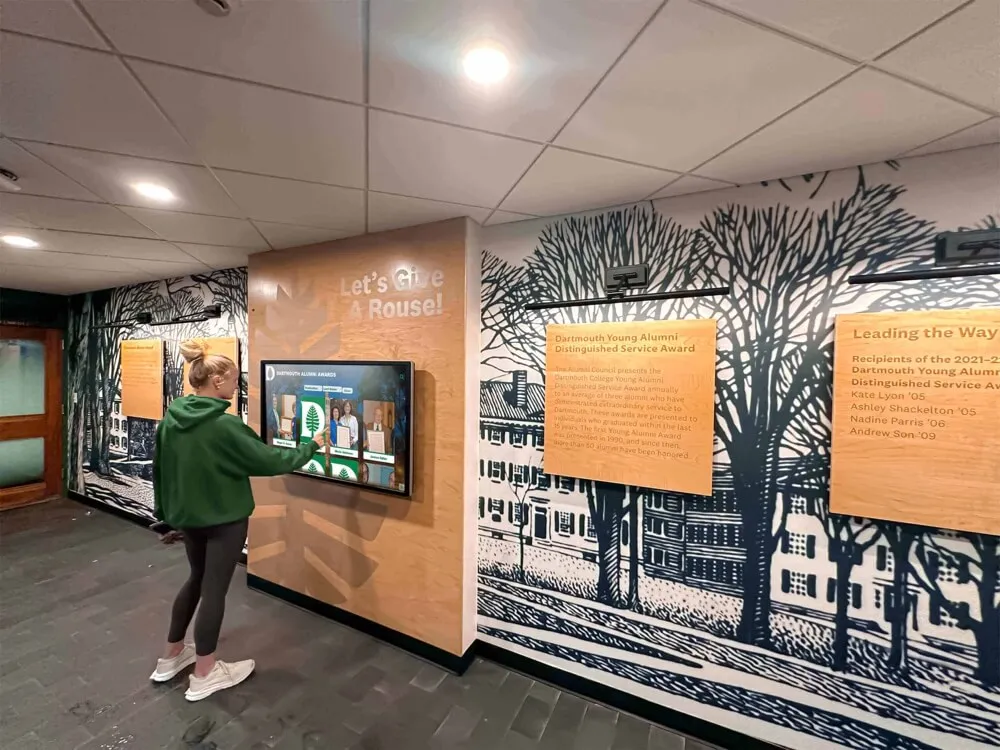
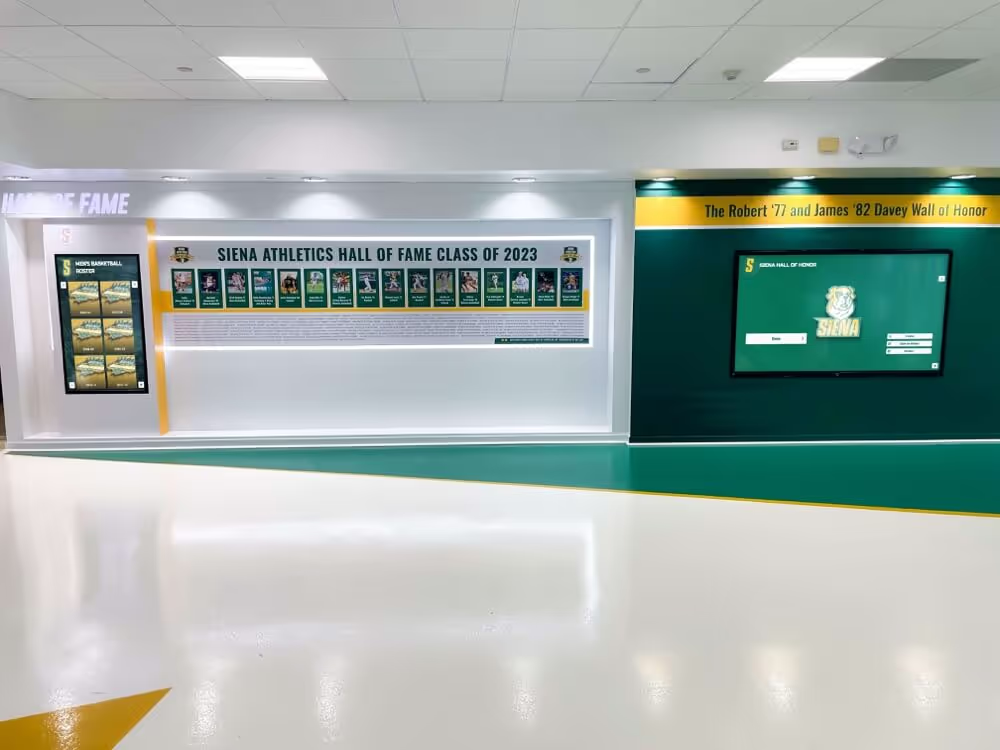
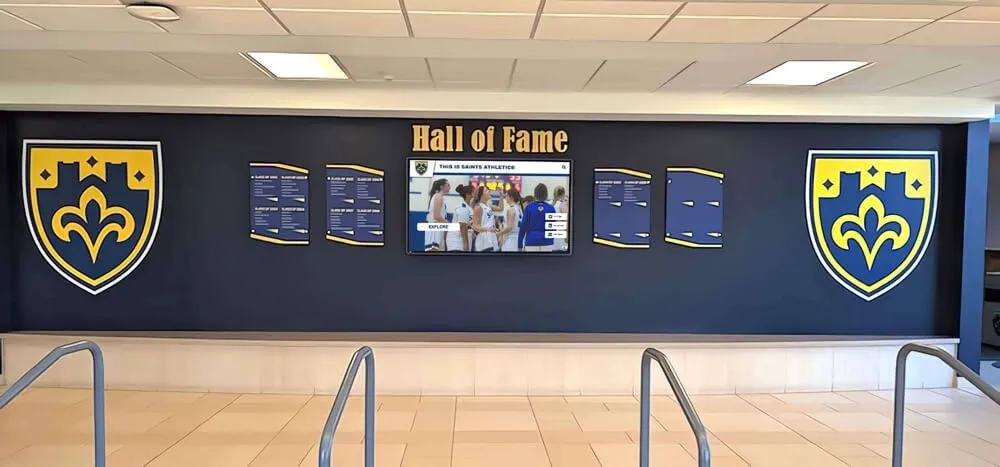
Blending interactive displays with traditional recognition creates comprehensive environments celebrating achievement and community
Overcoming Common Implementation Challenges
While benefits substantially outweigh difficulties, housing departments should anticipate and proactively address common challenges complicating display implementation and adoption.
Budget Constraints and Funding Strategies
Comprehensive residence hall display networks require substantial initial investment—typically $8,000-15,000 per display installation including hardware, software, installation, and first-year licensing—amounts that may exceed available housing technology budgets.
Alternative Funding Approaches
Housing departments facing resource constraints can pursue several strategies:
- Phased implementation starting with flagship residence halls demonstrating value before expansion
- Technology fee allocation if campus has student technology fees that can fund residential technology
- Donor funding from alumni who lived in specific residence halls and want to give back
- Housing rate increases when modest increases generate sufficient revenue for technology investments benefiting all residents
- Vendor partnerships where display companies provide reduced pricing in exchange for serving as showcase installations
- Capital improvement budgets treating displays as permanent infrastructure rather than annual operating expenses
The key involves demonstrating that display investment delivers measurable returns through improved retention, enhanced satisfaction, and operational efficiencies that generate value exceeding technology costs—positioning systems as strategic infrastructure supporting core housing mission rather than optional technology competing with other priorities.
Technical Support and IT Coordination
Display systems require network connectivity, content management platforms, and occasional technical support—necessitating coordination with campus IT departments that may have competing priorities and limited capacity.
Successful IT Partnership Strategies
Housing departments successfully navigating IT coordination typically:
- Involve IT leadership early in planning processes building buy-in before purchase commitments
- Select cloud-based platforms minimizing local infrastructure requirements and IT maintenance burden
- Identify specific IT support needs and resource commitments upfront
- Establish clear vendor versus internal IT responsibilities preventing confusion
- Create realistic implementation timelines accounting for IT capacity constraints
- Document integration requirements with existing systems (emergency alerts, event calendars)
Quality vendors like Rocket Alumni Solutions understand that higher education IT environments differ from corporate settings, offering purpose-built solutions specifically designed for educational applications with appropriate security, accessibility, and integration capabilities that minimize IT burden while meeting institutional requirements.
Student Privacy and Information Security
Residence hall displays must balance community building through information sharing against student privacy rights and data security requirements—particularly when featuring resident profiles, participation recognition, or personal information.
Privacy-Protective Content Strategies
Maintain legal and ethical privacy standards through:
- Opt-in models for resident directory listings and personal profile content
- Limited personal information display (names and photos only, not contact information)
- Privacy policy transparency explaining what information appears publicly
- Easy opt-out mechanisms allowing residents to remove personal content
- Compliance with FERPA regulations protecting student education records
- Security protocols preventing unauthorized access to display management systems
Balance privacy protection with community building by focusing on collective rather than individual information when privacy concerns exist—showing event attendance numbers and general participation rather than named attendee lists, for example.
Maintaining Student Engagement Over Time
Initial display launches often generate significant student interest that gradually diminishes as novelty fades—requiring intentional strategies maintaining long-term engagement.
Sustained Engagement Strategies
Keep residents actively using displays throughout academic years:
- Regular content refreshes preventing visual stagnation
- Interactive features encouraging active engagement rather than passive viewing
- Contests and challenges leveraging displays (scavenger hunts requiring display interaction, photo contests showcasing resident submissions)
- Resident-generated content creating personal investment and ownership
- Continuous feature additions maintaining novelty and discovery
- Integration with popular events and traditions connecting displays to valued residential experiences
The most sustainable engagement comes from displays delivering genuine daily utility—when residents know displays provide reliable information they actually need, usage remains high because residents reference displays as practical resources rather than optional entertainment consuming limited attention.
Advanced Applications Beyond Basic Communication
While event promotion and announcements represent primary display functions, sophisticated implementations extend capabilities to serve additional residential objectives multiplying investment returns.
Digital Student Art Gallery and Creative Showcase
Transform displays into rotating galleries celebrating resident creativity:
- Photography exhibitions from student photographers
- Digital art and graphic design portfolios
- Music and audio production samples with QR codes linking to full works
- Writing and poetry showcases featuring resident authors
- Video production highlights from film and media students
This creative showcase provides visibility for resident talent while creating engaging content more interesting than institutional announcements—building community pride in resident accomplishments while motivating creative involvement.
Campus Service Integration and Transactional Capabilities
Enable practical transactions and service access directly from displays:
- Maintenance request submission for room repairs or building issues
- Dining hall menu browsing with nutritional information and allergen warnings
- Campus shuttle tracking showing real-time bus locations and arrival estimates
- Library resource search with availability checking and mobile account access
- Gym equipment and court reservations for recreational facilities
This transactional utility transforms displays from passive information sources into active service portals residents use regularly for practical needs—dramatically increasing usage frequency while delivering tangible convenience benefits.
Peer-to-Peer Marketplace and Community Board
Create digital community boards connecting residents with mutual needs:
- Textbook exchange boards reducing textbook costs through peer-to-peer sales
- Ride sharing coordination connecting residents traveling to common destinations
- Item lending and sharing reducing duplicate purchases of rarely-used items
- Study group formation enabling students in common courses to connect
- Subletting and summer housing arrangements facilitating off-term needs
These peer-to-peer functions build community connections around practical needs while providing genuine value residents seek—creating organic display usage that doesn’t require promotion or encouragement because students naturally reference displays when pursuing self-interest.
Approaches to community showcase projects demonstrate frameworks for resident-generated content that builds ownership and sustained engagement with display systems.
Conclusion: Creating Connected Residence Hall Communities Through Interactive Technology
College residence hall informational interactive displays represent strategic investments in student communication, community development, and residential excellence that deliver measurable returns far exceeding technology costs. When housing departments systematically deploy thoughtfully designed display networks throughout residential facilities, they transform communication from ineffective bulletin boards students ignore into dynamic information hubs that genuinely inform, engage, and connect residential populations supporting both individual success and vibrant community development.
The design frameworks and implementation strategies explored in this guide provide comprehensive blueprints for creating residence hall displays that effectively serve communication needs while supporting broader institutional objectives for retention, satisfaction, and student success. From dynamic event promotion capturing attention to emergency communication ensuring safety to community recognition building cultures of excellence, modern interactive platforms deliver interconnected benefits that multiply investment value while positioning housing departments as student-centered organizations committed to residential experience excellence.
Transform Your Residence Hall Communication
Discover how purpose-built interactive display solutions create vibrant residential communities while streamlining communication through modern touchscreen technology designed specifically for student housing environments.
Schedule Your Design ConsultationImplementation success requires moving beyond assumptions that traditional bulletin boards adequately serve digital-native student populations with fundamentally different communication expectations and information consumption habits than previous generations. Today’s residents—smartphone-dependent, social media-fluent, expecting on-demand information access—deserve modern communication technology meeting contemporary user experience standards while demonstrating institutional investment in their residential experience.
Start where you are with display installations in highest-impact buildings demonstrating concept and value, then systematically expand to create comprehensive networks your residential communities deserve. Every missed event announcement, every resident who never learned about engagement opportunities, every important safety message that never reached students who needed it—these represent missed opportunities for community development, safety enhancement, and residential excellence that strategic display implementation prevents while creating the informed, connected, vibrant residential cultures where students thrive.
Your residents deserve communication systems that genuinely reach them through channels they naturally use and interfaces they intuitively understand. With thoughtful planning, appropriate technology selection, and systematic implementation, you can create display systems that transform residence halls from merely places to sleep into vibrant living-learning communities where students form meaningful connections, discover engagement opportunities, and develop the sense of belonging that research consistently identifies as essential to retention, academic success, and holistic student development.
Ready to explore residence hall display solutions? Learn about interactive displays for campus buildings, discover approaches to digital storytelling, explore comprehensive digital recognition systems, and when you’re ready to discuss your specific residential communication needs, connect with Rocket Alumni Solutions for comprehensive platforms supporting both community building and practical information delivery through integrated touchscreen technology designed specifically for creating the connected residential communities where today’s college students flourish.
Sources: