



College tour directory touchscreen displays represent a transformative investment in campus navigation and visitor experience, fundamentally reshaping how prospective students, families, and guests explore and understand complex university environments. As colleges face intensifying competition for qualified applicants and work to differentiate their institutions in a crowded higher education marketplace, creating seamless, professional, and memorable campus visits has never been more critical to enrollment success.
Yet many institutions continue relying on outdated wayfinding approaches that frustrate visitors and undermine institutional credibility. Prospective families arrive on campus and struggle to locate admissions offices, tour meeting points, or specific academic buildings. Visitors wandering campus during off-hours or between scheduled events lack access to current information about facilities, programs, and campus resources. Traditional static signage becomes outdated the moment building names change or departments relocate, creating confusion that reflects poorly on institutional organization and investment in visitor experience.
This comprehensive guide explores how interactive touchscreen directory systems specifically designed for college campus applications solve these persistent challenges while delivering substantial benefits across admissions recruitment, campus operations, and institutional reputation. From real-time wayfinding and building directories to achievement recognition and program showcasing, you’ll discover practical strategies for leveraging directory touchscreen technology to transform campus tours into engaging experiences that strengthen enrollment while reducing operational demands on admissions staff.
Modern campus directory systems do far more than provide directions—they serve as comprehensive information hubs that guide prospective students through complex decision-making processes while demonstrating institutional sophistication and investment in visitor experience. Colleges implementing strategic touchscreen directory networks report measurable improvements in visitor satisfaction, admissions conversion rates, and operational efficiency that deliver substantial returns on technology investment.

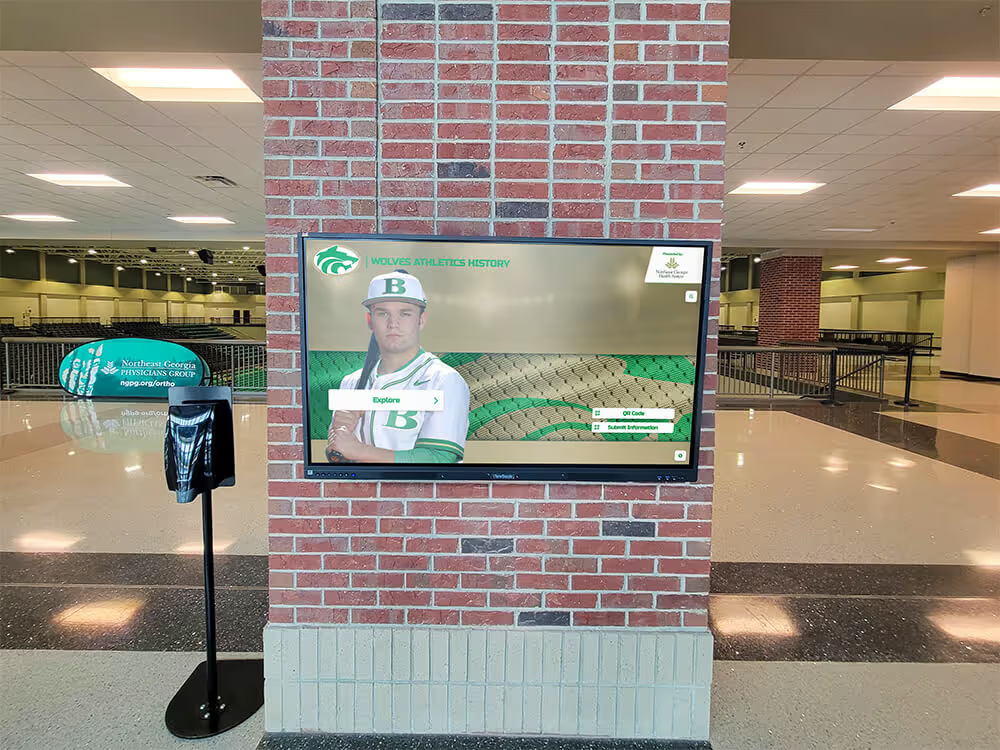
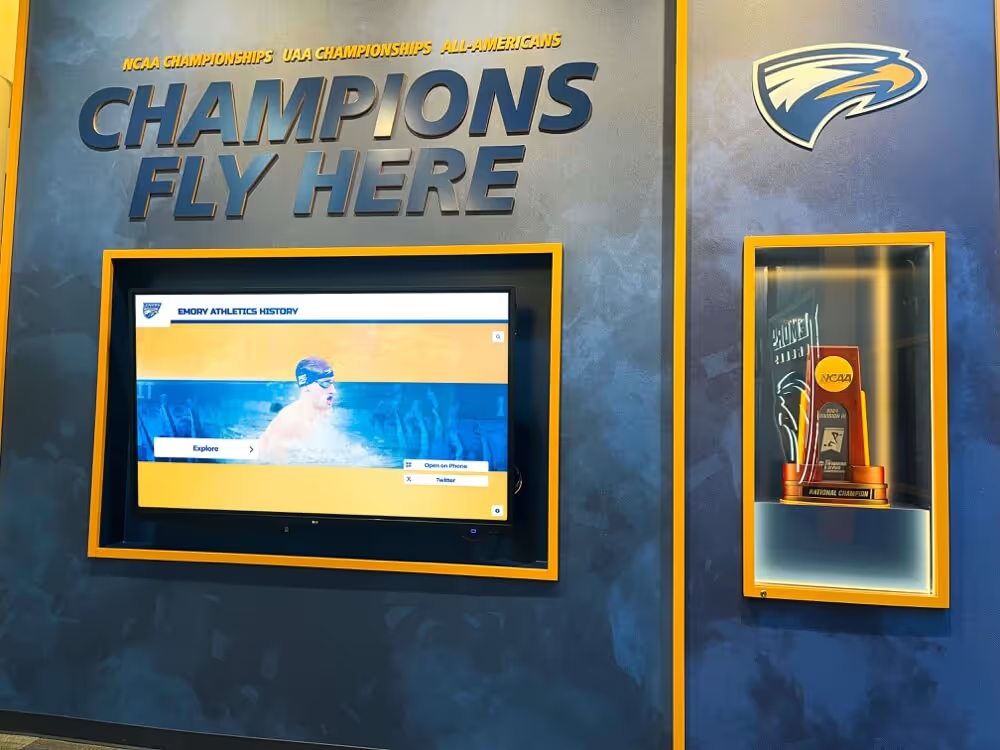
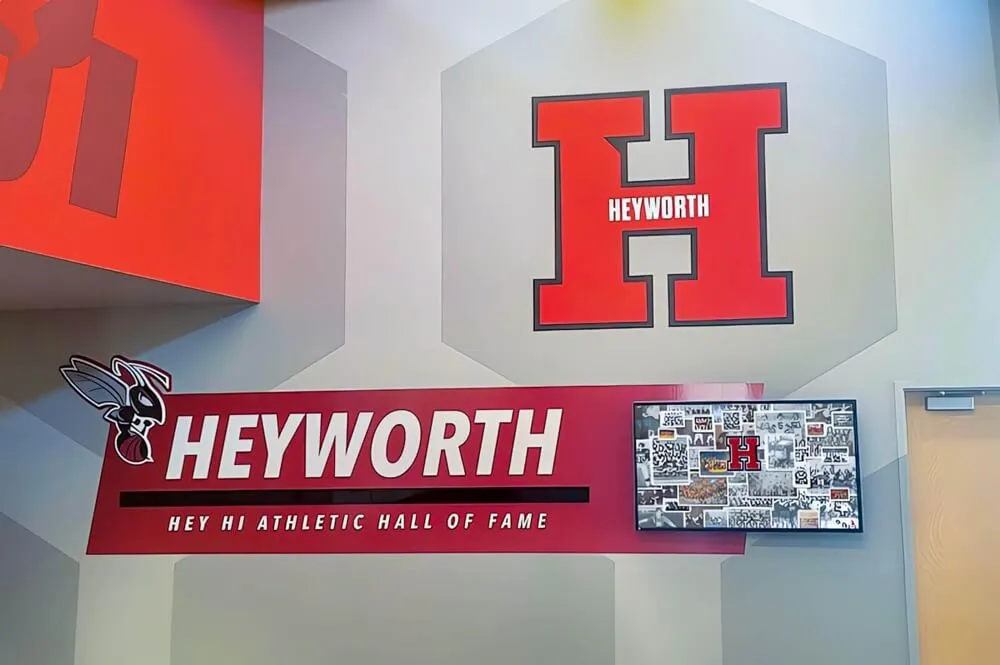
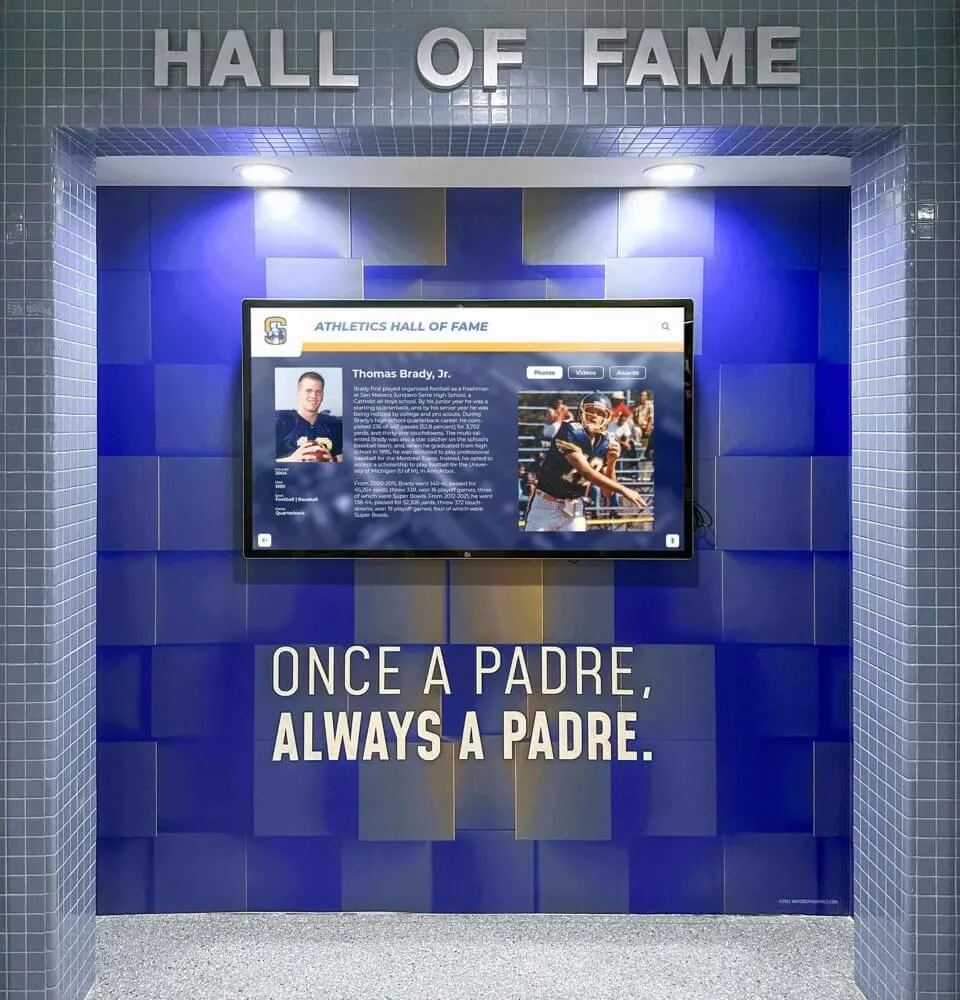
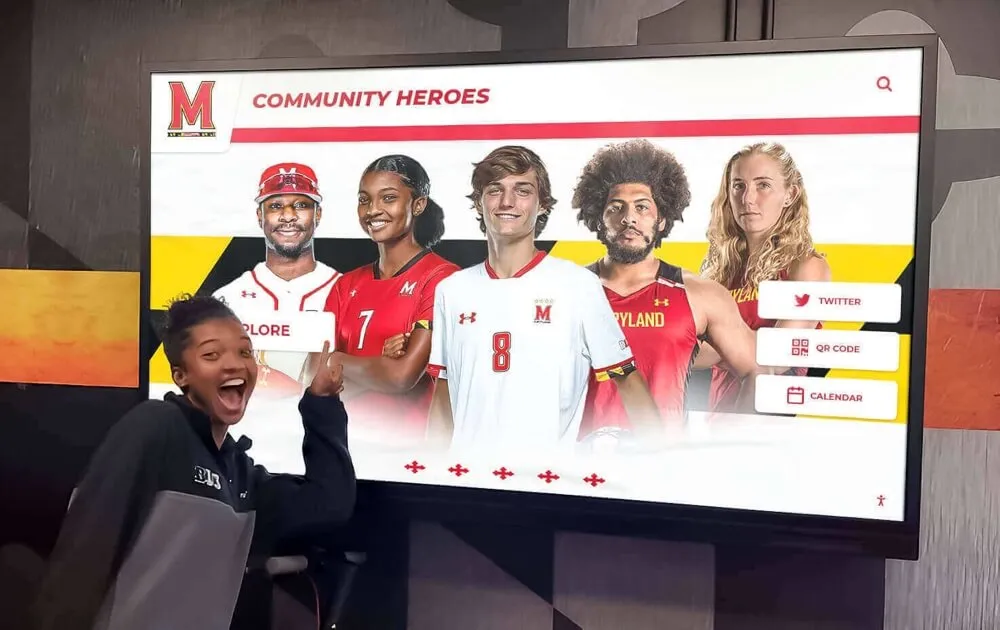
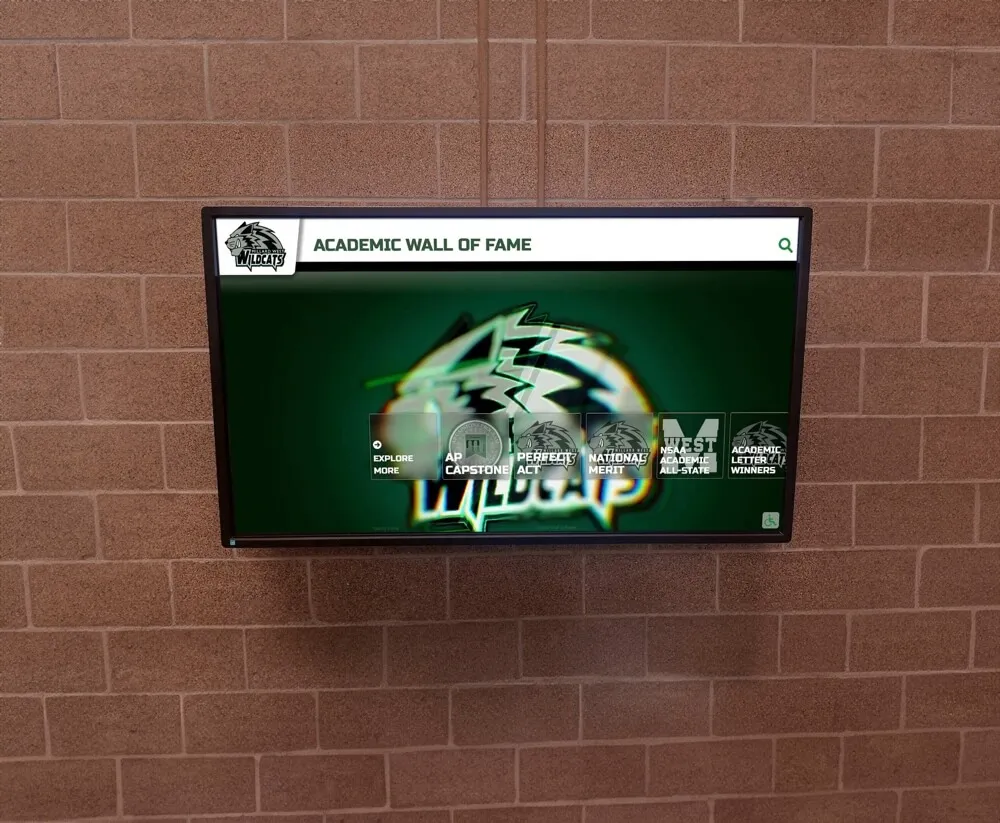
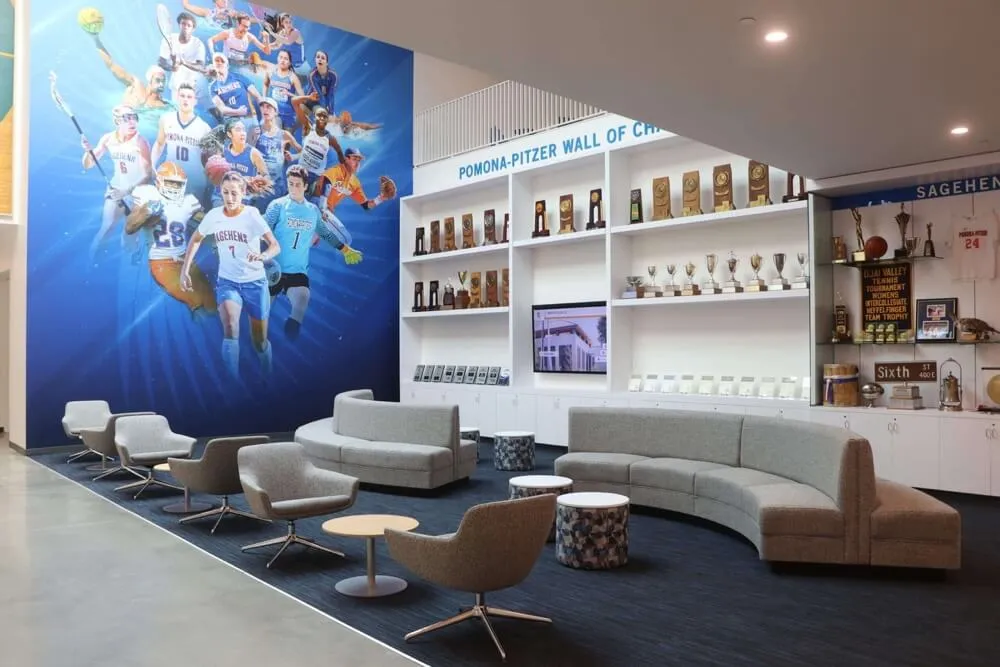
Interactive touchscreen directories create immediate engagement opportunities while providing essential wayfinding assistance to campus visitors
The Modern College Campus Navigation Challenge
Understanding the unique demands facing today’s college campuses helps institutions appreciate why interactive directory technology delivers exceptional value for visitor experience and enrollment outcomes.
Growing Campus Complexity and Visitor Confusion
Modern college campuses have evolved into intricate environments spanning hundreds of acres with dozens or even hundreds of buildings serving specialized functions across academic, residential, athletic, and administrative domains. This physical complexity creates substantial navigation challenges for visitors unfamiliar with campus geography and organizational structures.
According to campus management research, large university campuses can span over 1,000 acres with more than 200 buildings, while even mid-sized institutions typically maintain 50-100 structures across multiple campus zones. This scale overwhelms first-time visitors who arrive for admissions tours, orientation events, athletic competitions, or campus interviews without clear navigation guidance.
Common Visitor Navigation Frustrations
Campus visitors consistently report several recurring challenges that undermine experience quality and institutional perceptions:
- Difficulty locating admissions offices and tour meeting points upon initial arrival, creating stress and lateness that negatively impact first impressions
- Confusion identifying which buildings house specific academic departments when prospective students want to explore majors of interest independently
- Inability to find campus amenities including restrooms, parking, dining facilities, and visitor centers during extended campus visits
- Lack of accessible information during off-hours visits when admissions offices are closed and staff assistance is unavailable
- Outdated or missing directional signage leaving visitors uncertain about routes between buildings or campus zones
- Language barriers for international visitors when campus signage appears only in English without multilingual support
These navigation frustrations create anxiety and negative associations that color overall campus impressions regardless of academic program quality or institutional excellence—making wayfinding a critical yet often overlooked dimension of enrollment success.
Rising Competition for Qualified Applicants
The college enrollment landscape has become increasingly competitive across both public and private institutions as demographic shifts create smaller traditional student populations while more colleges compete for qualified applicants. This intensified competition means institutions must differentiate themselves effectively during brief campus interaction windows, providing compelling evidence of quality while creating memorable experiences that help families confidently choose their institution over alternatives.
Research on college selection consistently identifies campus visits as among the most influential factors driving enrollment decisions. According to enrollment management data, approximately 75 percent of prospective students visit college campuses before making final enrollment decisions, with many touring 5-8 institutions during selection processes. This comparison shopping means colleges must optimize every aspect of campus visits to create positive differentiation from competitor institutions.
The Campus Visit Impact on Enrollment
Campus tours directly influence enrollment outcomes through multiple interconnected mechanisms:
Professional, organized campus experiences communicate institutional quality and operational competence that builds confidence in academic and administrative capabilities. When visitors navigate campuses effortlessly through intuitive wayfinding systems, they subconsciously associate this experience quality with overall institutional excellence.
Positive emotional connections formed during enjoyable, low-stress campus visits significantly increase enrollment likelihood regardless of objective factors like program rankings or tuition costs. Visitors who feel welcomed, informed, and supported during campus exploration develop affinity for institutions that competitors struggle to overcome through marketing or financial incentives alone.
Comprehensive information access enabling visitors to discover programs, facilities, and opportunities aligned with their specific interests and goals increases perception of institutional fit—the critical factor that ultimately determines enrollment commitments among academically qualified applicants choosing between multiple acceptance offers.
Interactive directory systems address all these dimensions simultaneously by reducing navigation stress, enabling self-directed exploration of personally relevant campus areas, demonstrating technological sophistication and institutional investment, and providing comprehensive information access that helps families make confident enrollment decisions.

Strategic placement throughout campus facilities ensures visitors encounter wayfinding assistance at key decision points during exploration
Limited Admissions Staff and Tour Guide Capacity
Most college admissions offices operate with constrained staff resources managing substantial prospective visitor volumes, particularly during peak recruitment seasons between October and March when tour demand far exceeds available capacity. This constraint creates several operational challenges that interactive directory systems help address.
Tour Scheduling and Capacity Limitations
Popular campus tour times fill weeks in advance, forcing families to visit during suboptimal periods, wait extended times for availability, or tour independently without guided presentations. Institutions that cannot accommodate visitor demand during preferred timeframes effectively limit their enrollment pipelines while potentially losing prospects to competitors offering more flexible visit options.
Interactive directory systems dramatically expand effective tour capacity by supporting productive self-guided exploration without requiring staff presence, providing consistent information delivery regardless of tour guide availability or quality, enabling off-hours campus visits when admissions offices are closed, and allowing admission staff to focus on relationship building rather than basic information delivery or directions.
Maintaining Consistent Tour Quality
When simultaneous tours strain staff capacity, colleges often rely on student ambassadors whose presentation quality varies significantly based on individual knowledge, communication skills, and enthusiasm levels. While student perspectives provide valuable authenticity, inconsistent messaging or incomplete information delivery may leave prospective families with questions or concerns affecting enrollment decisions.
Directory touchscreens ensure all visitors receive consistent, comprehensive information about campus facilities, academic programs, student services, and institutional achievements regardless of tour guide assignment—establishing minimum information baselines while allowing exceptional guides to add personalized storytelling and relationship development that enhance rather than replace systematic information delivery.
Core Benefits of Interactive Directory Touchscreens for College Tours
Interactive directory technology delivers multiple interconnected benefits that strengthen recruitment while enhancing visitor experience and operational efficiency across campus environments.
Comprehensive Interactive Wayfinding and Navigation
The most immediate directory value involves providing intuitive navigation assistance that helps visitors locate destinations efficiently while reducing stress and frustration that undermine campus impressions.
Real-Time Interactive Mapping
Modern touchscreen directories feature detailed interactive campus maps with building-by-building identification and navigation, turn-by-turn directions from kiosk locations to selected destinations, distance estimates and approximate walking times between locations, accessible route identification for visitors with mobility needs, and real-time status updates when buildings are closed or paths are temporarily unavailable.
This comprehensive mapping eliminates the confusion and anxiety visitors experience when attempting to navigate unfamiliar campuses using inadequate paper maps or generic smartphone navigation apps that lack detailed indoor wayfinding capabilities specific to campus environments.
Building and Department Directory Functionality
Beyond basic navigation, directories provide searchable databases enabling visitors to quickly locate specific academic departments and administrative offices, faculty offices and research facilities, campus services including health centers, libraries, and student unions, athletic facilities and recreational centers, and dining options and campus amenities visitors may need during extended stays.
Search functionality proves particularly valuable for prospective students exploring specific academic programs who want to discover where relevant departments are located, view associated facilities, and understand program proximity to related campus resources—information that helps them visualize their potential student experience in concrete spatial terms rather than abstract program descriptions.
Solutions like those from Rocket Alumni Solutions integrate wayfinding with achievement recognition and program information, creating comprehensive campus information platforms rather than limited single-purpose navigation tools.
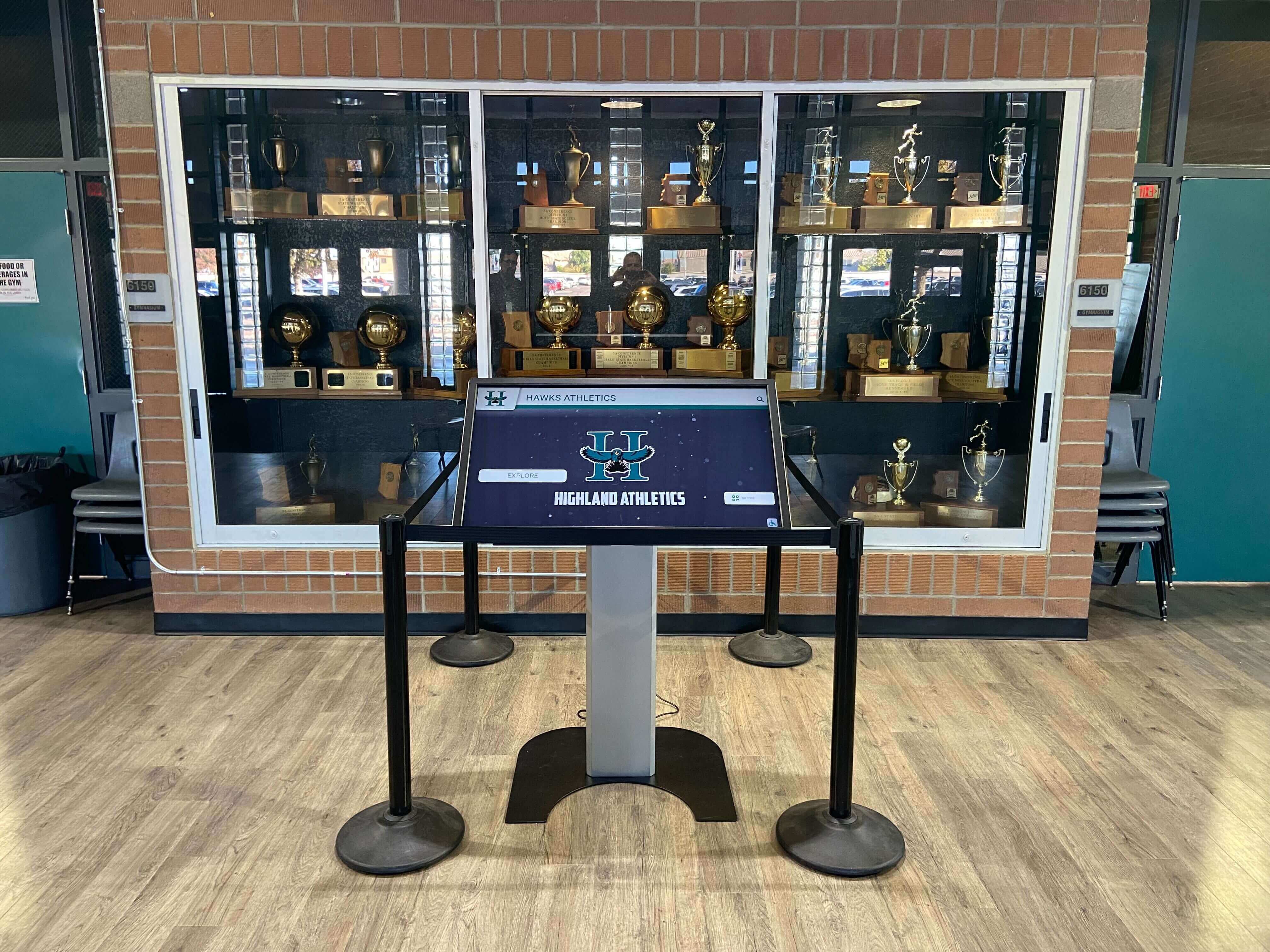
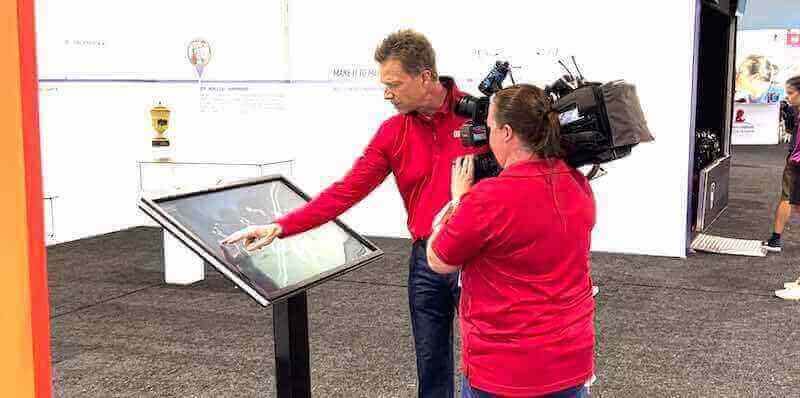
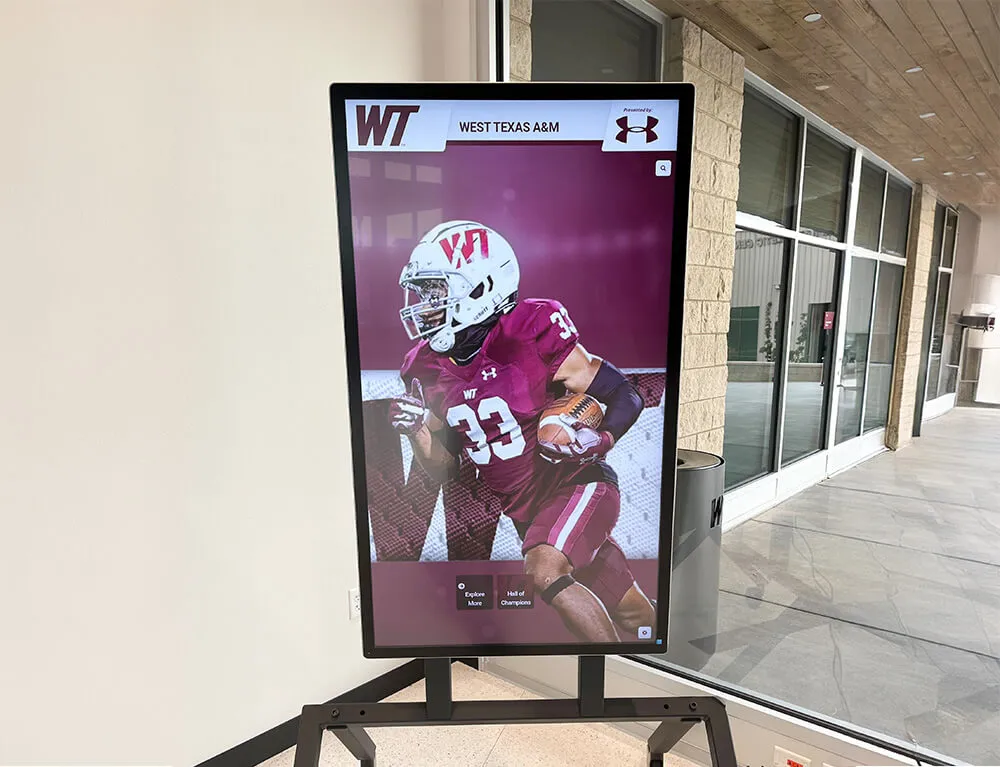
Freestanding kiosks offer flexible placement options in high-traffic areas where visitors naturally gather and need information
Self-Guided Tour Support and Enhanced Visitor Independence
Not all prospective families can attend scheduled guided tours, and many prefer exploring independently to experience campuses authentically on their own terms and timelines. Interactive directories transform self-guided visits from potentially confusing wandering into productive, informative experiences.
Suggested Tour Routes and Points of Interest
Directory systems can feature pre-programmed suggested tour routes highlighting key campus locations and facilities, estimated tour durations and distances for different route options, customizable tours based on visitor interests like STEM programs or performing arts, and point-of-interest information about notable buildings, landmarks, and campus features along routes.
This guided self-tour capability enables visitors who cannot attend scheduled tours—or who prefer independent exploration—to experience comprehensive campus overviews while discovering facilities and programs relevant to their specific interests without requiring staff accompaniment or direction.
24/7 Information Access for Off-Hours Visitors
Campus directories provide always-available information access working around the clock without requiring staff presence, supporting families arriving early or staying late beyond standard tour schedules, enabling alumni visitors returning to campus for events or nostalgia, and serving prospective students conducting last-minute campus visits before application deadlines.
This continuous accessibility dramatically expands effective campus tour capacity while serving visitors whose schedules or geographic distances prevent participation in standard admissions programming—expanding enrollment reach to qualified applicants who might otherwise never visit campus before making enrollment decisions.
Achievement Recognition and Institutional Excellence Showcase
Beyond wayfinding, touchscreen directories provide ideal platforms for showcasing institutional achievements, program quality, and student success that build confidence in academic excellence and support enrollment decisions.
Student and Alumni Achievement Celebration
Directories can integrate recognition features highlighting academic honors and scholarship recipients, athletic championships and individual accomplishments, performing arts achievements and competition success, research publications and presentation recognition, and notable alumni accomplishments across diverse career paths demonstrating preparation effectiveness.
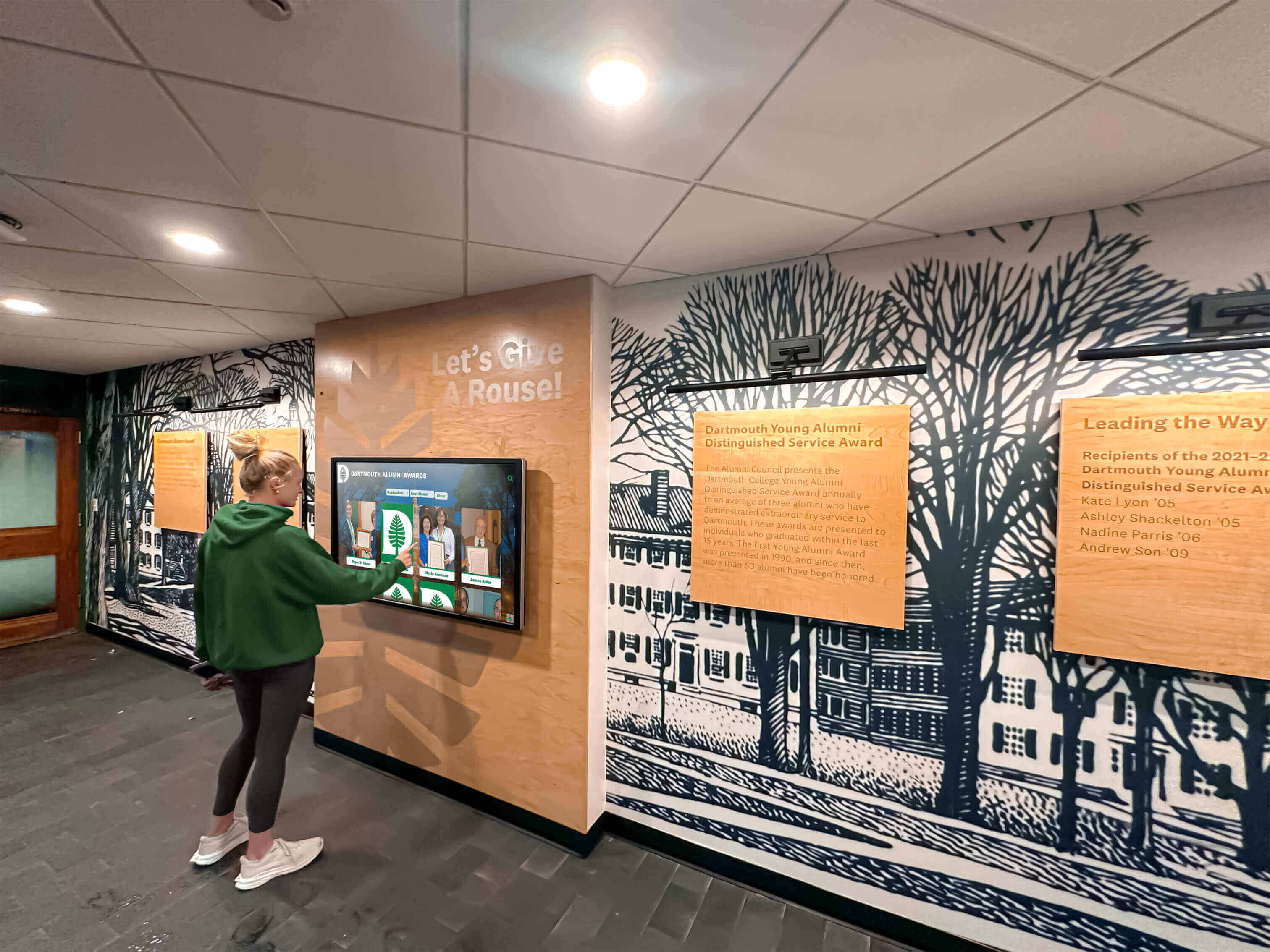
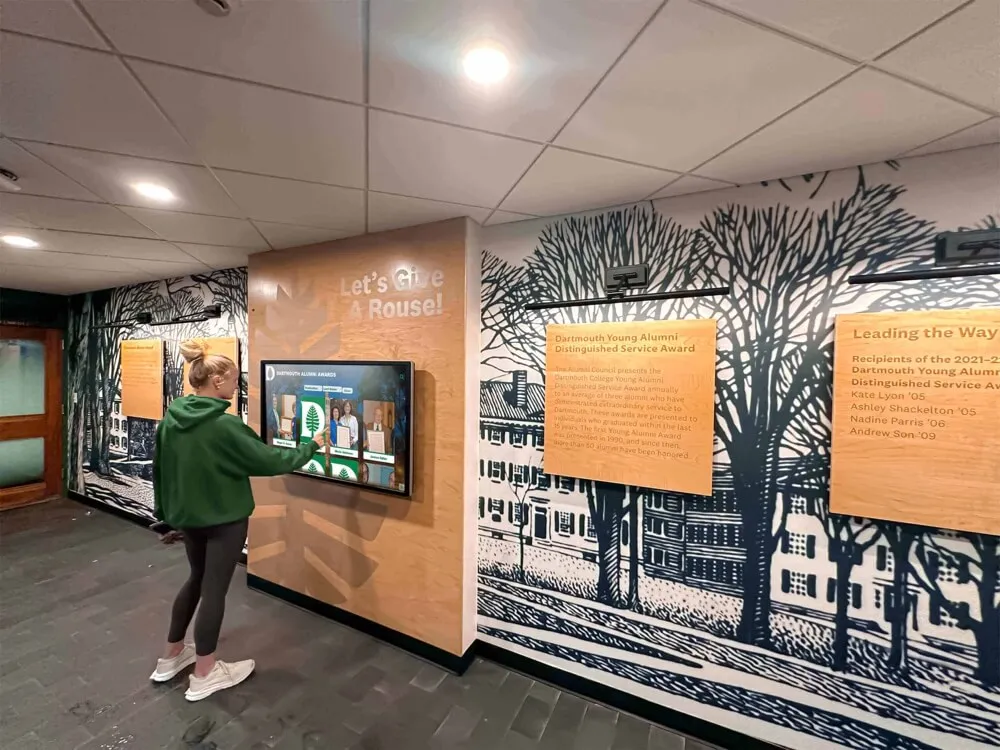
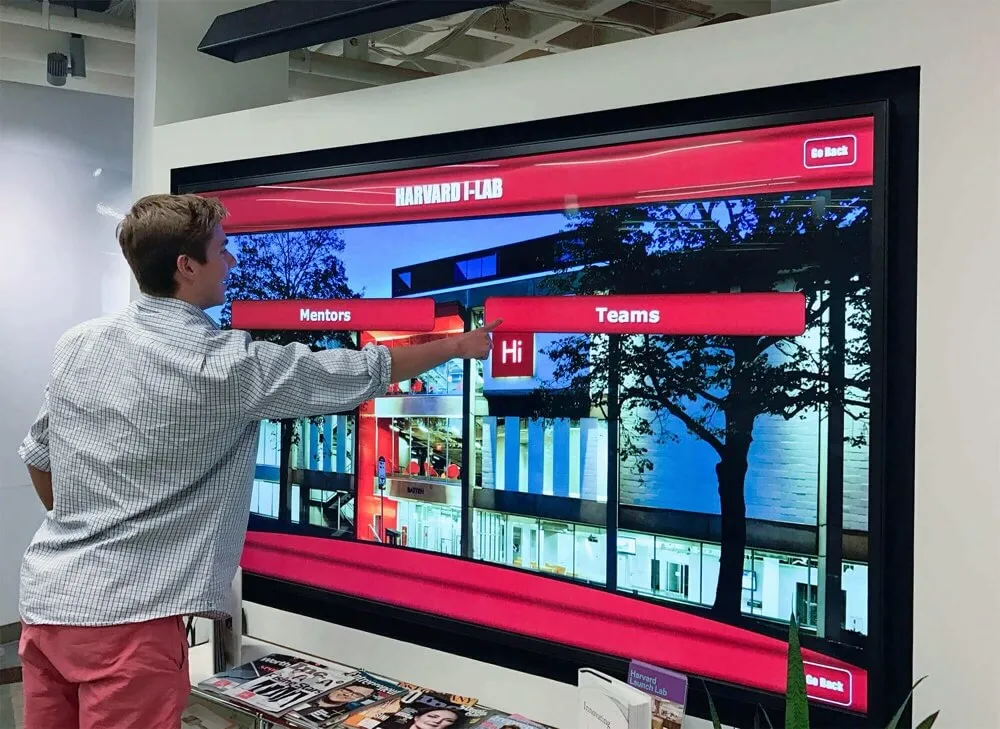
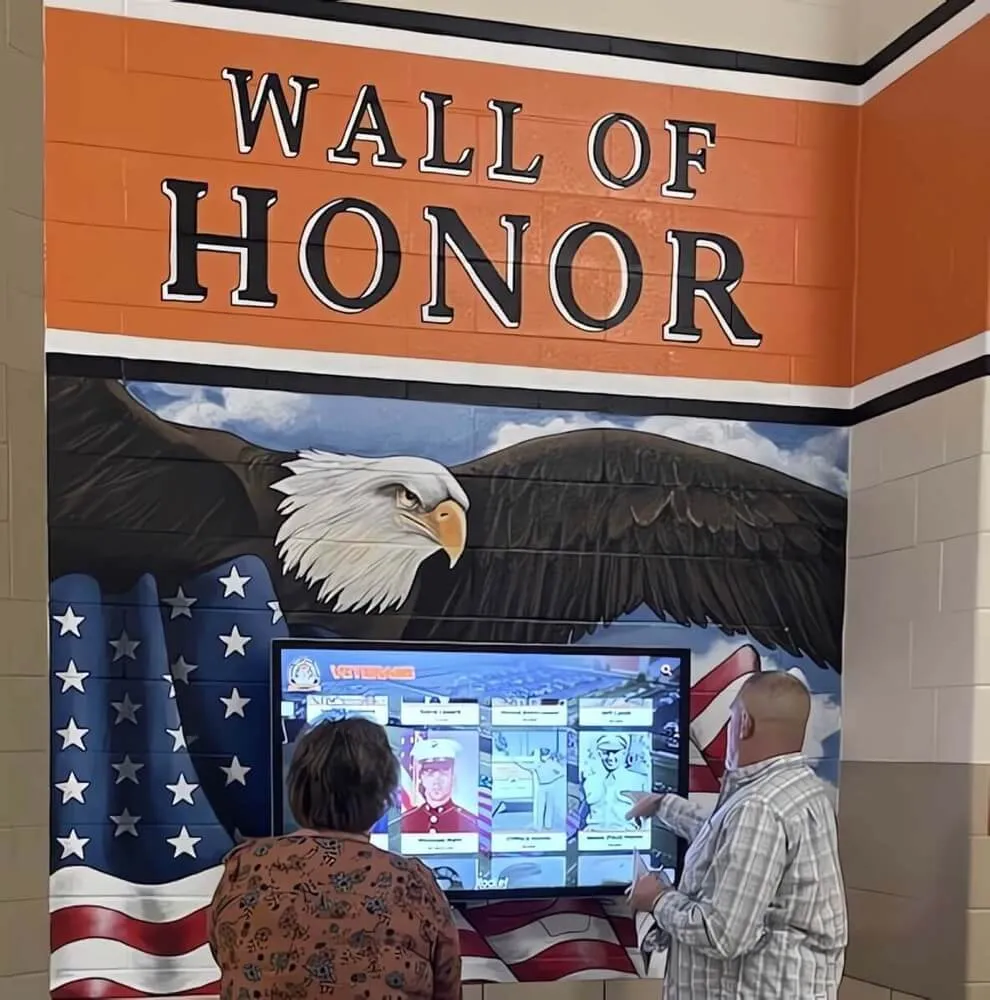
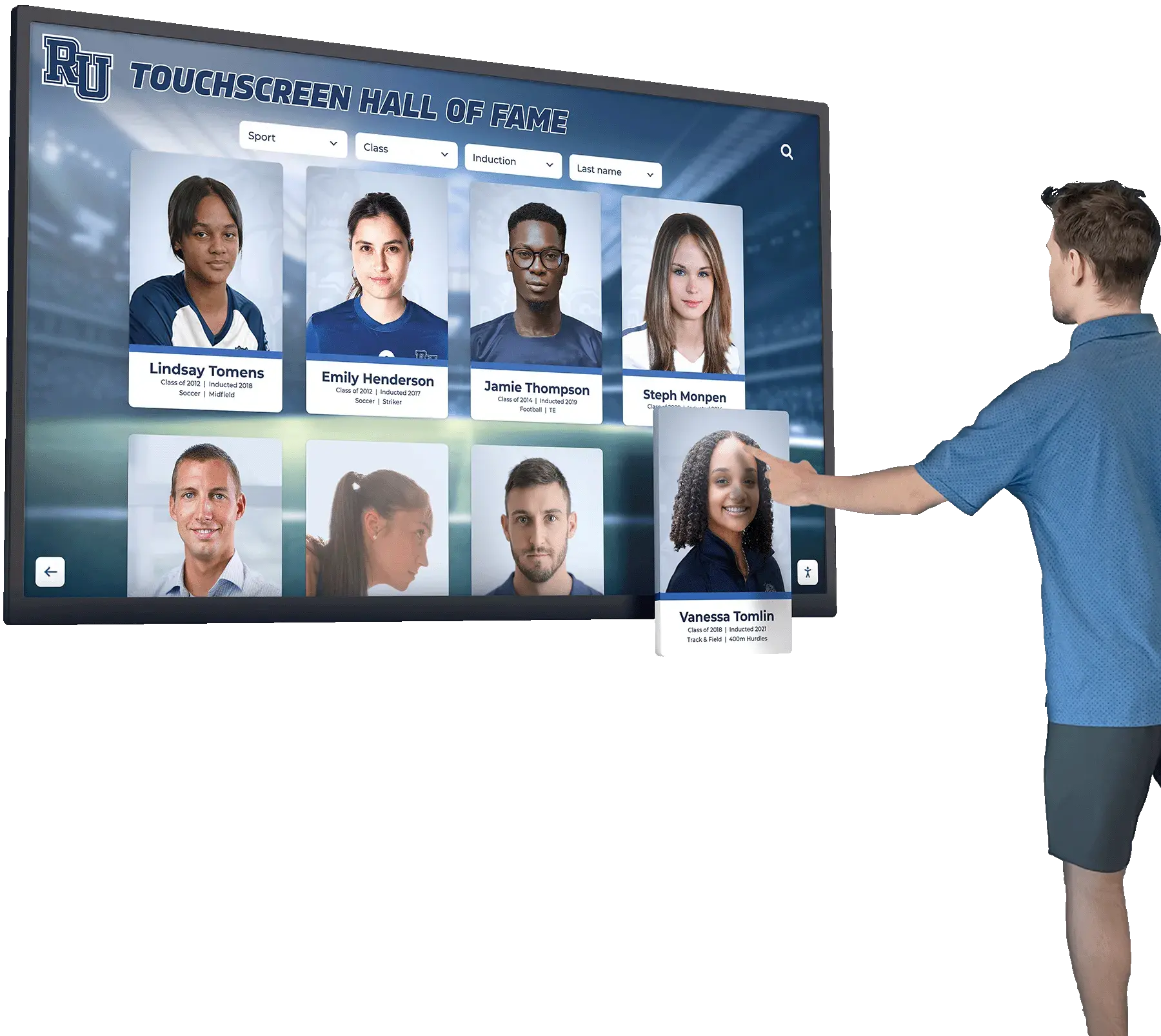
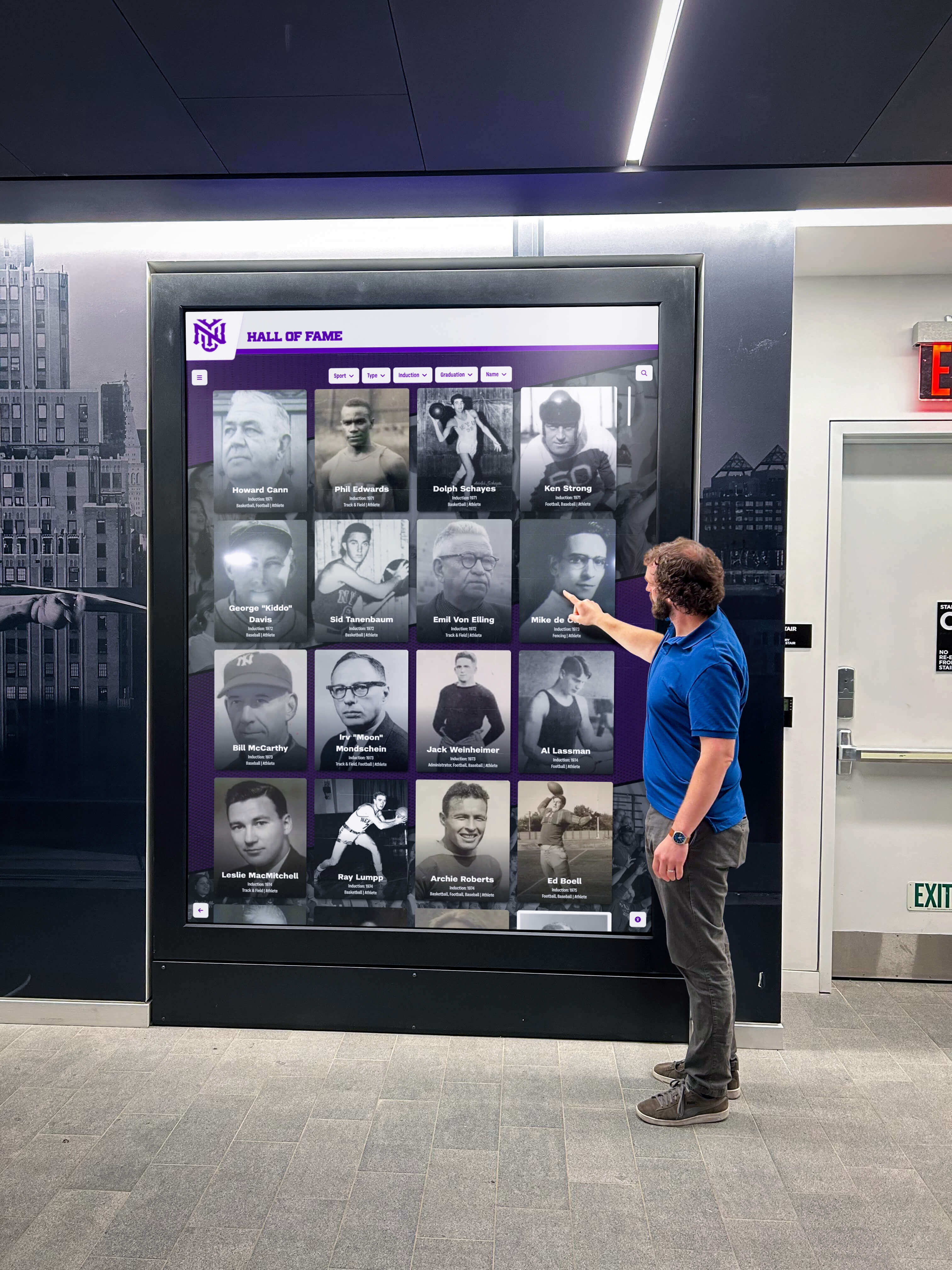
Intuitive interfaces enable visitors of all ages and technical backgrounds to explore content independently without instruction
This achievement visibility helps prospective families understand institutional quality through concrete student success evidence rather than relying solely on marketing claims or reputation—building the evidence-based confidence that drives enrollment commitments among qualified applicants evaluating multiple institutions. Resources on interactive touchscreen software demonstrate technical capabilities supporting comprehensive recognition implementation.
Program Information and Academic Showcase
Directories enable comprehensive academic program presentation including curriculum overviews and degree requirements, faculty expertise and research areas, specialized facilities and equipment available to students, career outcomes and graduate placement rates, and partnerships with employers, research institutions, and community organizations.
When prospective students can easily discover detailed information about programs matching their interests during campus visits, they develop stronger connections to institutions and clearer visions of their potential student experiences—significantly increasing enrollment likelihood compared to generic campus tours that fail to connect visitors with personally relevant program details.
Social Media Integration and Viral Marketing Potential
Modern directory systems with social sharing capabilities transform campus visits into promotional content as families share experiences through their networks—providing authentic peer-to-peer marketing more credible than institutional advertising.
Visit Documentation and Content Sharing
Interactive directories become natural focal points for visitor photography and social media sharing through visually impressive installations creating photo-worthy moments, achievement content families want to highlight and celebrate, personalized campus maps and tour routes visitors save and share, and shareable achievement profiles when families discover students they know recognized in systems.
When visiting families share directory interactions on Instagram, Facebook, and messaging platforms, they effectively endorse institutions to extended networks of friends, family, and community members—creating organic promotional reach that amplifies paid marketing effectiveness while providing trusted peer recommendations that influence prospective applicant decisions more powerfully than institutional communications alone.
Approaches to building directory systems provide frameworks for maximizing social engagement while maintaining wayfinding functionality.
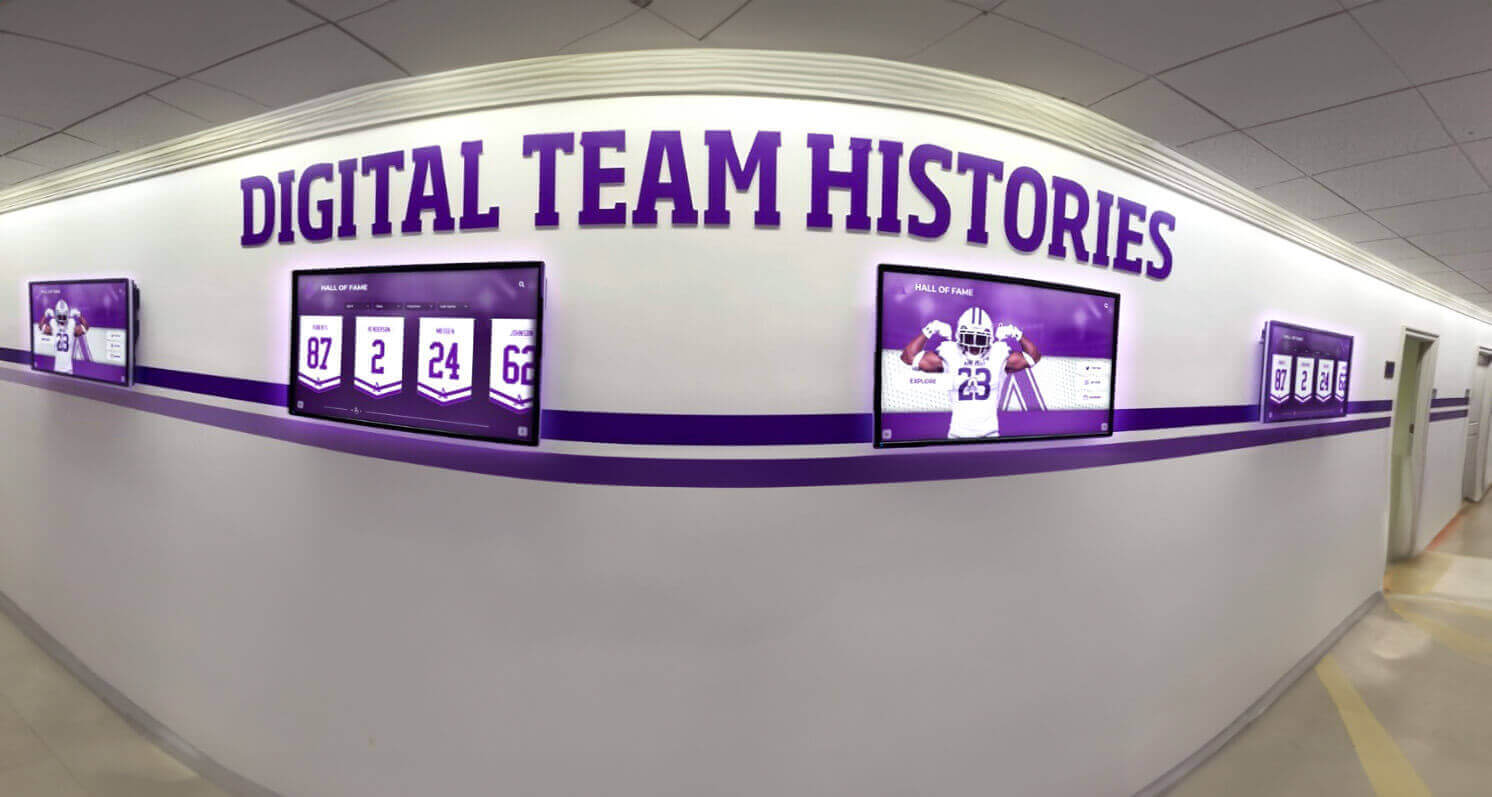
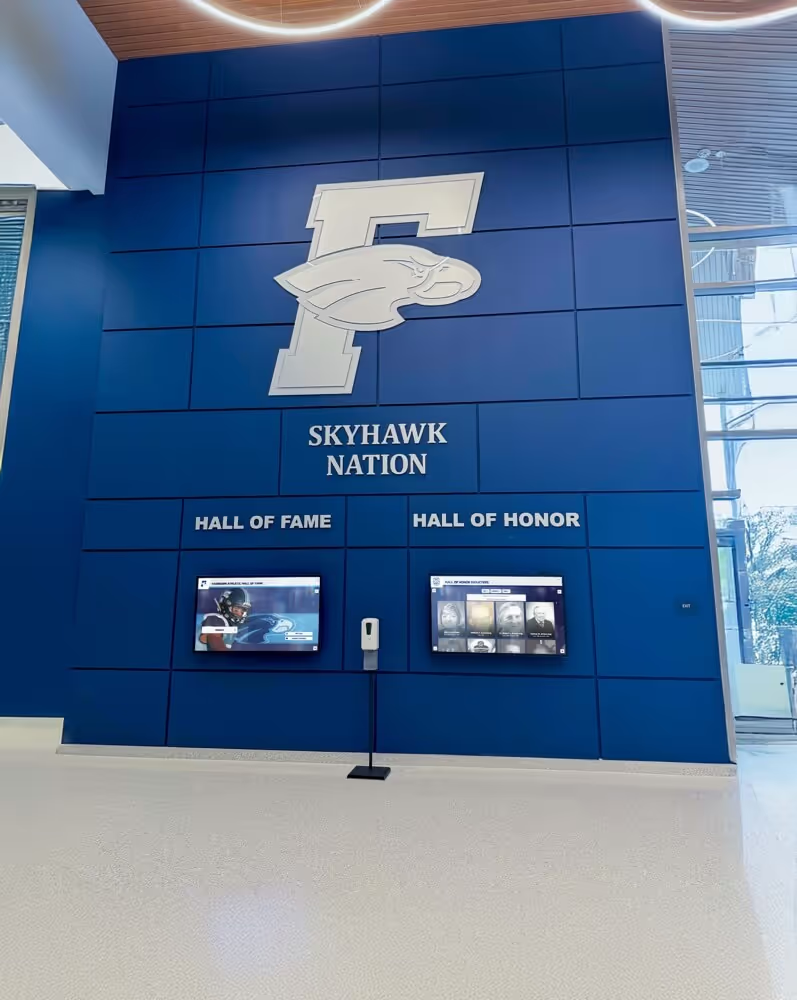
Distributed directory networks throughout facilities ensure wayfinding assistance reaches visitors regardless of campus entry points or exploration routes
Essential Features for College Campus Directory Systems
Not all interactive displays deliver equal value for campus wayfinding and admissions applications. Institutions should prioritize features specifically supporting navigation and recruitment objectives.
Campus-Specific Interactive Mapping
Effective college directories require sophisticated mapping specifically designed for campus environments rather than generic building directory features created for corporate or retail applications.
Comprehensive Campus Coverage
Quality campus mapping includes all buildings with accurate names, numbers, and designations, outdoor spaces including quads, parking areas, and athletic fields, walking paths and accessible routes between all campus locations, campus zones and neighborhood designations for large institutions, and notable landmarks, monuments, and gathering spaces that serve as informal orientation points.
This comprehensive coverage ensures visitors can locate any destination they might seek rather than discovering directory systems only map limited campus areas or major buildings while omitting important facilities or common visitor destinations.
Multi-Floor Building Navigation
Many campus buildings feature complex multi-floor layouts where departments occupy specific floors or wings requiring detailed navigation beyond simple building identification. Directory systems should provide floor-by-floor layouts showing department and classroom locations, elevator and stairwell positions for efficient vertical navigation, accessibility features including ramps, lifts, and automatic doors, and restrooms and other amenities visitors commonly seek within buildings.
This granular building-level wayfinding proves particularly valuable in large academic buildings, libraries, student unions, and administrative centers where visitors waste substantial time searching for specific offices or classrooms after successfully locating correct buildings.
Real-Time Status and Accessibility Information
The most sophisticated directory systems integrate real-time information including building hours and current open/closed status, event schedules showing when facilities may have restricted access, accessibility information about entrances, elevators, and routes, parking availability in nearby lots and structures, and emergency notifications when campus areas are closed or should be avoided.
This dynamic information prevents visitors from attempting to reach closed buildings or following routes that are temporarily unavailable—frustrations that waste time and create negative experiences undermining overall campus impressions.
Intuitive User Interface Design for First-Time Users
Campus directory audiences differ significantly from regular campus community members who use systems repeatedly. First-time visitors need immediate usability without instructions or prior familiarity with specific system interfaces.
Zero-Learning-Curve Design Principles
Effective campus directories feature large, clearly labeled navigation buttons and search functions, familiar touch gestures mirroring smartphones and tablets, prominent search functionality with auto-complete suggestions and error tolerance, visual cues indicating touchable elements and available actions, and attractive idle-state content drawing attention when displays aren’t actively used.
When prospective families can immediately understand how to use directories without explanation, they naturally engage—transforming systems from decorative technology into active information delivery tools supporting recruitment and visitor satisfaction.
Multi-Generational Accessibility
Campus tours typically include multiple family generations—prospective students, parents, younger siblings, and sometimes grandparents. Directories must accommodate this age diversity through font sizes and contrast ensuring readability across age ranges, simple navigation avoiding complexity that confuses less tech-savvy users, content depth satisfying sophisticated users while remaining accessible to all, responsive performance preventing frustration from lag or technical glitches, and accessibility features supporting users with disabilities including screen readers and adjustable interfaces.
Guidance on designing touchscreen experiences provides user interface best practices applicable to campus directory implementations.
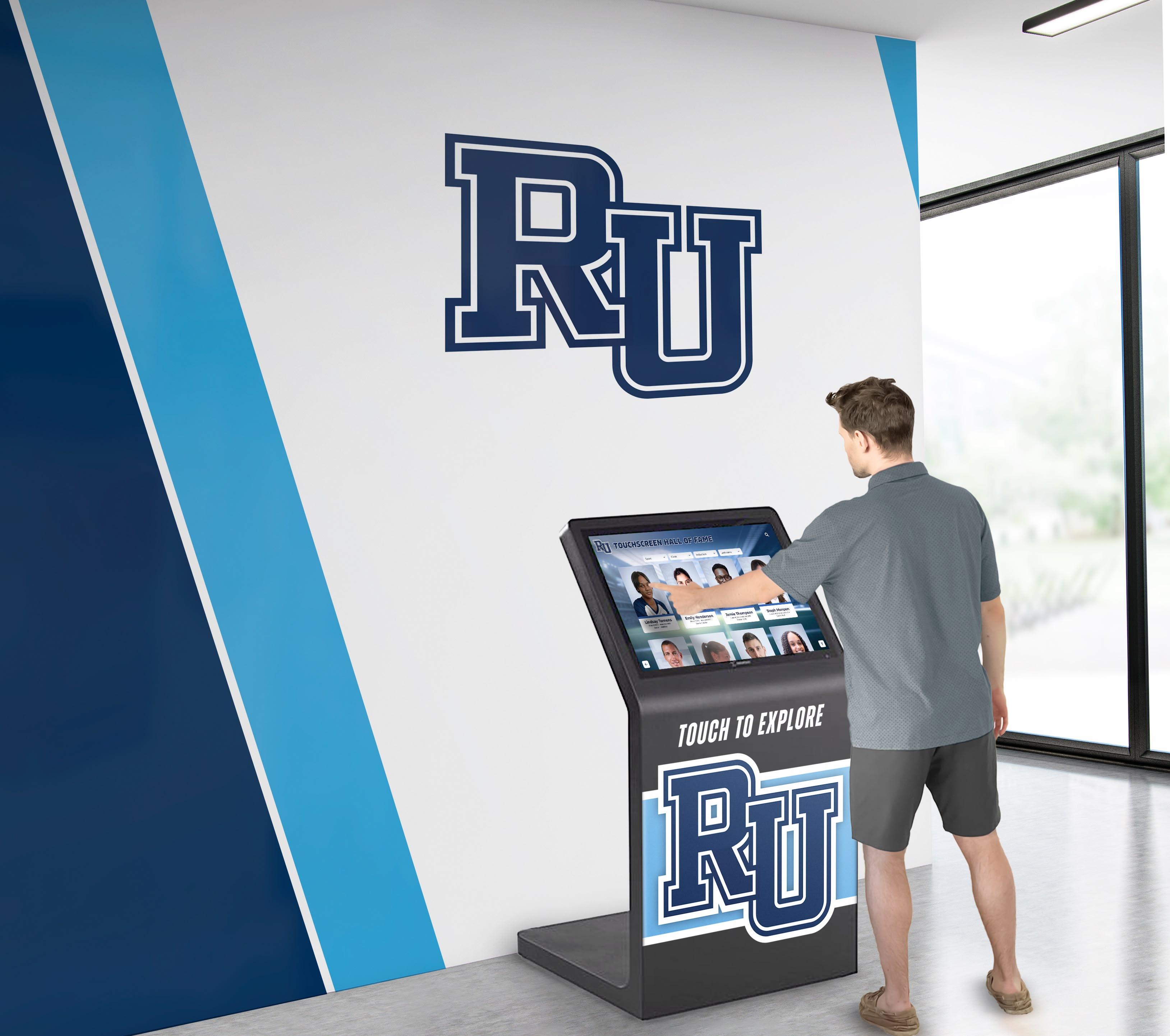
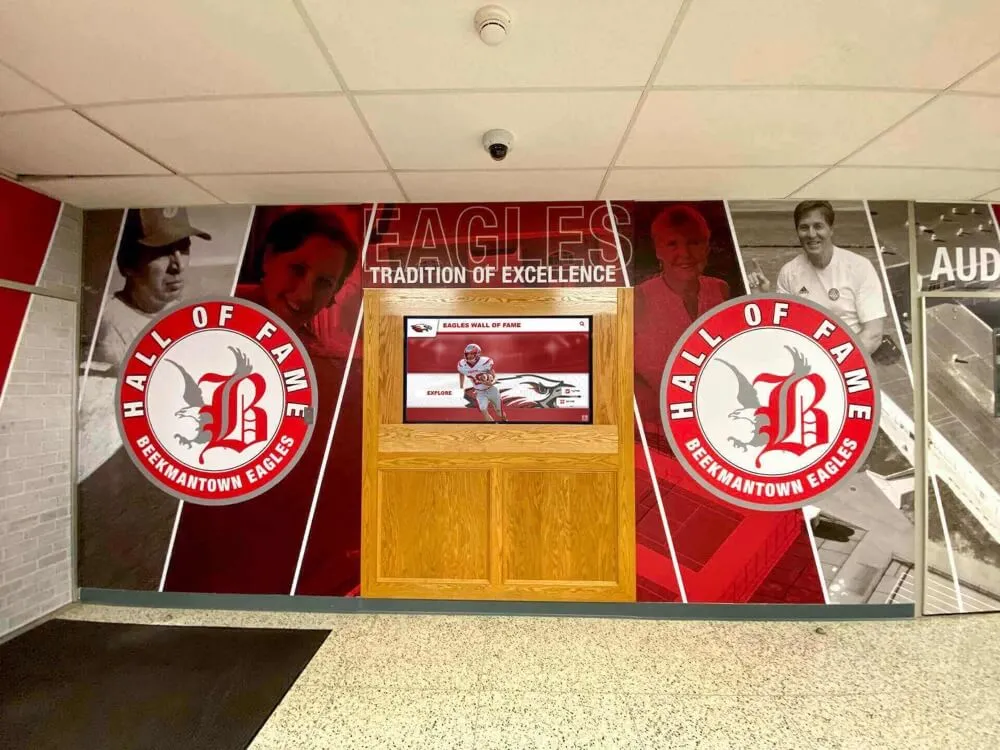
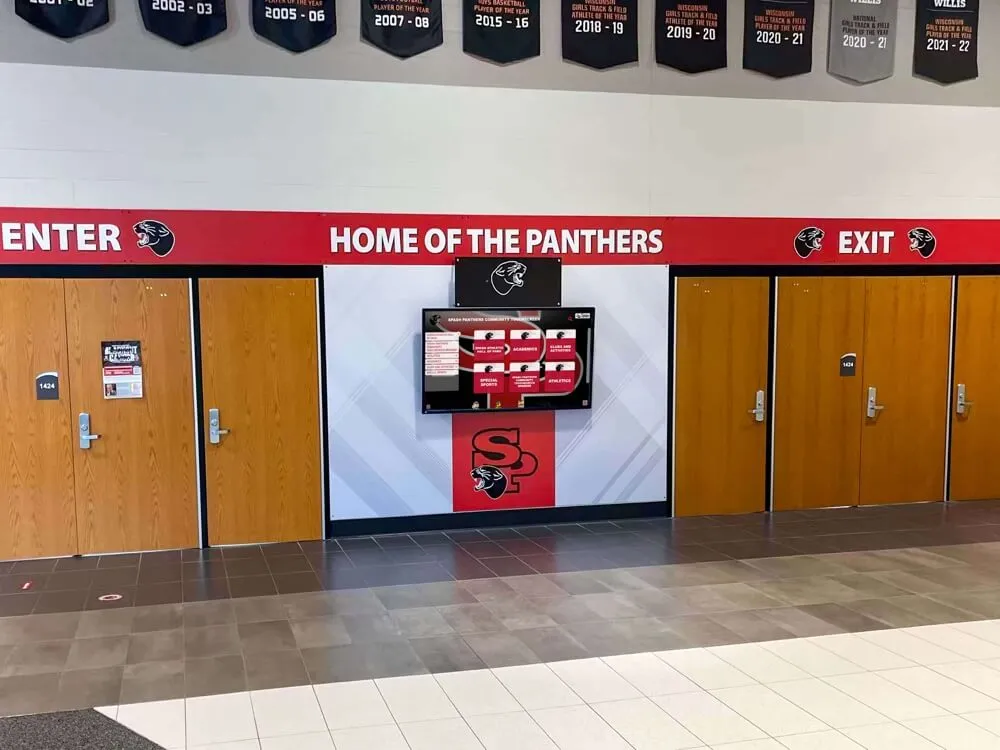
Professional installations in prominent lobby locations ensure maximum visibility and usage by campus visitors
Multilingual Support for International Visitors
Many colleges actively recruit international students who represent significant enrollment and tuition revenue sources while enhancing campus diversity and global perspectives. Directory systems should accommodate these visitors through comprehensive multilingual capabilities.
Language Selection and Content Translation
Quality multilingual directories provide prominent language selection options on home screens, complete interface translation for all navigation and instruction text, translated content for building descriptions and program information, culturally appropriate map labeling and terminology, and language-specific contact information for international admissions offices.
This multilingual support demonstrates institutional commitment to international students while providing practical assistance that helps these visitors navigate campuses effectively and comfortably—reducing the anxiety and confusion that might otherwise discourage international applications or enrollment despite strong academic interest.
Mobile Integration and Digital Extensions
The most effective campus directory systems extend beyond physical kiosks through complementary mobile applications and web platforms that enable visitors to plan campus visits before arrival, continue wayfinding assistance on personal devices during campus exploration, save favorite locations and create personalized campus maps, and share experiences and information with family members who could not attend tours.
Solutions like Rocket Alumni Solutions provide integrated platforms combining physical touchscreen installations with mobile-optimized web experiences and optional native applications—creating comprehensive information ecosystems supporting prospective families throughout enrollment decision journeys before, during, and after campus visits.
Strategic Implementation for Maximum Impact
Hardware and software selection represent only part of successful implementation. Strategic planning ensures directories effectively support recruitment and operational objectives while delivering returns that justify technology investment.
Optimal Placement for Visitor Engagement and Wayfinding Utility
Directory location fundamentally determines utility and usage—even exceptional systems deliver minimal impact if positioned where visitors rarely encounter them or where they don’t provide wayfinding value.
Primary Entrance and Welcome Points
The most critical directory locations include main campus entrances where visitors first arrive, admissions office lobbies where tour participants gather, parking garage entrances and exits serving visitor lots, and major campus landmarks that serve as common meeting points or orientation references.
These high-traffic positions ensure maximum visitor exposure while providing wayfinding assistance at precise moments when navigation decisions are made—dramatically increasing system utility and engagement compared to installations in secondary locations that visitors may never encounter during brief campus stays.
Strategic Distribution Throughout Campus
Beyond primary installations, distributed directory networks provide ongoing wayfinding support as visitors move throughout campuses. Effective secondary placements include major building lobbies and entrances serving multiple departments, student union and dining facility locations where visitors gather, library entrances serving as study destination and campus hubs, athletic facility entrances attracting prospective student-athletes and families, and academic quad or green space edges where outdoor gathering naturally occurs.
This distributed approach ensures visitors can quickly access wayfinding assistance throughout campus exploration without retracing steps to remember directions from distant directory kiosks—maintaining the effortless navigation experience that creates positive impressions and reduces visitor frustration.
Frameworks for high school admissions tour displays translate effectively to college environments with appropriate scale adjustments.
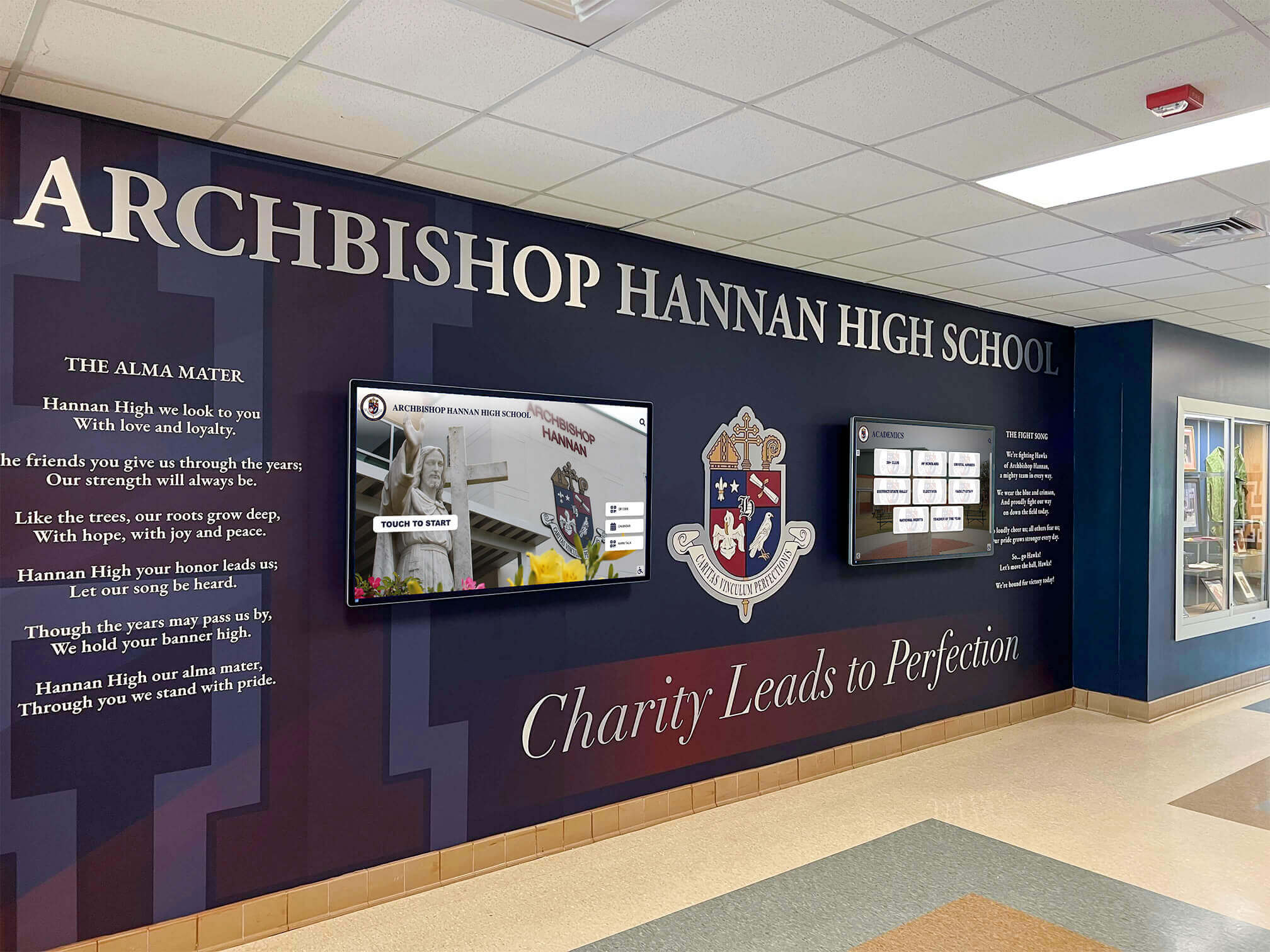
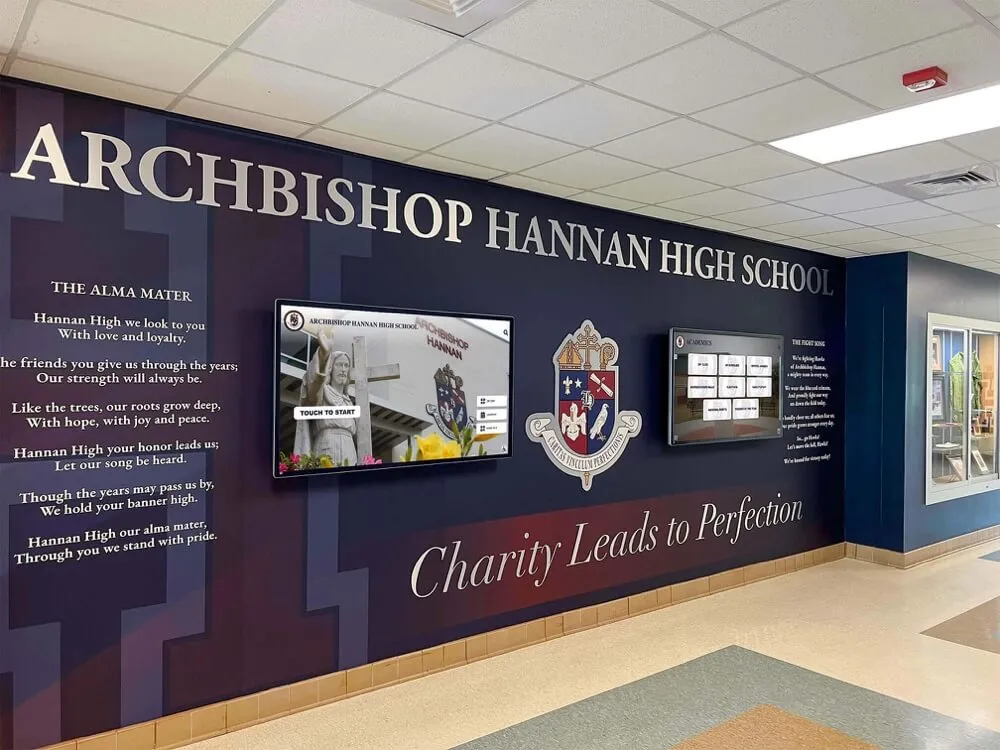
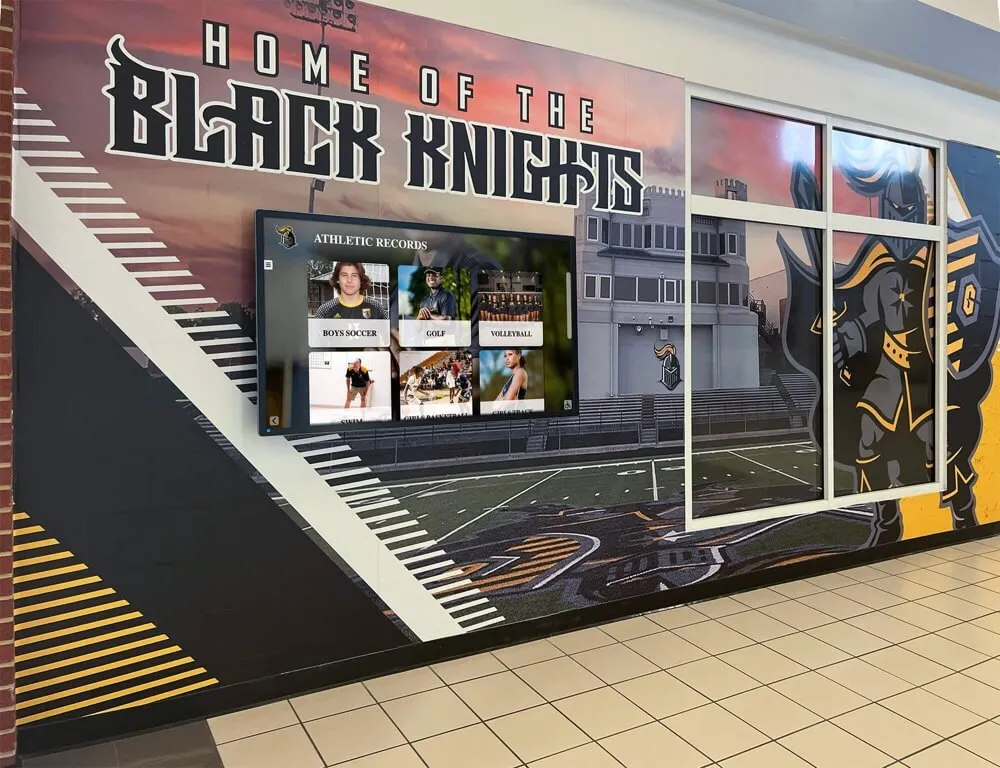
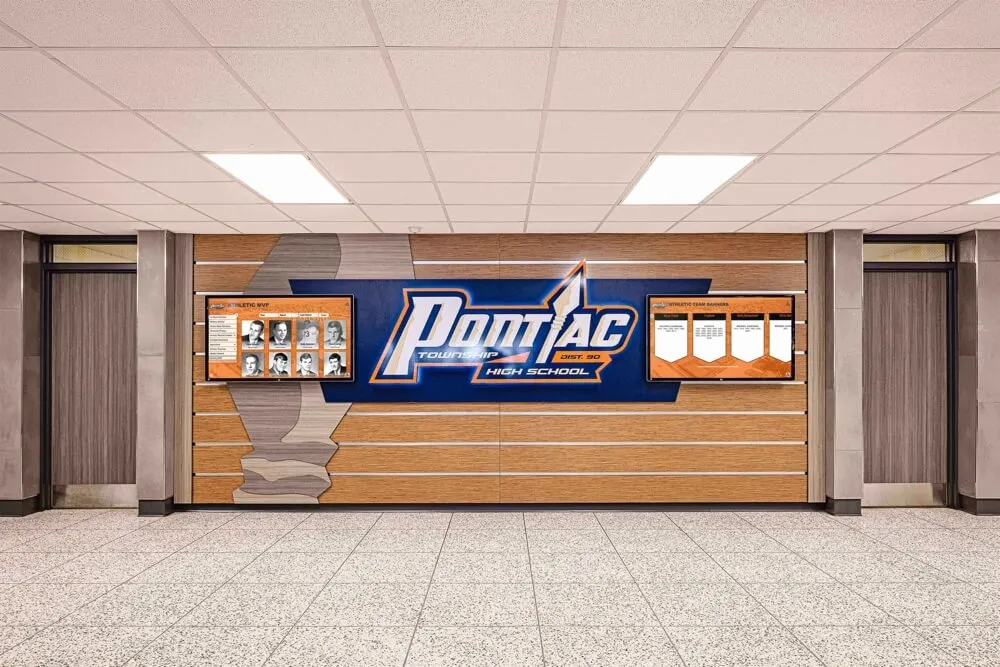
Professional installations integrating displays with architectural design create cohesive environments that enhance overall facility appearance
Content Development Strategies for Comprehensive Coverage
Directory value depends entirely on comprehensive, accurate, and current content that helps visitors find destinations and discover relevant campus information effectively.
Initial Content Requirements and Data Sources
Launching directory systems requires substantial content development including comprehensive building databases with names, locations, and designations, academic department and administrative office directories, campus maps with accurate building footprints and pathways, accessibility information about routes, entrances, and facilities, and program information for academic departments visitors commonly seek.
Most institutions already maintain much of this information in various formats across campus websites, printed maps, and administrative databases. Implementation success depends on systematically gathering and consolidating these dispersed information sources into unified directory platforms rather than attempting to create comprehensive content from scratch—dramatically reducing launch timelines and effort while ensuring information accuracy through leveraging existing authoritative sources.
Ongoing Content Maintenance and Update Processes
Maintaining directory accuracy requires clear processes and responsibilities for content updates when buildings undergo renovations or repurposing, departments relocate offices or change names, new construction adds campus facilities, events temporarily affect building access or navigation routes, and program information changes requiring updated descriptions or requirements.
Institutions successfully maintaining directory systems long-term typically designate specific administrative owners responsible for overall platform management, distribute content update responsibilities to relevant departments, establish regular review cycles ensuring accuracy, and implement simple submission procedures minimizing administrative burden while maintaining quality standards.
Integration with Admissions Workflows and Tour Protocols
Maximum directory value requires active integration into admissions processes rather than treating installations as passive background technology disconnected from core recruitment activities.
Pre-Tour Orientation and Directory Introduction
Admissions staff should incorporate directories into tour welcome processes through brief orientations explaining directory capabilities and locations, encouraging families to use directories for self-guided exploration of interest areas, suggesting specific directory features like achievement recognition or program information, and modeling interaction to overcome any technology hesitation among less tech-savvy visitors.
This proactive introduction establishes directories as valuable information resources that families should actively use rather than decorative background technology they might ignore or overlook during compressed campus visits.
Strategic Tour Routing via Directory Locations
Effective tour planning should deliberately route groups past strategically placed directories enabling engagement opportunities rather than conducting tours that avoid directory installations. Successful approaches include beginning or ending tours at main directory locations with allocated exploration time, incorporating mid-tour directory pauses where systems provide relevant program information, allowing self-guided exploration periods while guides manage logistics or transitions, and creating discovery challenges that encourage directory exploration and engagement.
These structured engagement opportunities ensure families actually use directories rather than simply noticing them during rapid campus tours—maximizing return on technology investment while demonstrating system value that builds organizational support for expansion or enhancement.
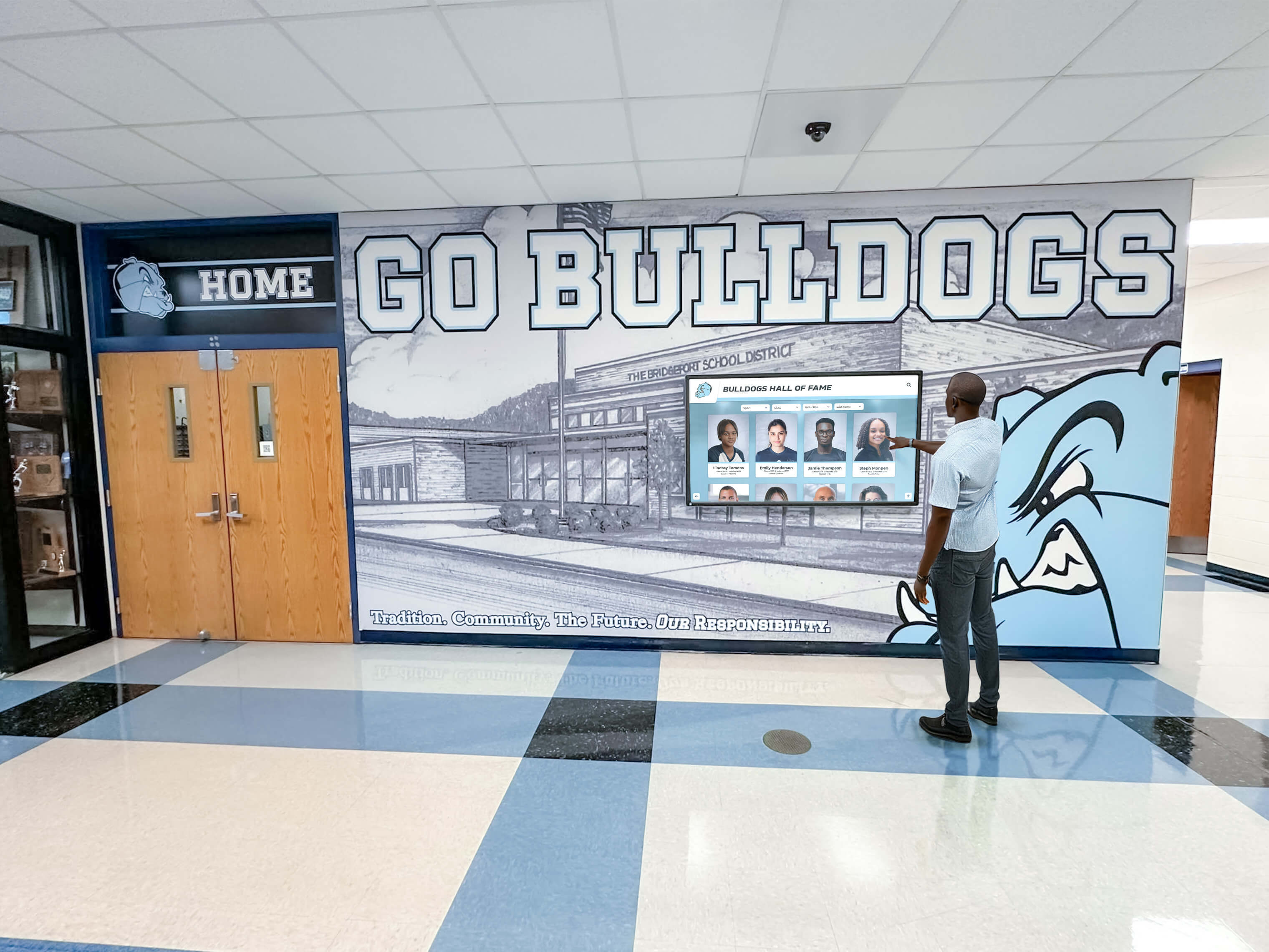
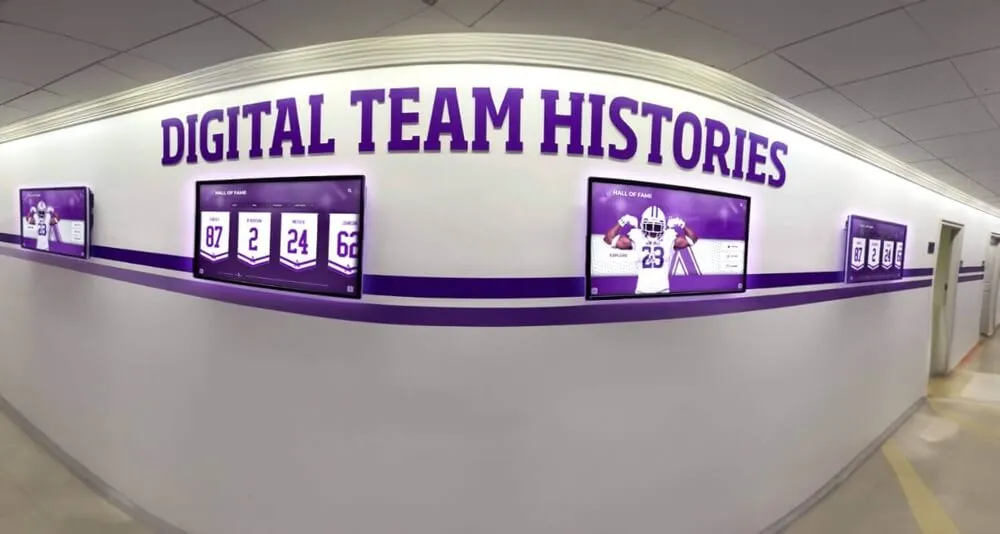
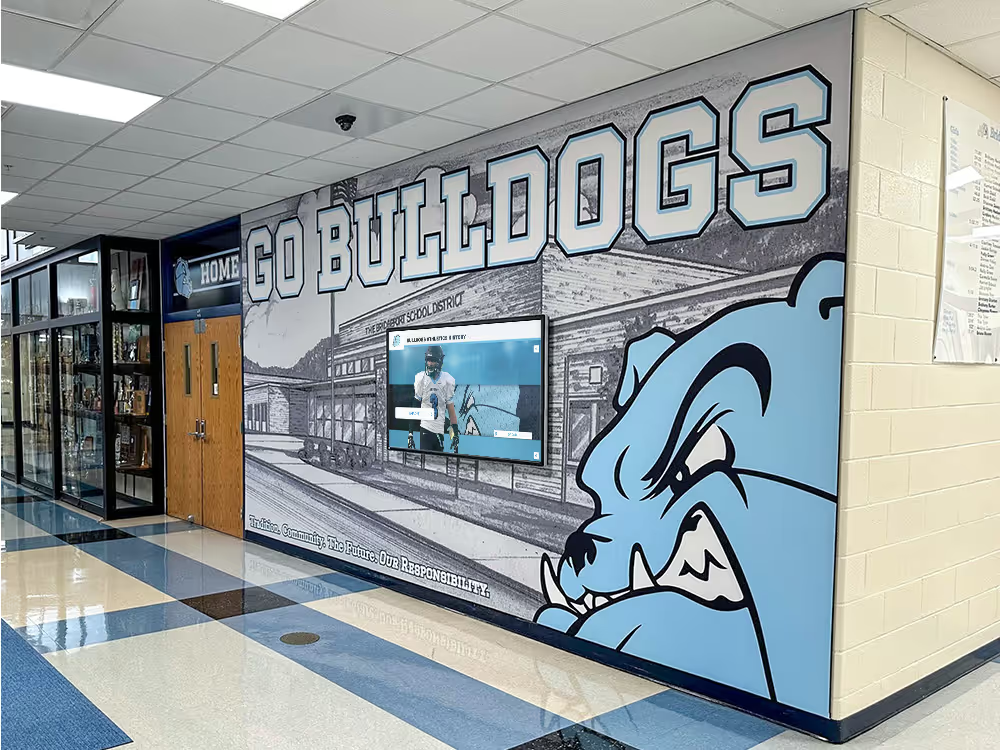
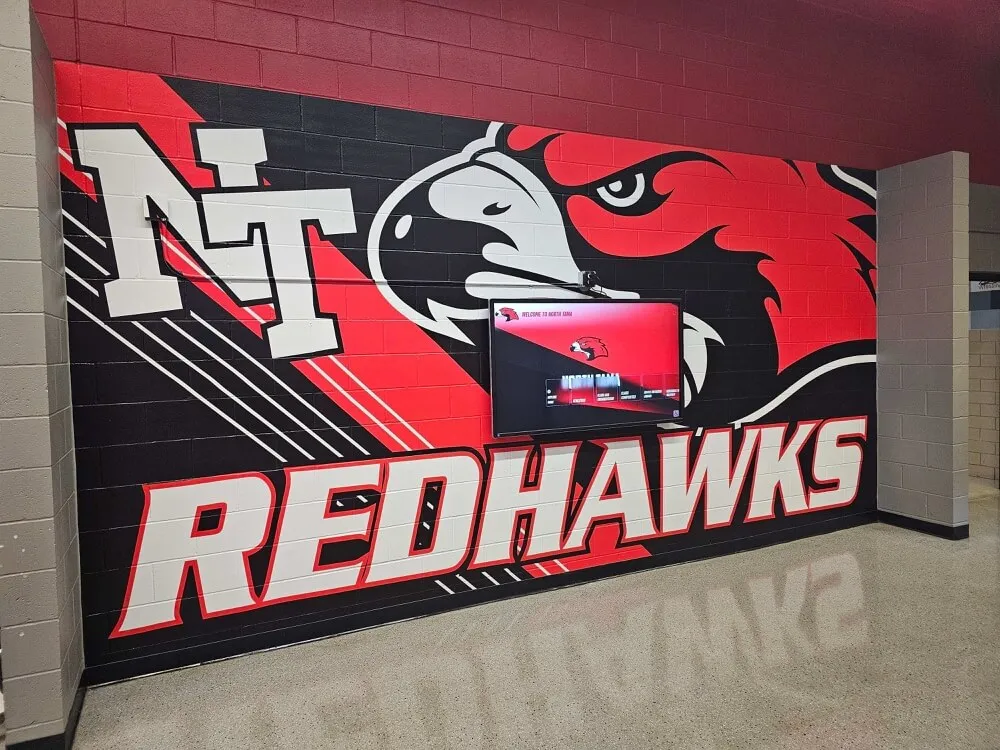
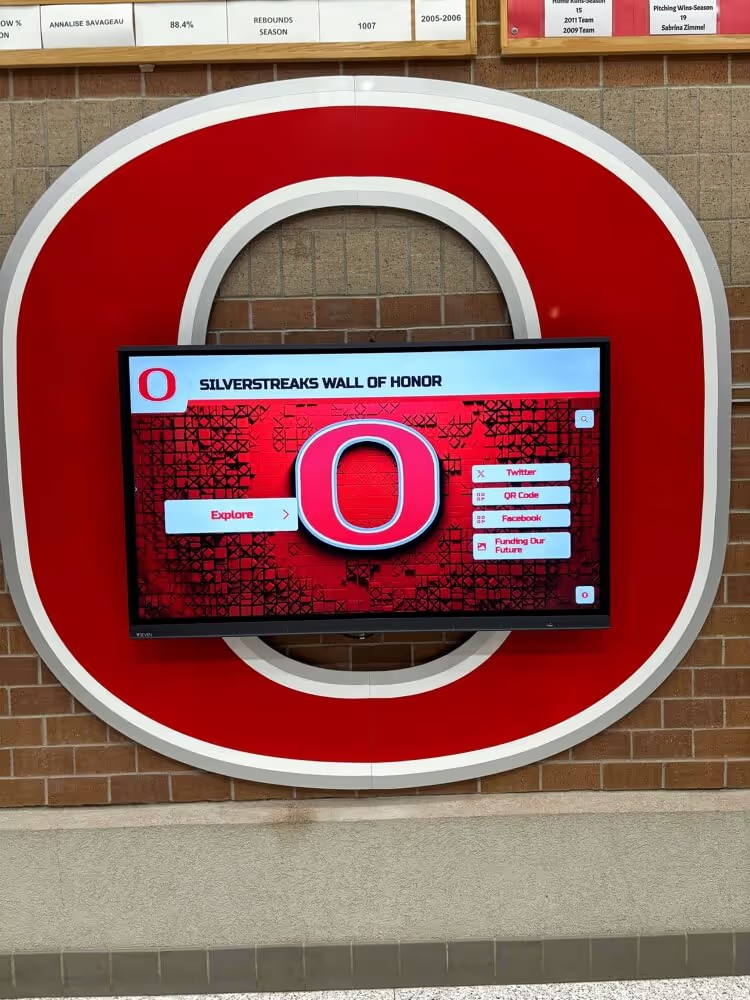
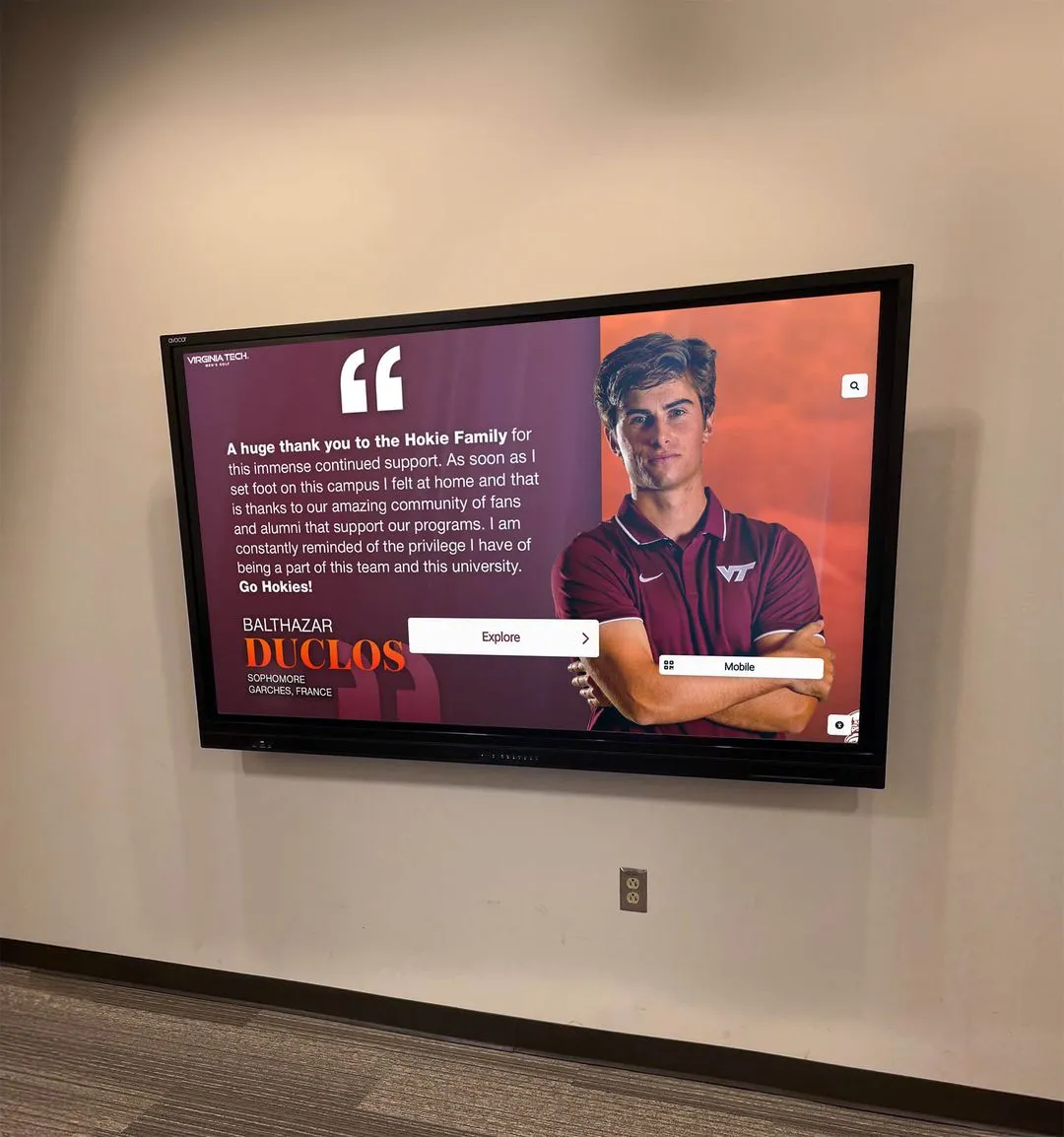
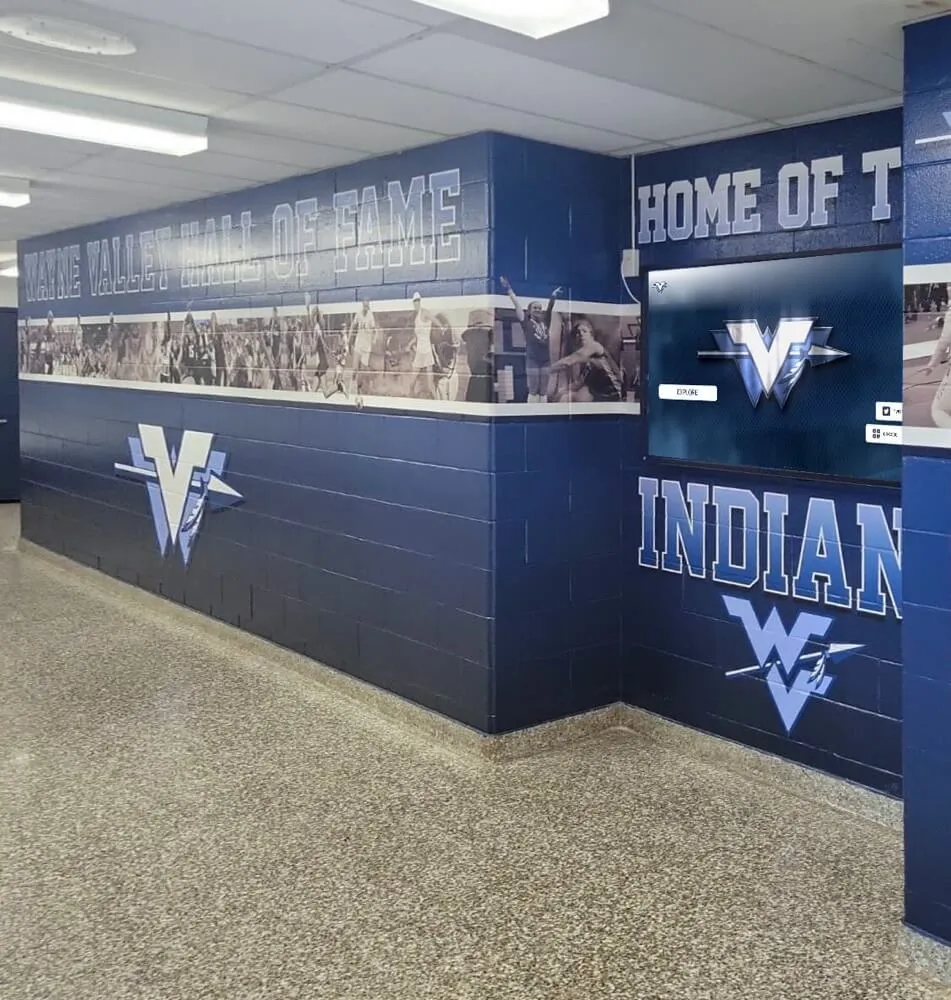
Wall-mounted installations provide space-efficient solutions in hallways and corridors with high traffic but limited floor space
Measuring Directory Impact and Demonstrating Value
Establishing metrics connecting directory implementation to concrete outcomes helps justify technology investment while supporting continuous improvement ensuring systems evolve to serve changing needs effectively.
Direct Usage Analytics and Engagement Metrics
Quality directory platforms provide analytics quantifying usage patterns and engagement levels that demonstrate value to institutional stakeholders.
Quantifiable Engagement Data
Valuable metrics include total interaction sessions showing directory usage frequency, average session duration indicating depth of content engagement, most common search queries revealing what information visitors seek, most-viewed buildings and destinations highlighting visitor priorities, peak usage times informing when to launch new content or features, and repeat usage from visitors engaging with directories multiple times during single campus visits.
Analysis of this engagement data helps institutions understand which directory features deliver most value, what additional information visitors seek but cannot currently access, how usage patterns vary across campus locations and times, and how directory effectiveness changes over time requiring optimization or content updates.
Wayfinding Efficiency Improvements
Beyond direct usage metrics, institutions can measure wayfinding improvements including reduced directional questions to admissions staff and campus security, decreased visitor lateness to scheduled tour meetings or appointments, fewer complaints about campus navigation difficulty in satisfaction surveys, and increased independent visitation during off-hours when staff support is unavailable.
Research on campus wayfinding consistently demonstrates that institutions implementing comprehensive directory systems experience 30-40 percent reductions in visitor navigation issues—substantial improvements that justify technology investment through enhanced visitor experience and operational efficiency alone.
Enrollment Outcome Correlations and Conversion Impact
While direct causation proves difficult to establish definitively, several indicators suggest directory impact on enrollment outcomes that matter most to institutional stakeholders.
Tour Satisfaction and Net Promoter Scores
Post-tour surveys can assess campus visit satisfaction and likelihood to recommend institutions to peers—metrics that correlate strongly with enrollment conversion rates. Colleges implementing comprehensive directory systems typically report 10-20 point improvements in visitor satisfaction scores, with particularly strong gains in facility impressions, ease of navigation, and perceptions of technological sophistication.
Enrollment Conversion Rate Changes
The ultimate metric involves tour-to-enrollment conversion rates comparing periods before and after directory implementation. While many factors influence enrollment, institutions implementing comprehensive campus directory networks consistently report conversion rate improvements of 3-8 percentage points—translating to substantial enrollment gains that generate tuition revenue far exceeding directory technology costs.
Even conservative estimates suggest that directories contributing to enrollment of just 5-10 additional students annually generate $150,000-400,000 in incremental tuition revenue over four-year enrollment periods—providing compelling return on initial technology investments of $50,000-150,000 for comprehensive campus directory networks.
Resources on implementing digital recognition effectively provide measurement frameworks applicable to directory systems serving both wayfinding and achievement showcase functions.
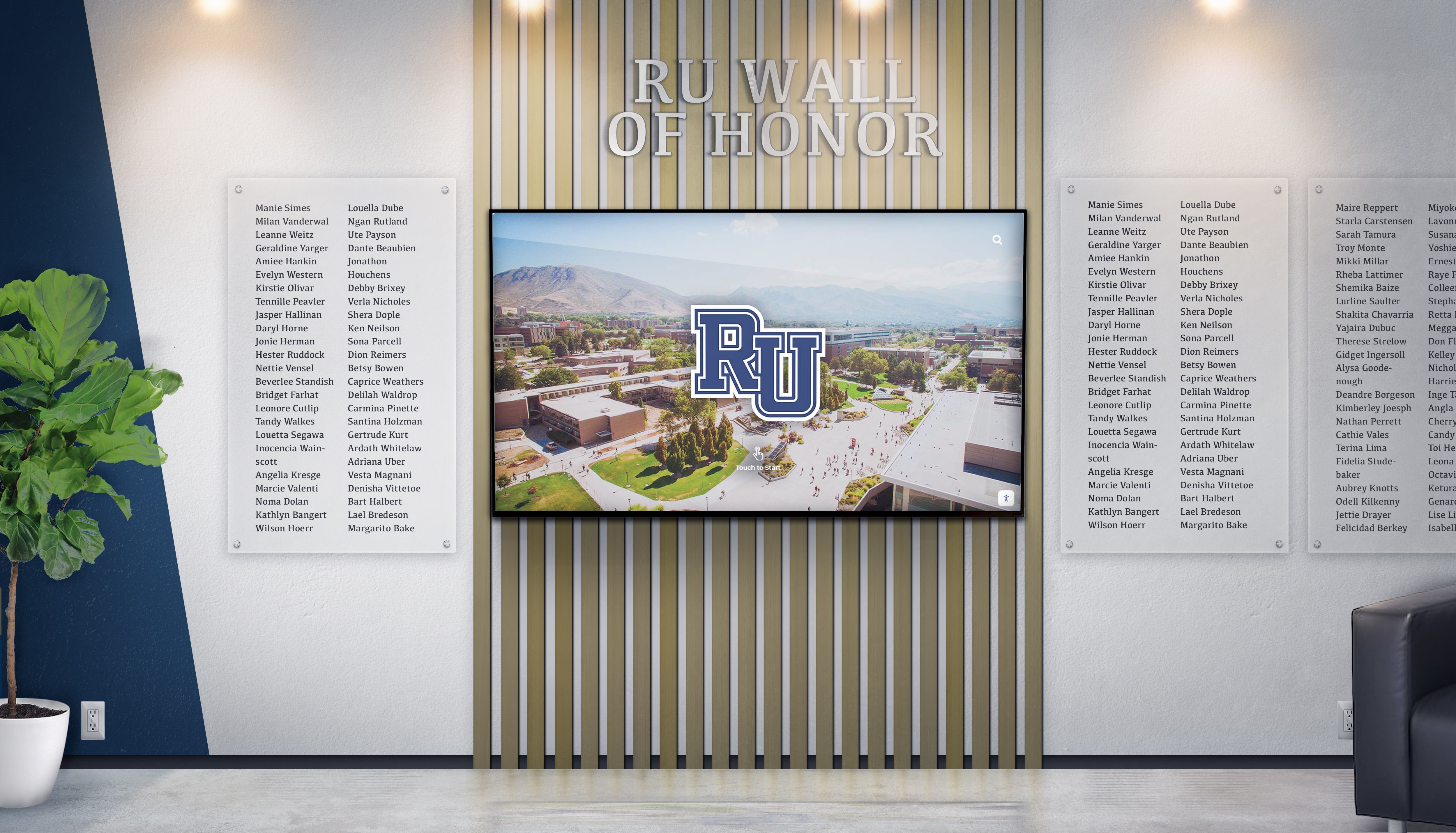
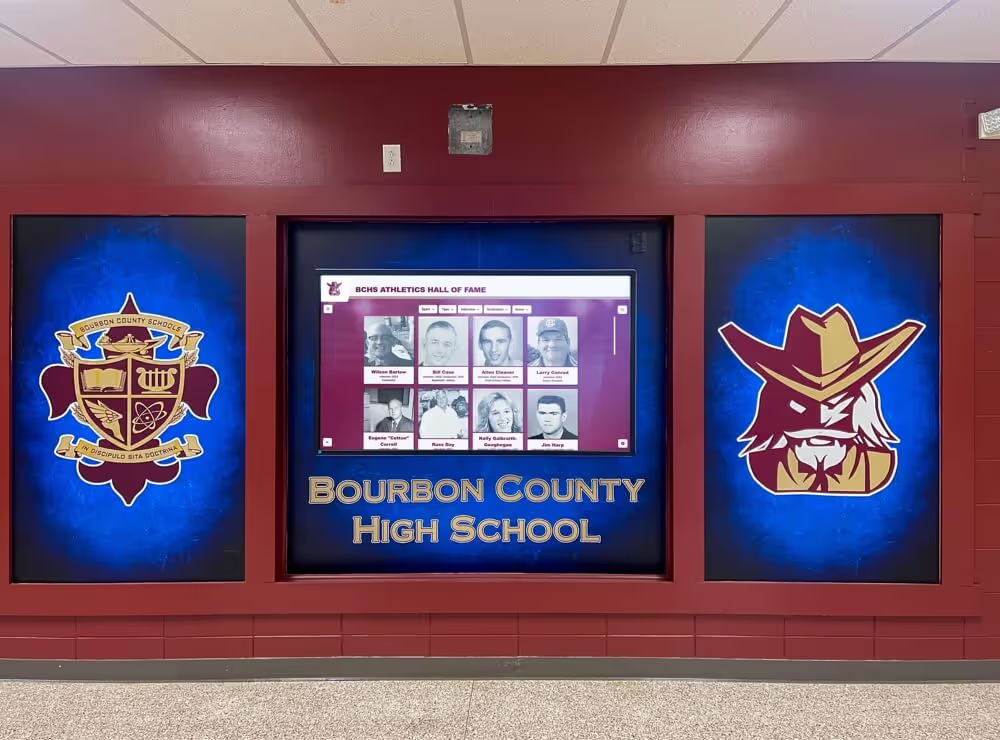
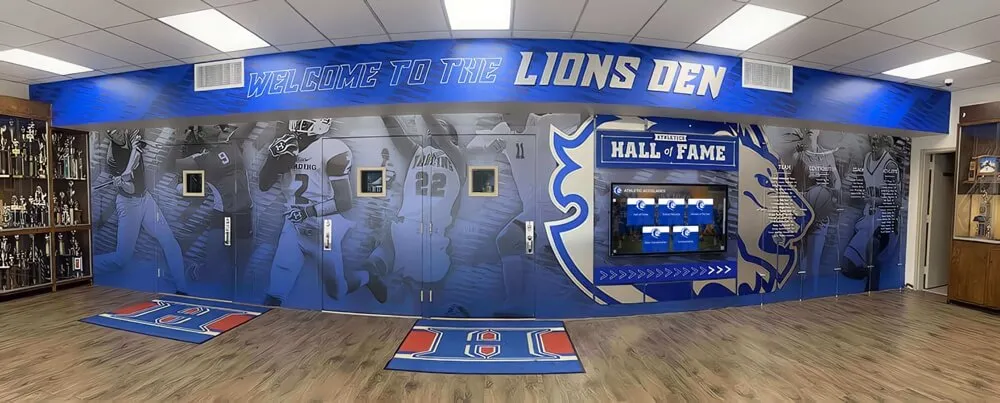
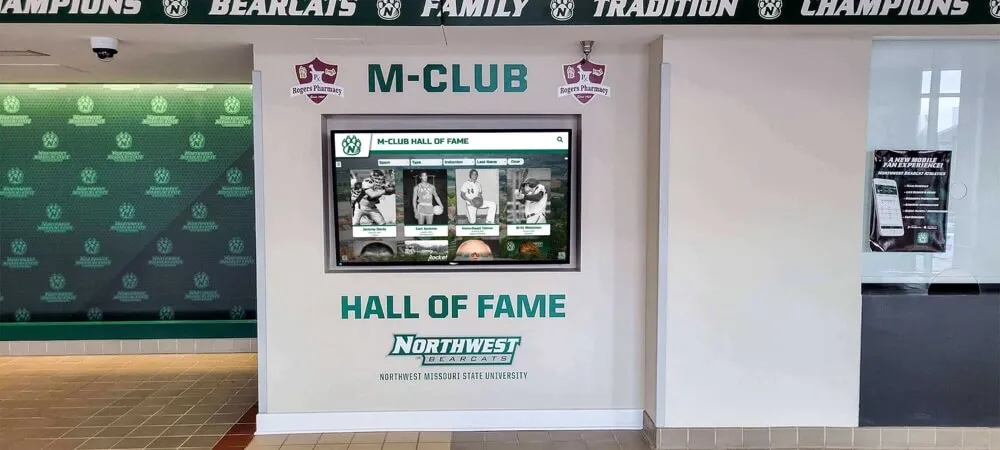
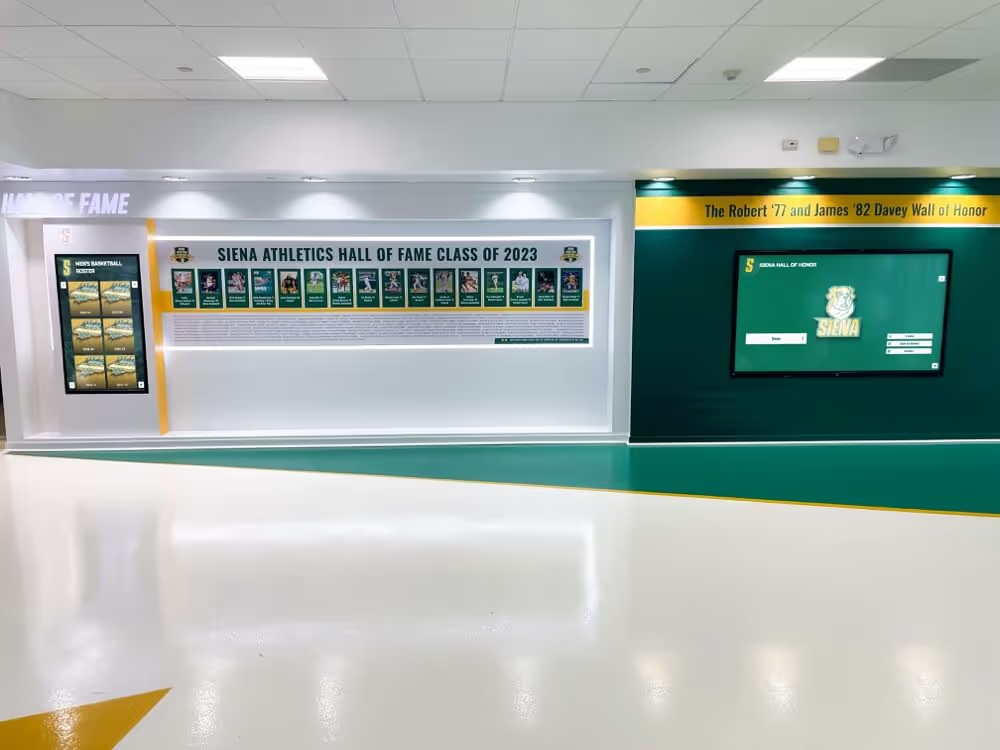
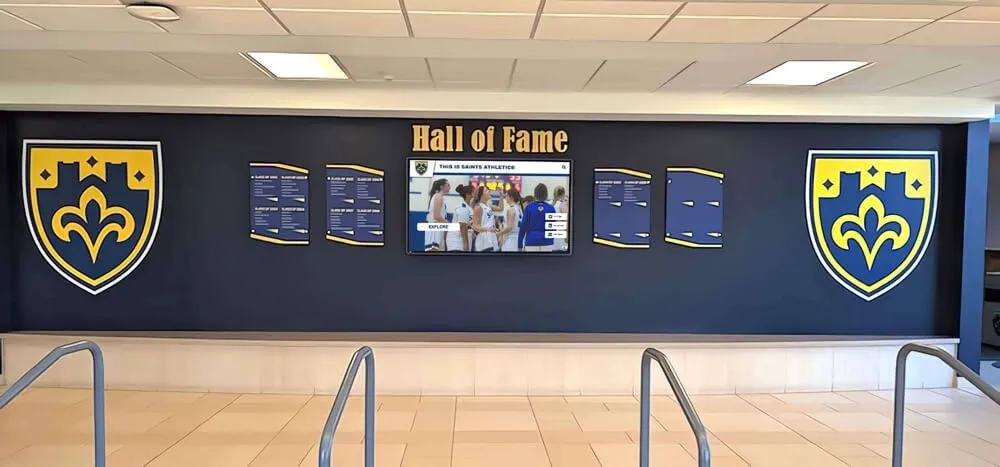
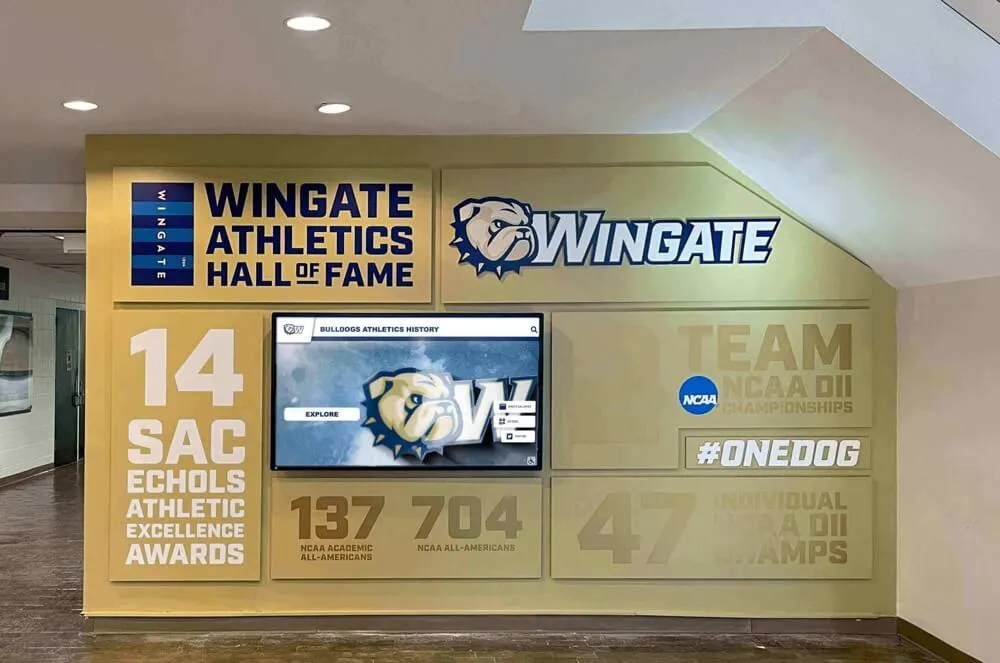
Integrated systems combining digital directories with traditional recognition elements create comprehensive campus communication environments
Overcoming Common Implementation Challenges
While benefits substantially outweigh difficulties, institutions should anticipate and proactively address common challenges that complicate directory implementation and adoption.
Budget Constraints and Funding Strategies
Comprehensive campus directory networks require substantial initial investment typically ranging from $50,000-150,000 depending on campus size, number of installations, and system sophistication—amounts that exceed many institutions’ discretionary technology budgets.
Alternative Funding Approaches
Institutions facing resource constraints can pursue several strategies including phased implementation starting with 2-3 highest-impact locations before expanding, capital campaign incorporation treating directories as permanent facility infrastructure, corporate sponsorship from technology companies seeking campus marketing exposure, foundation grants focused on student success and enrollment initiatives, and donor naming opportunities for major directory installations in prominent campus locations.
The key involves demonstrating that directory investment delivers measurable returns through improved enrollment conversion, enhanced visitor satisfaction, reduced operational costs, and institutional reputation benefits—positioning systems as strategic infrastructure rather than optional technology competing with other priorities for limited resources.
Technical Integration and Campus IT Coordination
Directory systems must integrate with existing campus IT infrastructure including networks, authentication systems, content management platforms, and emergency notification systems—requiring coordination with IT departments that may have competing priorities and limited capacity for new project support.
Successful IT Partnership Strategies
Institutions successfully navigating IT coordination typically involve campus IT leadership early in planning processes, select cloud-based directory platforms minimizing local infrastructure requirements, identify specific IT support needs and resource commitments upfront, establish clear vendor responsibilities versus internal IT obligations, and create realistic implementation timelines accounting for IT capacity constraints.
Quality directory vendors understand that higher education IT environments differ substantially from corporate settings, offering solutions specifically designed for educational applications with appropriate security, accessibility, and integration capabilities that minimize IT burden while meeting institutional requirements.
Maintaining Content Accuracy and Currency
Directory value depends entirely on current, accurate information—yet many institutions struggle with ongoing content maintenance as buildings change, departments relocate, and programs evolve without systematic update processes ensuring directory platforms reflect these changes.
Sustainable Maintenance Approaches
Institutions maintaining directory accuracy long-term typically designate specific administrative owners for overall platform management, establish regular review cycles identifying needed updates, distribute update responsibilities to relevant departments holding authoritative information, implement simple content submission procedures minimizing administrative burden, and utilize vendor support for major updates or technical issues.
The most sustainable approaches integrate directory maintenance into existing campus update workflows rather than treating it as separate additional burden requiring dedicated resources. When facilities management updates building databases or academic affairs modifies program information, these authoritative sources automatically feed directory platforms—ensuring accuracy without duplicative data entry or creating unsustainable parallel maintenance processes that eventually fail.
Approaches to exciting hallway displays demonstrate content strategies maintaining engagement and relevance over extended periods applicable to directory systems.
Advanced Directory Applications Beyond Basic Wayfinding
While navigation represents the primary directory function, sophisticated implementations extend platform capabilities to serve additional institutional objectives that multiply return on technology investment.
Campus Event Calendars and Activity Promotion
Directories can integrate event calendars showcasing upcoming campus activities and programming, highlighting admissions events for prospective students, featuring athletic competitions and performing arts productions visitors might attend, promoting campus tours and information sessions available during visitor stays, and connecting visitors with relevant events matching their interests and visit timing.
This event integration helps prospective students envision active campus life while potentially extending visit durations when families decide to attend events discovered through directories—creating richer campus experiences that strengthen emotional connections driving enrollment decisions.
Virtual Tours and 360-Degree Campus Exploration
Advanced directory systems can incorporate virtual tour capabilities including 360-degree photography of campus landmarks and facilities, video tours of classrooms, laboratories, and residence halls, virtual visits to facilities not accessible during physical tours, and augmented reality features overlaying information on physical campus views.
These virtual elements prove particularly valuable for visitors conducting abbreviated campus tours who cannot physically visit every facility, international prospects unable to visit campuses before enrollment decisions, and distance learners evaluating institutions for online programs while wanting to understand campus culture and community.
Emergency Information and Campus Safety Features
Directory platforms can serve critical emergency communication functions including emergency notification integration displaying urgent campus alerts, evacuation route information and assembly point locations, emergency contact numbers and campus police locations, severe weather shelter identification and directions, and accessibility information for emergency situations affecting standard campus navigation.
This safety integration positions directories as essential campus infrastructure serving ongoing operational needs beyond recruitment—strengthening institutional support for comprehensive directory networks while enhancing campus safety for all community members and visitors.
Understanding college recruiting through campus displays provides additional perspectives on maximizing directory system value across multiple applications.
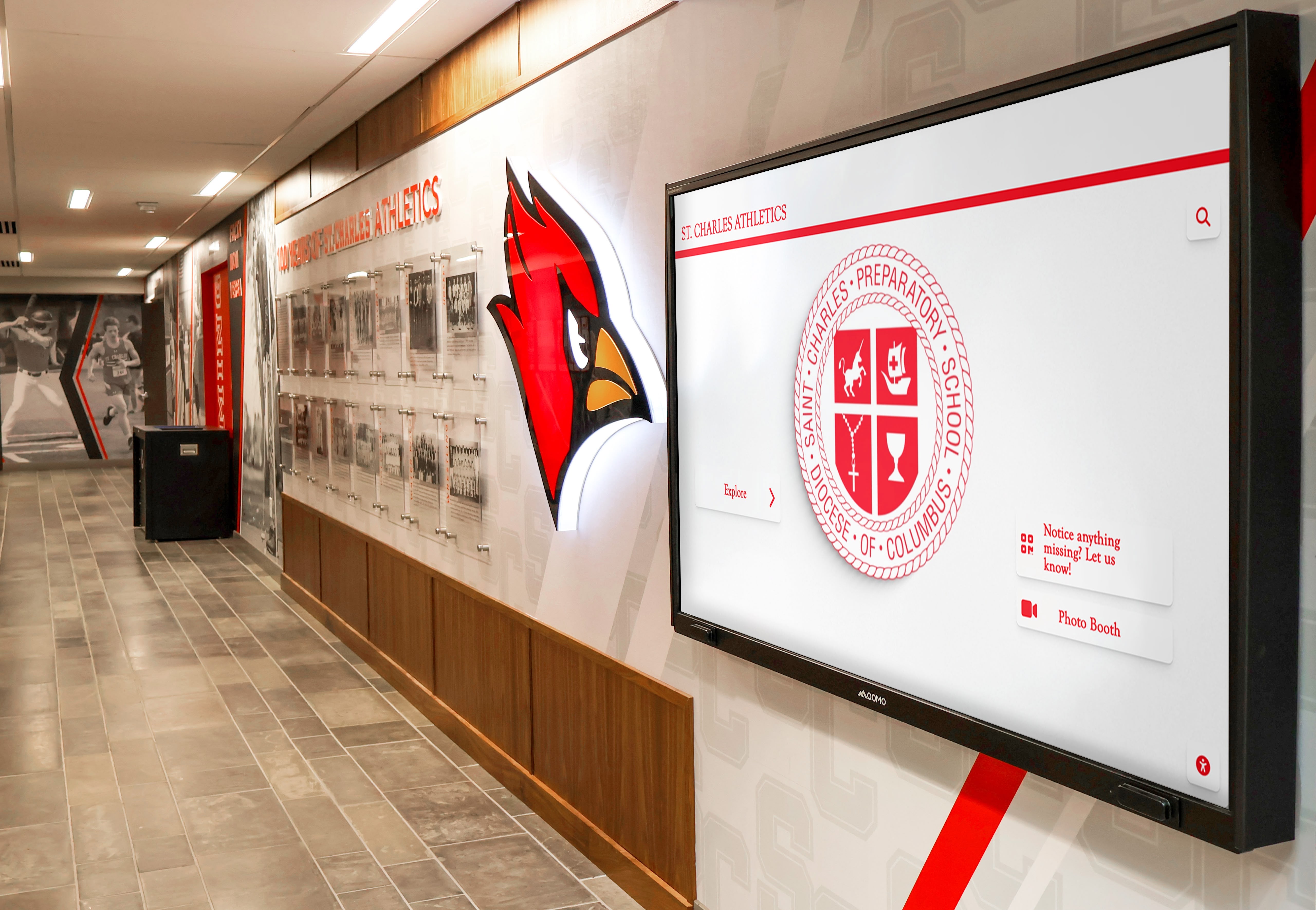
Coordinated directory networks with consistent branding create cohesive campus wayfinding systems that reinforce institutional identity
Conclusion: Transforming Campus Experience Through Interactive Directories
College tour directory touchscreen displays represent strategic investments in visitor experience, enrollment success, and operational excellence that deliver measurable returns far exceeding technology costs. When institutions systematically deploy comprehensive directory networks throughout campus environments, they transform navigation from persistent visitor frustration into effortless wayfinding that creates positive first impressions while enabling productive campus exploration that strengthens enrollment conversion.
The strategies explored in this guide provide comprehensive frameworks for implementing directory systems that effectively serve wayfinding needs while supporting broader institutional objectives including achievement recognition, program showcasing, and event promotion. From interactive campus mapping that eliminates visitor confusion to self-guided tour support enabling 24/7 campus accessibility to social media integration amplifying campus marketing reach, modern directory platforms deliver interconnected benefits that multiply investment value while positioning institutions as technologically sophisticated organizations committed to visitor experience excellence.
Transform Your Campus Navigation and Visitor Experience
Discover how purpose-built interactive directory solutions create seamless campus wayfinding experiences while showcasing institutional excellence through modern touchscreen technology designed specifically for higher education environments.
Explore Campus Directory SolutionsImplementation success requires moving beyond assumptions that basic directional signage adequately serves modern campus navigation needs. Today’s prospective students—digital natives expecting smartphone-like experiences everywhere—deserve intuitive wayfinding technology that meets contemporary user experience standards while demonstrating institutional investment in their success even before enrollment.
Start where you are with directory installations at highest-impact locations proving concept and value, then systematically expand to create comprehensive networks your visitors and campus community deserve. Every confused visitor wandering campus searching for buildings, every prospective family frustrated by outdated signage, every missed tour due to inability to locate meeting points—these represent missed enrollment opportunities and diminished institutional reputation that comprehensive directory systems prevent while creating the welcoming, professional environments that transform campus visits into enrollment commitments.
Your institution’s excellence deserves visibility and accessibility that helps prospective students recognize the quality you deliver. With thoughtful planning, appropriate technology selection, and systematic implementation, you can create directory systems that guide every visitor effortlessly while showcasing achievements and programs that distinguish your institution in competitive enrollment markets—building the positive, memorable experiences where campus tours become the beginning of lifelong institutional relationships.
Ready to explore campus directory solutions? Learn about interactive displays for courtrooms that demonstrate touchscreen applications in professional environments, discover hilton lobby visitor kiosks showing hospitality wayfinding best practices, explore building directory systems that provide comprehensive implementation guidance, and when you’re ready to discuss your specific campus needs, connect with Rocket Alumni Solutions for comprehensive platforms supporting both wayfinding and achievement recognition through integrated touchscreen technology designed for educational excellence.