



The color guard rifle is one of the most iconic pieces of equipment in marching arts. Spinning overhead during a halftime show, catching stadium light, and landing back in a performer’s hands after a perfect six-count toss—the rifle captures everything that makes color guard compelling. Yet behind that dramatic visual lies a surprisingly nuanced world of equipment selection, material science, daily maintenance, and skill-building that every high school director and first-year guard member needs to understand.
This guide covers the complete picture: what color guard rifles actually are, how they differ from each other, how to choose the right equipment for your program, how to keep rifles in performance condition, how to build the fundamental technique that makes the equipment come alive, and how to ensure your top performers receive the lasting recognition their dedication deserves.
Whether you are a director outfitting a guard for the first time or a veteran performer helping a teammate understand their equipment, the information here will save you money, reduce injuries, and extend the life of your gear.

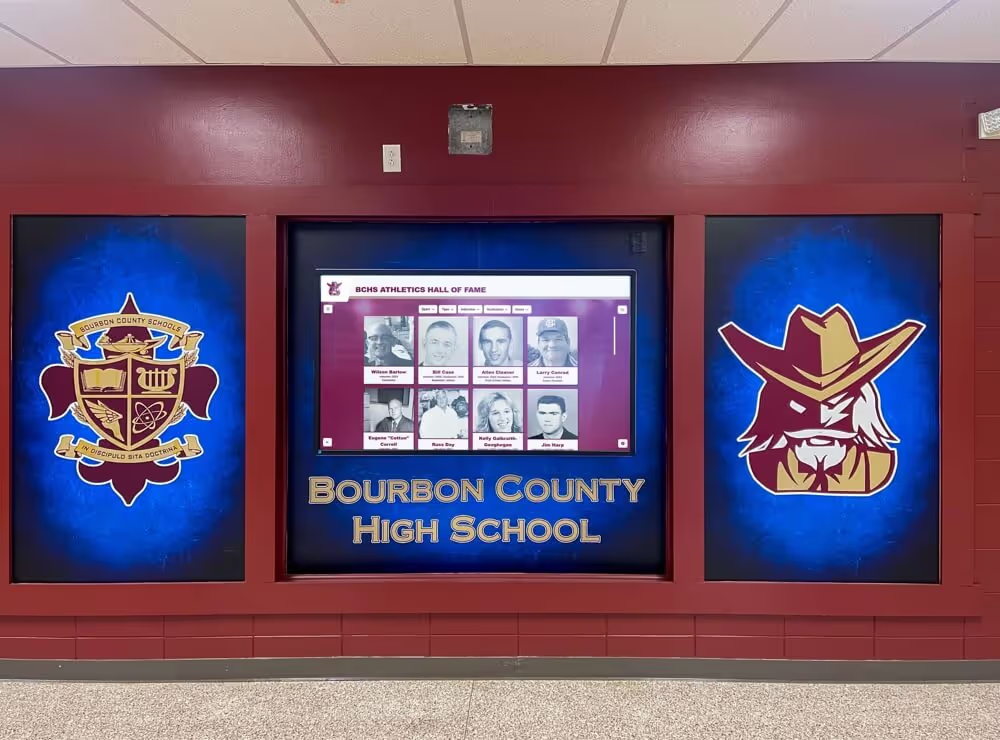
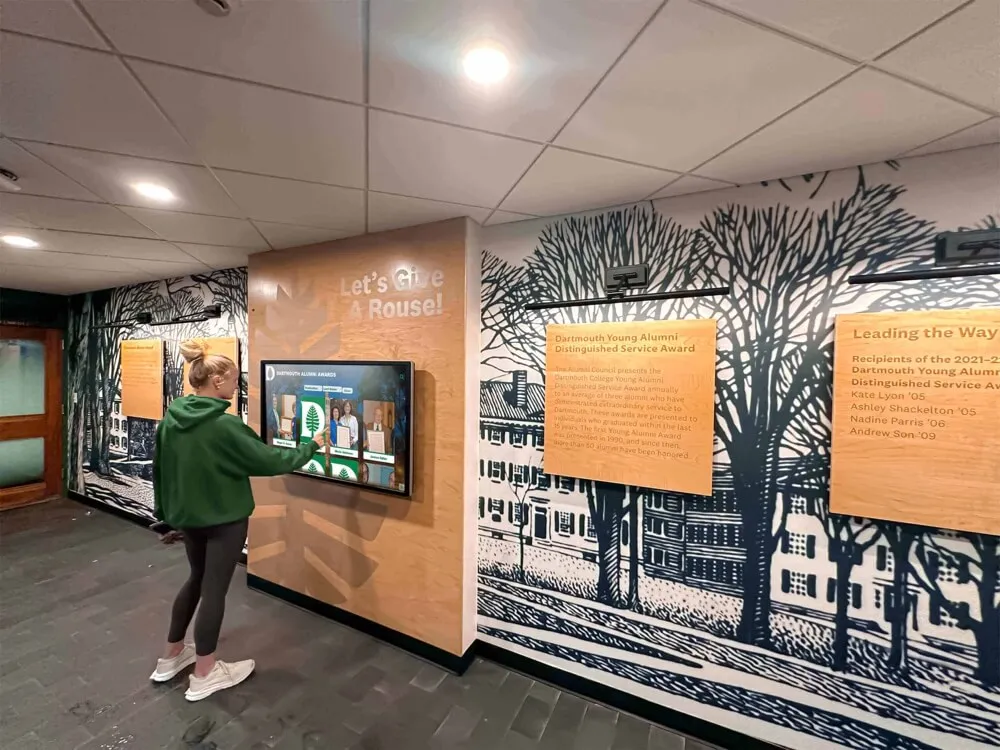
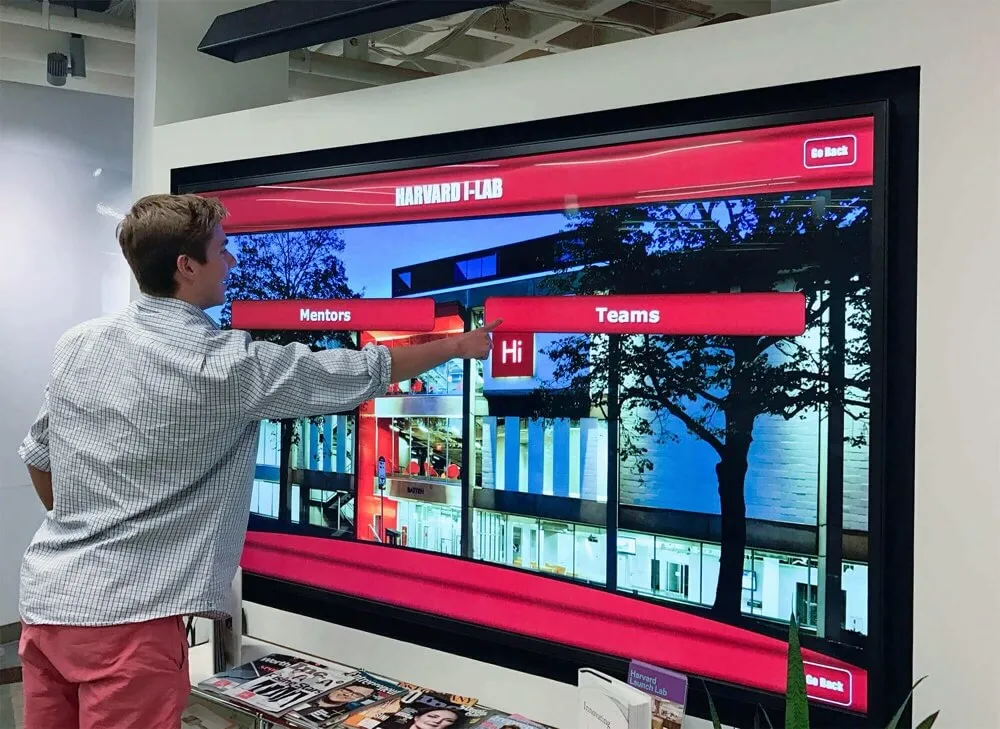
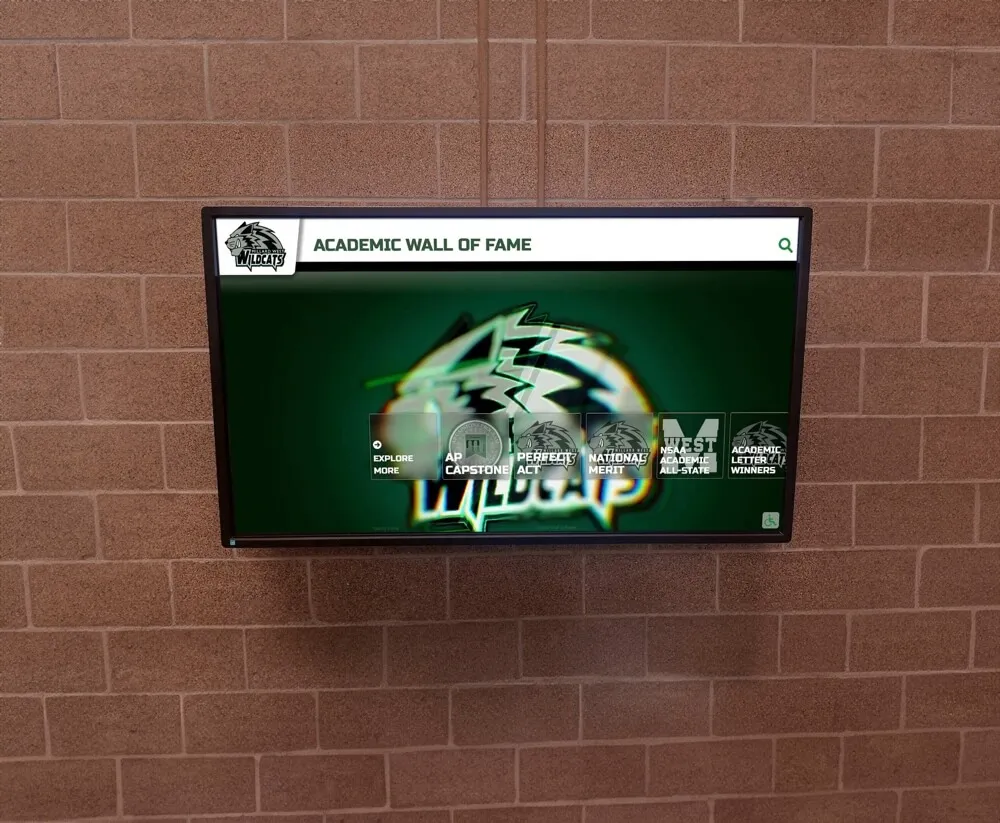
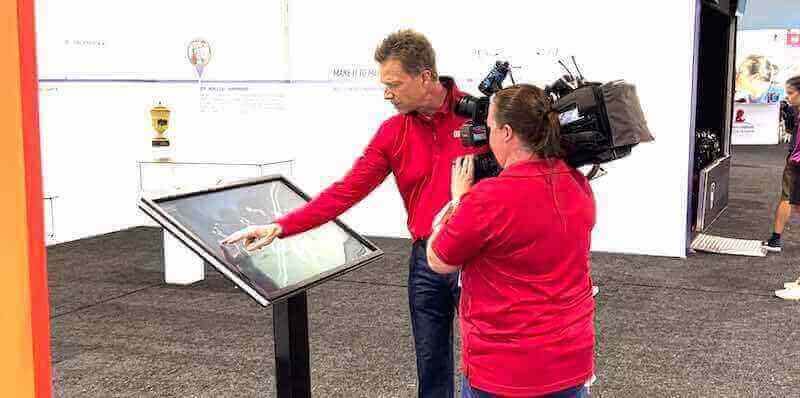
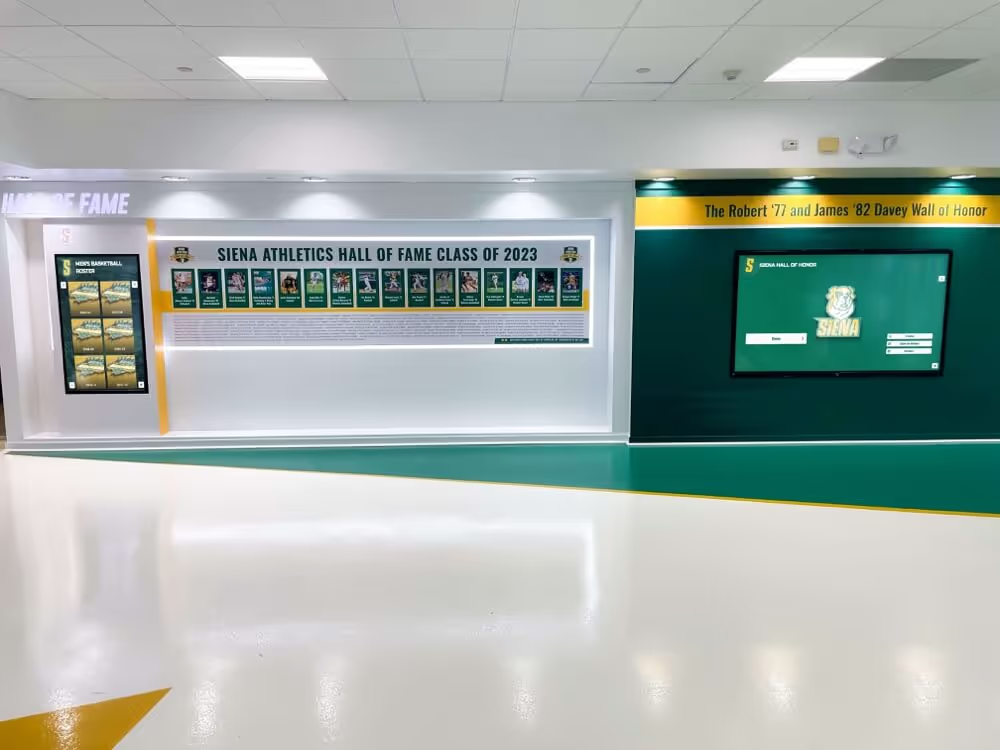
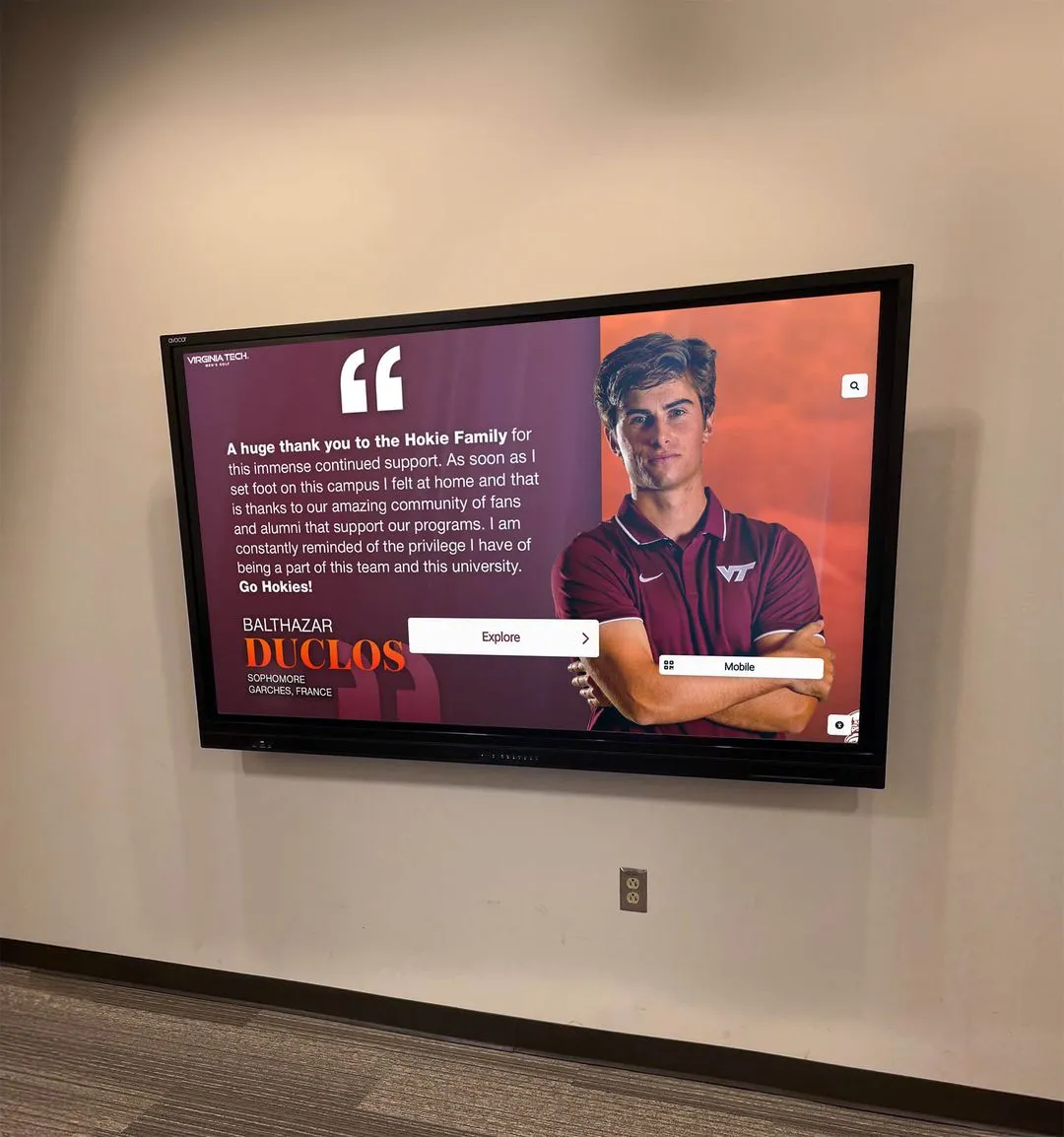
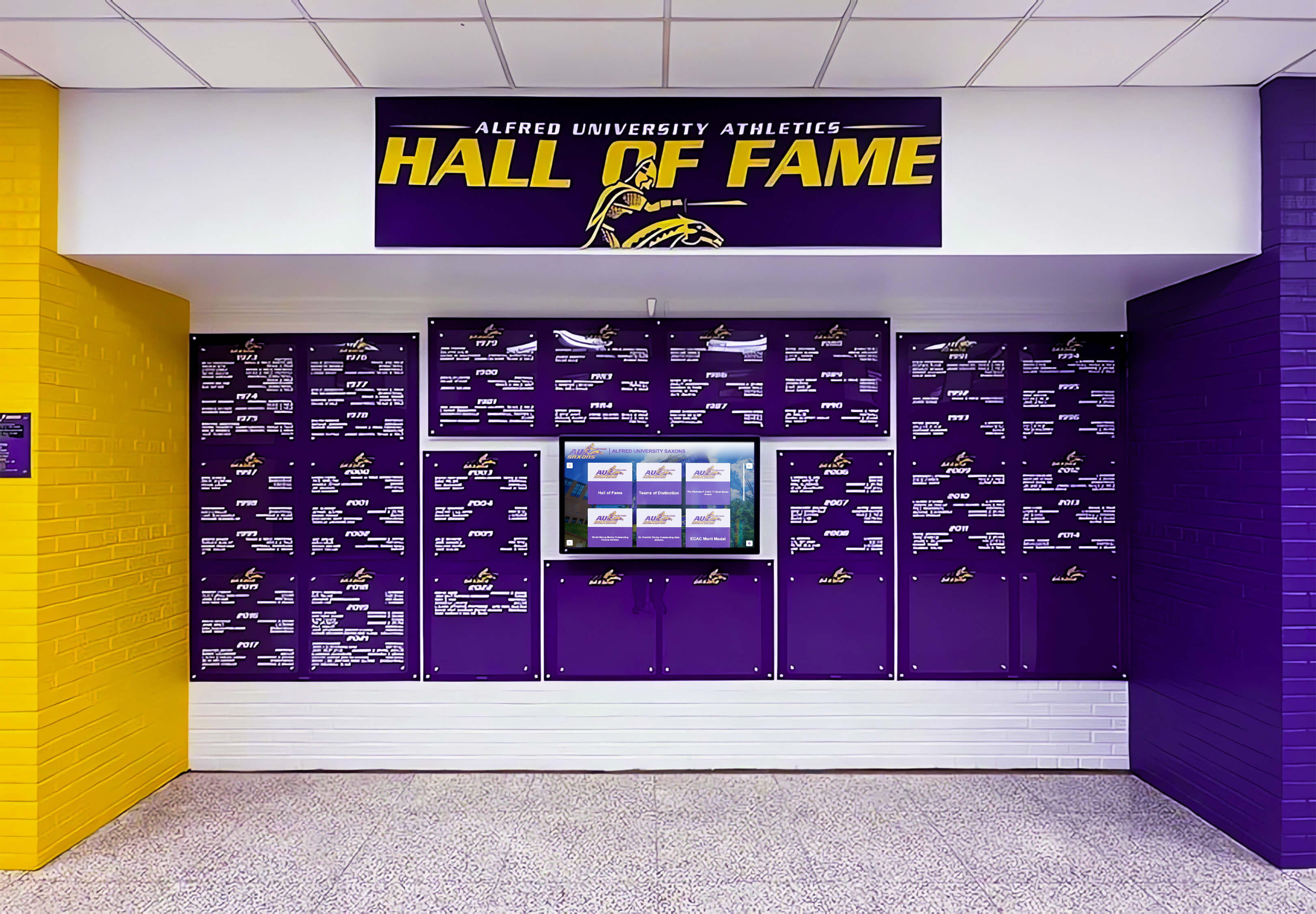
Color guard and performing arts programs deserve the same permanent recognition space as any athletic team—modern digital displays make that possible
What Is a Color Guard Rifle?
Despite the name, a color guard rifle has nothing to do with firearms. It is a wooden or composite prop machined to resemble a military-style rifle and used exclusively for spinning, tossing, and choreographic work in winter guard, drum corps, and high school marching band color guard programs.
The rifle evolved from the military tradition of rifle drill performed by honor guards during ceremonies. As color guard grew into a competitive performing art in the 1970s and 1980s, the prop became central to ensemble design—providing a contrast to the flowing aesthetic of flags and sabers through its sharp, percussive visual quality.
How Color Guard Rifles Differ from Real Weapons
Color guard rifles are:
- Solid wood or fiberglass composite—no moving parts, no barrel, no mechanism of any kind
- Weighted toward the butt end to produce predictable rotation during a toss
- Sanded and finished to create a consistent grip surface
- Legally unrestricted as props in virtually every state because they contain no mechanical action
The visual similarity to a military rifle is intentional. Judges and audiences read the prop as a tribute to military pageantry, connecting color guard to its ceremonial roots.
Types of Color Guard Rifles
Not all color guard rifles are the same. Programs choose among several styles depending on skill level, choreography demands, budget, and guard tradition.
Standard Wooden Rifles
The most common option at the high school level. Typically cut from maple, oak, or a laminated hardwood blank, standard wooden rifles offer:
- Weight range of 1.5–2.5 lbs, depending on wood species and barrel length
- Lengths from 36 to 44 inches, with 39–42 inches being the typical competition range
- A natural wood finish or painted surface, often customized to match uniform colors
- Lower cost per unit, making full-ensemble replacement financially manageable
Wood rifles respond well to tape wrapping on the grip and butt sections, which many performers prefer for control during wet or humid outdoor performances.
Fiberglass and Composite Rifles
Composite rifles became more widely used at the competitive circuit level because they offer:
- Consistent weight distribution from unit to unit, critical when an entire line needs to rotate at identical speeds
- Resistance to splitting or cracking in cold outdoor temperatures that can damage wood
- Longer usable lifespan since composite materials don’t warp when stored in humidity
- Slightly higher upfront cost offset by reduced replacement frequency
Some composite models allow weight inserts in the butt end, letting directors fine-tune balance for specific toss heights.
Practice Rifles
Most experienced programs maintain a separate fleet of practice rifles—often older, worn equipment kept specifically for daily rehearsal so performance rifles stay in the best possible condition for competition. If your budget allows, this separation is well worth the investment.
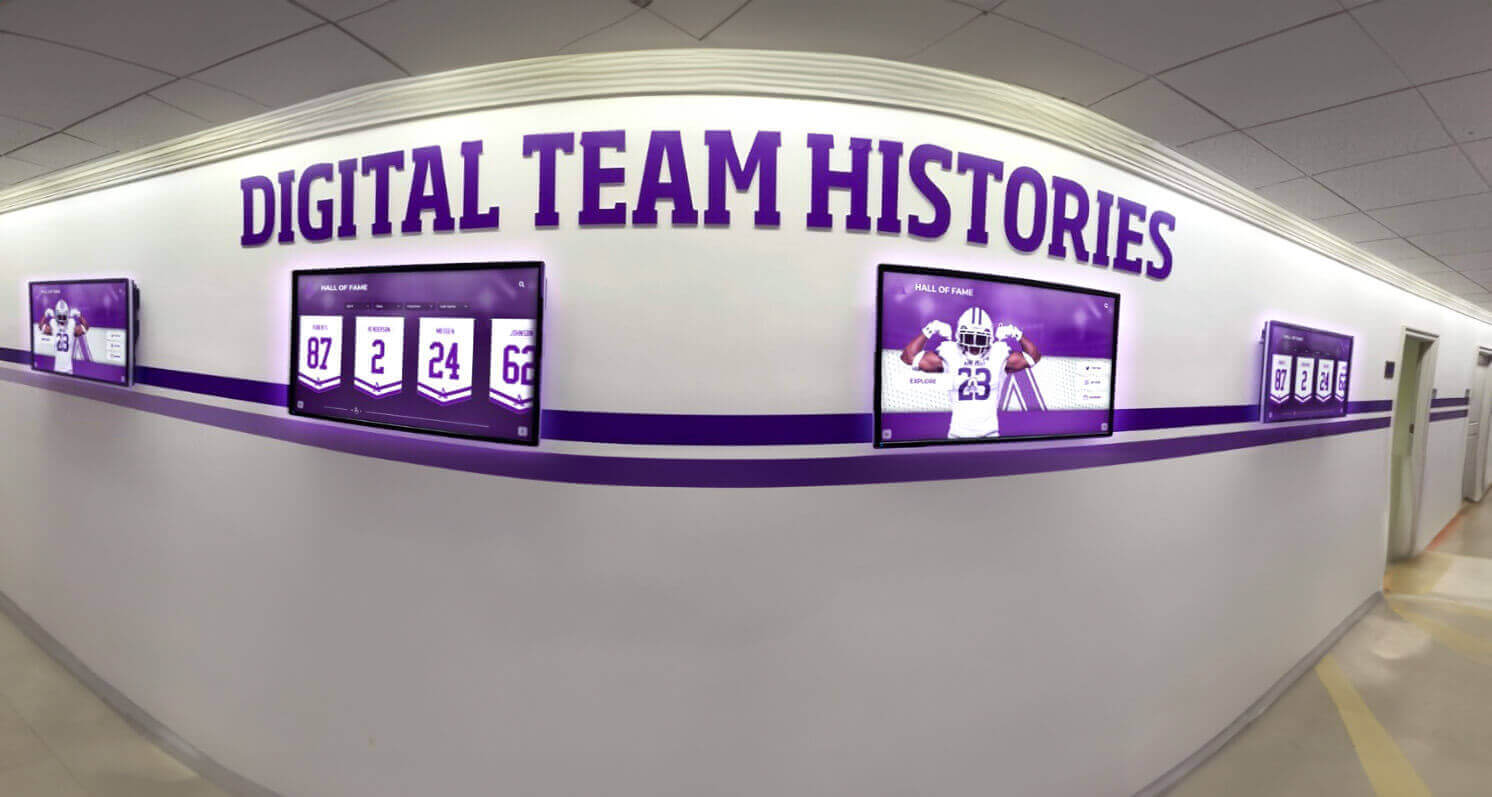
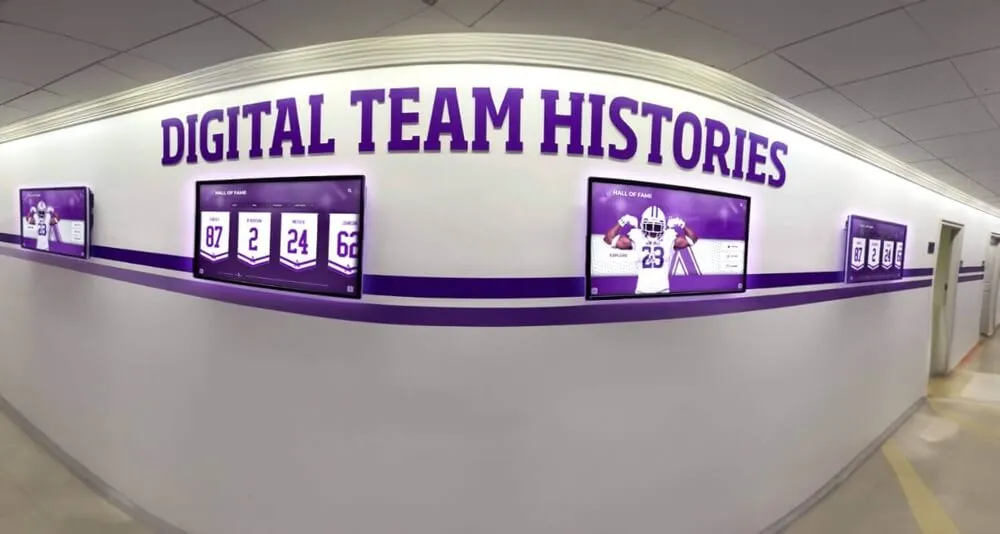
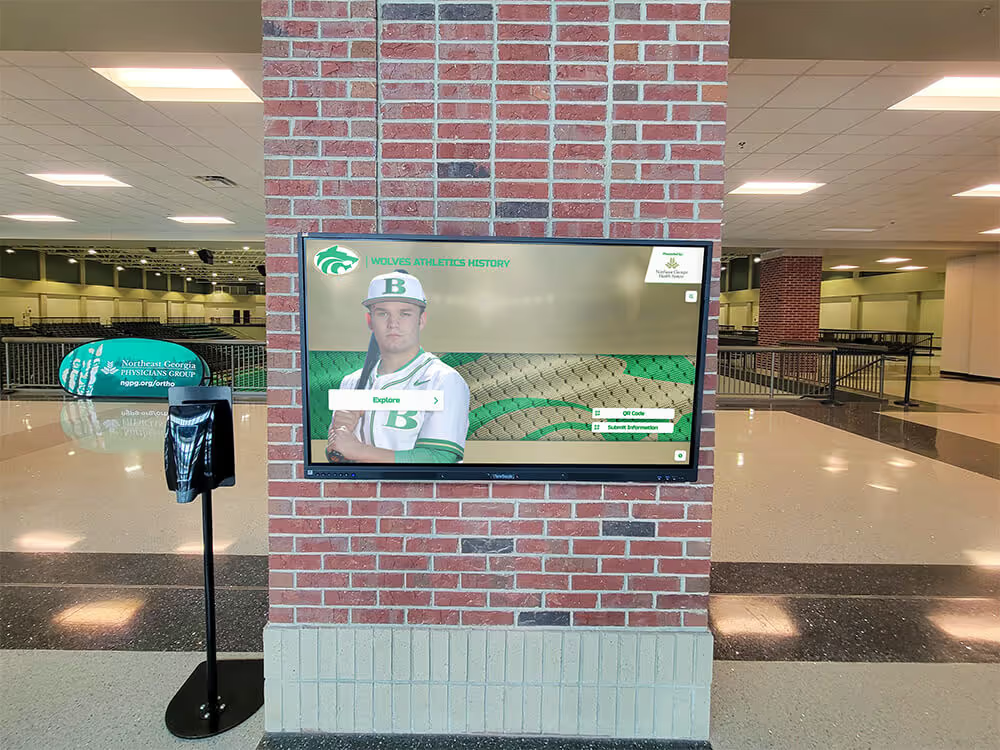
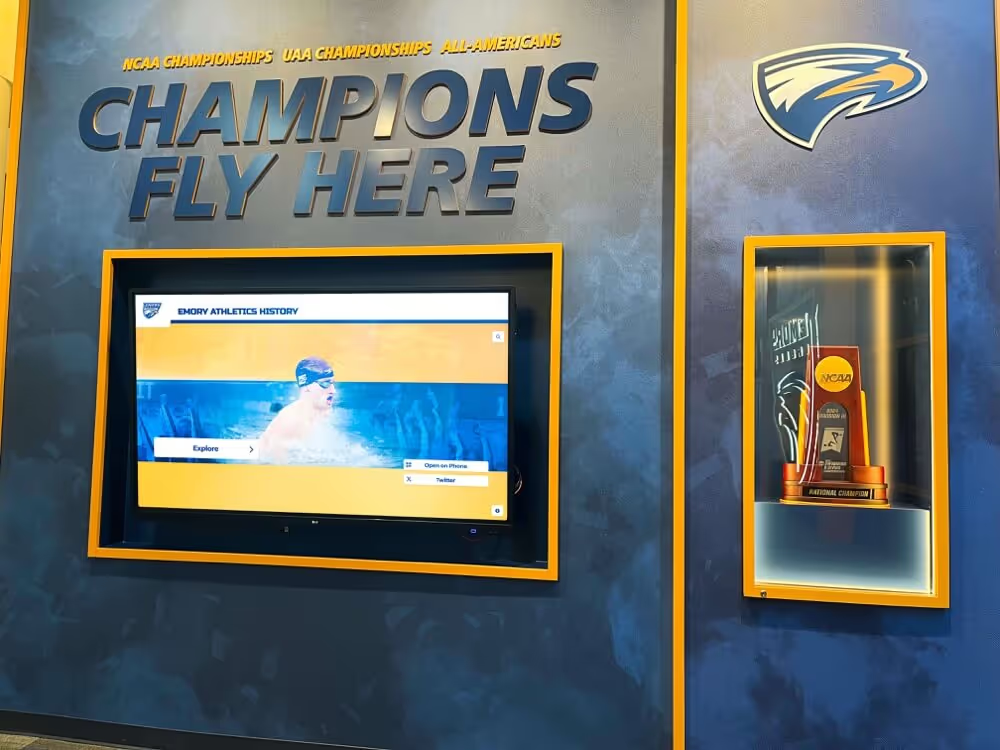
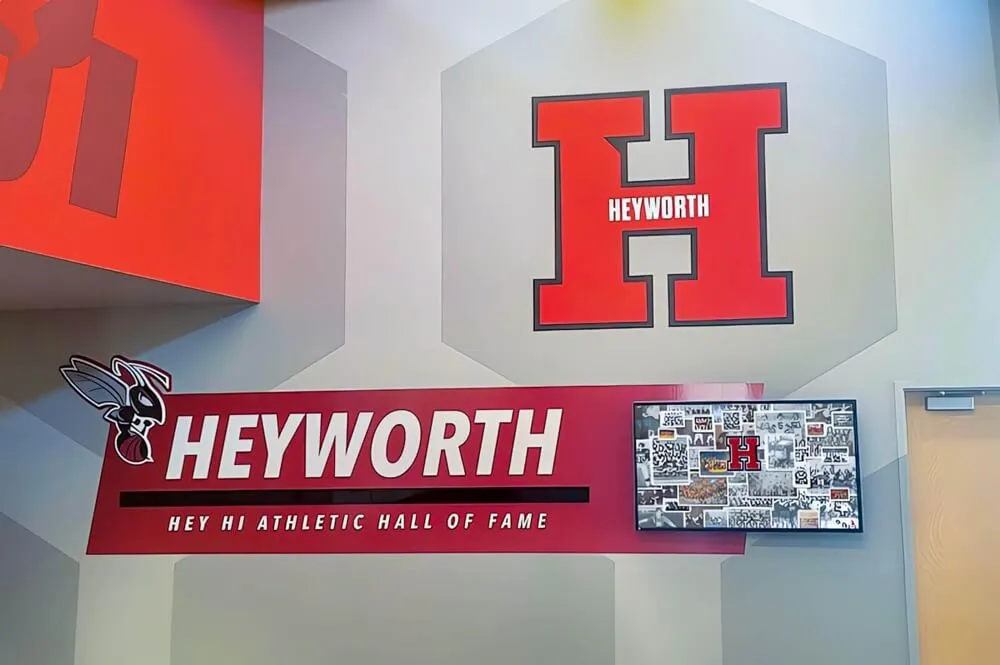
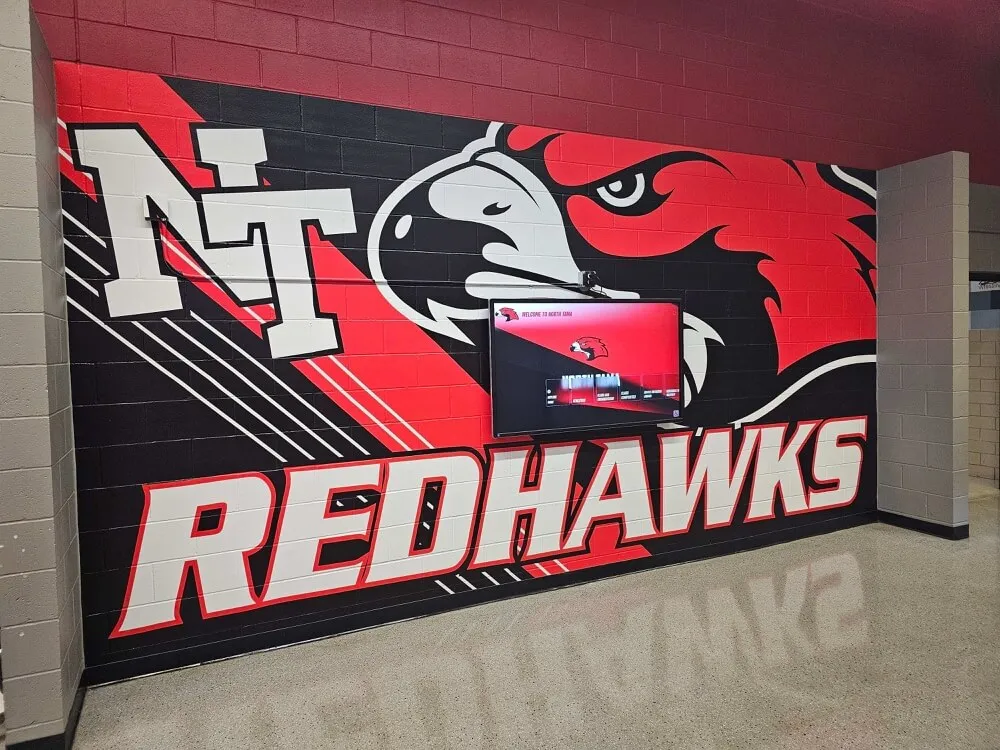
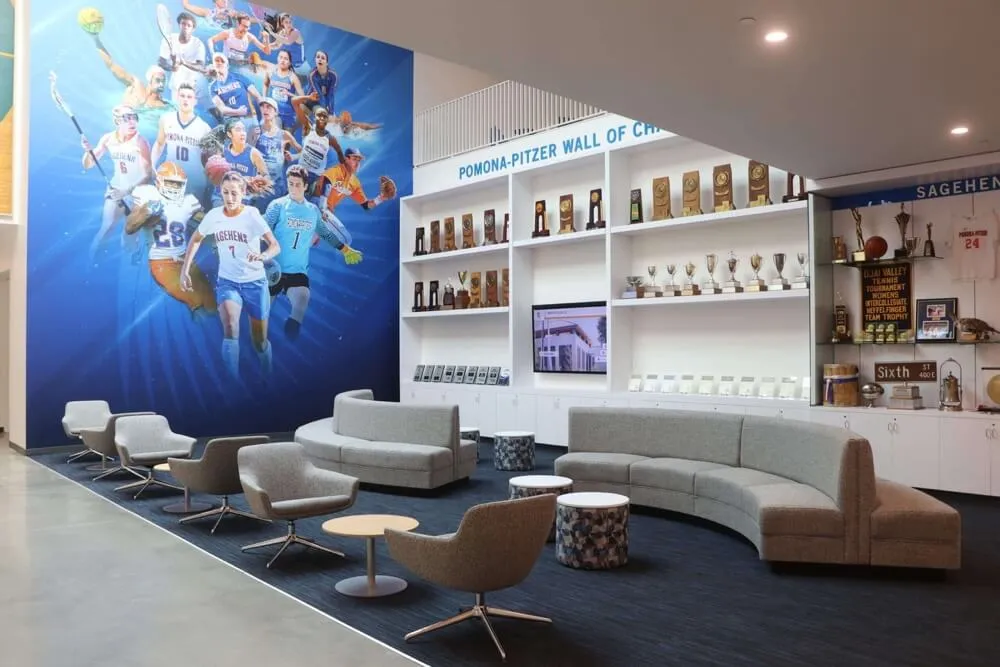
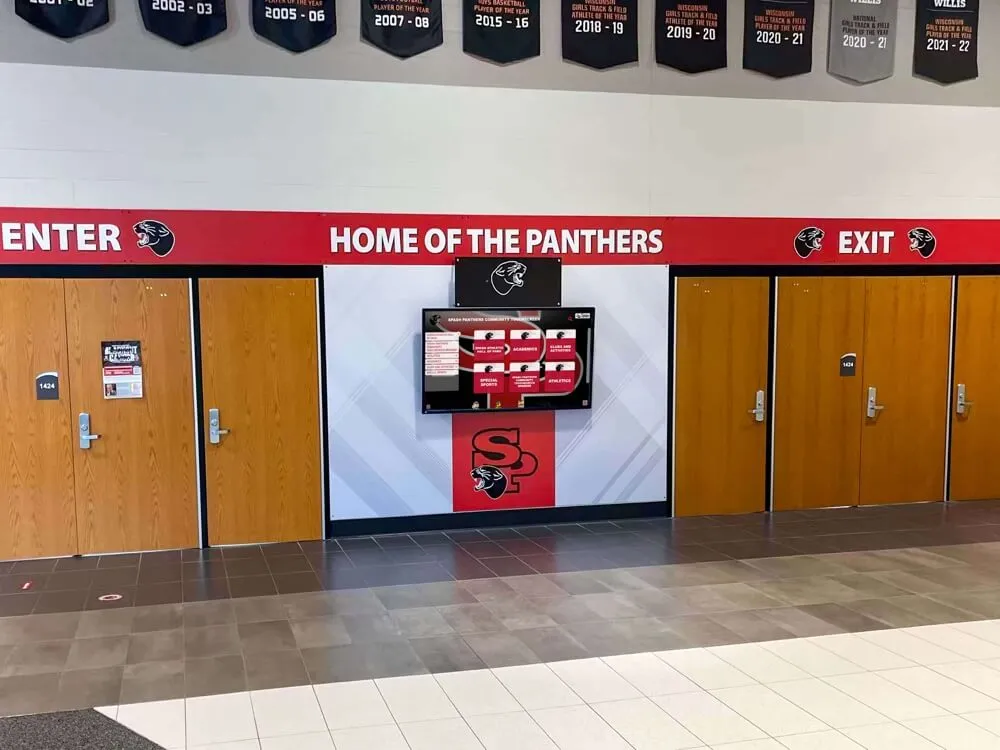
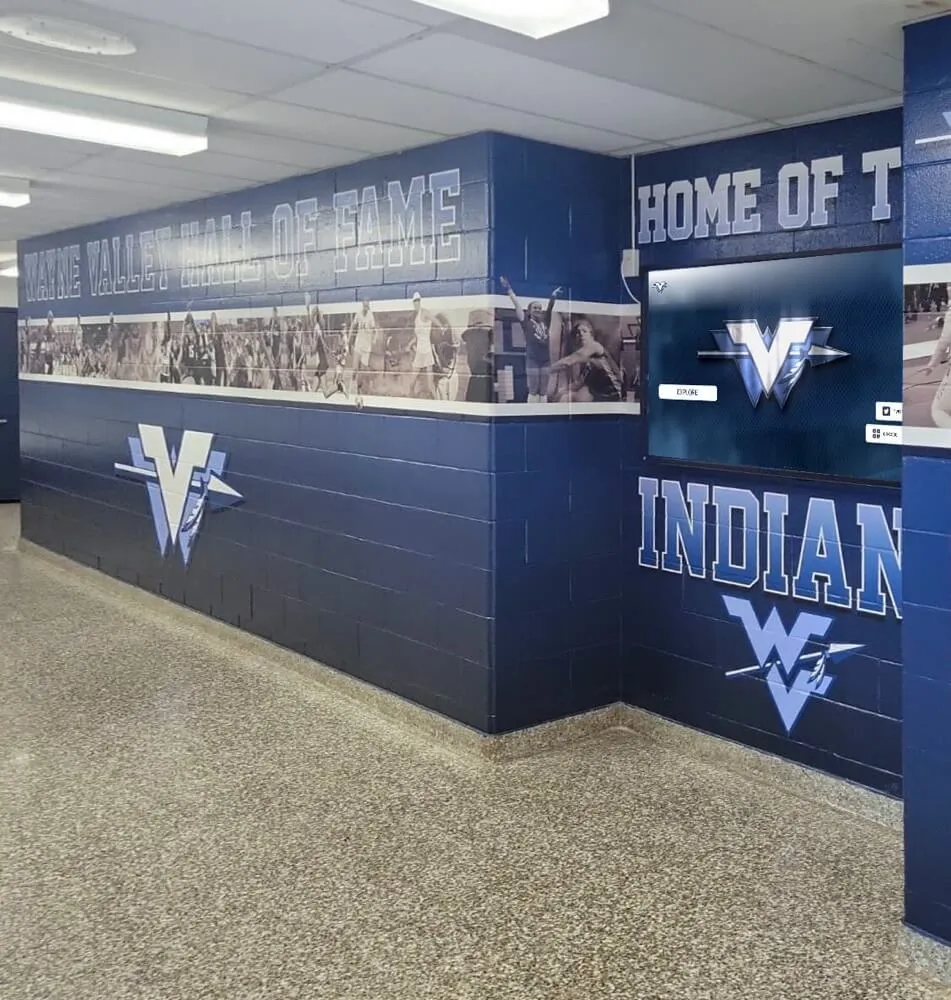
Hallway recognition systems can incorporate color guard and performing arts team histories alongside traditional athletic records
Choosing the Right Color Guard Rifle for Your Program
Selection decisions depend on five interconnected factors.
1. Skill Level of Your Performers
Beginning color guard students benefit from lighter, shorter rifles that generate more manageable rotational speed during initial toss work. A 38-inch wooden rifle at 1.6 lbs is far more forgiving for someone still learning hand position than a full-length composite at 2.2 lbs.
As performers advance, increasing length and weight develops the wrist strength and spatial awareness required for competition-level tosses.
2. Choreography Demands
Work with your show designer before purchasing. A choreographer writing six-count tosses in a ballad needs a rifle that rotates slowly and cleanly. A show with rapid-fire exchange work needs equipment that recovers quickly in the hands. These demands push toward different weight profiles.
3. Budget and Ensemble Size
A 20-member rifle line replacing equipment every three years is a significant recurring expense. Most programs find that mid-range wooden rifles at $40–$70 per unit represent the best balance of quality and cost. Composite rifles typically run $80–$130 per unit but may require fewer replacements over a program’s lifespan.
Factor in tape, wood finish touch-up supplies, and replacement guards for damaged tips when calculating your true annual cost.
4. Vendor Reliability
Purchase from established color guard equipment vendors who specialize in marching arts rather than general sporting goods retailers. Specialty vendors machine their rifles to tighter tolerances, which matters enormously when you need 20 units to rotate at identical speeds. They also stock replacement parts and can match custom paint specifications.
5. Consultation with Your Caption Head
If your program has an experienced color guard caption head or outside instructor, involve them before any purchase. These instructors have hands-on experience with dozens of equipment manufacturers and can steer you away from vendors known for inconsistency.
Caring for Color Guard Rifles: A Complete Maintenance Guide
Equipment that receives proper care lasts significantly longer and performs more reliably under competition conditions.
After Every Rehearsal
Wipe down the surface. Sweat and skin oils break down wood finishes over time. A quick wipe with a dry or very lightly dampened cloth after each rehearsal prevents this buildup from becoming permanent staining.
Inspect for damage. Run your hands along the full length of the rifle looking for new splits, cracks, loose tape, or chipped finish. Catching small damage early prevents minor issues from becoming equipment failures.
Store horizontally. Rifles stored vertically for extended periods can develop a slight warp in wood models, especially in climates with wide humidity swings. Horizontal storage on a flat surface or in a properly sized case keeps them straight.
Weekly Maintenance
Re-tape grip sections. Athletic grip tape, hockey stick tape, or color guard-specific tape wears unevenly with repeated use. Peeling and replacing tape weekly during intensive rehearsal periods maintains consistent grip feel and prevents awkward mid-routine slippage.
Inspect butt guards. The rubber or plastic guard on the butt end absorbs most of the impact when rifles are caught improperly or set on hard surfaces. Replace butt guards before they wear through to the wood beneath.
Check balance. Roll each rifle on a flat surface. A rifle that wobbles significantly or tips heavily to one end has likely experienced some internal change—a crack in a composite model or moisture absorption in a wooden one. Flag these units for closer inspection.
Seasonal Deep Maintenance
Refinish wooden rifles annually. Strip old finish with fine-grit sandpaper, fill any small cracks with wood filler, sand smooth, and apply fresh polyurethane or lacquer. This process takes time but dramatically extends equipment life.
Evaluate composite rifles for stress fractures. Flex each rifle gently along its length. Composite units that have absorbed repeated hard catches may develop hairline fractures invisible to the eye but detectable through feel. Retire any unit that feels soft or spongy in a localized area.
Audit your total inventory. Determine how many units remain in performance-ready condition versus practice-only condition versus retirement. Order replacements before preseason rather than discovering mid-camp that your rifle line is understaffed.
Storage Between Seasons
Store rifles in a climate-controlled environment whenever possible. Temperature extremes and humidity swings are the primary enemies of wooden equipment. A dedicated storage cabinet or padded case in an interior room is preferable to an outdoor storage shed or a basement prone to moisture.
Label each rifle with a permanent marker on a non-visible surface. Inventory tracking prevents end-of-season count discrepancies and helps you identify which specific units experience the most wear.
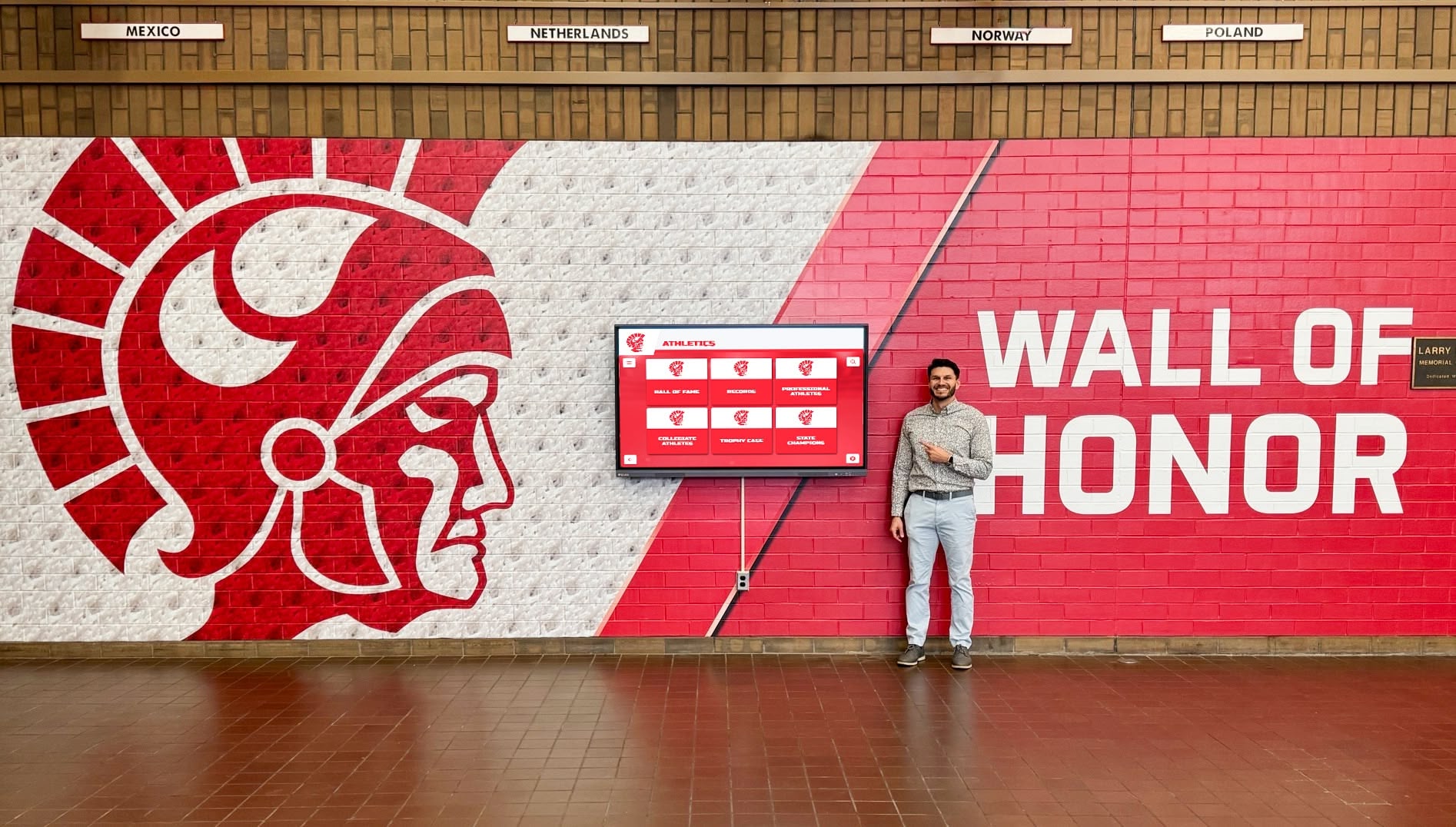
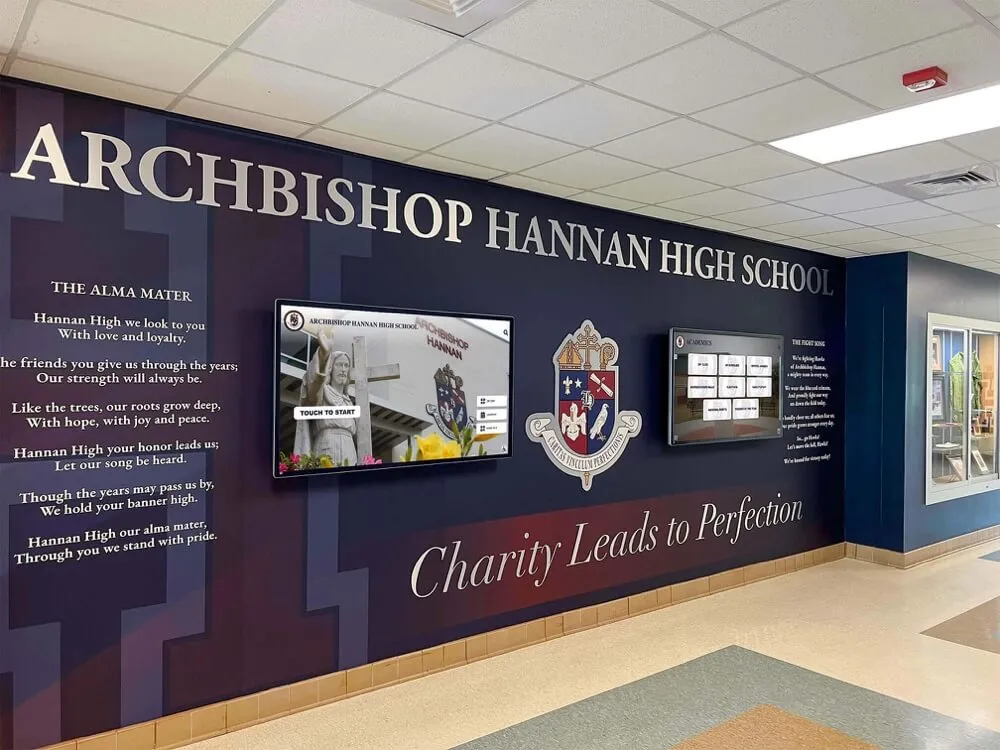
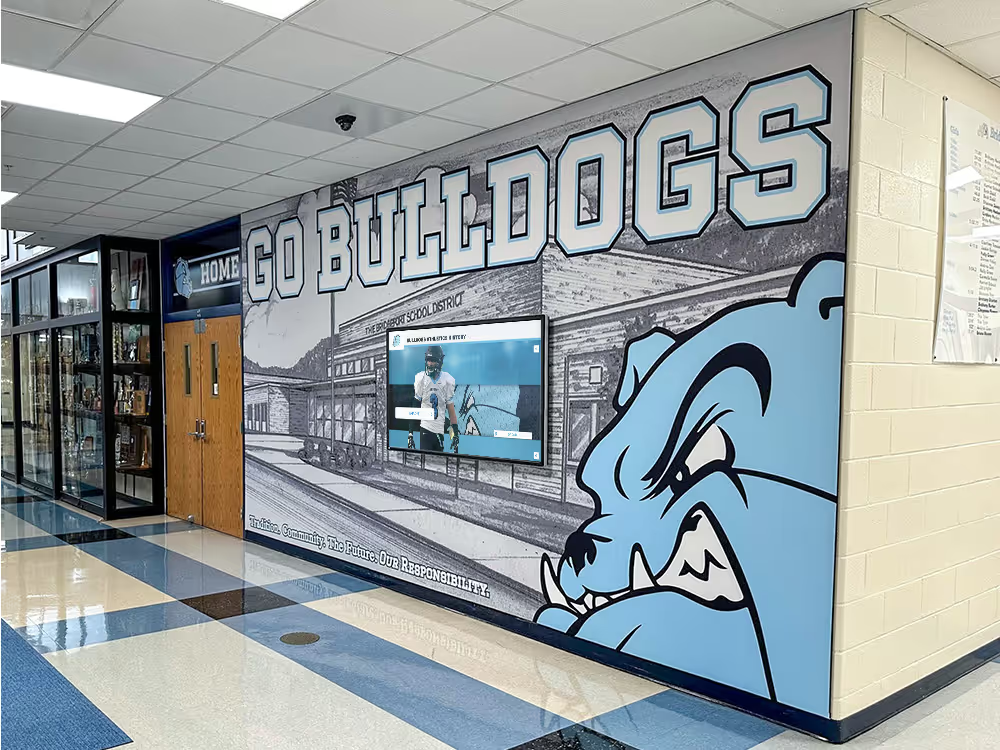
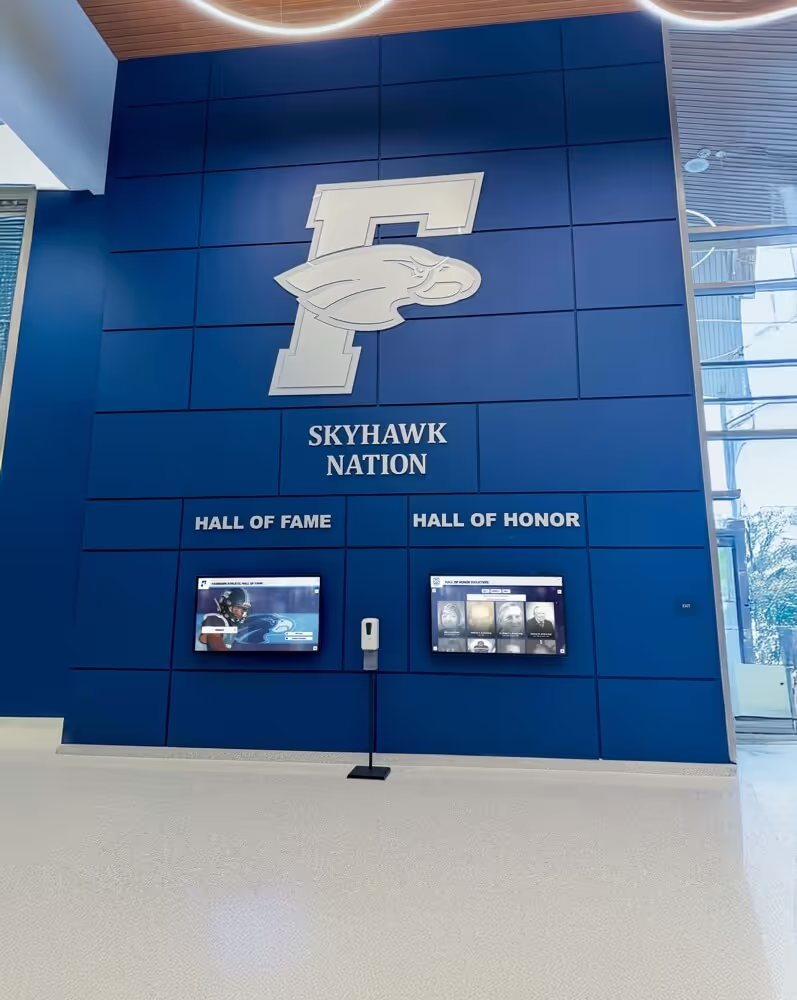
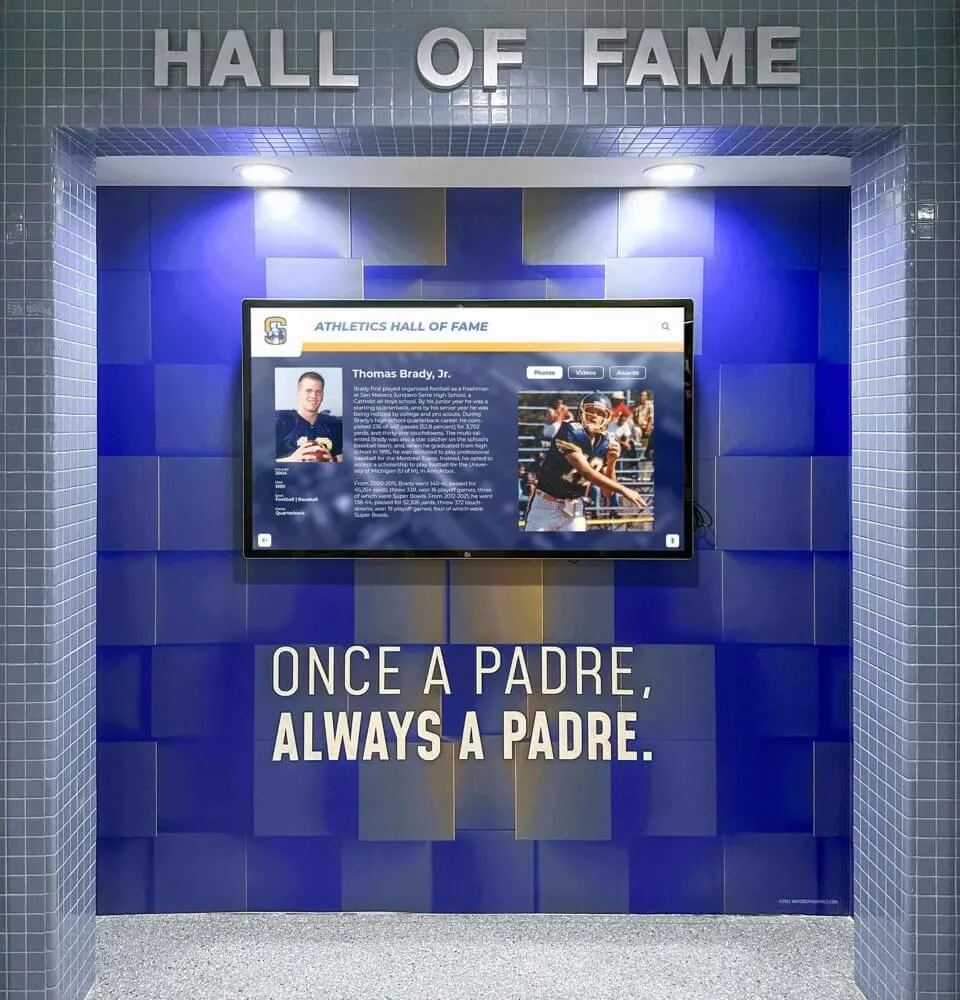
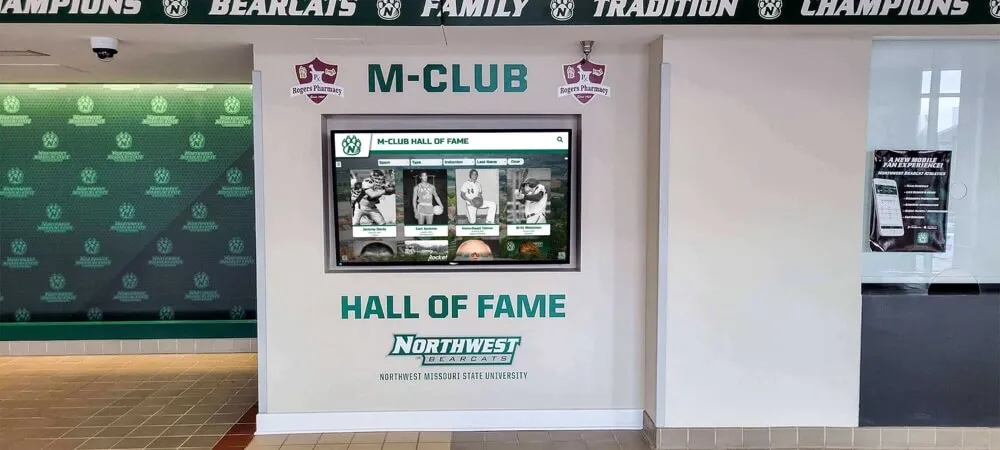
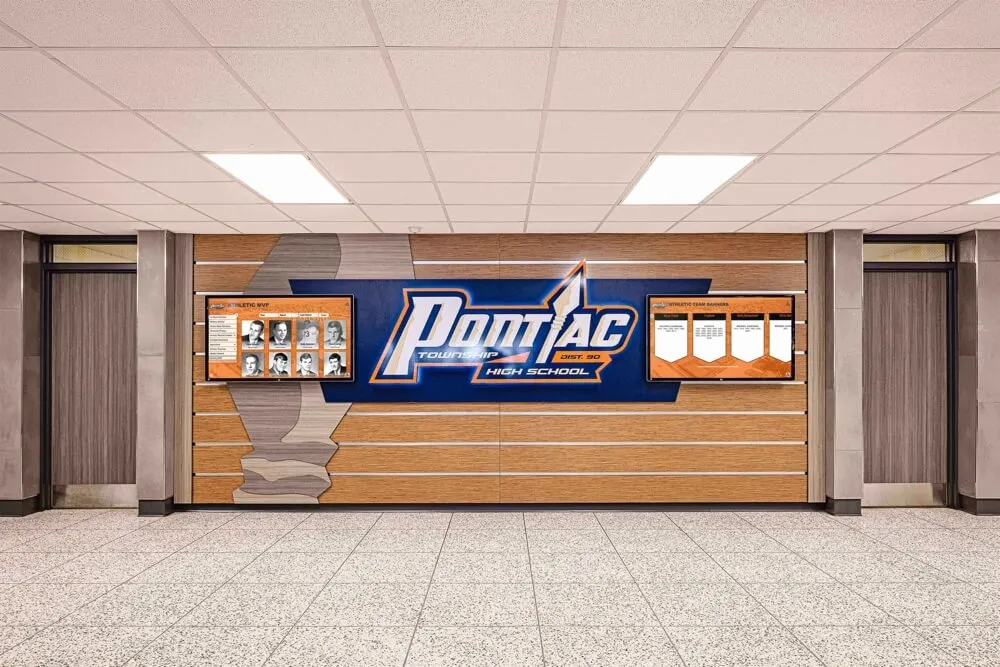
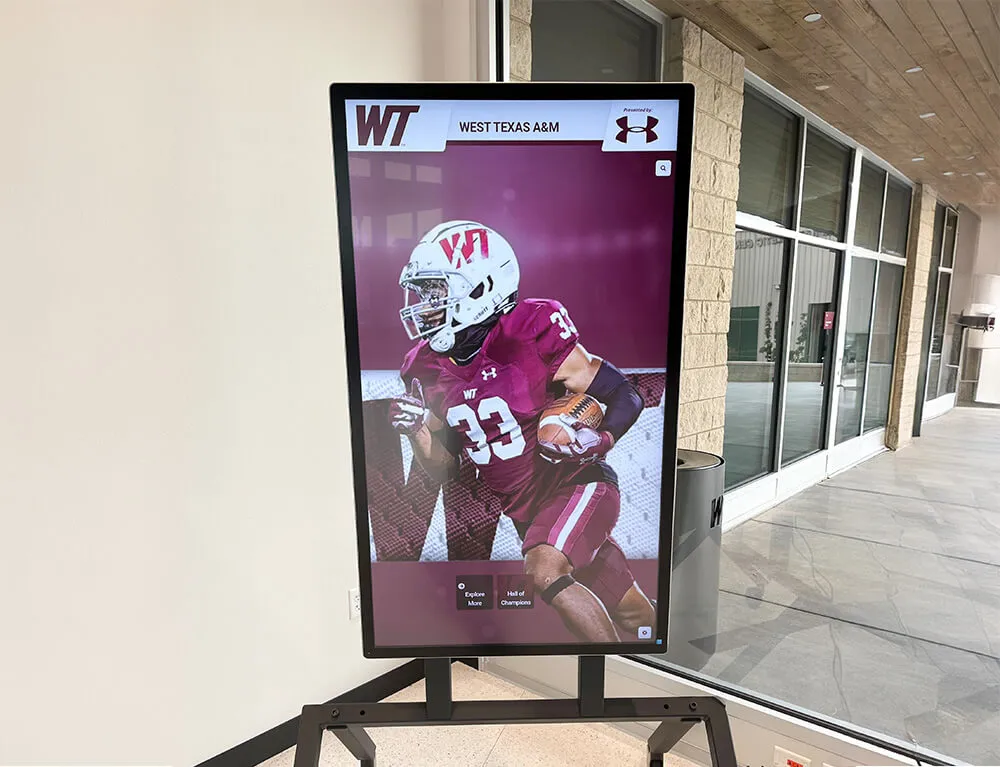
High-traffic hallway placements ensure color guard achievements are seen by the full school community throughout the year
Building Color Guard Rifle Technique: Fundamentals for High School Programs
Strong technique makes equipment look effortless and reduces injury risk. Directors building a rifle line from scratch should establish these fundamentals before any choreography is introduced.
Grip and Hand Position
The correct grip holds the rifle approximately one-third from the butt end, with the dominant hand forming a loose, flexible cradle rather than a clenched fist. A tight grip creates tension that travels up the arm, disrupts toss rotation, and increases fatigue over a two-hour rehearsal.
Teach performers to think of the rifle as a pendulum at rest—the hand guides it but does not control it through force. This conceptual shift is often the single most useful instruction for beginning rifle members.
The Basic Toss
The foundational one-count toss involves:
- Starting position: Rifle held vertically at the side with the butt near hip level
- Release point: The rifle leaves the hand as the arm swings forward, generating rotation from wrist momentum rather than arm force
- Hang time: The rifle completes its rotation during the time specified by the choreography (one count, two counts, four counts, etc.)
- Catch position: Dominant hand returns to the original grip point as the rifle completes rotation
The most common beginner error is pushing the rifle upward rather than allowing rotation to carry it. This results in erratic spin and unpredictable catch points.
Progressing from Single to Multiple Tosses
Build toss height gradually. Beginning performers should work at a comfortable height—typically with the rifle reaching no higher than a foot above the performer’s head—before any count extensions are introduced. Rushing height development increases drop frequency and, more critically, increases the chance of impact injury when a performer misjudges catch position.
Most experienced programs spend the first two weeks of a season exclusively on single-count tosses at modest height, ensuring every member has consistent hand position before introducing any exchange or extended toss work.
Exchange Work
Rifle exchanges—where the equipment passes between performers or is caught after a traveling toss—require strong individual technique as the foundation. Programs that rush into exchange work without establishing individual control produce visually inconsistent performance and elevated drop rates during competition. Build individual tosses to mastery first.
Indoor vs. Outdoor Performance Considerations
Outdoor performance in wind introduces a variable that indoor rehearsal cannot replicate. Teach performers to adjust their release angle slightly into a headwind and to expect longer hang times with a tailwind. This adaptation comes only through outdoor rehearsal time—there is no indoor substitute.
Cold temperatures stiffen hands and reduce grip sensitivity. Programs preparing for outdoor competitions in late October or November should schedule rehearsal time in similar temperatures rather than exclusively in heated gyms.
Competition Preparation: Getting Your Rifle Line Ready
The weeks before a competition require a specific preparation focus distinct from regular rehearsal.
The Week Before Competition
Reduce toss height slightly. This is counterintuitive but effective. At full competition height, small technical inconsistencies produce big visual problems. Slightly reduced height during final rehearsals helps performers reconnect with fundamental technique and arrive at competition with clean, controlled execution rather than risky height.
Run full show as many times as possible under performance conditions: in full uniform, with the full ensemble, on an appropriately sized floor or field, and with the full warm-up and cooldown sequence you plan to use at the competition site.
At the Competition Site
Arrive with time to assess the performance surface. Outdoor fields vary considerably in turf type and firmness. Indoor floors at competition venues may be more or less slippery than your practice gym. Give performers at least 15–20 minutes of warm-up time on the actual performance surface before the routine begins.
Designate a specific captain or section leader responsible for quick equipment checks during transition time. They should verify that no unit has developed a loose butt guard, missing tape section, or cracked finish that wasn’t apparent during rehearsal.
Recognizing Color Guard Excellence: Why It Matters and How to Do It Right
Color guard members invest the same commitment as any varsity athlete—early mornings, weekend rehearsals, summer camps, performance pressure—but they rarely receive recognition in school hallways, at banquets, or in the kinds of displays that celebrate athletic achievement. Closing that gap strengthens programs by showing current and prospective members that their dedication is seen and valued.
Recognition Opportunities Throughout the Season
End-of-competition recognition: Announce placements at the next school day following competitions. A brief announcement over the PA or a display board update communicates to the broader school community that the color guard competed and succeeded.
Seasonal milestone celebrations: Recognize the halfway point of the season, the last home performance, and senior performances with specific acknowledgment rather than treating them as ordinary rehearsals.
Individual achievement recognition: Caption awards, most-improved designations, and leadership recognition during the season—not just at end-of-year banquets—keep individual contributors motivated. Programs that wait until May to recognize achievement miss opportunities to reinforce positive effort throughout the year.
Senior night: Color guard seniors deserve the same formal recognition as athletic seniors. A dedicated ceremony acknowledging each senior’s contribution to the program creates lasting memories and demonstrates institutional support for performing arts. Resources on student recognition programs offer frameworks applicable directly to color guard senior celebrations.
Building a Permanent Recognition System
Physical trophy cases have real limitations: limited shelf space, static content, and no way to accommodate the depth of documentation that tells a performer’s full story. Schools that have moved to digital recognition displays find that color guard programs—often underrepresented in traditional trophy cases—finally receive the kind of comprehensive acknowledgment their history deserves.
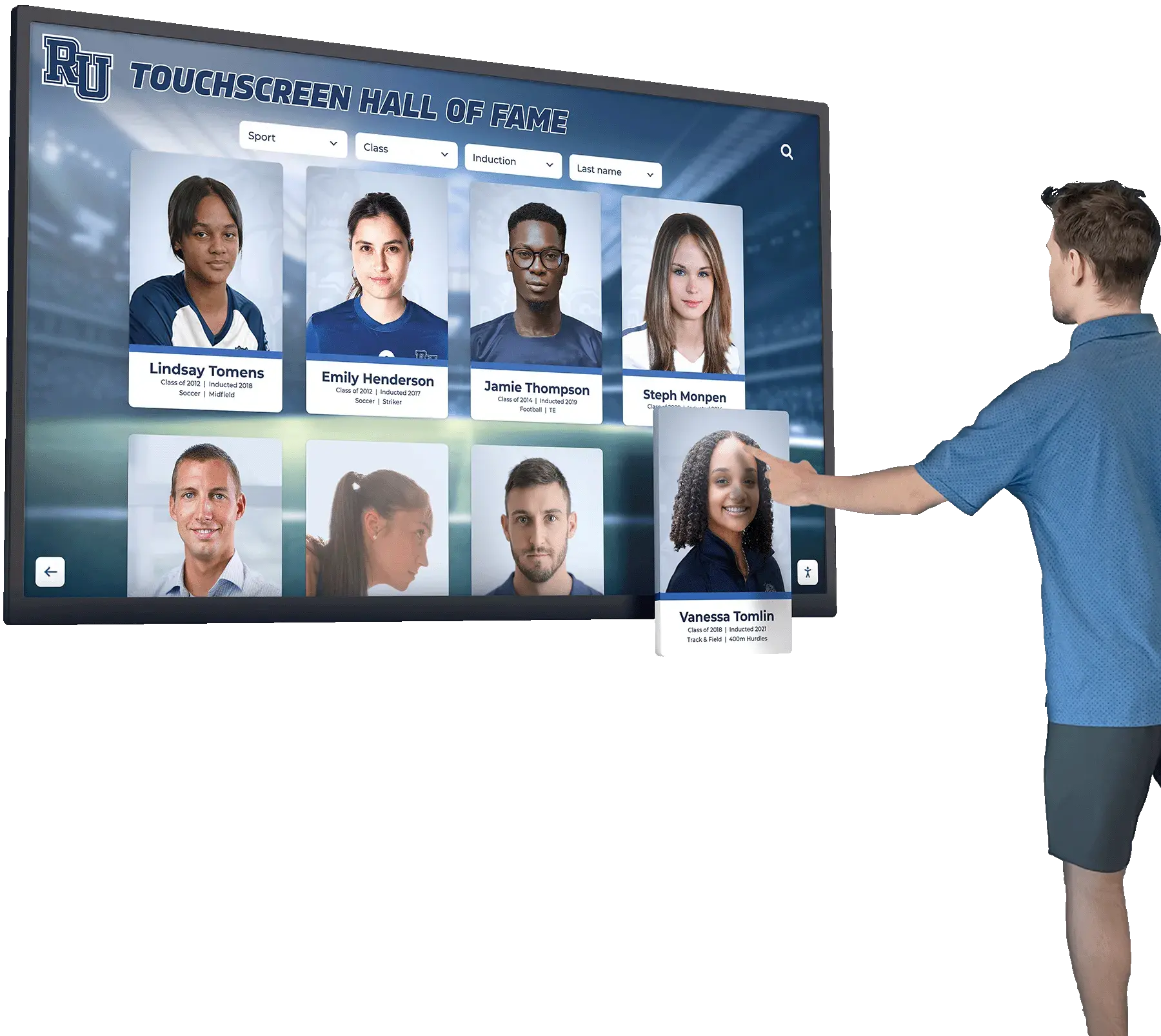
A touchscreen hall of fame alumni recognition display in your school’s main hallway or lobby can house:
- Individual performer profiles with photographs, years of participation, and achievement highlights
- Season-by-season competition records showing placements, caption awards, and scoring trends
- Video content from performances, providing a visual record inaccessible in any physical display format
- Historical documentation of the program’s founding and development
- Photographs from parades, competitions, and special performances
This kind of comprehensive archive honors performers who graduated years ago while motivating current members who can see themselves becoming part of that history.
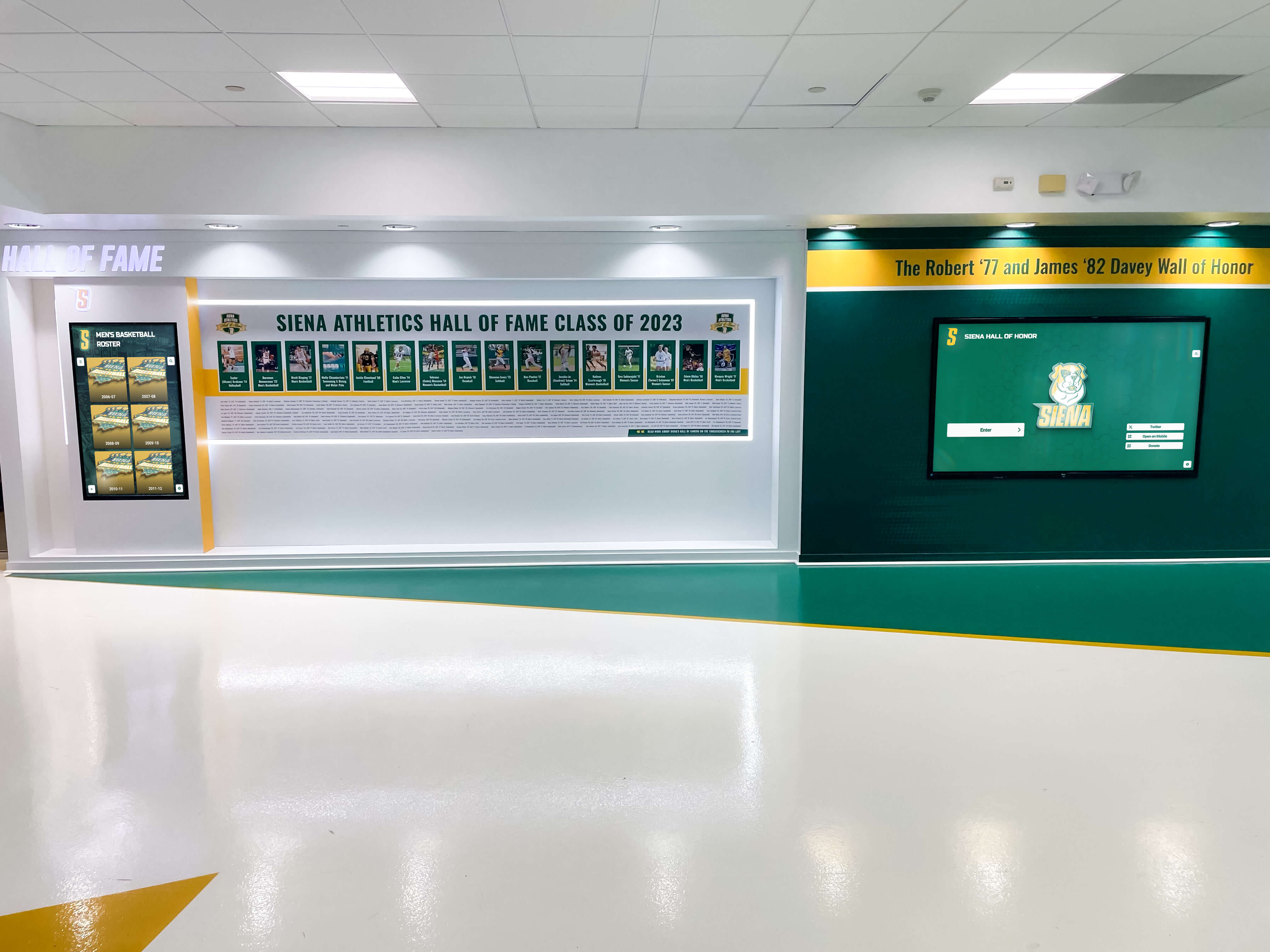
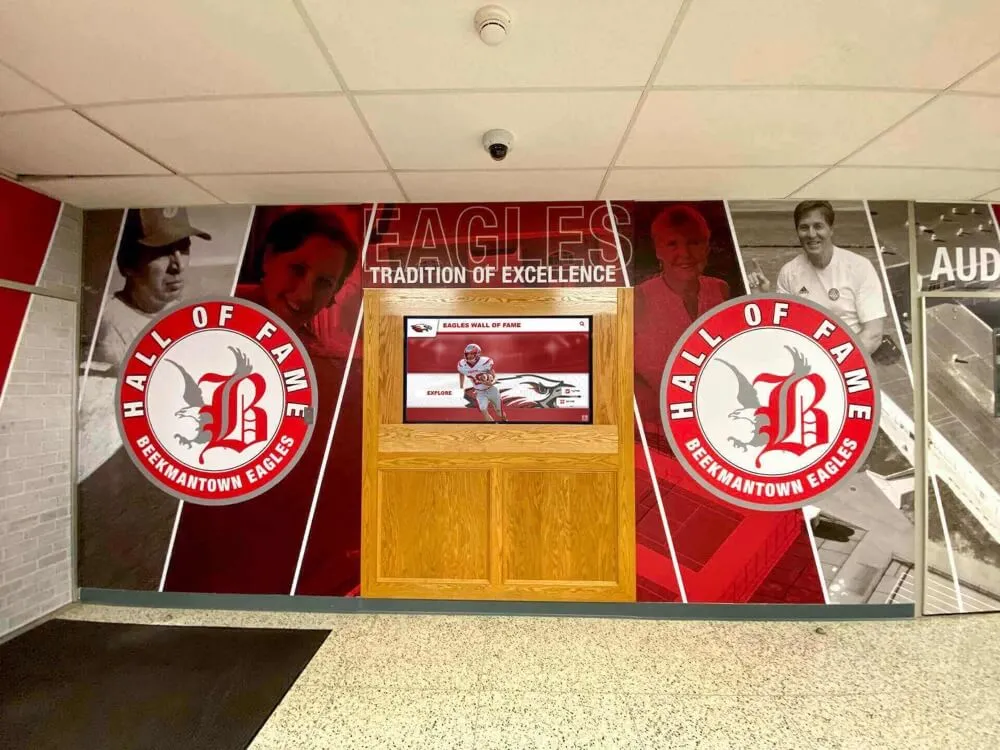
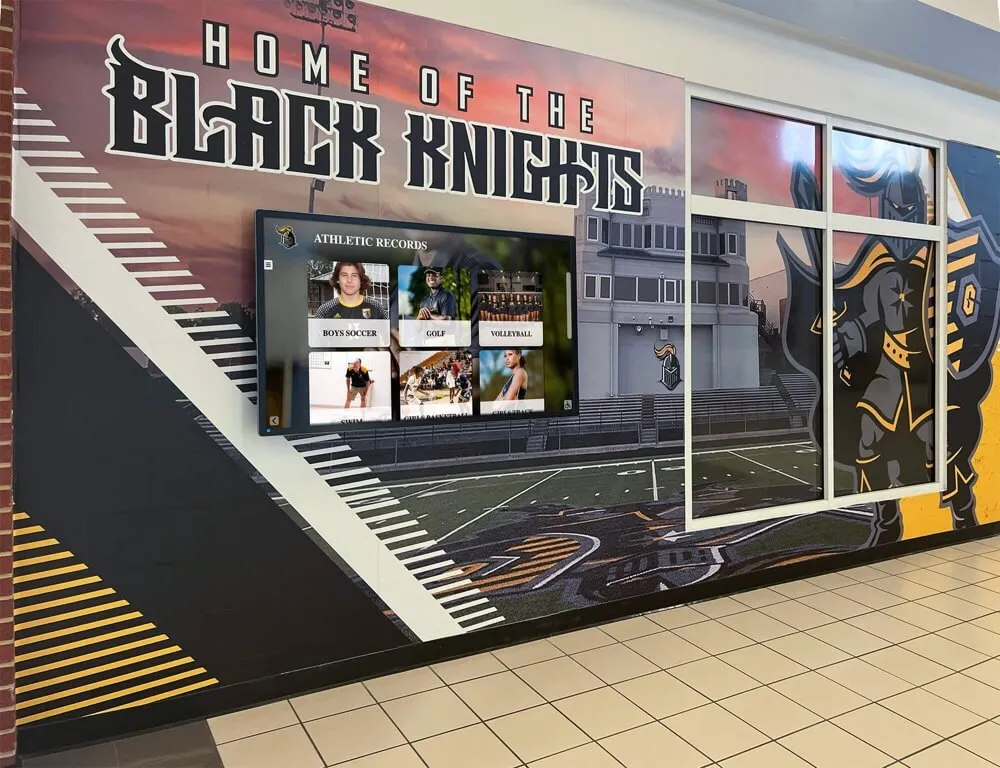
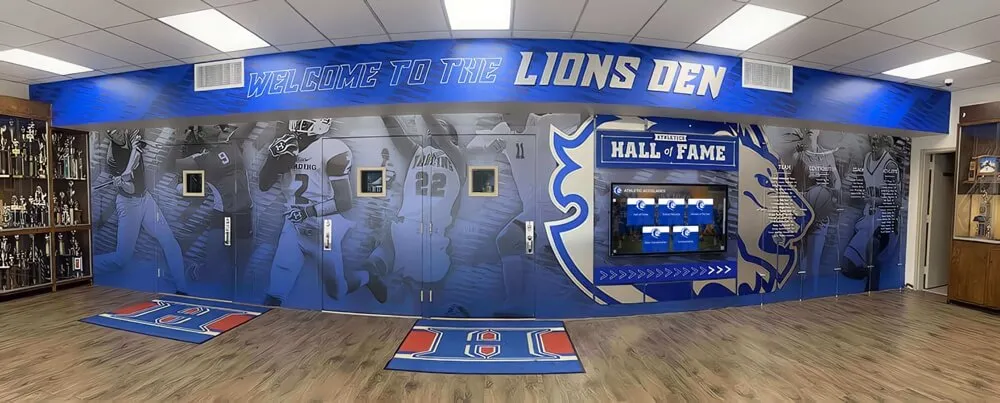
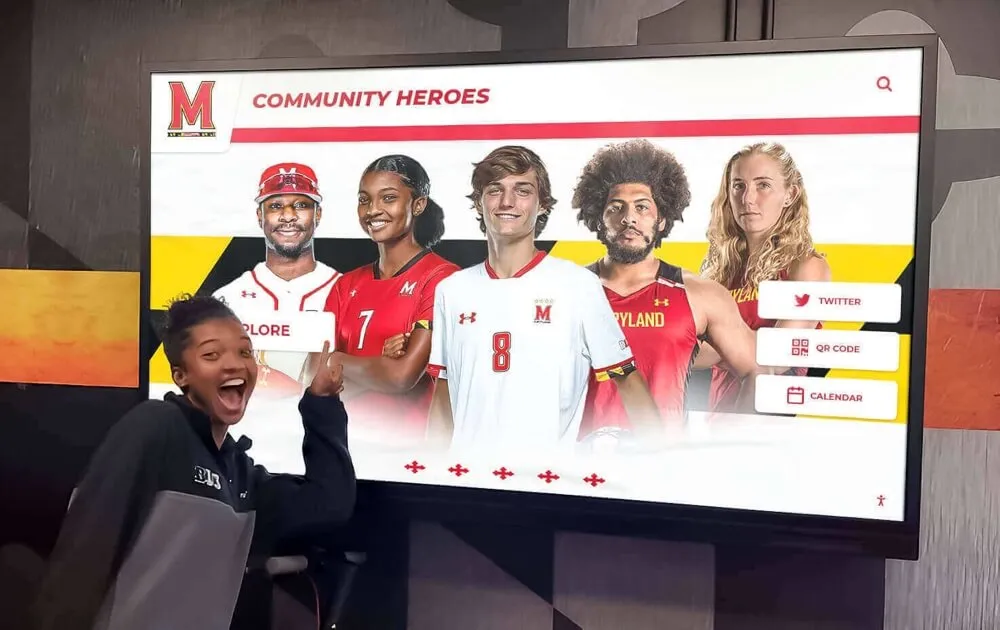
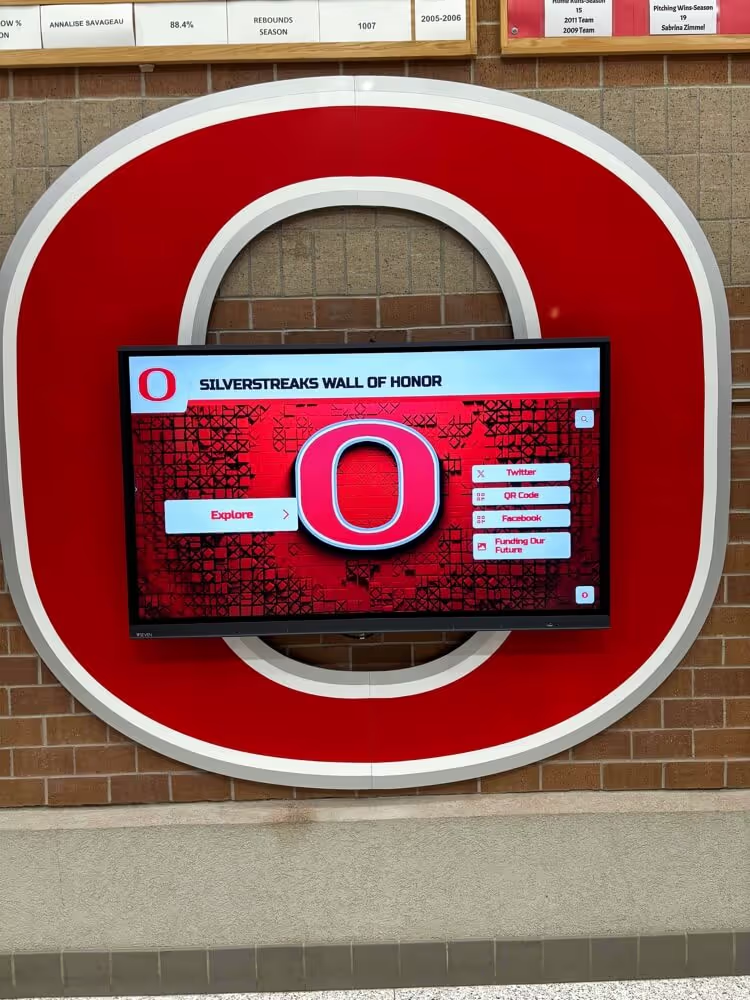
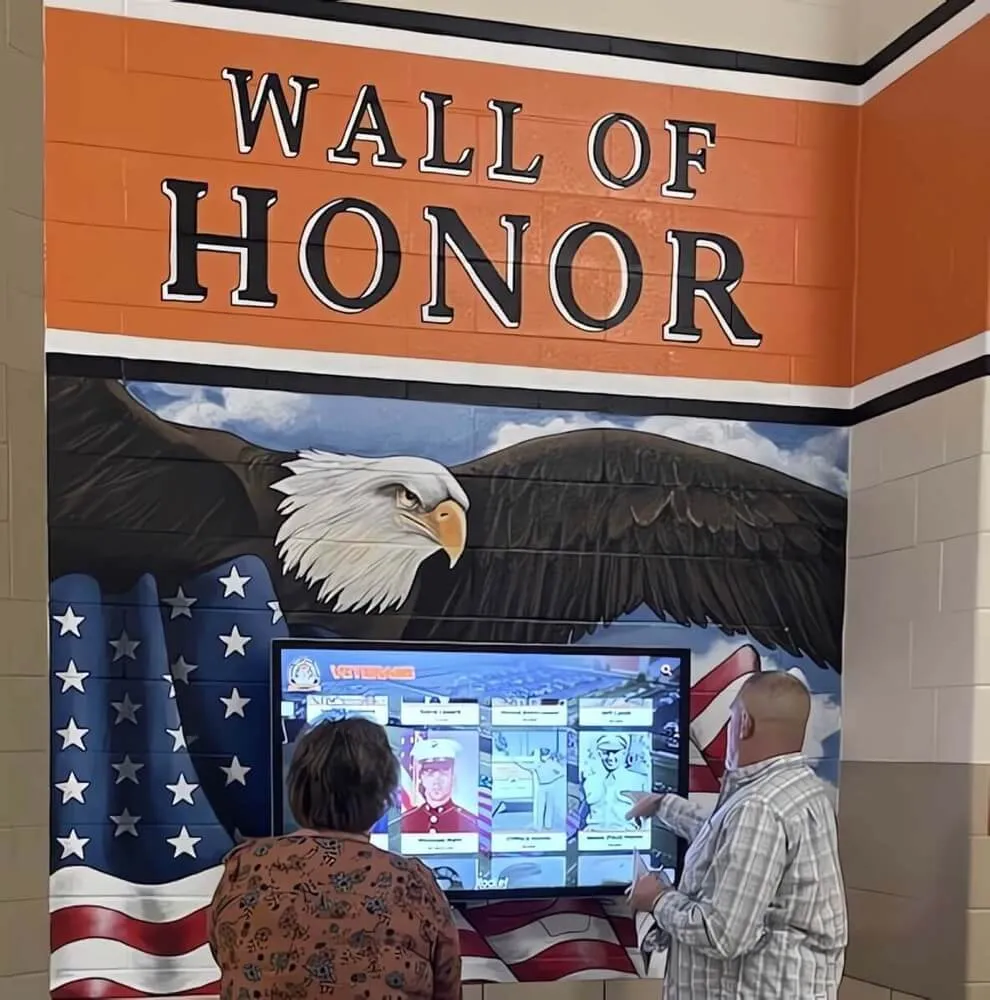
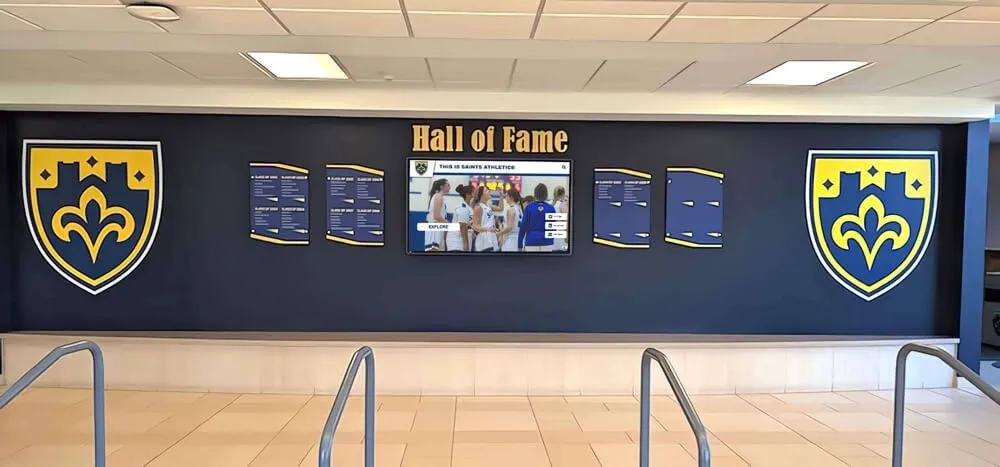
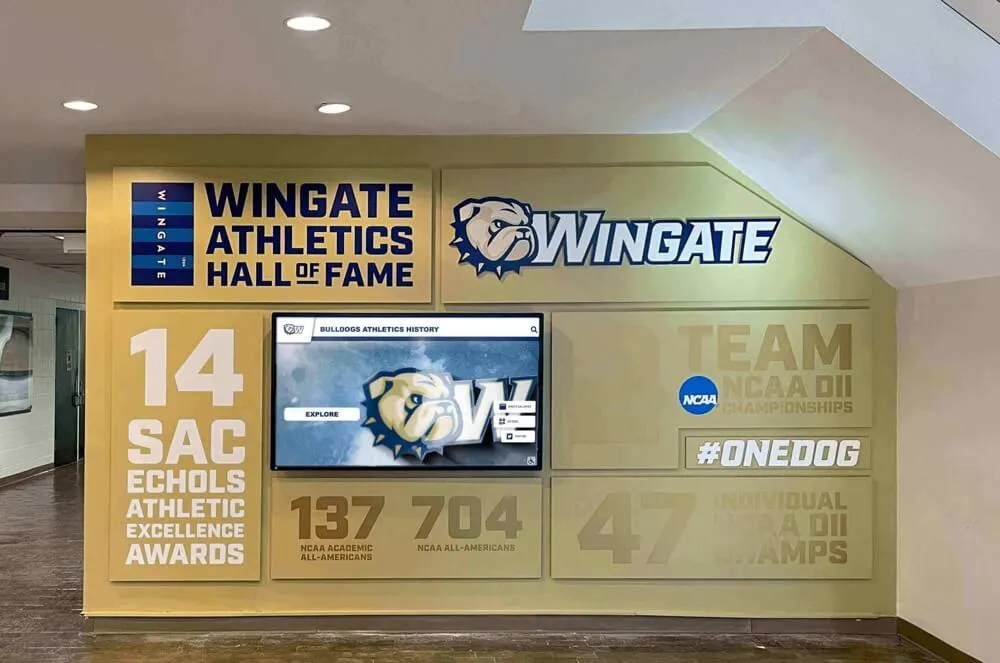
Wall of fame installations can be designed to honor the full range of school achievement—including color guard and performing arts programs alongside traditional athletics
Digital Displays and the Color Guard Photograph Problem
Color guard produces spectacular imagery—rifles suspended mid-rotation at competition height, perfectly synchronized exchanges, the visual geometry of a full rifle line executing a simultaneous toss. Yet schools routinely fail to archive this photography in any accessible format. Photographs shot by parents at competitions sit in personal phones. Official competition photography gets filed and forgotten.
A digital recognition system provides the infrastructure to collect, organize, and display this imagery permanently. When visitors interact with a touchscreen display and discover photographs of a 2019 rifle line executing an eight-count exchange in finals—presented alongside the placement that resulted—the program’s history becomes visible and compelling in a way no trophy case can replicate.
Schools looking to understand the range of what a well-designed athletics wall of honor can include will find that the most effective installations treat performing arts programs as equal contributors to school culture—because they are.
Recognition at End-of-Season Banquets
The year-end banquet is color guard’s primary formal recognition event, and it deserves the same level of preparation as any athletic banquet. A few elements that elevate color guard banquets beyond a basic pizza dinner:
Presentation of an annual highlight reel compiled from the season’s performances. Even a five-minute video of the best moments from competitions creates a meaningful shared experience and gives seniors a tangible memory to take home.
Formal caption award presentation for achievement categories specific to the program: most tosses performed, most improved technique, consistent excellence designation, leadership recognition, and spirit awards that acknowledge the interpersonal contributions not captured by scoreboards.
Senior tribute segment where each graduating member is individually acknowledged with specific, personal recognition—not a generic announcement, but a 60–90 second acknowledgment of what that specific performer contributed. This requires preparation from the director or a designated captain, but the impact on the senior and their family is disproportionate to the effort.
Display of the season’s results using a properly formatted competitive record showing every competition attended, placement achieved, and score earned. Guides to high school awards recognition for major programs offer templates adaptable to color guard’s specific recognition categories.
Color Guard Recognition in the Context of Extracurricular Equity
Color guard programs consistently produce students who demonstrate exceptional discipline, creative intelligence, physical coordination, and teamwork. The performance expectations for a competitive rifle line rival the demands placed on any varsity sport: memorized choreography, hours of physical conditioning, public performance under pressure, and adaptation to real-time circumstances beyond the performer’s control.
Yet recognition equity often lags. Athletic achievement boards in school hallways rarely include color guard. Digital displays in entry lobbies default to football and basketball imagery. Banquet budgets and ceremony priority tend to favor teams that generate ticket revenue.
Addressing this gap requires intentional institutional support. Directors who document the case for equity—presenting competition records, participation numbers, and student impact data to administration—find more receptive audiences than those who simply request resources without context.
Looking at how schools build comprehensive athletic recruiting recognition displays provides useful frameworks for color guard directors making the case for equivalent visibility. The same principles that make an athletic achievement display compelling—rich photography, competitive records, individual performer profiles—apply directly to color guard recognition.
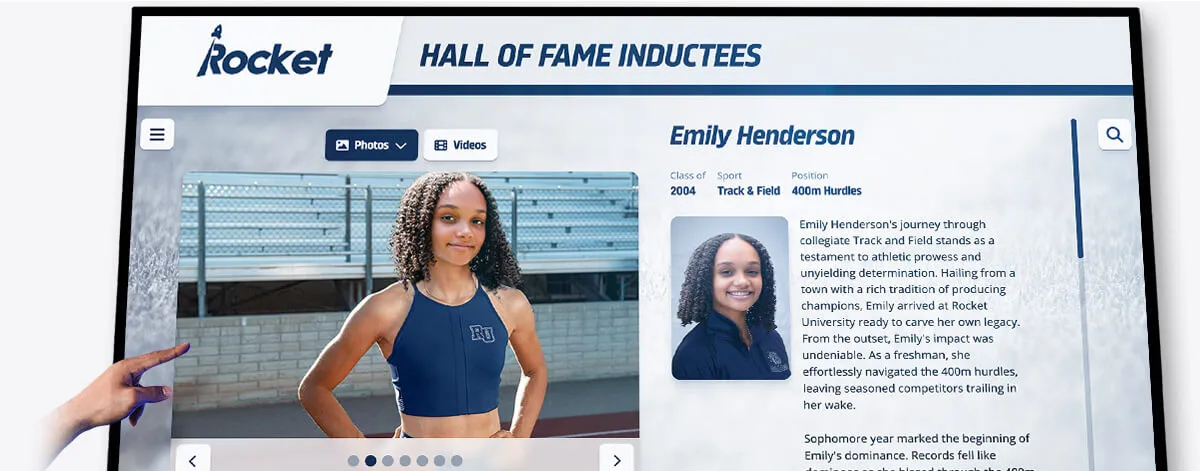
Individual performer profiles on interactive displays provide the depth of recognition that bulletin boards and trophy cases cannot match
Building a Multi-Year Recognition Culture
The most successful color guard programs treat recognition as an ongoing system rather than an annual event. This means maintaining documentation habits throughout the season so that end-of-year recognition is comprehensive rather than reconstructed from memory.
Documentation Habits That Support Recognition
Photograph every competition, not just finals. Early-season performances capture moments that finals photography misses—the first time a new exchange works, a particularly clean run in adverse conditions, the expressions on performers’ faces when results are announced.
Keep a running competition log. A simple spreadsheet tracking competition name, date, placement, caption awards, and notable notes from each event takes minutes to maintain per week and becomes invaluable when building end-of-season recognition content.
Collect senior information early. By December of the senior year, gather the information needed for comprehensive recognition: years of participation, favorite competition memories, post-graduation plans, and any individual achievements worth highlighting. Waiting until April produces rushed, incomplete recognition.
Maintain alumni connections. Former guard members who felt genuinely recognized during their high school years are more likely to mentor current members, support fundraising, and return as clinicians or volunteers. Recognition that extends through alumni connection creates a compounding return for the program.
Connecting Color Guard Recognition to School-Wide Systems
Programs that connect their recognition to school-wide systems—appearing in the same touchscreen recognition displays that feature athletic achievements, receiving the same institutional promotion as sports teams, being included in the same school celebration events that honor other programs—gain visibility that purely internal recognition cannot provide.
When a prospective student sees color guard achievements displayed alongside football championships in the main hallway display, the message is clear: performing arts matters at this school. That visibility supports recruitment, retention, and the cultural shift that makes recognition sustainable rather than a one-year experiment.
Directors seeking comprehensive frameworks for building a competitive performing arts program will find that the structural elements—clear goal-setting, systematic skill development, and comprehensive recognition—apply across competitive extracurricular activities.
Looking at how other competitive extracurricular programs approach recognition—including the frameworks used for speech and debate team championships recognition—helps color guard directors adapt proven structures to their specific programs without reinventing every element from scratch.
And for programs considering the full picture of what modern digital recognition systems can handle, resources on sports banquet dress code and ceremony planning offer relevant guidance on creating the formal recognition environment that color guard excellence deserves.
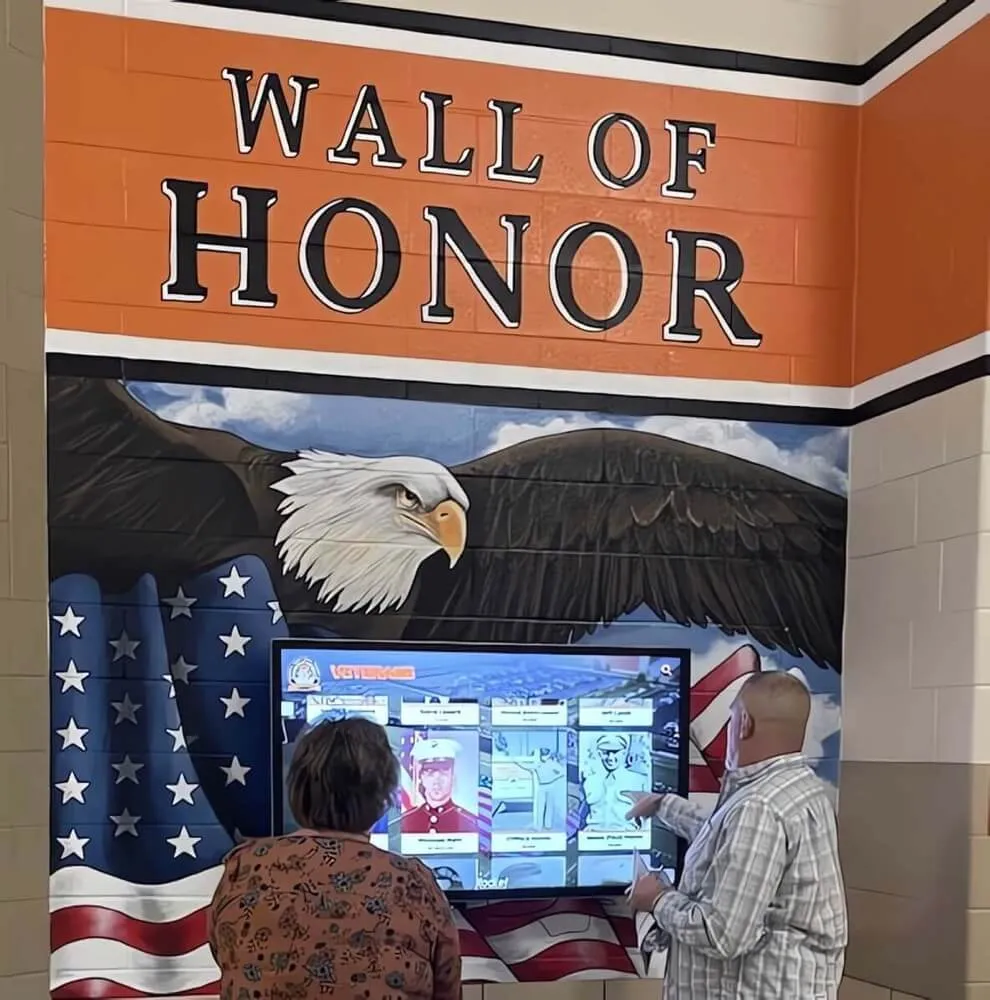
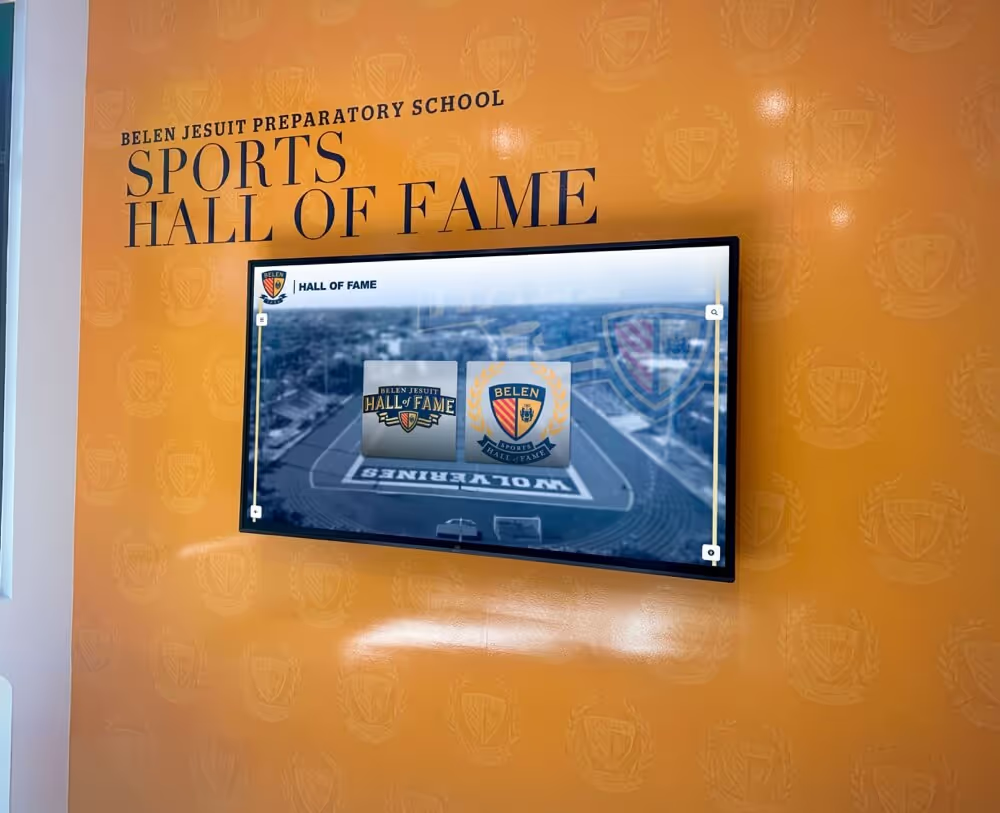
Interactive recognition installations create destination experiences where students, families, and visitors engage with program history
Frequently Asked Questions About Color Guard Rifles
How much does a color guard rifle cost?
New wooden rifles from reputable color guard vendors typically range from $40 to $70 per unit. Fiberglass composite rifles run $80 to $130. Used equipment in good condition can often be found through color guard equipment resale communities for $15–$40.
How long does a color guard rifle last?
With proper maintenance, a quality wooden rifle used in performances (not daily practice) can last five to eight years. Practice rifles used daily in a high-volume rehearsal environment typically need replacement every two to three seasons. Composite rifles tend to last longer than wood in similar conditions.
Can beginners learn color guard rifle in one season?
Yes. Most beginning color guard members learn foundational toss and catch technique within the first two to four weeks of a season. Consistent, repetition-focused rehearsal under qualified instruction produces reliable technique. Extended toss counts, exchanges, and more complex choreography develop over multiple seasons.
Are color guard rifles safe?
When used correctly in an appropriately supervised rehearsal environment, color guard rifles are safe. The primary safety risk is inadequate spacing—performers working too close together during toss work. Directors should establish clear floor spacing requirements before introducing any airborne work and enforce them consistently.
What tape do color guard performers use on their rifles?
Athletic grip tape, hockey stick tape, and color guard-specific wrap tape are all common choices. The preference is largely personal and program-specific. Tape should be replaced frequently—weekly during high-rehearsal periods—to maintain consistent grip texture.
Can color guard rifles be customized?
Yes. Most wooden rifles can be painted to match program colors, and custom graphics can be applied to the barrel. Fiberglass models are available from some vendors in custom colors. Many programs apply their school logo or mascot imagery to equipment used at major competitions.
Conclusion: Equipment Excellence and Recognition Excellence Go Together
A well-maintained color guard rifle in the hands of a technically prepared performer represents years of program investment—equipment selection decisions made by a thoughtful director, daily maintenance habits instilled early in a performer’s training, and consistent skill-building that transforms a piece of wood into a compelling visual element of a competition show.
That same level of investment deserves a recognition system equal to the effort. Color guard programs that document their achievements, create meaningful end-of-season ceremonies, build permanent digital recognition displays, and connect their recognition to school-wide visibility systems produce a compounding return: stronger recruitment, better retention, deeper alumni connection, and a culture where performing arts excellence is understood as a genuine institutional priority.
The equipment guide and the recognition guide are ultimately the same story—a story about taking color guard seriously, which is exactly what performers who invest their high school years in the craft deserve.
Build Lasting Recognition for Your Color Guard Program
Rocket Alumni Solutions creates interactive touchscreen recognition systems that give color guard and performing arts programs the same permanent, high-visibility celebration that athletic programs receive. Explore how a digital display can transform your program's recognition.
Explore Recognition Solutions