



Many people use commencement and graduation interchangeably, yet these terms carry distinct meanings that reflect different aspects of completing an educational journey. Understanding this distinction matters not just for semantic accuracy—it shapes how institutions approach ceremony planning, recognition systems, and the messages they convey to students, families, and communities about educational milestones.
Beyond terminology, schools and universities face practical challenges when planning these celebrations: ceremonies feel impersonal when hundreds of names scroll past in rapid succession, recognition focuses on the singular moment rather than sustained achievement, and traditional physical displays quickly become outdated after each graduating class. Meanwhile, students who excelled throughout their academic careers receive momentary acknowledgment that fades as soon as ceremonies conclude.
This comprehensive guide explores the meaningful differences between commencement and graduation, provides strategic frameworks for planning ceremonies that genuinely honor student achievements, and examines how modern recognition technology transforms milestone celebrations from fleeting events into lasting institutional memories.
The words we choose for educational milestones reveal deeper philosophical perspectives about what these transitions represent. While graduation marks the completion of degree requirements, commencement celebrates the beginning of what comes next—a subtle but profound distinction that influences how institutions design ceremonies, communicate with graduating classes, and integrate recognition into broader educational missions.

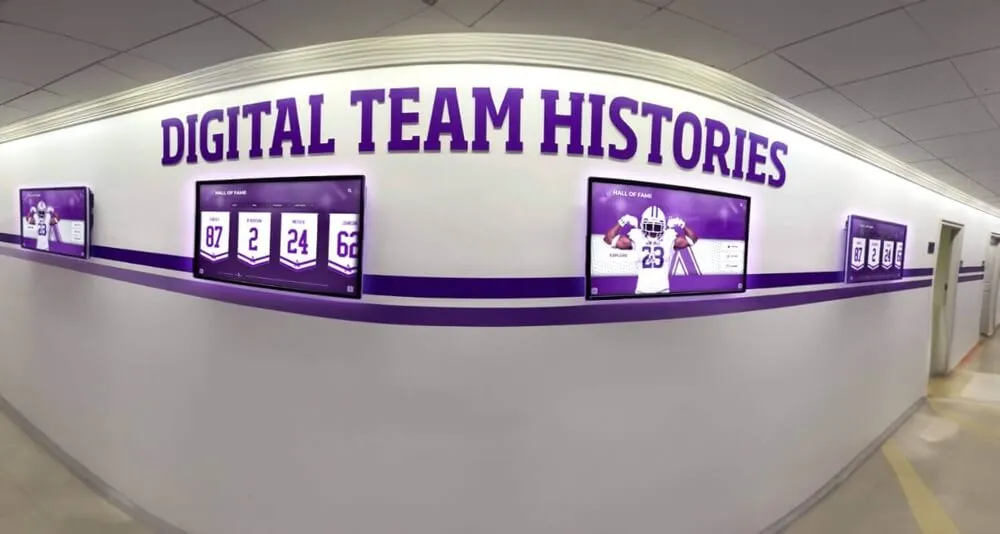
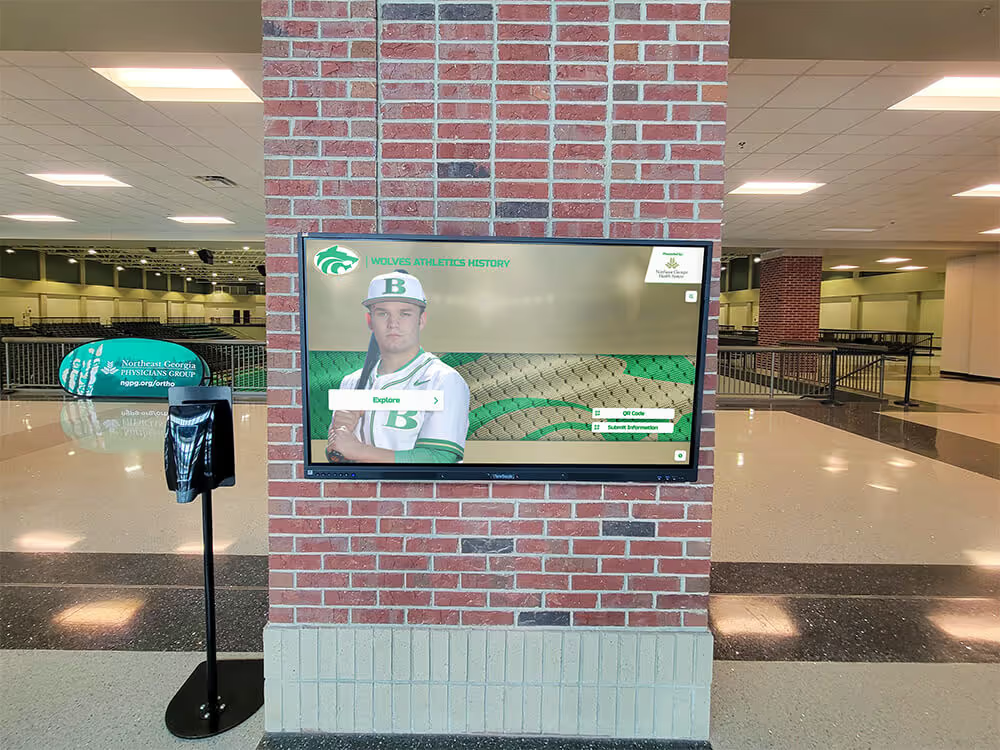
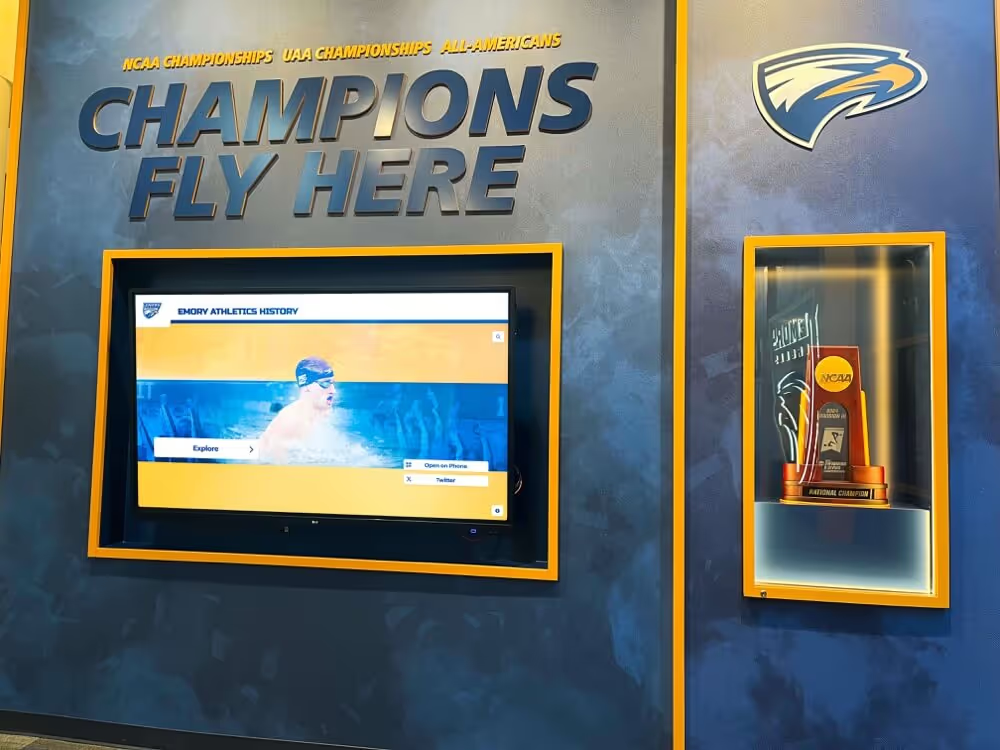
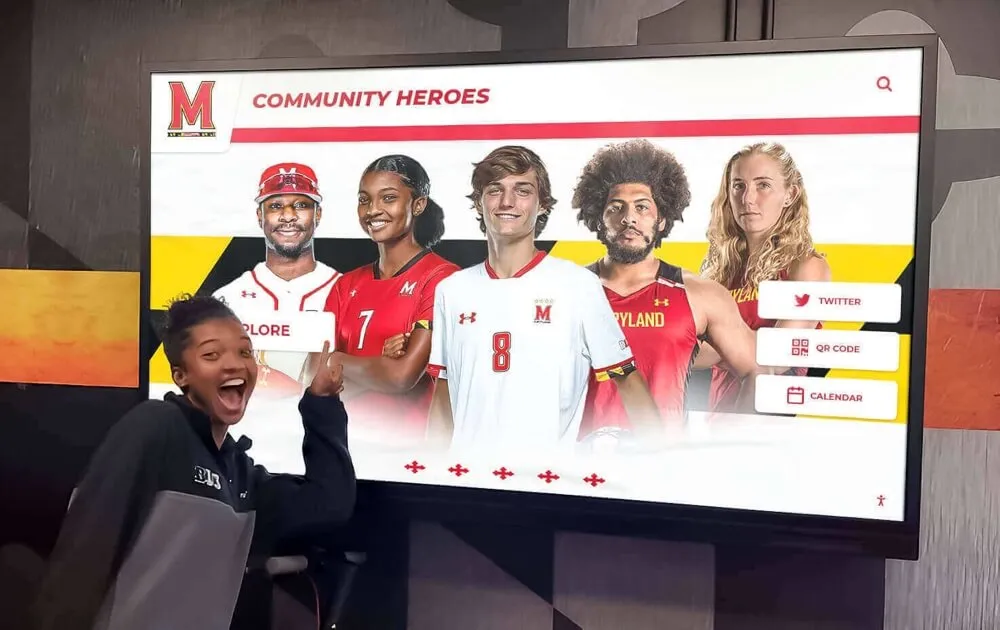
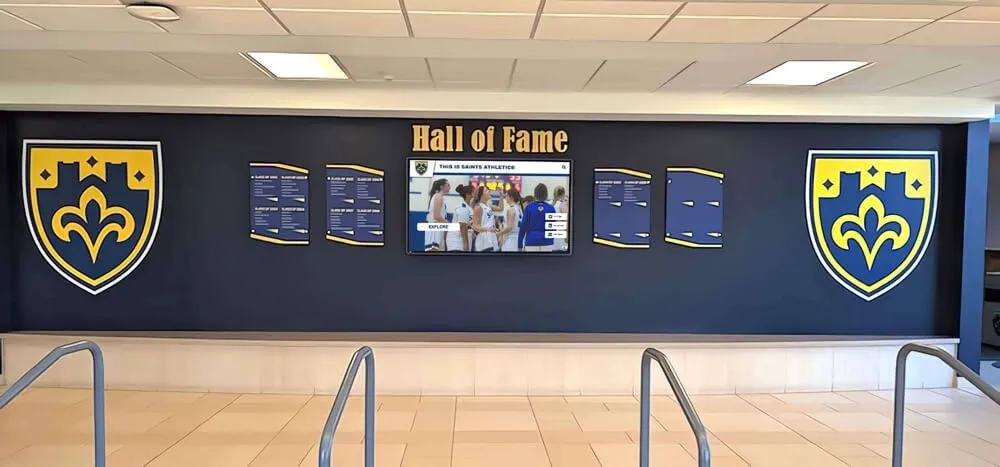
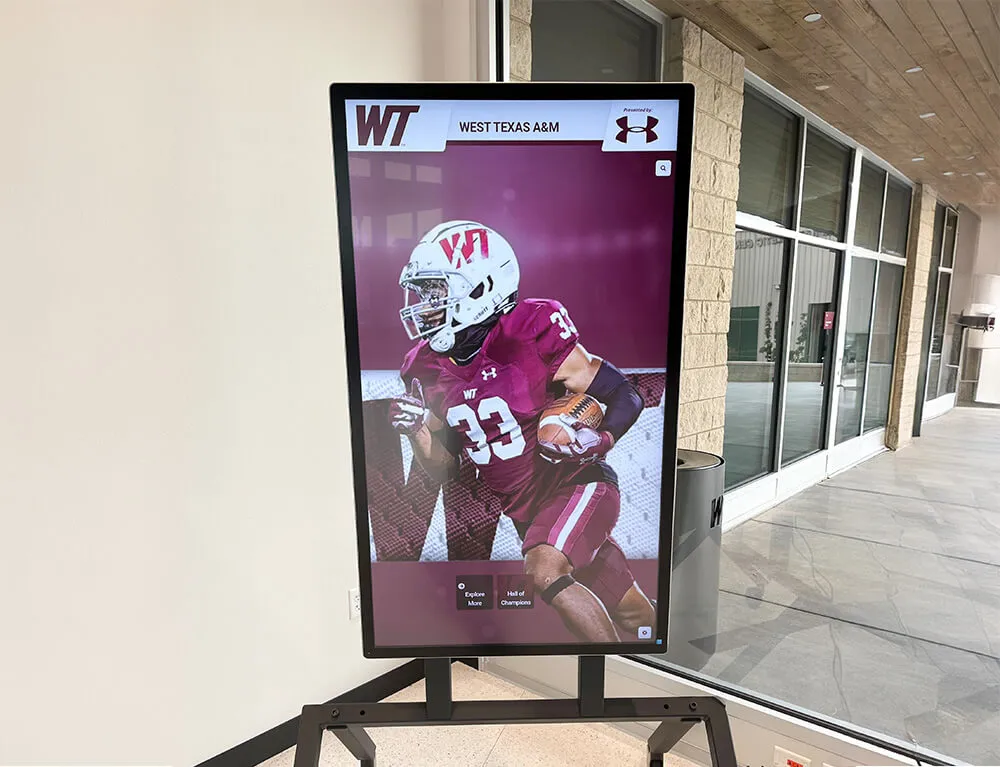
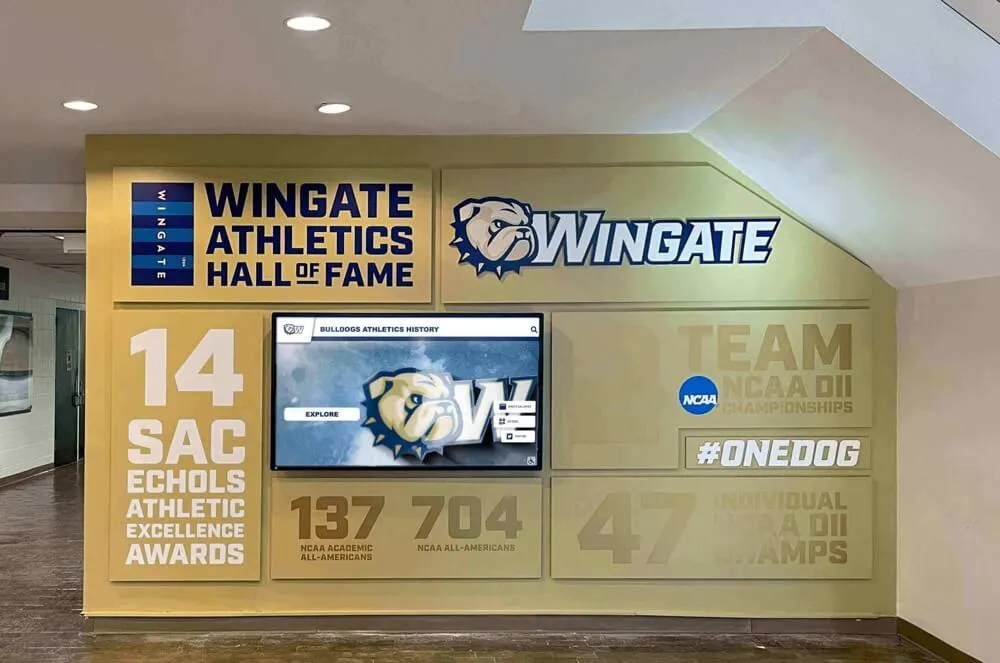
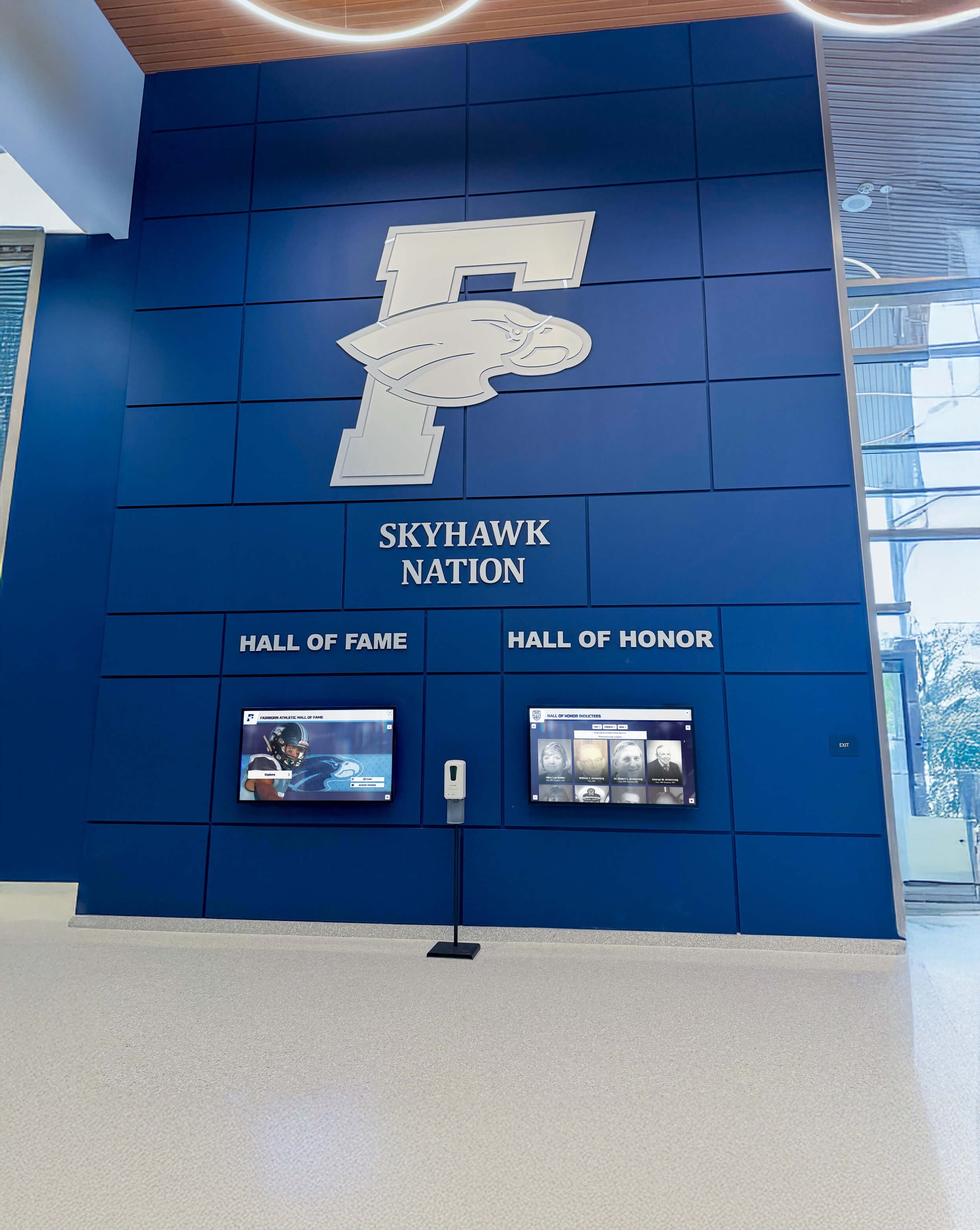
Dedicated recognition spaces honor educational milestones through coordinated display systems that celebrate both ceremonial moments and sustained academic excellence
Understanding the Terminology: Commencement vs Graduation
The distinction between these terms extends beyond vocabulary—it reflects different perspectives on educational transitions and institutional values.
What Graduation Actually Means
Graduation represents the formal conferral of academic credentials after students complete all degree requirements:
Completion and Credential Achievement
Graduation occurs when students fulfill every academic requirement specified by their institution including required credit hours and coursework completion, minimum grade point average maintenance, major-specific course sequences, general education or core curriculum requirements, and any capstone projects, thesis work, or comprehensive examinations.
Technically, students graduate when registrars certify completion—which may precede, coincide with, or follow ceremony dates. Some students graduate in December or summer terms without attending spring ceremonies, while others participate in ceremonies before completing final coursework.
Historical Context of “Graduation”
The term derives from the Latin gradus meaning “step” or “degree”—referring to ascending through educational levels. Medieval universities used graduation to describe students advancing through formal academic ranks, earning credentials marking increased scholarly standing.
This historical usage emphasizes hierarchical progression through defined educational stages, with graduation representing successful completion of particular academic levels before advancing to subsequent ones or entering professional life.
What Commencement Actually Means
Commencement carries forward-looking significance that many institutions consider more meaningful than backward-looking completion:
Beginning Rather Than Ending
The term commence means “to begin” or “to start”—framing ceremonies as launching points rather than conclusions. Commencement ceremonies celebrate students beginning their professional careers, continuing education at advanced levels, starting community leadership roles, launching entrepreneurial ventures, and embarking on lifelong learning journeys beyond formal degree structures.
This philosophical perspective positions ceremonies as transitional thresholds rather than terminal endpoints, emphasizing that education represents preparation for contributions yet to come rather than merely satisfying institutional requirements.
Ceremonial Tradition and Symbolism
American colleges and universities predominantly use “commencement” for their formal ceremonies, reflecting educational philosophy emphasizing future possibility over past accomplishment. The pomp and circumstance, processional traditions, academic regalia, and ceremonial addresses all orient toward inspiring graduates’ futures rather than solely commemorating completed coursework.
Commencement speaker selection exemplifies this forward focus—institutions choose speakers who inspire graduates toward future contributions rather than simply congratulating past achievements.
Practical Usage and Regional Variations
Understanding how institutions actually use these terms provides clarity for ceremony planning:
Institutional Preferences
Most four-year colleges and universities use “commencement ceremony” or “commencement exercises” in official communications, while high schools show more variation, with many using “graduation ceremony” though some prestigious preparatory schools prefer “commencement.” Community colleges and vocational programs tend toward “graduation” reflecting credential completion emphasis, while graduate and professional schools consistently use “commencement” maintaining academic tradition.
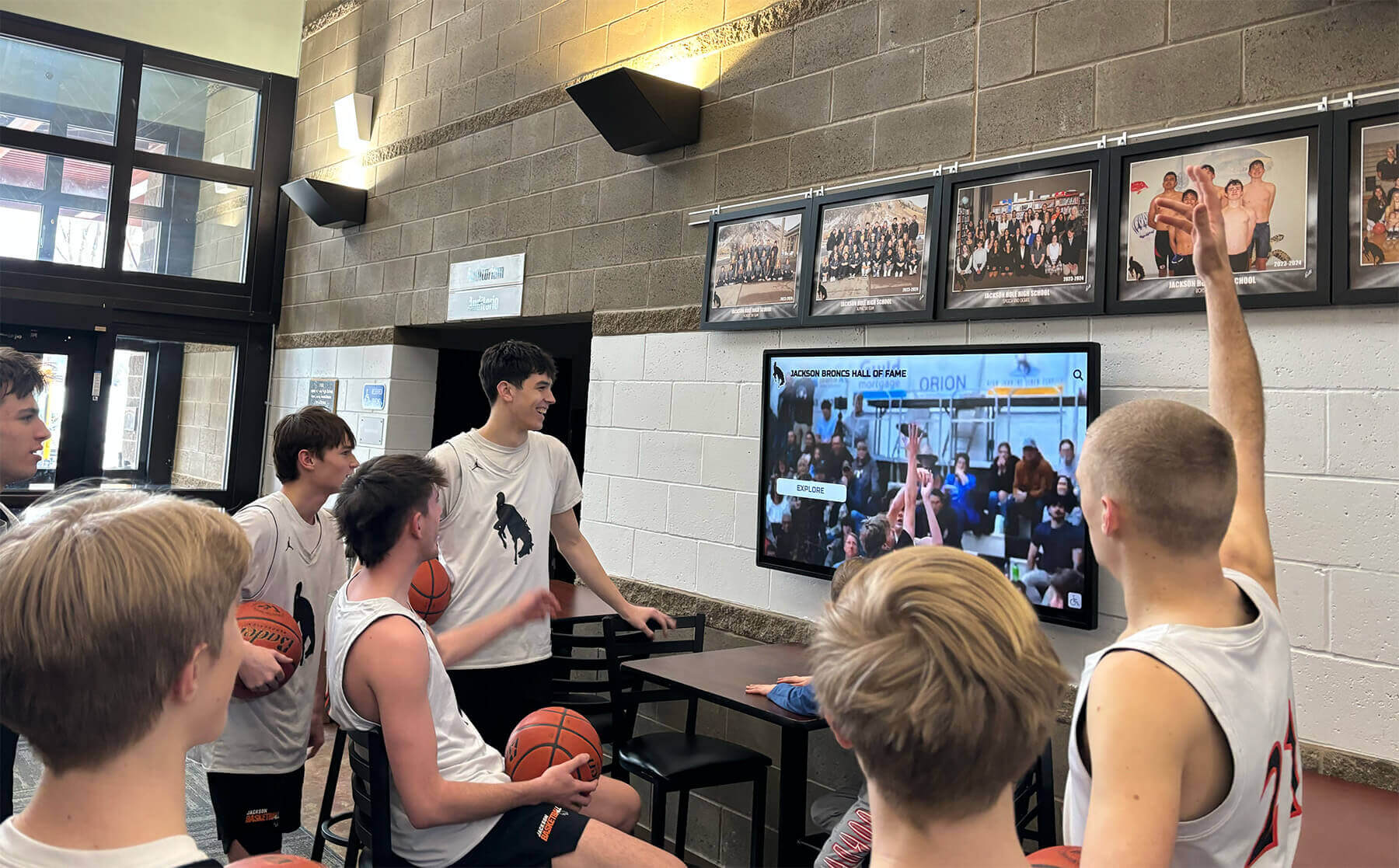
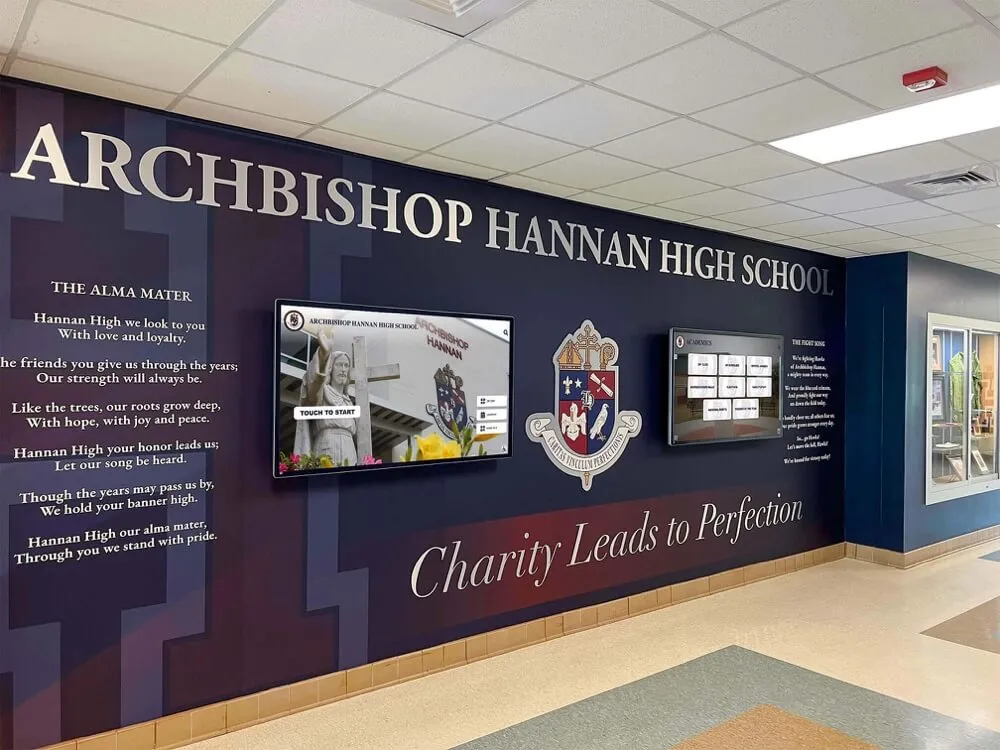
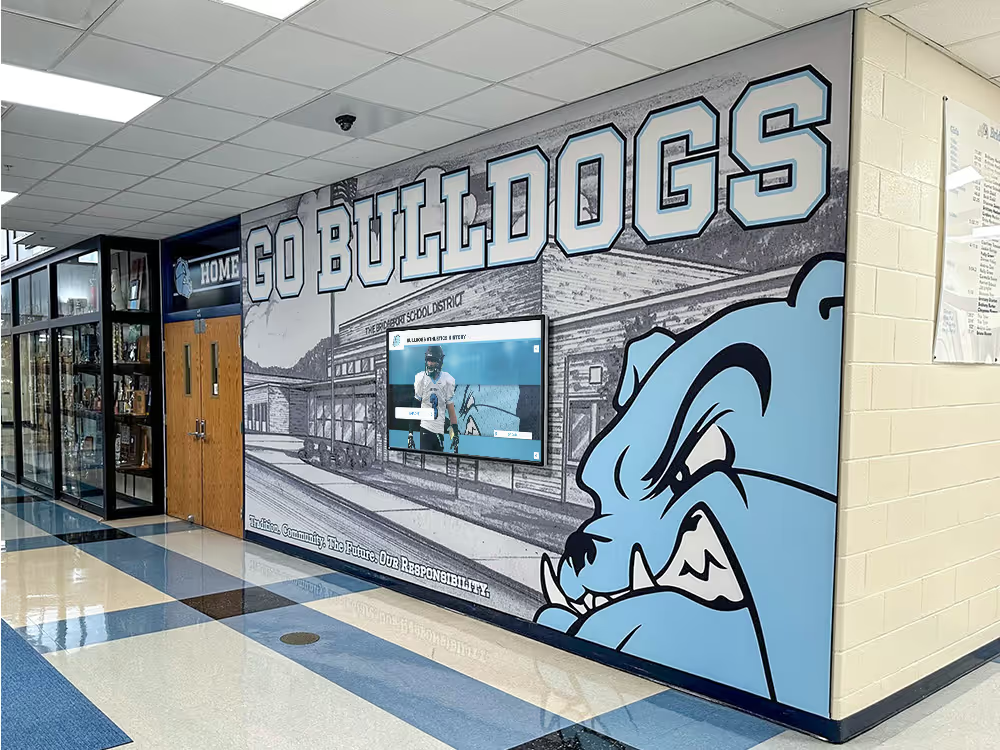
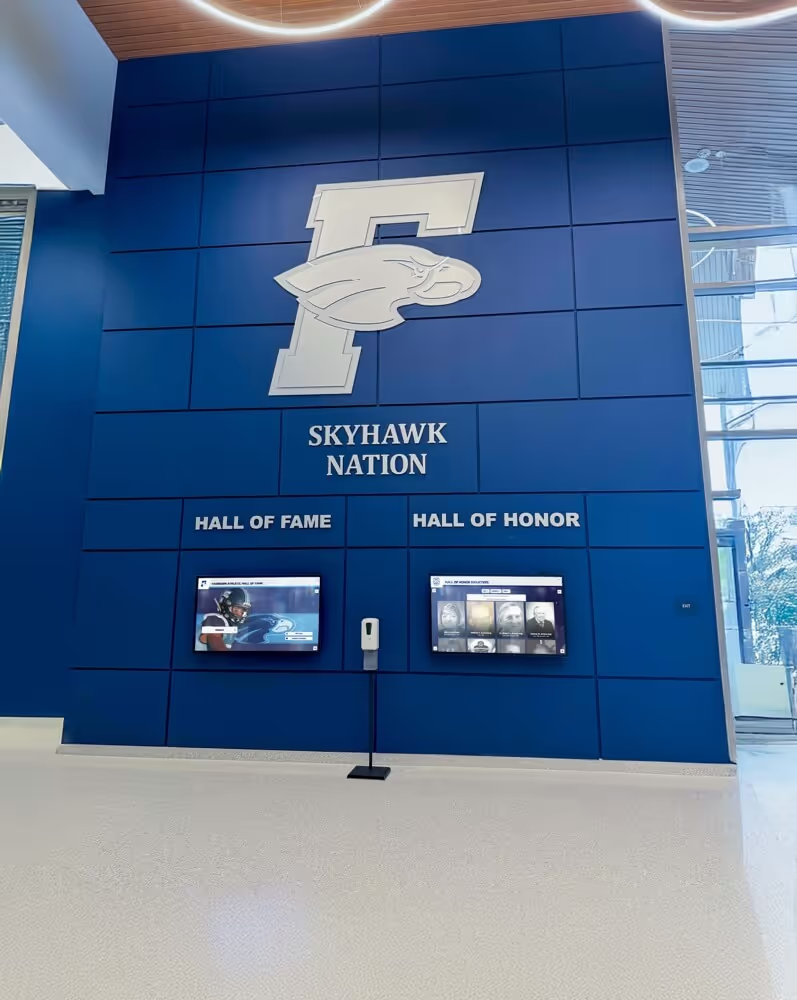
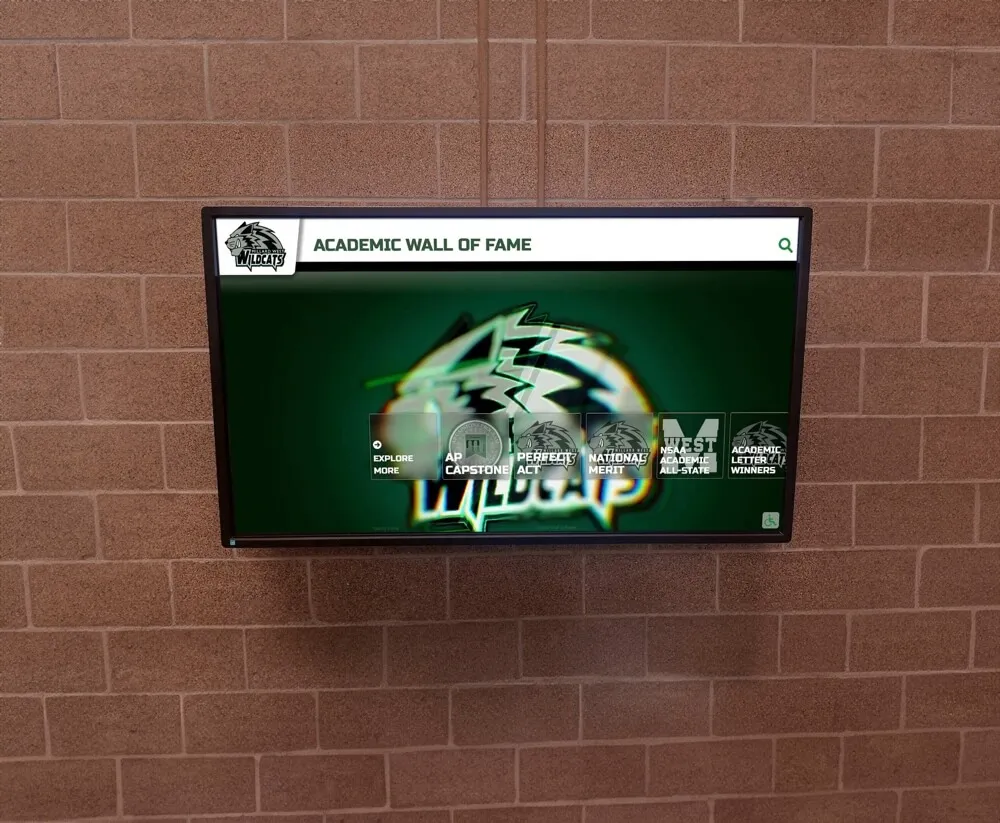
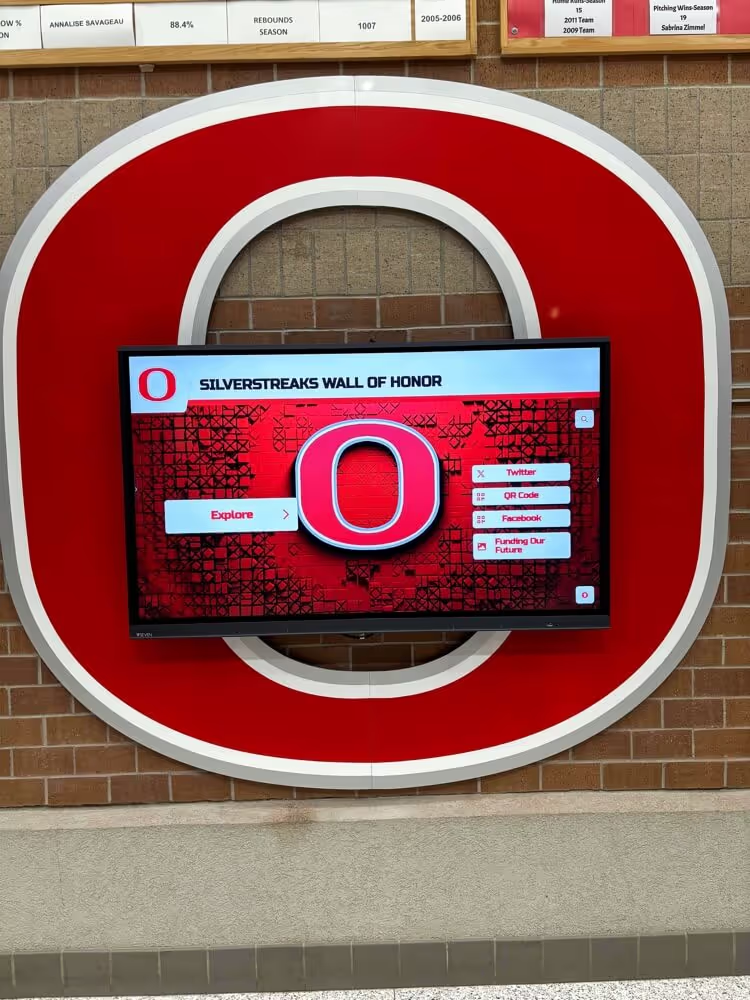
Modern recognition displays engage students with their institutional history, connecting individual achievements to ongoing educational legacy
When the Distinction Matters
For ceremony planning purposes, terminology choice signals institutional values and ceremony tone. Using “commencement” emphasizes inspirational, forward-looking celebration, while “graduation” focuses on earned achievement and credential conferral. Most institutions solve this by using both—“graduation” for administrative processes like credential conferral dates, and “commencement” for the ceremonial celebration itself.
Schools planning end-of-year awards ceremonies alongside graduation events benefit from understanding these distinctions when designing programs that appropriately honor different achievement dimensions.

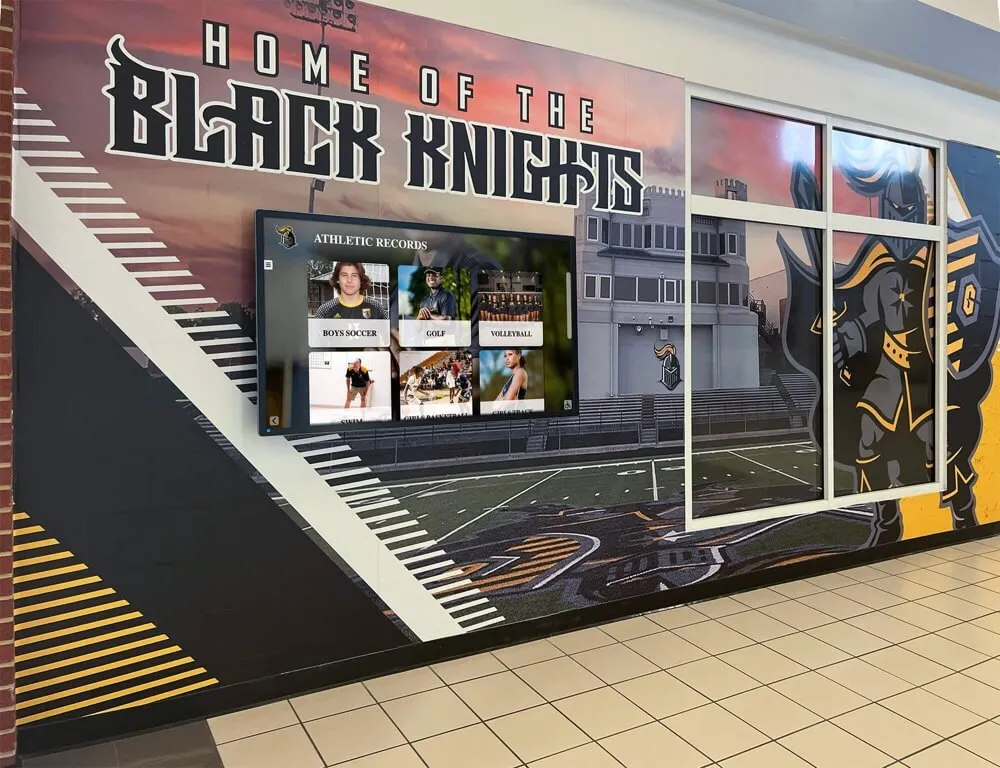
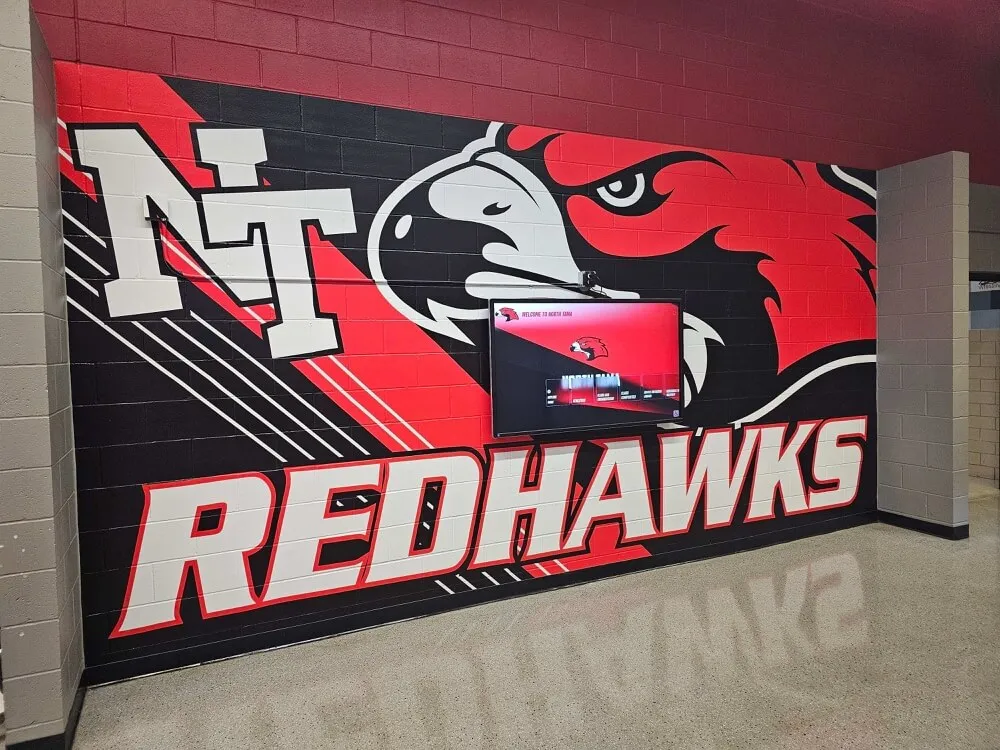
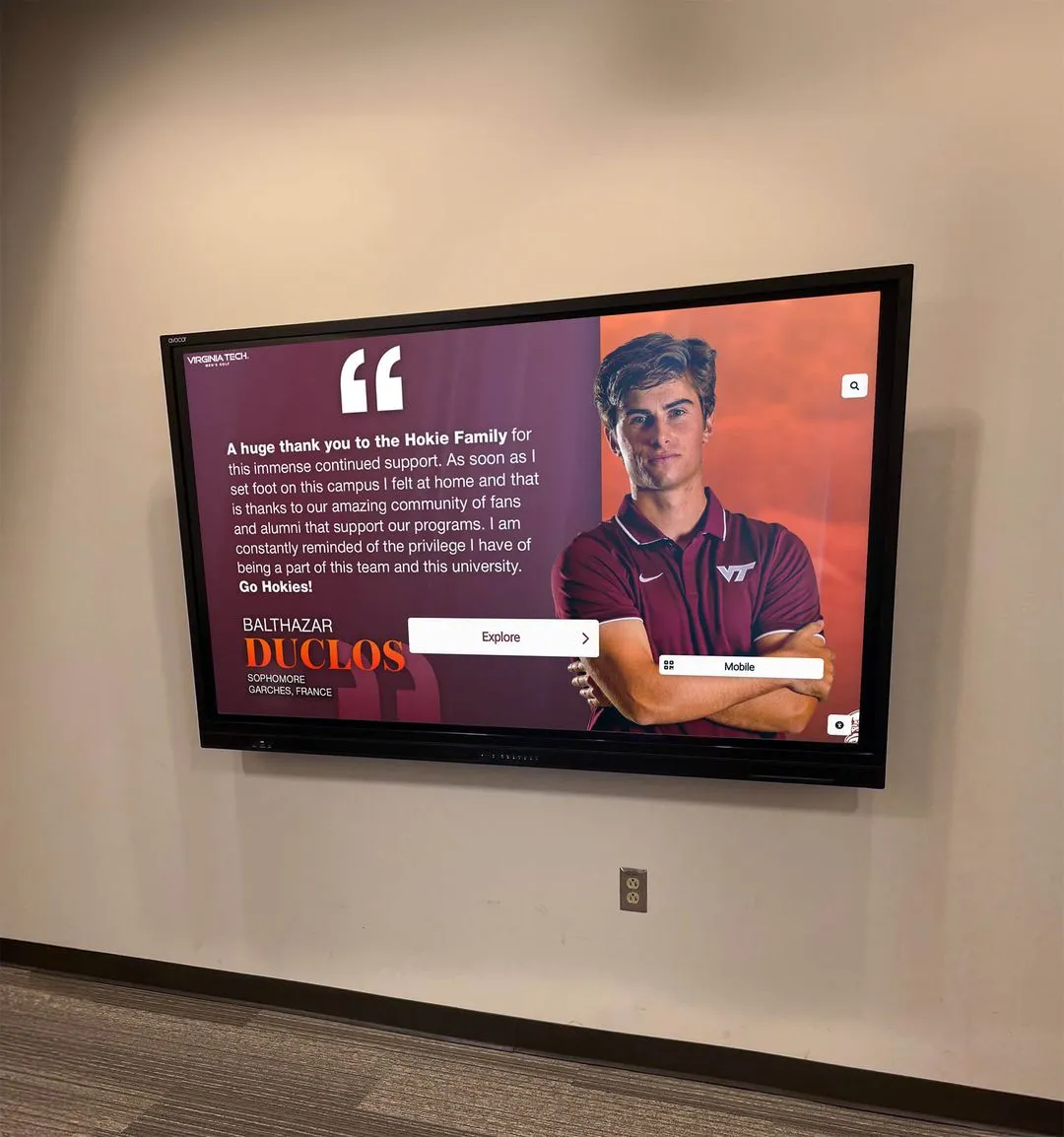
Digital recognition platforms enable comprehensive student profiles showcasing multi-year academic journeys impossible with traditional printed programs
Planning Meaningful Commencement Ceremonies
Whether your institution uses “commencement,” “graduation,” or both terms, designing ceremonies that genuinely honor students while engaging families and communities requires strategic planning across multiple dimensions.
Establishing Ceremony Objectives and Structure
Effective planning begins with clarity about what ceremonies should accomplish:
Core Ceremony Purposes
Well-designed commencement ceremonies serve multiple simultaneous objectives including formally conferring degrees and credentials with institutional authority, celebrating individual student achievement acknowledging years of academic dedication, inspiring graduates toward future contributions through speakers and institutional messages, engaging families and communities in shared celebration of educational milestones, and strengthening institutional tradition connecting current graduates to alumni legacy.
Explicitly articulating objectives guides subsequent planning decisions ensuring ceremonies remain focused rather than becoming unfocused obligations attempting to satisfy incompatible goals simultaneously.
Optimal Ceremony Length and Pacing
Student and family engagement requires careful time management:
Design ceremonies lasting 90-120 minutes for comprehensive university commencements with large graduating classes, 75-90 minutes for mid-size high school graduations, and 60-75 minutes for smaller institutions or individual school/department ceremonies. Programs exceeding two hours risk losing audience attention regardless of content quality, while overly abbreviated ceremonies may feel perfunctory and insufficient for honoring years of student effort.
Program Component Balance
Effective commencement programs typically include processional music and formal academic procession (8-10 minutes), welcome remarks from institutional leadership (3-5 minutes), student speakers or salutatorian/valedictorian addresses (8-12 minutes total), featured commencement address (15-20 minutes), conferral of degrees and individual name reading (40-60% of ceremony time), special recognitions and awards presentation (5-8 minutes), recessional and conclusion (5-7 minutes).
Time allocation ensures recognition remains central rather than being overshadowed by speeches or peripheral elements while maintaining engagement through varied program elements.
Incorporating Academic Recognition Into Ceremonies
Commencement presents opportunities to highlight specific academic achievements beyond general degree conferral:
Honor Designation Acknowledgment
Ceremonies should systematically recognize students graduating with honors including summa cum laude, magna cum laude, and cum laude distinctions based on GPA thresholds, departmental honors for students completing thesis work or advanced research projects, phi beta kappa and discipline-specific honor society inductees, and recipients of competitive academic scholarships or fellowships.
Visual distinction through honor cords, stoles, or medallions enables audiences to recognize exceptional achievement even within large graduating classes, while printed programs should clearly identify honor recipients ensuring family members understand significance.
Award and Scholarship Recognition
Major academic awards deserve ceremony acknowledgment including departmental excellence awards for top graduates in each discipline, university-wide recognition like outstanding graduate awards, endowed scholarship recipients particularly for named scholarships honoring donors or historical figures, undergraduate research awards celebrating scholarly achievement, and community service or leadership awards recognizing non-academic contributions.
Brief biographical context explaining awards and recipient achievements transforms recognition from perfunctory name-reading into meaningful celebration that engages audiences and honors student accomplishments appropriately.
Strategies from student recognition awards programs provide frameworks for incorporating systematic acknowledgment into ceremony structures without excessive time demands.
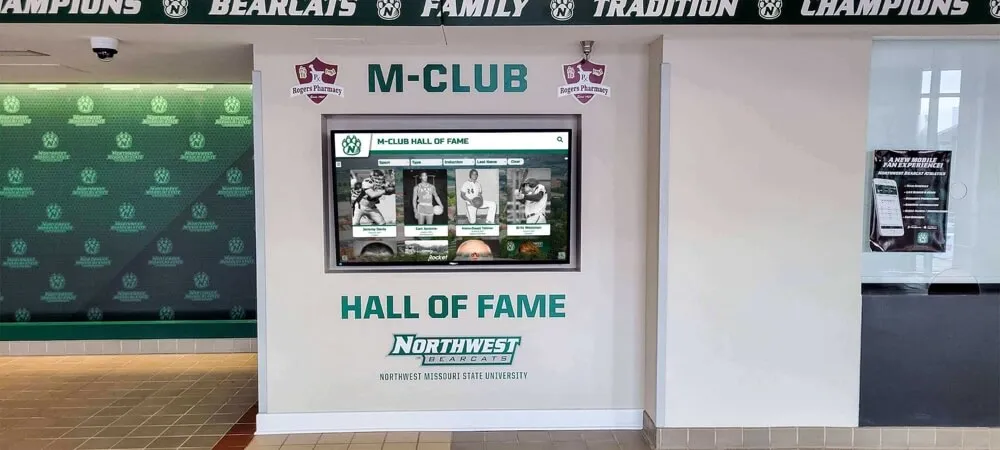
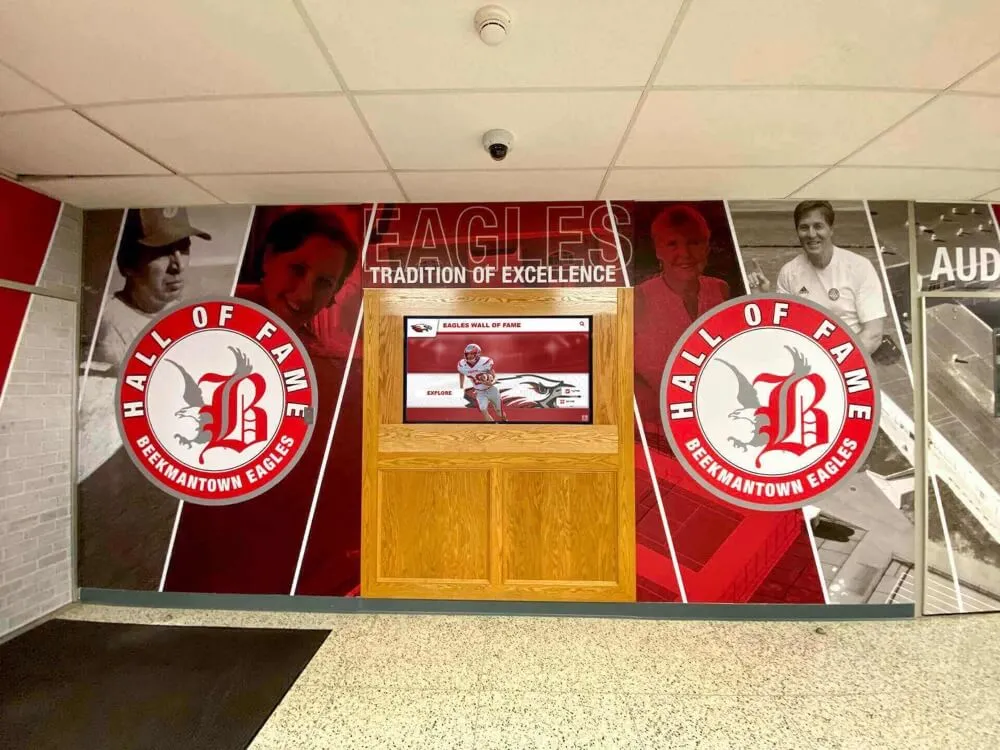
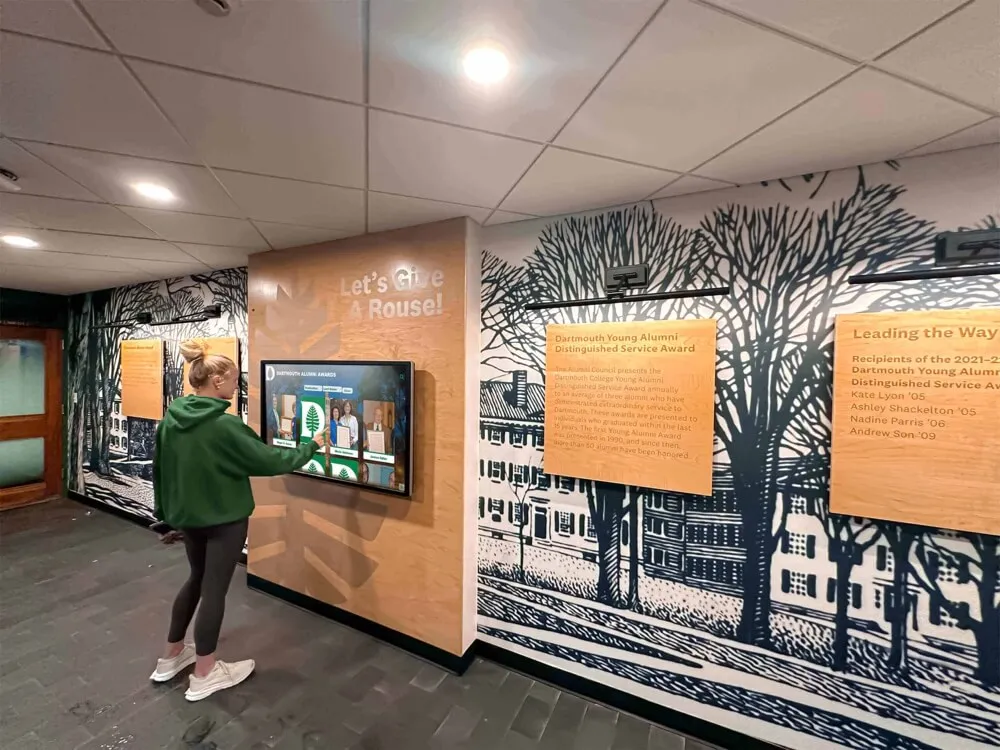
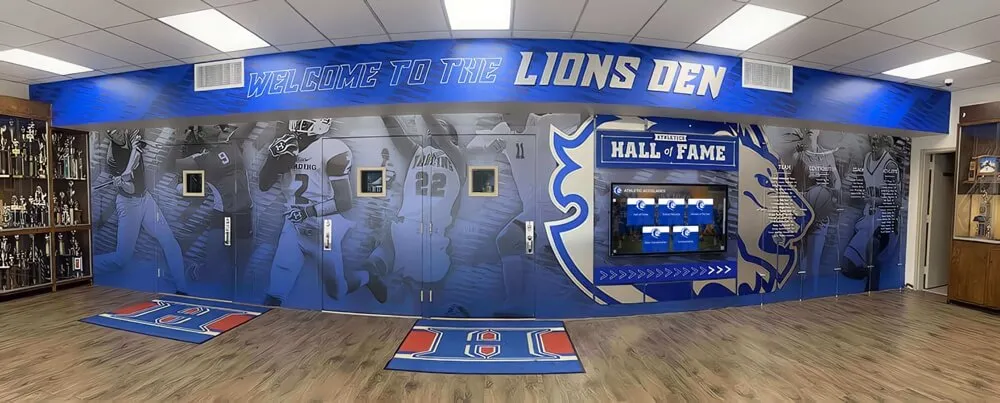
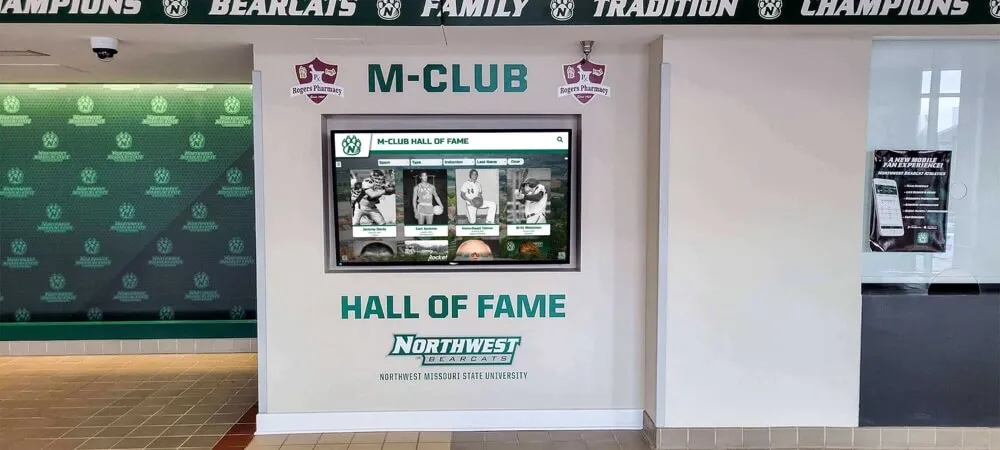
Permanent recognition installations ensure commencement honorees receive ongoing visibility beyond single-ceremony celebrations through year-round display
Ceremony Design Elements That Enhance Meaning
Beyond logistics, thoughtful design choices transform ceremonies from administrative obligations into memorable celebrations:
Creating Personal Connection at Scale
Large graduating classes present inherent tension between individual recognition and practical time constraints:
Name Reading Strategies
The fundamental ceremony tradition—reading each graduate’s name—requires careful execution ensuring dignity and audibility. Professional announcers with properly phonetic name guides prevent embarrassing mispronunciations, appropriate pacing allows each student their moment without excessive delay, pronunciation verification sessions with students in advance eliminates guesswork, and clear audio systems throughout venues ensure all attendees hear every name.
Some institutions enhance name reading by including degree type and honors designation (“Jane Smith, Bachelor of Science in Engineering, magna cum laude”), hometown or state identification creating geographic connection, or academic concentrations/majors helping audiences understand diverse graduate paths.
Visual Recognition Enhancements
Technology enables richer recognition than voice-only announcements through large display screens showing graduate photos as names are read, brief achievement captions highlighting notable accomplishments or post-graduation plans, real-time social media integration displaying congratulations from remote well-wishers, and video montages between ceremony segments showcasing graduating class experiences.
These visual elements create engagement for audiences who might otherwise disconnect during lengthy name-reading sequences while providing graduates individual moments of visibility beyond their brief stage crossing.
Meaningful Symbolism and Tradition
Ceremonial elements carry symbolic weight that enhances meaning when thoughtfully executed:
Academic Regalia and Processional
Traditional caps, gowns, and hoods create visual unity while conveying academic tradition connecting current graduates to centuries of scholarly heritage. Formal processional music and organized entry establish ceremonial gravity appropriate for milestone occasions, while the procession itself demonstrates institutional structure through ordering by seniority, degree level, or department affiliation.
Honor students wearing distinctive cords, stoles, or medallions receive visual recognition throughout ceremonies beyond verbal acknowledgment, creating sustained visibility for excellence.
Symbolic Ceremony Moments
Traditions like the turning of tassels marking transition from candidate to graduate, hooding ceremonies for master’s and doctoral graduates representing scholarly community induction, class gifts presented to institutions creating lasting legacy connection, and candle lighting or other rituals specific to institutional tradition all create memorable moments anchoring ceremony experiences.
These symbolic acts provide emotional resonance that pure credential conferral lacks, transforming ceremonies from bureaucratic requirements into meaningful transitional rituals.
Speaker Selection and Content
Commencement addresses significantly influence ceremony impact and graduate memory:
Choosing Effective Speakers
Successful commencement speakers typically include accomplished alumni whose career trajectories inspire current graduates, community leaders whose work exemplifies institutional values, faculty members beloved for teaching excellence and student connection, or student valedictorians/salutatorians representing peer perspectives.

Permanent recognition spaces create destinations where families, alumni, and visitors explore graduate achievements beyond fleeting ceremony moments
Speakers should offer forward-looking inspiration rather than backward-looking sentimentality, provide authentic personal narrative rather than generic platitudes, acknowledge current societal context graduates will navigate, demonstrate appropriate brevity respecting audience attention, and connect personal experiences to institutional mission or values.
Poorly chosen speakers—those who deliver excessive length, lack audience awareness, or focus primarily on self-promotion—become ceremony pain points rather than highlights, regardless of resume credentials.
Detailed guidance on commencement speaker selection approaches provides frameworks ensuring speaker choice enhances rather than detracts from celebration.
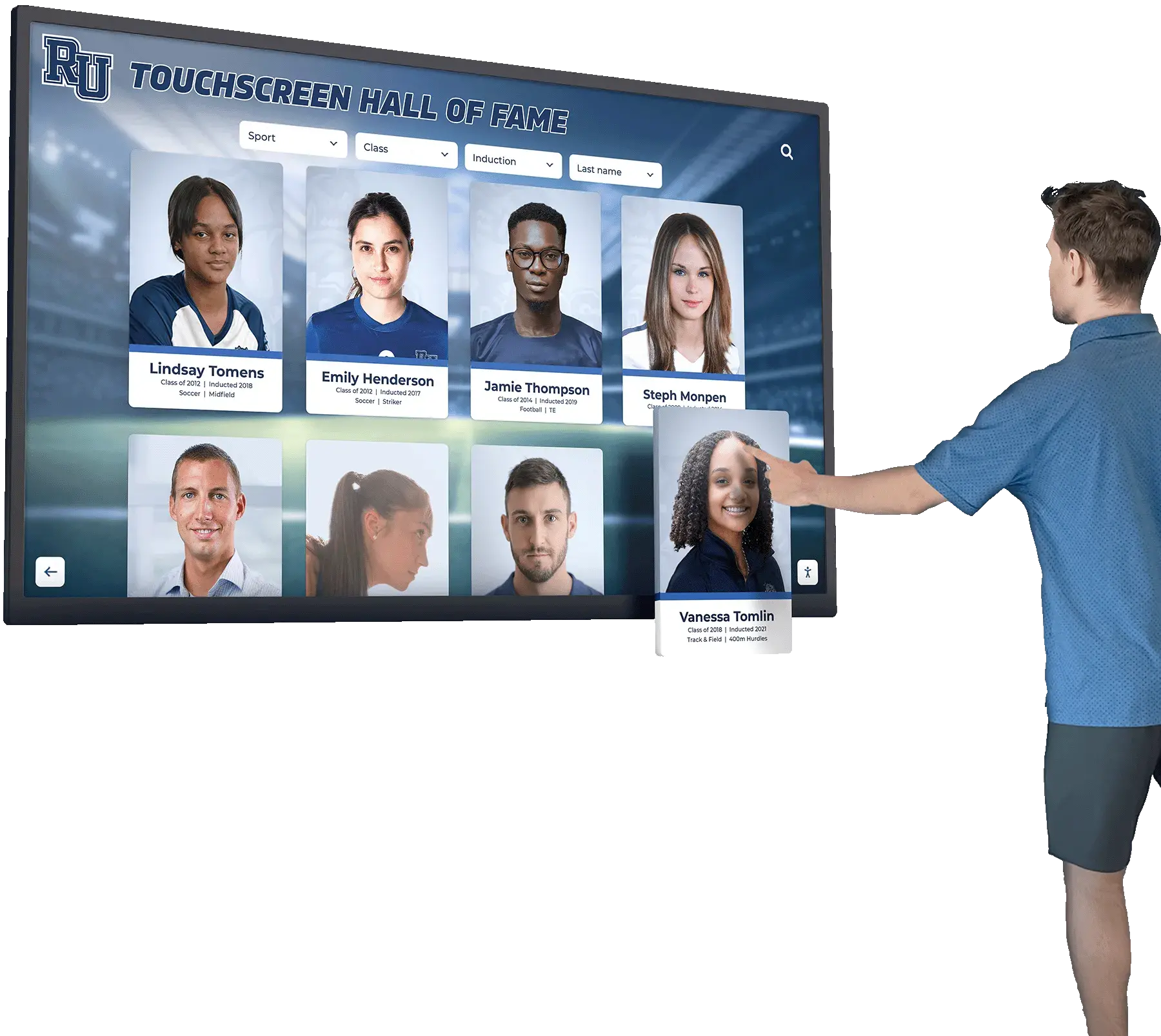
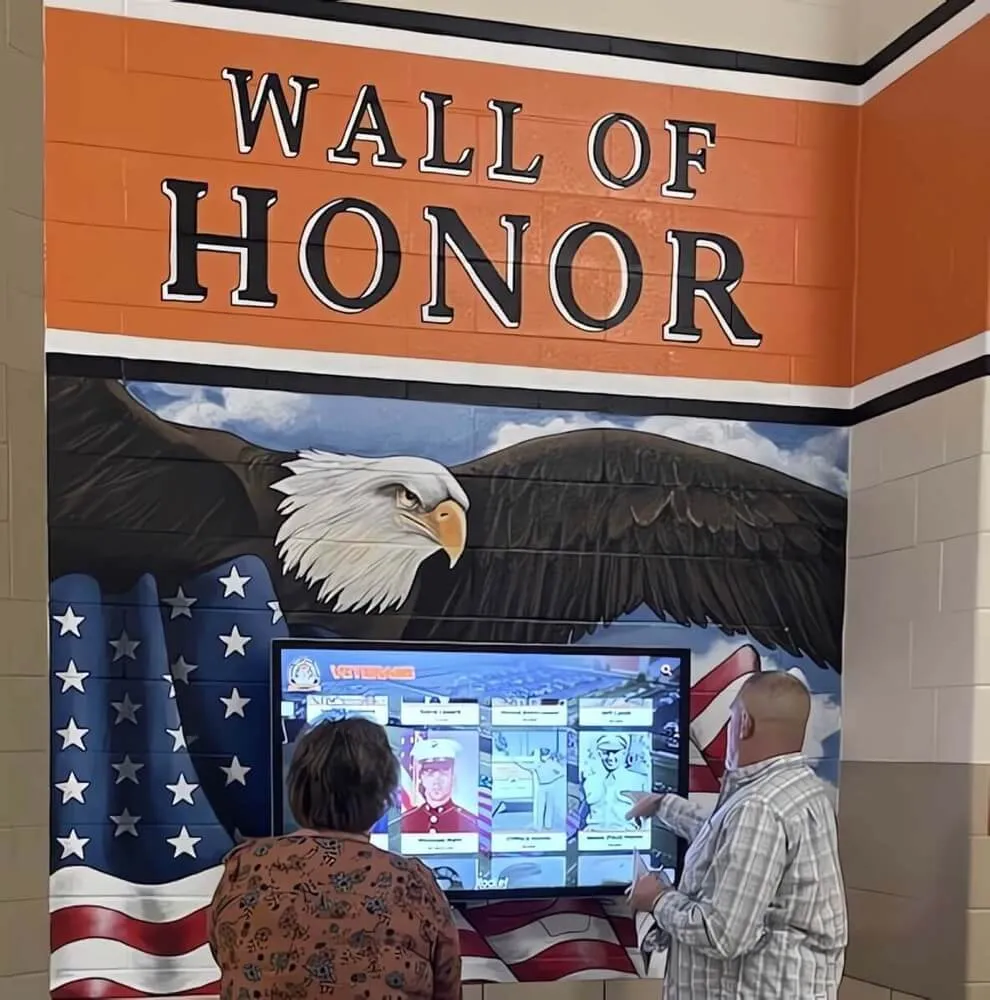
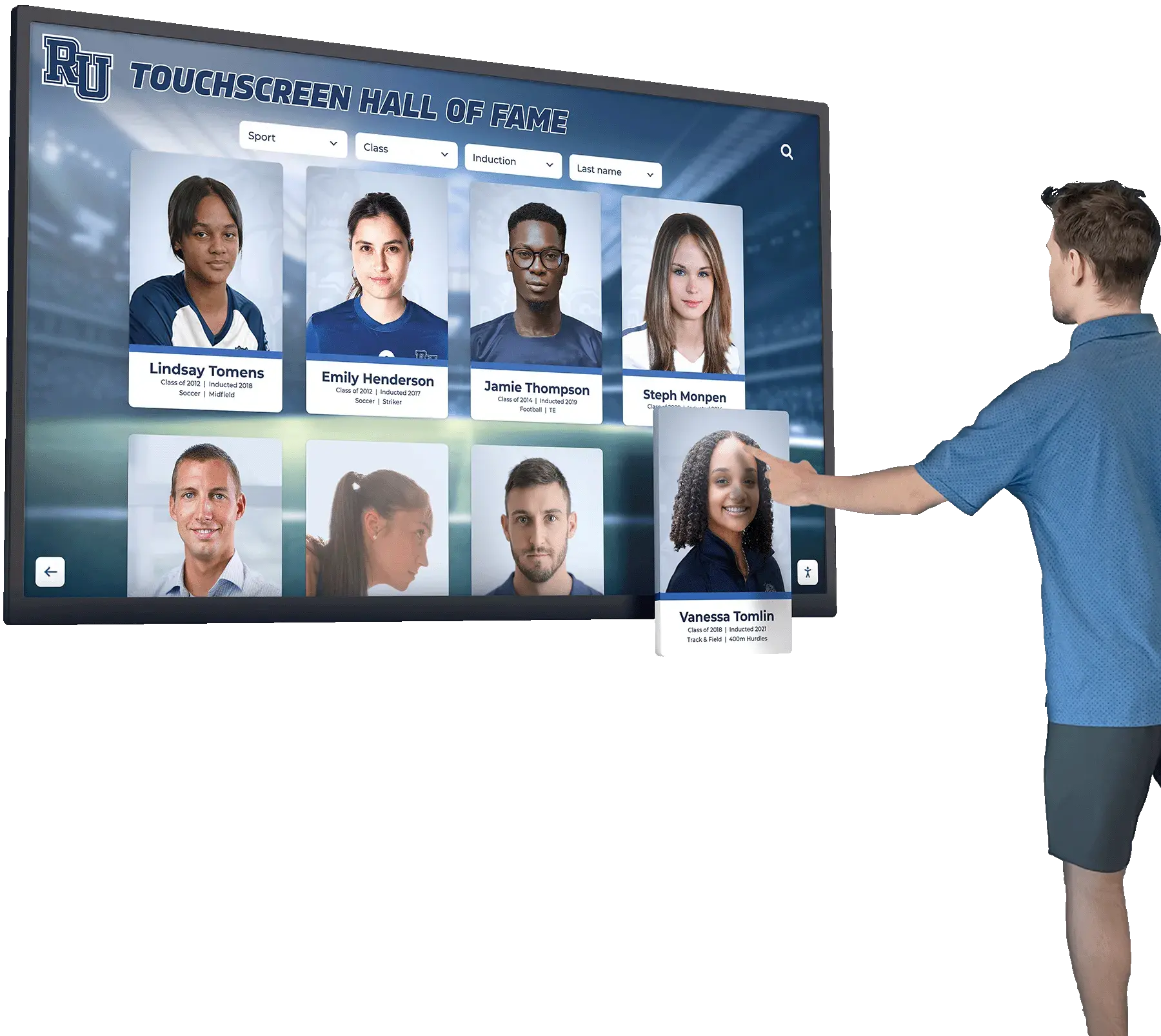
Touchscreen recognition systems enable family exploration of graduate achievements through intuitive navigation and rich multimedia storytelling
Extending Recognition Beyond Single Ceremonies
While commencement ceremonies create meaningful moments, limiting recognition to annual events means graduate achievements receive minimal sustained visibility. Modern recognition systems solve this limitation through permanent, engaging displays that honor graduates year-round.
The Limitations of Traditional Graduation Recognition
Conventional approaches to honoring graduates struggle with inherent constraints:
Space-Constrained Physical Displays
Traditional plaques, engraved walls, or printed honor rolls face fundamental capacity limitations forcing institutions to choose whose achievements merit permanent display. These systems typically accommodate only highest honors like valedictorians or specific award winners, leaving most graduates without lasting recognition, limit historical archives because adding new graduates requires removing previous honorees, restrict recognition categories to what physical space permits, and become maintenance burdens requiring professional engraving or printing for updates.
Ceremony-Only Recognition
When graduate acknowledgment exists exclusively during commencement, recognition becomes ephemeral—students receive momentary applause as names are read but no sustained visibility, families attending ceremonies experience recognition but those unable to attend miss it entirely, and achievements quickly fade from institutional memory as new classes replace previous graduates.
This temporal limitation means years of academic dedication receive hours or minutes of acknowledgment before effectively disappearing from institutional consciousness.
Digital Recognition Display Solutions
Modern platforms transform graduate recognition through technology eliminating traditional constraints:
Unlimited Recognition Capacity
Solutions like Rocket Alumni Solutions provide purpose-built recognition systems enabling institutions to honor unlimited graduates across all years and achievement categories. Single touchscreen displays showcase entire institutional history without space constraints, comprehensive graduate profiles include photos, honors, achievements, and biographical details, searchable databases enable visitors to find specific individuals or graduating classes, and unlimited categories accommodate academic honors, athletic achievements, service recognition, and specialized awards simultaneously.
This capacity transformation means institutions no longer face impossible choices about whose achievements deserve visibility—comprehensive recognition becomes feasible regardless of graduating class size.
Rich Multimedia Recognition Profiles
Digital platforms enable recognition depth impossible with traditional static displays:
Graduate profiles can include high-resolution portrait photography, detailed achievement documentation listing honors, scholarships, and awards, post-graduation updates showing career paths and accomplishments, video messages from graduates or faculty mentors, and historical context connecting individual graduates to institutional traditions.
This multimedia richness transforms recognition from mere name lists into compelling narratives celebrating complete academic journeys and post-graduation contributions.
Interactive Exploration and Engagement
Touchscreen interfaces create engaging visitor experiences rather than passive observation:
Visitors can search by name, year, achievement type, or department to find specific graduates, filter displays by honors level, geographic origin, or career field, explore photo galleries showing class events and campus life, access multiple language options serving diverse communities, and share recognition via social media or email extending visibility beyond physical visitors.
Interactive engagement means recognition displays attract attention and active exploration rather than becoming ignored background decoration, significantly extending recognition impact.
Approaches to academic recognition programs demonstrate comprehensive systems celebrating graduate achievements as part of broader institutional recognition culture.
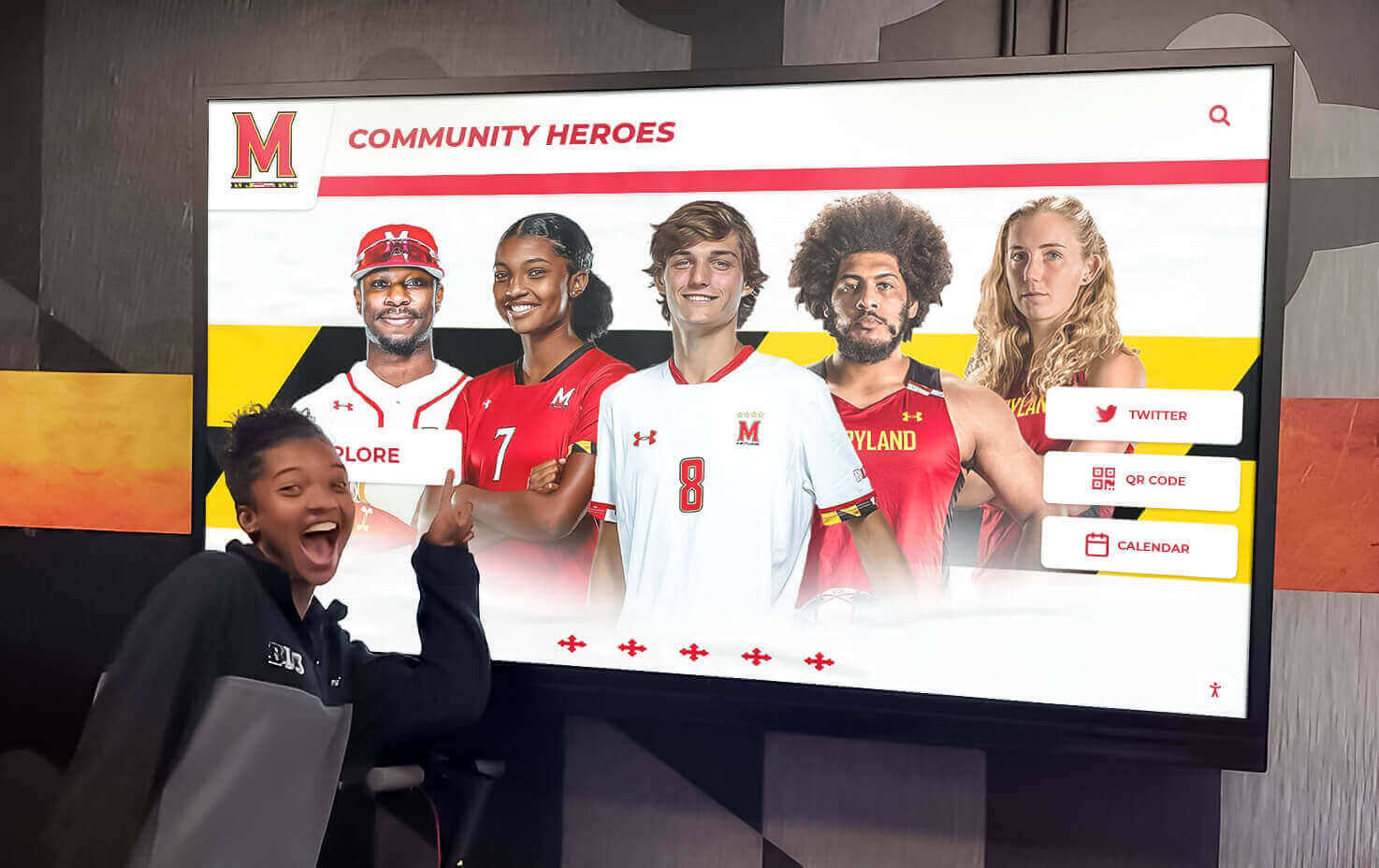
Accessible recognition displays engage entire educational communities including younger students who see graduate role models and aspire toward similar excellence
Practical Planning Considerations for Commencement
Beyond philosophical understanding and recognition strategy, successful ceremonies require careful attention to logistics and practical details:
Venue Selection and Setup
Location significantly influences ceremony atmosphere and attendee experience:
Indoor vs Outdoor Venues
Each venue type presents distinct advantages and challenges. Indoor facilities offer weather reliability eliminating cancellation or relocation anxiety, controlled acoustics ensuring all attendees hear clearly, existing audiovisual infrastructure supporting presentations and amplification, climate control maintaining comfort regardless of season, and accessibility compliance with established accommodations.
Outdoor venues provide capacity advantages for large graduating classes, atmospheric appeal with campus landmarks as backdrops, traditional quad or lawn settings connecting to institutional history, and flexibility for creative staging and layout. However, outdoor ceremonies require comprehensive weather contingency plans, backup indoor locations or postponement procedures, enhanced audio systems overcoming ambient noise, and sun/heat considerations for attendees and participants in formal regalia.
Seating and Staging Configuration
Thoughtful layout maximizes visibility and engagement through appropriate stage elevation ensuring all attendees see graduates receiving diplomas, clear sight lines from all seating sections to central ceremony activities, accessible seating areas meeting ADA requirements and serving family needs, designated areas for faculty, administrators, and special guests, and adequate space for processional and recessional flow preventing congestion.
Family and Guest Management
Attendee experience determines whether ceremonies feel celebratory or frustrating:
Ticket Allocation Considerations
Institutions must balance graduate desire for family attendance with venue capacity constraints through clearly communicated ticket limits per graduate announced well in advance, equitable distribution systems ensuring fairness across all graduates, additional streaming or overflow viewing areas for guests without ceremony tickets, and guest transfer procedures allowing graduates to redistribute unused tickets.
Thoughtful policies acknowledge diverse family situations—some graduates have extensive extended families while others have minimal guests—enabling flexible solutions rather than rigid rules creating inequities.
Communication and Information Access
Comprehensive information provided well before ceremonies reduces stress and confusion including detailed venue location with parking instructions and campus maps, timeline specifying arrival expectations and ceremony duration, academic regalia pickup or rental information, graduation photography vendor details and options, and post-ceremony reception or celebration information.
Multi-channel communication through email, websites, social media, and printed mailings ensures families receive essential information regardless of communication preferences.
Frameworks from awards ceremony planning provide detailed logistics considerations applicable to commencement contexts.

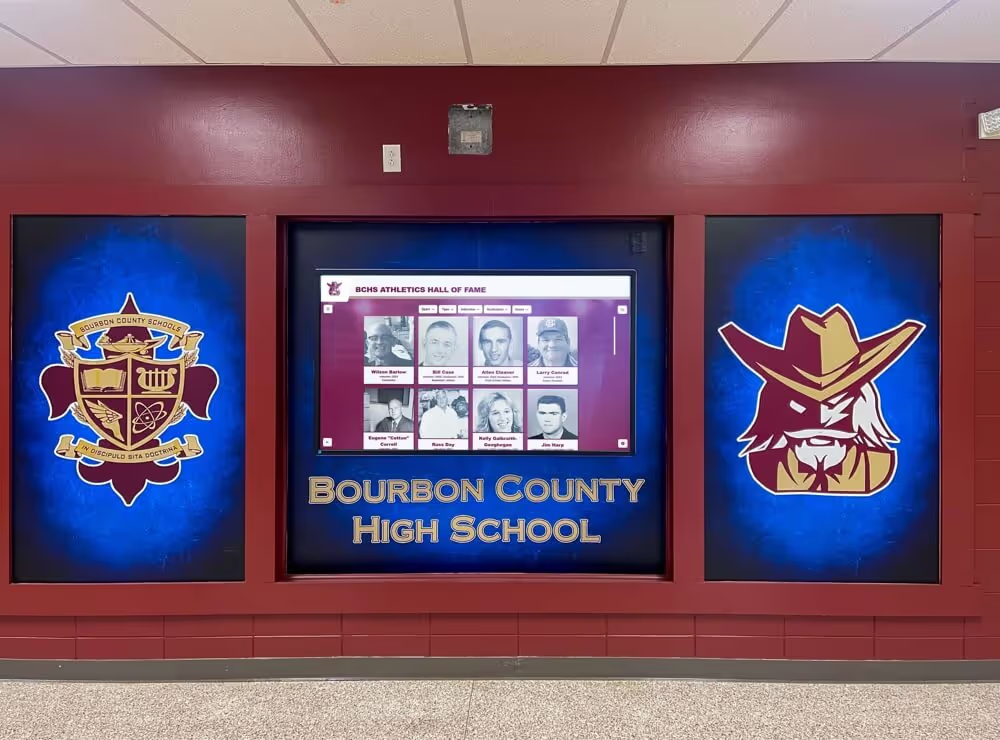
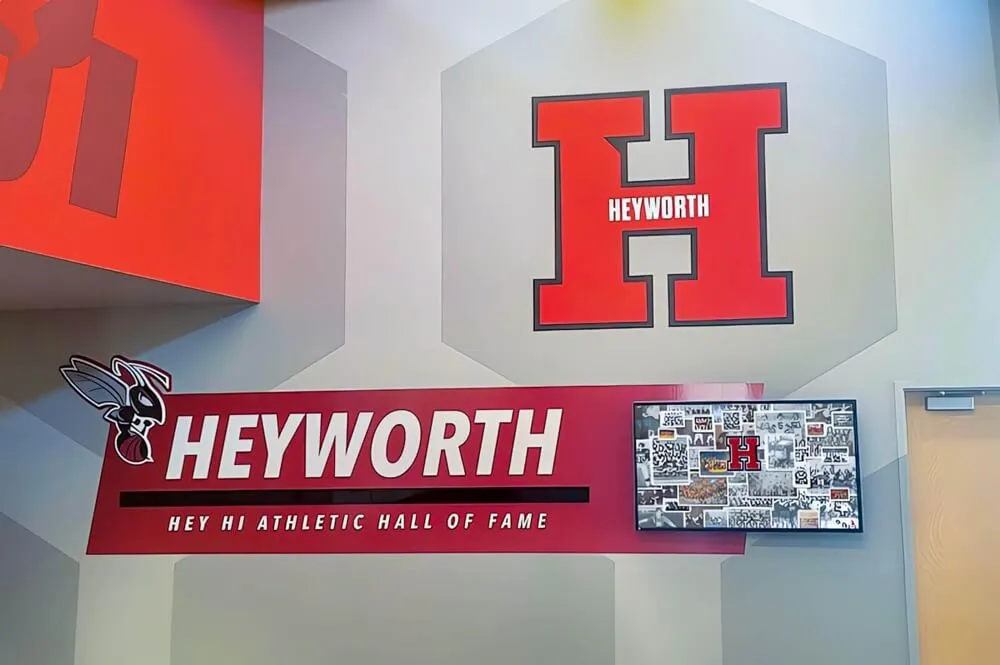
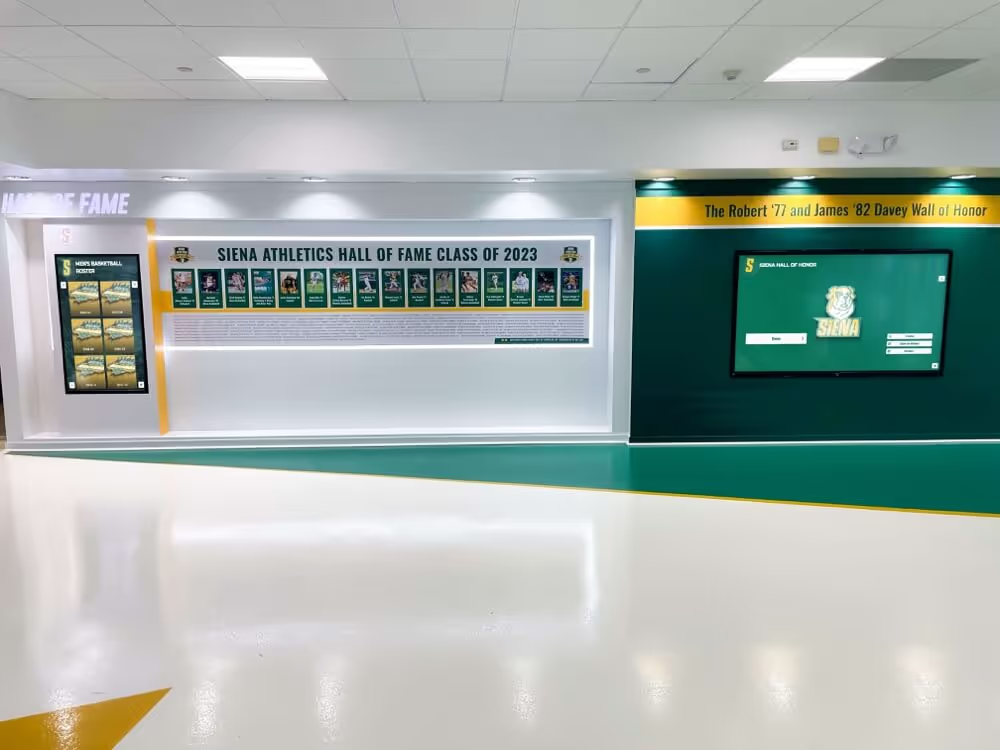
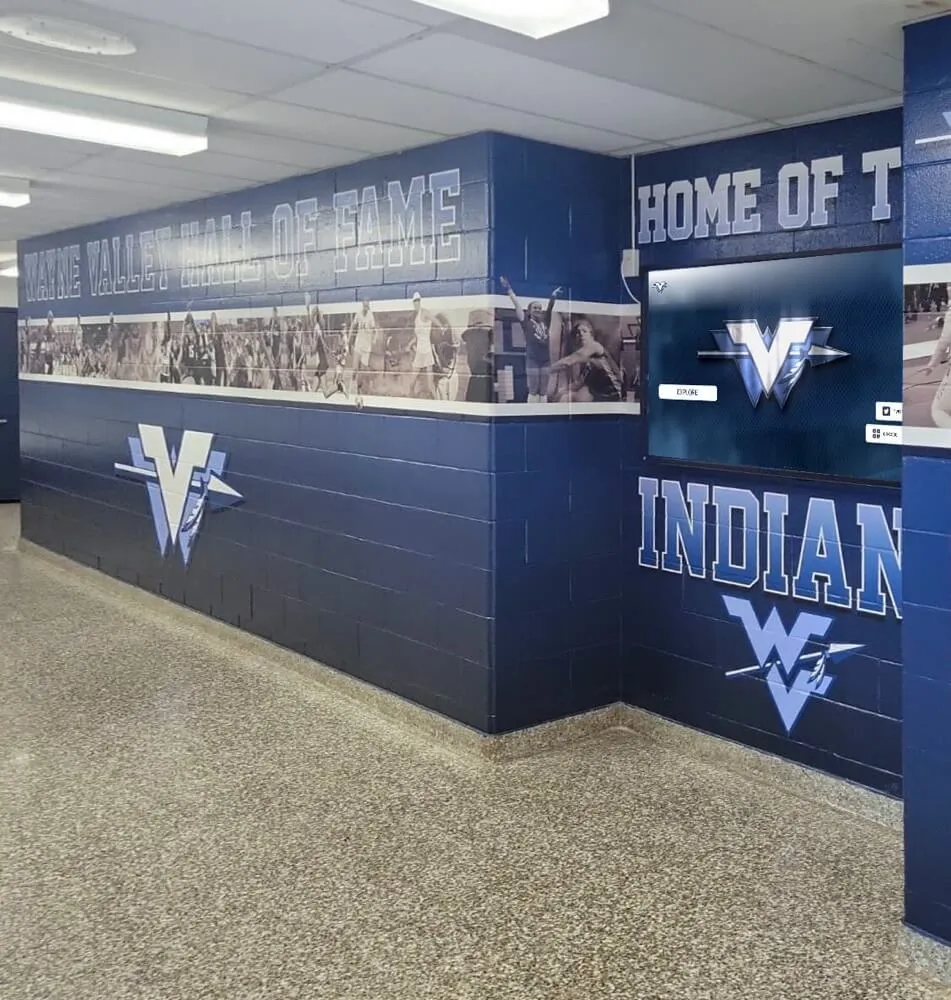
Modern recognition installations combine traditional institutional branding with interactive technology creating comprehensive celebration environments
Special Ceremony Formats and Innovations
Traditional full-class ceremonies represent just one approach—various formats serve different institutional needs and student preferences:
Departmental and School-Specific Ceremonies
Many universities complement or replace university-wide commencement with smaller college-level events:
Advantages of Smaller Ceremonies
Departmental formats provide enhanced personal recognition with time for individual graduate acknowledgment, faculty-student connection highlighting mentorship relationships developed during degree programs, discipline-specific celebration acknowledging unique achievement dimensions within different fields, family intimacy creating more meaningful experiences for smaller audiences, and scheduling flexibility accommodating diverse academic calendars.
Professional schools like medicine, law, and education frequently conduct separate ceremonies reflecting distinctive professional identity and tradition within these disciplines.
Coordination Challenges
Multiple ceremonies require careful coordination managing venue scheduling across numerous events in concentrated timeframes, ensuring equitable resource allocation across departments, communicating clearly which ceremonies graduates should attend, and maintaining institutional unity while celebrating disciplinary diversity.
Virtual and Hybrid Ceremony Models
Technology enables broader participation particularly valuable in geographically dispersed communities:
Live Streaming and Virtual Attendance
Quality streaming solutions expand ceremony access through high-definition multi-camera production providing engaging viewing experiences, dedicated streaming platforms managing bandwidth and viewership scale, interactive features enabling remote attendees to submit congratulations or comments, recorded archives allowing on-demand viewing after live events, and accessibility features including closed captioning and audio description.
Virtual access particularly benefits deployed military family members, international relatives unable to travel, immunocompromised individuals during health concerns, and alumni connecting to institutional celebration despite geographic distance.
Emerging Hybrid Approaches
Some institutions experiment with hybrid models offering both in-person and virtual elements through graduate choice between physical ceremony attendance or virtual participation, virtual reality ceremony experiences creating immersive participation for remote attendees, and asynchronous celebration allowing graduates unable to attend scheduled ceremonies to receive recognition through personalized recorded experiences.
These innovations reflect evolving definitions of community and celebration in increasingly connected but physically dispersed populations.
Creative Alternative Celebrations
Institutions experimenting beyond traditional formats discover innovative approaches:
Senior Recognition Programs Throughout Final Year
Rather than concentrating all recognition into single ceremonies, systematic programs provide sustained celebration through senior week activities celebrating graduating class bonds, senior recognition events spanning entire final semesters, legacy projects enabling graduating classes to contribute lasting institutional gifts, and milestone moments marking progression toward graduation throughout academic years.
Distributed recognition reduces pressure on single ceremony dates while creating richer, more diverse celebration experiences.

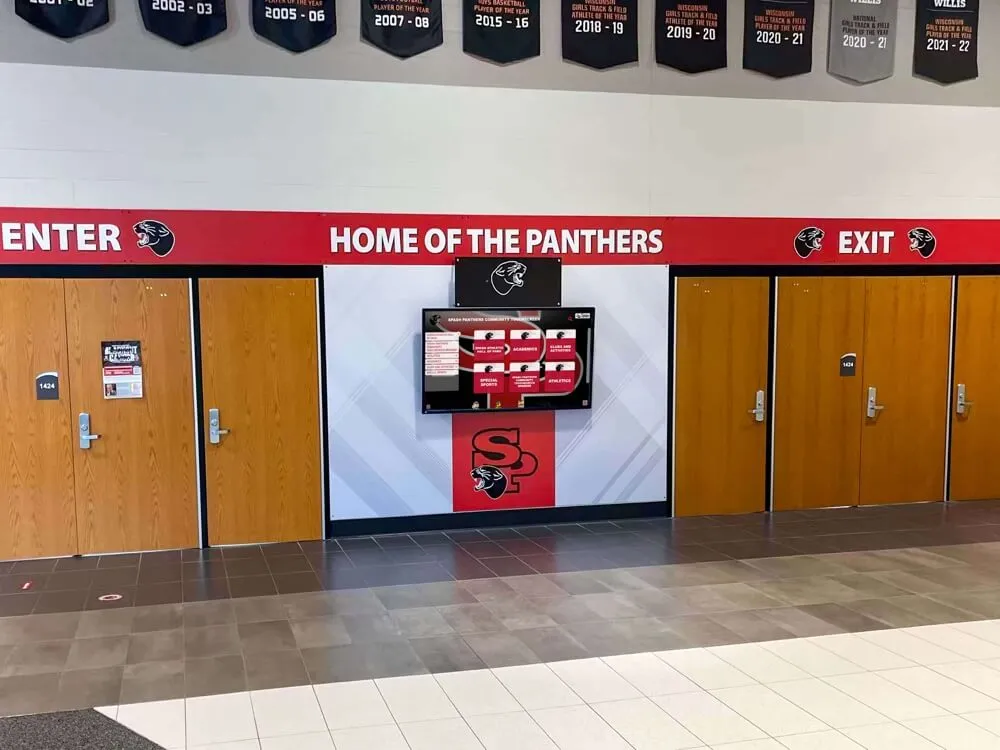
Strategic placement in high-traffic areas ensures graduate recognition reaches current students, families, and visitors regularly throughout years
Creating Lasting Graduate Recognition Culture
The most effective institutional approaches integrate commencement ceremonies into comprehensive recognition systems ensuring graduate achievements receive sustained honor:
Building Recognition Traditions
Systematic approaches create institutional cultures where graduate recognition extends beyond ceremonial moments:
Annual Recognition Cycles
Established traditions provide structure through commencement weekend programming incorporating multiple celebration elements, annual graduate profile additions to permanent recognition displays, alumni return events connecting recent graduates to older classes, and anniversary recognitions celebrating 5, 10, 25, 50-year graduation milestones.
Predictable cycles enable planning and resource allocation while building traditions students anticipate throughout academic careers.
Integration With Broader Recognition Programs
Graduate recognition connects to comprehensive systems celebrating achievement across all educational stages including end-of-year awards recognizing student accomplishments before graduation, multi-year academic achievement tracking showing sustained excellence, athletic and co-curricular recognition celebrating diverse contribution dimensions, and alumni achievement acknowledgment maintaining lifelong institutional connection.
Integrated systems demonstrate that institutions value excellence consistently across all student experiences rather than limiting recognition to graduation moments.
Sustainable Management and Maintenance
Recognition programs require ongoing attention remaining effective:
Content Management Responsibilities
Assign clear ownership for graduate data collection and profile creation, regular display content updates maintaining currency and accuracy, photo and document archiving preserving institutional memory, and technical maintenance ensuring display functionality and performance.
Cloud-based management platforms dramatically reduce administrative burden compared to traditional engraving or printing-based systems, enabling staff without technical expertise to maintain professional recognition displays.
Assessment and Improvement
Regular evaluation ensures recognition systems meet objectives through graduate satisfaction surveys about recognition meaningfulness, family feedback about ceremony and recognition experiences, engagement analytics from digital displays showing visitor interaction patterns, and benchmark comparisons with peer institutions and recognition best practices.
Systematic assessment enables continuous improvement ensuring recognition programs remain valued institutional priorities rather than becoming perfunctory obligations.
Transform Your Graduate Recognition Program
Discover how modern digital recognition platforms enable comprehensive graduate celebration with unlimited capacity, engaging multimedia profiles, and sustainable systems ensuring achievements receive ongoing honor beyond single commencement ceremonies. Rocket Alumni Solutions specializes in purpose-built recognition technology serving schools, colleges, and universities of all sizes.
Explore Recognition SolutionsCelebrating Educational Milestones With Meaning and Memory
Whether your institution uses “commencement” or “graduation,” the fundamental purpose remains constant: honoring students who dedicated years to academic achievement while inspiring their continued growth and contribution beyond campus. The distinction between these terms—completion versus beginning—reflects different philosophical emphases, yet both perspectives merit integration in truly meaningful ceremonies acknowledging past accomplishment while orienting toward future possibility.
Effective commencement planning extends beyond single-day ceremonies to create comprehensive recognition systems ensuring graduate achievements receive sustained visibility and honor. Traditional approaches limiting recognition to brief ceremony moments or space-constrained physical displays no longer reflect what technology makes possible or what students, families, and institutions deserve. Modern digital recognition platforms eliminate capacity constraints, enable rich multimedia storytelling, provide interactive engagement, and create accessible exploration for communities worldwide—transforming graduate recognition from ephemeral ceremony elements into permanent institutional celebration.
Schools and universities implementing thoughtful commencement ceremonies combined with comprehensive recognition displays discover measurable benefits including enhanced graduate satisfaction and institutional connection, stronger family and community engagement, improved recruitment as prospective students see how institutions honor achievement, and lasting cultural impact when recognition becomes systematic tradition rather than isolated annual obligation.
Your graduates invested extraordinary dedication pursuing academic excellence while balancing competing obligations and overcoming countless challenges. They deserve recognition matching that commitment through ceremonies honoring their achievements with dignity and inspiration, sustained visibility celebrating their accomplishments beyond fleeting ceremony moments, and systematic recognition culture demonstrating that institutions genuinely value educational excellence. The frameworks explored throughout this guide provide proven strategies creating commencement experiences and recognition systems that transform milestone celebrations from perfunctory obligations into meaningful traditions your graduates remember and cherish throughout their lives.
Ready to enhance your commencement recognition? Explore approaches to high school graduation celebrations extending beyond formal ceremonies, discover comprehensive student recognition frameworks celebrating diverse achievements, and understand how digital recognition displays preserve graduate honors through permanent interactive platforms inspiring current students while honoring past excellence.