



Concert band programs represent the foundation of school music education, providing comprehensive instrumental training that develops technical proficiency, ensemble skills, and lifelong appreciation for musical excellence. From middle school beginners grasping fundamentals to advanced high school wind ensembles performing collegiate-level repertoire, concert band programs create structured pathways where student musicians develop their craft across multiple years of progressive instruction and performance experience.
Yet many outstanding concert band programs struggle with a persistent visibility gap. Athletic programs receive prominent digital displays showcasing team records, championship banners line gymnasium walls, and sports achievements dominate school recognition systems—while equally impressive band accomplishments remain hidden in practice rooms, acknowledged briefly in concert programs, or confined to music department bulletin boards seen only by students already committed to the program.
This recognition disparity creates real consequences: prospective students and families underestimate program quality when evaluating schools, community members remain unaware of musical excellence happening in their districts, administrators allocate resources without fully understanding program achievements, and dedicated student musicians question whether their considerable time investment receives appropriate institutional acknowledgment compared to athletic peers.
Concert band program excellence deserves recognition systems that celebrate musical achievement with prominence equal to accomplishments in athletics and academics—creating comprehensive visibility that honors student dedication, inspires current musicians, and demonstrates institutional commitment to arts education.

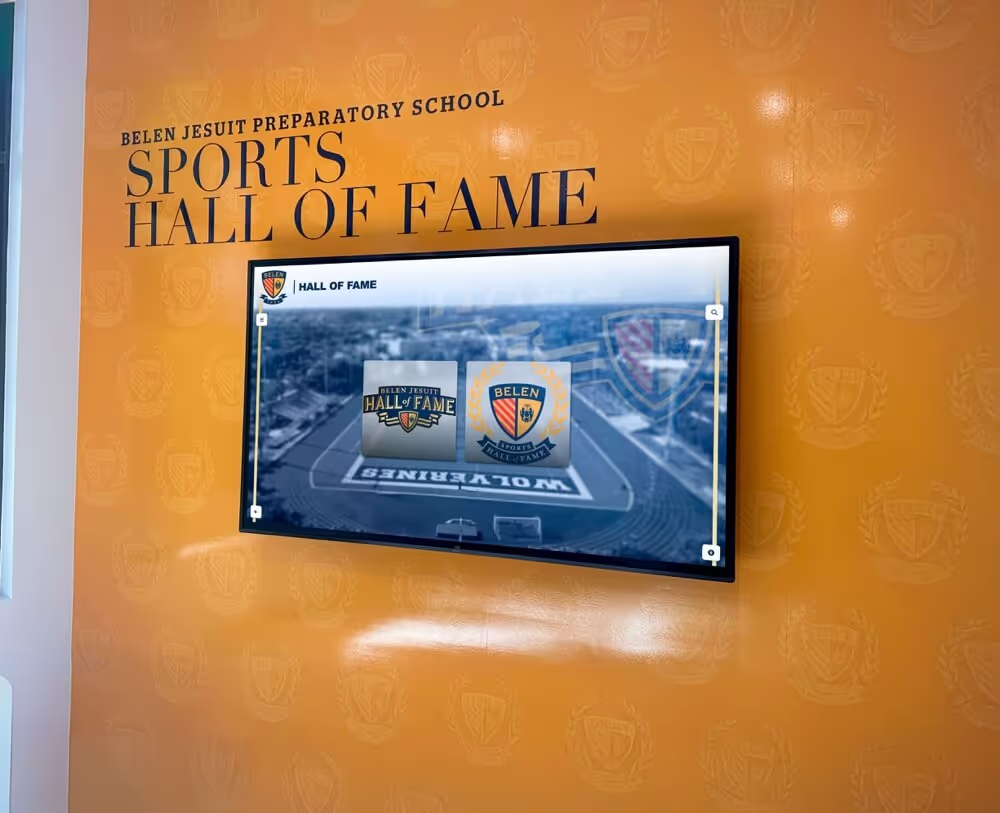
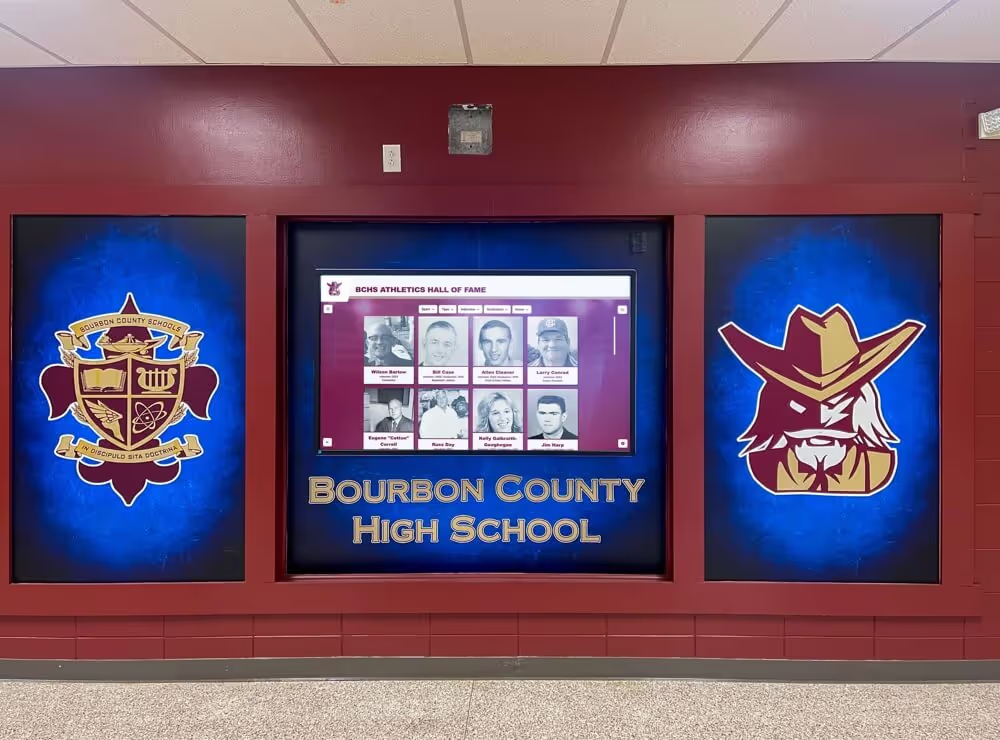
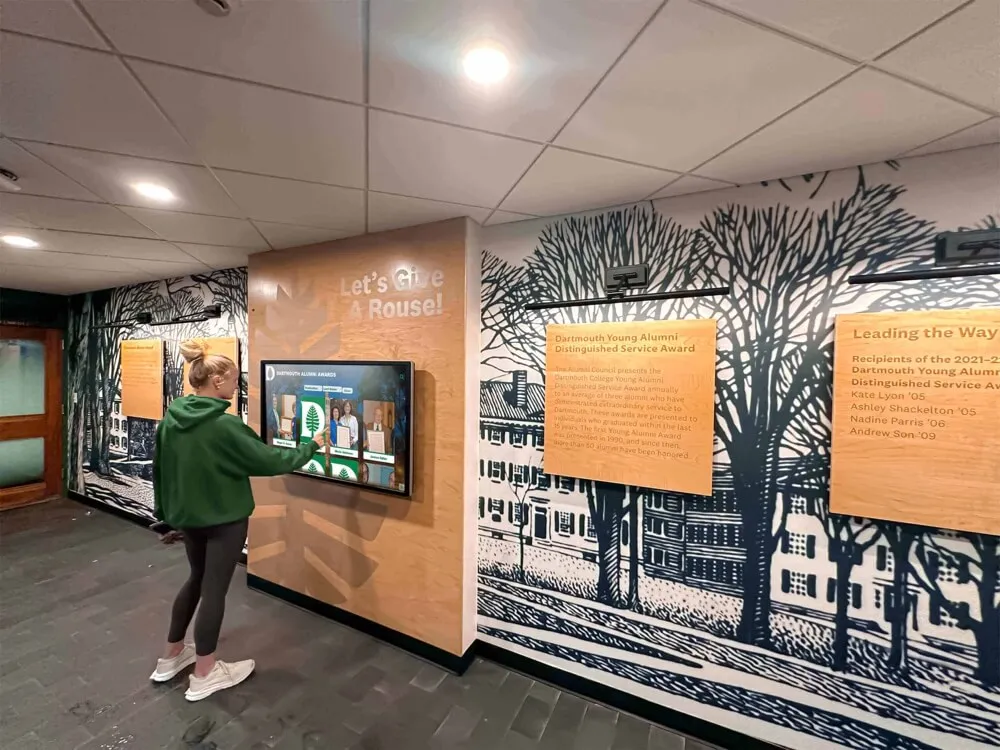
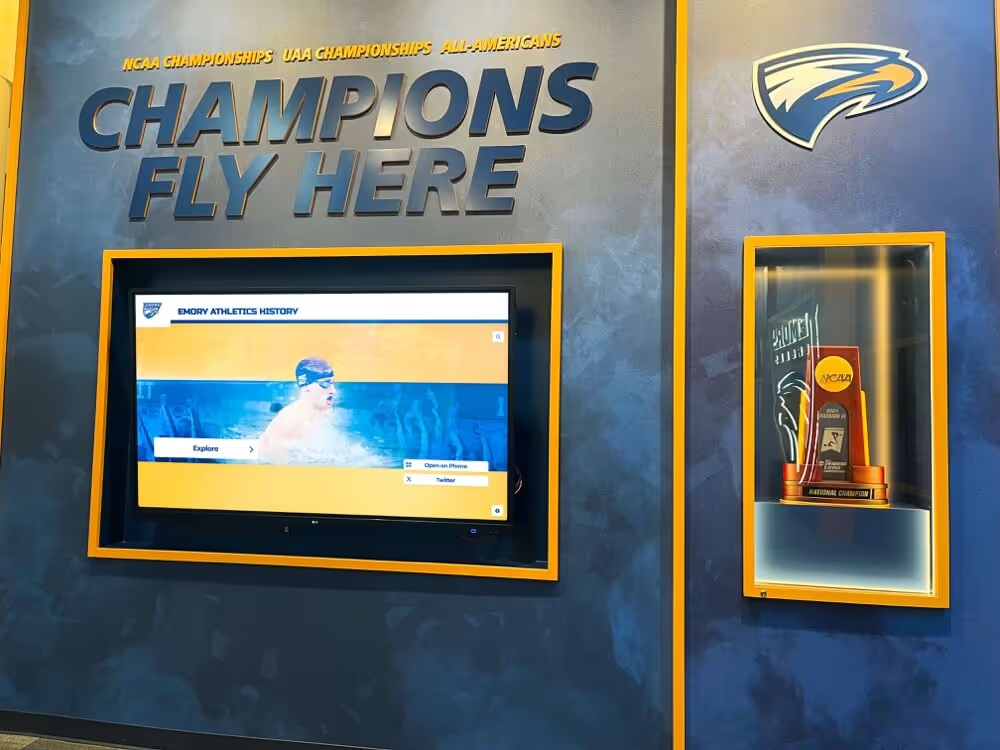
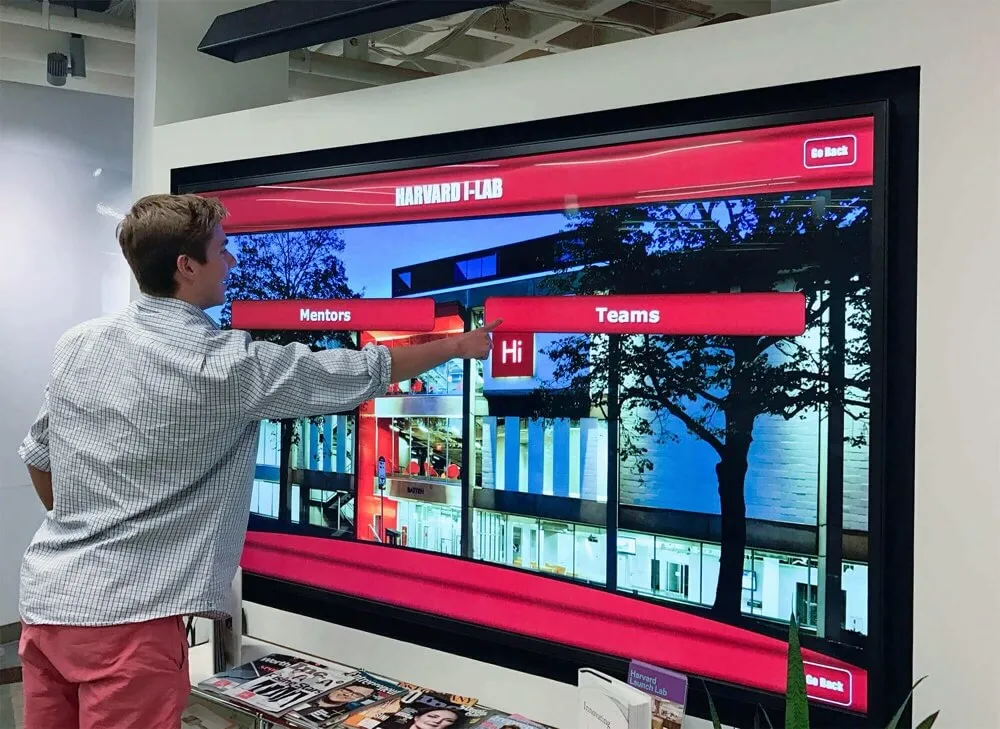
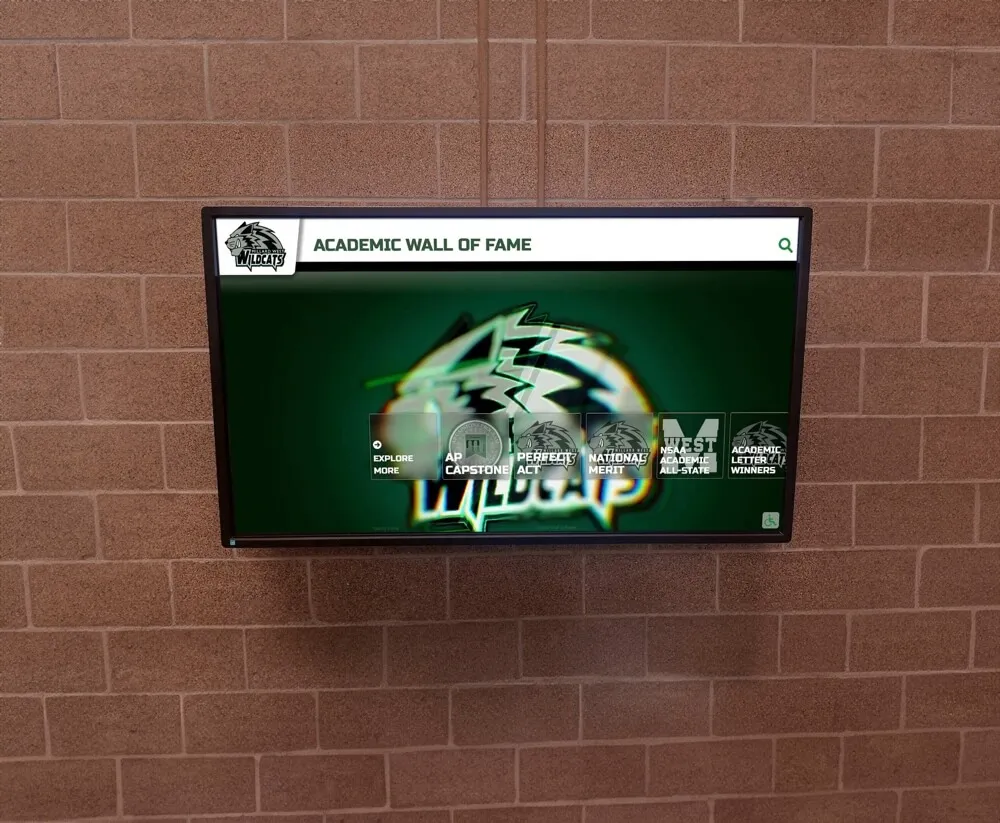
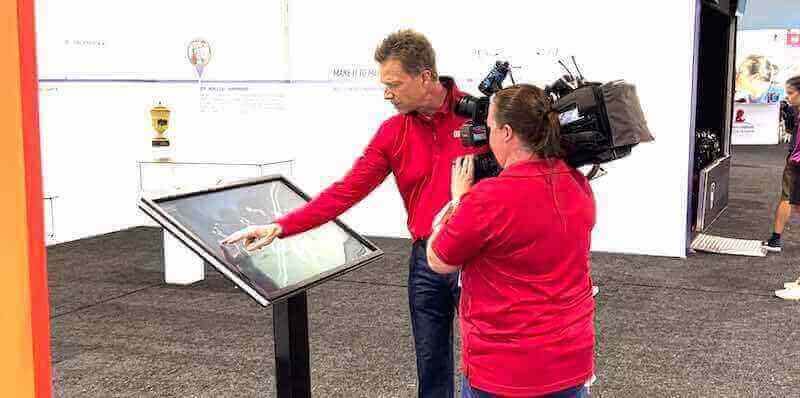
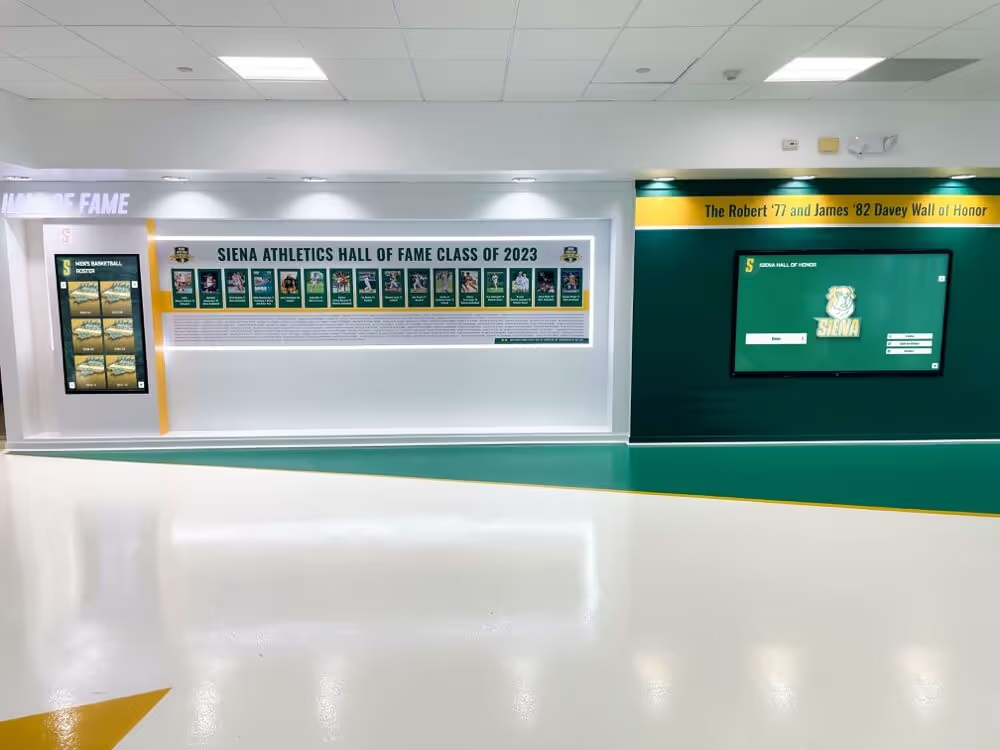
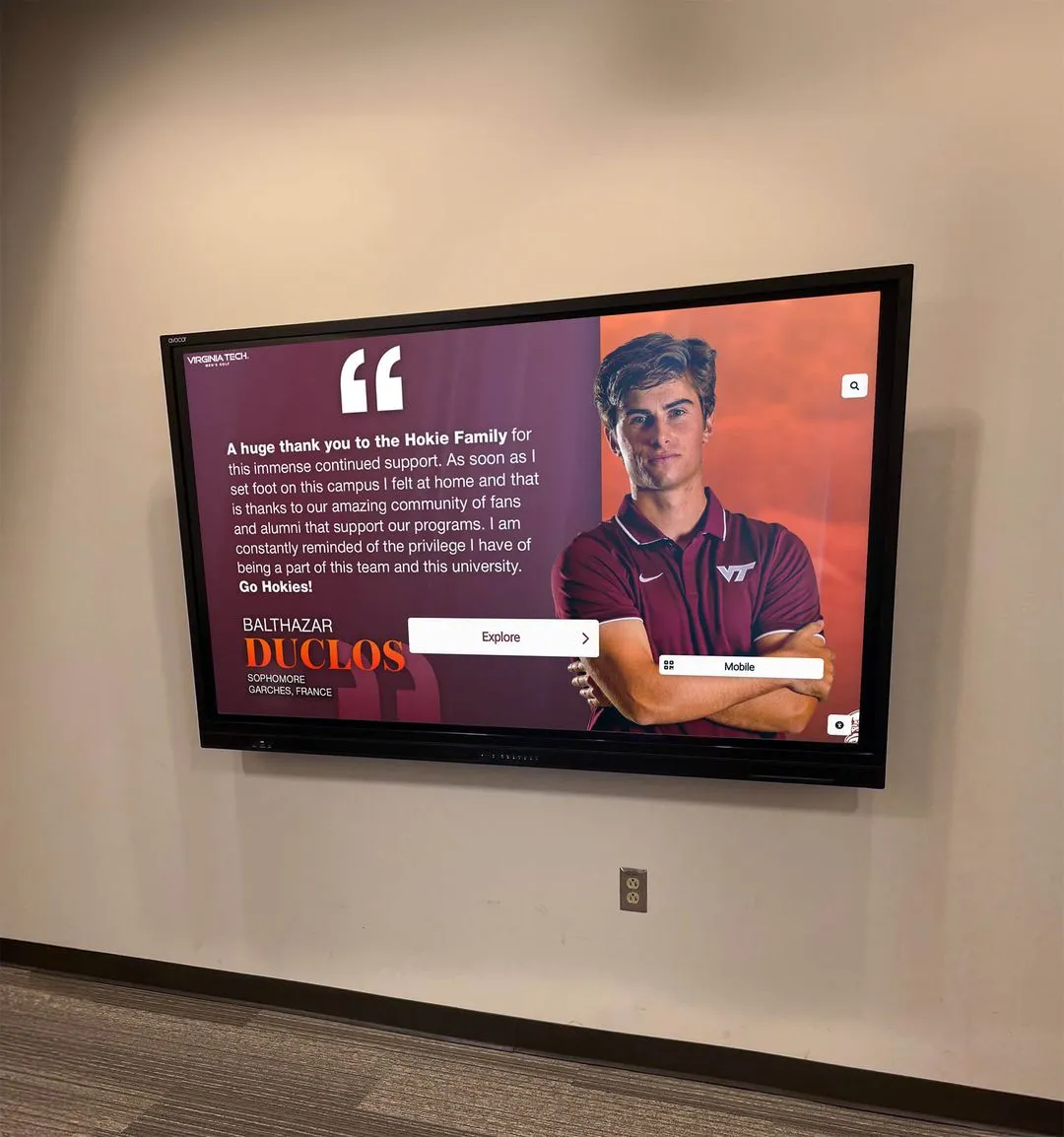
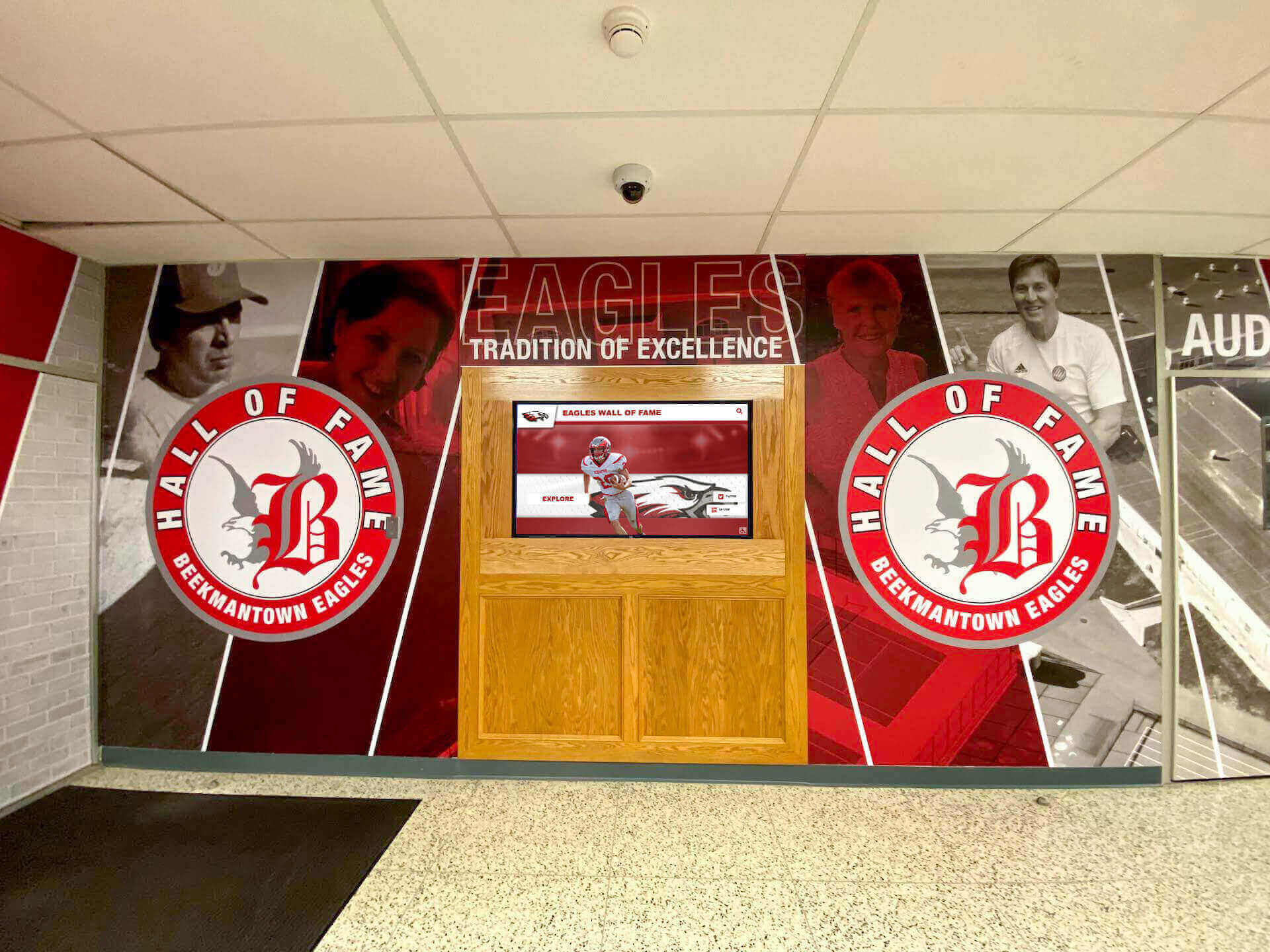
Strategic recognition displays in prominent school locations elevate music program visibility and celebrate comprehensive student achievement
Understanding Concert Band Program Structure and Achievement
Before implementing recognition strategies, understanding what constitutes concert band excellence and how programs develop student musicians provides essential context for meaningful acknowledgment systems.
The Progressive Concert Band Curriculum
Quality concert band programs establish multi-year developmental sequences building technical skills, musical knowledge, and performance excellence systematically.
Beginning Band Foundations
Starting typically in fifth or sixth grade, beginning band introduces fundamental concepts:
- Instrumental technique development including embouchure formation, breath support, and tone production
- Music literacy education covering note reading, rhythm comprehension, and basic theory
- Ensemble skills teaching students to listen, balance, and blend within group contexts
- Performance habits establishing practice discipline, rehearsal behavior, and concert etiquette
- Repertoire exposure introducing appropriate-level concert band literature
This foundational phase determines long-term program success, as students who develop proper technique and positive musical experiences during beginning band demonstrate substantially higher retention through secondary programs.
Intermediate Band Development
Middle school concert bands advance technical proficiency while expanding musical understanding:
- Advanced technical skills including extended ranges, complex rhythmic patterns, and articulation variety
- Musical expression development introducing phrasing, dynamics, and interpretive performance
- Literature progression exposing students to diverse styles and more challenging grade levels
- Leadership opportunities through section leaders, student conductors, or peer mentoring
- Competition participation introducing students to adjudication, ratings, and external validation
Intermediate programs bridge elementary music and advanced secondary ensembles, maintaining student engagement during challenging developmental years when many students discontinue musical participation.
High School Concert Band Excellence
Advanced concert bands represent the culmination of comprehensive music education:
- Elite ensemble placement systems including honors bands, wind ensembles, or symphonic bands
- Sophisticated repertoire encompassing grade 4-6 literature requiring advanced technical and musical skills
- Performance excellence through festivals, competitions, and concert series
- All-state musician achievement recognizing elite performers selected through competitive auditions
- College preparation supporting students pursuing music education or performance degrees
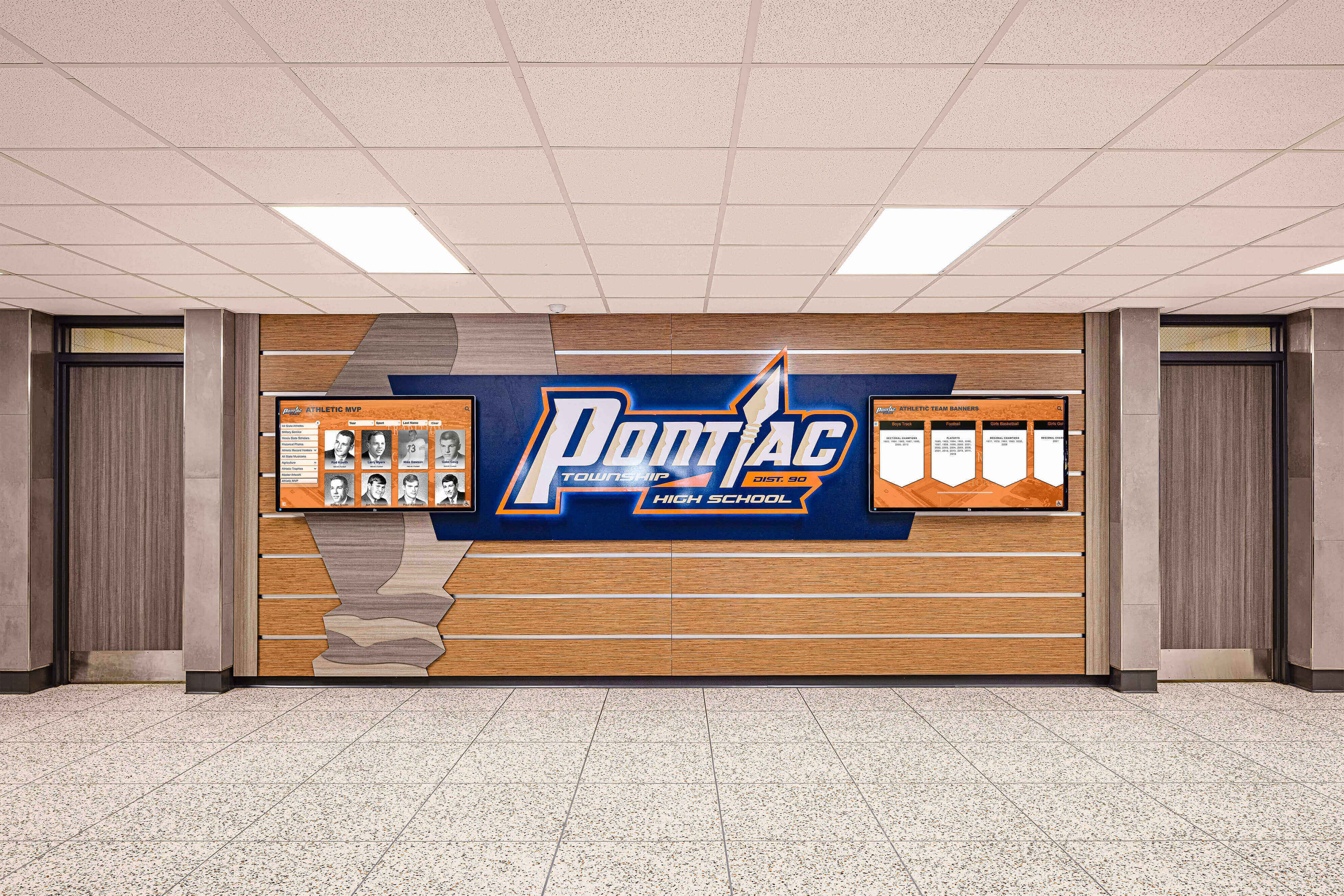
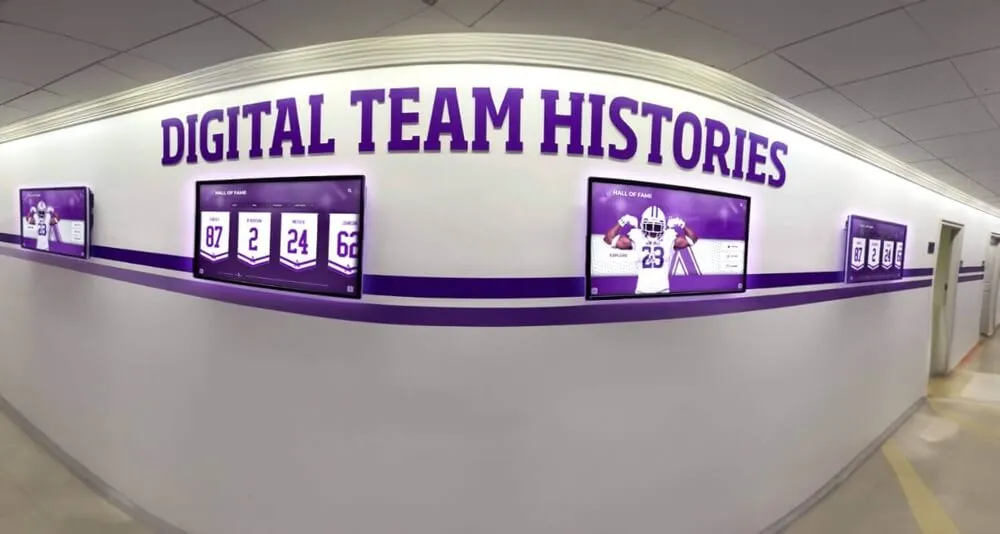
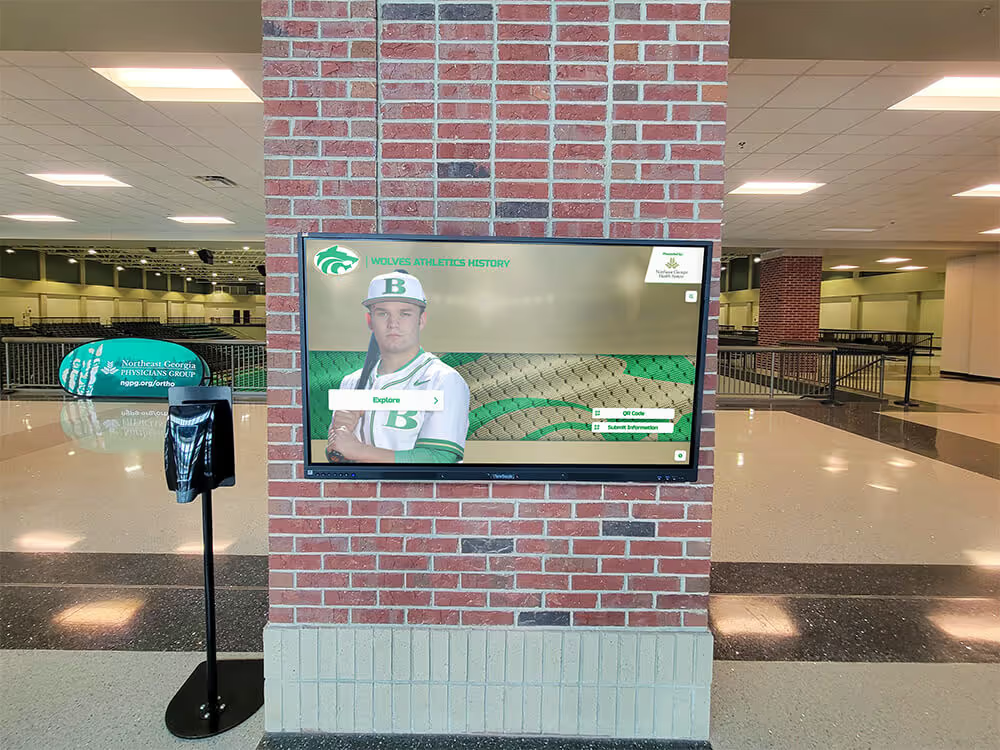
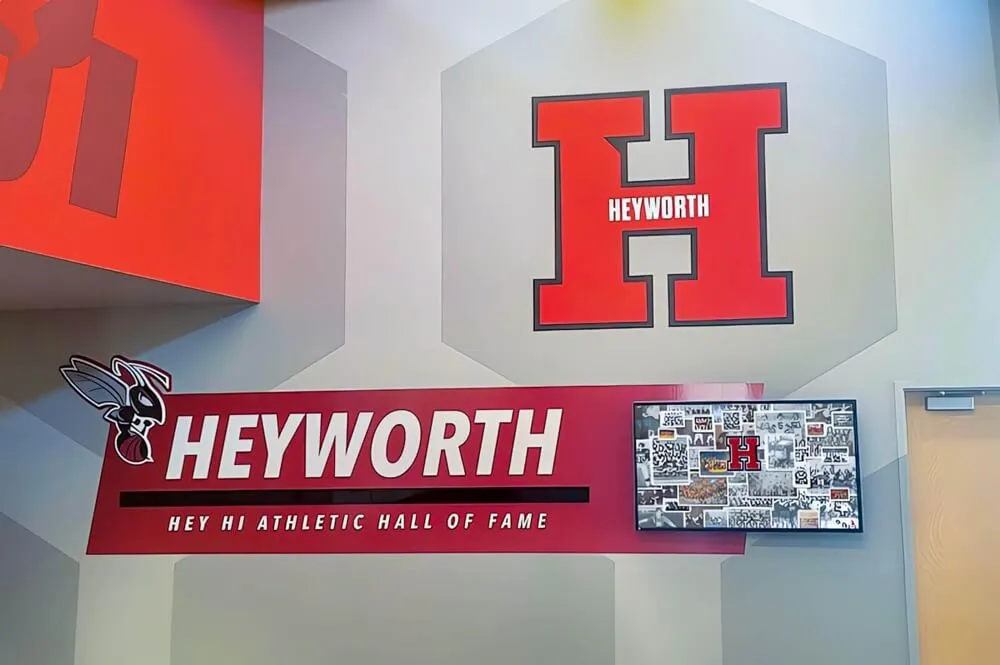
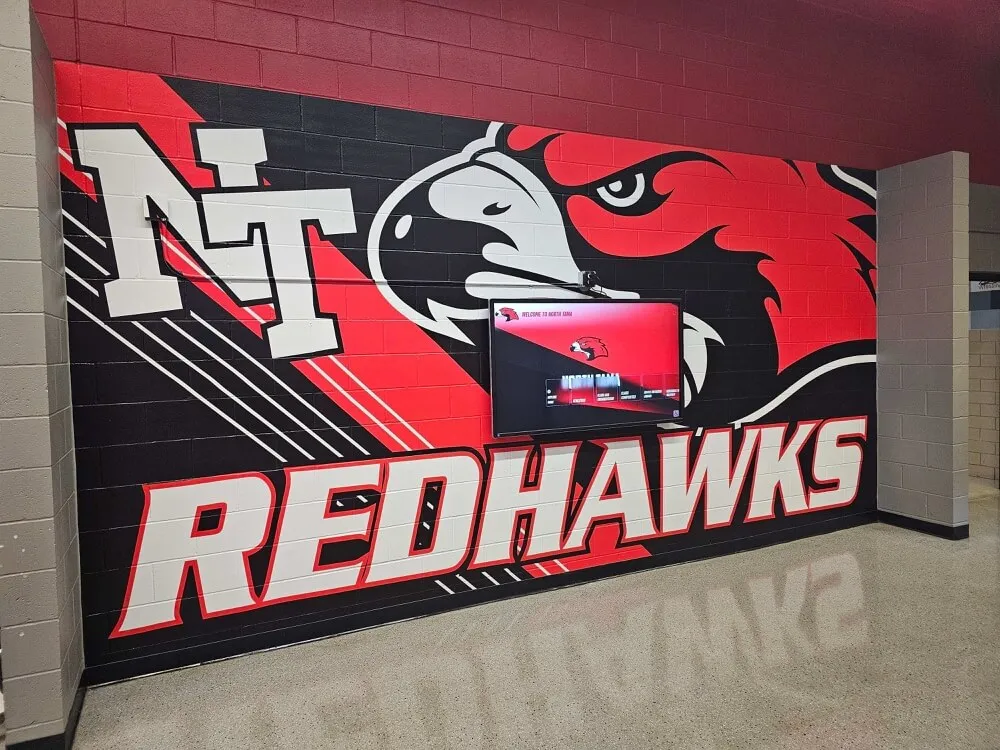
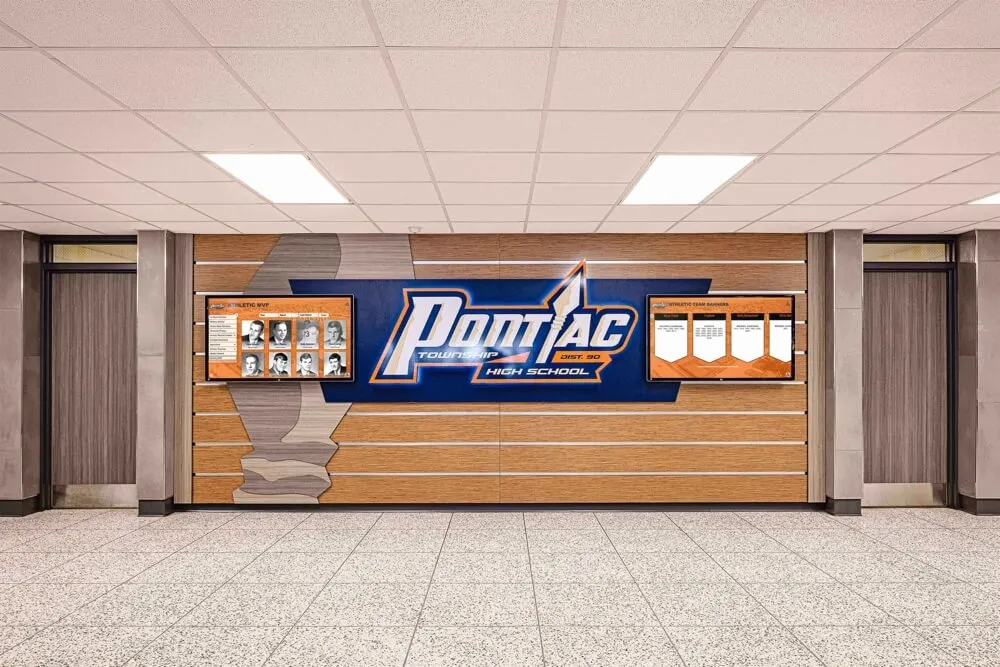
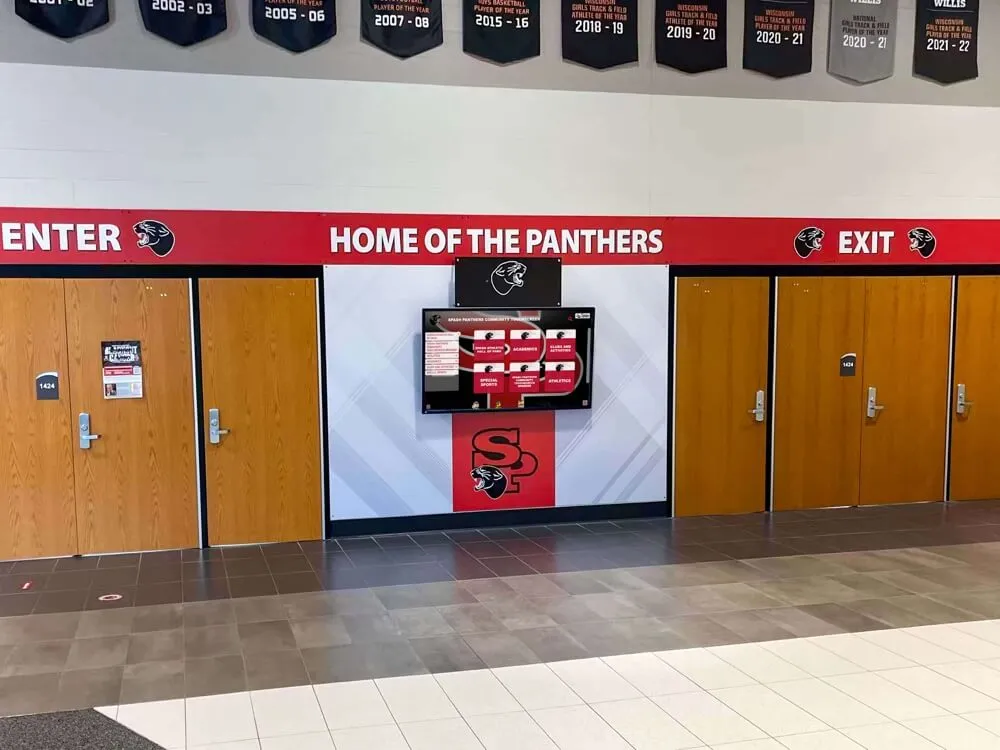
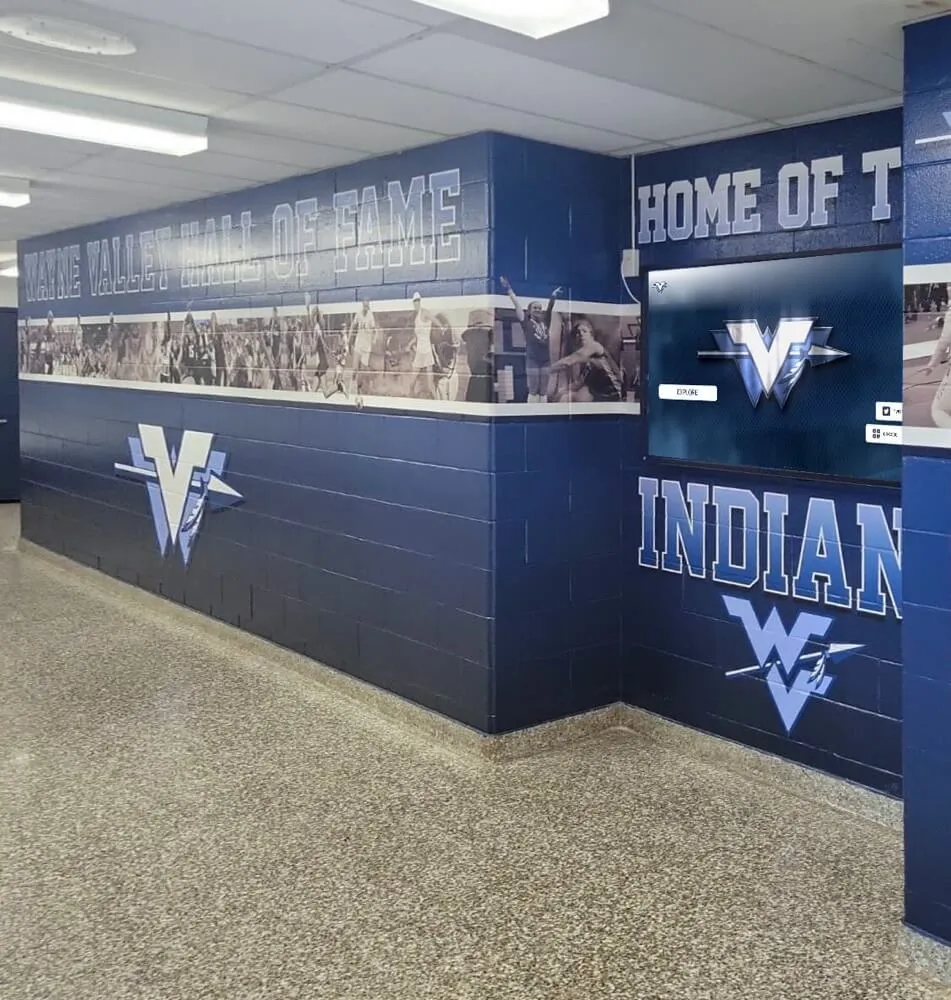
Prominent hallway recognition ensures music achievements receive visibility across entire school communities
Measuring Concert Band Program Excellence
Concert band achievement manifests through multiple indicators beyond simple performance quality:
Competition and Festival Success
Regional, state, and national competitions provide objective assessment of program excellence:
- State festival ratings with superior ratings indicating exceptional performance quality
- Marching band competition placements demonstrating visual and musical achievement
- Jazz festival awards recognizing excellence in specialized ensemble formats
- Solo and ensemble achievements where individual students earn distinction through adjudication
- Invitational concert performances at prestigious venues or music education conventions
These external validations demonstrate program quality while providing recognition opportunities worthy of systematic celebration.
Student Achievement Recognition
Individual student accomplishments reflect comprehensive program quality:
- All-state and honor ensemble selections representing competitive achievement
- Music scholarship awards indicating college-level recognition
- Academic achievement combined with musical excellence demonstrating well-rounded student development
- Private lesson advancement and studio achievements
- Summer music camp participation including prestigious residential programs
Understanding National Honor Society recognition approaches demonstrates how schools effectively celebrate students achieving excellence across multiple domains including music.
Program Development Indicators
Sustained excellence appears in long-term program health metrics:
- Enrollment growth in elective music courses
- Student retention from beginning through advanced ensembles
- Instrumentation balance ensuring complete concert band scoring
- Feeder program strength providing consistent student pipelines
- Alumni engagement including graduates pursuing music careers or returning as volunteers
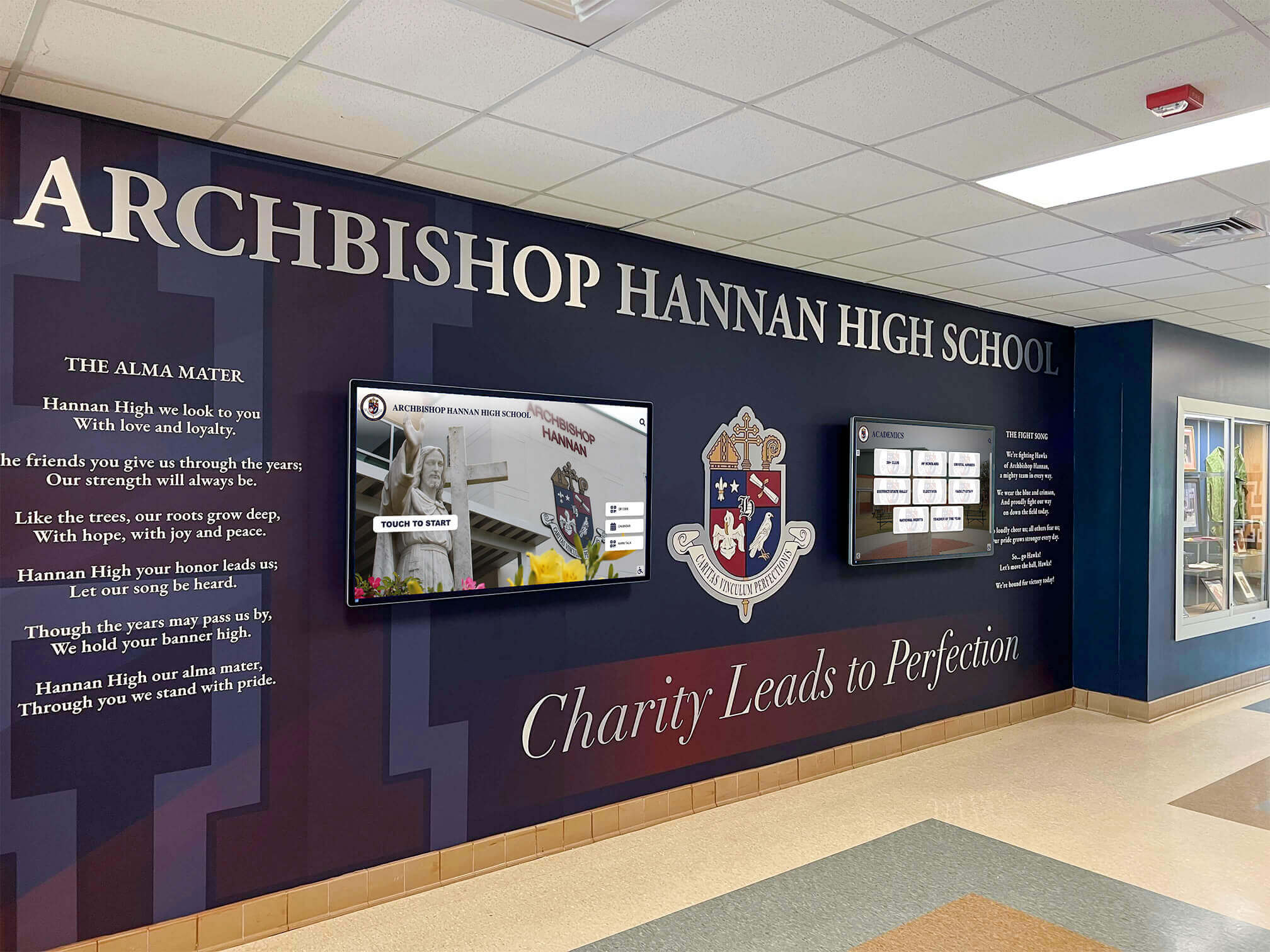
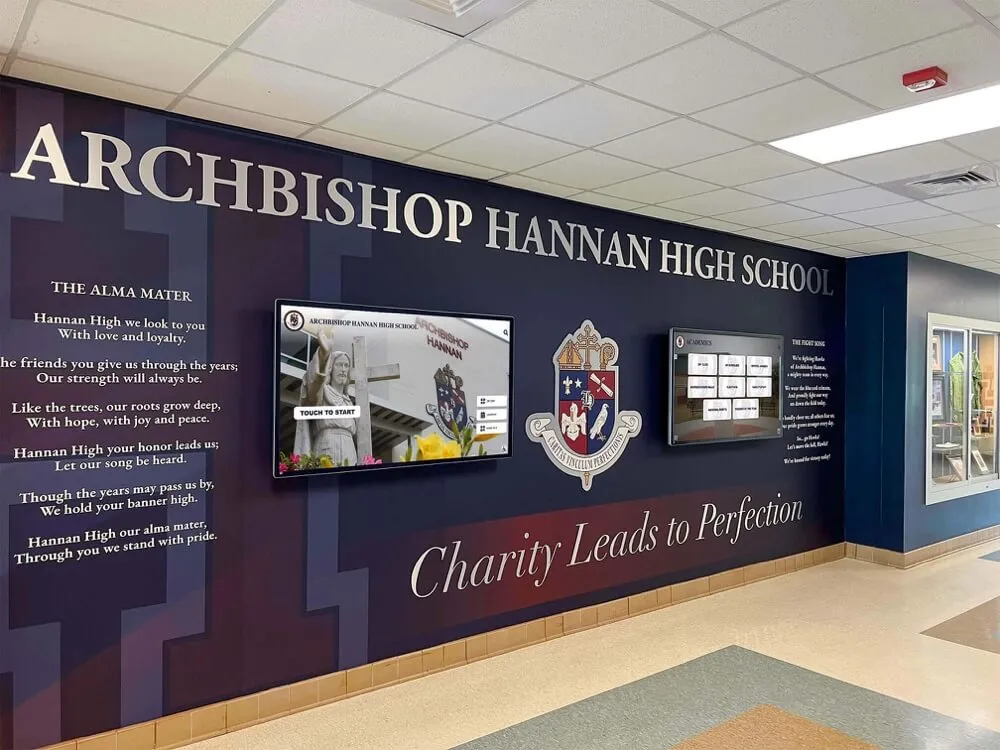
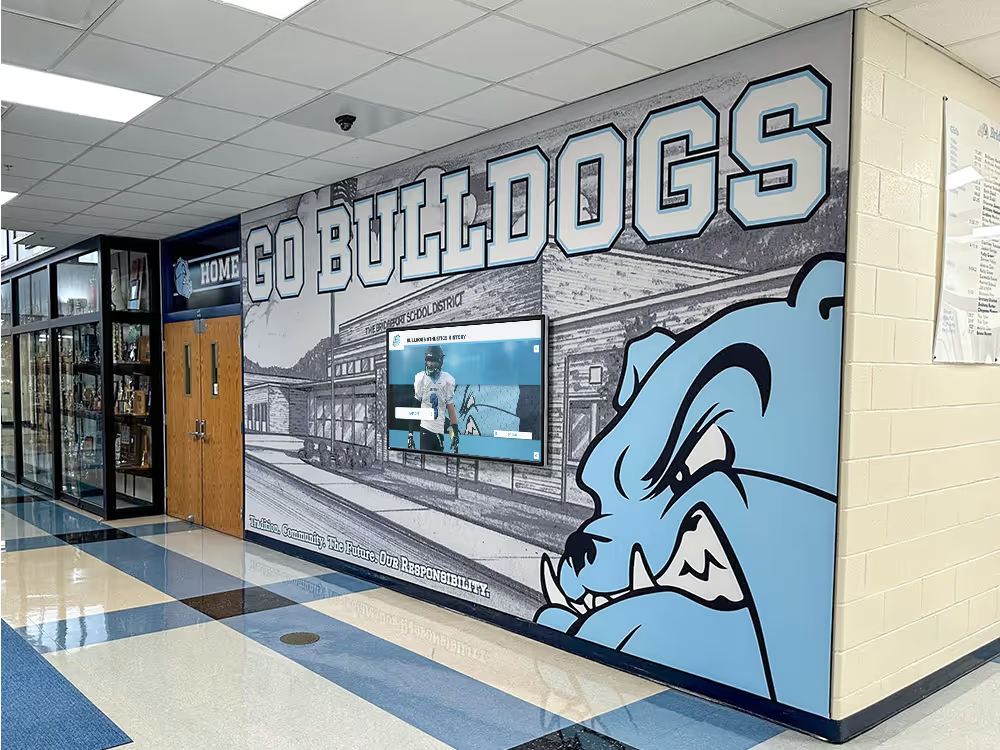
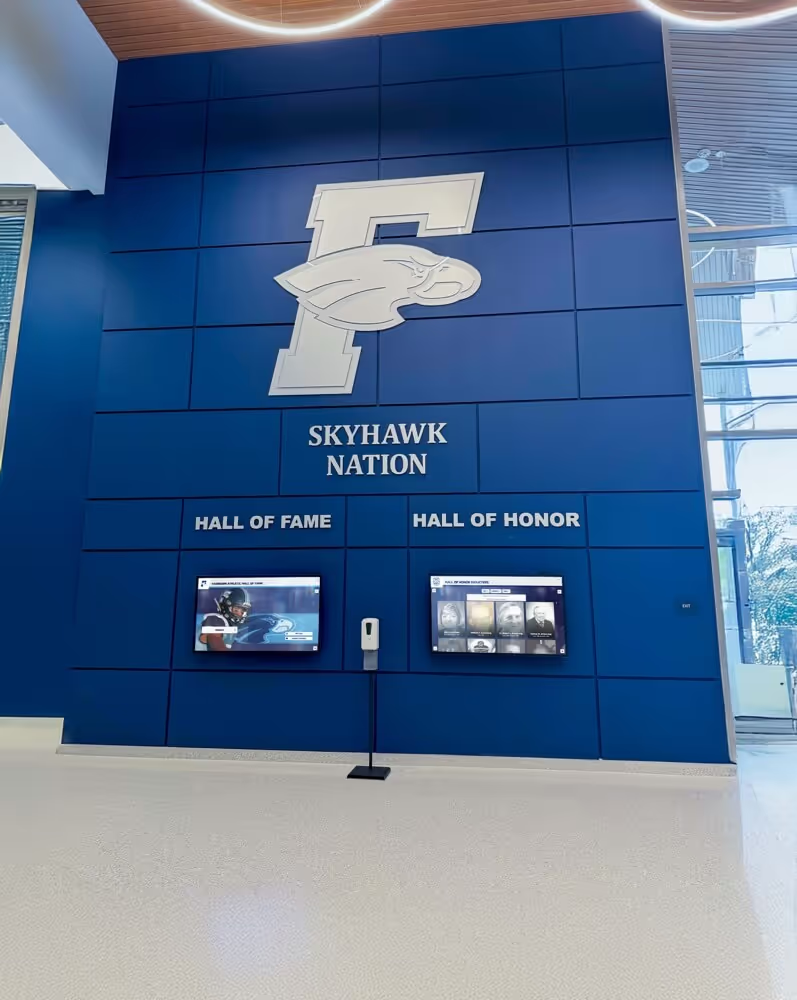
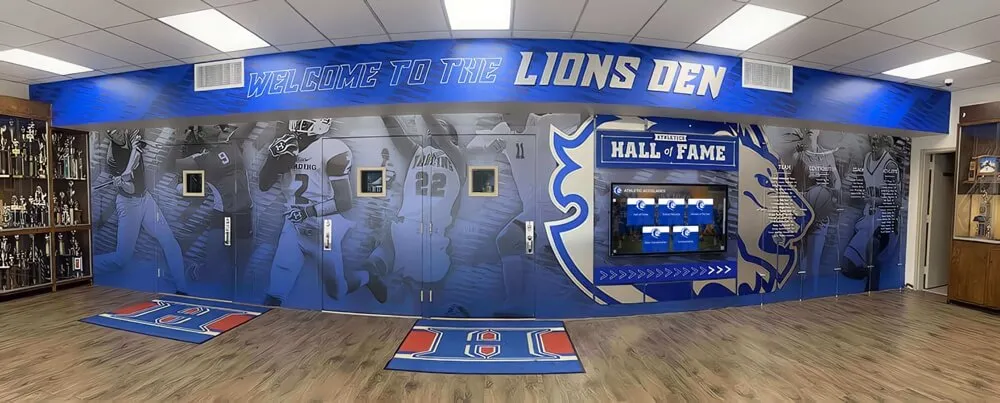
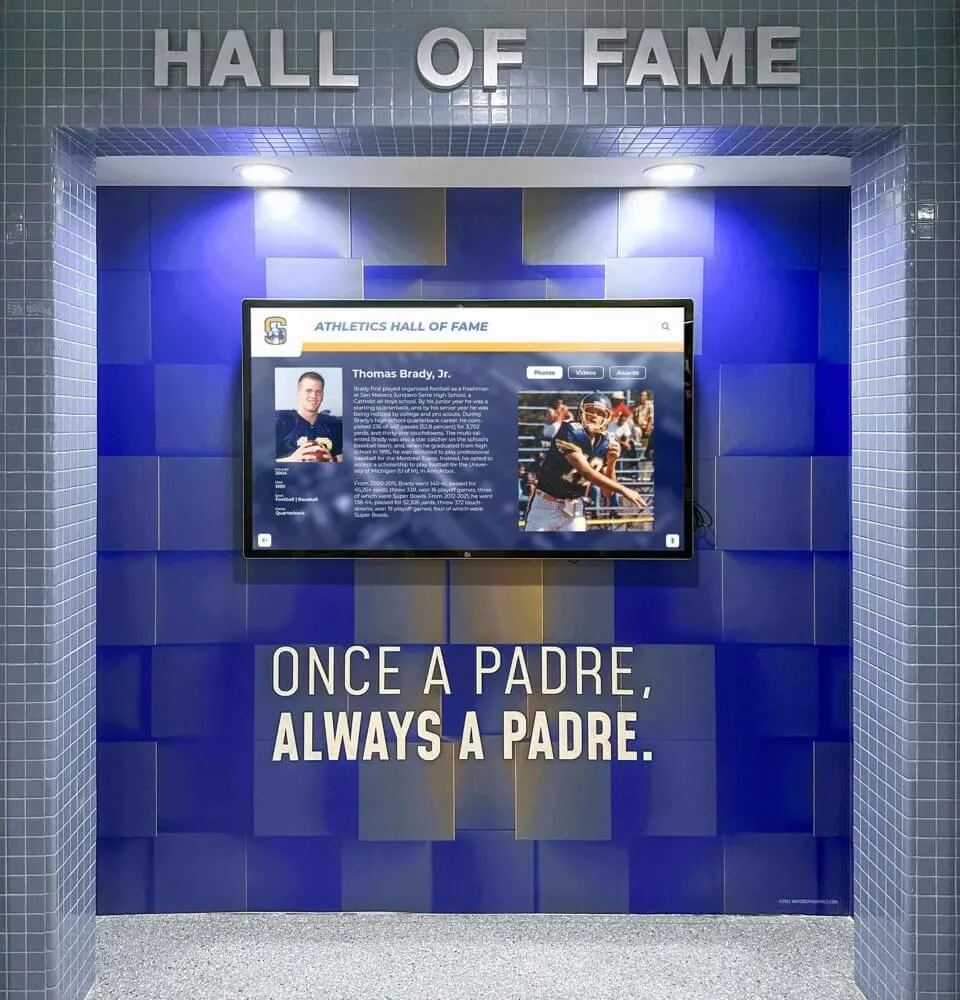
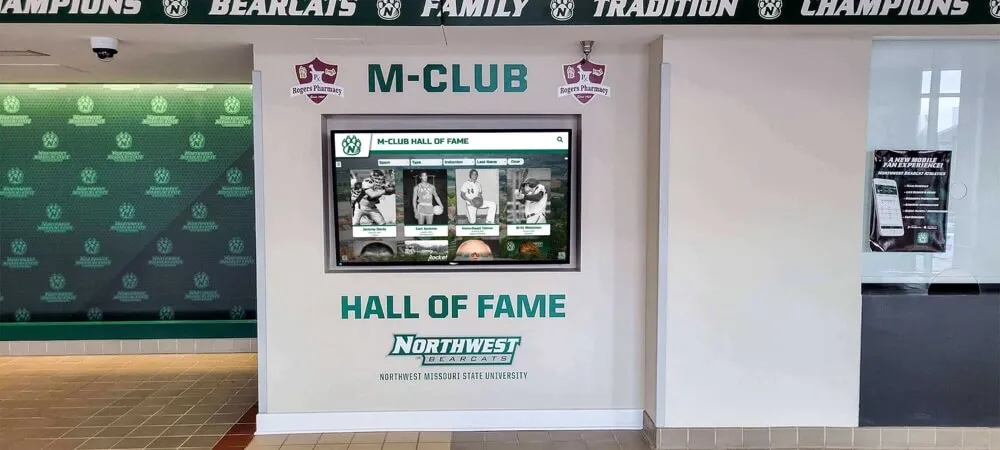
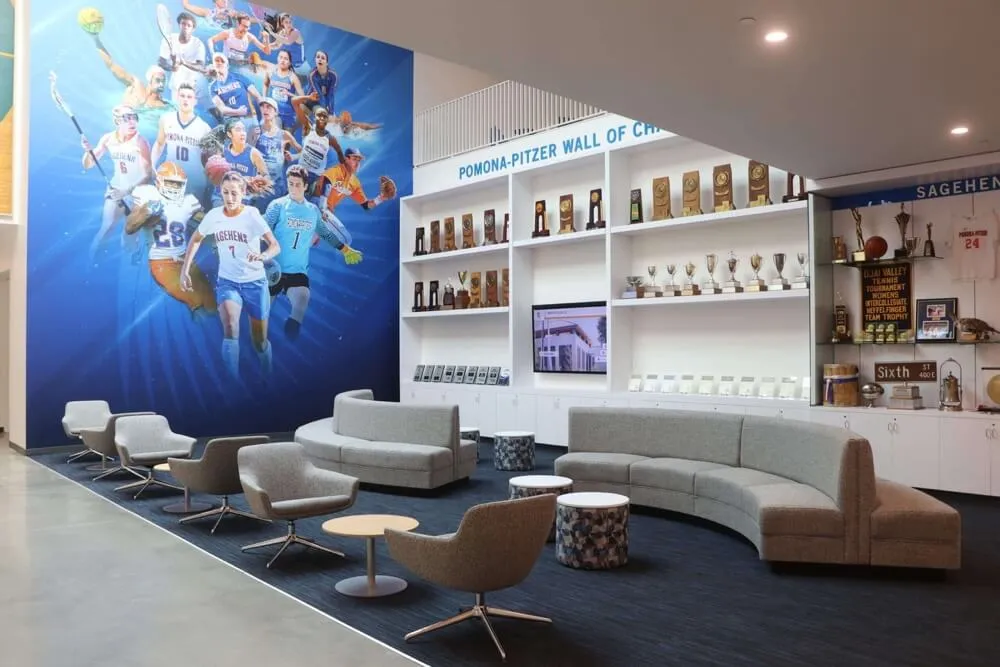
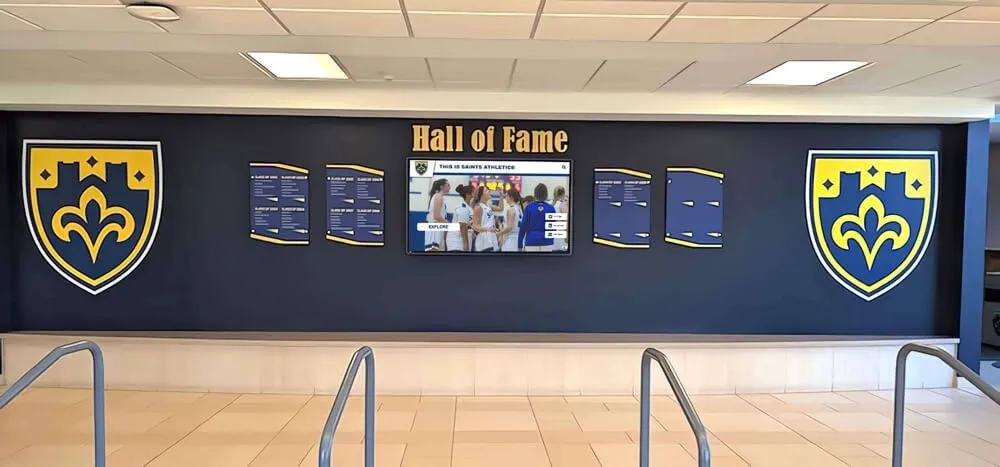
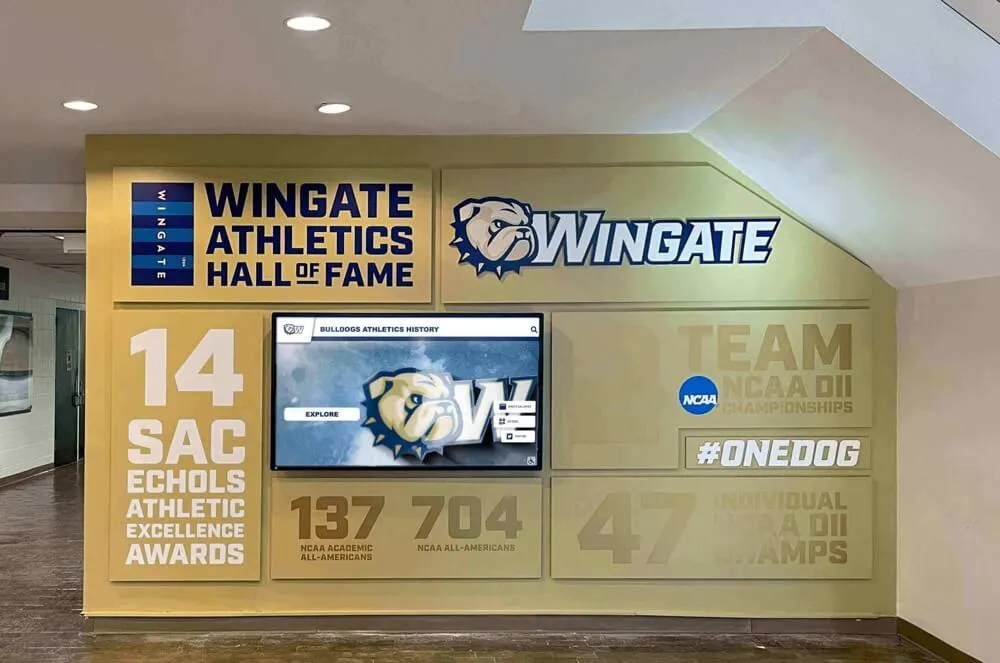
Integrated recognition systems create destination environments celebrating excellence across all school programs
Creating Visible Concert Band Recognition Systems
Modern recognition solutions address historical visibility gaps by providing concert band programs with comprehensive, engaging displays that elevate musical achievement to appropriate prominence within school communities.
The Recognition Gap in School Music Programs
Concert band achievements frequently receive minimal permanent recognition compared to athletic accomplishments, creating institutional imbalances that affect student perception, family engagement, and program development.
Traditional Recognition Limitations
Conventional approaches constrain music program visibility:
- Trophy cases prioritize athletic awards with limited space for music achievements
- Bulletin boards in music rooms reach only students already participating in programs
- Concert program acknowledgments provide temporary recognition seen once by specific audiences
- Social media posts disappear quickly in content feeds without creating lasting visibility
- Paper certificates stored privately at home generate no public awareness of excellence
These limited approaches fail to create the sustained community visibility that outstanding programs deserve.
Athletic Recognition Comparison
Athletic achievements typically receive substantially more prominent acknowledgment:
- Digital displays in main lobbies showcasing team records, individual achievements, and championship histories
- Championship banners permanently displayed in gymnasiums visible during all school events
- Dedicated athletic displays featuring player profiles, statistics, and accomplishment narratives
- State championship recognition through permanent signage and prominent display placement
- Regular updates maintaining current season information and recognizing recent achievements
This recognition disparity inadvertently communicates that musical excellence matters less than athletic achievement—despite comparable student time investment, dedication, and accomplishment significance.
Understanding athletics equity approaches provides frameworks ensuring performing arts programs receive recognition visibility equal to athletic programs.
Digital Recognition Solutions for Concert Band Programs
Modern technology enables comprehensive music program recognition overcoming traditional display limitations through unlimited capacity, rich multimedia content, and strategic visibility.
Interactive Touchscreen Recognition Systems
Purpose-built digital platforms specifically designed for educational recognition provide capabilities traditional displays cannot match:
Unlimited Recognition Capacity
- Showcase complete program histories honoring decades of concert band achievements without space constraints
- Feature every significant accomplishment including festival ratings, competition results, and individual honors
- Include comprehensive student musician profiles documenting complete musical journeys
- Preserve historical context showing program development across generations
- Accommodate future achievements indefinitely without physical expansion requirements
This unlimited capacity ensures that current student accomplishments never displace historical recognition, maintaining comprehensive program documentation.
Rich Multimedia Integration
- Multiple photographs from rehearsals, performances, and celebrations bringing musical moments to life
- Video content featuring concert performances, competition appearances, or student reflections
- Audio recordings preserving actual musical performances demonstrating program quality
- Detailed achievement narratives explaining competitive contexts and accomplishment significance
- Biographical information about student musicians, directors, and program traditions
These multimedia elements create engaging experiences far exceeding static plaque displays.
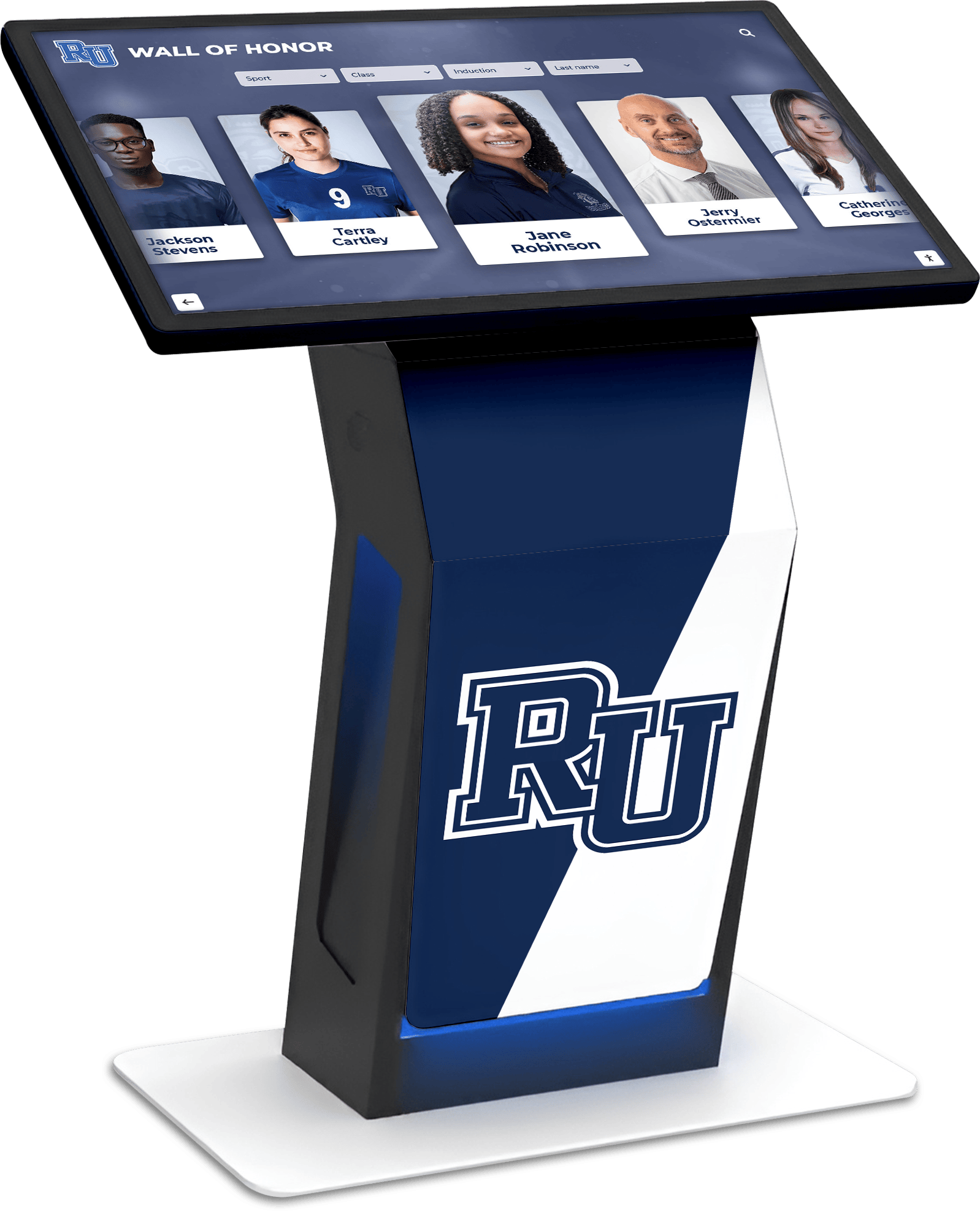
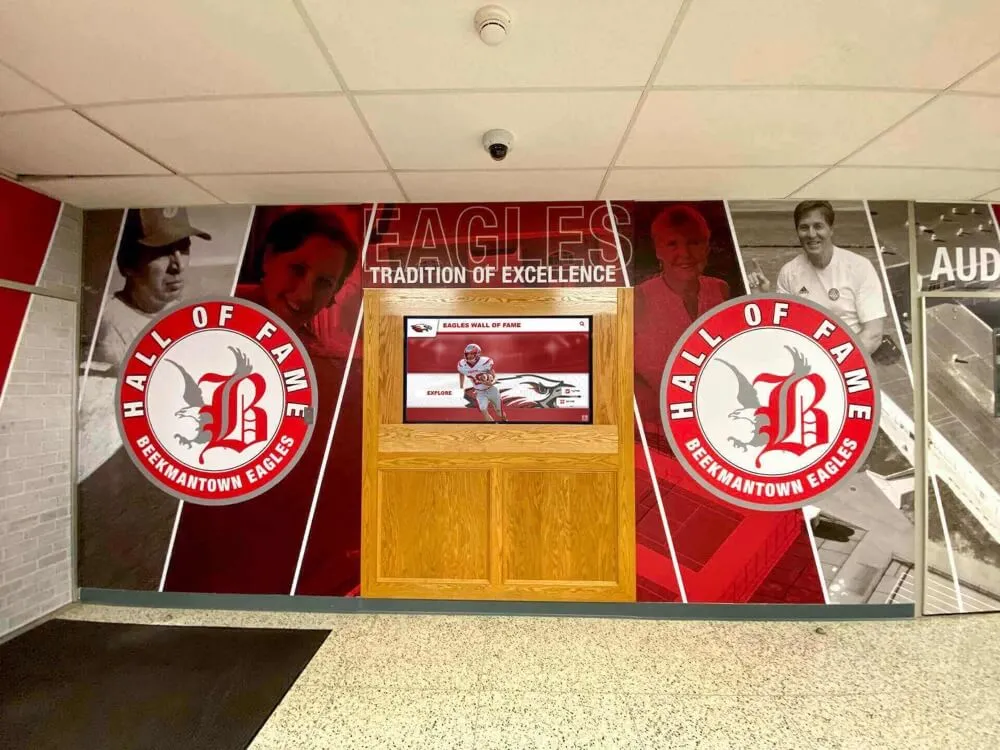
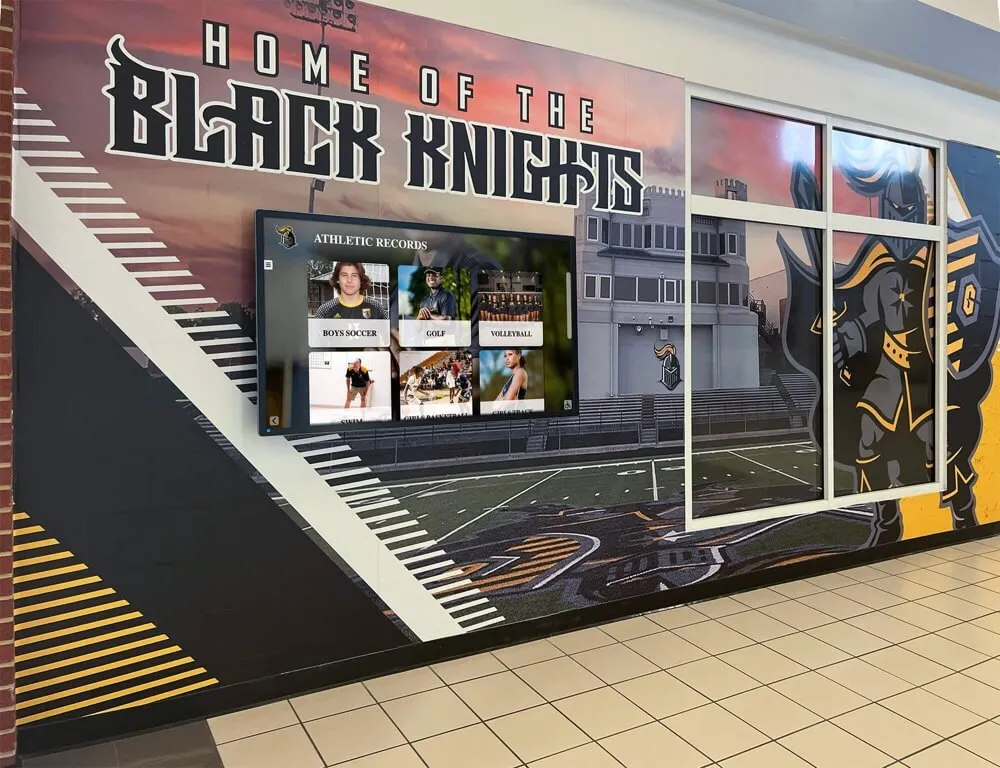
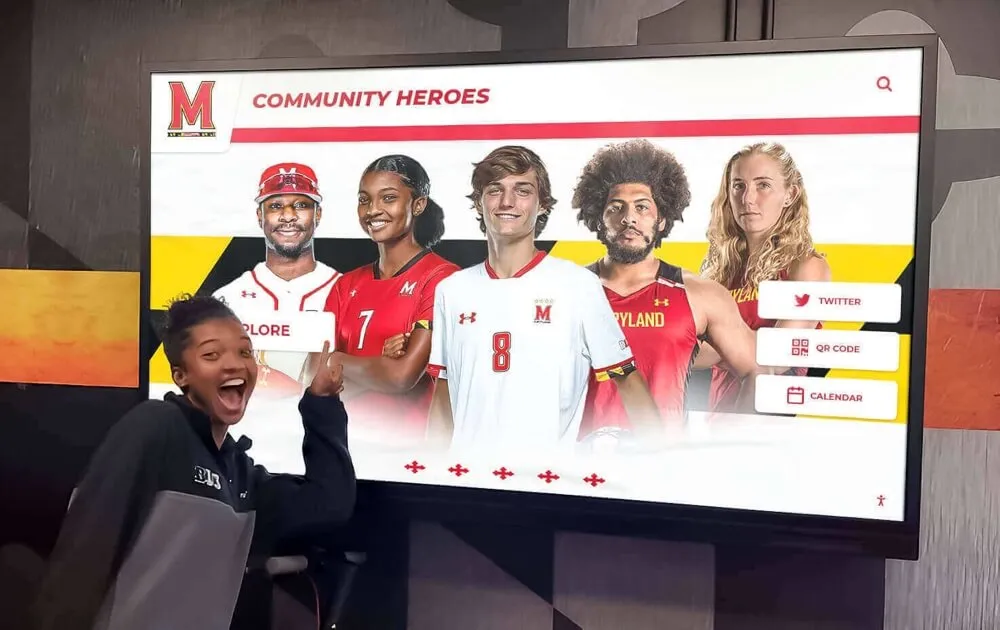
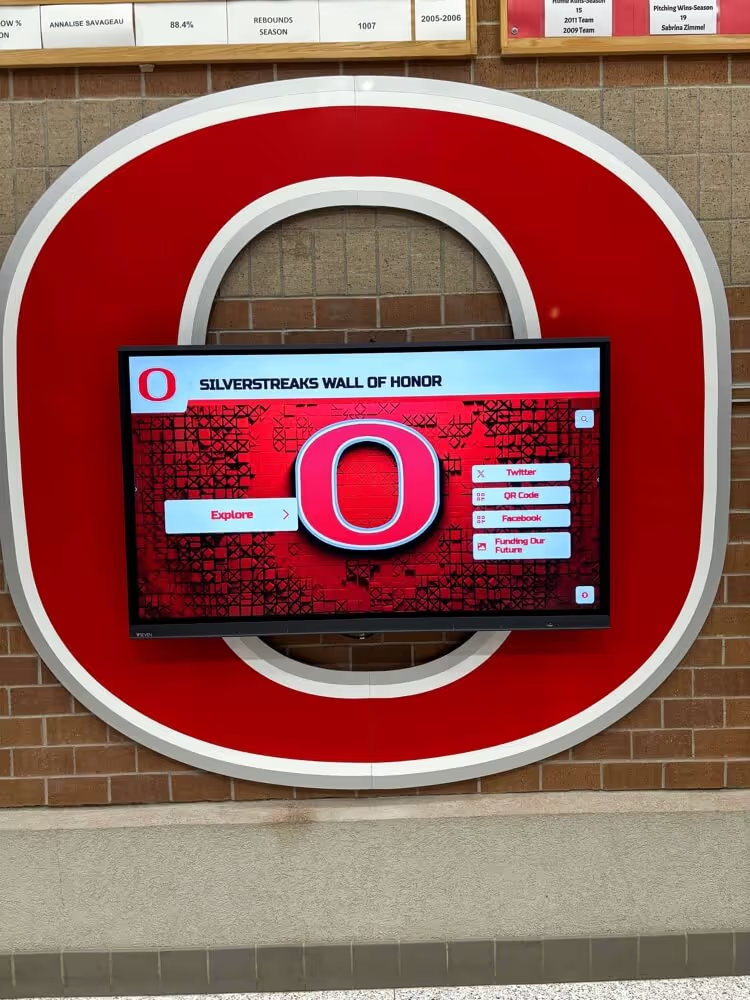
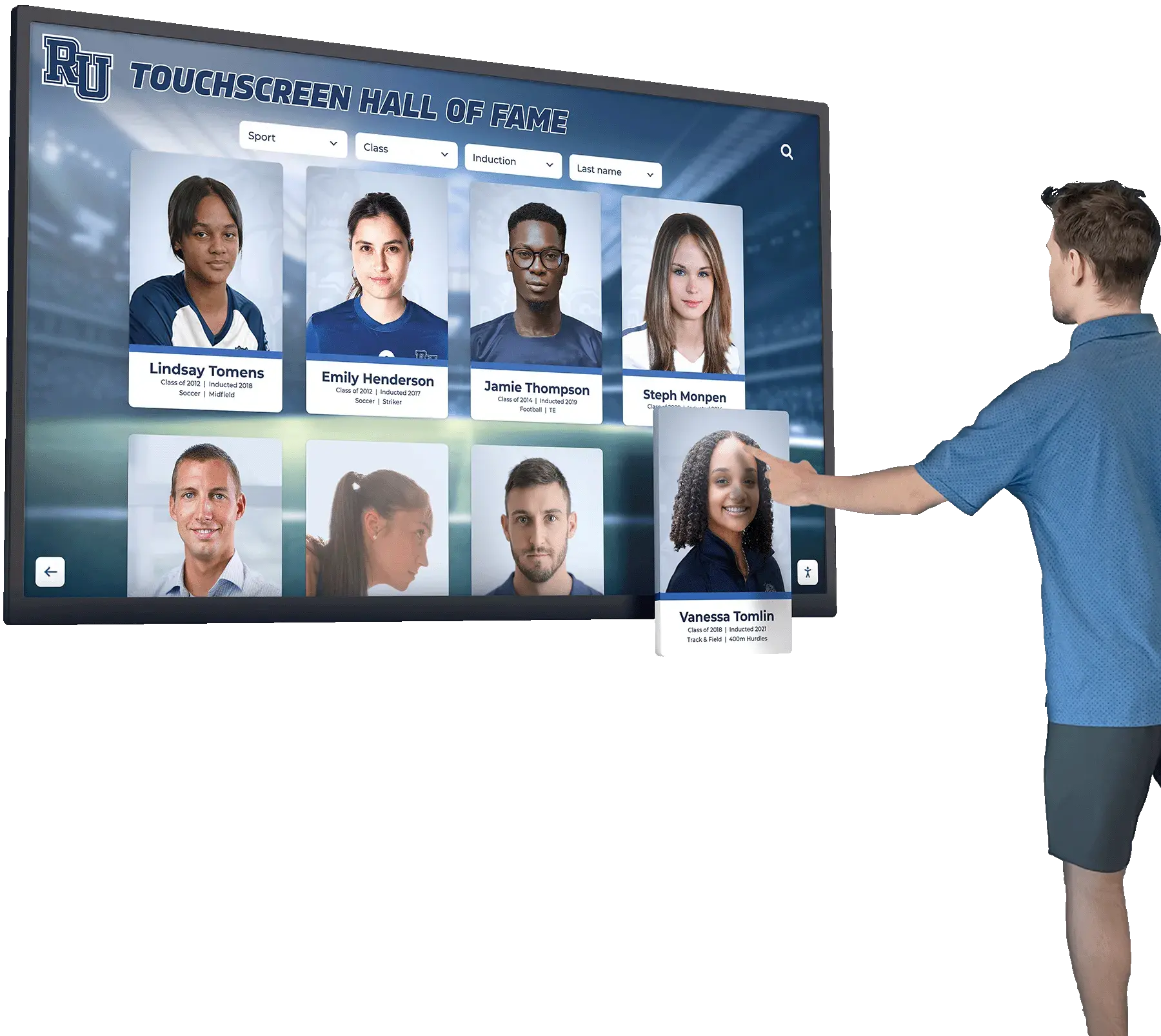
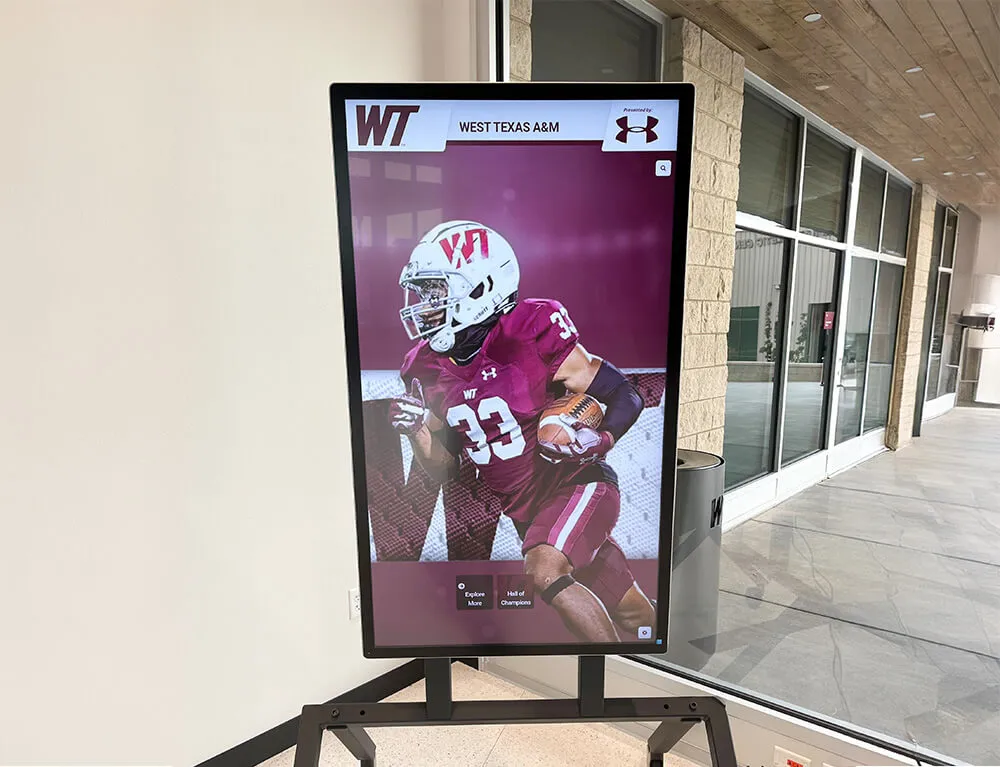
Purpose-built recognition kiosks provide professional solutions specifically designed for celebrating student musical excellence
Strategic Display Placement for Maximum Impact
Physical location dramatically influences recognition program effectiveness and community awareness.
High-Visibility School Locations
Position concert band recognition displays where entire school communities encounter them regularly:
- Main entrance lobbies creating immediate impressions for all visitors and establishing institutional priorities
- Cafeteria spaces where students spend time enabling extended exploration during meals
- Library and media center areas supporting detailed viewing during study periods
- Performing arts center lobbies immediately adjacent to concert venues
- Main hallway intersections with natural gathering points and consistent daily traffic
These strategic placements ensure music program recognition reaches beyond current band students to entire school populations, administrators, visiting families, and community members—dramatically expanding awareness of concert band excellence.
Music Wing Recognition
Dedicated displays within music facilities provide focused inspiration for current and prospective musicians:
- Band rehearsal rooms where students see program traditions and achievement standards daily
- Music department lobbies serving students across all ensemble types
- Practice room hallways reinforcing excellence expectations during individual preparation
- Director offices where students, families, and visitors gather
- Performance hall entries visible to audiences attending concerts
Music-specific placement creates continuous motivation while establishing clear program identity and tradition.
Solutions like Rocket Alumni Solutions provide integrated systems where content managed once publishes automatically across physical touchscreens, web portals, and mobile devices, ensuring consistent recognition everywhere audiences engage.
Essential Content for Concert Band Recognition Displays
Comprehensive recognition requires systematic documentation capturing complete program stories while honoring individual student musicians and ensemble achievements.
Individual Student Musician Profiles
Personal recognition acknowledges specific students whose dedication drives program excellence.
Core Achievement Documentation
- Student name and graduation year providing identification and historical context
- Primary instrument and any secondary instruments demonstrating versatility
- Years of participation showing sustained commitment and program loyalty
- Ensemble placements including symphonic band, wind ensemble, jazz ensemble, or specialized groups
- Leadership positions such as section leader, drum major, or student conductor
- Competition achievements including superior ratings, medalist awards, or championship placements
- All-state selections, honor ensemble participation, or regional recognition
- Music scholarship awards and college program acceptances
This comprehensive information creates complete student musician portraits rather than simple name lists.
Musical Journey Narratives
Personal stories transform achievement lists into inspiring narratives:
- Beginning music experiences including elementary programs or private study
- Technical development progression and significant breakthrough moments
- Memorable performances including favorite concerts, successful solos, or meaningful experiences
- Challenges overcome demonstrating perseverance and growth mindset
- Influential teachers and mentors who shaped musical development
- Peer relationships and ensemble bonding experiences
- Life lessons learned through musical participation
- Future plans including continued musical involvement or career aspirations
These narratives demonstrate that excellence results from sustained effort and dedication rather than effortless natural talent—providing roadmaps for current students pursuing similar achievement.
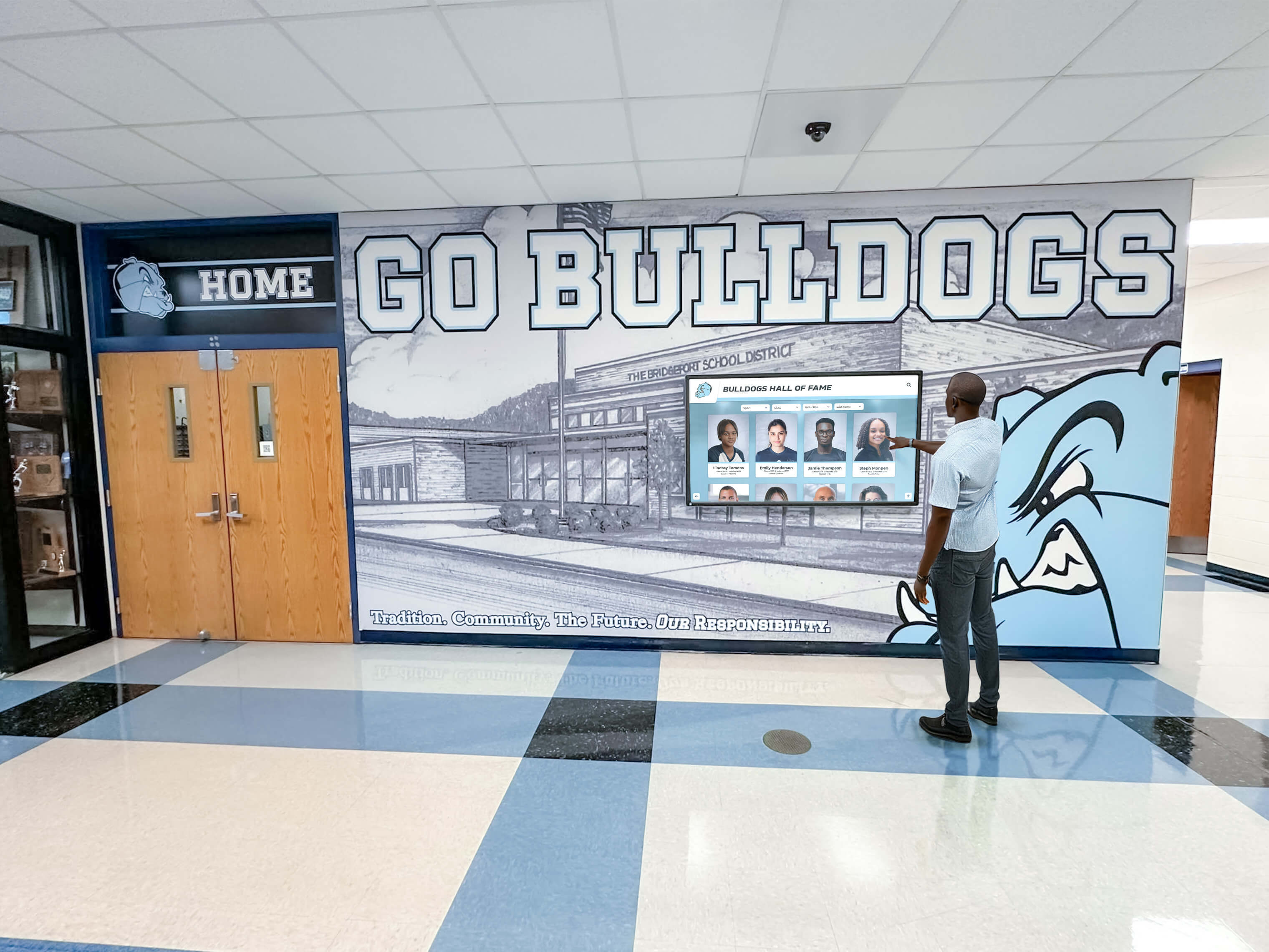
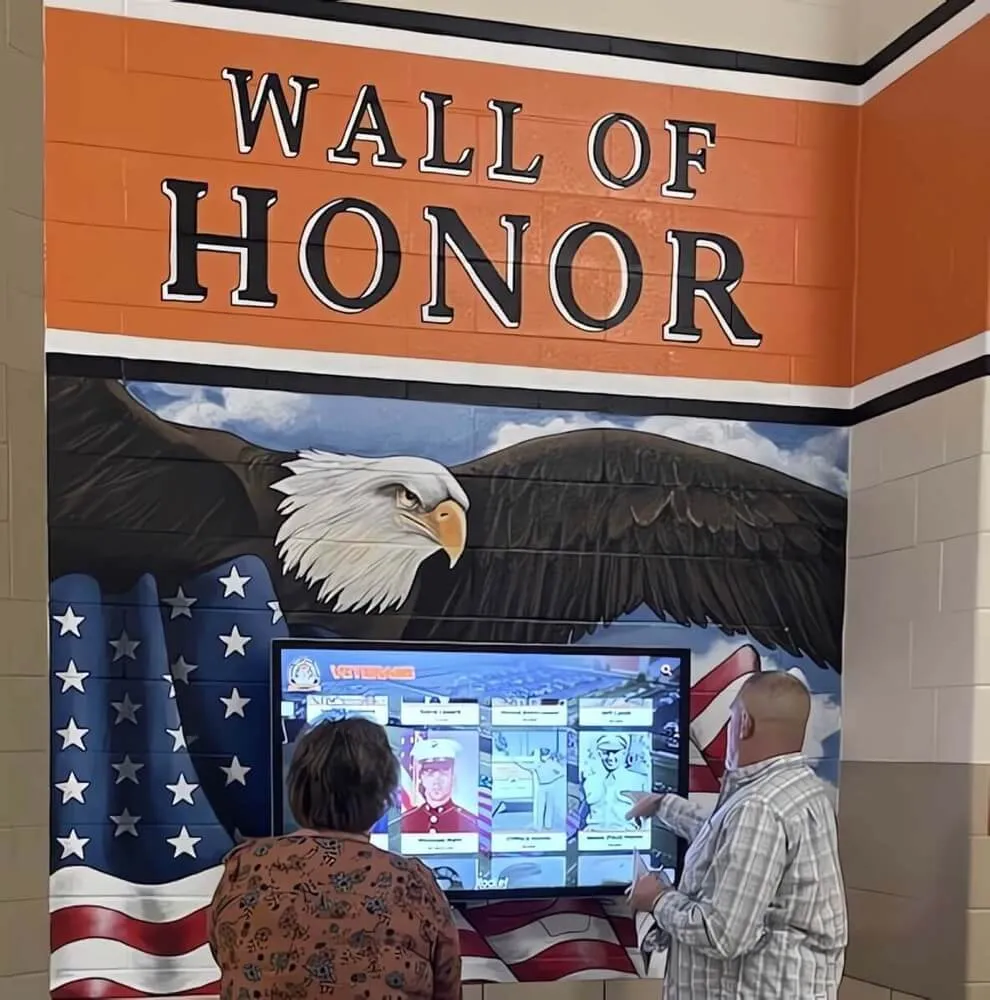
Interactive systems create engaging recognition experiences encouraging extended exploration and inspiring current students
Ensemble Achievement Recognition
Beyond individual honors, comprehensive recognition celebrates collective accomplishments demonstrating program excellence.
Competition and Festival Results
Document objective achievement measures validated by external adjudicators:
- State festival ratings organized chronologically showing consistency and improvement
- Competition placements including marching band championships or concert festivals
- Sweepstakes awards recognizing comprehensive excellence across multiple categories
- Grand championships indicating top overall program performance
- Consecutive superior rating streaks demonstrating sustained excellence
- Historical progression showing program development across decades
Understanding trophy case planning approaches demonstrates how schools comprehensively document achievement histories while planning for future successes.
Significant Performance Milestones
Memorable concerts and special performances deserve permanent recognition:
- Invitation-only performances at prestigious venues or conventions
- Collaboration concerts with professional musicians or college ensembles
- Commissioned work premieres creating lasting artistic contributions
- Tour performances including domestic or international travel experiences
- Community engagement concerts serving civic organizations or special populations
- Anniversary celebrations marking significant program milestones
These special events demonstrate program reputation and community respect beyond routine concert seasons.
Director and Staff Recognition
Honor music educators whose expertise and dedication build excellent programs:
- Director tenure timelines showing leadership continuity and program stability
- Professional achievements including conducting honors, published arrangements, or educational leadership
- Staff appreciation recognition acknowledging contributions from assistant directors, accompanists, and support staff
- Teaching philosophies and program visions articulated through director profiles
- Alumni testimonials about director impact on their musical and personal development
Historical Program Documentation
Comprehensive recognition preserves complete concert band histories celebrating decades of musical excellence.
Timeline Development
Chronological organization helps audiences understand program evolution:
- Founding dates and early program development
- Director succession showing leadership across generations
- Facility evolution including band room renovations or performance hall construction
- Instrumentation development and ensemble growth
- Tradition establishment including annual concerts or signature events
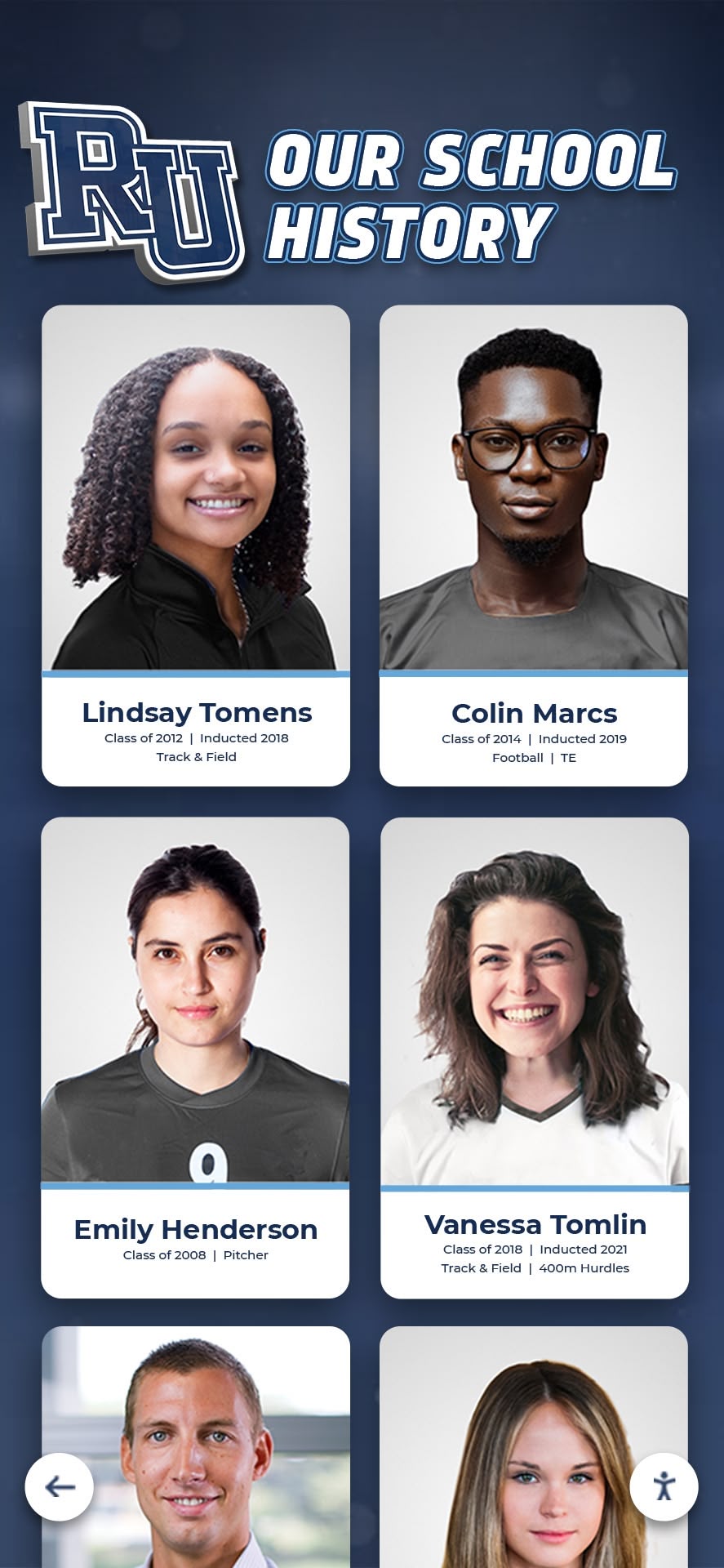
Recognition systems preserve program histories while demonstrating sustained excellence across generations
Archival Content Integration
Historical materials bring program histories to life:
- Vintage concert programs showing repertoire evolution
- Historical photographs documenting uniforms, instruments, and performance venues from earlier eras
- Newspaper clippings about significant performances or achievements
- Recording archives preserving audio or video from landmark concerts
- Alumni profiles featuring distinguished graduates and their continued musical involvement
Resources about archiving school history provide frameworks for systematic historical preservation applicable to music programs.
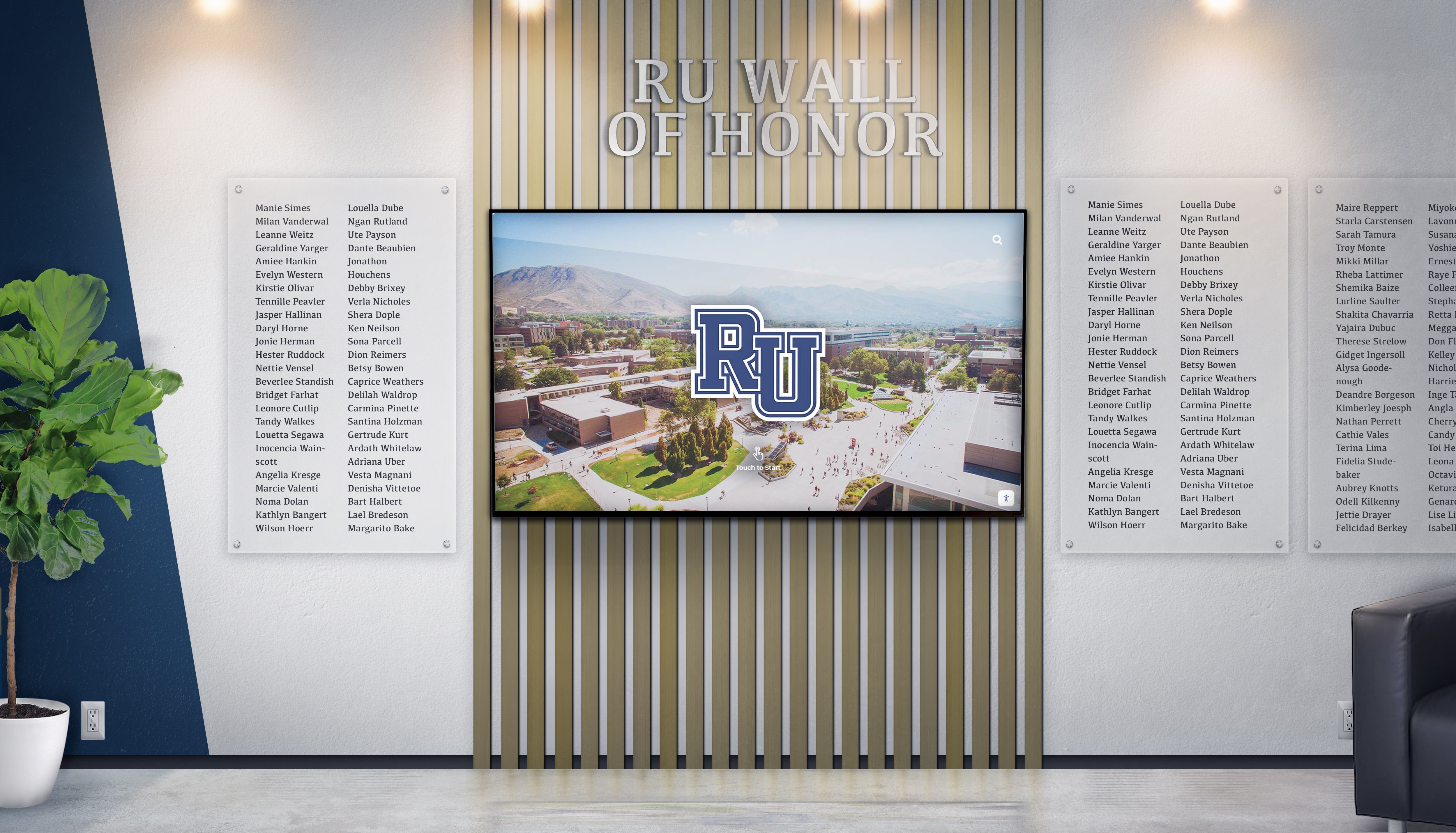
Integrated recognition systems create comprehensive celebration spaces honoring both current achievements and program traditions
Building Concert Band Recognition Programs Systematically
Sustainable recognition requires structured implementation approaches ensuring quality acknowledgment continues across staff transitions and evolving circumstances.
Planning Recognition Program Implementation
Strategic planning increases recognition program success while managing budgets and timelines effectively.
Needs Assessment and Goal Definition
Begin by clarifying specific recognition objectives:
- Identify current recognition gaps and visibility challenges
- Define primary audiences including current students, prospective families, alumni, and community members
- Establish recognition scope determining which achievements receive acknowledgment
- Set visibility goals specifying desired awareness outcomes
- Determine success metrics enabling future impact assessment
Clear objectives guide decision-making throughout implementation while providing evaluation frameworks.
Budget Development and Funding Strategies
Recognition programs require investment, but creative funding approaches make quality systems achievable:
- Music booster organization fundraising through dedicated recognition campaigns
- Memorial gift opportunities honoring beloved directors, distinguished alumni, or dedicated supporters
- Local business sponsorships from music-friendly community partners
- Grant applications targeting arts education, technology integration, or facility improvement funding
- Capital campaign integration when schools undertake comprehensive fundraising efforts
- Phased implementation spreading costs across multiple budget cycles
Many schools find that successful pilot implementations generate enthusiasm making subsequent funding requests easier to approve as stakeholders witness impact and value.
Understanding donor recognition approaches demonstrates how recognition displays themselves can acknowledge financial supporters making implementations possible.
Stakeholder Engagement and Buy-In
Successful recognition programs require support from multiple constituencies:
- Administrative approval securing institutional commitment and resource allocation
- Music director enthusiasm ensuring content development and system utilization
- Booster organization engagement providing fundraising support and volunteer assistance
- Student input gathering perspectives about meaningful recognition elements
- Family feedback understanding what acknowledgment matters to supporters
- Technology staff coordination ensuring infrastructure support and maintenance capabilities
Early stakeholder engagement identifies potential obstacles while building advocacy supporting implementation success.
Content Development and Management Systems
Recognition quality depends on comprehensive, accurate, well-presented content requiring systematic development approaches.
Historical Content Research
Documenting decades of concert band achievement requires research methodologies:
- Review archived concert programs, yearbooks, and school newspapers for achievement documentation
- Interview longtime directors, staff members, and alumni about program history
- Search newspaper archives for coverage of competitions, festivals, and significant performances
- Contact state music education associations for historical ratings and results
- Examine trophy collections and awards for achievement documentation
- Digitize photographs, recordings, and memorabilia preserving historical materials
Student research projects, volunteer committees, or professional archival consultants can support historical documentation depending on available resources.
Resources about digital archives for schools provide comprehensive frameworks for historical preservation supporting recognition programs.
Current Achievement Documentation Systems
Establish ongoing processes capturing contemporary accomplishments systematically:
- Designate responsibility for achievement documentation and content updates
- Create standardized forms collecting consistent information about student musicians
- Establish photo and video documentation protocols during performances and events
- Maintain achievement tracking systems recording festival ratings, competition results, and individual honors
- Schedule regular content updates ensuring timely recognition following achievements
- Develop content approval workflows when necessary maintaining quality standards
Systematic documentation prevents the common problem of recognition falling behind current accomplishments due to inconsistent content development.
Content Quality Standards
Professional recognition requires consistent quality:
- Photography specifications ensuring sufficient resolution and appropriate composition
- Writing style guides maintaining uniform voice and formatting
- Fact verification processes ensuring accuracy of dates, names, and achievements
- Content templates providing structure for consistent information presentation
- Accessibility standards including appropriate contrast, text sizing, and navigation design
Quality standards protect recognition program credibility and impact.
Engaging Families and Communities Through Band Recognition
Recognition programs achieve maximum impact when designed to strengthen family engagement and community awareness beyond simply acknowledging achievements.
Family Involvement Strategies
Parents and families represent critical supporters whose engagement strengthens program sustainability and student participation.
Recognition Ceremony Integration
Formal acknowledgment creates memorable family celebration moments:
- Annual awards ceremonies recognizing student musicians and ensemble achievements
- Senior night celebrations honoring graduating students and acknowledging family support
- Concert recognition segments highlighting significant achievements during performances
- Recognition wall dedication ceremonies when implementing new display systems
- Family invitations to participate in recognition planning and content contribution
These events demonstrate institutional appreciation for family support while celebrating shared accomplishments.
Content Contribution Opportunities
Enable families to participate in recognition development:
- Request personal photographs documenting student musical journeys
- Gather family perspectives about student growth and program impact
- Collect biographical information and achievement documentation
- Invite parent volunteers to support historical research or content development
- Create crowdsourced contribution systems where families submit recognition content directly
Family participation increases engagement while improving content quality and completeness.
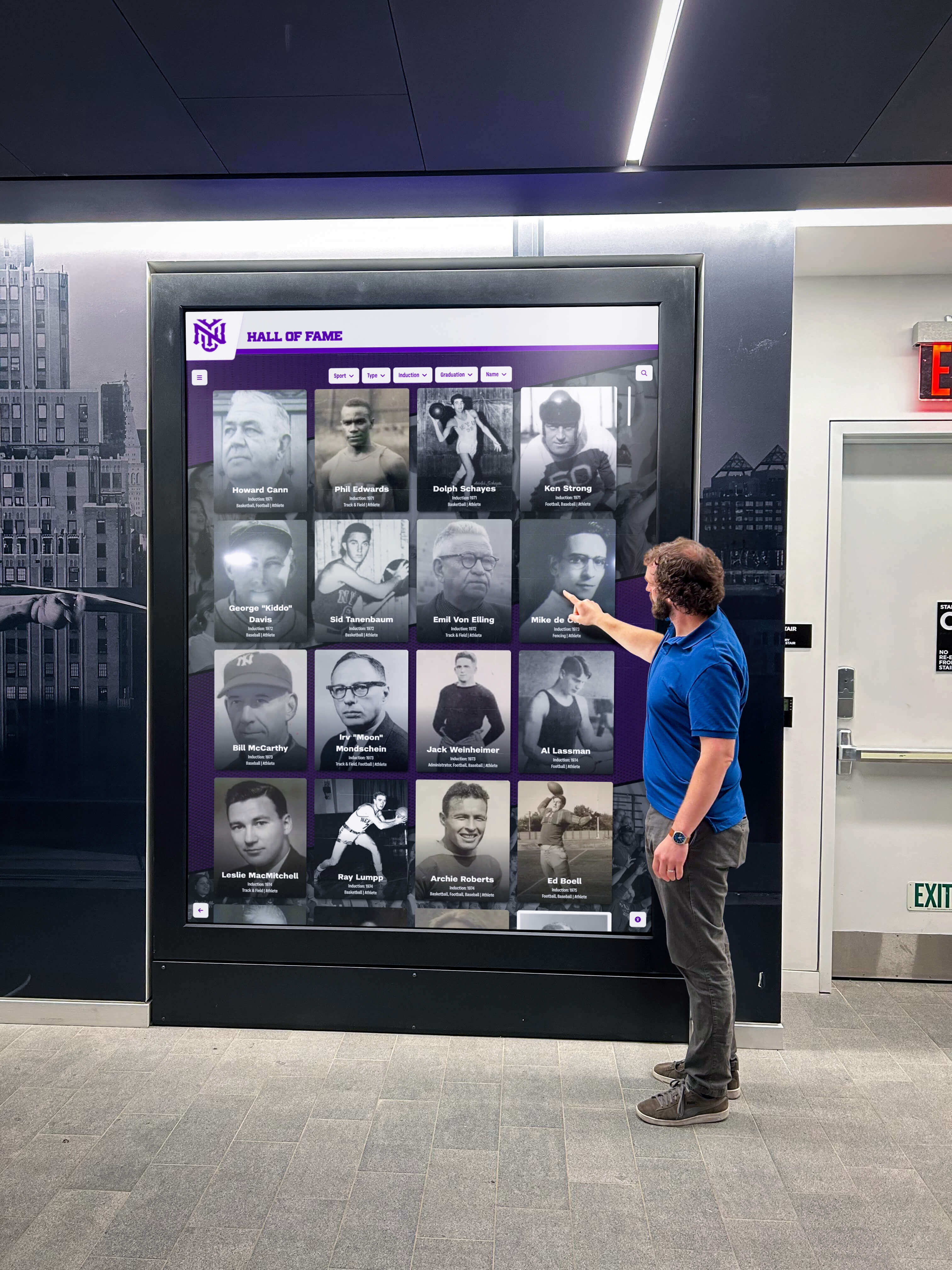
Strategic placement enables families and visitors to explore musical excellence during school visits and events
Community Awareness Building
Concert band excellence deserves community-wide visibility generating support, appreciation, and program advocacy.
Local Media Engagement
Community media provides platforms amplifying recognition beyond school walls:
- Press releases highlighting significant achievements, competition results, or recognition initiatives
- Feature story pitches about distinguished student musicians or program milestones
- Community calendar listings promoting concerts and performance opportunities
- Photo submissions documenting performances and achievements
- Letters to the editor celebrating music education value and program excellence
Consistent media engagement builds community awareness of program quality and student achievement.
Civic Recognition Extensions
Expand acknowledgment through community partnerships:
- City council proclamations recognizing program milestones or exceptional achievements
- School board presentations showcasing student excellence and program impact
- Community event performances introducing broader audiences to student talent
- Local business recognition displays in supportive community establishments
- Service organization presentations at Rotary, Lions, or Chamber of Commerce gatherings
These civic connections demonstrate program value while building advocacy networks supporting sustained excellence.
Alumni Network Development
Recognition systems facilitate ongoing connections with program graduates:
- Alumni musician directories enabling network maintenance
- Graduate update solicitations gathering post-high-school accomplishment information
- Alumni reunion events organized around milestone anniversaries
- Mentorship programs connecting current students with musical alumni
- Alumni social media communities maintaining communication across graduating classes
Strong alumni networks provide ongoing program support including volunteering, mentoring, financial contributions, and community advocacy.
Understanding alumni mentorship program development demonstrates how recognition systems facilitate valuable connections between current students and successful graduates.
Measuring Concert Band Recognition Program Impact
Assessment demonstrates recognition value while informing continuous improvement and resource allocation decisions.
Quantitative Engagement Metrics
Specific data points reveal recognition system utilization and effectiveness.
Display Interaction Analytics
Digital recognition platforms provide usage data:
- Total interaction sessions indicating how frequently students and visitors explore content
- Average session duration demonstrating engagement depth and content interest
- Most-viewed profiles revealing which musicians or stories resonate most strongly
- Search and filter patterns showing how audiences navigate content
- Time-of-day usage patterns suggesting optimal update schedules
- Return visitors indicating sustained interest beyond initial curiosity
These metrics validate display placement decisions and content strategies while identifying particularly effective recognition approaches.
Web Platform Engagement
Online recognition extensions generate additional data:
- Website visit frequency showing community interest levels
- Geographic distribution revealing whether recognition reaches beyond local communities
- Device types indicating mobile versus desktop viewing preferences
- Social sharing frequency demonstrating content resonance
- Referral sources showing how audiences discover recognition platforms
Web analytics complement physical display data providing comprehensive engagement pictures.
Program Participation Trends
Recognition influence appears in broader program health indicators:
- Concert band enrollment trends across grade levels and ensemble types
- Student retention rates from beginning through advanced programs
- Audition participation for competitive ensembles or all-state opportunities
- Private lesson enrollment suggesting serious musical commitment
- Music scholarship awards and college program acceptances
While multiple factors influence these metrics, strong recognition cultures contribute to thriving programs where students pursue sustained musical excellence.
Qualitative Impact Assessment
Numbers provide important measures, but qualitative feedback offers deeper understanding of recognition influence on program culture and student experience.
Student Musician Feedback
Direct input from primary recognition audiences:
- Survey students about recognition meaningfulness and personal impact
- Gather perspectives about how recognition influences motivation and program commitment
- Assess whether students understand achievement pathways and program traditions
- Collect suggestions for recognition enhancement from student viewpoints
- Explore whether recognition creates sense of belonging and program connection
Student feedback reveals whether recognition resonates with intended audiences while identifying improvement opportunities.
Director and Staff Perspectives
Music educators observe recognition impact through daily interactions:
- Request teacher input about recognition influence on student motivation and program culture
- Gather observations about community awareness changes following recognition implementation
- Assess recognition program sustainability and management burden
- Discuss whether recognition assists recruitment and retention of serious musicians
- Identify content gaps or enhancement opportunities educators observe
Educator insights prove valuable since music staff witness long-term student development and cultural evolution.
Family and Alumni Satisfaction
External stakeholders provide important perspectives:
- Survey families about satisfaction with recognition their students received
- Gather alumni reflections about recognition influence on musical development and program connection
- Assess whether recognition maintains alumni engagement years after graduation
- Explore community awareness and appreciation for program excellence
- Collect suggestions from multiple constituencies about recognition enhancement
Broad stakeholder feedback ensures recognition programs serve diverse audiences while maintaining focus on inspiring and honoring student musicians.
Addressing Common Concert Band Recognition Challenges
Schools implementing comprehensive music recognition often encounter specific obstacles requiring thoughtful solutions.
Challenge: Limited Budget Resources
Many music programs operate with constrained budgets making significant recognition investments challenging.
Solution Strategies:
- Prioritize recognition as multi-year program investment rather than annual expense
- Pursue creative funding including booster fundraising, sponsorships, memorial gifts, or grant applications
- Implement phased development starting with essential components and expanding over time
- Leverage technology solutions providing unlimited digital capacity more economically than extensive physical displays
- Focus initial implementations in highest-visibility locations maximizing impact per dollar invested
- Seek administrative support positioning recognition as institutional investment benefiting multiple programs
Budget constraints require creativity but shouldn’t prevent quality recognition acknowledging musical excellence appropriately.
Challenge: Historical Documentation Gaps
Many established programs lack comprehensive records of past achievements making complete historical recognition difficult.
Solution Strategies:
- Implement systematic current documentation ensuring future historical completeness
- Conduct phased historical research tackling recent decades before working backward
- Leverage alumni networks requesting graduates contribute information and photographs
- Accept that historical sections may remain incomplete while preserving available information
- Create crowdsourced contribution systems enabling community members to submit historical content
- Assign student research projects documenting program history as educational activities
Digital platforms make historical preservation practical through unlimited capacity and easy content addition as information surfaces.
Understanding old school photo preservation approaches demonstrates effective strategies for integrating historical content into modern recognition systems.
Challenge: Maintaining Recognition Currency
Recognition loses impact when displays show outdated information suggesting neglect rather than active celebration.
Solution Strategies:
- Designate clear responsibility for recognition content management and updates
- Establish update schedules aligned with natural achievement cycles (post-concert, end-of-year, following competitions)
- Select technology platforms enabling easy content updates without technical expertise requirements
- Create content development workflows supporting efficient information gathering and profile creation
- Schedule regular review cycles verifying all current achievements appear
- Automate reminder systems preventing missed updates during busy periods
Current recognition maintains credibility while demonstrating that musical achievement receives sustained institutional attention.
Challenge: Balancing Individual and Ensemble Recognition
Music programs must acknowledge both individual student accomplishments and collective ensemble achievements without creating hierarchies.
Solution Strategies:
- Feature individual student profiles alongside ensemble achievement documentation
- Acknowledge that individual excellence results from strong ensemble cultures and quality instruction
- Include contextual information showing how individual achievements reflect program strength
- Recognize diverse achievement types from competitive honors to leadership contributions
- Celebrate ensemble accomplishments prominently demonstrating team success value
- Use recognition narratives emphasizing how individual and collective achievements reinforce each other
Balanced recognition honors all contributors to program excellence without suggesting some achievements matter more than others.
Innovative Recognition Features for Concert Band Programs
Creative programs develop unique recognition approaches reflecting their specific cultures and traditions.
Interactive Performance Archives
Technology enables preservation of actual musical performances:
- Concert recording libraries featuring performances from multiple years
- Competition performance videos documenting festival and contest appearances
- Solo recital archives preserving individual student performances
- Master class sessions with guest clinicians or professional musicians
- Rehearsal footage showing program development and teaching processes
These performance archives demonstrate actual musical quality while preserving program legacies more completely than photographs or text alone.
Resources about art gallery displays demonstrate how schools effectively showcase student creative work—concepts transferable to musical performance preservation.
Alumni Career Tracking
Documenting graduates’ continued musical involvement demonstrates program impact:
- College music major and minor tracking showing educational pathways
- Professional musician profiles featuring graduates pursuing music careers
- Music educator alumni teaching in other schools or programs
- Continuing amateur musician stories about community ensemble participation
- Cross-disciplinary success stories where music training contributed to other career fields
Alumni tracking validates program value while inspiring current students considering musical futures.
Real-Time Achievement Updates
Modern technology enables immediate recognition:
- Live competition result posting during state festival weekends
- Social media integration displaying real-time celebration and congratulations
- Mobile notifications announcing significant achievements to school communities
- Digital signage integration pushing concert band news to displays throughout buildings
- Website updates celebrating accomplishments immediately rather than through scheduled review cycles
Immediate recognition capitalizes on achievement excitement while demonstrating that music program news deserves timely visibility.
Understanding digital signage service approaches provides frameworks for multi-platform recognition supporting coordinated updates across various display types.
Student Leadership Recognition
Beyond musical achievement, acknowledge student leadership developing program cultures:
- Section leader profiles highlighting mentorship and ensemble support
- Drum major recognition celebrating marching band leadership
- Student conductor acknowledgment when programs include peer-led ensembles
- Music officer positions including librarians, equipment managers, or social coordinators
- Peer mentor programs connecting experienced musicians with newer students
Leadership recognition demonstrates that program excellence requires diverse contributions beyond performance excellence alone.
Conclusion: Elevating Concert Band Achievement Through Comprehensive Recognition
Concert band programs create transformative educational experiences developing musical skills, building discipline, teaching collaboration, fostering creativity, and forming lifelong appreciation for artistic excellence. Student musicians invest thousands of hours across multiple years mastering their instruments, perfecting ensemble skills, and representing their schools through performances, competitions, and community service. Directors dedicate careers to building comprehensive programs where young musicians develop technical proficiency alongside artistic expression.
These remarkable contributions deserve recognition systems that celebrate concert band excellence with prominence equal to achievements in athletics and academics—creating comprehensive visibility that honors student dedication, inspires current musicians, demonstrates institutional commitment to arts education, engages families and communities, and preserves program legacies across generations.
Traditional recognition approaches limited by trophy case space constraints, bulletin board temporariness, and music-room-only visibility fail to provide the broad awareness and lasting acknowledgment that outstanding concert band programs deserve. Modern digital recognition solutions overcome these limitations through unlimited capacity honoring complete program histories, rich multimedia content bringing musical achievements to life, interactive exploration enabling active engagement, strategic placement ensuring school-wide visibility, web accessibility extending recognition beyond campus, and immediate updates maintaining current celebration.
Transform Your Concert Band Recognition Program
Discover how modern digital recognition solutions can help you celebrate concert band excellence and build thriving music programs where performing arts achievement receives the visibility it deserves.
Explore Recognition SolutionsWhether implementing new recognition systems, enhancing existing approaches, or modernizing outdated displays, digital recognition platforms provide capabilities transforming how schools celebrate musical excellence. Solutions like Rocket Alumni Solutions offer purpose-built systems specifically designed for educational institutions, combining intuitive content management, reliable hardware, professional implementation support, and ongoing technical assistance ensuring music recognition programs succeed from launch through years of sustained operation.
By investing in comprehensive concert band recognition, schools demonstrate genuine commitment to celebrating musical excellence while building positive cultures where artistic achievement receives acknowledgment equal to accomplishments in other domains. Recognition systems validate years of student dedication and practice, inspire current musicians through visible celebration of program traditions, engage families whose support enables student participation, build community awareness generating program advocacy and support, facilitate alumni connections strengthening long-term networks, and preserve program legacies honoring directors and students who built excellence across generations.
Your concert band program represents extraordinary dedication, artistic achievement, and educational value deserving recognition that honors these contributions appropriately. Through strategic planning, comprehensive content development, technology implementation, and sustained commitment to celebrating excellence, you can create recognition traditions that participants value deeply—traditions acknowledging not just what students accomplished musically but how participation transformed their lives and contributed to something larger than themselves.
Ready to begin elevating your concert band recognition? Learn about comprehensive music award ceremony planning, discover school pride building strategies that include music recognition, explore pep rally ideas that can celebrate band achievements, and understand how purpose-built recognition systems provide the comprehensive celebration platforms your concert band program deserves.