



Creating a collegiate experience for high school student-athletes has become a defining factor in building championship programs that attract top talent, inspire excellence, and prepare young athletes for the next level. High school athletic directors and coaches face the challenge of competing not just on the field, but in creating environments that mirror the professional presentation and comprehensive support systems found in college athletics.
The gap between typical high school athletic programs and collegiate experiences extends beyond just facilities. College programs provide systematic recognition, professional visual branding, dedicated athlete development spaces, comprehensive performance tracking, and cultural environments that celebrate achievement while building team identity. When high school programs successfully replicate these elements, they see measurable improvements in athlete motivation, program pride, recruitment success, and competitive performance.
This comprehensive guide explores proven strategies for creating collegiate athletic experiences within high school budgets and constraints. From designing professional recognition displays through building team culture and visual environments that inspire daily excellence, you’ll discover actionable frameworks for transforming your athletic program into an environment where student-athletes thrive, compete at their highest levels, and develop the mindset and habits that prepare them for collegiate competition.
High schools implementing collegiate-style athletic programs report dramatic improvements across multiple dimensions. Athletes demonstrate increased commitment and effort when surrounded by professional environments that validate the significance of their work. Parents and community members show stronger support when programs present themselves with the professionalism and organization typically associated with college athletics. And college recruiters take programs more seriously when they observe systematic athlete development and professional presentation during campus visits.

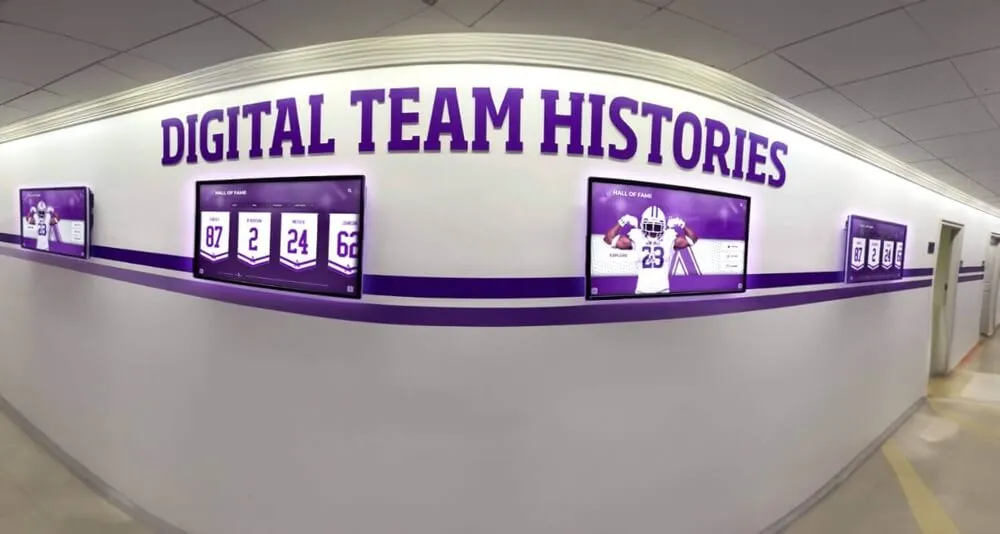
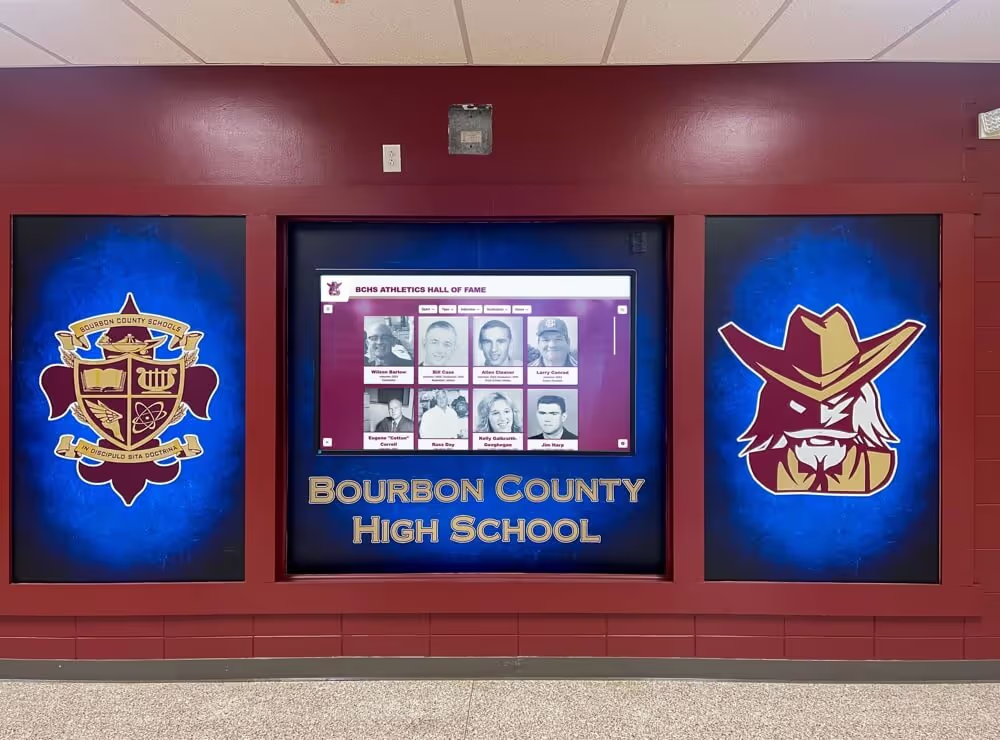
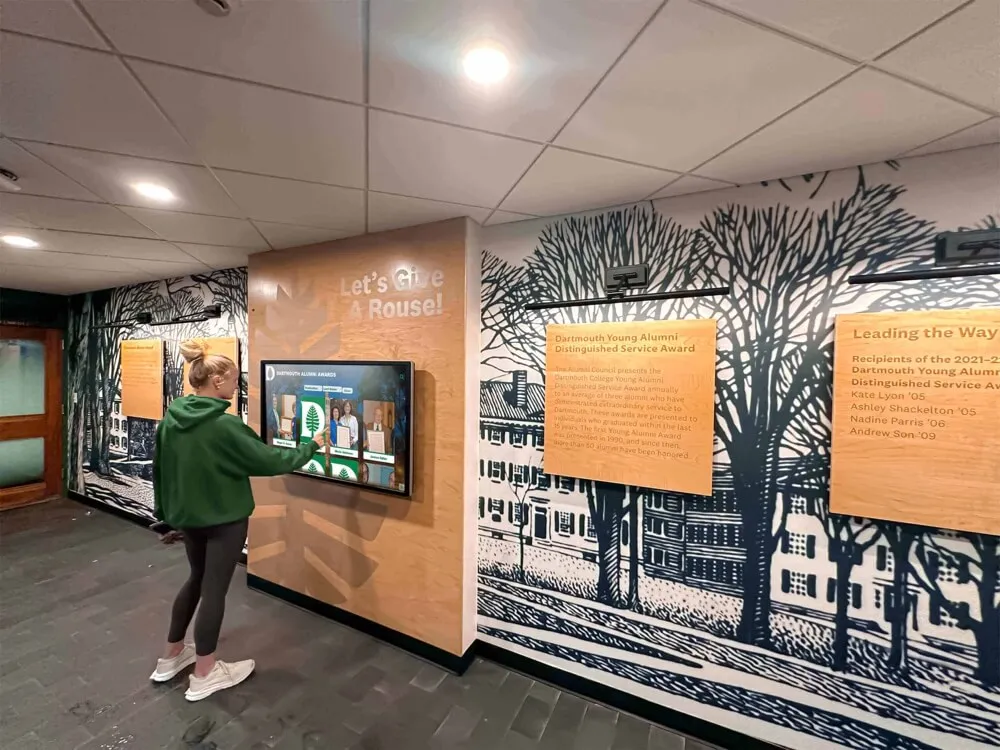
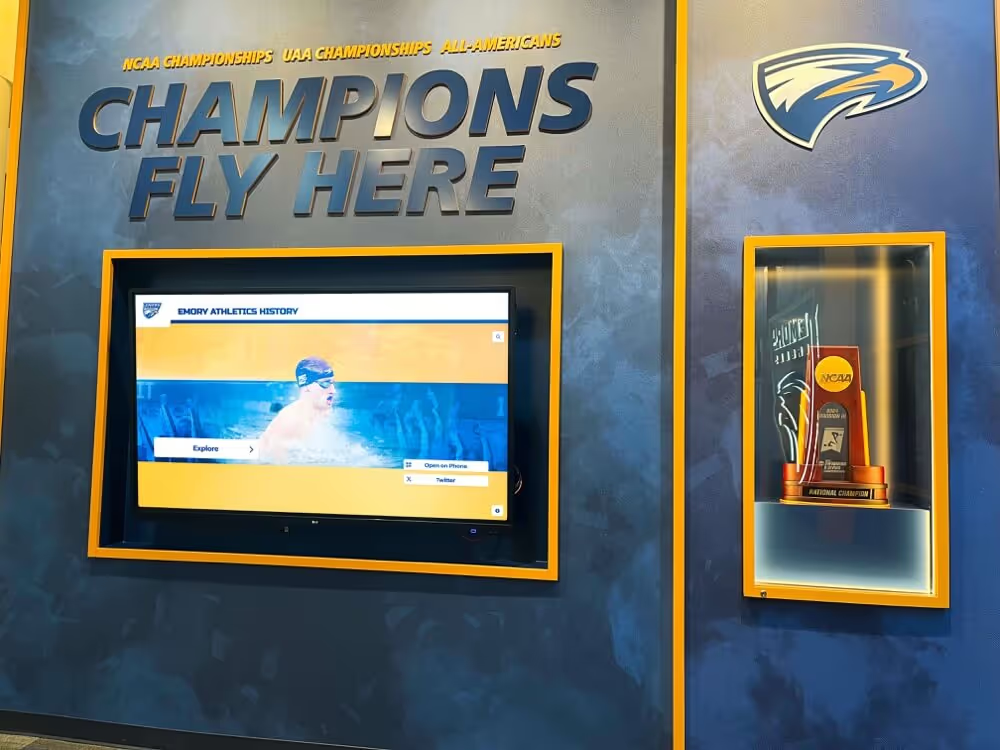
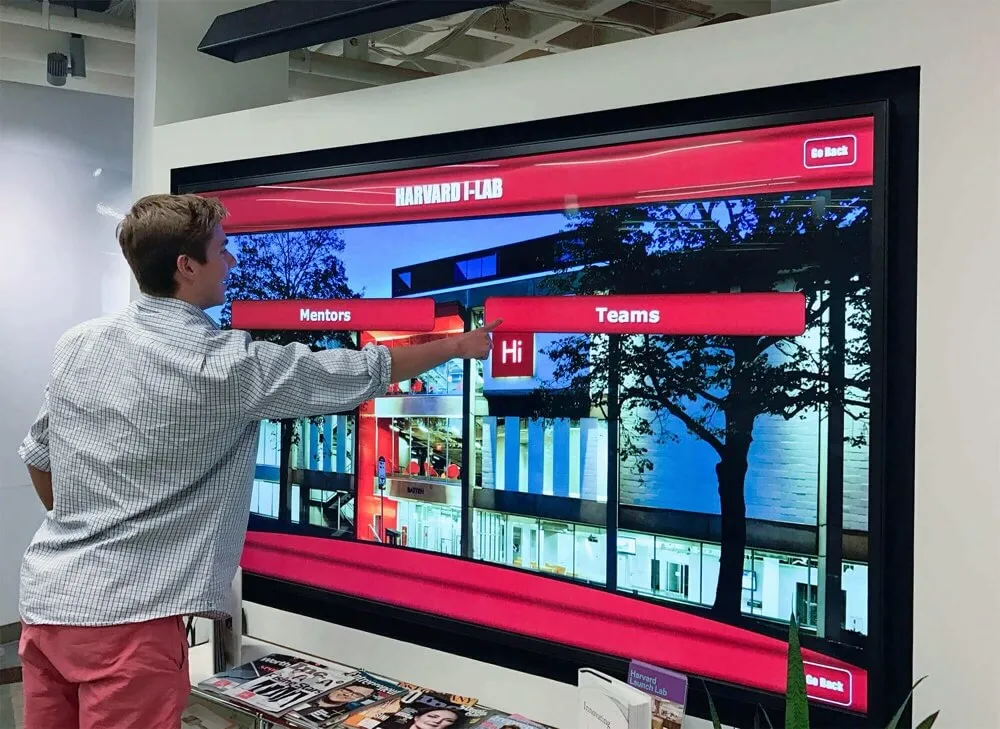
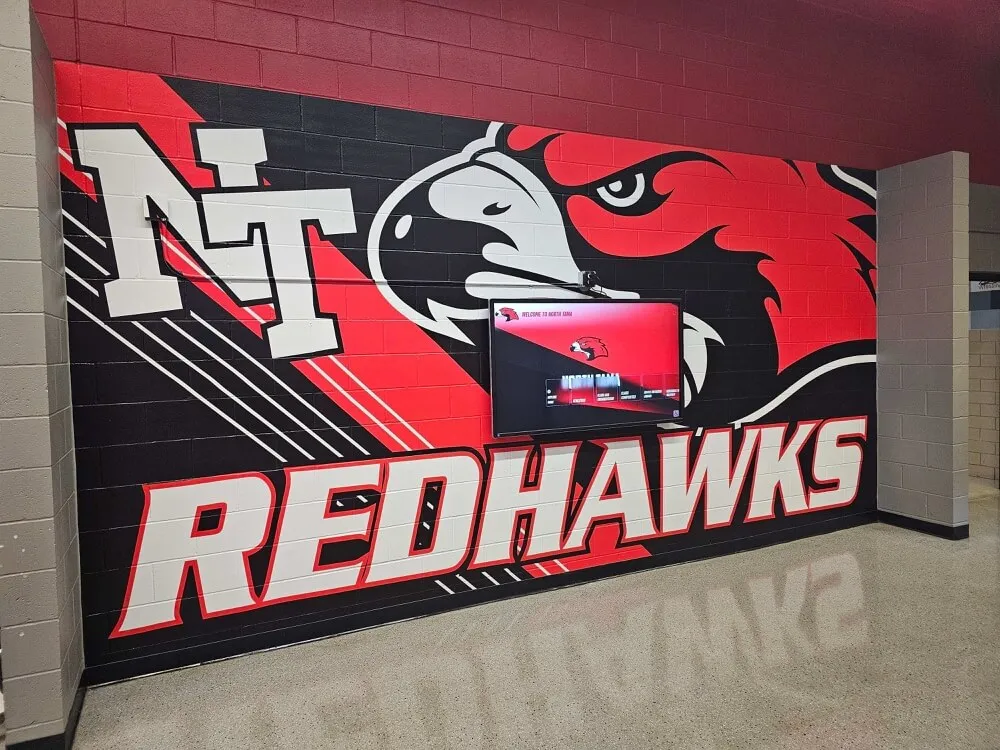
Professional athletic spaces create environments where student-athletes feel valued and inspired to pursue excellence daily
Understanding the Collegiate Athletic Experience
Before implementing specific strategies, understanding what defines collegiate athletic experiences provides essential context for making informed decisions about program development priorities.
Core Elements of College Athletic Programs
College athletic programs deliver comprehensive experiences extending far beyond coaching and competition. Several interconnected elements work together creating environments where athletes develop, compete, and thrive.
Professional Visual Environments and Branding
College facilities display consistent, professional visual branding throughout athletic spaces. Hallways show championship banners and team achievements. Training facilities present program history and current rosters. Locker rooms include motivational messaging and athlete recognition. And public spaces deliver professional presentations of athletic excellence creating immediate impressions of program quality and tradition.
This visual professionalism serves multiple purposes beyond aesthetics. It communicates to athletes that their program matters and their commitment deserves serious investment. It creates pride and identification with team culture and tradition. And it signals to recruits, parents, and visitors that the program operates at high standards across all dimensions.
High schools can replicate this element through strategic investment in visual branding, recognition displays, and environmental design that transforms generic spaces into places that communicate athletic identity and celebrate achievement systematically.
Systematic Recognition and Achievement Celebration
College programs recognize athletic achievement comprehensively and immediately. Record-breakers see their names added to facility displays within days. Championship teams receive prominent celebration throughout athletic facilities. Individual honors and awards get documented and showcased. And historical excellence remains visible, creating continuity between past success and current aspirations.
This systematic recognition creates powerful motivation by demonstrating that extraordinary effort and achievement receive appropriate celebration rather than brief acknowledgment that quickly fades. Athletes work harder when they know excellence gets permanently honored rather than temporarily mentioned.
High school programs often struggle with recognition due to space limitations for traditional plaques and trophies. Digital recognition displays solve this challenge by providing unlimited capacity for comprehensive athlete recognition that remains permanently accessible while requiring minimal physical space. Solutions like digital recognition displays enable schools to honor every deserving athlete without space constraints that force difficult choices about whose achievements receive visibility.
Dedicated Athlete Development Spaces
College athletic facilities provide specialized spaces for different athlete needs beyond practice and competition venues. Weight rooms offer comprehensive strength and conditioning programs. Athletic training facilities provide injury prevention and recovery resources. Film rooms enable detailed performance analysis. And team meeting spaces support tactical preparation and team building.
High schools rarely have resources for facility expansions matching college athletics. However, maximizing existing spaces through thoughtful design and multi-purpose use often enables significant improvements without major construction. Converting underutilized rooms into team spaces, designating areas within existing facilities for specific functions, and creating visual environments that communicate purpose and importance all enhance athlete experience without requiring new buildings.
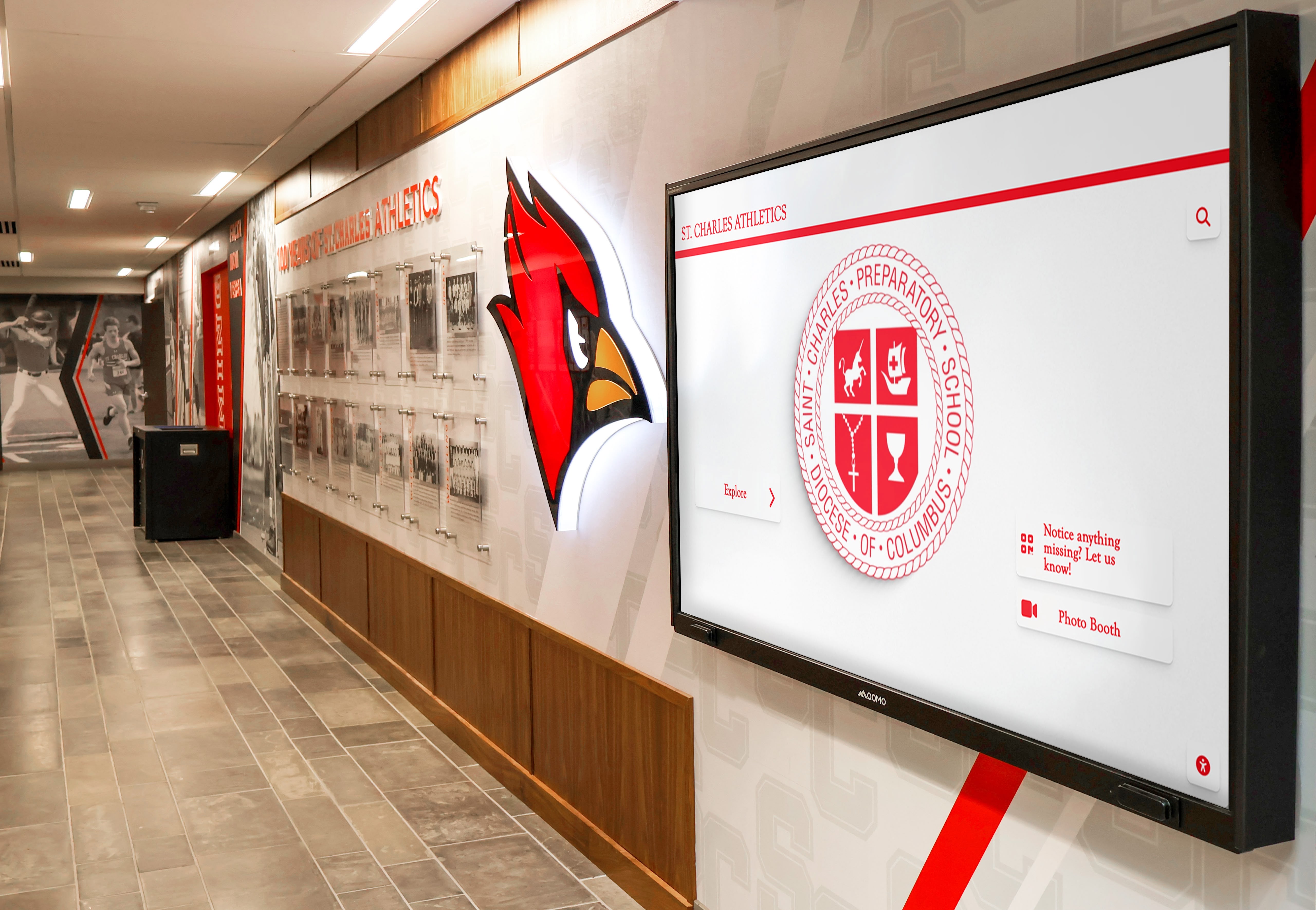
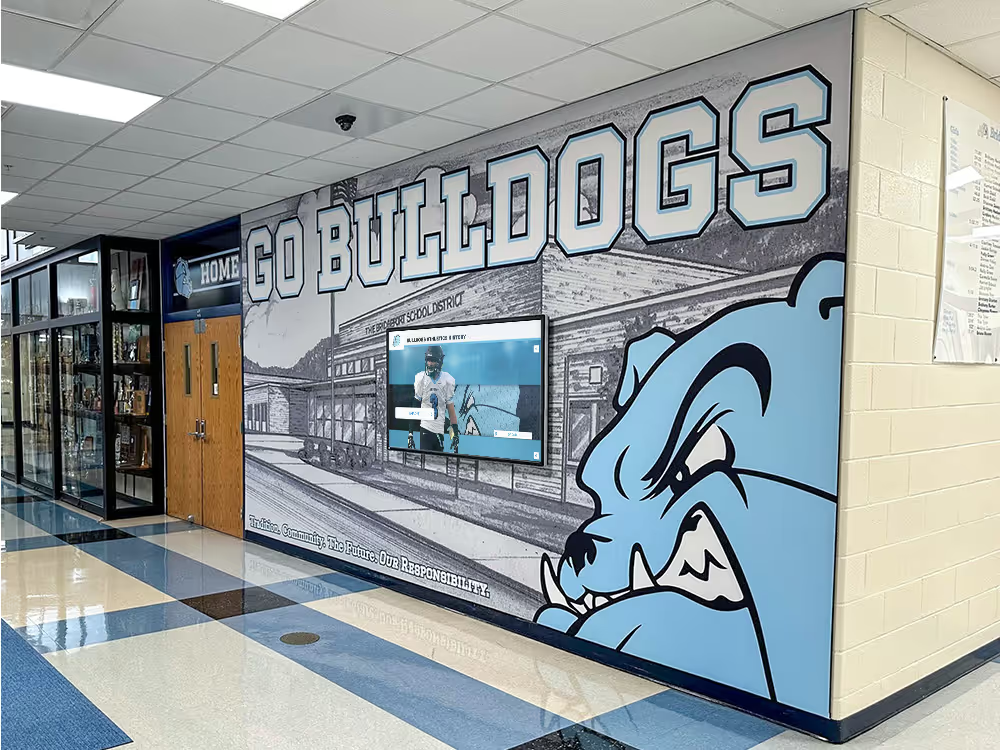
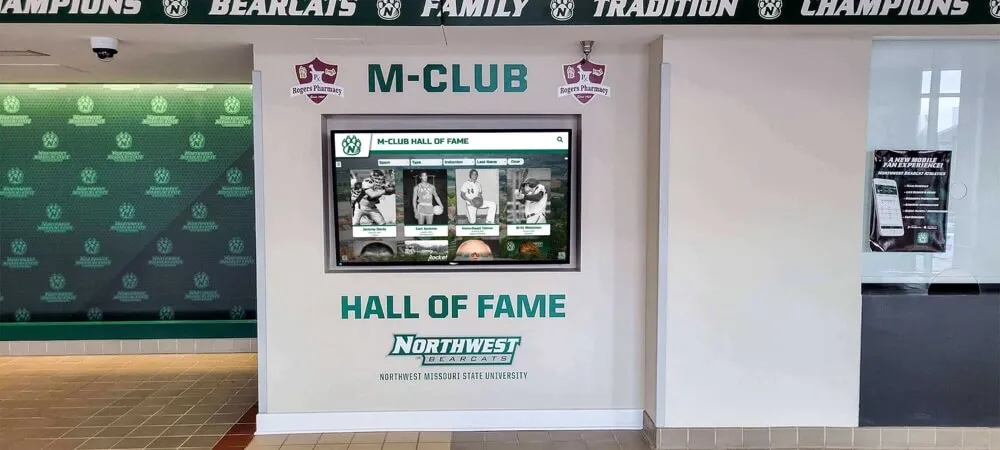
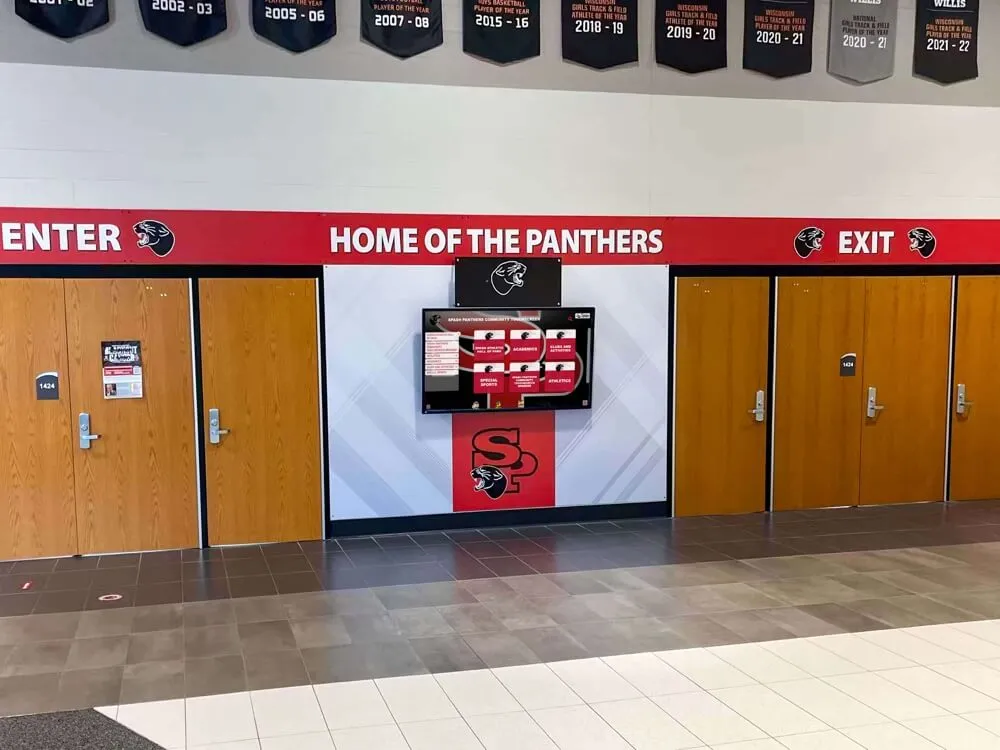
Athletic hallways become powerful spaces for daily inspiration when designed with professional branding and recognition displays
Comprehensive Communication and Information Systems
College programs maintain sophisticated communication systems keeping athletes, parents, and staff informed about schedules, achievements, opportunities, and expectations. Digital displays in athletic facilities show upcoming competitions, recent results, and important announcements. Team communication platforms provide organized channels for different types of information. And systematic documentation creates clear records of athlete development, academic progress, and achievement tracking.
High schools can implement similar systems through combination of affordable digital tools, strategic use of display technology, and organized communication protocols. The key involves creating systematic processes rather than ad-hoc approaches where important information gets communicated inconsistently or missed entirely.
Why Collegiate Experiences Matter for High School Athletes
Replicating collegiate elements in high school programs delivers concrete benefits justifying the investment required for implementation.
Preparation for College-Level Competition and Expectations
Athletes transitioning from high school to college often struggle with the increased professionalism, intensity, and systematic approach college programs demand. When high school programs create collegiate-style environments, athletes arrive at college already familiar with expectations for training intensity, professional behavior, systematic skill development, and comprehensive commitment required for college athletics.
This preparation reduces transition shock that causes many talented high school athletes to struggle during freshman years. Athletes accustomed to professional environments and systematic development adapt faster and perform better earlier in college careers.
Enhanced Motivation Through Environmental Psychology
Research on environmental psychology demonstrates that physical environments significantly influence behavior and motivation. Professional, well-maintained athletic facilities communicate that athletics matter and athlete effort deserves serious investment. Comprehensive recognition displays validate that achievement receives appropriate celebration. And organized, systematic approaches to all program elements create expectations for high standards.
Athletes surrounded by excellence respond by pursuing excellence themselves. Conversely, athletes in poorly maintained, disorganized, or generic environments receive implicit messages that athletics represent low priorities unworthy of serious investment.
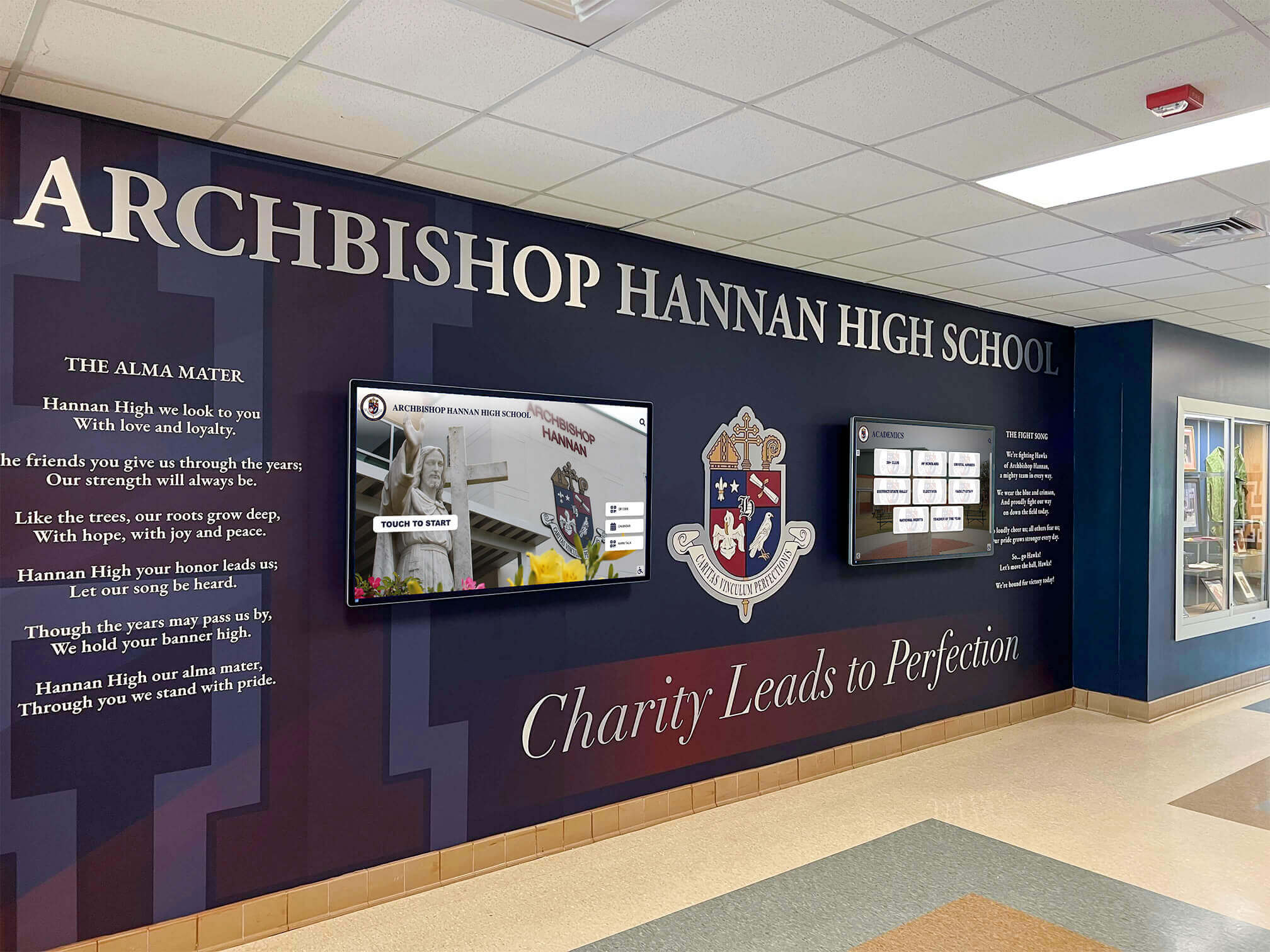
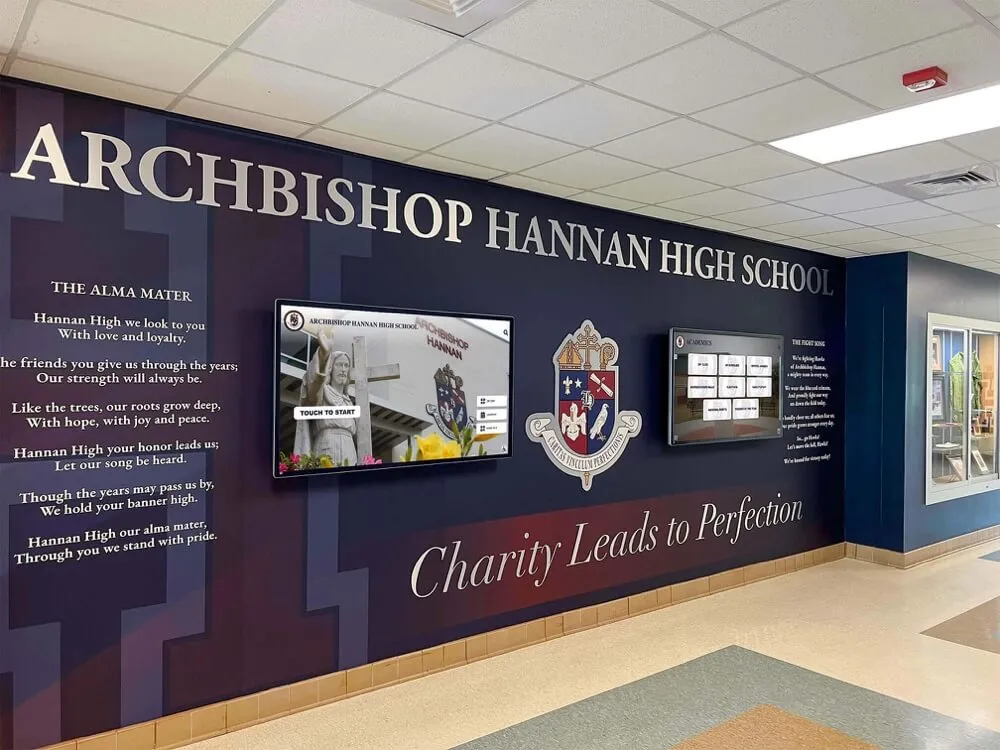
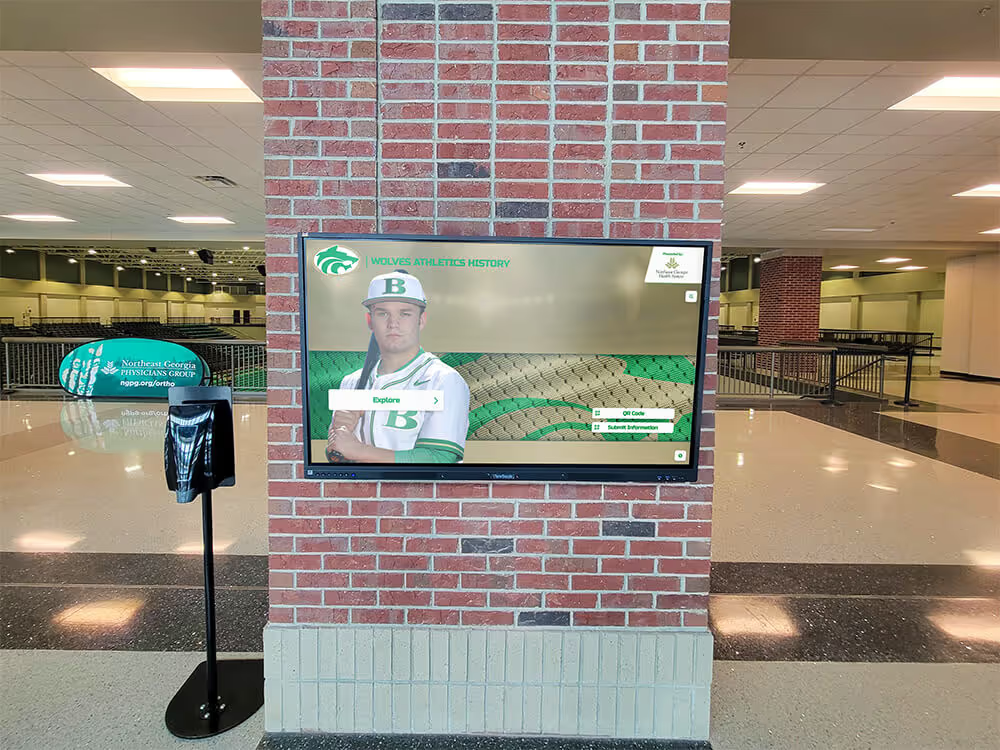
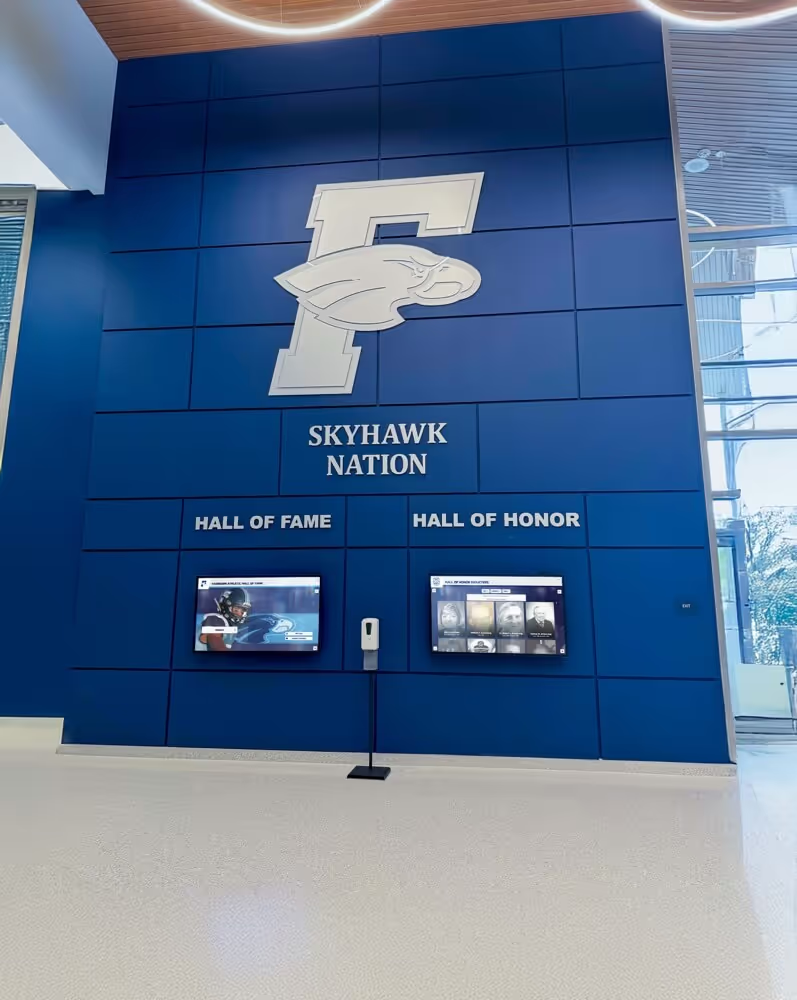
Entrance displays set immediate tone for program professionalism and pride in athletic achievement
Recruitment Advantages in Competitive Programs
In competitive high school athletic conferences, recruitment increasingly determines program success. Talented athletes and their families evaluate programs based on multiple factors beyond coaching reputation. Facilities, recognition systems, program culture, and visible commitment to athlete development all influence decisions about where athletes commit their time and effort.
Schools creating collegiate-style athletic experiences gain recruitment advantages over programs with traditional approaches. When prospective athletes tour facilities and see professional recognition displays, systematic achievement celebration, and environments demonstrating serious investment in athletics, they perceive programs as places where their dedication will be valued and supported appropriately.
This recruitment advantage compounds over time. Programs attracting stronger athletes achieve better competitive results, which attracts more talented athletes, creating positive cycles of increasing program strength.
College Recruiting Visibility and Reputation
College coaches evaluating high school programs for potential recruits pay attention to program organization, athlete development systems, and overall professionalism. Programs presenting themselves professionally through comprehensive recognition, systematic documentation, and organized communication create favorable impressions with college recruiters.
When college coaches visit high school facilities and observe collegiate-style recognition displays, professional branding, and clear evidence of systematic athlete development, they develop confidence that athletes from these programs arrive prepared for college athletics. This credibility makes college coaches more willing to recruit from specific high school programs and more likely to trust coach recommendations about athlete potential.
Resources on college signing recognition displays demonstrate how systematic celebration of athletes advancing to collegiate competition reinforces program reputation while inspiring current athletes pursuing similar goals.
Building Professional Athletic Recognition Systems
Systematic recognition represents one of the most impactful and achievable elements of collegiate athletic experiences that high schools can implement effectively.
The Challenge of Traditional Recognition Approaches
High school athletic programs accumulate decades of achievement deserving celebration. Championship teams, record-setting athletes, conference champions, and state qualifiers all merit recognition honoring their excellence. Traditional recognition through plaques, banners, and trophy cases faces inevitable limitations as programs continue producing achievements year after year.
Physical Space Constraints and the Banner Problem
Successful programs eventually exhaust available wall space for championship banners. Gymnasiums with limited wall space become completely covered with recognition from successful seasons. Trophy cases fill beyond capacity, forcing choices about which achievements remain visible while others move to storage. And hallway walls dedicated to athletic recognition reach maximum capacity, creating uncomfortable decisions about whether to stop adding new recognition or remove historical achievements to make room.
These space limitations force athletic directors into impossible situations. Removing historical recognition to make room for recent achievements disrespects past excellence and sends troubling messages about whether recognition truly remains permanent. Stopping new recognition when space fills denies current athletes the celebration they deserve for their accomplishments. And expensive facility renovations adding more wall space represent impractical solutions for most school budgets.
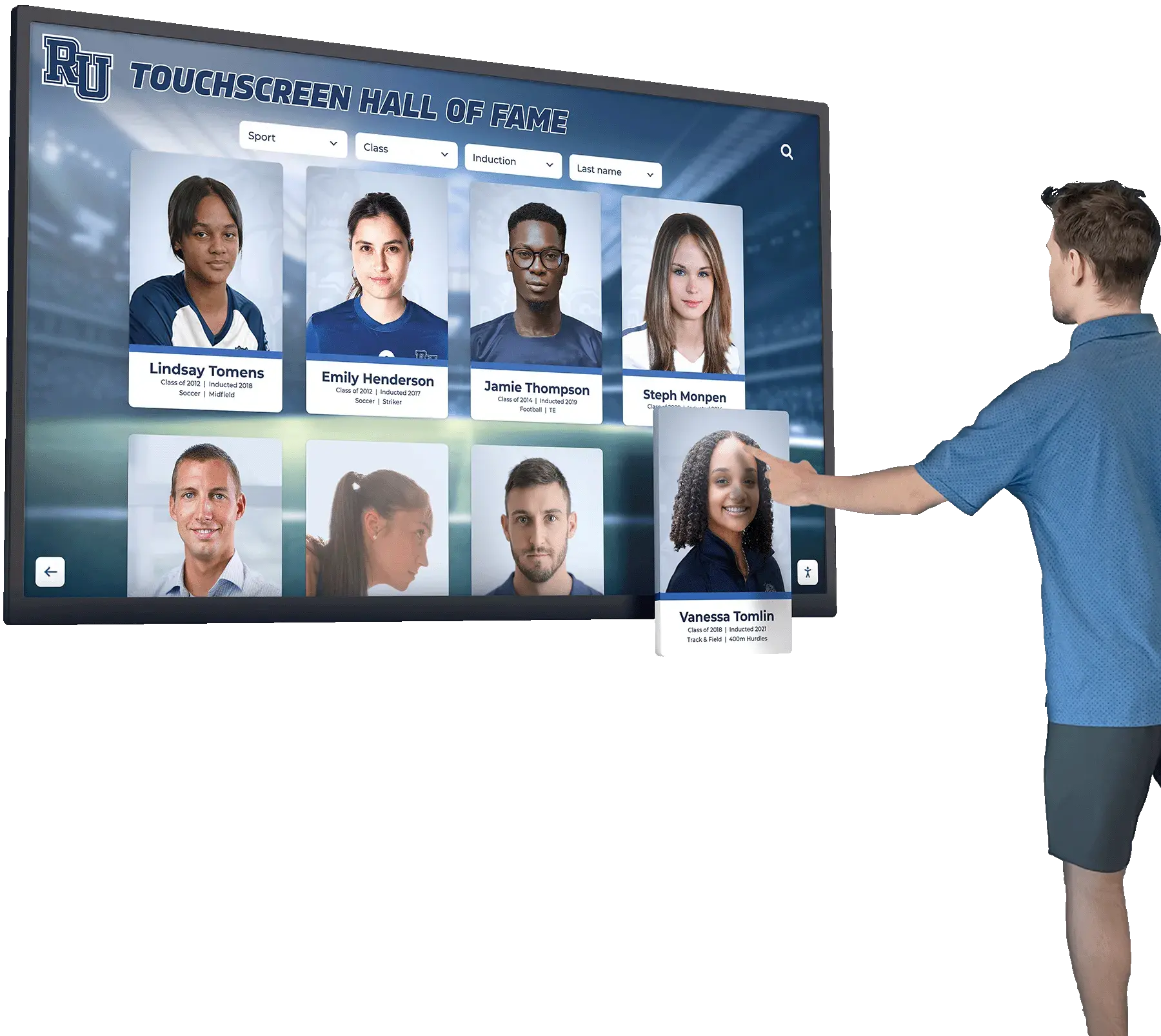
Digital recognition displays eliminate these space constraints entirely. A single digital screen can showcase unlimited achievements without ever running out of room. Programs can honor every championship team, every record-setting athlete, and every significant achievement without physical space constraints limiting whose excellence receives visibility. Understanding state championship displays provides frameworks for comprehensive championship recognition that maintains program tradition while accommodating continuous achievement accumulation.
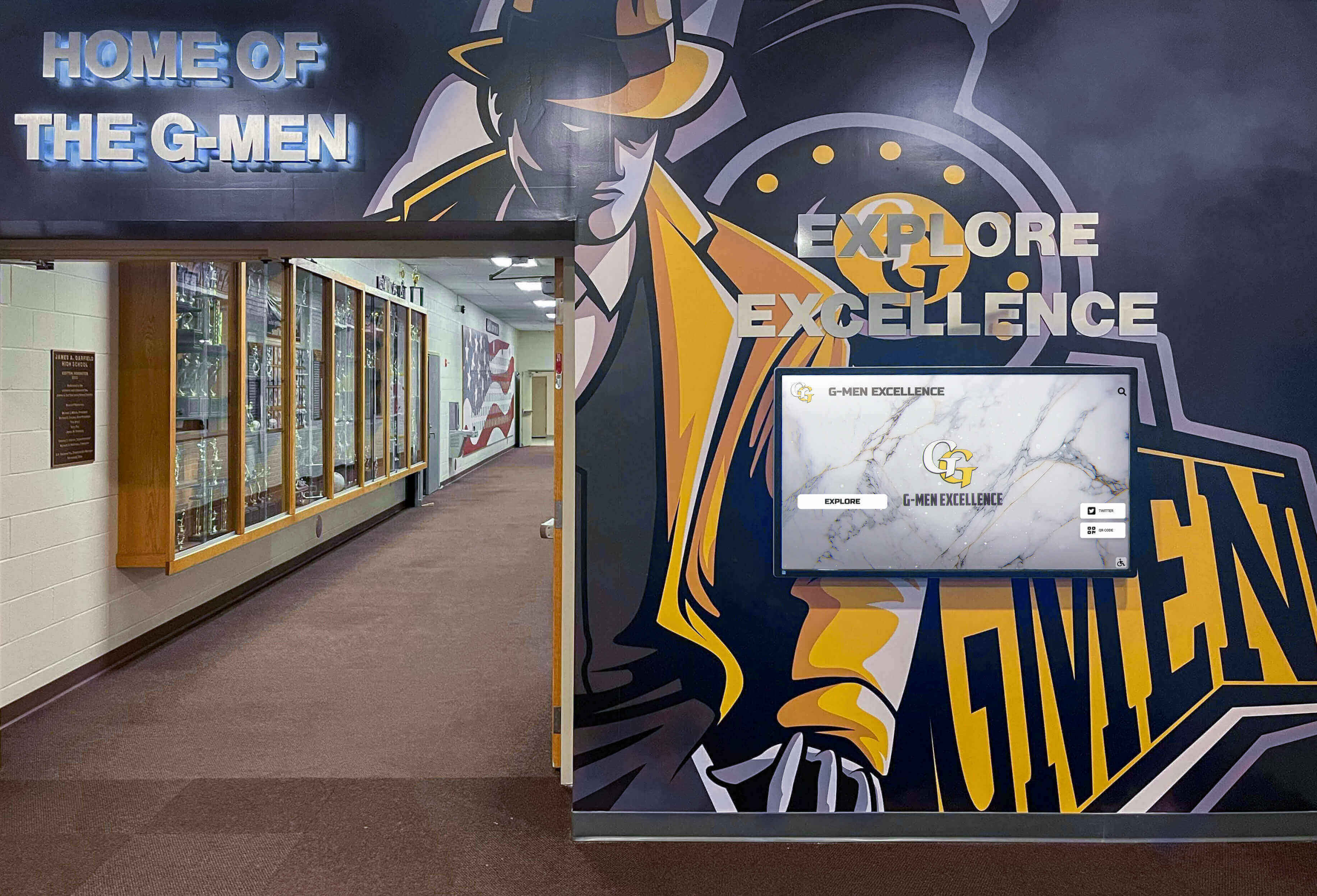
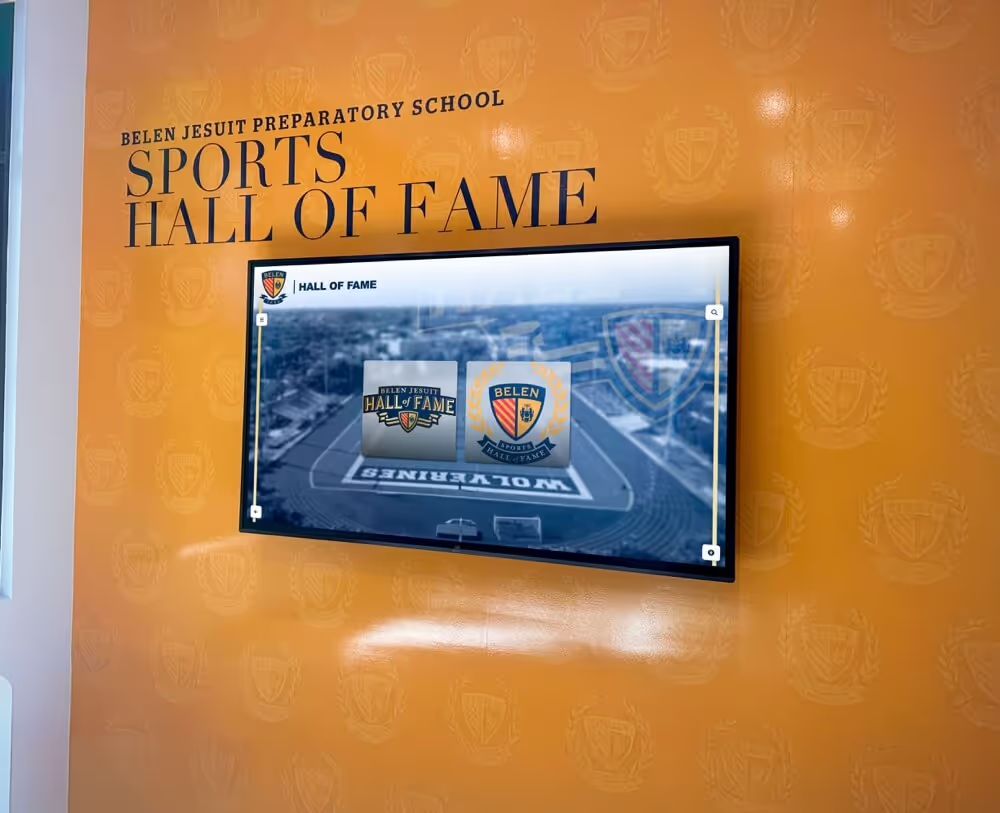
Combining traditional trophy cases with digital displays honors heritage while providing unlimited recognition capacity
Update Complexity and Recognition Delays
Traditional recognition requires significant time between achievement and actual display visibility. Championship banners need design, production, and installation—processes taking weeks or months. New plaques require engraving and mounting. Trophy case reorganization to accommodate additions demands manual labor and careful planning. These delays mean athletes often graduate before seeing themselves recognized for senior season achievements.
These recognition delays diminish psychological impact. Research on motivation consistently shows that immediate reinforcement produces stronger behavioral responses than delayed recognition. Athletes completing remarkable seasons deserve to see themselves honored while still competing and present in facilities, not months later after they’ve moved on.
Digital recognition systems enable immediate updates. When athletes break records or teams win championships, administrators can publish recognition within minutes through simple content management interfaces requiring no technical expertise. Athletes see themselves honored immediately rather than waiting months for physical production and installation. This immediacy maximizes motivational impact while ensuring recognition happens when it matters most.
Limited Storytelling in Static Displays
Traditional plaques and banners document achievement efficiently through names, years, and basic accomplishments. However, they rarely tell complete stories about what made achievements special, the athletes who delivered them, or the context making excellence memorable. A championship banner shows the year and sport but provides no detail about the season journey, key moments, or individual athletes who made success possible.
This limitation means traditional recognition documents achievement without truly celebrating excellence or preserving complete narratives. Future athletes know championships happened but learn little about how teams achieved them, what challenges they overcame, or why those particular seasons represented special accomplishments within program history.
Digital platforms transform recognition from documentation to storytelling. Comprehensive profiles can include high-resolution photo galleries capturing season highlights and memorable moments, video highlights preserving actual competition and celebration, detailed season narratives explaining achievement context and significance, individual athlete profiles with statistics and biographical information, coaching staff recognition and program development context, and connections to related achievements creating continuity across program history.
This narrative depth creates emotional engagement impossible with text-only displays. Current athletes exploring program history develop deeper connections to tradition and clearer understanding of what excellence requires. Resources on athletic record keeping demonstrate systematic approaches to documenting achievement that digital recognition displays present effectively.
Implementing Digital Athletic Recognition Displays
Modern digital recognition technology provides practical solutions addressing traditional recognition limitations while creating collegiate-style systematic achievement celebration.
Strategic Display Placement for Maximum Impact
Location determines recognition display effectiveness. Digital screens positioned in spaces where athletes spend significant time create daily inspiration through regular exposure to program tradition and current achievement. Optimal placement locations include athletic hallway entrances where athletes pass daily, locker room adjacent areas creating pre-practice and post-competition exposure, weight room and training facility locations surrounding athletes during conditioning work, competition venue lobbies where visiting teams and college recruiters observe program recognition, and main building entrances where broader school communities encounter athletic excellence regularly.
Multiple display locations serve different purposes. Hallway displays reach all athletes across all sports daily. Sport-specific locations in specialized facilities create concentrated focus on individual program traditions. And high-visibility public locations ensure athletic achievement receives school-wide recognition rather than remaining isolated within athletic department spaces.
Schools should begin with single displays in highest-impact locations, then expand strategically as budgets allow and initial installations demonstrate value. Many successful athletic recognition programs deploy displays in phases—starting with main athletic hallway installation, adding sport-specific displays in competition venues, then completing comprehensive networks covering all athletic spaces. This phased approach manages initial investment while building support through demonstrated success before broader implementation.
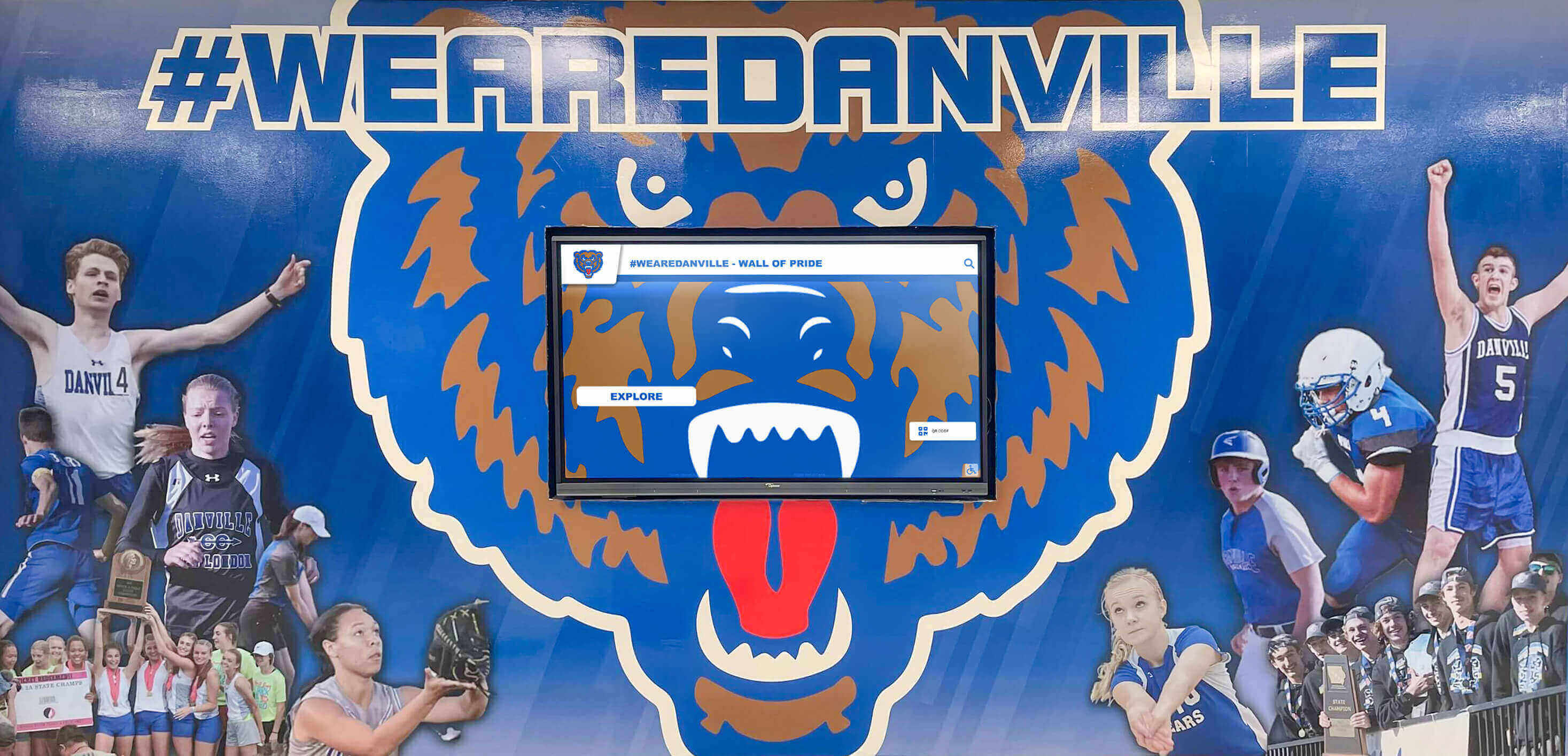
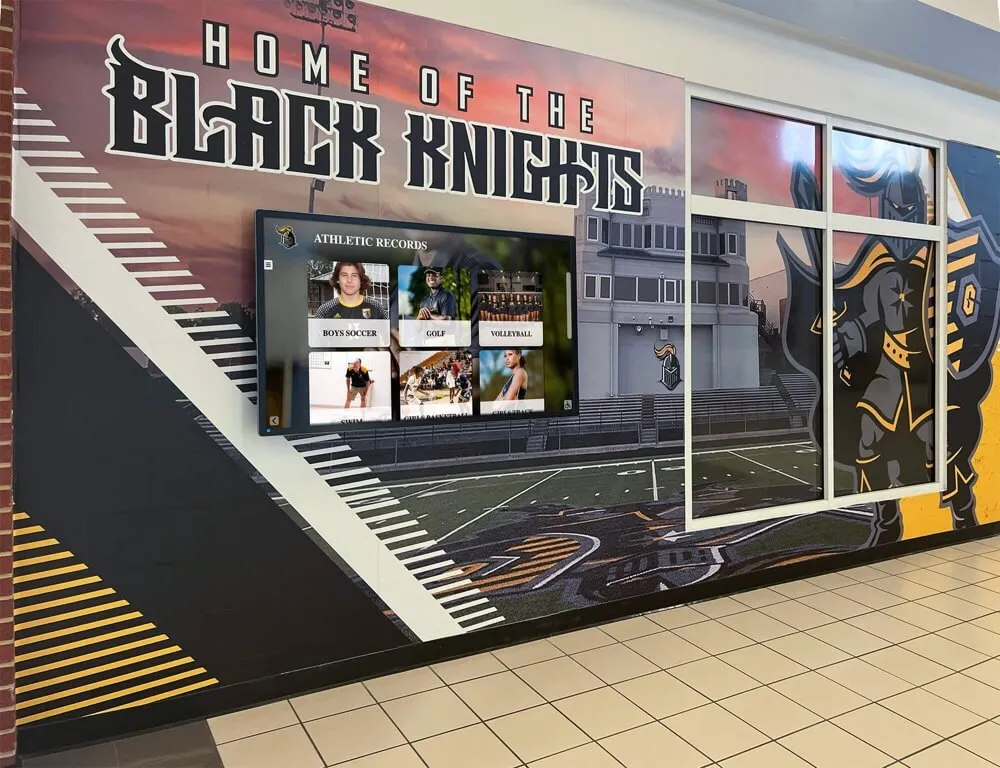
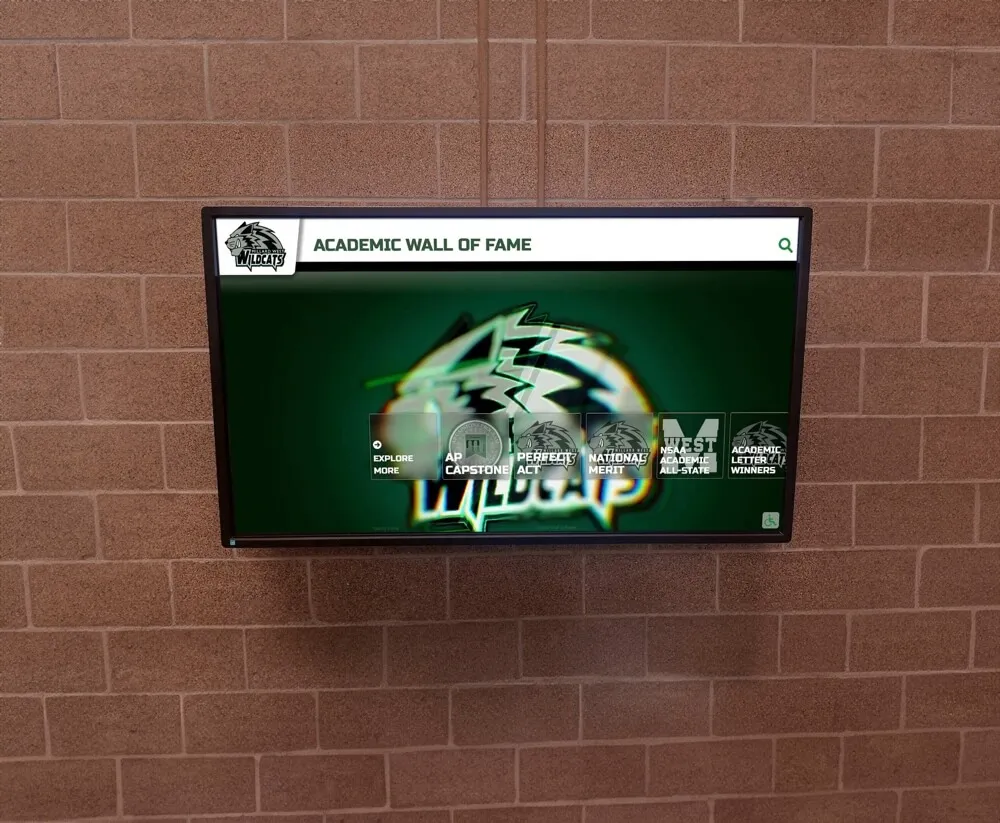
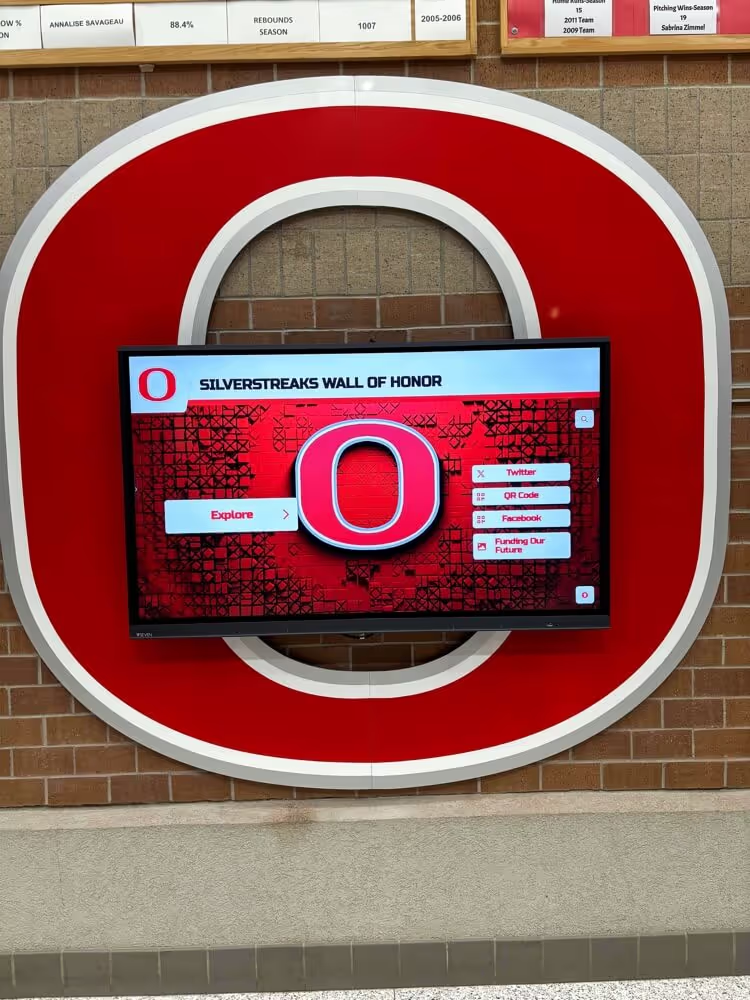
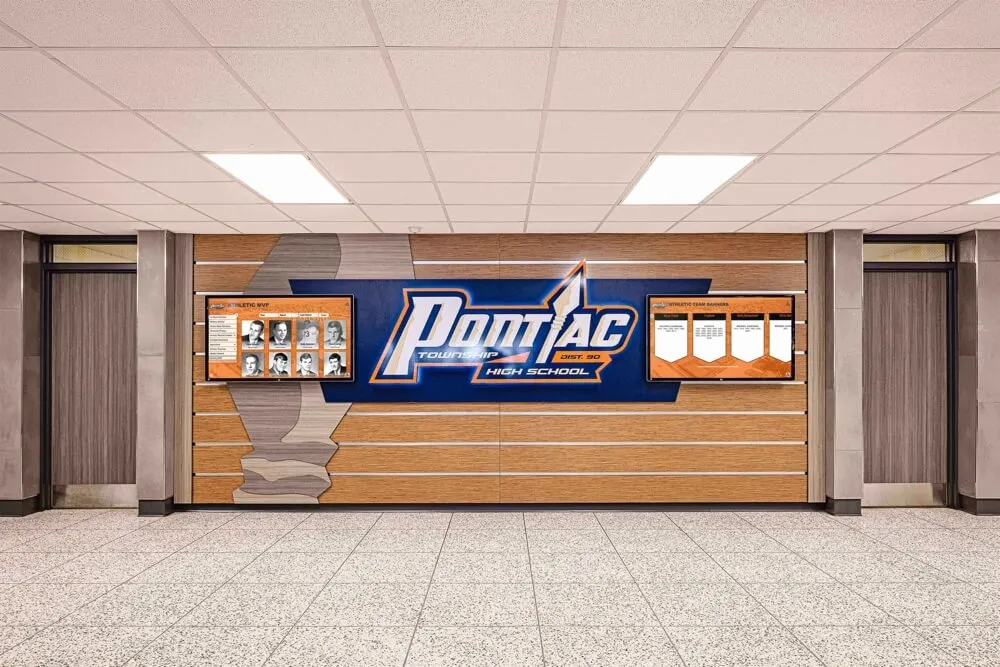
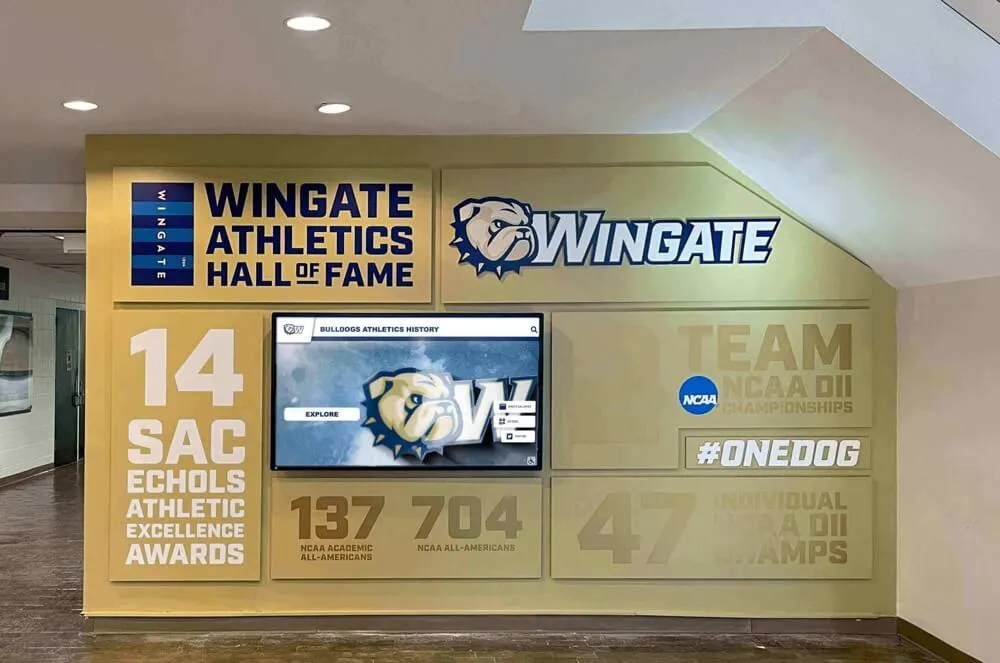
Strategic display integration with team branding creates cohesive athletic environments celebrating tradition and current achievement
Content Strategy for Athletic Recognition
Digital recognition value depends entirely on content quality and relevance. Athletic programs should develop systematic content strategies addressing multiple recognition categories and athlete populations.
Championship Team Recognition
Championship achievements deserve comprehensive documentation beyond simple banner equivalents. Effective championship recognition includes complete roster information with athlete names, graduation years, and positions, season record and tournament progression showing path to championship, championship game or competition highlights with results and key performances, coaching staff recognition including head coach and assistants, photo galleries from throughout championship seasons capturing preparation and celebration, video highlights preserving memorable moments and actual competition footage, and historical context explaining championship significance within program history.
This comprehensive approach honors championship teams appropriately while creating engaging content that current athletes explore and learn from. Understanding patterns of excellence from past championship teams helps current athletes develop similar competitive mindsets and preparation habits.
Individual Athletic Excellence and Records
High-performing individual athletes achieving conference, state, regional, or national honors deserve recognition equal to championship teams. Individual athlete profiles should include complete statistical careers across all competitions, records set at school, conference, state, or national levels, honors and awards earned including all-conference, all-state, and national recognition, post-high-school athletic achievements when athletes continue competing collegially, biographical narratives explaining athletic journeys and defining moments, and photo and video content documenting performances and achievements.
Individual recognition works particularly well for sports where team championships may be less common but individual excellence remains exceptional. Track and field, swimming, wrestling, tennis, and golf produce remarkable individual performers deserving comprehensive recognition that digital platforms provide effectively. Systematic approaches to academic all-american recognition demonstrate how programs can honor athletes excelling both athletically and academically.
Current Season Performance and Real-Time Updates
Beyond historical recognition, digital displays provide dynamic platforms for celebrating current season achievements as they happen. Programs can display weekly performance summaries with standout athletes and performances, updated standings and playoff positioning throughout seasons, upcoming competition schedules and important dates, recent competition results with scores and individual performance leaders, athlete of the week recognition celebrating consistent excellence, and milestone achievements like career records or significant accomplishments.
This current content creates dynamic displays remaining relevant throughout seasons rather than static historical presentations that change infrequently. Athletes check displays regularly to see current information, creating habitual engagement with recognition systems that also exposes them to historical achievement context surrounding current performances.
Creating Visual Brand Identity Throughout Athletic Spaces
Beyond recognition displays, comprehensive visual branding throughout athletic facilities creates professional environments reinforcing program identity and inspiring excellence.
Team Colors, Logos, and Consistent Design Language
College athletic facilities feature consistent visual branding using team colors, logos, and design elements throughout all spaces. This consistency creates strong visual identity making spaces immediately recognizable as belonging to specific programs while building pride through professional presentation.
High schools can implement similar branding through wall murals featuring team mascots and colors in athletic hallways and locker areas, floor graphics using team logos and motivational messaging in training facilities, window graphics and vinyl lettering creating visual interest on glass surfaces, branded equipment and facility signage maintaining consistent design language, and coordinated paint schemes using team colors throughout athletic spaces.
This investment in visual branding requires relatively modest budgets compared to facility construction but delivers disproportionate impact on athlete experience and program perception. Professional visual environments communicate that athletics matter and programs operate with seriousness and organization matching the commitment athletes invest.
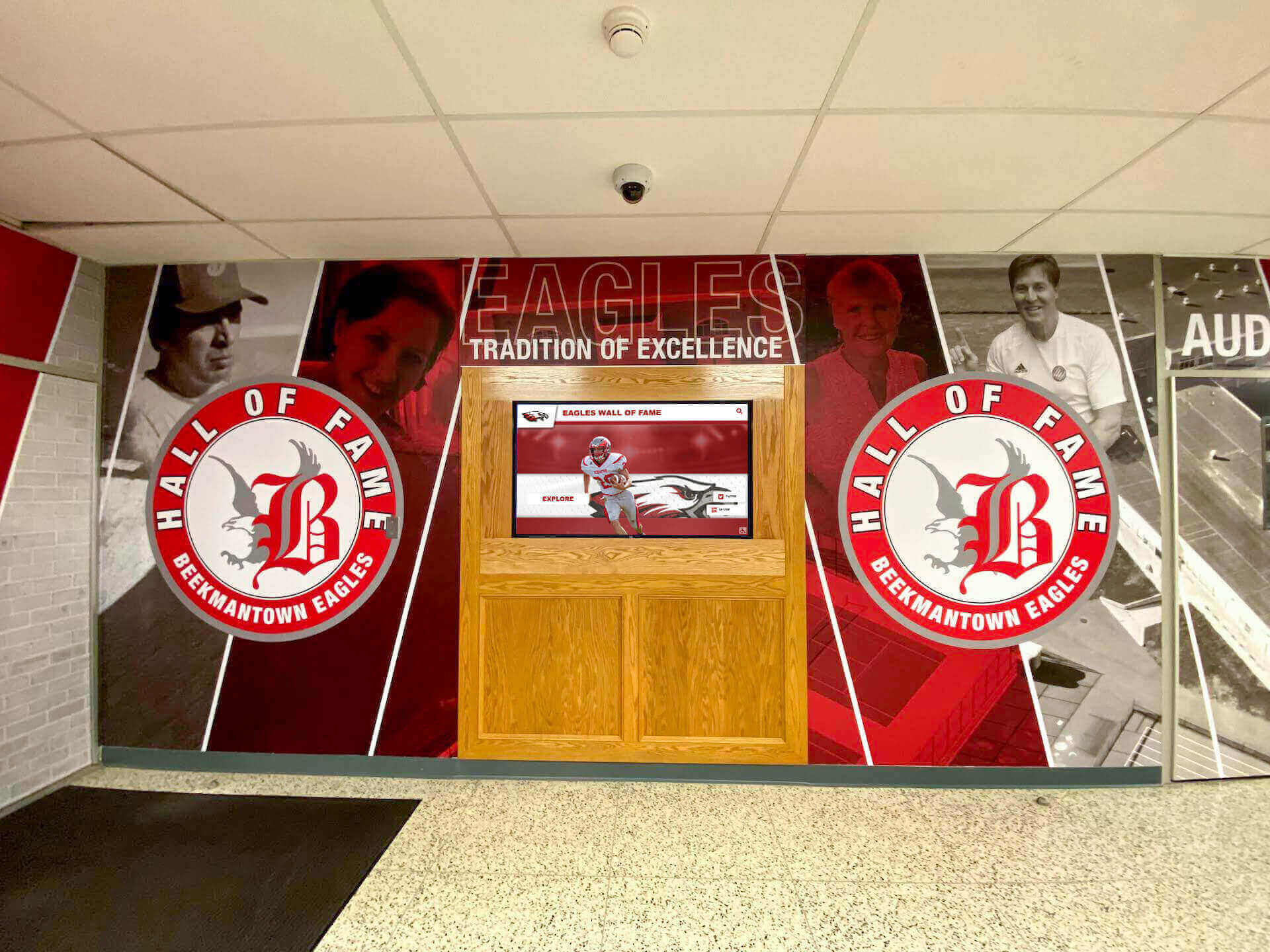
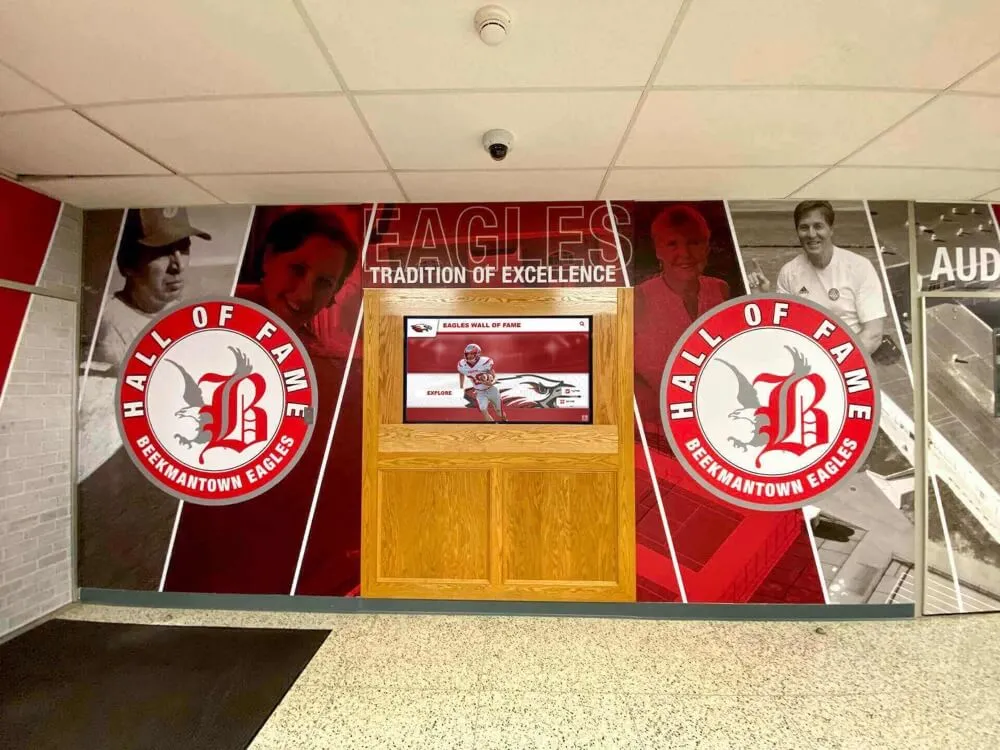
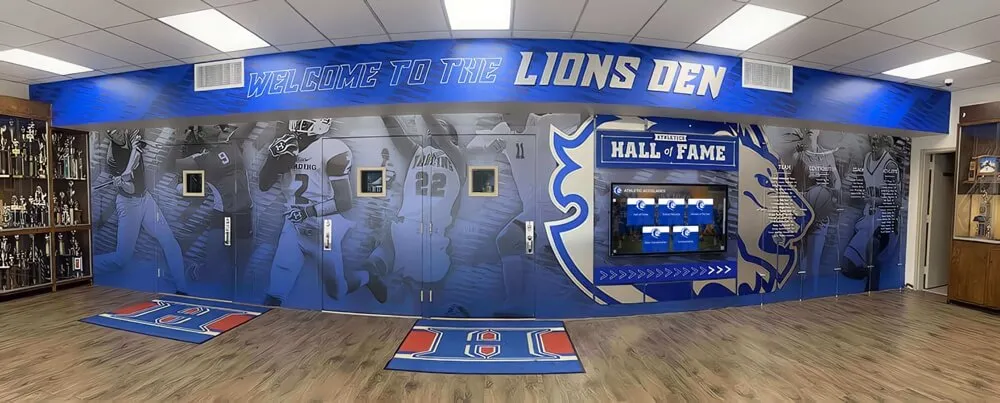
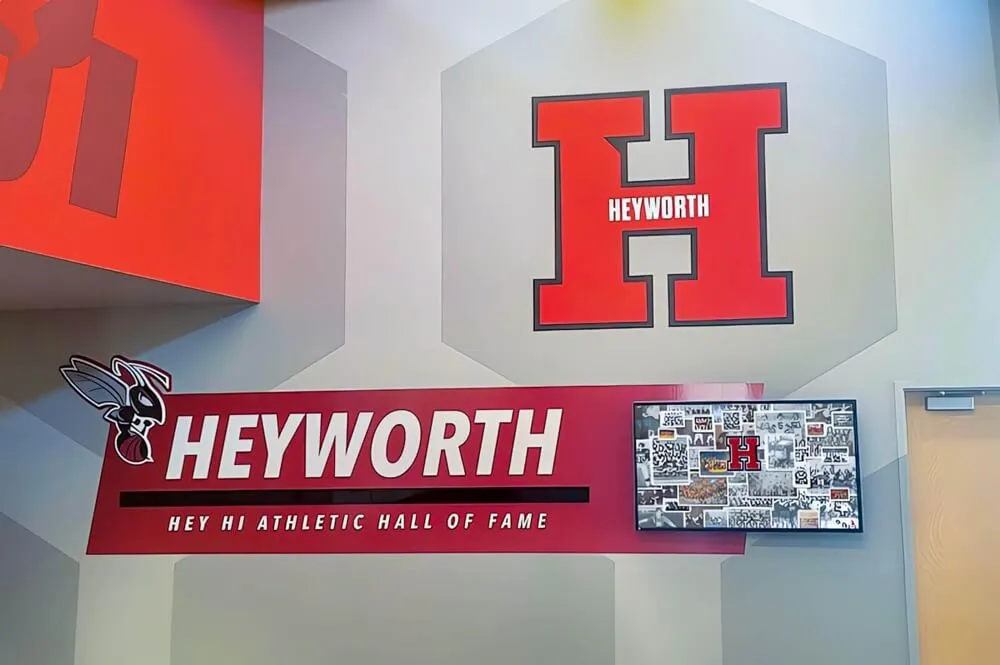
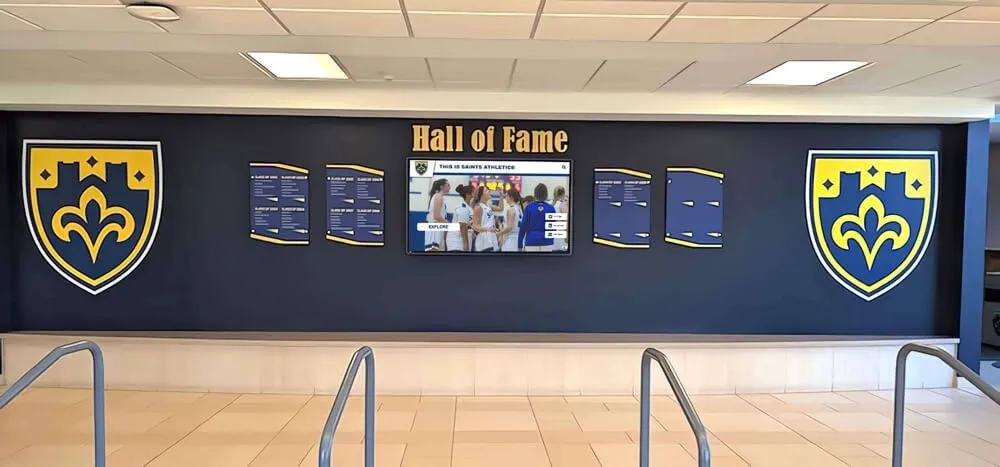
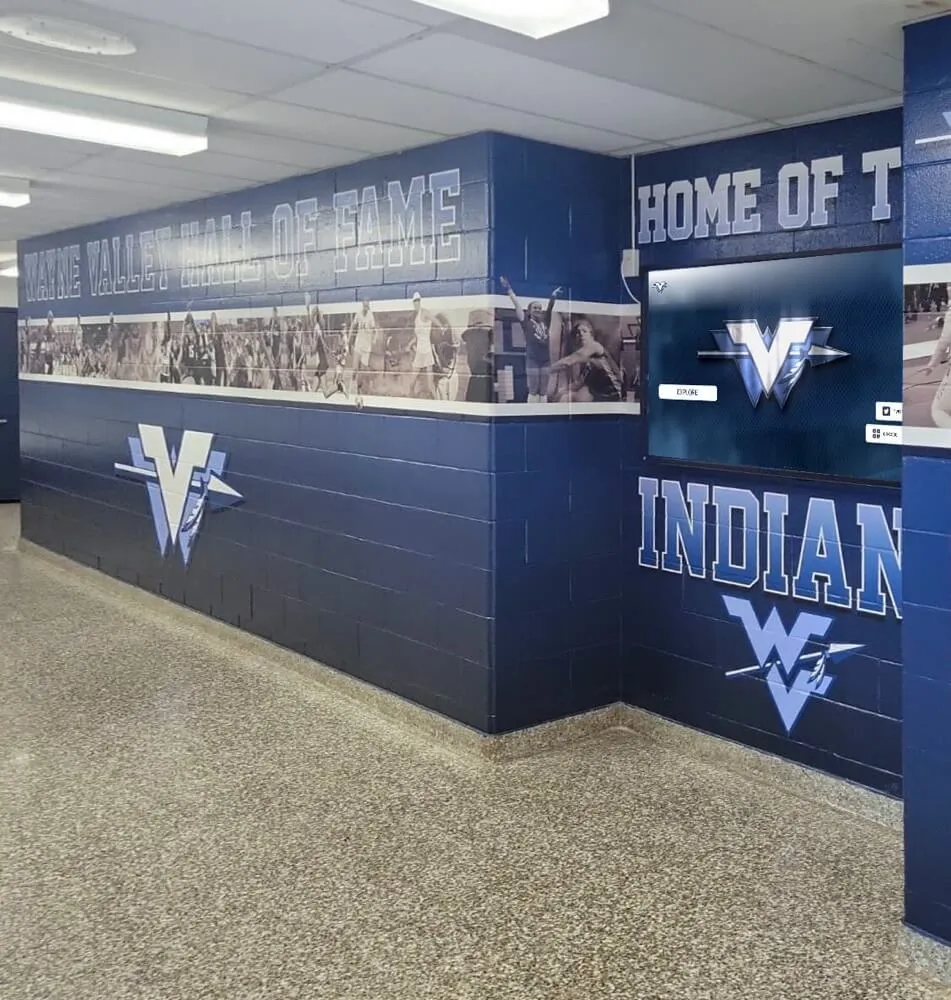
Hall of fame murals serve as permanent focal points celebrating program tradition while reinforcing team identity
Motivational Messaging and Program Values
College programs display motivational messaging throughout facilities reminding athletes of program values, competitive standards, and behavioral expectations. These constant visual reminders reinforce culture and create environmental accountability where athletes remain conscious of standards even without direct supervision.
High school programs can implement similar approaches through prominent display of team mottos and program values in visible locations, inspirational quotes from successful coaches and athletes throughout training facilities, program standards and expectation statements in locker rooms and common areas, achievement goals and current standings in competitive spaces, and success principles and character development themes in team meeting areas.
This messaging should reflect authentic program values rather than generic platitudes. When athletes see consistent reinforcement of specific standards and expectations throughout facilities, they internalize those values more effectively than through occasional verbal communication alone.
Photographic Documentation and Visual History
Beyond formal recognition displays, programs should systematically document athletic experiences through photography creating visual archives of program history while providing engaging content for facility displays.
Effective photographic documentation includes action photography from competitions capturing athletes competing at their best, behind-the-scenes training and preparation photos showing daily program operations, team photos documenting rosters and coaching staffs for every season, special event and championship celebration photos preserving memorable moments, and candid athlete photos building sense of community and team culture.
This photographic content serves multiple purposes. Recent photos create visual interest on digital displays and social media while current athletes remain active. Historical photos preserve program memory and create continuity between past and current teams. And comprehensive visual documentation enables future storytelling about program development and significant achievements when complete photo archives exist rather than incomplete fragments requiring reconstruction.
Developing Championship Team Culture
Physical facilities and recognition systems provide foundation for collegiate experiences, but culture determines whether programs achieve sustained excellence or remain average despite environmental investments.
Establishing Clear Standards and Expectations
College programs succeed because they establish and enforce clear standards across all dimensions of athlete behavior, preparation, and performance. When high school programs implement similar clarity around expectations, they create structure enabling consistent excellence.
Athletic Performance Standards
Athletes perform better when they understand specific standards they’re pursuing rather than vague goals like “do your best.” Effective programs establish concrete performance benchmarks for strength and conditioning testing at different grade levels, skill proficiency milestones athletes must demonstrate, conditioning standards athletes must meet and maintain, statistical goals and targets aligned with position and sport, and progression trajectories showing expected development from freshman through senior years.
These standards should remain challenging but achievable with serious effort and proper training. When athletes see clear targets and systematic feedback about progress toward those targets, they develop ownership over their development and demonstrate increased motivation compared to programs with ambiguous expectations.
Academic and Behavioral Expectations
College athletic programs maintain strict academic and behavioral standards recognizing that success requires discipline extending beyond athletic performance. High school programs should establish similar expectations including minimum GPA requirements for practice and competition participation, attendance and punctuality standards with consequences for violations, behavioral expectations in school settings and community settings, social media conduct guidelines reflecting on programs and schools, and sportsmanship standards during competition and interaction with officials.
Clear communication and consistent enforcement of these expectations create accountability that prepares athletes for college programs where similar or stricter standards apply universally. Programs failing to establish behavioral expectations do athletes disservice by allowing habits that prevent future success when athletes encounter more demanding standards at collegiate levels.
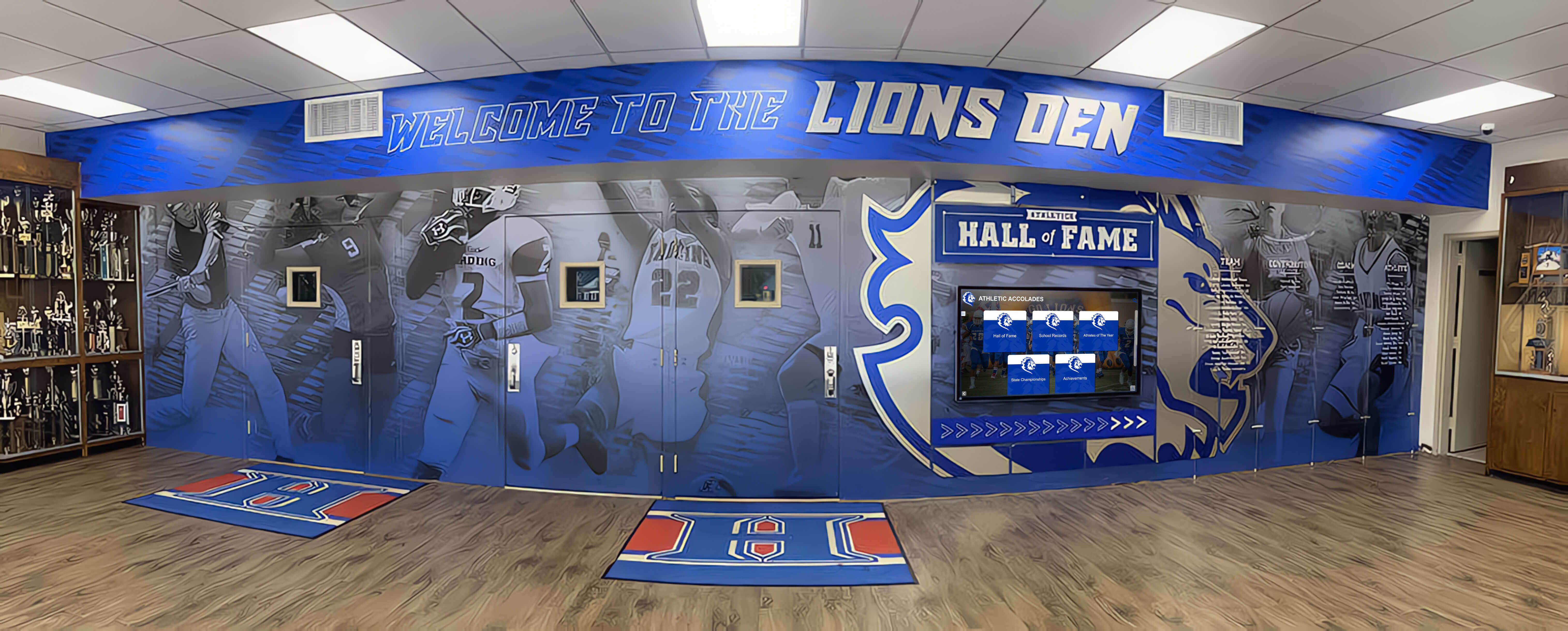
Team spaces become cultural centers reinforcing program values through visual celebration of tradition and achievement
Building Systematic Skill Development Programs
College programs approach athlete development systematically through structured training progressions, individual development plans, and comprehensive tracking systems. High schools can implement similar approaches creating measurable improvement trajectories.
Year-Round Training and Skill Progression
College athletics operate year-round with off-season training, preseason preparation, competition seasons, and post-season development periods all contributing to continuous improvement. High school programs constrained by traditional seasonal structures can still implement systematic year-round development through organized off-season strength and conditioning programs, sport-specific skill development during off-seasons, position-specific training addressing individual athlete needs, and summer training camps and development opportunities.
This year-round approach prevents the cyclical pattern where athletes lose conditioning and skill during off-seasons then spend early regular seasons rebuilding rather than competing at peak levels. Athletes training consistently throughout years arrive at season starts prepared for immediate high-level competition rather than requiring extended preparation periods before reaching competitive readiness.
Individual Development Plans and Progress Tracking
College programs create individual development plans identifying specific improvement areas for each athlete along with targeted training addressing those needs. High schools can implement similar individualization through initial assessment identifying strengths and development needs for each athlete, individual goal setting where athletes establish personal performance targets, customized training recommendations addressing specific improvement areas, regular progress evaluation measuring improvement toward goals, and feedback sessions discussing development and adjusting training approaches.
This individualization demonstrates to athletes that programs care about their personal development rather than viewing them as interchangeable roster positions. Athletes receiving personalized attention and systematic development support demonstrate increased commitment and improvement compared to programs using one-size-fits-all approaches.
Resources on comprehensive athlete recognition programs demonstrate how systematic documentation of athlete achievement throughout high school careers creates comprehensive development records valuable for college recruiting while reinforcing program investment in individual athlete success.
Creating Leadership Opportunities and Athlete Ownership
College programs expect athletes to take ownership over team culture, leadership development, and program standards rather than relying solely on coach-driven direction. High schools developing similar athlete ownership prepare students for collegiate expectations while building stronger program culture.
Formal Leadership Structures and Responsibilities
Rather than limiting leadership to team captains, programs should create formal leadership structures distributing responsibility across multiple athletes. Effective approaches include leadership councils representing different grade levels and position groups, specialized team roles like strength and conditioning leaders or academic monitors, mentorship programs pairing experienced athletes with younger teammates, community service coordination led by athlete committees, and social media and communications teams managing program promotion.
These formal structures develop leadership skills applicable beyond athletics while creating athlete investment in program success. When athletes receive meaningful responsibility rather than token titles, they take ownership over program culture and hold themselves and teammates accountable to standards rather than viewing standards as externally imposed requirements.
Team Building and Cultural Development Activities
College teams invest significant time in team building creating bonds extending beyond athletic performance. High school programs can implement similar activities including pre-season team retreats building relationships and establishing seasonal goals, regular team meals and social activities outside practice and competition, community service projects building team unity while contributing to communities, team traditions and rituals creating shared experiences and program identity, and cross-sport support where teams attend each other’s competitions building athletic department unity.
These activities require minimal budgets but deliver significant cultural impact. Athletes who develop genuine friendships and team bonds demonstrate greater commitment, support each other more effectively through challenges, and create positive peer pressure for excellence rather than accepting mediocrity.
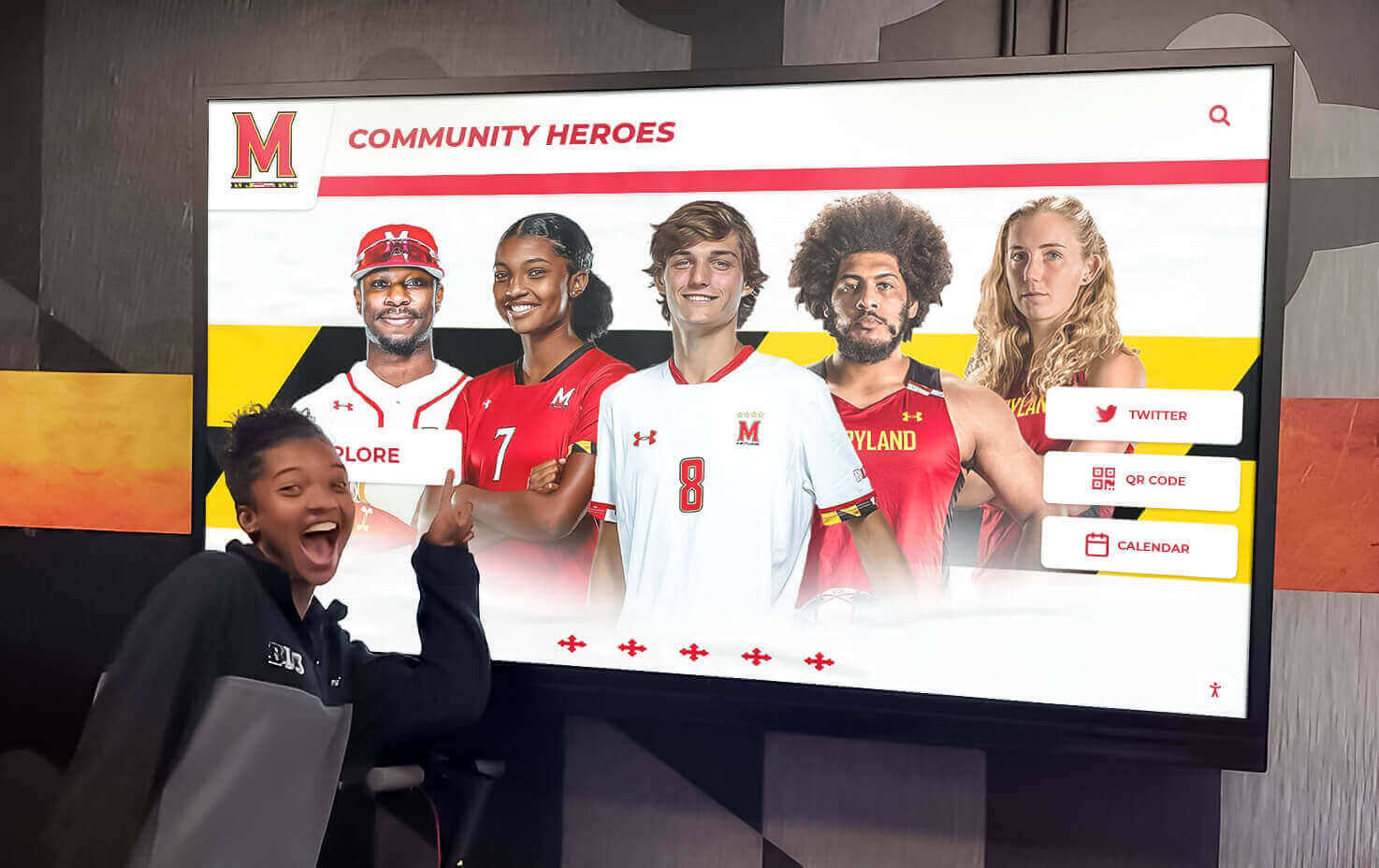
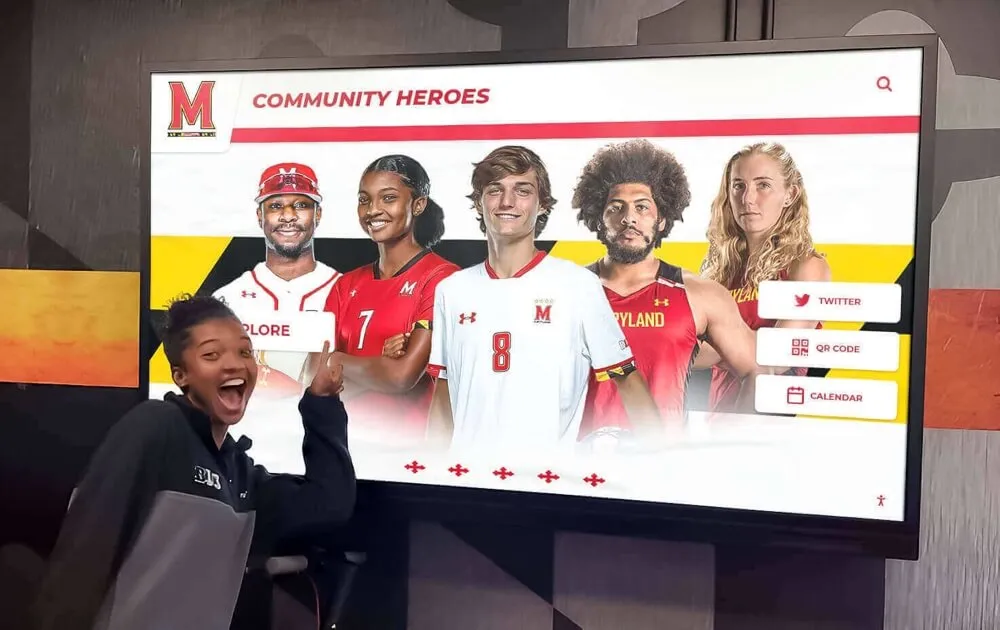
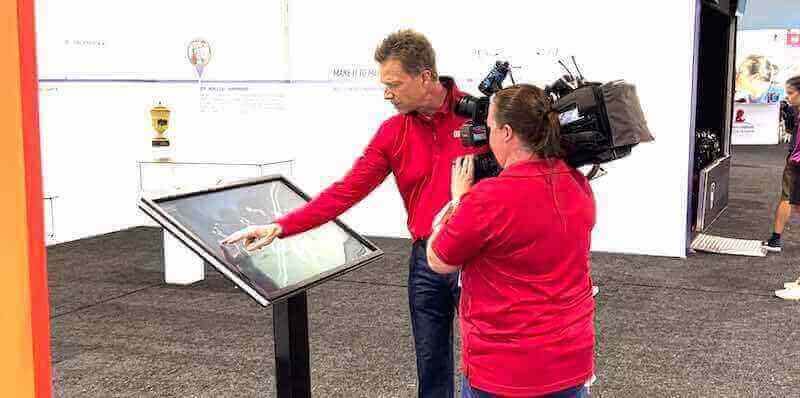
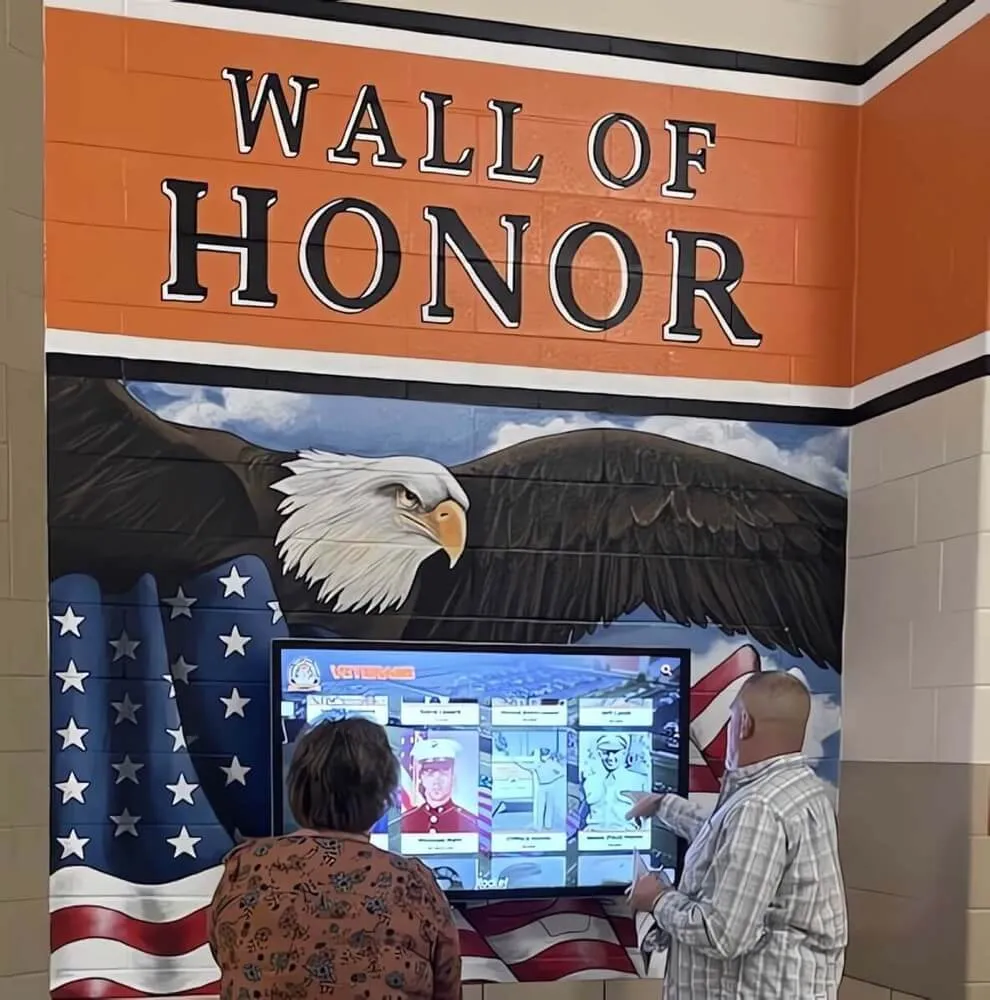
Student engagement with program recognition creates pride and identification with athletic excellence and community contribution
Maximizing Facility Resources and Training Environments
High schools rarely have budgets for facility expansions matching college athletics, but strategic maximization of existing spaces often enables significant experience improvements without major construction investments.
Optimizing Existing Athletic Spaces
Before considering facility additions, programs should evaluate whether existing spaces serve athletes optimally or whether strategic redesign could improve functionality and experience.
Weight Room and Strength Training Organization
College weight rooms feature organized layouts separating different training zones, proper equipment maintenance and placement, motivational displays and performance tracking systems, and professional appearance through cleanliness and organization. High school weight rooms often lack similar organization, with equipment arranged haphazardly and minimal visual appeal.
Improving weight room environments requires relatively modest investment compared to new facility construction. Programs can organize equipment into functional training zones for different exercise types, implement systematic maintenance schedules keeping equipment safe and functional, add visual branding and motivational messaging creating inspiring environments, create performance tracking displays showing strength progression for athletes and teams, and establish usage protocols maintaining organization and cleanliness.
These improvements create training environments athletes take seriously and use more effectively. Research consistently shows that environmental quality influences behavior—athletes train harder in professional, well-organized facilities compared to disorganized, poorly maintained spaces that communicate low priority and standards.
Locker Room and Team Space Enhancement
Locker rooms represent important team spaces beyond functional storage needs. College locker rooms feature individual athlete lockers with name plates and recognition, team meeting areas for tactical preparation and team building, visual branding reinforcing program identity, and motivational messaging creating focused competitive mindsets.
High schools can enhance locker room experiences through individual locker assignments with name plates creating ownership and pride, designated meeting spaces separate from changing areas, team achievement displays including current rosters and recent successes, program standards and expectations prominently displayed, and consistent visual branding using team colors and identity.
When athletes see themselves individually recognized through name plates and feel ownership over personal locker spaces within professionally branded team environments, they develop stronger identification with programs and teams compared to generic shared locker spaces lacking personal connection.
Creating Dedicated Athletic Development Spaces
Beyond traditional athletic facilities, programs should identify opportunities for creating specialized spaces supporting athlete development in ways that separate successful programs from average ones.
Film Study and Tactical Preparation Rooms
College programs utilize extensive video analysis for tactical preparation and individual skill development. High schools can create similar capabilities through designating classroom or meeting spaces for film study outside normal school hours, equipping spaces with necessary technology for video playback and analysis, organizing film libraries of competitions and practices for review, and scheduling regular film study sessions where athletes review and analyze performance.
This investment in tactical preparation signals to athletes that success requires mental preparation and strategic understanding, not just physical execution. Athletes exposed to systematic video analysis develop better game understanding and make better competitive decisions compared to athletes receiving minimal tactical instruction.
Athletic Training and Recovery Spaces
College athletic training facilities provide comprehensive injury prevention and recovery resources keeping athletes healthy and performing optimally. High schools rarely have budgets for full-time athletic trainers or dedicated training rooms, but can still improve athlete care through designating spaces for athletic training services when available, equipping spaces with basic injury treatment and recovery resources, establishing protocols for injury reporting and treatment, and coordinating with local sports medicine providers for comprehensive athlete care.
Even modest improvements in athletic training resources demonstrate program commitment to athlete wellbeing while reducing injury risks through proper prevention and early treatment. Parents notice when programs prioritize athlete health and safety through adequate training resources, creating positive program perception that aids recruitment and community support.
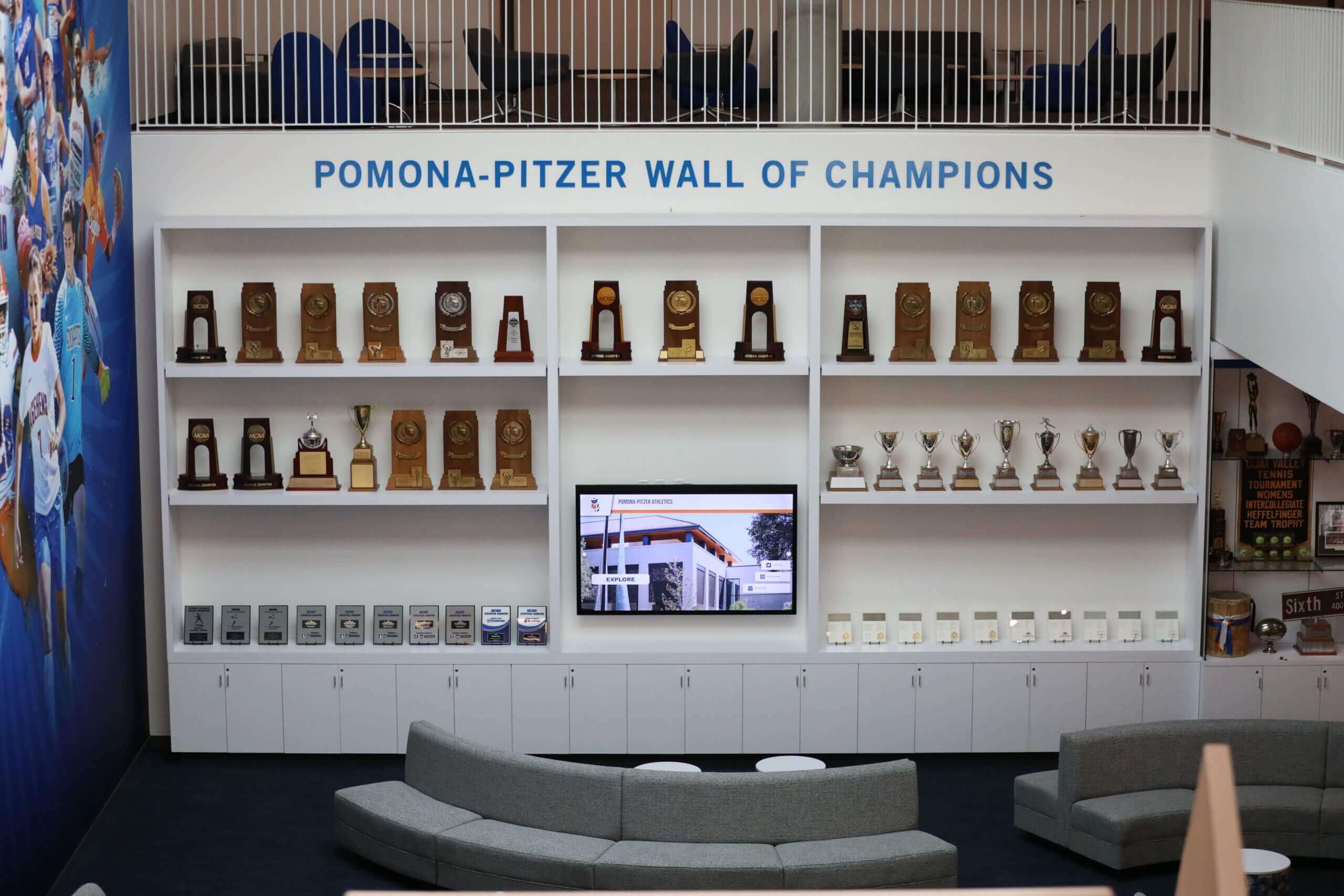
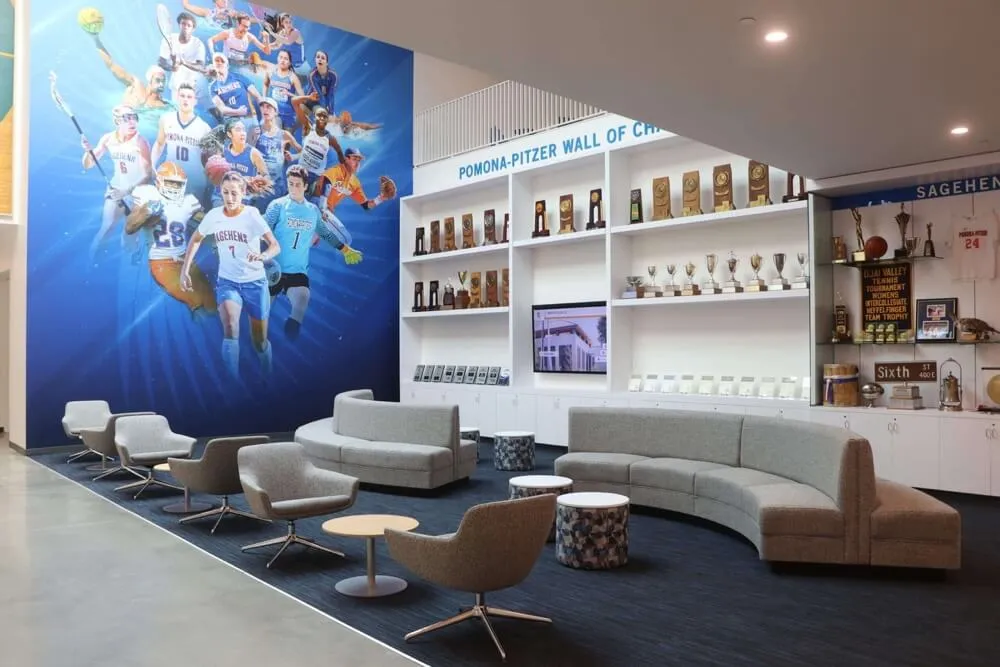
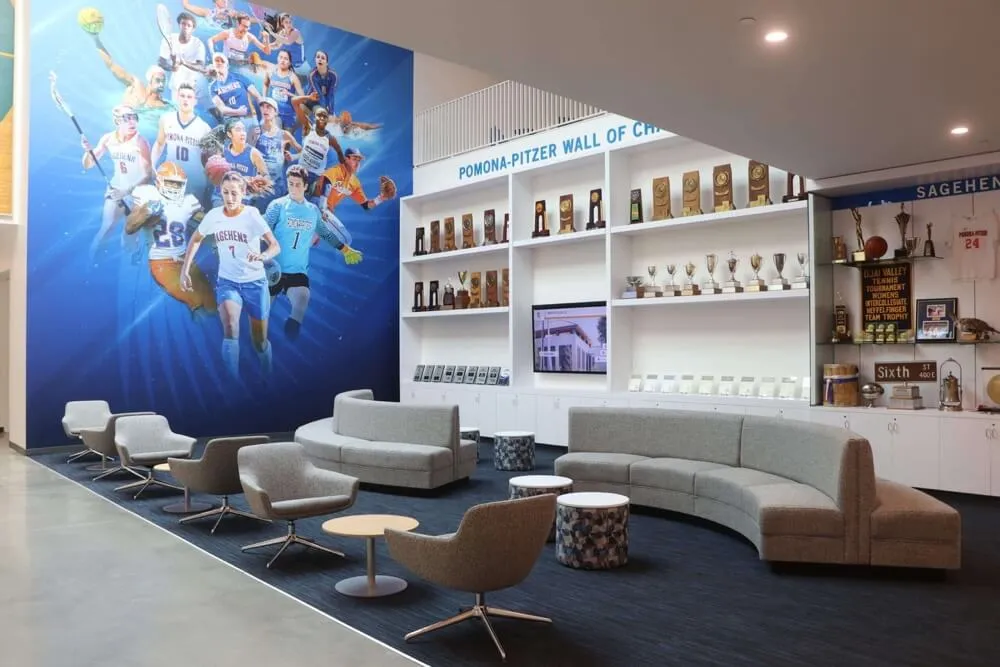
Athletic lounges combining trophy displays with team gathering spaces create environments where athletes naturally congregate and build team culture
Using Technology for Improved Athlete Experience
Modern technology enables high school programs to replicate collegiate capabilities that previously required resources beyond typical high school budgets.
Digital Communication and Information Systems
College programs maintain sophisticated digital communication keeping athletes, parents, and staff informed through team management software, mobile apps, and digital displays throughout facilities. High schools can implement similar systems through affordable platforms designed specifically for athletic programs.
Centralized Team Management Platforms
Cloud-based team management platforms provide centralized systems for schedule communication and calendar management, practice and competition attendance tracking, athletic and academic progress monitoring, announcement distribution reaching athletes and parents, and document sharing for forms, policies, and important information.
These platforms eliminate communication gaps where important information fails to reach intended audiences through inconsistent email distribution or posted notices athletes miss. Centralized systems create single sources of truth for all program information accessible to athletes and families anytime from any device.
Athletic Facility Digital Displays
Beyond recognition content, digital displays throughout athletic facilities can show real-time competition schedules and upcoming events, current season standings and playoff positioning, recent competition results and performance summaries, important announcements and deadline reminders, and athlete of the week or month recognition.
This dynamic information keeps athletes informed while creating habitual interaction with displays. When athletes check screens regularly for current information, they simultaneously encounter historical achievement recognition and program tradition content, creating constant environmental reinforcement of program values and standards.
Platforms like Rocket Alumni Solutions provide integrated display management enabling athletic directors to update content across multiple screens from any internet-connected device without requiring technical expertise, making sophisticated display networks practical for schools without dedicated IT support staff.
Performance Tracking and Statistics Systems
College programs maintain comprehensive performance tracking documenting athlete development and competitive achievement. High schools can implement similar tracking through affordable digital tools creating valuable records for athletes, coaches, and college recruiters.
Comprehensive Statistics and Performance Databases
Rather than relying on coach memory or incomplete records, programs should systematically track individual athlete statistics across all competitions, strength and conditioning testing results over time, attendance and participation records, honors and awards earned at all levels, and injury history and medical information when appropriate.
This comprehensive documentation creates complete athlete profiles demonstrating development trajectories and competitive achievement. College recruiters value this systematic record-keeping as evidence of program organization and athlete preparation. Athletes benefit from clear documentation of improvement over their high school careers. And coaches make better development decisions when working from complete performance data rather than incomplete impressions.
Video Libraries and Performance Analysis Tools
Systematic video recording and organization enables the tactical preparation and skill development analysis that separates elite programs from average ones. Programs should record all competitions and significant practices, organize video libraries for easy review and analysis, provide athletes access to their own performance footage, and utilize affordable video analysis tools showing key moments and enabling frame-by-frame review.
This video infrastructure requires modest technology investment—quality cameras and adequate digital storage—but delivers disproportionate value through enabling systematic performance review impossible without recorded documentation. Athletes watching their own performances identify improvement areas coaches might miss while developing better kinesthetic awareness and tactical understanding.
Resources on software products for athletic administrators provide comprehensive overviews of technology tools available to high school programs for improving administrative efficiency and athlete experience.
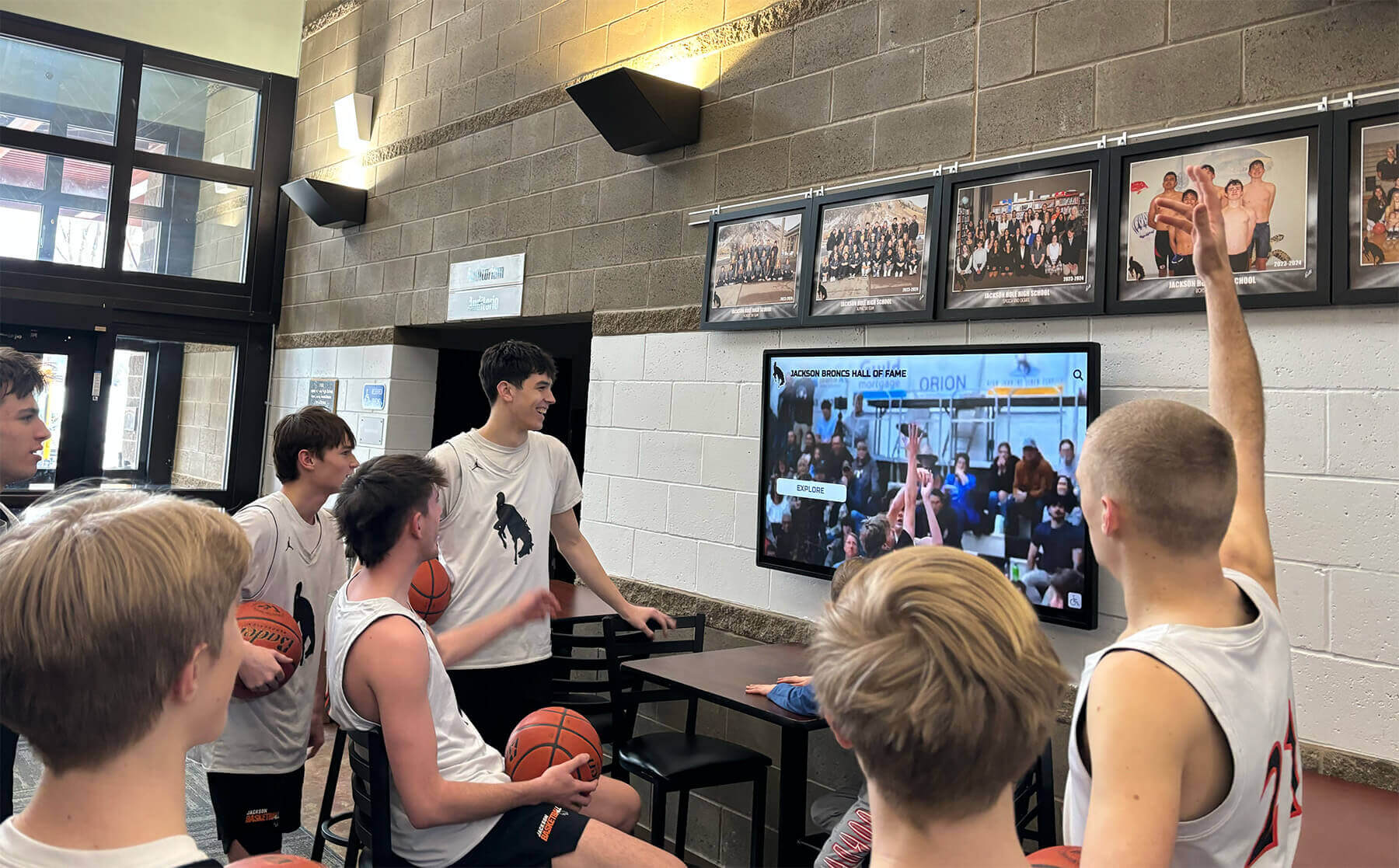
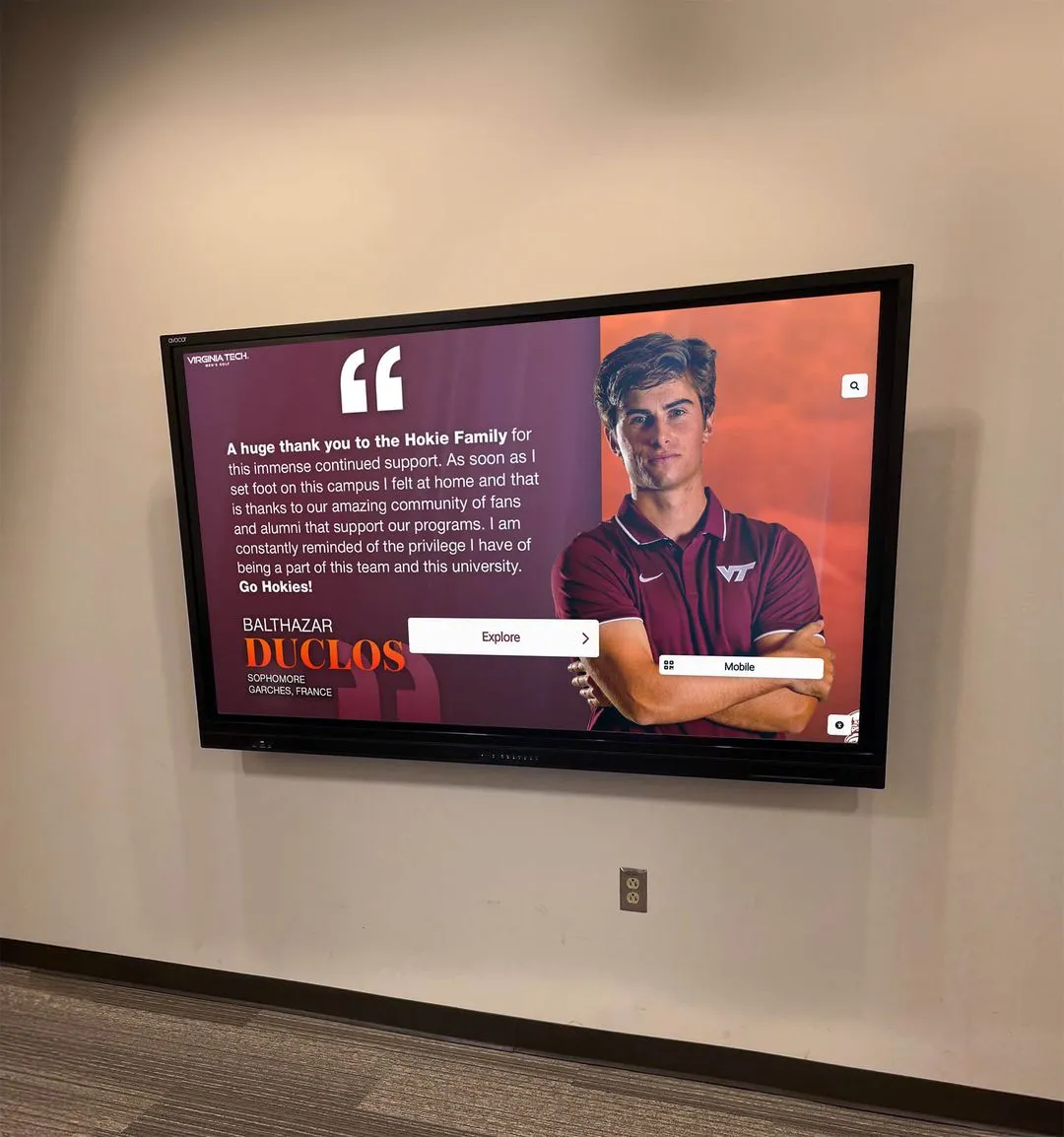
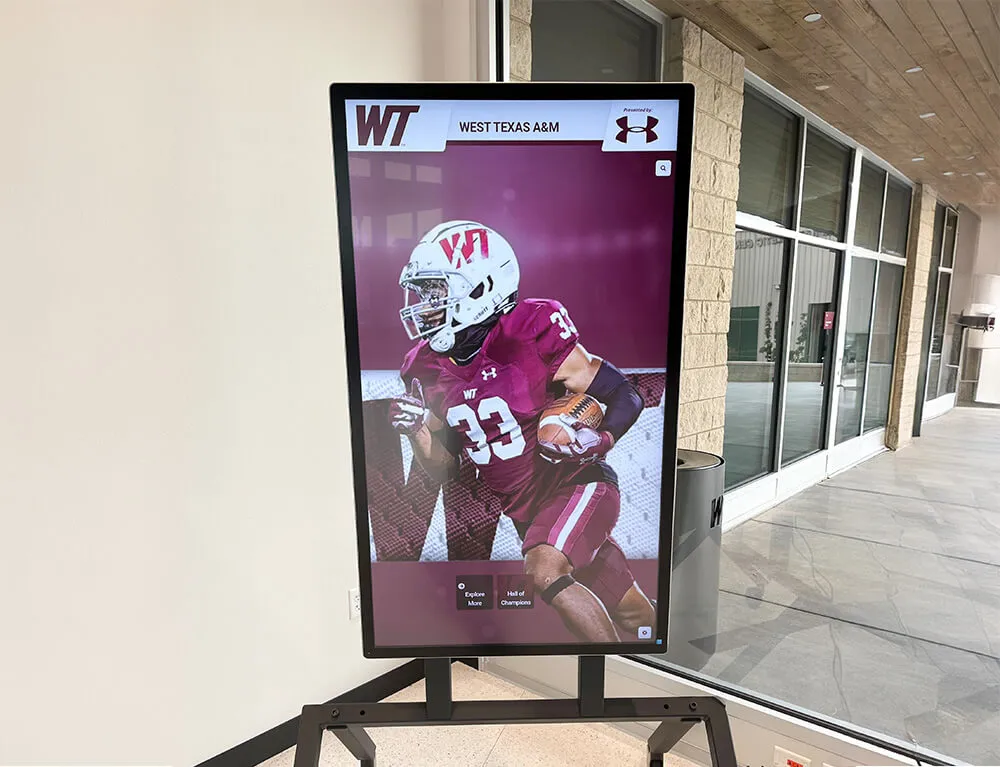
Digital displays become natural gathering points where athletes review highlights and discuss performance together
Building Parent and Community Support
Successful athletic programs require community support beyond just coaching and athlete commitment. Creating collegiate experiences that engage parents and broader communities builds the financial and volunteer resources enabling program development.
Creating Engagement Opportunities for Athletic Supporters
College athletics benefit from organized booster clubs, alumni networks, and community supporters providing financial resources and volunteer support. High schools can develop similar support networks through systematic engagement strategies.
Athletic Booster Organizations and Fundraising
Well-organized booster clubs provide critical financial support for program enhancements traditional school budgets don’t cover. Effective booster organizations feature formal structure with officers and defined roles, transparent financial management building donor confidence, regular meetings keeping supporters informed and engaged, diverse fundraising strategies generating consistent revenue, and clear communication about funding priorities and impact.
Athletic directors should invest time in booster organization development treating it as essential program infrastructure. Strong booster organizations enable facility improvements, recognition system investments, equipment upgrades, and program enhancements that create competitive advantages while building community ownership over athletic program success.
Resources on donor recognition displays for booster clubs demonstrate how systematic recognition of financial supporters strengthens community engagement while encouraging continued support through public celebration of contributions.
Alumni Athlete Engagement and Mentorship
Former athletes represent valuable resources for current program development through mentorship, volunteering, financial support, and competitive knowledge. Programs should systematically engage alumni through alumni athlete databases tracking contact information and post-graduation activities, regular communication keeping alumni informed about current program developments, alumni recognition displays celebrating program tradition and historical excellence, alumni mentorship programs connecting former and current athletes, and homecoming and reunion events bringing alumni back to campus.
This alumni engagement creates continuity between program history and current teams while providing role models for current athletes pursuing collegiate athletics or professional careers. Alumni frequently contribute financially when they maintain strong connections to programs and see systematic investment in creating excellent experiences for current athletes.
Communicating Program Vision and Progress
Community supporters provide greater support when they understand program vision, development priorities, and progress toward goals. Athletic directors should communicate systematically through regular updates via email, social media, and booster meetings, transparent reporting about program achievements and challenges, clear articulation of development priorities and resource needs, celebration of successes highlighting impact of community support, and recognition of supporters and volunteers contributing to program success.
This transparent communication builds trust and demonstrates that community investment produces tangible results improving athlete experiences and program competitive success. When supporters see clear evidence that their contributions matter and produce measurable improvements, they demonstrate increased willingness to continue supporting program development.
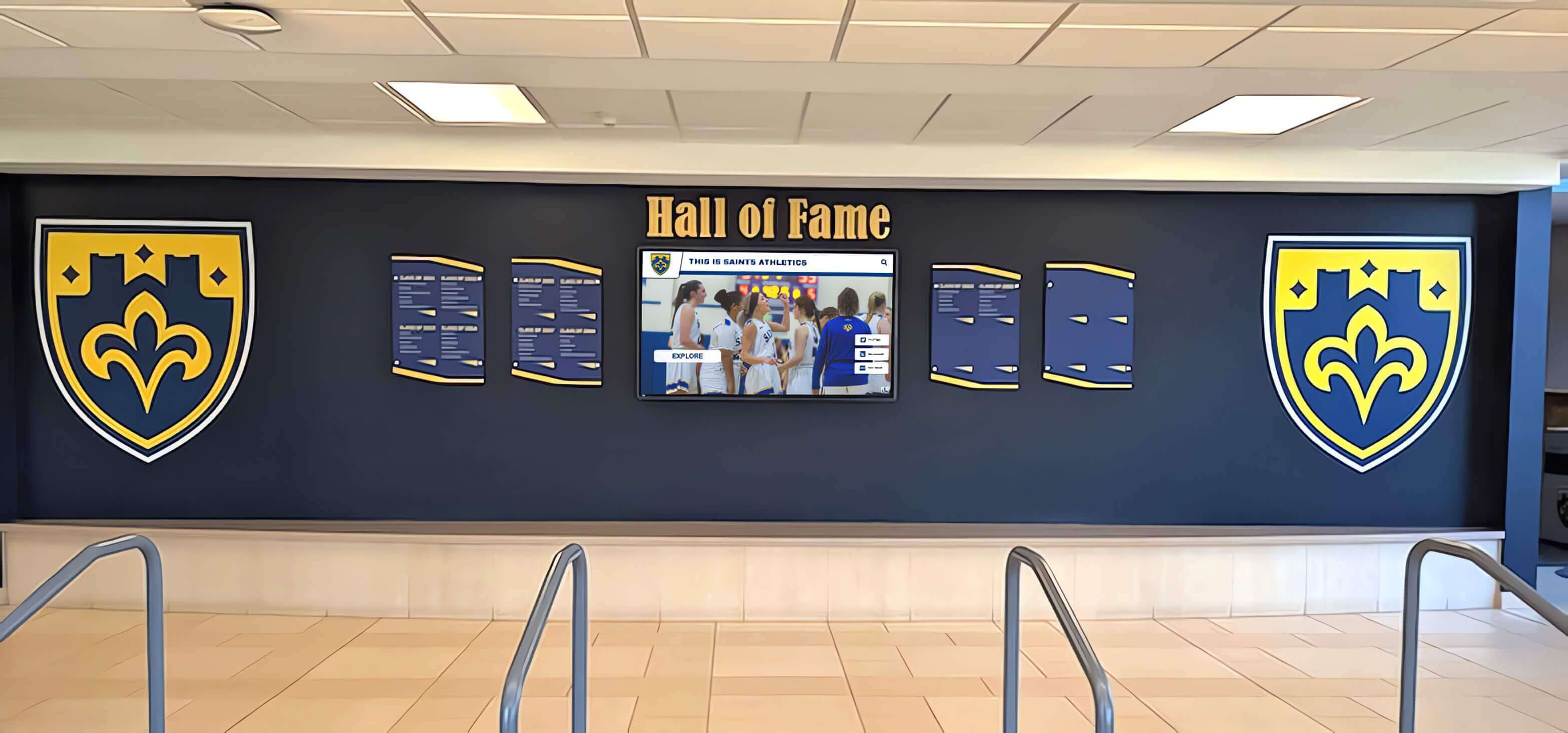
Lobby displays create visible celebration of athletic achievement engaging broader school communities beyond athletes alone
Measuring Success and Demonstrating Impact
Creating collegiate athletic experiences requires ongoing investment of time, resources, and effort. Athletic directors must demonstrate that these investments produce measurable improvements justifying continued support from school administration and community stakeholders.
Tracking Athlete Development and Performance Outcomes
The ultimate measure of program quality involves athlete development and competitive success. Programs should systematically track competitive performance including win-loss records, conference and playoff achievements, and comparison to historical program performance, individual athlete achievement including all-conference, all-state, and other honors earned, athlete progression to collegiate athletics tracking number and level of athletes continuing competition, and athlete academic achievement demonstrating balance between athletics and educational priorities.
This systematic tracking documents program trajectory and enables data-driven evaluation of whether development initiatives produce desired outcomes. When programs demonstrate measurable improvement in competitive performance, athlete honors, and college placement, they validate that investment in collegiate-style experiences delivers tangible returns.
Assessing Athlete and Parent Satisfaction
Beyond competitive outcomes, programs should evaluate whether athletes and families perceive positive experiences and appropriate support. Regular surveys of athletes and parents can assess satisfaction with coaching and instruction quality, facility quality and adequacy for training needs, recognition and appreciation for athlete commitment, communication effectiveness and transparency, and overall program organization and professionalism.
This feedback identifies improvement opportunities while demonstrating that athletic leadership cares about athlete experience, not just competitive results. Programs that systematically gather and respond to feedback build stronger community support and athlete loyalty compared to programs that assume satisfaction without actually measuring it.
Demonstrating Return on Investment
When seeking continued financial support from school administration, booster organizations, and community donors, athletic directors should quantify program impact through athletic participation rates over time demonstrating program engagement, college athletic recruitment showing athlete progression and program reputation, community engagement at competitions and events demonstrating public support, social media reach and engagement measuring program visibility, and fundraising growth indicating increasing community investment.
This comprehensive impact documentation helps stakeholders understand that investment in collegiate-style experiences produces returns across multiple dimensions beyond just competitive wins and losses, strengthening support for continued program development even during seasons where competitive results may not meet expectations.
Implementing Change: A Phased Approach
Most high school athletic programs cannot immediately implement every element of collegiate experiences due to budget constraints, facility limitations, and organizational capacity. A phased implementation approach enables steady progress without overwhelming resources or creating change fatigue among stakeholders.
Phase One: Foundation Building
Initial implementation should focus on highest-impact, most achievable improvements establishing foundation for long-term development.
Immediate Priority Investments
Begin with visual branding and environmental improvements requiring modest investment but delivering immediate impact on athlete experience and program perception. Implement first digital recognition display in highest-traffic location demonstrating technology value. Establish clear program standards and expectations creating cultural foundation. And develop systematic communication processes eliminating information gaps.
These foundational elements create visible program improvement demonstrating leadership commitment to change while building stakeholder support for continued investment in subsequent phases. Success with initial implementations creates momentum and credibility supporting more ambitious later phases.
Phase Two: Systematic Expansion
After establishing foundation through phase one, expand recognition systems, facility improvements, and athlete development programs systematically.
Strategic Program Growth
Add additional recognition displays in specialized athletic spaces extending comprehensive recognition. Enhance strength and conditioning programs through equipment upgrades and systematic training protocols. Implement performance tracking systems documenting athlete development. And develop leadership programs distributing responsibility and building athlete ownership over program culture.
This systematic expansion builds on foundation established in phase one while creating increasingly comprehensive collegiate-style experiences. Progress remains visible to stakeholders demonstrating that initial investments produce ongoing improvements rather than one-time changes.
Phase Three: Comprehensive Integration
Final implementation phase creates fully integrated systems where all elements work together producing complete collegiate athletic experiences.
Complete System Development
Establish comprehensive booster organization providing sustainable funding for ongoing program development. Create complete digital recognition networks throughout all athletic facilities. Implement sophisticated performance tracking and video analysis systems. And develop robust alumni engagement programs connecting historical program tradition with current team development.
This comprehensive integration represents multi-year journey requiring sustained commitment and incremental progress. However, programs completing this progression establish competitive advantages producing sustained excellence through systematic athlete development, professional presentation, and comprehensive support systems matching collegiate programs despite high school resource constraints.

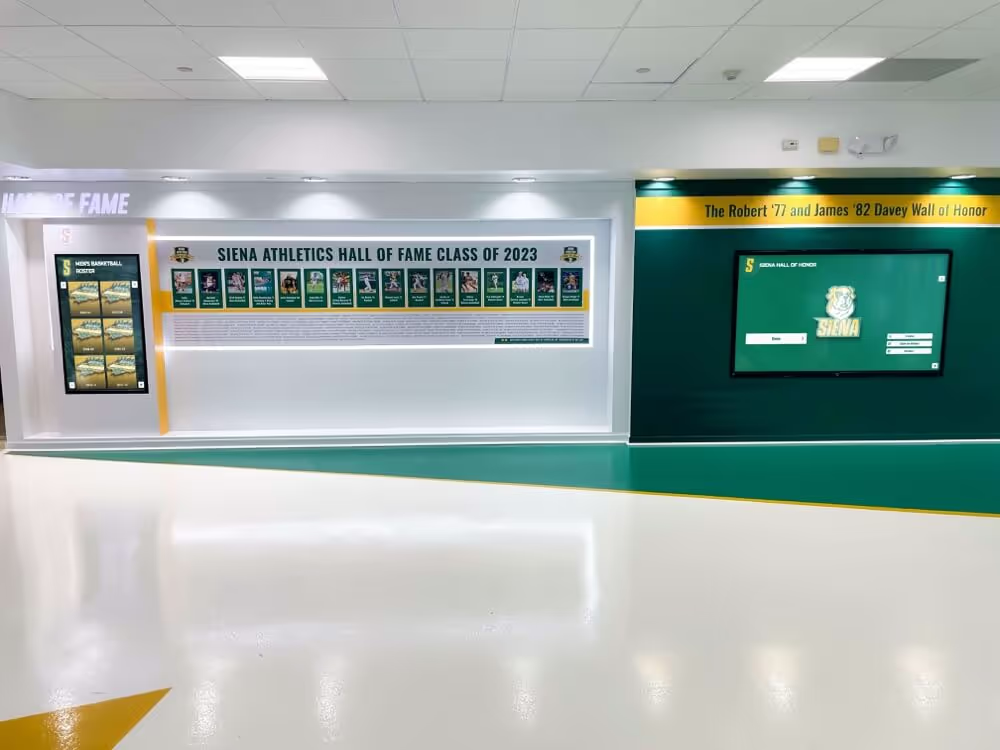
Comprehensive facility networks combining traditional and digital recognition create professional athletic environments inspiring daily excellence
Conclusion: Transforming High School Athletics Through Collegiate Experiences
Creating collegiate athletic experiences for high school student-athletes represents transformative opportunity for programs committed to athlete development, competitive excellence, and systematic approach to building championship culture. By replicating key elements of college programs—professional visual environments, comprehensive recognition systems, systematic athlete development, clear standards and expectations, and organized communication—high schools create environments where athletes thrive, compete at their highest levels, and develop preparation for collegiate athletics regardless of whether they have resources matching college athletic departments.
The investment in collegiate-style experiences delivers measurable returns through enhanced athlete motivation from professional environments validating commitment importance, improved recruitment attracting talented athletes to programs with systematic development approaches, better college placement as athletes develop skills and mindsets preparing them for next-level competition, stronger community support from parents and stakeholders observing professional program operation, and sustained competitive success resulting from systematic approach to all program elements.
Success requires commitment to continuous improvement rather than one-time initiatives. The most effective programs treat collegiate experience development as ongoing journey, systematically enhancing facilities, recognition systems, athlete development programs, and cultural elements year after year. This commitment produces compounding benefits as incremental improvements accumulate into comprehensive competitive advantages separating elite programs from average ones.
Whether implementing first digital recognition display establishing systematic achievement celebration, redesigning facilities creating professional training environments, or developing comprehensive athlete development tracking, each improvement moves programs closer to collegiate experiences that inspire excellence while honoring athlete dedication through appropriate recognition and support.
Athletic directors and coaches investing in these improvements demonstrate commitment to honoring student-athletes through experiences matching the dedication they invest in program success. This investment communicates that athletics matter, athlete commitment deserves serious support, and program development represents ongoing priority rather than afterthought receiving minimal attention and resources.
Ready to begin transforming your athletic program through collegiate-style recognition and visual environments? Book a demo to explore how digital recognition displays and comprehensive athlete celebration systems create professional experiences inspiring daily excellence while building program tradition and community pride that sustains success across generations of student-athletes.