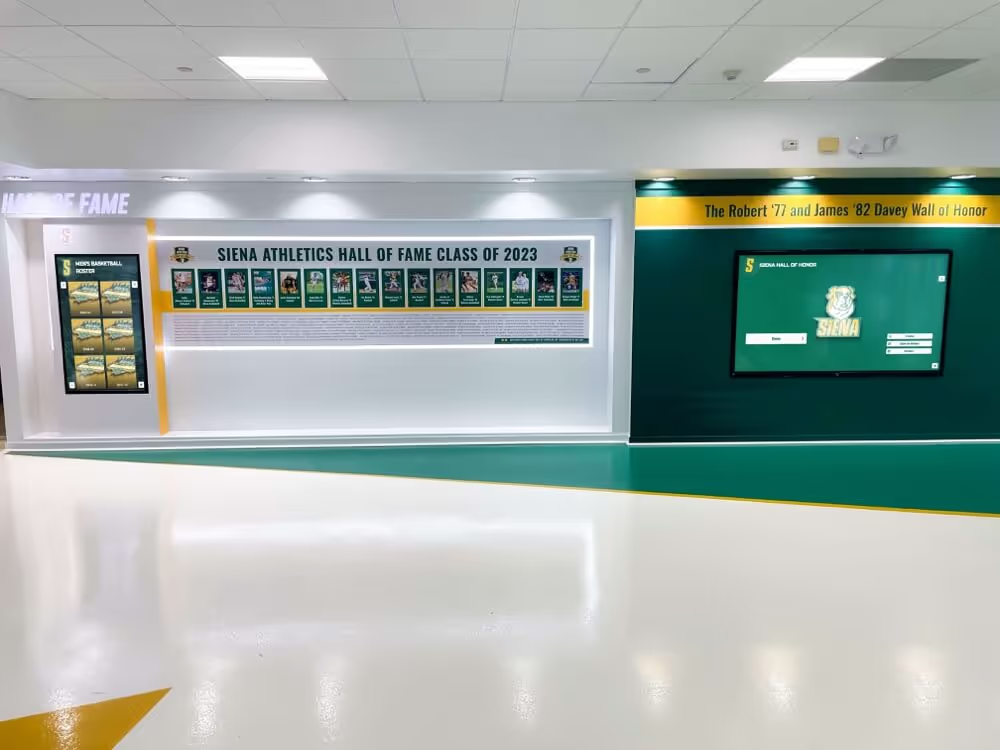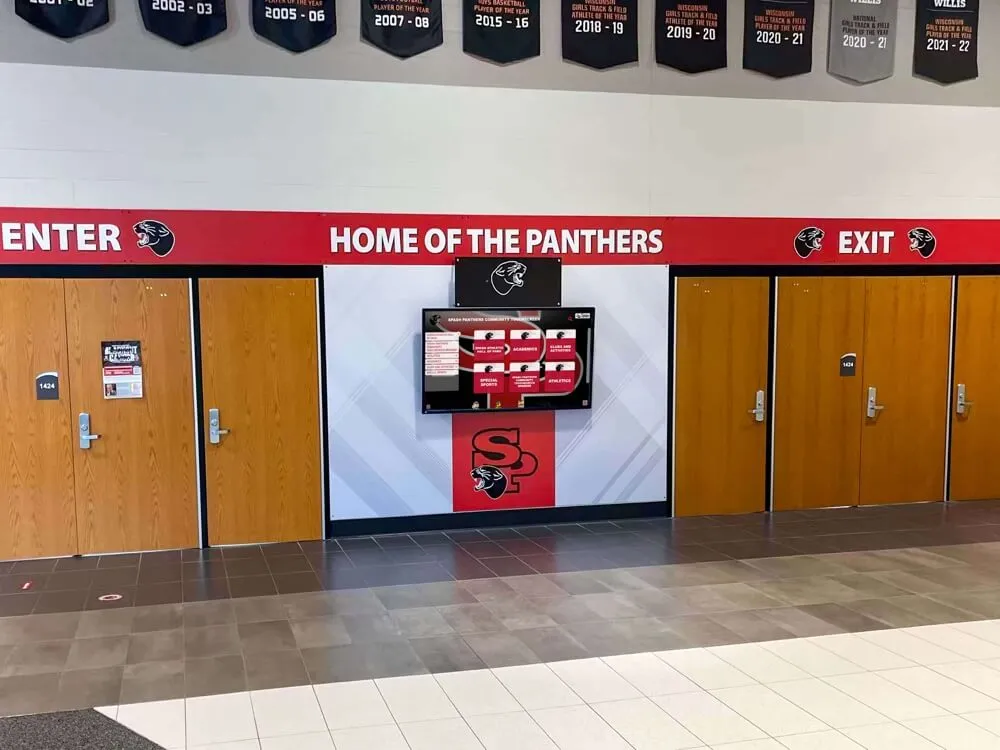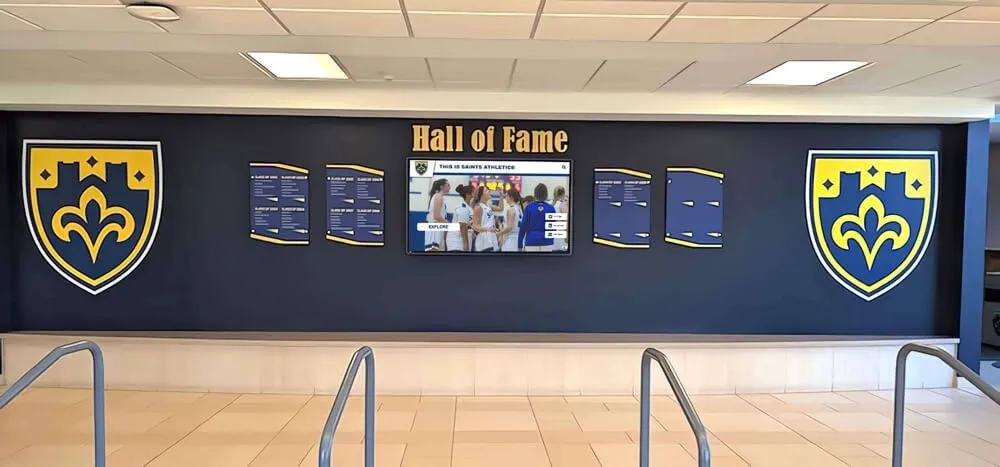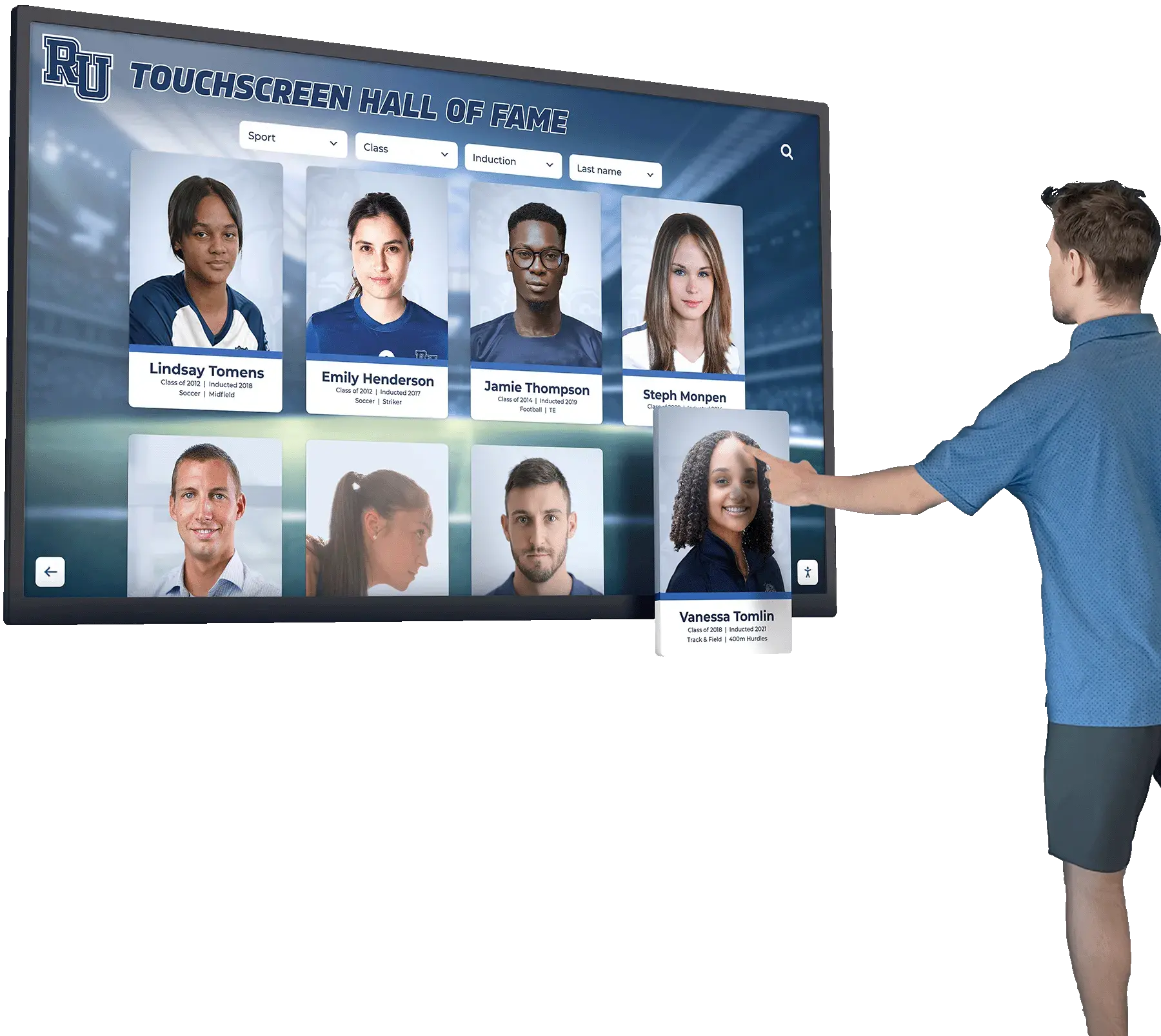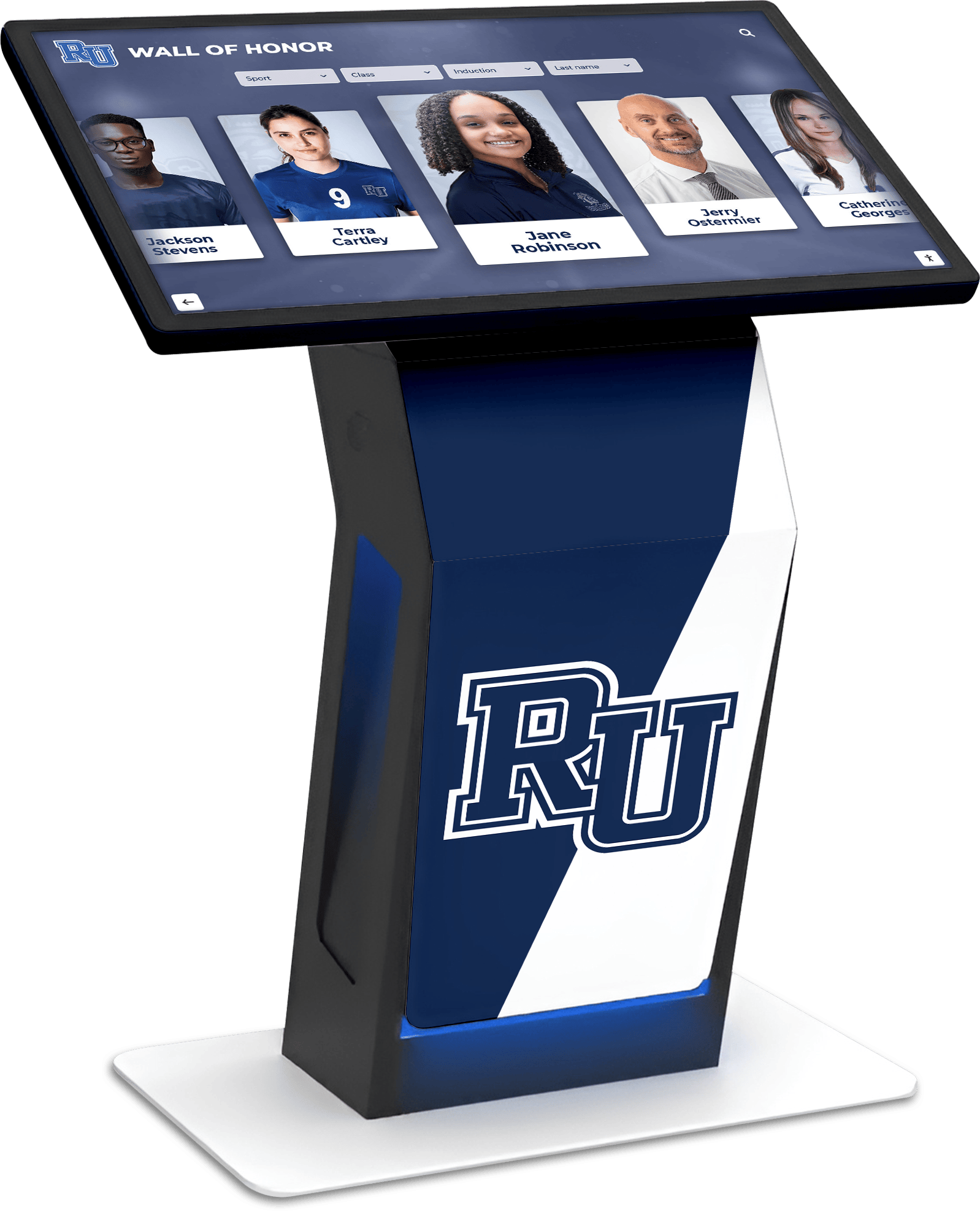




CTE program digital touchscreen displays represent a transformative approach to showcasing career and technical education excellence in schools and training centers. As career and technical education continues gaining recognition for preparing students with real-world skills and industry certifications, institutions need modern solutions that effectively celebrate student achievements, document program success, and demonstrate value to stakeholders and industry partners.
The challenge facing many CTE programs involves effectively communicating the depth and breadth of student accomplishments to multiple audiences. Traditional bulletin boards and static plaques fail to capture the complexity of technical skills mastered, industry certifications earned, competition victories achieved, and successful career placements secured. Meanwhile, prospective students evaluating CTE pathways struggle to understand program quality and outcomes, and industry partners considering partnerships need clear evidence of program excellence and student preparedness.
This comprehensive guide explores how digital touchscreen technology addresses these challenges by creating engaging interactive displays that showcase CTE program achievements, celebrate student success across all technical disciplines, and communicate program value effectively to students, families, school administrators, and industry stakeholders.
Career and technical education programs implementing interactive digital displays report significant improvements in student engagement, family understanding of CTE pathways, administrative support for program expansion, and industry partner recruitment—creating comprehensive benefits that extend far beyond simple recognition to influence program growth and sustainability.

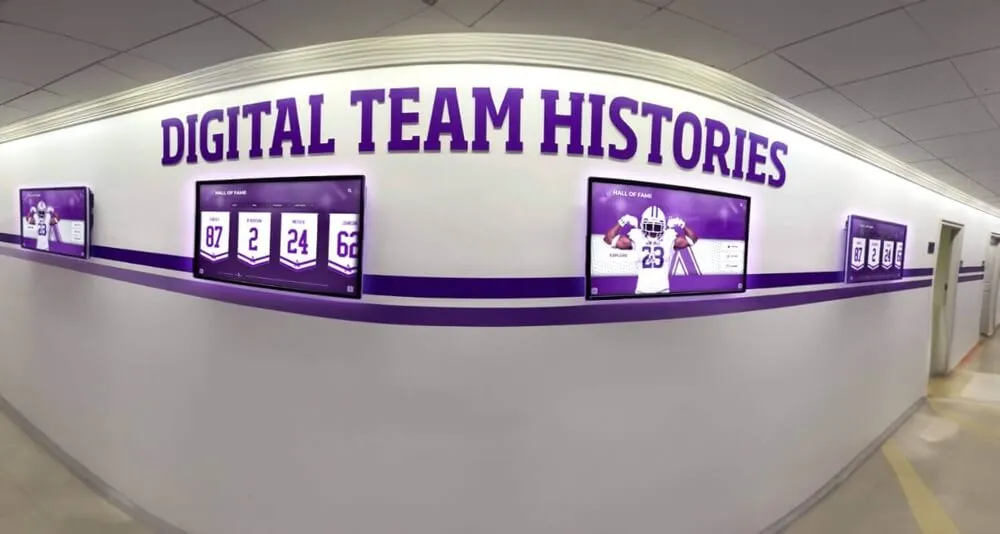
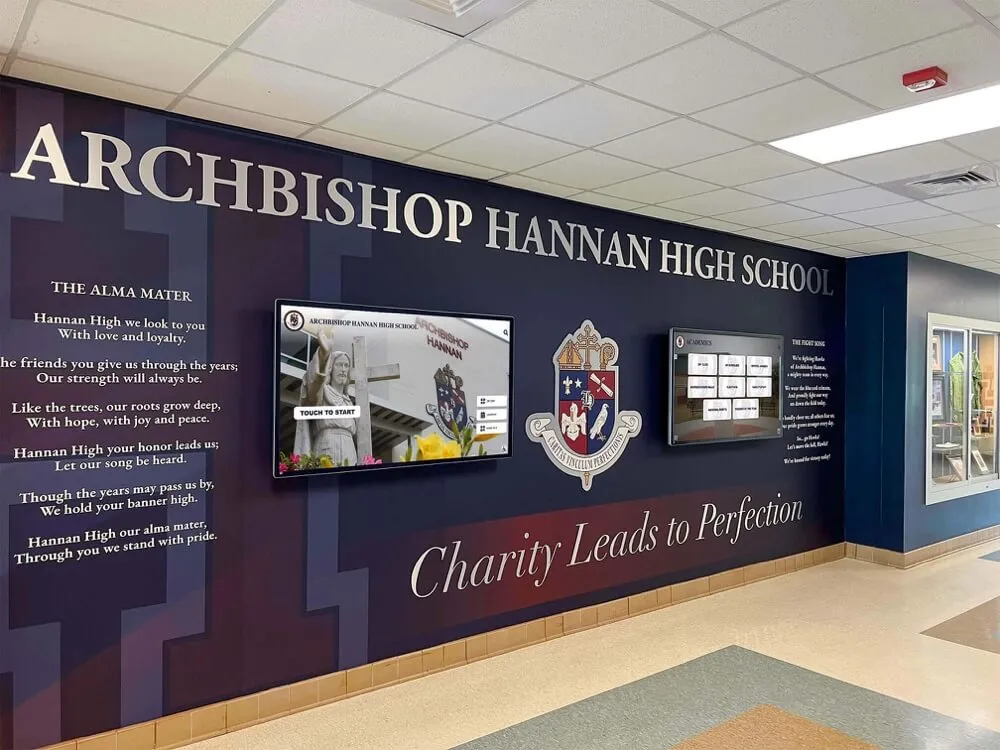
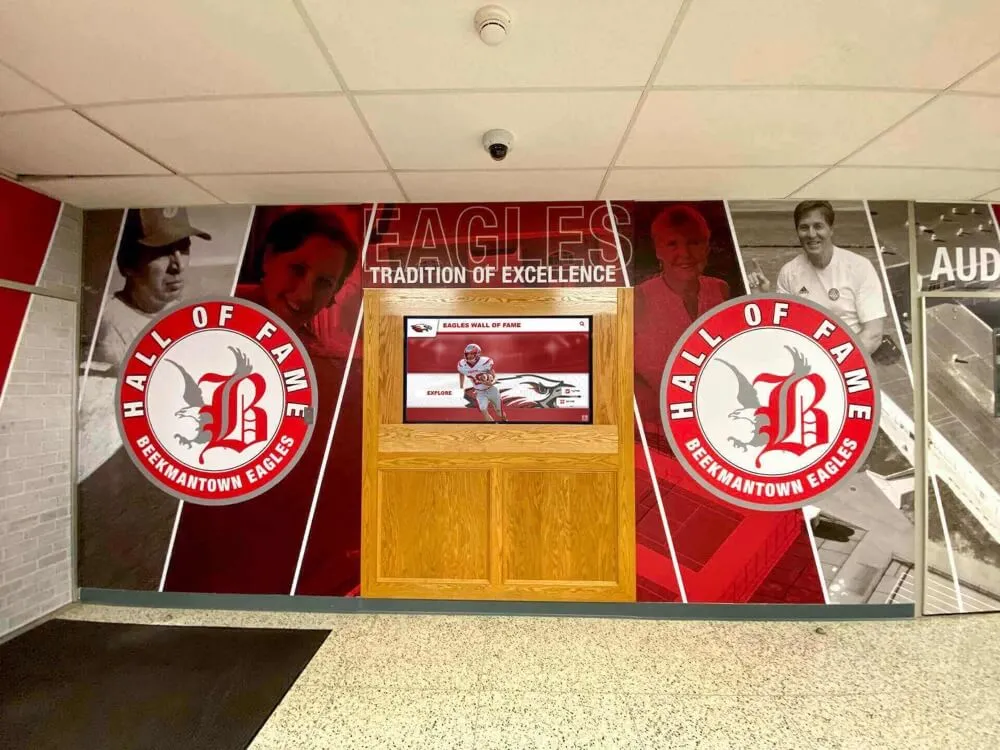
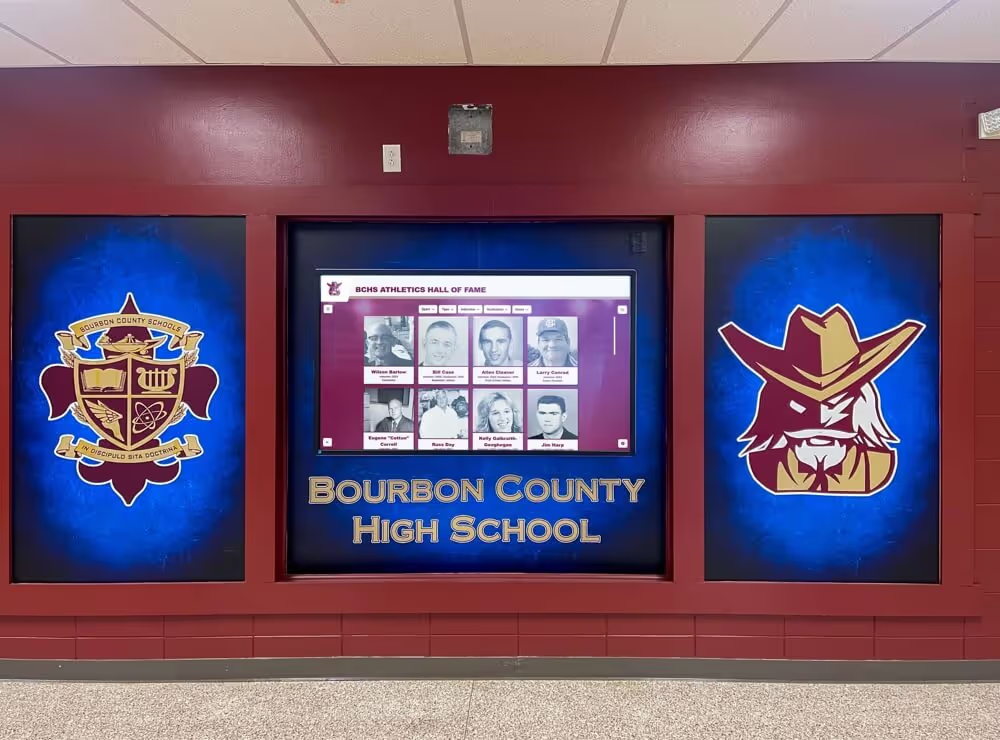
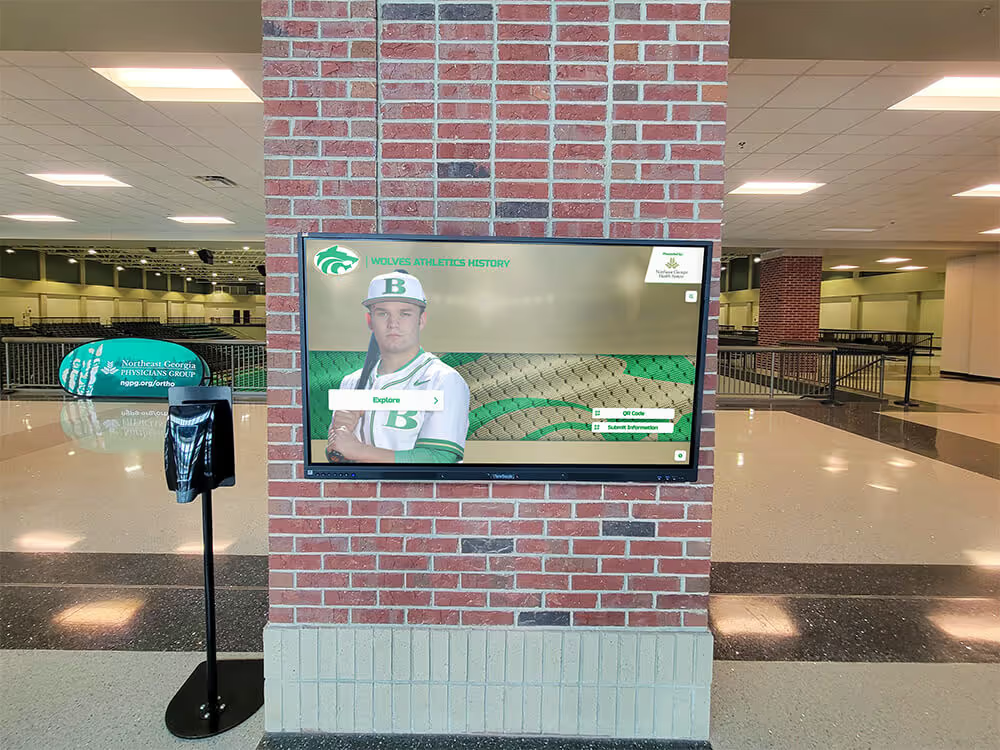
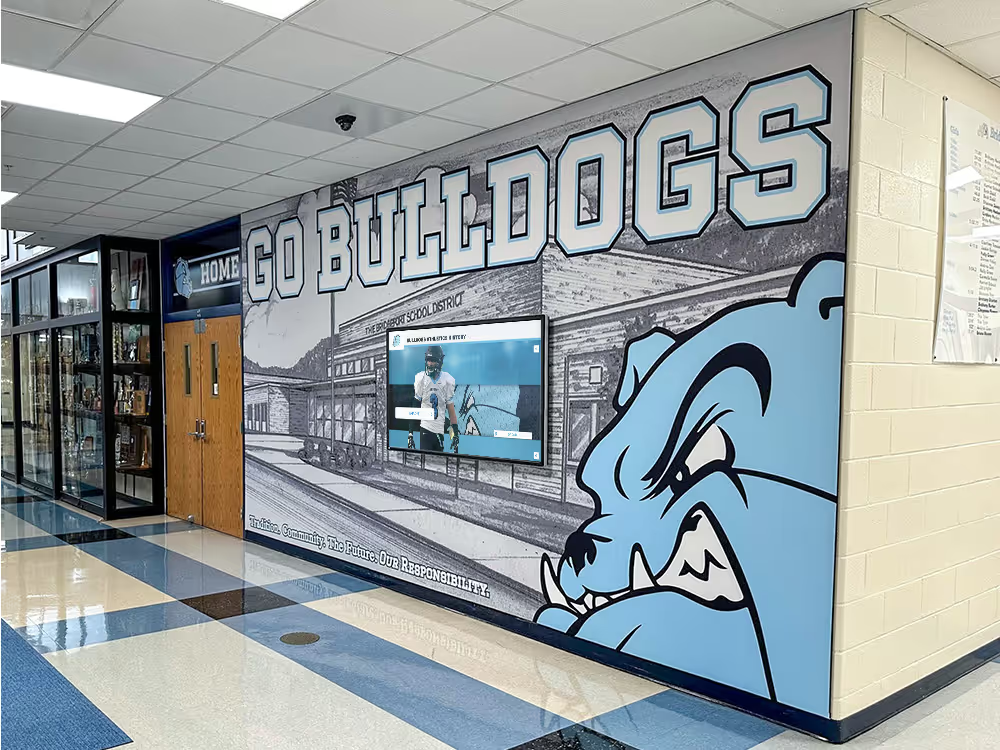
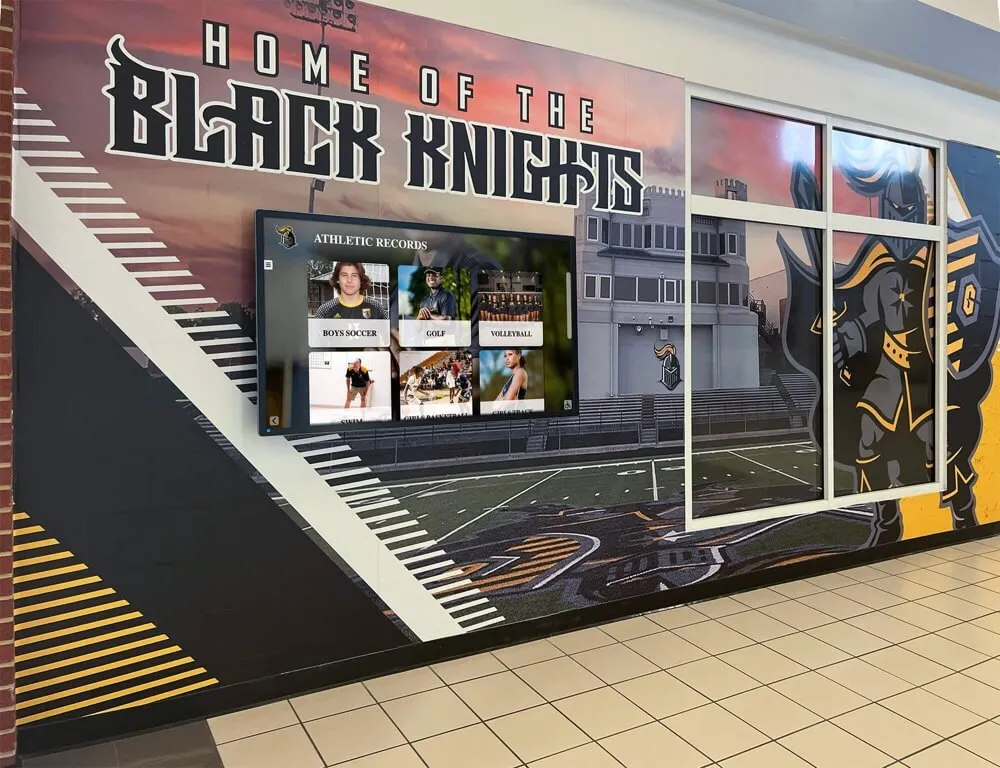
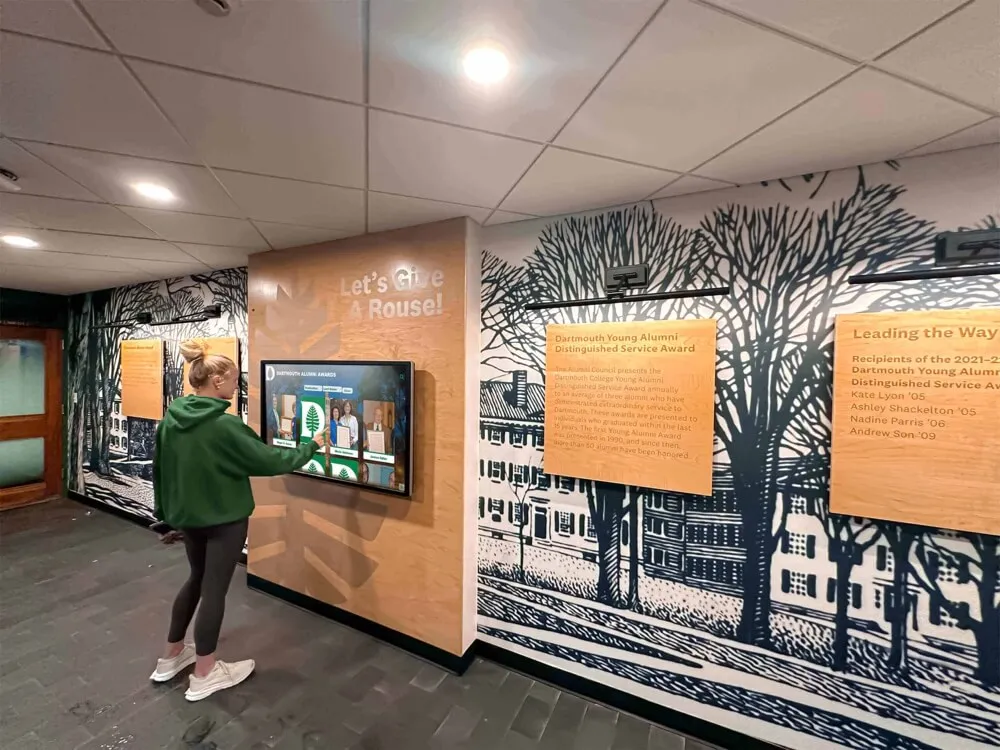
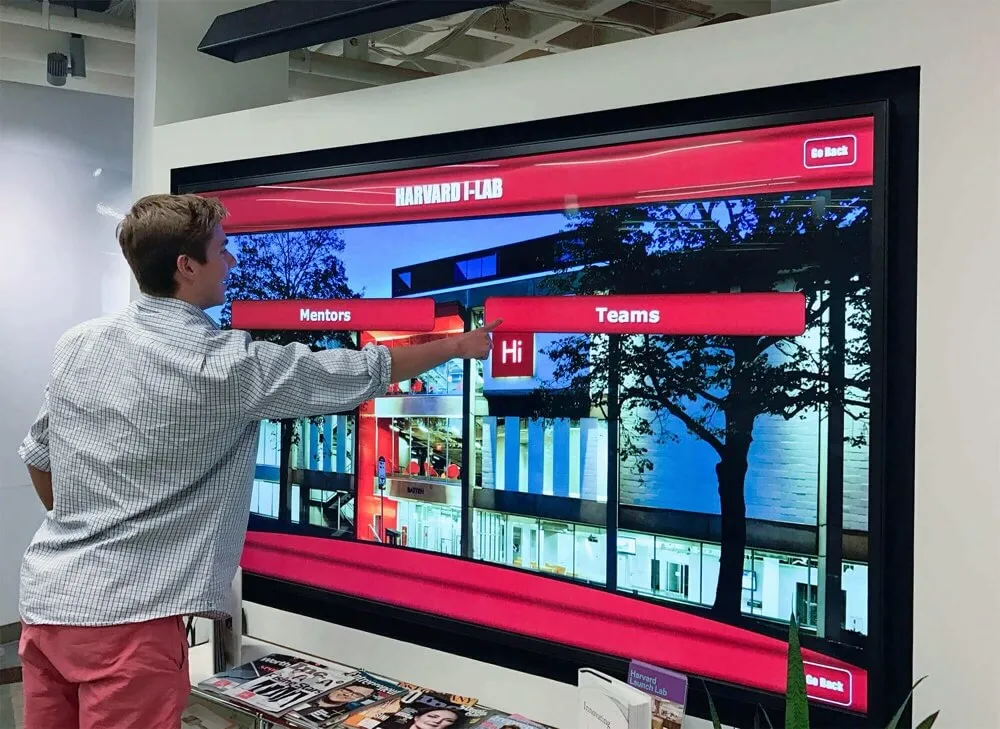
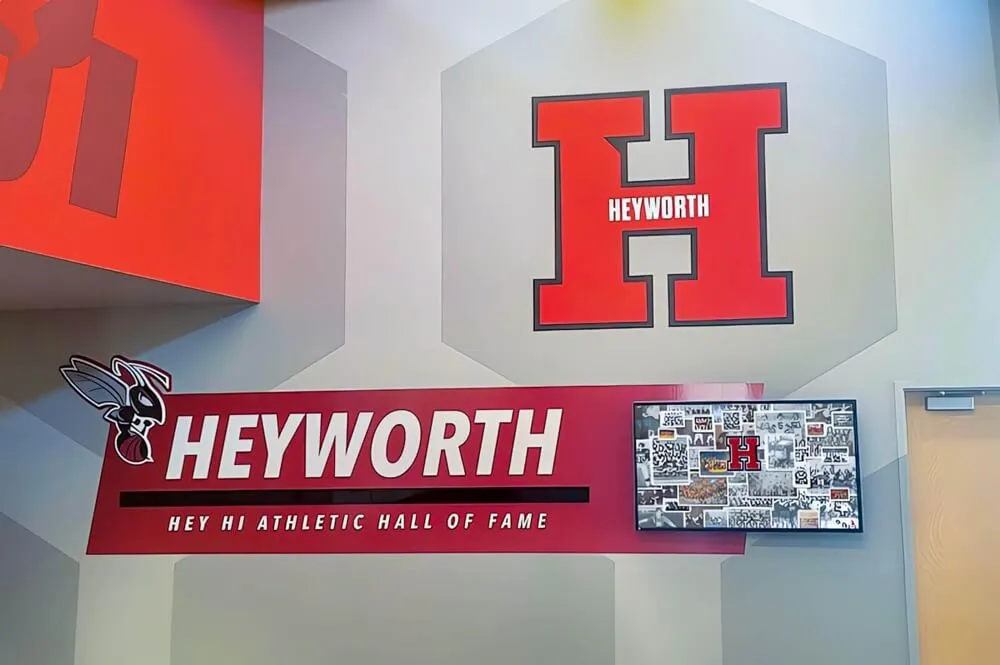
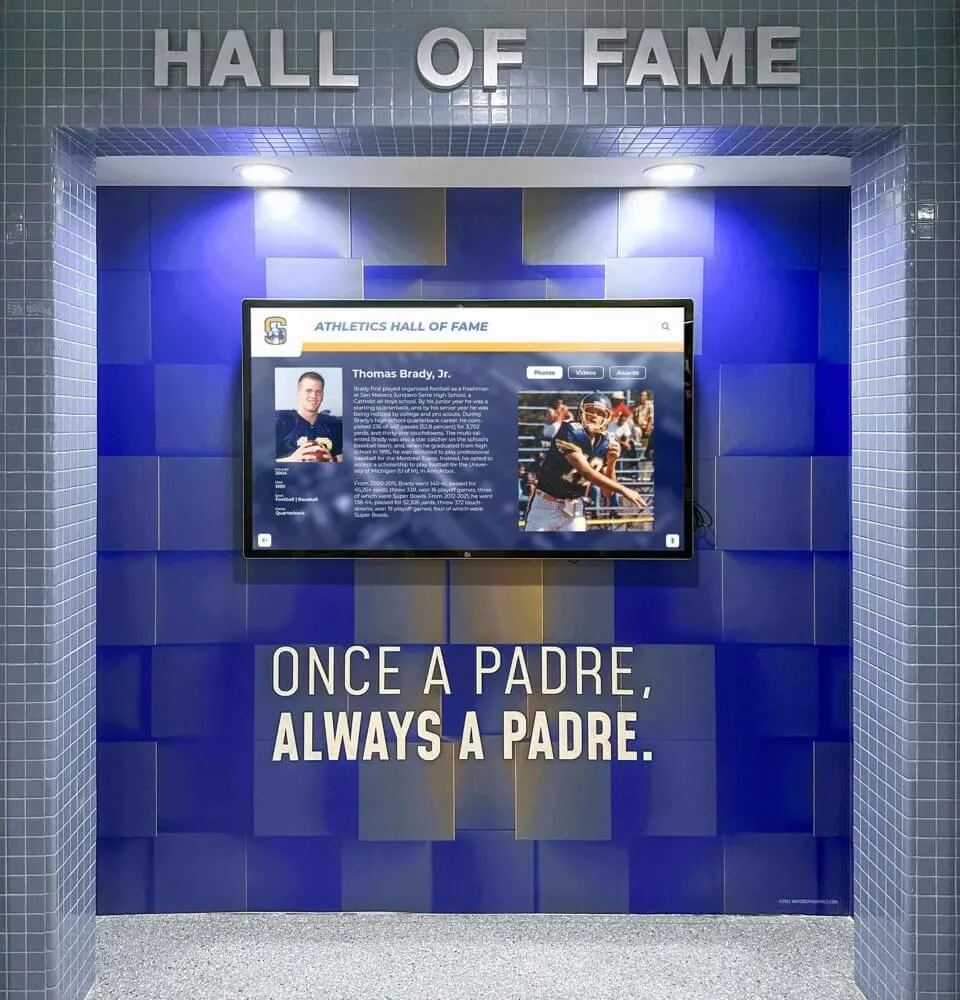
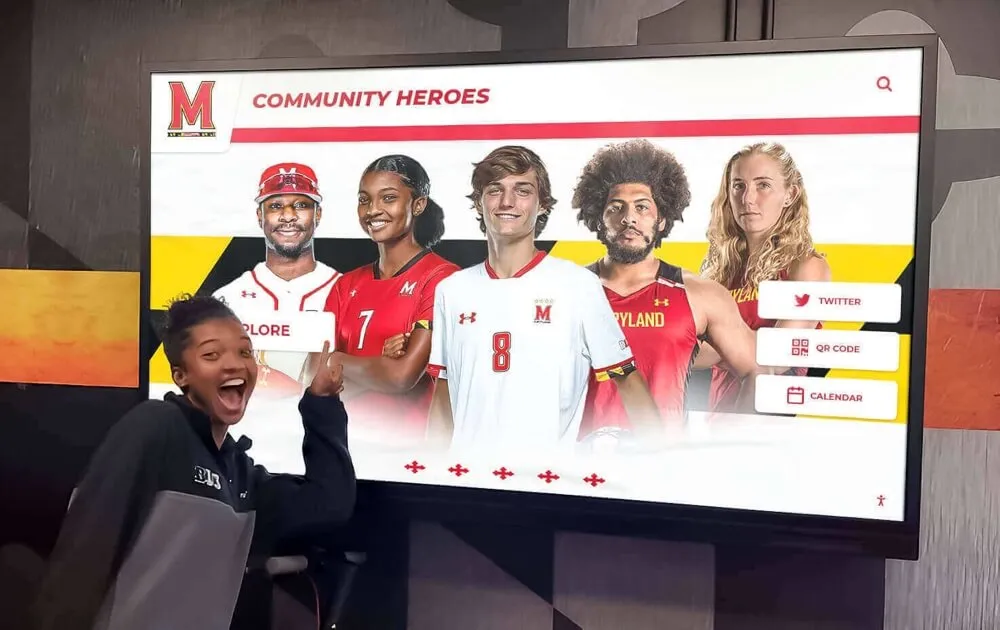
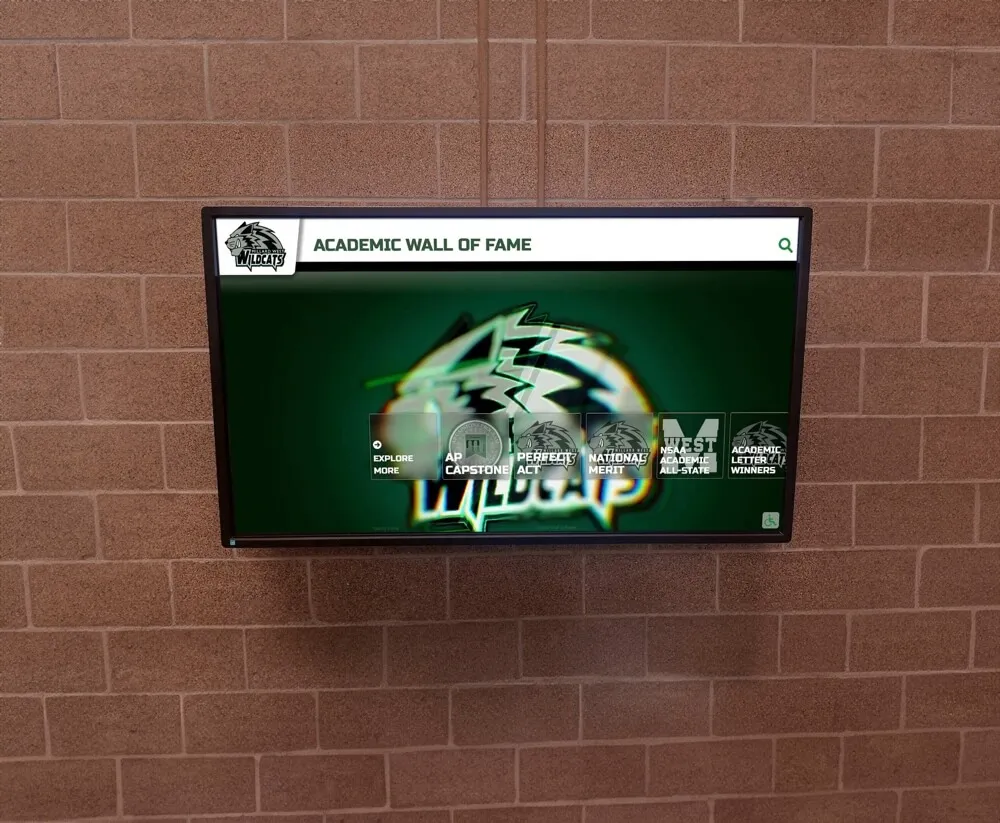
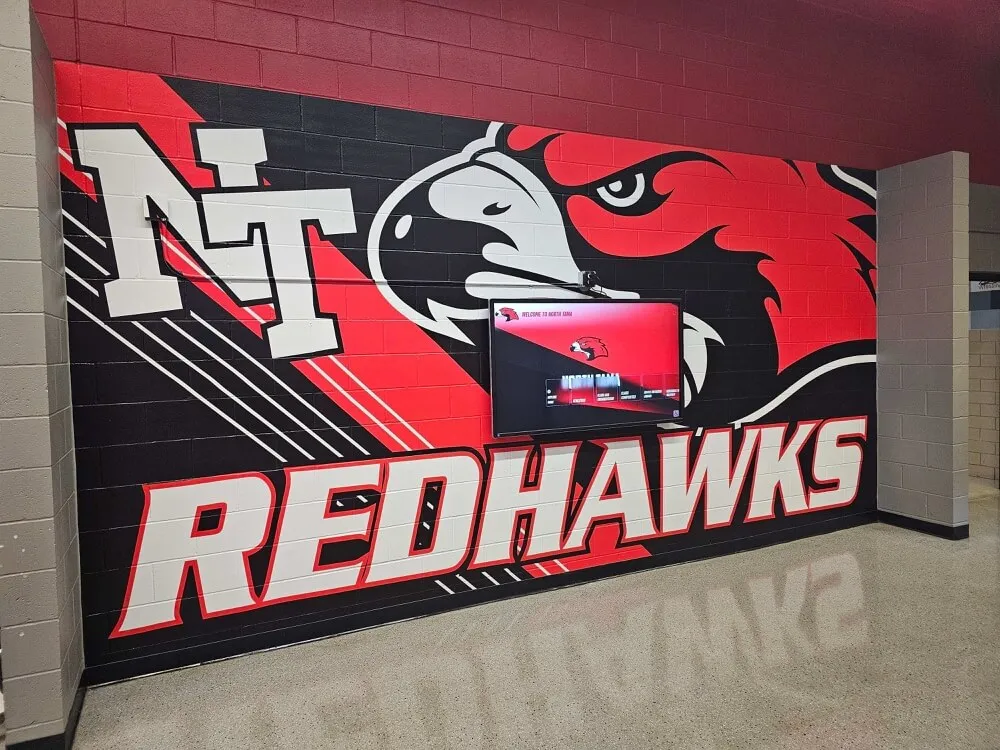
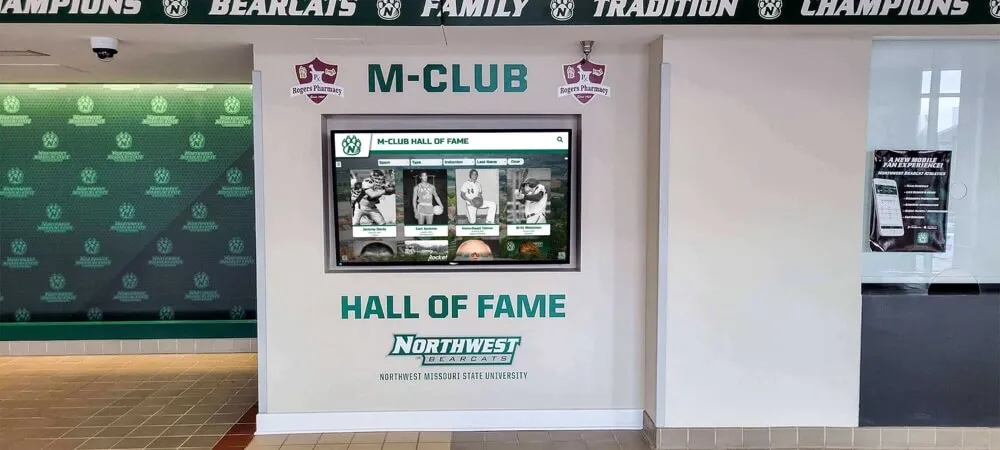
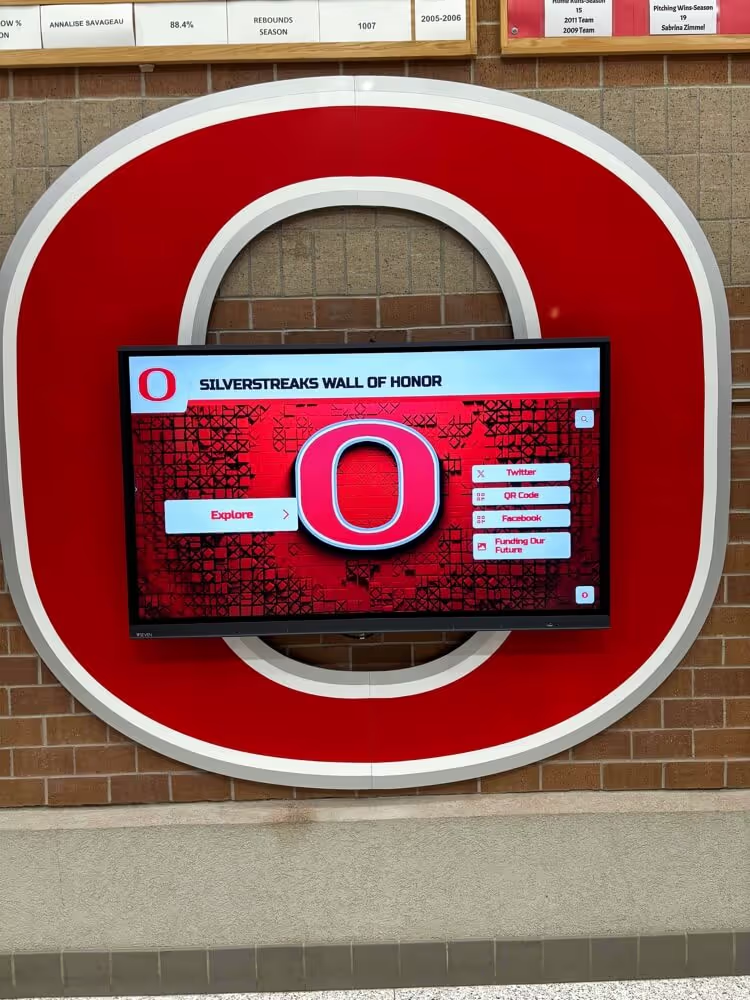
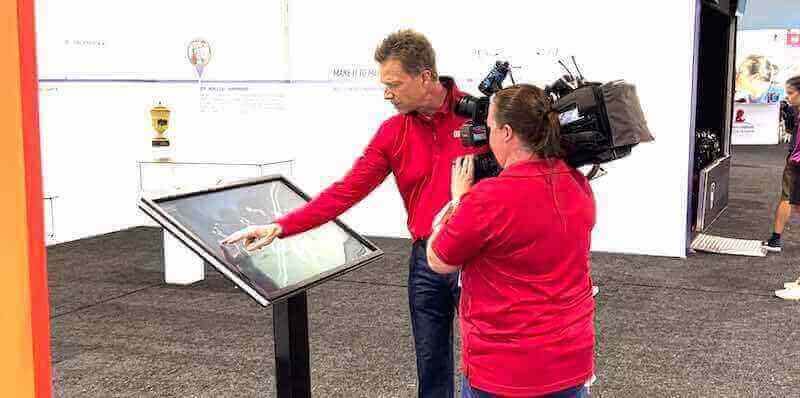
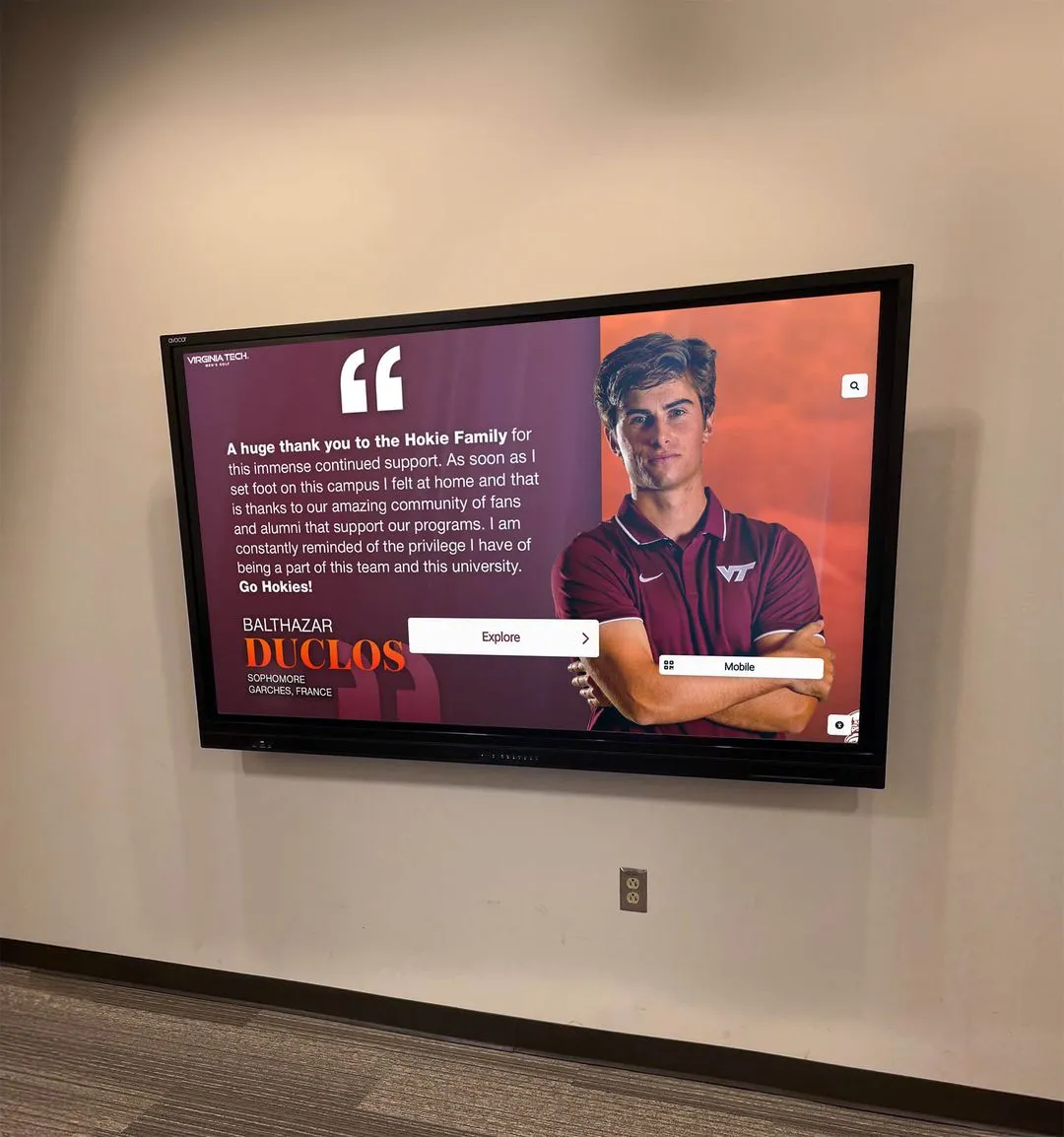
Digital touchscreen systems provide engaging platforms for showcasing career and technical education achievements and program information
Understanding Career and Technical Education Recognition Needs
Career and technical education programs face unique recognition challenges that differ significantly from traditional academic or athletic acknowledgment systems.
The Modern CTE Landscape in 2025
Career and technical education has experienced renewed emphasis and investment across the United States. According to the U.S. Department of Education, CTE Month 2025 brought renewed federal commitment to career pathways, with expanded funding and national priority status. Many states have implemented updated career cluster frameworks, and districts nationwide are opening dedicated CTE facilities serving hundreds to thousands of students.
Current CTE Program Characteristics
Modern career and technical education encompasses diverse program types including traditional shop and lab-based technical training, business and professional services preparation, health sciences and medical pathways, information technology and cybersecurity programs, engineering and advanced manufacturing, agriculture and natural resources, hospitality and culinary arts, and early childhood education and human services fields.
These programs share common recognition needs: documenting diverse achievement types beyond traditional grades, showcasing industry certifications and credentials earned, celebrating competition success at local, state, and national levels, demonstrating successful career placement and employment outcomes, and highlighting partnerships with businesses and industry organizations.
Multiple Audiences for CTE Recognition
Unlike traditional academic recognition primarily serving students and families, CTE programs must communicate effectively with several distinct stakeholder groups simultaneously.
Current and Prospective Students
Students evaluating career pathways need clear information about what CTE programs offer, what skills they will master, what certifications they can earn, and what career opportunities result from program completion. Recognition displays showcasing previous student achievements help prospective CTE students visualize their own potential success while demonstrating that technical education pathways lead to meaningful careers and opportunities.
Students already enrolled in CTE programs benefit from seeing their accomplishments celebrated publicly, understanding progression pathways through different certification levels, discovering connections between classroom learning and industry application, and feeling recognized for technical excellence equal to academic or athletic achievement.
School Administrators and Boards
Educational leadership requires evidence that CTE investments deliver results. Recognition displays effectively communicate program value by documenting student certification attainment rates showing skill mastery, competition success demonstrating program quality, industry partnerships validating program relevance, career placement outcomes proving employment readiness, and enrollment trends reflecting student and family confidence in pathways.
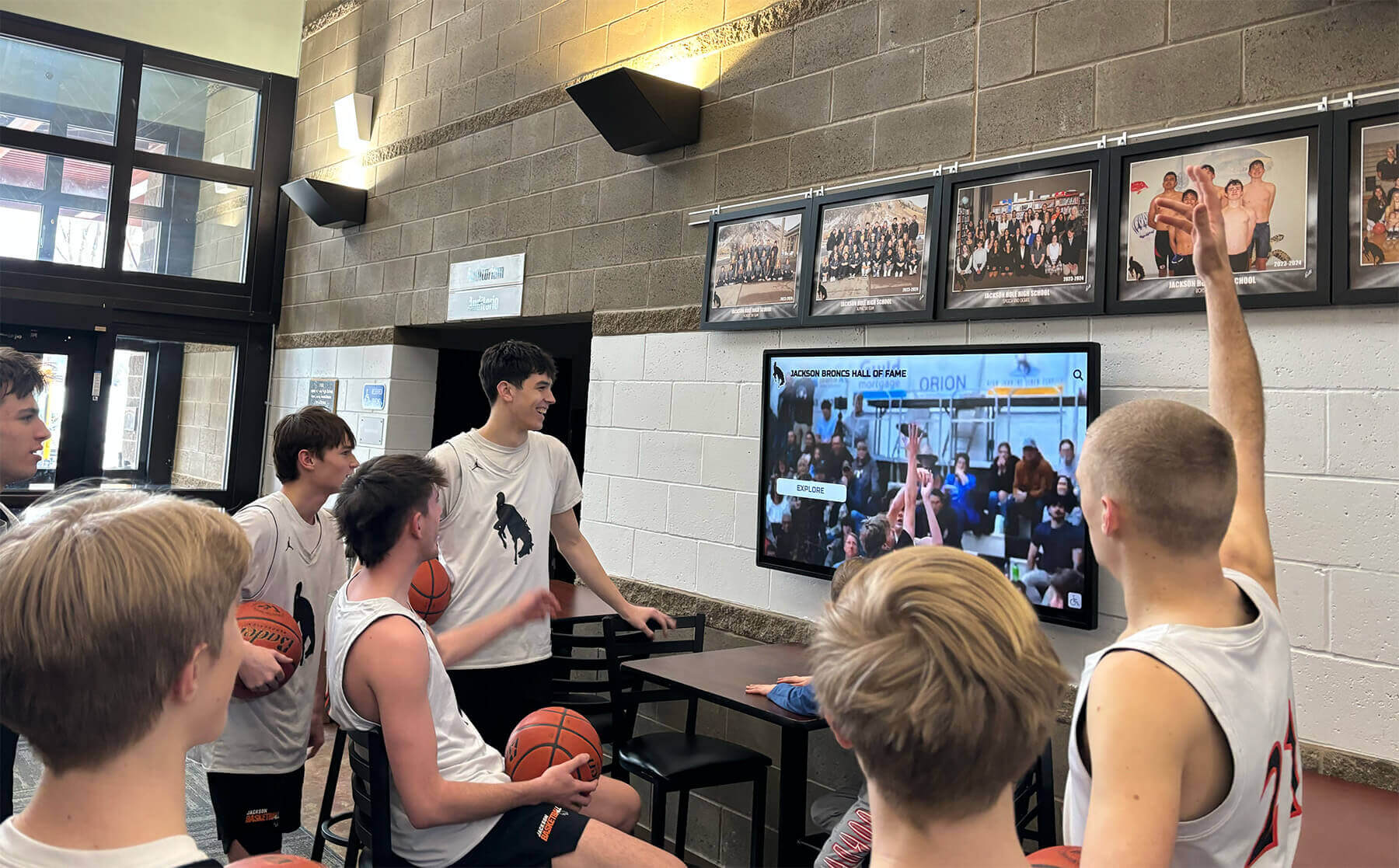
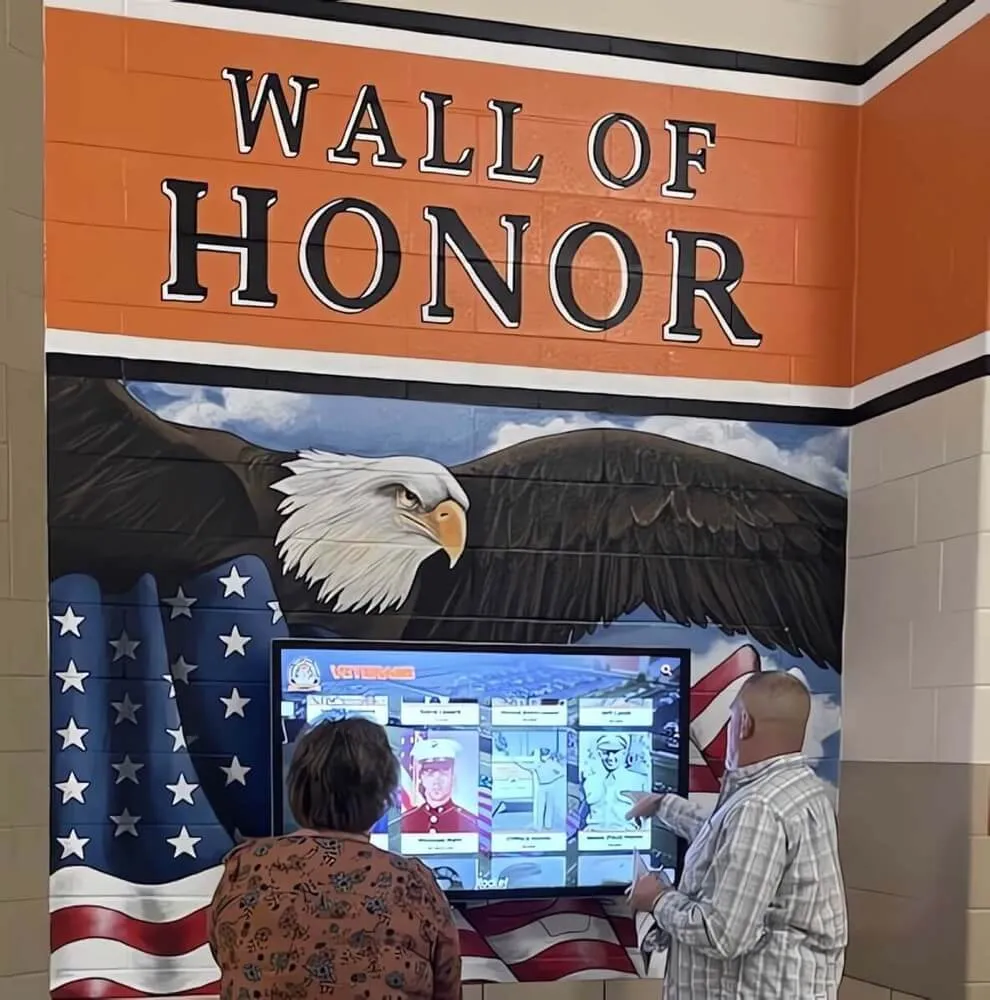
Interactive displays create natural engagement opportunities where students explore program achievements and possibilities
Industry Partners and Employers
Business and industry stakeholders considering partnerships with CTE programs need clear evidence of program quality, student skill levels, and institutional commitment to technical excellence. Digital displays communicate this information by showcasing students earning industry-recognized certifications, highlighting partnerships with other respected employers and organizations, demonstrating competition success in technical skills contests, and providing transparent information about program curriculum and outcomes.
Families and Community Members
Parents evaluating whether CTE pathways represent appropriate choices for their students often lack familiarity with modern career and technical education. Many retain outdated perceptions from earlier vocational education models. Recognition displays help families understand contemporary CTE by showcasing diverse careers accessible through technical education, demonstrating academic rigor and high achievement standards, highlighting successful alumni in rewarding career positions, and illustrating connections between technical skills and well-paying employment opportunities.
Why Traditional Recognition Falls Short for CTE Programs
Conventional recognition approaches struggle to meet the unique communication needs career and technical education programs require.
Limited Storytelling Capacity
Traditional plaques and bulletin boards provide minimal space for explaining technical achievements. A printed certificate recognizing National Technical Honor Society induction communicates the honor but fails to explain what skills the student mastered, what rigorous requirements they met, what career pathways they are pursuing, or why their achievement matters for their future success.
CTE achievements often require contextual explanation. When students earn industry certifications, competitions victory, or specialized credentials, families and community members may not understand significance without additional information about industry standards, competition difficulty, credential value in employment contexts, and skill demonstrations required for achievement.

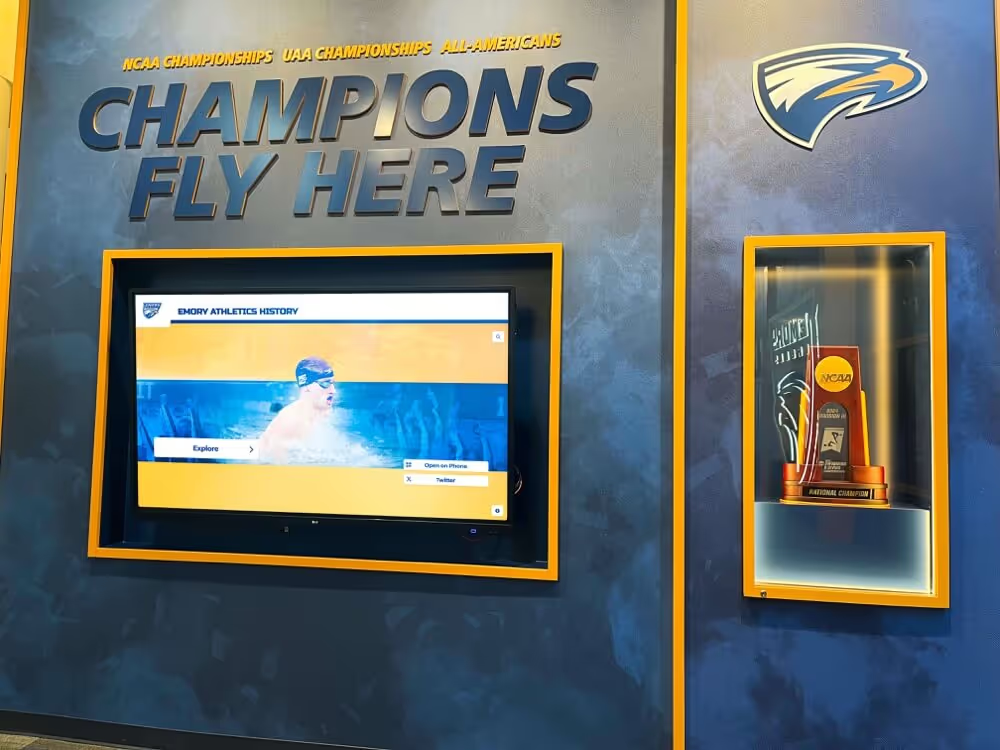
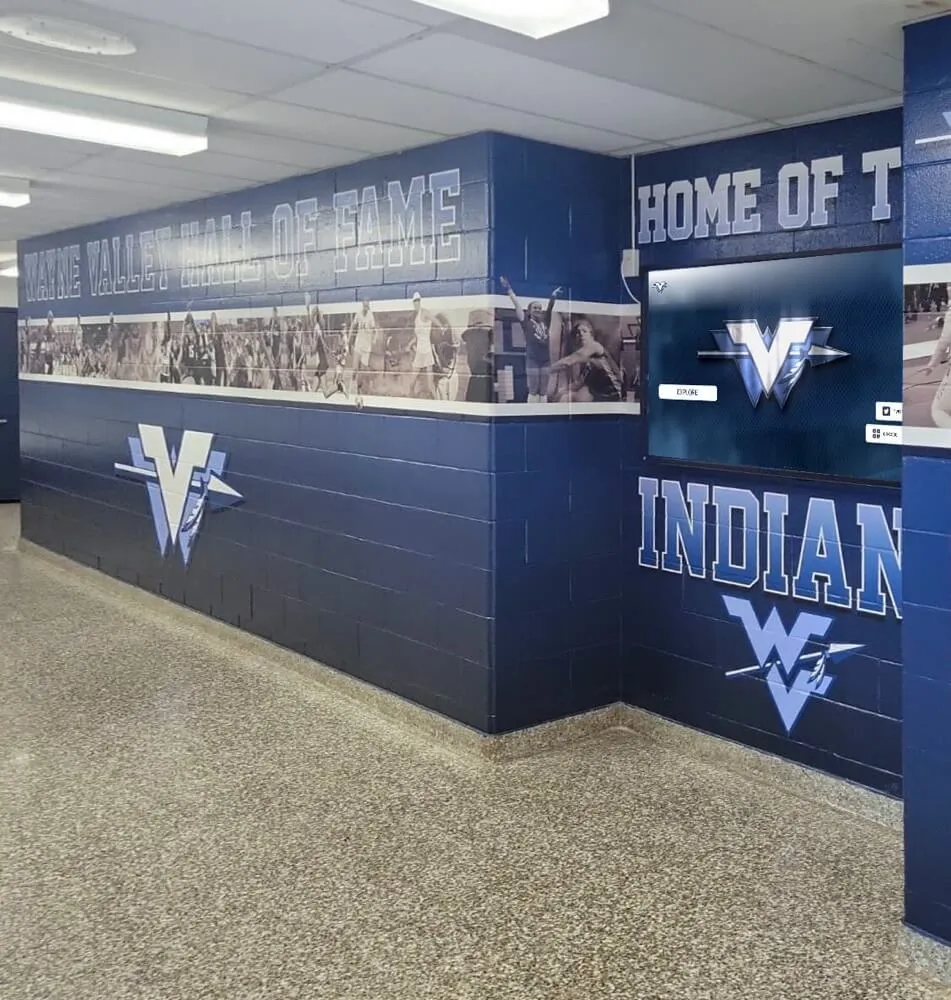
Strategic placement in high-traffic areas ensures CTE program visibility equals traditional academic and athletic recognition
Digital touchscreen platforms solve this storytelling limitation through rich multimedia profiles that include detailed achievement descriptions with context and significance, photo galleries showing students demonstrating technical skills, video clips capturing competition performances or project presentations, industry certification information explaining credential value, and career pathway connections linking current achievements to future opportunities.
This comprehensive storytelling transforms recognition from simple documentation into educational communication that helps all audiences understand CTE program value and student accomplishment significance.
Difficulty Showcasing Diverse Achievement Types
Career and technical education encompasses remarkably diverse accomplishment categories that resist simple standardization. Consider the range of achievements a comprehensive CTE program might celebrate:
Technical Skill Achievements - students mastering specific competencies defined by industry standards, passing certification exams from recognized credentialing organizations, completing capstone projects demonstrating integrated skill application, achieving advanced certification levels in specialized technical areas, and earning multiple credentials across complementary skill domains.
Competition Success - SkillsUSA medals and championships at regional, state, and national levels, DECA and business competition victories, Family Career and Community Leaders of America recognition, Technology Student Association achievement, Future Business Leaders of America honors, and specialty competitions specific to technical fields like cybersecurity, welding, or culinary arts.
Industry Recognition - employer-sponsored awards for outstanding students, internship and apprenticeship placement success, industry mentor recognition and recommendations, early job offers secured before graduation, and scholarship awards from industry associations and companies.
Academic Integration - advanced placement or dual enrollment course completion, articulated college credit earned through CTE programs, academic honor society membership alongside technical achievement, and interdisciplinary project excellence connecting technical and academic content.
Traditional recognition systems struggle to accommodate this diversity meaningfully. Bulletin boards become cluttered and overwhelming. Trophy cases fill quickly with competition awards while other achievement types receive no physical representation. Static displays cannot easily explain what different achievements mean or why they matter across such varied domains.
Digital platforms solve this challenge through flexible organizational structures enabling navigation by achievement type, program pathway, student name, or year, comprehensive profiles accommodating any achievement category, multimedia support appropriate for diverse accomplishment demonstrations, and unlimited capacity ensuring all achievement types receive equal recognition potential regardless of how many students earn various honors.
Core Components of CTE Digital Touchscreen Systems
Effective digital recognition for career and technical education integrates several essential technology elements working together seamlessly.
Interactive Touchscreen Hardware
Physical displays provide the public-facing interface where students, families, and visitors explore CTE program information and achievements.
Commercial-Grade Display Specifications
CTE program displays require durable hardware appropriate for educational environments with high traffic and varied users. Professional installations typically feature displays ranging from 43 to 75 inches diagonal depending on placement location and space, commercial-grade touchscreen panels rated for continuous operation and extended lifespan, optical bonding technology improving visibility and protecting screens from damage, and mounting solutions including wall-mounted installations in hallways and common areas or freestanding kiosks creating flexible placement options in CTE lab spaces or lobbies.
Quality hardware investment ensures reliable long-term operation without frequent repairs or replacement that would undermine program credibility and create ongoing administrative burden.
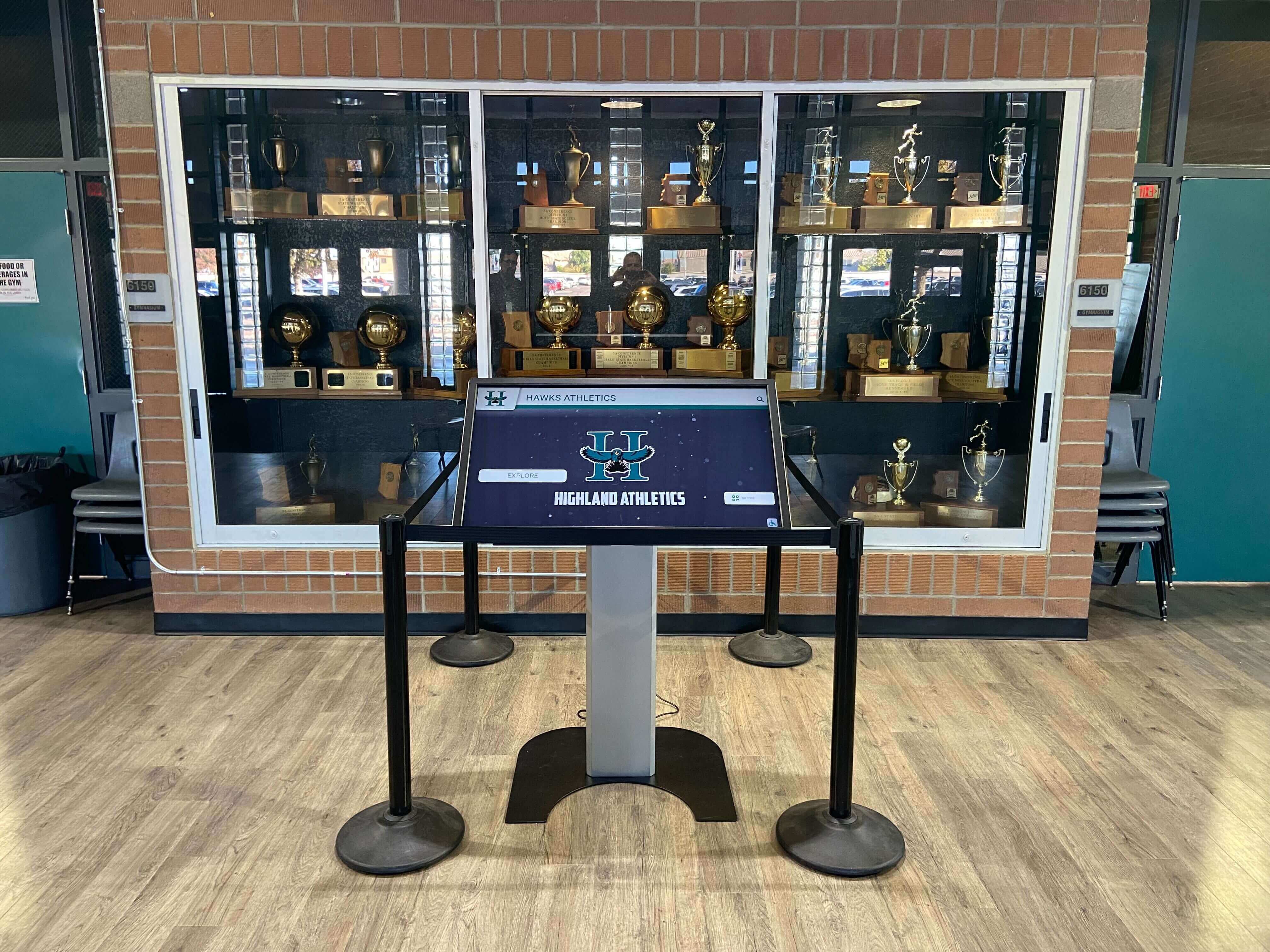
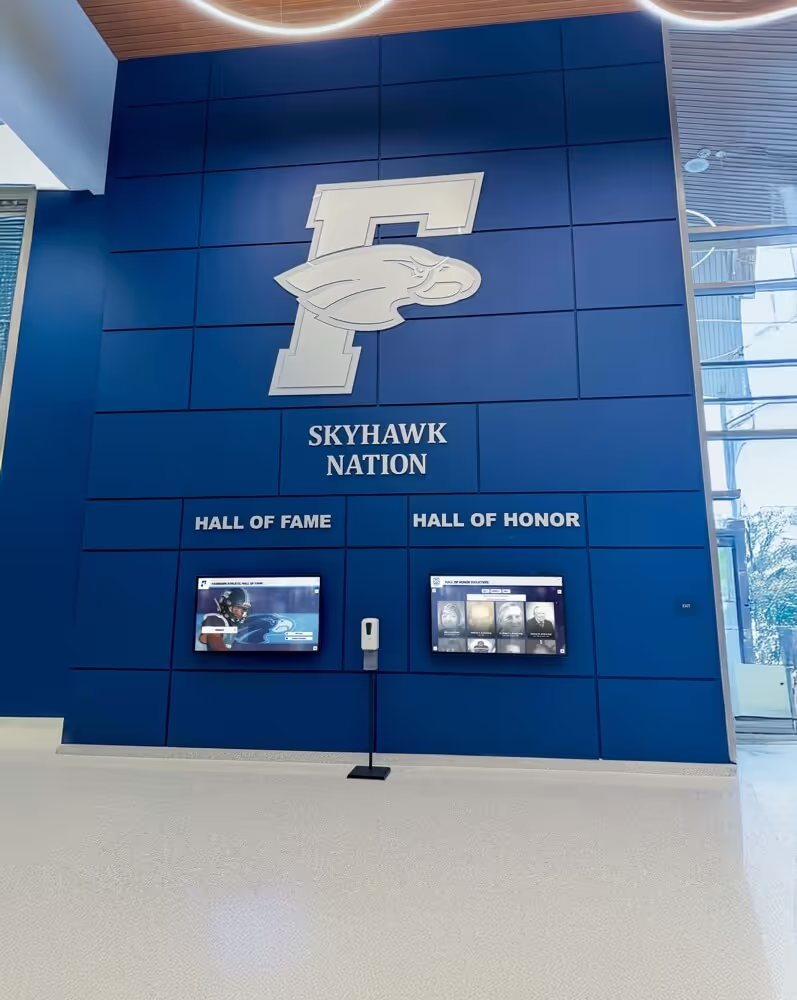
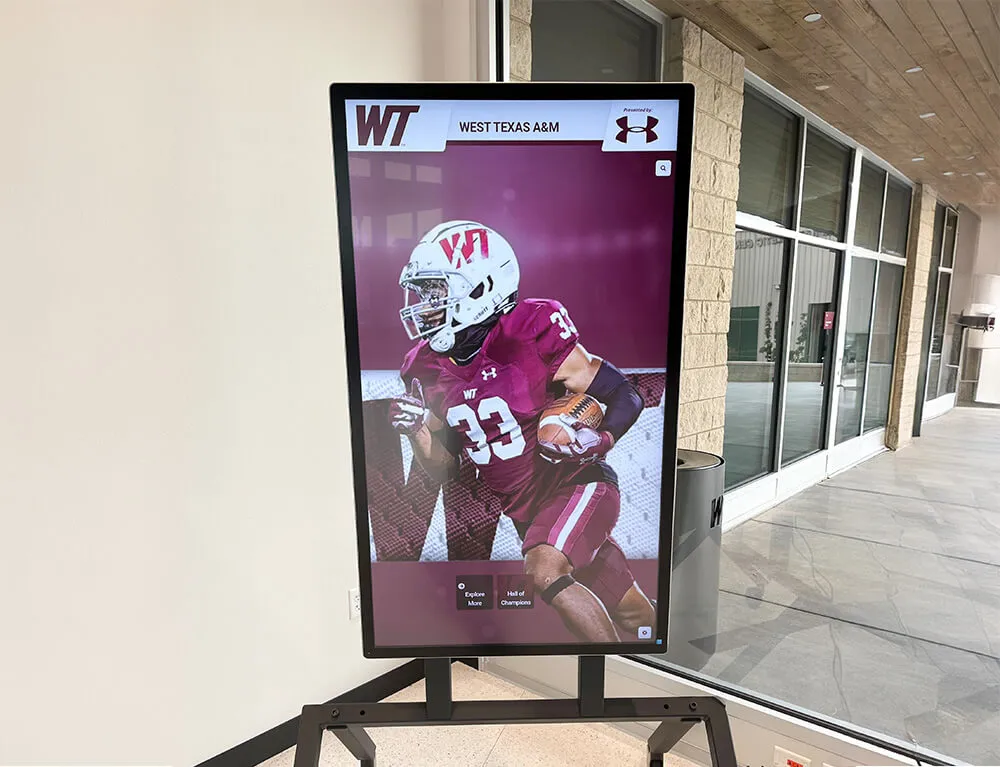
Freestanding kiosks offer flexible placement options within CTE lab spaces and program areas
Touchscreen Interface Design
Effective CTE recognition displays feature intuitive navigation requiring no instructions for visitors of all ages and technical comfort levels, search functionality enabling students to find themselves or peers instantly, filtering options organizing content by program pathway, achievement type, year, or certification, and responsive touch performance creating smartphone-like interaction experiences familiar to modern users.
The goal involves creating effortless exploration where visitors naturally discover program information and student achievements without confusion or frustration limiting engagement.
Cloud-Based Content Management Systems
Behind public-facing displays, web-based management platforms enable program staff to maintain recognition content efficiently without requiring technical expertise or IT department assistance for every update.
Administrative Interface Features
Quality content management systems designed for educational recognition provide simple upload processes for adding student photos and achievement information, bulk import capabilities enabling efficient historical content addition, scheduled publishing allowing content to go live at specific ceremony dates or times, approval workflows ensuring accuracy before public display, and role-based permissions giving appropriate access to different staff members while maintaining security.
These administrative tools reduce maintenance time from hours to minutes per update cycle, eliminating the bottlenecks that made traditional recognition time-consuming and difficult to keep current. Programs implementing modern content management report 80-90 percent reduction in administrative time spent maintaining recognition compared to traditional bulletin board and plaque-based approaches.
Mobile and Remote Access
Cloud-based systems enable content management from any internet-connected device rather than requiring staff to be on campus or at specific computers. Program directors can upload new certifications from home, competition coaches can add achievement information from tournament sites, and administrators can review and approve content from anywhere—creating flexibility that supports timely recognition without administrative burden.
Specialized Recognition Software
Generic digital signage software designed for announcements and advertising does not effectively serve recognition needs. Purpose-built platforms specifically created for celebrating achievements deliver superior results through individual profile structures organizing content around specific students rather than generic slides, database architectures supporting powerful search and filtering functionality, multimedia integration designed for photos, videos, and achievement documentation, social sharing features enabling students to share their recognition, and web portal extensions making content accessible beyond physical displays.
Solutions like Rocket Alumni Solutions provide recognition-specific platforms that understand the unique needs of celebrating student accomplishments rather than forcing programs to adapt generic tools never designed for this application.
Web-Based Recognition Extensions
Physical touchscreen displays serve visitors who are present on campus, but comprehensive recognition extends to wider audiences through online accessibility.
Online Recognition Portals
Web-accessible versions of recognition content enable prospective students researching programs from home, families sharing student achievements with distant relatives, alumni revisiting their own CTE experiences years later, industry partners evaluating program quality during decision processes, and media or community members gathering information about program success.
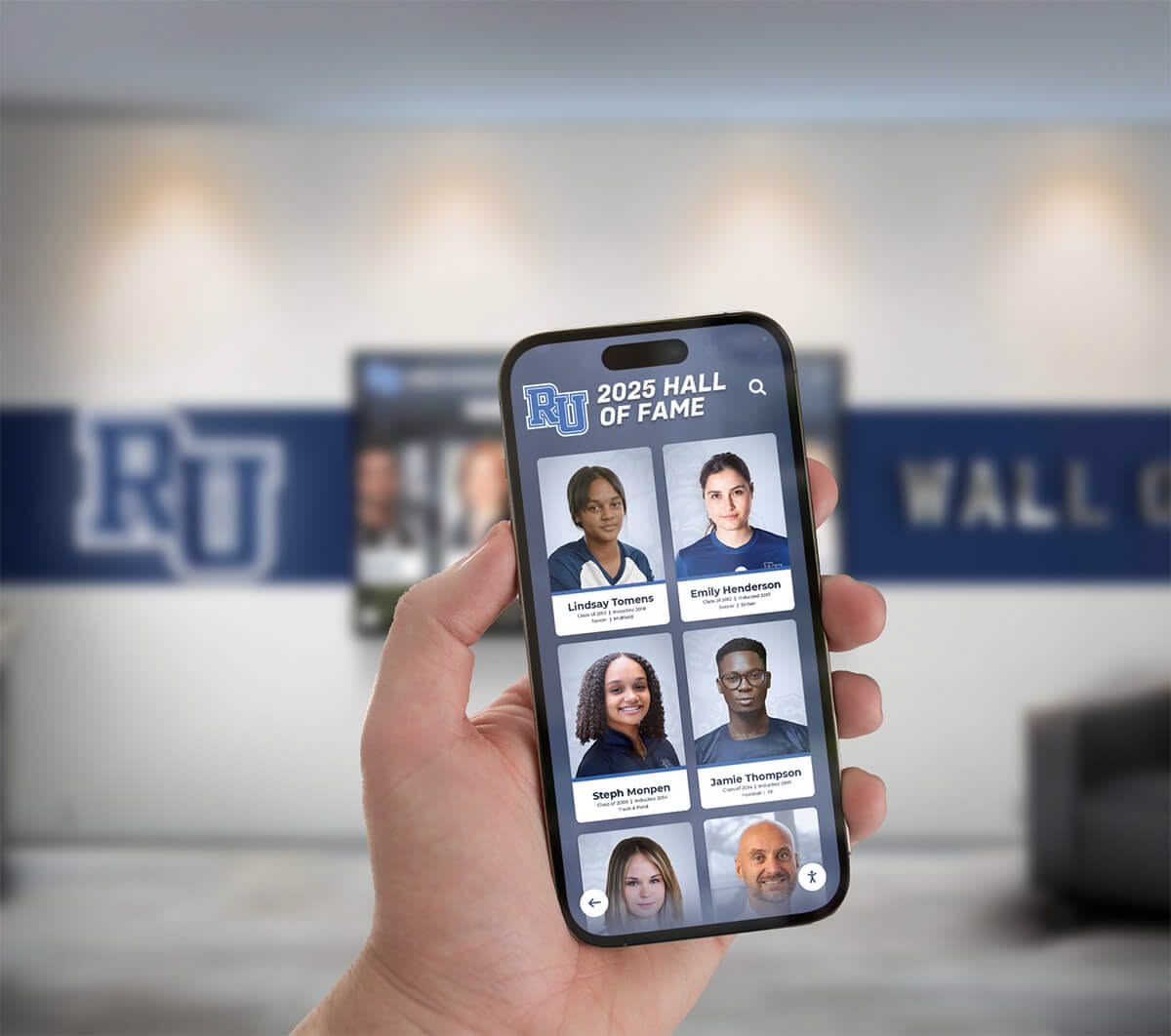
Web and mobile extensions enable recognition access from anywhere, extending program visibility beyond campus
This universal accessibility dramatically expands recognition impact while creating comprehensive communication about CTE program value that serves recruitment, community relations, and industry partnership development simultaneously.
CTE Achievement Categories for Digital Recognition
Comprehensive career and technical education recognition showcases diverse accomplishment types that demonstrate program quality and student excellence.
Industry Certification and Credential Achievement
Industry-recognized certifications represent core CTE outcomes demonstrating students have mastered skills to standards defined by employers and professional organizations rather than purely academic criteria.
Certification Recognition Approaches
Digital platforms enable comprehensive certification documentation including certification name and issuing organization, examination requirements and passing standards, industry value and career applications of credentials, student performance metrics when available, connection to program curriculum and skill development, and progression pathways showing how certifications build on each other toward advanced credentials.
This detailed context helps families understand certification significance while demonstrating to industry partners that programs prepare students to genuine professional standards. Programs might recognize credentials across categories like information technology certifications from CompTIA, Microsoft, Cisco, or others, health sciences credentials from American Heart Association, National Healthcare Association, or medical professional organizations, manufacturing and engineering certifications through NIMS, OSHA, quality standards organizations, or equipment-specific credentials, business and professional services credentials like Microsoft Office Specialist, QuickBooks, and industry-specific certifications, automotive and technical trade certifications from ASE, HVAC Excellence, and related organizations, and culinary and hospitality industry credentials from professional chef associations and food safety organizations.
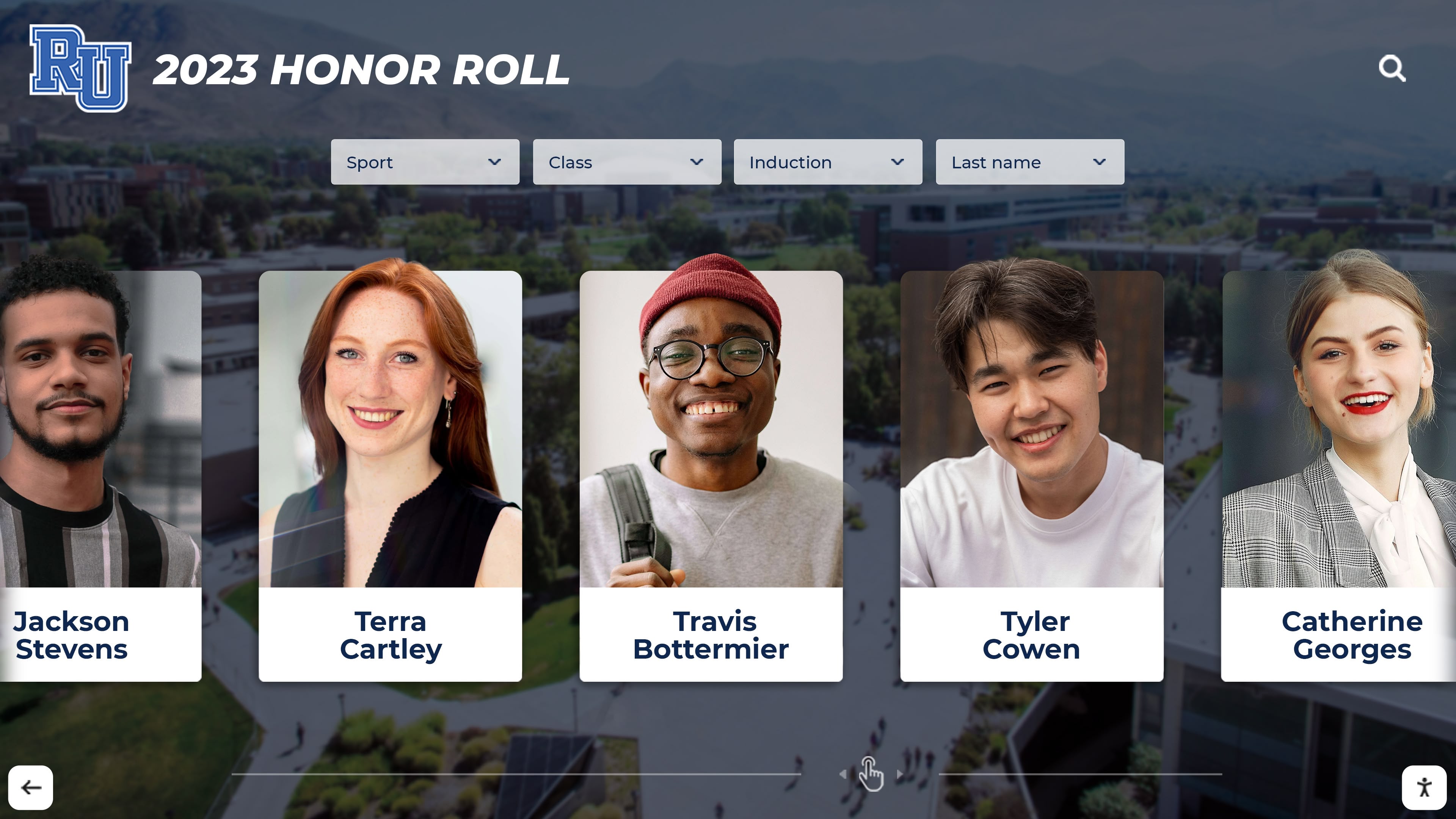
Individual student profiles provide space for documenting multiple certifications and technical achievements
Each certification documented provides concrete evidence of skill mastery that employers understand and value, making recognition meaningful beyond simple acknowledgment to career preparation documentation.
Technical Skills Competition Success
SkillsUSA, DECA, FBLA, FCCLA, TSA, and other career and technical student organizations provide competitive venues where students demonstrate skills against rigorous standards judged by industry professionals.
Competition Achievement Recognition
Competition success deserves comprehensive documentation that celebrates student excellence while demonstrating program quality. Effective competition recognition includes competition name, organization, and level (regional, state, national, international), specific competition categories and skill demonstrations required, student placement and awards earned, team composition when applicable, coaching and program support acknowledging instructor contributions, and photo and video documentation capturing competition experiences and performances.
Competition victories provide powerful credibility evidence for CTE programs. When students win state or national championships in technical skills contests, they demonstrate that program instruction meets or exceeds standards across competing institutions. This competitive validation helps administrators, school boards, and communities understand program quality through external benchmarking rather than relying solely on internal program claims.
Programs celebrating competition success through digital platforms report increased student interest in competitive opportunities, stronger industry partner engagement as employers recognize competition standards, enhanced community support as visibility increases, and improved recruiting as prospective students see achievement possibilities. Resources on athletic competition recognition demonstrate systematic approaches that adapt effectively to technical skills competition celebration.
Capstone Projects and Portfolio Work
Many CTE programs require culminating projects where students demonstrate integrated skill application through substantial real-world challenges. Digital recognition platforms provide ideal venues for showcasing these achievements.
Project-Based Achievement Documentation
Capstone project recognition can include project descriptions explaining problems addressed and solutions developed, technical skills demonstrated and applied during project completion, photo documentation showing project development and finished products, video presentations capturing student explanations and demonstrations, industry mentor and partner involvement in project development, and connections between projects and potential career applications or pathways.
This project documentation transforms abstract technical education into concrete achievement demonstrations that families and community members can understand and appreciate. When students present welding projects, engineering designs, business plans, culinary events, healthcare simulations, or information technology solutions through interactive displays, their technical skills become visible and impressive rather than remaining invisible in specialized lab spaces few visitors encounter.
Work-Based Learning and Career Placement Success
Internships, apprenticeships, and career placements represent ultimate CTE outcomes demonstrating that program preparation translates to genuine employment success and industry recognition.
Career Success Recognition
Programs can celebrate work-based learning through documentation including internship and apprenticeship placements with respected employers, early job offers secured before graduation, starting salaries and compensation packages earned by graduates, career advancement progression tracked through alumni follow-up, employer testimonials about student preparedness and performance, and industry partnership documentation showing business relationships supporting programs.
This career outcome documentation provides the evidence that matters most to prospective students and families evaluating whether CTE pathways represent sound investments. When displays showcase multiple graduates annually securing well-paying positions with respected employers, technical education credibility strengthens dramatically while recruitment improves through compelling success stories.

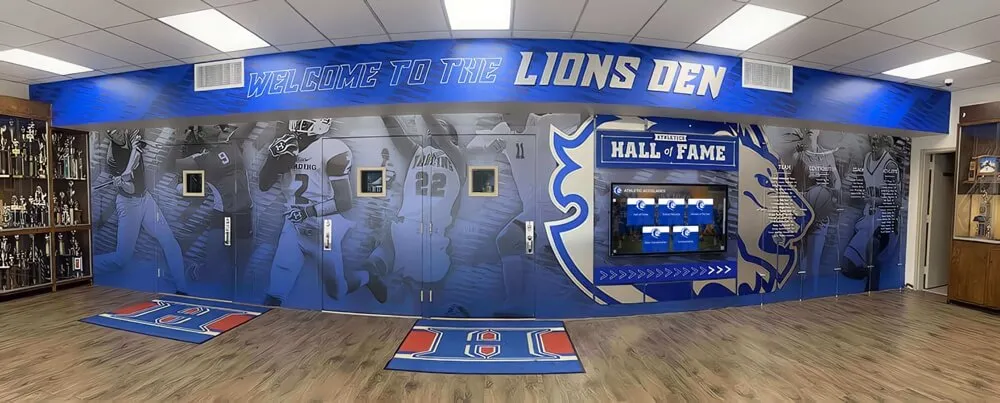
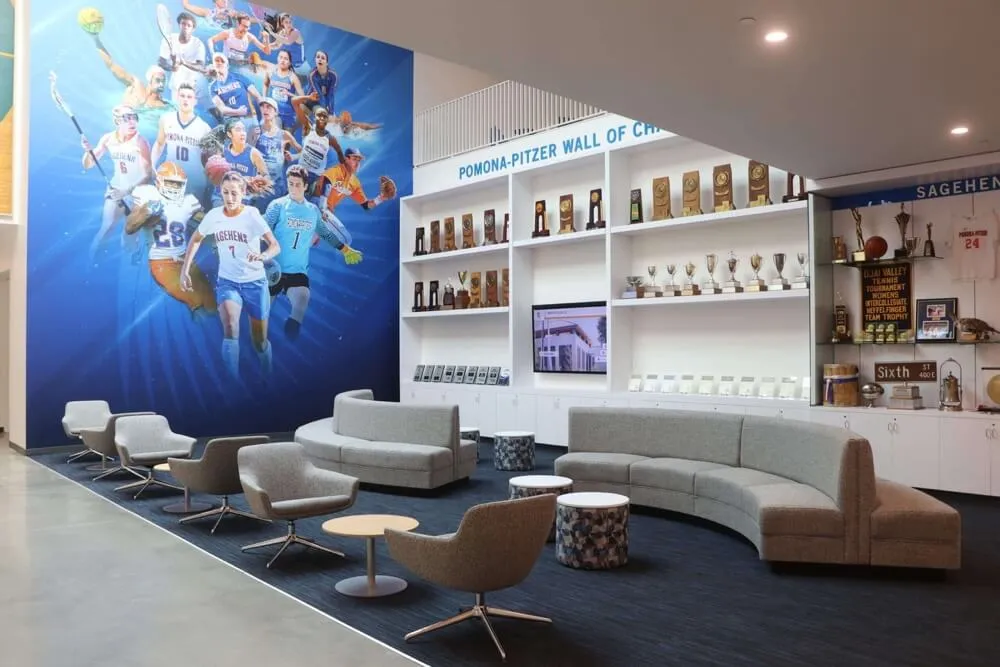
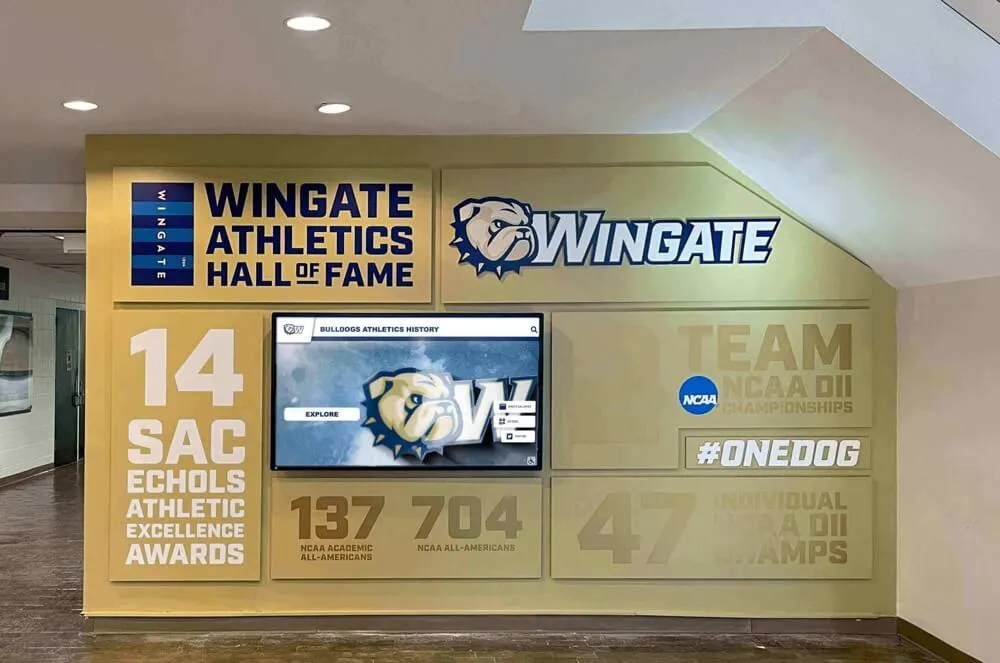
Integration with existing school spaces creates professional recognition environments that honor all forms of achievement
Academic and Character Recognition in CTE Context
While technical skills define CTE programs, academic achievement and character development within career pathways deserve equal recognition alongside skill demonstrations.
Integrated Recognition Approaches
Programs should celebrate National Technical Honor Society membership recognizing academic and technical excellence, perfect attendance and exceptional work ethic in demanding technical coursework, leadership in student organizations and peer mentoring roles, community service and professional development engagement, and academic achievement in dual enrollment and articulated college courses. Understanding comprehensive academic recognition approaches provides frameworks adaptable to career and technical education contexts.
This integrated recognition communicates that CTE programs maintain high standards across all dimensions—technical skill, academic performance, and professional character development—rather than representing narrow vocational training limited to manual skills alone.
Implementing Digital Recognition in CTE Programs
Successful technology integration requires thoughtful planning that addresses technical, content, and organizational dimensions simultaneously.
Strategic Planning and Needs Assessment
Before selecting technology, programs should carefully evaluate recognition goals, audiences, content availability, and resources.
Initial Planning Considerations
Key questions guiding implementation planning include what achievement categories require recognition across all program pathways, who represents primary audiences for recognition displays, what existing content and documentation is already available, what budget exists for initial investment and ongoing operation, where optimal display placement would maximize visibility and engagement, and what staff capacity exists for content management and maintenance.
Involving stakeholders including CTE instructors across all program pathways, school administrators who make budget decisions, counselors who guide student pathway selection, industry partners who can provide external perspectives, and current CTE students who can offer user perspectives ensures solutions meet actual needs while building organizational support for implementation.
Technology Selection and Vendor Evaluation
Not all digital signage or touchscreen solutions serve recognition needs effectively. Programs should evaluate vendors based on recognition-specific design rather than generic digital signage platforms, commercial-grade hardware appropriate for educational environments, intuitive content management accessible to non-technical staff, demonstrated experience with educational institutions, comprehensive training and ongoing technical support, and transparent pricing including initial costs and any recurring fees.
Critical Evaluation Criteria
Request demonstrations with actual recognition content similar to what your program would display, speak with reference schools about their implementation experiences and vendor relationships, evaluate ease of content updates through realistic scenarios, verify web portal accessibility and mobile device compatibility, and calculate total cost of ownership across expected display lifespan for accurate budget planning.
Programs selecting purpose-built recognition platforms designed specifically for educational achievement celebration report significantly higher satisfaction and better outcomes compared to institutions attempting to adapt generic digital signage tools that lack essential recognition features and functions.
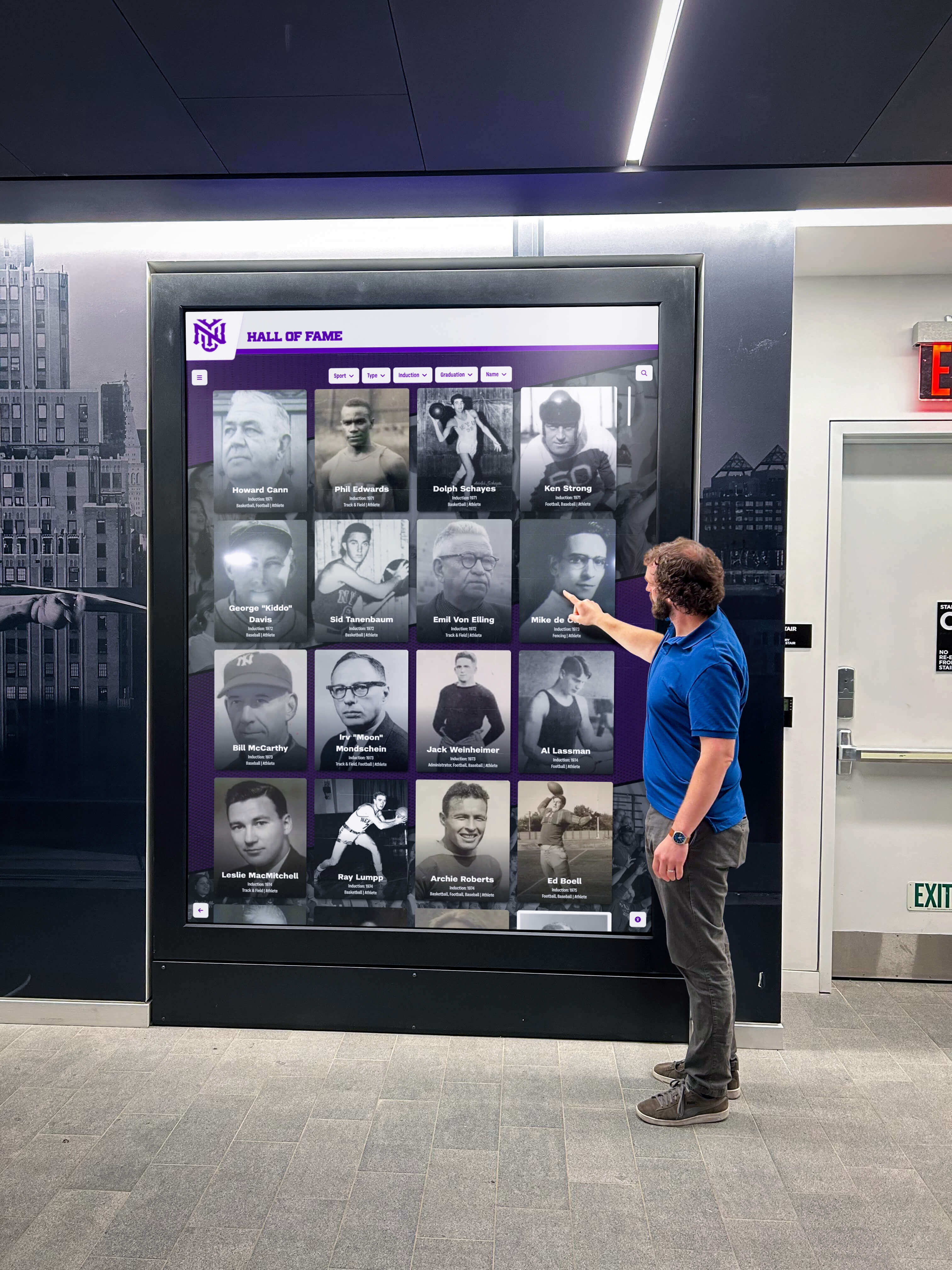
Intuitive interfaces enable all visitors to explore recognition content without instructions or assistance
Content Development Strategy and Workflows
Recognition display value depends entirely on quality content celebrating achievements comprehensively. Programs should develop systematic content strategies addressing initial content development, ongoing maintenance processes, and continuous improvement based on feedback and usage patterns.
Initial Content Development
Most programs find success starting with recent achievements for immediate relevance and engagement, focusing on one or two achievement categories initially, then systematically expanding coverage. Early priorities typically include current year certifications earned by enrolled students, recent competition achievements from past academic year, selected capstone projects with strong documentation available, and featured alumni success stories demonstrating career outcomes.
This focused initial launch demonstrates value quickly while allowing staff to develop content management processes before attempting comprehensive historical coverage that could overwhelm limited capacity.
Ongoing Content Management Workflows
Sustainable recognition requires clear processes assigning responsibility for gathering achievement information and documentation, creating timelines for content submission before ceremonies or recognition events, establishing approval procedures ensuring accuracy before publication, scheduling regular content reviews maintaining current and relevant displays, and planning systematic historical content addition as time and resources allow.
Programs successfully maintaining recognition displays long-term typically designate a recognition coordinator role responsible for overall program management, distribute content gathering responsibilities across instructors for their specific pathways, establish regular update cycles matching natural recognition timelines like end of semester or competition seasons, and create simple submission procedures that minimize instructor burden while maintaining quality standards.
Physical Installation and Placement Strategy
Where recognition displays are located significantly impacts their effectiveness, visibility, and engagement levels.
Optimal Placement Locations
CTE recognition displays work most effectively in locations where target audiences naturally encounter them. Ideal installation sites include main school entrances and lobbies welcoming all visitors, CTE dedicated buildings or wings serving program-specific areas, cafeterias and common areas where students gather during breaks, hallways connecting high-traffic areas throughout daily movement, and administrative areas where prospective students visit during registration or orientation.
Programs with multiple displays often create recognition networks with flagship installation in main school entrance showcasing all CTE programs, program-specific displays in dedicated CTE lab areas or buildings, and supplementary displays in common areas reaching broader school populations including students not currently enrolled in technical pathways.
Professional installation ensures proper mounting supporting display weight safely, adequate power and network connectivity for reliable operation, appropriate height and positioning for comfortable viewing and ADA compliance, and clean cable management maintaining professional appearance. Guidance on display placement strategies provides additional frameworks applicable to career and technical education contexts.
Engaging Multiple Stakeholder Audiences Effectively
Different viewer groups approach CTE recognition displays with distinct information needs and interests requiring thoughtful content organization.
Current and Prospective Student Engagement
Students represent the primary recognition audience but approach displays with different motivations and information needs.
Current Student Recognition
Enrolled CTE students benefit from seeing themselves celebrated for achievements earned, discovering what advanced certifications and achievements become possible, exploring connections between current learning and career applications, and feeling motivated through peer achievement examples and standards.
Recognition displays serving current students effectively provide easy search enabling students to find themselves instantly, achievement timelines showing progression pathways through certification levels, career connection information linking skills to employment opportunities, and peer accomplishments creating aspirational standards and healthy competition.
Prospective Student Recruitment
Students evaluating whether to enroll in CTE pathways need clear information about what programs offer, what skills they will develop, what credentials they can earn, and what careers become accessible through technical education.
Recognition displays support recruitment by showcasing recent certification achievement rates demonstrating program effectiveness, competition success providing external validation of quality, career placement outcomes proving employment results, and alumni success stories connecting current programs to future possibilities.
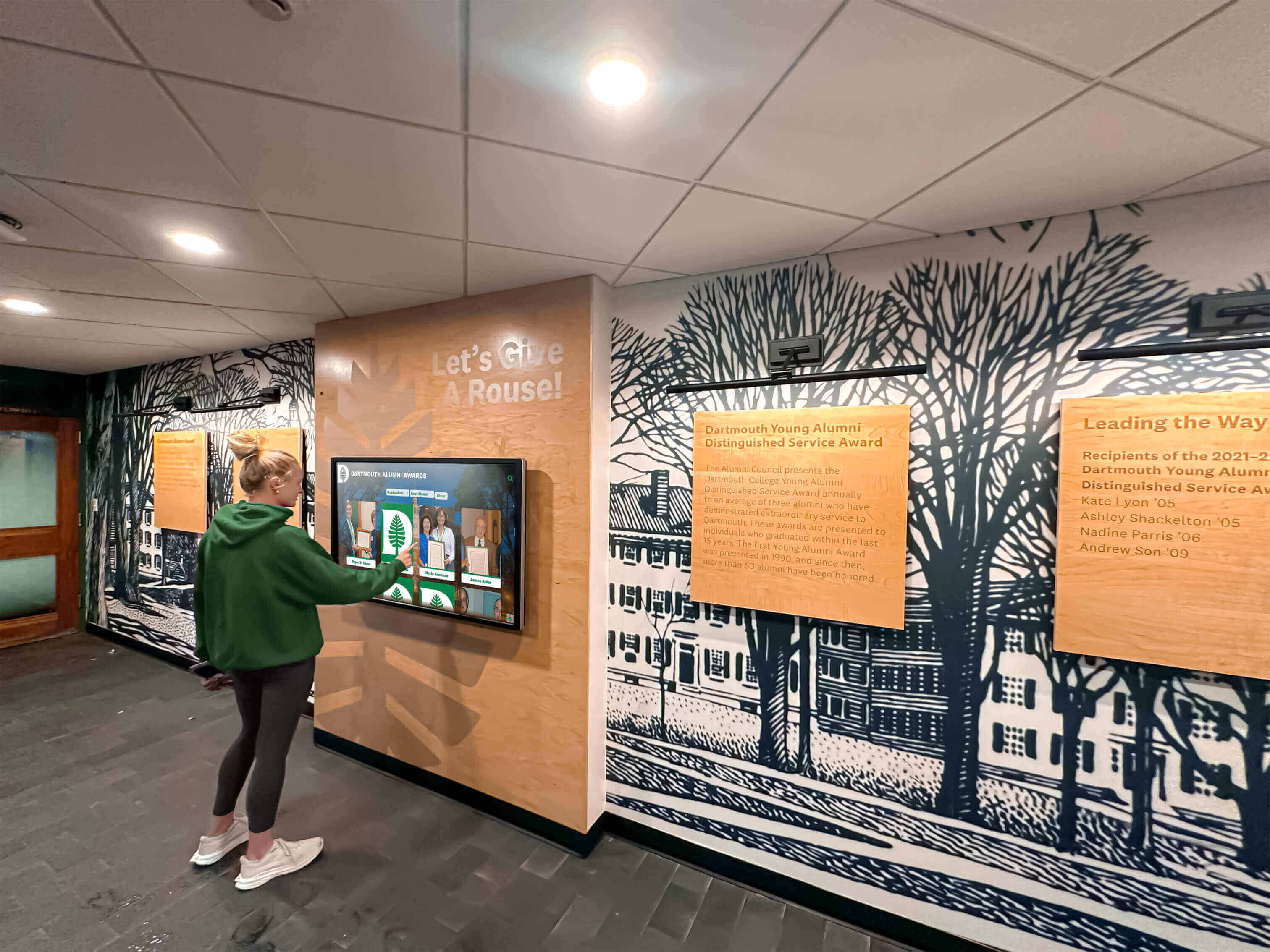
Self-directed exploration enables students to discover programs and achievements matching their interests
Effective prospective student content includes program overview information explaining different pathways, sample career outcomes showing salary and opportunity data, student testimonials from current participants, and clear getting started information about enrollment processes and prerequisites. Resources on elementary school recognition demonstrate age-appropriate approaches applicable when introducing younger students to future CTE opportunities.
Family and Community Communication
Parents often lack familiarity with contemporary career and technical education, retaining outdated perceptions about vocational training from earlier eras. Recognition displays can update family understanding effectively.
Parent Education Through Recognition
Family members benefit from content explaining modern CTE program rigor and standards, showcasing diverse career pathways accessible through technical education, demonstrating academic integration and college credit opportunities, providing salary and career outcome data for different technical fields, and highlighting local success stories from recognizable community members and families.
This educational approach helps families understand that contemporary CTE represents rigorous preparation for high-skill, high-wage careers rather than tracking struggling students away from academic paths. When displays clearly communicate certification value, competition standards, and career outcomes, family support for technical education pathways strengthens substantially.
Community engagement extends beyond individual families to broader visibility creating awareness of program quality and student achievement across stakeholder groups. Recognition displays serve school board members evaluating program investments, local employers unaware of program quality and graduate preparedness, community partners considering program support, and prospective residents evaluating school quality during relocation decisions.
Industry Partner and Employer Engagement
Business and industry stakeholders represent critical CTE program partners providing work-based learning opportunities, mentorship, equipment support, and employment pathways for graduates.
Industry Communication Through Recognition
Employers evaluating whether to partner with CTE programs need evidence of program quality and student skill levels. Recognition displays communicate this information through documentation of industry certifications earned demonstrating preparation to standards employers understand, competition success in technical skills contests providing external validation, existing industry partnerships showing respected organizations already engaged, graduate employment outcomes proving former students succeed in industry positions, and curriculum information demonstrating program content alignment with industry needs.
Industry partners also appreciate recognition for their own contributions through partnership acknowledgment highlighting companies providing mentorship and work-based learning, guest speaker and subject matter expert contributions, equipment and material donations supporting programs, scholarship and award sponsorship, and advisory committee participation guiding program development.
This reciprocal recognition strengthens industry relationships while demonstrating to new potential partners that program values and celebrates business engagement appropriately.
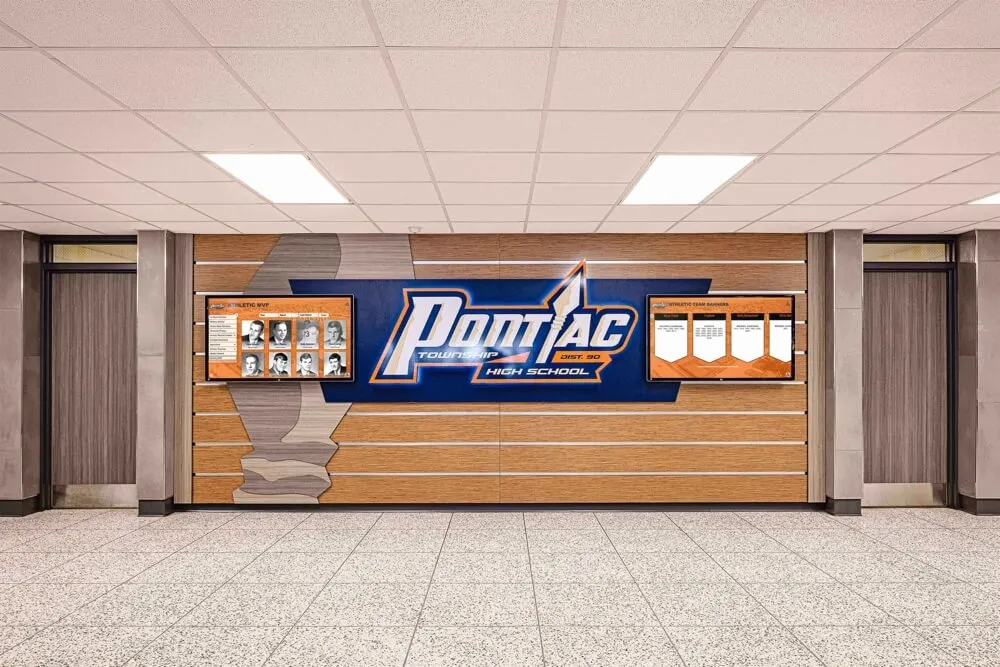
Professional installation and content presentation communicate program quality to industry partners and employers
Measuring Recognition Program Impact and Success
Understanding how recognition displays influence awareness, engagement, and outcomes helps programs demonstrate value while continuously improving effectiveness.
Quantitative Metrics and Analytics
Quality recognition platforms provide analytics tracking usage patterns and engagement levels that quantify impact.
Engagement and Usage Data
Valuable metrics include total interaction sessions showing display usage frequency, average session duration indicating depth of content engagement, most-viewed content revealing what achievements and programs generate most interest, search patterns demonstrating what visitors seek, peak usage times informing when to launch new content, and return visitor rates when technically trackable showing sustained interest.
Programs can analyze this data to identify which achievement categories generate most engagement, determine what additional information visitors seek, optimize content based on actual behavior rather than assumptions, and demonstrate platform value to administrators and funding authorities.
Program Outcome Correlations
Beyond direct display usage, programs should track broader outcome metrics potentially influenced by recognition including CTE enrollment trends showing program growth, pathway distribution demonstrating awareness across technical fields, certification attainment rates reflecting student motivation, competition participation levels showing student engagement, and alumni survey responses about program experiences and career preparation quality.
While recognition displays alone do not cause outcome changes, they contribute to comprehensive communication and culture efforts that influence student decisions and program success. Tracking these metrics helps demonstrate return on investment while identifying areas for program improvement.
Qualitative Assessment and Stakeholder Feedback
Beyond numerical analytics, programs should gather qualitative feedback revealing recognition impact that metrics cannot capture.
Structured Feedback Collection
Systematic qualitative assessment includes student surveys about recognition program awareness and motivational impact, family feedback collected during orientations and events, instructor observations about student engagement and program pride, industry partner comments during advisory meetings and partnership discussions, and administrative perspectives on program visibility and community communication.
This qualitative feedback often reveals significant impacts like prospective students citing recognition displays as factors in enrollment decisions, families expressing appreciation for program transparency and achievement celebration, industry partners noting enhanced perception of program professionalism, administrators commenting on improved CTE visibility equal to traditional academics and athletics, and alumni reporting pride in being recognized for achievements years after graduation.
Regular feedback collection enables continuous improvement addressing content gaps, navigation confusion, and opportunities to enhance recognition serving community needs more effectively.
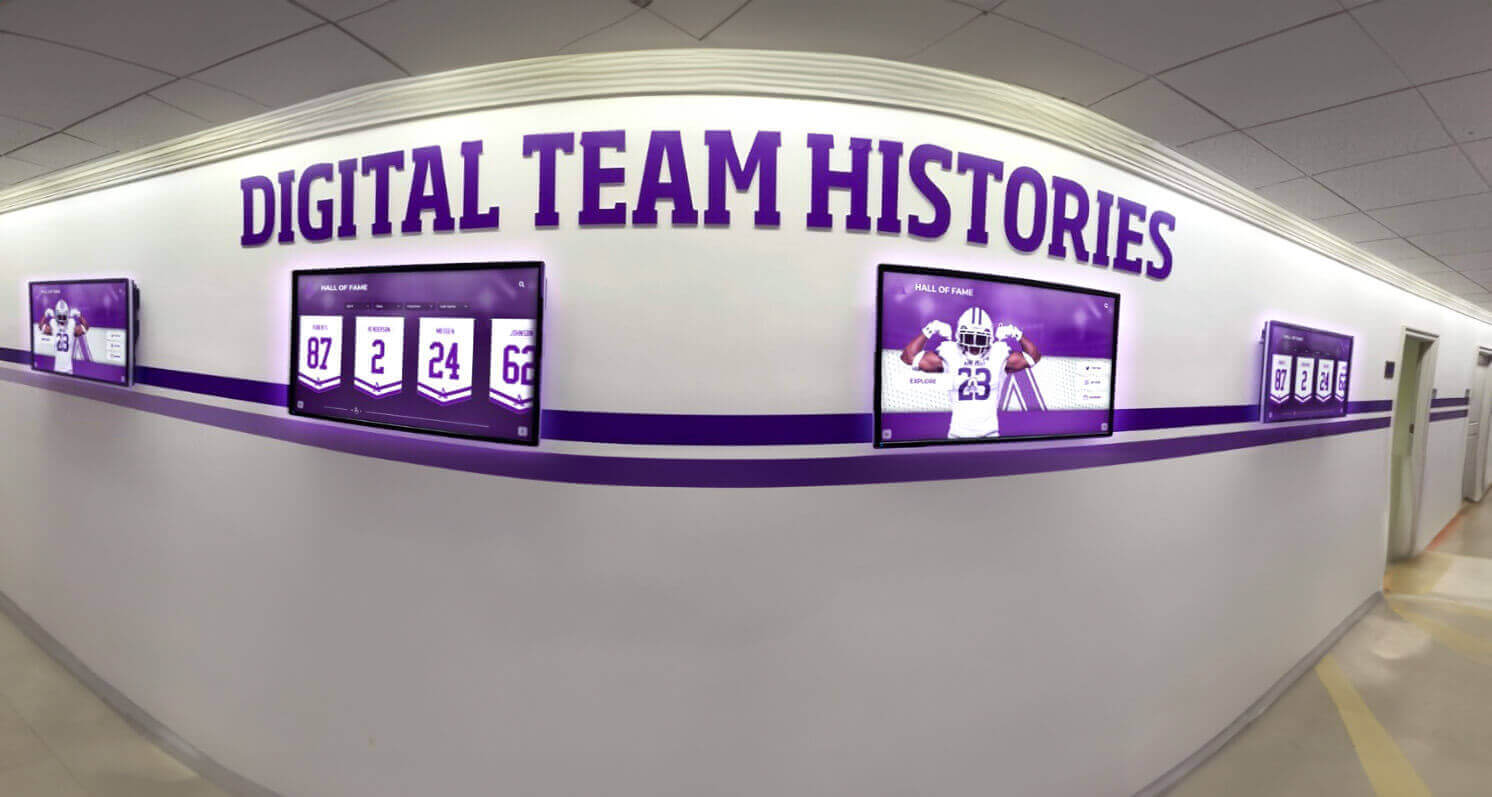
Coordinated display networks create comprehensive recognition presence throughout educational facilities
Overcoming Common Implementation Challenges
While digital recognition delivers significant benefits, programs should anticipate and address challenges that commonly arise during implementation.
Budget Constraints and Funding Strategies
Digital recognition displays require initial investment typically ranging from $8,000-15,000 per installation depending on screen size, mounting approach, and software platform selection.
Funding Approaches for Budget-Limited Programs
Programs facing resource constraints can pursue several strategies including phased implementation starting with single display in highest-impact location then expanding, Perkins funding utilization as recognition supports CTE program improvement and quality, capital campaign incorporation including recognition infrastructure in fundraising priorities, industry sponsorship from employers benefiting from program partnerships, and grant opportunities through workforce development and educational technology foundations.
Some programs generate sponsor support from industry partners receiving recognition for contributions, treating recognition displays as partnership vehicles that benefit both programs and supporting businesses. Others incorporate recognition infrastructure into broader facility renovation projects accessing capital funding rather than limiting consideration to annual operating budgets.
The key involves demonstrating that recognition investment delivers returns through improved enrollment, stronger industry partnerships, enhanced program credibility, and better graduate outcomes—making displays strategic program infrastructure rather than optional extras competing with other priorities.
Content Development Capacity and Time Management
Creating comprehensive recognition content requires time and effort that already-busy CTE instructors may struggle to provide alongside teaching and program management responsibilities.
Sustainable Content Development Approaches
Programs address capacity challenges by starting focused on achievable initial scope demonstrating value before expanding, distributing responsibility across instructors for their specific pathways rather than centralizing all work, creating simple submission procedures minimizing instructor burden, engaging student assistants to gather documentation and prepare content, and utilizing professional content development services for large-scale historical projects.
The most successful programs integrate recognition into existing workflows so content development becomes natural extension of current activities rather than separate additional burden. When certifications are earned, documentation goes directly into recognition system. When competitions conclude, results and photos immediately feed recognition platforms. This integration approach prevents recognition from becoming overwhelming separate project that eventually fails from lack of sustained capacity.
Technical Support and Long-Term Sustainability
Programs without significant technical expertise sometimes worry about supporting digital technology reliably over extended periods.
Sustainable Technical Management
These concerns can be addressed through vendor selection prioritizing comprehensive ongoing support, cloud-based platforms minimizing local technical infrastructure requirements, commercial-grade hardware with extended warranties and support contracts, clear vendor service level agreements with response time guarantees, and training multiple staff members preventing single-person dependencies.
Quality vendors understand educational institutions need reliable, low-maintenance solutions rather than complex systems requiring constant intervention. Proper vendor selection ensures recognition enhances CTE programs without creating technical burdens for already-stretched staff.
Best Practices for CTE Recognition Content
Content quality determines recognition effectiveness—well-crafted profiles inspire and inform while minimal content provides limited value beyond basic documentation.
Creating Compelling Student Achievement Profiles
Effective recognition profiles balance comprehensive information with accessible presentation that engages diverse audiences.
Essential Profile Elements
Quality student recognition includes high-quality photos showing students in program contexts demonstrating skills, biographical information providing context about student background and interests, comprehensive achievement documentation listing all certifications, competitions, and honors earned, skill demonstration descriptions explaining what achievements required technically, career pathway connections linking achievements to employment opportunities, and instructor or mentor testimonials when available adding external validation.
Profile narratives should emphasize achievement significance rather than simply listing facts. Instead of stating “Earned OSHA 10 certification,” comprehensive descriptions explain “Completed rigorous 10-hour OSHA safety training meeting federal standards required for many construction and manufacturing positions, demonstrating commitment to workplace safety and professional preparation that employers highly value.”
This storytelling approach creates meaningful recognition that educates audiences about achievement significance while appropriately honoring student accomplishment.
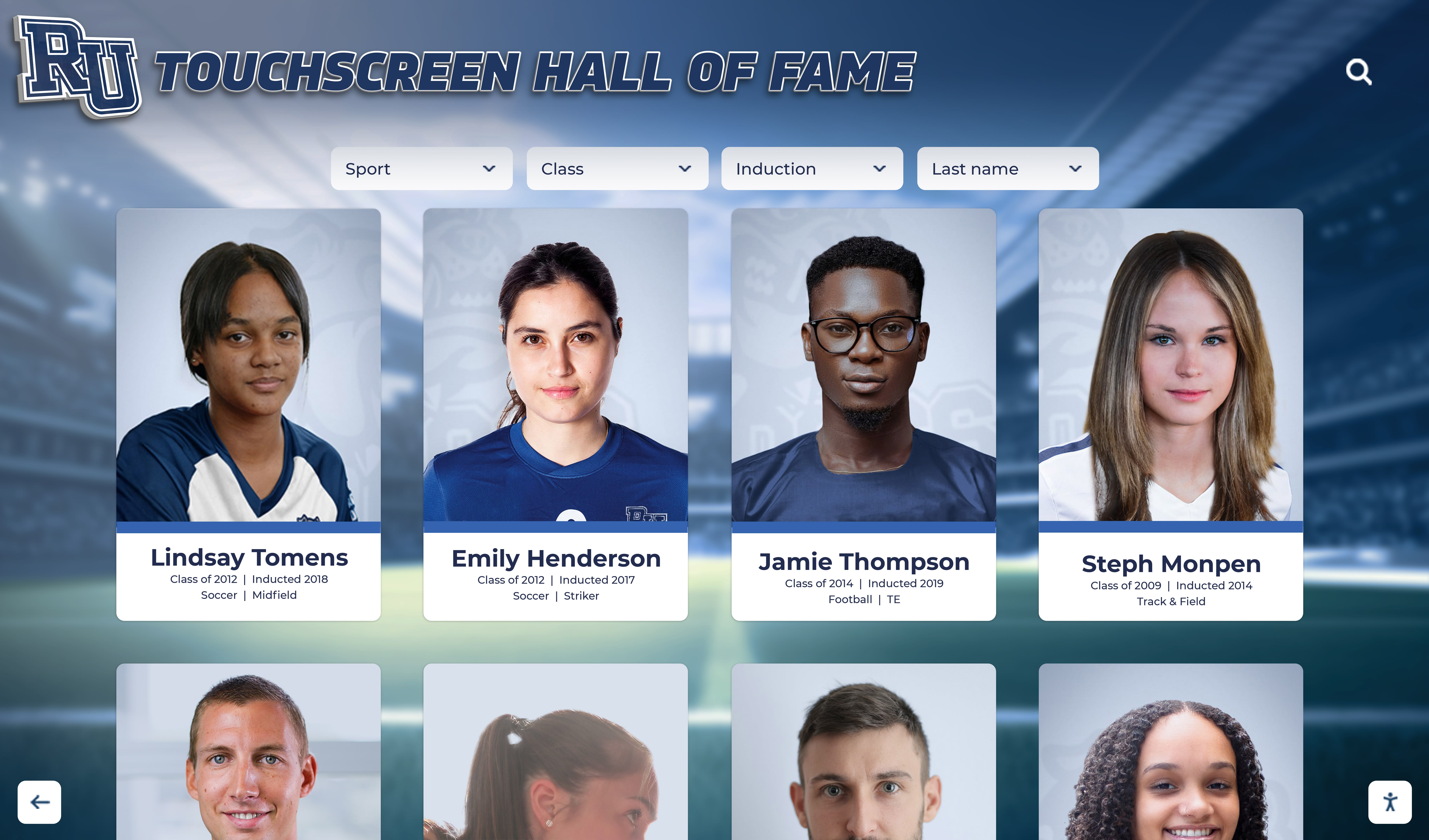
Consistent profile formats enable efficient browsing while providing comprehensive information about each achievement
Multimedia Integration and Rich Content
Digital platforms enable multimedia incorporation that brings technical achievements to life far beyond what static displays can accomplish.
Effective Multimedia Applications
Programs should leverage multimedia capabilities through photo galleries showing students applying skills in lab settings, video demonstrations capturing students explaining and performing technical competencies, competition footage preserving performance highlights and award ceremonies, project presentation recordings showcasing student communication and technical knowledge, and industry partner testimonials validating student preparation and program quality.
Quality multimedia creates dramatically stronger engagement than text and photos alone. Visitors spend significantly more time exploring video content, and multimedia naturally generates social media sharing that extends recognition reach beyond physical displays and web portals. However, production quality matters—poorly produced videos with bad audio or amateur appearance can undermine rather than enhance program credibility. Programs should prioritize professional or high-quality amateur content over low-quality additions.
Program Information Integration
Recognition displays serve dual purposes celebrating individual achievements while communicating comprehensive program information to prospective students and stakeholders.
Essential Program Content
Beyond individual student profiles, displays should include program overview information explaining different pathway options, curriculum descriptions outlining what students learn and skills developed, certification and credential information detailing what students can earn, career pathway data showing employment opportunities and salary ranges, industry partnership documentation highlighting business relationships, and getting started guidance explaining enrollment processes and requirements.
This program information transforms recognition displays into comprehensive CTE communication platforms serving recruitment, parent education, and stakeholder engagement simultaneously. Understanding digital storytelling for programs provides frameworks applicable to career and technical education contexts.
Integration with Broader CTE Program Marketing
Recognition displays work most effectively when integrated with comprehensive communication strategies rather than functioning as isolated technology.
Coordination with CTE Events and Celebrations
Recognition displays and formal CTE events create synergistic opportunities where each enhances the other.
Event Integration Strategies
Effective integration includes CTE Month celebrations in February featuring recognition display content, certification and awards ceremonies highlighting newly recognized achievements immediately added to displays, career fair integration with displays providing additional information for visiting students, industry partner appreciation events showcasing program success and partnership impacts, and open house demonstrations where displays create self-guided exploration opportunities.
Programs report that ceremony integration creates momentum for broader engagement as attendees explore displays during events, share experiences through social media, discuss discoveries with families and peers, and revisit platforms to continue exploration beyond initial event exposure.
Social Media and Digital Marketing Integration
Recognition content generates natural social media material that extends visibility beyond those who physically encounter displays.
Digital Marketing Applications
Programs can leverage recognition content through individual student achievement announcements on school social media channels, competition success celebrations shared with community audiences, certification milestone posts highlighting program effectiveness, career success stories featuring alumni in rewarding positions, and industry partnership highlights acknowledging employer contributions.
This consistent social media presence keeps CTE programs visible and top-of-mind for school communities while demonstrating ongoing achievement and success rather than relying on occasional annual summaries that fail to maintain sustained awareness.
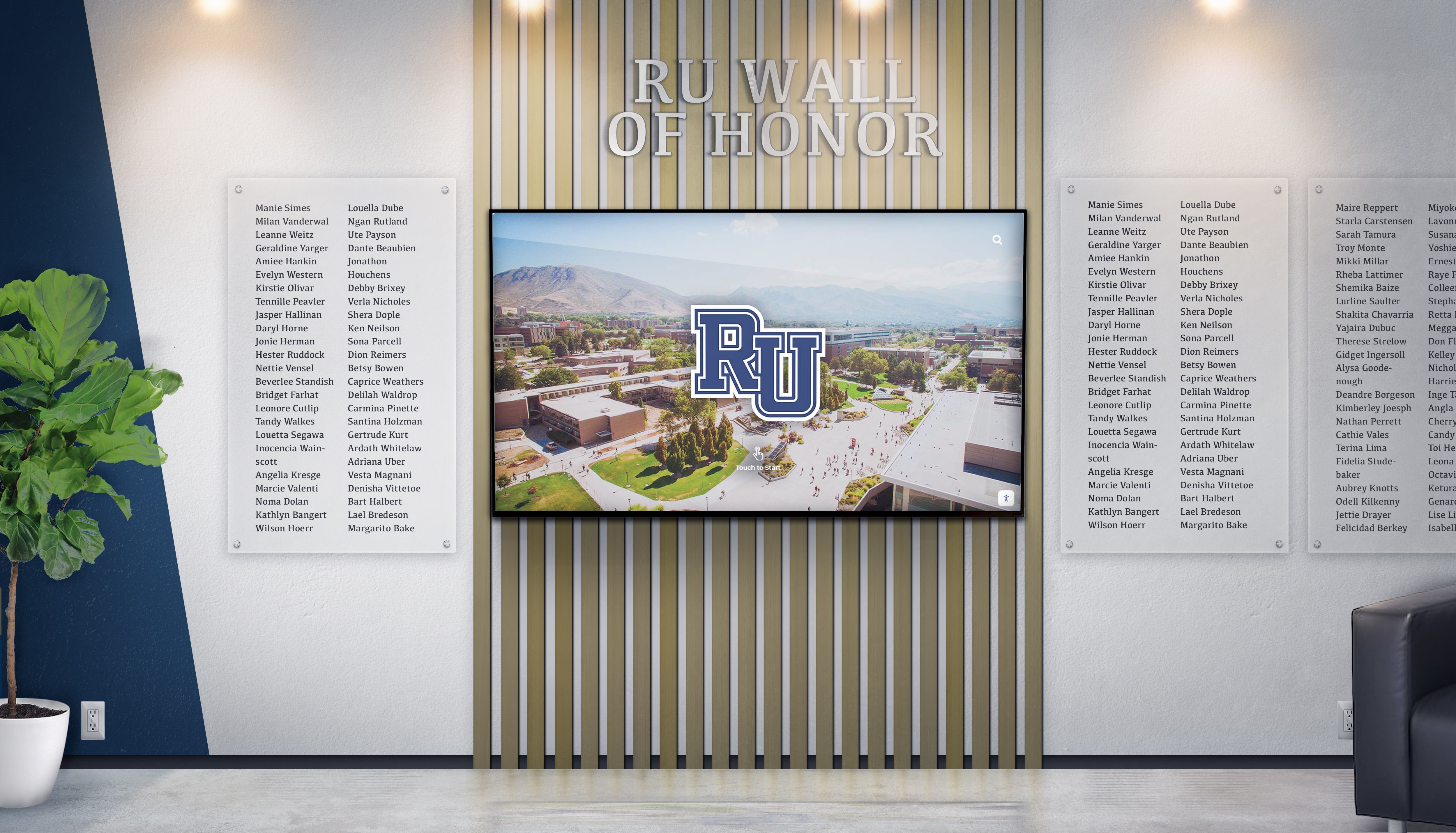
Integrated systems combining digital displays with traditional elements create comprehensive recognition environments
Recruitment and Pathway Counseling Support
Recognition displays support student recruitment and pathway selection when integrated with counseling and advising processes.
Counselor and Advisor Integration
Programs enhance effectiveness by training counselors on recognition platform content and navigation, incorporating display exploration into pathway advising sessions, using recognition data in parent information sessions about CTE opportunities, referencing successful alumni during individual student counseling conversations, and providing counselors with access to program outcome data displayed in recognition systems.
This integration ensures that recognition content actively supports student decision-making rather than passively waiting for students to discover information independently. Resources on interactive displays for tours demonstrate systematic approaches to incorporating technology into recruitment processes.
Conclusion: Elevating Career and Technical Education Through Digital Recognition
Digital touchscreen displays represent strategic investments in career and technical education program visibility, student motivation, stakeholder communication, and industry partnership development. When schools and training centers systematically celebrate technical achievement across all program pathways through engaging interactive technology, they transform CTE from specialized programming serving limited student populations into visible, valued educational options that families, students, and communities recognize as rigorous preparation for rewarding high-skill careers.
The strategies explored in this guide provide comprehensive frameworks for implementing recognition systems that effectively showcase diverse CTE achievements while serving multiple stakeholder audiences with distinct information needs. From industry certification documentation that demonstrates skill mastery to competition success highlighting program quality to career placement outcomes proving employment readiness, digital recognition communicates program value through evidence that resonates with everyone from prospective students to industry partners to school boards evaluating program investments.
Transform Your CTE Program Recognition and Communication
Discover how purpose-built digital recognition platforms help career and technical education programs celebrate student success, demonstrate program quality, and engage industry partners through modern interactive technology designed specifically for technical education.
Explore CTE Recognition SolutionsImplementation requires moving beyond assumptions that technical achievement requires less sophisticated recognition than academic or athletic accomplishment. Modern digital platforms make comprehensive CTE recognition achievable across unlimited students and achievement categories, while cloud-based management ensures sustainable long-term program operation without overwhelming staff capacity.
Start where you are with recognition programs you can implement immediately using existing documentation and achievement records, then systematically expand to create comprehensive approaches your students and programs deserve. Every certification earned, every competition medal won, every successful career placement secured deserves celebration equal to any other form of excellence—and digital recognition technology finally makes this comprehensive acknowledgment practical and sustainable.
Your CTE students’ technical achievements deserve visibility and celebration that communicates their value to families, employers, and communities. With thoughtful planning, appropriate technology selection, and systematic implementation, you can create recognition systems that honor every technical accomplishment while demonstrating program quality and building the positive, motivating culture where all students see career and technical education as rigorous, respected pathways to rewarding futures.
Ready to begin? Explore approaches for highlighting student accomplishments across all programs, learn about interactive display implementations that serve educational contexts, or discover comprehensive recognition strategies that celebrate institutional excellence across all achievement dimensions including career and technical education that prepares students for meaningful work and lifelong success.