



Schools generate thousands of digital assets every year—student photos, athletic game footage, award ceremony videos, yearbook images, historical documents, recognition certificates, event photography, and archived materials spanning decades. Yet many educational institutions struggle with disorganized folders, inaccessible files on outdated hard drives, duplicated content across multiple systems, and valuable historical assets languishing in forgotten storage locations.
When schools need specific photos for recognition displays, can’t locate important video footage, spend hours searching for historical images, or maintain separate disconnected systems for athletics, academics, and alumni content, these challenges signal the need for proper Digital Asset Management (DAM). Without systematic approaches to organizing, storing, retrieving, and distributing digital content, schools waste administrative time, lose irreplaceable historical materials, and fail to use valuable assets that could strengthen recognition programs, marketing efforts, and community engagement.
This comprehensive guide explores Digital Asset Management systems specifically designed for educational institutions—covering essential features, implementation strategies, specialized recognition-focused solutions, and best practices that transform chaotic digital collections into organized, accessible, and highly valuable institutional resources serving multiple departments and audiences.
Educational institutions possess unique digital asset management needs that general business solutions often fail to address. Schools manage sensitive student information requiring privacy protection, maintain historical archives spanning generations, support multiple departments with diverse content requirements, and serve varied audiences from current students and staff to alumni, donors, and community members. Effective DAM systems designed for education accommodate these specialized requirements while remaining accessible to non-technical administrators and staff members.

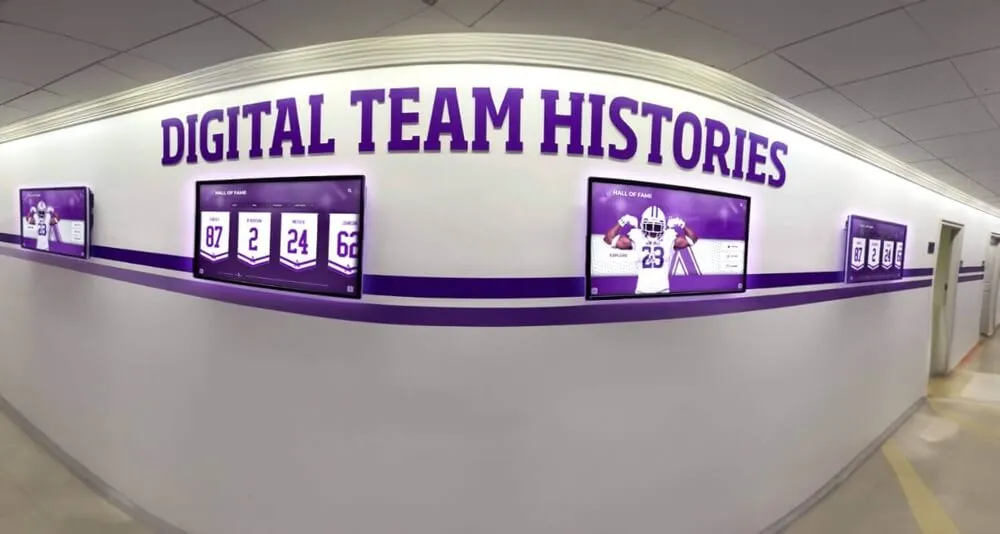
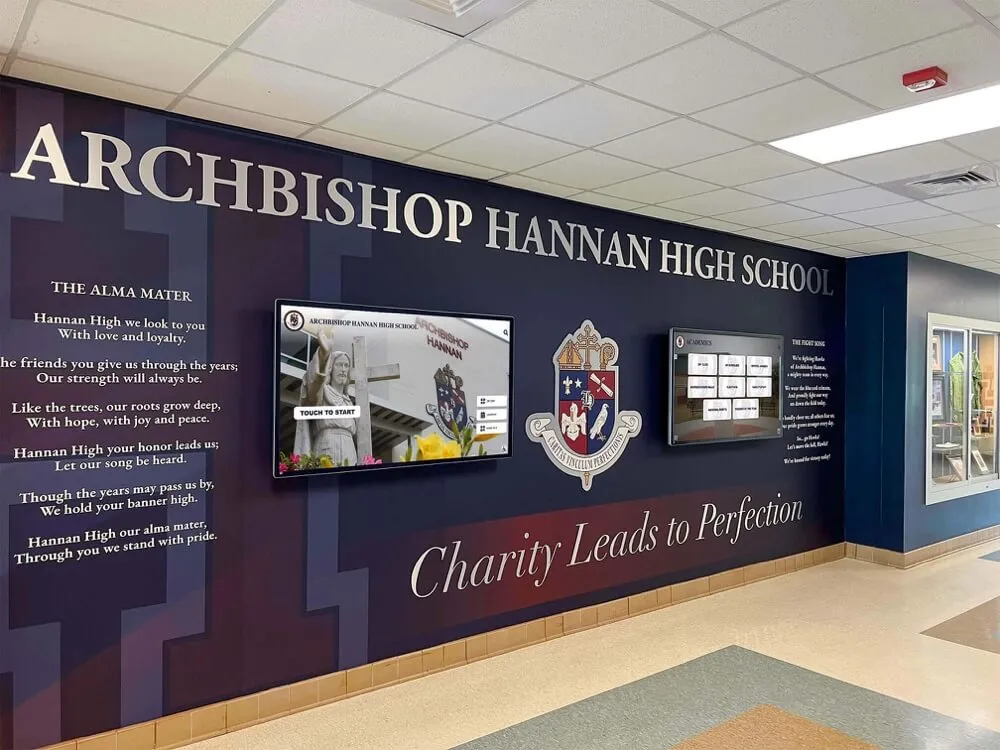
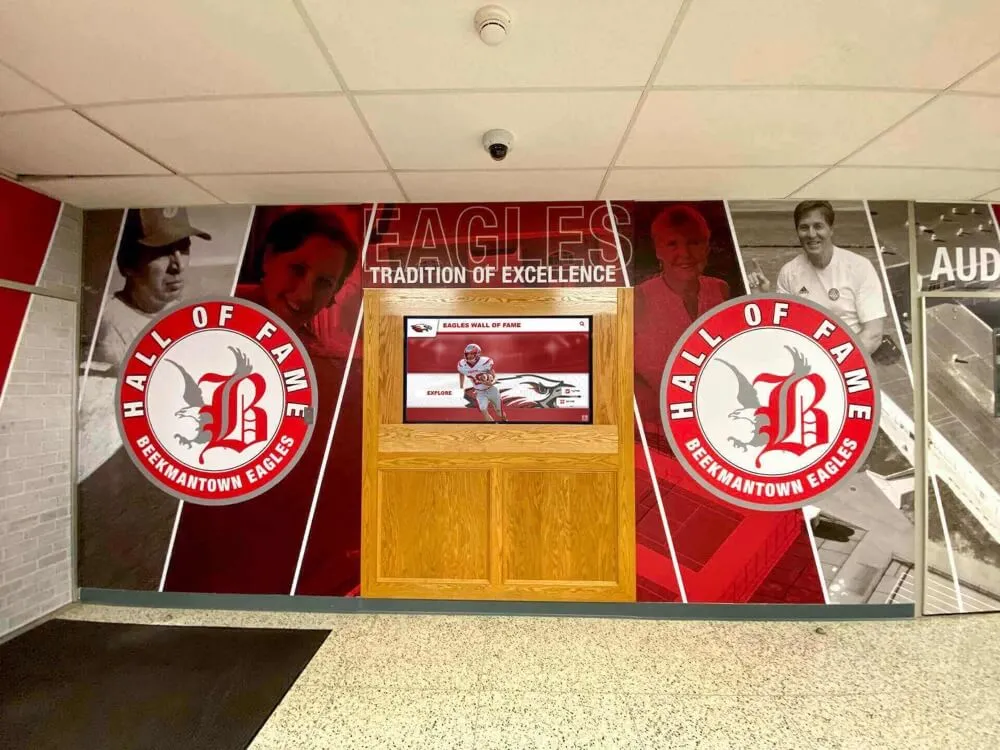
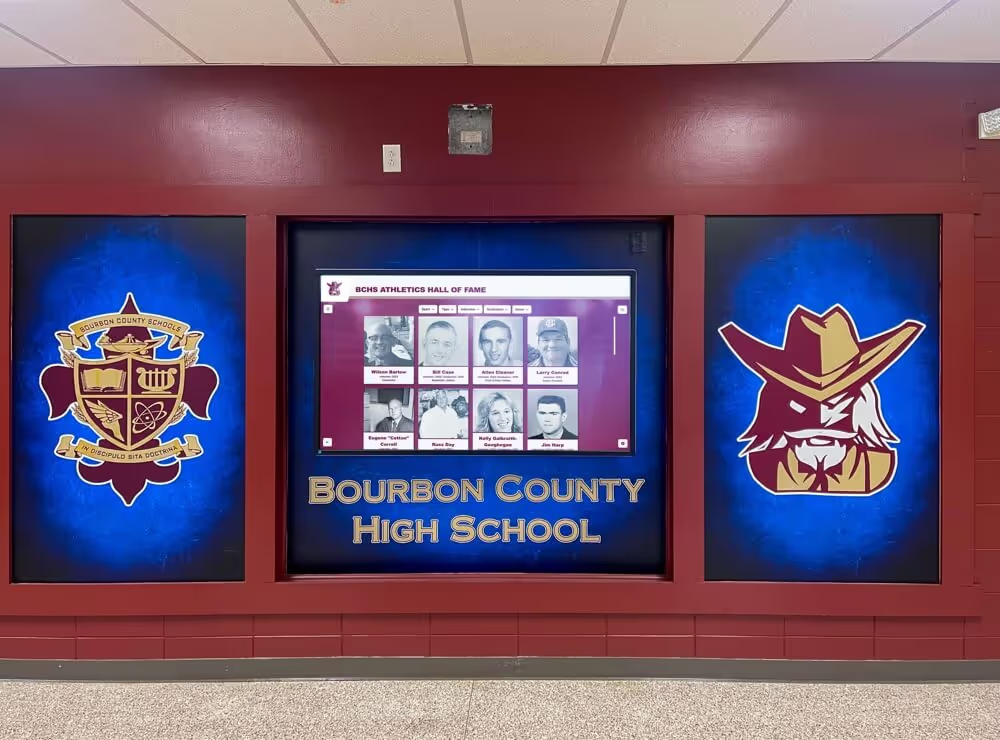
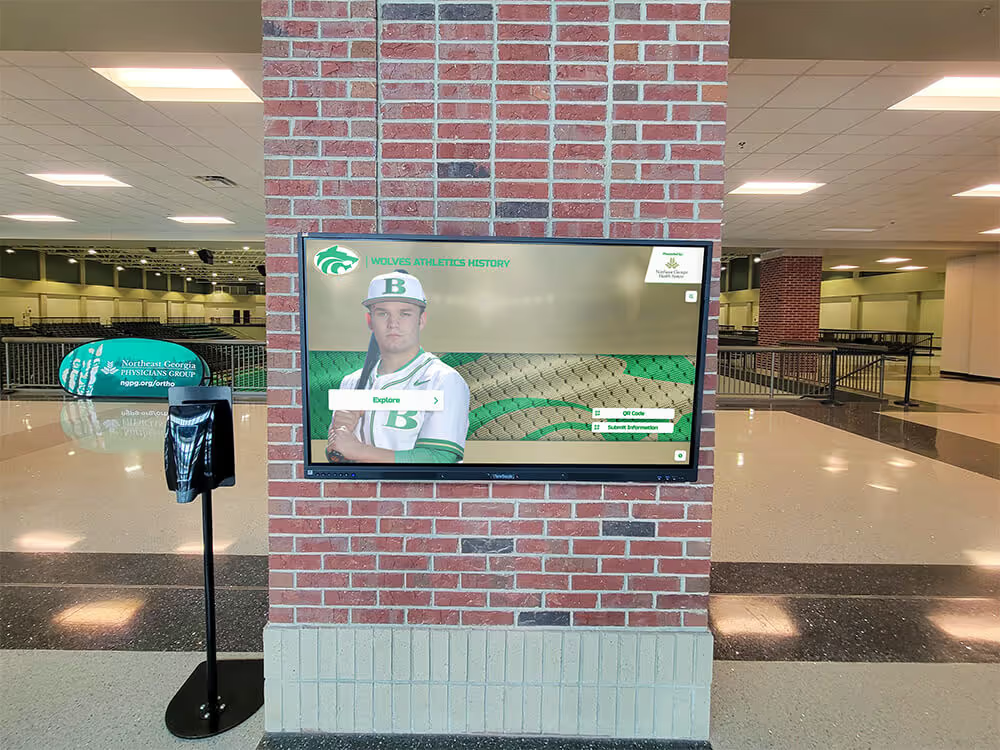
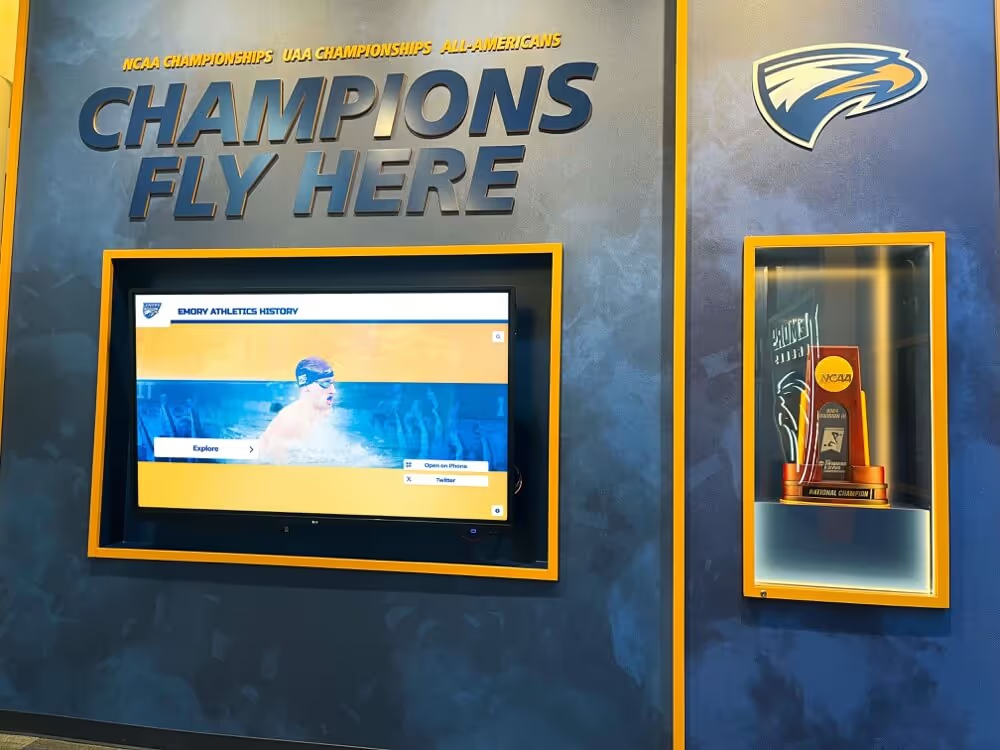
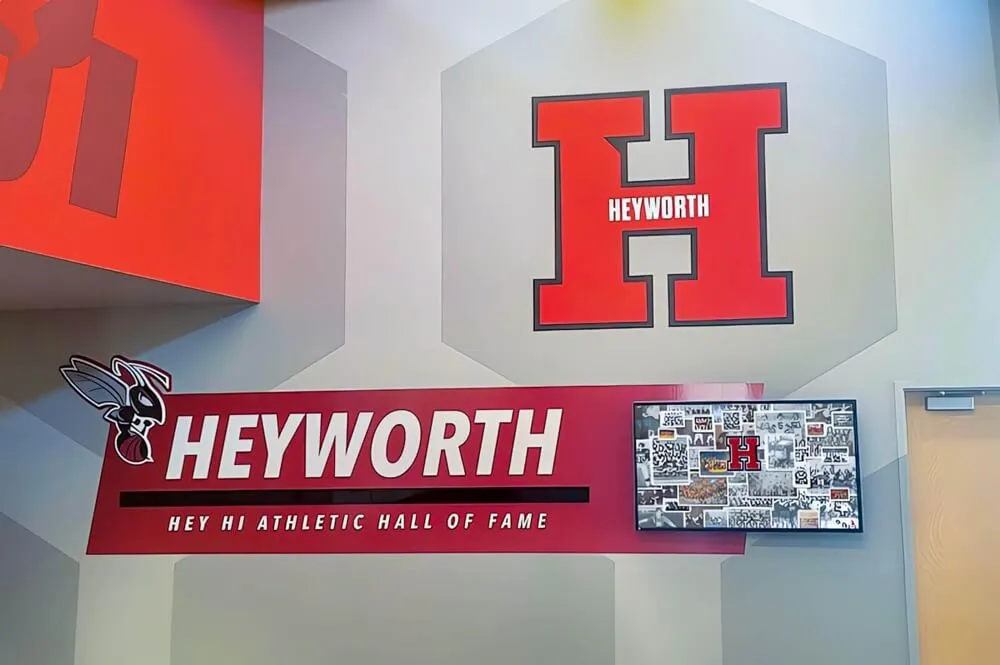
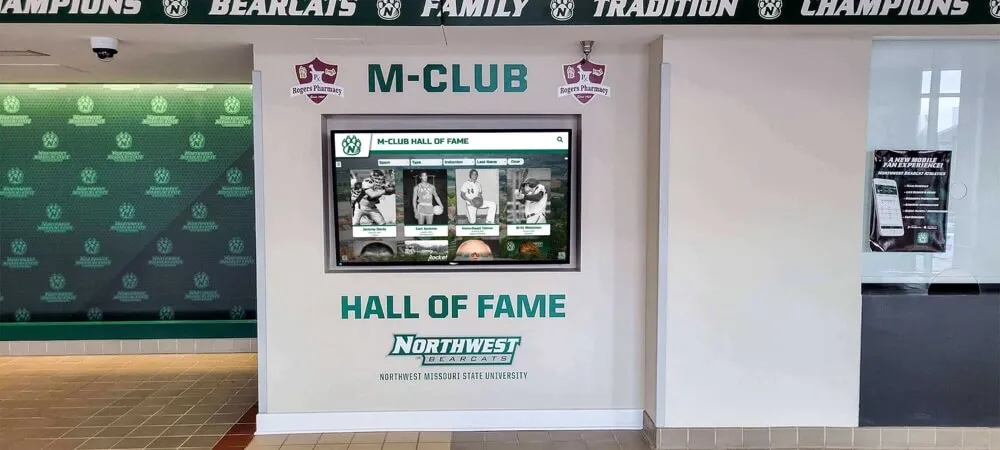
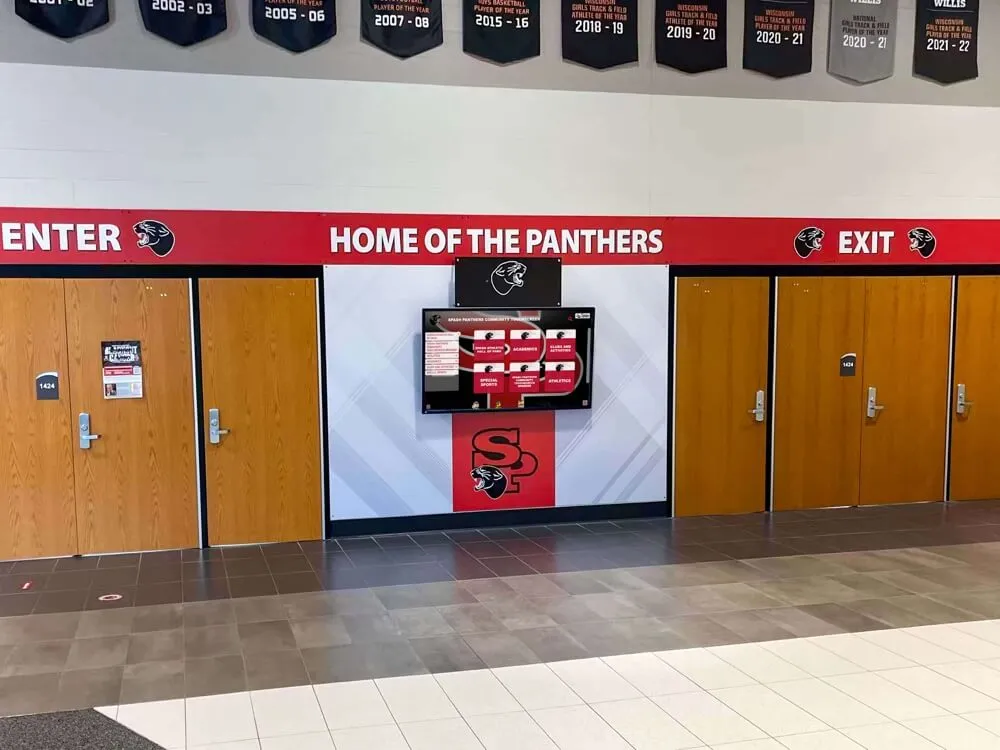
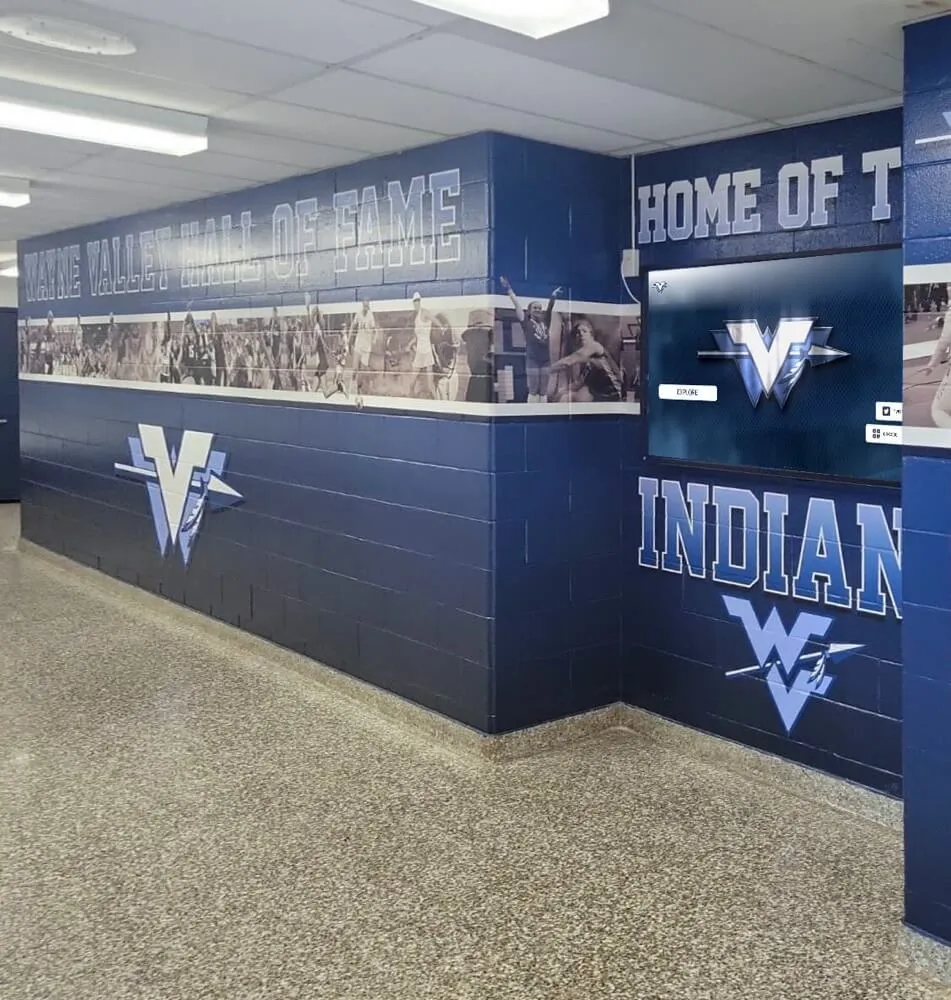
Modern digital asset management enables schools to organize and display photos, videos, and recognition content through accessible interactive systems
Understanding Digital Asset Management for Schools
Digital Asset Management systems provide centralized platforms for storing, organizing, searching, retrieving, and distributing digital files including photos, videos, documents, audio files, and multimedia content.
What Constitutes School Digital Assets
Educational institutions create and manage diverse content types requiring organized storage and retrieval:
Student and Staff Photography
- Individual student portraits from school photos and yearbook sessions
- Staff headshots and faculty photography for directories and websites
- Graduation photos documenting academic milestones
- Student ID photos and administrative identification imagery
- Historical student photos from archived yearbooks and collections
Athletic and Event Documentation
- Game footage and competition videos from sporting events
- Team photos capturing rosters across multiple seasons
- Individual athlete action shots and recognition photography
- Championship moments and milestone achievement documentation
- Event coverage from tournaments, meets, and competitions
Learn about comprehensive approaches to athletic history displays that use organized digital asset collections.
Recognition and Achievement Content
- Award ceremony photos documenting student accomplishments
- Certificate designs and recognition templates
- Achievement videos celebrating individual and team success
- Hall of fame induction materials and historical honoree information
- Academic excellence documentation and honor roll records
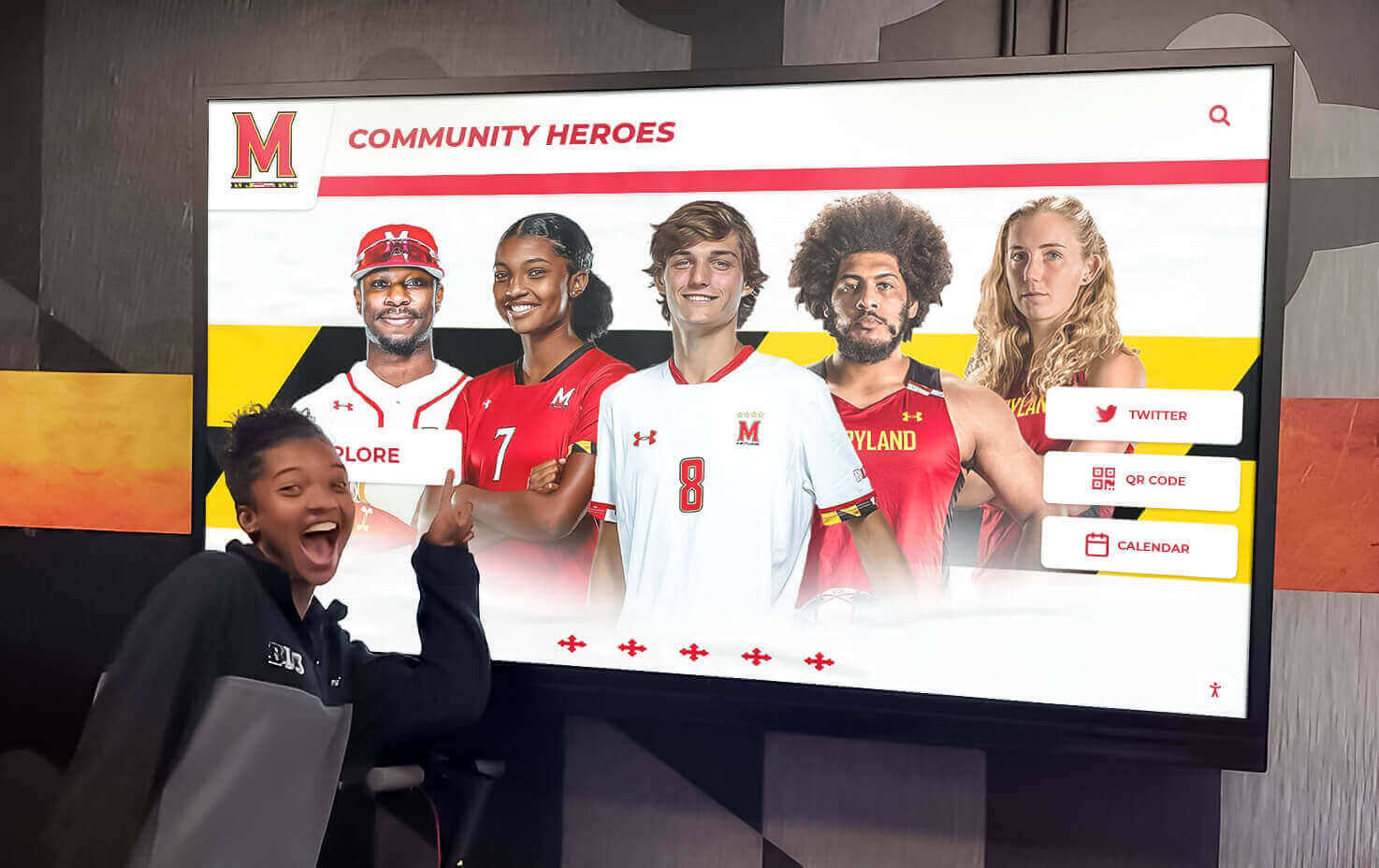
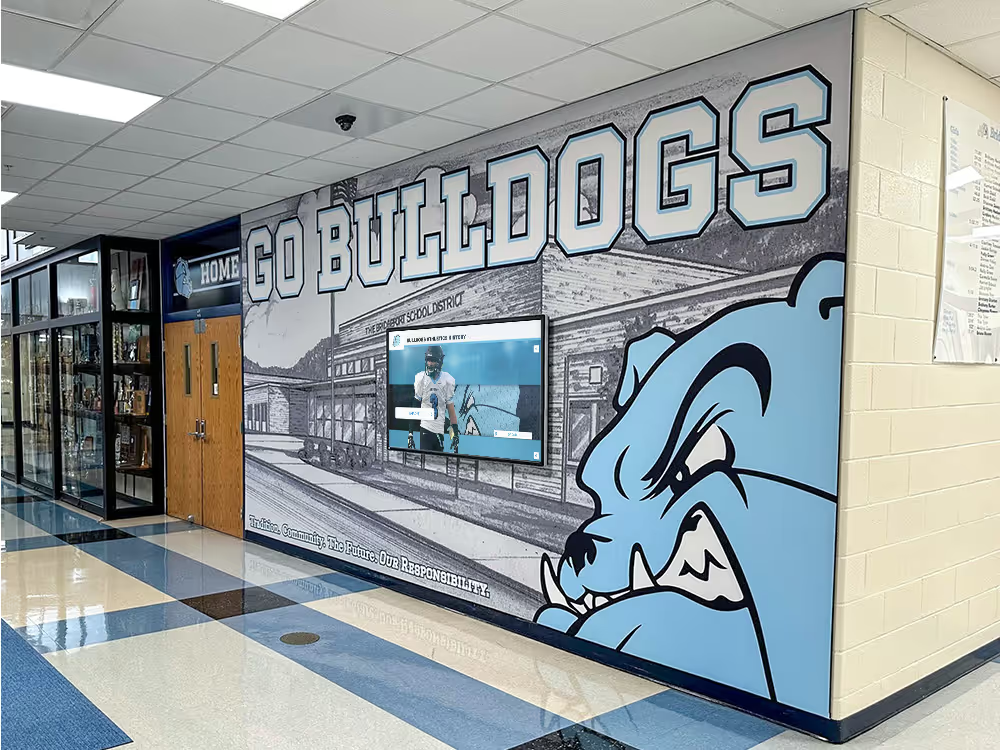
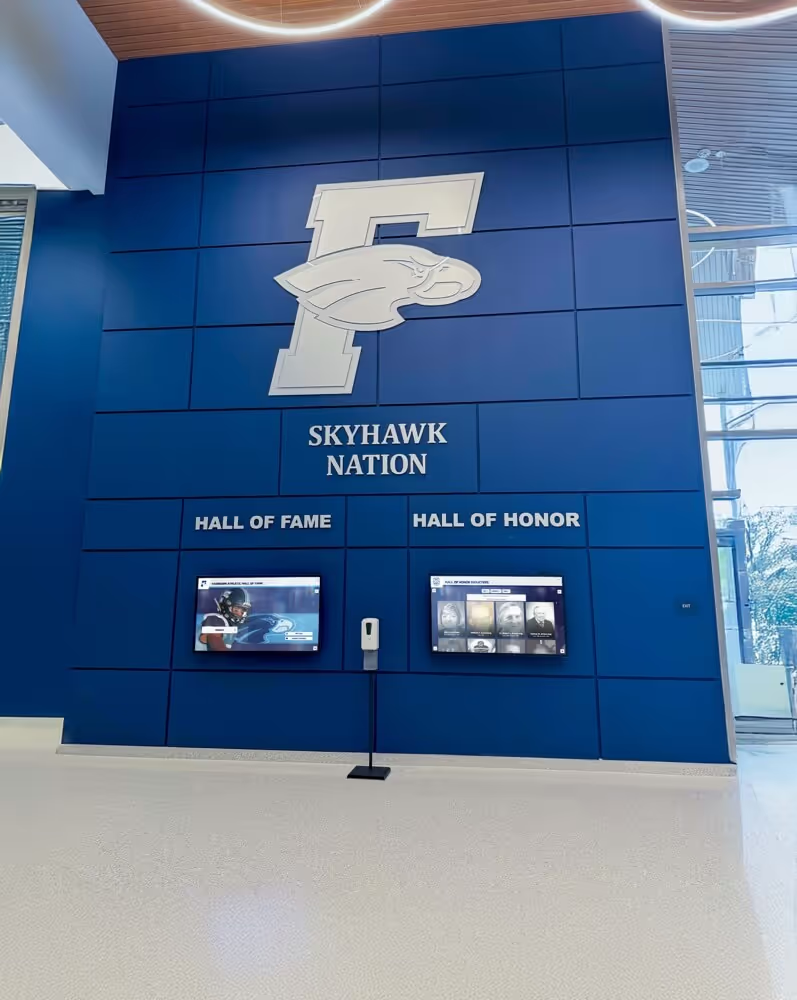
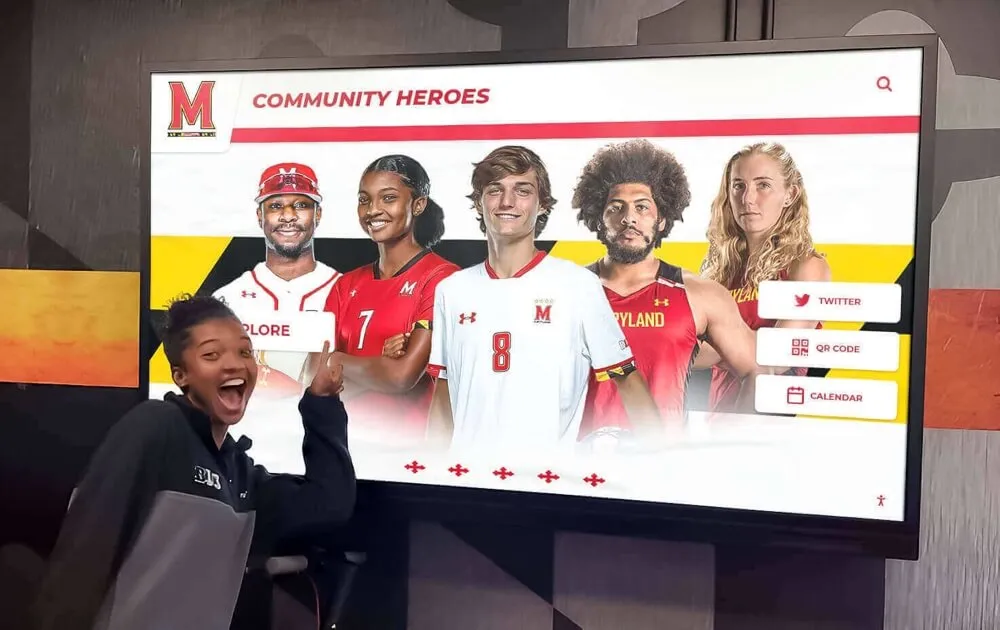
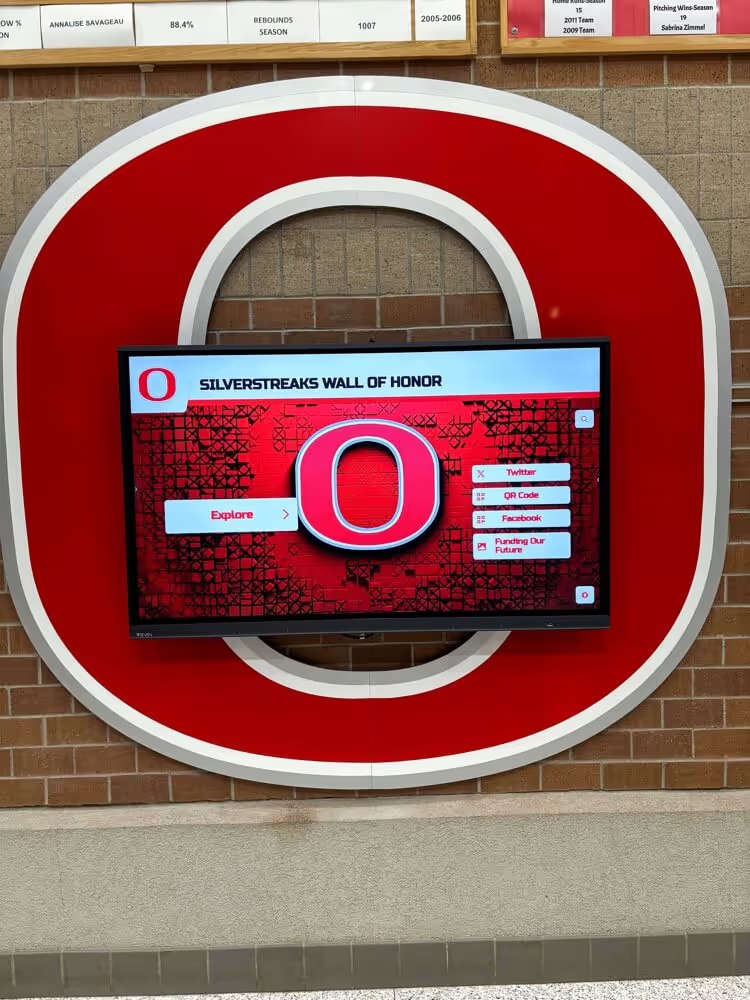
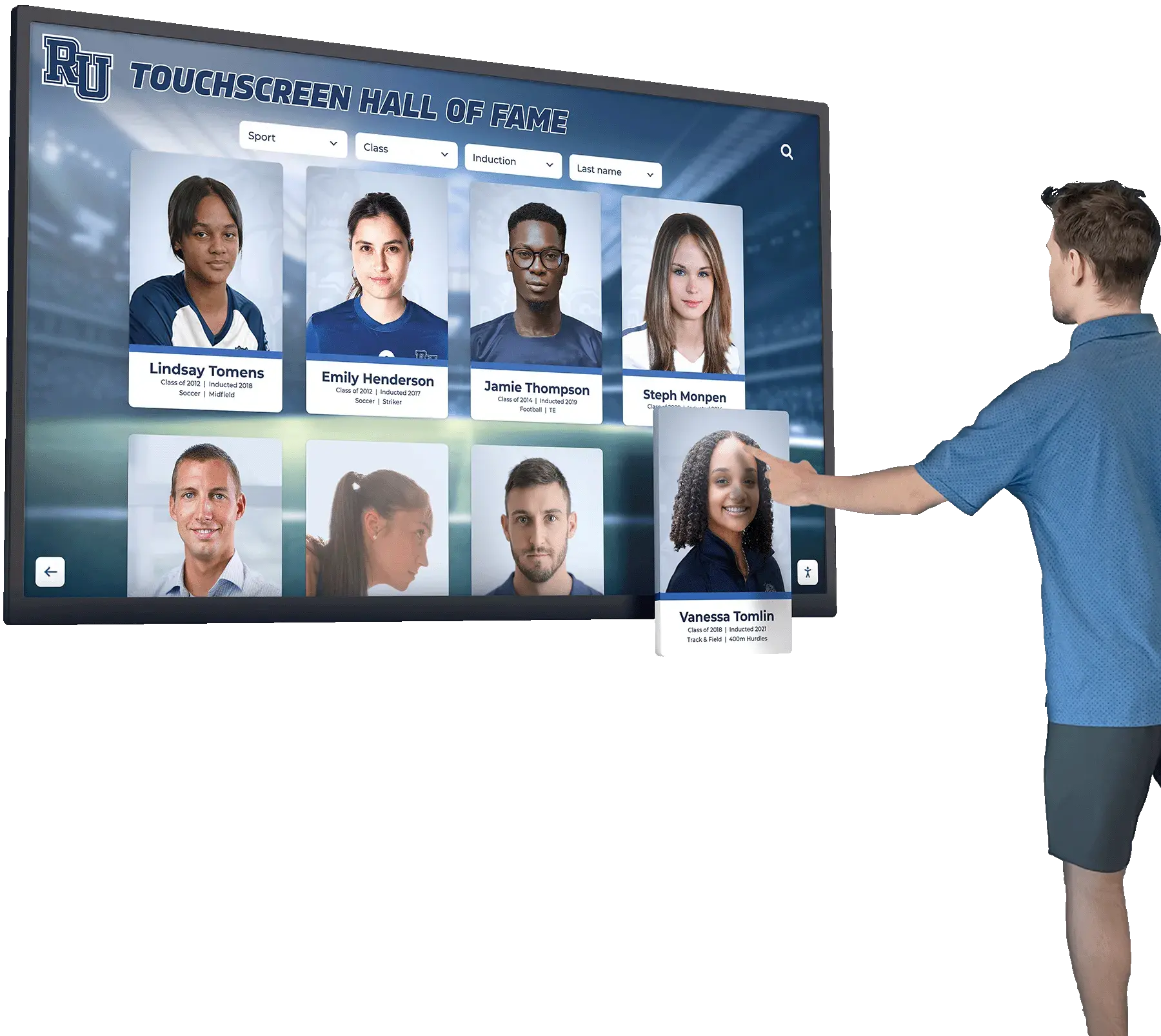
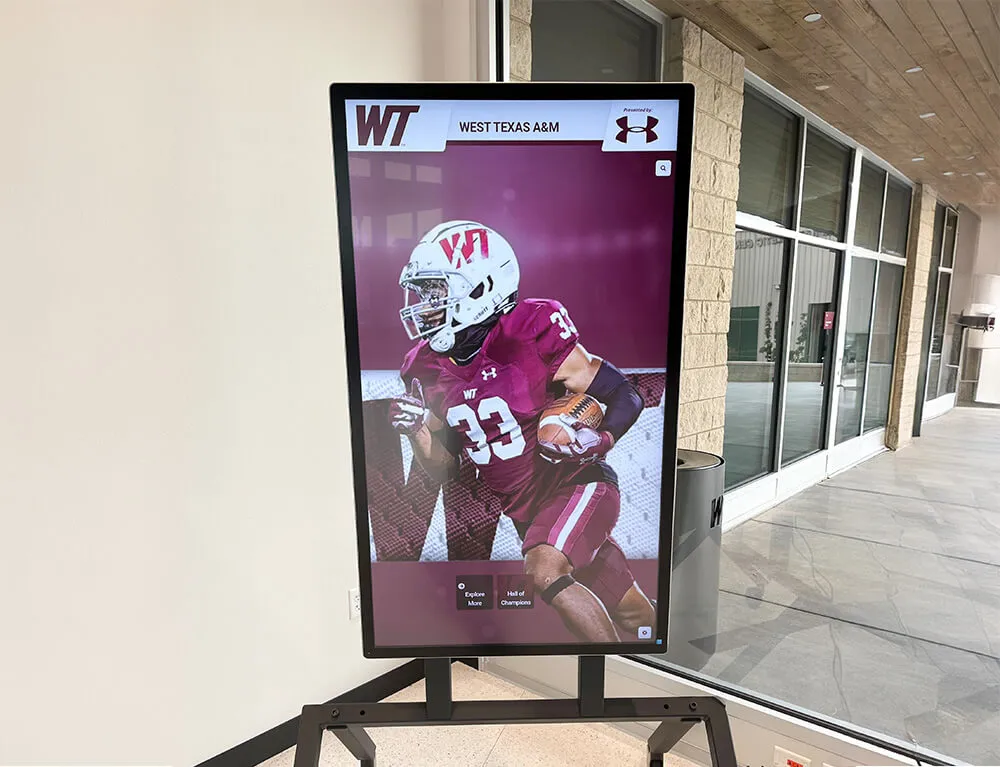
Organized digital assets enable intuitive browsing and discovery of achievement content across years and categories
Historical Archives and Legacy Content
- Scanned historical documents and archived materials
- Digitized yearbooks from previous decades
- Building and campus evolution photography over time
- Historical event documentation and institutional milestones
- Legacy student, staff, and community member records
Comprehensive digital archives for schools require systematic DAM implementation preserving institutional memory.
Operational and Marketing Content
- Promotional videos showcasing programs and facilities
- Social media imagery for communications departments
- Website photography representing school culture and activities
- Recruitment materials targeting prospective students and families
- Donor recognition content acknowledging philanthropic support
The Cost of Disorganized Digital Assets
Schools without proper DAM systems experience significant operational inefficiencies and lost opportunities:
Time Wasted Searching for Content
According to research by M-Files, employees spend approximately 18% of their time—nearly one full day per week—searching for documents and information. For school administrators already managing demanding responsibilities, hours spent hunting through disconnected folders, emailing colleagues for photos, or recreating lost content represent substantial productivity drains that effective DAM systems eliminate.
Duplicated Efforts and Redundant Storage
Without centralized systems, schools often maintain multiple copies of identical content across different computers, cloud storage accounts, external hard drives, and departmental servers. This duplication wastes storage space, creates version control confusion, and results in outdated files circulating when updated versions exist elsewhere.
Lost Historical Assets
Many schools discover that valuable historical photos, videos, and documents have been permanently lost when staff members retire taking institutional knowledge with them, aging hard drives fail without backups, or files remain trapped on obsolete media formats and discontinued platforms. Once lost, these irreplaceable materials can never be recovered.
Missed Recognition and Engagement Opportunities
Disorganized assets prevent schools from maximizing recognition program impact, alumni engagement initiatives, and historical celebration opportunities. When administrators can’t easily access specific photos, videos, or achievement records, these materials remain unused despite their potential value for digital hall of fame displays, social media campaigns, and community communications.
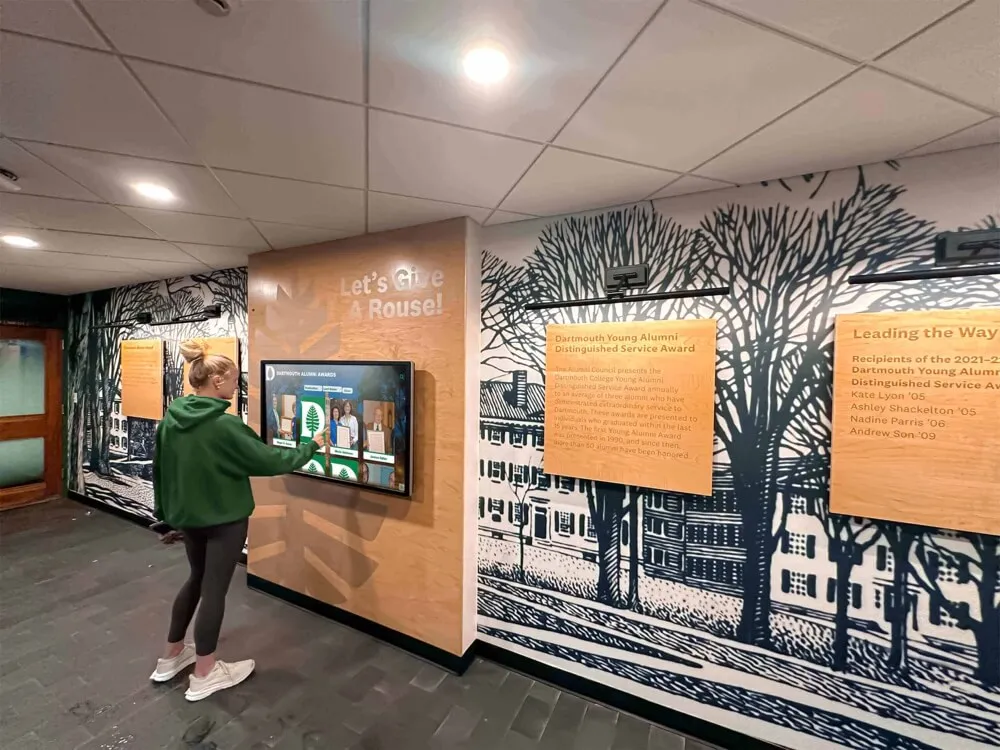
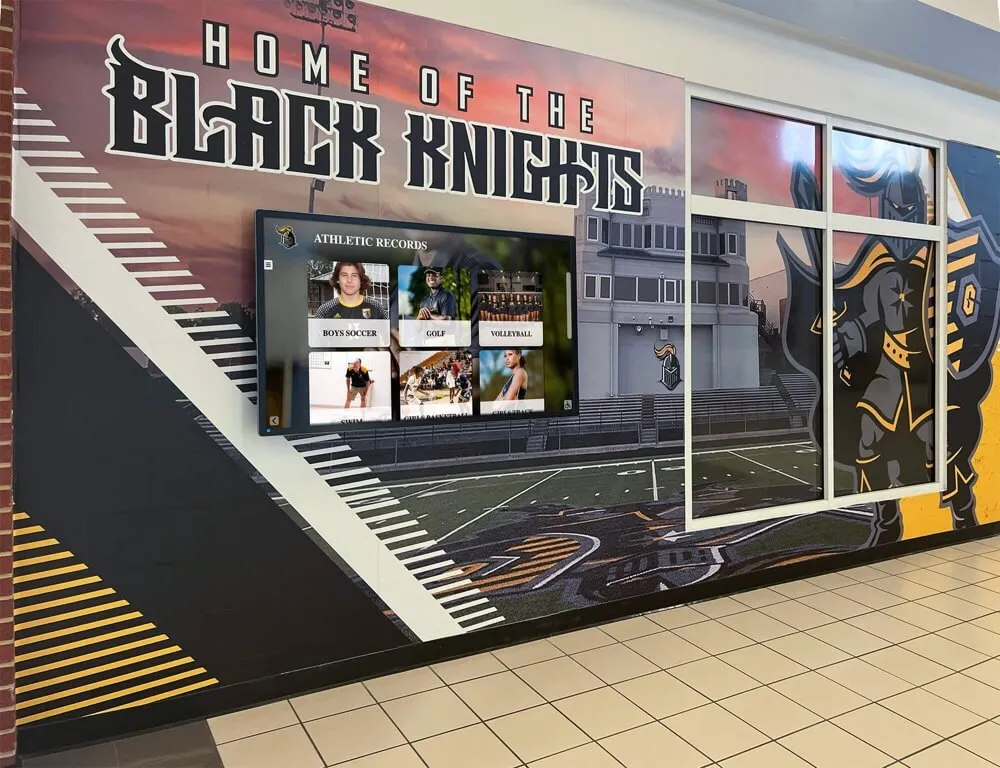
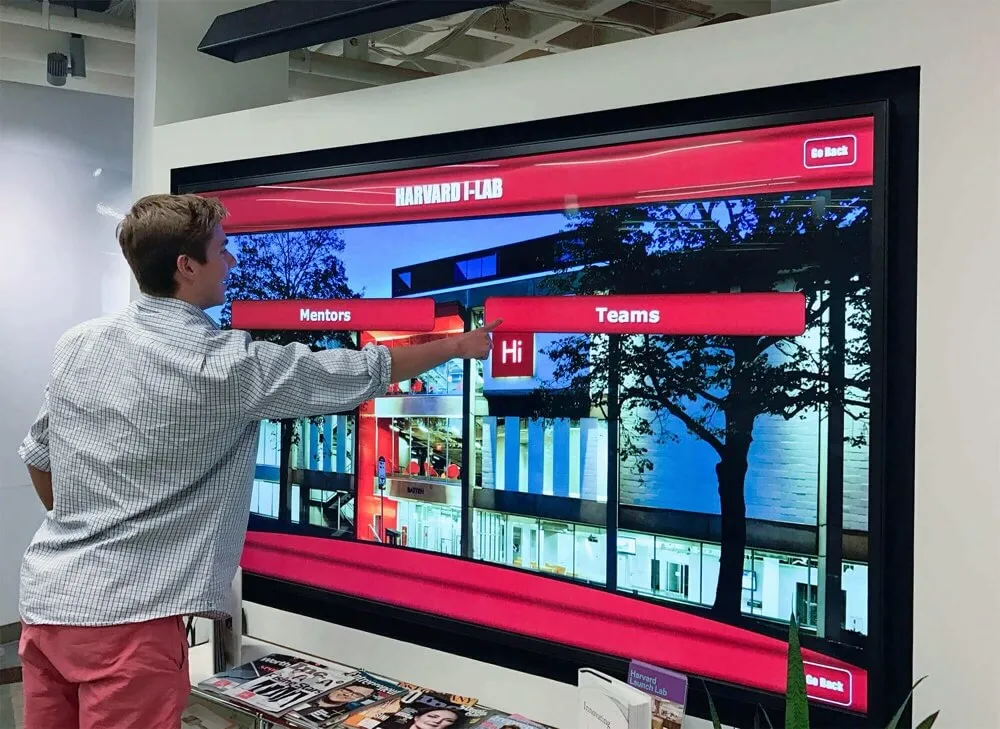
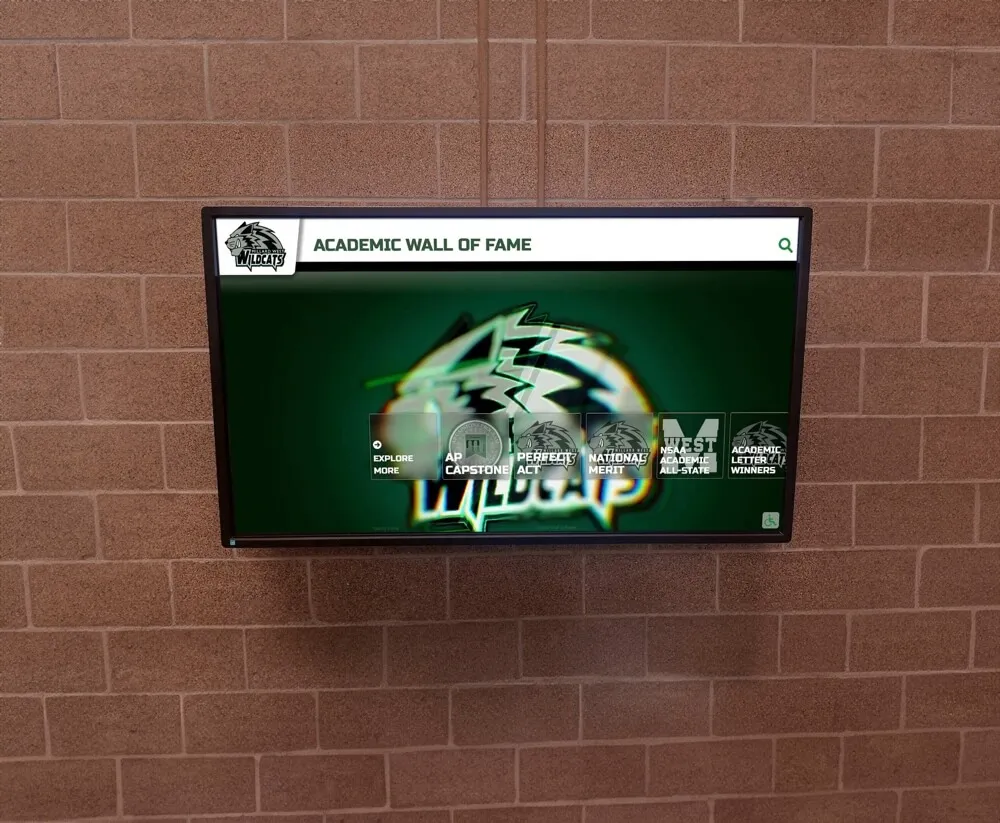
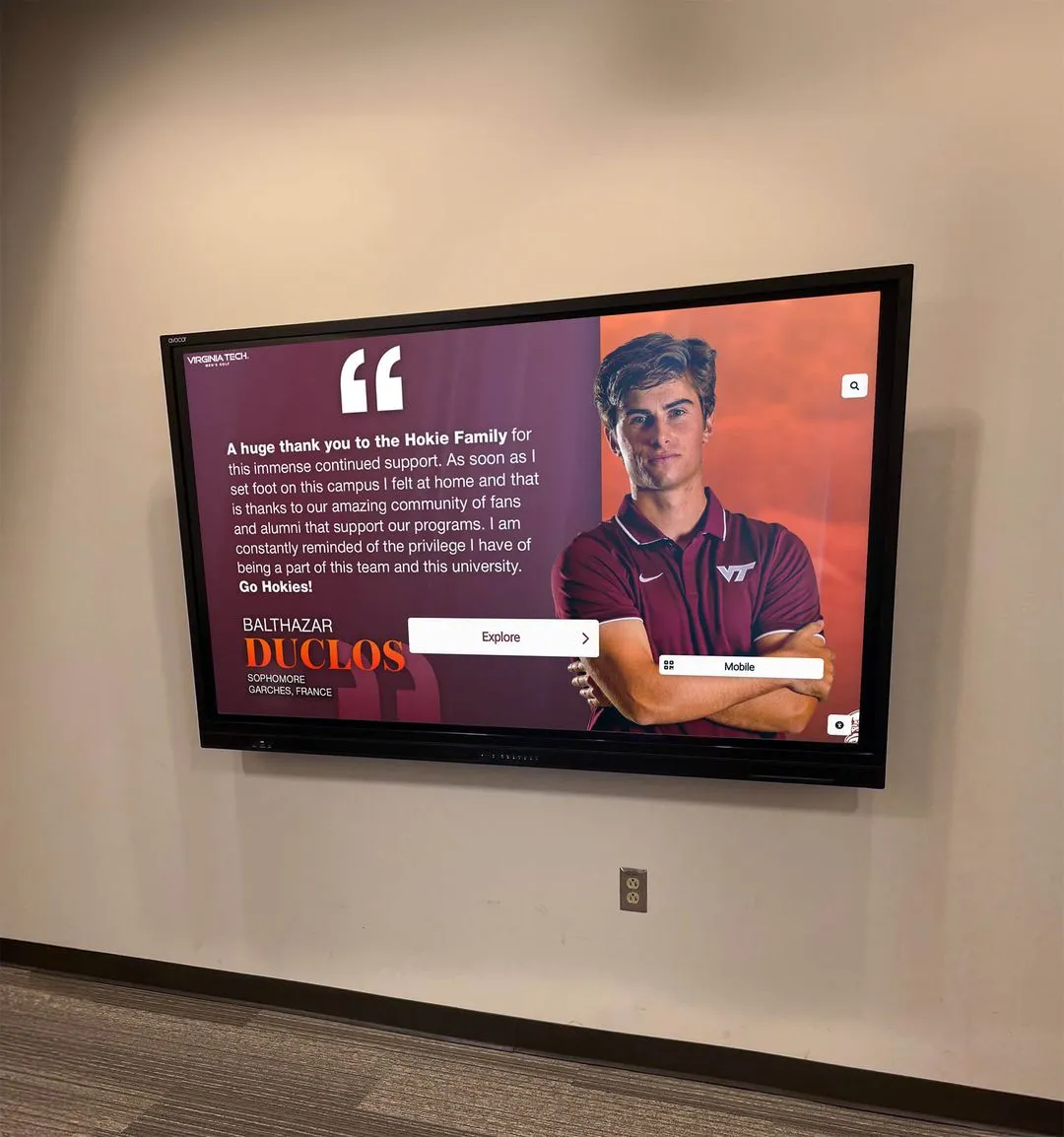
Accessible digital asset systems enable self-service browsing of historical photos and recognition content by students, alumni, and visitors
Essential Features of School DAM Systems
Effective Digital Asset Management platforms designed for educational institutions incorporate specific capabilities addressing unique school requirements.
Centralized Storage and Cloud Accessibility
Modern DAM systems provide secure cloud-based storage accessible from any internet-connected device rather than limiting access to specific computers or network locations.
Unlimited Scalable Storage
Quality school DAM platforms accommodate growing content collections through cloud infrastructure that scales automatically as storage needs increase. Schools should never face artificial capacity limits forcing difficult decisions about which historical content to delete or archive offline.
Remote Access for Distributed Teams
Athletic directors working from competition venues, alumni coordinators traveling to regional events, communications staff attending off-campus activities, and administrators working remotely all need consistent access to digital assets. Cloud-based systems eliminate location-based access restrictions that hamper productivity and limit content utilization.
Automatic Backup and Redundancy
Enterprise-grade cloud platforms maintain multiple redundant copies of all stored content across geographically distributed data centers, protecting against data loss from hardware failures, natural disasters, or technical problems. This built-in protection exceeds what most schools can achieve through local backup approaches.
Advanced Search and Organization Capabilities
Large digital asset collections become useless if users can’t quickly locate specific content when needed.
Metadata Tagging and Classification
Effective DAM systems enable comprehensive metadata assignment to every asset including descriptive keywords, date information, people featured, event context, photographer or creator, department or category, and custom fields specific to institutional needs. Rich metadata transforms browsing into pinpoint searching.
Facial Recognition and Auto-Tagging
Advanced platforms incorporate artificial intelligence that automatically identifies individuals appearing in photos, suggests relevant tags based on image content analysis, groups similar images together, and continuously improves accuracy through machine learning. These capabilities dramatically reduce manual tagging workload while improving searchability.
Flexible Filtering and Faceted Search
Users should be able to simultaneously filter by multiple criteria—finding “basketball team photos from 2018-2020 featuring Sarah Johnson” or “graduation ceremony videos from May events”—through intuitive interfaces requiring no technical expertise. Faceted navigation enables progressive refinement until locating exact needed content.
Explore how digital signage kiosks use organized DAM content for public display and recognition.
Version Control and Edit Tracking
Schools frequently update and revise digital content requiring systems that maintain version history and edit documentation.
Automatic Version History
When updated versions of photos, videos, or documents are uploaded, effective DAM systems preserve previous versions with timestamps and editor identification rather than overwriting original files. This history enables reverting to earlier versions when needed and understanding content evolution over time.
Edit Permission Management
Different users require different access levels—some need full editing capabilities while others should only view and download content. Role-based permissions ensure appropriate access control without creating administrative burden managing individual user settings.
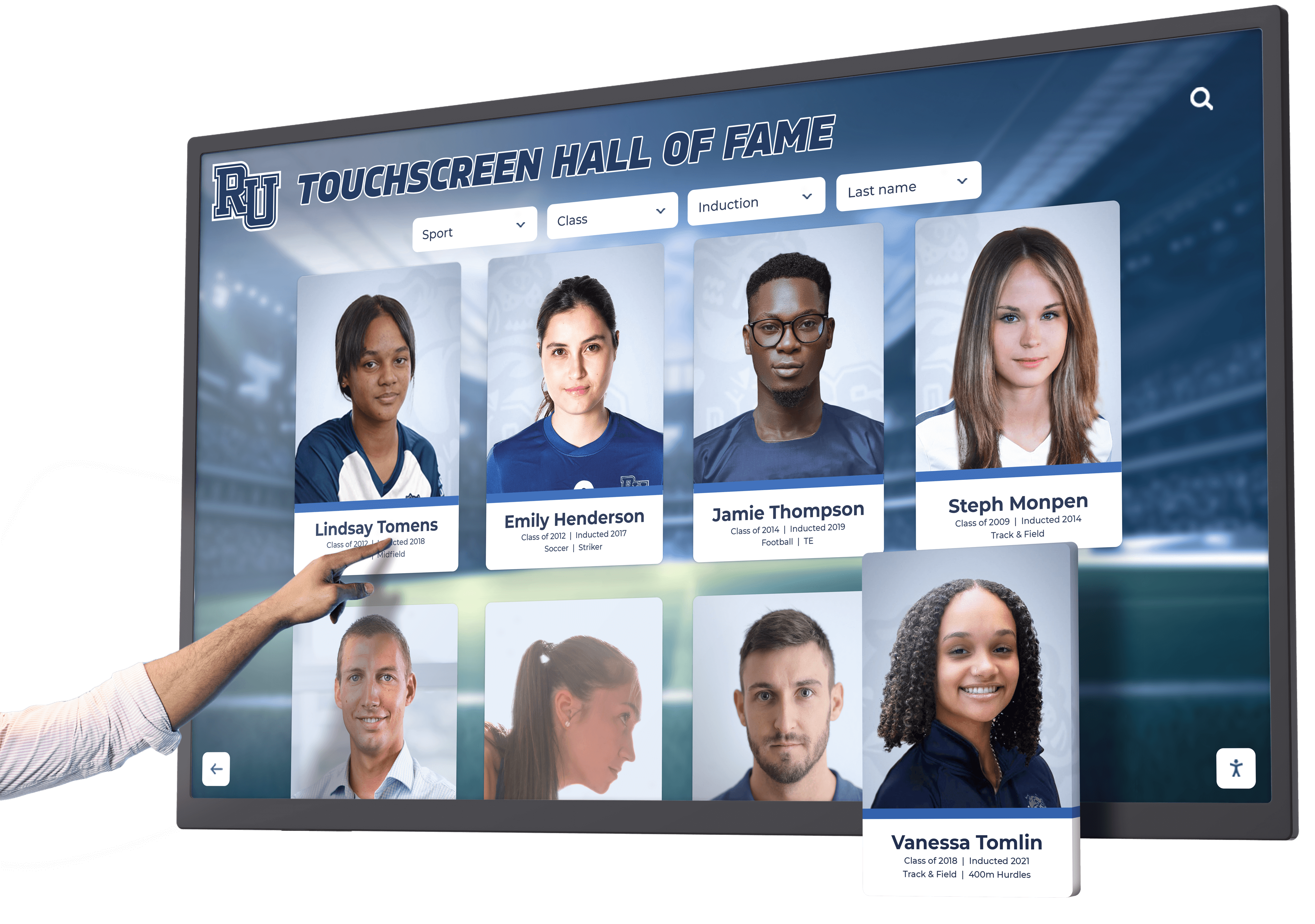
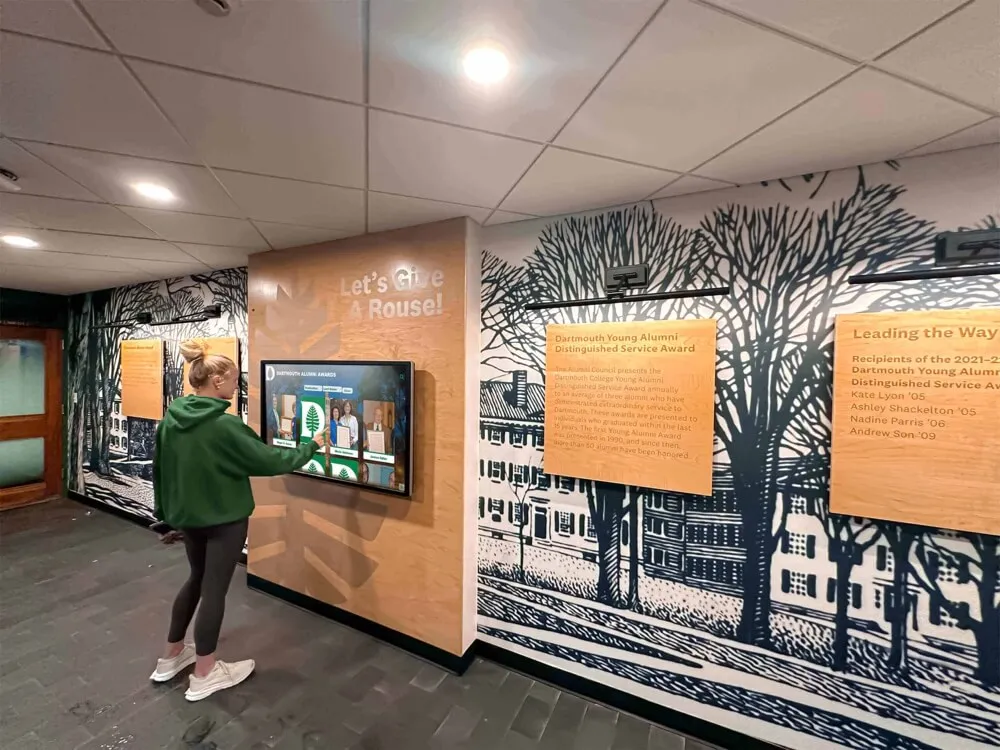
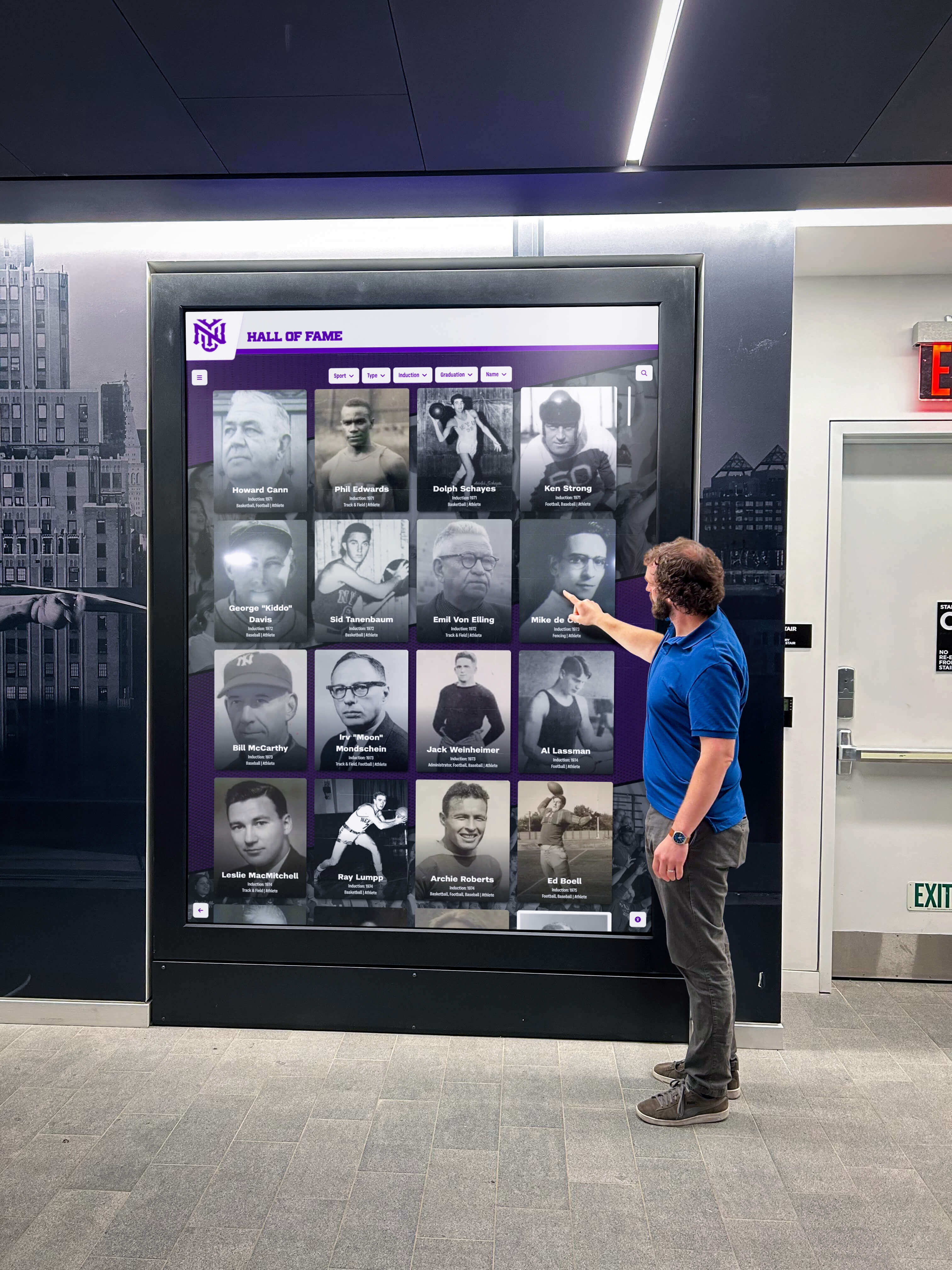
Well-organized digital asset collections enable intuitive browsing and selection of specific photos from extensive libraries
Change Notifications and Activity Tracking
Administrators benefit from notifications when content is added, modified, or deleted, enabling oversight without constant manual monitoring. Activity logs document all system actions supporting accountability and troubleshooting when questions arise about content changes.
Integration with Existing School Systems
Standalone systems requiring redundant data entry and manual synchronization create unnecessary administrative burden that discourages consistent use.
Student Information System Integration
Leading DAM platforms connect with student information systems (SIS) like PowerSchool, Infinite Campus, or Skyward to automatically sync student rosters, graduation years, grade levels, and demographic information. This integration eliminates duplicate data entry while ensuring accuracy and currency.
Yearbook Software Compatibility
Schools using dedicated yearbook platforms benefit from DAM systems that export content in compatible formats, enable batch image selection for yearbook sections, and support collaborative workflows between yearbook staff and other departments accessing the same content library.
Website and Communications Tool Connections
DAM platforms should integrate with school websites, email marketing systems, social media management tools, and digital signage platforms enabling smooth content distribution across all communication channels from a single organized source rather than maintaining separate content repositories.
Privacy, Security, and Compliance Features
Educational institutions must protect student privacy and maintain compliance with regulations like FERPA while managing digital assets containing personally identifiable information.
Granular Privacy Controls
Effective school DAM systems enable designation of which content can be displayed publicly versus restricted to specific authenticated audiences. Individual photos can be flagged for privacy restrictions based on parent preferences or student status ensuring compliance with photo release policies.
Secure Authenticated Access
Multi-factor authentication, single sign-on integration with school Google or Microsoft accounts, session timeout enforcement, and encrypted data transmission protect sensitive content from unauthorized access while maintaining convenient legitimate user access.
Audit Trails and Compliance Documentation
Complete activity logs documenting who accessed what content when, export capabilities proving compliance with records retention policies, and automated compliance reporting support regulatory requirements schools must satisfy.
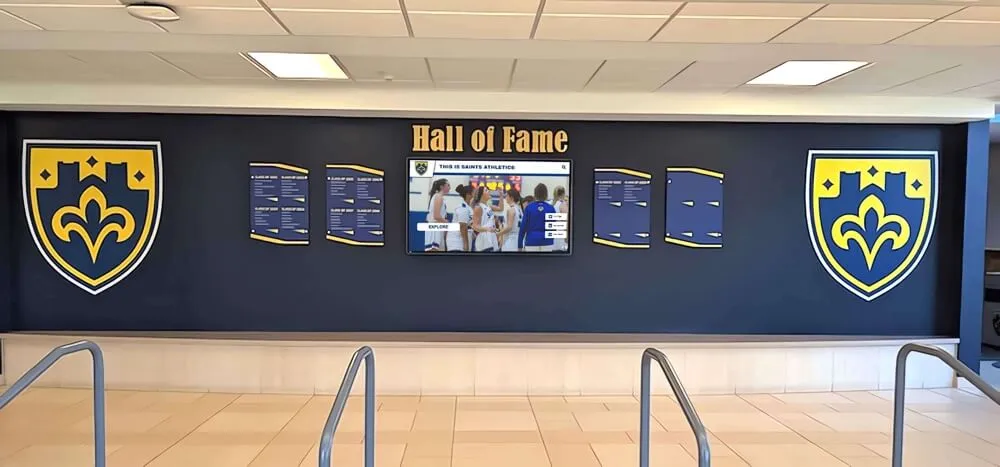
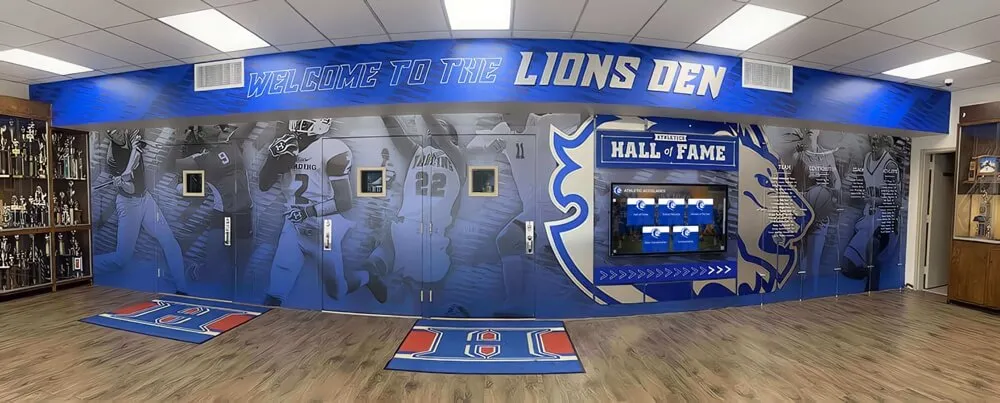
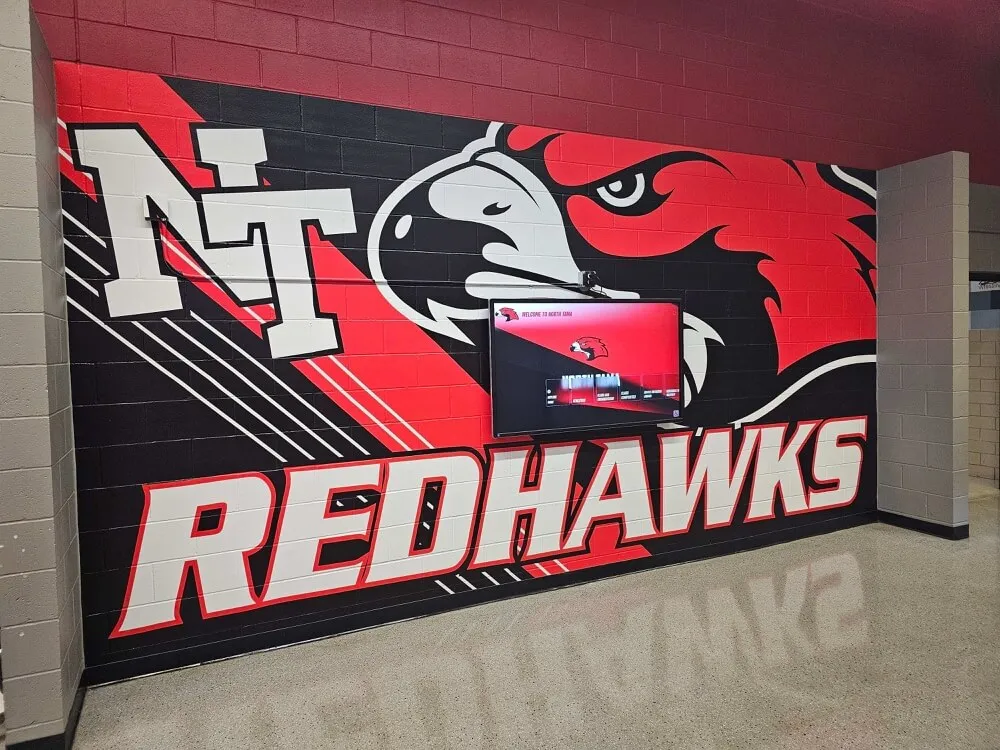
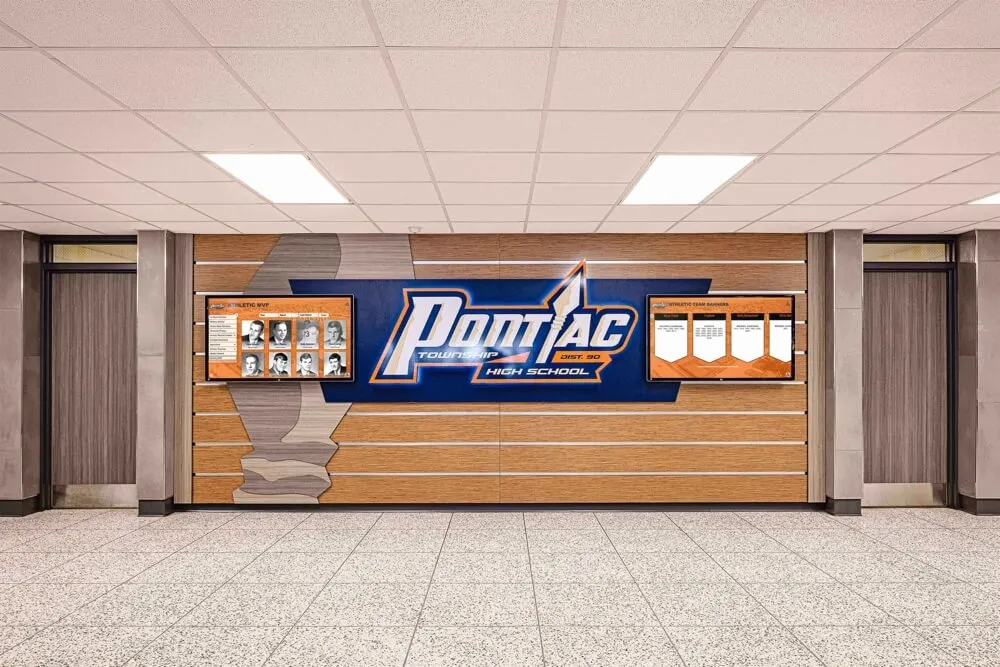
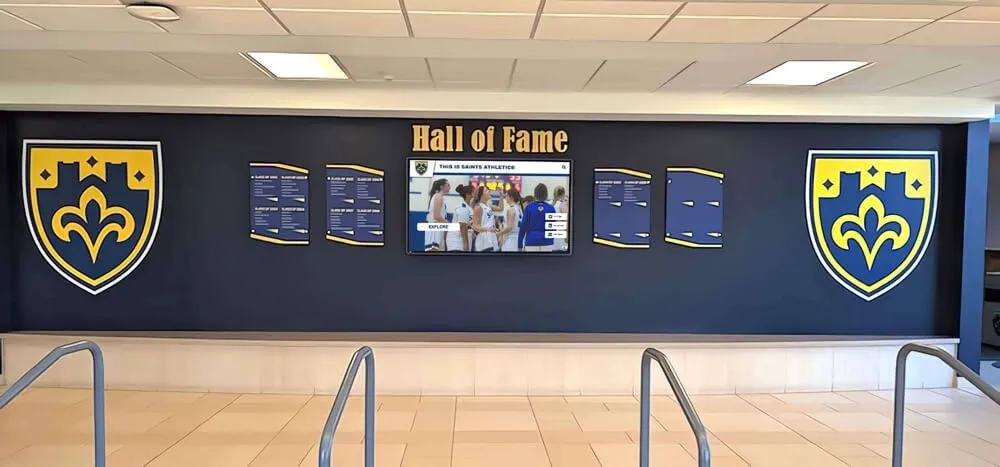
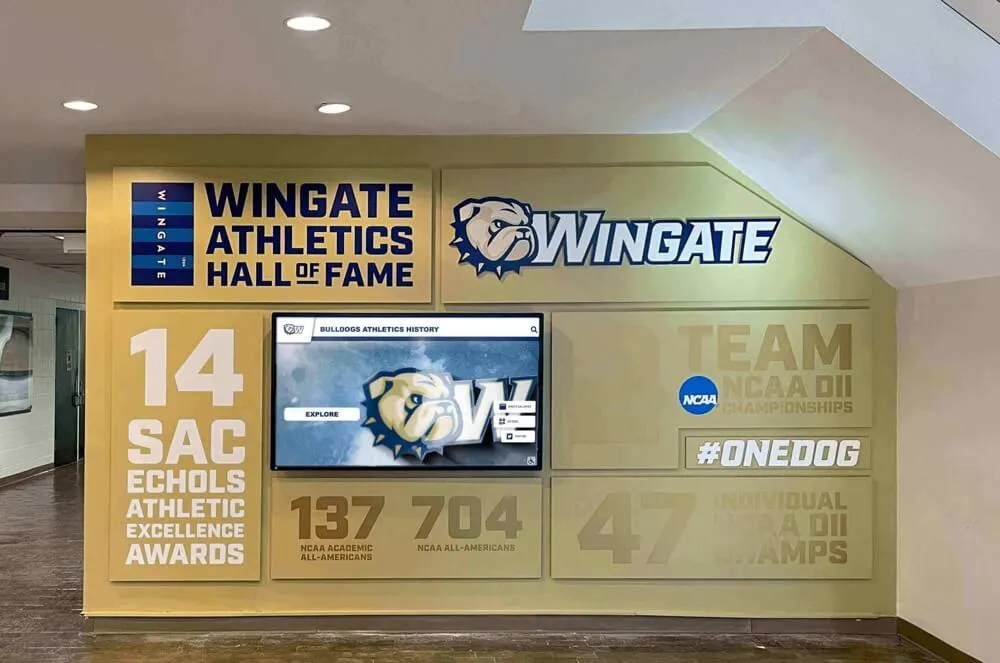
Integrated systems combine digital asset displays with physical elements creating comprehensive recognition environments
Specialized DAM Solutions for School Recognition Programs
While general-purpose DAM systems serve many educational needs, specialized platforms focus specifically on recognition content, achievement documentation, and public-facing celebration of student, staff, and alumni accomplishments.
Rocket Alumni Solutions: Recognition-Focused Digital Asset Management
Rocket Alumni Solutions provides purpose-built platforms that function as comprehensive Digital Asset Management systems specifically designed for educational recognition content while serving broader institutional needs.
Comprehensive Achievement Photo Management
The platform centralizes storage and organization of recognition-related photography including student achievement portraits, athletic team rosters and action shots, hall of fame inductee photos across decades, award ceremony documentation, donor recognition imagery, and alumni achievement updates. Unlike generic DAM systems, the interface specifically supports recognition workflows and use cases schools regularly encounter.
Integrated Display and Content Management
Rocket Alumni Solutions uniquely combines DAM functionality with interactive touchscreen displays and web portals that directly present organized content to end users. This integration eliminates the disconnect between content storage systems and public presentation platforms that characterizes traditional DAM approaches.
Cloud-Based Management with Physical Displays
Administrators manage all content through intuitive cloud dashboards accessible from any device, uploading photos and videos, organizing recognition categories, scheduling display rotations, and updating achievement information remotely. This backend management connects seamlessly to physical touchscreen displays installed in strategic campus locations plus web-based portals accessible globally.
Automated Organization and Categorization
The platform automatically organizes content by logical recognition categories including graduation year, sport or activity, achievement type, time period, and custom taxonomies schools define. This automatic organization supports both administrative management and end-user browsing without requiring extensive manual classification work.
Multi-Format Asset Support
Beyond static photos, the system manages videos celebrating achievements, documents like award certificates, PDF yearbooks and programs, audio recordings from ceremonies, and mixed media presentations. All content types receive consistent organizational treatment and accessibility through unified interfaces.
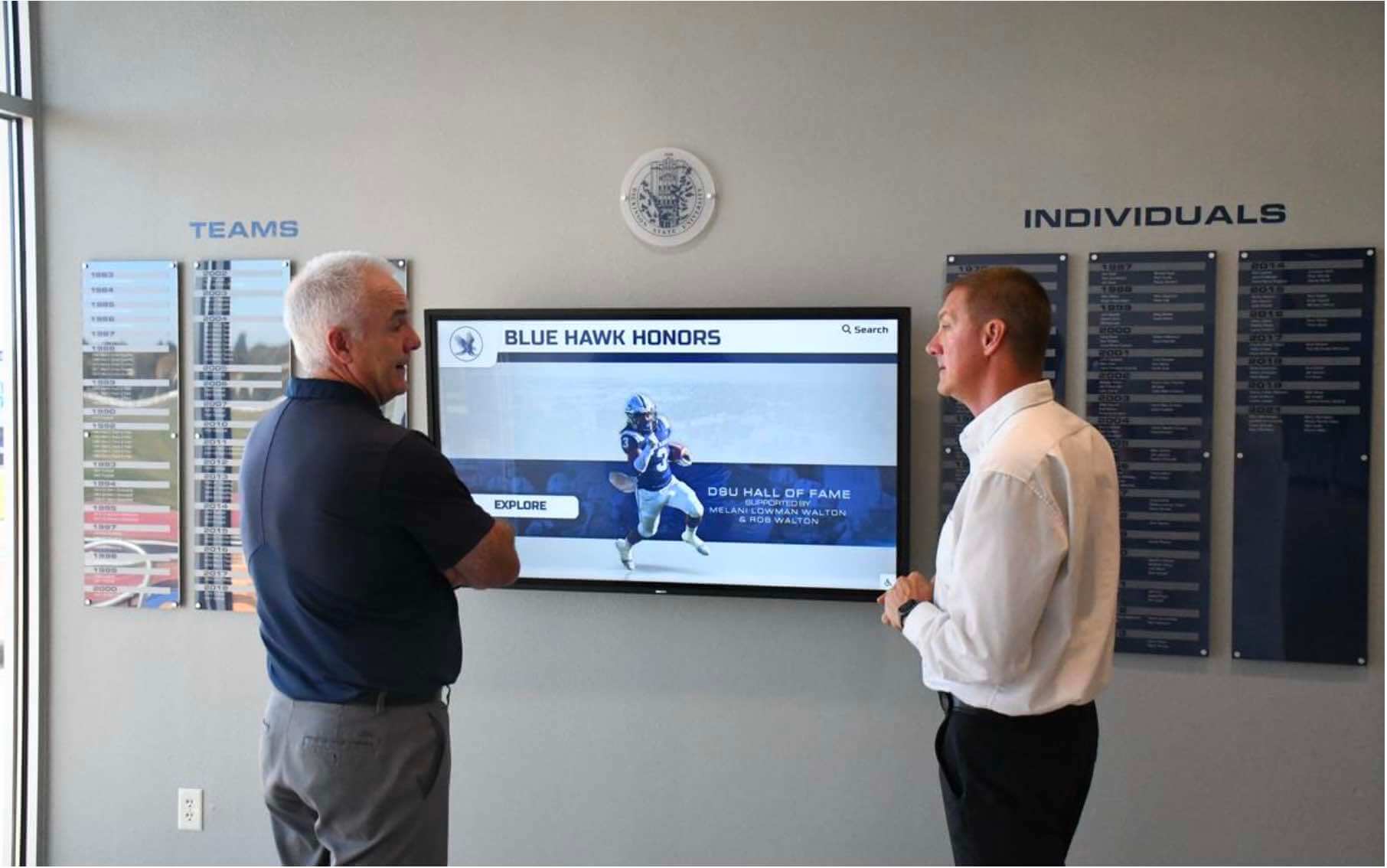
Recognition-focused DAM systems prioritize intuitive public browsing of achievements alongside administrative content management
User-Generated Content Submission
Alumni, students, and community members can submit their own photos, achievement updates, and recognition-worthy content directly through web portals. Administrative approval workflows ensure quality and appropriateness while crowdsourced submissions keep content current without overwhelming staff.
Understanding complete digital donor walls demonstrates how specialized DAM systems serve recognition alongside general asset management.
Benefits of Recognition-Specific DAM Platforms
Purpose-built systems offer advantages over adapting general business DAM tools for educational recognition:
Recognition Workflow Optimization
Generic DAM systems require extensive customization to support common school recognition workflows—uploading entire sports team rosters, batch processing yearbook photos, organizing multi-year achievement tracking, and coordinating alumni updates. Recognition-focused platforms build these workflows directly into standard interfaces requiring no customization.
Public Presentation Integration
Traditional DAM systems excel at internal content management but lack built-in public presentation capabilities requiring separate implementation. Recognition platforms combine storage, organization, and beautiful public display through touchscreens and web portals from single integrated solutions.
Educational Pricing and Support
Business-oriented DAM vendors charge enterprise licensing fees prohibitive for most schools or offer limited free tiers with restrictive feature constraints. Educational recognition platforms understand school budgets and priorities, offering appropriate pricing models with full feature access rather than artificial tiering.
School-Specific Templates and Structure
Rather than starting from blank organizational structures, recognition DAM platforms provide pre-configured frameworks matching common school needs including athletic hall of fame categories, academic achievement classifications, alumni recognition types, and historical archive structures that schools immediately understand and adopt.
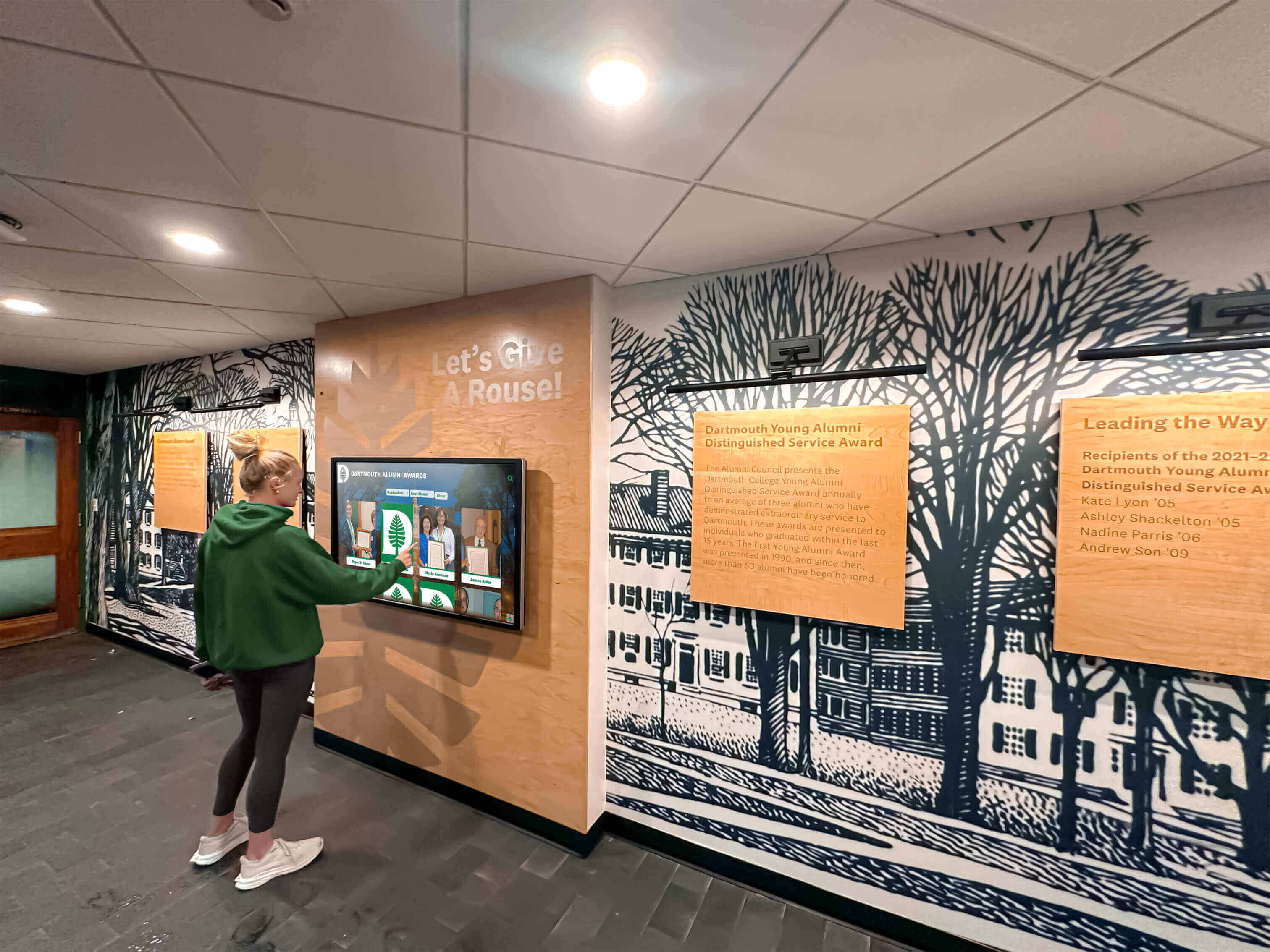
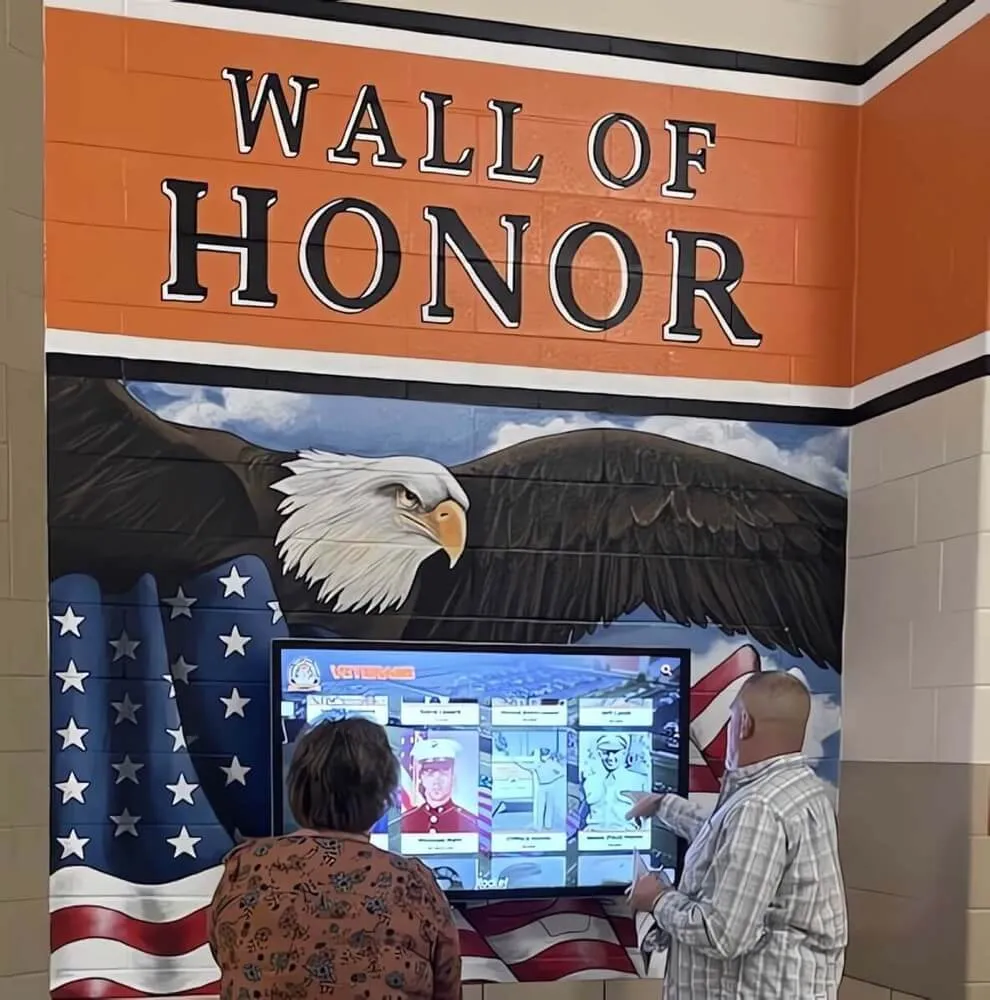
Self-service access to organized digital assets enables independent exploration by students, visitors, and community members
Implementing DAM Systems in Educational Institutions
Successful Digital Asset Management adoption requires thoughtful planning, systematic migration, comprehensive training, and ongoing governance ensuring long-term value.
Assessment and Planning Phase
Current State Analysis
Begin by documenting existing digital asset challenges and opportunities including content volume assessment across all departments, current storage location inventory, workflow documentation showing how staff currently create and use assets, pain point identification from user interviews, and gap analysis between current capabilities and desired functionality.
Requirements Definition
Translate challenges into specific system requirements covering essential features schools absolutely require, important capabilities providing significant value, nice-to-have functionality offering incremental benefit, integration needs with existing systems, and budget constraints defining financial feasibility.
Stakeholder Engagement
Involve representatives from all departments managing digital content including athletics directors managing team photos and game footage, communications staff producing marketing materials, IT administrators ensuring security and compliance, yearbook advisors coordinating student photography, alumni relations coordinating graduate recognition, and administrative leadership authorizing budget and strategic direction.
Learn about digital asset management benefits that justify implementation investment.
Platform Selection and Procurement
Vendor Evaluation Criteria
Assess potential DAM solutions against objective criteria including educational institution specialization and understanding, storage capacity and scalability without restrictive limits, search and organization capabilities matching school needs, integration options with existing school systems, privacy and security features satisfying compliance requirements, ease of use for non-technical administrators, total cost of ownership including licensing and support, vendor stability and long-term viability, and customer support quality and responsiveness.
Pilot Testing and Proof of Concept
Before committing to full implementation, conduct limited pilots with shortlisted platforms using real school content, involving actual staff users in testing, evaluating performance with realistic data volumes, assessing learning curves and training requirements, and gathering participant feedback about strengths and limitations.
Contract Negotiation and Procurement
Secure favorable terms through multi-year pricing discounts, clear storage limit definitions or unlimited commitments, feature roadmap transparency and upgrade inclusion, data ownership and portability guarantees, service level agreements defining uptime and support, and implementation assistance and training provision.
Content Migration Strategy
Historical Content Inventory
Catalog existing digital assets requiring migration including location documentation, format assessment, condition evaluation, duplicate identification, and priority classification determining which content needs immediate migration versus can wait.
Metadata Creation and Enhancement
Develop consistent metadata standards and taxonomies that will organize content effectively, assign metadata to migrating assets through automated extraction where possible, involve knowledgeable staff in manual tagging for historical content, and establish naming conventions ensuring future consistency.
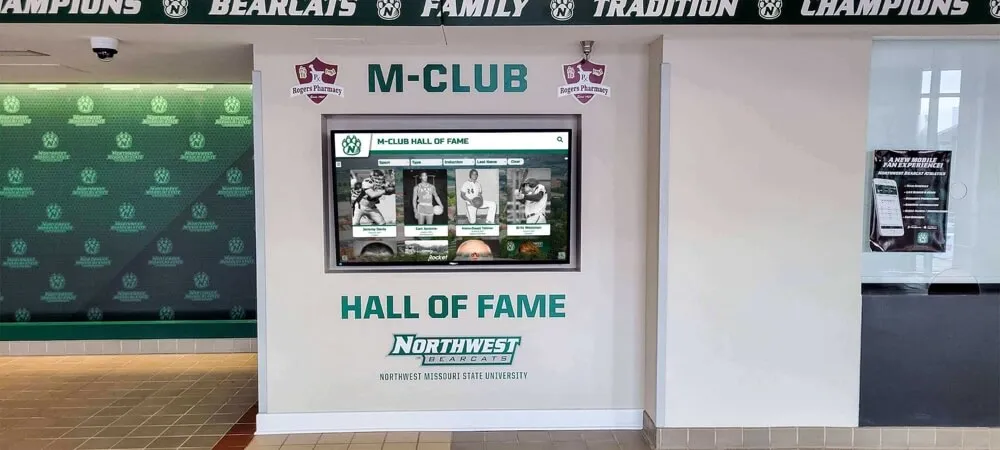
Well-structured content organization enables clear categorization and intuitive navigation across extensive photo and achievement collections
Phased Migration Approach
Avoid attempting to migrate all content simultaneously through staged phases beginning with priority content providing immediate value, recently created assets requiring less historical research, well-organized existing collections needing minimal work, and gradually expanding to older and more challenging materials as expertise develops.
Quality Assurance and Validation
Verify migrated content through spot checking across time periods and content types, metadata accuracy validation, functionality testing of search and retrieval, performance assessment with full data volumes, and user acceptance testing by actual staff members.
Training and Adoption
Role-Based Training Programs
Develop targeted training for different user groups including administrative power users managing content organization, departmental contributors uploading and tagging content, casual users searching for and retrieving assets, and technical administrators managing system configuration and integrations.
Ongoing Support and Resources
Sustain adoption through accessible documentation and quick reference guides, help desk support or designated support contacts, regular refresher training sessions, user community forums for peer learning, and celebration of successful use cases encouraging broader participation.
Change Management and Communication
Build enthusiasm and participation through clear communication about DAM benefits, involvement of respected champions from each department, quick wins demonstrating tangible value early, feedback mechanisms showing user input shapes implementation, and patience recognizing behavior change takes time.
Comprehensive digital recognition displays demonstrate the public-facing value of well-managed digital asset collections.
Best Practices for School DAM Success
Schools achieving exceptional results from Digital Asset Management implementation follow proven practices ensuring systems remain valuable long-term.
Establish Clear Governance and Policies
Content Standards and Guidelines
Define institutional standards for acceptable file formats, minimum resolution and quality requirements, naming convention rules, required metadata fields, privacy and permissions protocols, and retention and deletion policies. Clear standards prevent inconsistency that undermines organization over time.
Role Definitions and Responsibilities
Designate specific individuals or positions responsible for system administration, content quality oversight, technical support and troubleshooting, training and user assistance, and strategic planning and evolution. Clear accountability ensures critical functions receive consistent attention.
Regular Content Audits
Schedule periodic reviews assessing content quality and accuracy, identifying duplicates for consolidation, removing outdated or irrelevant materials, updating metadata reflecting changes, and evaluating organization effectiveness. Regular maintenance prevents gradual degradation of system value.
Prioritize Metadata Quality
Consistent Tagging Practices
Develop controlled vocabularies and approved term lists for key metadata fields preventing equivalent concepts from being tagged differently—“football” versus “varsity football” versus “FB”, standardize date formats and conventions, create hierarchical category structures enabling both broad and specific searching, and train all contributors in organizational standards ensuring consistency.
Progressive Metadata Enhancement
Accept that perfect complete metadata for all content immediately is unrealistic through baseline minimum metadata at upload capturing essential searchability, progressive enhancement adding detail to high-value or frequently accessed content, crowdsourced contributions enabling alumni and community members to add knowledge, and leveraging automated tools for facial recognition and content analysis.
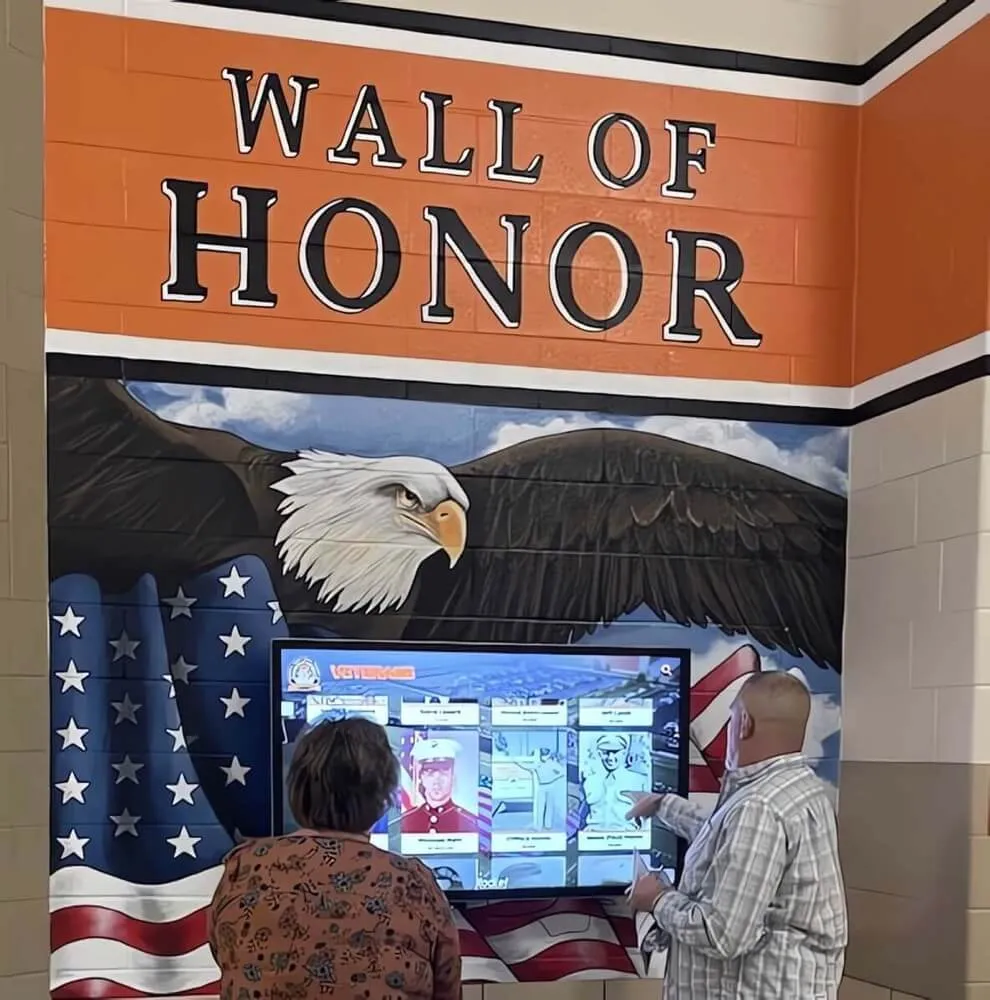
Accessible well-organized digital collections enable group exploration and discovery of institutional history and achievements
Integration with Institutional Workflows
Embed DAM in Regular Processes
Ensure Digital Asset Management becomes standard practice through incorporating upload steps into existing workflows, requiring DAM storage for all new content creation, building retrieval into communications processes, integrating display into recognition programs, and establishing routine rather than treating as optional extra step. Systems used daily become habits while occasional-use tools are forgotten.
Cross-Department Collaboration
Maximize value through shared content serving multiple purposes including athletics photos displayed in recognition systems and used in recruiting materials, event photography distributed to communications, yearbook, and social media, student portraits serving ID systems, directories, and recognition displays, and historical archives supporting marketing, development, and community engagement.
Content Creation Integration
Connect DAM with creation workflows through automated upload from photo sessions, bulk import from athletics photography, yearbook file integration, social media content synchronization, and direct submission portals for alumni and community contributors.
Use Content for Maximum Value
Multi-Purpose Asset Utilization
Organized accessible content enables repurposing across channels including social media campaigns celebrating achievements, website updates showcasing programs, recruitment materials demonstrating success, recognition displays honoring excellence, digital yearbooks preserving memories, and historical exhibitions celebrating legacy.
Automated Distribution Workflows
Enable efficient content distribution through scheduled social media posts from asset library, automatic website gallery updates, email newsletter image selection, digital signage rotation from content pool, and touchscreen display synchronization with central repository.
Analytics and Optimization
Monitor content performance through tracking most accessed assets, identifying search patterns revealing user needs, measuring download and usage frequency, analyzing display engagement metrics, and using insights to guide acquisition priorities and organization refinement.
Specialized DAM Applications in Schools
Different educational departments benefit from tailored Digital Asset Management applications addressing specific content types and workflows.
Athletic Department DAM
Athletic programs generate massive photo and video volumes requiring systematic organization:
Team Photo Management Season-by-season team rosters organized by sport and year, individual athlete portraits linked to recognition profiles, action photography capturing competition moments, championship documentation preserving milestone achievements, and senior athlete celebration content.
Game and Competition Footage Video libraries organized by sport, season, opponent, and date, highlight reels celebrating exceptional performances, coaching analysis footage supporting program development, recruitment showcase content featuring talented athletes, and historical game archives preserving program legacy.
Records and Statistics Display Digital record boards fed from organized achievement databases, season statistics and performance tracking, all-time records with supporting documentation, athlete profile pages linking photos to performance data, and coaching tenure and accomplishment records.
Alumni Relations DAM
Alumni engagement depends on organized content celebrating graduate achievements:
Graduate Achievement Documentation Career milestone photos and updates, professional accomplishment tracking, community contribution records, awards and honors documentation, and life event celebration content.
Reunion and Event Photography Event photography organized by reunion year and class, engagement event documentation from regional gatherings, on-campus program photos, volunteer activity images, and historical reunion archives spanning decades.
Giving and Donor Recognition Donor portrait galleries honoring contributions, recognition wall content celebrating philanthropy, campaign milestone photography, stewardship event images, and legacy society member profiles.
Academic Program DAM
Curriculum departments benefit from organized instructional and celebration content:
Student Work Portfolios Art galleries showcasing student creativity, writing samples and literary magazine content, STEM project documentation, performance recordings from music and theater, and multimedia presentations from various subjects.
Academic Achievement Recognition Honor roll and academic excellence photos, scholarship recipient profiles, competition success documentation, National Honor Society highlights, and subject-specific achievement awards.
Instructional Resource Libraries Educational video content for flipped classrooms, virtual field trip recordings, guest speaker presentations, laboratory demonstration videos, and historical primary source materials.
Measuring DAM Success and ROI
Schools should assess Digital Asset Management effectiveness through quantitative metrics and qualitative improvements.
Efficiency and Time Savings
Search and Retrieval Speed Measure time required to locate specific content before and after DAM implementation, document reduction in duplicate file creation when originals can be found, track decrease in email requests asking colleagues for files, and quantify staff hours reclaimed from content hunting.
Administrative Burden Reduction Assess reduction in storage management overhead, decreased time spent organizing and renaming files, elimination of duplicate content cleanup, and simplified backup and disaster recovery processes.
Content Utilization Increase
Multi-Channel Distribution Track increase in social media post frequency enabled by accessible content, growth in website content updates using organized imagery, expansion of recognition display content quantity and variety, and enhancement of recruitment materials with readily available photography.
Historical Asset Activation Measure previously unused archival content now incorporated in displays and communications, alumni engagement increases from historical photo sharing, community interest in institutional history exhibitions, and preservation of at-risk content preventing permanent loss.
Recognition Program Enhancement
Display Content Quality and Quantity Document expansion of recognition display participants through accessible photo libraries, improvement in visual presentation quality with professional imagery, increase in multimedia content beyond static photos, and currency of information with easier updates.
Engagement Metrics Track interaction rates with digital recognition displays, social sharing frequency of recognition content, alumni submission and participation growth, and community feedback about recognition program improvements.
Future Trends in School Digital Asset Management
Emerging technologies and evolving educational needs shape the future of institutional DAM systems.
Artificial Intelligence and Automation
Advanced AI capabilities will enhance DAM functionality through improved facial recognition automatically tagging individuals across photo libraries, intelligent content categorization suggesting metadata based on image analysis, automated quality enhancement improving historical scans and degraded imagery, predictive search anticipating user needs, and content recommendation suggesting relevant assets for specific projects.
Mobile-First Access and Contribution
Increasing smartphone usage drives mobile-optimized DAM interfaces including native mobile apps for iOS and Android, mobile upload capabilities enabling immediate photo submission, augmented reality features overlaying historical content on physical spaces, mobile editing tools for basic adjustments, and offline access for unreliable connectivity scenarios.
Expanded Integration Ecosystems
DAM systems will connect with broader educational technology platforms including learning management system integration, advanced student information system connections, unified communication platform links, comprehensive analytics combining multiple data sources, and blockchain-based authentication for credential verification.
Sustainability and Green Computing
Environmental considerations influence DAM platform design through energy-efficient cloud infrastructure reducing carbon footprints, optimized storage minimizing redundancy, sustainable data center operations, paperless workflows replacing printed photo distribution, and digital-first preservation reducing physical storage requirements.
Conclusion: Transforming School Digital Content Through Systematic Management
Digital Asset Management systems represent essential infrastructure for modern educational institutions managing thousands of photos, videos, documents, and multimedia files supporting recognition programs, communications efforts, historical preservation, and community engagement. The comprehensive frameworks explored throughout this guide provide systematic approaches transforming chaotic disconnected content collections into organized accessible valuable institutional resources serving multiple departments and audiences.
Transform Your School's Digital Asset Management
Discover how Rocket Alumni Solutions provides purpose-built Digital Asset Management specifically designed for educational recognition content, combining comprehensive organization with beautiful public displays and web portals that celebrate achievements while preserving institutional history.
Explore Recognition SolutionsWhether implementing Digital Asset Management for the first time or enhancing existing systems with specialized capabilities, the strategies outlined here provide actionable roadmaps adapted to institutional contexts, budget constraints, and technical resources. General-purpose business DAM platforms serve many organizational needs while specialized recognition-focused solutions like Rocket Alumni Solutions combine comprehensive asset management with integrated public presentation specifically optimized for educational achievement celebration and historical preservation.
Schools successfully implementing DAM systems report dramatic efficiency improvements as staff spend hours less searching for files, content quality enhancements from accessible professional photography, recognition program expansions enabled by organized asset libraries, historical preservation protecting irreplaceable institutional memory, and community engagement increases through sharing previously inaccessible content. These benefits extend far beyond isolated departments to create institutional value supporting advancement, marketing, student services, and academic programs simultaneously.
The investment in proper Digital Asset Management infrastructure pays continuous dividends through content that serves multiple purposes across years rather than single-use then forgotten, preserved institutional history connecting past to present, enhanced recognition programs honoring more achievements comprehensively, streamlined communications workflows, and professional presentation quality reflecting institutional excellence.
Educational institutions generate remarkable content documenting student achievements, preserving institutional history, celebrating community contributions, and demonstrating educational impact through real student success stories. This valuable content deserves systematic management ensuring accessibility, preservation, and maximum utilization rather than languishing in disconnected folders, aging hard drives, and forgotten storage locations where its potential remains unrealized.
Start where you are with content organization priorities addressing immediate pain points and quick wins demonstrating value, then systematically expand to comprehensive approaches your institution deserves. Every photo uploaded with proper metadata, every achievement properly documented and preserved, and every historical asset saved from permanent loss creates lasting institutional value serving current and future community members who depend on accessible organized content telling your school’s complete story across generations.