A dance team’s shirt is more than fabric and ink — it is the team’s first impression, its visual signature, and the physical embodiment of the culture its members have built together. When a squad walks into a competition venue, performs at a school pep rally, or marches through the hallway to practice, their uniforms communicate something before a single step is taken: who they are, what program they represent, and how seriously they take their craft.
Yet designing dance team shirts is one of those tasks that looks simple from a distance and reveals considerable complexity up close. Color choices interact with existing school branding. Font decisions signal whether a program feels athletic, artistic, or both. Placement of logos, names, and numbers determines whether a shirt reads as polished or cluttered at distance. And beyond the individual garment, there is the broader question of team identity: how do the shirts connect to a recognition program that celebrates dancers not just while they are competing, but in the hallways, lobbies, and display walls that carry a school’s story?
This guide covers dance team shirt ideas from a design-first perspective — specific concepts organized by visual approach, practical considerations for different shirt types, and a section on how schools bring that team identity into permanent display systems that honor dancers the way athletes have been honored for decades.
Dance team programs have earned a legitimate place in the school athletics ecosystem, and their visual identity — starting with their shirts and uniforms — deserves the same intentional design thinking that football programs have applied to jerseys for generations.
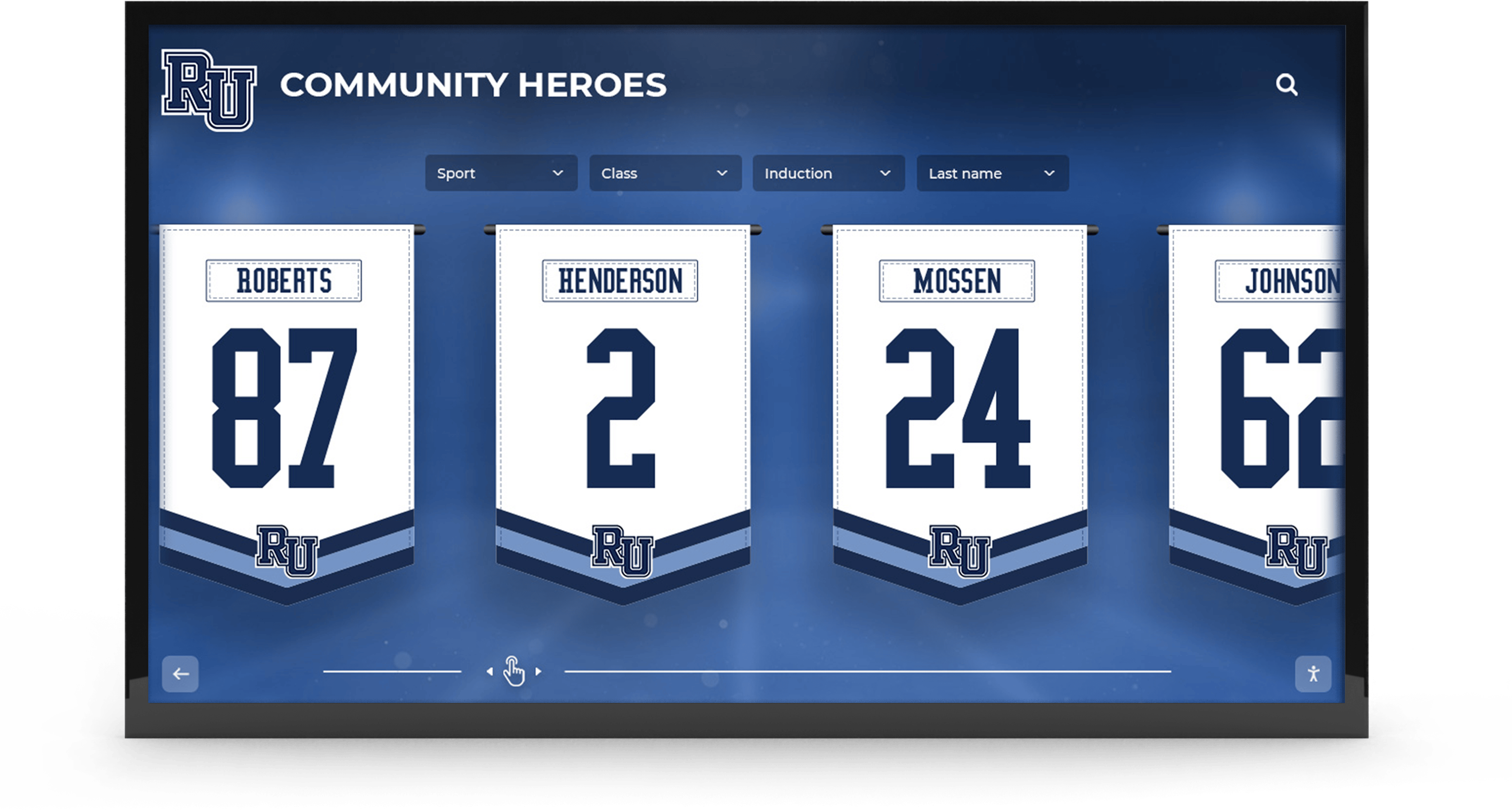
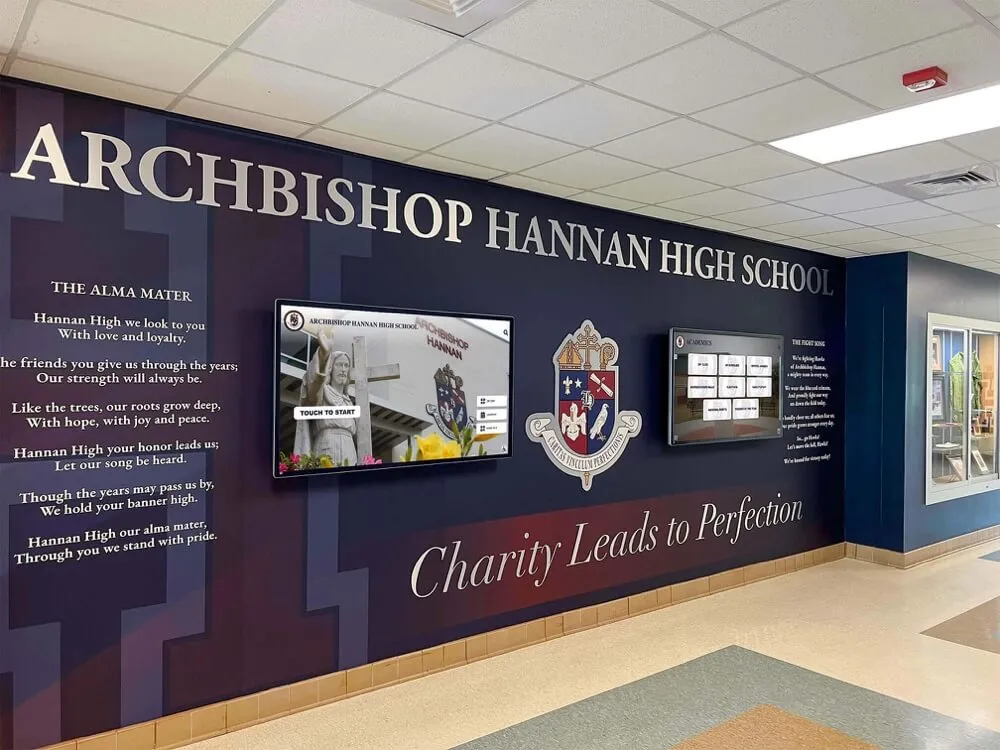
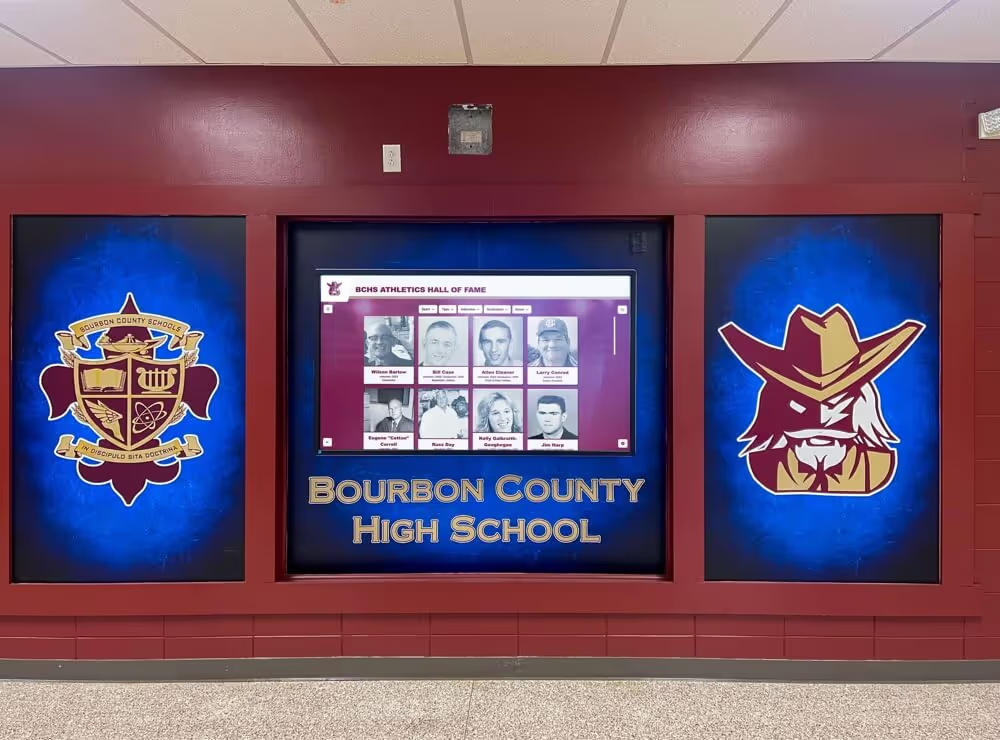
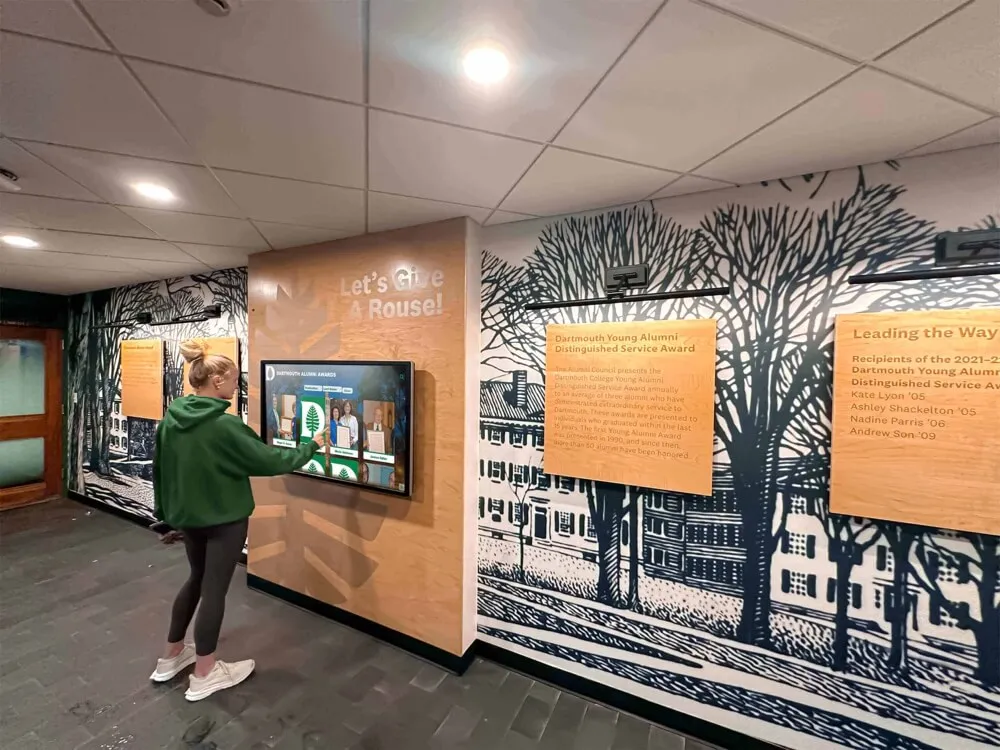
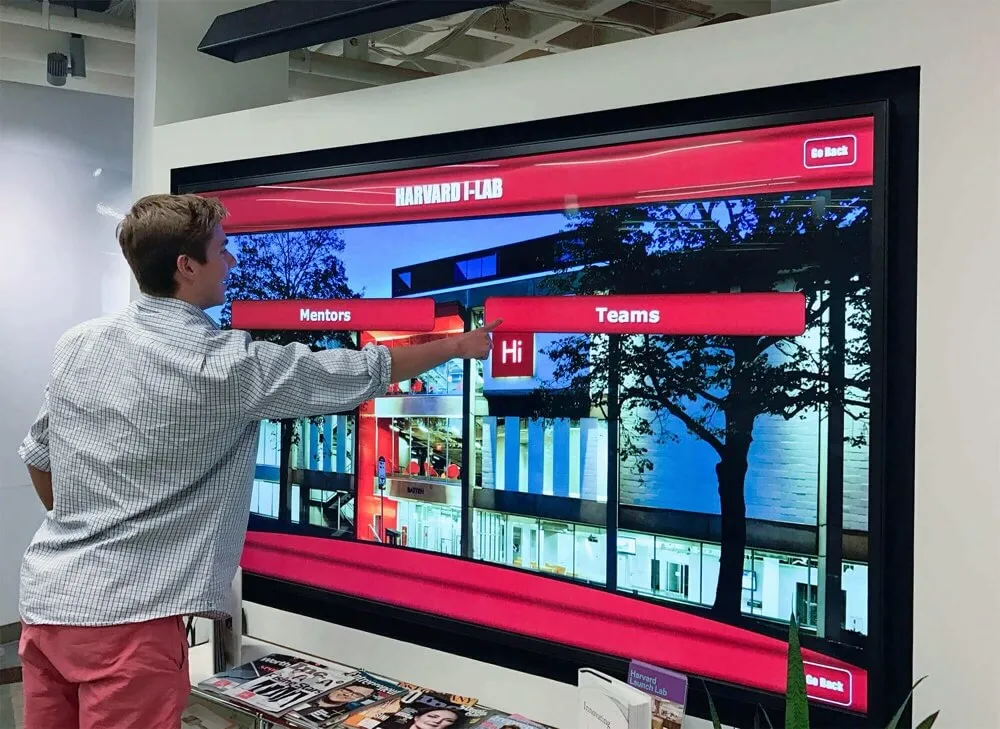
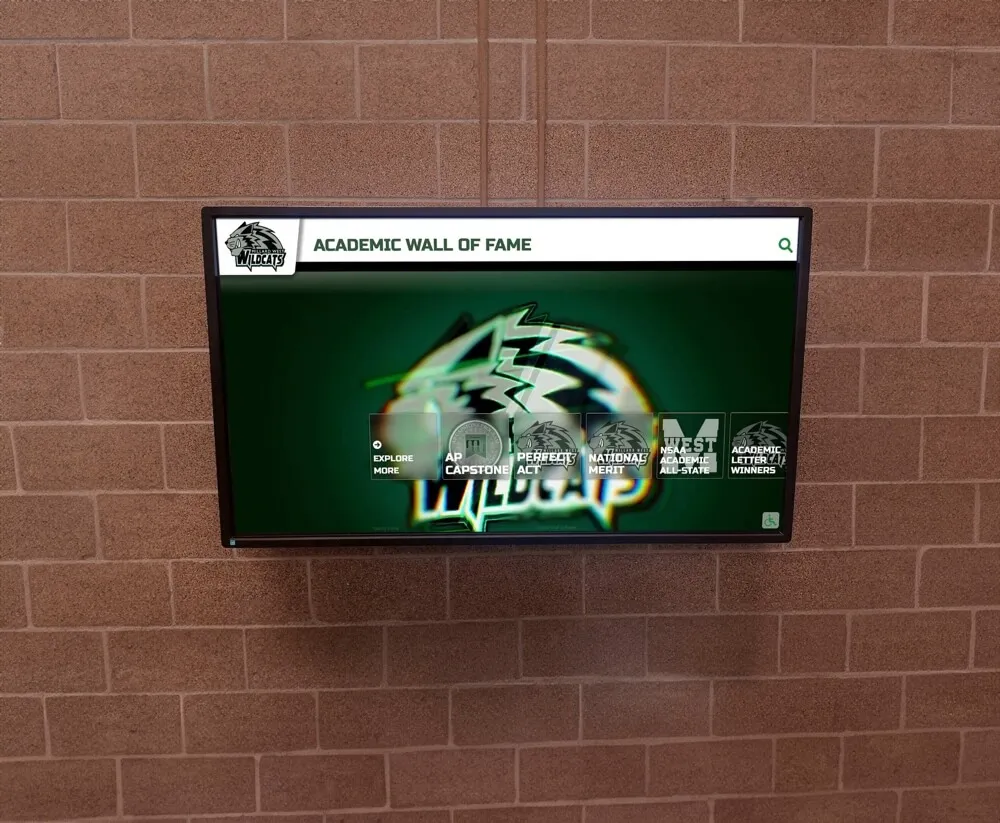
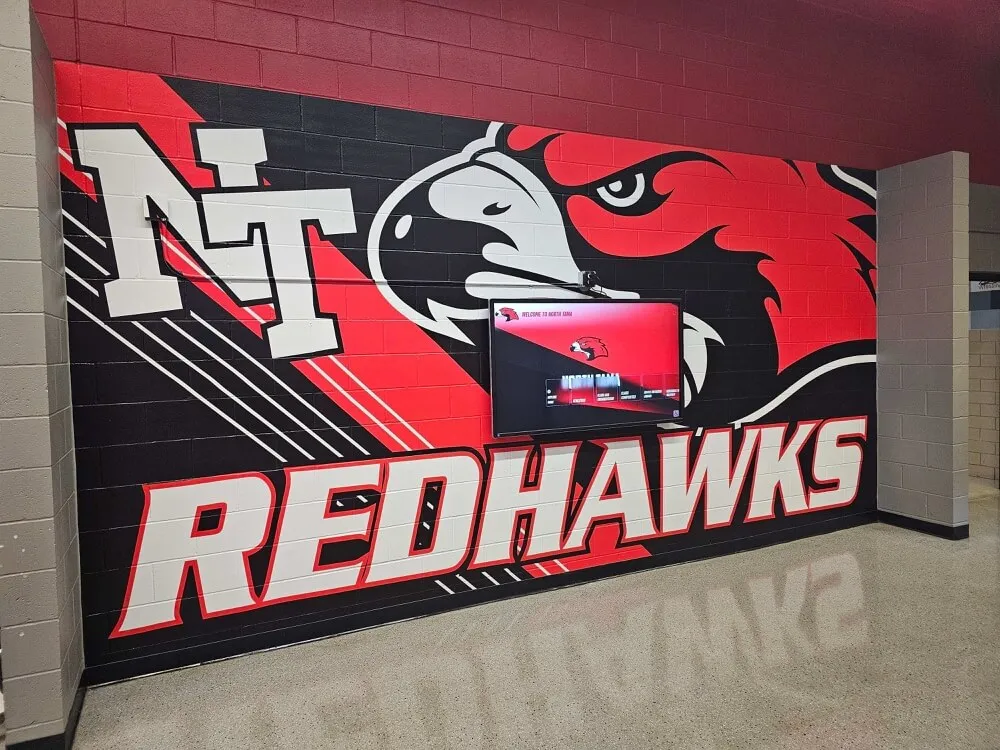
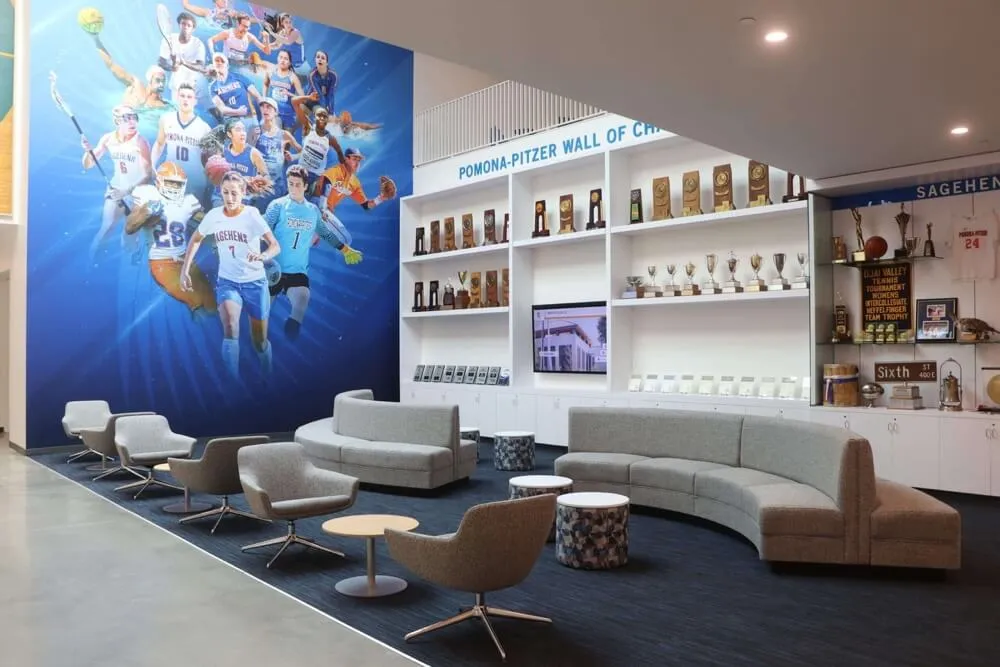
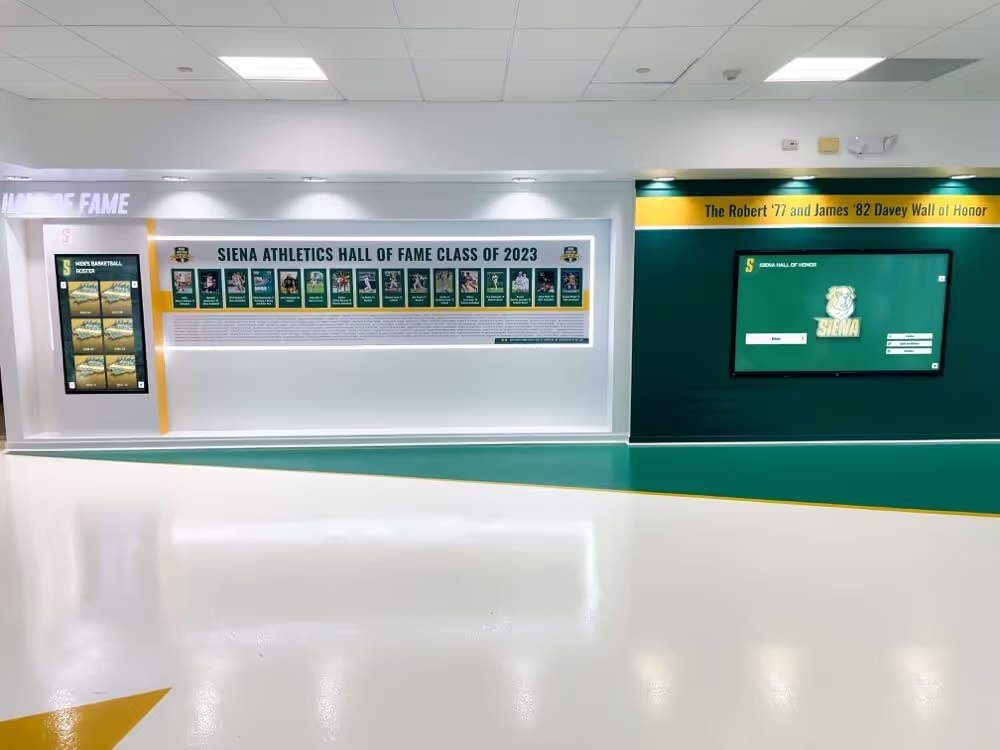
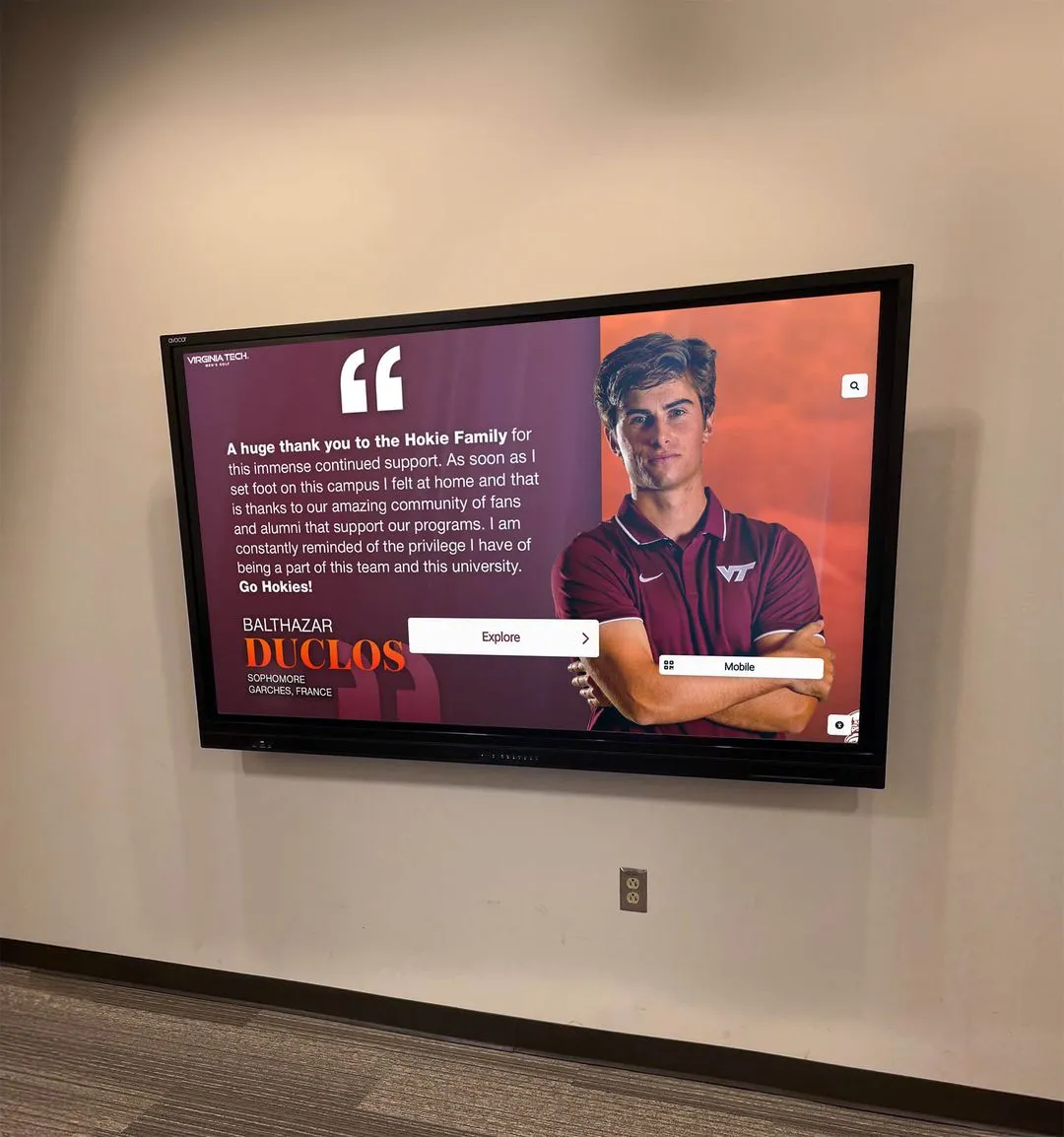
Schools that celebrate their team identities visually — through hanging banners, display walls, and branded signage — create environments where athletic pride extends well beyond the competition floor
Why Dance Team Shirt Design Matters More Than You Think
Before diving into specific dance team shirt ideas, it is worth understanding what shirts actually accomplish for a program. This context shapes every design decision that follows.
Team cohesion starts with visual unity. When dancers wear the same shirt — especially one designed with care — the visual signal to everyone in the room is that this is a coordinated, serious group. This is not superficial: research on team identity consistently shows that shared visual markers strengthen group belonging and performance cohesion.
Shirts function as recruiting tools. A middle schooler who sees a high school dance team in a sharp, well-designed warm-up shirt at a regional event is already forming an opinion about whether she wants to be part of that program. Shirt design is low-cost, high-visibility program marketing.
They create alumni connection. Former dancers who receive a team shirt at senior night or can point to their number in a school display feel a tangible connection to the program that outlasts their active years. This matters especially for programs building long-term alumni engagement — the kind that generates donations, mentorship, and ongoing community support.
For programs thinking about how to recognize their dancers beyond the competition floor, inclusive digital recognition programs cover frameworks for expanding recognition to performing arts and non-traditional athletics in ways that feel earned and genuine.
Dance Team Shirt Ideas: 10 Design Concepts That Work
1. Classic Varsity Block Letter
The varsity block letter approach applies the visual language of traditional athletics to dance team shirts: bold block lettering, school initials or mascot name across the chest, often with a small graphic beneath. This design signals institutional legitimacy — it says this program belongs alongside the football team and the track squad.
Design considerations: Use the school’s official font if available. Pair block letters with a secondary design element (a small dance silhouette, a star, a laurel) rather than letting the text carry the full design weight. Two-color execution with school colors reads well at distance.
Best for: Competition warm-up shirts, spirit shirts for games, senior-year commemorative shirts.
2. Gradient and Ombre Color Wash
A gradient wash that moves from one school color to another — or from a saturated hue to a lighter tint — creates visual drama without complex graphic elements. This approach is popular in dance and performing arts because it suggests movement and energy rather than the static branding typical of traditional athletic programs.
Design considerations: Gradient shirts require a printing method that supports smooth color transitions — direct-to-garment (DTG) or sublimation printing. Screen printing can approximate gradients but requires careful execution. Avoid gradients with three or more colors unless working with a professional designer.
Best for: Performance-oriented programs wanting a distinct visual identity; teams that compete in contexts where visual impact matters as much as athletic credibility.
3. Minimalist Typography
A minimal approach — school name in a clean sans-serif font, small year indicator, nothing else — lets the quality of the garment and the confidence of the wearers carry the identity. This design strategy is increasingly common among programs that want their shirts to feel current rather than traditionally athletic.
Design considerations: Fabric choice and cut matter enormously in minimalist designs because there is nothing to distract from fit and construction. Invest in quality blanks. Typography placement — centered chest vs. left-chest vs. back print — creates meaningfully different visual effects. Left-chest placement feels more professional; centered chest placement feels more athletic.
Best for: Practice shirts, travel shirts, off-season apparel that dancers wear year-round.
4. Mascot-Forward Graphic Design
Feature the school mascot prominently — a large illustrated or graphic version occupying most of the shirt’s chest or back — with program name and year in supporting type. For schools with compelling mascot artwork, this is the highest-impact visual option.
Design considerations: Mascot artwork quality determines whether this approach succeeds or fails. A stock vector mascot rarely achieves the same effect as a custom illustration. If the school has an official mascot logo, use that with permission from the athletic department rather than creating a conflicting alternate version.
The parallel to marching band uniform design is instructive here — performing arts programs at the same school should coordinate mascot usage and brand language so the visual family of the school’s identity remains coherent across programs.
Best for: Spirit week shirts, home game performance shirts, booster merchandise that travels into the community.
5. Number and Name Personalization
Matching the approach of traditional team jerseys — with individual numbers on the back and last names or first names printed below — brings a sense of athletic formality to dance team apparel. For competition-level programs, numbered practice shirts help coaches communicate during rehearsals; numbered performance shirts signal to audiences that this program takes individual accountability seriously.
Design considerations: Number placement follows athletic convention: large numbers on the back (typically 4–6 inches tall), smaller number on the front left chest (2–3 inches). Name placement goes just above the back number. Keep the number font consistent with the overall design direction.
Best for: Competition teams where individual recognition matters; programs building a connection to the school’s athletic identity culture.

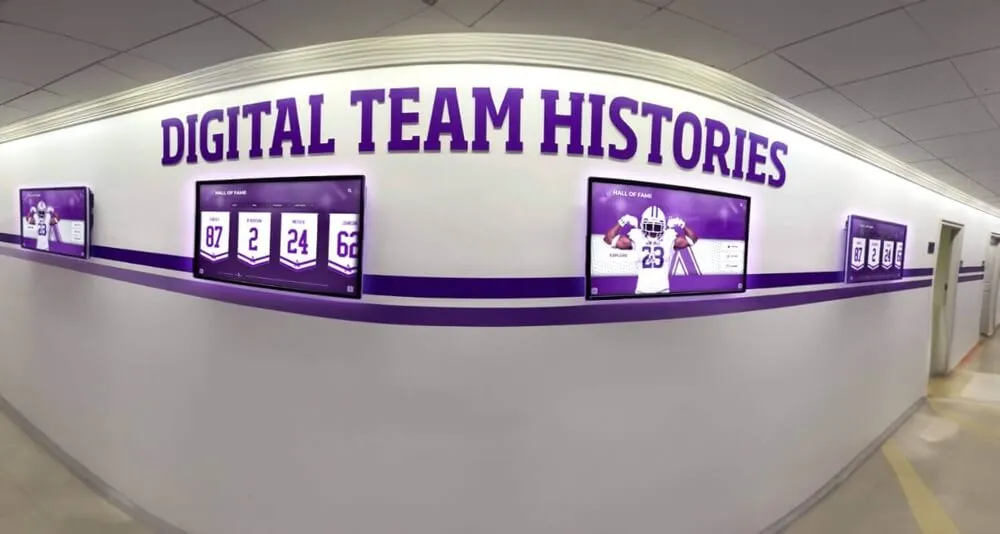
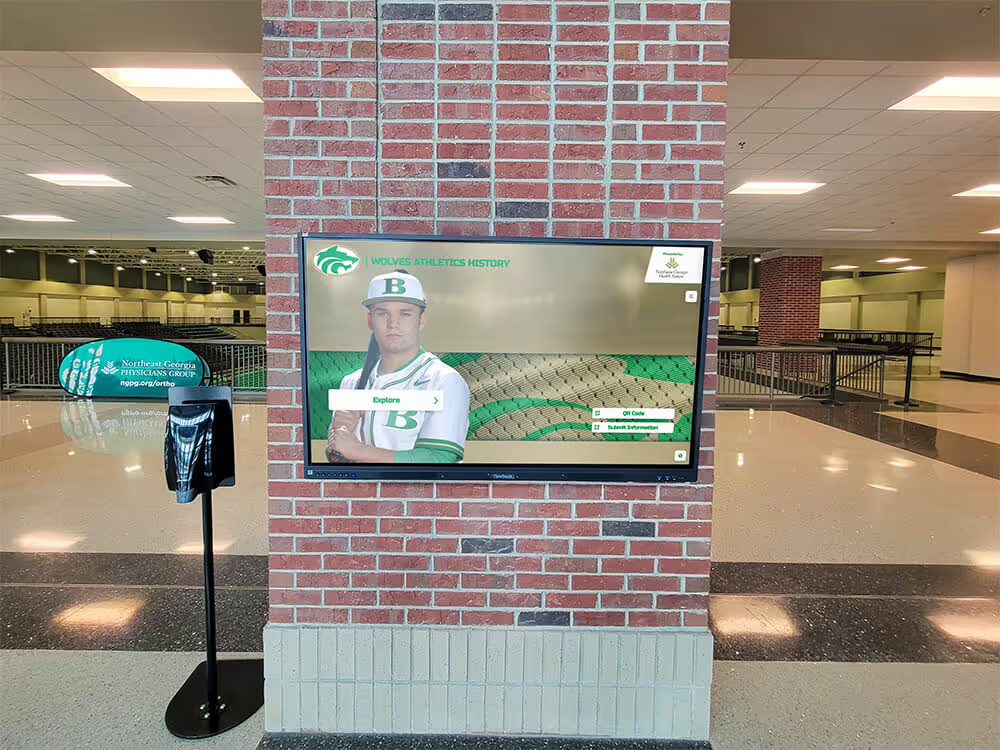
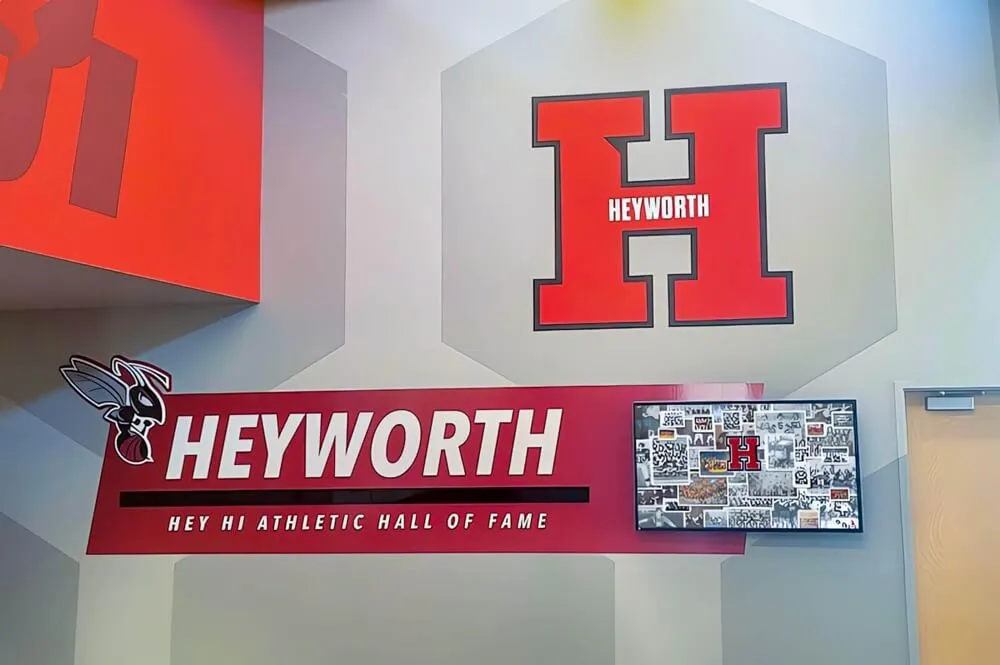
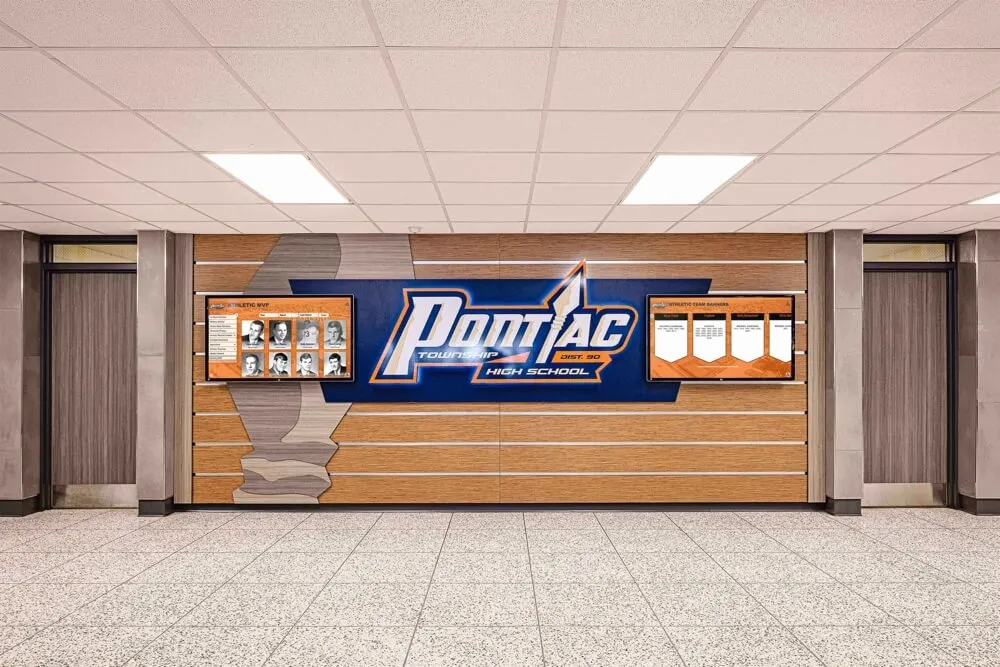
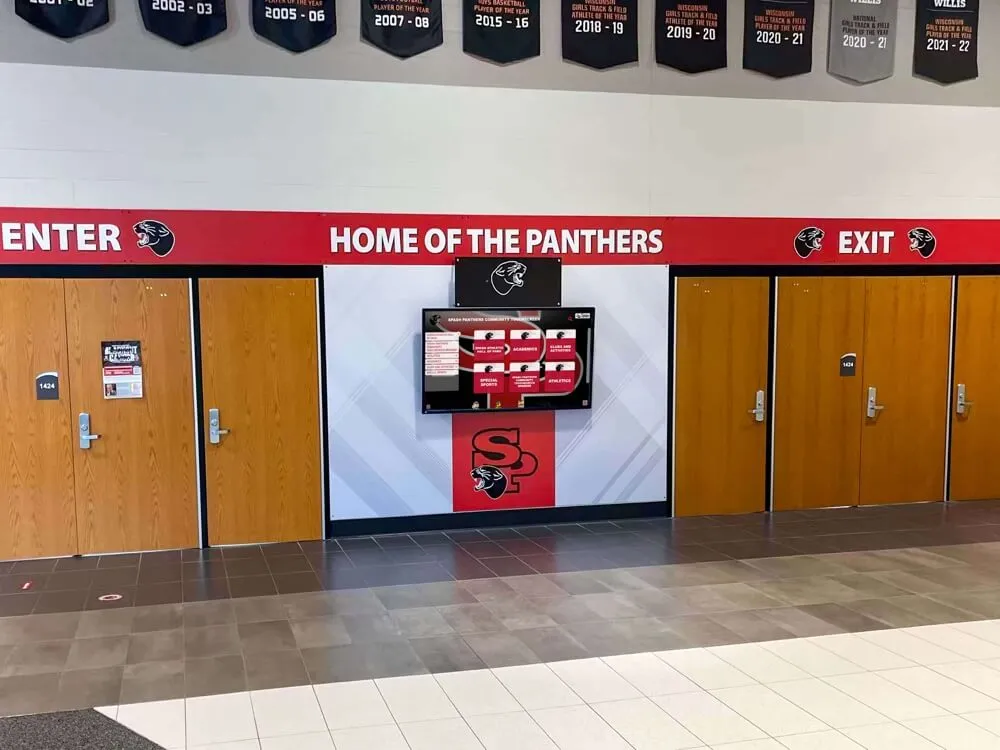
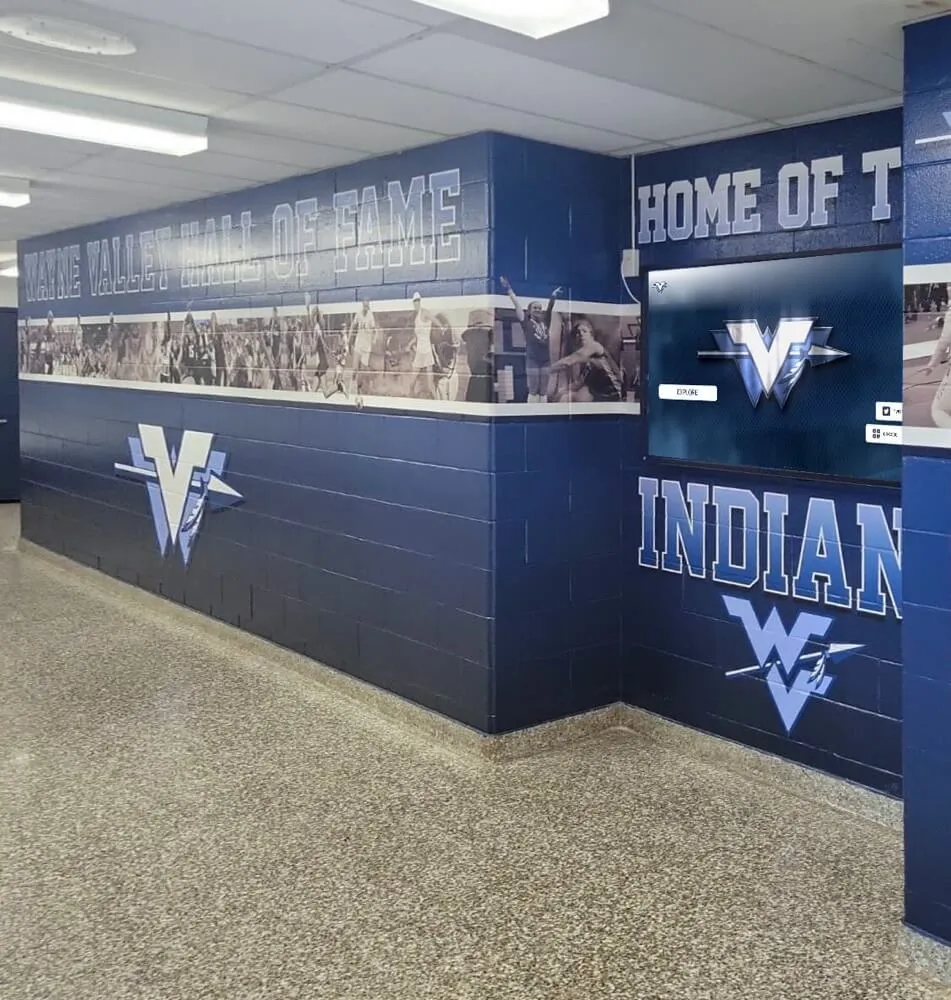
Numbered jersey and banner displays that hang in school hallways bring dance team identities into the permanent visual record of a school's athletic culture
6. Motivational Phrase and Team Motto Shirt
A shirt built around the team’s motto — whether a short phrase, a year’s theme, or an internal rallying call — creates a version of team apparel that functions as both uniform and statement. “We Outwork Everyone.” “Discipline Dances.” “One Team. One Stage.” The right phrase, set in strong type, becomes a shirt that dancers and fans alike remember.
Design considerations: Keep motto phrases under six words. Longer phrases lose visual impact and become difficult to read at distance. The phrase should be in the largest type on the shirt — it is the headline, not the fine print. Explore team motto ideas for frameworks that help programs develop authentic motivational language.
Best for: End-of-season commemorative shirts, summer camp shirts, team-building gift shirts.
7. Senior Night Specialty Design
The senior night shirt is its own design category: a premium, commemorative garment that current seniors receive as part of their celebration. Unlike the standard team shirt, senior shirts can include individual names, years, and even career highlights printed on the back.
Design considerations: Budget at least $5–10 more per shirt than a standard team shirt to ensure quality that matches the occasion. Consider hoodies or quarter-zips rather than standard tees — the elevated garment format signals that this is a keepsake, not practice apparel. Some programs include a small version of the team’s full member list for that year on the sleeve or hem.
For full senior night recognition that extends beyond the shirt itself, resources on creating meaningful senior night experiences for athletes provide complementary programming ideas.
Best for: Varsity programs with formal senior night ceremonies; programs looking to create lasting mementos for graduating dancers.
8. Competition-Specific Travel Shirt
Competition travel shirts function differently from performance uniforms — they are worn in transit, during warm-up, and at the awards ceremony, and they need to survive a full day of wearing while still looking sharp. The design should balance comfort, durability, and visual impact.
Design considerations: Polyester-blend or moisture-wicking fabrics outperform 100% cotton for competition day wear. Full-zip hoodies with a matching shirt create a cohesive travel look. Include the school name and “Dance” or program identifier clearly — at large competitions, teams from dozens of schools are navigating the same spaces, and clear identification matters.
Best for: Programs competing at regional, state, or national level; teams that travel and represent the school in non-school settings.
9. Practice Shirt Sets With Graduated Design
Rather than a single uniform practice shirt, some programs develop a set of practice shirts — a different color or design variation for each squad level or year of membership, creating a visual hierarchy that mirrors the kind of seniority system used in varsity letter programs.
Design considerations: Typically two or three tiers work well: a base shirt for new members, a standard team shirt for returning members, and a premium shirt for captains or seniors. Each should be visually related (same font, same color family) while clearly distinct. This system creates aspiration — newer members can see at a glance where the next level is.
For programs exploring other ways to visually signal seniority and achievement, the tradition of letterman jackets offers a time-tested model for how earned apparel communicates status within a school athletic culture.
Best for: Programs with multiple levels (JV and varsity, or tiered competitive squads); coaches who want to build clear achievement pathways within the program.
10. Alumni and Reunion Shirts
For programs with active alumni communities, a dedicated alumni shirt — designed to connect former dancers to the program’s current identity — builds the kind of long-term community engagement that pays dividends in mentorship, donations, and cultural continuity.
Design considerations: Alumni shirts should reference years of service somehow — either through individual year print runs or a generational design that bridges eras (e.g., a shirt design that works for someone who danced in 2005 and one who danced in 2025). The school name and “Alumni” designation should be clearly readable.
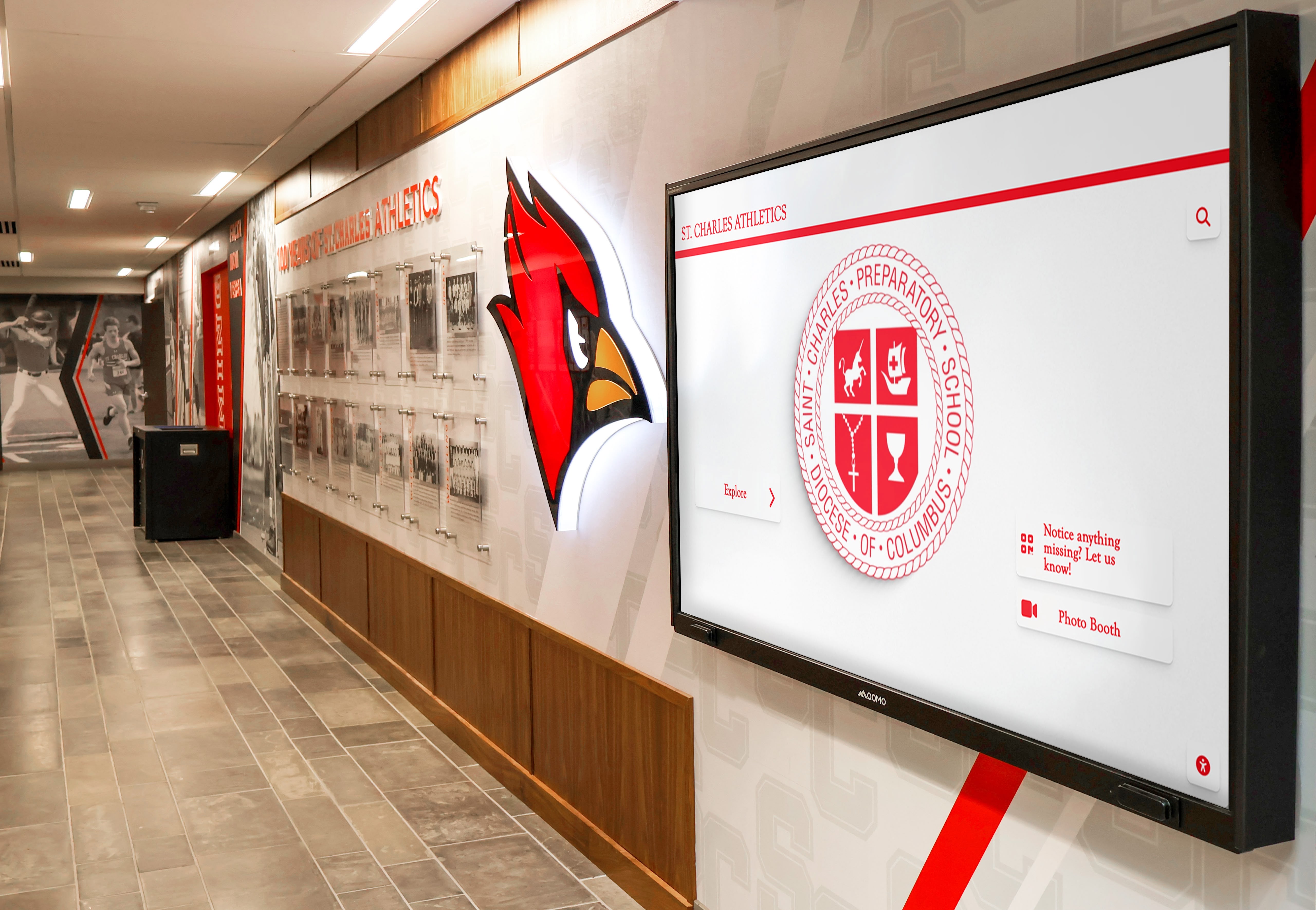
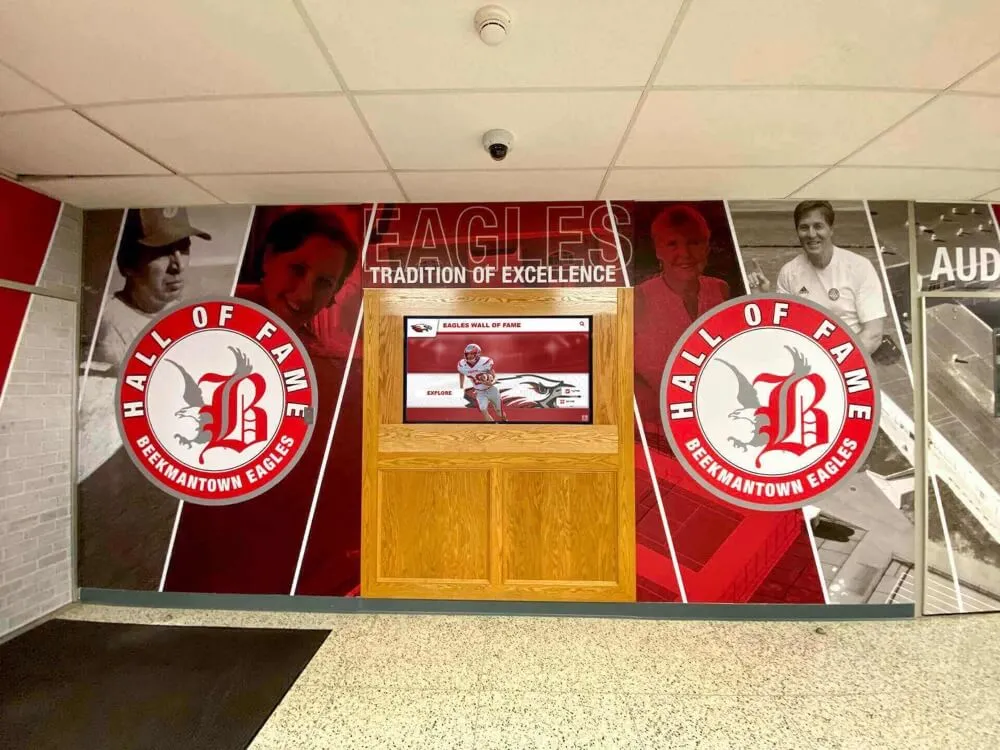
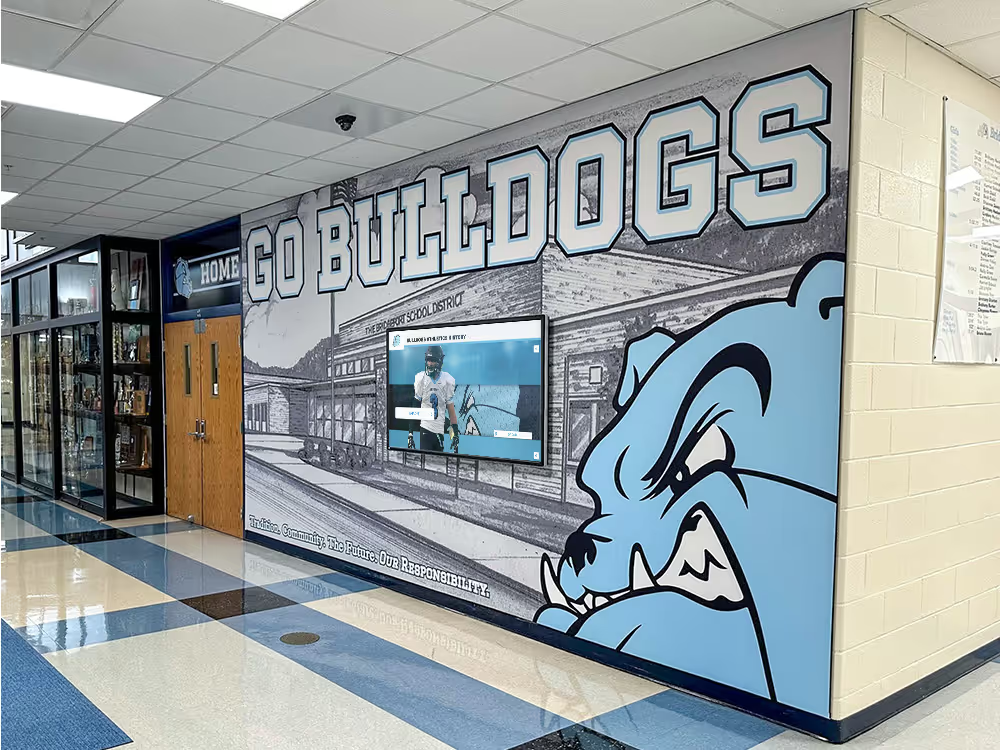
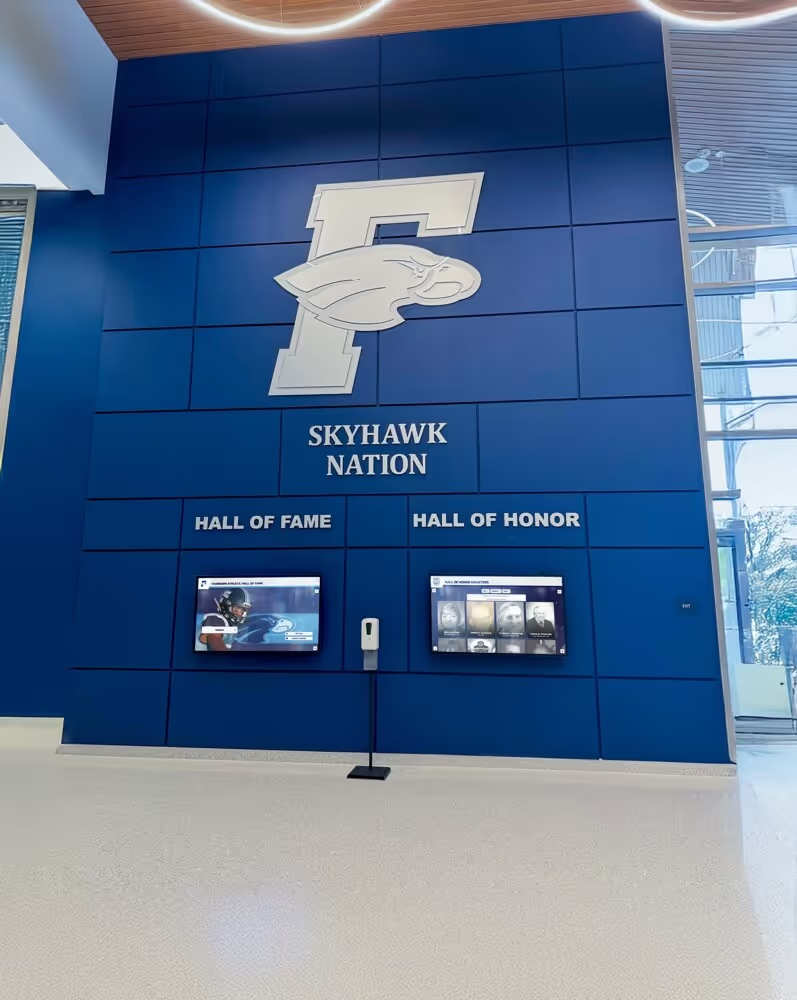
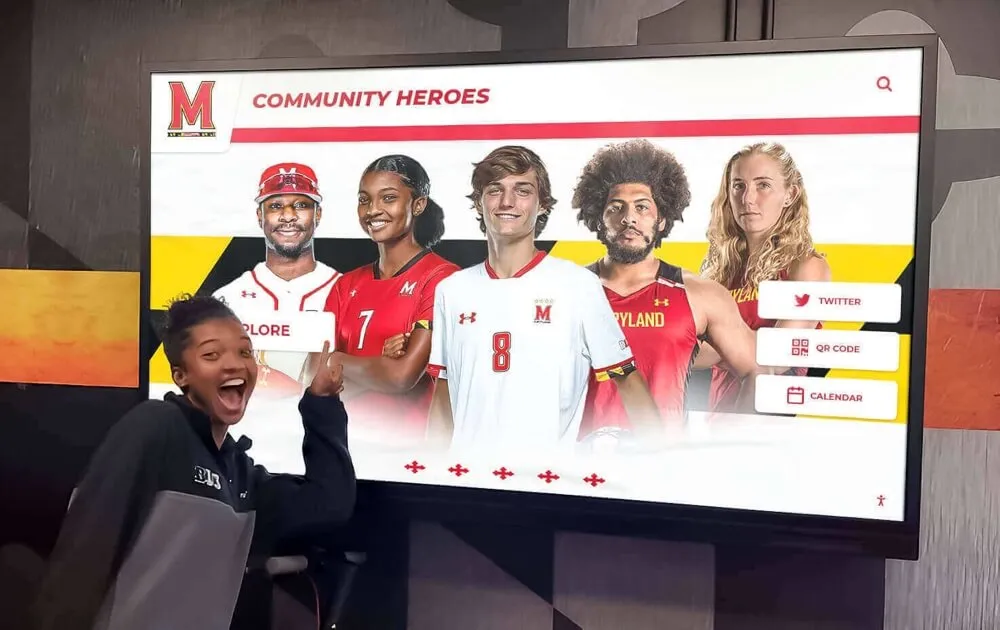
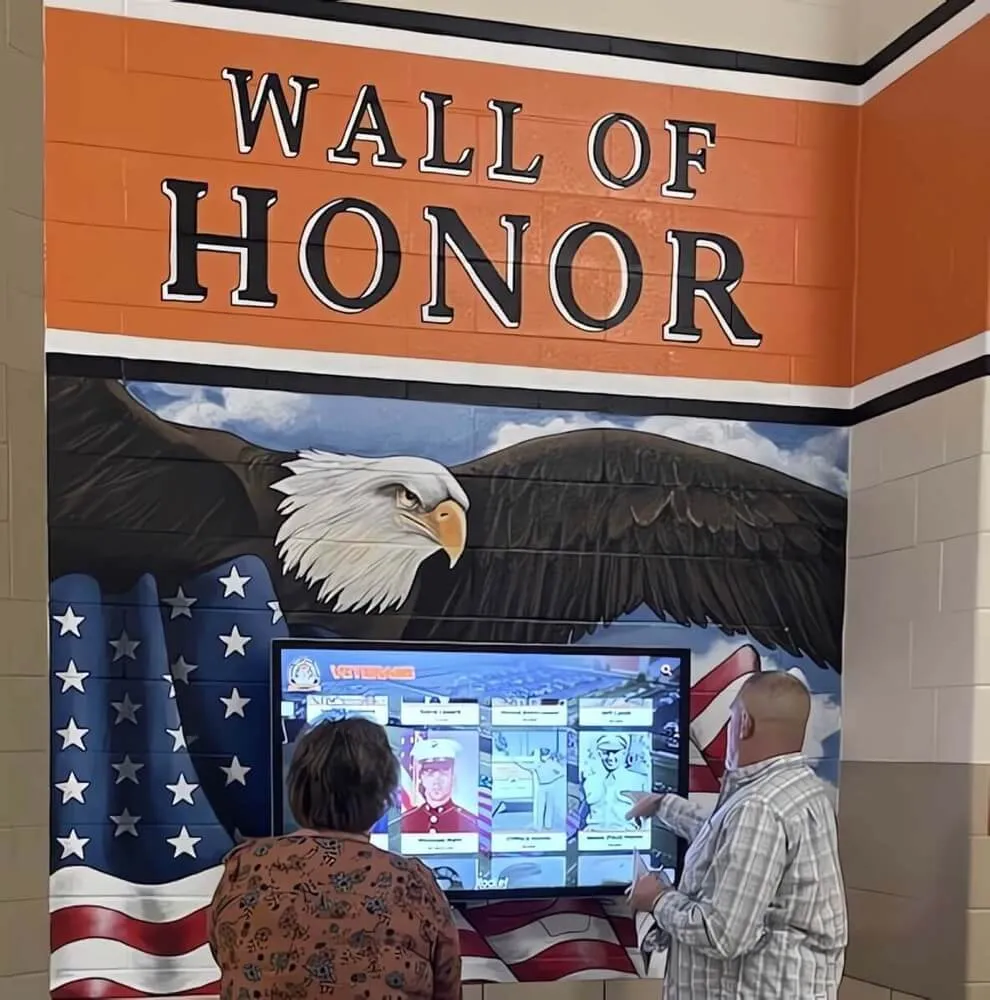
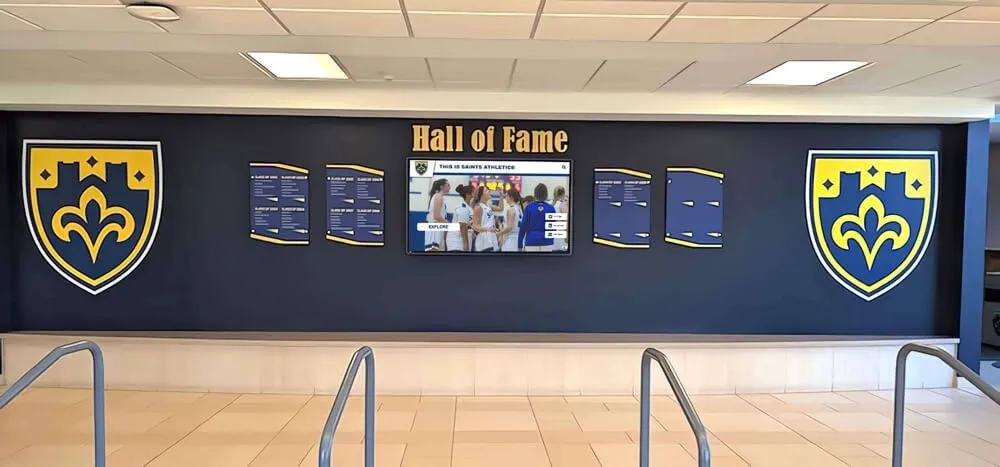
Alumni and community recognition programs thrive when school identity is visually consistent across uniform design, hallway branding, and digital recognition displays
Practical Shirt Production Considerations
Getting a design right on screen and getting it right on a shirt are two different things. These production realities shape every design decision.
Printing method determines what’s possible. Screen printing is cost-effective for orders over 24 pieces with designs using fewer than five colors. DTG printing handles complex full-color artwork with no minimum order but costs more per piece. Sublimation allows all-over prints and complex gradients but requires polyester fabrics. Heat transfer works for small runs but may not match the durability of other methods.
Mockups before ordering are non-negotiable. Always request physical or digital mockups that show your design on the actual shirt color and style before placing an order. Colors shift dramatically between screen and fabric. What looks like a crisp navy on a monitor may print as a muddier blue on a heather gray shirt.
Minimum order quantities shape your design strategy. If you are ordering 15 shirts and a printer requires a 24-piece minimum for screen printing, either adjust your quantity or switch to DTG or heat transfer. Factor minimums into your design decisions from the start.
Lead time for competition shirts. For competition-specific shirts, plan 4–6 weeks from approved design to delivery, and pad that to 8 weeks during peak ordering seasons (August–September and January). Missing a first competition because shirts arrived late is an entirely preventable problem.
Connecting Dance Team Identity to School Recognition Displays
The shirt design conversation leads naturally to a broader question: how does a dance team fit into the school’s overall recognition ecosystem? For programs that have operated for years, this question reveals a common gap — dance teams invest in their visual identity through uniforms and shirts, but their achievements rarely receive the same permanent display treatment that athletic programs enjoy.
Recognition walls that include dance. Schools that incorporate dance team achievements — competition placements, individual awards, long-service recognitions — into their hallway recognition walls send a clear message that performing arts programs are valued equally with traditional athletics. This inclusion matters both for current dancers and for prospective members who tour the school and are looking for signals about whether their interests will be honored.
Photo and display archives. Competition photos, team portraits, and action shots from performances create the visual raw material for recognition displays. Programs that capture these consistently each year build archives that support both current recognition and historical retrospectives. For ideas on how performing arts programs structure recognition, celebrating student achievement at schools covers frameworks applicable to both athletic and arts-based programming.
Cheerleading as a parallel case. The infrastructure for recognizing cheer programs offers direct parallels for dance teams — both programs deal with the same recognition gap (strong school presence, limited formal acknowledgment) and benefit from the same solutions.
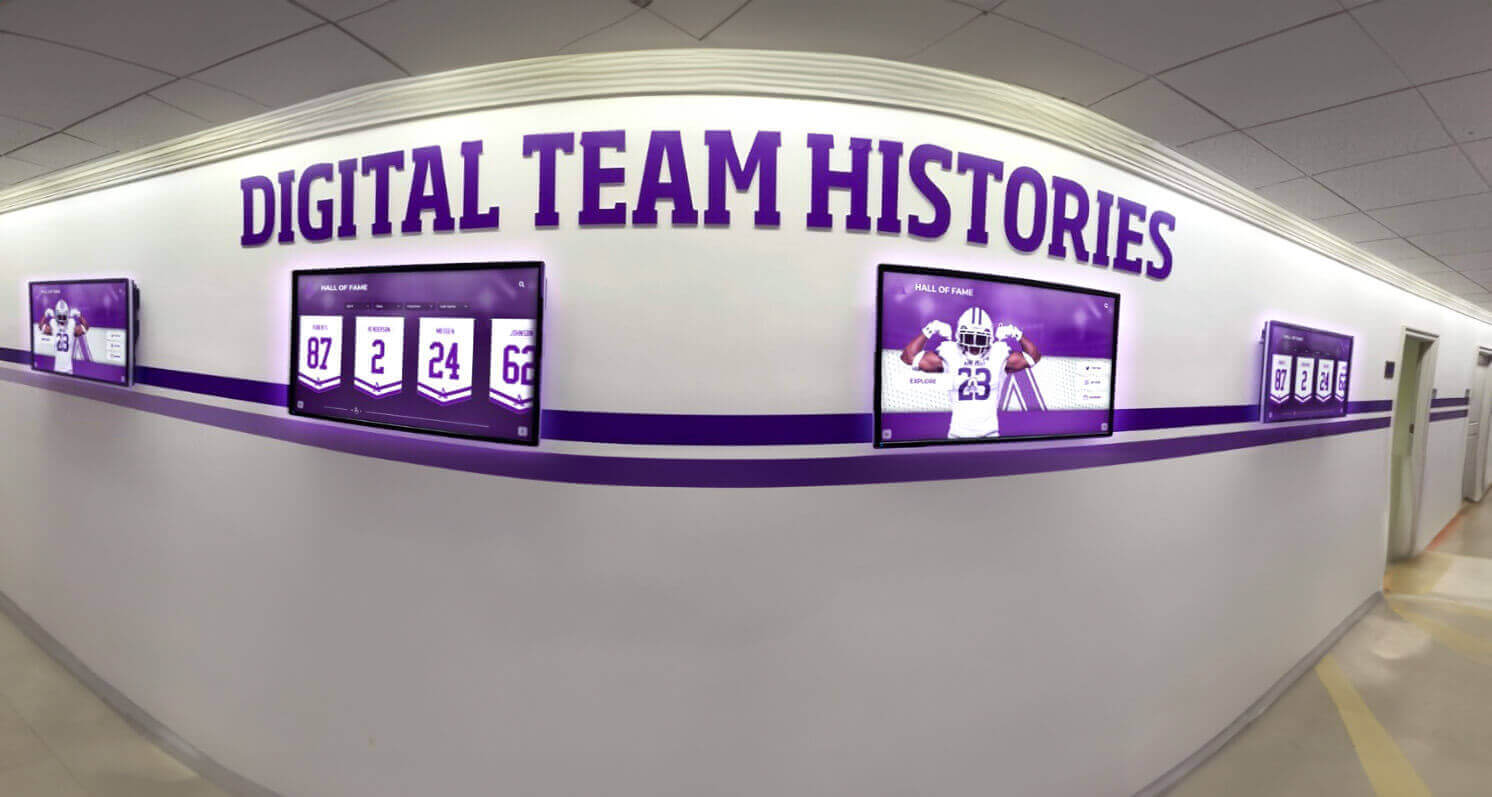
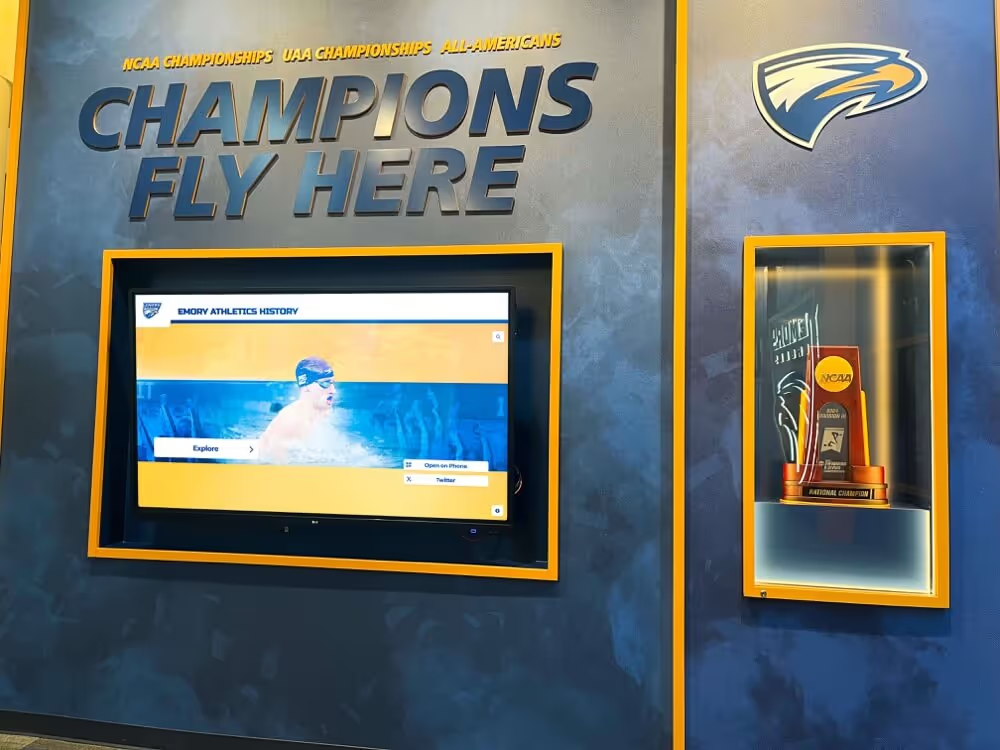
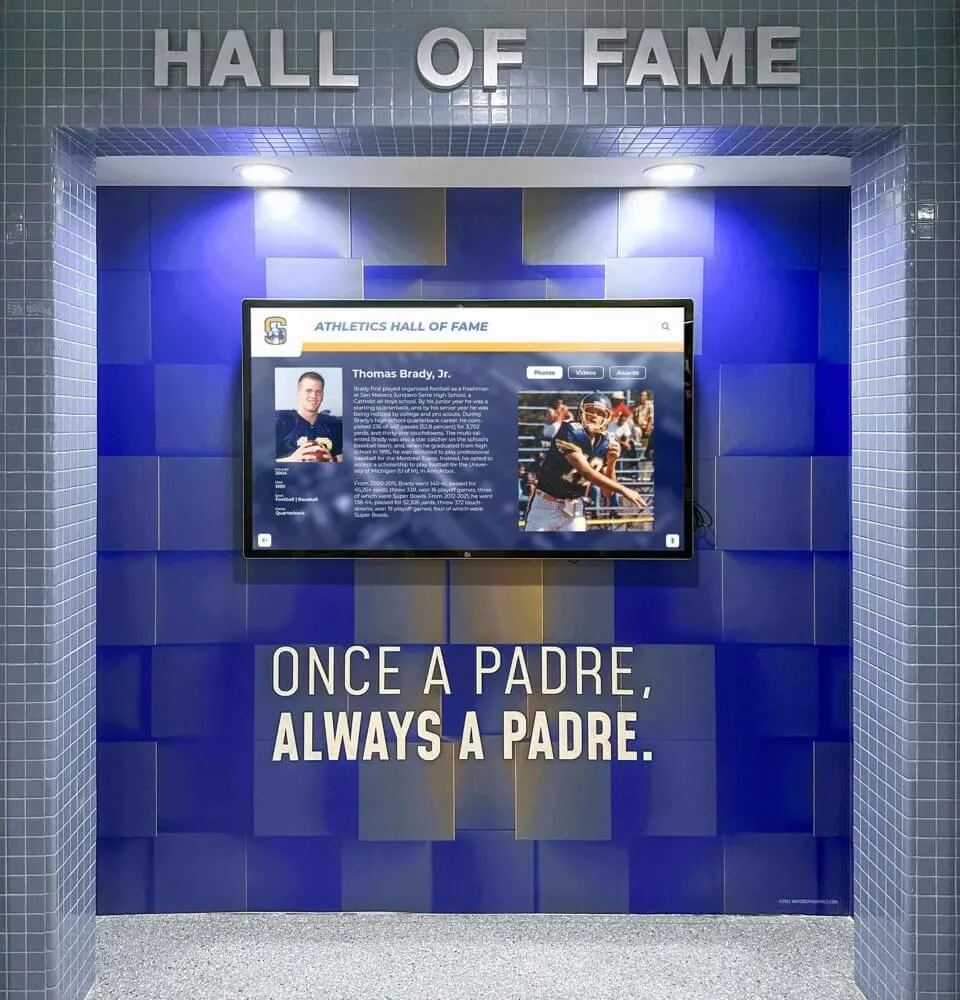
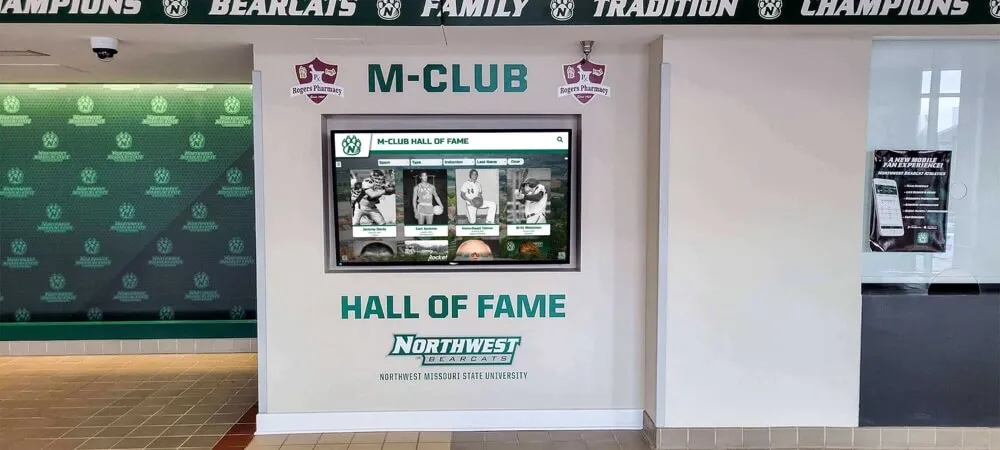
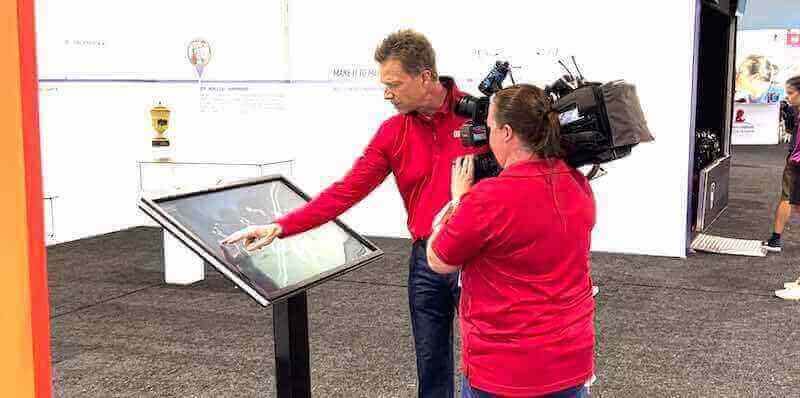
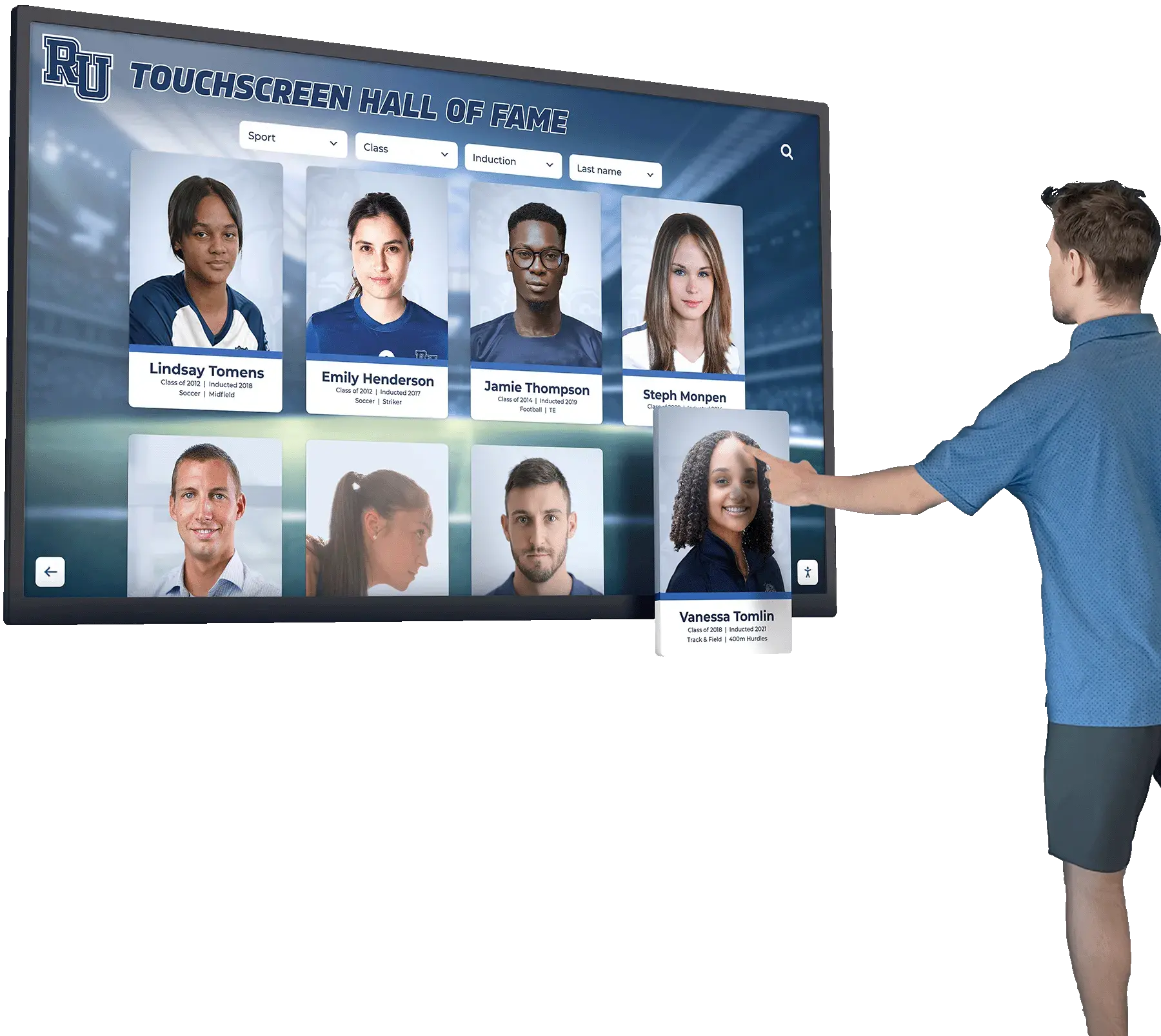
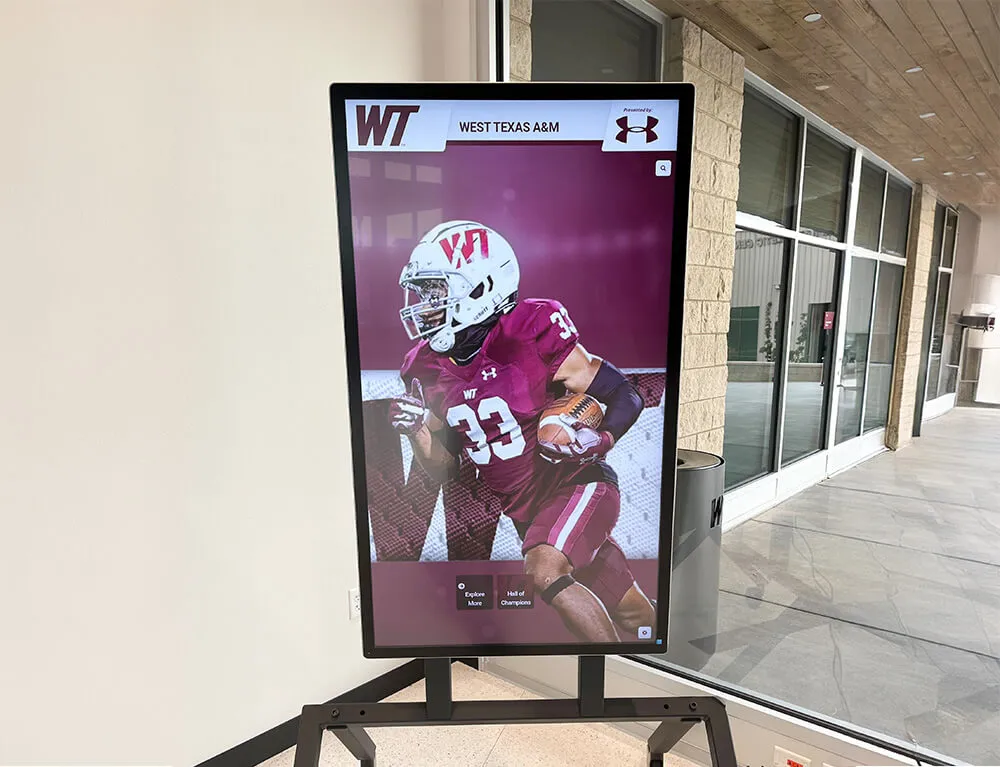
Digital team history displays give dance programs the same permanent recognition infrastructure that athletic programs have enjoyed for decades — searchable, updatable, and visible to every person who walks the hallway
Digital Recognition Systems for Dance Programs
The most forward-thinking schools have moved beyond physical plaques and static photo boards toward interactive digital systems that can hold the complete history of a dance team — every competition result, every captain, every award — in a searchable, visual display that updates annually without physical modification.
What a digital dance recognition display can include:
- Competition placement records organized by year and event
- Individual dancer profiles with photos and career highlights
- Captains and leadership roster going back through the program’s history
- Photos and video clips from major performances and competitions
- Connection to other school recognition programs (athletics, academics, arts)
This is the same infrastructure that swim team recognition programs have implemented effectively — the model transfers directly to dance.
Why annual updates matter. A recognition display that shows results from five years ago and nothing since communicates neglect. Digital systems solve this by making updates a content task rather than a physical installation project — a coach or administrator adds the year’s results and photos, and the display reflects the living history of the program.
Visibility beyond the school building. Web-accessible recognition systems let dancers share their profiles with college admissions offices, potential employers, and family members who live out of state. A dancer who can send a direct link to her team’s digital recognition page is carrying a credential that a folder of printed certificates cannot match.
For schools evaluating how to build comprehensive recognition infrastructure that serves dance alongside other programs, the wall of fame design templates guide covers layout strategies that accommodate multiple programs within a unified visual system.
Bring Your Dance Team's Identity Into Your School's Recognition Wall
Rocket Alumni Solutions builds interactive touchscreen recognition systems that celebrate every program — dance, athletics, academics, and arts — with permanent, searchable displays that update annually and connect alumni across generations.
Explore Dance Team Recognition SolutionsBringing It All Together: Identity From Shirt to Wall
The most effective school dance programs operate with a coherent visual identity that runs from the smallest detail — the font on a practice shirt — to the largest expression — the digital recognition display in the main hallway. These are not separate design decisions; they are expressions of the same program identity.
A school that designs its dance team shirts with the same intentionality it brings to its athletic uniforms, and then carries that identity into a permanent recognition wall that celebrates the program’s history, creates an environment where dancers feel as seen and valued as any varsity athlete. That environment attracts talent, retains members, and builds the kind of long-term program legacy that coaches and administrators are proud to inherit.
The shirt ideas in this guide are starting points — the specific design a program chooses should reflect the school’s colors, the team’s culture, and the visual language that resonates with its members. But across every design option, the underlying principle is the same: invest in the visual identity, build the recognition infrastructure, and celebrate the people who show up and do the work.
For programs looking to see how schools are already combining team identity design with digital recognition, athletic team photo wall ideas showcases the range of approaches schools are using to turn team photography and branding into permanent recognition spaces.
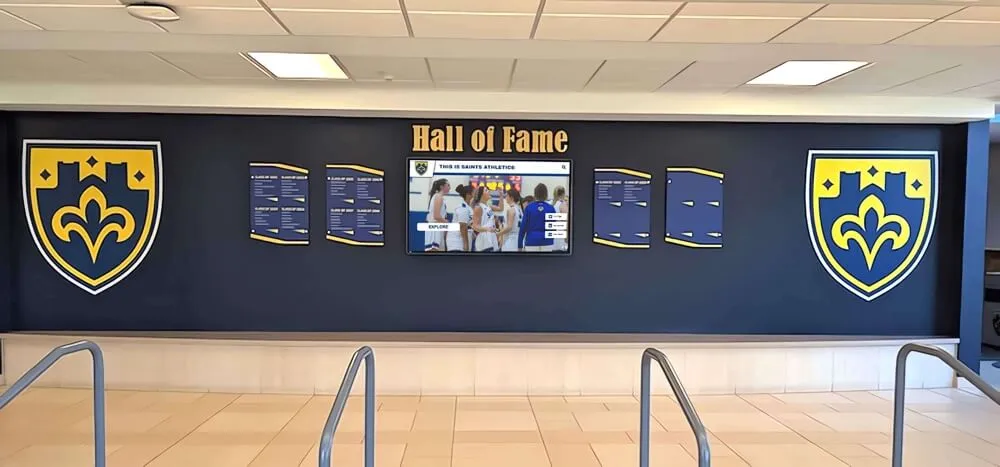
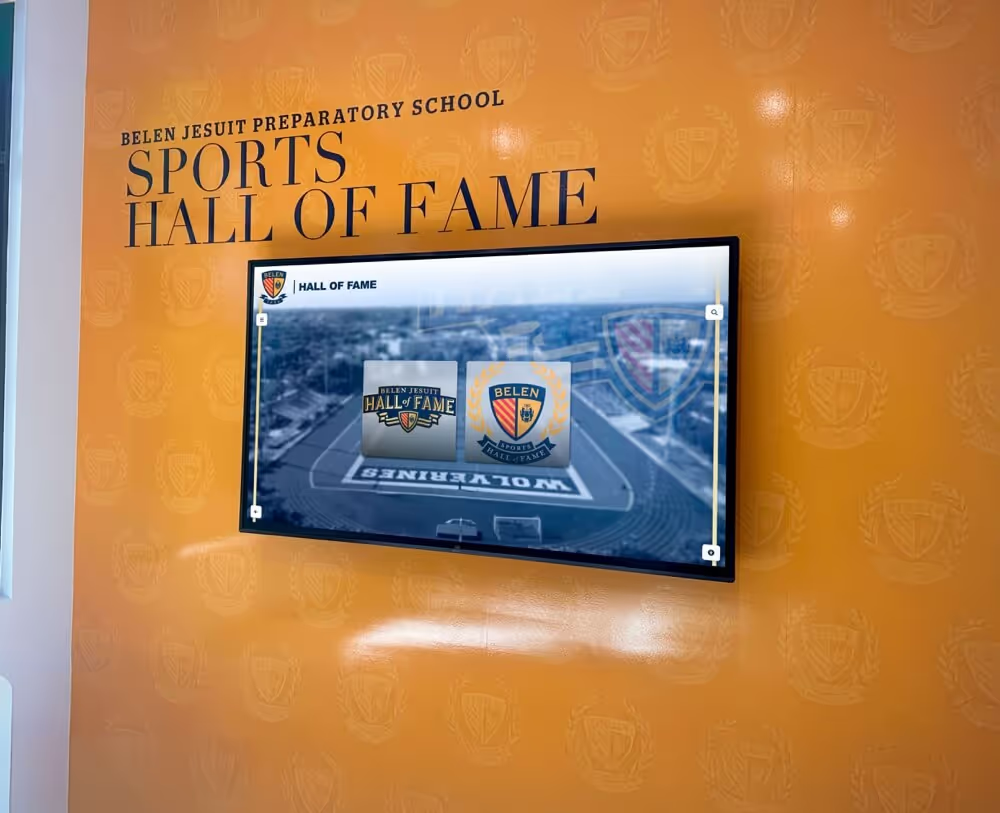
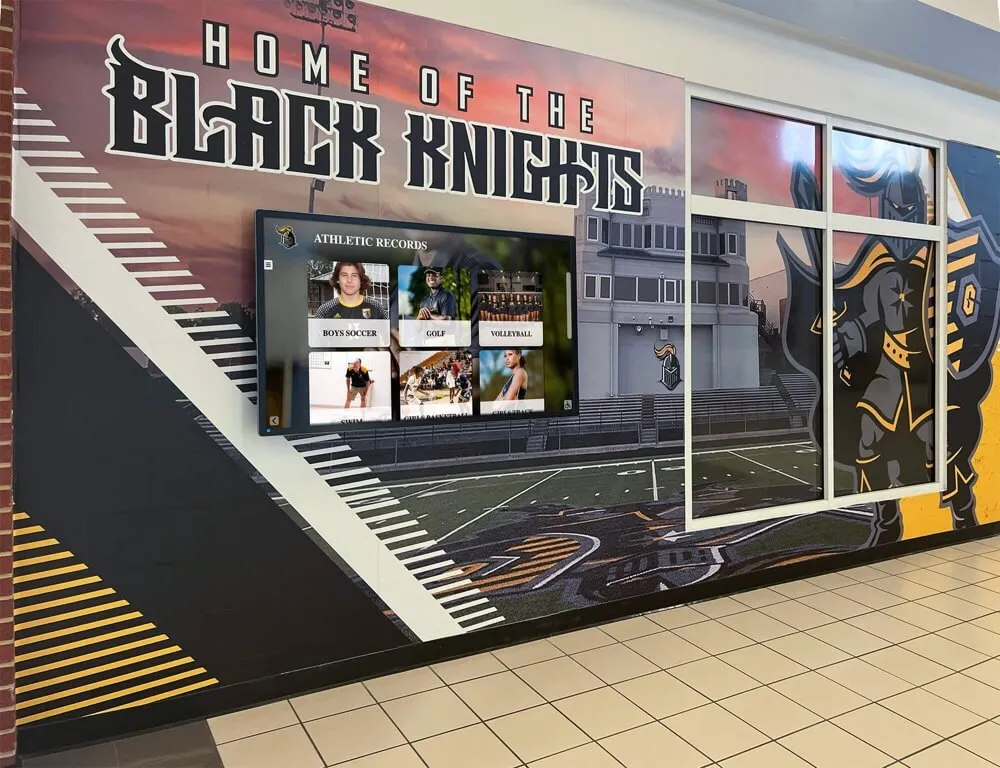
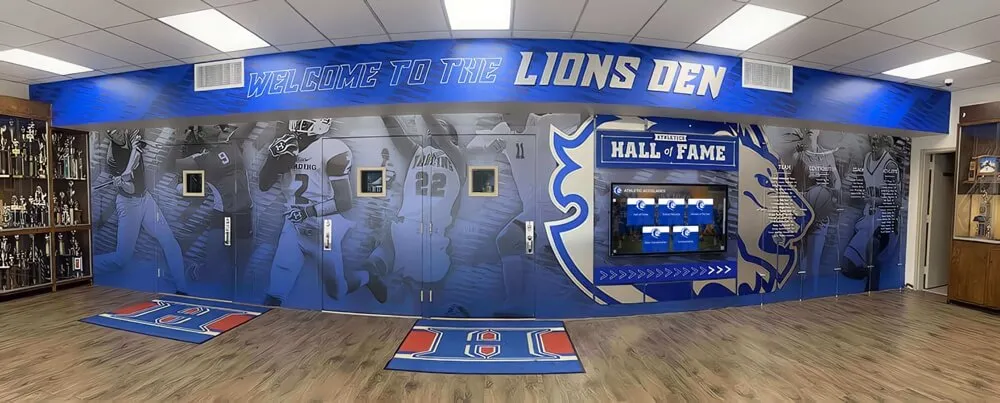
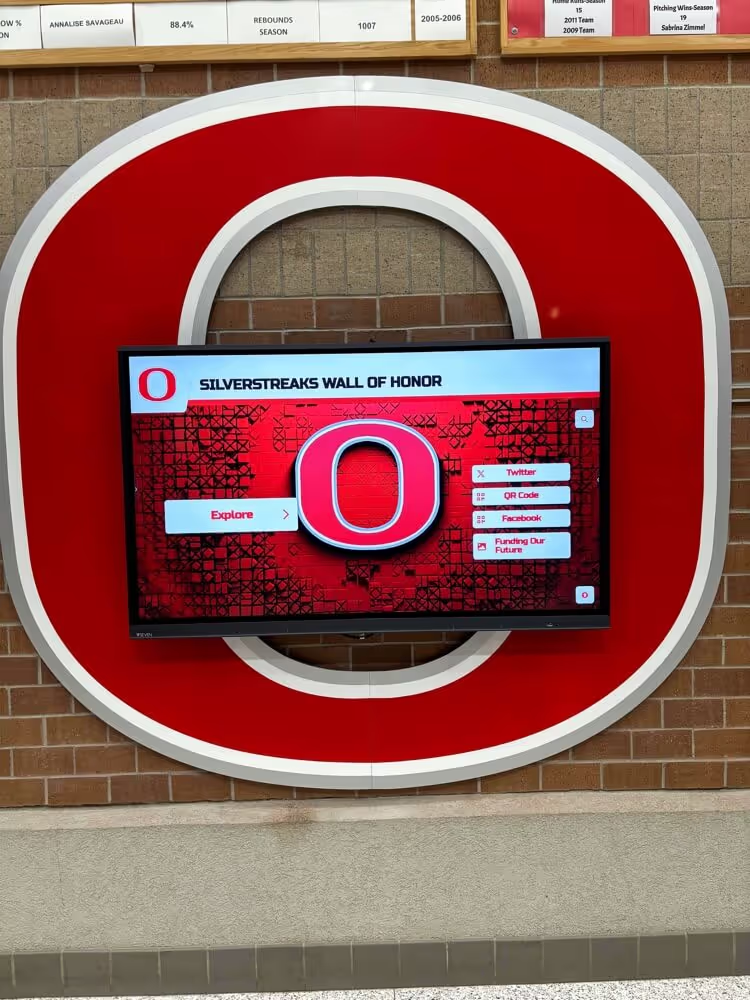
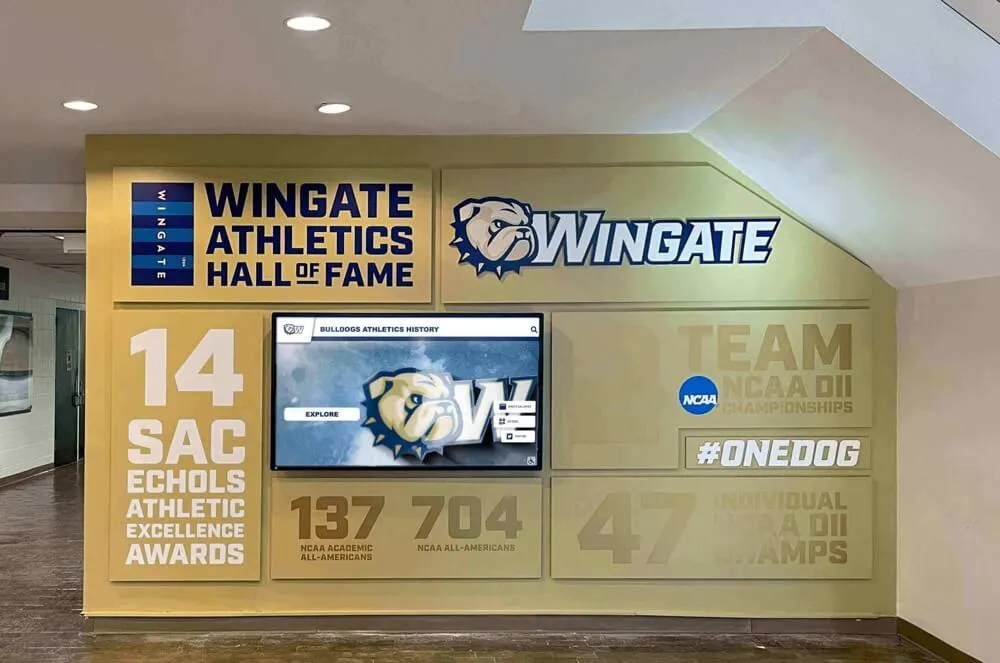
Athletic recognition walls that use school colors and visual branding extend the same identity language found in team uniforms into permanent display spaces that honor program history
Frequently Asked Questions About Dance Team Shirt Design
What is the best fabric for dance team shirts?
For performance and competition contexts, moisture-wicking polyester or polyester-cotton blends (typically 60/40 or 50/50) outperform 100% cotton. They hold their shape during active movement, dry faster after rehearsal, and hold print quality better over repeated washing. For commemorative or casual shirts — senior night gifts, alumni shirts — a premium cotton or cotton-modal blend offers a softer feel that wears well as everyday apparel.
How much should a school budget for dance team shirts?
Budget ranges vary significantly by design complexity and printing method. A straightforward one-color screen print on a standard blank runs $8–15 per shirt at quantities of 24 or more. Full-color DTG-printed shirts on premium blanks run $18–30 per shirt at smaller quantities. Premium performance shirts with complex sublimation printing can reach $35–50 per piece. Factor in one-time setup fees (screen printing setup typically runs $25–50 per color) when comparing quotes.
How far in advance should we order dance team shirts?
For competition-specific shirts that need to be ready for a specific event, place orders 6–8 weeks in advance. For general season shirts ordered before the school year, July or early August orders ensure delivery before first rehearsals in late August. Avoid ordering during peak production seasons (late August–September) without building in extra lead time.
Should dance team shirts match the school’s athletic uniform colors exactly?
Yes — exact color matching (using Pantone or CMYK specifications) ensures that dance team apparel reads as part of the school’s visual family rather than as a separate, loosely affiliated program. Ask your athletic director or school communications office for the official brand color specifications before submitting any shirt design to a printer.
Can dance teams get varsity letters for their jackets like other athletes?
This varies by school and district policy, but the trend has moved strongly toward including dance teams in varsity letter programs. For schools building out their performing arts recognition, the letterman jacket tradition and its extension to non-traditional athletics is well documented and increasingly standard. Advocacy from coaches and boosters tends to accelerate the process at schools that haven’t yet extended letters to dance programs.
How do schools create permanent recognition for dance team members?
The most durable recognition combines a physical installation — a section of a hallway recognition wall featuring the program’s identity, team photos, and competition records — with a digital system that holds searchable profiles, career highlights, and historical records. Schools that have implemented these systems for athletics find the transition to including dance straightforward: the infrastructure is already in place, and adding a program is a content and design task rather than a new project from scratch.
Conclusion: Design That Celebrates the Work
Dance team shirts are the visible symbol of an invisible amount of effort: early morning practices, competition-day nerves, choreography memorized and refined over months, performances delivered in front of hundreds or thousands of people. The design decisions that produce those shirts deserve the same care and intentionality that goes into the work they represent.
Whether a program chooses a classic varsity block letter, a dynamic gradient design, a minimalist typography approach, or a personalized numbered system, the goal is the same: a shirt that dancers wear with pride and that communicates, at a glance, that this program is serious about what it does.
Beyond the shirt itself, the most forward-thinking programs connect their visual identity to permanent recognition infrastructure — digital displays, searchable archives, hallway walls of fame — that celebrate dancers not just on competition day but throughout the school year and across generations of alumni.
For schools ready to build that recognition infrastructure, Rocket Alumni Solutions builds interactive touchscreen systems that bring the full history of school programs — dance, athletics, academics, and arts — into permanent, beautiful, searchable displays that honor the people who do the work.
Give Your Dance Team the Recognition Display They've Earned
Rocket Alumni Solutions designs interactive recognition walls for schools that celebrate every program permanently. From competition records to individual dancer profiles, our systems make the full story of your dance team visible, searchable, and lasting.
Get a Custom Recognition Preview