



Debate team achievement boards provide essential recognition for students who excel in competitive speech and debate—forensics activities that develop critical thinking, public speaking, research skills, and civic engagement through rigorous competition at local, regional, state, and national levels. These recognition displays celebrate tournament victories, individual speaker awards, qualification achievements, and the countless hours students invest mastering argumentation, rhetoric, and persuasive communication skills.
Yet many schools struggle to give debate team accomplishments the visibility they deserve. Recognition often defaults to brief assembly announcements, certificates stored in folders, or crowded trophy cases where forensics achievements compete for space with athletic awards. Meanwhile, talented debaters who spend weekends traveling to tournaments, dedicate lunch periods to research and practice, and represent their schools at prestigious competitions receive minimal ongoing acknowledgment for achievements that develop skills predicting college and career success.
This comprehensive guide explores how schools can transform debate team recognition through modern achievement boards—particularly interactive digital recognition displays—that create lasting impact, inspire future competitors, build institutional forensics traditions, and ensure speech and debate excellence receives celebration equal to other highly visible student accomplishments throughout educational communities.
Effective debate team achievement boards serve multiple essential purposes beyond simple acknowledgment. They provide clear achievement targets motivating students toward competitive excellence, create visible role models demonstrating that communication skills and intellectual rigor matter, strengthen college applications through documented leadership and competition success, build school cultures where forensics achievements receive recognition equal to athletic accomplishments, and preserve institutional debate traditions connecting current competitors to decades of distinguished alumni who developed their voices through competitive speech.

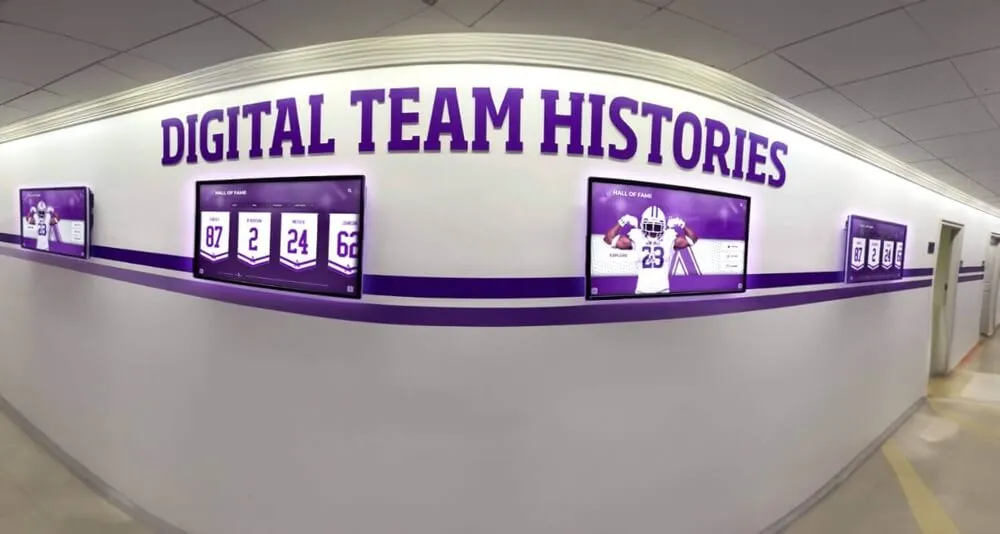
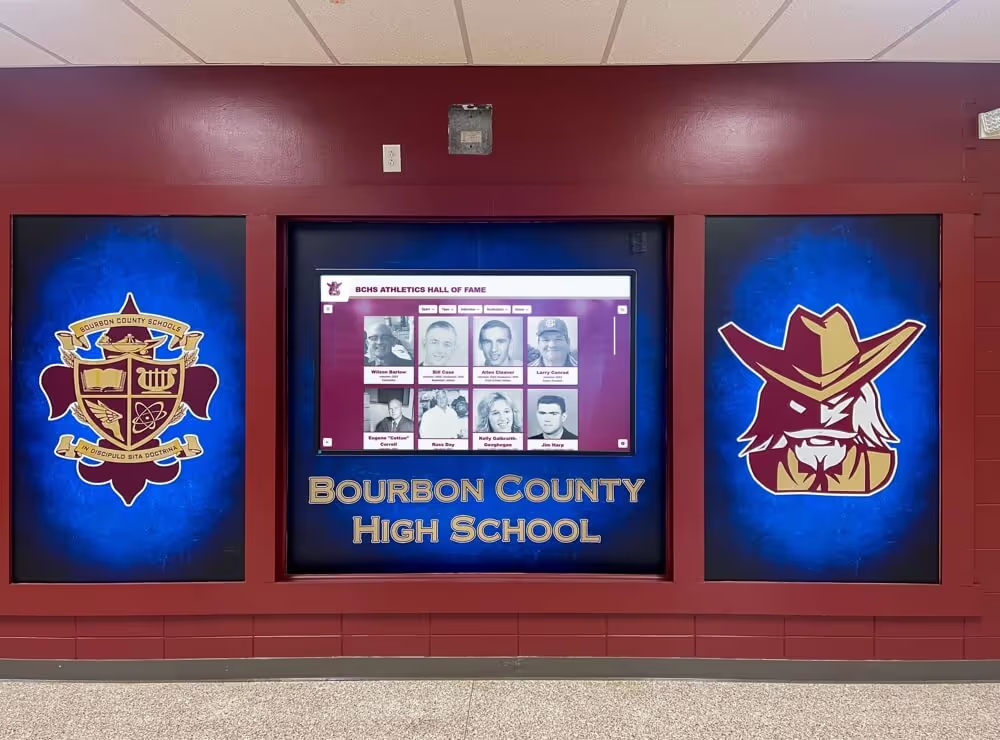
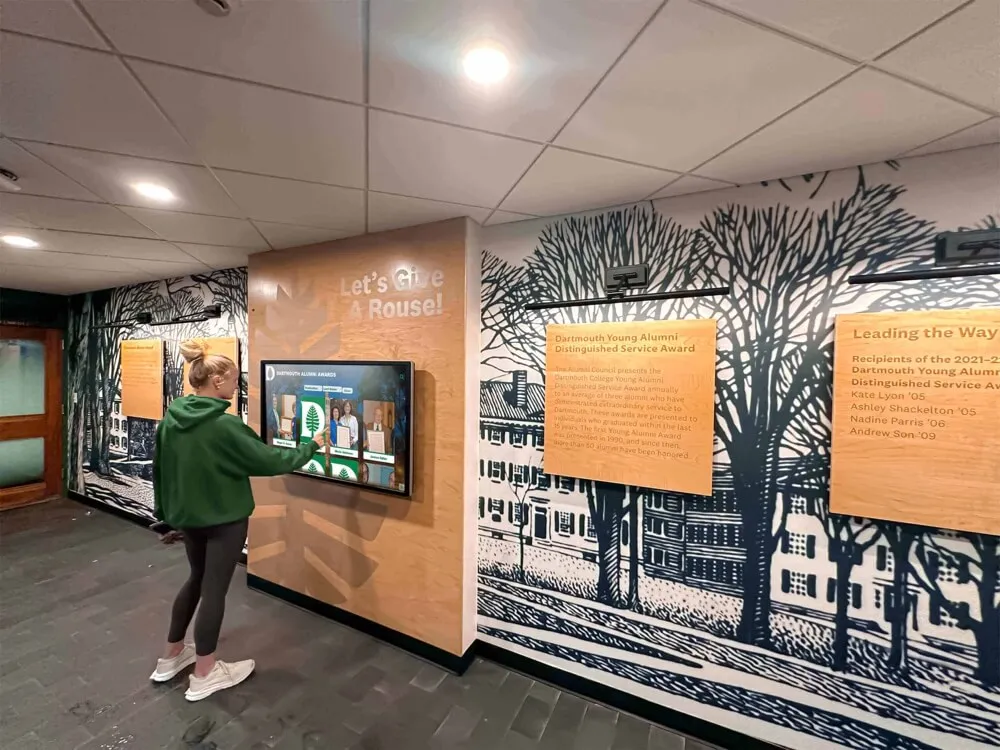
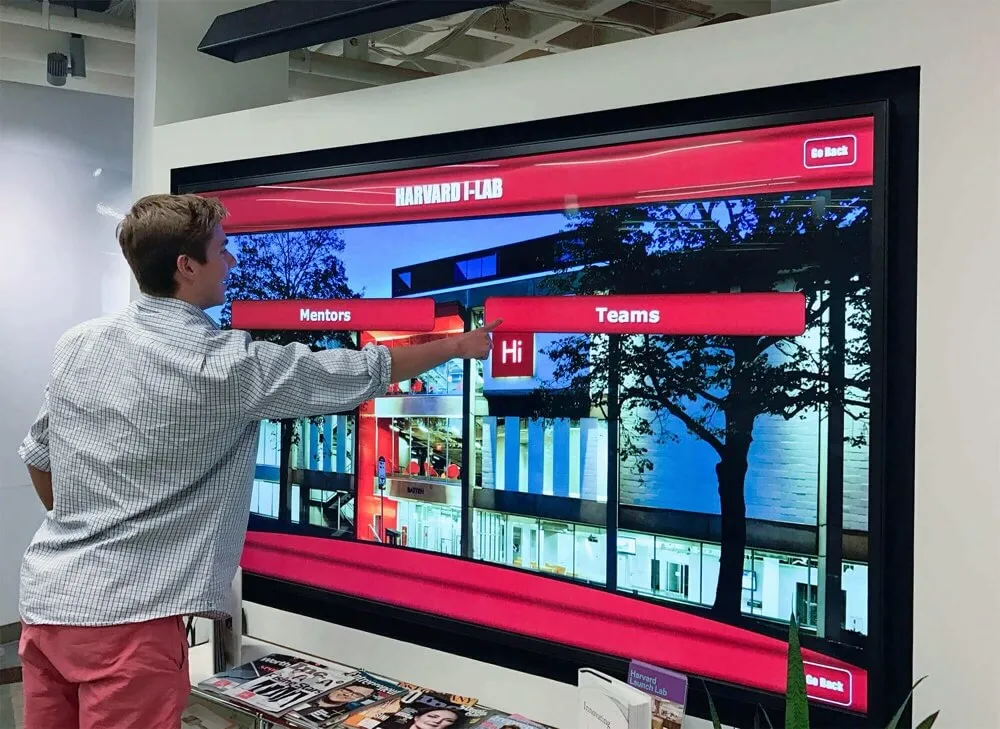
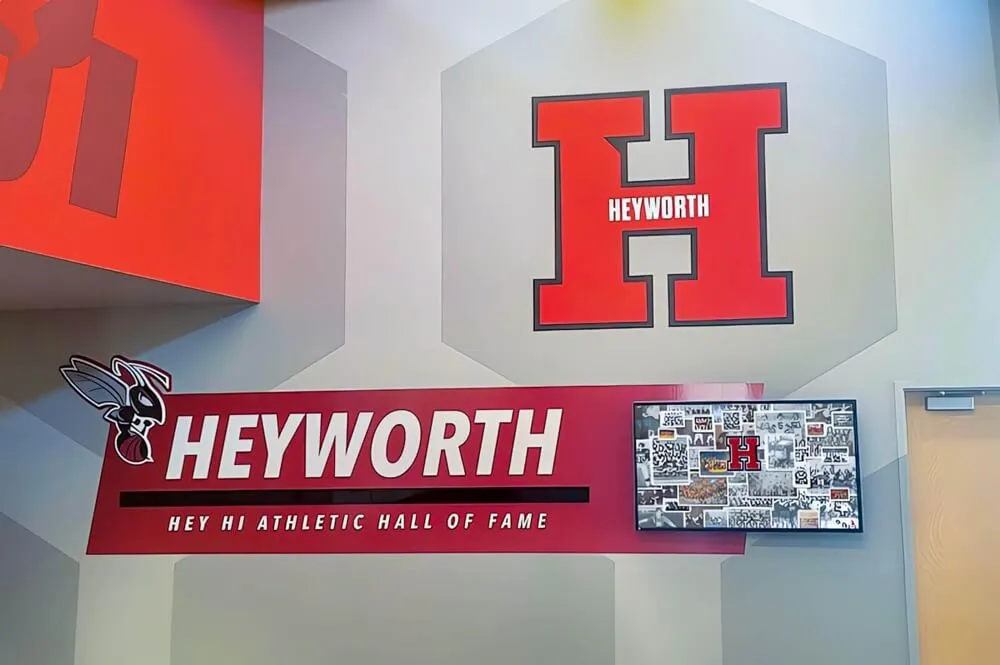
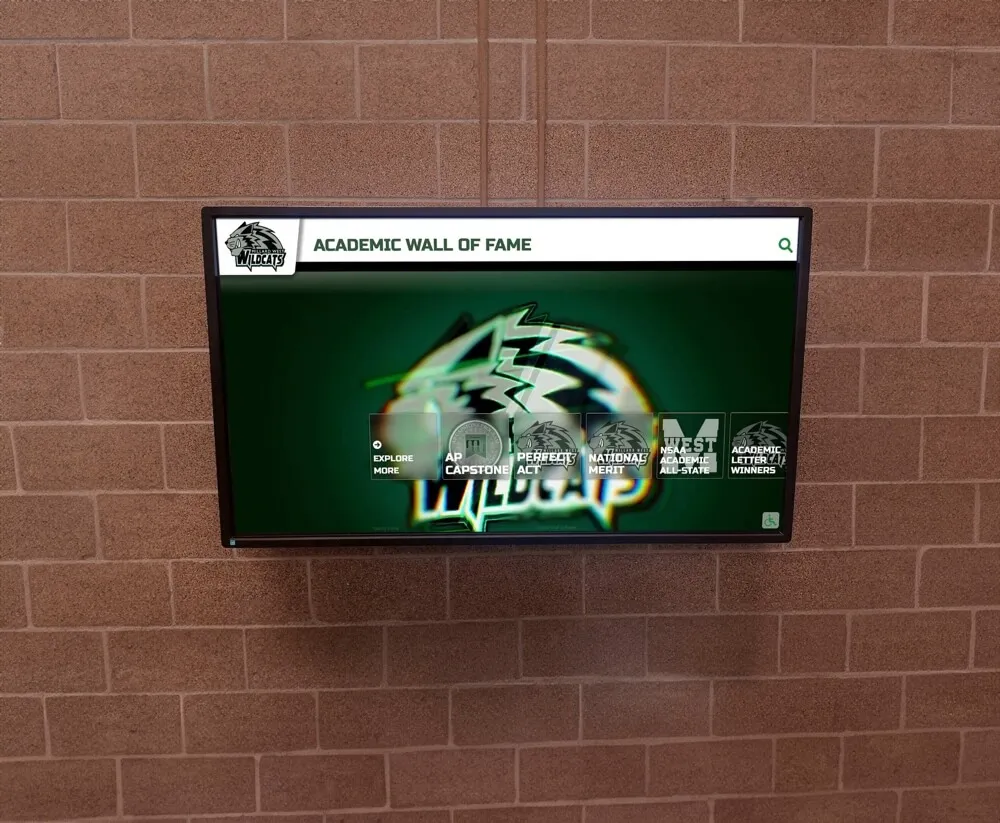
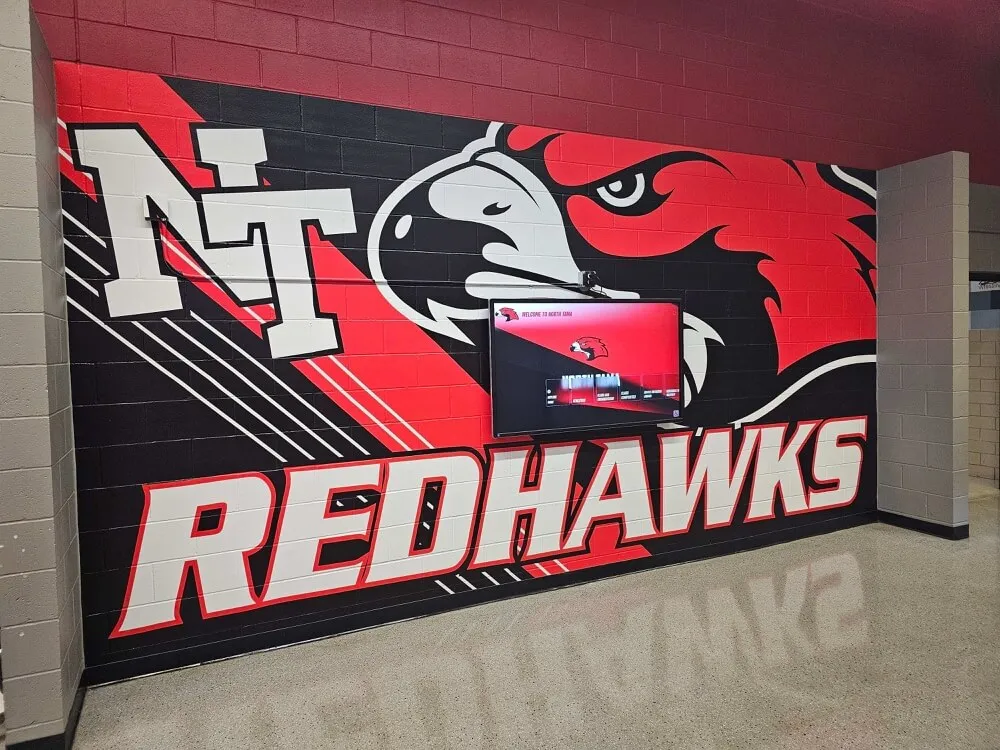
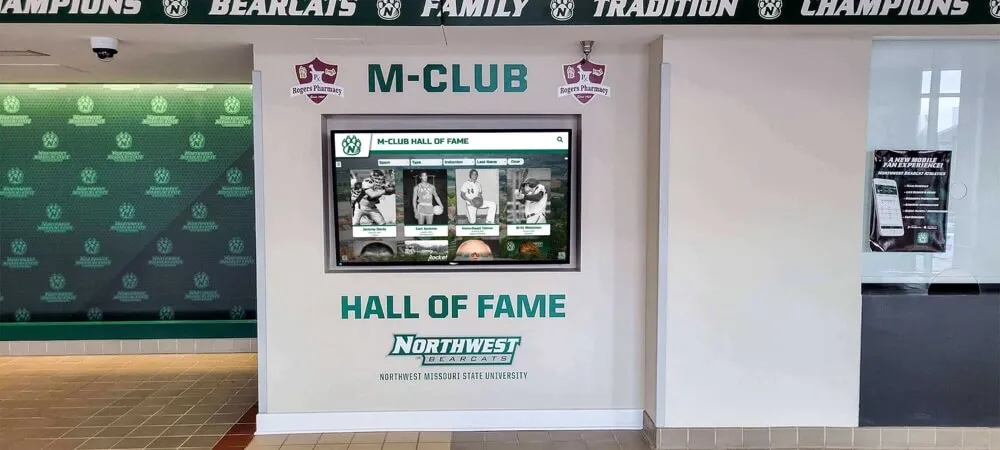
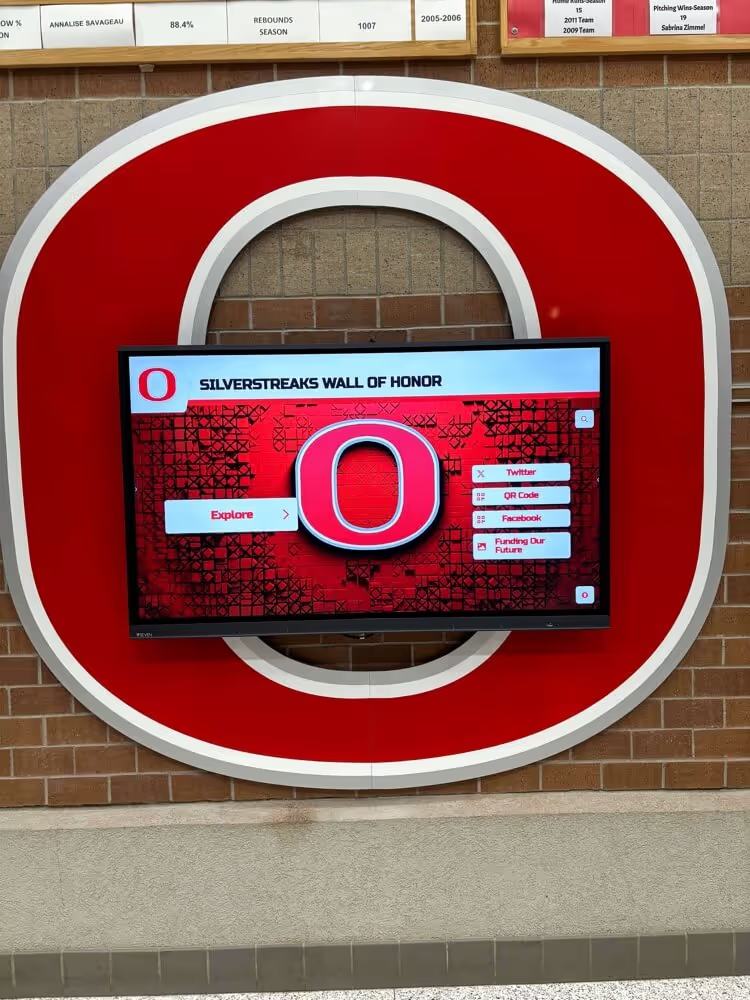
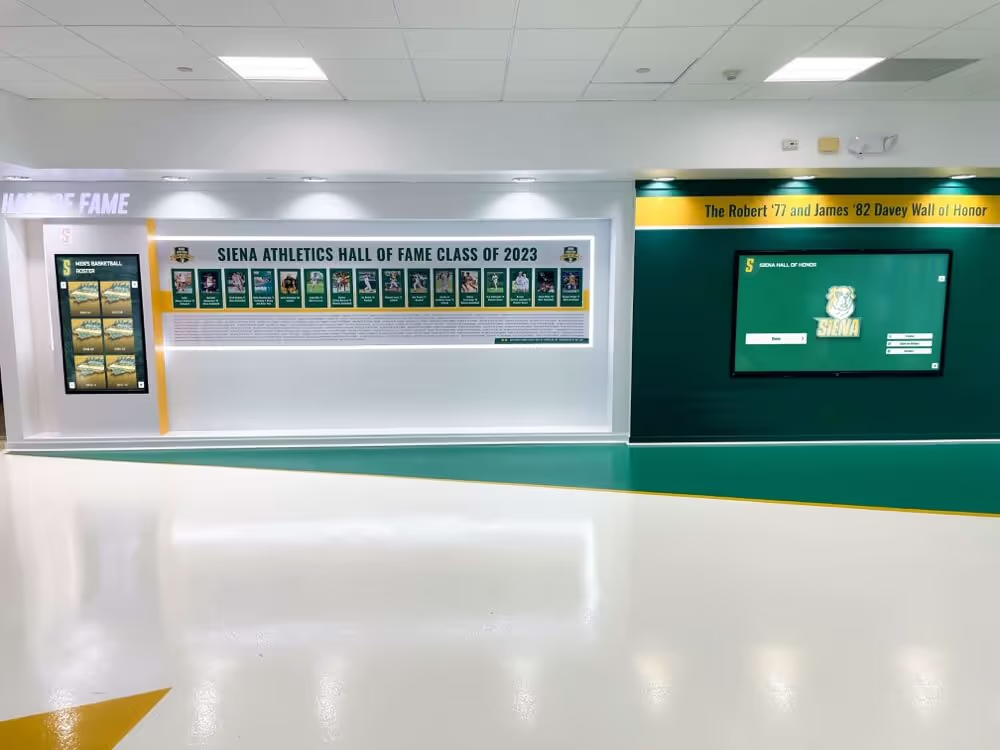
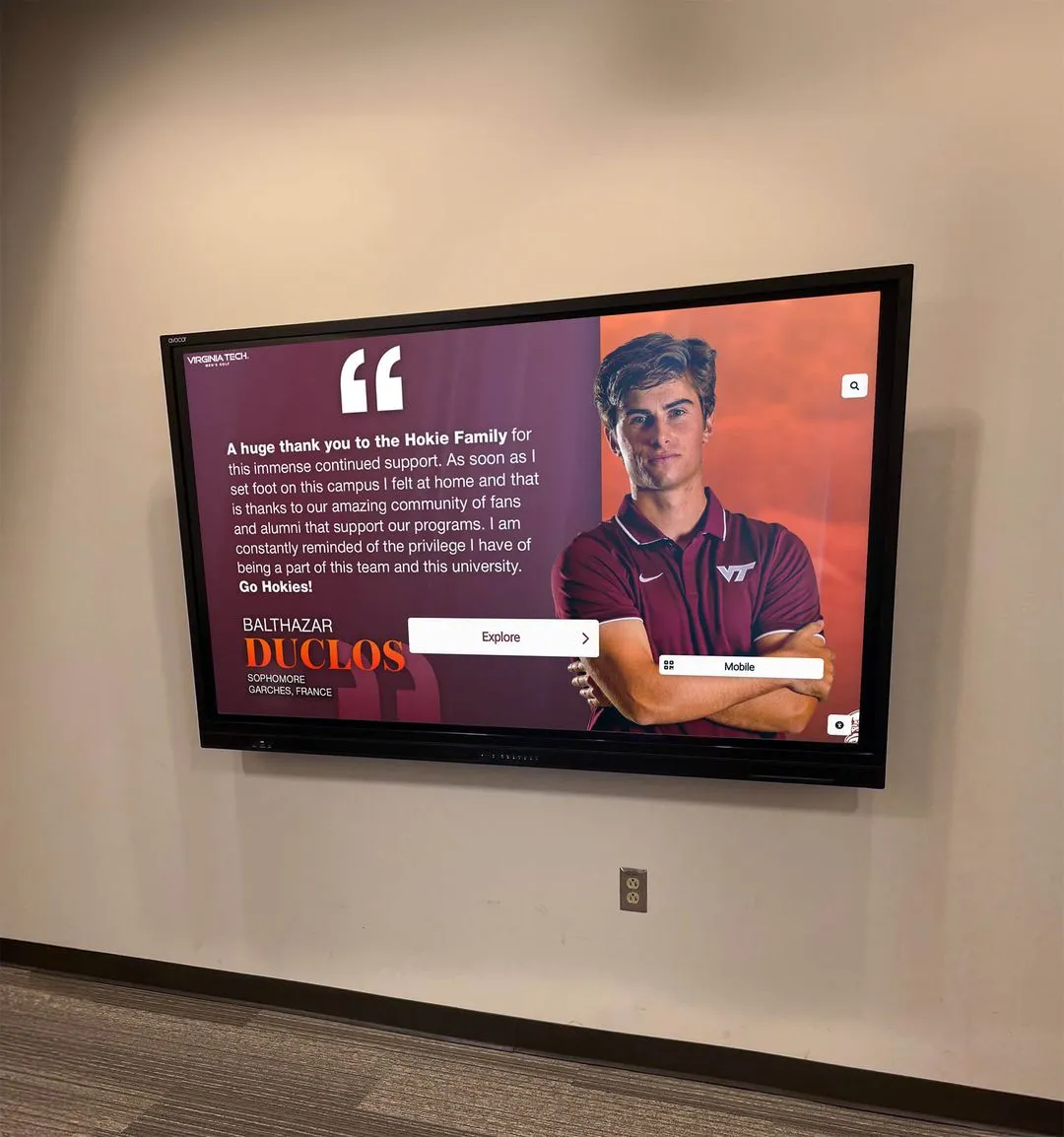
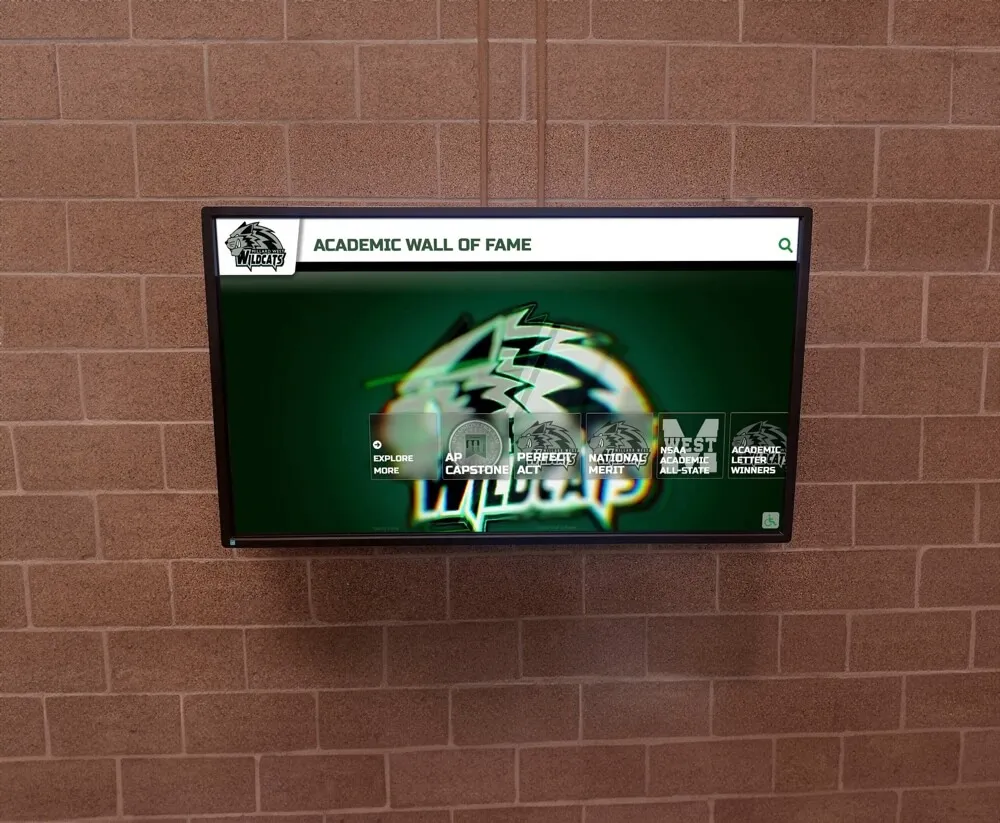
Modern digital achievement boards transform debate team recognition from temporary announcements into permanent, engaging celebrations of forensics excellence
Understanding Debate and Forensics Competition Achievements
Before implementing achievement boards, schools benefit from understanding what debate and forensics programs encompass, the specific recognition opportunities they create, and why these accomplishments deserve prominent celebration alongside academic and athletic honors throughout educational institutions.
The Scope of Competitive Speech and Debate
High school forensics encompasses diverse competitive activities that develop distinct but complementary communication skills through structured competition formats governed by national and state organizations including the National Speech & Debate Association.
Policy Debate (Team Debate) Policy debate involves two-person teams engaging in in-depth argumentation about complex public policy topics that remain consistent throughout the competitive season. Competitors develop extensive research skills, strategic thinking, rapid evidence analysis, and collaborative partnership capabilities while exploring topics like criminal justice reform, climate policy, economic systems, and international relations with depth rivaling undergraduate coursework.
Lincoln-Douglas Debate (Value Debate) Lincoln-Douglas debate features individual competitors engaging philosophical value-based argumentation about ethical and moral questions. This format emphasizes logical reasoning, philosophical frameworks, and persuasive advocacy while developing students’ abilities to articulate sophisticated ethical positions on topics ranging from justice and morality to individual rights and societal obligations.
Public Forum Debate Public Forum debate combines accessible argumentation with current event topics that change monthly, requiring teams to research, construct cases, and engage in balanced discussions designed for lay judge comprehension. This format develops research agility, clear communication, and the ability to make complex arguments accessible to diverse audiences without specialized debate background knowledge.
Individual Speech Events
Beyond debate formats, forensics includes individual speaking events developing distinct communication competencies:
Original Oratory Students write and deliver persuasive speeches on topics of their choosing, developing research skills, rhetorical sophistication, and compelling delivery while advocating for change or awareness on issues they find personally meaningful from mental health to social justice to environmental concerns.
Dramatic and Humorous Interpretation Competitors perform memorized cuttings from published works including plays, novels, and short stories, developing character portrayal, emotional range, and storytelling capabilities through ten-minute performances showcasing dramatic artistry and interpretive insight.
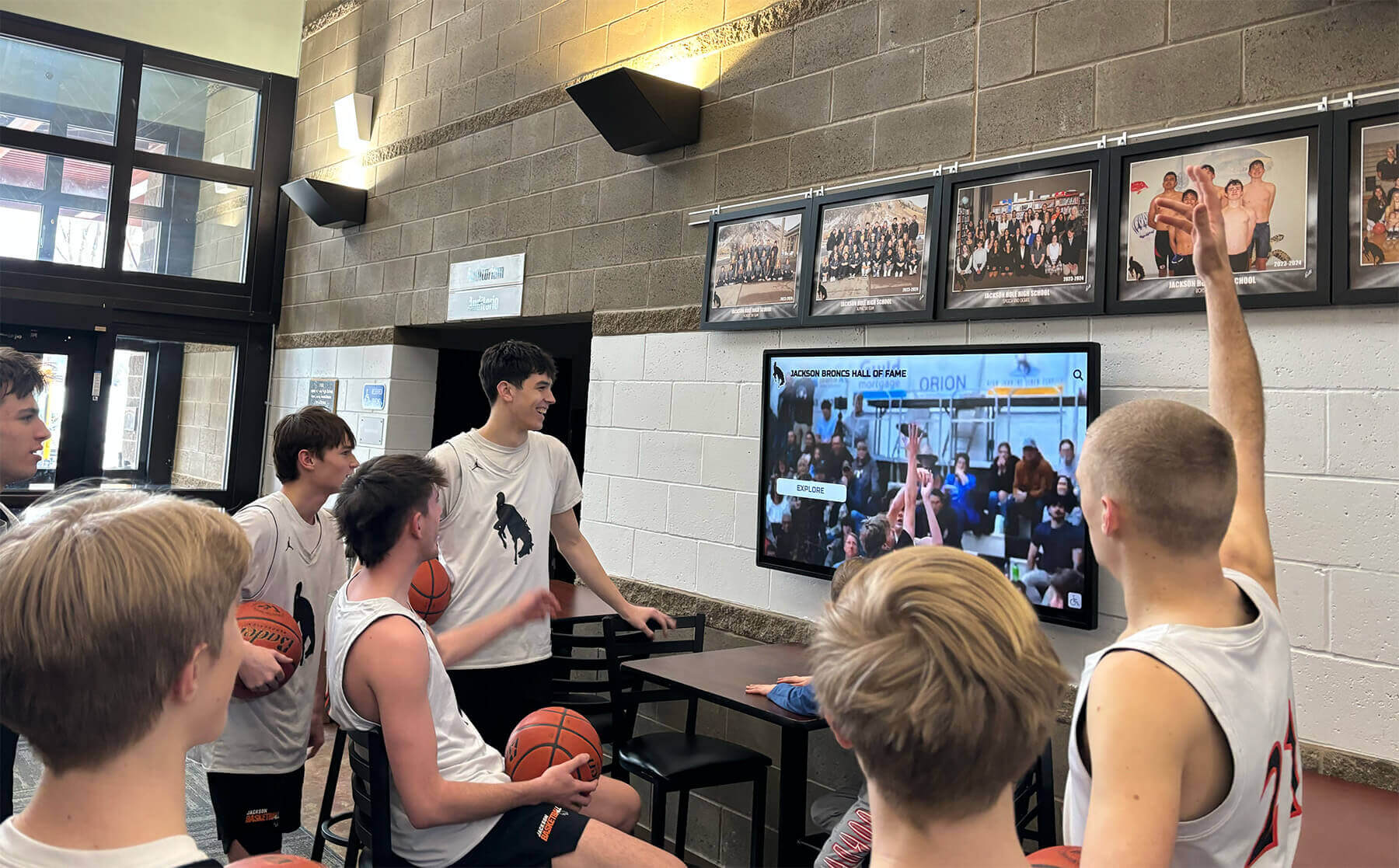
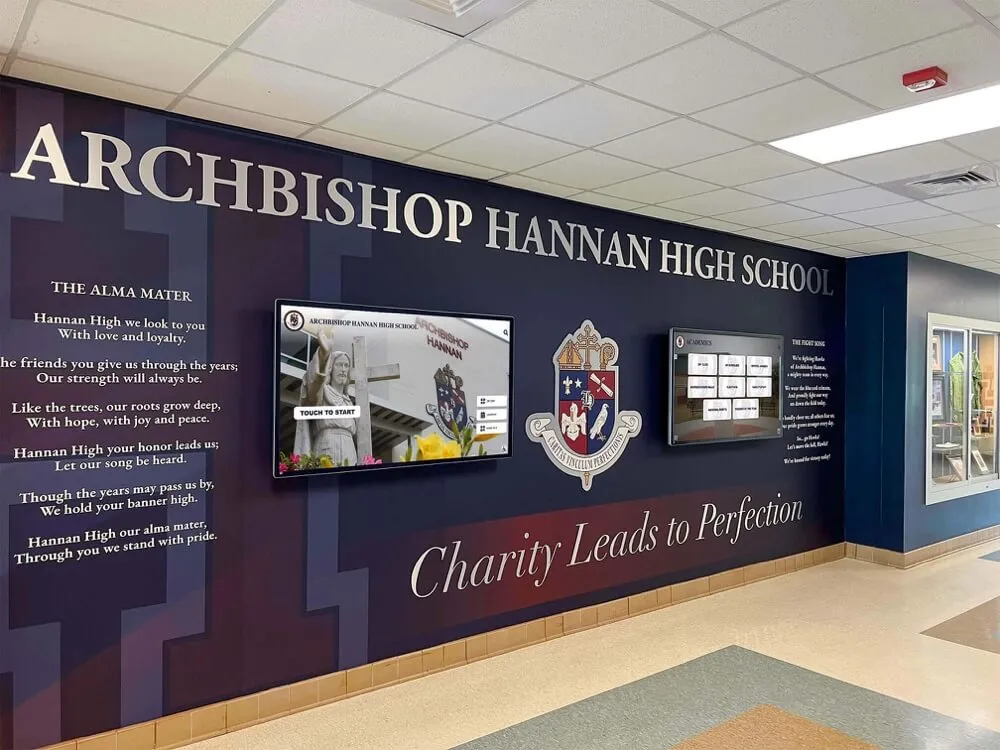
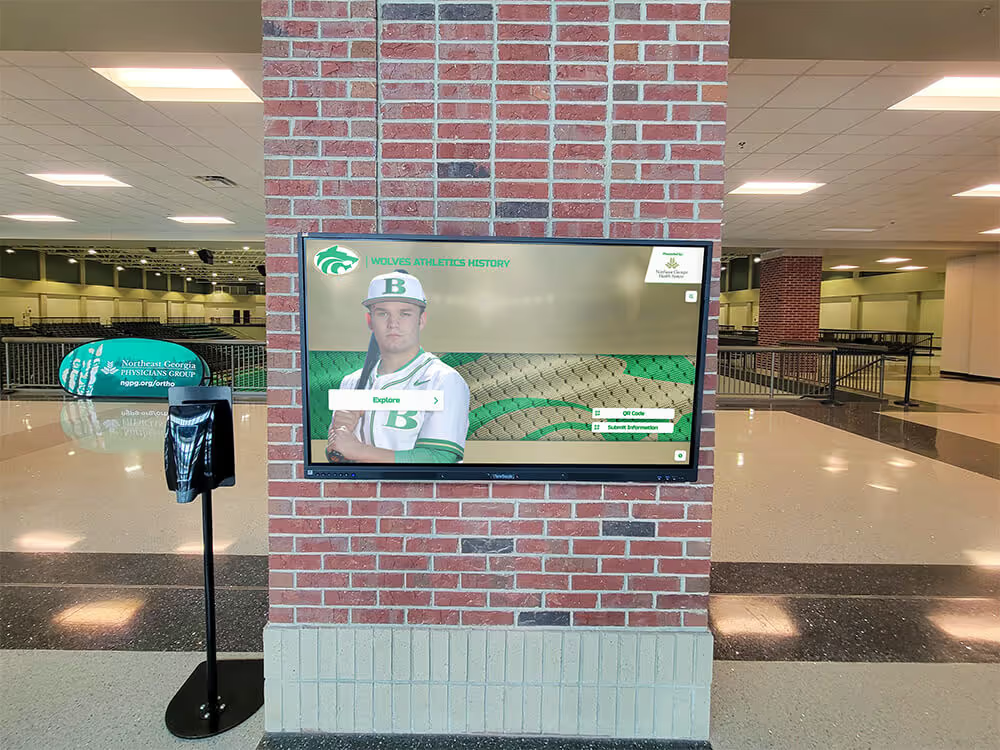
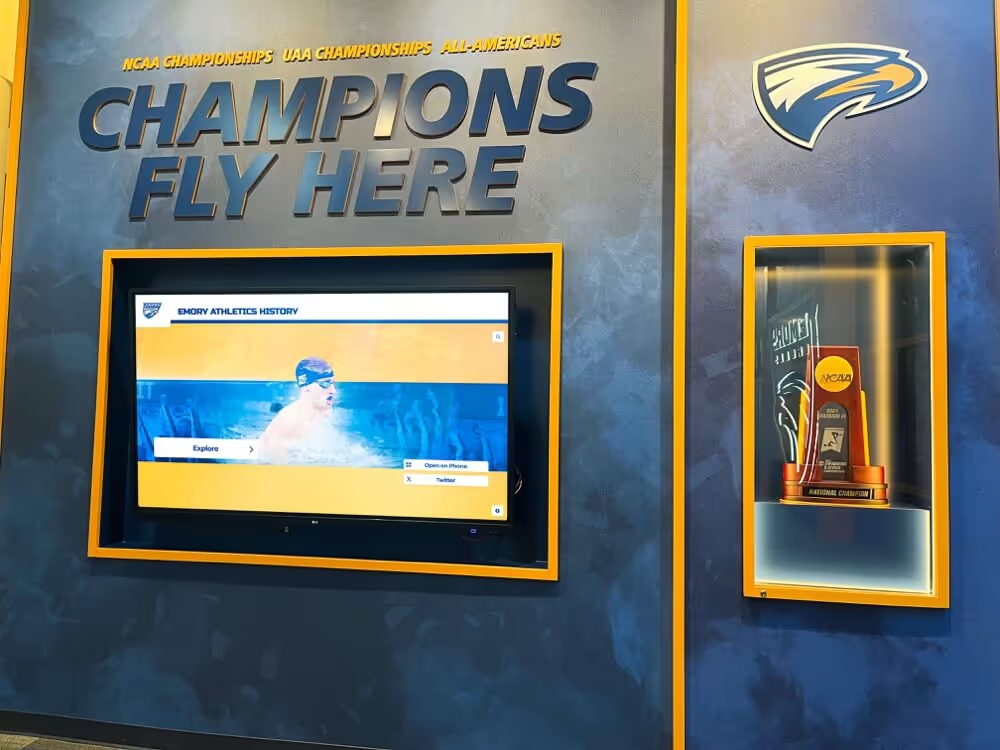
Interactive achievement boards create opportunities for students to explore forensics accomplishments and connect with debate team culture
Extemporaneous Speaking Students receive topics from current events with limited preparation time—typically 30 minutes—to research, organize, and deliver informative speeches demonstrating knowledge, analytical thinking, and polished speaking skills under pressure while addressing complex contemporary issues from domestic policy to international relations.
Congressional Debate This format simulates legislative sessions where students author bills and resolutions, deliver speeches supporting or opposing legislation, ask questions, and vote on proposals while developing parliamentary procedure knowledge, legislation analysis skills, and collaborative governance understanding within competitive frameworks mimicking actual governmental processes.
According to the National Speech & Debate Association’s student recognition programs, students earn points throughout their careers based on competition performance, with degrees awarded at point thresholds ranging from Novice (25 points) through Superior Distinction (1000+ points). Less than 1% of students achieve the prestigious All American Award, according to recent NSDA recognition data.
The Importance of Recognizing Debate Team Achievements
Competitive speech and debate accomplishments carry substantial significance for student development, college preparation, and lifelong skill acquisition—making comprehensive recognition through dedicated achievement boards both appropriate acknowledgment for student effort and strategic investment in program growth and institutional culture development.
Skills Development Through Competitive Forensics
Research consistently demonstrates that speech and debate participation develops competencies directly predicting college and career success across diverse professional fields and industries.
Critical Thinking and Research Capabilities Debate requires students to analyze complex issues from multiple perspectives, evaluate evidence quality, identify logical fallacies, construct coherent arguments, and adapt reasoning based on counterarguments. These analytical skills transfer directly to college-level coursework, research projects, and professional problem-solving across virtually every career pathway from law and business to medicine and engineering.
Public Speaking and Communication Excellence Forensics activities systematically develop presentation skills, verbal clarity, confident delivery, audience adaptation, and persuasive communication capabilities that surveys consistently identify among the most valued professional competencies. Students who master public speaking through competitive forensics enter college and careers with communication confidence many peers take years to develop through less structured experiences.
Research and Information Literacy Competitive debate requires extensive research across academic journals, policy reports, expert testimony, and empirical studies. Students develop sophisticated information literacy skills including source evaluation, evidence synthesis, citation practices, and research methodology understanding that provide substantial academic advantages throughout higher education and professional careers requiring evidence-based decision-making.
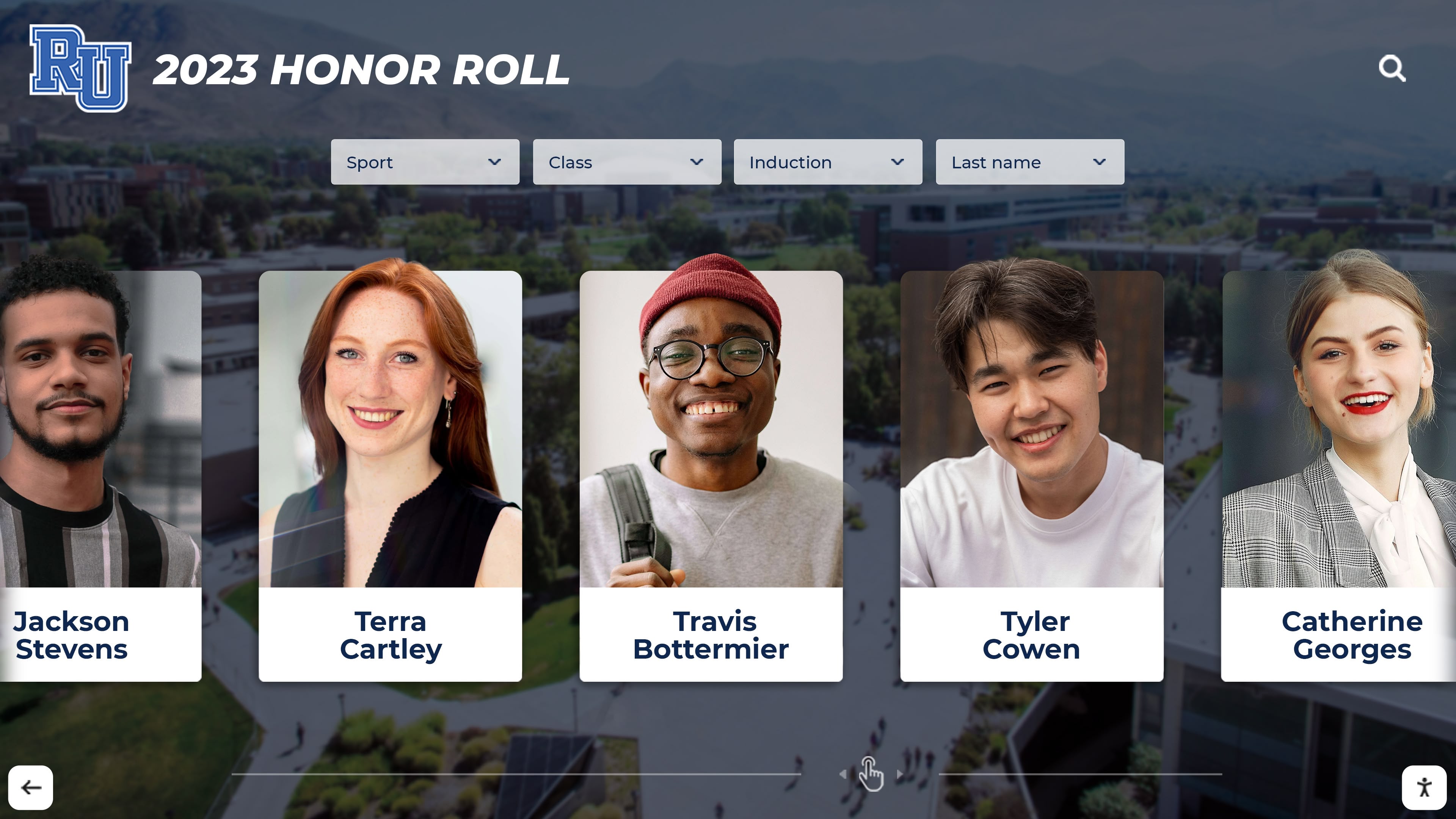
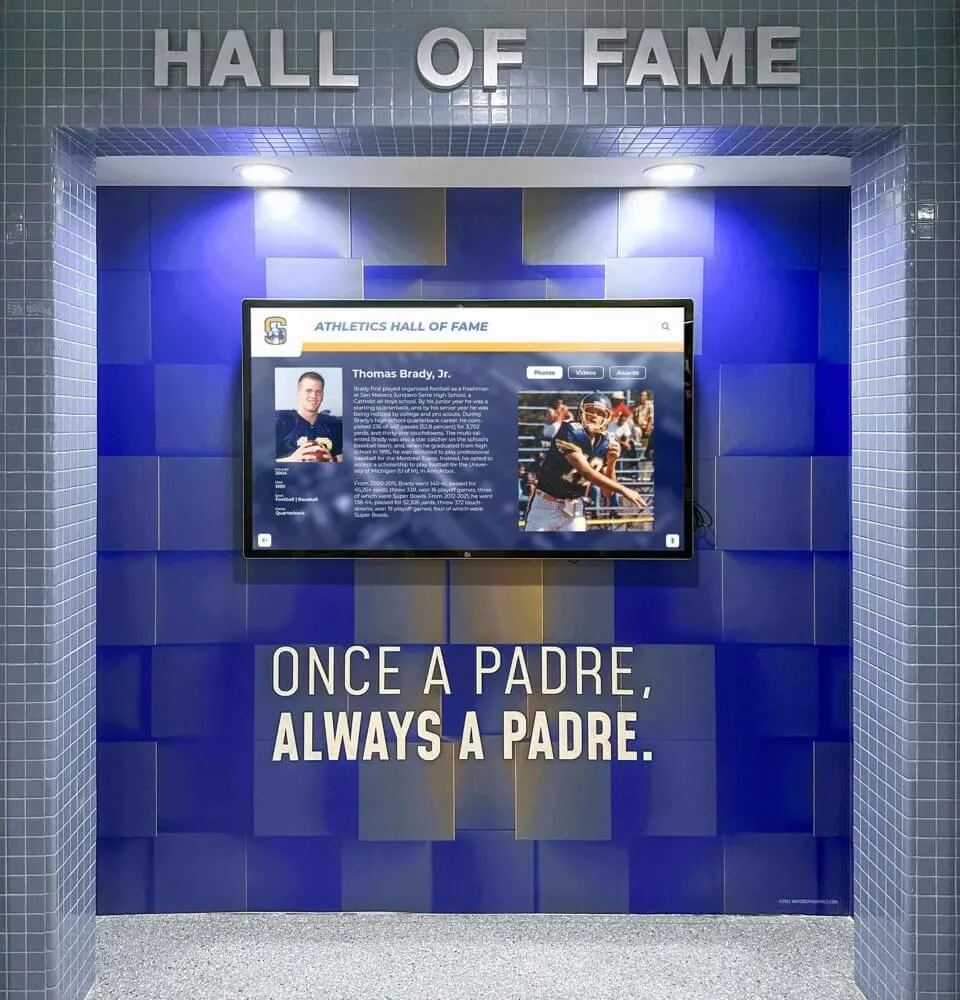
Individual competitor profiles celebrate specific achievements and tournament successes creating lasting visibility beyond temporary announcements
Time Management and Discipline Successful debate team participation requires balancing tournament travel, extensive preparation, academic coursework, and other commitments. Students develop time management skills, organizational capabilities, and disciplined work habits that transfer directly to college success where independent learning and self-directed time management determine outcomes more than in structured high school environments.
College Admissions and Scholarship Advantages
Debate team achievements provide concrete evidence of student capabilities that college admissions officers actively seek when evaluating applications, particularly at selective institutions receiving thousands of applications from students with similar grade point averages and standardized test scores.
Demonstrated Intellectual Curiosity and Rigor Four-year debate participation with progressive achievement demonstrates sustained intellectual engagement beyond classroom requirements. Colleges view this commitment as evidence that students will actively engage campus academic communities, pursue challenging coursework, and contribute intellectually beyond minimum degree requirements.
Leadership and Teamwork Documentation Debate teams provide numerous leadership opportunities including team captaincy, novice mentoring, tournament organization, and peer coaching. These roles provide concrete examples for college application essays and interviews while demonstrating collaborative capabilities and mentorship commitment that selective institutions value highly when building diverse learning communities.
Communication Skills Verification While many applicants claim strong communication skills, debate team achievements provide objective third-party verification through tournament results, national point accumulations, and competitive rankings. This documented evidence distinguishes candidates whose communication capabilities have been tested through rigorous competition from those with only self-reported proficiency.
According to the California High School Speech Association recognition programs, top forensics competitors receive state and regional honors that strengthen college applications substantially. The CHSSA Student of the Year award, for example, recognizes students demonstrating outstanding character, leadership, service, and commitment to using their voices to uplift others—qualities highly valued by selective college admissions committees.
Scholarship Opportunities Many universities offer debate scholarships ranging from partial tuition support to full-ride packages for accomplished high school competitors. Some institutions maintain dedicated debate teams requiring member participation, while others provide merit scholarships recognizing speech and debate achievement even when students don’t join collegiate forensics programs. These financial opportunities make debate team achievement boards valuable not just for recognition but also for connecting students to tangible scholarship pathways.
Traditional Debate Team Recognition Limitations
Schools using conventional approaches to celebrating forensics achievements face inherent constraints that limit recognition effectiveness and fail to create the sustained visibility and motivational impact debate team accomplishments deserve throughout educational communities.
Temporary Recognition Creates Minimal Lasting Impact
Many schools announce debate team successes through brief assembly acknowledgments, newsletter mentions, or social media posts. While these provide immediate recognition, the acknowledgment quickly fades from community awareness, creating several problems for sustained program development and student motivation.
Common Recognition Limitations:
- Morning announcements briefly mentioning tournament results that students quickly forget
- Certificates presented at year-end awards ceremonies then stored in personal folders
- Social media posts celebrating victories that disappear in feeds within days
- Newsletter features seen only by parents who regularly read school communications
- Brief mentions during parent meetings reaching limited audiences
- No ongoing visibility reminding underclassmen about achievement pathways throughout their academic planning
This temporary recognition fails to create sustained community exposure that drives long-term benefits. Current students miss regular reminders about forensics opportunities, prospective families touring campuses encounter no evidence of strong speech and debate programs, younger students lack clear role models showing what competitive forensics can achieve, and even recognized debaters themselves feel their accomplishments quickly forgotten by broader school communities despite investing hundreds of hours in preparation and competition.
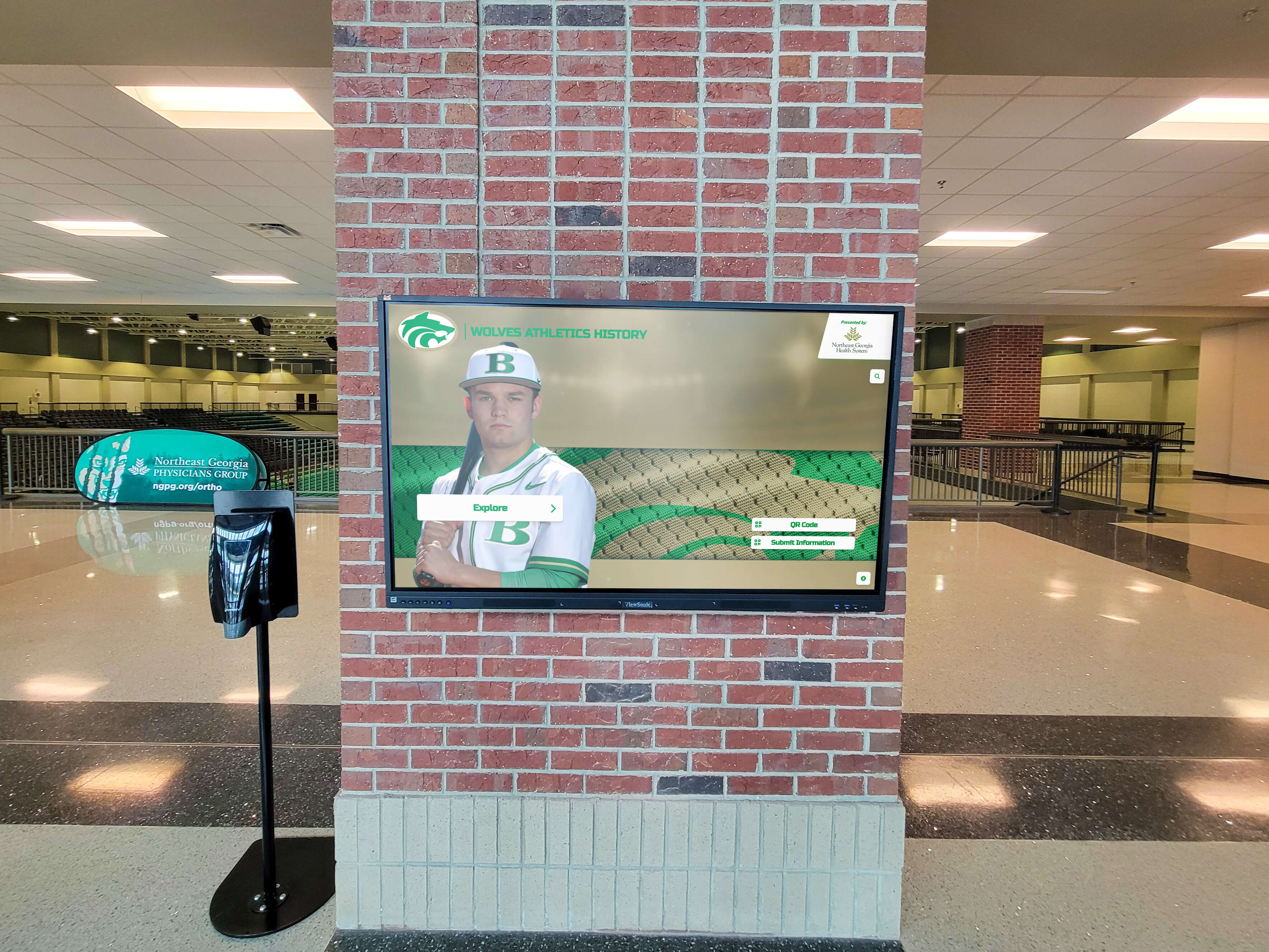
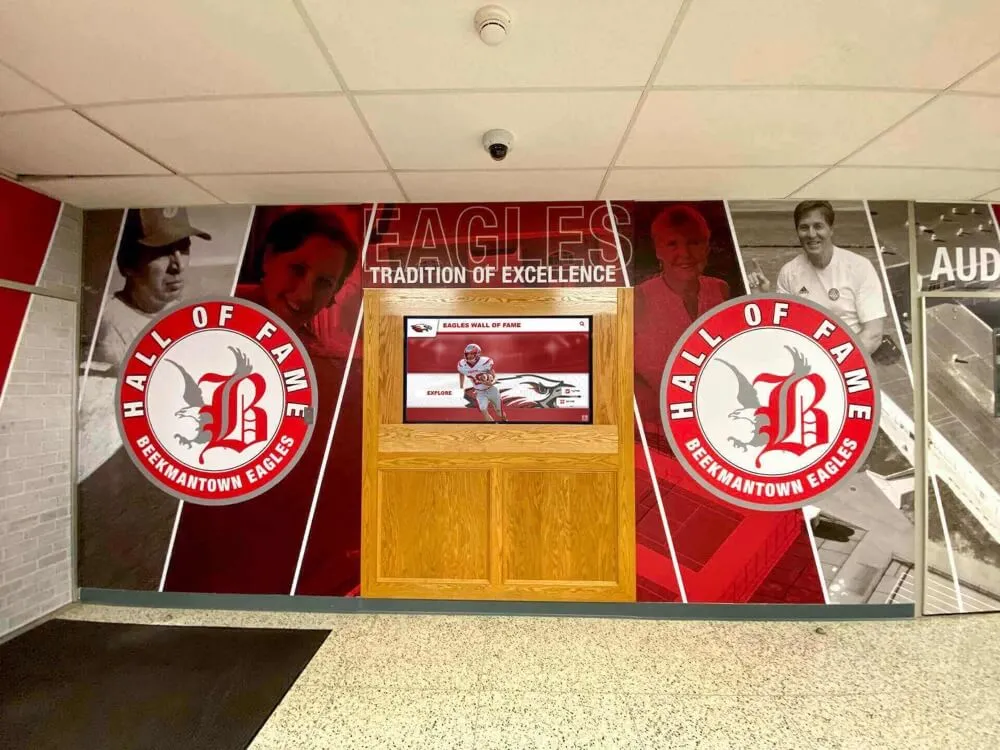
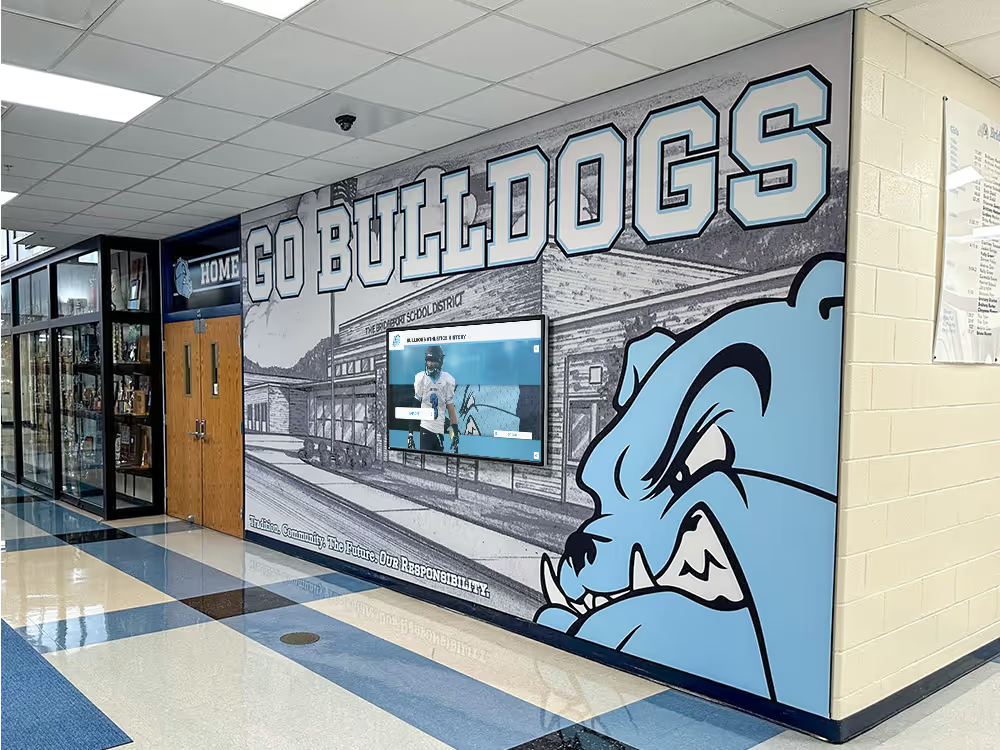
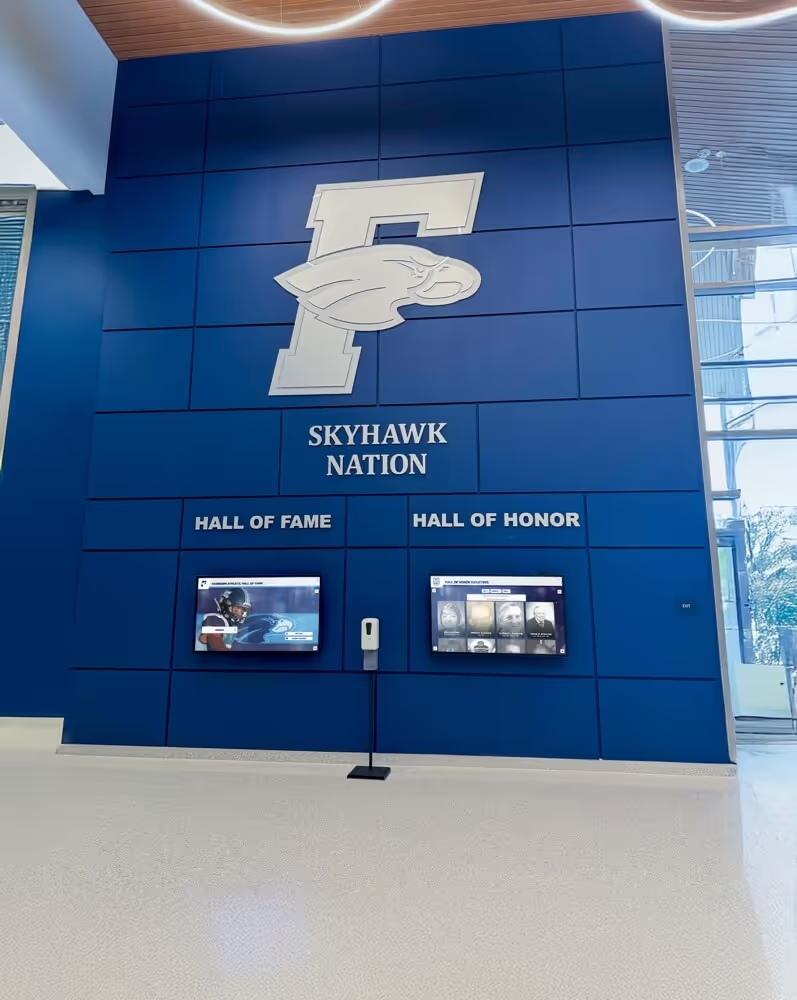
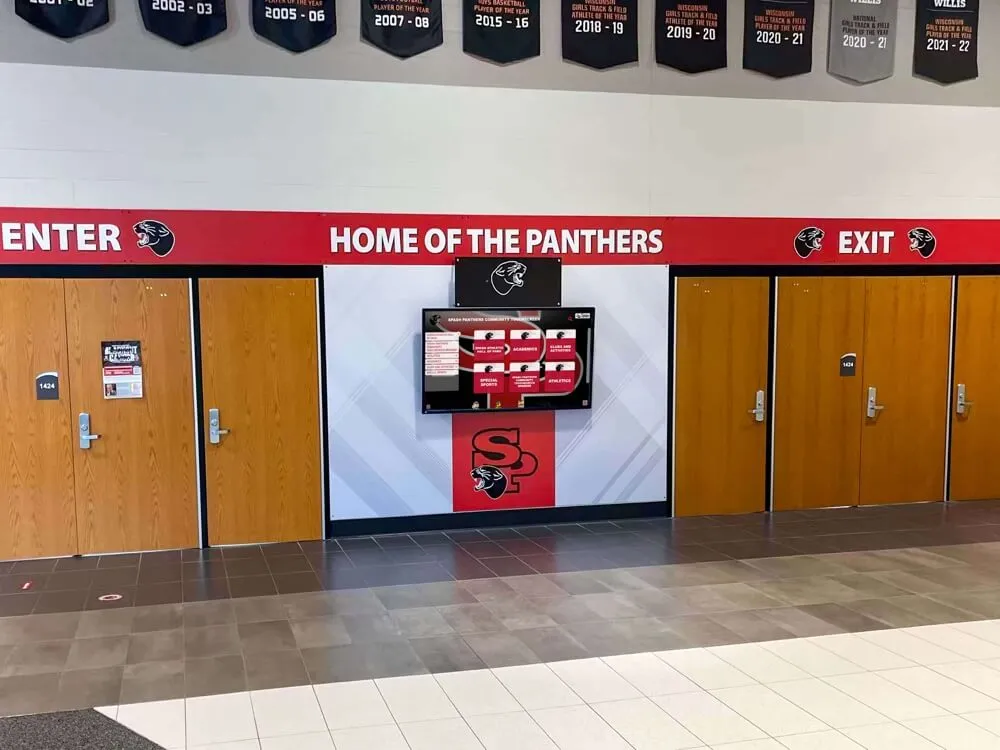
Strategic placement in high-traffic areas ensures debate team achievement boards receive maximum visibility from students, families, and campus visitors
Physical Space Constraints Limit Comprehensive Recognition
Schools using traditional trophy cases or physical plaques face capacity constraints forcing difficult decisions about whose achievements receive visibility, which tournament victories merit display, and how much historical tradition can be preserved within fixed physical spaces.
A typical trophy case accommodates perhaps 50-100 awards before exhausting available space. Successful debate programs where students compete in multiple tournaments annually across various events and categories quickly face these limitations, creating several challenging scenarios:
- Selective display of only highest honors like state championships while excluding regional victories
- Rotation systems removing historical achievements to accommodate current season trophies
- Incomplete recognition where team debate successes receive visibility while individual speech event achievements go unacknowledged
- Compressed displays with small labels making individual accomplishments difficult to identify and appreciate
- Storage of awards in offices or back rooms where broader school communities never see achievements
- Expensive expansion requiring renovation and significant capital investment for minimal additional capacity
These space limitations fundamentally restrict comprehensive recognition exactly when growing forensics participation should be celebrated as evidence of expanding program quality and effective coaching throughout educational institutions developing students’ communication capabilities.
Static Displays Fail to Engage Contemporary Students
Traditional recognition approaches using engraved plaques or trophy arrangements provide minimal information and create no interaction opportunities. Contemporary students accustomed to rich digital experiences find static displays unengaging, easily overlooked, and disconnected from how they naturally consume information and explore content in other contexts throughout their daily lives.
Static recognition typically includes only competitor names, event types, and perhaps tournament titles—providing no context about competition formats, no information about topics debated or speeches delivered, no connection to broader achievement narratives that make recognition meaningful, and no pathways for younger students to understand how to pursue forensics excellence themselves through systematic skill development and competitive experience.
Learn more about academic recognition programs that address these traditional limitations while creating engaging, inclusive recognition systems celebrating diverse student achievements across multiple dimensions beyond athletics.
Modern Digital Achievement Board Solutions
Contemporary technology fundamentally enhances debate team recognition effectiveness through capabilities traditional approaches cannot match, creating engaging experiences that honor past achievement while actively inspiring future excellence throughout school communities and beyond physical campus boundaries.
Unlimited Recognition Capacity
Perhaps the most transformative advantage of digital achievement board solutions: they accommodate unlimited debate team accomplishments across all events, tournament levels, and competition years without physical space constraints limiting comprehensiveness or forcing difficult exclusion decisions between equally deserving achievements.
Digital recognition platforms like Rocket Alumni Solutions enable schools to recognize every debate team achievement comprehensively through:
Complete Competitive History Archives
- Document all tournament results from program inception forward without removing past achievements
- Preserve complete institutional forensics tradition across decades of competition
- Ensure no competitor’s accomplishment gets lost due to capacity limitations
- Create searchable databases enabling alumni to find their own records when visiting campus
- Maintain comprehensive archives surviving building renovations or campus relocations
All Event Types Equally Celebrated
- Display policy debate, Lincoln-Douglas, Public Forum, and individual speech events with equal prominence
- Include both team and individual achievements across diverse competition formats
- Recognize qualification rounds, preliminary victories, and championship achievements comprehensively
- Document progression from novice through varsity competition levels
- Celebrate both tournament victories and significant improvement milestones
Growing Programs Easily Accommodated
- Add unlimited new achievements weekly throughout competition seasons as tournaments conclude
- Support increasing program participation without capacity concerns as teams expand
- Scale recognition seamlessly as forensics programs improve and competitors advance
- Maintain consistent quality and depth across growing team rosters
- Adapt display categories and organization as program needs evolve with coaching strategies
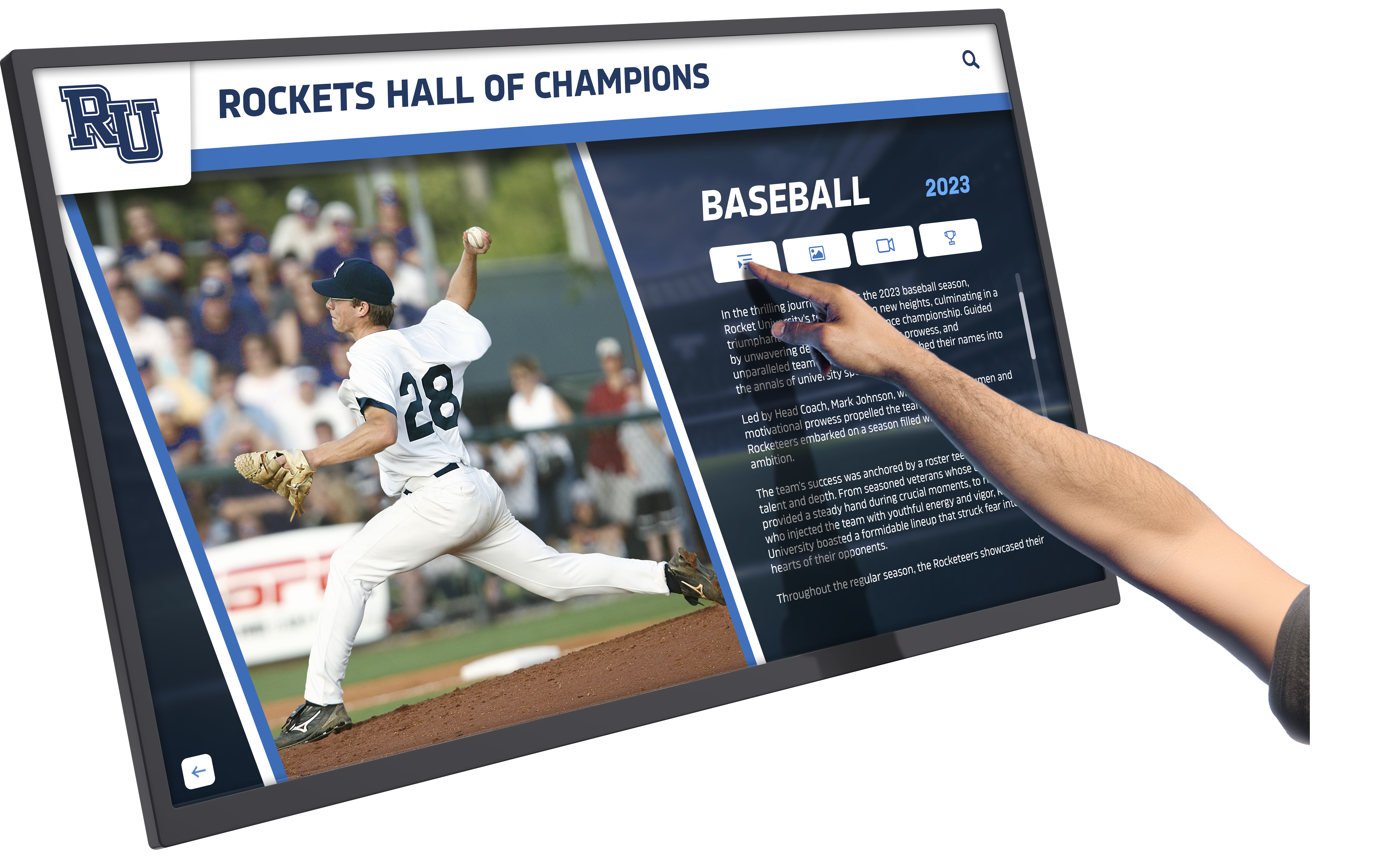
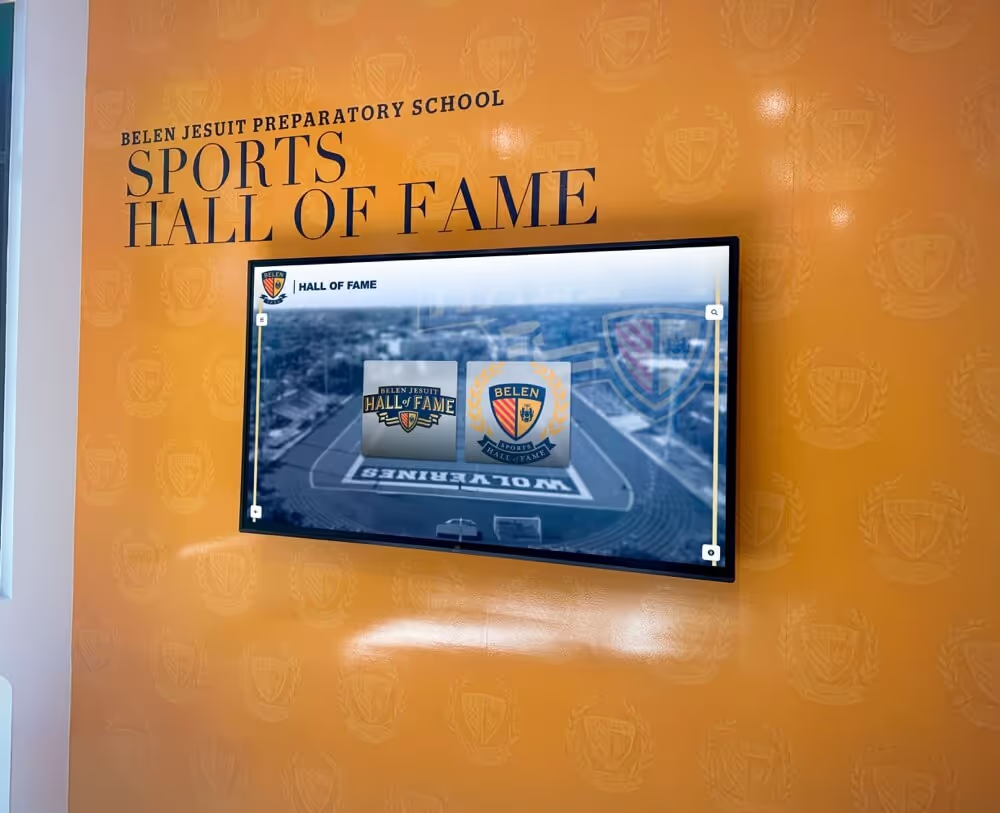
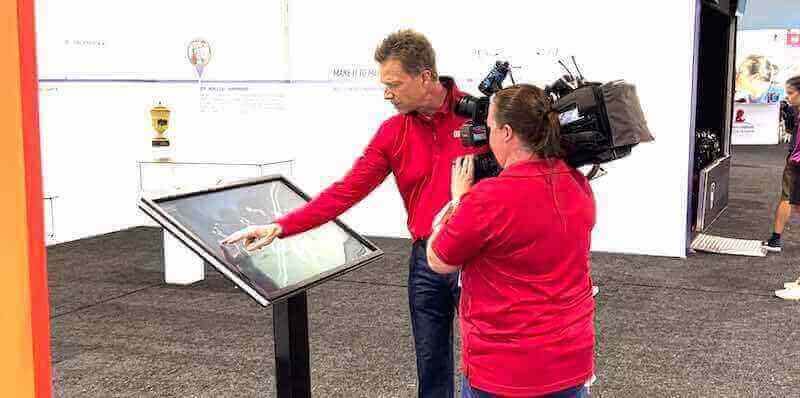
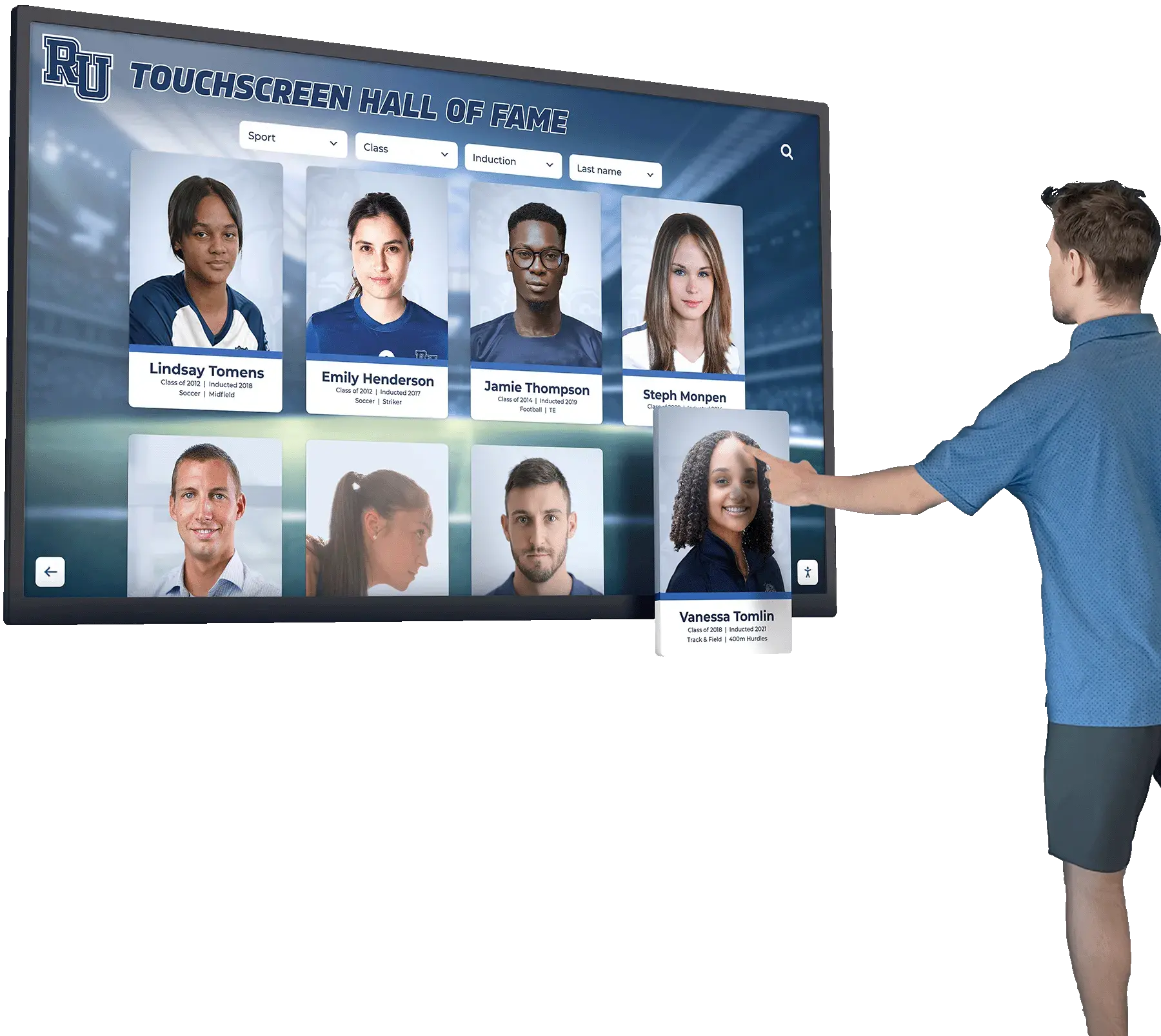
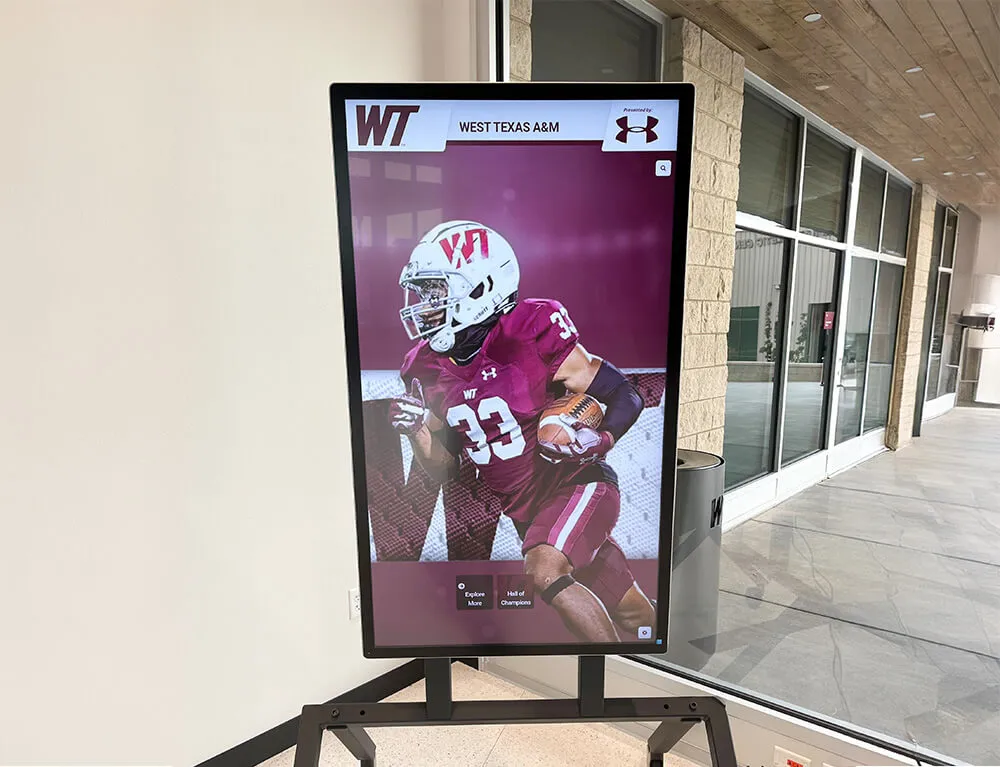
Touchscreen interfaces enable students to explore forensics achievements through intuitive, engaging interaction connecting names to competitive stories
This unlimited capacity fundamentally changes recognition strategy from selective acknowledgment constrained by physical space to comprehensive celebration ensuring every deserving accomplishment receives appropriate honor proportional to the effort, skill development, and competitive success students demonstrate throughout their forensics careers.
Rich Multimedia Competitor Profiles
Digital achievement boards transform debate team recognition from simple name listings into compelling stories that honor students comprehensively while effectively inspiring peers through detailed accomplishment documentation, context, and authentic testimonials from coaches and competitors themselves.
Enhanced Profile Content Elements:
Professional Photography and Visual Content High-quality photos of competitors in action—delivering speeches, engaged in cross-examination, celebrating victories with teammates, or receiving awards—create personal connections making recognition feel significant and memorable rather than perfunctory. Professional imagery demonstrates that forensics achievements represent meaningful accomplishment worthy of quality presentation comparable to athletic recognition requiring similar dedication, skill development, and competitive excellence.
Detailed Achievement Narratives Rather than simply listing “State Qualifier - Lincoln-Douglas Debate,” comprehensive narratives explain specific accomplishments providing context and inspiration:
Example: “Sarah Martinez qualified for the State Speech and Debate Tournament in Lincoln-Douglas Debate by placing in the top four at the Regional Championship, debating the resolution ‘Resolved: The United States ought to replace the Electoral College with a direct national popular vote.’ Sarah compiled a 7-2 preliminary record before advancing to elimination rounds where she defeated the defending district champion in quarterfinals. Her philosophical framework emphasizing democratic legitimacy and her strategic use of empirical evidence about voter turnout patterns distinguished her argumentation throughout the tournament. Sarah credits intensive case writing, collaborative practice rounds with teammates, and Coach Thompson’s feedback on cross-examination strategy with supporting her qualification success.”
Competition Statistics and Context Quantifiable metrics provide concrete evidence helping younger students understand achievement pathways and the scope of accomplishment:
- Number and types of tournaments attended showing competitive breadth across competition levels
- Win-loss records demonstrating consistent success and competitive improvement trajectories
- Specific event placements including finalist, semifinalist, and quarterfinalist achievements
- Speaker awards and rankings showing individual performance excellence beyond team results
- NSDA point accumulations and degree achievements documenting career-long competitive success
- Topic areas debated or speech topics delivered demonstrating intellectual range and research breadth
- Qualification achievements to invitational tournaments, state competitions, and national championships
- Team leadership roles including captaincy, novice mentoring, and tournament organization responsibilities
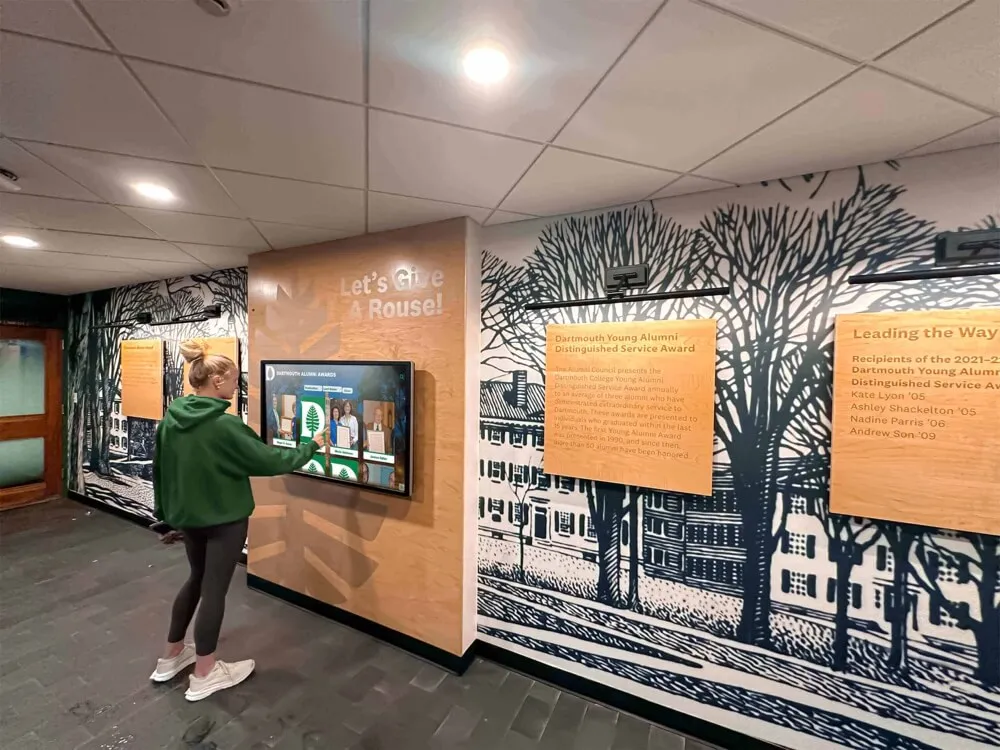
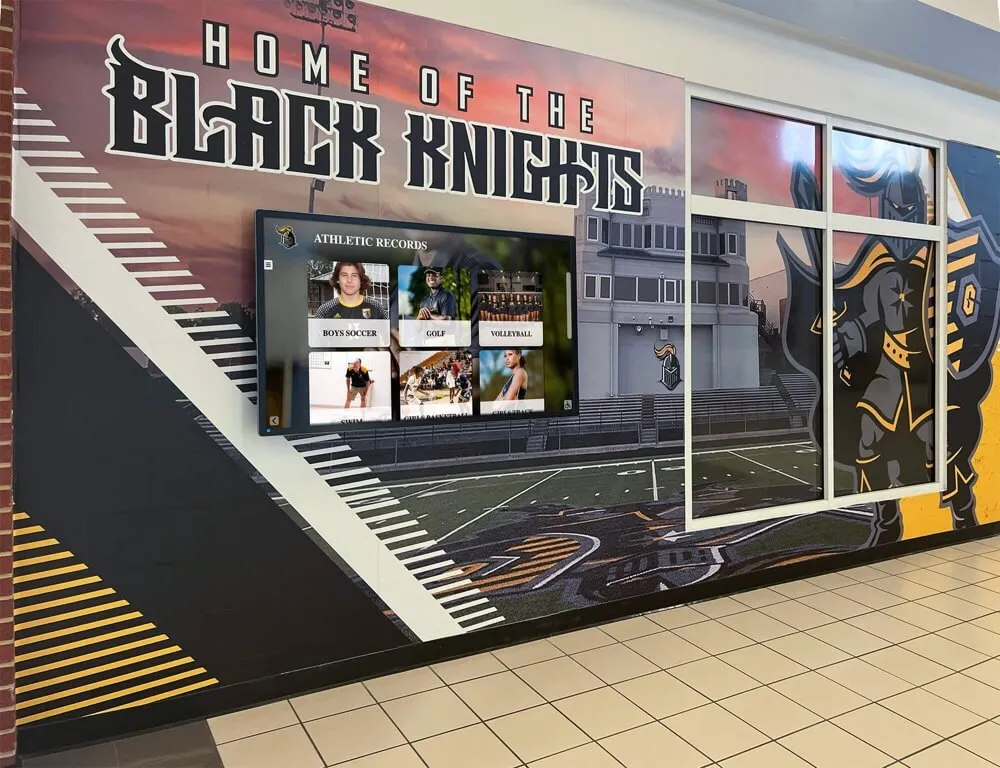
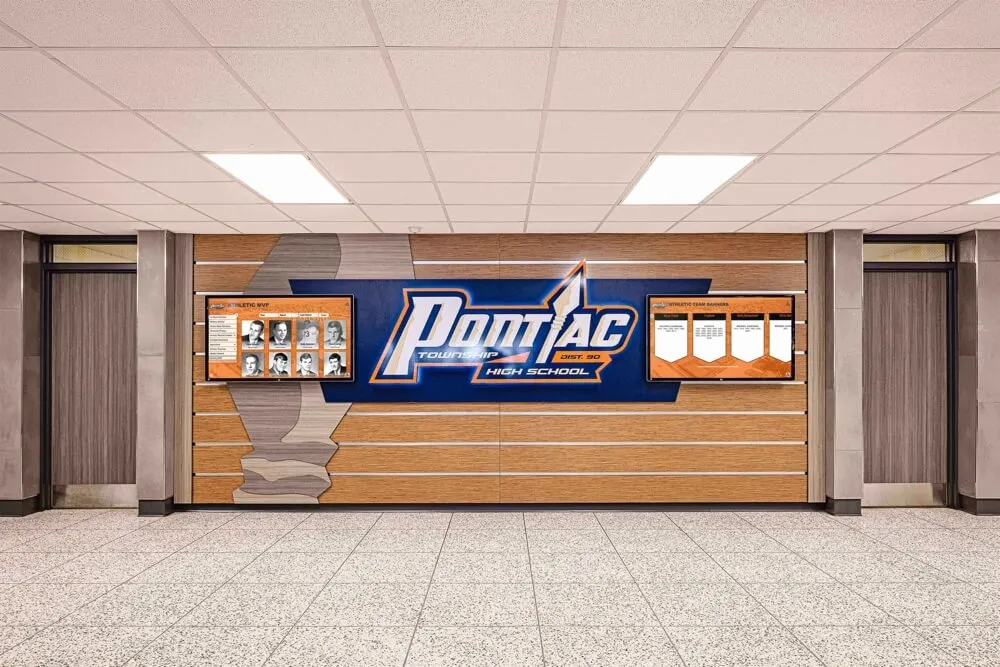
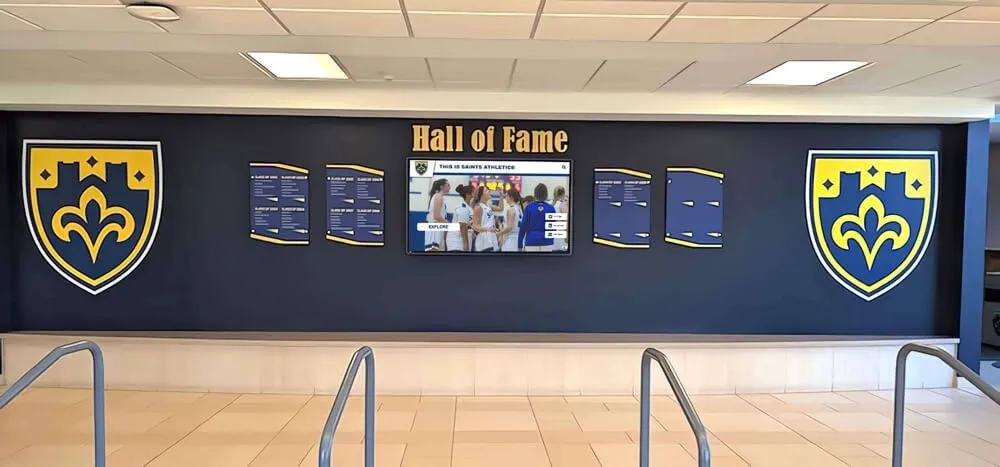
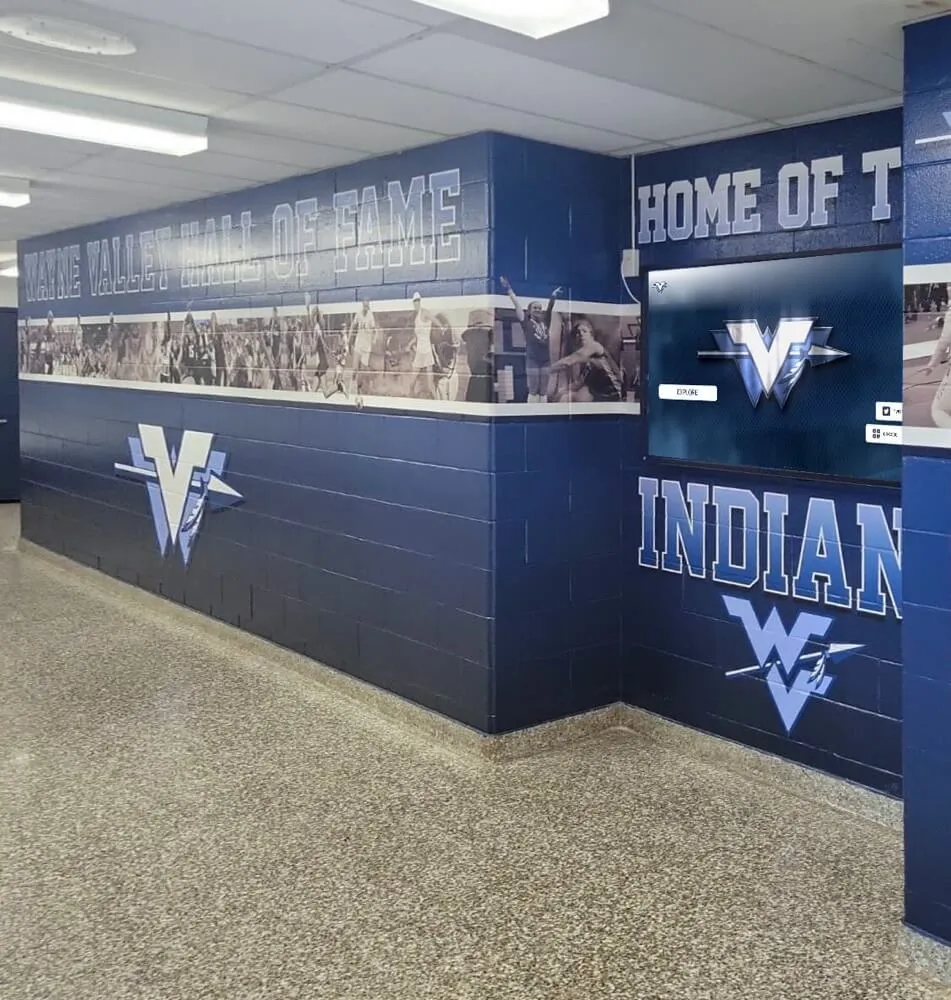
Strategic placement of achievement boards in high-traffic hallways maximizes daily visibility and creates natural exploration opportunities
Video Integration Opportunities Short video clips add dimension impossible with static recognition approaches:
- Excerpts from winning speeches or debate rounds (with appropriate permissions and editing)
- Student interviews about their forensics journey and what competitive speech taught them
- Coach testimonials celebrating accomplishment, character development, and program contributions
- Advice for younger students considering joining debate teams or pursuing competitive forensics
- College reflections from alumni about how debate skills supported undergraduate academic success
- Demonstration of research processes, case construction, or practice round preparation strategies
These rich multimedia profiles create recognition experiences that feel genuinely meaningful rather than perfunctory token gestures, engaging visitors for several minutes exploring detailed profiles rather than brief glances at name lists, creating substantially deeper impact on school culture and student motivation through concrete examples and authentic competitive storytelling.
Implementing Effective Debate Team Achievement Boards
Successful implementation requires systematic planning addressing display design, content development, physical placement, program integration, and ongoing maintenance ensuring achievement boards remain current, relevant, and effective long-term while achieving intended goals for student motivation and institutional forensics program development.
Planning Your Achievement Board Program
Needs Assessment:
Before selecting technology or designing displays, schools should evaluate current recognition approaches and stakeholder needs systematically through structured conversations with multiple program constituencies:
- Inventory existing debate team recognition practices identifying strengths, gaps, and improvement opportunities
- Survey current competitors about what recognition would feel meaningful and motivating
- Gather coach input on recognition priorities, program goals, and historical achievement documentation
- Consult administrators about budget availability, institutional strategic priorities, and facilities considerations
- Review physical spaces identifying optimal achievement board locations with high visibility and accessibility
- Analyze historical competition data and team participation trends showing program growth patterns
- Project future program expansion based on enrollment patterns, curricular planning, and coaching capacity
- Research peer institution approaches identifying effective recognition strategies and display innovations
Program Design Decisions:
Based on assessment findings, schools should make strategic decisions about achievement board scope, categories, and organizational structures:
- Define whether to include only current competitors or build comprehensive historical archives
- Determine information categories for competitor profiles balancing detail with content development manageability
- Establish photography standards and develop systematic photo collection processes ensuring consistency
- Plan content development responsibilities and realistic timelines for initial implementation phases
- Identify staff members responsible for ongoing content management, updates, and quality control
- Create update processes for adding new achievements promptly after tournaments throughout competition seasons
- Design integration with award ceremonies, team meetings, newsletters, and other recognition touchpoints
- Develop assessment metrics for evaluating program effectiveness and community engagement levels
Comprehensive planning prevents common implementation mistakes while establishing foundations for achievement board programs that genuinely motivate students, strengthen school culture around forensics excellence, and demonstrate institutional commitment to celebrating communication skill development and competitive achievement appropriately.
Technology Selection for Digital Achievement Boards
Schools implementing digital achievement boards should evaluate solution options carefully, considering hardware capabilities, software functionality, ease of ongoing management, accessibility features, and long-term sustainability aligning with institutional needs, technical capacity, and budget constraints.
Hardware Considerations:
Commercial-Grade Touchscreen Displays
- Display size from 43 to 75 inches depending on viewing location, expected audience size, and available budget
- Commercial durability ratings ensuring reliable operation for 50,000+ hours of continuous daily use
- Touchscreen capabilities enabling interactive exploration of competitor profiles and search functionality
- Mounting options including wall-mounted installations or floor kiosk configurations appropriate for spaces
- High-resolution displays (minimum 1920x1080, preferably 4K) ensuring professional appearance and text readability
- Anti-glare coating if placement includes windows or bright lighting conditions affecting screen visibility
Connectivity and Infrastructure Requirements
- Reliable network connectivity with wired ethernet strongly preferred for stability and security
- Adequate electrical power with surge protection safeguarding equipment investment
- Appropriate mounting supports safely handling equipment weight according to manufacturer specifications
- Climate-controlled environments protecting displays from temperature extremes and humidity
- Accessible placement complying with ADA height and reach requirements for inclusive community access
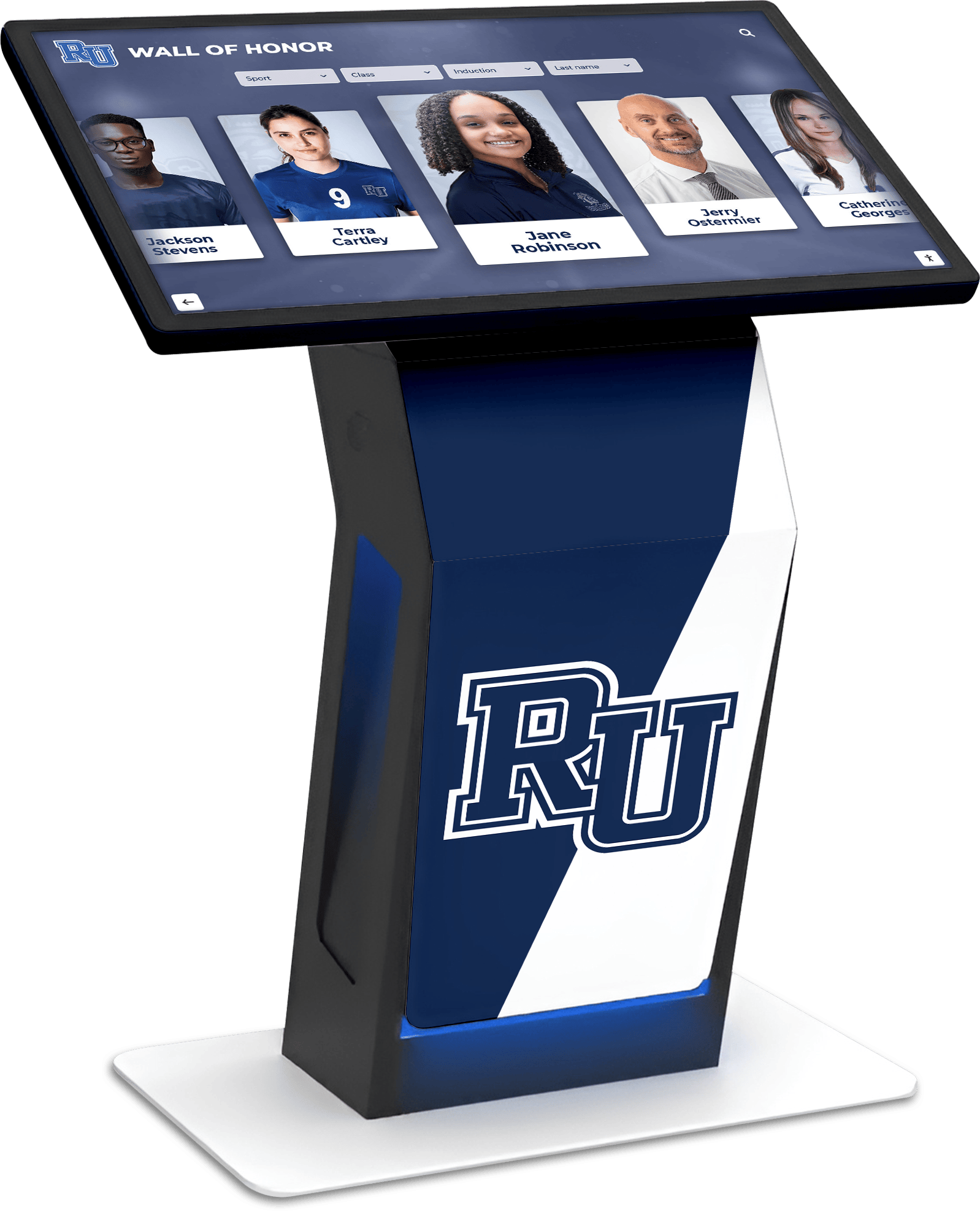
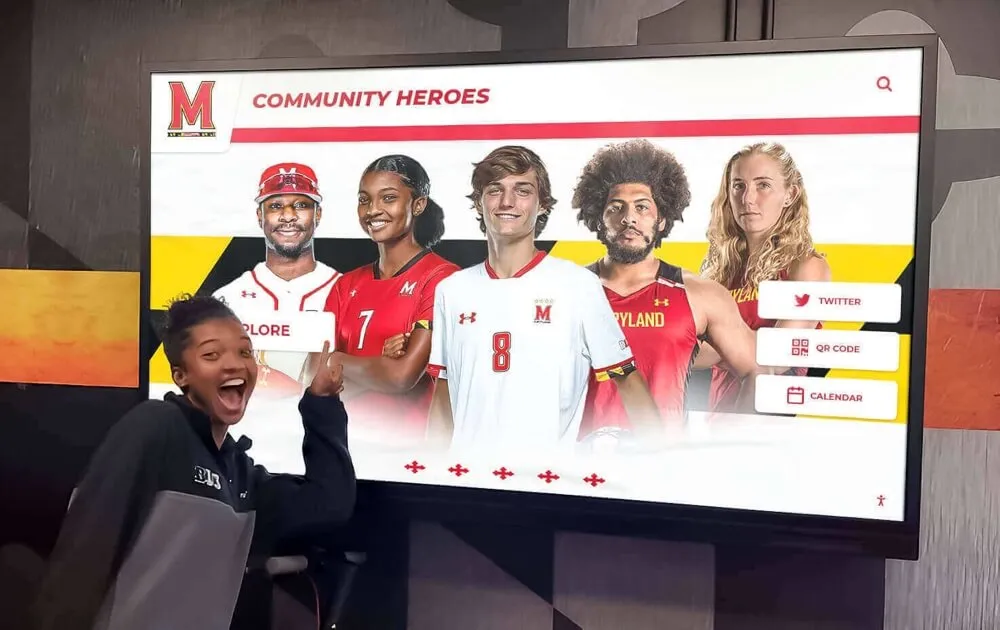
Modern achievement board systems integrate touchscreen hardware with cloud-based content management enabling easy updates and comprehensive profile development
Software Platform Capabilities:
Purpose-built recognition systems like Rocket Alumni Solutions provide features specifically optimized for student achievement displays including forensics accomplishments:
- Intuitive content management requiring no technical expertise for routine updates by coaches or staff
- Professional templates for competitor entries ensuring consistent formatting and polished appearance
- Advanced search and filtering helping visitors find specific competitors by name, event, year, or achievement type
- Automatic organization by graduation year, event category, and customizable competition level classifications
- Web and mobile extensions enabling access beyond physical achievement boards throughout campus
- Real-time analytics demonstrating community engagement levels and program effectiveness metrics
- Cloud-based management enabling secure remote updates from any authorized device anywhere
- Scheduled publishing automation for timed recognition announcements coordinated with tournaments
- Bulk import capabilities for historical data enabling efficient population of comprehensive archives
Learn about touchscreen software solutions that maximize student engagement through compelling content design, intuitive navigation interfaces, and strategic implementation maximizing visibility throughout educational communities and beyond.
Content Development for Achievement Board Success
Quality content determines achievement board impact more than any other factor, making investment in thorough, accurate, engaging profile development essential for programs that genuinely honor competitors while inspiring peers through specific examples, achievement pathways, and authentic testimonials from students who have experienced forensics transformation firsthand.
Photography Standards and Best Practices:
Professional or high-quality photography significantly affects achievement board effectiveness and perceived program value:
- Action shots from tournaments showing competitors delivering speeches, engaged in debate rounds, or collaborating with teammates
- Award ceremony photos documenting recognition moments with trophies, certificates, or qualification plaques
- Team photos preserving memories of specific tournament squads or season rosters building community
- High-resolution images (minimum 1920x1080 pixels, preferably higher) suitable for large screen display without pixelation
- Consistent lighting and professional composition across competitor photos maintaining visual coherence
- Authentic expressions capturing genuine personality and competitive intensity rather than forced formal poses
- Appropriate backgrounds ensuring focus remains on competitors rather than distracting tournament settings
- Annual photo sessions creating consistent visual styles across competition years while documenting program evolution
Writing Compelling Recognition Narratives:
Effective debate team descriptions move beyond generic acknowledgment to tell specific achievement stories demonstrating what students accomplished, how they developed skills, challenges they overcame, and outcomes their forensics participation enabled—providing clear models other students can learn from and pathways they can pursue themselves.
Generic recognition: “Michael Chen is a State Qualifier in Public Forum Debate.”
Meaningful recognition: “Michael Chen and debate partner Jessica Williams qualified for the State Speech and Debate Tournament in Public Forum Debate by placing second at the Regional Championship while debating the November topic addressing artificial intelligence regulation. The team compiled a 6-1 preliminary record including victories over three previous state qualifier teams before narrowly losing the final round in a split decision. Michael developed research expertise on AI safety protocols, algorithmic transparency frameworks, and international technology governance approaches while learning to synthesize complex technical information into accessible arguments that non-expert judges could understand and evaluate fairly. He credits collaborative practice rounds, peer feedback on evidence quality, intensive preparation under Coach Martinez’s guidance, and the supportive team culture with enabling his qualification success. Beyond tournament achievement, Michael reports that public forum debate transformed his confidence in expressing viewpoints, taught him to research issues thoroughly before forming opinions, and developed analytical skills supporting his rigorous AP coursework. He plans to study Computer Science at university where he hopes to continue debating while exploring ethical technology development.”
Specific, detailed recognition communicates precisely what students accomplished through forensics participation, particular strategies and support systems that contributed to their success, authentic challenges they navigated during skill development, concrete outcomes their competitive experience enabled including college preparation and personal growth, and clear pathways other students can follow through systematic participation, practice, coaching, and competitive experience.
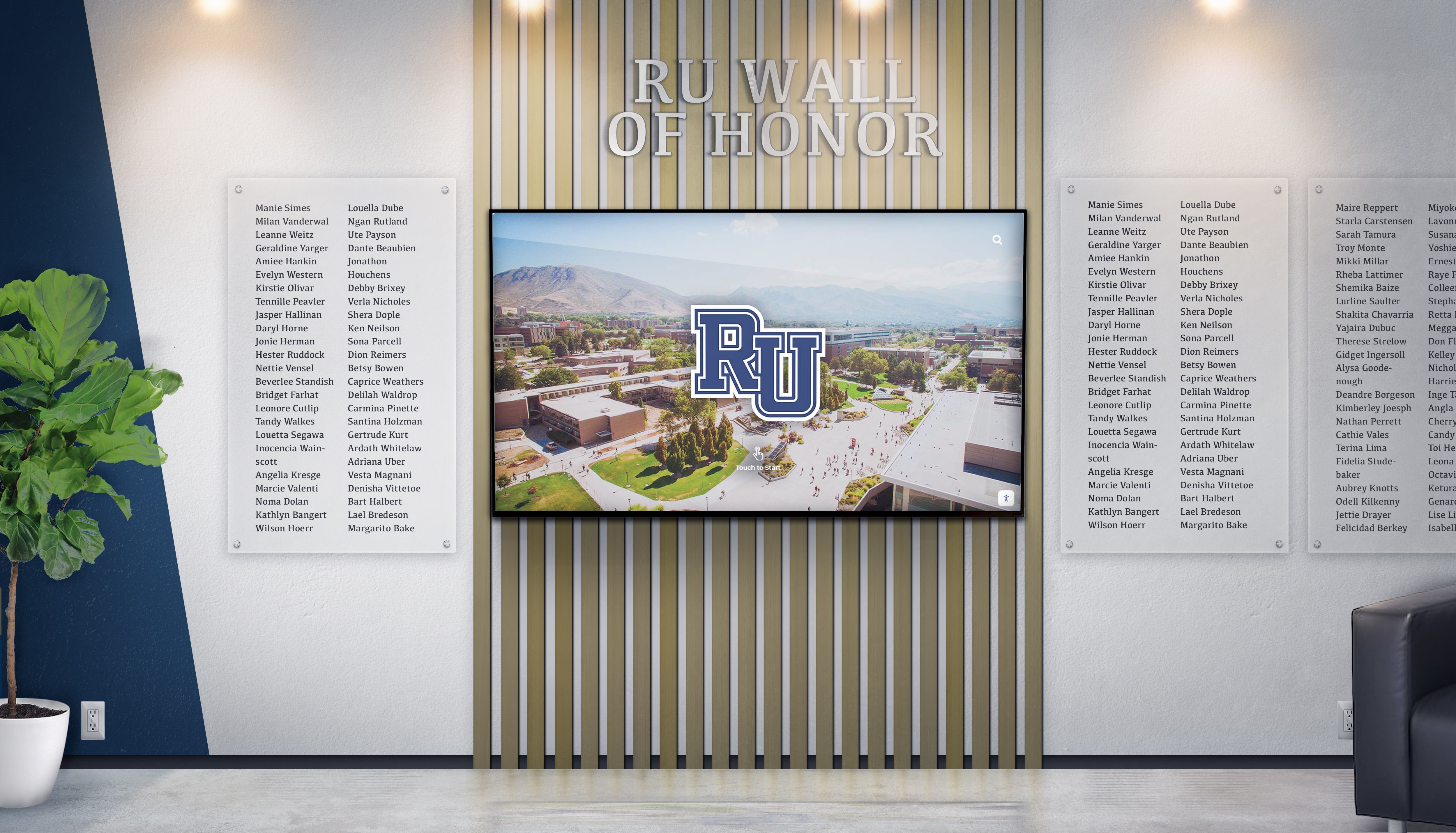
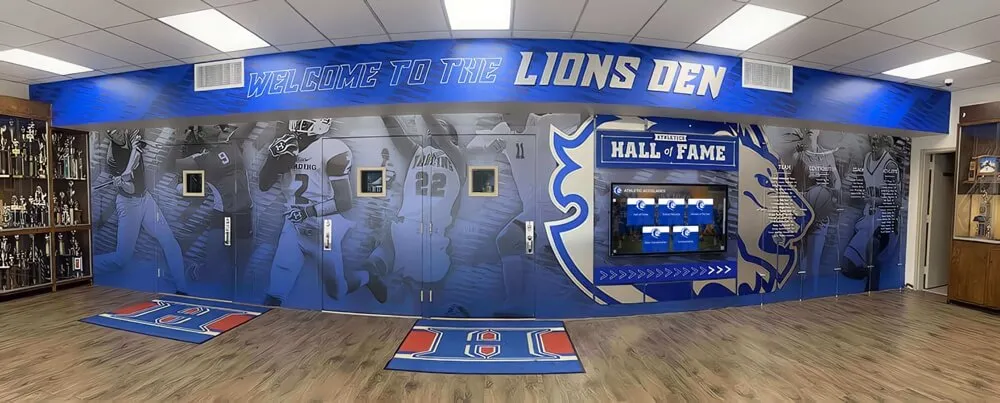
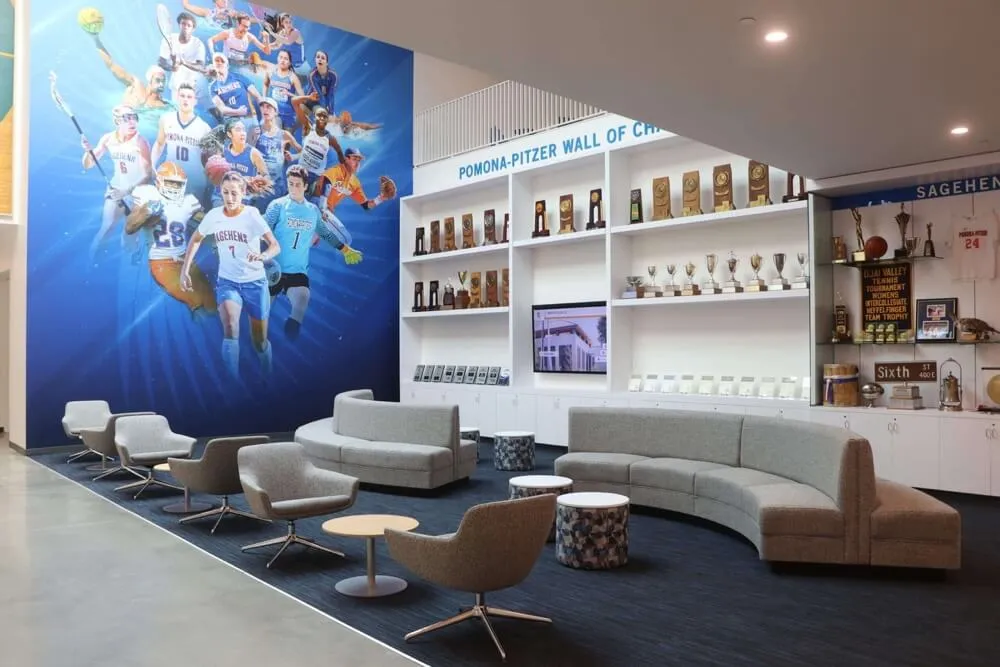
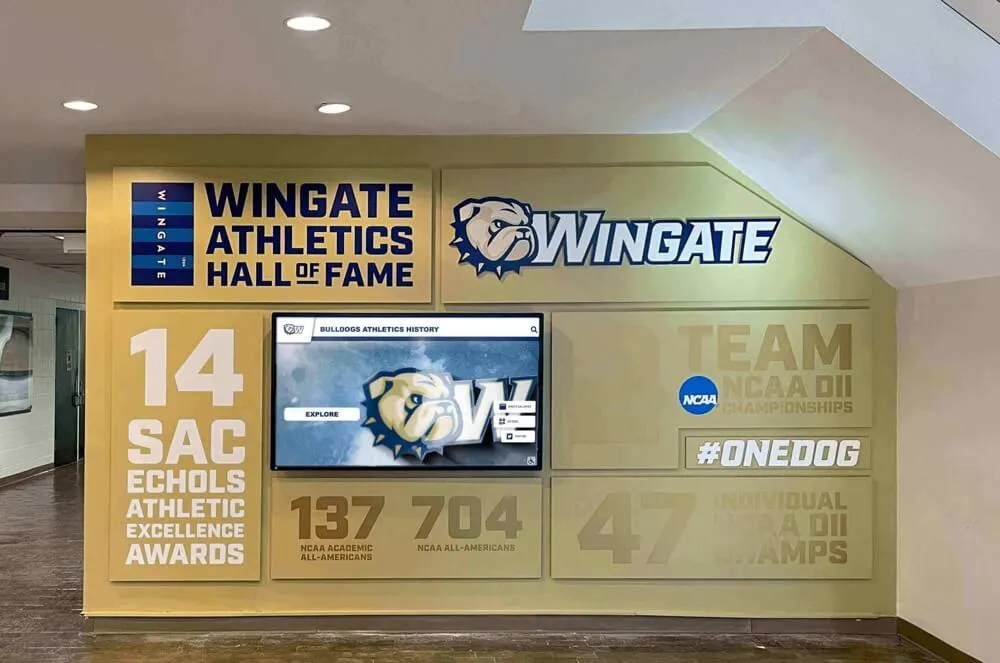
Integrated achievement systems can combine digital displays with complementary traditional elements creating comprehensive celebration spaces
Achievement Categories for Comprehensive Recognition
Debate team achievement boards should recognize diverse accomplishments across multiple dimensions ensuring comprehensive celebration of both individual and team successes, competitive results and skill development milestones, tournament victories and sustained participation demonstrating commitment to program building and peer support.
Tournament Achievement Recognition
Championship Victories
- State championship titles in specific events showing elite competitive performance
- Regional and district tournament victories demonstrating consistent excellence across competition levels
- Invitational tournament championships at prestigious competitions drawing strong national fields
- Novice tournament victories celebrating early success building confidence and skill foundations
Qualification Achievements
- State tournament qualification representing top regional performance and tournament advancement eligibility
- National tournament qualification to NSDA Championships or Tournament of Champions showing elite status
- Invitational tournament bid collection at national circuit competitions determining prestigious event access
- Regional championship qualification demonstrating consistent competitive success warranting advancement
Elimination Round Success
- Finalist, semifinalist, and quarterfinalist achievements showing advancement through competitive brackets
- Out-rounds victories over highly ranked competitors or defending champions demonstrating clutch performance
- Close elimination rounds lost narrowly in split decisions showing competitive parity with top performers
Individual Excellence Recognition
Speaker Awards
- Top speaker recognition at tournaments ranking individual performance independent of team advancement
- Speaker point averages demonstrating consistent excellence across multiple preliminary rounds
- Best speaker in final rounds showing clutch performance under highest pressure competitive situations
- Novice speaker awards celebrating early excellence building confidence during initial competition experiences
NSDA Degree Achievement According to National Speech & Debate Association recognition programs, students earn points throughout careers based on tournament performance with degrees awarded at cumulative thresholds:
- Degrees of Distinction recognizing 25+ points showing sustained competitive participation
- Degrees of Honor recognizing 75+ points demonstrating consistent competitive success
- Degrees of Excellence recognizing 150+ points showing elite sustained performance
- Degrees of Premier Distinction recognizing 250+ points representing exceptional career achievement
- Degrees of Special Congressional Distinction for Congressional Debate specialists
- Degrees of Superior Distinction recognizing 750+ points placing students among program elite nationally
Less than 1% of students achieve the prestigious All American Award representing 1000+ points and exceptional sustained excellence across multiple years of high-level competition.
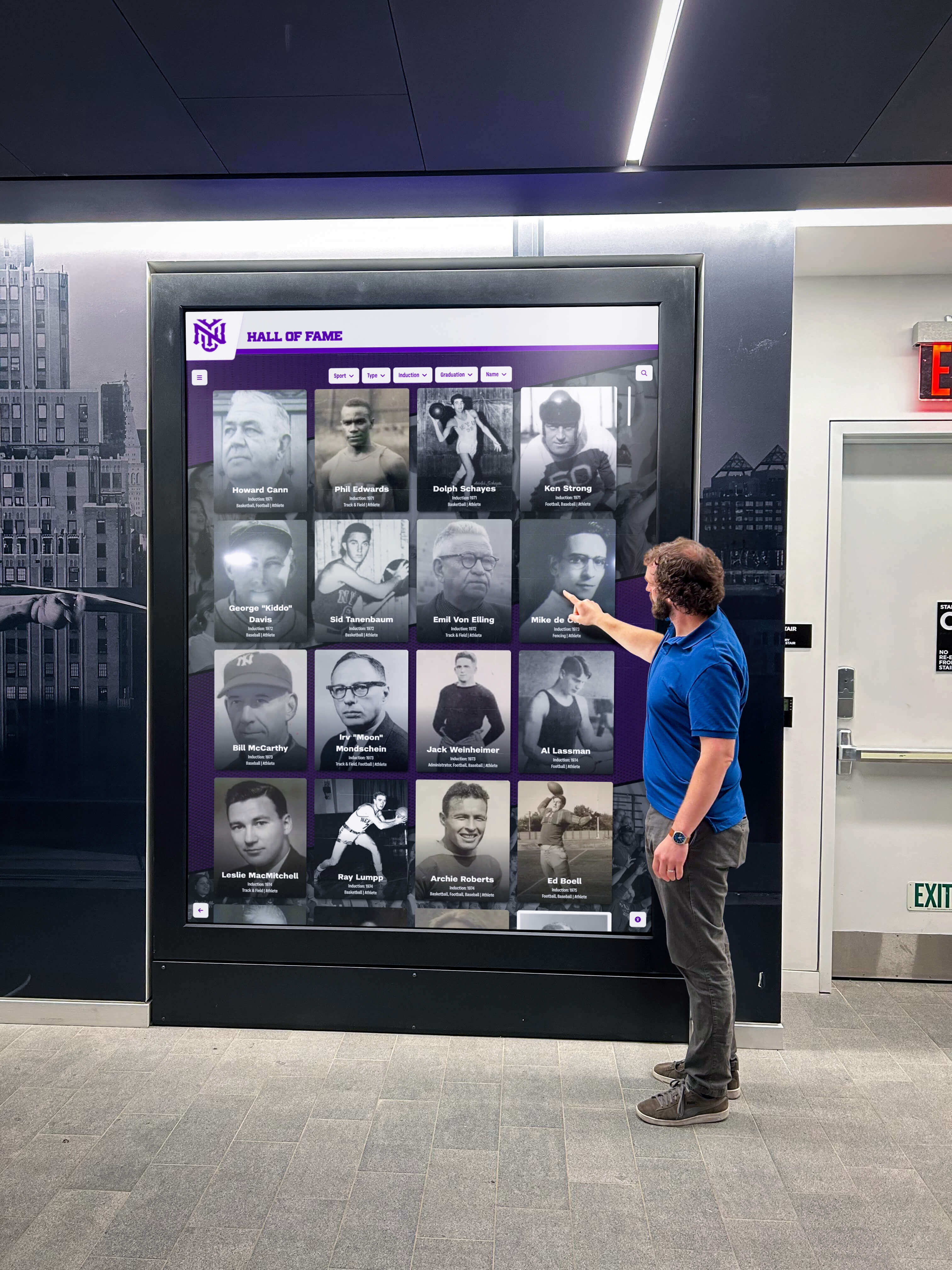
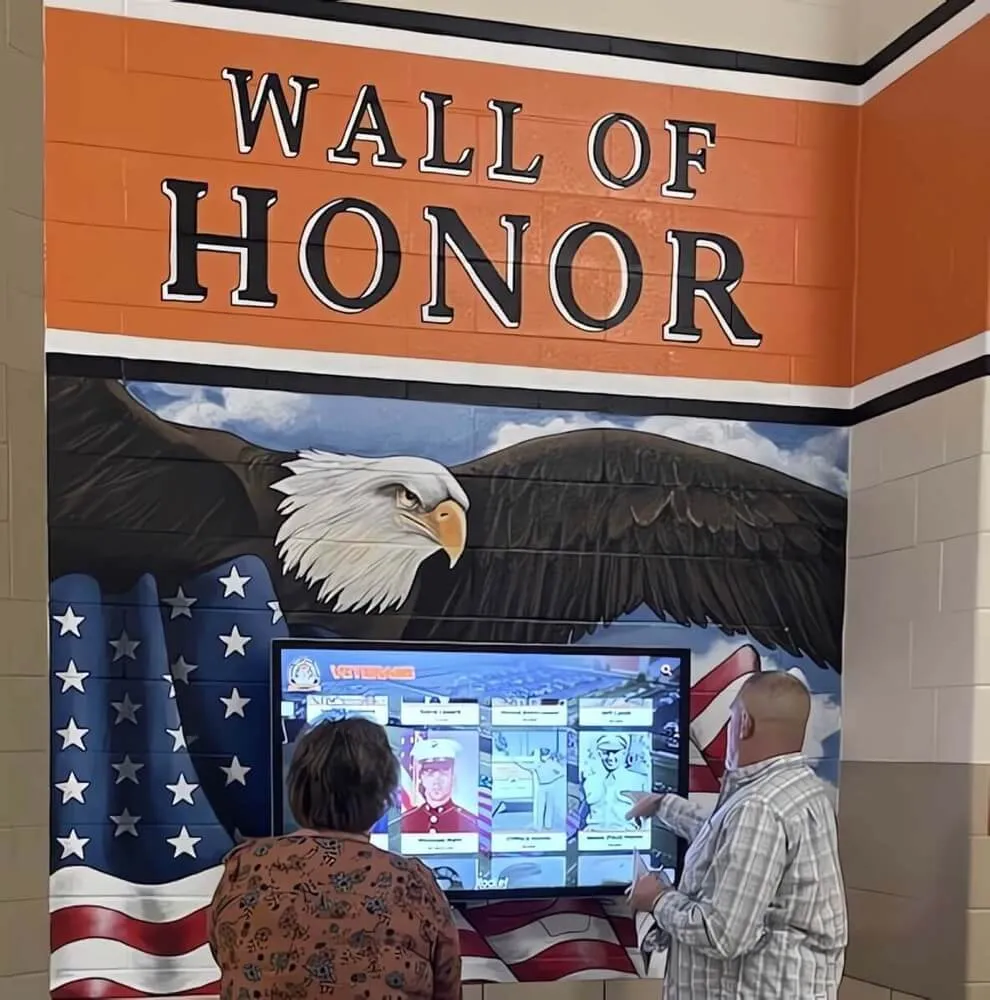
Interactive achievement boards enable families and community members to explore forensics accomplishments during campus visits and special events
Team Contribution and Leadership Recognition
Program Leadership
- Team captain roles showing peer leadership, organizational responsibility, and program stewardship
- Novice mentoring demonstrating commitment to developing newer competitors and program sustainability
- Tournament organization responsibilities including hosting competitions requiring logistics coordination
- Fundraising leadership supporting program financial sustainability through systematic revenue development
Team Achievement
- Overall team sweepstakes victories showing comprehensive program excellence across multiple events
- Team progression from rebuilding years through competitive excellence demonstrating sustained improvement
- Record team size or participation levels showing program growth and inclusive community development
- Milestone achievements like first state qualifier or first national tournament bid representing historic firsts
Character and Community Impact
- Student of the Year recognition from state organizations honoring character beyond competitive success
- Community service through speech and debate including hosting workshops or mentoring middle school programs
- Exemplary service awards recognizing students who use communication skills for community impact
- Spirit awards celebrating positive attitudes, supportive teammates, and gracious competition embodying forensics values
These diverse recognition categories ensure achievement boards honor comprehensive excellence rather than narrow competitive results alone, celebrating students who contribute to program culture, support teammates, develop newcomers, and embody forensics values of intellectual curiosity, ethical argumentation, and respectful engagement with diverse perspectives.
Best Practices for Debate Team Achievement Board Programs
Beyond technology selection and content creation, certain strategic approaches maximize achievement board program effectiveness while ensuring recognition remains meaningful, current, sustainable, and impactful across years of operation, coaching transitions, and evolving competitive landscapes.
Integrating with Comprehensive Recognition Systems
Debate team achievement boards prove most effective when positioned within broader systems celebrating diverse student accomplishments rather than existing in isolation from other recognition initiatives throughout educational institutions.
Academic Excellence Integration Achievement boards can connect forensics success with related academic accomplishments:
- AP Scholar recognition celebrating college-level achievement complementing debate research skills
- Honor roll displays recognizing academic excellence supporting competitive success
- Academic competition achievements including Model UN, academic decathlon, and quiz bowl
- Writing awards recognizing communication excellence across forensics and literature
- National Merit recognition showing standardized testing success complementing competitive speaking
Leadership and Service Recognition Broader student achievement systems can highlight forensics participants’ contributions:
- Student government leadership often attracting debaters’ organizational and communication skills
- Community service recognition including debate team outreach initiatives
- Peer mentoring programs where experienced competitors develop novice team members
- School ambassador roles leveraging public speaking skills developed through competitive forensics
This comprehensive approach demonstrates that schools value diverse excellence across multiple dimensions, creating inclusive cultures where different talents receive appropriate acknowledgment and celebration rather than privileging only certain activities or creating perceptions that forensics achievements matter less than more visible athletic competitions.
Timely Achievement Board Updates
Prompt recognition matters tremendously for maintaining competitor engagement and demonstrating genuine institutional pride in forensics accomplishments while achievements remain fresh and meaningful to honorees, their families, and tournament teammates who shared competitive experiences together.
Tournament Season Updates
- Add new achievements within days of tournaments concluding while excitement remains high
- Photograph competitors with awards immediately after tournaments or during following team meetings
- Share achievement board updates through school social media celebrating specific accomplishments promptly
- Notify families directly about recognition board inclusion with specific viewing information and access instructions
- Announce board locations during morning announcements encouraging exploration by school communities
- Feature rotating “competitor spotlights” highlighting different team members regularly throughout seasons
End-of-Season Recognition Additions
- Comprehensive season summaries documenting overall team performance and milestone achievements
- Senior competitor profiles celebrating complete forensics careers with cumulative statistics and reflections
- Team awards and sweepstakes results showing collective excellence beyond individual achievements
- Coach commentary on season highlights, breakthrough performances, and program growth trajectories
- Alumni updates about college forensics participation or how debate skills support undergraduate success
These timely updates ensure entire school communities—students, staff, families, alumni, prospective families touring campus—share in celebrating individual and team excellence reflecting positively on program quality, coaching effectiveness, and institutional commitment to communication skill development and competitive excellence.
Creating Educational Content Around Achievement Boards
Effective achievement boards extend beyond passive recognition to actively educate viewers about speech and debate opportunities, provide clear pathways for pursuing forensics participation, and inspire younger students through accessible information about how they can develop communication skills through competitive experiences regardless of prior speaking experience or initial comfort levels.
Informational Content Integration:
Digital achievement boards should include explanatory content helping audiences understand forensics activities and participation pathways:
- Speech and debate format explanations describing policy debate, Lincoln-Douglas, Public Forum, and speech events
- Competition structure information clarifying local, regional, state, and national tournament levels
- NSDA points system explanation helping students understand degree requirements and recognition thresholds
- College admissions advantages articulating why forensics achievements matter for selective university applications
- Scholarship opportunities associated with debate team participation at various institutions nationwide
- Time commitment realities providing honest expectations about practice schedules and tournament travel
- Success stories from alumni reflecting on how forensics skills supported college academics and career development
Participation Pathway Visualization:
Achievement boards can help students understand specifically how to join debate teams and develop competitive skills:
- Beginner-friendly event recommendations helping newcomers identify appropriate starting formats
- Typical skill development progressions showing how competitors advance from novice through varsity levels
- Practice and preparation strategies employed by successful competitors including research approaches and drill techniques
- Tournament selection guidance helping students choose appropriate competitions matching skill levels
- Partner matching for team debate events connecting compatible personalities and work styles
- Resource recommendations including research databases, case construction tools, and online training programs
This educational approach transforms achievement boards from passive celebrations into active recruitment and development tools supporting program growth, amplifying motivational impact while providing practical guidance that increases the likelihood of sustained student participation through informed decision-making and realistic expectation setting.
Measuring Achievement Board Program Effectiveness
Systematic assessment ensures achievement board programs achieve intended goals while identifying improvement opportunities based on evidence rather than assumptions about recognition value, community perception, or motivational impact on student participation and competitive performance levels.
Quantitative Impact Metrics
Recognition Board Completeness:
- Percentage of verified tournament results included in achievement board displays
- Historical coverage depth showing program tradition across years or decades of competition
- Profile completeness including photos, narratives, and comprehensive achievement information
- Update timeliness measuring delay between tournament conclusion and recognition board inclusion
- Content accuracy verification ensuring information matches official tournament results and NSDA records
Program Growth and Participation:
- Team roster size trends showing participation changes potentially influenced by enhanced recognition
- Novice recruitment rates tracking new member additions after achievement board implementation
- Event diversity measuring whether students compete across multiple formats rather than concentrating narrowly
- Tournament attendance patterns showing whether more students compete after enhanced recognition implementation
- Retention rates tracking whether enhanced recognition correlates with sustained multi-year participation
Achievement Board Engagement Indicators:
- Digital display interaction rates measuring how many campus visitors explore forensics content
- Average session duration showing depth of engagement with competitor profiles and achievement information
- Most-viewed content identifying which profiles, events, or features attract greatest community interest
- Search query patterns revealing what information visitors seek most frequently on achievement boards
- Web platform usage statistics demonstrating community access beyond physical campus locations
- Social media engagement with achievement board content showing organic sharing and discussion
Competitive Performance Trends:
- Tournament success rates tracking whether recognition correlates with improved competitive results
- Qualification achievement rates to state and national tournaments showing elite performance development
- Speaker award frequency measuring individual excellence beyond team win-loss records
- NSDA point accumulation rates tracking degree achievement levels across program membership
- Rankings improvements in national circuit standings or state power rankings showing program elevation
These quantitative metrics provide objective evidence of achievement board program value while identifying specific areas requiring improvement, enhancement, or additional investment to maximize effectiveness in honoring competitors appropriately and inspiring sustained program participation, skill development, and competitive excellence.
Qualitative Assessment and Cultural Indicators
Stakeholder Feedback Collection:
Regular feedback from multiple perspectives provides nuanced understanding of achievement board program impact beyond what quantitative data alone reveals:
- Competitor surveys about recognition meaningfulness, personal significance, and motivational impact
- Prospective member perspectives on achievement board influence on participation decisions
- Family satisfaction with recognition comprehensiveness, visibility, accessibility, and pride in student accomplishment
- Coach observations about student motivation changes, team culture shifts, and program perception improvements
- Alumni reflections on how forensics recognition influenced their educational experience and current perspectives
- Administrator assessment of program alignment with institutional mission, strategic priorities, and community relations
- Prospective family feedback from campus tours noting forensics program evidence and competitive excellence visibility
Cultural Shift Indicators:
Beyond formal metrics, schools should observe cultural changes potentially attributable to enhanced debate team achievement board recognition:
- Increased student inquiries about debate team joining processes and participation requirements
- Growing enrollment in forensics classes or speech communication courses supporting debate team preparation
- More competitive tryout processes requiring expanded team capacity or additional competitive squads
- Shifting peer conversations celebrating debate achievements with similar enthusiasm as athletic victories
- Enhanced student pride in forensics accomplishments rather than downplaying competitive success
- Prospective family comments during tours specifically noting speech and debate program strength as attraction factor
- Community recognition of institutional forensics reputation through media coverage and word-of-mouth awareness
- Alumni engagement with achievement boards when visiting campus for reunions or special events
Regular comprehensive assessment enables continuous improvement ensuring achievement board programs remain meaningful and impactful while justifying resource investment through demonstrated positive outcomes across student motivation, institutional culture, program growth, competitive success, and community perception dimensions.
Supporting Debate Team Success Beyond Recognition Boards
While achievement boards celebrate past accomplishments, the most effective programs extend their impact by actively supporting current students pursuing forensics excellence through comprehensive information, resource connections, mentorship opportunities, and clear success pathways demonstrating that recognition celebrates accessible achievement rather than exclusive distinction limited to natural-born speakers.
Connecting Recognition to Program Development
Achievement boards should integrate with broader forensics program support systems:
Novice Development Programs
- Showcase novice division achievements celebrating early success building confidence and retention
- Feature competitor testimonials about overcoming initial nervousness and developing speaking confidence
- Document typical skill progression pathways showing realistic development trajectories across competition years
- Highlight supportive team culture through photos and narratives emphasizing collaborative preparation
- Connect novice achievements to varsity success showing the same competitors’ multi-year growth
Resource Access Information Achievement boards can educate students about forensics resources:
- Research database access for policy and Lincoln-Douglas debate evidence gathering
- Case construction templates and organizational frameworks supporting argument development
- Video libraries of successful speeches and debate rounds (with appropriate permissions) showing excellence models
- Practice partner matching systems connecting compatible training partnerships across skill levels
- Tournament registration processes and deadlines ensuring timely participation planning
Mentorship Program Connections
- Feature experienced competitors available as mentors for newer team members seeking guidance
- Document peer coaching relationships showing collaborative skill development across experience levels
- Highlight alumni willing to provide advice, practice judging, or college forensics transition support
- Connect team members across events enabling cross-training and broader competitive participation
Learn about student recognition approaches that combine achievement celebration with proactive support systems enabling diverse student success across various academic and extracurricular pursuits.
Connecting Achievement Boards to College Planning
Forensics achievement boards should integrate directly with college counseling initiatives, helping students understand how to leverage their accomplishments effectively during application processes while connecting recognition to tangible admission advantages and scholarship opportunities resulting from competitive speech and debate participation.
College Application Strategy Education:
Achievement boards can educate competitors about effectively featuring forensics accomplishments:
- Common Application activities section strategies highlighting debate team leadership and competitive achievements appropriately
- Supplemental essay opportunities discussing how forensics transformed perspectives, developed skills, or inspired interests
- Interview talking points connecting debate skills to intellectual curiosity and college readiness demonstrations
- Letter of recommendation guidance helping coaches and teachers contextualize forensics achievement effectively
- Portfolio development for communications or public policy programs potentially requiring speech samples
Scholarship Opportunity Connections:
Boards can feature practical scholarship information specific to forensics:
- University debate team scholarships including dedicated forensics programs recruiting high school competitors
- Merit aid programs at institutions giving preference to speech and debate achievement in admissions
- External scholarship organizations specifically seeking forensics participants as candidate pools
- Local community scholarships where debate distinction provides competitive advantage over similar applicants
- Application timeline guidance ensuring students meet critical scholarship deadlines throughout senior year
According to debate scholarship resources, numerous universities offer substantial financial support for accomplished high school competitors ranging from partial tuition assistance to comprehensive full-ride packages covering tuition, room, and board expenses.
Long-Term Outcome Demonstration:
Recognition of alumni can demonstrate forensics value through documented trajectories:
- College destinations showing admission success at selective institutions valuing communication excellence
- Continued forensics participation in collegiate debate programs building on high school foundations
- Career paths leveraging debate skills including law, business, education, politics, and communications
- Graduate school acceptances revealing continued academic excellence and professional preparation
- Alumni testimonials explaining specifically how forensics skills created opportunities throughout college and careers
This forward-looking integration transforms achievement boards from backward-looking celebrations into forward-facing tools actively supporting student development, college preparation, scholarship pursuit, and long-term skill application—maximizing program value while demonstrating institutional commitment to comprehensive student success beyond simple acknowledgment of past competitive achievements.
Conclusion: Building Traditions of Communication Excellence Through Achievement Boards
Debate team accomplishments represent genuine achievement earned through disciplined skill development, countless hours of research and preparation, weekend tournament travel requiring dedication and sacrifice, and intellectual courage engaging complex issues through rigorous argumentation and persuasive communication. Students who excel in competitive forensics—whether earning tournament victories, achieving NSDA degrees, or developing from nervous novices into confident communicators—demonstrate capabilities predicting college success and career effectiveness across virtually every professional pathway.
These remarkable students deserve recognition matching their accomplishment magnitude through prominent, engaging, lasting displays that honor individual achievements while inspiring younger students to discover their own voices through competitive speech and debate. Traditional recognition approaches—brief ceremony mentions, stored certificates, crowded trophy cases—fail to provide the sustained visibility and meaningful engagement contemporary educational communities need for building strong forensics cultures where communication excellence receives celebration equal to other highly visible student accomplishments.
Transform Your Debate Team Recognition
Discover how modern digital achievement board solutions can help you celebrate every forensics accomplishment while building a thriving culture of communication excellence that inspires future competitors and strengthens your program's reputation.
Get Your Touchscreen Mock-UpModern achievement board platforms—particularly digital solutions like Rocket Alumni Solutions—transform how schools celebrate debate team accomplishments by eliminating physical space constraints forcing selective recognition of only highest honors, enabling rich multimedia competitor profiles telling complete achievement stories with tournament context and skill development narratives, providing instant updates adding new accomplishments weekly throughout competitive seasons when recognition feels most meaningful, creating interactive touchscreen experiences engaging digital-native students effectively through intuitive exploration and search functionality, and extending recognition reach globally through web and mobile platforms accessible anywhere families and community members can celebrate student success.
Effective achievement board programs require thoughtful strategic design ensuring comprehensive inclusion of all competitors and accomplishments across diverse events and competition levels, timely updates adding results promptly after tournaments while achievement excitement remains high, compelling content honoring competitors appropriately through specific detailed narratives rather than generic tournament result lists, explicit educational content helping prospective members understand forensics participation pathways clearly, integration with college counseling supporting students’ application and scholarship success, and systematic assessment demonstrating program value through measurable engagement, participation growth, and competitive achievement data.
Whether implementing new debate team achievement board programs or enhancing existing approaches, combining systematic planning with modern digital recognition technology creates acknowledgment systems that genuinely motivate students toward forensics participation and competitive excellence, strengthen school cultures celebrating communication skill development prominently, demonstrate institutional values to broader communities authentically, and preserve remarkable speech and debate traditions connecting current competitors to generations of distinguished alumni who developed their voices, critical thinking capabilities, and leadership skills through competitive forensics experiences.
Your debate team members invest countless hours researching complex issues, crafting sophisticated arguments, practicing delivery techniques, traveling to weekend tournaments, and representing your school with intellectual rigor and competitive spirit. They deserve recognition honoring their accomplishments permanently through prominent engaging achievement boards that inspire daily, preserve their achievements within proud institutional traditions, and create lasting legacies celebrating the pursuit of communication excellence that defines your forensics program’s commitment to developing articulate, thoughtful, confident students prepared for college success and meaningful civic engagement.
Ready to transform your debate team recognition? Explore digital hall of fame solutions celebrating comprehensive student achievement, discover academic recognition program approaches that inspire excellence across multiple dimensions, or learn about interactive touchscreen software creating engaging recognition systems that honor diverse accomplishments while inspiring future excellence throughout your educational community.