



Digital history archives transform static collections into living, breathing experiences that connect modern audiences with the past. Whether you’re preserving school heritage spanning decades, curating museum collections documenting community evolution, or safeguarding organizational history that defines institutional identity, the challenge remains consistent: how do you make historical materials accessible, engaging, and meaningful for diverse audiences while meeting professional preservation standards?
Traditional archive approaches—climate-controlled storage rooms with restricted access, filing cabinets organized by obscure classification systems, physical displays showing minimal content fractions, and research protocols requiring specialized knowledge—all create barriers between historical materials and the communities those materials represent. When archives remain invisible or inaccessible, institutional memory fades, younger generations lose connection to heritage, and irreplaceable materials deteriorate unseen in storage.
Digital history archives address these fundamental limitations through interactive touchscreen experiences that invite exploration, web-based platforms extending access worldwide, searchable databases enabling instant discovery, multimedia integration bringing historical moments to life, and preservation digitization protecting endangered materials from further deterioration. This comprehensive guide explores the complete lifecycle of digital history archive design—from strategic planning and content digitization through interface design, technical implementation, and ongoing curation strategies that transform passive collections into dynamic community resources.
Museums and cultural institutions implementing digital history archives report dramatic increases in visitor engagement, with interactive displays generating 3-5 times longer interaction durations compared to traditional exhibit labels. According to the Institute of Museum and Library Services, digitization initiatives enable institutions to serve broader audiences while simultaneously protecting fragile original materials from handling damage that accelerates deterioration.

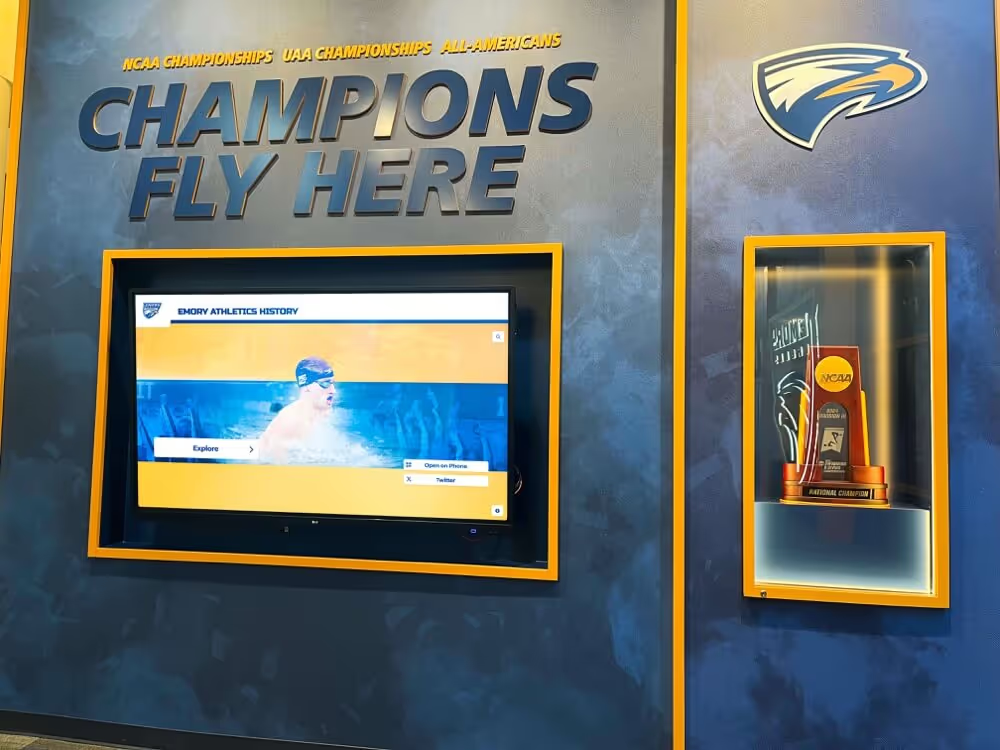
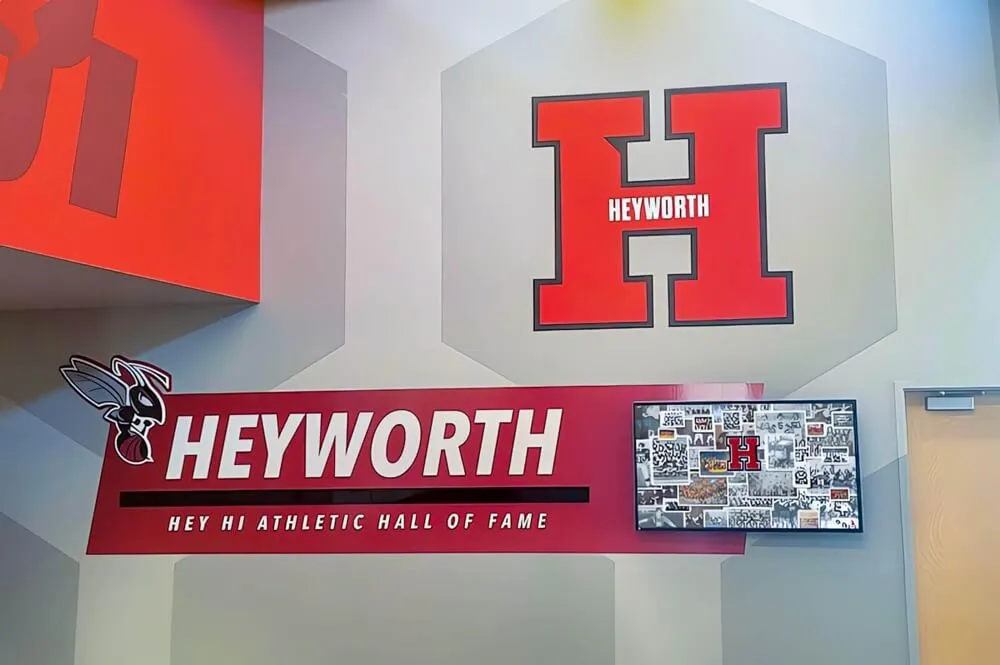
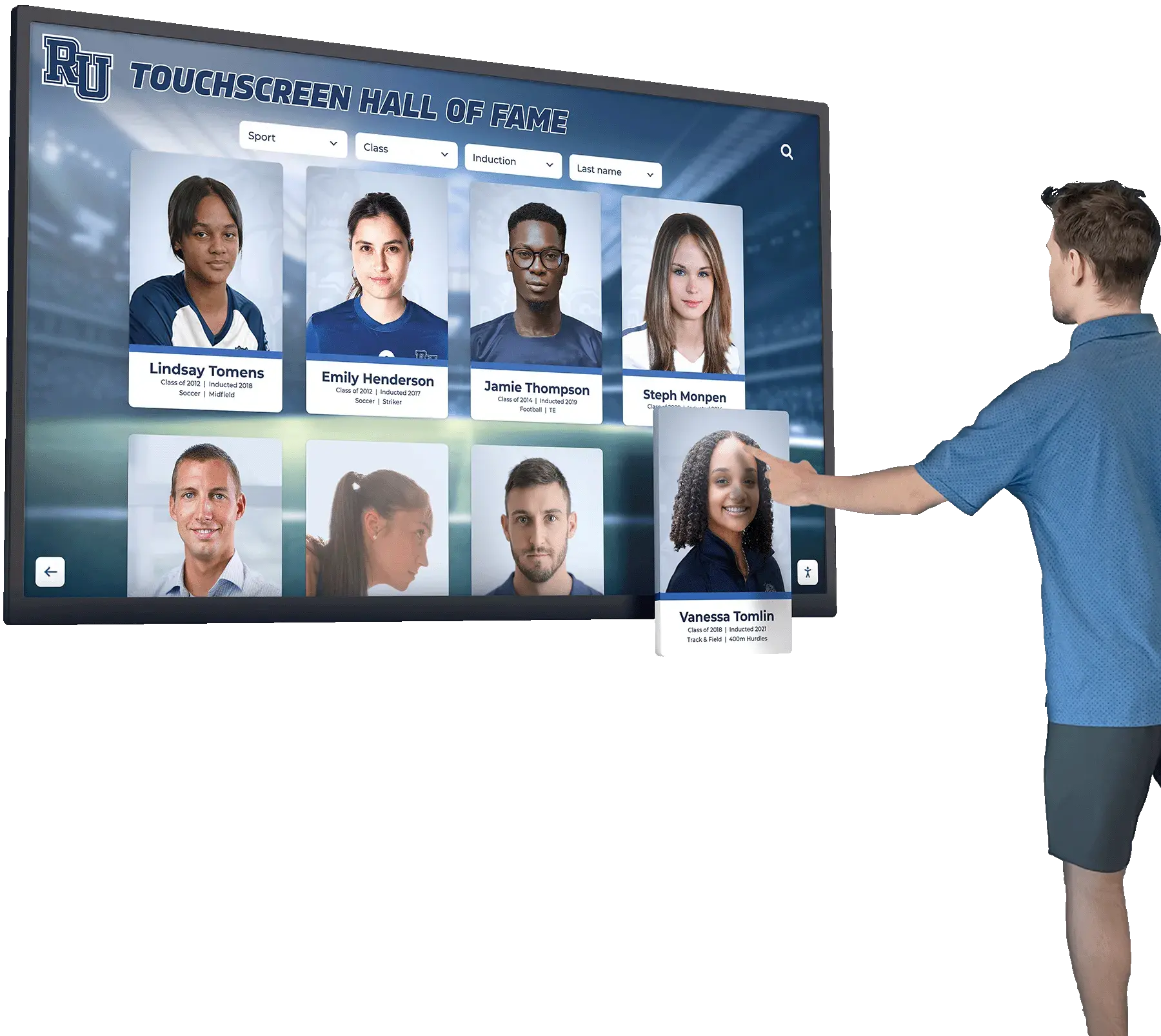
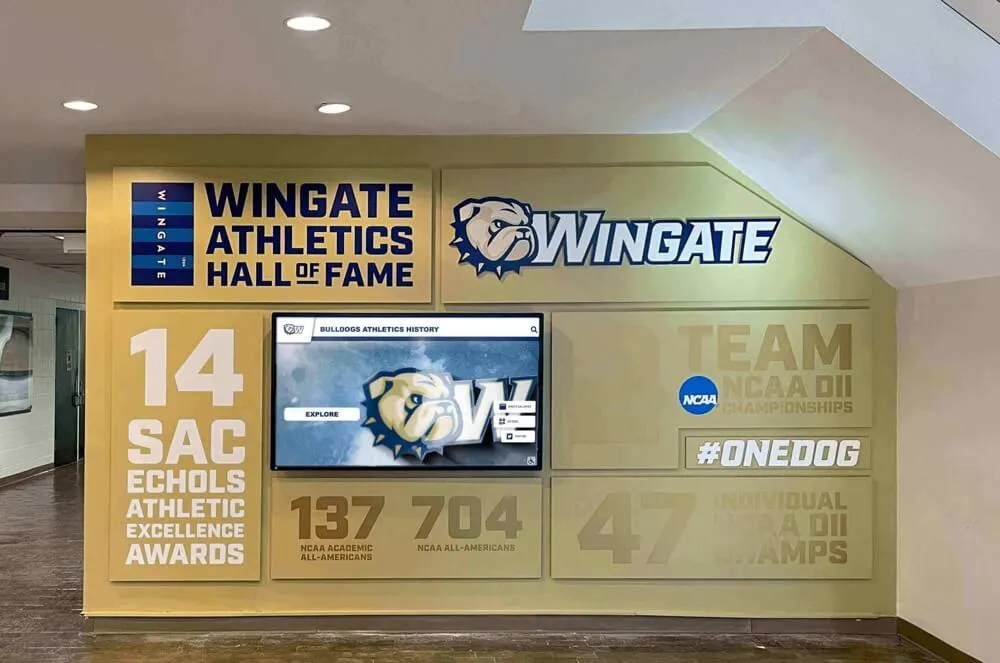
Systematic digitization transforms scattered physical materials into organized, searchable digital archives preserving institutional heritage
Understanding Digital History Archives: Foundations and Benefits
Before designing specific experiences, understanding what makes digital history archives effective provides essential context for creating preservation systems that balance archival standards with public engagement.
Defining Digital History Archives in Modern Context
Digital history archives represent more than simple file storage—they constitute comprehensive systems integrating preservation, organization, access, and presentation of historical materials through digital technologies.
Core Archive Components
Complete digital history archive systems integrate multiple interconnected elements working together seamlessly. The content layer includes digitized primary source materials (photographs, documents, artifacts, recordings), descriptive metadata providing context and enabling discovery, and supplementary interpretive materials explaining historical significance. The technical infrastructure encompasses storage systems protecting digital assets, database architecture organizing relationships between materials, and preservation frameworks ensuring long-term accessibility despite technology changes. Access mechanisms provide multiple pathways including interactive touchscreen installations for physical locations, web-based portals enabling remote exploration, mobile applications supporting on-the-go discovery, and API integrations allowing third-party applications to use archive content.
This multi-layered architecture ensures archives serve diverse needs—from casual visitors seeking engaging experiences to serious researchers requiring detailed documentation, from educators developing curriculum resources to community members contributing personal memories that enrich official collections.
Evolution from Traditional to Interactive Archives
Traditional archives served important preservation functions but created significant engagement barriers. Physical-only collections limited access to those who could visit during business hours, static displays showed tiny content fractions due to space constraints, specialized knowledge requirements prevented casual exploration, and handling concerns restricted direct material interaction protecting preservation at the cost of accessibility.
Digital archives fundamentally transform this model by providing universal access unconstrained by geography or hours, unlimited capacity accommodating entire collections rather than curated selections, intuitive interfaces requiring no specialized knowledge, and safe interaction enabling detailed examination without endangering originals. Solutions like Rocket Alumni Solutions demonstrate how purpose-built platforms can deliver professional archive functionality through engaging touchscreen experiences designed specifically for heritage presentation rather than adapted from generic digital signage systems.
Strategic Benefits Justifying Digital Archive Investment
Organizations implement digital history archives for interconnected reasons extending beyond simple technology adoption:
Preservation and Protection
Digitization creates backup copies protecting against disaster, deterioration, or loss while reducing handling of fragile originals. Scanning photographs before chemical degradation destroys images, capturing documents before paper becomes brittle, and converting obsolete formats before playback equipment disappears all preserve information that would otherwise become permanently inaccessible. The Society of American Archivists emphasizes that preservation copying represents a primary responsibility for institutions holding unique materials.
Expanded Access and Democratization
Digital platforms remove geographic and temporal barriers enabling anyone, anywhere to explore collections. Alumni living across continents can revisit school history, researchers can examine materials without travel costs, and educators can integrate primary sources into curriculum regardless of proximity to physical archives. This democratization fulfills the public service mission central to cultural institutions while building broader stakeholder engagement supporting organizational sustainability.
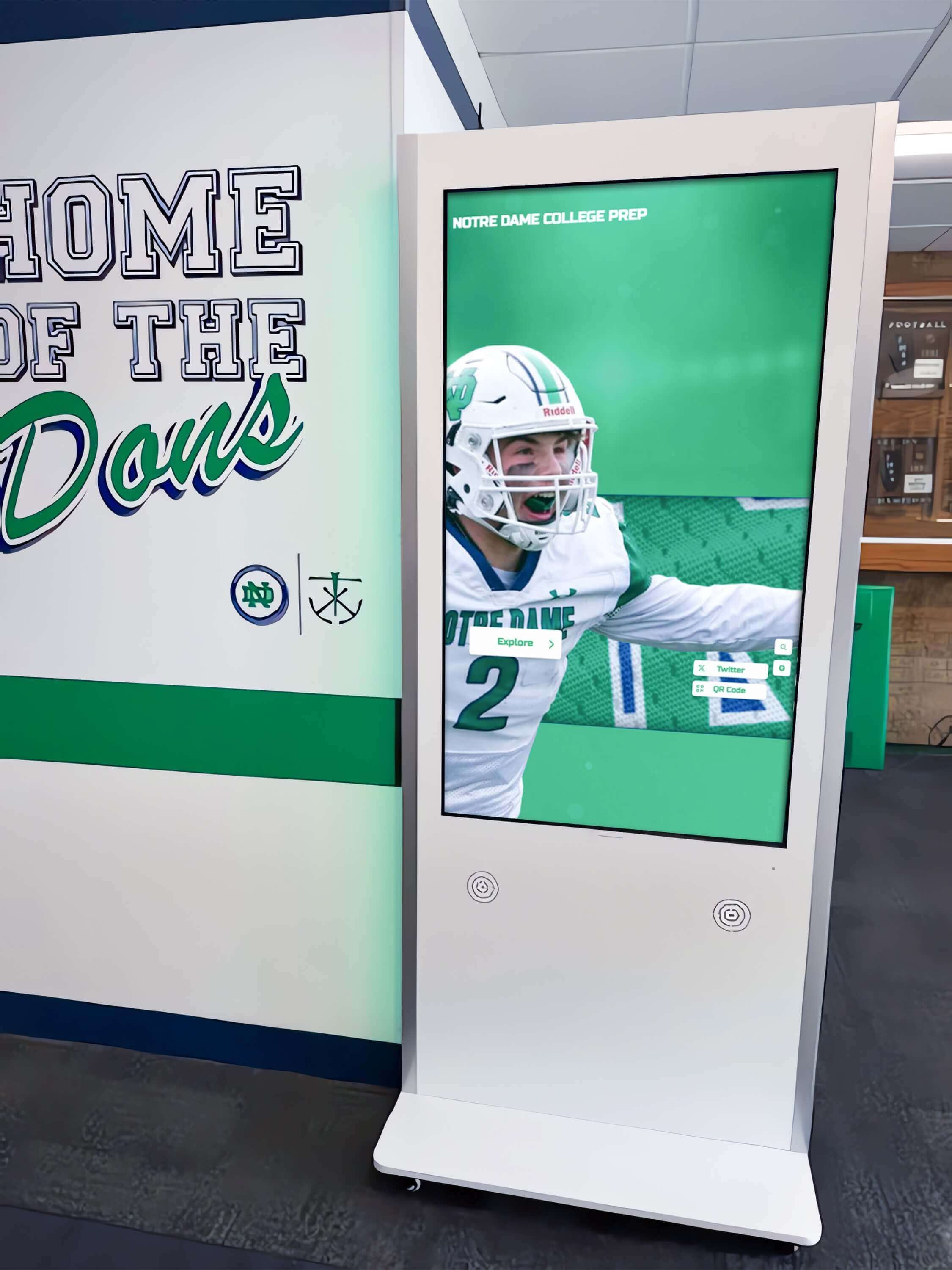
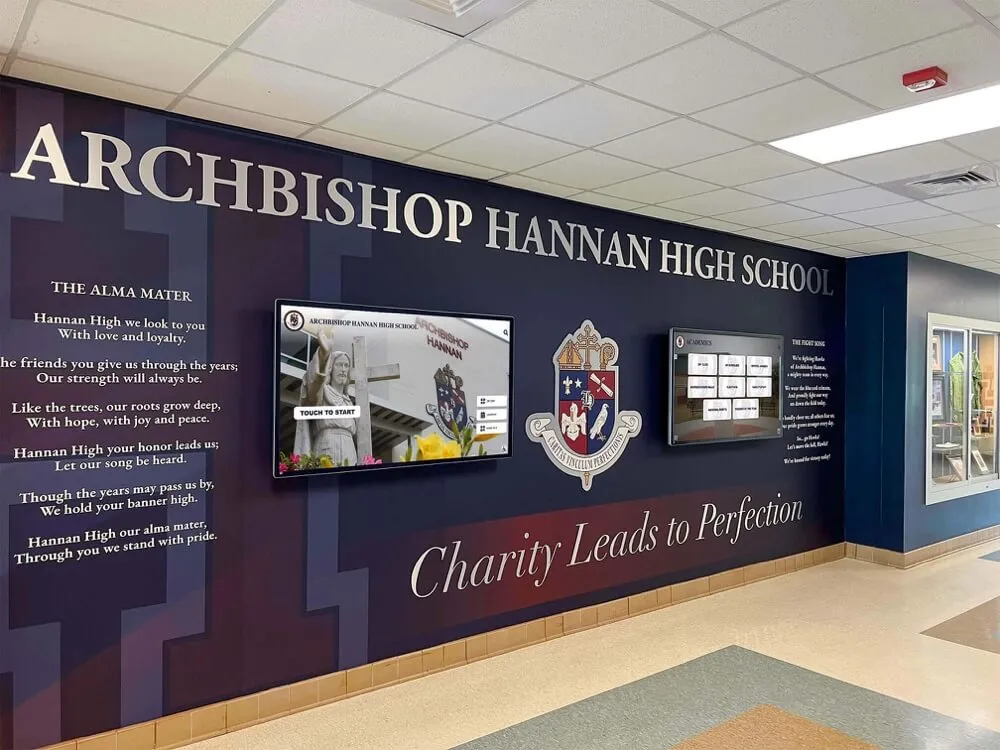
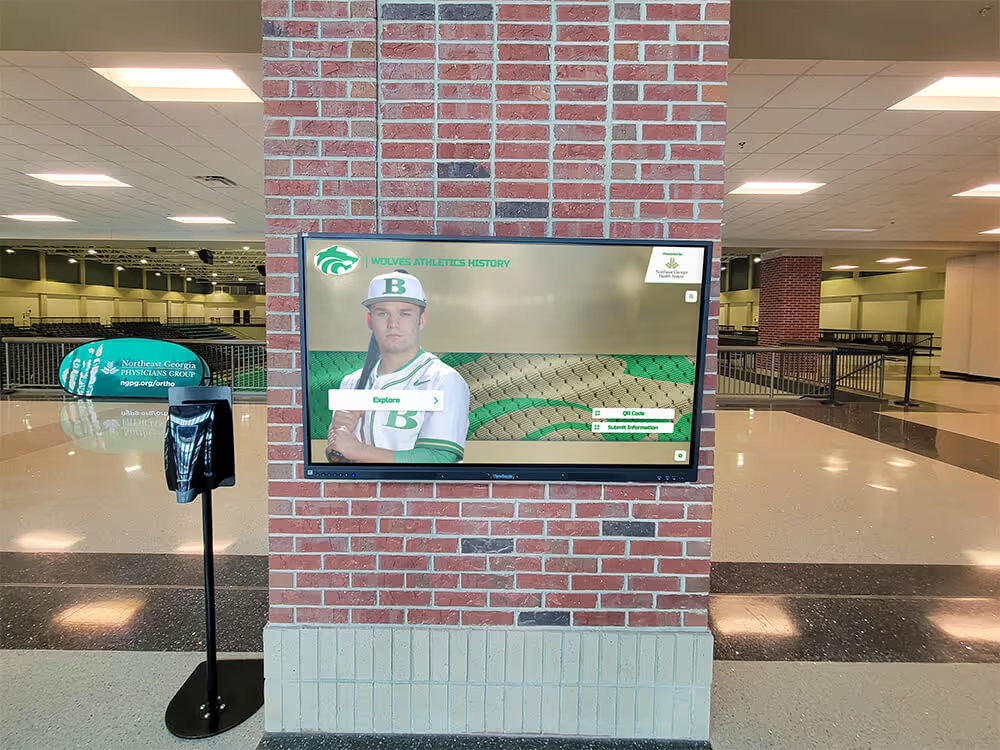
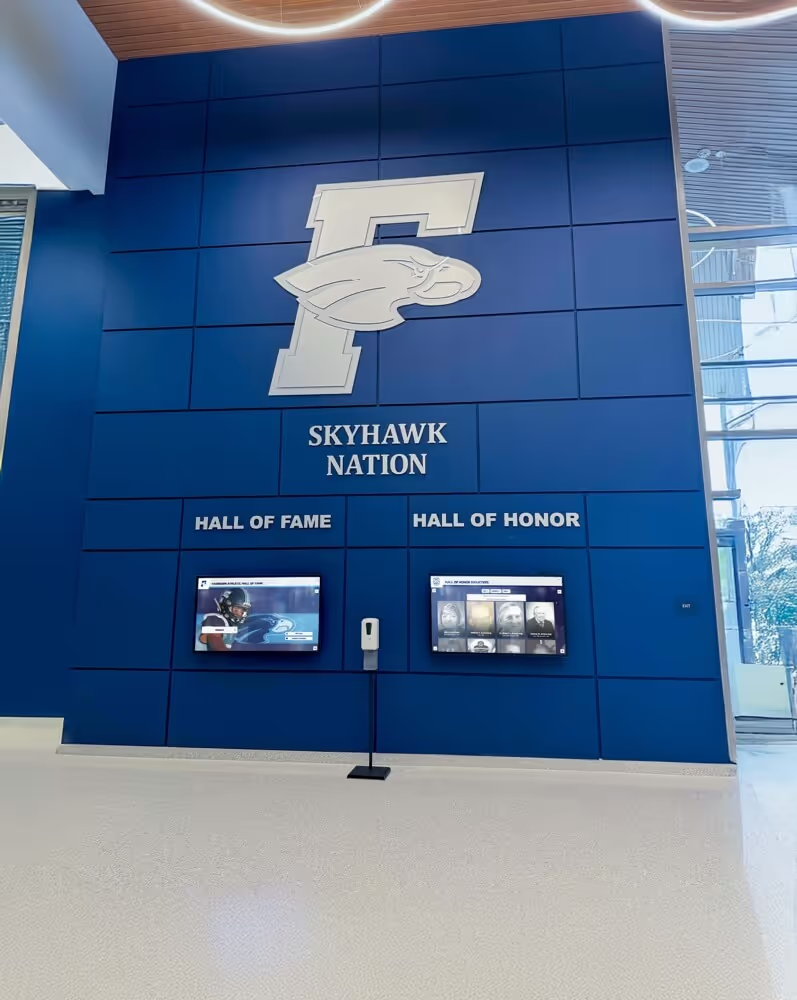
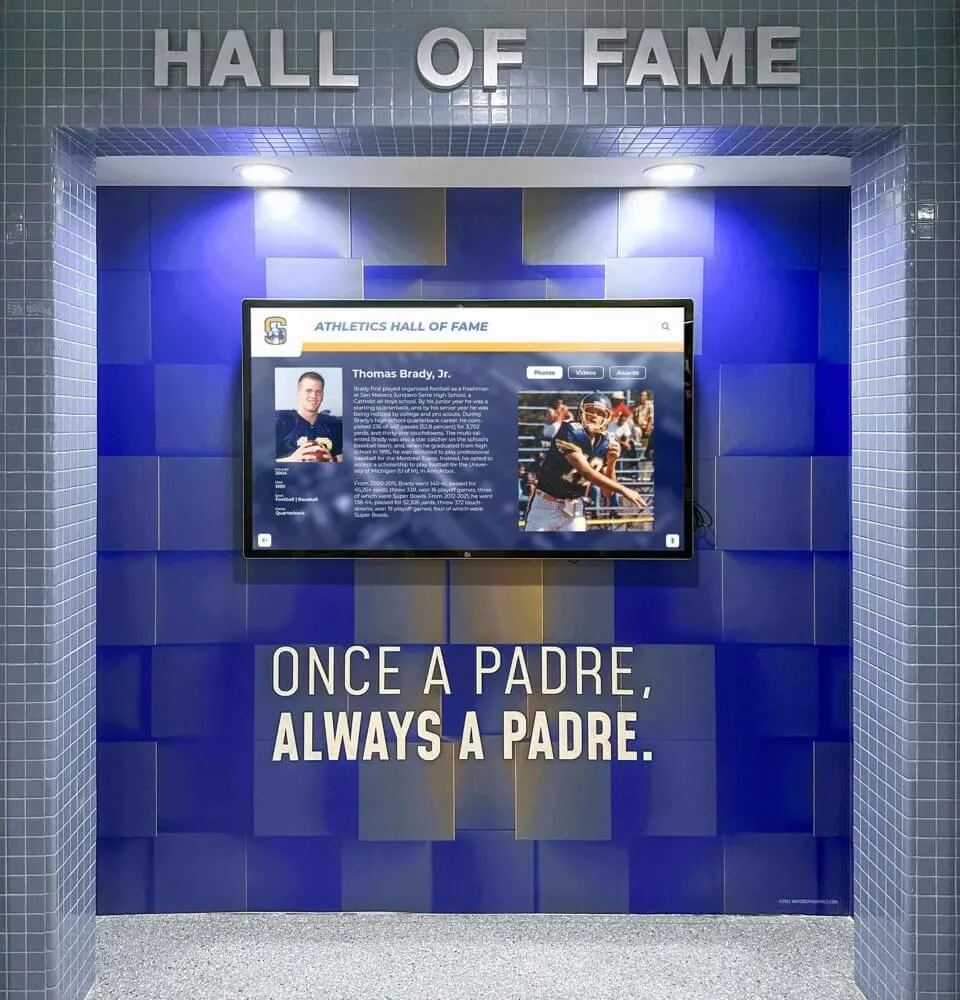
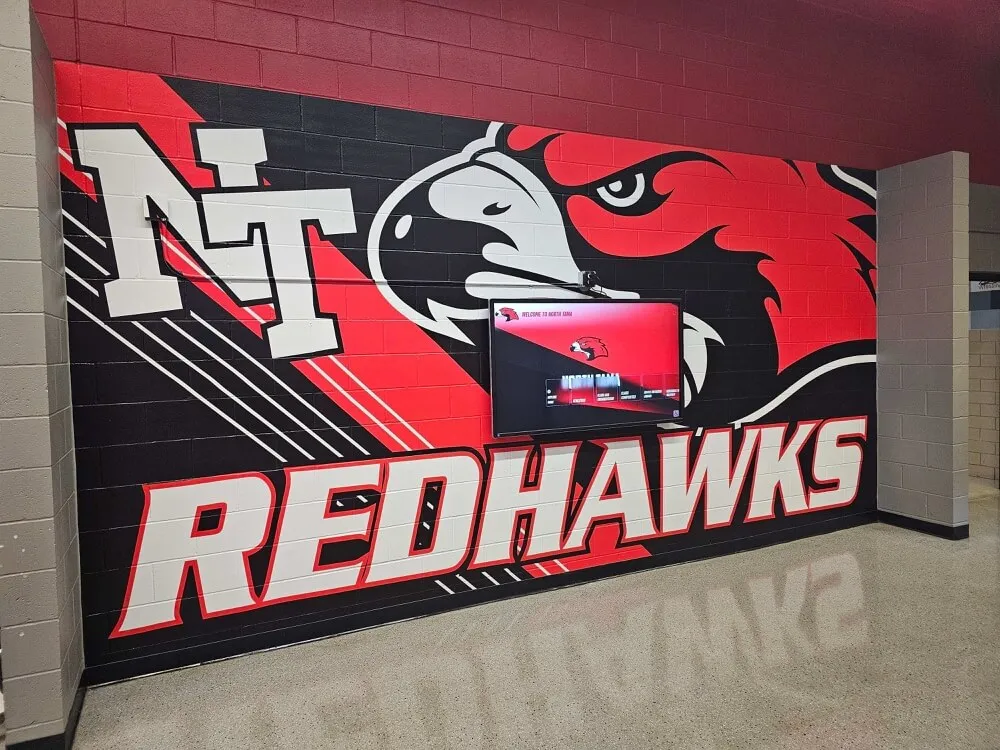
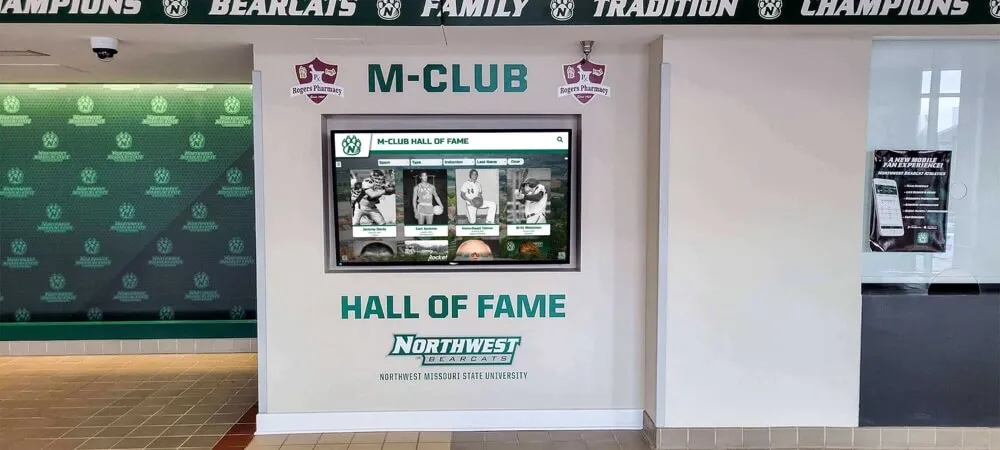
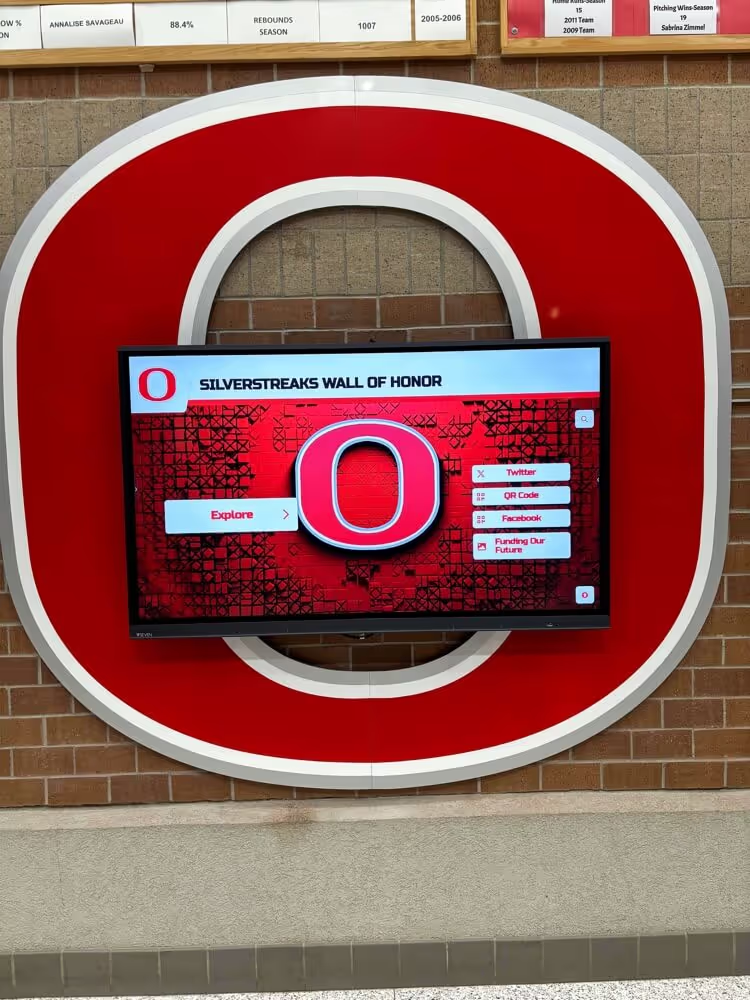
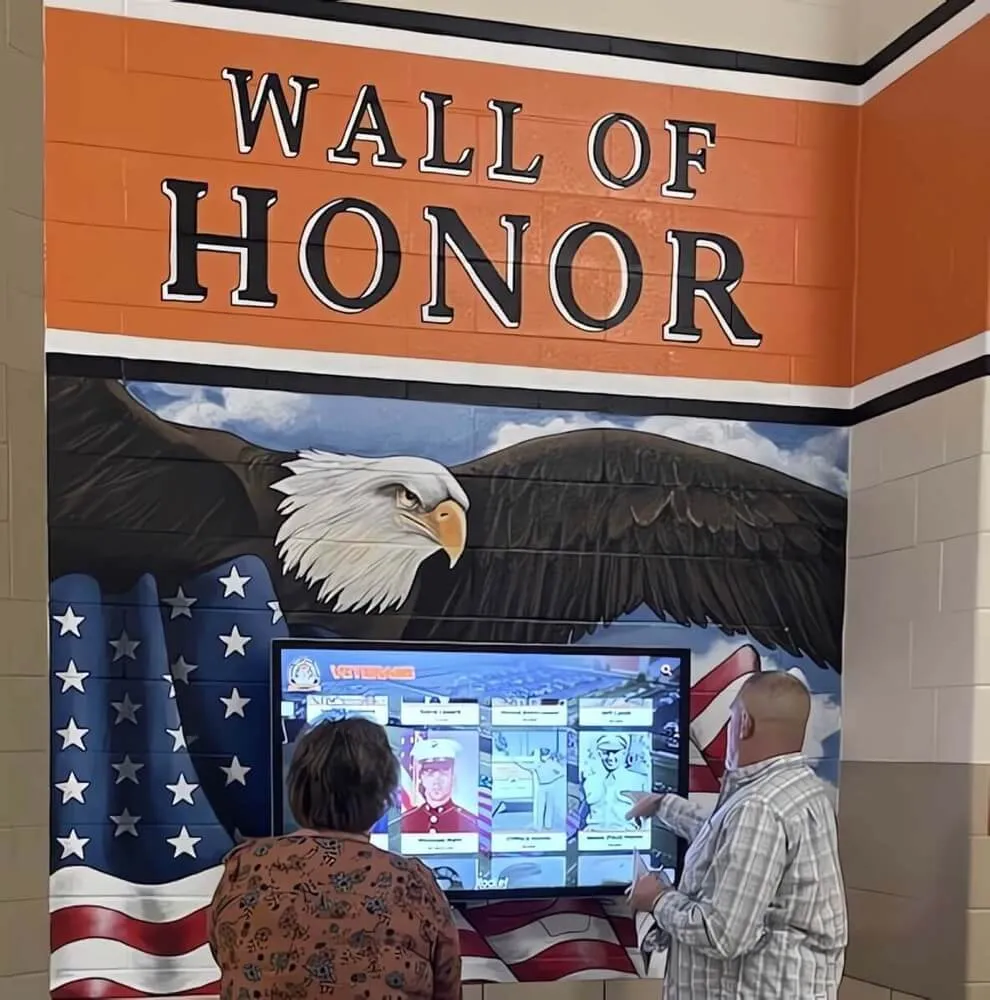
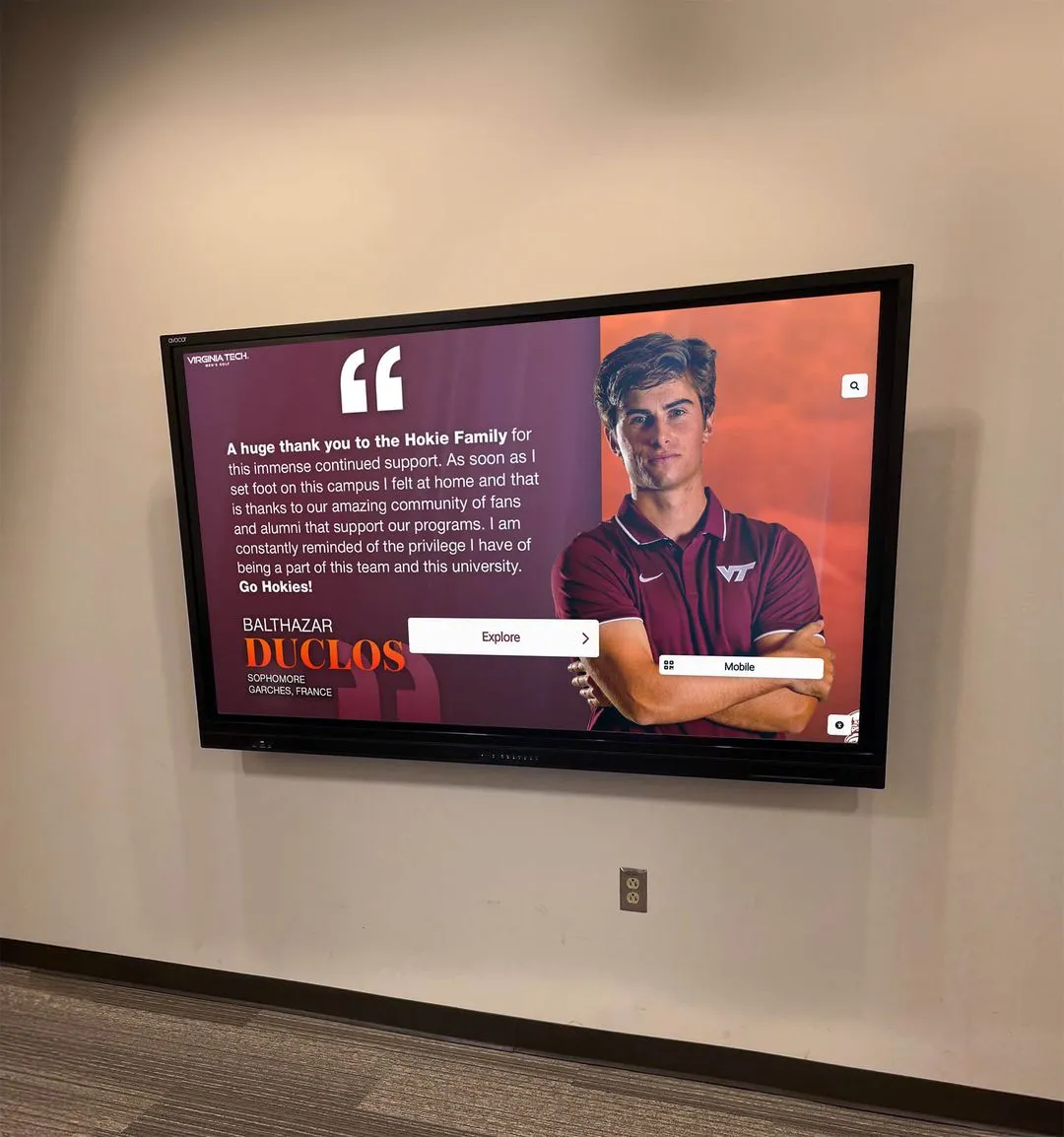
Strategically placed touchscreen kiosks transform hallways into interactive heritage exploration spaces accessible throughout daily activities
Enhanced Discovery Through Search and Organization
Digital archives enable sophisticated search impossible with physical materials. Visitors can find specific individuals instantly across decades of records, locate all materials related to particular events or themes, filter by time period or category, and discover unexpected connections through related content suggestions. This discoverability transforms archives from static storage into dynamic research tools revealing patterns and relationships invisible when materials remain physically dispersed.
Engagement and Emotional Connection
Well-designed interactive experiences invite exploration rather than passive viewing. When visitors actively navigate historical materials, zoom into photograph details, compare images across eras, and follow personal stories through multiple records, they form stronger emotional connections than reading static text panels. Educational research consistently demonstrates that active learning generates deeper understanding and longer retention than passive information consumption.
Experience Layout: Designing Compelling Archive Interfaces
Creating engaging digital history archive experiences requires systematic design approaches balancing aesthetic appeal with functional usability across diverse user groups ranging from children to elderly community members, casual visitors to serious researchers.
Layout Blueprint for Archive Touchscreen Displays
Effective archive displays organize screen real estate into functional zones serving specific purposes while maintaining visual coherence and intuitive navigation:
Zone 1: Hero Area (Top 15-20%)
The masthead establishes context and invites interaction through institutional branding featuring logos and color schemes, clear archive identification explaining content scope and purpose, optional hero imagery showing compelling historical visuals, and subtle motion graphics drawing attention without distraction. For historical archives, this area should communicate both preservation gravitas and modern accessibility—honoring tradition while signaling that exploration is welcome and intuitive.
Educational institutions might feature campus landmarks connecting viewers to place, while community archives could showcase iconic local imagery establishing immediate geographic recognition. The hero zone creates first impressions determining whether passersby engage or continue walking.
Zone 2: Primary Navigation (Below Hero, 12-18%)
Navigation enables intuitive content discovery through multiple complementary pathways. Browse options organize archives by era, decade, or thematic category, powerful search allows name-based or keyword discovery, featured collections highlight curated content telling specific stories, timeline visualizations show content distribution across institutional history, and quick filters enable rapid narrowing by content type or subject.
Navigation design should use large touch-friendly buttons (minimum 44×44 pixels) with clear iconography and descriptive labels requiring no prior archive knowledge. Consider implementing design patterns from successful digital recognition displays that prioritize user-friendly exploration.
Zone 3: Content Display Area (Center, 50-60%)
The primary content zone adapts dynamically based on material type and user context. Grid layouts show multiple items with thumbnails enabling visual browsing, list views provide detailed records with sorting capabilities, full-screen displays allow examining individual photographs or documents with zoom functionality, media players present video and audio materials, and document viewers support pan and zoom for detailed examination of text.
This zone should balance information density with visual breathing room—showing enough content to communicate collection depth while avoiding overwhelming users with excessive simultaneous options. Progressive disclosure patterns reveal basic information initially with detail available through interaction.

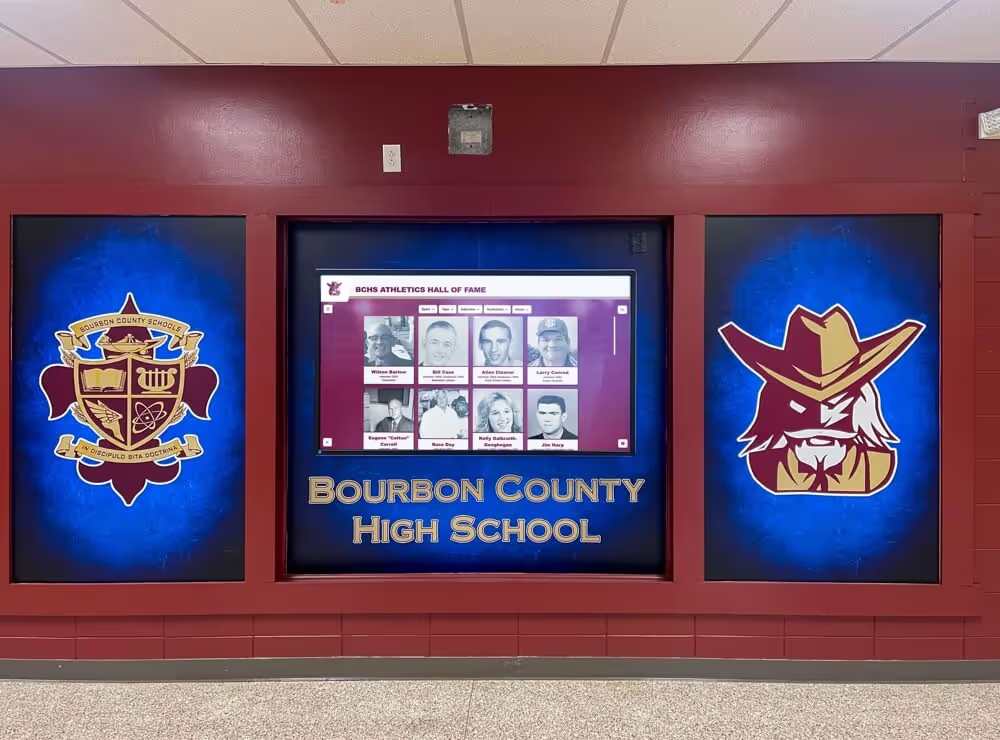
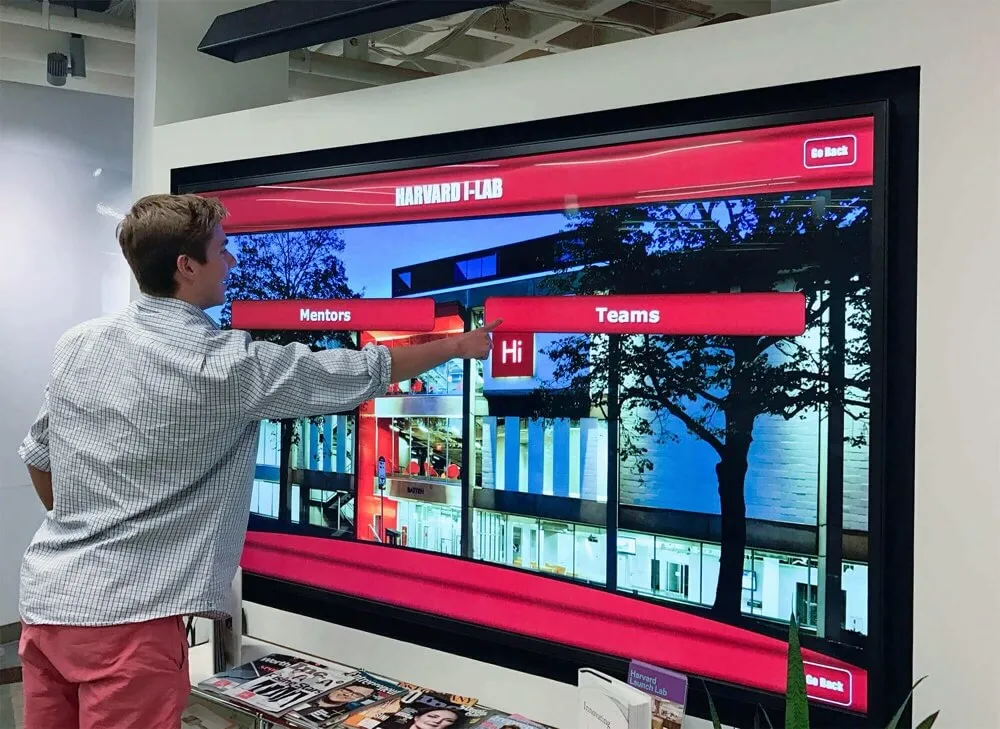
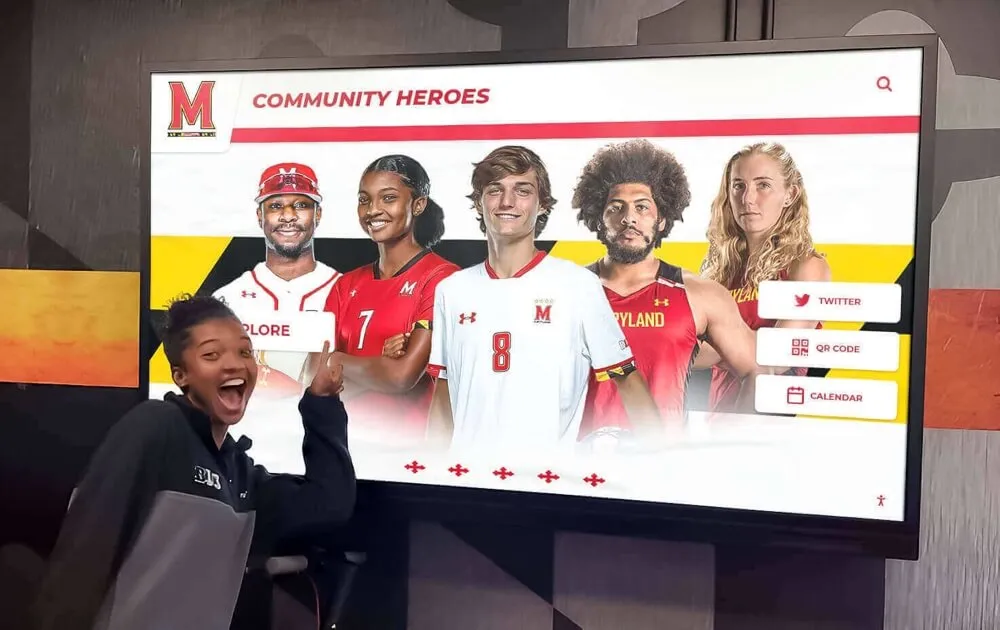
Card-based interfaces enable natural exploration with clear touch targets and immediate visual feedback guiding interaction
Zone 4: Context & Information Panel (Side or Bottom, 15-20%)
Supporting panels provide enrichment including detailed metadata for displayed items (dates, people, locations, events), related materials suggesting connections across collections, historical context explaining significance and background, sharing options enabling social distribution or personal bookmarking, and citation information supporting academic usage.
This contextual layer transforms raw digitized materials into educational resources by adding interpretive frameworks helping audiences understand what they’re viewing and why it matters. Museum education research emphasizes that context directly correlates with learning outcomes.
Zone 5: Action Area (Bottom, 10-12%)
Footer zones enable essential interactions through home/back navigation supporting easy movement throughout interfaces, breadcrumb trails showing current location within archive hierarchy, QR codes linking to mobile or web experiences extending exploration beyond physical displays, accessibility controls adjusting contrast or text size, and language selection when serving multilingual communities.
Content Blocks and Motion Design Principles
Beyond static layouts, thoughtful motion design enhances usability while creating engaging experiences that feel responsive and alive:
Attraction Loop Design (Idle State)
When not actively used, displays should run attraction sequences demonstrating capabilities while drawing attention from passersby. Effective attraction loops cycle through rotating highlights showing compelling archival photographs, brief video clips featuring historical footage or oral histories, timeline animations visualizing institutional evolution, and clear interaction prompts inviting touch with simple instructions.
Balance visual interest against screen longevity concerns—avoid static elements causing burn-in while maintaining subtle motion attracting attention from peripheral vision. Attraction loops should intrigue viewers enough to initiate interaction while not overwhelming or confusing them with excessive information before they’ve touched the screen.
Transition Animations and Feedback
Smooth transitions guide user attention and create polished experiences through fade effects for content changes within consistent layouts, slide animations indicating directional movement through chronological materials, zoom transitions moving from overview to detail views, and elastic easing creating natural, responsive-feeling interactions that acknowledge user input immediately.
Animation timing matters significantly—too fast feels jarring while too slow frustrates. Research suggests 200-400 milliseconds for most transitions strikes appropriate balance between perceived responsiveness and smooth visual continuity.
Progressive Disclosure Patterns
Manage information density effectively through summary cards showing essential information at a glance, expansion panels revealing additional detail on touch, and dedicated views presenting comprehensive information in focused interfaces optimizing for deep examination rather than browsing.
This approach prevents overwhelming visitors with excessive detail while ensuring comprehensive information remains accessible to those seeking deeper engagement—mirroring patterns from successful interactive school displays balancing multiple content layers for diverse audiences.
Accessibility and UX Checklist for Inclusive Archives
Creating inclusive archive experiences requires deliberate accessibility consideration ensuring all community members can engage with institutional heritage regardless of physical abilities or technical expertise:
ADA WCAG 2.1 AA Compliance Requirements
- Text contrast ratios minimum 4.5:1 for body text, 3:1 for large text ensuring readability
- Touch targets minimum 44×44 pixels with adequate spacing preventing accidental activation
- Text scaling supporting enlargement without horizontal scrolling
- Alternative text for images when accessibility modes enabled
- Captions and transcripts for audio and video materials
- Keyboard navigation alternatives for touchscreen-only interfaces
- Clear focus indicators showing current interface element
Physical Accessibility Considerations
- Mounting height placing primary controls 15-48 inches above floor for wheelchair access
- Angled displays reducing glare and accommodating varied viewing positions
- Volume controls for multimedia with visual indicators respecting quiet environments
- Adequate approach space (30×48 inches minimum) allowing wheelchair positioning
- Tactile elements providing feedback beyond visual display
Cognitive Accessibility Features
- Clear, simple navigation patterns requiring minimal learning
- Consistent interface conventions throughout entire experience
- Obvious home/back options enabling recovery from navigation confusion
- Search suggestions helping users articulate queries effectively
- Timeout warnings before returning to attraction loop preventing unexpected resets
- Plain language avoiding jargon or specialized terminology
- Visual hierarchy clearly distinguishing headings, body text, and labels
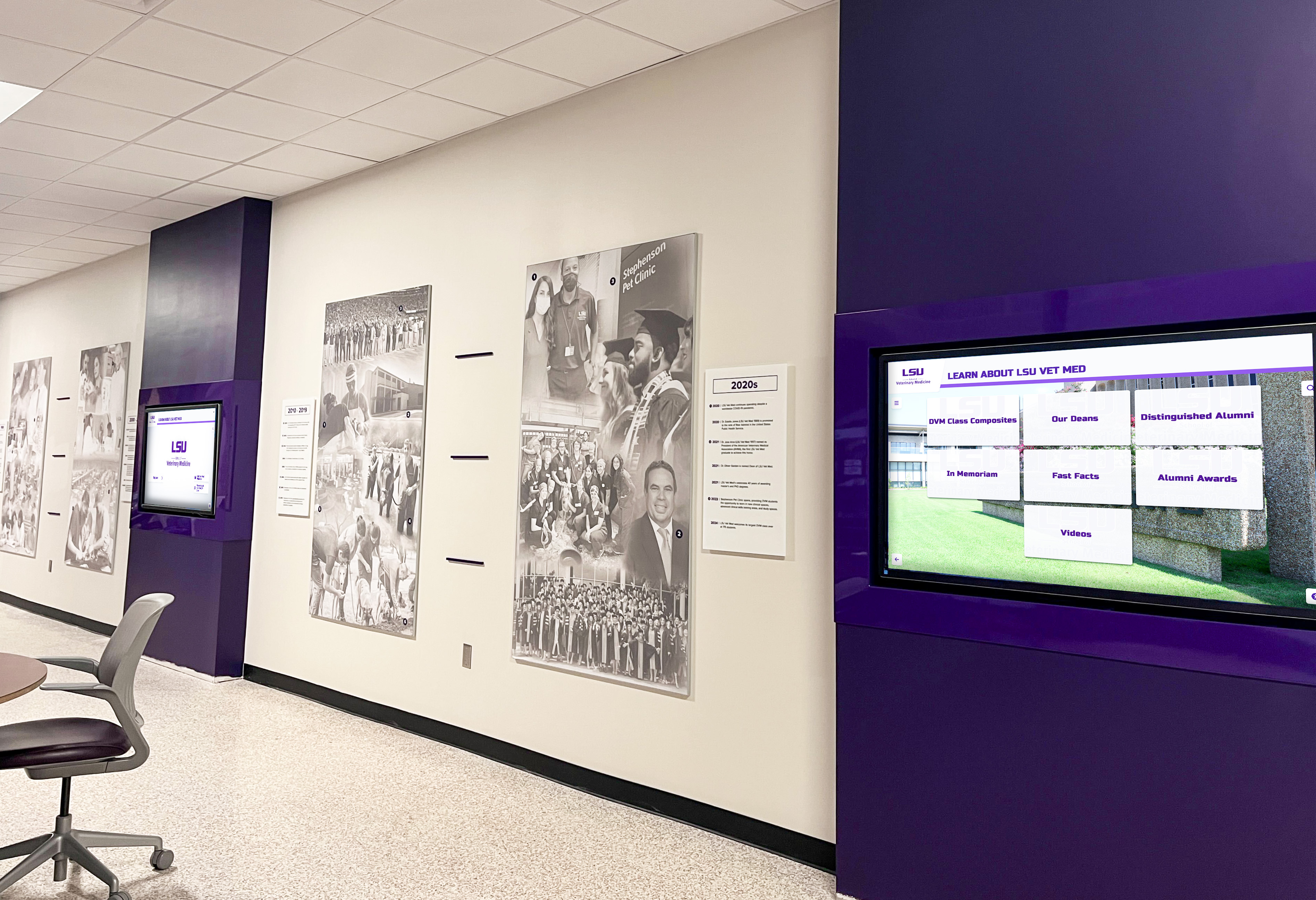
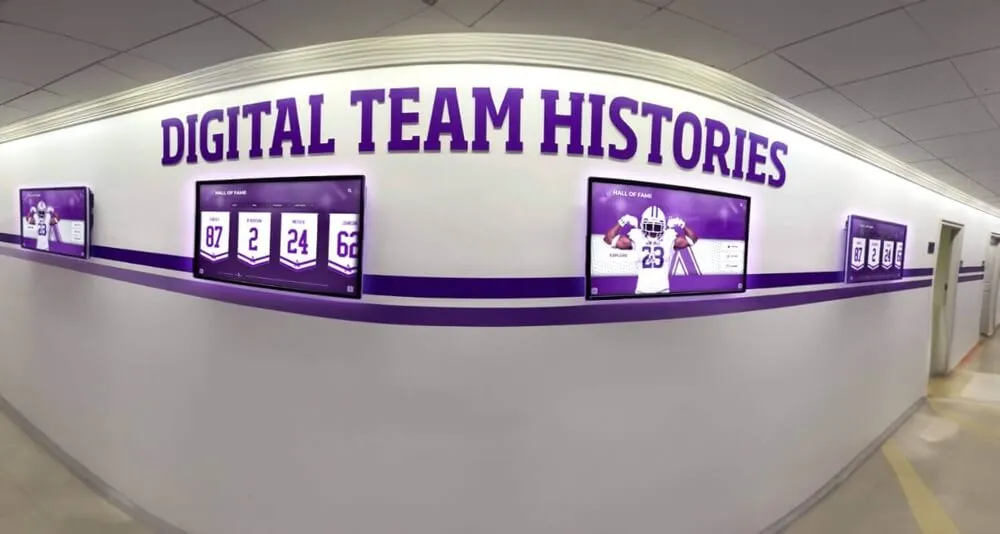
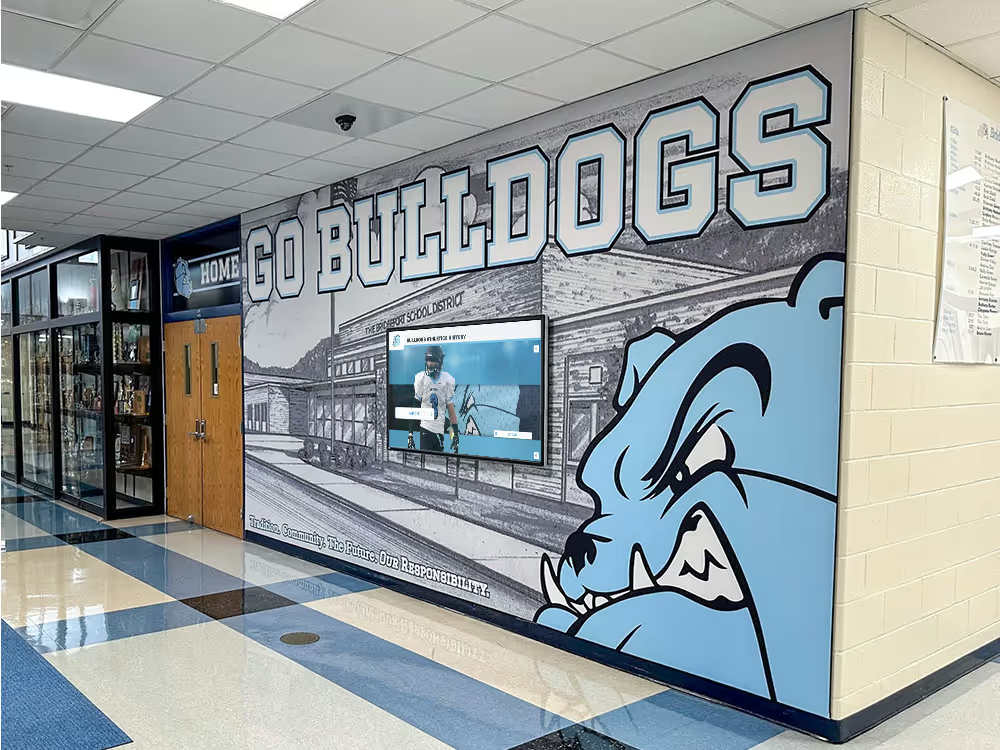
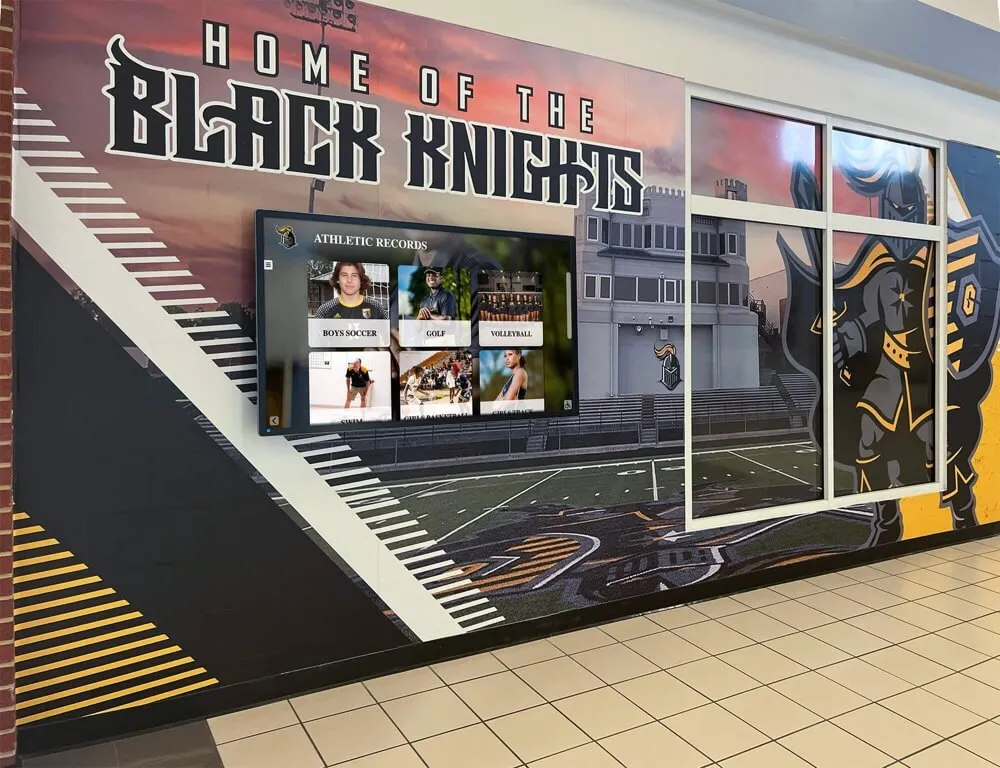
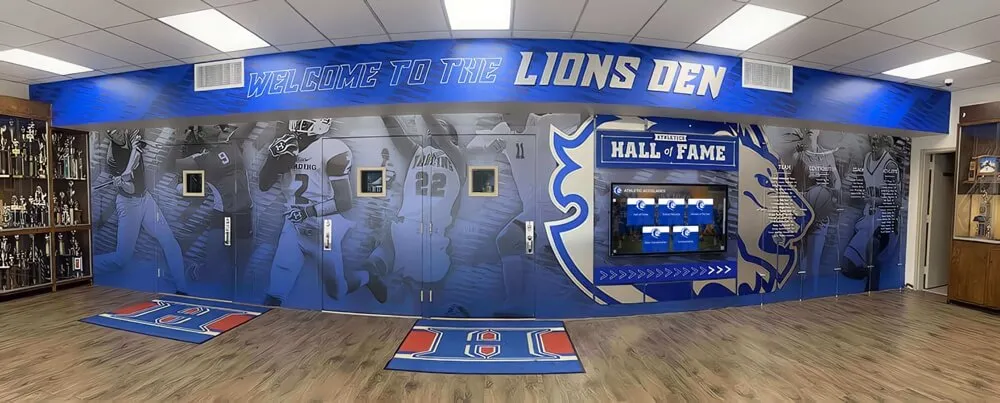
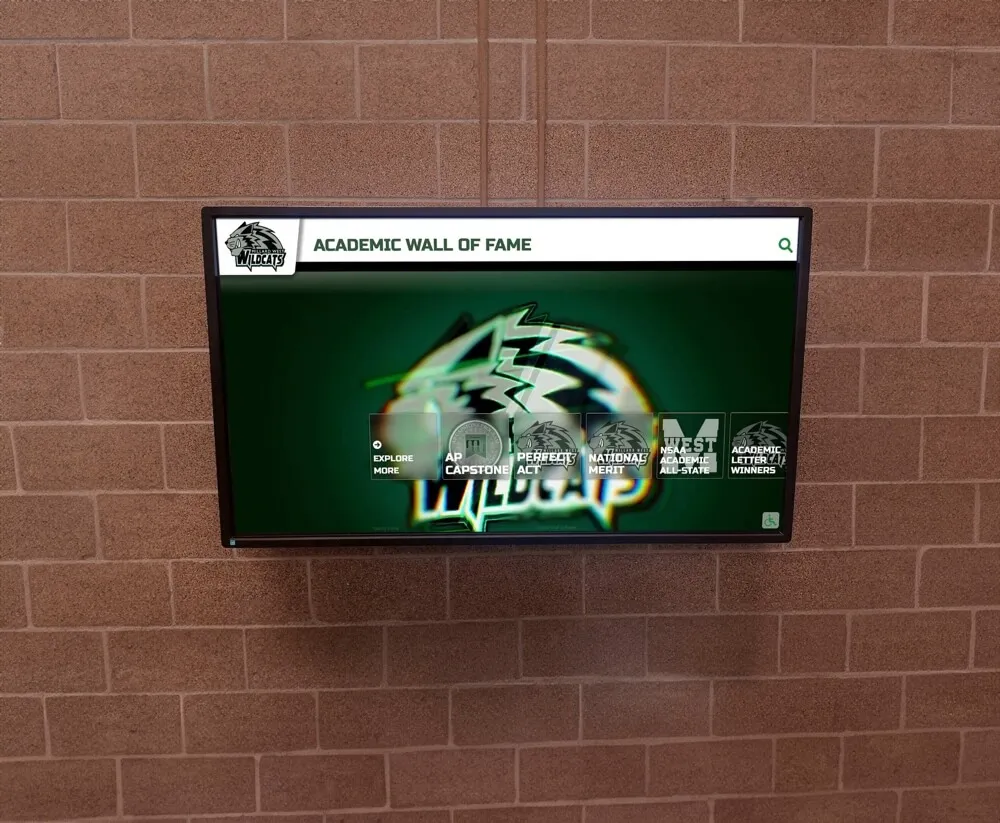
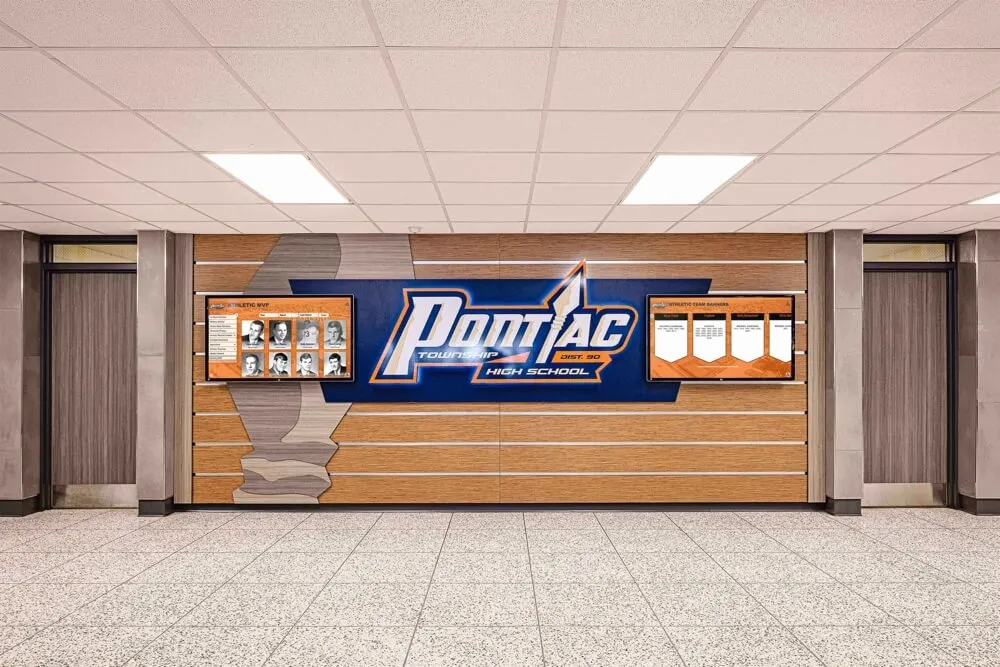
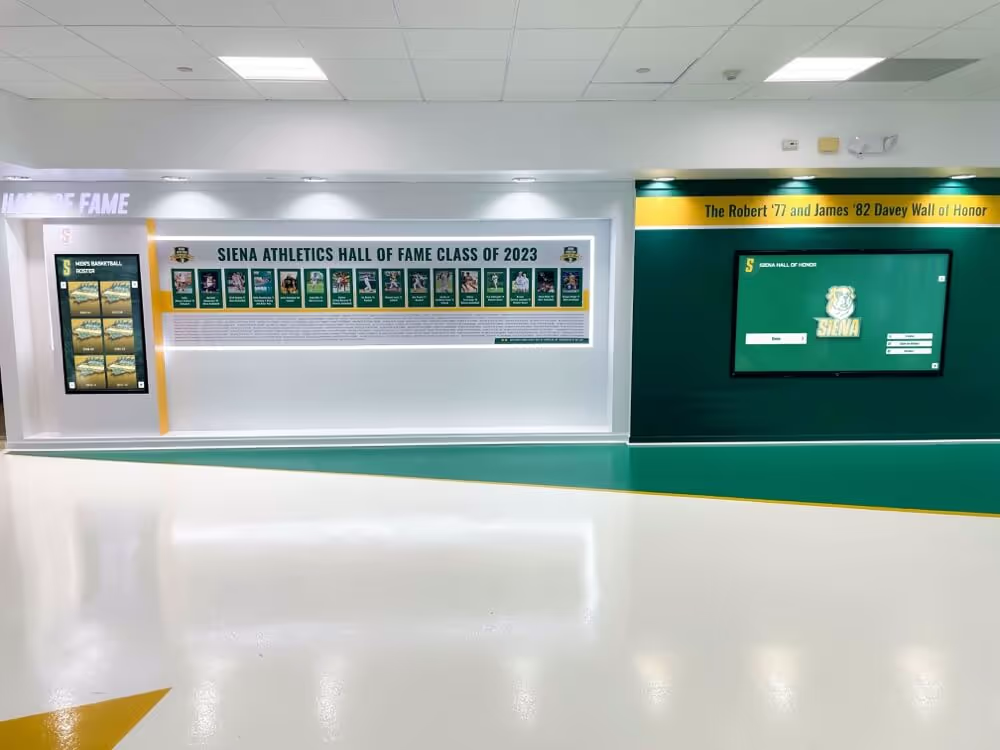
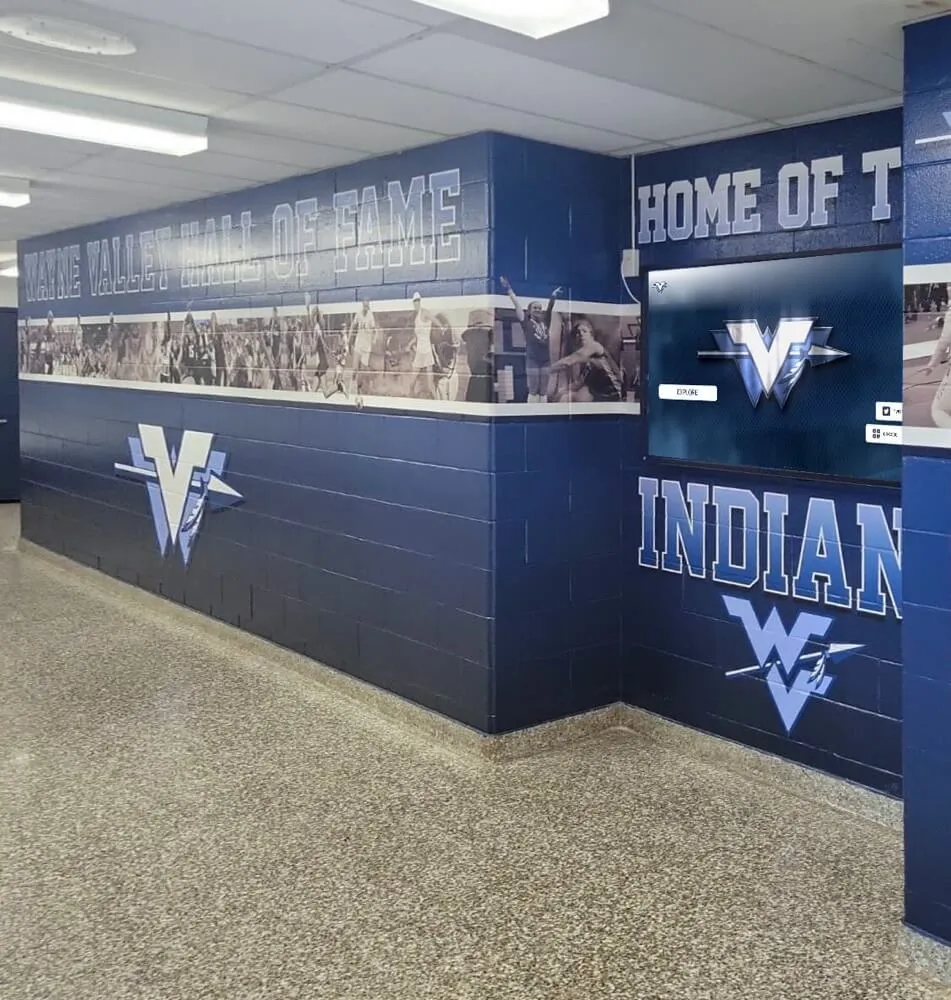
Coordinated multi-display installations create immersive archive environments throughout facilities while maintaining consistent branding
Brand Integration and Environmental Design
Digital history archives should reflect institutional character while maintaining professional presentation honoring the significance of preserved materials and the communities they represent.
Visual Identity Implementation
Color System Strategy
Apply institutional colors systematically throughout archive experiences including primary brand colors for hero areas and key navigation elements establishing immediate recognition, secondary colors for backgrounds and supporting elements creating visual hierarchy, accent colors for interactive elements and highlights signaling touchable areas, and neutral colors for content zones ensuring readability and focus on archival materials themselves.
For institutions with long histories, consider incorporating colors from historical eras—vintage palettes can add authenticity to period-specific collections while maintaining overall brand cohesion. School history displays demonstrate how thoughtful color application creates thematic consistency across diverse content.
Typography Hierarchy
Establish clear type systems supporting both brand expression and functional legibility through headline fonts reflecting institutional character for titles and featured text, body fonts optimizing readability for descriptions and extended content, monospace fonts for citations and technical metadata, and size scales creating clear information hierarchy from headlines through captions.
Typography choices should convey appropriate gravitas for archival materials while remaining approachable and modern—avoiding either overly academic stuffiness that intimidates casual visitors or excessive casualness that undermines preservation significance and institutional authority.
Custom Backgrounds and Environmental Integration
Photographic backgrounds create connection to place through campus landmarks establishing immediate institutional recognition, historical facilities showing evolution over time, architectural details from heritage buildings, and landscape photography connecting to geographic identity. Background imagery should enhance rather than compete with archival content—use subtle opacity (20-40%), blur effects, or duotone treatments ensuring primary focus remains on displayed historical materials.
Environmental coordination ensures displays work effectively within physical spaces through complementary mounting and framing echoing architectural details, coordinated color palettes harmonizing with surrounding finishes, scaled installations matching room proportions and viewing distances, and lighting design ensuring visibility without glare while respecting conservation requirements for light-sensitive materials in nearby physical displays.
Content Development Strategy for Digital History Archives
Archive value depends entirely on quality content celebrating institutional history comprehensively while making materials discoverable and engaging for diverse audiences with varying interests and knowledge levels.
Systematic Digitization Workflows
Professional digitization ensures archived materials serve both preservation and access needs while maintaining standards supporting long-term usability:
Technical Standards and Specifications
Follow established archival digitization standards including minimum 600 DPI resolution for photographic materials (higher for small items or materials requiring detailed examination), 24-bit RGB color depth preserving accurate tones and subtle variations, TIFF format for preservation masters ensuring maximum quality without lossy compression, JPEG derivatives in multiple resolutions optimized for different display contexts, and consistent color calibration across scanning equipment preventing color shifts between batches.
The Federal Agencies Digitization Guidelines Initiative (FADGI) provides comprehensive technical specifications ensuring digital surrogates meet preservation requirements while supporting various reproduction uses. Following these standards prevents costly re-digitization later when initial scans prove inadequate for emerging needs.
Metadata Frameworks and Documentation
Systematic information capture transforms simple image files into discoverable archive resources enabling sophisticated search and filtering. Implement comprehensive metadata including descriptive elements identifying who, what, when, where, and why (people, places, dates, events, significance), administrative information tracking digitization details, permissions, and responsibilities, structural metadata documenting relationships between items (photo series, correspondence threads, multi-page documents), and preservation metadata recording conservation actions and technical decisions.
Quality metadata requires subject expertise—accurately identifying individuals in historical photographs, understanding institutional context for documents, and recognizing significant events all demand knowledge that casual observers lack. Engage longtime staff members, retired employees, and knowledgeable alumni in identification processes capturing their expertise before that knowledge disappears.
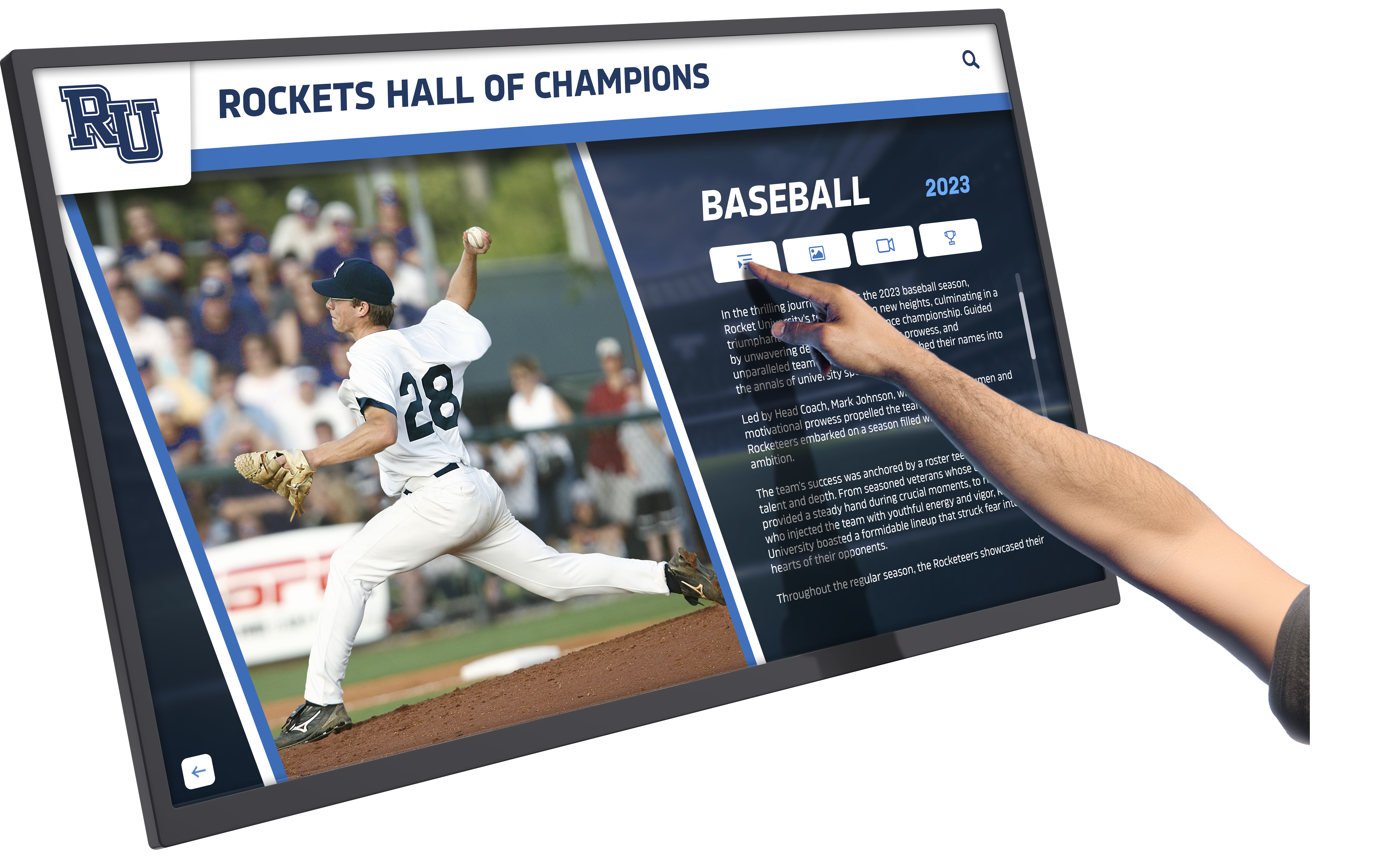
High-resolution digitization enables detailed examination of historical materials impossible with traditional displays
Quality Control Processes
Every digitized item requires systematic verification ensuring standards compliance including resolution confirmation verifying adequate detail capture for intended uses, color accuracy checking faithful reproduction through side-by-side comparison with originals, completeness verification ensuring nothing was cropped or omitted, artifact inspection identifying dust, scratches, or defects requiring correction, and metadata validation confirming all required fields are properly completed with consistent formatting.
Implement two-pass workflows where different individuals perform initial digitization and subsequent quality review—scanning operators miss errors in their own work that fresh eyes catch immediately. Quality control at digitization stage prevents discovering problems years later when original materials may no longer be accessible for re-scanning.
Organizing Collections for Discovery and Engagement
Thoughtful organization dramatically impacts whether visitors can find meaningful connections to institutional heritage or become frustrated by poor information architecture:
Chronological Organization Strategies
Time-based structures align naturally with how people understand institutional history through decade-based browsing spanning entire histories (1920s, 1930s, etc.), era-specific collections defined by significant transitions (founding era, expansion period, modern era), academic year organization for recent materials, and timeline visualizations showing content distribution across time revealing patterns in collection coverage.
Chronological approaches work particularly well for comprehensive institutional archives serving diverse audiences with varying interests and connections to different periods. Alumni typically begin exploration with their own era before expanding to adjacent time periods.
Thematic Collections and Subject Organization
Content-based organization highlights specific aspects of institutional life including athletics programs documenting sports history across all teams, academic departments showcasing disciplinary evolution, student life capturing traditions and campus culture, facility development showing physical campus transformation, leadership highlighting presidents, deans, and influential figures, and community partnerships documenting external relationships.
Thematic organization enables targeted exploration by visitors interested in specific institutional dimensions while supporting curated exhibitions telling compelling stories about particular heritage aspects. Museums often combine permanent chronological displays with rotating thematic exhibitions refreshing visitor experiences.
Person-Centric Approaches and Alumni Discovery
Individual-focused structures serve stakeholders seeking personal connections through comprehensive profiles aggregating all materials related to specific people, class year organization connecting graduates from same cohorts, name-based search enabling immediate discovery, and relationship mapping showing connections between individuals across time.
This approach transforms archives from abstract collections into personal memory banks where individuals rediscover their own participation in institutional history while exploring broader heritage contexts. Alumni recognition displays demonstrate how person-centered organization strengthens graduate engagement with alma maters.
Implementation Planning and Technical Deployment
Moving from concept to operational digital history archives requires systematic planning addressing technology selection, physical placement, content population, and organizational considerations ensuring sustainability beyond initial implementation enthusiasm.
Technology Selection and Platform Evaluation
Choose solutions aligned with institutional needs, technical capabilities, and long-term support requirements:
Archive Platform Requirements
Evaluate systems against essential functional criteria including purpose-built archival capabilities vs. generic digital signage platforms lacking historical content features, cloud-based management enabling updates from any location without on-site server access, sophisticated search supporting full-text queries, metadata filtering, and fuzzy matching accommodating spelling variations, multimedia support handling photographs, documents, audio, and video seamlessly, web portal integration extending access beyond physical displays, and analytics demonstrating engagement patterns informing continuous improvement.
Organizations should prioritize platforms specifically designed for heritage recognition rather than attempting to adapt generic signage systems lacking essential archival functionality. Purpose-built solutions understand unique requirements including historical content organization, privacy controls for sensitive materials, and community engagement features that generic platforms cannot accommodate effectively.
Hardware Considerations for Display Installations
Physical installations require appropriate specifications including screen size based on viewing distances (43-55" for close viewing under 6 feet, 65-75" for distance viewing), commercial-grade displays rated for continuous operation (consumer TVs fail rapidly in always-on applications), touch technology with capacitive screens providing responsive consumer-like experience vs. resistive requiring pressure, mounting requirements matching architectural contexts (wall-mounted, freestanding kiosks, table-integrated), and network connectivity ensuring reliable content delivery without visible cable runs compromising aesthetics.
Consider environmental factors—bright ambient lighting requires high-brightness displays (450+ nits), outdoor or semi-outdoor installations need weatherproof enclosures, and high-traffic areas benefit from vandal-resistant glass protecting screens from damage.
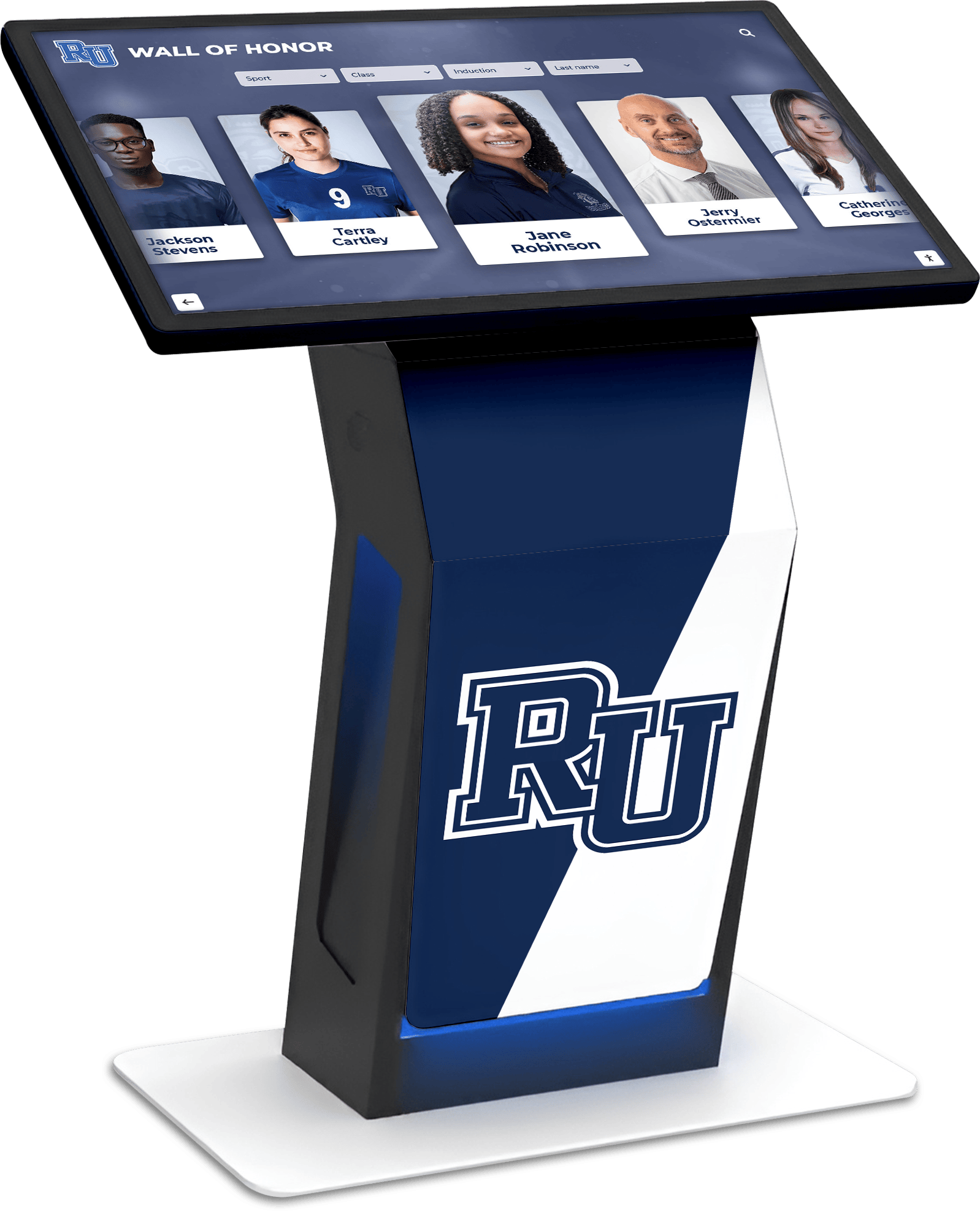
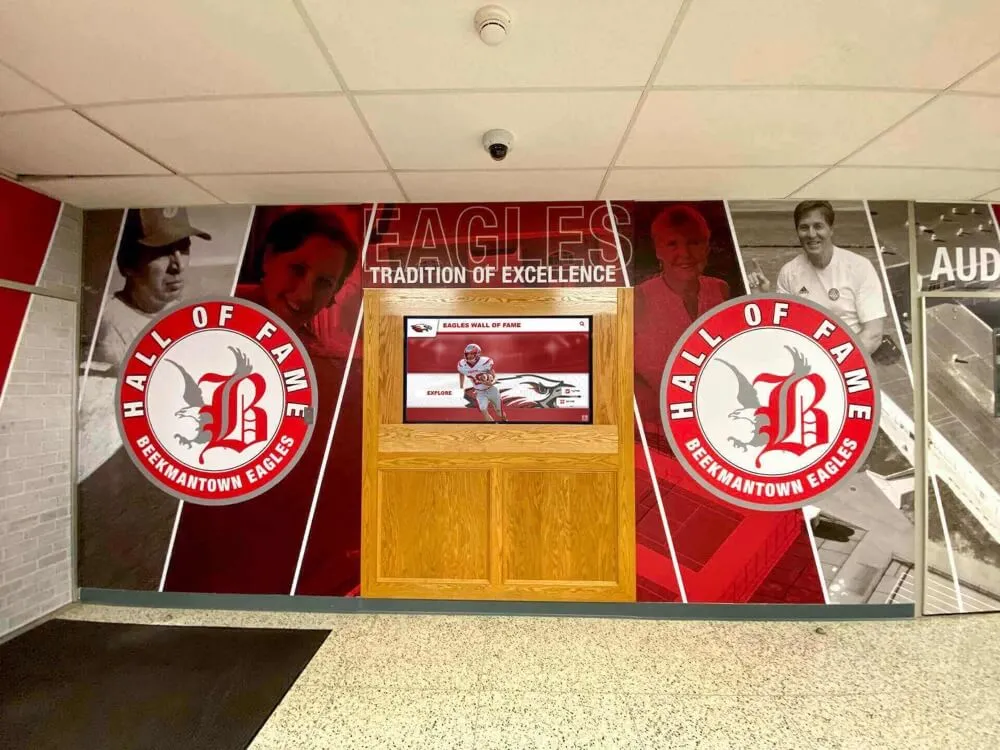
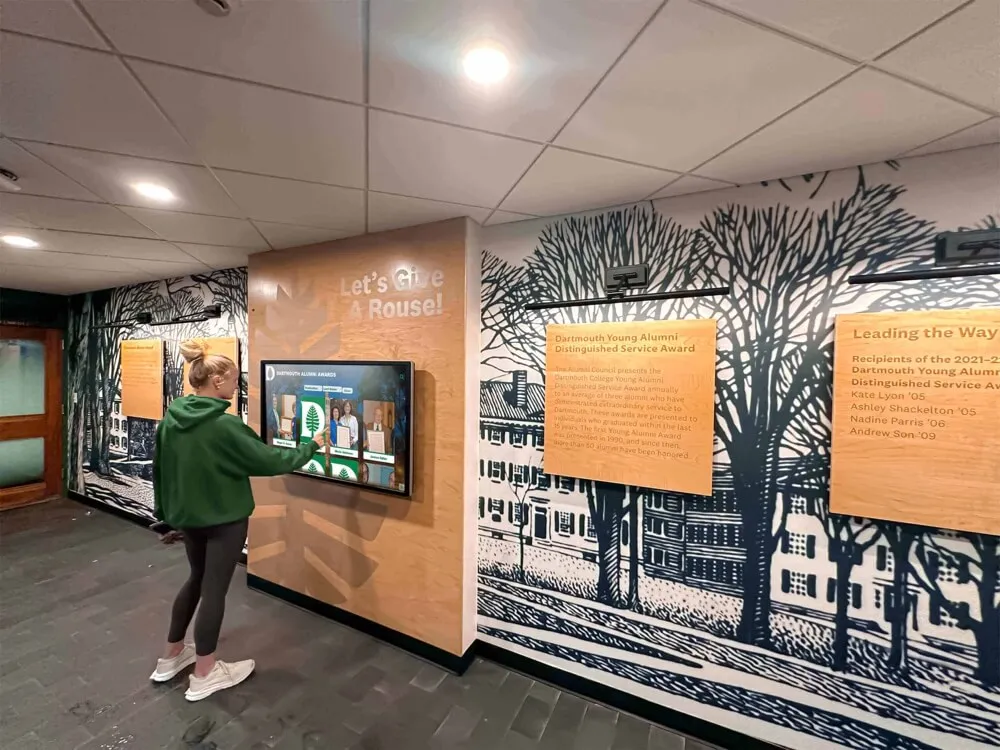
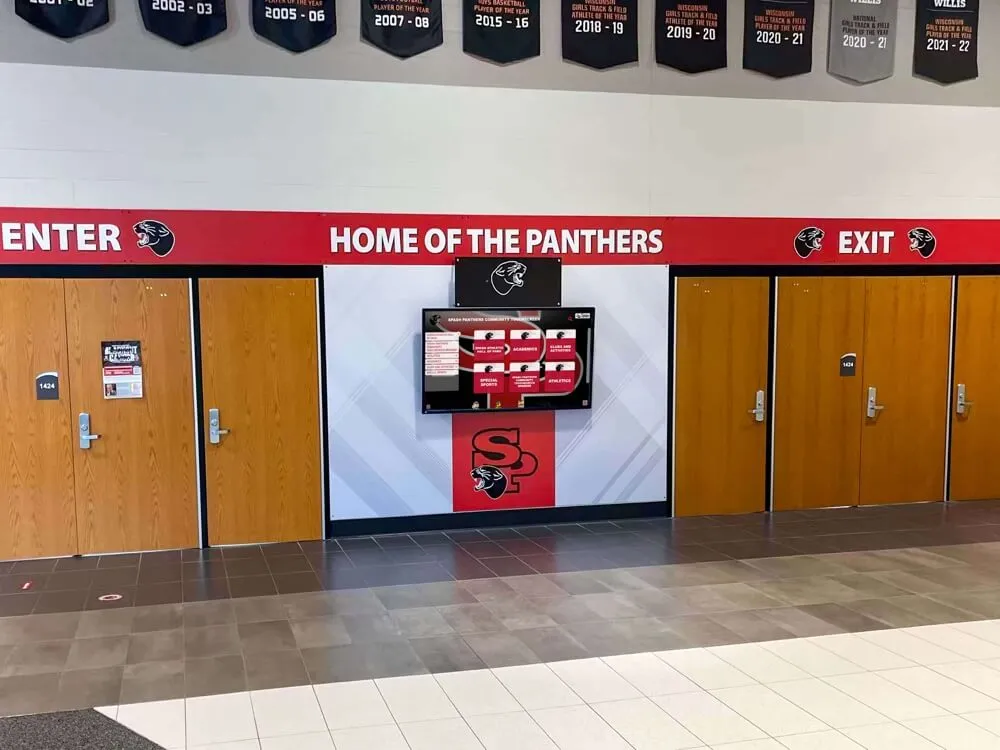
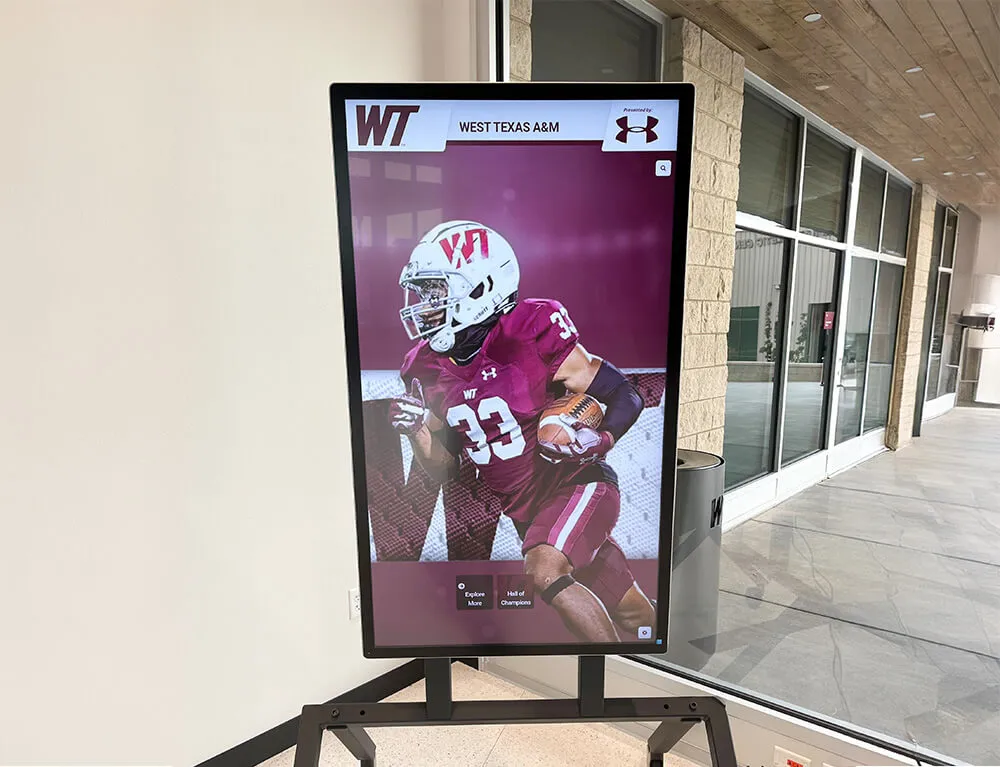
Professional-grade hardware installations create polished presentations reflecting institutional commitment to heritage preservation
Vendor Evaluation Criteria
Assess potential partners against multiple dimensions including demonstrated experience with heritage archive implementations (request references and site visits), quality of reference installations and client feedback revealing service patterns, comprehensive support including training, ongoing technical assistance, and content development help, total cost of ownership including hardware, software licenses, maintenance, and future expansion, and scalability accommodating collection growth and additional display locations over time.
Beware vendors offering unrealistically low prices—sustainable services require appropriate compensation, and extremely cheap solutions typically deliver correspondingly limited functionality, poor support, and short operational lifespans necessitating costly replacements within several years.
Strategic Placement and Phased Deployment
Display effectiveness depends significantly on thoughtful location selection and environmental integration maximizing visibility while serving appropriate use cases:
Optimal Installation Locations
Physical displays work best in specific contexts including main entrance lobbies welcoming all visitors with immediate heritage connection establishing institutional identity from first impressions, libraries and learning commons where research and exploration naturally occur, alumni centers emphasizing graduate engagement and heritage preservation, administrative offices visited during campus tours and recruitment activities, departmental facilities showcasing specific program histories, and athletic complexes celebrating sports traditions when archives focus on competitive achievement.
Avoid low-traffic locations regardless of aesthetic appeal—displays in rarely-visited spaces generate minimal engagement regardless of content quality or interface design excellence. Prioritize visibility over architectural perfection when location tradeoffs arise.
Phased Deployment Strategies
Many institutions implement archives progressively spreading costs and building momentum. Phase 1 establishes flagship installation in highest-visibility location with priority content demonstrating value and generating organizational support. Phase 2 adds specialized displays in relevant departments or facilities serving targeted audiences. Phase 3 creates comprehensive networks covering major campus spaces and diverse user groups with coordinated content strategies.
Phased approaches spread costs across multiple budget cycles while demonstrating value justifying expansion investment. Initial success with focused implementations makes subsequent funding requests more persuasive than theoretical proposals lacking operational examples. Approaches similar to museum interactive display projects demonstrate how progressive rollouts build institutional commitment over time.
Content Population and Launch Planning
Launch archives with achievable content scope demonstrating immediate value while establishing sustainable workflows supporting systematic expansion:
Minimum Viable Archive Approach
Initial implementations should focus realistically including complete digitization of one historical period (e.g., one decade providing coherent browsing experience), comprehensive coverage of one thematic area (athletics or academics rather than everything), priority materials at greatest deterioration risk ensuring preservation before further damage, or materials most frequently requested by community members demonstrating responsiveness to audience interests.
Starting focused enables quality execution creating positive impressions while establishing sustainable workflows supporting systematic expansion over time. Better to launch with 500 well-curated, fully-metadata items than 5,000 poorly documented files frustrating users with incomplete information.
Ongoing Collection Development
Establish processes for continuous growth through scheduled digitization campaigns completing additional historical periods methodically, community contribution systems enabling alumni and stakeholder submissions, event-triggered additions following reunions or anniversaries when engagement peaks, and systematic backlog processing working through accumulated materials using consistent methodologies.
Consider implementing approaches from successful athletic hall of fame programs that balance immediate visibility with long-term comprehensive coverage through sustainable annual induction processes adaptable to archival contexts.
Measuring Success and Demonstrating Archive Value
Regular assessment demonstrates digital archive impact while identifying improvement opportunities and justifying continued investment to institutional leadership and funding sources:
Engagement Analytics and Usage Metrics
Modern platforms provide comprehensive tracking revealing how communities interact with archival materials informing optimization decisions:
Quantitative Performance Metrics
Track objective measures including total interaction sessions showing overall engagement levels, average session duration indicating depth of exploration (longer typically signals stronger interest), most-viewed materials revealing content resonating with audiences, search queries demonstrating what visitors seek, peak usage times informing content update scheduling and marketing efforts, geographic distribution for web-based archives showing worldwide reach, and social sharing counts demonstrating content reaching beyond institutional boundaries.
These metrics provide concrete evidence of archive value supporting budget justification and expansion proposals while revealing which content categories warrant additional development investment. Analytics demonstrating 1,000+ monthly touchscreen interactions or 10,000+ annual web sessions document substantial community engagement justifying resource allocation.
Behavioral Analysis and Optimization
Beyond aggregate statistics, pattern analysis informs interface improvements including navigation paths showing how visitors explore collections (linear chronological vs. search-driven discovery), search failures highlighting missing content or metadata gaps requiring attention, drop-off points identifying confusing interfaces or technical issues causing user abandonment, category popularity guiding content development priorities toward high-interest areas, and device distribution showing how audiences access archives (desktop, mobile, tablet, touchscreen) informing responsive design priorities.
Behavioral data reveals the difference between what organizations assume users want and what they actually engage with—sometimes dramatically different. Use evidence rather than assumptions to drive strategy.
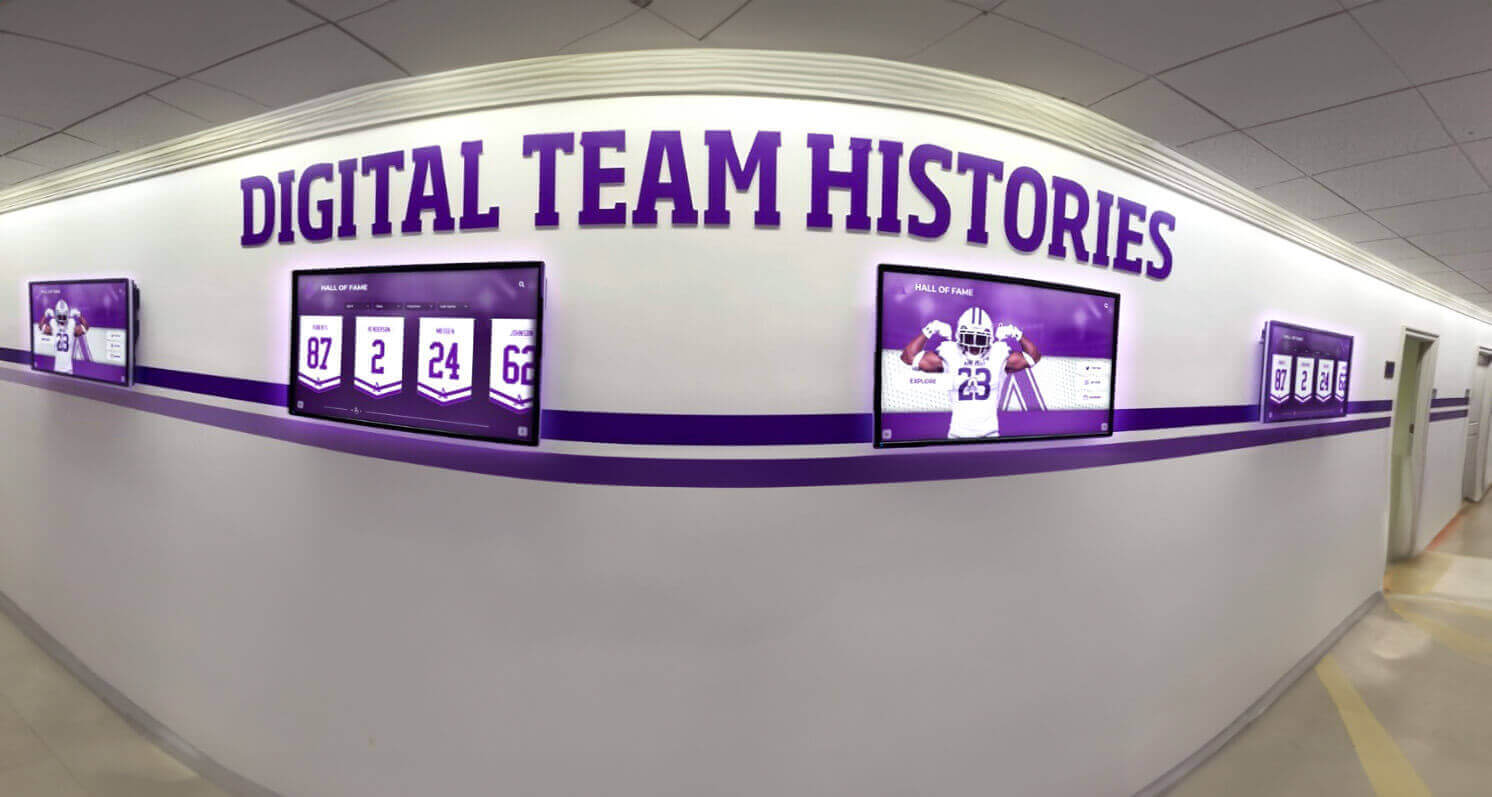
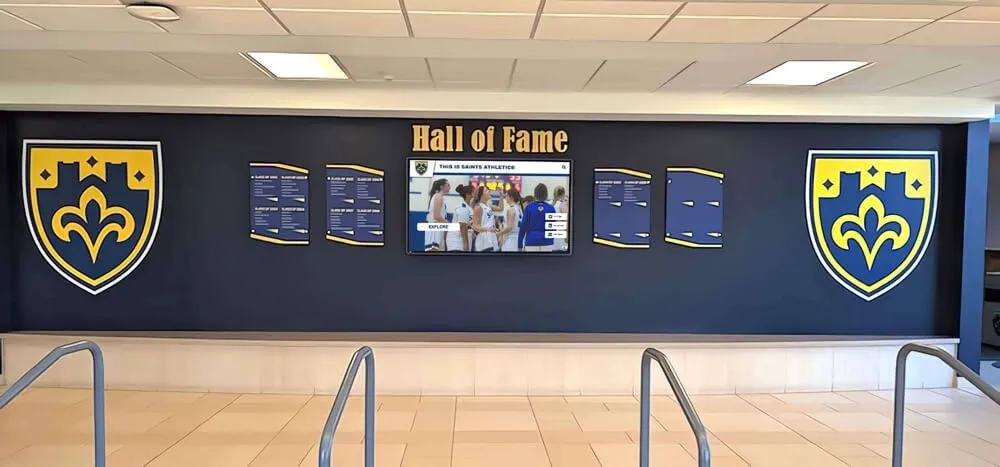
Analytics from coordinated display networks reveal aggregate engagement patterns across entire archive ecosystems
Qualitative Outcomes and Community Impact
Beyond quantitative data, archive success manifests in broader institutional outcomes and community responses:
Alumni Engagement and Connection
Do archives strengthen graduate relationships with alma maters? Success indicators include increased alumni event attendance when archives are featured prominently, enhanced social media engagement with archival content shared through institutional channels, greater frequency of alumni contact and communication with institutions, donor recognition of archives as valued institutional investments, and anecdotal feedback expressing emotional connection through historical discovery.
Alumni development professionals consistently report that heritage-related content generates stronger engagement than fundraising appeals—people respond emotionally to historical connections before considering financial contributions. Archives that strengthen emotional bonds create conditions favorable to philanthropic support.
Educational Value and Curriculum Integration
Do archives enhance learning and teaching? Positive markers include faculty assigning archive-based research projects incorporating primary sources, increased student usage of archival materials in papers and presentations, visible exploration during campus tours and recruitment visits, documented integration into history or social studies curriculum, and student feedback expressing appreciation for institutional heritage connections making education feel personally relevant.
Educational archives serve dual purposes—preserving heritage while providing learning resources. Measuring both dimensions ensures archives fulfill complete institutional missions rather than merely storage functions.
Preservation Achievement and Materials Rescued
Has digitization successfully protected endangered materials? Accomplishments include completion of high-priority digitization before further deterioration, rescue of materials previously at risk from poor storage or handling, recovery of information through crowdsourced identification adding context previously lost, and establishment of sustainable infrastructure ensuring ongoing protection beyond initial project enthusiasm.
Many archive projects begin with crisis motivation—realizing critically important materials face imminent loss. Document preservation successes providing concrete evidence of archive initiatives preventing irreplaceable heritage destruction.
Budget Planning and Funding Strategies
Understanding financial requirements and exploring diverse funding options enables institutions to implement archives sustainably within realistic budget constraints:
Cost Components and Investment Considerations
Digital archive expenses vary significantly based on scope, approach, and existing organizational resources:
Initial Implementation Costs
Startup expenses include digitization equipment and services ($3,000-$15,000 depending on whether purchasing equipment for in-house scanning or contracting external digitization services), archive platform software and setup ($5,000-$20,000 depending on system sophistication and customization requirements), interactive display hardware for campus installations ($8,000-$18,000 per installation including commercial displays, media players, mounting hardware, and installation labor), storage infrastructure including cloud services or local servers ($2,000-$8,000 initial setup), project staffing for content development, metadata creation, and implementation management, and professional consultation for preservation standards, information architecture planning, and technical specifications.
Total initial investment typically ranges $25,000-$75,000 for focused implementations to $100,000-$250,000+ for comprehensive multi-location archives with extensive historical collections. Costs scale with scope—larger projects obviously require greater investment but also deliver proportionally greater impact.
Ongoing Operational Expenses
Sustaining archives requires annual commitments including software licensing and platform subscriptions ($2,000-$6,000 annually depending on features and usage), cloud storage or server maintenance ($1,000-$3,000 annually scaling with collection size), staff time for continued digitization, metadata enhancement, and collection expansion, technology updates and equipment replacement over 5-7 year lifecycle, marketing and promotional materials generating awareness and encouraging usage, and periodic professional development ensuring staff maintain current skills.
Annual operational costs typically represent 15-25% of initial implementation investment. Budget for sustainability rather than treating archives as one-time projects—underfunded maintenance leads to deteriorating systems undermining initial investments.
Alternative Funding Sources Beyond Operating Budgets
Institutions can pursue multiple creative funding strategies supporting archive initiatives without straining operational budgets:
Grant Opportunities and Foundation Support
Various grant programs specifically support heritage preservation and digital archive development including state humanities councils funding cultural projects and public programming, Institute of Museum and Library Services grants supporting digitization and public access, National Endowment for the Humanities grants for humanities projects including historical archives, corporate foundation grants particularly from technology companies with community investment programs, and local community foundations supporting cultural institutions and educational organizations.
Grant writing requires time investment but can provide substantial funding offsetting implementation costs. Many smaller institutions successfully fund entire archive projects through $25,000-$75,000 grants without operational budget impact.
Alumni Fundraising and Development Campaigns
Archives prove popular fundraising targets connecting directly with graduate interests in heritage preservation through “sponsor a decade” campaigns dividing collections into fundable units alumni can adopt, memorial giving enabling families to honor deceased alumni through archive contributions, reunion projects where graduates collectively fund their era’s digitization creating class legacies, major donor recognition through naming opportunities (endowed archive funds, named collection areas), and crowdfunding campaigns leveraging social media and alumni networks for broad small-donor participation.
Frame fundraising appeals around emotional connection rather than technical specifications—alumni respond to preserving memories and ensuring heritage survives for future generations, not database software features. Personal stories illustrating how archives connect people with formative experiences prove most effective.
Collaborative Approaches and Resource Sharing
Partnership models can reduce costs through shared digitization services with local historical societies or library consortia pooling equipment investment, student work-study programs providing staffing at reduced cost while offering valuable experience, volunteer alumni contributions providing expertise, materials, and labor, consortial technology infrastructure sharing hosting and platform costs across multiple institutions, and vendor partnerships where companies provide reduced pricing in exchange for case study rights or reference installations.
Resource sharing requires coordination effort but enables smaller institutions to implement archives that would be unaffordable independently. Regional collaborations particularly benefit communities with related collections telling interconnected historical narratives.
Get Your Touchscreen Mock-Up
Discover how custom-designed digital history archive experiences can transform heritage preservation and community engagement for your institution. Rocket Alumni Solutions creates interactive displays that honor historical materials while engaging modern audiences through purposeful design combining archival expertise with cutting-edge technology.
Schedule Your Design ConsultationConclusion: Transforming Static Archives Into Living Heritage
Digital history archives represent strategic investments in institutional memory, community engagement, and heritage preservation that collectively determine whether organizations merely store their past or create living connections inspiring current and future generations through accessible, engaging historical experiences.
Traditional archival approaches—restricted-access storage rooms requiring appointments, physical displays showing minimal content fractions due to space constraints, static presentations failing to inspire casual exploration, complex systems requiring specialized knowledge—all create barriers between historical materials and the communities those materials represent. When archives remain invisible or inaccessible, institutional memory fades, younger generations lose heritage connections, and irreplaceable materials deteriorate unseen.
Purpose-built digital archive systems address fundamental limitations comprehensively by preserving endangered materials through digitization protecting against deterioration and disaster, organizing collections for intuitive discovery through sophisticated search and filtering, providing universal access serving on-campus and distant audiences equally through web and mobile integration, creating engaging interactive experiences encouraging extended exploration and emotional connection, and supporting continued growth as collections expand through sustainable workflows and technical infrastructure.
The most successful digital history archive implementations share common characteristics including systematic planning defining clear scope, priorities, and realistic timelines aligned with organizational capabilities, professional standards ensuring appropriate technical quality and metadata supporting meaningful discovery, engaging access through both physical touchscreen displays and online platforms serving diverse use patterns, ongoing maintenance treating archives as living resources requiring continued attention rather than completed projects, and community involvement engaging diverse stakeholders as both contributors and audiences building broad ownership.
Schools, museums, cultural institutions, and organizations implementing comprehensive digital history archives consistently report remarkable outcomes including rescued materials previously facing deterioration and permanent loss, increased community engagement through accessible personal connections to shared heritage, strengthened organizational identity from visible traditions demonstrating established excellence and stability, improved recruitment and development outcomes as prospects respond positively to heritage presentation, and sustainable preservation infrastructure protecting irreplaceable historical materials for future generations ensuring heritage survival beyond current stewardship.
Ready to explore digital history archive options for your institution? Learn more about donor recognition display approaches applying similar design principles to heritage content, discover strategies for memorial plaque displays honoring institutional history through recognition systems, explore digital signage content strategies for historical presentation, understand touchscreen kiosk solutions for heritage installations, and consider specialized platforms from Rocket Alumni Solutions designed specifically for heritage institutions prioritizing preservation and engagement through intuitive, professionally supported systems understanding unique archival requirements.
Your institution’s archival heritage deserves recognition through thoughtfully developed digital systems making historical materials accessible and inspiring for all who encounter them. With systematic planning, appropriate technology choices, professional preservation standards, and genuine commitment to comprehensive heritage stewardship, you can create archive experiences ensuring your organization’s irreplaceable historical legacy survives and thrives for generations to come—transforming dusty storage boxes into dynamic community resources connecting past, present, and future through the power of purposeful design.