



School renovations represent transformational moments in educational communities—modernizing learning spaces, creating new possibilities for student success, and positioning institutions for decades of future excellence. Yet behind every renovation stands a community of generous donors whose philanthropic vision made transformation possible. These supporters deserve recognition that matches the significance of their contributions—acknowledgment that celebrates their commitment while inspiring continued generosity across generations.
Digital recognition walls solve the persistent challenges traditional donor plaques create during renovation projects. Fixed capacity means choosing which supporters receive visibility when donor communities exceed wall space. Manufacturing and installation delays stretch 3-6 months, diminishing recognition impact when donor enthusiasm remains strongest. Renovation timelines create coordination nightmares requiring plaque installation during active construction. And static displays offer no capacity for the compelling storytelling that connects donors emotionally to mission impact they enabled.
This comprehensive guide explores how schools can design, implement, and optimize digital recognition walls that honor renovation donors appropriately while creating engaging experiences that strengthen relationships, demonstrate stewardship transparency, and inspire future philanthropy. You’ll discover experience layout frameworks specifically for capital campaign recognition, content strategies that celebrate both donors and outcomes their support created, hardware specifications ensuring reliable operation in educational environments, and installation approaches that integrate seamlessly with renovation project timelines.
Digital donor recognition for school renovations goes far beyond replacing brass plaques with screens—it creates permanent celebration of community partnership that advanced institutional missions while providing flexible platforms adapting as fundraising success continues growing. When implemented thoughtfully, renovation recognition transforms acknowledgment from obligatory gesture into meaningful cultivation tool generating measurable advancement outcomes.

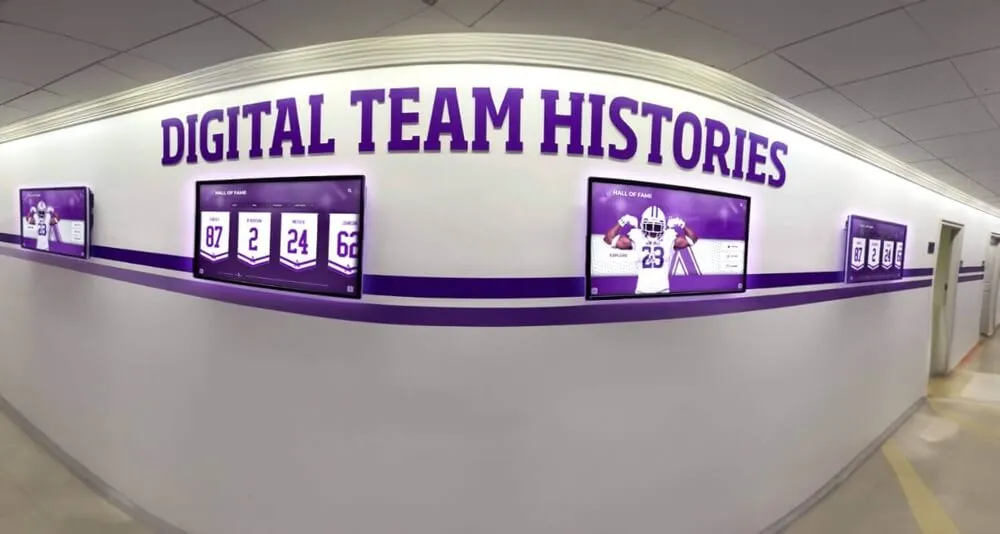
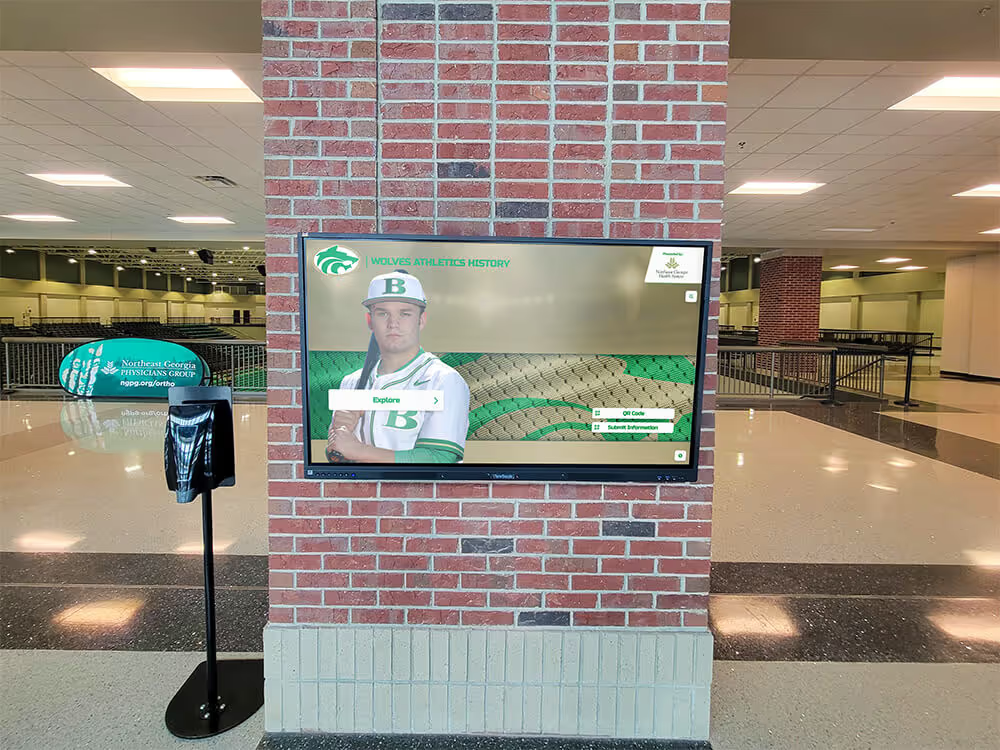
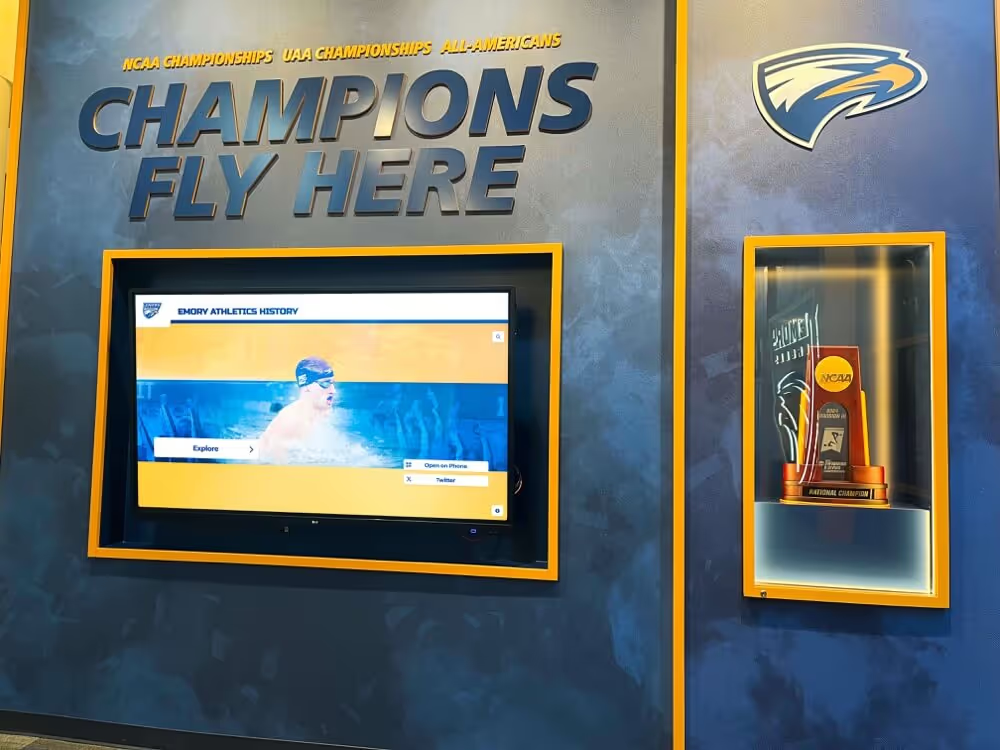
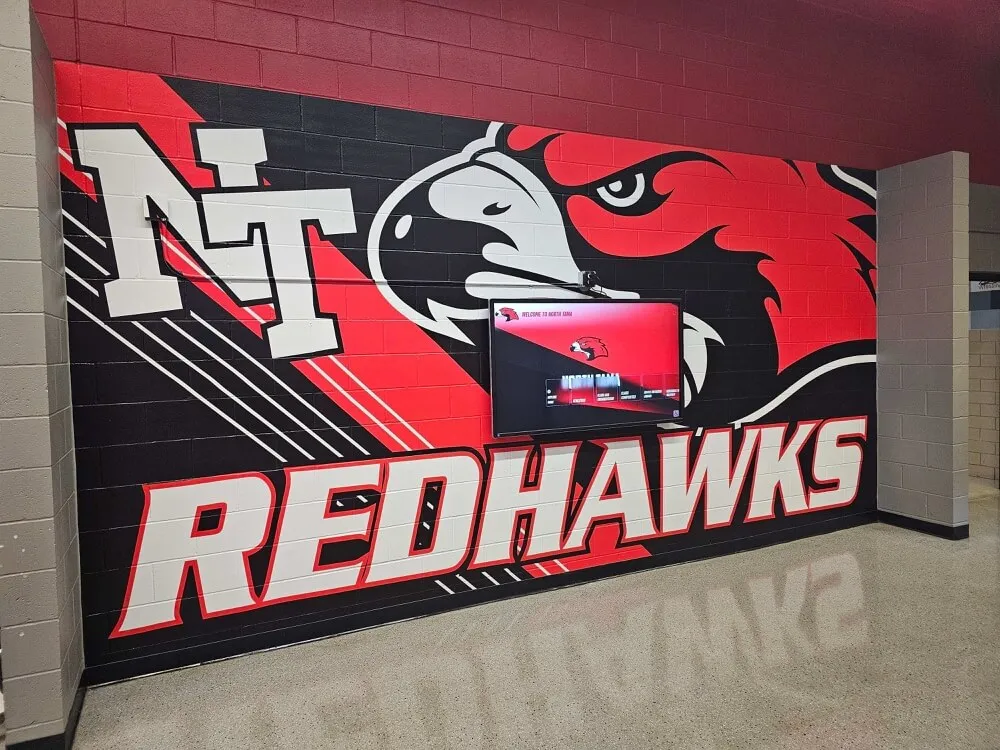
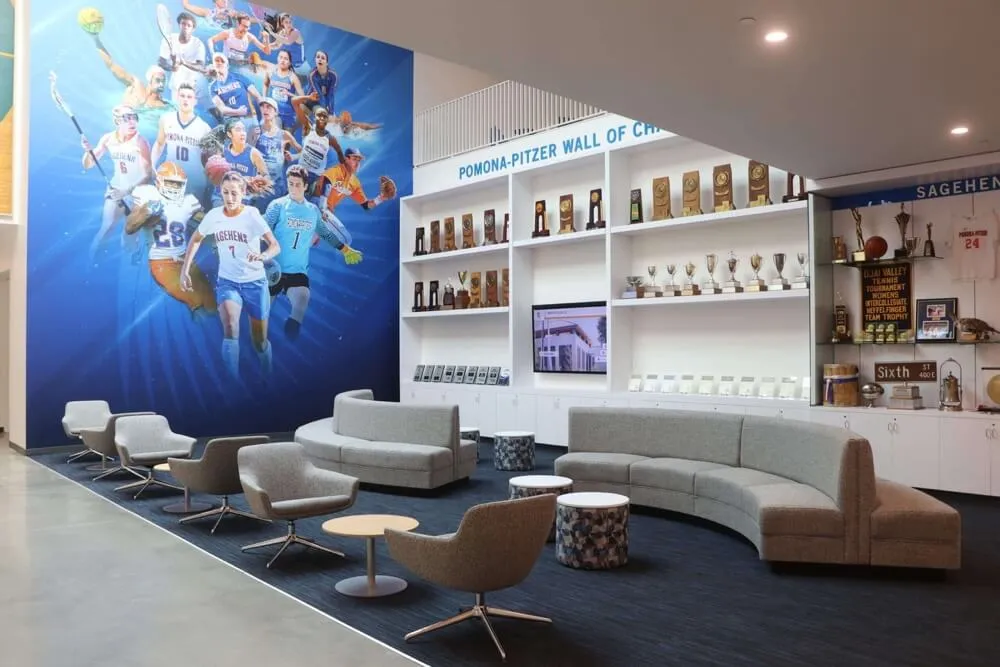
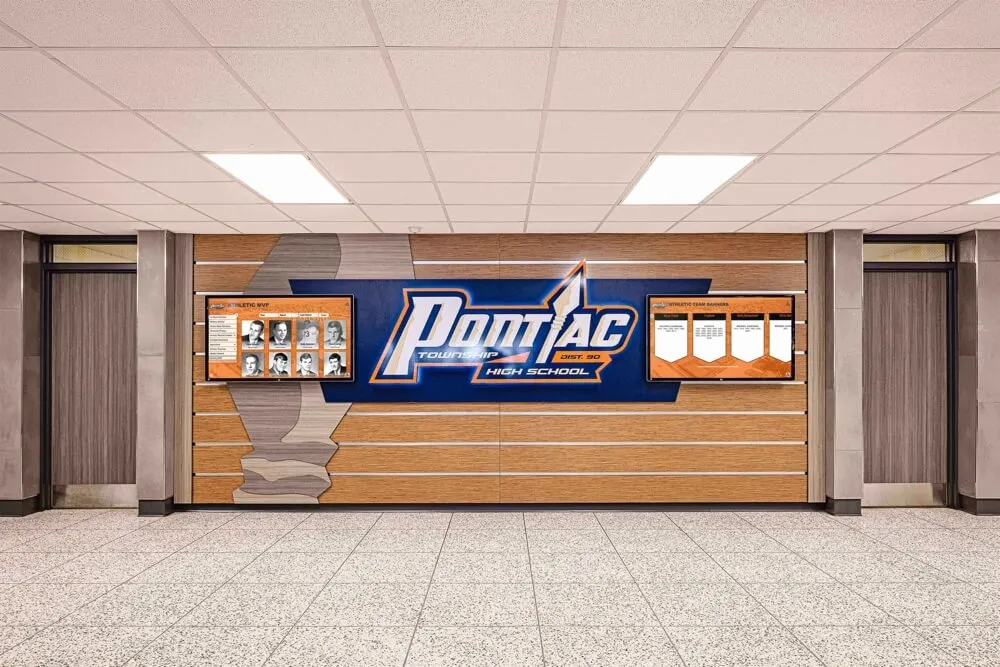
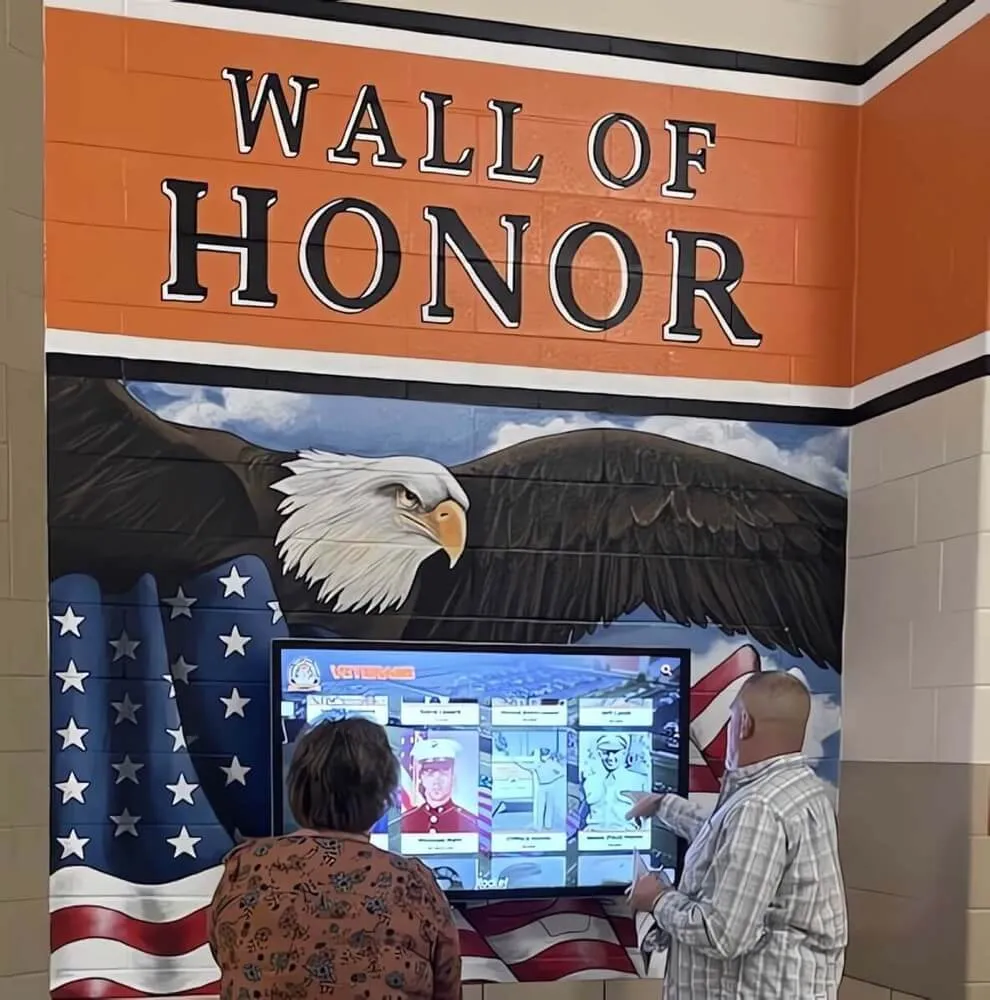
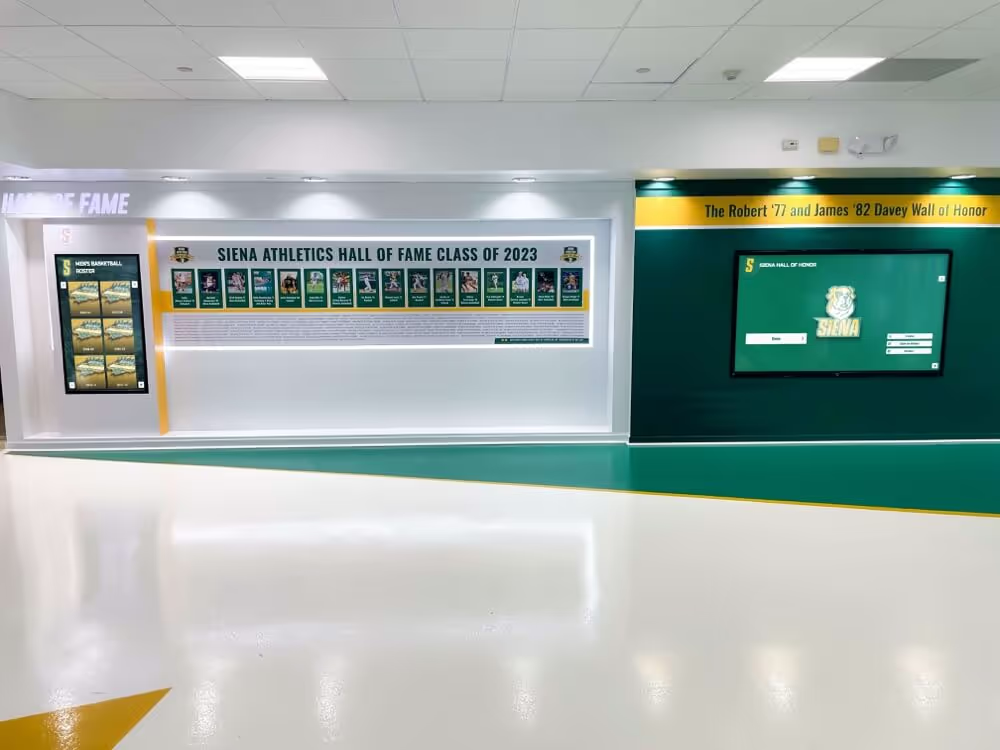
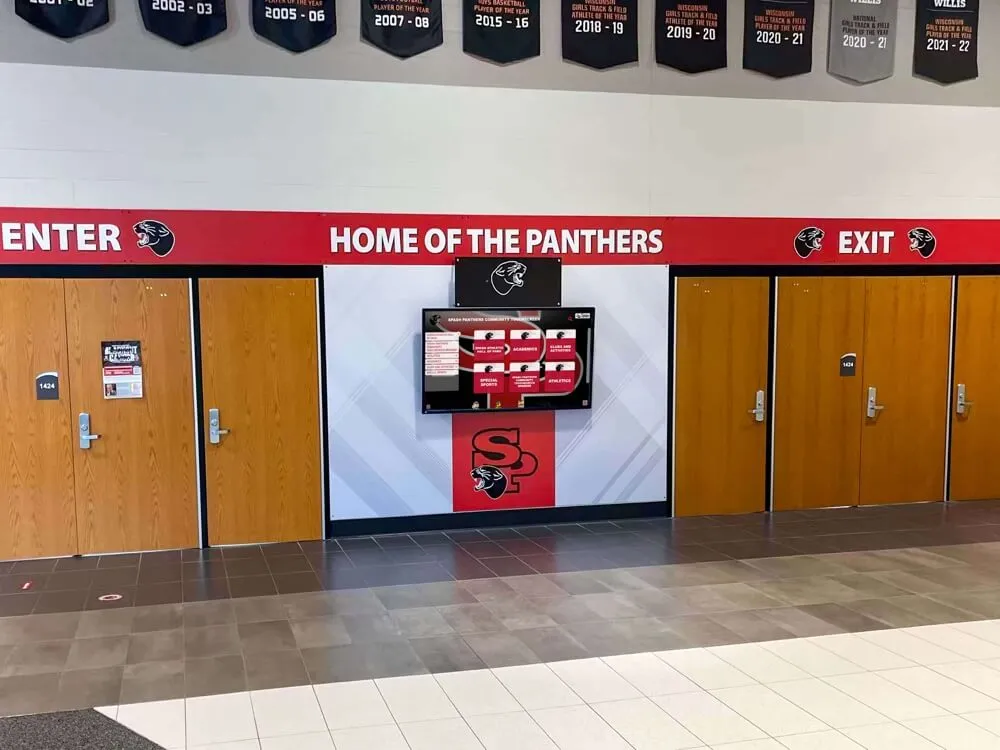
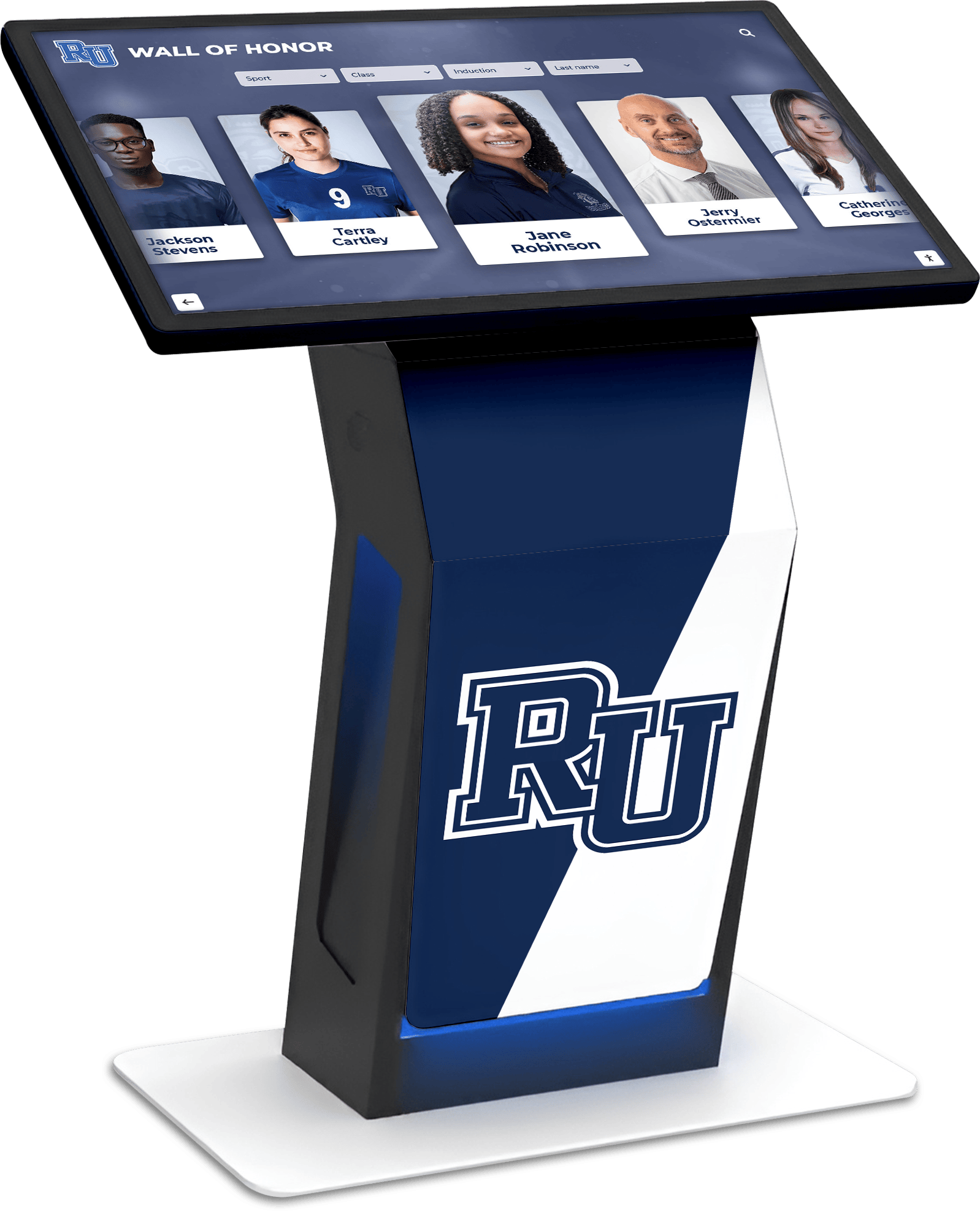
Purpose-built recognition kiosks combine commercial-grade touchscreens with carefully designed experiences celebrating capital campaign donors while showcasing facility transformations they funded
Experience Goals: What Renovation Recognition Should Accomplish
Before exploring design specifics, establish clear objectives that effective digital recognition walls must achieve during and after renovation campaigns.
Honoring Donors at Every Contribution Level
Capital campaigns typically structure recognition across multiple giving tiers—from transformational naming-level commitments through broad community participation at accessible entry points. Effective recognition celebrates all supporters proportionately while creating aspirational pathways encouraging gift progression.
Comprehensive Inclusion Without Space Constraints
Traditional donor walls accommodate perhaps 200-300 names before exhausting physical space—forcing difficult decisions about which supporters receive visibility. Successful campaigns face the paradox where fundraising achievement creates the exact problem recognition should celebrate: donor communities exceeding available wall capacity.
Digital platforms eliminate space constraints entirely, showcasing thousands of donor profiles organized by giving level, campaign phase, designation, or recognition society. Single touchscreen installations honor entire donor communities across all contribution levels—from leadership gifts funding major facility elements through annual giving donations supporting project completion.
Tiered Recognition Maintaining Dignity
Differentiated acknowledgment creates appropriate distinction between giving levels while ensuring all donors receive respectful treatment. Digital recognition implements this through profile depth varying by contribution significance—major donors receiving comprehensive biographical narratives with professional photography and impact stories, mid-level supporters getting enhanced profiles with personal testimonies and giving context, and community participants receiving name recognition with giving society membership indication.
This approach maintains dignity across all tiers while providing clear visual differentiation that major gift prospects notice during cultivation conversations—seeing peers celebrated for transformational contributions creates powerful social proof inspiring similar commitments.
Connecting Donations to Tangible Renovation Outcomes
Donors want understanding of precisely what their generosity enabled. Generic campaign acknowledgment proves far less compelling than specific outcome connections demonstrating concrete impact.
Facility Element Attribution
Digital recognition links contributions to specific renovation outcomes through designation profiles showing exactly what gifts funded: science laboratory technology enabling hands-on STEM learning, performance venue acoustics supporting exceptional arts education, athletic facility upgrades serving student-athlete development, library collections and study spaces fostering academic excellence, and accessibility improvements ensuring inclusive campus experiences.
These connections prove especially powerful when combined with before-and-after imagery showing physical transformation donor support created. Visitors understanding that Dr. Johnson’s $50,000 gift specifically funded the robotics lab now serving 300 students annually create far deeper emotional engagement than abstract campaign total acknowledgment.
Student and Program Impact Stories
Beyond physical facilities, recognition should celebrate human outcomes renovation enabled. Effective displays include student testimonials describing how renovated spaces enhanced learning experiences, teacher perspectives explaining how improved facilities elevated instructional capabilities, program achievement metrics quantifying success new spaces support, and community usage statistics demonstrating broad benefit beyond enrolled students.
This storytelling transforms recognition from backward-looking gratitude into forward-focused celebration of ongoing mission advancement donor support continues enabling.
Inspiring Future Philanthropy Through Social Proof
Recognition serves dual purposes—honoring current supporters while cultivating prospective donors through compelling demonstration of philanthropic culture.
Community Generosity Demonstration
Visible donor communities create powerful social proof signaling giving expectations within institutional cultures. When prospects touring campuses see hundreds of community members celebrated for renovation support, philanthropy appears normative rather than exceptional—increasing likelihood they’ll consider similar contributions.
Digital displays amplify this effect through prominent campaign statistics showcasing total dollars raised, donor participation percentages, and community giving breadth. These metrics demonstrate collective impact while making individual contributions feel like participation in larger movement rather than isolated transactions.
Cultivation Tool During Campus Tours
Development officers leverage recognition installations throughout prospect cultivation including campus tour stops demonstrating recognition philosophy tangibly, peer comparison moments showing respected community members celebrated for significant gifts, impact accountability through outcome metrics and testimonials, and legacy visualization helping prospects envision their own lasting recognition.
Schools implementing digital donor recognition as cultivation tools during major gift conversations report 18-27% increases in commitments over $25,000 in years following comprehensive recognition launches—demonstrating direct connections between visible, meaningful recognition and fundraising success.
Solutions like Rocket Alumni Solutions enable schools to create permanent recognition celebrating stewardship year-round while providing featured presentations during campaign events and milestone celebrations.
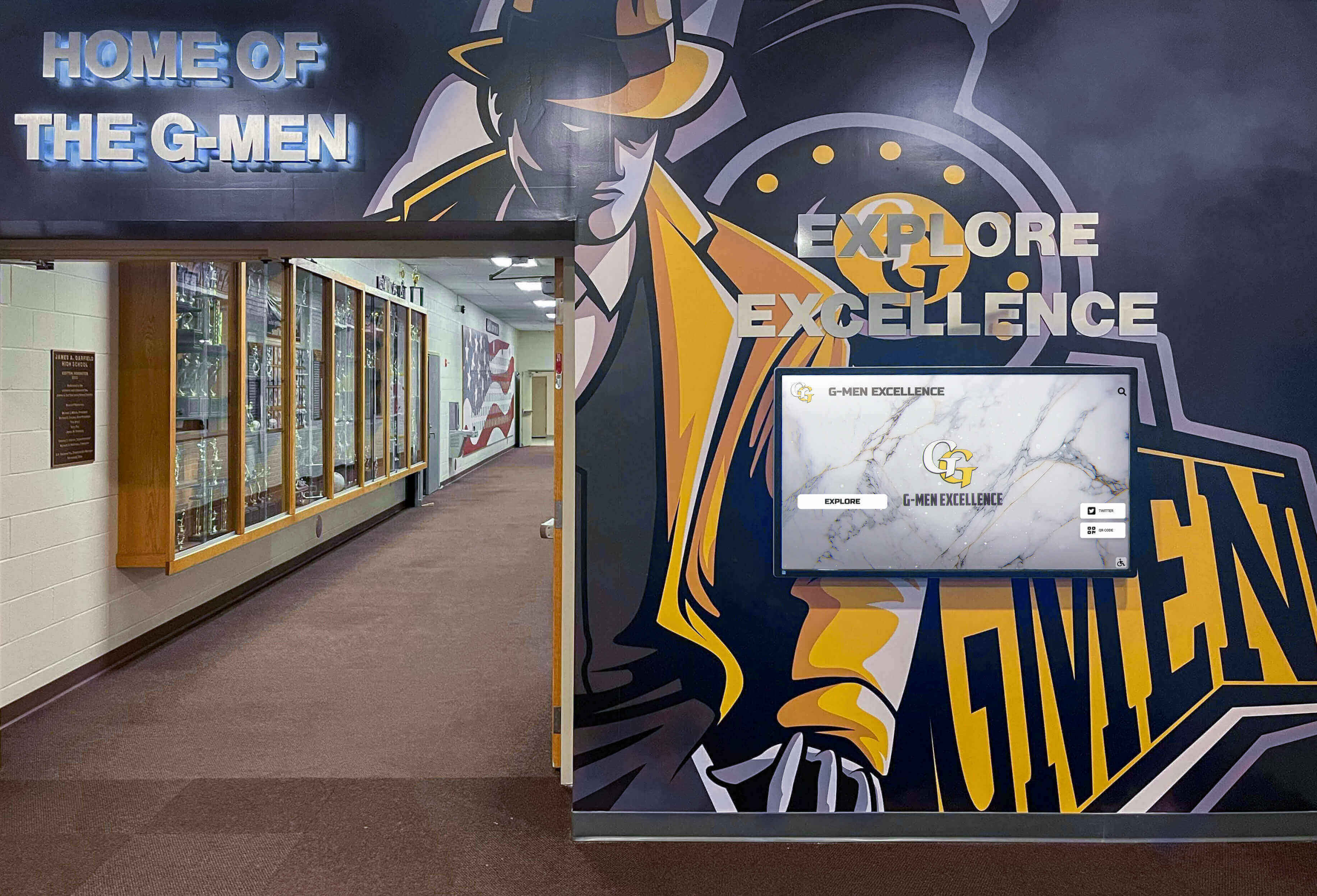
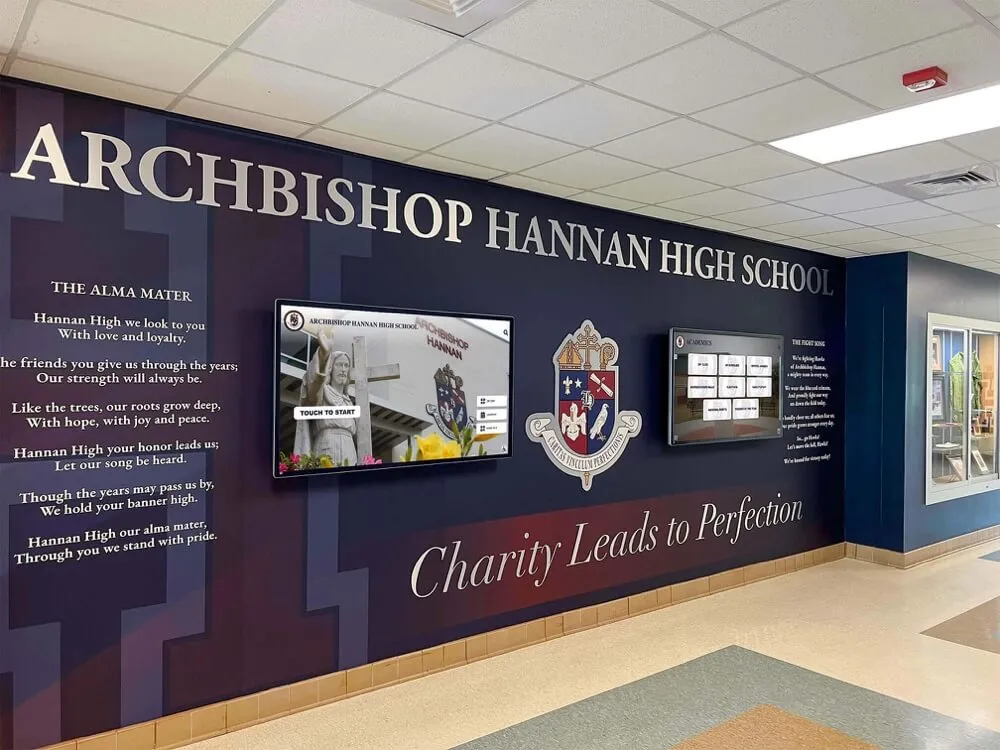
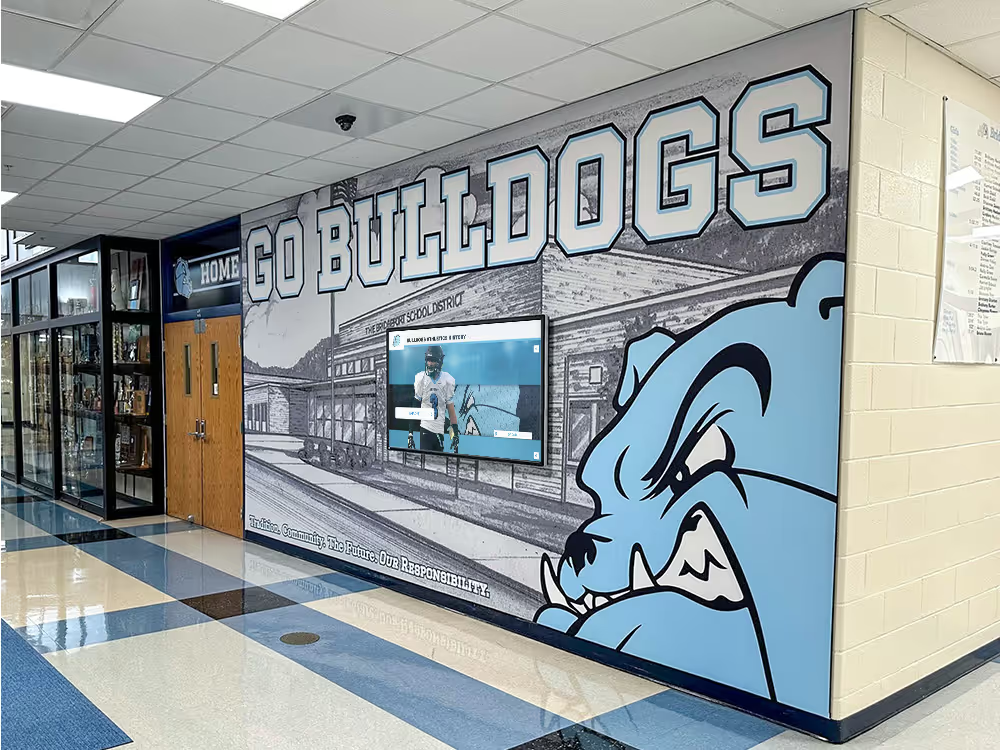
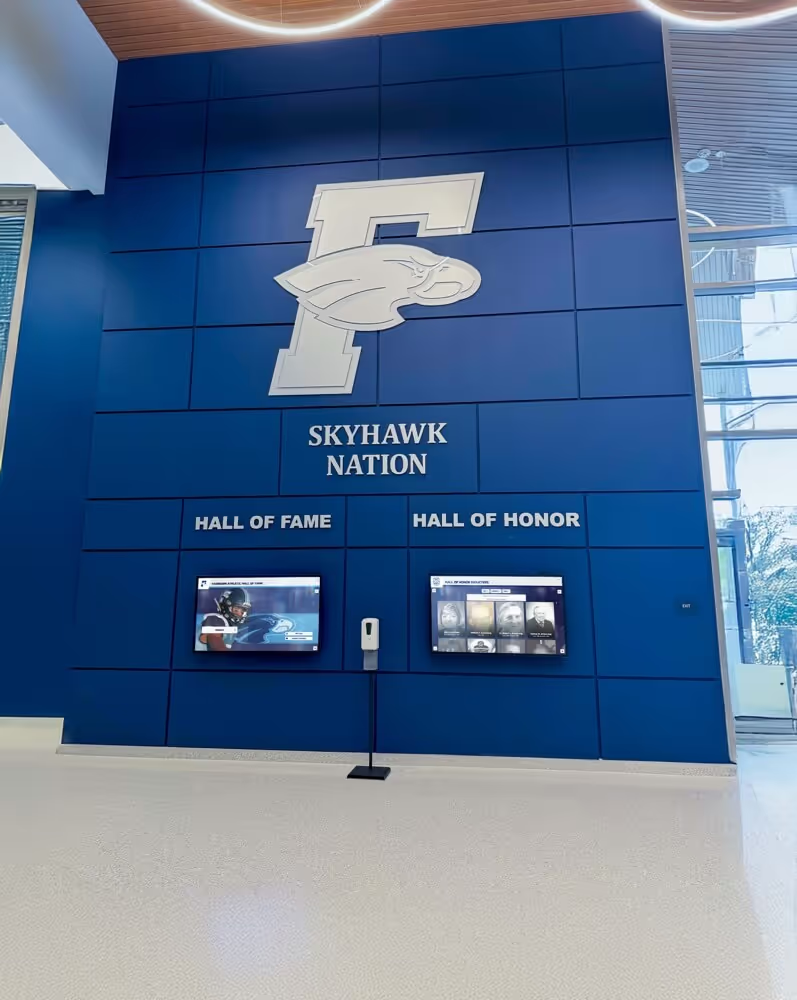
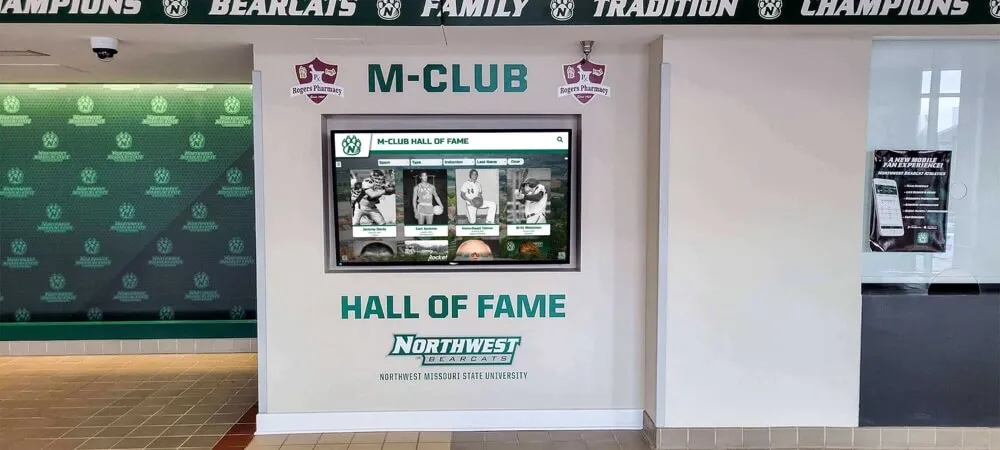
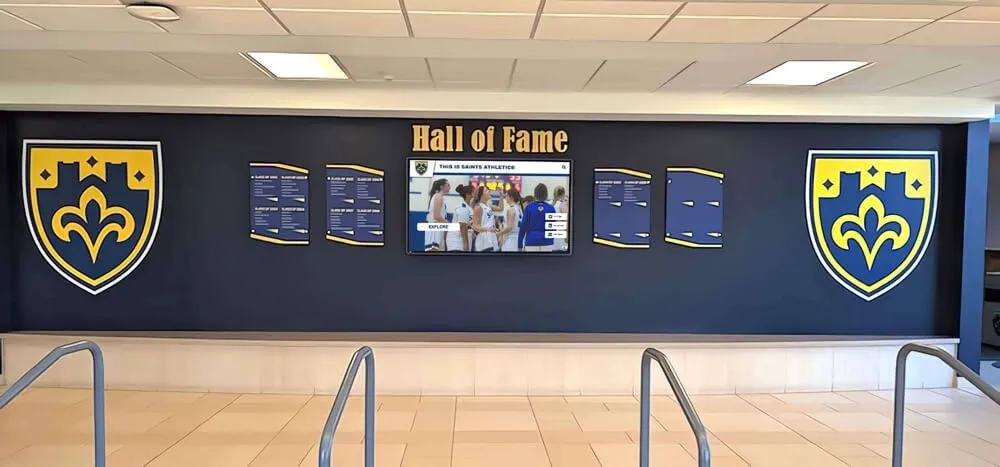
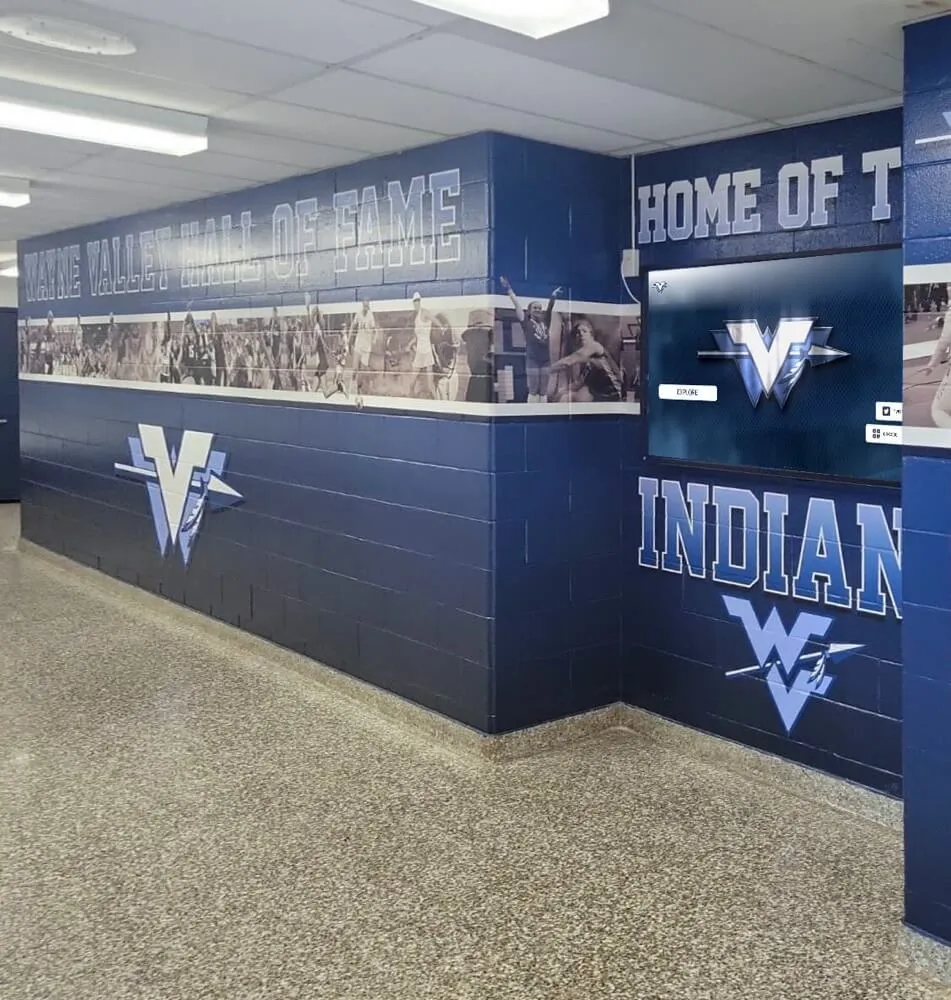
Strategic placement in renovated corridors ensures maximum visibility while celebrating the philanthropic partnership that made facility transformation possible
Layout Blueprint: Designing Renovation Recognition Experiences
Effective digital recognition follows systematic layout frameworks organizing content intuitively while creating engaging exploration that rewards extended interaction.
Home Screen: Campaign Overview and Navigation Gateway
The entry experience establishes tone and provides clear pathways for donor discovery.
Hero Zone (Top Third): Campaign Celebration
The initial screen visitors encounter should immediately communicate campaign success and renovation impact through prominent campaign branding with project title and institutional identity, completion milestone celebration showing total dollars raised and donor participation, before-and-after imagery showcasing physical transformation donors enabled, and welcoming message establishing recognition purpose and expressing institutional gratitude.
This hero content creates immediate emotional connection to campaign achievement while inviting visitors to explore individual donor stories contributing to collective success.
Featured Content (Middle Third): Spotlight Recognition
Rotating spotlight features maintain dynamic engagement for returning visitors through monthly highlighted donors showcasing different supporters prominently, recent contributors celebrating newest campaign participants, milestone acknowledgment honoring anniversary giving or significant upgrades, and impact story features connecting specific gifts to tangible outcomes.
Systematic rotation ensures recognition remains fresh rather than static archive—giving repeat visitors reasons to interact multiple times rather than assuming they’ve seen everything after initial exploration.
Navigation Zone (Bottom Third): Discovery Pathways
Clear navigation options accommodate different visitor preferences and discovery styles including search by name enabling direct donor lookup through intuitive interface, browse by giving level organizing supporters across recognition tiers, explore by designation filtering donors supporting specific renovation elements, campaign timeline showing gift chronology throughout multi-year initiatives, and virtual facility tour connecting donors to physical spaces their support created.
Multiple pathways ensure all visitors find intuitive entry points regardless of whether they seek specific individuals or prefer exploratory browsing.
Persistent Elements Throughout Experience
Maintain consistent interface elements across all screens including home button providing quick return to entry experience, search icon offering always-accessible donor lookup, campaign information access to renovation details and impact metrics, and share functionality enabling donors to amplify recognition through social networks.
These persistent elements create confidence and control throughout navigation—visitors always know where they are and how to access desired content.
Donor Profile Screens: Comprehensive Acknowledgment
Individual donor profiles create the heart of recognition experiences—celebrating supporters appropriately while demonstrating stewardship and impact accountability.
Profile Layout Structure
Organize donor profile content through clear hierarchical presentation including profile header (left third) with professional photography, prominent name display, recognition society badges, and giving level indication, biographical content (right two-thirds) featuring personal testimony or institutional connection narrative, designation details linking gifts to specific renovation elements, giving tenure recognizing sustained support beyond single campaign, and family legacy context for multi-generational donors.
Supporting media below main content should incorporate photo galleries showing donors engaged with programs or at campaign events, video testimonials when available capturing authentic donor voices, related donor connections highlighting friends or colleagues also supporting campaigns, and impact metrics demonstrating outcomes their contributions enabled.
Tiered Content Depth by Giving Level
Implement differentiated profile development appropriate to contribution significance:
- Transformational Gifts ($100,000+): Comprehensive 600-800 word biographical narratives, professional photography (3-5 images), video testimonials (90-180 seconds), detailed impact stories connecting gifts to specific beneficiaries, family legacy context for multi-generational giving
- Leadership Circle ($50,000-$99,999): Enhanced 400-600 word profiles, professional photography (2-3 images), impact metrics connecting gifts to outcomes, personal testimonies explaining giving motivations
- Principal Circle ($25,000-$49,999): Standard 250-400 word profiles, professional photo, renovation element designation, giving tenure recognition
- Benefactor Circle ($10,000-$24,999): Concise 150-250 word acknowledgment, professional photo, recognition society membership indication
- Community Circle ($1,000-$9,999): Basic profiles with photo, name, giving level, campaign participation acknowledgment
This tiered approach creates aspiration pathways encouraging gift progression while ensuring all contributors receive visible appreciation regardless of capacity.
Before-and-After Integration
Capital campaign recognition proves especially powerful when profiles connect directly to physical transformations. Include split-screen comparisons showing renovation areas before construction and after completion, construction progress photography documenting transformation timeline, dedication moments capturing ribbon-cutting or naming ceremonies, and usage imagery showing students, teachers, and community members benefiting from improved facilities.
These visual connections transform abstract financial contribution acknowledgment into tangible celebration of specific outcomes donor generosity created.
Explore comprehensive donor recognition screen design strategies that apply layout principles at institutional scale.
Campaign Impact Dashboard: Demonstrating Accountability
Beyond individual donor profiles, effective recognition showcases collective campaign outcomes through centralized impact presentations.
Financial Milestone Visualization
Create visual representations of campaign progress including total dollars raised with comparison to campaign goal, donor participation statistics showing community engagement breadth, giving level distribution demonstrating support across all tiers, campaign timeline showing fundraising momentum throughout multi-year initiatives, and designation breakdown illustrating how contributions allocated across renovation priorities.
Present these metrics through engaging data visualizations—progress bars, pie charts, timeline graphics—maintaining visual interest while communicating accountability clearly.
Facility Outcome Metrics
Connect fundraising dollars to concrete educational outcomes including square footage renovated or added, student capacity increases in upgraded spaces, technology enhancements and equipment installed, sustainability improvements and operational savings, and accessibility upgrades ensuring inclusive campus experiences.
Program Impact Stories
Balance quantitative metrics with qualitative human narratives including student testimonials describing how renovated facilities enhanced learning, teacher perspectives explaining instructional improvements spaces enabled, program achievement statistics showing measurable success, community usage data demonstrating benefit beyond enrolled students, and future opportunity articulation describing continuing advantage renovations provide.
This multi-faceted accountability approach builds donor confidence while demonstrating that philanthropy created lasting value extending far beyond construction completion.
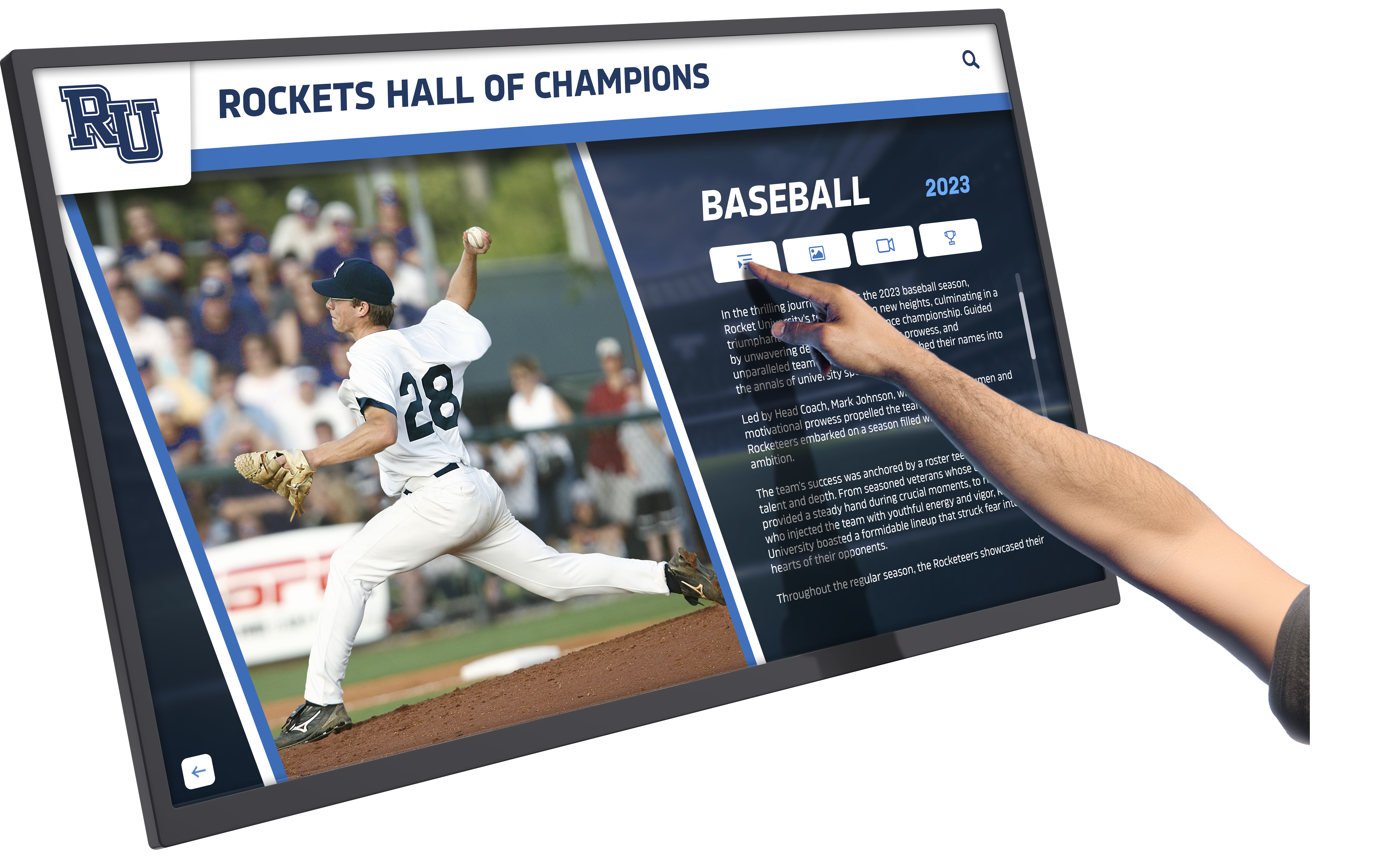
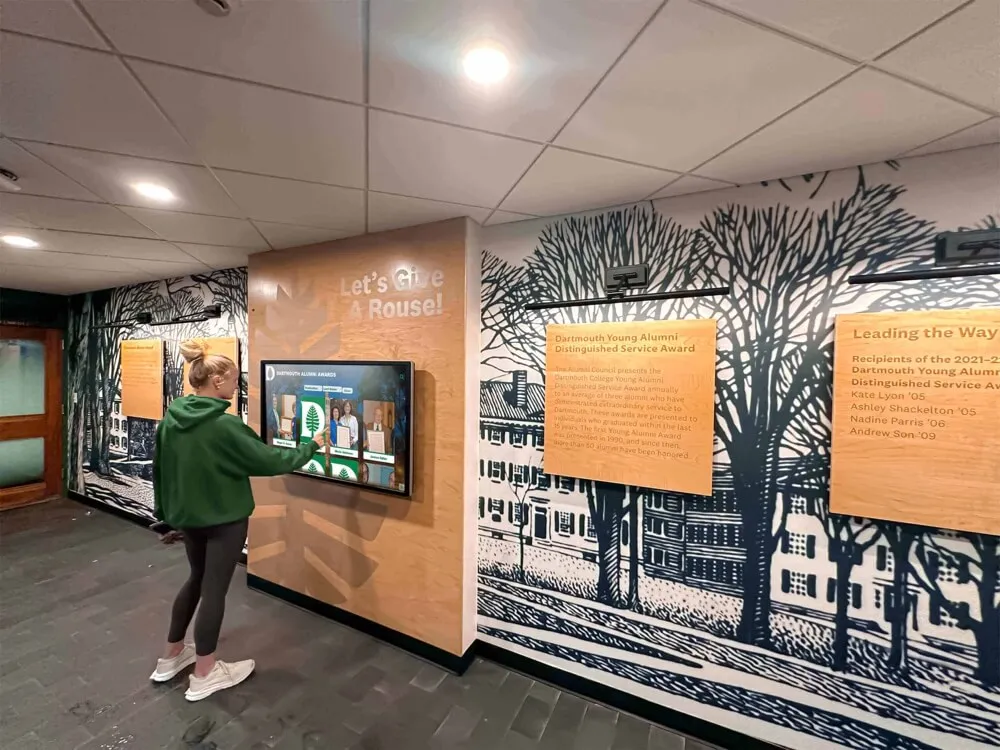
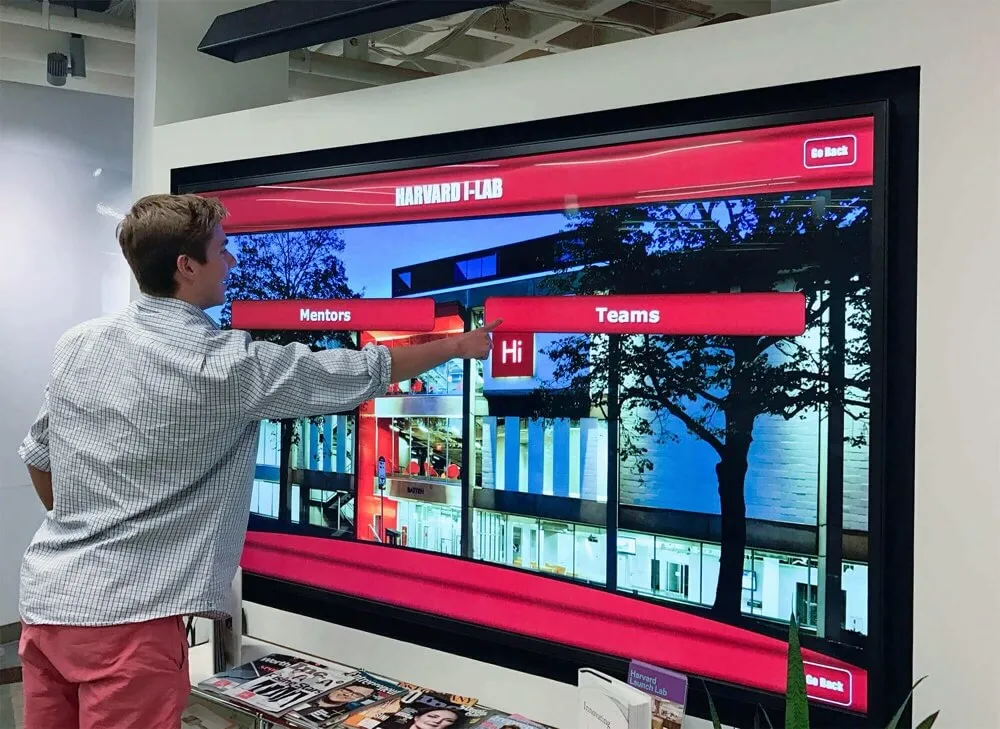
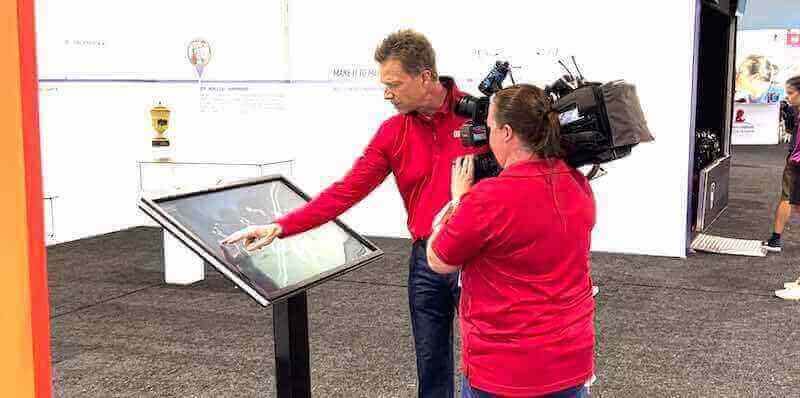
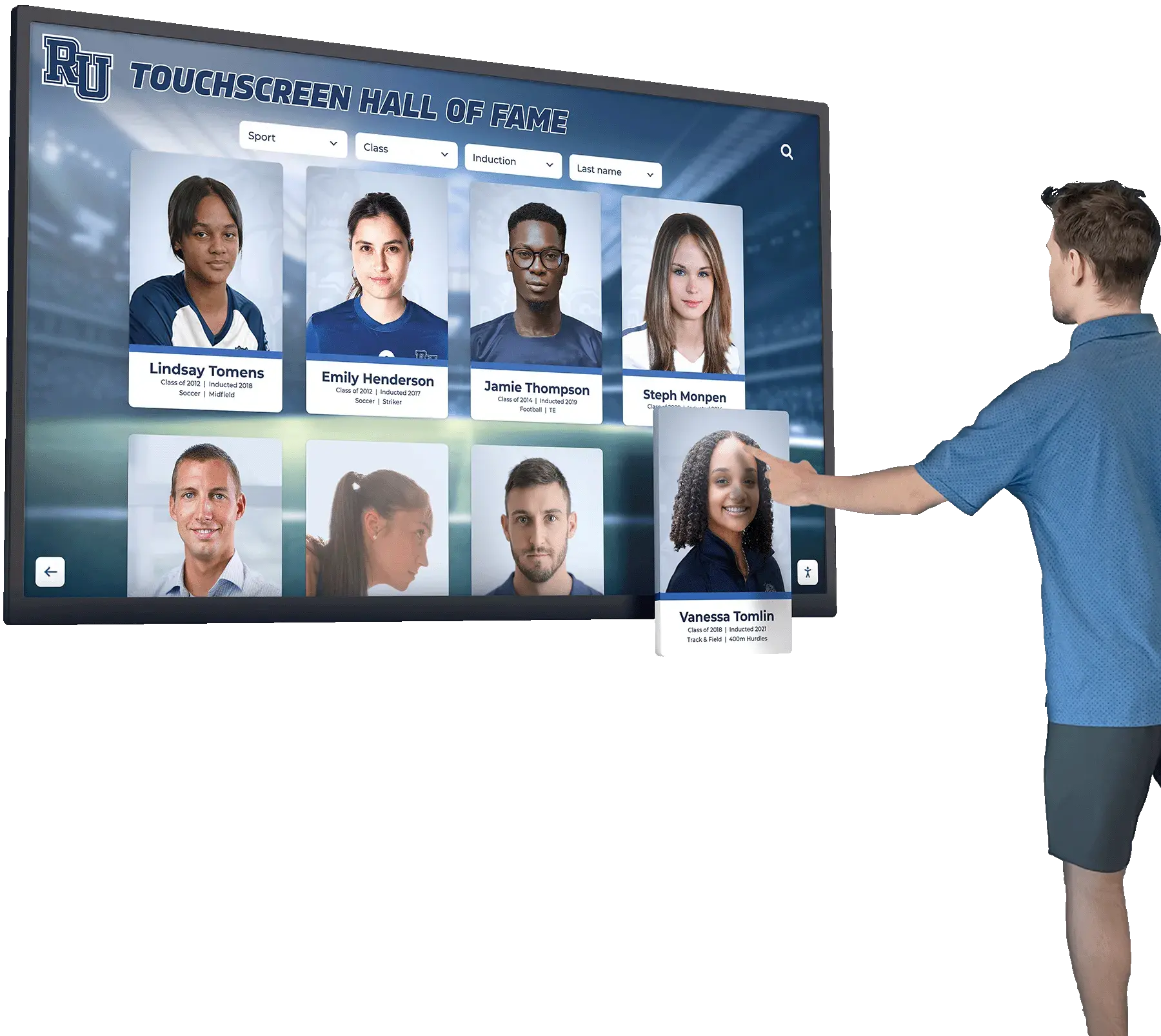
Intuitive touch interactions enable community members to explore donor stories, view before-and-after photos, and discover renovation connections at their own pace
Content Strategy: Gathering and Organizing Recognition Materials
Compelling content transforms technology platforms into meaningful experiences that honor donors while advancing development goals.
Donor Information Collection Systems
Implement systematic processes ensuring regular content flow supporting rich profile development.
Post-Gift Engagement Workflows
Establish donor outreach sequences following campaign commitments including immediate gratitude communications expressing appreciation and confirming recognition preferences, scheduled profile interviews (2-4 weeks post-gift) developing biographical content for leadership donors, photography session invitations coordinating professional portraits at campaign events or campus visits, and testimonial requests asking donors to share giving motivations and institutional connections.
Most donors willingly provide information when asked thoughtfully during stewardship conversations—schools implementing systematic gathering processes report 65-75% of major donors providing biographical content, professional photography, and personal testimonies supporting enhanced profile development.
Recognition Preference Documentation
Respect diverse donor privacy preferences through comprehensive choice offerings including public recognition with full biographical information and multimedia content, name-only recognition without detailed profiles or personal information, anonymous recognition indicating contribution level without donor identification, or no public recognition honoring desires for complete privacy.
Document preferences clearly in advancement databases and honor consistently across all recognition channels—including digital displays, websites, printed materials, and event presentations.
Family and Legacy Content Gathering
Many renovation donors represent multi-generational giving families whose support spans decades. Capture this context through alumni office collaboration identifying family connections across generations, historical photo archives discovering vintage campus imagery showing donors during student years, advancement database research revealing cumulative giving histories and sustained engagement patterns, and family interviews documenting legacy motivations connecting past experiences to current philanthropy.
This historical perspective adds depth demonstrating institutional relationships extending far beyond single transactions—creating more meaningful acknowledgment while inspiring similar legacy giving among younger community members.
Renovation Documentation Throughout Construction
Capital campaign recognition proves especially compelling when incorporating rich visual documentation of physical transformation process.
Construction Progress Photography
Establish systematic documentation workflows throughout renovation timelines including pre-construction baseline imagery showing facilities before renovation began, demolition and site preparation documenting transformation initiation, construction milestone photography capturing progress at 25%, 50%, 75% completion stages, finishing and detail work showing quality craftsmanship donors funded, and completion imagery celebrating finished spaces ready for educational use.
Coordinate with general contractors ensuring job site access for photography while maintaining safety protocols and avoiding construction disruption.
Dedication and Opening Ceremonies
Campaign completion events provide rich content opportunities including ribbon-cutting ceremonies with major donors, student and faculty reactions experiencing renovated spaces first time, community celebrations marking renovation milestones, leadership acknowledgment honoring campaign volunteers and institutional champions, and donor testimonials captured during emotional dedication moments.
These authentic celebration moments create compelling multimedia content impossible to recreate after events conclude—making systematic capture essential.
Student and Program Usage Documentation
Following renovation completion, document ongoing educational impact through regular usage photography showing students engaged in renovated learning spaces, teacher interviews describing instructional improvements facilities enable, program achievement documentation connecting outcomes to facility enhancements, community usage imagery demonstrating benefit beyond enrolled students, and seasonal variation capturing how spaces serve evolving educational needs throughout academic years.
This continuing documentation demonstrates that renovation impact extends far beyond construction completion—donor support creates lasting value advancing missions for decades.
Discover capital campaign donor recognition best practices providing comprehensive content development frameworks.

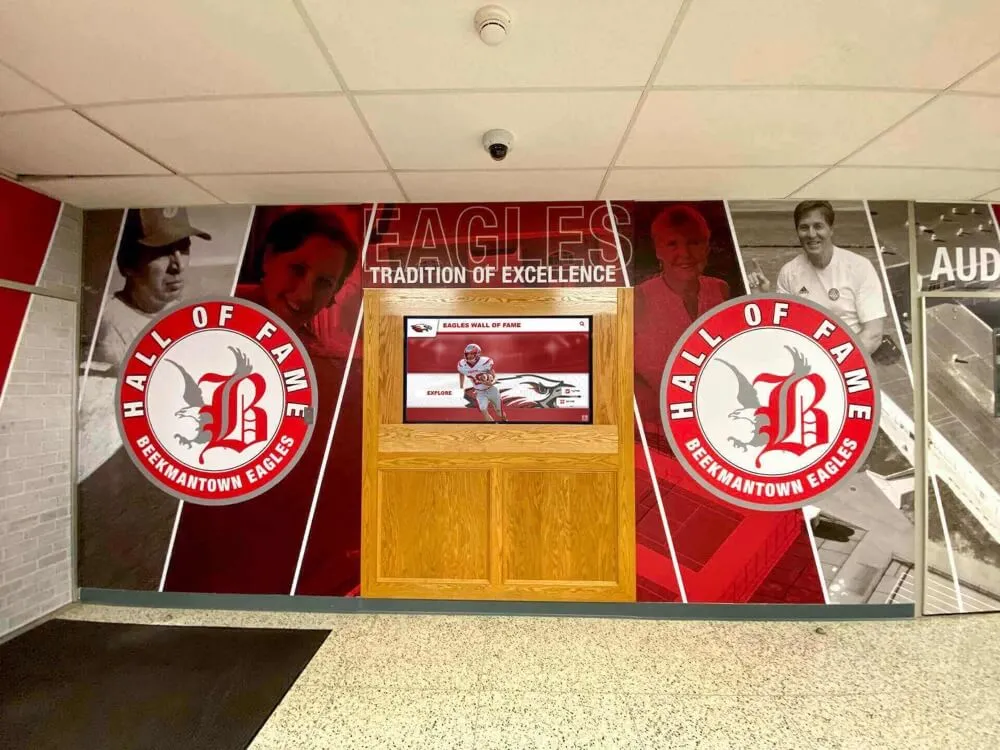
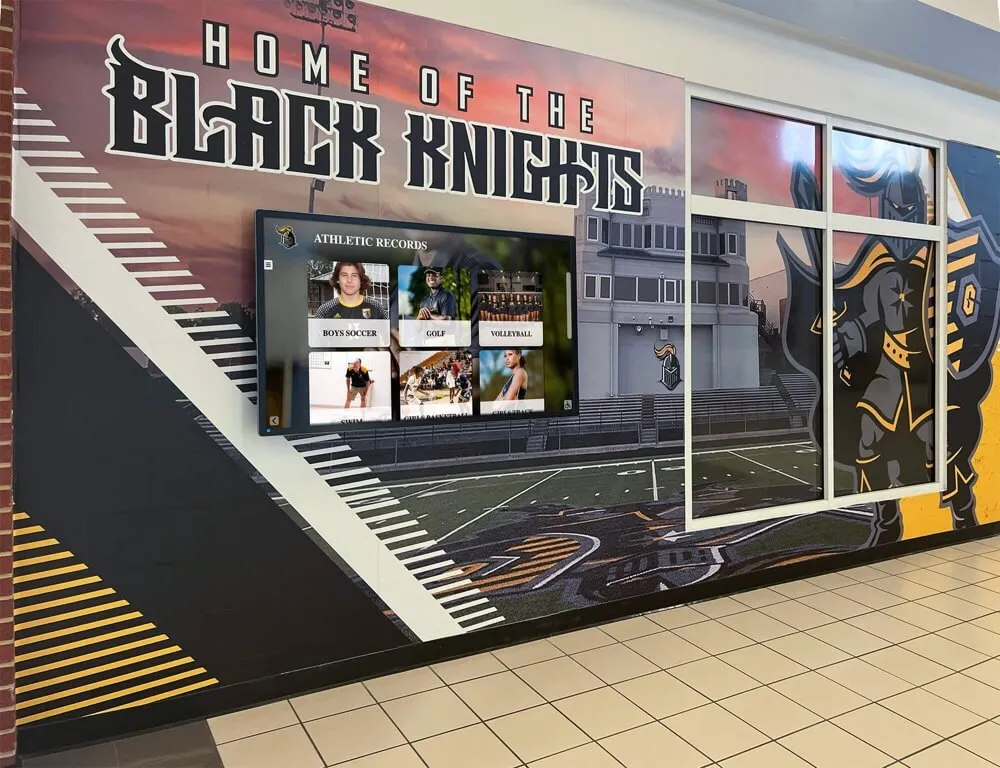
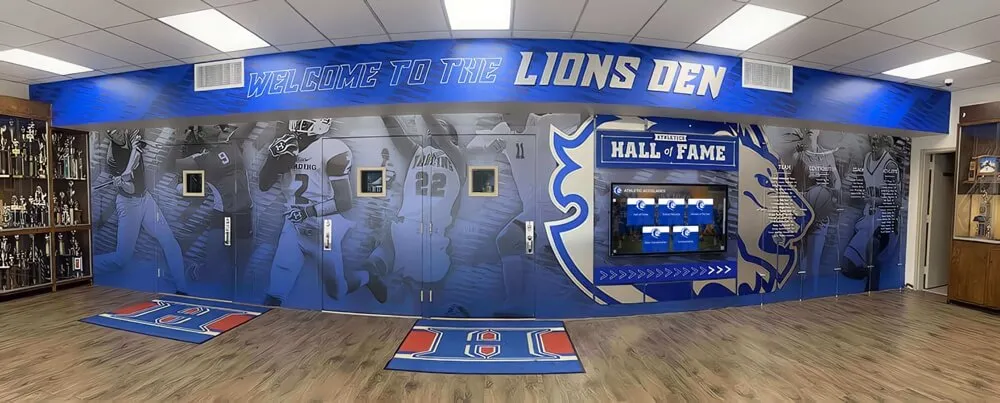
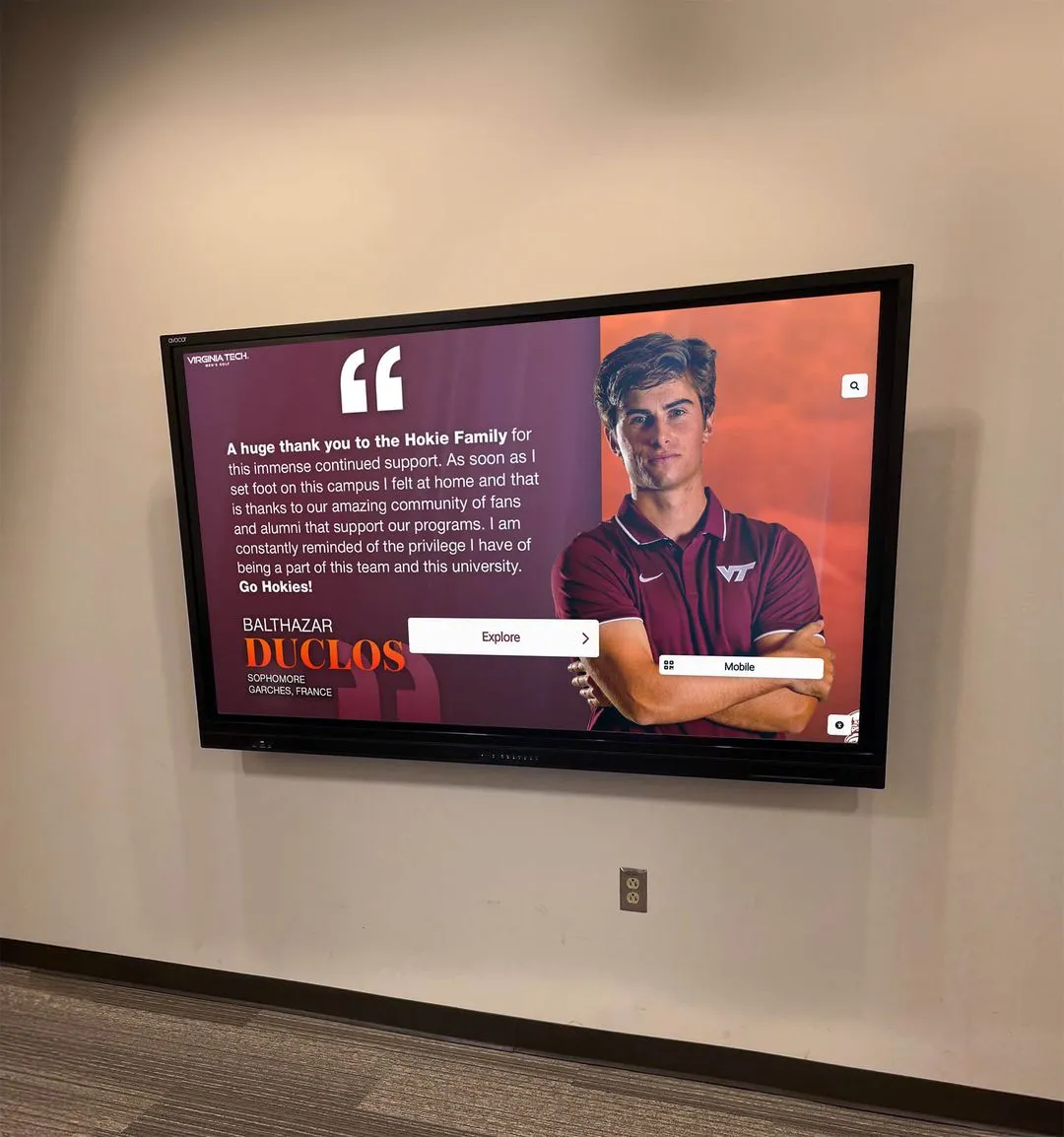
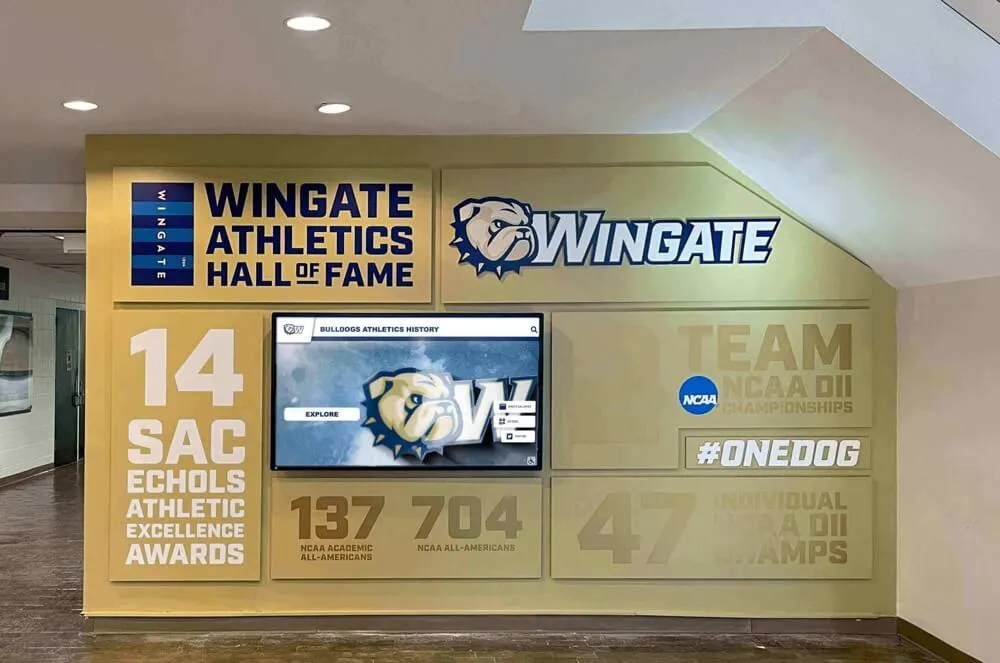
Thoughtful architectural integration ensures recognition displays complement rather than compete with renovation design while maintaining prominent visibility
Hardware Selection: Specifications for Educational Environments
Renovation recognition installations demand commercial-grade equipment ensuring reliable operation throughout decades of continuous institutional use.
Commercial Display Requirements
Consumer electronics fail quickly under institutional operating patterns—specify purpose-built solutions rated for public space deployment.
Operating Hour Ratings
Educational displays operate continuously throughout school days (7am-5pm minimum) plus evening events, requiring commercial ratings supporting 16-24 hours daily operation without premature failure. Consumer displays designed for residential use (8-12 hours daily maximum) typically fail within 18-24 months under educational usage patterns—making higher initial cost of commercial displays far better long-term investments.
Specify displays rated minimum 50,000-70,000 operating hours ensuring 8-10 year functional lifespans under continuous institutional use.
Screen Size and Resolution
Balance visibility requirements against installation constraints including display size 43-55 inches providing comfortable viewing in corridor and lobby environments without overwhelming architectural scale, resolution minimum 1080p with 4K preferred ensuring crisp text legibility and image clarity at close viewing distances, and brightness 350-450 nits maintaining visibility in typical educational lighting without excessive glare.
Consider viewing distances when selecting sizes—corridors typically require 43-49 inch displays at 6-10 foot viewing distances, while lobby installations accommodate 50-55 inch screens with 10-15 foot typical viewing ranges.
Touch Technology and Responsiveness
Intuitive interaction requires responsive, precise touch sensing through capacitive multi-touch technology (10+ point) enabling gesture support and smooth interactions, tempered glass surfaces resisting scratches and impacts common in educational environments, edge-to-edge touch capability ensuring consistent responsiveness across entire screen area, and immediate response feedback preventing confusion during high-traffic usage periods.
Poor touch responsiveness creates frustration undermining engagement—invest in quality touch technology ensuring consistently excellent user experiences.
Durability and Warranty Protection
Educational environments demand robust construction including hardened glass screens resisting impacts from bags, equipment, and accidental contact, sealed electronics protecting against dust and minor moisture typical in institutional spaces, tamper-resistant mounting hardware preventing unauthorized removal or adjustment, and commercial warranty coverage (minimum 3 years) providing confidence through extended protection periods.
Extended warranties prove valuable given installation costs—replacing failed displays requires significant expense beyond equipment alone including reinstallation, network reconfiguration, and potential architectural coordination.
Computing and Network Infrastructure
Adequate processing power and reliable connectivity ensure smooth, responsive experiences supporting complex multimedia content.
Computing Specifications
Purpose-built media players or integrated computer systems should provide processor minimum Intel i5 or AMD Ryzen 5 (i7/Ryzen 7 preferred for 4K content and video playback), memory 8GB RAM minimum with 16GB preferred for complex multimedia and smooth navigation, storage 256GB+ SSD enabling fast content loading and responsive system performance, graphics dedicated GPU supporting 4K displays and smooth video playback, and operating system Windows 10/11 Pro or Linux distributions supporting commercial deployment and remote management.
Underpowered computing creates sluggish interactions frustrating users—adequate specifications ensure recognition experiences feel responsive and professional.
Network Connectivity Requirements
Reliable operation demands robust network infrastructure including gigabit ethernet strongly preferred over WiFi for stability and security, dedicated network drops avoiding wireless congestion and interference, Power over Ethernet (PoE) consideration simplifying installation when compatible equipment selected, remote management capability enabling IT support without physical display access, and content delivery network coordination ensuring efficient media synchronization.
Schools should involve IT departments early in planning ensuring network infrastructure adequately supports recognition installations throughout expected operational lifespans.
Content Management Platform
Recognition software fundamentally determines long-term value and usability including cloud-based operation enabling management from any internet-connected device, intuitive content management requiring no technical expertise or coding knowledge, template systems ensuring consistent donor profile creation, bulk import capabilities handling large data sets efficiently, scheduled publishing coordinating content updates with campaign milestones, and multi-user access with role-based permissions supporting collaborative management.
Solutions like Rocket Alumni Solutions provide specialized platforms designed specifically for institutional recognition rather than generic digital signage systems—delivering superior functionality addressing unique donor acknowledgment requirements that generic platforms cannot match.
Learn about interactive digital donor wall implementation covering platform evaluation and selection considerations.
Professional Installation and Architectural Integration
Recognition displays should complement renovation architecture rather than appearing as afterthoughts or compromising aesthetic integrity.
Mounting Options and Placement
Coordinate display installation with architectural design including wall-mount installations using low-profile commercial mounts positioned at 42-48 inch height from floor (wheelchair accessible), floor kiosk enclosures providing flexible placement with integrated computing and security features, architectural integration recessing displays within wall cavities maintaining flush surfaces, and custom millwork surrounds creating refined presentations matching institutional aesthetics.
Early coordination with architects ensures recognition installations integrate seamlessly with overall renovation design rather than requiring compromising accommodation after construction completion.
Electrical and Data Infrastructure
Professional installation coordinates all necessary infrastructure including dedicated 110V electrical circuits with surge protection preventing equipment damage, network cabling (Cat6 minimum) supporting gigabit ethernet connectivity, cable management routing all wiring concealed within walls maintaining clean presentations, and future-proofing additional conduit capacity accommodating potential equipment upgrades or technology evolution.
Accessibility Compliance
Ensure installations meet ADA requirements including mounting heights enabling comfortable wheelchair user interaction, reach zones ensuring all interactive elements accessible from seated positions, clearance providing adequate maneuvering space without circulation obstruction, and alternative access through web and mobile interfaces supporting visitors unable to use physical touchscreens.
Accessibility represents both legal compliance requirement and moral imperative ensuring recognition celebrates entire communities inclusively.
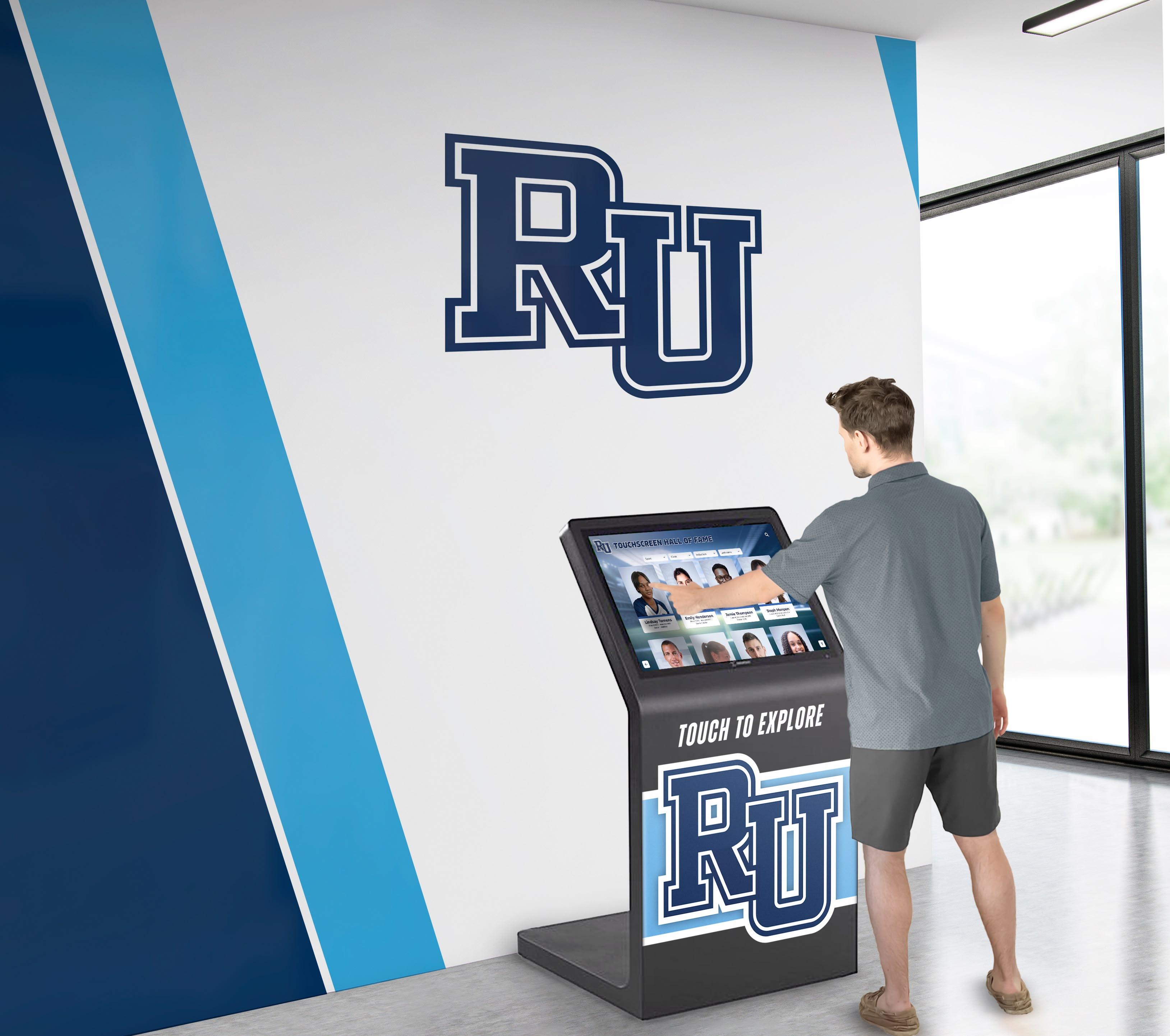
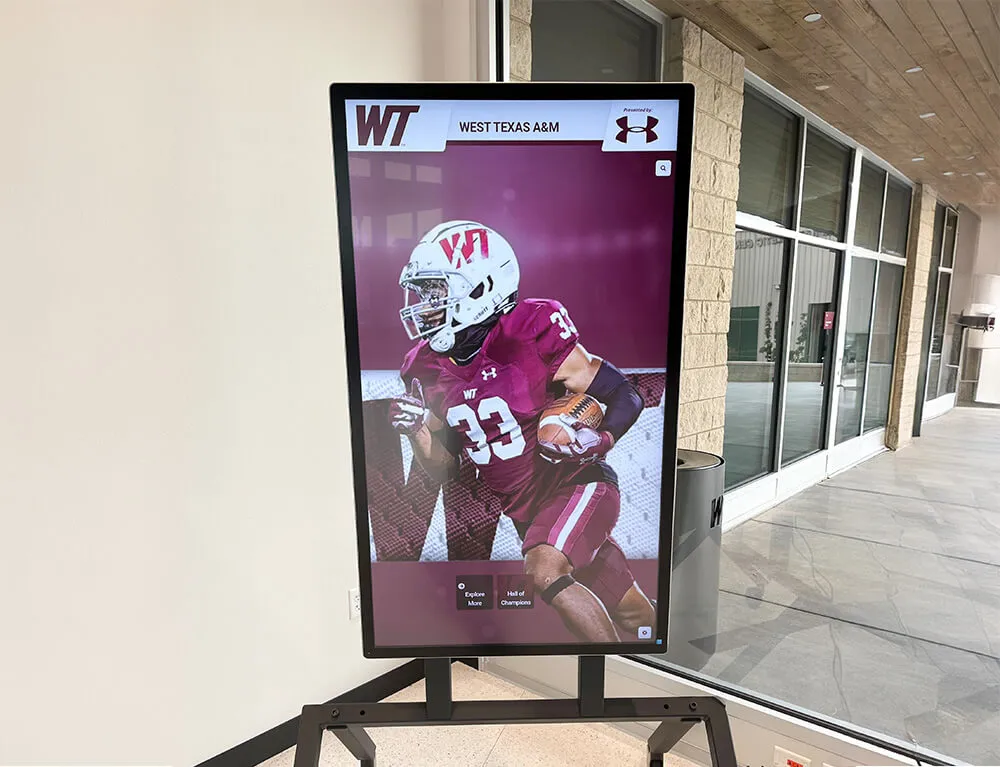
Free-standing kiosks offer flexible placement throughout renovated facilities while maintaining secure installations and professional presentations
Project Timeline: Coordinating Recognition with Renovation Schedules
Strategic planning ensures recognition installations integrate smoothly with overall renovation project timelines.
Pre-Construction Phase: Planning and Design (Months 1-3)
Begin recognition planning concurrent with architectural design development including stakeholder alignment sessions establishing recognition philosophy and requirements, donor data compilation exporting accurate lists from advancement databases, content planning workshops defining profile structures and information gathering processes, hardware specification coordination with architects and technology consultants, and budget allocation securing adequate resources for quality implementation.
Early involvement prevents costly retrofits or compromises accommodating recognition installations after architectural designs finalize—ensuring optimal placement and integration from project inception.
Construction Phase: Preparation and Content Development (Months 4-15)
During active construction, focus on content preparation including donor outreach implementing systematic information gathering workflows, photography sessions capturing professional portraits at campaign events, renovation documentation coordinating construction progress photography, profile development drafting biographical narratives and impact stories, and media production creating or commissioning videos and visual assets.
This parallel workstream ensures comprehensive content readiness supporting recognition launch immediately following renovation completion rather than delaying acknowledgment during extended post-construction content development.
Installation Phase: Deployment and Testing (Months 16-17)
Coordinate recognition installation with final construction phases including infrastructure completion ensuring electrical and network cabling ready before display arrival, equipment delivery and mounting professional installation of screens and computing systems, network configuration establishing connectivity and remote management, content loading and testing verifying all donor profiles display correctly, and quality assurance comprehensive testing ensuring reliable operation.
Schedule installation during project final phases allowing adequate testing before public opening while avoiding interference with active construction in other facility areas.
Launch Phase: Activation and Promotion (Month 18)
Coordinate recognition debut with renovation completion celebrations including soft launch enabling internal testing and refinement before broad public exposure, donor preview event providing exclusive first viewing opportunity for campaign supporters, dedication ceremony integrating recognition presentation with renovation opening, promotional campaign driving awareness and encouraging community exploration, and feedback collection gathering initial user observations informing rapid iteration.
Strategic launch positioning recognition as celebration centerpiece rather than administrative afterthought—maximizing visibility and community engagement while demonstrating institutional appreciation for donor partnership.
Explore school gala fundraiser recognition strategies providing event integration frameworks.
Ongoing Management: Maintaining Recognition Excellence
Recognition requires continuous attention maintaining relevance and ensuring technology reliability throughout operational lifespans.
Content Update Cadence
Establish systematic refresh schedules ensuring recognition remains current including weekly updates adding new donors as campaign contributions process, monthly features rotating spotlight donors and campaign progress metrics, quarterly refreshes incorporating new impact stories and renovation usage documentation, and annual reviews conducting comprehensive content audits identifying outdated information requiring revision.
Timely updates demonstrate operational efficiency and institutional appreciation—donors value prompt acknowledgment reinforcing positive giving experiences while gratitude feels fresh.
Technical Maintenance Protocols
Protect hardware investments through proper care including daily cleaning gently removing fingerprints and smudges from touchscreen surfaces, weekly inspections verifying proper operation and checking for software updates, monthly deep maintenance performing screen calibration and performance optimization, and annual professional service conducting comprehensive hardware inspection and preventive maintenance.
Schools implementing systematic maintenance report 85-90% uptime rates compared to 60-70% for installations receiving only reactive attention—demonstrating value of proactive care protocols.
Analytics and Optimization
Leverage engagement data informing continuous improvement including usage metrics tracking daily interactions and session durations, content performance identifying most-viewed donor profiles and popular search terms, navigation patterns revealing common exploration pathways, and conversion tracking connecting recognition viewing to subsequent donation activity.
Use analytics guiding content refinement, informing feature enhancements, and demonstrating program value to school leadership through objective metrics rather than anecdotal impressions.
Regular optimization ensures recognition delivers maximum value while generating measurable advancement outcomes justifying ongoing investment.
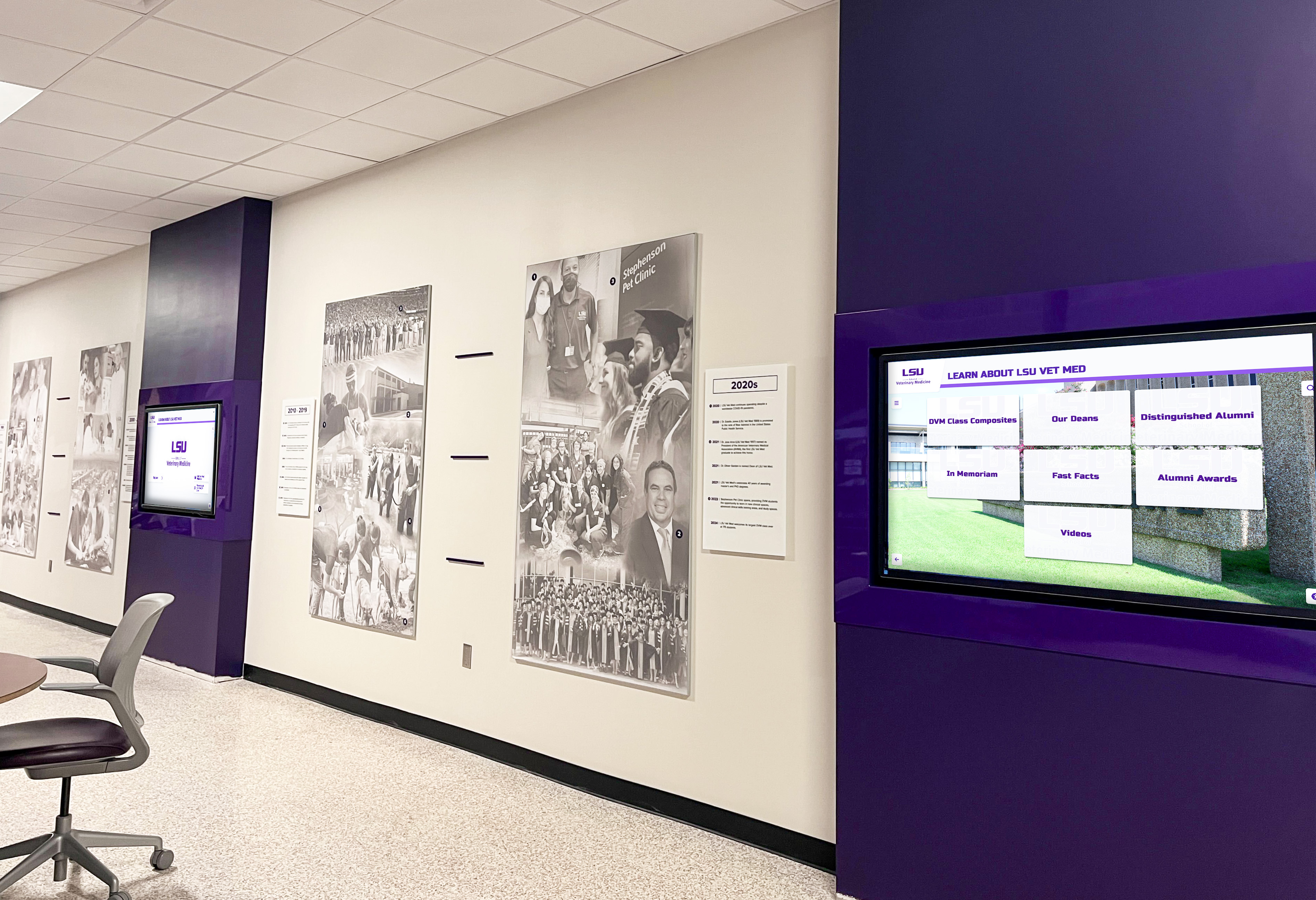
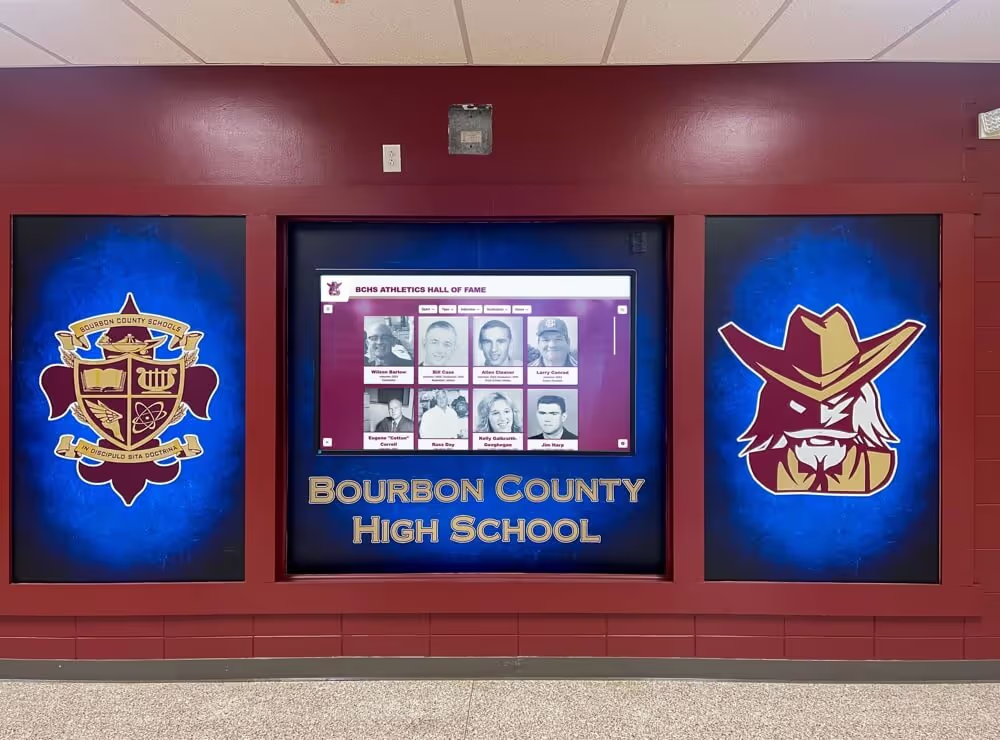
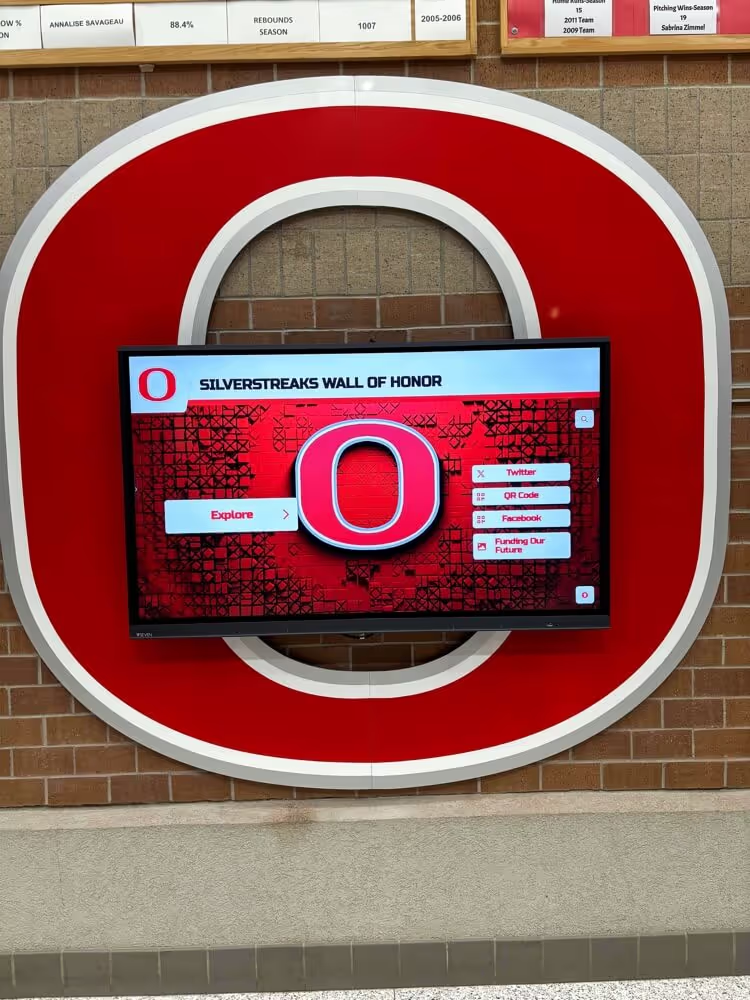
Large renovation projects often implement multiple coordinated displays across facilities ensuring recognition reaches diverse audiences throughout campuses
Special Considerations for School Renovation Recognition
Educational capital campaigns present unique contexts requiring thoughtful recognition approaches.
Multi-Phase Renovation Acknowledgment
Many school renovations occur across multiple phases spanning several years. Recognition systems should accommodate evolving campaigns through phase designation organization showing donors supporting specific project stages, cumulative giving recognition celebrating supporters across multiple phases, campaign timeline presentations demonstrating fundraising progression, and future phase promotion creating awareness and inspiring continued support.
This evolutionary approach maintains relevance throughout extended campaigns while celebrating each phase milestone appropriately.
Alumni vs. Community Donor Balance
School renovations typically attract both alumni supporters maintaining institutional connections and community members investing in local educational excellence. Recognition should acknowledge both constituencies appropriately through differentiated profile context highlighting alumni graduation years and student experiences versus community member civic engagement and educational philanthropy motivations.
Balanced representation demonstrates broad community partnership advancing shared educational purposes rather than positioning campaigns as exclusive alumni initiatives.
Student Engagement and Educational Integration
Involve students throughout recognition planning and content development including profile interview participation enabling students to conduct donor interviews building relationships while developing content, multimedia production opportunities providing authentic learning experiences in digital media creation, dedication ceremony involvement allowing student performers or speakers celebrating donors, and civics education lessons connecting recognition to philanthropic citizenship and community building.
Student participation transforms recognition from administrative task into educational opportunity while creating more authentic, meaningful acknowledgment that donors genuinely value.
Naming Rights and Permanent Recognition
Major gifts often include facility naming rights requiring perpetual acknowledgment. Digital recognition accommodates this through dedicated naming acknowledgment screens celebrating transformational gifts prominently, architectural integration ensuring permanent naming plaques complement rather than compete with digital displays, and succession planning documenting naming commitments ensuring institutional memory preserves obligations across leadership transitions.
Clear naming rights policies and comprehensive documentation protect both donor interests and institutional commitments throughout extended timeframes.
Discover nonprofit donor recognition display strategies providing additional frameworks for educational institutions.
Conclusion: Creating Lasting Recognition That Advances Missions
Digital recognition walls for school renovation donors represent strategic investments in relationships, stewardship excellence, and fundraising effectiveness—delivering measurable returns through improved retention, increased giving, and strengthened institutional sustainability for generations.
The limitations of traditional recognition—space constraints forcing difficult exclusion decisions, update delays diminishing acknowledgment impact, storytelling restrictions preventing emotional engagement, coordination nightmares with construction timelines—all dissolve when schools embrace purpose-built digital recognition platforms combining unlimited capacity with instant updates and rich multimedia storytelling honoring every supporter appropriately.
Schools implementing comprehensive digital donor walls for renovation campaigns consistently report remarkable outcomes including retention improvements of 15-25 percentage points transforming fundraising economics, major gift increases of 18-27% as cultivation incorporates compelling recognition experiences, donor satisfaction gains exceeding 30% when supporters feel genuinely valued and connected, and operational efficiencies saving dozens of staff hours previously spent coordinating plaque manufacturing and installation.
Transform Your Renovation Donor Recognition
Discover how modern digital recognition solutions can help you celebrate every donor's generosity while creating engaging experiences that strengthen relationships and inspire continued support for your educational mission.
Explore Recognition SolutionsThe most successful renovation recognition programs view digital donor walls as integral components of comprehensive stewardship strategies—honoring philanthropic support while inspiring continued engagement across donor lifecycles. By combining thoughtful planning with compelling content creation, modern technology implementation, construction timeline coordination, and sustained commitment to maintenance and enhancement, schools create recognition experiences donors genuinely value and remember.
Your renovation donors’ generosity transformed educational possibilities for current students and future generations. They deserve recognition matching the significance of their contributions—acknowledgment celebrating their vision while deepening connections to mission impact they enabled. With strategic design, quality technology, systematic content development, and genuine appreciation, you can create recognition that transforms one-time supporters into lifelong educational champions whose sustained philanthropy advances your institution’s purposes for decades to come.
Ready to elevate your renovation donor recognition? Explore digital hall of fame design principles providing comprehensive layout frameworks, discover academic recognition program strategies applying institutional acknowledgment best practices, or learn about interactive donor board approaches extending recognition principles across diverse organizational contexts.