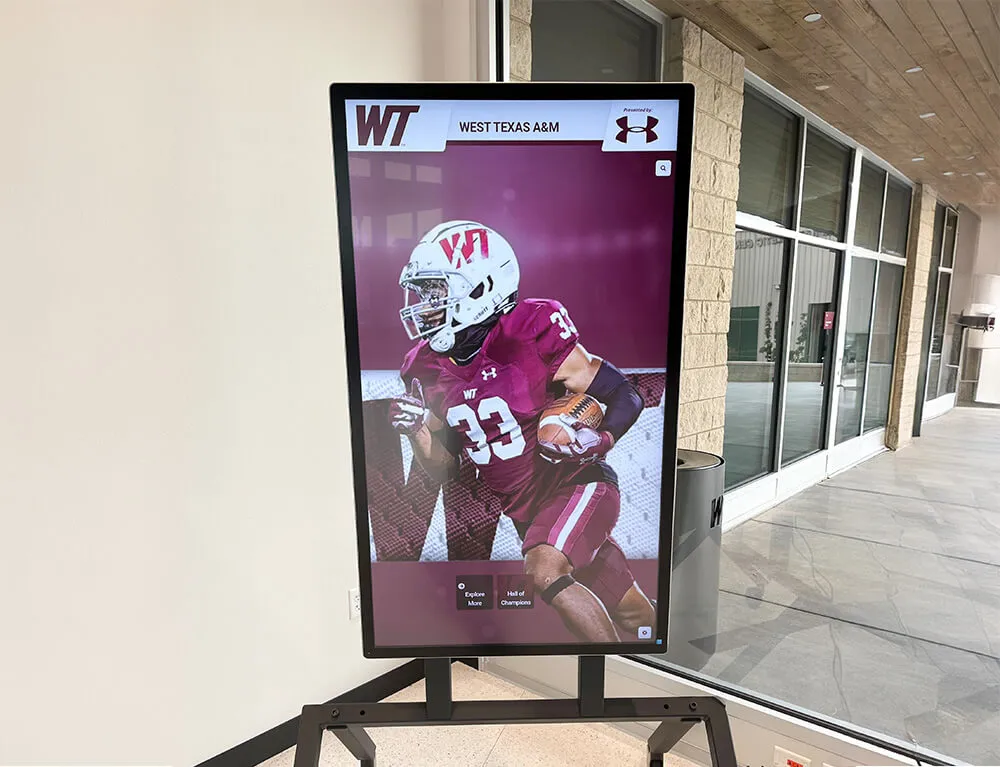
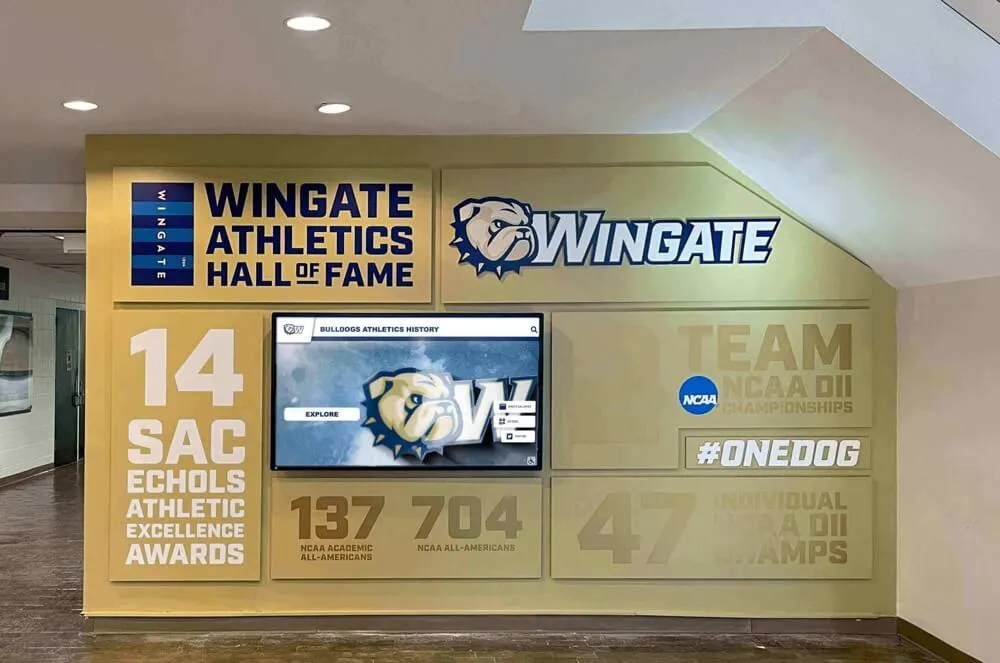
Athletic record boards serve a purpose beyond simple documentation—they inspire current athletes, honor past excellence, and create visible standards that define program culture. Traditional painted or printed record boards face inherent limitations: finite space forces selective recognition, updates require expensive professional work and facility downtime, and static displays lack the engagement needed to capture contemporary audiences.
A digital record board transforms athletic recognition from static wall paint into dynamic, multimedia experiences that celebrate achievements comprehensively. These interactive systems accommodate unlimited records across all sports and competition levels, enable instant updates maintaining current and relevant displays, provide rich contextual information through photos and videos, and create engaging experiences that connect today’s athletes with program tradition while motivating pursuit of new excellence.
This comprehensive guide explores how schools and athletic organizations leverage digital record board technology to modernize recognition, enhance athlete motivation, preserve competitive history, and create inspiring displays that serve programs more effectively than traditional approaches. From understanding core capabilities through design principles, implementation strategies, and measuring impact, you’ll discover proven frameworks for creating record display systems that genuinely inspire excellence rather than simply documenting it.
Digital record boards represent fundamental advancement in how athletic programs recognize achievement, establish performance standards, and build competitive cultures. Schools implementing well-designed digital systems discover that modern technology enables comprehensive record recognition impossible with traditional boards while creating sustainable systems that evolve alongside their programs without recurring painting and production expenses.

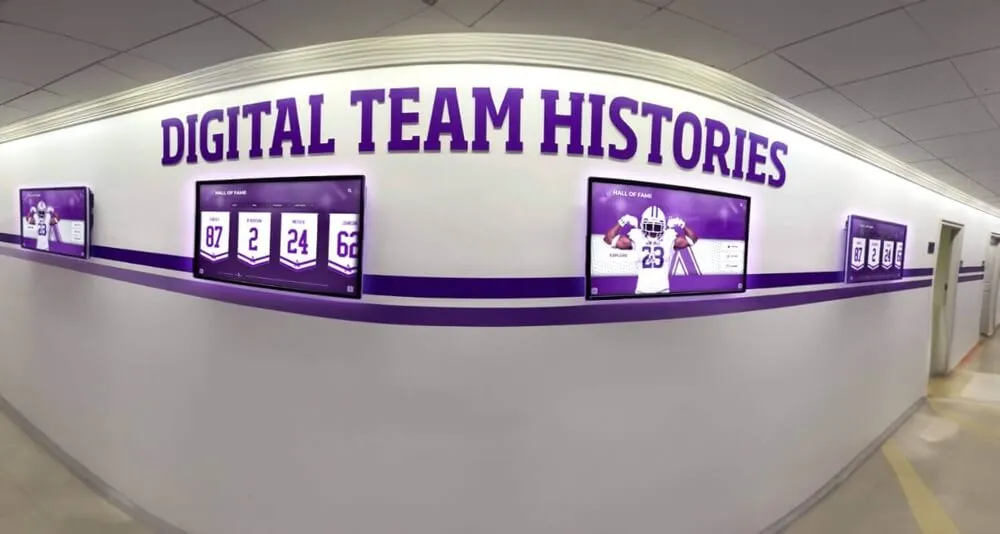
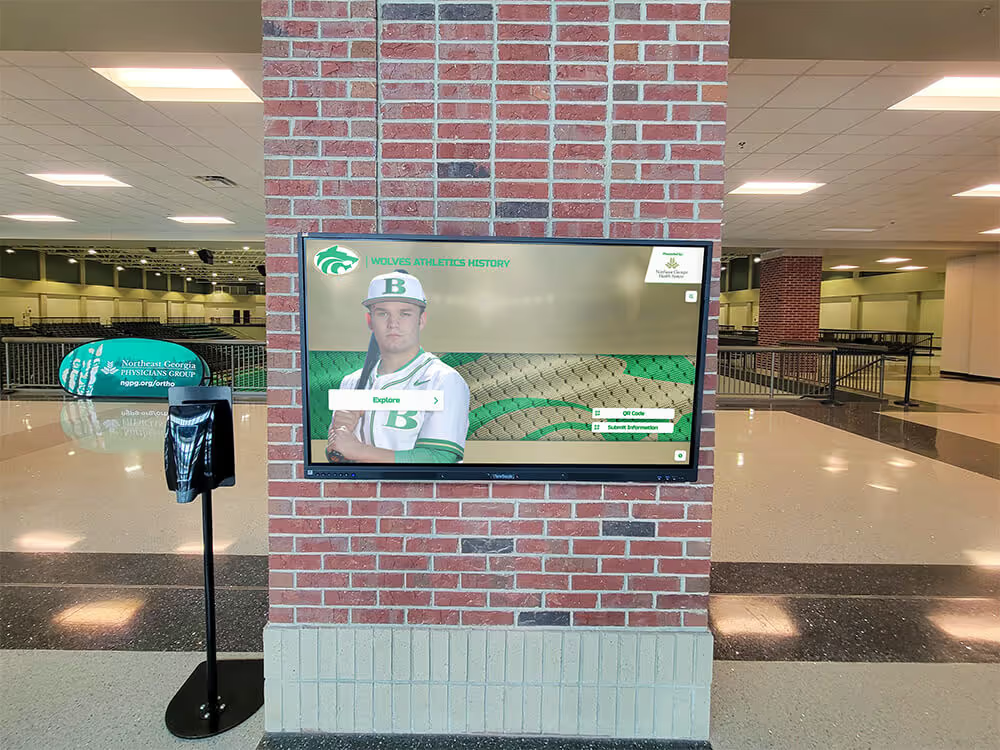
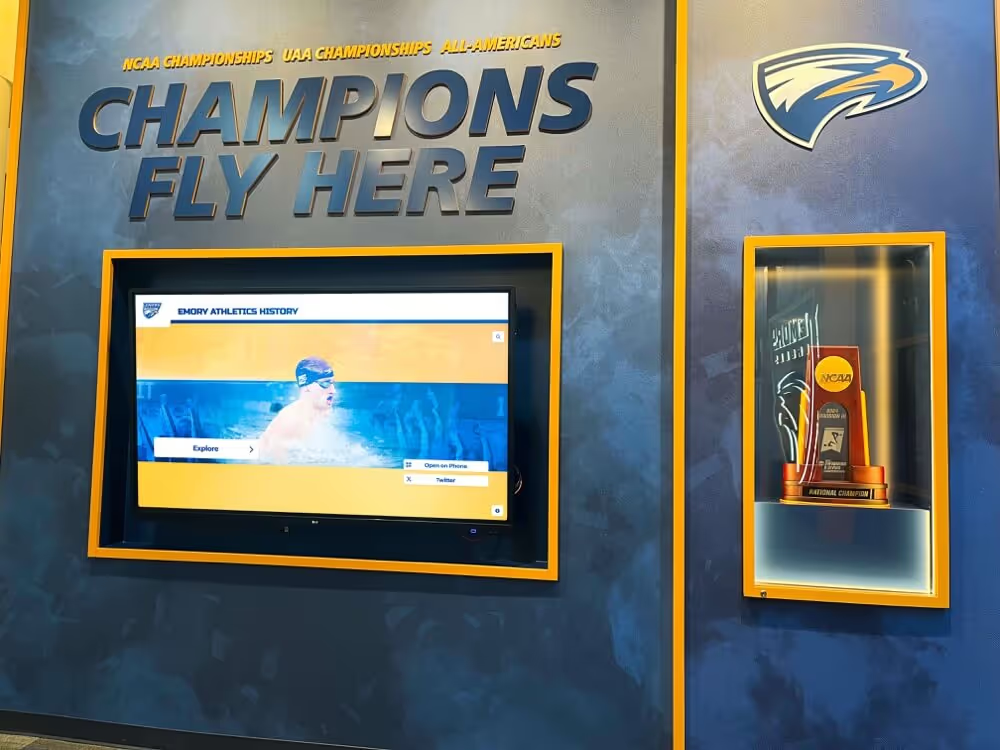
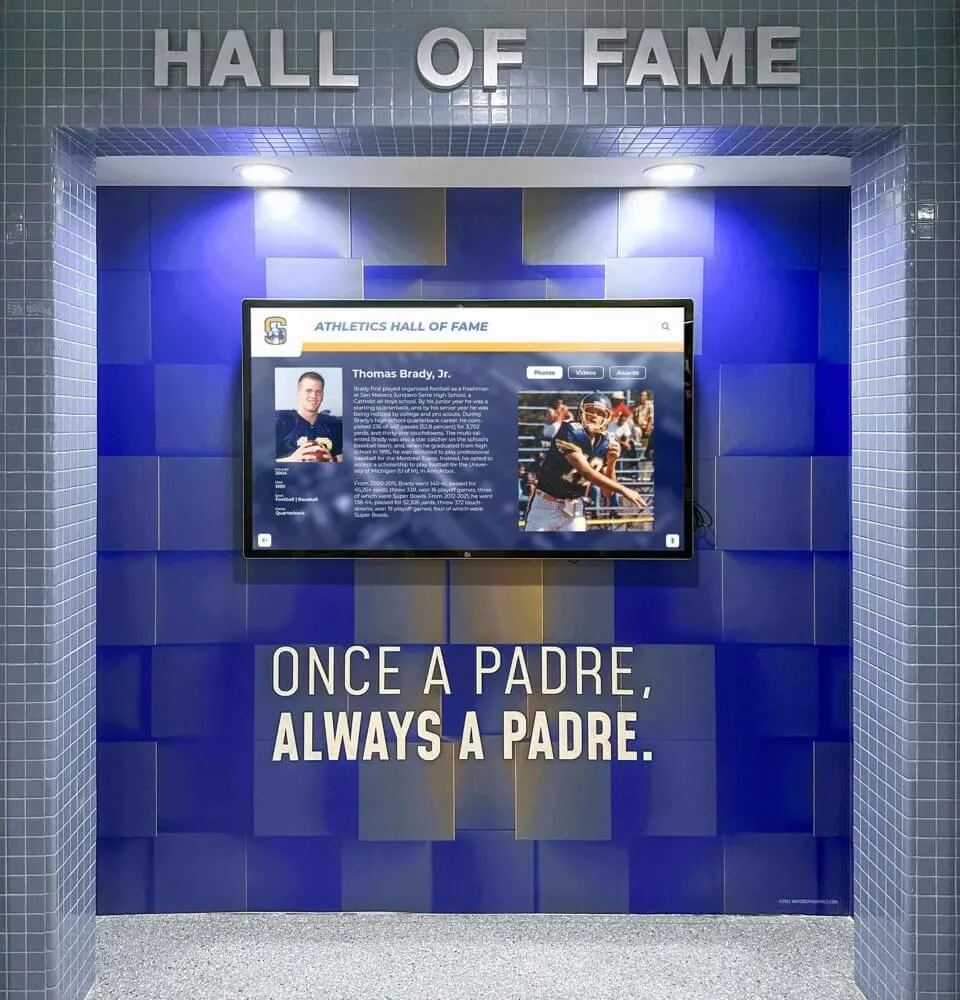
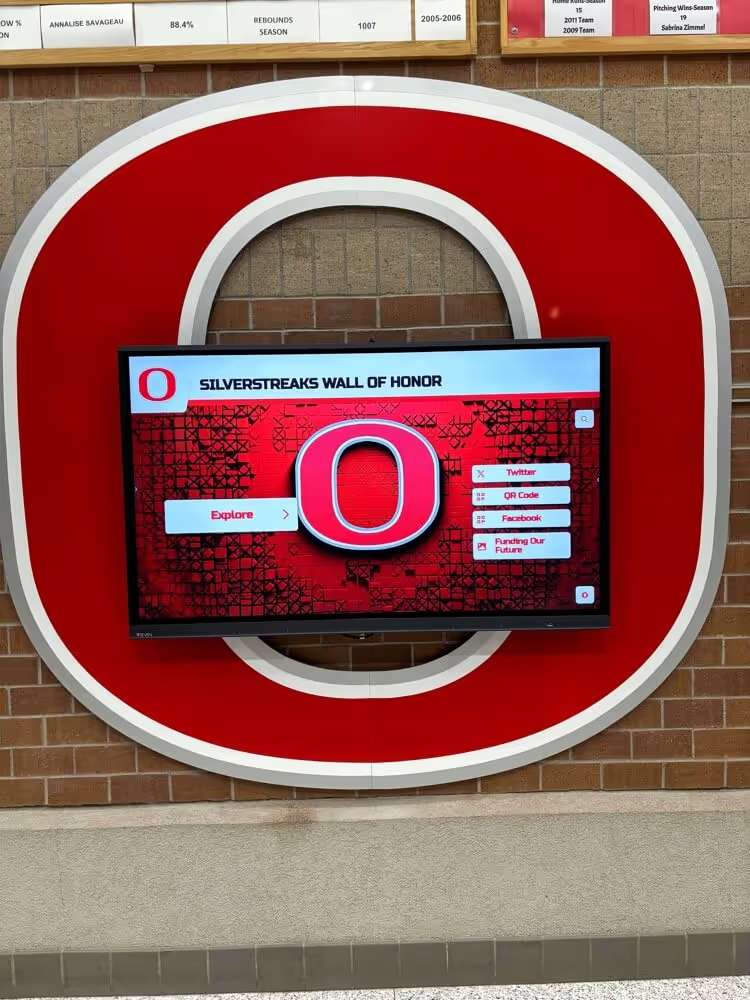
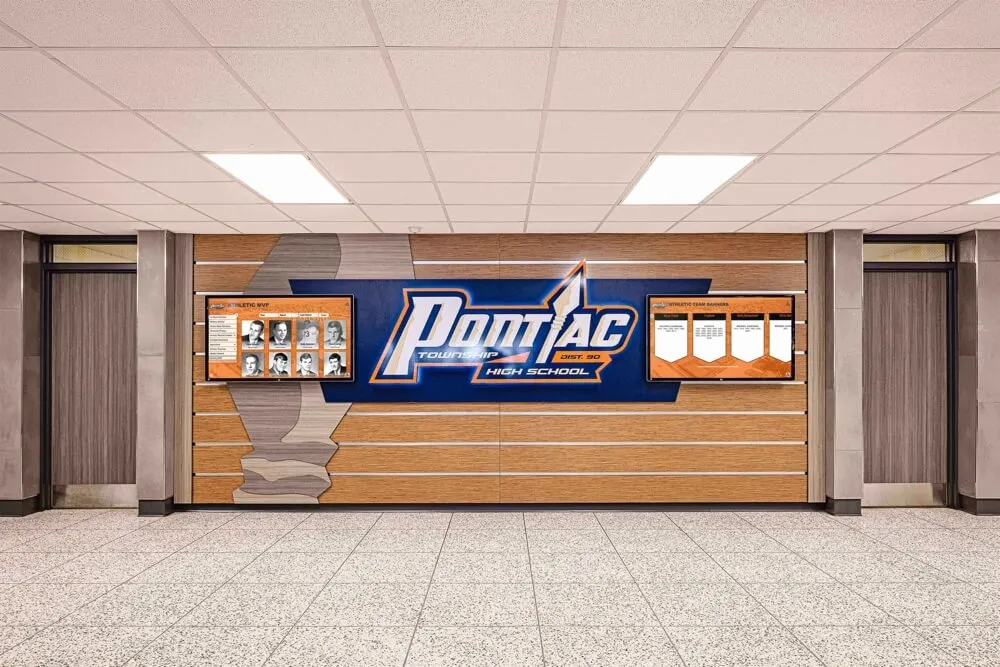
Digital record boards integrate seamlessly with existing athletic spaces while providing unlimited capacity and instant update capabilities
Why Traditional Record Boards No Longer Meet Modern Athletic Program Needs
Understanding limitations of conventional record display approaches reveals why forward-thinking programs increasingly adopt digital solutions for showcasing athletic achievement and performance standards.
Space Constraints Force Selective Recognition
Physical record boards impose strict capacity limits creating ongoing challenges:
Limited Record Categories
- Wall space accommodates only highest-level achievements
- Individual sport records compete for scarce display real estate
- Team records often excluded despite significance
- Historical records removed to accommodate new achievements
- Seasonal records rarely displayed due to space limitations
Sport Equity Concerns
- High-profile sports receive disproportionate recognition
- Olympic sports struggle for visibility
- Girls’ athletics compete with boys’ programs for space
- Emerging sports lack historical record documentation
- Multi-sport athletes split recognition across multiple boards
These space limitations undermine recognition effectiveness while creating perception that some sports and achievements matter more than others—contrary to Title IX principles and comprehensive athletic program goals. Resources on athletic hall of fame development demonstrate how successful programs address capacity challenges through modern recognition approaches.
Traditional record boards exhaust capacity quickly, forcing difficult choices about which achievements receive visibility
Update Processes Create Significant Delays and Expenses
Traditional record board maintenance requires substantial resources:
Production and Installation Costs
- Professional painting services cost $500-2,000 per board update
- Vinyl graphics production ranges $300-1,500 depending on size
- Installation labor requires 4-8 hours per board
- Facility access coordination creates scheduling challenges
- Rush updates for recent records incur premium pricing
Timing and Relevance Issues
- Multi-week lead times delay recognition of recent achievements
- Seasonal updates happen months after records set
- Off-season facility access limits update opportunities
- Budget cycles restrict update frequency
- Records set late in seasons may wait years for recognition
Schools implementing academic recognition programs face similar challenges—manual update processes create stale displays that fail to celebrate achievement when recognition matters most.
Maintenance and Correction Challenges
- Errors require complete section reproduction
- Paint fading demands periodic full board repainting
- Damaged sections necessitate partial or complete replacement
- Inconsistent fonts and colors accumulate across update cycles
- Historical accuracy deteriorates as institutional memory fades
These maintenance burdens mean many record boards display outdated information for months or years, undermining their motivational purpose and creating impression that record-keeping lacks institutional priority.
Limited Storytelling Diminishes Recognition Impact
Traditional record boards provide minimal context about achievements they document:
Contextual Information Gaps
- Names, years, and statistics without performance narratives
- No explanation of competitive circumstances or significance
- Missing information about athletes’ backgrounds and journeys
- Absent connections between individual records and team success
- No documentation of records broken or margins of improvement
Engagement Limitations
- Static displays offer no interaction or exploration
- Viewers cannot access additional information or related records
- No multimedia content showing record-setting performances
- Missing athlete profiles and career achievement documentation
- Limited appeal to audiences expecting digital experiences
This storytelling deficit means traditional boards honor achievements without inspiring understanding of what records represent, the dedication required to achieve them, or their significance within program history and competitive contexts.
Core Capabilities of Digital Record Board Systems
Modern digital record boards provide comprehensive functionality addressing traditional limitations while creating new possibilities for recognition, engagement, and program promotion.
Unlimited Recognition Capacity Across All Sports
Digital platforms eliminate physical space constraints that force traditional boards to prioritize and exclude:
Comprehensive Record Documentation
- School records across all sports and competition categories
- Individual records (single game, season, career)
- Team records (wins, points, championships)
- Relay and group performance records
- Seasonal records across fall, winter, and spring sports
- Historical records preserved permanently regardless of age
A single digital display can showcase hundreds or thousands of records without ever approaching capacity limits. Schools never face choices about which records deserve display when achievements accumulate.
Equitable Multi-Sport Recognition
- Equal visibility for all varsity sports
- Junior varsity and freshman record acknowledgment
- Gender equity in recognition allocation
- Emerging sport records from inaugural seasons
- Paralympic and adaptive sport achievement documentation
This comprehensive approach ensures every sport receives appropriate recognition regardless of program size, tradition length, or community visibility—strengthening athletic department culture across all programs.
Multiple Record Categories
- Individual performance records (points scored, times, distances)
- Team achievement records (consecutive wins, season records)
- Participation milestones (games played, years competed)
- Academic excellence records (highest team GPAs, scholar-athlete achievements)
- Character and sportsmanship recognition
- Coaching milestone acknowledgments
Digital record boards accommodate diverse achievement types that traditional boards cannot display due to space limitations, enabling comprehensive celebration that strengthens athletic culture across multiple dimensions.
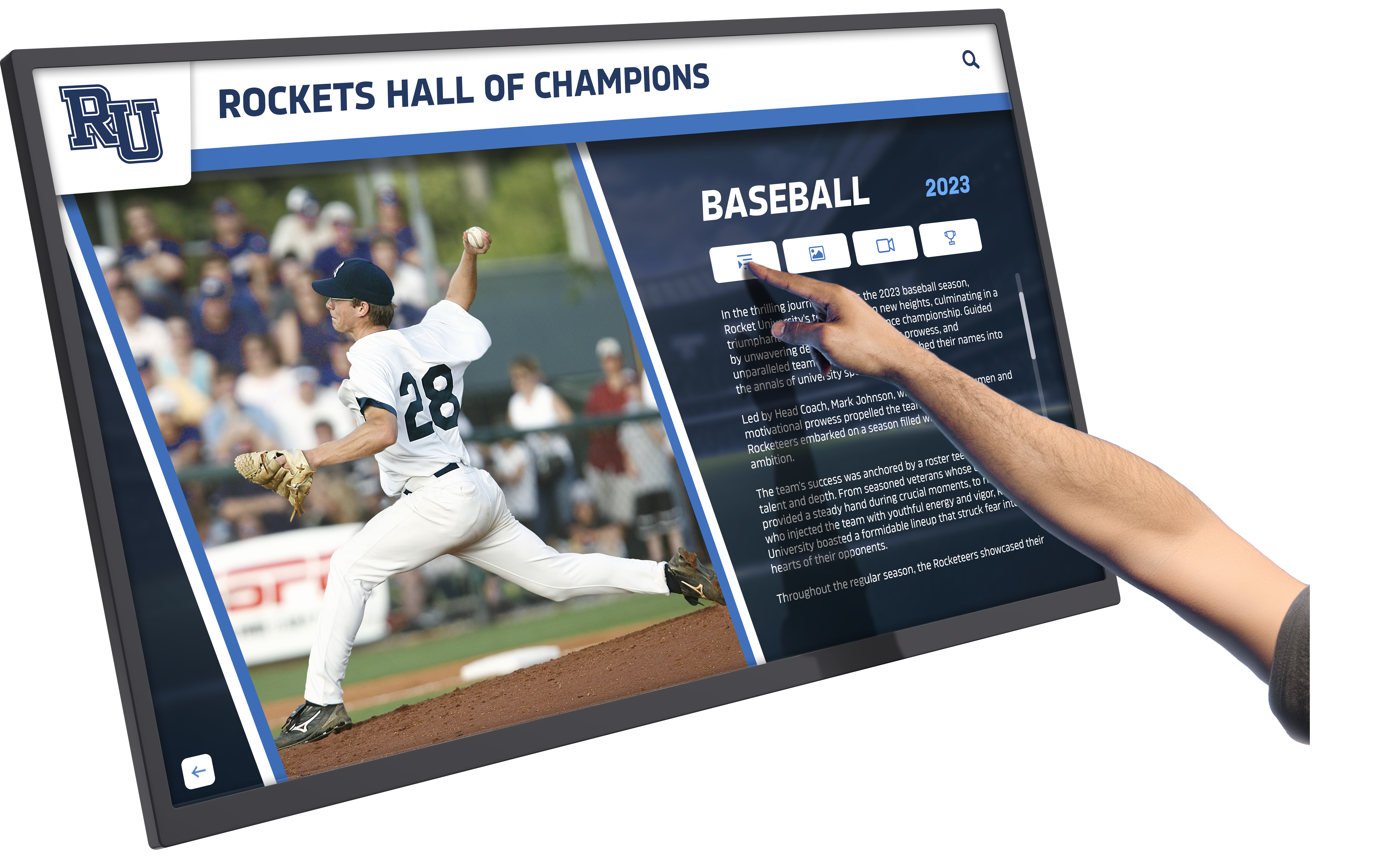
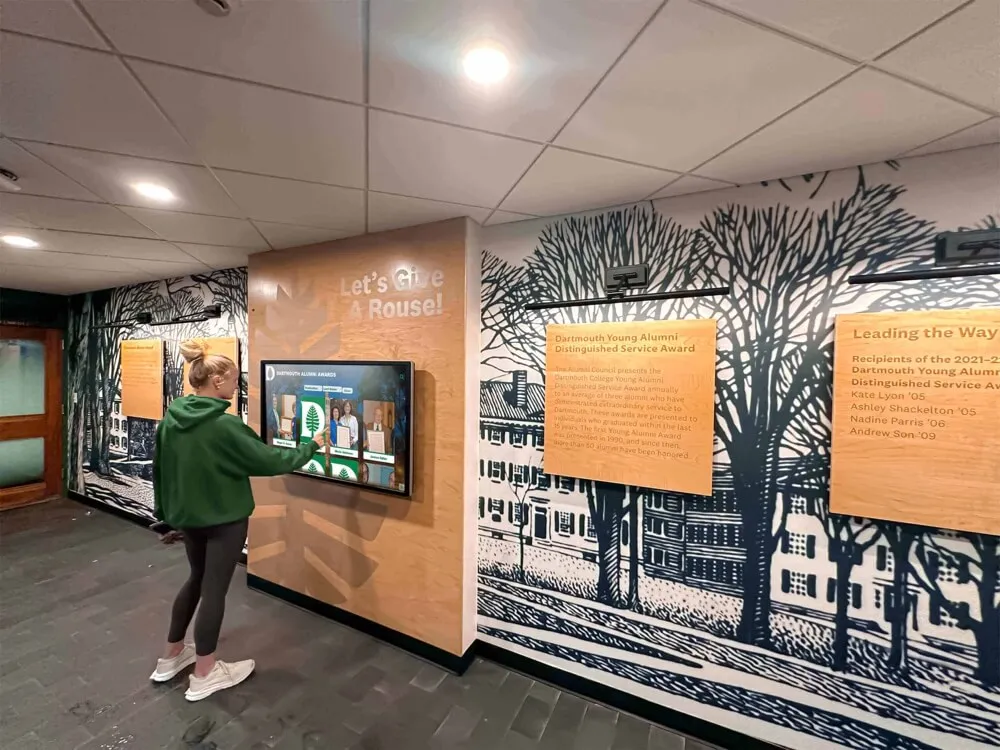
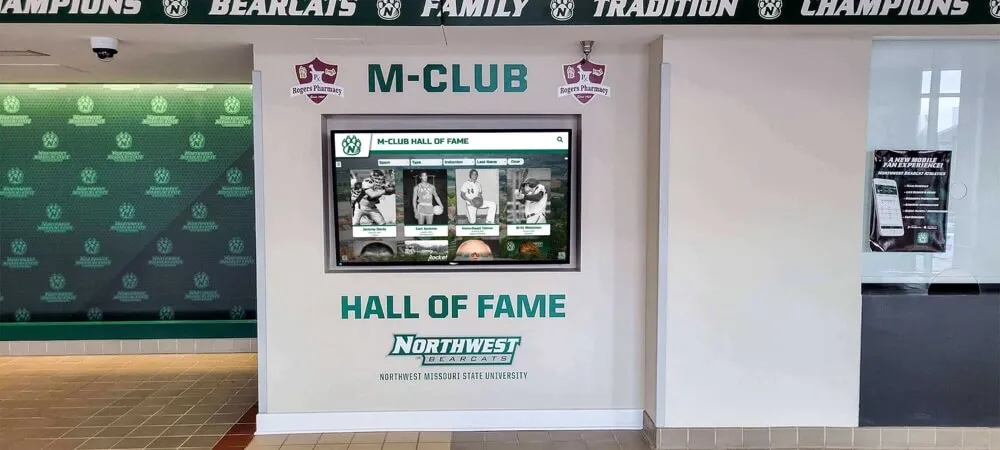
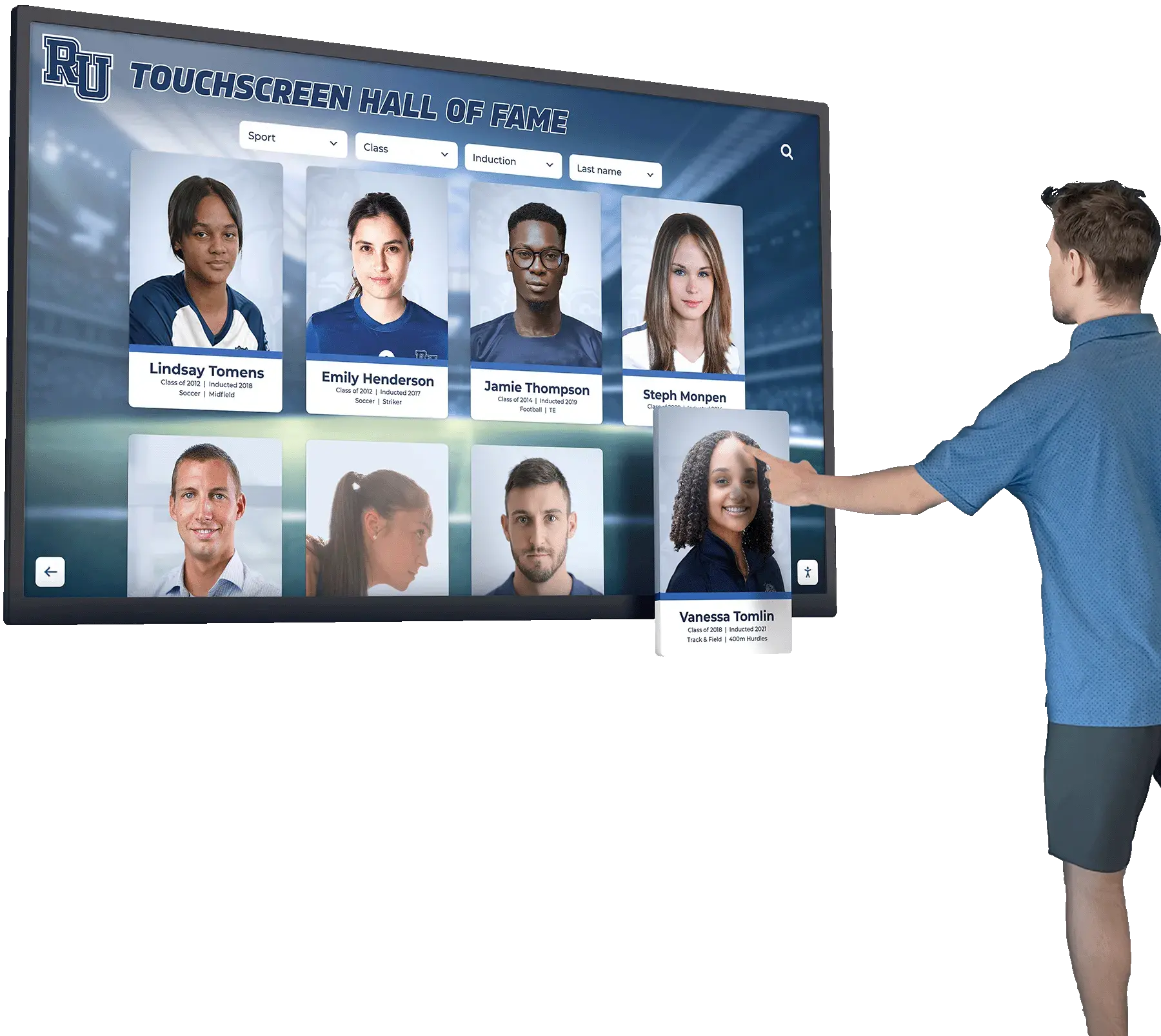
Interactive interfaces enable exploration of complete athlete profiles with statistics, records, and achievement context
Instant Updates Without Production Delays or Expenses
Cloud-based content management eliminates traditional update bottlenecks:
Real-Time Record Recognition
- Update records within minutes of achievement
- Publish new records same day they’re set
- Celebrate achievements during peak community attention
- Eliminate multi-week production and installation delays
- Maintain current displays without seasonal update cycles
This immediacy demonstrates institutional responsiveness while maximizing motivational impact during periods when recognition matters most to athletes and their families.
Simplified Administrative Workflows
- Web-based management systems accessible from any device
- Simple form interfaces requiring no technical expertise
- Photo and video upload directly from smartphones
- Scheduled publication coordinating with announcements
- Instant error correction without reproduction costs
Athletic directors and coaches report 90%+ reduction in administrative time maintaining record displays compared to traditional approaches requiring vendor coordination and facility scheduling.
Eliminated Recurring Update Costs
- No painting or graphics production expenses
- No installation labor charges
- No facility downtime or access coordination
- No rush fee premiums for timely updates
- Only minimal administrative time required
Over typical 10-15 year system lifespans, schools save $10,000-30,000 in avoided update expenses—substantial funds redirected to equipment, travel, and athlete development programs.
Rich Multimedia Storytelling Beyond Static Statistics
Digital record boards transform basic statistics into compelling narratives:
Visual Documentation
- High-resolution photos of record-setting performances
- Action shots capturing athletic excellence moments
- Award ceremony and recognition event documentation
- Historical photos connecting current records to program tradition
- Comparison images showing record progression over time
Video Integration
- Game footage showing record-setting performances
- Athlete interviews reflecting on achievements
- Coach commentary providing context and significance
- Highlight reels documenting multiple record-holders
- Historical video archives preserving program heritage
Detailed Achievement Context
- Performance narratives describing how records were set
- Competitive circumstances and challenges overcome
- Previous record information showing improvement margins
- Related achievements and career accomplishments
- Statistical comparisons providing historical perspective
This multimedia approach creates recognition experiences that inform and inspire rather than simply documenting names and numbers. Understanding digital storytelling in athletic programs provides frameworks for effective multimedia integration that enhances recognition impact.
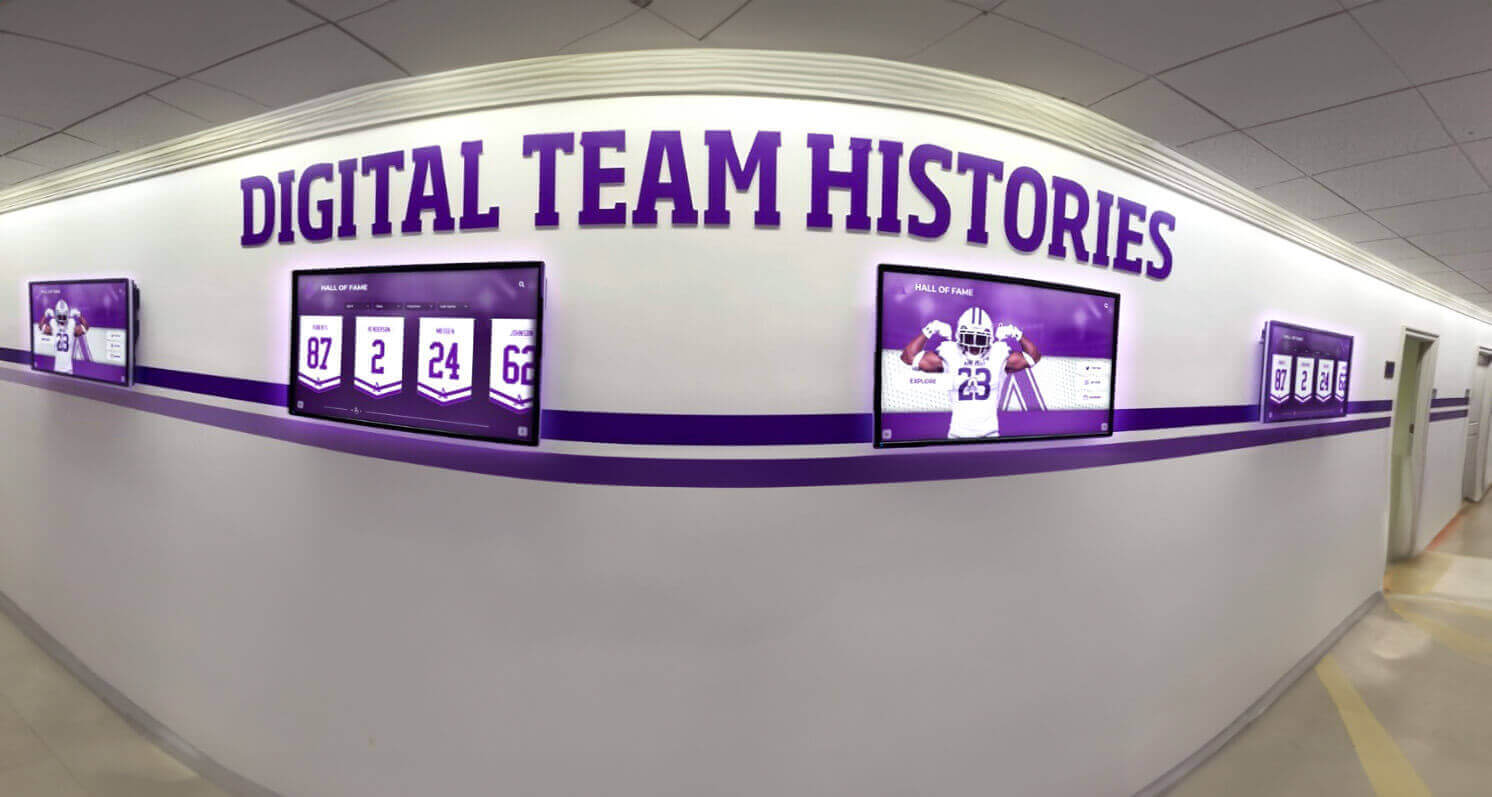
Multiple coordinated displays create comprehensive recognition networks celebrating diverse athletic achievements
Interactive Exploration Features
Modern digital record boards enable active engagement rather than passive viewing:
Search and Discovery Tools
- Search records by athlete name, sport, or year
- Filter by record category or achievement type
- Browse complete athletic careers showing multiple records
- Explore team records and seasonal achievements
- Navigate related records and connected athletes
Dynamic Content Organization
- Sport-specific record pages organizing by program
- Chronological views showing record evolution
- Current season leaderboards tracking ongoing performance
- Comparison tools showing historical record progression
- Featured record spotlights highlighting notable achievements
User-Controlled Navigation
- Touchscreen interfaces enabling intuitive exploration
- Logical information architecture facilitating discovery
- Related content suggestions guiding viewers to connected achievements
- Customizable display modes serving different exploration goals
- Accessible design accommodating diverse user capabilities
Interactive features particularly resonate with contemporary athletes and families expecting digital experiences that respond to their interests rather than forcing linear consumption of predetermined content sequences.
Universal Web-Based Accessibility
Digital record platforms extend recognition beyond physical locations:
Mobile and Web Access
- Responsive websites displaying records on any device
- Alumni and family access from anywhere worldwide
- Prospective student-athlete research during recruitment
- Social sharing amplifying recognition reach
- QR code bridges connecting physical displays to extended online content
Enhanced Program Promotion
- Record documentation supporting athletic communications
- Social media content celebrating new achievements
- Recruitment materials showcasing program excellence
- Alumni engagement connecting graduates with ongoing tradition
- Community relations demonstrating competitive success
This universal accessibility dramatically expands recognition reach and impact, ensuring achievements inspire not only athletes viewing hallway displays but also families across the country, alumni worldwide, and prospective student-athletes researching program quality.
Experience Layout and Design Principles for Effective Record Display
Digital record board effectiveness depends on thoughtful design creating intuitive navigation, visual appeal, and engaging experiences worthy of athletic excellence celebration.
Hero Zone and Program Identity
The top portion of screen real estate establishes context and brand presence:
Essential Hero Elements
- School logos and athletic branding creating immediate recognition
- Display title identifying recognition purpose (“Record Board,” “School Records,” “Performance Excellence”)
- Sport identification when displays serve specific programs
- Current date maintaining temporal orientation
- Optional rotating featured records highlighting notable achievements
The hero zone provides visual anchor orienting viewers immediately while establishing professional presentation that communicates institutional commitment to recognizing athletic excellence appropriately.
Background Imagery Integration
- Facility photographs showing athletic venues
- Team action imagery celebrating competitive excellence
- School color gradients and design elements
- Historical photography blending heritage with modern presentation
- Abstract motion graphics using program colors
Background imagery should enhance rather than distract from primary record content, providing visual interest while maintaining clear focus on achievement recognition.
Navigation Architecture Enabling Discovery
Navigation zones enable content exploration through clear, touch-friendly interfaces:
Primary Navigation Options
- Browse by sport organizing records according to athletic programs
- Browse by record type (individual, team, seasonal, career)
- Browse by year enabling chronological exploration
- Search functionality allowing direct name-based discovery
- Featured collections highlighting special record categories
Touch targets must maintain adequate size (minimum 44x44 pixels) with sufficient spacing preventing accidental selections. Navigation labels should use clear language ensuring visitors understand options without requiring instructions.
Sport-Specific Organization
- Dedicated pages for each athletic program
- Record categories organized logically by sport type
- Individual and team record separation
- Historical and current record differentiation
- Championship and milestone achievement integration
Well-organized navigation enables visitors to find specific records efficiently whether seeking individual athletes, exploring particular sports, or discovering program history across decades of competition.
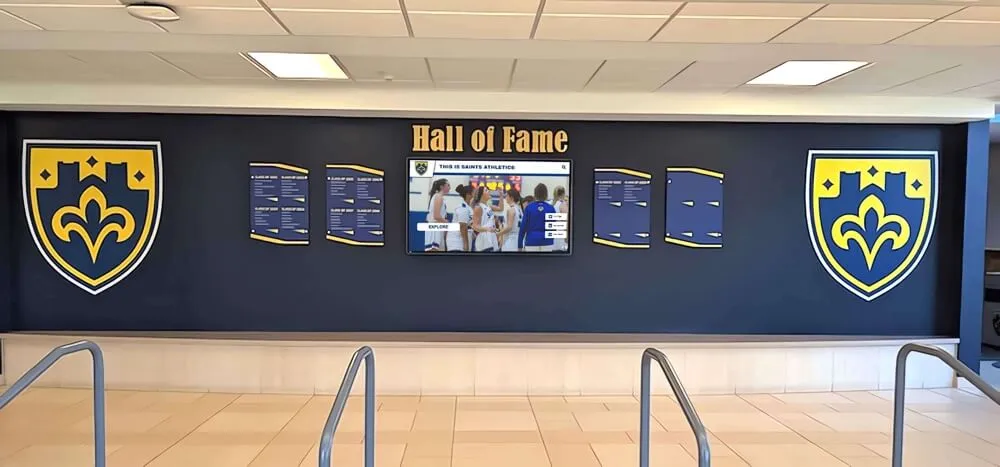
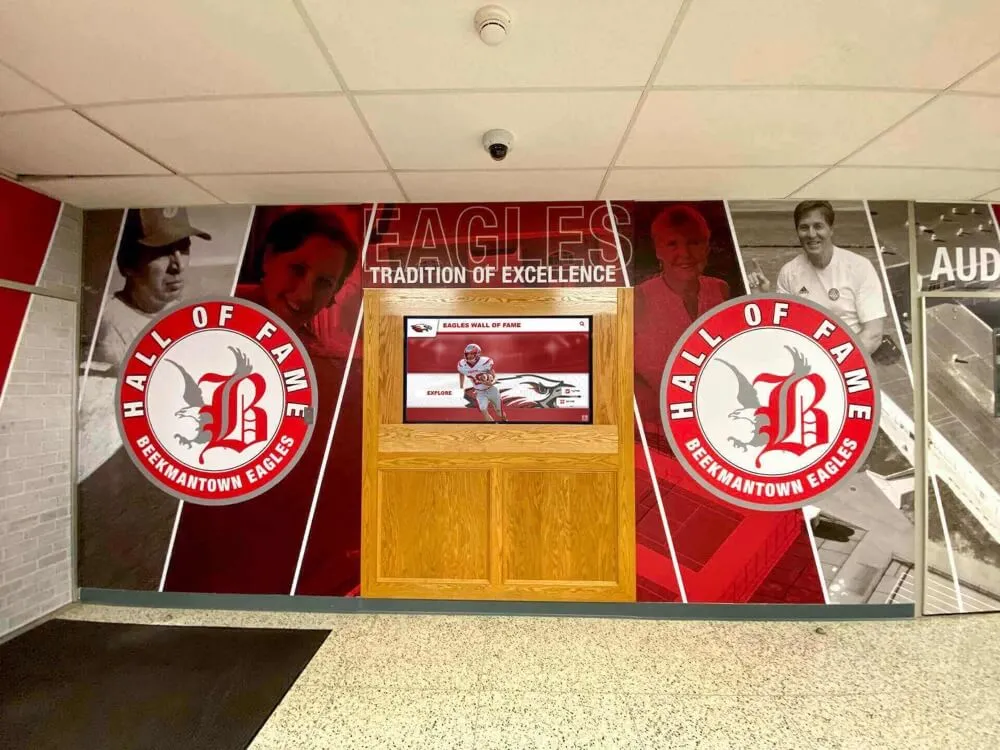
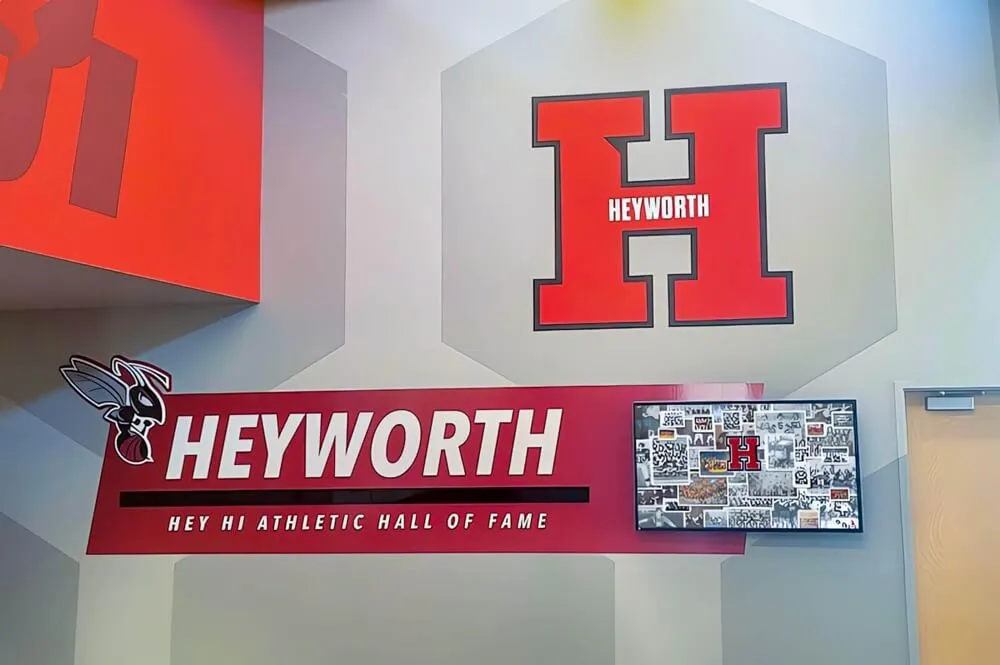
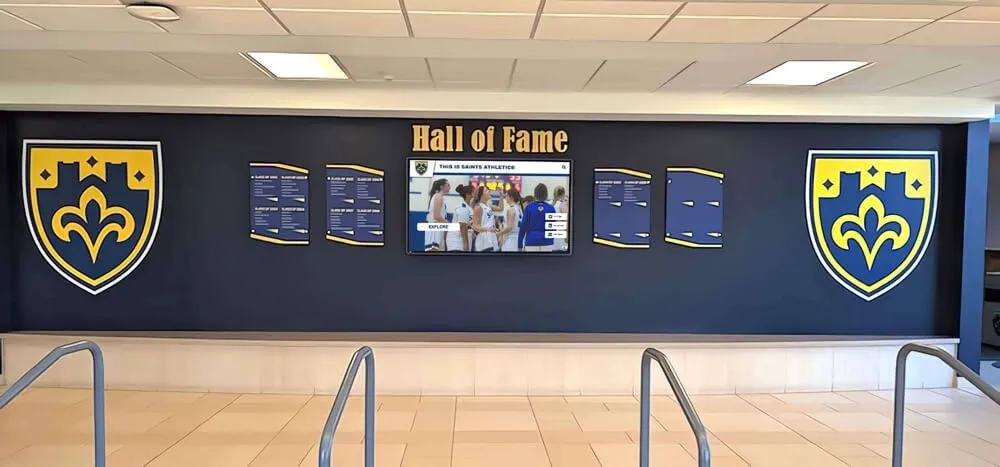
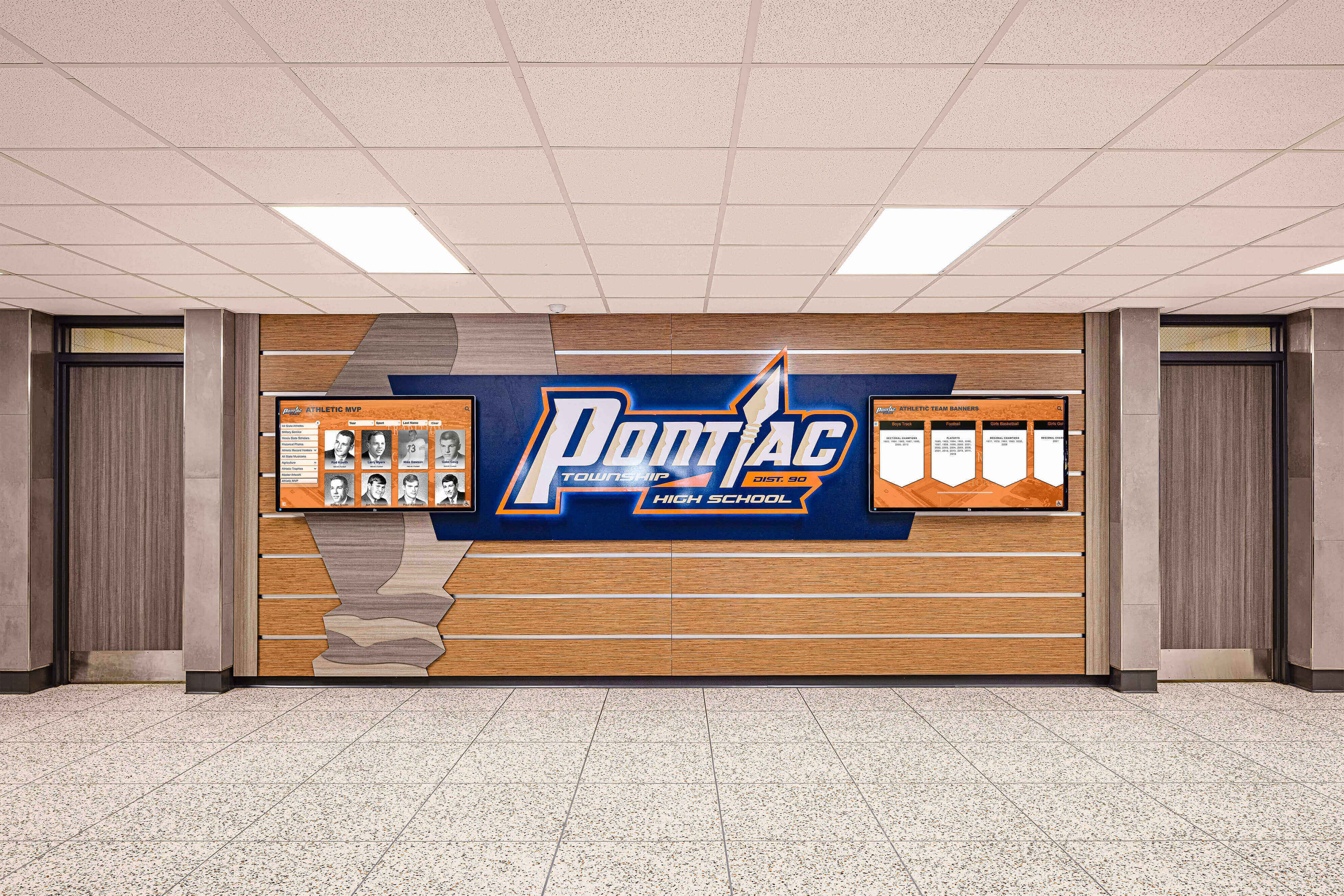
Hybrid installations combine traditional design elements with modern digital capacity satisfying diverse stakeholder preferences
Content Display Zone and Information Presentation
Central screen space presents record information and athlete profiles:
Record List Displays
- Organized record categories with current holders
- Performance statistics and achievement dates
- Athlete photographs and identification
- Previous record information showing improvement
- Related record suggestions connecting achievements
Individual Athlete Profile Views
- Complete athletic career documentation
- All records held across sports and categories
- Performance statistics and achievement timelines
- Biographical information and current status
- Multimedia assets (photos, videos, interviews)
- Post-graduation athletic and career updates
Team Record Documentation
- Season records with complete rosters
- Championship achievements and tournament results
- Team performance statistics and milestones
- Coaching staff recognition
- Historical context and significance
Profile pages balance comprehensive information with accessible presentation, providing depth for interested viewers while maintaining visual clarity preventing overwhelming density.
Accessibility and Inclusive Design Standards
Digital record boards must serve all community members:
ADA WCAG 2.1 AA Compliance
- Text contrast ratios minimum 4.5:1 for body text
- Touch targets minimum 44x44 pixels with adequate spacing
- Text scaling supporting enlargement without horizontal scrolling
- Video captions supporting deaf and hard-of-hearing viewers
- Screen reader compatibility when accessibility modes enabled
Physical Accessibility Considerations
- Mounting heights placing controls 15-48 inches from floor
- Forward reach depth not exceeding 25 inches
- Kiosk approaches providing wheelchair accessibility
- Volume controls respecting quiet environments
- Multiple viewing angles accommodating diverse heights
Cognitive Accessibility Design
- Clear, simple navigation with consistent patterns
- Plain language avoiding excessive jargon
- Minimal steps for common tasks
- Obvious home and back buttons enabling navigation recovery
- Optional high-contrast modes for visibility impairment
Schools must verify accessibility compliance before finalizing implementations, ensuring recognition systems genuinely serve entire communities equitably. Resources on technical considerations for digital recognition provide detailed accessibility implementation guidance.
Brand Integration and Visual Design Excellence
Digital record boards should reflect institutional identity while maintaining professional presentation that communicates achievement importance.
School Branding and Athletic Identity
Recognition displays incorporate institutional design elements:
Color System Implementation
- Primary school colors for hero areas and navigation
- Athletic program colors when appropriate for dedicated spaces
- Secondary colors for backgrounds and supporting elements
- Accent colors for interactive elements and highlights
- Neutral colors ensuring text readability
Logo and Mark Integration
- School logos in hero areas with required clear space
- Athletic department marks and program logos
- Conference and league affiliation acknowledgment
- Mascot imagery connecting recognition to school spirit
- Consistent mark usage across all display pages
Typography Hierarchy
- Headline fonts reflecting brand personality
- Body fonts optimizing legibility for statistics and information
- Size scales creating clear information hierarchy
- Weight variations emphasizing key information
- Consistent typographic treatment throughout experience
Professional design demonstrates institutional commitment to honoring achievement appropriately while creating presentations athletes feel proud to share and families want to photograph and distribute.
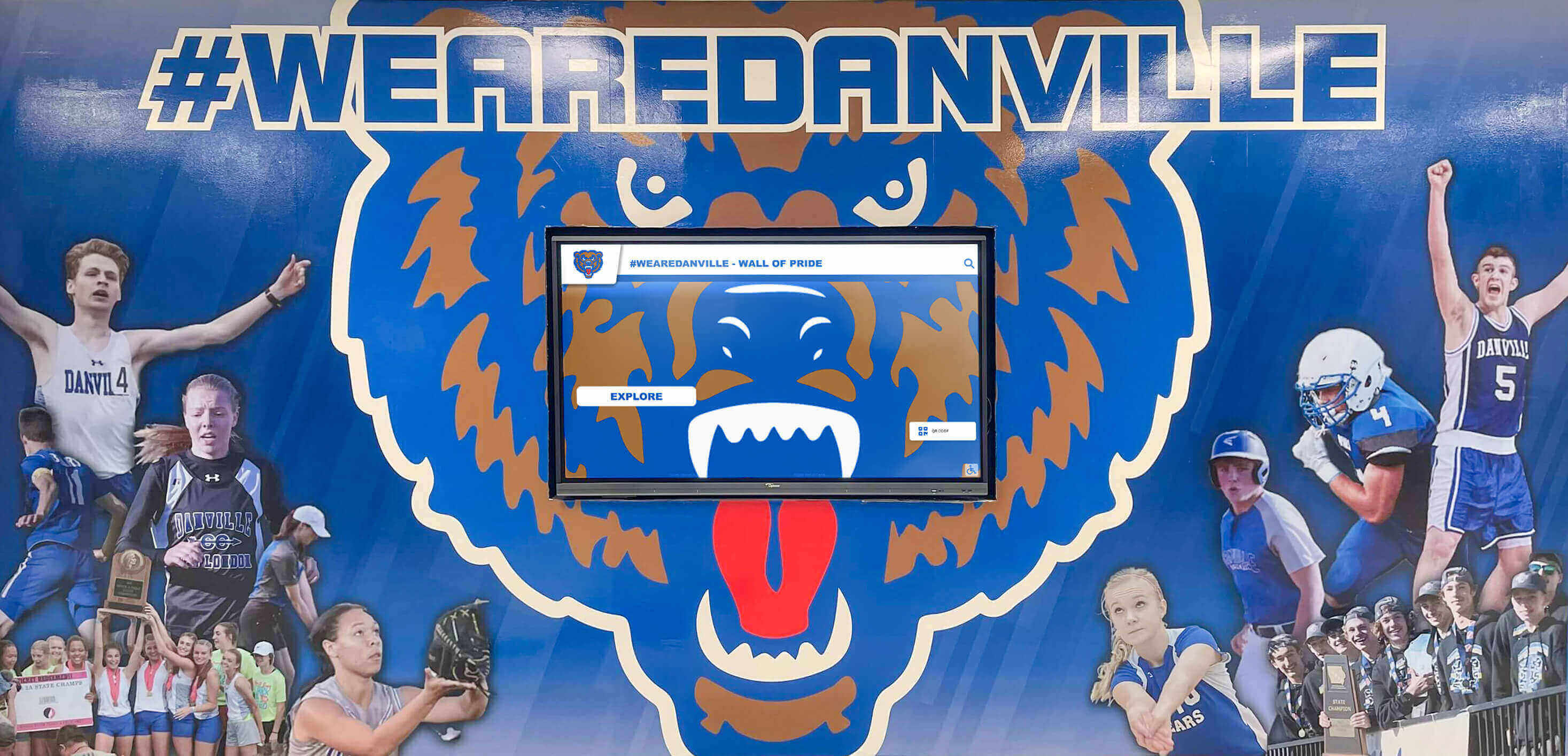
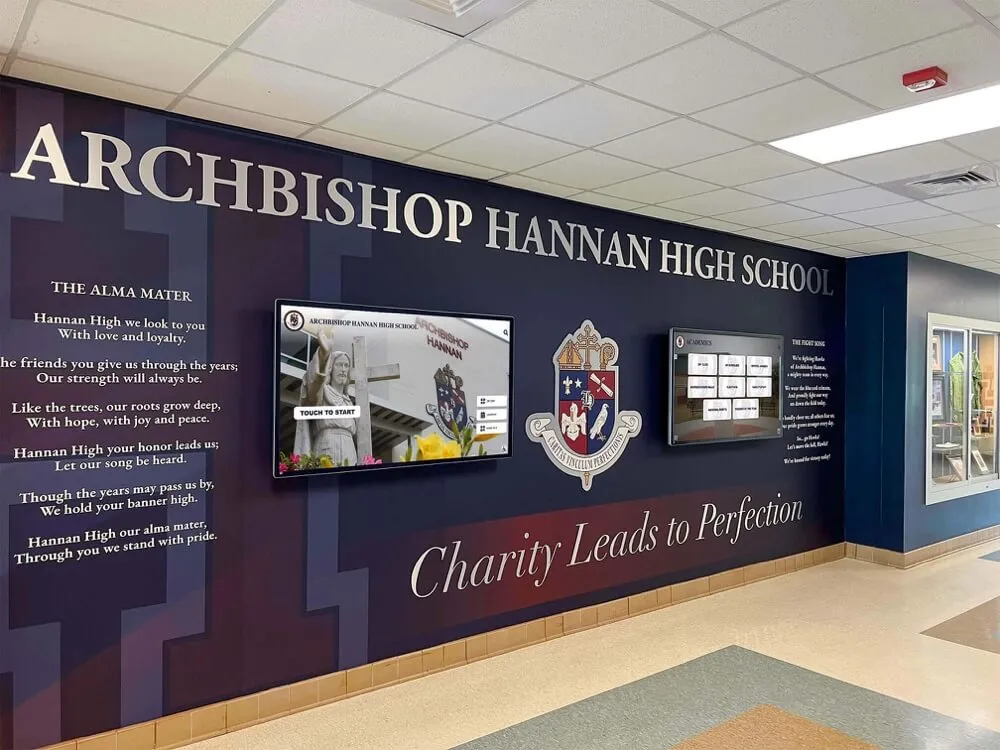
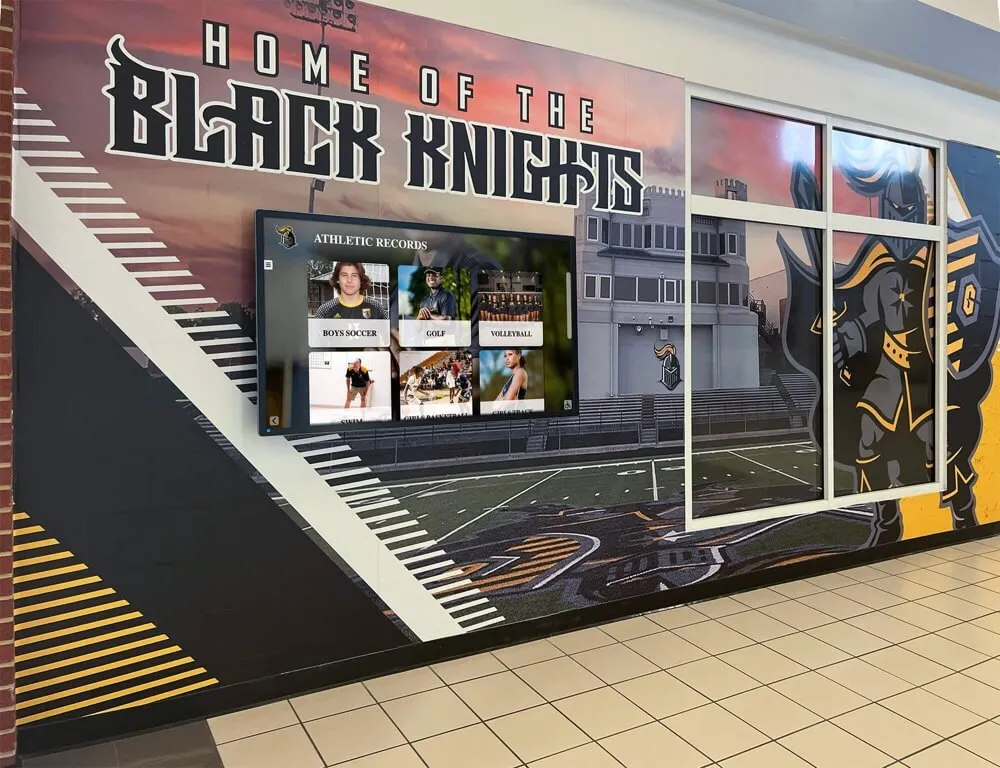
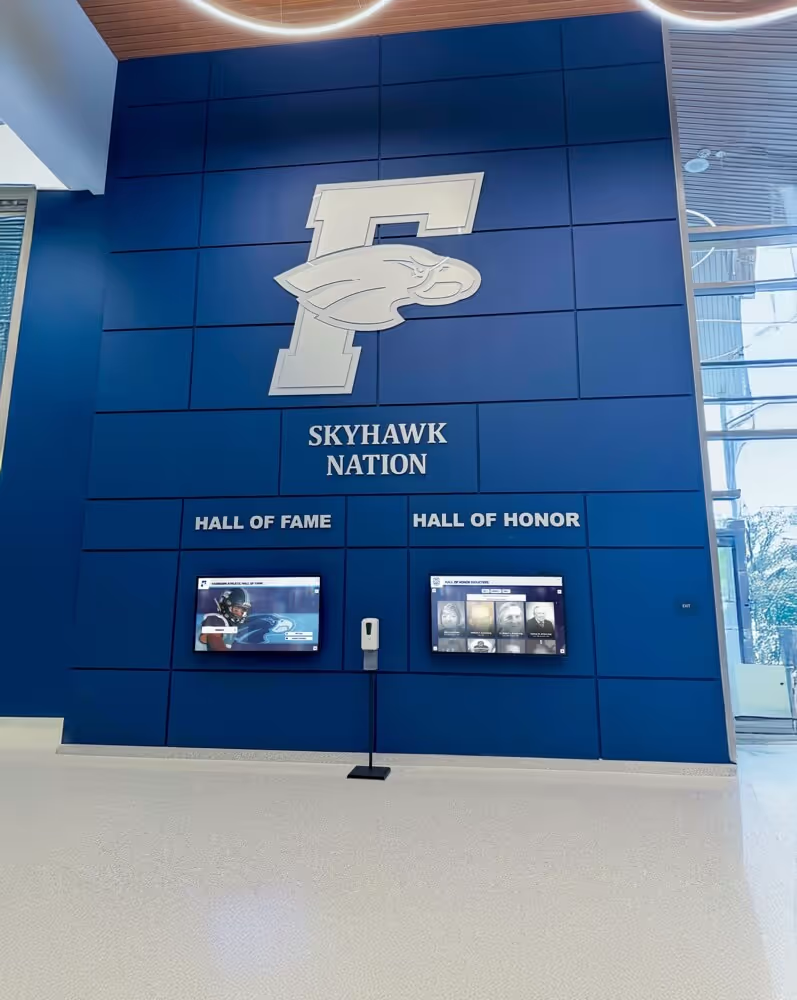
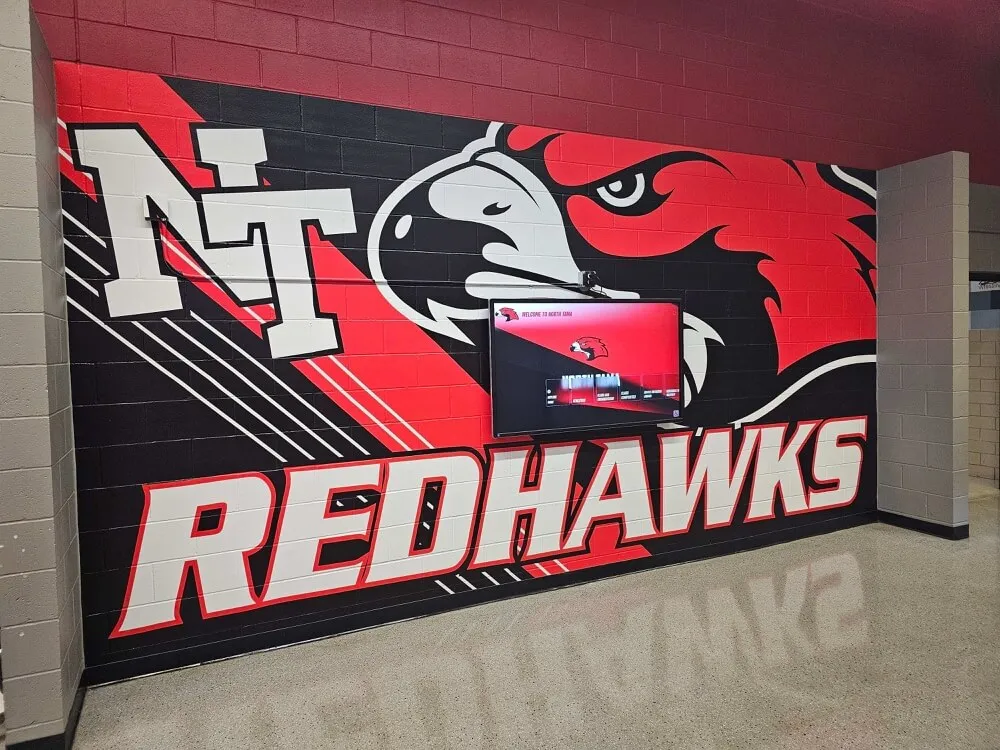
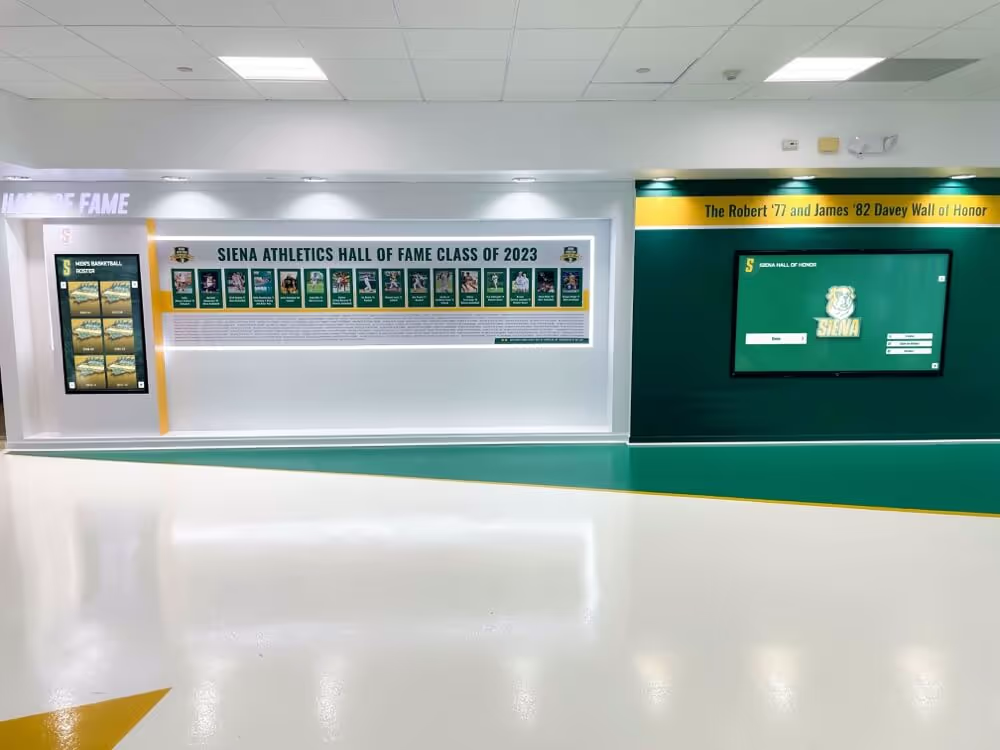
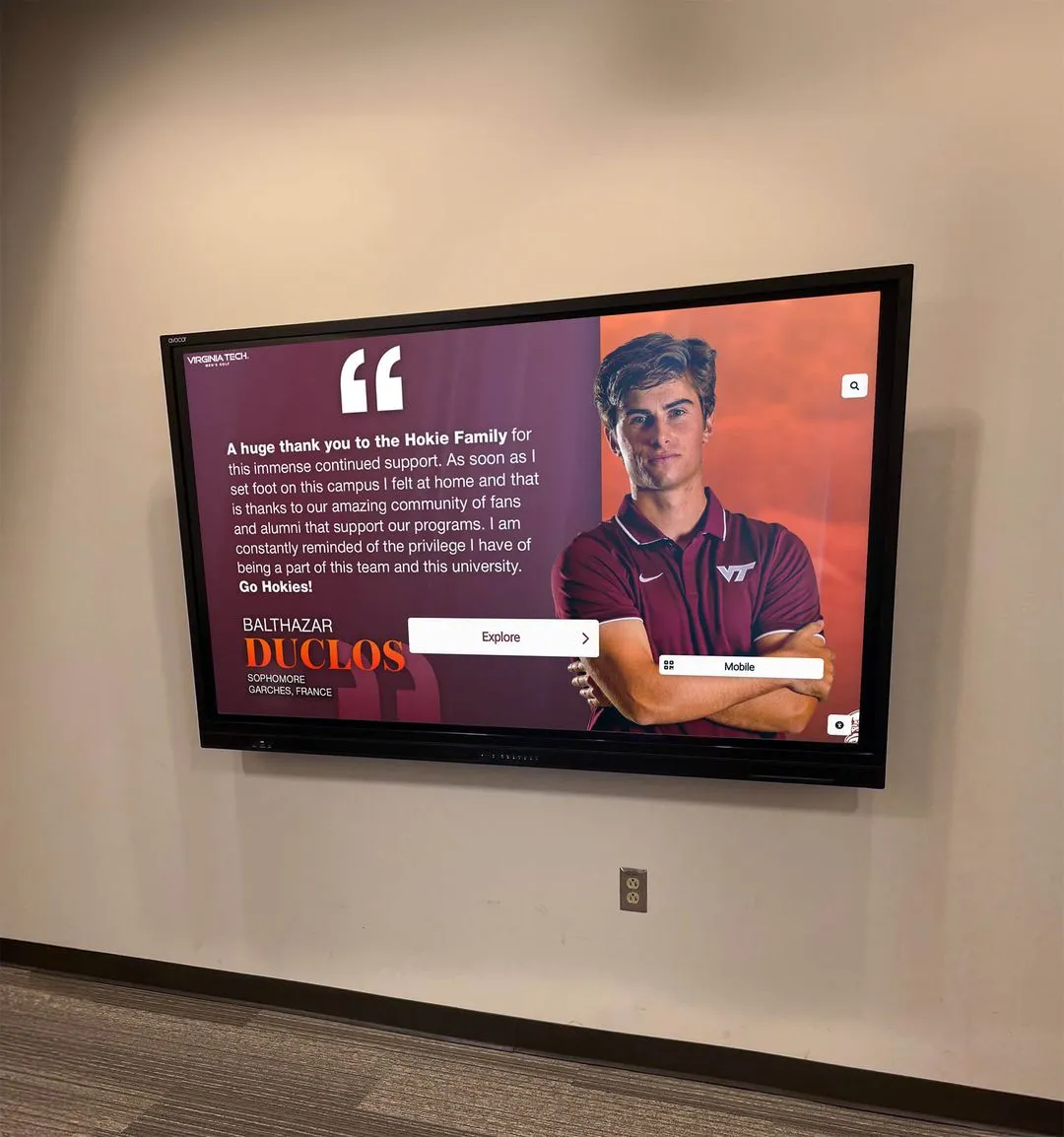
Branded installations integrate school colors, logos, and mascot imagery while maintaining professional presentation quality
Custom Backgrounds and Environmental Connection
Background treatments create visual interest while reinforcing institutional identity:
Facility Photography
- Stadium, field, and court images establishing venue connection
- Gymnasium and athletic facility interiors
- Campus architecture providing institutional context
- Aerial photographs showing athletic complex
- Historical facility photos blending heritage with modern presentation
Pattern and Texture Libraries
- Geometric patterns derived from logos or architecture
- Texture overlays suggesting materials (brick, wood, metal)
- Gradient treatments creating depth and dimension
- Motion graphics providing subtle animated backgrounds
- Sport-specific imagery appropriate for dedicated displays
Video Background Integration
- Looping campus and facility footage
- Athletic action highlights showcasing multiple sports
- Time-lapse sequences showing venue evolution
- Abstract motion graphics supporting brand without distraction
- Seasonal content rotation maintaining freshness
Background treatments should enhance rather than compete with record content, providing context and aesthetic appeal without distracting from primary recognition purpose.
Sponsorship and Donor Recognition Integration
Many programs fund digital record boards through partnerships requiring appropriate acknowledgment:
Sponsor Placement Strategies
- Dedicated sponsor logos in footer areas
- Rotation systems for multiple supporter acknowledgment
- Splash screens recognizing major funders
- Named displays crediting donors funding installations
- Tasteful integration maintaining primary recognition focus
Balancing Support and Experience
- Limit sponsor content to 10-15% of screen real estate
- Maintain clear visual separation from record content
- Ensure sponsor materials match overall design quality
- Update sponsor content maintaining current relationships
- Avoid excessive commercialization degrading user experience
Thoughtful sponsor integration acknowledges essential support while maintaining primary focus on athletic achievement recognition and program celebration.
Implementation Planning and Technology Selection
Successful digital record board deployment requires strategic planning across technology platforms, hardware solutions, and installation approaches.
Purpose-Built Recognition Platforms vs. Generic Digital Signage
Not all touchscreen software delivers equal results for record display applications:
Specialized Recognition Platform Advantages
- Record-specific data structures organizing by athlete, sport, and category
- Intuitive interfaces designed for athletic recognition
- Powerful search and filtering for instant record discovery
- Automatic record comparison and historical progression tracking
- Statistical calculation and leaderboard generation
- Analytics tracking engagement and demonstrating value
Solutions like Rocket Alumni Solutions provide comprehensive platforms designed specifically for athletic recognition, offering superior functionality compared to generic digital signage systems adapted for record display after initial design for announcements and commercial messaging.
Generic Digital Signage Limitations
- Lack record-specific content organization
- Missing athlete profile architecture
- No statistical analysis or automatic leaderboard generation
- Absent search functionality enabling content discovery
- Limited multimedia integration capabilities
- Poor support for recognition-specific workflows
Schools attempting to adapt commercial signage software for record display often encounter disappointing results—systems appearing impressive in demonstrations but proving frustrating in daily operation and maintenance.
Frameworks for choosing digital recognition providers provide detailed vendor evaluation criteria ensuring successful platform selection aligned with institutional needs.
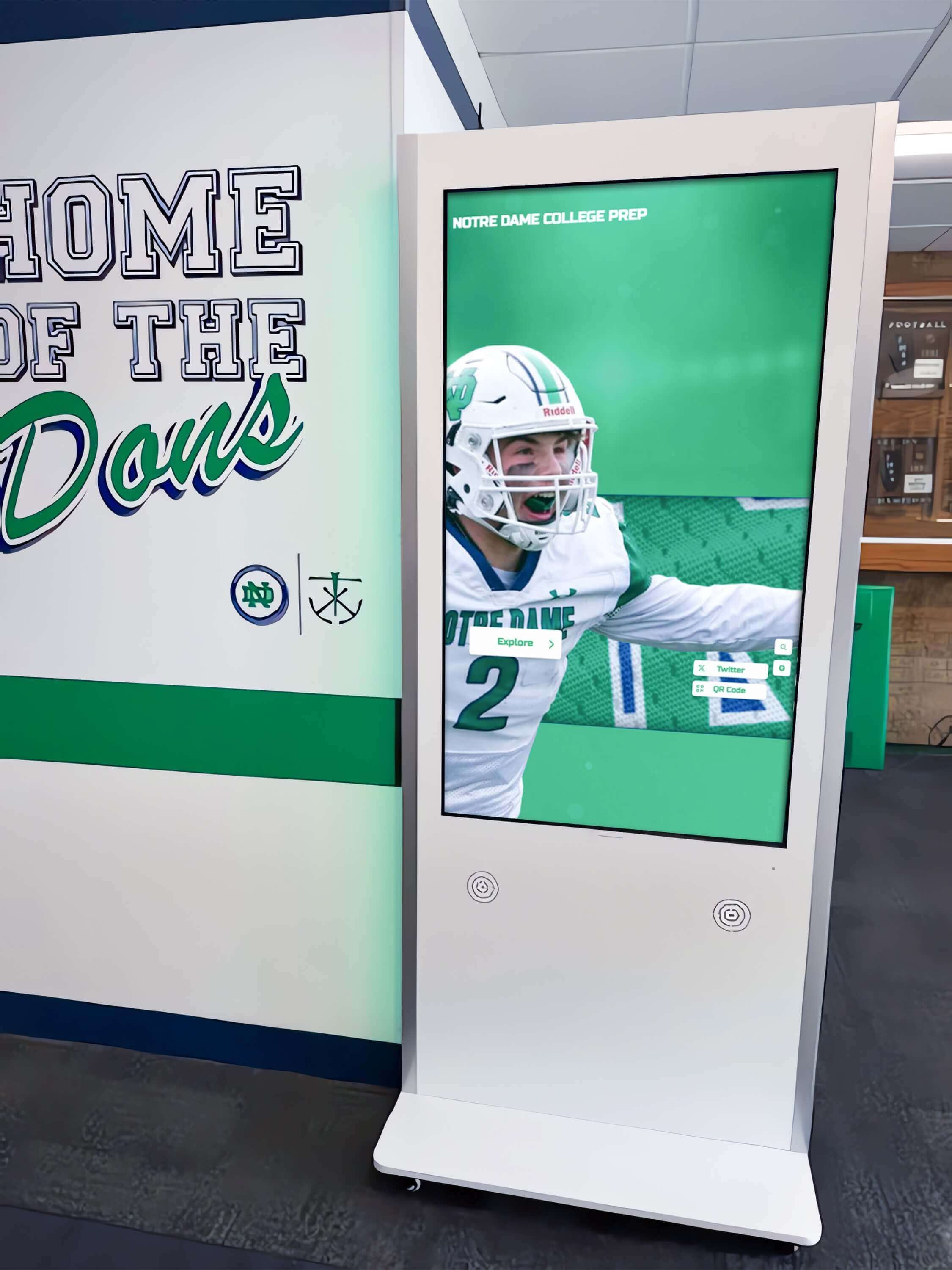
Free-standing kiosks provide professional all-in-one solutions with integrated computing and protective enclosures
Hardware Options and Display Technologies
Multiple hardware approaches serve different installation contexts:
Large-Format Interactive Touchscreens
- Screen sizes 43-75 inches for hallway installations
- Commercial-grade touch technology rated for continuous operation
- Integrated computing systems running recognition software
- Protective enclosures safeguarding displays in athletic facilities
- Professional mounting or free-standing kiosk solutions
Wall-Mounted Digital Signage Displays
- Non-touch displays showing rotating record content
- Lower cost enabling multiple location coverage
- Integration with existing digital signage infrastructure
- Portrait or landscape orientation based on space and content
- Scheduled content rotation maintaining display freshness
Hybrid Physical and Digital Installations
- Selective physical record boards for premier achievements
- Digital displays providing comprehensive record documentation
- Coordinated design maintaining visual consistency
- Satisfies constituencies valuing both tradition and innovation
- Maximizes recognition capacity while honoring heritage
LED Video Board Integration
- Large-scale displays in stadiums and competition venues
- Real-time record tracking during competitions
- Immediate new record celebration and announcements
- Integration with competition management systems
- Enhanced spectator experience and athlete recognition
Hardware selection depends on installation locations, budget parameters, desired interactivity levels, and integration with existing athletic facility technology infrastructure.
Strategic Placement and Installation Considerations
Display effectiveness depends significantly on location selection:
Optimal Installation Locations
- Athletic facility main entrances welcoming visitors immediately
- Gymnasium lobbies where athletes and families gather
- Training facility and weight room areas inspiring daily workouts
- Locker room corridors reinforcing standards athletes see regularly
- Competition venue concourses visible during events
Cross-Campus Visibility
- School main entrances showcasing athletic excellence institution-wide
- Cafeteria and commons areas reaching entire student population
- Library and academic building entrances
- Administrative office lobbies impressing visitors and recruits
- Alumni center locations engaging returning graduates
Strategic placement ensures maximum visibility during competitions, practices, and daily activities when athletic facilities experience peak traffic and attention. Understanding best athletic facility additions provides comprehensive frameworks for enhancement investments delivering maximum program impact.
Installation Best Practices
- Professional mounting ensuring weight support and security
- Appropriate viewing height for standing adults and wheelchair users
- Network connectivity with hardwired Ethernet preferred over WiFi
- Adequate lighting avoiding glare and screen washout
- Concealed cable management maintaining clean aesthetics
- Physical security measures in high-traffic areas
Professional installation ensures safety, accessibility, and presentation quality worthy of athletic excellence recognition.
Content Development and Record Documentation Strategies
Digital record board value depends entirely on quality content celebrating achievements comprehensively and accurately.
Starting Point and Scope Decisions
Rather than attempting immediate comprehensive documentation, successful implementations start focused then expand systematically:
Initial Content Scope
- Current academic year records providing immediate relevance
- 3-5 years recent history building contemporary coverage
- All-time school records across major sports
- Championship records and milestone achievements
- Featured athlete spotlights highlighting program tradition
This achievable initial scope demonstrates value quickly while historical content development continues in parallel across subsequent seasons and years.
Phased Historical Expansion
- Launch with recent records establishing system value
- Add decade-by-decade historical content systematically
- Prioritize championship and major achievement records
- Engage alumni assistance gathering historical information
- Utilize student volunteers for content entry and verification
- Document sources ensuring future accuracy and credibility
Phased approaches maintain momentum while building comprehensive record documentation over time rather than delaying launch indefinitely until complete historical research finishes.
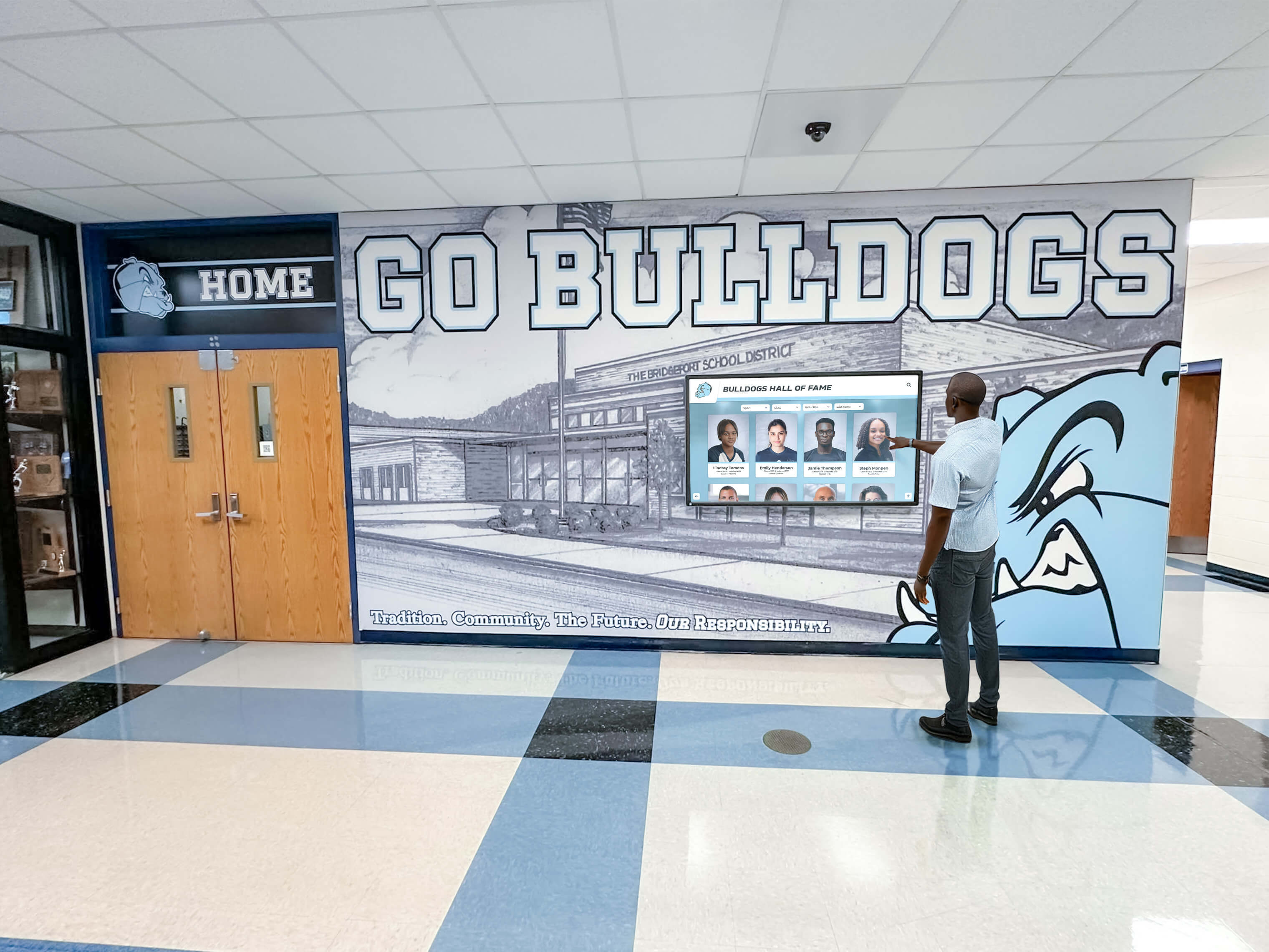
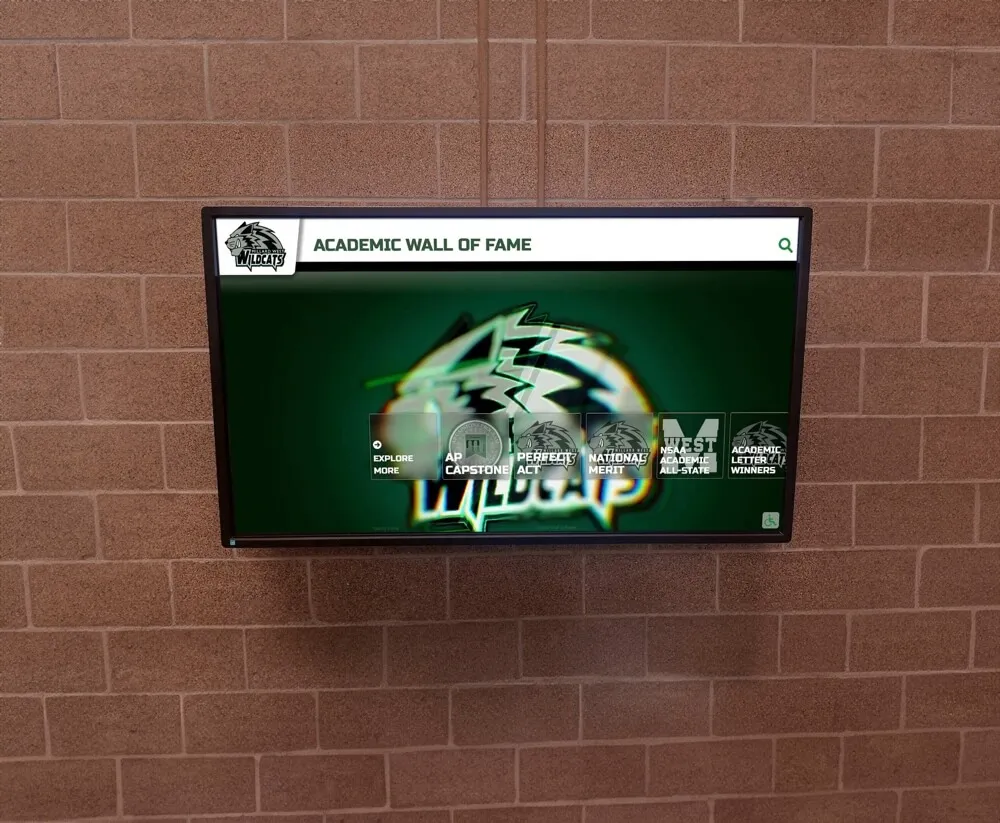
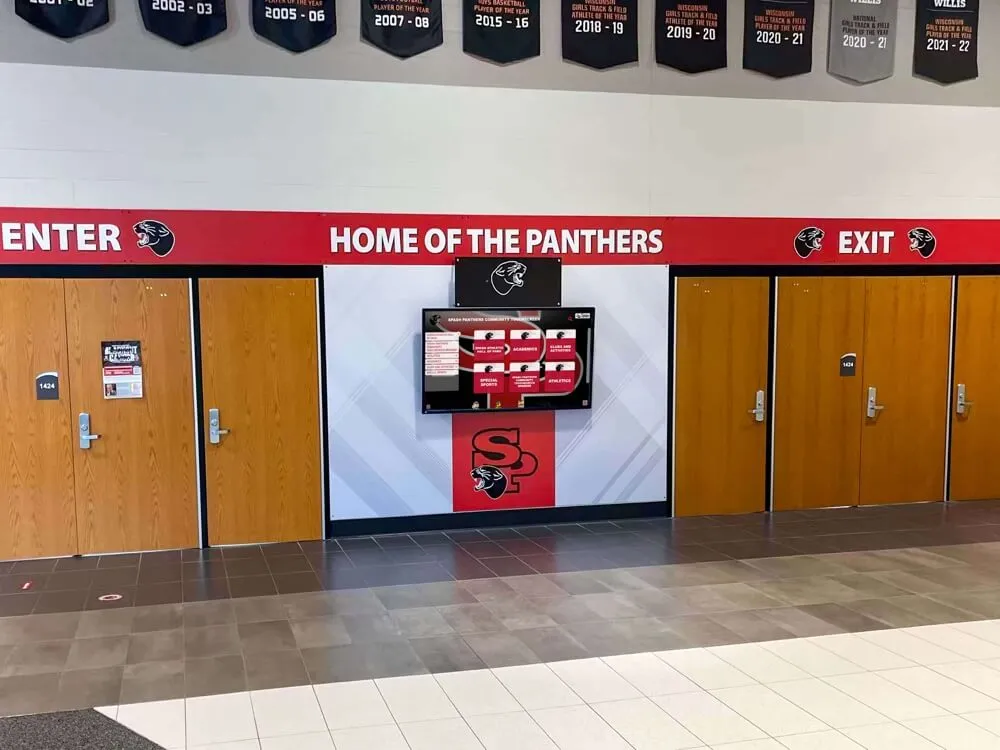
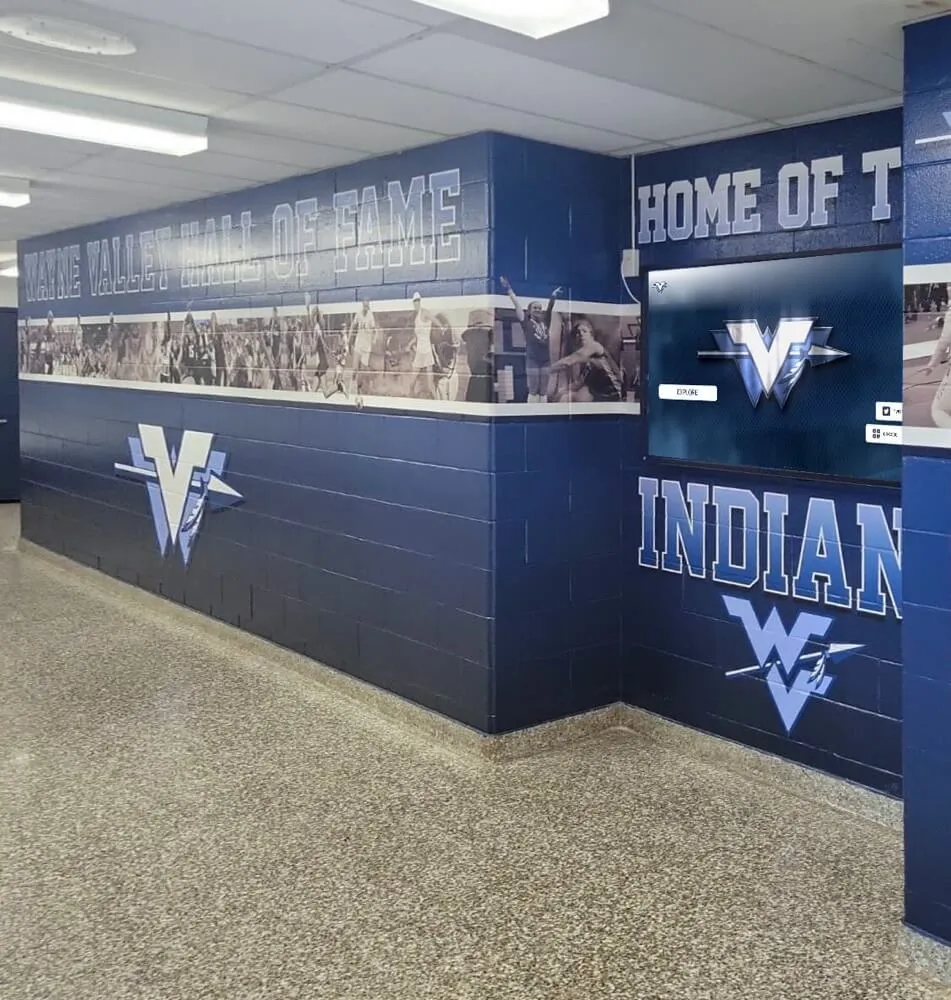
Strategic hallway placement ensures record displays reach students, staff, visitors, and athletes throughout daily activities
Record Verification and Accuracy Standards
Maintaining credible record documentation requires systematic verification:
Source Documentation Requirements
- Official record books and statistical archives
- Newspaper coverage and media documentation
- Digital archives and electronic records when available
- Coaching staff and athletic administrator verification
- Historical yearbooks and program documentation
- Alumni input and personal records for historical data
Verification Workflows
- Multiple source confirmation for historical records
- Athletic director approval for official record designation
- Coach review ensuring statistical accuracy
- Athlete confirmation when contact possible
- Documentation retention supporting future inquiries
- Correction procedures addressing errors discovered post-publication
Rigorous verification processes ensure record boards maintain credibility essential for motivating athletes to pursue documented achievements.
Information Standards and Consistency
- Standardized record categories across all sports
- Consistent statistical definitions and measurement methods
- Clear record designation criteria (school, conference, state)
- Appropriate historical context and achievement framing
- Equal representation across all athletic programs
- Regular audits maintaining accuracy over time
These standards transform record boards from potentially questionable claims into authoritative achievement documentation that athletes, families, and communities trust and respect.
Writing Compelling Record Descriptions
Effective record documentation balances statistical accuracy with storytelling:
Essential Information Components
- Athlete name, year, and sport identification
- Specific record category and performance statistics
- Competition context (championship, league, tournament)
- Previous record holder and improvement margin
- Date and location of record-setting performance
- Current status of athlete when available
Narrative Enhancement
- Performance circumstances and competitive context
- Challenges overcome achieving record
- Significance within program history
- Related achievements and career accomplishments
- Coach and teammate perspectives
- Impact on team success and season outcomes
Rather than stating “Sarah Johnson - 400m - 54.32 - 2023,” write “Sarah Johnson shattered the 15-year school record in the 400m dash with a 54.32 performance at the state championship meet, leading the team to a second-place finish and earning All-State recognition in her senior season.” This approach creates engagement and understanding transforming recognition from directories into compelling documentation preserving institutional memory.
Multimedia Content Production
Rich media transforms record documentation into immersive experiences:
Photography Standards
- Action shots capturing record-setting performances
- Award ceremony and recognition event documentation
- Team photos providing achievement context
- Facility and venue photography establishing setting
- Historical photos connecting records to program tradition
- High resolution (minimum 1920x1080) ensuring quality display
Video Content Development
- Competition footage showing record-setting moments
- Athlete interview reflections on achievements
- Coach commentary providing significance context
- Highlight compilations documenting multiple record-holders
- Historical video archives when available
- Caption all video supporting accessibility and sound-off viewing
Document and Artifact Digitization
- Newspaper coverage and media articles
- Official scorebooks and statistical documentation
- Award certificates and recognition materials
- Historical program documents and materials
- Championship banners and physical record boards
- Preserve original materials while enabling digital access
Comprehensive multimedia documentation creates recognition experiences that inform and inspire rather than simply documenting names, numbers, and dates.
Measuring Digital Record Board Impact and Success
Assessment demonstrates recognition value while identifying enhancement opportunities ensuring continuous improvement.
Engagement Analytics and Usage Metrics
Digital platforms provide data revealing how communities interact with record displays:
Display Interaction Metrics
- Total interaction sessions tracking overall usage frequency
- Average session duration indicating depth of engagement
- Most-viewed records revealing popular content
- Search query analysis showing exploration patterns
- Navigation paths revealing intuitive versus confusing structure
- Peak usage times informing content update strategies
Web Platform Analytics
- Website traffic to online record portals
- Geographic distribution showing remote access patterns
- Device types (mobile, tablet, desktop) informing design priorities
- Social sharing frequency measuring organic promotion
- Return visitor rates indicating sustained interest
- Referral sources revealing discovery methods
Content Performance Insights
- High-performing record characteristics informing additions
- Low-engagement profiles suggesting enhancement needs
- Popular sports and athletes driving traffic
- Search failures highlighting missing or hard-to-find content
- User feedback when platforms include rating features
These analytics guide content strategy, reveal successful approaches, and identify improvement opportunities making recognition increasingly effective.
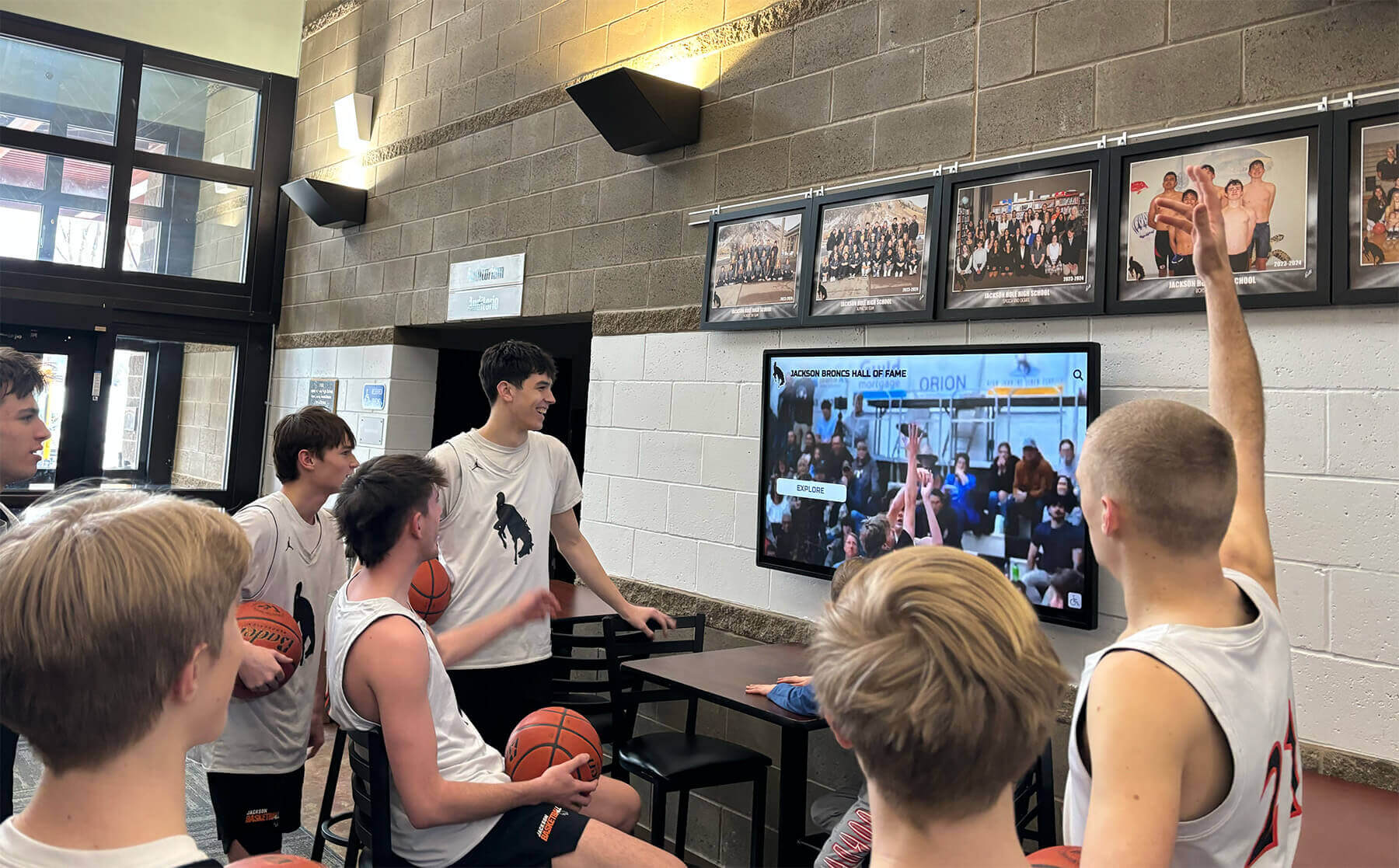
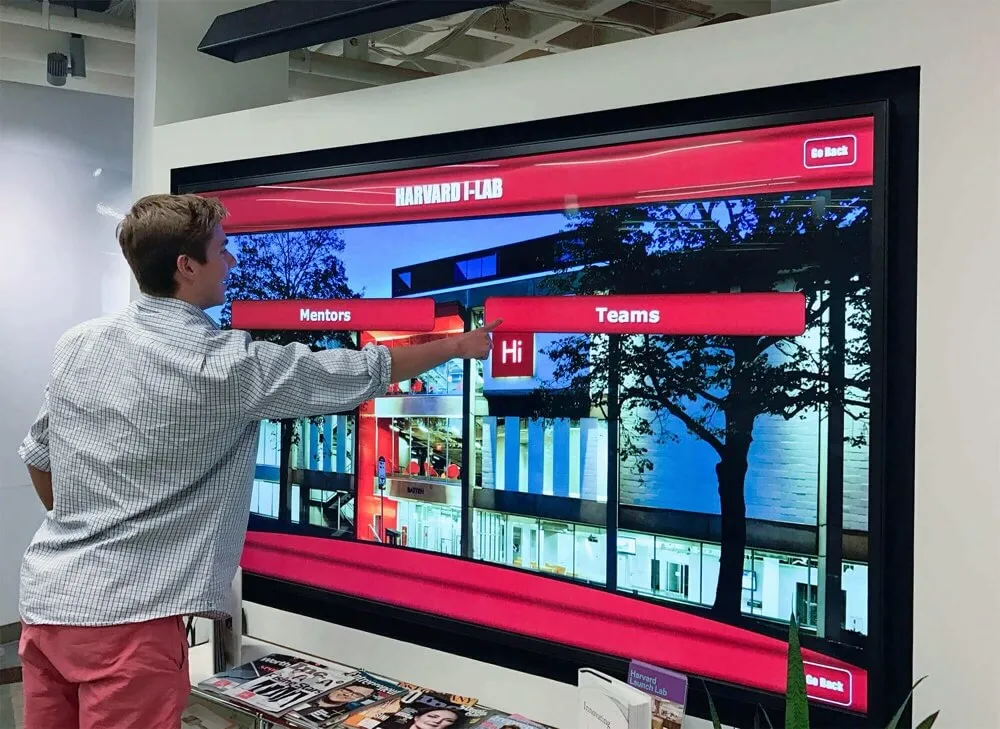
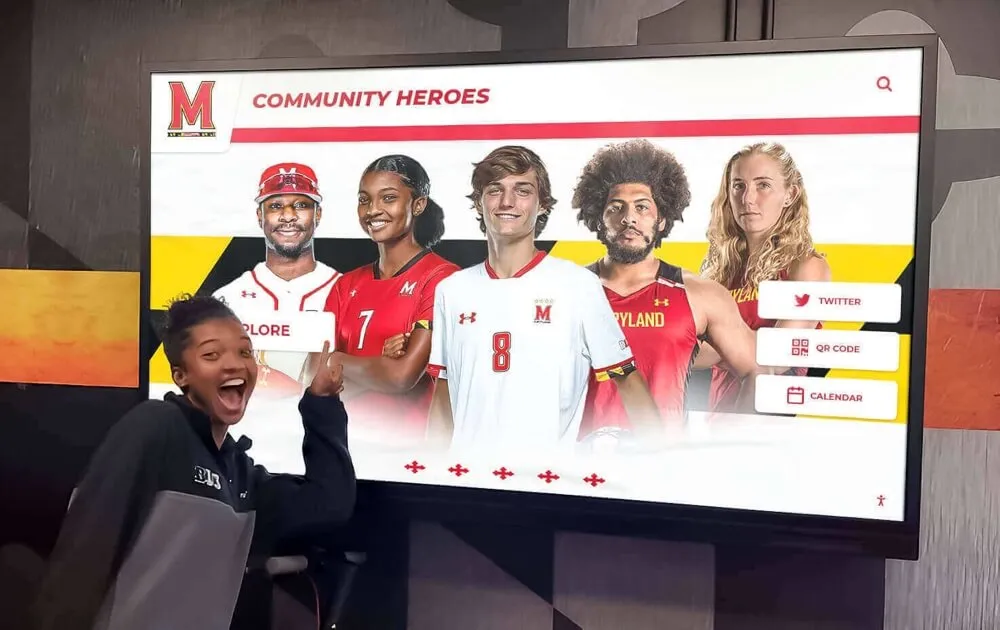
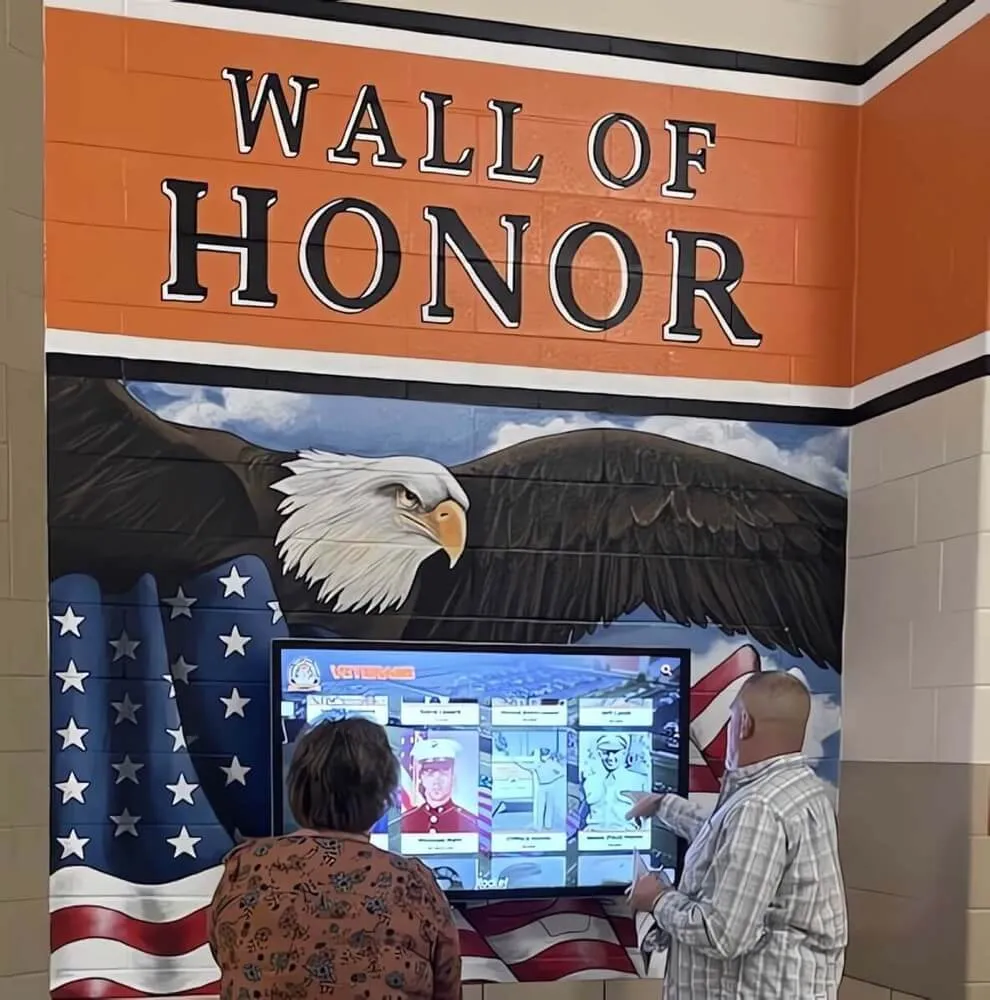
Engaged viewing and group discussion demonstrate effective recognition displays capturing athlete attention and interest
Stakeholder Feedback Collection
Quantitative metrics complement qualitative feedback providing complete assessment:
Athlete and Student Perspectives
- Surveys assessing record board awareness and motivational impact
- Focus groups exploring whether displays influence goal-setting
- Current athlete input on desired features and content
- Graduate reflections on recognition value retrospectively
- Student suggestions for enhancement and expansion
Coaching and Administrative Input
- Coach perspectives on display influence on athlete motivation
- Athletic director assessment supporting program goals
- Administrative staff feedback on management system usability
- Facilities staff input on hardware reliability and maintenance
- Technology coordinator perspectives on integration and support
Family and Community Feedback
- Parent surveys about recognition visibility and satisfaction
- Alumni input on online record access and engagement
- Community member perspectives on program perception
- Fan experience data related to display encounters
- Donor and supporter feedback when applicable
This comprehensive feedback ensures record boards serve diverse stakeholder needs while identifying enhancement opportunities that data alone cannot reveal.
Program Outcome Correlations
While challenging to isolate display impact, some metrics may show correlation:
Athlete Performance and Participation
- Increased pursuit of school records
- Higher participation rates in documented sports
- Improved athlete retention through graduation
- Multi-sport participation influenced by recognition
- Training intensity and commitment levels
Recruitment and Program Growth
- Prospective student-athlete interest levels
- Facility tour feedback mentioning record displays
- Recruitment visit impressions and commitments
- Program application and tryout numbers
- Transfer and enrollment decisions
Cultural and Climate Indicators
- Athletic program culture survey results
- School climate data related to athletic program perception
- Equity measures ensuring all sports receive recognition
- Sportsmanship and character indicators
- Alumni engagement and connection levels
While record displays alone don’t determine these outcomes, comprehensive recognition contributes to positive program environments supporting athlete development, engagement, and success.
Hybrid Approaches Combining Traditional and Digital Recognition
Many programs find that combining selective physical record boards with comprehensive digital systems creates optimal recognition serving diverse stakeholder preferences.
Selective Physical Record Prominence
Maintain traditional painted or printed boards displaying premier achievements:
- All-time school records in major sports
- State championship records and milestones
- Long-standing records representing program heritage
- Records specifically commemorated with donor funding
- Historical records from facility naming eras
Physical record boards preserve ceremonial significance and tangible presence creating powerful focal points commanding immediate attention. Many stakeholders, particularly older alumni and major donors, specifically value seeing records permanently displayed rather than digital representations alone.
Digital Depth Providing Comprehensive Documentation
Supplement selective physical boards with comprehensive digital systems documenting:
- Complete record documentation across all categories
- Individual, team, seasonal, and career records
- All sports including Olympic and emerging programs
- Historical record progression and previous holders
- Multimedia content showing record-setting performances
- Athlete profiles and career achievement documentation
Digital platforms provide unlimited capacity enabling truly comprehensive record recognition without physical space limitations forcing difficult choices about which achievements receive visibility.
The combination honors tradition through continued physical record presence satisfying constituencies valuing tangible recognition while using digital technology for comprehensive capacity, instant updates, rich multimedia storytelling, and universal web-based accessibility that traditional boards alone cannot provide regardless of budget or facility expansion.
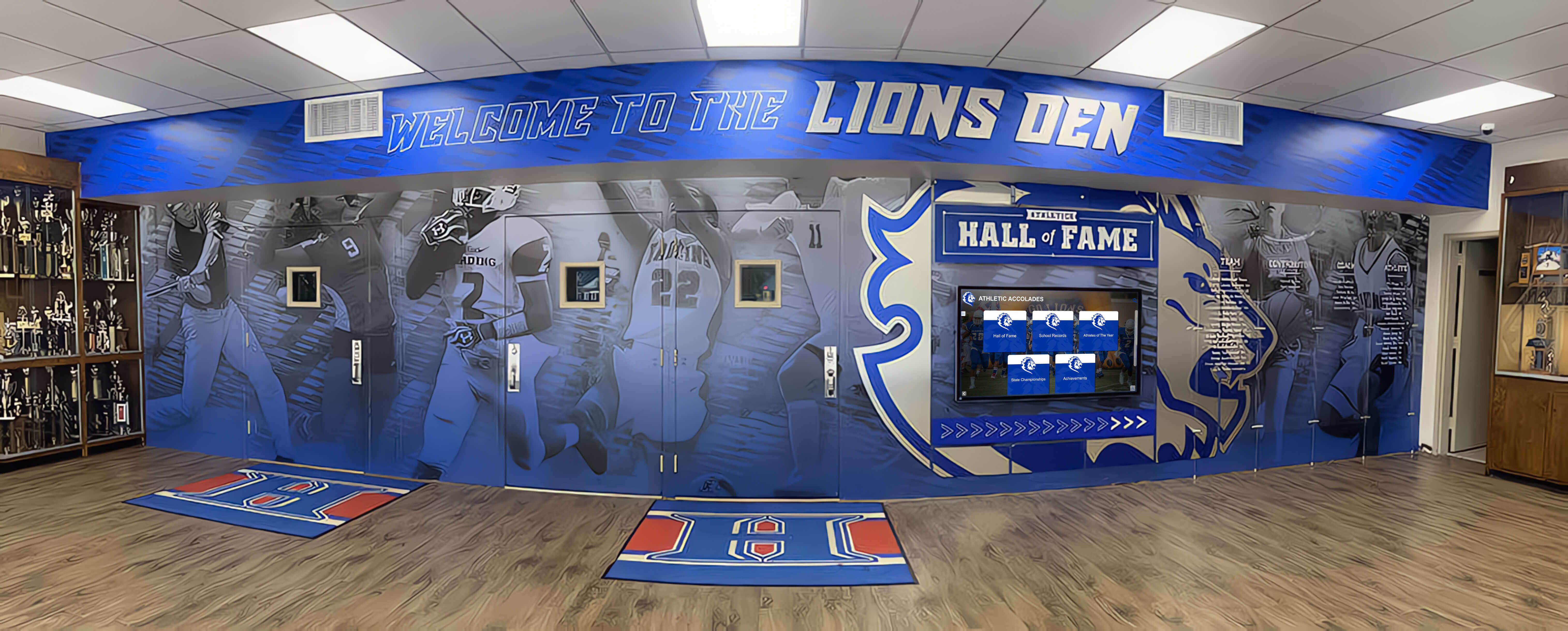
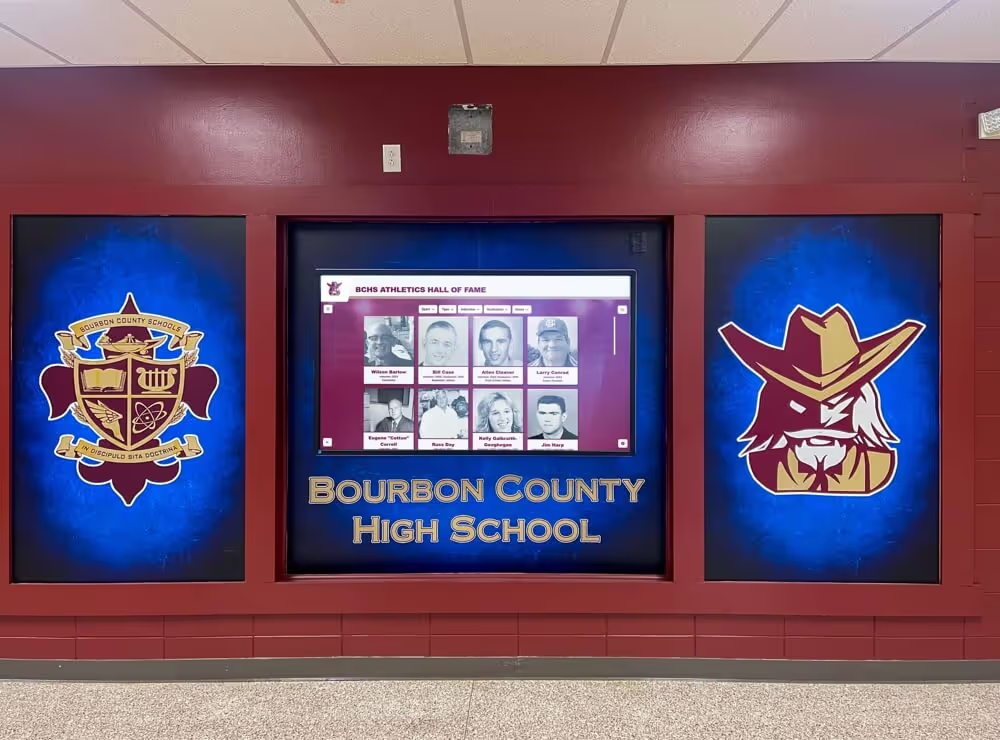
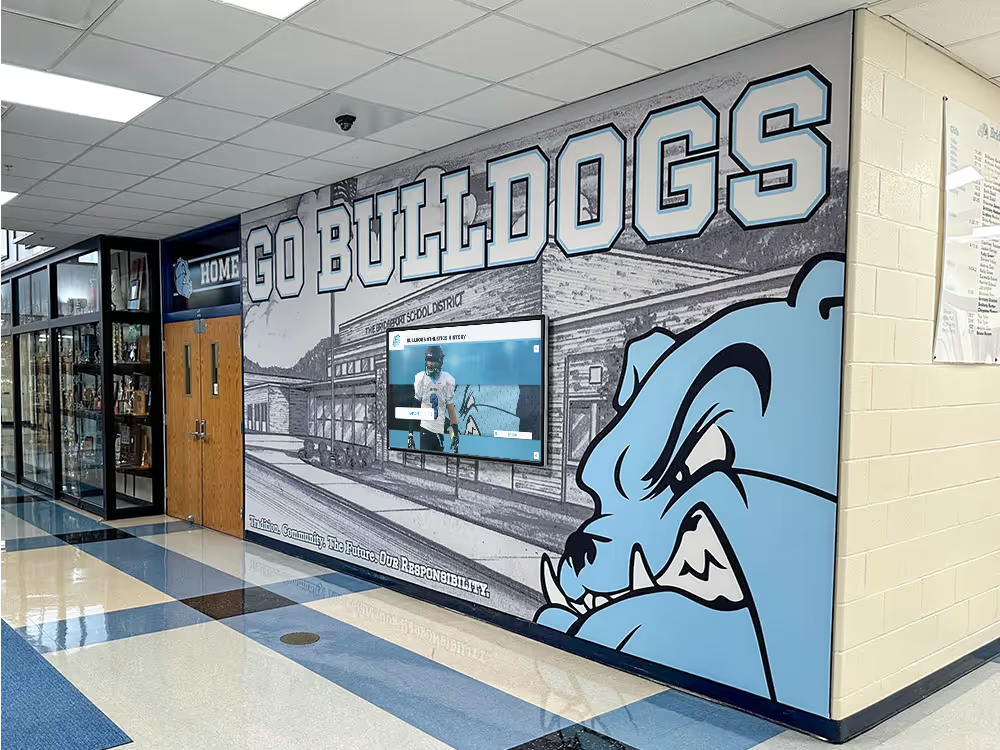
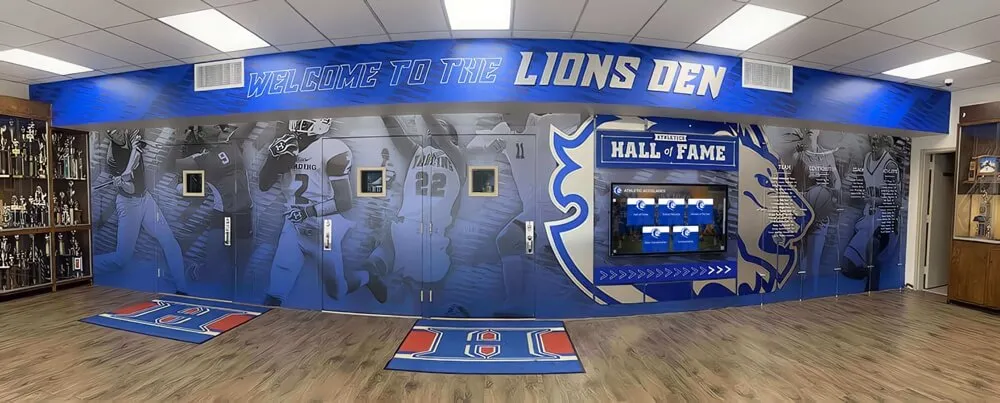
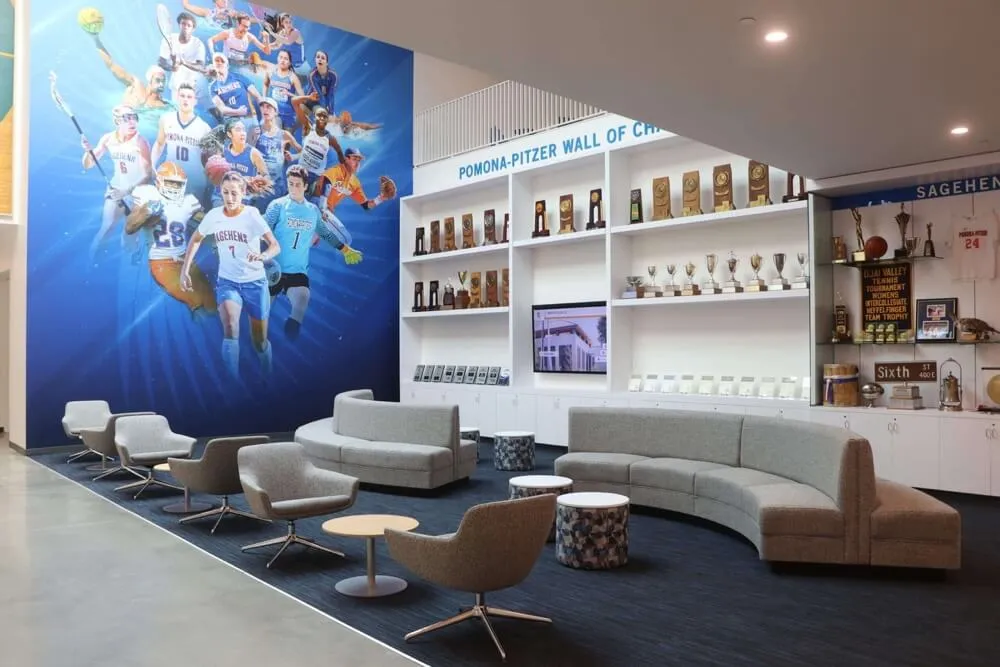
Hybrid installations preserve traditional trophy cases and murals while adding modern digital recognition capacity
Special Application: Track and Field Record Boards
Track and field programs particularly benefit from digital record board capabilities given sport complexity:
Event-Specific Record Organization
- Separate record categories for sprints, distance, hurdles, jumps, throws
- Indoor and outdoor record differentiation
- Relay records with complete team documentation
- Multi-event records (heptathlon, decathlon)
- Age group and classification records
Performance Context Integration
- Wind speed documentation for sprint and jump records
- Altitude and facility certification information
- Hand-timed versus electronic timing clarification
- Meet level context (invitational, championship, qualifying)
- Weather conditions affecting performance
Visual Performance Data
- Distance throw and jump progression charts
- Time improvement graphs showing record evolution
- Comparison tools analyzing performance across eras
- Qualifying standard reference for state and national levels
- Current season leaderboards tracking ongoing performance
Resources on track and field record displays provide sport-specific implementation frameworks addressing unique recognition requirements.
Conclusion: Transforming Athletic Record Recognition for Modern Programs
Digital record boards represent fundamental advancement in how athletic programs recognize achievement, establish performance standards, and build competitive cultures inspiring excellence. By eliminating space constraints limiting traditional boards to selective recognition, enabling immediate updates maintaining current and relevant displays, creating engaging interactive experiences connecting athletes with program tradition, and providing rich multimedia context transforming statistics into compelling stories, digital record board technology delivers comprehensive solutions that traditional painted and printed approaches cannot match.
Transform Your Athletic Record Recognition
Discover how custom-designed digital record board experiences can modernize athletic recognition for your school while inspiring excellence and preserving competitive heritage through engaging, accessible displays.
Book a DemoThe most successful digital record board implementations share common characteristics: they start with clear recognition goals understanding what achievement celebration should accomplish, select purpose-built platforms designed specifically for athletic record display rather than generic signage repurposed after initial design for commercial messaging, develop thoughtful content strategies honoring achievements comprehensively across all sports and eras, and position displays strategically where athletes encounter recognition throughout daily training and competition activities.
Whether implementing comprehensive digital record systems replacing traditional boards entirely, creating hybrid approaches combining selective physical displays with unlimited digital documentation, or enhancing existing recognition with modern interactive capabilities, digital record board technology provides proven solutions strengthening athletic culture while ensuring every achievement receives the permanent recognition it deserves regardless of physical space limitations or traditional display constraints.
Schools investing in digital record boards demonstrate commitment to celebrating all achievements rather than limiting recognition to highest accomplishments or most visible sports that traditional board space can accommodate. This comprehensive approach communicates institutional values while building cultures where athletic excellence across all dimensions receives systematic celebration creating motivation, pride, and lasting connection between athletes and their programs across generations of competitive tradition.
Ready to explore digital record board options for your athletic program? Learn more about digital athletic recognition strategies, discover basketball record recognition approaches, explore state championship display solutions, and understand comprehensive athletic hall of fame implementation that celebrates excellence while building thriving competitive cultures through purpose-built interactive technology designed specifically for preserving institutional memory and inspiring continued athletic achievement across all sports, competition levels, and program dimensions.