



Class officers—presidents, vice presidents, secretaries, and treasurers—invest substantial time organizing events, managing budgets, representing peers, and building democratic traditions that define school culture. These elected student leaders coordinate homecoming activities, facilitate grade-level communication, advocate for student interests, and develop organizational skills that translate directly to college leadership and professional success. Yet their contributions often remain invisible beyond brief yearbook listings, temporary campaign posters, and informal advisor acknowledgment that disappears after graduation.
Traditional approaches to recognizing class officers fail to provide the visibility, engagement, and permanence these student leaders deserve. Campaign materials vanish after elections, yearbook pages gather dust in closets, static bulletin boards become outdated within months, and leadership accomplishments go undocumented. Meanwhile, students who might consider running for class officer positions never encounter compelling evidence that elected leadership receives meaningful celebration comparable to athletic achievement or academic honors.
This comprehensive guide explores designing digital showcases that transform class officer recognition through interactive touchscreen experiences, systematic documentation of leadership accomplishments, multimedia storytelling that engages school communities, and sustainable content management ensuring recognition remains current throughout the academic year and across decades of institutional history.
Effective digital showcases for class officers serve multiple essential purposes: validating the significant effort elected leaders invest in serving their peers, inspiring younger students to pursue democratic leadership opportunities, demonstrating institutional commitment to celebrating all forms of excellence—not just athletics, creating accessible documentation supporting college applications and scholarship pursuits, and preserving leadership legacy connecting current students to school governance traditions spanning generations.

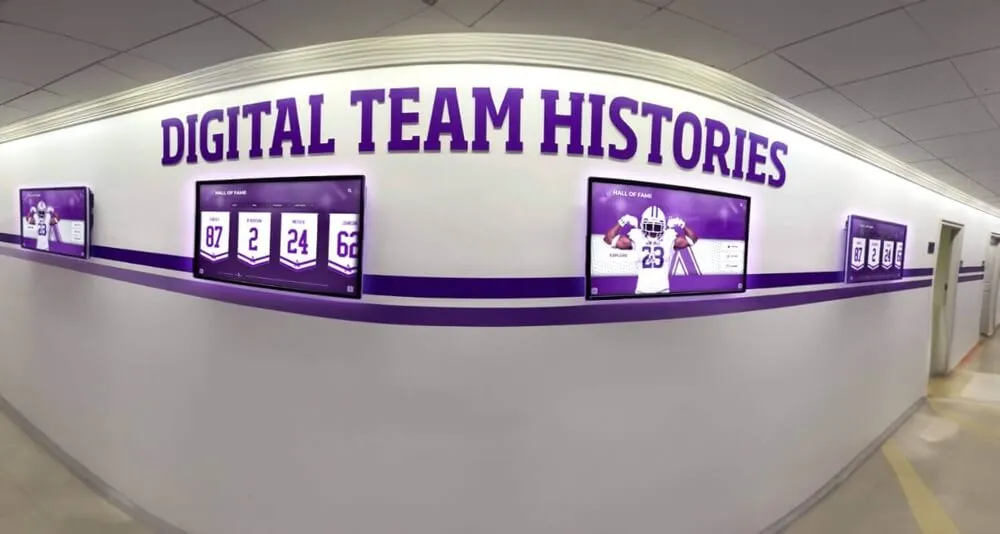
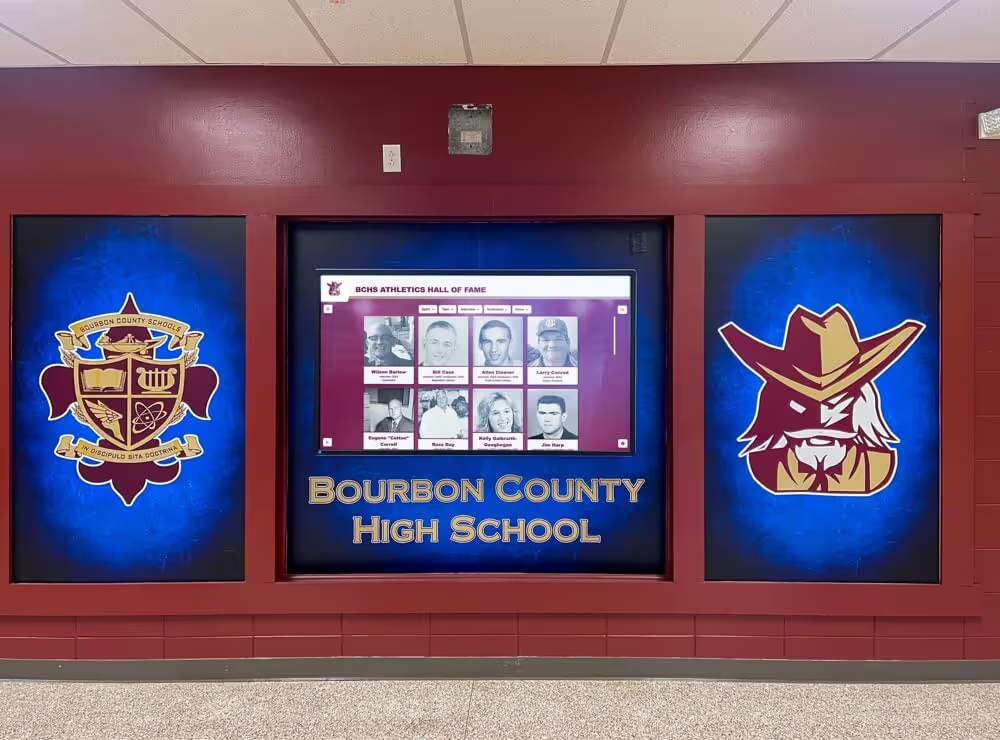
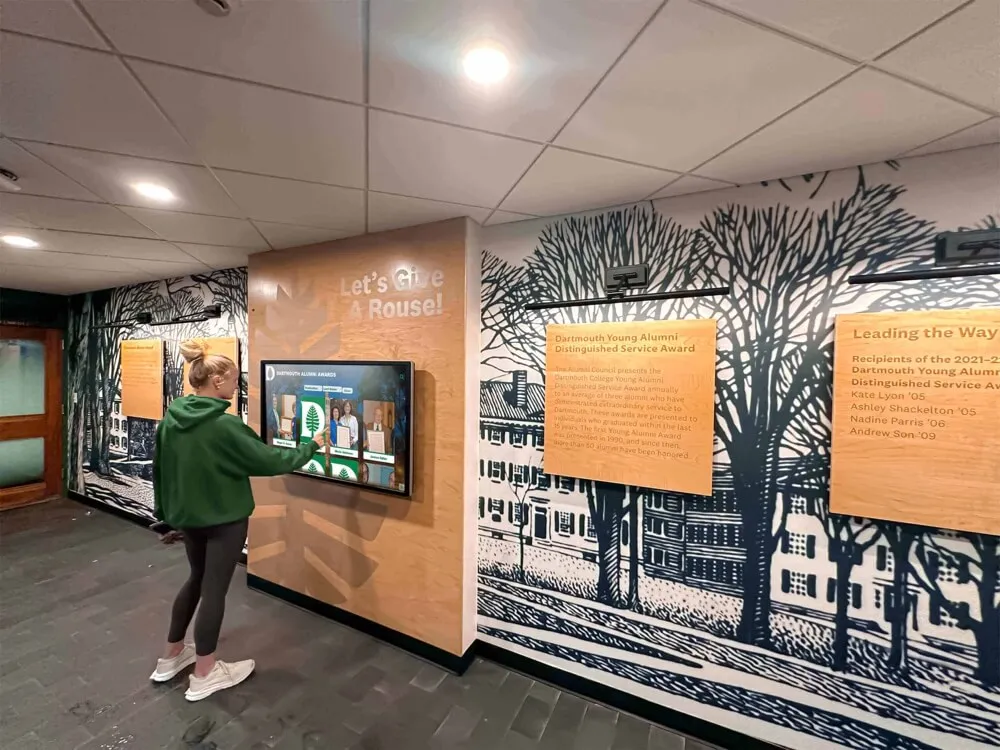
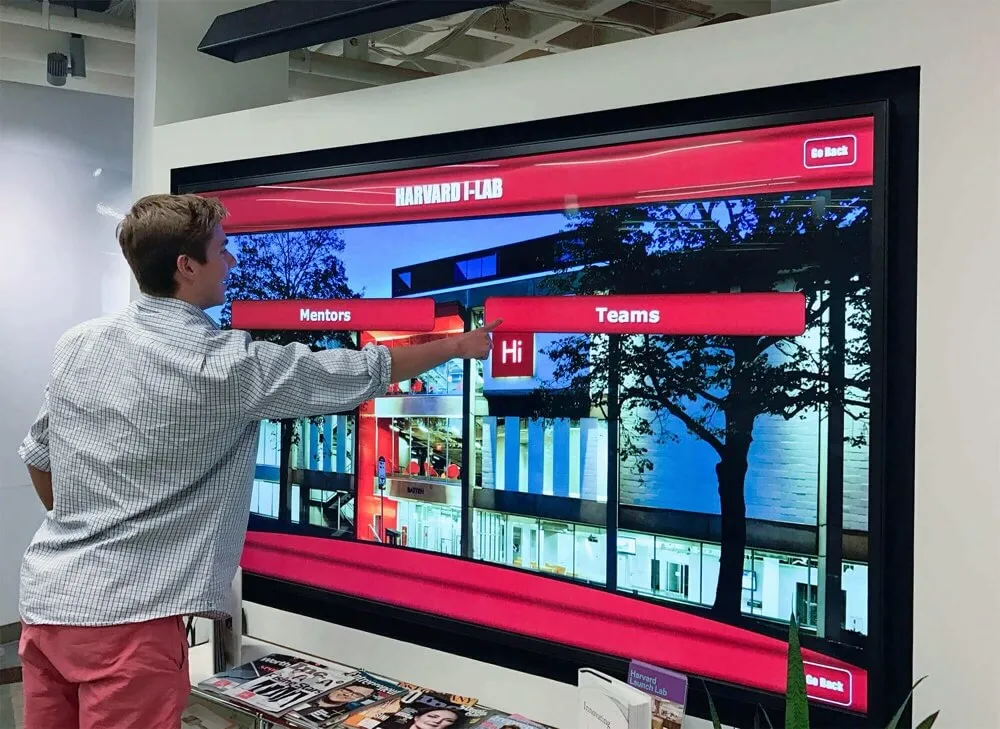
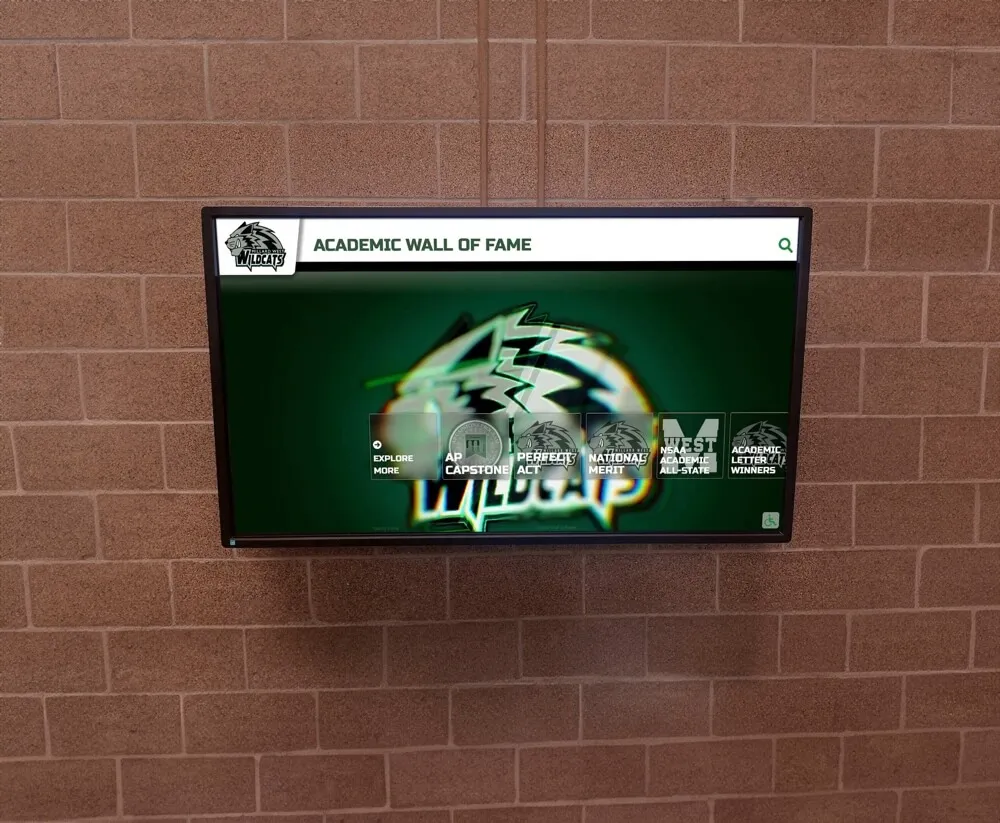
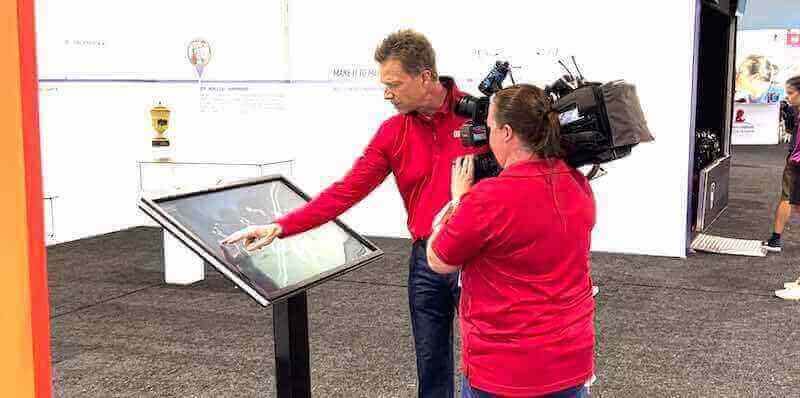
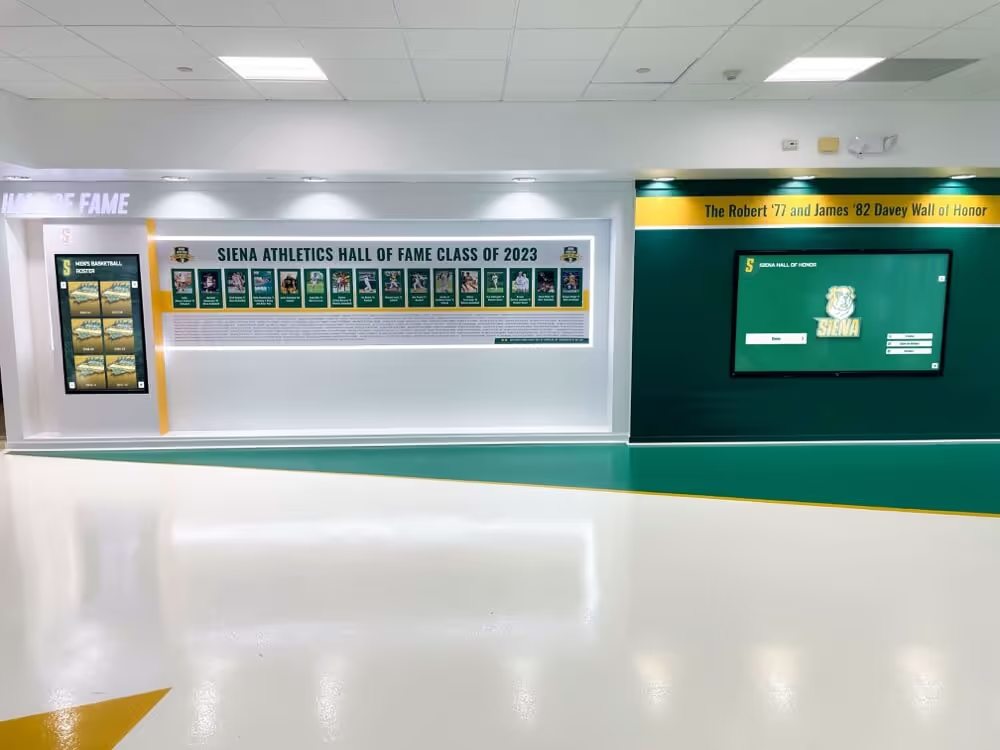
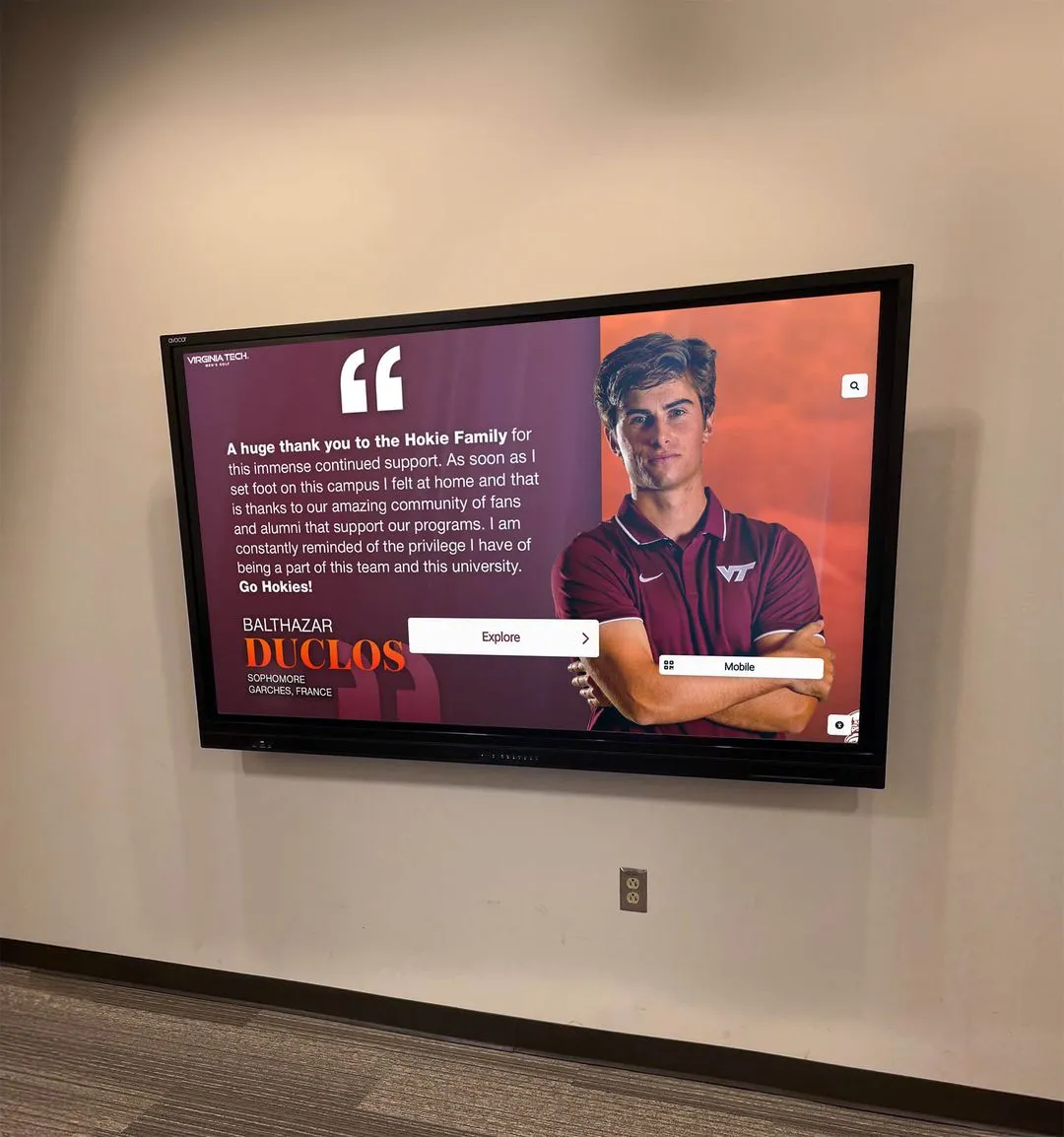
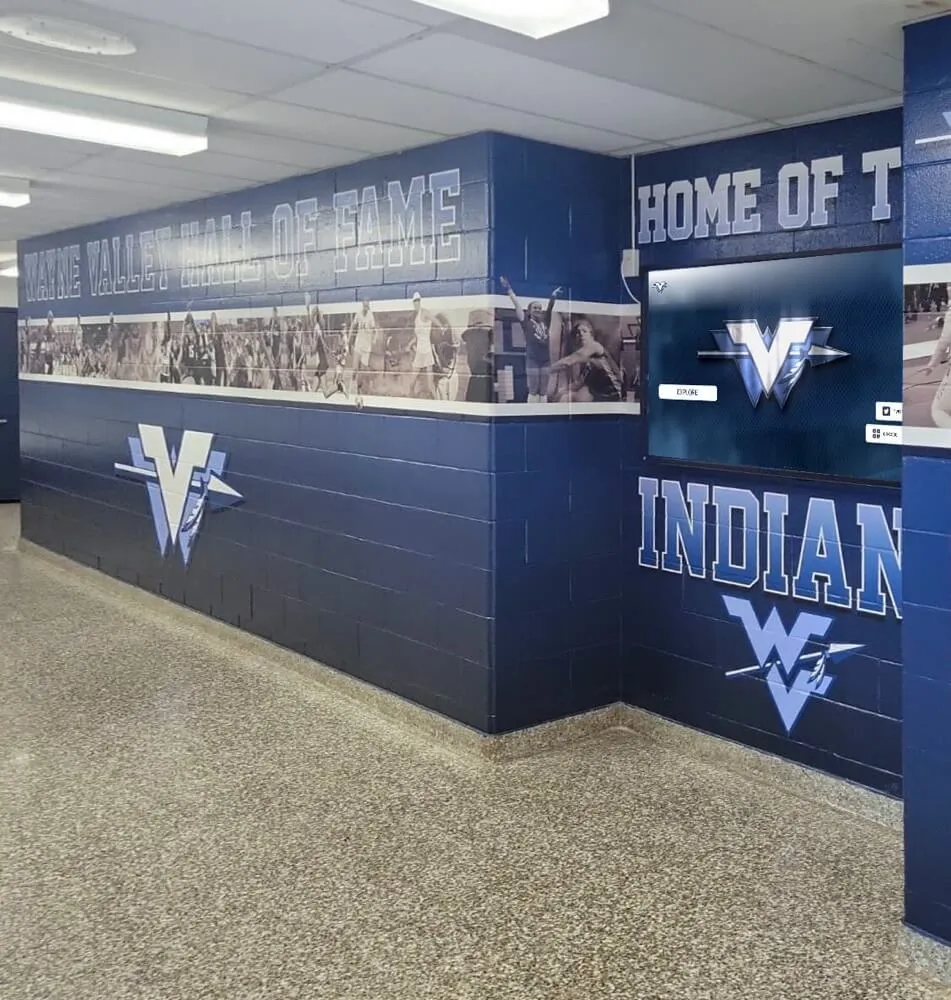
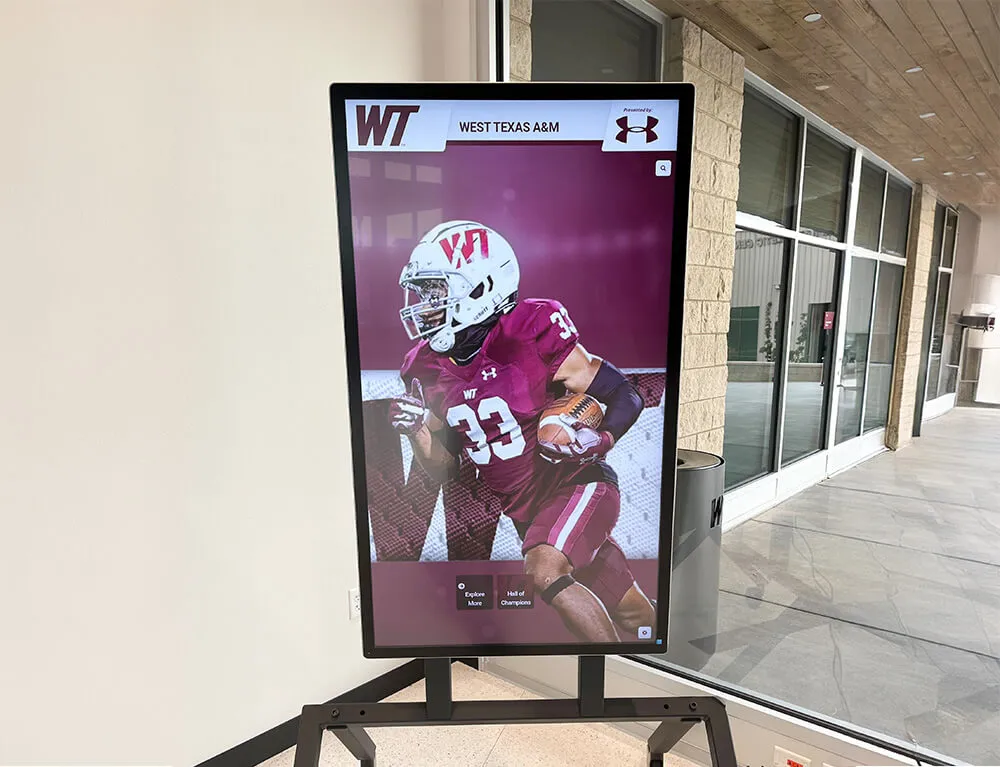
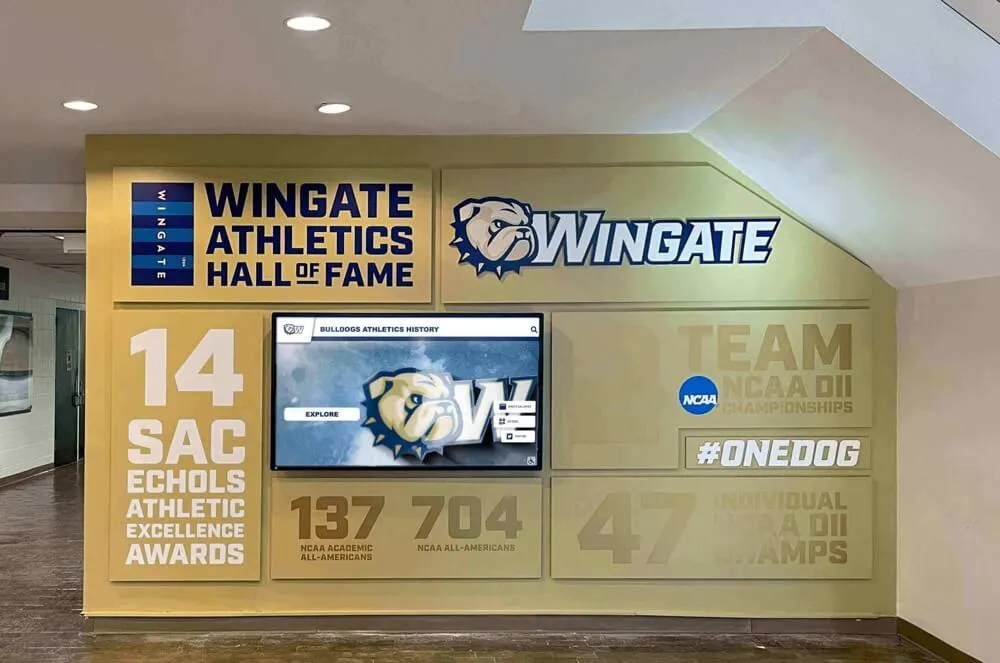
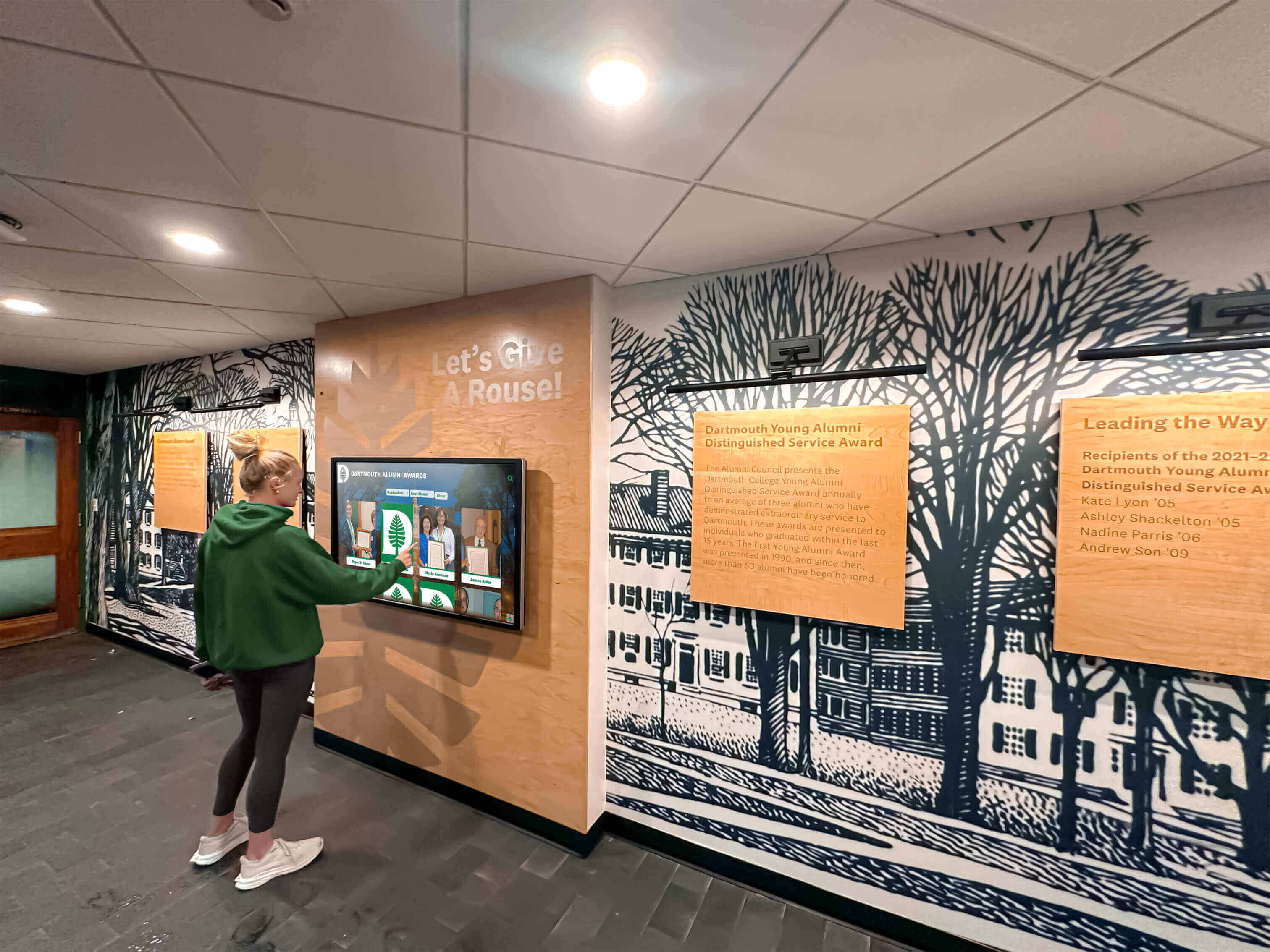
Modern touchscreen displays transform how schools celebrate and explore student leadership across all grade levels
Understanding Class Officer Roles and Recognition Needs
Before designing recognition experiences, schools benefit from understanding typical class officer organizational structures and the specific leadership contributions these positions require throughout the academic year.
Standard Class Officer Positions and Responsibilities
Most middle schools and high schools operate with grade-level student governments consisting of elected officers who coordinate activities, manage resources, and represent their classes.
Class Presidents Class presidents serve as primary representatives for their grade level, typically responsible for coordinating grade-specific events like class trips or fundraisers, representing class interests to administration and student council, facilitating communication between classmates and school leadership, leading officer meetings and setting collaborative agendas, and serving as spokespersons during assemblies and special events. Presidents must balance diverse student interests, maintain team momentum throughout the year, and demonstrate diplomatic skills when advocating for class priorities.
Vice Presidents Vice presidents support presidential functions while assuming specific operational responsibilities including leading meetings and initiatives when presidents are unavailable, overseeing particular committees or grade-level projects, coordinating logistics for class events and activities, managing communication between officers and broader class membership, and preparing to assume presidential leadership in subsequent years. This role develops backup leadership capacity while providing substantial governance experience.
Secretaries Secretaries maintain essential documentation and communication including recording meeting minutes documenting decisions and action items, maintaining class rosters and contact information, coordinating announcements through social media or school platforms, tracking attendance and participation for planning purposes, and preserving class government history across the academic year. Strong organizational skills make secretaries essential for sustained officer team effectiveness.
Treasurers Treasurers manage financial resources and fundraising including maintaining budget records tracking income and expenses, coordinating fundraising activities supporting class events and initiatives, processing payment requests and reimbursements for approved activities, preparing financial reports for advisors and administration, and ensuring fiscal responsibility and transparency. Financial management skills developed through treasurer positions provide practical experience applicable to personal and professional contexts.
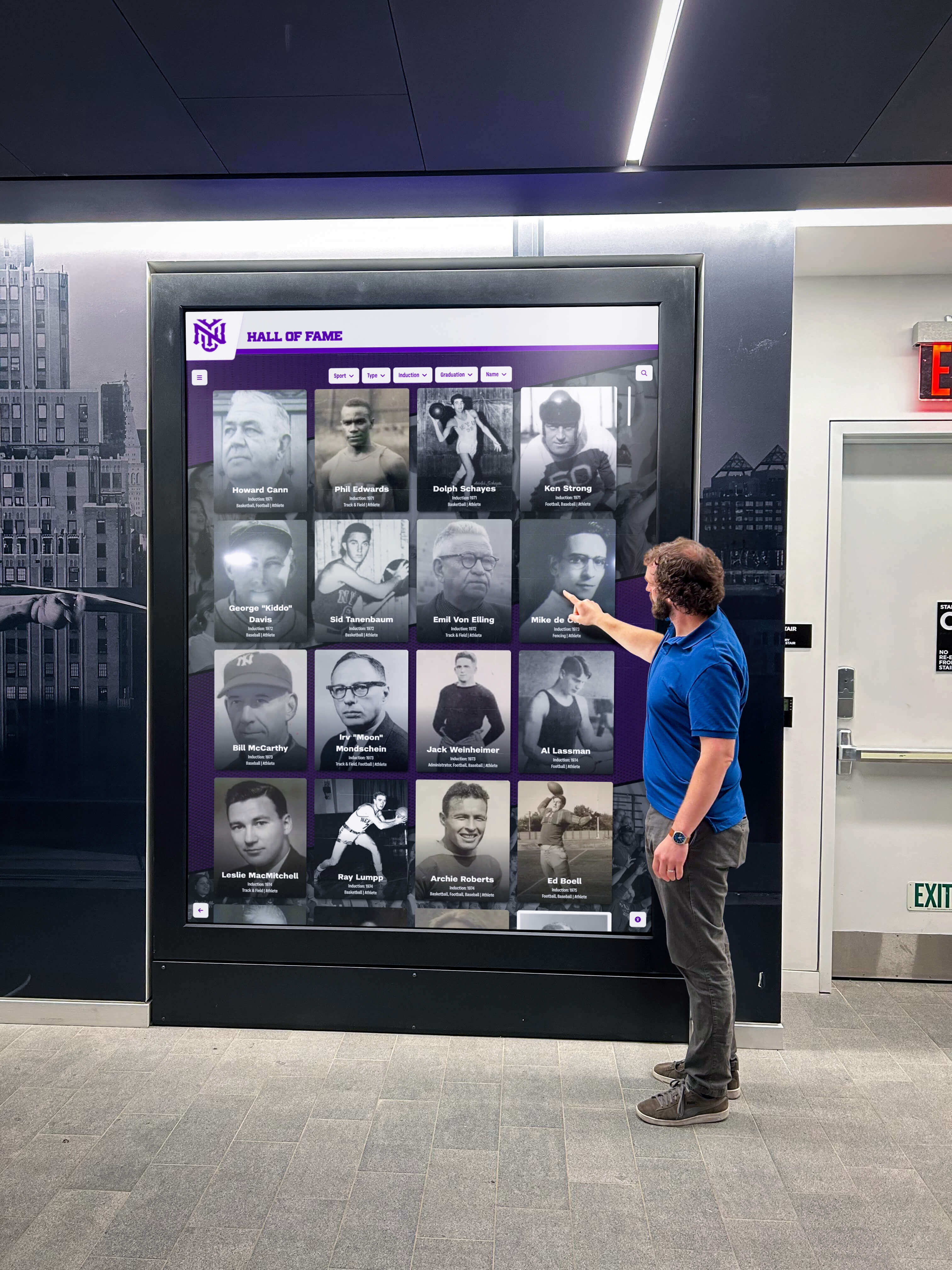
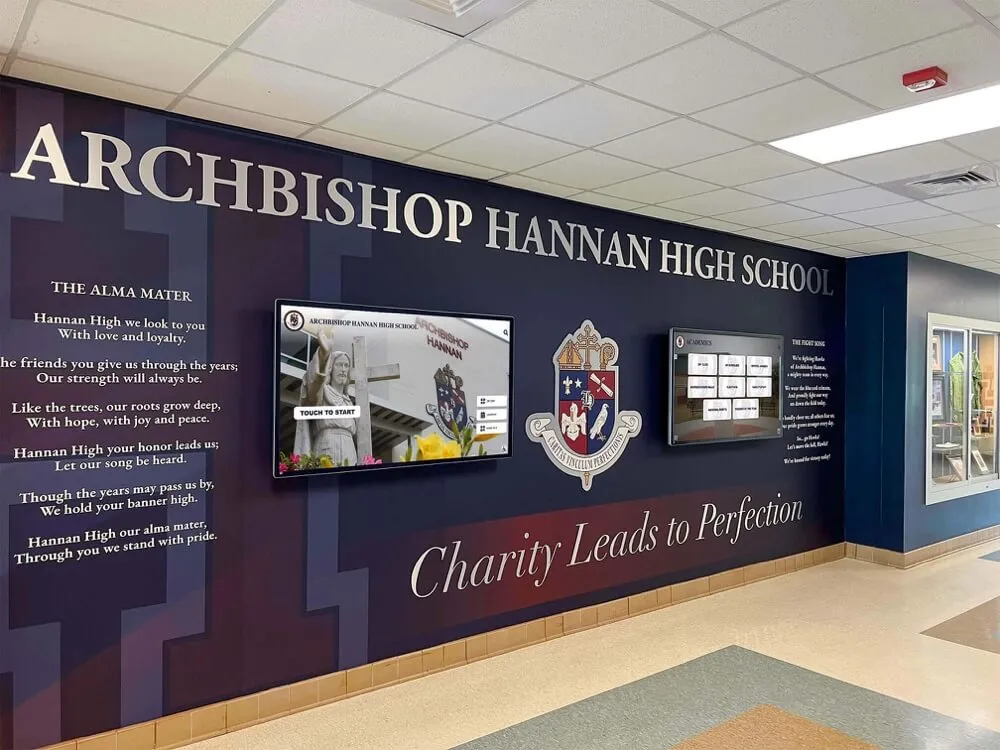
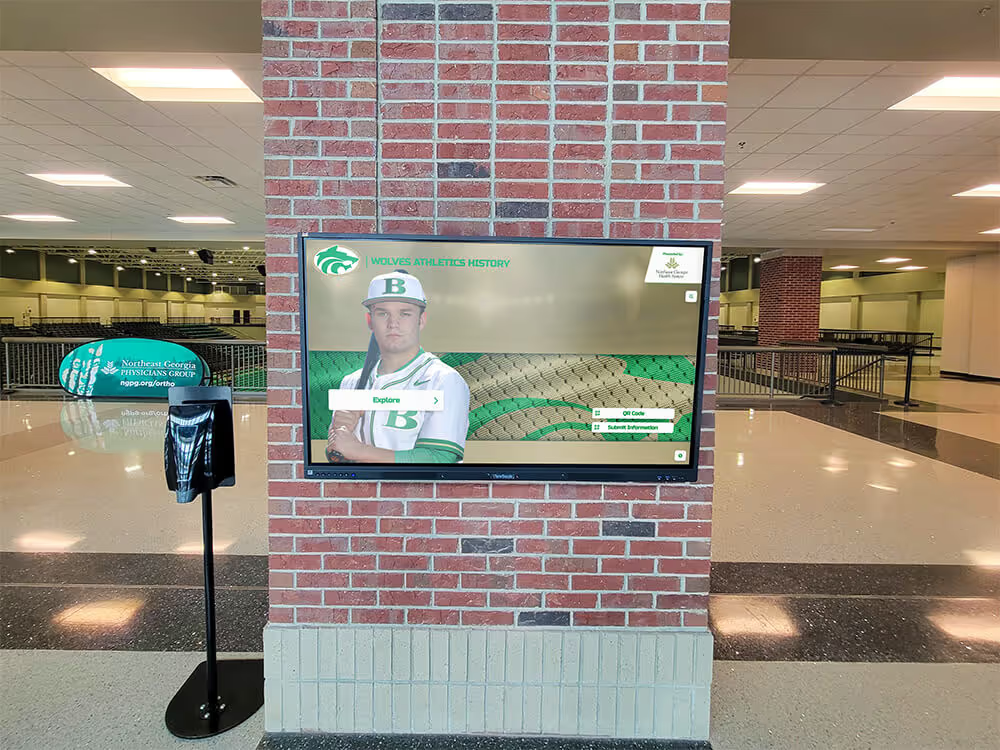
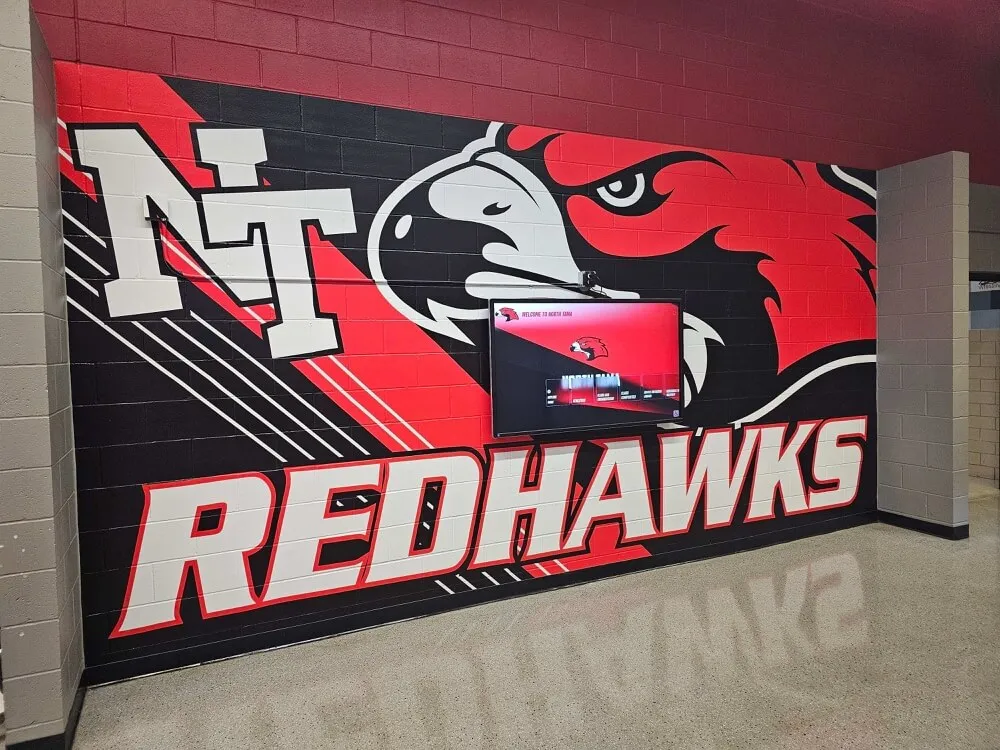
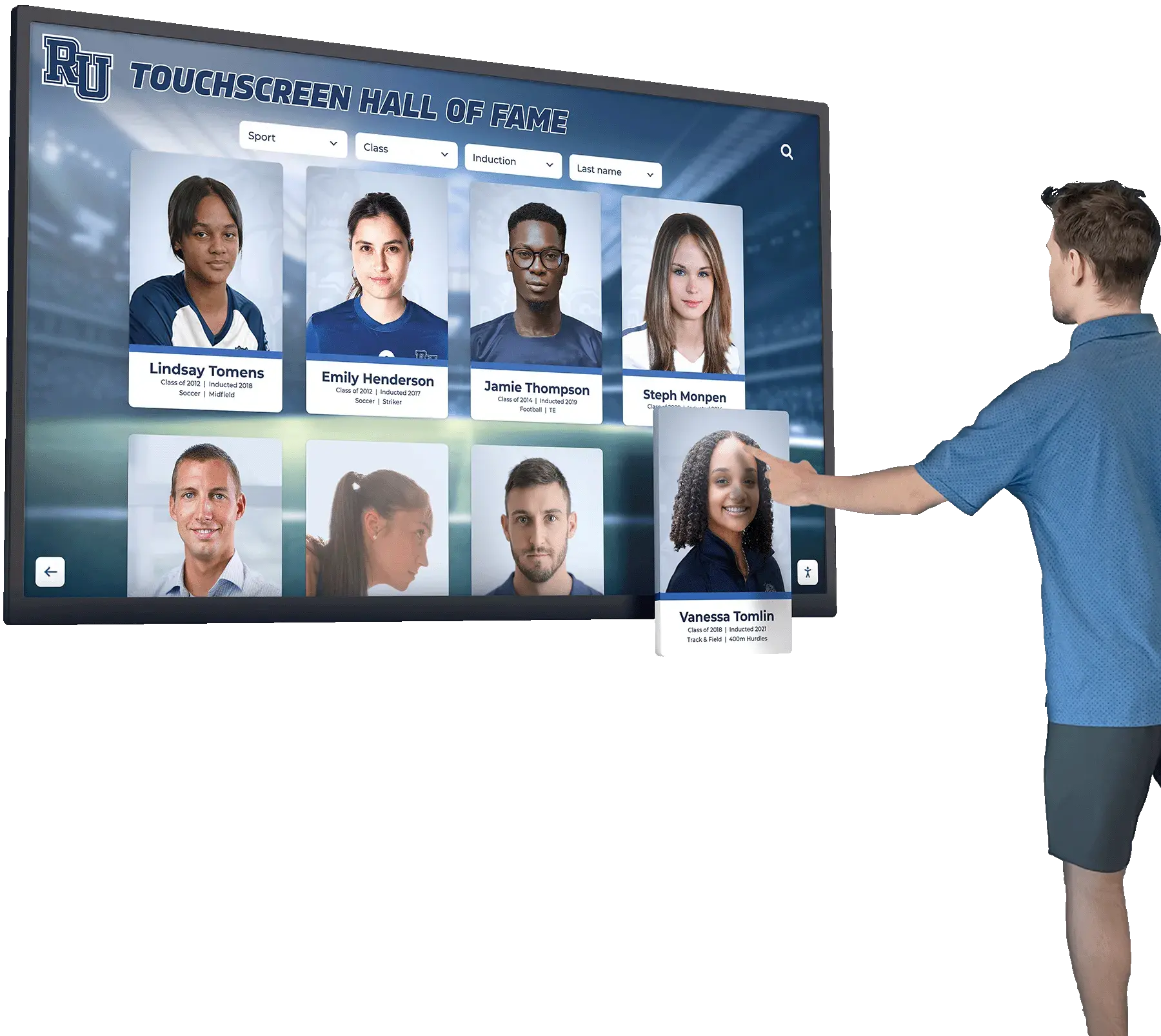
Interactive recognition creates opportunities for exploration rather than passive viewing
Additional Leadership Positions Many class governments include specialized roles including social committee chairs organizing events and spirit activities, community service coordinators managing volunteer initiatives, communications directors handling publicity and social presence, student council representatives connecting class officers to school-wide governance, and grade-level advocates for specific interests or populations. These positions suit students passionate about particular aspects of class leadership while developing specialized skills.
Leadership Development Through Class Officer Service
Elected class officers gain transferable skills through their service that deserve documentation supporting future opportunities.
Organizational and Management Capabilities Class officers develop practical leadership skills including coordinating complex event logistics across diverse stakeholder groups, managing budgets and financial accountability, delegating responsibilities and ensuring follow-through, balancing competing priorities and deadline pressures, and adapting plans when circumstances change or challenges emerge.
Communication and Interpersonal Skills Leadership positions require sophisticated communication including facilitating meetings ensuring all voices receive consideration, presenting to audiences during assemblies and special events, negotiating with administration to advocate for class interests, resolving conflicts between students with different perspectives, and representing their class positively to external organizations. These communication capabilities translate directly to college leadership, professional networking, and civic participation contexts.
Democratic Participation Experience Class officer service provides authentic engagement with democratic processes including conducting fair elections following established procedures, building consensus among diverse constituencies, understanding governance structures and decision-making protocols, advocating for improvements through appropriate channels, and experiencing both possibilities and limitations of democratic leadership. This experiential civics education prepares students for active citizenship and community engagement beyond school contexts.
Experience Goal: Creating Recognition That Inspires and Preserves
Digital showcases for class officers should accomplish specific objectives that traditional recognition approaches cannot achieve.
Engaging Current Students and Building Leadership Culture
Effective recognition increases visibility of class officer contributions while inspiring participation.
Making Leadership Visible Unlike athletic achievements displayed prominently in trophy cases or championship banners visible throughout facilities, class officer contributions typically remain invisible beyond their immediate teams. Digital showcases address this visibility gap by positioning recognition in high-traffic locations where students, families, and visitors encounter leadership celebration daily, featuring rotating highlights ensuring current officers receive frequent visibility, creating searchable interfaces enabling students to explore leadership across all grade levels, and integrating with school communication systems reinforcing recognition reach.
This visibility communicates institutional values celebrating democratic leadership alongside athletic and academic achievement, potentially attracting civically-minded students who might otherwise assume only certain accomplishments receive meaningful recognition.
Inspiring Leadership Aspiration Younger students considering future class officer candidacy need evidence that elected positions provide meaningful recognition and development opportunities. Digital showcases inspire participation by showcasing successful initiatives demonstrating what officers actually accomplish, highlighting leadership development skills applicable to college and careers, featuring diverse leaders reflecting various student backgrounds and interests, documenting progression showing how members advance to leadership positions, and celebrating accomplishments comparably to other school achievements creating prestige.
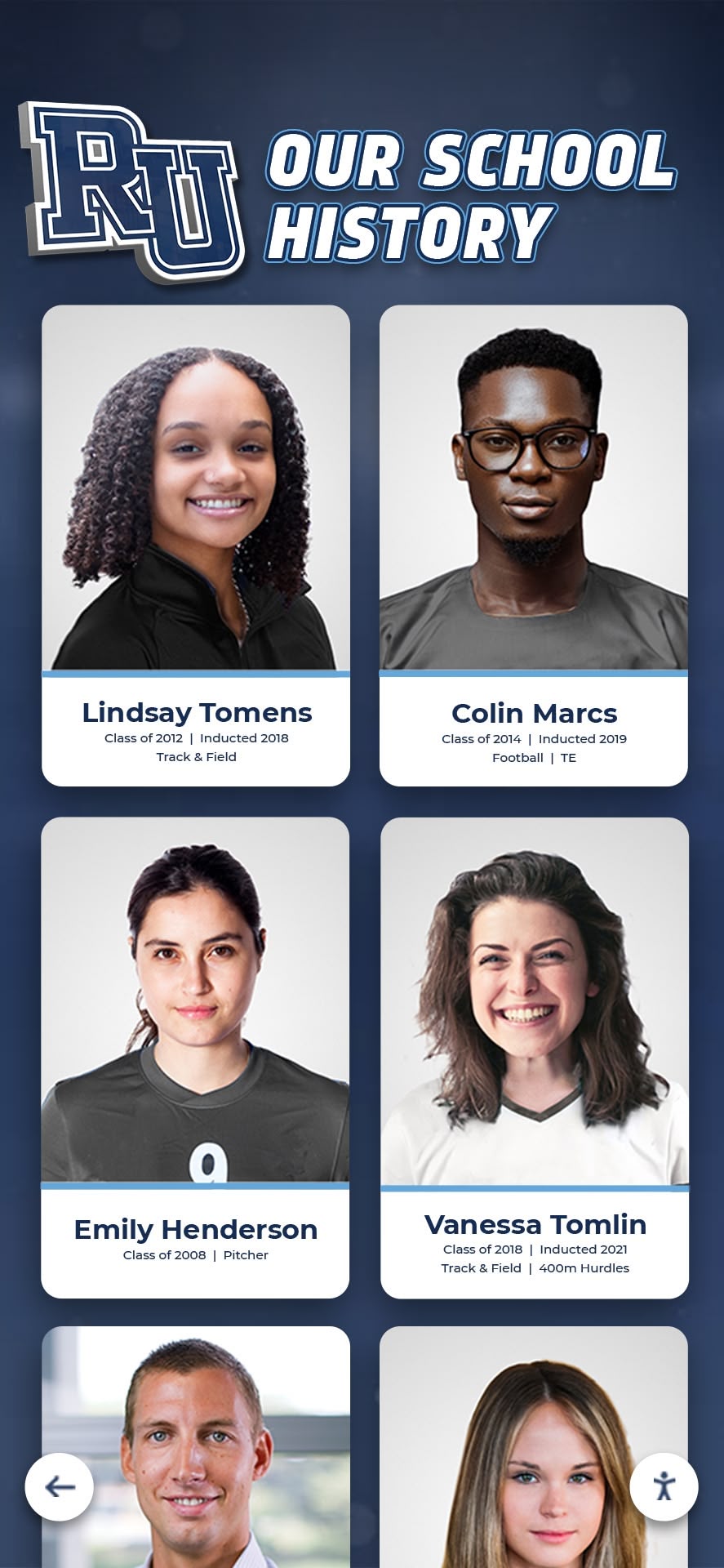
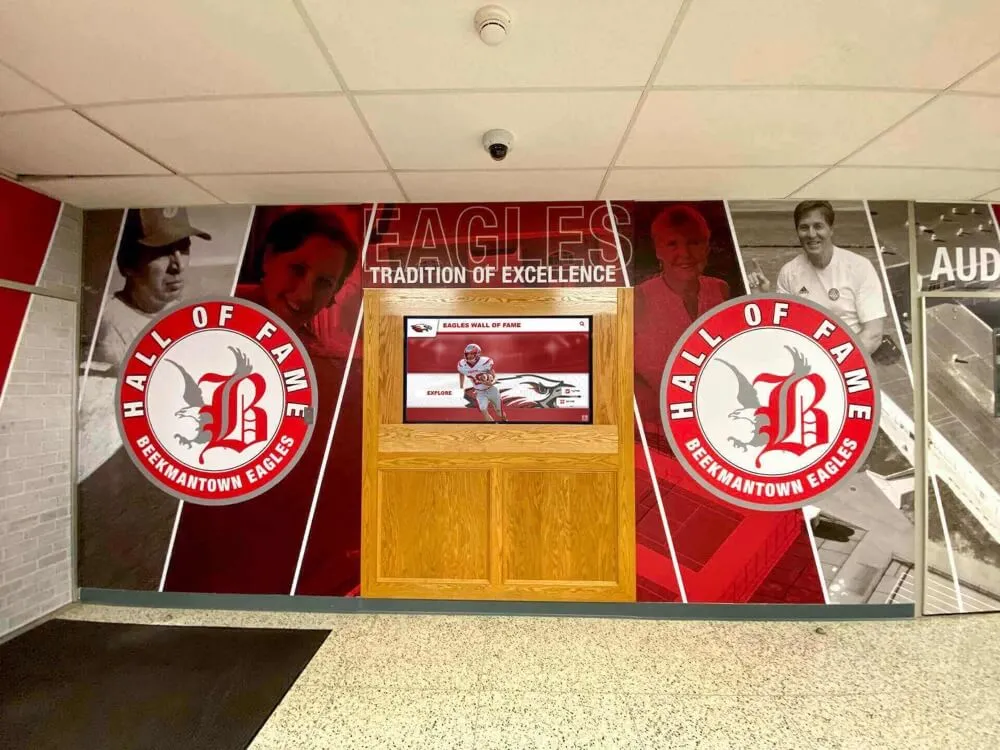
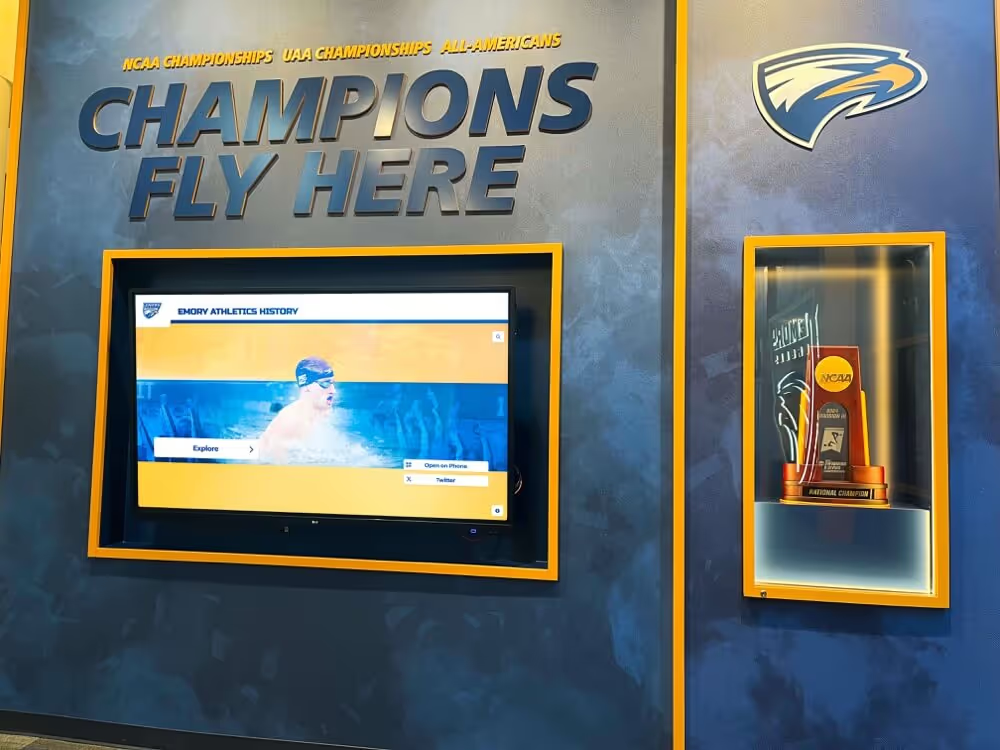
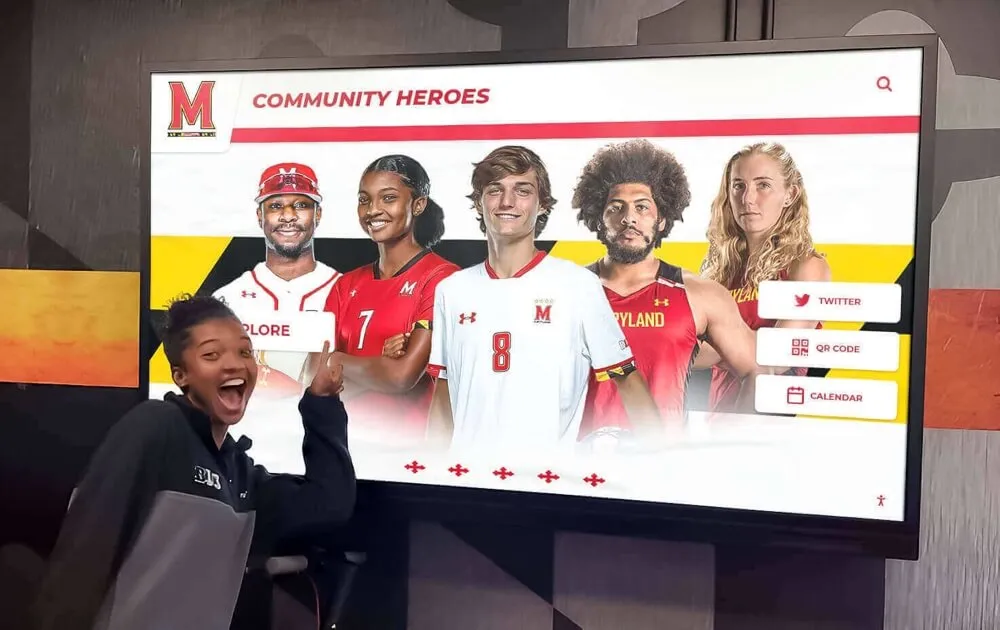
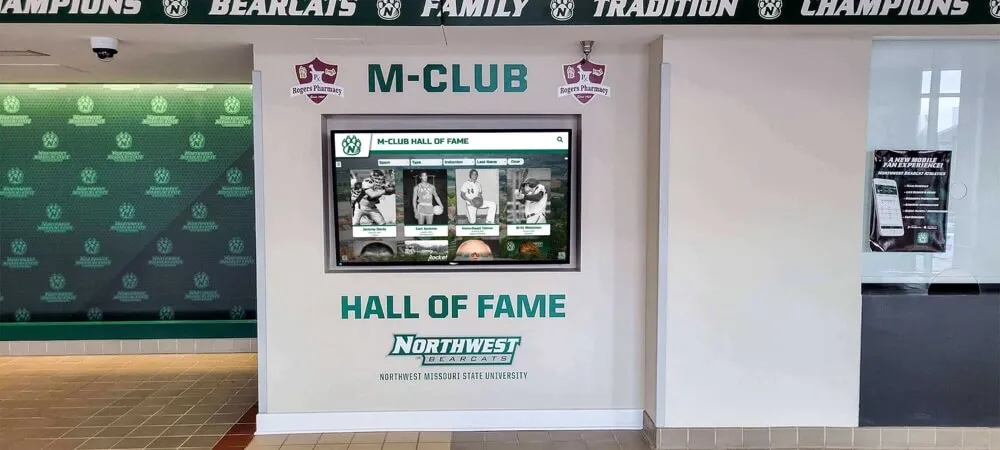
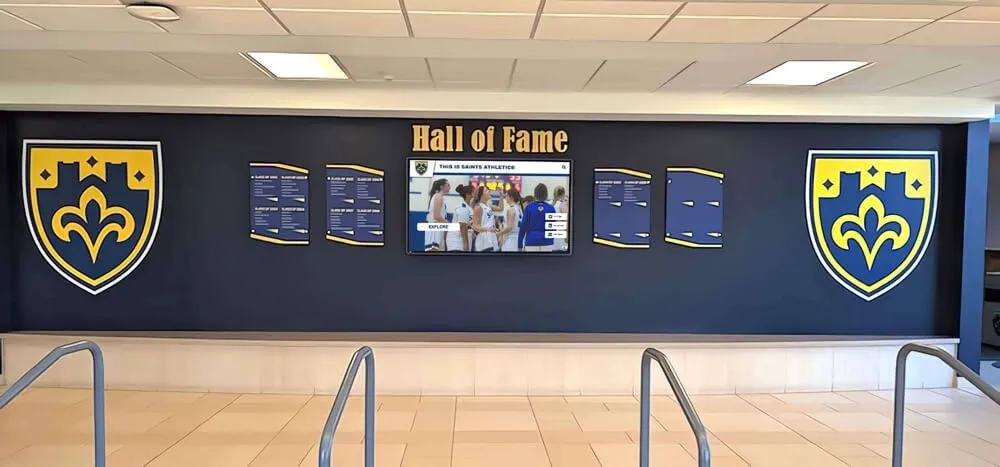
Systematic recognition honors excellence across all student organizations, not just traditional athletics
Supporting College Application Documentation Class officers need accessible documentation for college applications, scholarship essays, and admission interviews. Digital recognition platforms provide comprehensive leadership portfolios showing sustained commitment across multiple years, specific achievement descriptions offering essay material about impact and contributions, downloadable content for application activity sections, web links enabling admissions review of leadership accomplishments, and quantifiable metrics demonstrating organizational impact and effectiveness.
This practical documentation helps students articulate leadership value while demonstrating institutional support for student success beyond graduation.
Preserving Institutional History and Leadership Legacy
Digital showcases should connect current officers to governance traditions spanning school history.
Historical Officer Archives Schools rarely maintain systematic records of class officers across decades, resulting in lost institutional memory and disconnected governance traditions. Comprehensive digital archives preserve complete officer records including names, positions, years, and photographs, initiative documentation showing what each leadership team accomplished, milestone celebrations highlighting breakthrough achievements or traditions, historical context connecting officers to broader school history, and searchable interfaces enabling discovery across years and decades.
This historical preservation creates continuity comparable to athletic record books, demonstrating that class governance represents an enduring program worthy of sustained student investment.
Connecting Past and Present Leadership Recognition platforms can facilitate mentorship and connection including alumni officer profiles accessible to current students, graduation year search enabling classmate reconnection, leadership story collections preserving governance wisdom and lessons, networking opportunities connecting officers across graduation cohorts, and tradition documentation explaining how current practices developed over time.
These connections strengthen governance culture while providing current officers access to experienced mentors who successfully navigated similar leadership challenges.
Explore how class president recognition approaches can document comprehensive leadership contributions beyond position titles.
Layout Blueprint: Designing Engaging Class Officer Showcases
Effective digital showcase experiences require thoughtful information architecture, visual design, and interaction patterns that engage diverse audiences.
Primary Navigation and Content Architecture
Entry Point Experience Home screens should immediately communicate purpose and invite exploration through prominent headings like “Class Officer Excellence” or “Leadership Showcase,” visual hero elements featuring current officer photography or video, clear navigation options guiding users to content categories, search functionality enabling name-based discovery, and highlight carousels spotlighting exceptional leaders or recent accomplishments.
The entry experience sets expectations for content depth and institutional commitment to leadership celebration.
Primary Content Categories Organize recognition content through intuitive categories including current year officers featuring all elected leaders across grade levels, historical archives enabling exploration of past leadership teams, leadership initiatives showcasing successful events and projects, officer spotlights featuring in-depth profiles and interviews, and class government milestones celebrating significant achievements and traditions.
Clear categorization enables efficient discovery while accommodating diverse audience interests—current students exploring peers, younger students considering candidacy, families celebrating their children, and alumni reconnecting with school governance.
Individual Officer Profile Design
Essential Profile Components Each officer profile should include comprehensive information presented through engaging layouts.
Visual Identity High-quality photography creates immediate engagement and personal connection. Profile photos should feature professional-quality portraits with consistent lighting and backgrounds, candid photos showing officers in action during events or meetings, team photos placing individual leaders within broader officer groups, and historical photos for archival profiles preserving visual legacy.
Consistent photographic standards communicate professionalism while individual personality shines through composition and expression.
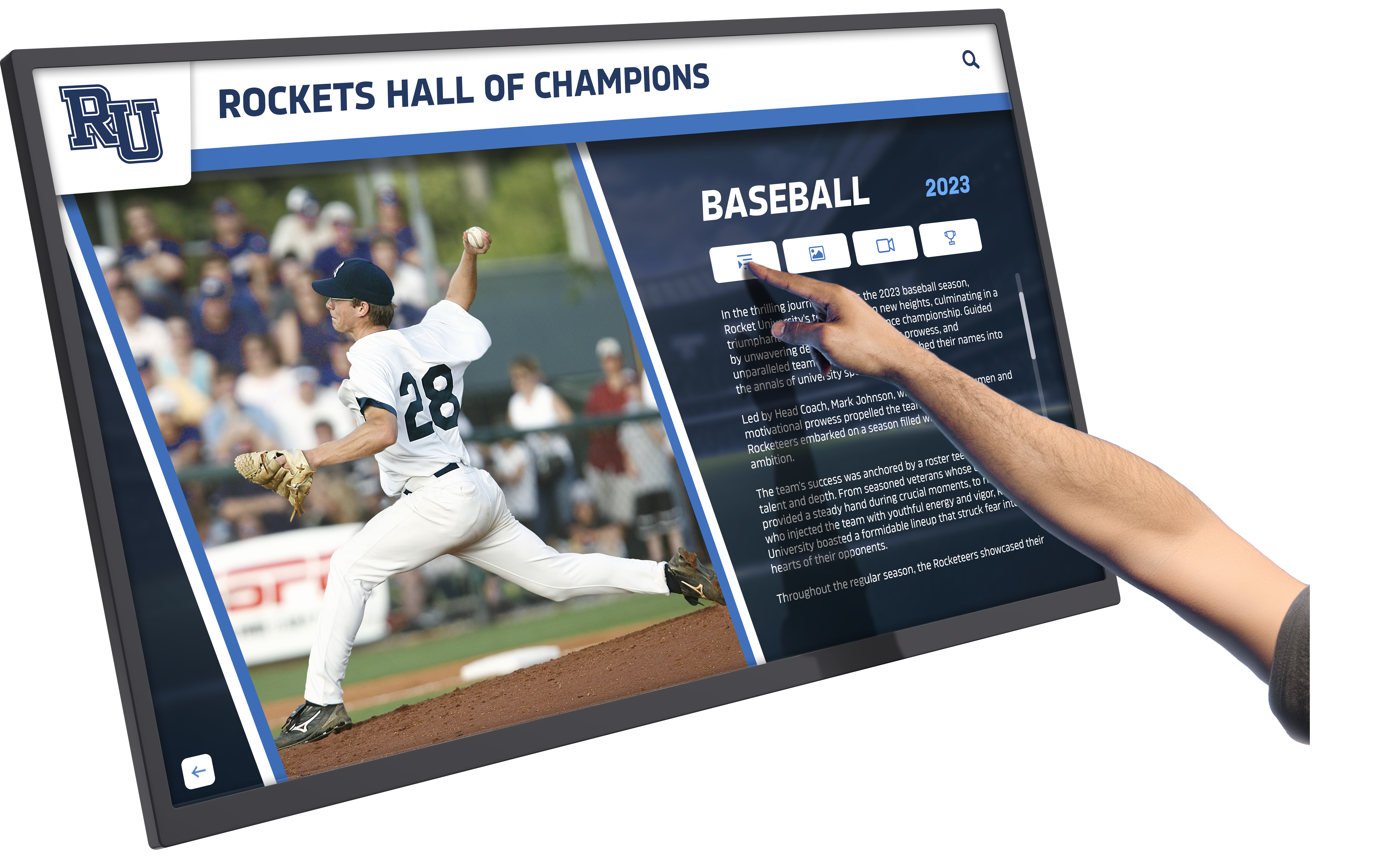
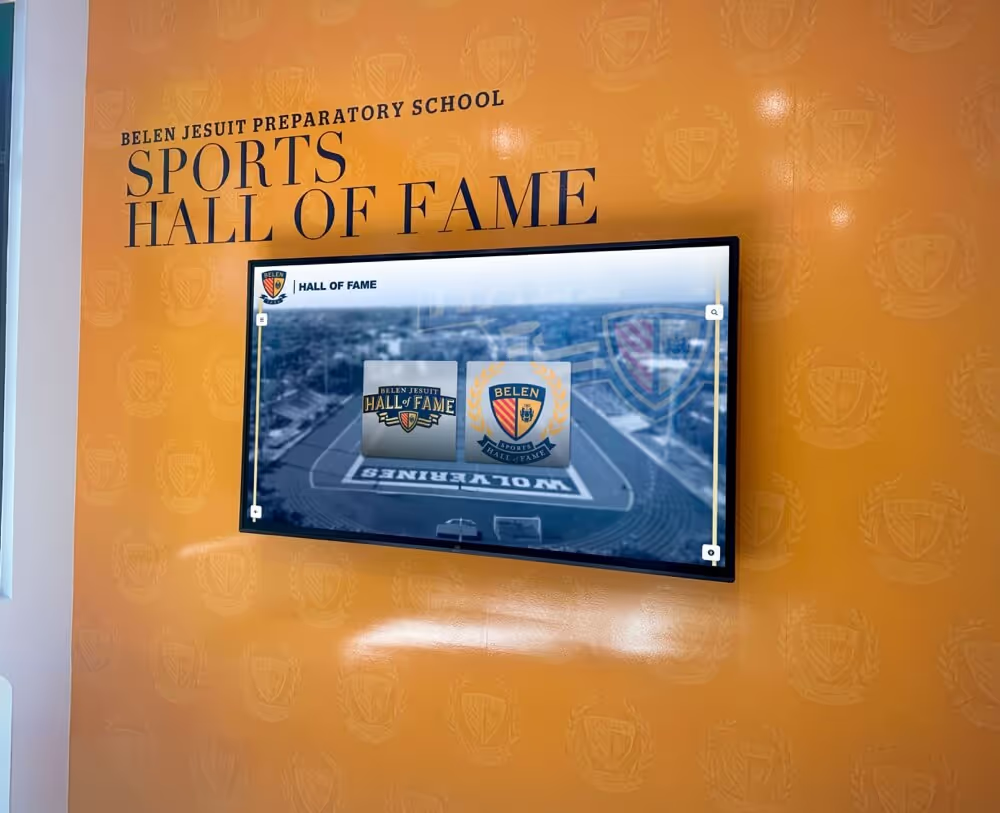
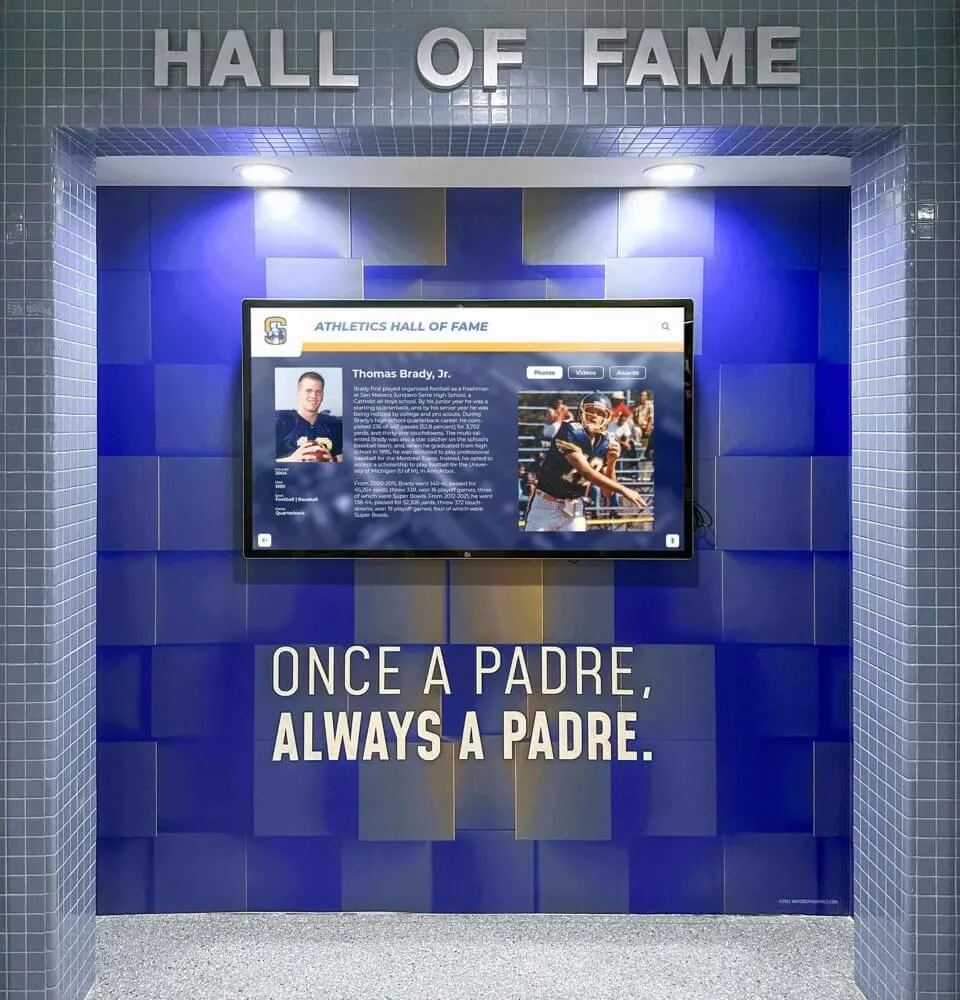
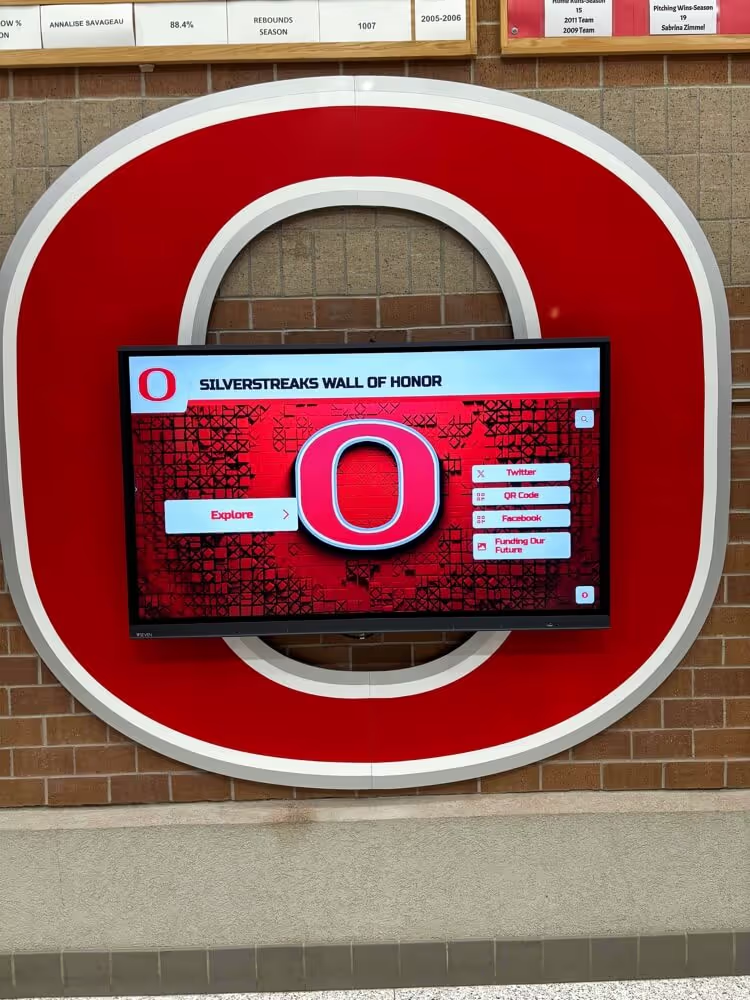
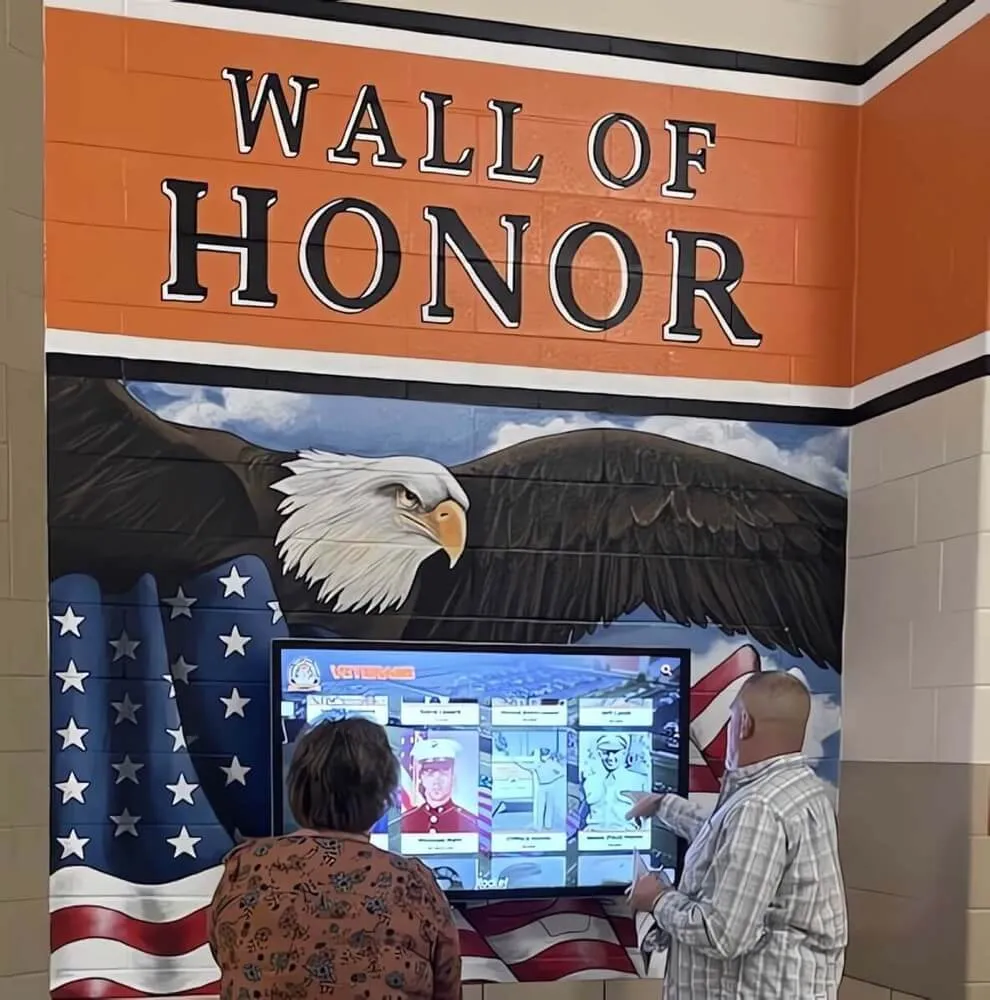
Intuitive touch interfaces enable deep exploration of leadership achievements and contributions
Leadership Information Profiles should document role and contributions including position title and grade level, years of service showing sustained leadership commitment, election year and campaign platform demonstrating democratic mandate, specific initiatives and accomplishments during tenure, leadership development skills gained through service, and post-graduation paths for alumni showing long-term impact.
This comprehensive information transforms recognition from simple name acknowledgment to meaningful documentation of leadership journey and contribution.
Multimedia Content Integration Rich content creates engaging storytelling including video interviews where officers discuss their experiences, initiative documentation with event photos and results, meeting recordings or campaign speeches preserving authentic voice, written reflections about leadership lessons and challenges, and peer testimonials celebrating collaborative contributions and impact.
Multimedia content helps audiences understand what class officers actually do beyond position titles, creating appreciation for the genuine work elected leadership requires.
Initiative and Accomplishment Showcases
Beyond individual profiles, dedicated initiative showcases celebrate team accomplishments.
Event and Project Documentation Successful class initiatives deserve recognition including event overviews describing purpose, planning, and execution, participation metrics showing attendance or engagement, photo galleries capturing experiences and community involvement, budget information demonstrating financial management capability, and impact statements articulating how initiatives benefited the class or broader school community.
Annual Achievement Summaries Year-end summaries document each leadership team’s legacy including complete officer roster with photos and positions, major initiatives undertaken during the academic year, fundraising totals and charitable contributions, policy advocacy successes improving student experiences, and transition documentation passing institutional knowledge to successors.
These annual summaries create comparable documentation to athletic season recap materials, positioning class governance as a serious institutional program deserving systematic celebration.
Learn about comprehensive approaches to student government recognition that celebrate both positions and specific accomplishments.
Content Blocks and Motion: Creating Dynamic Recognition Experiences
Static displays cannot compete with social media and digital entertainment for student attention. Dynamic content and motion design create engagement.
Animated Content Elements
Rotating Highlight Reels Motion captures attention and communicates vitality including hero rotations featuring current officer photos or accomplishments, initiative spotlights highlighting recent successful events or projects, historical throwbacks celebrating legacy leaders or milestone anniversaries, seasonal updates reflecting current activities like homecoming or fundraising campaigns, and achievement animations celebrating milestones like fundraising goals reached.
These rotating elements signal that recognition remains active and current rather than abandoned after initial installation.
Video Integration Video content creates emotional connection and authentic storytelling including officer introduction videos where leaders share their platforms and goals, event recap videos documenting successful initiatives with energy and excitement, interview segments where officers reflect on leadership lessons learned, peer testimonial videos celebrating collaborative accomplishments, and alumni message videos connecting past leaders to current programs.
Video transforms recognition from retrospective acknowledgment to forward-looking inspiration showing leadership in action.
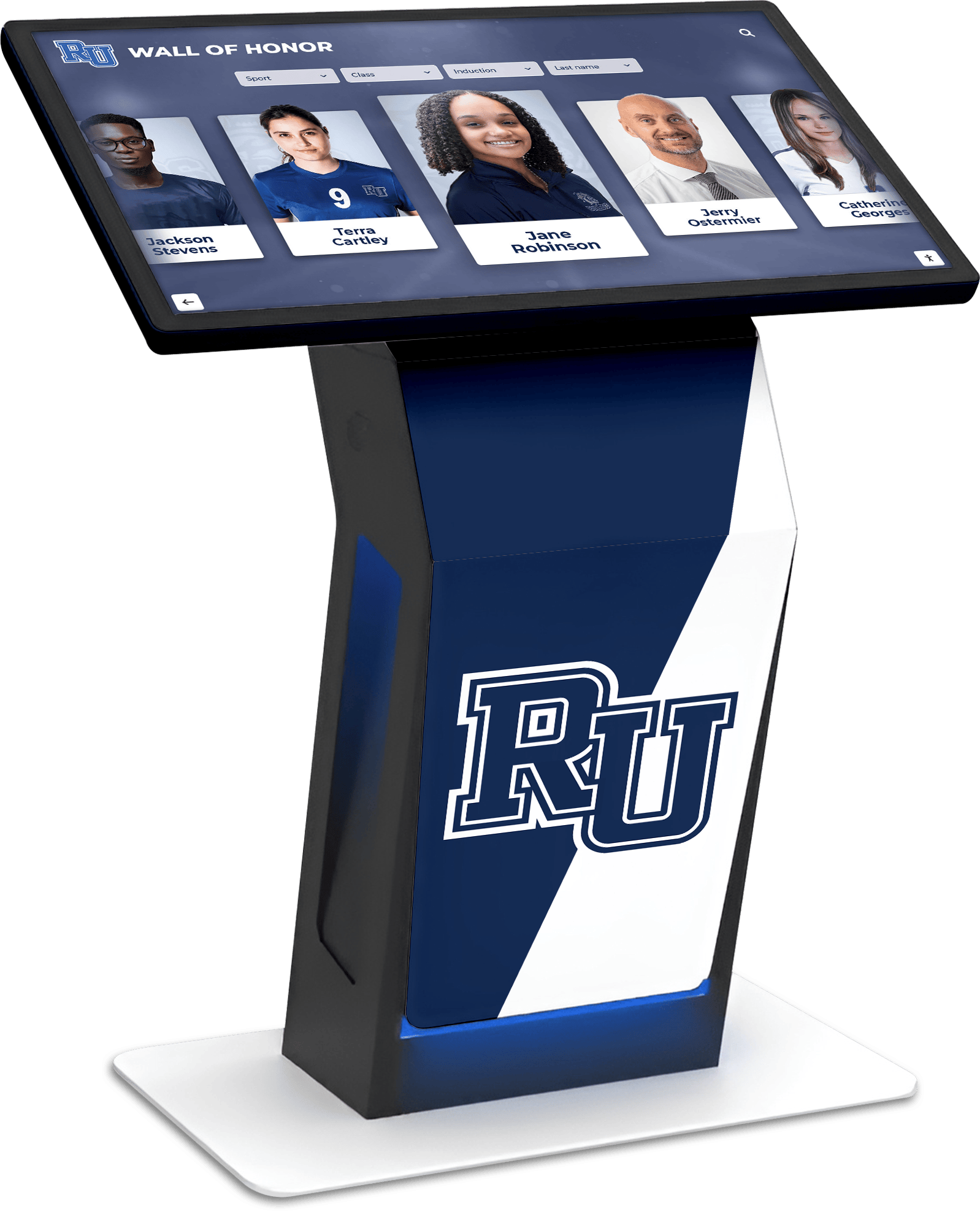
Purpose-built recognition systems accommodate unlimited content without physical space constraints
Interactive Features and Discovery Mechanisms
Search and Filter Functionality Enabling discovery through multiple pathways including name search helping students find themselves, friends, or siblings, position filtering showing all presidents or treasurers across years, graduation year navigation exploring historical leadership chronologically, initiative-based search finding officers associated with specific accomplishments, and class-level filtering focusing on particular grade leadership.
These discovery mechanisms accommodate diverse user intents—some seeking specific individuals, others exploring leadership across time periods or accomplishment types.
Social Sharing Integration Extending recognition reach beyond physical displays including shareable profile links officers can include in college applications or social media, downloadable achievement graphics suitable for Instagram or other platforms, email capabilities enabling parents or teachers to share recognition, QR code generation creating mobile access to specific profiles, and social media feed embedding showing real-time class government updates.
Social integration meets students where they already engage while amplifying recognition impact through network effects as students share accomplishments with extended communities.
Gamification and Engagement Mechanics Appropriate gamification can increase engagement including achievement badges for milestones like years of service or initiatives led, participation tracking showing involvement beyond elected positions, leadership development progression visualizing skill growth over time, initiative impact metrics demonstrating tangible outcomes from officer work, and historical comparisons connecting current accomplishments to legacy achievements.
These engagement mechanics should celebrate accomplishment authentically without trivializing leadership or creating counterproductive competition among officers.
Accessibility and UX Checklist: Ensuring Inclusive Recognition
Digital showcases must serve diverse audiences with varying abilities and technology access.
Physical Accessibility Considerations
Touchscreen Placement and Design Physical installations must accommodate all users including height positioning enabling wheelchair users and shorter students to reach all interface elements comfortably, screen angle reducing glare while maintaining visibility from various positions, touch target sizing ensuring buttons and interactive elements accommodate users with motor challenges, and audio options for users with visual impairments who benefit from spoken content.
Alternative Access Methods Beyond touchscreen displays, recognition should be accessible through web-based platforms with responsive design for smartphones and tablets, keyboard navigation for users unable to use touch interfaces, screen reader compatibility for visually impaired users, and downloadable content for offline access or assistive technology.
Discover how interactive displays can meet accessibility standards while creating engaging experiences.
Visual Design Accessibility
Color and Contrast Standards Visual design must meet WCAG 2.1 AA standards including sufficient contrast ratios between text and backgrounds ensuring readability, color-blind friendly palettes not relying solely on color to convey information, adjustable text sizing accommodating users with vision challenges, and clear visual hierarchy using size, weight, and spacing to organize information.
Typography and Readability Text presentation affects comprehension including legible font families avoiding decorative typefaces for body content, appropriate sizing with body text minimum 16-18px at typical viewing distances, sufficient line spacing preventing text from feeling cramped, and clear information hierarchy using size and weight to indicate relative importance.
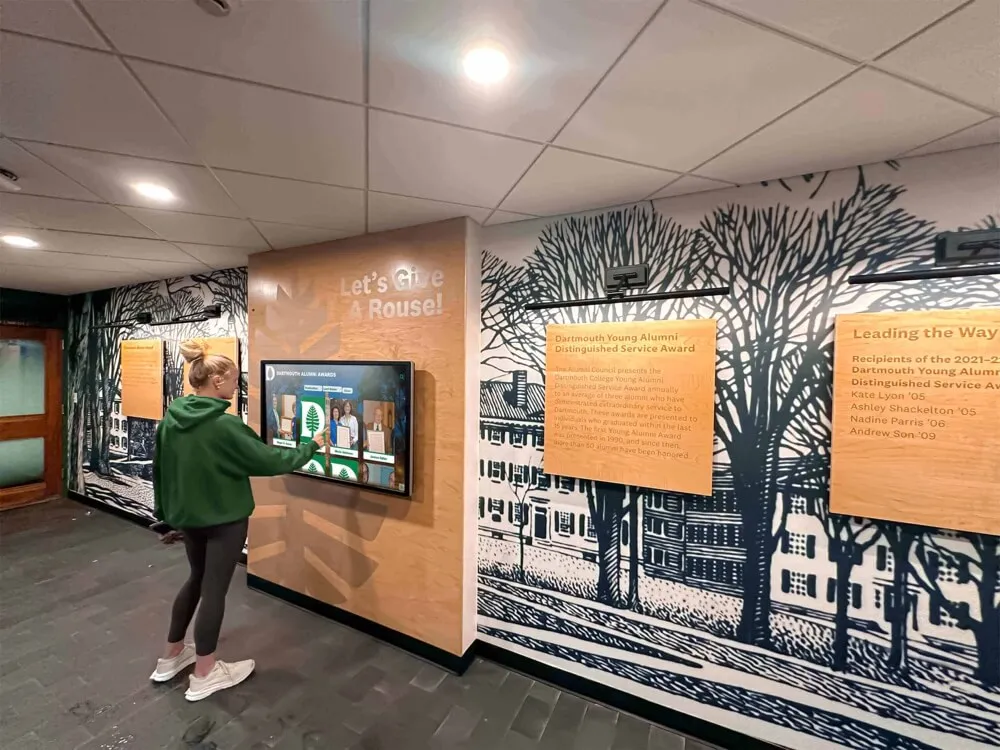
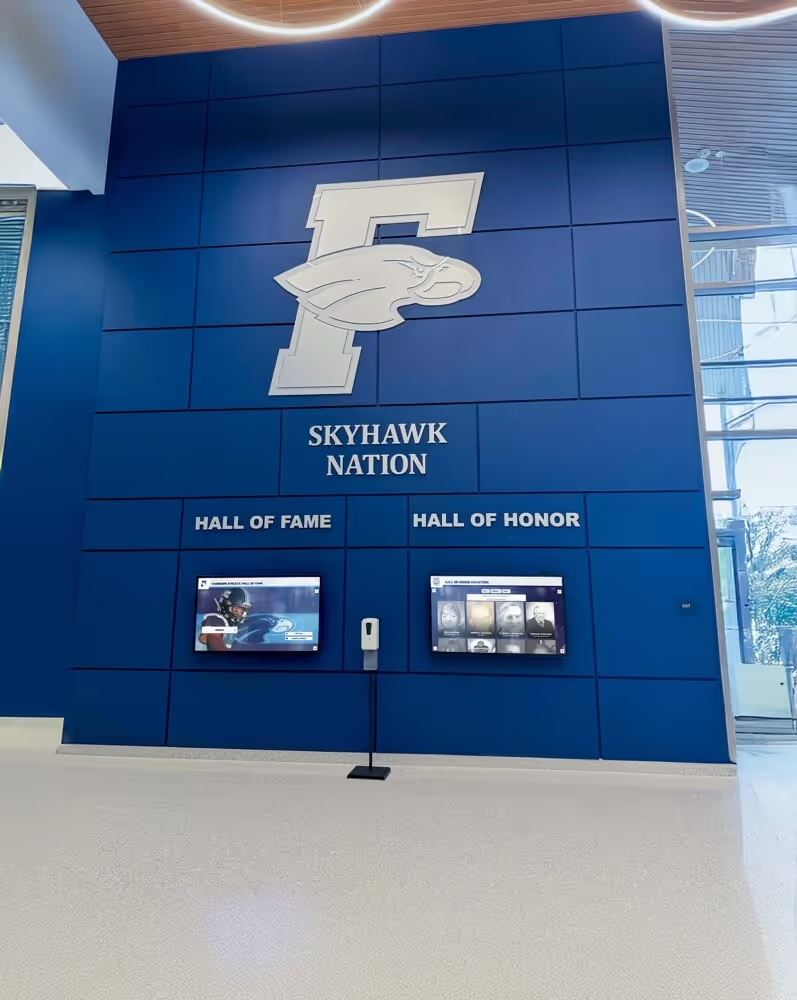
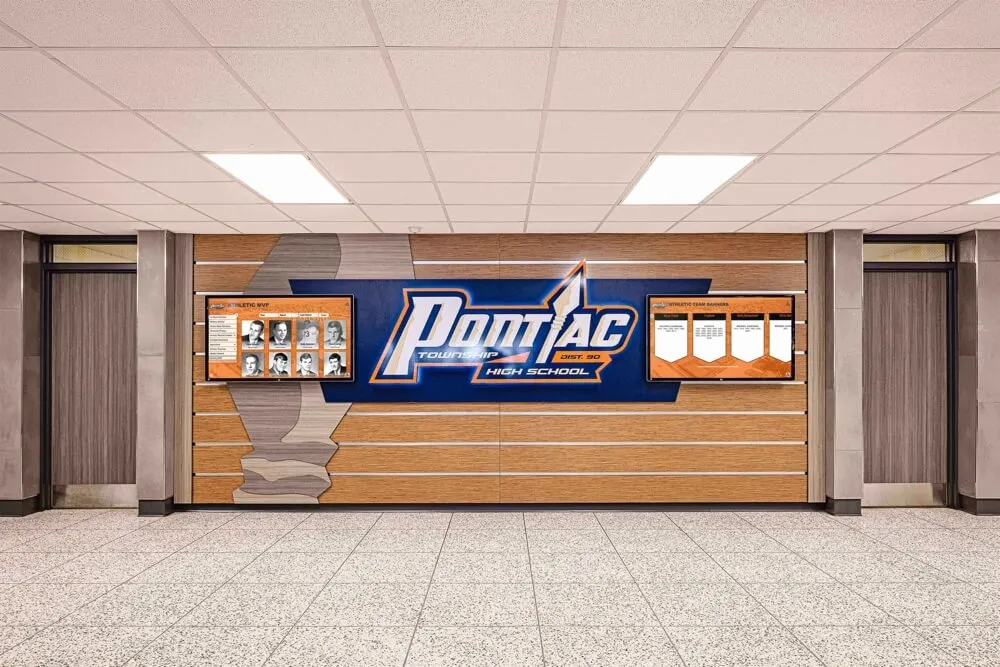
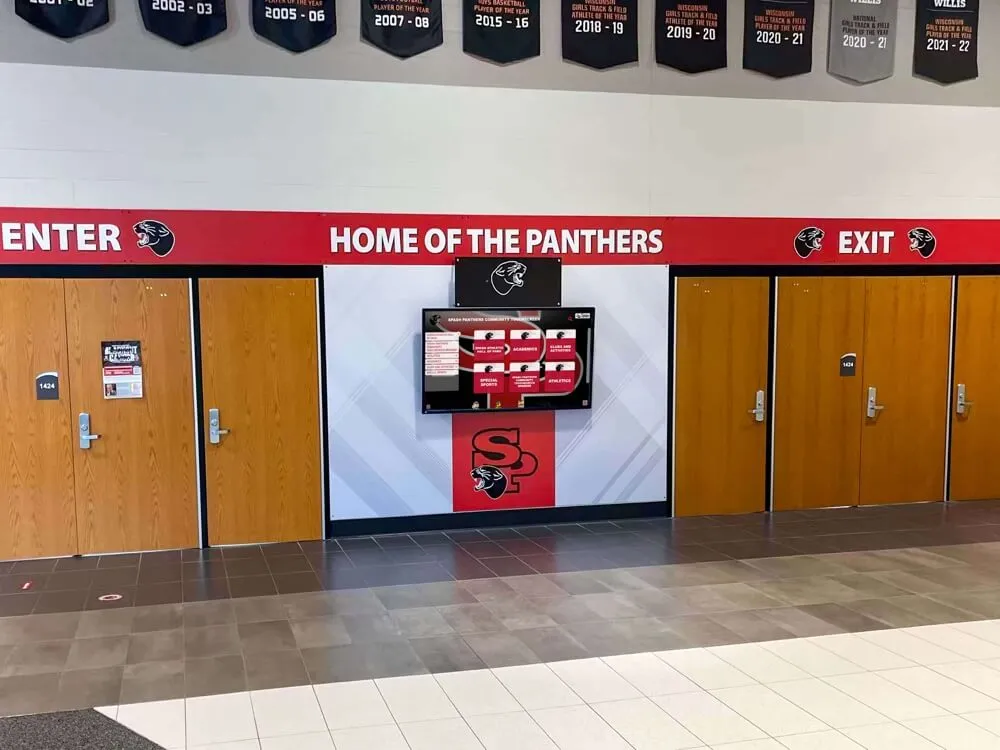
Prominent placement ensures class officer recognition receives visibility comparable to other achievements
Content Accessibility
Inclusive Language and Representation Recognition content should reflect diverse school populations including photography featuring officers from all backgrounds and identities, language avoiding assumptions about family structures or cultural backgrounds, accomplishment descriptions celebrating varied initiative types beyond just social events, leadership skill recognition valuing diverse capabilities from financial management to community service, and historical content acknowledging how governance and participation opportunities have evolved.
Inclusive representation communicates that class leadership opportunities exist for all students regardless of background, potentially encouraging participation from populations historically underrepresented in student government.
Multilingual Support Schools serving multilingual populations should consider language accessibility including interface translation for primary content navigation, profile content in languages reflecting school demographics, family communication in preferred languages about recognition programs, and cultural celebrations recognizing diverse traditions and observances represented through class officer initiatives.
Brand Integration Checklist: Aligning Recognition With School Identity
Digital showcases should reinforce rather than compete with established school branding and culture.
Visual Brand Consistency
Color Systems and School Identity Recognition designs should incorporate school colors through primary interface elements using school color palettes, accent colors highlighting important information or interactive elements, neutral backgrounds ensuring content readability while maintaining brand consistency, seasonal variations reflecting events like homecoming or graduation, and class-specific color coding distinguishing between grade levels when showing multiple classes.
Consistent color usage creates visual harmony with broader school environment while ensuring recognition feels authentically connected to institutional identity.
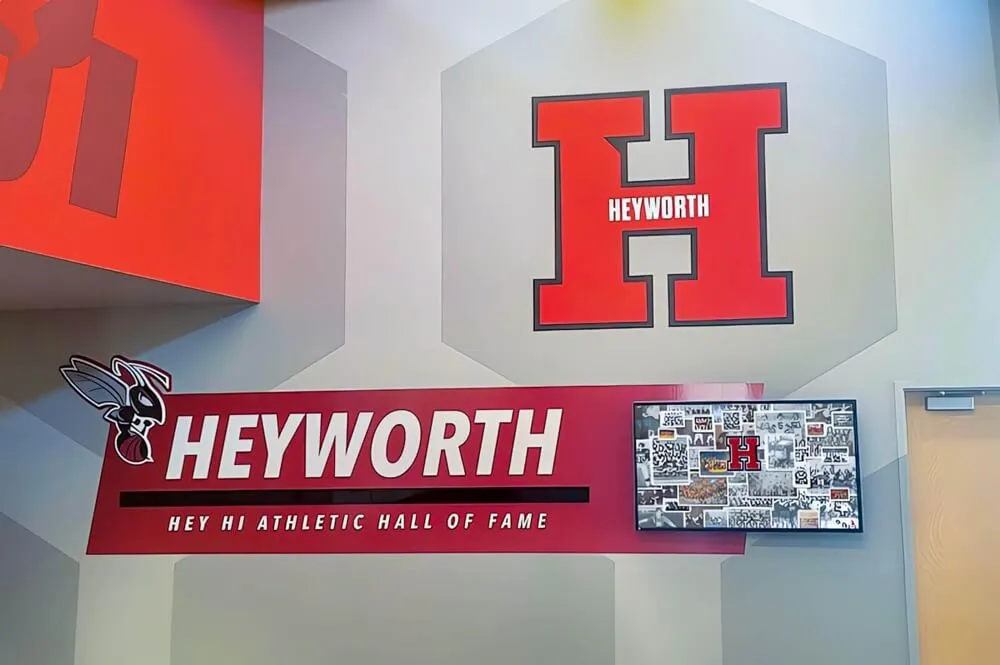
Logo and Mascot Integration School identity elements appear throughout recognition including prominent logo placement establishing institutional connection, mascot imagery creating familiar visual touchpoints, athletic branding consistency when officers also participate in sports, seal or crest usage for formal recognition contexts, and custom graphics blending school symbols with leadership themes.
These brand elements ensure recognition feels like an official school program rather than a generic external addition.
Custom Backgrounds and Visual Themes
Location-Specific Imagery Backgrounds connecting recognition to place including campus photography featuring familiar buildings and spaces, aerial views showing school grounds and surrounding community, historical images connecting present to institutional past, seasonal photography reflecting changing academic year, and event imagery showing students engaged in school activities.
Location-specific imagery creates authentic connection to specific school context rather than generic institutional recognition.
Unlimited Layout Flexibility Solutions like Rocket Alumni Solutions enable complete visual customization including template variations for different content types like individual profiles versus team showcases, seasonal themes reflecting events like elections or year-end celebrations, commemorative designs for milestone anniversaries or special recognition, and class-specific layouts when different grades want distinct visual identities.
This unlimited customization ensures recognition can evolve with changing preferences and contexts without technical or cost constraints limiting creative expression.
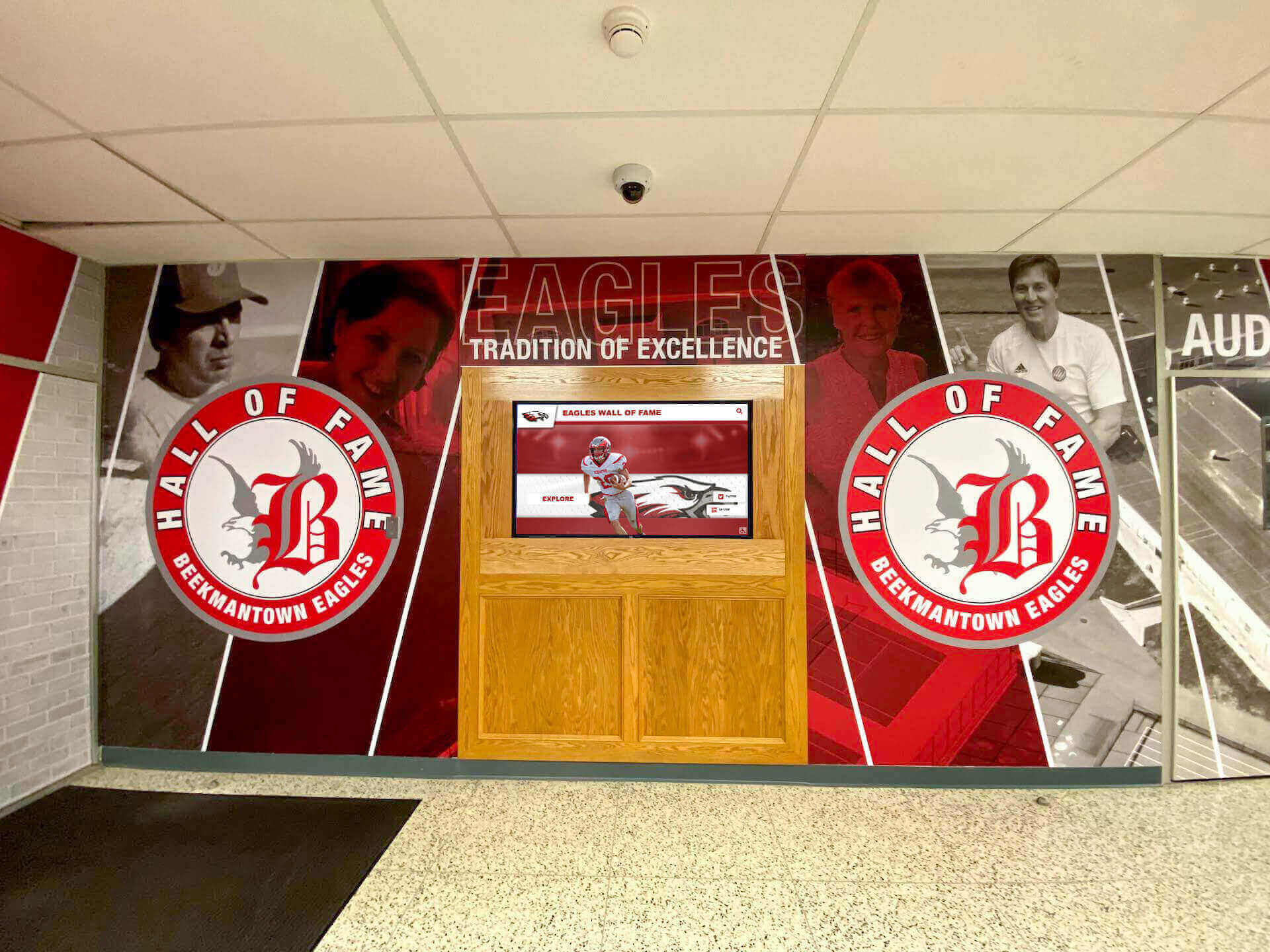
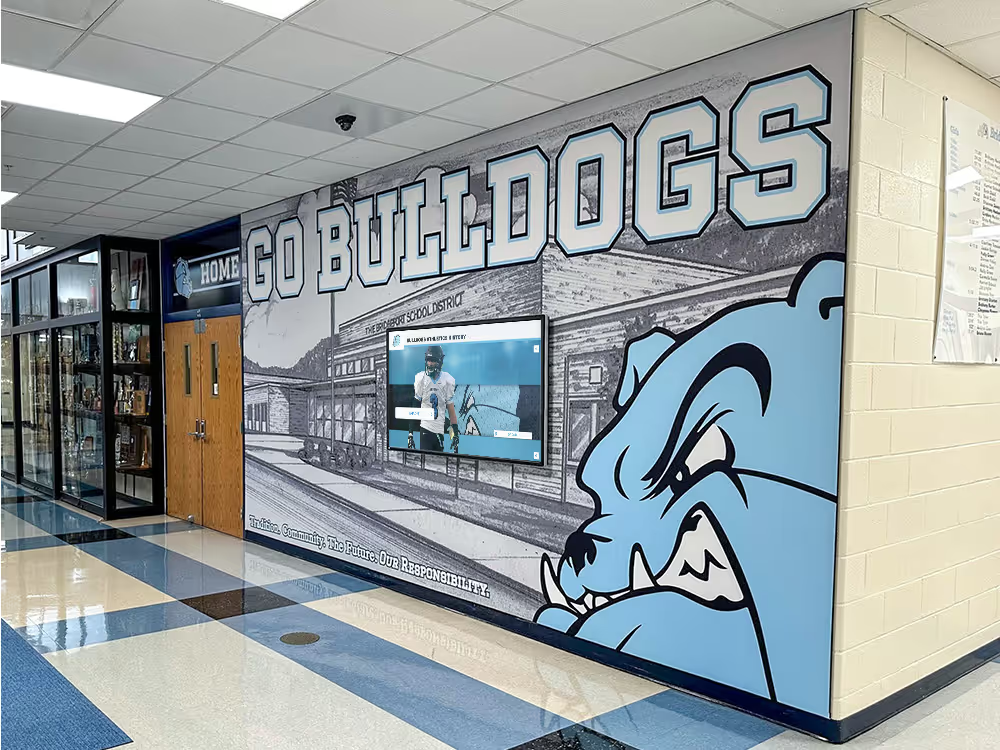
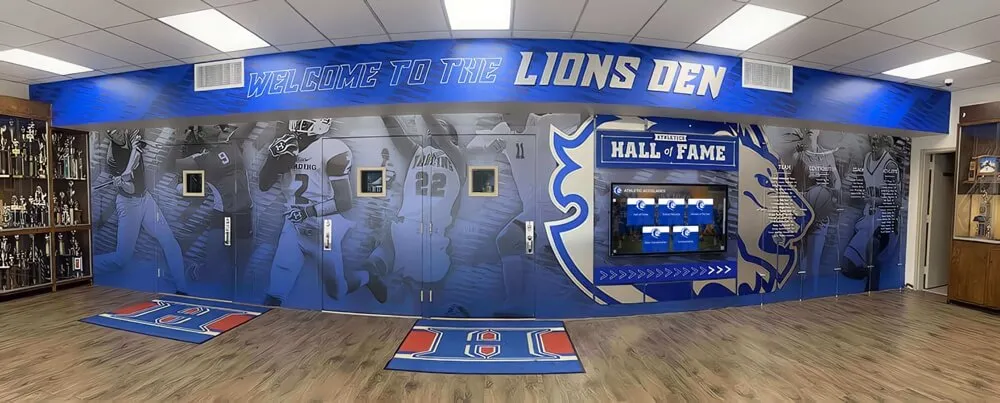
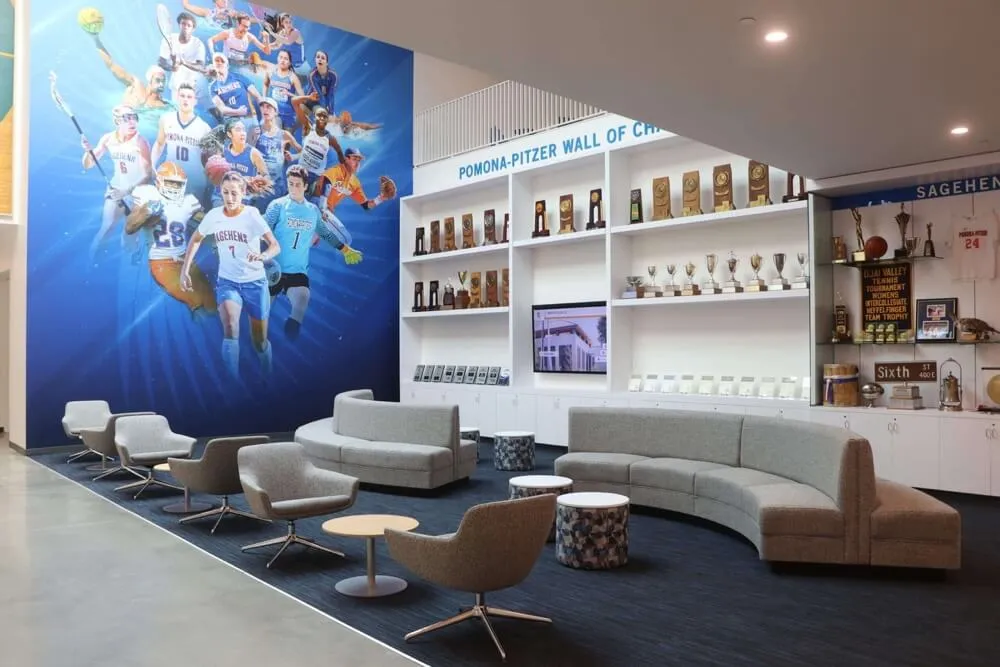
Recognition installations integrate with existing architectural features while creating destination experiences
Sponsorship and Partnership Recognition
Acknowledging Support When community partners or donors support class officer programs, recognition platforms can include sponsor logo placement in appropriate locations acknowledging financial support, partner profiles highlighting organizations supporting student leadership, donor recognition celebrating individual or organizational contributions, and partnership storytelling explaining how community support enables programs.
Sponsor recognition demonstrates appreciation while potentially sustaining financial support for class activities and recognition programs themselves.
Explore digital recognition solutions that accommodate comprehensive branding and sponsorship requirements.
Activation Plan: Implementing and Sustaining Recognition Programs
Successful digital showcases require systematic planning, launch, and maintenance ensuring recognition remains current and impactful.
Implementation Timeline and Milestones
Planning Phase (2-3 Months Before Launch) Initial preparation establishes foundation including stakeholder meetings with administration, advisors, and current officers, content audit identifying existing photos, records, and historical information, technology selection evaluating platform options and physical display needs, budget finalization determining costs and funding sources, and communication planning preparing launch announcements and ongoing promotion strategies.
Content Development Phase (1-2 Months Before Launch) Building initial recognition content including current officer photography and profile information collection, historical research gathering past officer records from archives and yearbooks, initiative documentation identifying successful events and accomplishments to feature, multimedia production creating video interviews or event recaps, and template design establishing visual standards for consistency.
Launch Phase (1-2 Weeks) Public unveiling of recognition program including physical installation of touchscreen displays in strategic locations, web platform activation ensuring online access for families and alumni, ceremony or event celebrating launch with current and past officers, communication campaign announcing recognition through newsletters, social media, and announcements, and press outreach engaging local media about innovative student recognition.
Strategic launch creates momentum while signaling institutional commitment to sustaining recognition long-term.
Ongoing Maintenance and Content Refresh
Regular Update Schedule Consistent content maintenance ensures currency including post-election updates adding newly elected officers within weeks of results, initiative documentation throughout year as events conclude and projects complete, seasonal highlights featuring relevant activities like homecoming planning or graduation coordination, achievement milestones celebrating fundraising goals or policy successes, and historical additions systematically adding past officers and expanding archives.
Content Refresh Cadence Different content types require different update frequencies including current officer profiles refreshed immediately after elections in spring, featured highlights rotated weekly or monthly maintaining visual variety, initiative documentation added throughout year as activities conclude, seasonal themes updated quarterly reflecting academic calendar, and historical content expanded annually during summer when staff have research time.
Stakeholder Engagement and Ownership
Advisor and Officer Involvement Student government advisors play essential roles including identifying content priorities and recognition opportunities, coordinating officer photography and information collection, documenting initiatives and accomplishments throughout year, managing platform access and content updates, and advocating for recognition program sustainability and expansion.
Officer involvement ensures recognition reflects authentic student voice including input on profile content and initiative descriptions, participation in video interviews and multimedia content, peer nomination of exceptional contributions deserving spotlight, social promotion of recognition extending reach to student networks, and transition documentation passing knowledge to successor leadership teams.

Touch interfaces create engaging discovery experiences rather than passive information consumption
Administrative Support and Resources Sustained recognition requires institutional backing including budget allocation for platform subscriptions and content production, staff time for content management and updates, integration with school communication systems amplifying recognition reach, policy support positioning recognition as priority program, and assessment commitment evaluating impact on participation and culture.
Administrative support ensures recognition doesn’t depend solely on individual champion enthusiasm but becomes embedded in institutional practice.
Technology Platform Selection
Evaluating Recognition Solutions Schools implementing digital class officer recognition should assess platforms considering ease of content management enabling advisors to update without technical expertise, capacity for comprehensive recognition accommodating all officers across years without space limits, interactive features creating engaging rather than passive experiences, web-based access extending recognition beyond campus to families and alumni, mobile responsiveness ensuring quality on smartphones and tablets, integration capabilities connecting with school websites and systems, ongoing costs including initial implementation and annual subscriptions, and vendor support providing training and assistance ensuring sustainability.
Purpose-Built Versus Generic Solutions Purpose-built recognition platforms like Rocket Alumni Solutions typically offer templates optimized for student profiles and leadership documentation, unlimited capacity accommodating decades of officer archives, intuitive management requiring no technical expertise, responsive design ensuring quality across all devices, analytics demonstrating engagement and program effectiveness, continuous development adding relevant features based on school needs, and dedicated support understanding educational contexts and requirements.
These specialized solutions typically deliver superior experiences compared to generic digital signage systems adapted for recognition, justifying investment through better functionality and easier management over time.
Discover how digital hall of fame solutions can accommodate comprehensive student leadership recognition alongside athletic and academic achievements.
Measuring Impact and Program Success
Regular assessment ensures recognition programs achieve intended goals while identifying improvement opportunities.
Quantitative Success Metrics
Recognition Program Completeness Track comprehensive coverage including percentage of current officers with complete profiles, historical depth showing years or decades documented, profile quality with photos, accomplishments, and biographical information, update frequency demonstrating content currency, and user engagement from touchscreen and web analytics showing community interest.
Student Government Participation Indicators Assess recognition’s relationship to program vitality including election candidate numbers indicating leadership position desirability, general membership trends before and after recognition implementation, initiative participation rates showing engagement in class activities, officer retention through multiple years demonstrating sustained commitment, and alumni engagement with current class officer programs showing lasting connection.
College Application Usage Document practical recognition value including student reports of using documentation in applications and interviews, admissions references to leadership in acceptance communications, scholarship applications leveraging class officer documentation, interview preparation using recognition as talking points, and alumni feedback about recognition’s role in their applications and professional development.
Qualitative Assessment and Feedback
Stakeholder Perspectives Gather diverse viewpoints including officer assessment of recognition’s motivational impact on service, participant perception of whether recognition makes leadership feel institutionally valued, parent observations about student pride and engagement, advisor evaluation of program manageability and sustainability, administrative observations about school culture impacts, and alumni reflection on recognition connecting them to current programs.
Cultural Indicators Observe broader impacts including changes in how students discuss class officer participation, prospective student interest during tours when encountering leadership recognition, family comments about visible student voice opportunities, community awareness of class officer contributions, and peer respect for class government as valuable activity comparable to athletics or performing arts.
Regular assessment enables continuous improvement ensuring recognition programs remain effective and aligned with leadership development goals.
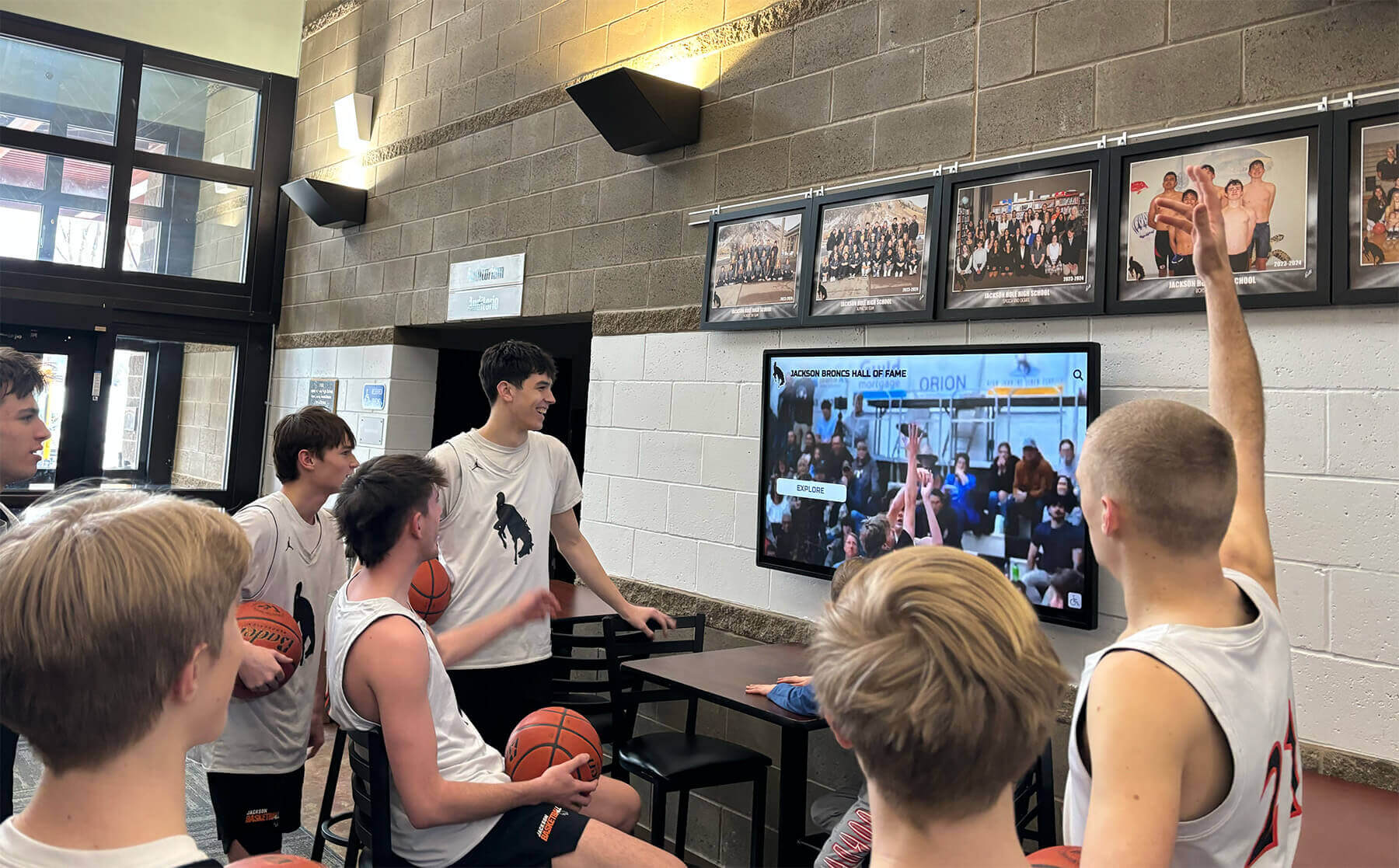
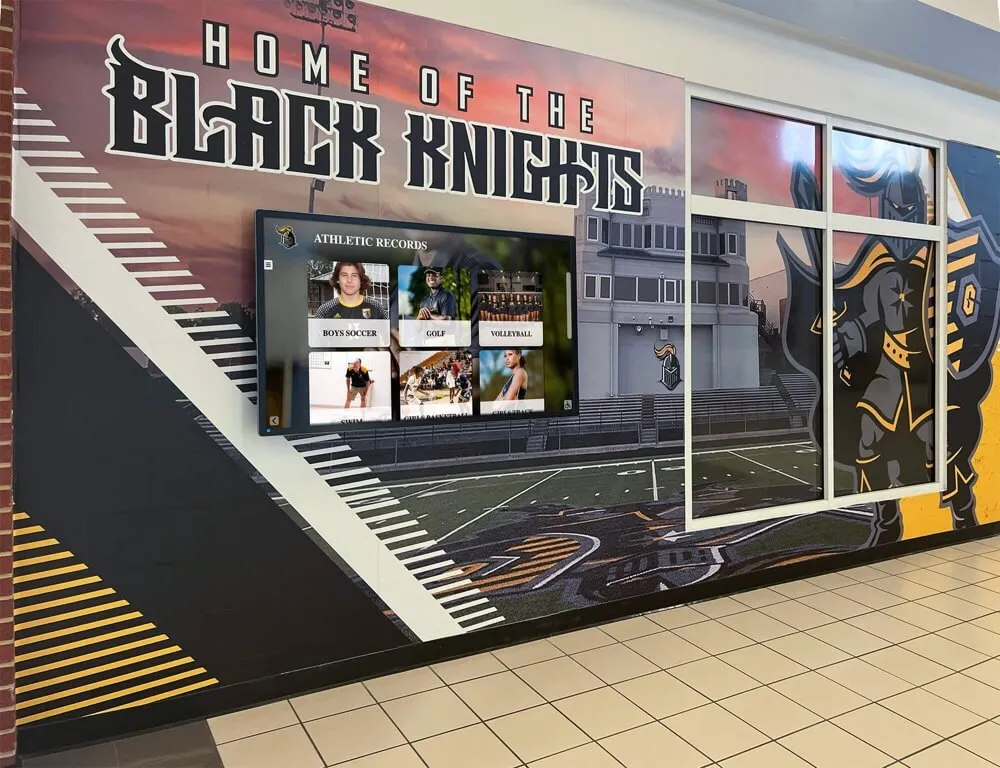
Strategic placement in high-traffic areas ensures maximum engagement with recognition content
Best Practices for Sustainable Class Officer Recognition
Certain approaches ensure recognition remains meaningful, current, and effective over years.
Equity and Inclusion in Recognition
Accessible Leadership Opportunities Recognition connects to ensuring participation accessibility including democratic elections open to all interested students, acknowledgment of participation beyond just elected positions, celebration of diverse initiative types reflecting varied interests, recognition of behind-scenes contributions supporting class government, and welcoming campaign processes helping all students run competitive races.
Equitable opportunity ensures recognition celebrates diverse students rather than repeatedly honoring the same narrow population.
Removing Participation Barriers Inclusive programs address obstacles including flexible meeting schedules accommodating work or family obligations, fee-free participation ensuring financial constraints never prevent involvement, campaign support resources helping all students compete regardless of personal resources, transportation support for students needing assistance attending meetings or events, and welcoming culture for students regardless of previous experience or social connections.
Recognition of diverse participants signals that class leadership values inclusion, potentially attracting students who might otherwise assume governance serves only certain populations.
Connecting to Broader Student Recognition Ecosystems
Integrated Recognition Frameworks Class officer recognition proves most effective within comprehensive systems celebrating diverse achievement including academic honors through societies and merit recognition, athletic achievement through traditional trophy cases and record boards, performing arts through production documentation and audition celebrations, service leadership through volunteer recognition and community impact documentation, and special interest clubs through membership and accomplishment acknowledgment.
This integrated approach demonstrates institutional commitment to honoring all excellence forms rather than privileging certain activities over democratic leadership.
Cross-Functional Recognition Many officers participate in multiple activities deserving connected recognition including dual recognition when officers also excel in academics or athletics, initiative documentation showing how class government collaborates with other organizations, leadership skill transfer highlighting how governance capabilities apply across contexts, comprehensive student profiles showing full picture of individual contributions, and milestone achievements recognizing accumulated impact across all activities.
Connected recognition helps students see leadership development as complementary to rather than competing with other pursuits.
Learn about comprehensive student recognition programs celebrating achievement across all activities and interests.
Historical Preservation and Institutional Memory
Systematic Archival Practices Building comprehensive historical records including annual digitization of current officer information preserving future history, ongoing historical research adding past officers from archives and alumni memory, decade-by-decade documentation showing how class governance evolved, milestone anniversary recognition celebrating founding or significant program changes, and tradition documentation explaining how current practices developed over time.
Expanding historical archives creates increasingly valuable resources connecting current officers to institutional tradition while demonstrating governance as an enduring program worthy of sustained investment.
Alumni Connection and Mentorship Recognition platforms can facilitate ongoing relationships including alumni officer directories enabling classmate reconnection, mentorship programs pairing experienced graduates with current leaders, networking events connecting officers across graduation cohorts, career outcome documentation showing long-term leadership impact, and giving opportunities enabling alumni to support current class activities.
These connections strengthen governance culture while providing current officers access to experienced mentors who successfully navigated similar challenges and transitioned leadership capabilities to college and professional contexts.
Conclusion: Designing Recognition Experiences That Inspire Leadership
Class officers demonstrate genuine leadership requiring sophisticated organizational skills, financial management, communication capability, consensus building, and sustained commitment to serving hundreds or thousands of peers—qualities predicting success in college leadership, civic engagement, and professional contexts across all fields. Students who coordinate major events, manage budgets, advocate for improvements, and build democratic traditions develop capabilities translating directly to workplace leadership and active citizenship, yet their accomplishments often go unrecognized beyond immediate governance contexts.
These dedicated elected leaders deserve recognition matching their contribution magnitude—systematic celebration honoring specific initiatives and achievements, multimedia storytelling documenting leadership journeys and skills developed, accessible documentation supporting college applications and scholarship pursuits, historical preservation connecting current officers to governance traditions, and visibility comparable to athletic achievement demonstrating that democratic leadership receives institutional acknowledgment. Traditional recognition approaches—campaign posters, brief yearbook mentions, informal advisor appreciation—fail to provide the engagement and permanence contemporary students and school communities need.
Design Your Class Officer Recognition Experience
Discover how modern digital showcase solutions can help you celebrate every elected leader while building lasting pride in student governance, democratic participation, and leadership development.
Book a DemoDigital showcases transform class officer recognition by eliminating space constraints forcing selective celebration of only current officers or recent years, enabling rich multimedia profiles documenting specific leadership initiatives rather than just position titles, providing instant updates celebrating new officers when recognition feels most meaningful after elections, creating interactive experiences engaging digital-native students through intuitive touchscreen exploration, extending recognition reach beyond physical campuses through web and mobile access enabling global visibility for families and alumni, and integrating with comprehensive student recognition celebrating all forms of achievement not just traditional athletics or academics.
Effective recognition requires thoughtful design ensuring comprehensive inclusion of all officers and active participants without space limitations, compelling storytelling documenting specific accomplishments rather than generic acknowledgment, explicit connection to leadership skill development helping students articulate college application value, timely updates celebrating new officers promptly after elections maintaining program currency, strategic placement in high-traffic locations ensuring maximum visibility and engagement, and ongoing assessment demonstrating program value through measurable participation outcomes justifying continued investment and expansion.
Whether implementing new recognition programs or enhancing existing approaches, combining systematic planning with modern recognition technology like touchscreen displays creates acknowledgment systems that genuinely motivate students to seek elected positions, strengthen class governance culture and participation rates, demonstrate institutional values celebrating democratic leadership and student voice, and honor the remarkable dedication your class officers demonstrate through sustained commitment to representing peers, coordinating meaningful initiatives, and building organizational infrastructure benefiting current and future students in your school community.
Your class officers invested countless hours organizing grade-level events, managing class finances, advocating for student interests, and building democratic traditions that give students voice in their educational experience. They deserve recognition honoring their accomplishments permanently through engaging digital showcases that inspire current students to pursue leadership opportunities, provide practical documentation supporting college applications and future opportunities, preserve their legacy within school governance traditions, and demonstrate that elected leadership receives celebration comparable to other forms of student excellence and achievement across your school community.
Ready to transform your class officer recognition? Explore comprehensive student leadership displays celebrating excellence across school communities, discover interactive recognition systems documenting achievement throughout the academic year, or learn about student government recognition approaches that can incorporate comprehensive class officer celebration alongside other leadership activities.