



Athletic booster clubs face a constant challenge: how do you meaningfully recognize the parents, alumni, local businesses, and community supporters who fund uniforms, field improvements, travel expenses, and scholarships—all while operating on volunteer time and tight budgets? Traditional donor recognition approaches designed for universities and large nonprofits often prove impractical for parent-led organizations supporting youth and high school sports programs.
Booster clubs operate in a unique fundraising environment where donors have direct emotional connections to programs through their children, where volunteers manage operations in evening hours between practices and games, and where every dollar not spent on recognition represents equipment purchased or scholarships awarded. Yet recognition remains essential—research consistently shows that acknowledged supporters give 60-80% more over time than those who receive minimal appreciation, and booster clubs with comprehensive recognition programs report retention rates exceeding 65% compared to 40% for those with limited acknowledgment.
This complete guide explores donor recognition display strategies specifically designed for athletic booster clubs. From understanding what makes booster club recognition unique through implementing affordable digital solutions that honor all supporters while building sustainable fundraising cultures, you’ll discover practical frameworks for creating appreciation programs that strengthen community, inspire continued giving, and demonstrate the program impact donors care about most.
Athletic booster clubs succeed when communities rally around shared commitment to youth development through sports. Recognition displays serve as visible celebrations of this collective effort—honoring generosity while inspiring others to join support networks sustaining programs that shape character, teach teamwork, and create memories lasting lifetimes.

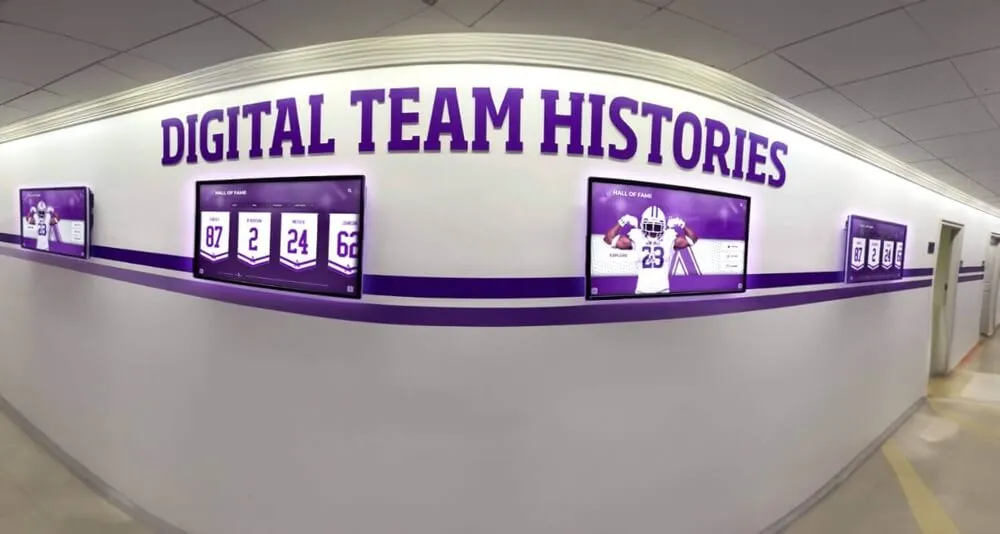
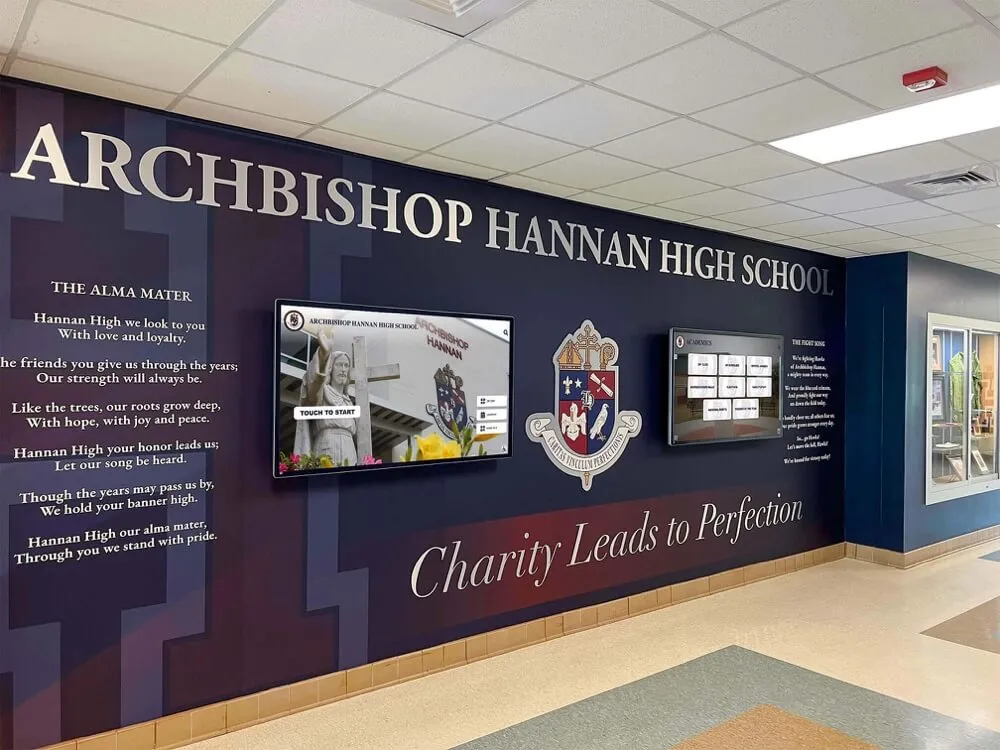
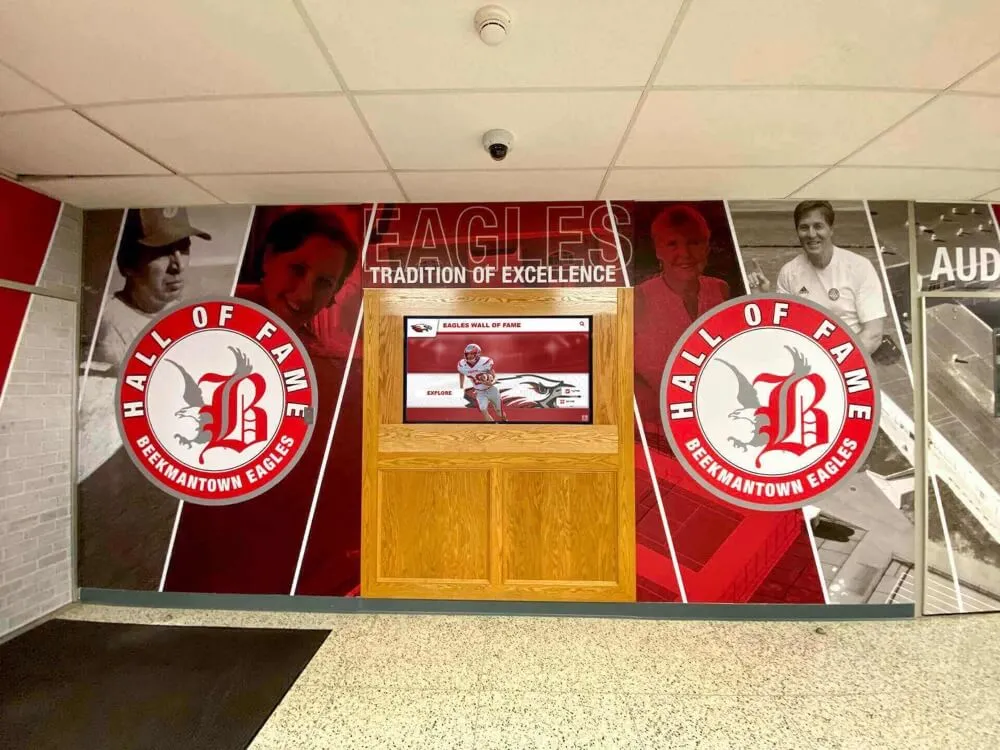
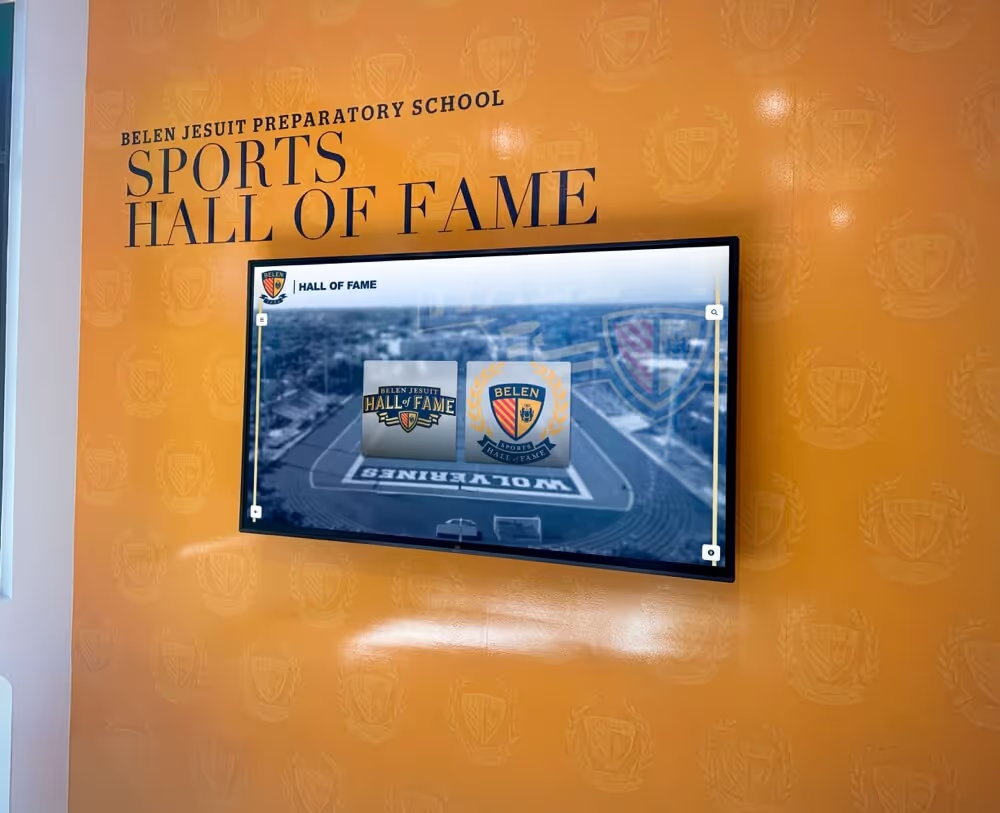
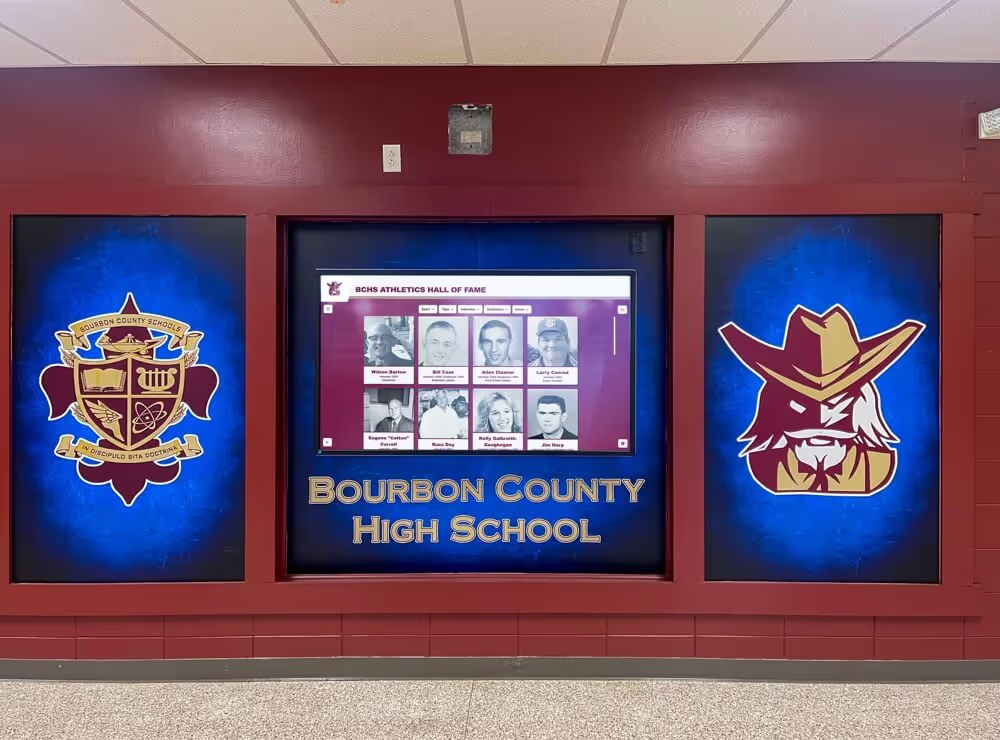
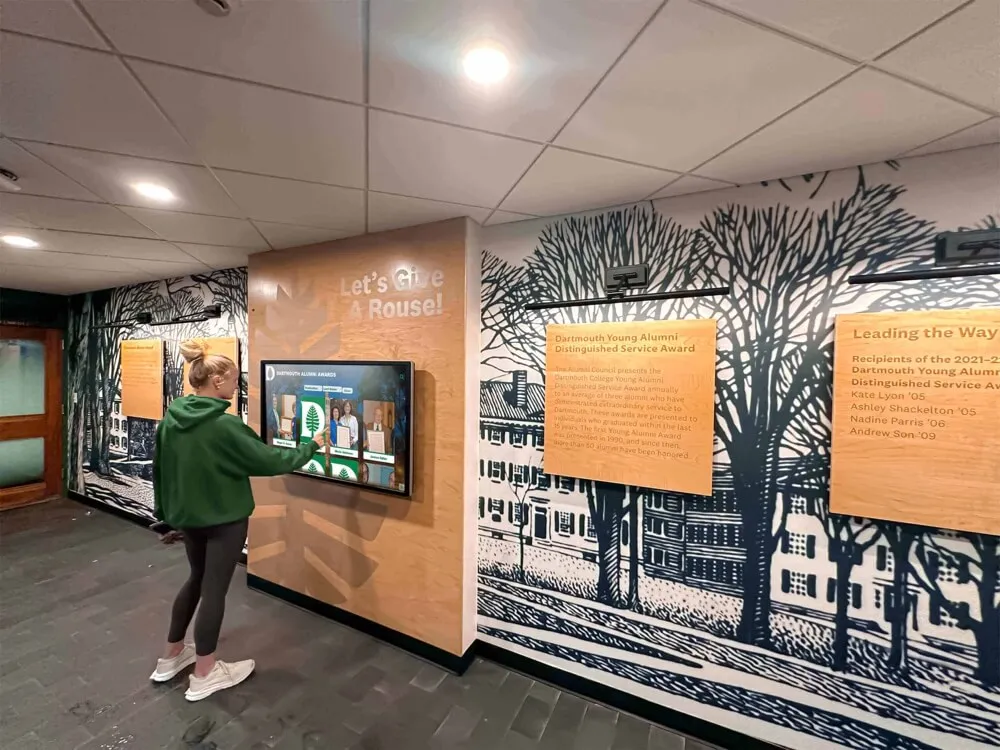
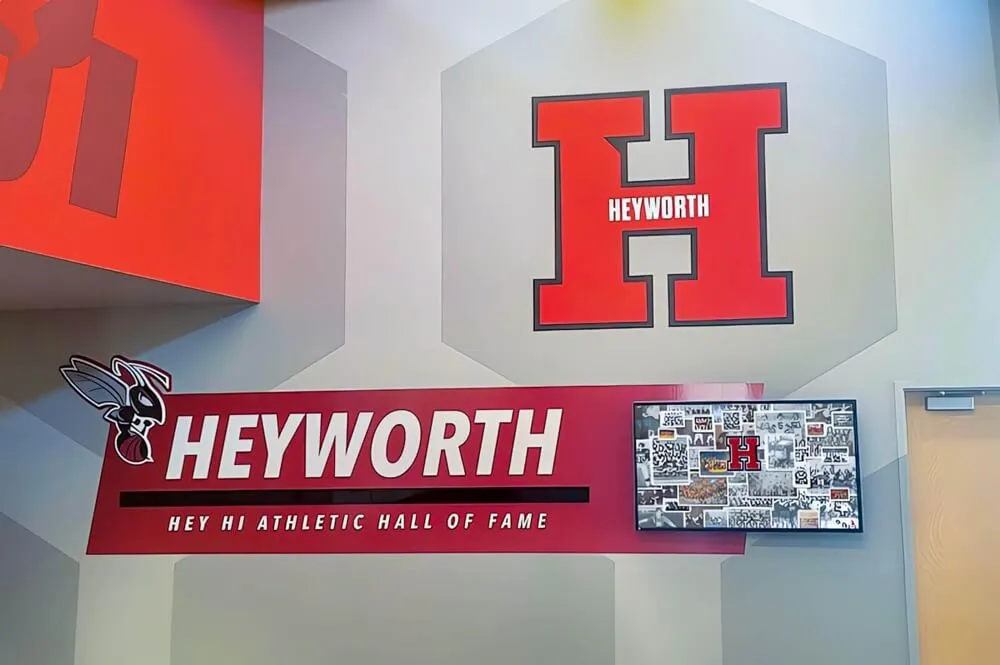
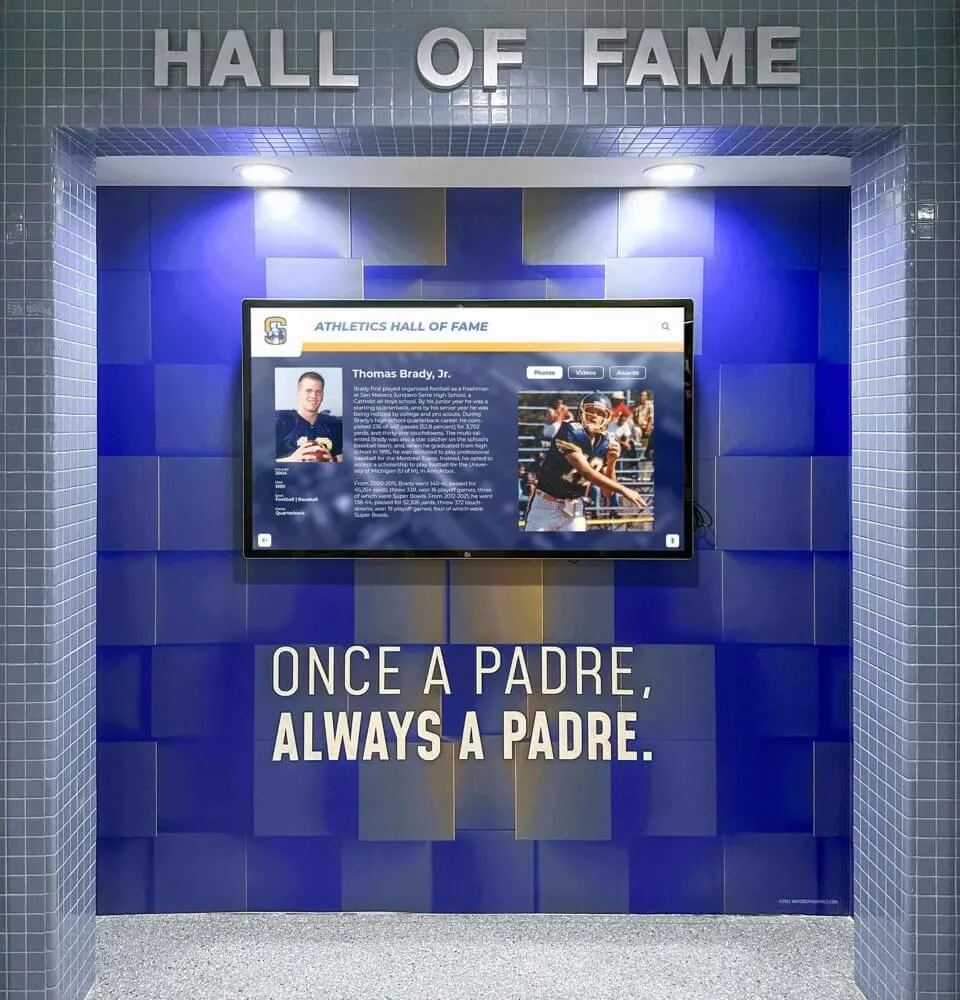
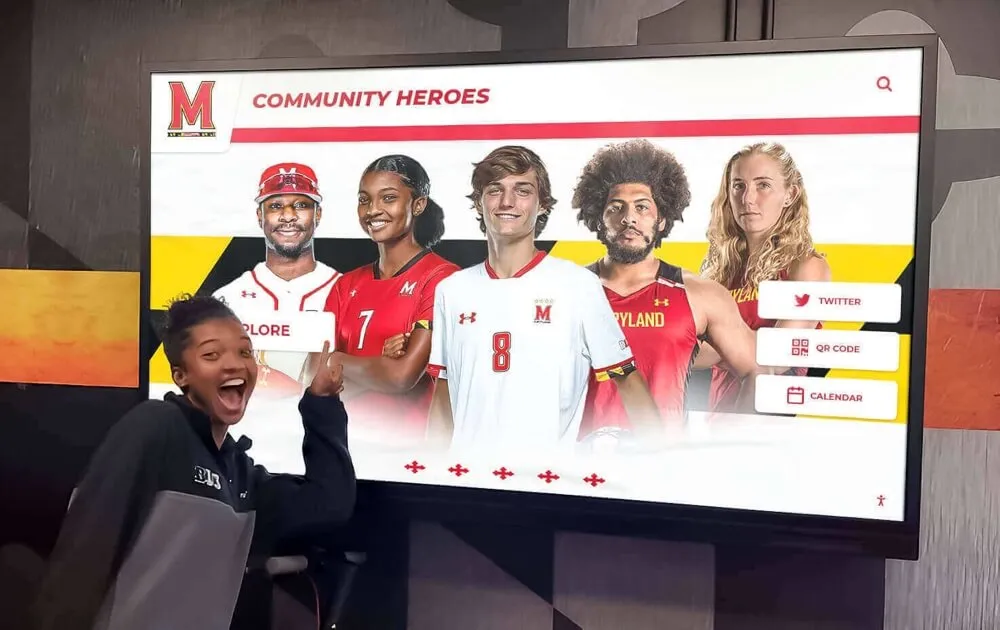
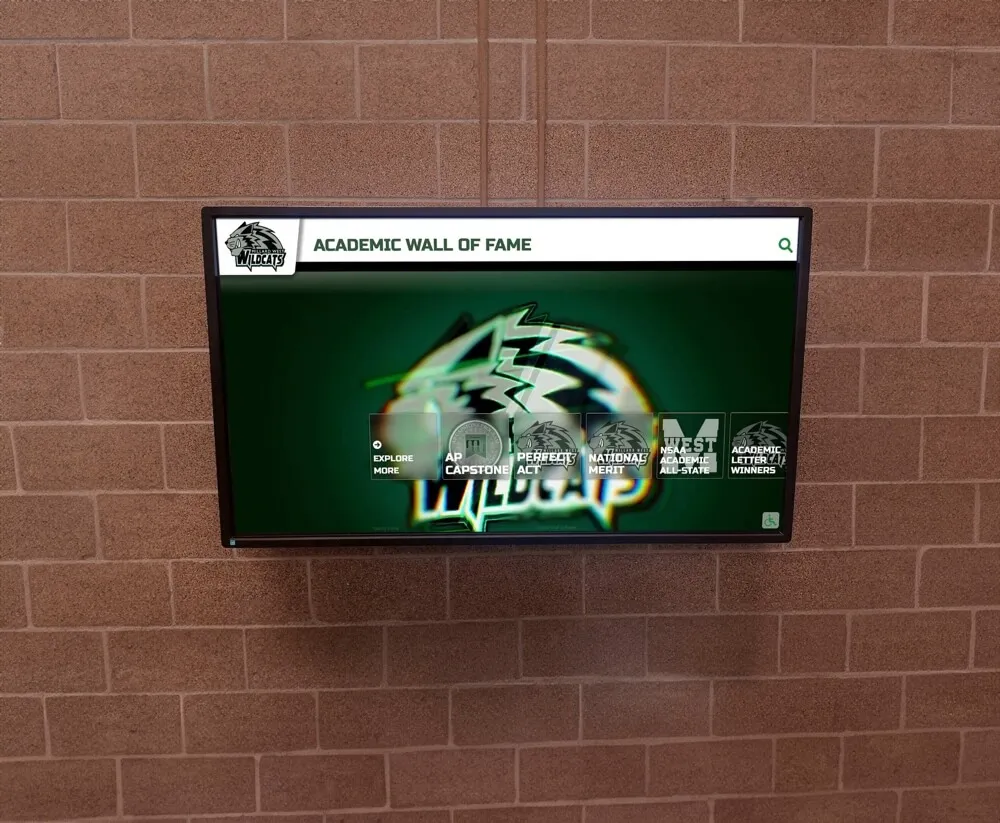
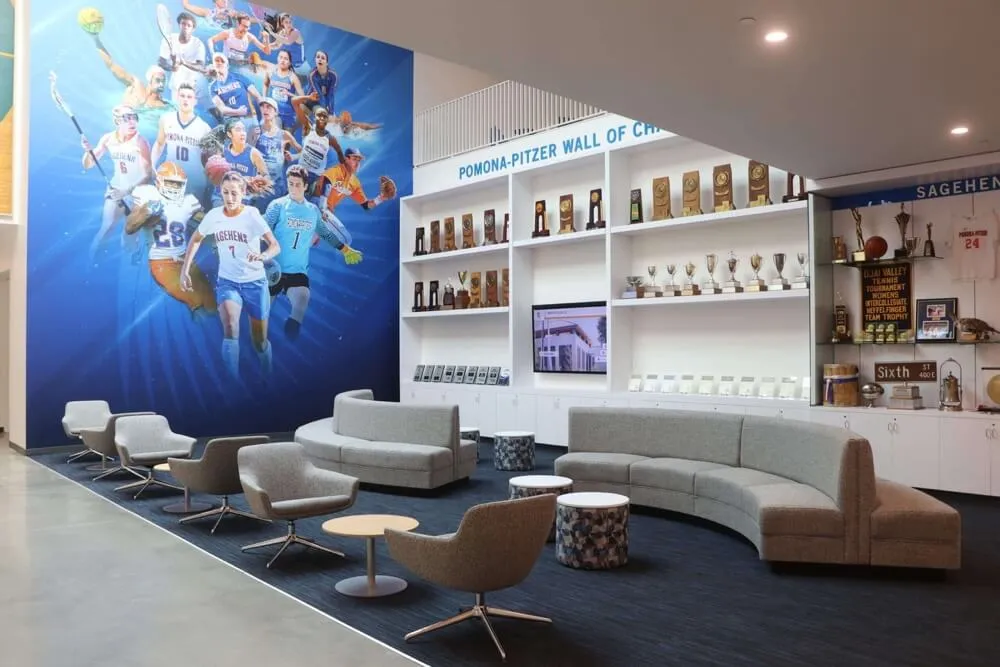
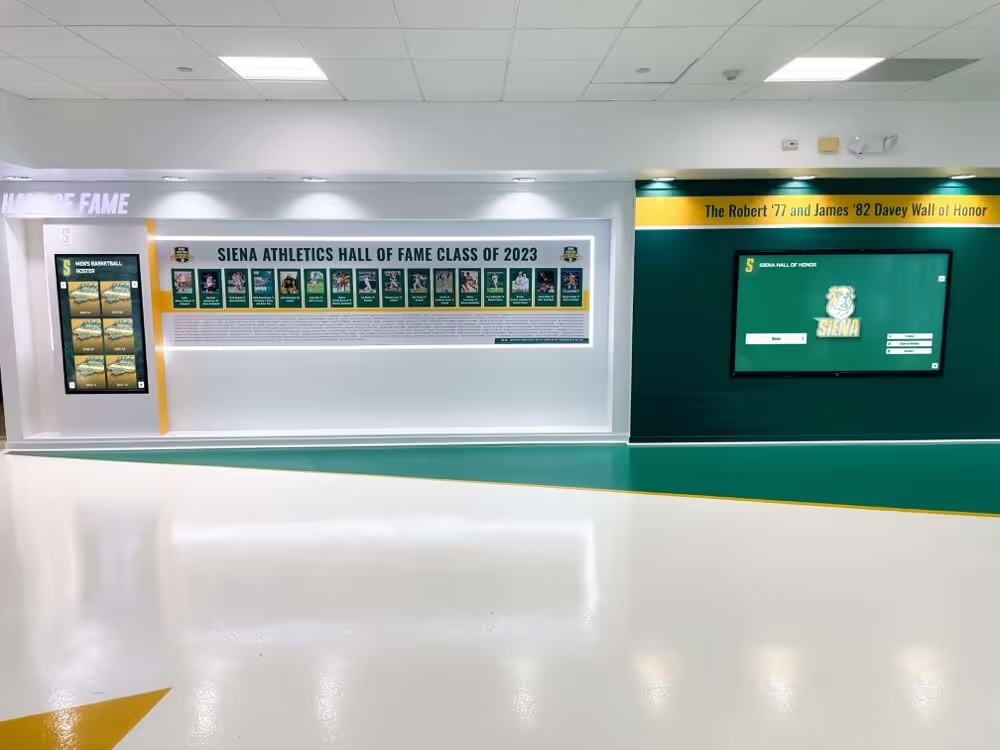
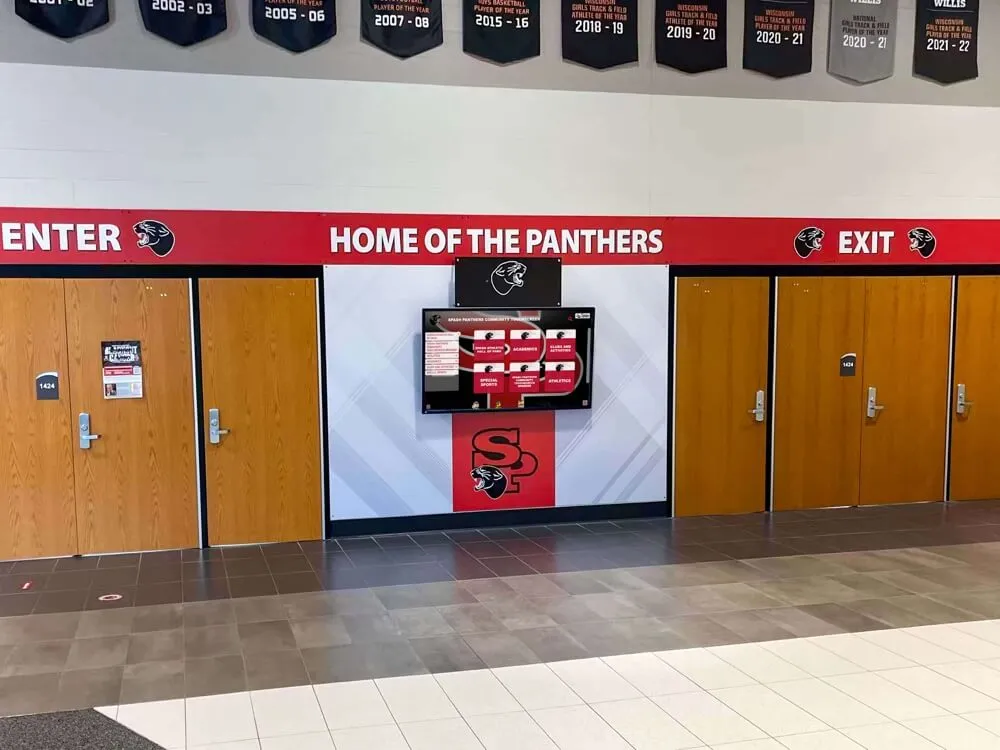
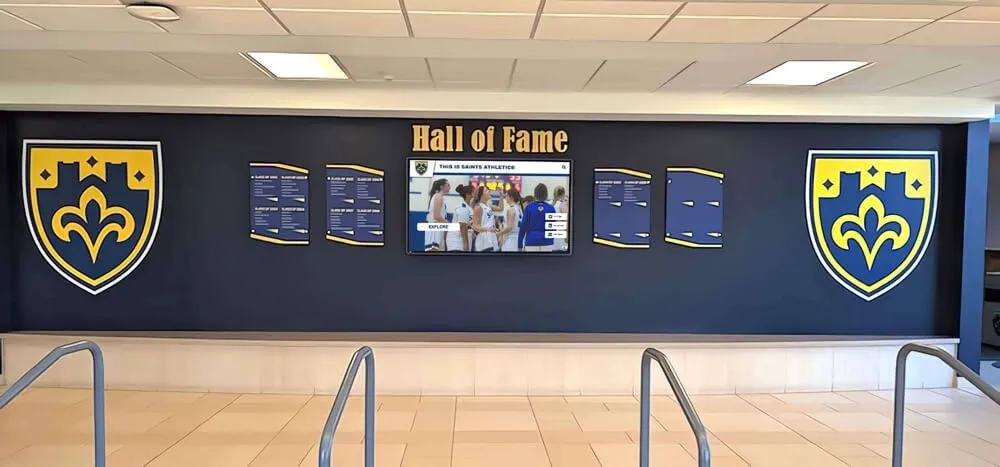
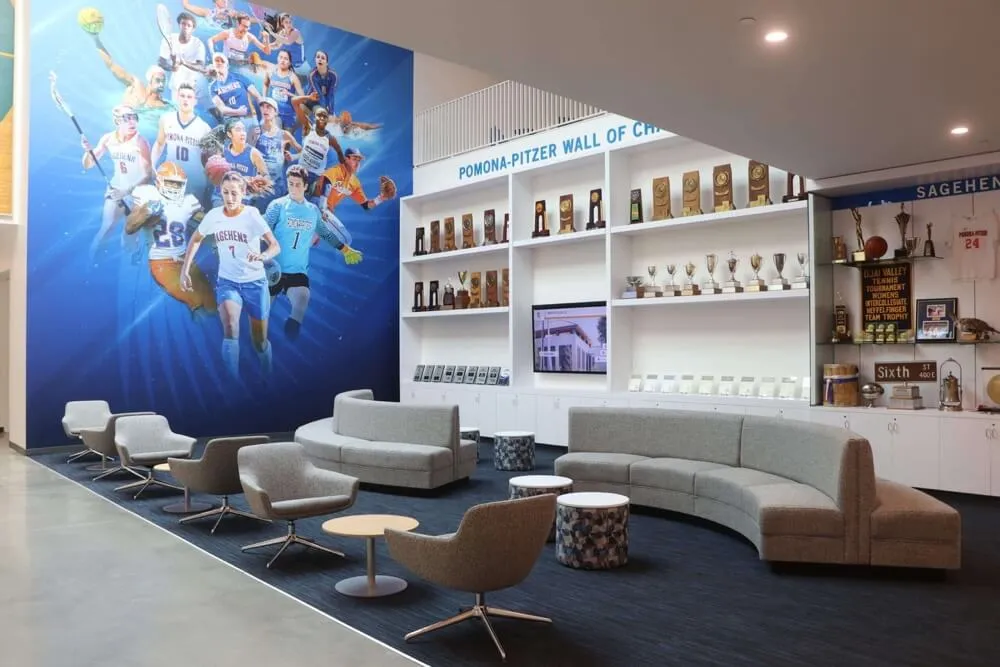
Modern booster club recognition spaces combine athlete achievement displays with donor appreciation, celebrating community support enabling program success
Understanding Booster Club Donor Recognition: A Unique Context
Booster club donor recognition differs substantially from university advancement or nonprofit development programs in ways that fundamentally shape effective approaches.
What Makes Booster Clubs Different From Traditional Donors
Athletic support organizations operate within distinctive dynamics requiring tailored recognition strategies:
Emotional Motivations Center on Children and Community
Booster club donors give because their children participate in programs, their neighborhoods benefit from youth athletic opportunities, or their communities take pride in competitive teams representing local schools. This direct personal connection creates powerful motivation—but also means recognition must honor these relationships authentically rather than treating donors as distant benefactors.
Parents supporting football programs want to see equipment their contributions purchased protecting their sons on fields. Soccer families want to know travel funds enabled tournament participation their daughters will remember forever. This immediate, tangible connection between giving and program outcomes shapes recognition approaches emphasizing specific impact over institutional legacy.
Diverse Contribution Types Beyond Financial Gifts
Traditional donor recognition focuses primarily on financial contributions measured in dollars. Booster clubs receive support in multiple forms requiring equal appreciation including cash donations funding equipment and operations, in-kind contributions of uniforms or facility improvements from local businesses, volunteer hours coaching, managing concessions, and organizing fundraisers, sponsorships providing visibility for businesses supporting programs, and equipment donations from families whose children outgrew gear or graduated.
Effective booster club recognition acknowledges all contribution types rather than privileging financial gifts alone. The parent volunteering 200 hours managing concessions deserves recognition alongside the donor contributing $5,000 for new uniforms—both sustain programs through different but equally valuable support.
Volunteer-Operated with Limited Resources
Unlike institutional advancement offices with professional staff managing donor stewardship, booster clubs typically operate through parent volunteers juggling recognition responsibilities alongside full-time careers and family commitments. Board members spend precious evening hours planning fundraisers, managing finances, coordinating with coaches, and organizing team activities—leaving minimal time for sophisticated donor cultivation programs.
This reality demands recognition solutions requiring minimal ongoing management while delivering maximum appreciation impact. Complex systems needing constant content updates or technical maintenance simply won’t succeed within volunteer-dependent operational models. Solutions like digital donor recognition displays enable booster clubs to implement comprehensive programs without overwhelming volunteer capacity.
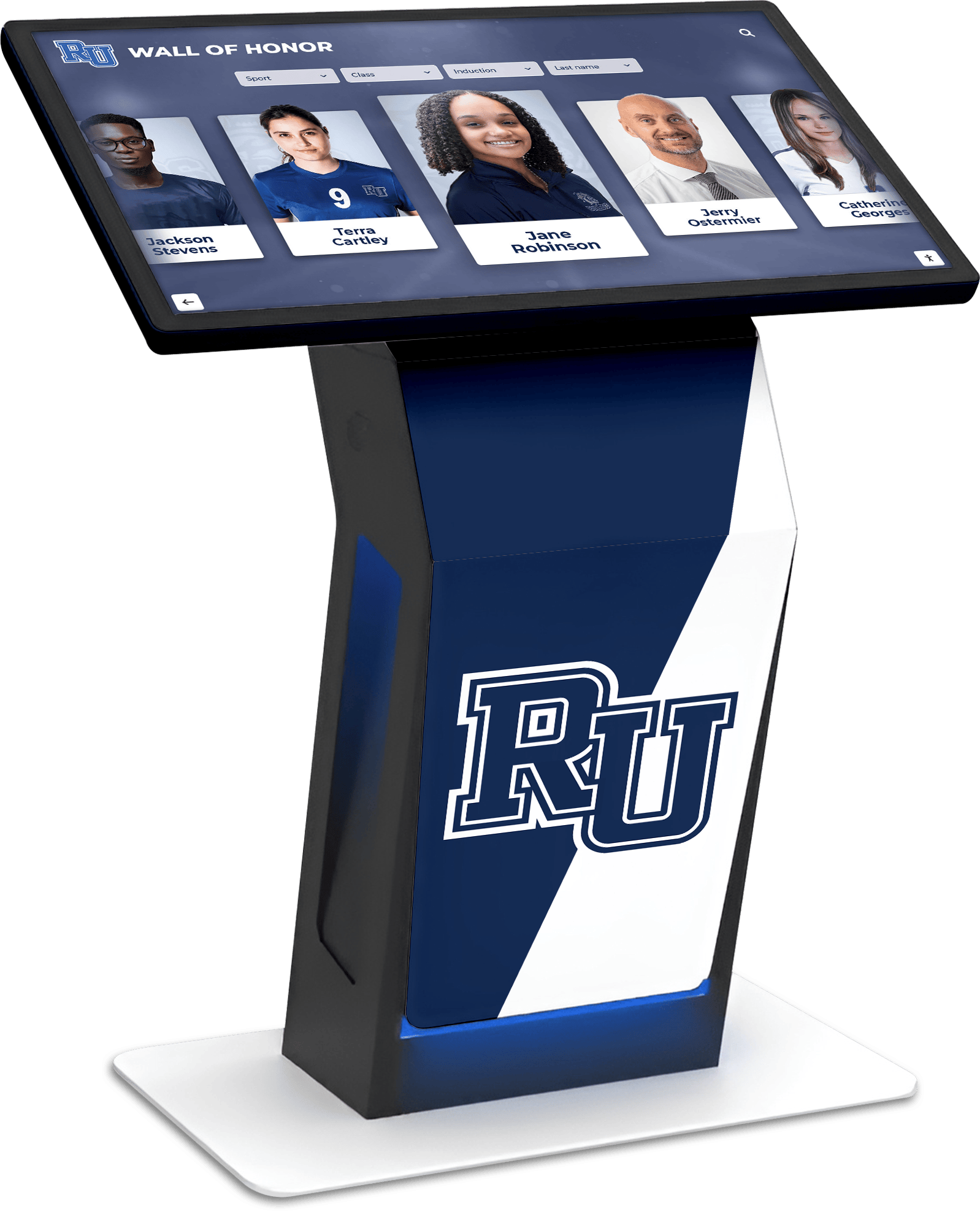
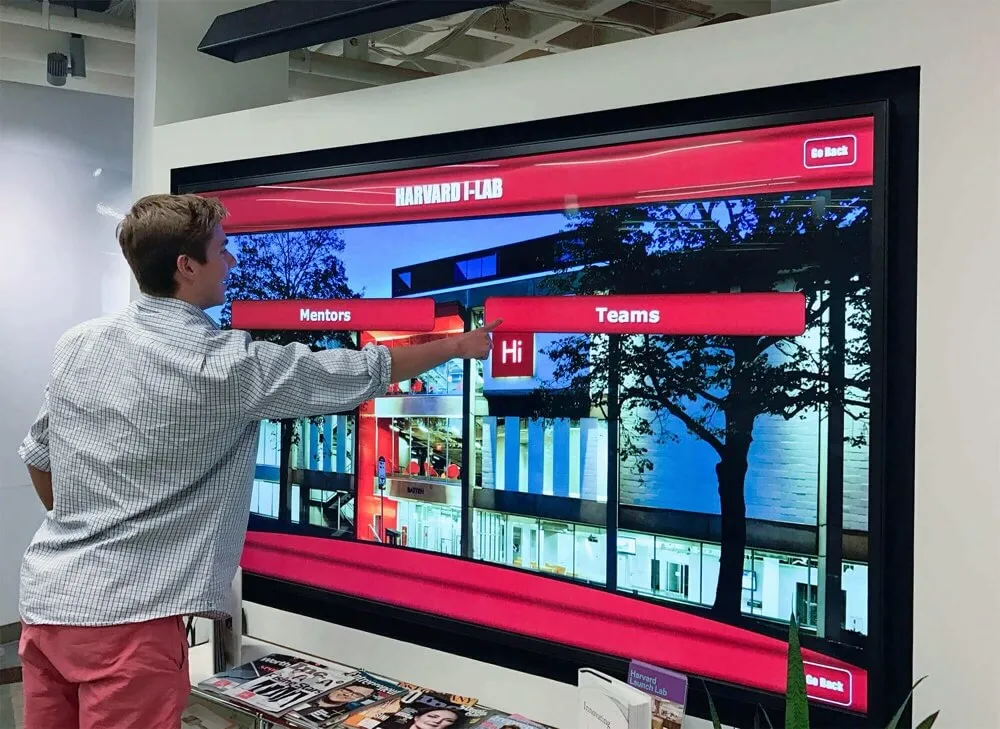
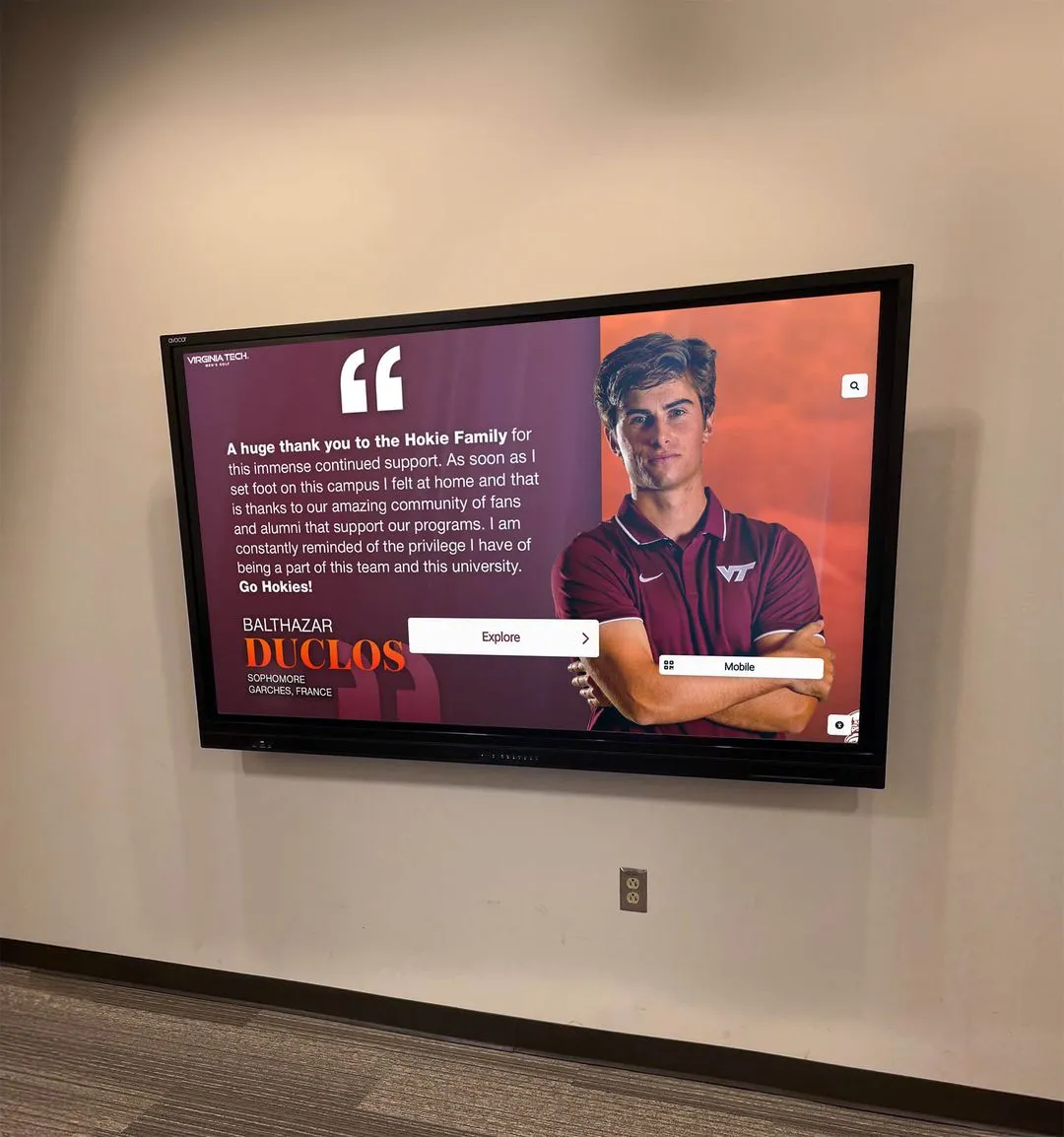
Purpose-built recognition systems with cloud management enable volunteer-operated booster clubs to maintain professional donor acknowledgment without extensive technical expertise
Financial Constraints and Budget Realities
Booster club budgets create unique pressures affecting recognition program decisions:
Every Dollar Competes with Direct Program Support
When booster boards discuss spending $15,000 on donor recognition displays, they must weigh this investment against immediate program needs: new uniforms costing $12,000, travel expenses for championship tournaments, facility improvements, or scholarship funding. This zero-sum reality means recognition must demonstrate clear value beyond simple courtesy—it must contribute to fundraising sustainability justifying investment.
The business case becomes compelling when clubs understand that improving donor retention from 40% to 60% over five years can generate $200,000-$400,000 in additional revenue for typical programs—far exceeding recognition system costs while funding countless program enhancements. Recognition becomes investment in sustainable fundraising rather than expense competing with athletic support.
Seasonal Revenue Cycles Create Cash Flow Challenges
Unlike institutions with diversified revenue streams, booster clubs often experience concentrated fundraising periods aligned with sport seasons. Football boosters conduct major campaigns during fall seasons, baseball programs fundraise in spring, and multi-sport boosters experience year-round but episodic contribution patterns.
This seasonal variation affects recognition planning—clubs may need phased implementation approaches starting with modest investments during strong fundraising periods while planning comprehensive expansion once sustainable revenue patterns establish. Budget-conscious solutions enabling gradual capability building prove more practical than all-at-once implementations straining limited resources.
Long-Term Sustainability Concerns
Booster clubs must consider total cost of ownership over 5-10 year periods. Traditional donor walls requiring $3,000-$8,000 annually for plaque manufacturing, corrections, and expansions create ongoing expenses that strain budgets indefinitely. Digital systems with higher initial investments but minimal ongoing costs often deliver superior long-term value for volunteer organizations lacking capacity for complex recurring maintenance.
Understanding these financial realities helps clubs make recognition decisions supporting both immediate appreciation needs and long-term fundraising sustainability. Explore athletic program digital recognition strategies that balance investment with operational capacity.
Core Recognition Principles for Athletic Supporters
Successful booster club recognition programs share fundamental approaches ensuring acknowledgment strengthens community while respecting organizational realities.
Inclusive Recognition Honoring All Contribution Types
Comprehensive booster club appreciation acknowledges every form of support sustaining programs:
Financial Contributions Across All Levels
Recognize donors at every giving level—from $25 contributions to $10,000+ transformational gifts. While major donors deserve enhanced acknowledgment, smaller gifts collectively represent substantial program support warranting genuine appreciation. Many families give modest amounts representing significant sacrifices within their household budgets—acknowledgment must honor commitment rather than solely celebrating capacity.
Implement tiered recognition structures providing appropriate differentiation:
- Championship Circle ($10,000+ cumulative): Enhanced profiles with photos, biographical content, impact stories
- Varsity Circle ($5,000-$9,999): Standard profiles with photos and program connections
- Team Circle ($1,000-$4,999): Name recognition with giving level acknowledgment
- Spirit Circle ($100-$999): Listed appreciation in donor displays and materials
- Supporter recognition (under $100): Acknowledged in annual reports and communications
These tiers create aspiration pathways encouraging giving progression while ensuring every supporter receives meaningful acknowledgment.
Volunteer Hour Recognition
Booster clubs depend on volunteer labor providing value equivalent to tens of thousands of dollars annually. The parent managing concessions every home game for three years, the volunteer coordinating travel logistics, the board member handling financial administration—these contributions deserve recognition alongside financial gifts.
Consider volunteer recognition categories including leadership positions held (president, treasurer, coordinator roles), cumulative volunteer hours (100 hours, 500 hours, 1,000+ hours), years of sustained service (5 years, 10 years, continuing supporters), and specific contribution types like coaching assistance, fundraising coordination, or facility maintenance.
Digital platforms enable organizations to profile both financial and volunteer contributions within unified recognition systems—eliminating false distinctions between “donors” and “volunteers” when both sustain programs equally.
In-Kind and Equipment Donations
Local businesses providing uniforms, equipment companies donating gear, families contributing used but valuable items—these in-kind supporters warrant specific acknowledgment. Recognition should specify contribution types so communities understand diverse support forms enabling programs:
- “Johnson’s Sporting Goods—Official Uniform Provider”
- “Martinez Family—Baseball Equipment Donation”
- “Anderson Construction—Field Renovation Services”
- “Local Hardware Co-op—Concession Stand Renovation”
This specificity celebrates generosity while demonstrating to communities the comprehensive support networks required for successful athletic programs.
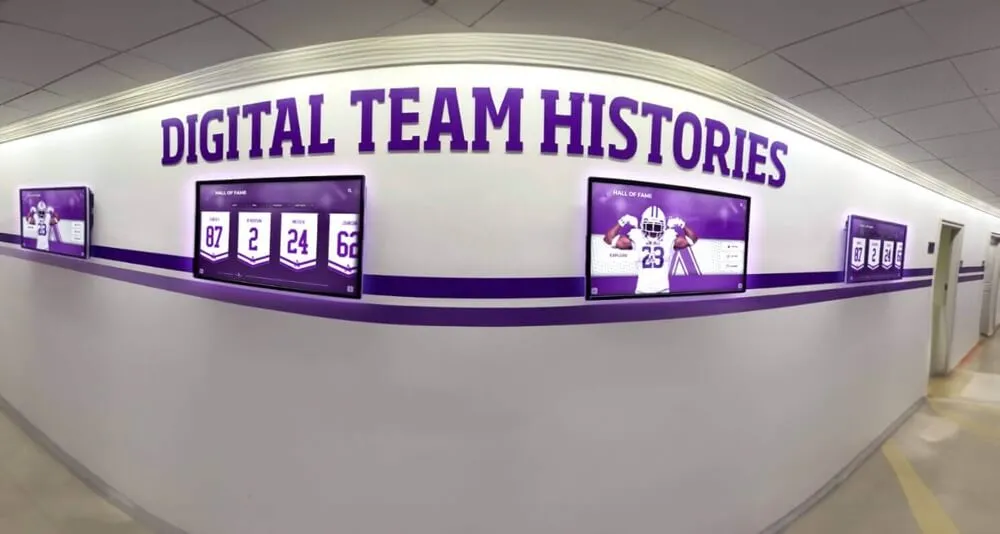
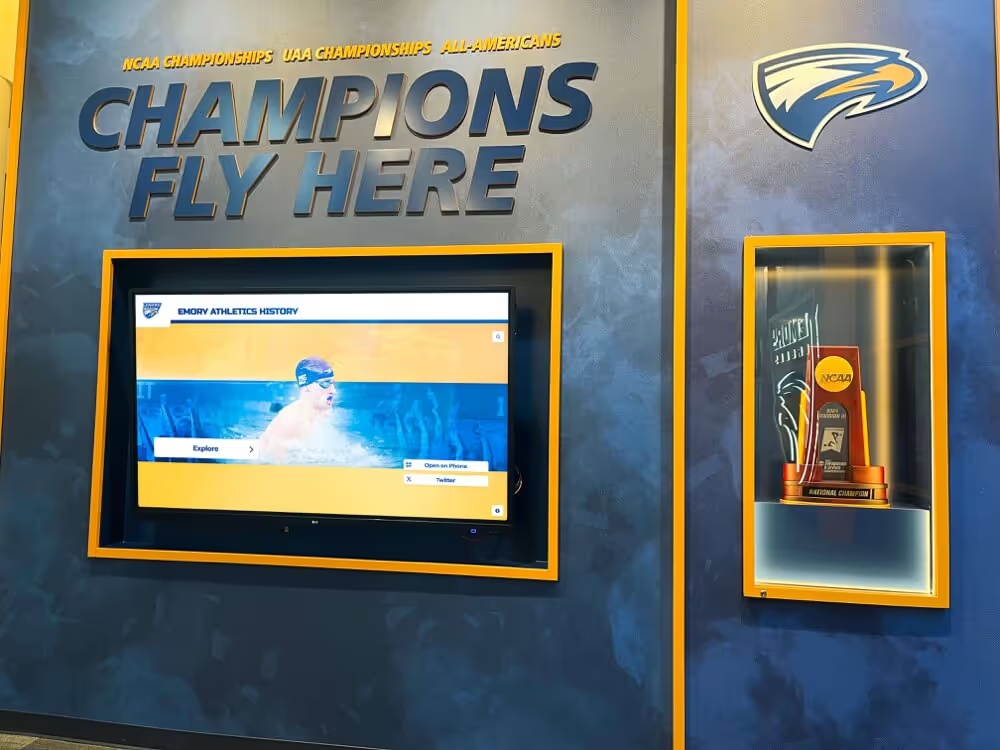
Coordinated display systems enable booster clubs to showcase both athlete achievements and supporter recognition within unified athletic storytelling
Connecting Recognition to Program Impact
Booster club donors want to see how their support directly affects programs and participants:
Specific Outcome Documentation
Rather than generic appreciation, connect recognition to tangible results:
- “Your support funded 12 scholarships enabling student-athletes to attend competitive summer training programs”
- “Equipment donations provided protective gear for 45 football players”
- “Field renovation contributions created safe, professional-quality playing surfaces serving 8 sports and 300+ athletes annually”
- “Travel funding enabled championship tournament participation where our teams competed at state level”
This outcome-focused recognition demonstrates accountability while creating emotional connections between giving and program success donors witness through their children’s experiences.
Athlete and Coach Testimonials
Nothing resonates more powerfully than student voices expressing gratitude. Include athlete testimonials in recognition displays:
- Senior reflections thanking booster support enabling four-year athletic participation
- Team captain messages acknowledging how community funding made championship seasons possible
- Coach statements connecting booster support to program development and competitive success
- Parent perspectives sharing how athletic participation shaped their children’s character development
These authentic voices transform recognition from organizational acknowledgment into community celebration connecting donors to programs’ human impact. Learn about athletic recognition program design incorporating multiple stakeholder perspectives.
Visual Impact Through Photos and Videos
Show donors the programs their generosity enables through compelling visual content including game action photos demonstrating competitive excellence, facility images showcasing improvements donations funded, team celebration moments capturing joy and accomplishment, equipment close-ups showing gear protecting athletes, and community event photos illustrating how programs strengthen neighborhoods.
This visual storytelling creates emotional engagement that text alone cannot match—transforming abstract fundraising appeals into tangible reality donors experience through recognition displays.
Timely and Personal Acknowledgment
Recognition timing and personalization significantly affect donor satisfaction and retention:
Immediate Acknowledgment Standards
Booster clubs should acknowledge all contributions within 24-48 hours through automated email confirmations, personal thank-you texts from board members for significant gifts, social media recognition posts celebrating major contributions, and handwritten notes from athlete beneficiaries when appropriate.
This immediate response captures donors while giving motivation remains strong, demonstrates organizational efficiency, and creates positive reinforcement encouraging continued support.
Personalized Appreciation
Generic form letters undermine recognition effectiveness. Personalization includes using donor names correctly with appropriate titles, specifying gift amounts rather than “your generous contribution”, referencing donor history acknowledging multi-year support, mentioning family connections to programs (child’s name, sport, graduation year), and expressing specific gratitude for designated gifts.
This personalization proves especially important for booster clubs where donors have direct relationships with organizations—parents notice when recognition feels perfunctory versus genuinely appreciative of their family’s involvement and support.
Ongoing Stewardship Communication
Recognition extends beyond single acknowledgment to sustained engagement throughout seasons and years including mid-season updates sharing program progress and competitive results, end-of-season reports documenting achievements donor support enabled, scholarship award announcements celebrating recipients, and facility completion celebrations when capital projects finish.
These ongoing touchpoints maintain donor engagement while demonstrating that recognition represents sustained relationships rather than transactional acknowledgment motivating next contributions.
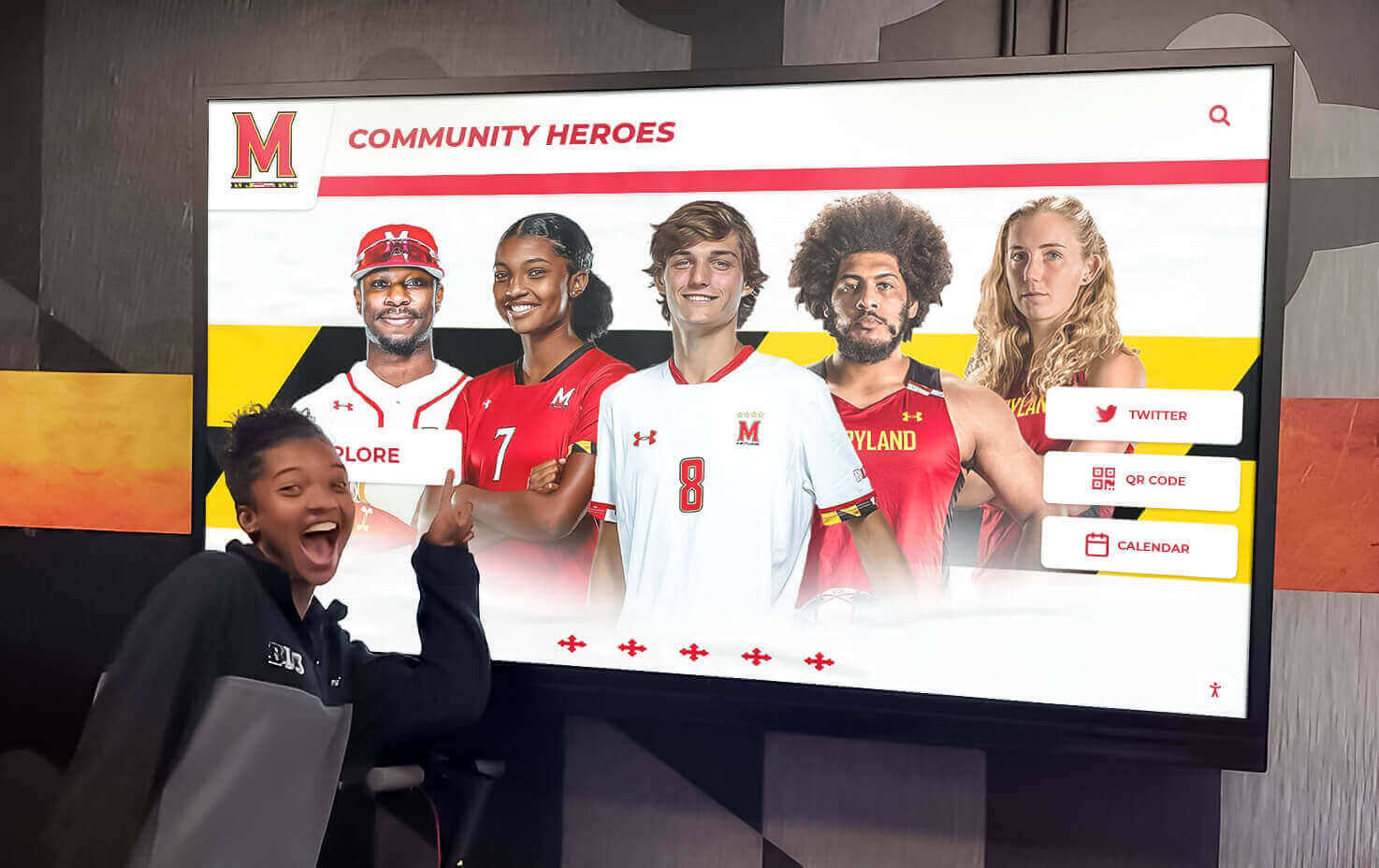
Athlete involvement in recognition celebrations strengthens connections between supporters and program participants, creating memorable appreciation experiences
Traditional Recognition Approaches and Their Limitations
Understanding conventional methods helps booster clubs appreciate why many organizations embrace digital alternatives.
Physical Donor Plaques and Walls
Traditional engraved plaque systems have served booster clubs for decades but create persistent challenges:
Capacity Constraints and Expansion Costs
Physical donor walls accommodate perhaps 100-300 names before exhausting space—forcing difficult decisions about which supporters receive visibility. Successful fundraising creates the problem recognition should celebrate: growing donor communities exceeding fixed wall capacity.
Expansion requires expensive construction costing $8,000-$15,000+ while consuming additional facility space booster clubs rarely control. Many clubs resort to removing earlier donors to accommodate new contributors—undermining recognition permanence and disappointing longtime supporters.
Update Delays Undermining Impact
Adding donors to traditional walls requires manufacturing plaques (6-10 weeks), coordinating installation with facility schedules (2-4 weeks), creating 3-6 month delays. Donors contributing in September may not see acknowledgment until December or January—four months later when enthusiasm has faded.
This delay proves especially problematic for booster clubs conducting seasonal campaigns where timely recognition reinforces giving behavior immediately while emotional connections remain strong.
Correction Difficulties and Error Costs
Misspelled names, incorrect sport designations, or inaccurate giving levels require manufacturing replacement plaques at $150-400 each, physical removal creating visible gaps, and reinstallation coordinating with facility access. Organizations report annual correction costs typically totaling $2,000-$5,000—expenses competing with athletic program funding.
Volunteer-operated clubs lack capacity for meticulous quality control institutional advancement offices maintain, making error-prone traditional systems particularly challenging for booster contexts.
Limited Storytelling Capacity
Plaques convey minimal information beyond names and possibly giving levels—preventing meaningful storytelling connecting donors to program impact. Booster clubs cannot share why the Martinez family gives annually, what scholarship their contribution funded, or how equipment donations they provided protected athletes on fields.
This storytelling limitation represents missed opportunities for creating emotional engagement inspiring increased giving and sustained support across years.
Outdoor Display Challenges
Many booster clubs need recognition visible at athletic facilities—outdoor environments exposing traditional plaques to weather deterioration, vandalism risks, and visibility challenges during evening games. Protecting traditional recognition in outdoor contexts requires expensive specialized mounting and materials often exceeding booster budgets.
Solutions like digital donor walls address these limitations while enabling comprehensive acknowledgment traditional methods cannot match.
Printed Recognition in Programs and Newsletters
Many booster clubs rely heavily on printed donor listings in game programs, newsletters, and annual reports:
Limited Readership and Engagement
While print recognition proves cost-effective for acknowledging many supporters, actual engagement remains minimal. Game program donor pages receive cursory glances at best, newsletters reach only active families rather than broader communities, and annual reports accumulate in drawers unread.
This limited visibility means recognition investments generate minimal stewardship value—acknowledged donors never actually experience appreciation diminishing retention impact.
Publication Timing Delays
Print materials publish on seasonal schedules—often annually or per-season. Donors contributing mid-season wait months before acknowledgment appears, undermining recognition effectiveness.
No Differentiation Across Giving Levels
Printed lists typically provide identical treatment for $100 and $10,000 donors—failing to differentiate recognition appropriately. This lack of differentiation can actually frustrate major donors expecting elevated acknowledgment proportionate to significant commitments.
Banner and Sign Recognition at Facilities
Some booster clubs implement banner programs displaying donor names at athletic venues:
Weather and Durability Challenges
Outdoor banners deteriorate quickly requiring replacement every 2-3 years at $200-$500 per banner. Sun exposure fades colors, wind and rain damage materials, and accumulated wear creates unprofessional appearances undermining rather than enhancing donor appreciation.
Maintenance and Storage Burdens
Seasonal sports require banner rotation and storage—creating logistics volunteer organizations struggle to manage consistently. Improperly stored banners develop mold, materials degrade, and tracking which banners belong where becomes organizational burden.
Limited Content and Visibility
Banner recognition typically includes only names and possibly logos—providing minimal acknowledgment. Wind movement makes reading difficult, evening game visibility proves poor without dedicated lighting, and placement height often positions content beyond comfortable viewing range.
While banners create colorful atmospheric enhancement, they provide limited recognition value compared to comprehensive digital systems offering searchable profiles, multimedia storytelling, and comfortable viewing experiences.

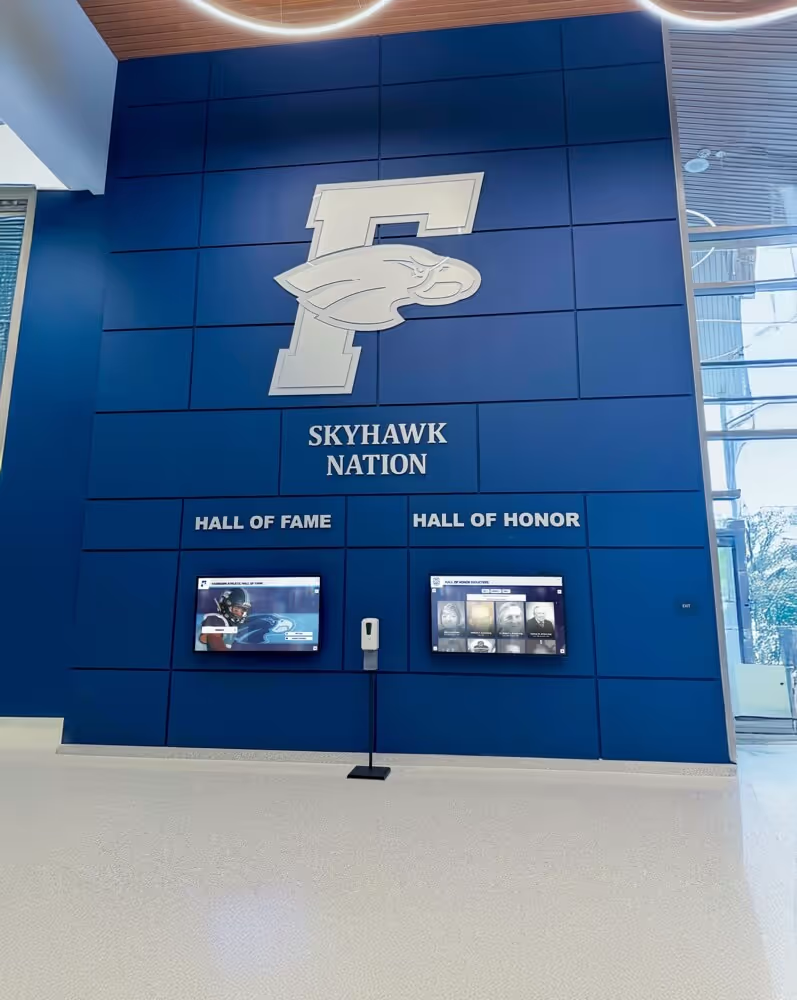
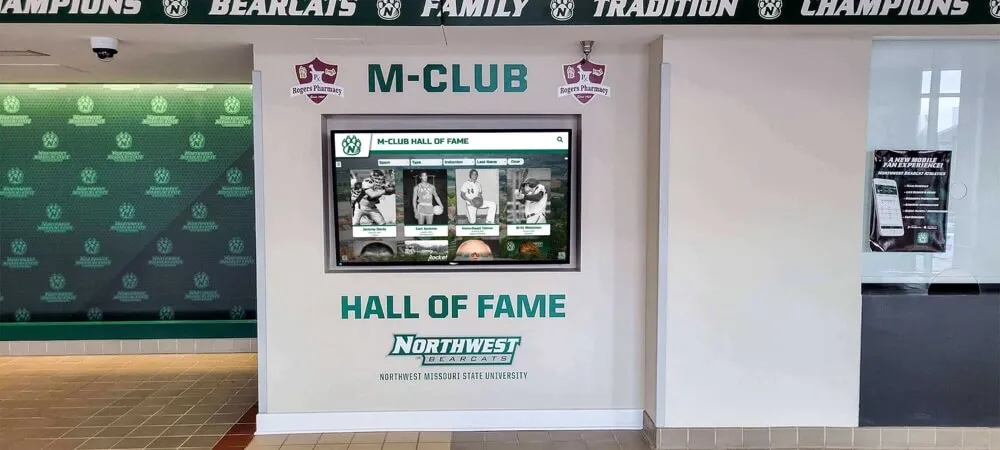
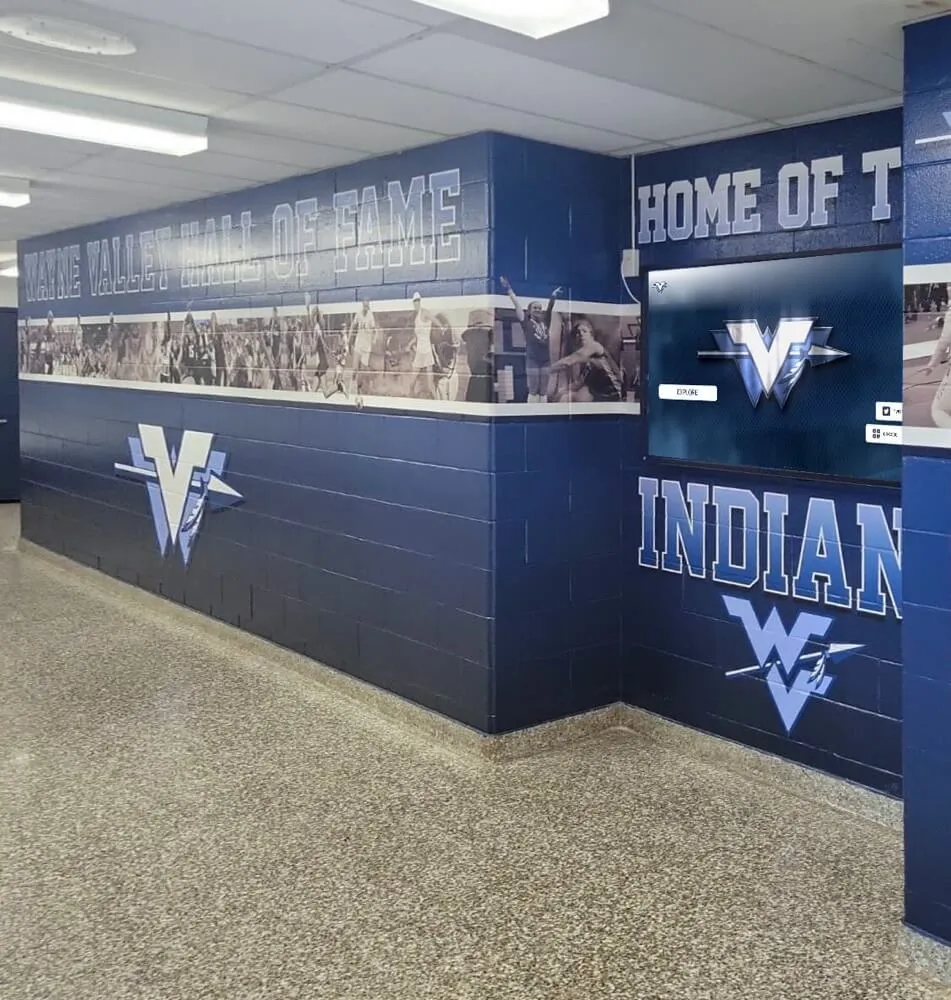
Integrated recognition installations within athletic facilities create permanent community celebration spaces honoring both participant achievement and supporter generosity
Modern Digital Recognition Solutions for Booster Clubs
Technology enables recognition experiences traditional methods cannot provide while addressing volunteer organization operational realities.
Interactive Touchscreen Recognition Displays
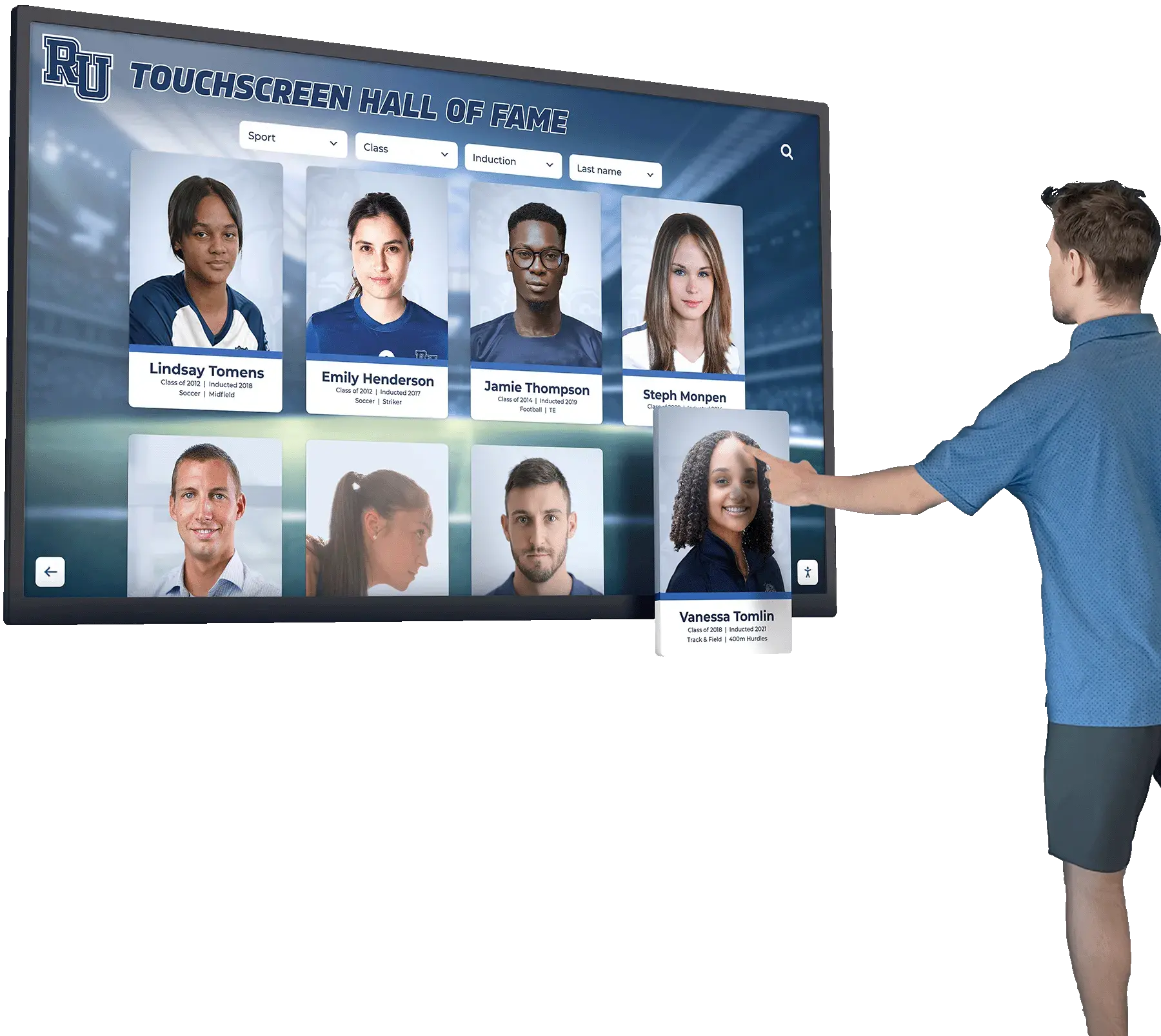
Digital displays transform donor acknowledgment from passive name-reading into engaging exploration:
Unlimited Capacity Accommodating Growth
Digital platforms showcase thousands of donor profiles without space constraints—eliminating difficult exclusion decisions and expensive expansions. Single touchscreen installations can honor entire supporter communities across all contribution levels and years.
As booster clubs grow fundraising success, digital systems expand recognition capacity instantly through software rather than requiring physical construction consuming facility space and construction budgets.
Instant Updates Enabling Timely Recognition
Cloud-based management enables updating recognition within hours of gift processing. Development volunteers add new donors, correct errors, update giving levels, and refresh content from any internet-connected device without coordinating physical installation or manufacturing delays.
This immediacy proves especially valuable for seasonal campaigns where prompt acknowledgment reinforces giving behavior while donor enthusiasm remains strong—creating positive associations encouraging continued support.
Rich Multimedia Storytelling
Digital profiles include comprehensive content impossible with traditional plaques:
- Biographical narratives explaining donor motivations and program connections
- Professional photography showing supporters with teams and athletes
- Impact stories documenting specific outcomes contributions enabled
- Video testimonials capturing authentic gratitude from beneficiaries
- Historical context connecting current giving to multi-year commitment patterns
- Equipment and facility photos showing tangible results of support
This storytelling creates emotional engagement transforming abstract fundraising into tangible program impact donors experience through recognition displays.
Interactive Discovery Features
Touchscreen interfaces enable multiple exploration pathways:
- Name search for instant donor discovery
- Browse by sport, giving level, or recognition society
- Filter by graduation year or family name
- View related donor connections showing friends and community networks
- Explore program impact through integrated athlete and team content
These features transform recognition from passive name-reading into engaging exploration encouraging extended interaction and repeated visits—creating ongoing stewardship touchpoints rather than single acknowledgment moments.
Analytics and Engagement Tracking
Modern platforms provide usage data revealing recognition effectiveness:
- Daily interaction counts establishing baseline engagement
- Average session duration indicating content interest
- Most-viewed donor profiles identifying compelling stories
- Search patterns showing what visitors seek
- Peak usage times informing promotional strategies
These analytics guide content optimization while demonstrating recognition program value to boards through objective data rather than anecdotal impressions. Explore interactive touchscreen design principles that maximize donor engagement.
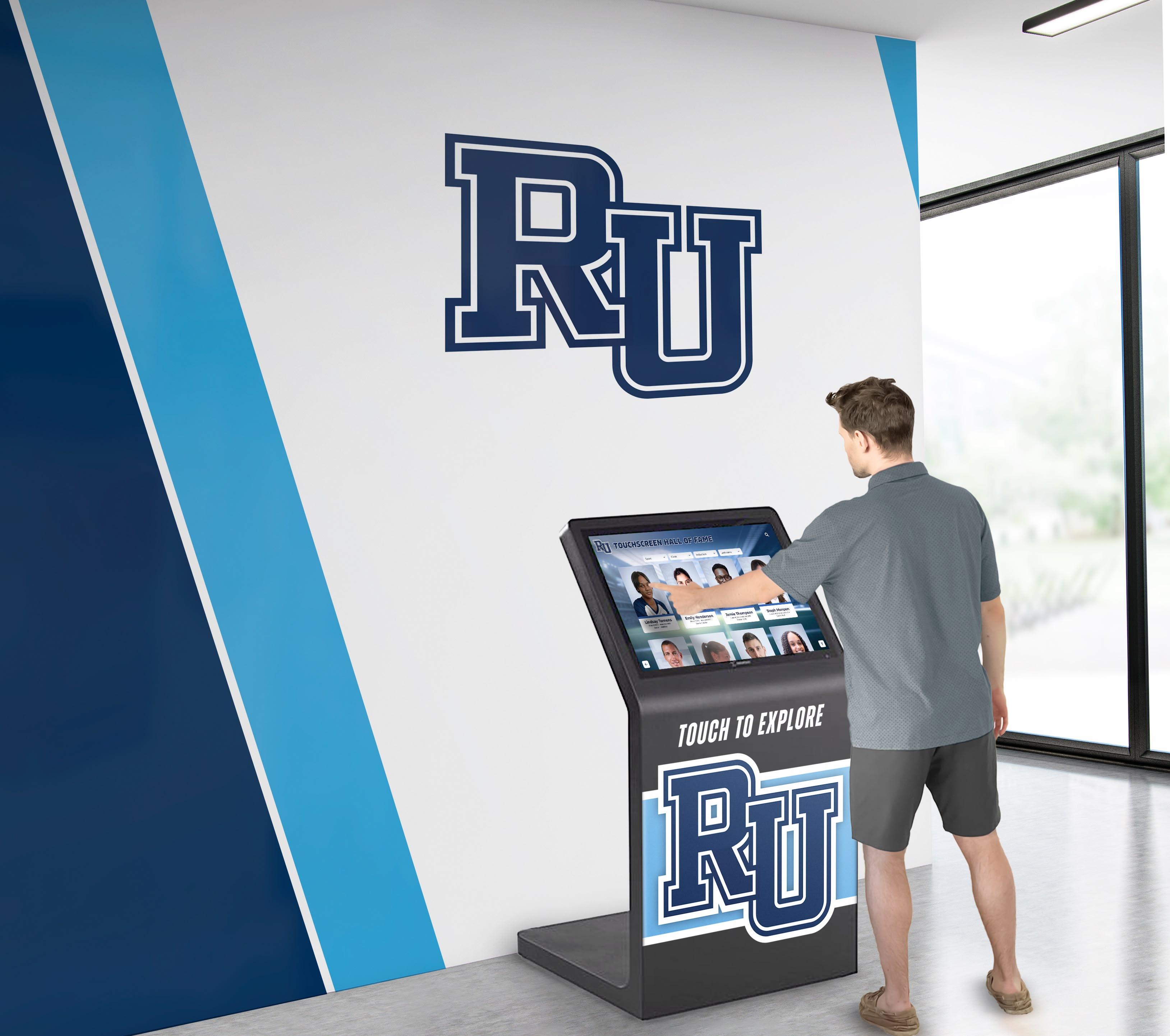
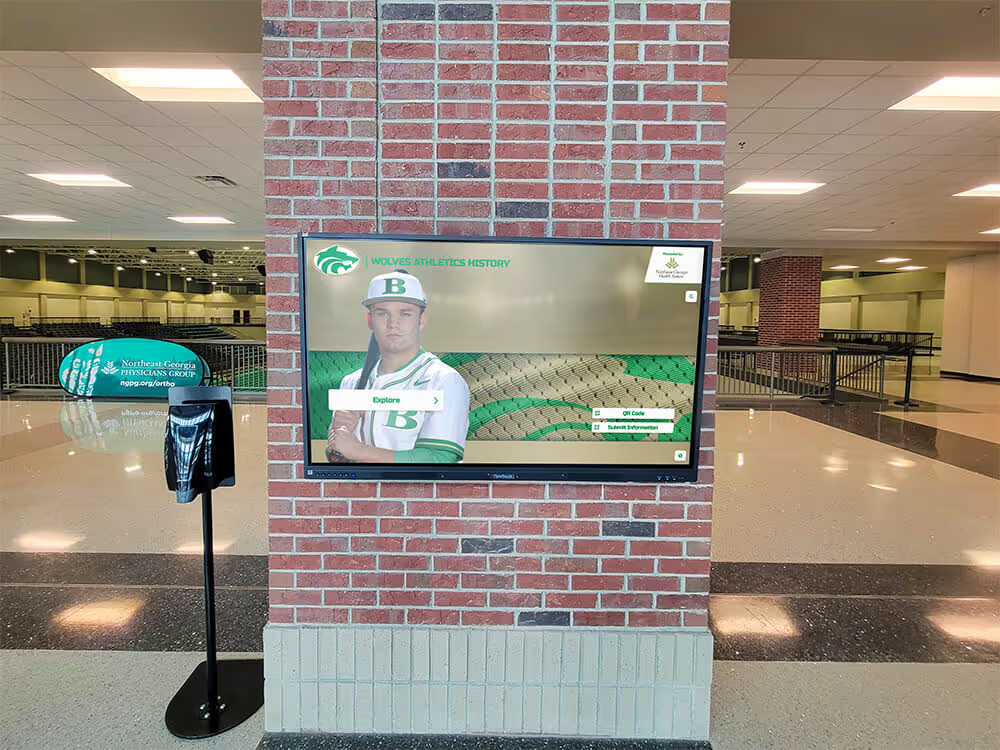
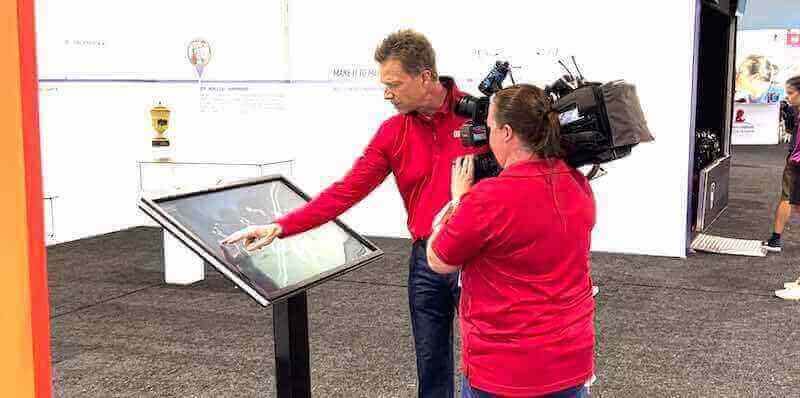
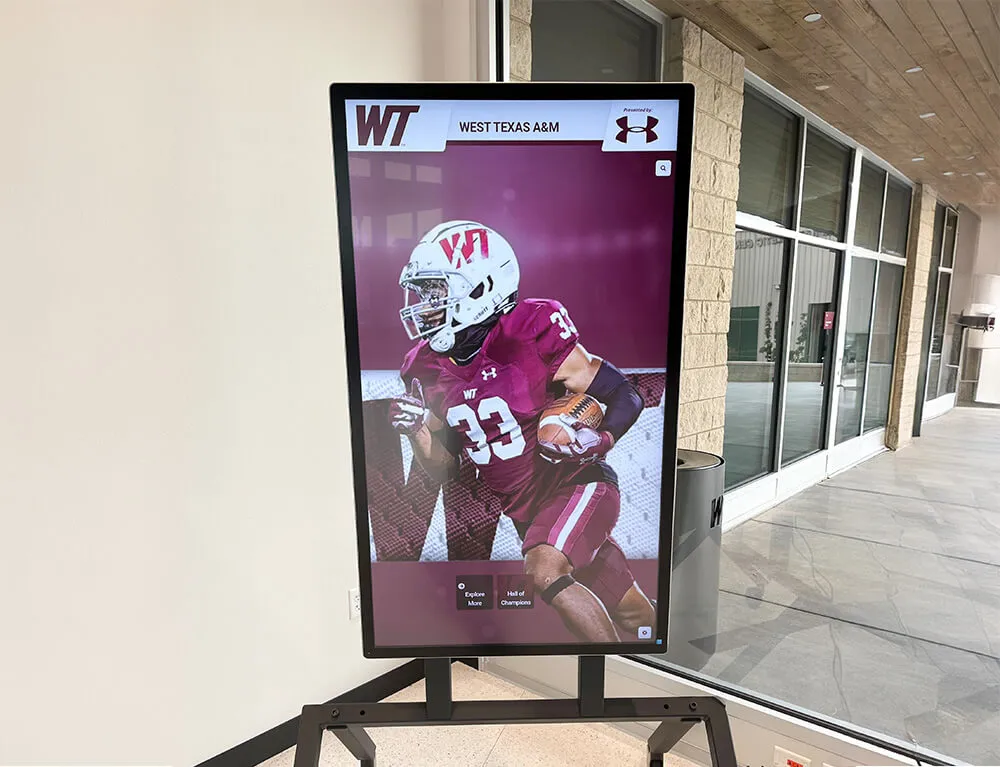
Free-standing kiosks provide flexible placement throughout athletic facilities while maintaining secure professional installations appropriate for public spaces
Web-Accessible Recognition Extending Reach
Online recognition portals complement physical displays while expanding acknowledgment beyond facility locations:
24/7 Accessibility from Anywhere
Web-accessible recognition enables distant supporters, alumni maintaining booster involvement, families who relocated after children graduated, and community members to explore appreciation content anytime from anywhere—extending recognition reach far beyond physical display visibility.
Social Media Sharing Amplifying Recognition
Donors can share their recognition profiles through social networks, amplifying appreciation while creating authentic testimonials reaching friends, colleagues, and extended networks. This social sharing provides powerful word-of-mouth marketing inspiring additional giving while celebrating supporter generosity publicly.
Mobile-Friendly Access for Contemporary Engagement
Responsive design ensures recognition accessibility across smartphones and tablets—meeting supporters where they naturally engage with content. Mobile access proves especially valuable for game-day visitors exploring recognition before, during, or after attending athletic events.
Integration with Online Giving Platforms
Web-based recognition can integrate seamlessly with online donation systems—providing immediate confirmation that contributions will receive acknowledgment while streamlining operational workflows between fundraising and stewardship.
Many organizations implement hybrid approaches combining prominent physical displays in athletic facilities with web portals extending recognition to distant supporters—ensuring comprehensive reach while maintaining prestigious on-site acknowledgment. Discover interactive digital board strategies applicable across athletic recognition contexts.
Cloud-Based Content Management
Purpose-built recognition platforms provide intuitive management enabling volunteer organizations to maintain professional programs:
No Technical Expertise Required
Modern systems feature drag-and-drop interfaces, template-based profile creation, automated formatting, and visual content previews—enabling board members to manage recognition without technical backgrounds or IT support dependency.
This accessibility proves essential for volunteer-operated clubs where technical sophistication varies widely across board members managing operations.
Collaborative Multi-User Access
Cloud platforms support multiple simultaneous users with role-based permissions:
- Treasurer adds new donors as gifts process
- Secretary updates volunteer hour tracking
- President approves content before publication
- Coaches provide athlete impact stories
- Communication chair manages photo galleries
This distributed management prevents recognition becoming bottlenecked with single board member—ensuring sustainable operations as volunteer leadership rotates annually.
Scheduled Publishing Automation
Organizations can prepare content in advance and schedule automatic publication coordinating with campaigns, seasons, or events—reducing last-minute workload while ensuring timely recognition regardless of volunteer availability during busy periods.
Bulk Import Capabilities
Digital platforms enable importing donor data from spreadsheets or fundraising systems—handling large data sets efficiently rather than requiring manual individual entry. This capability proves especially valuable for clubs transitioning from traditional systems or consolidating multi-year historical donor information.
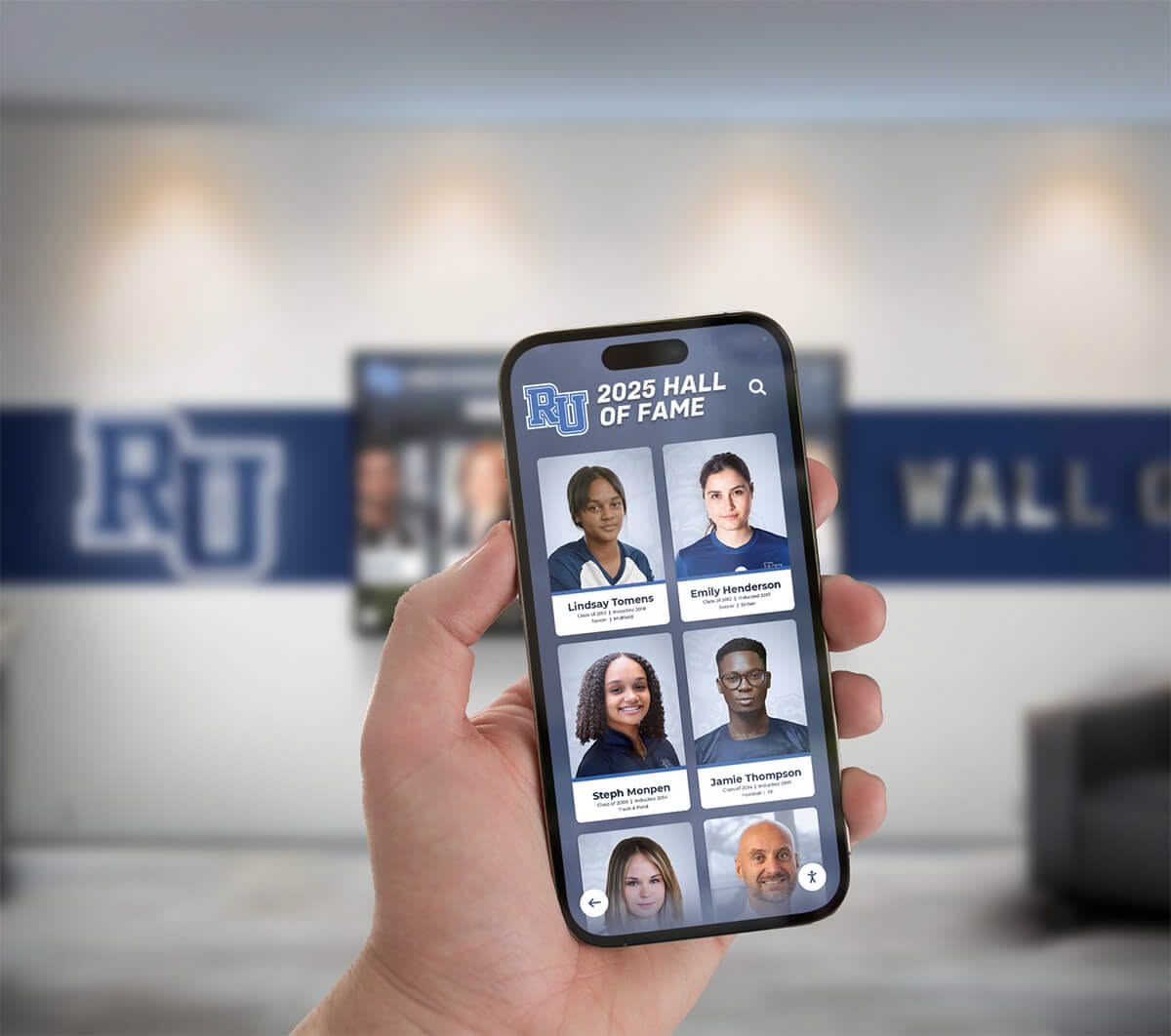
Cloud-based platforms enable management from any device while providing mobile-accessible recognition extending engagement beyond physical display locations
Planning Your Booster Club Recognition Program
Systematic planning ensures recognition investments deliver maximum value while fitting operational realities.
Defining Recognition Philosophy and Criteria
Clear principles guide program development:
Articulate Core Recognition Values
Booster boards should discuss and document:
- What recognition purposes serve beyond courtesy (retention, cultivation, community building)
- How recognition reflects organizational culture and athletic program values
- Balance between comprehensive acknowledgment and meaningful differentiation
- Commitment to sustained program maintenance as leadership rotates
- Integration with broader fundraising and stewardship strategies
These philosophical foundations prevent tactical implementations lacking coherence or failing to serve fundraising sustainability goals.
Establish Minimum Recognition Thresholds
Determine what contribution levels qualify for different recognition types:
- Universal acknowledgment for all supporters regardless of amount (annual reports, newsletters)
- Display inclusion thresholds balancing comprehensive recognition against content management capacity ($100, $500, $1,000+ entry points common)
- Enhanced profile recognition for major gifts ($5,000+, $10,000+)
- Named recognition or giving society minimums
Decisions should balance inclusive community building against appropriate differentiation ensuring significant commitments receive elevated acknowledgment.
Determine Cumulative vs. Single-Gift Recognition
Establish whether displays reflect:
- Individual annual contributions
- Lifetime cumulative giving across all years of support
- Hybrid approaches with season-specific recognition alongside lifetime acknowledgment
Cumulative recognition encourages sustained support and upgrade progression as families work toward higher tiers over years of booster involvement. Single-gift recognition proves effective during capital campaigns seeking large one-time commitments for facilities or major equipment.
Address Special Recognition Categories
Beyond financial contributions, establish approaches for:
- Volunteer hour milestones and sustained service recognition
- In-kind donations of equipment, services, or facility improvements
- Business sponsorships providing both financial support and community visibility
- Memorial gifts honoring deceased program supporters or participants
- Multi-generational family giving across siblings and years
- Alumni maintaining involvement after children graduate
These additional categories celebrate diverse support forms while encouraging behaviors beyond immediate cash contributions.
Budget Planning and Implementation Phasing
Financial planning ensures sustainable programs:
Initial Investment Requirements
Digital donor recognition systems typically require:
- Hardware (commercial touchscreen displays): $8,000-$25,000 depending on size and specifications
- Software platform and implementation: $12,000-$25,000 for purpose-built recognition systems
- Initial content development: $3,000-$8,000 for donor profiles and multimedia content
- Installation and infrastructure: $2,000-$6,000 for mounting, electrical, and network connectivity
- Training and launch support: $1,000-$3,000 for volunteer orientation and initial assistance
Total initial investment: $26,000-$67,000 depending on scale, donor volume, and customization.
While substantial, this investment typically pays for itself within 18-36 months through improved retention generating $150,000-$400,000 in additional revenue over five years for typical booster clubs—far exceeding system costs while funding countless program enhancements.
Phased Implementation Options
Budget-conscious clubs can implement recognition progressively:
Phase 1 (Year 1): Web-based recognition portal ($8,000-$15,000) providing immediate acknowledgment while establishing content foundation
Phase 2 (Year 2): Add single physical touchscreen display ($18,000-$30,000) in primary athletic facility as fundraising stabilizes
Phase 3 (Year 3+): Expand to multiple coordinated displays ($15,000-$25,000 each) across facilities as donor community grows
This graduated approach spreads investment while demonstrating value at each stage—building board confidence and community support before comprehensive expansion.
Ongoing Operating Expenses
Sustainable programs budget annual costs:
- Platform subscriptions: $3,000-$8,000 annually for software licensing and support
- Content maintenance: 3-5 hours monthly volunteer time for updates
- Hardware maintenance: $800-$2,000 annually for service and preventive care
- Periodic content refresh: $2,000-$5,000 annually for new photography and multimedia
These ongoing costs prove substantially lower than traditional recognition annual expenses for plaque manufacturing, corrections, and expansions—creating long-term value despite higher initial investment. Review athletic fundraising recognition strategies that justify recognition investments through retention improvements.
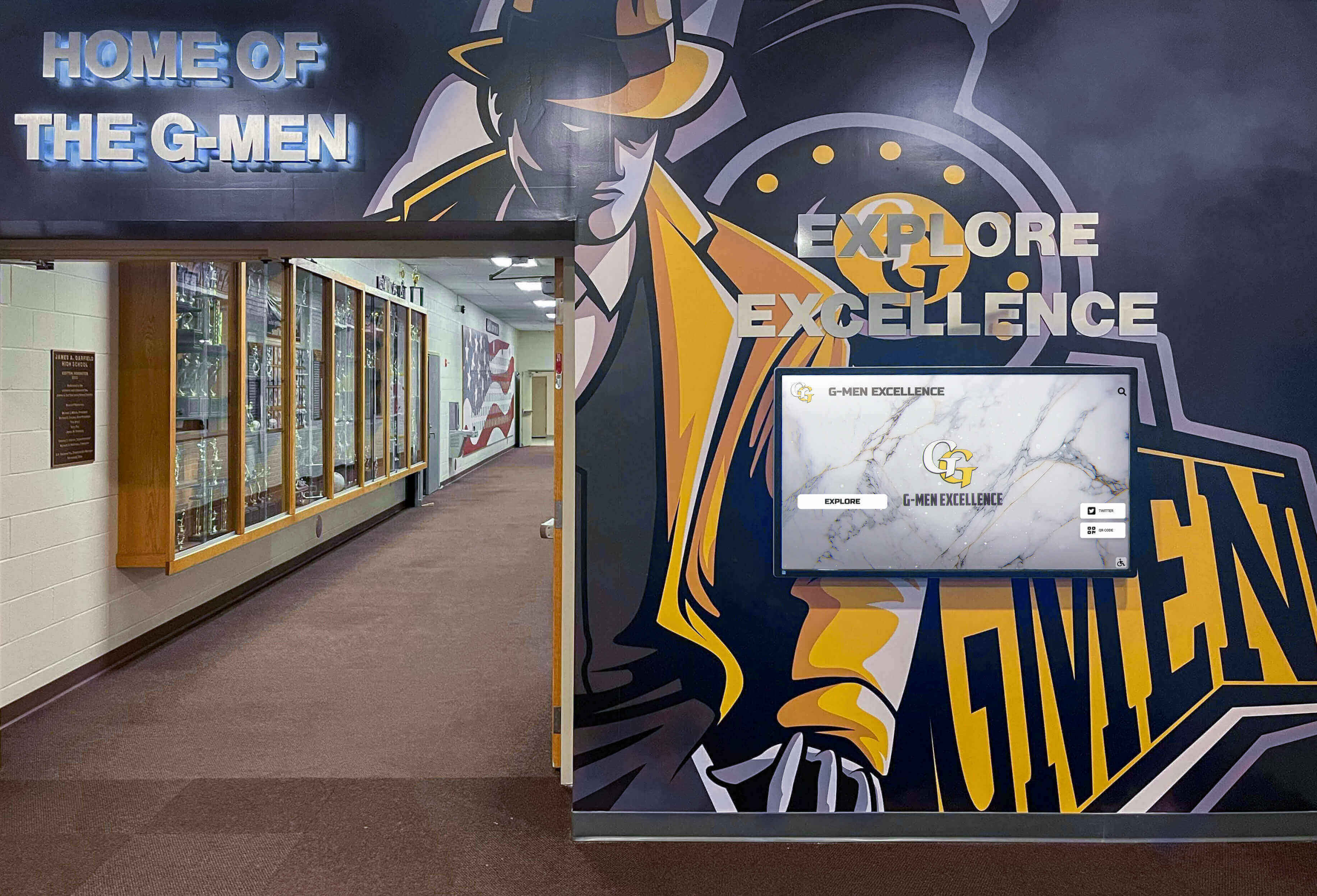
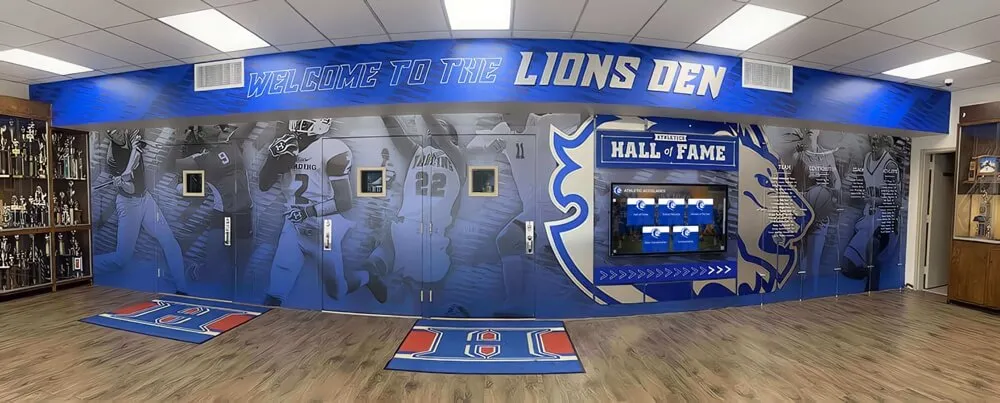
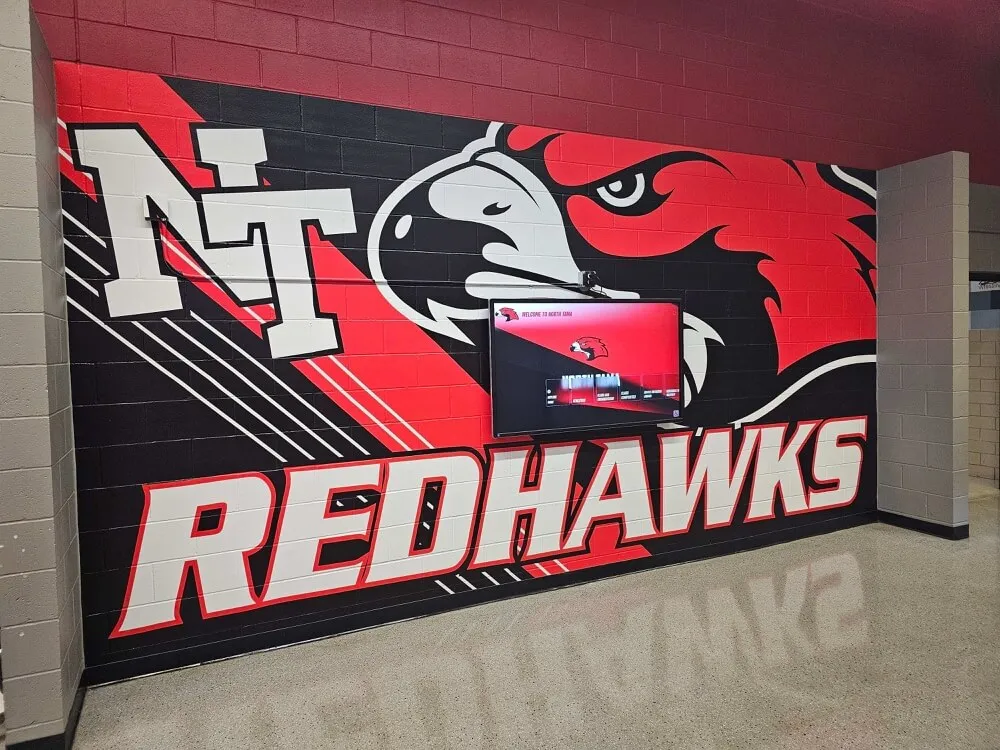
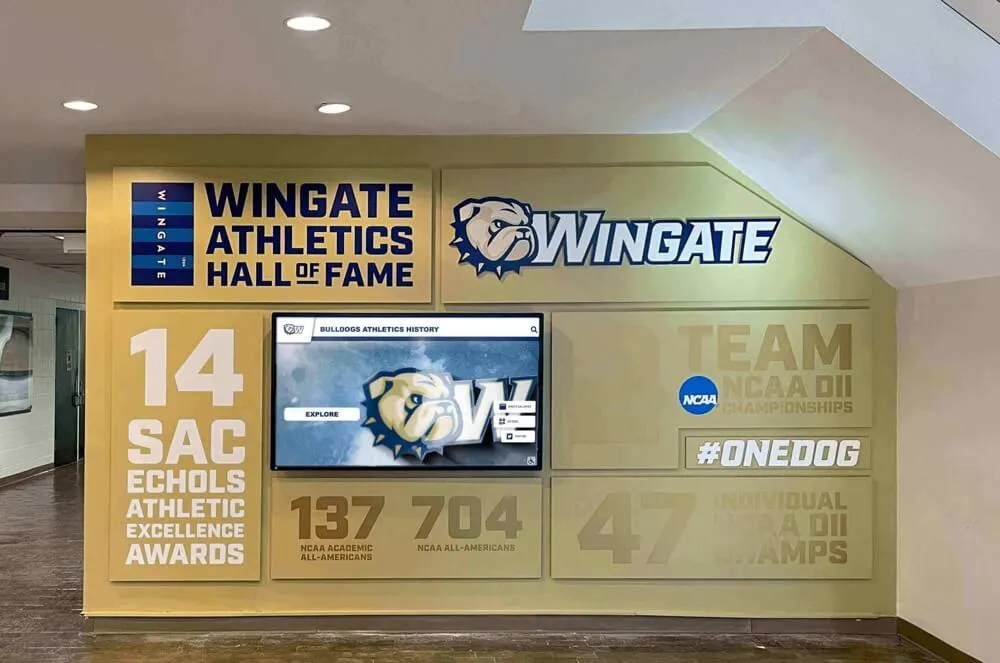
Coordinated recognition installations integrate donor appreciation with athlete achievement celebration, demonstrating community support enabling program success
Location Selection and Installation Considerations
Strategic placement maximizes visibility and engagement:
High-Traffic Booster Club Locations
Optimal placements include:
- Main athletic facility lobbies where all event attendees congregate
- Concession stand areas capturing game-day audiences
- Locker room hallways visible to athletes daily
- Weight room or training facilities where teams prepare
- School main entrances integrating booster recognition with broader institutional acknowledgment
- Outdoor covered areas near fields or courts (requires weather-resistant specifications)
Consider both traffic volume and audience composition—locations with modest total visitors but high donor concentration often outperform higher-traffic areas where few visitors are actual supporters or prospects.
Accessibility and Viewing Comfort
Ensure installations accommodate all visitors:
- ADA-compliant mounting heights enabling wheelchair-user interaction
- Adequate lighting without screen glare ensuring readability during various times
- Sufficient clearance allowing multiple simultaneous users
- Comfortable viewing environments with seating encouraging extended engagement
- Clear sight lines from primary pathways making displays discoverable
Technical Infrastructure Coordination
Work with school facilities and technology staff regarding:
- Electrical requirements (dedicated circuits with surge protection)
- Network connectivity (wired ethernet strongly preferred over WiFi)
- Structural support (wall mounting requires adequate backing for weight)
- Climate control (displays operate optimally in temperature-controlled environments)
- Security considerations (cable management, anti-theft mounting, vandalism protection)
School District Policy Compliance
Coordinate with school administration ensuring:
- Donor recognition policies allow booster acknowledgment in facilities
- Content approval processes respect institutional guidelines
- Installation timing accommodates academic schedules
- Liability and insurance requirements meet district standards
- Ongoing access for maintenance and updates remains available
Proactive coordination prevents implementation delays or policy conflicts undermining program effectiveness. Explore campus directory and recognition displays addressing facility integration challenges.
Content Development for Compelling Recognition
Engaging content transforms technology into meaningful appreciation experiences:
Donor Profile Creation
Effective profiles balance comprehensiveness with management sustainability:
Essential Information Elements
Every donor profile should include:
- Full names with appropriate titles and respectful identification
- Giving levels or ranges providing appropriate differentiation
- Years of support highlighting sustained commitment
- Recognition society memberships celebrating giving community participation
- Sport designations connecting contributions to specific programs
- Family connections identifying children, graduation years, and program involvement
Enhanced Content for Major Supporters
Premium recognition tiers warrant enriched profiles:
- Biographical narratives (200-500 words) explaining family connections to programs, community involvement, and giving motivations
- Professional photography showing families with teams, at games, or portraits capturing personalities
- Impact stories documenting specific outcomes gifts enabled—equipment purchased, facilities improved, scholarships awarded
- Personal testimonials preserving authentic donor voices explaining why they support programs
- Multi-year commitment visualization showing sustained giving patterns across seasons
Volunteer and In-Kind Donor Content
Non-financial contributors deserve comparable profile depth:
- Volunteer role descriptions explaining contributions (concessions management, fundraising coordination, coaching assistance)
- Cumulative hour tracking celebrating sustained service commitments
- Service impact stories showing how volunteer efforts enable program operations
- Photo documentation of volunteers actively supporting programs
- Thank-you messages from athletes and coaches benefiting from volunteer dedication
This parallel treatment ensures all supporters receive meaningful acknowledgment regardless of contribution type—honoring the reality that booster clubs depend equally on financial and volunteer support for sustainable operations.
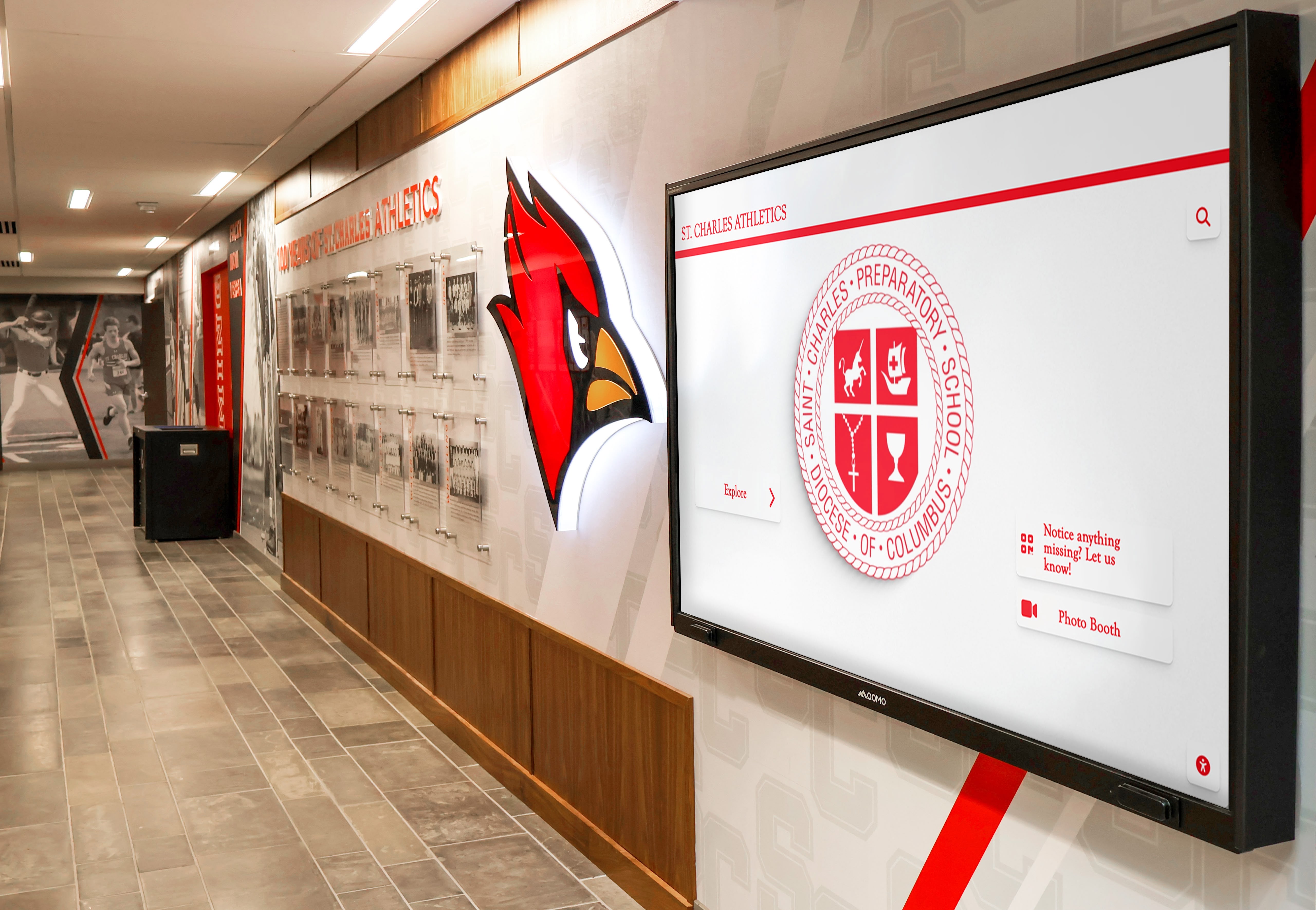
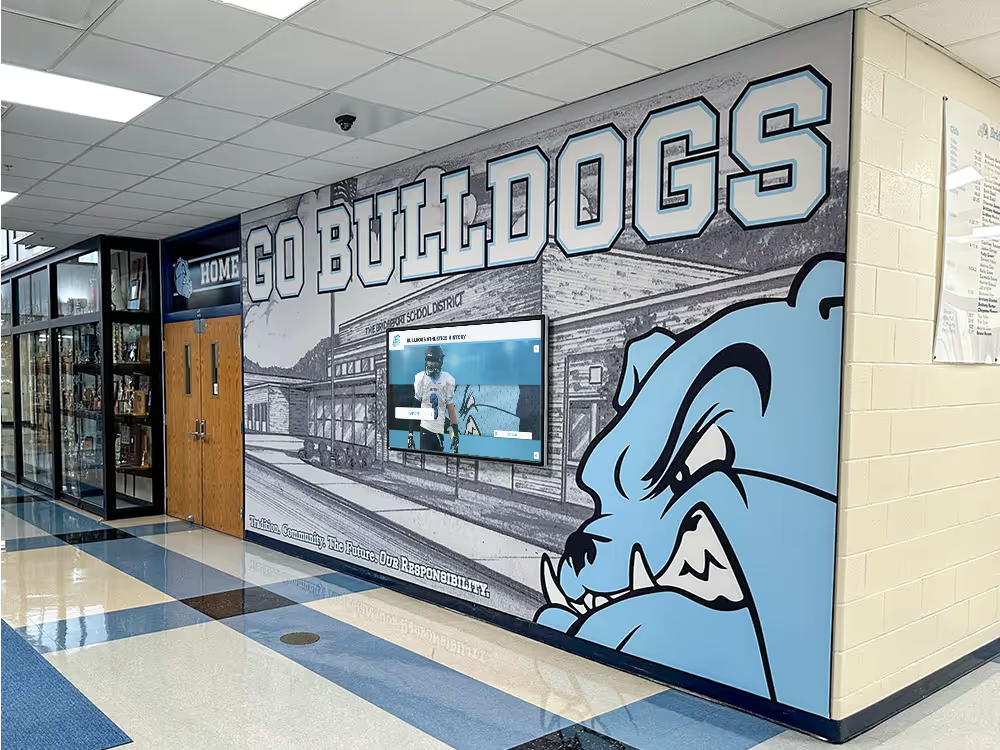
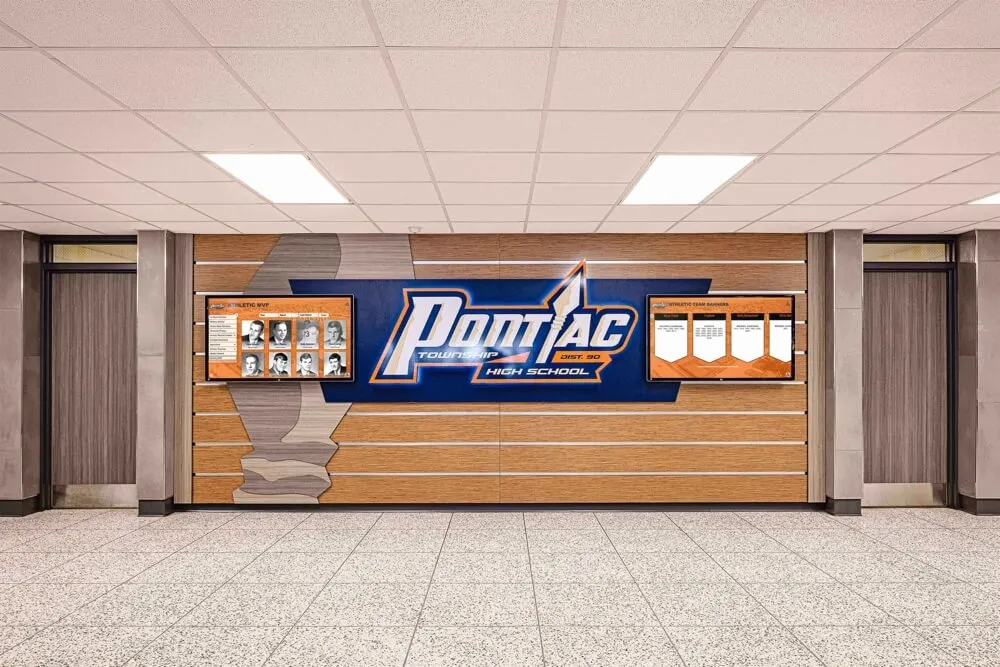
Brand-integrated recognition displays reinforce athletic program identity while celebrating supporter communities enabling competitive excellence and program sustainability
Organizing Multi-Sport Recognition Content
Booster clubs supporting multiple programs need clear organizational structures:
Primary Organization Approaches
Digital systems support multiple simultaneous structures through powerful filtering:
Sport-Based Organization: Group donors by primary sport supported (Football Boosters, Soccer Supporters, Wrestling Patrons) enabling focused acknowledgment while accommodating families supporting multiple programs through dual recognition
Giving Level Tiers: Organize by cumulative contribution regardless of sport designation, creating unified community recognition while differentiating appropriately across major, moderate, and grassroots support levels
Recognition Societies: Establish named giving clubs with minimum thresholds creating aspiration pathways—Founder’s Circle, Varsity Club, Spirit Society—that encourage upgrade progression over years
Family-Based Recognition: Acknowledge complete family units supporting programs across multiple children and sports, celebrating sustained multi-generational involvement as siblings progress through athletic programs
Title IX Compliance Ensuring Equal Visibility
Federal Title IX requirements mandate equal treatment for male and female athletics—extending to donor recognition promoting programs. Booster clubs must ensure recognition systems provide equal visibility for all sports regardless of participation numbers, fundraising success, or historical support patterns.
Digital platforms prove especially valuable for Title IX compliance through:
- Equivalent profile quality and depth across all sports
- Proportional featured content rotation ensuring all programs receive spotlight
- Searchable interfaces enabling equal discoverability
- Analytical tracking verifying equal engagement across male and female sports
- Flexible organization preventing any sport from receiving disproportionate home-screen prominence
This equity focus demonstrates organizational values while protecting clubs from compliance issues that could jeopardize school relationships or legal standing. Learn about athletic program equity recognition ensuring comprehensive fair treatment.
Connecting Recognition to Program Success
Donors want to see how their support directly affects athletic programs:
Specific Achievement Documentation
Connect recognition to tangible team and athlete accomplishments:
- “Your support funded state championship tournament participation where our volleyball team placed second”
- “Equipment donations provided protective gear enabling our football program’s first winning season in five years”
- “Scholarship funding sent 15 student-athletes to specialized training camps improving competitive performance”
- “Travel support enabled our swim team to compete regionally against top-ranked programs”
This outcome-focused recognition demonstrates accountability while creating emotional connections between giving and program success donors witness through their children’s experiences.
Athlete Gratitude and Testimonials
Student voices create powerful recognition content:
- Senior reflection videos thanking booster support enabling four-year athletic participation
- Team captain messages acknowledging how community funding made successful seasons possible
- Coach statements connecting donor support to program development and competitive achievements
- Parent perspectives sharing how athletic participation shaped children’s character development and life skills
These authentic testimonials transform recognition from organizational acknowledgment into community celebration connecting supporters directly to programs’ human impact on participant lives.
Before-and-After Visual Storytelling
Show donors the programs their generosity enables:
- Facility improvement photos documenting field renovations, equipment room upgrades, or locker room enhancements
- Equipment progression images showing outdated gear replaced with modern protective equipment
- Team growth visualization documenting participation increases as programs expand
- Competition progression tracking teams advancing from local to regional to state-level competition
This visual documentation creates tangible evidence of collective impact—demonstrating that community support truly transforms program quality, competitive success, and athlete experiences.

Cohesive athletic branding integrating recognition displays creates pride-inspiring environments celebrating both participant achievement and community support enabling success
Implementation Best Practices for Volunteer Organizations
Organizations achieving exceptional results follow proven approaches maximizing impact while respecting operational realities:
Collaborative Content Development
Distribute recognition work across stakeholders:
Athlete and Coach Involvement
Engage current participants in recognition content creation:
- Senior athletes write thank-you messages to donors
- Team captains film short appreciation videos during practice
- Coaches provide impact statements connecting support to program development
- Student photographers document games and facilities for visual content
This involvement creates authentic content while teaching student-athletes about philanthropy, gratitude, and community support—extending recognition’s educational value beyond donor stewardship.
Parent and Volunteer Contributions
Leverage supporter networks for content development:
- Parent volunteers photograph games and events providing image libraries
- Board members interview major donors capturing biographical information and giving motivations
- Committee chairs draft impact reports documenting specific outcomes fundraising enabled
- Graduating family members provide reflection essays celebrating their booster club experience
This distributed approach prevents recognition becoming single volunteer’s burden while creating richer, more diverse content reflecting community voices.
Systematic Update Workflows
Establish sustainable recognition maintenance:
Gift Processing Integration
Connect recognition updates directly to donation workflows:
- Treasurer adds new donors to recognition database during gift entry
- Automated notifications alert board when gifts cross recognition thresholds
- Scheduled monthly reviews ensure no contributors missed acknowledgment
- Quarterly audits verify recognition accuracy and completeness
Seasonal Refresh Cycles
Align content updates with athletic calendars:
- Pre-season launches highlighting program preparations and fundraising goals
- Mid-season updates celebrating current achievements and thanking ongoing support
- End-of-season summaries documenting accomplishments donor support enabled
- Off-season maintenance refreshing content and preparing for upcoming campaigns
These seasonal cycles create natural workflows matching existing volunteer rhythms while maintaining dynamic content rewarding repeated engagement.
Leadership Transition Planning
Ensure recognition sustainability across board rotations:
- Document content development processes in operations manuals
- Provide platform training for incoming board members
- Maintain institutional knowledge through overlapping volunteer terms
- Establish annual recognition program reviews assessing effectiveness and identifying improvements
This transition planning prevents recognition programs deteriorating when key volunteers rotate off boards—protecting investments through leadership continuity.
Promotion and Engagement Strategies
Maximize recognition visibility and donor engagement:
Launch Event Celebrations
Introduce recognition programs memorably:
- Dedication ceremonies honoring all supporters collectively
- Open house events inviting community to explore displays
- Game-day unveiling coordinating with high-attendance athletic events
- Social media campaigns sharing recognition highlights building excitement
Ongoing Promotion
Maintain recognition visibility throughout seasons:
- Game program features highlighting donor spotlights
- Social media posts celebrating supporter milestones
- Email newsletters linking to web-based recognition portals
- Event announcements encouraging attendees to explore displays
Donor Engagement Initiatives
Create opportunities for supporters to interact with recognition:
- Personalized communications directing donors to their profiles
- Social sharing campaigns encouraging donors to post recognition screenshots
- Annual giving society receptions hosted adjacent to recognition displays
- Volunteer appreciation events celebrating service alongside financial contributions
These engagement strategies transform recognition from passive displays into active community conversations celebrating collective support enabling athletic program success.
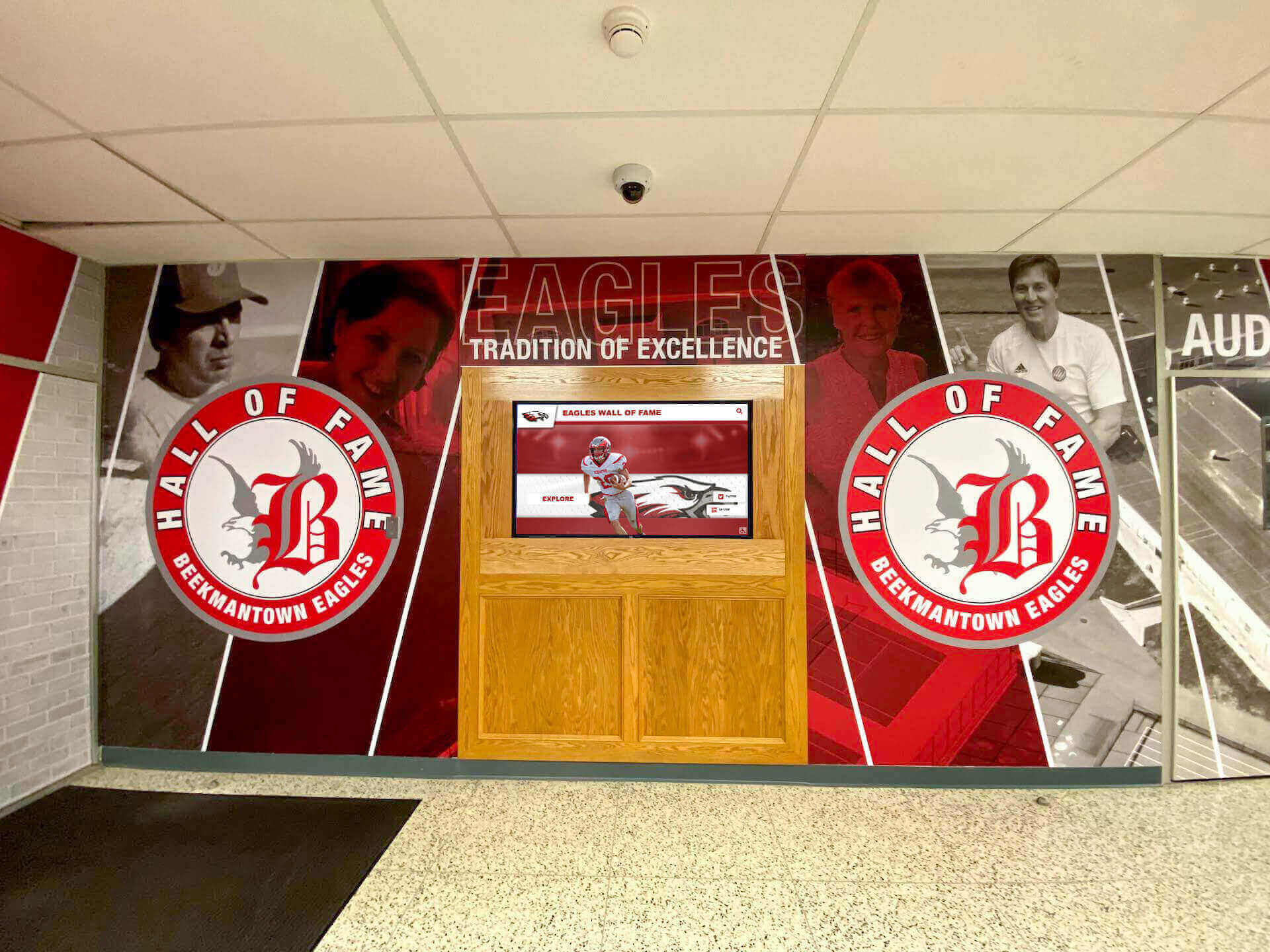
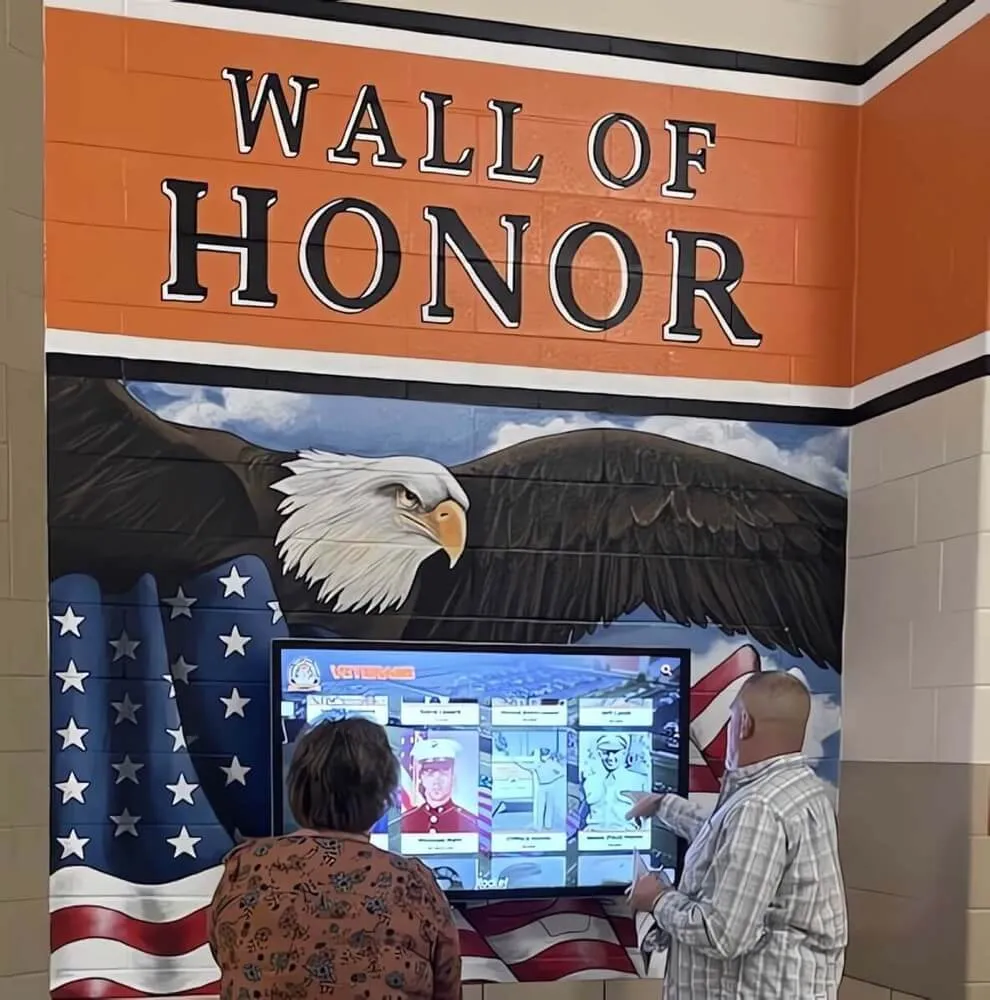
Prominent lobby placements ensure maximum recognition visibility during school events, athletic competitions, and community gatherings celebrating program achievements
Measuring Recognition Program Success
Data-driven evaluation ensures recognition investments deliver value while identifying improvement opportunities:
Fundraising Performance Metrics
Track donor behavior changes correlating with recognition implementation:
Retention Rate Improvements
Compare donor retention before and after recognition program launch:
- First-time donor retention (returning for second gift)
- Multi-year donor retention (continuing giving after 3+ years)
- Lapsed donor reactivation (returning after missing seasons)
- Major donor retention (sustained leadership-level support)
Benchmark expectation: comprehensive recognition improves retention 15-25 percentage points within two years—transforming typical 40% retention to 55-65% rates generating substantially increased lifetime revenue.
Giving Progression Patterns
Monitor donors moving toward higher giving levels:
- Average time to first upgrade (moving from $500 to $1,000+ level)
- Upgrade conversion rates (percentage of donors increasing giving annually)
- Major gift conversion (donors progressing from annual to $5,000+ cumulative)
- Sustained giving patterns (consecutive years of support)
Recognition creating aspiration pathways should demonstrate measurable upgrade progression as families work toward higher tiers over years of program involvement.
Campaign Performance Comparisons
Evaluate fundraising outcomes for campaigns with and without recognition visibility:
- Total dollars raised in pre-recognition vs. post-recognition equivalent campaigns
- Average gift sizes across comparable seasonal appeals
- Donor acquisition costs when recognition features in messaging
- Campaign goal attainment timelines
These comparisons isolate recognition impact on fundraising effectiveness—demonstrating value beyond donor satisfaction metrics.
Recognition Engagement Analytics
For digital displays, platforms provide usage data revealing effectiveness:
Visitor Interaction Metrics
Track how community members engage with recognition:
- Daily unique visitors and total interaction sessions
- Average session duration (target: 5-8 minutes indicating genuine engagement)
- Interactions per session (target: 10-15 screens showing thorough exploration)
- Return visitor rates demonstrating sustained interest
- Peak usage times informing promotional strategies
Content Performance Analysis
Identify most effective recognition content:
- Most-viewed donor profiles revealing compelling stories
- Popular search terms showing what visitors seek
- Category browsing preferences indicating which sports generate greatest interest
- Video completion rates determining multimedia effectiveness
- Photo gallery engagement assessing visual content value
Navigation Pattern Insights
Understand how visitors discover content:
- Search versus browse ratios showing discovery preferences
- Common exploration pathways revealing intuitive versus confusing navigation
- Feature utilization rates indicating which capabilities users value
- Abandonment points identifying frustration opportunities requiring improvement
These analytics guide content optimization, inform feature enhancements, and demonstrate recognition program value through objective data supporting continued investment.
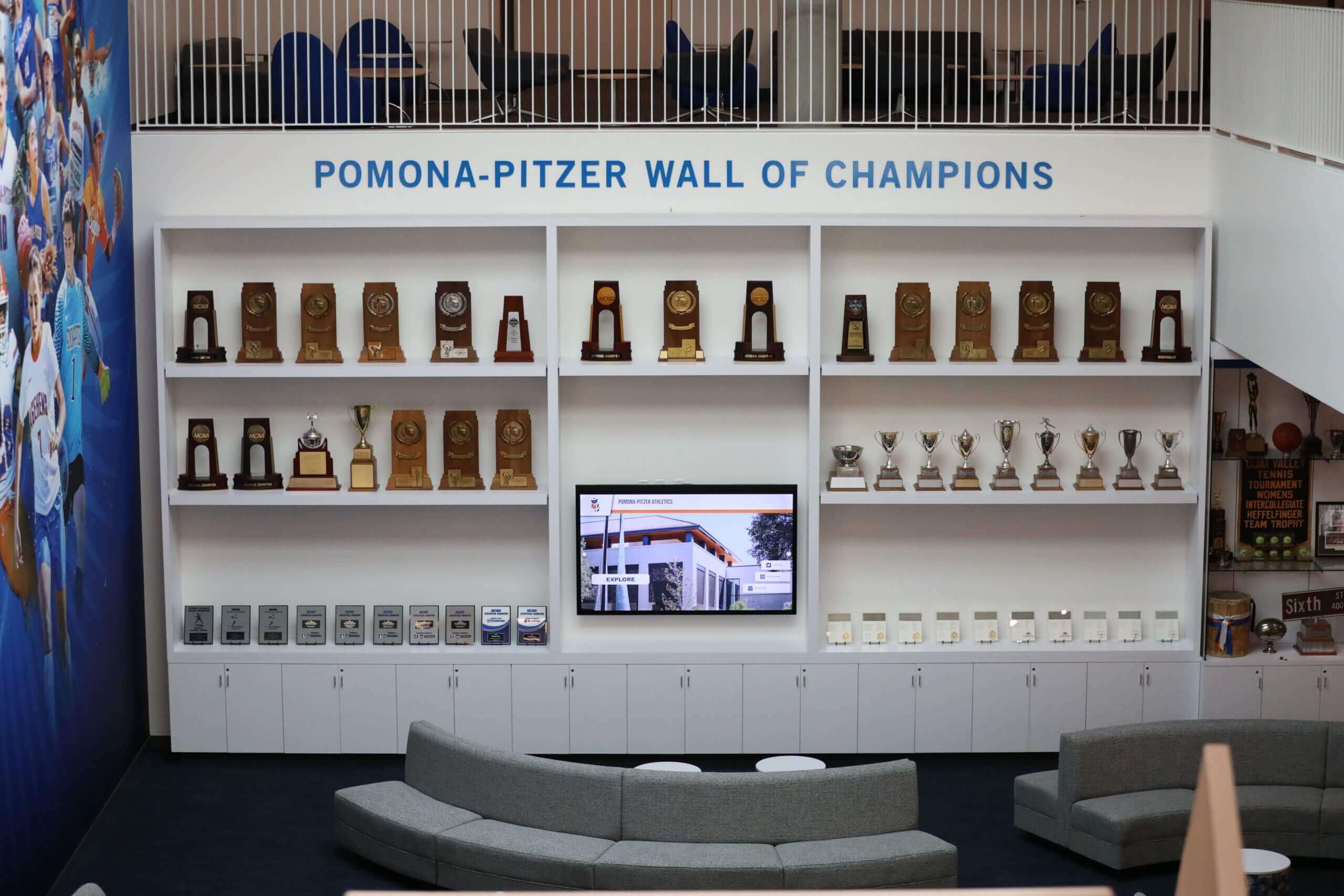
Creating comfortable recognition spaces with seating encourages extended engagement, enabling visitors to thoroughly explore supporter stories and program achievements
Return on Investment Calculation
Demonstrate recognition financial value:
Lifetime Value Improvements
Recognition increases donor lifetime value through:
- Higher average annual contributions (15-20% increases common for engaged donors)
- Extended donor lifespan via improved retention (doubling average tenure from 2-3 years to 4-6 years)
- Increased major gift probability as engaged donors with strong connections give transformational gifts at 2-3 times rates of less-engaged supporters
ROI Calculation Framework
Compare investment costs against revenue improvements:
Investment: Initial implementation ($30,000-$60,000) plus annual operating costs ($6,000-$12,000)
Returns: Donor retention improvements generating $150,000-$400,000 additional revenue over five years for typical booster clubs supporting 200-500 active donors
Break-even Timeline: 18-36 months for most programs, with returns accelerating as retention improvements compound
Most booster clubs implementing comprehensive recognition report ROI exceeding 4:1 within three years—meaning every dollar invested in recognition generates $4+ in fundraising improvements. This financial impact justifies recognition investments even for budget-conscious volunteer organizations.
Explore donor appreciation program strategies that maximize return on stewardship investments.
Special Considerations for Booster Club Contexts
Unique situations require tailored recognition approaches:
Memorial and Tribute Giving Recognition
Many athletic donations honor deceased loved ones:
Sensitive Memorial Acknowledgment
Memorial giving recognition should include:
- Clear designation options acknowledging gifts given “In Memory of” individuals
- Sensitive presentation respecting grief while celebrating faithful lives and athletic passion
- Connection to specific programs or scholarships honoring remembered individuals’ involvement
- Opportunities for family testimonials explaining memorial gift significance
- Permanent acknowledgment demonstrating that memory endures through program impact
Tribute Recognition for Living Honorees
Gifts celebrating current supporters or retiring coaches deserve special acknowledgment:
- Scholarship or equipment funds established in honoree names
- Facility naming opportunities recognizing transformational contributions
- Recognition society memberships gifted honoring respected community members
- Achievement awards funded by supporters celebrating program excellence
These tribute approaches create living legacies while inspiring additional giving through peer influence and community celebration.
Corporate Sponsorship Recognition
Business supporters require acknowledgment balancing recognition with marketing value:
Sponsor Recognition Approaches
Corporate acknowledgment should include:
- Logo integration respecting brand guidelines and visibility requirements
- Employee engagement recognition when companies encourage workforce participation
- Partnership emphasis highlighting collaborative community commitment beyond transactional contributions
- Leadership acknowledgment honoring executives championing philanthropic support
- Program impact connection demonstrating business investment in youth development
Balancing Recognition and Advertising
Booster clubs must distinguish recognition from commercial advertising:
- Recognition acknowledges past support; advertising promotes future business transactions
- School policies typically permit donor acknowledgment while restricting commercial marketing
- Recognition should celebrate community commitment rather than emphasizing product promotion
- Clear policies prevent recognition displays becoming commercial advertising venues
Thoughtful approaches honor business generosity while respecting institutional contexts and maintaining focus on community support rather than commercial marketing. Learn about corporate recognition strategies appropriate for athletic contexts.
Alumni and Former Participant Engagement
Graduated athletes and former parents represent valuable ongoing supporters:
Cultivating Alumni Booster Involvement
Recognition strategies maintaining graduated family engagement:
- Alumni recognition categories celebrating sustained support after children graduate
- Historical program participation profiles honoring former athletes returning as supporters
- Reunion event coordination leveraging recognition displays celebrating team history
- Digital accessibility enabling distant alumni to explore recognition remotely
- Legacy giving society establishment encouraging estate commitments
Multi-Generational Family Recognition
Families supporting programs across siblings and years deserve special acknowledgment:
- Family cumulative giving recognition aggregating contributions across all children
- Multi-sport family acknowledgment celebrating support for various athletic programs
- Years-of-service recognition honoring decade-plus booster involvement
- Family legacy profiles sharing multi-generational program participation stories
These approaches transform single-season supporters into lifetime program champions sustaining booster clubs across participant generations.
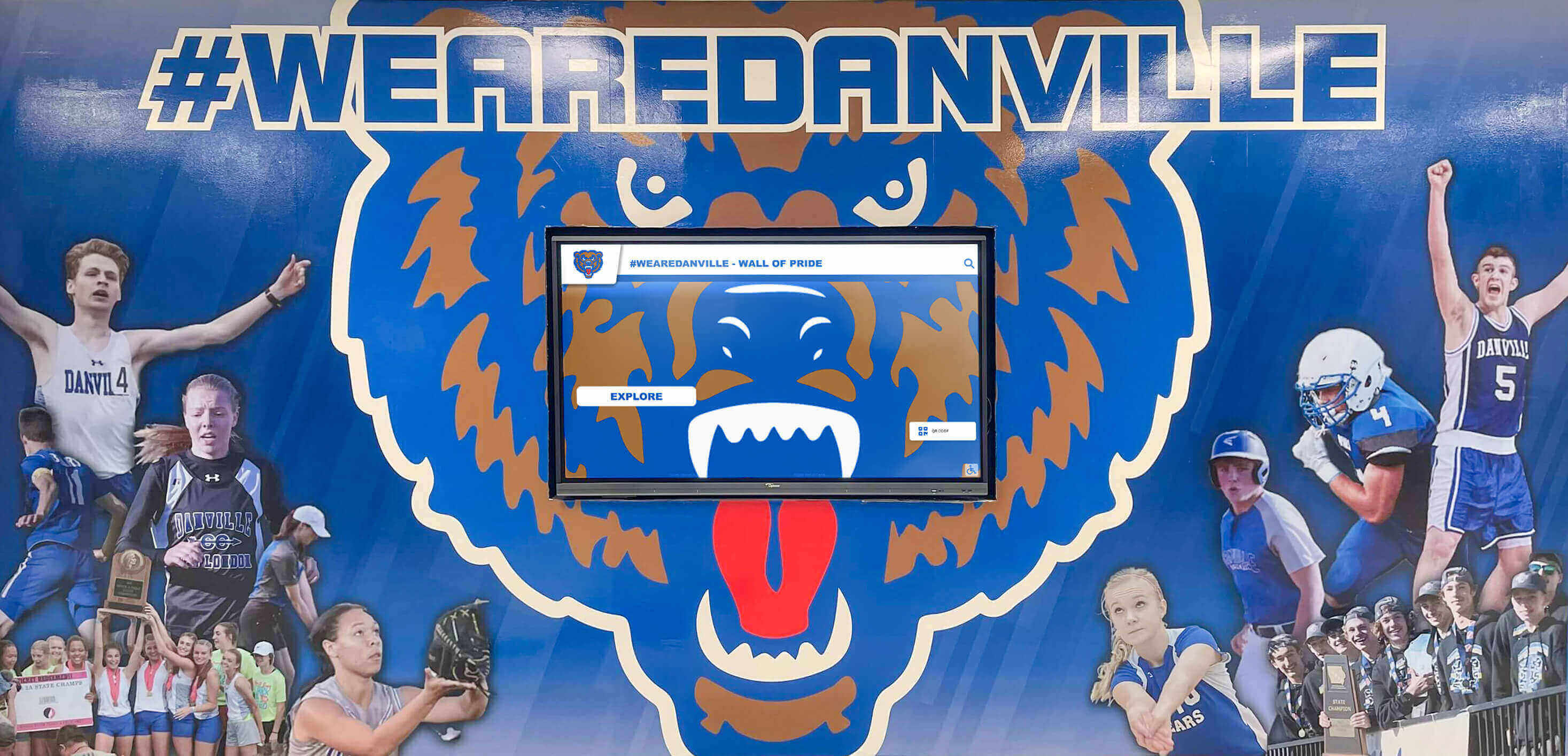
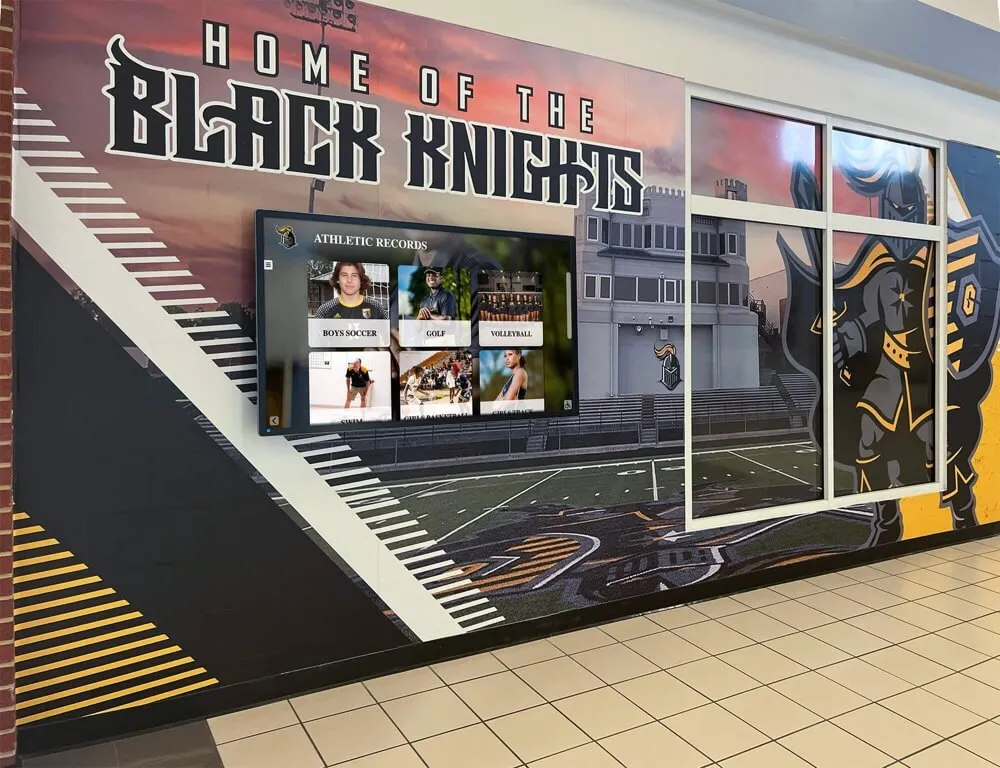
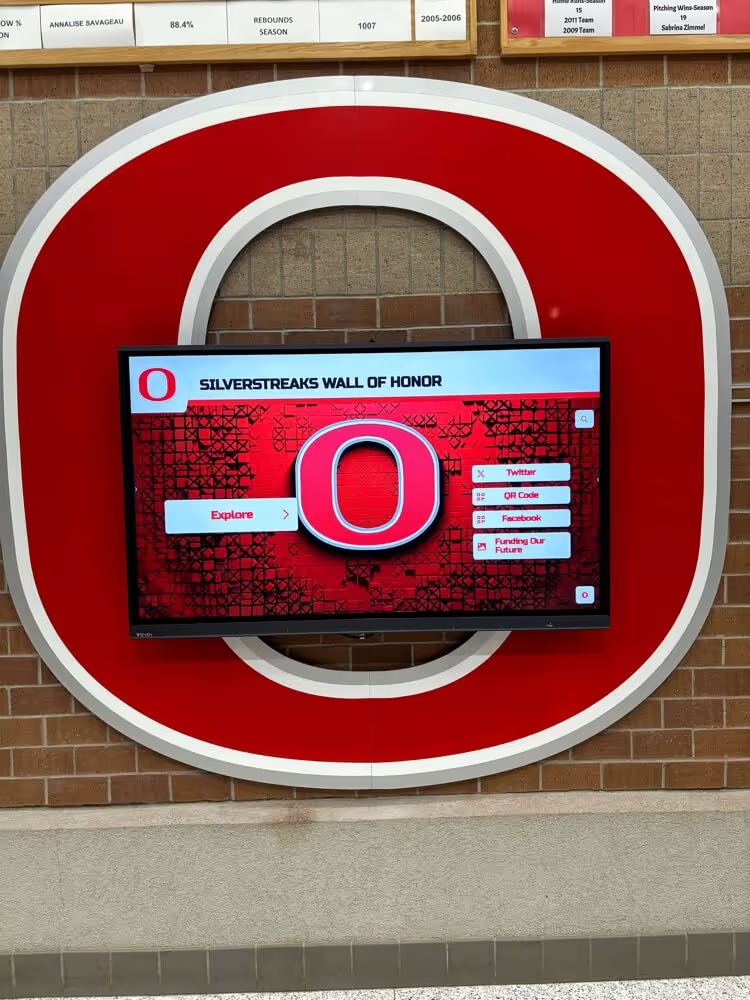
Athletic branding integration creates cohesive recognition environments celebrating program identity while acknowledging community support enabling competitive success
Conclusion: Building Sustainable Support Through Meaningful Recognition
Booster club donor recognition represents strategic investment in fundraising sustainability—honoring generosity while creating positive reinforcement encouraging continued support sustaining athletic programs across years and participant generations. Effective recognition acknowledges that supporters give because programs matter to their children, their families, and their communities—requiring authentic appreciation connecting contributions directly to tangible program impact.
The limitations of traditional recognition approaches—space constraints forcing difficult exclusion decisions, update delays undermining stewardship impact, storytelling restrictions preventing emotional engagement, and ongoing costs competing with athletic support—all dissolve when booster clubs embrace purpose-built digital recognition solutions combining unlimited capacity with instant updates and rich multimedia storytelling honoring every supporter appropriately regardless of contribution type.
Organizations implementing comprehensive digital donor recognition consistently report remarkable outcomes: retention improvements of 15-25 percentage points transforming fundraising economics through sustained support, major gift increases as cultivation incorporates compelling recognition experiences, donor satisfaction gains when supporters feel genuinely valued and connected to programs, and operational efficiencies freeing volunteer time previously spent coordinating plaque manufacturing and traditional recognition logistics.
Transform Your Booster Club Recognition Program
Discover how modern recognition solutions designed for volunteer organizations can help you celebrate every supporter's generosity while building the lasting relationships that sustain athletic programs for generations.
Book a DemoMost successful booster club recognition programs view digital donor displays as integral components of comprehensive stewardship strategies honoring philanthropic support while inspiring continued engagement across donor lifecycles. By combining thoughtful planning with compelling content creation, affordable technology implementation, and volunteer-friendly management systems, organizations create recognition experiences donors genuinely value—experiences acknowledging not just what supporters give, but why they give and the transformational impact their generosity creates throughout athletic programs and participant lives.
Ready to begin transforming your booster club recognition? Explore elementary school recognition strategies applicable to youth athletics, discover athletic fundraising approaches integrating recognition with program development, or learn about comprehensive donor appreciation systems that strengthen community support across all organizational contexts.
Your supporters’ generosity—whether financial contributions, volunteer hours, in-kind donations, or sustained multi-year commitment—enables everything your athletic programs accomplish. They deserve thoughtful, meaningful recognition honoring their dedication while deepening connections to programs shaping participant character, teaching teamwork, and creating memories lasting lifetimes. With strategic planning, appropriate technology, sustainable volunteer workflows, and genuine appreciation, you can create recognition systems transforming seasonal supporters into lifetime program champions whose sustained engagement advances athletic excellence for generations to come.