Every organization faces the same fundamental challenge: how do you thank supporters in ways that feel meaningful, inspire continued engagement, and align with limited budgets? The best donor recognition examples reveal a truth—effective acknowledgment requires more than courtesy; it demands creativity, authenticity, and strategic thinking about what truly resonates with your community.
Traditional brass plaques and static recognition walls have served institutions for generations, yet they often fall short of creating the emotional impact development teams seek. Names on walls become overlooked background elements rather than celebration focal points. Updates require months and significant expense. Limited space forces difficult decisions about which supporters receive visibility. Meanwhile, modern donors increasingly expect transparency, storytelling, and experiences reflecting the digital engagement they encounter everywhere else.
This comprehensive guide explores diverse donor recognition examples across educational institutions, nonprofits, healthcare organizations, and community groups. You’ll discover traditional approaches that remain effective, innovative digital solutions transforming acknowledgment, and hybrid strategies balancing heritage with contemporary expectations—providing inspiration regardless of your organization’s size, mission, or budget constraints.
The most effective donor recognition creates genuine emotional connections rather than perfunctory acknowledgment. When supporters encounter their names and stories thoughtfully presented alongside mission impact their gifts enabled, recognition transcends simple courtesy and becomes powerful cultivation tool inspiring decades of continued generosity.

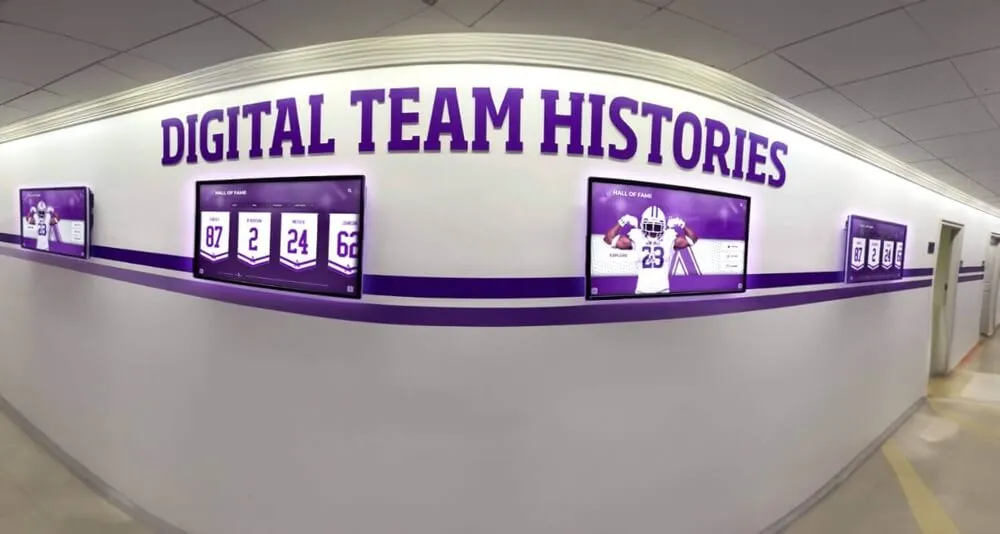
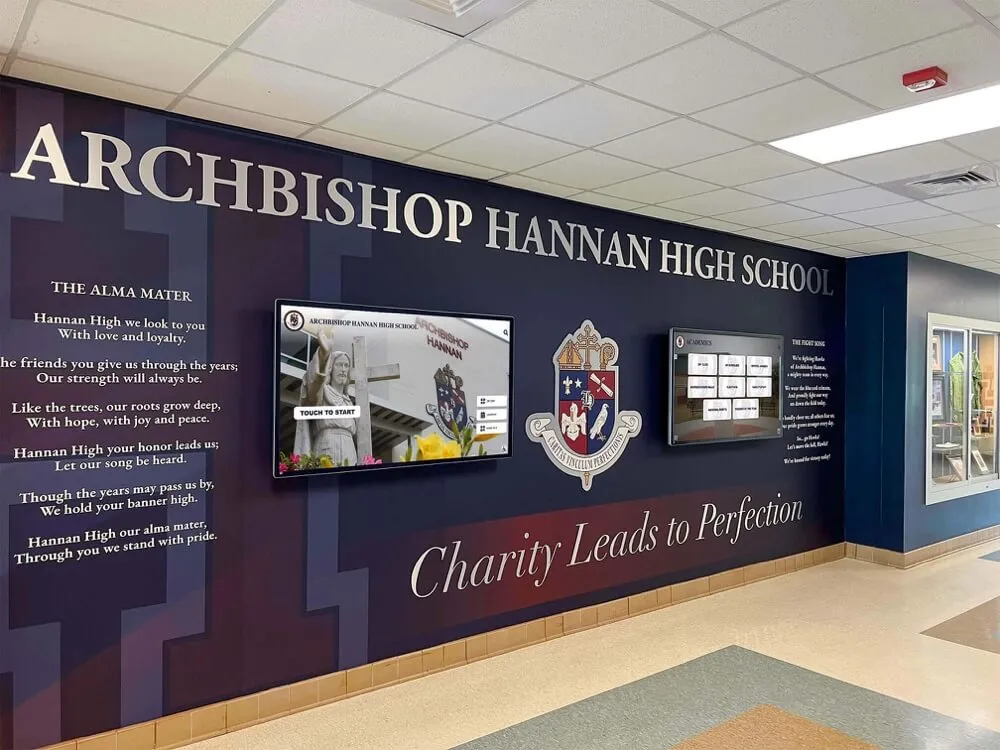
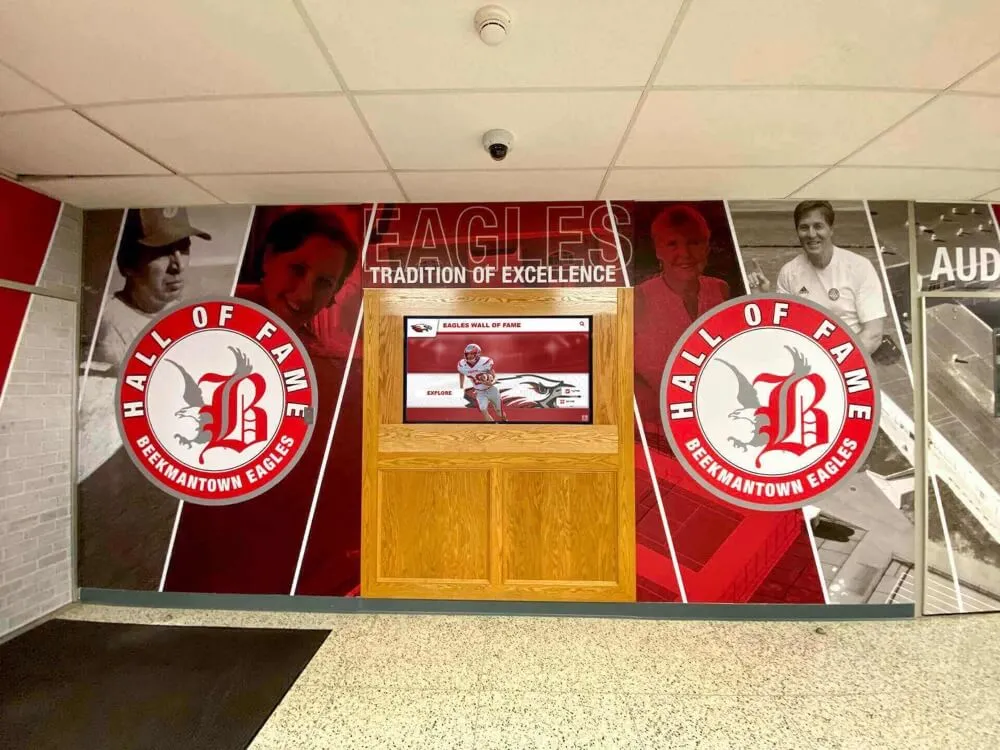
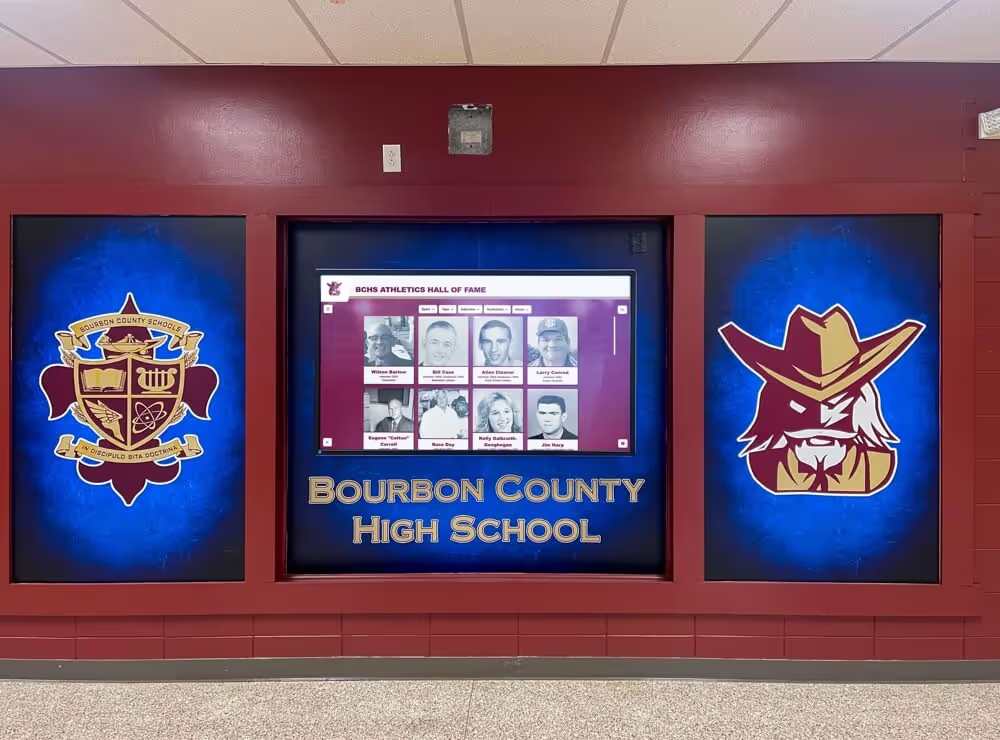
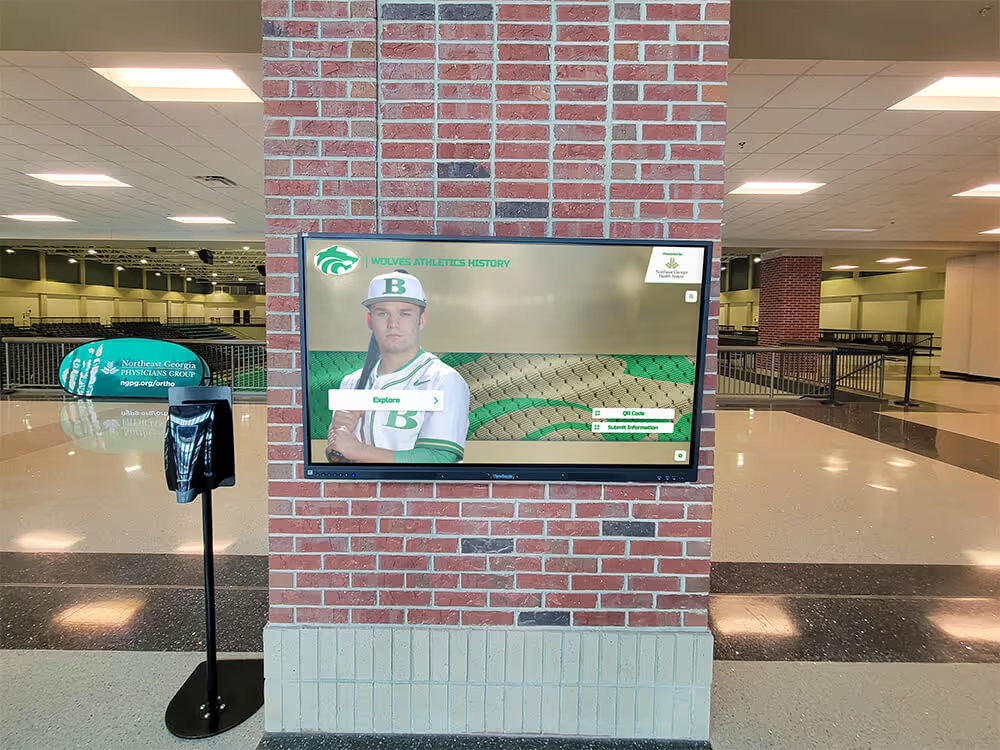
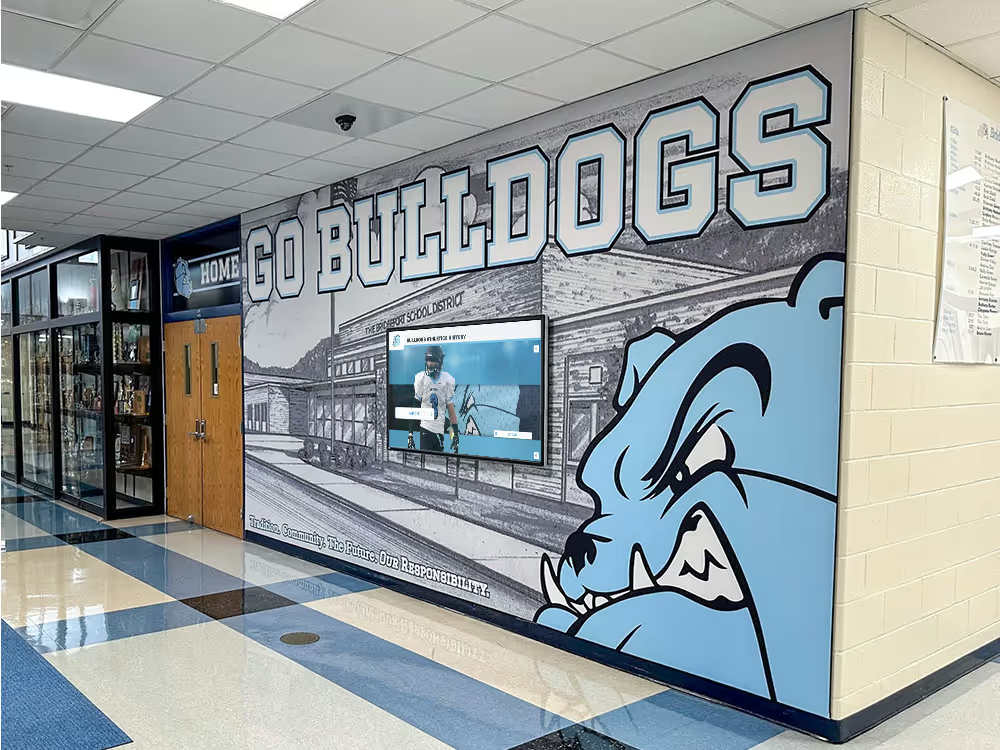
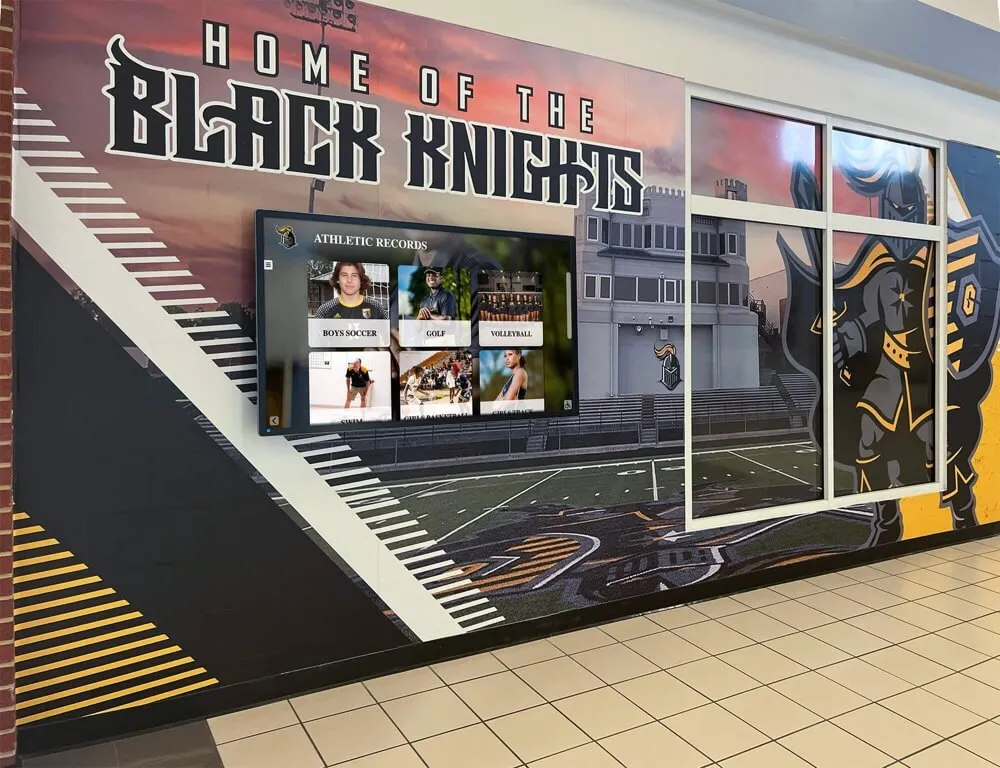
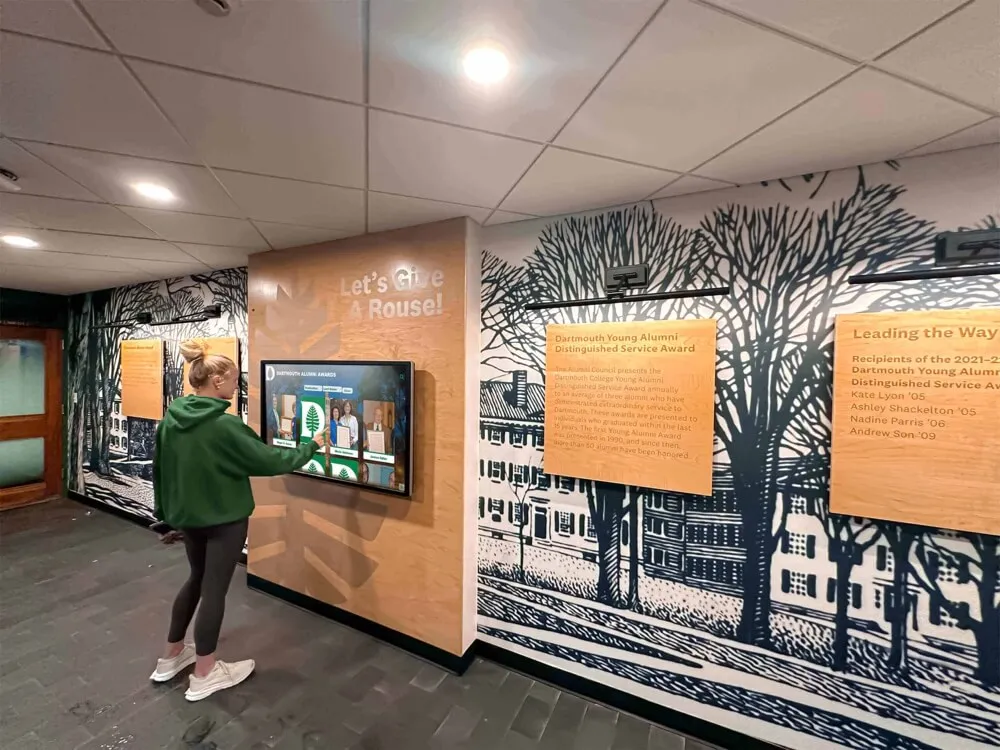
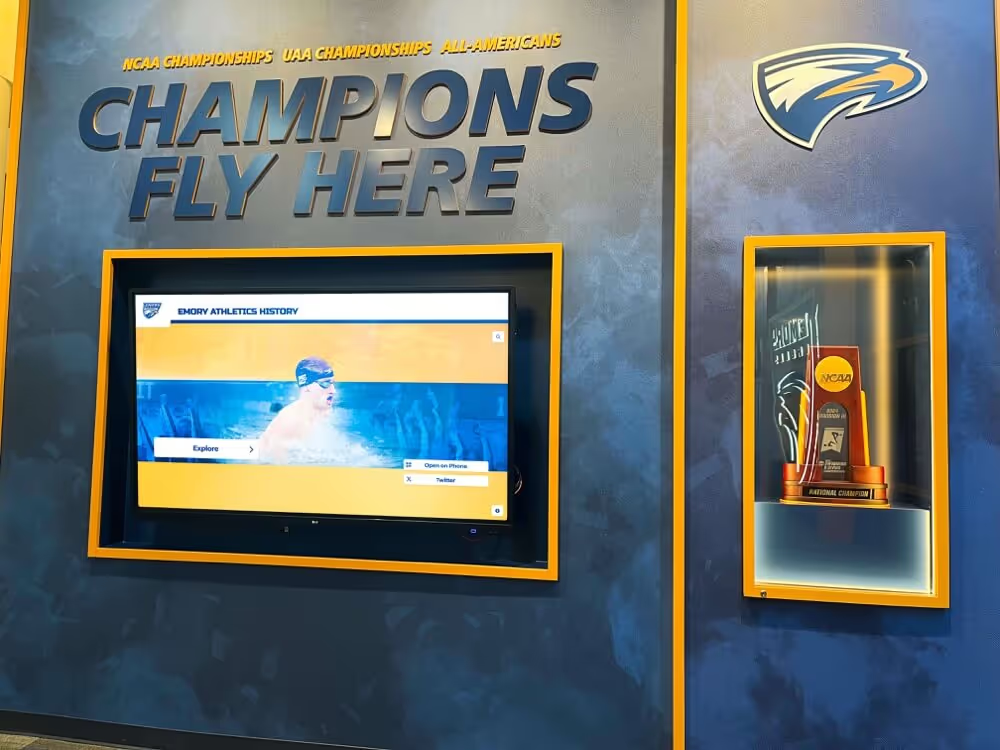
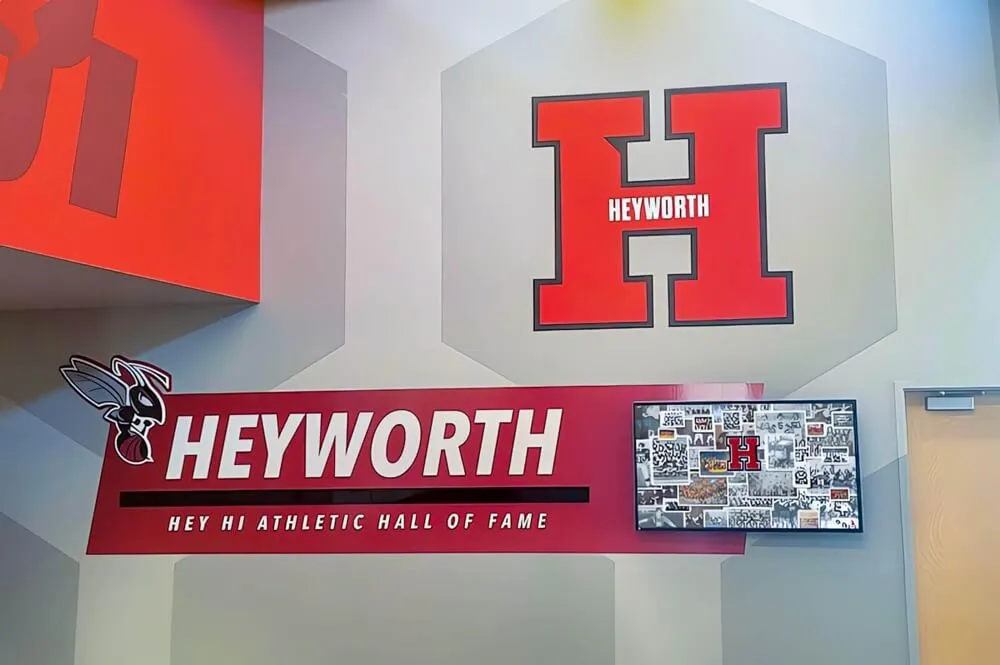
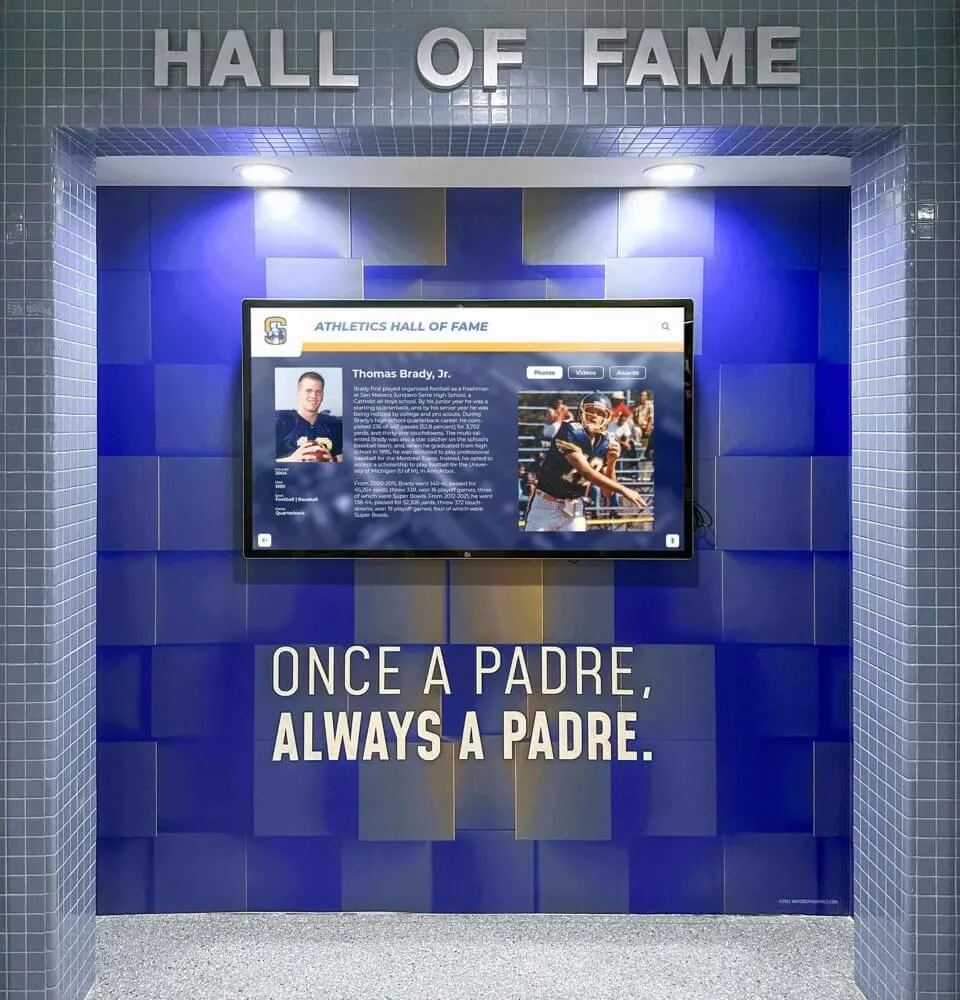
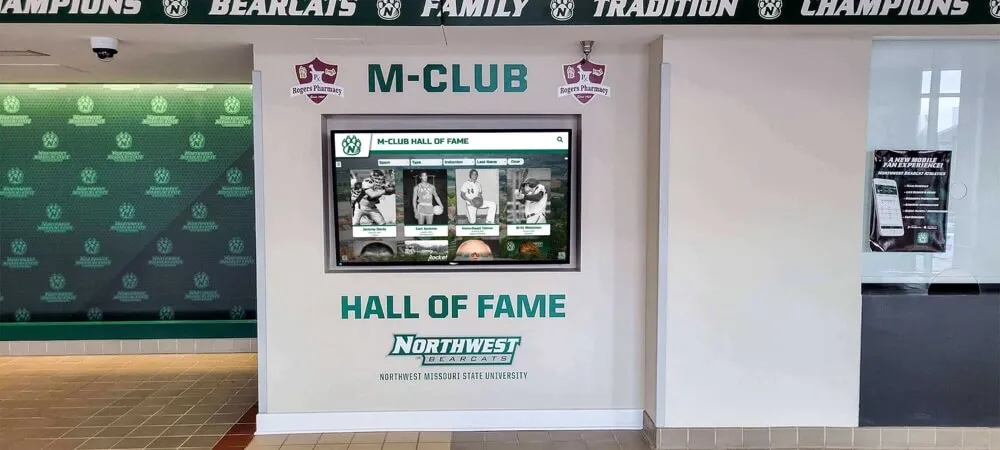
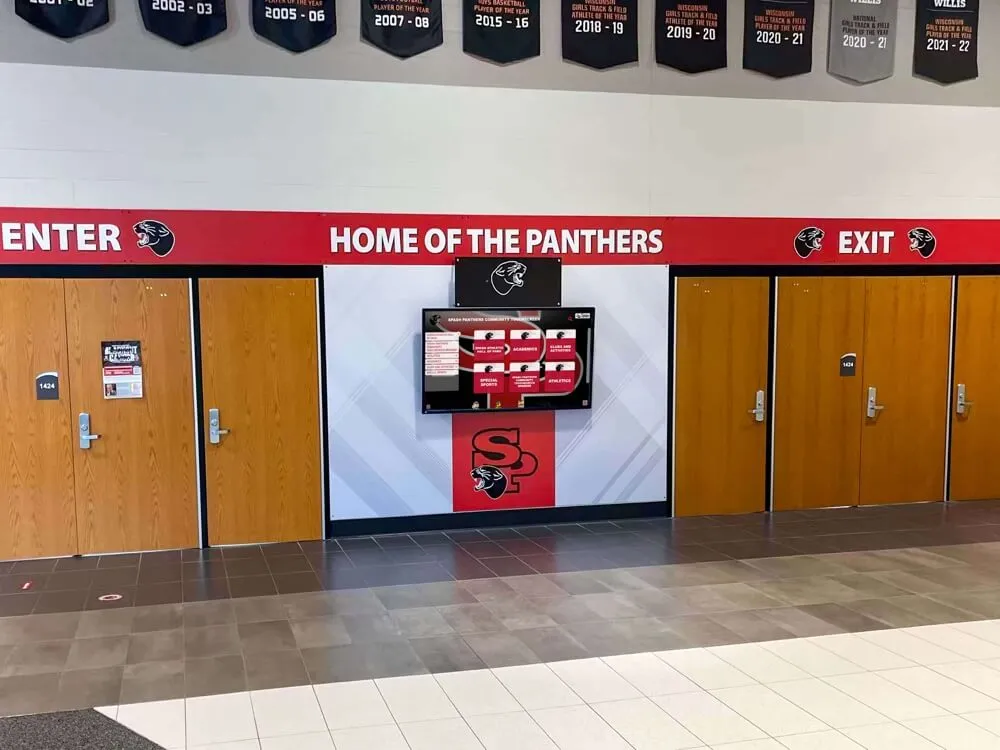
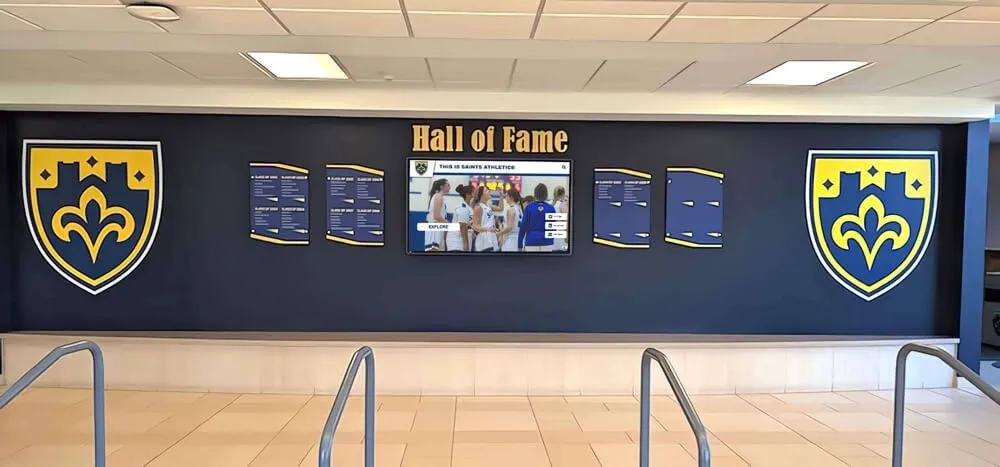
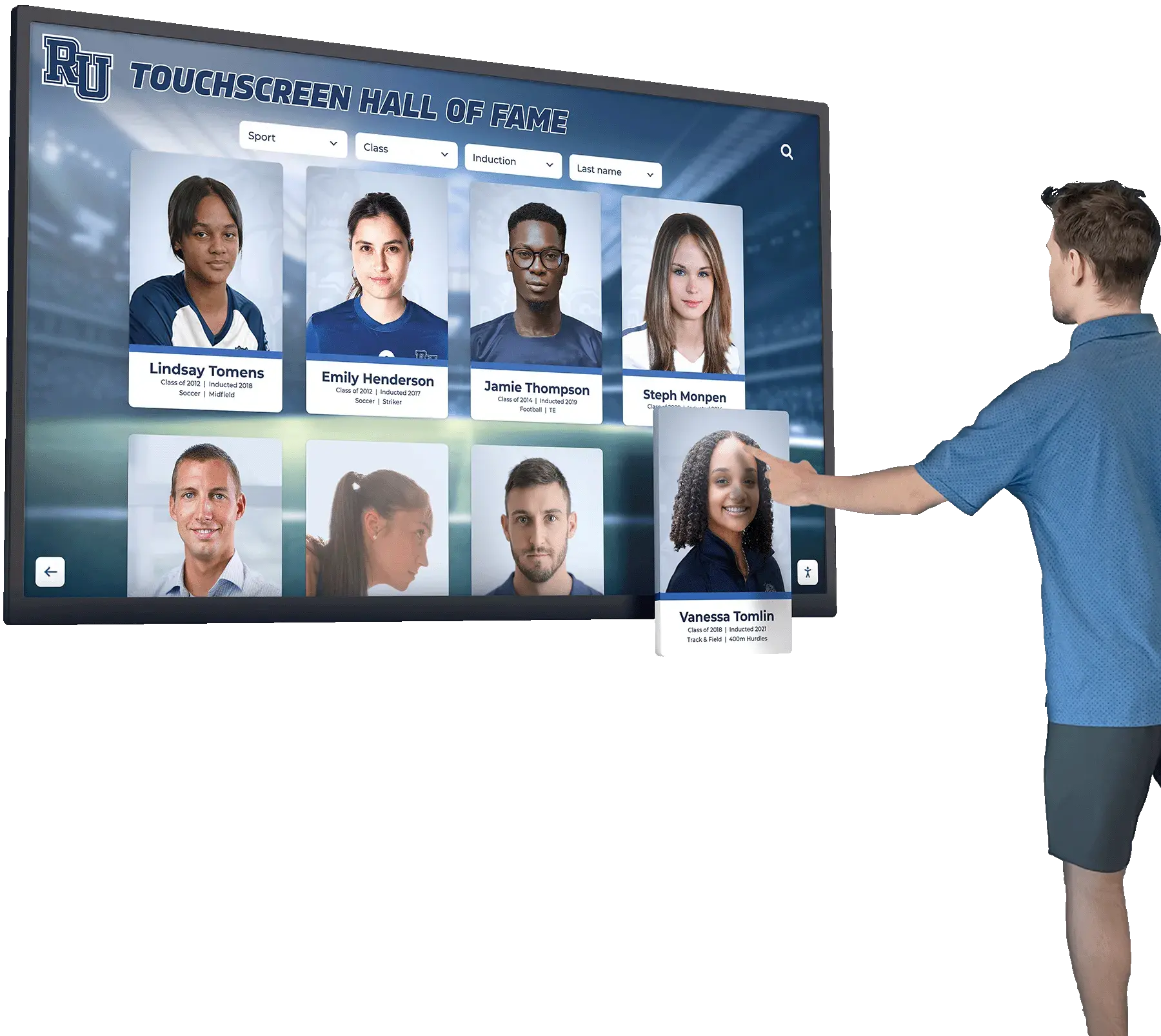
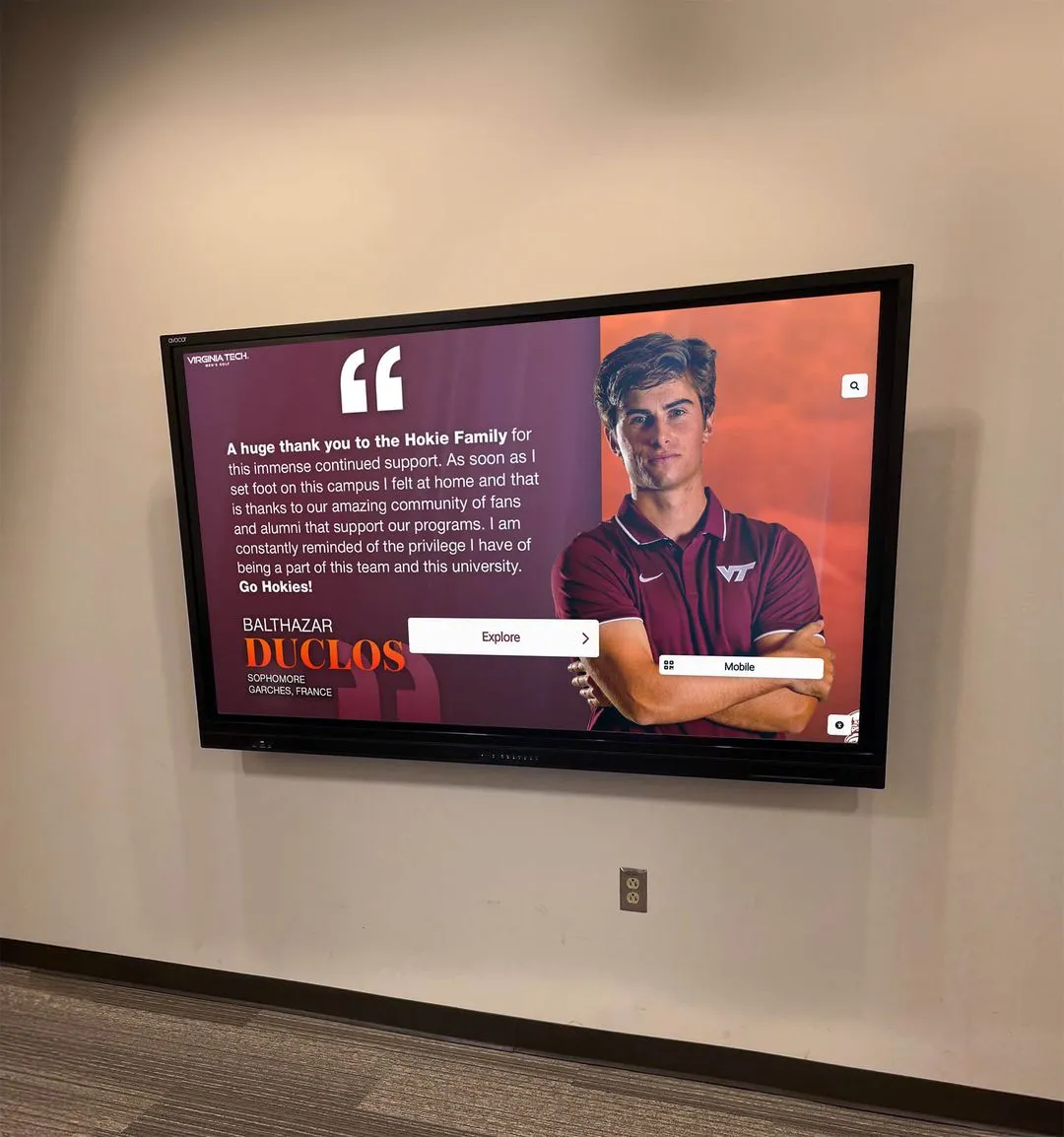
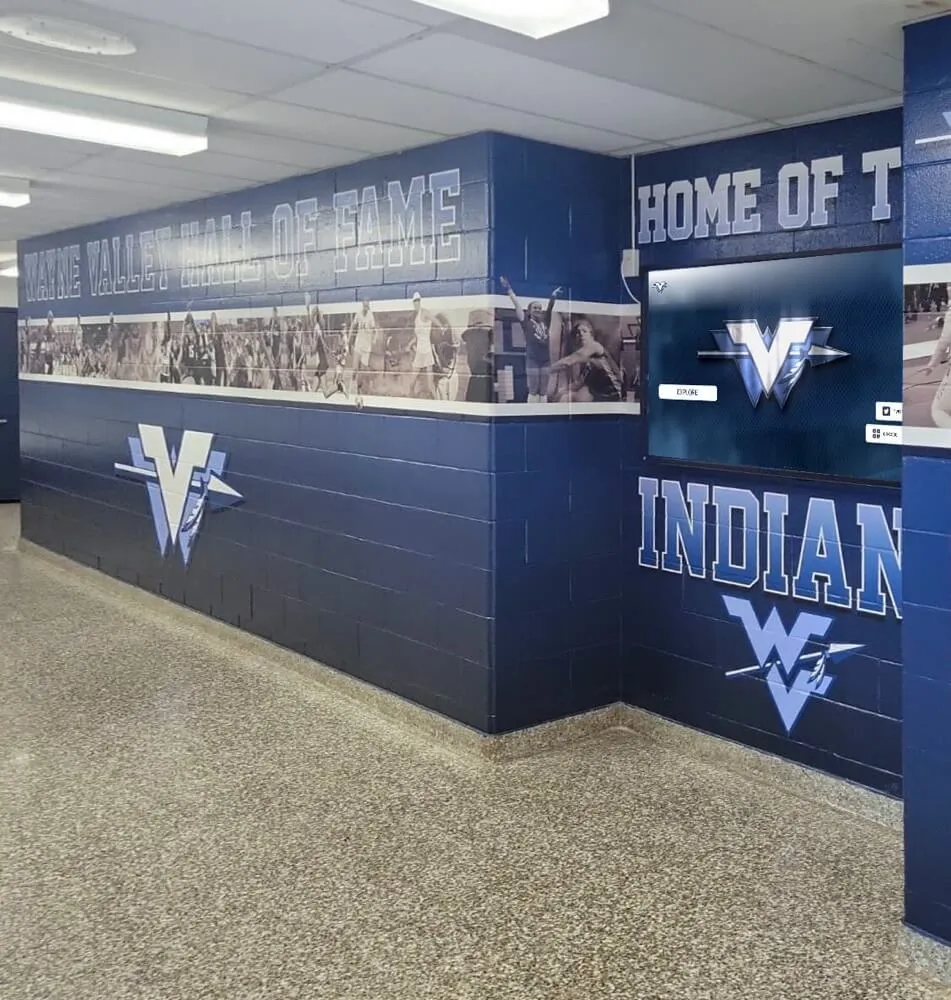
Modern donor recognition combines visual appeal with comprehensive storytelling, honoring contributions while demonstrating mission impact
Traditional Donor Recognition Examples That Stand the Test of Time
Before exploring contemporary innovations, understanding traditional approaches reveals why certain recognition methods endure across decades.
Engraved Donor Walls and Bronze Plaques
Physical donor walls remain recognition staples, creating permanent, prestigious acknowledgment in institutional spaces.
Classic Implementation Approaches
Universities and established institutions often feature impressive donor wall installations:
- Grand Lobby Walls: Main building entrances featuring polished bronze or brass nameplates arranged by giving level, creating immediate visual impact demonstrating community support breadth
- Stacked Recognition Tiers: Vertical arrangements organizing donors hierarchically with largest donors at prominent eye-level positions, smaller contributors above and below
- Architectural Integration: Recognition built directly into building design—carved stone, etched glass, or cast metal elements becoming permanent architectural features
- Legacy Recognition: Founder, trustee, and transformational gift donors receiving premium placement with enhanced sizing, framing, or dedicated wall sections
Enduring Strengths of Physical Recognition
Despite limitations, traditional donor walls provide unique benefits:
Permanent visibility creates lasting legacy acknowledgment appealing especially to major donors seeking enduring recognition. Physical presence in high-traffic institutional spaces ensures consistent exposure across years and decades. Architectural quality and craftsmanship communicate prestige befitting significant contributions. Tangible permanence provides reassurance that acknowledgment will endure beyond technological changes or organizational transitions.
Common Physical Recognition Challenges
Organizations implementing traditional walls encounter predictable limitations:
Capacity constraints inevitably fill available space within 5-10 years, forcing expensive expansions or difficult decisions about which donors remain visible. Manufacturing and installation delays create 3-6 month gaps between gifts and recognition, undermining acknowledgment impact when timing matters most. Correction costs for errors, name changes, or updated information require expensive replacement plaques ($150-$400 each). Limited storytelling capacity restricts recognition to names and giving levels, preventing rich narratives connecting donors to mission impact.
Learn about comprehensive donor wall strategies combining traditional and modern approaches that address these challenges while preserving physical recognition advantages.
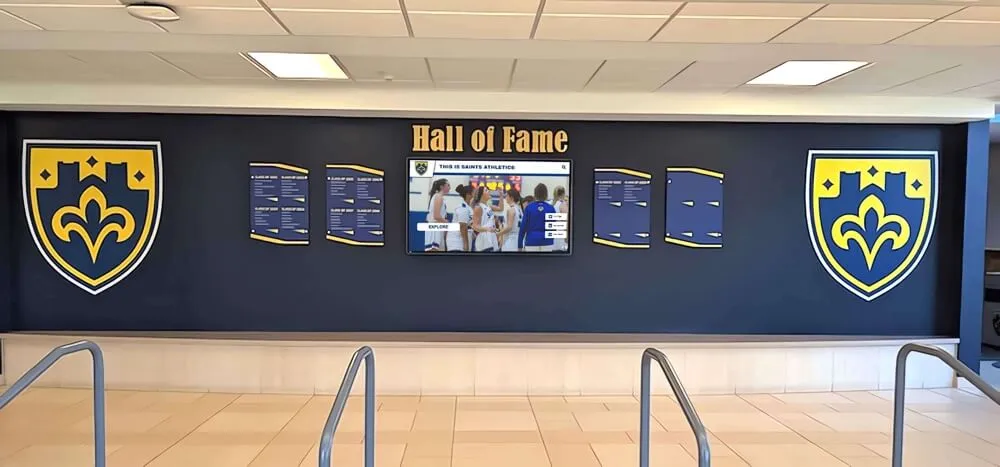
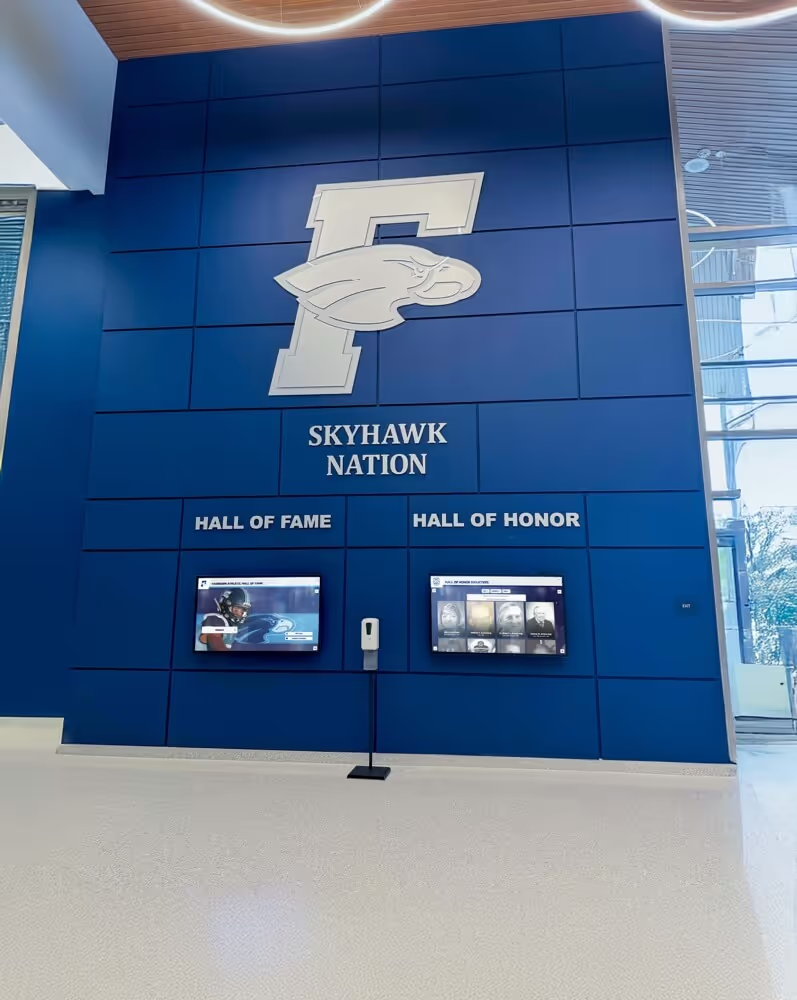
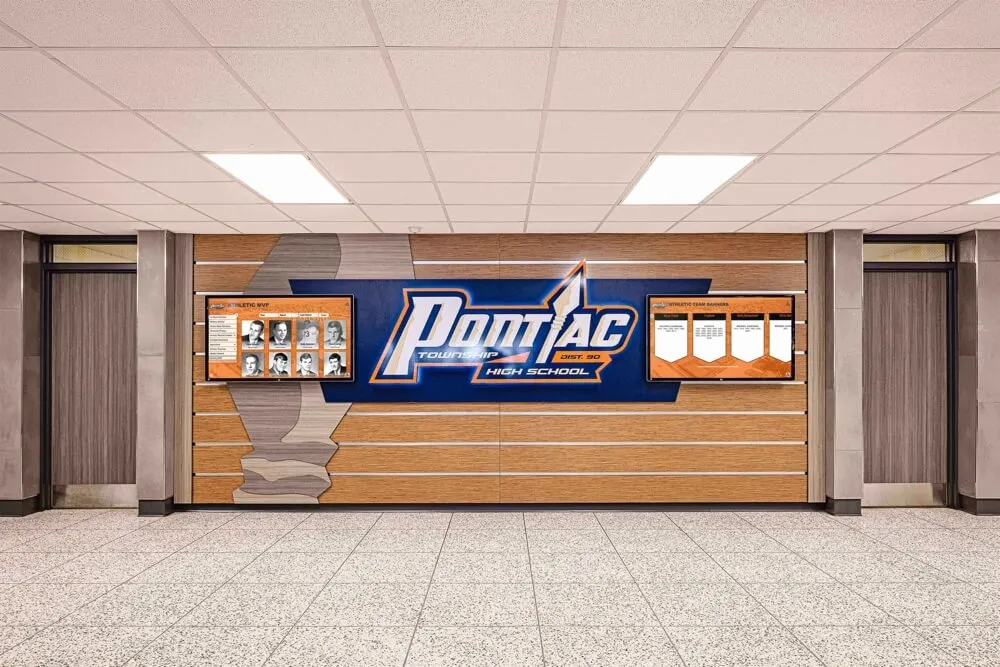
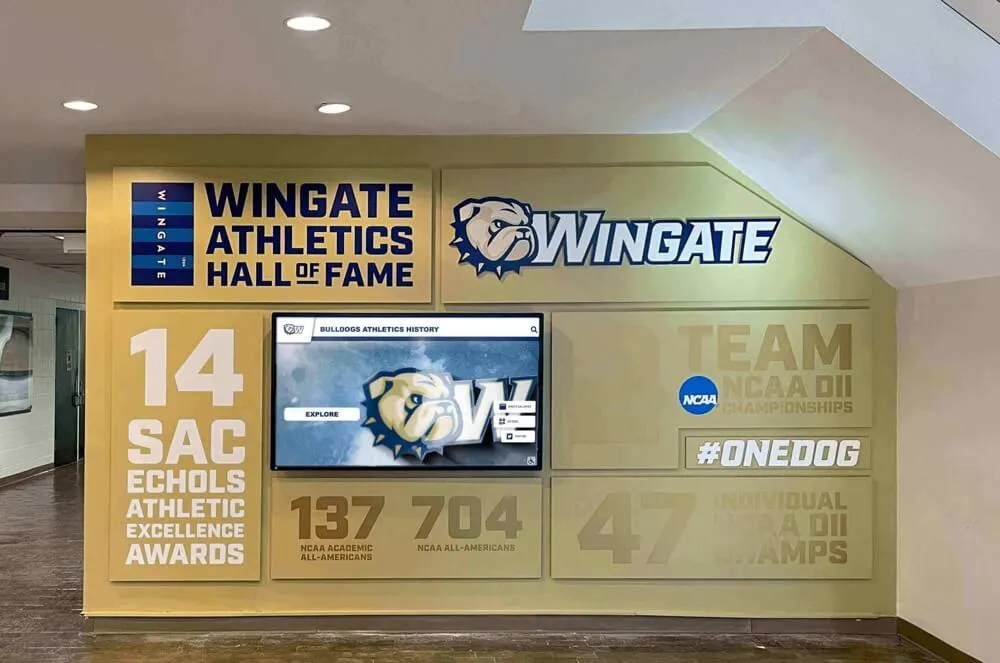
Many organizations blend traditional permanence with digital flexibility, honoring heritage while embracing contemporary capabilities
Named Building Recognition and Facility Acknowledgment
Naming opportunities represent recognition pinnacle for transformational gifts funding construction or major renovations.
Naming Recognition Tiers
Institutions typically offer hierarchical naming opportunities:
Complete Building Naming ($5M-$25M+): Entire facilities receiving donor family names, requiring transformational gifts appropriate to construction costs and institutional prestige. Examples include academic buildings, performance centers, athletic facilities, or specialized research institutes.
Wing or Floor Naming ($1M-$5M): Major building sections receiving donor acknowledgment, common for hospitals, libraries, or multi-purpose facilities with distinct functional areas enabling multiple naming opportunities within single structures.
Room and Space Naming ($50K-$500K): Individual classrooms, laboratories, conference rooms, lounges, or specialized spaces providing accessible naming opportunities encouraging broader participation while recognizing significant gifts appropriately.
Outdoor Space Naming ($100K-$2M): Courtyards, gardens, plazas, athletic fields, or pathways receiving donor names, creating pleasant recognition environments visitors enjoy while associating philanthropy with welcoming institutional spaces.
Implementation Examples
Effective naming recognition balances visibility with dignity:
Healthcare organizations frequently name patient care wings, surgical suites, and treatment centers after major donors, creating lasting acknowledgment in spaces directly serving communities. Educational institutions name academic departments, endowed professorships, scholarship programs, and student centers, connecting support to specific educational mission elements. Arts organizations name performance halls, gallery spaces, rehearsal studios, and public gathering areas, celebrating gifts enabling cultural programming.
Naming Recognition Best Practices
Organizations achieving naming success follow proven principles:
Establish clear gift level thresholds before solicitation preventing misunderstandings about naming qualification. Document naming duration policies addressing whether recognition remains permanent or term-limited (common for technology spaces requiring periodic renovation). Create naming committees reviewing proposals ensuring consistent standards and appropriate family/corporate name integration. Develop contingency policies addressing situations where named donors become controversial, protecting institutional reputation while honoring commitments. Coordinate signage and architectural elements maintaining consistent visual standards across multiple named spaces.
Explore memorial wall ideas that apply naming principles to honoring individuals while celebrating mission impact.
Printed Recognition in Annual Reports and Publications
While less prominent than physical installations, printed recognition remains acknowledgment staple across nonprofit sectors.
Annual Report Donor Listings
Nearly universal recognition approach organizing supporters systematically:
Organizations publish comprehensive donor rosters annually, organizing supporters by giving level category—transformational, leadership, benefactor, patron, supporter, and friend circles. Listings typically include donor names, cities/states (respecting privacy preferences), and giving range indicators without specific amounts. Special sections often highlight new donors, consecutive giving streaks, legacy society members, memorial gifts, and matching gift participants.
Newsletter and Magazine Recognition Features
Periodic publications provide opportunities for deeper donor storytelling:
Development offices coordinate with communications teams featuring spotlight donor profiles (200-500 words) exploring motivations, institutional connections, and what inspired support. Impact report sections connect donor support to specific outcomes—scholarships awarded, programs launched, facilities completed, or research breakthroughs achieved. Campaign progress updates celebrate momentum while recognizing leadership donors publicly championing initiatives.
Event Programs and Gala Materials
Fundraising events create natural recognition opportunities:
Event programs list sponsors, underwriters, host committee members, and auction donors at appropriate recognition levels. Live recognition during programs celebrates major gifts, announces challenge grants, and thanks key volunteers. Digital displays at events feature rotating donor acknowledgment, campaign thermometers, and impact videos connecting evening’s fundraising to organizational mission.
Limitations of Print Recognition
Despite broad reach, printed acknowledgment faces challenges:
Limited readership compared to physical displays means many community members never see recognition, reducing visibility value donors seek. Publication delays create gaps between gift receipt and acknowledgment, weakening psychological reinforcement when timing matters most. Static content becomes outdated quickly, particularly for campaign progress, new donor additions, or updated giving information. Minimal differentiation across giving levels provides limited elevation for major gift donors deserving enhanced acknowledgment beyond name listing.
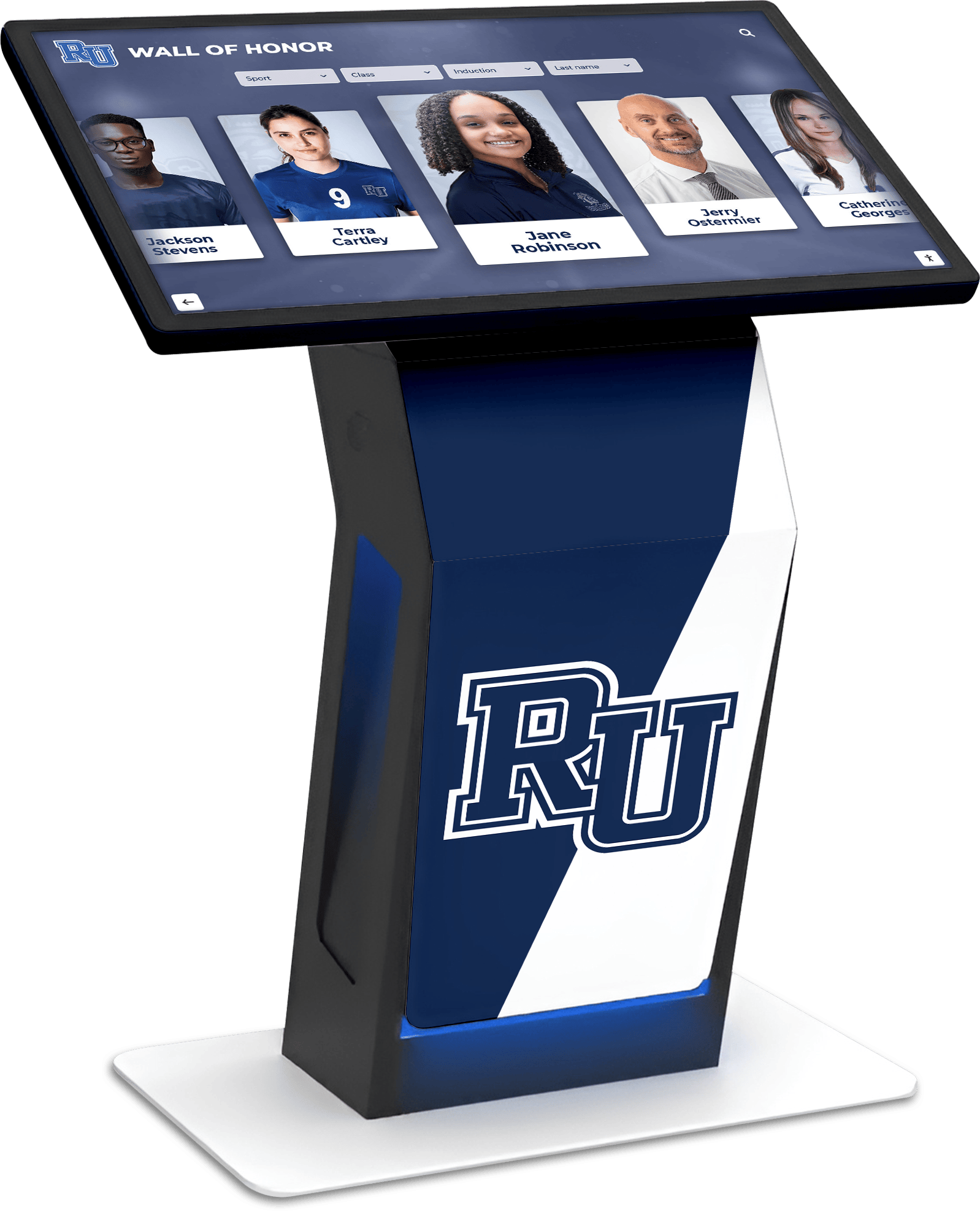
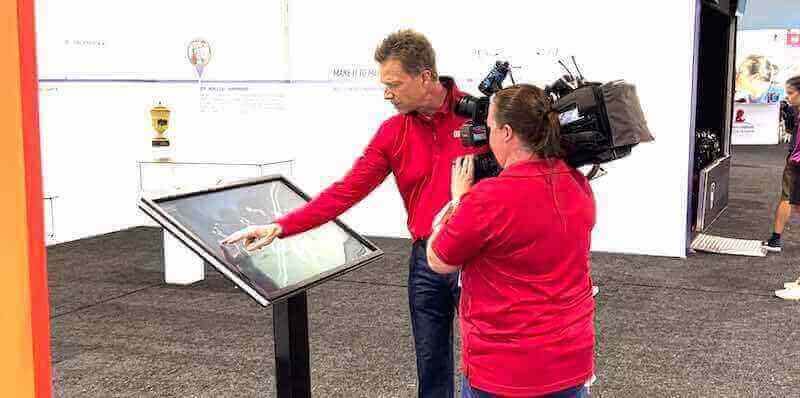
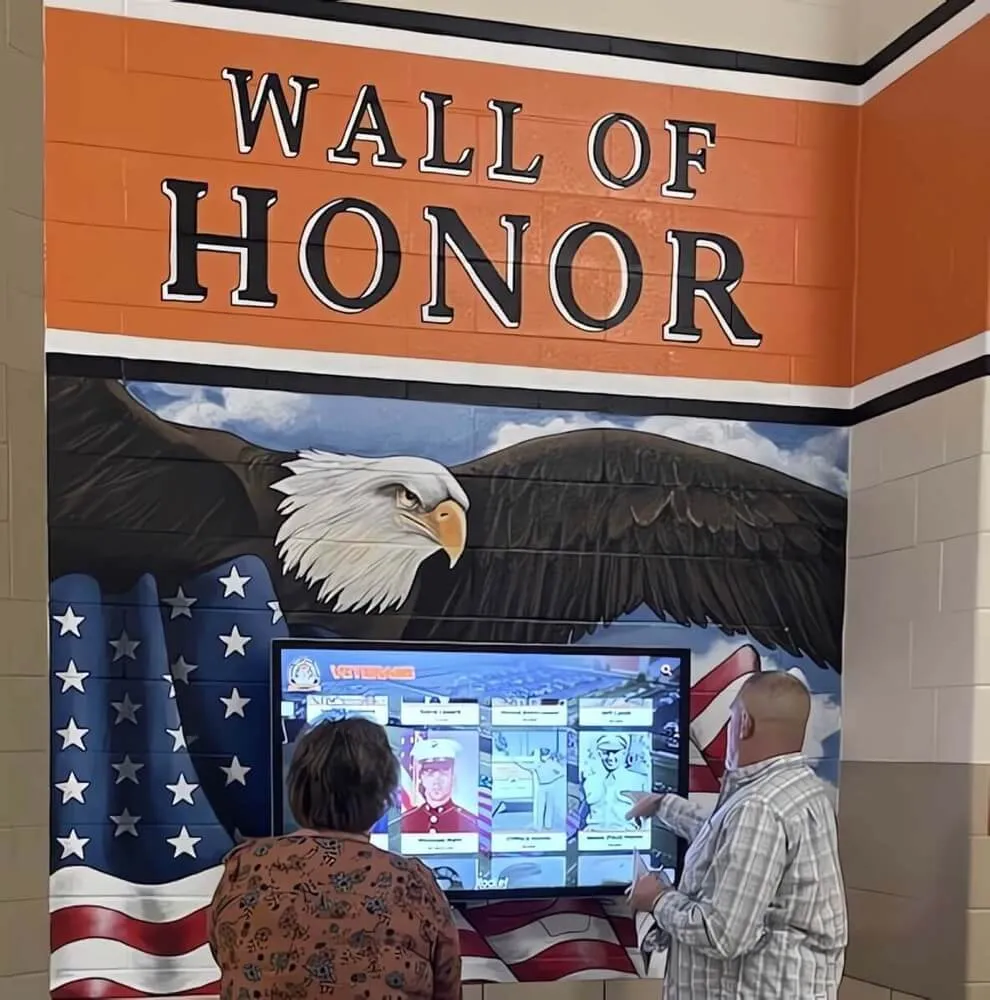
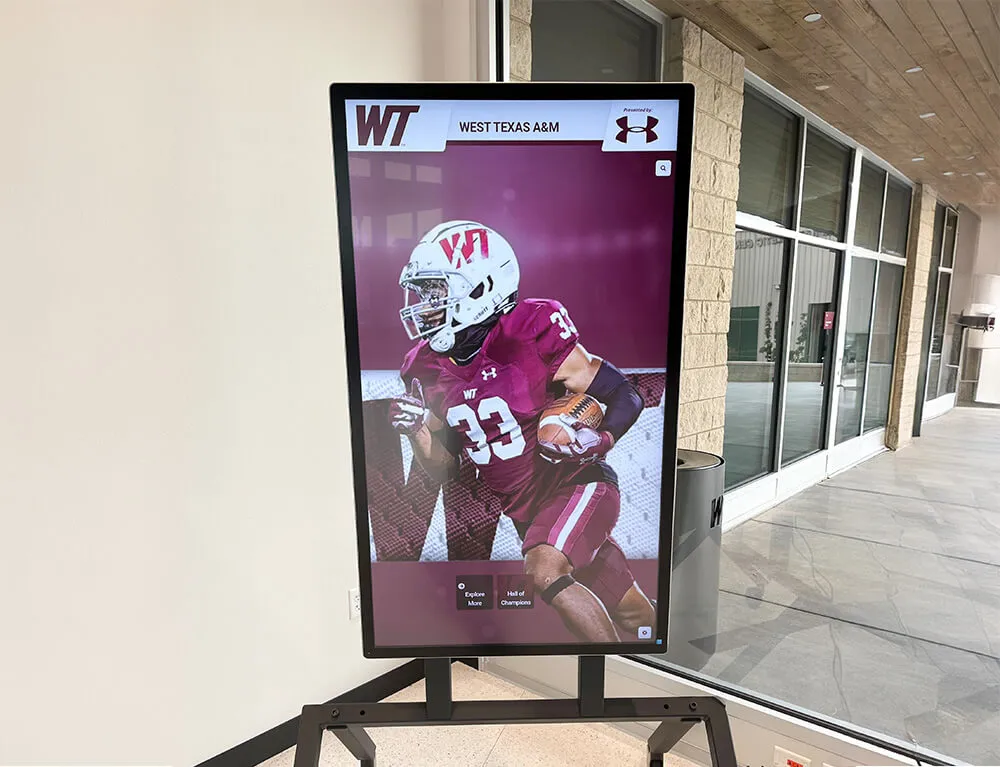
Purpose-built recognition kiosks enable intuitive exploration, allowing visitors to search for supporters and discover impact stories
Digital Donor Recognition Examples: Interactive and Engaging
Technology enables recognition experiences traditional approaches simply cannot provide—unlimited capacity, instant updates, rich storytelling, and measurable engagement.
Interactive Touchscreen Donor Walls
Digital recognition displays transform static name lists into engaging exploration experiences.
University Implementation Examples
Higher education institutions pioneering interactive recognition:
Major Research University: Lobby installation featuring 65-inch touchscreen displaying 8,000+ donors across 50-year institutional history. Visitors search by name, browse by giving society, filter by designation, or explore featured donor stories. Each profile includes biography, professional photo, testimony explaining what inspired support, and specific impact metrics showing outcomes gifts enabled. Analytics reveal average 7-minute engagement sessions with visitors exploring 12-15 donor profiles per interaction.
Liberal Arts College: Dual-screen system in main administrative building separating annual fund supporters from endowment and capital campaign donors. One display features rotating spotlight on recent contributors with prominent “Give Today” QR codes enabling immediate mobile giving. Second screen provides comprehensive database browsing with advanced filtering by graduation year, academic department support, and giving tier. System integrates with advancement database, automatically adding donors within 24 hours of gift processing.
Community College Foundation: Budget-conscious implementation using 43-inch commercial display with cloud-based recognition platform. Focus emphasizes scholarship recipient stories prominently, connecting donor support directly to student success narratives. Profiles include recipient photos, academic achievements, career aspirations, and personal testimonials thanking supporters. This impact-first approach resonates powerfully with community donors motivated primarily by student access rather than personal recognition prestige.
Healthcare Organization Examples
Hospitals and medical centers implementing patient-centered recognition:
Regional Medical Center: Main lobby features floor-standing kiosk recognizing capital campaign donors who funded recent expansion. Design emphasizes facility impact—before/after photography, patient capacity statistics, new service offerings, and community health outcomes. Donor profiles prominently display family motivations—many gifts honor loved ones who received care, creating emotional resonance connecting philanthropy to personal experience.
Children’s Hospital Foundation: Pediatric-appropriate design featuring colorful, playful interface recognizing supporters funding specialized treatment programs. Recognition emphasizes child-friendly language, includes patient artwork and thank-you videos, and maintains appropriate privacy protecting patient identities while celebrating care outcomes. Donor profiles explain specific programs gifts support—cardiac care, oncology services, mental health support—helping visitors understand exactly what various designations fund.
Implementation Considerations
Organizations achieving digital recognition success prioritize several factors:
Solutions like Rocket Alumni Solutions provide purpose-built platforms designed specifically for donor recognition rather than generic digital signage systems adapted awkwardly for acknowledgment purposes. Specialized recognition software understands unique requirements including privacy controls, giving level differentiation, development office workflows, and nonprofit-specific features generic platforms lack.
Commercial-grade touchscreen hardware rated for continuous public operation proves essential—consumer displays fail within 18-24 months under institutional usage patterns while commercial equipment delivers 50,000-70,000 hour lifespans. Strategic placement in high-traffic locations ensures recognition reaches maximum audiences while architectural integration creates professional presentations befitting donor dignity.
Discover additional interactive donor recognition strategies that organizations implement across diverse contexts and missions.
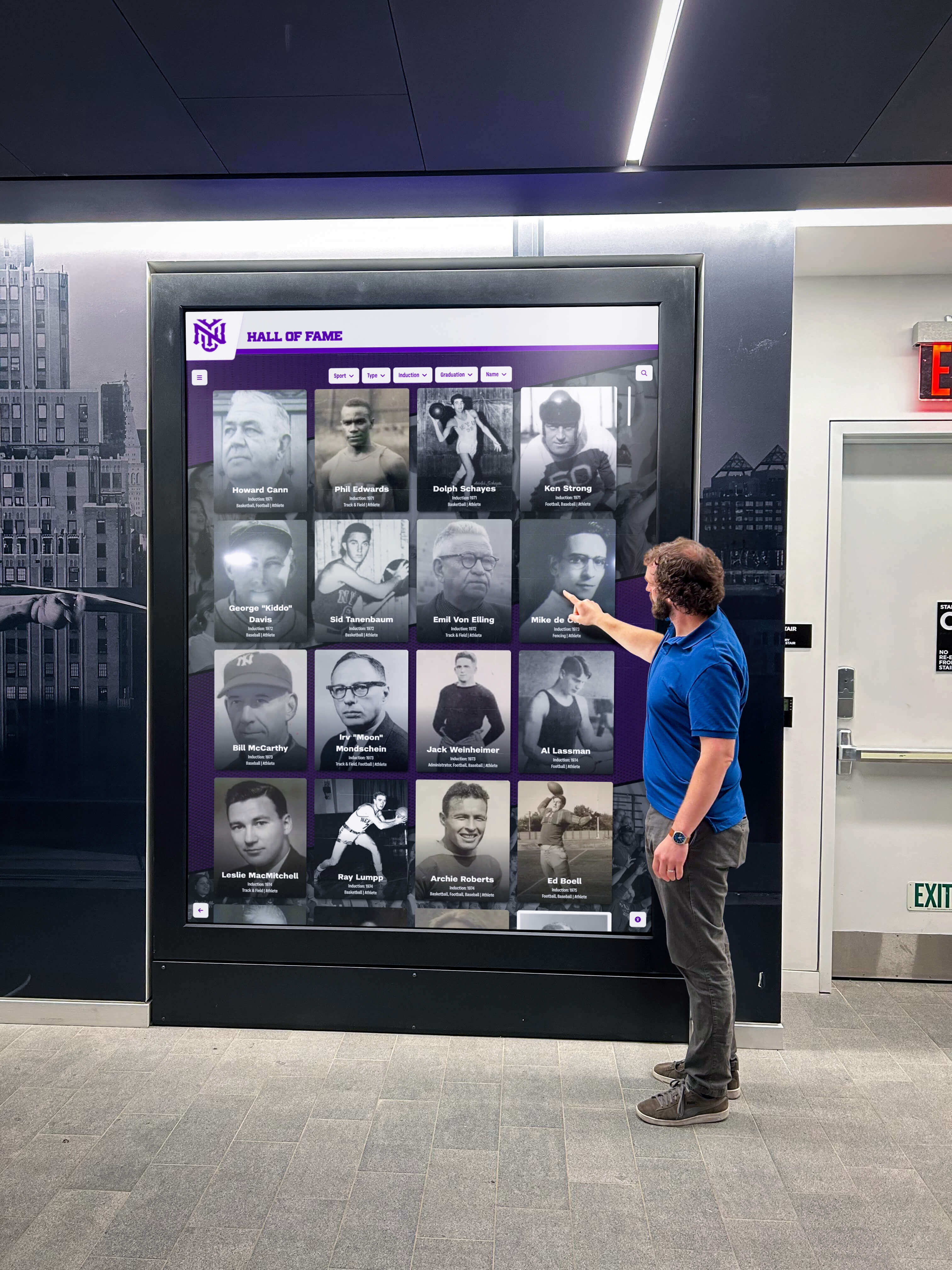
Strategic placement in high-traffic areas ensures recognition reaches broad audiences while creating natural cultivation opportunities
Online Donor Recognition Portals and Virtual Walls
Web-accessible recognition extends acknowledgment beyond physical locations, enabling 24/7 global access.
University Virtual Donor Wall Examples
Higher education leveraging web platforms:
Private University: Comprehensive online recognition portal mirroring physical campus displays while adding enhanced functionality impossible in brick-and-mortar installations. Supporters access site globally, searching entire donor history, exploring detailed profiles with extended narratives, viewing photo galleries, and watching video testimonials. Social sharing tools enable donors to amplify recognition through personal networks—Facebook, LinkedIn, Twitter—extending organizational reach exponentially beyond institutional channels alone.
State University System: Multi-campus system implementing unified recognition platform accessible across entire university network. Centralized database ensures consistency while enabling campus-specific filtering showing donors supporting particular schools, programs, or locations. Mobile-responsive design optimizes experience across smartphones, tablets, and desktop computers. Integration with online giving platform pre-populates donation forms with selected giving levels and designations, streamlining contribution process when recognition inspires action.
Nonprofit Organization Examples
Mission-driven organizations implementing virtual recognition:
Regional Land Trust: Interactive map-based recognition showing conservation properties donors helped protect. Visitors explore protected lands geographically, clicking properties to reveal preservation stories, ecological significance, and donor acknowledgment. Profiles connect supporters to specific conservation outcomes they funded—acreage preserved, wildlife habitat protected, public access created. Geographic visualization proves especially powerful for environmental organizations where mission impact relates directly to physical spaces.
Social Services Agency: Impact-focused recognition emphasizing beneficiary stories alongside donor acknowledgment. Virtual wall features video testimonials from program participants explaining how services changed their lives, immediately followed by recognition of supporters whose generosity funded those programs. This direct connection between philanthropy and human outcomes creates emotional resonance that simple donor listings cannot match. Privacy-respecting design protects beneficiary identities while celebrating transformation programs enable.
Key Features of Effective Virtual Recognition
Successful online donor walls share common characteristics:
Responsive design ensures excellent experience across all devices—desktop monitors, tablets, smartphones—accommodating diverse visitor technology preferences. Advanced search and filtering enables quick discovery of specific donors, class years, giving societies, or designations. Regular content updates maintain freshness, encouraging repeat visits rather than one-time viewing. Social media integration provides built-in sharing capabilities amplifying recognition reach through donor networks. Analytics reveal which content resonates, informing continuous improvement and demonstrating program value to institutional leadership.
Video Recognition and Multimedia Storytelling
Video creates emotional engagement that text alone cannot achieve, bringing donor stories and mission impact to life.
Campaign Video Recognition Examples
Organizations celebrating major initiatives through video:
Capital Campaign Celebration Video: Comprehensive 5-minute video featuring campaign chair testimonials, major donor interviews, beneficiary stories, facility construction time-lapse, and scrolling donor recognition acknowledging all contributors regardless of level. Premiered at campaign celebration event, subsequently featured prominently on website, shared through email marketing, and displayed continuously on campus digital screens. Professional production quality befitting multimillion-dollar campaign success.
Annual Fund Thank-You Video: Brief 90-second video featuring organizational leadership personally thanking annual supporters, highlighting specific outcomes current year’s giving enabled, and inviting continued partnership. Sent via email to all donors within one week of fiscal year conclusion, creating timely acknowledgment demonstrating responsiveness and stewardship accountability. Informal, authentic production style emphasizing genuine gratitude over polished formality.
Individual Donor Profile Videos
Deep-dive storytelling celebrating major gifts:
Profile major donors through 3-5 minute interview videos exploring philanthropic motivations, institutional connections, and hopes for gift impact. Include contextual b-roll footage showing donors engaged with organizational programs, facilities their gifts funded, or beneficiaries their support serves. Edit professionally while maintaining authentic, conversational tone avoiding overly-scripted corporate feel. Feature prominently on recognition displays, donor society webpages, and cultivation event presentations.
Beneficiary Testimonial Videos
Connect contributions directly to human outcomes:
Scholarship recipients, program participants, research beneficiaries, or service recipients share personal stories explaining what organizational support meant to their lives. Connect each testimonial to donor recognition—“This scholarship was made possible by the generous support of…"—creating direct line between philanthropy and impact. Maintain appropriate privacy protecting sensitive personal information while celebrating transformation programs enable.
Video Recognition Best Practices
Organizations implementing video recognition effectively follow key principles:
Maintain high production quality reflecting institutional brand standards while avoiding overly-produced corporate feel that undermines authenticity. Keep videos brief—90 seconds to 5 minutes depending on context—respecting viewer attention and enabling sharing through digital channels preferring shorter content. Caption all videos ensuring accessibility for hearing-impaired viewers and silent social media viewing. Host on reliable platforms (YouTube, Vimeo, institutional servers) providing consistent access and integration flexibility. Obtain appropriate permissions for video usage across all planned channels before production.
Learn about booster club fundraising and recognition strategies that incorporate multimedia storytelling effectively.
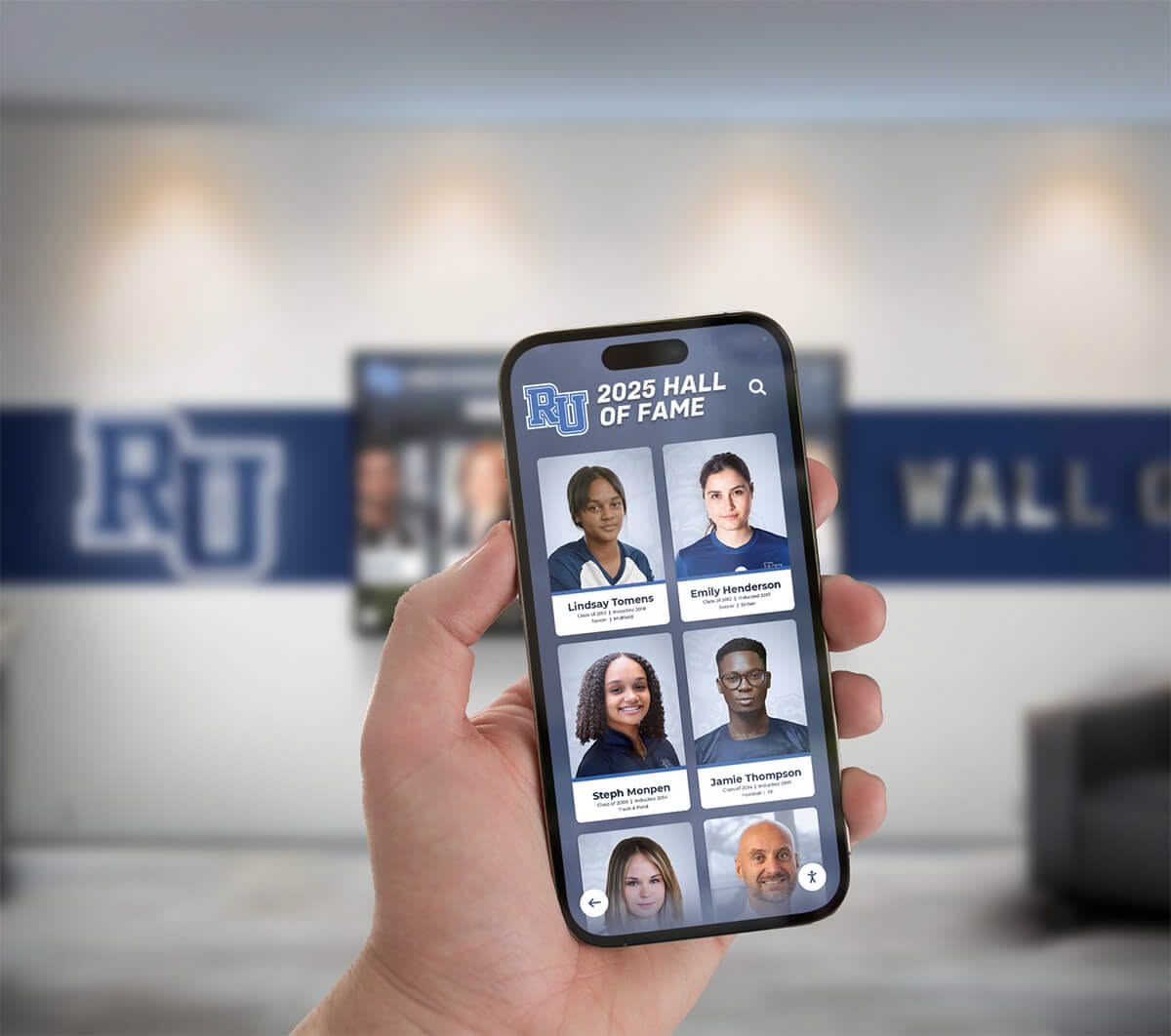
Mobile-accessible recognition extends acknowledgment beyond physical locations, enabling supporters to explore profiles anytime
Creative Donor Recognition Examples Across Different Sectors
Organizations tailor recognition approaches to unique missions, audiences, and institutional cultures.
K-12 School Donor Recognition Examples
Educational institutions balance acknowledging adult donors with celebrating student-centered missions.
Elementary School Recognition Approaches
Family-friendly acknowledgment emphasizing community:
Tile Wall Campaign: Colorful ceramic tile installation where donor families purchase tiles personalized with names, graduation years, or brief messages. Art teacher coordinates student-designed border tiles creating collaborative community artwork. Installation in main hallway creates permanent acknowledgment families encounter daily during drop-off and pick-up, reinforcing giving participation as community norm.
Donor Tree Display: Large painted or sculpted tree in school lobby featuring leaf plaques acknowledging annual fund supporters. Giving societies represented through different leaf colors—gold, silver, bronze—creating visual hierarchy while maintaining inclusive celebration of all participation levels. Simple, cost-effective approach well-suited to elementary budgets while creating visually appealing focal point families appreciate.
High School Recognition Strategies
Teen-appropriate approaches balancing acknowledgment with educational priorities:
Digital Display Integration: Lobby touchscreen rotating between donor recognition, athletic achievements, academic honors, and upcoming events. Integration positions philanthropy alongside student accomplishment, demonstrating that community support enables achievement students experience daily. Donor profiles emphasize connection to school—graduation years, children attending, sports supported—creating personal relevance for student viewers.
Legacy Courtyard Project: Capital campaign funds outdoor gathering space featuring engraved paver bricks acknowledging donors at all levels. Students participate in design process, art classes create complementary sculptures or murals, and space becomes popular lunch and after-school gathering spot. Recognition integrated into functional student space rather than formal display area, normalizing philanthropy as community value supporting student experience.
Comprehensive School Examples
Private schools implementing sophisticated recognition:
Independent School Development Program: Multi-tiered approach including traditional lobby donor wall recognizing leadership gifts, annual report listings acknowledging all contributors, quarterly newsletter donor spotlights featuring detailed profiles, and parent association volunteer recognition celebrating non-financial contributions. Comprehensive strategy ensures all support forms receive appropriate acknowledgment while differentiating recognition proportionate to giving significance.
Religious Organization Donor Recognition Examples
Faith communities implement recognition respecting theological values while acknowledging support enabling mission.
Church Capital Campaign Recognition
Congregation building projects celebrating generosity:
Stained Glass Window Dedication: Traditional approach where major gift donors receive commemorative plaques near stained glass windows their contributions funded. Recognition connects support directly to beautiful, sacred elements enriching worship experience. Dedication ceremony involves blessing windows, reading donor names aloud during service, and incorporating acknowledgment into worship celebrating community coming together to advance shared faith mission.
Narthex Recognition Wall: Entrance gathering space features elegant donor display acknowledging building campaign contributors. Design reflects architectural style and theological tradition—contemporary glass and metal for modern congregations, traditional carved wood for historic churches. Placement ensures visibility without competing with worship space sanctity, respecting that recognition supports rather than supplants spiritual focus.
Ministry Program Recognition
Ongoing operational support acknowledgment:
Ministry Circle Recognition: Quarterly acknowledgment during worship services thanking supporters of specific ministry programs—youth group, missions, music, community outreach. Recognition emphasizes programs gifts support rather than donor ego, maintaining theological focus on service and stewardship. Donors receive personalized thank-you notes from ministry leaders and beneficiaries, creating meaningful connection between support and mission outcomes.
Legacy Society Recognition: Planned giving donors who include congregation in estate plans receive special acknowledgment through dedicated legacy society. Recognition typically includes membership certificate, annual appreciation event, listing in special publication, and notification to heirs after estate gift realizes, ensuring family understands deceased donor’s charitable intent and congregation’s gratitude.
Denominational Considerations
Different faith traditions approach recognition distinctively:
Some religious communities emphasize anonymous giving as theological value, implementing recognition respecting privacy while celebrating collective generosity—“Thanks to our generous supporters…” rather than individual naming. Others celebrate stewardship openly as testimony encouraging faithful giving, implementing recognition comparable to secular nonprofit approaches. Organizations navigate these tensions thoughtfully, consulting leadership and aligning recognition with theological tradition and community expectations.
Discover church donor recognition approaches that honor supporters while maintaining appropriate theological focus.
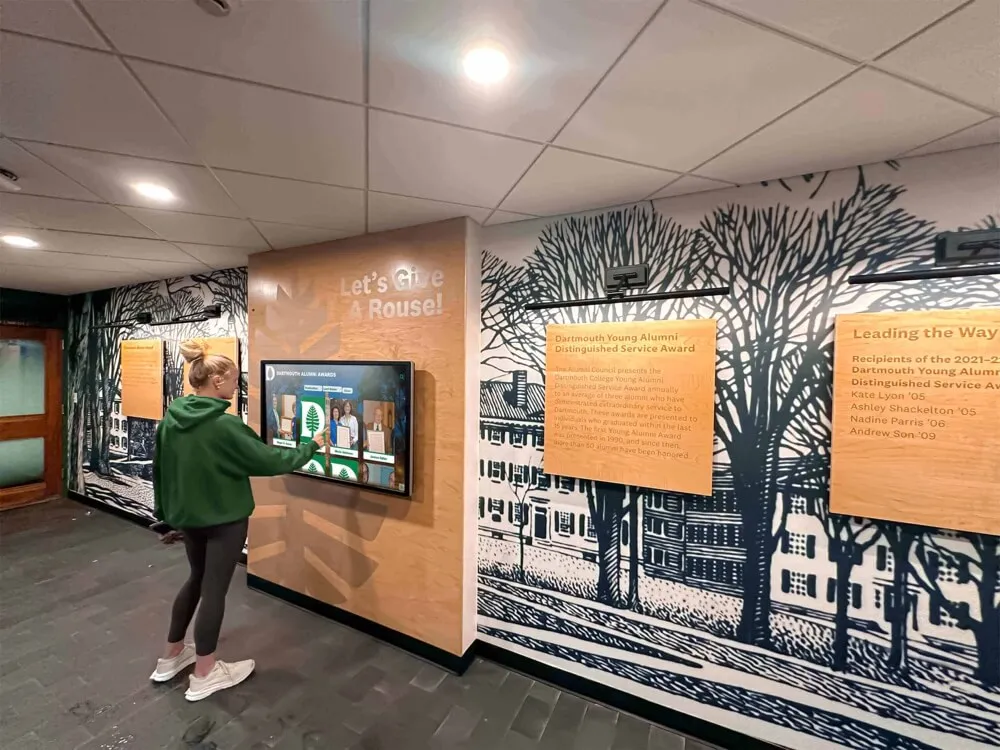
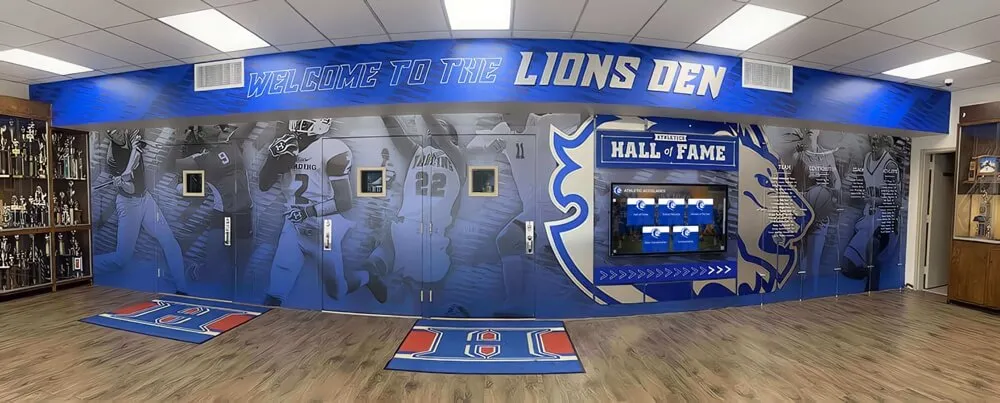
Architectural integration ensures recognition enhances rather than competes with institutional aesthetics and spatial design
Arts Organization Recognition Examples
Cultural institutions blend recognition with creative expression and aesthetic considerations.
Theater and Performing Arts Recognition
Performance venues celebrating patron support:
Lobby Donor Display: Grand entrance features elegant donor wall acknowledging capital campaign contributors who funded facility construction or renovation. Design reflects performance venue’s architectural character—art deco styling for historic theaters, contemporary minimalism for modern performance centers. Prominent placement ensures patrons encounter recognition before every performance, reinforcing that community support enables cultural programming they’re attending.
Seat Dedication Program: Individual theater seats feature small plaques acknowledging donors who funded renovation or endowed operating support. Supporters choose specific seats—anniversary row numbers, lucky numbers, favorite sections—creating personal connection to venue. Recognition remains discreet, maintaining aesthetic integrity while providing permanent acknowledgment donors appreciate. Some organizations offer opportunity for donors to purchase “naming rights” for seats they regularly occupy, creating fun community participation.
Season Program Recognition: Every performance program includes donor acknowledgment organized by giving society. Recognition differentiates support levels through typographic treatment, placement prominence, and descriptive society names. Leading donors receive enhanced profile acknowledgment including brief biographical information and testimonials explaining what arts participation means to them personally.
Museum and Gallery Recognition
Visual arts institutions implementing aesthetically appropriate acknowledgment:
Exhibition Sponsorship Recognition: Gallery entrance features elegant acknowledgment thanking donors who funded particular exhibition—acquisition costs, installation expenses, or programming support. Recognition design complements exhibition aesthetic rather than competing with artwork. Contemporary exhibitions might feature minimalist typography on gallery walls, while historical exhibitions implement traditional engraved plaques matching period architectural details.
Collection Recognition: Permanent collection galleries include donor acknowledgment near specific artworks or within broader gallery sections. Recognition connects philanthropy directly to cultural assets visitors experience—“This work was acquired through the generous support of…” or “This gallery was made possible by…"—demonstrating stewardship transparency and mission impact.
Digital Arts Recognition: Progressive museums implement tablet-based or touchscreen recognition enabling deep exploration of donor support, collection history, and institutional impact without physical signage competing with artwork for visual attention. Visitors access recognition optionally when interested rather than encountering acknowledgment requiring physical gallery space and potentially distracting from artistic experience.
Healthcare Organization Recognition Examples
Hospitals and medical centers implement patient-centered recognition emphasizing care outcomes.
Patient Care Facility Recognition
Hospital capital campaign acknowledgment:
Healing Garden Donor Recognition: Outdoor therapeutic space features recognition acknowledging donors who funded garden development. Engraved pavers, plaques near seating areas, or memorial stones honoring loved ones create acknowledgment integrated naturally into healing environment. Recognition emphasizes care mission—“This garden provides peaceful reflection space for patients, families, and caregivers thanks to our generous donors.”
Wing and Department Recognition: Major building sections, patient care units, or specialized departments receive donor names for transformational gifts. Recognition prominently displayed at wing entrances through building signage, wayfinding directories, and departmental publications. Acknowledges donors while orienting visitors navigating complex healthcare facilities.
Equipment and Technology Recognition
Acknowledging support enabling advanced care:
Organizations recognize gifts funding medical equipment, technology systems, or specialized tools through plaques near equipment locations (when appropriate and non-intrusive to patient care), recognition in departmental spaces thanking donors whose support enabled advanced capabilities, or annual report features explaining how particular gifts expanded treatment options, saved lives, or improved patient outcomes.
Research Program Recognition
Acknowledging philanthropic support advancing medical knowledge:
Research facility donor walls recognize supporters funding laboratories, equipment, fellowship programs, or specific research initiatives. Recognition often emphasizes scientific outcomes—publications produced, treatments developed, patents filed, lives saved—connecting philanthropy directly to medical advancement rather than purely acknowledging financial contributions. Researcher testimonials explaining what donor support enabled prove especially compelling, adding authentic scientific voices to recognition storytelling.
Explore academic recognition program strategies that apply across educational and mission-driven organizational contexts.
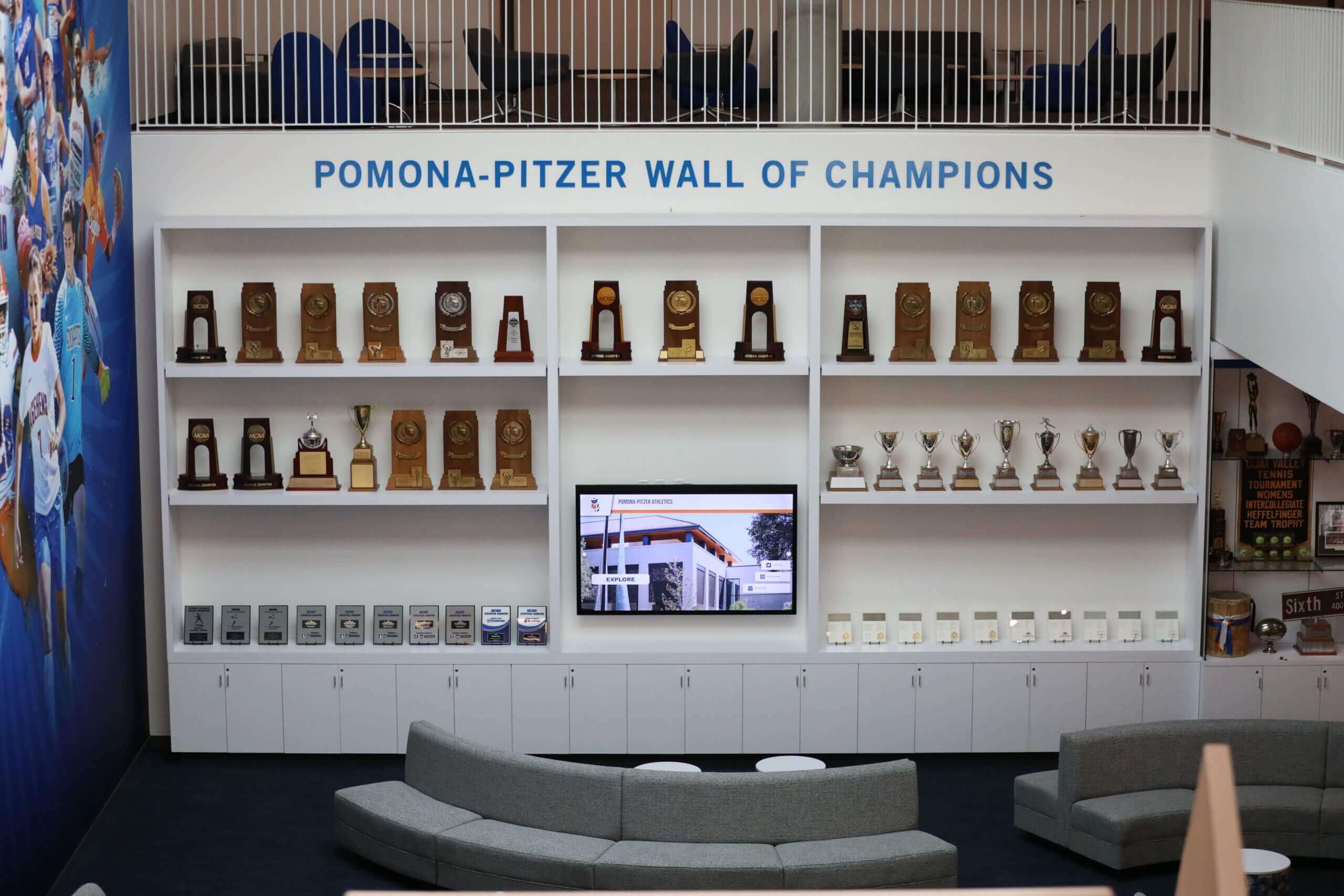
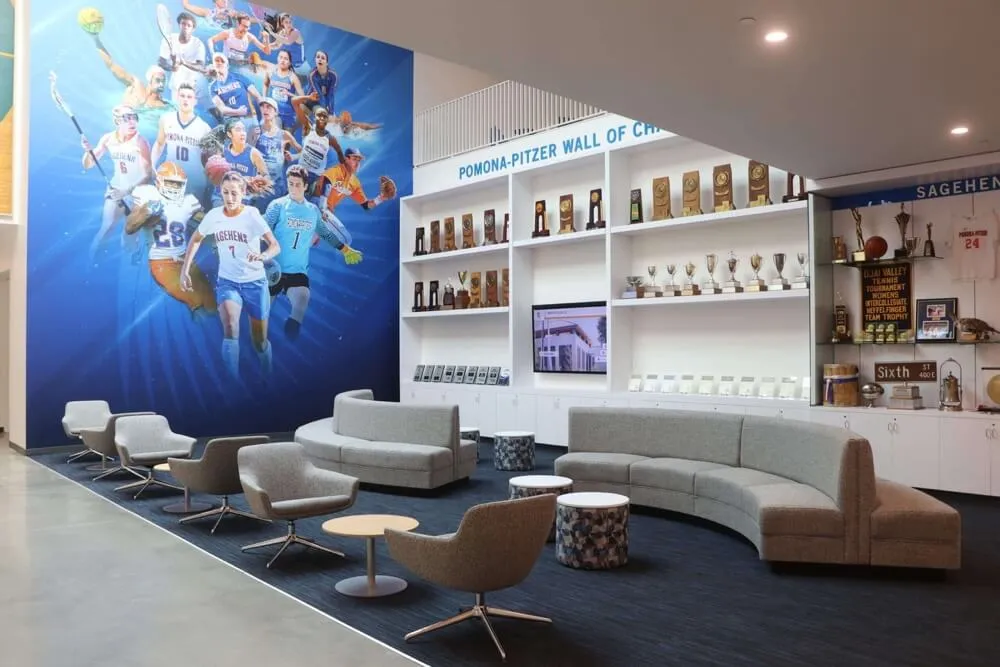
Creating recognition spaces with comfortable seating encourages extended engagement and contemplation of donor impact
Hybrid Recognition Examples: Combining Traditional and Digital
Many organizations implement combination approaches balancing physical permanence with digital flexibility.
Blended Wall Installations
Architectural integration of multiple recognition methods:
University Implementation: Grand entrance features traditional bronze donor wall acknowledging leadership circle contributors ($25,000+) through prestigious permanent plaques. Adjacent wall mount features 55-inch touchscreen displaying comprehensive donor database including annual fund supporters, multi-year giving society members, and detailed profiles with photos, biographies, and impact stories. Design coordination ensures visual cohesion—matching color palettes, complementary materials, unified spatial layout—creating coherent presentation rather than disconnected elements competing for attention.
Nonprofit Example: Community foundation lobby balances small traditional recognition section for transformational legacy donors with large-format digital display providing unlimited capacity for broader donor community. Traditional element satisfies major donors expecting prestigious permanent acknowledgment while digital component solves space constraints and update challenges. Hybrid approach enables organization to honor heritage and tradition while embracing contemporary engagement capabilities.
Design Integration Principles
Successful hybrid recognition requires careful planning:
Coordinate visual identity ensuring traditional and digital elements feel cohesive through consistent typography, color palettes, and spatial relationships. Balance prominence preventing either traditional or digital components from overwhelming the other—each should feel appropriately significant within overall composition. Integrate architectural elements through deliberate material choices, lighting design, and spatial positioning creating unified recognition environment rather than separate installations coincidentally placed near each other. Plan maintenance workflows addressing both physical upkeep (cleaning, hardware maintenance) and digital content updates (donor additions, profile enhancements, software updates).
Physical-Digital Connection Points
Recognition creating integrated experiences across media:
QR Code Integration: Traditional donor plaques include QR codes linking to comprehensive online profiles with extended biographies, photos, videos, and impact stories. Physical recognition provides prestigious permanent acknowledgment while QR codes extend storytelling beyond nameplate limitations. Visitors scan codes with smartphones, seamlessly transitioning from physical recognition to rich digital content without leaving recognition space.
Event Coordination: Organizations implement coordinated recognition across galas, cultivation programs, and community celebrations. Physical venues feature traditional donor walls providing permanent acknowledgment, events incorporate video recognition celebrating recent contributors and impact outcomes, and follow-up communications share online recognition portals extending engagement beyond single event attendance. Multi-channel approach ensures repeated recognition touchpoints reinforcing donor appreciation systematically.
Campaign Progress Integration: Capital campaign recognition coordinates physical and digital elements showing fundraising momentum. Traditional display includes spaces reserved for future donor additions as campaigns progress, creating visual representation of remaining participation opportunities. Digital displays feature real-time campaign thermometers, recent donor additions, and countdown metrics building excitement and urgency. Combined approach celebrates achieved success while inspiring additional participation toward campaign goals.
Learn about donor recognition wall design ideas that balance traditional elegance with modern technology.
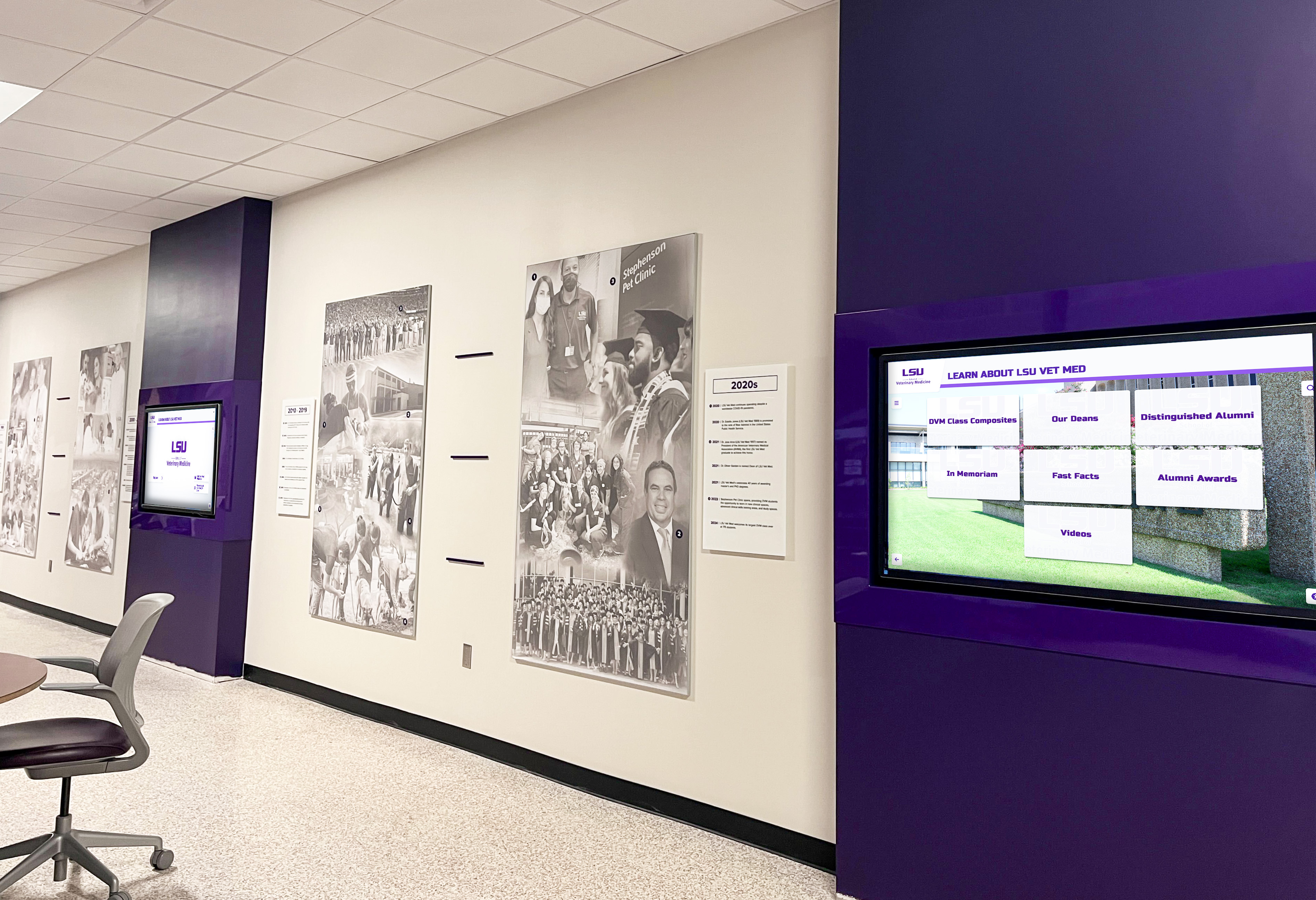
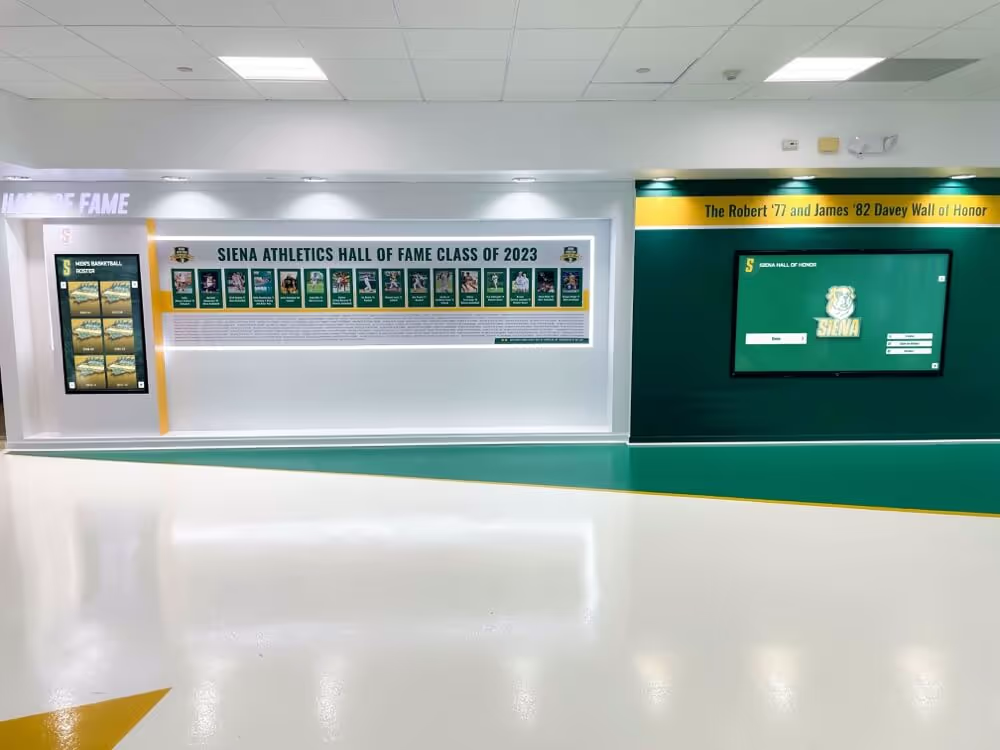
Large institutions often implement multiple coordinated displays across facilities ensuring recognition reaches diverse audiences
Best Practices: What Makes Donor Recognition Examples Effective
Learning from successful implementations reveals common principles distinguishing excellent recognition from mediocre acknowledgment.
Authenticity and Personalization
Generic recognition feels perfunctory while personalized acknowledgment demonstrates genuine appreciation:
Specific Details That Matter: Effective donor profiles include accurate complete names with proper titles, designations connecting gifts to specific programs or priorities supporters care about, tenure recognition acknowledging years of consecutive support, institutional connections explaining graduation years, family legacy, or volunteer involvement, and personal testimonies in donors’ own voices explaining what inspired their generosity.
Avoiding Generic Templates: While templates ensure consistency, excellent recognition customizes content reflecting individual donor stories. Development officers gather biographical information through post-gift surveys, cultivation conversations, or research, creating profiles feeling personal rather than formulaic. Even brief recognition includes specific details distinguishing one donor from another rather than applying identical descriptions to multiple supporters.
Timeliness and Responsiveness
Prompt recognition creates maximum impact while demonstrating operational excellence:
Recognition Timelines: Best practices recommend acknowledging all contributions within 24-48 hours through automated thank-you emails or letters. More substantial recognition follows systematically—personal calls or handwritten notes within one week for major gifts, recognition wall or donor listing updates within 30 days when feasible, enhanced profile development within 90 days for leadership circle donors receiving comprehensive biographical treatment.
Digital Platform Advantages: Purpose-built recognition software enables updates within hours rather than months required for traditional plaques. Development teams add new donors immediately after gift processing, ensuring timely acknowledgment sustaining donor enthusiasm and reinforcing giving behavior when psychological impact proves strongest. Compare this to 3-6 month traditional plaque timelines where recognition delay significantly diminishes stewardship value.
Proportionality and Differentiation
Recognition should match contribution significance while ensuring all supporters feel valued:
Tiered Recognition Frameworks: Most organizations implement structures providing enhanced acknowledgment as giving increases—transformational circle ($100,000+) receiving comprehensive biographical profiles with photos and impact stories, leadership circle ($25,000-$99,999) getting standard profiles with photos, benefactor circle ($10,000-$24,999) receiving basic profiles, patron circle ($5,000-$9,999) acknowledged with name and tenure, supporter circle ($1,000-$4,999) listed in annual reports, and friend circle ($100-$999) recognized collectively.
Maintaining Dignity Across All Levels: While differentiating recognition appropriately, organizations ensure every donor receives acknowledgment befitting their generosity and demonstrating genuine appreciation regardless of capacity. Avoid recognition extremes—neither over-acknowledging modest gifts in ways embarrassing donors nor under-recognizing significant contributions disappointing supporters expecting appropriate gratitude.
Impact Transparency and Storytelling
Connecting recognition to mission outcomes creates deeper engagement than purely transactional acknowledgment:
Outcome-Focused Content: Excellent recognition explains what gifts accomplish—scholarships funded with recipient stories, facilities built with usage statistics, programs launched with beneficiary testimonials, research supported with scientific outcomes. This transparency demonstrates stewardship accountability while helping donors understand exactly what their generosity enabled.
Beneficiary Voices: Including authentic testimonials from scholarship recipients, program participants, or service beneficiaries adds emotional resonance that pure statistics cannot match. Personal stories create human connection helping donors visualize real-world impact in ways that financial reports and outcome metrics alone cannot achieve.
Visual Impact Demonstration: Photography and video showing programs in action, facilities serving communities, students thriving, or research advancing prove especially powerful. Visual content creates immediate emotional engagement that text requires more work to generate, particularly effective for recognition displays where visitors browse casually rather than reading extensively.
Discover comprehensive donor recognition strategies integrating these best practices systematically.
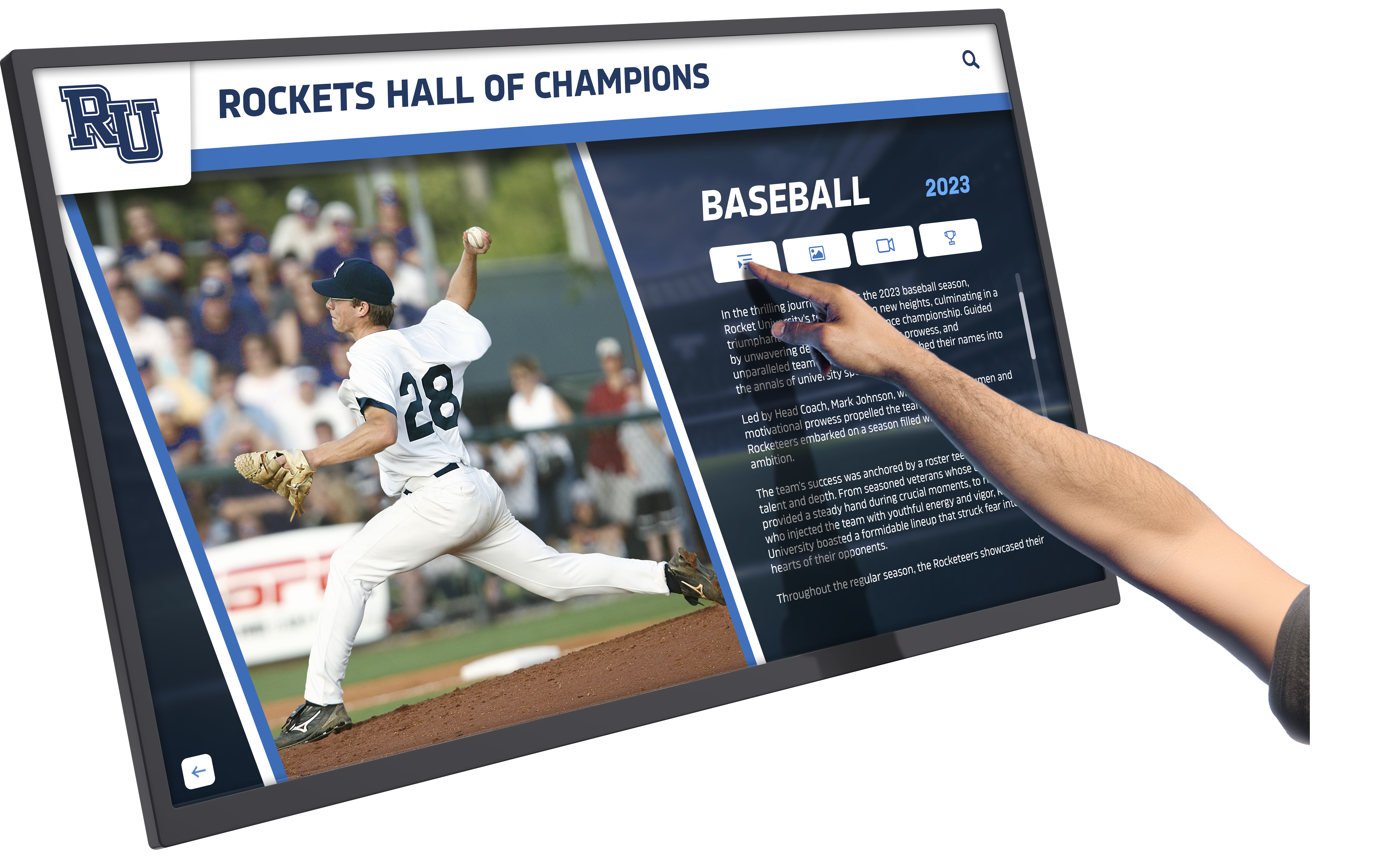
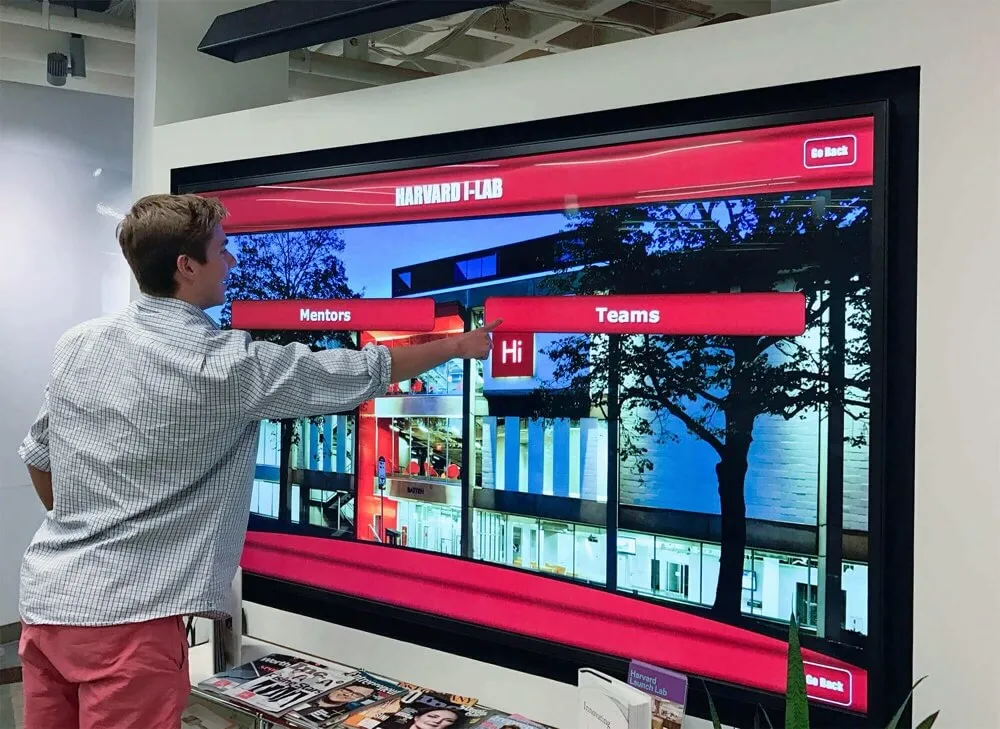
Intuitive touch interactions enable visitors to explore donor stories, view photos, and discover connections at their own pace
Implementation Considerations: Bringing Recognition Examples to Life
Translating inspiration into effective recognition requires systematic planning and execution.
Budget Planning Across Recognition Approaches
Different recognition methods require varying investment levels:
Traditional Physical Recognition Costs: Engraved donor walls typically require $15,000-$50,000 for initial design and fabrication depending on size, materials, and complexity. Installation adds $3,000-$8,000 for professional mounting. Future plaque additions cost $150-$400 per donor for manufacturing and installation. Wall expansions when original capacity fills run $8,000-$25,000, creating recurring capital expenses.
Digital Recognition Investment: Interactive touchscreen displays require $8,000-$25,000 for commercial-grade hardware rated for continuous public operation. Purpose-built recognition software platforms cost $12,000-$25,000 for implementation. Content development—donor profiles, photography, multimedia—runs $8,000-$20,000 initially. Annual operating costs (platform subscriptions, hosting, support, content updates) typically range $4,000-$10,000.
Hybrid Approach Budgeting: Combination strategies allocate resources strategically—premium traditional recognition for major donors requiring prestigious permanent acknowledgment, cost-effective digital solutions for broader recognition needing frequent updates and unlimited capacity. This targeted investment maximizes impact within budget constraints most organizations face.
Return on Investment: While recognition requires investment, comprehensive programs consistently generate positive returns through improved donor retention (15-25 percentage point improvements common), increased average gifts (15-20% growth typical), and enhanced major gift conversion rates (20-35% increases reported). Most organizations see recognition investments pay for themselves within 18-24 months through enhanced fundraising results alone.
Technology Selection for Digital Recognition
Organizations implementing digital components must evaluate platforms carefully:
Purpose-Built vs. Generic Solutions: Specialized donor recognition platforms designed specifically for institutional acknowledgment provide superior functionality compared to generic digital signage systems adapted for donor walls. Purpose-built solutions understand unique requirements including privacy controls, giving level differentiation, development office workflows, and nonprofit-specific features generic platforms lack.
Essential Platform Capabilities: Effective recognition software provides intuitive content management requiring no technical expertise, drag-and-drop media upload simplifying maintenance, template-based profile creation ensuring consistency, bulk import capabilities handling large donor populations efficiently, scheduled publishing coordinating recognition with campaigns, cloud-based operation enabling remote management, and regular platform updates maintaining contemporary functionality.
Hardware Requirements: Digital recognition demands commercial-grade displays rated for 16-24 hours daily operation, hardened glass resisting public space damage, brightness levels ensuring visibility in institutional lighting (350-450 nits), minimum 1080p resolution with 4K preferred, responsive multi-touch technology, and minimum 3-year commercial warranties with on-site service.
Solutions like Rocket Alumni Solutions provide specialized platforms designed specifically for institutional recognition, offering superior functionality addressing unique donor acknowledgment requirements development offices face daily.
Content Development and Ongoing Maintenance
Recognition quality depends on compelling content requiring initial development and sustained updates:
Initial Profile Creation: Budget adequate time for comprehensive donor profile development—typically 60-90 minutes per major donor profile including research, writing, photography coordination, and approval workflows. Establish content standards ensuring consistency across all profiles. Develop style guides covering voice, tone, formatting, and terminology. Create approval processes balancing thoroughness with efficiency.
Photography and Multimedia: Professional photography dramatically enhances recognition quality and donor satisfaction. Schedule dedicated photo sessions capturing donors in organizational settings, with beneficiaries, or portrait photography appropriate to recognition context. For video content, maintain high production quality reflecting institutional standards while keeping videos brief (2-4 minutes) and focused on authentic storytelling.
Ongoing Update Workflows: Establish systematic processes ensuring new donors appear promptly—ideally within 48 hours of gift processing. Assign clear responsibilities for content development and publication. Implement quality assurance reviews catching errors before publication. Schedule regular content refreshes maintaining relevance and giving returning visitors reasons to engage repeatedly.
Explore digital recognition display strategies that address content development systematically.
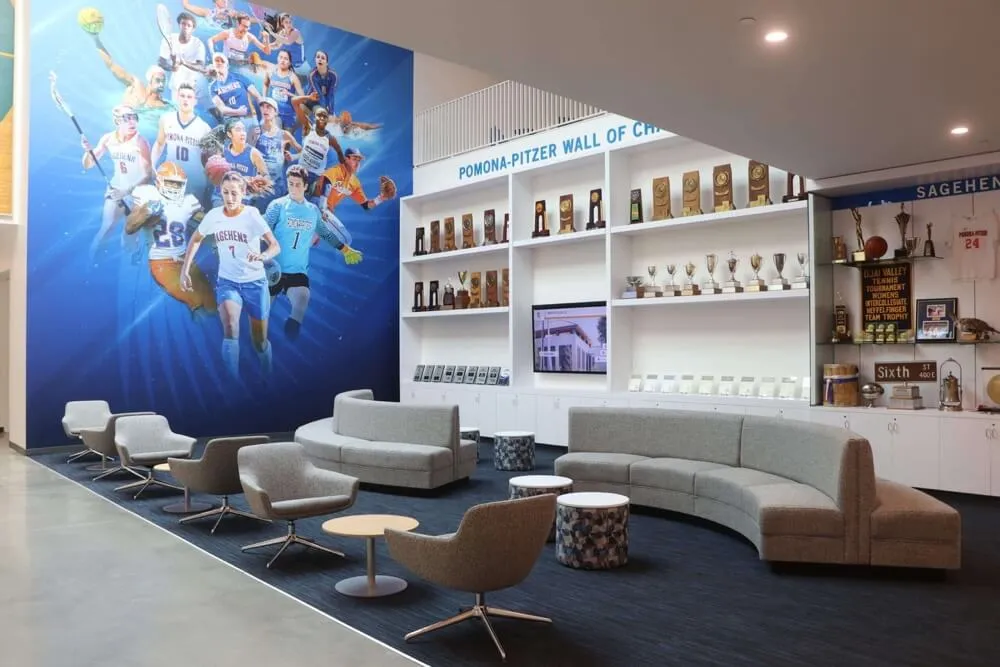
Creating recognition spaces with comfortable seating encourages extended engagement and contemplation of donor stories
Conclusion: Creating Recognition That Truly Honors Your Supporters
The most effective donor recognition examples share common characteristics—they acknowledge supporters authentically and personally, connect contributions to meaningful mission outcomes, balance tradition with innovation appropriately, maintain dignity while differentiating recognition tiers, demonstrate stewardship transparency building trust, and inspire continued engagement throughout donor lifecycles.
Whether your organization implements traditional engraved walls, cutting-edge digital displays, creative hybrid approaches, or innovative methods reflecting unique institutional culture, the fundamental purpose remains constant: honoring generous supporters whose philanthropy enables your mission while inspiring continued community partnership advancing shared purposes for generations.
Organizations implementing comprehensive donor recognition consistently report remarkable outcomes: retention improvements of 15-25 percentage points transforming fundraising economics, major gift increases of 18-27% as cultivation incorporates compelling recognition experiences, donor satisfaction gains exceeding 30% when supporters feel genuinely valued through thoughtful acknowledgment, and enhanced institutional pride as recognition celebrates philanthropic culture publicly.
Transform Your Donor Recognition Experience
Discover how modern recognition solutions can help you celebrate every supporter's generosity while building lasting relationships that sustain your mission for decades. Explore interactive displays, mobile-accessible platforms, and comprehensive content management designed specifically for donor recognition.
Explore Recognition SolutionsYour donors’ generosity enables everything your organization accomplishes. They deserve thoughtful, meaningful recognition that honors their commitment while deepening connections to your mission. With strategic planning, compelling content development, appropriate technology selection, and sustained commitment to excellence, you can create recognition experiences that transform one-time supporters into lifelong mission champions whose sustained philanthropy advances your cause for generations.
Ready to explore additional strategies? Learn about interactive touchscreen solutions for museums that apply equally to donor recognition contexts. Discover digital signage content ideas that enhance recognition displays. Explore comprehensive hall of fame tools applicable across diverse recognition contexts including donor acknowledgment.