Nonprofit organizations depend on the generosity of donors to fulfill their missions, yet many struggle to recognize supporters in ways that feel meaningful and inspire continued engagement. A well-designed donor wall serves as both visible gratitude and strategic fundraising tool—publicly celebrating philanthropic contributions while encouraging future support from existing donors and prospects alike.
Traditional donor recognition approaches often fall short, creating frustration for development teams managing static plaques with limited capacity, expensive updates requiring months to complete, and inability to share compelling stories connecting donors emotionally to organizational impact. Meanwhile, modern nonprofits need flexible recognition solutions that grow alongside fundraising success while demonstrating transparency and stewardship accountability today’s supporters expect.
This guide explores everything nonprofits need to create effective donor walls—from understanding strategic benefits and planning recognition programs through 10 creative implementation ideas combining traditional elegance with modern technology. Whether launching recognition from scratch or enhancing existing approaches, you’ll discover proven strategies that strengthen donor relationships, improve retention rates, and advance organizational missions for years to come.
Donor walls represent far more than courtesy acknowledgment—they embody strategic investment in relationships sustaining nonprofit missions through continued philanthropic support. When designed thoughtfully, donor recognition transforms from perfunctory obligation into meaningful experiences supporters genuinely value while advancing development objectives across entire donor lifecycles.

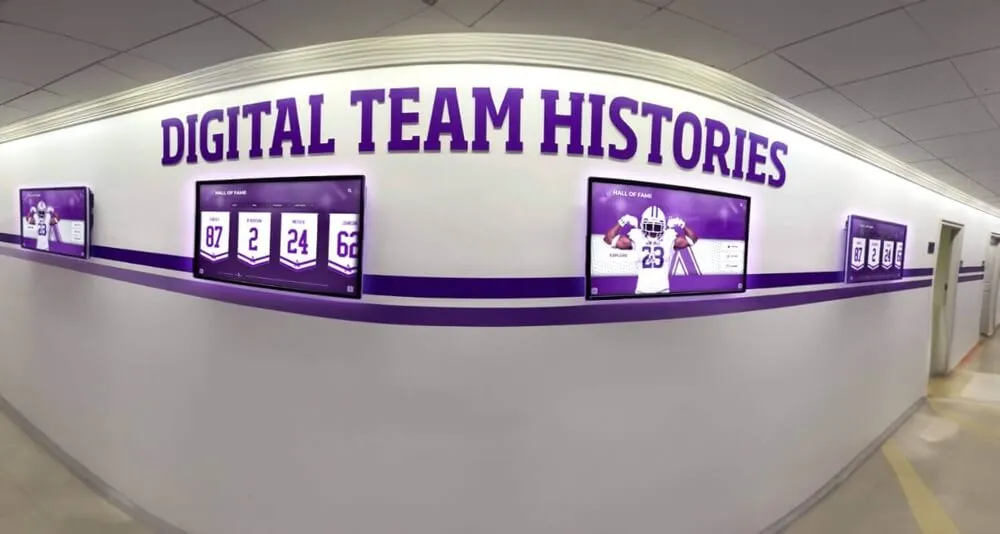
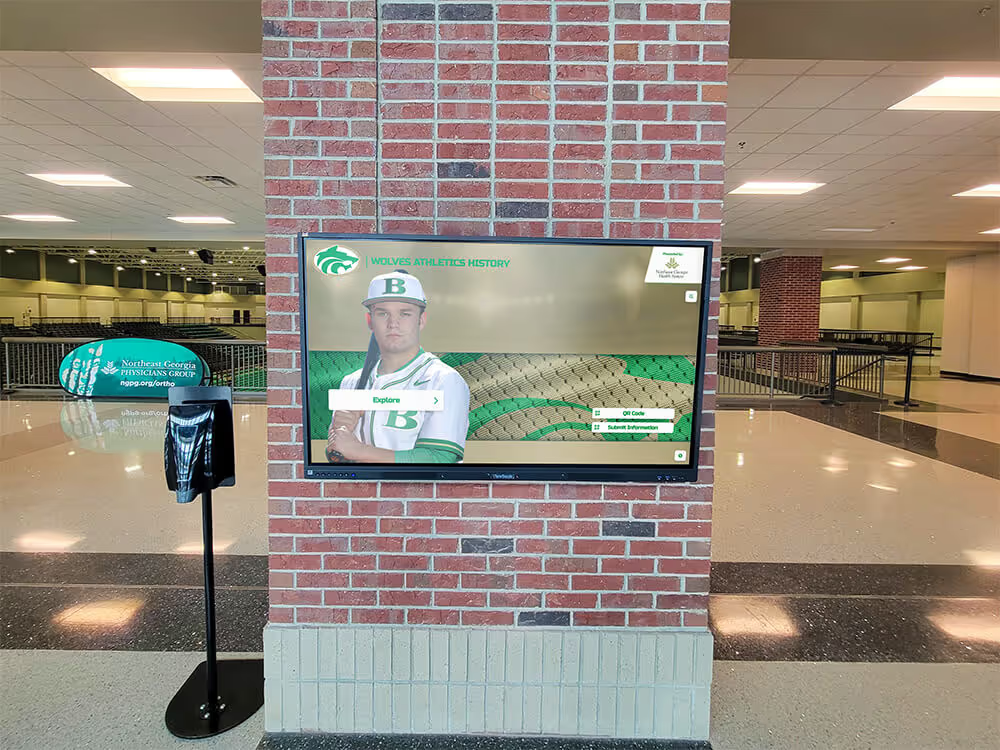
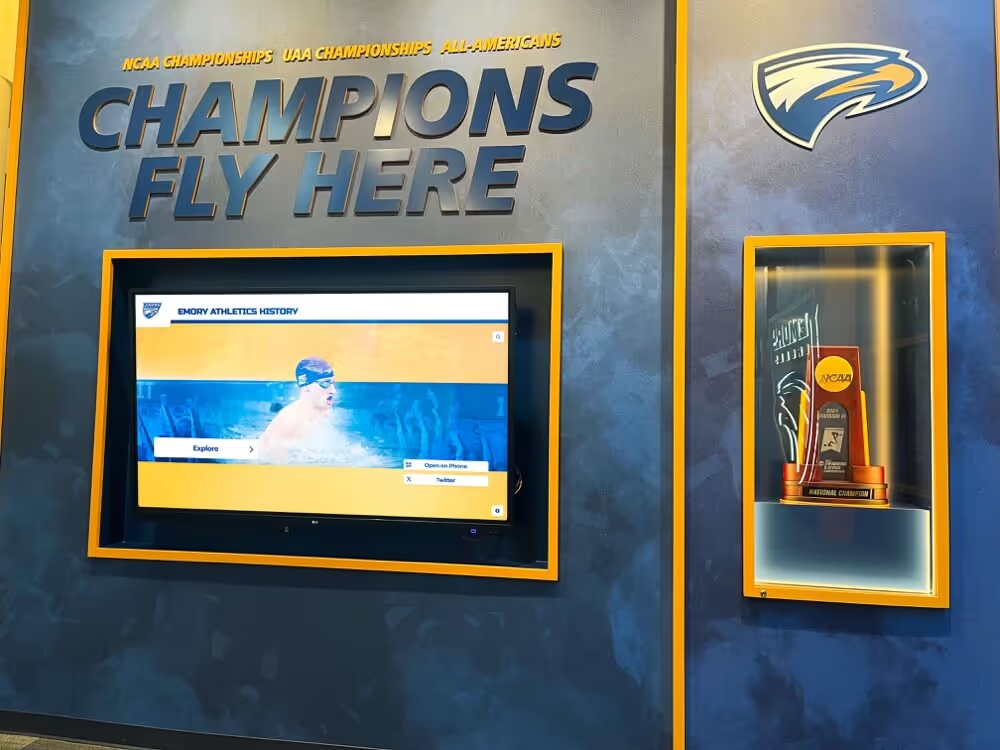
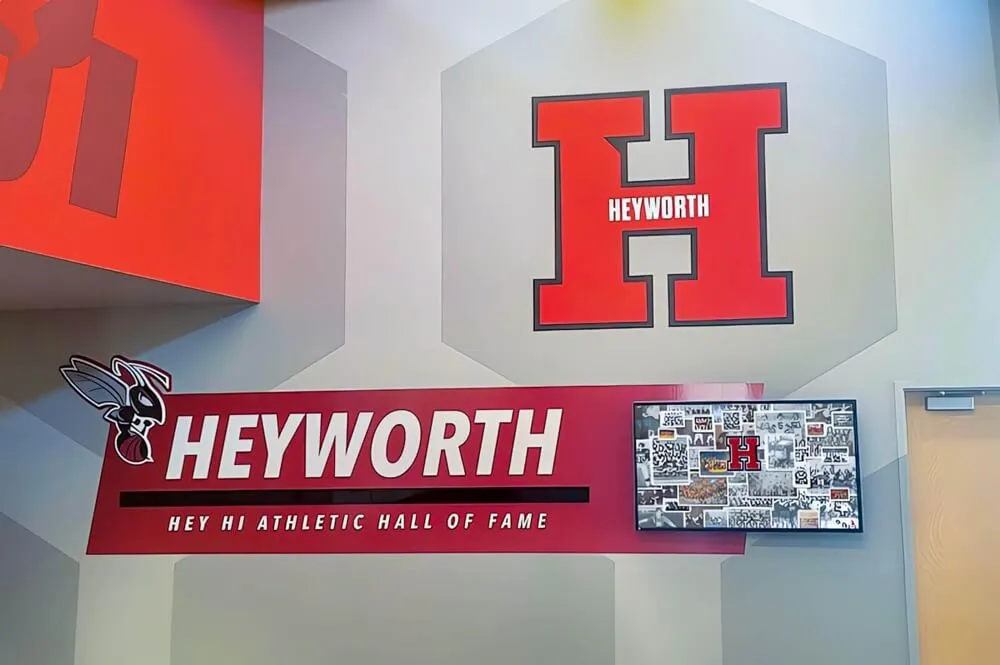
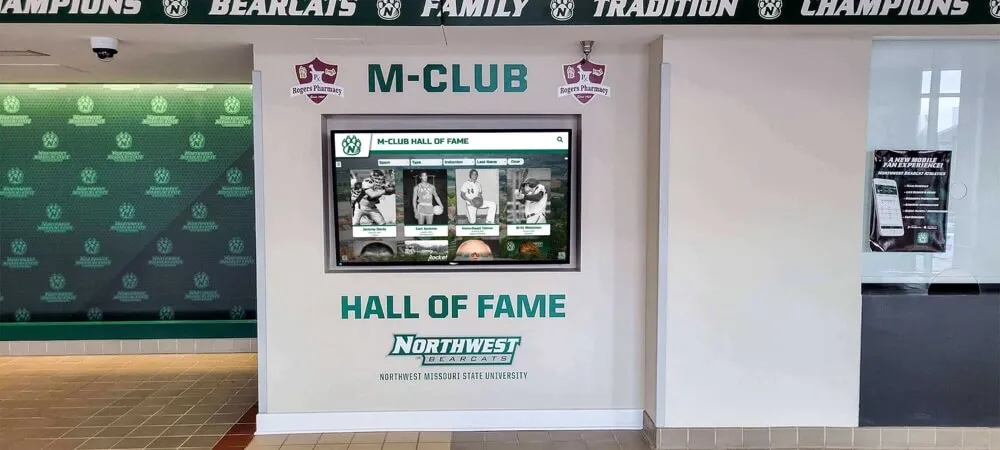
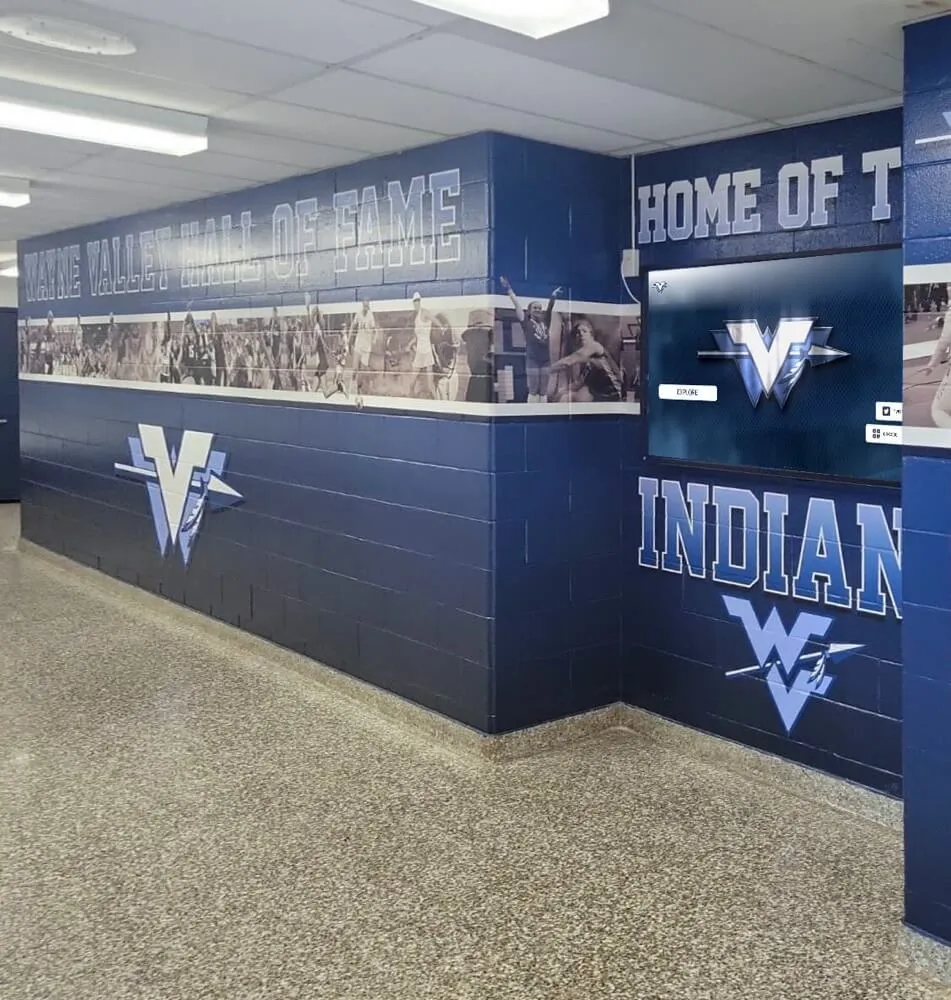
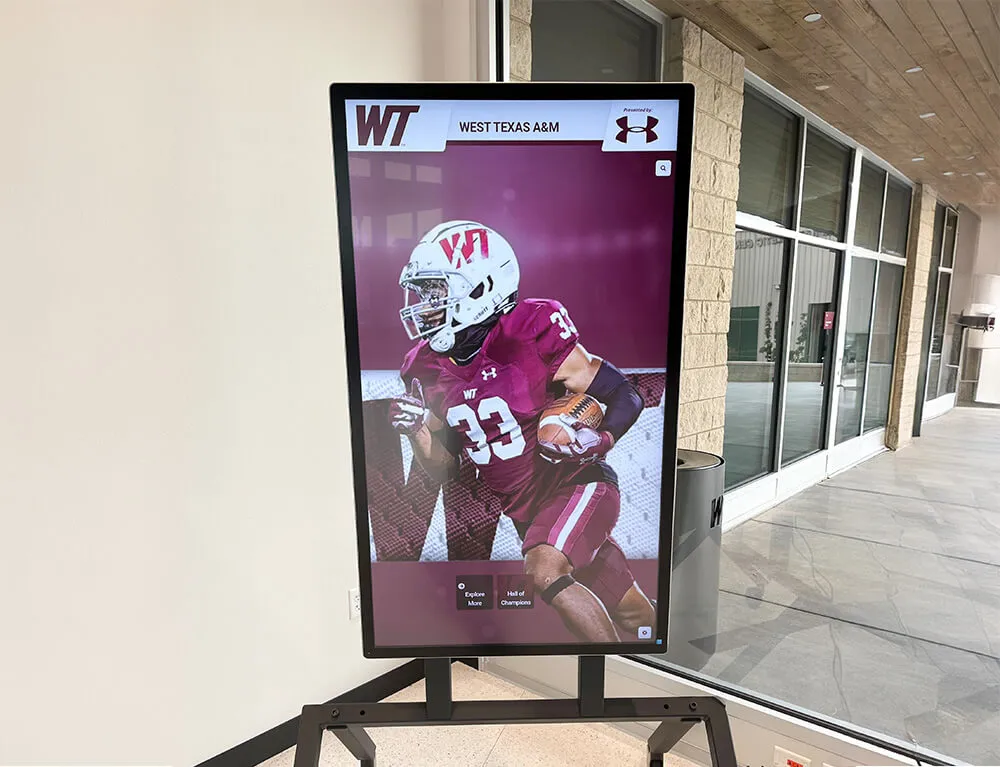
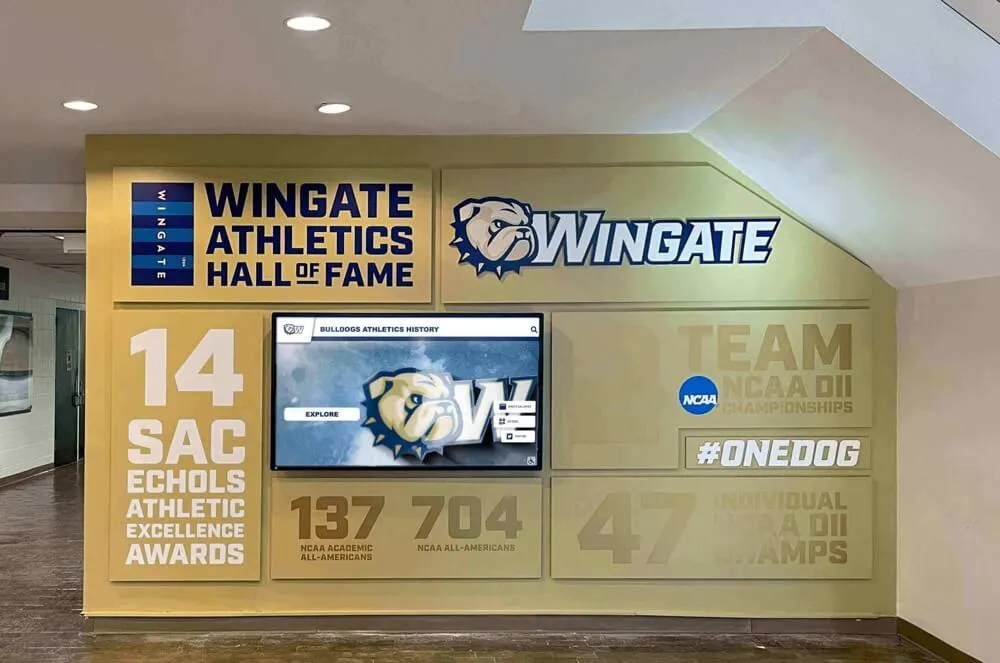
Modern donor recognition combines visual appeal with comprehensive storytelling, honoring supporters while inspiring continued philanthropic engagement
Why Donor Walls Matter for Nonprofit Success
Before exploring specific implementation approaches, understanding why donor recognition matters helps nonprofits appreciate strategic value beyond simple courtesy.
The Business Case: How Recognition Drives Fundraising Results
Donor retention represents the single most important metric for sustainable fundraising. Research consistently demonstrates that acquiring new donors costs 5-10 times more than retaining existing supporters, yet first-time donor retention rates average just 40% when organizations fail to provide meaningful stewardship and recognition.
Recognition programs create measurable retention advantages through multiple mechanisms. Timely acknowledgment provides positive reinforcement for philanthropic behavior when emotions remain strong, significantly increasing probability of repeat gifts. Visible recognition builds community identity and belonging, reinforcing continued support through peer networks and social proof. Rich storytelling creates emotional connections transcending transactional giving relationships, transforming supporters from check-writers into invested partners advancing shared missions.
Consider the compounding impact of improved retention: an organization with 300 donors giving $500 annually experiences dramatic differences over five years based on recognition effectiveness:
Minimal Recognition (40% retention): After five years, approximately 98 active donors remain, generating $245,000 in cumulative revenue after accounting for acquisition costs.
Comprehensive Recognition (60% retention): After five years, approximately 253 active donors remain, generating $632,500 in cumulative revenue after accounting for acquisition costs.
This $387,500 difference from identical starting points demonstrates transformational impact recognition effectiveness creates on fundraising sustainability—converting constant donor acquisition treadmills into predictable revenue streams built on loyal supporter relationships.
Beyond Gratitude: Strategic Recognition Benefits
Effective donor walls serve multiple strategic purposes simultaneously:
Cultivation and Major Gift Development: Recognition displays provide powerful cultivation tools during facility tours, prospect meetings, and development conversations. Visible acknowledgment demonstrates recognition philosophy tangibly while providing peer social proof showing respected community members celebrated for significant contributions. Development officers report that prospects exposed to comprehensive recognition during cultivation convert to major gifts at 20-30% higher rates than those without recognition exposure.
Transparency and Stewardship Accountability: Public recognition featuring outcomes contributions enable creates ongoing transparency demonstrating faithful stewardship. This accountability builds confidence that future gifts will be managed responsibly—particularly important for planned giving conversations about enduring legacy investments.
Community Building and Mission Visibility: Recognition displays serve broader purposes beyond individual acknowledgment, creating visible demonstrations of community support inspiring additional engagement. Visitors encountering comprehensive donor recognition often ask development teams how they can contribute—transforming passive observers into active prospects through inspiration alone.
Organizations implementing strategic donor recognition consistently report retention improvements of 15-25 percentage points, major gift increases of 18-27%, and donor satisfaction gains exceeding 30%—demonstrating direct connections between meaningful recognition and fundraising success.
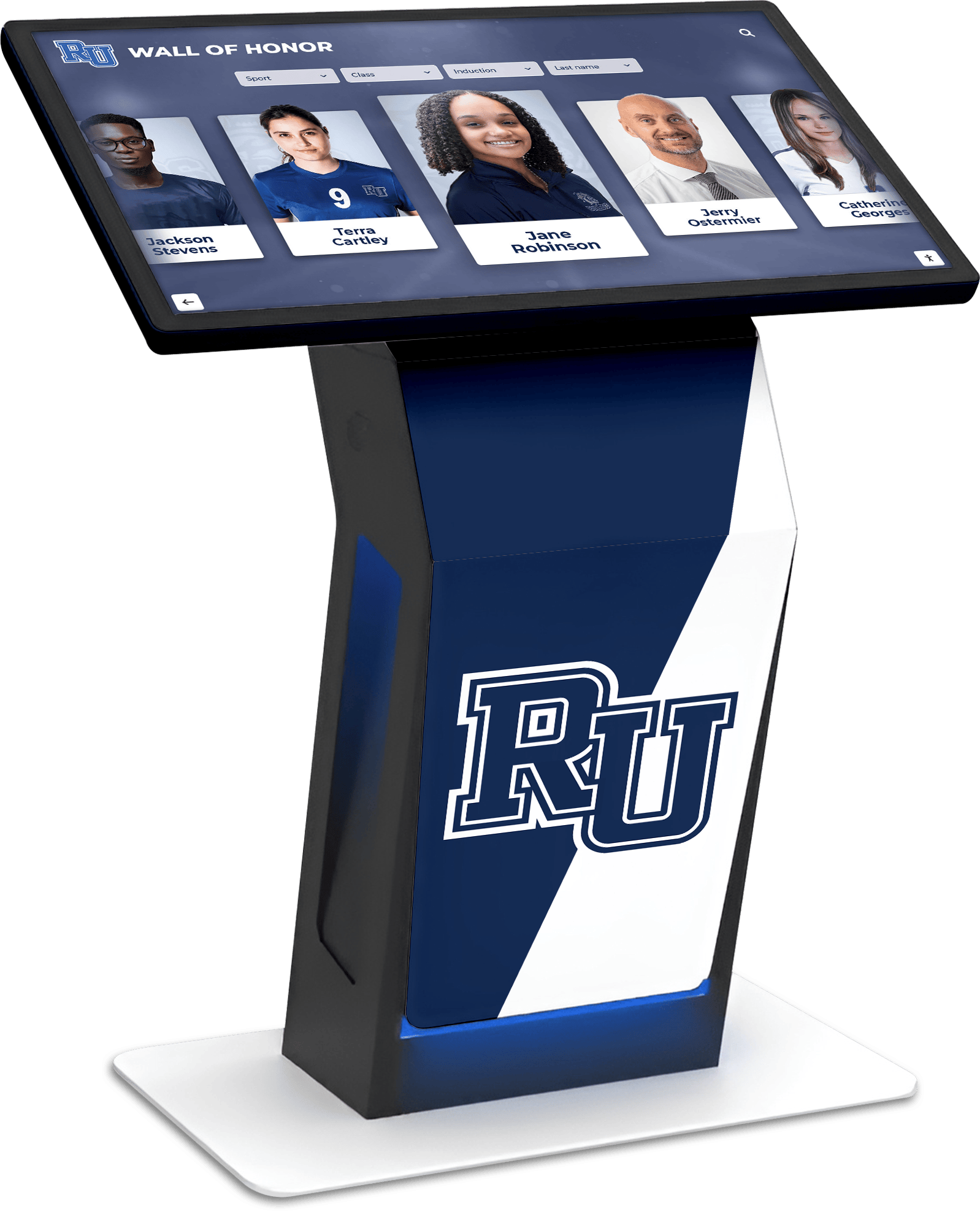
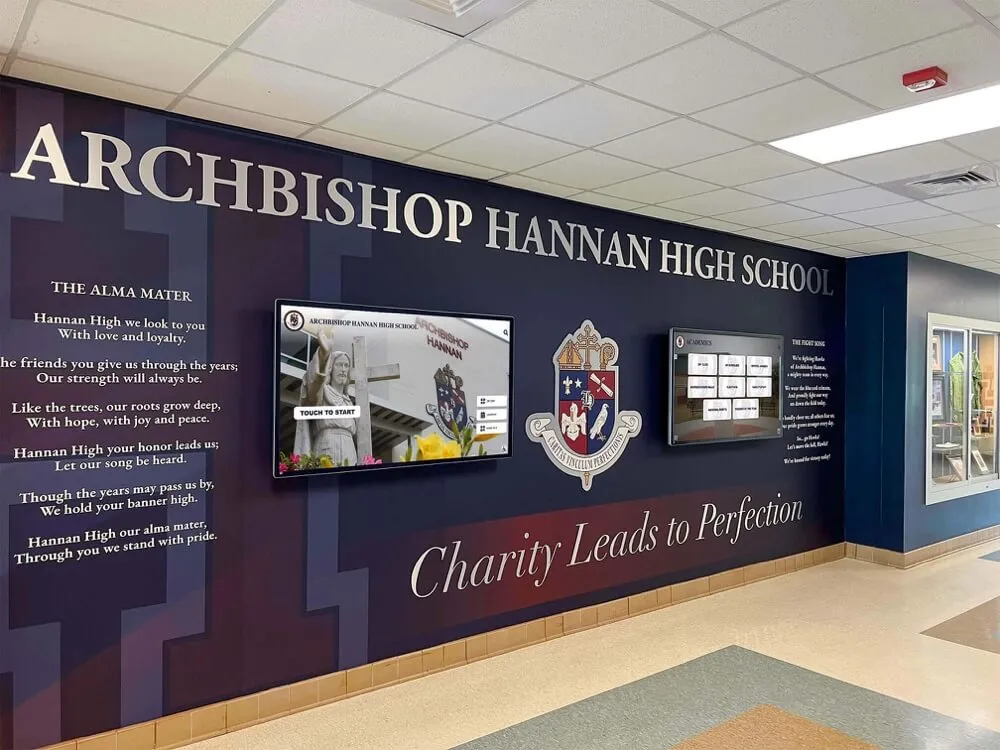
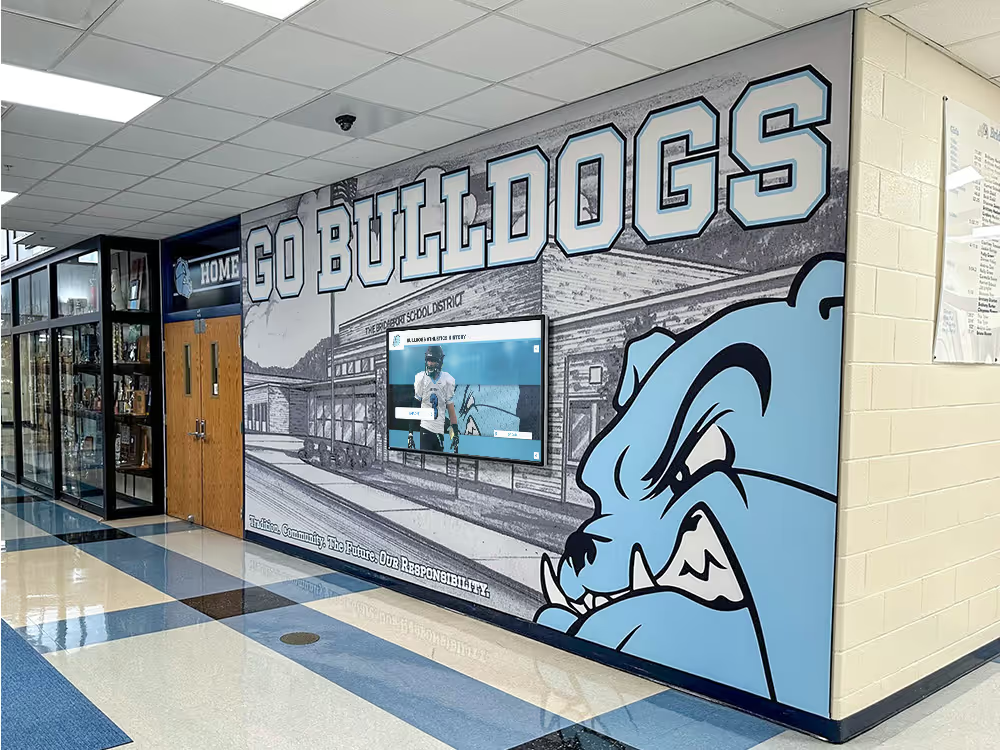
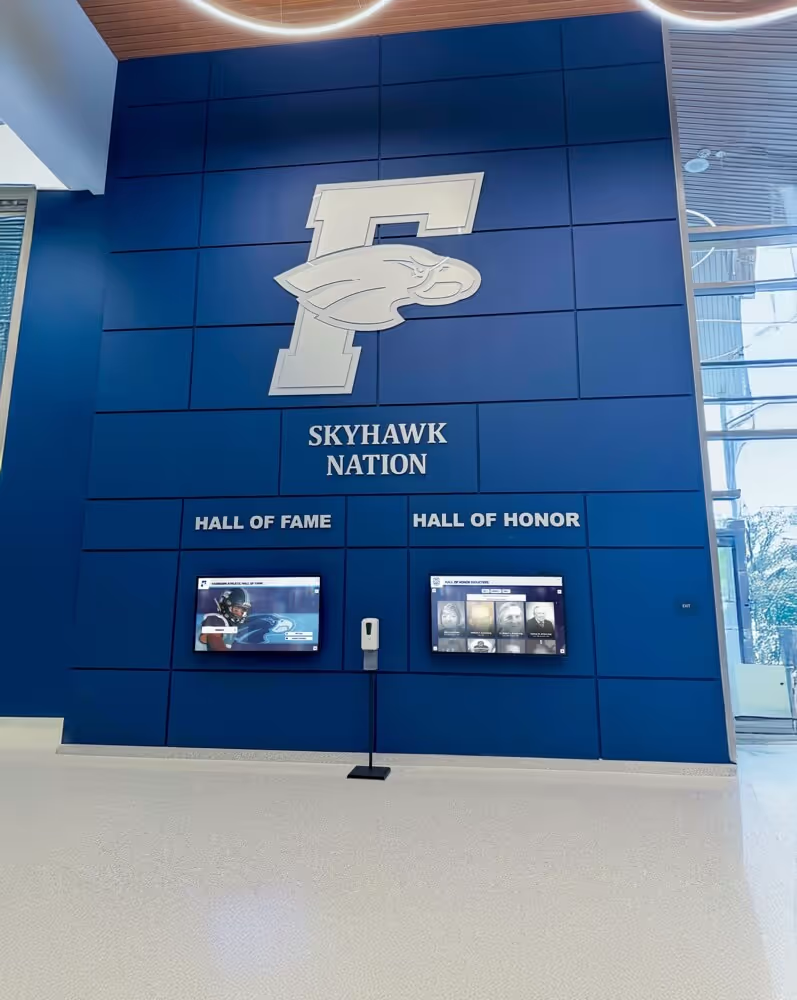
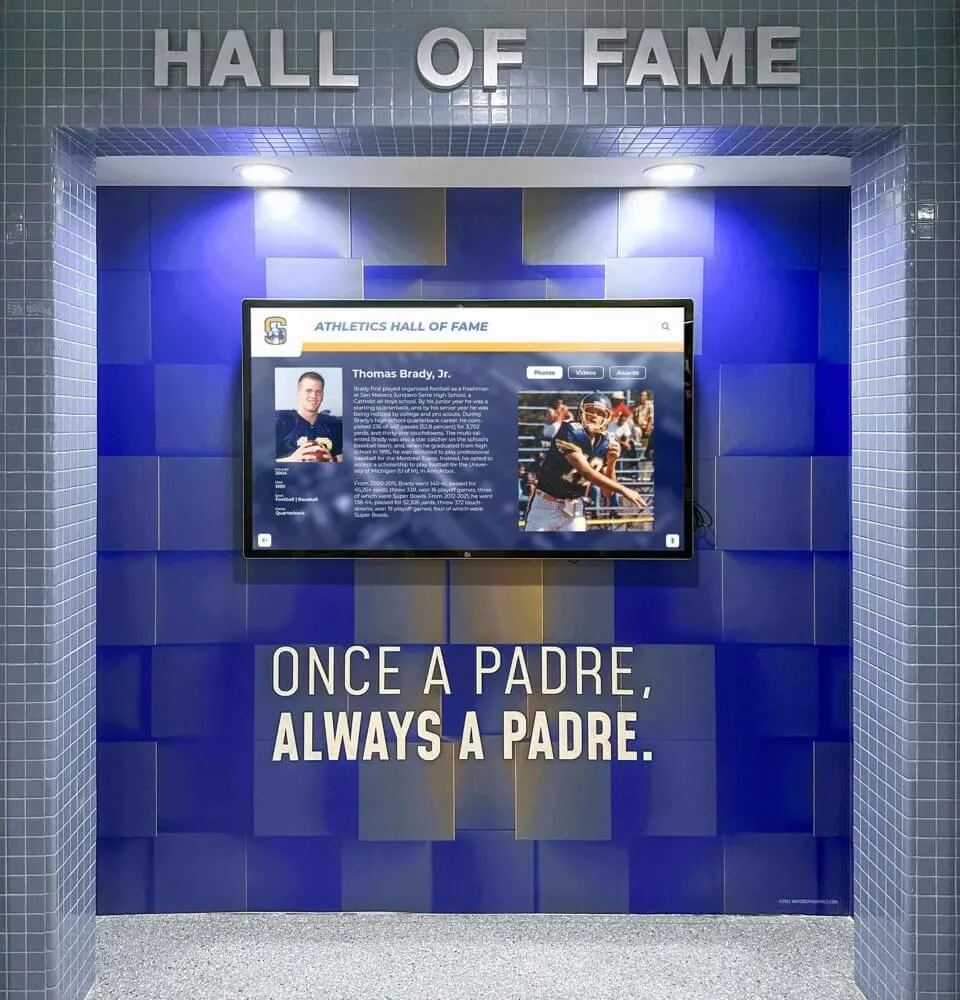
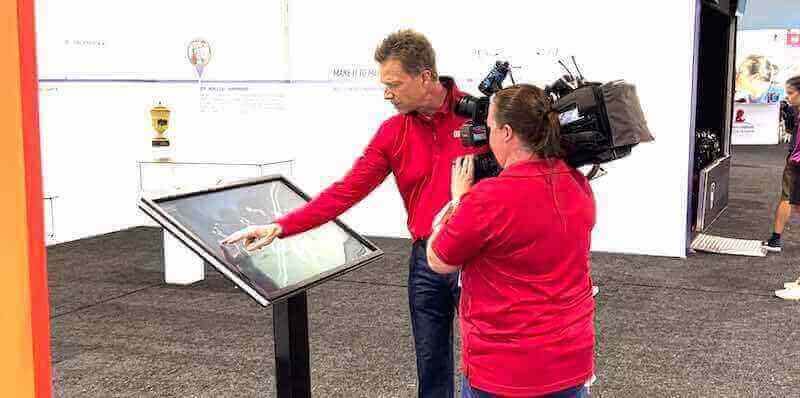
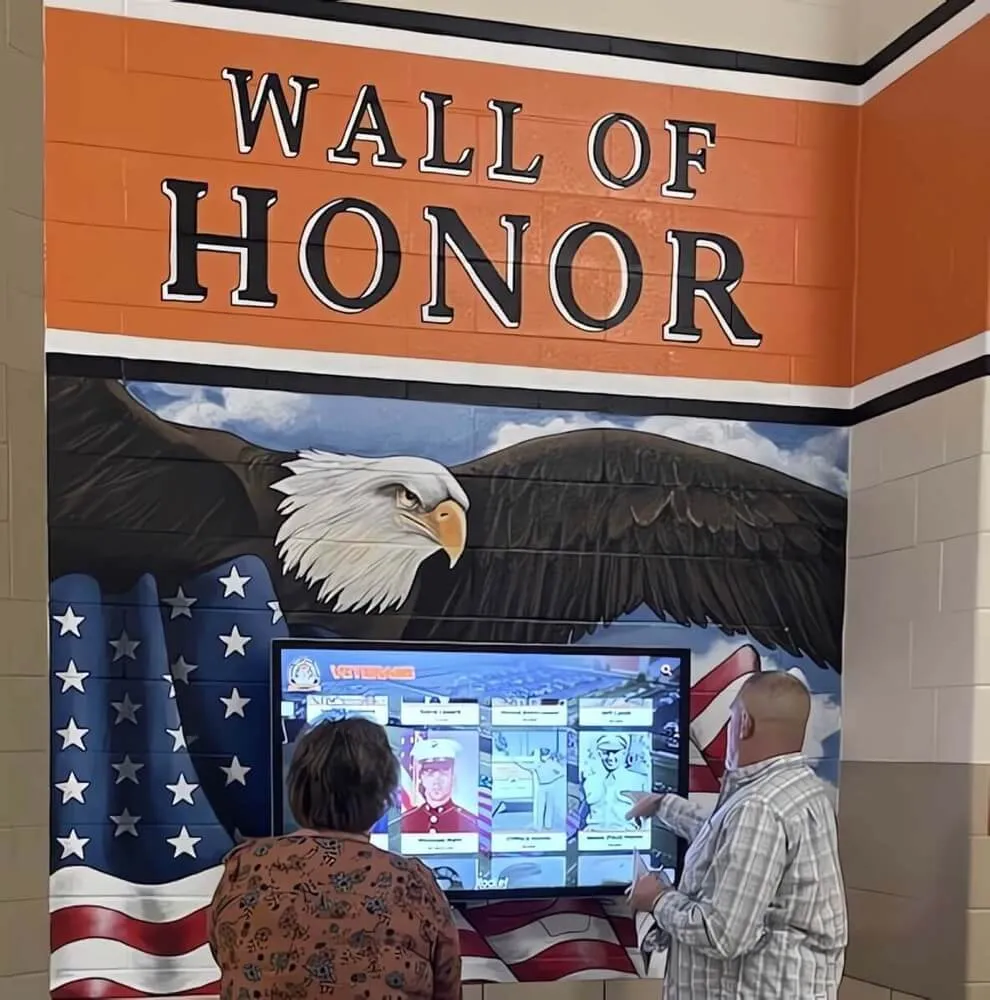
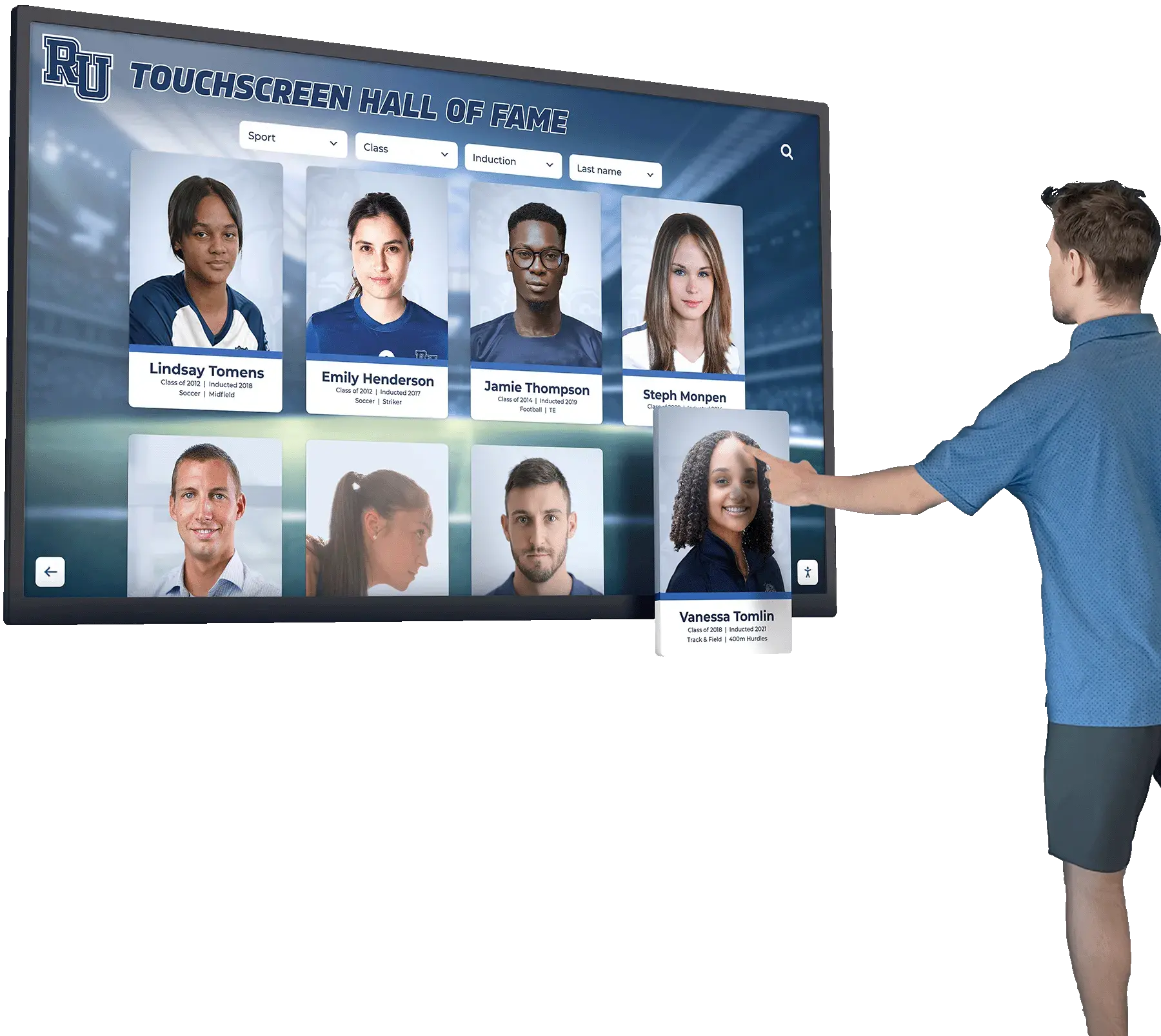
Purpose-built recognition kiosks enable interactive exploration, allowing visitors to search for supporters and discover impact stories
Planning Your Nonprofit Donor Wall: Key Considerations
Successful donor recognition requires systematic planning aligning acknowledgment with organizational culture, donor preferences, and development priorities.
Defining Recognition Philosophy and Criteria
Clear recognition principles ensure programs maintain credibility and fairness while serving strategic goals.
Recognition Philosophy Development: Articulate core principles guiding your approach, including acknowledgment purposes beyond simple courtesy, balance between comprehensive recognition and meaningful differentiation, integration with broader stewardship strategies, respect for diverse donor preferences and privacy considerations, and commitment to sustained program maintenance and content quality.
Minimum Recognition Thresholds: Determine what contribution levels qualify for donor wall recognition. Common approaches include universal recognition where all donors regardless of amount receive inclusion, minimum thresholds establishing entry points (often $100, $500, $1,000, or $5,000+), or giving circle structures reserving wall recognition for named society members while acknowledging others through alternative channels like annual reports or websites.
Decisions should balance broad recognition building inclusive donor communities against meaningful differentiation ensuring major gifts receive appropriately elevated acknowledgment. Many nonprofits implement tiered recognition with profile depth and prominence increasing alongside contribution levels.
Cumulative vs. Single-Gift Recognition: Establish whether recognition reflects individual gifts in isolation, cumulative lifetime giving across entire donor relationships, or hybrid approaches combining campaign-specific recognition with institutional walls acknowledging cumulative support. Cumulative recognition encourages sustained support as donors work toward higher tiers over time, while single-gift recognition proves particularly effective during capital campaigns seeking large one-time commitments.
Budget Planning: Understanding Investment Requirements
Comprehensive budgeting ensures recognition programs remain financially sustainable while generating positive returns through enhanced fundraising results.
Traditional Donor Wall Investment: Physical donor walls using engraved plaques, bronze nameplates, or carved recognition typically require:
- Initial design and fabrication: $15,000-$50,000 depending on size, materials, and complexity
- Installation and mounting: $3,000-$8,000 for professional installation
- Future expansion costs: $8,000-$25,000 when original wall reaches capacity
- Ongoing plaque additions: $150-$400 per donor for manufacturing and installation
- Correction costs: $150-$400 per error requiring replacement plaques
Digital Donor Wall Investment: Interactive recognition displays typically require:
- Hardware (commercial-grade touchscreens): $8,000-$25,000 for equipment rated for continuous public operation
- Software platform and implementation: $12,000-$25,000 for purpose-built recognition systems with cloud management
- Content development: $8,000-$20,000 for initial donor profile creation, photography, and multimedia content
- Installation and infrastructure: $3,000-$8,000 for professional mounting, electrical, and network connectivity
- Annual operating costs: $4,000-$10,000 for platform subscriptions, hosting, support, and content updates
While digital solutions require comparable initial investment, they eliminate future expansion costs and dramatically reduce ongoing maintenance expenses—typically generating positive ROI within 18-24 months through improved donor retention and operational efficiencies.
Hybrid Approaches: Many nonprofits implement combination strategies featuring traditional elements for aesthetic appeal with digital components providing unlimited capacity, instant updates, and rich storytelling capabilities. This approach balances heritage and prestige of traditional recognition with practical advantages modern technology provides.
Location Selection: Maximizing Visibility and Impact
Strategic placement ensures recognition reaches maximum audiences while maintaining appropriate dignity.
High-Impact Location Criteria: Optimal donor wall placements share these characteristics:
- Main building lobbies where all visitors naturally congregate
- Reception areas ensuring recognition reaches donors visiting for meetings
- Event and gathering spaces hosting fundraising programs and celebrations
- Institutional landmarks in historically significant or newly renovated facilities
- High-traffic corridors connecting frequently-used spaces ensuring consistent visibility
Consider both traffic volume and audience composition—locations with modest total visitors but high donor concentration often outperform higher-traffic areas where few visitors represent donors or prospects. Analyze your facility usage patterns, identifying spaces where supporters naturally gather and recognition would feel contextually appropriate.
Accessibility and Inclusion Requirements: Ensure installations accommodate all visitors through ADA-compliant mounting heights enabling comfortable wheelchair-user interaction, adequate lighting without screen glare ensuring readability, sufficient clearance allowing multiple simultaneous users, clear sight lines from primary pathways making displays discoverable, and comfortable viewing environments with seating enabling extended engagement.
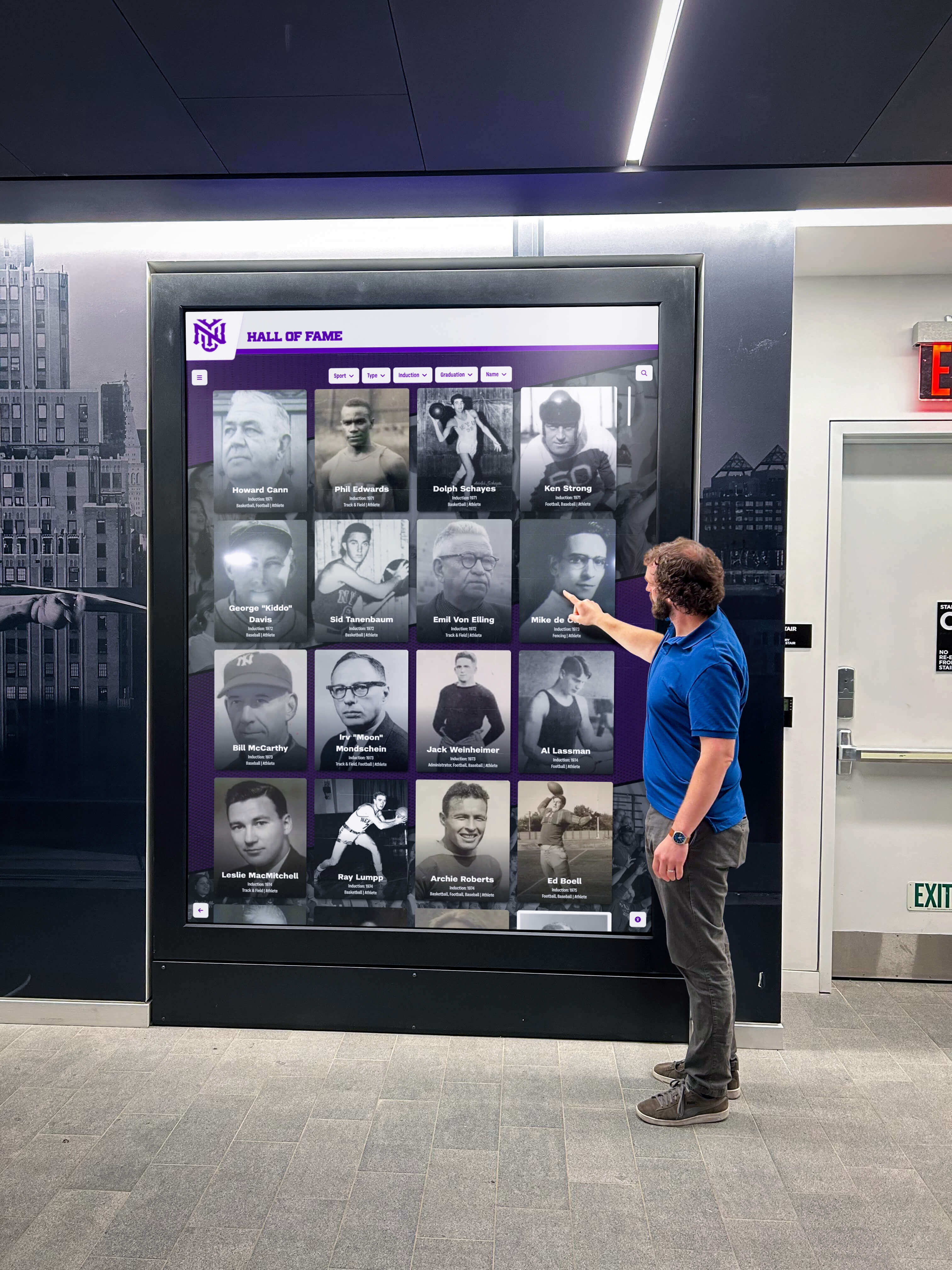
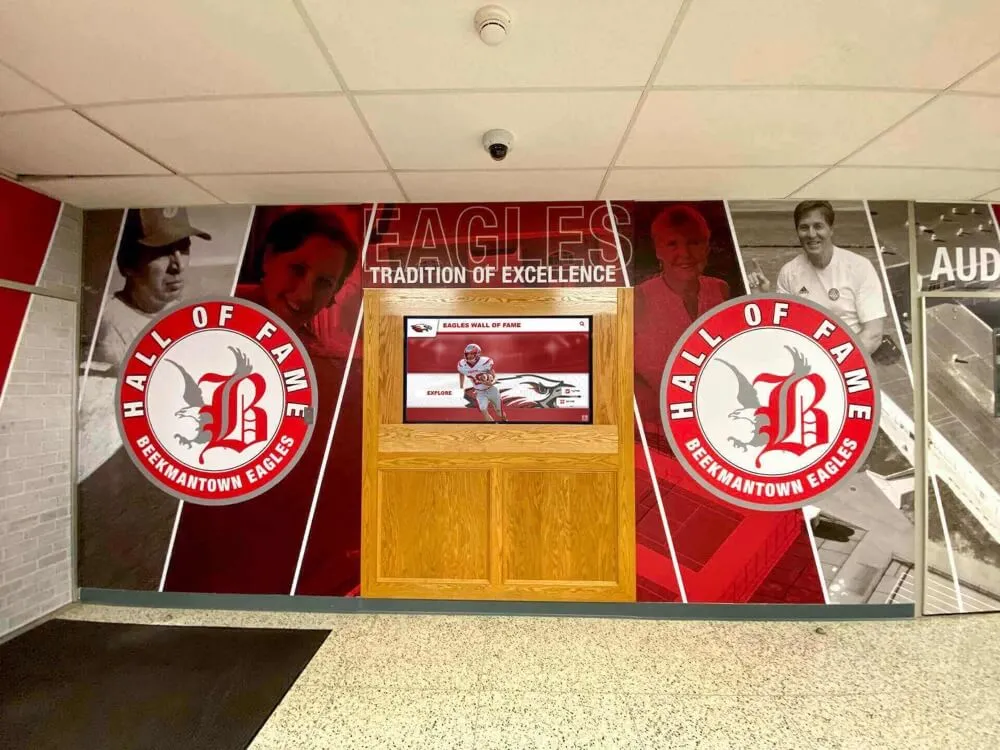
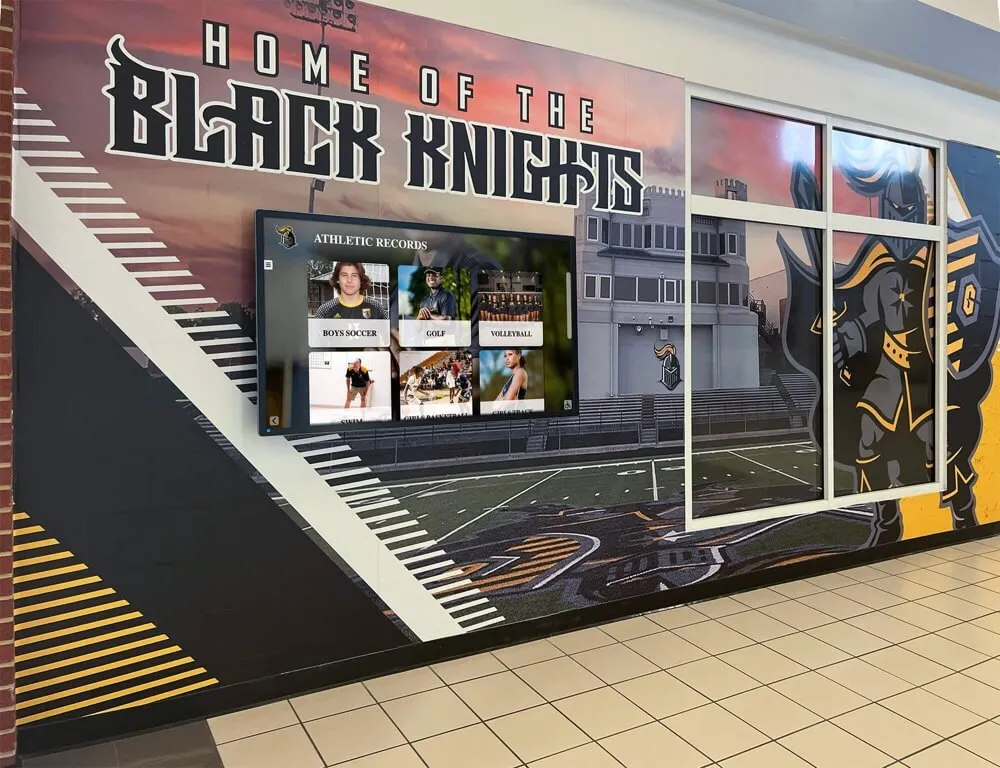
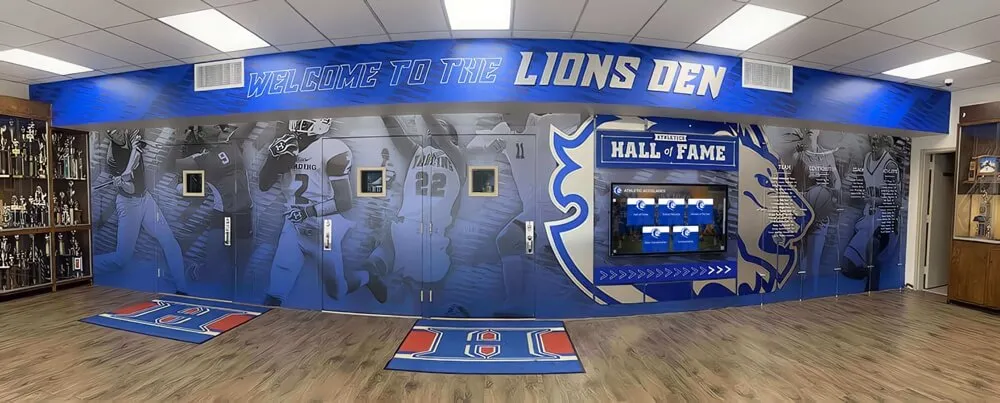
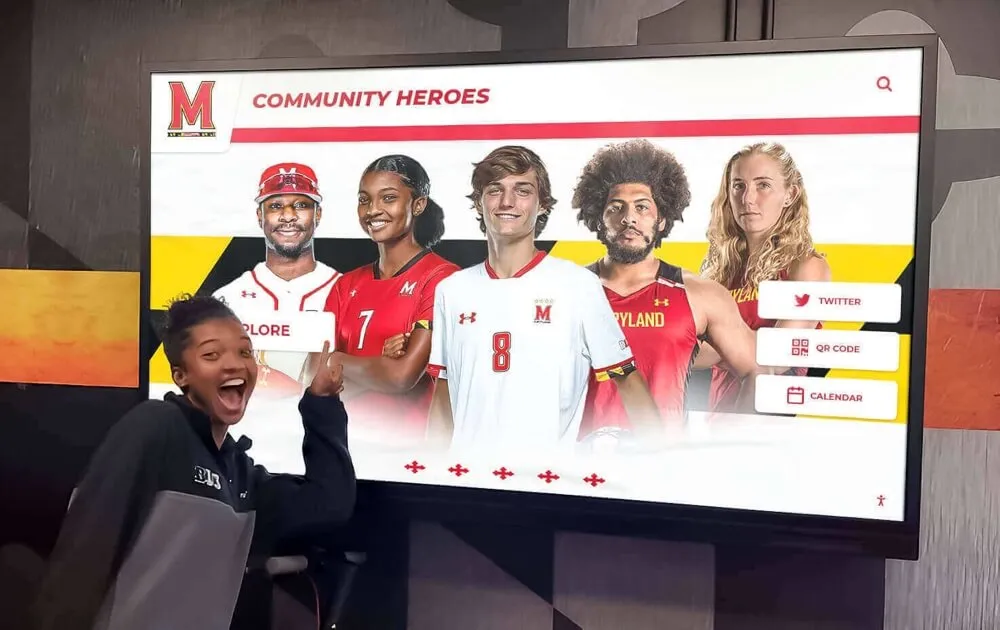
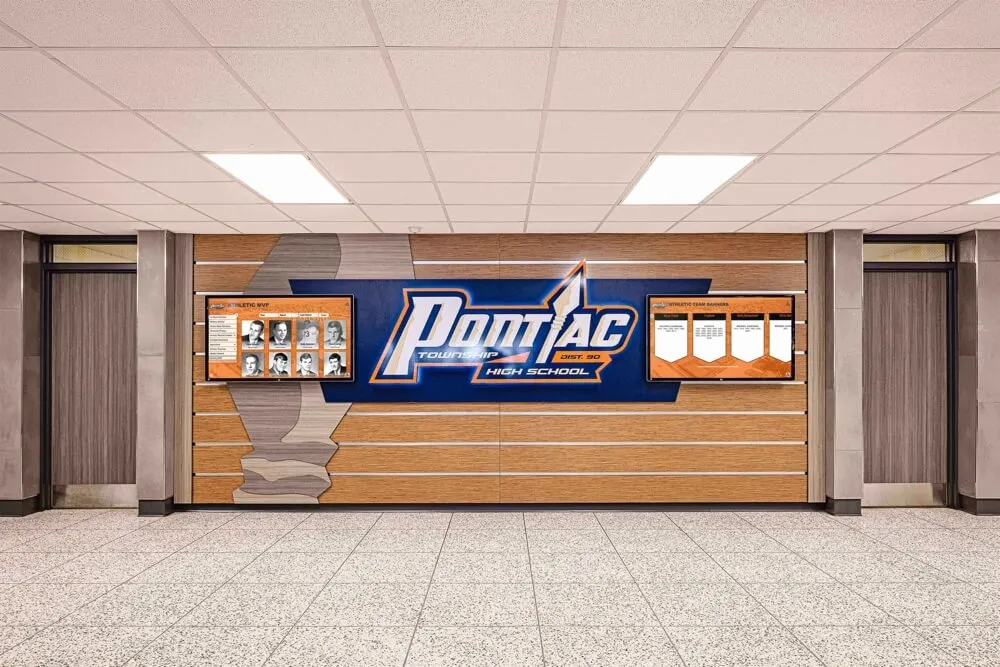
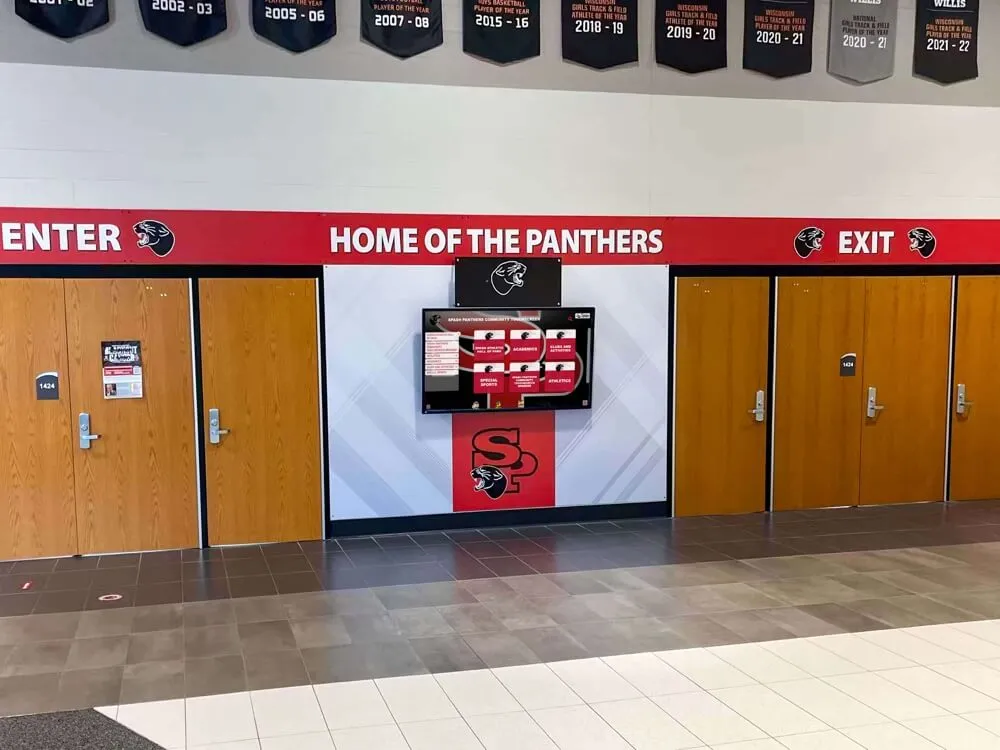
Strategic placement in high-traffic institutional spaces ensures recognition reaches broad audiences while celebrating philanthropic culture
10 Top Donor Wall Ideas for Nonprofits in 2026
Modern donor recognition encompasses diverse approaches combining traditional elegance with contemporary technology and creative presentation strategies.
1. Interactive Digital Donor Walls with Touchscreen Exploration
Digital recognition transforms static name lists into engaging experiences enabling visitors to explore supporter stories interactively.
Experience Layout: Large touchscreen displays (55"-75") mounted prominently in main lobbies feature intuitive interfaces with hero screens showcasing featured donors through rotating profiles, search functionality enabling visitors to find themselves or friends instantly, filter options organizing by giving level or recognition society, comprehensive profiles with photos, biographical narratives, and impact stories, and multimedia content including videos and testimonials impossible with traditional plaques.
Key Advantages: Unlimited recognition capacity accommodating thousands of donors without space constraints, instant content updates adding new supporters within hours of gift processing, rich storytelling creating emotional engagement through comprehensive profiles, accessibility features including text sizing and high-contrast modes, and analytics revealing which content resonates most powerfully with visitors.
Implementation Considerations: Solutions like Rocket Alumni Solutions provide purpose-built platforms designed specifically for nonprofit recognition rather than generic digital signage adapted for donor acknowledgment. These specialized systems understand unique requirements including privacy controls, giving level differentiation, and development office workflows.
Organizations implementing interactive digital donor walls report visitor engagement averaging 6-9 minutes compared to 30-60 seconds with traditional plaques—creating dramatically deeper connections with both supporters and organizational missions. Explore donor recognition wall ideas for additional creative approaches combining traditional and modern elements.
2. Living Legacy Walls Celebrating Multi-Generational Giving
Multi-generational recognition honors families whose sustained support spans decades, creating aspirational models inspiring future legacy giving.
Experience Layout: Dedicated wall sections or displays organize donors by family lineage, featuring family name prominently with individual member profiles beneath showing decades of combined support. Biographical content explains family connections to organizations—how relationships began, what inspired initial gifts, how subsequent generations maintained commitments, and what impact collective giving created over time.
Content Strategy: Historical photographs showing family members across generations engaged with programs, timeline visualizations placing family giving within organizational history context, cumulative impact metrics quantifying outcomes family philanthropy enabled, testimonials from current family members explaining why they continue supporting missions, and invitation content encouraging other families to establish similar multi-generational legacies.
Emotional Impact: Multi-generational recognition proves particularly powerful for planned giving cultivation, demonstrating how estate gifts extend family legacies beyond individual lifetimes. Prospects viewing these displays frequently initiate legacy giving conversations, inspired by examples showing lasting significance such commitments create.
3. Impact Story Galleries Connecting Gifts to Outcomes
Recognition emphasizing outcomes contributions enable creates deeper emotional engagement than purely transactional acknowledgment of financial gifts.
Experience Layout: Organize recognition by impact area—scholarships, programs, facilities, research, or mission categories specific to your organization. Within each section, feature comprehensive impact stories showing specific outcomes donor support created: scholarship profiles introducing students whose education gifts funded, program success stories highlighting achievements donor contributions enabled, facility usage metrics demonstrating community benefit spaces provide, or research breakthroughs explaining real-world applications discoveries created.
Donor Integration: Connect individual donors or donor groups to specific outcomes through explicit attribution—“This scholarship program is made possible by the generous support of…” or “These facilities serve our community thanks to…” This direct connection helps supporters understand exactly what their philanthropy accomplishes rather than vaguely contributing to general operations.
Design Approach: Large-format photography or video showing programs in action, infographics visualizing impact metrics and outcomes, before-and-after presentations demonstrating transformation contributions enabled, and beneficiary testimonials adding authentic voices expressing gratitude. Nonprofit recognition focusing on mission impact rather than donor ego often resonates more powerfully with values-driven supporters.
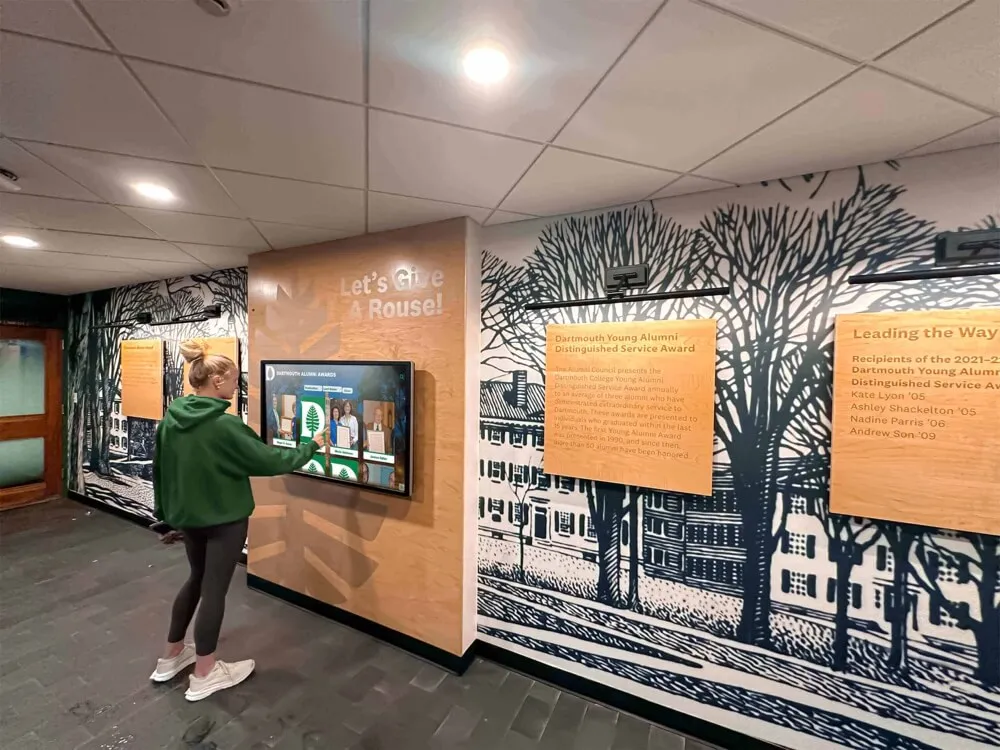
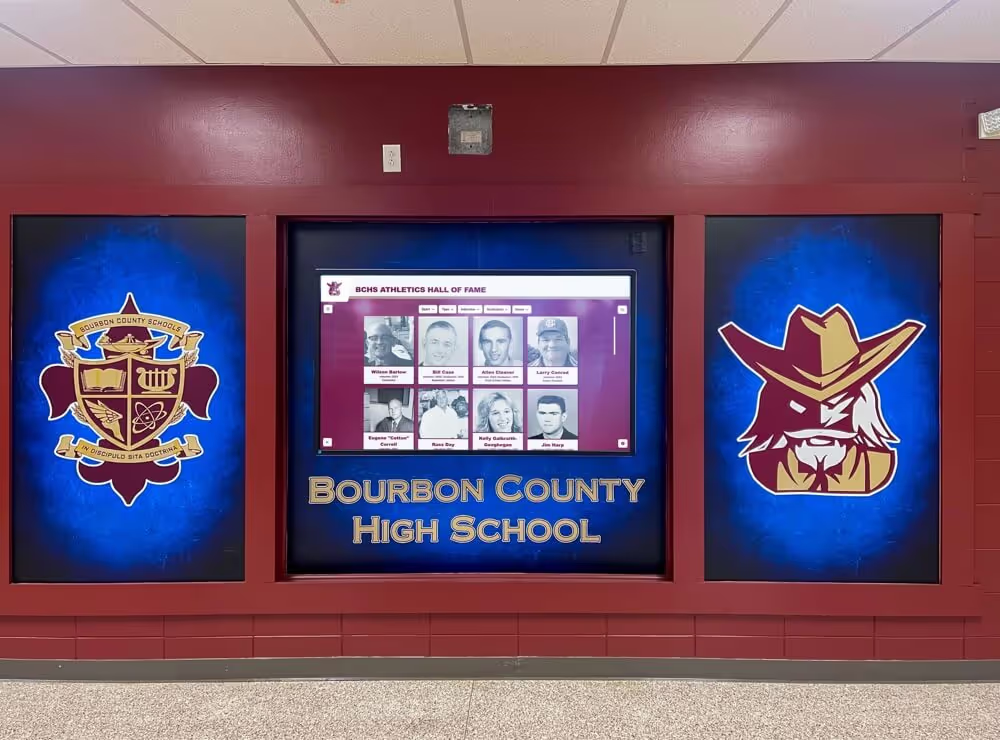
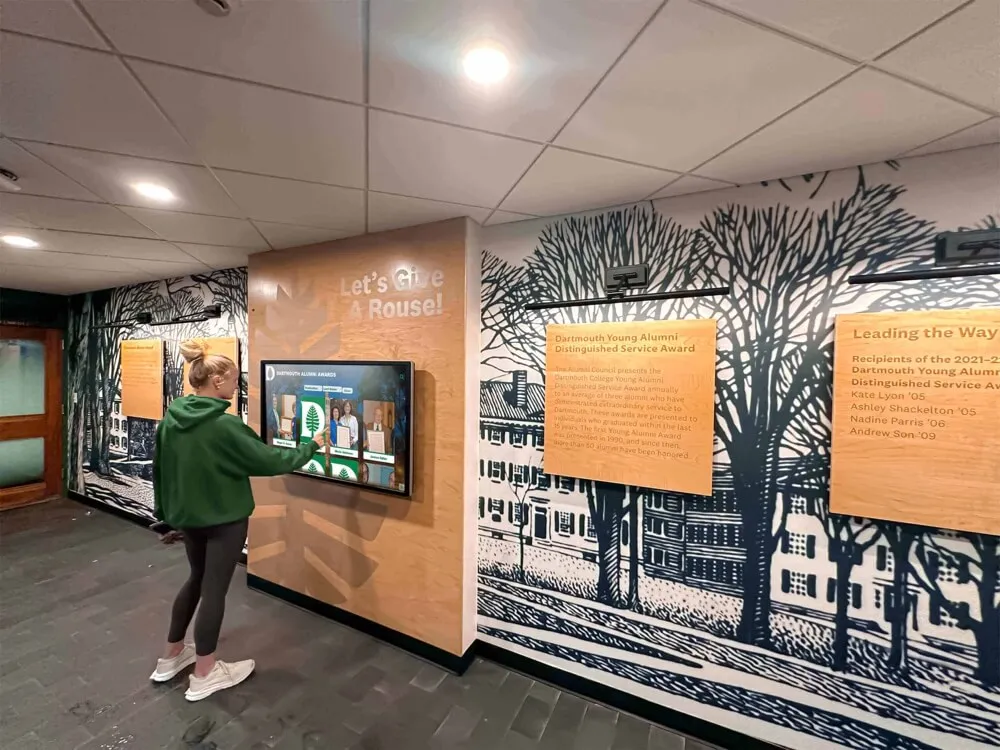
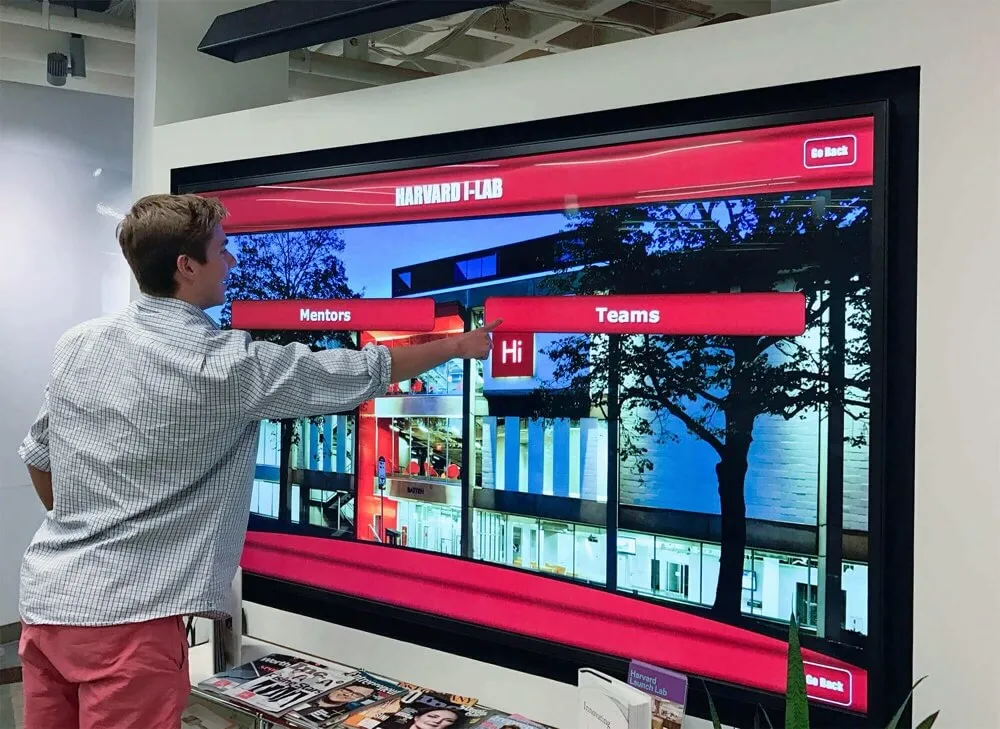
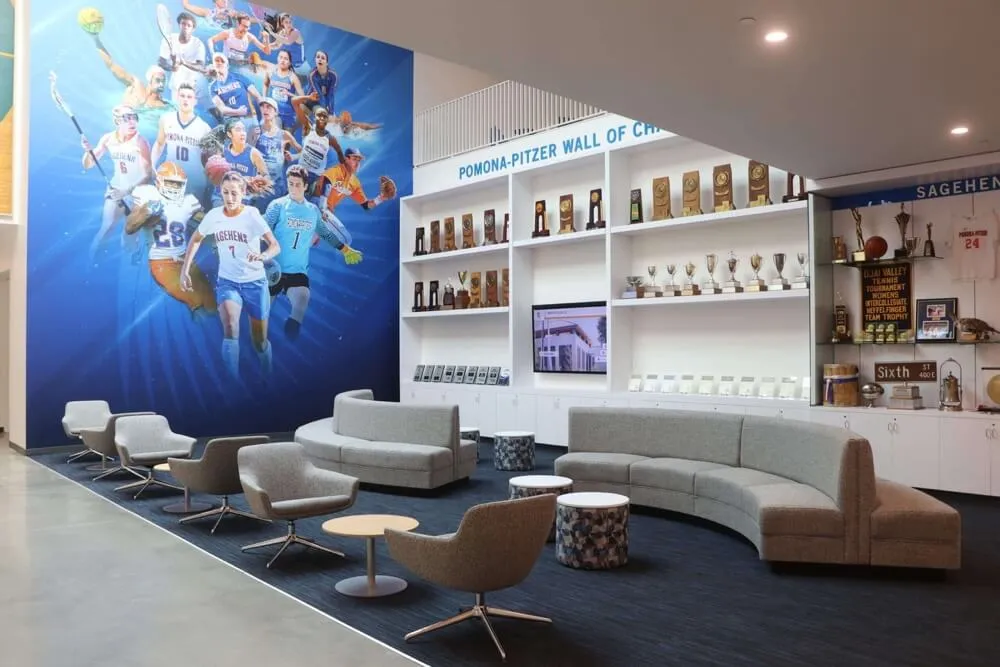
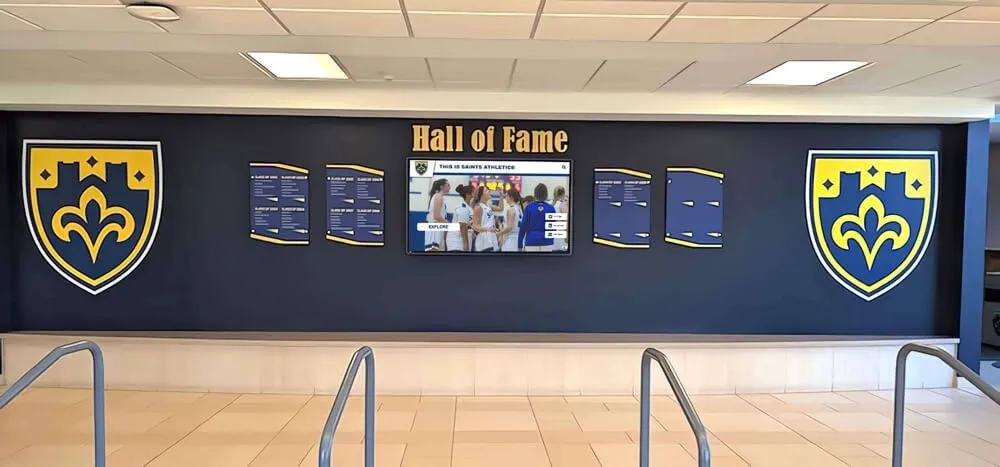
Comprehensive recognition spaces blend architectural design with technology, creating environments encouraging extended exploration
4. Donor Journey Timelines Showing Organizational Evolution
Historical timeline approaches place current philanthropy within broader institutional narratives, demonstrating how past support built present capacity.
Experience Layout: Create visual timelines spanning organizational history from founding through present day. Mark significant milestones—facility openings, program launches, expansion initiatives, or mission breakthroughs. Connect each milestone to philanthropic support enabling achievement, recognizing donors who funded facilities, established programs, or supported capacity during critical growth periods.
Content Strategy: Historical photographs showing organization at various stages, contextual information explaining challenges faced and overcome, donor profiles for supporters whose gifts enabled specific advances, and forward-looking content inviting current supporters to help write next chapters through continued engagement.
Audience Connection: Timeline approaches prove especially effective for organizations with long histories, connecting newer supporters to proud traditions while demonstrating that contemporary philanthropy continues legacies established by earlier generations. This historical context creates belonging feelings and reinforces that current giving represents participation in larger missions transcending individual contributions.
5. Giving Circle Recognition Societies with Tiered Displays
Structured giving societies create aspiration pathways encouraging gift progression while building donor communities around shared commitment levels.
Recognition Framework: Implement tiered society structure with clear giving levels:
- Founder’s Circle ($100,000+ cumulative or $25,000+ annually)
- Leadership Circle ($50,000-$99,999 cumulative or $10,000-$24,999 annually)
- Benefactor Society ($25,000-$49,999 cumulative or $5,000-$9,999 annually)
- Patron Society ($10,000-$24,999 cumulative or $2,500-$4,999 annually)
- Partner Circle ($5,000-$9,999 cumulative or $1,000-$2,499 annually)
- Friend Community ($1,000-$4,999 cumulative or $500-$999 annually)
Visual Differentiation: Design recognition distinguishing society levels through profile depth, display prominence, spatial allocation, or visual treatment—ensuring elevated acknowledgment matches contribution significance while maintaining dignity across all levels.
Society Benefits: Beyond recognition, offer exclusive benefits including special events with leadership, behind-the-scenes tours, printed society directories, priority communication and impact reporting, and recognition at cultivation events. These benefits transform recognition from simple acknowledgment into ongoing relationship-building opportunities. Learn about effective donor recognition strategies integrating societies with comprehensive development programs.
6. Campaign-Specific Recognition Celebrating Initiative Success
Capital campaigns and major initiatives deserve dedicated recognition highlighting collective achievement toward specific goals.
Experience Layout: Create displays focused exclusively on particular campaigns—building funds, endowment initiatives, program expansions, or strategic priorities. Feature campaign objectives and outcomes prominently, explaining what goals were established, what collective fundraising achieved, what impact campaign success created, and how community came together around shared vision.
Donor Organization: Recognize all campaign contributors organized by giving level or leadership position. Highlight campaign chairs, committee members, lead gift donors, and matching grant providers—celebrating not just financial contributions but leadership and advocacy that inspired broader community support.
Visual Storytelling: Before-and-after photography showing transformation campaign enabled, construction progress documentation for building projects, usage statistics demonstrating community benefit, testimonials from beneficiaries experiencing impact, and financial transparency showing how campaign funds were deployed responsibly.
Long-Term Value: Campaign-specific recognition serves dual purposes—honoring supporters who funded specific initiatives while inspiring confidence in future campaigns by demonstrating organizational capacity to execute vision successfully and recognize supporters appropriately.
7. Memorial and Tribute Donor Walls Honoring Loved Ones
Many nonprofit gifts honor deceased loved ones or celebrate important people in donors’ lives, creating opportunities for meaningful recognition respecting these special designations.
Experience Layout: Dedicate wall sections or separate displays specifically for memorial and tribute giving. Feature honored individuals prominently alongside donor information, including photographs when families provide them, brief biographical information celebrating lives and accomplishments, connections explaining relationships to organizations or causes, and context showing how memorial gifts continue legacies through mission advancement.
Sensitive Presentation: Memorial recognition requires special care respecting grief while celebrating faithful lives. Design approaches balancing dignity and warmth—avoiding overly somber presentations while maintaining appropriate reverence. Many organizations use softer color palettes, inspirational quotes, or spiritual imagery when appropriate to audience and context.
Family Engagement: Invite family members to contribute content—providing photographs, writing biographical narratives, or sharing favorite memories. This collaborative approach creates deeper family connections to organizations while ensuring recognition authentically honors deceased loved ones in ways families appreciate.
Permanent Legacy: Memorial recognition demonstrates how gifts extend influence beyond individual lifetimes, creating lasting impact honoring cherished memories. This enduring significance often inspires additional memorial giving as families observe how organizations celebrate loved ones meaningfully.
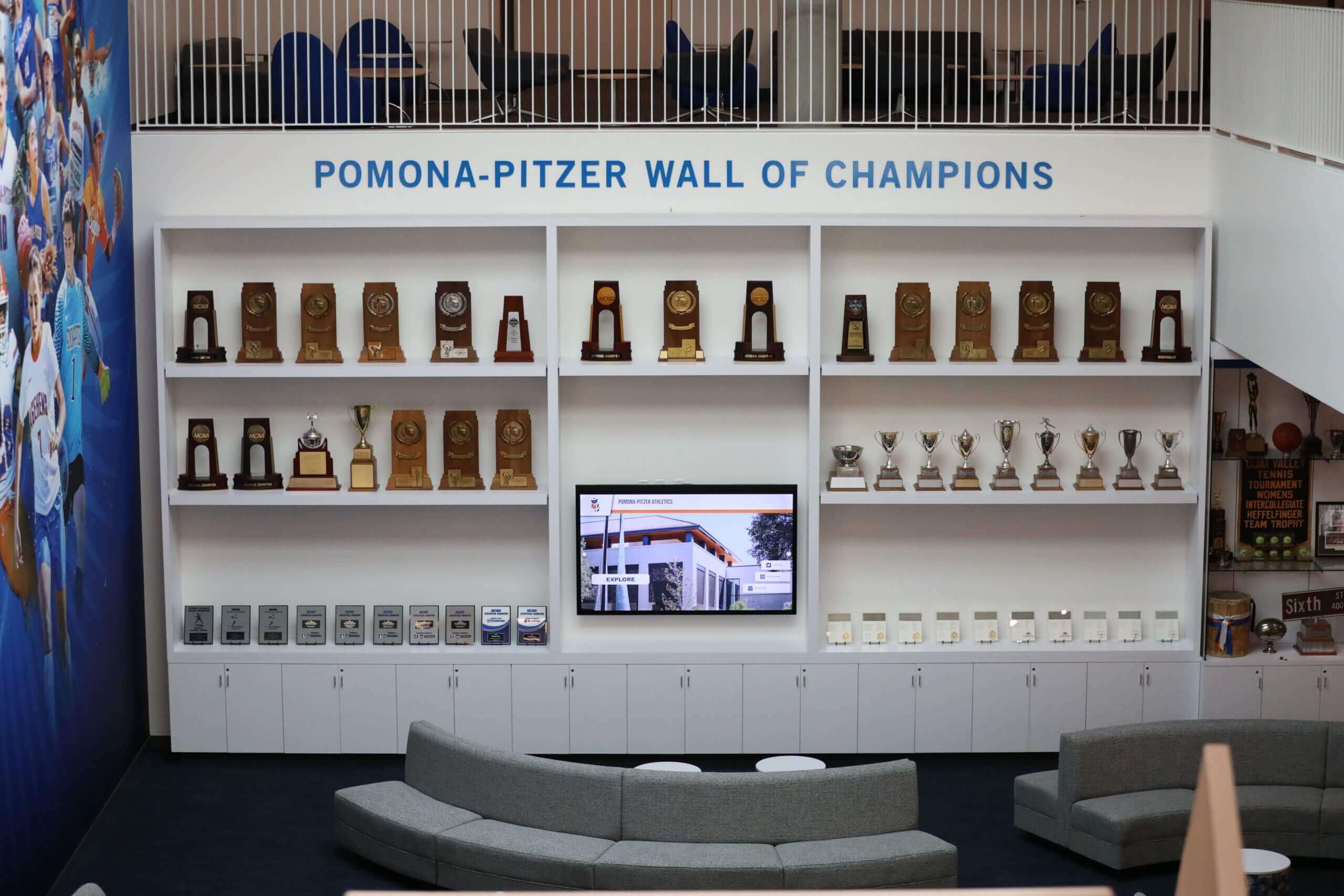
Creating recognition spaces with comfortable seating encourages extended engagement and contemplation of donor impact stories
8. Community Mosaic Walls Visualizing Collective Impact
Mosaic approaches celebrate how many individual contributions combine to create collective impact impossible for individual donors alone.
Experience Layout: Design visual representations where each donor appears as individual element within larger composition—tiles forming mosaics, leaves on recognition trees, bricks building walls, or stars creating constellations. Overall image conveys organizational mission or values while individual elements represent specific donors contributing to collective achievement.
Donor Integration: Each mosaic element contains donor information appropriate to recognition level—names, giving amounts, or brief messages for smaller contributions; photographs and biographical content for major gifts. Interactive digital versions enable visitors to select individual elements, revealing detailed donor profiles behind each mosaic component.
Metaphorical Meaning: Mosaic designs communicate powerful messages about community and collective action—demonstrating that organizational success requires diverse supporters contributing according to capacity, all valued equally as essential mission partners. This inclusive approach particularly resonates with grassroots nonprofits building broad community support rather than relying primarily on major gifts.
Flexibility and Growth: Mosaic designs accommodate unlimited future growth as new donors simply add additional elements to expanding compositions. Digital implementations enable infinite scaling without physical space constraints while maintaining visual coherence as donor communities expand over time.
9. Program Partnership Recognition Highlighting Specific Initiatives
Organizations with diverse program portfolios benefit from recognition organized by initiative, connecting supporters with specific areas they funded.
Experience Layout: Create separate recognition areas for major program categories—youth services, hunger relief, healthcare programs, arts education, environmental conservation, or whatever mission areas your organization serves. Within each program section, recognize donors whose gifts specifically support those initiatives while explaining program outcomes contributions enable.
Content Strategy: Program descriptions explaining services provided and populations served, outcome metrics demonstrating effectiveness and community impact, beneficiary stories adding authentic voices experiencing programs firsthand, donor profiles for supporters passionate about specific initiatives, and connection content inviting visitors to learn more or get involved with programs.
Strategic Value: Program-specific recognition serves cultivation purposes, helping prospective donors understand giving options while visualizing how their contributions would address specific needs they care about most. Many donors prefer supporting particular programs rather than general operations—program-focused recognition validates and encourages these designation preferences.
Cross-Referencing: Implement systems enabling donors supporting multiple programs to appear in multiple locations without redundant profile development. Digital solutions handle cross-referencing elegantly while physical approaches require strategic design preventing excessive duplication.
10. Hybrid Traditional-Digital Recognition Combining Best of Both Approaches
Many nonprofits implement combination strategies balancing traditional elegance with modern technology advantages.
Experience Layout: Feature prominent traditional elements—engraved plaques, bronze nameplates, or carved recognition—for highest-level donors requiring prestigious permanent acknowledgment. Integrate digital displays providing unlimited capacity for broader donor communities, instant updates eliminating manufacturing delays, and rich storytelling through comprehensive profiles and multimedia content.
Design Integration: Ensure visual cohesion between traditional and digital elements through coordinated color palettes, consistent typography and branding, complementary materials and finishes, and unified spatial layout creating coherent overall presentations rather than disconnected components fighting for attention.
Audience Segmentation: Traditional elements often appeal to older major donors valuing permanence and prestige physical recognition provides, while digital components engage younger donors expecting contemporary technology and social media integration. Hybrid approaches serve diverse donor demographics effectively without forcing single-approach compromises disappointing various constituencies.
Budget Optimization: Hybrid strategies allocate budgets strategically—investing in premium traditional recognition for major donors where permanence matters most while leveraging cost-effective digital solutions for broader recognition requiring frequent updates and unlimited capacity. This targeted approach maximizes impact within resource constraints most nonprofits face. Explore digital donor wall solutions that complement traditional recognition effectively.
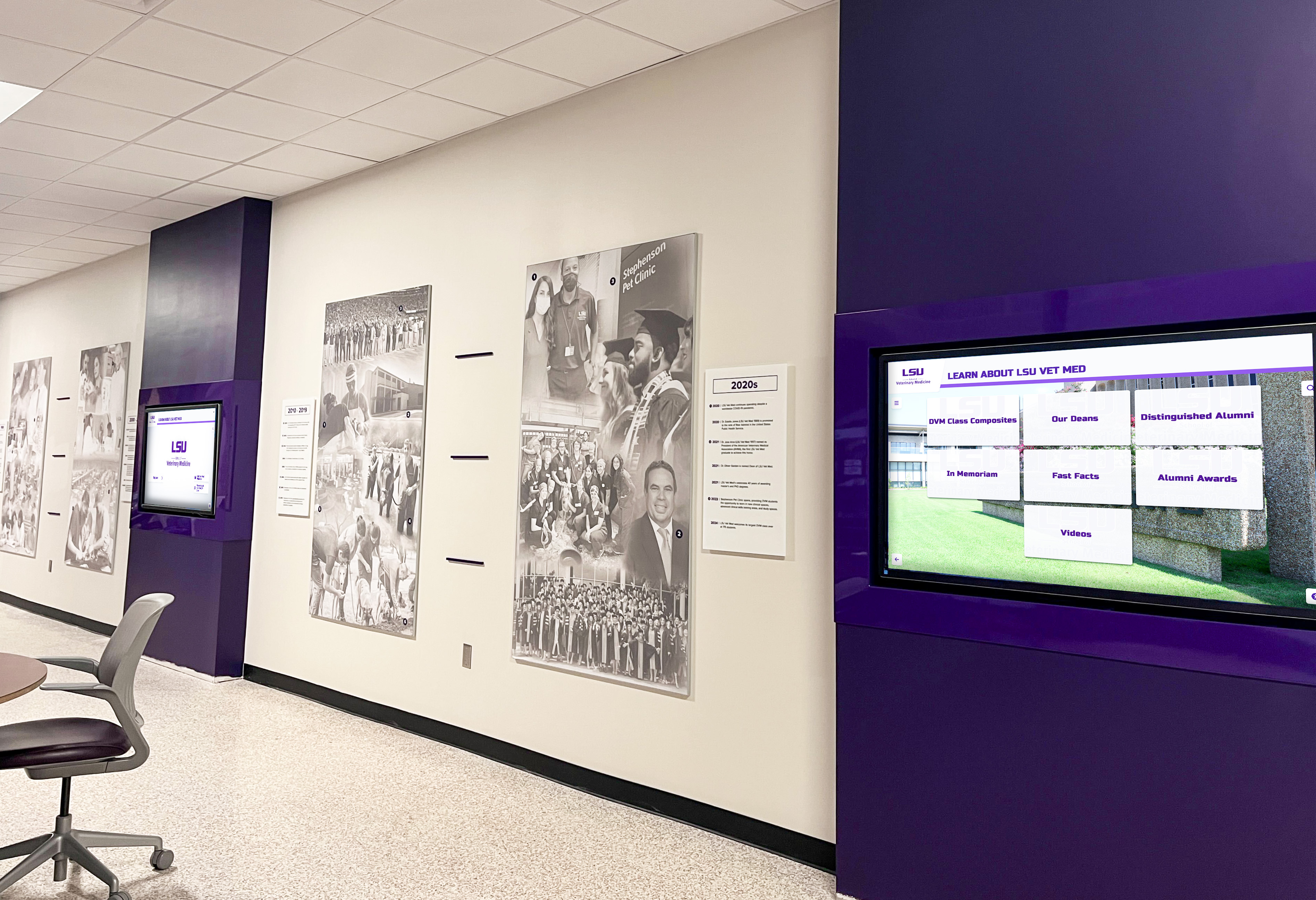
Large organizations often implement multiple coordinated displays across facilities, ensuring recognition reaches diverse audiences throughout buildings
Donor Wall Design Best Practices
Regardless of specific approach selected, successful donor walls share common design principles ensuring effective recognition.
Content That Connects: Writing Meaningful Donor Profiles
Compelling content transforms donor walls from name lists into engaging storytelling experiences.
Essential Information Elements: Every donor profile should include accurate names with proper titles and spellings, giving levels or ranges providing appropriate differentiation, years of support highlighting sustained commitment, recognition society memberships when applicable, and designations connecting gifts to specific organizational priorities.
Enhanced Content for Major Donors: Premium recognition tiers deserve enriched profiles including biographical narratives (200-500 words) providing context for donor connections—professional backgrounds, volunteer involvement, what inspired their support, and why they remain committed. Professional photography adds visual interest impossible with text alone while humanizing recognition. Impact stories prove especially powerful—explaining specific outcomes gifts enabled through scholarship recipients funded, programs supported, facilities built, or mission advances made possible by philanthropy.
Authentic Voice and Tone: Write donor content in warm, appreciative voice reflecting genuine gratitude rather than perfunctory acknowledgment. Include direct quotes from donors when possible, preserving authentic voices explaining motivations. Avoid generic descriptions applied identically to multiple donors—even brief profiles should feel personalized through specific details demonstrating actual knowledge of individual supporters.
Privacy and Preference Respect: Document recognition preferences clearly, honoring desires for anonymity, name-only listing without biographical details, or other privacy considerations. Implement appropriate data protection avoiding display of complete addresses or sensitive personal information while maintaining meaningful acknowledgment donors value.
Visual Design Creating Impact and Accessibility
Professional design ensures recognition commands appropriate attention while remaining accessible to all visitors.
Layout and Hierarchy: Establish clear visual hierarchy distinguishing recognition levels appropriately. Use spatial positioning, profile size, typographic treatment, color, or graphic elements differentiating major donors from general supporters while ensuring all levels receive dignified acknowledgment. Create balanced compositions avoiding visual clutter while maximizing information density within available space.
Typography and Readability: Select typefaces providing excellent legibility across viewing distances—typically clean sans-serif fonts for names and key information with complementary serif fonts for biographical content when appropriate. Ensure minimum text sizes enabling comfortable reading from typical viewing distances (generally 14pt minimum for normal viewing, larger for information read from distance). Maintain adequate contrast ratios between text and backgrounds meeting WCAG 2.1 AA accessibility standards (minimum 4.5:1 for normal text, 3:1 for large text).
Color and Branding: Integrate organizational brand colors, maintaining consistent visual identity while creating recognition feeling integrated with broader institutional design language. Consider color psychology and cultural associations when selecting palettes—warmer tones often convey gratitude and community while cooler tones communicate professionalism and stability. Ensure color choices don’t create readability problems for colorblind visitors.
Material Selection: Choose durable materials appropriate for institutional environments and expected lifespan. Traditional walls benefit from premium materials—bronze, brushed aluminum, carved wood, or polished stone—communicating prestige befitting major gift recognition. Digital installations require commercial-grade displays rated for continuous operation and public environments. All materials should accommodate cleaning and maintenance without degradation.
Lighting Considerations: Integrate appropriate lighting ensuring readability without glare. Traditional walls often benefit from accent lighting highlighting dimensional elements and creating visual interest. Digital displays require careful ambient light management preventing screen washout while avoiding positioning creating problematic reflections. Consider how lighting conditions vary throughout days and seasons, ensuring consistent readability.
Accessibility Ensuring Inclusive Recognition
Effective donor walls accommodate all visitors regardless of physical abilities.
Physical Accessibility: Mount displays at heights enabling comfortable wheelchair user interaction (typically 15"-48" above floor for interactive elements per ADA guidelines). Provide adequate clearance allowing wheelchair users to approach closely (minimum 30"x48" clear floor space). Ensure pathways to recognition remain accessible with appropriate width and surface treatments. Consider multiple viewing heights accommodating children and adults of varying heights comfortably.
Visual Accessibility: Implement high-contrast display modes for visitors with vision impairments. Provide text sizing options enabling comfortable reading without assistive devices. Ensure lighting prevents glare hampering readability. For digital solutions, support screen reader compatibility enabling visitors using assistive technology to access content. Include alternative text descriptions for images and multimedia content.
Cognitive Accessibility: Design intuitive navigation requiring minimal instruction or cognitive load. Use clear labeling and consistent interaction patterns. Provide multiple discovery pathways accommodating different visitor preferences—browsing, searching, filtering. Avoid overwhelming visitors with excessive information density or complex interfaces requiring significant learning curves.
Multilingual Considerations: Organizations serving diverse communities should consider multilingual recognition when appropriate. Digital platforms enable language switching accommodating visitors preferring non-English interfaces. Even English-primary recognition benefits from considering whether technical terminology or cultural references create barriers for some visitor populations.
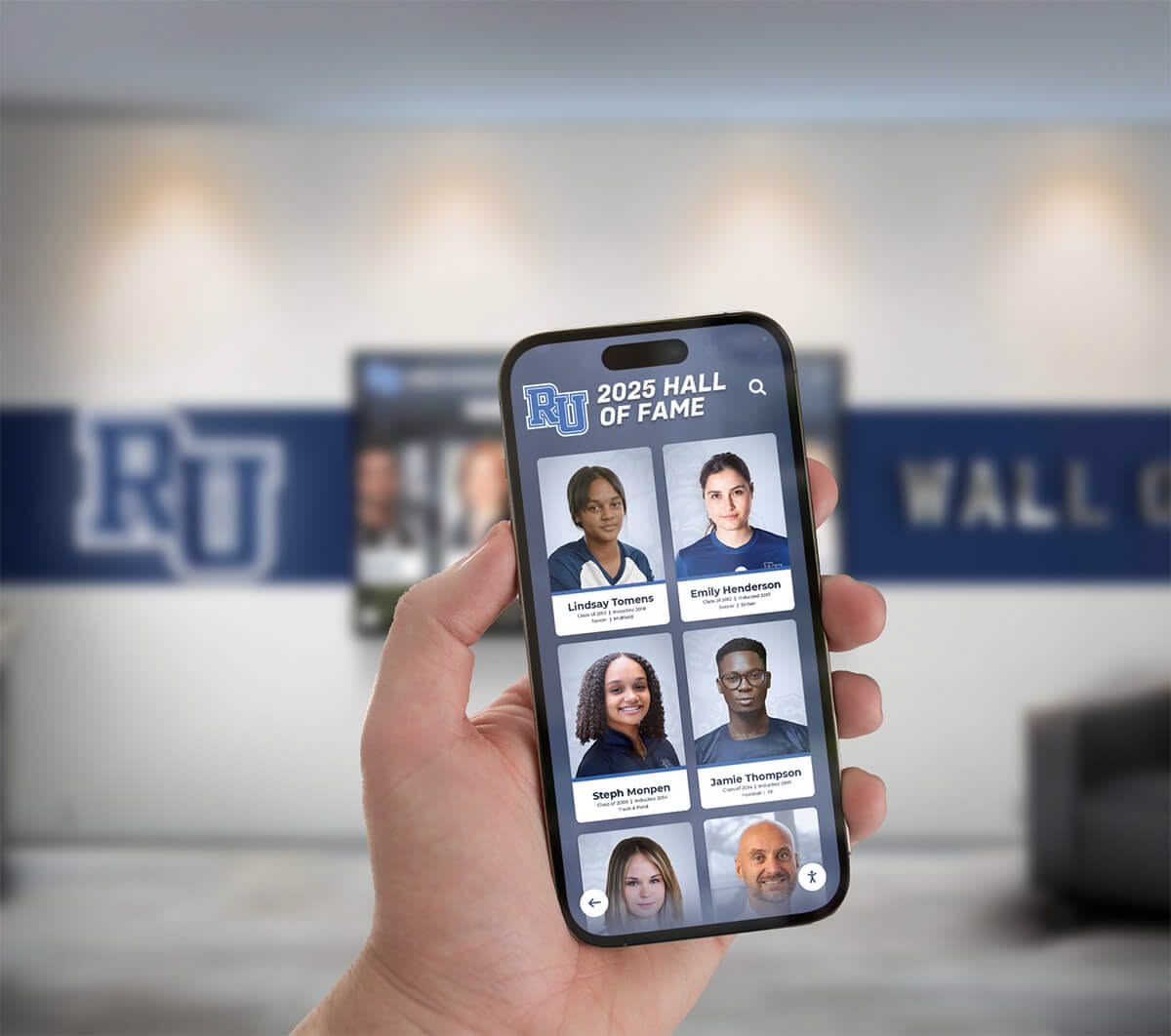
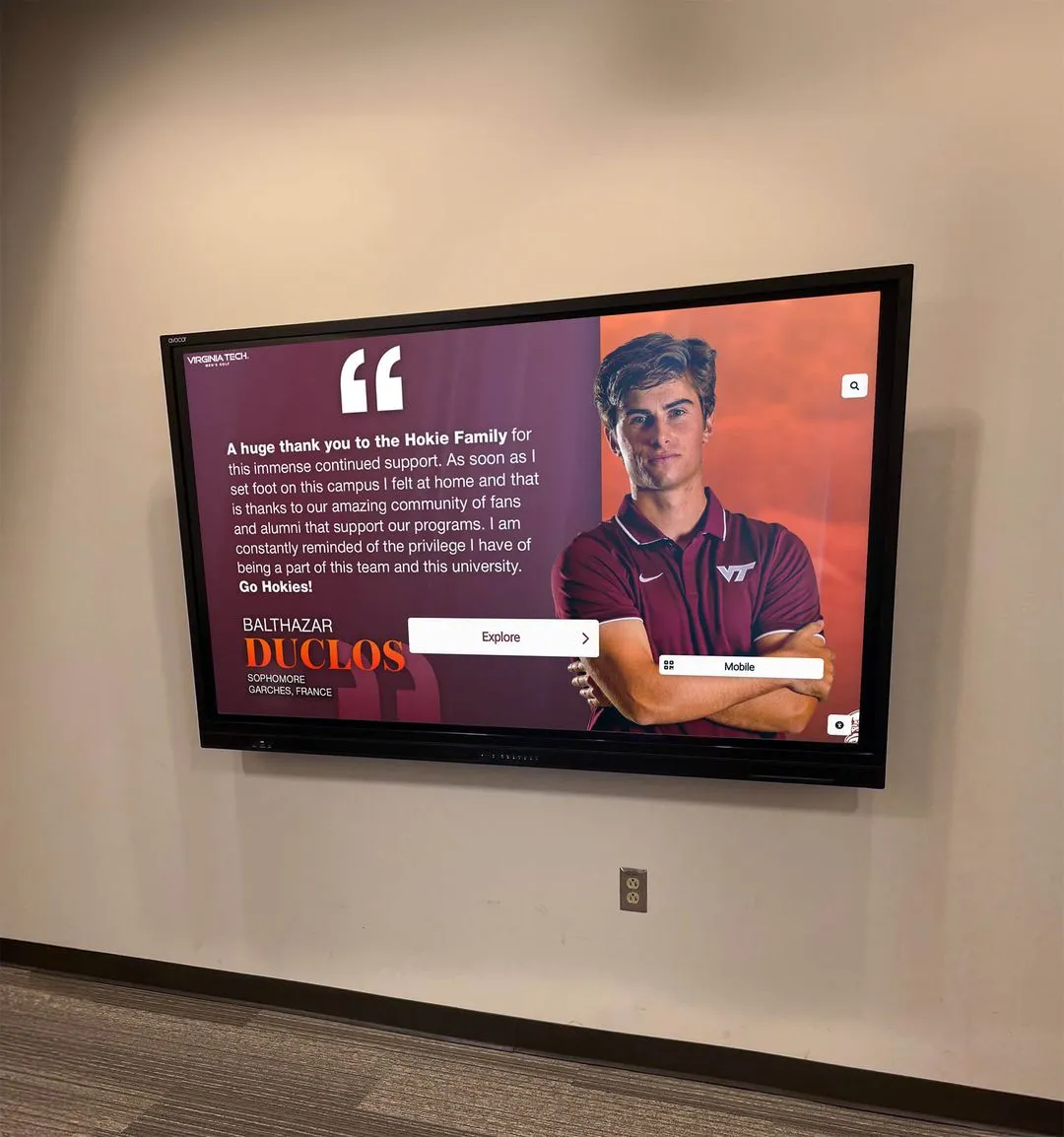
Mobile-accessible recognition extends acknowledgment beyond physical locations, enabling supporters to explore profiles and share recognition through social networks
Implementation: Bringing Your Donor Wall Vision to Life
Translating recognition vision into reality requires careful planning and systematic execution.
Technology Selection for Digital Recognition
Organizations implementing digital components must evaluate technology platforms carefully.
Purpose-Built vs. Generic Solutions: Purpose-built donor recognition platforms designed specifically for institutional acknowledgment provide superior functionality compared to generic digital signage systems adapted for donor walls. Specialized solutions understand unique requirements including privacy controls, giving level differentiation, development office workflows, and nonprofit-specific features generic platforms lack.
Essential Platform Capabilities: Look for systems offering intuitive content management requiring no technical expertise, drag-and-drop media upload simplifying maintenance, template-based profile creation ensuring consistency, bulk import capabilities handling large donor populations efficiently, scheduled publishing coordinating recognition with campaigns, cloud-based operation enabling remote management, and regular platform updates maintaining contemporary functionality.
Hardware Requirements: Digital recognition demands commercial-grade displays far exceeding consumer equipment. Specify displays rated for 16-24 hours daily operation, hardened glass resisting public space damage, brightness levels ensuring visibility in institutional lighting (350-450 nits), minimum 1080p resolution with 4K preferred, responsive multi-touch technology, and minimum 3-year commercial warranties with on-site service.
Integration Considerations: Evaluate platforms offering advancement database connectivity eliminating duplicate data entry, website embedding extending recognition beyond physical displays, social media sharing tools amplifying recognition reach, API access enabling custom integrations, and mobile companion applications providing anytime access for supporters.
Working with Recognition Design Professionals
Professional guidance ensures recognition investments deliver maximum impact and longevity.
When to Engage Professionals: Consider professional design services when recognition budgets exceed $25,000, projects involve architectural integration or permanent installations, organizational expertise in recognition design is limited, donor wall serves high-visibility cultivation purposes deserving exceptional presentation, or internal stakeholders cannot reach consensus requiring neutral expert facilitation.
Finding Qualified Partners: Seek recognition specialists with nonprofit experience rather than generic signage vendors. Review portfolios demonstrating diverse recognition projects. Request and contact references from similar organizations. Evaluate whether potential partners understand fundraising strategy and donor psychology beyond purely aesthetic design. Consider whether communication styles and creative approaches align with organizational culture.
Collaborative Design Process: Effective professional relationships involve genuine collaboration rather than simple vendor transactions. Share organizational culture, donor demographics, fundraising priorities, and recognition philosophy comprehensively. Provide feedback throughout design iterations rather than waiting for final presentations. Challenge recommendations when they seem misaligned with needs while remaining open to expert guidance on topics outside organizational expertise.
Managing Costs: Obtain detailed proposals specifying all costs including design, fabrication, installation, technology, content development, training, and support. Establish clear change order processes preventing scope creep and budget overruns. Consider phased implementations spreading costs across multiple budget cycles if full vision exceeds current resources.
Content Development and Ongoing Maintenance
Recognition quality depends on compelling content requiring initial development and ongoing maintenance.
Initial Content Creation: Budget adequate time and resources for comprehensive profile development—typically 60-90 minutes per major donor profile including research, writing, photography coordination, and approval workflows. Establish content standards ensuring consistency across all profiles. Develop style guides covering voice, tone, formatting, and terminology. Create approval processes balancing thoroughness with efficiency, preventing bottlenecks delaying recognition unacceptably.
Photography and Multimedia: Professional photography dramatically enhances recognition quality and donor satisfaction. Schedule dedicated photo sessions capturing donors in organizational settings, with beneficiaries, or portrait photography appropriate to recognition context. For video content, maintain high production quality reflecting institutional standards. Keep videos brief (2-4 minutes) respecting viewer attention. Focus on authentic storytelling rather than overly-produced presentations.
Ongoing Update Workflows: Establish systematic processes ensuring new donors appear on recognition promptly—ideally within 48 hours of gift processing. Assign clear responsibilities for content development and publication. Implement quality assurance reviews catching errors before publication. Schedule regular content refreshes maintaining relevance and giving returning visitors reasons to engage repeatedly.
Performance Monitoring: Track engagement metrics revealing which content resonates powerfully and which requires enhancement. Monitor for technical issues affecting user experience. Solicit donor feedback on recognition quality and satisfaction. Use insights for continuous improvement rather than treating recognition as one-time projects requiring no ongoing attention.
Measuring Donor Wall Success and ROI
Data-driven evaluation demonstrates recognition program value while identifying optimization opportunities.
Fundraising Outcome Metrics
Ultimate recognition success appears in broader development results.
Donor Behavior Changes: Compare retention rates for recognized versus non-recognized donors (benchmark: 15-25 percentage point improvements). Track average gift size trends year-over-year for engaged donors (benchmark: 15-20% increases). Monitor upgrade conversion showing donors moving to higher recognition tiers (benchmark: 8-12% annually). Measure time-to-next-gift intervals for recognized supporters. Analyze major gift success rates for prospects exposed to recognition during cultivation (benchmark: 20-35% increases). Document planned giving inquiries correlating recognition visibility with legacy gift discussions.
Return on Investment Calculation: Organizations implementing donor recognition typically measure ROI through lifetime donor value improvements including higher average annual gifts as engaged supporters increase giving (15-20% improvements common), extended donor lifespans via improved retention often doubling average donor tenure, and increased probability of major and planned gifts as supporters with strong connections give transformational gifts at three times rates of less-engaged donors.
Most nonprofits report recognition systems paying for themselves within 18-24 months through enhanced giving patterns alone—before accounting for operational efficiencies and stewardship benefits. Long-term returns prove even more substantial as retention improvements compound across years.
Attribution Methodology: Isolate recognition impact through control group comparisons, cohort analysis tracking donors over time, surveys directly asking donors about recognition influence on continued support, and correlation analysis connecting recognition exposure with subsequent giving behavior. While perfect attribution proves impossible in complex fundraising environments, multiple measurement approaches build convincing evidence of recognition value.
Engagement and Usage Analytics
Modern digital platforms provide rich data revealing how visitors interact with recognition.
Basic Engagement Metrics: Track total daily interactions and unique visitors establishing baseline engagement. Monitor average session duration (target: 5-8 minutes) indicating content interest depth. Measure interactions per session (target: 10-15 screens) showing exploration breadth. Identify peak usage times informing promotional timing. Calculate repeat visitor percentages demonstrating sustained interest.
Content Performance: Identify most-viewed donor profiles revealing which stories resonate powerfully. Analyze popular search terms showing what visitors seek when exploring. Review category browsing preferences indicating donor populations generating greatest interest. Evaluate video completion rates determining whether multimedia maintains attention. Assess photo gallery engagement measuring visual content effectiveness.
Optimization Insights: Use analytics guiding content strategy, informing feature enhancements, and demonstrating program value through objective data. Identify navigation patterns revealing how visitors discover content. Compare search versus browse ratios showing discovery preferences. Measure navigation depth revealing exploration thoroughness. Determine feature utilization rates indicating which capabilities users value. Find abandonment points requiring improvement reducing frustration.
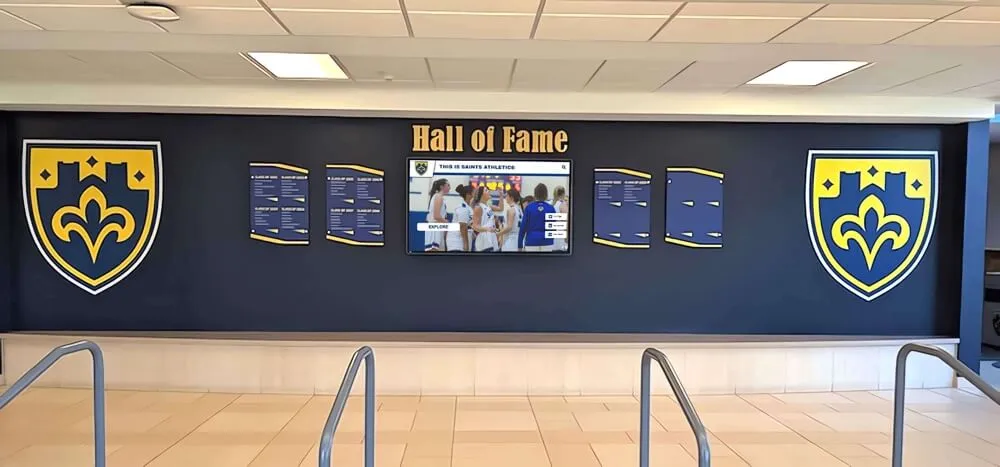
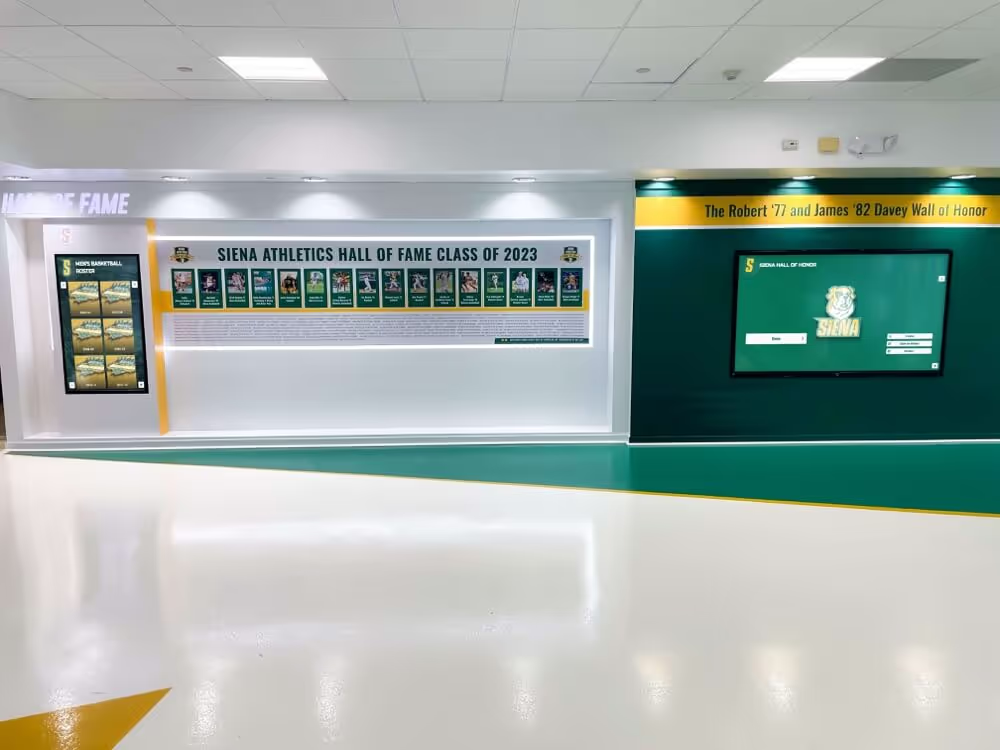
Hybrid recognition approaches balance traditional prestige with modern technology, honoring heritage while embracing contemporary capabilities
Common Donor Wall Challenges and Solutions
Organizations implementing recognition programs encounter predictable challenges requiring thoughtful solutions.
Managing Limited Physical Space
Challenge: Traditional donor walls inevitably reach capacity, forcing difficult decisions about which supporters receive visibility.
Solution: Implement digital recognition providing unlimited capacity without space constraints. Design rotating featured content ensuring all donors receive visibility over time rather than permanent static placement. Consider hybrid approaches reserving limited physical space for highest-level donors while digital components accommodate broader communities. Establish clear policies about space allocation and rotation schedules before capacity issues create conflict.
Balancing Privacy Preferences
Challenge: Donors maintain diverse preferences ranging from prominent public recognition to complete anonymity, creating complexity ensuring all preferences are respected consistently.
Solution: Document preferences clearly during gift acceptance, implementing robust systems tracking desires across all recognition channels. Provide explicit privacy options including full biographical recognition, name-only listing, anonymous acknowledgment showing giving level without identity, or no public recognition whatsoever. Review preferences annually, accommodating changes as circumstances evolve. Train all development staff on privacy protocols preventing inadvertent breaches undermining donor trust.
Maintaining Content Accuracy and Currency
Challenge: Donor information changes over time—updated contact details, name changes, corrected biographical information—requiring ongoing maintenance preventing recognition from becoming outdated and potentially offensive.
Solution: Establish systematic review processes touching every donor profile at least annually. Implement simple feedback mechanisms enabling donors to request corrections or updates easily. Assign clear maintenance responsibilities preventing updates from falling through organizational cracks. For digital platforms, prioritize systems enabling quick corrections rather than requiring lengthy approval chains for minor updates. Build content maintenance into annual operating budgets rather than treating recognition as one-time capital projects.
Ensuring Long-Term Sustainability
Challenge: Recognition programs require ongoing resources for maintenance, content updates, technology refresh, and enhancement—creating risk of deterioration when initial enthusiasm fades or leadership changes.
Solution: Build recognition maintenance into annual operating budgets as standard line items rather than relying on discretionary spending vulnerable to cuts. Assign explicit recognition responsibilities in development office job descriptions. Create multi-year replacement schedules for recognition components with finite lifespans (typically 7-10 years for digital displays, longer for traditional elements). Develop recognition policies codifying organizational commitment independent of individual leadership preferences. Frame recognition as strategic fundraising investment rather than nice-to-have amenity, ensuring continued prioritization and resource allocation.
Addressing Controversial Donors
Challenge: Occasionally donors whose gifts were recognized appropriately at acceptance subsequently become controversial through problematic behavior, criminal activity, or reputational damage creating uncomfortable situations when recognition remains prominently displayed.
Solution: Establish clear policies before situations arise, preventing reactive decision-making during crisis moments. Typical approaches include name removal for criminal conviction related to organizational mission, temporary suspension pending investigation of credible allegations, recognition remaining in place for personal conduct unrelated to organizational values, or donor request accommodation when individuals themselves request removal. Create decision frameworks involving leadership and legal counsel, ensuring consistent handling across situations while protecting organizational reputation and donor community confidence.
Conclusion: Creating Donor Recognition That Inspires Continued Generosity
Effective donor walls represent far more than courtesy acknowledgment—they embody strategic investment in relationships sustaining nonprofit missions through continued philanthropic support across generations. The most successful recognition programs view donor walls as integral components of comprehensive stewardship strategies honoring support while inspiring continued engagement throughout entire donor lifecycles.
Modern nonprofits benefit from diverse recognition approaches available in 2026—from traditional elegance of engraved plaques through cutting-edge interactivity of digital platforms and creative presentations balancing heritage with innovation. Selection among these options should reflect organizational culture, donor demographics, budget realities, and strategic development priorities rather than following trends or copying peer organization approaches without careful consideration.
Organizations implementing comprehensive donor recognition consistently report remarkable outcomes: retention improvements of 15-25 percentage points transforming fundraising economics, major gift increases of 18-27% as cultivation incorporates compelling recognition experiences, donor satisfaction gains exceeding 30% when supporters feel genuinely valued and connected, and operational efficiencies saving staff hours previously spent managing traditional recognition logistics.
Beyond quantifiable results, effective donor walls create intangible benefits transcending metrics—building visible culture of philanthropy inspiring additional community support, demonstrating stewardship accountability reinforcing that contributions are valued and deployed responsibly, celebrating mission impact connecting financial gifts to real-world outcomes, and strengthening nonprofit identity as organizations worthy of sustained philanthropic partnership.
Transform Your Donor Recognition Program
Discover how modern recognition solutions can help you celebrate every supporter's generosity while building lasting relationships that sustain your mission for decades. Explore interactive displays, mobile-accessible platforms, and comprehensive content management designed specifically for nonprofit donor recognition.
Explore Recognition SolutionsWhether you’re developing recognition programs from scratch or enhancing existing approaches, the strategies and ideas explored in this guide provide frameworks for creating acknowledgment donors genuinely value—recognition that strengthens relationships, inspires continued support, and advances organizational missions for generations to come.
Your donors’ generosity enables everything your nonprofit accomplishes. They deserve thoughtful, meaningful recognition honoring their commitment while deepening connections to your mission. With strategic planning, compelling content creation, appropriate technology selection, and sustained maintenance commitment, you can create recognition systems transforming one-time supporters into lifelong mission champions whose sustained philanthropy advances your cause for decades.
Ready to explore additional recognition strategies? Discover interactive touchscreen solutions for museums and galleries that apply equally to nonprofit recognition contexts. Learn about memorial wall ideas for honoring supporters and loved ones meaningfully. Explore best practices for hall of fame tools applicable across diverse recognition contexts including nonprofit donor acknowledgment.