Natural imagery has always resonated deeply with how we understand community growth and lasting legacy. Few visual metaphors communicate these concepts more powerfully than the tree—with strong roots representing foundation support, expanding branches symbolizing organizational growth, and new leaves emerging as fresh contributions arrive. Donor wall tree designs leverage this universal symbolism to create recognition displays that transform philanthropic support from simple name lists into living visual narratives celebrating community building.
Traditional donor walls often feel static and transactional—flat bronze plaques arranged in rigid grids that communicate little beyond names and dollar amounts. In contrast, tree-inspired recognition designs create organic, growing displays where each donor becomes part of something larger than themselves. The visual language communicates that individual contributions collectively build thriving communities, with early supporters forming foundational roots and recent donors adding vitality to flourishing canopies.
This comprehensive guide explores donor wall tree design strategies spanning physical installations, digital implementations, and innovative hybrid approaches. Whether you’re planning recognition for capital campaigns, annual giving programs, endowment building, or comprehensive development initiatives, you’ll discover how tree-based designs create emotional resonance while solving practical challenges around expandability, visual hierarchy, and long-term sustainability.
Organizations implementing thoughtful tree-inspired recognition report remarkable outcomes including 22-35% higher donor retention compared to traditional recognition walls, increased emotional engagement as supporters describe feeling “part of something growing,” and enhanced major gift conversations when prospects visualize their potential legacy within thriving community trees.

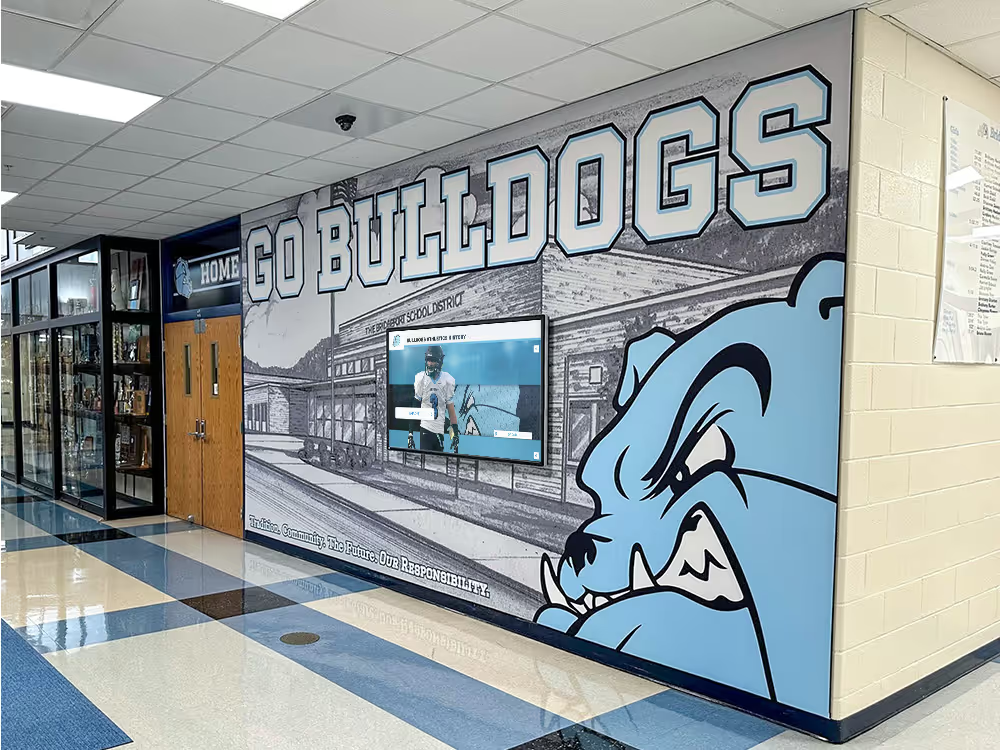
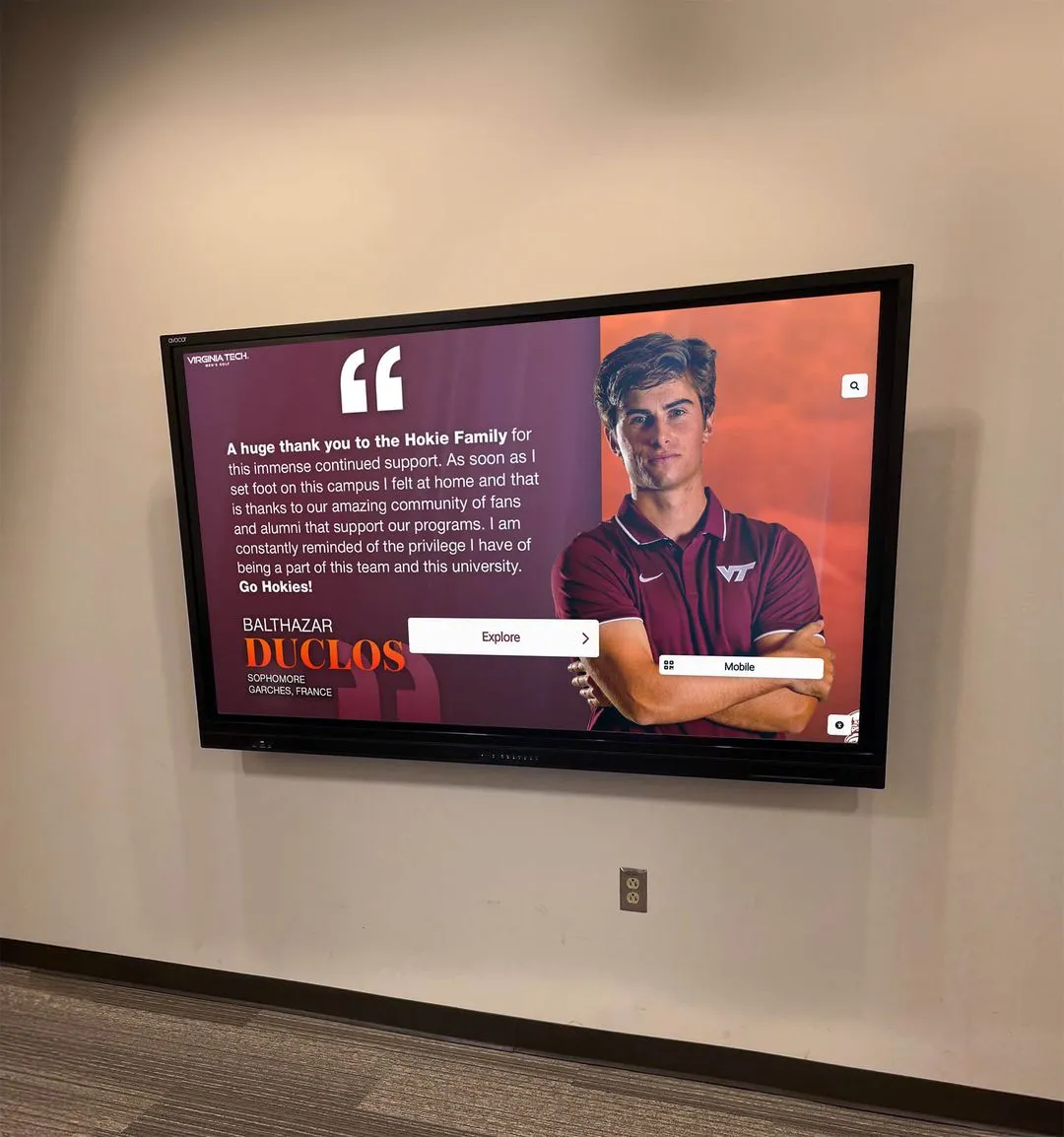
Effective donor recognition creates visual narratives connecting individual generosity to institutional growth and community flourishing
Understanding the Tree Metaphor in Donor Recognition
Before diving into specific design approaches, understanding why tree imagery resonates so powerfully helps institutions leverage this metaphor strategically rather than superficially.
The Universal Appeal of Growth Symbolism
Trees represent concepts that align perfectly with fundraising narratives and donor motivations. They communicate permanence and longevity—individual donors may come and go, but the community tree endures across generations. They visualize collective impact by showing how individual contributions combine to create something magnificent that no single supporter could build alone. They honor both pioneers and new supporters by distinguishing foundational roots from expanding branches without diminishing either group’s importance.
Tree imagery also bridges cultural and demographic divides more successfully than many recognition approaches. Whether donors connect to family trees preserving genealogical heritage, environmental stewardship and natural world appreciation, or spiritual traditions associating trees with wisdom and life, the metaphor creates entry points for diverse community members to see themselves as valued contributors.
Why Trees Work Where Other Metaphors Fail
Unlike building metaphors (bricks, cornerstones) that suggest construction completion, trees communicate ongoing vitality and continuous growth opportunities. Unlike journey metaphors (pathways, bridges) that imply eventual arrival at destinations, trees flourish perpetually with room for unlimited expansion. And unlike flame metaphors (eternal flames, torches) that require constant maintenance to avoid extinguishing, trees self-sustain once established—powerful messaging for endowment and legacy giving programs.
The growth trajectory inherent in tree imagery also creates natural giving level hierarchies without harsh dividing lines. Roots, trunk, branches, and leaves provide intuitive visual zones corresponding to donor tiers while maintaining organic flow throughout the entire composition rather than segregated recognition categories that feel exclusionary.
Practical Advantages of Tree-Based Layouts
Beyond emotional resonance, tree structures solve practical donor wall challenges that plague conventional recognition designs.
Natural Expandability
Tree formations accommodate unlimited growth through spreading branches, additional foliage zones, and expanding root systems. When traditional grid-based donor walls exhaust available space, organizations face expensive renovations or difficult decisions about removing legacy donors to make room for new supporters. Tree layouts designed with strategic expansion zones continue growing for decades without these painful choices.
Digital tree implementations offer virtually unlimited capacity—as new donors contribute, the tree automatically expands through additional branches, leaves, or root tendrils without running out of physical wall space. This scalability proves particularly valuable for annual giving societies, perpetual recognition programs, and institutions experiencing sustained fundraising growth.
Visual Hierarchy Without Harsh Segmentation
Donor recognition must balance inclusivity with meaningful differentiation acknowledging major gifts appropriately. Traditional approaches often create rigid tiers separated by physical dividers—gold plaques in one section, silver in another—that can feel exclusionary to supporters in lower giving bands while failing to sufficiently distinguish transformational contributions.
Tree designs enable fluid hierarchy through position and size without hard boundaries. Founding donors forming trunk and primary branches receive visual prominence through large, central positioning. Major gift supporters appear as substantial secondary branches extending from the core. Mid-level donors populate smaller branch structures throughout the canopy. Annual giving supporters become leaves or blossoms filling out the tree’s fullness. This organic differentiation honors giving levels appropriately while maintaining visual unity demonstrating that every contribution strengthens the overall community.
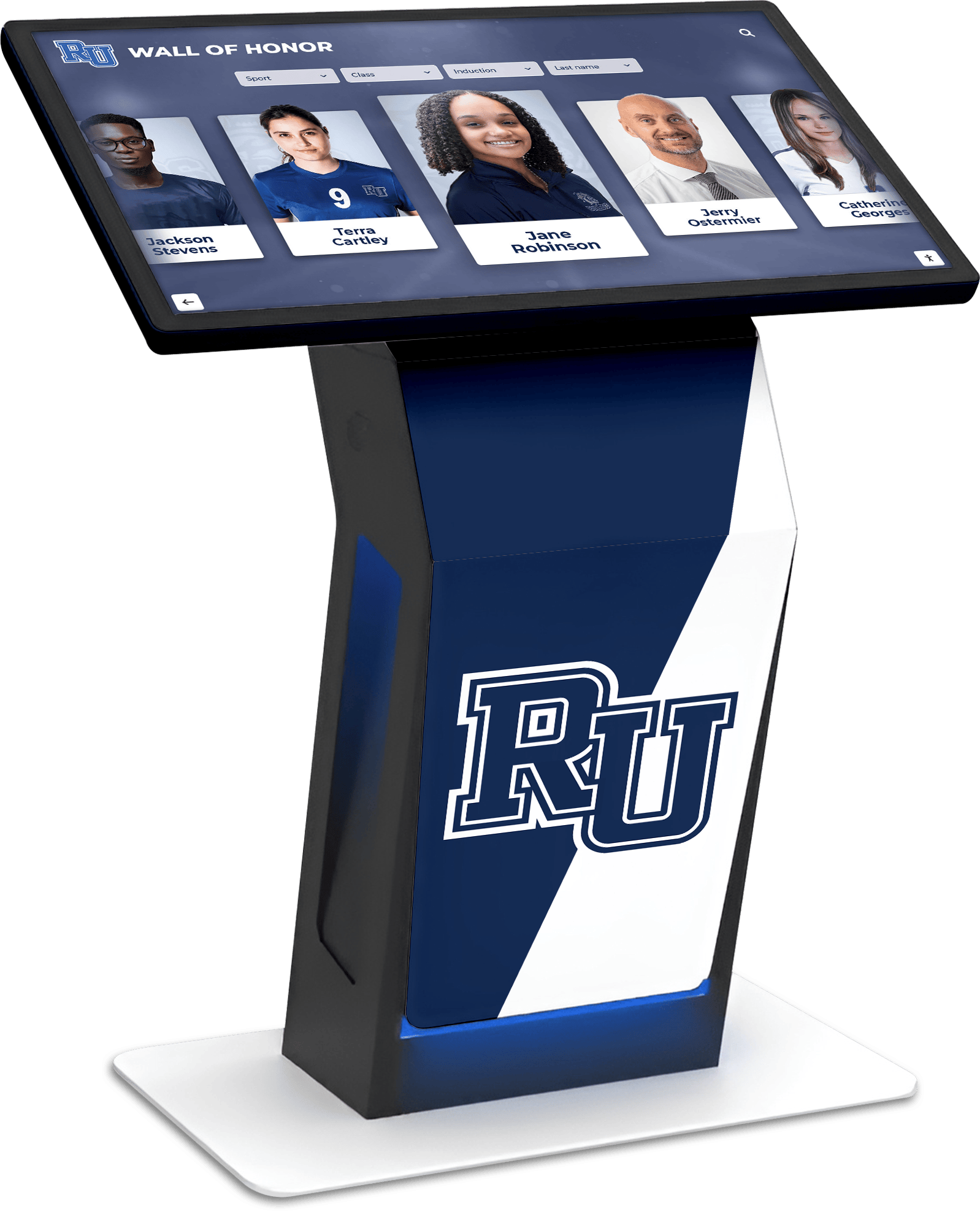
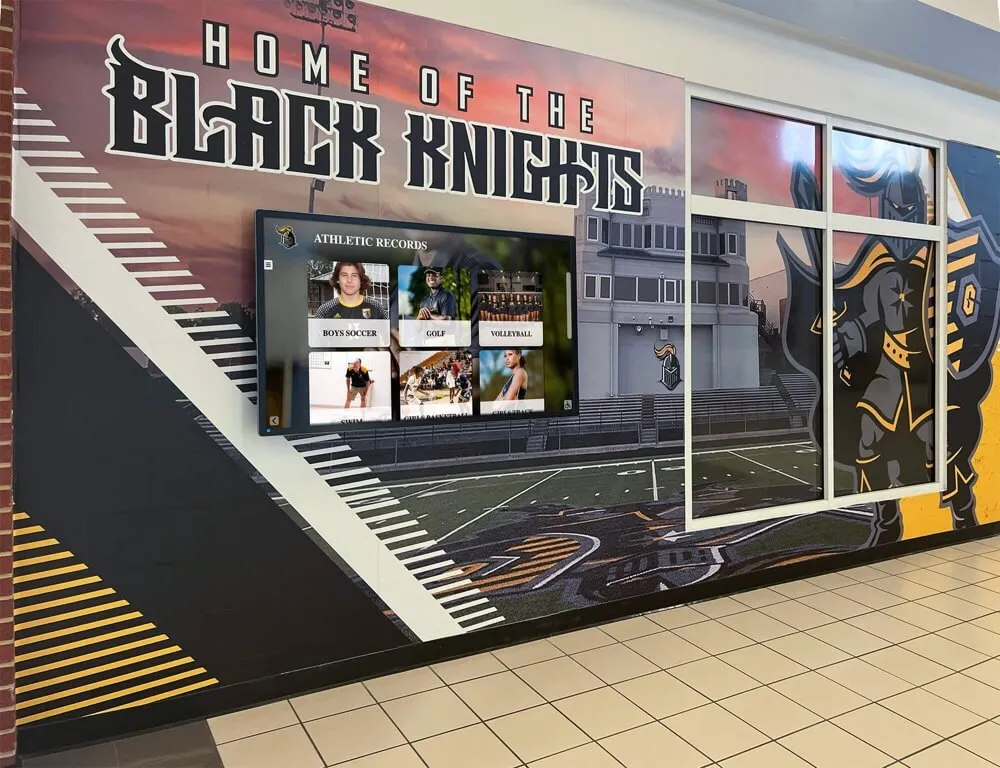
Digital recognition platforms enable tree designs that grow dynamically as new donors contribute, solving traditional space limitations
Physical Donor Tree Design Approaches
Traditional three-dimensional and painted donor tree installations create striking architectural features that serve as campus landmarks while honoring philanthropic support.
Metal Sculpture and Three-Dimensional Trees
Custom fabricated metal trees—typically constructed from bronze, steel, or aluminum—provide prestigious recognition with substantial physical presence ideal for grand lobbies, outdoor plazas, or dedication spaces.
Design Elements for Sculptural Donor Trees
Effective three-dimensional tree installations require careful attention to structural integrity ensuring sculptures safely support their weight plus donor plaques or leaves without risk. Artistic quality through skilled sculptors who balance realism with stylization creates pieces worthy of permanent institutional display. Integration architecture blending trees with surrounding spaces rather than appearing as afterthought additions demonstrates cohesive design thinking. And thoughtful placement in locations with adequate viewing distances allows proper appreciation of sculptural scale and detail.
Donor Integration Methods
Sculptural trees typically incorporate donor recognition through several approaches including engraved metal leaves suspended from branches via cables or directly welded, creating three-dimensional foliage representing individual contributors. Donor plaques mount to sculptural bases, trunk sections, or surrounding walls, maintaining traditional recognition formats within organic installations. Glass or acrylic elements etched with donor names hang as fruit or blossoms from metal branch structures, adding translucent beauty catching light. And integrated lighting dramatically showcases trees during evening hours while subtly illuminating donor names.
Budget considerations for custom metal donor trees typically range from $15,000-75,000 depending on size, complexity, materials, and artist reputation. While representing substantial investment, sculptural installations provide permanent architectural features serving dual purposes as art installations and recognition displays with minimal ongoing costs beyond periodic cleaning and maintenance.
For organizations exploring donor recognition wall ideas, three-dimensional trees offer distinctive alternatives to conventional plaque walls.
Painted Murals and Artistic Wall Trees
Professional murals depicting donor trees provide sophisticated recognition at lower costs compared to sculptural installations while still creating visually striking recognition spaces.
Mural Design Strategies
Successful donor tree murals balance artistic vision with functional recognition requirements through several key considerations. Visual composition creates compelling tree forms establishing clear trunk, branch, and foliage zones that accommodate donor recognition without visual clutter. Color palette selection aligns with institutional branding while providing sufficient contrast ensuring donor names remain legible against artistic backgrounds. Artistic style ranging from photorealistic renderings to stylized interpretations should match institutional aesthetic preferences and surrounding architecture. And protective coatings preserve mural longevity while allowing donor elements to mount or attach securely.
Incorporating Donor Recognition
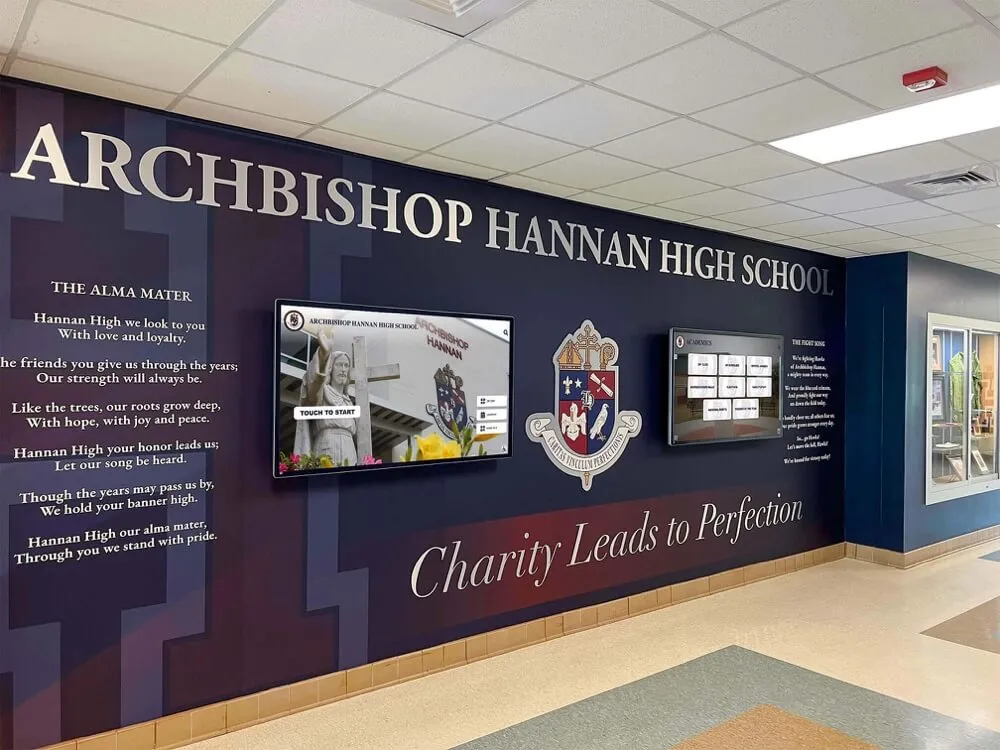
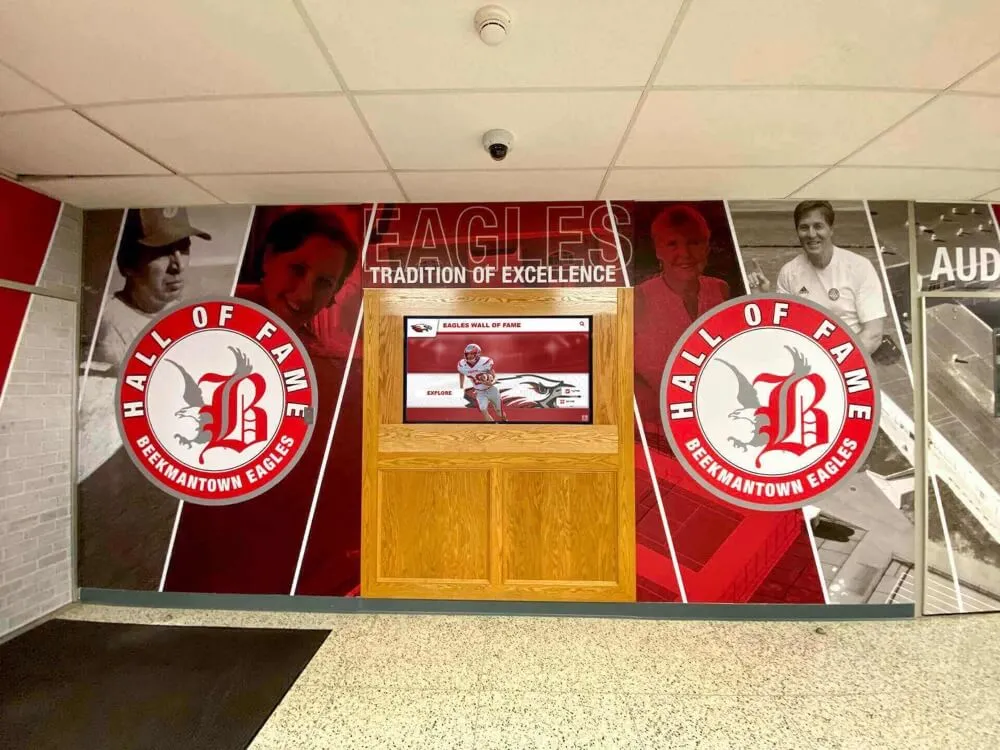
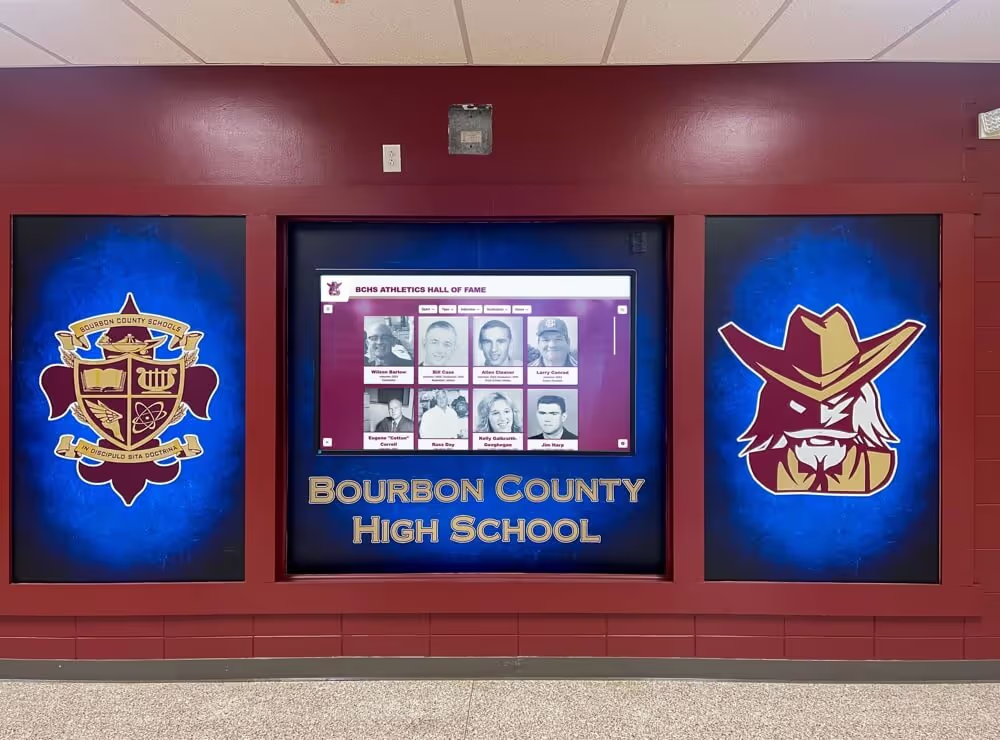
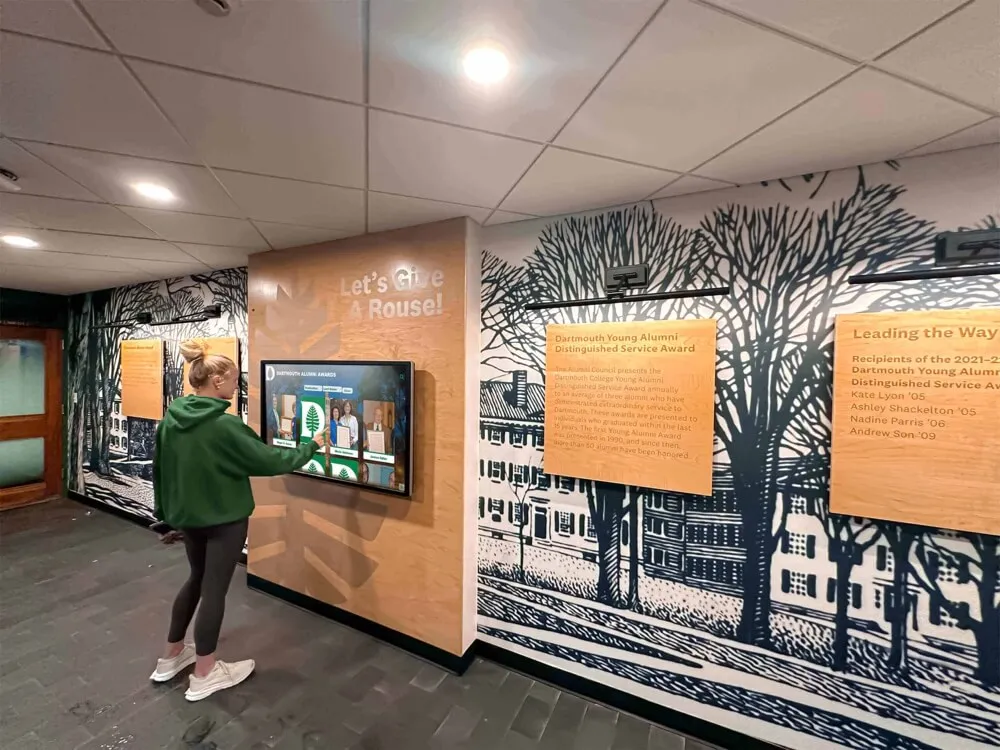
Murals accommodate donor names through various methods including painted text directly integrated into tree imagery—suitable for limited donor populations where future additions won’t be frequent. Metal or acrylic plaques mount against painted backgrounds at designated branch positions, combining permanent artistic elements with updatable recognition components. Removable vinyl decals applied to painted surfaces enable recognition additions without permanent mural alteration, though durability proves inferior to other methods. Digital displays integrate with mural installations, with painted trees surrounding touchscreens that showcase searchable donor databases—hybrid approaches combining traditional art with modern technology.
Professional mural artists typically charge $2,500-12,000 for donor tree installations depending on wall size, design complexity, and geographic location. This represents 40-60% cost savings compared to sculptural alternatives while still creating memorable recognition experiences that strengthen institutional identity.
Modular and Expandable Physical Systems
Rather than fixed artistic installations, modular donor tree systems provide structured frameworks accommodating systematic expansion as fundraising progresses.
Component-Based Tree Designs
Modular approaches feature base tree structures (trunk and primary branches) manufactured from wood, metal, or composite materials with standardized attachment points. Individual donor leaves, branches, or elements mount to base structures through consistent hardware systems enabling non-technical staff to add recognition. Expansion zones designed into initial installations ensure cohesive growth patterns rather than haphazard additions exhausting available space.

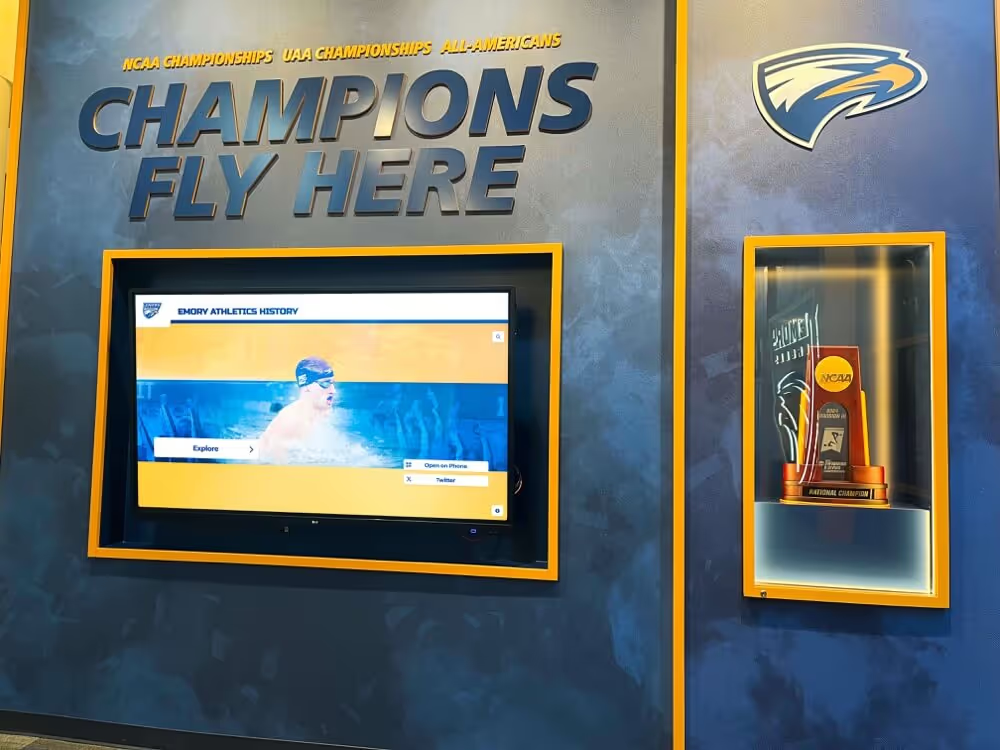
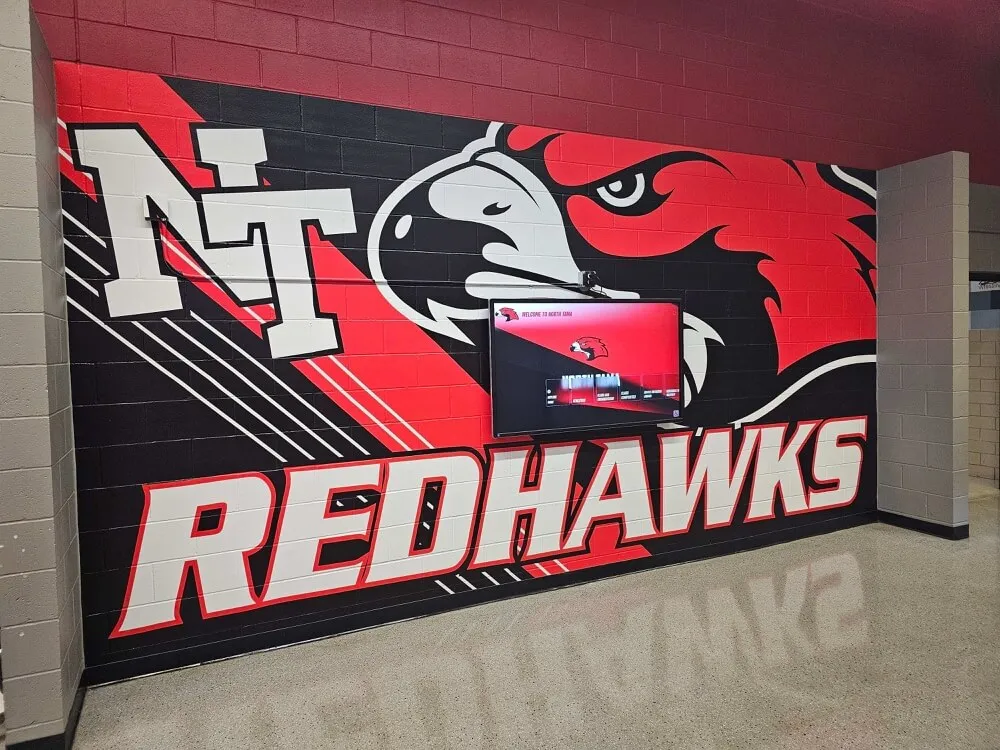
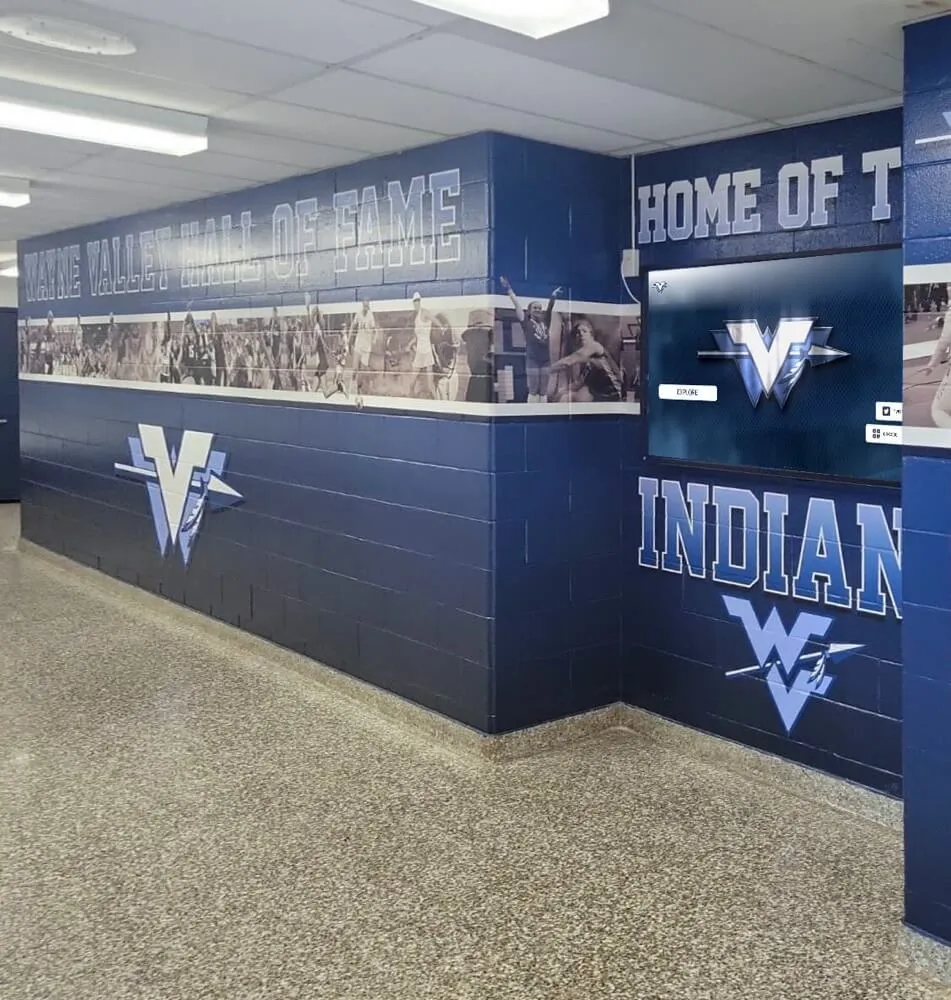
Strategic placement in high-traffic institutional spaces ensures recognition reaches maximum audiences while celebrating community support
Advantages and Limitations
Modular systems deliver flexibility allowing phased implementation starting with core structures and expanding incrementally as budgets allow. DIY-friendly designs reduce installation costs while empowering institutional staff to maintain recognition without contractor dependencies. Replacement capability enables damaged component substitution without replacing entire installations. However, modular systems often lack the artistic sophistication and visual impact of custom sculptural or mural alternatives, potentially appearing more utilitarian than inspirational.
Pre-fabricated modular donor tree systems typically cost $3,000-15,000 for initial installations depending on size, materials, and included components, with per-donor addition costs ranging from $15-50 for individual leaves or plaques.
Digital Donor Wall Tree Designs
Modern touchscreen technology enables dynamic donor tree implementations that address traditional recognition limitations while creating engaging interactive experiences impossible with static displays.
Interactive Growing Tree Visualizations
Purpose-built digital recognition platforms can showcase animated tree graphics that literally grow before visitors’ eyes as donor profiles load, creating powerful visual metaphors connecting individual generosity to organizational flourishing.
Dynamic Tree Interface Design
Effective digital donor trees leverage several sophisticated design approaches. Animated growth sequences show trees sprouting new leaves, branches extending, or roots deepening as visitors explore donor content—visual reinforcement that philanthropy creates living, growing impact. Interactive navigation uses tree structure itself as interface, with users touching branches to explore donor categories, tapping leaves to reveal individual profiles, or selecting roots to discover founding supporters. Visual encoding communicates giving levels through leaf size, branch thickness, color saturation, or positioning within tree structure without requiring textual labels. Real-time updates enable trees to expand automatically as new gifts are processed, showcasing current community growth rather than frozen historical snapshots.
Content Integration Strategies
Digital donor trees should connect tree visualizations to comprehensive profile content through several approaches. Donor detail pages accessible by selecting tree elements display biographical information, giving history, impact stories, and multimedia content within intuitive navigation flows. Search functionality enables direct access to specific donors independent of tree browsing, accommodating visitors seeking particular individuals. Filter capabilities show donor subsets based on giving level, campaign, designation, or recognition society while visually dimming or highlighting relevant tree portions. Timeline visualization demonstrates tree growth over years or decades, showing how community support has accumulated across institutional history.
Solutions like Rocket Alumni Solutions provide specialized platforms designed specifically for institutional recognition, delivering superior donor wall capabilities compared to generic digital signage systems.
Video-Based and Ambient Digital Trees
For installations prioritizing ambient recognition over interactive exploration, video-based donor trees provide constant visual presence communicating philanthropic culture without requiring touch interaction.
Ambient Display Approaches
Non-interactive digital donor trees typically feature looping video content showing tree animations with donor names appearing as leaves, blossoms, or branch labels that materialize and fade in meditative sequences. Seasonal variations adapt tree appearance throughout the year—spring blossoms, summer greenery, autumn colors, winter branches—maintaining visual interest while honoring donor community perpetually. Impact visualization integrates institutional imagery, student and beneficiary photos, or program footage with donor tree graphics, creating emotional connections between gifts and outcomes. Recognition callouts periodically spotlight featured donors with brief biographical information or testimonials before returning to comprehensive tree views.
Ambient approaches work particularly well for locations where extended visitor dwell time proves unlikely—building entrances, elevator lobbies, corridor intersections—where passive viewing provides appropriate engagement levels. However, they sacrifice the deep exploration and personalization that interactive touchscreens enable.
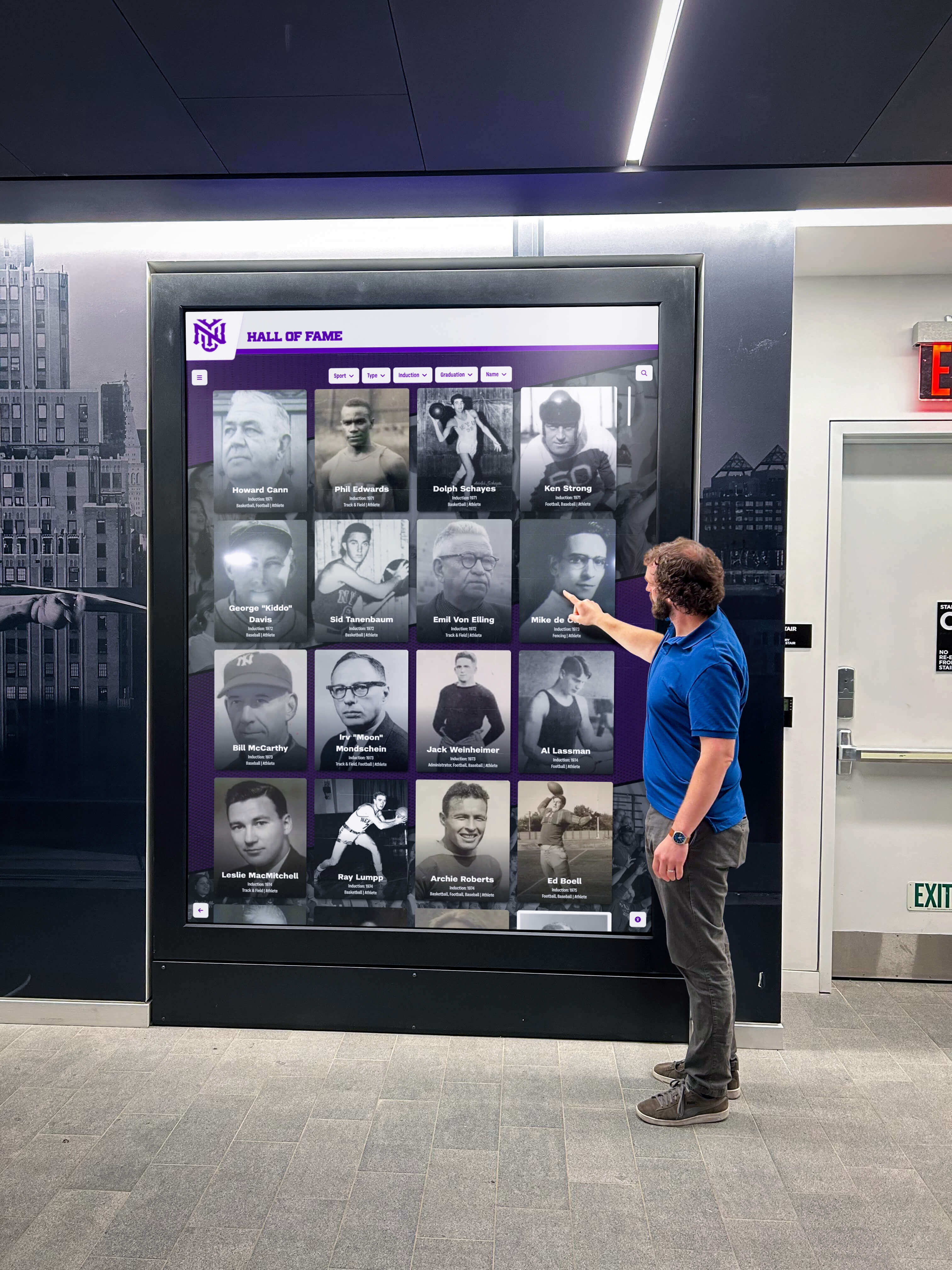
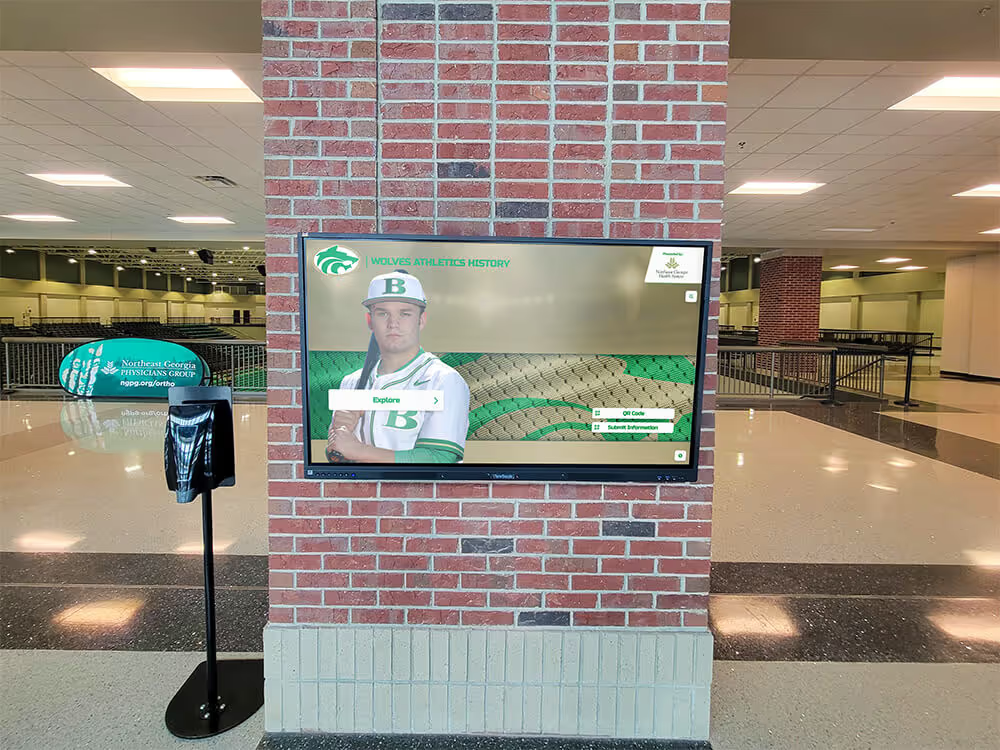
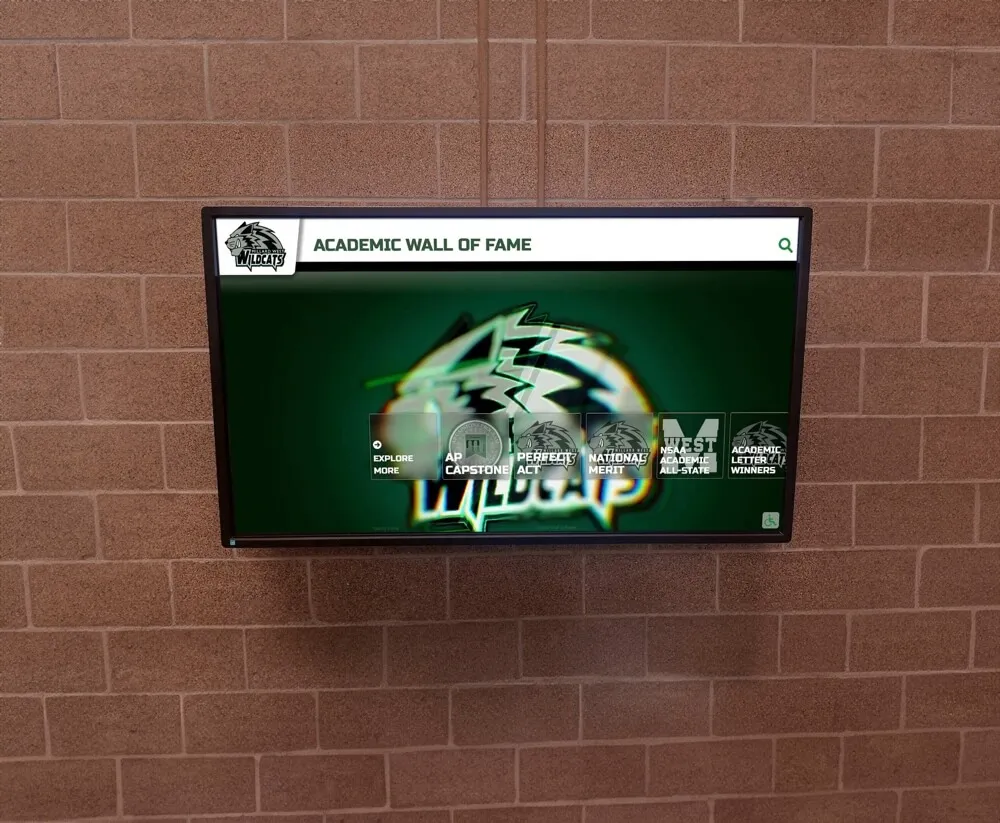
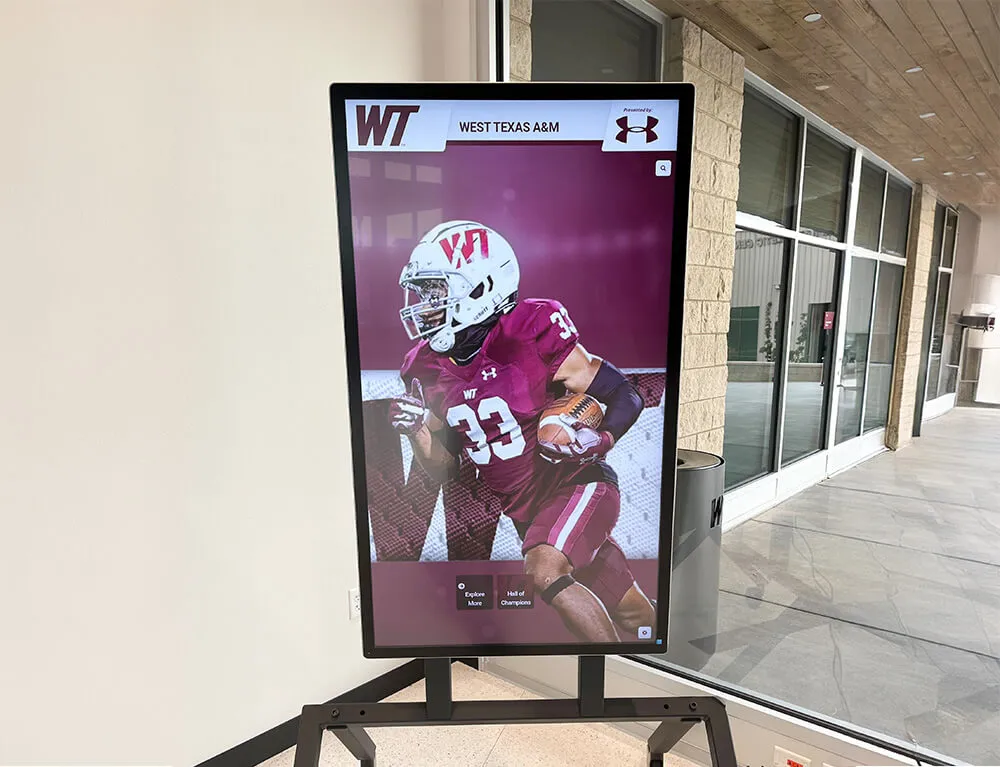
Interactive displays engage visitors through intuitive touch navigation enabling exploration of comprehensive donor stories and impact documentation
Hybrid Digital-Physical Tree Installations
The most sophisticated donor recognition combines painted or sculptural tree bases with integrated digital displays, leveraging strengths of both traditional and modern approaches.
Integration Design Patterns
Successful hybrid implementations feature several configuration options. Central digital displays integrated within painted tree murals show searchable donor databases surrounded by artistic tree imagery creating cohesive visual presentations. Digital leaves and physical branches combine sculptural tree structures with small digital displays at branch tips that rotate through donor names or show featured profiles. Touch-activated zones integrate within physical trees, with discrete touch sensors triggering adjacent digital displays showing detailed donor information. And companion displays position interactive touchscreens adjacent to traditional donor trees, explicitly linking physical and digital recognition through intentional placement and visual design continuity.
Advantages of Hybrid Approaches
Combined systems deliver multiple benefits including unlimited capacity through digital components while maintaining prestigious physical presence valued by traditional donors. Flexible recognition enables detailed digital profiles for donors desiring rich storytelling while respecting privacy preferences of supporters comfortable only with simple name inclusion on physical elements. Aesthetic sophistication balances traditional craftsmanship communicating permanence with modern technology demonstrating innovation. And phased implementation allows starting with physical installations and adding digital components later as budgets permit or as organizations recognize interactive capabilities’ value.
Organizations implementing digital donor recognition displays discover hybrid approaches provide optimal balance between emotional impact and practical functionality.
Designing Effective Donor Tree Hierarchies
Regardless of whether implementations use physical, digital, or hybrid approaches, thoughtful hierarchy ensures recognition honors giving levels appropriately while maintaining inclusive community spirit.
Visual Differentiation by Giving Level
Tree structures naturally accommodate tiered recognition through strategic positioning and scaling that feels organic rather than artificially segmented.
Common Hierarchy Approaches
Effective donor tree designs typically organize contributors through several framework options. Root systems recognize founding donors, major gift leadership, and transformational contributors whose support established organizational capacity—positioned prominently at tree bases with large, substantial visual presence. Trunk and primary branches honor significant supporters whose sustained giving provides core institutional stability—central positioning with prominent sizing communicating importance. Secondary branches represent mid-level donors making meaningful contributions—integrated throughout tree structures with moderate visual emphasis. Leaves, blossoms, or fruit acknowledge annual giving supporters and entry-level donors—numerous small elements collectively creating tree fullness demonstrating that comprehensive participation matters.
Balancing Hierarchy with Inclusion
While differentiation appropriately honors major gifts, overly dramatic disparities risk alienating modest contributors whose cumulative support often exceeds individual large gifts. Strategies maintaining inclusive tone include unified design language using consistent artistic styles, materials, and color palettes across all giving levels rather than drastically different treatments. Proximity integration intersperses giving levels throughout tree structures rather than segregating categories into isolated zones. Explanatory context accompanies recognition explaining donor categories and cumulative impact of different giving patterns. And growth visualization, particularly in digital implementations, demonstrates how donors can progress from leaves to branches through sustained support over time.
The goal involves creating recognition where every donor feels valued participation in community building while major gift supporters receive appropriately prominent acknowledgment reflecting their transformational impact.
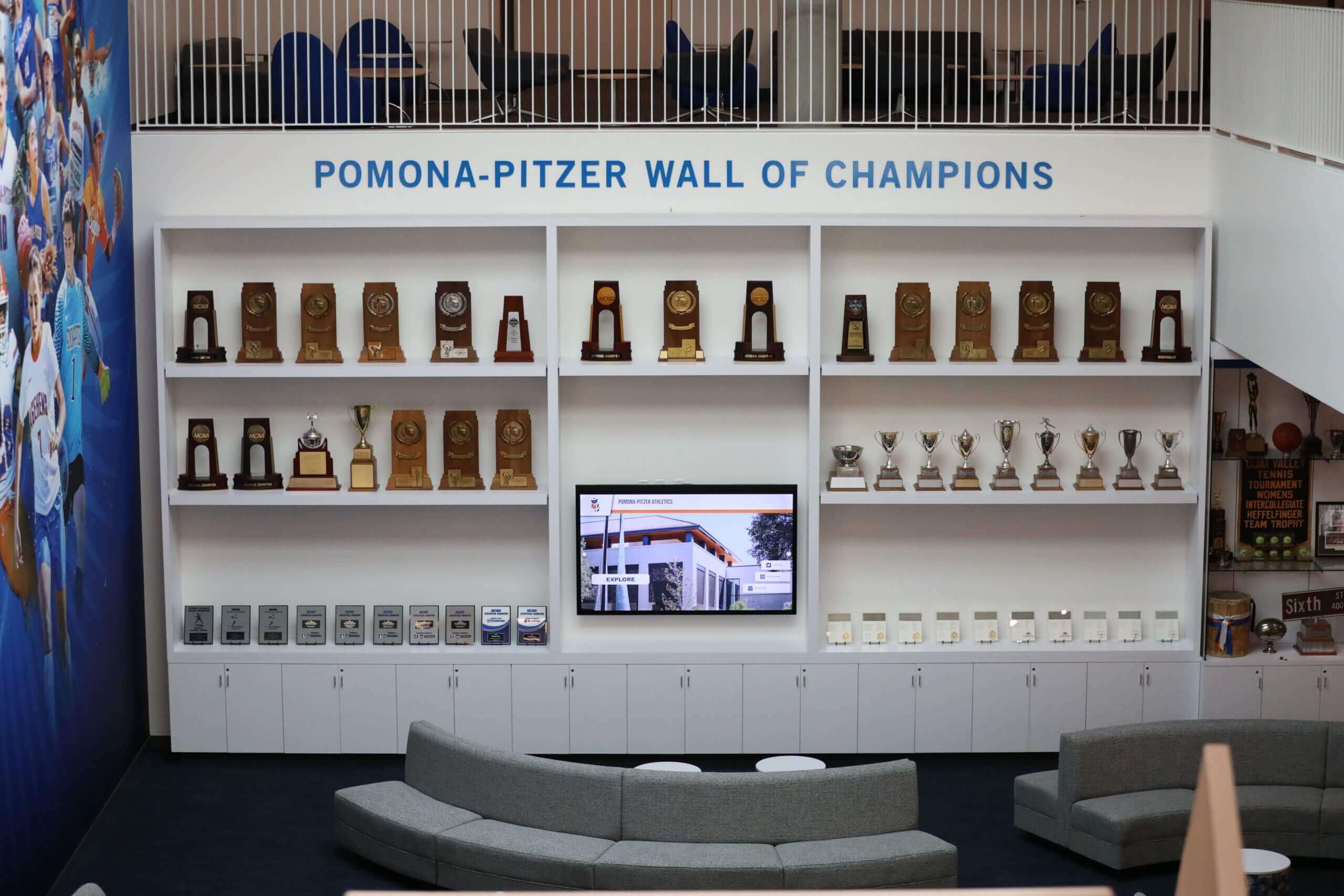
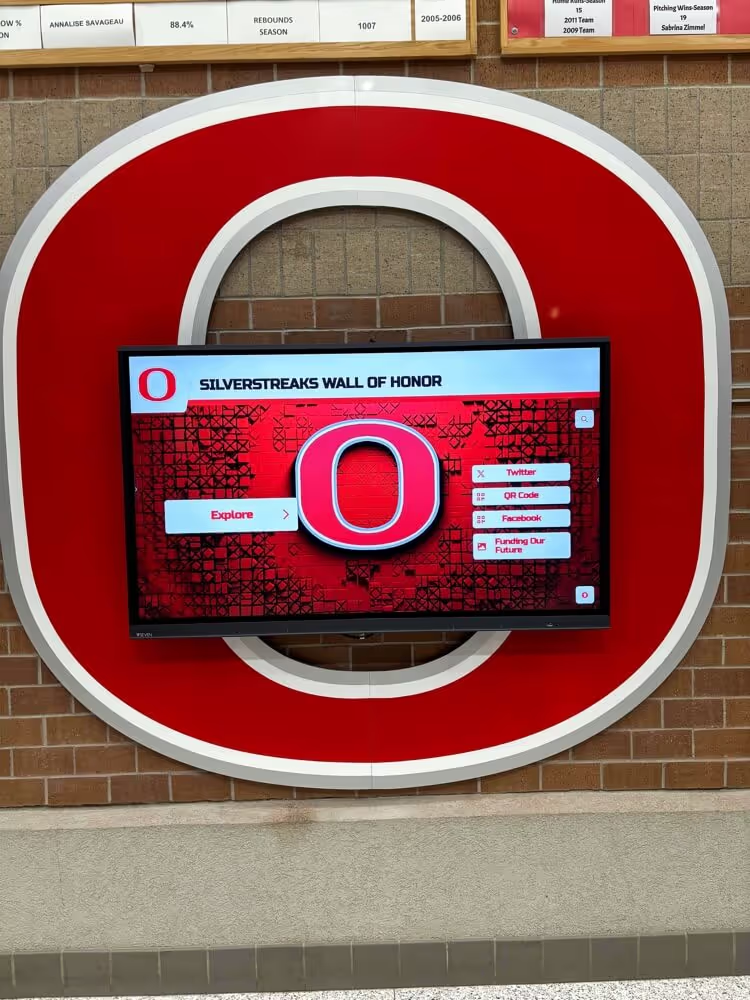
Creating recognition environments with inviting atmospheres encourages visitors to engage meaningfully with donor stories and institutional heritage
Temporal Dimensions: Honoring Legacy and New Growth
Donor trees provide elegant frameworks for distinguishing founding supporters from current contributors without diminishing either group’s importance.
Historical Recognition Strategies
Effective approaches honor organizational history through dedicated heritage zones at tree bases showing founding donors and early supporters who established institutional missions. Historical timelines integrate with tree designs showing how philanthropic support has evolved across decades. Memorial recognition incorporates tribute leaves or branches honoring donors who have passed away, creating lasting presence maintaining their connection to communities they supported. And multi-generational giving celebrates families whose support spans multiple generations through connected branch structures or proximity grouping.
Integrating Current and Future Donors
While honoring history matters, recognition must welcome new supporters enthusiastically. Design approaches accommodating ongoing growth include obvious expansion zones with visual cues showing where future donors will appear, communicating that trees remain living, growing communities. Featured recognition spotlights recent contributors prominently through highlighted positioning, temporary enhanced sizing, or rotation in digital implementations. And perpetual refreshment through content updates, photography additions, and story enhancements ensures recognition feels current rather than archived history gradually forgotten.
Balance involves neither allowing historical donors to dominate contemporary recognition nor treating founding supporters as distant footnotes overshadowed by recent contributors. The tree metaphor inherently accommodates this balance—historical roots enable current growth, while new foliage maintains tree vitality.
Content Strategy for Donor Tree Recognition
Compelling recognition requires more than visual design—thoughtful content strategy ensures displays communicate impact stories and donor motivations that inspire continued and increased support.
Profile Depth Appropriate to Giving Levels
Recognition content should scale with contribution levels, providing enhanced storytelling for major donors while maintaining dignity for all supporters.
Entry-Level Donor Recognition
Annual giving supporters and modest contributors typically receive recognition through name inclusion with graduation years or community affiliations, brief thank you messages or impact statements, recognition society memberships, and giving year or campaign designations. This foundational recognition validates participation without requiring extensive content development for potentially hundreds or thousands of donors.
Mid-Level Donor Recognition
Supporters contributing $1,000-$25,000 or equivalent deserve enriched recognition including professional headshot photography, biographical paragraphs (100-200 words) explaining institutional connections and giving motivations, career and community accomplishment highlights, and specific program or scholarship designations connecting gifts to institutional priorities.
Major Gift Donor Recognition
Transformational donors warrant comprehensive profiles featuring professional portrait photography or family photos, extensive biographical narratives (300-500 words) providing rich personal context, video testimonials capturing authentic voices explaining why they support institutions, detailed impact documentation showing specific outcomes their generosity enabled, and multi-generational family stories when applicable.
This tiered approach appropriately honors different giving levels while ensuring recognition remains sustainable from content development perspective—organizations cannot realistically create extensive profiles for every annual fund contributor, but major donors absolutely deserve that investment.
Explore comprehensive giving recognition strategies that extend tree metaphors across multiple institutional touchpoints.
Impact Storytelling Within Tree Frameworks
Beyond honoring individual donors, effective tree-based recognition connects philanthropy to tangible institutional outcomes and beneficiary experiences.
Outcome Documentation
Compelling donor recognition demonstrates concrete results support enables through several content strategies. Scholarship recipient profiles show students whose education donor generosity funds, with academic achievements and career aspirations. Program impact metrics quantify outcomes philanthropic support creates—students served, facilities utilized, research breakthroughs advanced. Facility documentation showcases spaces donor contributions built or renovated through before/after photography and usage statistics. And beneficiary testimonials feature authentic voices of individuals whose lives institutional programs touched, creating emotional connections between abstract giving and real human impact.
Connecting Donors to Branches of Impact
Tree metaphors enable elegant organization connecting donor support to specific institutional areas through thematic branch structures. Academic branches group donors supporting educational programs, scholarships, or faculty development. Athletic branches recognize supporters funding sports programs, facilities, or student-athlete scholarships. Arts and culture branches honor patrons supporting performance venues, exhibitions, or creative programming. And community service branches celebrate donors advancing institutional service missions, outreach programs, or local partnerships.
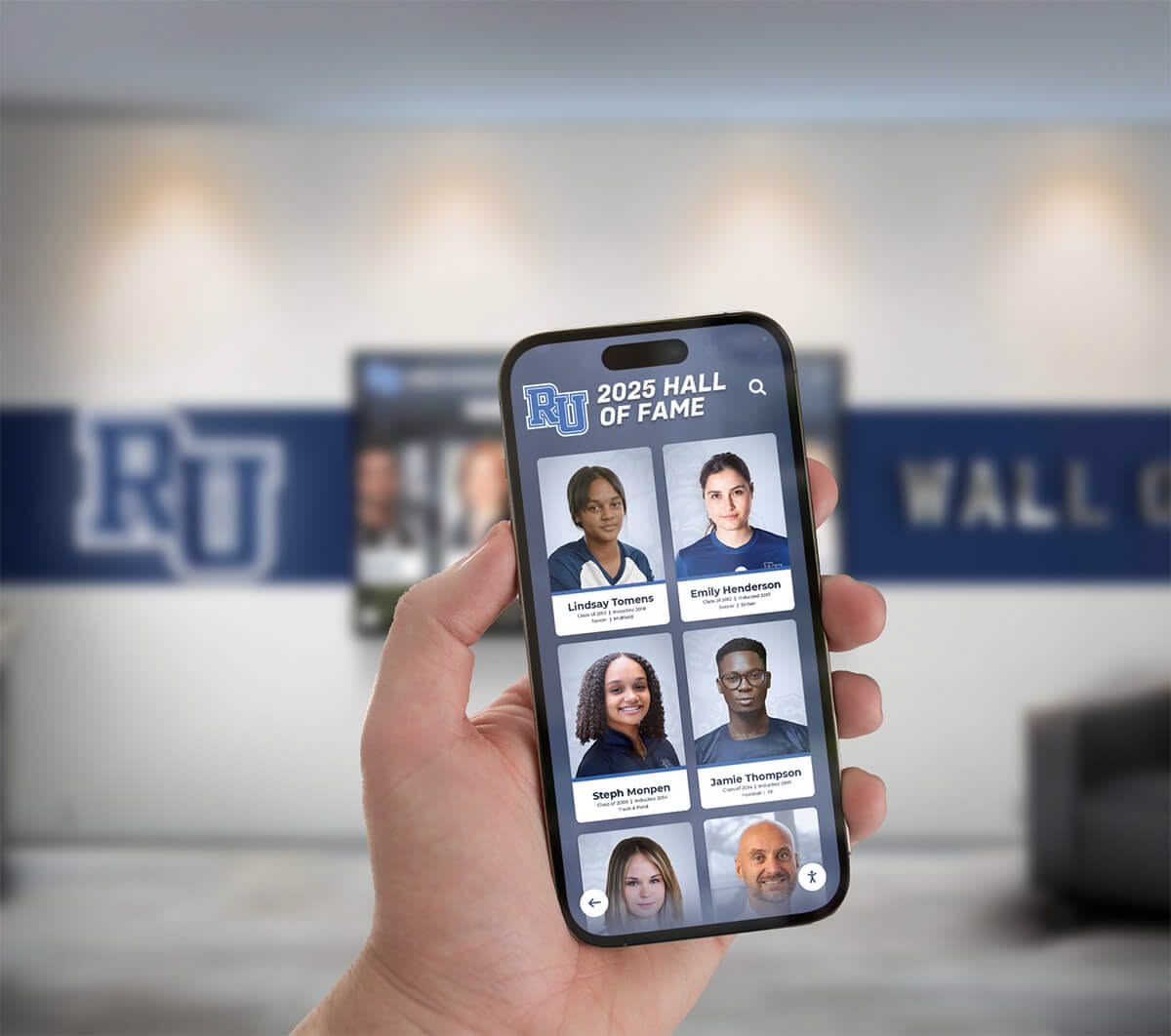
Cloud-based recognition platforms extend donor tree access beyond physical installations through mobile and web interfaces
This organizational approach helps donors understand how their specific contributions advance particular institutional priorities while maintaining overall community cohesion through unified tree visualization.
Technical Implementation Considerations
Successful donor tree installations require addressing practical technical, logistical, and maintenance considerations that affect long-term sustainability and effectiveness.
Physical Installation Requirements
Whether implementing sculptural, mural, or digital donor trees, several infrastructure considerations demand attention during planning phases.
Structural and Spatial Planning
Effective installations require adequate wall space or floor area accommodating tree dimensions plus surrounding clearance for viewing and photography. Load-bearing capacity for wall-mounted elements ensures structural safety, particularly important for heavy sculptural installations. Ceiling height accommodates vertical tree growth with appropriate proportions—cramped spaces undermine visual impact. Lighting design highlights recognition effectively through dedicated accent lighting, avoiding glare on digital displays while ensuring traditional elements remain legible. And traffic flow analysis ensures installations don’t obstruct circulation while remaining accessible to all visitors including those using mobility devices.
Organizations should involve facilities teams early in planning, conducting site surveys assessing suitability before committing to specific donor tree designs that may prove technically unfeasible in intended locations.
Digital Infrastructure Requirements
Digital donor trees demand additional technical considerations including electrical service providing adequate power with surge protection for computing and display hardware. Network connectivity through hardwired Ethernet connections ensuring reliable internet access for cloud-based content management. Climate control maintaining appropriate temperature and humidity protecting sensitive electronics from premature failure. And security measures preventing theft or vandalism of expensive touchscreen equipment through secure mounting, cable management, and potentially security cameras.
Schools and nonprofits should review resources on interactive kiosk installations before finalizing digital donor tree plans.
Content Management and Maintenance
Beyond initial installation, sustainable donor recognition requires systematic workflows for ongoing updates and maintenance.
Content Update Processes
Effective organizations establish clear procedures including gift processing workflows triggering automatic recognition addition within 48-72 hours of contribution processing. Content approval chains ensuring appropriate review before donor profiles publish publicly. Photography coordination systematically capturing professional donor portraits during events, campaigns, or dedicated photo sessions. And regular audits verifying accuracy, checking for outdated information, and identifying maintenance needs.
Digital platforms dramatically simplify update processes compared to physical systems requiring plaque manufacturing and installation. Cloud-based content management enables non-technical development staff to add donors remotely without requiring IT assistance or vendor coordination—critical advantage enabling timely recognition that reinforces positive donor experiences.
Physical Maintenance Considerations
Traditional donor tree installations require periodic attention including cleaning removing dust, fingerprints, or environmental debris from sculptural elements, plaques, and surrounding areas. Protective coating reapplication maintaining finishes on painted murals, wood elements, or metal components. Hardware inspection ensuring mounting systems, attachment points, and structural elements remain secure. And damage repair addressing scratches, dents, fading, or deterioration promptly before minor issues become major problems.
Digital systems require different maintenance including screen cleaning with appropriate materials avoiding damage to touchscreen surfaces. Software updates maintaining current platform versions with security patches and feature enhancements. Hardware monitoring checking display performance, computing functionality, and network connectivity. And content refresh periodically updating featured donor rotation, refreshing photography, and refining navigation flows based on analytics insights.
Organizations should budget 2-4 hours monthly for routine donor tree maintenance plus $500-2,000 annually for supplies, repairs, and professional services ensuring recognition remains in excellent condition worthy of honoring generous supporters.
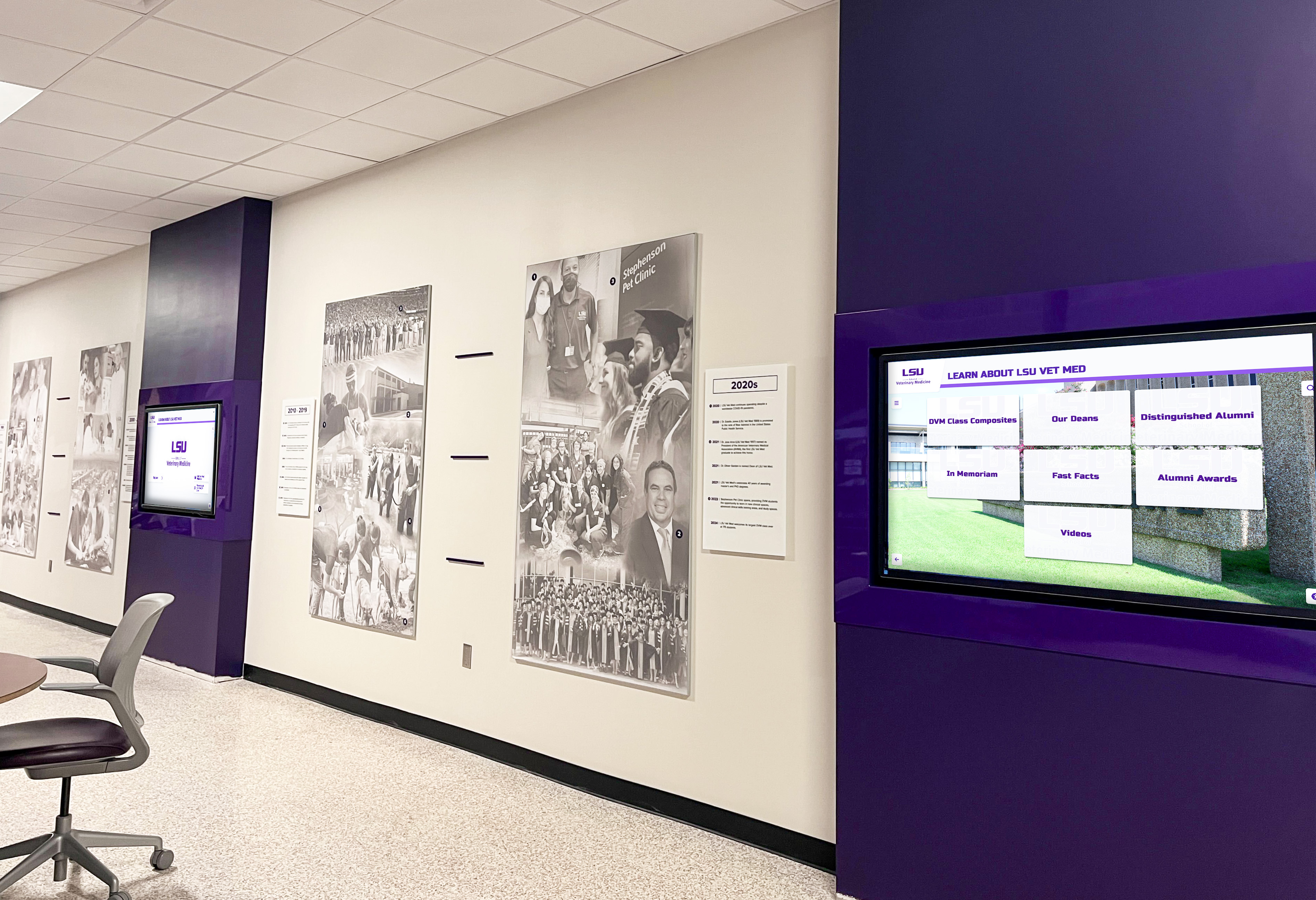
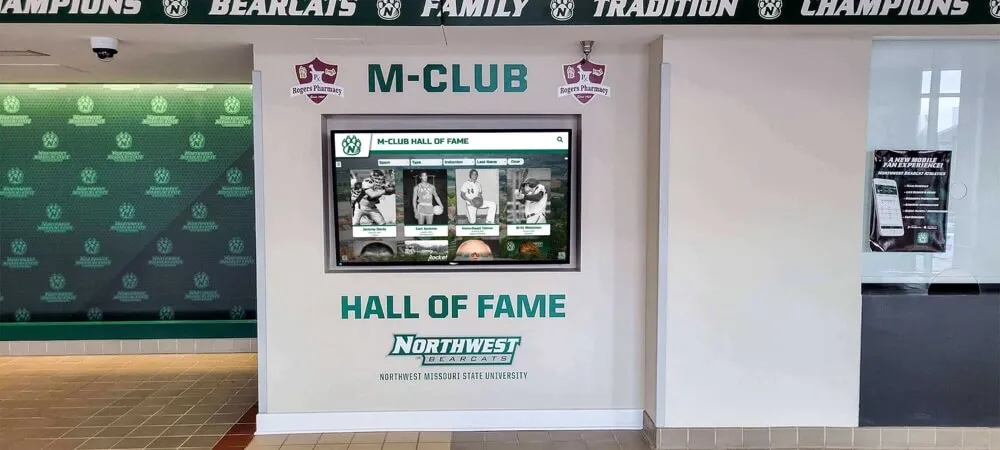
Comprehensive recognition programs often implement multiple coordinated displays throughout facilities ensuring donor appreciation reaches diverse audiences
Measuring Donor Tree Recognition Effectiveness
Data-driven evaluation ensures recognition investments deliver intended outcomes while identifying optimization opportunities enhancing donor engagement and retention.
Engagement Analytics and Visitor Interaction
Digital donor tree implementations provide rich usage data revealing how community members interact with recognition displays.
Key Engagement Metrics
Modern recognition platforms track several critical indicators including total interaction sessions establishing baseline engagement volumes. Average session duration (target: 5-8 minutes for interactive displays) indicating content depth and visitor interest. Interactions per session showing exploration breadth across donor profiles and content pages. Peak usage times informing optimal placement for promotional signage or event scheduling. And repeat visitor percentages demonstrating sustained community interest beyond initial novelty.
Content performance reveals which donor stories resonate most powerfully through most-viewed profiles, popular search terms, navigation paths showing common exploration patterns, video completion rates assessing multimedia effectiveness, and abandonment points identifying confusing interfaces or content gaps requiring improvement.
Organizations implementing comprehensive digital recognition analytics discover actionable insights that continuously improve donor engagement experiences.
Fundraising Outcome Correlations
Ultimate recognition success appears in broader advancement metrics demonstrating impact on donor behavior and institutional fundraising performance.
Retention and Upgrade Metrics
Effective donor tree recognition should correlate with improved retention rates comparing recognized versus non-recognized donors (benchmark: 15-25 percentage point improvements). Upgrade conversion rates tracking donors moving to higher giving levels (benchmark: 8-12% annually for engaged donors). Time-to-next-gift intervals measuring how quickly recognized donors make subsequent contributions. And major gift success rates evaluating whether prospects exposed to recognition during cultivation convert at higher rates.
Qualitative Donor Feedback
Quantitative metrics tell important stories, but qualitative donor feedback provides irreplaceable context. Solicited testimonials during stewardship visits inquire whether donors feel appropriately recognized and what recognition elements resonate most meaningfully. Unsolicited comments captured through social media posts, thank you notes, or casual conversation reveal authentic donor sentiment. Event observations during unveilings or donor gatherings show emotional reactions and community discussion patterns. And survey research specifically assessing recognition satisfaction provides systematic feedback guiding program enhancements.
Organizations should systematically capture donor feedback, incorporating insights into recognition refinements ensuring trees evolve to serve community preferences rather than remaining static installations gradually losing relevance.
Special Considerations for Different Donor Tree Applications
While tree metaphors work universally, specific fundraising contexts benefit from tailored design approaches addressing unique characteristics and stakeholder expectations.
Capital Campaign Recognition Trees
Building campaigns seeking major one-time gifts for specific projects benefit from campaign-specific donor trees that celebrate progress toward concrete goals.
Campaign Tree Design Elements
Effective campaign recognition incorporates several strategic features including campaign goal visualization showing progress toward total targets through partially-grown trees that fill as fundraising advances. Project imagery integrating renderings or photographs of facilities, programs, or initiatives donor support funds. Pledge recognition distinguishing committed gifts from fulfilled contributions, often through different leaf colors or styles. And priority visibility ensuring campaign trees receive prominent placement where prospects encounter recognition during cultivation tours.
Campaign trees work particularly effectively in renovation or new construction projects, with recognition installed in completed facilities serving as permanent tribute to supporters whose generosity made projects possible.
Annual Giving and Perpetual Recognition
Ongoing giving programs require recognition accommodating continuous donor additions without fixed completion milestones.
Perpetual Growth Design Strategies
Annual fund donor trees must provide obvious expansion capacity through digital platforms offering unlimited leaf additions as donor participation grows, modular physical systems with clear attachment points for future donor elements, or hybrid approaches combining fixed artistic bases with expandable digital components.
Recognition should celebrate cumulative giving patterns through leaf size or styling reflecting consecutive giving years, trunk or branch positioning showing lifetime contribution totals, or special recognition for sustained support milestones (10 years, 25 years, 50 years consecutive giving).
Organizations implementing staff recognition programs discover similar principles apply to employee appreciation using tree-based designs.
Memorial and Legacy Giving Trees
Planned giving programs and memorial contributions deserve specialized recognition approaches honoring both donors and individuals memorialized through gifts.
Memorial Recognition Considerations
Sensitive memorial donor trees incorporate fallen leaves or petals representing individuals remembered through contributions. Tribute branches grouping memorial gifts honoring particular individuals or causes. Biographical content about both donors making memorial gifts and individuals honored through contributions. And family connections showing multi-generational giving patterns or relationships between donors and memorialized individuals.
Legacy giving recognition may include distinct evergreen elements symbolizing perpetual endowment gifts, seed or sapling imagery representing gifts that will grow impact over time, protective canopy visualization showing how estate gifts provide long-term institutional sustainability, and testimonial content from planned gift donors explaining motivations for including institutions in estate plans.
Explore academic recognition frameworks that apply tree-based design principles across comprehensive institutional recognition programs.
Conclusion: Cultivating Recognition That Grows With Your Community
Donor wall tree designs transcend decorative appeal, creating powerful visual narratives that transform transactional giving acknowledgment into emotional community-building experiences. Whether implementing sculptural installations, painted murals, interactive digital platforms, or innovative hybrid approaches, tree-based recognition communicates fundamental truths about philanthropic partnership—individual contributions collectively build thriving communities, early supporters provide foundational strength enabling future growth, and sustained engagement creates enduring legacies flourishing across generations.
The most successful donor tree implementations balance artistic sophistication with practical functionality, visual hierarchy with inclusive community spirit, and prestigious permanence with flexible expandability. Organizations thoughtfully combining organic growth metaphors, tiered recognition structures, compelling impact storytelling, and sustainable maintenance workflows create recognition experiences donors genuinely value—experiences acknowledging not just what supporters give, but why they give and the transformational outcomes their generosity creates.
Grow Your Donor Recognition Tree
Discover how modern digital recognition platforms enable donor trees that expand dynamically with your community's generosity. Create engaging visual narratives celebrating philanthropic partnership while solving traditional recognition limitations.
Explore Recognition SolutionsAs you plan donor wall tree implementations, remember that effective recognition serves strategic advancement goals far beyond aesthetic enhancement. Thoughtful tree-based designs improve donor retention through meaningful acknowledgment, strengthen major gift cultivation by demonstrating recognition philosophy tangibly, inspire increased giving as supporters visualize joining thriving philanthropic communities, and build lasting institutional culture celebrating generosity as foundational organizational value.
Whether your institution serves education, healthcare, arts, faith communities, or social services, donor tree recognition creates universal visual language communicating that individual generosity, when combined with others’ support, builds magnificent achievements no single contributor could create alone. With strategic planning, appropriate technology, compelling content, and sustained stewardship, your recognition tree can flourish for generations—continuously welcoming new supporters while honoring founding donors whose vision planted seeds enabling everything that followed.
Ready to explore how digital platforms transform donor tree possibilities? Learn about building directory technologies that extend recognition beyond single installations, discover donor recognition display innovations showcasing cutting-edge approaches, or explore comprehensive development solutions integrating recognition with broader fundraising strategies.
Your donors’ generosity enables everything your organization accomplishes. They deserve recognition that honors their commitment while inspiring continued support across their lifetimes and beyond. Donor wall tree designs provide that meaningful acknowledgment—creating living, growing tributes that flourish alongside the communities generous supporters help build.