Every organization that depends on philanthropic support faces a fundamental challenge: how do you recognize donors in ways that feel meaningful, inspire continued giving, and adapt as your donor community grows? Traditional donor walls—brass plaques, engraved marble, or acrylic panels mounted on lobby walls—have served this purpose for decades. Yet these static installations create persistent frustrations that undermine recognition effectiveness and limit your ability to celebrate every supporter appropriately.
Capacity constraints force impossible decisions about which donors receive visibility. Update delays spanning months diminish recognition impact. Storytelling limitations prevent you from sharing the compelling narratives that connect donors emotionally to your mission. Correction costs and accessibility barriers add operational burdens while failing to meet contemporary expectations for engagement and transparency.
This complete 2026 guide explores everything you need to know about donor walls—from traditional approaches and their limitations through modern digital recognition solutions that solve persistent challenges while creating experiences donors genuinely value. Whether you’re planning your first recognition installation or modernizing existing displays, you’ll discover design frameworks, technology options, content strategies, and implementation best practices that transform acknowledgment from perfunctory obligation into strategic relationship investment delivering measurable fundraising returns.
Donor recognition represents strategic investment in relationships that sustain your mission through continued philanthropic support. The most effective recognition programs combine thoughtful design, appropriate technology, compelling storytelling, and sustained maintenance—creating experiences that honor generosity while strengthening donor connections for decades to come.

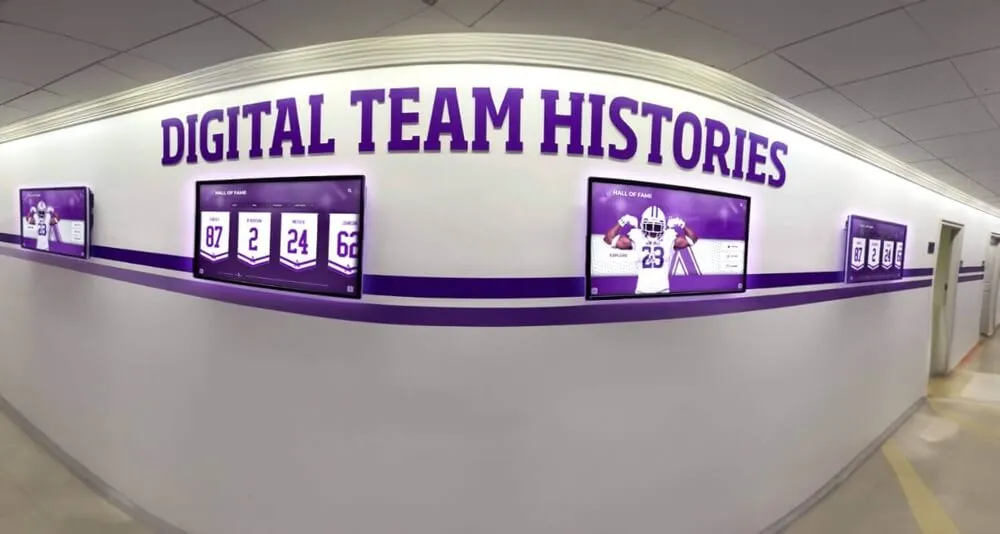
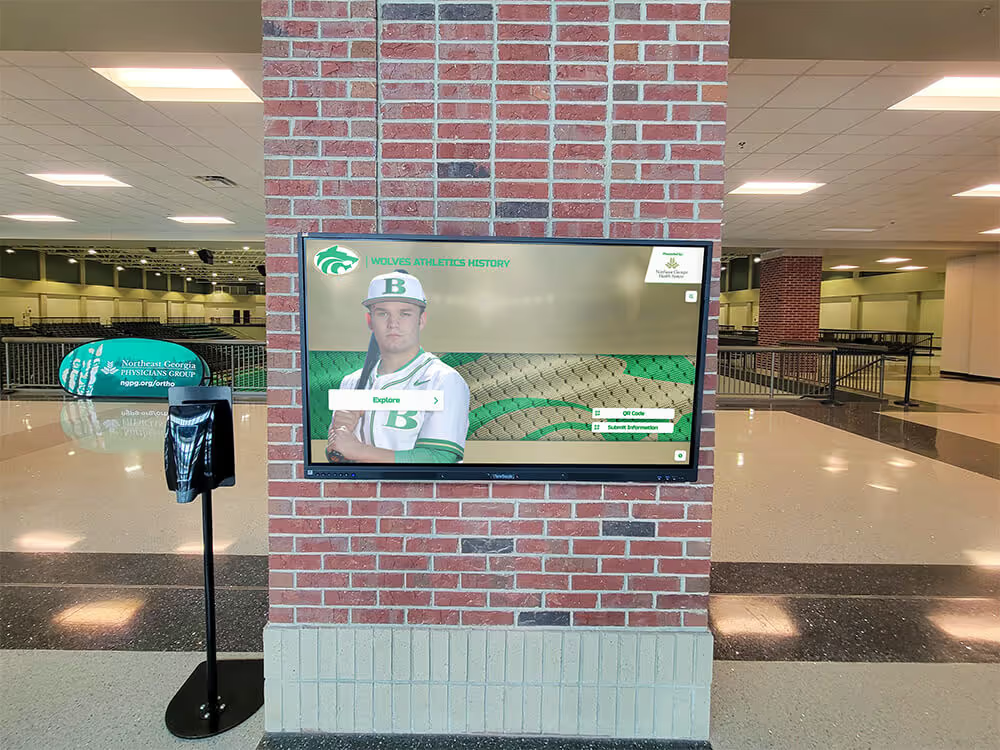
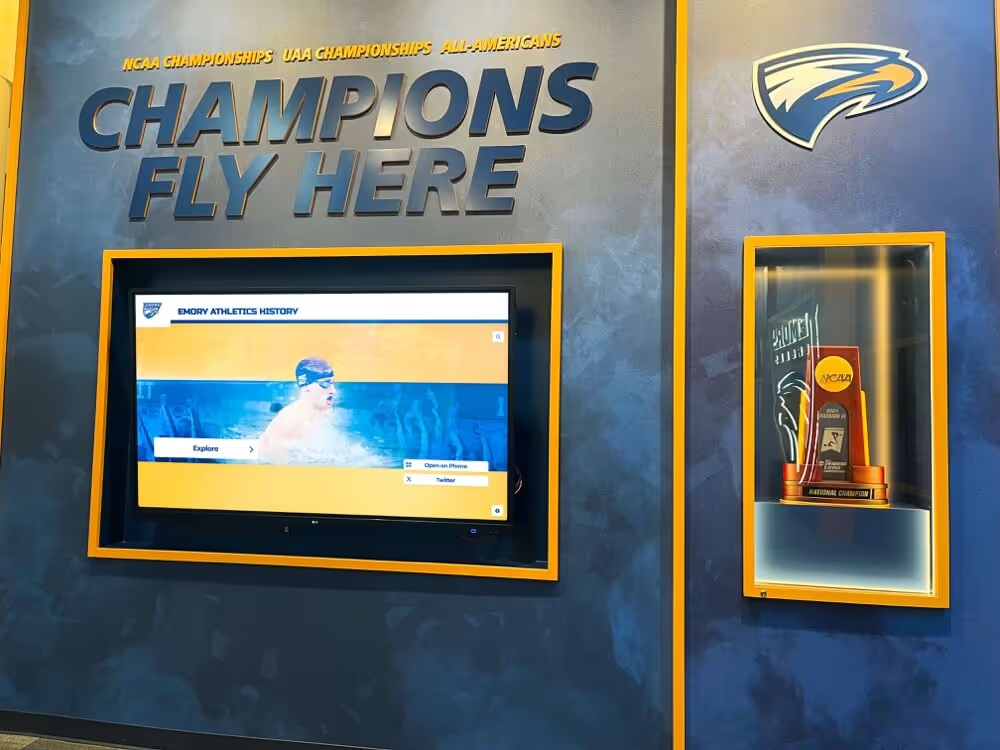
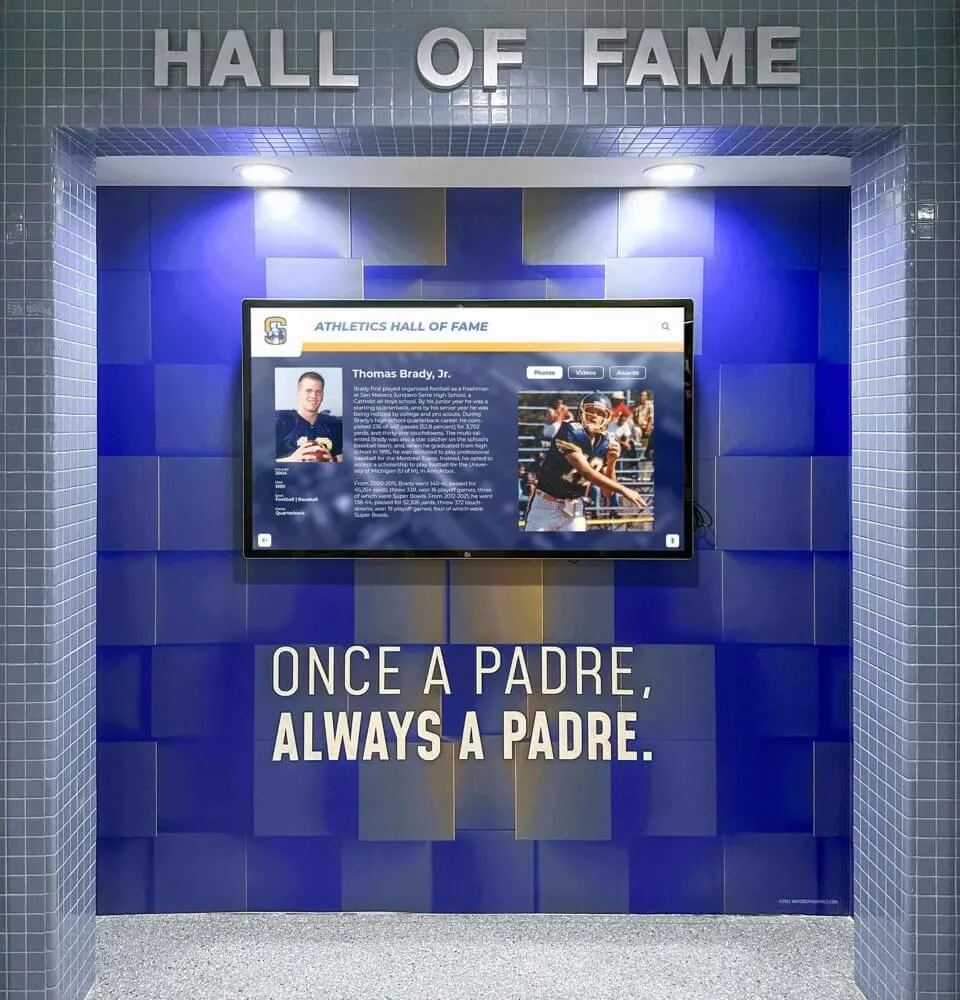
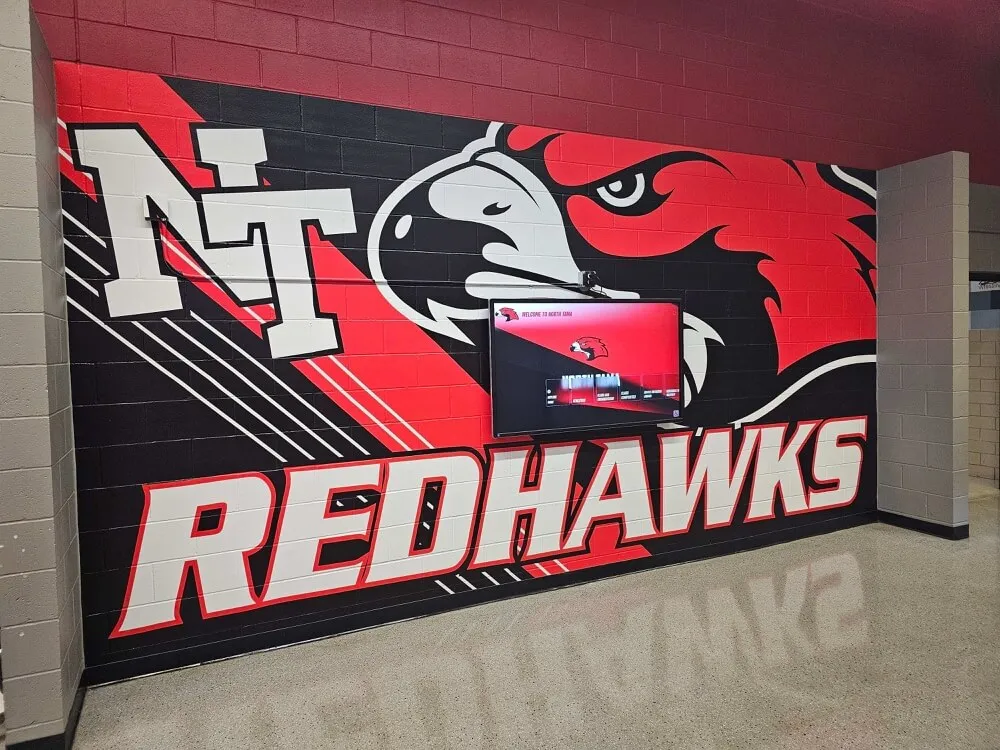
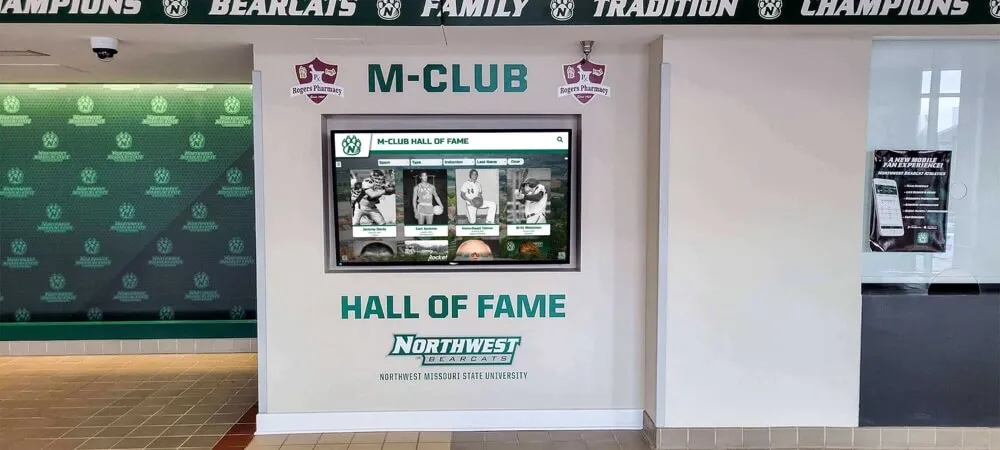
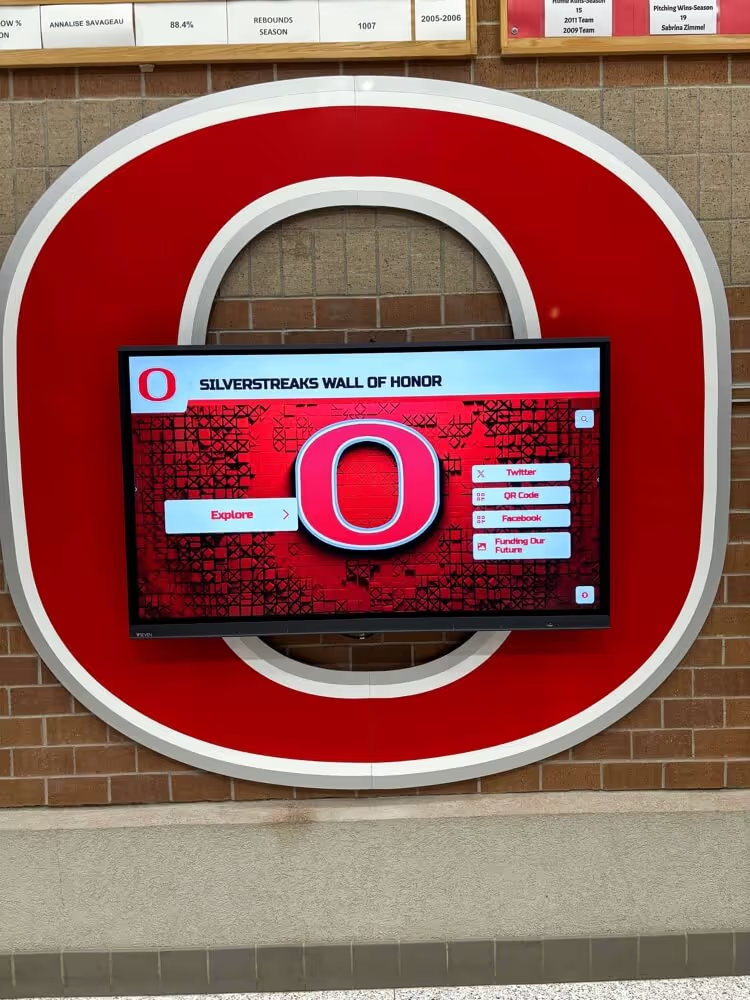
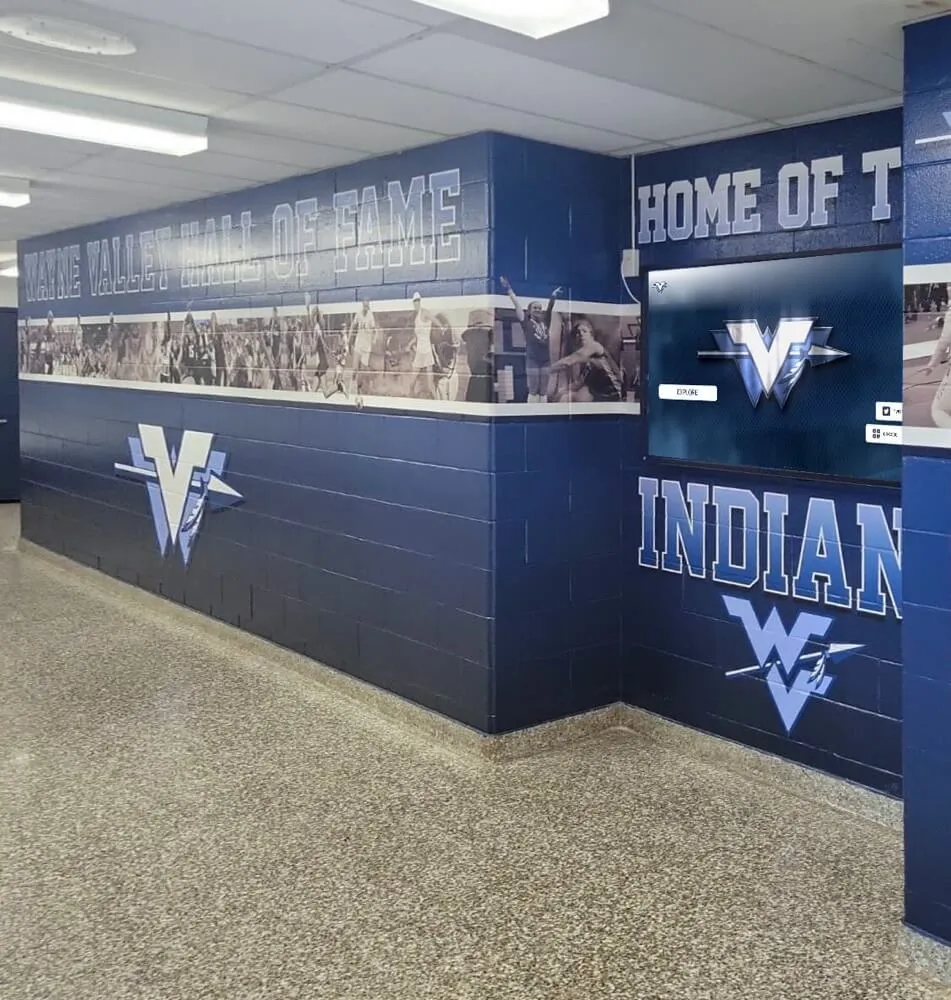
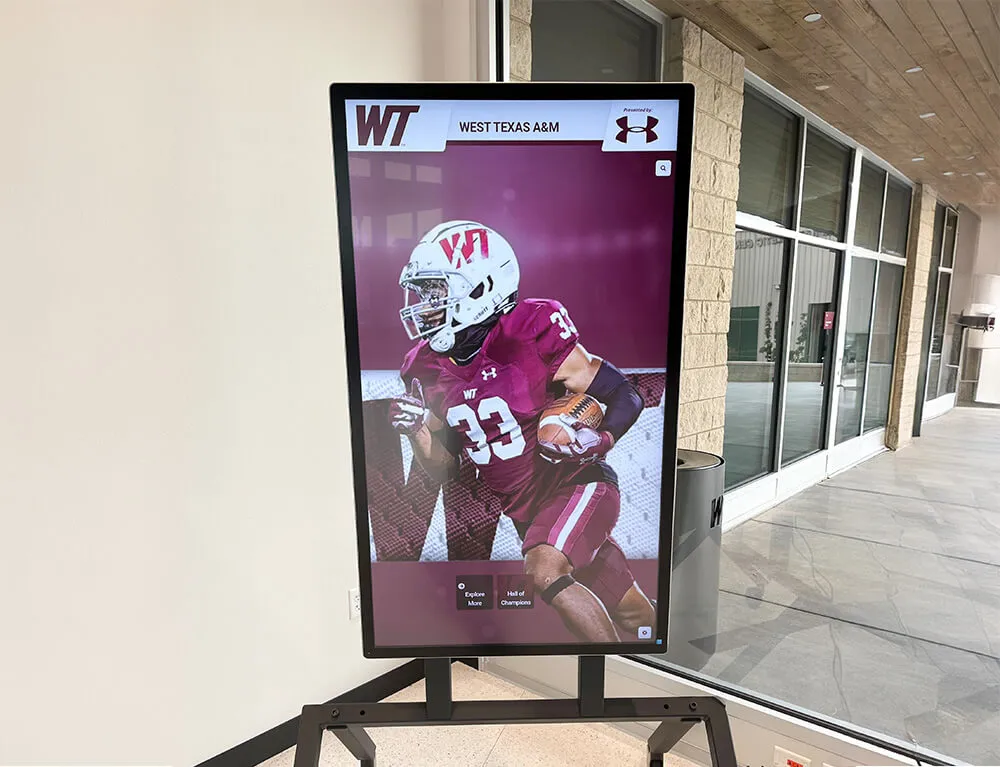
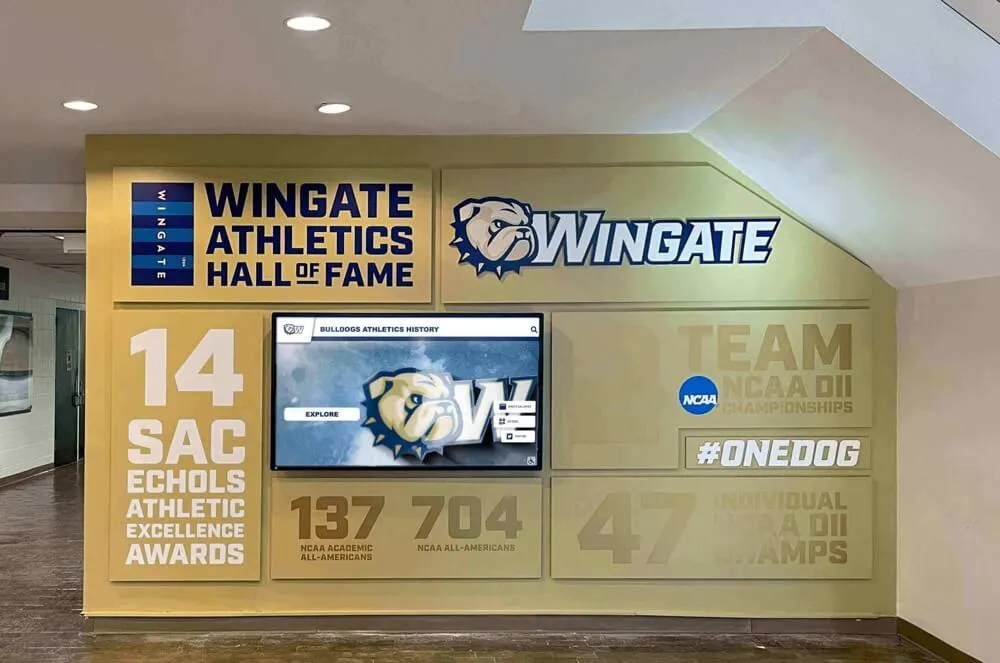
Modern donor recognition combines visual impact with unlimited capacity, showcasing comprehensive supporter communities impossible with traditional fixed installations
Understanding Donor Walls: Purpose and Strategic Value
Donor walls serve multiple interconnected purposes extending far beyond simple courtesy acknowledgment.
The Psychology of Public Recognition
Recognition creates powerful psychological effects influencing donor behavior and organizational culture:
Positive Reinforcement of Giving Behavior
When donors see their names displayed prominently in institutional spaces, they experience validation that strengthens associations between giving and positive feelings. This reinforcement significantly increases probability of repeat gifts—particularly when recognition appears promptly while donation motivation remains strong.
Social Identity and Belonging
Public recognition helps donors develop identity as philanthropists supporting your mission. Seeing themselves alongside respected peers signals that they belong to communities of like-minded supporters. This social identity becomes self-reinforcing as donors increasingly see themselves as people who champion your cause.
Peer Influence and Giving Norms
Donor walls communicate giving expectations and opportunities within your institutional culture. Prospective donors encountering comprehensive recognition understand that philanthropy represents normal, valued behavior rather than exceptional circumstance. This social proof proves especially powerful during major gift cultivation when prospects see colleagues and friends celebrated for transformational contributions.
Transparency and Stewardship Accountability
Comprehensive, accurate donor recognition demonstrates organizational commitment to tracking support carefully—building confidence that contributions will be stewarded with similar attention and accountability. When visitors see organizations maintaining recognition meticulously enough to honor all supporters appropriately, trust in overall mission stewardship increases substantially.
Donor Wall Impact on Fundraising Outcomes
Recognition effectiveness appears in measurable advancement metrics demonstrating tangible return on investment:
Retention Rate Improvements
Organizations implementing comprehensive donor recognition consistently report retention improvements of 15-25 percentage points compared to minimal acknowledgment programs. Over five years, this difference compounds dramatically—transforming fundraising economics from constant acquisition treadmills into sustainable revenue streams built on loyal relationships.
Gift Upgrade Acceleration
Visible recognition creates aspiration pathways encouraging donors to increase giving levels. When supporters see higher recognition tiers celebrating enhanced commitment, many work toward those milestones—resulting in gift upgrades 20-35% more frequently than among donors lacking recognition exposure.
Major Gift Cultivation Enhancement
Development officers leverage donor walls as cultivation tools during campus tours and prospect meetings. Recognition displays demonstrate institutional values tangibly, provide peer social proof, showcase impact accountability, and enable legacy visualization. Institutions report 18-27% increases in major gifts over $25,000 in years following comprehensive recognition program launches.
Planned Giving Conversation Starters
Recognition featuring multi-generational giving stories and legacy society acknowledgment opens natural conversations about estate gifts and endowment support. Organizations with sophisticated legacy recognition programs report planned giving inquiries increasing 30-40% as supporters contemplate their own lasting institutional connections.
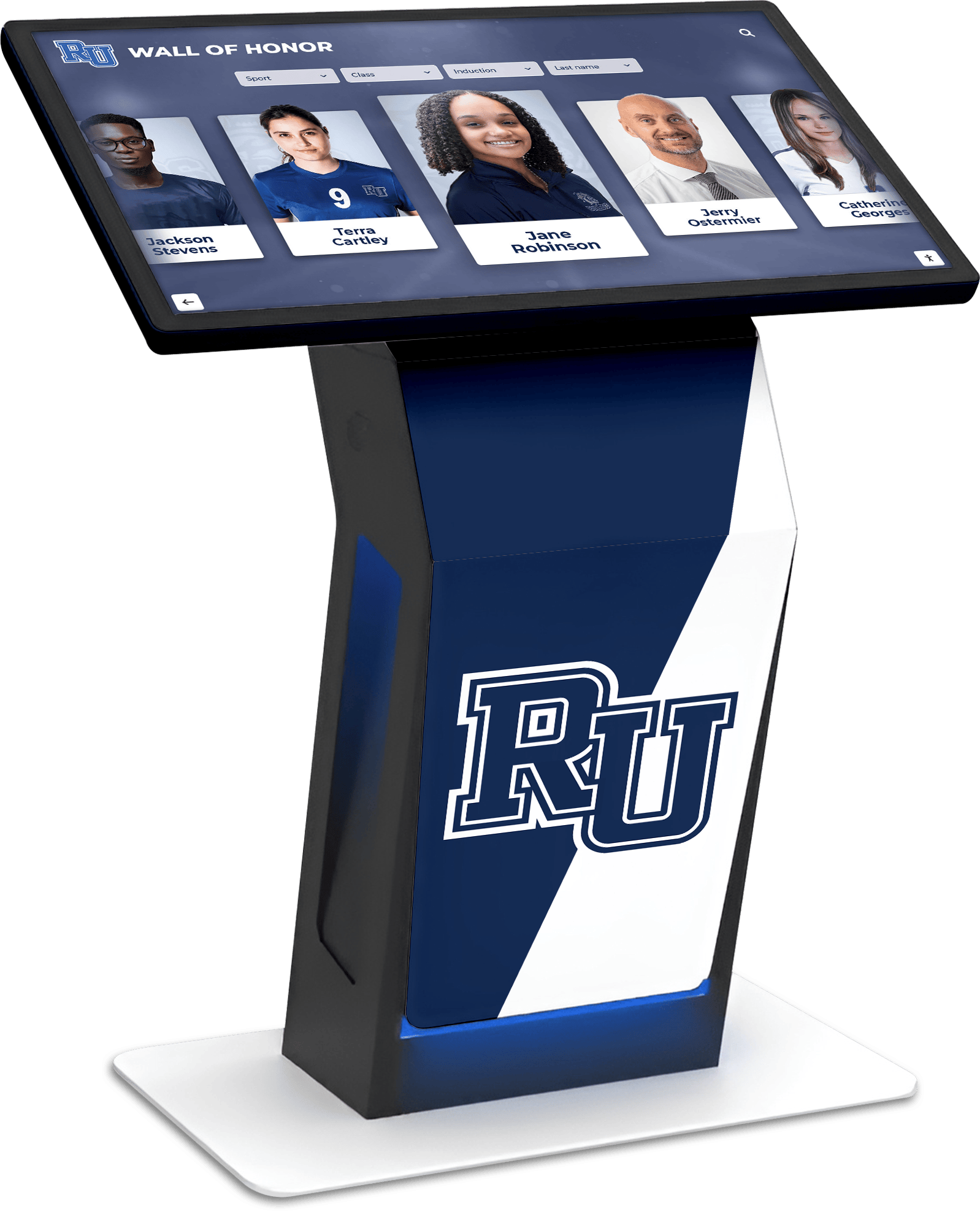
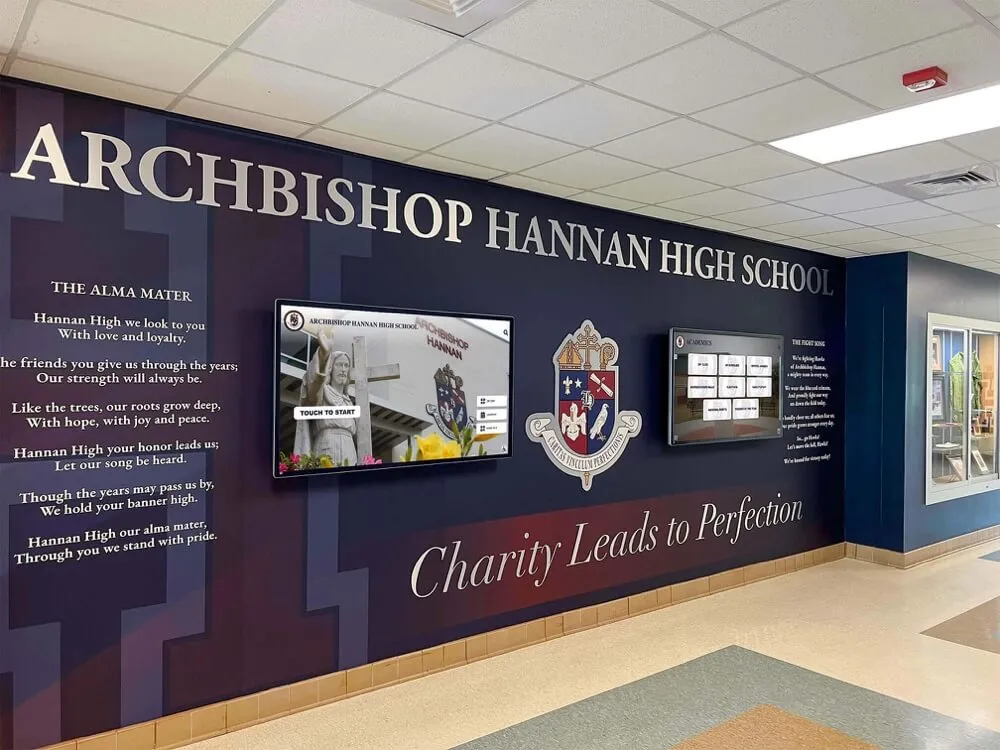
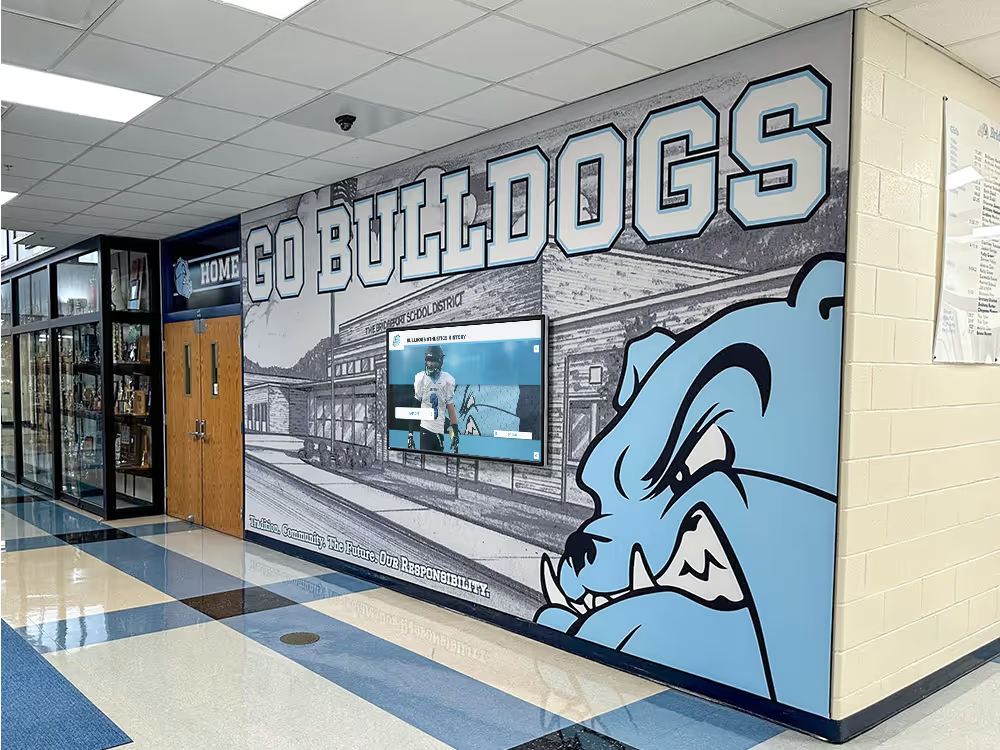
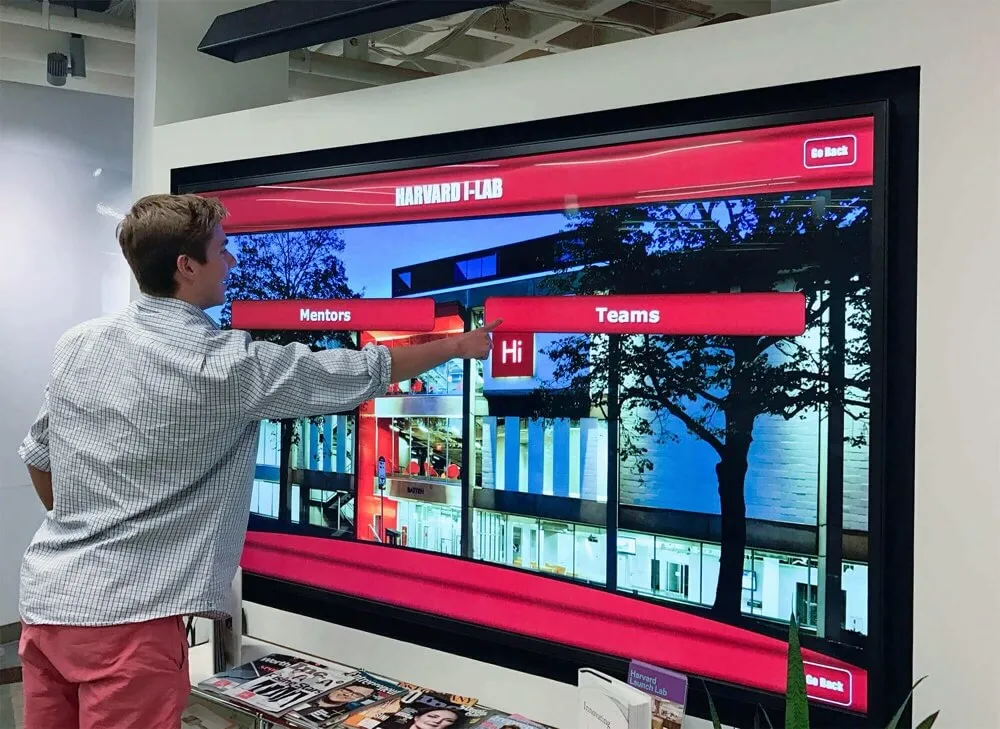
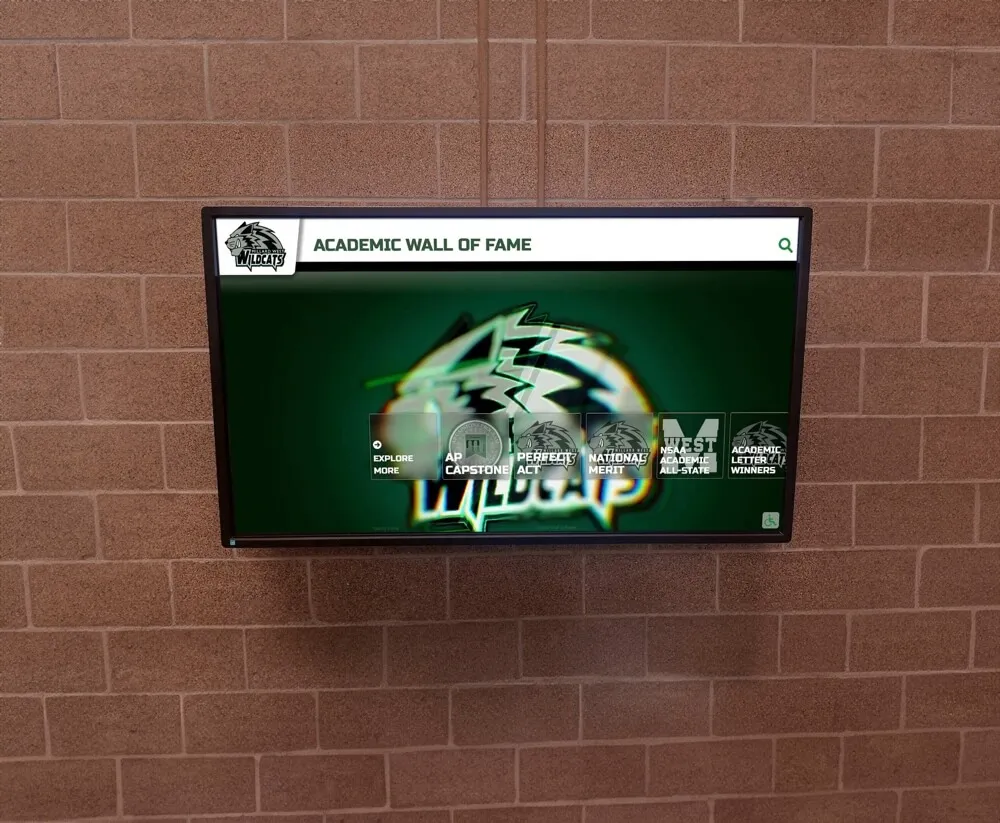
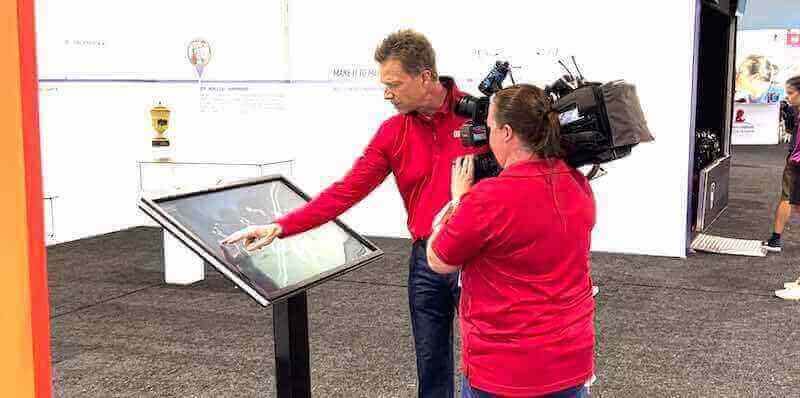
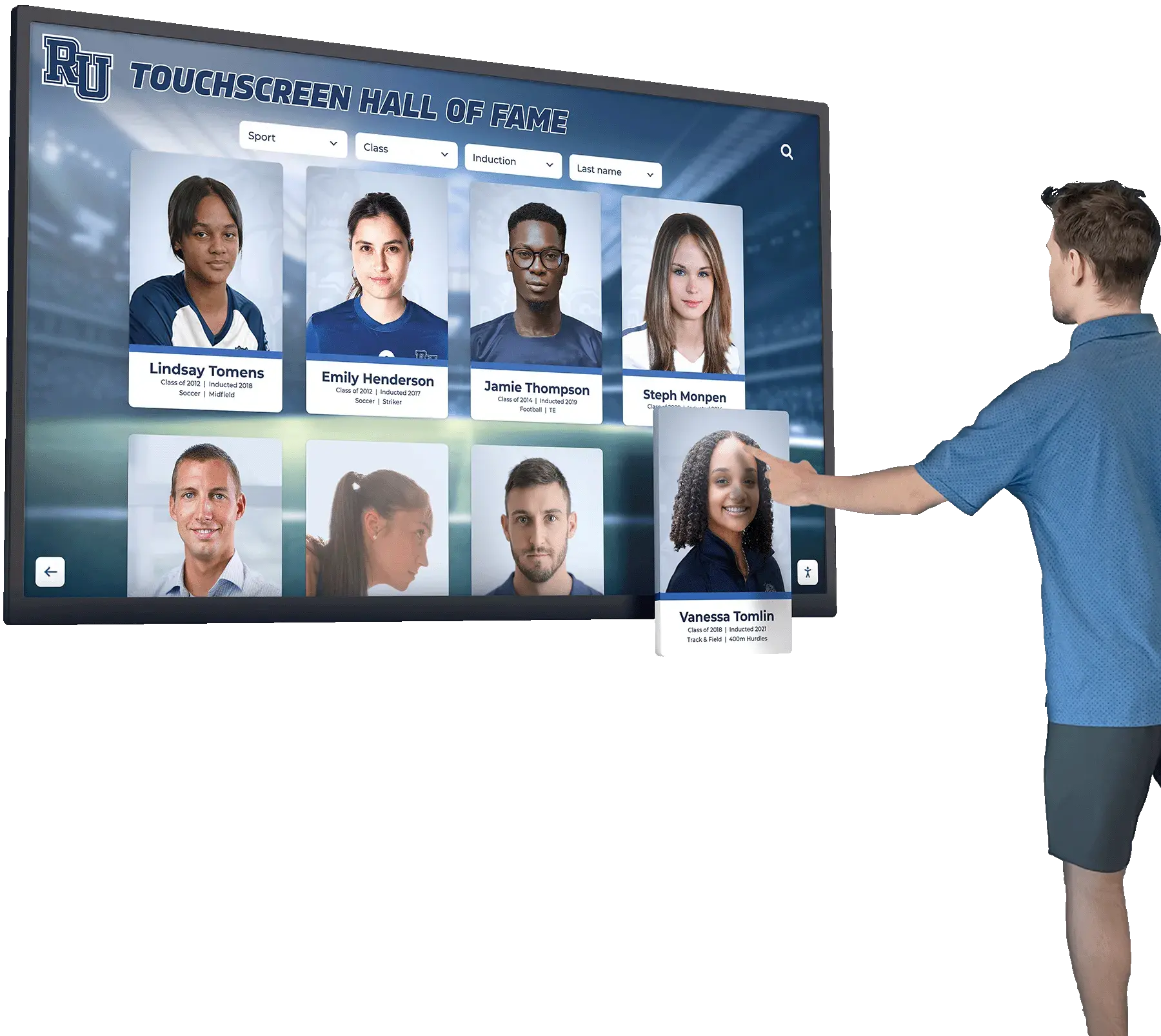
Purpose-built recognition kiosks combine commercial-grade touchscreens with intuitive interfaces enabling visitors to explore unlimited donor profiles and impact stories
Traditional Donor Wall Approaches: Benefits and Limitations
Understanding conventional recognition methods helps you appreciate why modern approaches incorporate new capabilities while preserving valuable elements.
Physical Donor Wall Materials and Construction
Traditional installations utilize various materials creating permanent architectural recognition:
Common Material Options
- Brass plaques: Classic, prestigious appearance with engraving holding up decades; expensive ($200-500 per nameplate), susceptible to tarnishing requiring maintenance
- Acrylic panels: Contemporary aesthetic with lower cost ($75-200 per panel); can yellow over time, less prestigious feeling than metal
- Marble or granite: Extremely durable, luxurious appearance fitting institutional architecture; highest cost ($500-1,200 per panel), heavy requiring substantial structural support
- Wood composite: Warm, organic aesthetic matching traditional institutional settings; requires climate control preventing warping, vulnerable to moisture and temperature fluctuation
- Metal donor trees or sculptures: Artistic recognition creating visual focal points; limited capacity, difficult to update or expand
Installation and Placement Considerations
Traditional donor walls require careful architectural planning including structural mounting supporting weight loads often exceeding 200-500 pounds, adequate wall space accommodating current donors plus reasonable growth projections, prominent placement in high-traffic areas ensuring visibility, lighting design enhancing readability without creating glare, and coordination with building aesthetics maintaining cohesive institutional branding.
The Persistent Limitations of Traditional Recognition
Despite beautiful craftsmanship, conventional donor walls create operational challenges undermining recognition effectiveness:
Fixed Capacity Creating Exclusion Decisions
Physical walls inevitably fill—typically within 7-10 years according to fundraising professionals. Successful development programs create the exact situation recognition should celebrate: growing donor communities that cannot fit on available space. Organizations face impossible choices about which supporters receive visibility, often establishing minimum thresholds that exclude loyal smaller donors or forcing expensive building expansions simply to add recognition capacity.
Update Delays Diminishing Recognition Impact
Adding donors to traditional walls requires manufacturing engraved nameplates (6-10 weeks lead time), coordinating installation with facilities teams (2-4 weeks scheduling), and managing multiple vendors. This creates 3-6 month delays between gifts and recognition—appearing when donor enthusiasm has faded significantly. Timely acknowledgment creates maximum psychological reinforcement; delayed recognition loses much of its behavioral impact.
Correction Complexity and Expense
Errors inevitably occur: misspelled names, incorrect giving levels, changed information. Fixing mistakes on traditional walls requires manufacturing replacement plaques ($150-400 each), removing incorrect versions (leaving visible gaps), and reinstalling corrections—expensive and time-consuming. Organizations report annual correction costs typically totaling $3,000-8,000 for medium-sized recognition programs, expenses compounding across decades.
Storytelling Restrictions
Traditional plaques accommodate minimal information beyond donor names and giving levels—perhaps 2-5 lines of text. This limitation prevents sharing the compelling narratives connecting contributors to your mission: what inspired their support, how contributions enabled specific outcomes, biographical context explaining institutional connections, or family legacy stories spanning generations. Without these narratives, recognition remains transactional rather than emotional.
Static Content Lacking Adaptability
Once installed, physical recognition cannot change to reflect campaign progress updates, evolving donor information, seasonal themes, or institutional milestones. Content remains frozen at installation moment—unable to maintain engagement through refresh or adaptation.
Explore how digital donor wall solutions address these limitations while preserving visibility and prestige physical recognition provides.
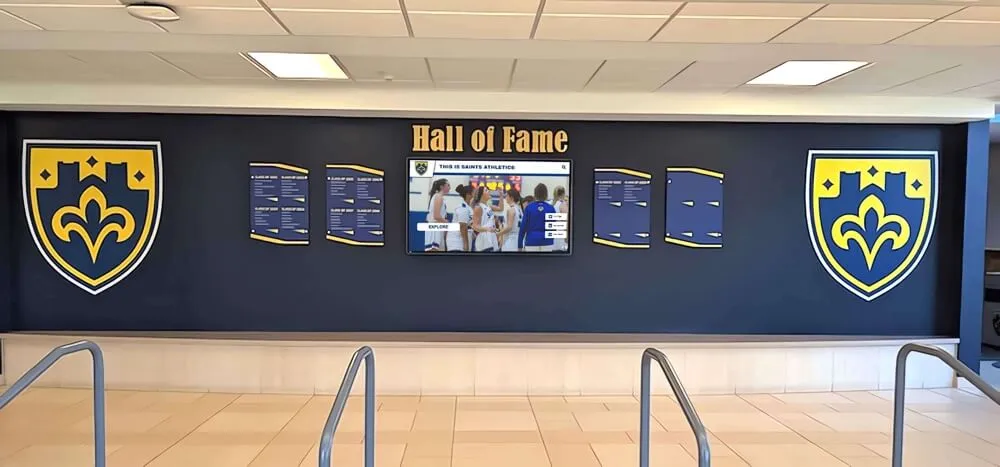
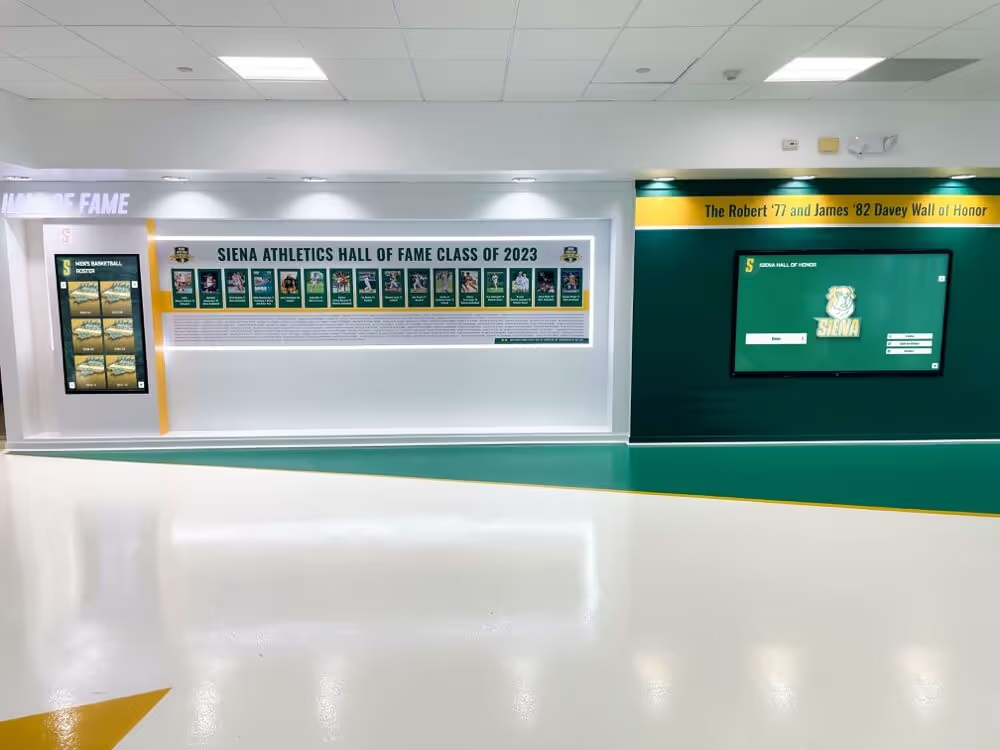
Hybrid recognition approaches blend traditional elements with modern technology, honoring heritage while embracing contemporary engagement capabilities
Digital Donor Wall Revolution: Technology Enabling New Recognition Possibilities
Interactive digital displays transform donor recognition from passive name-reading into engaging exploration solving persistent traditional limitations.
Core Digital Recognition Capabilities
Modern platforms provide functionality traditional approaches simply cannot match:
Unlimited Recognition Capacity
Digital displays showcase thousands of donor profiles organized by giving level, campaign, designation, or recognition society—without space constraints. Single touchscreen installations honor entire donor communities across all contribution levels. As your supporter base grows, recognition capacity grows proportionally without requiring building expansions or difficult exclusion decisions.
Instant Content Updates
Cloud-based management systems enable updates within hours of gift processing from any internet-connected device. Development staff add new donors, correct information instantly, and adjust giving levels as cumulative support crosses recognition thresholds—ensuring acknowledgment appears while donor enthusiasm remains strong. This immediacy demonstrates operational excellence while creating positive reinforcement maximizing behavioral impact.
Rich Multimedia Storytelling
Digital profiles include biographical narratives explaining donor motivations and institutional connections (300-800 words), professional photography showing supporters engaged with programs, impact stories demonstrating concrete outcomes contributions enable, video testimonials capturing authentic donor voices, and historical context linking current philanthropy to multi-generational legacy patterns.
This storytelling capability creates emotional engagement traditional lists cannot match. Visitors spend 5-10 minutes exploring digital donor profiles compared to 30-60 seconds glancing at plaques—creating dramatically deeper connections with both supporters and your mission.
Interactive Discovery Features
Touchscreen interfaces empower visitors to explore recognition through multiple pathways: name search enabling instant discovery, filters by graduation year or campaign, browse by recognition society or designation, related donor connections showing friends and colleagues, and historical timelines placing philanthropy in institutional context. These discovery features transform passive reading into engaging exploration encouraging extended interaction.
Analytics and Engagement Measurement
Digital platforms provide rich data revealing how visitors interact: total daily interactions establishing baseline engagement, average session duration indicating content interest depth, popular search terms showing what visitors seek, most-viewed profiles identifying compelling stories, and repeat visitor rates demonstrating sustained interest. These insights guide content optimization and demonstrate program value through objective metrics.
Hardware and Infrastructure Requirements
Implementing digital donor walls requires appropriate technology specifications ensuring reliable long-term operation:
Commercial-Grade Display Standards
Institutional environments demand displays far exceeding consumer equipment: operating hours rated 16-24 hours daily supporting continuous operation, durability features including hardened glass resisting scratches and impacts, brightness levels 350-450 nits ensuring visibility in institutional lighting, resolution minimum 1080p with 4K preferred creating crisp text, touch technology supporting multi-touch intuitive interaction, and warranty coverage minimum 3-year commercial protection with on-site service.
Consumer displays designed for residential use typically fail within 18-24 months under institutional usage patterns—making higher initial investment in commercial equipment significantly better long-term value. Never compromise on hardware quality; premature failures create maintenance burdens far exceeding any initial savings.
Computing and Network Infrastructure
Adequate computing power ensures smooth, responsive experiences: processor minimum Intel i5 or AMD Ryzen 5 equivalent, memory 8GB RAM minimum with 16GB preferred, storage 256GB+ SSD for fast content loading, graphics dedicated GPU for smooth 4K display and multimedia, and connectivity with gigabit ethernet preferred over WiFi for reliability and security.
Professional Mounting and Presentation
Installation quality affects both functionality and institutional perception: wall mounts or floor kiosks incorporating security features preventing theft or vandalism, cable management creating clean appearances befitting professional recognition, protective glass or acrylic shielding high-traffic installations from damage, branding elements matching institutional identity, and wheelchair-accessible orientations accommodating diverse users inclusively.
Solutions like Rocket Alumni Solutions provide turnkey recognition platforms combining appropriate hardware with purpose-built software designed specifically for institutional donor acknowledgment rather than generic digital signage systems.
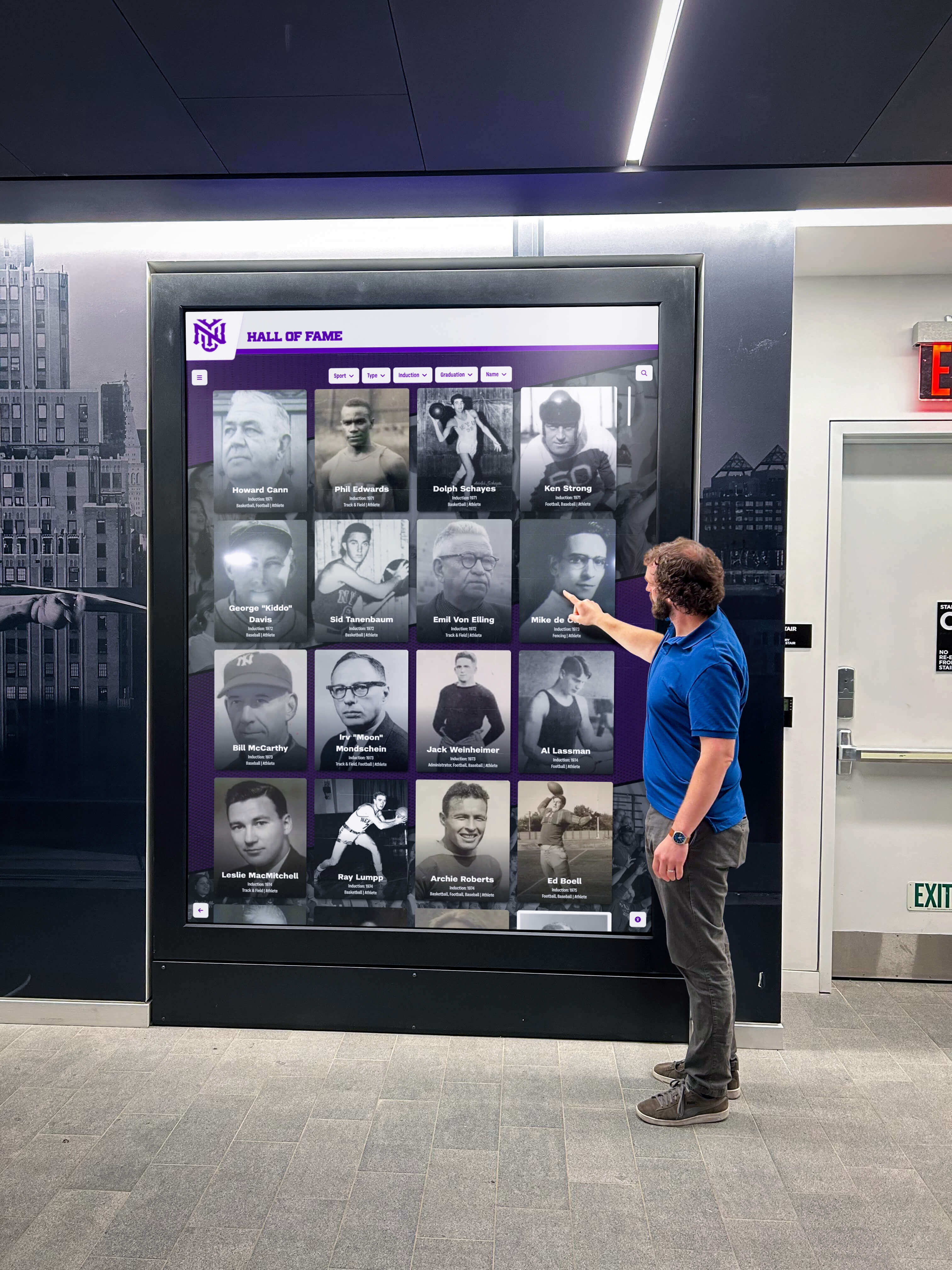
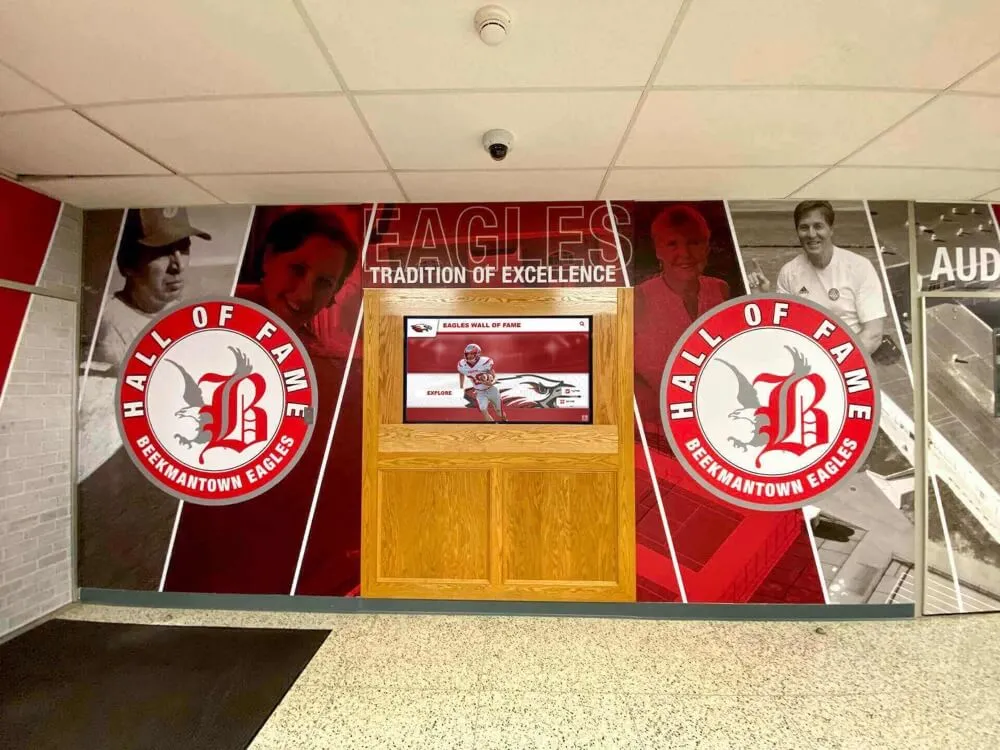
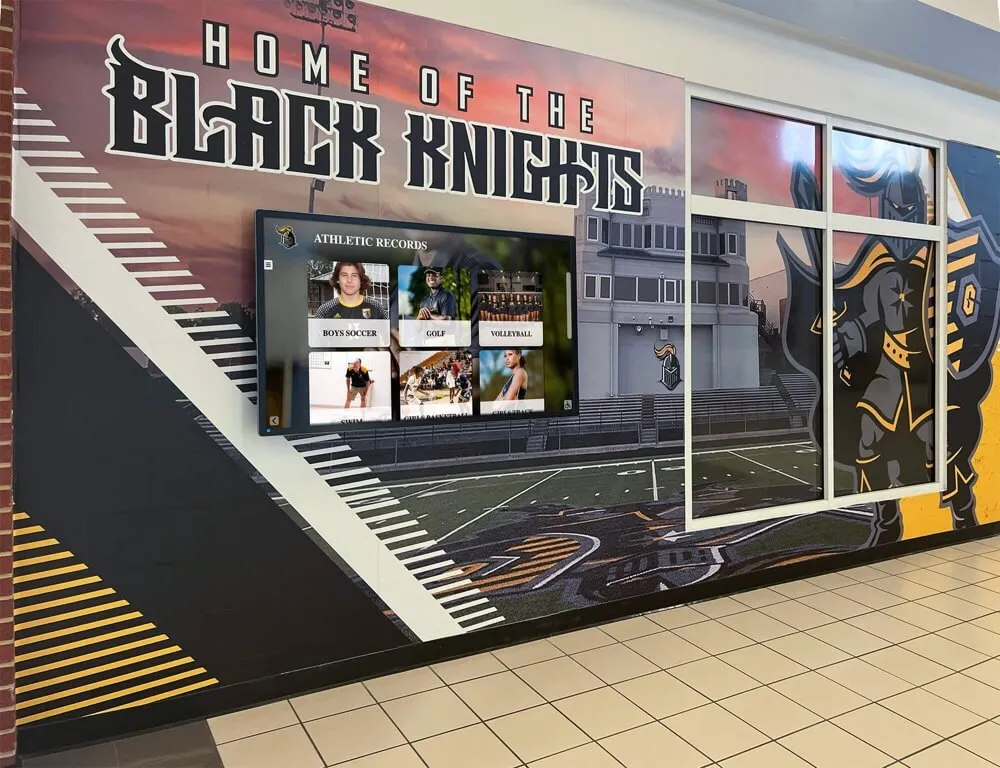
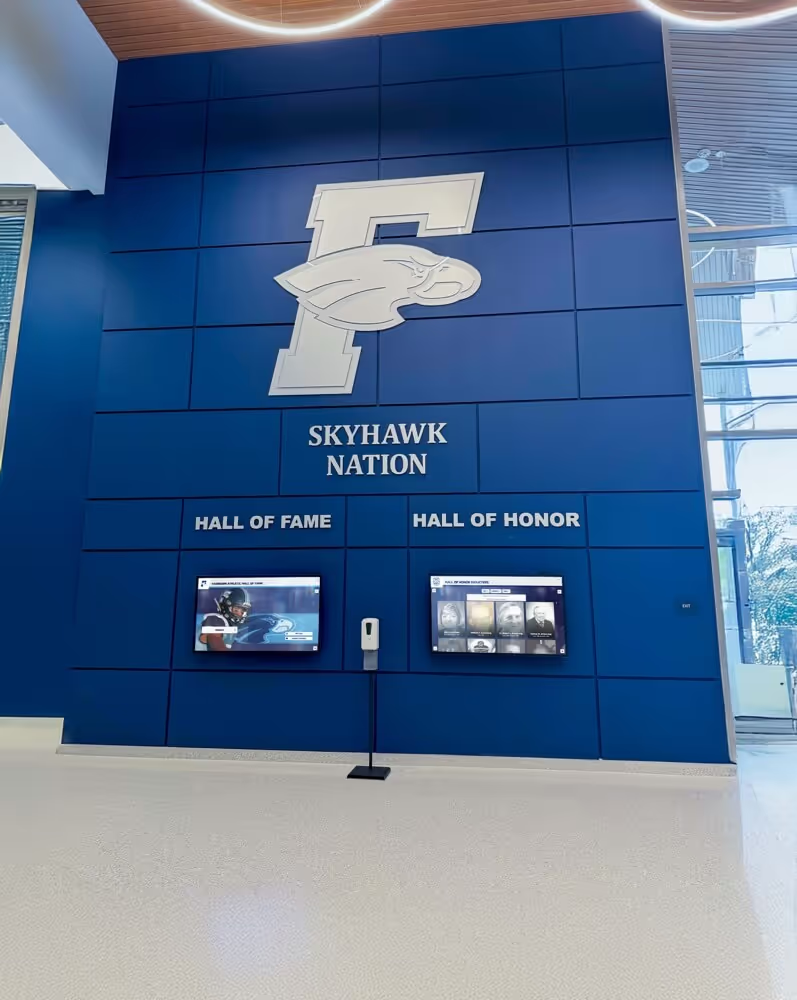
Strategic placement in high-traffic lobbies ensures recognition reaches maximum audiences while celebrating philanthropic culture supporting your mission
Experience Layout: Designing Effective Donor Wall Interfaces
Purpose-built recognition requires systematic user experience design ensuring visitors engage deeply with content.
Navigation Architecture and Information Hierarchy
Intuitive structure enables easy exploration across potentially thousands of donor profiles:
Primary Navigation Patterns
Effective recognition interfaces provide multiple discovery pathways accommodating diverse visitor intentions:
- Hero welcome screen: Full-screen introduction establishing recognition purpose, featuring rotating spotlight donors, explaining search and browse options, and encouraging exploration through clear calls-to-action
- Name search: Prominent search bar enabling instant discovery—visitors typically seek themselves, friends, family, or colleagues
- Browse by giving level: Hierarchical navigation through recognition tiers—Founder’s Circle, President’s Circle, Leadership Society, etc.
- Browse by category: Filters including campaign affiliation, designation (scholarships, athletics, facilities), graduation year, recognition society membership
- Featured collections: Curated groupings—newest donors, milestone anniversaries, multi-generational families, legacy society members
Content Zone Organization
Systematic layout creates scannable hierarchy directing attention appropriately:
- Zone 1 - Hero/Masthead (top 25% viewport): Institution branding, recognition title, primary navigation access
- Zone 2 - Featured Content (center 50% viewport): Spotlight donor profiles, campaign progress, recently added supporters
- Zone 3 - Browse Categories (lower 25% viewport): Recognition tier access, search tools, discovery features
- Zone 4 - Detail Screens (full viewport on selection): Individual donor profiles with biographical content, impact stories, multimedia elements
This zoning creates natural visual flow guiding visitors from orientation through exploration to deep engagement with individual donor stories.
Donor Profile Content Structure
Individual recognition pages require systematic content organization balancing comprehensiveness with readability:
Essential Profile Elements
Every donor profile should include:
- Primary identification: Full name with appropriate titles, preferred name formats, and pronunciation guides when helpful
- Giving level or range: Specific recognition tier communicating contribution significance
- Years of support: Highlighting sustained commitment across multiple campaigns or decades
- Recognition society memberships: Celebrating participation in named giving communities
- Gift designations: Connecting support to specific programs, facilities, scholarships, or mission areas
Enhanced Content for Major Donors
Premium recognition tiers deserve enriched profiles:
- Biographical narrative (300-800 words): Educational history, career accomplishments, family connections, community involvement, and giving motivations
- Professional photography: High-quality images showing donors in institutional settings, with students or beneficiaries, or portraits capturing personality
- Impact stories: Specific outcomes gifts enabled—scholarships awarded, facilities built, programs supported, research breakthroughs, achievements metrics
- Personal testimonials: Authentic donor voices explaining what inspired support and what institutional relationships mean to them
- Video content: Multimedia storytelling capturing emotional resonance text alone cannot convey
- Family and legacy context: Multi-generational giving histories, family member connections, historical context
Accessibility and Inclusive Design
Ensure all visitors can engage regardless of ability:
- Adjustable font sizing accommodating vision differences
- High-contrast display modes enhancing readability
- Screen reader compatibility enabling audio navigation
- Wheelchair-accessible mounting specifications
- Alternative text for images supporting assistive technology
- Caption videos ensuring hearing-impaired access
Organizations implementing interactive donor recognition displays report engagement times 5-8x longer than traditional plaques, with visitors exploring multiple profiles and sharing discoveries with companions.
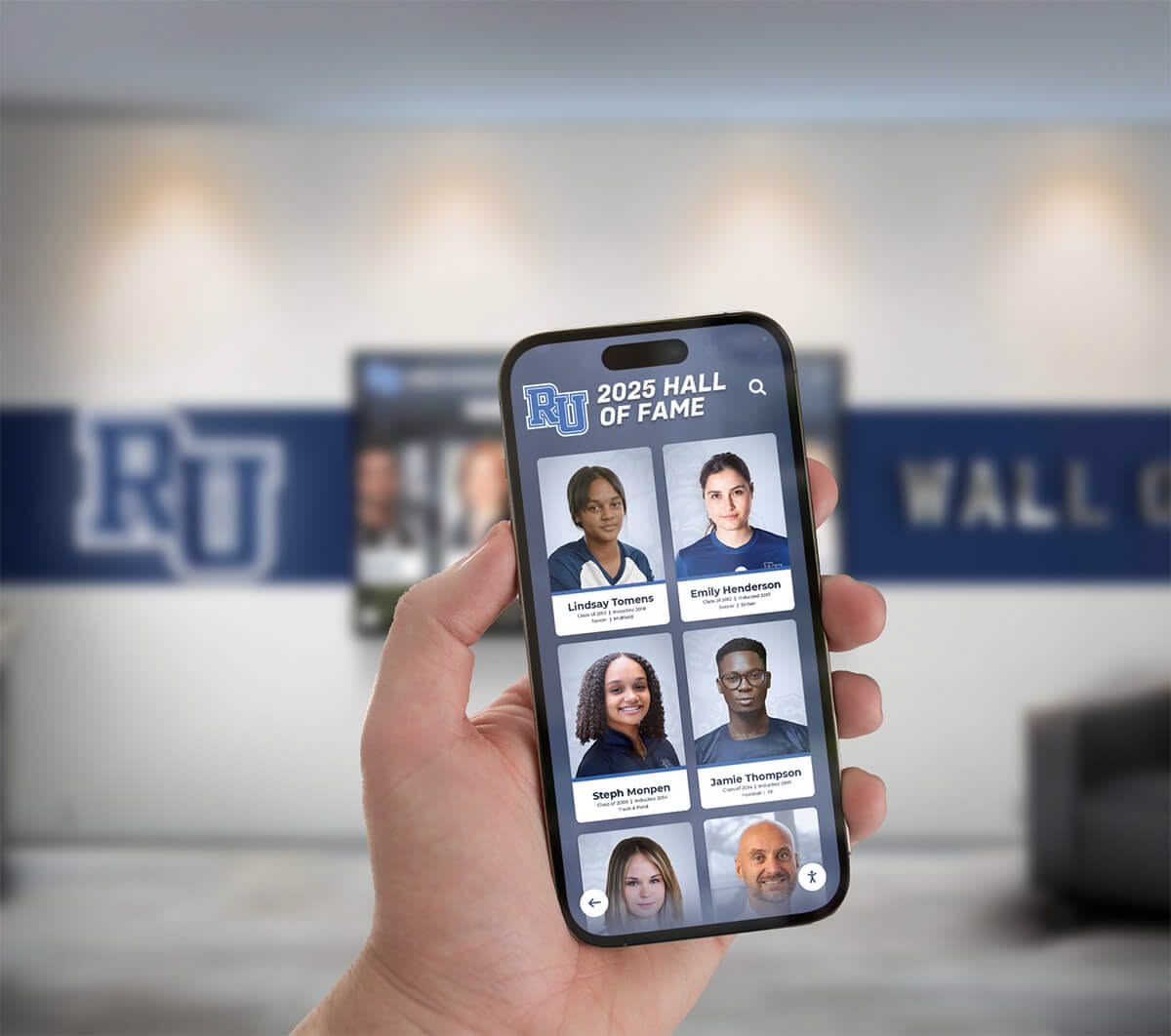
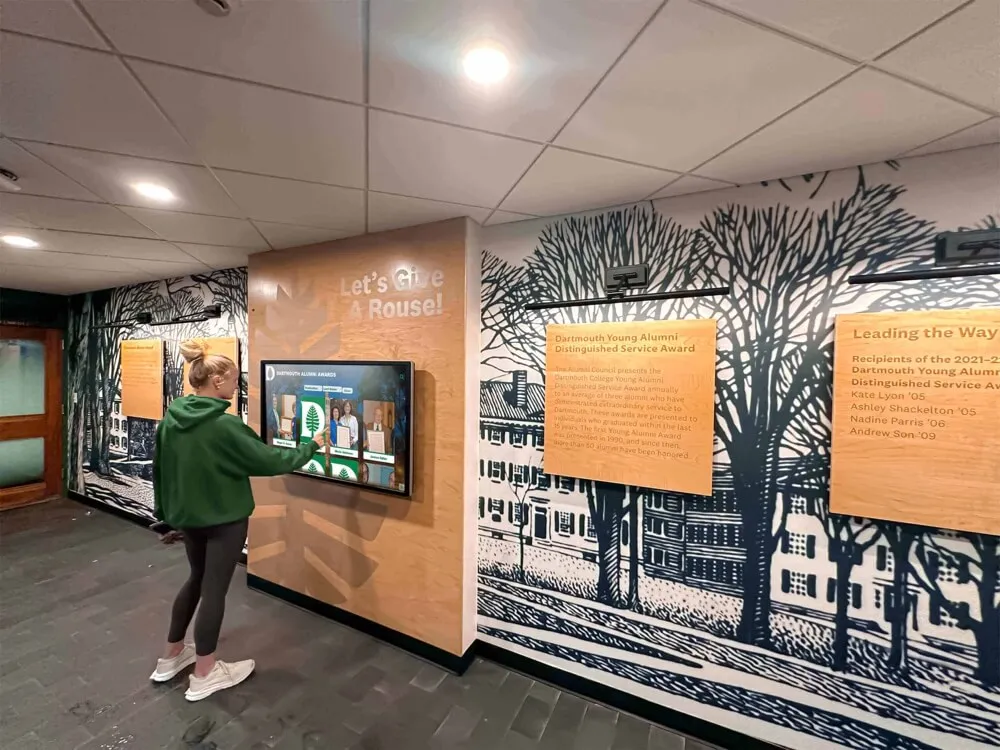
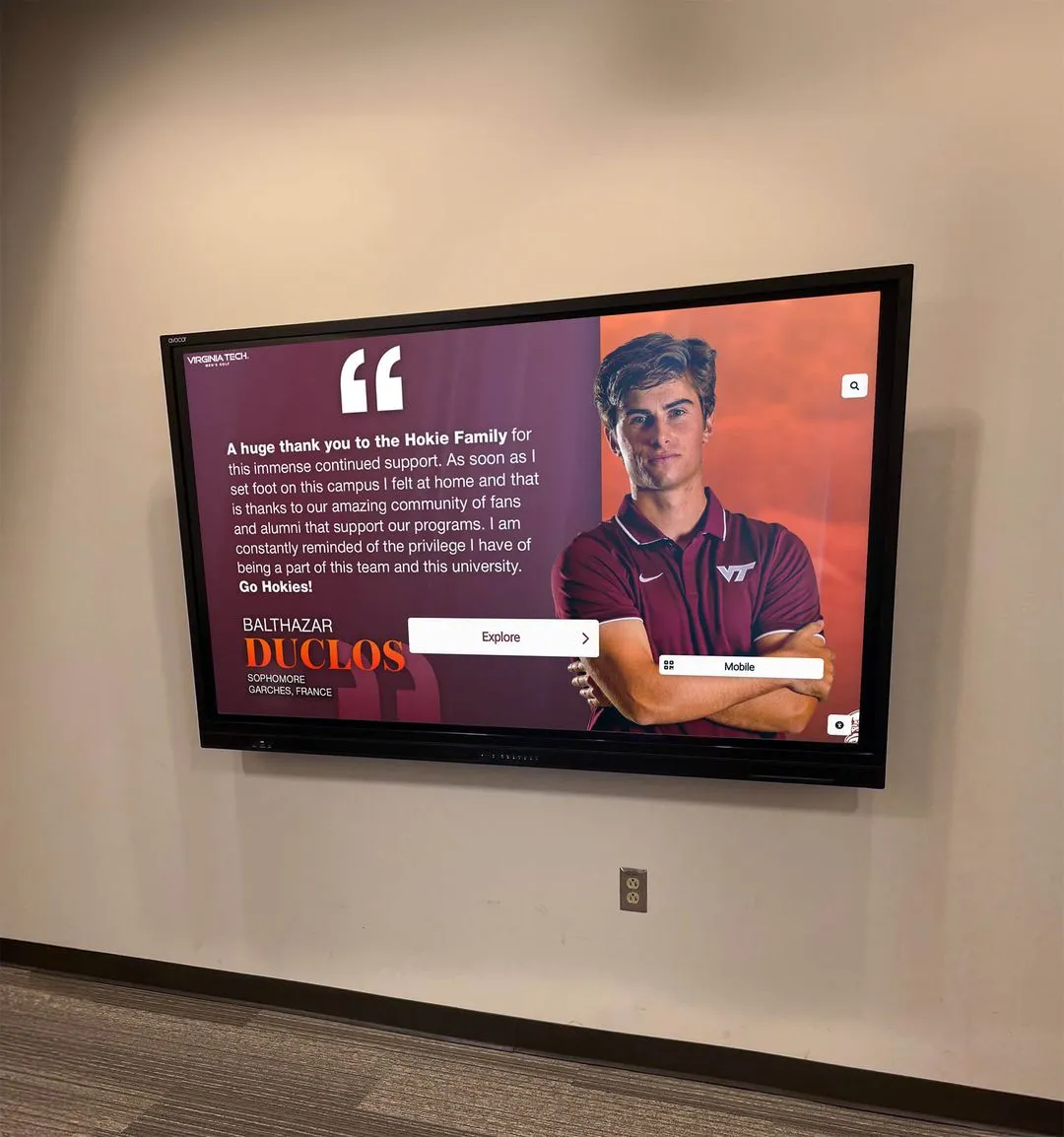
Cloud-based recognition extends beyond physical displays through mobile and web access, enabling distant supporters to explore profiles anytime
Content Blocks & Motion: Dynamic Recognition Elements
Strategic content variation and systematic rotation maintain engagement while honoring diverse supporters appropriately.
Featured Donor Spotlights and Rotation Strategies
Regular content rotation gives returning visitors reasons to interact repeatedly:
Monthly Spotlight Programs
Systematically feature different donors each month through selection criteria including newest major gifts celebrating recent commitments promptly, milestone anniversaries honoring 10, 25, or 50 years of consecutive support, seasonal alignments connecting recognition to institutional calendars (back-to-school scholarship donors, year-end campaign participants), campaign integration spotlighting current initiative supporters, and legacy society members inspiring estate gift conversations.
Rotation schedules ensure all qualifying donors receive featured treatment over reasonable timeframes—typically 18-24 months for major recognition tiers—while maintaining fresh content encouraging repeated engagement.
Campaign Progress Visualization
Real-time campaign metrics create transparency and momentum: thermometer or progress bar graphics showing goal achievement percentage, recently added donors highlighting growing support communities, cumulative totals demonstrating collective impact, milestone celebrations when reaching significant benchmarks, and countdown timers creating urgency during campaign final days.
This dynamic content transforms recognition into living celebration of ongoing philanthropic activity rather than static historical archive.
Impact Story Integration and Outcome Documentation
Connecting philanthropy to tangible results creates emotional engagement inspiring continued support:
Scholarship Impact Stories
Profile students whose educations gifts enabled: biographical backgrounds explaining financial need or exceptional promise, academic accomplishments demonstrating investment returns, career trajectories showing how education transformed opportunities, personal testimonials expressing gratitude to supporters, and graduate outcomes proving long-term impact—physicians serving underserved communities, teachers inspiring next generations, entrepreneurs creating businesses and jobs.
Facility and Program Outcomes
Document specific results donor-funded facilities or programs enable: usage statistics quantifying community benefit, achievement metrics demonstrating program effectiveness, beneficiary testimonials capturing personal impact, before/after comparisons showing transformation, and longitudinal outcomes proving sustained mission advancement.
Research and Innovation Breakthroughs
For institutions supporting research, connect gifts to discoveries: published findings resulting from donor-funded research, real-world applications demonstrating practical impact, recognition and awards research garnered, collaborative partnerships research enabled, and future research directions continued support will advance.
These concrete outcome connections transform abstract institutional needs into vivid mission impact donors clearly understand and emotionally connect with—significantly strengthening relationship depth and giving motivation.
Explore comprehensive nonprofit donor recognition strategies that balance operational efficiency with meaningful personalization at scale.
Creating recognition spaces with comfortable seating encourages extended engagement, enabling visitors to explore content thoroughly and contemplate donor impact
Accessibility & UX Checklist: Inclusive Recognition Design
Comprehensive donor recognition must serve all visitors regardless of physical, sensory, or cognitive abilities.
ADA Compliance and Universal Design Principles
Ensure installations meet accessibility requirements while exceeding minimum standards:
Physical Accessibility Standards
- Mounting height: Touchscreen center positioned 36-48 inches from floor enabling comfortable wheelchair-user interaction
- Clear floor space: Minimum 30x48 inch clearance allowing wheelchair approach and maneuvering
- Reach ranges: All interactive elements positioned within 15-48 inch vertical range from floor
- Operational forces: Touch interaction requiring less than 5 pounds of force
- Protrusion limits: Wall-mounted displays not projecting more than 4 inches preventing collision hazards for vision-impaired visitors
Visual Accessibility Features
- Text sizing: Minimum 16-point fonts with user-controlled scaling to 24+ points
- Color contrast: Minimum 4.5:1 contrast ratio between text and backgrounds meeting WCAG 2.1 AA standards
- Sans-serif typography: Clear, legible fonts without decorative elements hindering readability
- Motion control: User-initiated content changes rather than auto-advancing slides causing disorientation
- Lighting design: Adequate ambient lighting without screen glare impairing visibility
Auditory and Cognitive Accessibility
- Screen reader compatibility: All text content accessible through assistive technology
- Alternative text: Descriptive text for all images conveying information visually
- Video captions: Complete transcripts for audio content ensuring hearing-impaired access
- Simplified navigation: Clear, consistent interface patterns reducing cognitive load
- Help and instructions: Prominent guidance explaining how to interact with displays
Multi-Channel Access Extending Recognition Reach
Physical displays represent only one recognition touchpoint; comprehensive programs extend access through multiple channels:
Web-Based Recognition Portals
Cloud platforms enable 24/7 access from anywhere: responsive design ensuring usability across desktop, tablet, and mobile devices, searchable databases enabling instant donor discovery, social sharing tools amplifying recognition through donor networks, embeddable widgets integrating recognition into institutional websites, and analytics tracking online engagement complementing physical display metrics.
Mobile Applications
Dedicated apps provide recognition access during campus visits and beyond: native iOS and Android applications optimizing mobile experiences, offline access enabling content browsing without network connectivity, push notifications alerting donors when recognition updates, augmented reality features overlaying recognition on physical spaces, and personalized views showing content relevant to individual users.
Print and Traditional Media
Digital-first approaches should complement rather than replace valued traditional channels: annual donor reports providing comprehensive printed recognition, campaign publications celebrating major gifts and milestones, event programs acknowledging supporters during cultivation gatherings, website listings ensuring broad online visibility, and personalized acknowledgment letters maintaining personal touches.
This multi-channel approach ensures recognition reaches all supporters through their preferred media while maximizing program visibility and engagement across diverse audiences.
Review digital signage accessibility best practices applicable to donor recognition implementations.
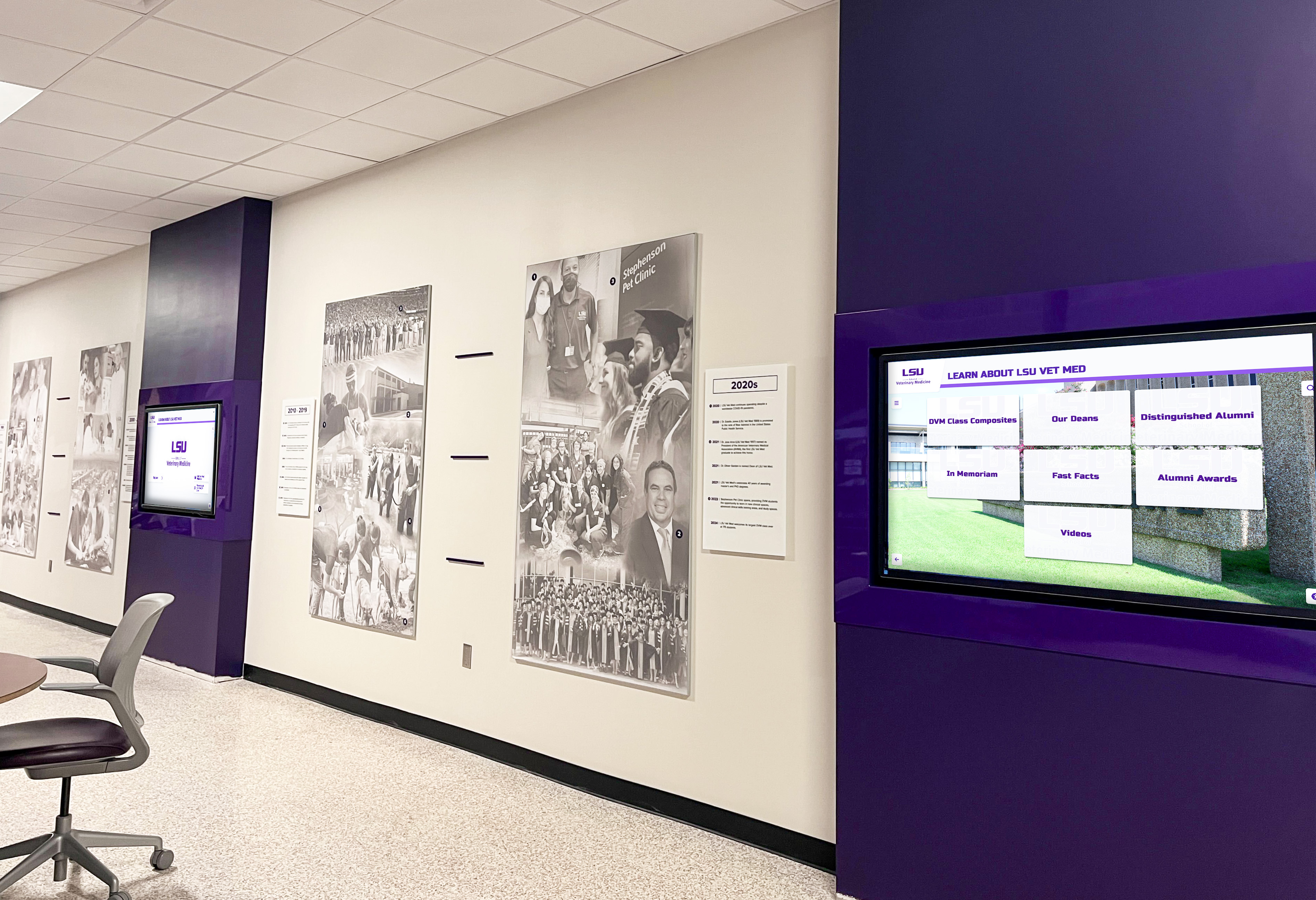
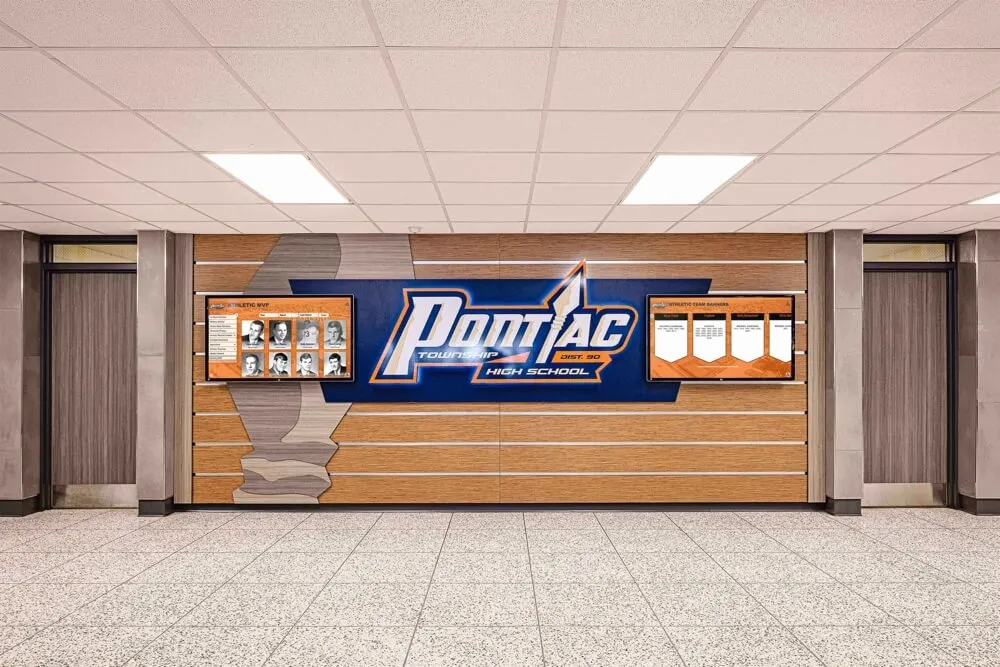
Large institutions often implement multiple coordinated displays across facilities, ensuring recognition reaches diverse audiences throughout campuses while maintaining consistent branding
Activation Plan: Implementation and Launch Strategies
Successful donor wall programs require systematic planning coordinating multiple institutional stakeholders and operational considerations.
Project Planning and Timeline Development
Comprehensive implementations typically span 4-8 months from initial planning through launch:
Phase 1: Strategic Planning (Weeks 1-4)
Define recognition philosophy and objectives: articulate core principles guiding approach, establish minimum recognition thresholds and giving level structures, determine cumulative versus single-gift recognition criteria, identify privacy preferences and anonymous giving policies, and secure leadership commitment and budget allocation.
Phase 2: Technology Selection (Weeks 5-8)
Evaluate platforms and vendors: issue RFPs describing functional requirements, assess purpose-built recognition platforms versus generic digital signage systems, evaluate hardware specifications and commercial-grade equipment, analyze total cost of ownership including implementation and ongoing subscriptions, and check references from similar institutions.
Phase 3: Content Development (Weeks 9-16)
Build initial donor profiles and impact stories: audit existing donor data ensuring accuracy and completeness, develop biographical content and impact narratives, commission professional photography of major donors, produce video testimonials capturing authentic voices, and create campaign progress visualizations and outcome metrics.
Phase 4: Installation and Infrastructure (Weeks 17-20)
Coordinate facilities and technology teams: complete electrical work ensuring adequate power and surge protection, establish network connectivity preferring gigabit ethernet reliability, install mounting hardware with proper structural support, position displays ensuring optimal viewing angles and accessibility, and conduct acceptance testing confirming functionality.
Phase 5: Launch and Training (Weeks 21-24)
Introduce recognition program to communities: train development staff on content management systems, prepare documentation and workflows for ongoing updates, host unveiling events celebrating donor communities, distribute communications explaining how to access recognition, and monitor initial engagement collecting feedback for optimization.
Budget Planning and Financial Considerations
Comprehensive budgeting ensures programs remain financially sustainable while generating positive fundraising returns:
Implementation Investment Requirements
Digital donor wall systems typically require these initial investments:
- Hardware (commercial touchscreen displays): $8,000-$25,000 depending on size and specifications
- Software platform and implementation: $12,000-$30,000 for purpose-built recognition systems with cloud management, institutional branding, and customization
- Content development: $10,000-$25,000 for initial donor profiles, professional photography, multimedia content, and impact story documentation
- Installation and infrastructure: $3,000-$8,000 for professional mounting, electrical work, network connectivity, and site preparation
- Training and launch support: $2,000-$5,000 for staff training, content workshops, and initial implementation assistance
Total initial investment: $35,000-$93,000 depending on display size, donor volume, content complexity, and customization requirements.
Annual Operating Expenses
Sustainable programs budget for ongoing costs: platform subscriptions ($4,000-$12,000 annually) for software licensing, cloud hosting, technical support, and platform updates, content maintenance requiring 6-10 hours monthly staff time for updates and new donor additions, hardware maintenance ($800-$2,000 annually) for cleaning, calibration, and preventive service, and periodic content refresh ($4,000-$8,000 annually) for photography updates, new multimedia content, and feature enhancements.
While these investments appear substantial, digital recognition systems typically generate positive return on investment within 18-24 months through improved donor retention eliminating costs of acquiring replacement donors, increased gift upgrades from enhanced engagement, and major gift conversions utilizing recognition during cultivation.
Explore subscription pricing models accommodating various institutional budget structures and procurement requirements.
Location Selection and Strategic Placement
Optimal placement maximizes recognition visibility and engagement while ensuring appropriate dignity:
High-Impact Location Criteria
Ideal donor wall placements share these characteristics: main building lobbies where all visitors naturally congregate, development office areas ensuring recognition reaches donors visiting for meetings, event and gathering spaces hosting fundraising programs and celebrations, institutional landmarks in historically significant spaces or newly renovated facilities philanthropic support funded, and high-traffic corridors connecting frequently-used facilities ensuring consistent visibility.
Consider both traffic volume and audience composition—locations with modest total visitors but high donor concentration often outperform higher-traffic areas where few visitors are donors or prospects.
Environmental Requirements
Ensure installations provide conditions supporting reliable long-term operation: temperature-controlled environments maintaining 60-80°F preventing display overheating, adequate lighting without direct sunlight creating screen glare, humidity control preventing condensation damage to electronics, secure locations reducing vandalism risk, and electrical access with dedicated circuits providing clean, surge-protected power.
Future-Proofing Considerations
Plan installations accommodating evolution: modular designs enabling display size increases, infrastructure supporting multiple coordinated displays, content management systems scaling to unlimited donor profiles, and architectural integration allowing equipment upgrades without requiring new construction.
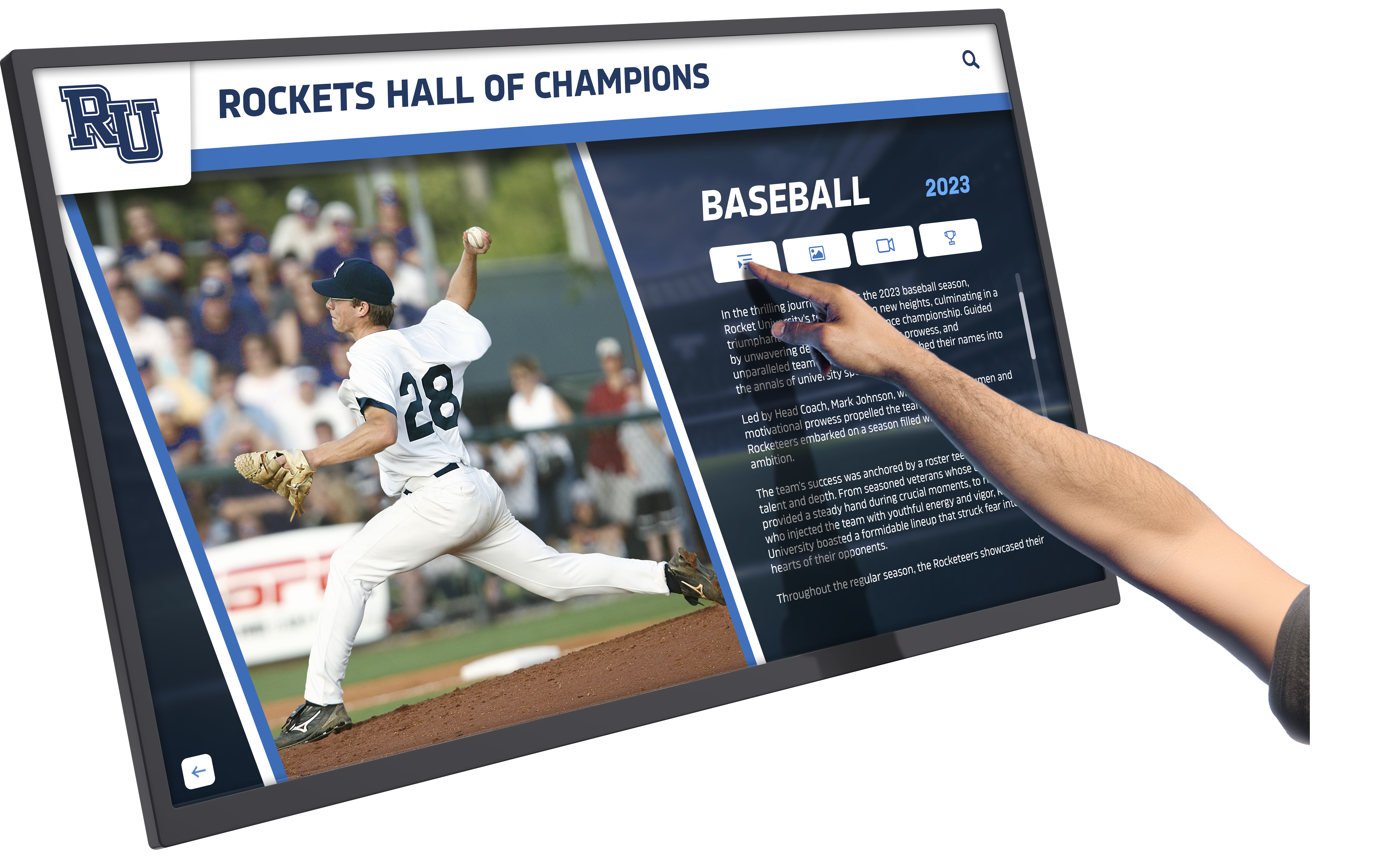
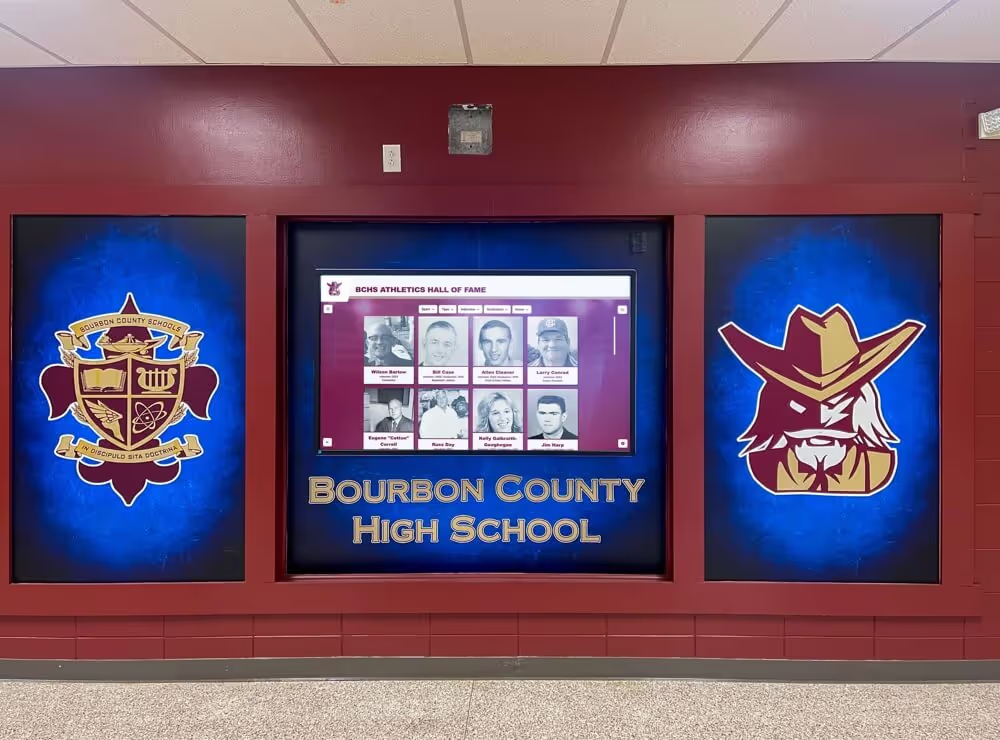
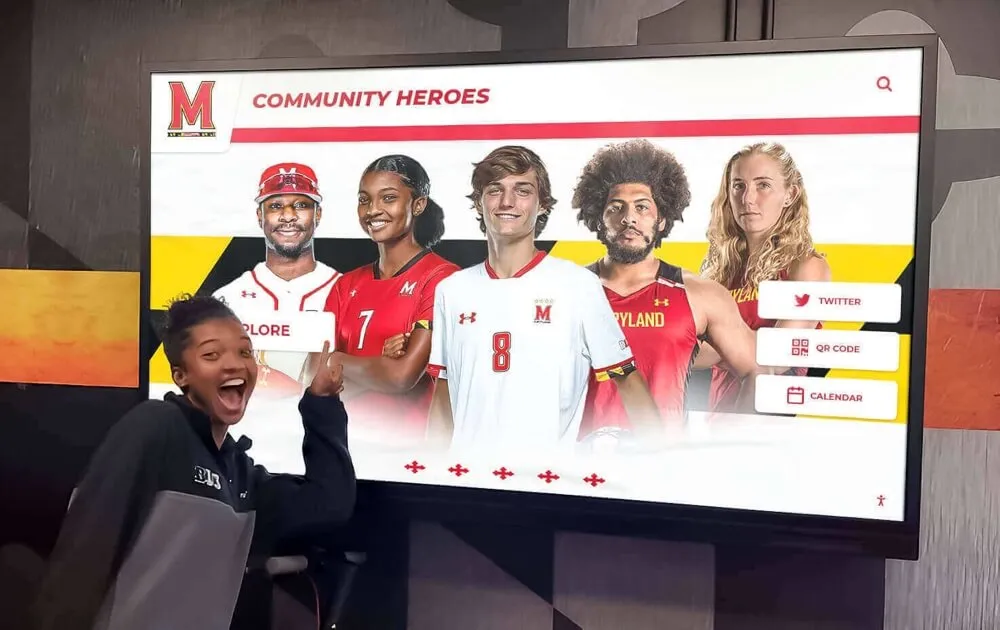
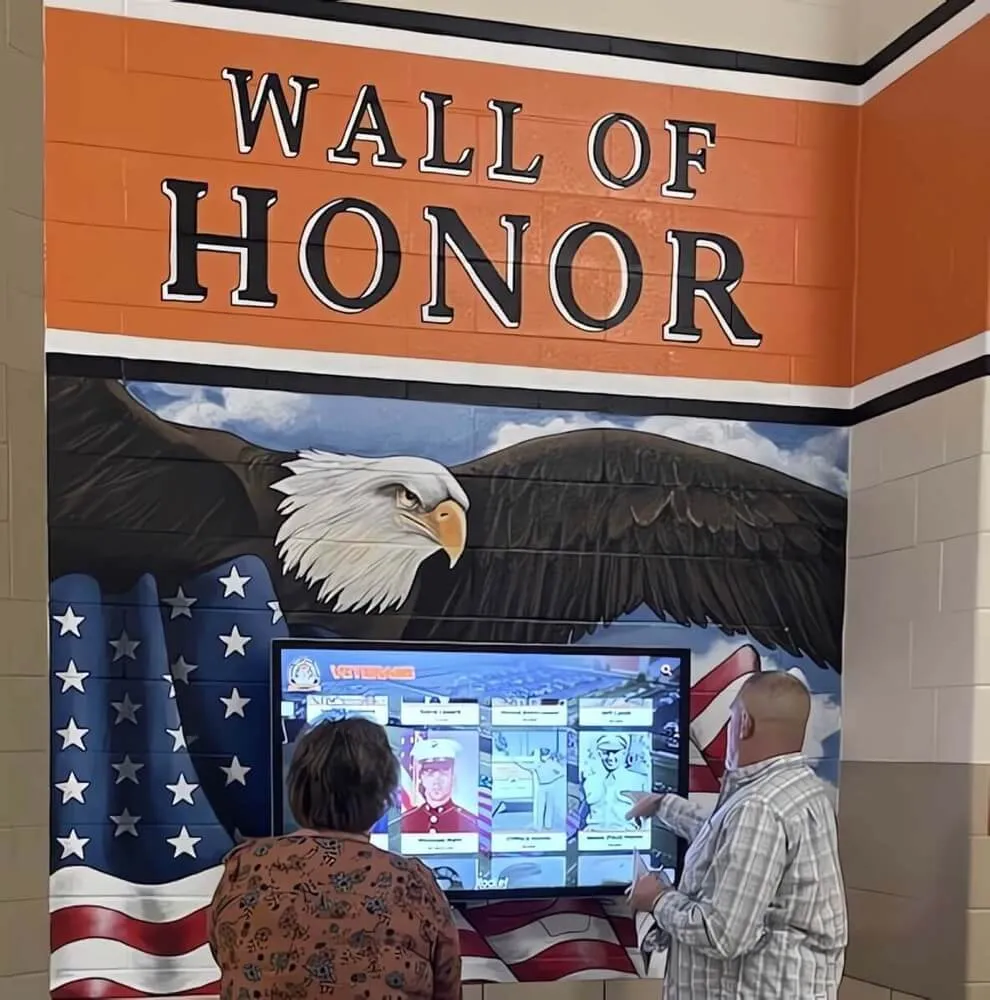
Intuitive touch interfaces enable visitors to explore donor communities easily, discovering profiles, searching for friends and family, and learning about mission impact
Best Practices for Long-Term Recognition Program Success
Organizations achieving exceptional results follow proven practices maximizing donor satisfaction while maintaining operational efficiency.
Timely Recognition Update Workflows
Prompt acknowledgment creates maximum psychological reinforcement while demonstrating organizational excellence:
Establish Update Service Level Agreements
Define standards ensuring consistency: new major gifts ($10,000+) appear within 24-48 hours of processing, leadership annual donors ($5,000+) added within one week, general donor listings updated within two weeks, and memorial or tribute gifts processed same-day when families visit to view recognition.
These service levels communicate that every donor matters regardless of giving capacity, while prioritizing major gifts receiving time-sensitive cultivation.
Implement Automated Workflow Integration
Connect advancement databases directly to recognition platforms: API integrations triggering recognition updates automatically after gift processing, scheduled batch imports updating displays nightly, data validation rules ensuring accuracy before publication, and exception reporting alerting staff to errors requiring manual correction.
Automation eliminates manual data entry reducing errors while ensuring acknowledgment timing remains consistent regardless of development office capacity during busy campaign periods.
Donor Privacy and Preference Management
Recognition preferences vary widely across donor populations requiring sophisticated preference management:
Document and Honor Individual Preferences
Provide explicit choices during gift acceptance: public recognition with full biographical information and multimedia content, name-only recognition without detailed profiles or personal information, anonymous recognition indicating contribution level without donor identification, or no public recognition honoring desires for complete privacy.
Store preferences clearly in advancement databases and honor them consistently across all recognition channels—including digital displays, websites, and publications.
Implement Appropriate Data Protection
Avoid displaying sensitive information: omit complete street addresses showing only city and state, exclude phone numbers and email addresses, implement access controls limiting content modification to authorized staff, follow FERPA requirements when recognizing student donors or alumni, and comply with GDPR regulations for international supporters.
Enable Preference Updates
Donor circumstances change over time requiring recognition flexibility: provide self-service portals enabling preference updates, honor requests promptly typically within 48-72 hours, document preference changes in advancement records, and communicate acknowledgment of updated preferences directly to donors.
This preference management demonstrates respect for individual values while maintaining comprehensive recognition programs celebrating philanthropic culture broadly.
Regular Content Refresh and Feature Rotation
Static content becomes invisible as familiarity breeds inattention; systematic updates maintain engagement:
Monthly Content Rotation Strategies
Feature different donors and stories regularly: rotate spotlight donor profiles monthly based on systematic selection criteria, align featured content with institutional calendars (scholarship donors during academic year start, athletic donors during sports seasons), integrate recognition with current campaigns highlighting initiative progress, celebrate milestone anniversaries honoring consecutive giving years, and develop thematic collections connecting donors through shared interests or contribution focuses.
Annual Content Audits
Review recognition comprehensively each year: verify donor information accuracy updating changed names or contact details, refresh outdated photography replacing images older than 5-7 years, update impact stories documenting recent outcomes and achievements, add new testimonials capturing current donor voices, and remove deceased donors or honor appropriately based on family preferences.
Feature Enhancement Cycles
Technology evolves rapidly; platforms should too: evaluate new platform features released in annual updates, pilot enhanced capabilities with select donor profiles before broad rollout, collect user feedback about desired functionality through surveys and observation, benchmark engagement metrics comparing new features against existing approaches, and retire underutilized features simplifying interfaces and improving usability.
Organizations implementing systematic refresh strategies report sustained engagement with returning visitors interacting repeatedly rather than assuming they’ve seen everything after initial exploration.
Discover comprehensive donor recognition display strategies maintaining long-term program vitality.
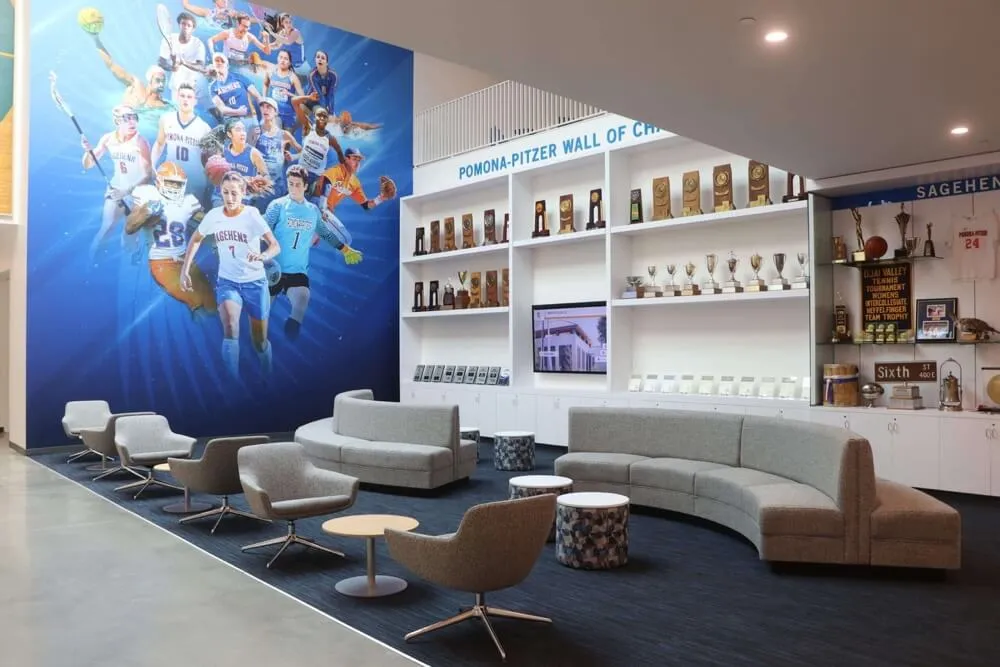
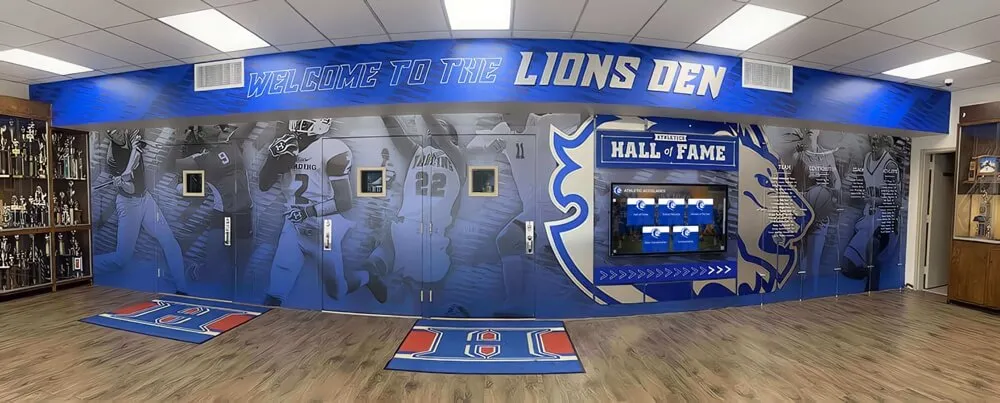
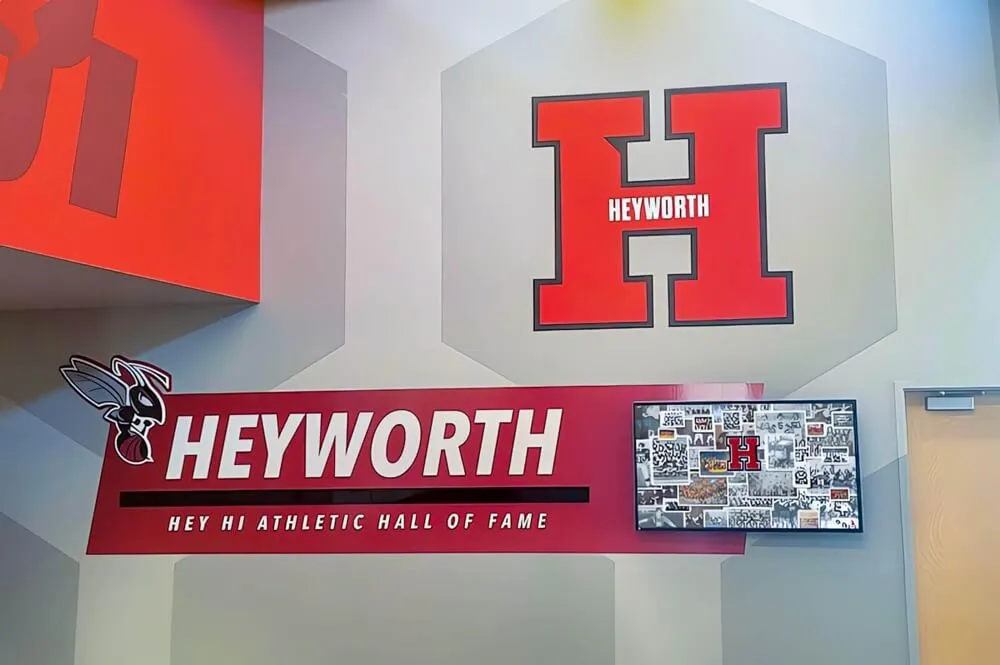
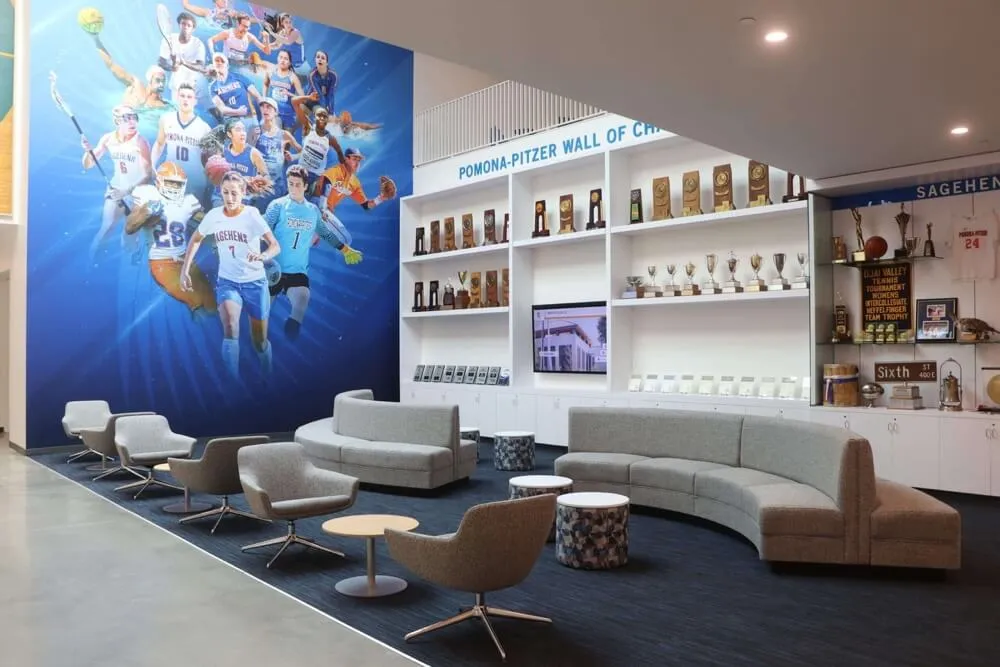
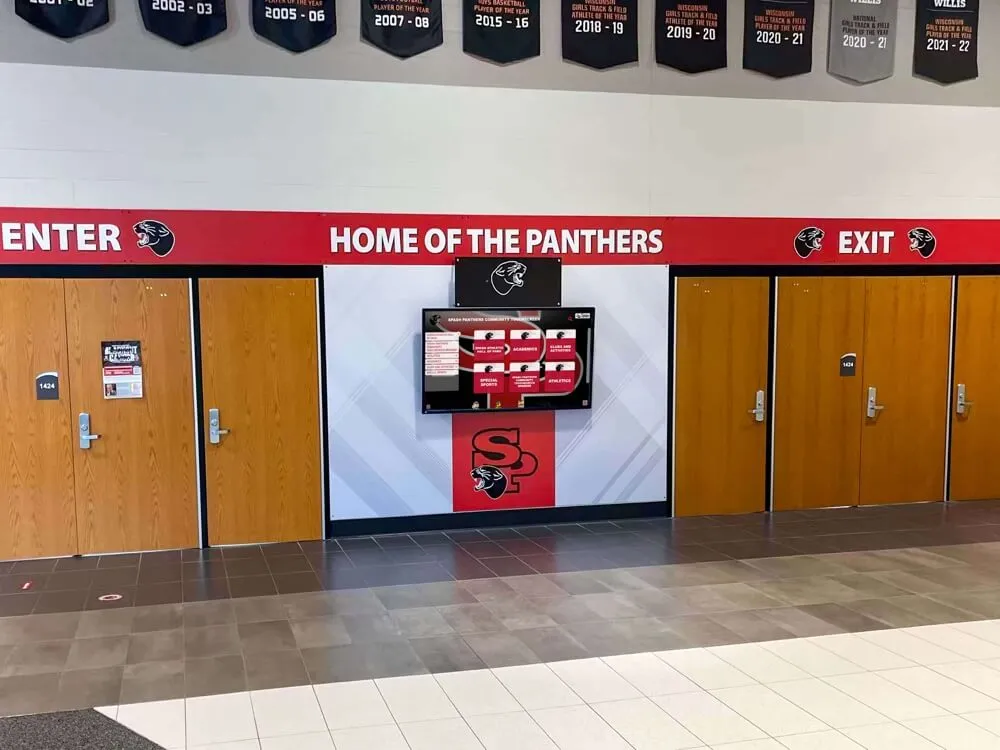
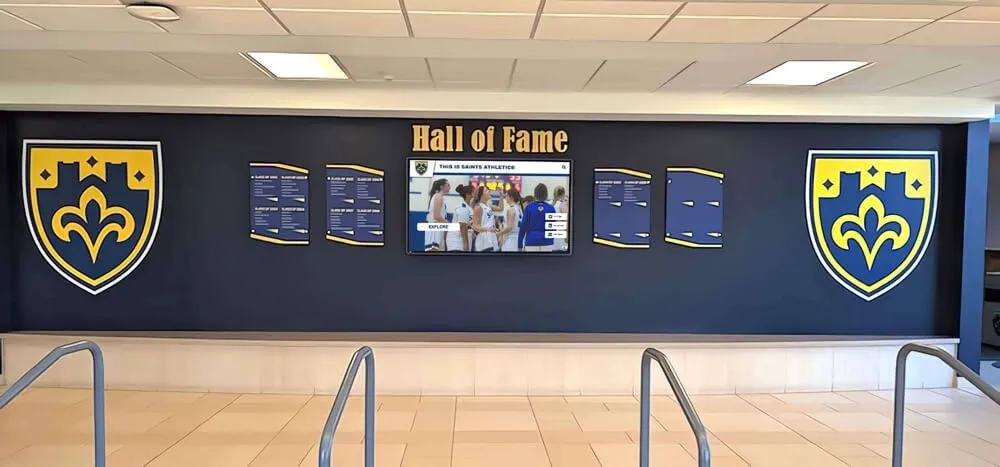
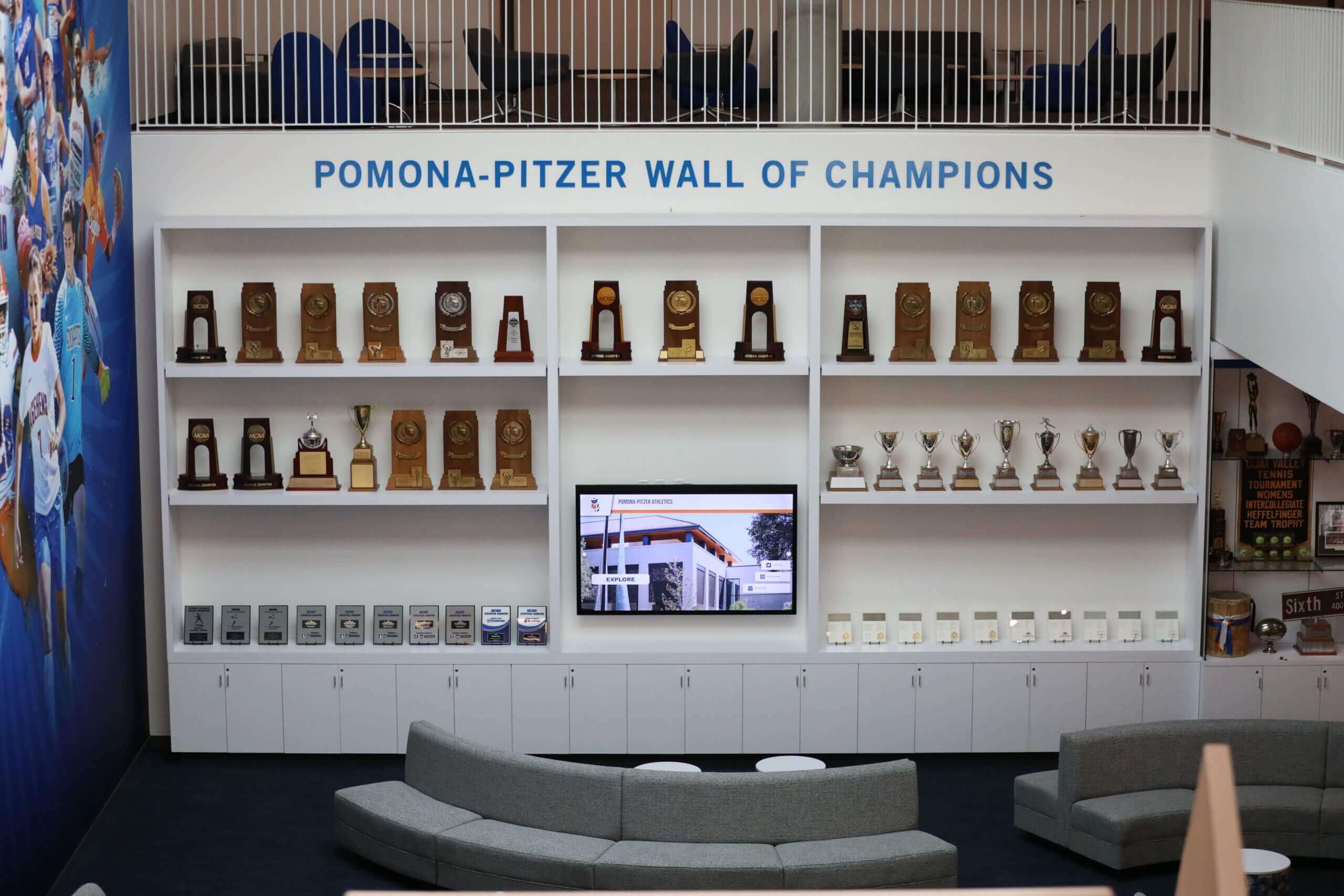
Hybrid recognition spaces blend digital innovation with traditional trophy displays, creating welcoming environments encouraging extended engagement and contemplation
Measuring Recognition Program Effectiveness
Data-driven evaluation ensures recognition investments deliver value while identifying continuous improvement opportunities.
Engagement Analytics and Usage Metrics
Modern digital platforms provide rich data revealing how visitors interact with recognition:
Interaction Metrics
Track baseline engagement establishing program value: total daily interactions and unique visitors, average session duration (target: 5-10 minutes indicating deep engagement), interactions per session (target: 8-15 screens showing thorough exploration), peak usage times and days informing promotional timing and staffing, and repeat visitor percentages demonstrating sustained interest.
Content Performance Analysis
Identify which stories resonate most powerfully: most-viewed donor profiles revealing compelling narratives, popular search terms showing what visitors seek when exploring, category browsing preferences indicating donor populations generating greatest interest, video completion rates determining whether multimedia maintains attention, and photo gallery engagement assessing visual content effectiveness.
Navigation Pattern Studies
Understand how visitors discover content: common exploration pathways revealing intuitive routes, search versus browse ratios showing discovery preferences, navigation depth indicating thoroughness, feature utilization rates showing which capabilities users value most, and abandonment points requiring improvement reducing friction.
These analytics guide content optimization, inform feature enhancements, and demonstrate program value to institutional leadership through objective data rather than anecdotal impressions.
Fundraising Outcome Correlations
Ultimate recognition success appears in advancement metrics demonstrating tangible fundraising impact:
Donor Behavior Comparisons
Measure retention and engagement differences: retention rates for recognized versus non-recognized donors (benchmark: 15-25 percentage point improvements), average gift size trends year-over-year for engaged donors (benchmark: 15-20% increases), upgrade conversion rates showing donors moving to higher recognition tiers (benchmark: 8-12% annually), time-to-next-gift intervals comparing recognized donors to non-recognized, and major gift success rates for prospects exposed to recognition during cultivation (benchmark: 20-35% increases).
Return on Investment Calculation
Most organizations implementing comprehensive digital donor recognition report ROI exceeding 3:1 within two years through retained donors avoiding acquisition costs ($250-500 per new donor), gift upgrades from enhanced engagement (15-25% increases common), major gift conversions from cultivation-integrated recognition, and planned giving inquiries translating to estate gifts.
Long-term returns prove even more substantial as retention improvements compound across multiple years and donor generations—creating fundraising sustainability exceeding single-year ROI calculations.
Qualitative Feedback Collection
Numbers reveal what happens; donor voices explain why: conduct satisfaction surveys asking about recognition experiences, facilitate focus groups with giving society members, monitor social media mentions revealing authentic donor reactions, collect testimonials during cultivation visits, and document anecdotal stories shared at events and gatherings.
This qualitative feedback often reveals nuances quantitative metrics miss, helping you understand emotional resonance of recognition programs and opportunities for enhancement.
Review comprehensive approaches for measuring digital recognition success across multiple metrics categories.
Special Recognition Contexts and Advanced Applications
Sophisticated donor walls address nuanced organizational needs beyond standard acknowledgment.
Memorial and Legacy Giving Recognition
Many institutional gifts honor deceased loved ones or celebrate multi-generational family legacies:
Memorial Giving Acknowledgment
Create sensitive tribute recognition including clear designation options recognizing gifts given “In Memory of” beloved family and community members, biographical tributes celebrating lives and institutional connections of honored individuals, connection to specific programs or facilities reflecting remembered individuals’ passions, family testimonials explaining significance of memorial philanthropy, and photo galleries preserving visual memories of those commemorated.
Multi-Generational Legacy Celebration
Highlight sustained family support spanning decades: founding families whose support built current institutional capacity, stories connecting facilities or programs to generations of faithful giving, family trees showing multiple generations of alumni and donors, historical context placing current giving within broader legacy narratives, and emphasis on enduring impact extending beyond individual lives.
Capital Campaign and Building Project Recognition
Major fundraising initiatives require specialized recognition approaches:
Campaign Progress Visualization
Create transparency and momentum: real-time thermometer graphics showing goal achievement percentage, recently added donors highlighting growing support momentum, giving level breakdowns demonstrating support distribution, milestone celebrations when reaching significant benchmarks, named opportunity status showing available recognition chances, and countdown timers creating urgency during campaign final phases.
Facility Naming and Dedication Recognition
Coordinate building recognition with broader donor programs: architectural signage matching digital recognition content, dedication event documentation preserving ceremony moments, construction timeline galleries showing facility development, usage statistics demonstrating community impact, and beneficiary testimonials connecting facility improvements to mission outcomes.
Discover comprehensive capital campaign donor recognition strategies coordinating building projects with overall development operations.
Corporate and Foundation Partnership Recognition
Institutional donors require acknowledgment approaches differing from individual recognition:
Corporate Sponsorship Integration
Balance recognition with partnership emphasis: logo and branding integration respecting corporate identity guidelines, employee engagement connections linking gifts to workforce involvement, partnership narratives highlighting collaborative relationships beyond transactional contributions, leadership acknowledgment honoring executives championing support, and impact reporting demonstrating outcomes corporate investments enabled.
Foundation Grant Recognition
Emphasize mission alignment and accountability: foundation mission connections showing shared values and priorities, specific program outcomes documenting results foundation support enabled, partnership timelines celebrating multi-year grant relationships, recognition of foundation leadership and staff, and research or evaluation findings demonstrating evidence-based effectiveness.
Conclusion: Building Donor Walls That Strengthen Relationships for Decades
Donor walls represent strategic investment in relationships that sustain your mission through continued philanthropic support. The most effective recognition programs move beyond perfunctory acknowledgment toward meaningful appreciation that demonstrates genuine gratitude, builds community, connects contributions to impact, and inspires continued engagement across donor lifecycles.
Traditional recognition approaches—brass plaques, engraved marble, static displays—have served organizations for generations. Yet their limitations become increasingly apparent as development programs grow: capacity constraints force exclusion decisions, update delays diminish impact, storytelling restrictions prevent emotional engagement, and accessibility barriers limit inclusive reach.
Digital donor recognition solves these persistent challenges while creating experiences donors genuinely value. Unlimited capacity honors every supporter appropriately without space constraints. Instant updates ensure timely acknowledgment when psychological reinforcement remains strongest. Rich multimedia storytelling connects donors emotionally to missions through narratives traditional plaques cannot convey. Interactive exploration transforms passive name-reading into engaging discovery encouraging extended interaction and repeated visits.
Organizations implementing comprehensive digital donor walls consistently report remarkable outcomes: retention improvements of 15-25 percentage points transforming fundraising economics, major gift increases of 18-27% as cultivation incorporates compelling recognition experiences, donor satisfaction gains exceeding 30% when supporters feel genuinely valued, and operational efficiencies saving countless staff hours managing recognition.
Transform Your Donor Recognition Program
Discover how modern digital recognition solutions can help you celebrate every supporter's generosity while building the lasting relationships that sustain your mission for generations to come.
Explore Recognition SolutionsThe most successful recognition programs view donor walls as integral components of comprehensive stewardship strategies honoring philanthropic support while inspiring continued engagement. By combining thoughtful design, compelling content creation, appropriate technology implementation, and sustained maintenance commitment, you create recognition experiences that acknowledge not just what supporters give, but why they give and the transformational impact their generosity creates throughout your communities.
Your donors’ generosity enables everything your organization accomplishes. They deserve thoughtful, meaningful recognition that honors their commitment while deepening connections to your mission. With strategic planning, appropriate technology, sustained maintenance, and genuine appreciation, you can create recognition systems that transform one-time supporters into lifelong mission champions whose sustained philanthropy advances your cause for decades to come.
Ready to begin transforming your donor recognition? Explore interactive donor recognition displays providing comprehensive implementation frameworks, discover nonprofit recognition wall ideas that balance tradition with innovation, or learn about major gift recognition strategies integrating acknowledgment with cultivation processes.