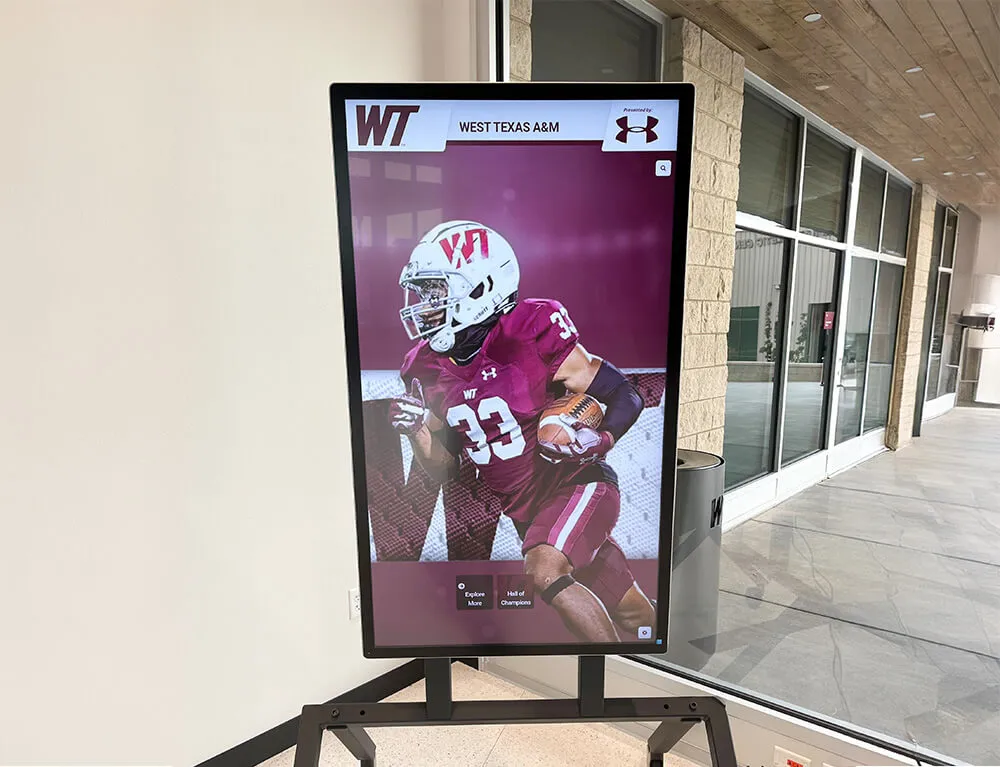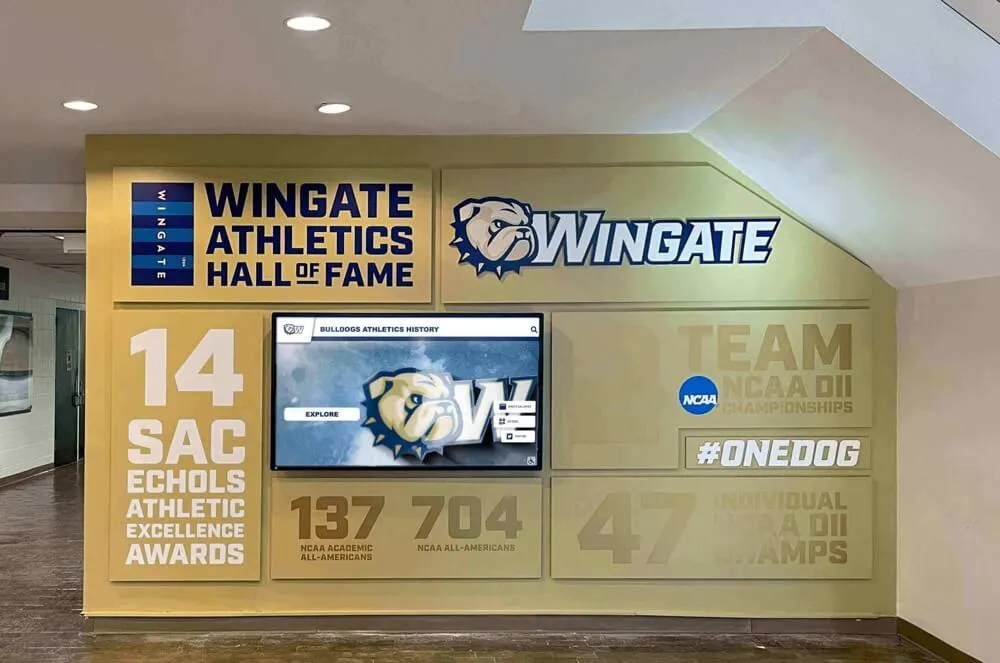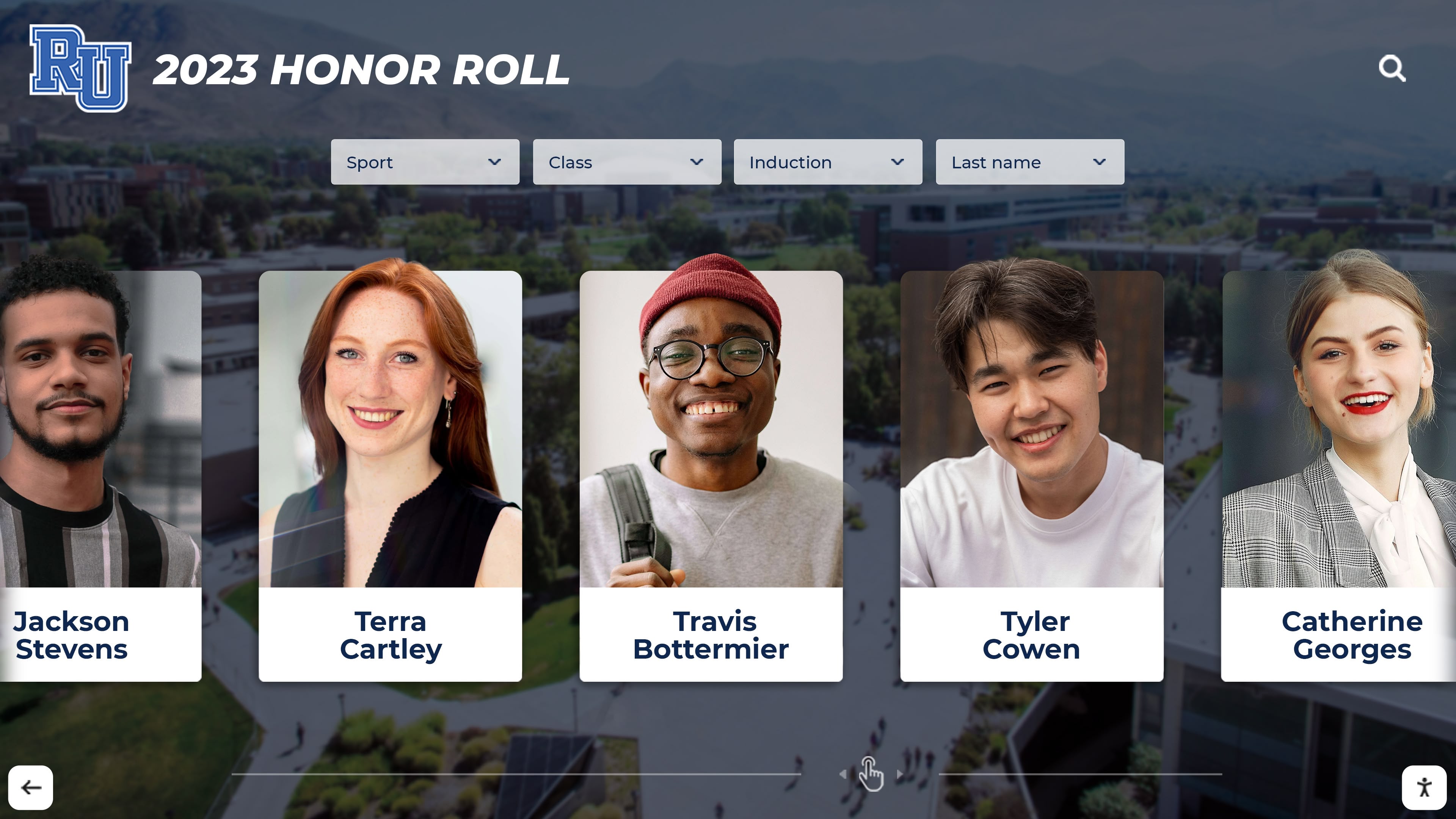




Elementary school yearbooks hold special significance in students’ lives—they’re often the first permanent record documenting formative years, capturing earliest friendships, creative milestones, and the unique joy of childhood learning. These books preserve memories from ages when students change dramatically year to year, making thoughtful yearbook creation particularly meaningful as families look back at how quickly children grew during these foundational years.
Yet creating engaging elementary yearbooks presents unique challenges distinct from secondary school publications. Elementary yearbook committees must design for audiences ranging from kindergarteners who can’t yet read to fifth-graders developing sophisticated preferences, balance educational content with pure fun, accommodate shorter attention spans through visual storytelling, include all students equitably when participation varies dramatically, and work within often-limited budgets while maximizing creative impact.
This comprehensive guide explores creative elementary school yearbook ideas specifically tailored to young learners. From age-appropriate themes and engaging section ideas to inclusive design strategies, photography tips, budget-friendly approaches, and modern digital extensions, you’ll discover practical inspiration for creating yearbooks that genuinely celebrate your elementary school community while delighting students and families alike.
Elementary schools investing thoughtful creativity into yearbook programs report stronger school community connections, increased parent engagement, enhanced student pride and belonging, and treasured keepsakes families genuinely value—making yearbook development time and resources worthwhile investments in community building and memory preservation.

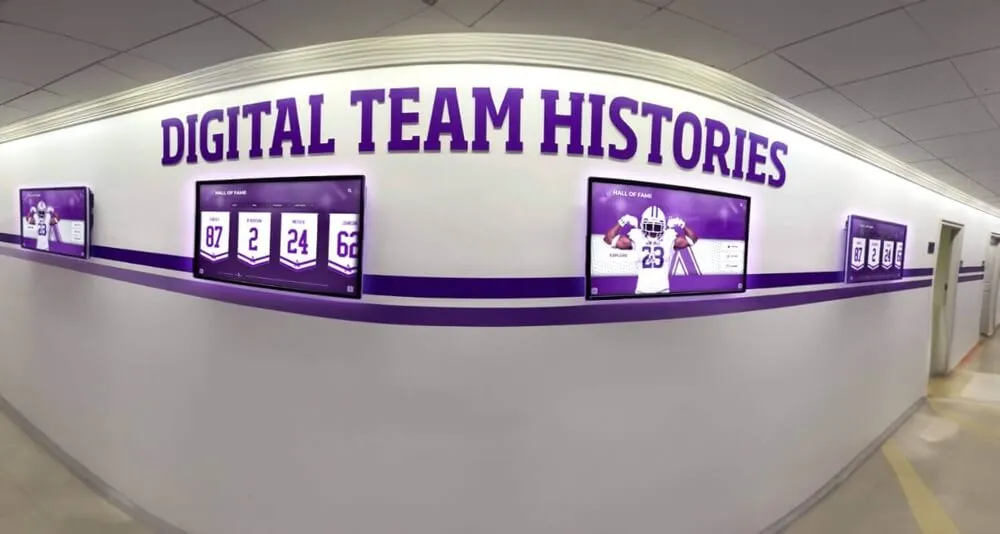
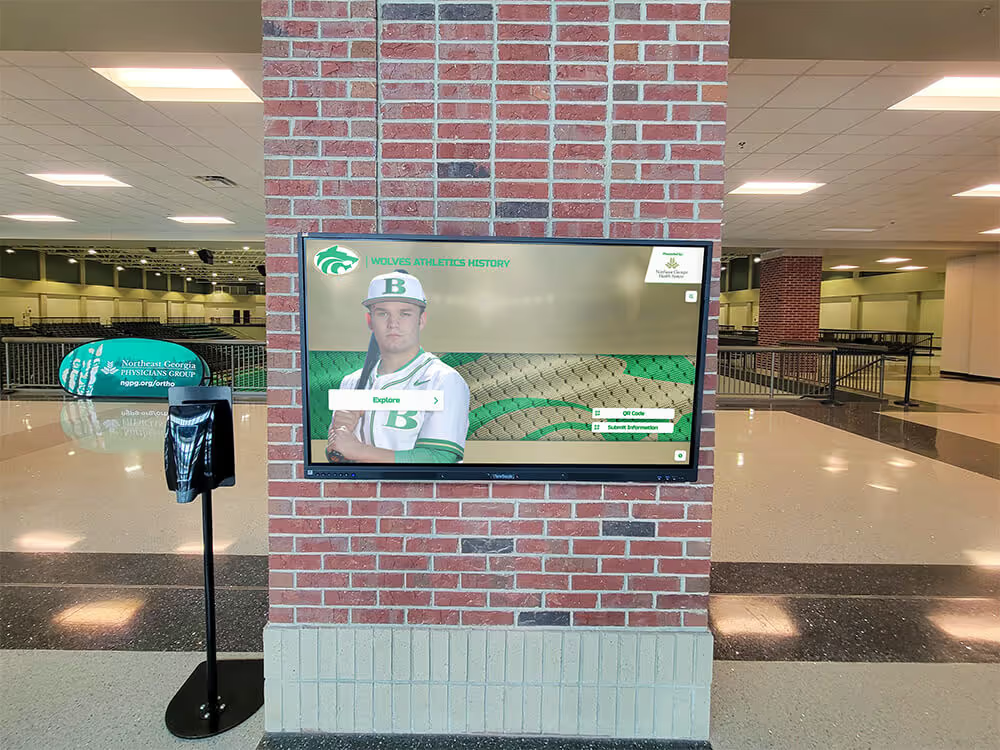
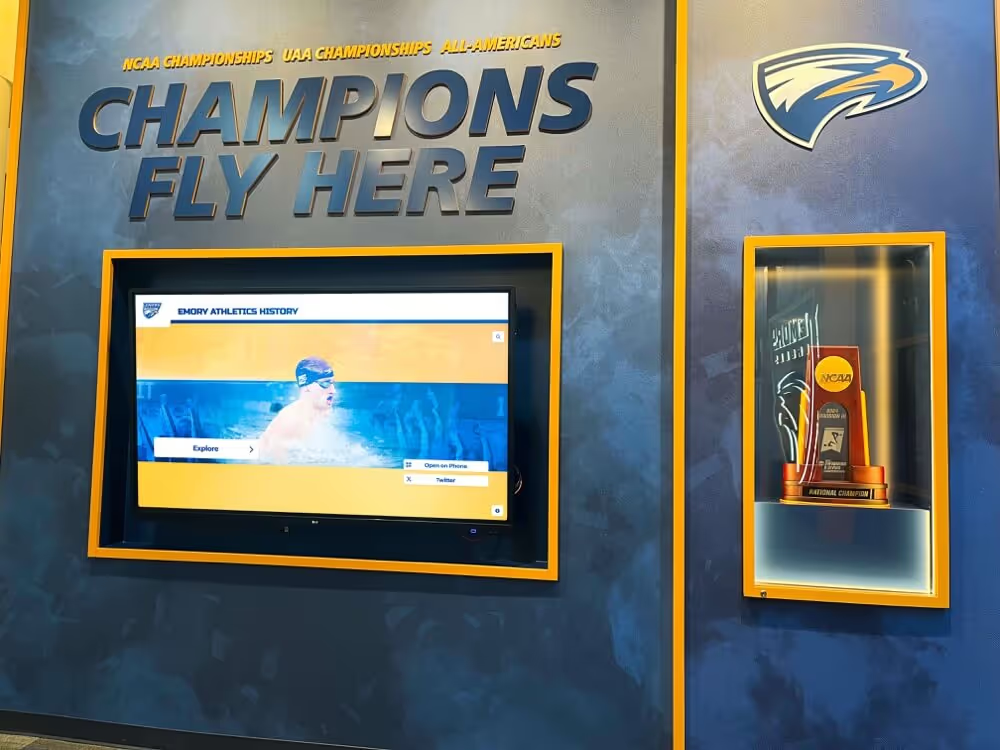
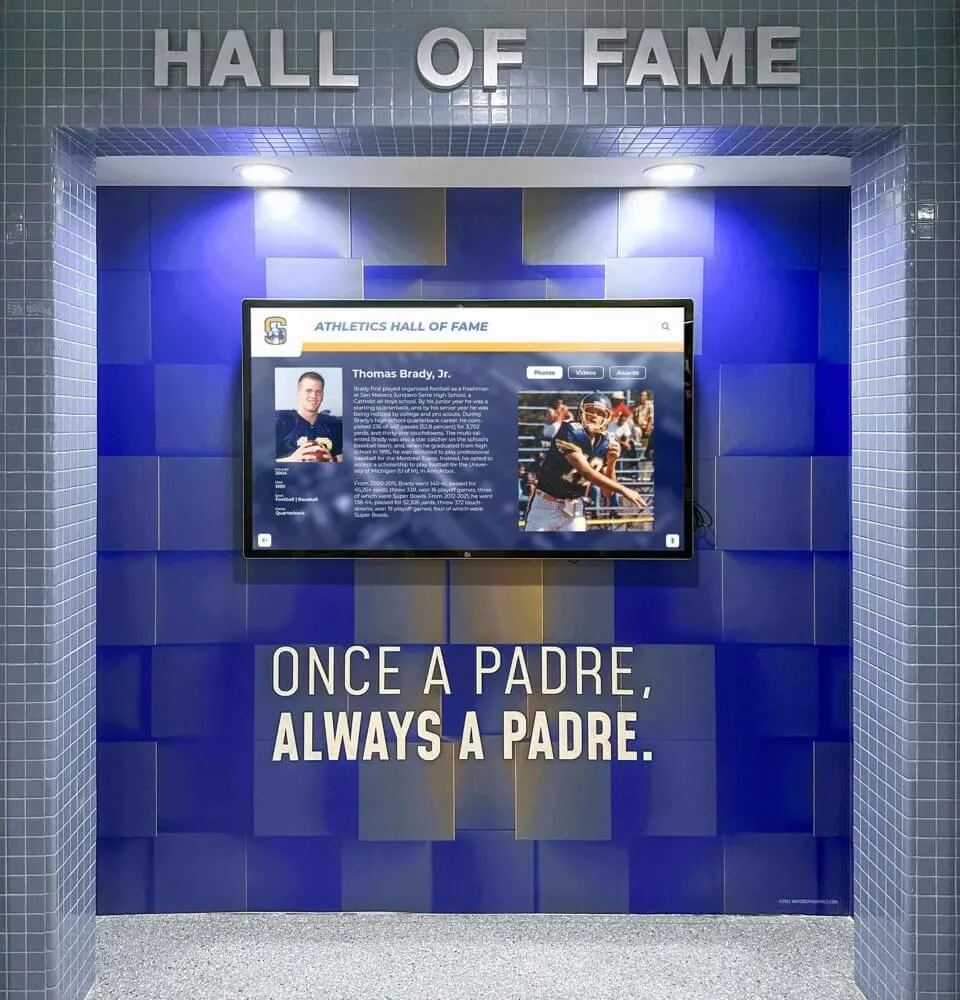
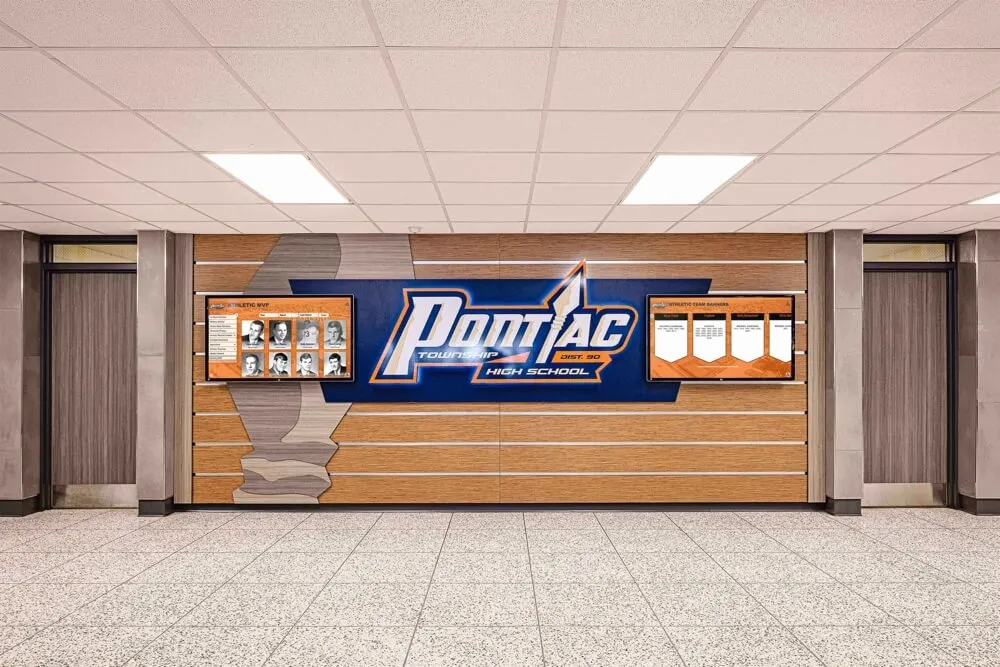
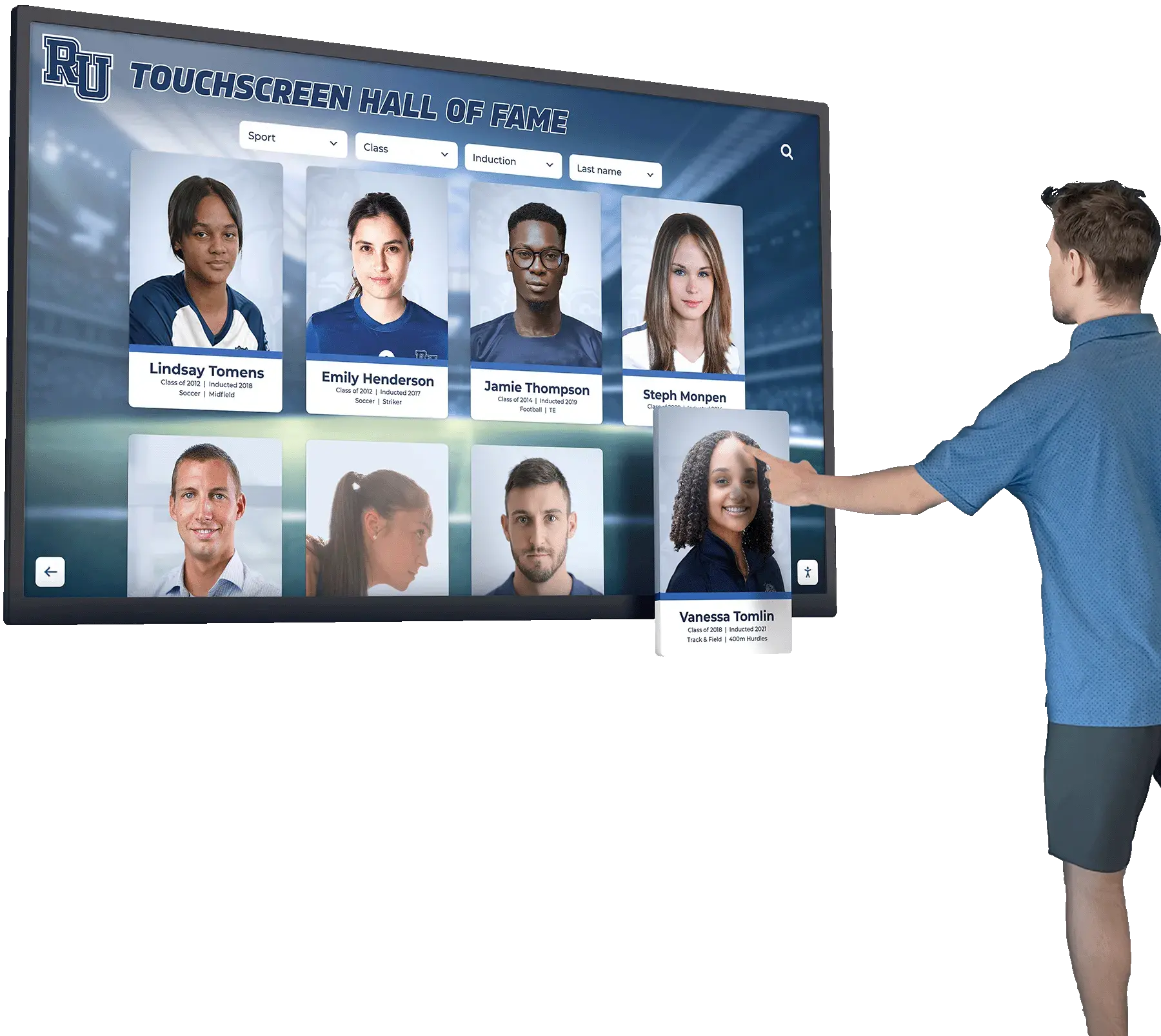
Elementary yearbook design shares visual approaches with recognition displays—both celebrate students through engaging portraits and thoughtful layouts that honor individual achievements
Understanding Elementary School Yearbook Fundamentals
Before exploring specific creative ideas, understanding what makes elementary yearbooks effective provides essential context for design decisions that resonate with young audiences.
How Elementary Yearbooks Differ from Secondary School Publications
Elementary yearbooks require distinct approaches reflecting developmental stages and school culture differences.
Age-Appropriate Design and Content
Elementary students span dramatic developmental ranges—kindergarteners experience books differently than fifth-graders. Effective elementary yearbooks incorporate bright, cheerful color palettes appealing to young sensibilities, larger fonts and simplified layouts accommodating emerging readers, abundant photography since young students connect more with images than text, playful graphics and illustrations matching childhood aesthetics, and limited text density preventing overwhelm for developing readers.
Design choices should feel joyful and accessible rather than sophisticated or mature. Elementary yearbooks embrace whimsy, celebration, and visual storytelling in ways secondary publications might avoid.
Simpler Organizational Structures
Unlike high school yearbooks with complex athletics, academics, clubs, and activities sections, elementary yearbooks typically organize around simpler structures including grade-by-grade sections showing class photos and activities, school-wide events like field trips, assemblies, and celebrations, special subjects (art, music, PE, library) highlighting different learning areas, and seasonal organization following school year progression from fall through spring.
Straightforward organization helps young readers navigate books independently while simplifying production for volunteer committees often working with limited design experience.
Heavier Parent and Volunteer Involvement
While high schools often have dedicated journalism classes producing yearbooks, elementary publications typically depend on parent volunteers, PTA committees, and limited teacher advisor time. This reality influences practical considerations including template-based designs simplifying volunteer contributions, clear workflows and deadlines accommodating volunteer schedules, online collaboration tools enabling remote participation, and budget consciousness since funding often comes from limited school budgets or parent fundraising efforts.
Successful elementary yearbook programs establish sustainable volunteer structures with clear roles, manageable timelines, and appropriate expectations matching available resources.
Essential Elements Every Elementary Yearbook Includes
Regardless of creative approach, elementary yearbooks should incorporate several fundamental components ensuring value and usability.
Comprehensive Class Photo Coverage
Every student deserves individual recognition. Essential photo elements include individual student portraits for all enrolled students, complete class group photos showing students with teachers, grade-level group photos when school size permits, and new student recognition highlighting those who joined during the year.
Thorough photo coverage ensures no student feels overlooked while creating equitable representation across the school community. Establish photo policies addressing students whose families opt out of directory information while still creating inclusive experiences for all.
School Staff Recognition
Celebrating adults who shape student experiences proves important. Include principal and administrative staff with brief profiles or messages, classroom teachers with individual or team photos, specialist teachers (art, music, PE, library, technology), support staff (nurses, counselors, secretaries, custodians, cafeteria workers), and volunteers significantly contributing to school community.
Staff recognition builds appreciation while helping students understand the comprehensive team supporting their education.
School Events and Activities Documentation
Yearbooks should chronicle the year’s memorable moments. Cover first day of school capturing excitement and nervousness, seasonal celebrations (Halloween parades, winter programs, spring festivals), field trips and special learning experiences, assemblies and visiting programs, pep rallies and spirit events building school community, and end-of-year celebrations including graduations or moving-up ceremonies.
Event coverage should represent diverse experiences rather than focusing exclusively on single grade levels or activity types, ensuring all students see themselves reflected in school year documentation.
Student Work and Achievement Highlights
Showcasing student creativity and accomplishment celebrates learning. Consider including student artwork selected from various grade levels, creative writing samples or poetry, science fair or STEM project highlights, academic recognition and honor roll celebrations, and character education or citizenship awards.
Rotating which students and projects receive feature coverage across pages prevents favoring particular students while highlighting overall program quality and student talent.
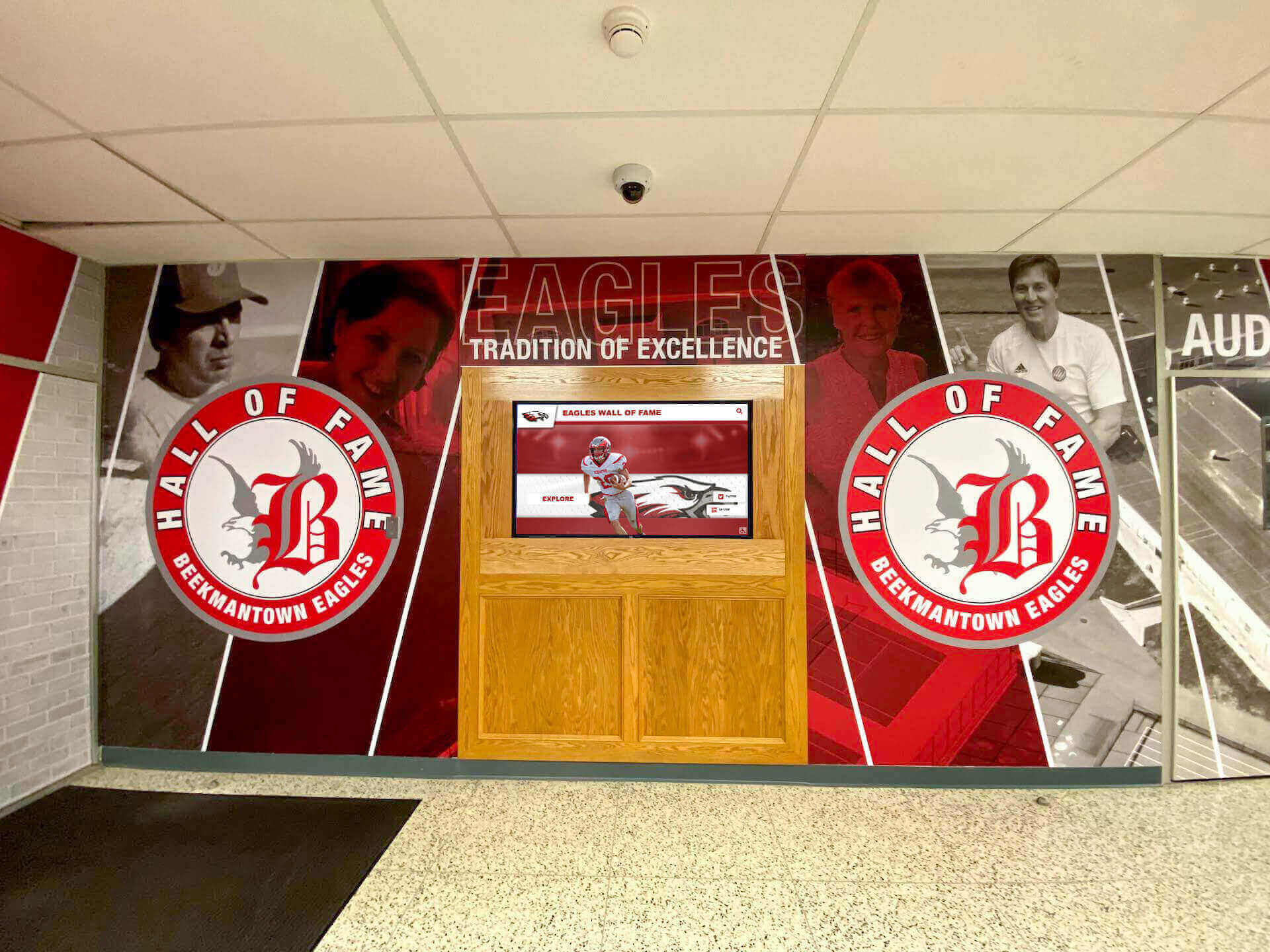
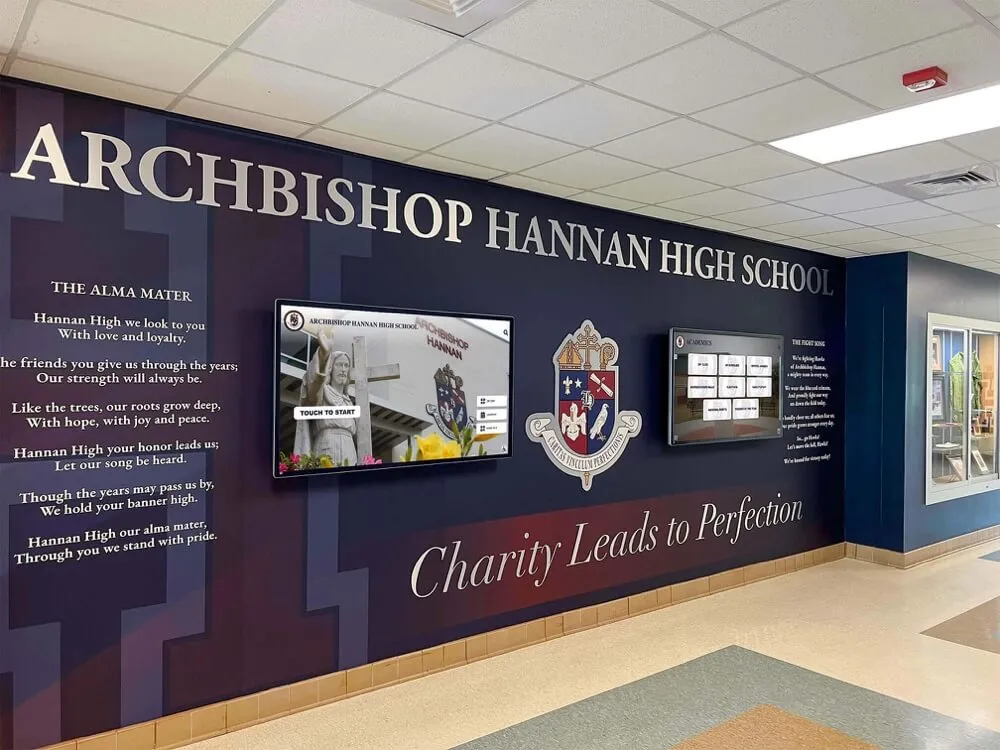
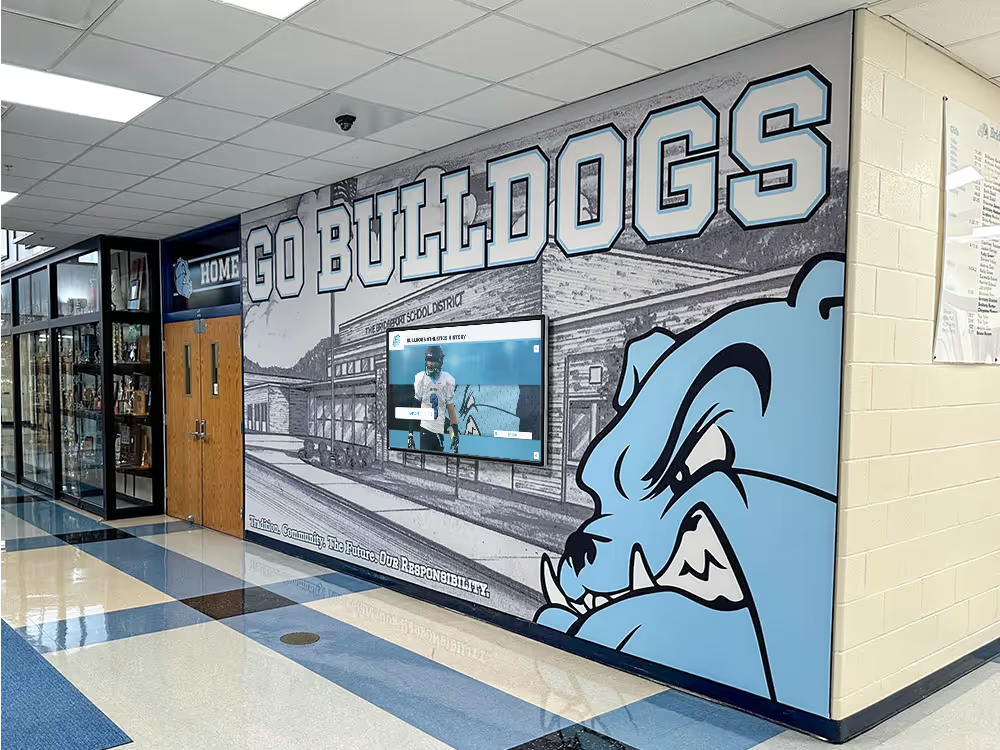
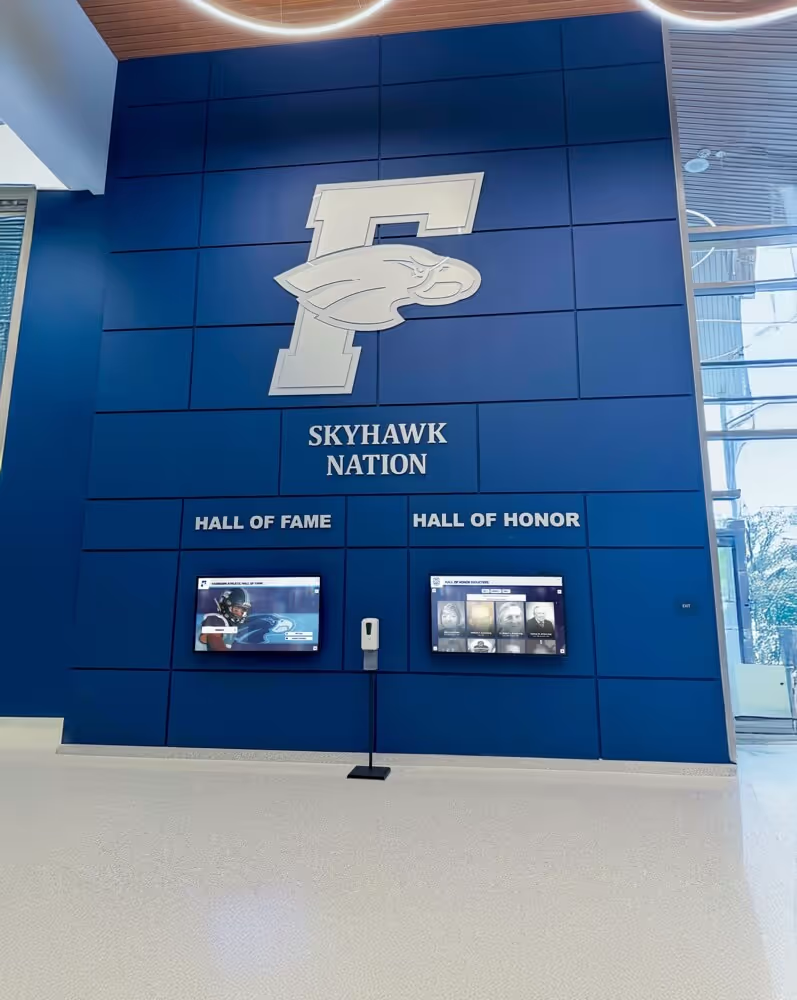
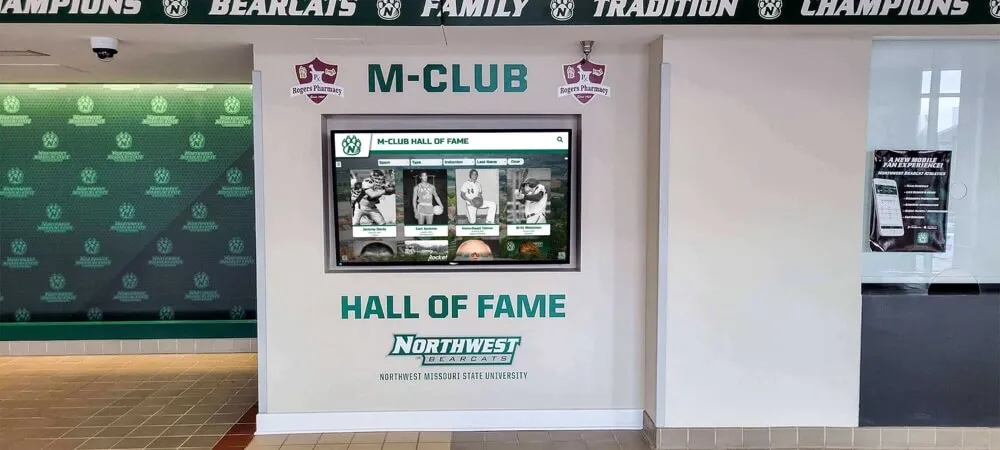
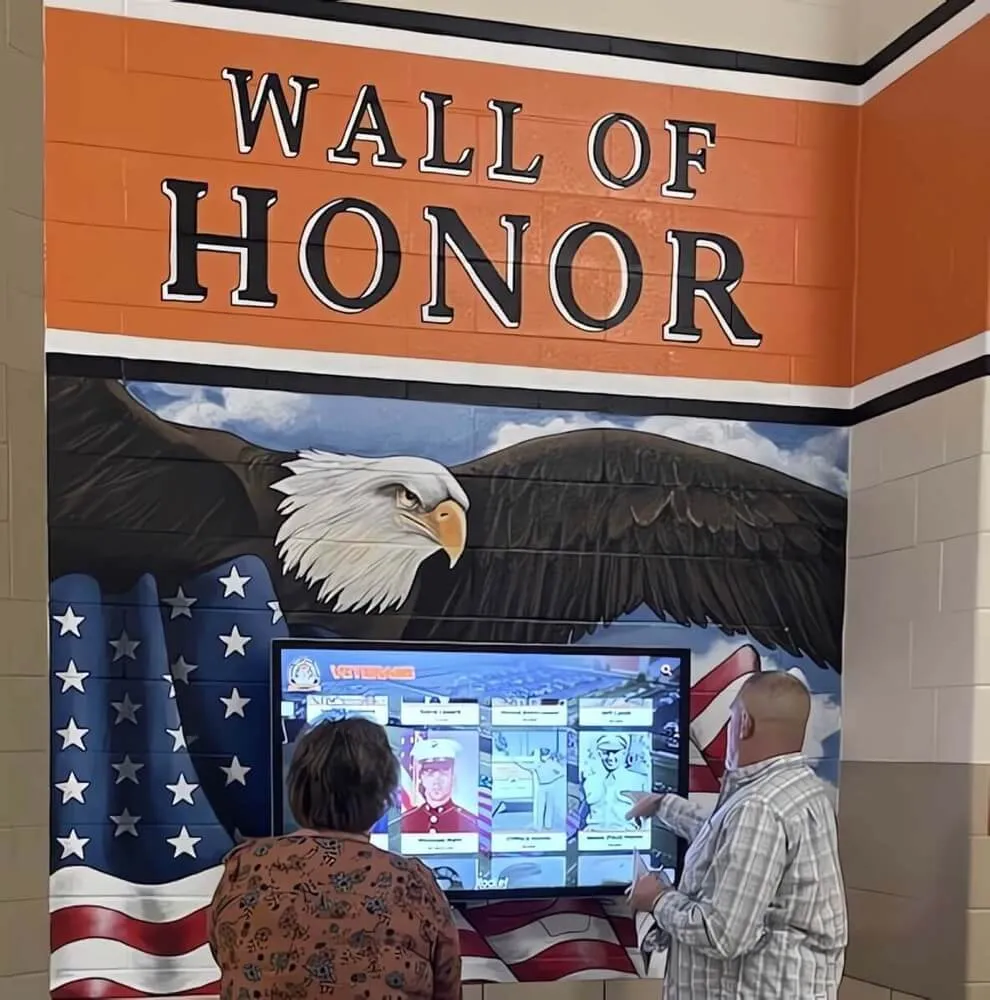
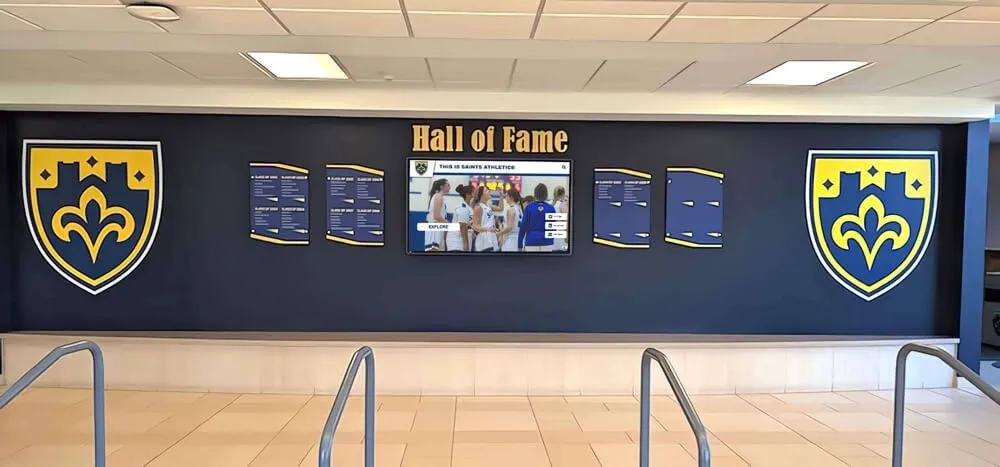
Elementary schools often feature recognition displays in lobbies that inspire yearbook design approaches celebrating school pride and student achievement
Creative Theme Ideas for Elementary School Yearbooks
Thematic frameworks provide creative direction unifying yearbook aesthetics, content, and storytelling while making design decisions easier for volunteer committees.
Adventure and Exploration Themes
Young students naturally connect with adventure concepts that frame learning as exciting journeys of discovery.
“Our Learning Adventure” Themes
Position the school year as an adventure students undertook together. Visual elements might include map aesthetics with treasure map styling or geographic exploration imagery, compass and navigation motifs suggesting direction and discovery, backpack and journey symbols representing preparation and travel, and discovery language in headlines like “Exploring Third Grade” or “Adventures in Art Class.”
Adventure themes work beautifully for schools emphasizing inquiry-based learning or experiential education. Section dividers might show students “traveling” to different destinations (subjects or activities) throughout their year-long journey.
“Space Exploration” and Science Themes
Space themes captivate elementary imaginations while celebrating STEM learning. Space-themed approaches include planet and solar system imagery with each grade as different planets, rocket and astronaut graphics suggesting launching into learning, starry backgrounds creating wonder and possibility, and space vocabulary like “blast off,” “explore,” “discover,” and “reach for the stars.”
Space themes suit schools emphasizing science education or celebrating particular space-related events during the year (planetary alignments, space station activities, local astronomy programs). Color palettes of deep blues, purples, and bright accent colors create cosmic atmospheres.
“Diving into Learning” Ocean Themes
Underwater exploration provides rich visual metaphors for discovery and wonder. Ocean concepts include sea creature illustrations creating playful pages, coral reef and underwater scenes suggesting colorful diversity, submarine or diving equipment representing exploration tools, and water-related language like “making waves,” “diving deep,” or “ocean of possibilities.”
Ocean themes work particularly well for coastal schools or those emphasizing environmental education. Different grade levels might represent different ocean zones (surface, reef, deep sea) creating organizational metaphors.
Growth and Nature Themes
Nature-based themes resonate with elementary developmental focus on growth, seasons, and natural wonder.
“Watch Us Grow” Garden Themes
Garden metaphors beautifully symbolize student development and nurturing education. Garden elements include flower and plant illustrations showing growth stages, seed-to-bloom imagery representing learning progression, garden tool graphics suggesting cultivation and care, and growth language like “planting seeds of knowledge” or “blooming learners.”
Garden themes suit schools with actual garden programs or emphasizing nurturing, individualized education. Photo layouts might show students “planted” in garden beds or “growing” across the year through sequential photos.
“Four Seasons of Learning” Themes
Organizing content by seasons provides natural chronological structure while celebrating yearly cycles. Seasonal approaches include autumn leaves and back-to-school excitement, winter snowflakes and holiday celebrations, spring flowers and renewal energy, summer sun and end-of-year farewells, and color palettes shifting across sections matching seasonal progressions.
Seasonal themes work universally since all schools experience yearly cycles. This approach naturally organizes content chronologically while providing distinct visual identities for different yearbook sections.
“Growing Together” Tree Themes
Tree imagery symbolizes both individual growth and community connections through shared roots. Tree concepts include individual students as leaves or branches on class/school trees, root systems representing foundational learning and connections, growth ring imagery showing yearly progression, and tree-related language emphasizing strength, growth, and interconnection.
Tree themes particularly suit schools emphasizing character education, community values, or environmental awareness. Cover designs might feature school as tree with students forming leaves or fruits.
Story and Literacy Themes
Book-based themes celebrate reading while acknowledging yearbooks as stories documenting school year narratives.
“Our Story” Book Themes
Since yearbooks are literally books, meta-references to stories and chapters create clever coherent themes. Story elements include book and reading imagery with open pages or stacked books, chapter organization with sections as different story chapters, bookmark graphics suggesting places worth remembering, and narrative language treating the year as unfolding story.
Story themes suit literacy-focused schools or those celebrating particular reading initiatives. Different grades might represent different “chapters” or “volumes” in the larger school story.
“Once Upon a Time” Fairy Tale Themes
Classic fairy tale aesthetics enchant young students while providing recognizable frameworks. Fairy tale approaches include castle and kingdom imagery creating magical settings, character archetypes (students as heroes of their learning quests), magical elements like wands, crowns, or enchanted forests, and storytelling language using “once upon a time” framing.
Fairy tale themes work beautifully for younger elementary grades (K-2) particularly drawn to magical thinking. Avoid gender stereotypes by featuring diverse hero characters and modern fairy tale interpretations.
“Chapter by Chapter” Literary Themes
More sophisticated literary themes suit upper elementary grades developing reading identities. Literary concepts include favorite book character references representing different subjects or activities, library and reading imagery celebrating literacy, author and illustrator recognition highlighting student creators, and genre diversity showing various “types” of school experiences (mystery field trips, adventure recess, friendship stories).
Literary themes benefit schools with strong library programs or participating in state reading awards. Consider student surveys identifying favorite books informing specific literary references throughout yearbooks.
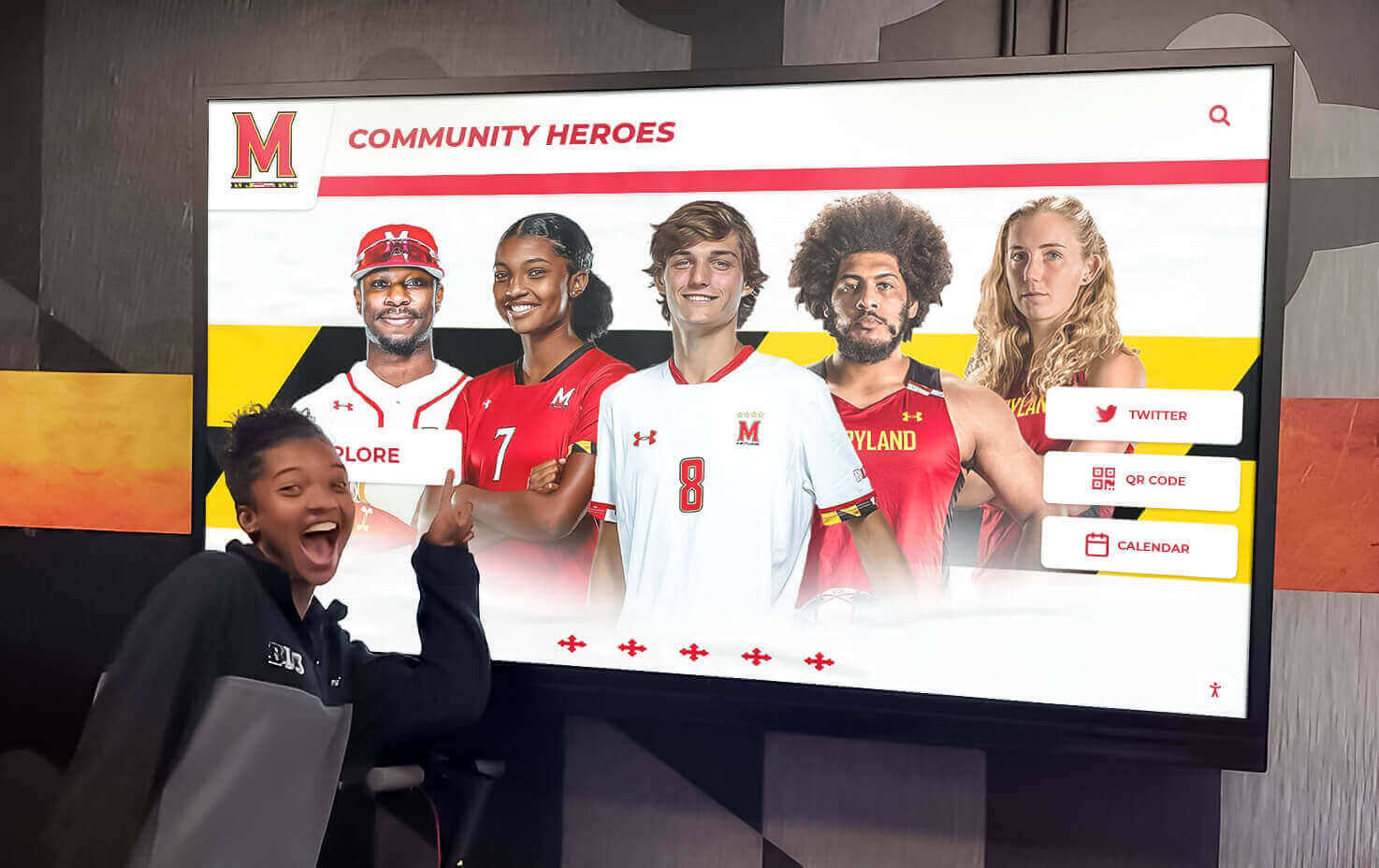
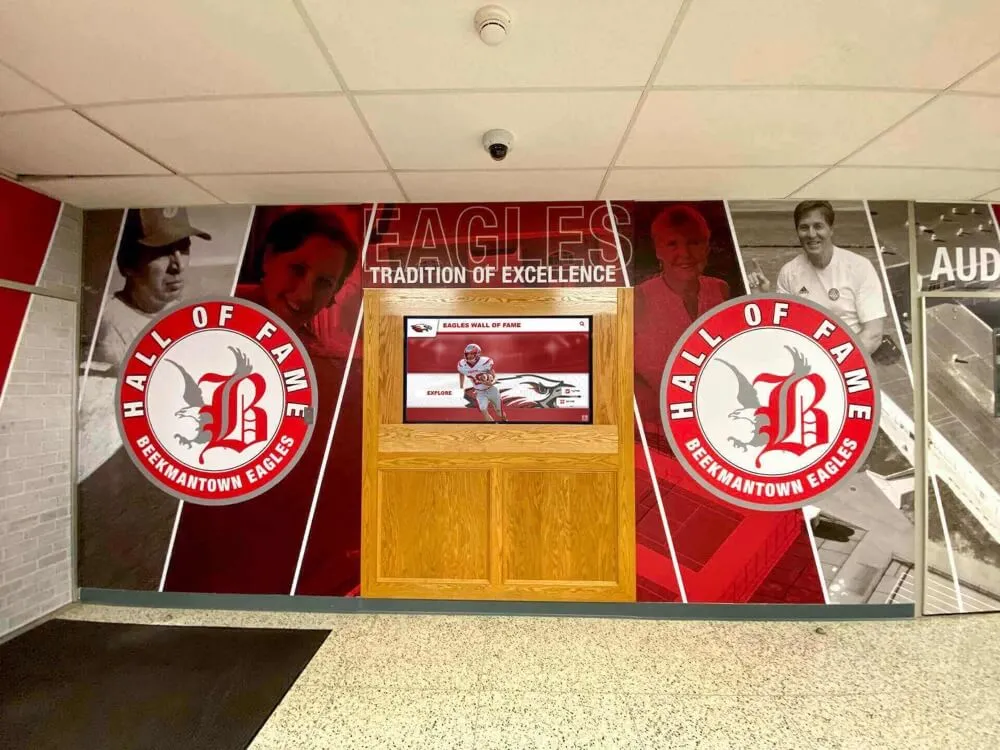
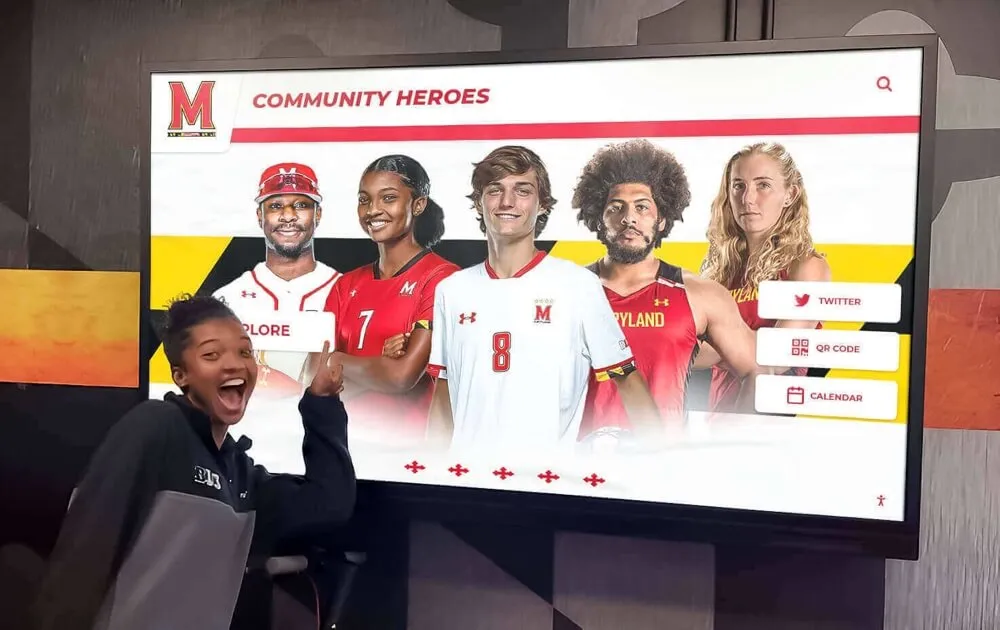
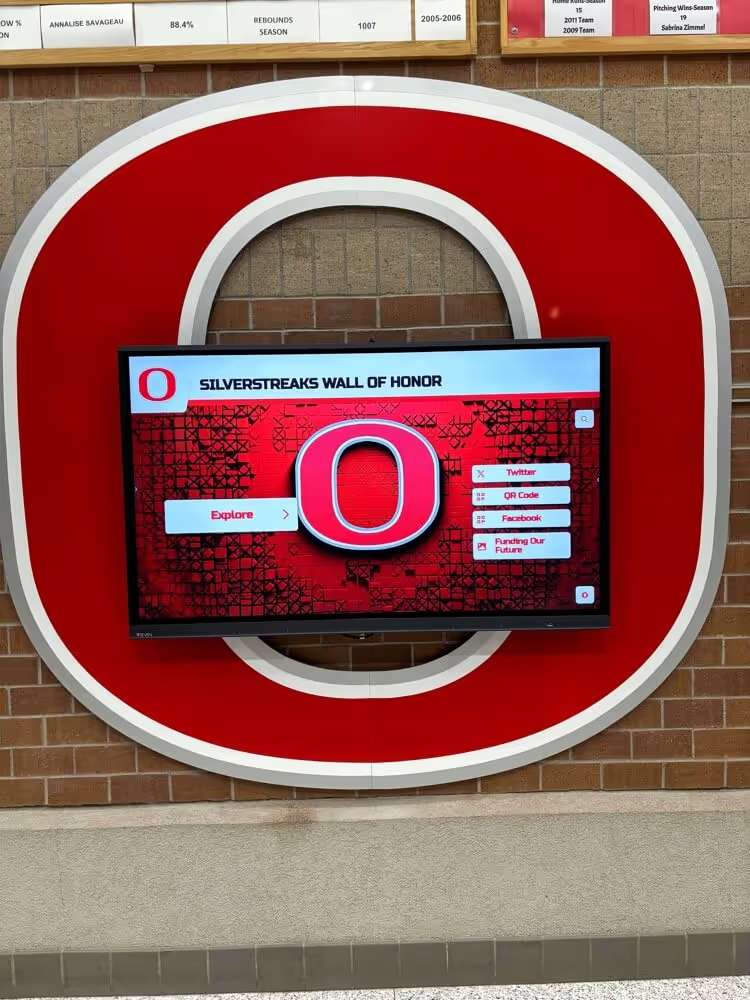
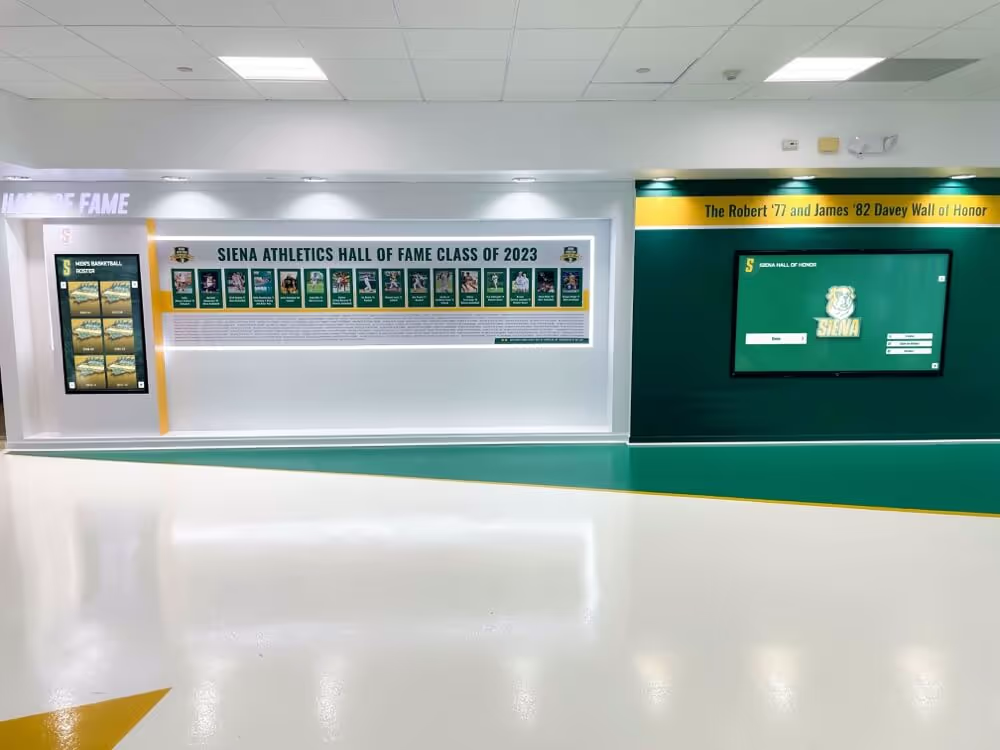
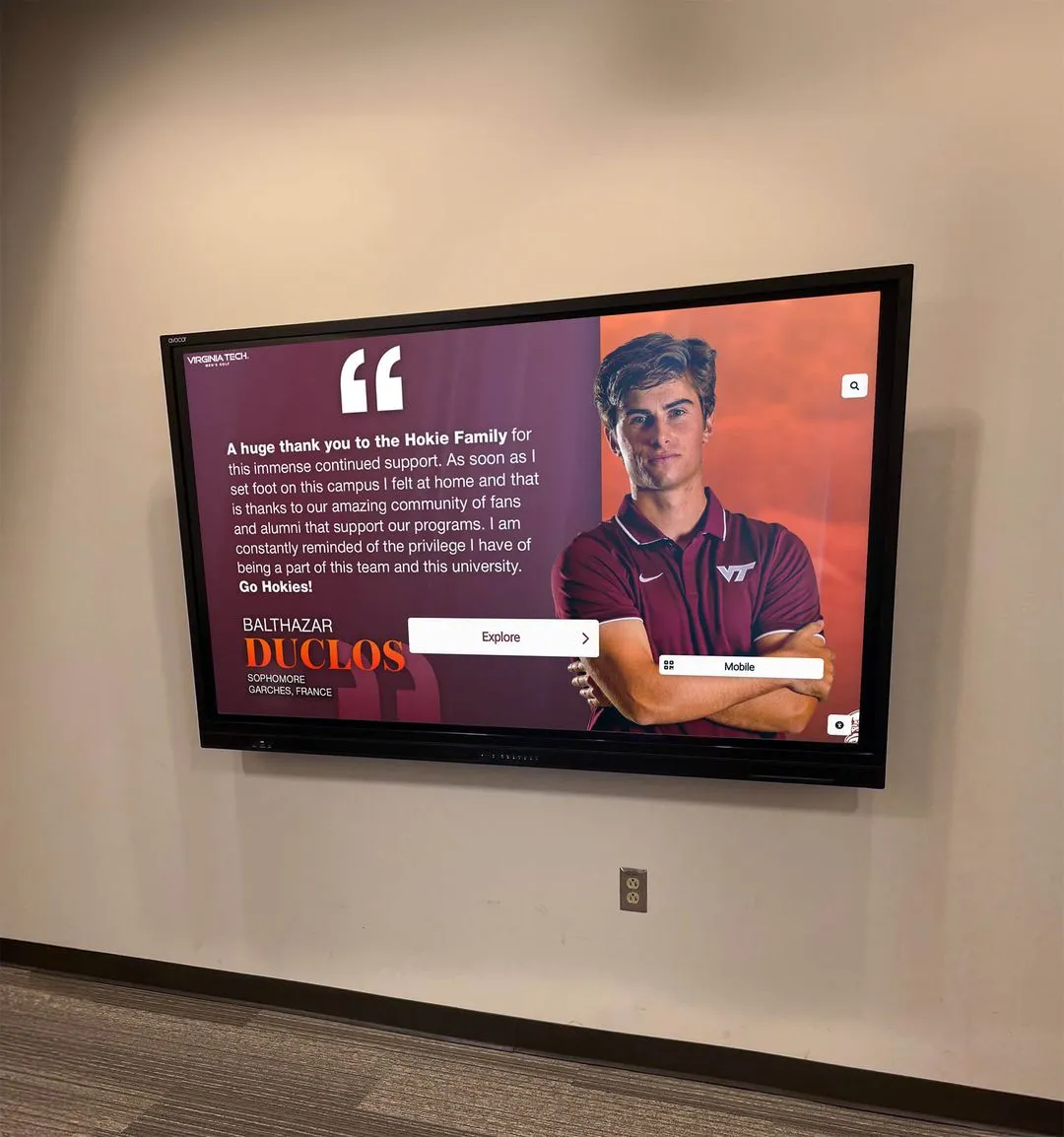
Interactive displays engage elementary students similarly to yearbooks—both create opportunities for students to see themselves celebrated and discover peers' achievements
Essential Pages and Sections for Elementary Yearbooks
Beyond thematic frameworks, certain page types and sections create comprehensive coverage ensuring yearbooks genuinely document complete school years.
Opening Pages That Welcome Readers
Strong opening sections set tones and orient readers to yearbook content and organization.
Title and Table of Contents Pages
Opening pages should immediately communicate yearbook identity. Essential opening elements include school name, location, and year prominently featured, table of contents listing major sections with page numbers, principal welcome message (brief, student-focused), yearbook staff or committee recognition crediting volunteers, and theme introduction explaining any unifying concepts.
Even young elementary students appreciate understanding book organization. Clear contents pages help families navigate to specific sections efficiently while establishing professional publishing standards.
School Overview and “About Our School” Sections
Contextualizing the school helps future readers (including students themselves years later) understand institutional identity. Overview sections might include school history highlights noting founding and significant milestones, enrollment statistics and grade configuration, mission statement or core values (simplified for elementary audiences), facility overview with campus map or building photo, and distinctive program highlights (language immersion, STEM focus, arts integration, etc.).
These contextual sections prove particularly valuable as students move to different schools and later revisit yearbooks needing reminders about elementary school details.
School Year Timeline or Calendar
Visual timelines documenting major events create accessible overviews of complete years. Timeline elements include month-by-month progression showing key events, photos representing different seasons and occasions, holidays and celebrations marked chronologically, and special events highlighted (field trips, performances, visiting programs).
Timelines work beautifully as visual storytelling for emerging readers who grasp chronological progressions through images even before reading detailed captions.
Grade-by-Grade Class Sections
Individual grade sections form yearbook cores, providing space where every student appears and classroom communities receive recognition.
Individual Student Portraits
Portrait pages ensure every student receives individual recognition. Effective portrait approaches include consistent photo backgrounds and styling across all students, alphabetical organization within grade levels, name captions clearly identifying each student, and consideration for students joining or leaving mid-year.
Work with professional photographers or establish clear amateur photography guidelines ensuring consistent quality and composition across all portraits. Consider accessibility for families ordering photo packages by clearly communicating whether yearbook portraits match package photos or represent separate sessions.
Class Group Photos with Teachers
Group photos capture classroom communities and teacher-student relationships. Group photo considerations include all students present on photo day appearing together, teachers prominently included with their classes, consistent indoor or outdoor settings across classes, and grade-level coordination allowing back-to-back page layouts showing all classes at particular levels.
Schedule class photos strategically—early fall captures rosters but students look new, while spring shows growth but some families may have relocated. Mid-year timing often balances these considerations well.
“Our Class in Action” Candid Photo Sections
Beyond formal portraits, candid photos show authentic learning and play. Action sections might include photos from various subjects showing learning engagement, recess and lunchtime social moments, special classroom celebrations or projects, seasonal activities specific to grade levels, and field trips or guest speaker visits.
Distribute candid photography opportunities across the year rather than concentrating all photography during single weeks. Ongoing photo collection ensures diverse representation of year-long experiences rather than snapshot moments.
Student and Teacher Quotes or Favorites
Brief quotes or favorite lists add personality beyond photos. Quote options include “favorite memory from this year,” “what I learned this year,” “funniest moment,” favorite books, subjects, or activities, and teacher reflections on class personalities or growth.
Keep quote collection simple with structured prompts rather than open-ended questions that overwhelm young students. Consider grade-appropriate complexity—simple “my favorite” for younger grades, more developed reflections for upper elementary.
Special Subject and Enrichment Sections
Recognizing learning beyond classroom teachers celebrates comprehensive educational experiences.
Art and Creative Expression Showcases
Art programs deserve dedicated recognition highlighting student creativity. Art section elements include diverse student artwork across grade levels, photos showing artistic processes (painting, sculpting, creating), special art events (exhibitions, murals, community projects), and art teacher recognition celebrating program leadership.
Art sections add vibrant visual interest to yearbooks while demonstrating program quality. Rotate which students’ specific works appear prominently while showing multiple examples representing all grade levels.
Music and Performing Arts Highlights
Music education significantly shapes elementary experiences. Music coverage includes concert and performance photos capturing students in action, different musical learning areas (instruments, singing, movement), special performances or assemblies, and music teacher recognition.
Capture both formal performances and regular classroom music instruction showing breadth of program. Include diverse music learning (not only advanced performers) demonstrating inclusive participation.
Physical Education and Recess
Movement, play, and physical development prove central to elementary life. PE and recess coverage includes sports and games students play, field day or special athletic events, playground favorites and social interactions, and PE teacher recognition.
Balance competitive athletics (if present at elementary level) with general participation and play. Elementary PE emphasis typically focuses on skill development, enjoyment, and inclusion rather than competition—ensure yearbook coverage reflects these values.
Library and Media Literacy
Libraries serve as learning hubs deserving recognition. Library section elements include students reading or selecting books, special library events (author visits, book fairs, reading challenges), technology and media literacy activities, and librarian recognition.
Library sections might highlight popular books, student reading achievements, or literacy initiatives connecting to school reading culture. Consider including student book recommendations or “what we’re reading” features.
STEM and Special Programs
Schools with distinctive programs should highlight these differentiators. Special program coverage includes science labs and STEM investigations, technology integration and coding activities, special academic programs (gifted, language immersion, etc.), and program coordinator recognition.
Featuring special programs documents unique school characteristics while demonstrating educational approaches to prospective families reviewing yearbooks during enrollment consideration.
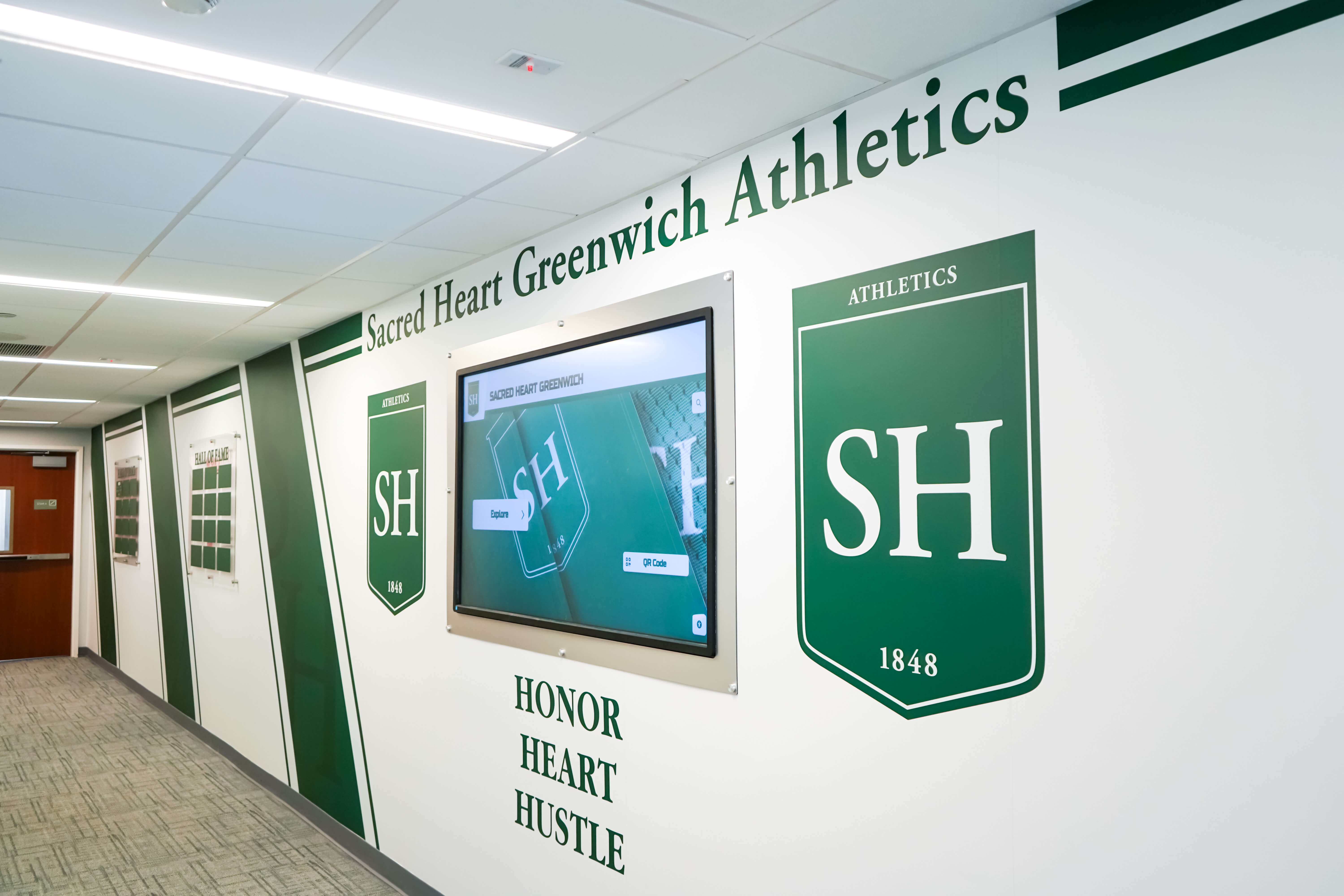
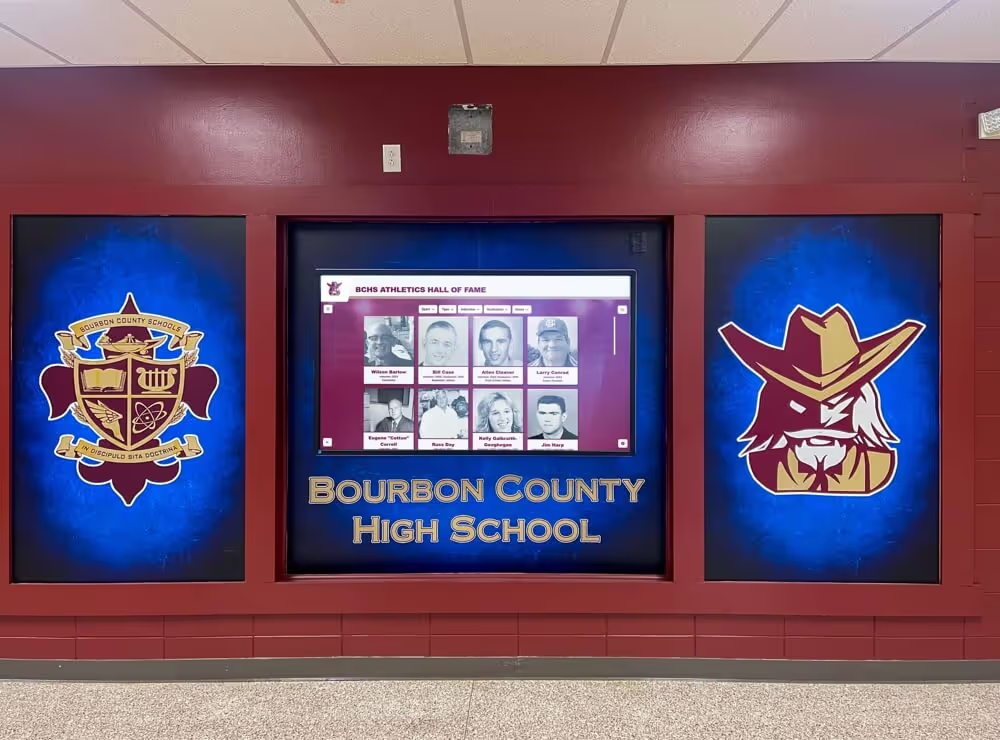
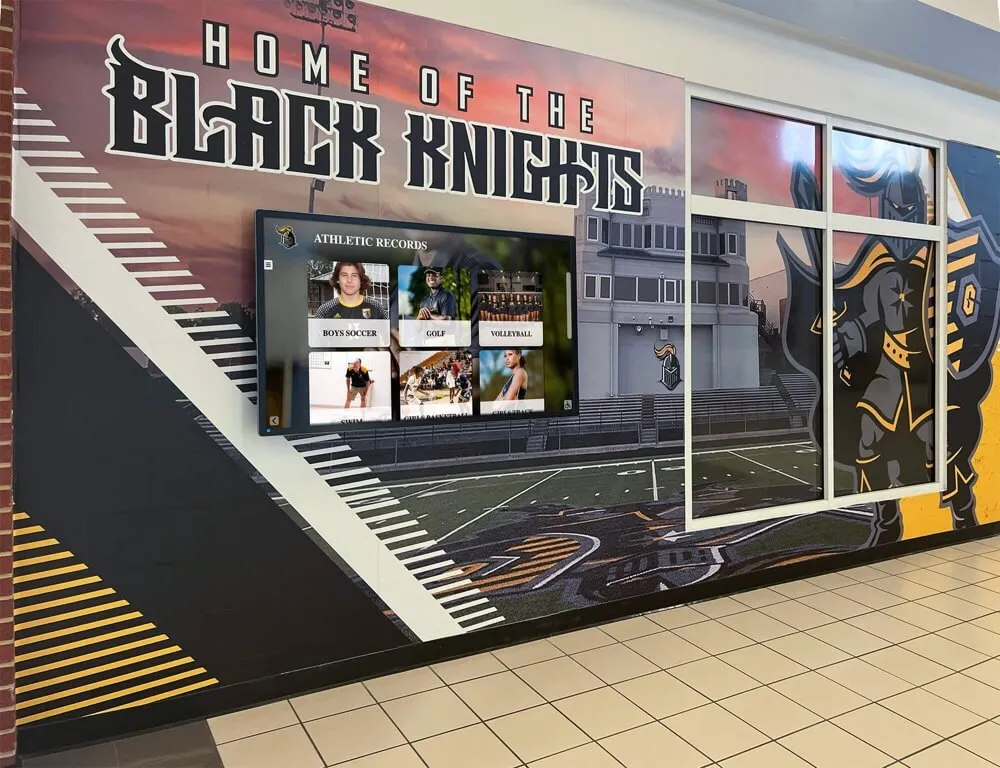
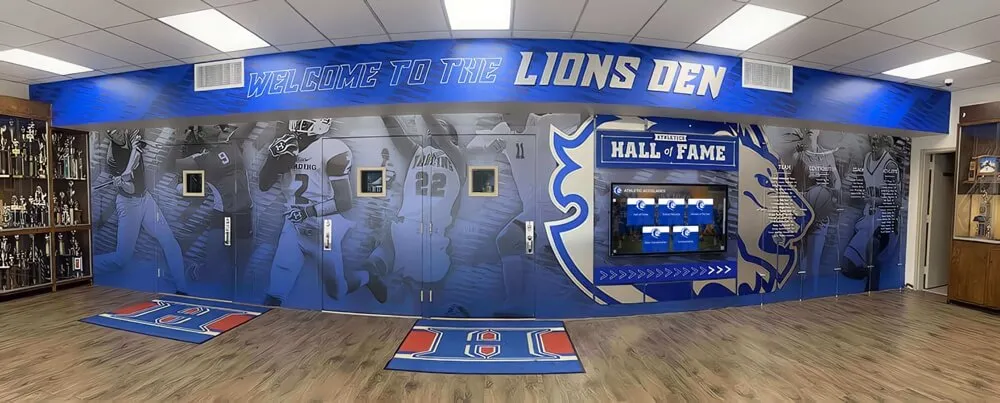
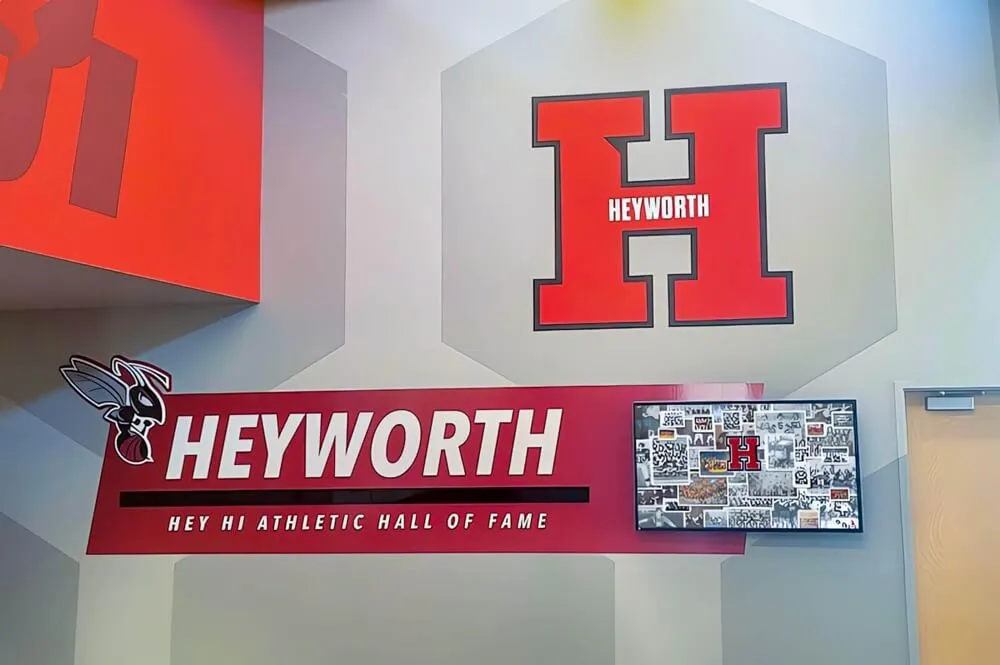
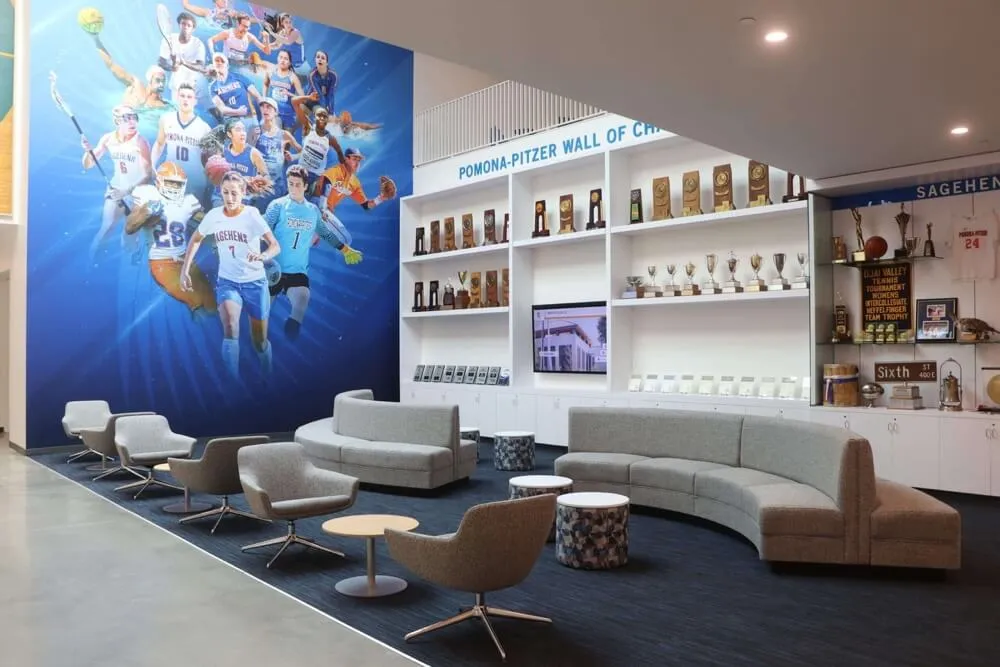
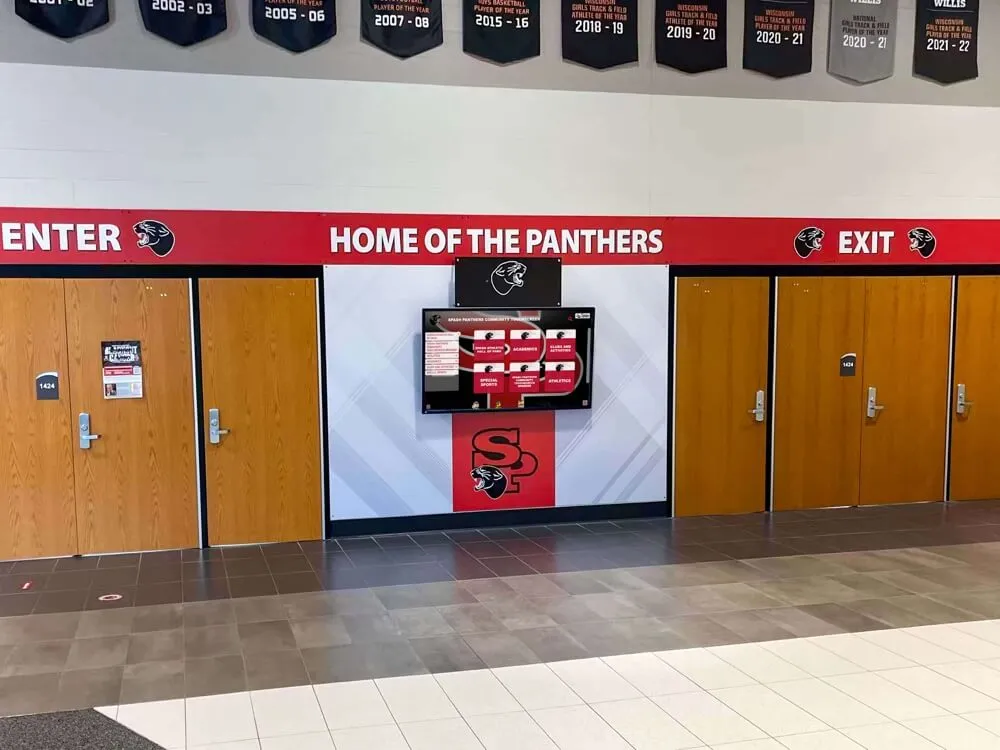
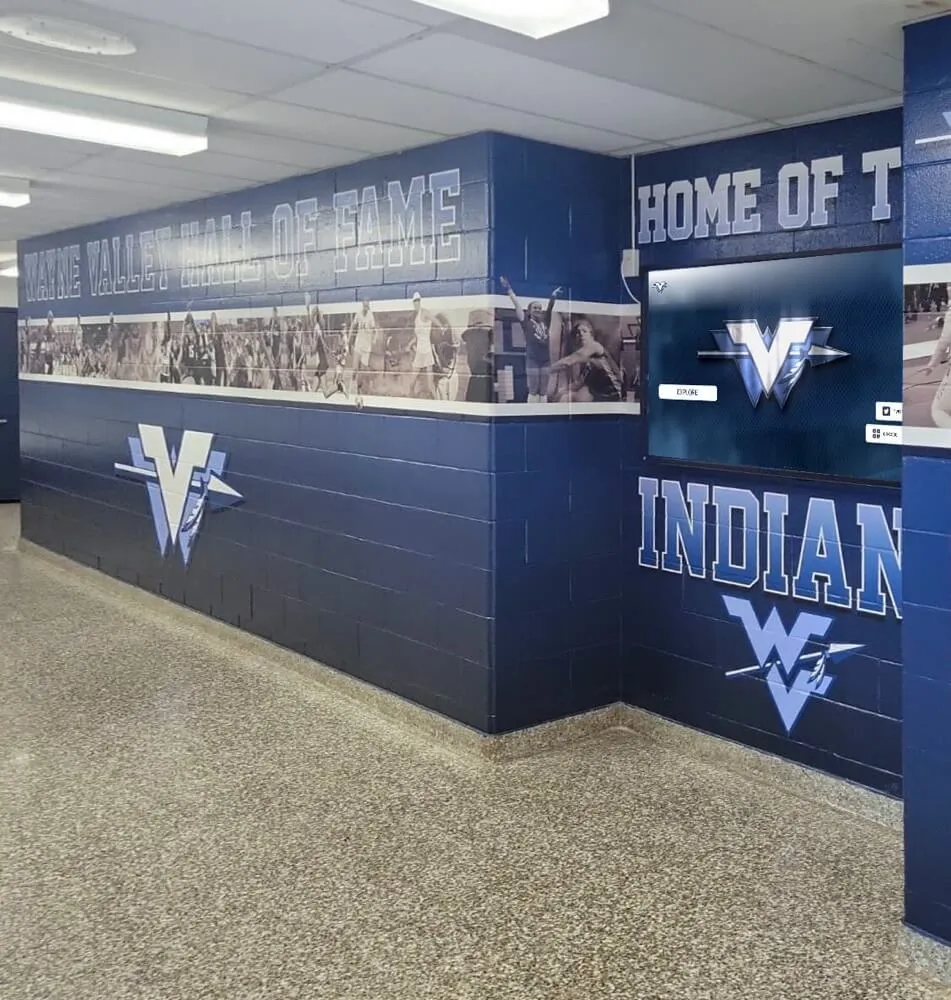
School hallway displays provide environmental inspiration for yearbook design, showing how institutional identity and student recognition integrate throughout facilities
School-Wide Events and Activities Sections
Beyond grade-specific content, school-wide event coverage creates shared experience documentation representing entire community participation.
Back-to-School and Opening Year Events
Beginning-of-year events capture excitement, nervousness, and fresh-start energy defining fall opening.
First Day of School Traditions
First day photos document growth across years when families compare annual back-to-school images. First day coverage includes kindergarten arrivals capturing new student excitement, first day across all grade levels showing various ages, special traditions (first day signs, bus rides, door decorations), and parent perspectives on milestone moments.
First day photos often appear in opening sections establishing yearly narratives. Encourage photographers to capture diverse emotions—excitement, nervousness, tears, joy—representing authentic first day experiences.
Welcome Back Assemblies and Orientations
Opening assemblies set tones for coming years. Assembly coverage includes principal welcome and goal-setting, student performances or presentations, new student introductions, and staff introductions showcasing complete teams.
Opening event documentation establishes institutional traditions while capturing community gathered together—powerful images representing collective identity.
Seasonal Celebrations and Holiday Events
Cultural and seasonal celebrations create joyful shared memories throughout school years.
Fall Festivals and Halloween Celebrations
Autumn events often include Halloween celebrations, harvest festivals, or fall parties. Fall event coverage includes costume parades and contests, classroom parties and activities, pumpkin patches or farm visits, and fall-themed learning activities.
Navigate diverse family perspectives on Halloween appropriately—some schools celebrate broadly while others focus on harvest or fall themes without specific Halloween references. Match yearbook coverage to actual school approaches.
Winter Programs and Seasonal Concerts
December typically brings performances and celebrations. Winter coverage includes concerts and musical performances, classroom celebrations, seasonal service projects, and winter-themed learning activities.
Acknowledge family diversity respectfully—if schools celebrate multiple winter holidays or maintain secular seasonal approaches, yearbook coverage should reflect this inclusivity rather than assuming single cultural perspective.
Spring Celebrations and End-of-Year Events
Spring brings renewed energy and end-of-year traditions. Spring event coverage includes spring concerts or performances, outdoor learning as weather improves, field day or spring athletic events, and moving-up ceremonies or culminating celebrations.
Spring events often carry extra significance for students transitioning to new grades or leaving elementary school entirely—capture emotional weight alongside celebratory joy.
Field Trips and Experiential Learning
Off-campus experiences create particularly memorable moments deserving yearbook documentation.
Grade-Level Field Trips
Many schools organize grade-specific trips supporting curriculum. Field trip coverage includes destination photos showing where students went, students engaged in trip activities, educational moments and learning highlights, and transportation adventures (buses, walking trips, parent drivers).
Field trips present photo challenges since not all students attend due to cost, permission, or timing. Ensure yearbook coverage celebrates experiences while remaining sensitive to students who couldn’t participate. Balance field trip coverage with equivalent in-school experiences accessible to all students.
Special Visitors and Assembly Programs
Visiting presenters bring outside expertise into schools. Visitor coverage includes author visits and literacy events, science presenters and demonstrations, cultural performers and artists, and community helper visits (firefighters, police, medical professionals).
Visiting program documentation demonstrates schools’ commitment to enriched learning beyond standard curriculum while celebrating community partnerships supporting education.
Service Learning and Community Connections
Elementary community service builds citizenship and connection. Service learning coverage includes charity drives and donation collections, environmental service (beach cleanups, recycling programs), community partnerships and relationships, and student leadership in service initiatives.
Service coverage demonstrates character education and civic engagement—important elements of comprehensive elementary education extending beyond academics.
School Spirit and Community Building Events
Spirit events strengthen community bonds and create joyful shared experiences.
Spirit Weeks and Themed Days
Many elementary schools organize spirit weeks with daily themes. Spirit coverage includes crazy hair day, pajama day, school colors day, career day or dress-up themes, and twin day or character day.
Spirit day photos capture joy and participation while showcasing school culture emphasizing fun and community. These images often become family favorites showing personality and creativity.
Pep Rallies and Recognition Assemblies
Community gatherings celebrating achievements build school pride. Assembly coverage includes achievement recognition ceremonies, performances by student groups, guest speakers or presentations, and whole-school traditions or chants.
Recognition programs featured in assemblies demonstrate school values while celebrating student success—important messages reinforced through yearbook documentation.
Family Events and School-Wide Socials
Events inviting families into school strengthen home-school partnerships. Family event coverage includes open houses and curriculum nights, family fun nights or carnivals, parent volunteer recognition, and grandparents’ or special visitors’ days.
Family event documentation acknowledges essential parent and community support enabling schools to thrive—important recognition beyond student-focused content.
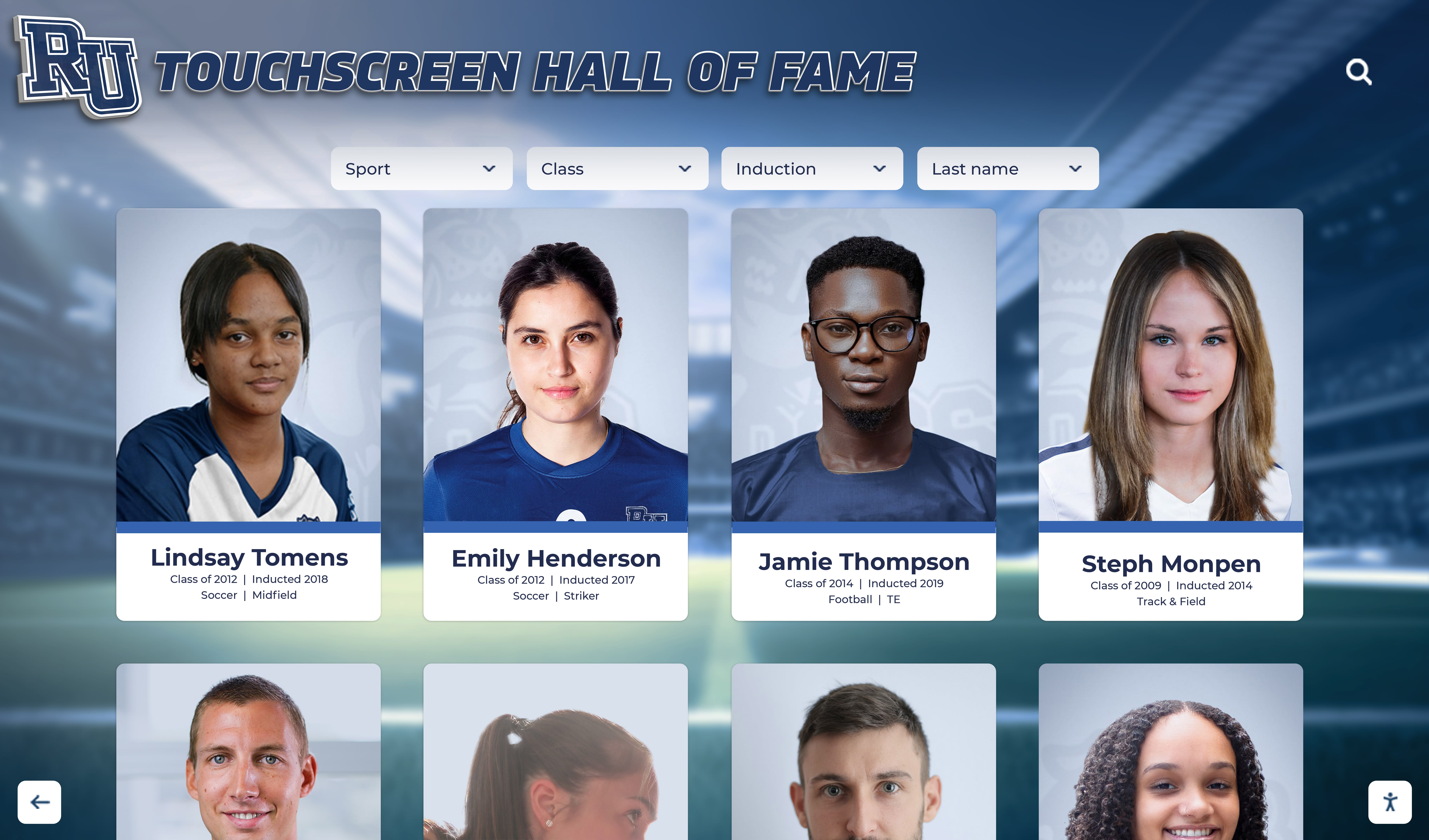
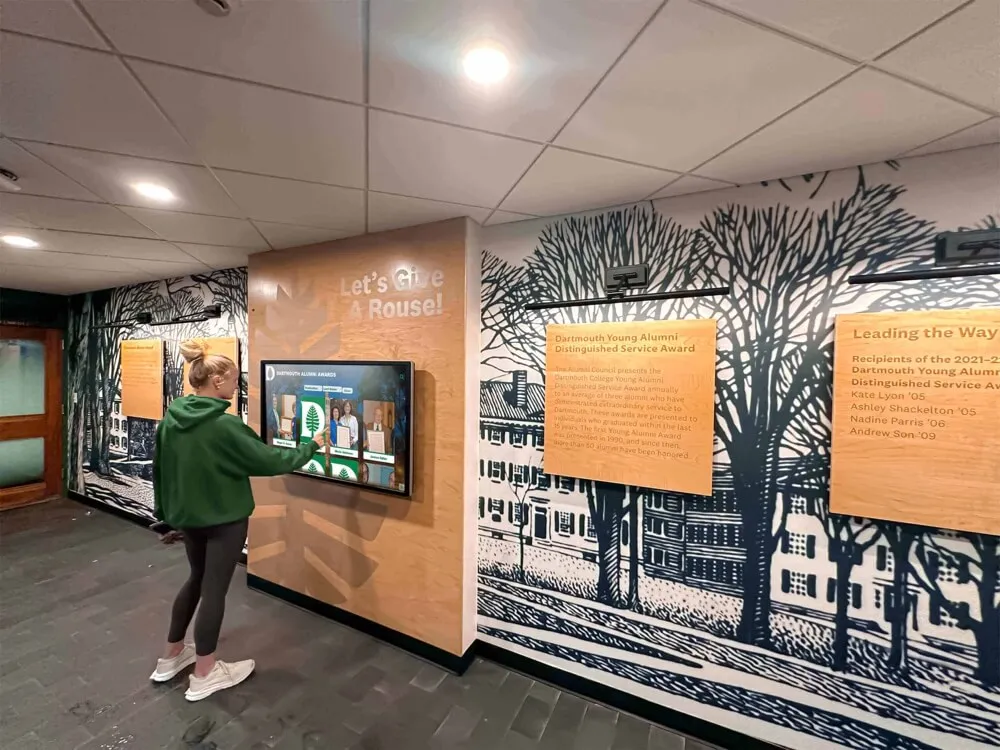
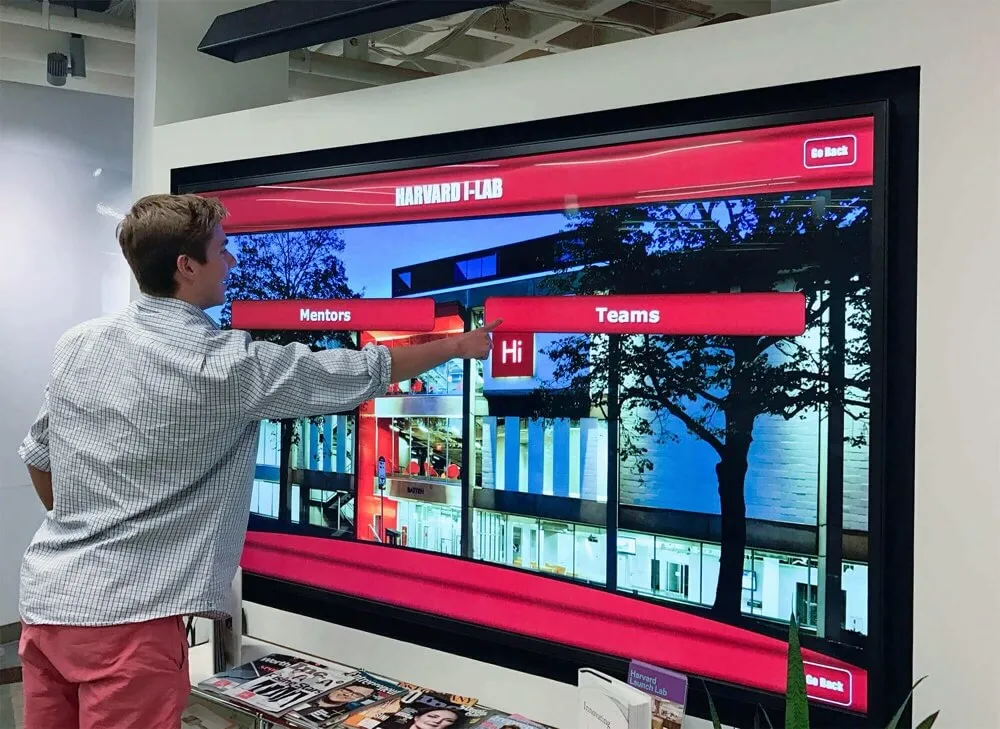
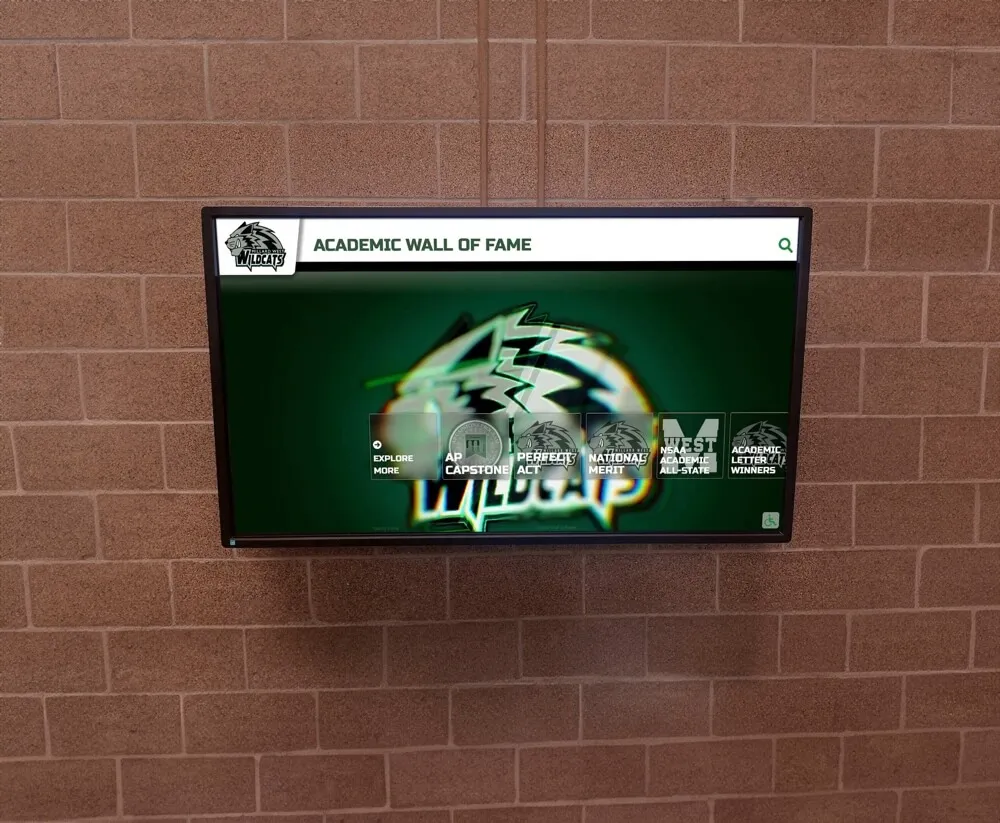
Digital recognition systems demonstrate how traditional yearbook concepts extend into interactive formats, creating year-round opportunities to celebrate student achievement beyond printed pages
Creative Page Layout and Design Ideas
Beyond content selection, how material presents visually dramatically impacts yearbook appeal and usability for elementary audiences.
Layout Principles for Young Readers
Elementary yearbooks require design approaches accommodating developmental stages and attention spans.
Generous White Space and Visual Breathing Room
Avoid dense, cluttered layouts overwhelming young readers. Elementary-friendly layout principles include limiting elements per page to essential content, surrounding photos and text with adequate white space, using clear visual hierarchies guiding eye movement, and avoiding complex multi-column grids requiring sophisticated reading patterns.
Simple, clean layouts feel less overwhelming while directing attention effectively. White space isn’t wasted space—it’s strategic design creating focus and readability.
Large, Readable Fonts
Text should accommodate developing readers and varied reading abilities. Typography guidelines include minimum 12-14 point body text for readability, clear sans-serif fonts for younger grades (serif acceptable for upper elementary), high contrast between text and backgrounds, and limited font variety preventing visual confusion.
Headlines and labels can use larger, more playful fonts creating visual interest, but body text and captions should prioritize legibility above decorative appeal.
Consistent Templates and Repeating Patterns
Templates help volunteers design pages while creating visual consistency. Template benefits include pre-designed layouts volunteers populate with specific content, consistent photo sizing and placement across similar pages, repeating graphic elements creating visual continuity, and simplified design decisions through established frameworks.
Most yearbook companies provide customizable templates, or committees can create simple templates in design software establishing frameworks for volunteer contributors.
Color Coding for Easy Navigation
Color systems help young readers understand organization and navigate independently. Color coding approaches include different colors for different grade levels, seasonal colors for chronological sections, subject-specific colors (green for nature/science, blue for reading, red for art, etc.), and consistent color elements (borders, headers, graphics) unifying pages within sections.
Clear color systems create intuitive navigation while adding visual appeal through variety and vibrancy.
Photo-Focused Layouts Maximizing Visual Storytelling
Elementary students connect strongly with photographs—maximize photo presence and impact.
Photo Mosaic and Grid Layouts
Multiple small photos create comprehensive visual stories. Mosaic approaches include uniform grid layouts showing many related photos, varied sizing emphasizing particular images while including many others, themed collections (all playground photos, all art class photos), and “year in photos” spreads compiling highlights visually.
Photo-heavy layouts reduce text demands while creating engaging visual experiences accessible even to pre-readers. Ensure photo quality remains clear despite smaller individual sizing.
Large Feature Photos with Captions
Conversely, dominant photos create immediate impact. Feature photo approaches include full-page or spread photos capturing spectacular moments, close-up expressions showing emotion and personality, action shots freezing exciting moments, and environmental photos establishing context and place.
Balance large feature photos with smaller supporting images preventing page monotony. Feature sizing demands excellent photo quality since any flaws magnify at large scale.
Sequential Photo Storytelling
Photo sequences document processes and developments. Sequential approaches include before/during/after progressions showing projects developing, time-lapse style photos showing changes across school year, step-by-step photos documenting processes (art projects, science experiments), and comic-strip style layouts with photos forming visual narratives.
Sequential storytelling works beautifully for elementary audiences familiar with comic and picture book formats using similar visual narrative techniques.
Photo Shapes and Creative Borders
Standard rectangular photos can feel repetitive—creative shapes add visual interest. Shape variations include circular or oval photos creating softer aesthetics, shaped photos following subject contours (cut around student groups), photo clusters arranged in larger shapes (heart, star, school logo), and creative borders or frames adding personality.
Moderate creative shaping carefully—excessive variety creates visual chaos rather than interest. Establish consistent shape vocabulary used throughout yearbooks rather than different treatments on every page.
Adding Personality Through Graphics and Illustrations
Graphic elements enhance themes and add playful personality appropriate for elementary audiences.
Theme-Related Graphics and Icons
Custom graphics reinforce themes while creating visual cohesion. Graphic approaches include icons representing different subjects or activities, decorative elements echoing chosen themes, borders and frames coordinating with overall aesthetics, and illustrated characters serving as guides or mascots throughout books.
Graphics should enhance rather than overwhelm—they support content rather than dominating pages. Maintain consistent illustration styles throughout yearbooks preventing visual inconsistency.
Student Artwork as Design Elements
Incorporating student art personalizes yearbooks while celebrating creativity. Student art integration includes artwork as borders or decorative elements, illustrated headers or section dividers, collaborative art (class murals, group projects) as backgrounds, and individual artwork showcased as featured content.
Using actual student work rather than commercial clip art creates authentic elementary school feeling while demonstrating student talent and school artistic programs.
Speech Bubbles, Thought Clouds, and Interactive Elements
Comic-style elements add whimsy and voice. Interactive elements include speech bubbles adding quotes to photos, thought bubbles showing student reflections, arrows or pointers directing attention, and “Can you find…” search games encouraging close photo examination.
These playful additions transform passive viewing into active engagement—particularly appealing for elementary audiences enjoying interactive experiences.
Decorative Page Borders and Frames
Borders create visual structure while adding thematic personality. Border approaches include seasonal borders reflecting time of year, subject-specific borders (musical notes for music pages, books for library), school colors and mascot elements, and simple geometric borders in theme colors.
Borders provide consistent frameworks containing diverse content while reinforcing visual identity. Vary border complexity—simpler for text-heavy pages, more elaborate for primarily photographic spreads.
Including All Students and Promoting Inclusivity
Equitable representation ensures every student and family feels valued and included in yearbook documentation.
Ensuring Comprehensive Student Coverage
Systematic tracking prevents accidental omissions ensuring all students appear appropriately.
Photo Count Tracking Systems
Monitor each student’s appearances throughout yearbooks. Tracking approaches include spreadsheets logging where each student appears, target minimums (every student in at least X photos beyond portrait), identification of underrepresented students before completion, and assignment of photographers to capture missing students deliberately.
Without tracking systems, naturally outgoing or frequently photographed students dominate while quieter or less visible students get overlooked—creating inequitable representation inconsistent with elementary inclusive values.
Diverse Activity and Context Representation
Show students in varied contexts rather than stereotyped roles. Diversity considerations include rotating which students appear in academics vs. play vs. arts vs. athletics, showing diverse friendship groups and social contexts, representing varied emotional expressions (joy, concentration, contemplation, excitement), and avoiding gender, cultural, or ability stereotypes.
Review photo selections for unconscious bias—do boys dominate athletic photos while girls appear primarily in arts? Do some racial groups appear more in academics while others show primarily in social contexts? Intentional diversity prevents perpetuating stereotypes.
Special Considerations for Students with Disabilities
Students receiving special education services deserve equivalent representation. Inclusion considerations include full integration into class photos and sections, representation in diverse activities matching participation, respect for privacy regarding specific disabilities or services, and celebration of achievements and growth appropriate to individual students.
Consult special education staff regarding sensitive representation honoring students while respecting privacy and dignity. Avoid highlighting disabilities as primary identifying characteristics—students are individuals who happen to receive supports, not defined exclusively by special needs.
Recognizing Diverse Family Structures
Modern families take many forms—yearbooks should reflect this diversity respectfully. Family diversity considerations include varied family structures in photos and content (single parents, grandparents, LGBTQ+ parents, foster families), cultural and linguistic diversity representation, varied economic circumstances shown respectfully, and inclusive language avoiding assumptions about family composition.
Simple language shifts create inclusion—“families” instead of “moms and dads,” “grown-ups” instead of “parents,” “celebrations” instead of assuming specific holidays everyone observes.
Accessibility Considerations
Design choices can create barriers or enhance accessibility for students with varied abilities.
Visual Accessibility and Design Clarity
Support students with visual impairments through thoughtful design. Visual accessibility includes high contrast between text and backgrounds, adequate font sizing throughout, clear photo reproduction and quality, and logical organization supporting navigation.
While yearbooks are inherently visual media, basic accessibility principles ensure maximum usability for students with varied visual capabilities.
Cognitive Accessibility and Simple Language
Support varied reading abilities and cognitive processing. Cognitive accessibility includes clear, simple language in captions and text, logical page organization following predictable patterns, visual supports (photos, graphics) reinforcing text content, and limited text density per page.
Elementary yearbooks should never require sophisticated reading ability to enjoy—visual storytelling should communicate powerfully even for pre-readers or struggling readers.
Celebrating Diverse Abilities and Achievements
Recognize that achievement and growth look different for different students. Achievement diversity includes varied definitions of success (academic, social, creative, behavioral), growth-oriented language emphasizing individual progress, celebration of effort and character alongside outcomes, and recognition that different students shine in different contexts.
Avoid exclusive focus on traditional academic excellence or athletic achievement. Elementary education honors whole child development—yearbooks should reflect comprehensive achievement definitions.
Student and Family Involvement Strategies
Engaging stakeholders throughout yearbook creation builds investment, improves quality, and creates community connections.
Collecting Student Input and Voice
Students should significantly influence yearbooks documenting their experiences.
Student Surveys and Idea Generation
Solicit student perspectives about memorable moments and desired content. Survey approaches include “favorite memory from this year” prompts, “what should we include?” brainstorming, votes on theme options or design choices, and student-identified “superlative” categories (funniest moment, best field trip, favorite lunch, etc.).
Even young students offer valuable perspectives adults might miss. Anonymous surveys sometimes elicit more honest input than verbal discussions where peer influence affects responses.
Student Photography Contributions
Upper elementary students can contribute photography under supervision. Student photographer approaches include designated student photographers with teacher supervision, photo contest invitations where students submit images for consideration, “student perspective” sections featuring photos by students themselves, and partnership between yearbook committees and student council or leadership groups.
Student-captured images offer authentic peer perspectives adults couldn’t achieve—showing recess games, lunchroom social dynamics, or classroom moments from student eye level rather than adult viewpoints.
Student Writing and Caption Contributions
Student voices in text create authenticity and engagement. Student writing includes grade-level reflections on “our year,” individual student quotes and testimonials, creative writing or poetry about school experiences, and student-authored captions describing photos and events.
Scaffold writing support appropriately—simple sentence stems for younger students, more open-ended prompts for older elementary writers. Edit for clarity and appropriateness while preserving authentic student voice.
Yearbook Committee Opportunities for Upper Elementary
Fifth or sixth grade yearbook committees provide leadership opportunities. Committee structures include student designers working with templates under adult supervision, student photographers assigned to capture specific events, student writers interviewing classmates or staff, and student editors reviewing draft pages for accuracy and completeness.
Student committees provide valuable learning while improving yearbook quality through peer perspectives. Clear adult supervision remains essential ensuring appropriate judgment and quality control.
Family Participation and Volunteer Coordination
Parent volunteers typically drive elementary yearbook production—effective coordination proves essential.
Clear Volunteer Role Definitions
Establish specific positions with manageable expectations. Volunteer roles include yearbook coordinator(s) managing overall production and timelines, grade-level representatives collecting photos and content for specific grades, event photographers assigned to capture particular activities, page designers creating layouts from collected content, and proofreaders reviewing draft pages for errors.
Clear role definitions prevent both volunteer overwhelm (unclear expectations creating stress) and gaps (assumed responsibilities nobody actually handles).
Online Collaboration and Photo Collection
Cloud-based tools enable distributed volunteer work. Collaboration tools include shared photo storage (Google Drive, Dropbox) where anyone uploads relevant photos, collaborative design platforms (Canva, yearbook company software), communication platforms (email groups, Slack channels, messaging apps), and project management tools tracking progress and deadlines.
Effective online systems allow volunteers to contribute on flexible schedules from home rather than requiring frequent in-person meetings difficult for working parents.
Setting Realistic Timelines and Deadlines
Volunteer committees require generous timelines accommodating limited availability. Timeline considerations include starting in early fall rather than delaying until spring, establishing interim deadlines for content collection, photo selection, and page design, building buffer time before final submission to publishers, and clear communication about commitment expectations when recruiting volunteers.
Rushed production creates volunteer stress and quality compromises. Sustainable timelines support volunteer wellbeing while ensuring quality outcomes.
Recognition for Yearbook Volunteers
Acknowledge significant volunteer contributions. Recognition approaches include yearbook committee recognition page with photos and thanks, small appreciation gifts or certificates, public acknowledgment at school events or in newsletters, and perpetual plaque in school honoring annual yearbook teams.
Volunteer recognition supports retention and recruitment—families see contributions valued and feel motivated to participate in future years.
Budget-Friendly Elementary Yearbook Ideas
Many elementary schools operate with limited resources—creative approaches maximize impact while managing costs effectively.
Reducing Production Costs
Smart choices reduce expenses without sacrificing quality or comprehensiveness.
Black and White Interior Pages
Full-color printing significantly increases costs. Budget approaches include black and white interior pages with color covers only, strategic spot color on select pages (grade dividers, special sections), duotone or sepia treatments creating visual interest without full color, and excellent black and white photography prioritized over mediocre color images.
Quality black and white photography can look sophisticated and timeless—potentially superior to poorly reproduced color images on budget paper stock.
Simplified Page Counts
Shorter yearbooks cost less to produce. Page count strategies include focusing on essentials (portraits, key events, critical content), eliminating less valuable content (generic stock photos, excessive decorative pages), efficient layouts maximizing content per page without crowding, and digital supplements for additional content beyond printed limits.
Determine optimal page counts balancing comprehensiveness with affordability. Many elementary yearbooks succeed in 40-60 pages rather than exhaustive 100+ page formats.
Softcover Rather than Hardcover Options
Cover construction significantly impacts pricing. Cover options include softcover with quality lamination feeling substantial despite lower cost, hardcover offered as optional upgrade with surcharge, phased approach (softcover early years, working toward hardcover as programs mature), and quality softcover design ensuring appealing aesthetics despite budget construction.
Softcover yearbooks can absolutely feel valuable and attractive—quality design matters more than construction method for elementary audiences.
Print-on-Demand Rather than Minimum Orders
Modern printing technology reduces ordering minimums and upfront costs. Print-on-demand benefits include no minimum order requirements or excess inventory, families order only if desired, reducing financial risk, payment at ordering rather than upfront committee costs, and simplified distribution (direct shipping to families).
Print-on-demand works well for small schools or optional yearbook programs where advance sale projections prove difficult.
Fundraising and Revenue Strategies
Creative funding approaches enable yearbook programs even with limited school budgets.
Pre-Sale Campaigns and Early-Bird Discounts
Advance sales provide working capital and gauge demand. Pre-sale strategies include early-bird pricing encouraging fall orders, multi-year discount packages for families with several students, sibling discounts promoting family purchases, and payment plans spreading costs across school years.
Pre-sales reduce financial risk by establishing demand and collecting revenue before production costs occur.
Optional Upgrade Packages
Tiered offerings serve varied family budgets. Package options include basic yearbook at accessible price point, premium hardcover or personalization upgrades, multi-book packages at discounts (grandparent copies), and digital yearbook additions for families wanting both formats.
Upgrade options increase revenue without creating equity barriers—all students can access basic yearbooks while families with resources can select premium options.
Advertising and Sponsorship Revenue
Local business support can offset costs. Revenue approaches include parent business advertisements in yearbook backs, community sponsor recognition pages, matching corporate giving programs, and local business sponsorship of specific pages or sections.
Balance advertising thoughtfully—elementary yearbooks emphasizing student content should limit commercial presence to tasteful sponsor recognition rather than feeling advertisement-heavy.
School Fundraising Integration
Connect yearbook funding to broader school fundraising. Integration strategies include percentage of annual fundraiser proceeds designated for yearbooks, PTA or parent organization budget allocations, dedicated yearbook fundraisers (fun runs, read-a-thons with sponsor themes), and grant opportunities from education foundations.
Yearbook funding competes with numerous school needs—make compelling cases for yearbooks’ community-building value justifying fundraising investment.
DIY and In-House Production Alternatives
Schools with design capability can reduce costs through internal production.
Desktop Publishing Software Options
Affordable software enables volunteer design. Software options include yearbook company online platforms (often included with purchasing), Canva for simple template-based design, Microsoft Publisher or Apple Pages for basic layouts, and Adobe InDesign for sophisticated design (requires expertise).
Software selection should match volunteer skill levels—powerful professional tools prove frustrating without training while overly simple platforms may limit creative options.
Local Printing Rather than Yearbook Companies
Local printers may offer competitive pricing. Local printing considerations include getting multiple quotes comparing costs, understanding minimum quantities and specifications, managing design files and printing specifications independently, and handling binding and finishing locally.
Local printing requires more coordination than turn-key yearbook company services but potentially saves significant costs for resourceful committees.
Hybrid Approaches Combining DIY and Professional Services
Blend internal work with professional support strategically. Hybrid approaches include designing pages internally while using professional printing, using yearbook company templates while managing content, outsourcing complex elements (covers, color sections) while doing simple pages internally, and professional consultation with DIY execution.
Hybrid approaches balance cost control with quality assurance and volunteer capacity realities.
Digital Extensions and Modern Yearbook Innovations
While printed yearbooks remain valuable keepsakes, digital innovations extend yearbook concepts and address changing family preferences.
Digital Yearbook Supplements
Online components can enhance rather than replace printed books.
Online Photo Galleries
Web galleries share more photos than print constraints allow. Gallery benefits include unlimited capacity beyond page count limits, searchable organization enabling families to find specific students, download or sharing capabilities for personal use, and chronological organization documenting full school years.
Online galleries complement printed yearbooks by providing comprehensive documentation while books feature curated highlights. Consider privacy settings protecting student images appropriately.
Video Yearbooks and Multimedia Content
Moving images capture experiences static photos cannot. Video content includes school event highlights and performances, time-lapse or compilation videos showing year progression, student video messages or reflections, and photo slideshows with music.
Video supplements bring yearbook content alive through movement, sound, and motion—powerful additions for digital-native generations while honoring tradition through printed keepsakes.
Interactive Digital Yearbooks
Fully digital yearbook platforms offer interactive features. Digital capabilities include searchable student and content indexes, clickable navigation and hyperlinking, embedded video and audio content, comment or memory-sharing features (with appropriate moderation), and augmented reality features linking printed books to digital content.
Digital platforms particularly appeal for yearbook archiving and preservation, ensuring accessibility beyond physical book lifespans.
Year-Round Digital Recognition Displays
Beyond annual yearbooks, modern schools implement ongoing recognition through interactive displays.
Interactive Touchscreen Displays in School Lobbies
Digital displays create continuous yearbook-style recognition. Display features include rotating student achievement highlights, interactive exploration of school history and traditions, current event updates and celebrations, and searchable databases allowing visitors to explore content.
Solutions like Rocket Alumni Solutions enable schools to celebrate recognition continuously rather than limiting celebration to annual yearbook distribution, creating engaging school lobby transformations that welcome students and visitors while honoring achievement.
Digital Archives of Historical Yearbooks
Digitizing legacy yearbooks preserves institutional memory while making history accessible. Archive benefits include preserving deteriorating physical yearbooks digitally, making historical yearbooks searchable and accessible, creating connections between current students and school history, and alumni engagement through historical content access.
Professional yearbook scanning and archiving services enable comprehensive digitization projects transforming physical archives into accessible digital collections.
Integrating Yearbook Content with School Websites and Apps
Extend yearbook visibility through existing digital channels. Integration approaches include featured yearbook content on school websites, mobile app integration for parent communication platforms, social media teasers building yearbook excitement, and digital newsletters highlighting yearbook progress and previews.
Multi-channel distribution maximizes yearbook content reach beyond physical book distribution alone.
Balancing Print and Digital Formats
Most successful approaches embrace both formats strategically rather than treating them as competing alternatives.
Complementary Roles for Each Format
Print and digital serve different purposes. Format strengths include printed yearbooks as permanent personal keepsakes, tangible objects families treasure physically, developmentally appropriate for young children, and traditional formats carrying sentimental weight, while digital formats offer unlimited capacity and flexibility, multimedia capabilities print cannot provide, accessibility and searchability advantages, and evolving content updated continuously.
Position formats as complementary—printed yearbooks for personal treasured keepsakes, digital platforms for comprehensive documentation and ongoing engagement.
Family Choice and Preference Options
Offer formats flexibly matching varied family preferences. Choice options include print yearbook as standard with optional digital access, digital-first with print available as premium upgrade, bundled packages including both formats, and different format options at different price points.
Recognize families have varied preferences based on values, technology comfort, budget, and tradition—flexible options serve diverse community needs.
Production Tips and Best Practices
Practical operational approaches ensure yearbook programs run smoothly while managing common challenges.
Photography Best Practices
Quality photography determines yearbook quality—invest in strong photographic processes.
Establishing Photography Teams and Coverage Plans
Systematic photography prevents gaps and ensures comprehensive coverage. Coverage planning includes designated photographers for scheduled events, rotation ensuring diverse student representation, backup photographers for major events, and collection systems organizing photos by event/date/location.
Create annual photography calendars identifying all yearbook-worthy events requiring coverage—then assign photographers ensuring nothing gets missed.
Technical Photography Guidelines
Establish basic quality standards for volunteer photographers. Technical guidelines include minimum resolution requirements (high-quality settings on phones or cameras), horizontal orientation for easier yearbook layout (vertical acceptable selectively), adequate lighting avoiding dark or backlit subjects, and focus on faces showing student expressions clearly.
Simple photography training sessions for volunteers dramatically improve photo quality. Basic guidance prevents common mistakes compromising usability.
Photo Selection and Editing Workflow
Systematic photo management prevents overwhelming volunteers. Workflow processes include regular upload deadlines preventing last-minute photo dumps, initial culling removing duplicates and poor-quality images, tagging/labeling photos by event and identifiable students, and editing for brightness, color, and cropping consistency.
Cloud storage with organizational structure (folders by month, event, or grade level) enables multiple volunteers to access and contribute efficiently.
Obtaining Photo Permission and Managing Privacy
Protect student privacy while enabling yearbook participation. Privacy protocols include annual photo permission forms from all families, identifying opted-out students in databases, avoiding public posting of photos including opted-out students, and special sensitivity for foster students or protective situations.
Work with school administration to understand privacy requirements and establish compliant protocols protecting students while enabling yearbook participation.
Design and Layout Best Practices
Consistent quality standards ensure professional-looking finished products.
Maintaining Visual Consistency
Establish and follow design standards throughout yearbooks. Consistency elements include color palette used throughout, font selections and sizing hierarchies, photo treatment and border styles, graphic elements and decorative features, and spacing and margin standards.
Create simple style guides documenting standards—enabling multiple volunteer designers to create cohesive pages despite working independently.
Proofreading and Accuracy Verification
Errors in permanent keepsakes prove particularly embarrassing—thorough review prevents mistakes.
Multiple Review Rounds
Layer review catching different error types. Review stages include designer self-review before submitting pages, peer review by other yearbook volunteers, student name verification against official rosters, staff review for factual accuracy about events/programs, and final administrative review before publisher submission.
Fresh eyes catch errors original creators miss. Multiple review layers significantly reduce published mistakes.
Common Error Categories to Check
Focus attention on frequent mistake types. Error-prone elements include student name spelling (verify against official records), photo caption accuracy (confirming correct student identification), dates and facts about events, grade level identification, and staff names and titles.
Create checklists of common errors guiding systematic review rather than relying on general “look for mistakes” approaches missing specific issues.
Managing Timelines and Deadlines
Realistic scheduling prevents crises while ensuring on-time delivery.
Working Backward from Distribution Goals
Establish end dates then schedule work accordingly. Timeline considerations include desired distribution date (before school year ends? summer delivery? following fall?), publisher production time requirements, committee final review and approval period, volunteer page design timeframes, and photo/content collection deadlines.
Build generous buffer time—volunteer committees inevitably encounter delays. Padded timelines prevent stress and quality compromises when unexpected challenges arise.
Creating Milestone Checkpoints
Break production into manageable phases with clear deliverables. Milestone examples include photo collection complete by date X, page design drafts complete by date Y, review and revisions complete by date Z, and final files submitted by deadline date.
Checkpoints enable progress monitoring and early intervention when components fall behind rather than discovering problems only at final deadlines.
Communicating Timeline Expectations Clearly
Ensure all contributors understand schedules and commitments. Communication approaches include written timeline documents shared with all volunteers, reminder emails/messages as deadlines approach, recognition when milestones are met, and supportive accountability when deadlines are missed.
Clear communication about expectations prevents volunteer confusion while ensuring collective responsibility for timely completion.
Conclusion: Creating Elementary Yearbooks That Celebrate Every Student
Elementary school yearbooks serve purposes far beyond simple photo compilations—they’re lasting records of formative years, tangible demonstrations that students matter and belong, inspiration showing younger students what they’ll experience in coming years, and treasured keepsakes families genuinely value for decades.
Creating truly excellent elementary yearbooks requires understanding unique developmental considerations of young audiences, establishing comprehensive coverage ensuring every student appears and feels included, engaging students and families throughout processes building investment and authenticity, balancing creative ambition with realistic budget and volunteer capacity, and extending recognition beyond annual books through modern digital innovations complementing traditional print formats.
Whether organizing compact budget-conscious yearbooks or comprehensive full-color productions, the most important measure of success remains simple: do students see themselves reflected? Do families treasure these books? Does yearbook creation strengthen school community bonds and celebrate shared experiences?
By applying the theme ideas, section strategies, design principles, inclusivity commitments, and practical production tips throughout this guide, your elementary school can create yearbooks genuinely worth the considerable effort required—books students will pull from shelves years later, sharing with friends, families, and eventually their own children, saying “this was my elementary school, these were my friends, this is who I was.”
Ready to extend student recognition beyond yearbook pages? Explore Rocket Alumni Solutions’ interactive touchscreen displays that bring yearbook-style celebration into year-round visibility, creating engaging recognition experiences in school lobbies and hallways that honor student achievement continuously while complementing treasured printed yearbooks with dynamic digital storytelling.